Mali’s Critical Crossroads: Navigating Peace, Partnerships, and Economic Recovery Amidst Sahelian Turmoil
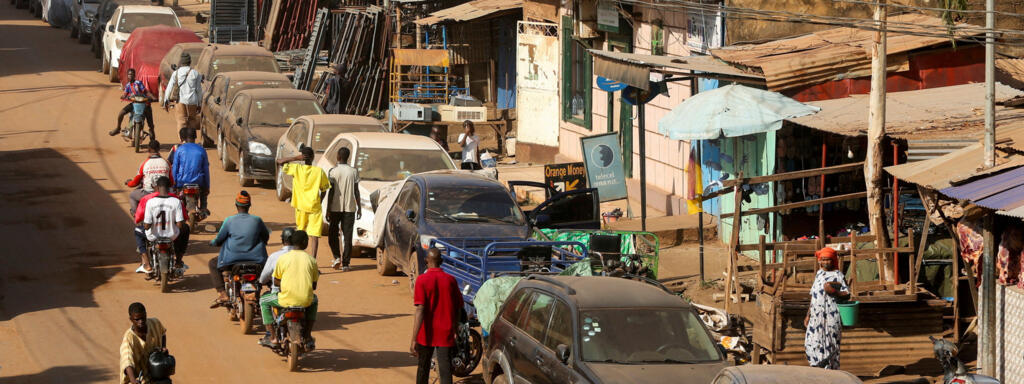
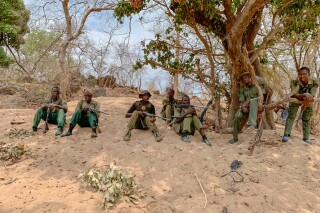
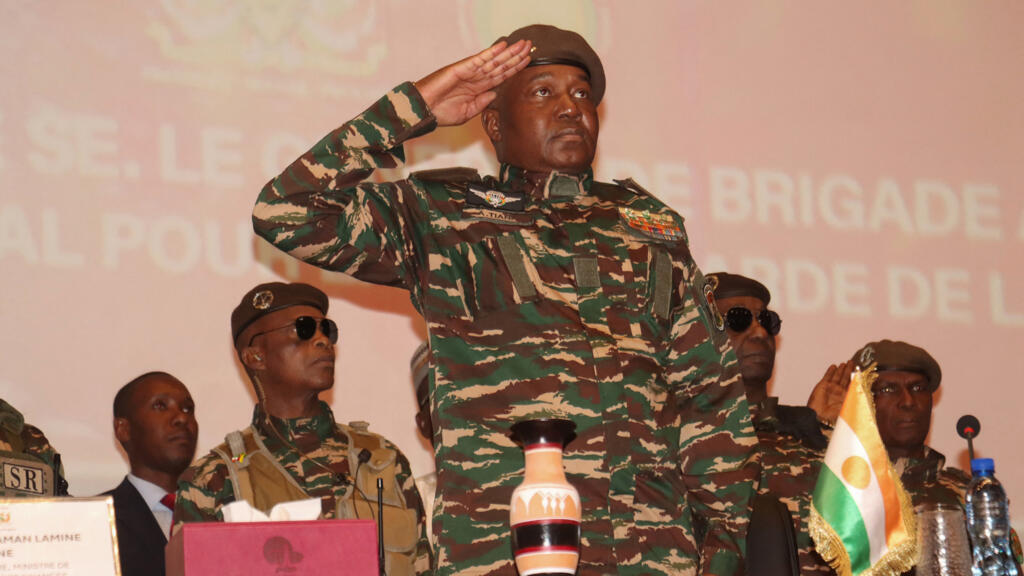
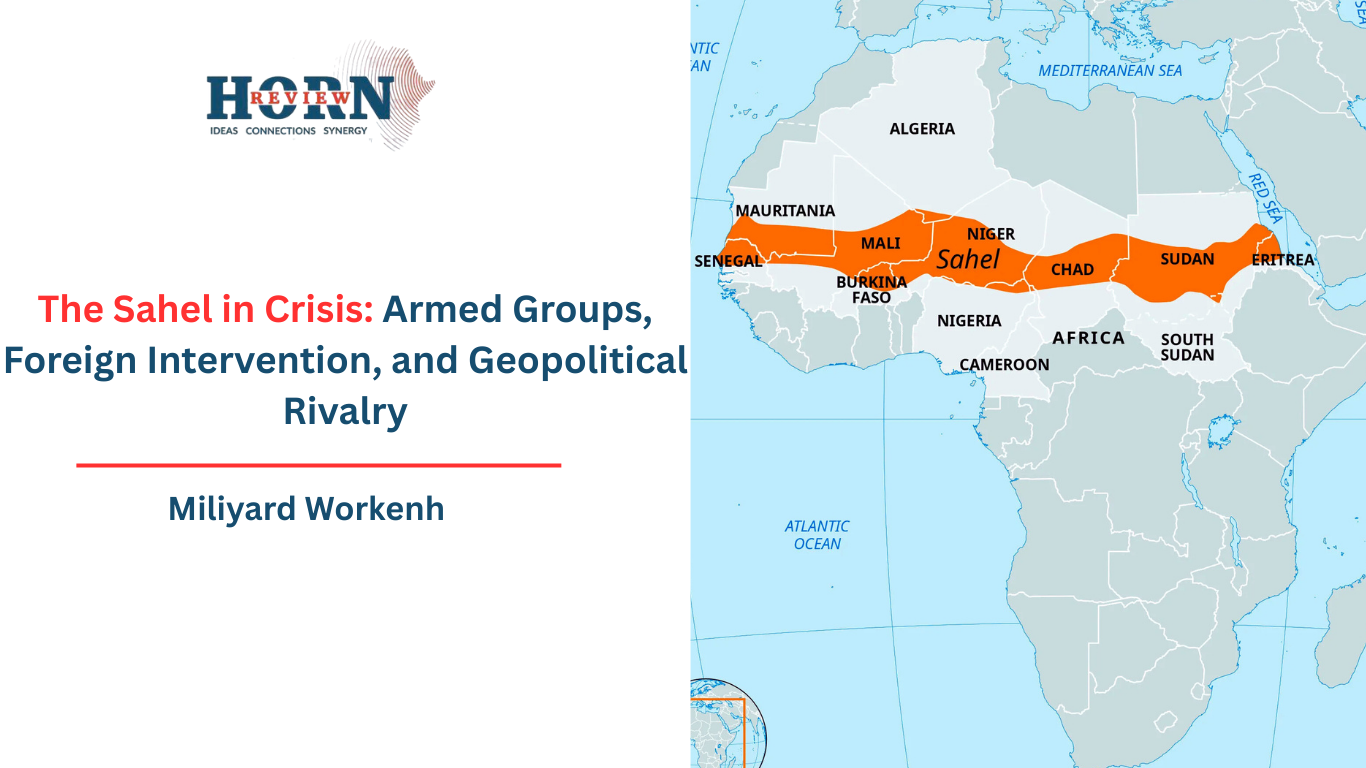
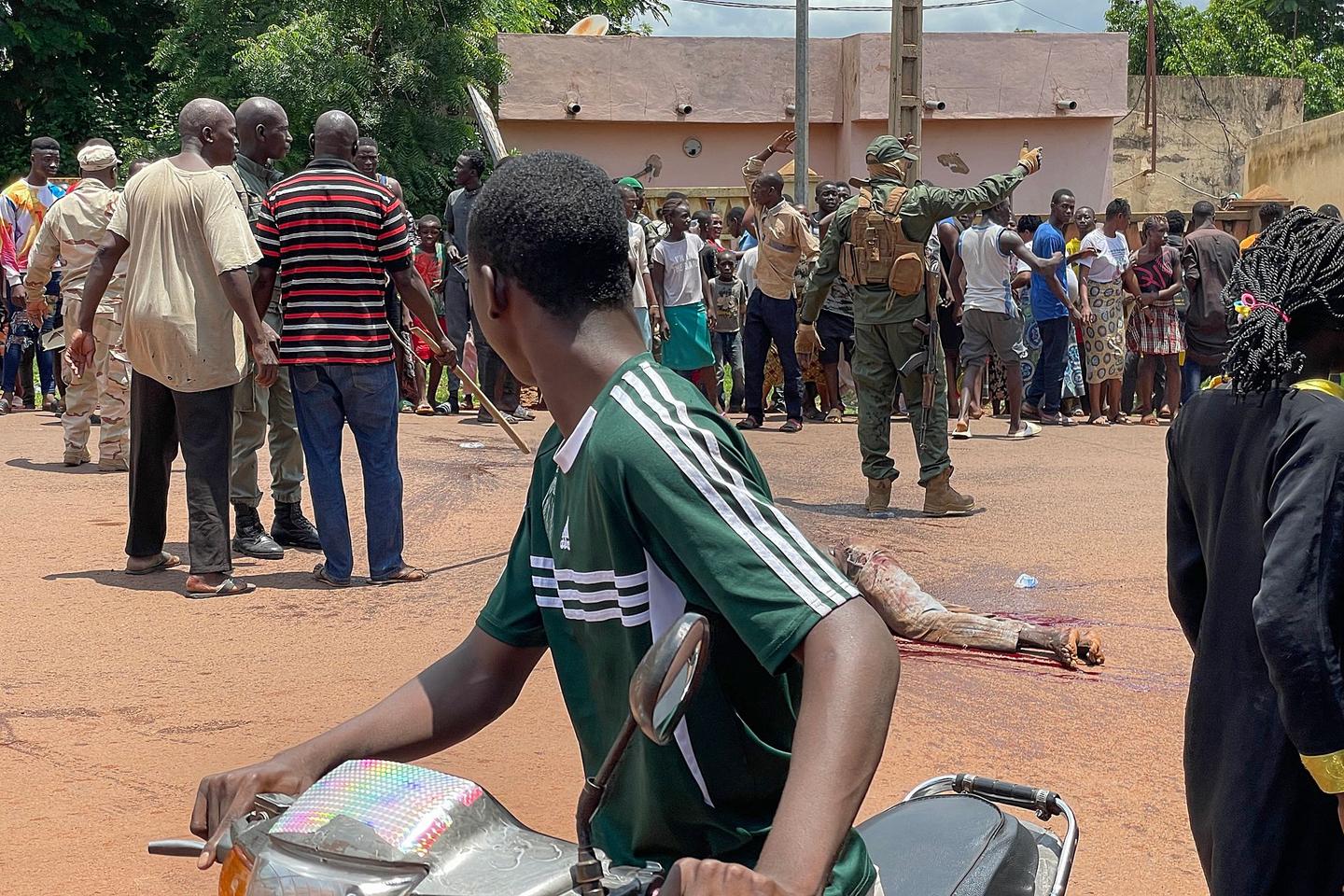
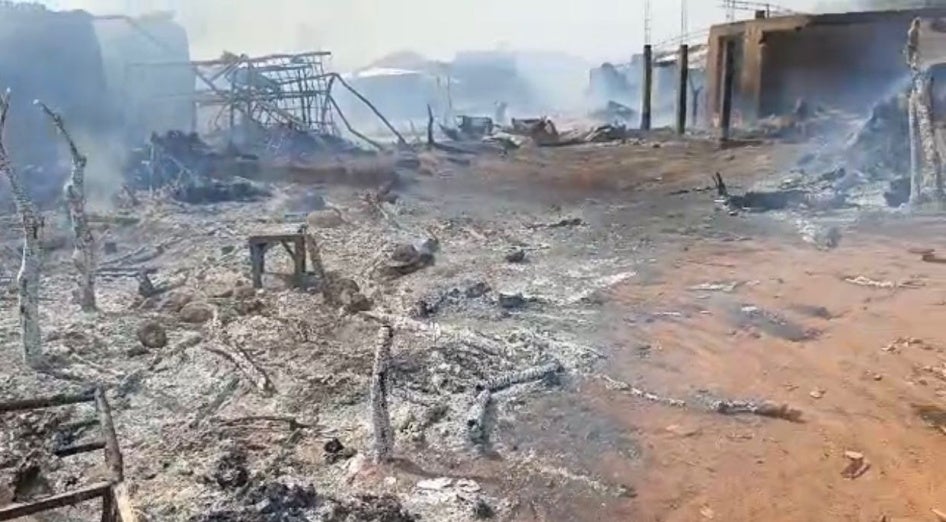
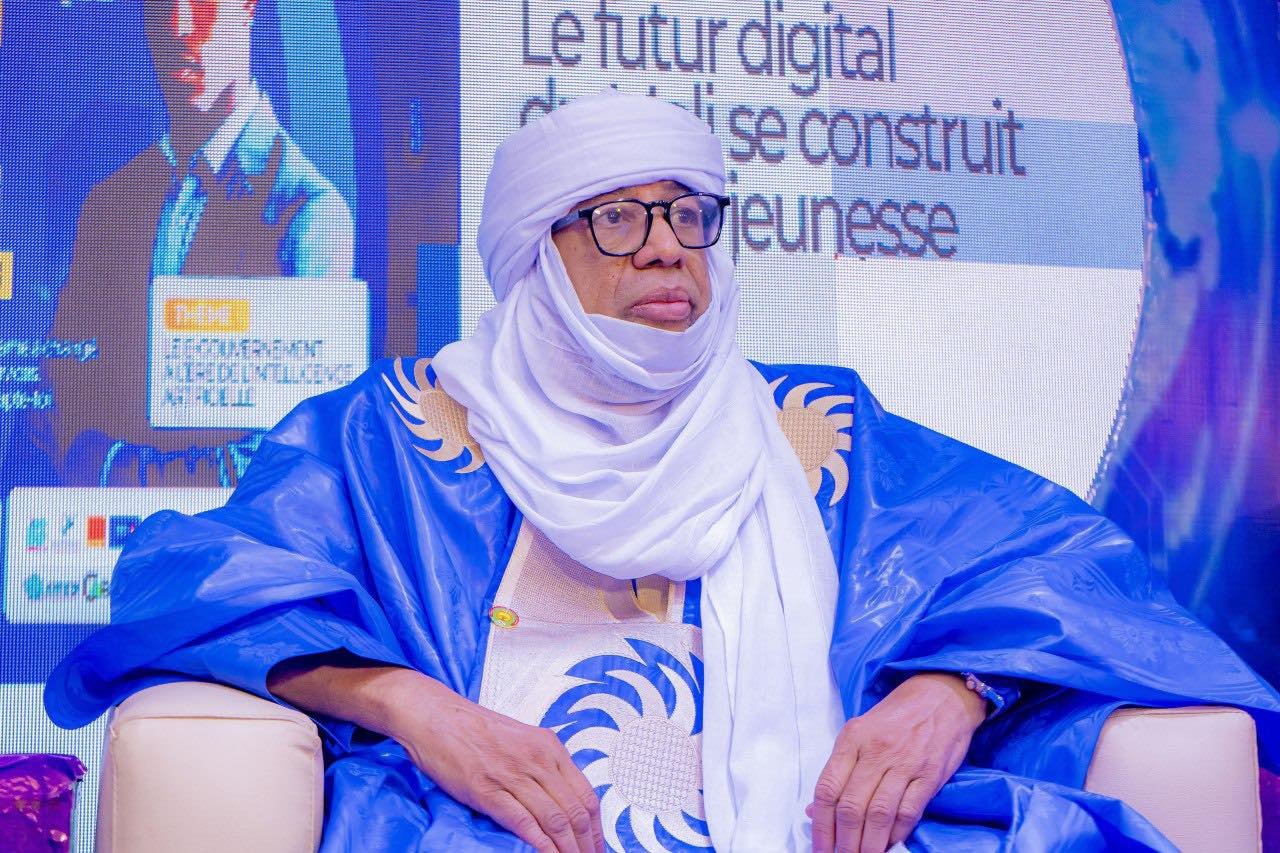
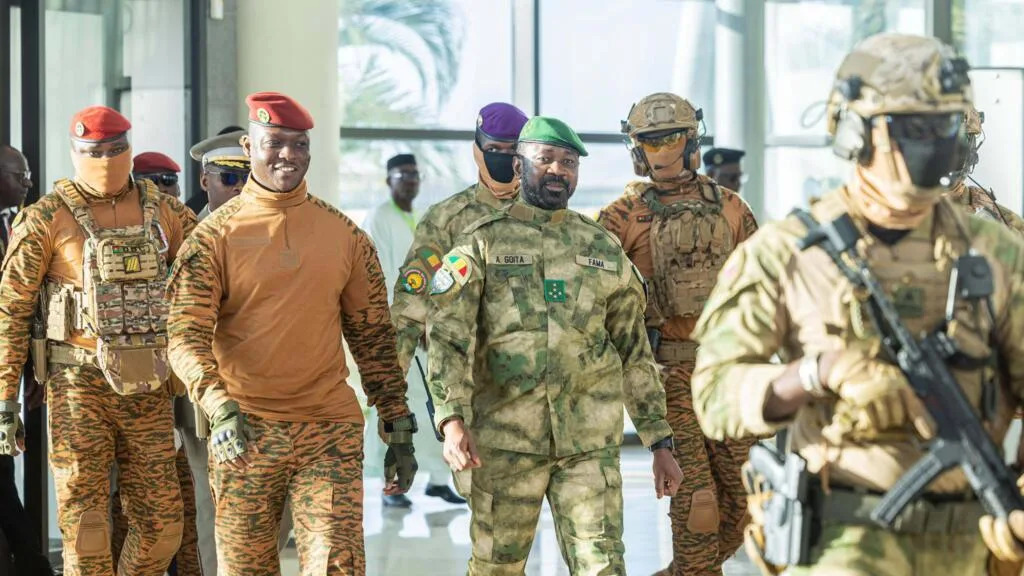
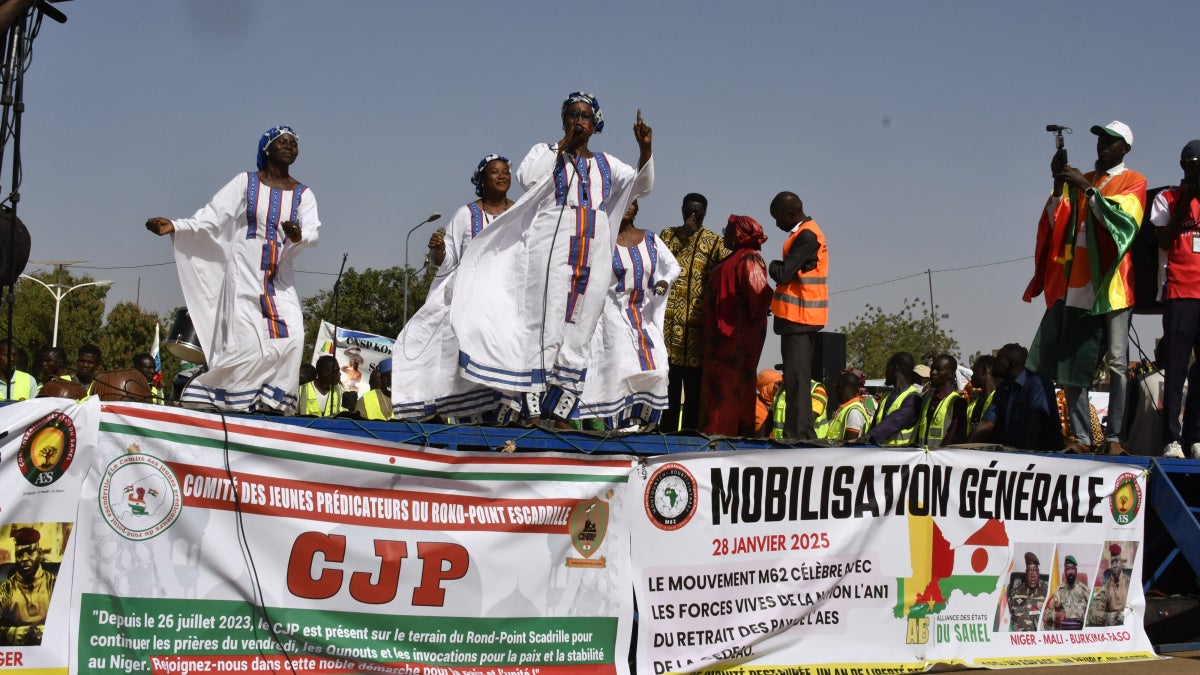
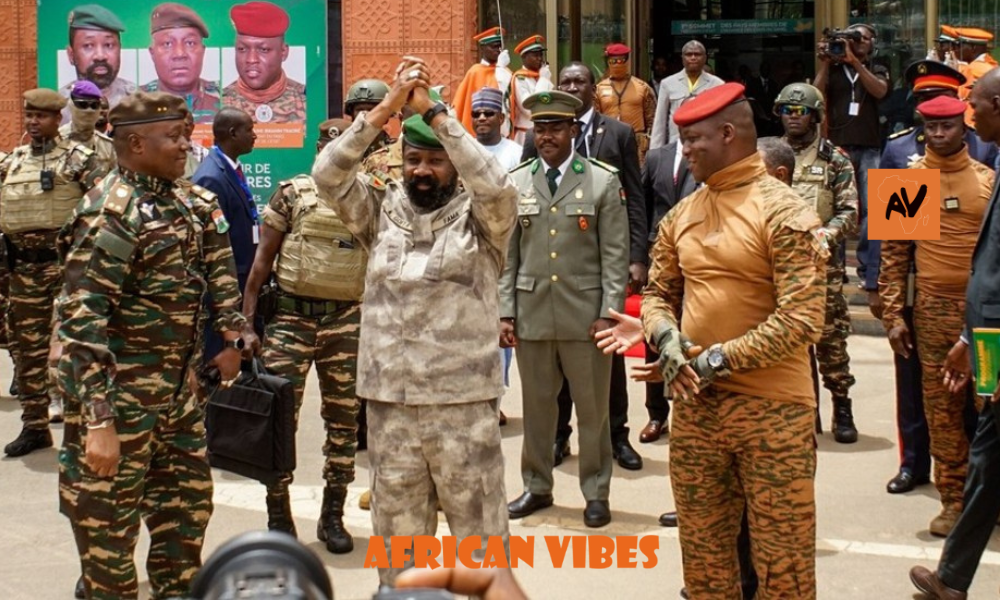
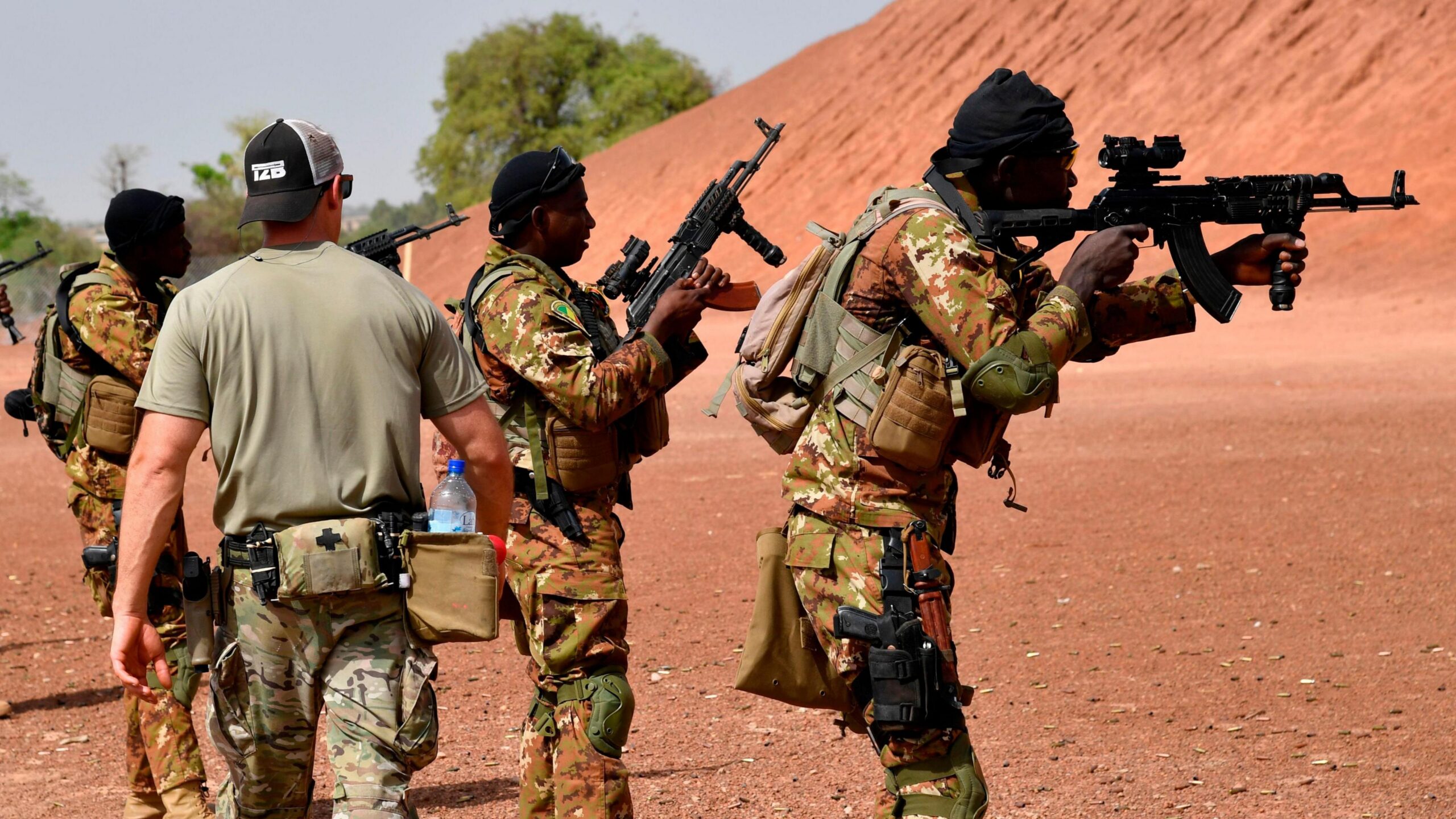
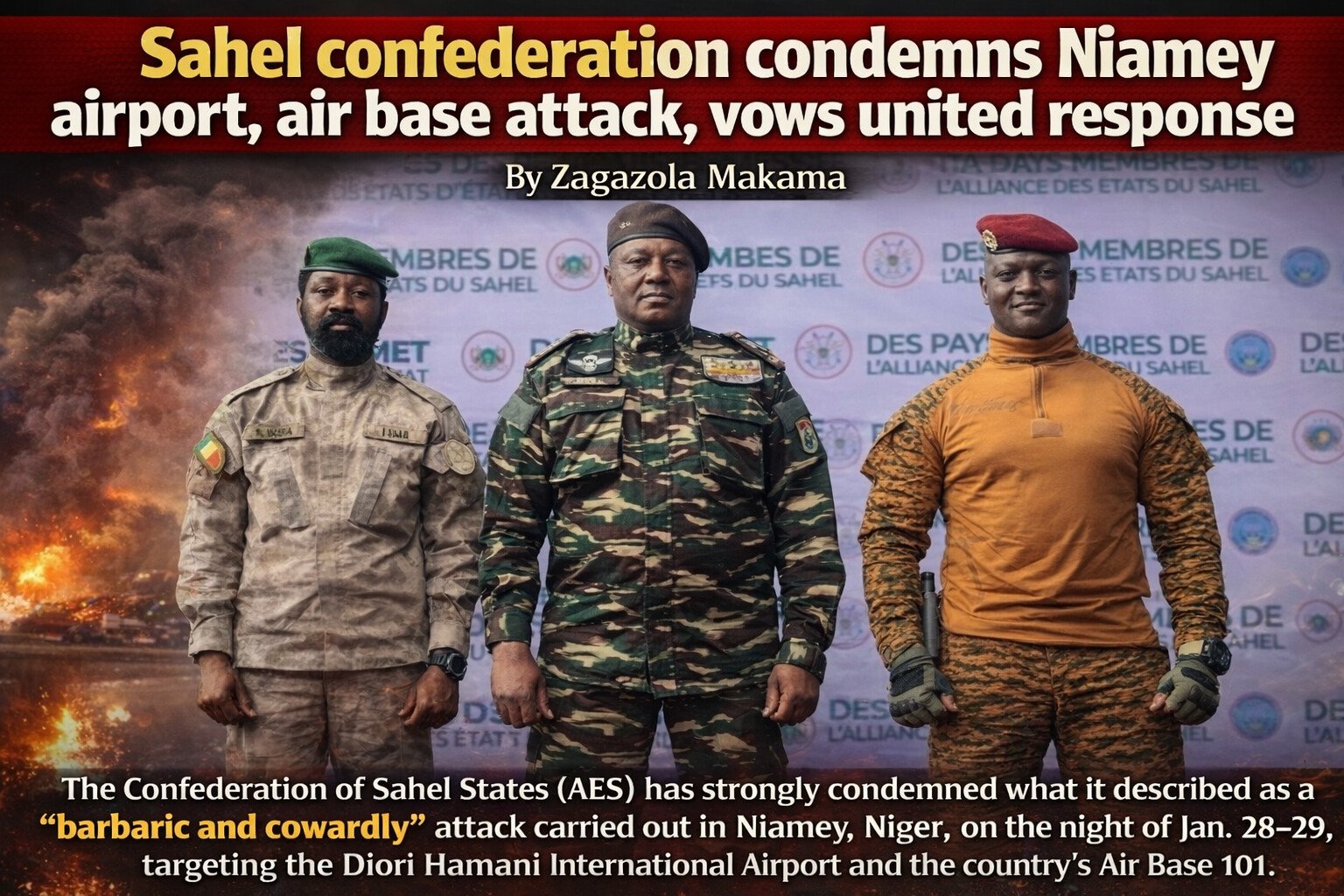
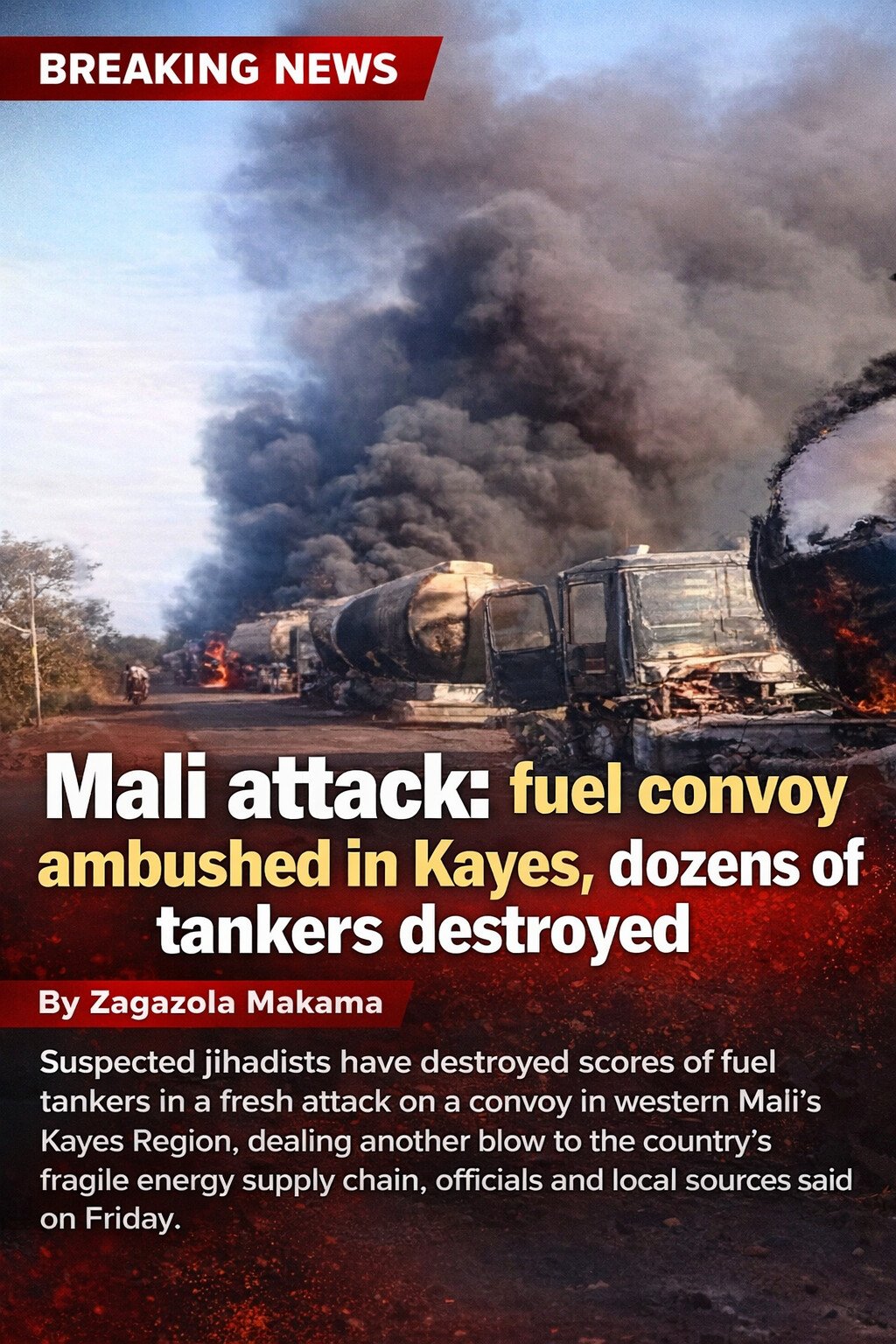
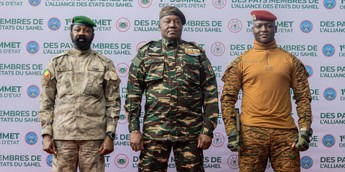
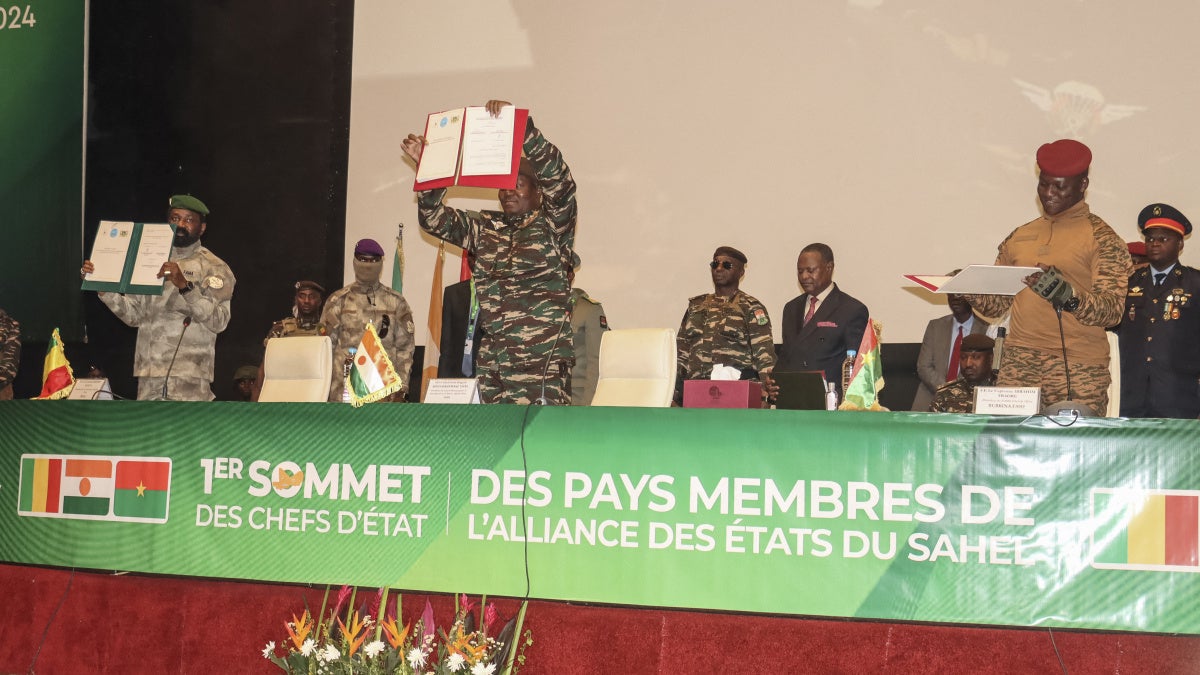
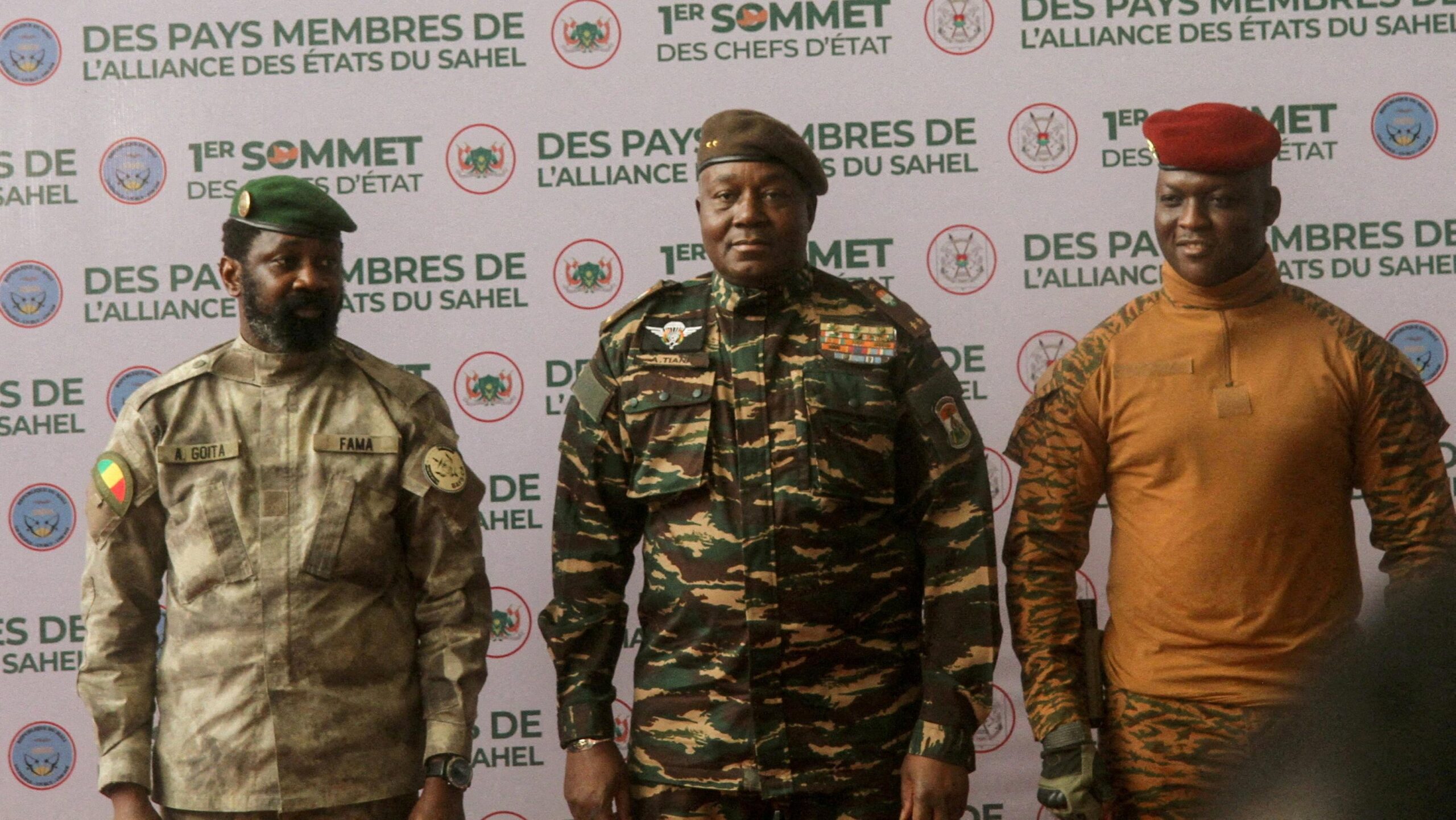
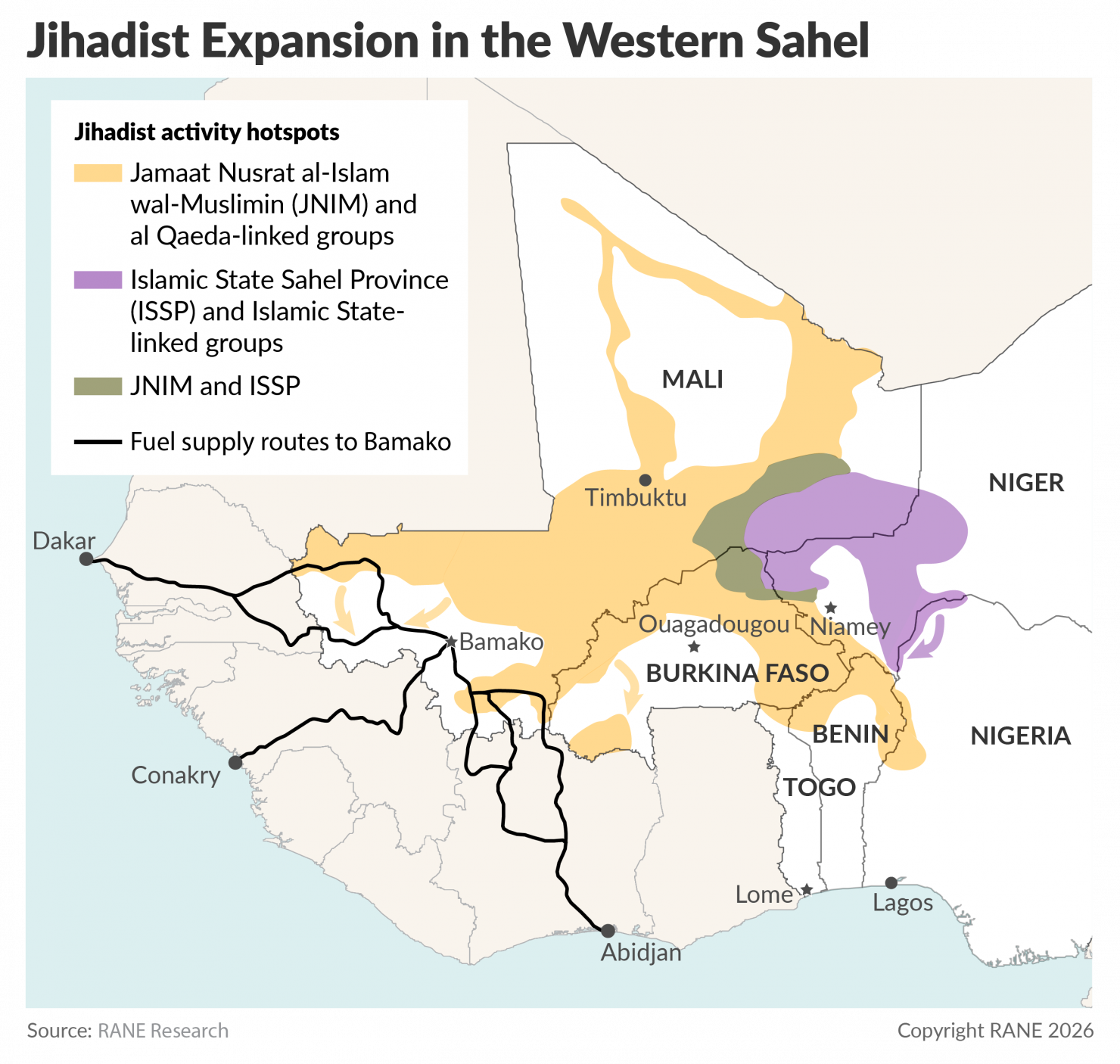
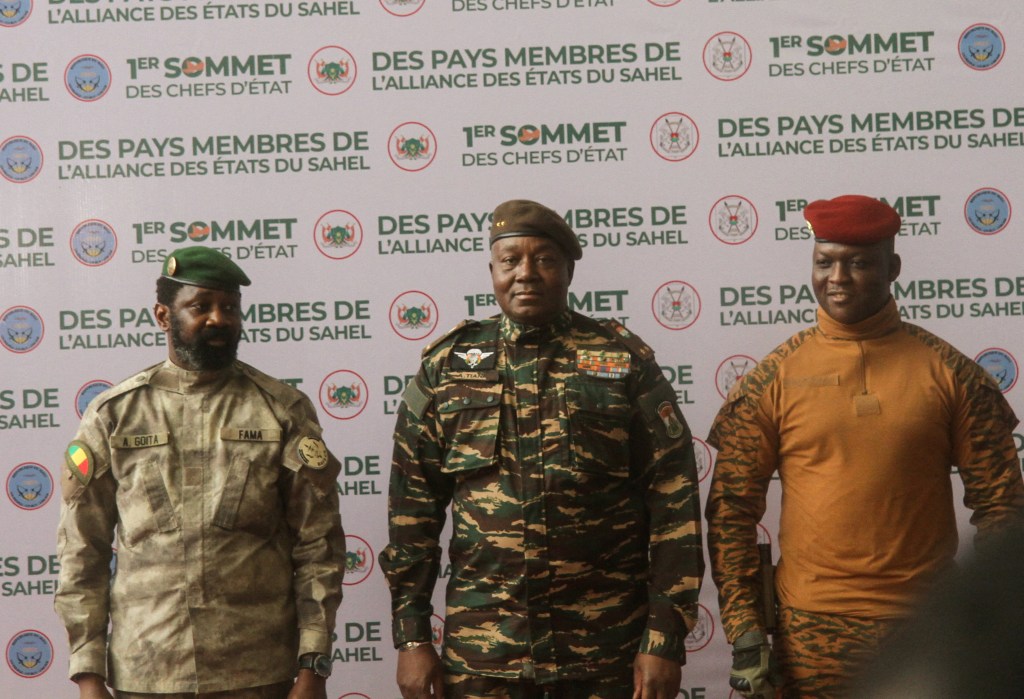
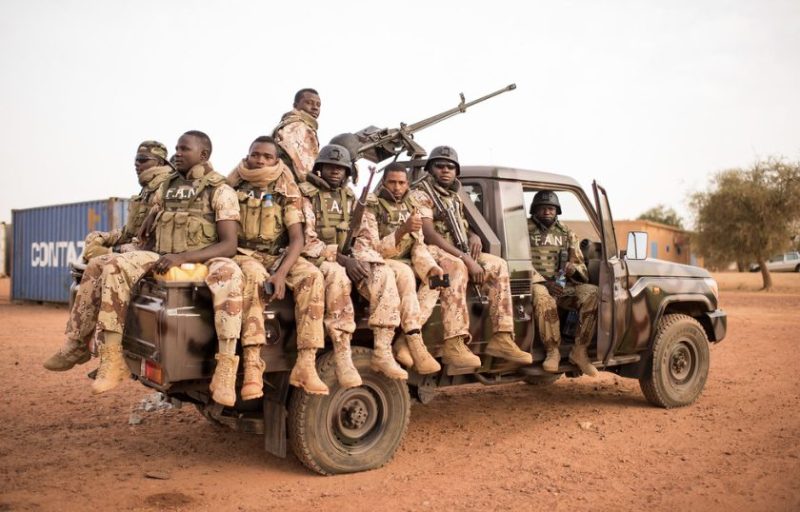
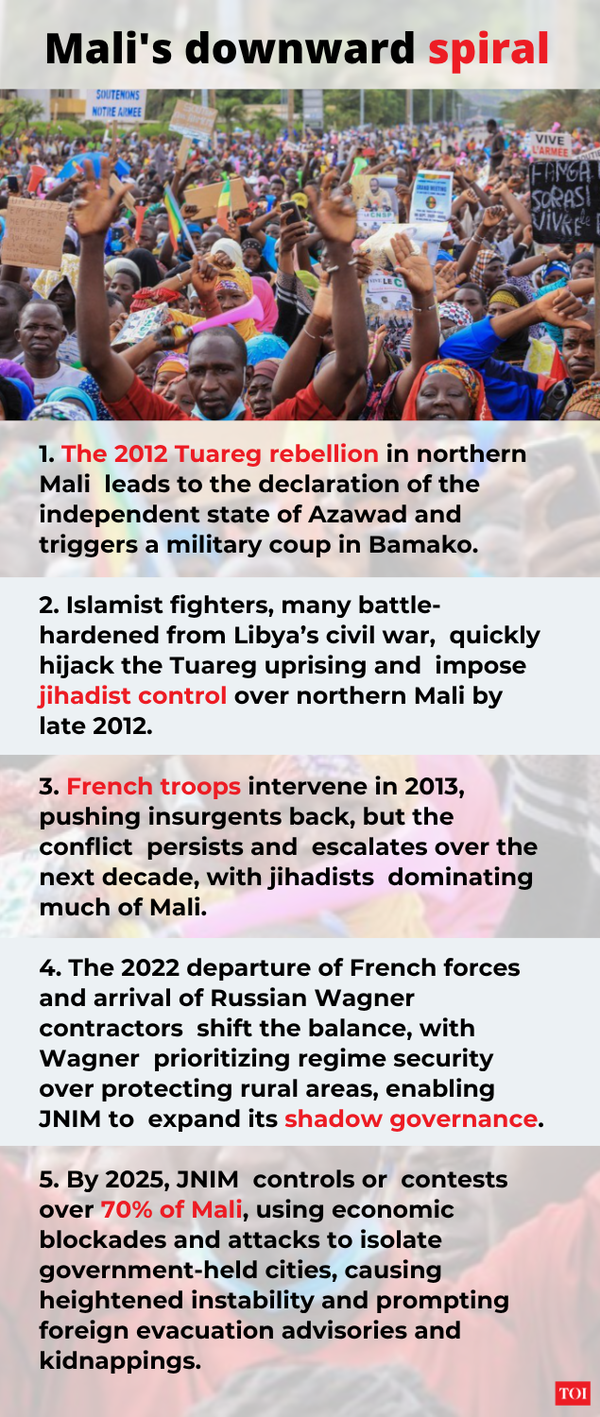
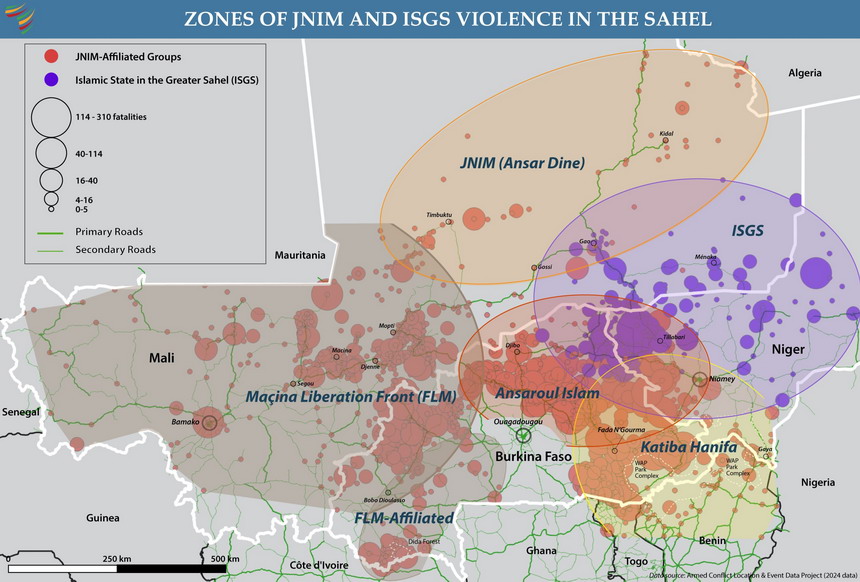
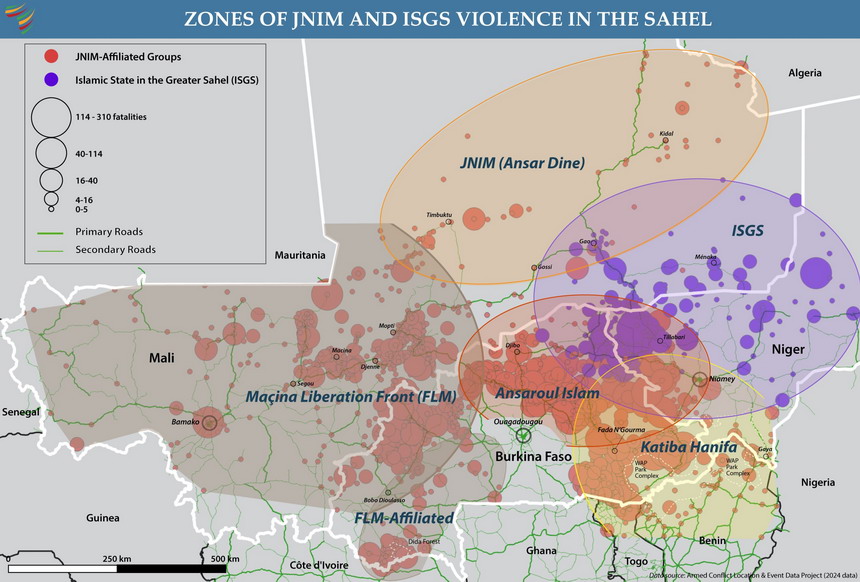
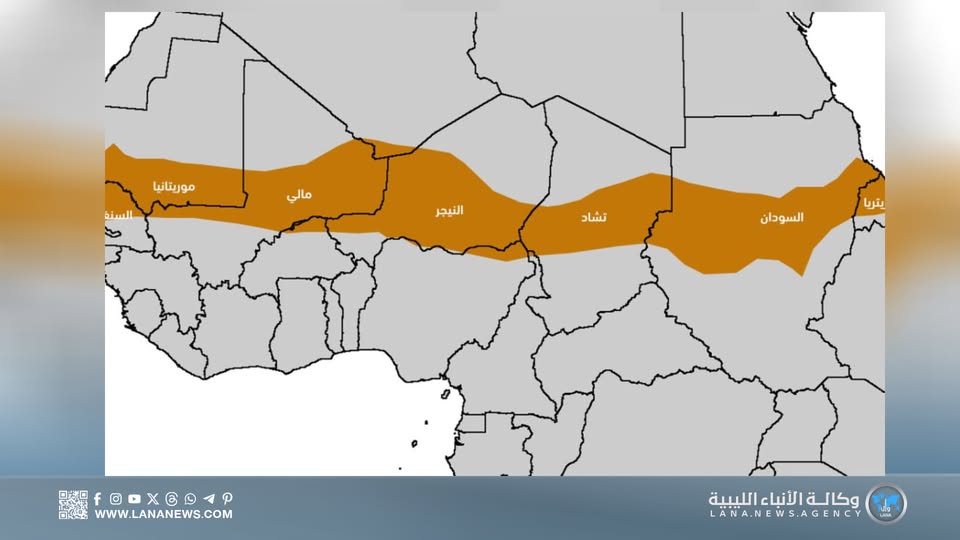
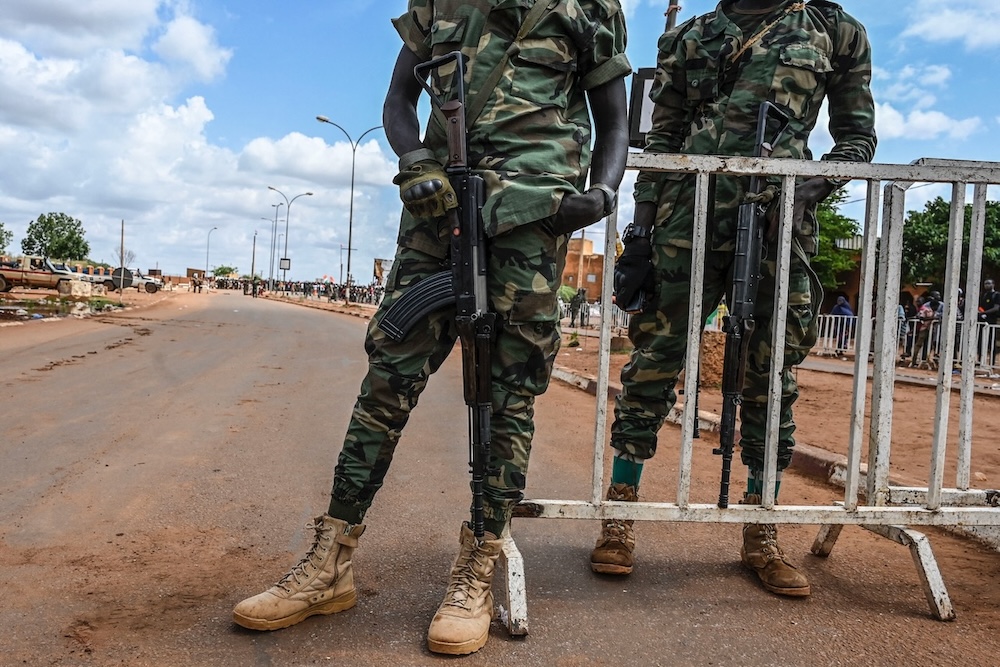
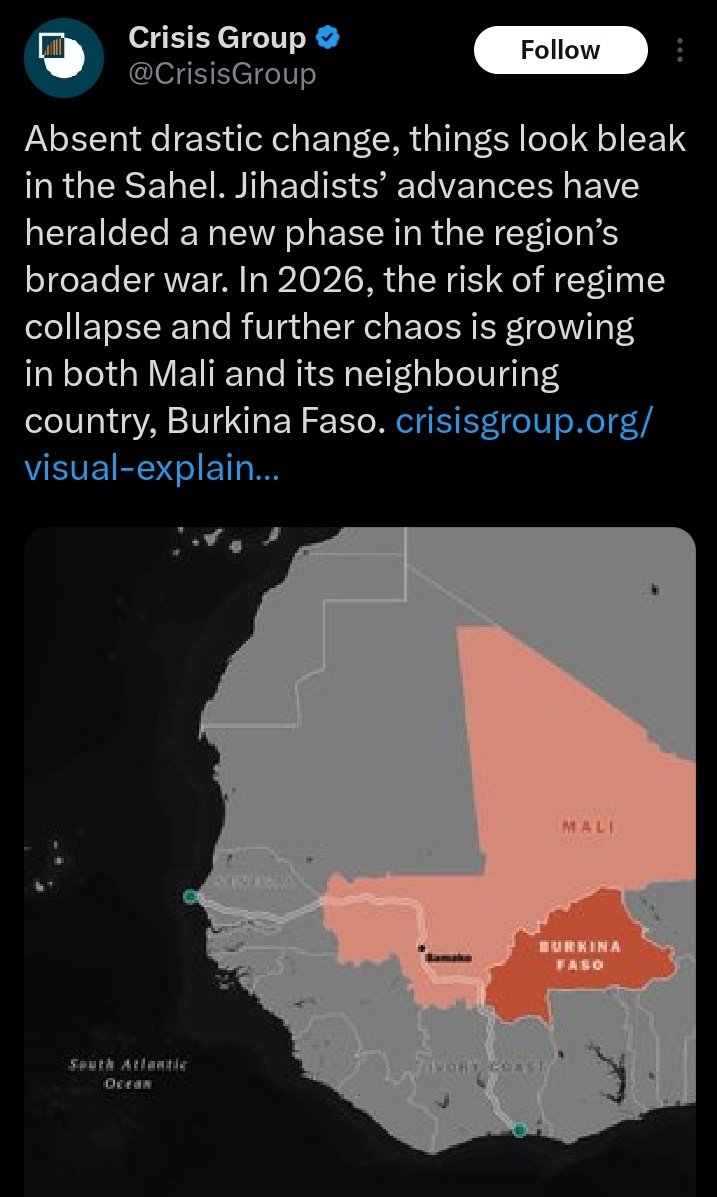
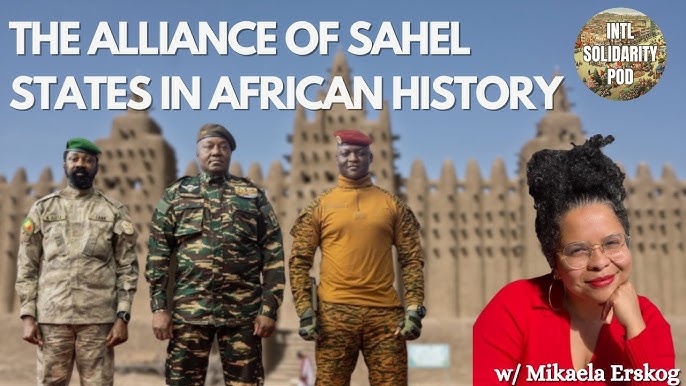
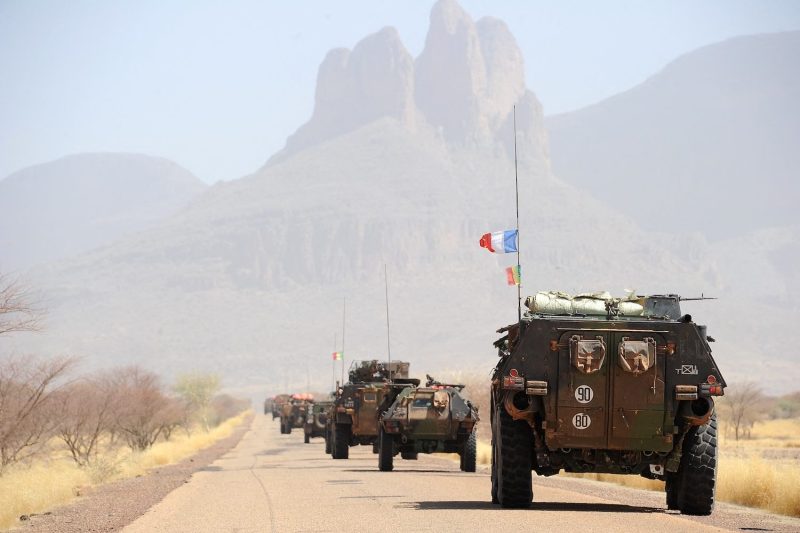
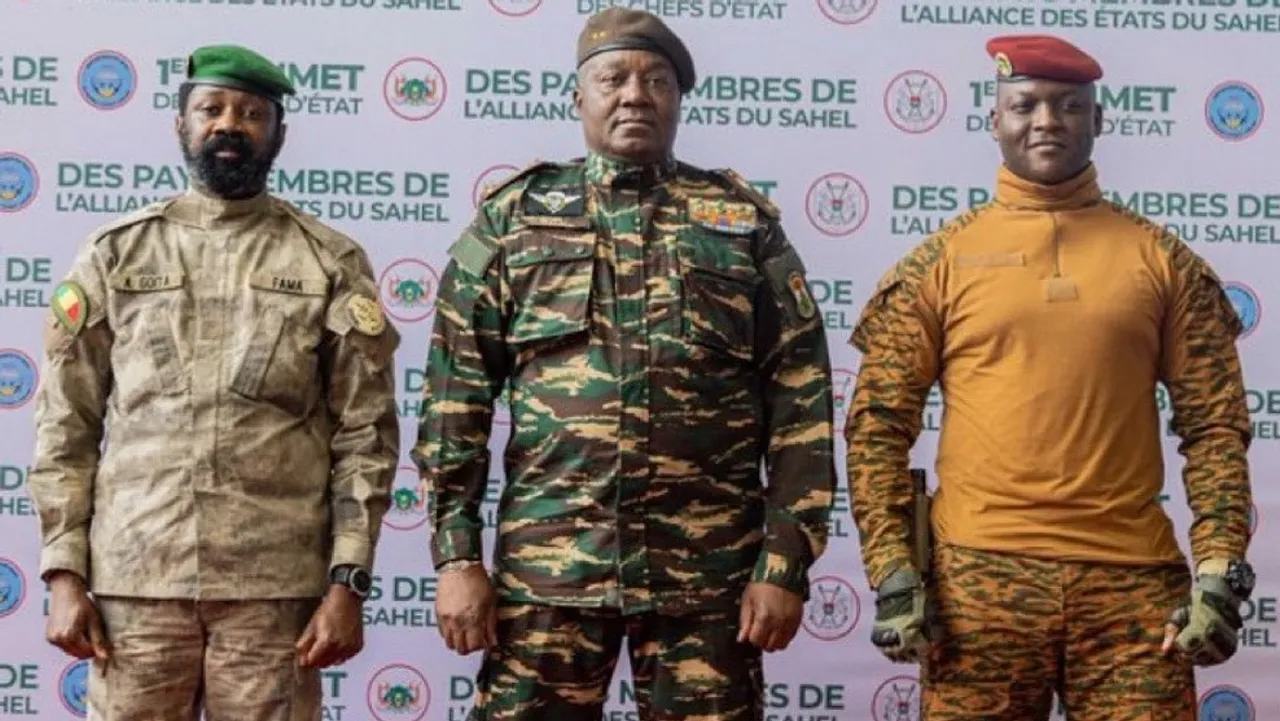
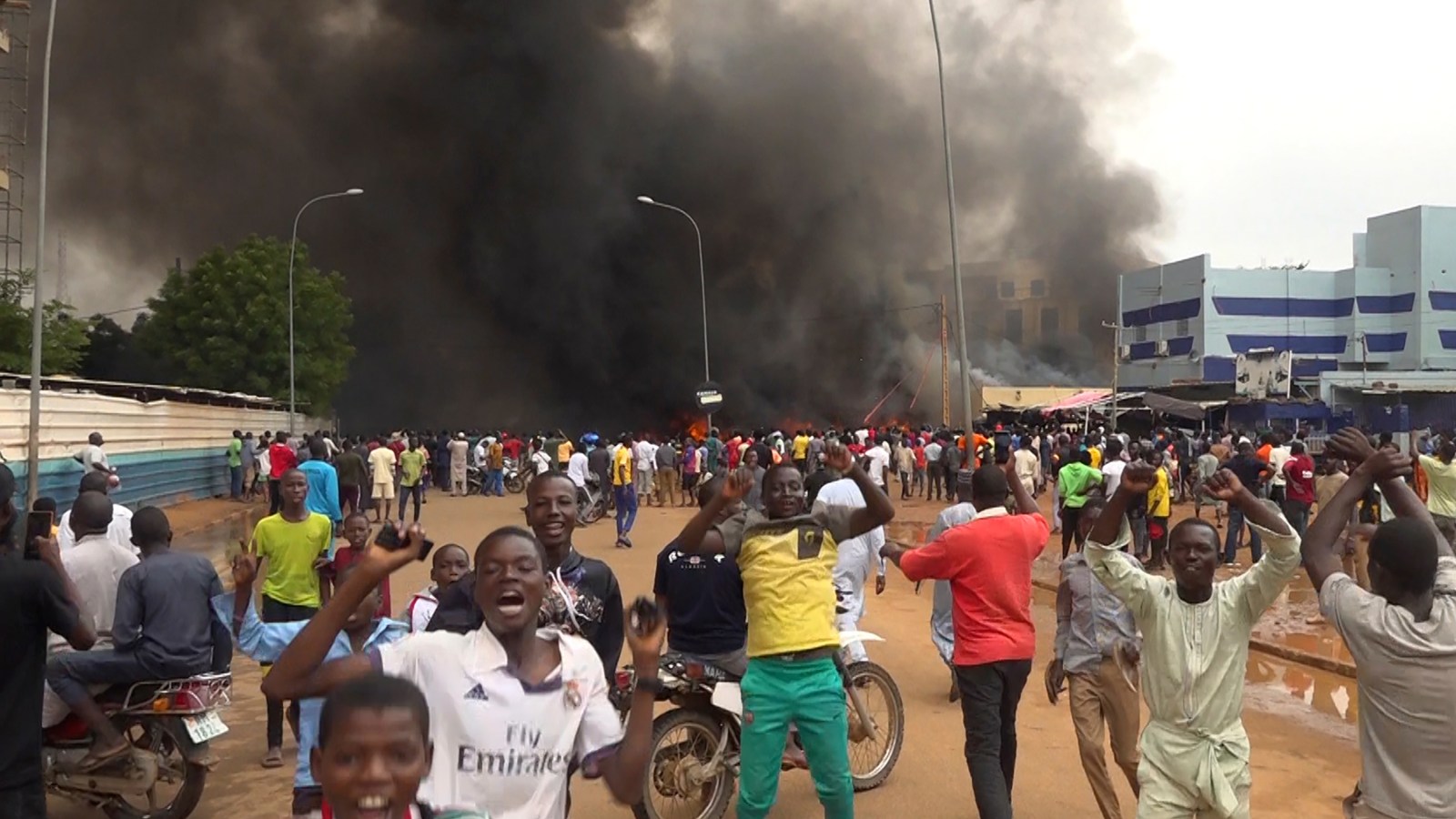
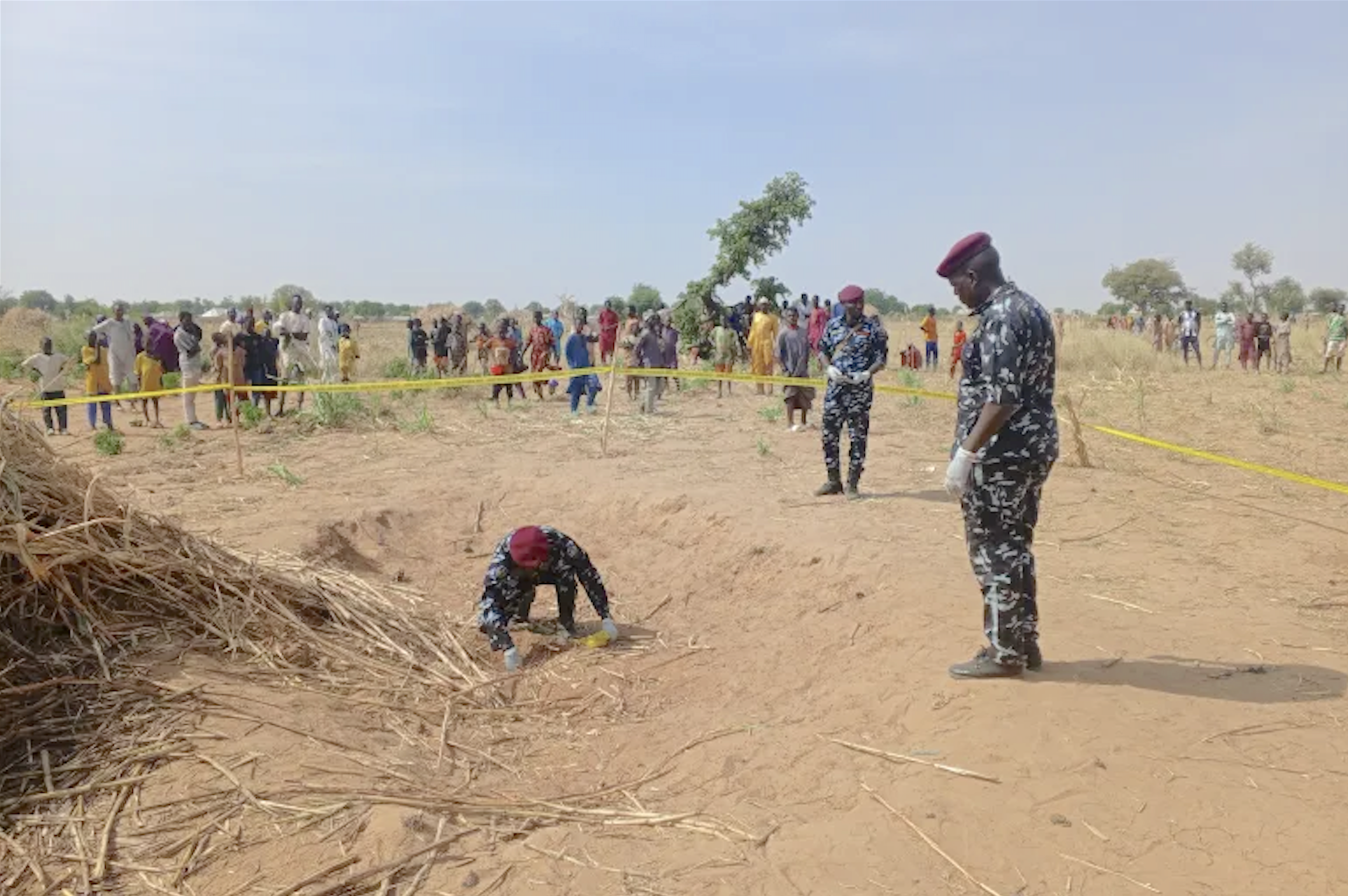
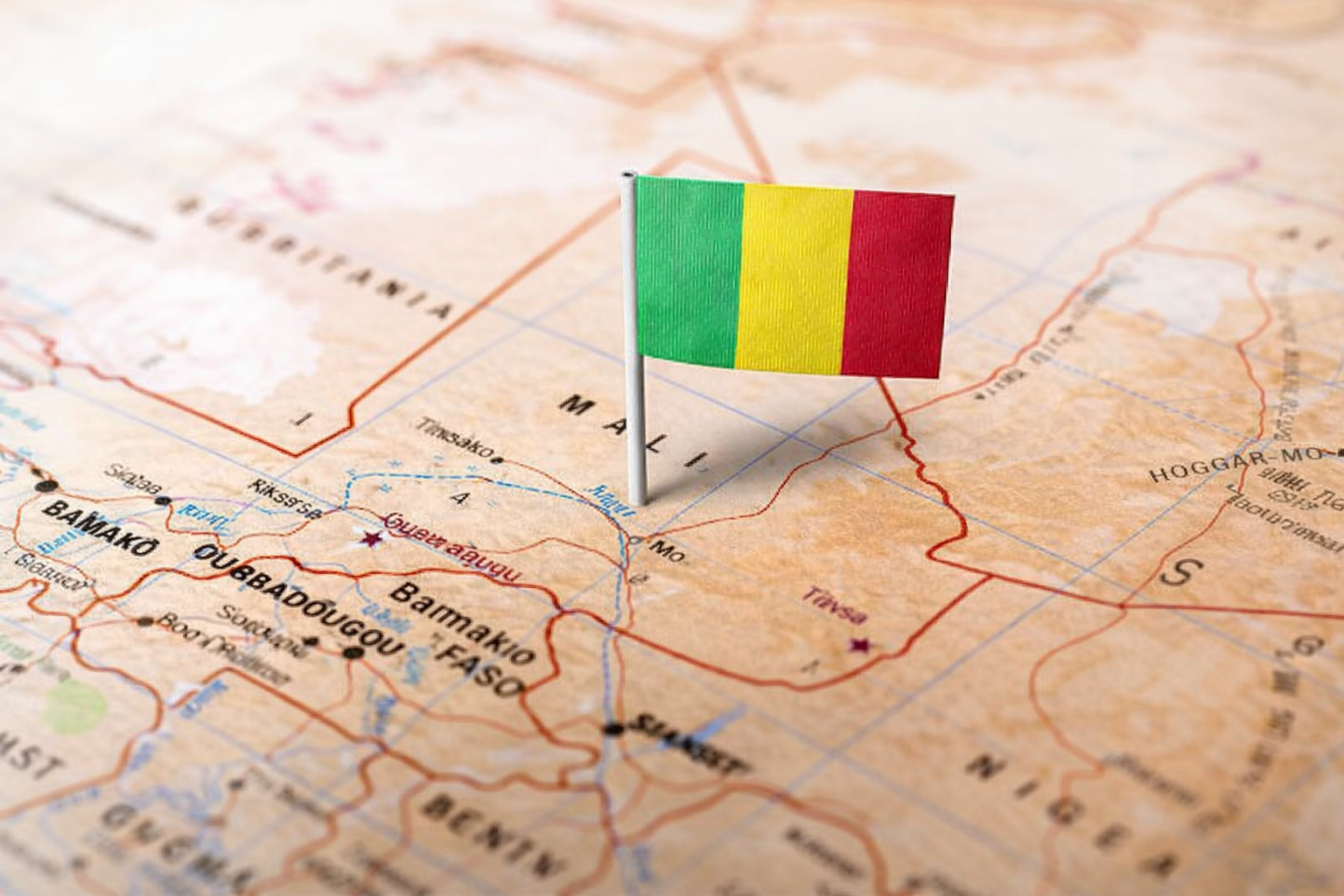
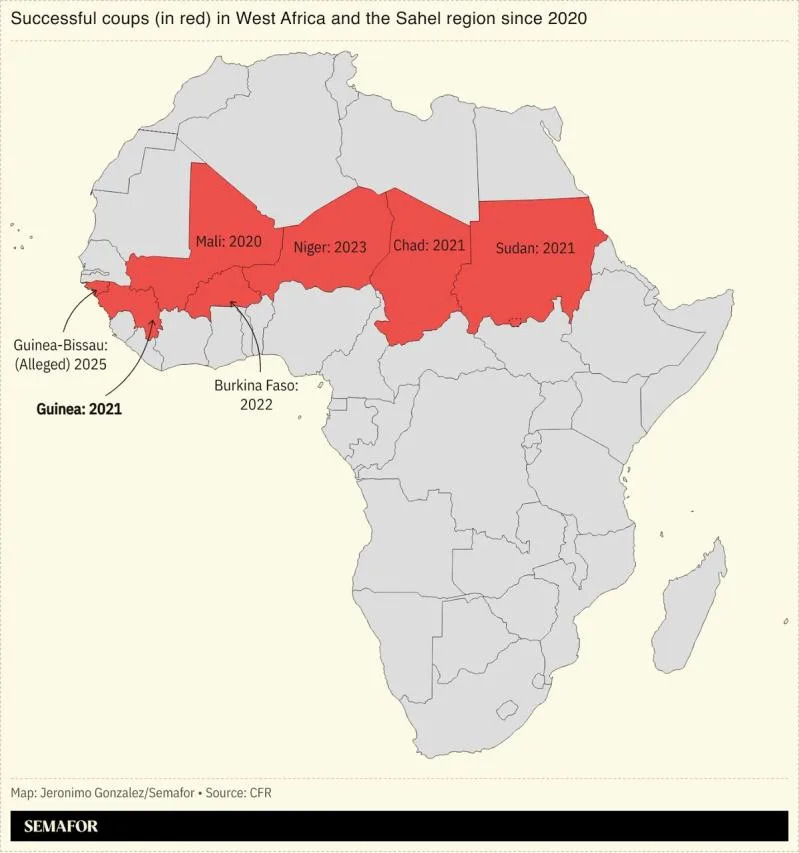
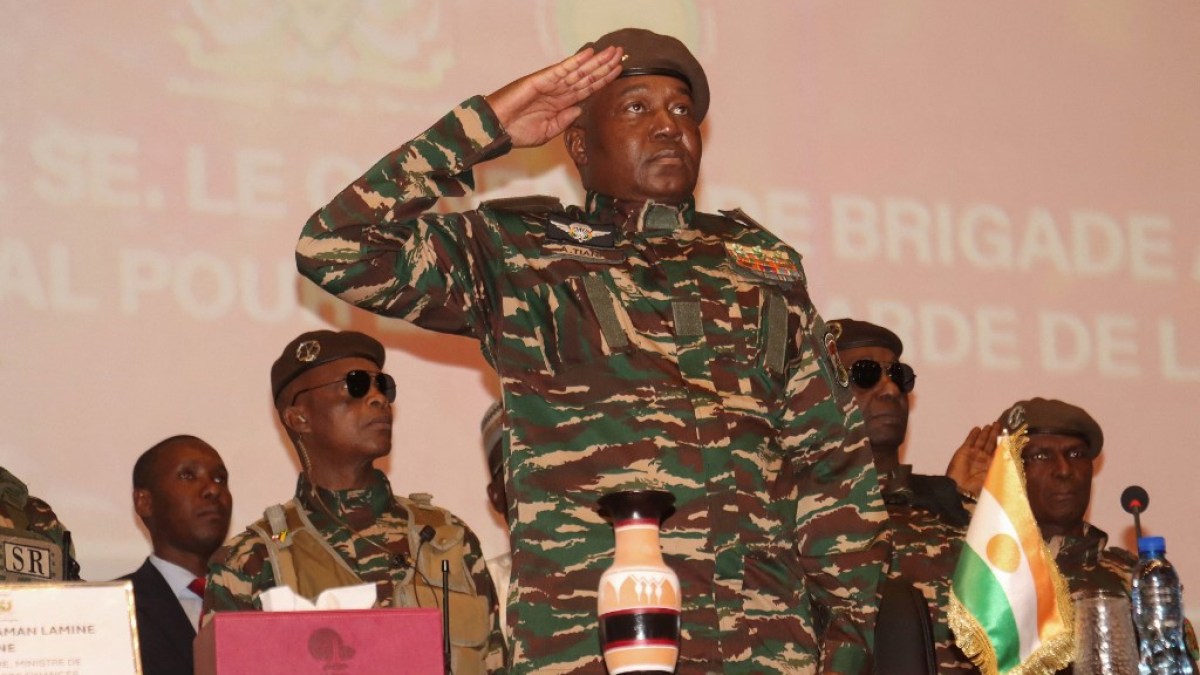
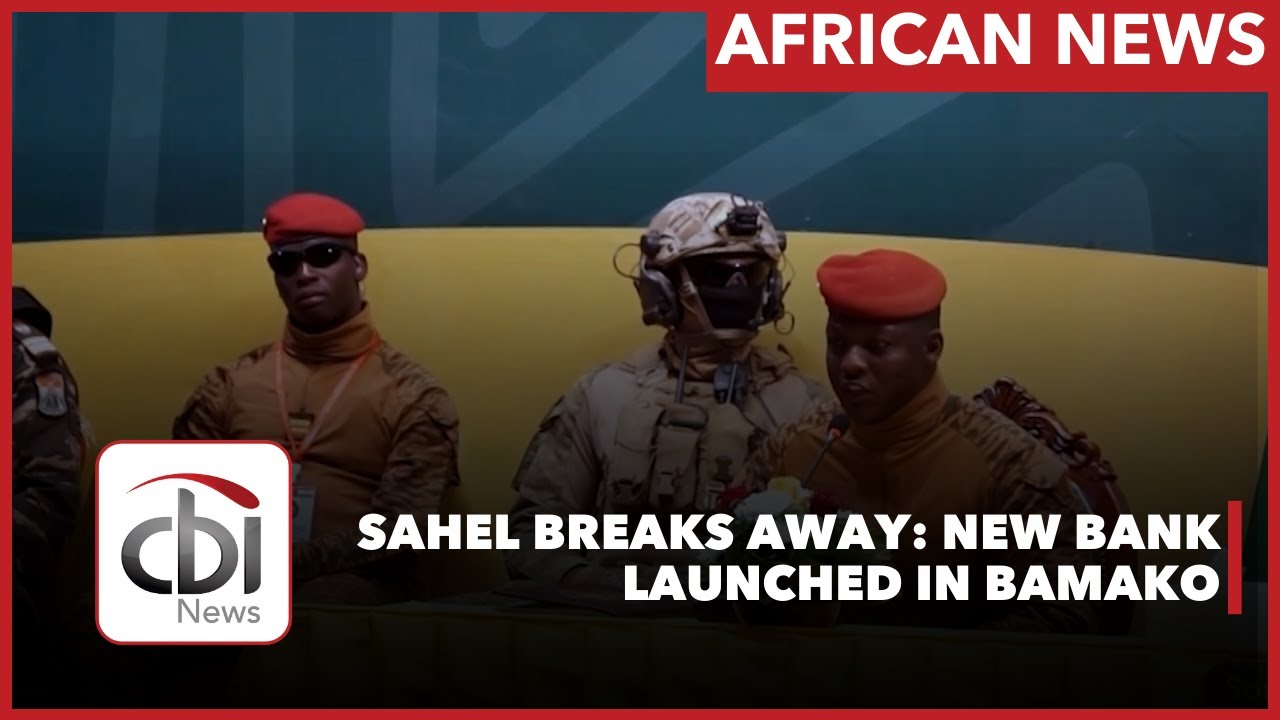
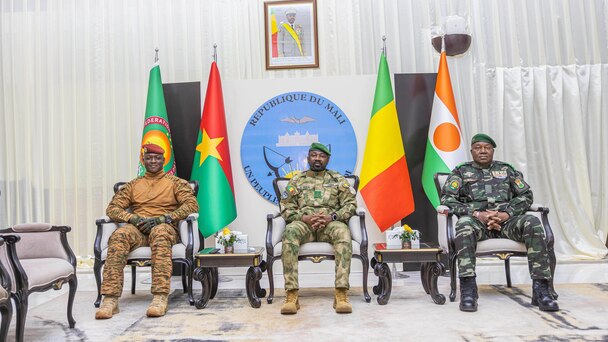
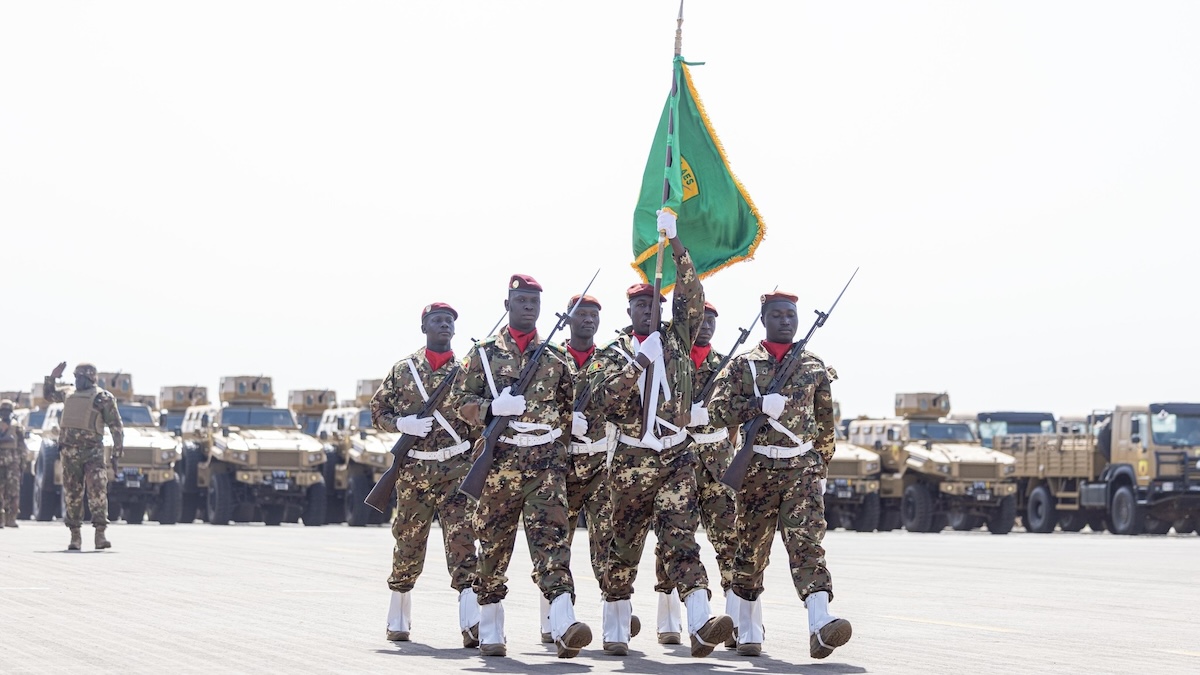
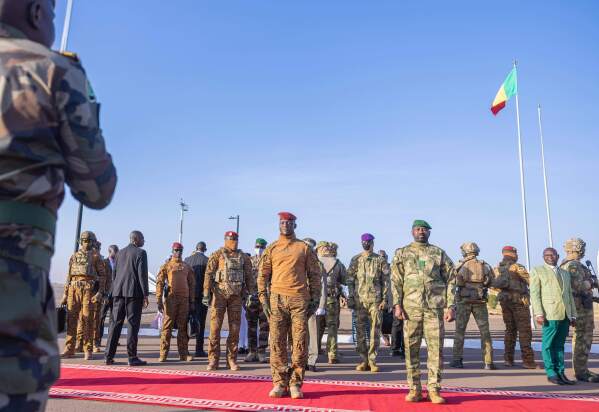
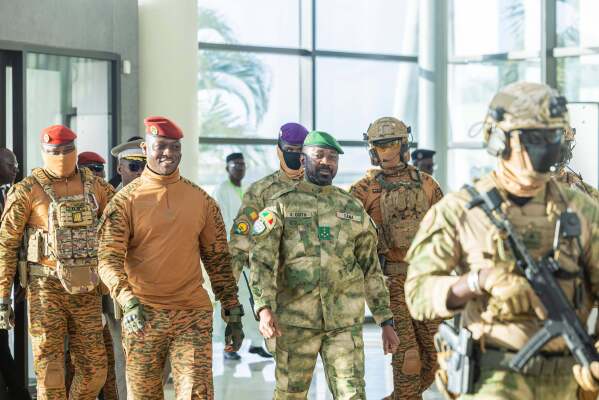
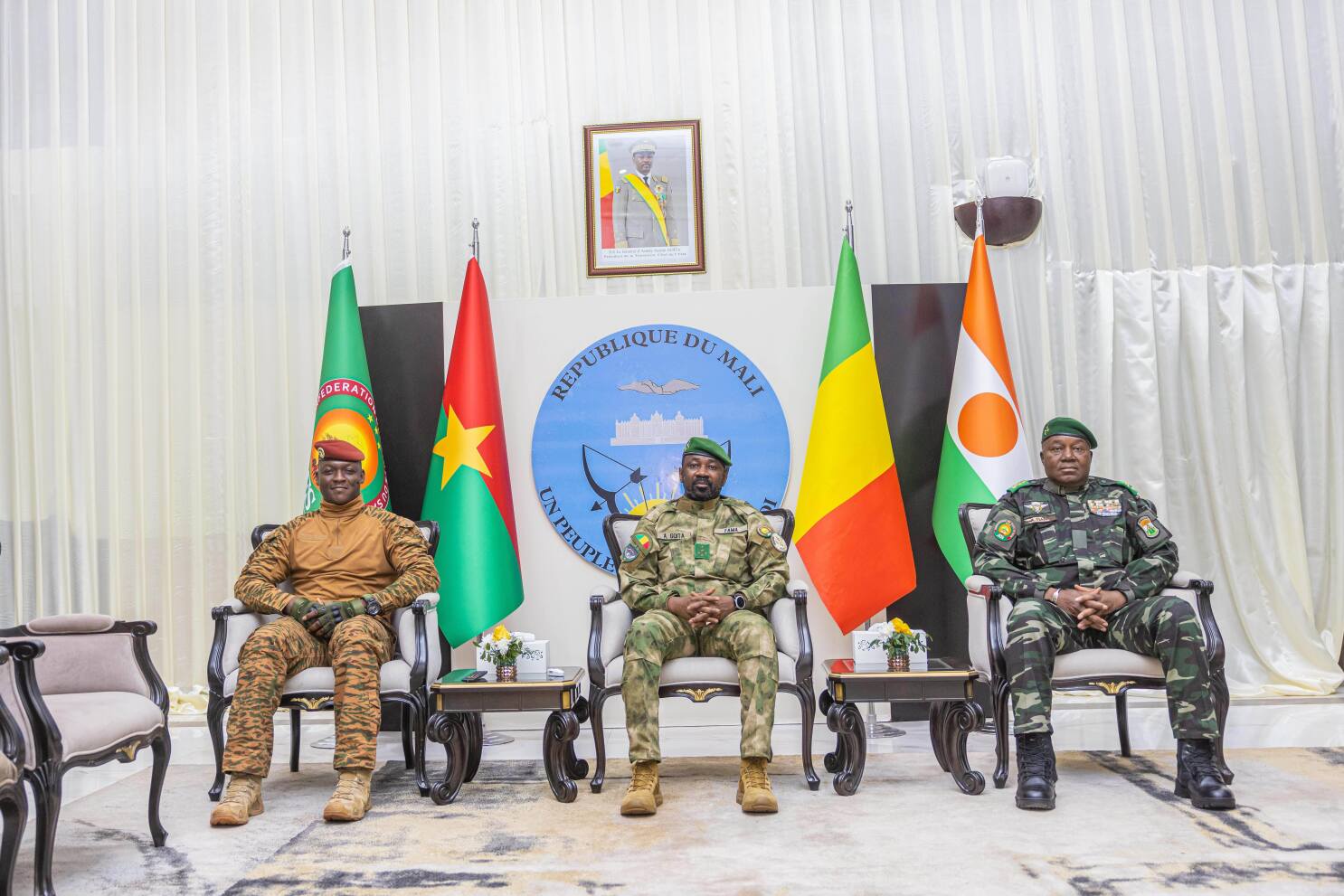
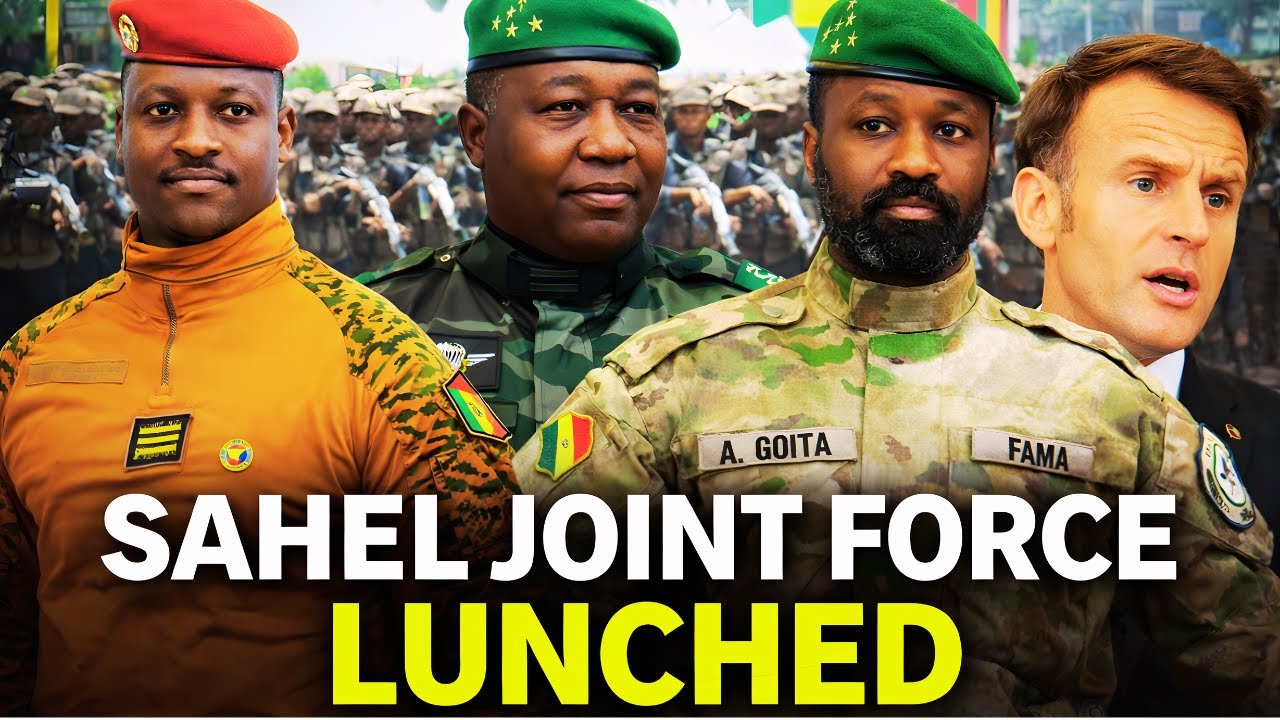
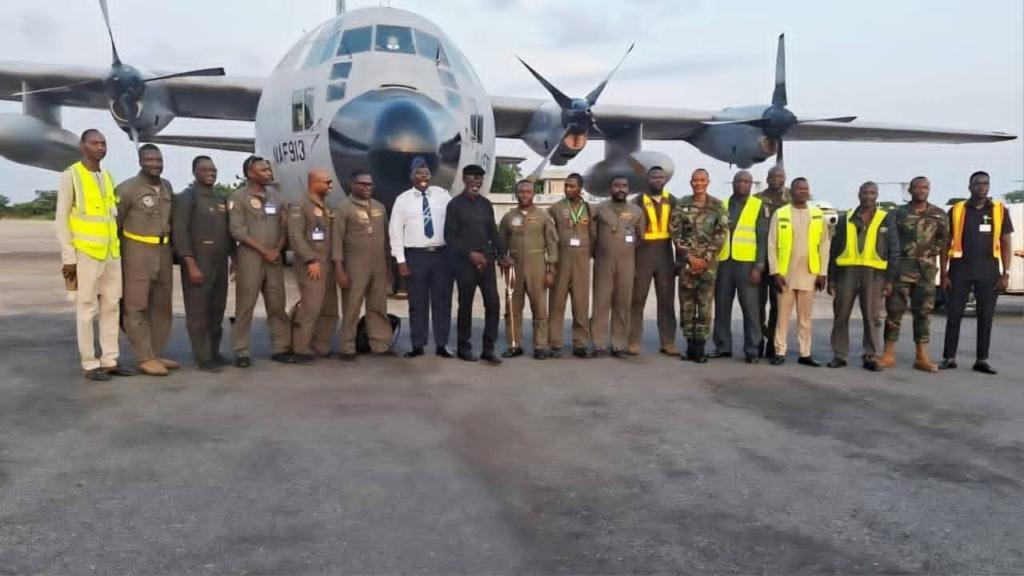
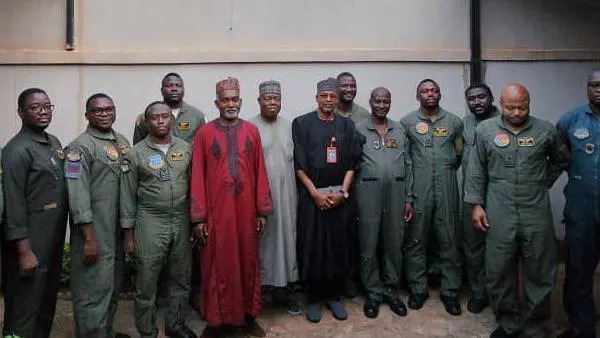
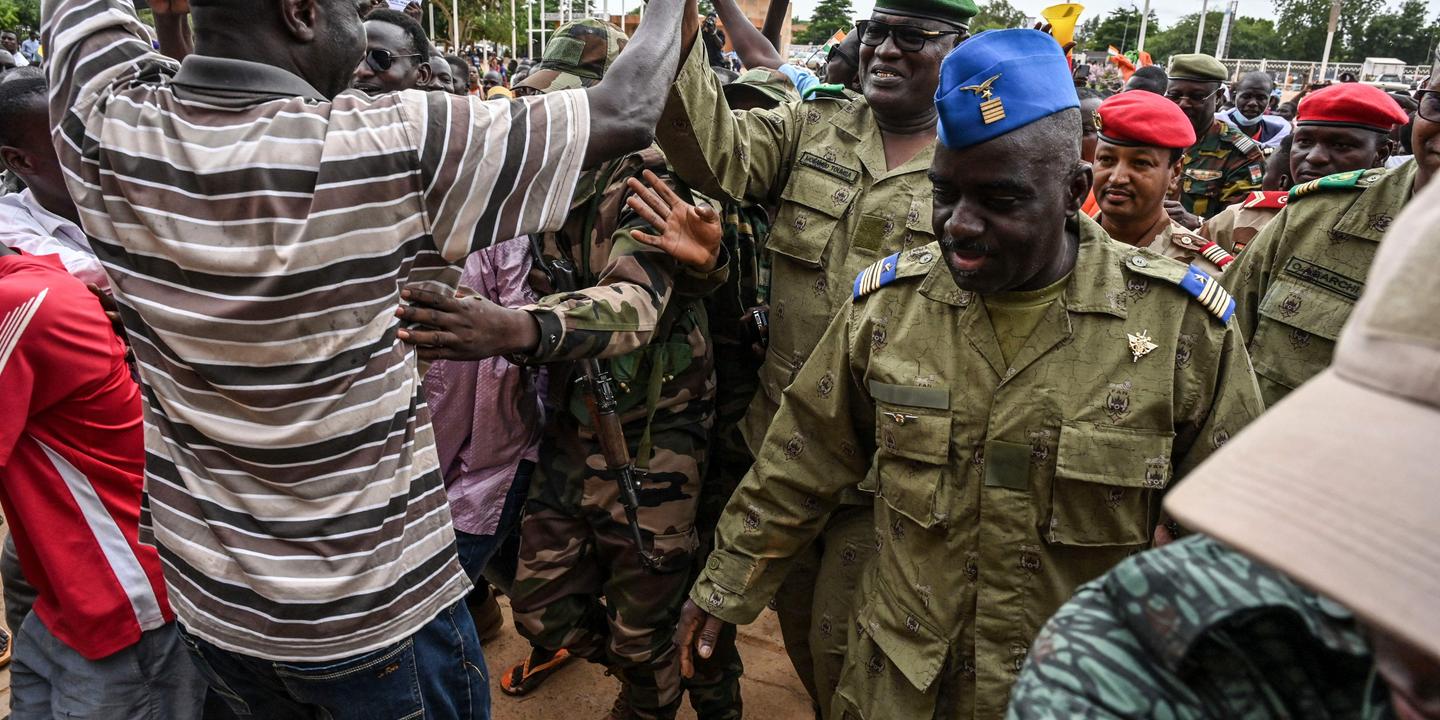
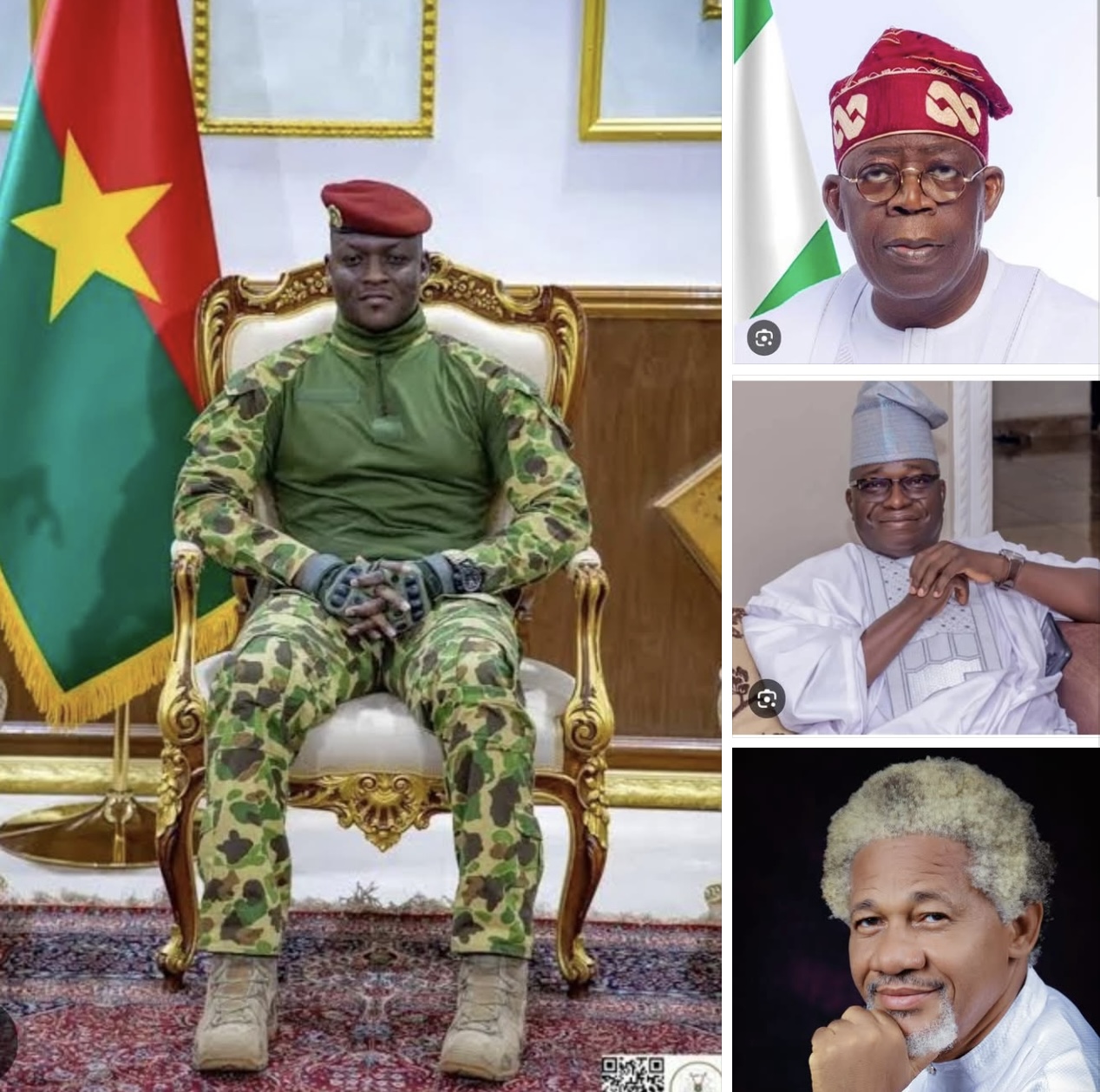
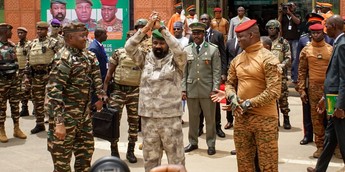
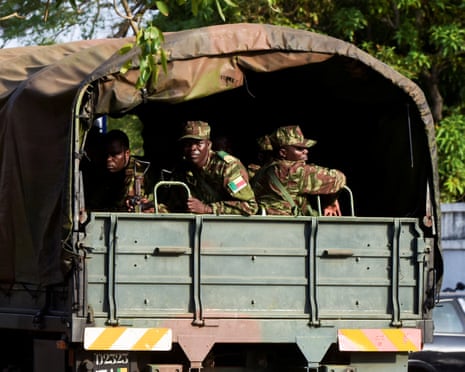
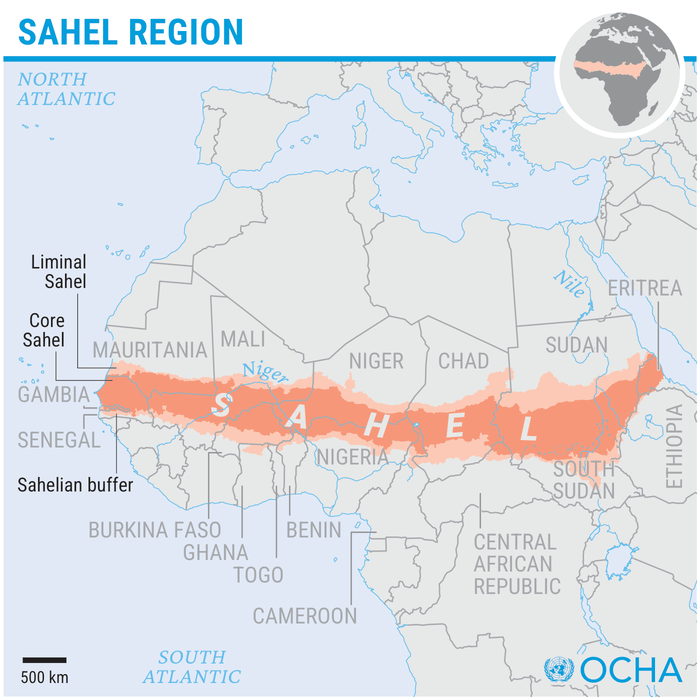
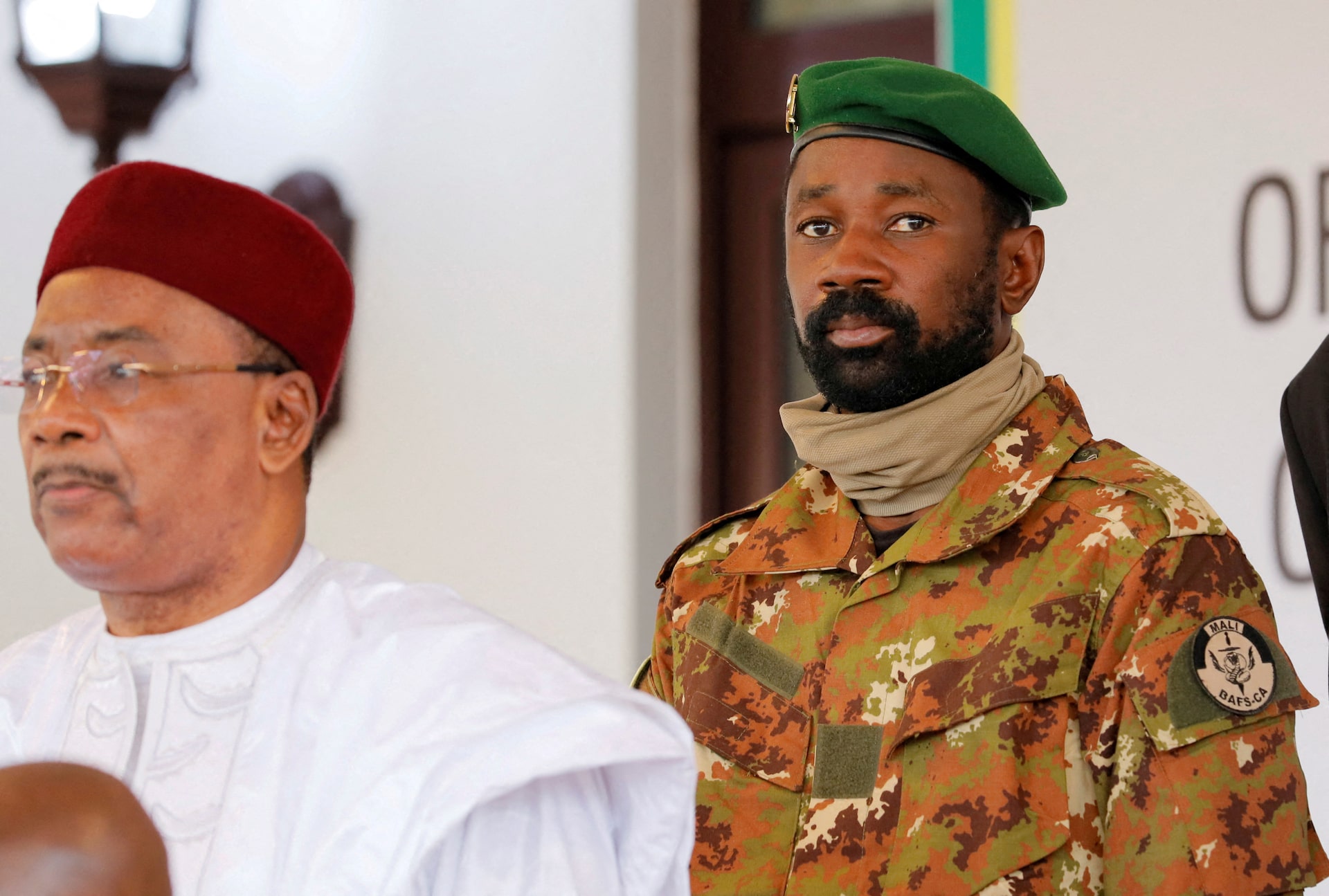
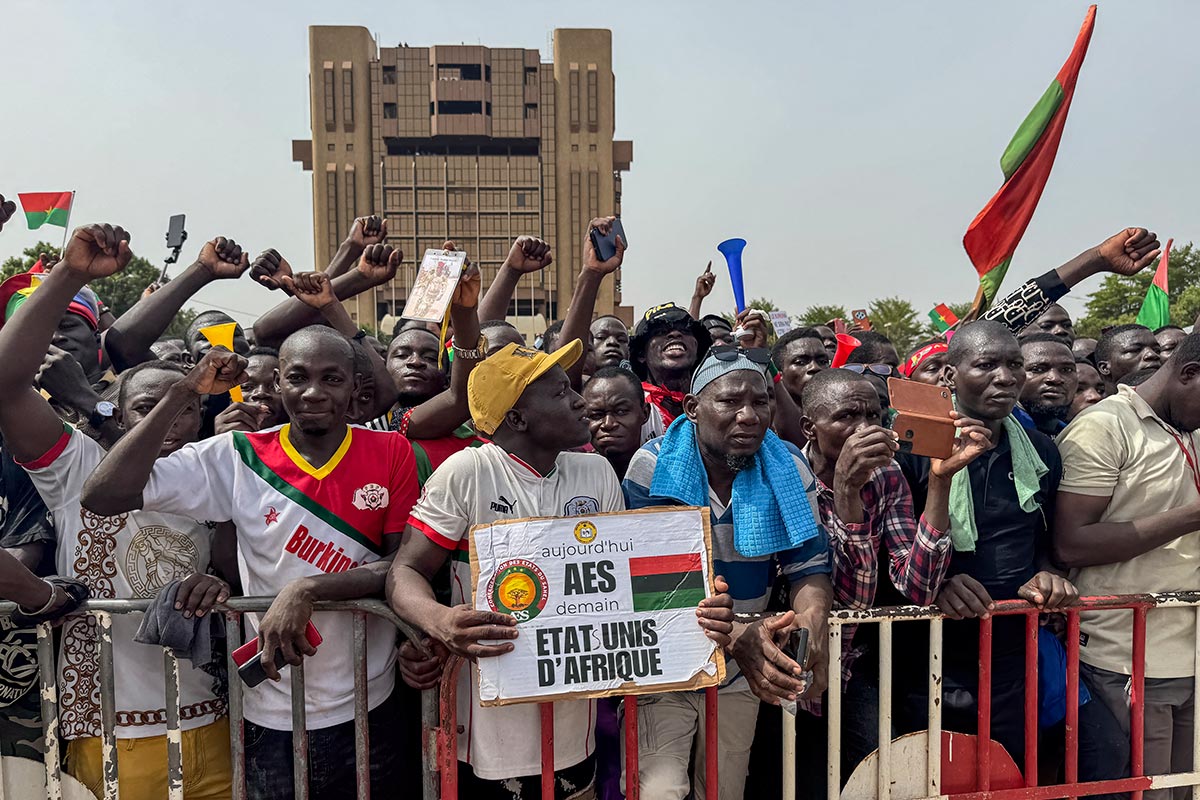
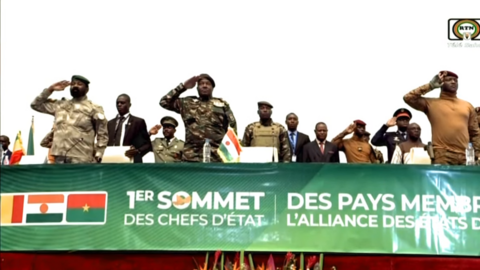
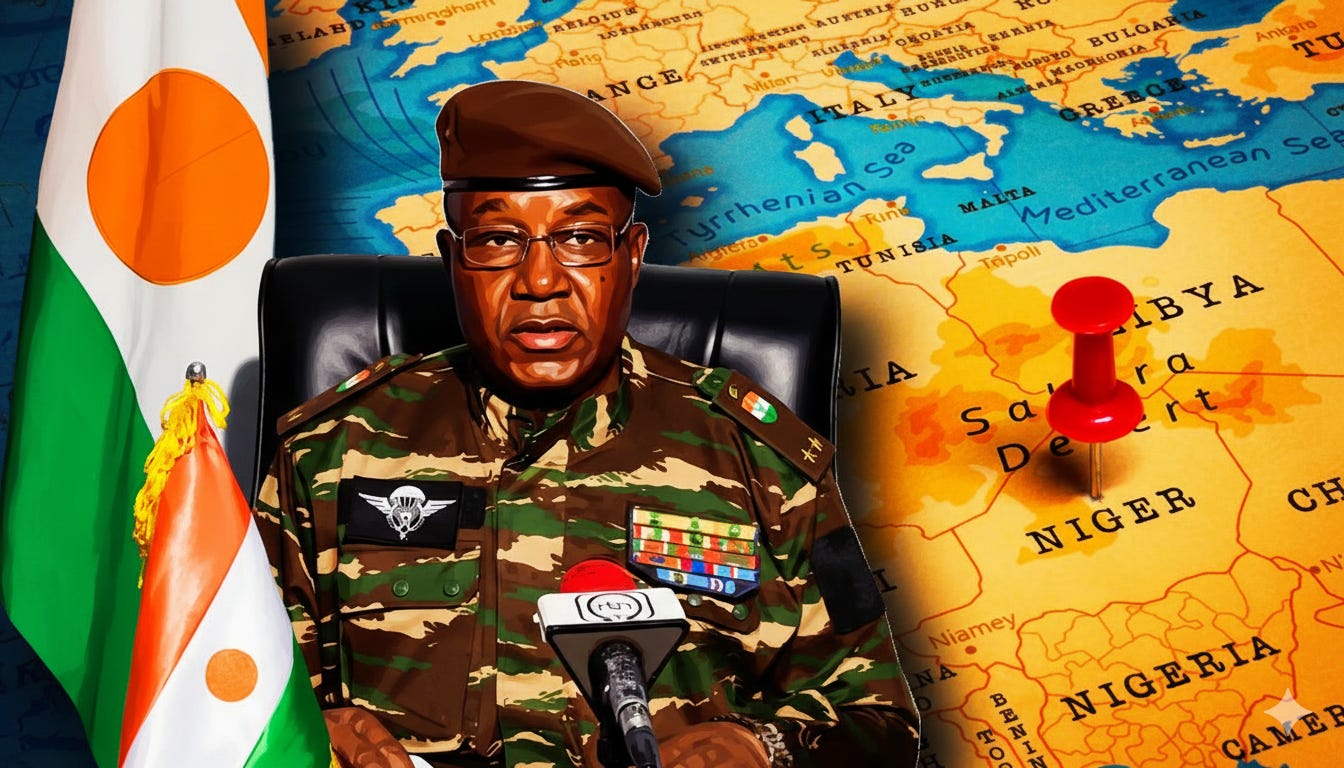
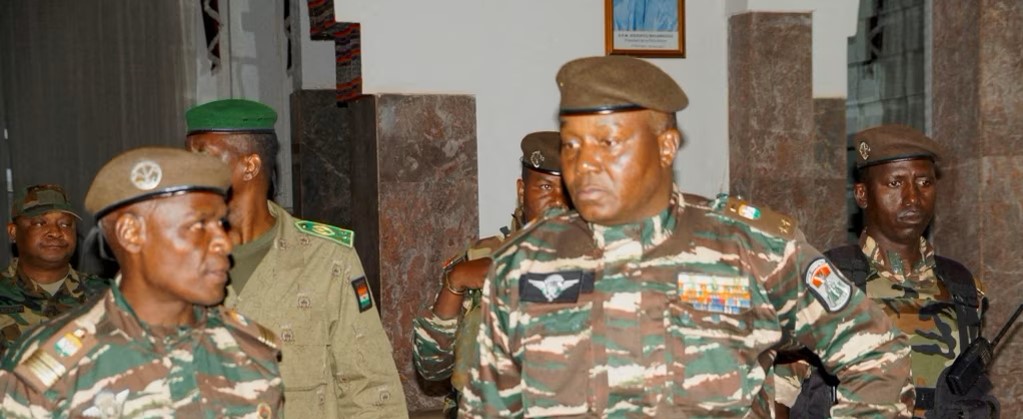
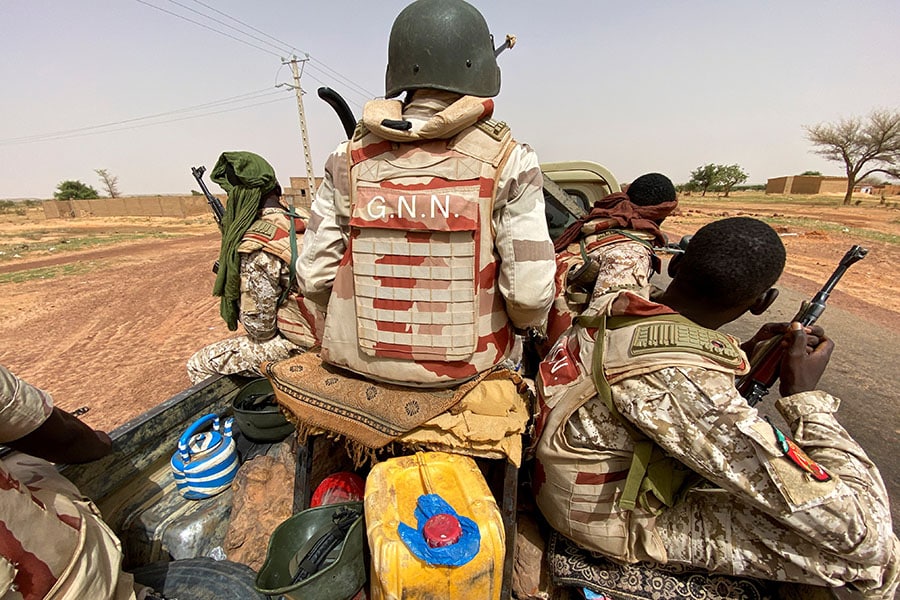
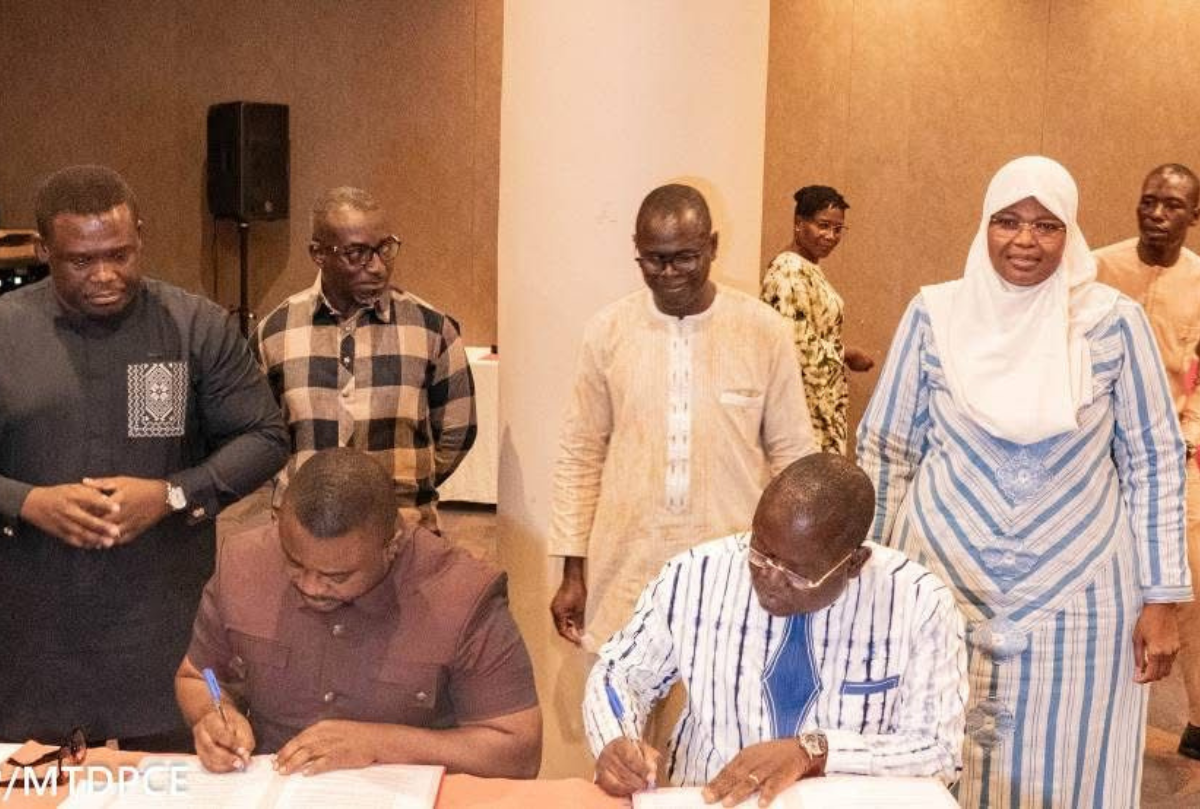
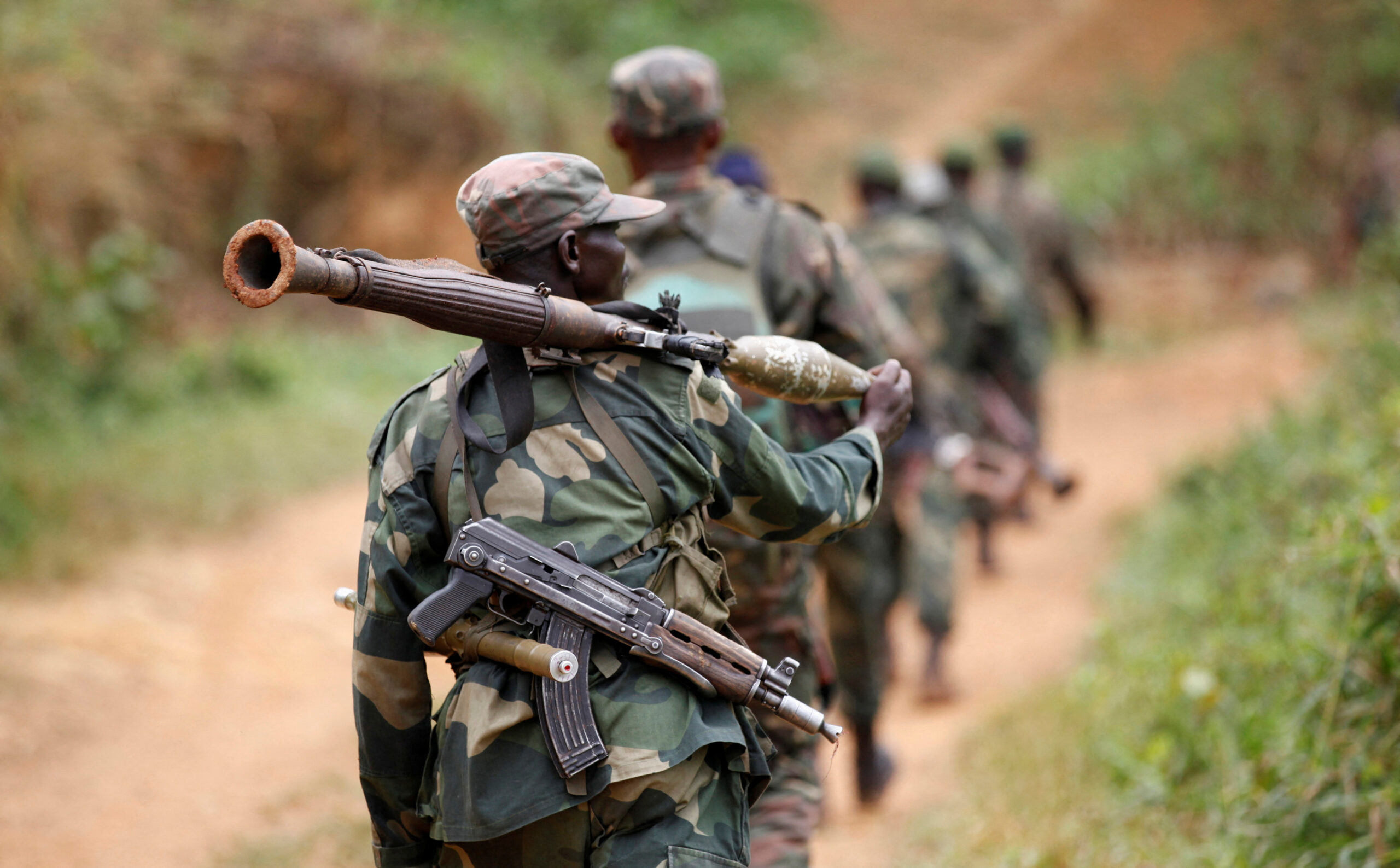
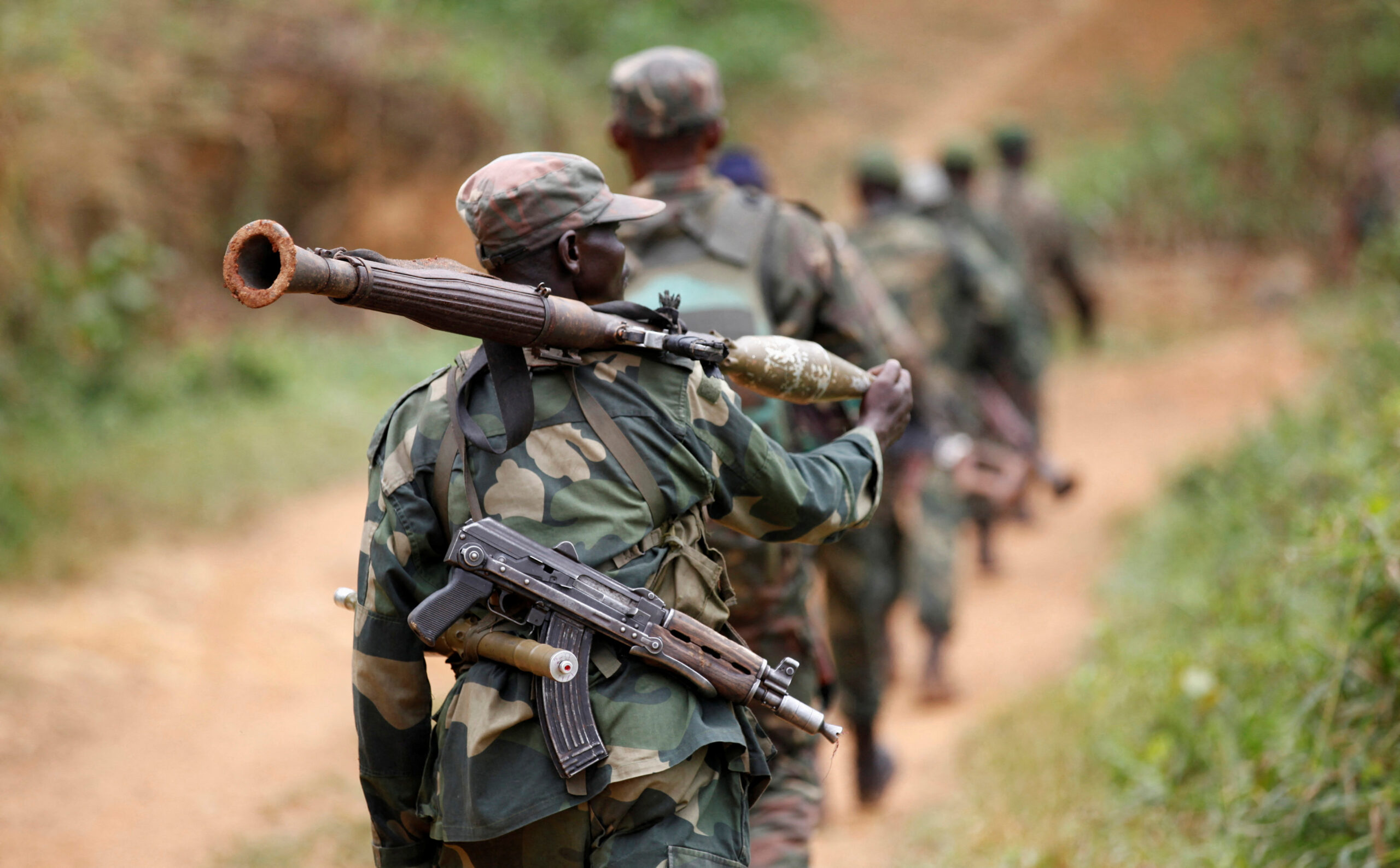
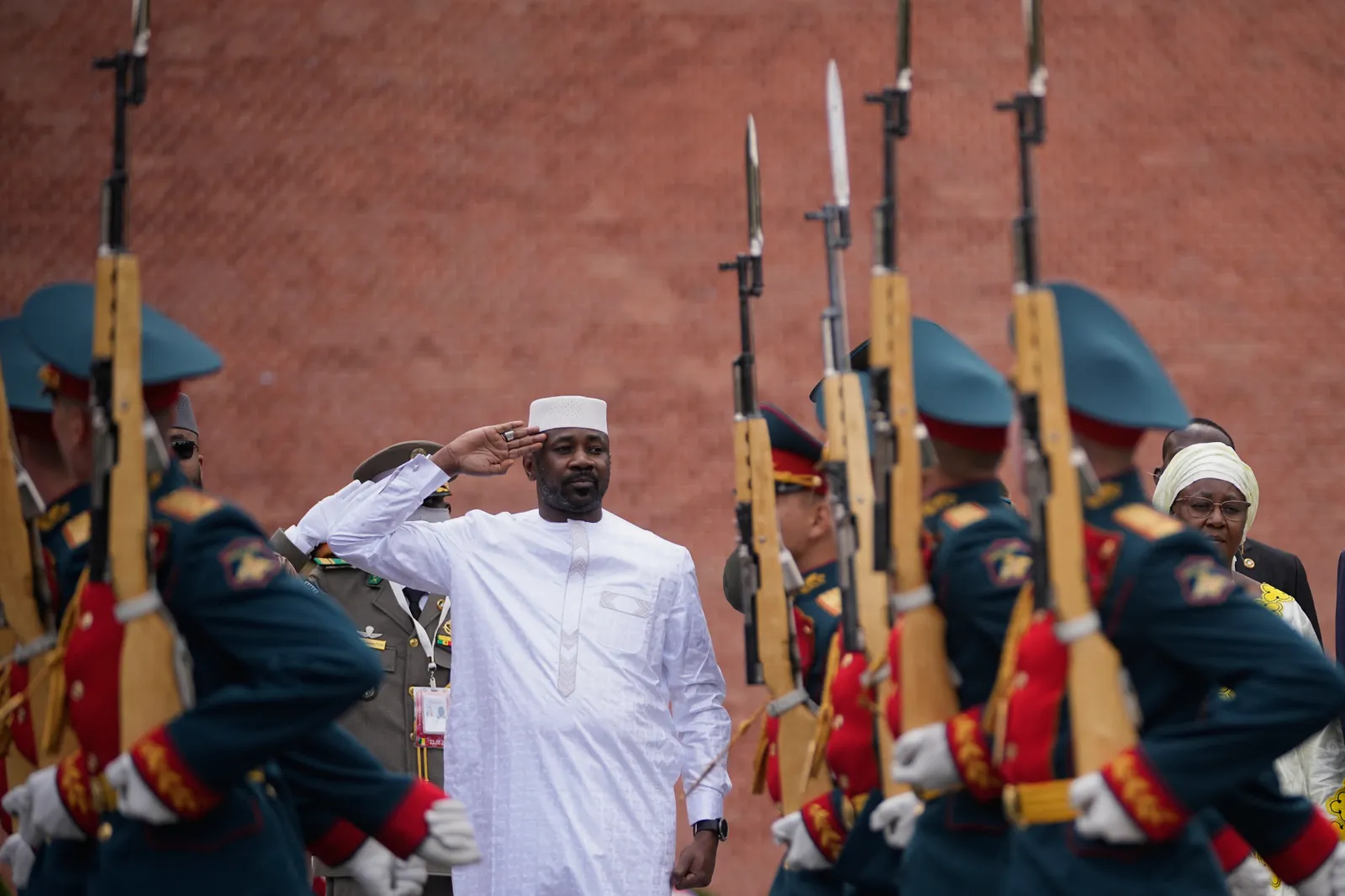
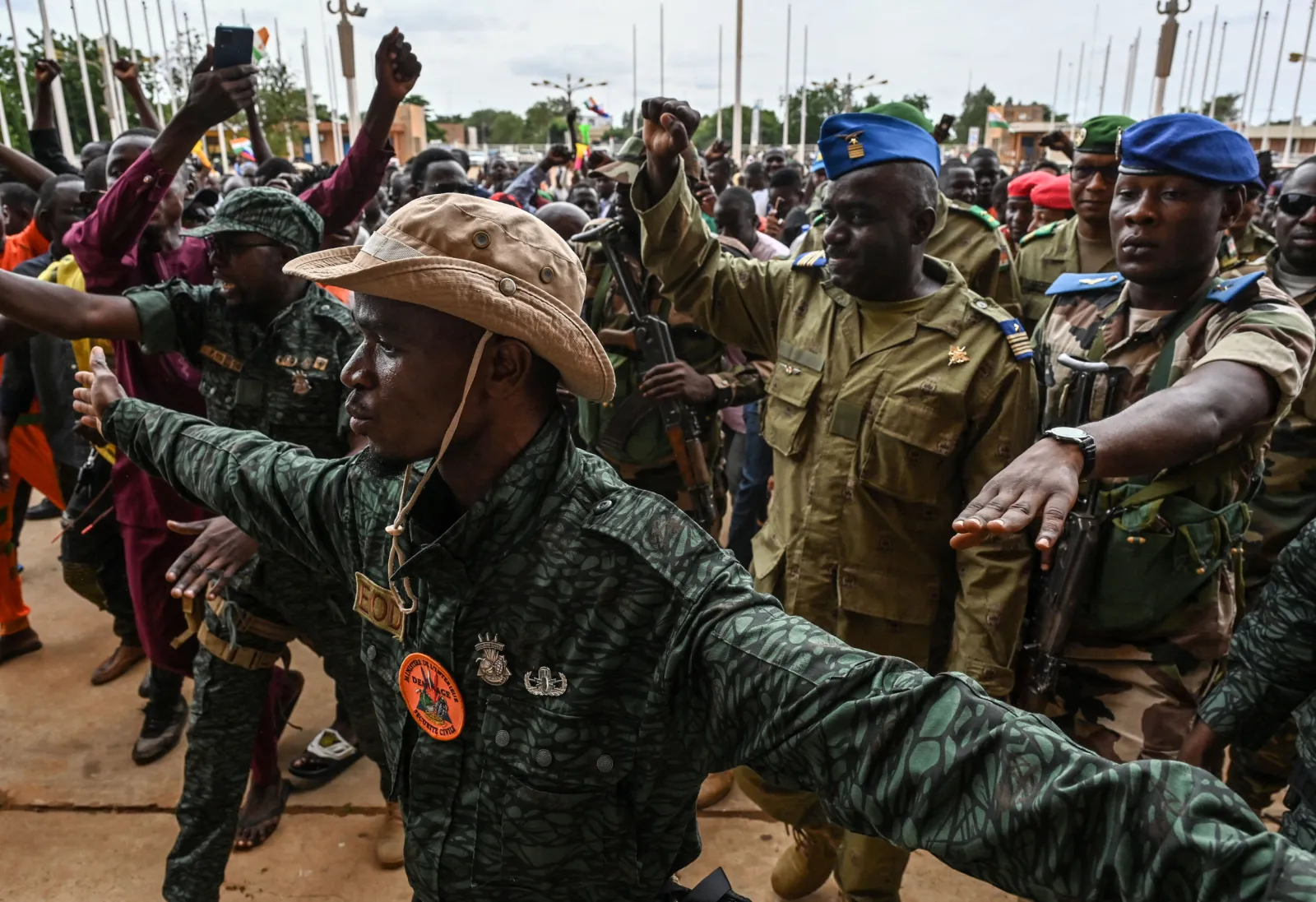
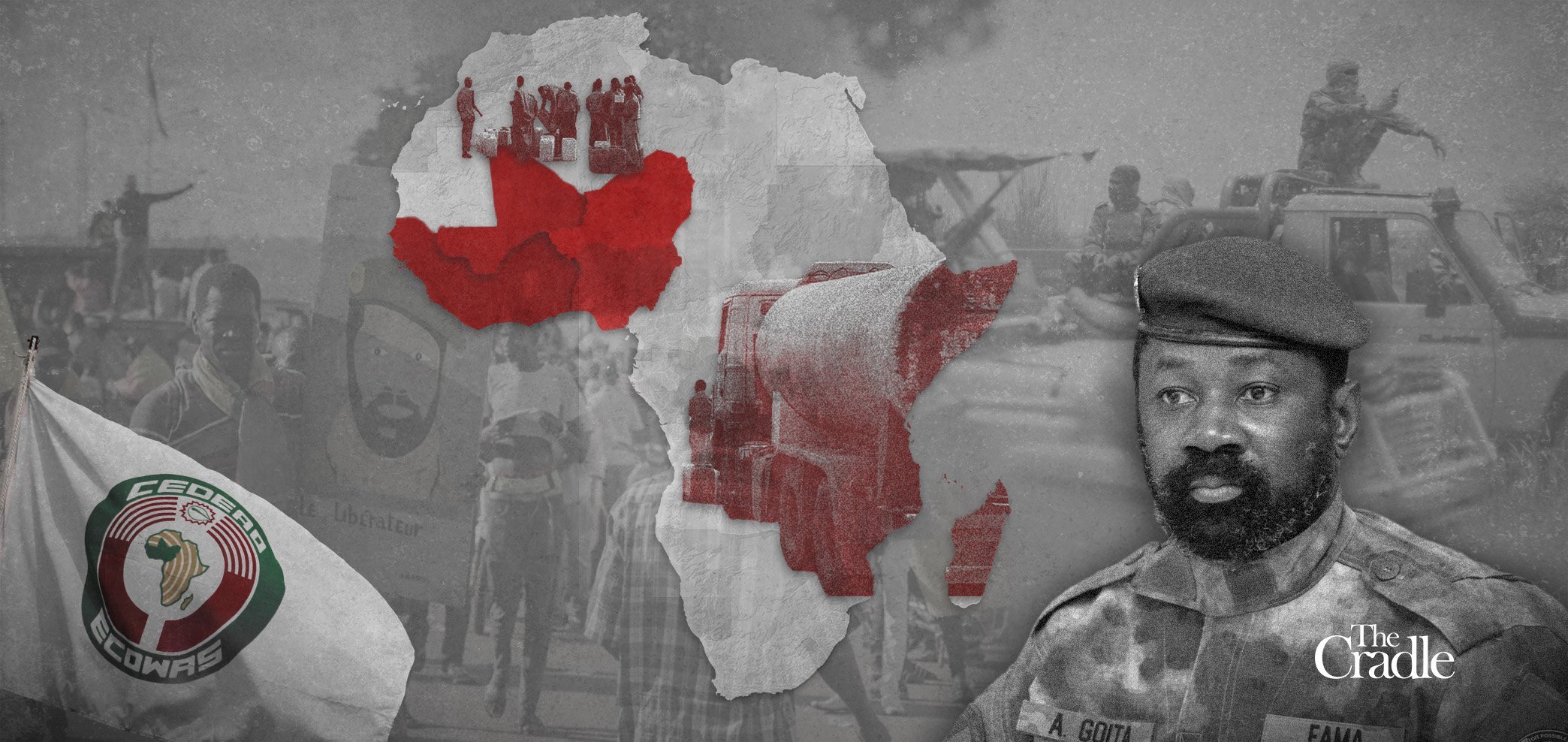
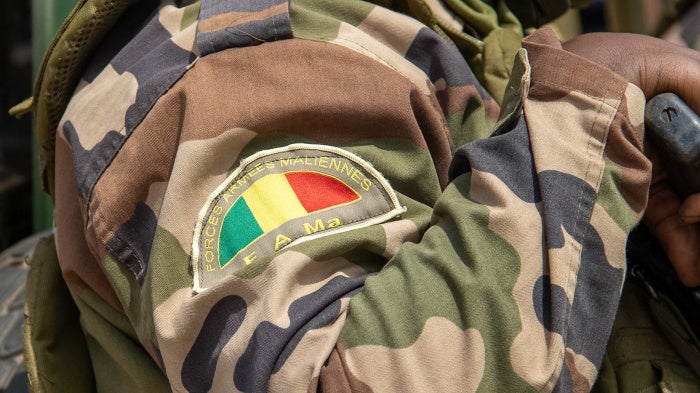
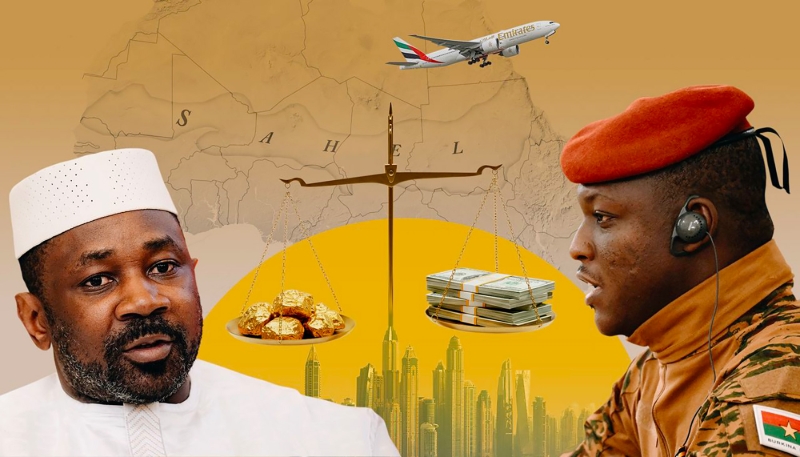
Mali’s story today is one of immense challenges, yet it’s also marked by a determined spirit to find stability. Plagued by rising jihadist violence, the Sahel region continues to grapple with insecurity, leaving Malians caught between ongoing conflict, economic uncertainty, and political shifts. But look closer, and you’ll see a nation actively pursuing peace, forging strategic international ties, and showing cautious signs of economic revival. It’s a complex narrative, to be sure, but one that offers a glimmer of hope for Mali and its neighbors. Just last Thursday, Mahmoud Dicko, a respected Malian imam currently living in exile, made a powerful plea to end the jihadist violence tearing through Mali and the wider Sahel. He didn’t mince words, stressing that the region’s suffering simply can’t go on and that everyone involved must urgently work towards a lasting solution. Dicko’s call truly highlights how deeply Malians yearn for stability, pushing both militants and governments to engage in meaningful dialogue and reconciliation. We’re seeing growing fatigue and despair among populations who’ve endured years of this conflict, and his message resonates. In a significant move, Mali, alongside Burkina Faso and Niger, recently sealed a memorandum of understanding to bolster military cooperation with Russia. This agreement marks a clear shift in how these Sahel states are approaching security assistance, with Moscow pledging military support to boost counterterrorism efforts. It reflects both an urgent need to strengthen defenses and a smart diversification of Mali’s international partners beyond the usual Western players. Analysts are watching this closely, seeing it as a tactical step towards regional stability, even as it introduces new geopolitical dynamics. You can find more details on Imam Dicko’s compelling appeal for peace and the deepening military ties with Russia.
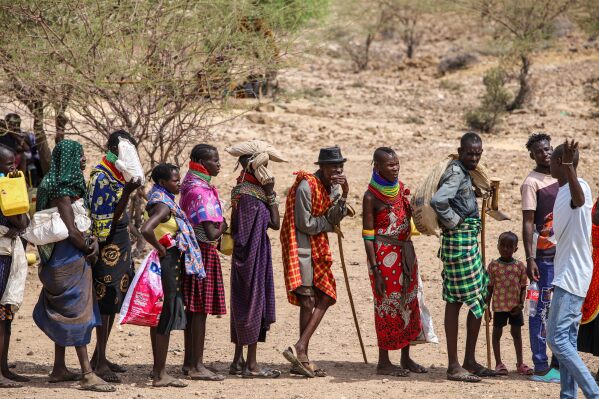
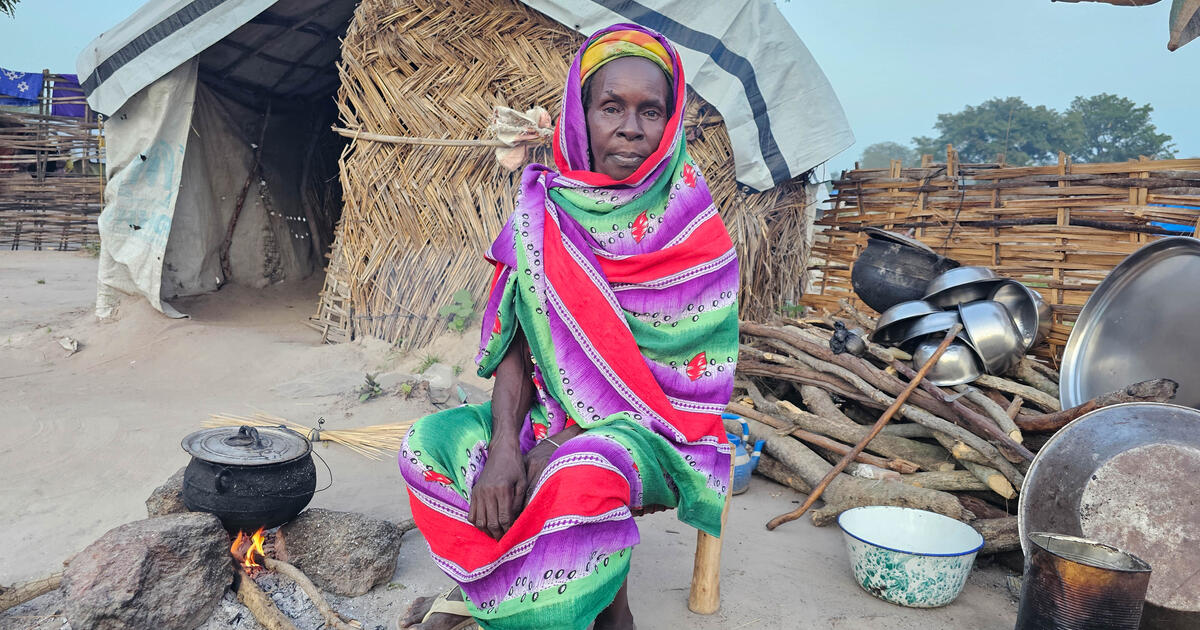
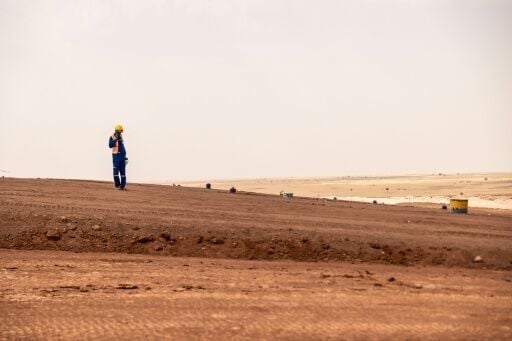
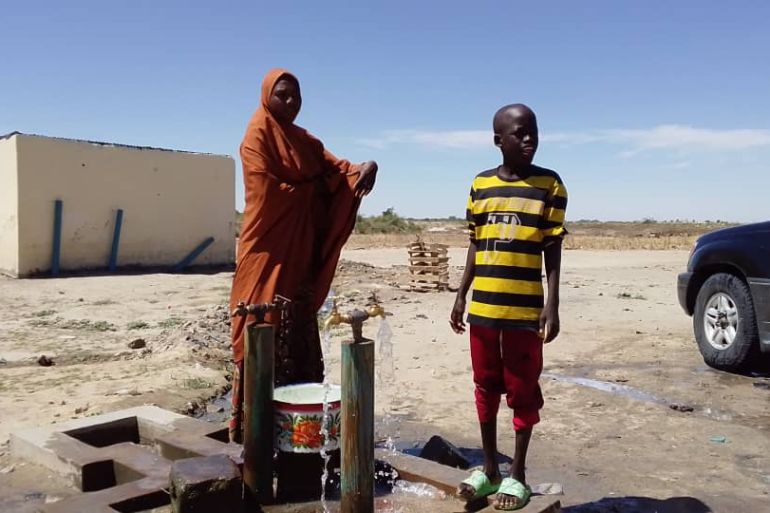
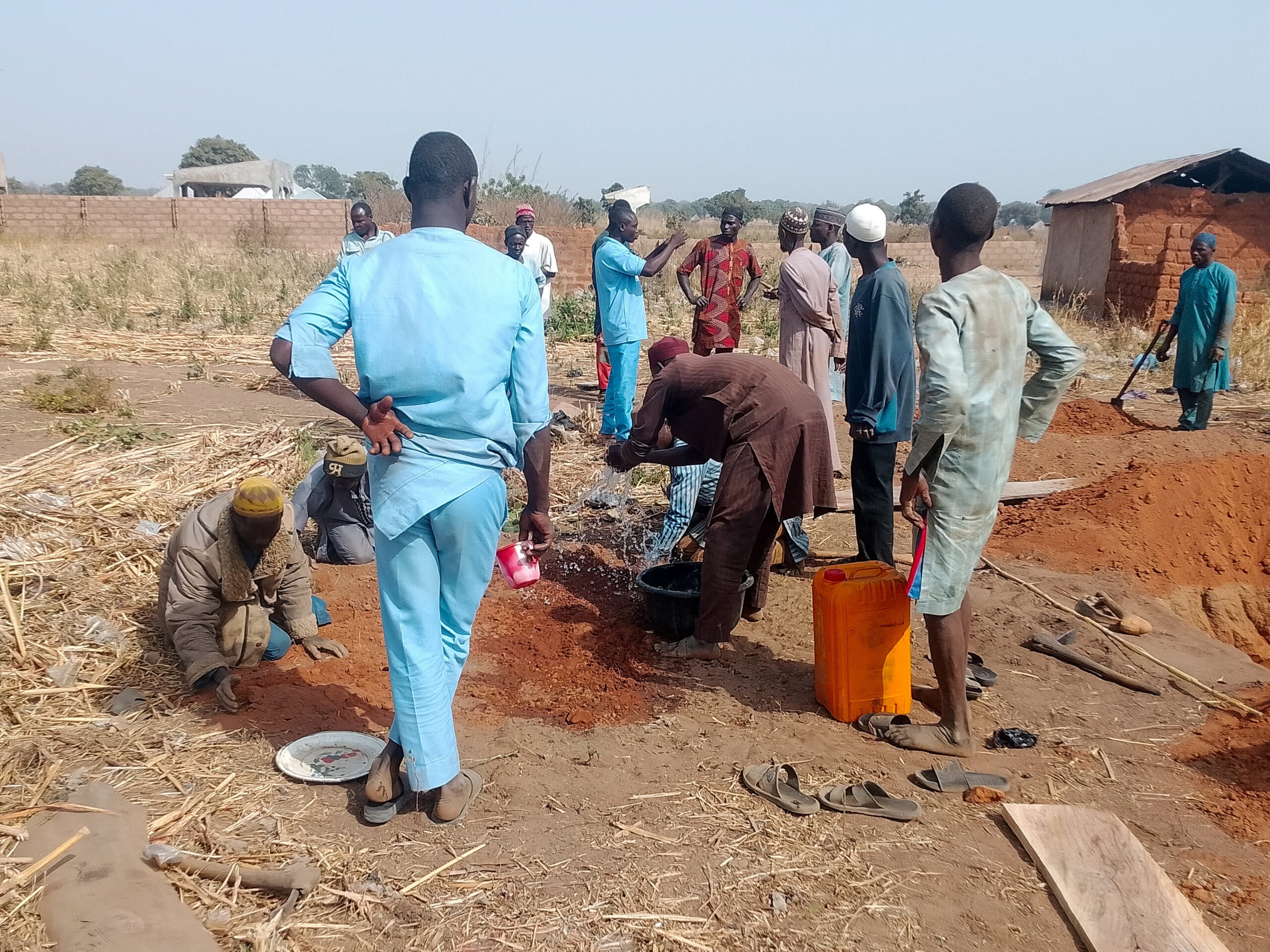
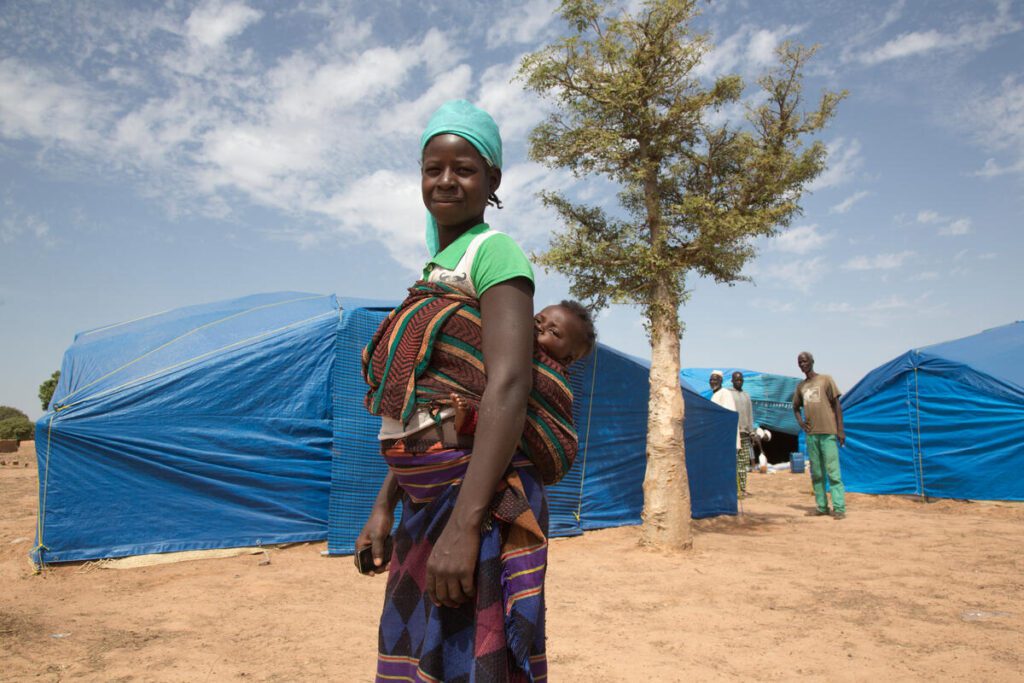
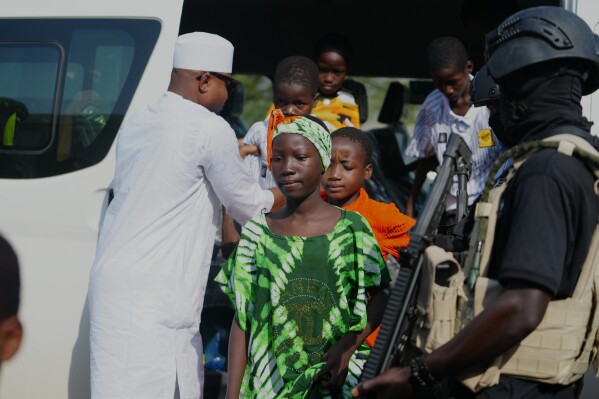
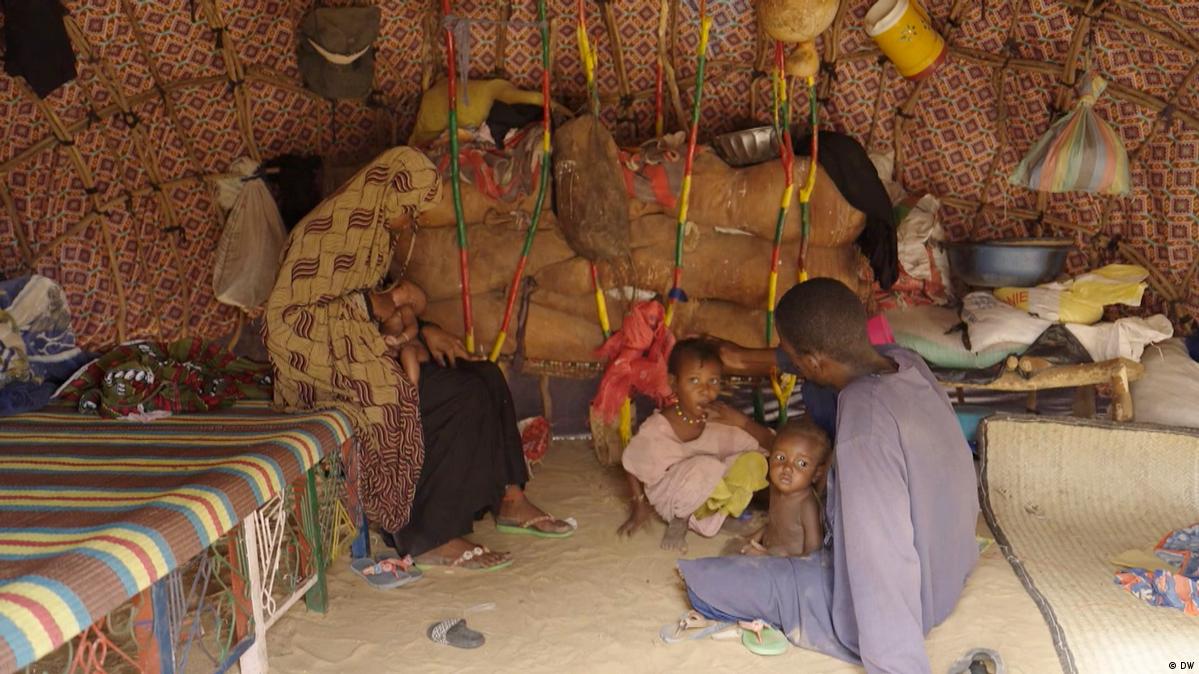
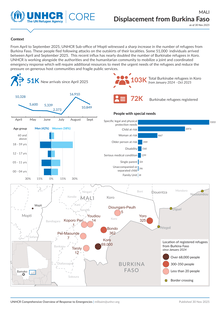
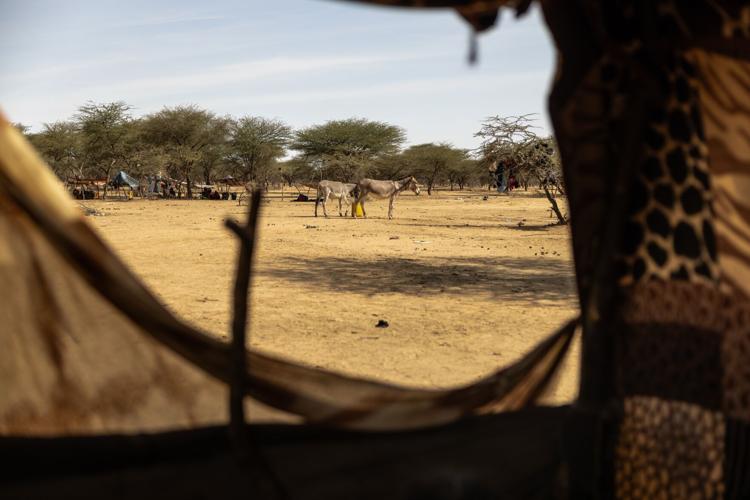
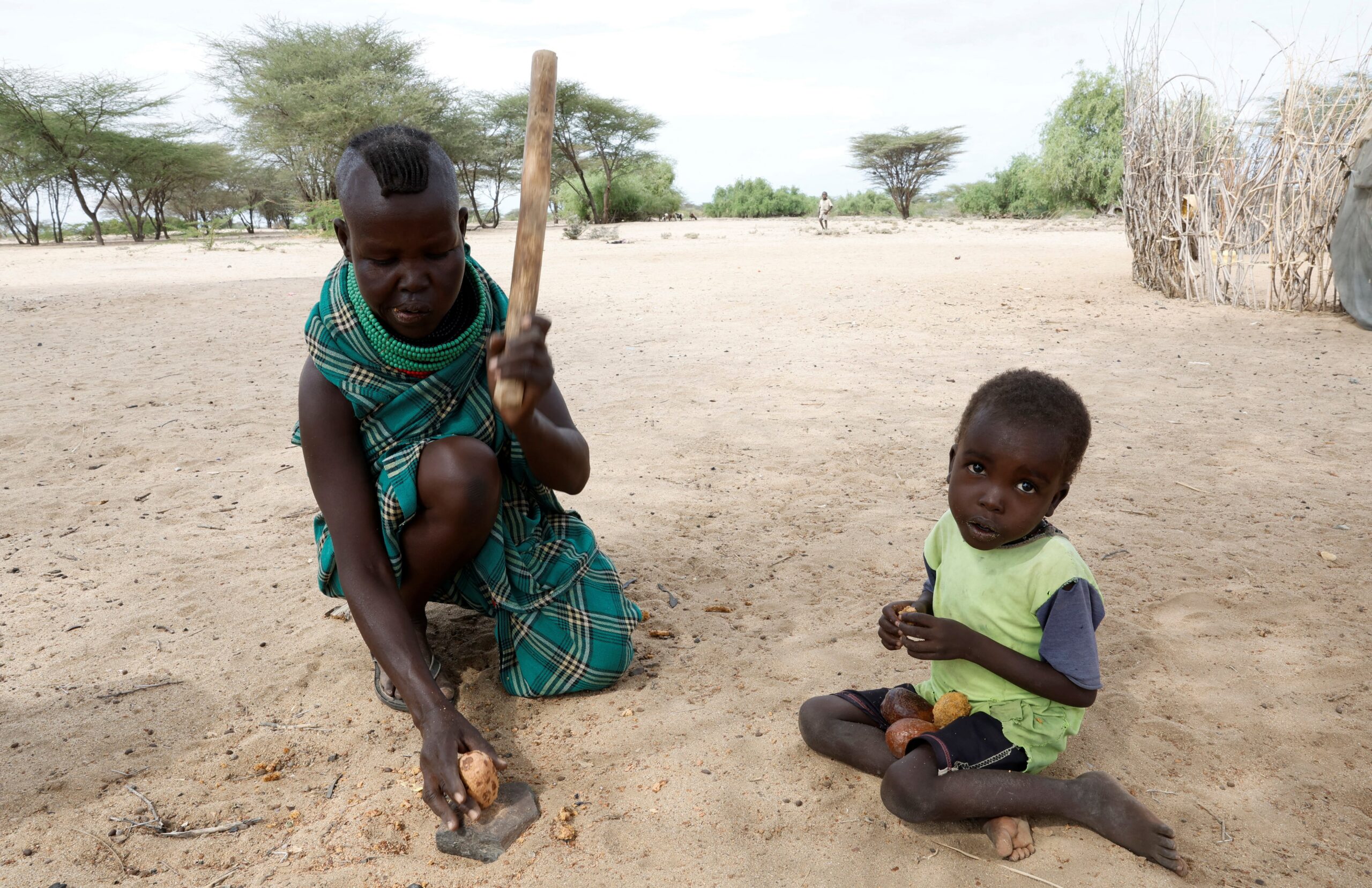
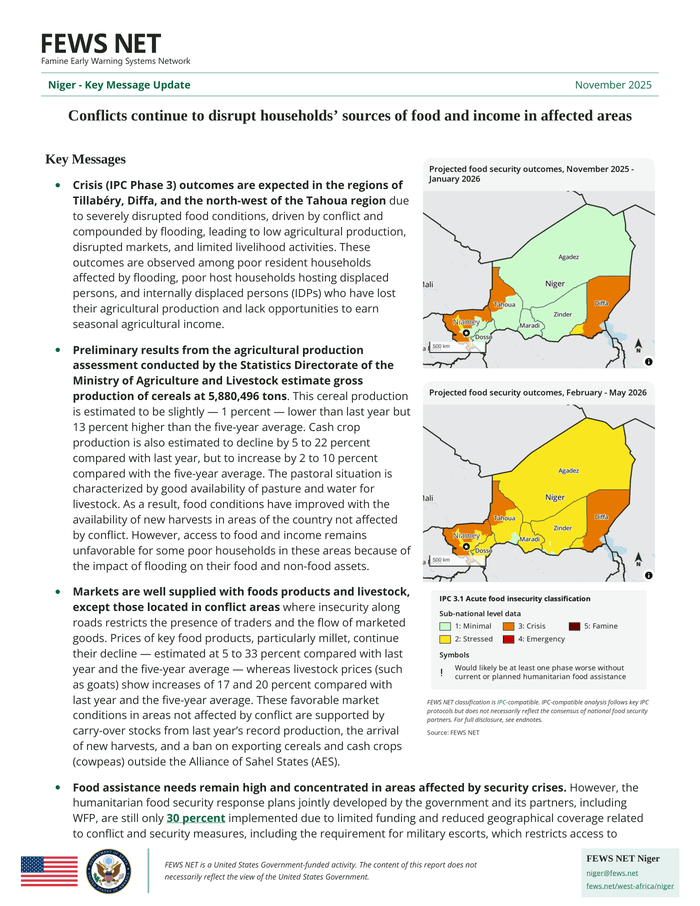
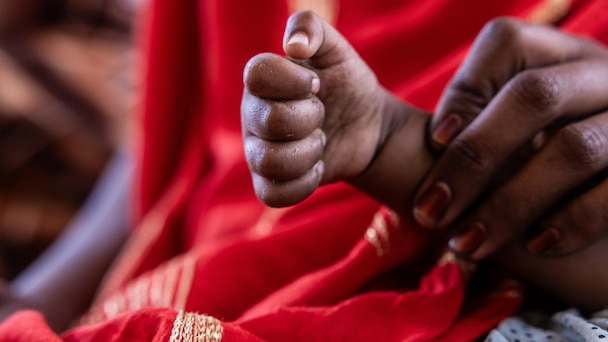
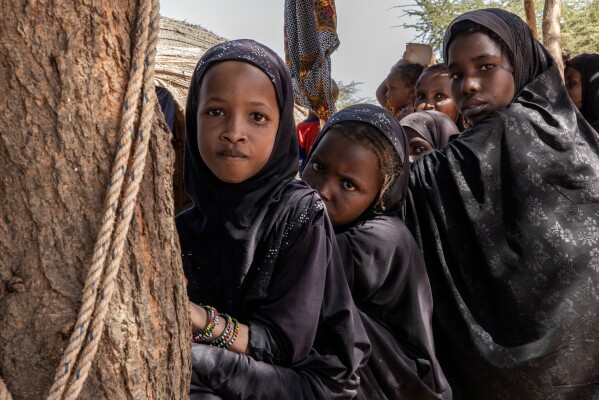
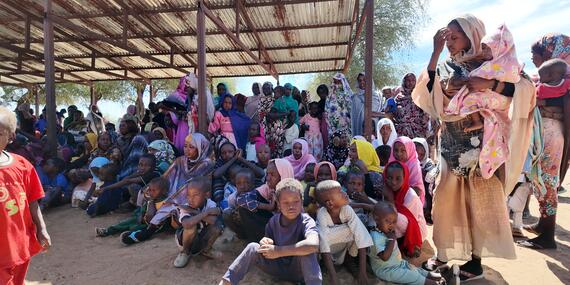
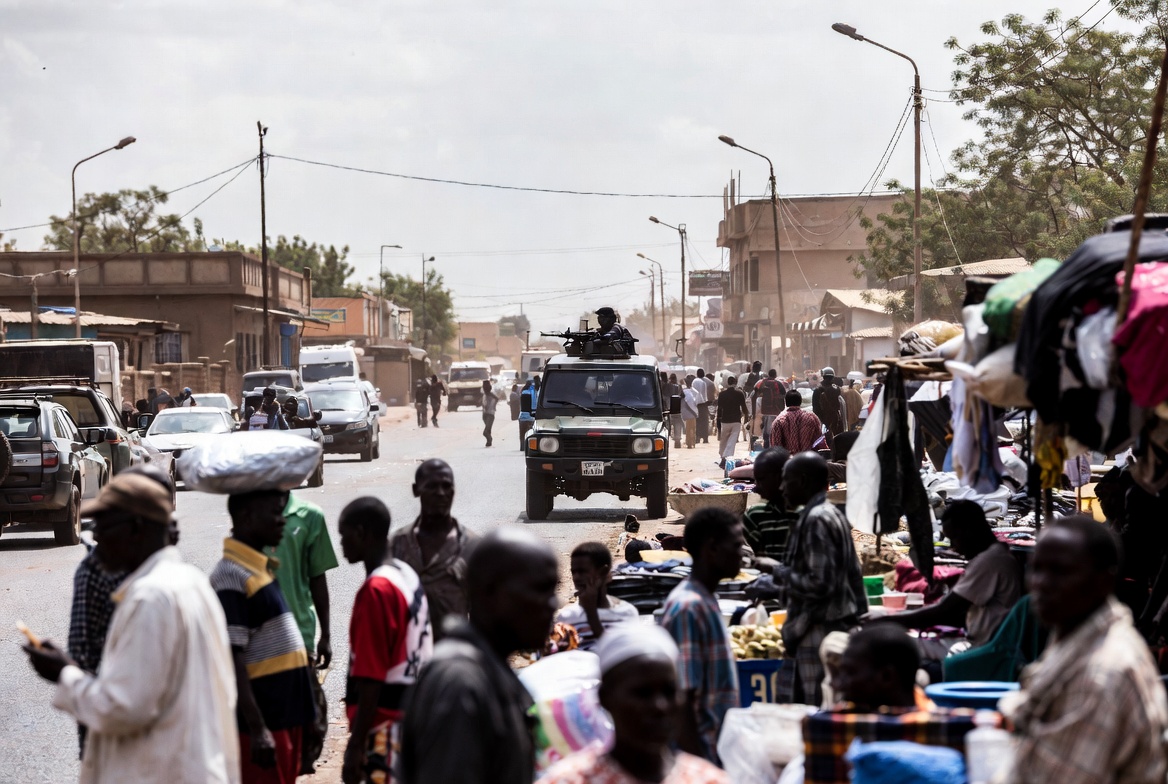
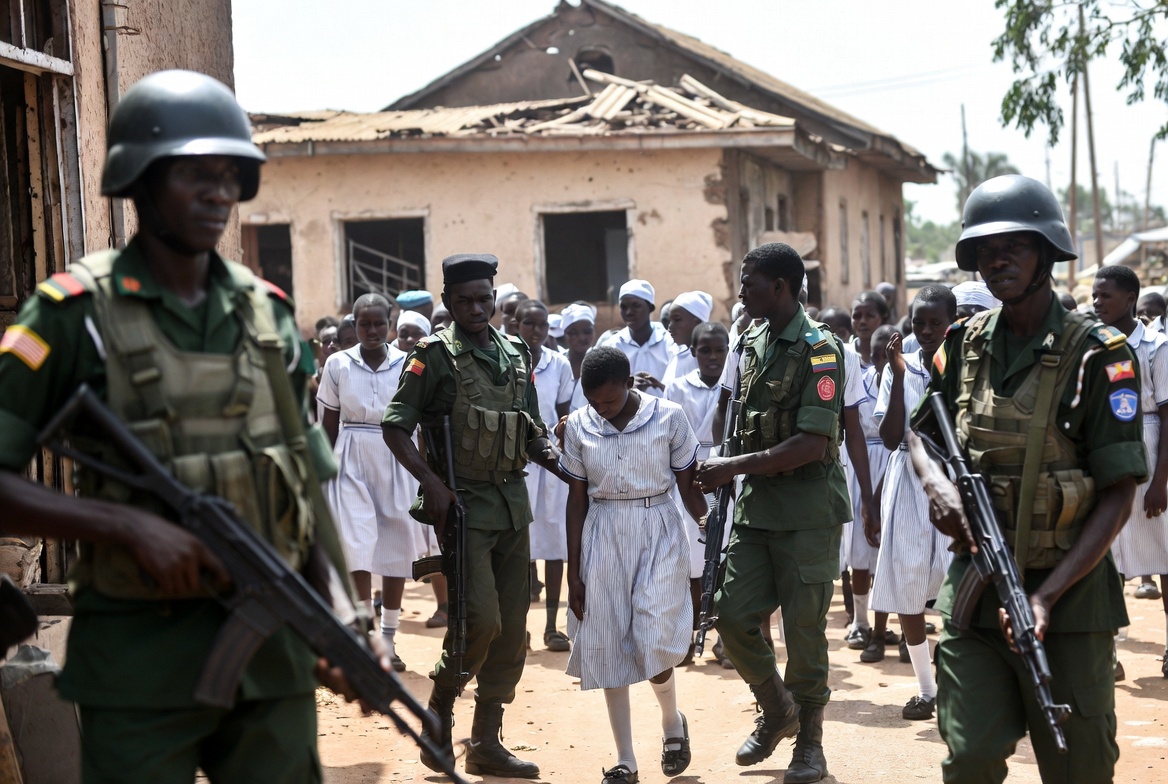
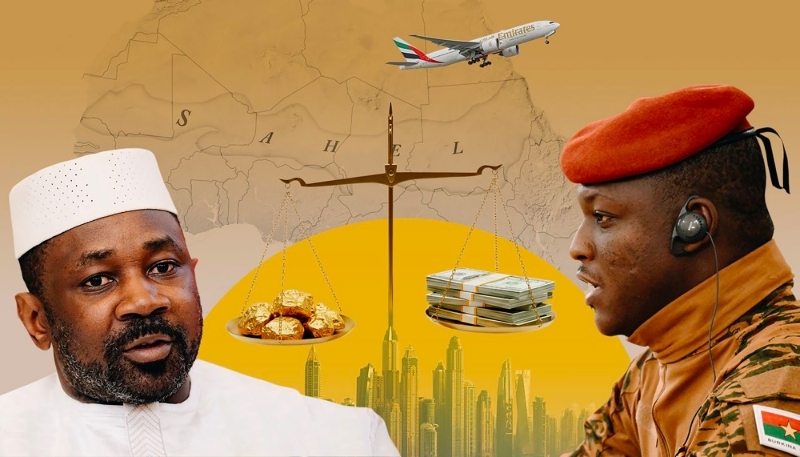
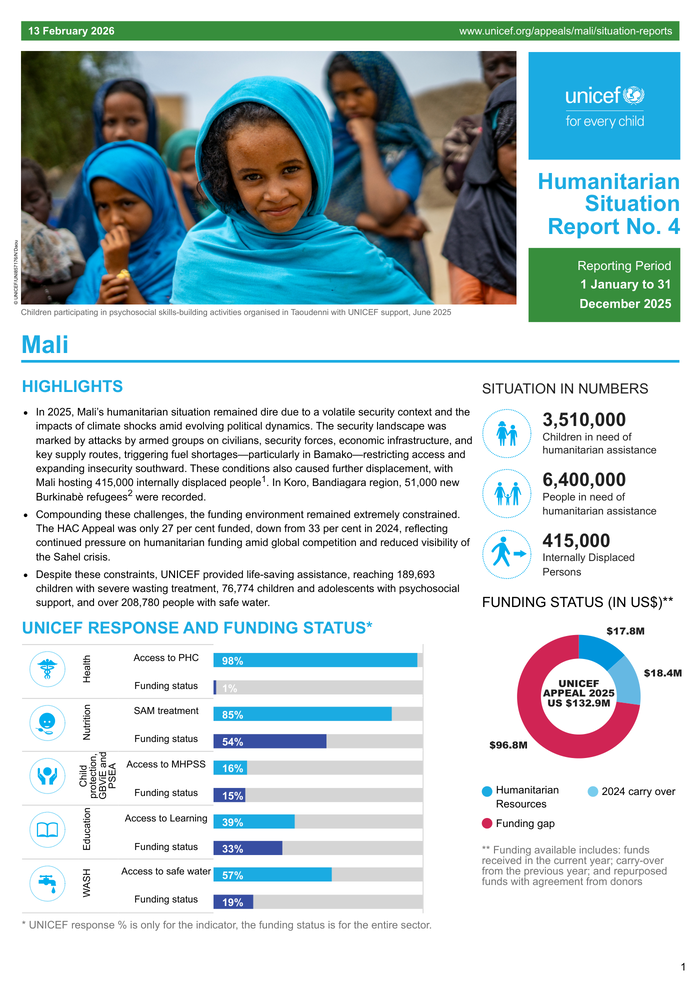
While security remains a top priority, Mali is also facing a dire humanitarian crisis. UNICEF’s 2025 Humanitarian Situation Report paints a grim picture, detailing worsening conditions driven by the combined impacts of violence, climate shocks, and a shifting political landscape. Access to essentials like food, clean water, and healthcare is increasingly restricted, putting vulnerable communities at severe risk. Displacement from conflict, alongside droughts and floods, has intensified food insecurity and health crises across Mali’s regions. International agencies are struggling to deliver much-needed aid in precarious conditions, underscoring just how critical comprehensive peace and sustainable development strategies are. Is it any wonder, then, that the international community has issued heightened travel warnings? Governments, including Australia’s Smartraveller, continue to advise against all travel to Mali, citing high risks of terrorism and kidnapping. This cautionary stance impacts more than just tourism, it affects investment and international presence, further complicating efforts to support Mali’s recovery from within. But amidst these trials, Mali’s economy shows promising signs of resilience, particularly within its mining sector. The Loulo-Gounkoto gold mine, located in Mali’s western region, recently restarted full operations after an agreement between the government and its operators. This isn’t just about business resuming, it symbolizes hope for economic revival and job creation. Gold mining is a vital pillar of Mali’s economy, and its stability directly impacts livelihoods across the country. The reopening stands as a testament to Mali’s perseverance and its potential to rebuild even when facing adversity.
So, where does Mali go from here? It’s truly at a crossroads, where security, humanitarian needs, and economic recovery are all deeply interconnected and demand a holistic approach. The imam’s passionate call for peace, the country’s strategic military cooperation with Russia, and the tentative return of key industries illustrate a multifaceted strategy to confront this ongoing crisis. Success, as always, will hinge on the sustained commitment from local leaders, international partners, and communities alike to foster dialogue, protect civilians, and create the kind of conditions that allow for real growth. The path ahead undoubtedly holds its share of uncertainty, but the convergence of these determined efforts offers a real gateway to transforming Mali’s future. If peace can be brokered and security firmly stabilized, it won’t just benefit Mali, it could unlock the potential for broader development and stronger regional cooperation across the Sahel. As the world watches, Mali’s journey reminds us all of the sheer resilience required to overcome entrenched conflict and to build a brighter horizon for all its citizens. You can delve into the full UNICEF 2025 Humanitarian Situation Report for a deeper understanding of the challenges ahead, and explore Burkina Faso’s efforts to tackle terrorism and build resilience, offering a comparative regional perspective.