Mali, Burkina Faso, and Niger Forge a United Front Amidst Sahel’s Turmoil and Economic Hopes
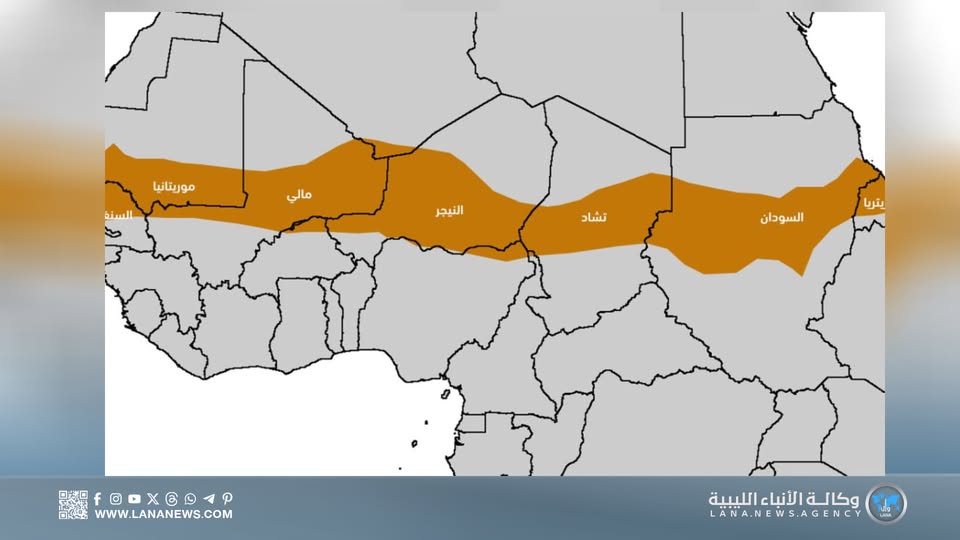
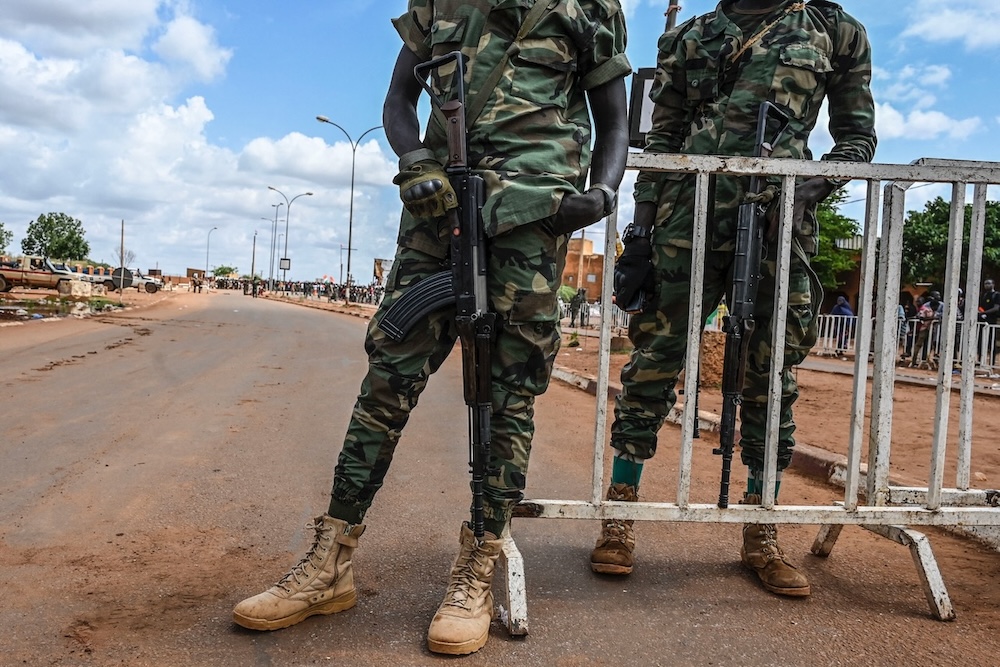
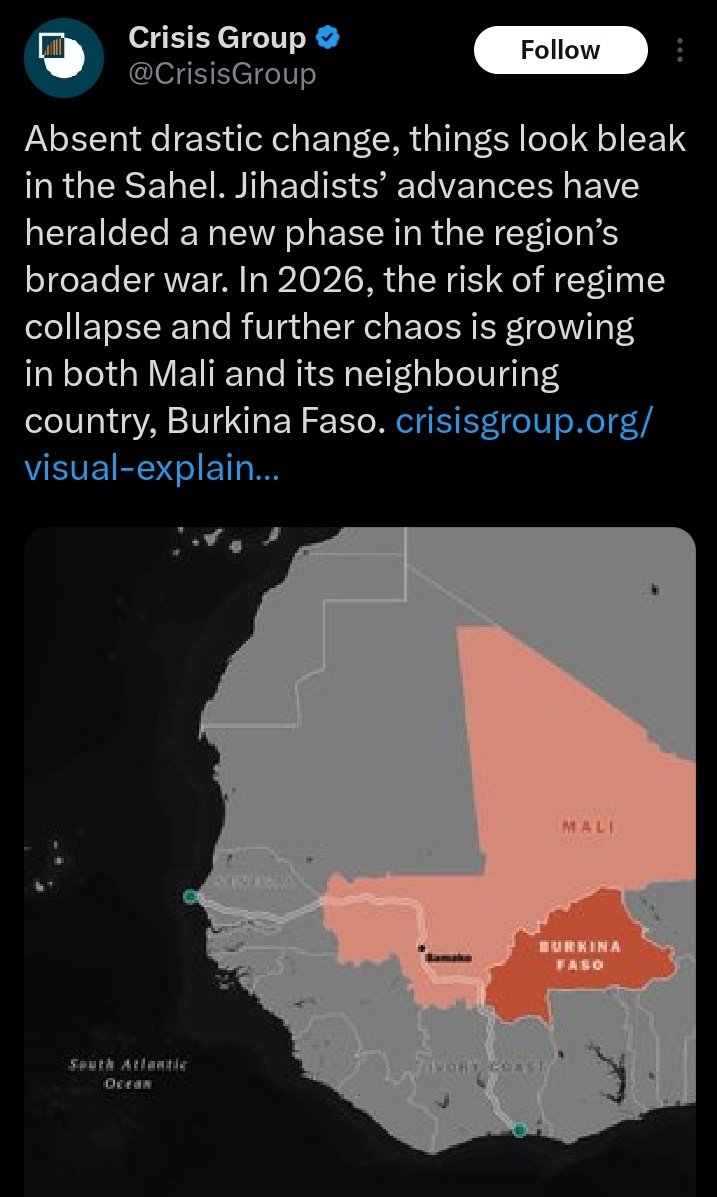
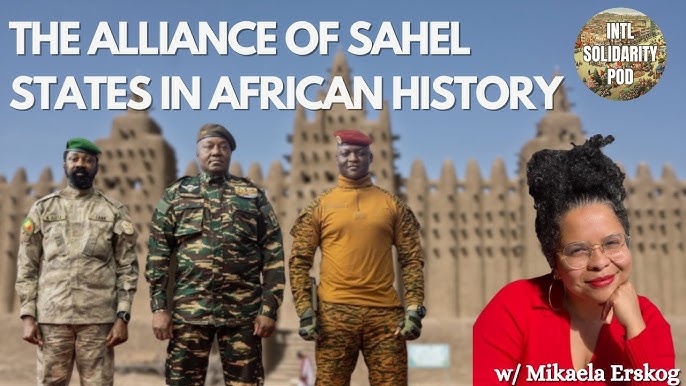
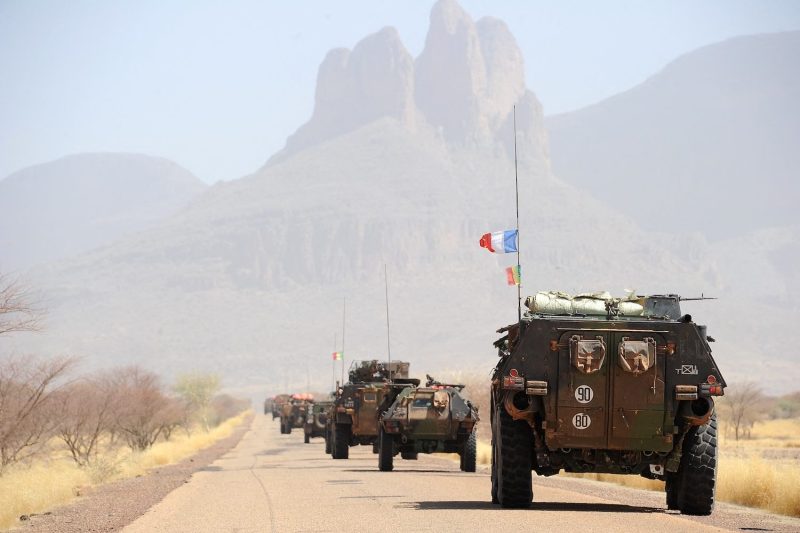
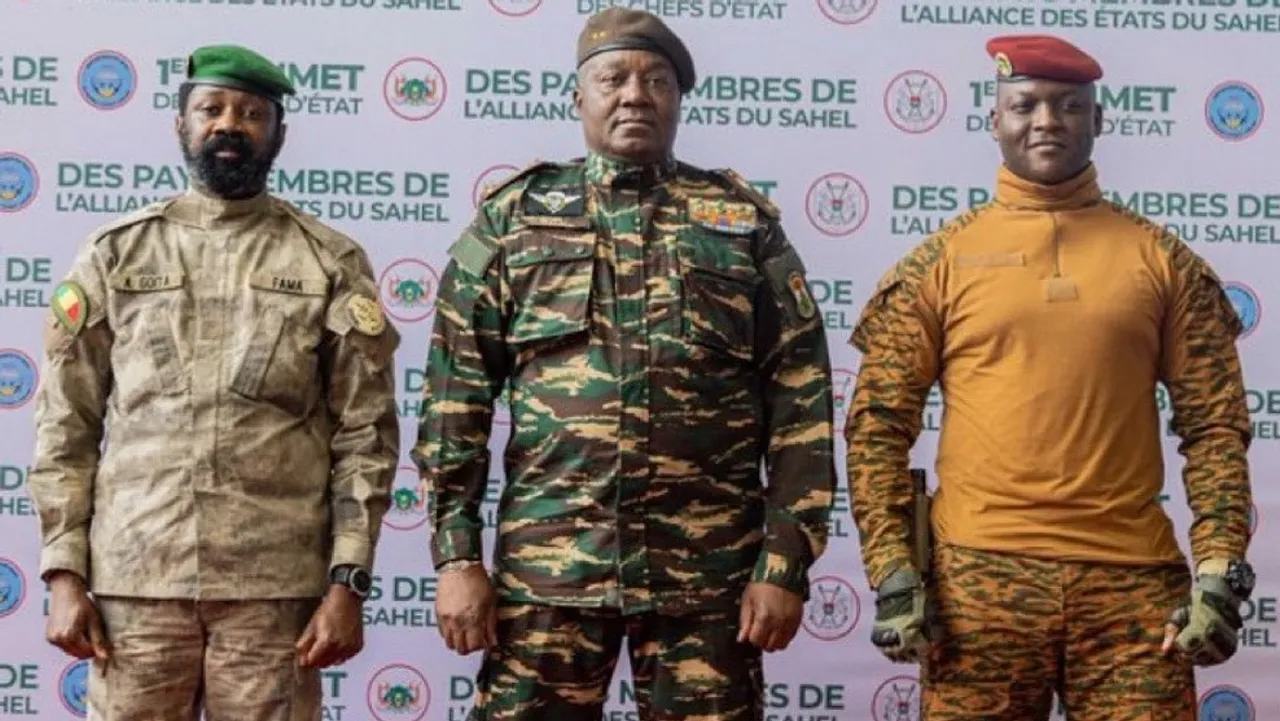
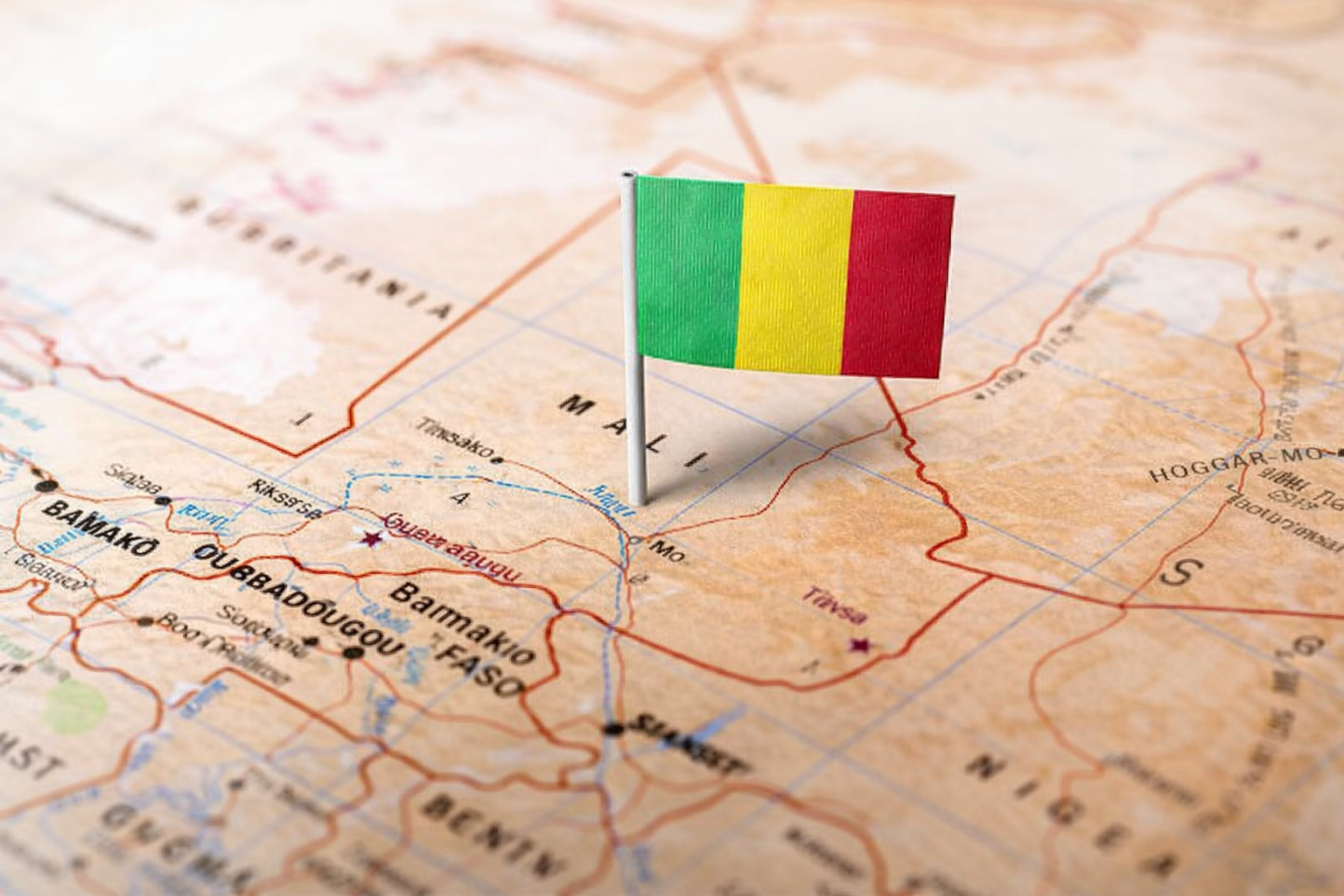
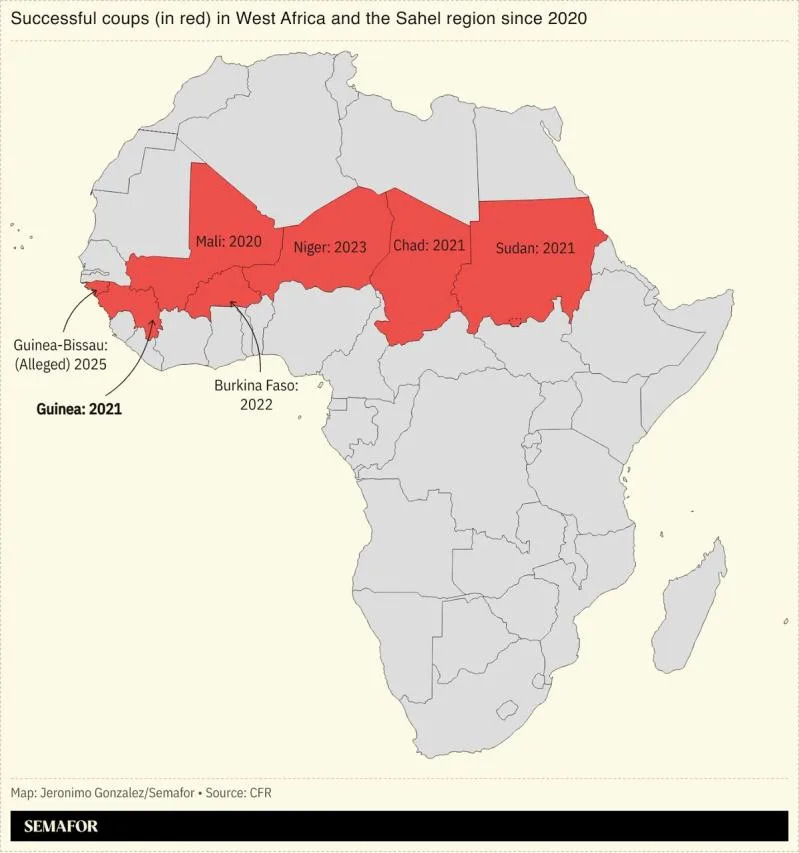
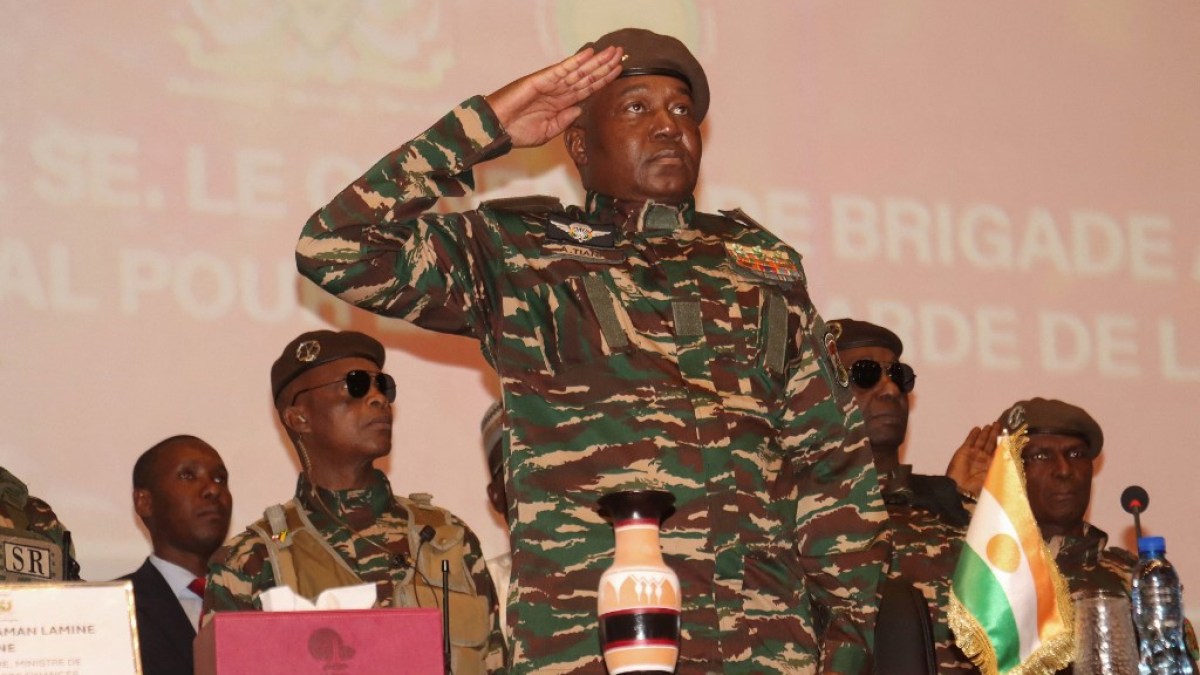
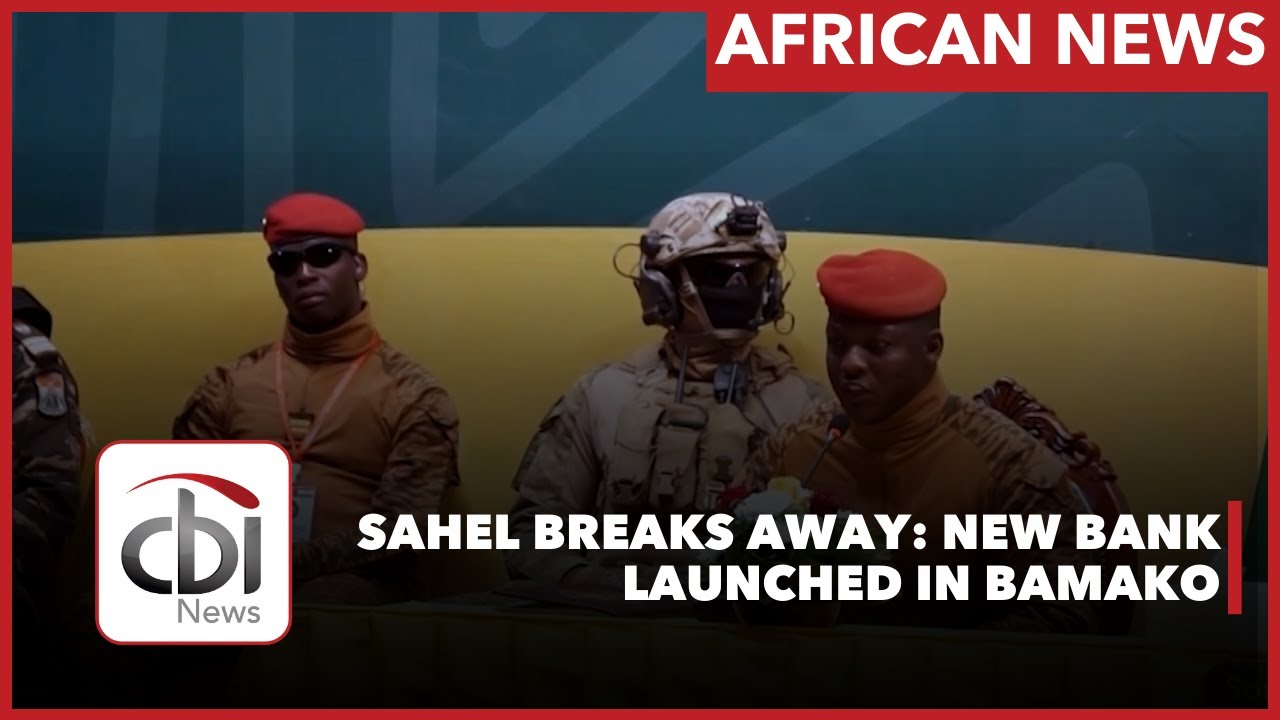
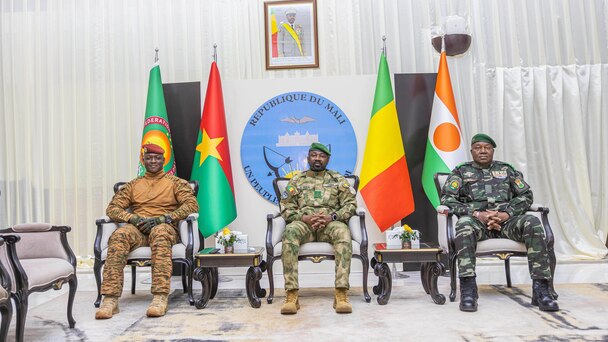
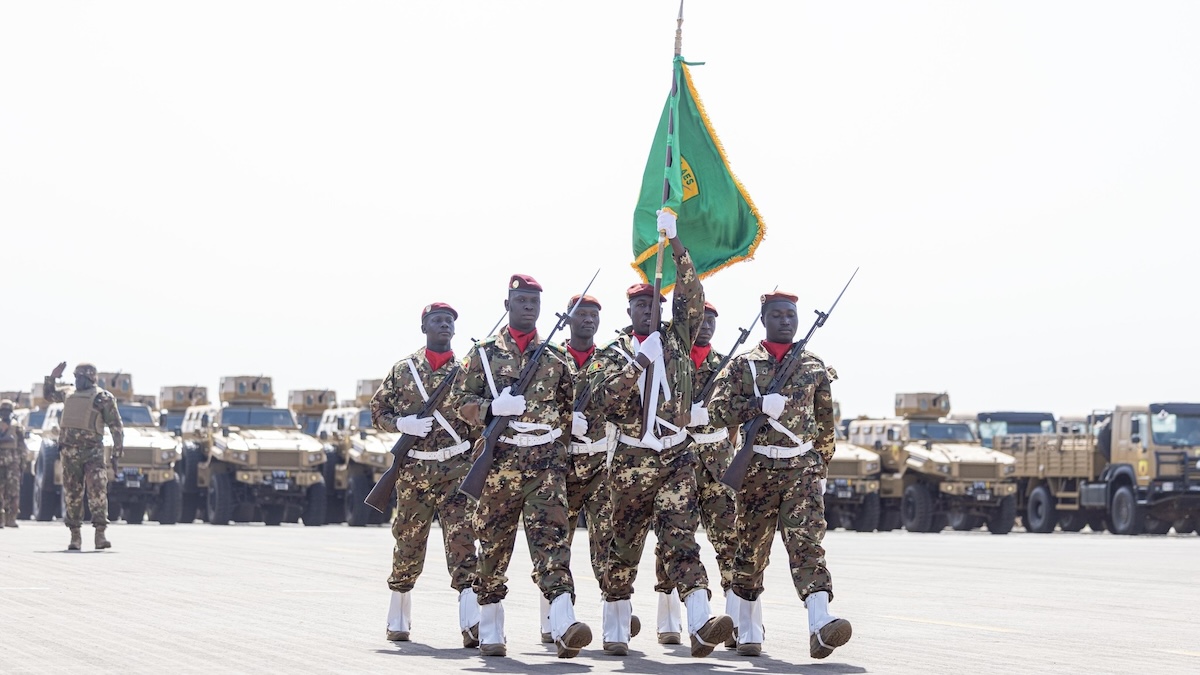
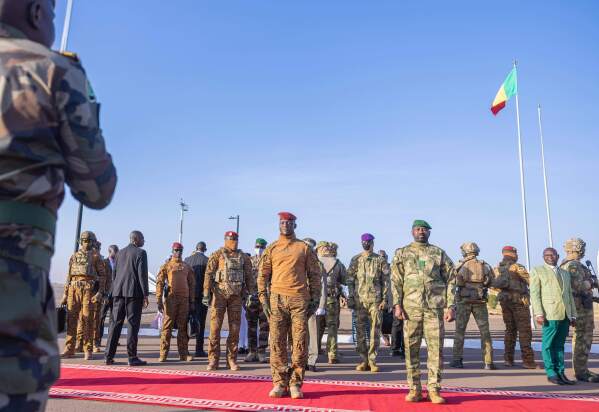
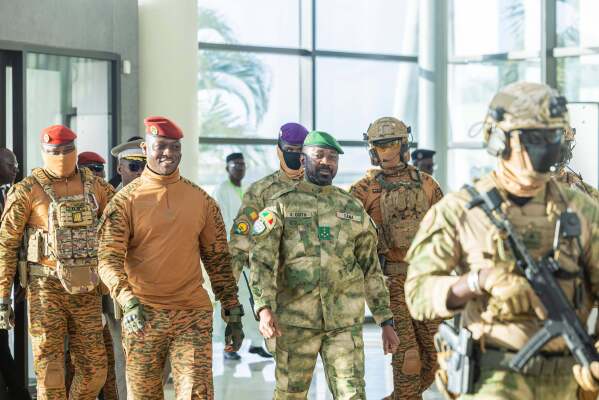
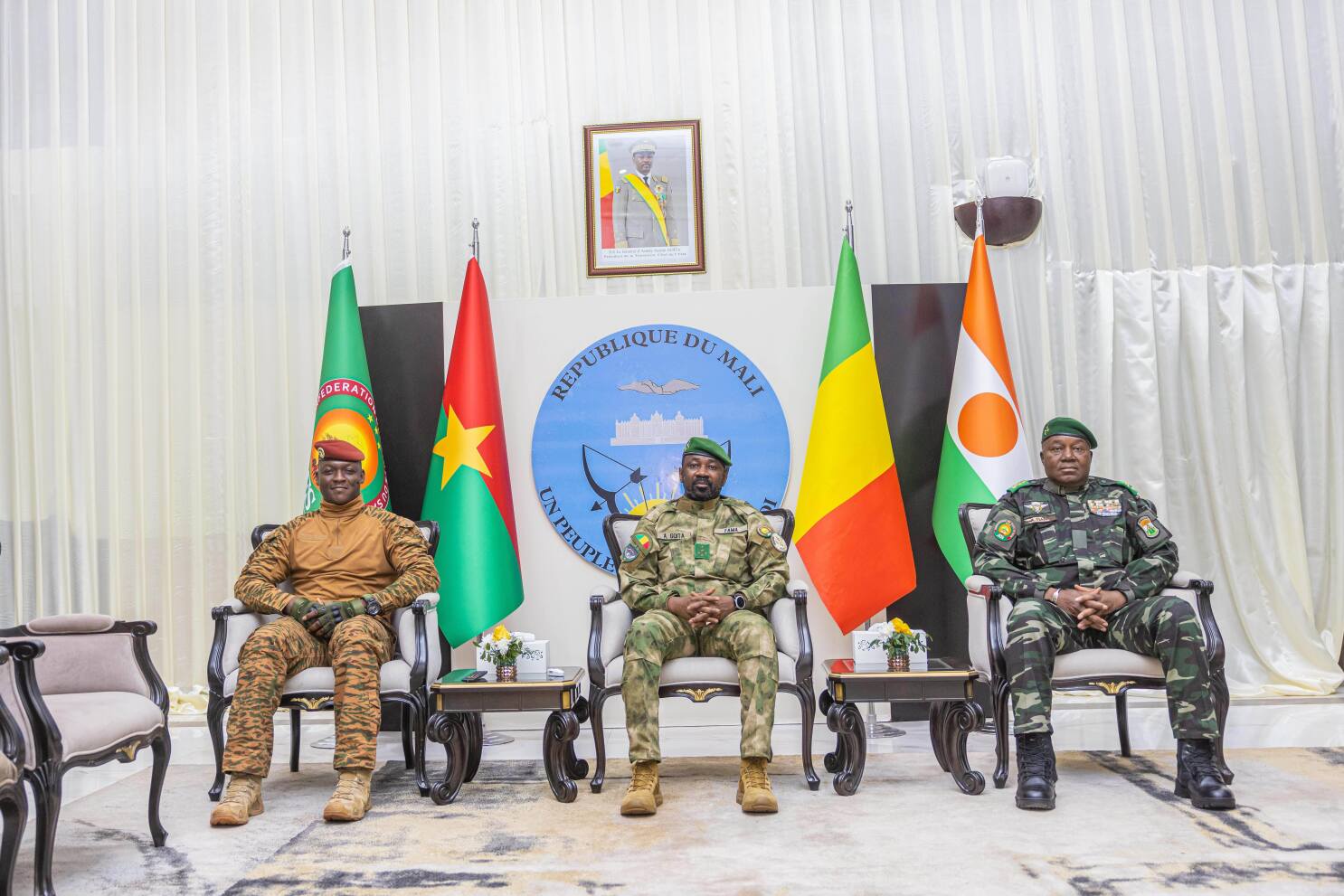
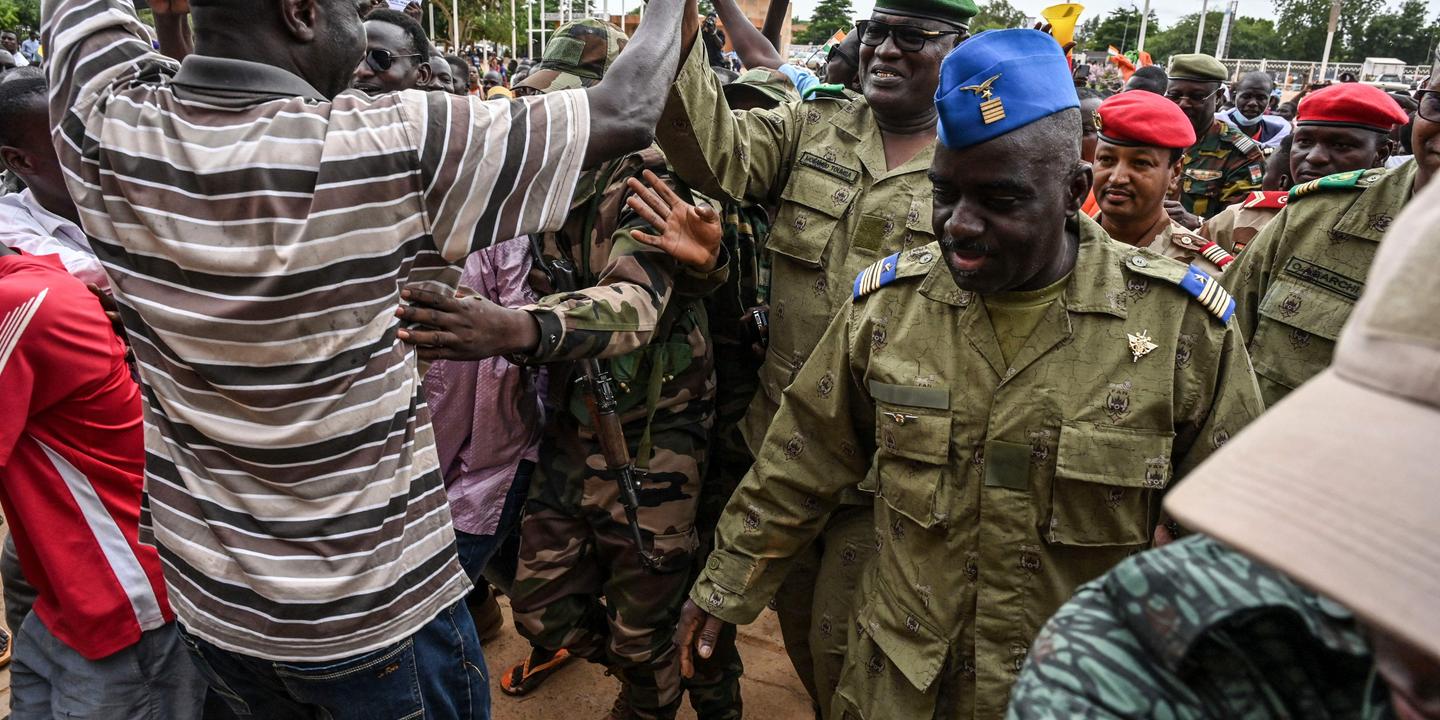
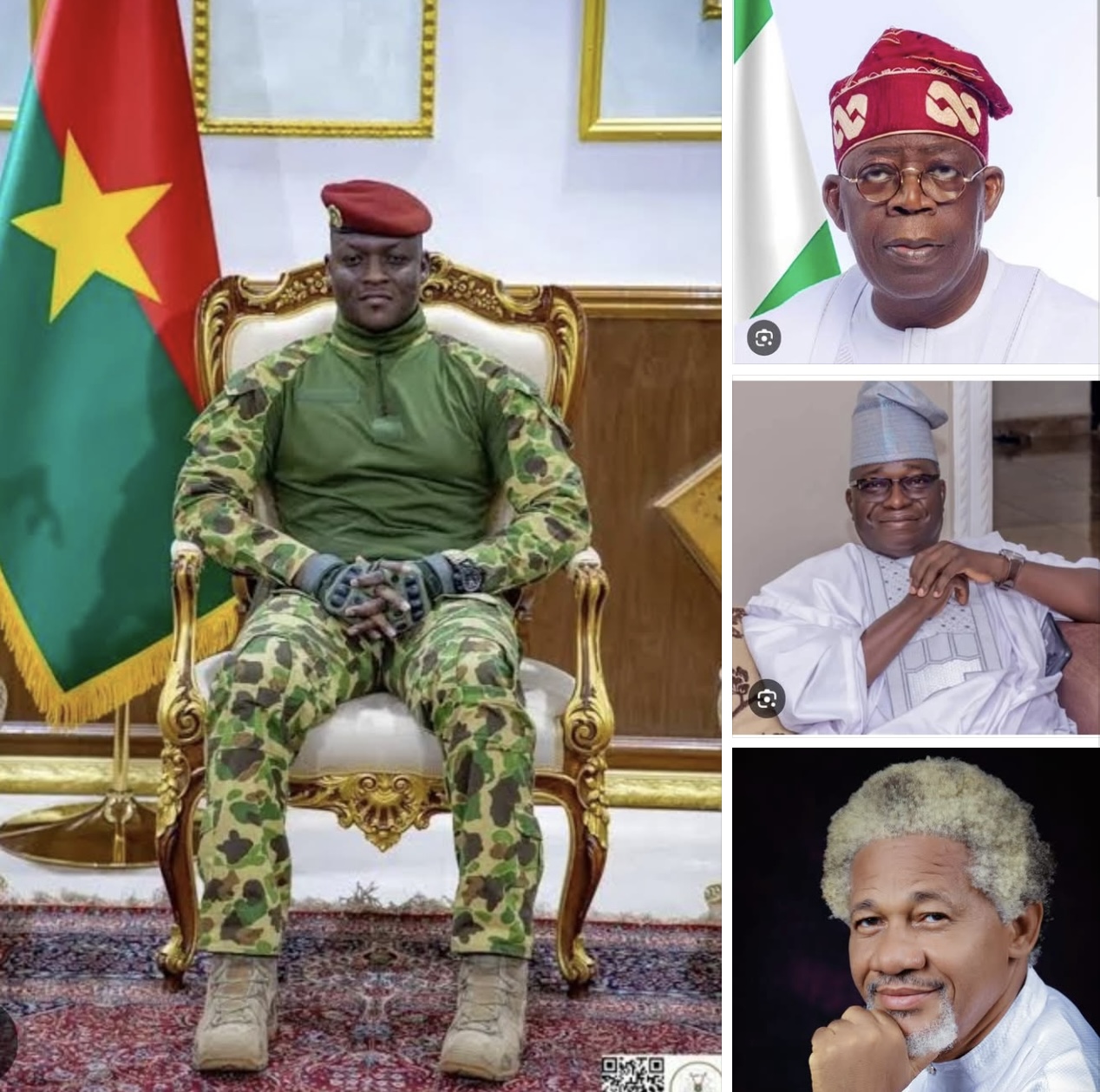
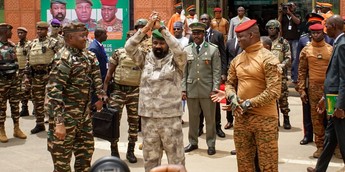
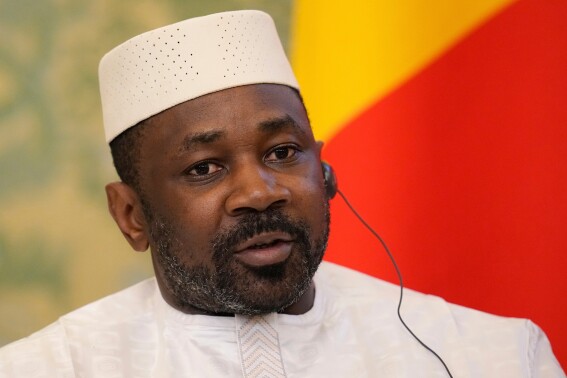
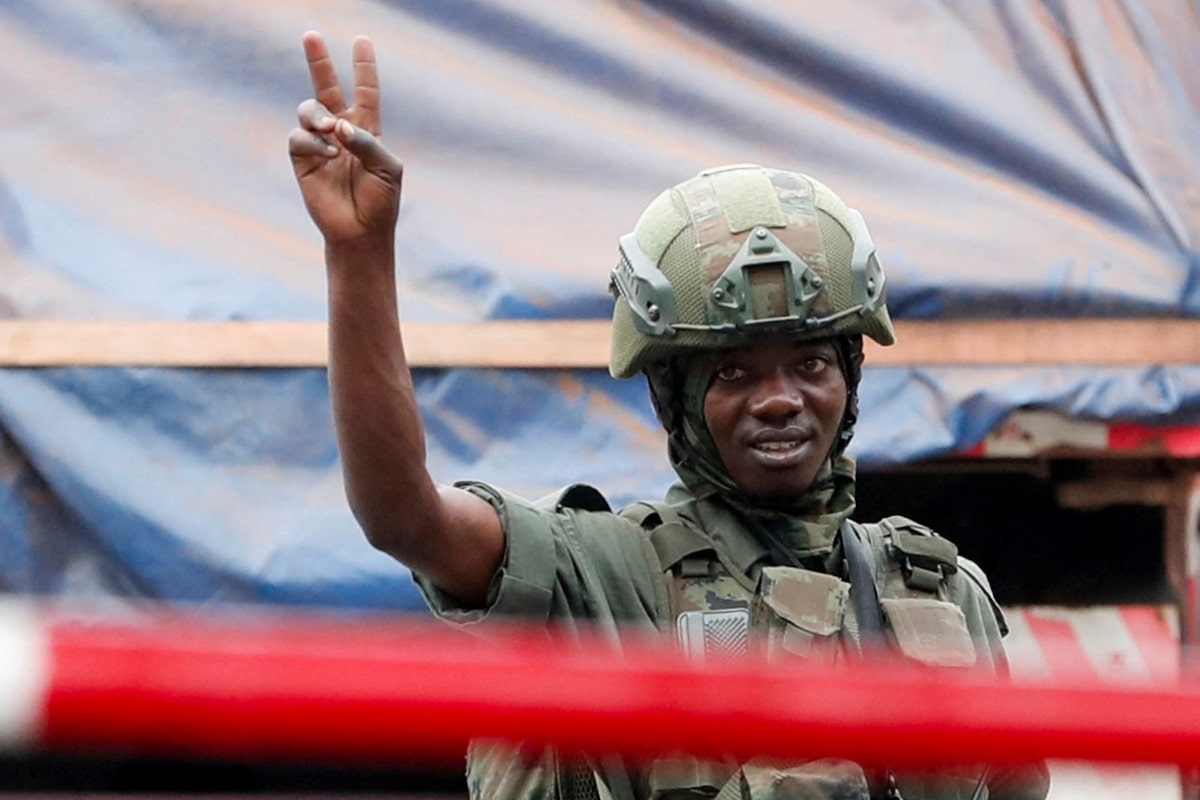
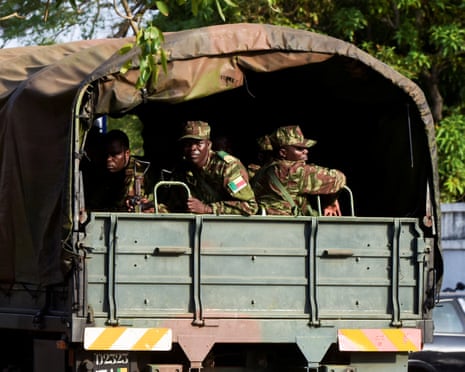
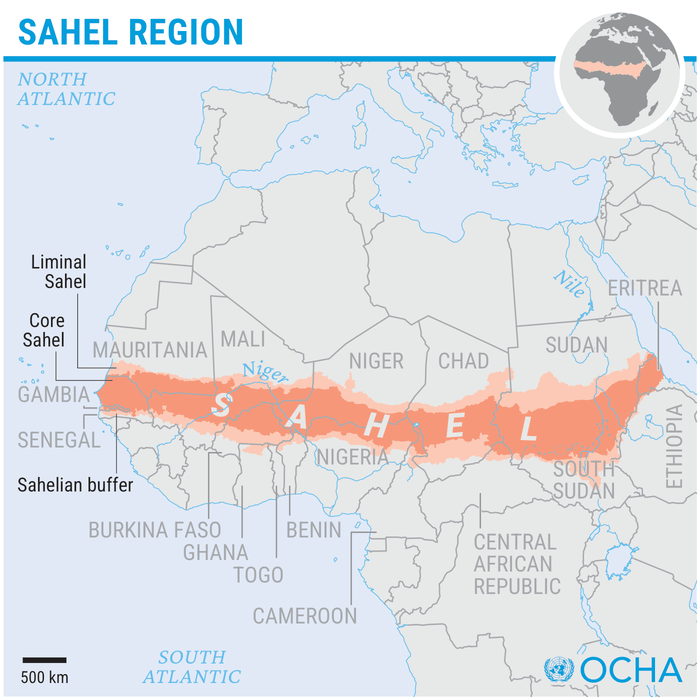
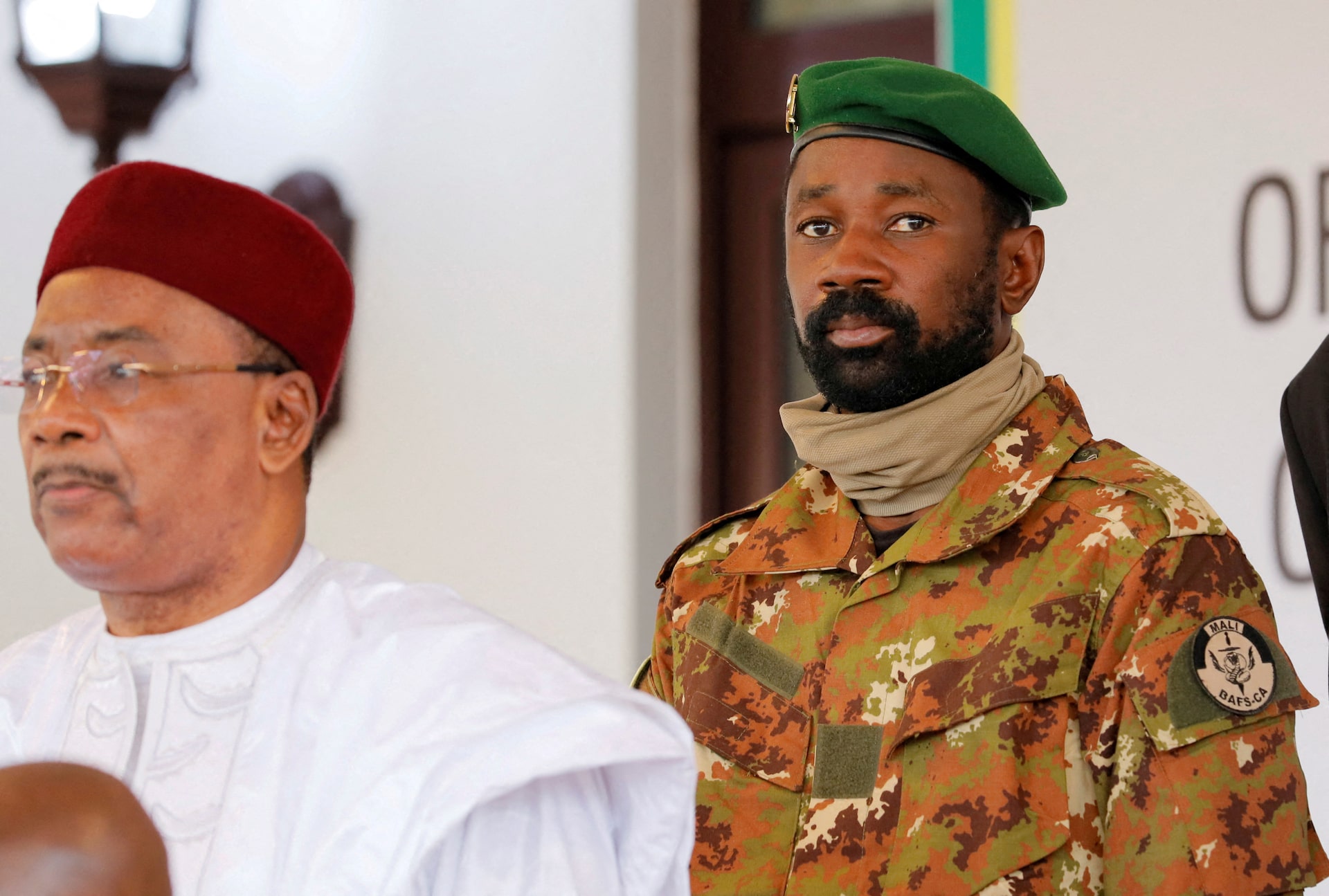
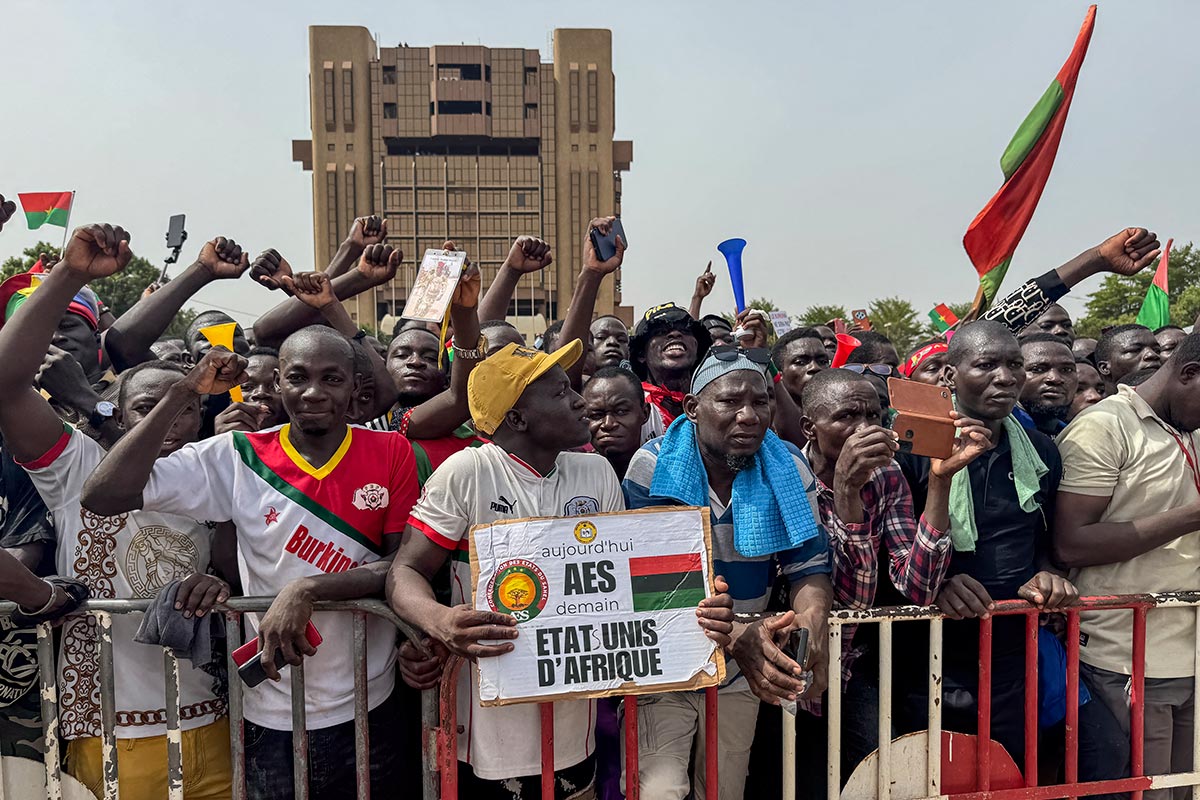
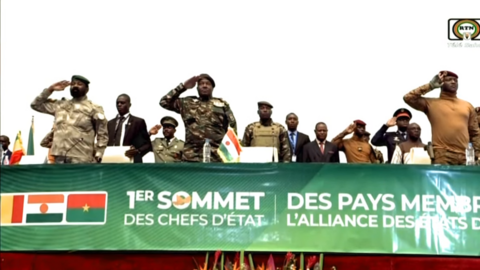
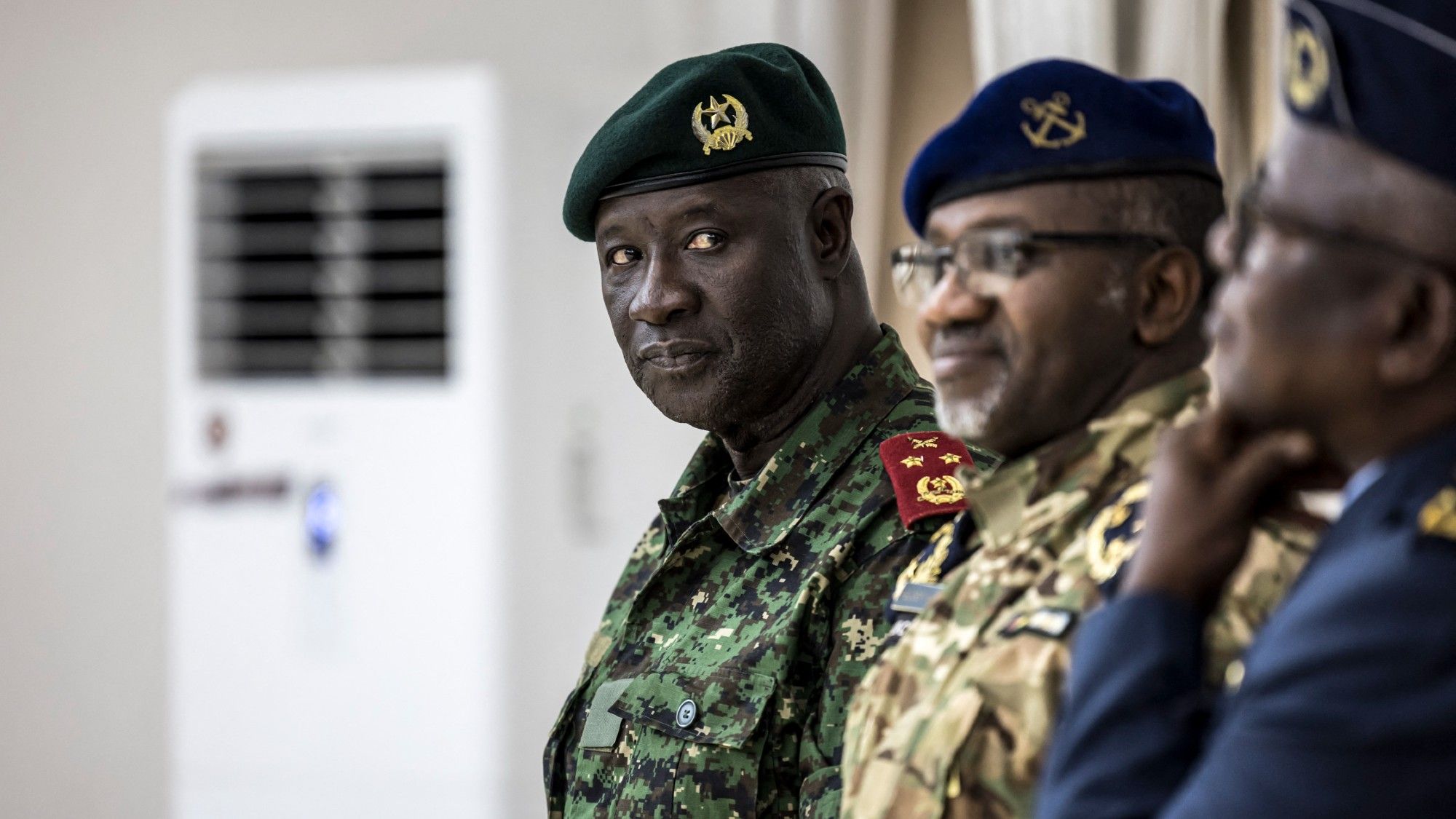
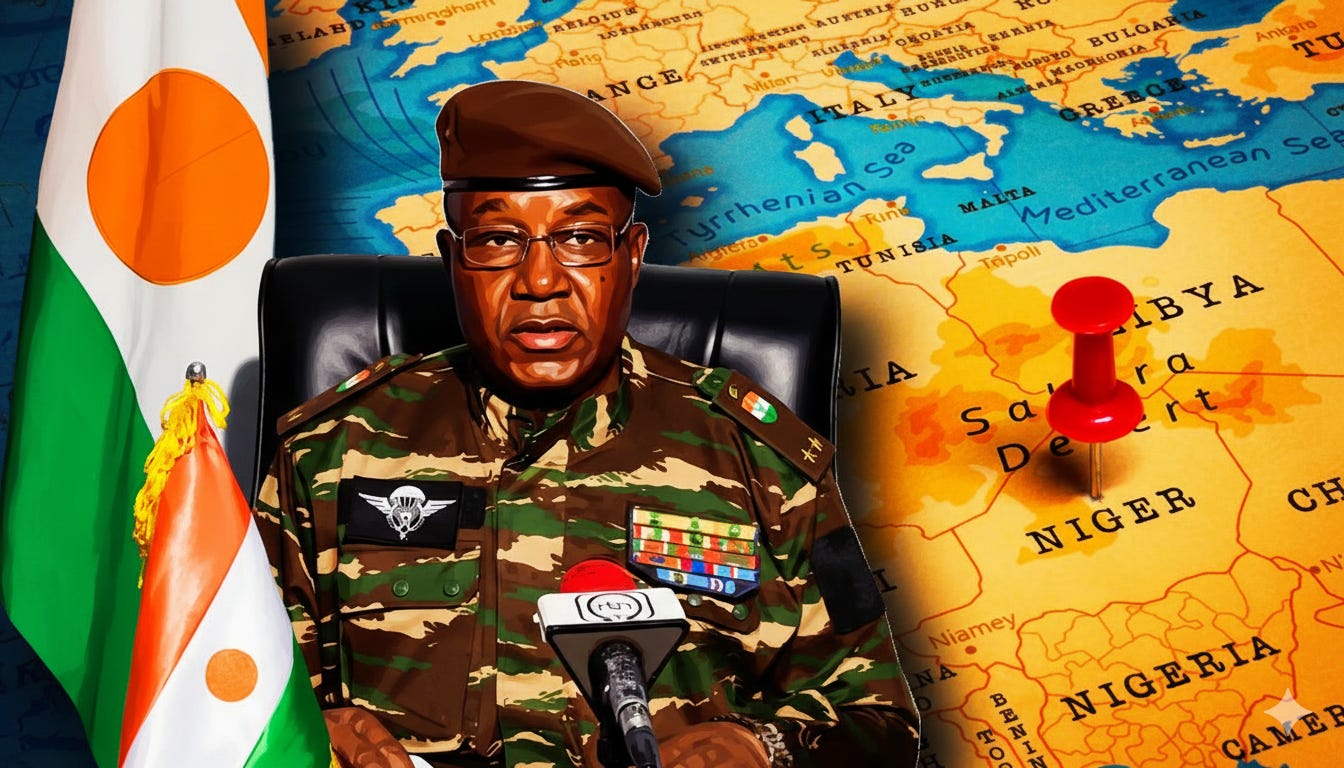
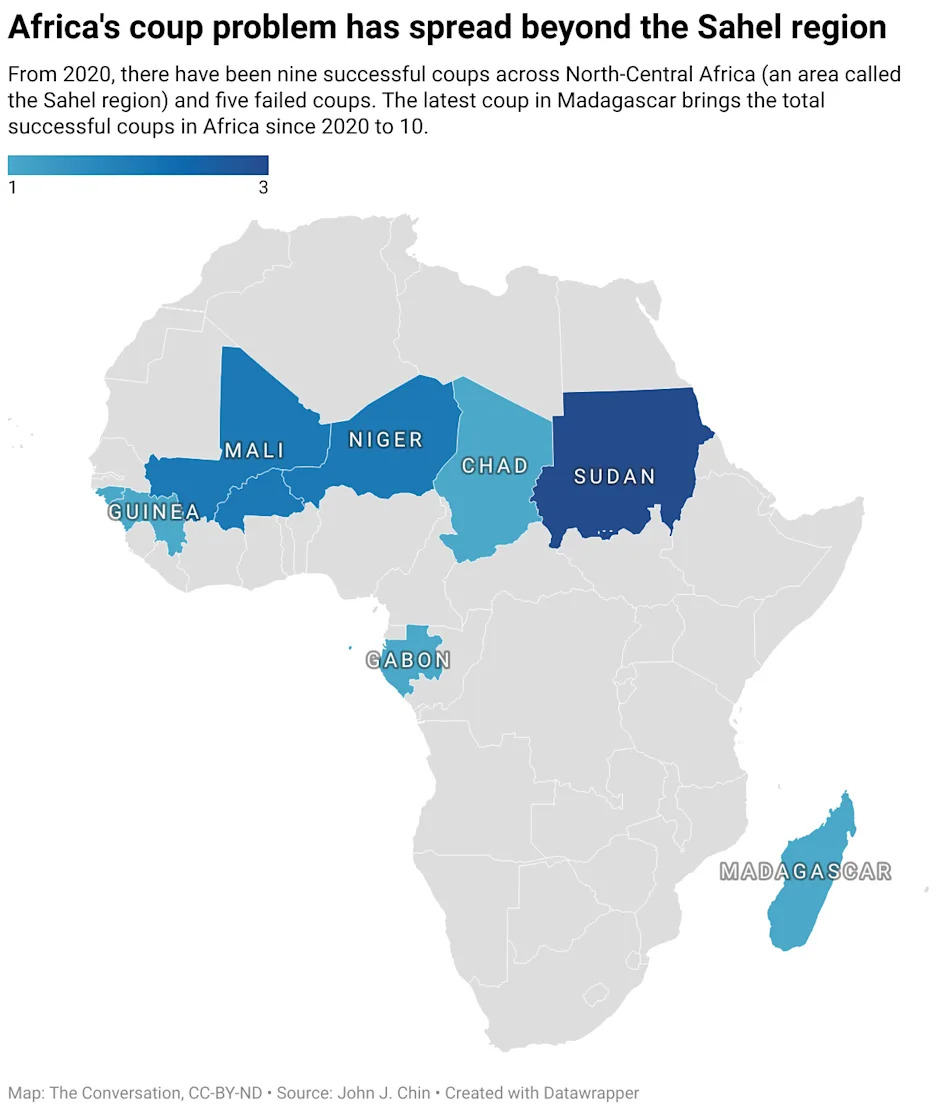
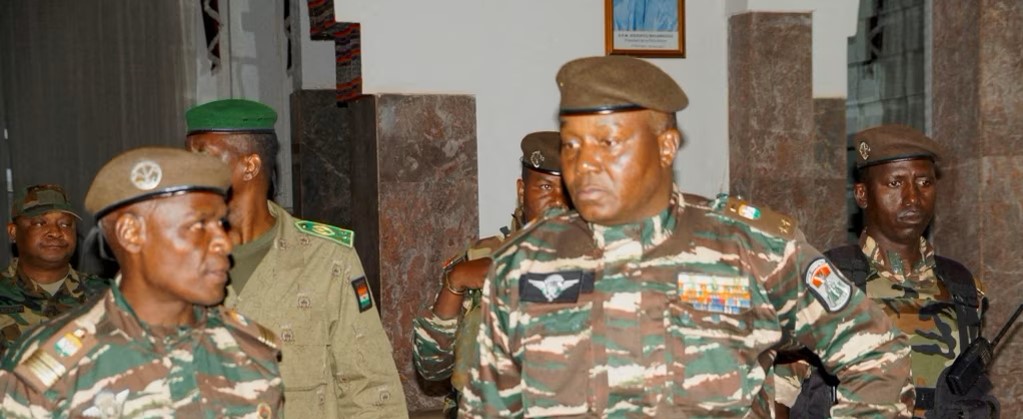
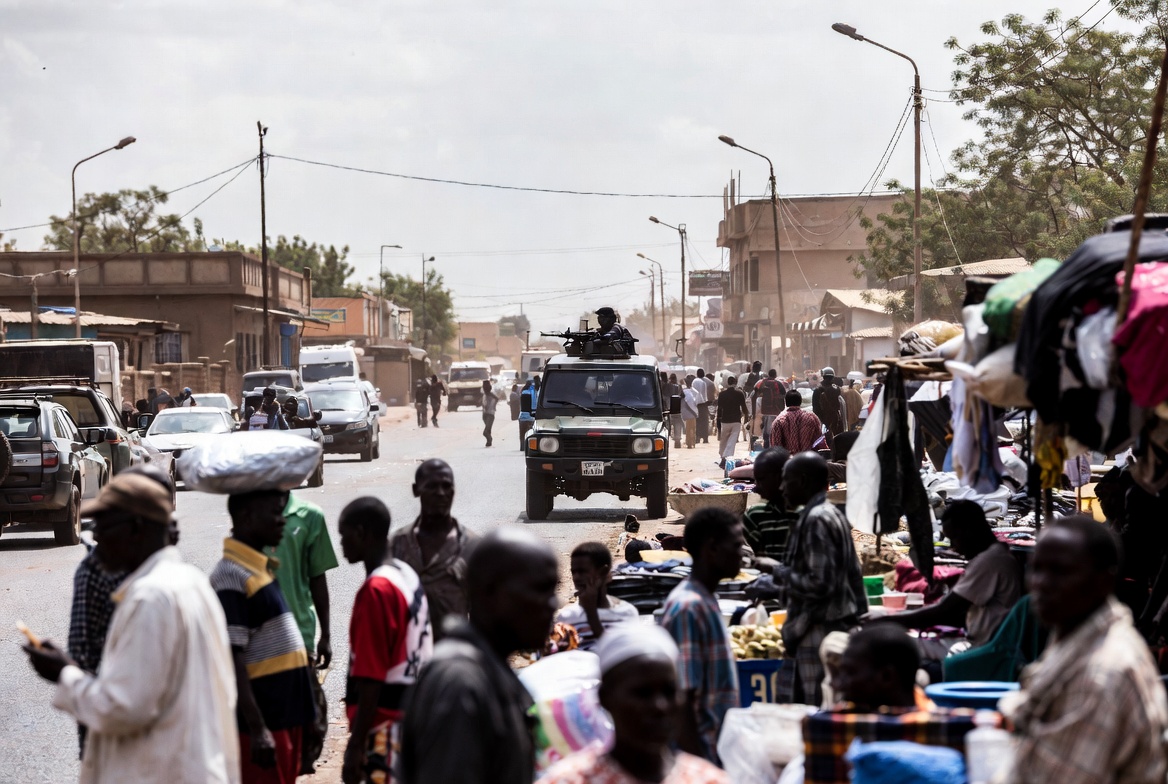
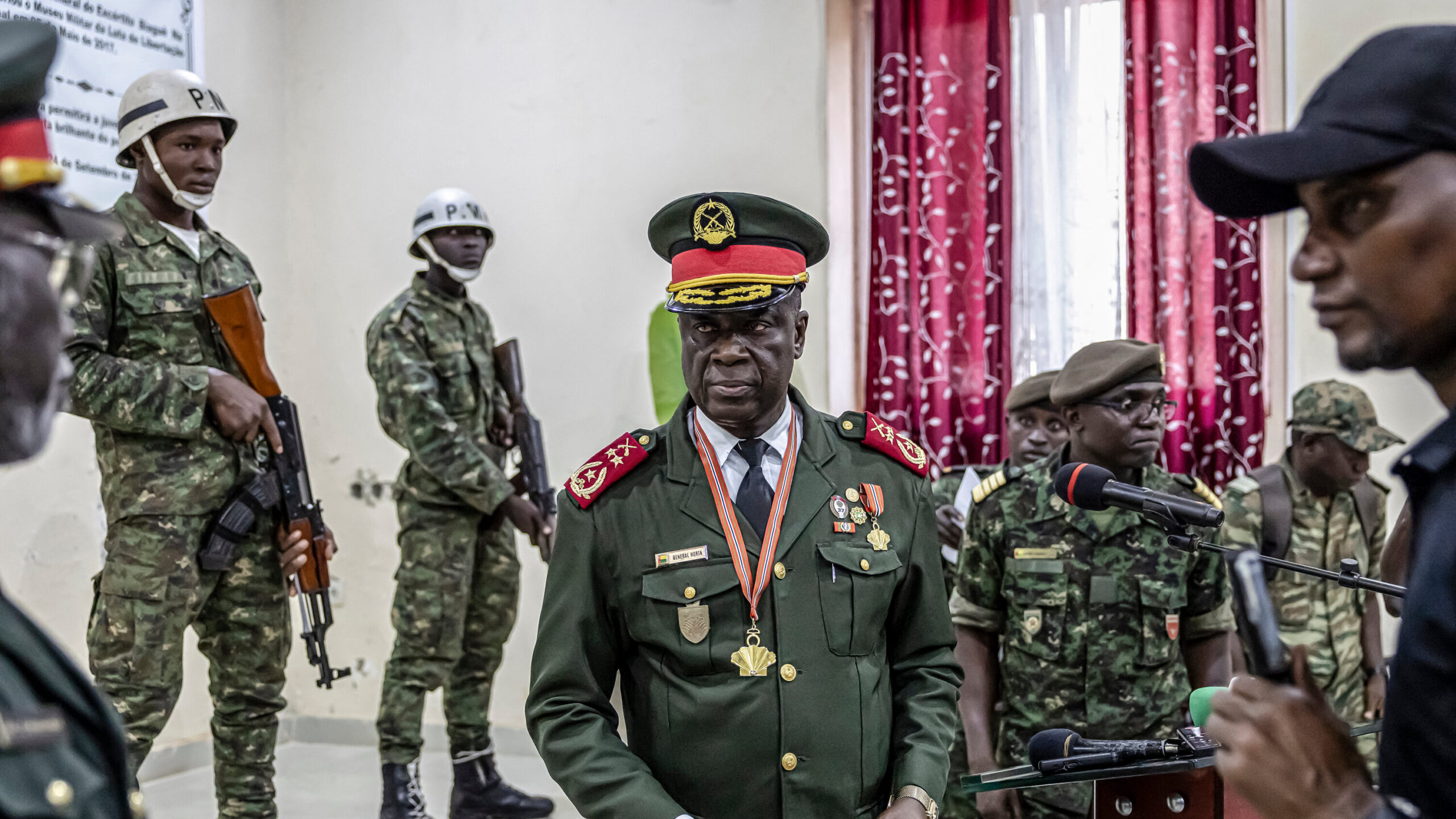
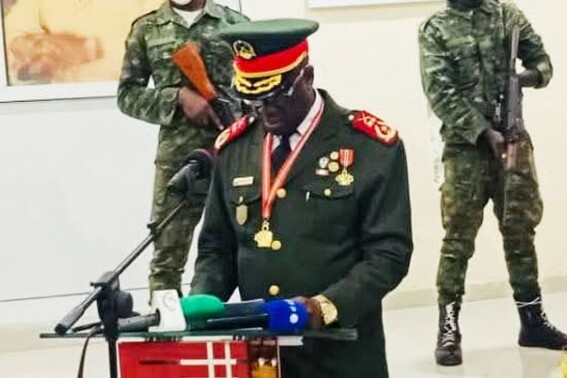
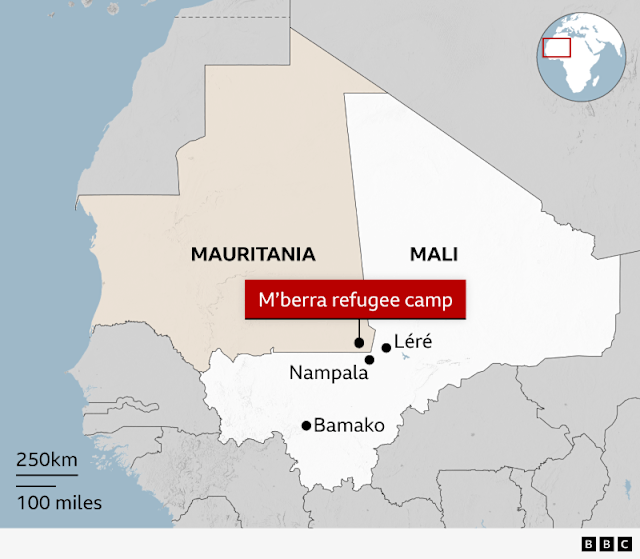
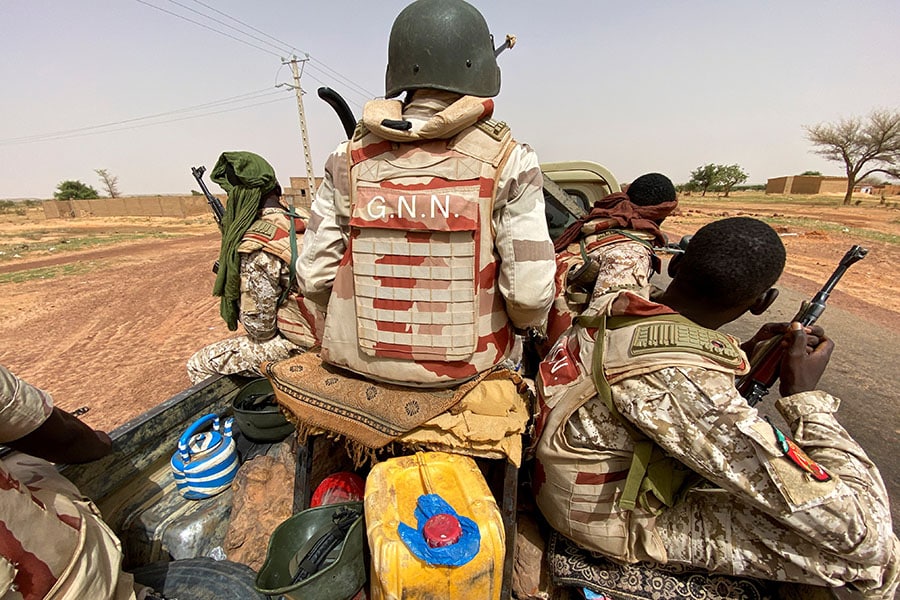
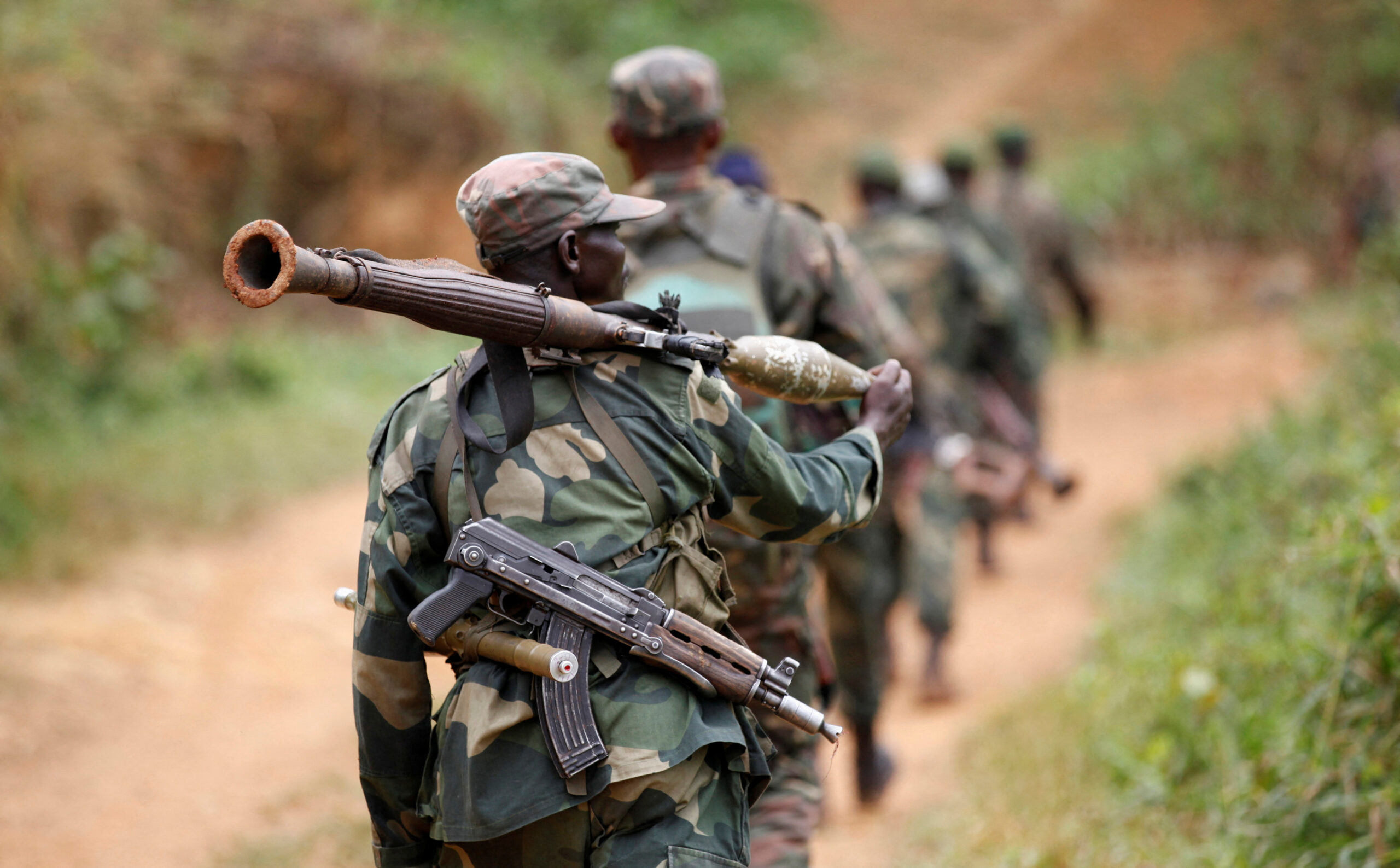
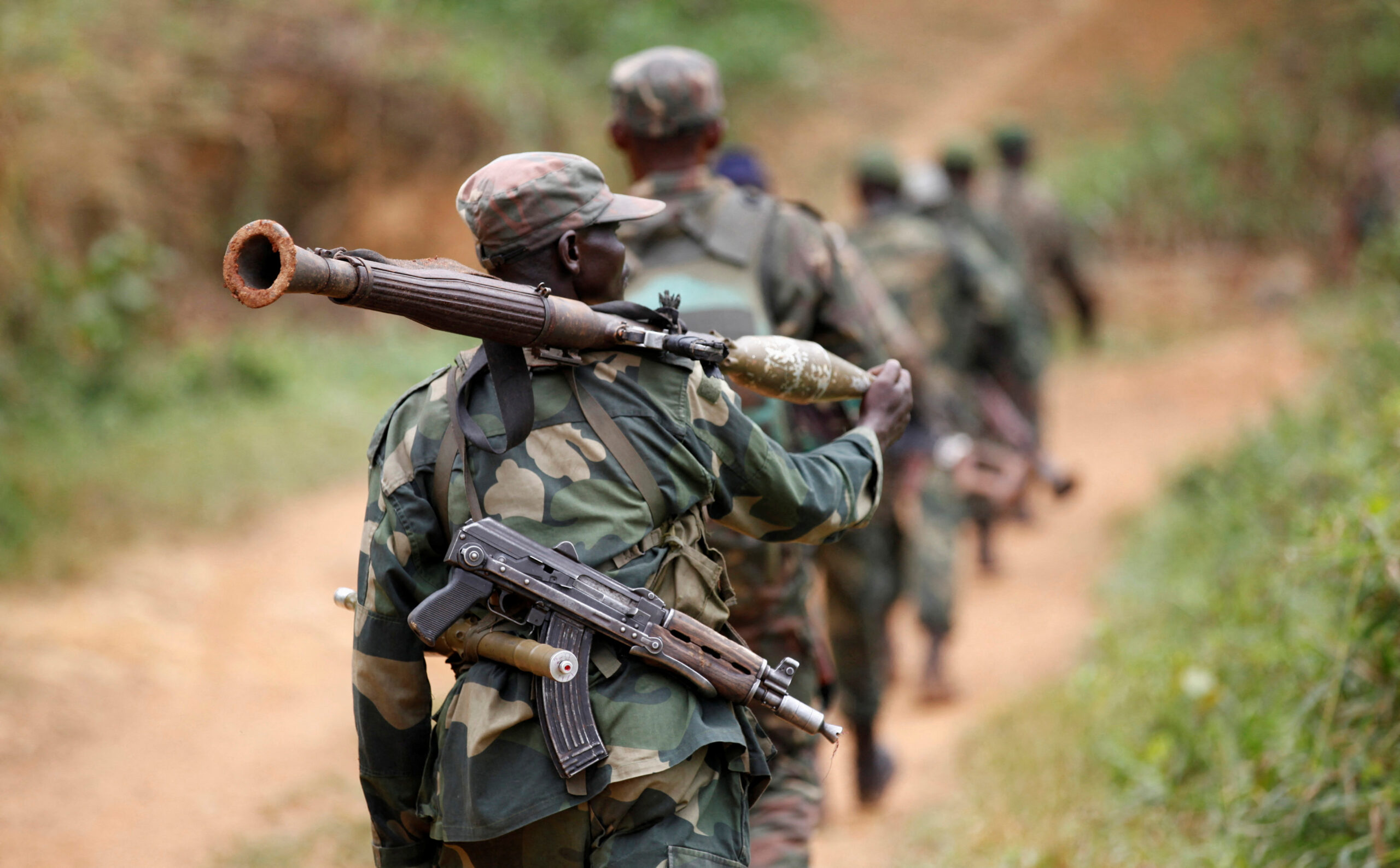
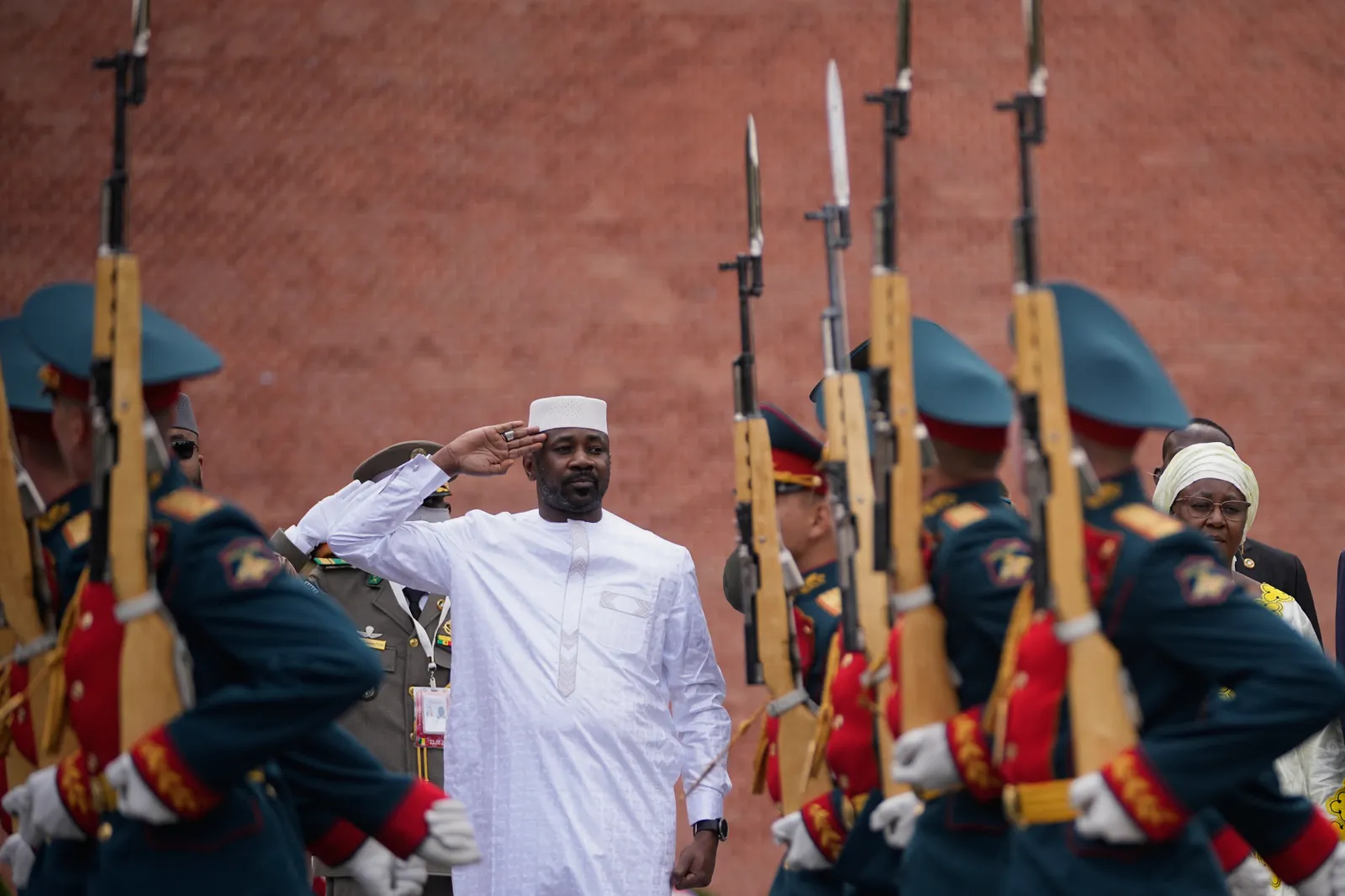
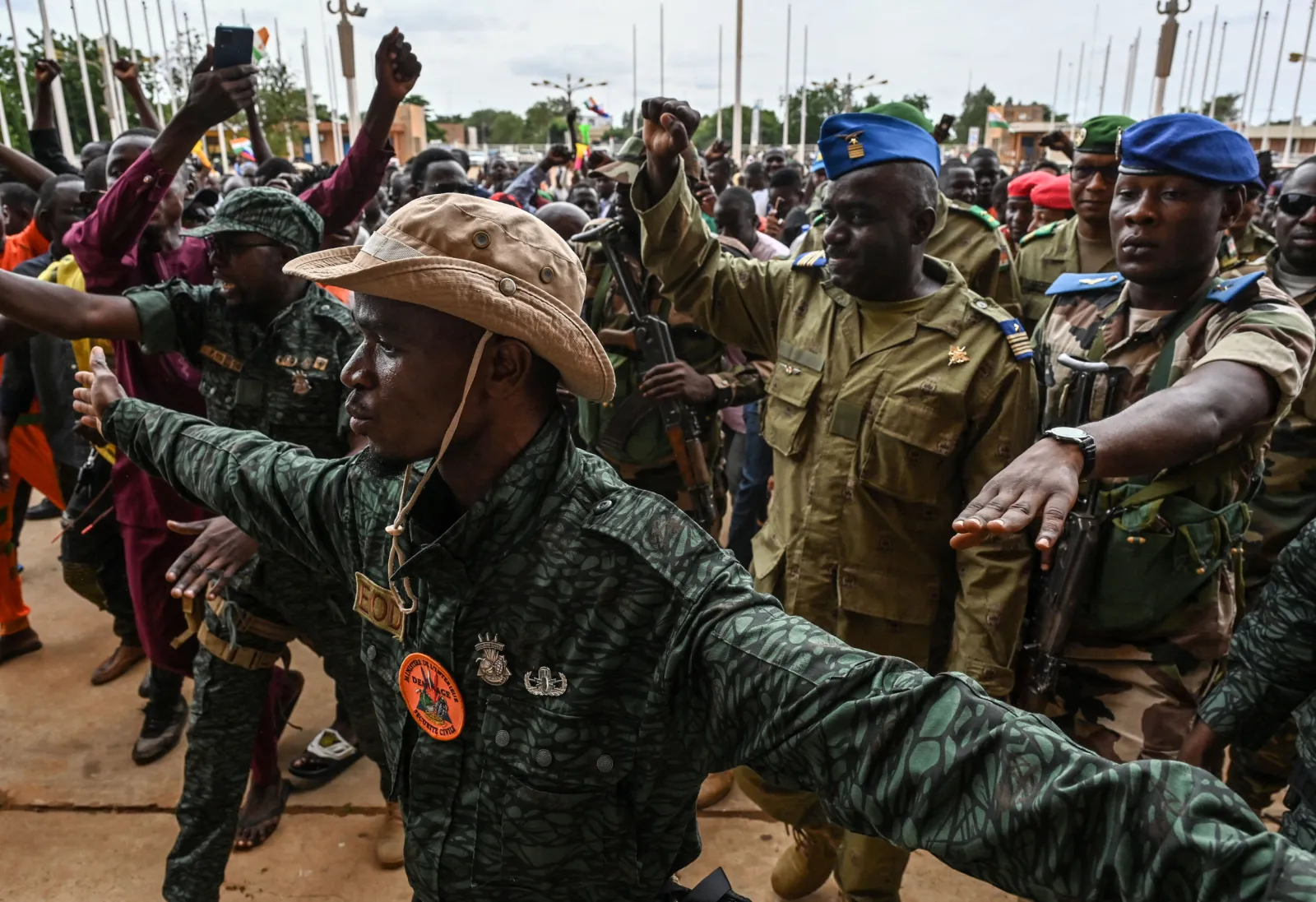
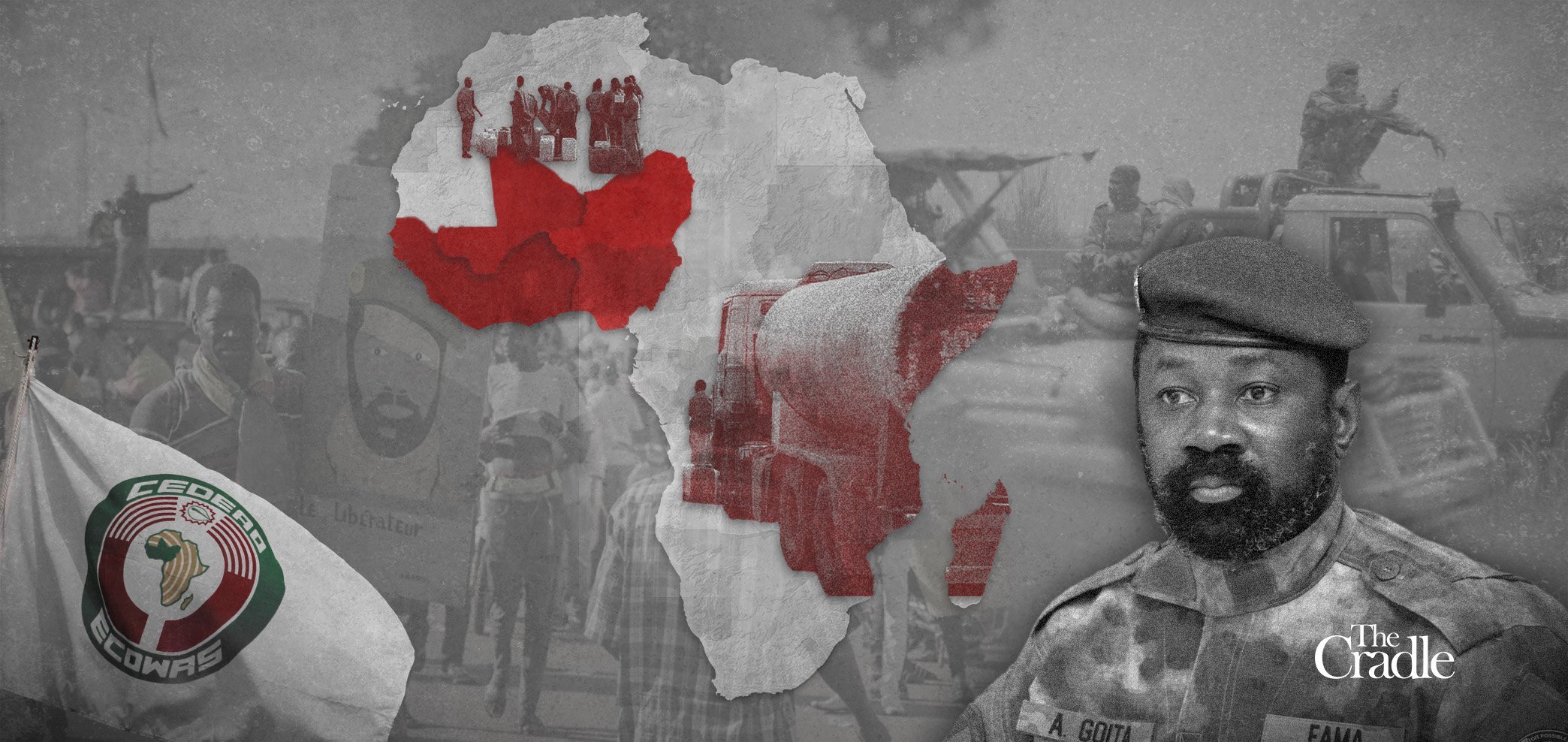
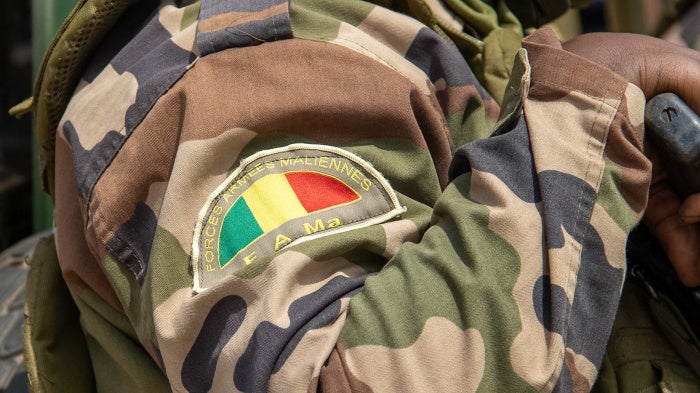
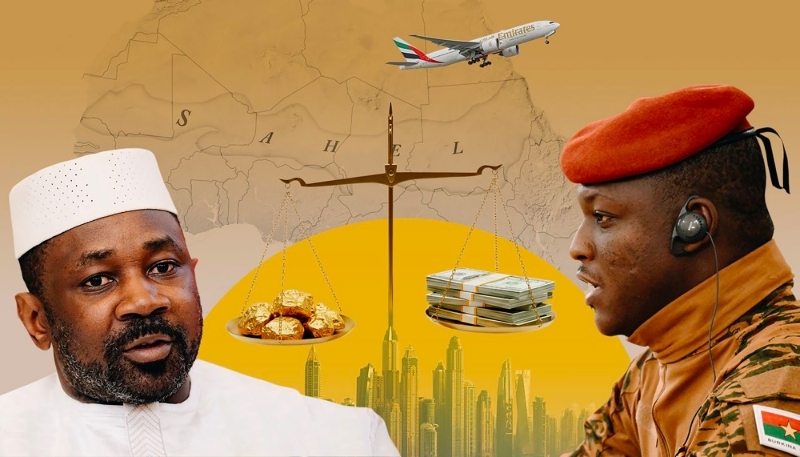
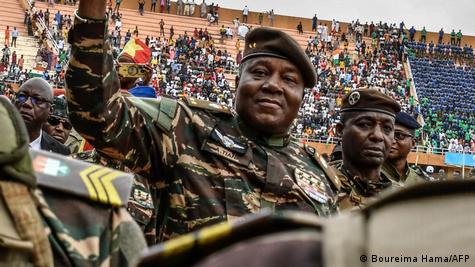
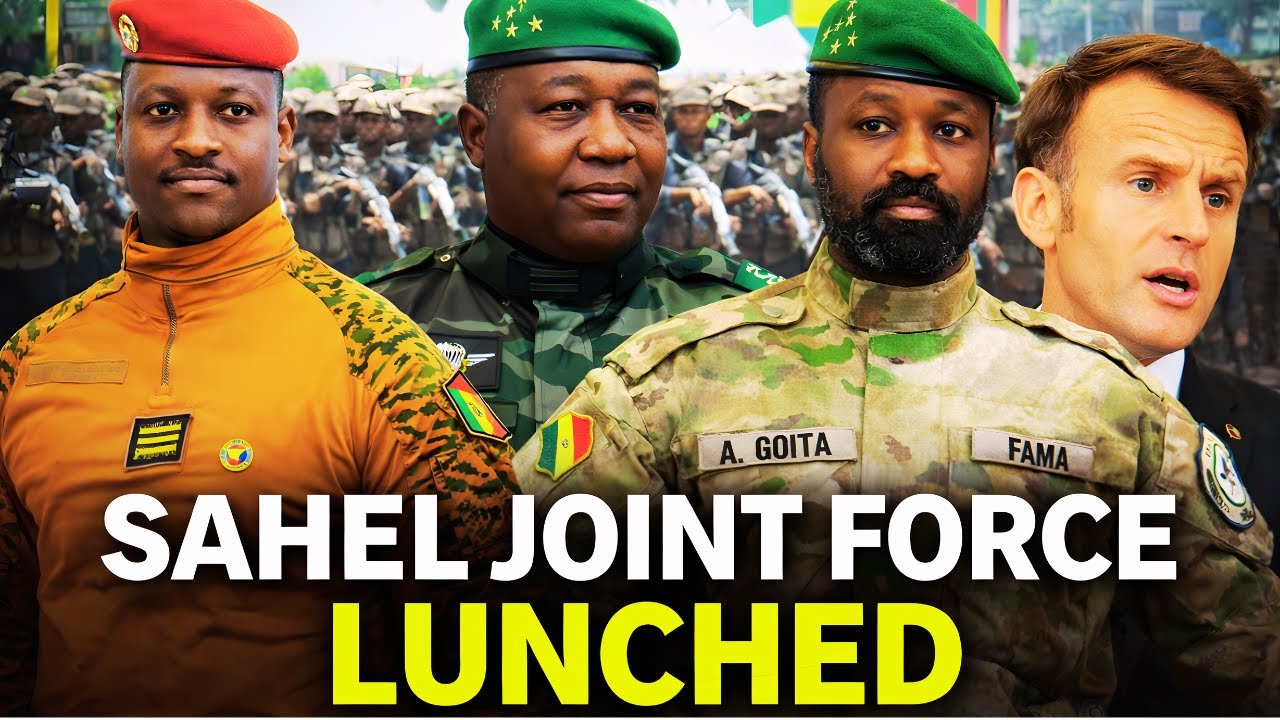
In a significant move poised to reshape West Africa’s security landscape, Mali, Burkina Faso, and Niger have officially launched a joint military alliance, known as FU-AES. This force, comprising roughly 5,000 troops, is styled after NATO and represents a bold new chapter in regional cooperation. Their mission is clear, and frankly, critical: to directly confront the escalating Islamist insurgencies that have ravaged the Sahel. With coordinated air, intelligence, and ground efforts, they aim to secure vast, porous borders and restore stability to a region desperately needing it. Isn’t it time for these nations to take such decisive action against threats that have tightened jihadist control and caused immense suffering? This alliance, a direct response to deepening security concerns and evolving political dynamics, demonstrates a shared commitment to protect their people and sovereignty. As Business Insider Africa reported, this 5,000-strong force is a substantial commitment, signaling a new era for regional defense.
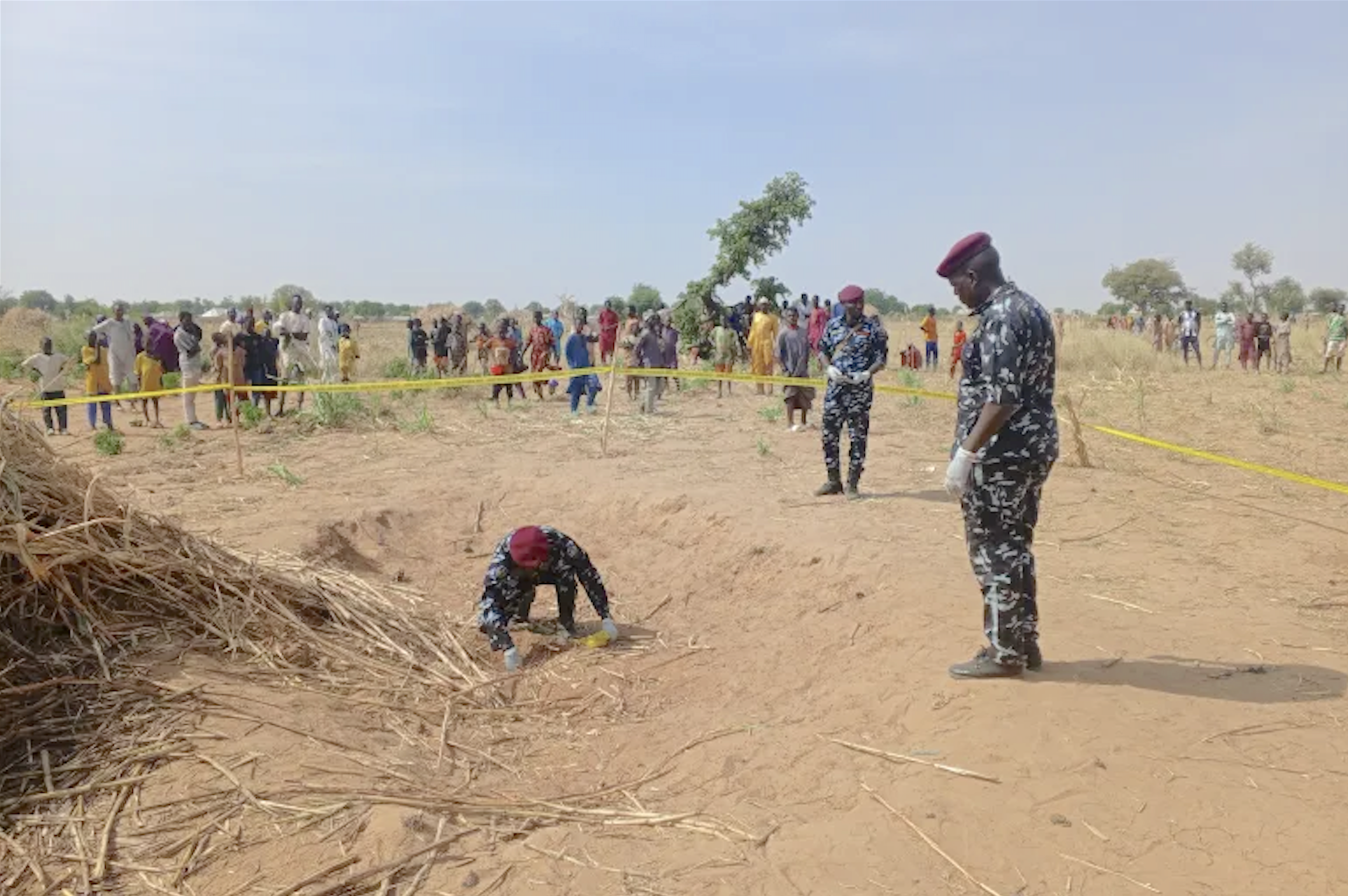
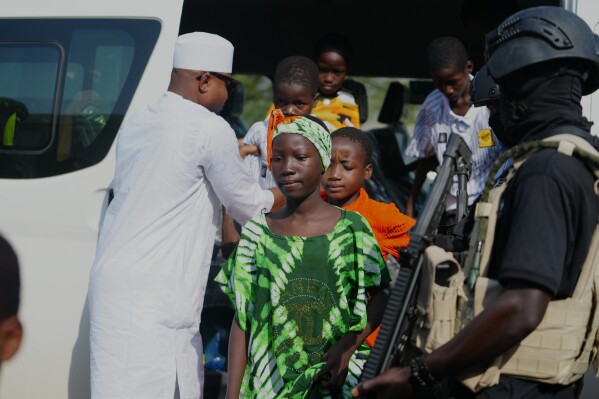
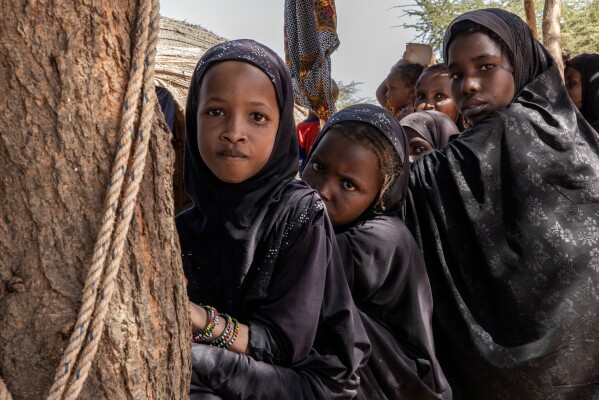
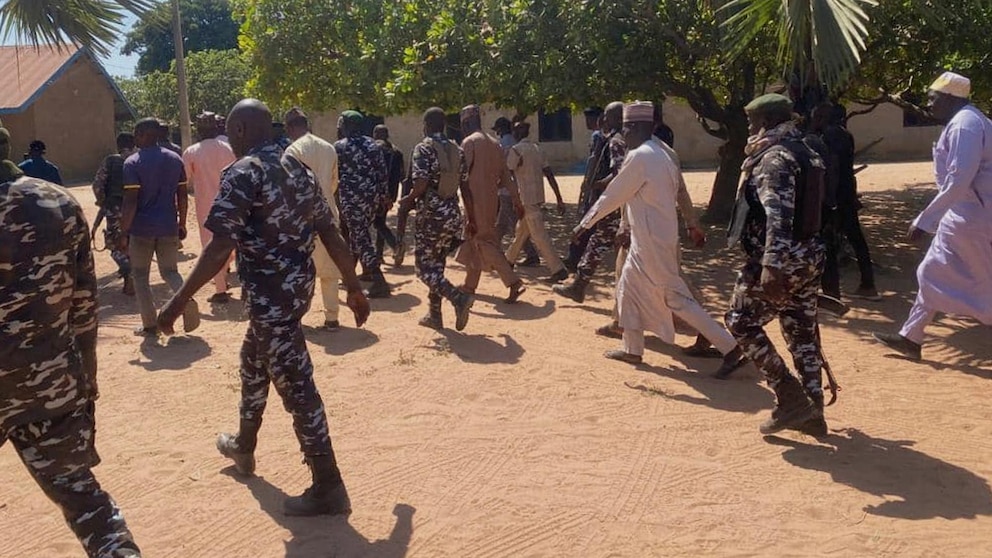
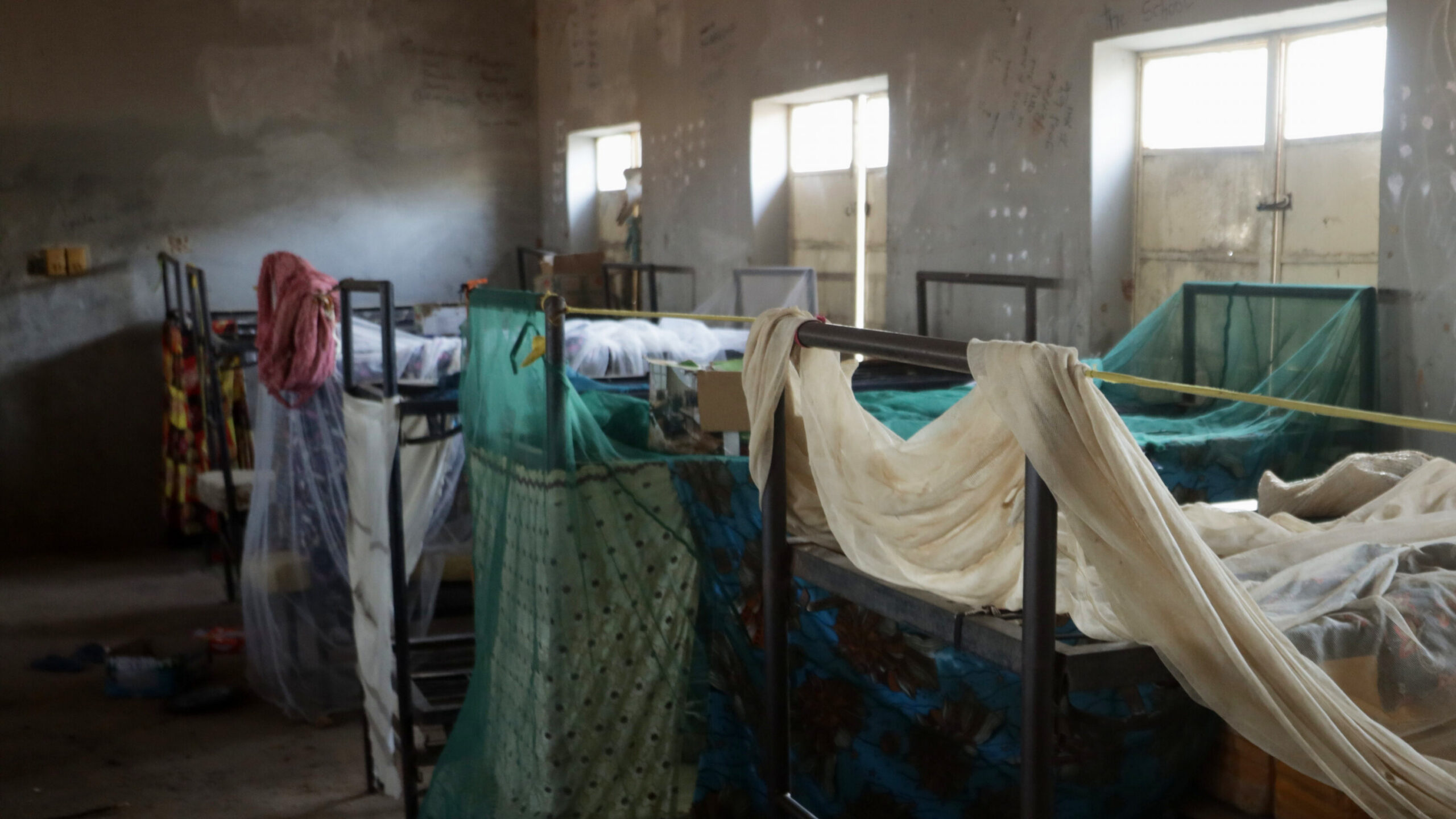
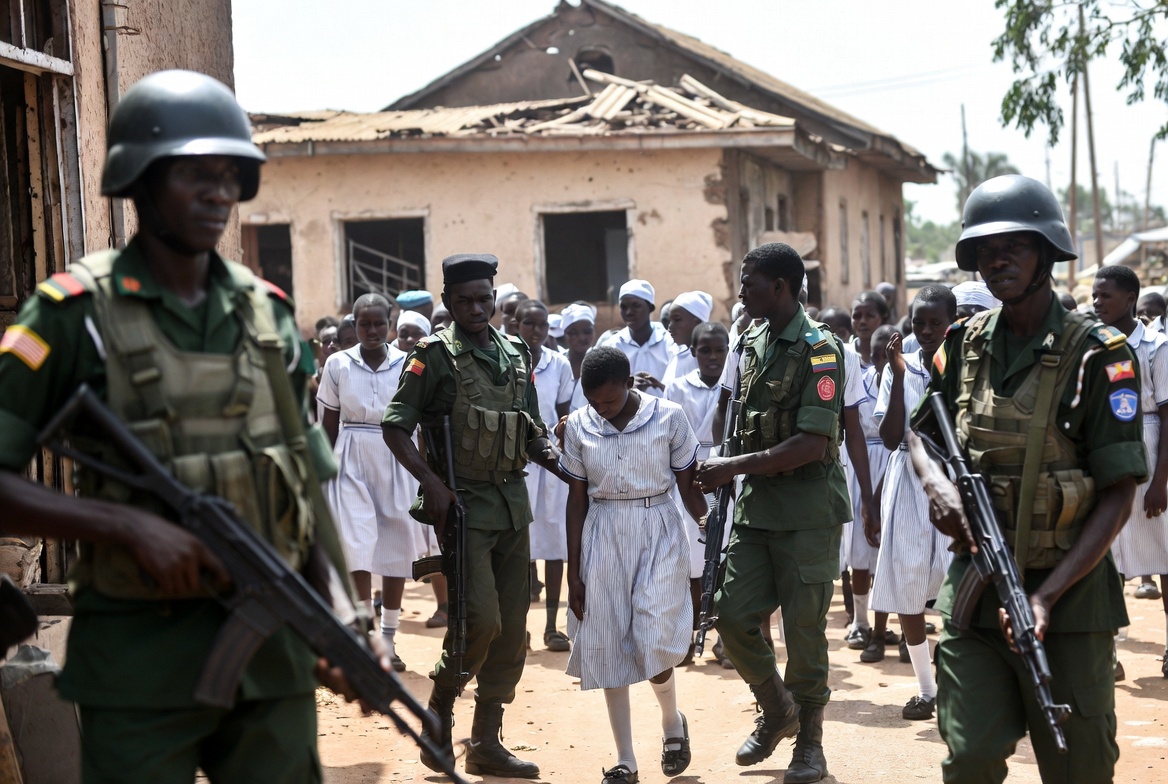
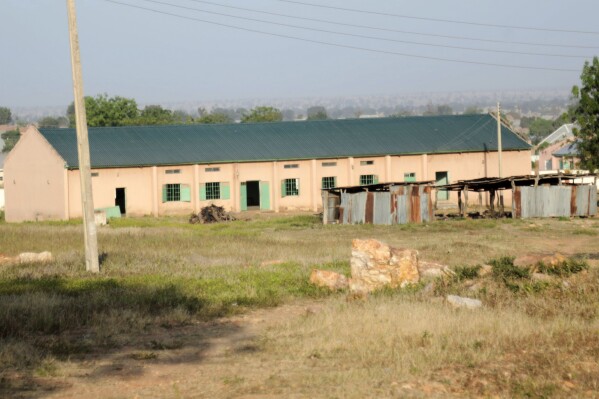
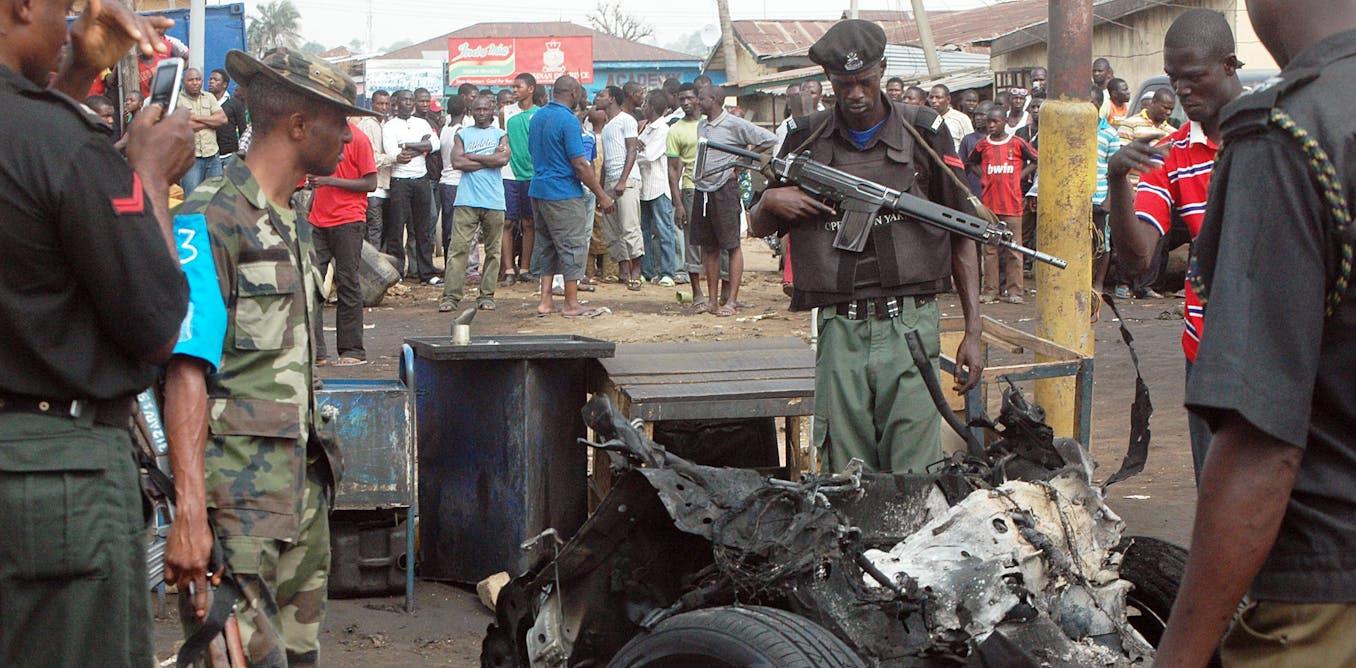
Meanwhile, Nigeria, traditionally West Africa’s anchor for security, continues to navigate its own complex challenges. The recent, harrowing saga of 303 schoolchildren kidnapped from St. Mary’s Catholic School in Niger State reached a bittersweet end with the release of the final 130 children in December. This incident, just one of many, starkly reminds us of the widespread armed banditry and insecurity plaguing the nation, a crisis that has deepened Nigeria’s security crisis, as frequently reported. Nigeria’s relentless efforts to combat these threats and protect its vulnerable communities, even as it faces internal and regional tensions, underscore the shared imperative for stability across West Africa. Amidst this precarious security backdrop, there are also vital signs of economic resilience. Robex Resources, for instance, successfully commenced gold production at its Kiniero project in Guinea. This achievement, completed on schedule and within budget, as highlighted by Medianet News Hub, isn’t just a win for Robex; it symbolizes the region’s rich mineral potential. Such ventures are critical economic pillars, offering hope and sustainable growth in areas where stability can often seem elusive.
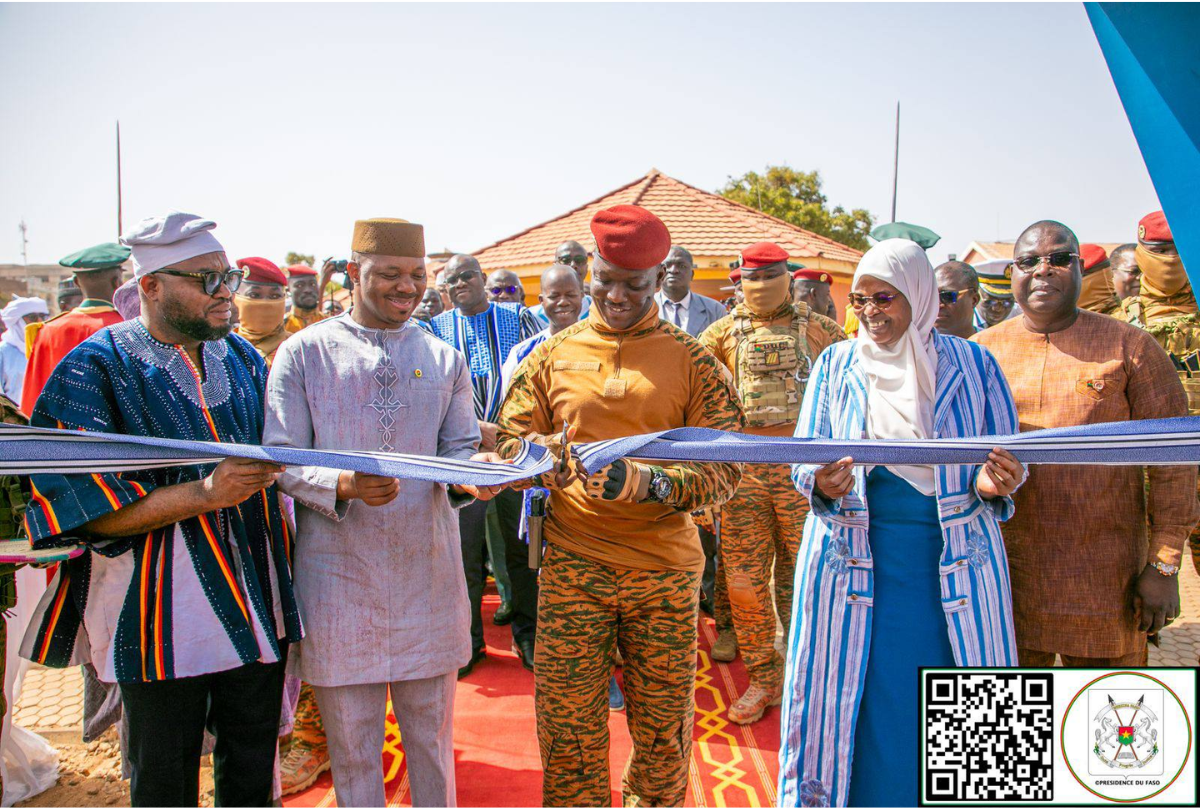
Looking ahead, the FU-AES alliance isn’t just about immediate military operations; it could potentially serve as a groundbreaking model for broader integration and intelligence sharing against extremist threats across the Sahel and West Africa. Imagine the impact if other nations were to join such a cohesive front. But true, lasting progress demands more than just military solutions. Economic development and stability are two sides of the same coin here. Mining successes, like those in Guinea, clearly demonstrate that the region possesses immense resources waiting to be harnessed for widespread prosperity, if only secure conditions prevail. This delicate balance between tackling urgent security imperatives and pursuing long-term developmental goals will define West Africa’s trajectory. As countries like Burkina Faso boost their industry and energy sectors, partnerships between governments, military forces, and private enterprises become incredibly important. Ultimately, the unfolding narrative in West Africa, marked by both formidable challenges and promising cooperation, will shape the peace and prosperity of millions in the coming years.