Mali-US Tensions Spark Diplomatic Moves Amid Regional Dynamics and Conservation Hope
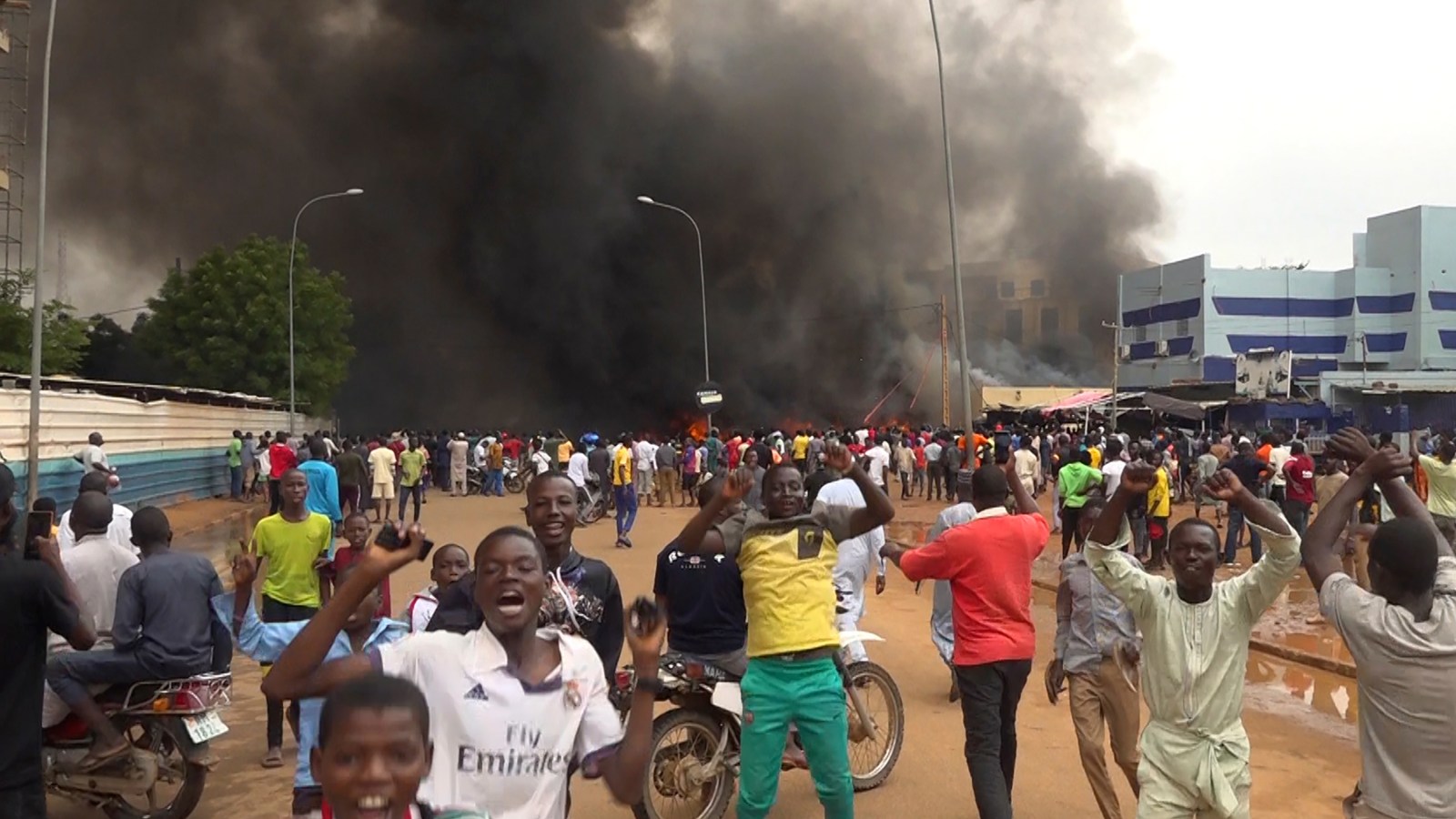
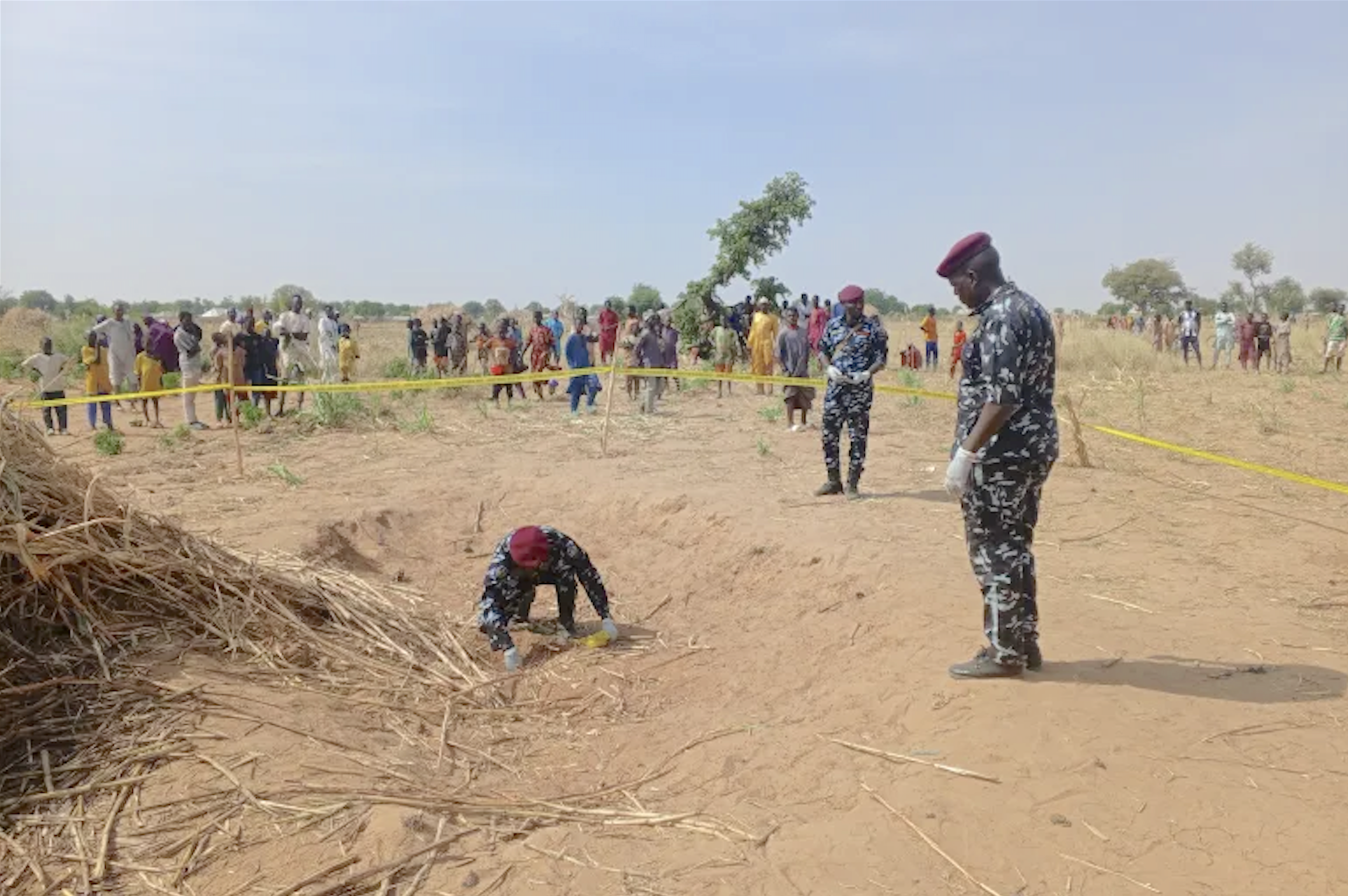
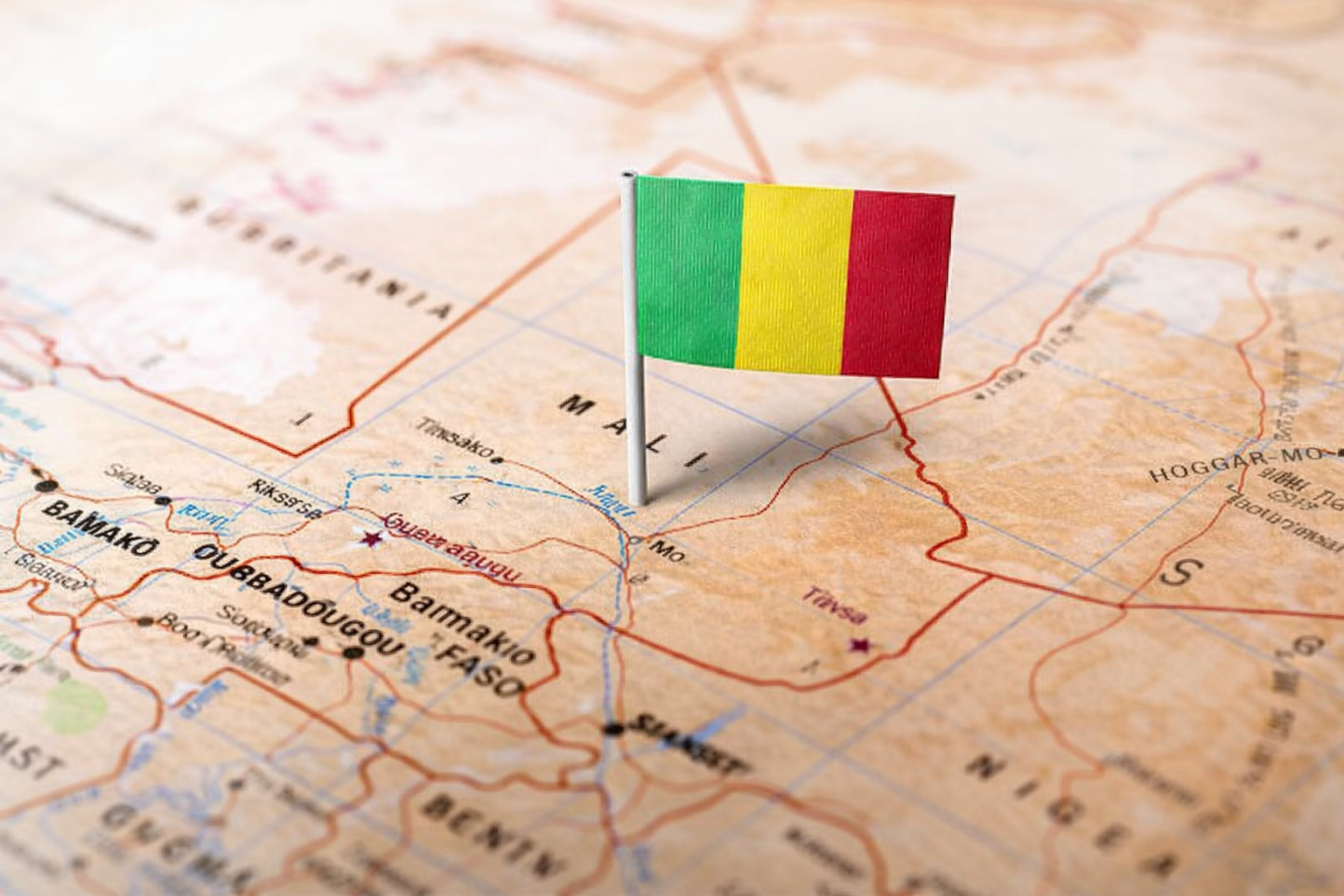
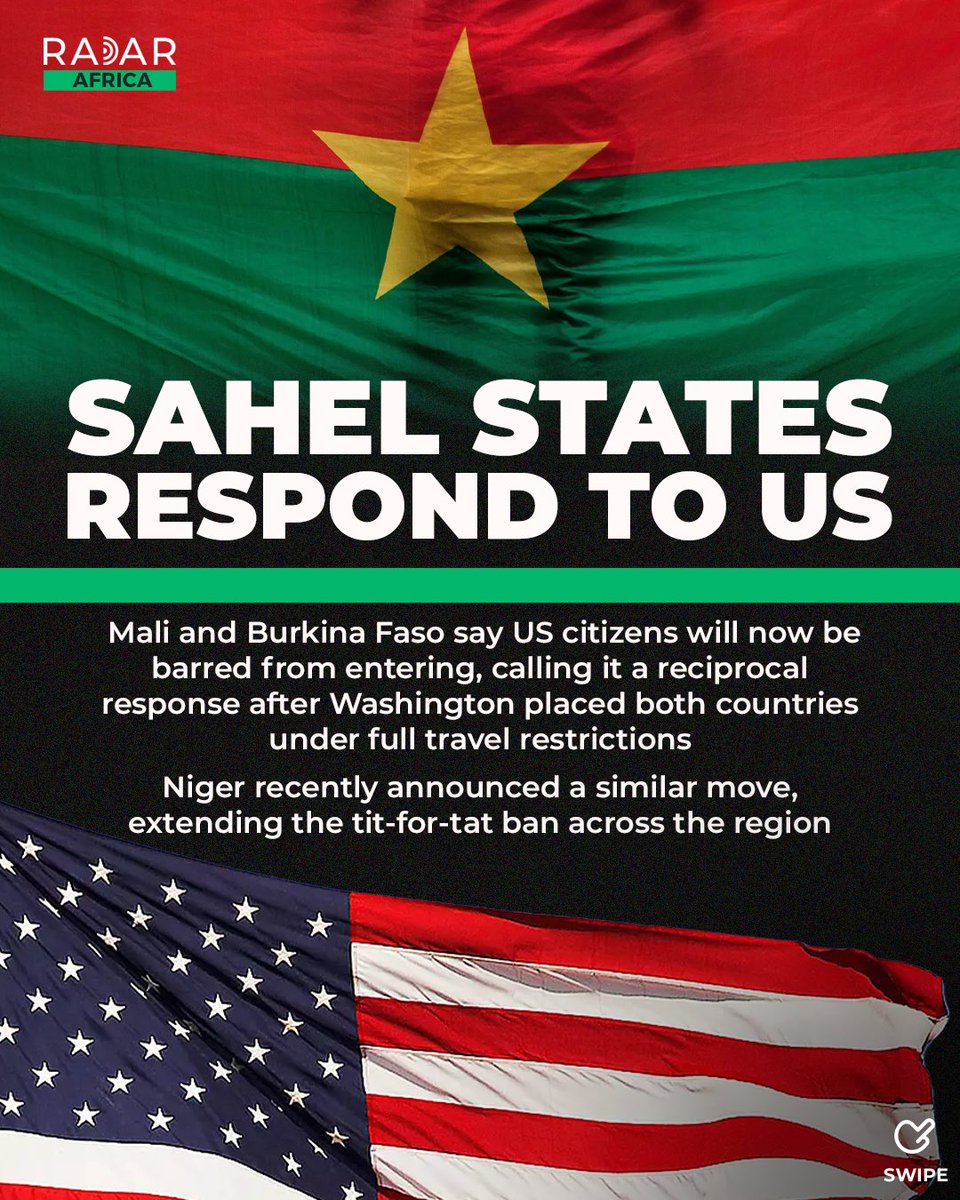
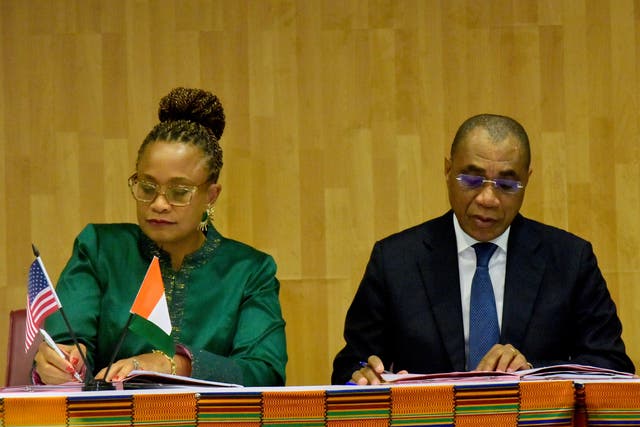
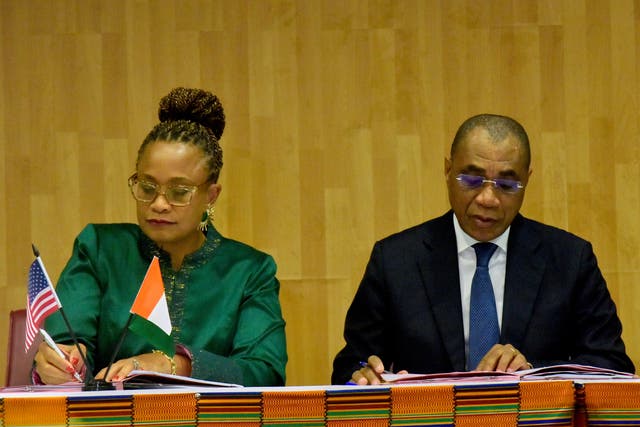
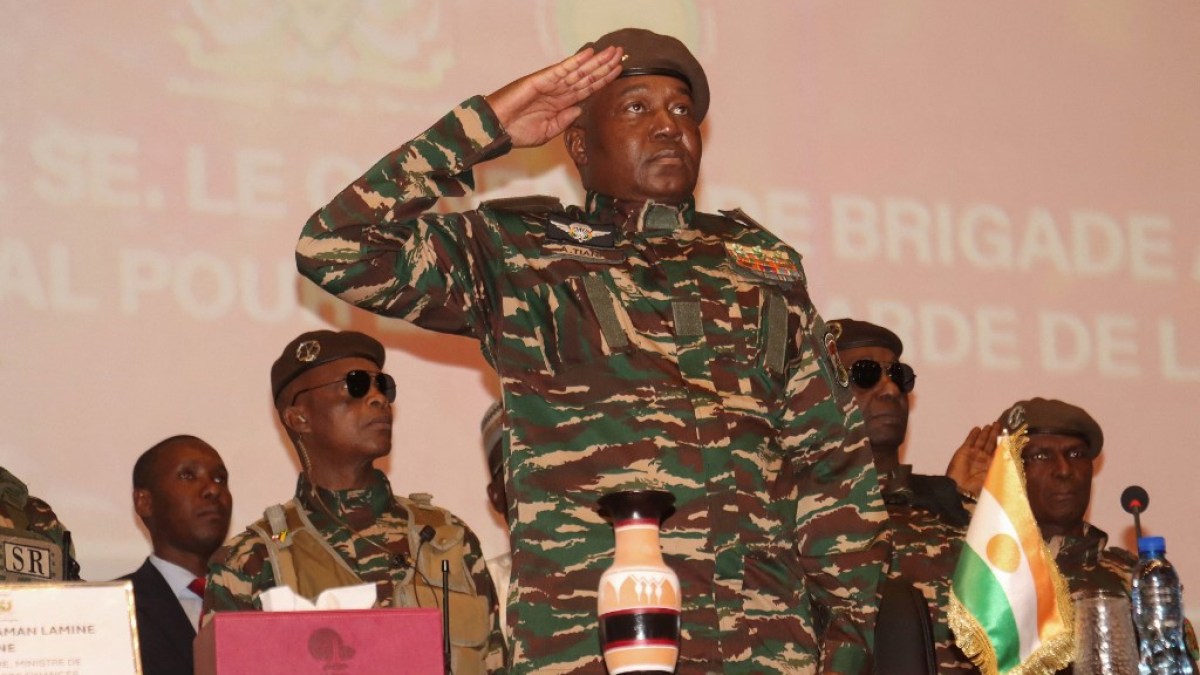
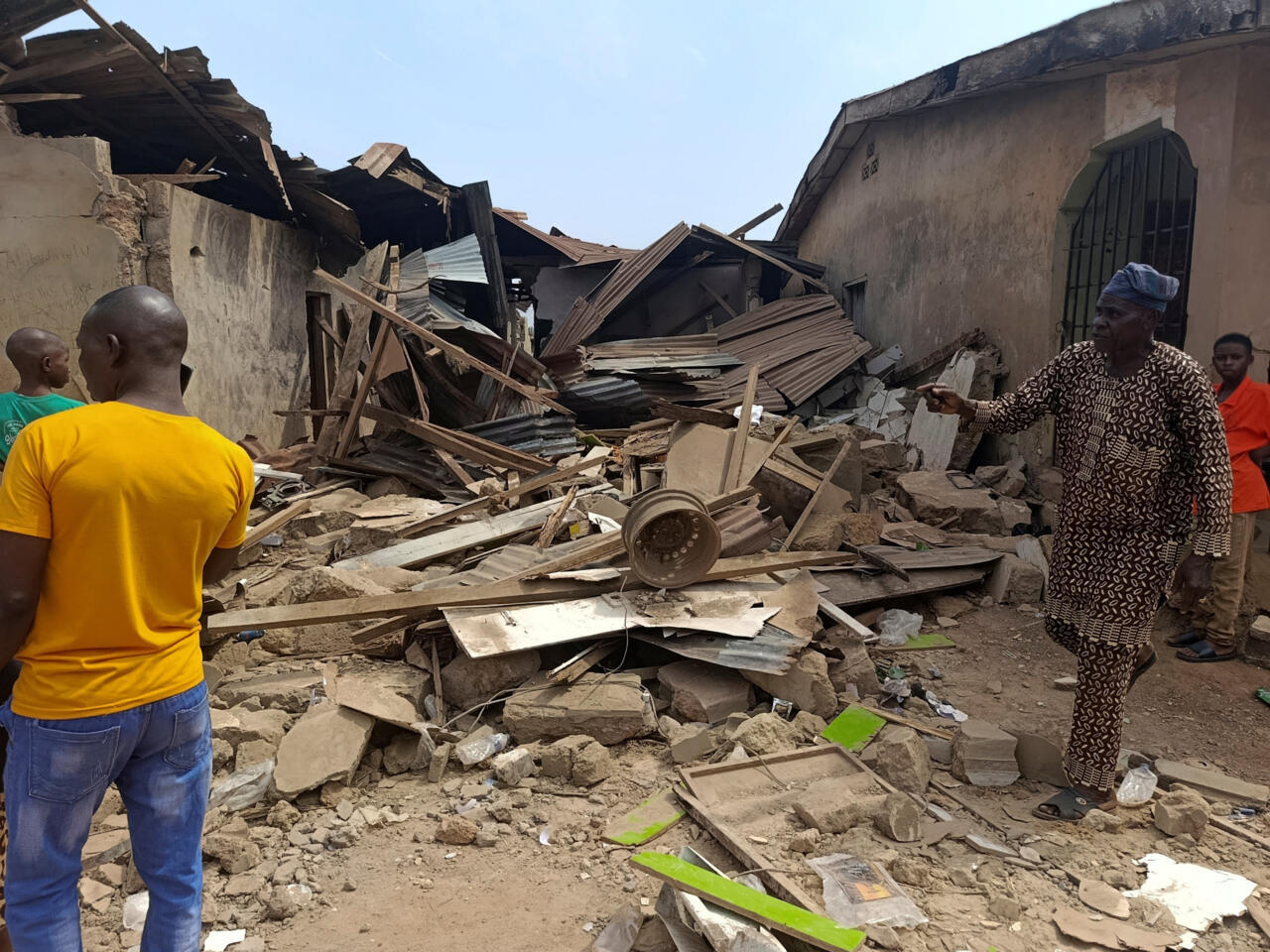
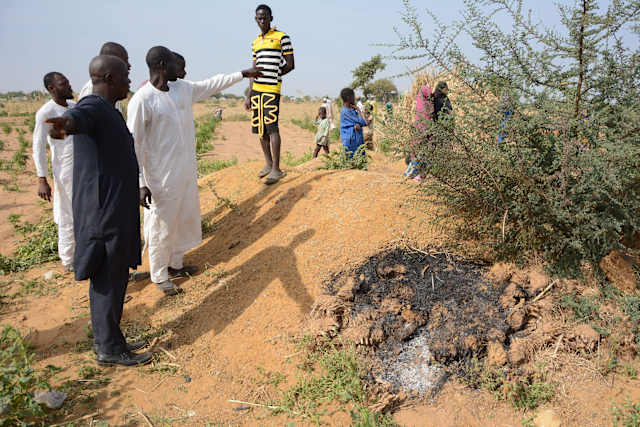
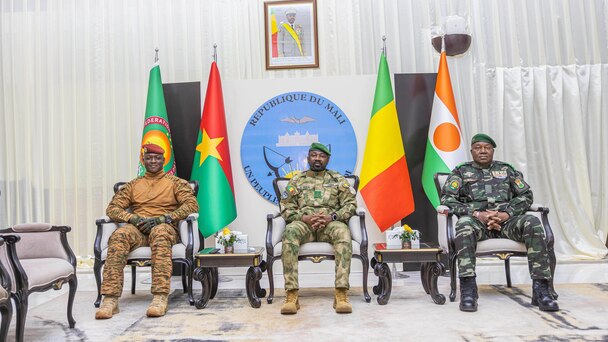
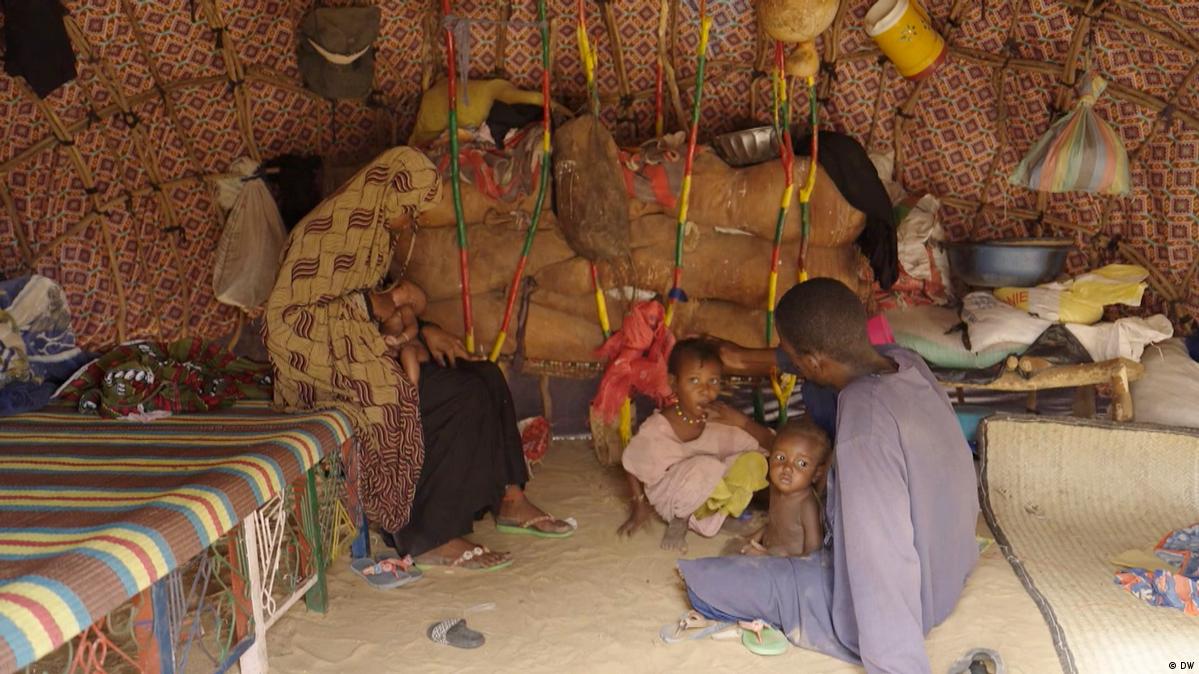
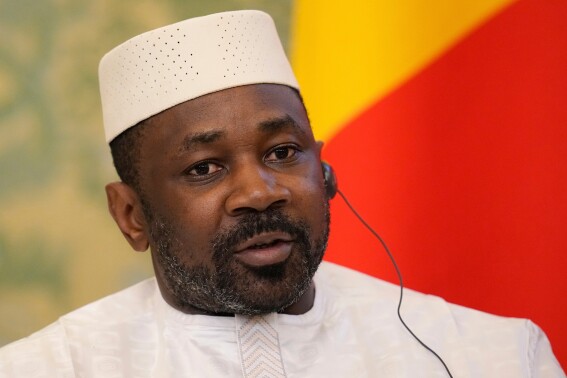
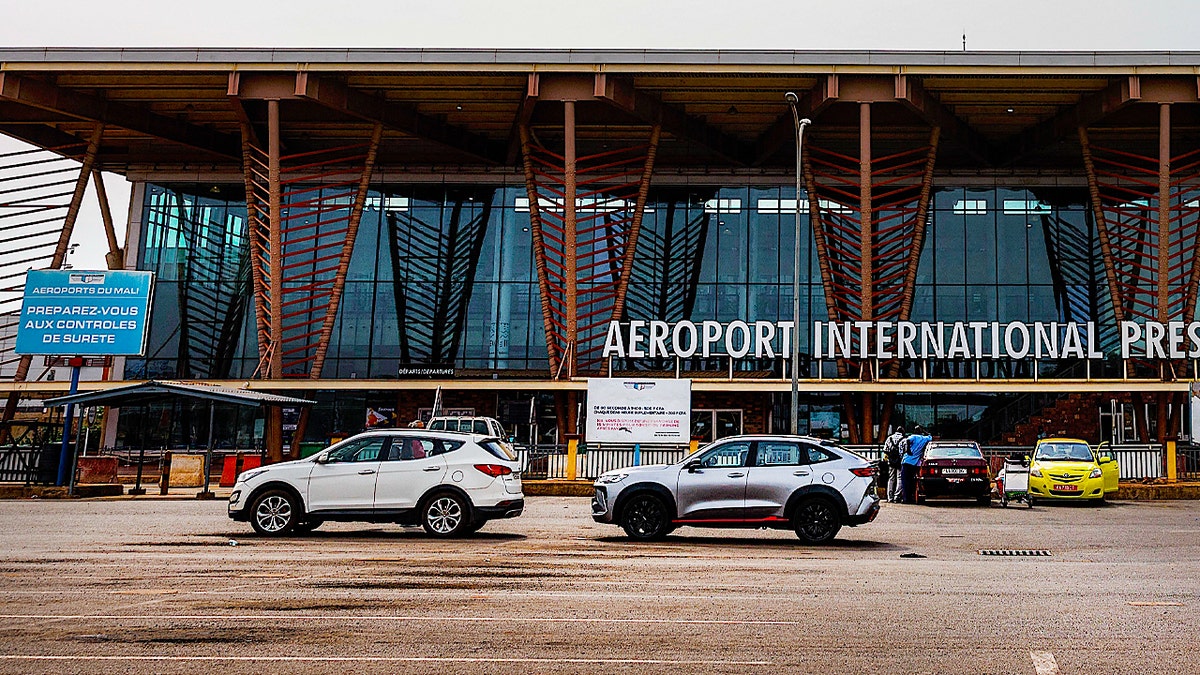
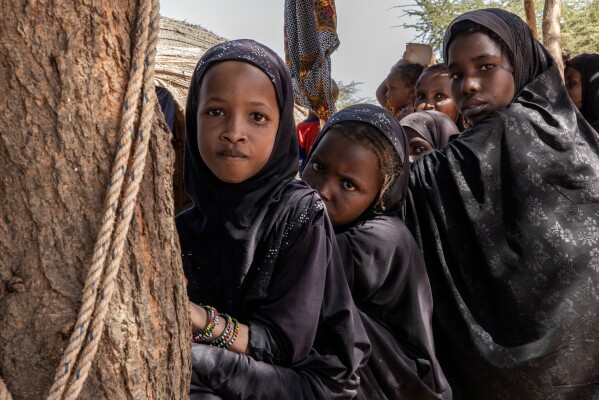
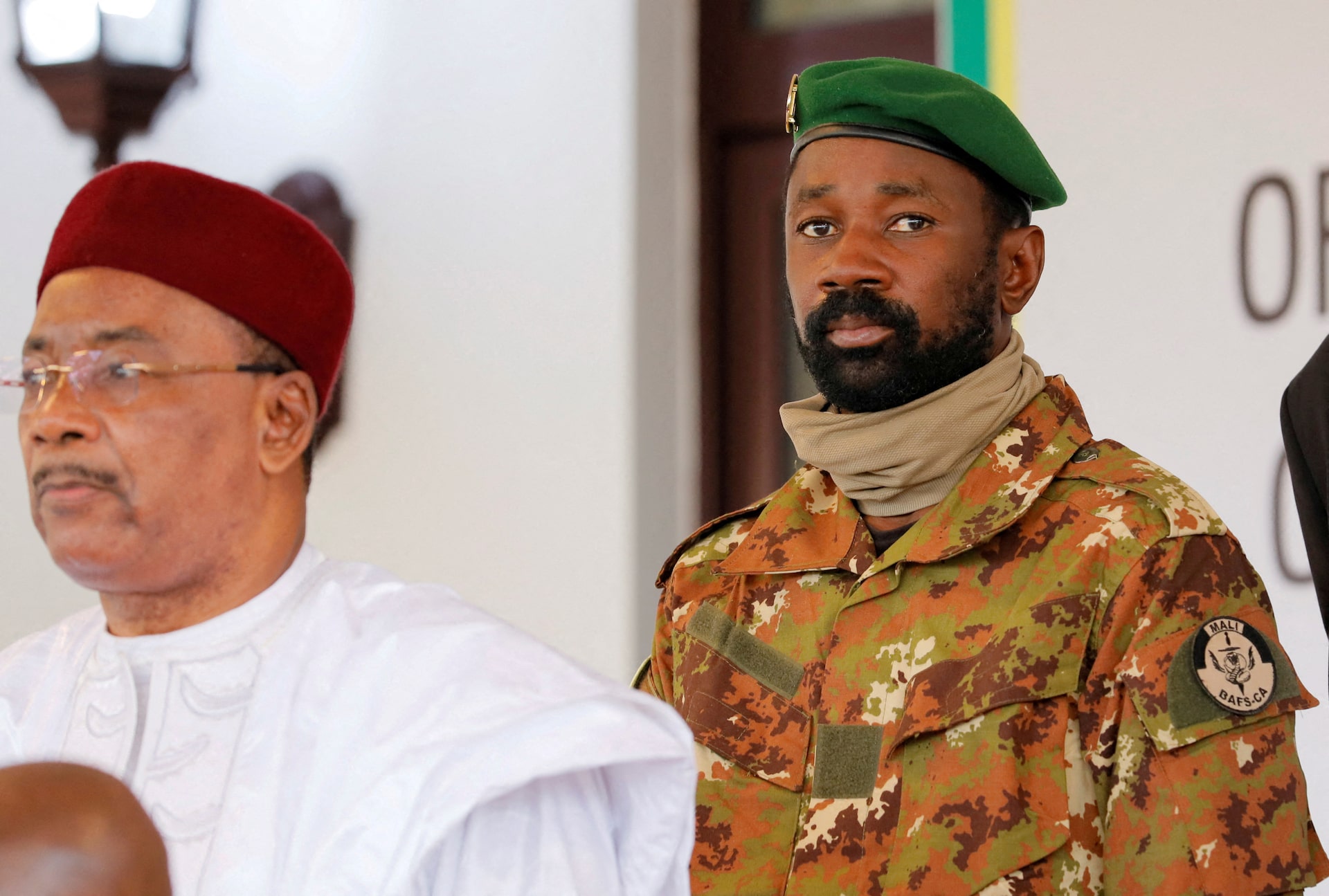
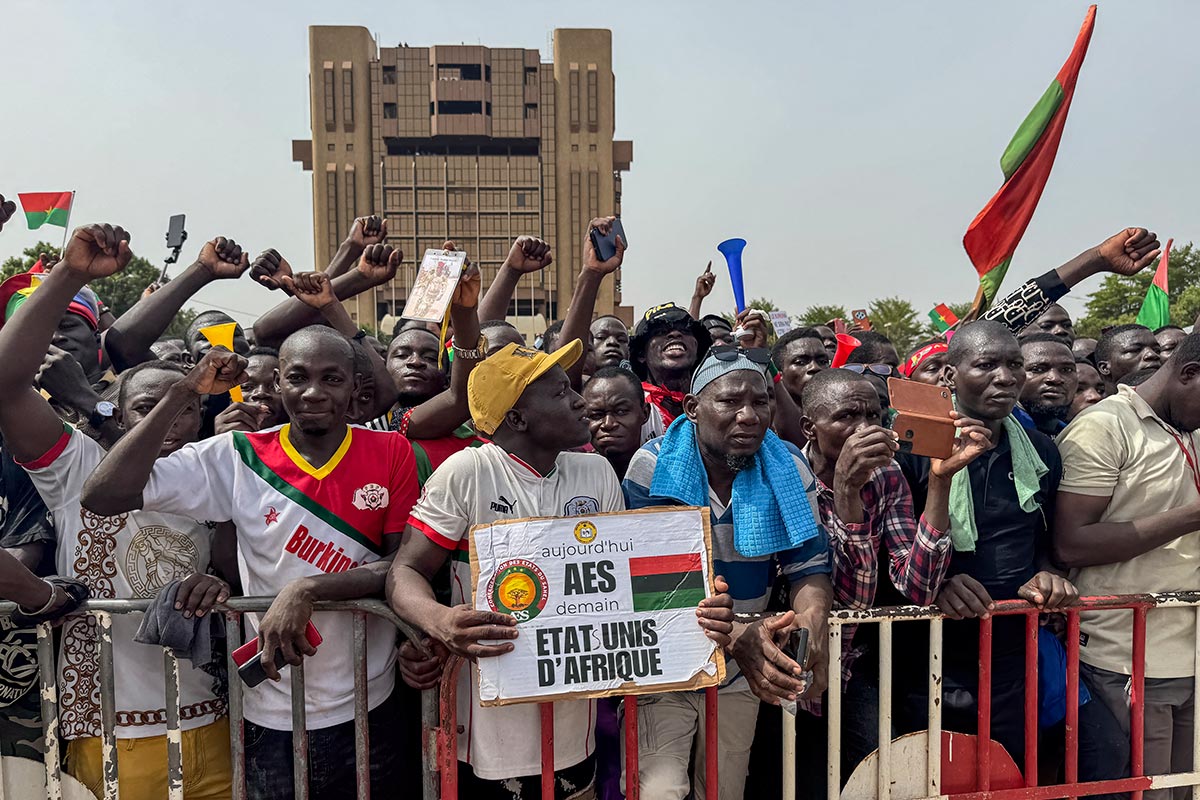
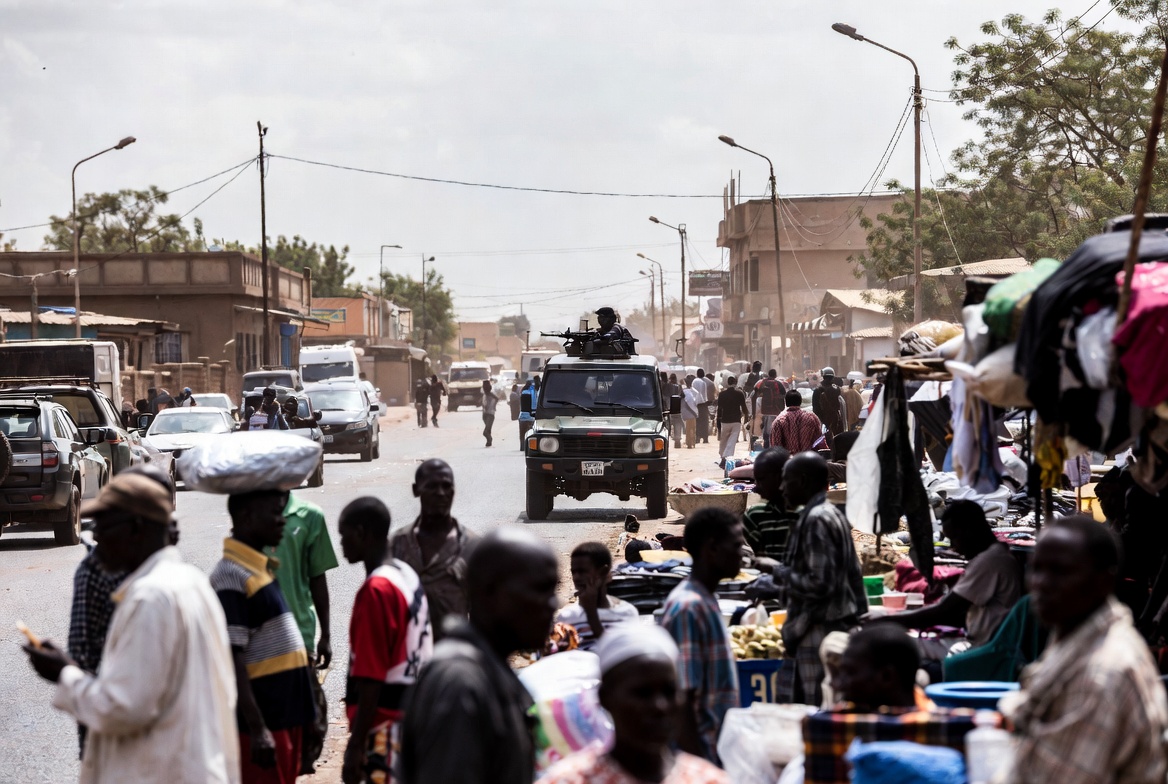
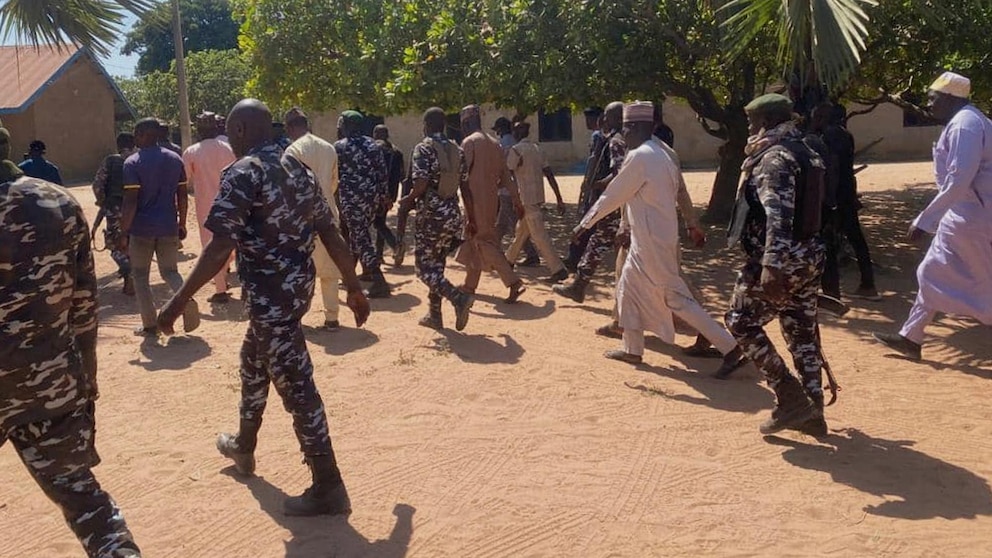
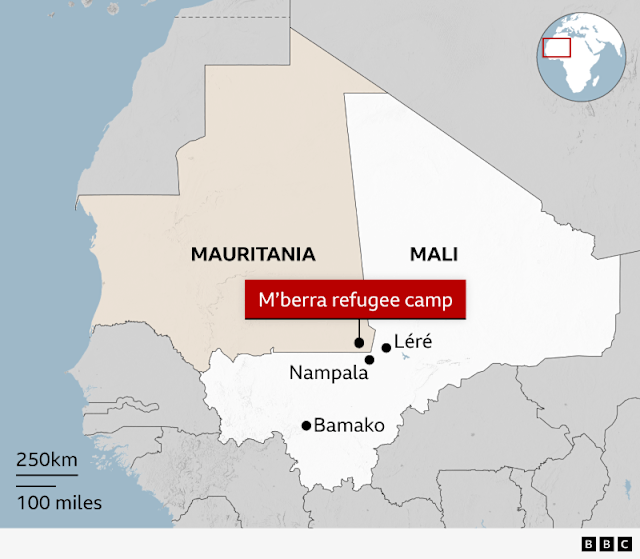
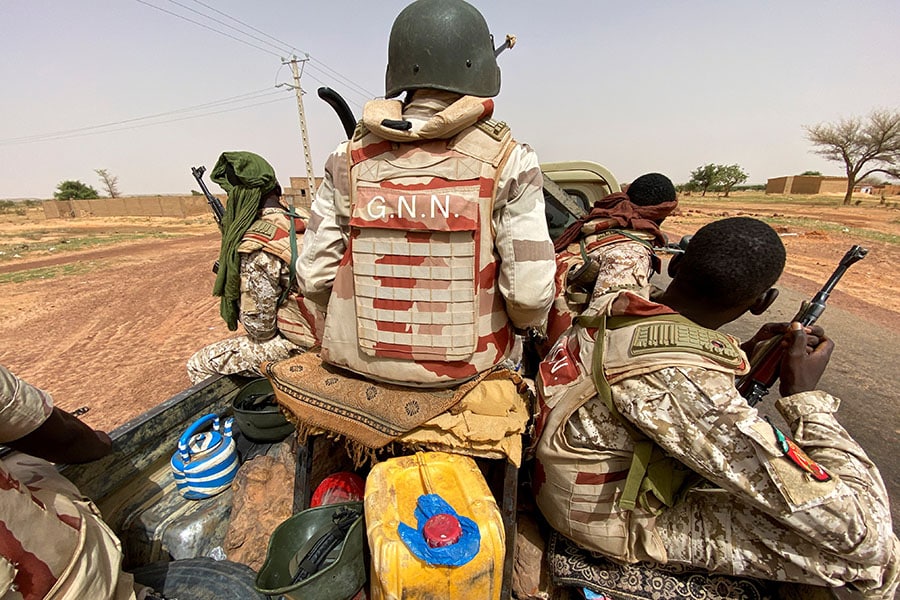
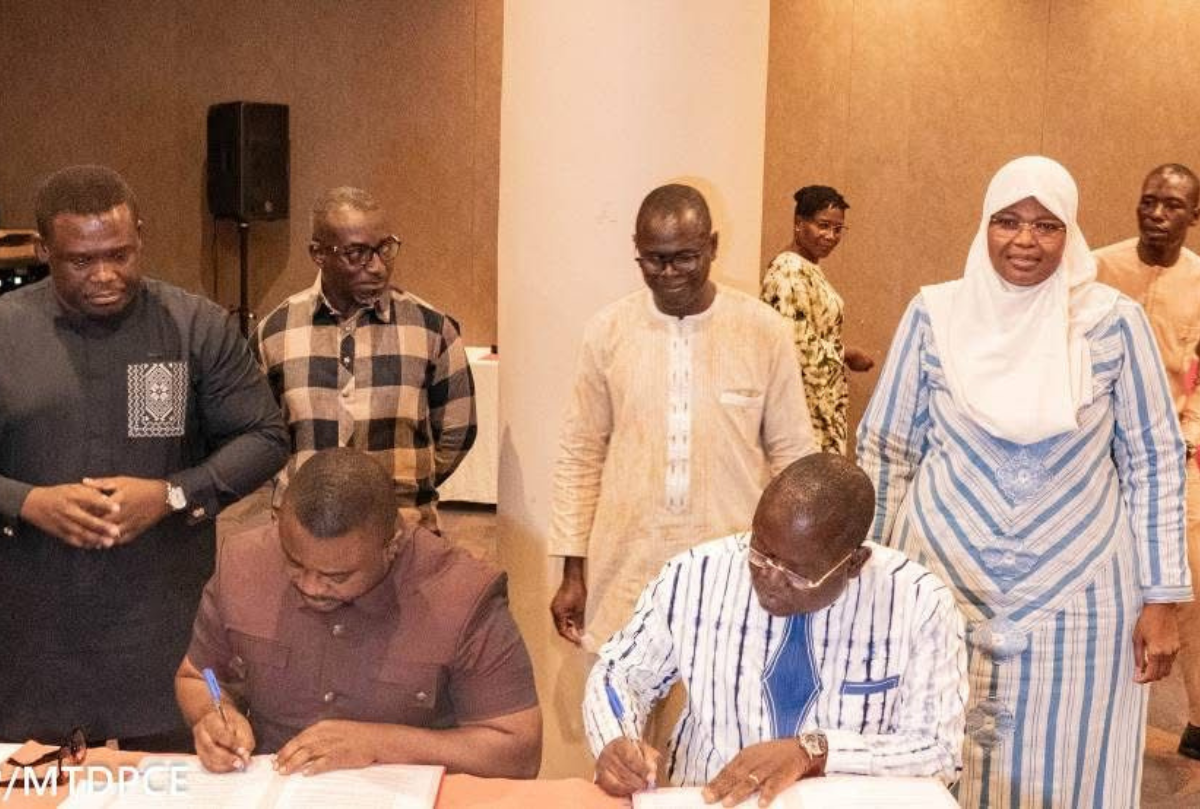
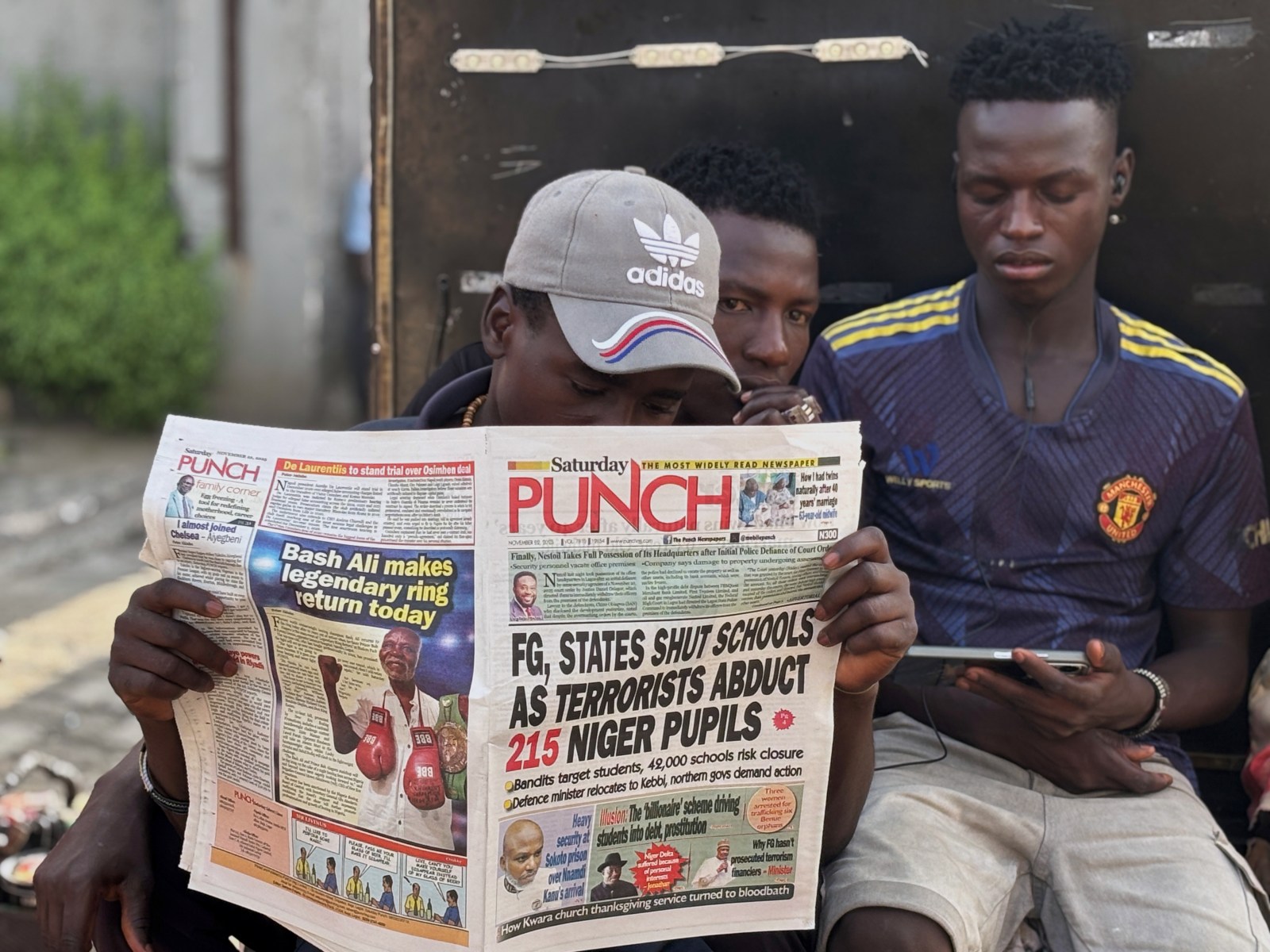
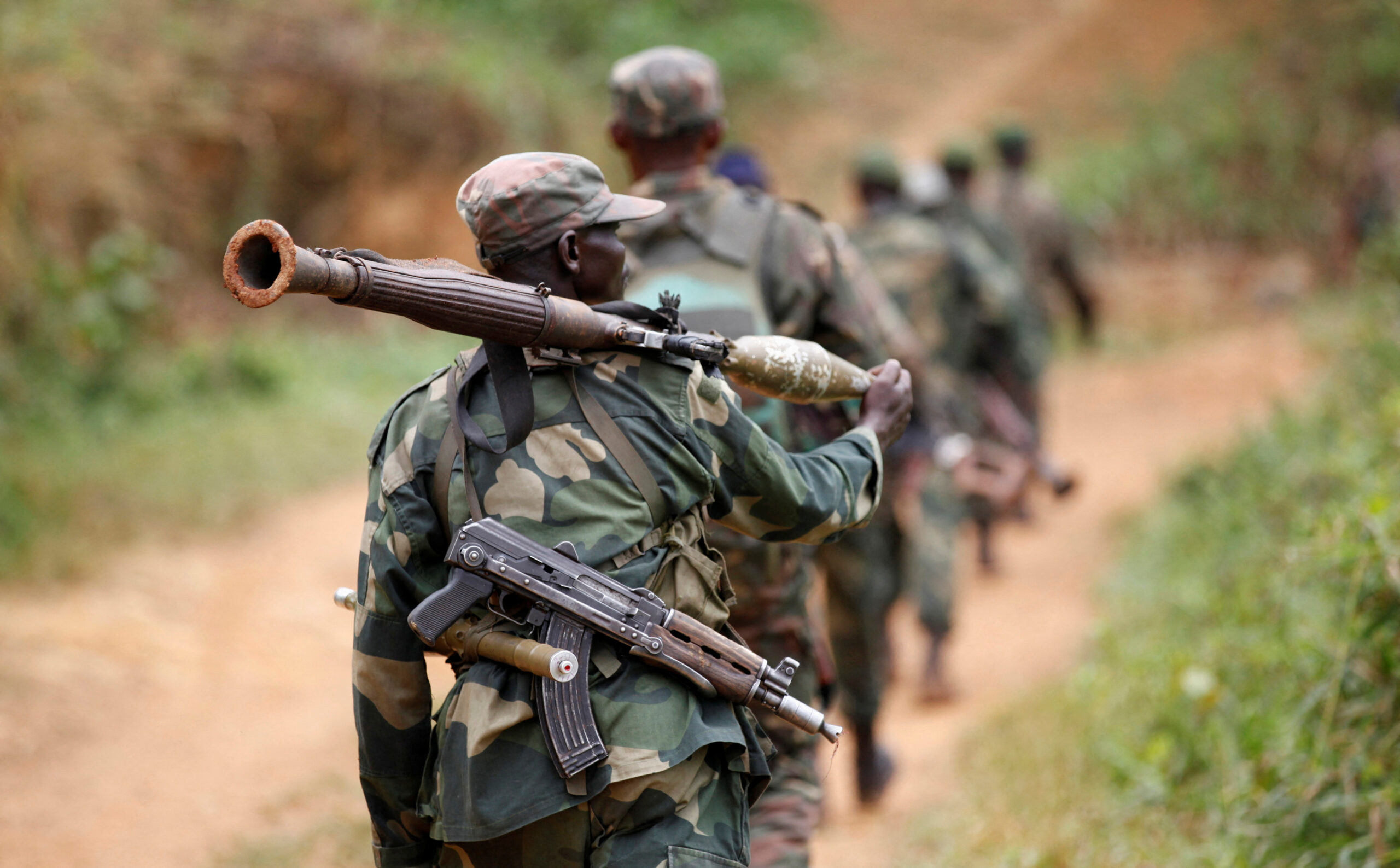
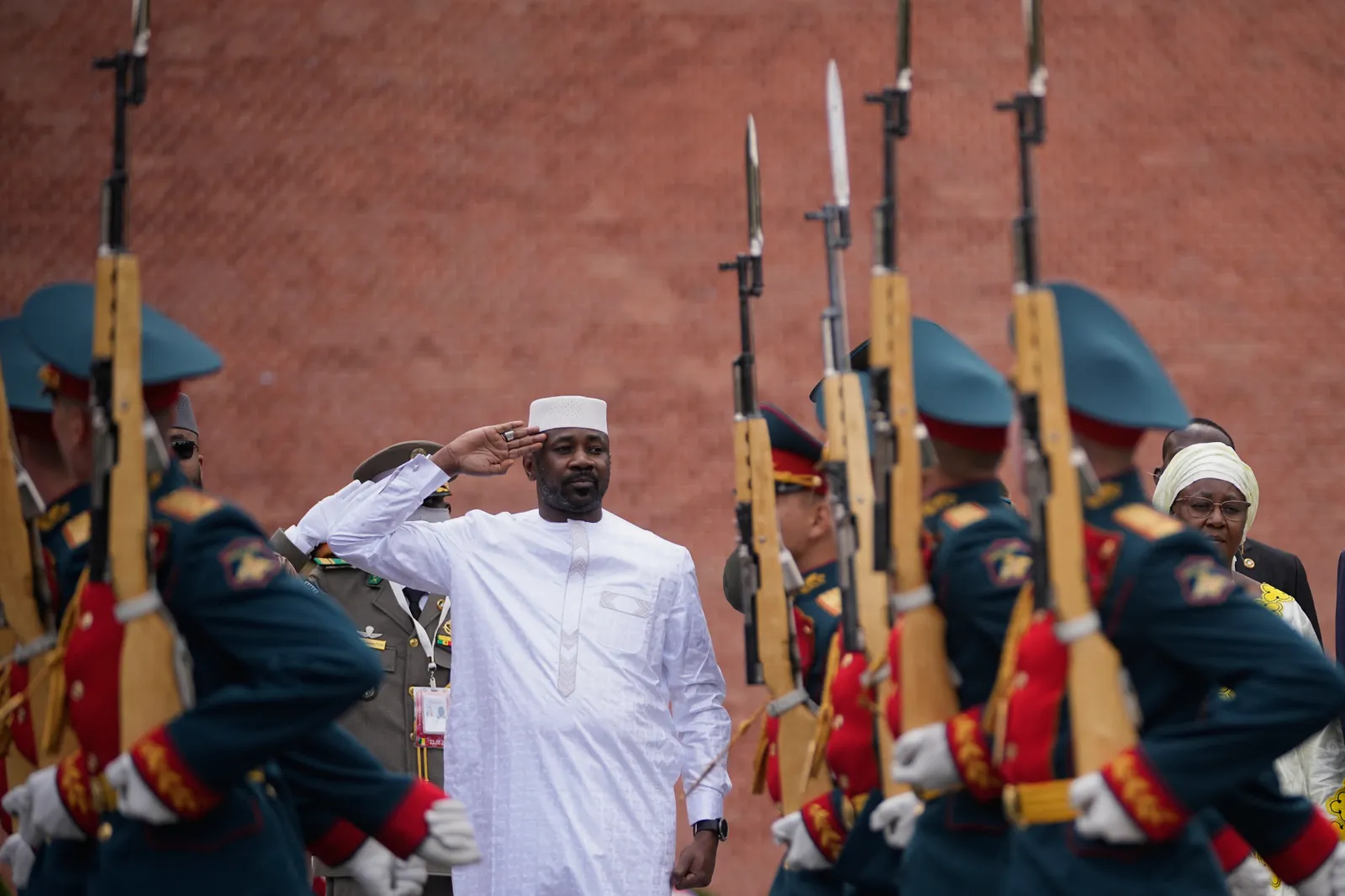
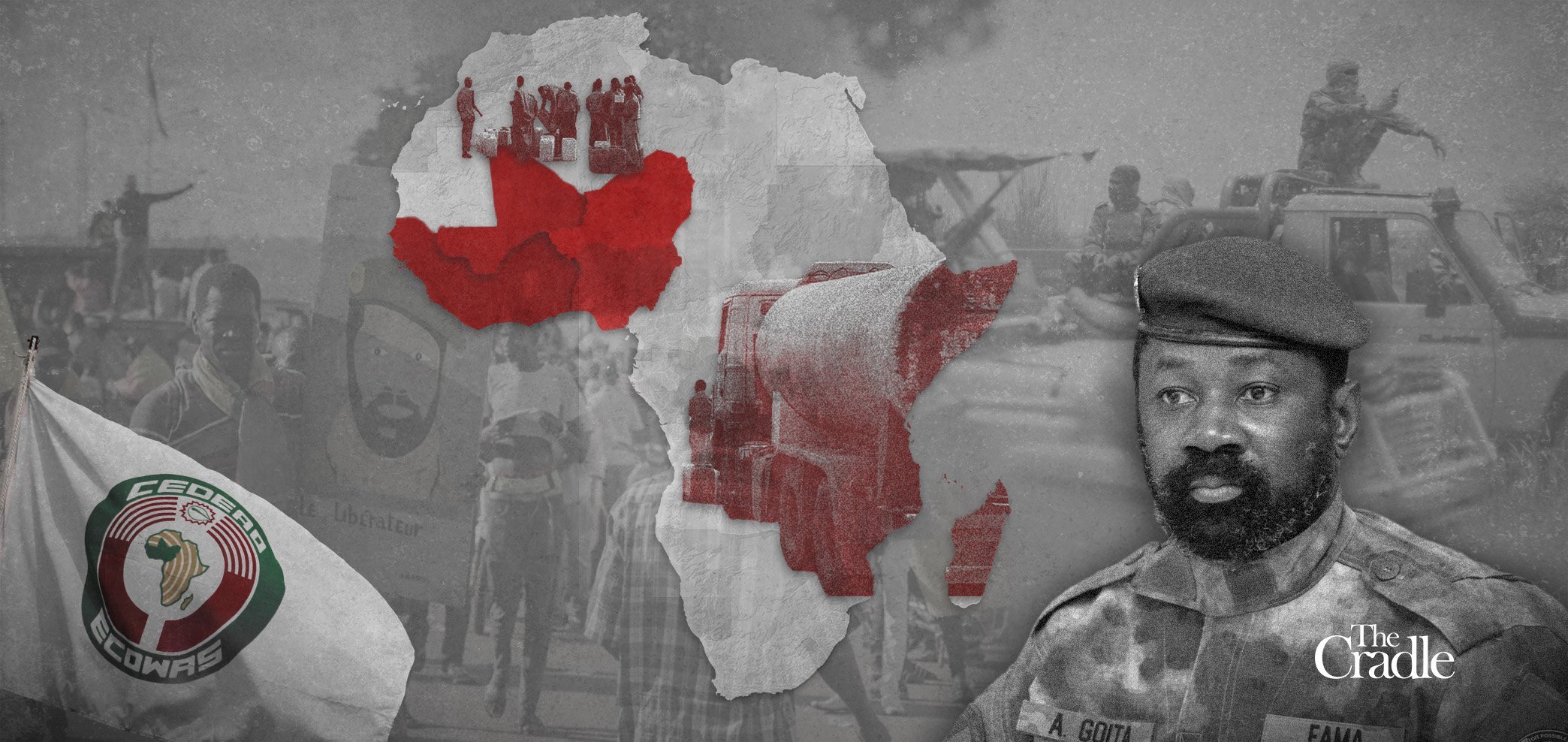
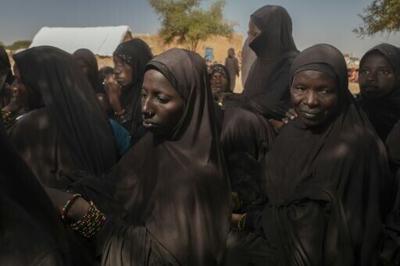
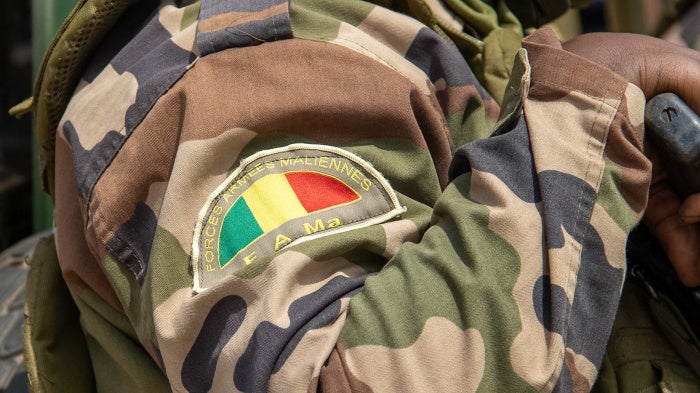
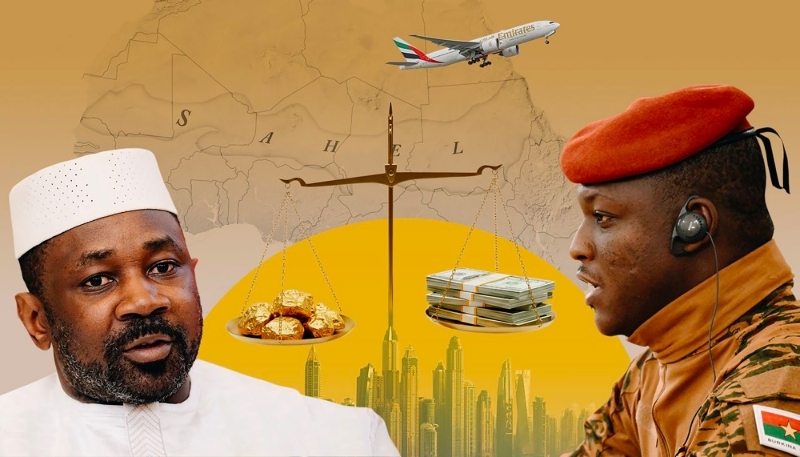
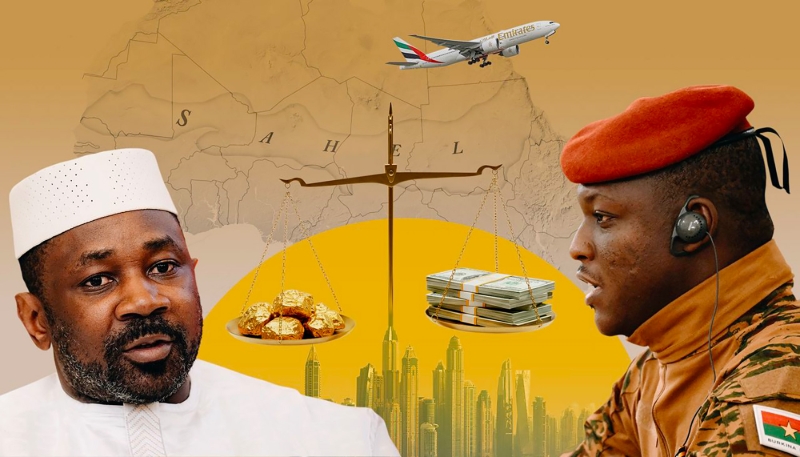
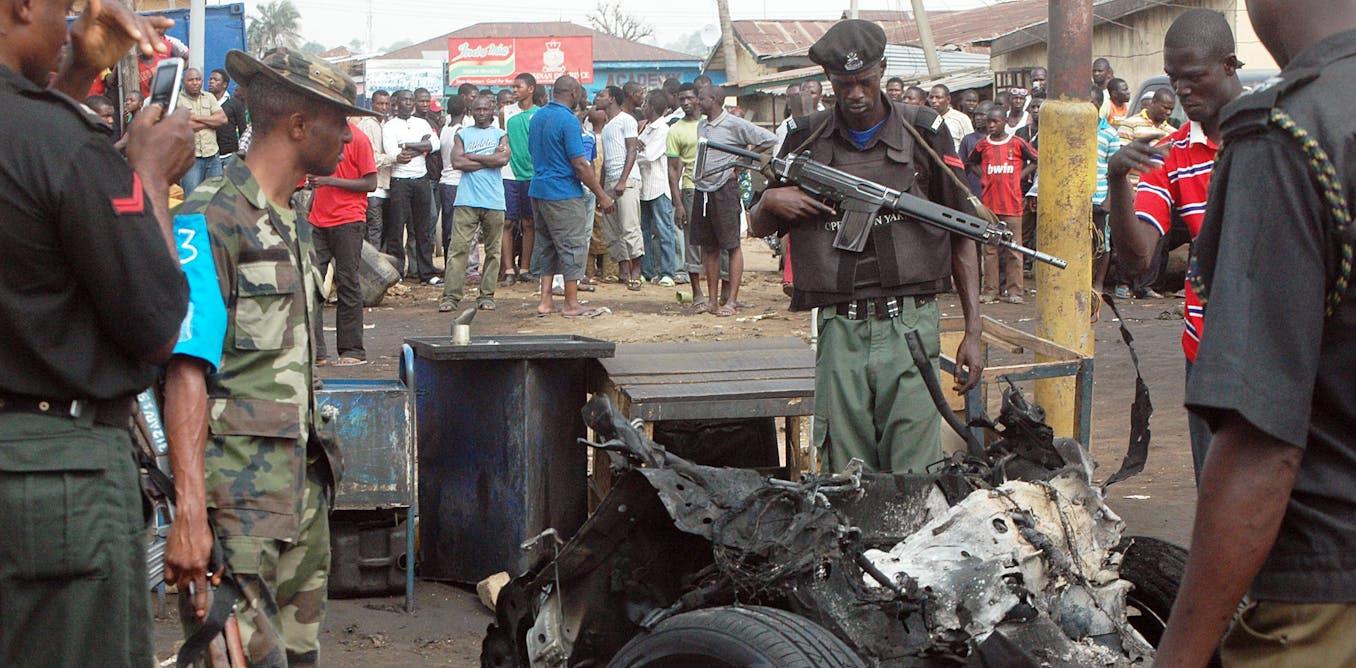
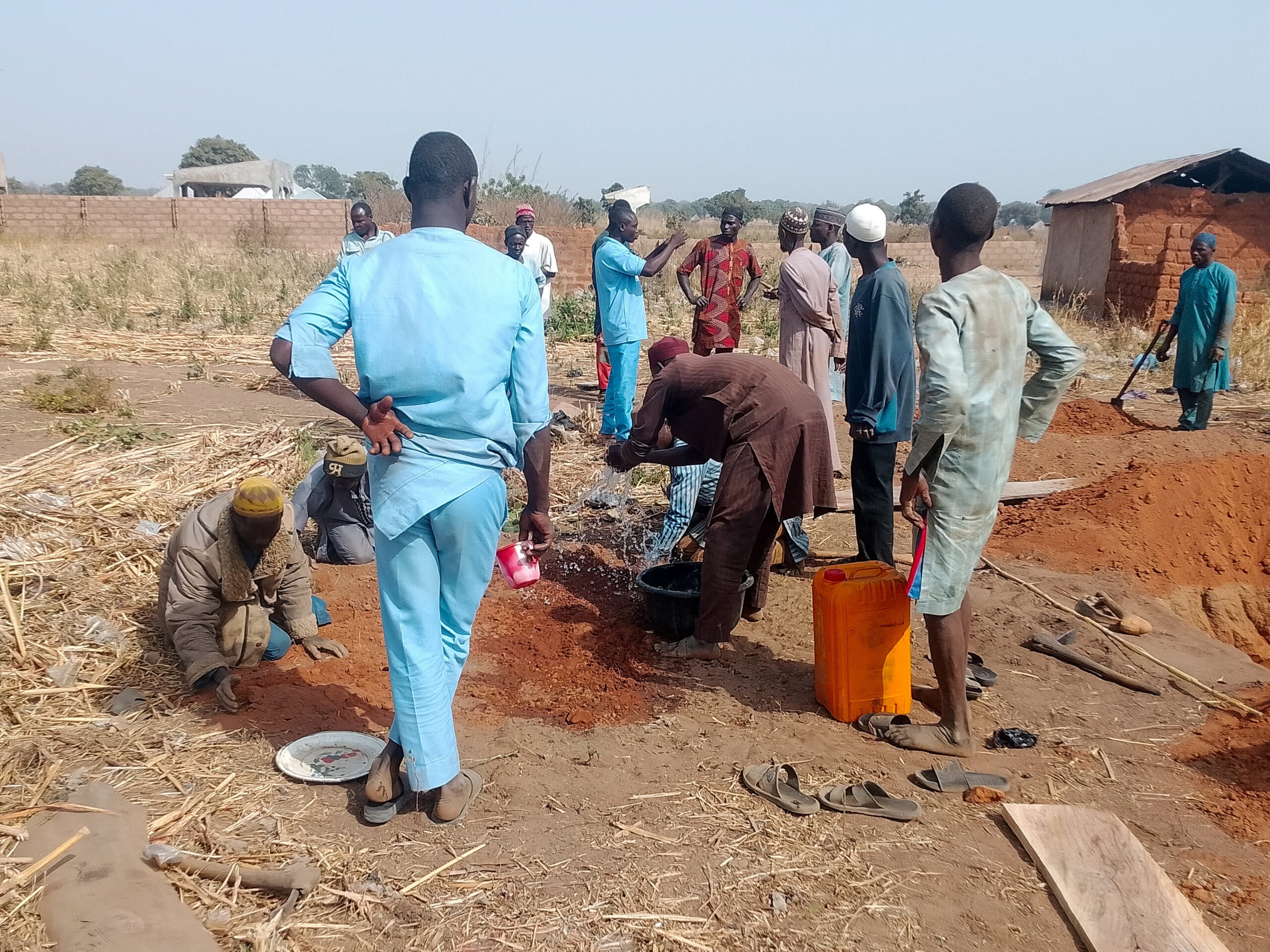
A significant diplomatic shift is underway as Mali recently enacted a reciprocal visa regime for American citizens. This bold move, effective late December 2025, directly reflects Bamako’s growing frustration over what officials describe as unequal treatment for African passport holders and tightening US visa restrictions on several African nations. Mali’s decision, which suspends visa-free travel for most US nationals, isn’t isolated. Other African states, including Nigeria, South Africa, and Burkina Faso, have voiced similar concerns or introduced their own reciprocal measures. These diplomatic maneuvers highlight deeper geopolitical tensions and pose serious questions about the future of travel and cooperation between Africa and the West, directly influencing migration flows, economic opportunities, and the everyday lives of citizens. For instance, the ongoing situation in Nigeria remains troubling. Rural Muslim communities there are grappling with fear following a series of US missile strikes in Sokoto State on Christmas night. The US administration described these attacks as targeting Islamist militant groups in a campaign against ‘Christian genocide,’ yet they’ve caused widespread anxiety among local populations, disrupting fragile rural livelihoods during an intense harvest period. Furthermore, a new dataset reveals that some African immigrant households in the US, like those from Somalia, register some of the highest welfare assistance rates among global immigrant groups. This information has reignited heated debates over fiscal policies and immigration reform, potentially feeding into the visa reciprocity decisions we’re seeing across the continent. You can read more on Mali’s new policy here.
But it’s not all diplomatic friction and security concerns on the continent. Africa also showcases incredible resilience and offers moments of regional pride and significant environmental wins. Nigeria’s national football team, the Super Eagles, recently offered a beacon of hope and unity, securing a decisive victory over Mozambique to advance to the AFCON quarterfinals. Their dynamic offense and creative playmaking, led by star strikers Victor Osimhen and Ademola Lookman, truly spotlight the country’s athletic talent on a continental stage, providing a much-needed moment of national celebration amidst the ongoing complexities. On the conservation front, there’s cautious optimism brewing. New research indicates a significant decline in poaching rates for African forest elephants, leading to a stabilization of their populations. These magnificent creatures, primarily inhabiting Central Africa’s dense rainforests, have long suffered from habitat loss and the devastating impact of ivory poaching. While a recent report from the Wildlife Conservation Society highlights encouraging trends in CITES-related data, challenges definitely remain. Expanding agriculture in West Africa and persistent illegal hunting continue to pose serious threats to their long-term survival. Want to know more about the elephant populations and conservation efforts? Check out this report here.
As Africa navigates these diverse and interconnected challenges, we’re seeing a continent defined by its vitality and multifaceted nature. Mali’s bold new visa policy, for instance, exemplifies how global pressures and local realities can converge, pushing governments to adopt firm stances that ripple through regional partnerships and individual lives. Nigeria’s struggles with militant violence and its contrasting triumphs on the football field capture a nation striving to balance crucial security with a strong sense of national identity. And the modest recovery of forest elephant populations serves as a powerful, hopeful reminder of our persistent need to protect Africa’s invaluable natural heritage, even as complex human dramas unfold across its landscapes. As observers and leaders alike watch these dynamics evolve, there’s a shared hope that cooperation, innovation, and unwavering respect for both human and wildlife rights will ultimately prevail in the years to come. Clearly, sustained regional security efforts and diplomatic resilience will be crucial in defining Africa’s trajectory. Find out more about the strikes in Nigeria here.