
The Sahel’s New Alliance: Mali, Niger, Burkina Faso Chart Their Own Course Amidst Rising Tensions
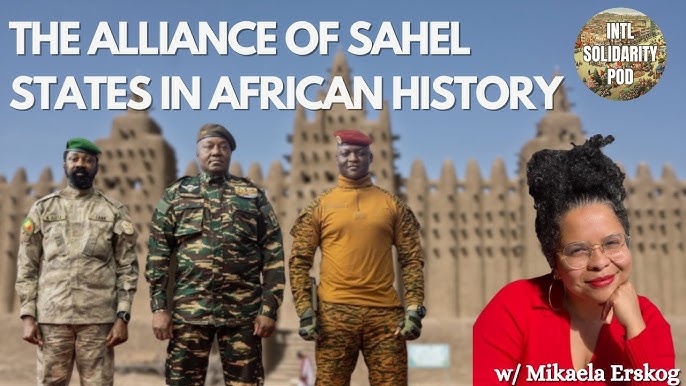
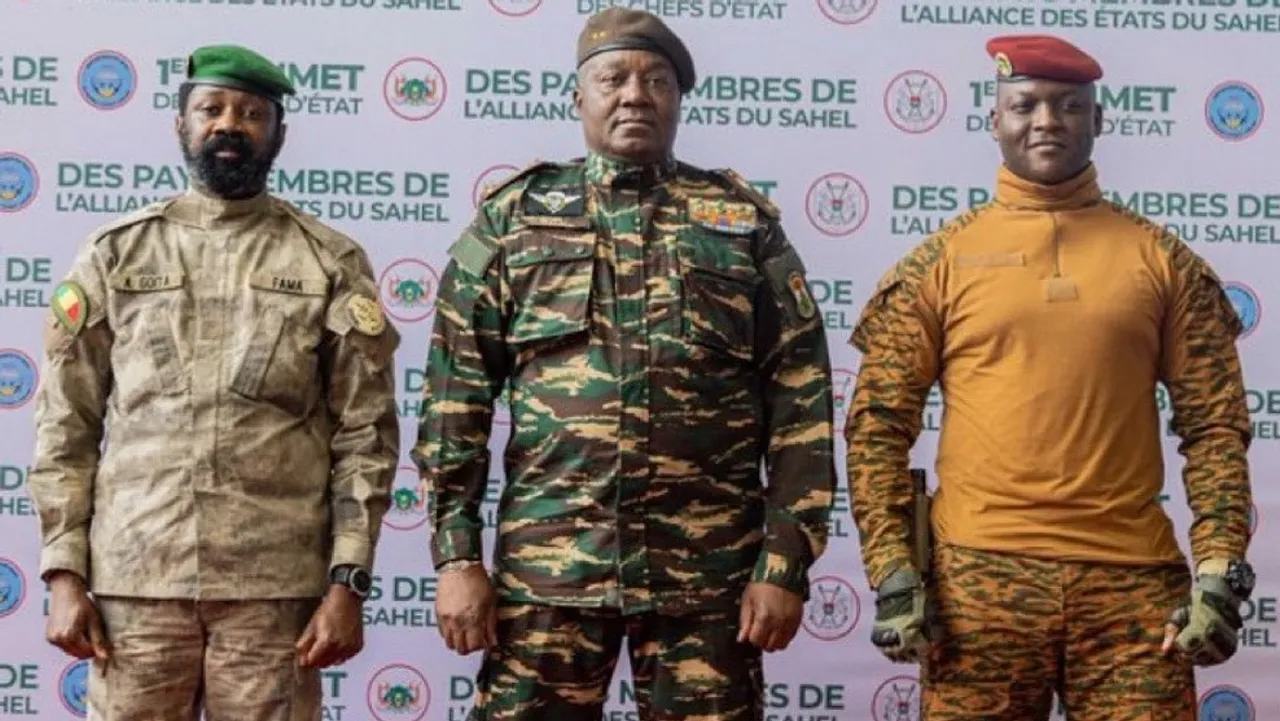
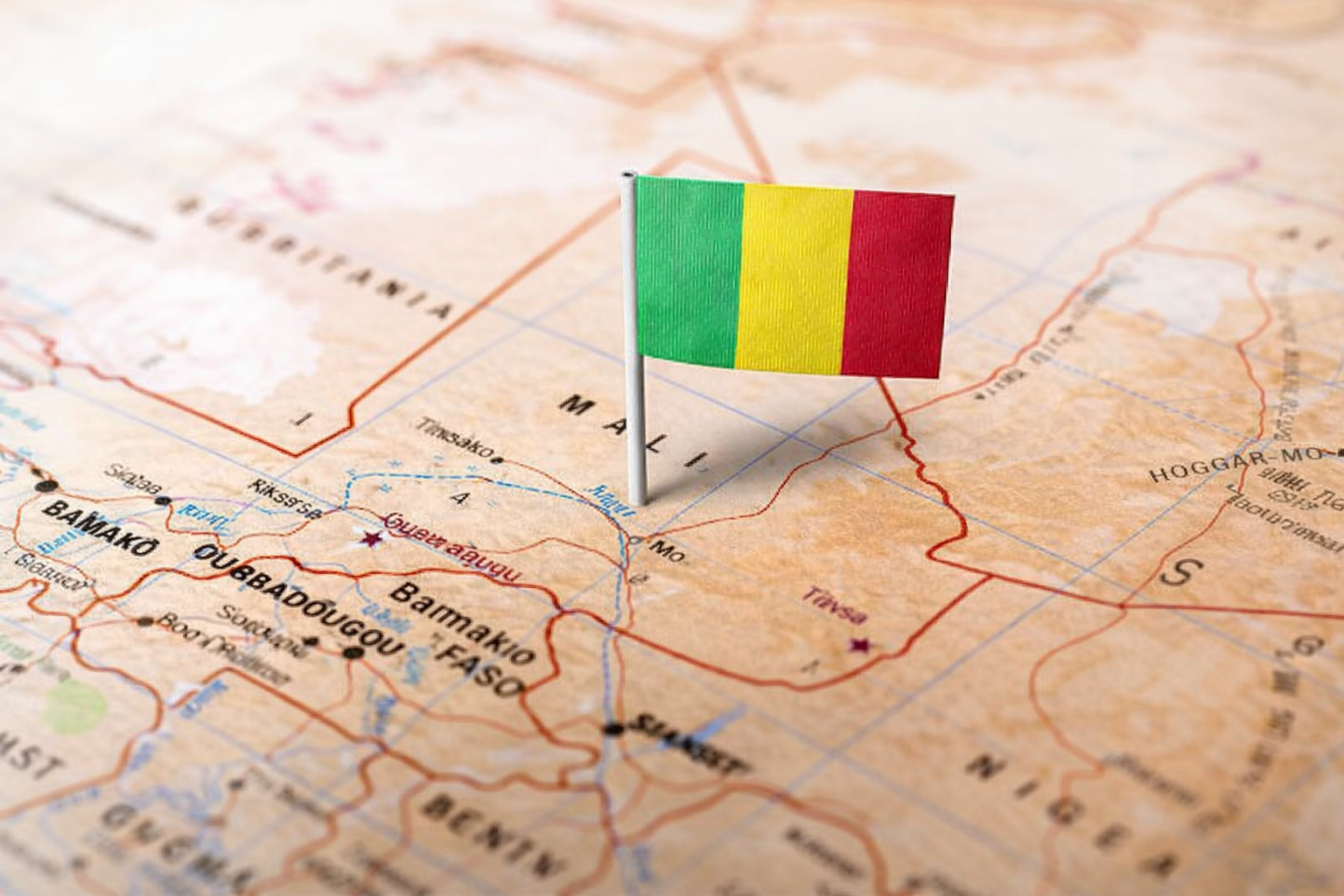
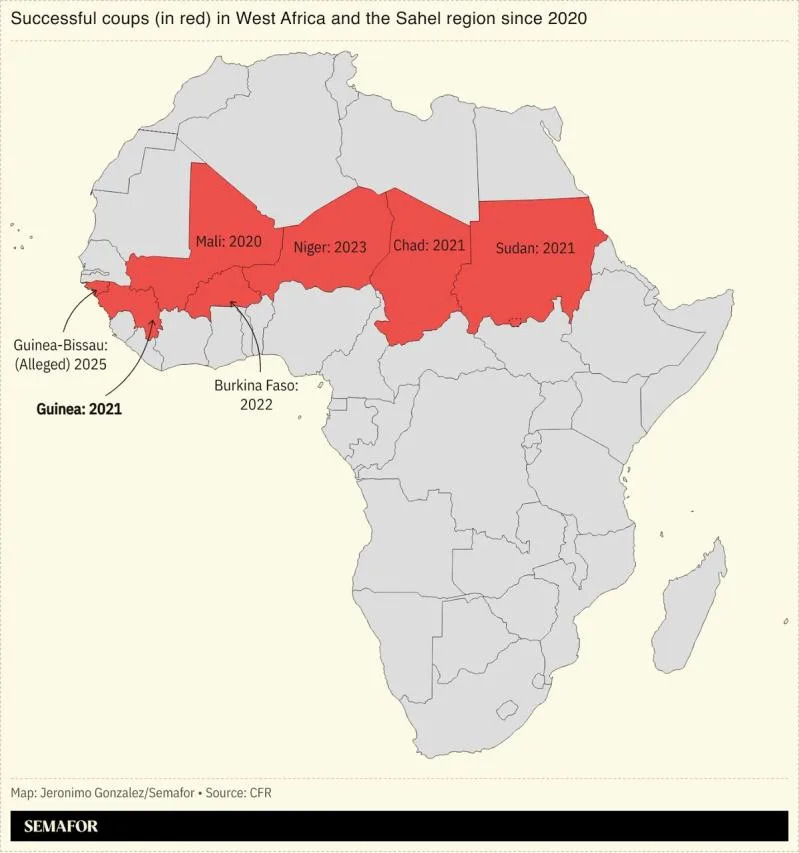
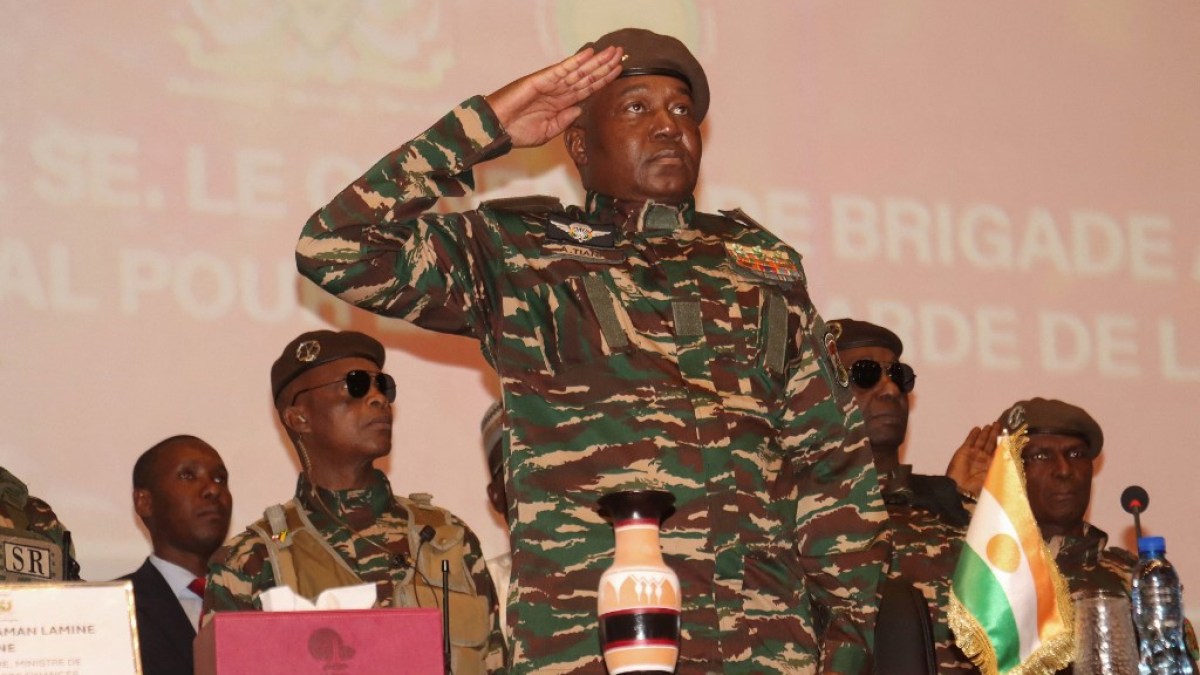
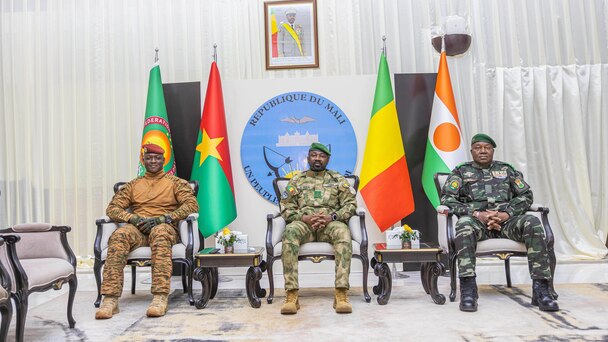
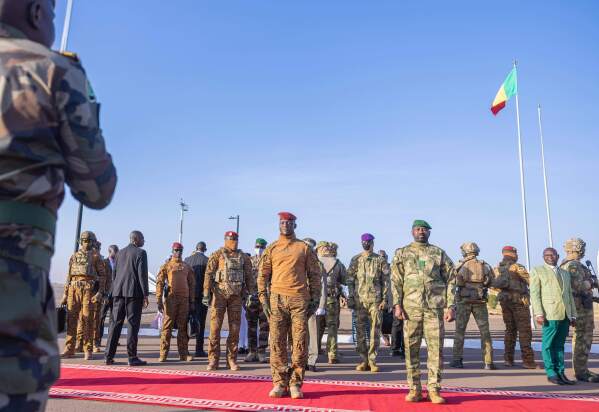
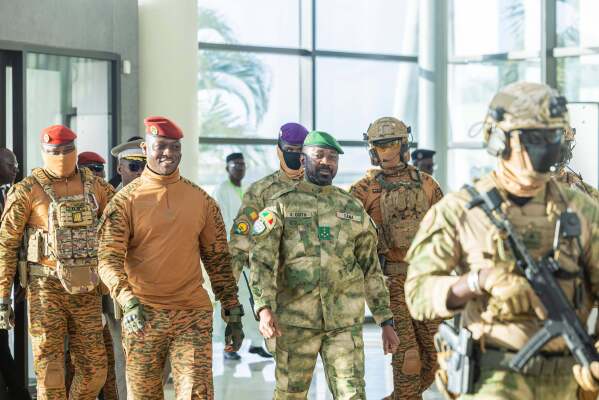
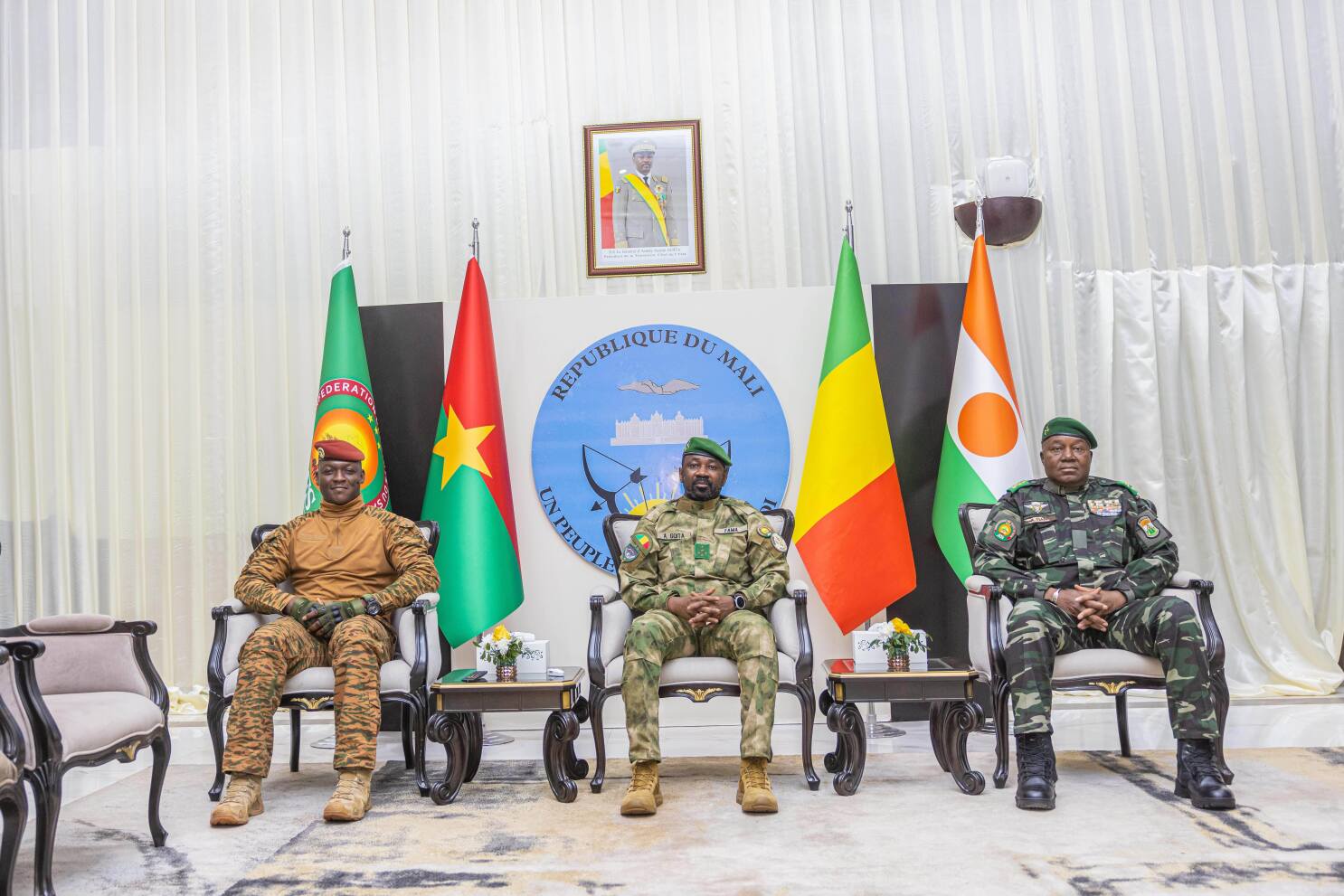
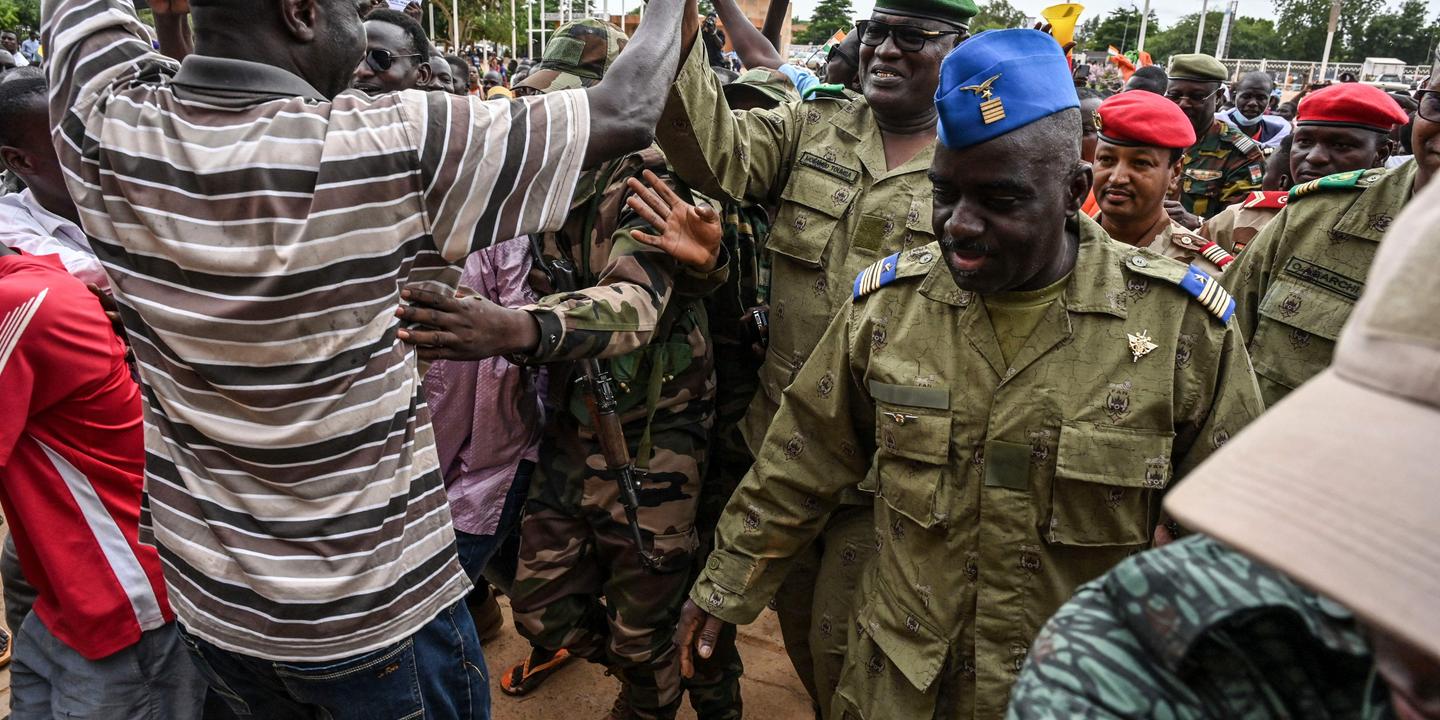
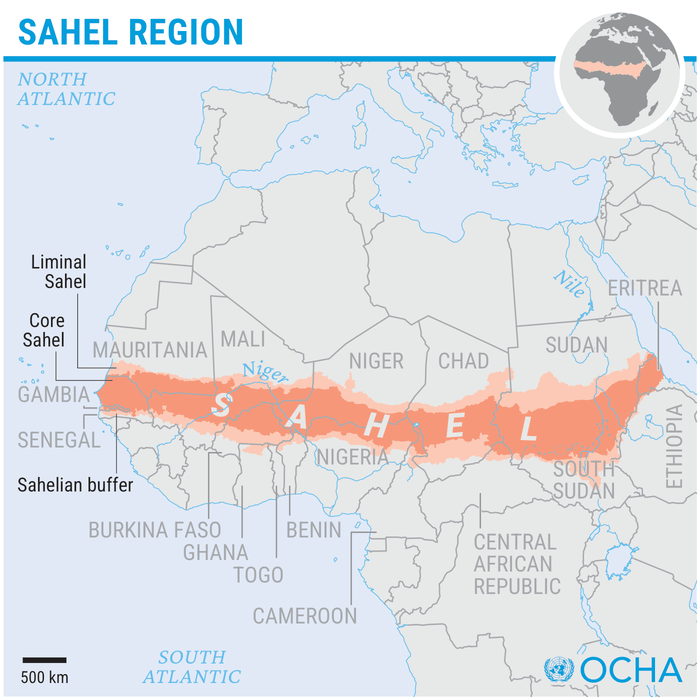
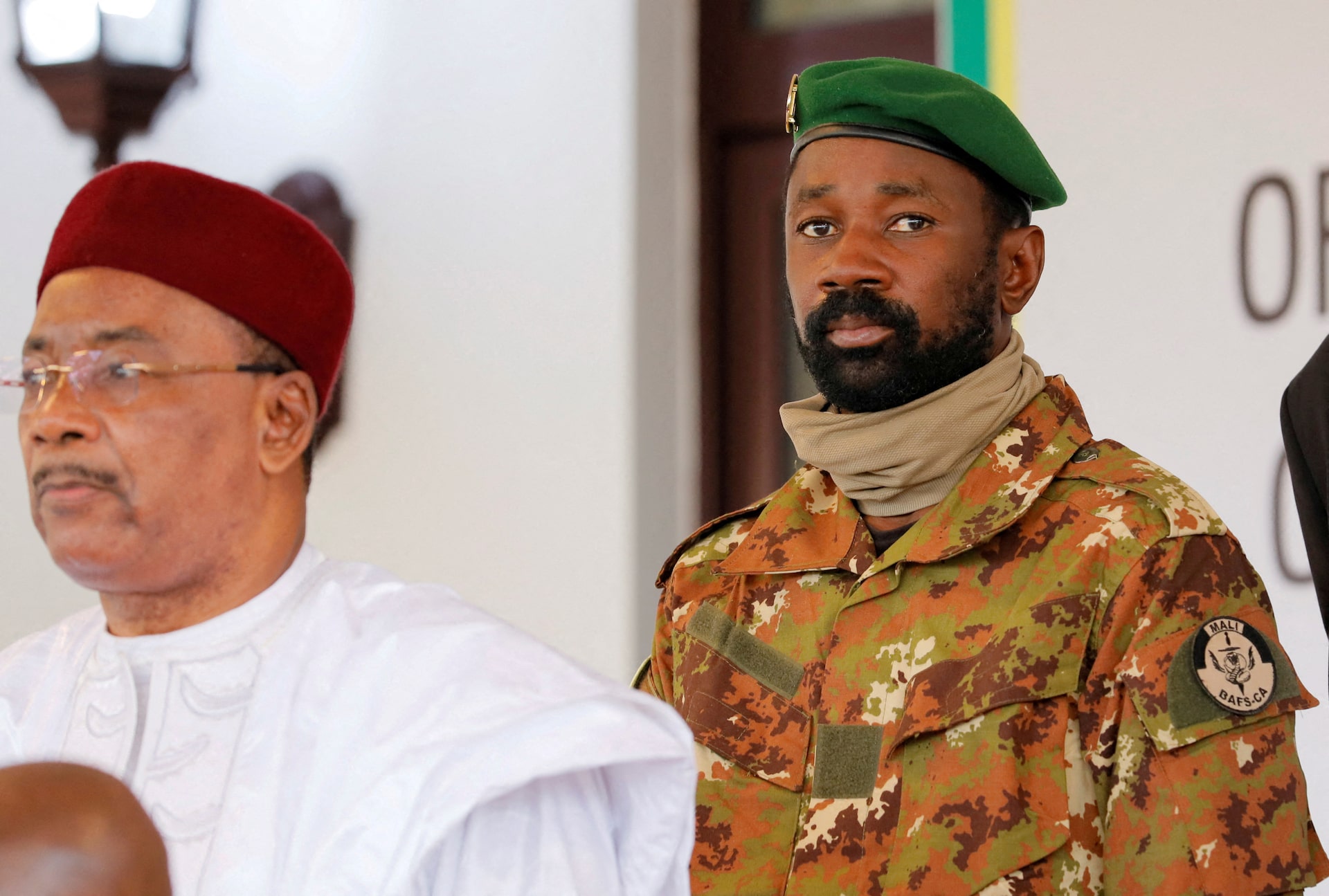
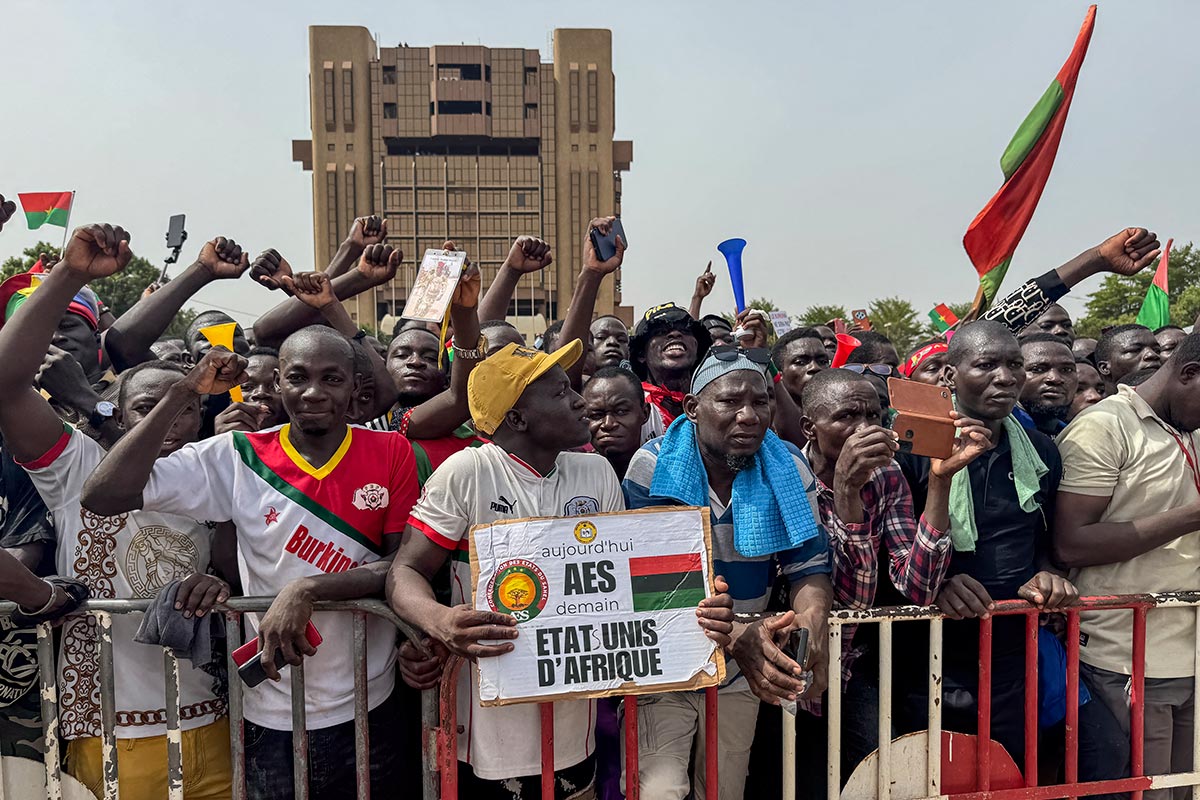
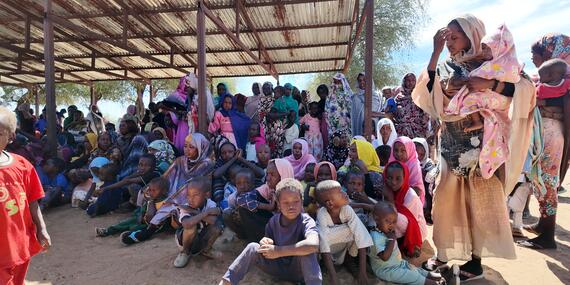
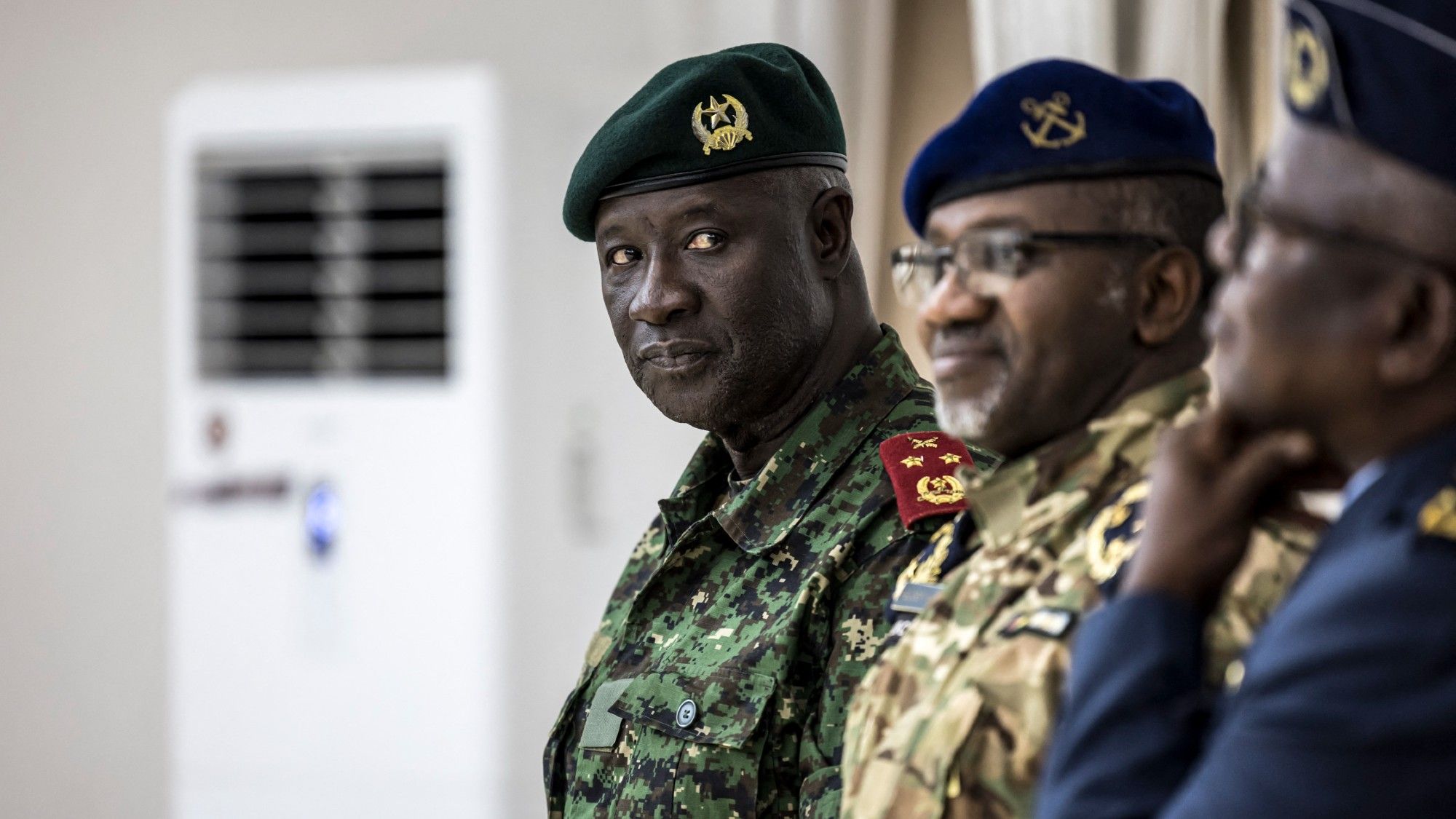
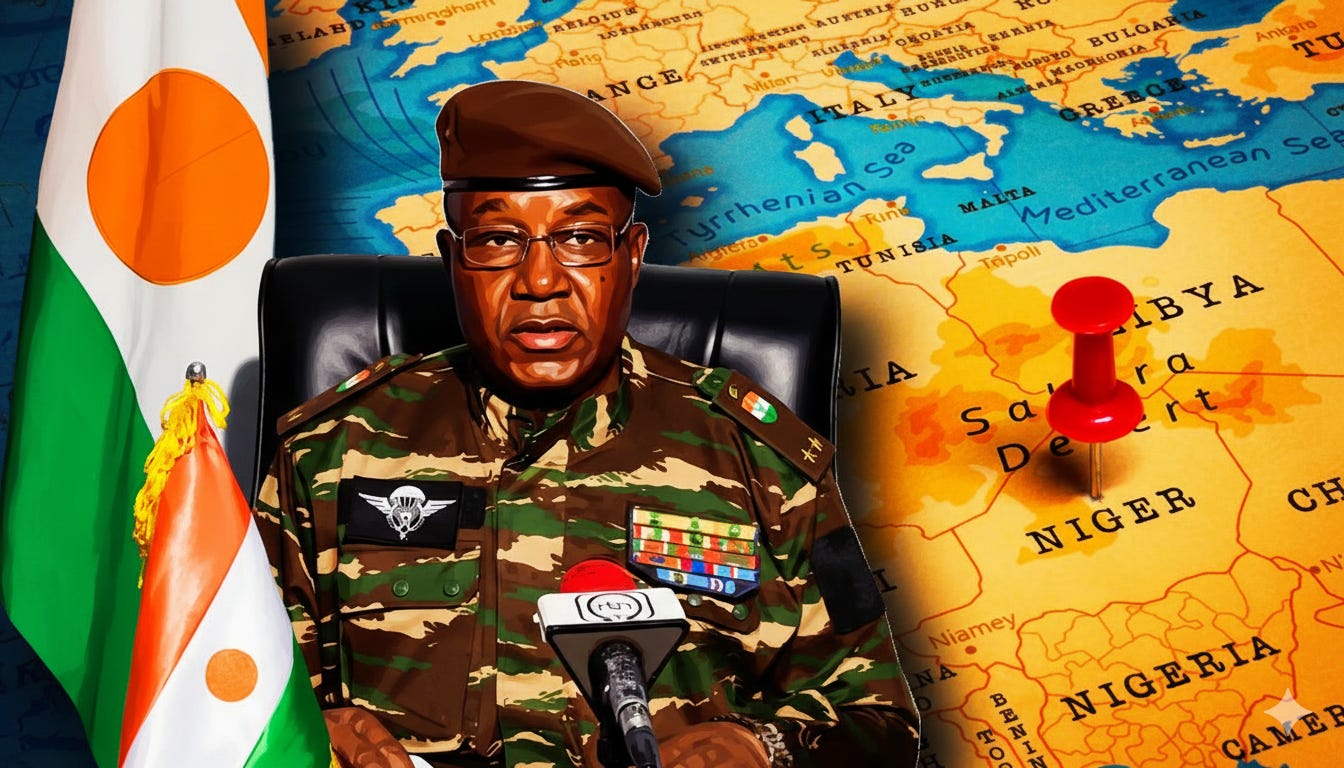
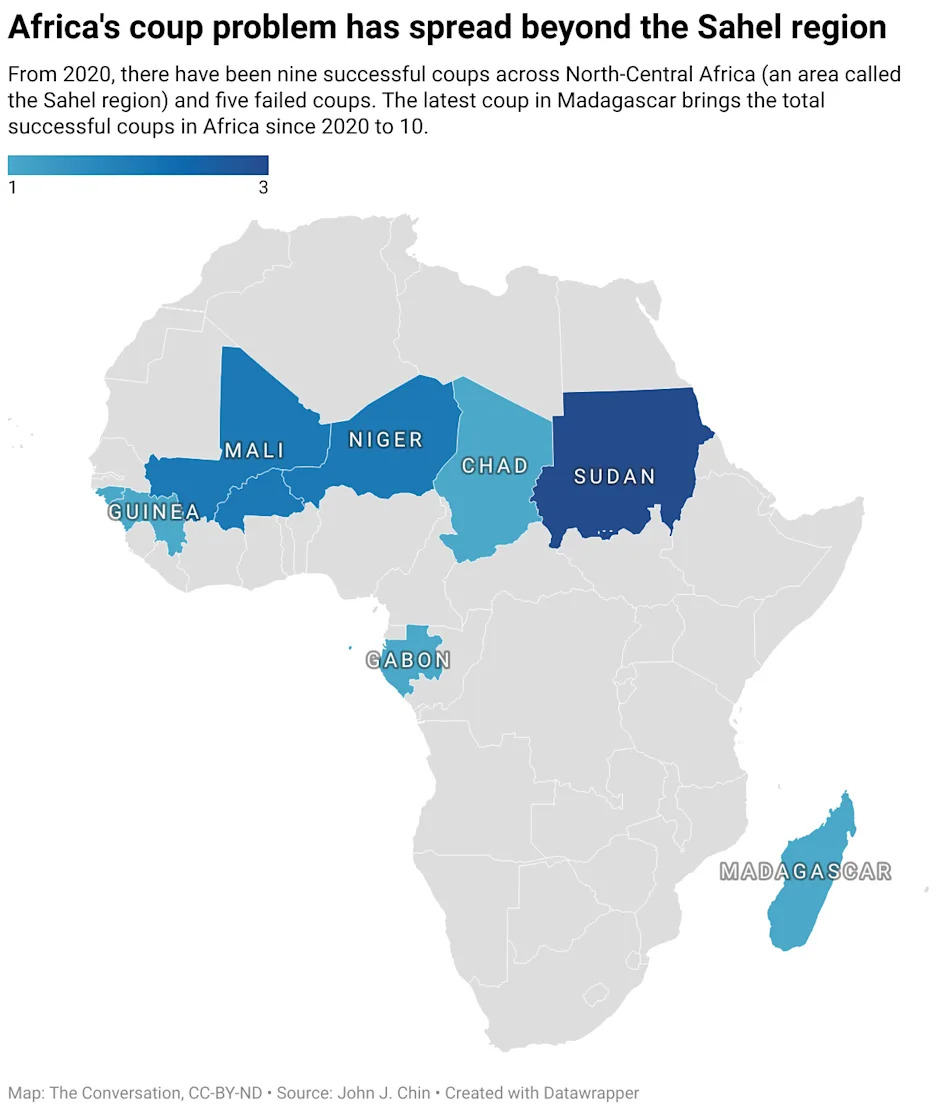
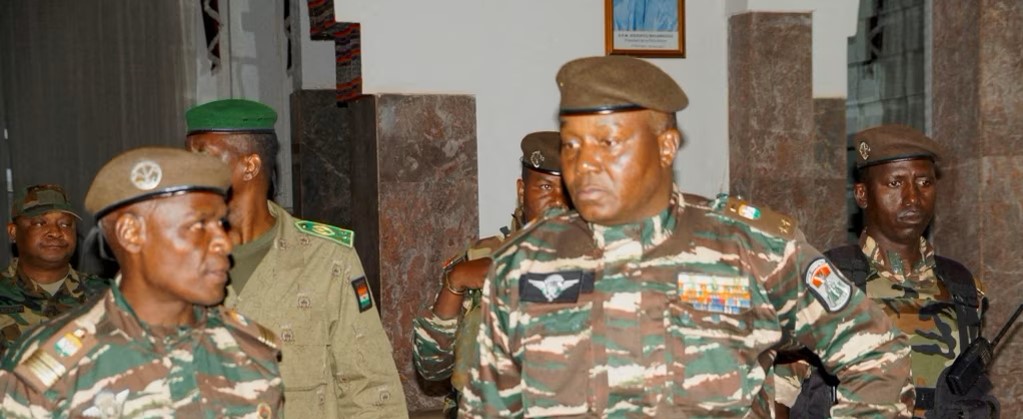
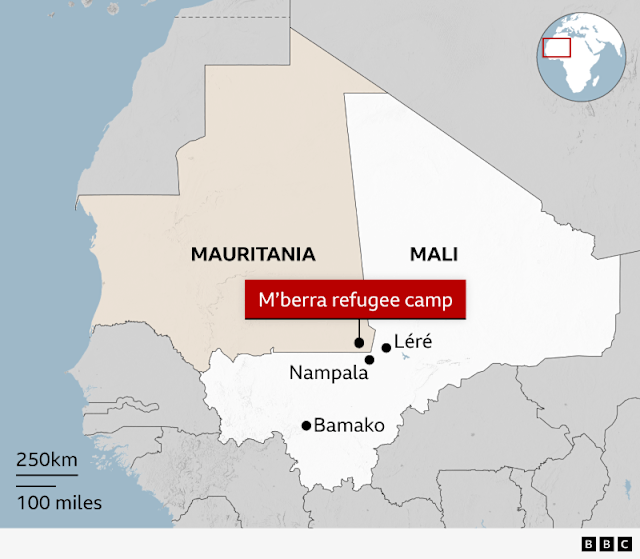
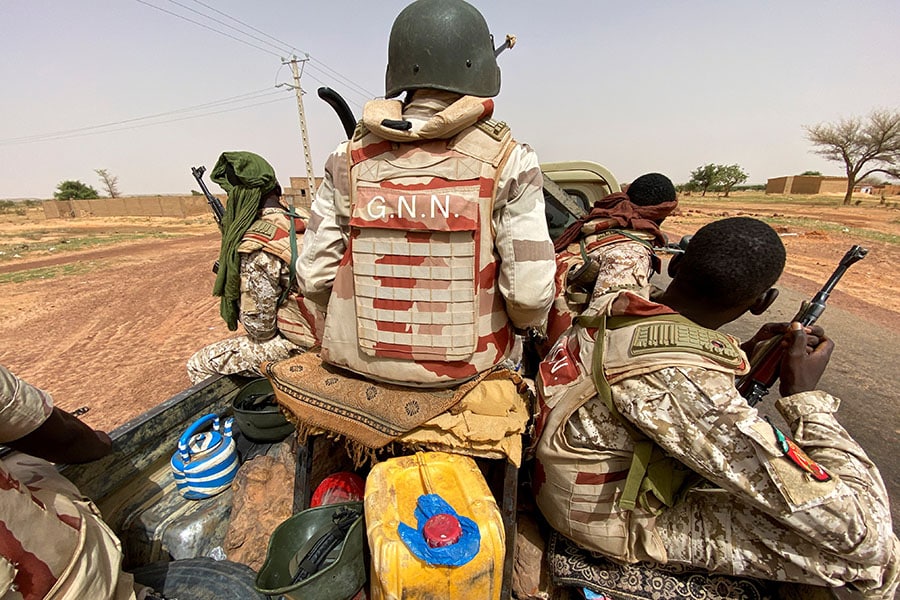
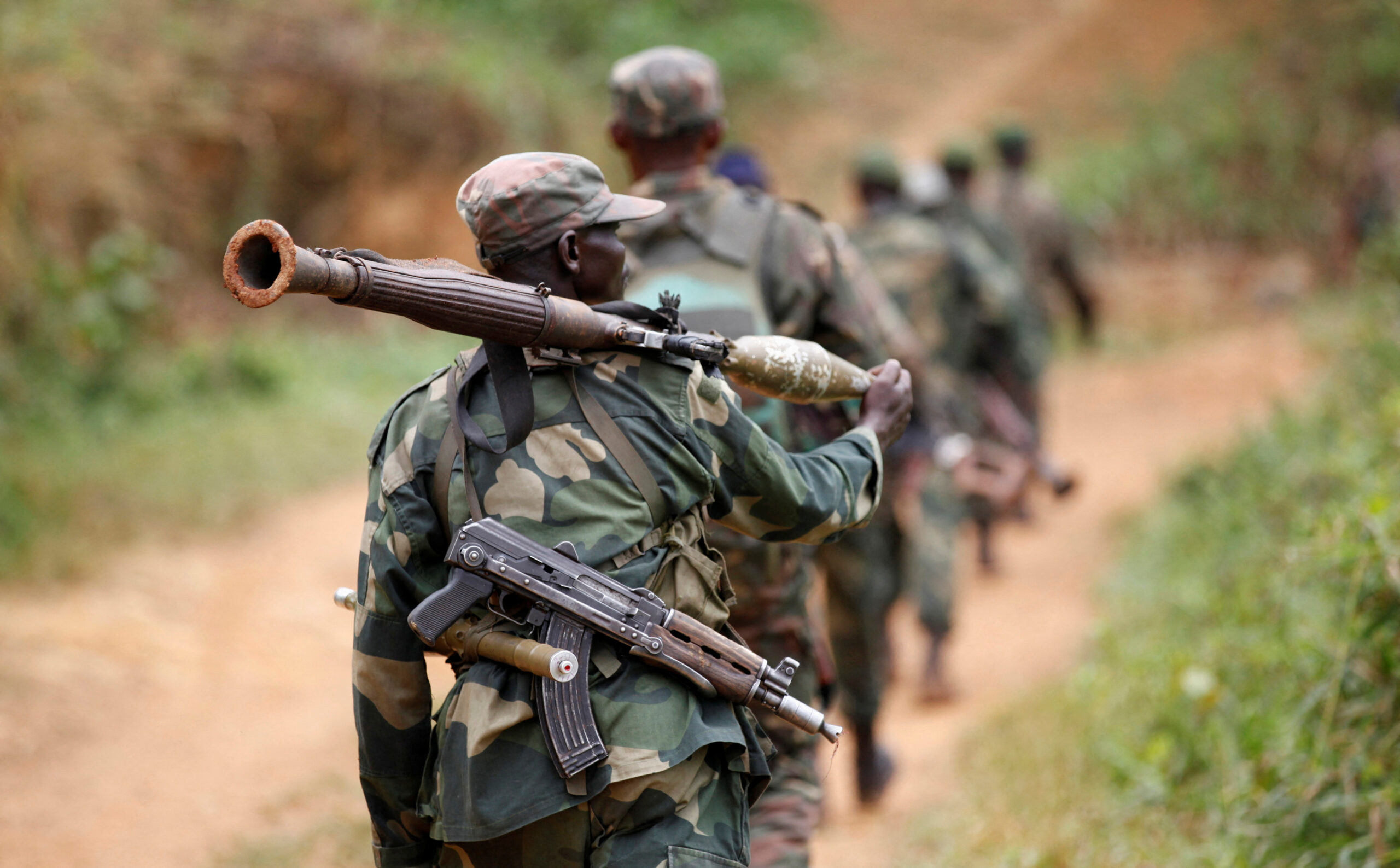
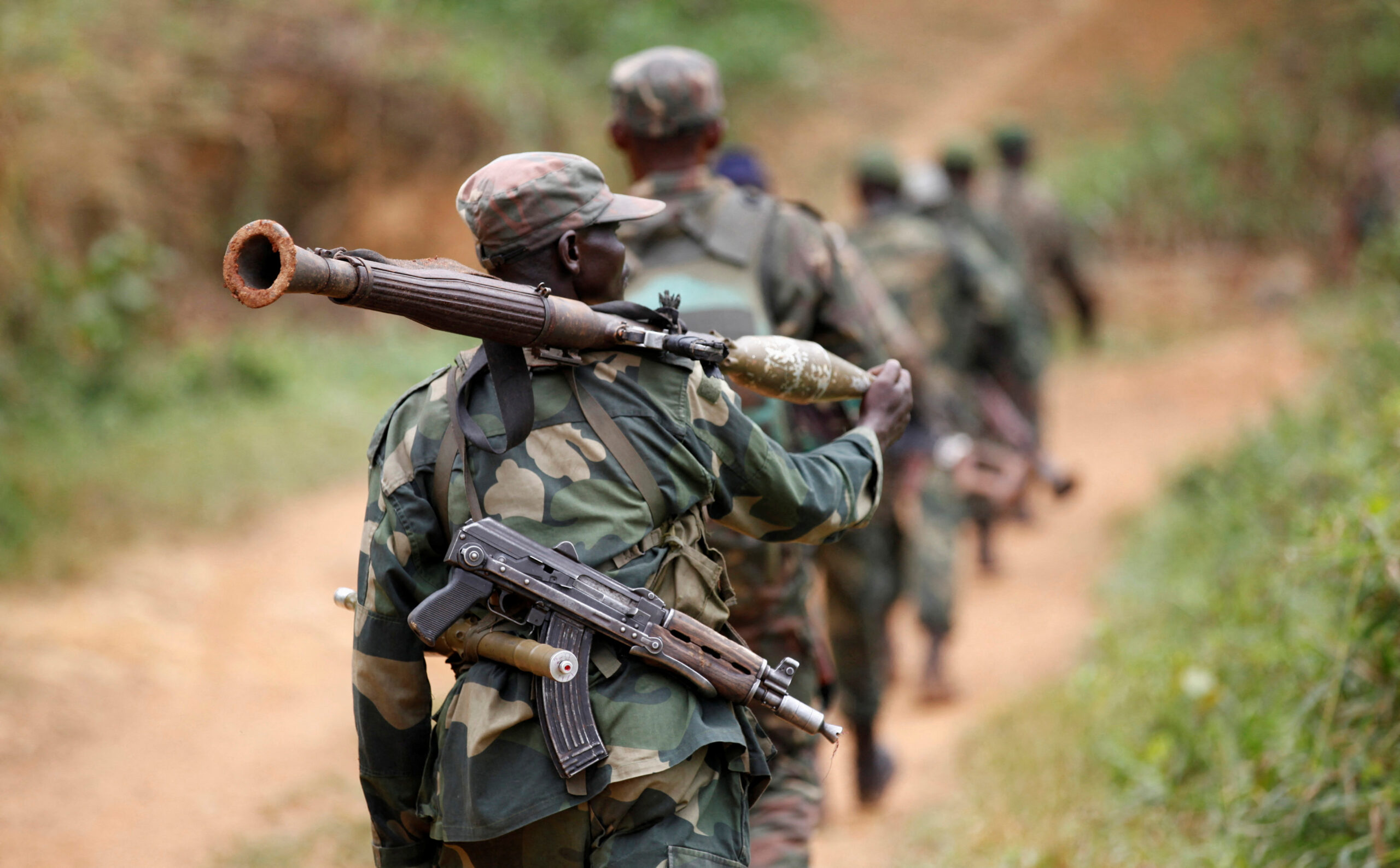
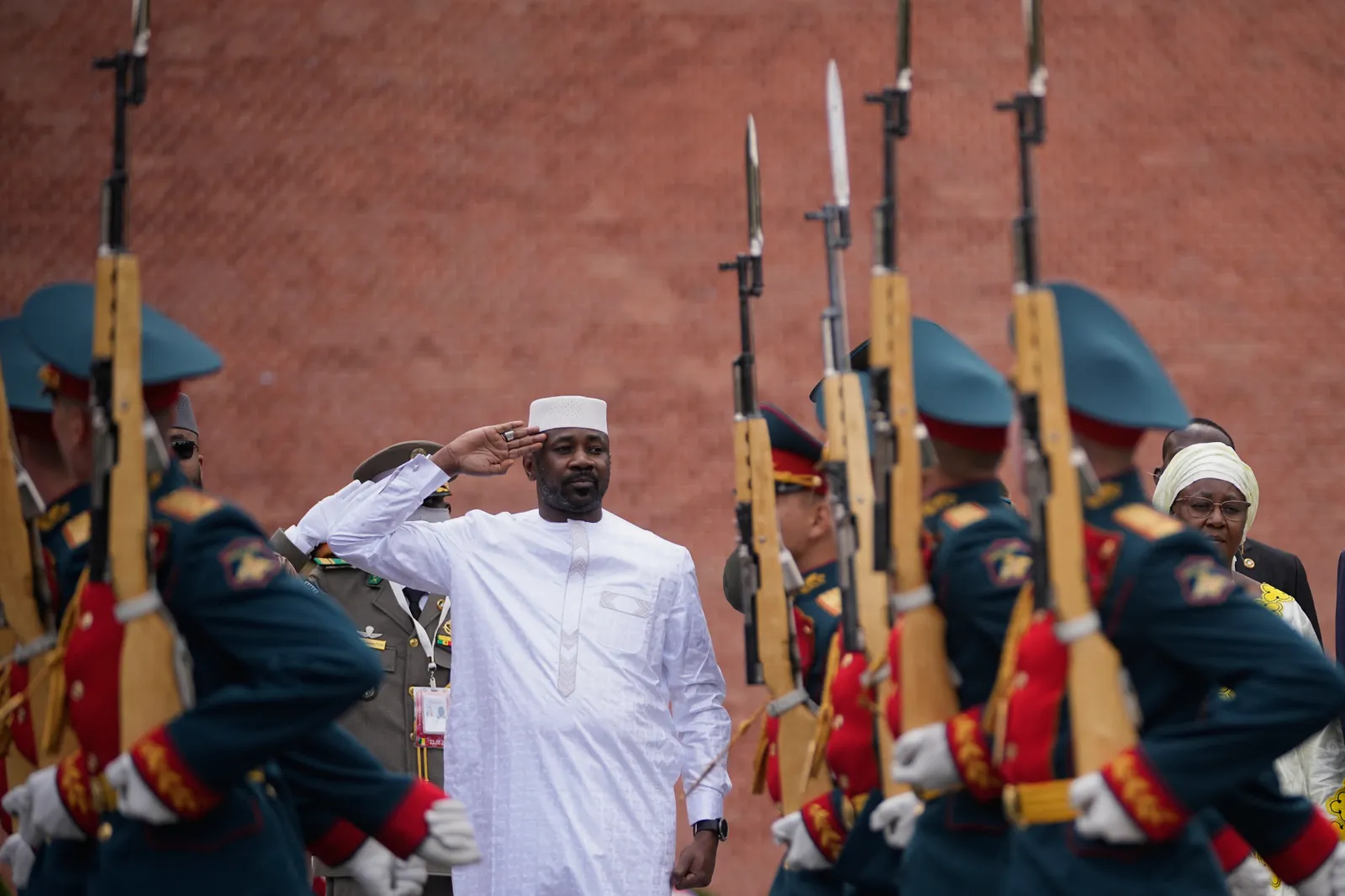
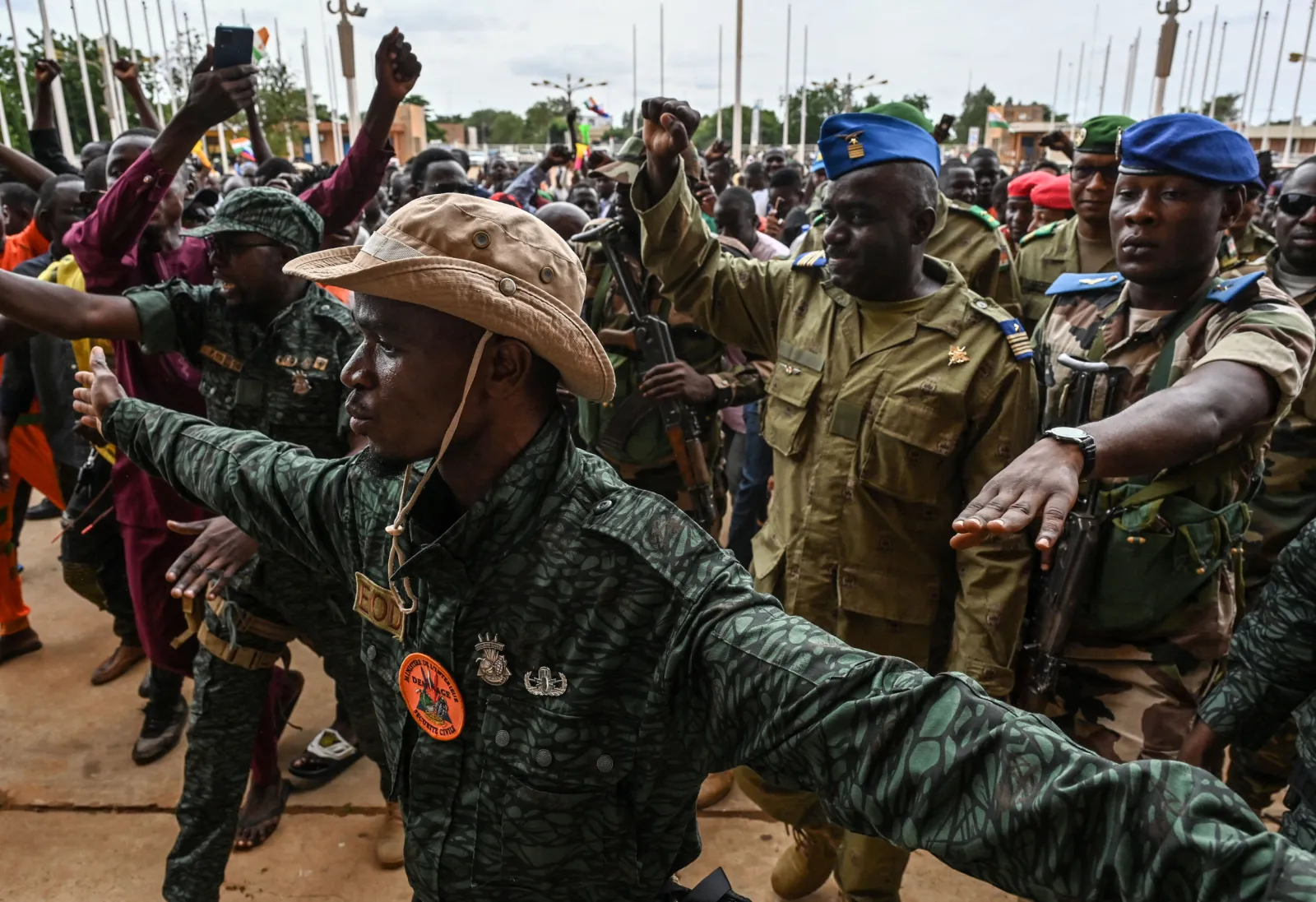
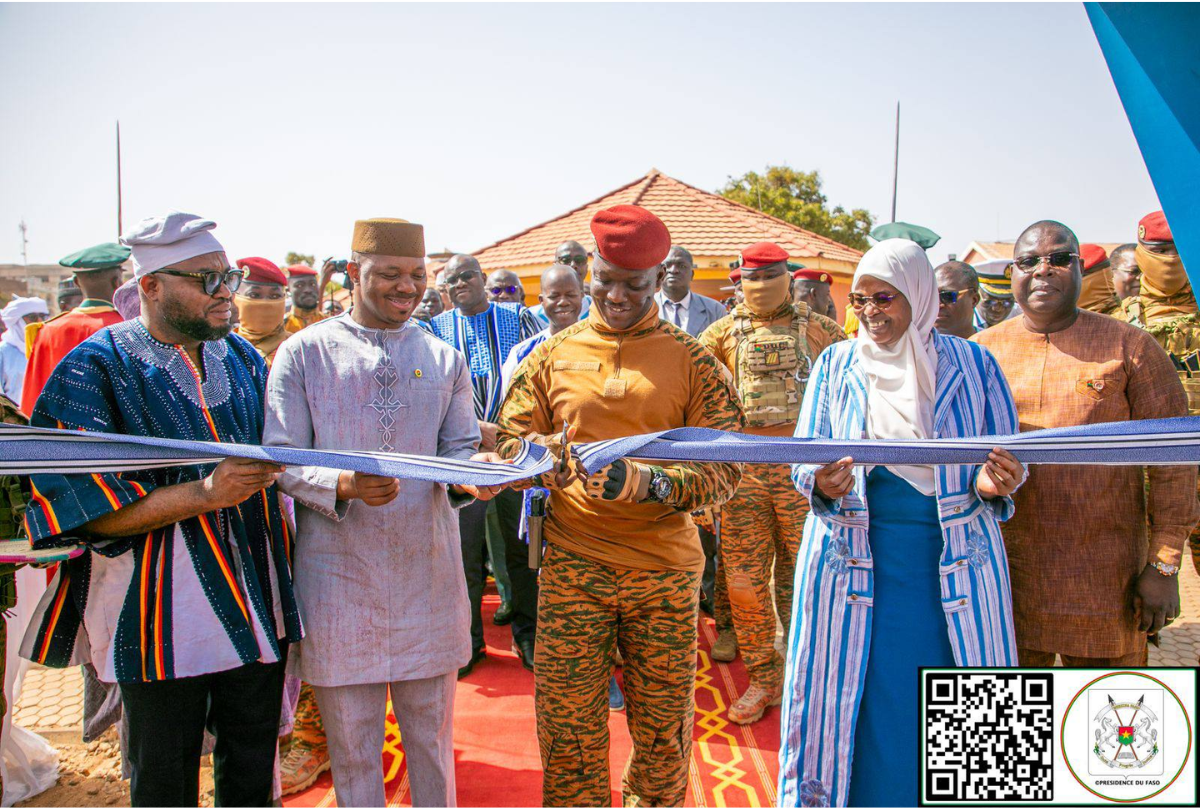
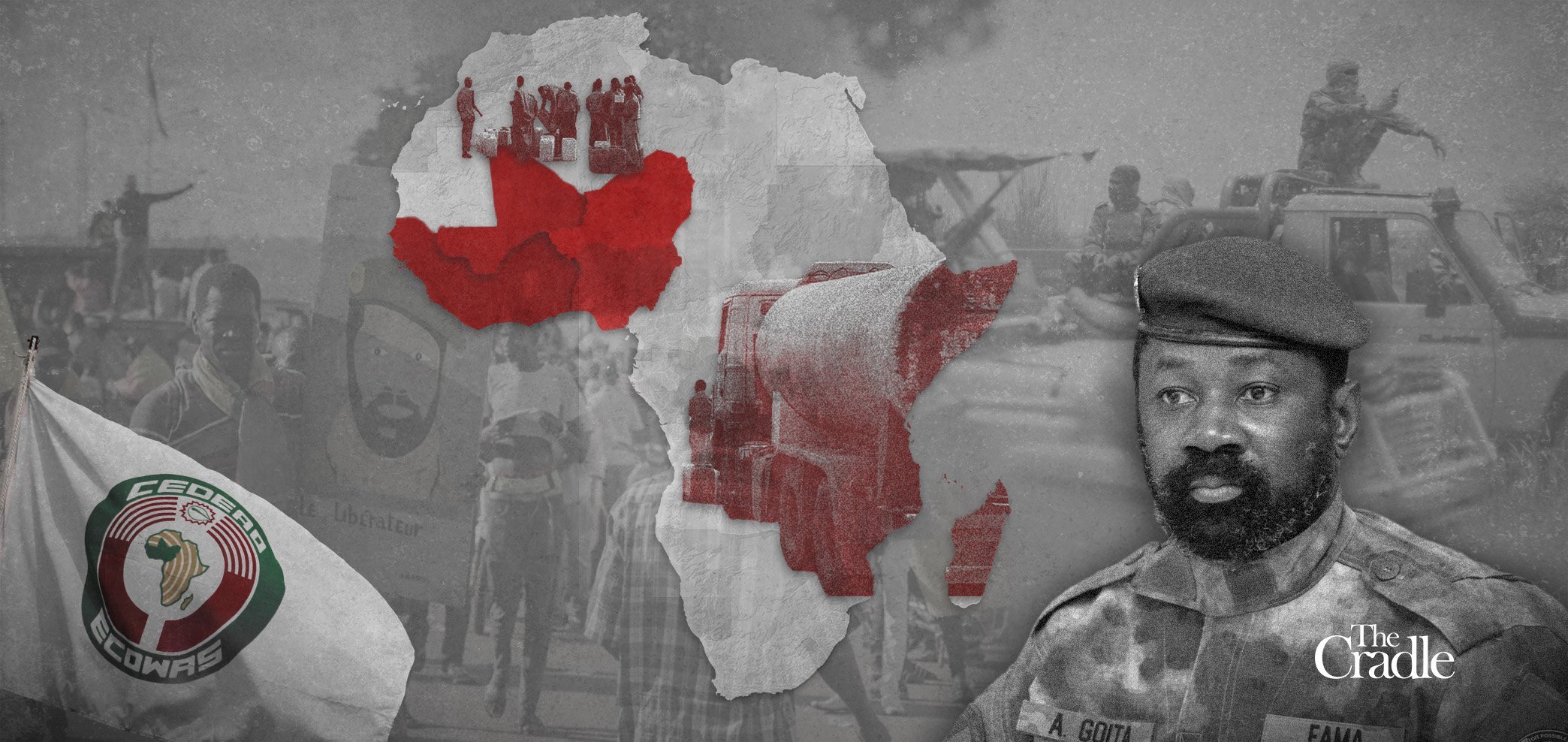
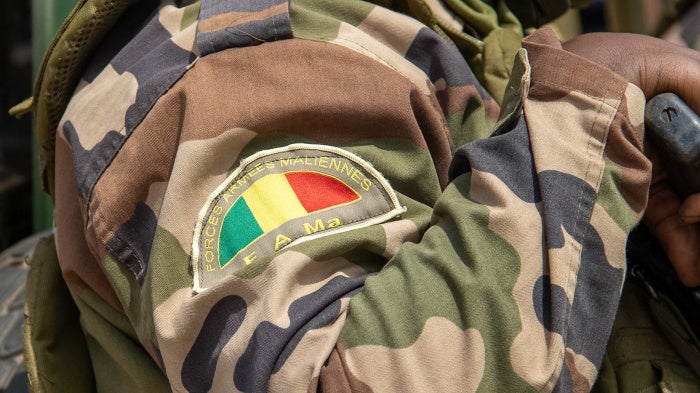
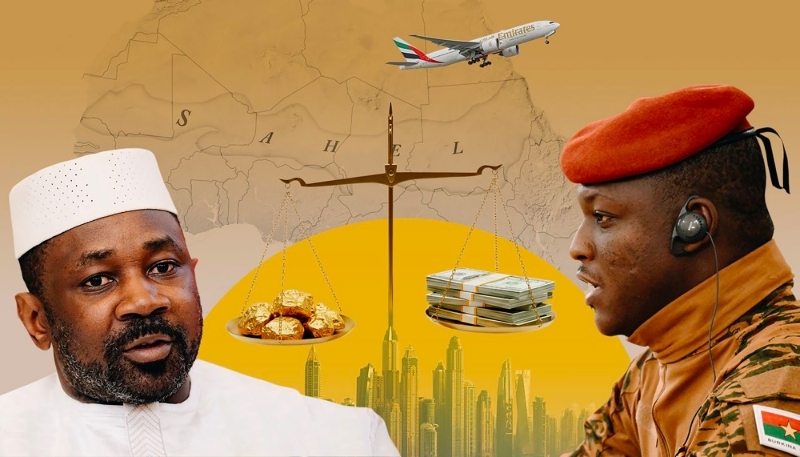
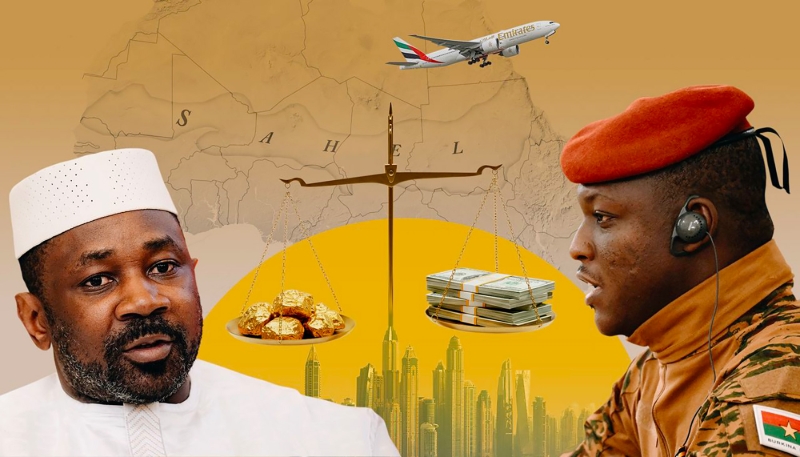
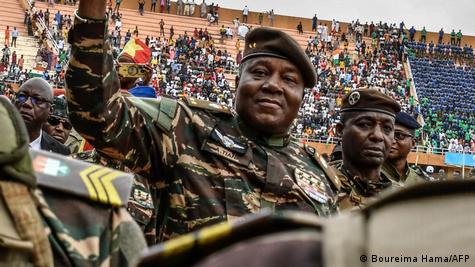
In a significant shift for West Africa’s volatile Sahel region, Mali, Niger, and Burkina Faso recently formed a formidable new partnership, aptly named The Alliance of Sahel States. This bloc isn’t just a political maneuver; it’s a bold declaration from nations reeling from recent coups and political turbulence, aiming to redefine their collective future in a rapidly changing geopolitical landscape. Why this sudden unity? These countries are pooling resources and aligning policies, hoping to tackle the deep-seated security challenges and economic hardships that have plagued them for too long. They’re not only focused on countering armed groups, but also on reviving much needed economic growth and fostering greater resilience. It’s worth noting that this alliance truly signals a departure from older systems, especially after these three nations withdrew from the Economic Community of West African States (ECOWAS), indicating a push for more focused, autonomous cooperation. For a region often gripped by instability, this move could be a game-changer.
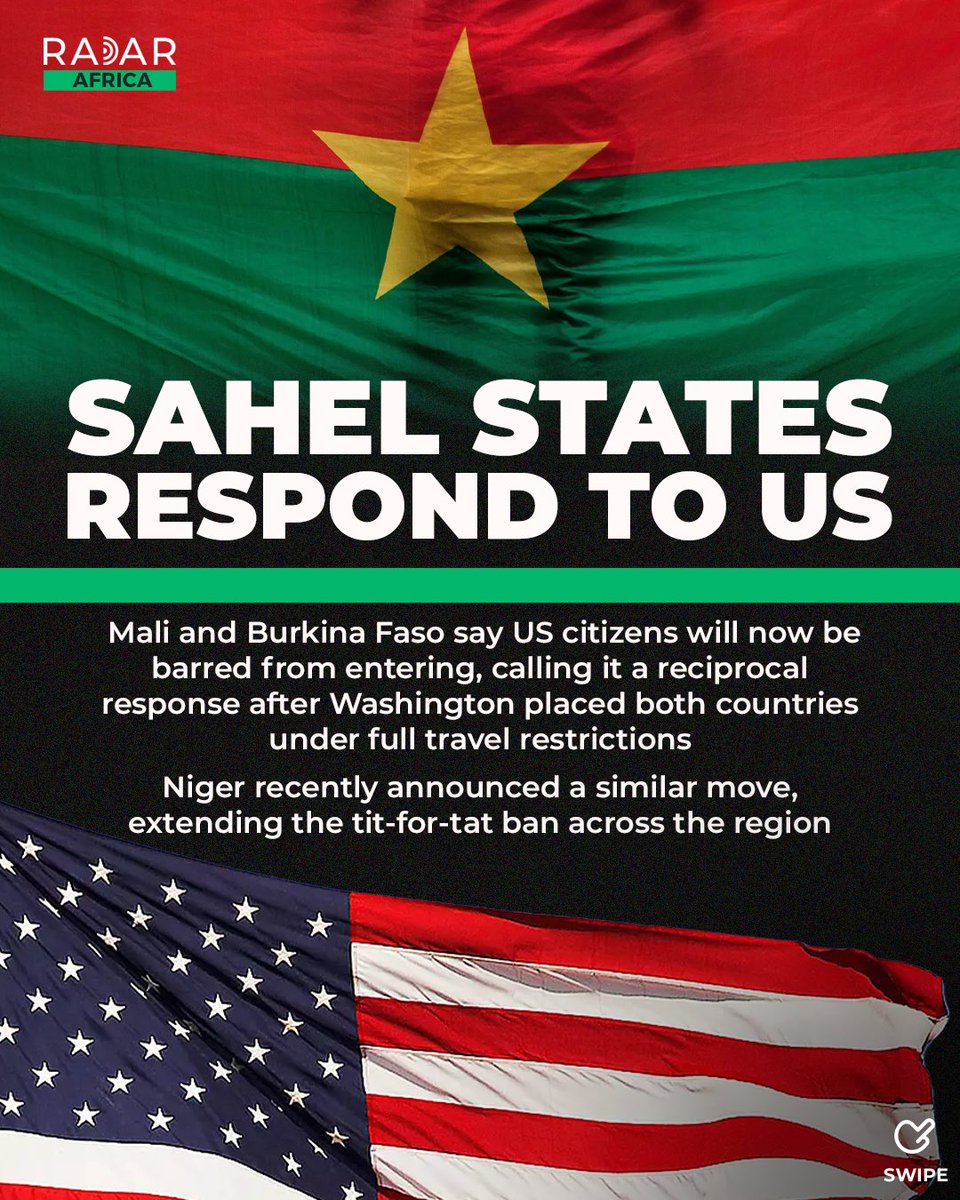
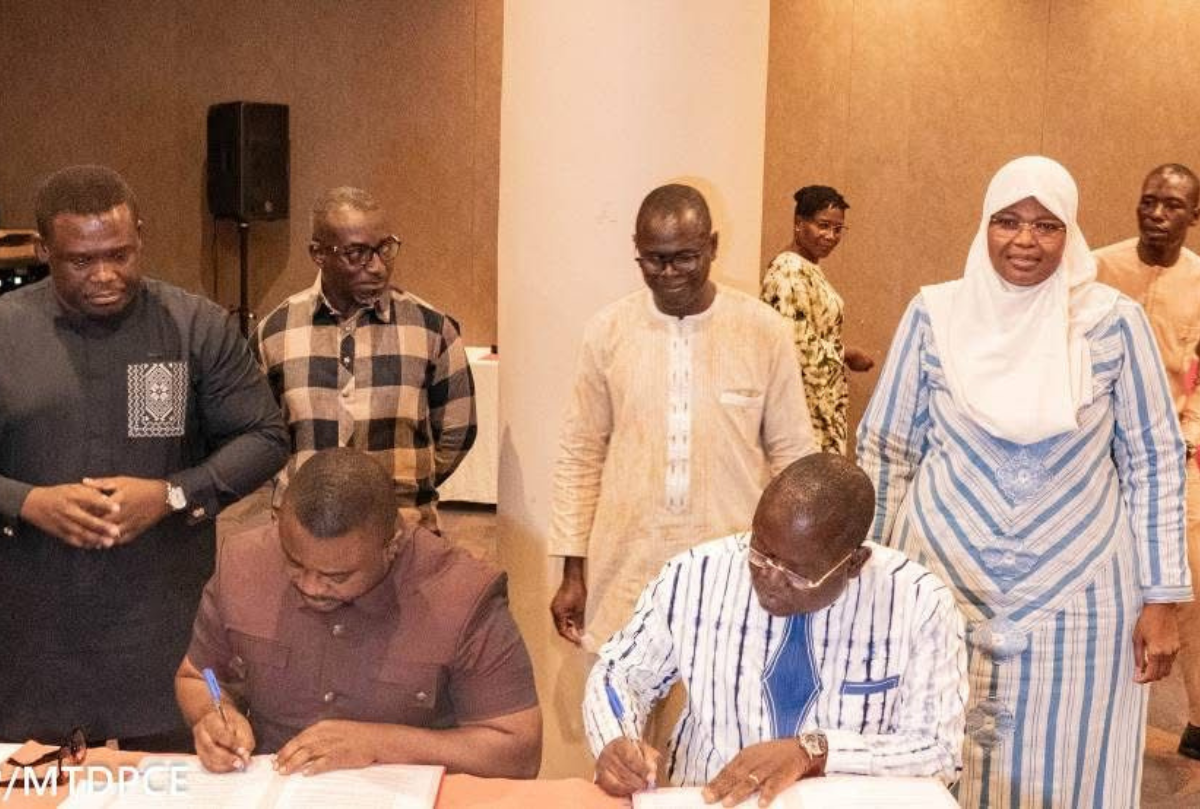
The Alliance isn’t wasting time with mere diplomacy. One of its most tangible first initiatives includes establishing a new regional bank. This financial institution promises to inject life into struggling economies, providing crucial credit and funding for infrastructure projects specifically tailored to the unique demands of these countries. This looks like a concrete step toward integration and self-reliance, doesn’t it? However, as these states look inward, they’re also grappling with a tense diplomatic spat with the United States. Both Mali and Burkina Faso have hit back with reciprocal travel bans on American citizens. This move follows the U.S.’s own visa restrictions targeting officials from these nations after their respective coups. Mali, for its part, had already introduced a hefty bond requirement, between $5,000 and $10,000, for American business travelers, which understandably strained bilateral relations. These travel bans highlight a growing diplomatic rift, particularly concerning Washington’s policies under President Donald Trump, which many in the Sahel perceived as punitive and unilateral.
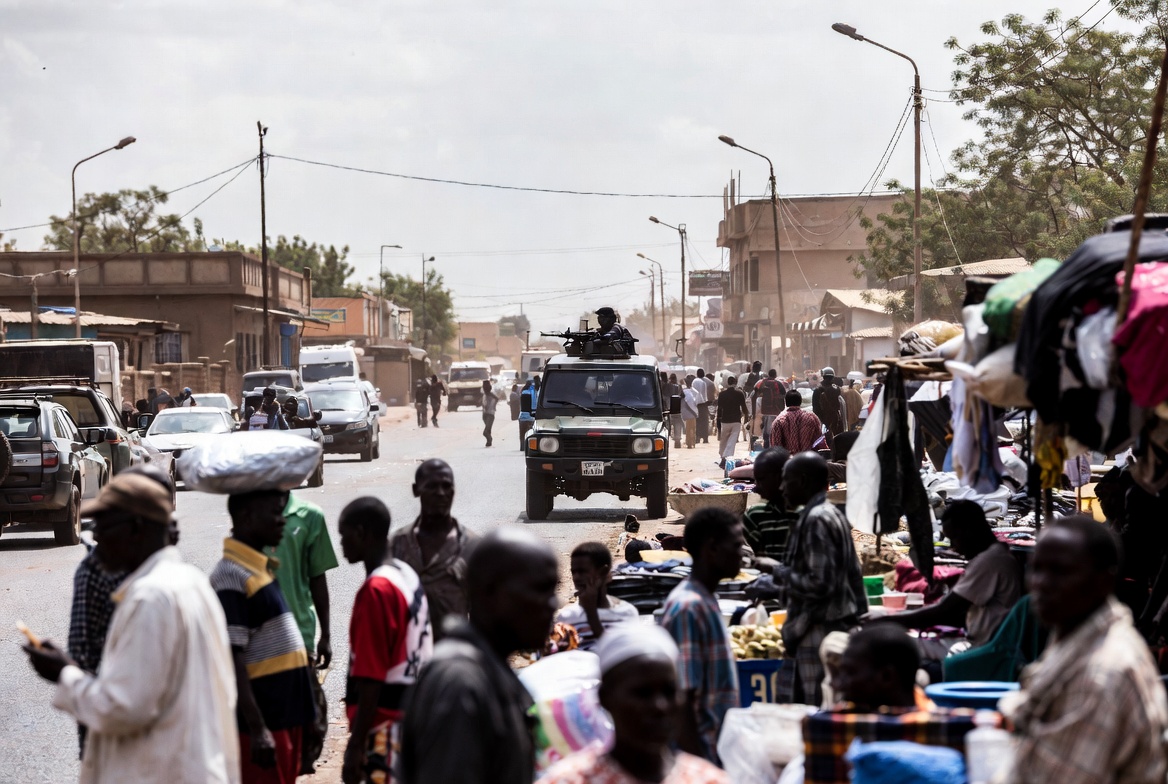
So, what’s next for this ambitious alliance? The evolving dynamics certainly raise questions about the interplay between these Sahel states and global powers. The real test will be the bloc’s ability to maintain internal unity while expertly managing external pressures. Their aspirations to reshape regional security cooperation and economic frameworks truly hint at a potential realignment in governance and international partnerships. Will this “marriage of three” actually deliver tangible improvements on the ground for citizens weary of constant instability and economic hardship? Many observers are keenly watching. Success will probably hinge on how well the Alliance can balance assertive regionalism with pragmatic diplomacy. If Mali, Niger, and Burkina Faso can translate their collective vision into effective policy and positive development outcomes, they might just set a new precedent for collaboration in the Sahel, inspiring other African nations facing similar struggles to consider innovative alliances that prioritize sovereignty, resilience, and a shared destiny. The world is watching to see if this bloc can indeed forge a path to peace and prosperity in a region that’s both vulnerable and ripe for transformation.