Niger’s Airport Attack: A Deep Dive into Rising Tensions and Resource Wars
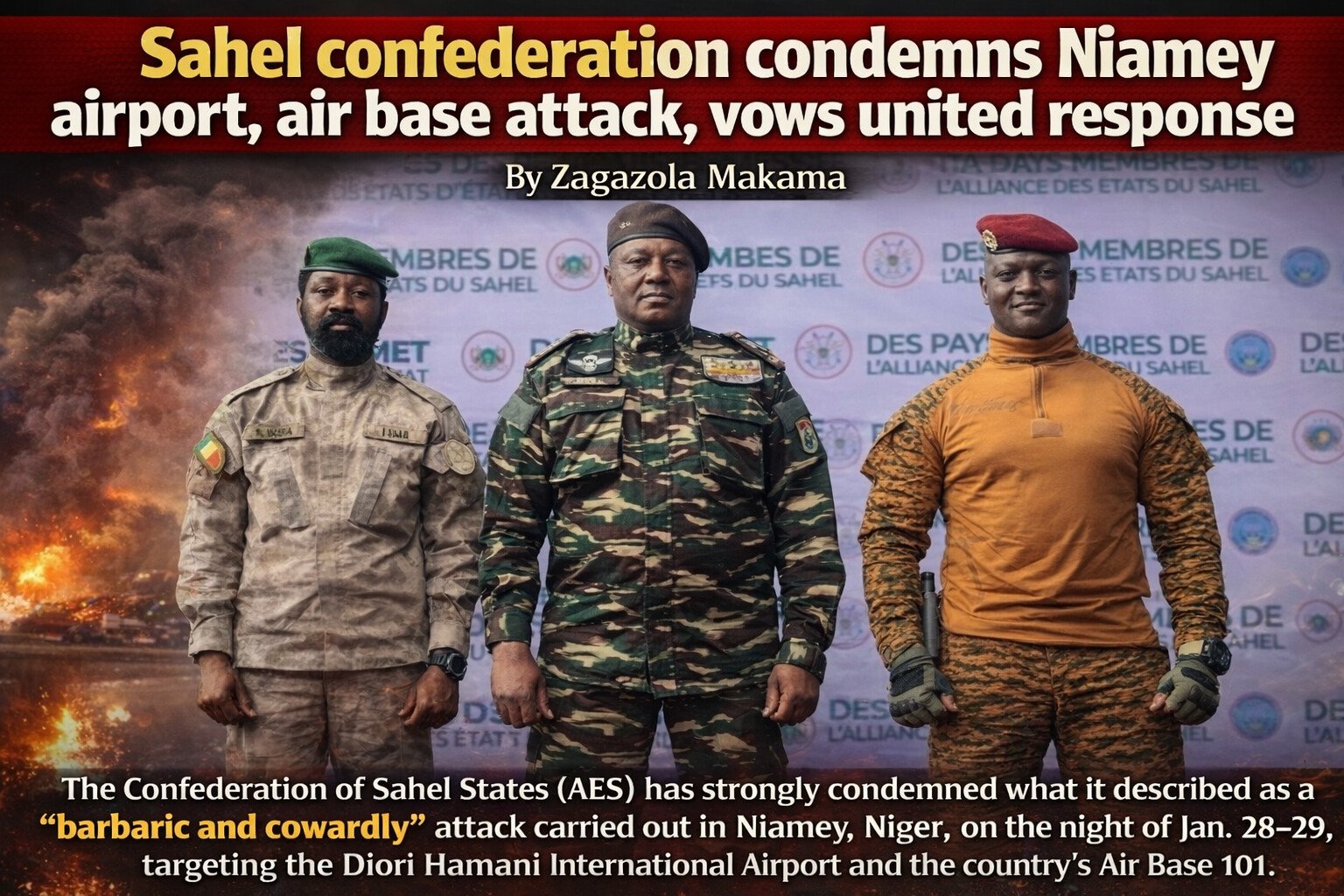
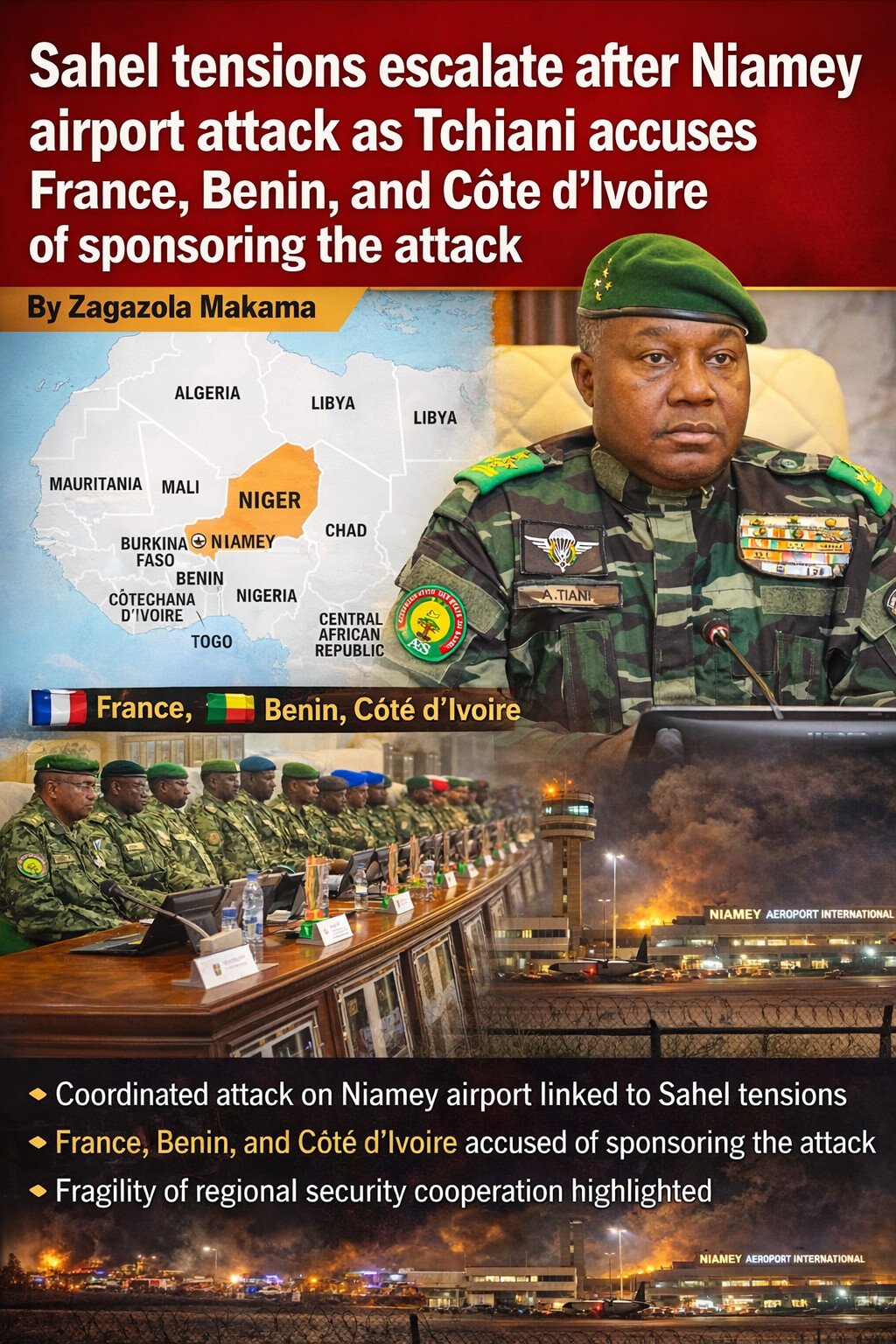
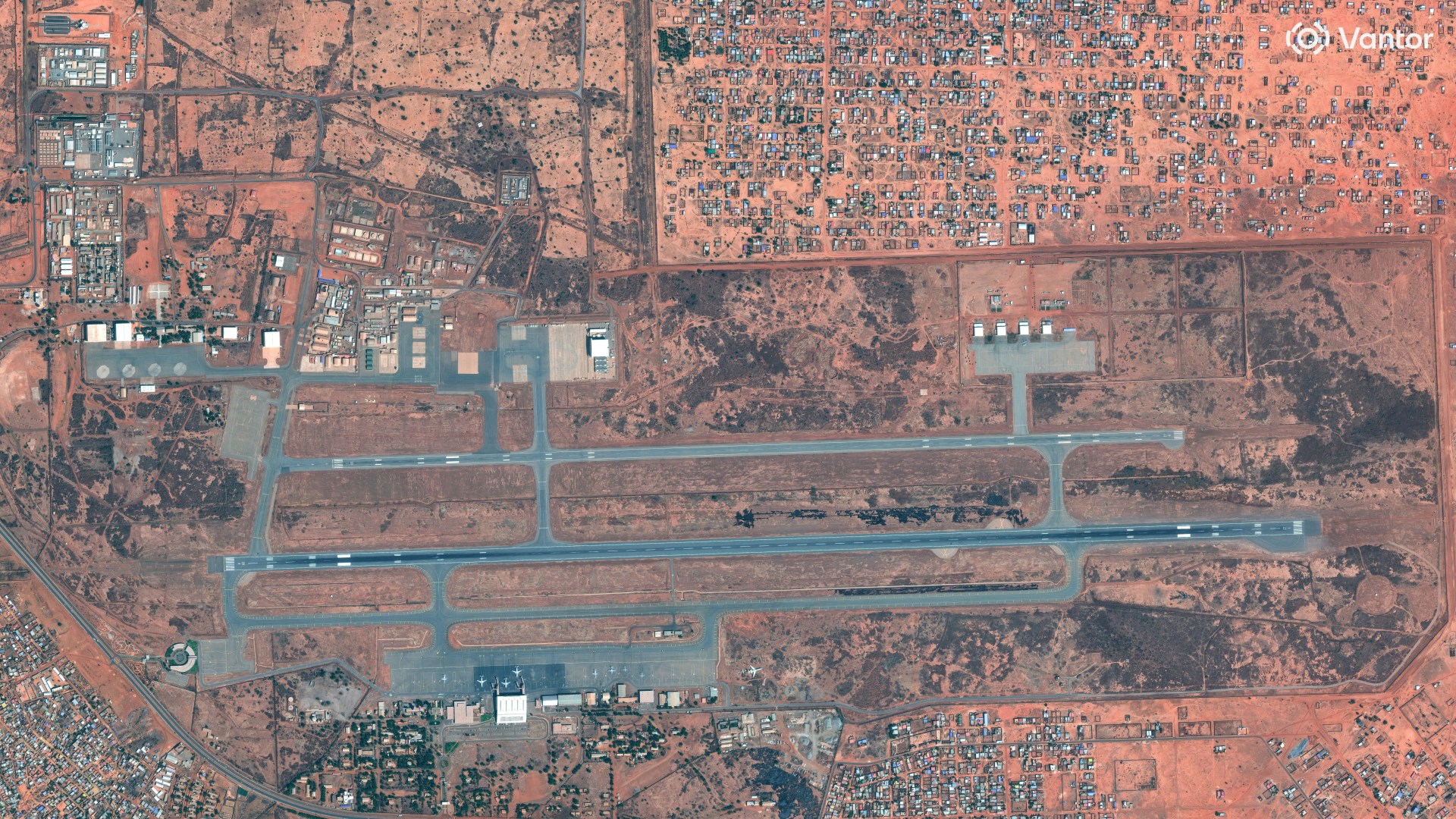
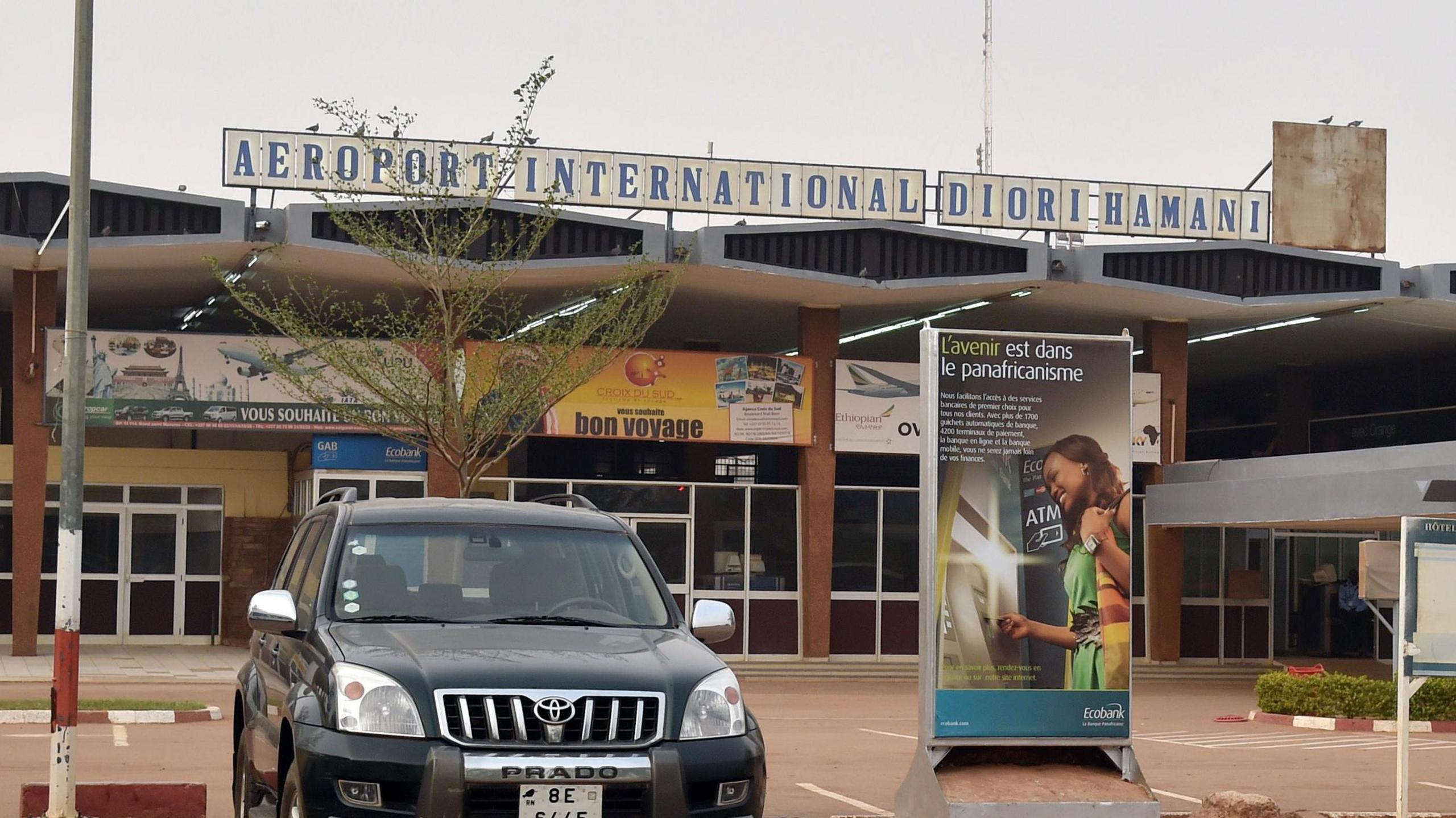
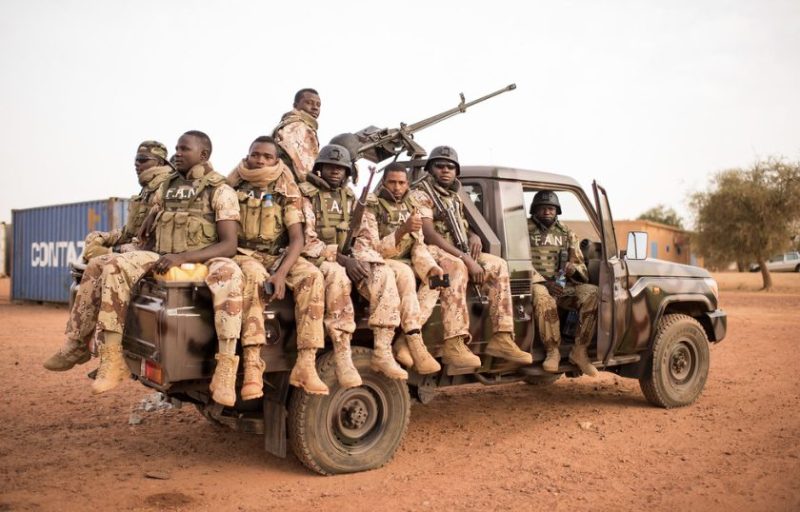
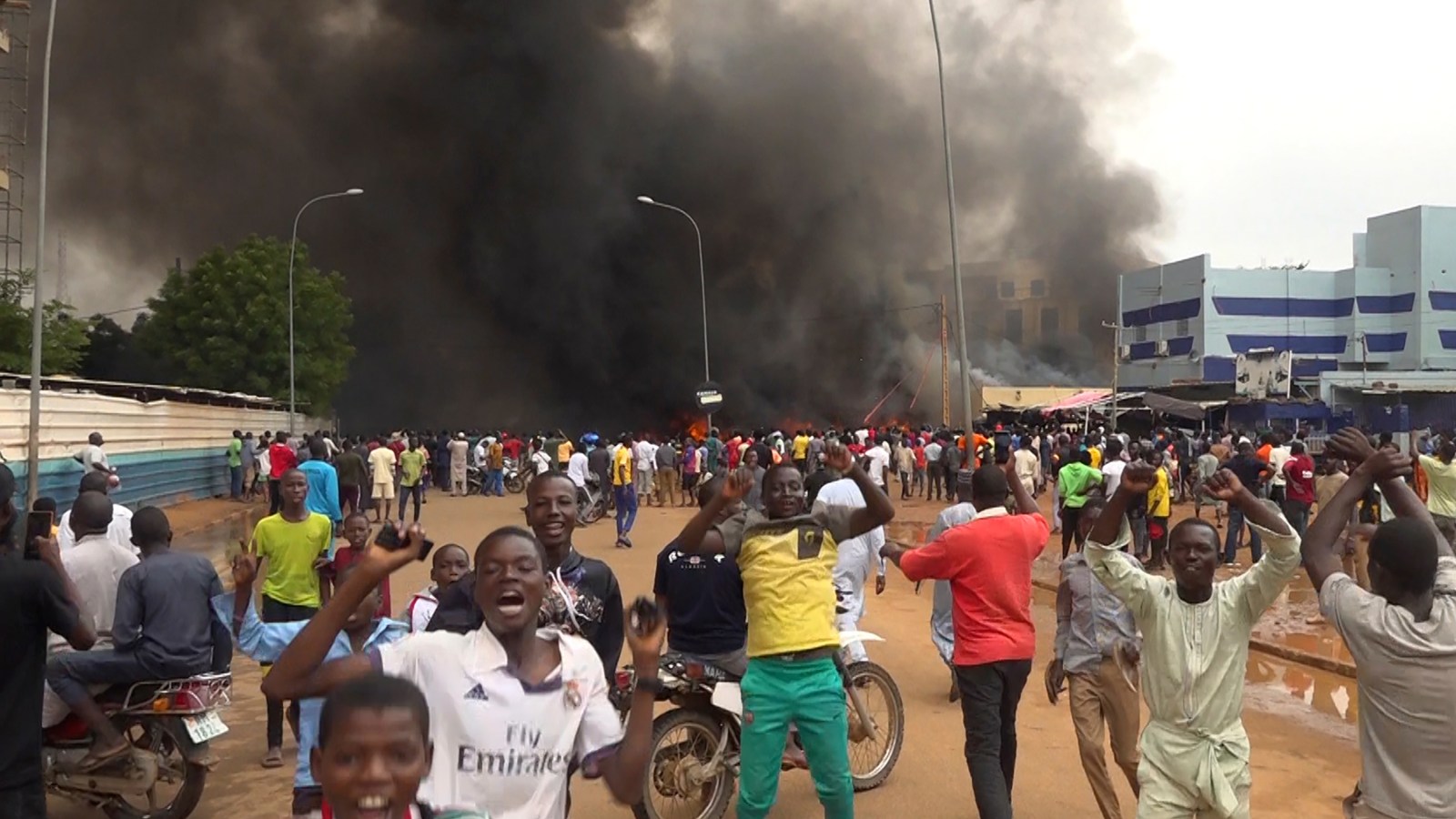
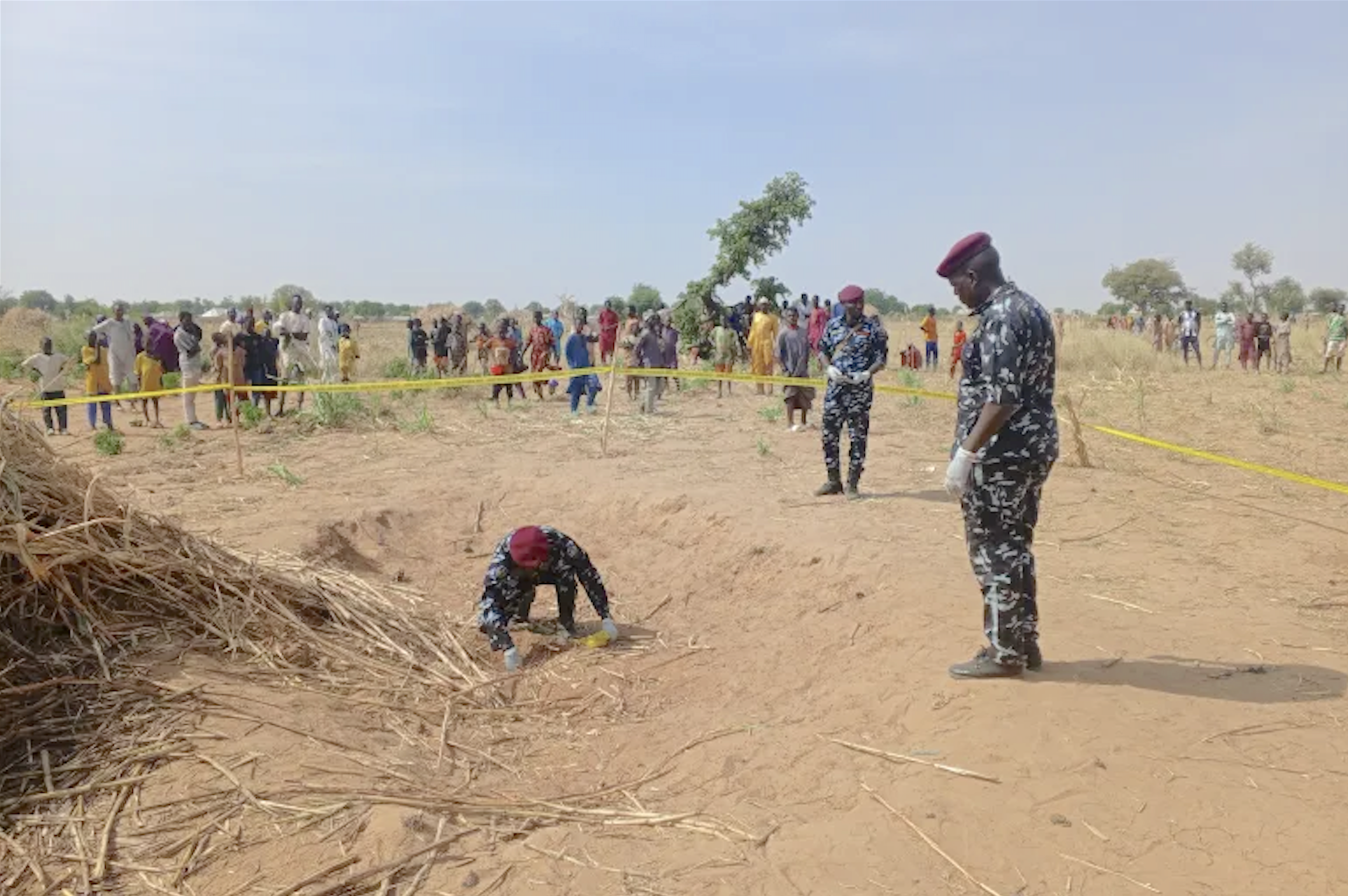
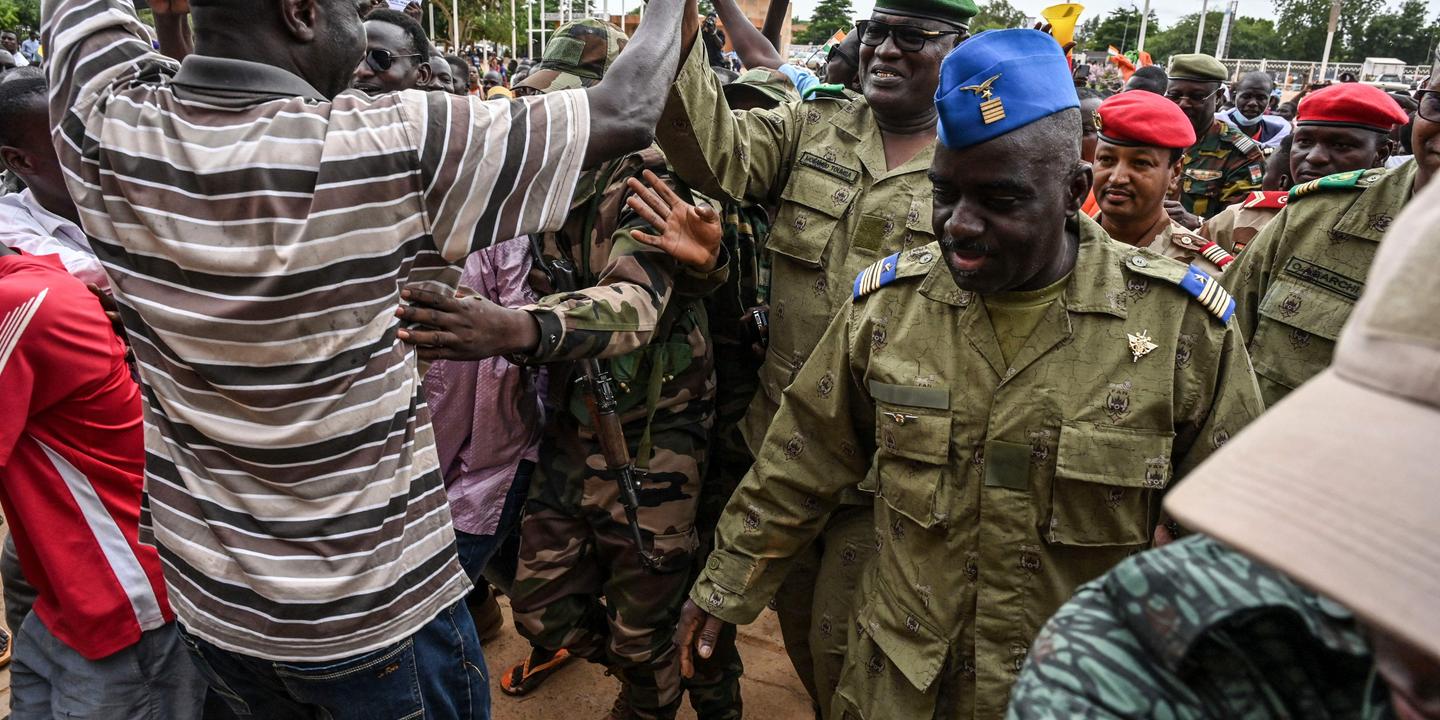
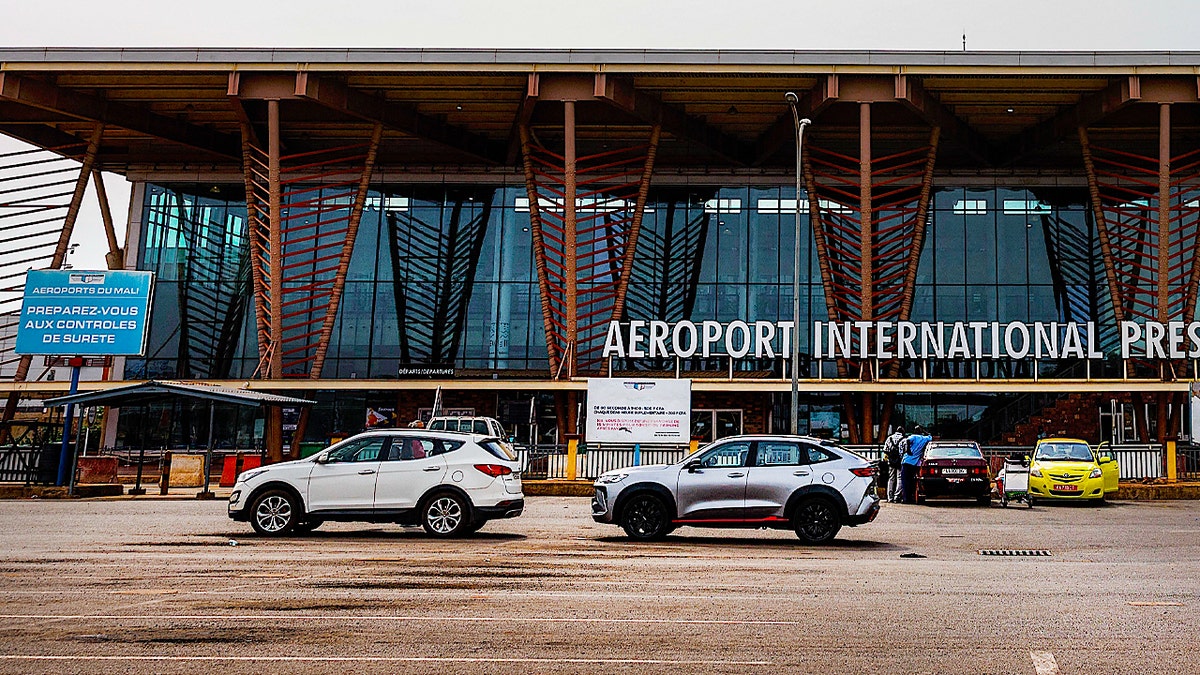
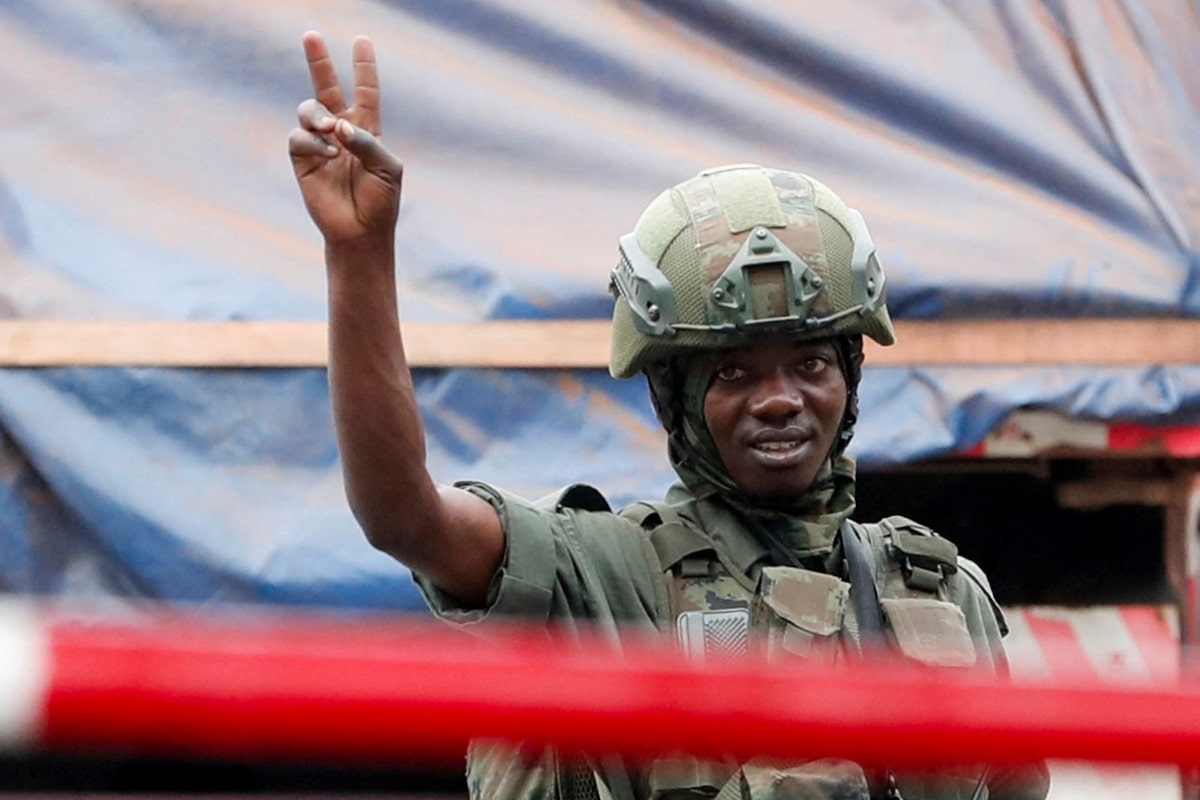
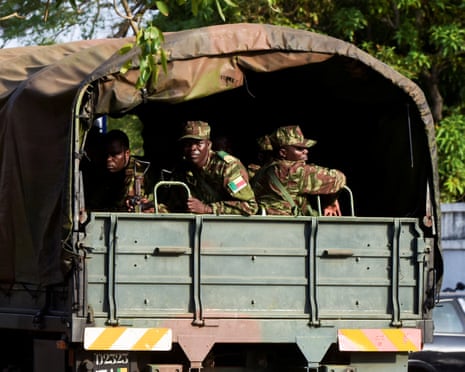
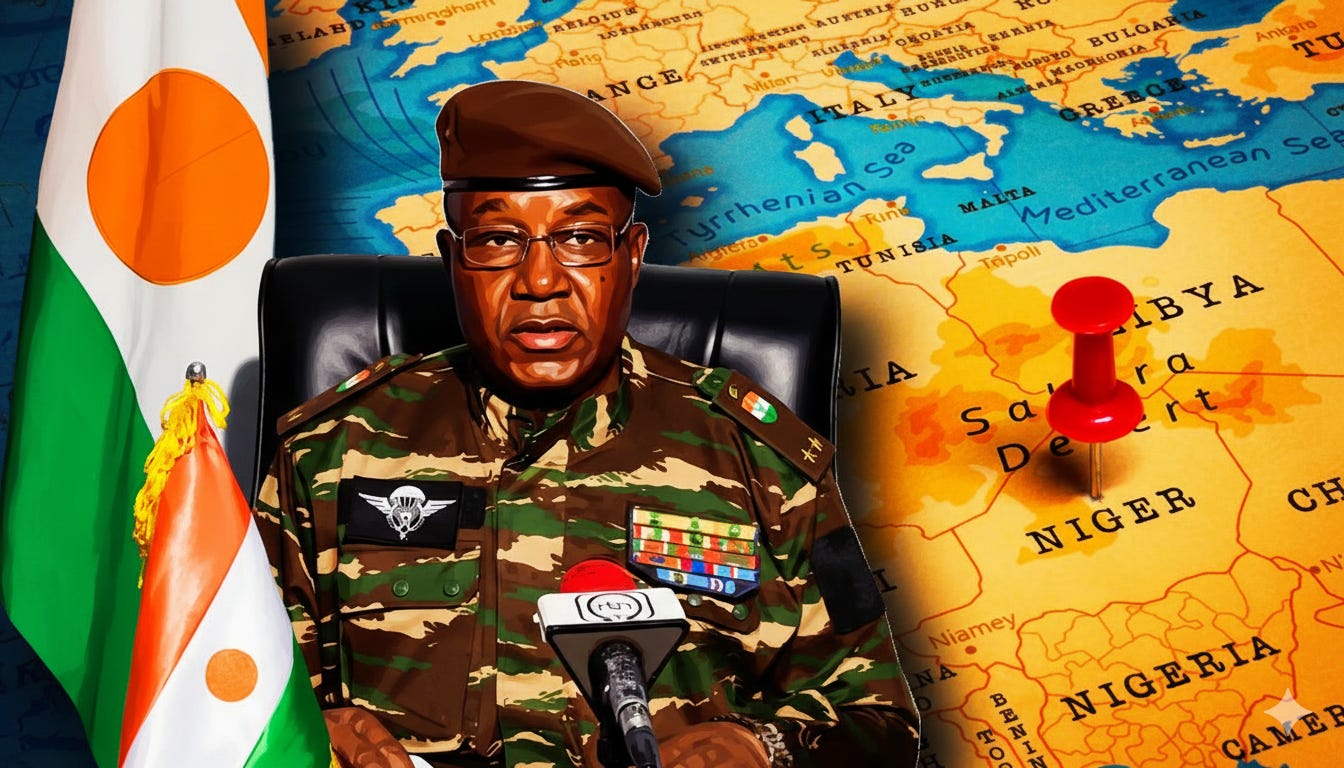
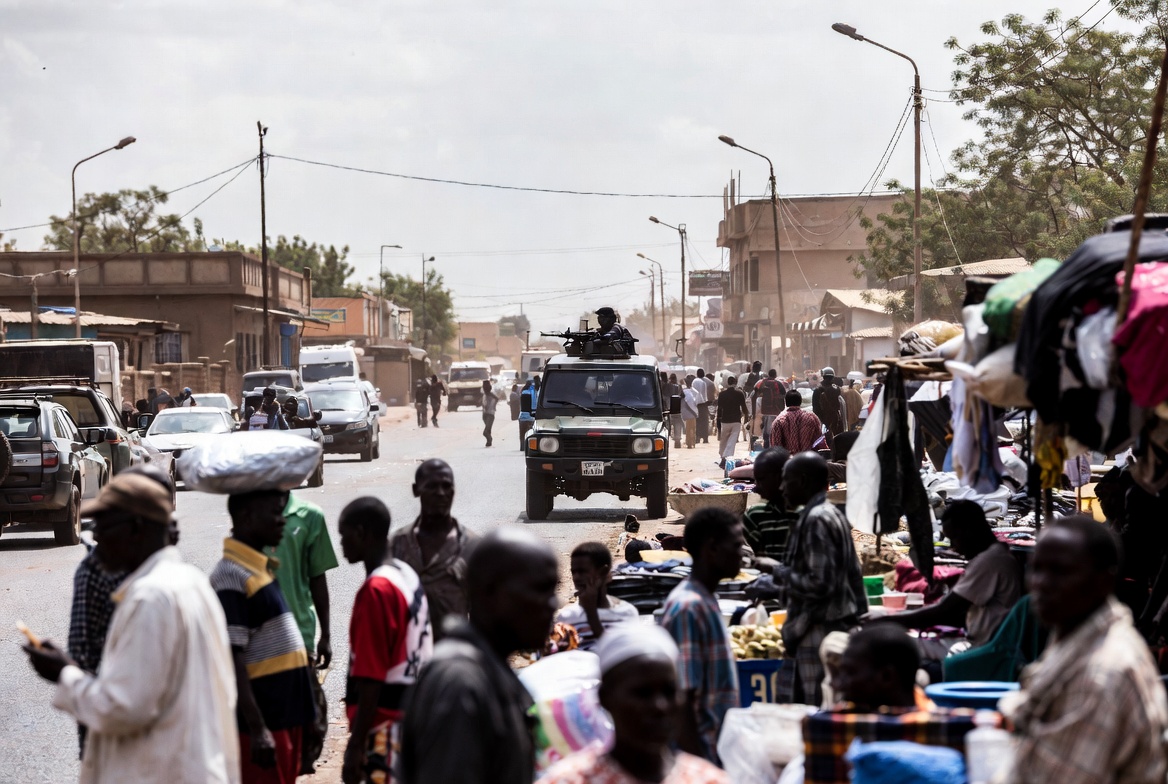
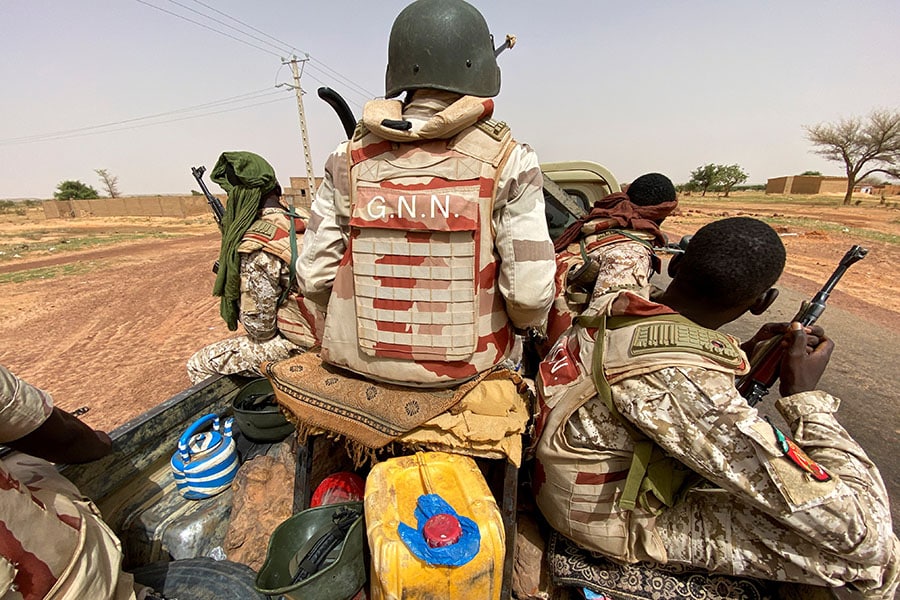
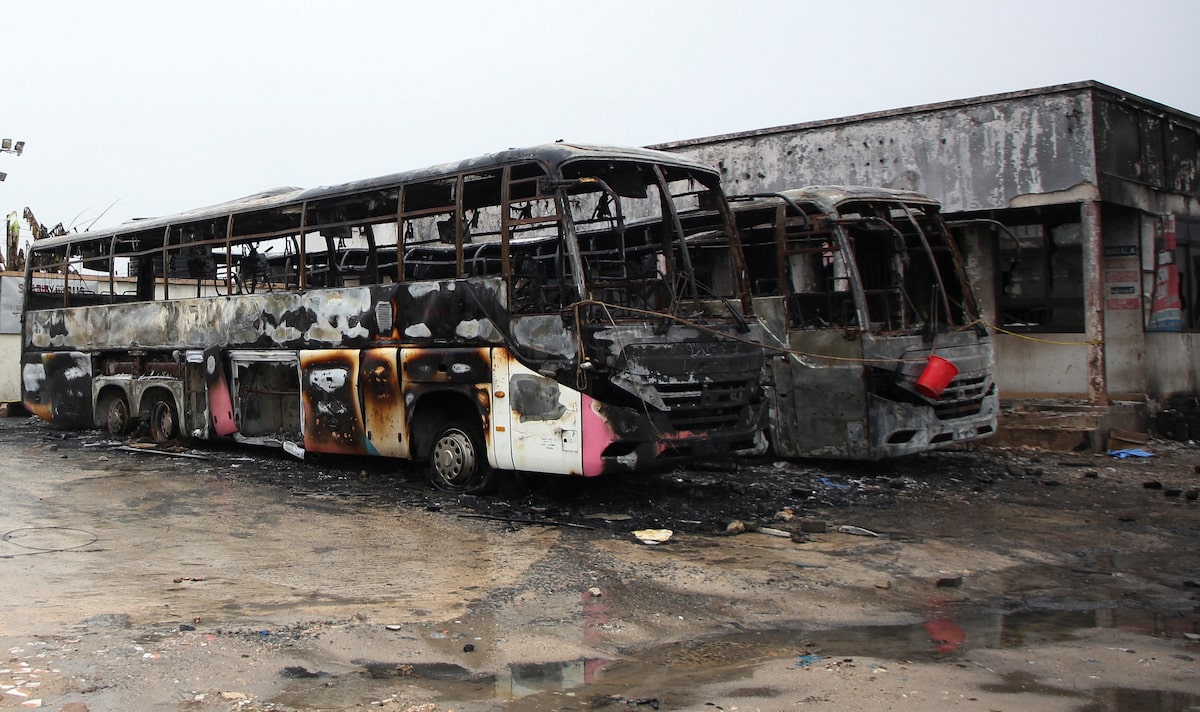
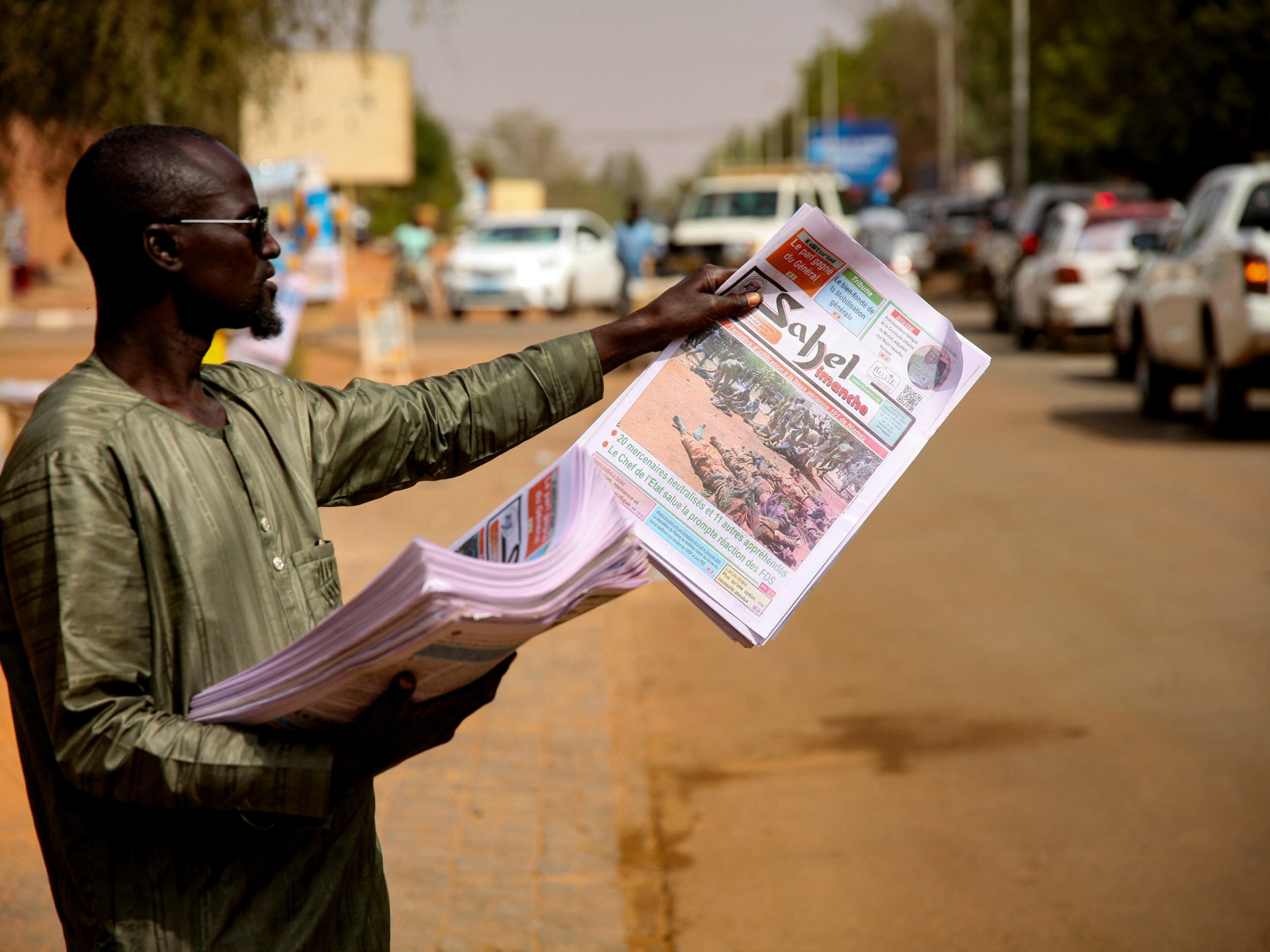
Niamey, Niger, saw a deadly attack on its main airport on January 29, a stark reminder of the Sahel region’s deepening security crisis and complex geopolitical landscape. This assault, which an Islamic State affiliate claimed responsibility for, left soldiers wounded and military infrastructure damaged. It truly underlined Niger’s pivotal role, caught between battling local insurgencies and navigating international rivalries driven by natural resources and foreign allegiances. The airport isn’t just a civilian hub, it’s a vital military complex, housing the Niger-Burkina Faso-Mali Joint Force headquarters and a substantial uranium stockpile. Satellite images quickly showed significant damage to the military area, confirming four Nigerien soldiers injured and an aircraft hit. Responding swiftly, Niger’s military reportedly killed 20 attackers.
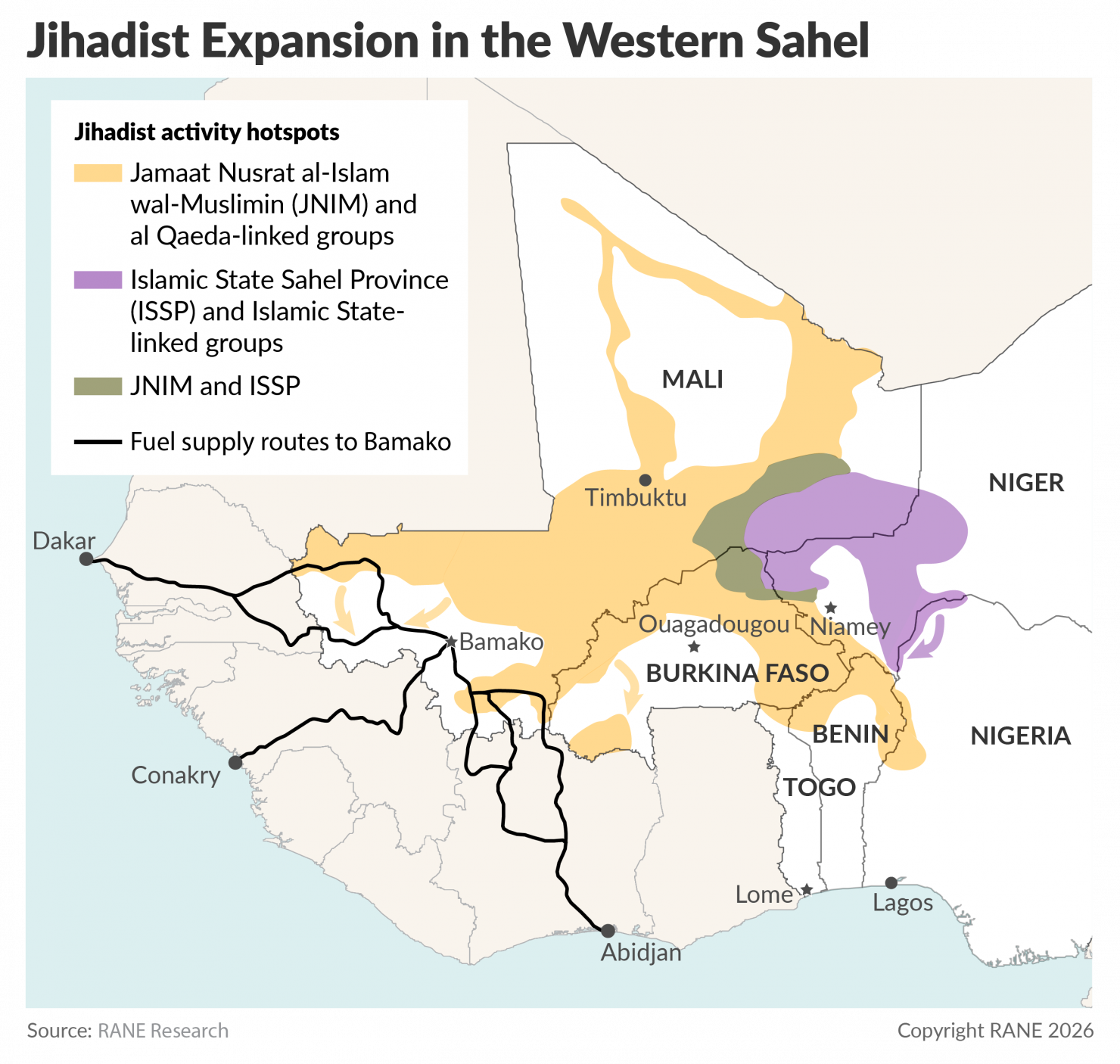
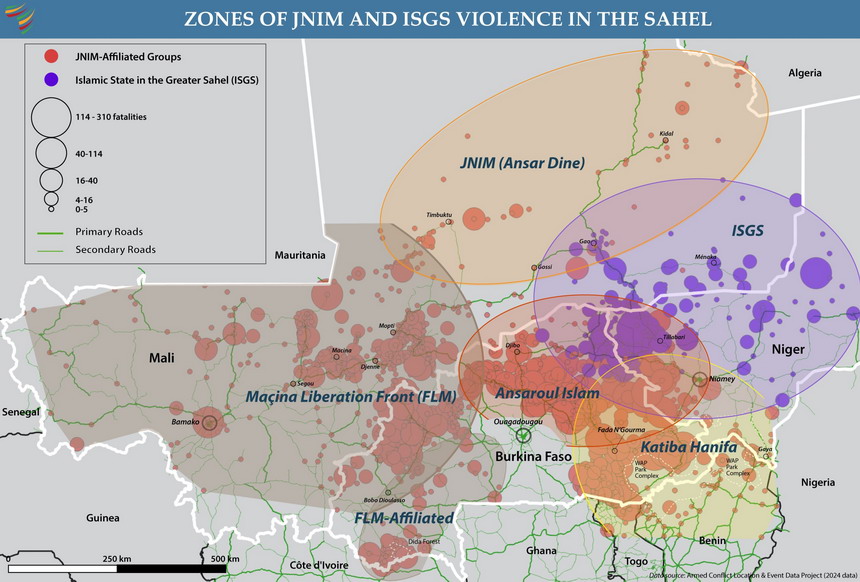
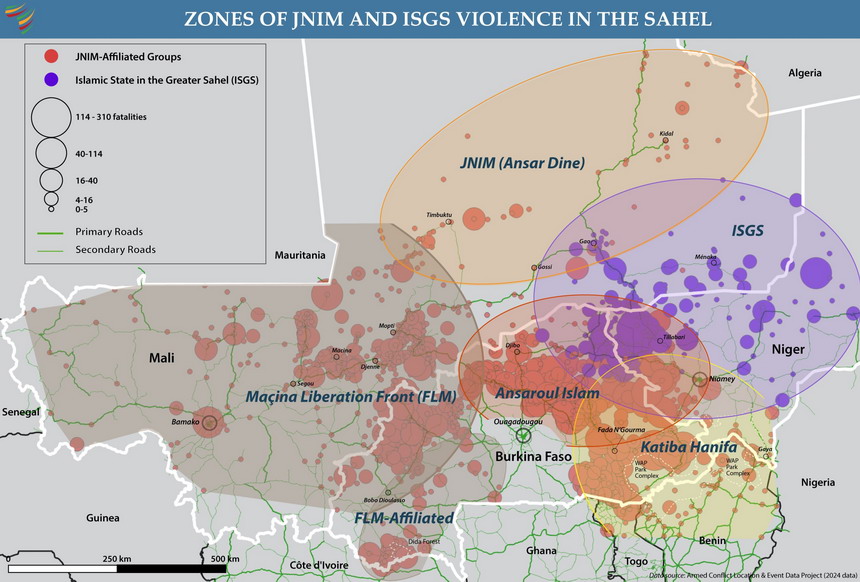
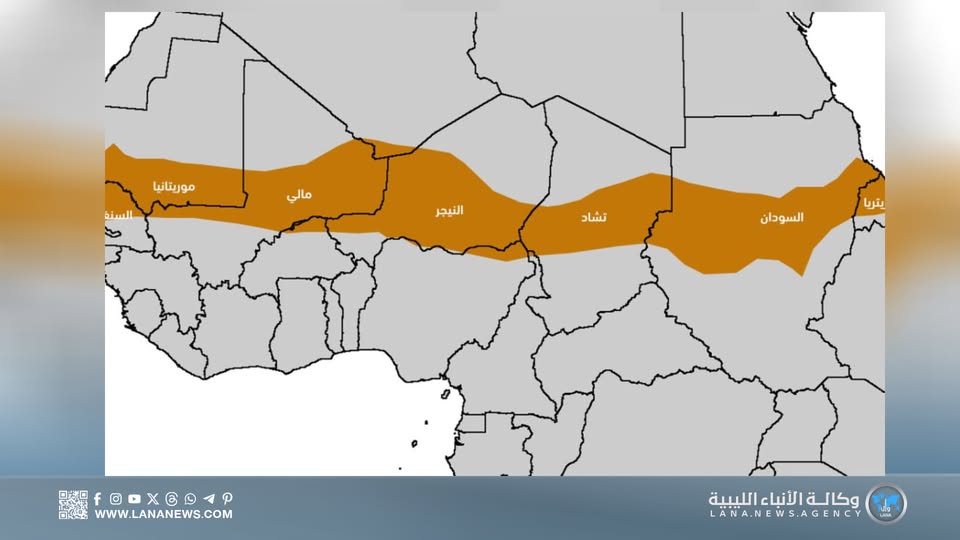
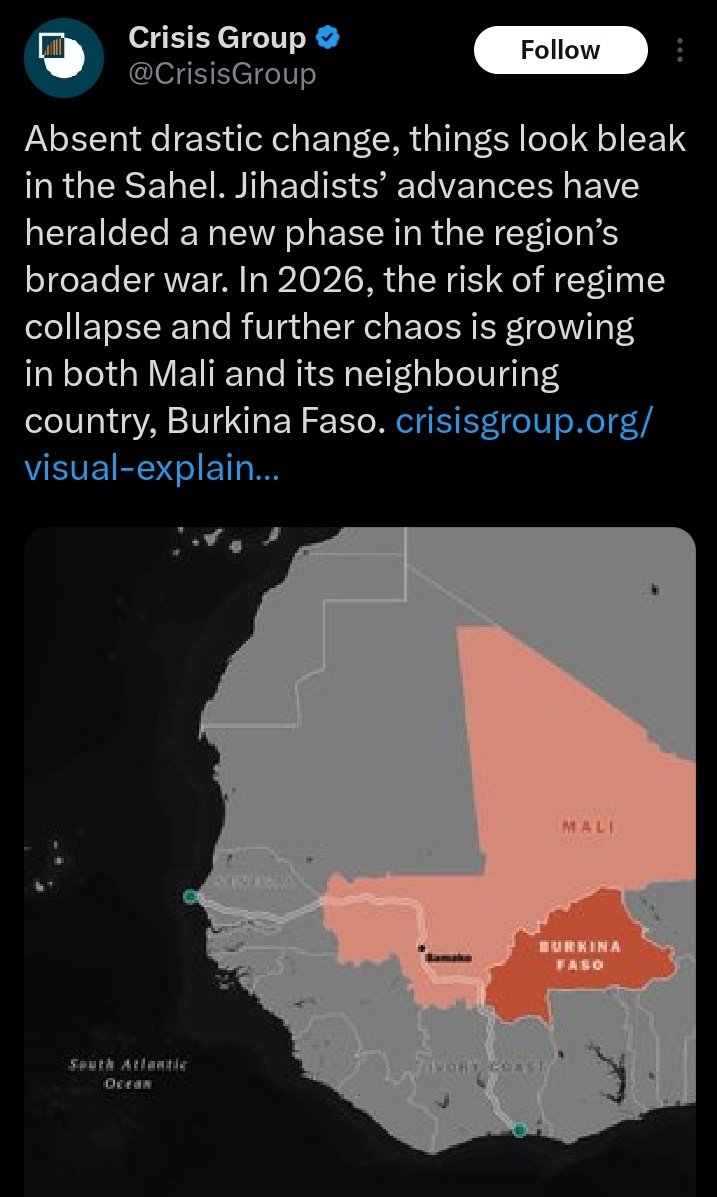
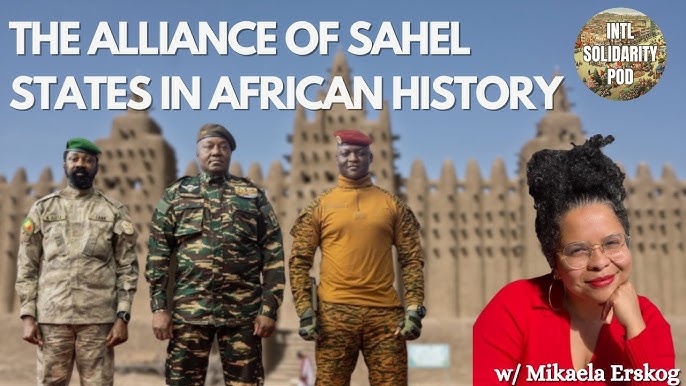
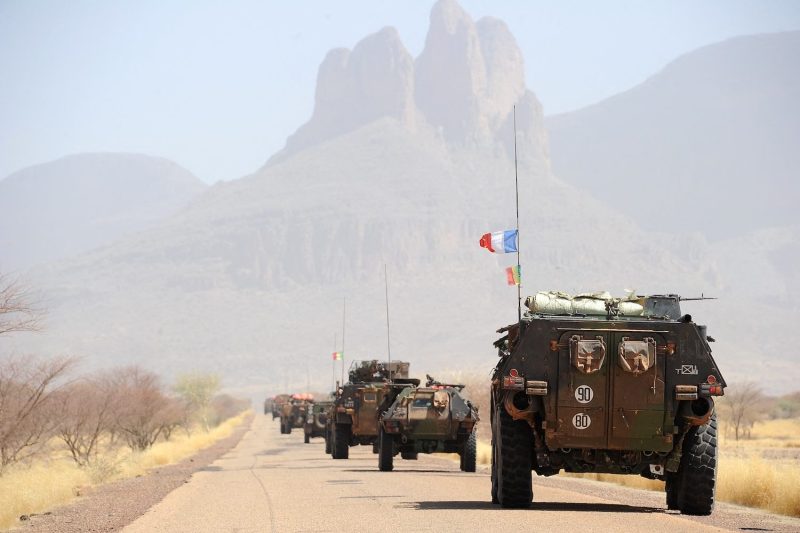
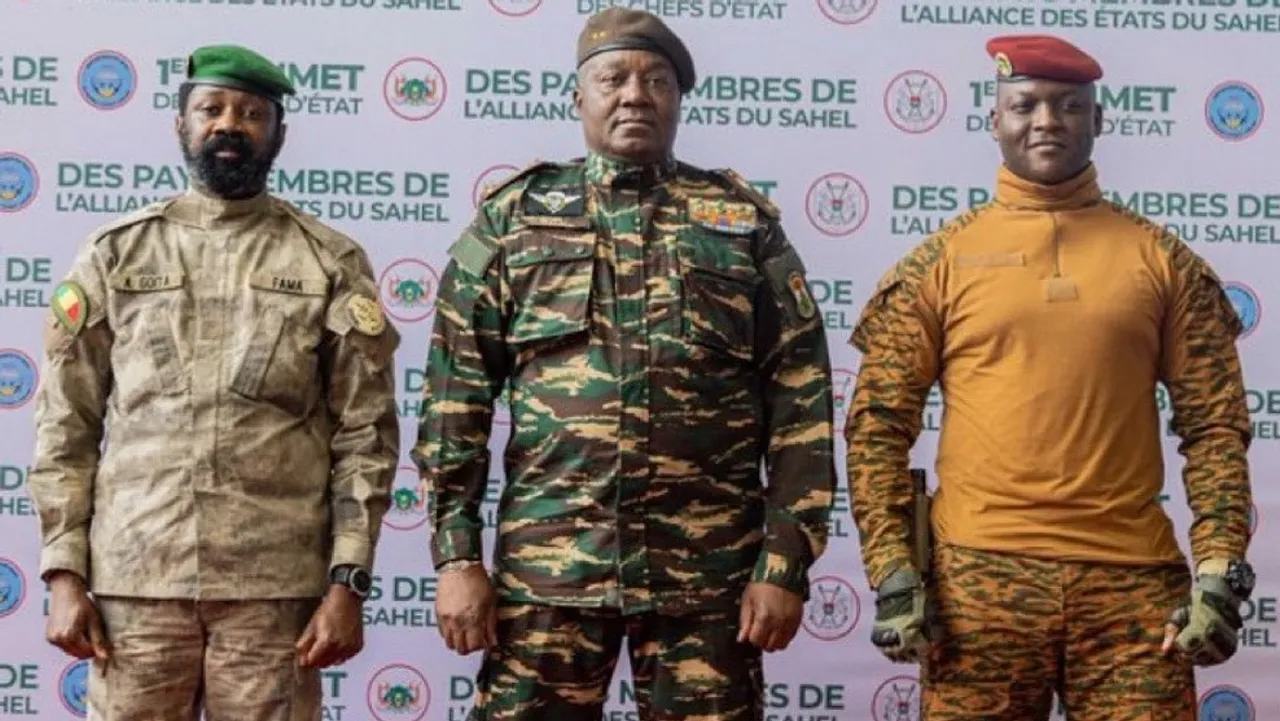
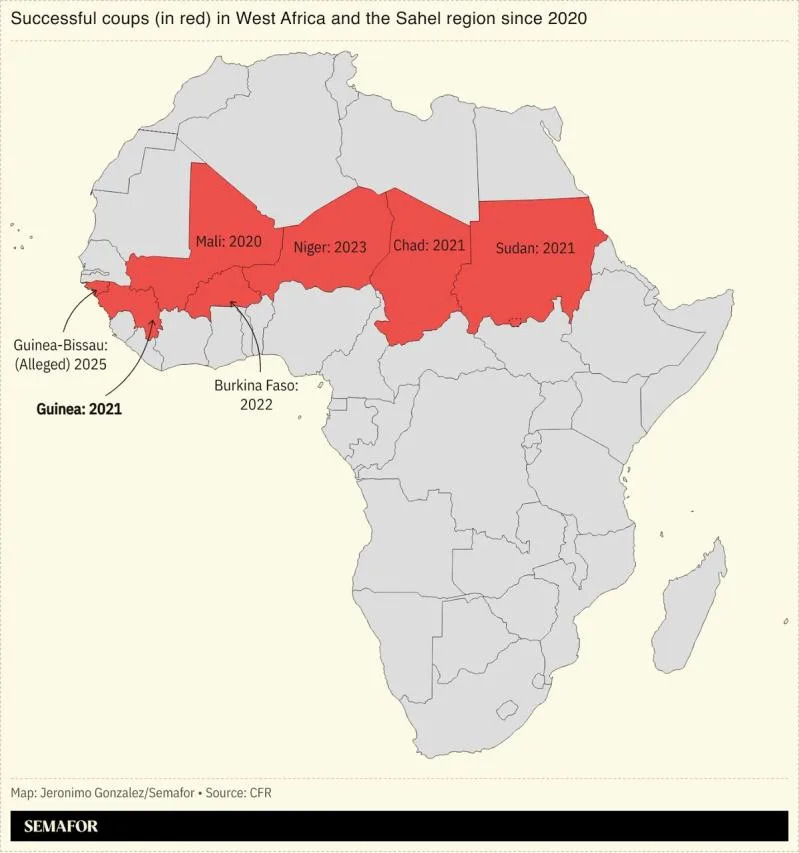
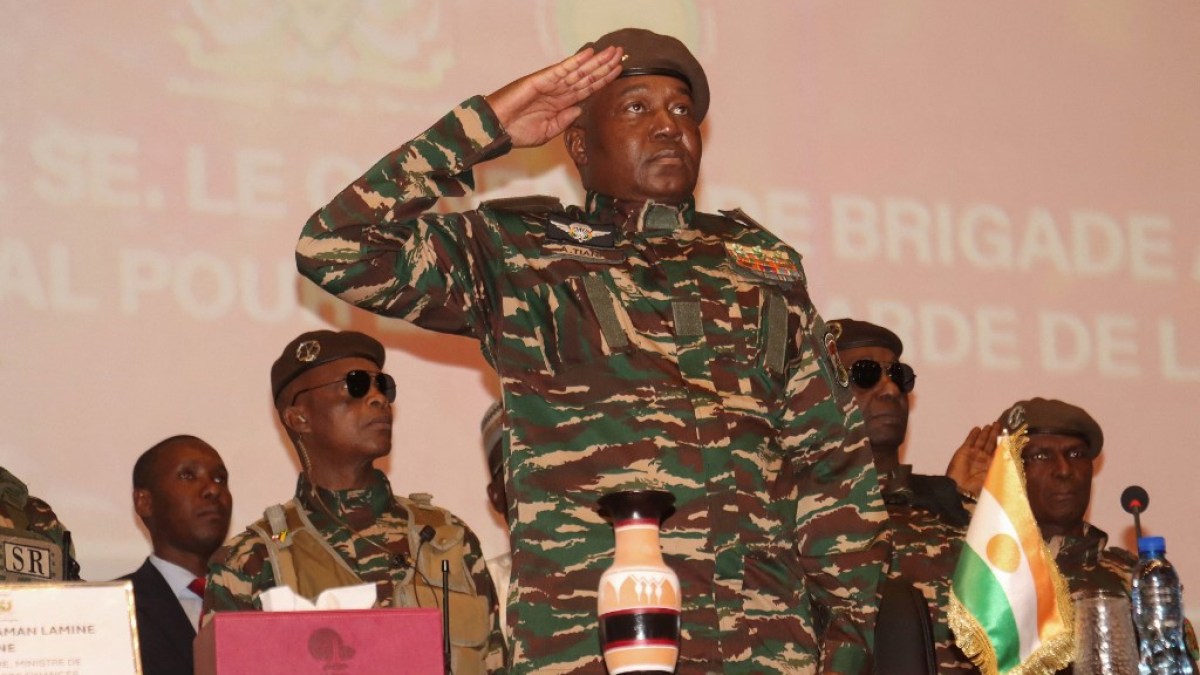
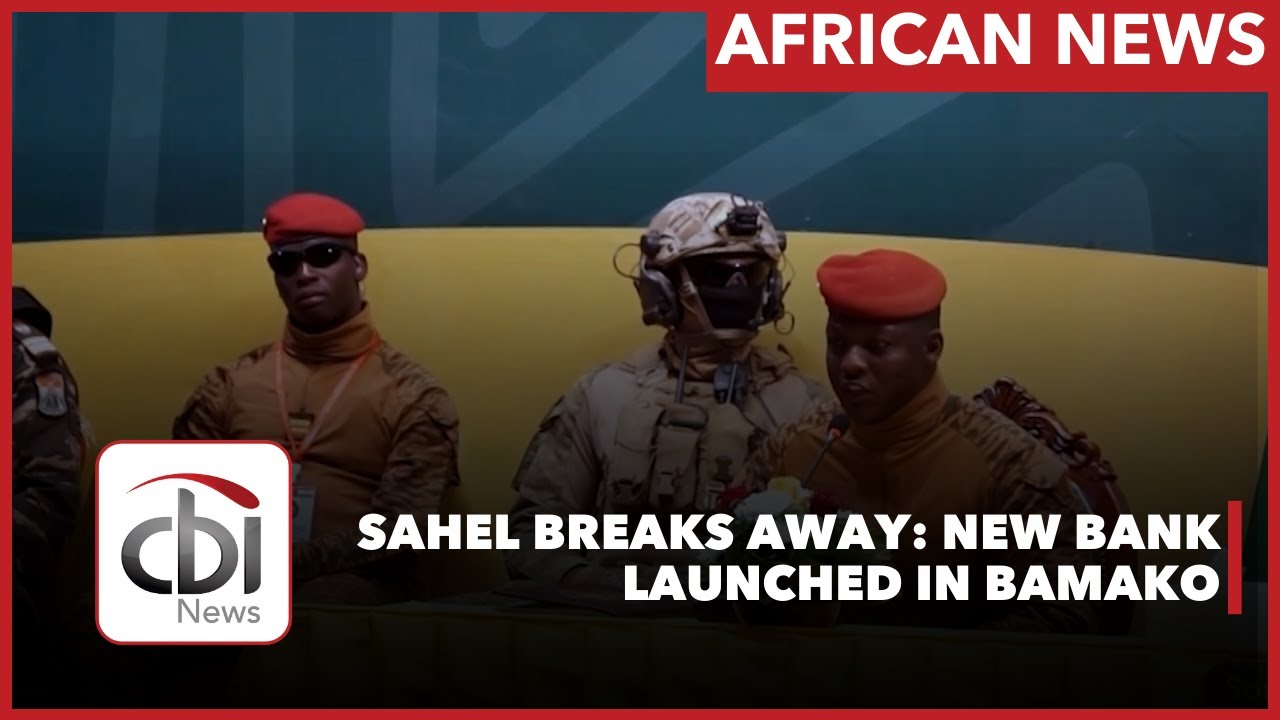
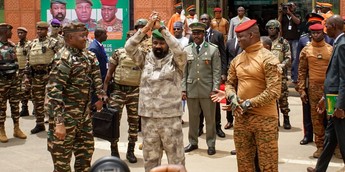
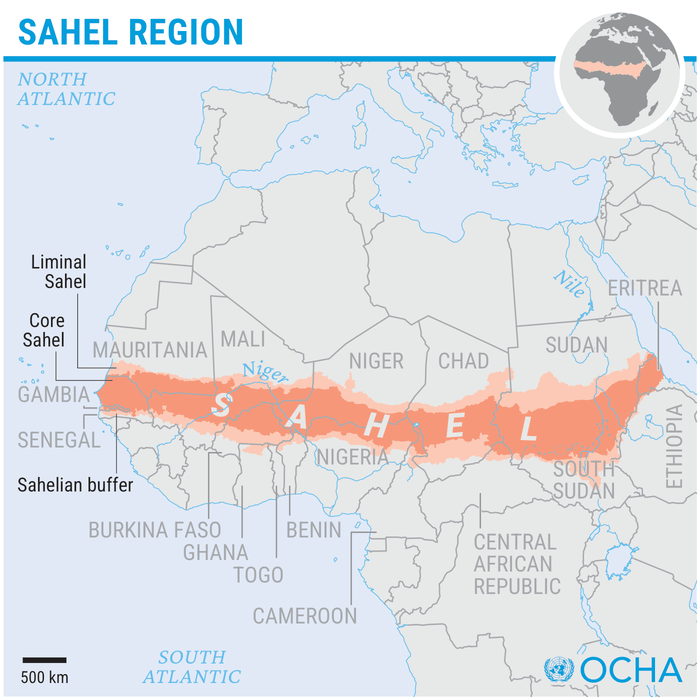
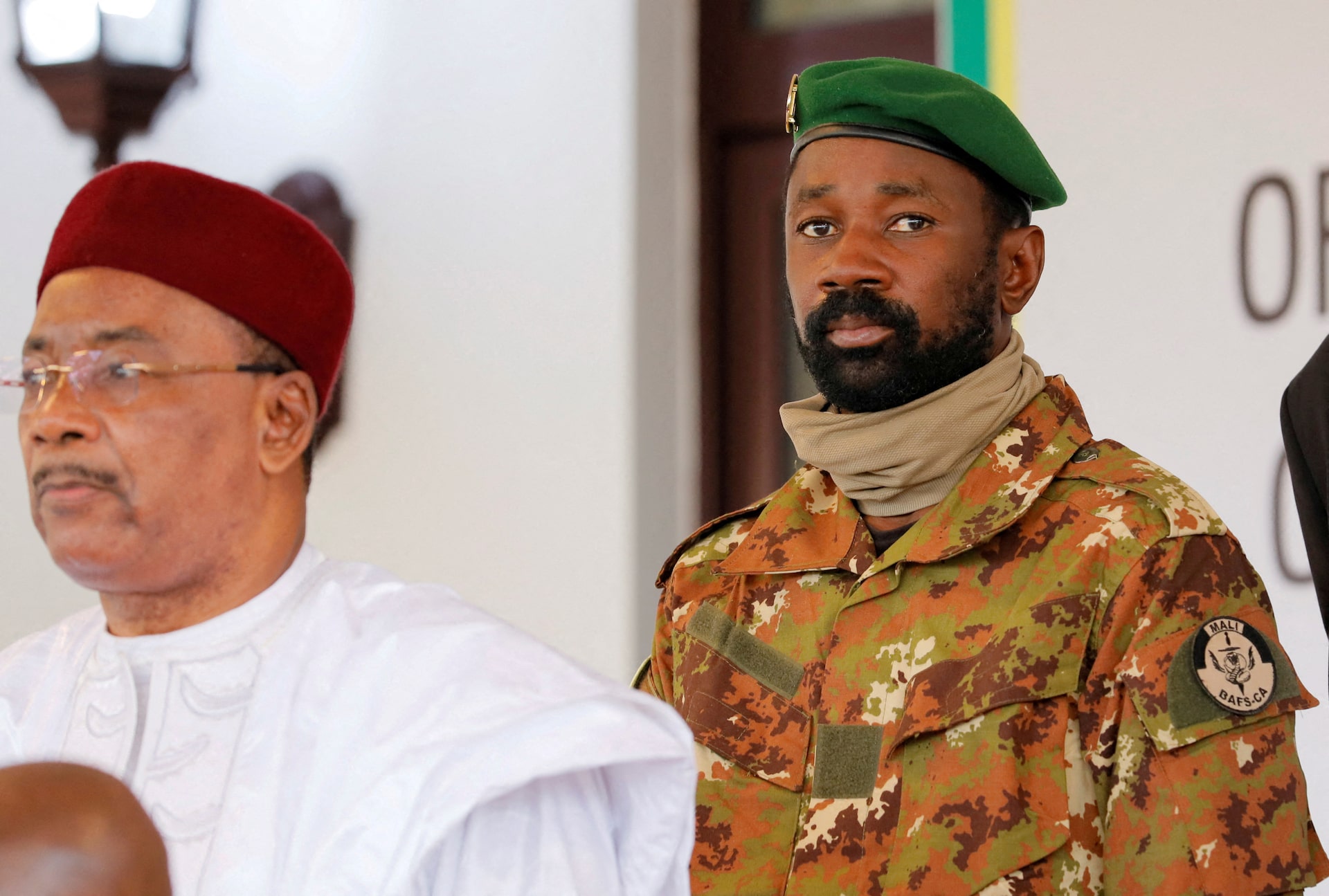
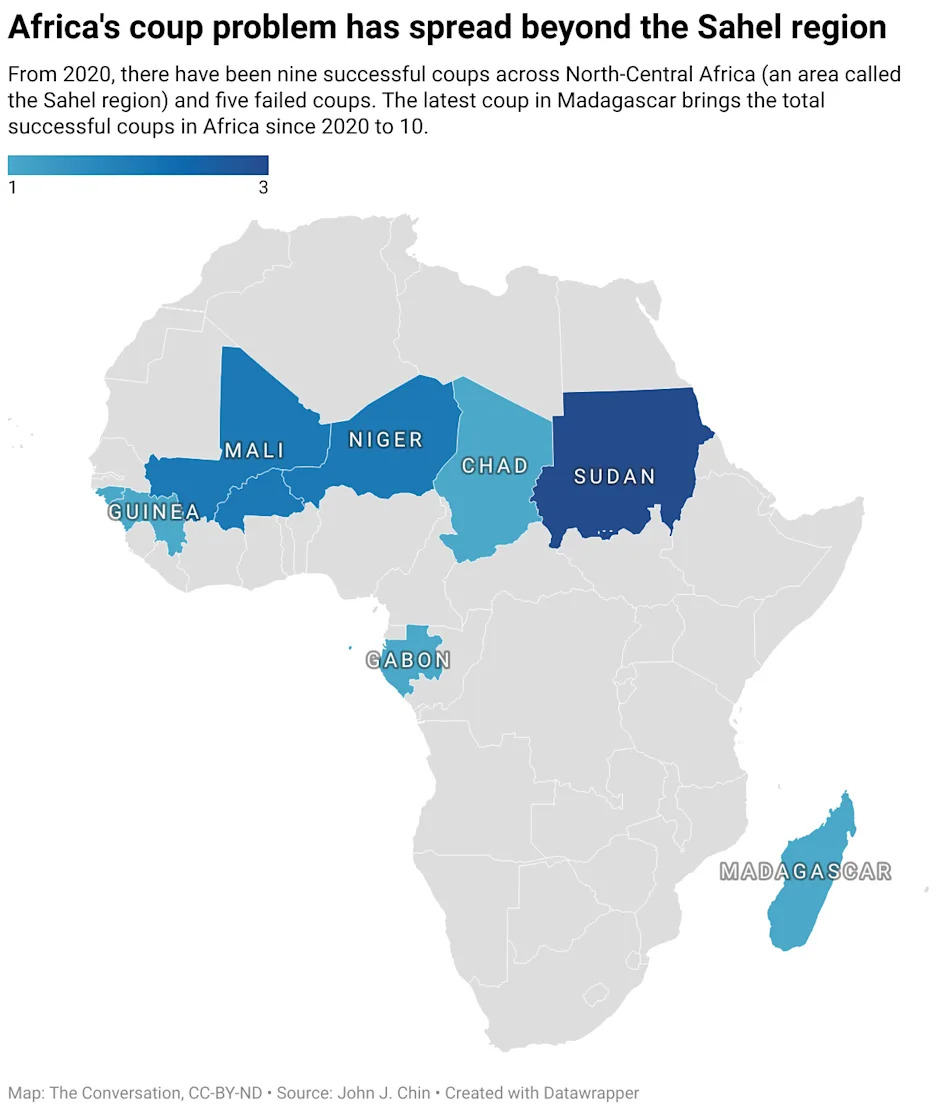
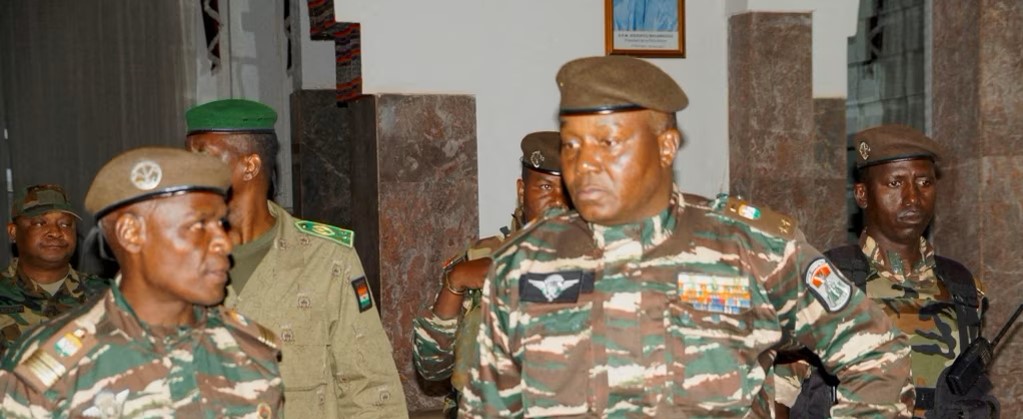
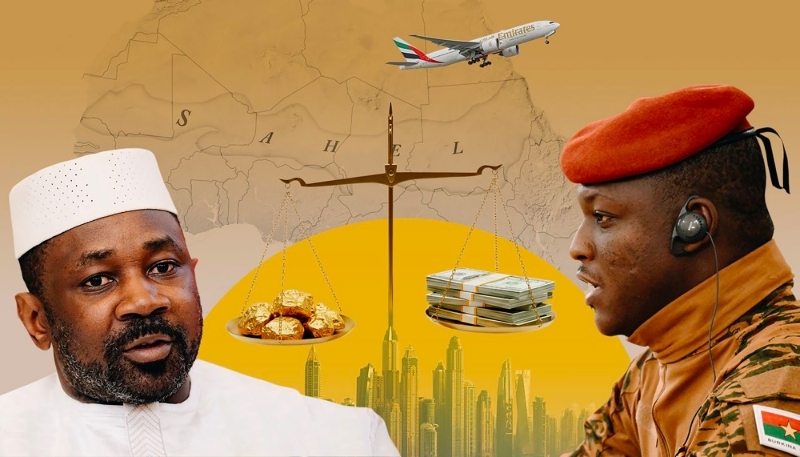
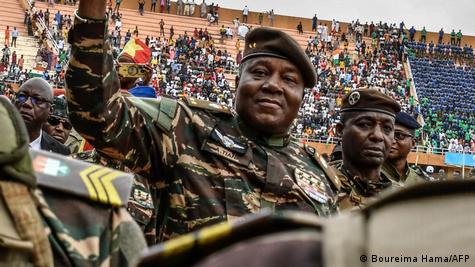
This attack represents a worrying escalation after a series of brutal incidents last year, including a mass killing in the Tillaberi region and the abduction of an American pilot. Across the Sahel, in Niger, Mali, and Burkina Faso, violent militant activity has surged, overwhelming security forces already stretched thin by both Islamic State and al Qaeda linked jihadist groups. Adding another layer of intrigue, Niger’s military junta leader accused France, Benin, and Ivory Coast of backing the groups behind the airport strike. These are serious allegations, reflecting the escalating diplomatic tensions in West Africa as Niger pivots from its historical French ties towards closer cooperation with Russia. And what’s fueling much of this? Niger’s vast uranium resources, essential for global nuclear energy and weapons. Historically, France’s state nuclear company, Orano, dominated Niger’s mining sector. But now, Niger’s military regime is pushing to nationalize the industry, citing unfair extraction practices and sparking alarm in France. This move highlights broader disputes over uranium resources and control within Africa. This shift has also opened the door for discussions with Russia’s state nuclear company, Rosatom, about a significant uranium deal. So, the airport attack, happening so close to Orano’s uranium stockpiles, might have motives far beyond simple militant goals. It’s deeply embedded in a larger geopolitical battle over resource control, foreign influence, and ideological struggles. Interestingly, Russia’s reported role in helping to repel parts of the assault clearly shows its growing footprint in Niger’s defense, traditionally a Western domain.
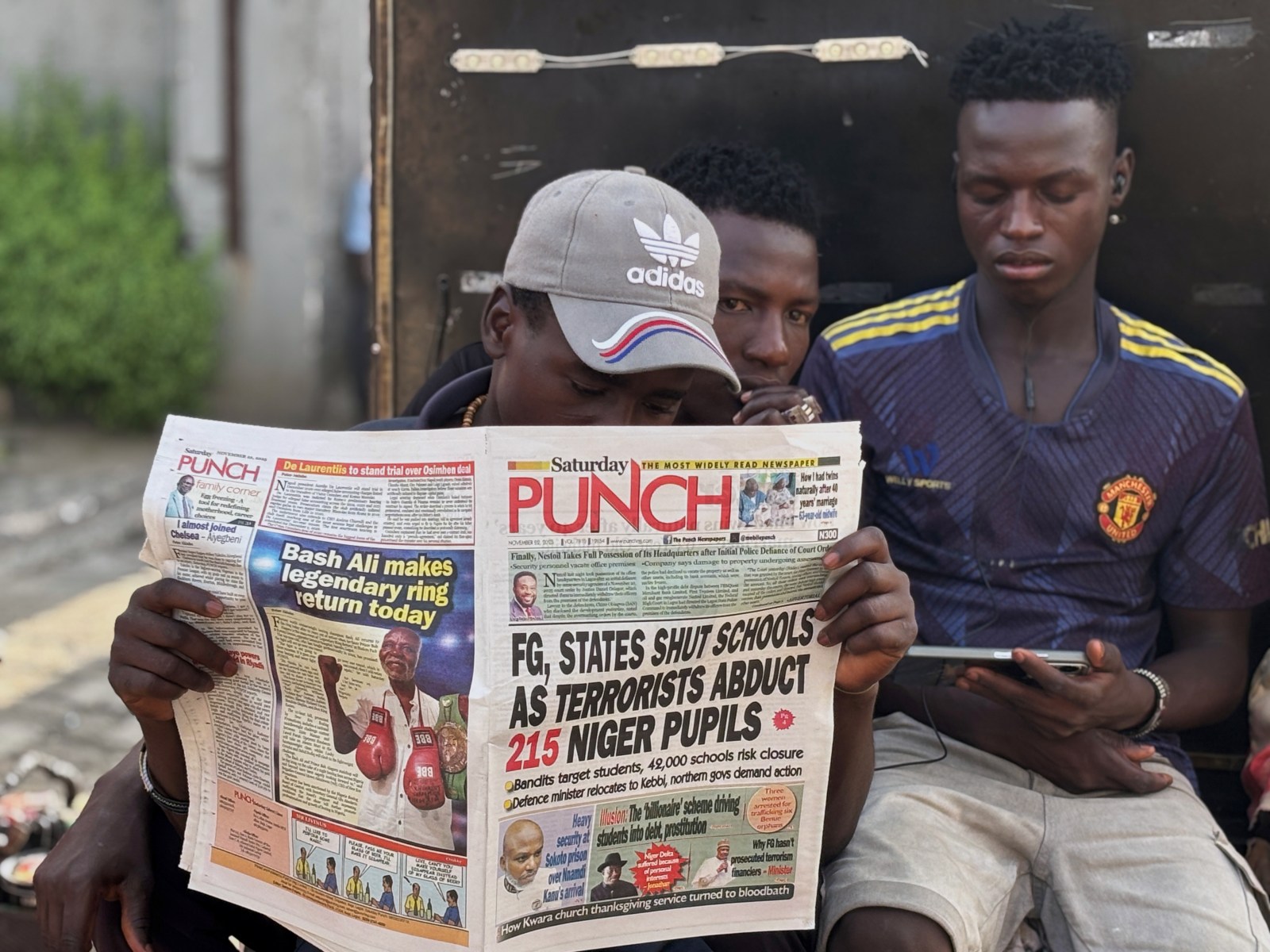
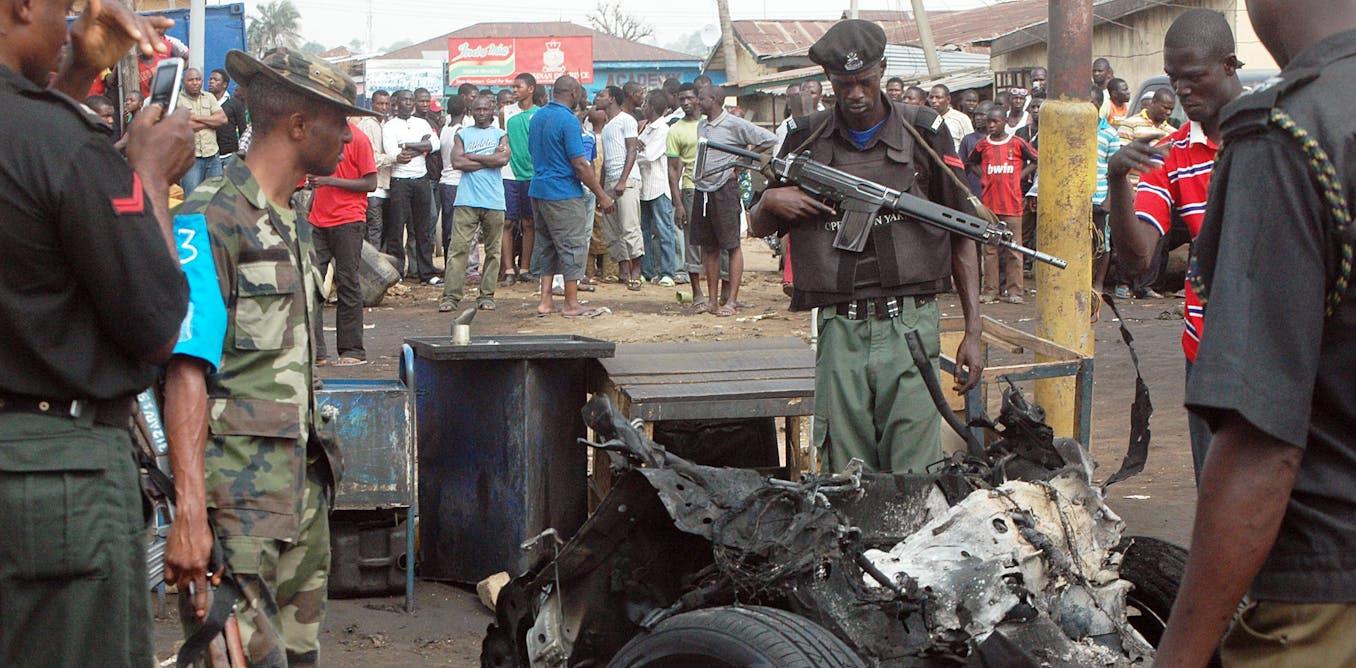
Niger’s ongoing fight against jihadist insurgencies isn’t unique, it mirrors similar struggles in neighboring Nigeria, where groups like Boko Haram and Islamic State West Africa Province continue their deadly campaigns. These parallel crises highlight the stubborn persistence of violent extremism across the Sahel and wider West Africa, despite countless military operations and international support. So, what does the future hold for Niger and its neighbors? They’re definitely facing a tough road ahead. Any hard-won security gains could easily crumble amidst persistent political instability and intense foreign power rivalries. While the nationalization of uranium and these new partnerships with Russia might reshape regional dynamics, they also risk sparking fresh conflicts over who controls what, and who holds influence. More importantly, the increasing capability and boldness of jihadist groups point to ongoing, serious threats to civilian safety and state sovereignty. The international community, you can be sure, is watching very closely as Niger navigates these turbulent crossroads. Success in stabilizing the country could significantly strengthen collective efforts to contain violent extremism across the Sahel, but failure might just deepen insecurity and further complicate the already intricate geopolitics of a region crucial for global energy supplies and counterterrorism initiatives.