Nigeria 2027 Elections Intensify with Realignments Controversies and Power Struggles
Nigeria’s political stage is absolutely buzzing, isn’t it? With the consequential 2027 general elections drawing ever closer, we’re seeing a whirlwind of dynamic events, strategic recalibrations, and palpable tensions ripple across the landscape. From dramatic high-profile party defections to bitter impeachment battles and incredibly contentious election forms, the nation’s political environment is truly a tapestry of intrigue and ambition. What does this mean for ordinary citizens? Well, it holds significant implications for the very fabric of governance and democracy itself. Take the holiday season, for example; it had barely wound down when a major political realignment grabbed headlines. On December 31, 2025, Peter Obi, a widely recognized political figure, didn’t just make a move, he joined forces with other influential South-East leaders by officially affiliating with the African Democratic Congress (ADC) in Enugu. This isn’t merely a casual switch, it clearly signals a strategic shift, potentially aiming to consolidate regional political influence and present a formidable, united opposition front. We saw a similar disruption in early December when Osun State Governor Ademola Adeleke made his defection to the Accord Party. This move shattered established allegiances and openly revealed deep cracks within the dominant parties, as leaders across the board actively seek platforms that they believe truly align with their personal ambitions and political futures. These shifts highlight a continuous and often volatile struggle for power, impacting Nigeria’s political stability and setting the stage for even more drama.
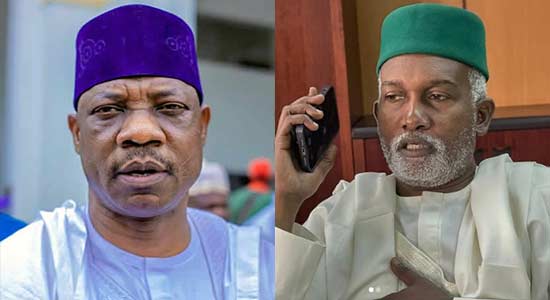
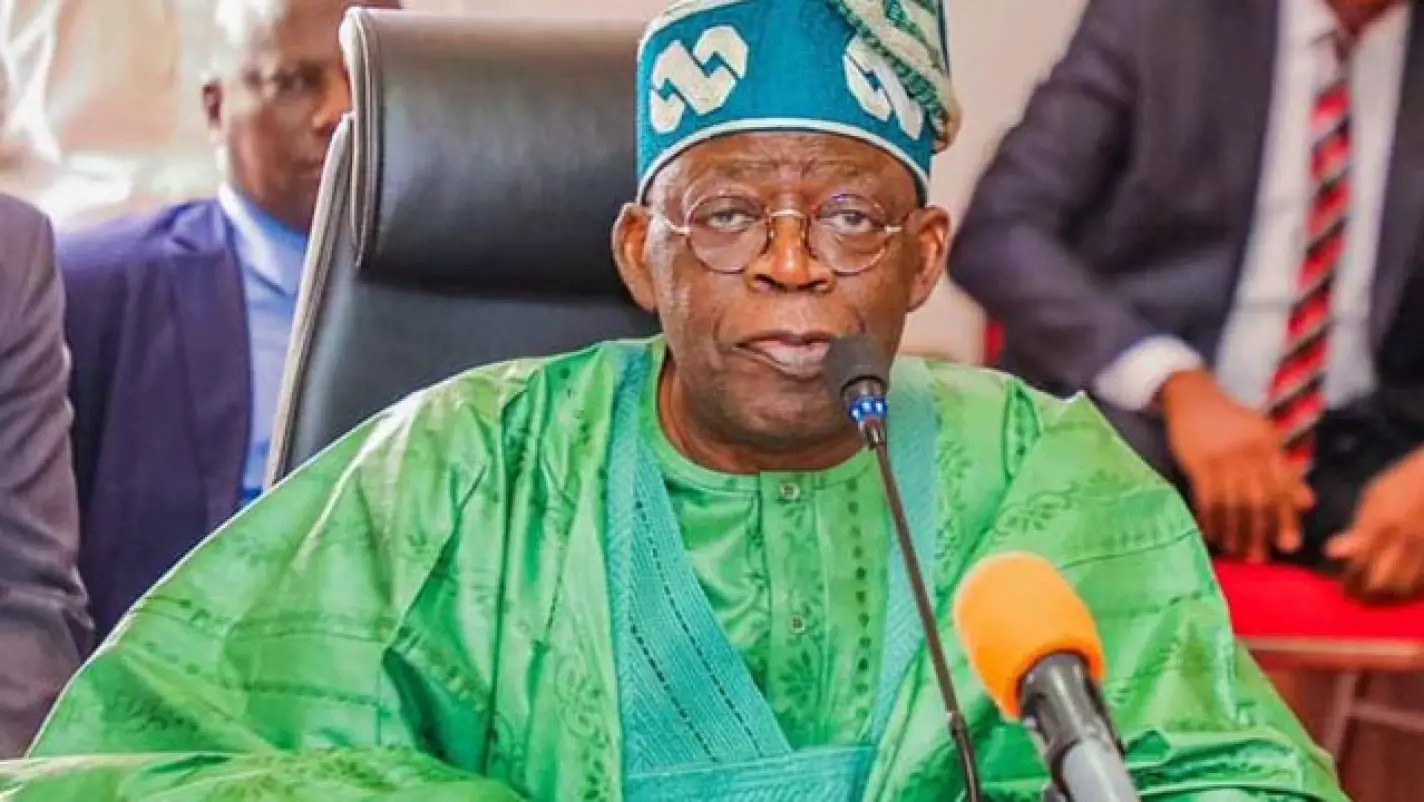
But it’s not just about party-switching; internal party disputes and relentless leadership tussles are powerful undercurrents shaping the entire political theater. Consider former Governor Lamido’s open discontent after he was denied the Peoples Democratic Party (PDP) chairmanship nomination, doesn’t that underscore the intensifying competition for every strategic party position available as the elections loom? Meanwhile, a confidential meeting of the Wike-for-President 2027 Committee in October made headlines for excluding some prominent politicians, including Governor Makinde, brazenly labeling them ‘turncoats.’ This truly illustrates the fierce determination among certain party factions to not just influence, but outright control, the nomination process and the entire campaign machinery. The All Progressives Congress (APC) isn’t without its own controversies either. The announcement that Ebonyi State’s APC council chairmanship form costs a staggering N30 million, an amount that literally dwarfs four years of salaries for many hard-working Nigerians, has rightly drawn sharp criticism and heightened scrutiny over electoral fairness and basic accessibility. What message does that send to aspiring leaders? Then there are the sponsorships by Imo Governor Hope Uzodimma of REC members, heads of departments, and 27 electoral officers on a Jerusalem pilgrimage (source). These appear to be politically charged gestures, blending governance with personal influence, and are quite likely aimed at securing loyal political support come election time. The political drama, however, isn’t just confined to election preparations; ongoing governance and state leadership crises are spotlighting a worrying instability. In a significant development, four lawmakers from the Rivers State Assembly recently reversed their calls for reconciliation, insisting fiercely that the impeachment process against Governor Siminalayi Fubara and his deputy must proceed. This bitter discord ultimately culminated in President Bola Tinubu’s intervention in September 2025, ending the state’s emergency rule and reinstating Fubara. This decision highlights the incredibly delicate balance between federal authority and regional autonomy within Nigeria’s complex federal system, challenging current peace and security initiatives across the nation.
Accusations have been flying thick and fast between governors, with Bauchi’s Mohammed notably accusing Minister Wike of actively scheming to incite unrest in his state. He didn’t stop there, criticizing President Tinubu’s inner circle as being surrounded by ‘hooligans’ and ‘charlatans.’ Such fiery remarks inevitably amplify the nationwide political tension and vividly highlight the personal rivalries that power struggles almost always engender. Governors themselves aren’t shying away from controversial statements regarding their governance policies either. Niger State Governor Bago, for example, recently made headlines by boldly declaring he would even “sell Niger State” to fund developmental projects, entirely dismissing critics who accuse him of excessive borrowing before official loans have even commenced. This blunt admission starkly underscores the intense financial pressures states currently face in addressing critical infrastructural needs amid perpetually limited resources. Electoral competence has certainly emerged as another contentious issue. How do you explain Anambra APC candidate Ukachukwu’s 1986 General Certificate Examination (GCE) results surfacing online, which conspicuously highlighted an ‘F9’ grade in English, alongside a failure in Mathematics? This revelation instantly sparked serious questions about candidate suitability and the actual standards political parties apply in their selection processes. Ethical concerns about governance and campaign promises also feature prominently, don’t they? Opposition voices, like Omoyele Sowore, have strongly condemned Taraba State Governor Kefas over alleged ‘fake promises,’ rapidly deteriorating educational infrastructure, and hazardous roads, articulating the deep frustrations of residents who feel neglected despite all the electoral assurances. More disturbingly, allegations of political interference by state security forces have surfaced in Kaduna, where reports indicate that security operatives acted directly on Governor Nasir El-Rufai’s orders to abduct a PDP House of Representatives candidate along with 25 other individuals. This incident chillingly exposes the frightening intersection of state power with electoral competition, casting dark shadows over the credibility and fundamental safety of democratic processes. Even financial controls within state governance are strained; Osun Governor Adeleke reportedly requested the release of withheld local council funds, only to find his pleas ignored by President Tinubu, who, in turn, questioned the governor’s decision to sack local council chairpersons. This standoff clearly illustrates the intricate power dynamics at play between federal leadership and state authorities. Political commentators, like former official Babachir Lawal, continue to voice strong criticism of ruling party strategies. Lawal, for instance, described the Tinubu administration’s relationship with the Yoruba ethnic group skeptically, suggesting support is given for electoral victory, but grievances quickly arise from subsequent governance lapses. And what about leadership optics? President Tinubu’s recent 10-day annual leave excursion to France and the United Kingdom, characterized by some as ‘junketing,’ sparked intense debate about leadership responsibilities and public perception during such critical moments for our country. As this kaleidoscope of political developments unfolds, one overarching theme is starkly evident: the 2027 elections will be both a crucible and a powerful catalyst for Nigeria’s democracy. This intricate dance of political alliances, relentless controversies, significant governance challenges, and meticulous electoral preparations reveals a nation on edge, one that is desperately seeking stability, fair representation, and genuine progress amid a multitude of competing interests. Looking forward, the key question remains: can Nigeria’s political actors genuinely transcend factionalism and vested interests to work collaboratively toward transparent, truly inclusive governance that strengthens democratic institutions and addresses the deep aspirations of its citizens? With heightened political activism and increasing public scrutiny, Nigeria stands at a pivotal crossroads. How these evolving narratives are skillfully navigated will undoubtedly shape the country’s trajectory for years to come, influencing its standing in global tech leadership and the overall health of its political landscape.
Sources:
- EXCLUSIVE: Full List Of REC, HODs, 27 Electoral Officers Sponsored By Imo Gov Uzodimma On Jerusalem Pilgrimage, Politics, January 20, 2026.
- APC Fixes N30million For Ebonyi Council Chairmanship Form, More Than Four-Year Salaries, Politics, January 17, 2026.
- BREAKING: Four Rivers Assembly Lawmakers Reverse Call For Reconciliation, Insist Impeachment Process Against Gov Fubara, Deputy Must Continue, Politics, January 16, 2026.
- Junketing Tinubu Jets Out Of Abuja For 10-Day Annual Leave In France, UK, Politics, September 4, 2025.
- Nigerias Security Crisis And Agricultural Challenges Threaten Stability
- Tinubu Administration Prioritizes Peace And Security In Plateau State
- Africas Digital Renaissance Drives Innovation And Global Tech Leadership
- Nigeria Faces Political Turmoil And Security Gains Amid Social Challenges