Nigeria at a Crossroad: Youth Engagement, Governance Challenges, and the Road to 2027 Elections
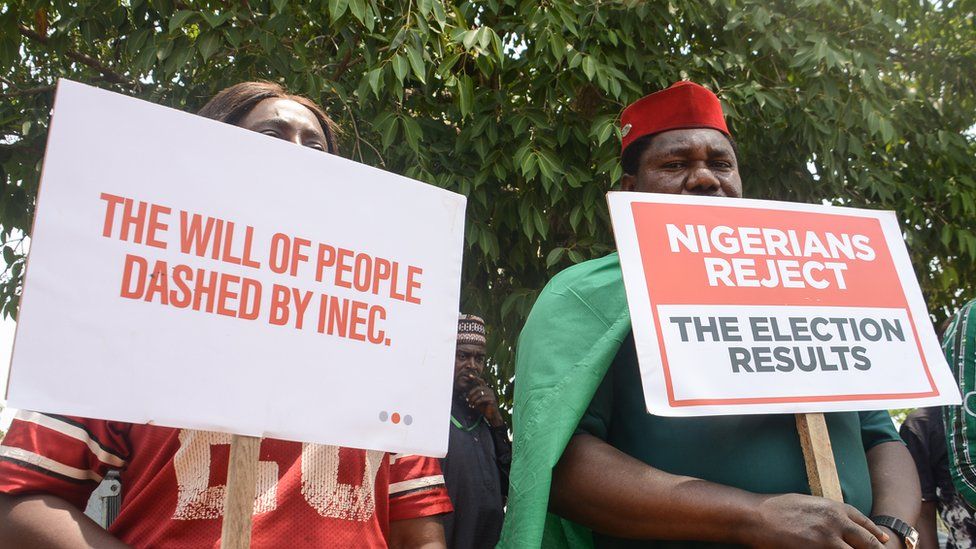
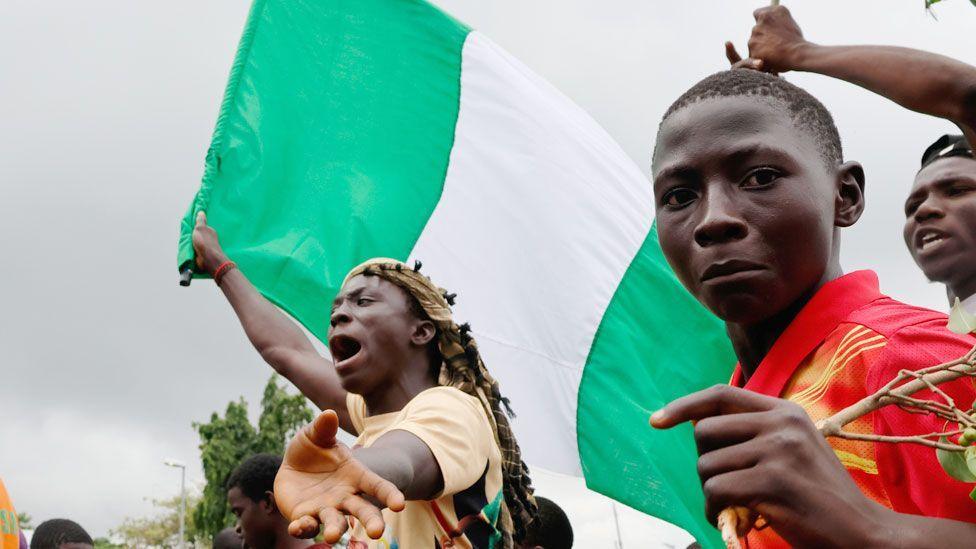
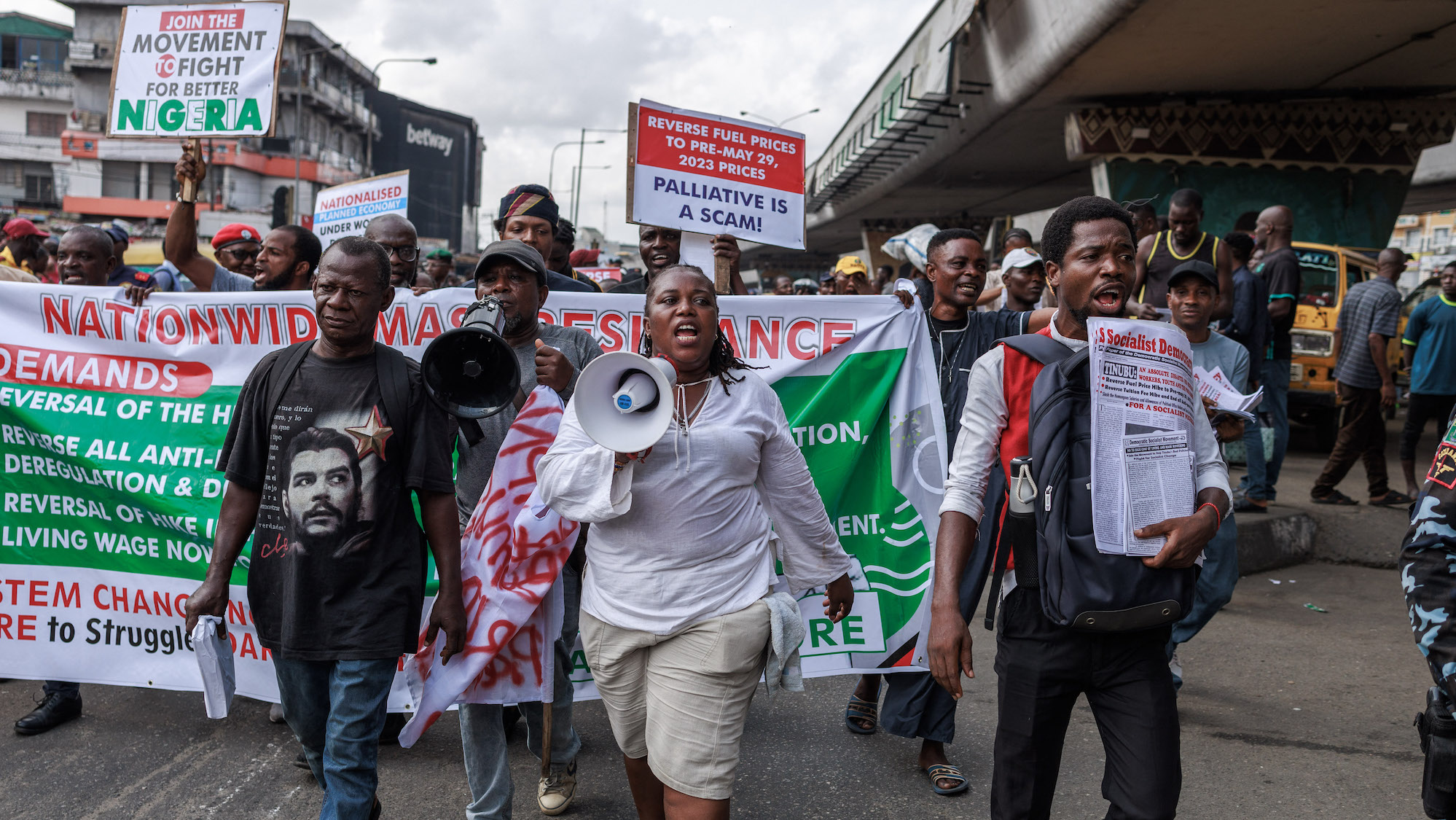
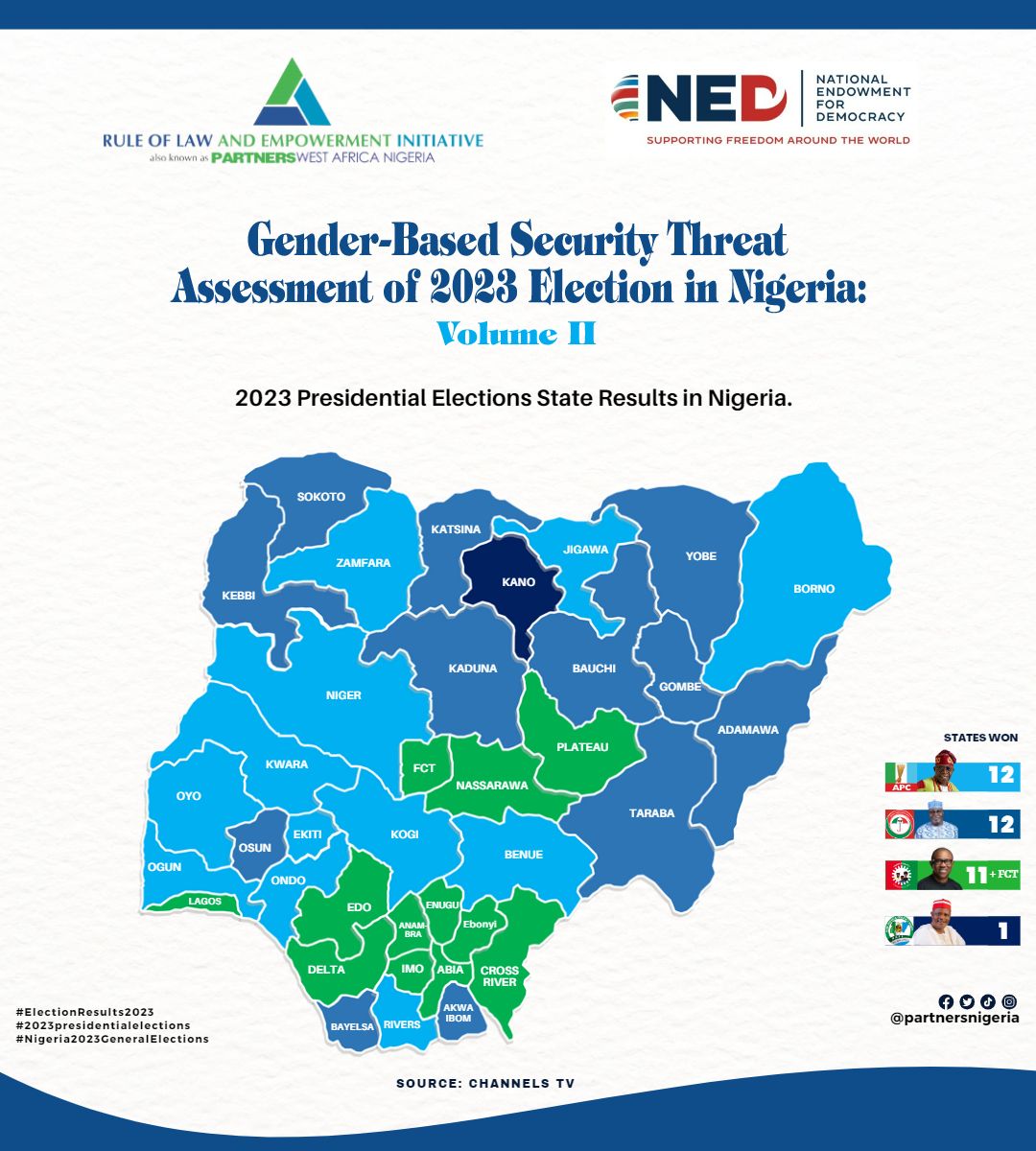
As 2027’s general elections draw closer, Nigeria finds itself navigating a complex path, caught between a rising tide of youth aspirations and deeply entrenched governance issues. Across the nation, we’re seeing both bright spots and serious challenges that truly define our political and socio-economic landscape. Take the continuous voter registration, for instance, it’s a critical step in this electoral journey. Mujidat Agbabiaka-Sholeye, Communication Manager at the Nigerian Women Trust Fund, points to a huge demographic shift. With young Nigerians now outnumbering older generations, a fresh wave of potential voters is emerging. Over 2.6 million young people, newly 18, have actively registered this quarter, showing a growing faith in our democratic process. Agbabiaka-Sholeye expects even more citizens, especially women and youth, to step up before 2027, painting a hopeful picture for a more inclusive democracy. Yet, this optimism isn’t universally shared. Political analyst Abdul-Azeez, for example, argues that while two million registrations seem promising, it’s only a fraction of eligible voters. He suggests that factors like insufficient public awareness, limited access to registration centers, and the current political climate might be holding back broader participation. Don’t we, as prospective voters, have a role to play too? He rightly stresses that we need to be proactive, get our documents in order, understand the procedures, and meet deadlines if we want our voices to truly shape a legitimate and vibrant electoral process for Nigeria’s democratic future.
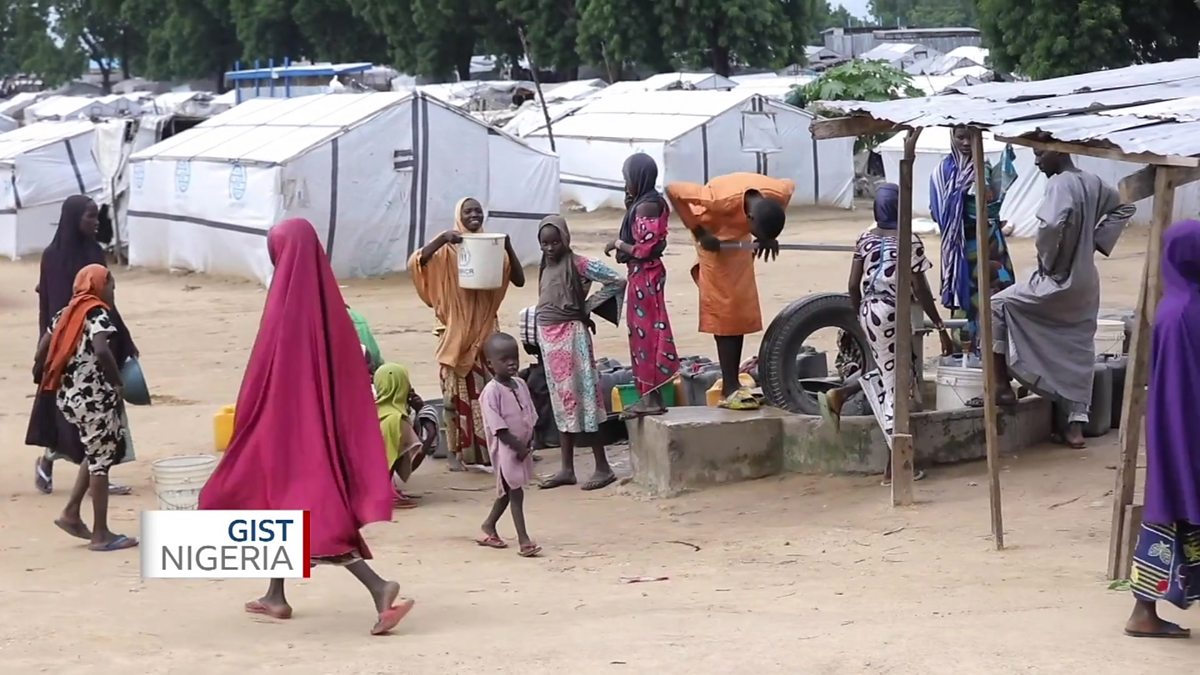
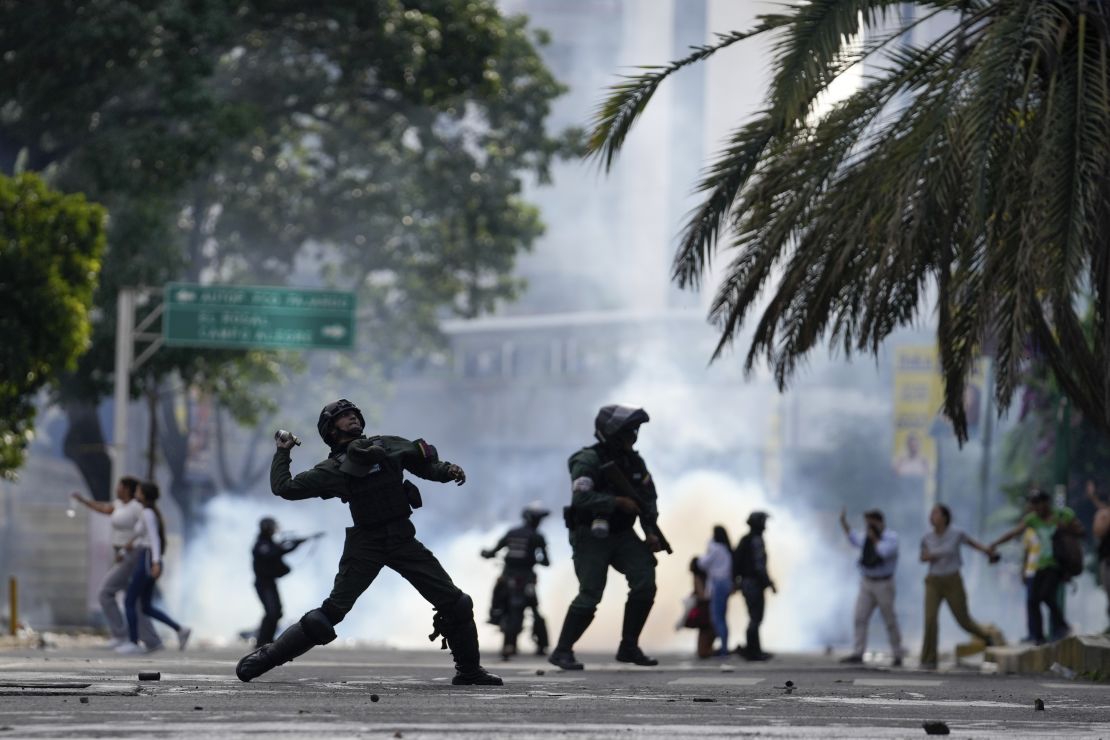
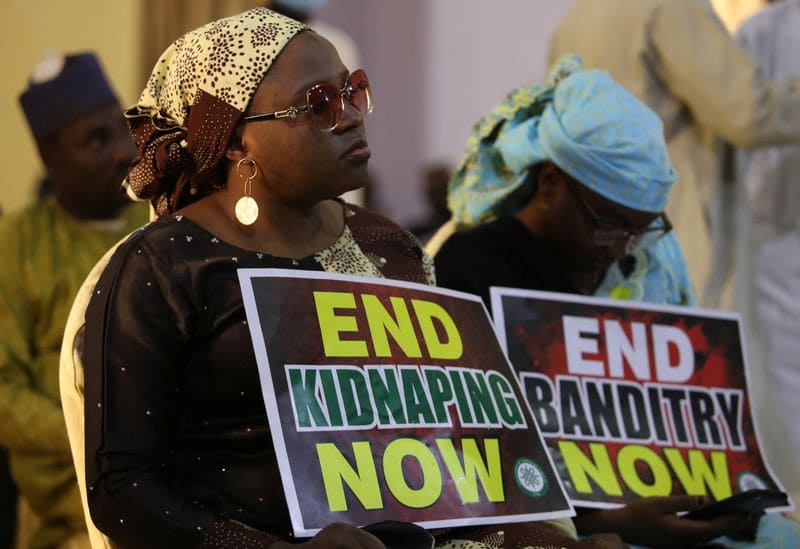
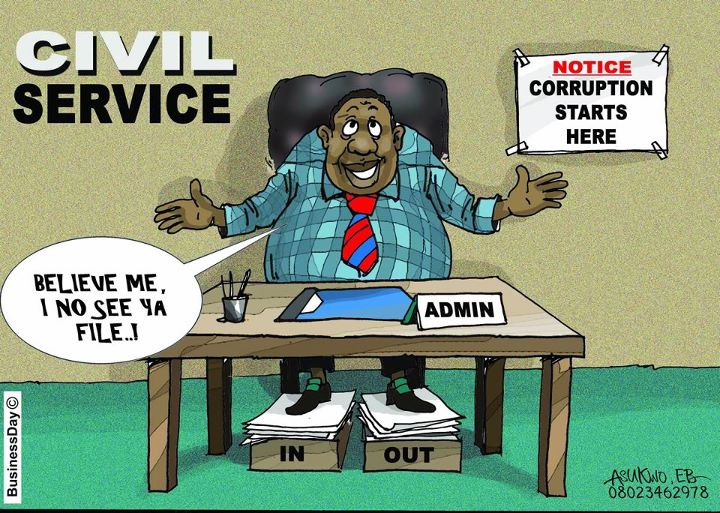
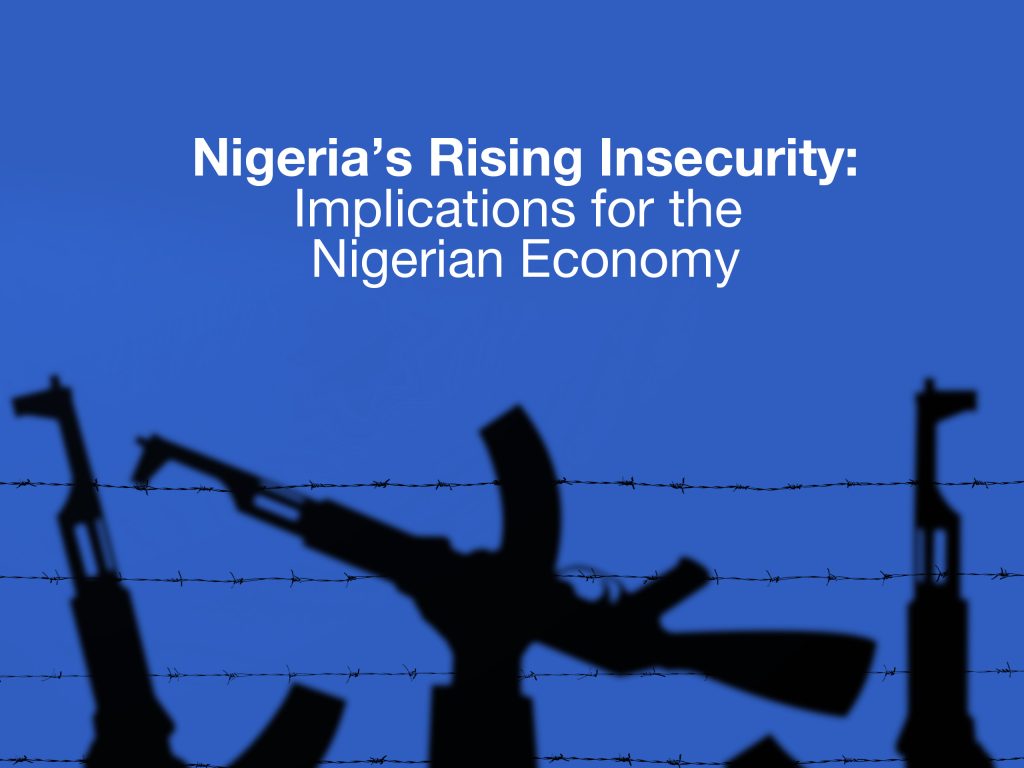
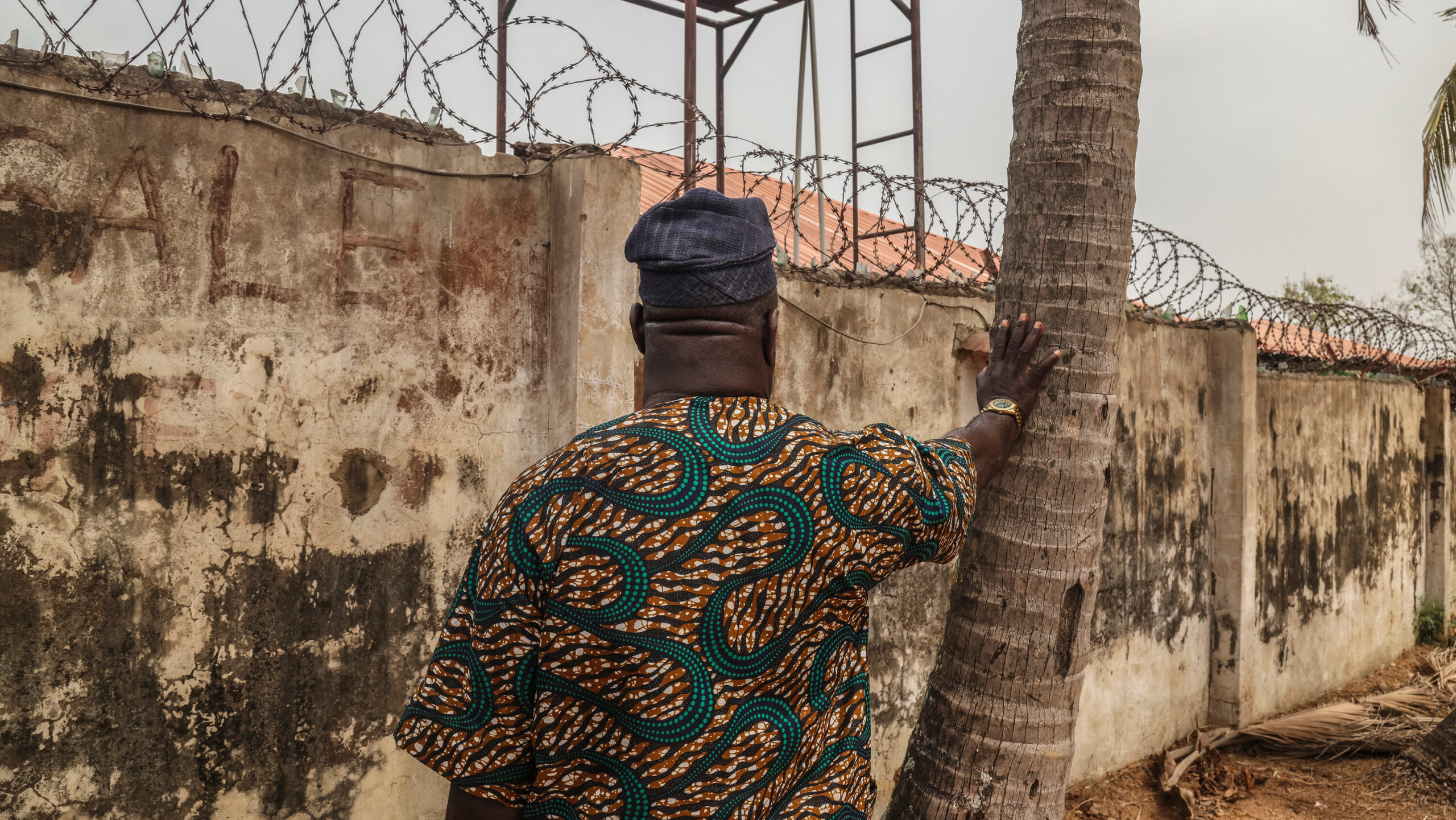
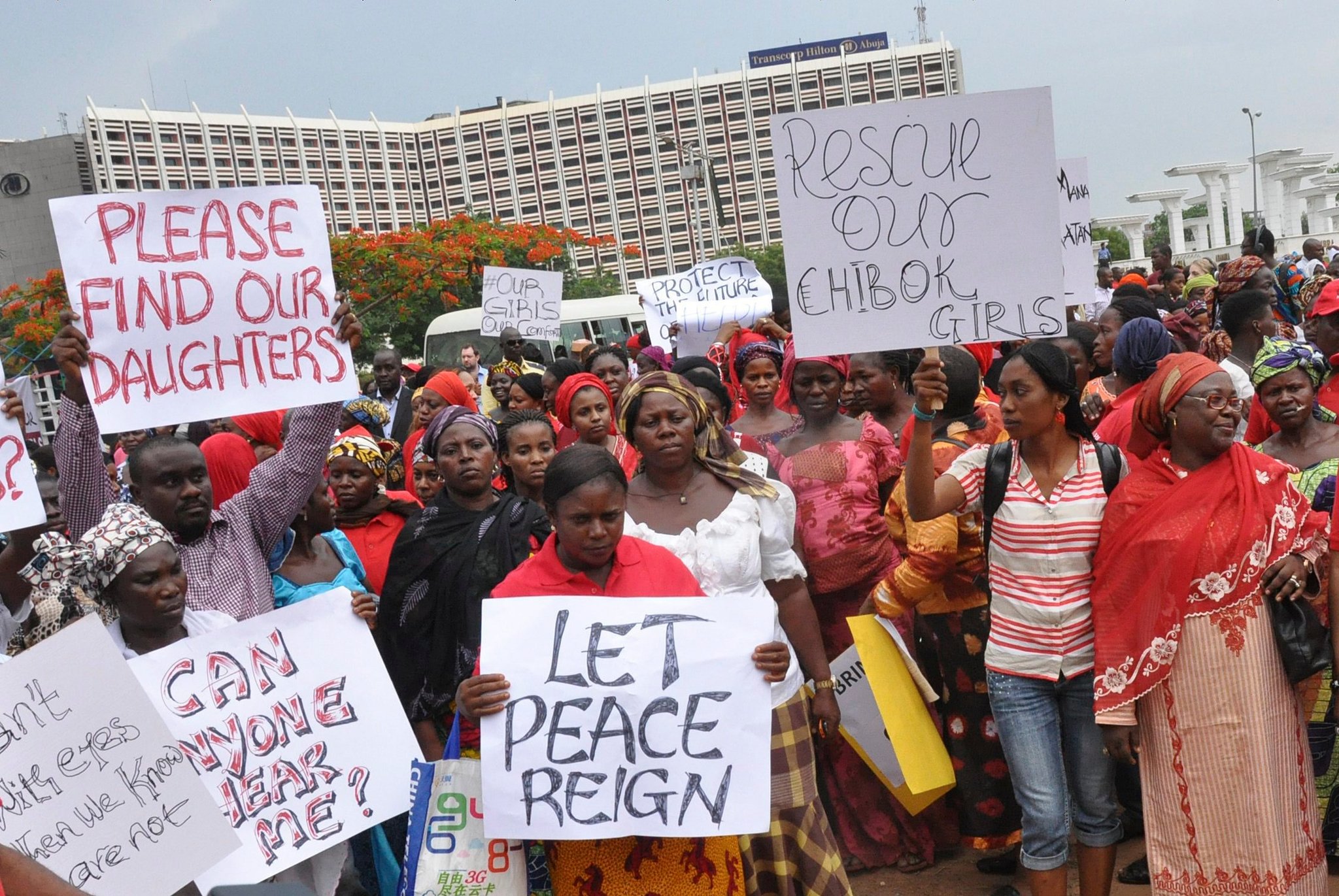
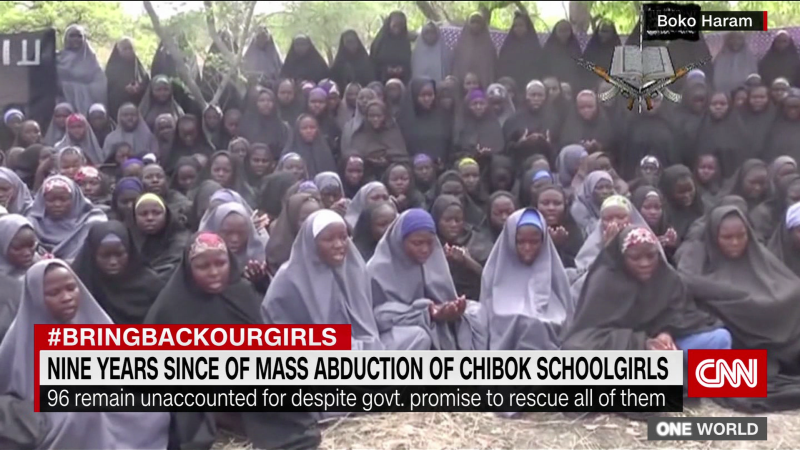
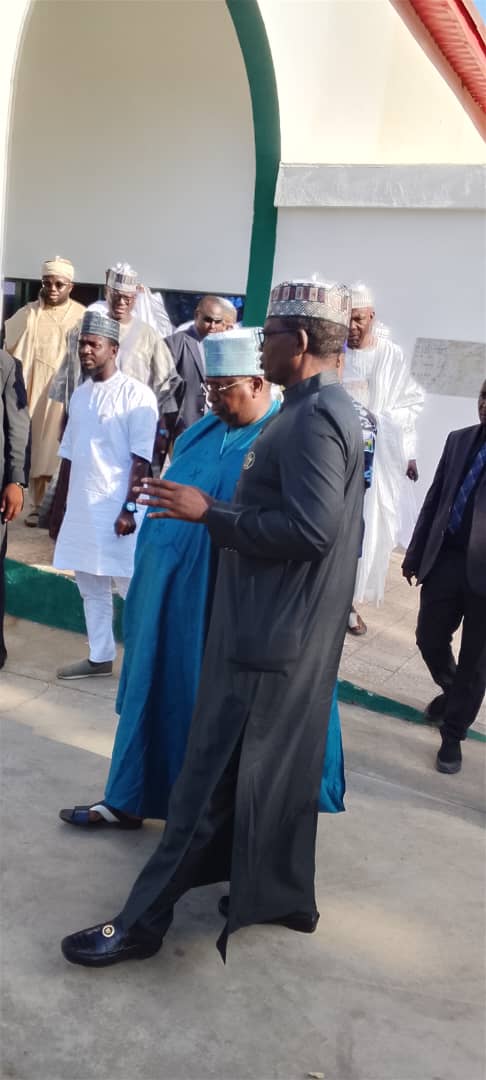
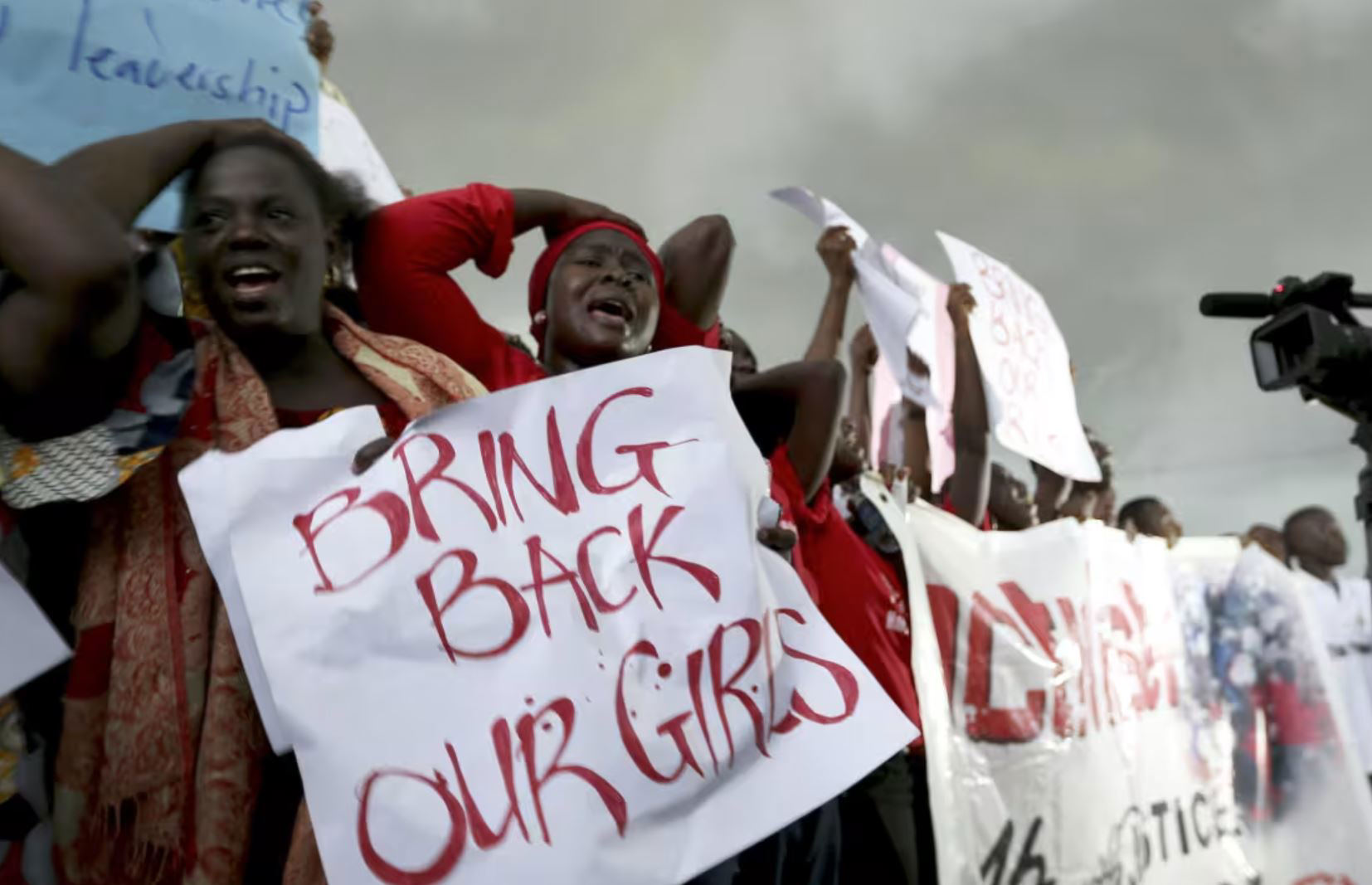
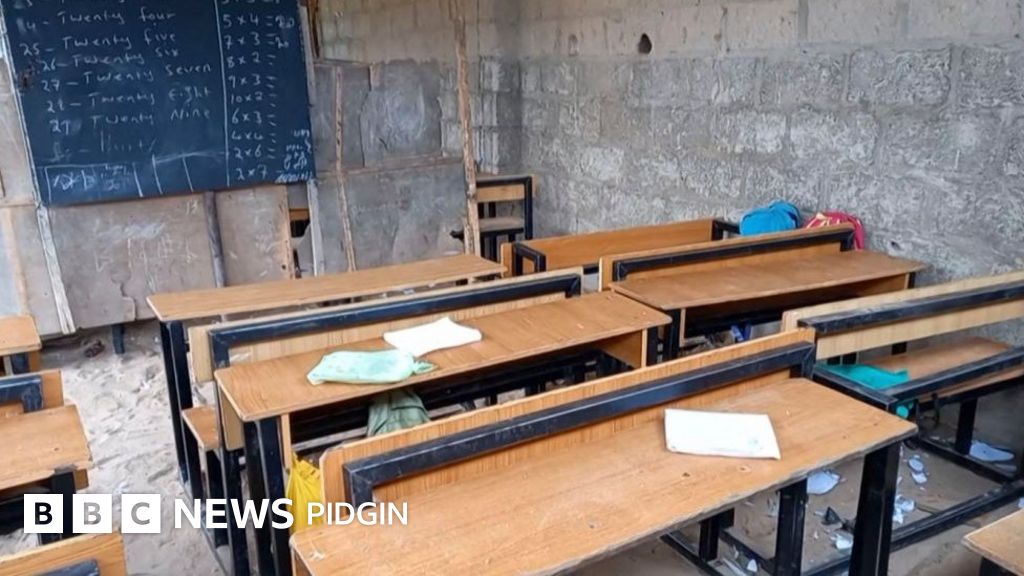
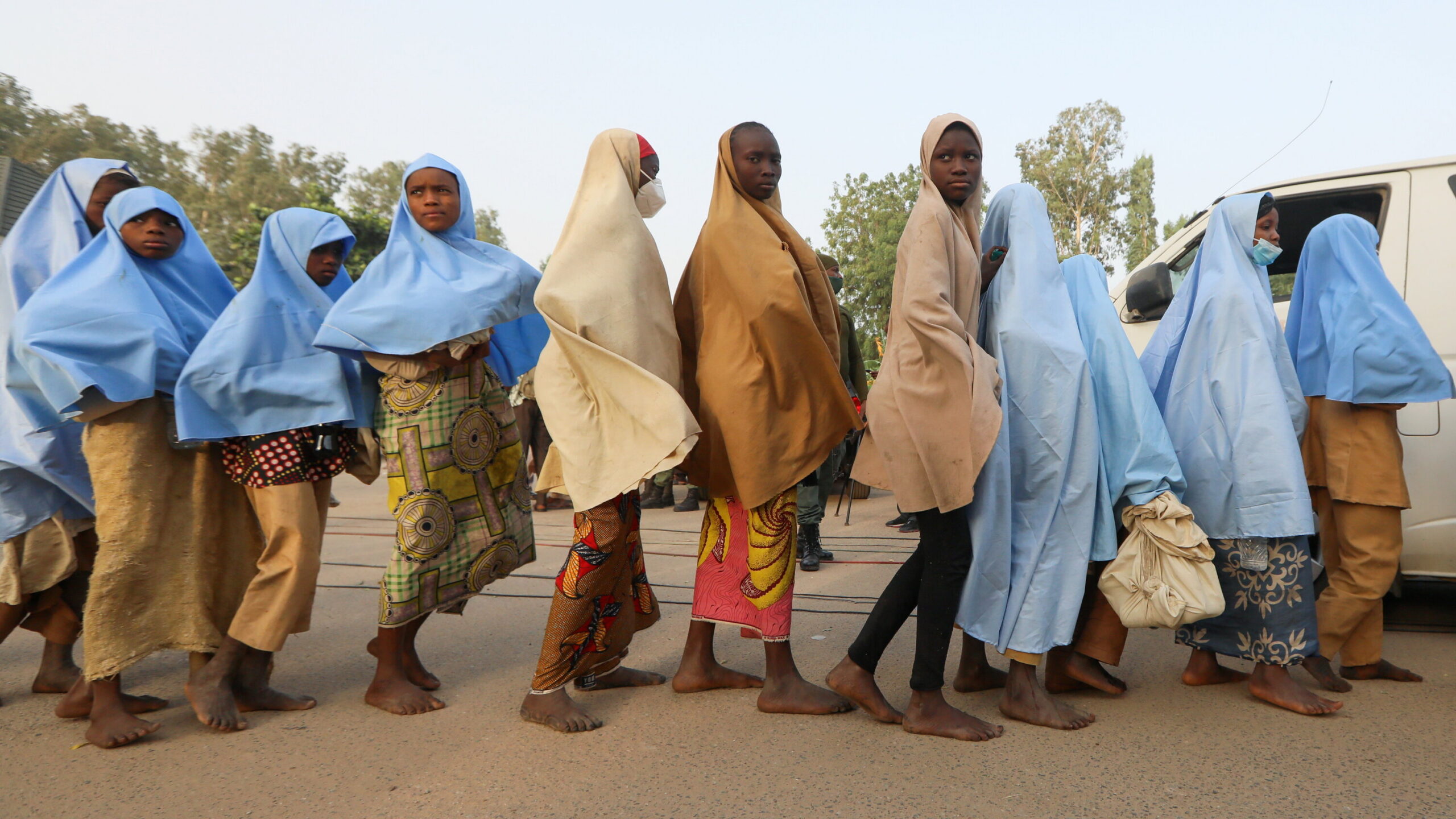
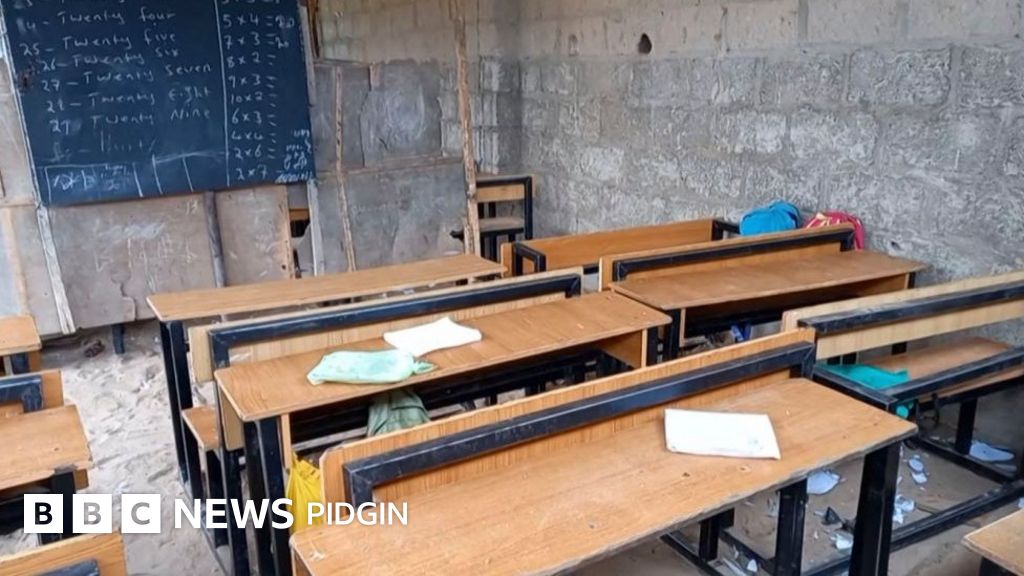
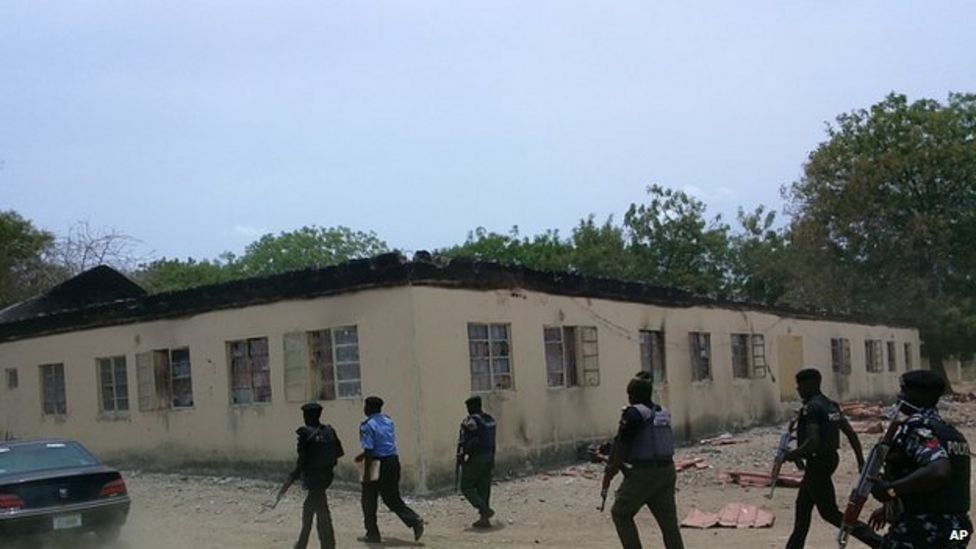
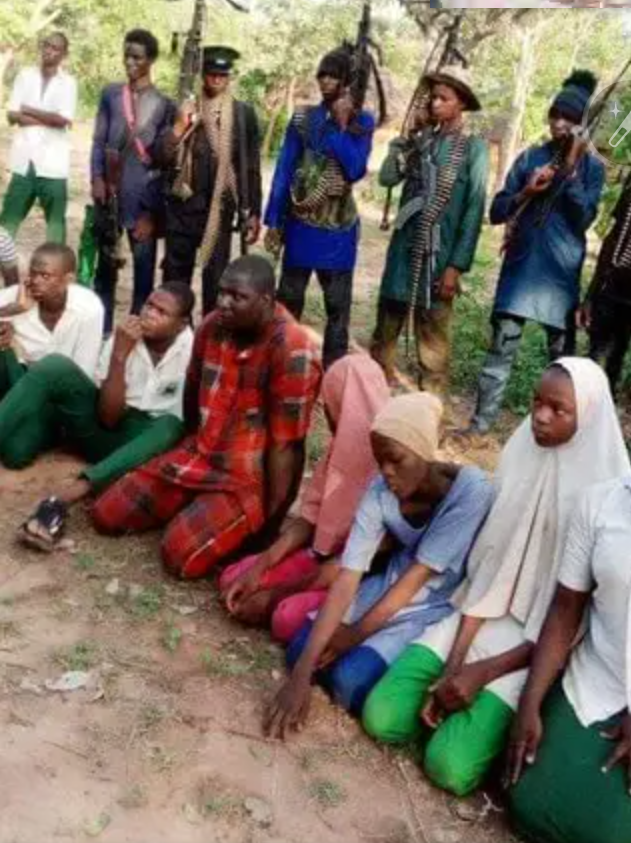
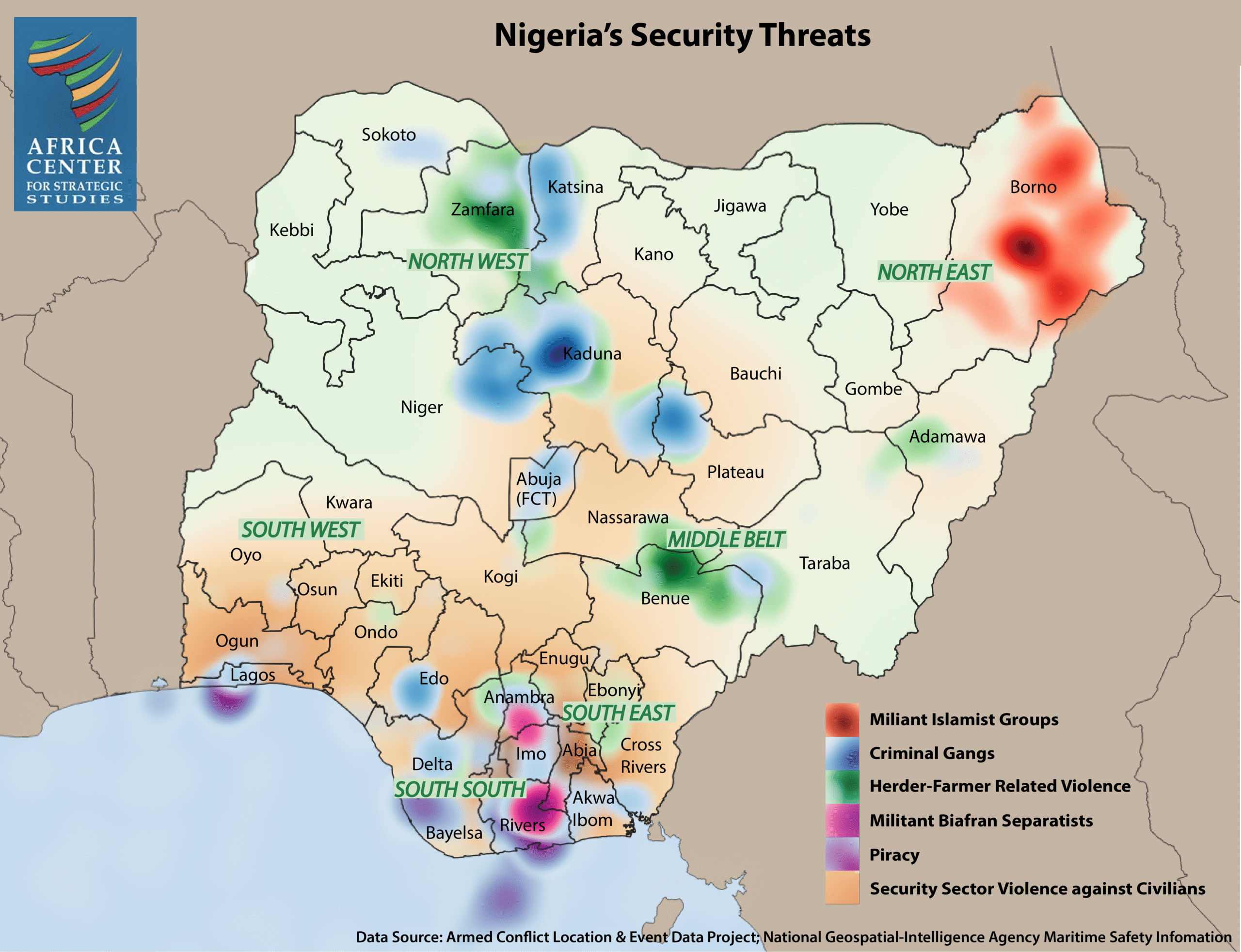
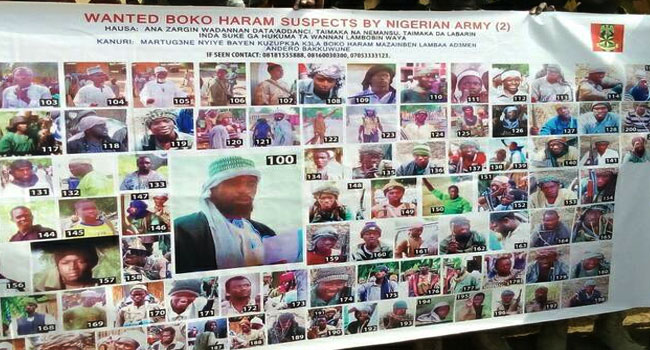
Beyond the ballot box, systemic issues are frankly demanding our attention. Recent state and federal state spending audits reveal worrying patterns of financial mismanagement. We’ve seen reports of Ekiti State Government spending billions beyond its budget, a clear sign of weak fiscal discipline. In Bauchi State, Governor Mohammed reportedly doubled the initial budget for Government House upgrades, raising serious questions about accountability. Rivers State saw its debts skyrocket from 5.2 billion naira to a staggering 213 billion in just 12 months under Governors Wike and Fubara, a burgeoning public debt crisis we can’t ignore. Then there’s Niger State, where 23 million naira was earmarked for classroom items, but no one can prove the supplies ever reached the students, pointing to potential misappropriation of education funds. And who can forget Kano State’s scandal, involving 1.2 billion naira paid to “unknown suppliers” for street lighting over five months, an expenditure shrouded in opacity? At the national level, corruption probes continue to stir controversy. The Independent Corrupt Practices and Other Related Offences Commission (ICPC) recently found hidden cash stashes, hundreds of thousands in various currencies, inside former Chief of Army Staff Buratai’s properties, as reported by The Guardian Nigeria. Disturbingly, allegations of cover-ups have tainted the agency’s credibility. Similarly, the Economic and Financial Crimes Commission (EFCC) faces criticism for tactics that some say undermine human rights, complicating the anti-corruption fight with concerns over fairness and due process, a concern also highlighted by Daily Trust. Compounding these governance challenges are severe security crisis. Amnesty International reports over 10,000 Nigerians died in military custody during the Boko Haram insurgency era, a stark reminder of serious human rights violations. What’s more, the Nigerian Bureau of Statistics documented over 2 million abductions since President Tinubu’s administration began, with a staggering 2.2 trillion naira paid in ransom. These figures don’t just expose security weaknesses; they deeply erode public trust. Our social infrastructure is failing too. Unsafe school facilities in Zamfara State push countless children out of education, threatening long-term development. And after 15 years, despite billions released, the federal government still hasn’t delivered a crucial 90km stretch of roads between Panyam, Bokkos, and Wamba, leaving economic progress in a perpetual deadlock, a point also brought up by Vanguard News. Even our judiciary is struggling, with children languishing in jail without trial, effectively stealing their childhoods and undermining faith in justice.
Further complicating this picture is the alarming fraud risk associated with national identification and telecom systems. Investigations from The Cable reveal that for as little as 1,000 naira, criminals can falsify SIM card registration details, circumventing the critical National Identification Number-SIM linkage policy meant to enhance security. It’s clear that these fragmented issues tell a story of a nation striving to tap into its youthful energy and democratic promise, but constantly pulled back by deep-seated governance and socio-economic hurdles. While efforts to grow our fintech sector demonstrate economic ambition, the “Ping Express” incident, for instance, shows how international policies can inadvertently impact Nigerian fintech executives, highlighting our interconnected global and local economic ecosystems, as analyzed by BusinessDay. The call is urgent: we need decisive reforms that turn voter engagement into real political influence. Strengthening our institutions, promoting transparency, protecting human rights, and improving public service delivery must be at the heart of the 2027 elections agenda. As Nigeria approaches this crucial milestone, our collective hope rests on a larger, more informed electorate. One that demands accountability, champions credible leadership, and ensures that money and power no longer dictate our nation’s governance. The next few years could truly set Nigeria’s course for decades, deciding whether we harness our youthful vigor to build a more just and prosperous society, or remain trapped in cycles of unfulfilled promises and systemic failures.
Sources
- Nigerian Women Trust Fund Highlights Youth Voter Registration, Premium Times, 2024, https://www.premiumtimesng.com
- Audit Reports on Nigerian State Spending: Ekiti, Bauchi, Rivers, Niger, and Kano States, Sahara Reporters, 2024, https://saharareporters.com
- Amnesty International on Military Custody Deaths in Nigeria, Amnesty International, 2024, https://www.amnesty.org
- Nigerian Bureau of Statistics Abduction Statistics Under Tinubu Administration, NBS Report, 2024, https://www.nigerianstat.gov.ng
- Investigation Into Buratai’s Property Cash Stash, The Guardian Nigeria, 2024, https://www.guardian.ng
- EFCC Human Rights Concerns, Daily Trust, 2024, https://dailytrust.com
- Education and Infrastructure Failures in Zamfara and National Road Projects, Vanguard News, 2024, https://www.vanguardngr.com
- SIM Card Registration Fraud Investigation, The Cable, 2024, https://www.thecable.ng
- “Ping Express” Analysis on US-Nigerian Economic Relations, BusinessDay, 2024, https://businessday.ng