Nigeria: Navigating Threats, Tapping Potential, and Bridging the Digital Divide
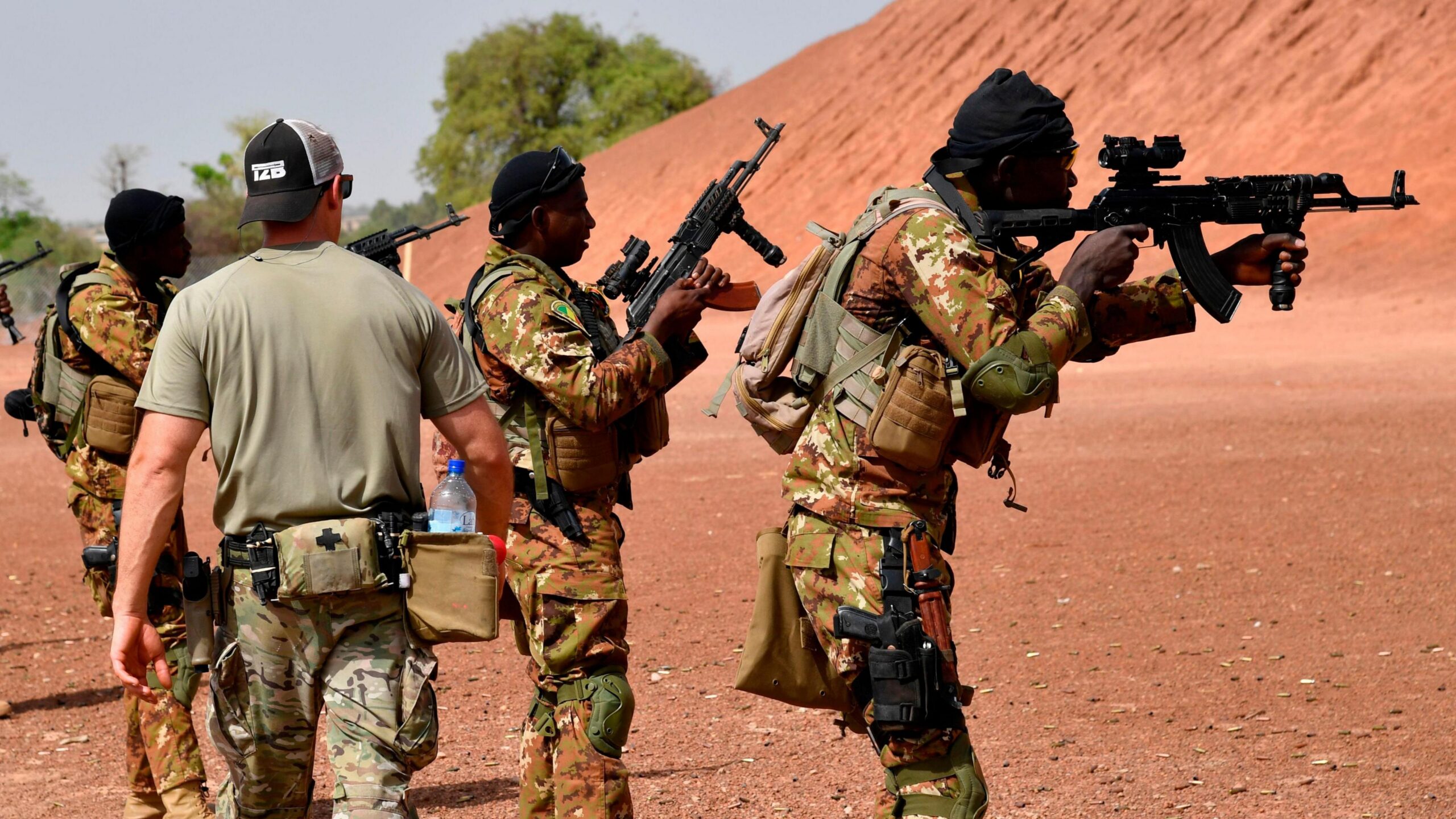
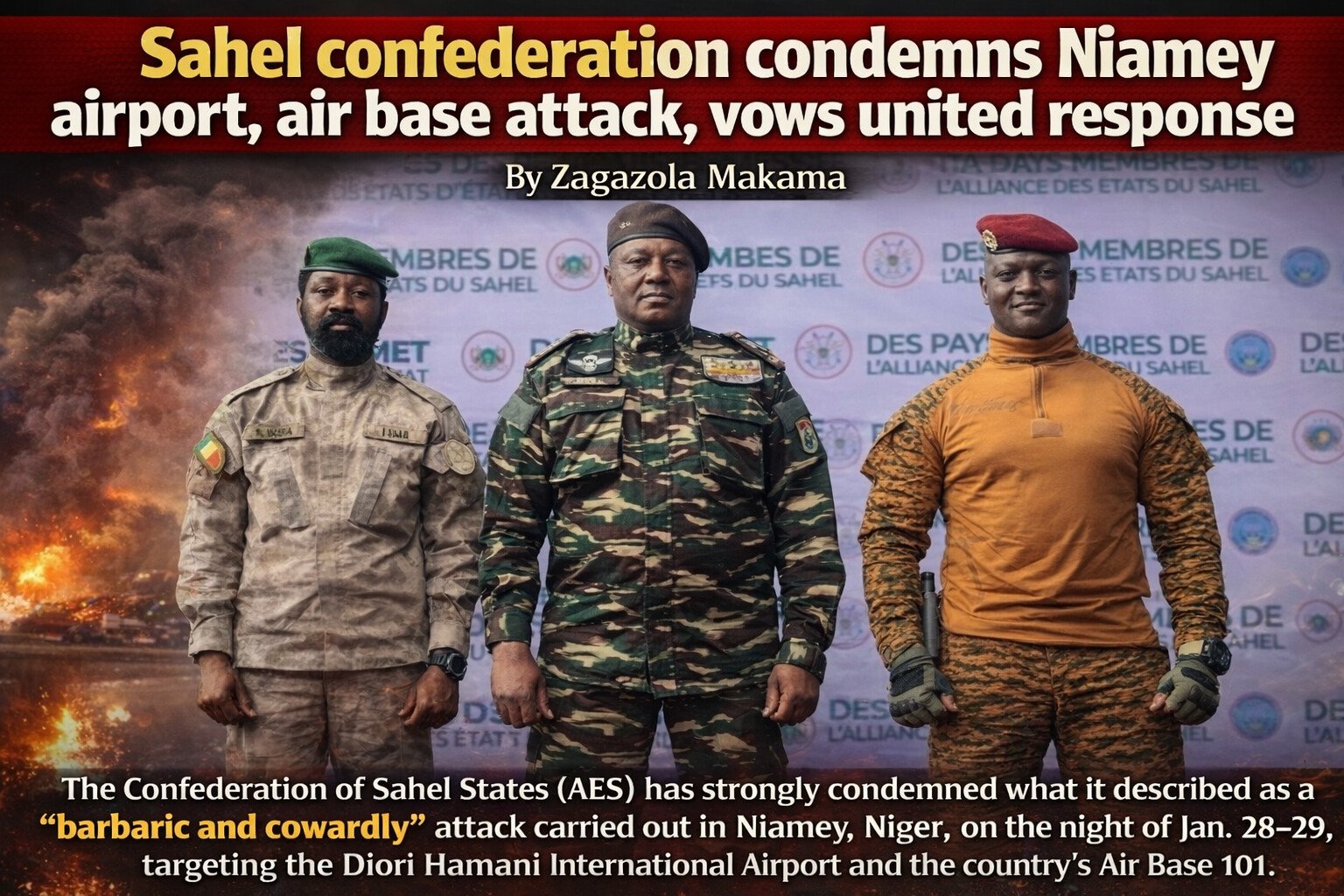
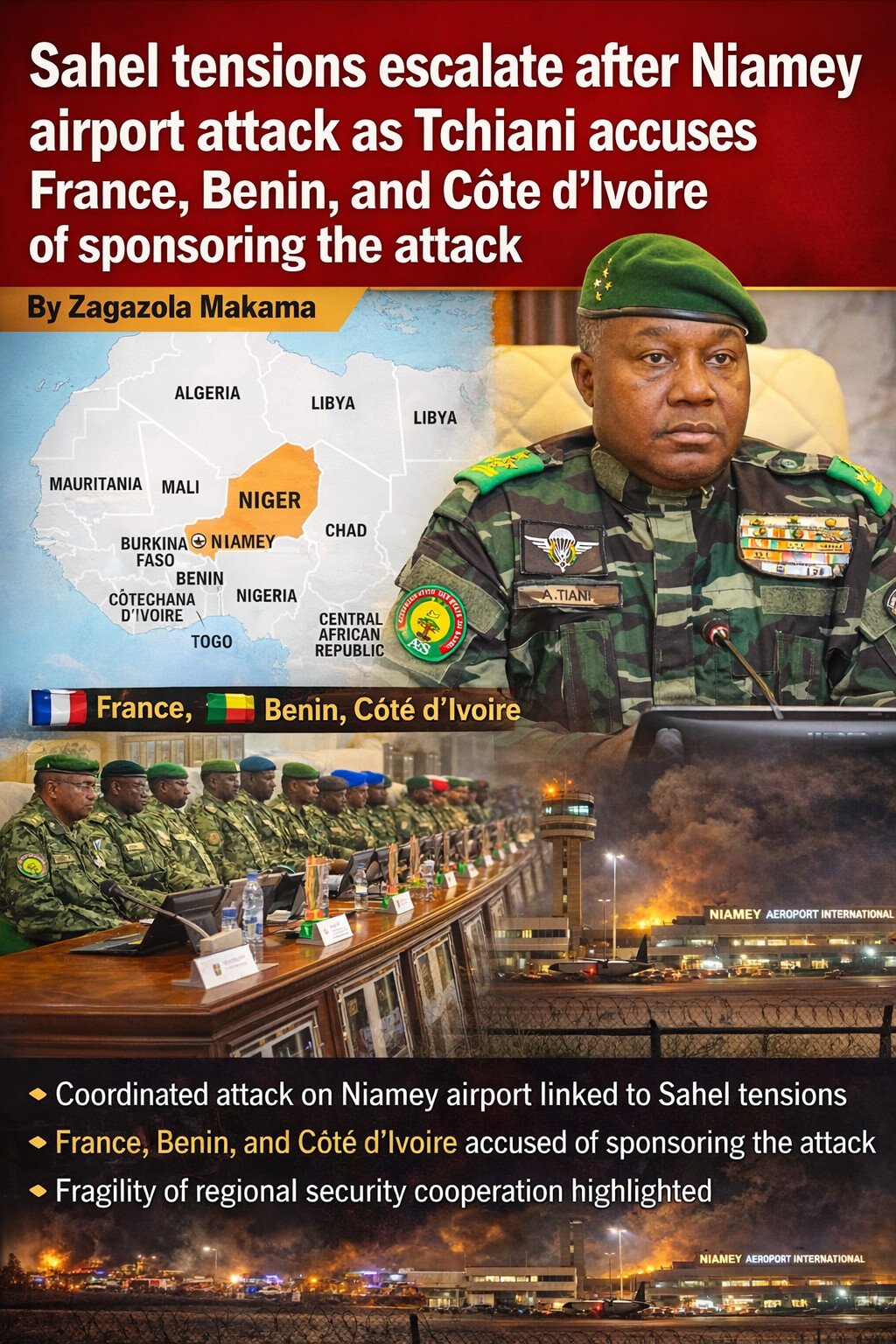
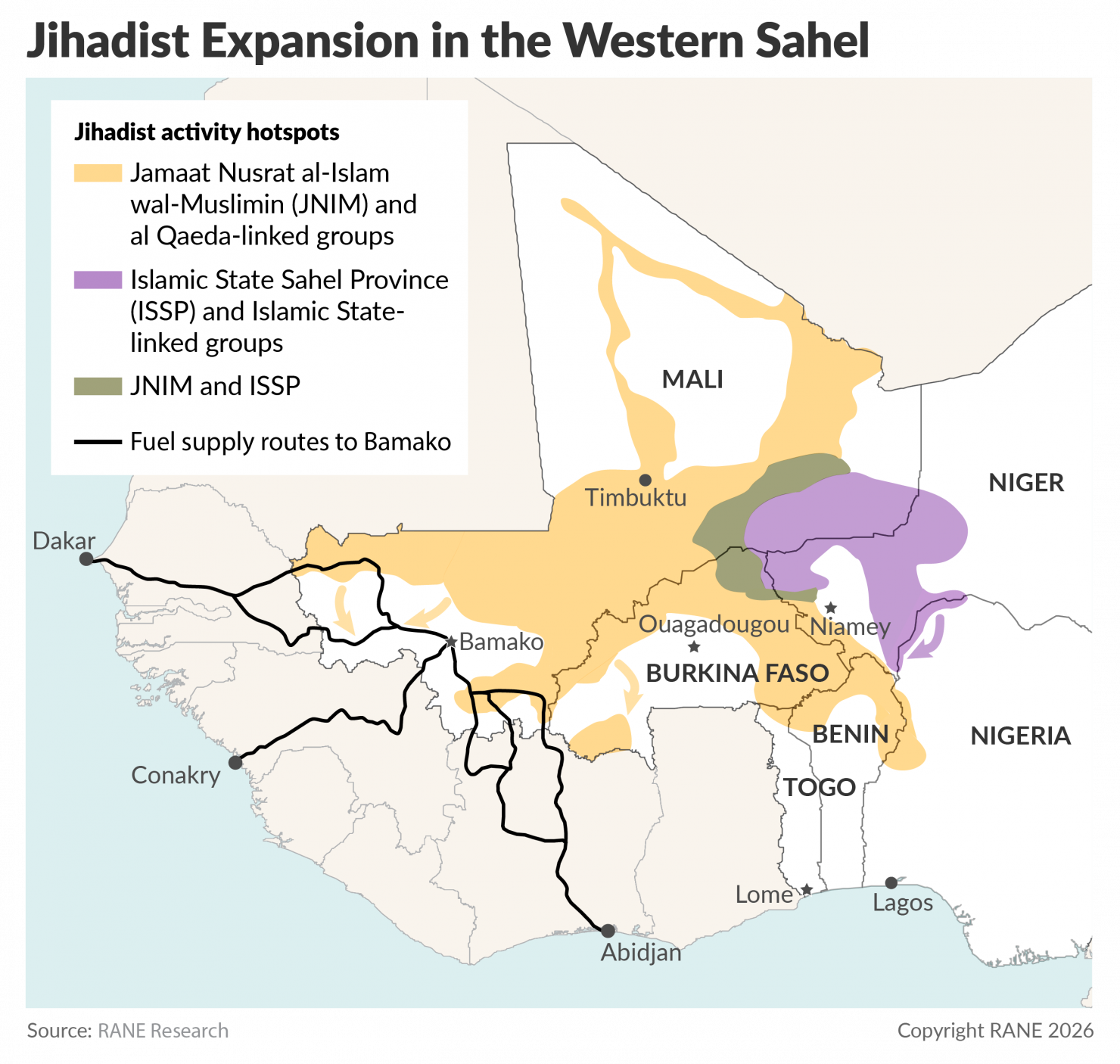
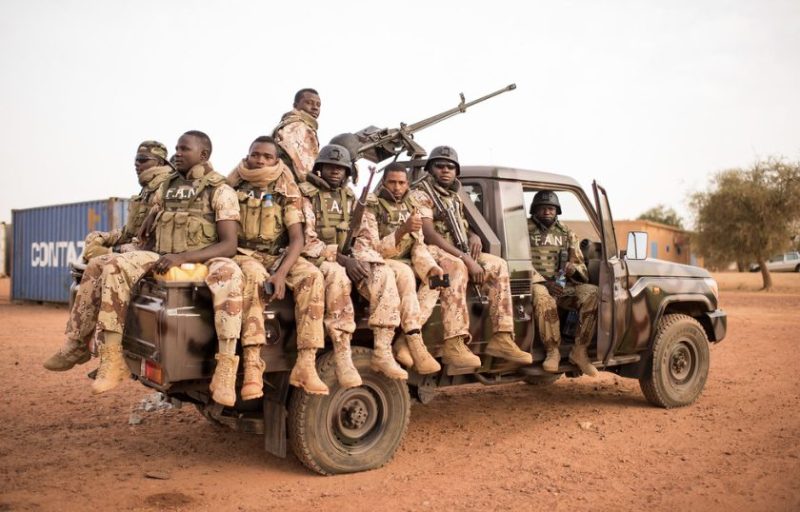
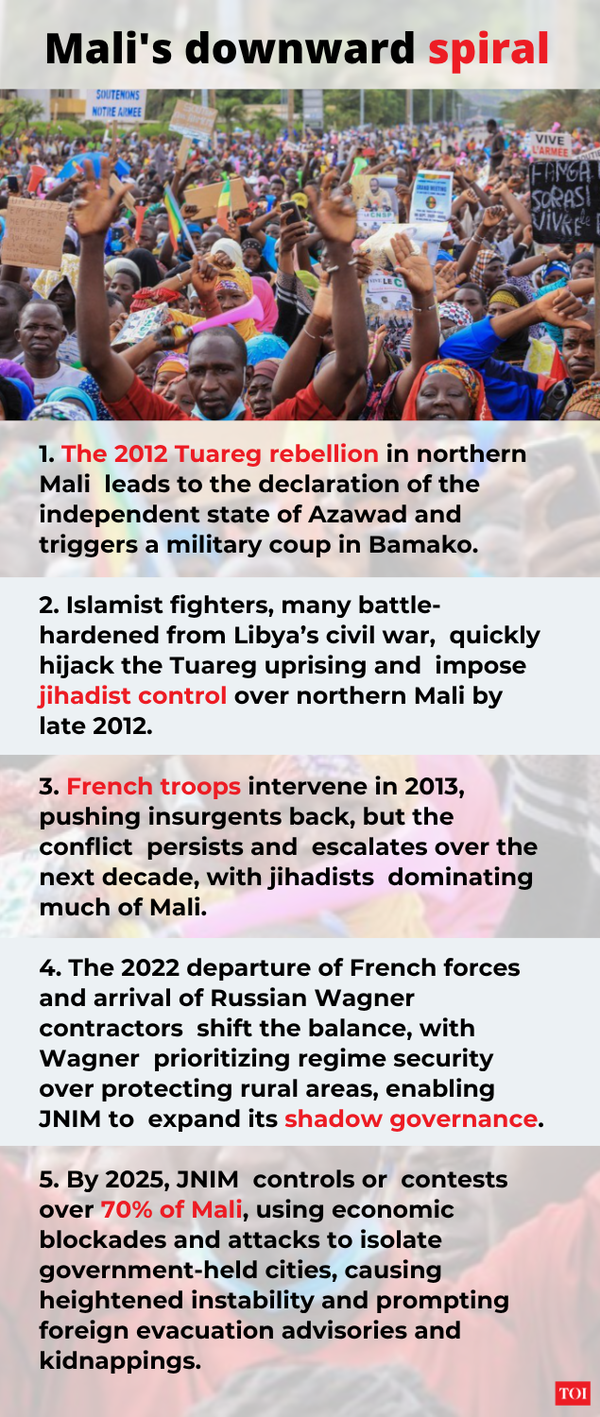
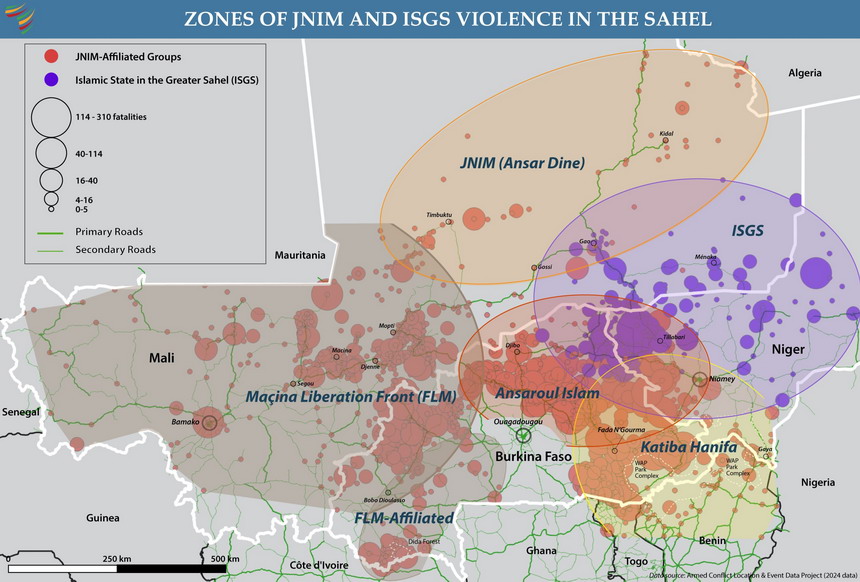
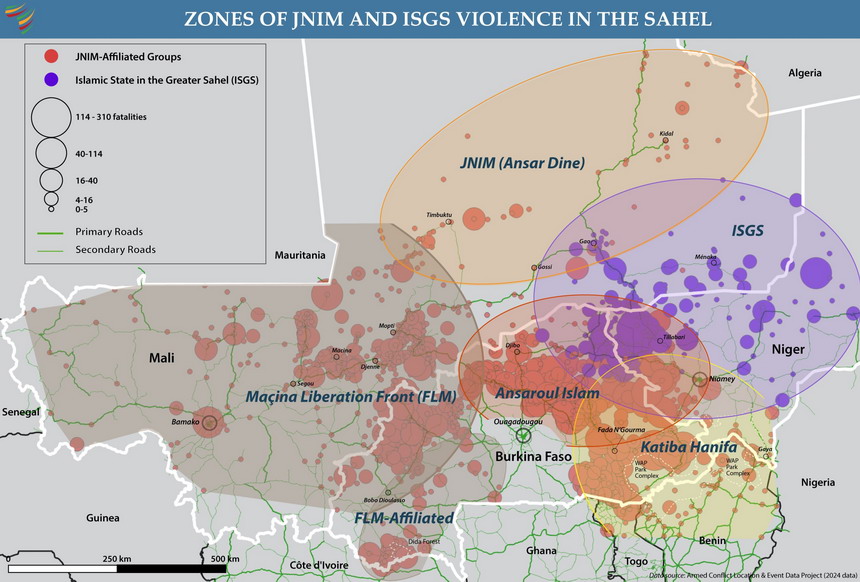
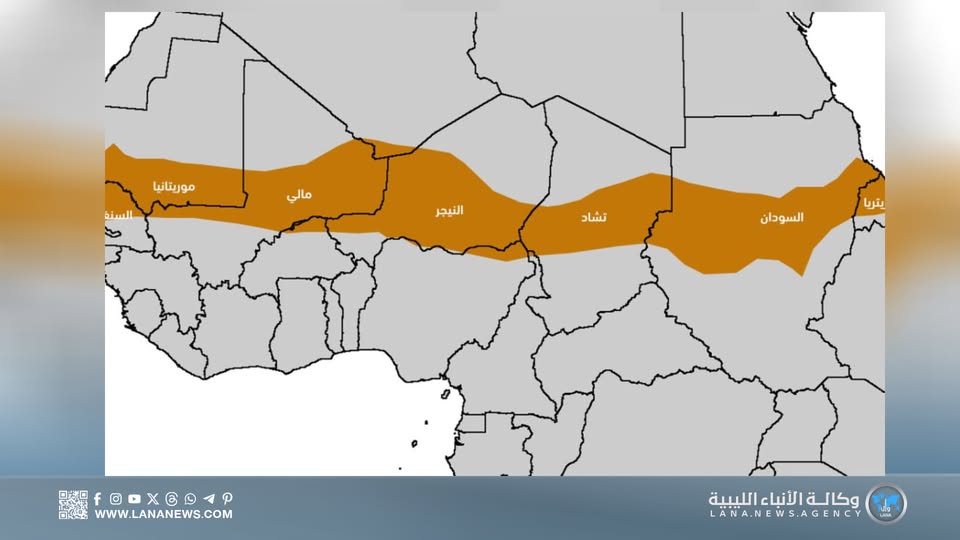
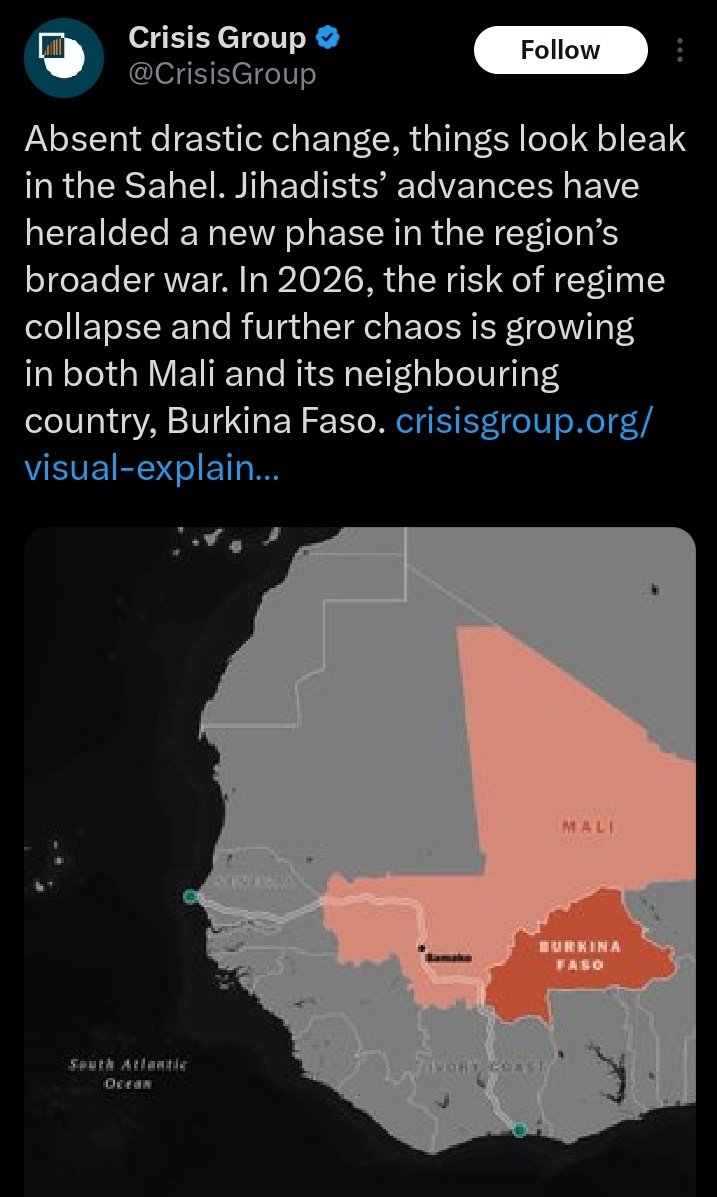
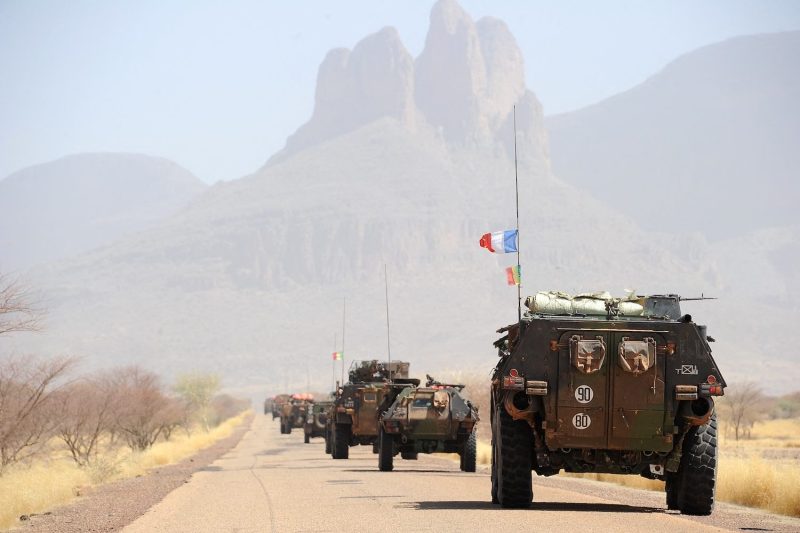
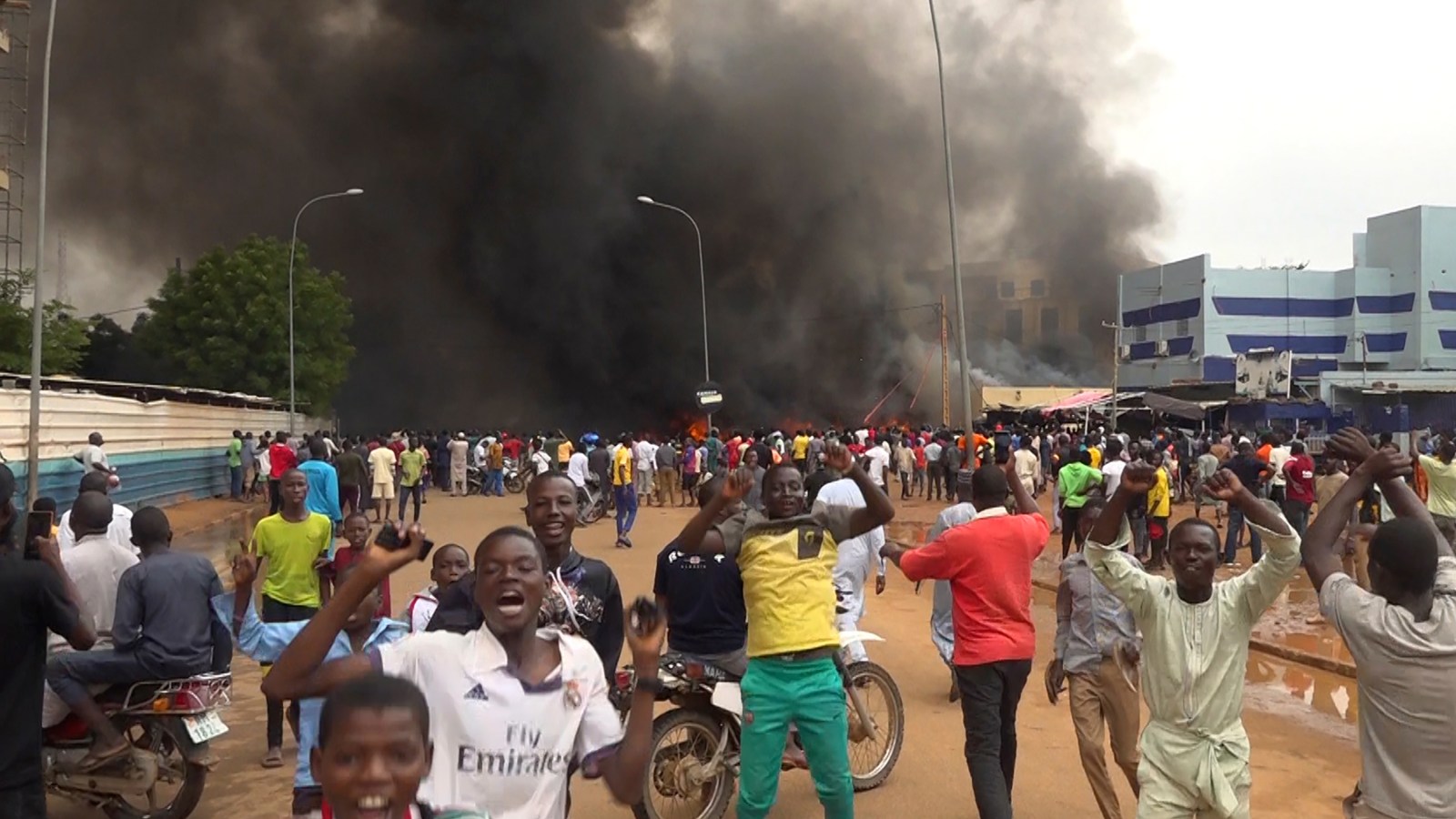
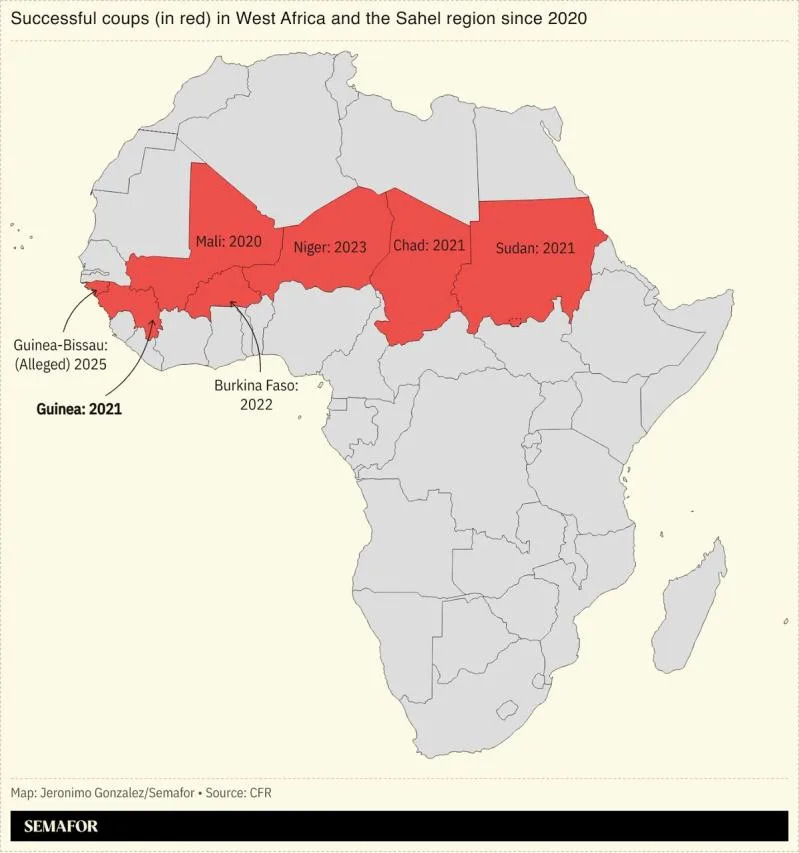
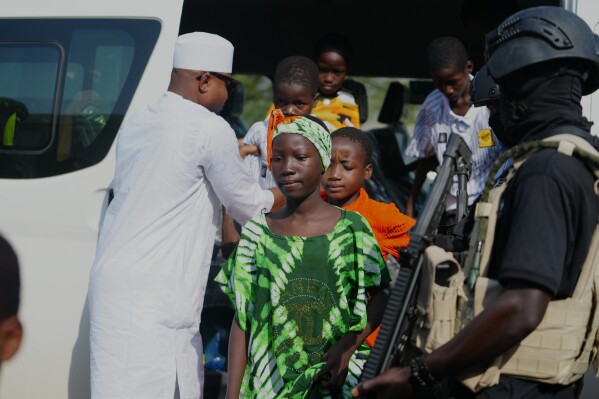
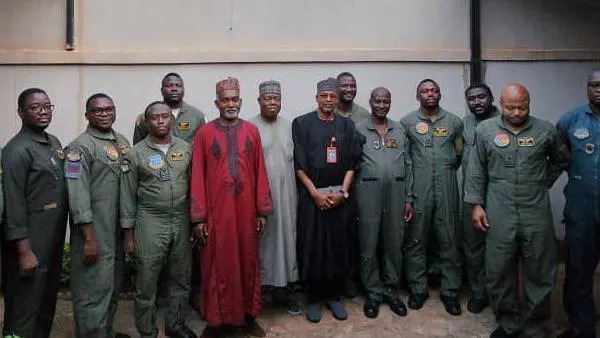
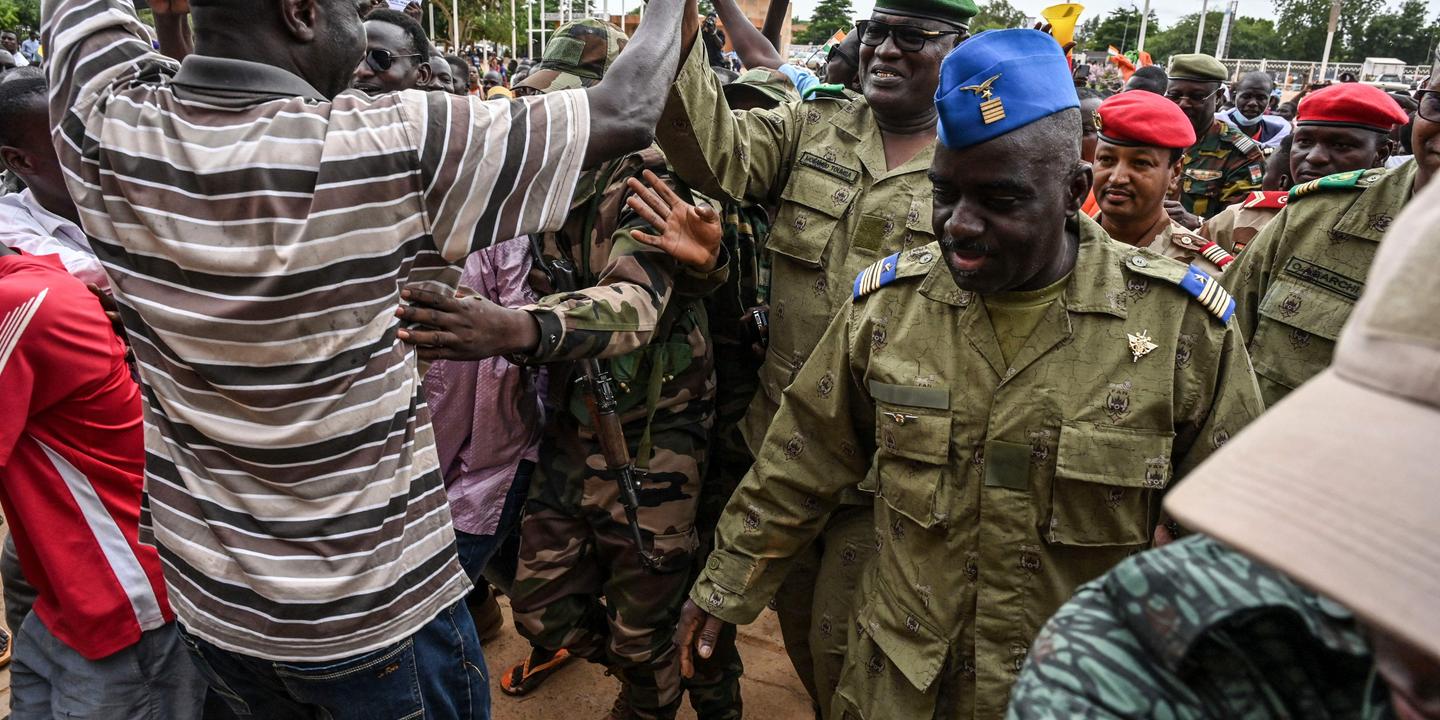
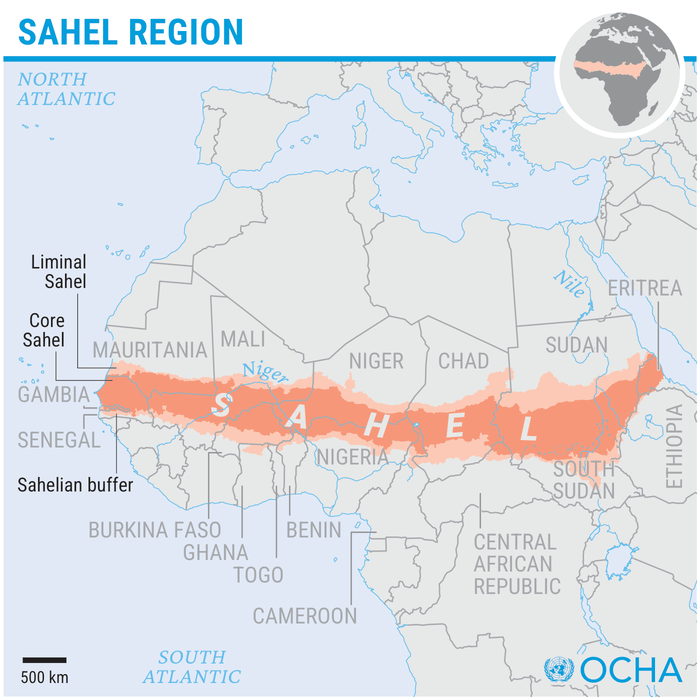
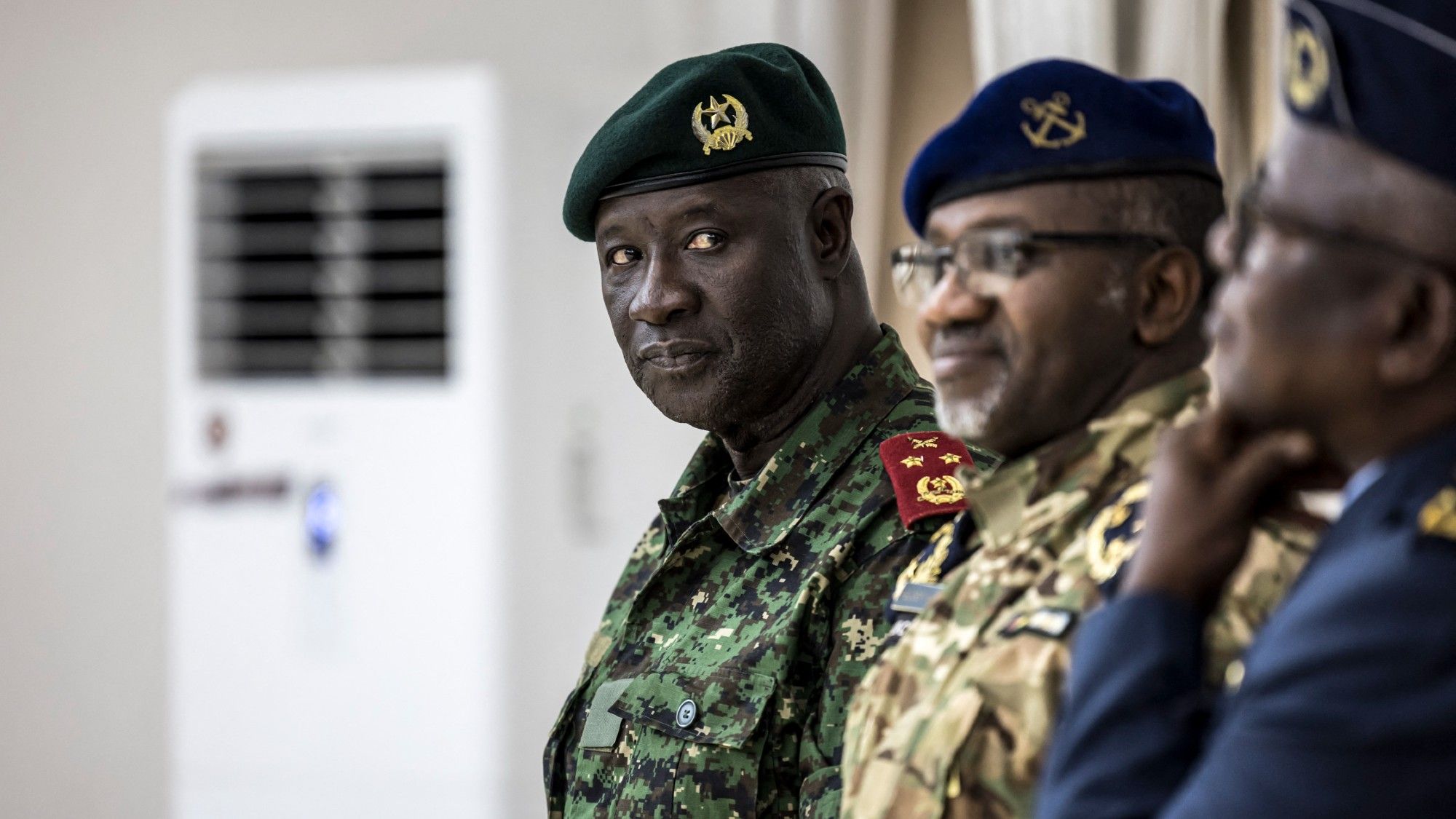
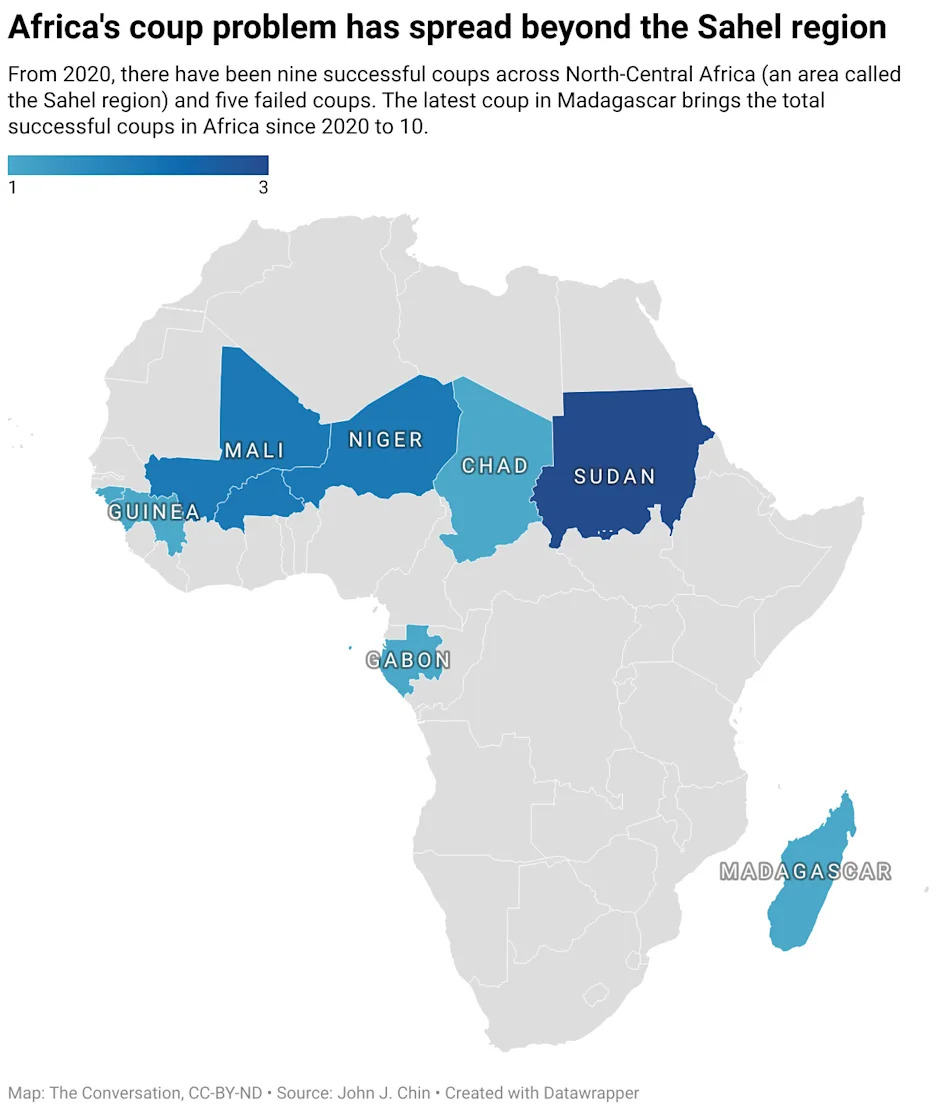
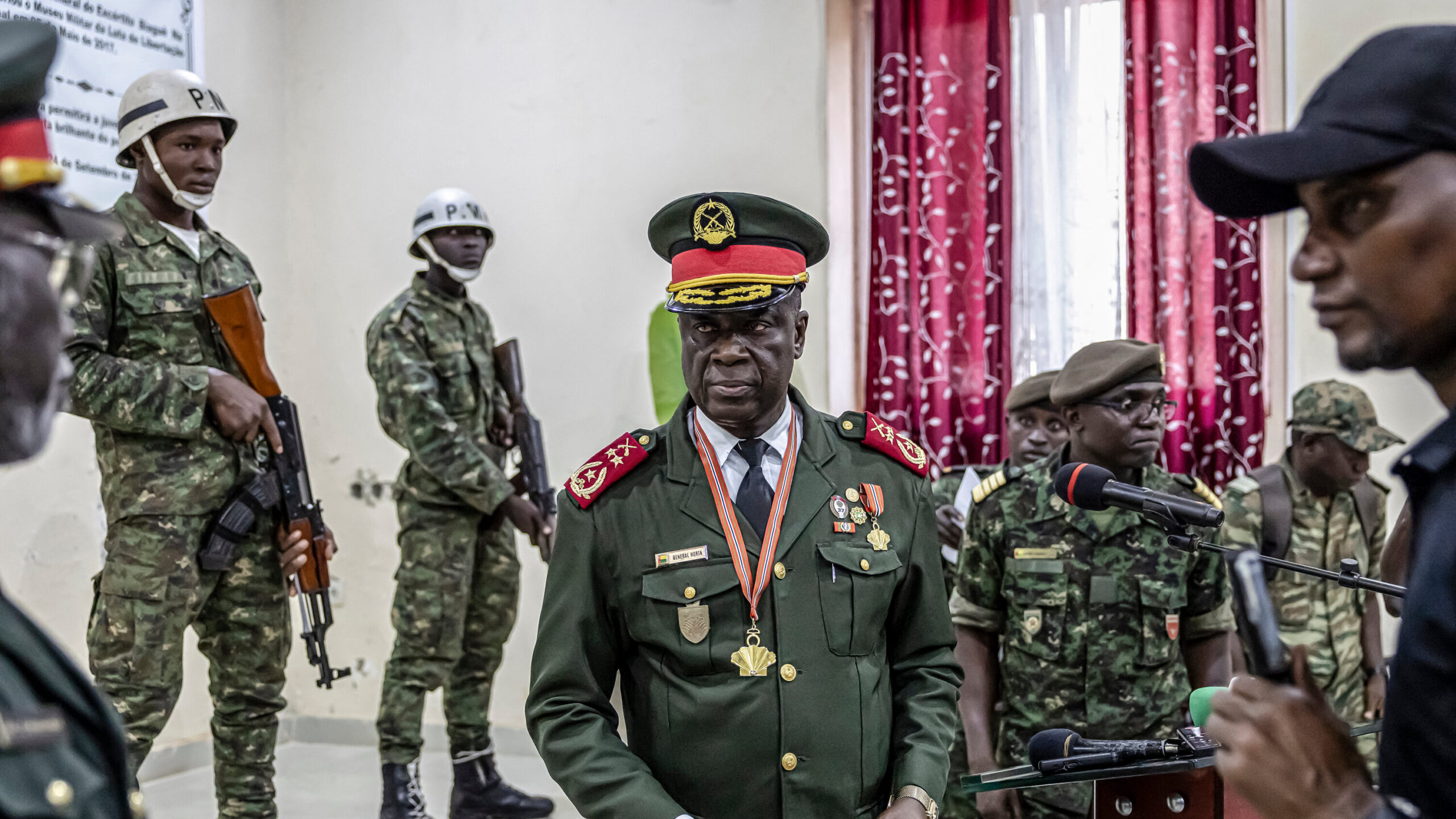
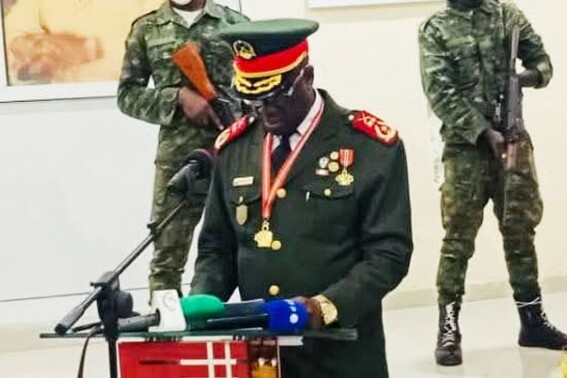
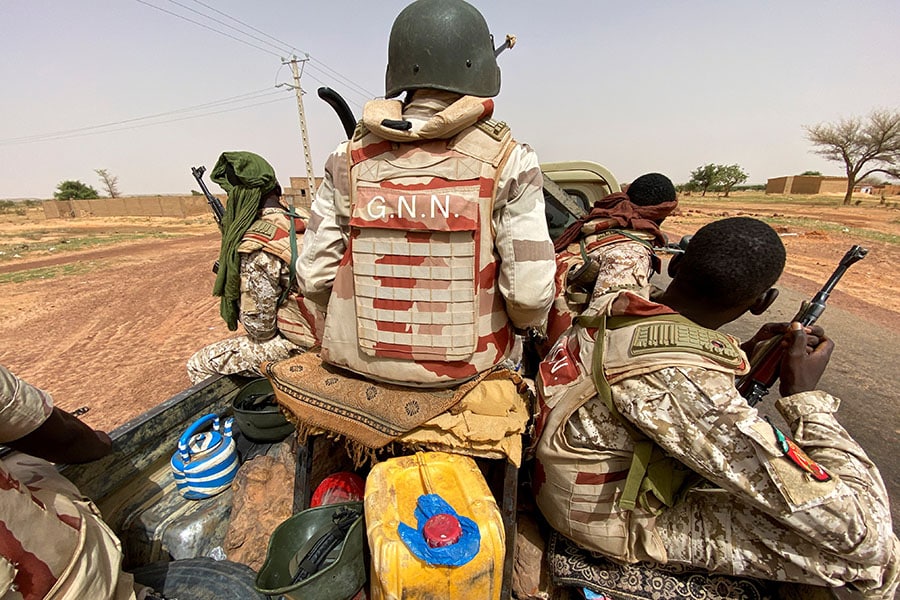
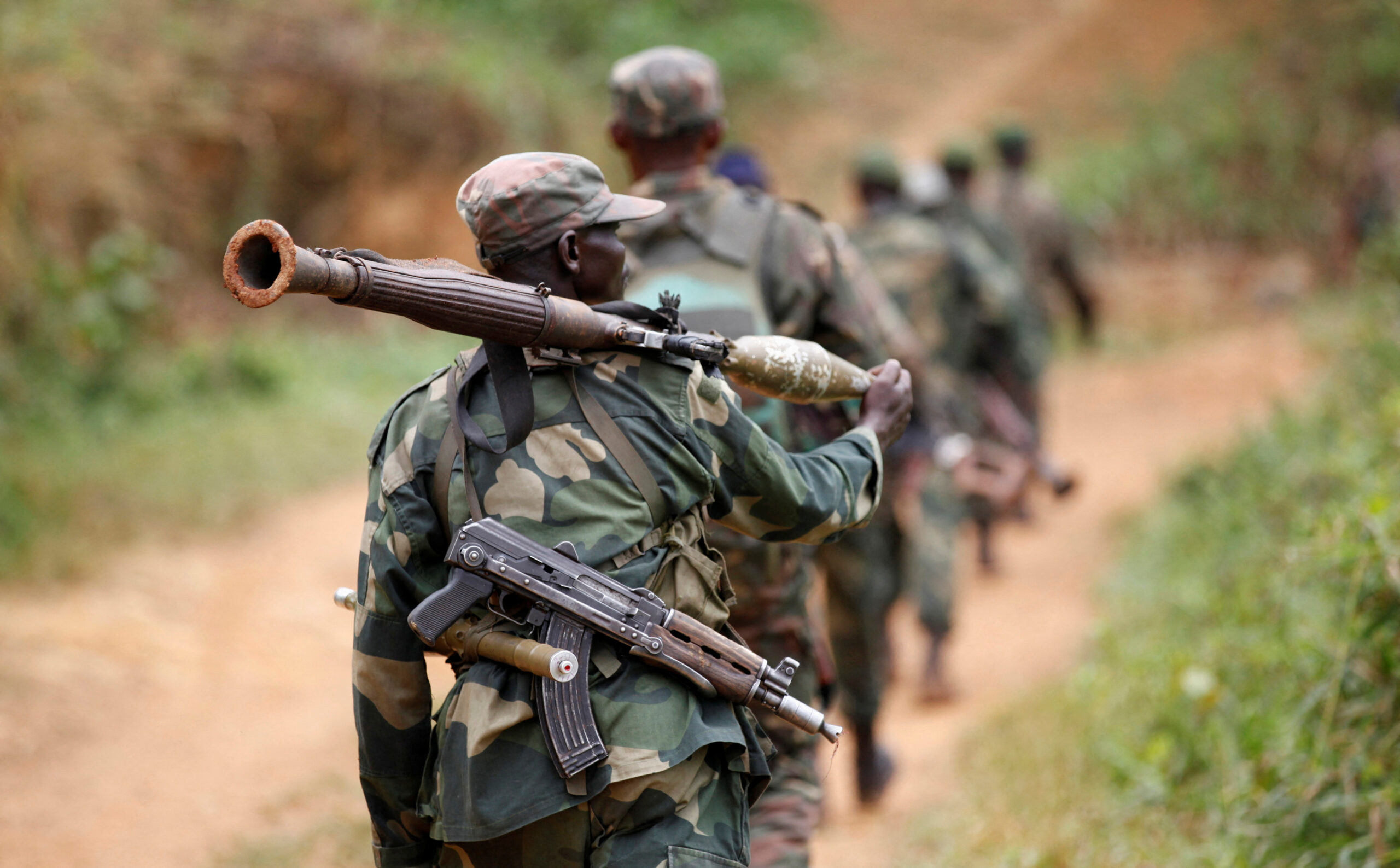
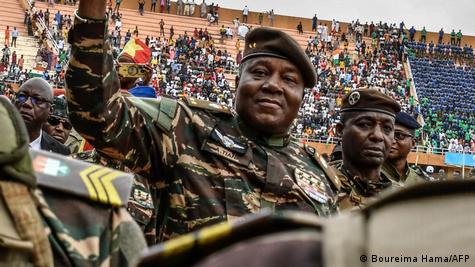
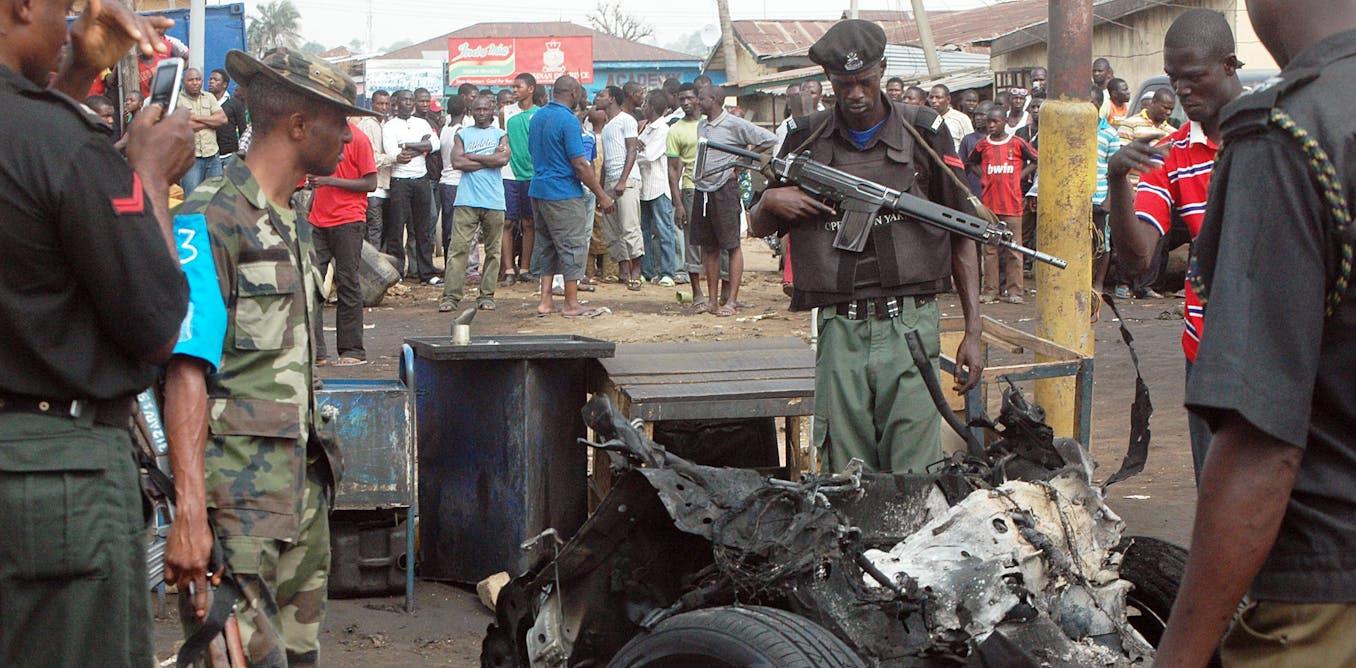
Nigeria, Africa’s most populous nation, truly stands at a crossroads, doesn’t it? The country is grappling with serious security issues, shifting economic tides, and a fast-paced digital world all at once. We’re seeing intensified security partnerships, like the U.S. expanding military and intelligence cooperation to counter rising jihadist threats. After all, groups like the Islamic State West Africa Province (ISWAP) and Boko Haram have been causing unrest in the northeast since 2009. There’s even a real fear the Islamic State Sahel Province might push south into Nigeria and coastal West African nations, highlighting broader regional security concerns. Domestically, the military itself isn’t immune to internal struggles. Remember the alleged coup plot in October? At least sixteen officers were arrested, a development that certainly raised eyebrows across West Africa, a region already shaken by political instability. These trials, you can bet, will be closely watched, shaping not just military governance but also overall national stability.
But it isn’t all about challenges. Economically, Nigeria just got a shot in the arm with a major offshore oil and gas discovery in the western Niger Delta. Chevron, working with the Nigerian National Petroleum Company Limited (NNPC Ltd), successfully wrapped up exploration in that shallow offshore region. For Africa’s top oil producer, increasing hydrocarbon output is always a big deal, crucial for the national economy. Plus, the government’s offering better terms to international investors, a clear sign they’re keen to boost the energy sector. This discovery could really make a difference, helping diversify Nigeria’s economy for future growth. Meanwhile, there’s a crucial international effort against human trafficking. Interpol’s recent global operation, rescuing over 4,400 potential victims worldwide, including in Nigeria, reminds us of the persistent problem of trafficking networks exploiting vulnerable people across the continent, making global cooperation absolutely vital.
Let’s not forget the digital economy, a new frontier with huge promise, but it’s not without its struggles. This sector, which already contributes almost 19 percent to Nigeria’s GDP, faces significant risks from a severe shortage of skilled workers. Experts are warning that Nigeria could be losing as much as $11 billion annually because we don’t have enough professionals in areas like AI, data science, and cybersecurity. Can Nigeria really compete globally without a nationwide strategy to develop digital literacy and talent? The answer, frankly, is no. So, as we look ahead, Nigeria’s trajectory will hinge on tackling those security vulnerabilities, strengthening political institutions, and crucially, bridging this digital skills gap. Harnessing the vast potential of its young population and emerging tech sector through smart strategies could truly drive innovation, create jobs, and ensure the nation’s competitiveness. It’s a dynamic interplay of security, governance, economic, and technological forces, and the world is watching to see how this populous nation navigates its path toward a prosperous, stable future.