Nigeria’s Crisis Unfolds with Media Attacks, Electoral Fears, and Deep-Rooted Corruption
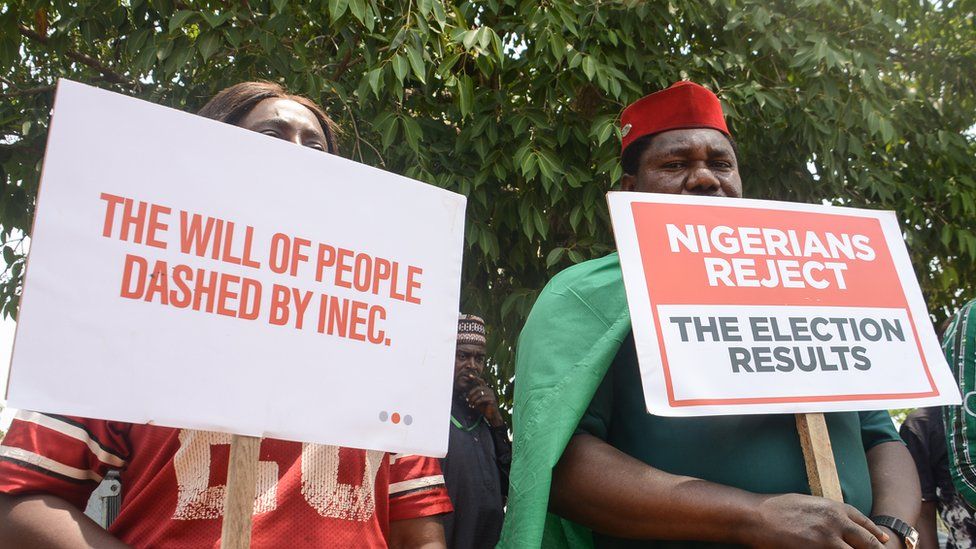
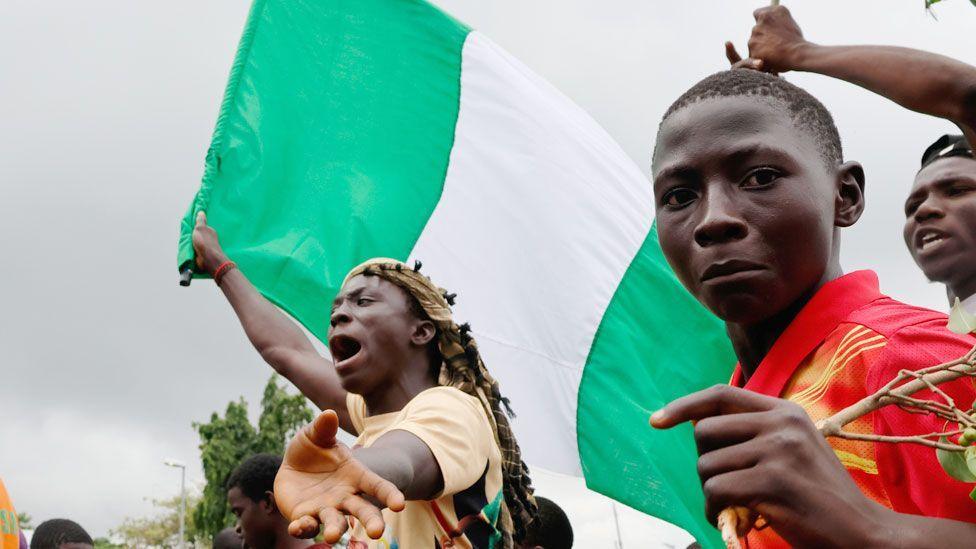
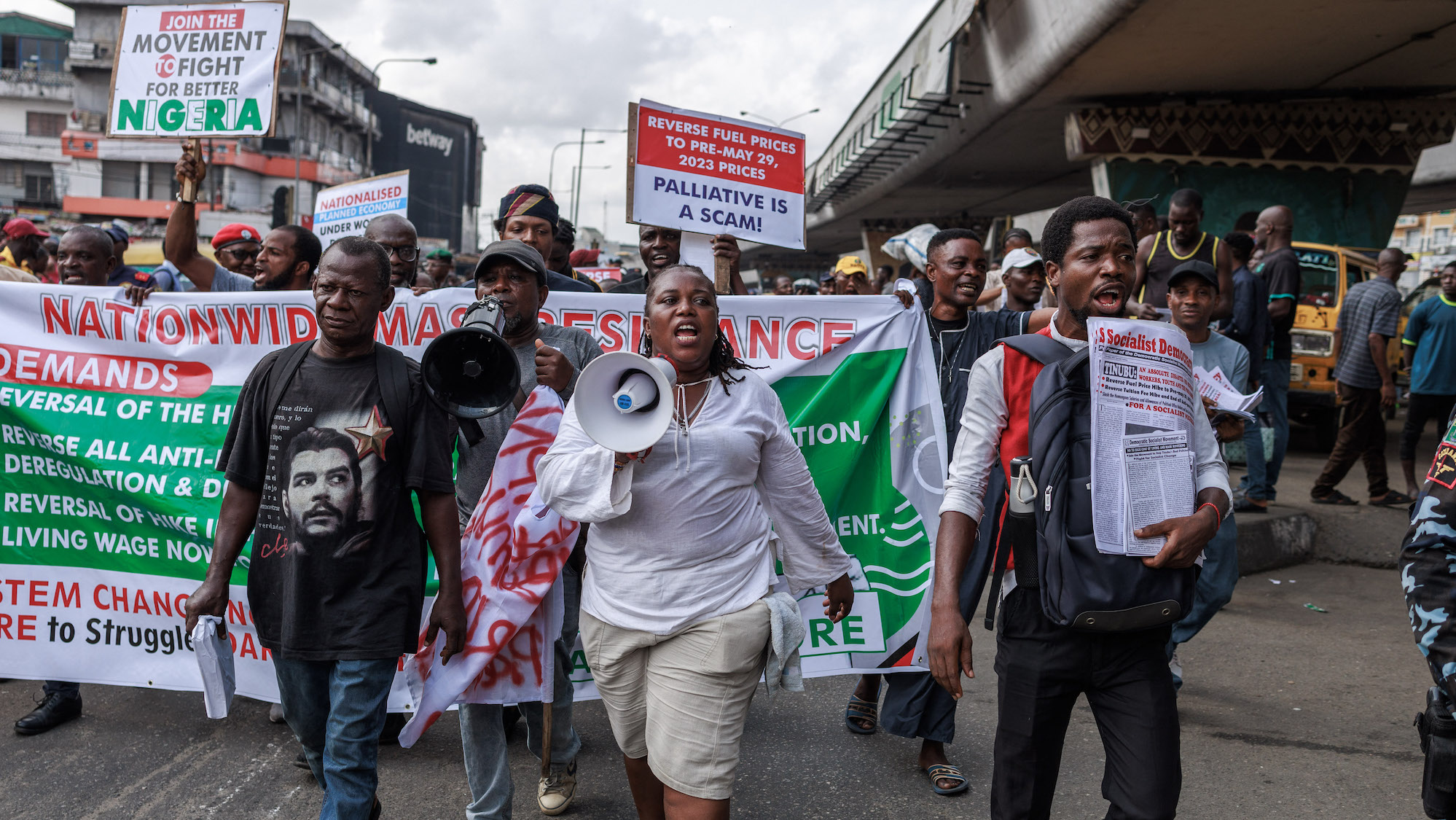
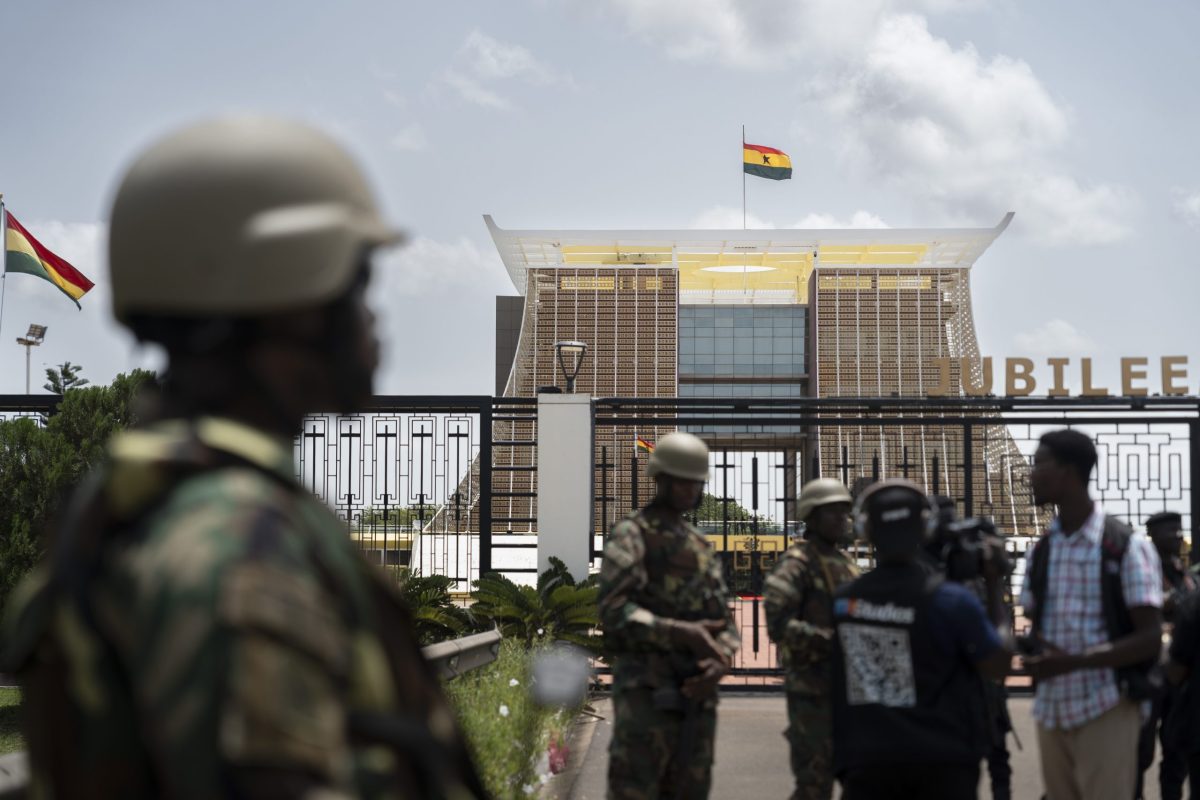
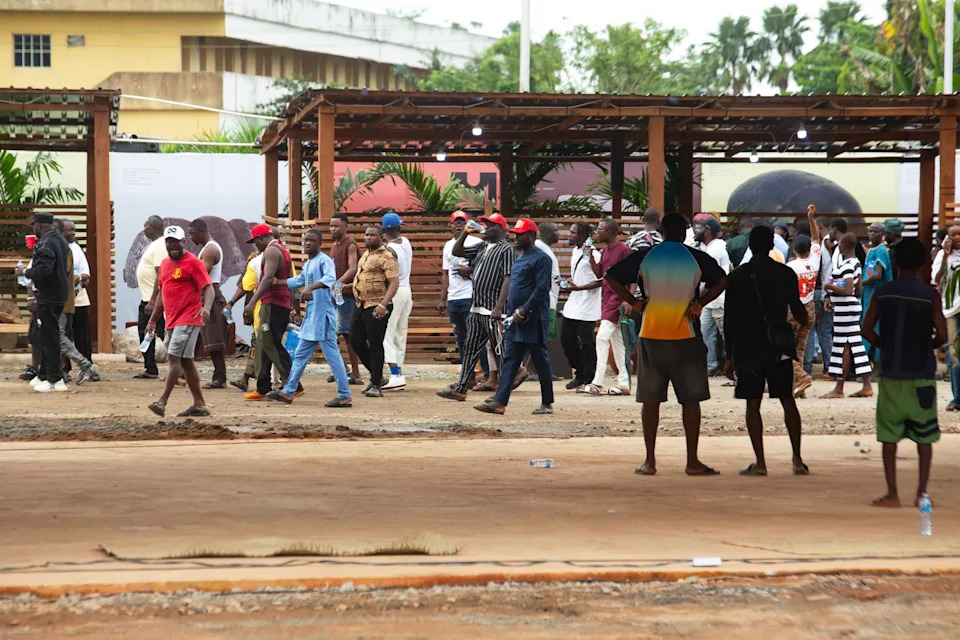
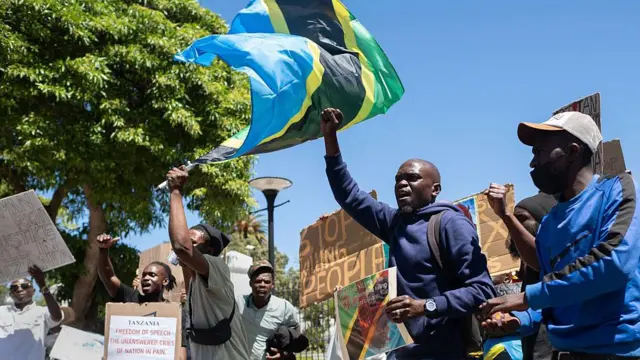
Nigeria, Africa’s most populous nation, is grappling with a complex web of issues that challenge its governance, human rights, security, and the public’s trust. Recent investigations paint a troubling picture, revealing everything from violent assaults on journalists and election jitters to widespread corruption in public contracts and government spending. This isn’t just shaping Nigeria’s socio-political landscape, it’s profoundly affecting the lives and freedoms of everyday Nigerians. For instance, since 2019, the brutal murder of investigative journalist Ahmed Hussein-Suale Divela set a grim precedent for press freedom. We’ve seen over 30 journalists and media workers become targets of hostile actions by military and police. These attacks certainly erode journalism’s vital watchdog role, leaving citizens less informed and public institutions less accountable. Compounding these issues are heightened electoral tensions. As elections approach, fear and uncertainty often grip the nation. In Cross River, reports suggest agents from the dominant political parties, APC and PDP, are covertly collecting Permanent Voter Card (PVC) details. Doesn’t that raise serious questions about electoral manipulation and voter intimidation? What about the flood victims in Jigawa State who’ve lost their PVCs, potentially facing disenfranchisement? Unlawful political tactics coupled with administrative hurdles truly jeopardize Nigeria’s burgeoning democratic processes.
Corruption’s Grip: Ghost Schools and Questionable Spending
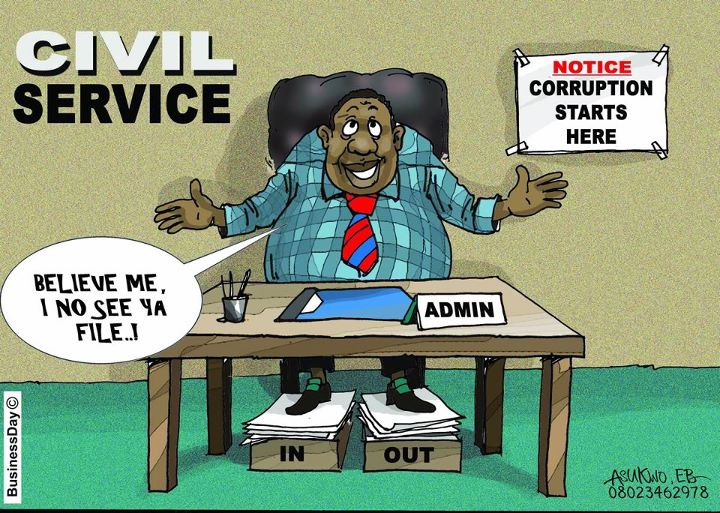
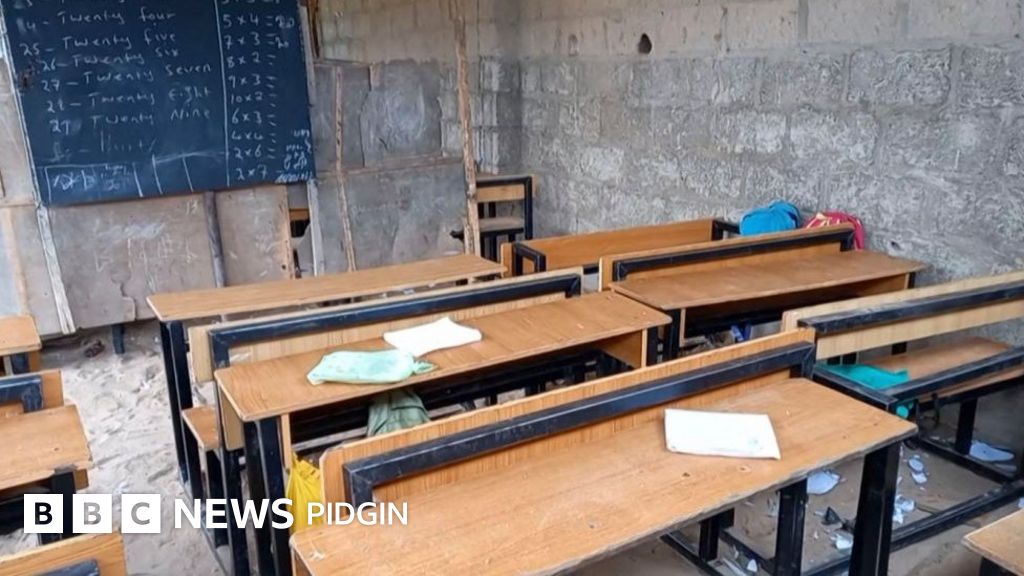
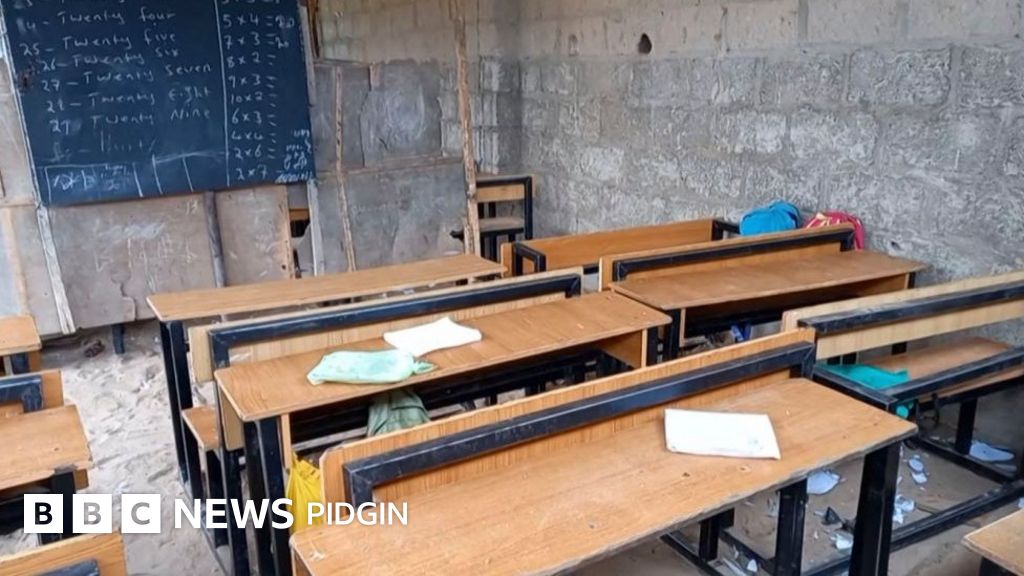
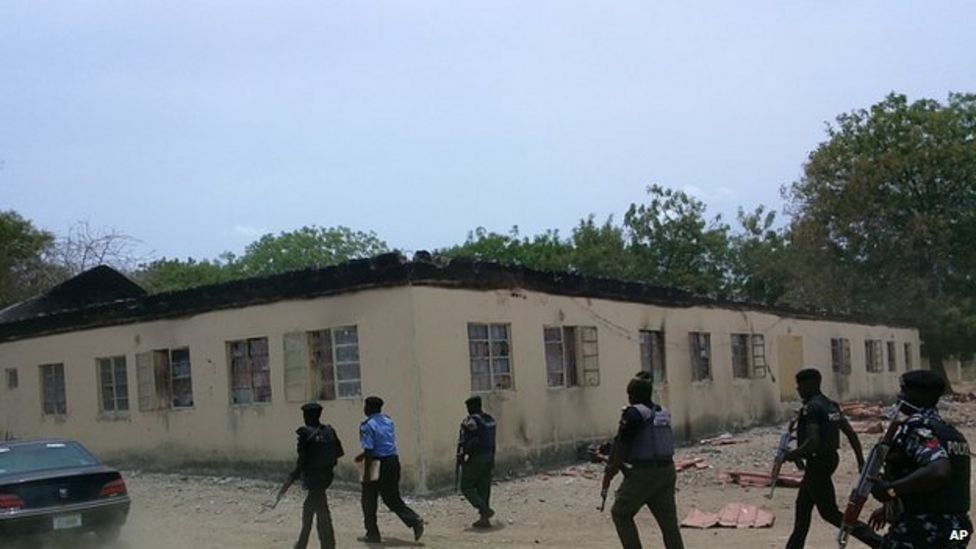
Beyond the political arena, corruption continues to choke key sectors, severely impacting citizens. Consider the plight of students in Kano, where contractors abandoned school projects after receiving over 70 million naira. The consequences are stark: unfinished schools, dismal learning environments, and future generations denied proper education. Even critical healthcare services aren’t safe; Kwara government hospitals have reportedly been infiltrated by fraud, with fake medical certificates circulating, further eroding public trust in institutions meant to safeguard health. And what about public funds? Particularly at the state level, government spending and financial management often reveal troubling misappropriations. Cross River State reportedly spent nearly half its internally generated revenue on vehicles within a short period, begging the question: what are the priorities when basic services and public infrastructure are desperately needed? In Oyo State, nearly 47 percent of taxpayer money over 39 months went towards debt servicing, drastically cutting funds for development. Then there’s Ekiti State, known for spending billions beyond its approved budget without transparent allocation records. These fiscal improprieties don’t just look bad; they actively drain resources meant for essential public services and vital development programs. This misuse of public funds even extends into disturbing procurement practices. Kano’s Auditor General uncovered payments totaling 1.2 billion naira to unknown suppliers for street lighting maintenance over just five months under the Ganduje and Kabir Yusuf administration. This kind of opaque expenditure only fuels the widespread perception that public resources are being siphoned off without accountability, completely eroding taxpayers’ confidence.
Security Crises and Human Rights Concerns
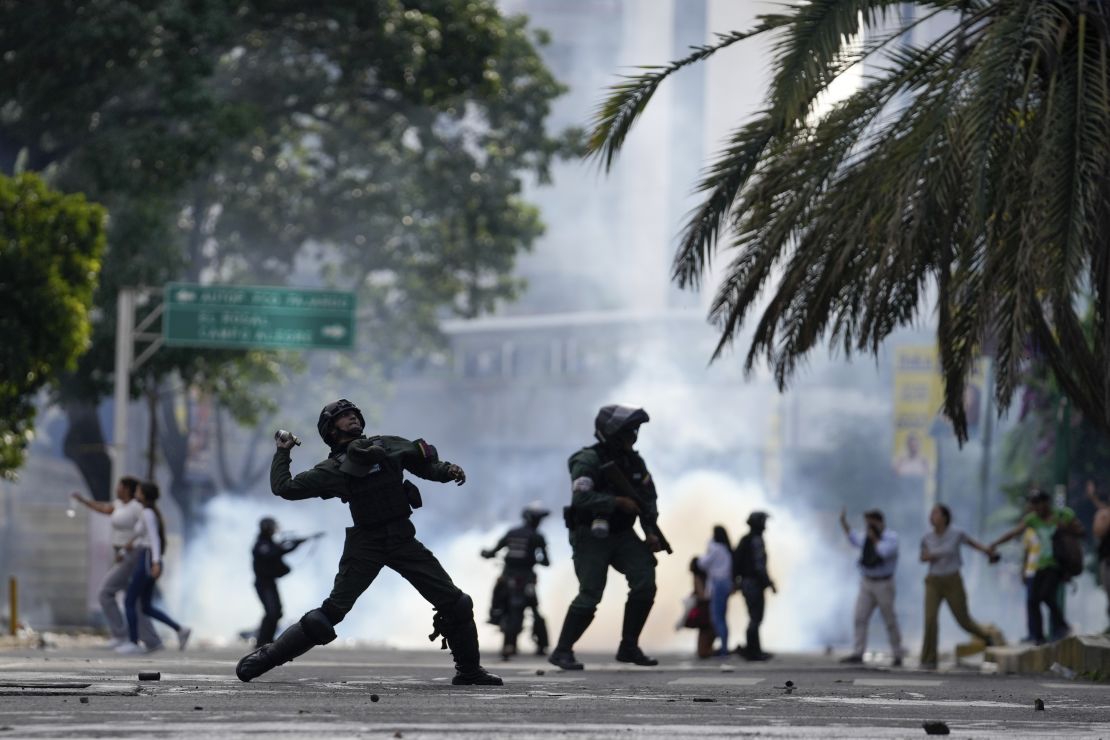
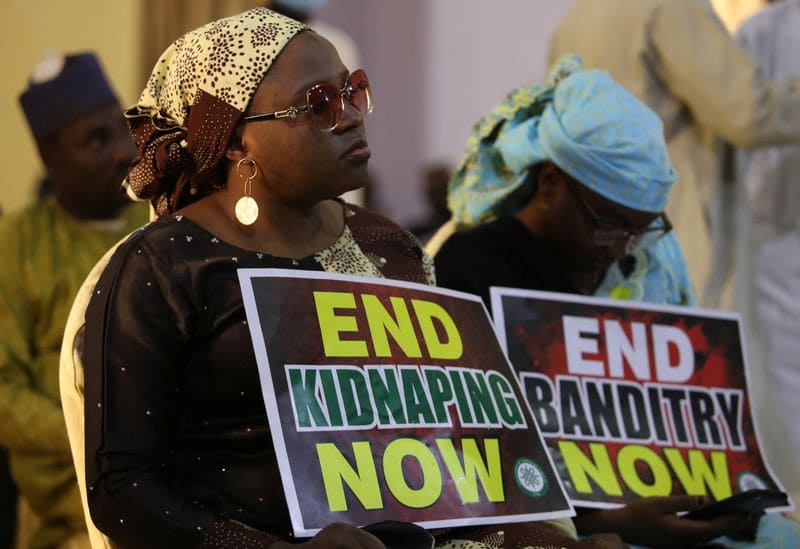
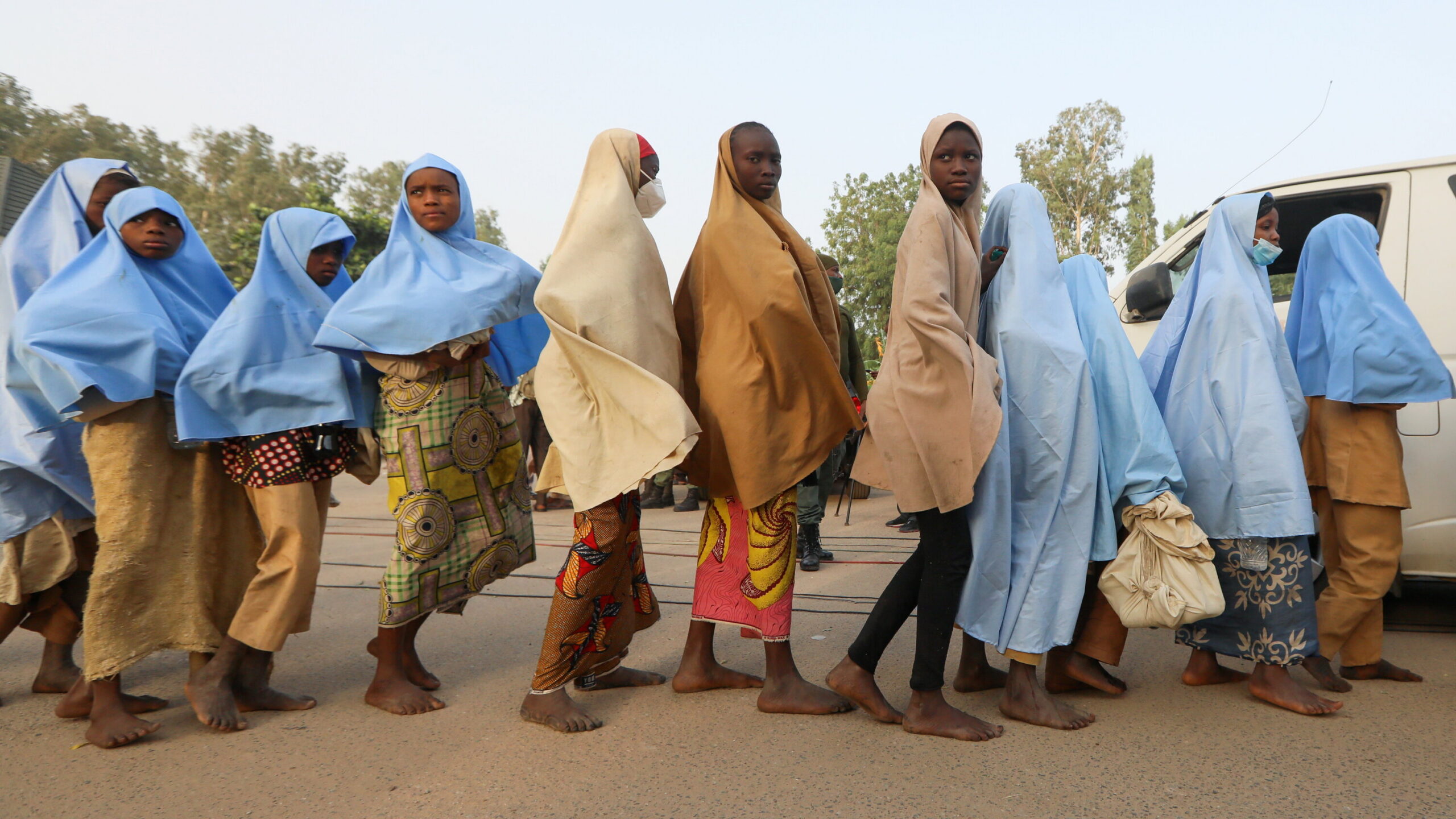
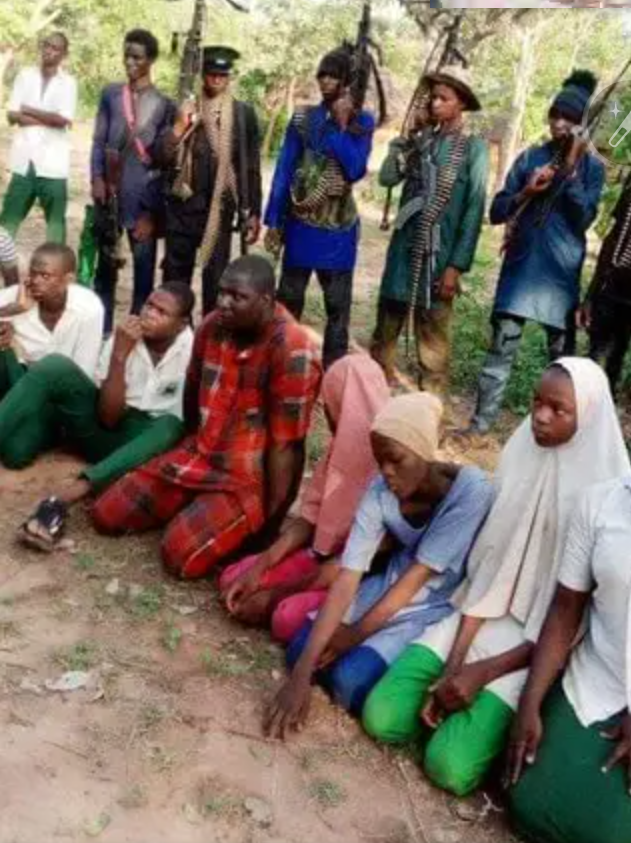
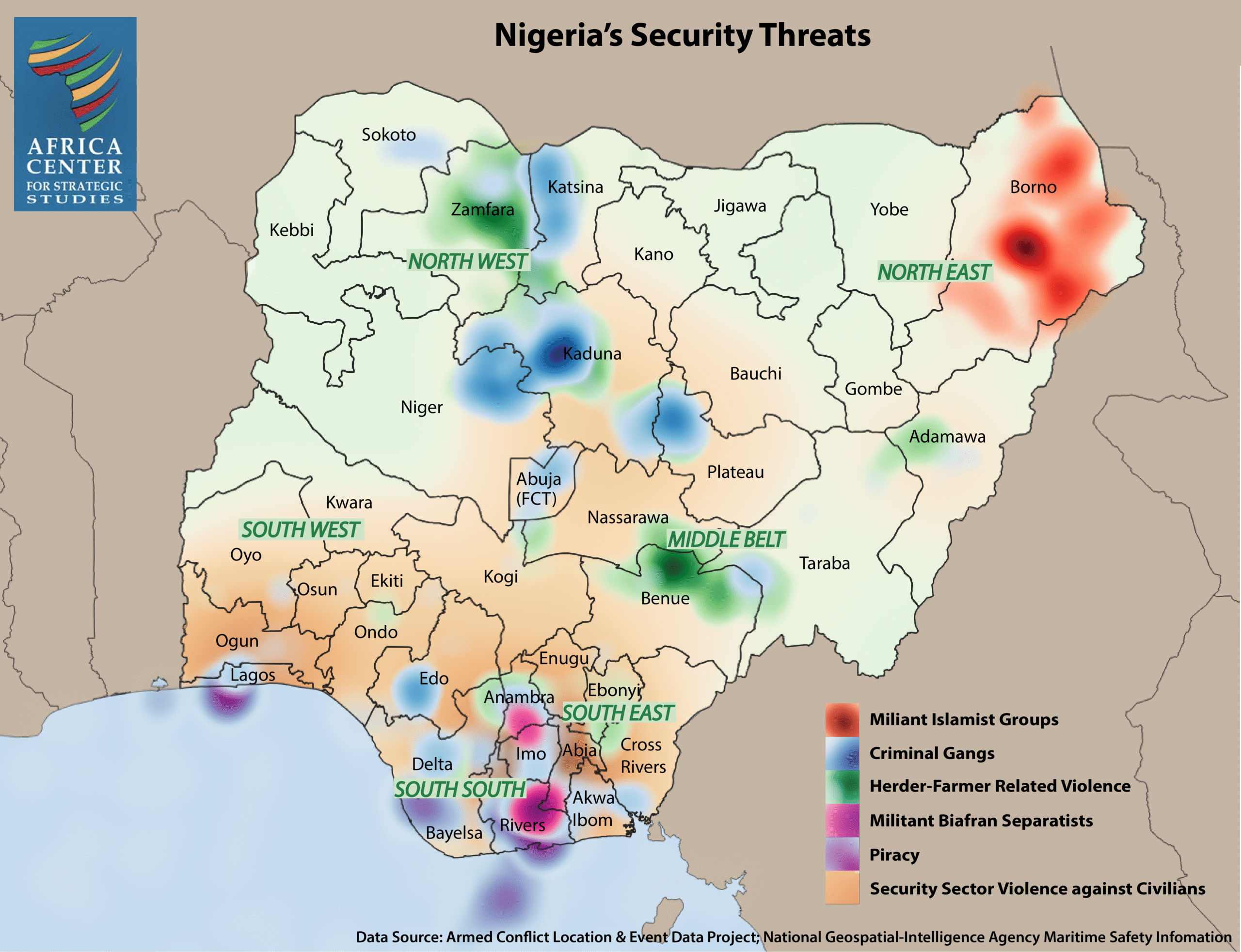
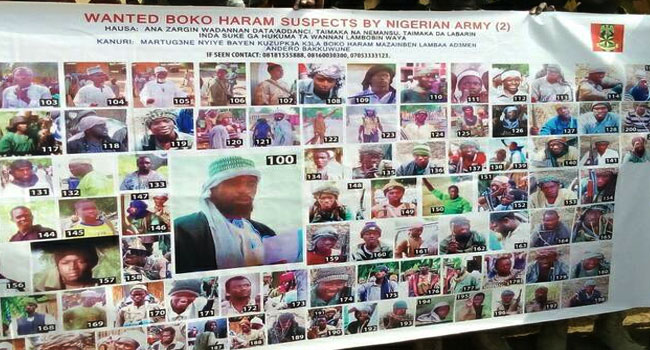
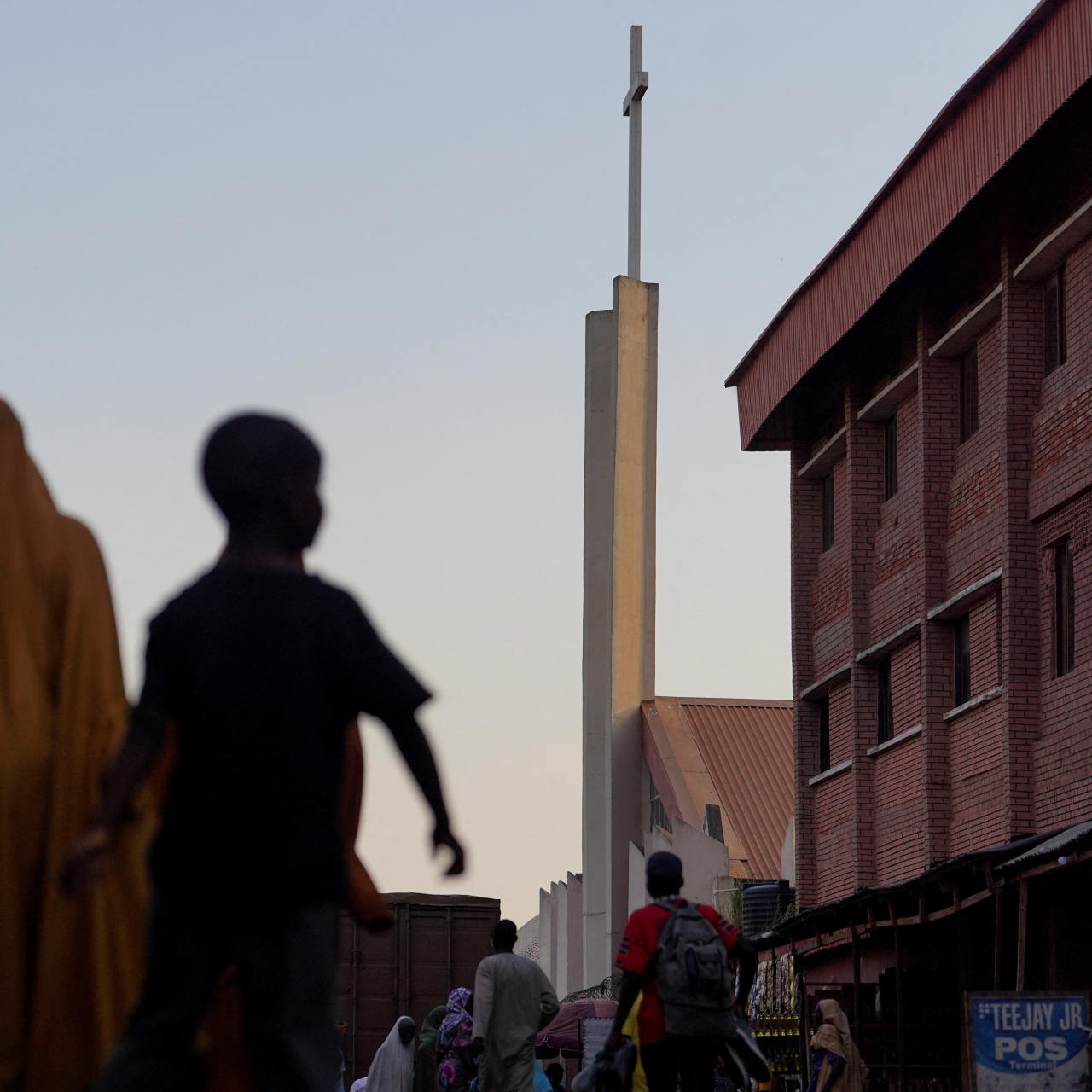
These governance failures intensify an already dire security crisis, leaving millions to endure unimaginable trauma. The Nigerian Bureau of Statistics reports that over 2 million Nigerians have been abducted since President Bola Tinubu’s government took office, with ransoms paid totaling a staggering 2.2 trillion naira. Think about the human and economic costs of such insecurity. Meanwhile, Nigeria’s military faces its own serious human rights questions. It’s been revealed that the military secretly and illegally aborted over 10,000 pregnancies in girls and women raped by Boko Haram terrorists. This presents a grave ethical dilemma and a concerning lack of transparency in handling wartime violations. And children? Their plight carries tragic weight across multiple fronts. Unsafe school environments in Zamfara force kids away from education, trapping them in cycles of poverty and vulnerability. Adding to this, delayed justice means many children languish in prison without trial or conviction, their childhoods stolen by a broken legal system that consistently fails to protect its most vulnerable. Even the fight against corruption isn’t without its own challenges. The Economic and Financial Crimes Commission (EFCC) has faced scrutiny for its aggressive methods, which have reportedly led to human rights abuses. This highlights a fine line between effective enforcement and overreach, demanding urgent reforms to balance anti-corruption efforts with respect for fundamental rights. As Nigeria confronts these layered crises, the stakes are incredibly high. The convergence of systemic corruption, insecurity, electoral malpractices, and the erosion of institutional integrity threatens the nation’s long-term stability and growth. However, the exposure of these issues through thorough investigations and reportage offers a glimmer of hope. Public awareness is growing, and with it, pressure for transparent governance, judicial reforms, and truly effective security strategies. Moving forward, Nigeria will need multifaceted solutions. Strengthening democratic institutions, enforcing the rule of law, protecting journalists, ensuring free and fair elections, and reforming public finance systems are all pivotal. Addressing security challenges must also include safeguarding human rights and supporting victims of violence. Ultimately, rebuilding trust between the government and its citizens will be crucial to navigating these complex crises and fostering inclusive development.
Sources:
SPECIAL REPORT: More Than 30 Ghanaian Journalists, Media Workers Suffer Attacks From Military, Police Since 2019’s Brutal Murder Of Colleague, Ahmed Hussein-Suale Divela. Publisher Unknown, February 16, 2023.
Students Suffer As Contractors Abandon Kano School Projects After Receiving Over N70 Million. Publisher Unknown, December 23, 2022.
NBS Report: Over 2million Nigerians Abducted Under Tinubu’s Government With N2.2trillion Paid As Ransoms. Publisher Unknown, December 18, 2024.
Nigerian Military Secretly, Illegally Aborts Over 10,000 Pregnancies Of Girls, Women Raped By Boko Haram Terrorists. Publisher Unknown, December 13, 2022.
Kano Govt Under Ganduje, Kabir Yusuf Paid N1.2Billion To ‘Unknown Suppliers’ To Power Street Lights For 5 Months –Auditor General. Publisher Unknown, December 16, 2024.
Nigeria’s Security Crisis and Agricultural Challenges Threaten Stability
Nigeria Faces Political Turmoil and Security Gains Amid Social Challenges
Corruption, Insecurity, and Institutional Failures Challenge Nigeria Despite Reforms
Africa’s Bribery Scandals, Innovation, and Rising Journalistic Talent Spotlighted