Nigeria Faces Critical Electoral Reforms and Security Challenges in 2027 Elections
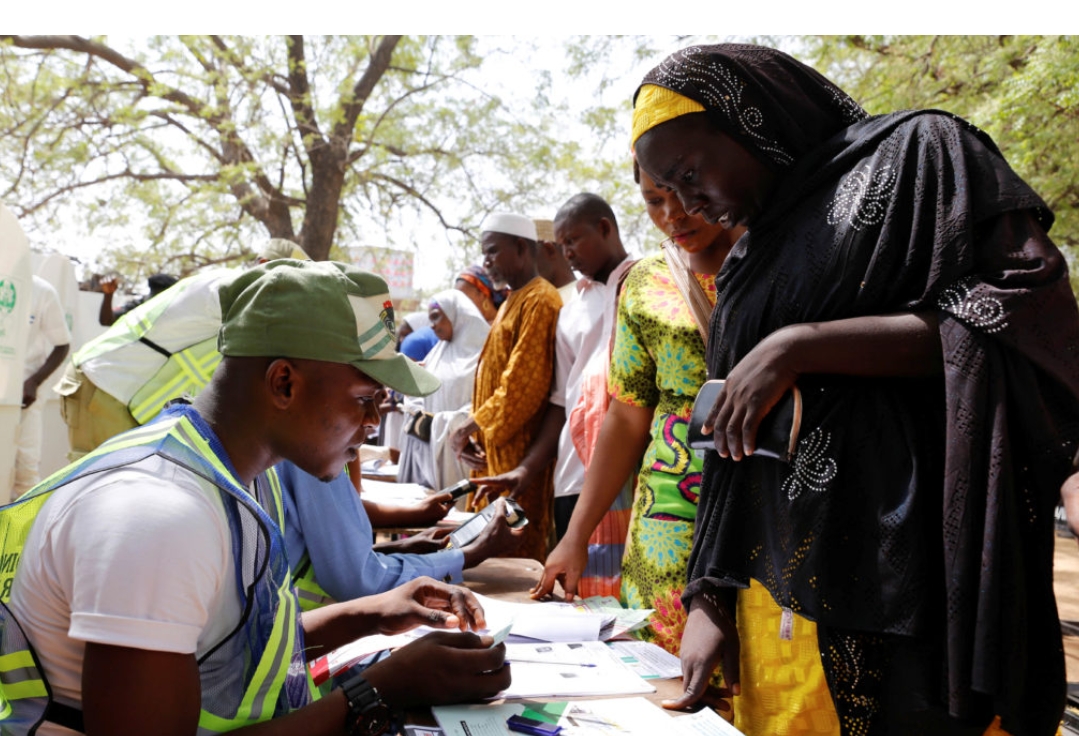
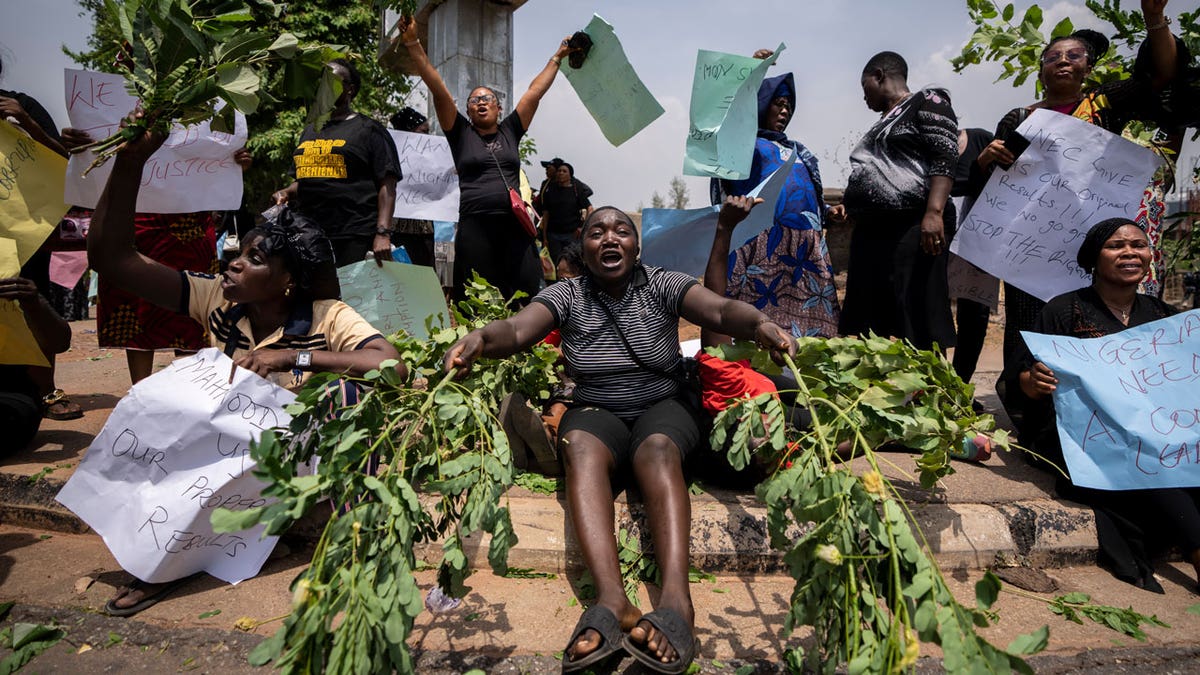
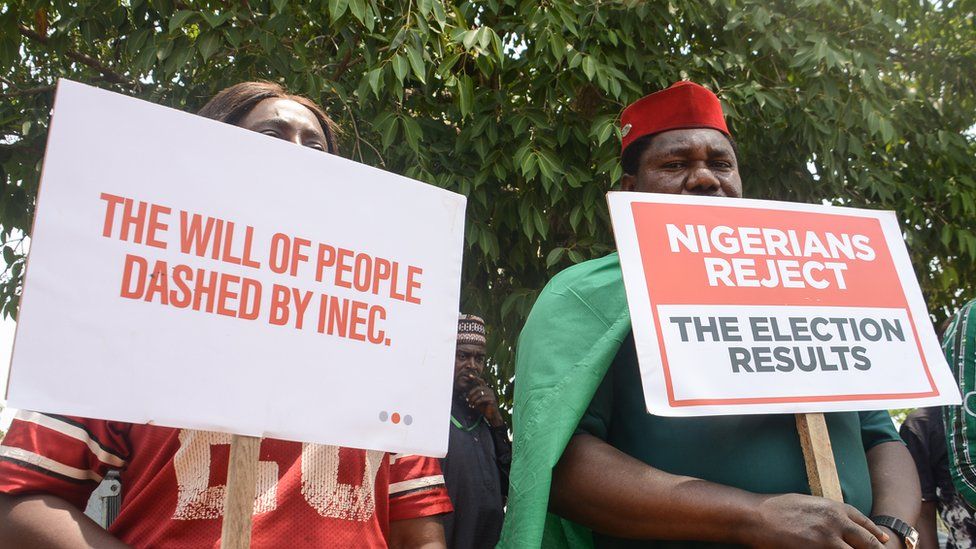
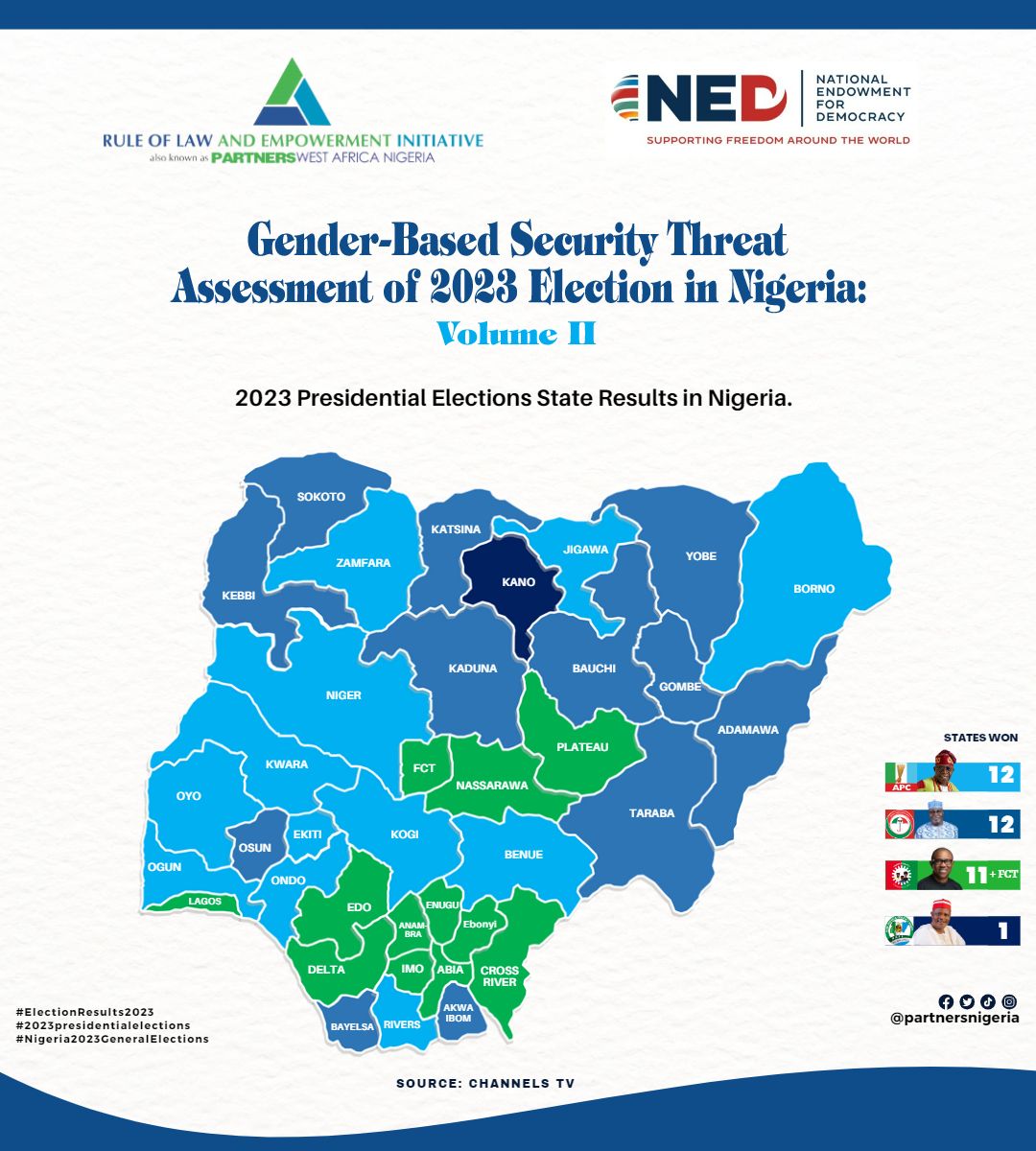
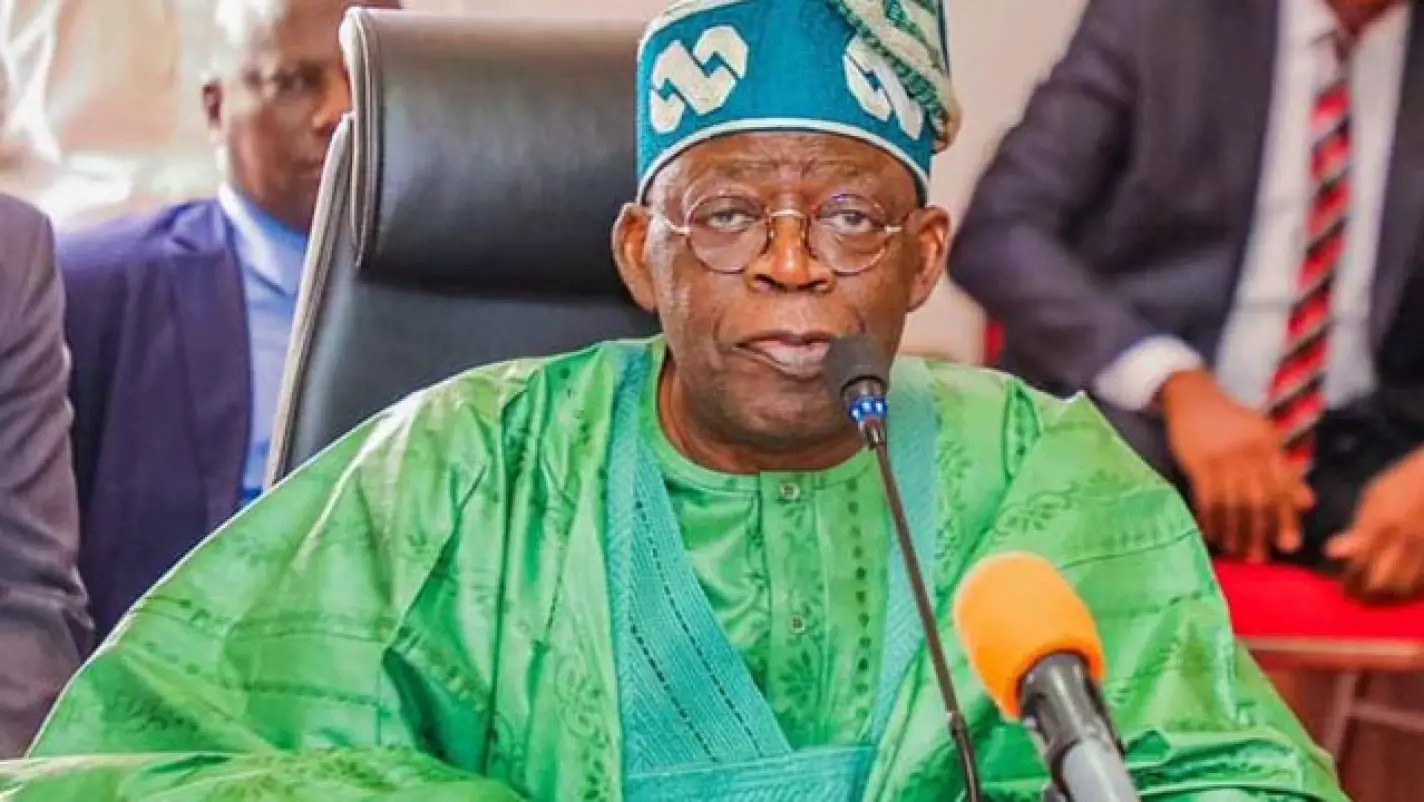
Nigeria’s political landscape feels like it’s at a turning point, doesn’t it? In recent weeks, we’ve seen a flurry of activity, from political maneuvering to fresh legislative reforms and ongoing security concerns, all shaping the nation’s future. Take Rivers State, for instance: impeachment proceedings against Governor Siminalayi Fubara and his deputy were recently suspended, a move signaling a cautious step toward political stability in a state known for its often-intense political drama. Simultaneously, President Bola Tinubu has been busy, signing the 2022 Electoral Act Amendment Bill into law and issuing an executive order to ensure oil and gas revenues go straight to the Federation Account. While these actions aim to streamline our fiscal and electoral systems, they haven’t been without controversy. Critics like Mike Igini and others are worried that new provisions in the Electoral Act could endanger polling officers in the 2027 elections, potentially repeating past failures if results transmission is compromised. The African Democratic Congress (ADC) even called the bill a “death warrant” for electoral credibility. It’s clear that these electoral reforms are stirring up a critical debate about Nigeria’s future.
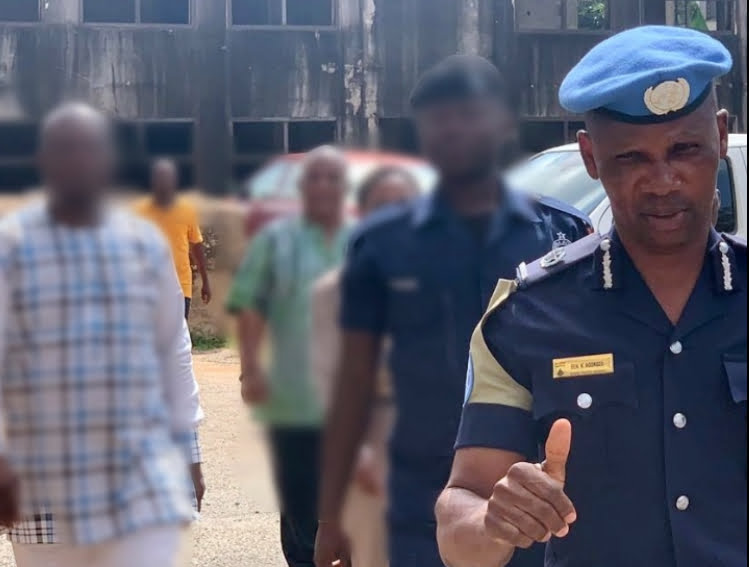
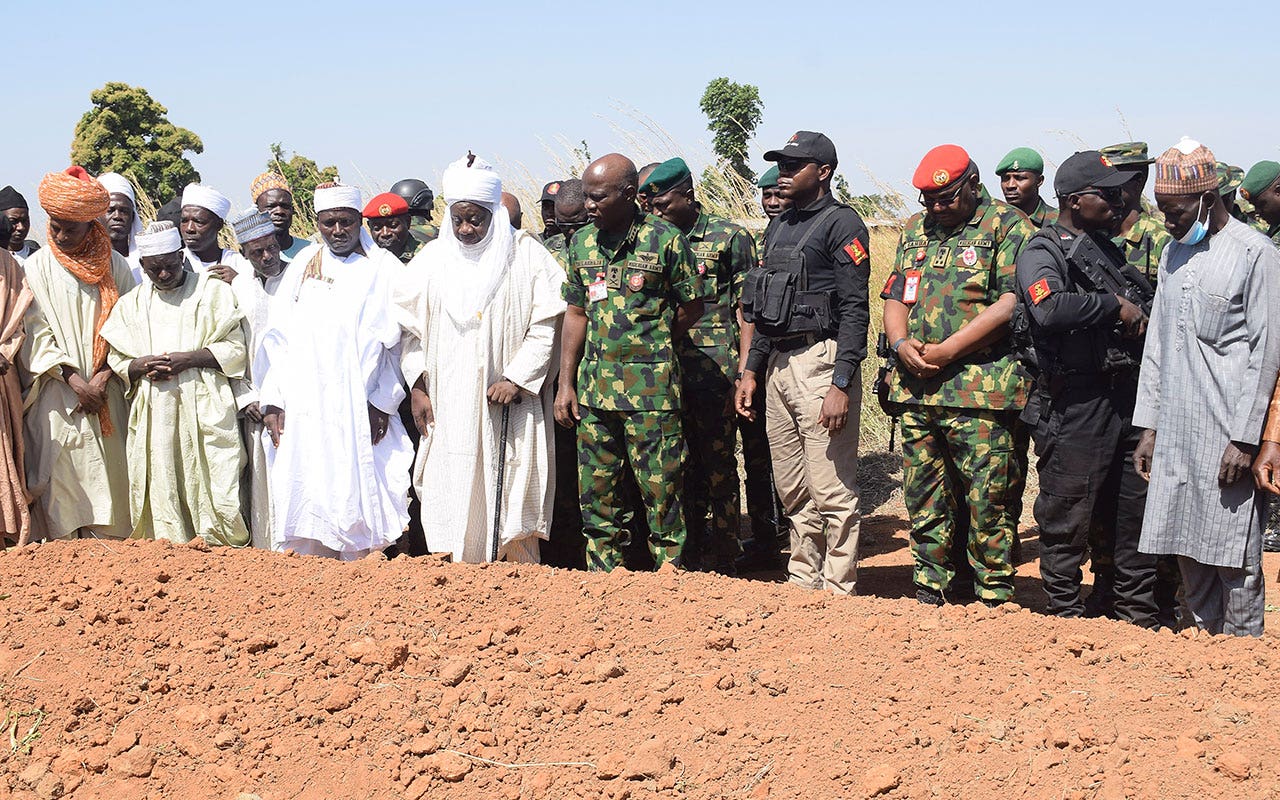
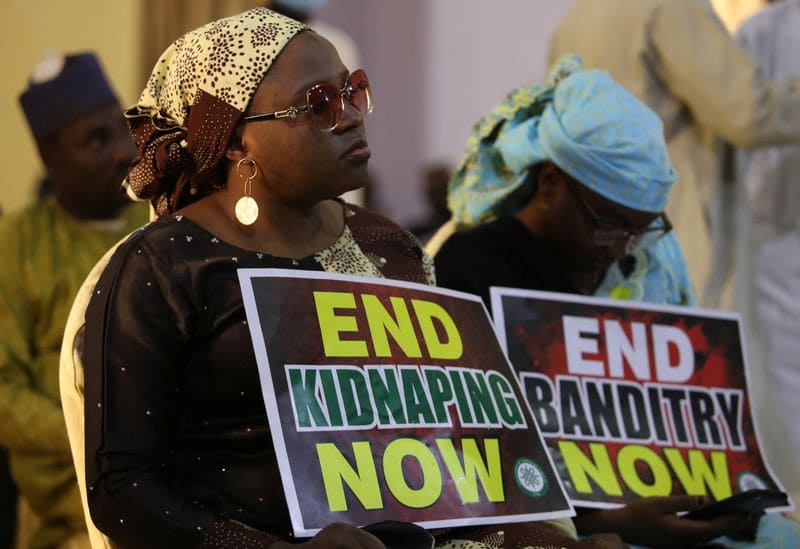
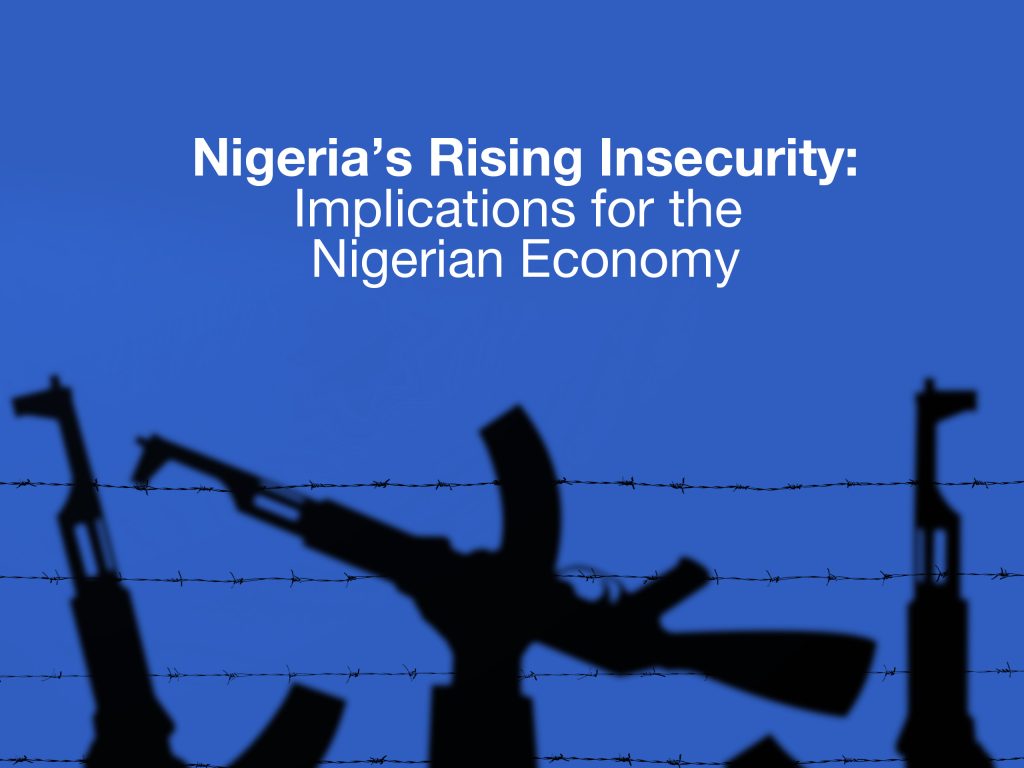
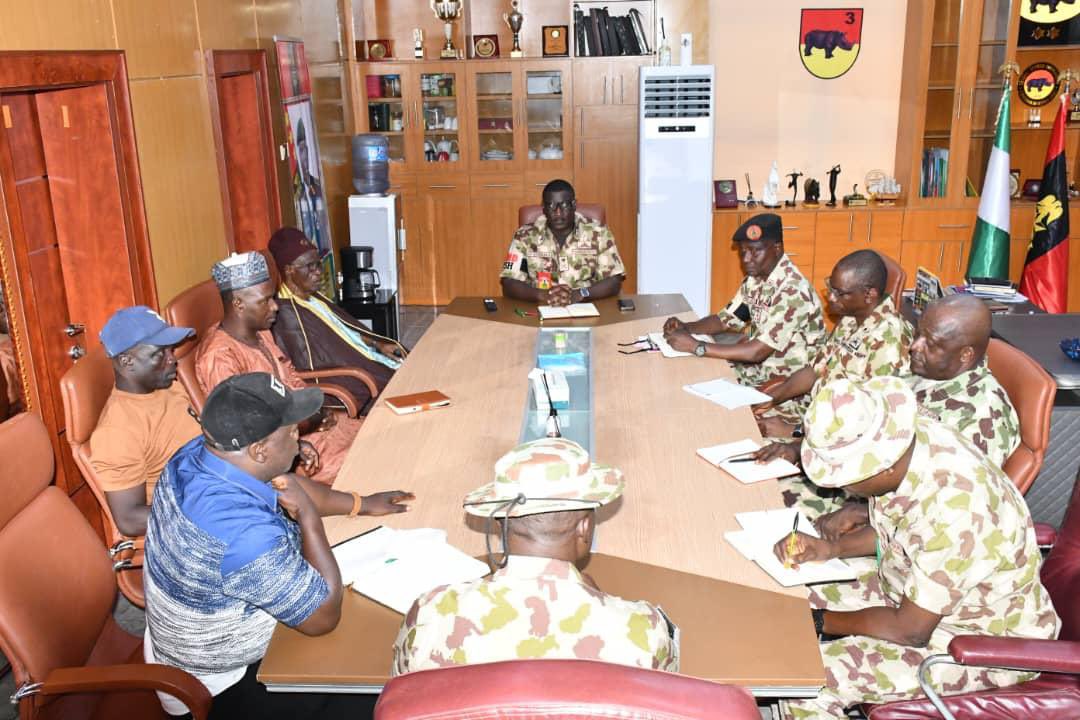
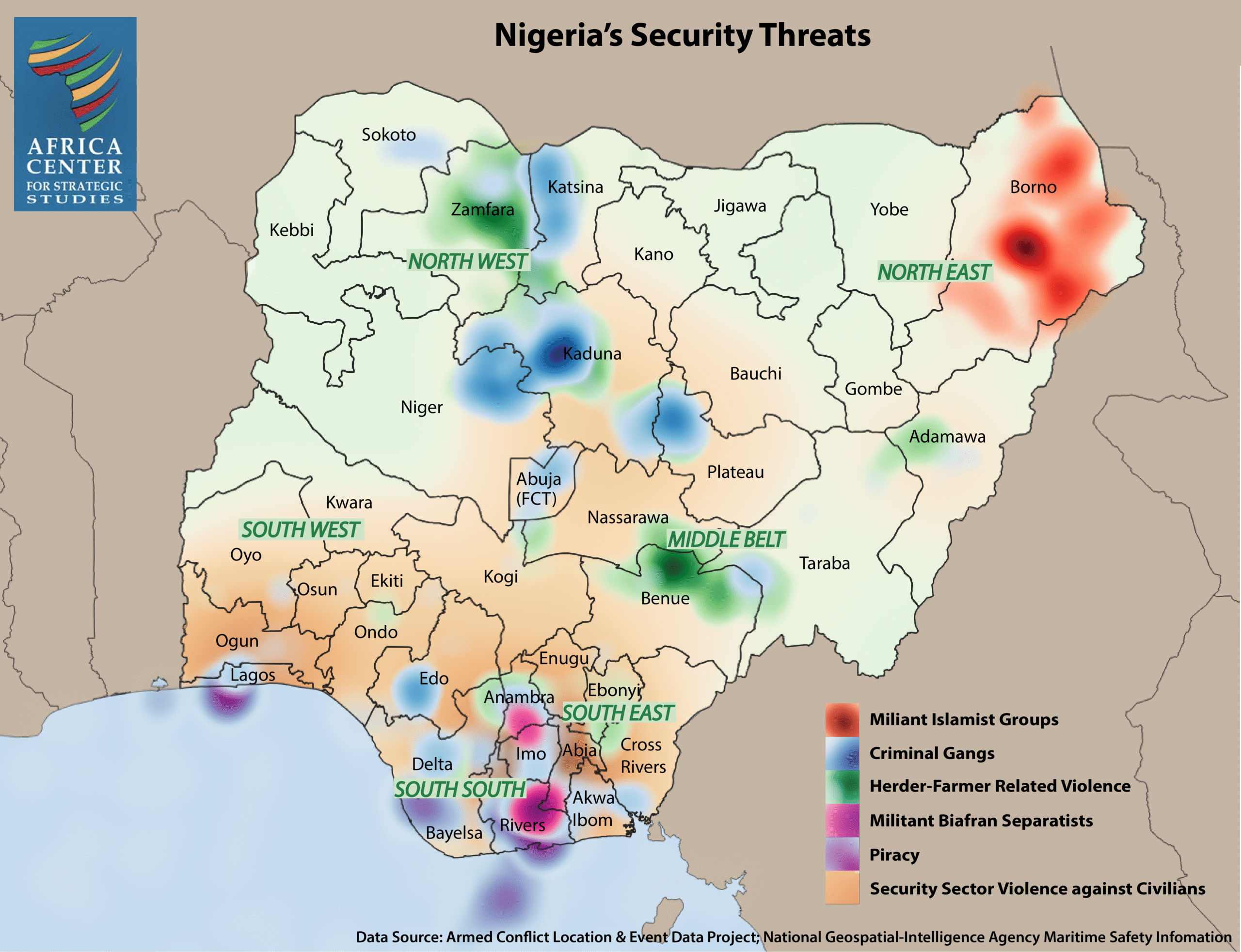
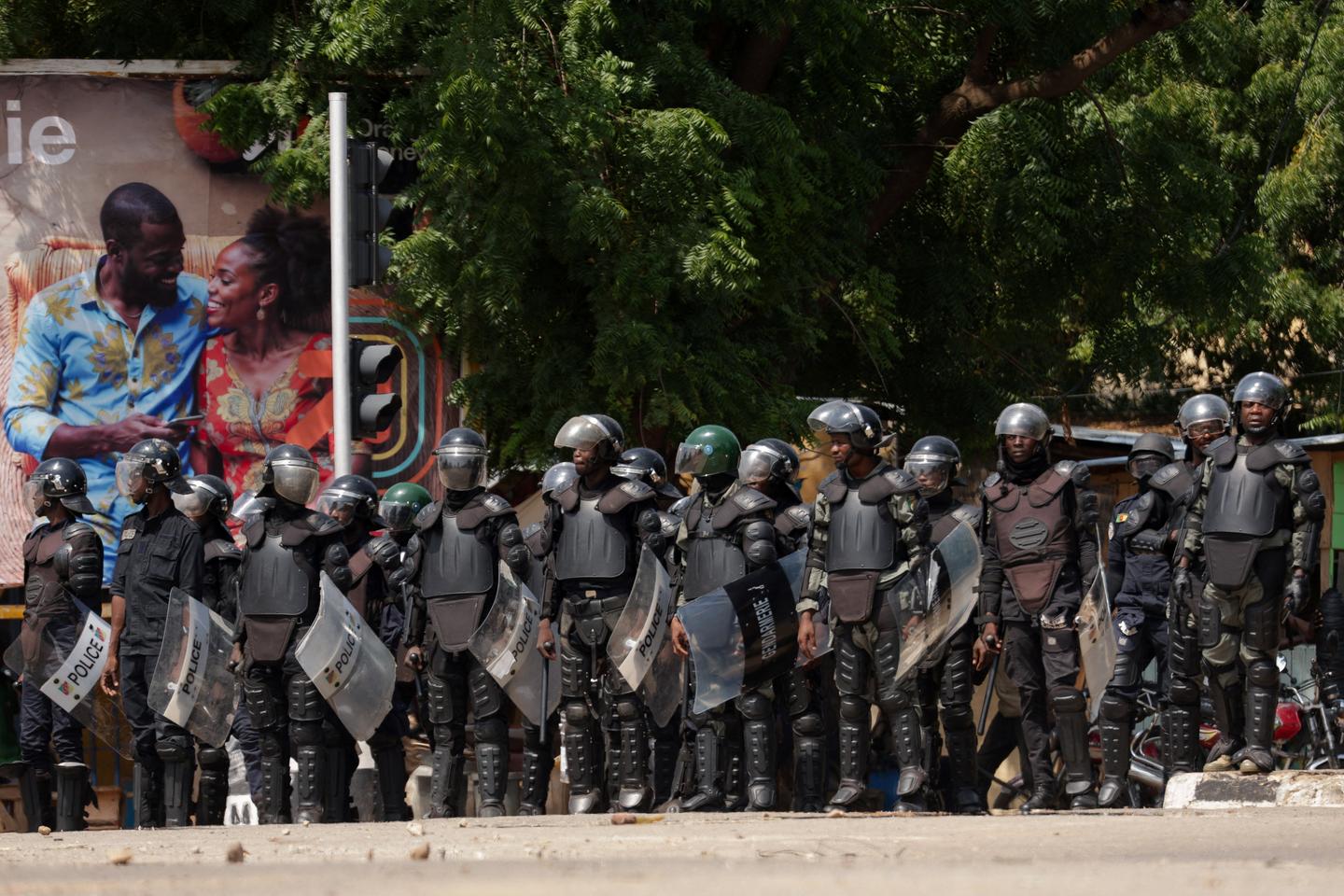
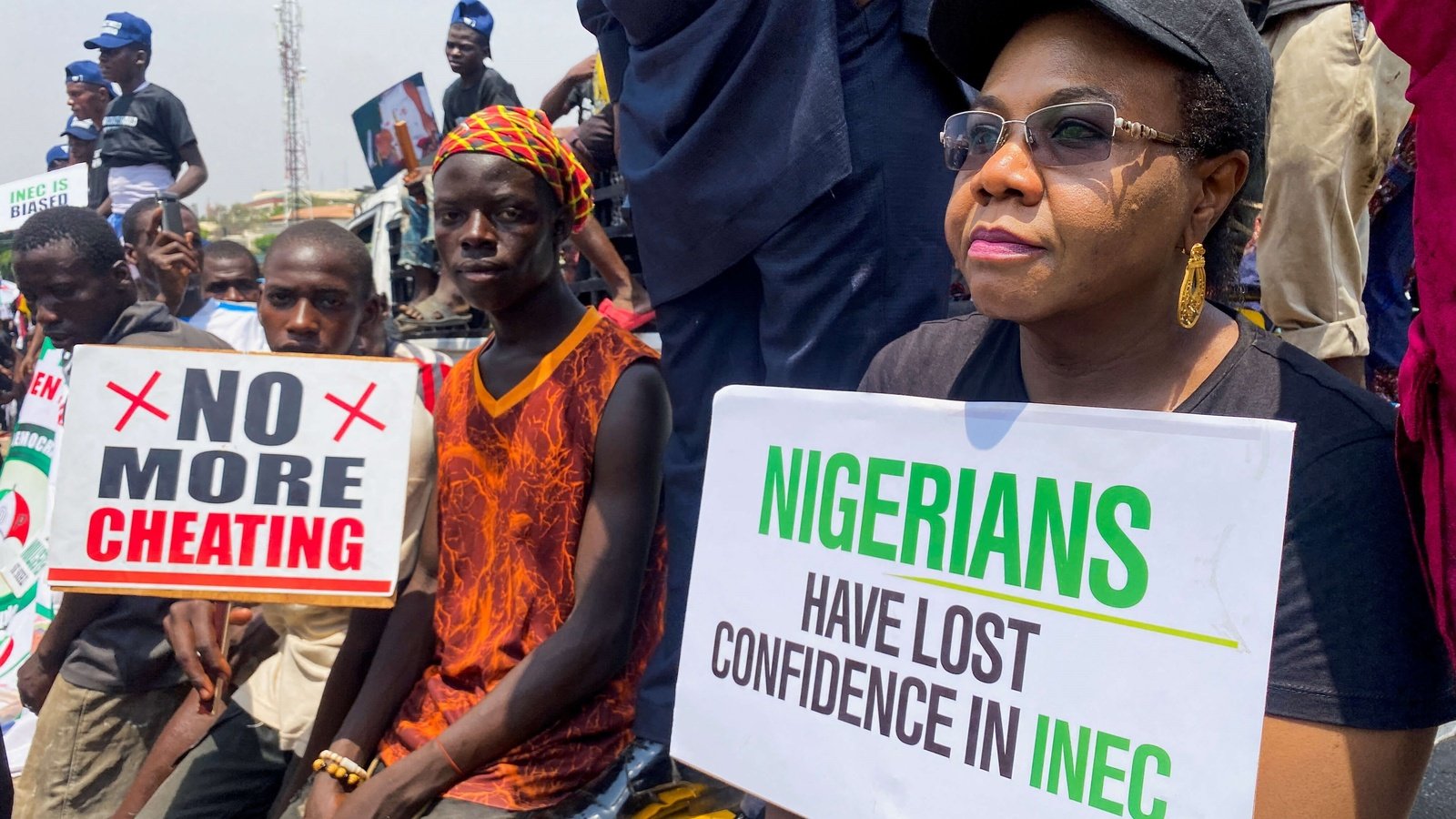
The core of this debate often boils down to electoral integrity. Many are questioning the potential rollback from electronic to physical voting result transmission. Experts like Balogun see a return to physical forms as essential for transparency, but others, like Victor Ogene, argue that without real-time transmission, the 2027 elections could be at risk of fraud. Public confidence truly hinges on knowing that every vote counted at the polling unit is accurately transmitted, as Ini Ememobong wisely puts it. Beyond elections, security remains a huge concern. President Tinubu’s recent talks with German Chancellor Olaf Scholz’s successor, Minister-President Friedrich Merz, have solidified bolstered ties with Germany, focusing on security, power infrastructure, and railway development. This strategic collaboration aims to strengthen our domestic security and support national growth. Yet, challenges persist right here at home; fresh attacks by bandits in Kwara State prompted military intervention, and the tragic killing of a policeman by illegal miners allegedly led by Chinese nationals highlights just how fragile our security dynamics remain, constantly testing the government’s resolve.
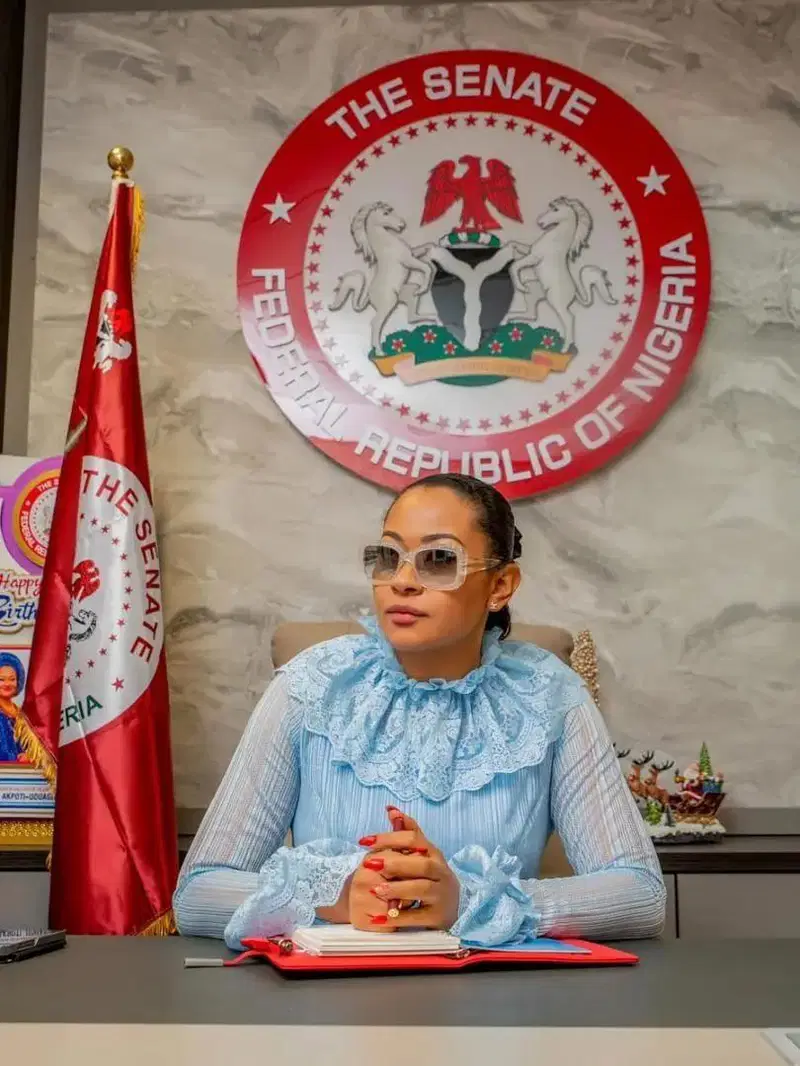
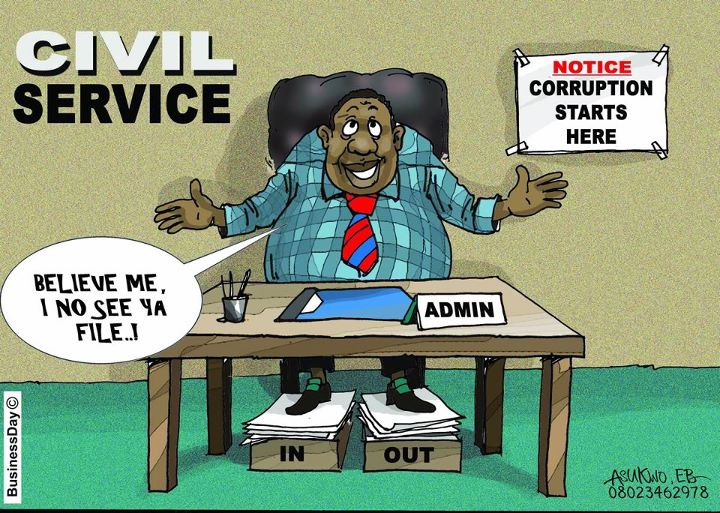
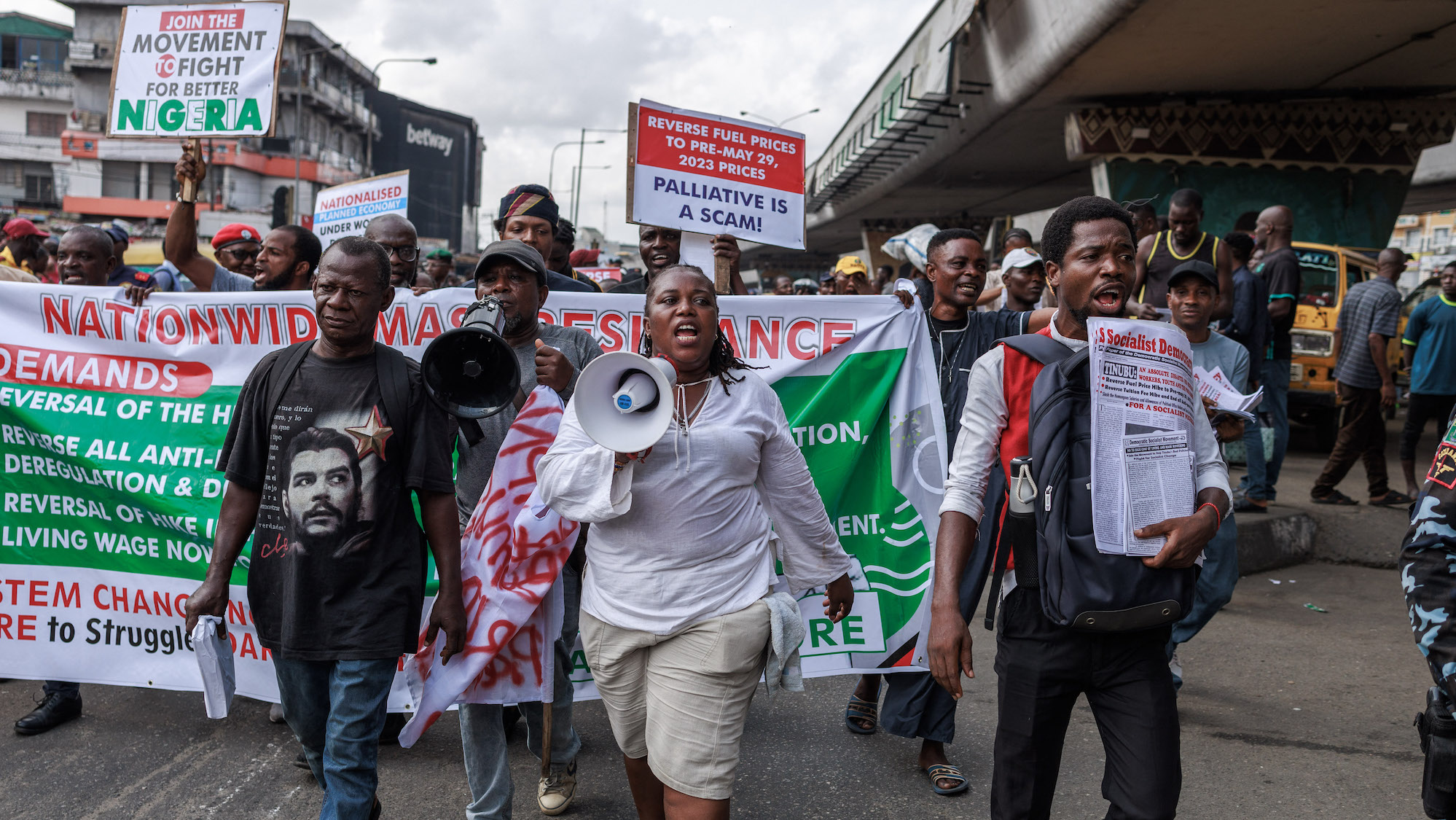
Our governance and accountability systems are also under the microscope. The Nigerian Senate managed to pass the Electoral Act Amendment Bill after some stormy, intense debates, showing how challenging it is to balance reform urgency with concerns about fairness. Simultaneously, the Senate’s threat to slash the 2026 budget by over N58 trillion, citing unrealistic revenue projections, underscores a broader push for fiscal prudence amid fluctuating economic conditions. Sadly, institutional challenges linger; exclusive reports point to alleged diversion of public funds at the Federal College of Education Eha-Amufu, and NAFDAC’s recent impounding of expired food products in Niger State serves as a stark reminder of persistent gaps in governance and regulatory enforcement. On a more positive note, Sierra Leone’s President Julius Maada Bio honored two senior Nigerian military officers, a gesture of regional goodwill. Civil society groups aren’t staying silent either: the Nigerian Bar Association has condemned alleged irregular police promotions, and opposition groups are demanding stronger counterterrorism efforts and transparent electoral processes. Voices like Ene Obi are urging Nigerians to stay vigilant, ensuring new electoral laws are genuinely implemented for honest vote counts. As Nigeria stands at this crossroads of reforms, security, and governance, cultivating trust, enhancing transparency, and addressing capacity gaps will be crucial for the 2027 elections and our democratic future. It won’t be easy, but balancing innovation with credible oversight is key to national unity.
Sources:
- Rivers Assembly Suspends Impeachment Proceedings Against Governor Fubara, Deputy Odu. [Source Name]
- Tinubu, German Chancellor Merz Pledge Stronger Ties On Security, Power, Rail. [Source Name]
- Mike Igini: Presiding Officers Will Face Danger At Polling Units In 2027 Due To Proposed Electoral Amendment. [Source Name]
- NAFDAC Impounds N100m Worth Of Expired Food Products In Niger State. [Source Name]
- Tinubu Signs 2022 Electoral Act Amendment Bill Into Law. [Source Name]
- Rivers Assembly Withdraws Appeals Against Governor Fubara, Deputy. [Source Name]
- Balogun: Fallback To Physical Forms Ensures Credible, Transparent 2027 Elections. [Source Name]
- Victor Ogene: If Results Are Not Transmitted In Real Time, 2027 Elections Are At Risk. [Source Name]
- Ini Ememobong: If People Are Sure What Happens At The Polling Unit Is What Is Transmitted, They Will Vote. [Source Name]
- Nigerian Bar Association Condemns Alleged Irregular, Biased Police Promotion Under IGP Egbetokun, Demands Transparency. [Source Name]
- ADC Condemns Tinubu’s Assent To Electoral Act, Says President Has Signed Death Warrant Of Credible Elections. [Source Name]
- Senate Threatens To Cut N58.472tn 2026 Budget Over Unrealistic Revenue Projections. [Source Name]
- President Of Sierra Leone Julius Maada Bio Confers National Honours On Two Senior Nigerian Military Officers. [Source Name]
- Tinubu Signs Executive Order Mandating Direct Remittance Of Oil, Gas Revenues To Federation Account. [Source Name]
- Nigerian Senate Passes Electoral Act Amendment Bill After Clash, Stormy Debate On Electronic Transmission. [Source Name]
- Andrew Mountbatten-Windsor Arrested on Suspicion Of Misconduct In Public Office. [Source Name]
- Osaze-Uzzi: Electoral Act 2026 May Endanger Polling Officers, Repeat Past Failures. [Source Name]
- Igini To Tinubu: Don’t Sign Proposed Electoral Bill Into Law, It’s Recipe For Chaos. [Source Name]
- ADC Chieftain Applauds Nigeria-US Security Partnership, Calls For Stronger Domestic Counterterrorism Measures. [Source Name]
- Nick Agule: Tinubu’s Executive Order 9 ‘Most Significant Reform’. [Source Name]