Nigeria’s Growing Terrorism Threat: A Human Story from Kwara to the Northwest
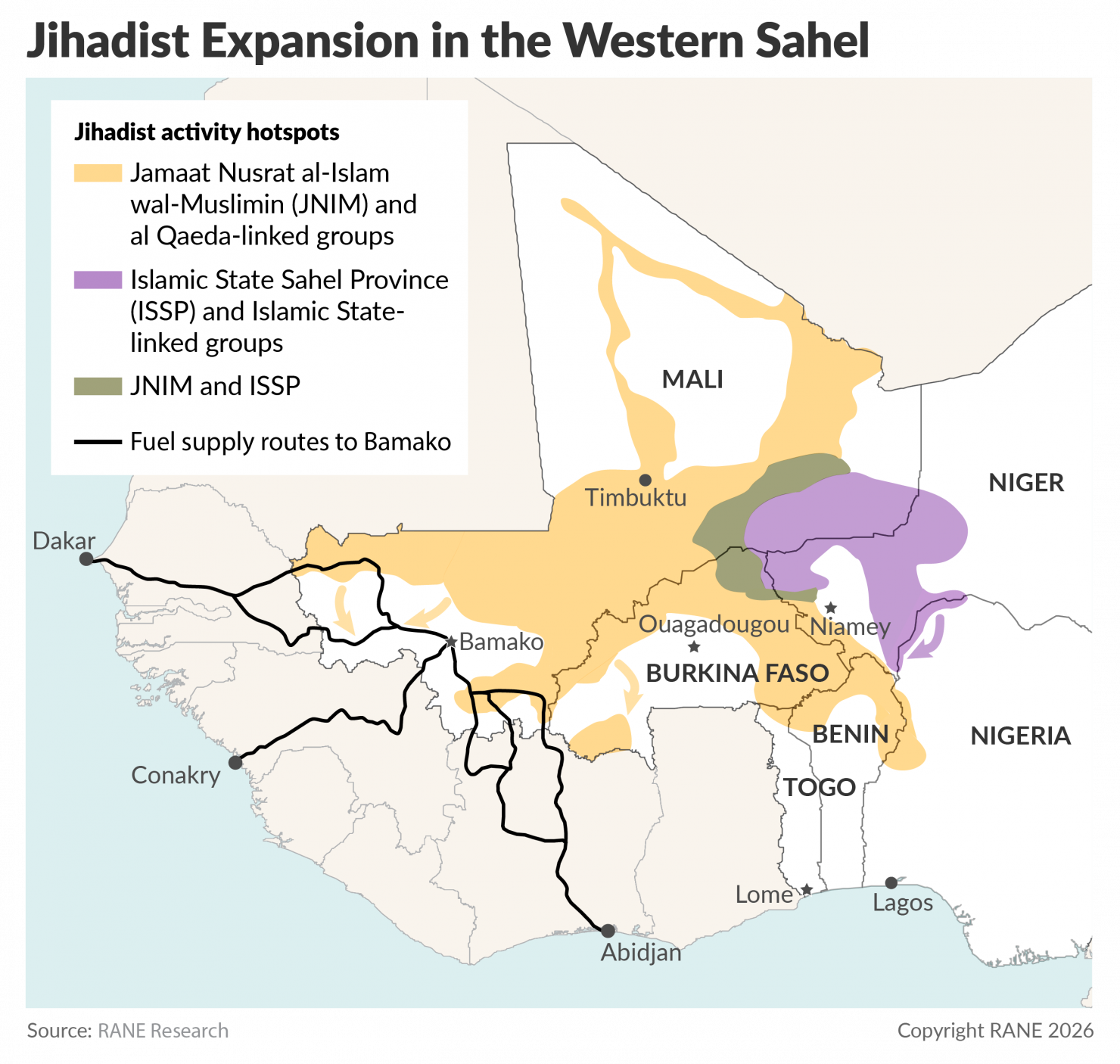
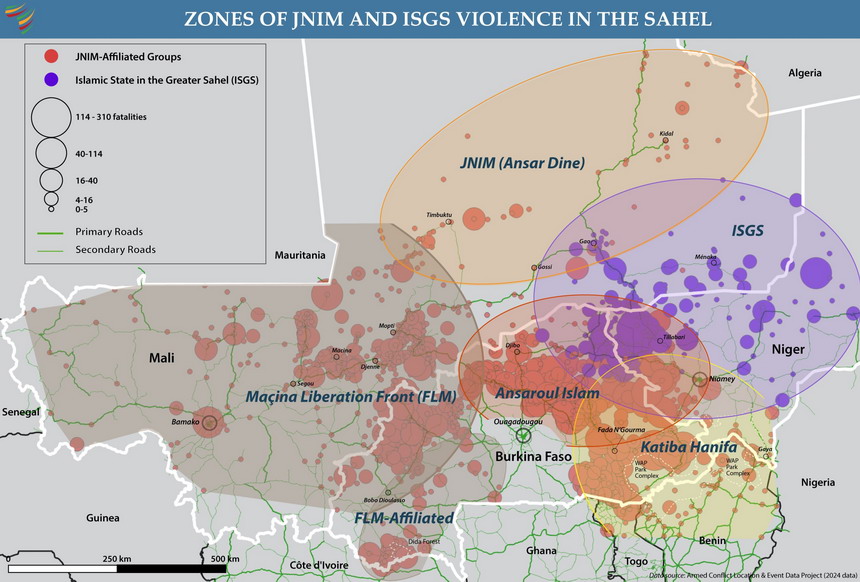
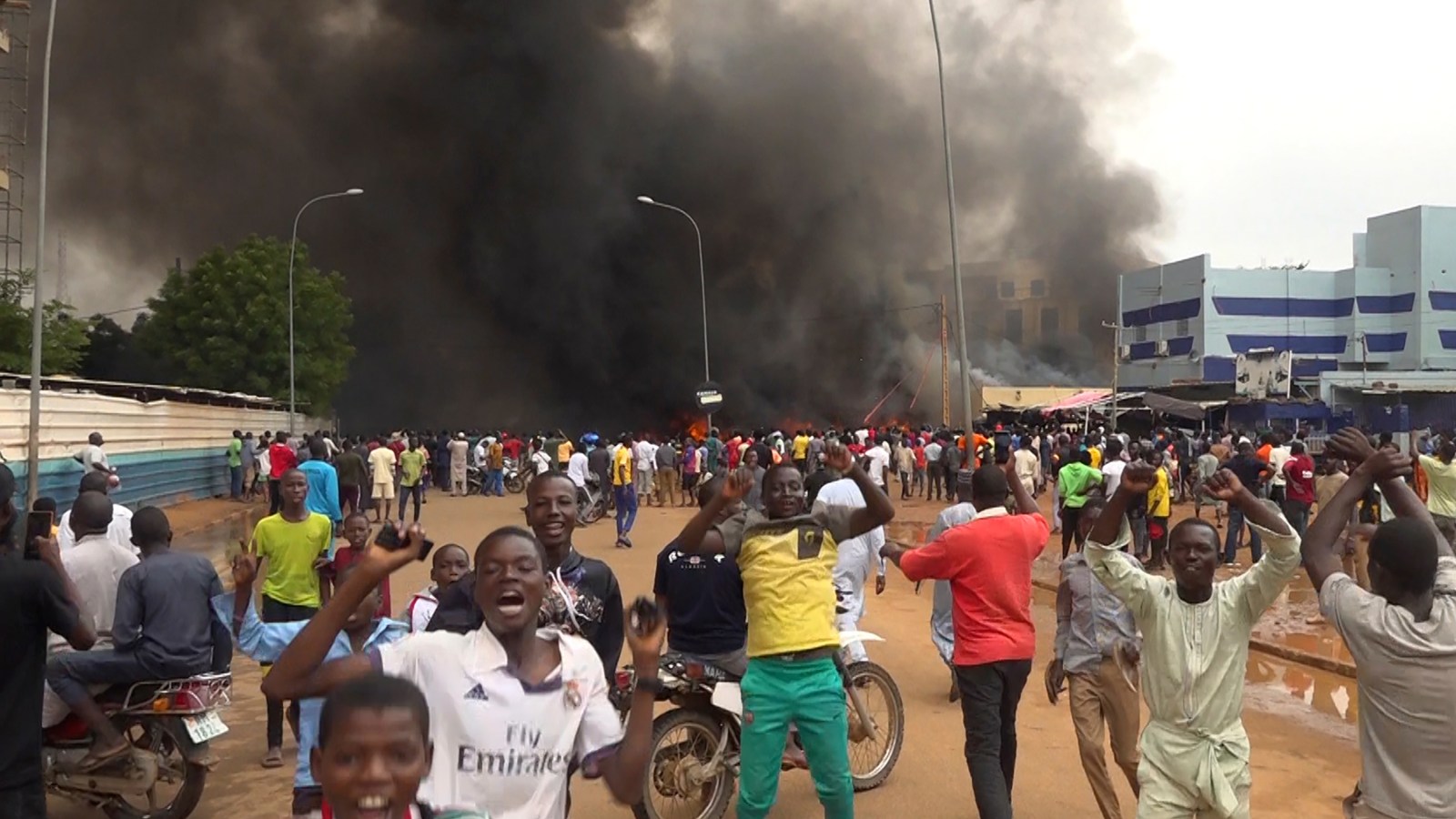
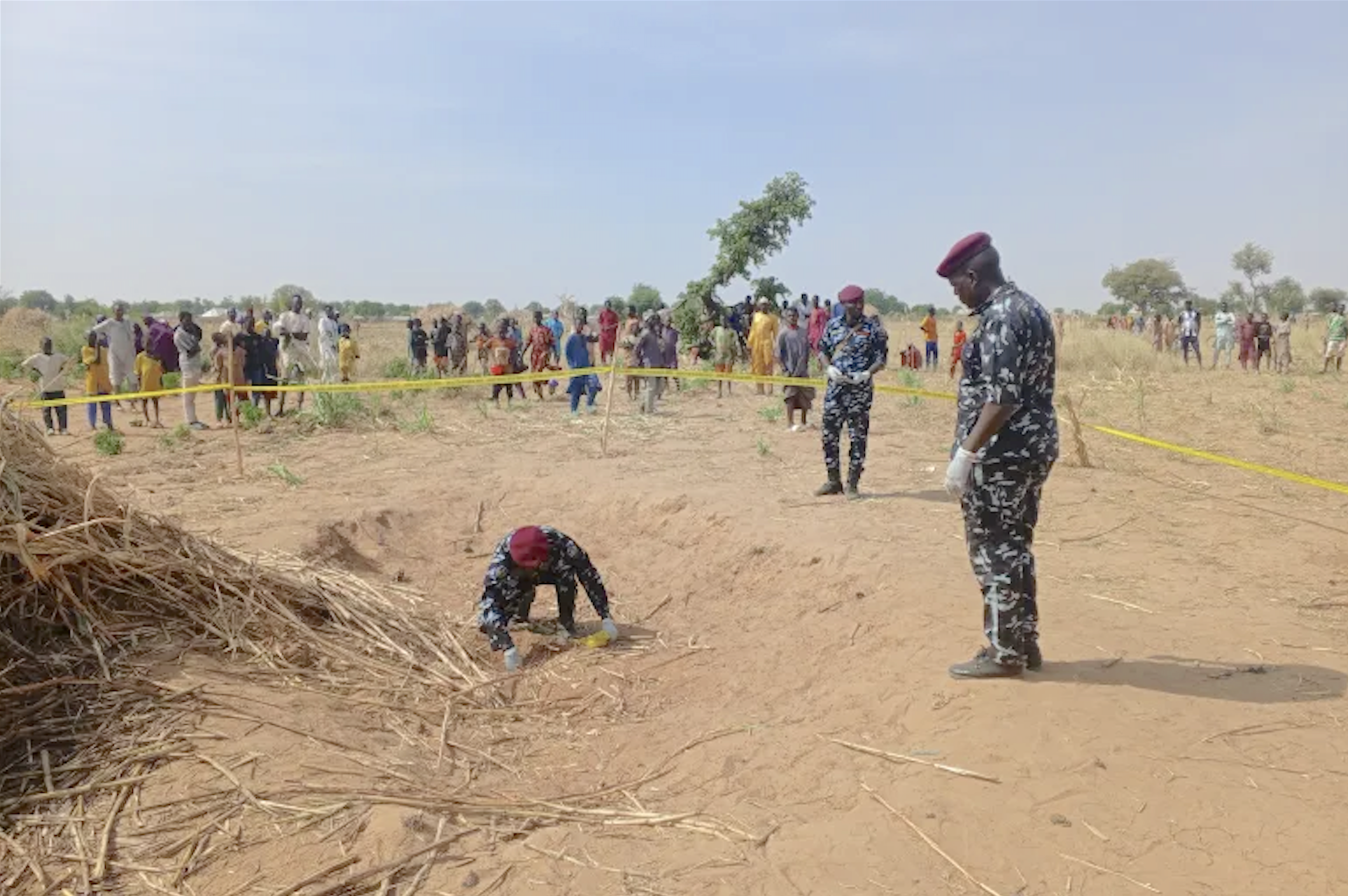
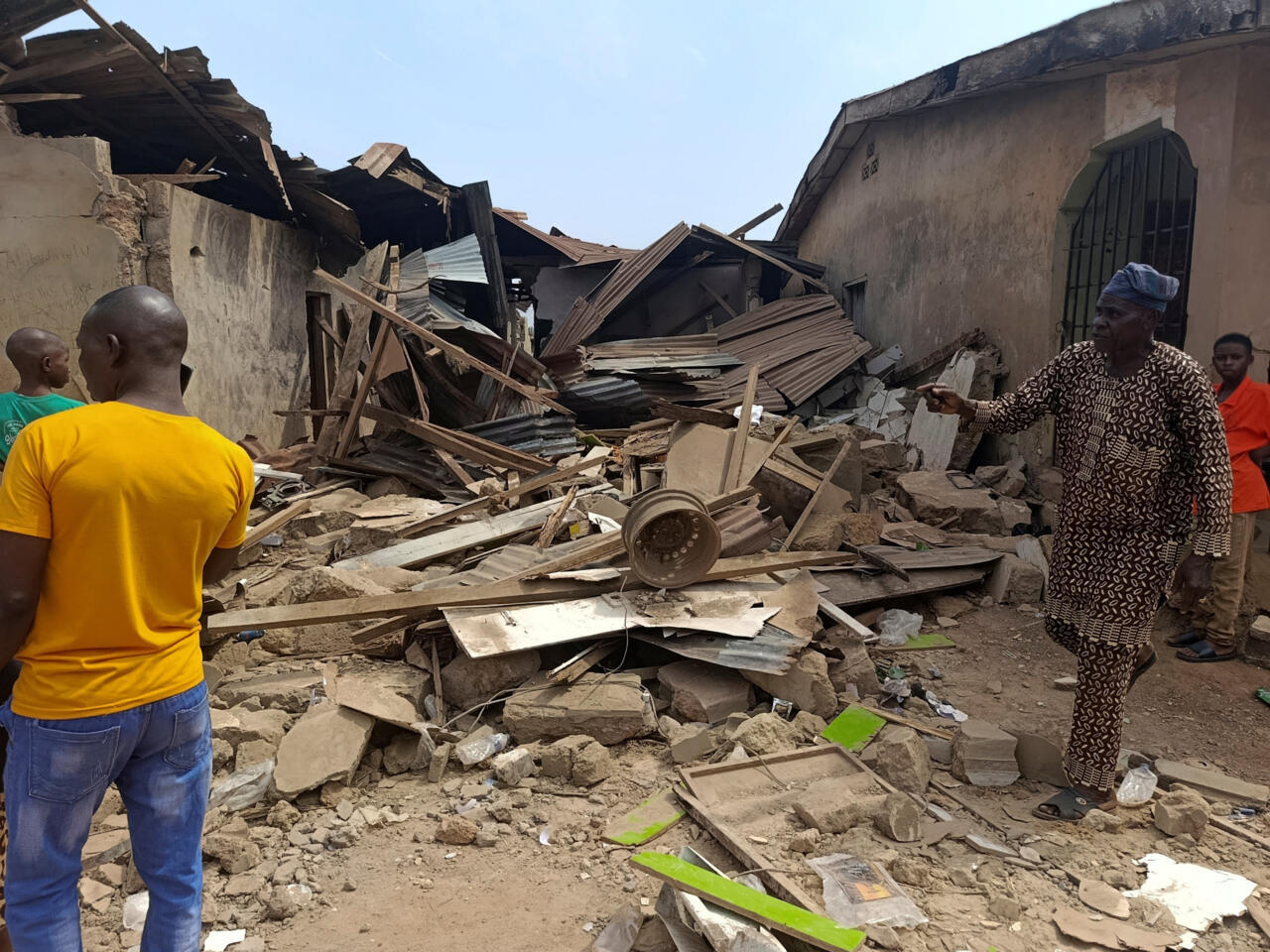
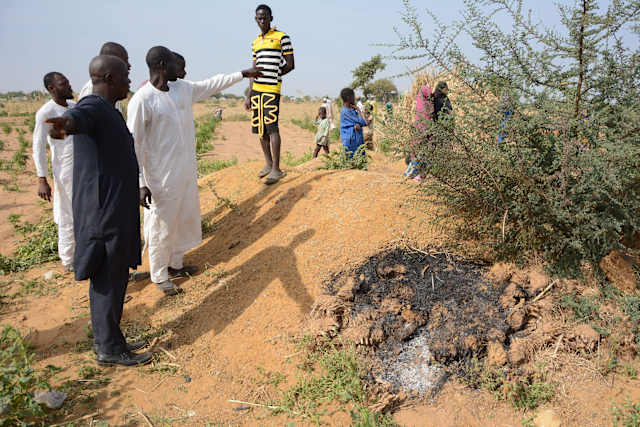
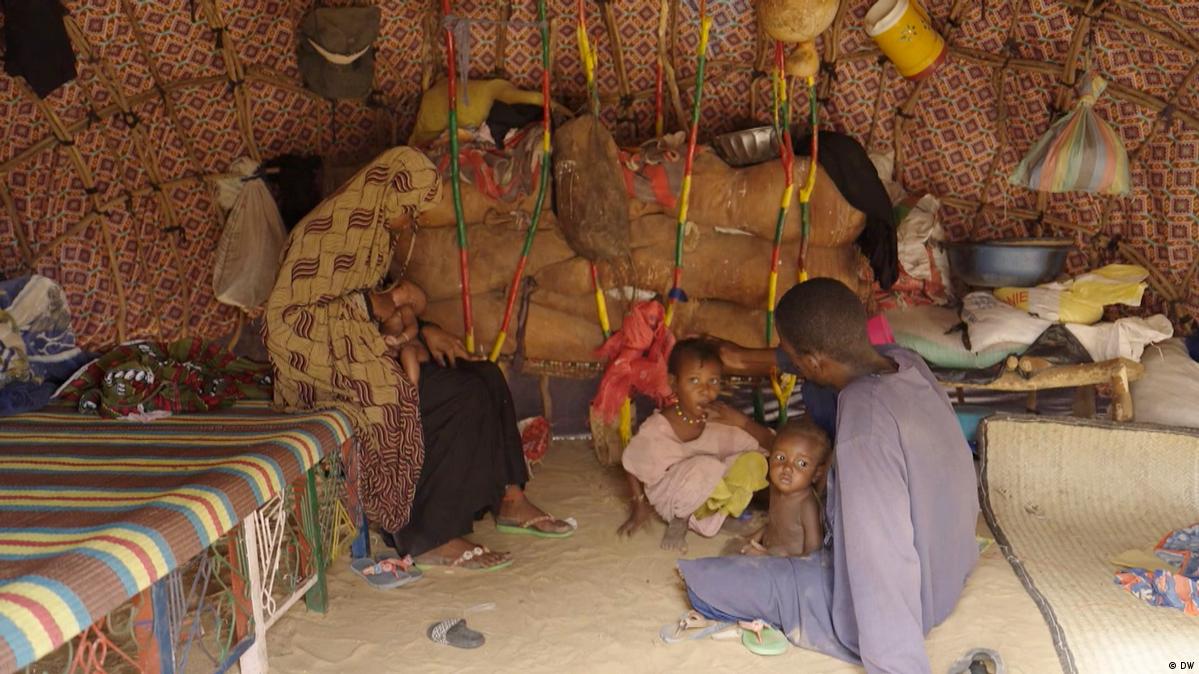
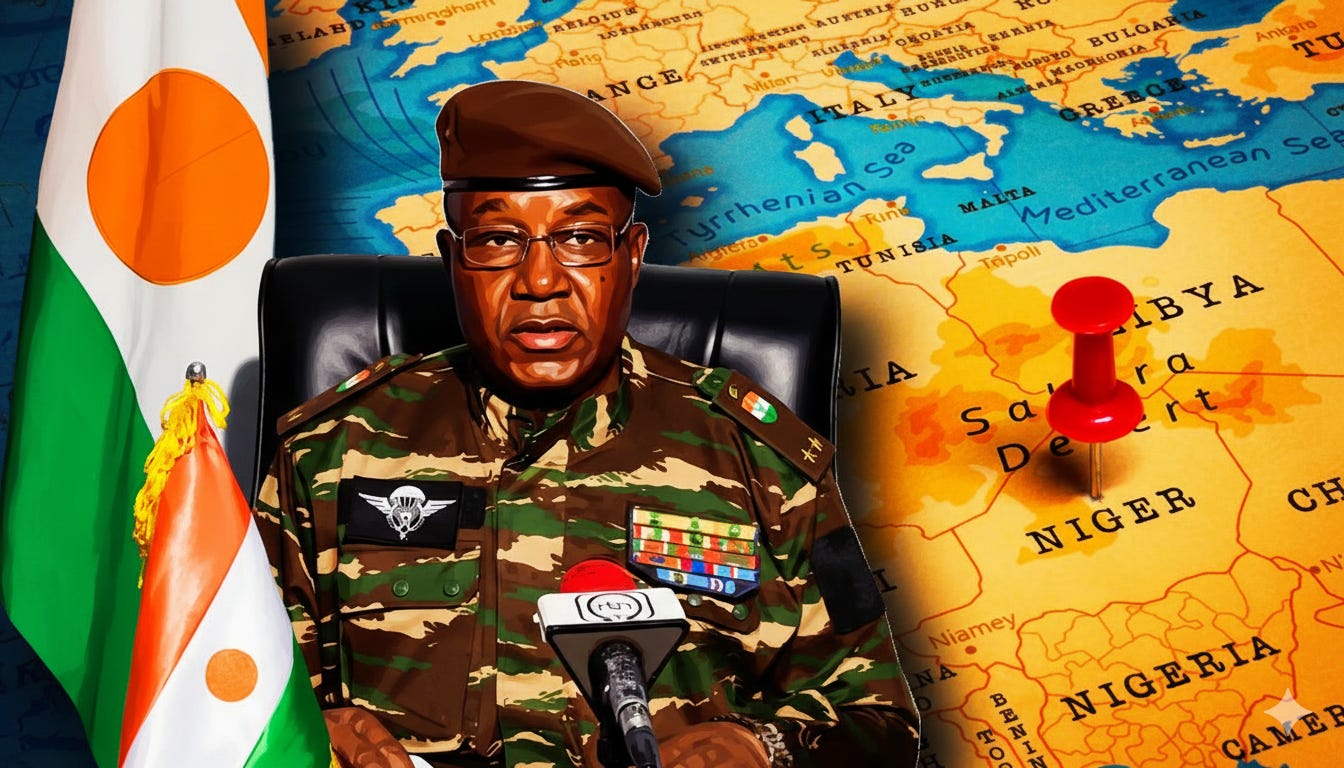
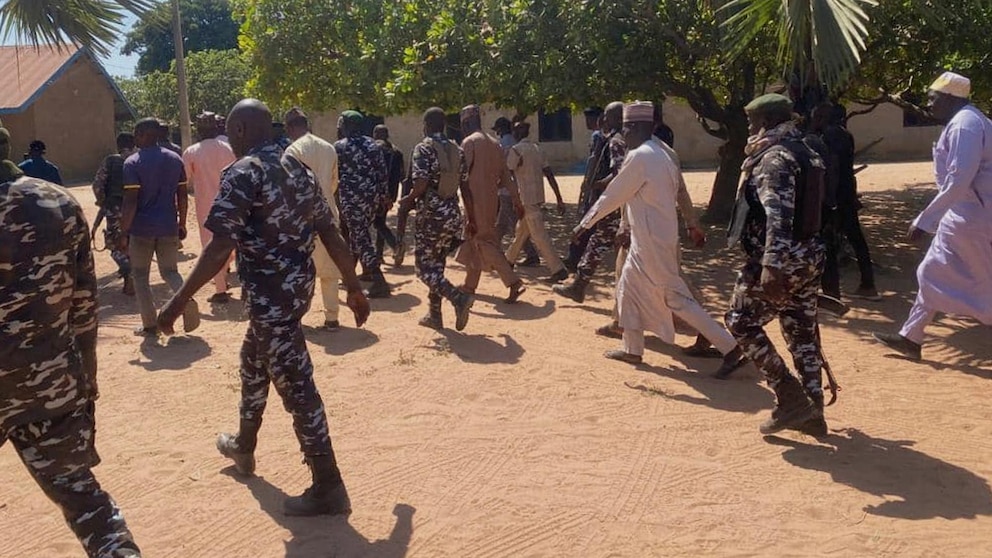
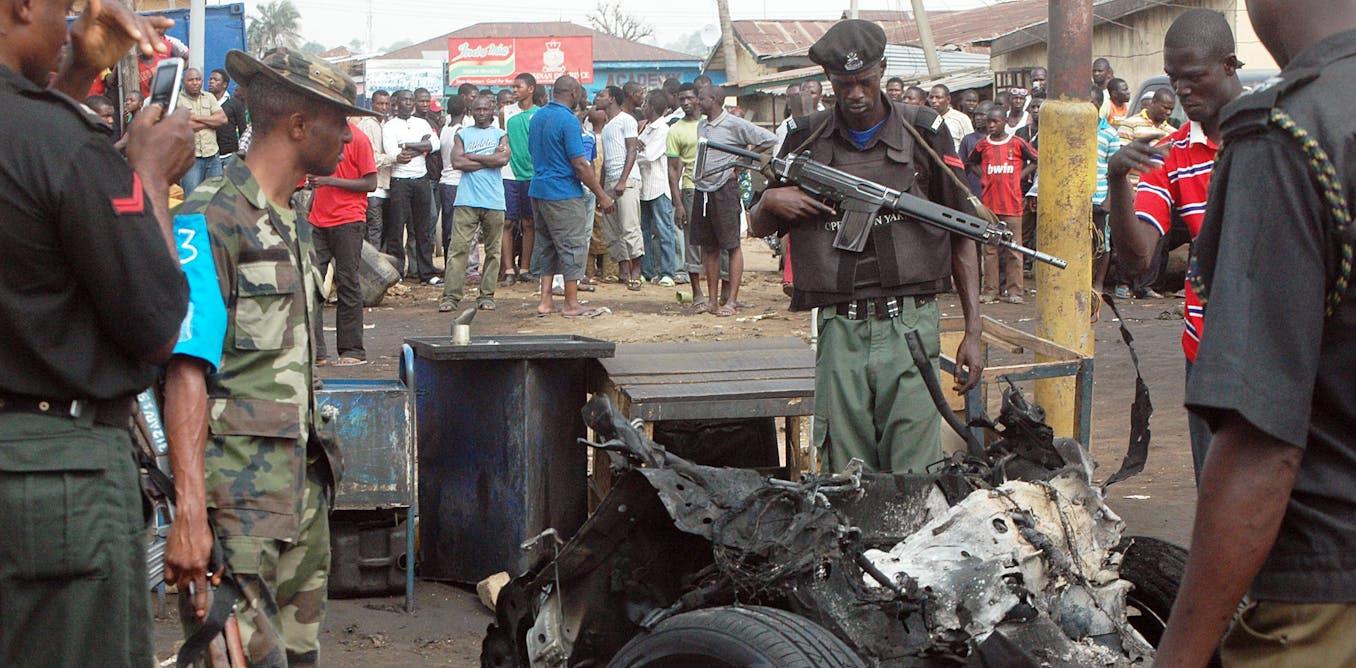
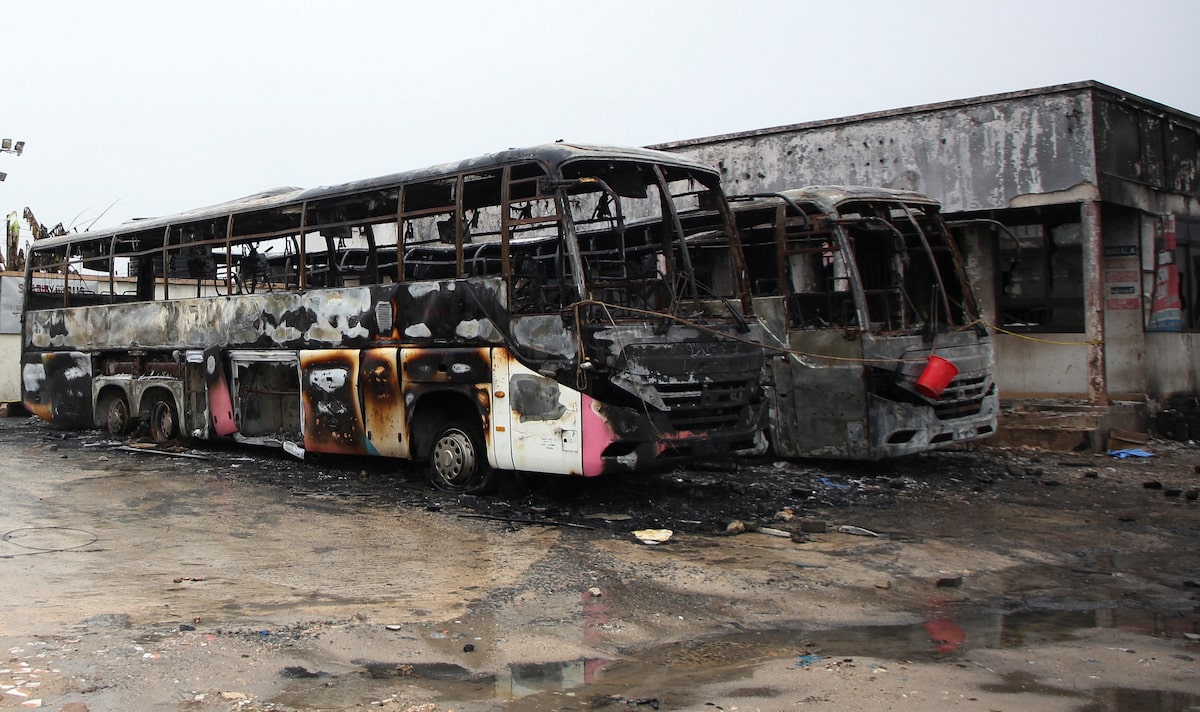
Nigeria is battling a dangerous surge in militant violence, and it’s quickly destabilizing parts of the country we didn’t expect, marking a troubling expansion for groups like affiliates of the Islamic State. Just this past week, devastating attacks hit central Kwara state, along with Sokoto and Katsina in the northwest, laying bare the urgent, complex security crisis unfolding across the nation. Imagine the terror in Kwara’s Kaiama district, where suspected jihadist fighters launched an overnight raid on Woro village. It claimed at least 170 lives, official reports say, making it the deadliest attack in that state for 2026. Residents recall a nightmare as gunmen tore through their community, reportedly targeting those who wouldn’t bow to extremist ideologies. Many victims were Muslims, a grim reminder of the brutal intra-communal dimension of this insurgency, which often gets lost in broader narratives of religious conflict. New York Post reports that Nigeria has deployed troops following these tragic events. We’re not just seeing attacks in traditional hotspots; militants, displaced by intense military campaigns elsewhere, are now exploiting Kwara’s dense forests and tough terrain, trying to grab new territory and diversify their operations. Kidnappings for ransom and assaults on civilian targets? They’re sadly accelerating, deepening humanitarian worries for everyone. This isn’t just about numbers, it’s about lives shattered and communities living in fear, a stark reality for Nigeria’s security crisis.
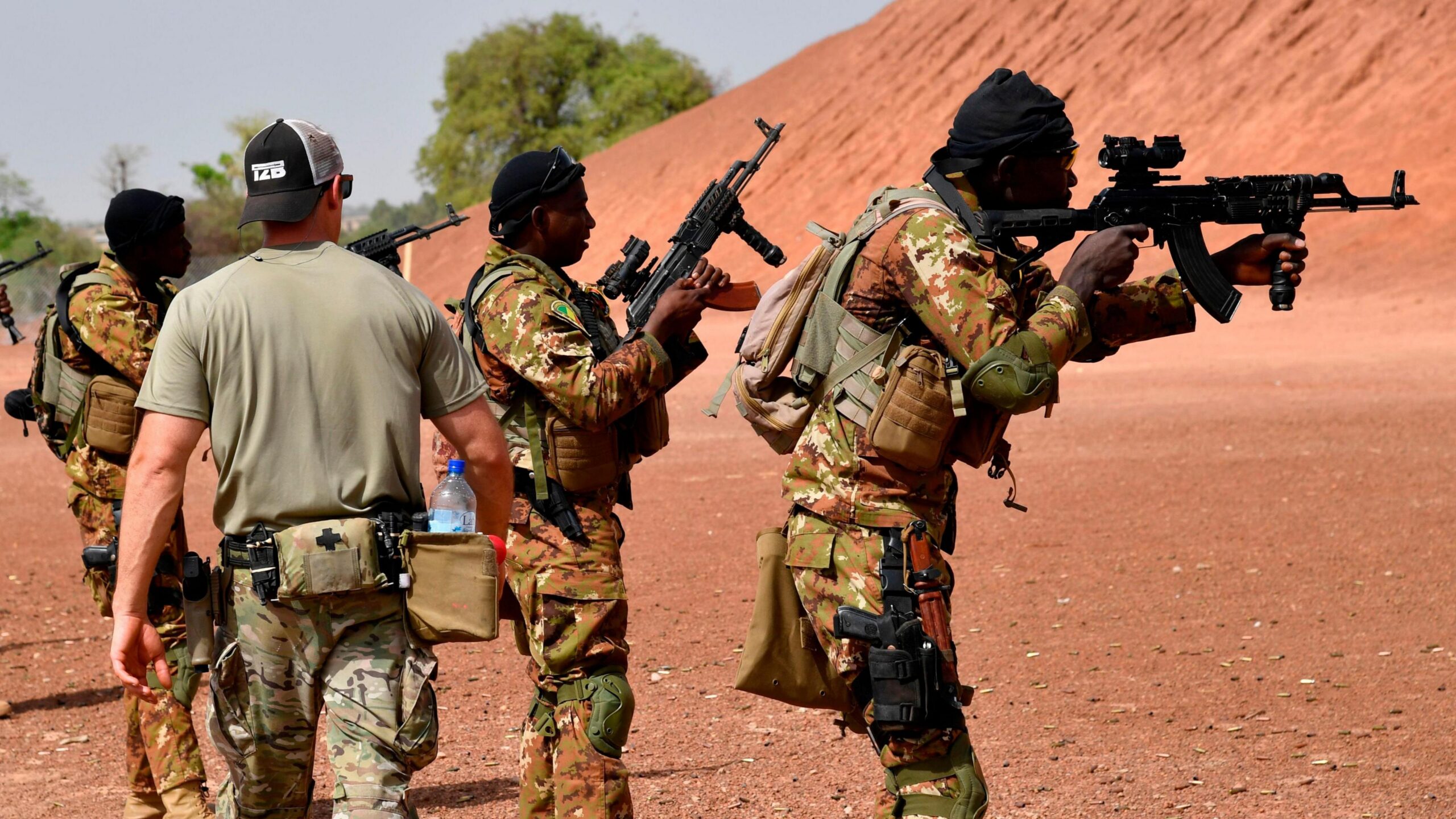
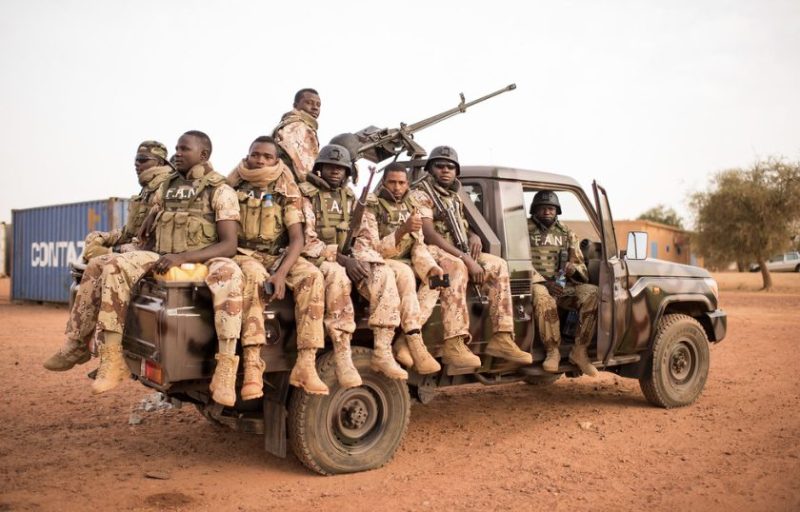
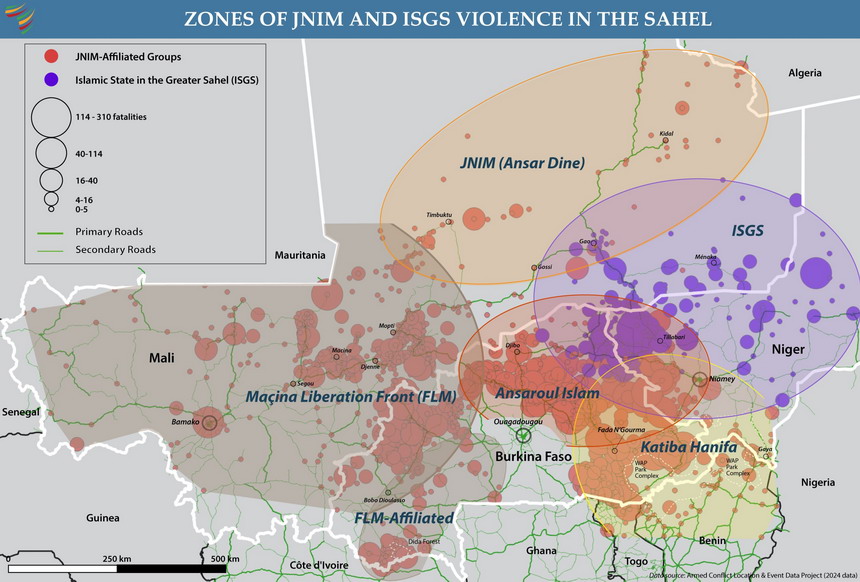
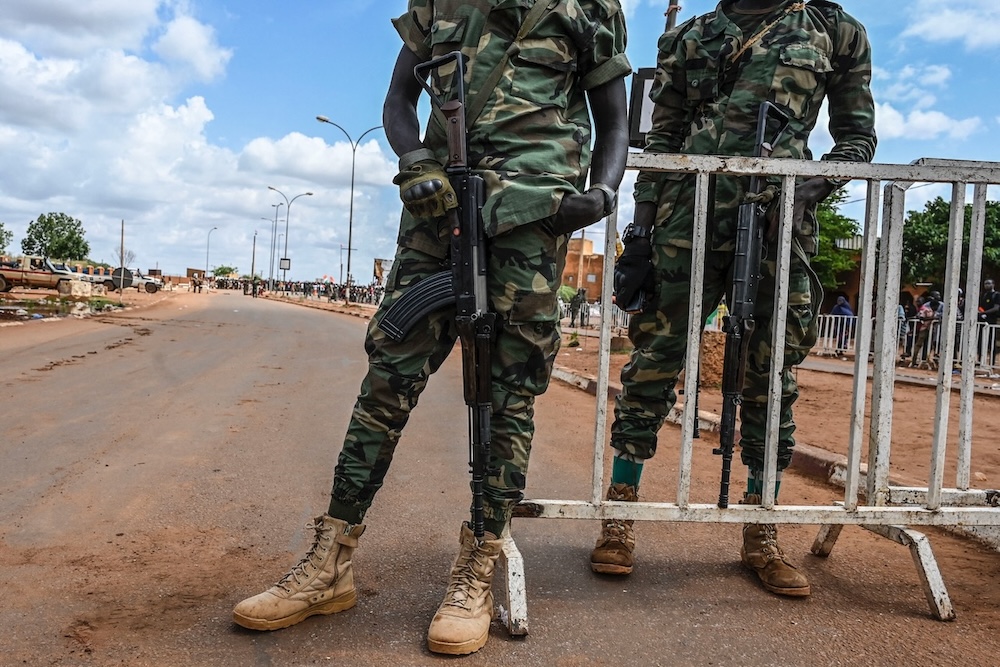
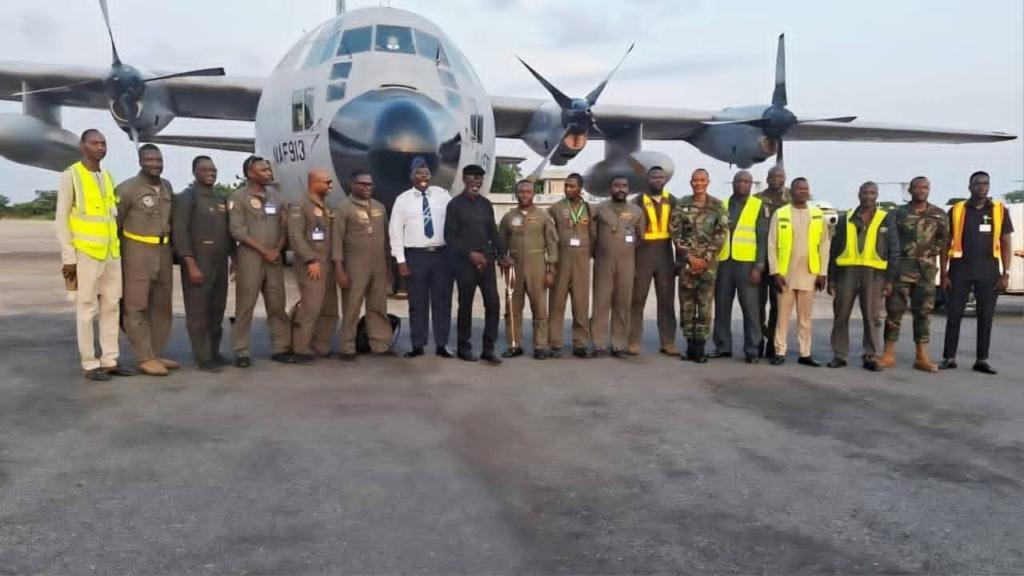
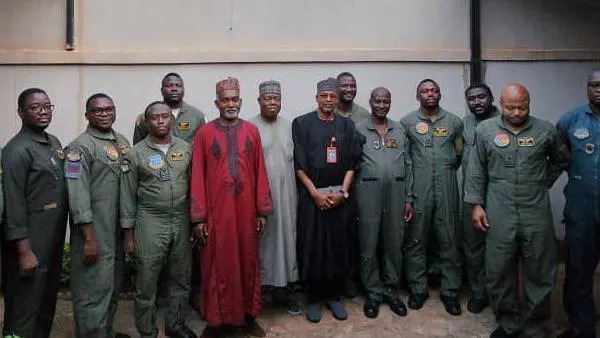
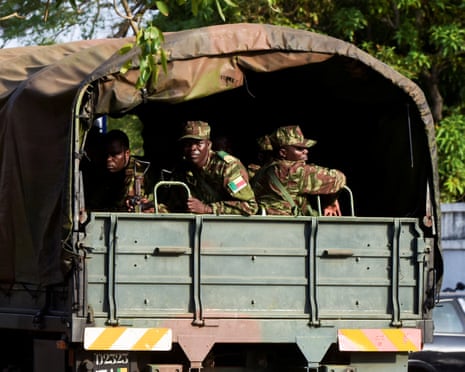
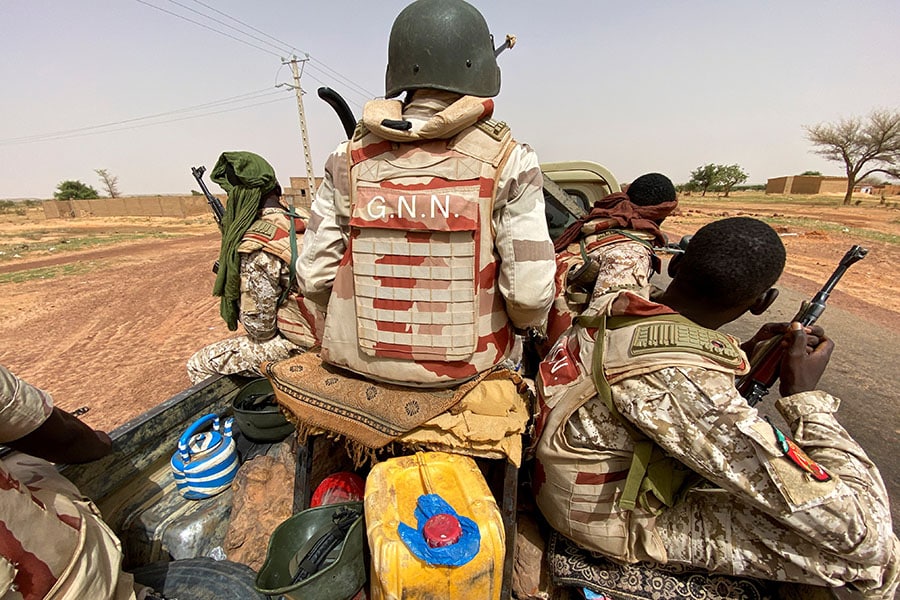
The spread of militant activity into Kwara mirrors the violent episodes we’ve seen in Sokoto and Katsina states. In Sokoto’s Baidi town, for instance, attacks linked to the Islamic State Sahel Province led to multiple fatalities, as assailants struck without warning, gunning down victims gathered in the town square. It’s an indiscriminate horror. Similarly, Katsina state experienced house-to-house shootings, killing at least 21 people in a coordinated assault aimed squarely at spreading fear and disrupting daily life. How does a nation respond to such widespread brutality? President Bola Tinubu has certainly acted, deploying an army battalion to Kwara’s Kaiama district. The government also announced a new military command, specifically designed to confront and contain the spread of Islamic militants in western Nigeria, hoping to better coordinate security forces and use intelligence to dismantle these networks. This escalation comes as Nigeria continues to work with the United States, which has committed military equipment, albeit with delays due to human rights concerns. As The Washington Post detailed, Washington’s involvement highlights growing international concern over the evolving terrorist threat in West Africa, showing that even past efforts, like airstrikes under former President Donald Trump’s administration, haven’t quite curbed the insurgents’ resilience or their territorial gains.
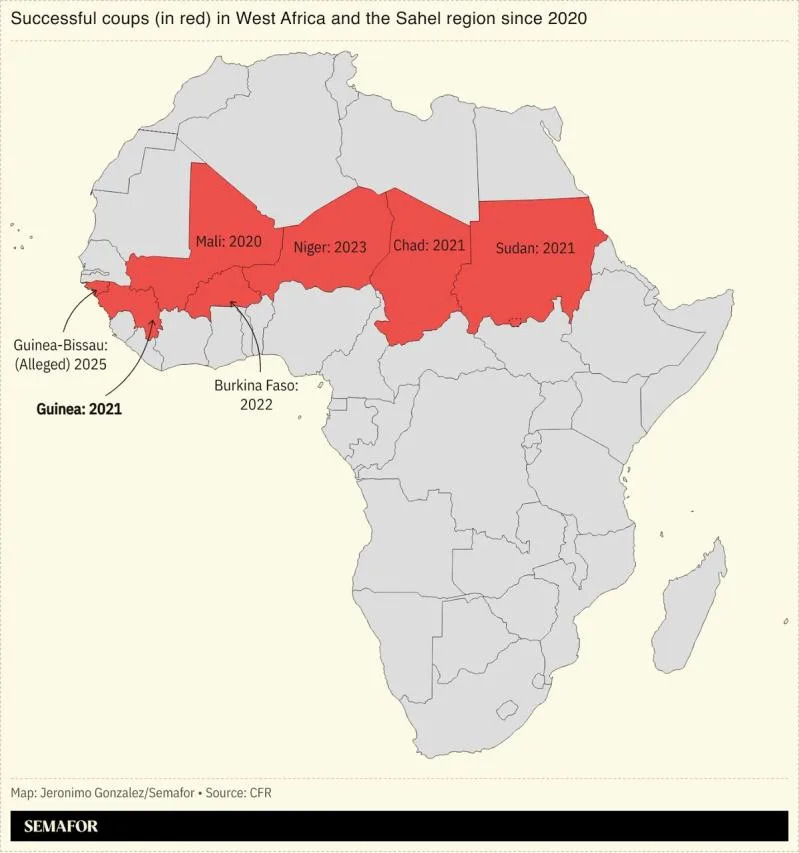
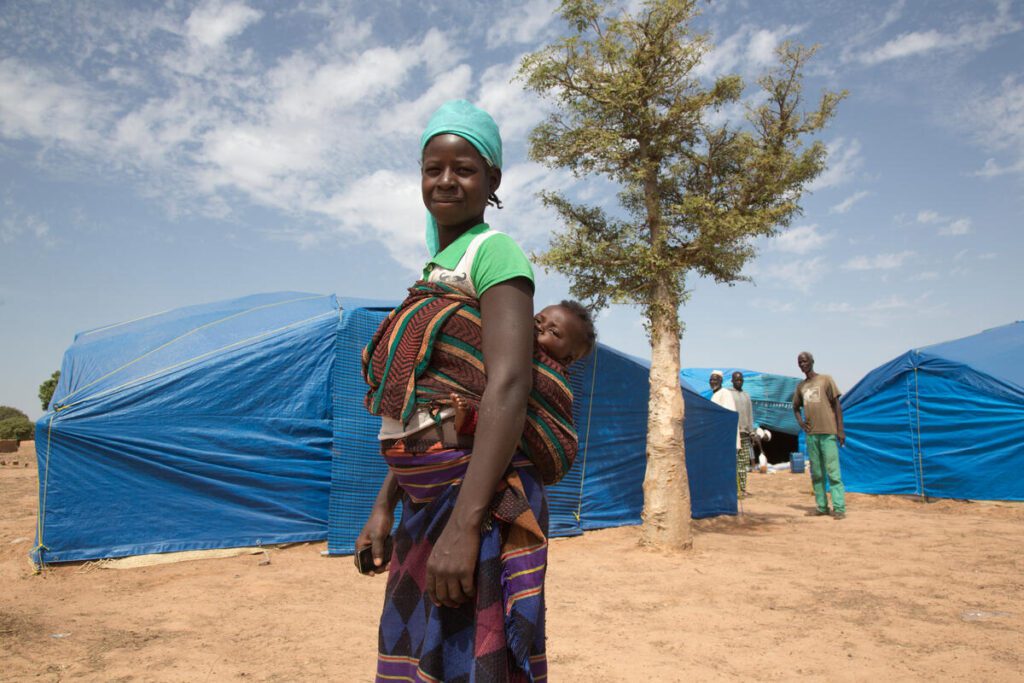
Security experts are quick to point out that this isn’t simply a fight between government forces and extremist groups. It’s a messy, internal struggle, too, with competing factions within the armed groups themselves, all vying for power and resources. Civilians, particularly those brave enough to resist extremist ideologies, are tragically caught in the crossfire. Complicating matters further are the deep-seated socio-economic issues, like poverty and lack of education, that unfortunately fuel recruitment and local support for militants. The impact on communities in these newly affected areas is profound; entire villages bear the scars of violence and grief, their survivors struggling to piece their lives back together amidst fragile security. Analysts warn that if this situation isn’t swiftly contained, Kwara and its neighbors could easily become entrenched conflict zones, much like Nigeria’s northeast, where Boko Haram and the Islamic State West Africa Province have long maintained a deadly presence. Looking ahead, Nigeria’s government faces a monumental task: beefing up security while also tackling the root causes of extremism. Things like poverty, limited access to education, and political marginalization are significant factors. International partners will likely step up their support, but a lasting solution ultimately depends on effective governance, resilient communities, and inclusive strategies to help affected populations rebuild. Nigeria stands at a critical crossroads, and the actions taken today to confront this growing insurgency will echo far beyond its borders, shaping regional stability across West Africa. Vigilance, adaptability, and collaboration are absolutely essential if the country hopes to reclaim peace for its citizens and restore hope in communities threatened by terror. AP News highlighted what’s at stake, and we can’t afford to look away.