Nigeria Faces Deepening Political and Security Crisis Amid Coup Plot and Unrest
Political Intrigue and Shifting Alliances Stir the Nation
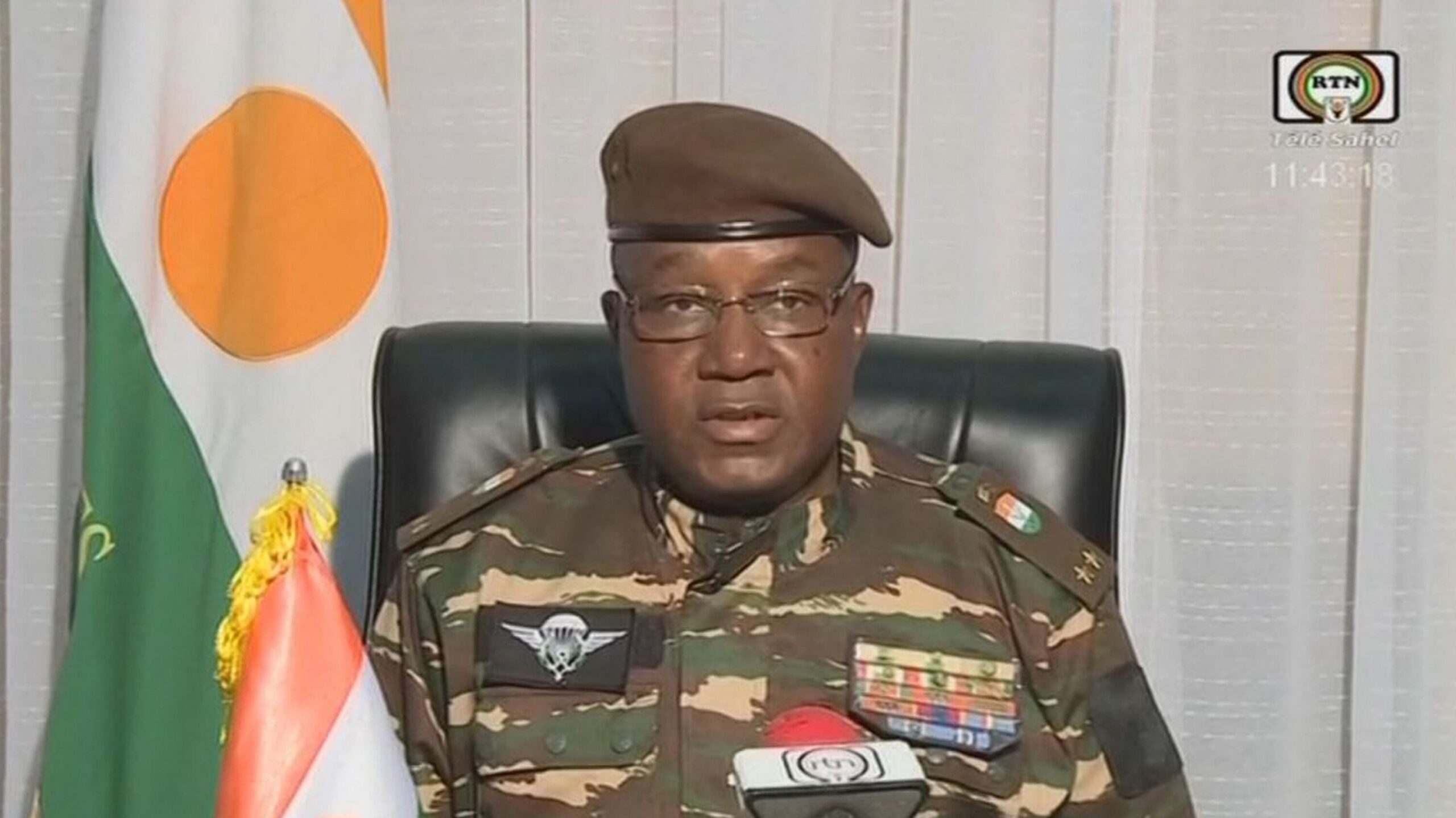
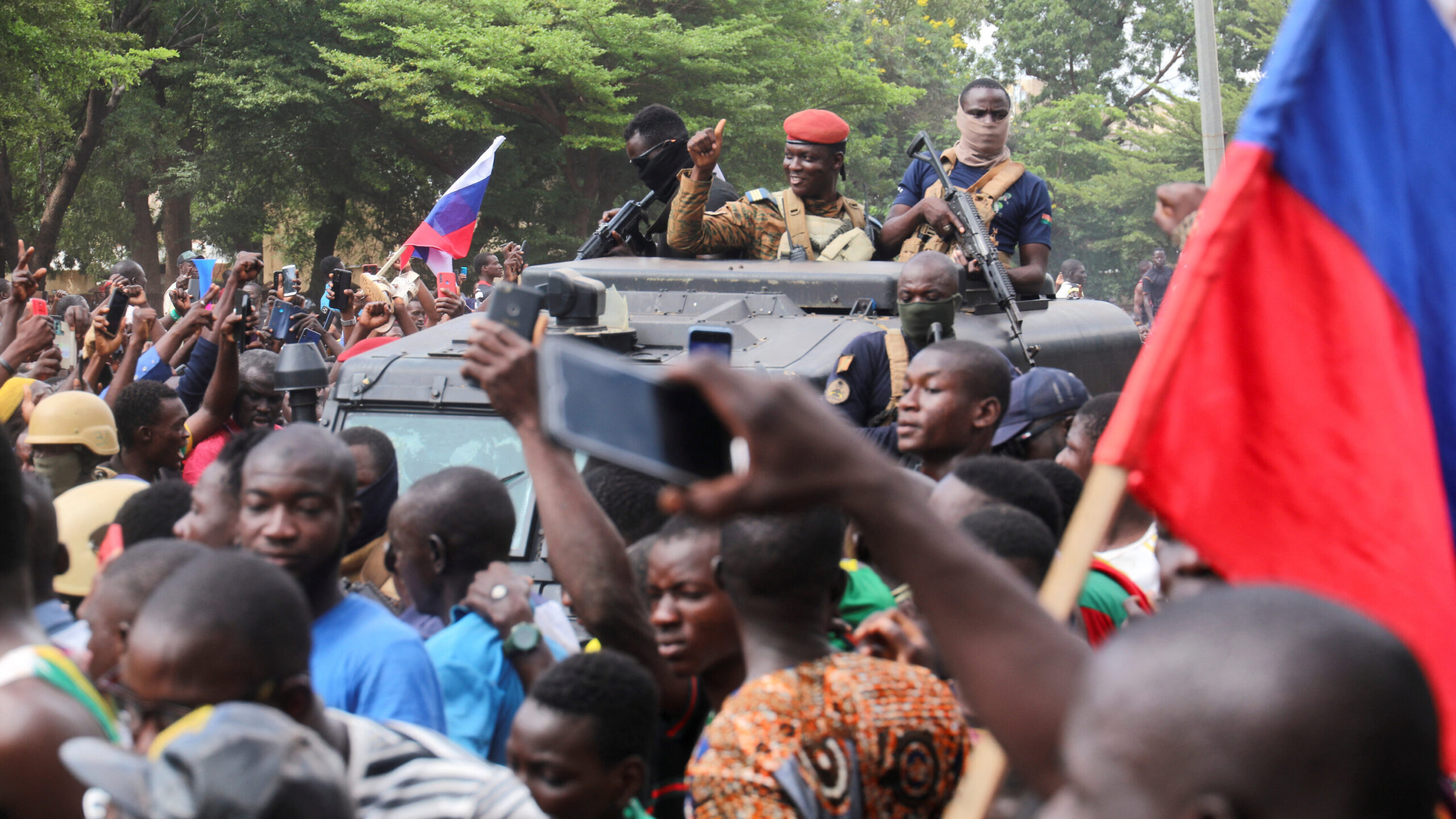
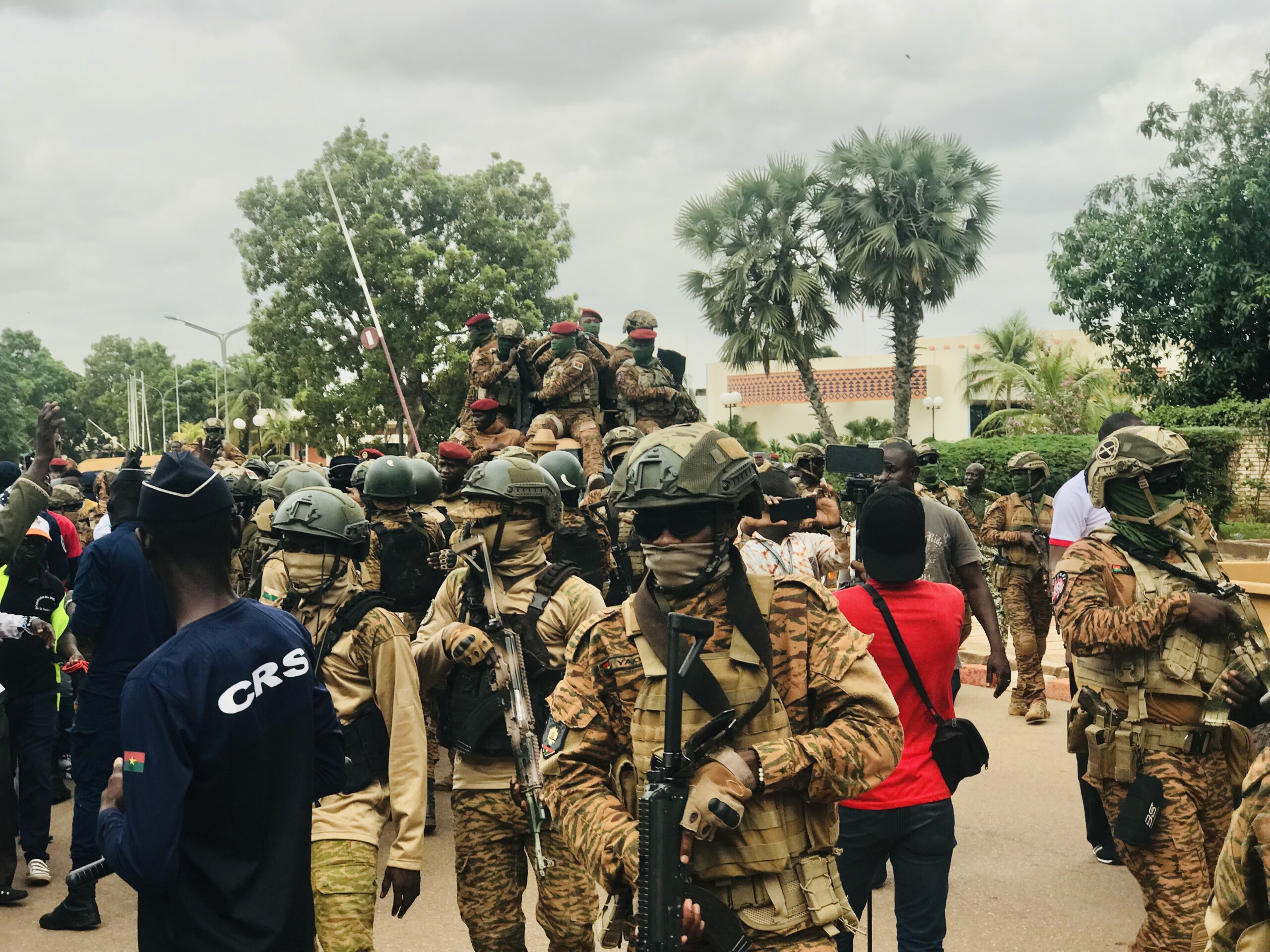
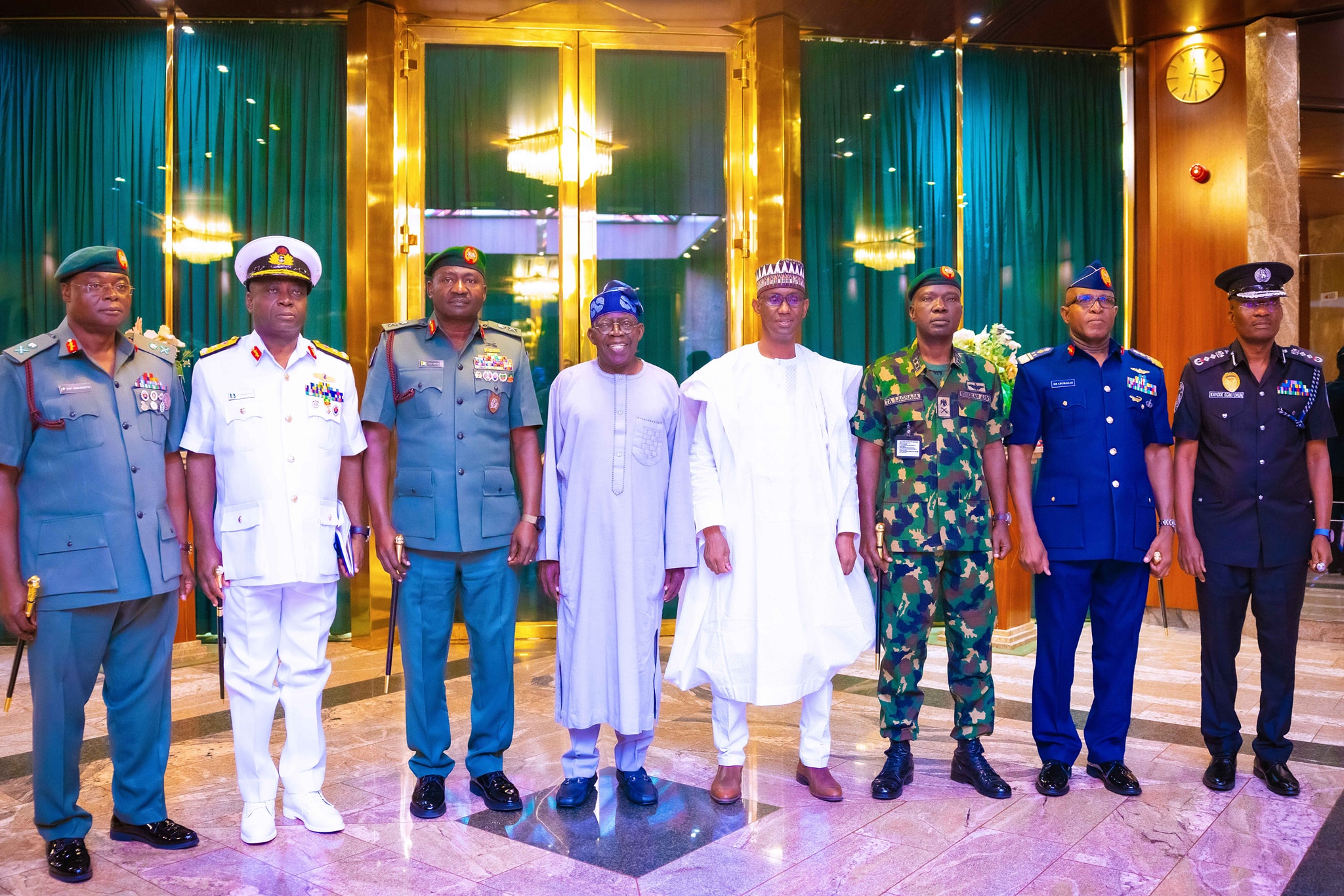
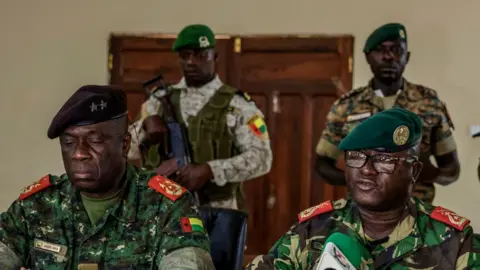
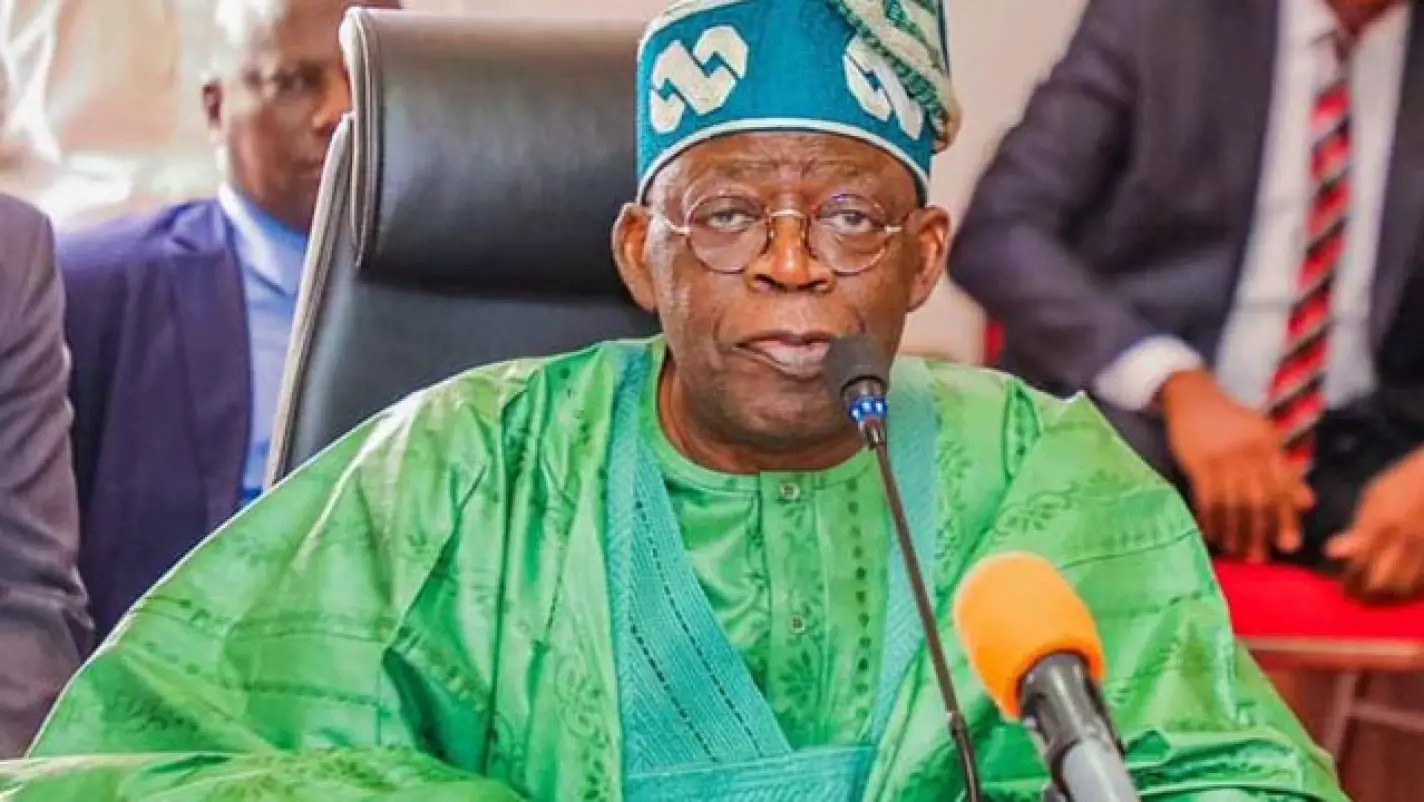
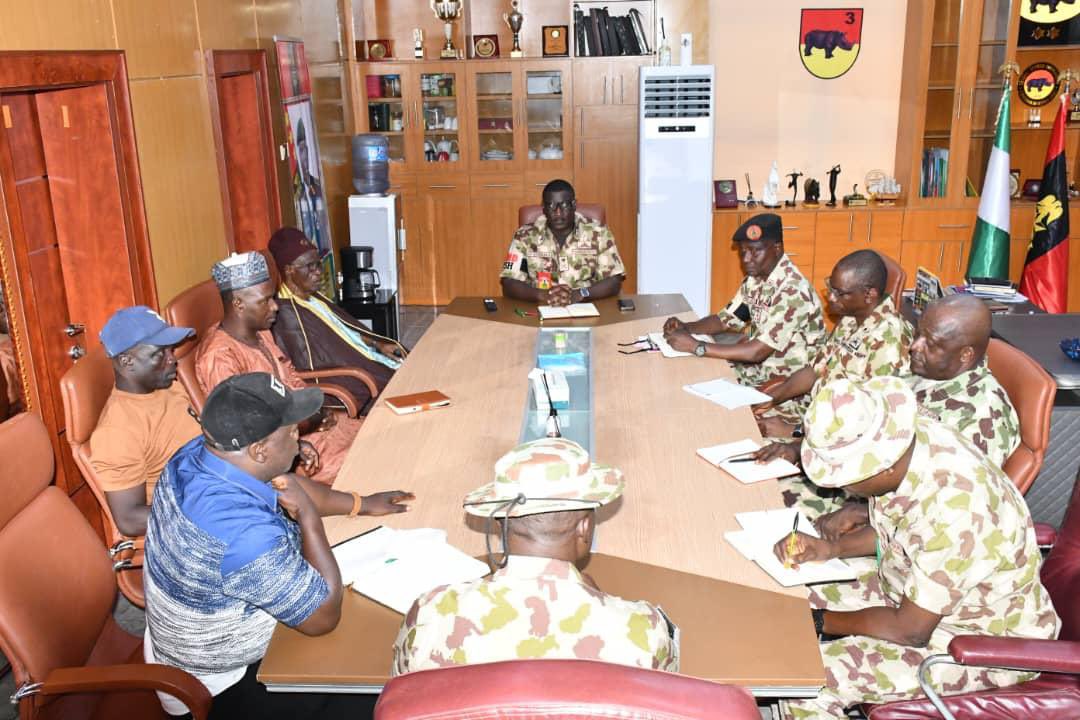
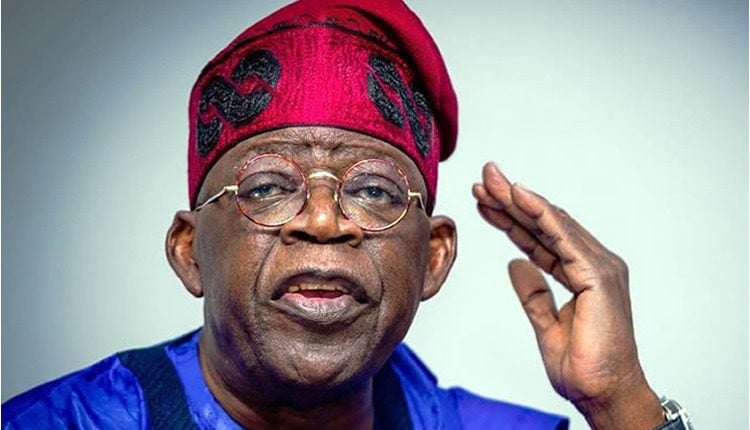
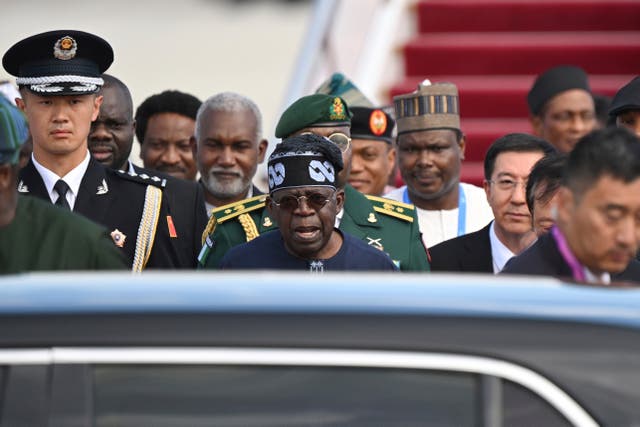
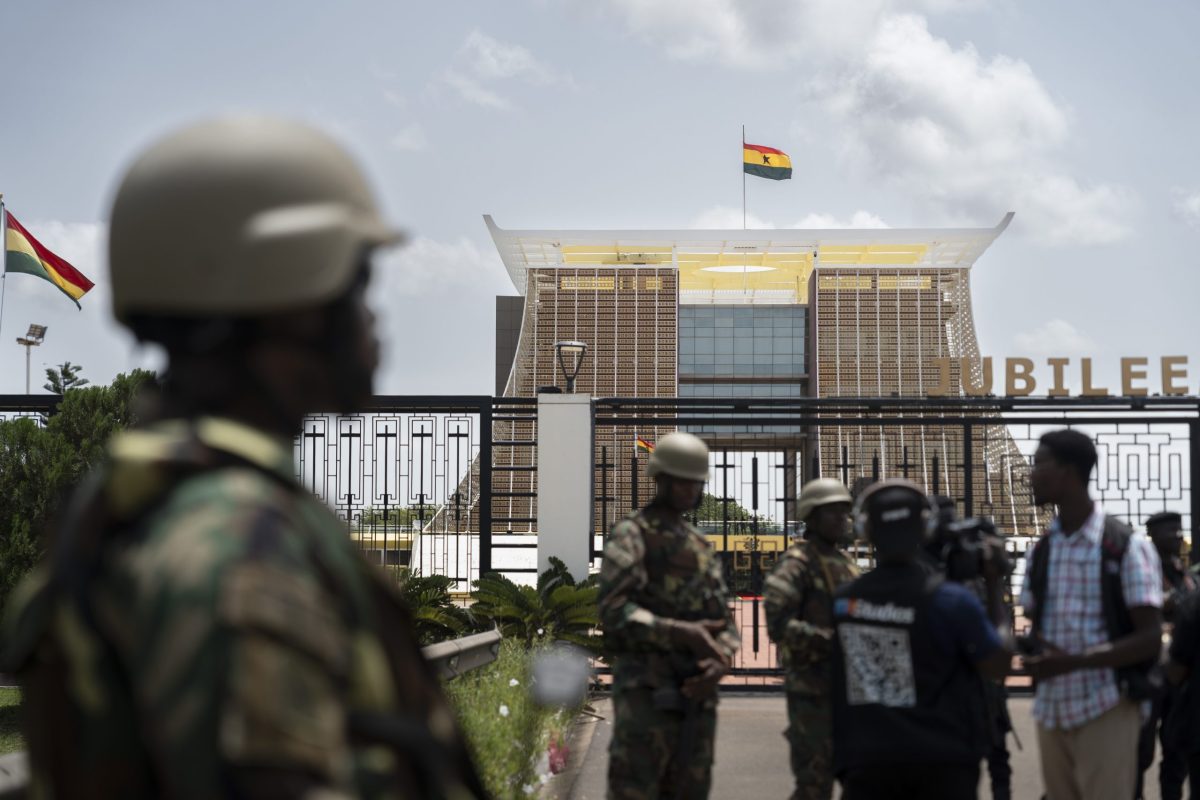
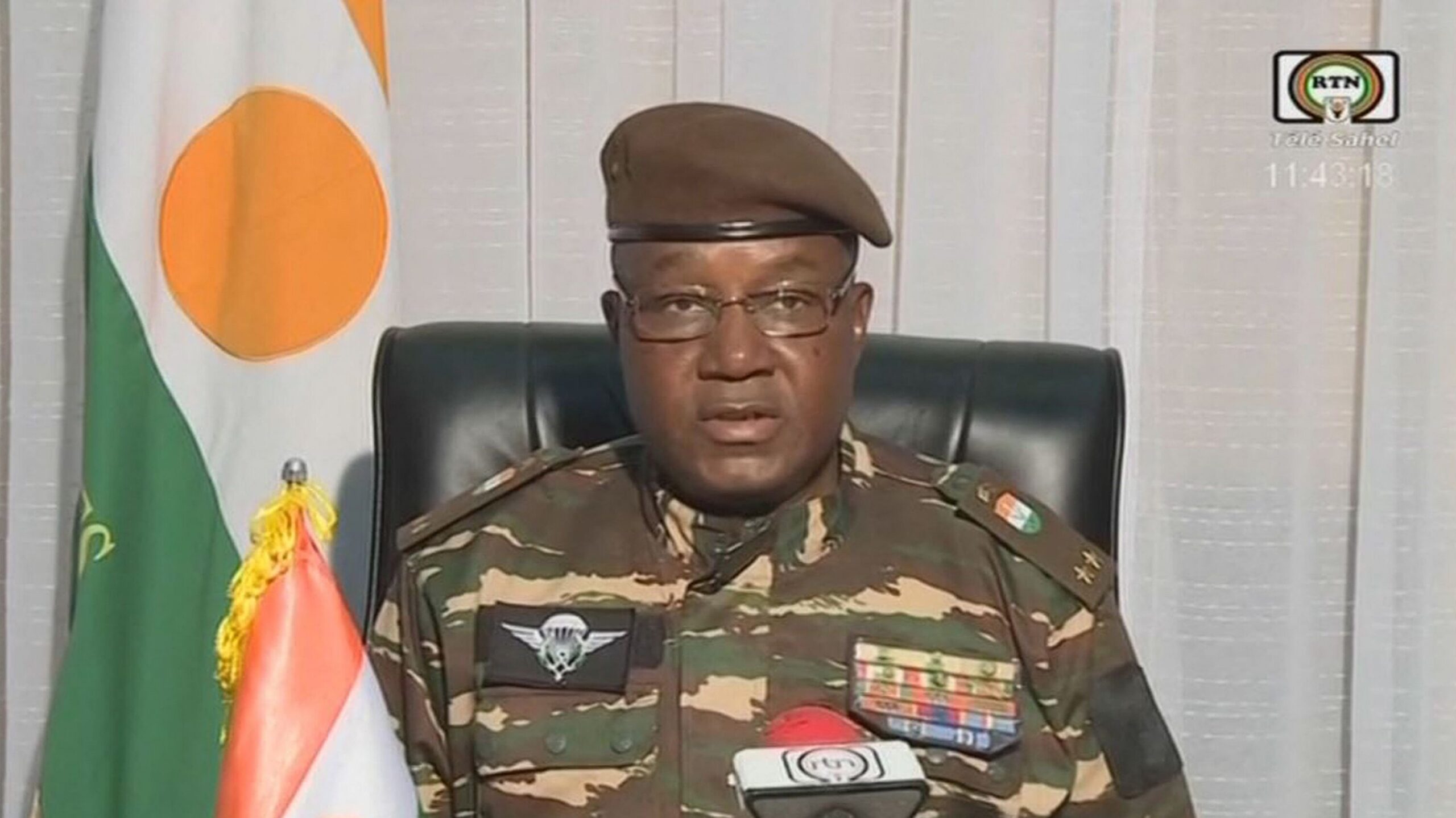
Nigeria finds itself at a critical juncture, navigating a complex web of political drama, security threats, and institutional challenges. The nation’s governance, public safety, and economic stability are all feeling the strain. What’s driving this turbulence? Recent headlines point to an alleged coup plot against President Bola Tinubu’s government, a development that hasn’t just rocked the military, but also fueled intense ethnic and political debates. Authorities have reportedly detained 35 military officers, mostly from the northern region, accused of plotting to overthrow the administration. Their spouses, however, claim the government is using old tactics, reminiscent of former President Obasanjo’s era, to diminish northern influence within the military. To further complicate matters, the Department of State Services (DSS) has reportedly detained a Nigerian Police Inspector, intensifying fears of a widespread crackdown across security agencies. This isn’t just a military matter, it’s a profound political tremor shaking the very foundations of the country, leaving many to wonder what comes next for Nigeria’s leadership. For more on Nigeria’s complex political landscape, you might want to check out Nigeria’s political turmoil.
Mounting Security Threats and Governance Woes
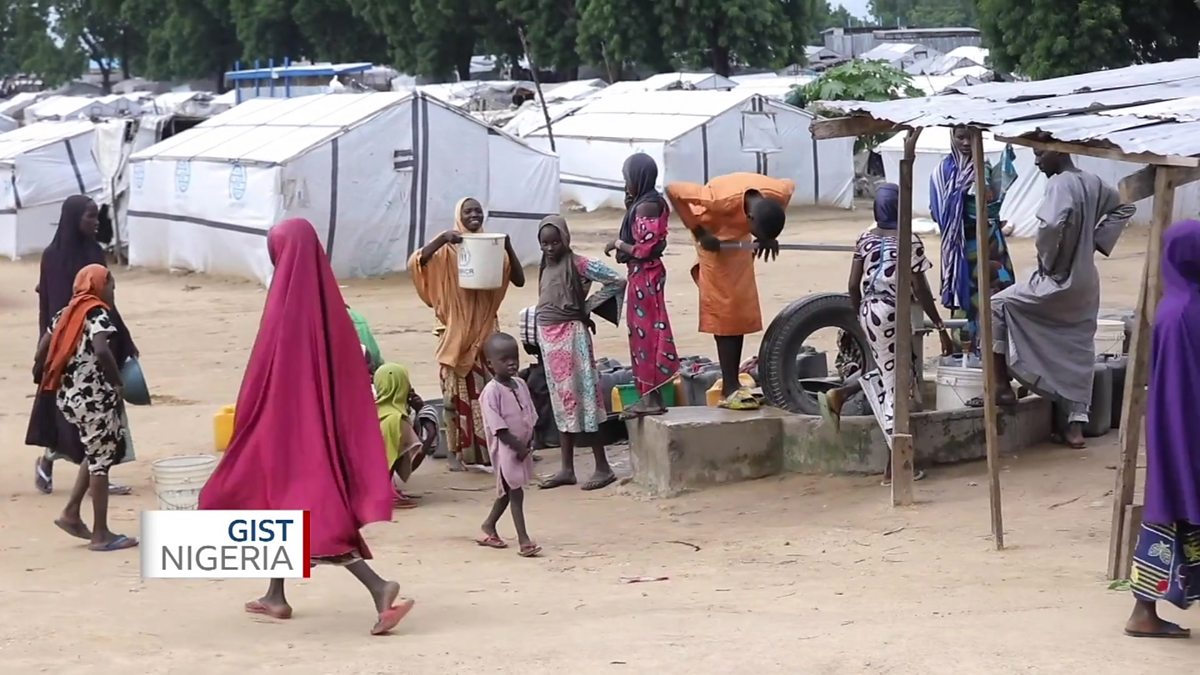
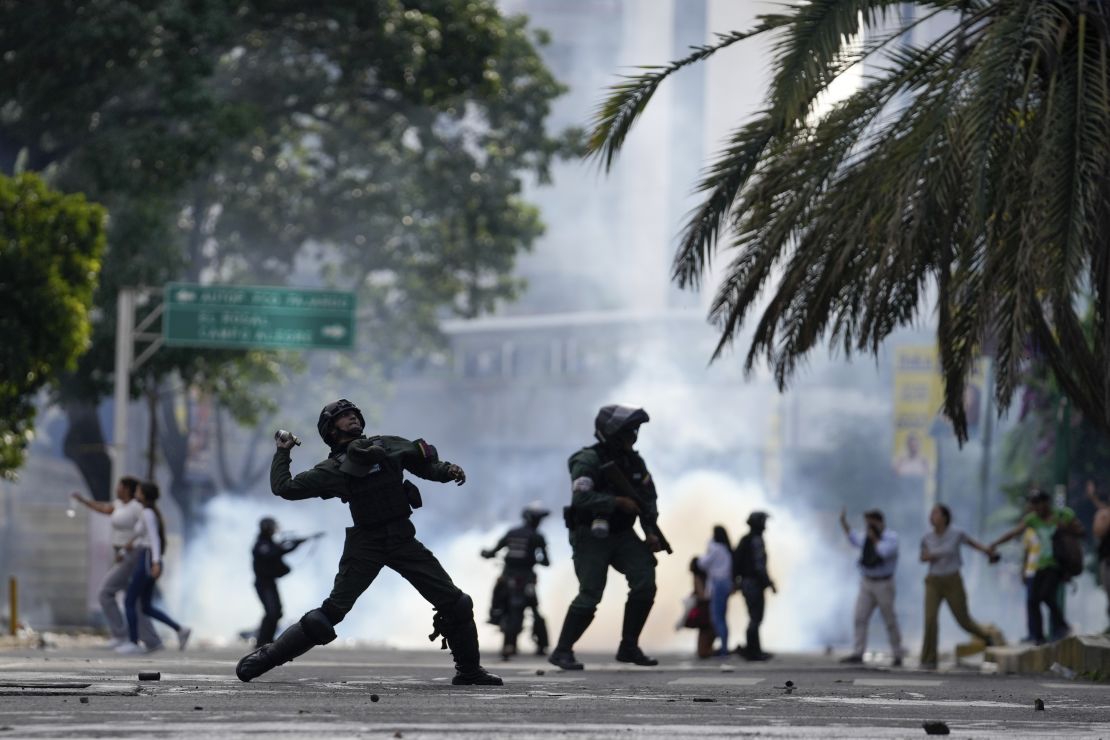
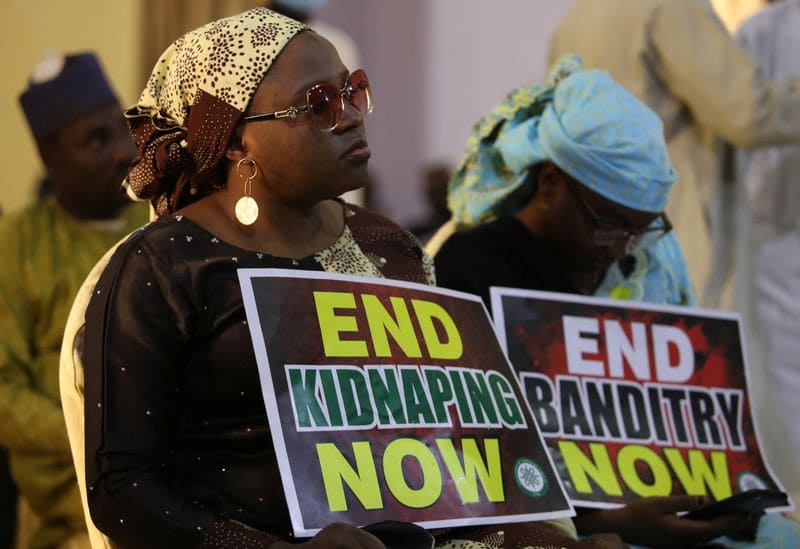
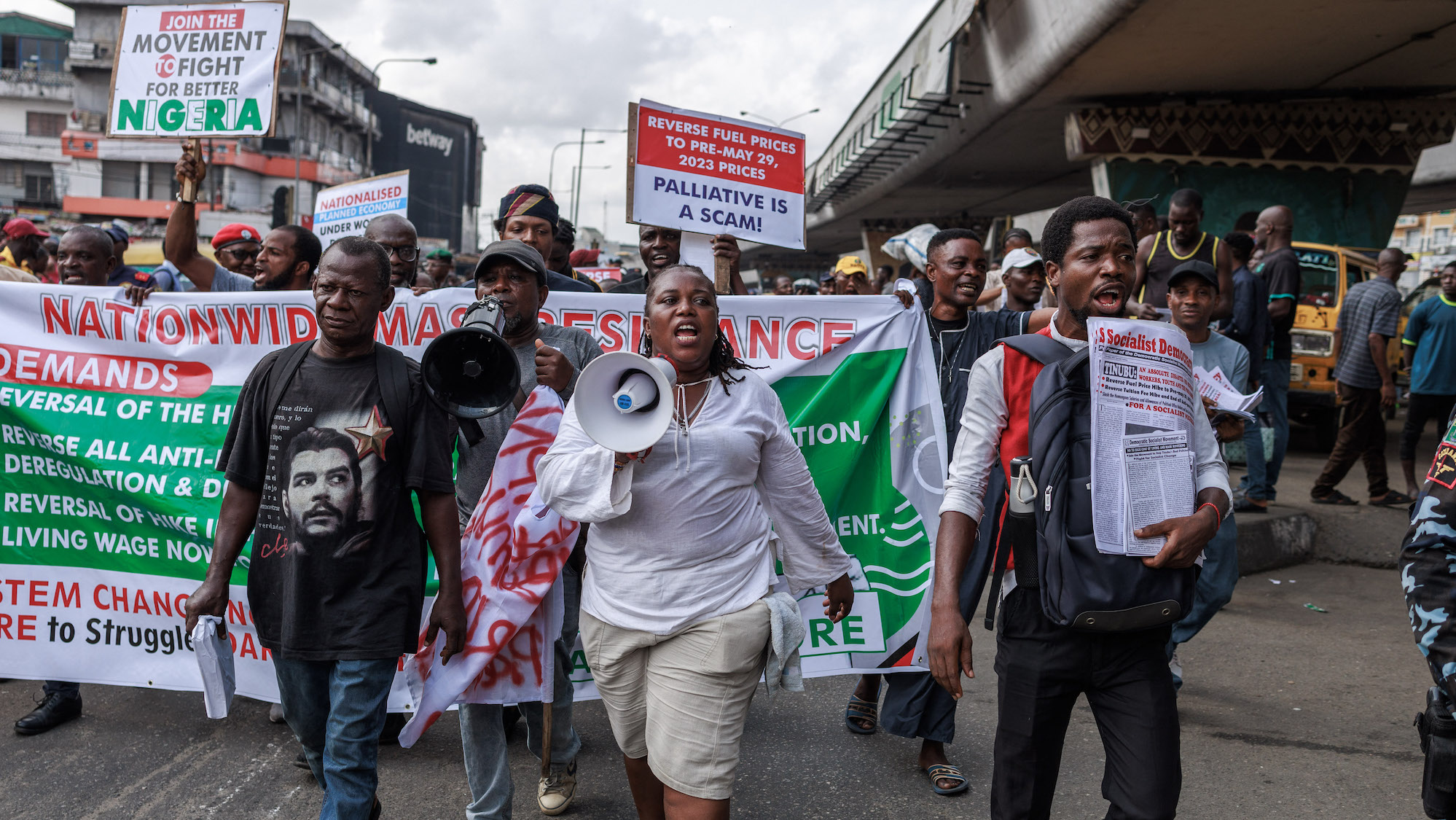
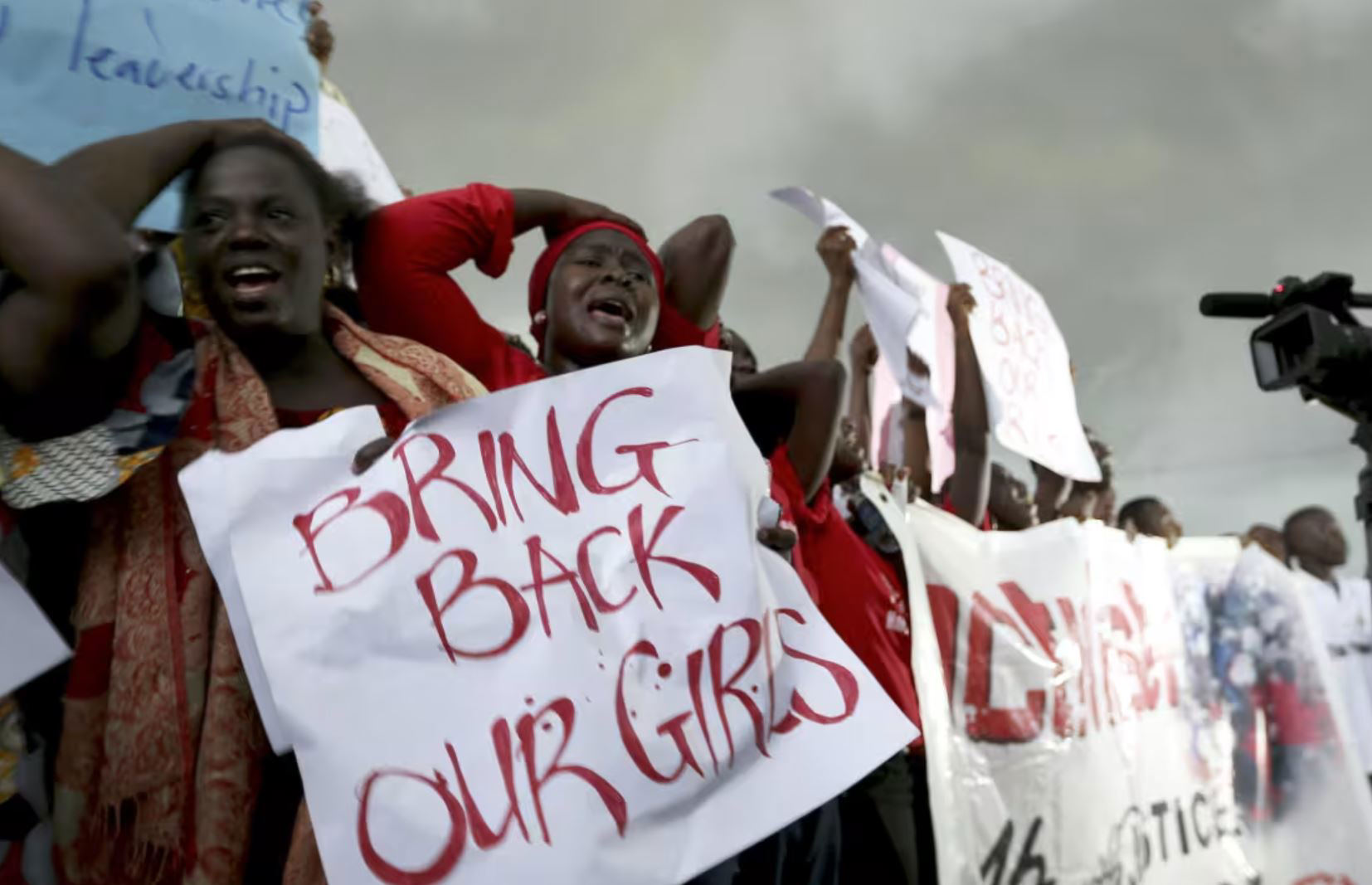
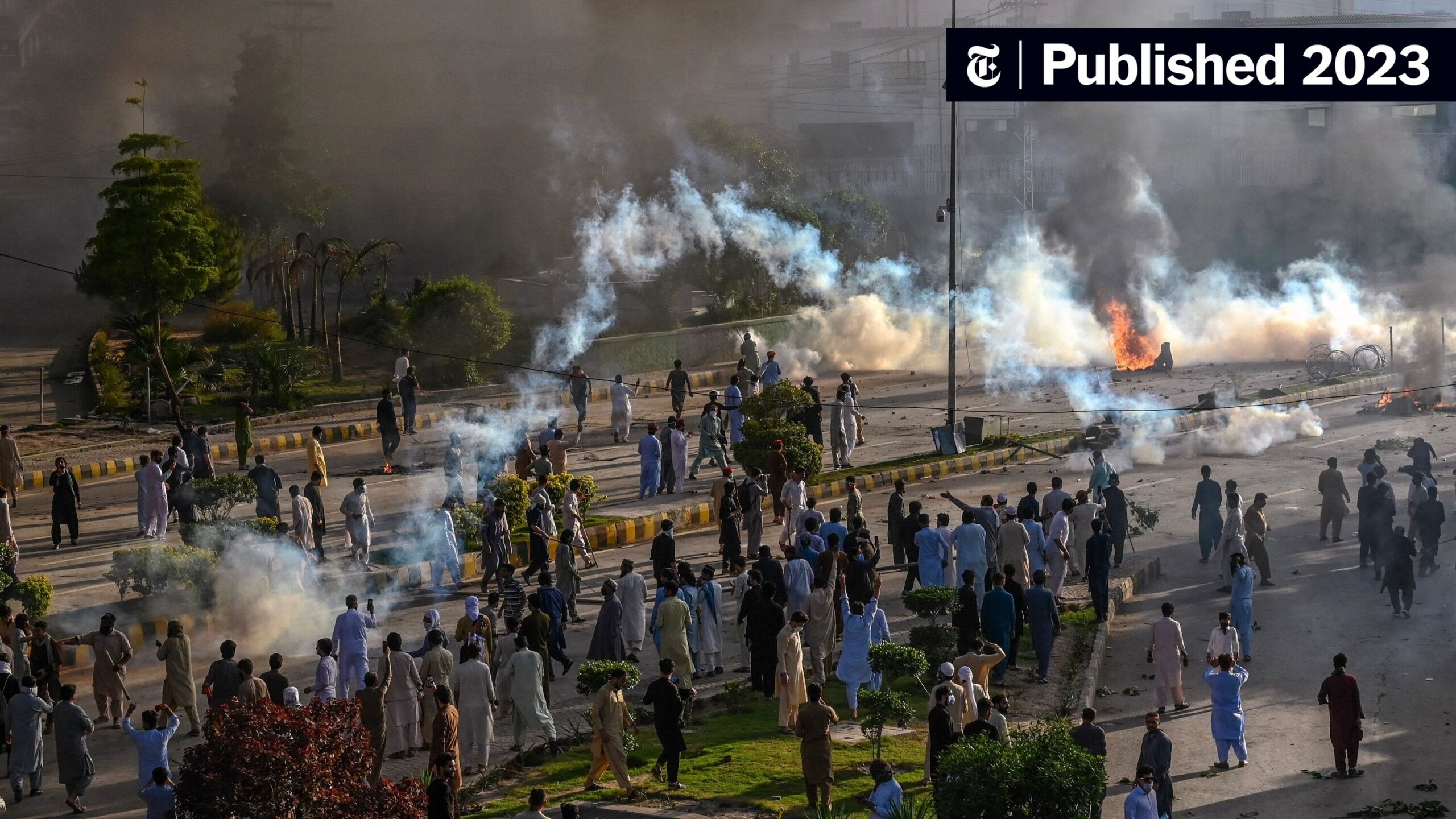
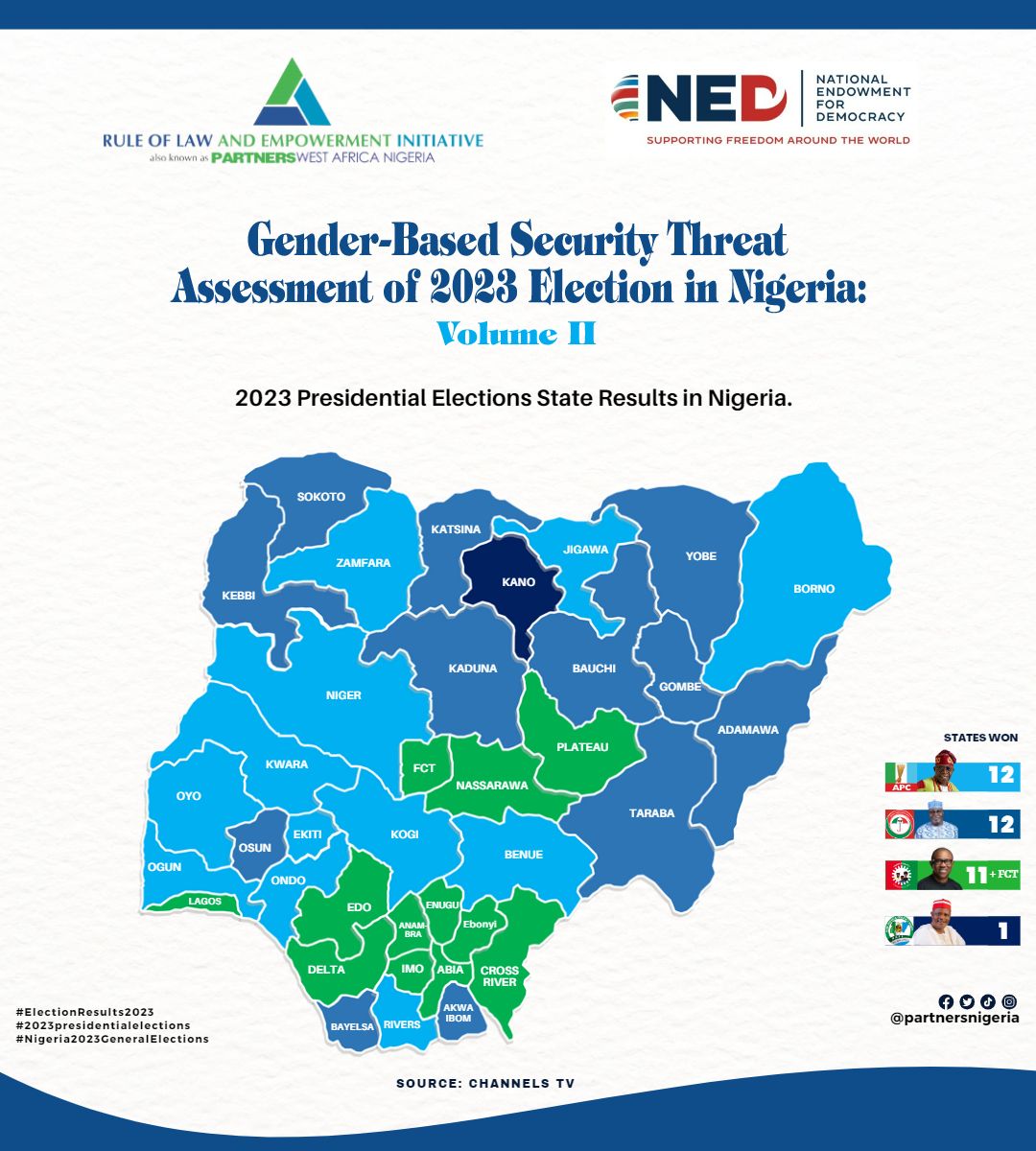
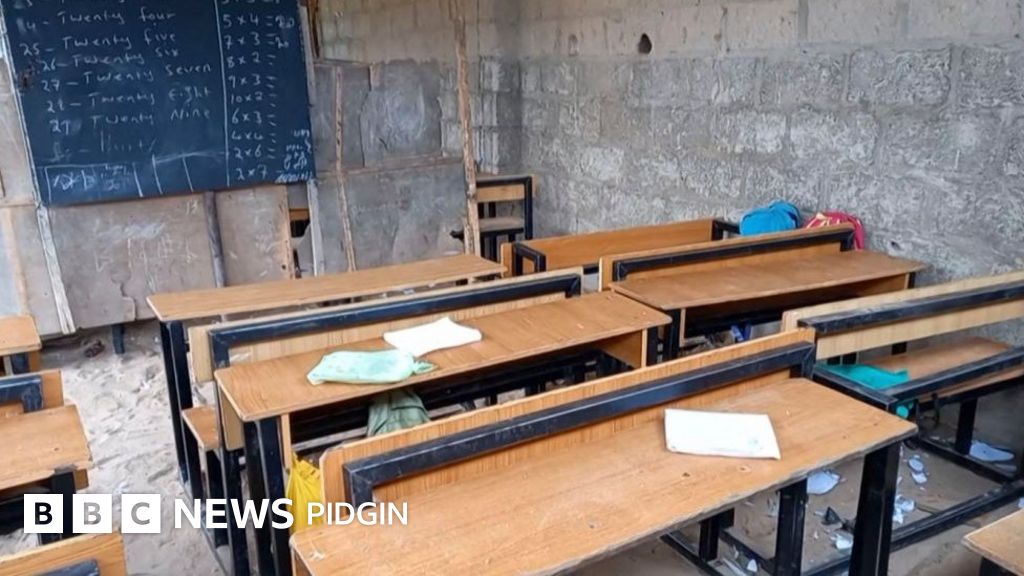
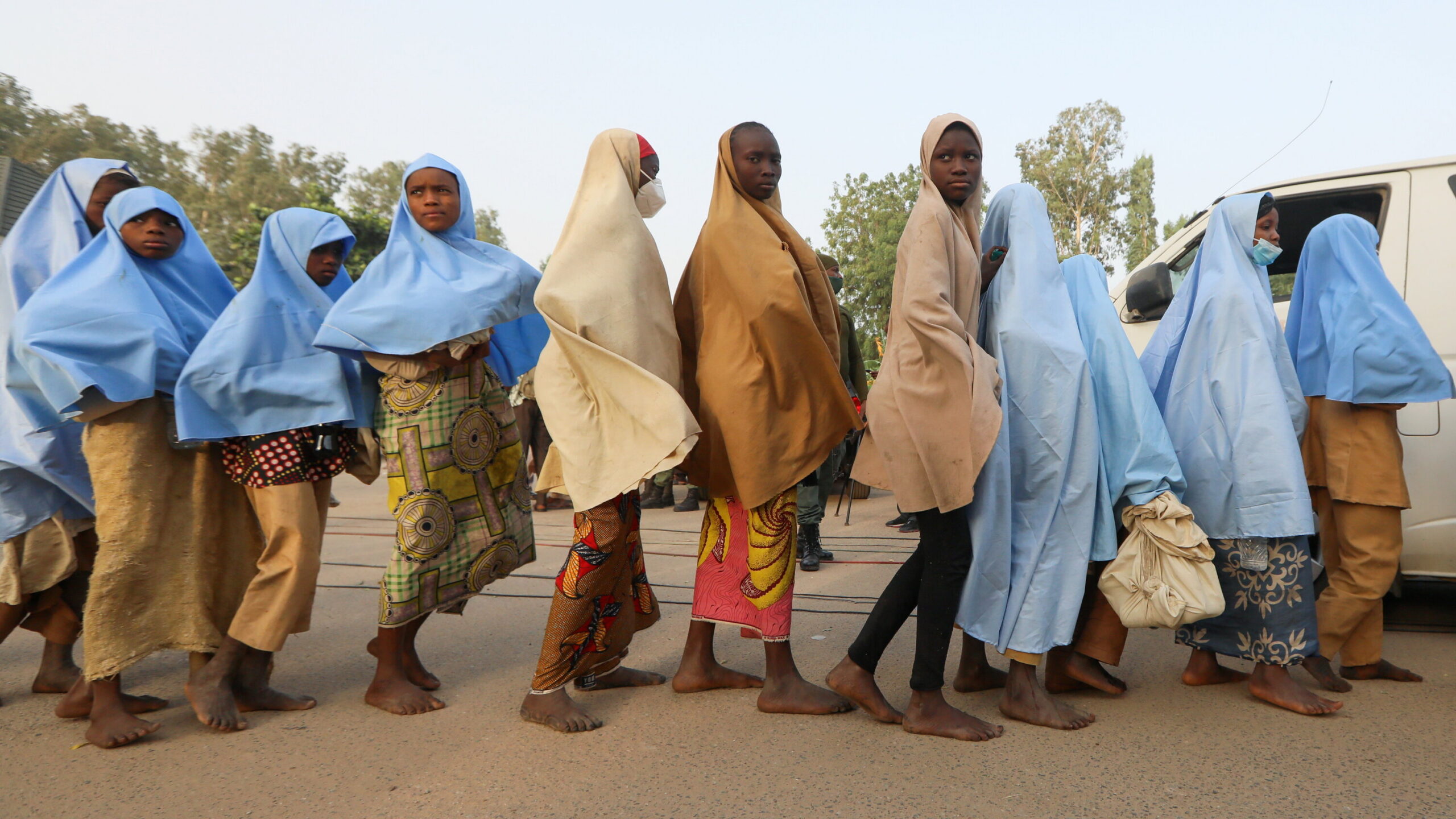
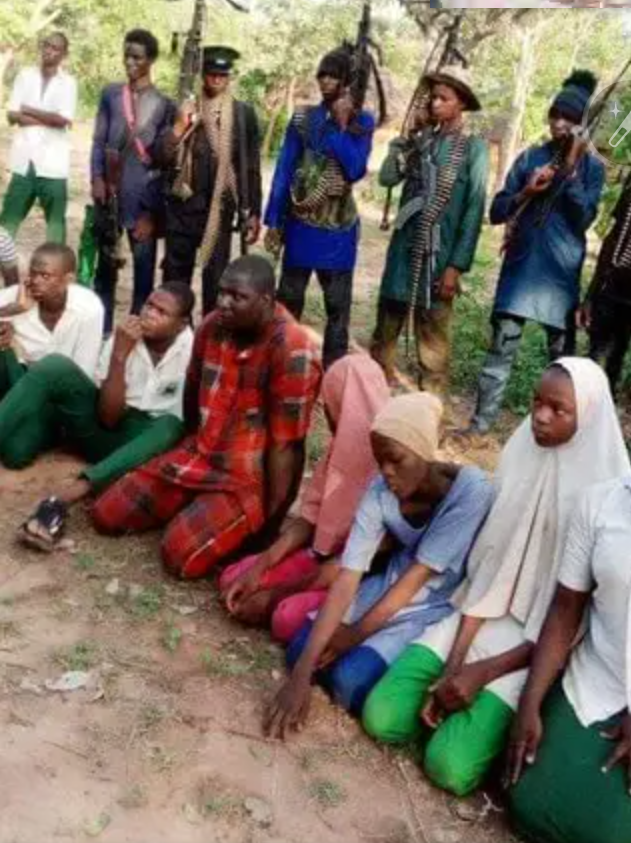
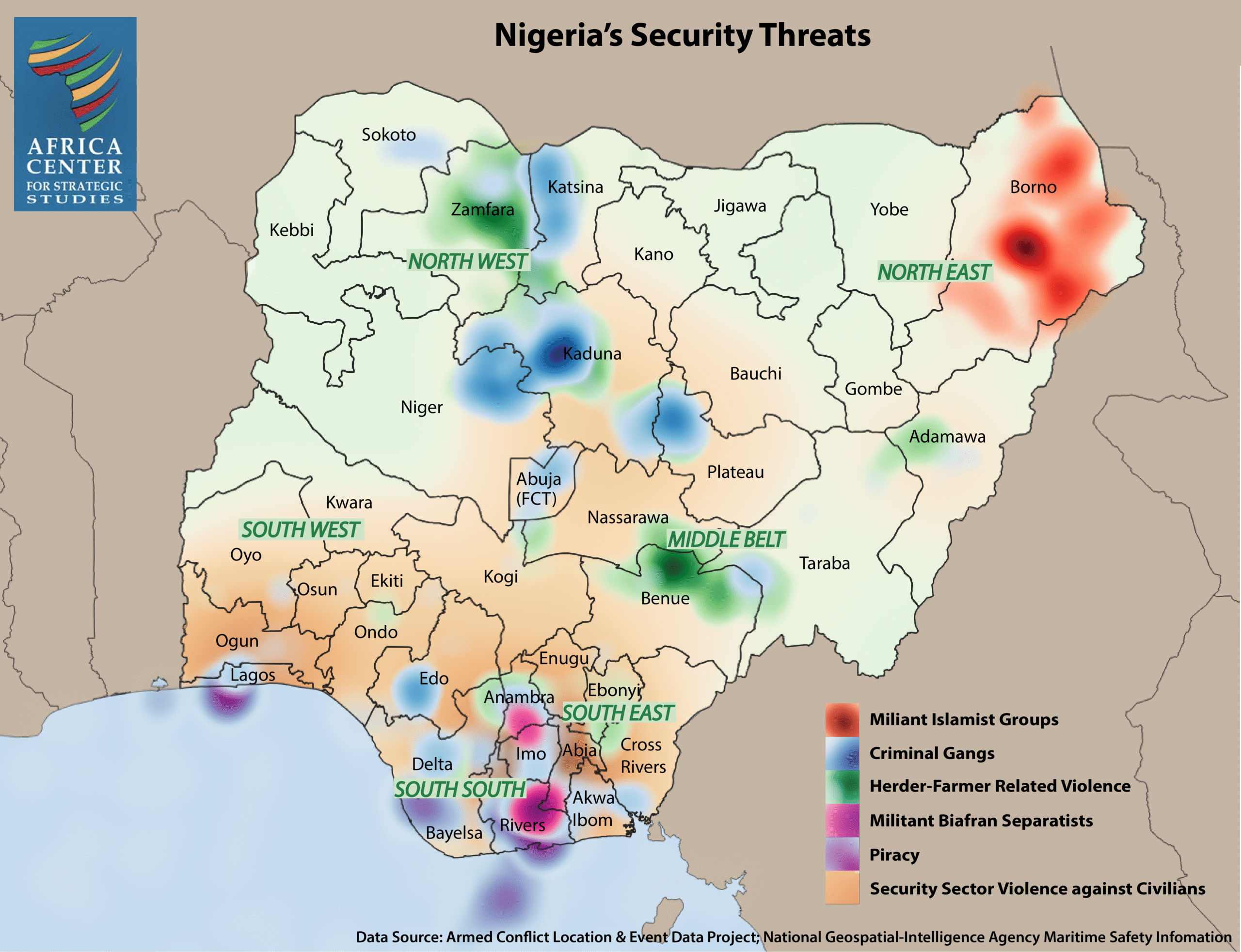
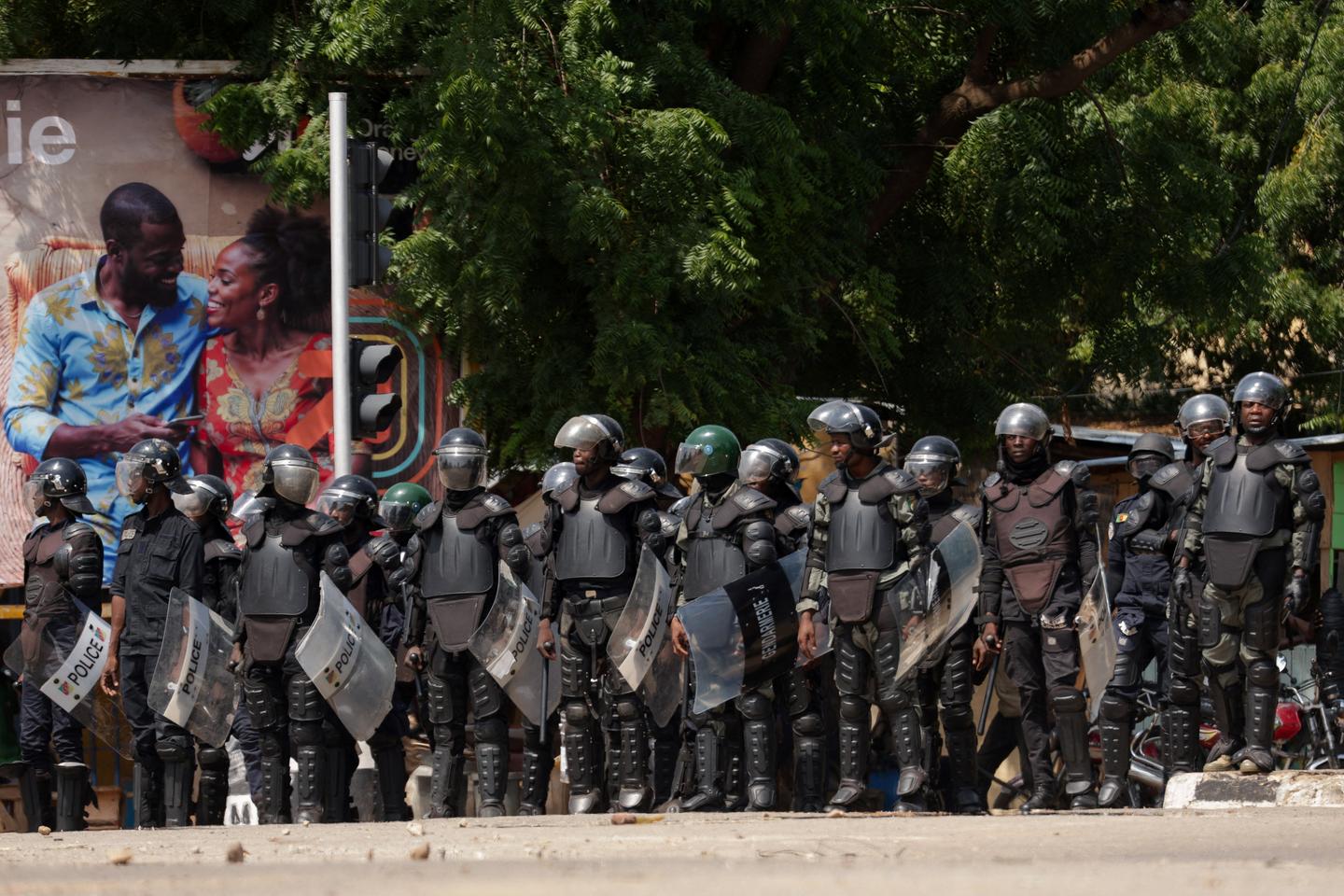
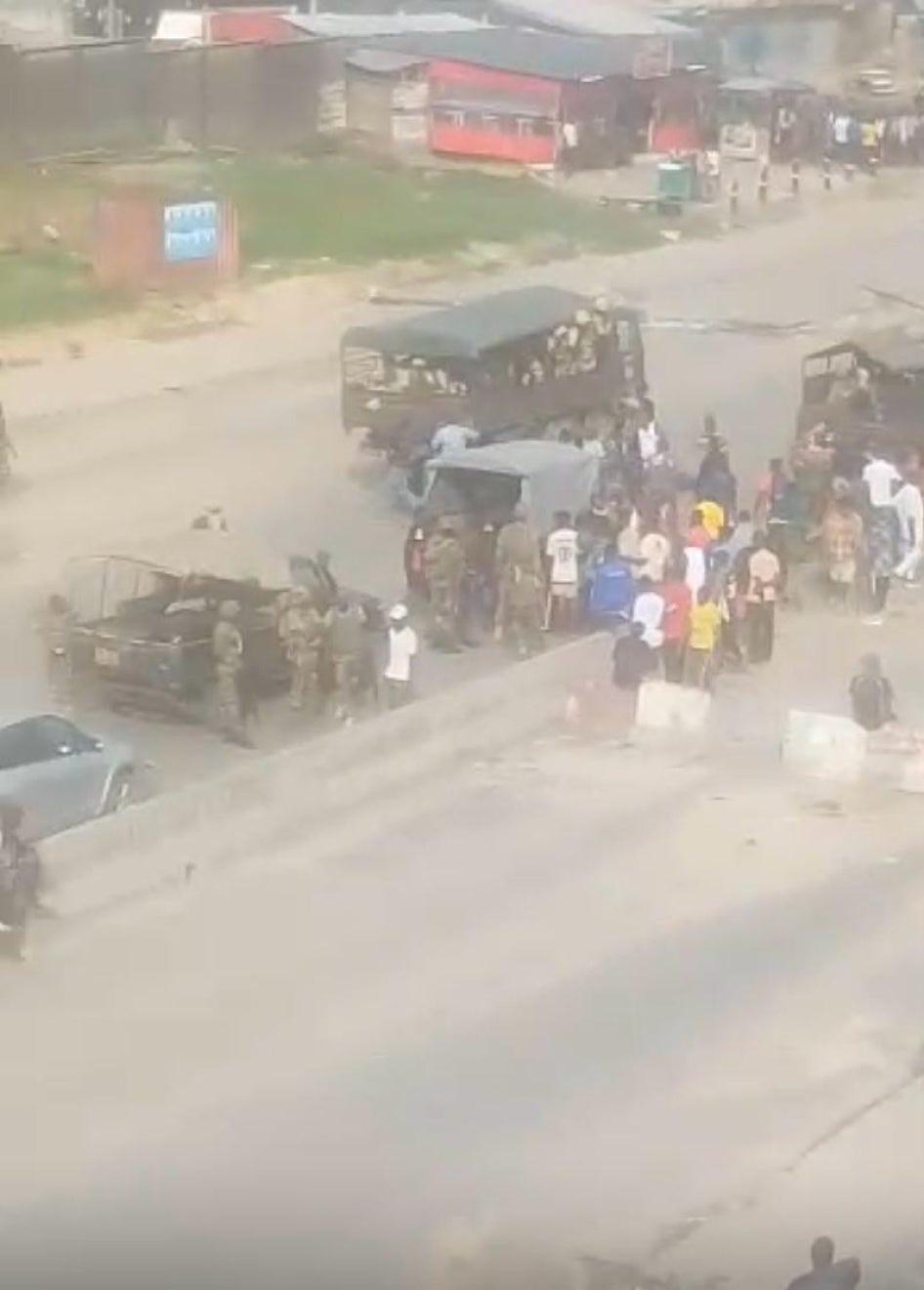
Beyond the political intrigue, Nigeria is battling relentless security issues. Armed groups continue to destabilize various regions, putting public safety at serious risk. In Kaduna, for example, terrorists are reportedly demanding a staggering 250 million naira and 20 motorcycles for the release of 166 abducted worshippers. This highlights the terrifying vulnerability of religious communities and the financial muscle these groups still wield. Adamawa isn’t spared either, with attacks on the governor’s hometown leading to the deaths of two forest guards and another abduction, showing just how far these armed groups can reach. The country’s security forces are feeling the heat and have been ordered to maintain high alert for patrols and VIP duties nationwide. But it’s not just external threats. Troubling reports also detail violent confrontations involving state operatives themselves. An Abuja incident saw a DSS operative open fire on residents, killing two and injuring one. These events spark crucial questions about the conduct of security forces and their interactions with civilians, feeding into a broader discussion on human rights and government accountability. Civil society groups aren’t staying silent, as seen in Bwari, FCT, where youths protested, demanding the removal of a divisional police officer after an alleged police shooting left a man blind. On the political front, things remain fluid. Kano Governor Abba Yusuf, along with 21 lawmakers, recently resigned from the New Nigeria Peoples Party (NNPP), reportedly planning to defect to the ruling All Progressives Congress (APC). This move tells us about the constant shifts and realignments happening in Nigerian politics, particularly with future elections on the horizon. Meanwhile, integrity and governance issues are under the microscope in Abuja. The House of Representatives has summoned top officials, including the Auditor-General and the Ministers of Finance and Agriculture, to explain missing records related to farm subsidy programs. This raises concerns about transparency in a sector vital for food security. And let’s not forget the scandal in Nasarawa State, where 707 million naira reportedly went to refreshments while rural water projects were neglected. These aren’t just numbers, they’re signs of mismanagement that could deepen public discontent. To understand more about the pressing security concerns, read about Nigeria’s ongoing security crisis.
Legal Battles, Diplomatic Efforts, and a Nation at a Crossroads
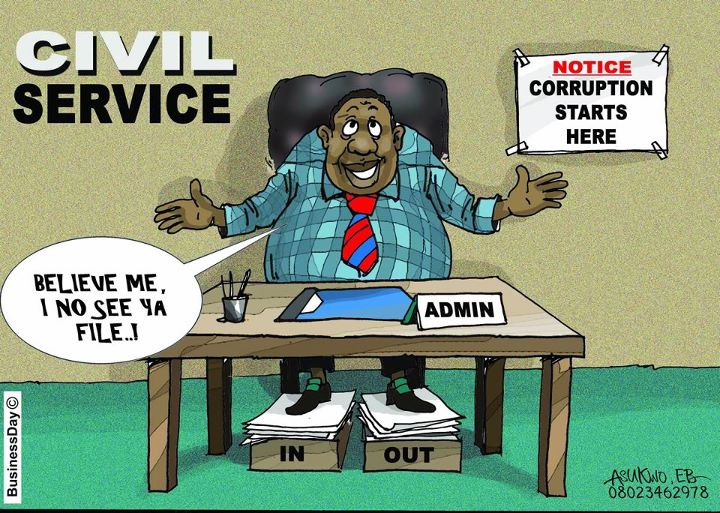
The country’s legal arena is also a busy one. In Bayelsa, a six-year trial involving contested confessions from former First Lady Patience Jonathan’s staff in a jewellery theft case has drawn attention, particularly due to torture allegations. Then there’s the significant judgment against Airtel Nigeria, ordered to pay 210 million naira for using veteran singer Mbanefo’s work without permission, a win for intellectual property rights enforcement in Nigeria. Internationally, President Tinubu has approved ambassador postings to key countries like the U.S., France, the UK, and Turkey, an effort to strengthen Nigeria’s global ties amidst its internal struggles. Although, his recent public stumble in Turkey did grab some media attention, showing how closely the world watches. Domestically, social controversies persist. Nigerians stranded in Brazil have accused Air Peace and the government of a “scam” over a supposed direct flight deal between Lagos and São Paulo. This incident certainly highlights persistent challenges in aviation infrastructure and the erosion of trust between citizens and both public and private sectors. Nigeria really stands at a crossroads, doesn’t it? The convergence of security fears, political pressures, and governance challenges demands immediate attention. We need stronger institutional reforms, transparent leadership, and robust security strategies. These strategies shouldn’t just fight armed groups, but also tackle systemic corruption and improve public services. Ultimately, the government’s ability to build trust at home and project stability abroad will be crucial in navigating these turbulent waters. Everyone, from all walks of life, must work together to find pathways to peace, justice, and socio-economic progress, ensuring Nigeria’s diverse people see their hopes met with integrity and sustainability. For further context on regional security, explore how West Africa confronts jihadist threats.
Sources:
- Exclusive: Nigerians Stranded In Brazil Accuse Tinubu Govt, Air Peace Of ‘Scam’ Over Fake Lagos–São Paulo Direct Flight Deal, Sahara Reporters, January 28, 2026.
- Breaking: Two Killed, One Injured As DSS Operative Opens Fire On Abuja Residents, Sahara Reporters, January 28, 2026.
- House Of Reps Summons Auditor-General, Finance, Agriculture Ministers Over Missing Records On Farm Subsidies, Sahara Reporters, January 28, 2026.
- Terrorists Raise Ransom To N250million, 20 Motorcycles To Free 166 Abducted Worshippers In Kaduna, Sahara Reporters, January 28, 2026.
- Exclusive: 35 Military Officers Including 33 Northerners Detained Over Alleged Coup Plot, Sahara Reporters, January 27, 2026.
- Breaking: Nigeria Police Inspector Detained By DIA For Alleged Coup Plot Against Tinubu, Sahara Reporters, January 27, 2026.
- Breaking: Nigeria Police Order Officers On VIP, Patrol Duties To Remain On Standby Nationwide, Sahara Reporters, January 27, 2026.
- Breaking: Kano Governor Abba Yusuf, 21 Lawmakers, Others Resign From NNPP Amid Planned APC Defection, Sahara Reporters, January 23, 2026.
- Nasarawa Government Spends N707million On Refreshments As Rural Water Provision Suffers Neglect, Sahara Reporters, January 24, 2026.
- Exclusive: After 6 Years, Bayelsa Court Admits Contested Confessions Of Patience Jonathan’s Staff In Jewellery Theft Trial Despite Torture Claims, Sahara Reporters, January 26, 2026.
- Breaking: Court Orders Airtel Nigeria To Pay N210Million For Unauthorised Use Of Veteran Singer Mbanefo’s ‘Nigeria Go Survive’, Sahara Reporters, January 26, 2026.
- Breaking: Tinubu Approves Posting Of Four Ambassador-Designates To US, France, UK, Turkey, Sahara Reporters, January 22, 2026.
- Breaking: Tension In Onitsha Market As Heavily Armed Policemen Enforce Governor Soludo’s One-Week Shutdown, Sahara Reporters, January 27, 2026.
- Breaking: Youths Protest In FCT’s Bwari Over Alleged Police Shooting And Tear Gas Attack That Left Man Blind, Demand DPO’s Removal, Sahara Reporters, January 26, 2026.