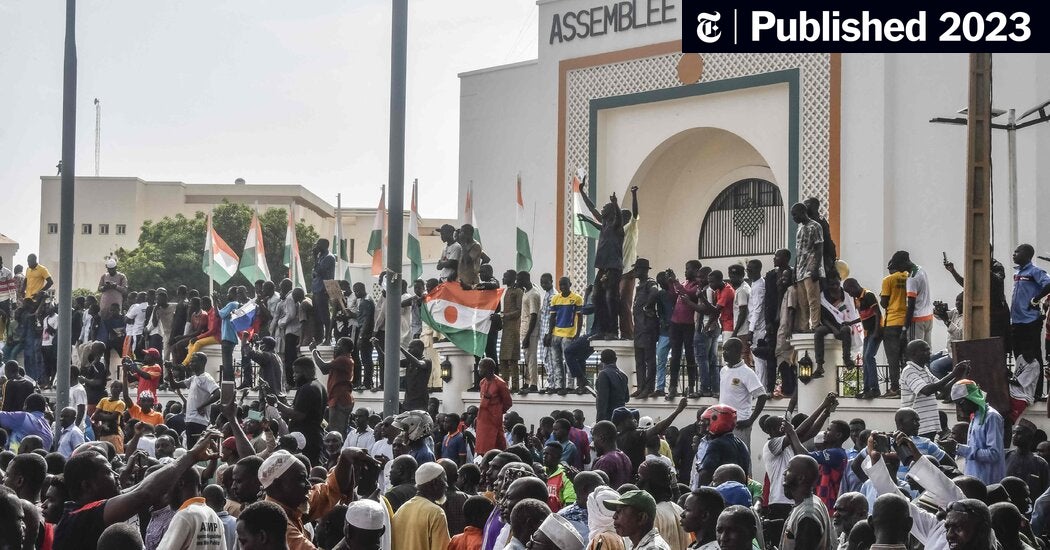
Nigeria Faces Legal and Military Crisis Over Alleged Coup Plot
Alleged Coup Sparks Legal Reckoning
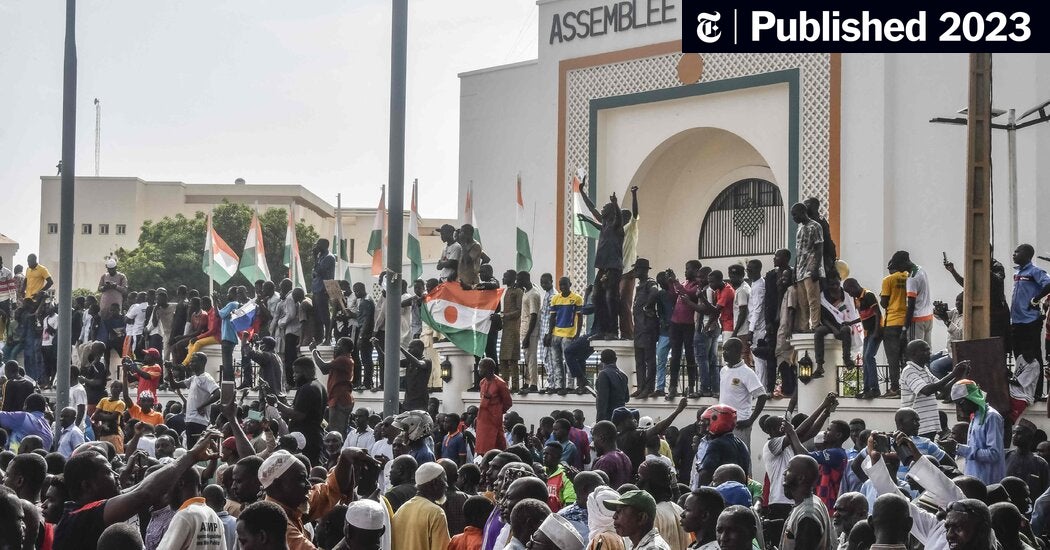
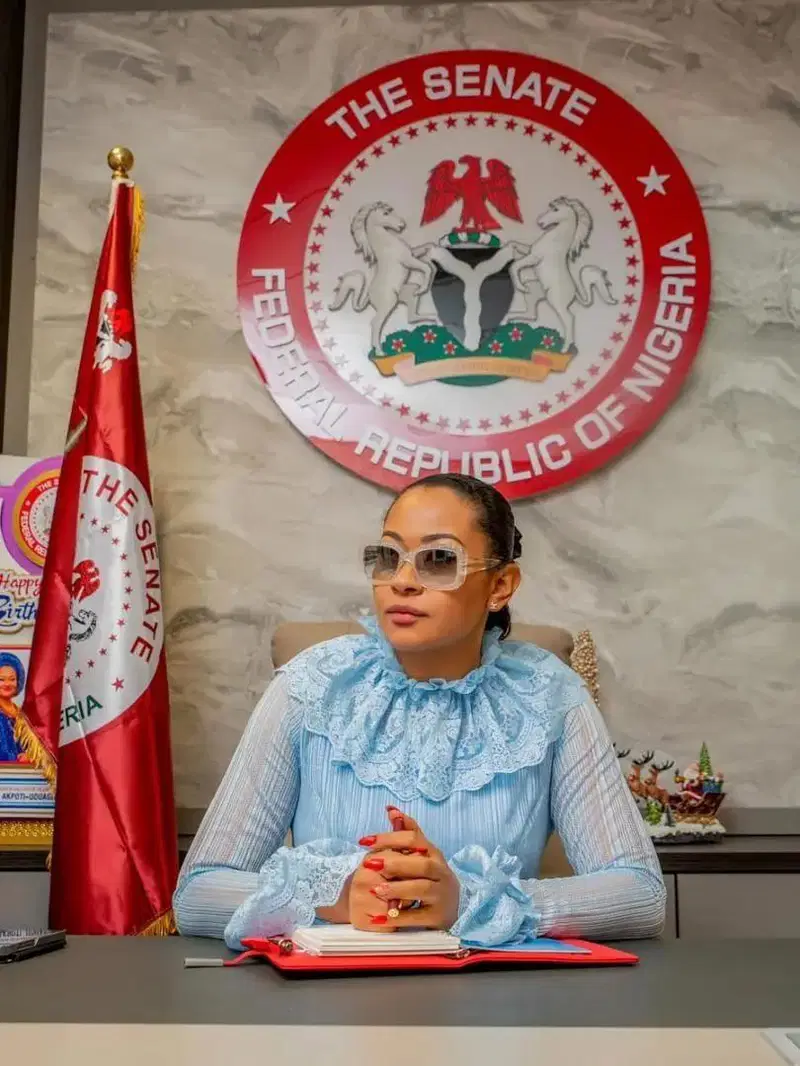
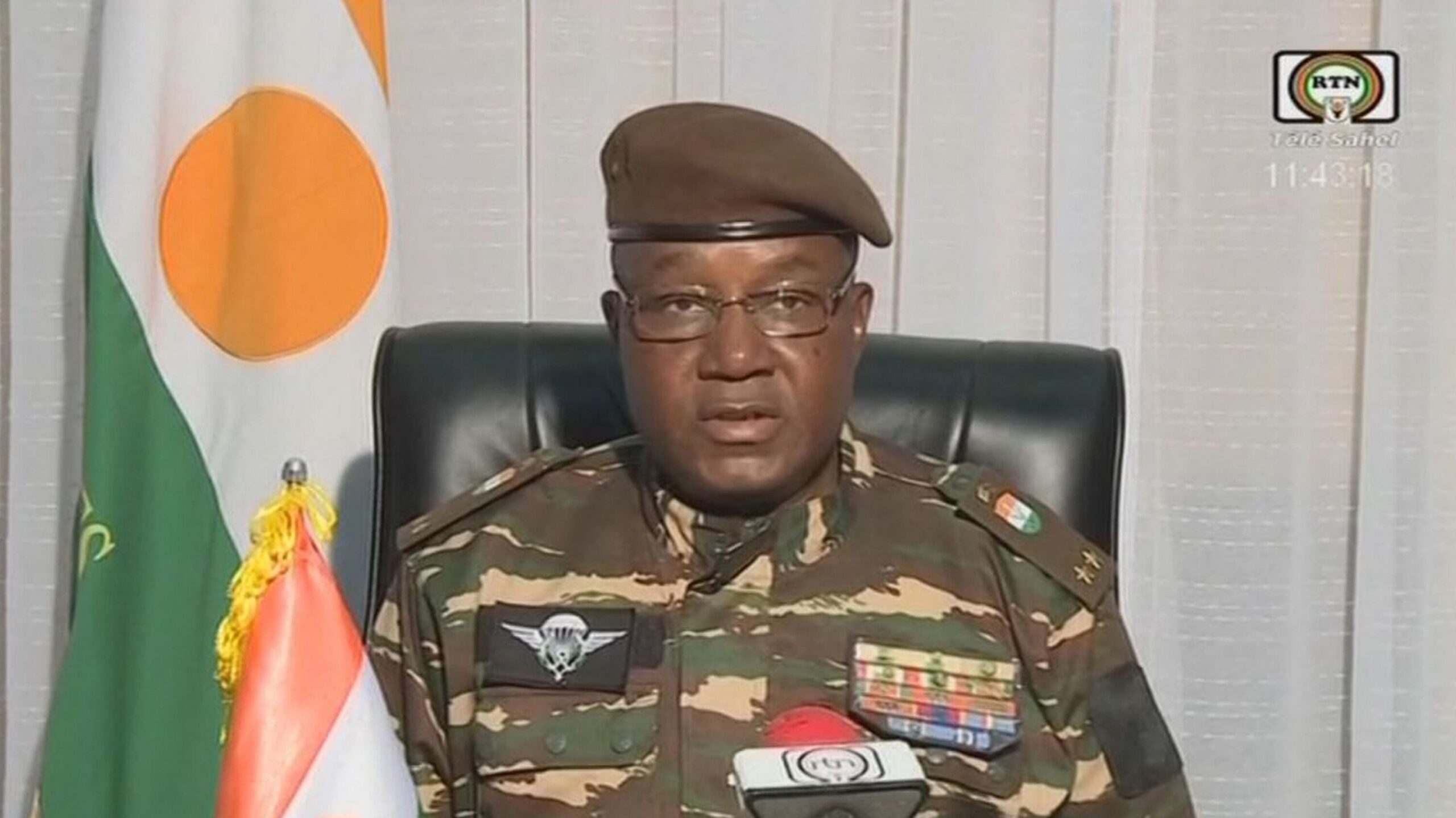
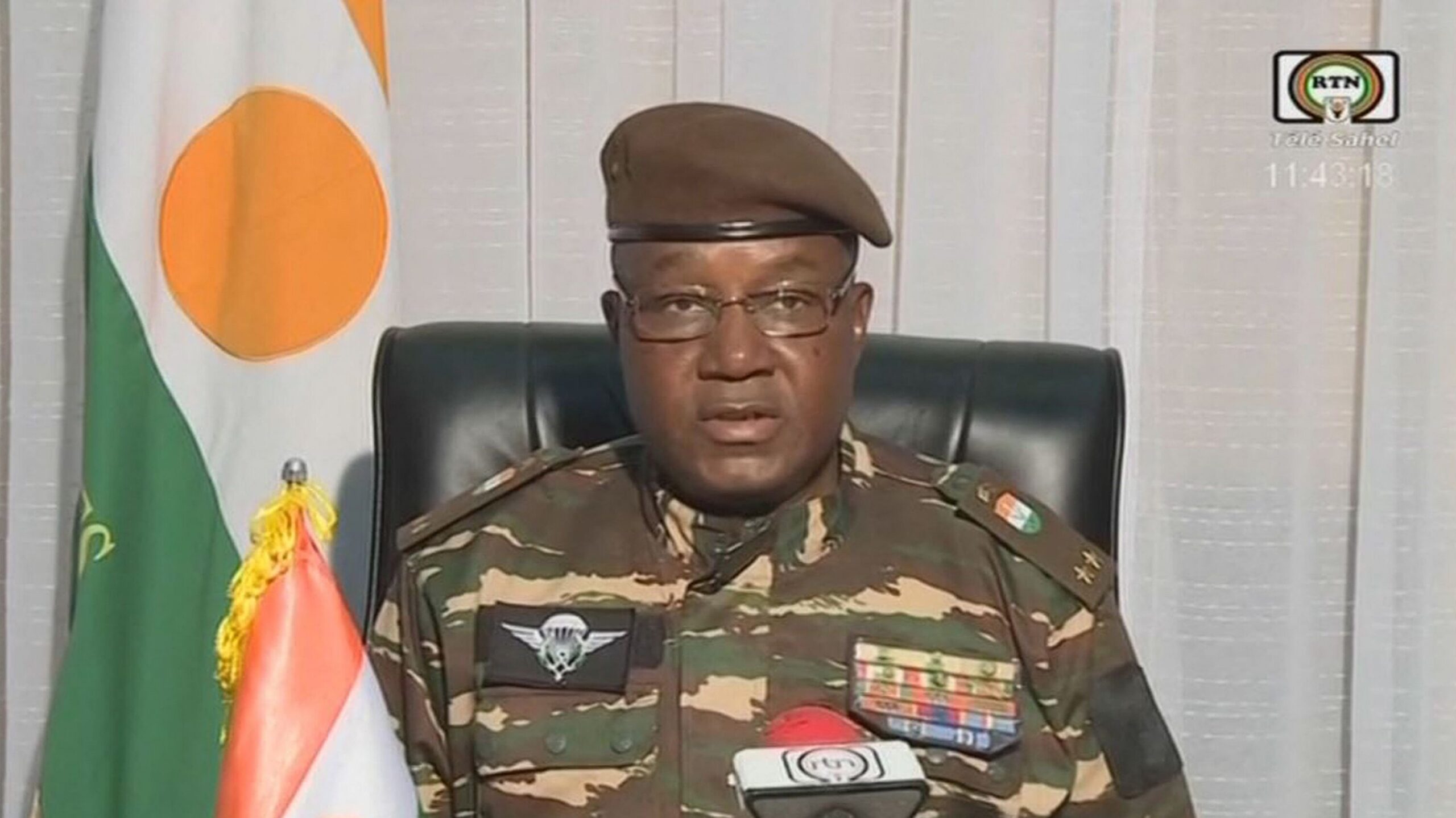
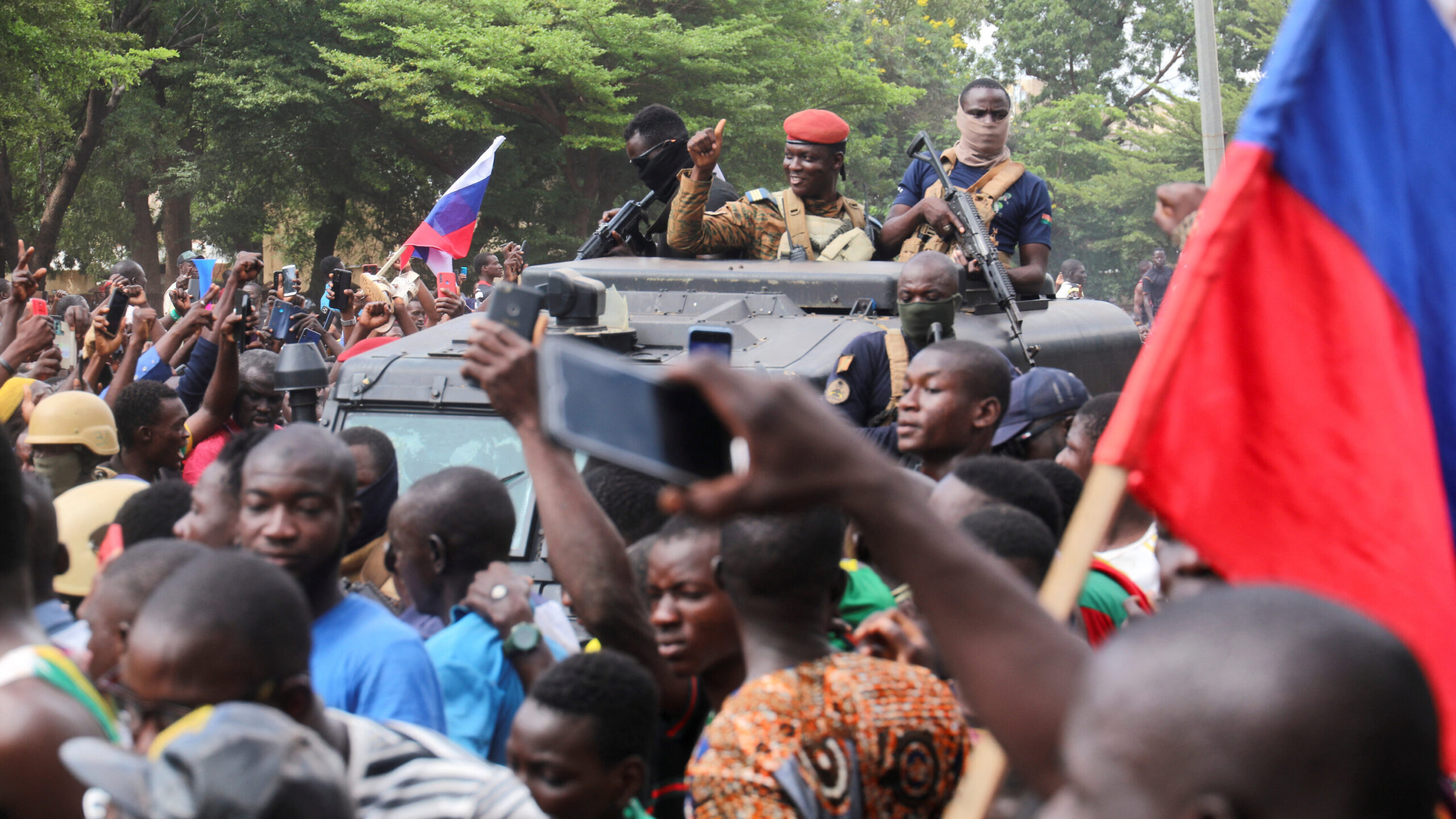
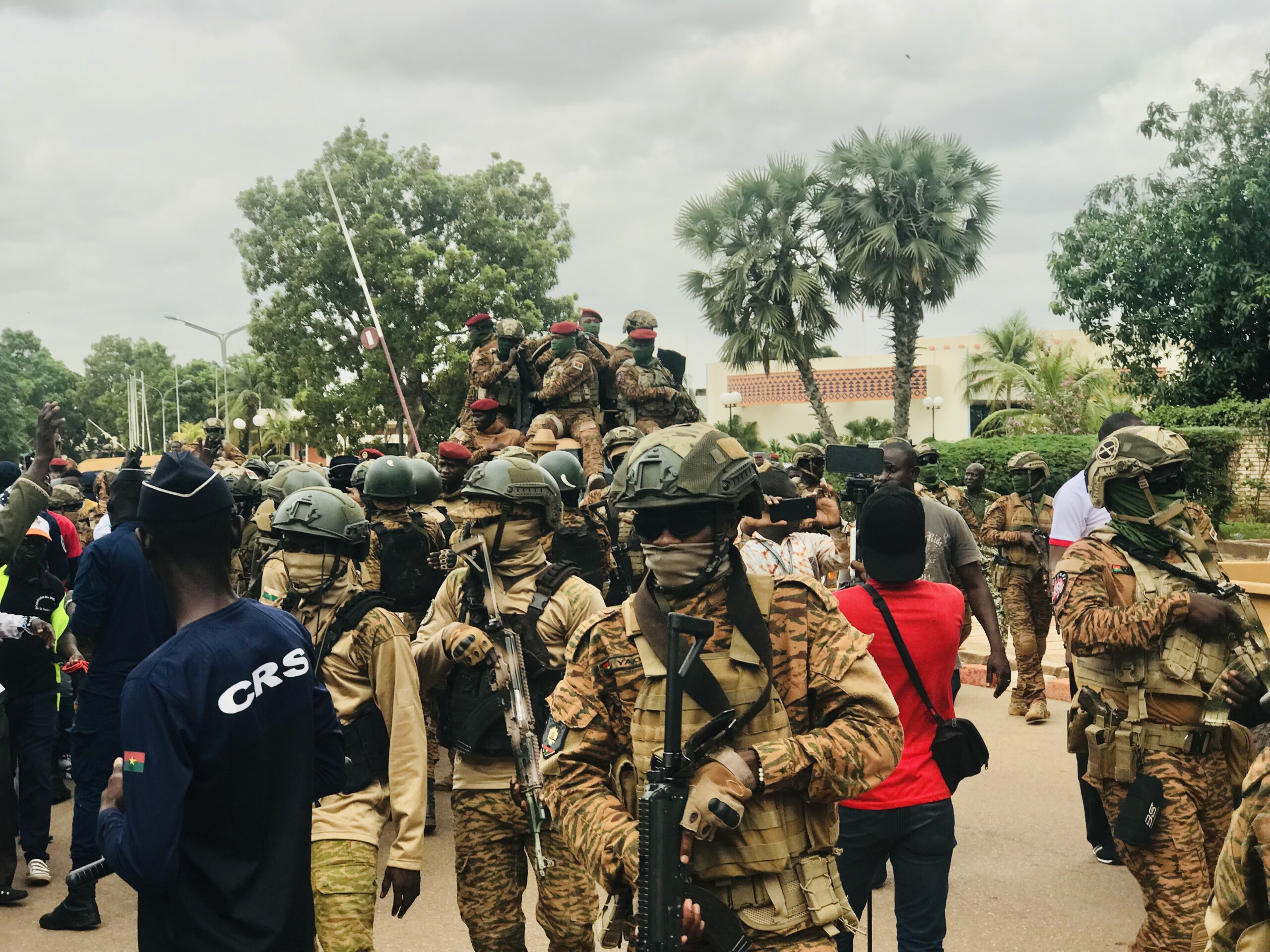
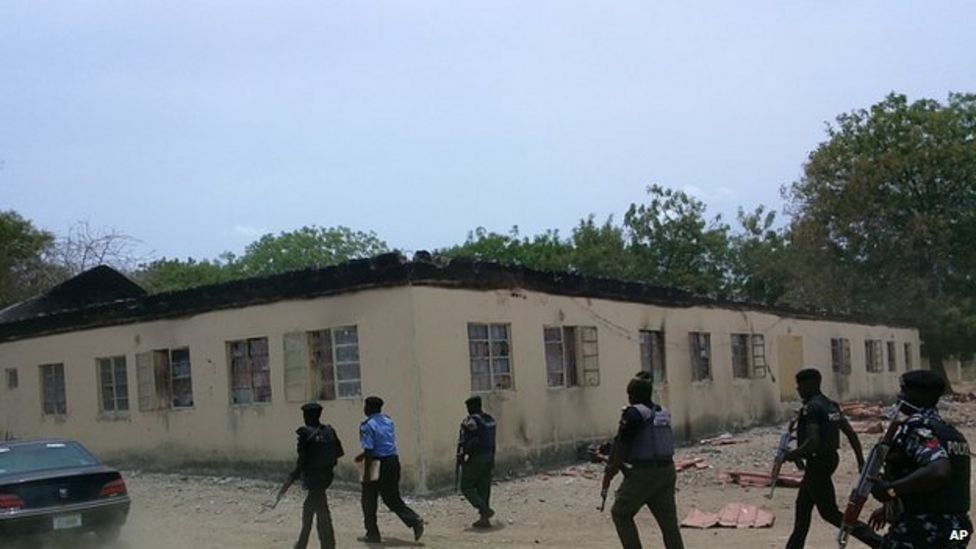
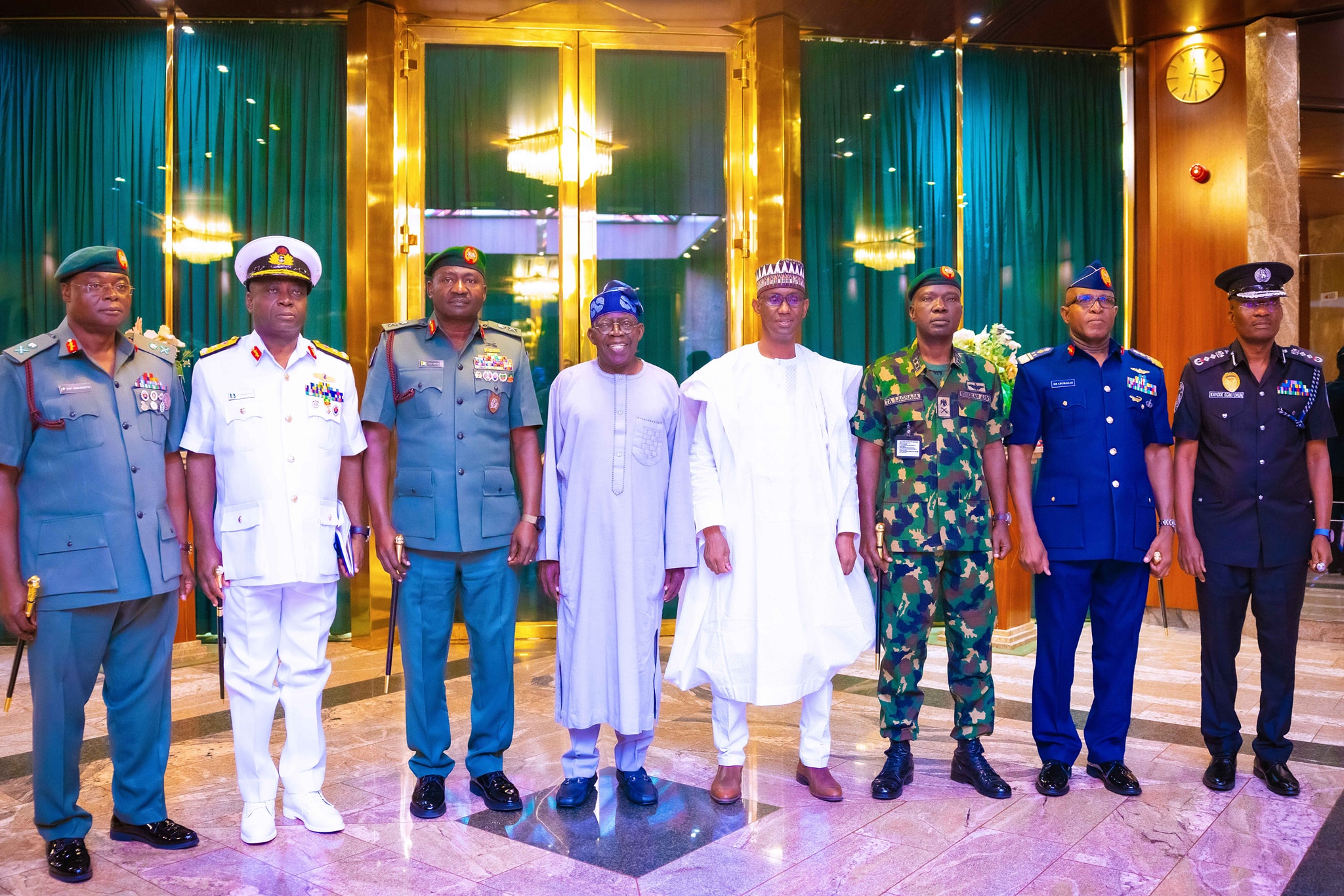
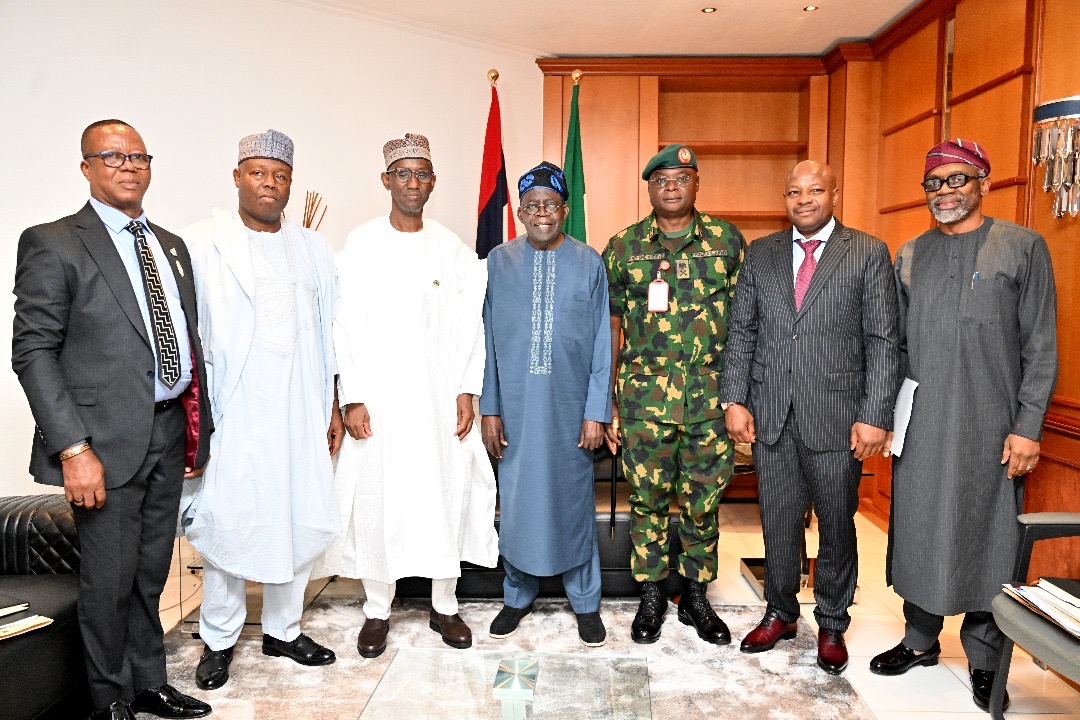
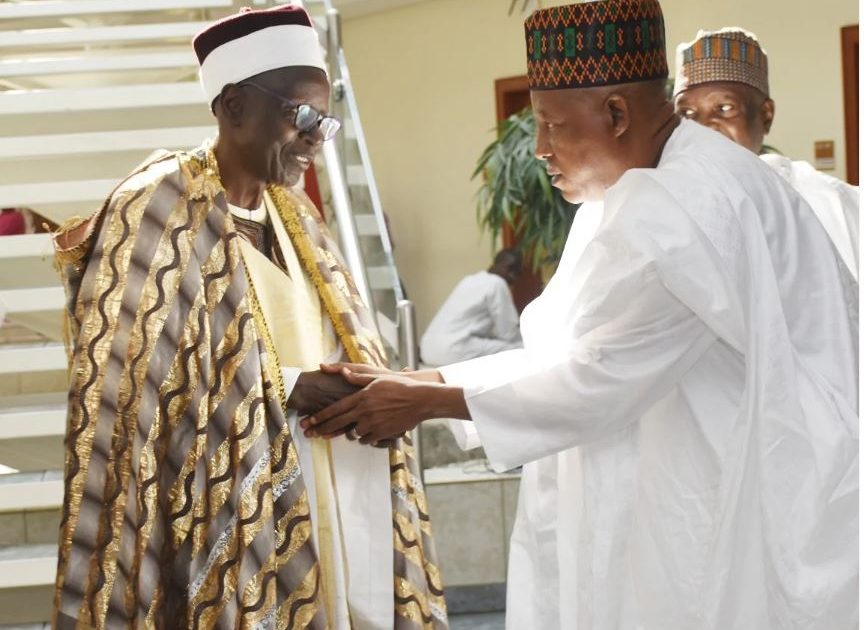
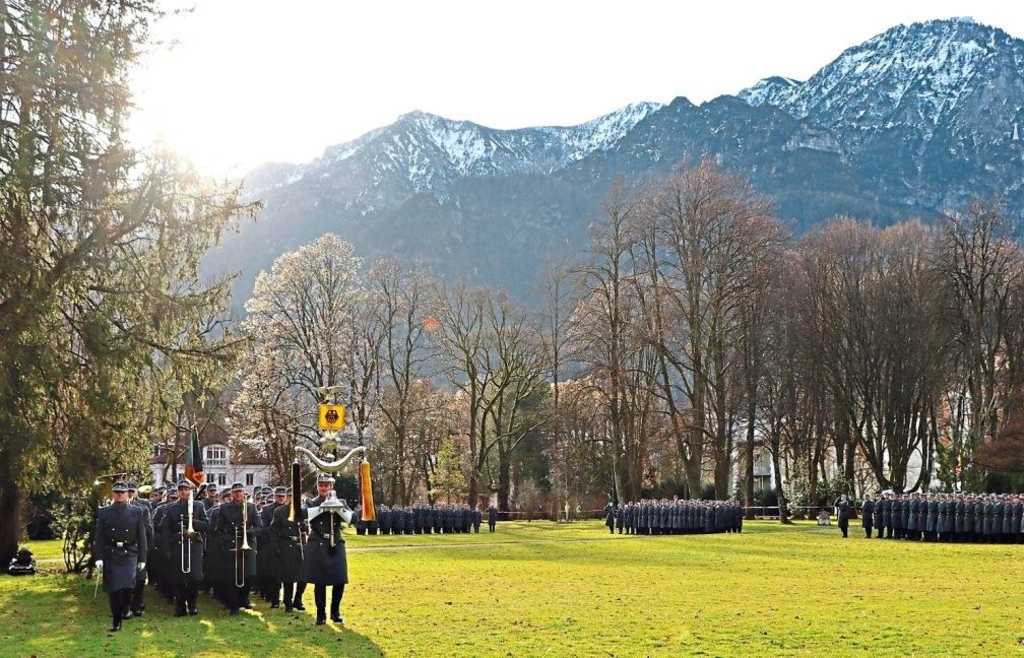
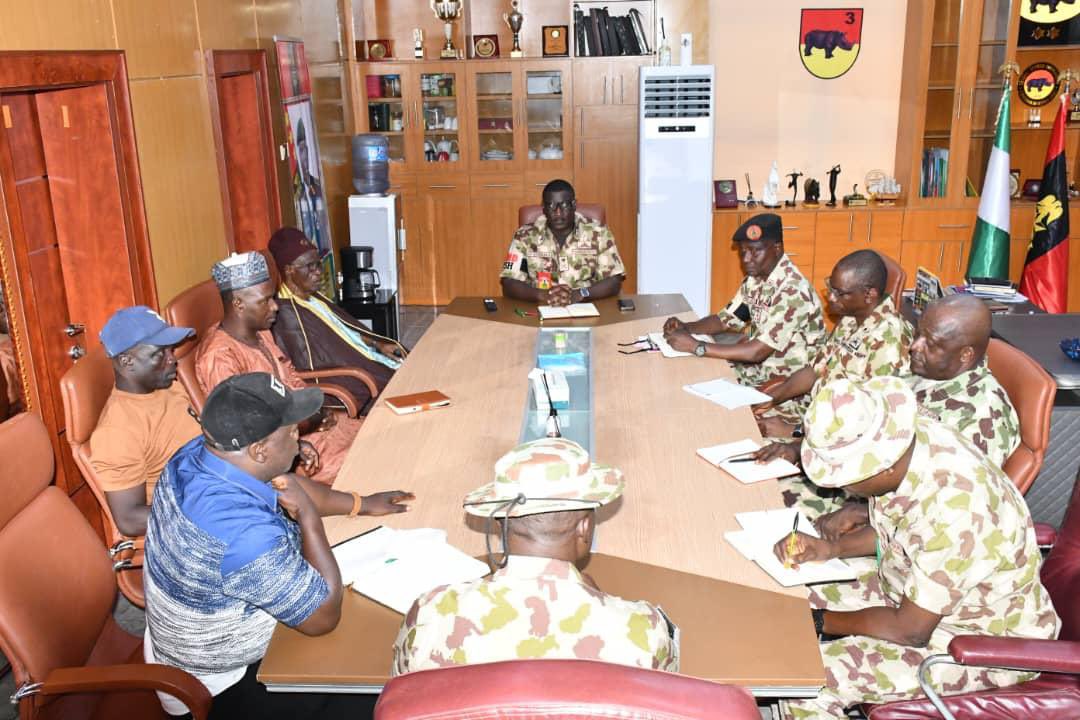
Nigeria’s currently facing a profound test of its democratic foundations. An alleged coup plot, reportedly involving a number of military officers, has sent shockwaves across the nation, starkly highlighting the fragility of our democratic institutions and the severe legal ramifications for anyone who dares to undermine them. On January 26, 2026, Samaila Uba, Nigeria’s Director of Defence Information, confirmed that investigations had indeed implicated officers in a scheme to overthrow the government, despite initial denials. The stakes couldn’t be higher; Nigerian law prescribes either the death penalty or life imprisonment for such acts of treason and coup plotting. The Armed Forces Act empowers the military to conduct rigorous investigations and hold court-martial proceedings, always under civilian oversight. This incident isn’t just about internal military vulnerabilities; it underscores Nigeria’s unwavering commitment to protecting its democracy. Recent state-level legislation, like Zamfara’s new laws imposing the death penalty on terrorists, informants, and kidnappers, clearly reflects a zero-tolerance policy against security threats that destabilize the nation.
Underlying Political and Social Strains
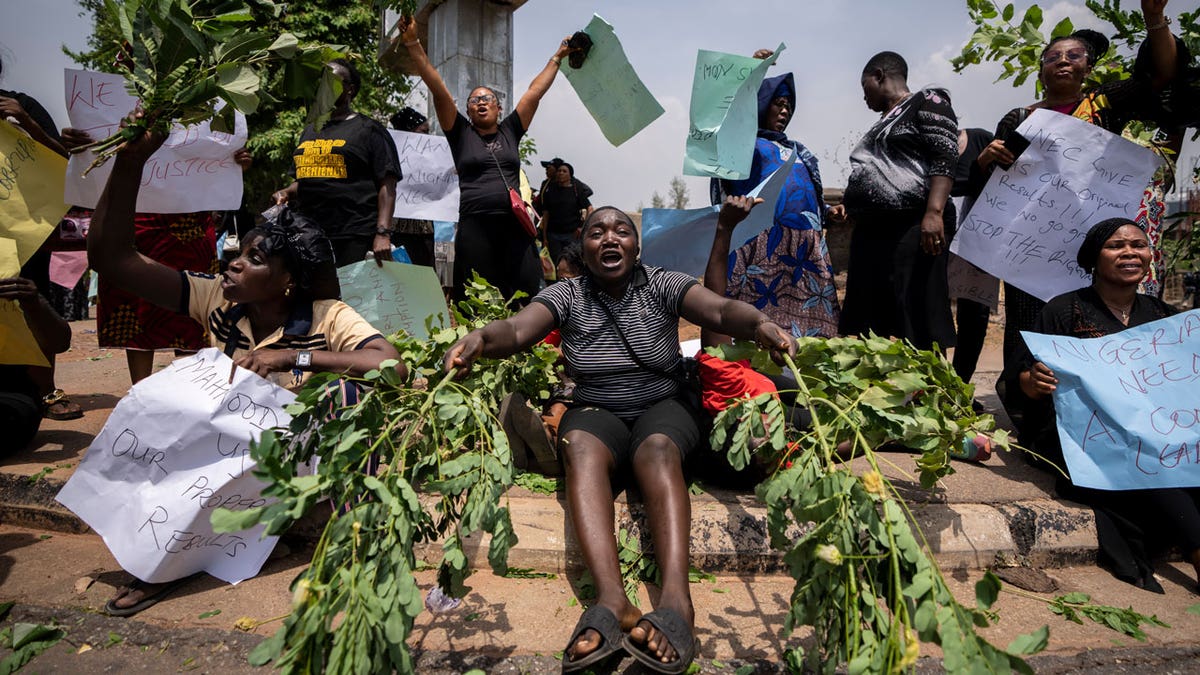
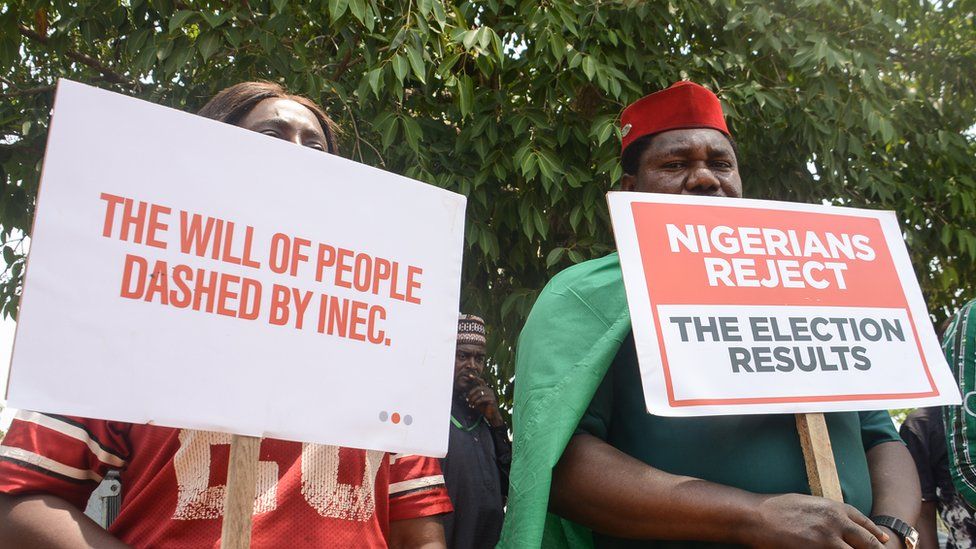
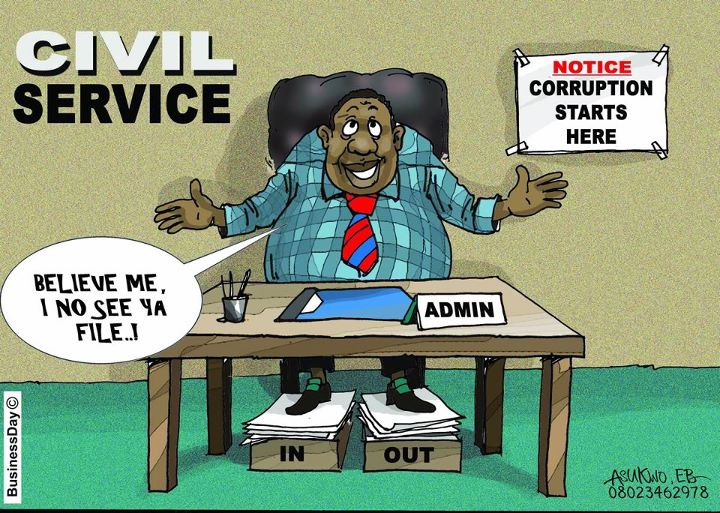
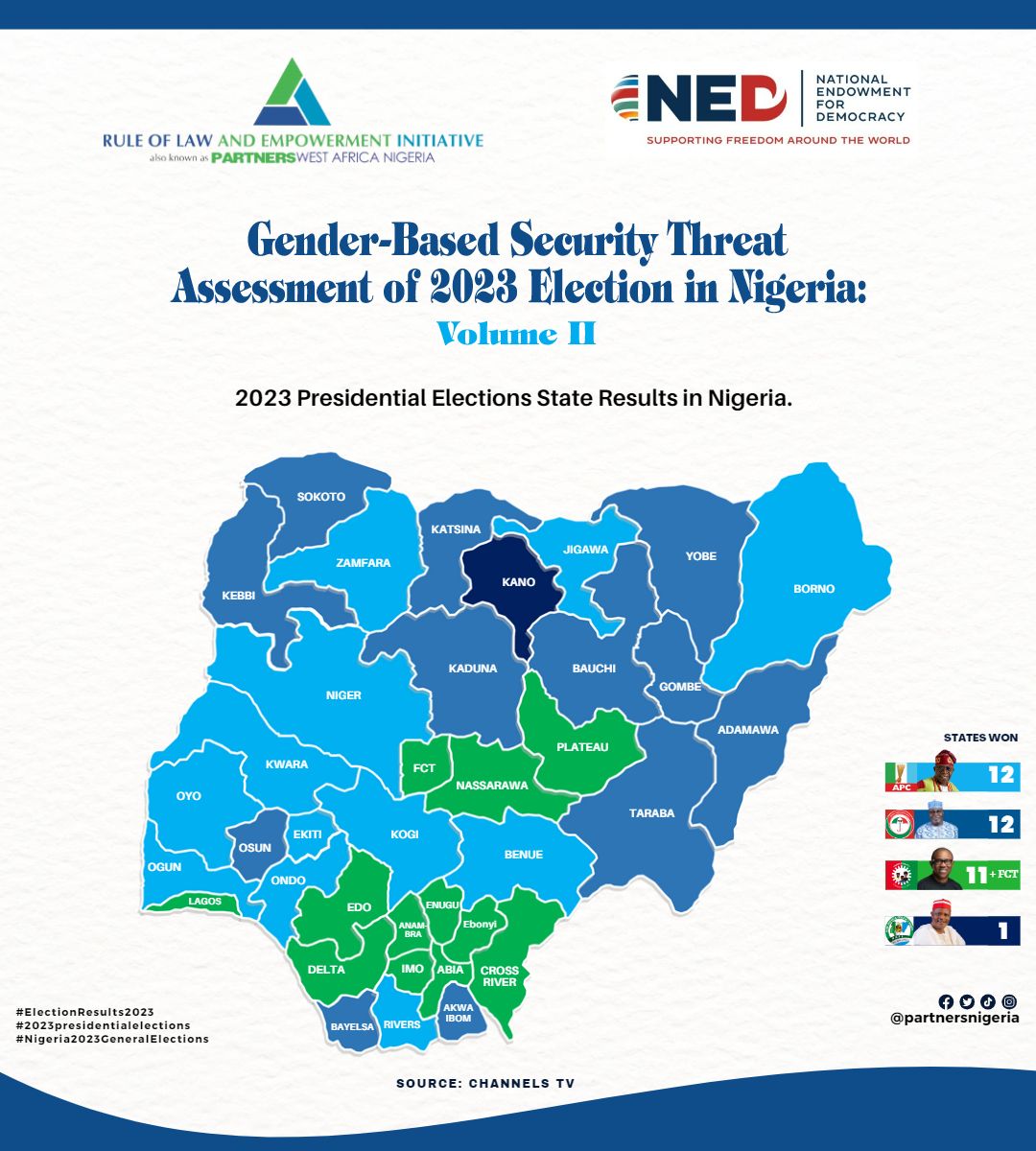
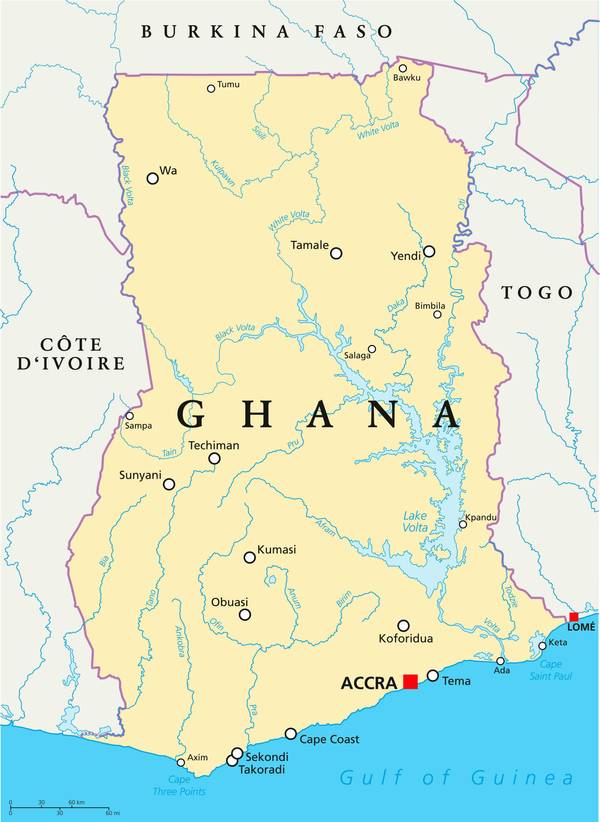
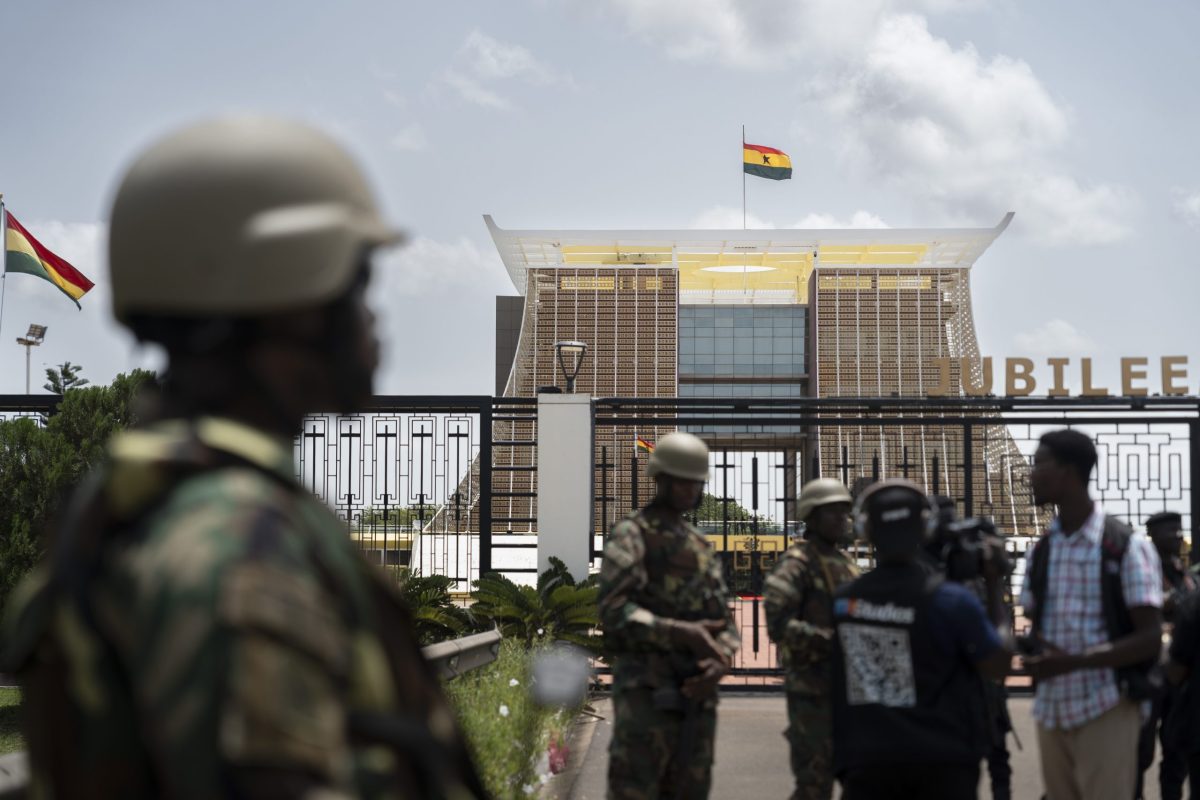
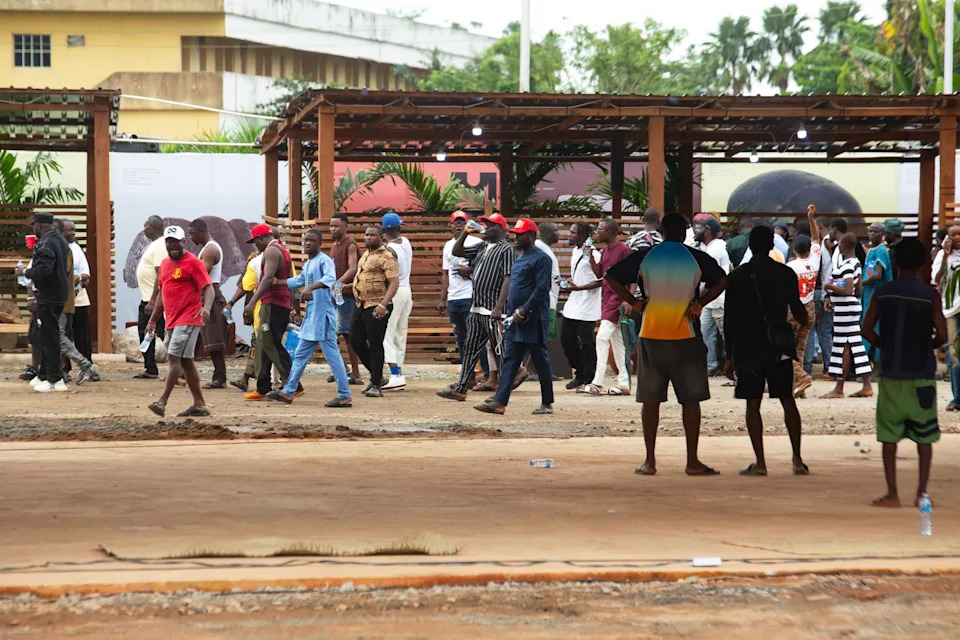
But this crisis is unfolding amidst a complex web of ongoing political and social challenges. We’ve witnessed disturbing allegations of violence and intimidation during election preparations, with accusations leveled against political party operatives in Cross River. Many are calling for reduced human interference in electoral processes, advocating for technology to ensure more accurate vote collation and transparency. Military accountability remains a contentious issue too. Our Armed Forces have faced intense scrutiny over human rights abuses, including reports of secret abortions of pregnancies resulting from Boko Haram terror attacks. While controversial, these practices highlight the difficult tightrope the military walks in maintaining both security and ethical standards in conflict zones. Regionally, similar concerns exist; in Ghana, for instance, journalists have reportedly suffered attacks from security forces, raising broader questions about the delicate balance between state security and individual freedoms. Compounding these issues is the pervasive corruption and financial mismanagement that plague our economy and public institutions. Recent investigations have exposed extravagant government spending, with millions allegedly wasted on travel allowances, refreshments, and vehicle purchases completely unrelated to budgetary provisions. It’s no wonder taxpayer funds are frequently diverted to unknown suppliers or used to service spiraling debt in some states, deepening public frustration and eroding trust in the institutions meant to steward national resources.
Path Forward: Resilience Amidst Volatility
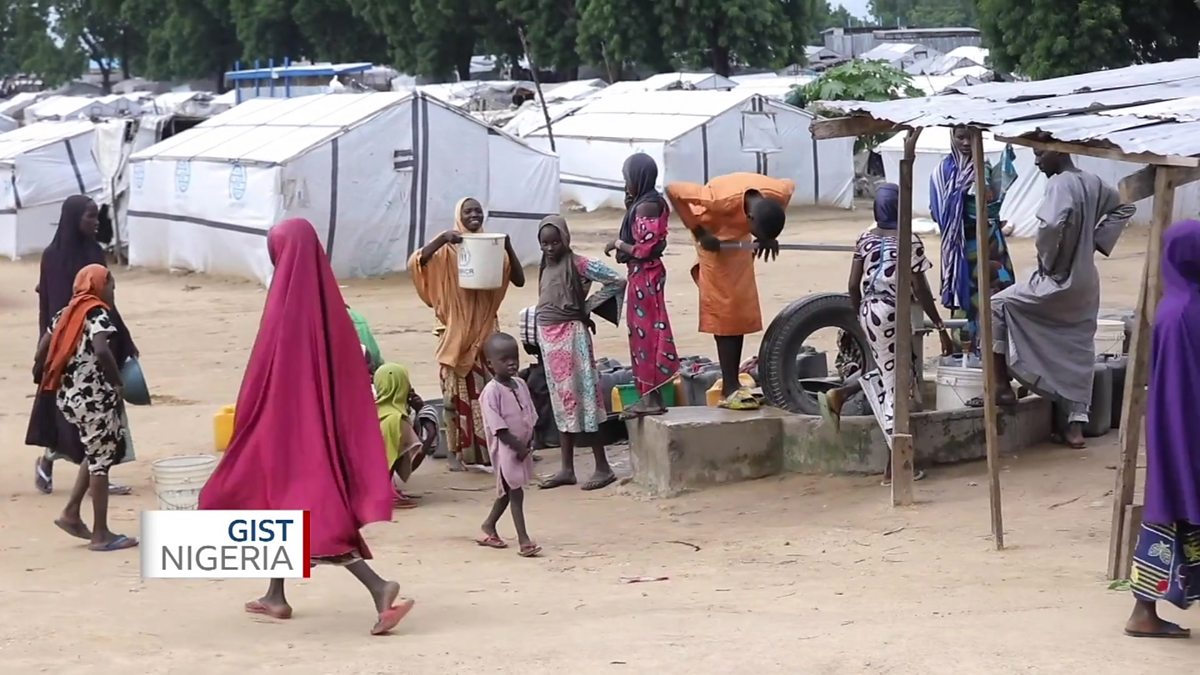
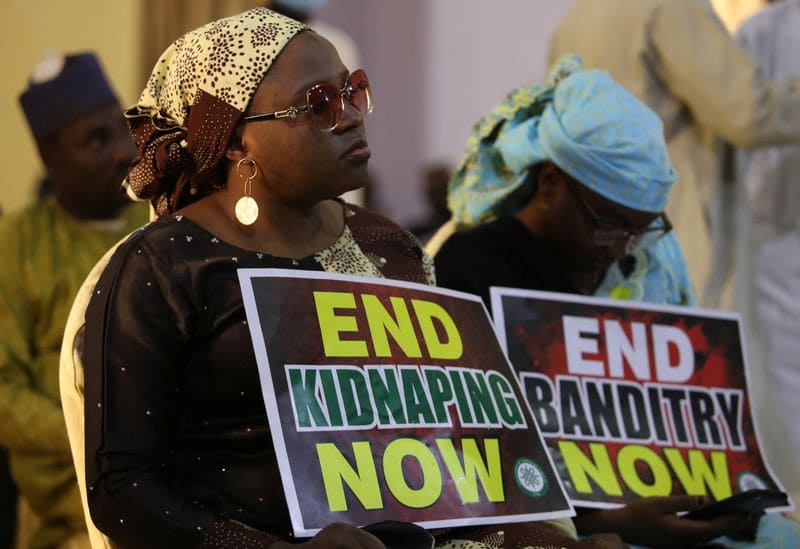
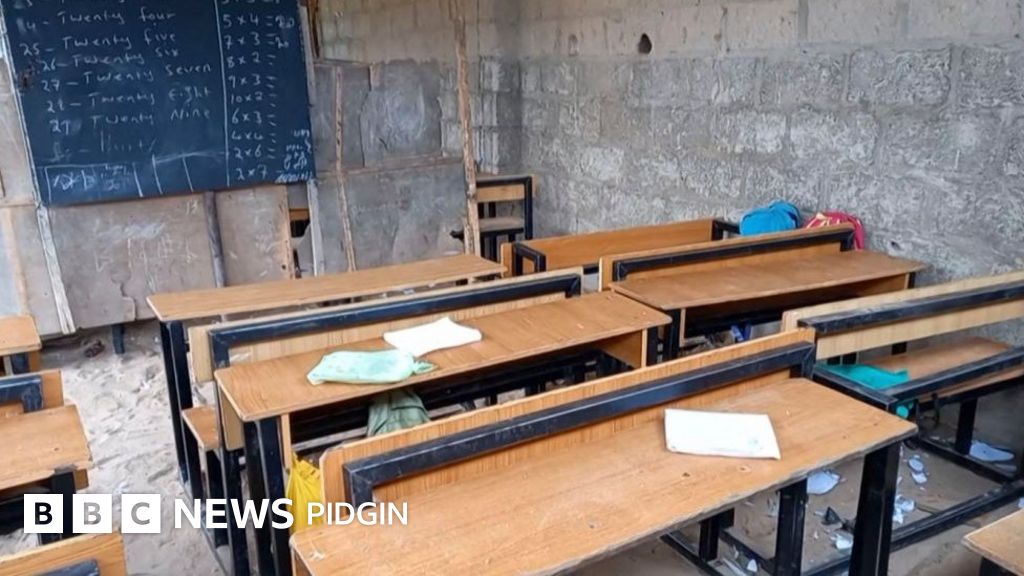
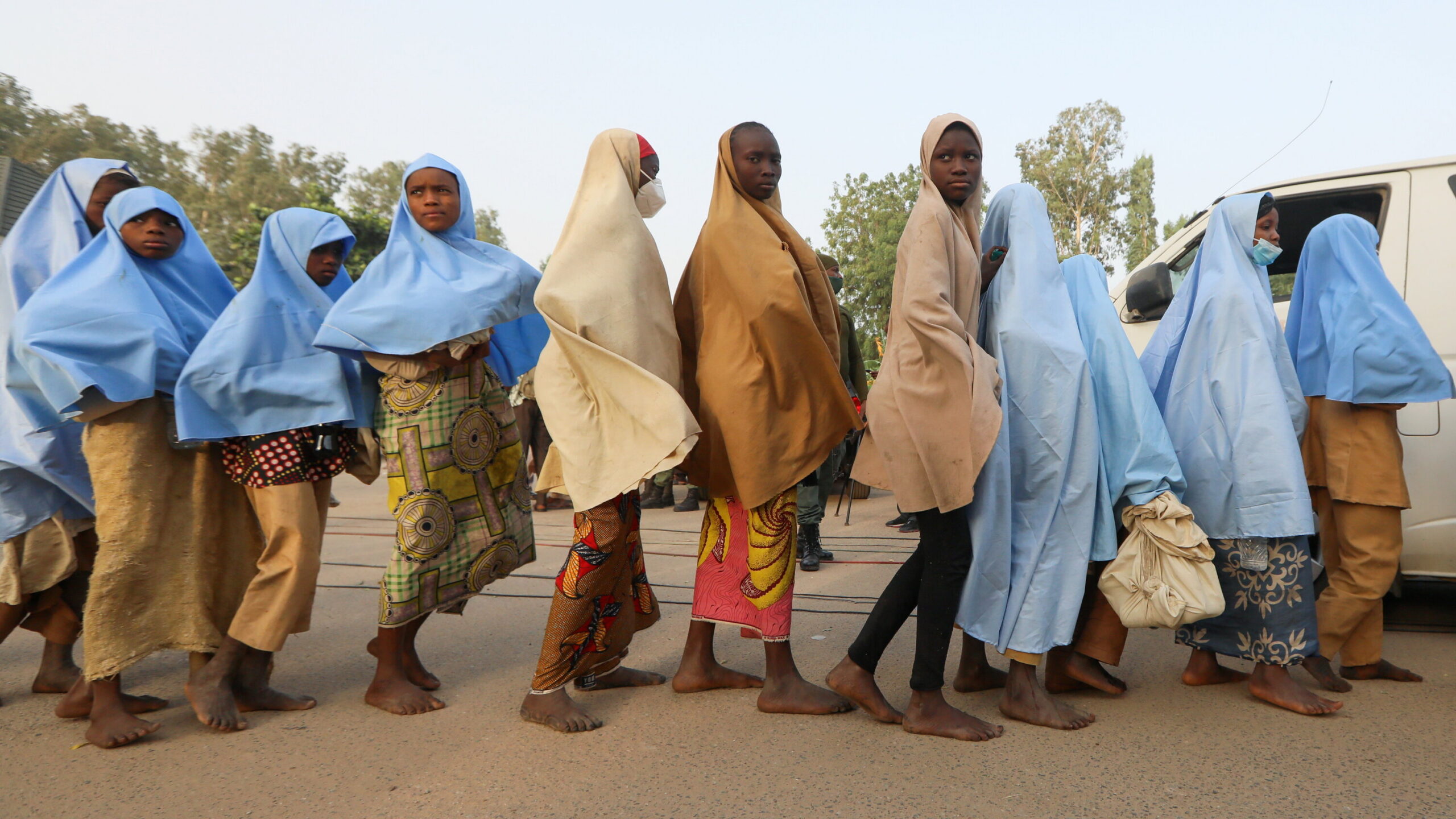
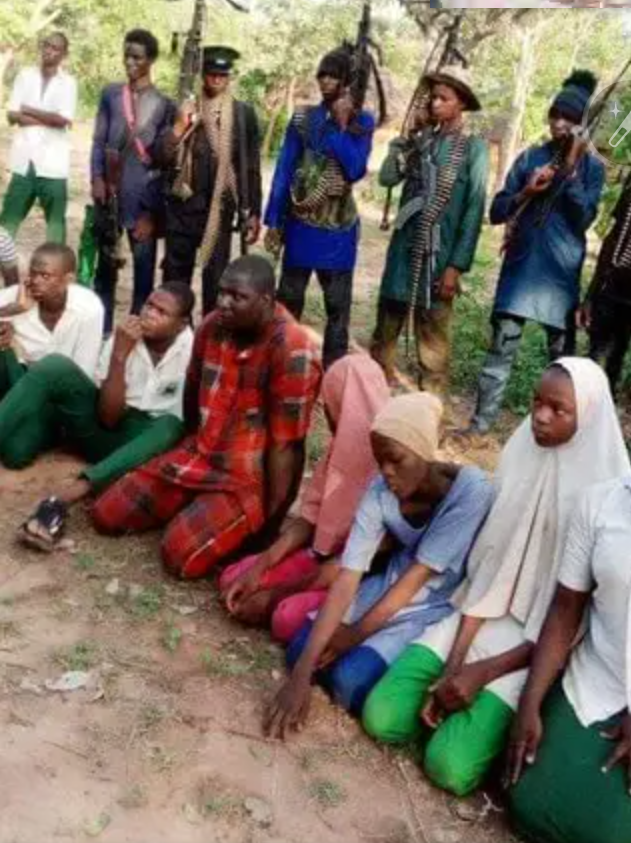
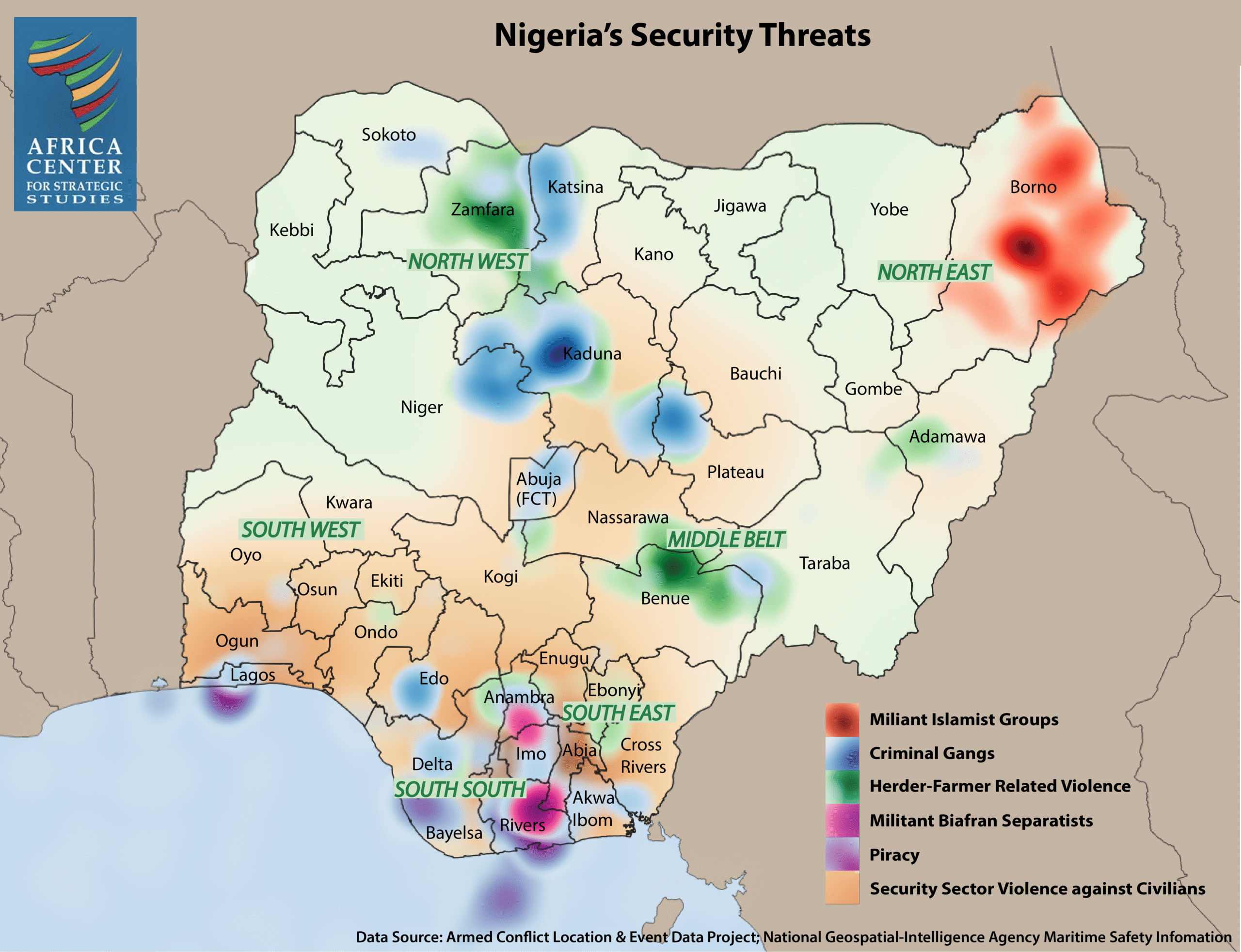
The security environment also remains incredibly volatile. Imagine, over two million Nigerians have been abducted in recent years, with ransom payments climbing into trillions of naira. Such widespread insecurity fuels fear, destabilizes communities, and seriously complicates governance and the rule of law. Our education and public health sectors aren’t immune either; unsafe school facilities are pushing countless children out of classrooms, and medical certificate fraud threatens the very integrity of our healthcare system. So, this alleged coup plot serves as a stark, urgent reminder of the persistent tensions within Nigerian society and its foundational institutions. It’s not just an isolated incident; it underscores the critical need for transparent governance, robust democratic oversight, and security forces rooted firmly in professional ethics and accountability. Nigeria’s next steps will be pivotal. Can we successfully navigate these allegations of mutiny, ensure rigorous and fair legal proceedings, and simultaneously address the deep-seated issues of corruption, human rights, and pervasive security gaps? This moment presents both profound peril and immense possibility, a true test of whether our democracy can withstand internal threats and emerge not just intact, but stronger.
Sources:
-
Alleged Coup Plot: Suspects Face Death Penalty Or Life Imprisonment Under Nigerian Law, AriseNews, February 3, 2026. [https://www.arise.tv/article/alleged-coup-plot-suspects-face-death-penalty-or-life-imprisonment]
-
New Zamfara Law, Terrorists, Informants, Kidnappers Face Death Penalty, AriseNews, February 3, 2026.
-
Nigerian Military Secretly, Illegally Aborts Pregnancies Of Girls, Women Raped By Boko Haram Terrorists, AriseNews, December 7, 2022.
-
More Than 30 Ghanaian Journalists, Media Workers Suffer Attacks From Military, Police, AriseNews, February 16, 2023.
-
Cross River: Fear And Uncertainty As APC, PDP Agents Harvest PVC Details In Disguise, AriseNews, December 23, 2022.
-
NBS Report: Over 2million Nigerians Abducted With N2.2trillion Paid As Ransoms, AriseNews, December 18, 2024.
-
Investigation: Medical Certificate Fraud Rocks Kwara Government Hospitals, AriseNews, March 9, 2024.
-
Oyetola-led Blue Economy Ministry Spends Over N600Million On Estacodes, Air Tickets, Refreshments, AriseNews, November 20, 2024.