Nigeria Faces Mining Tragedy Amid Growing Digital Currency Adoption and Continental Health Challenges
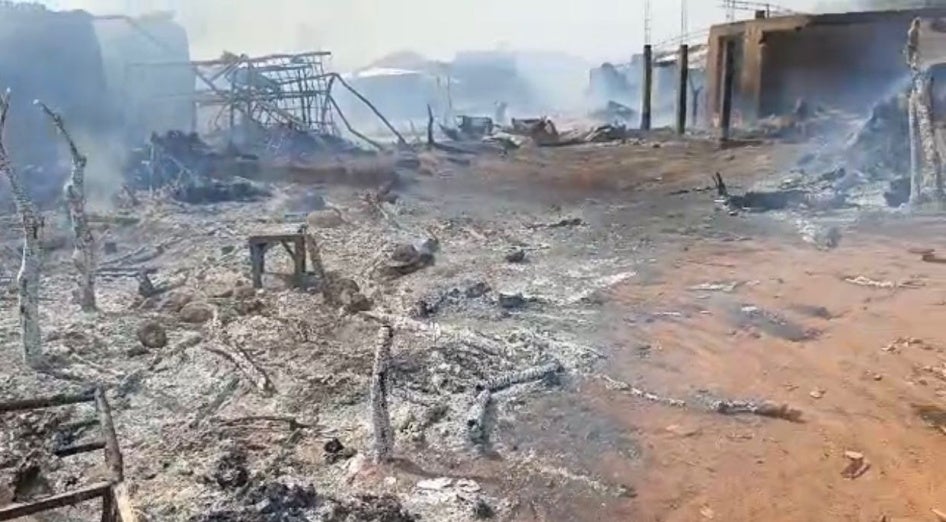
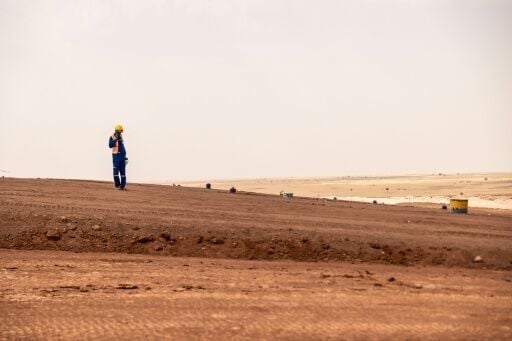
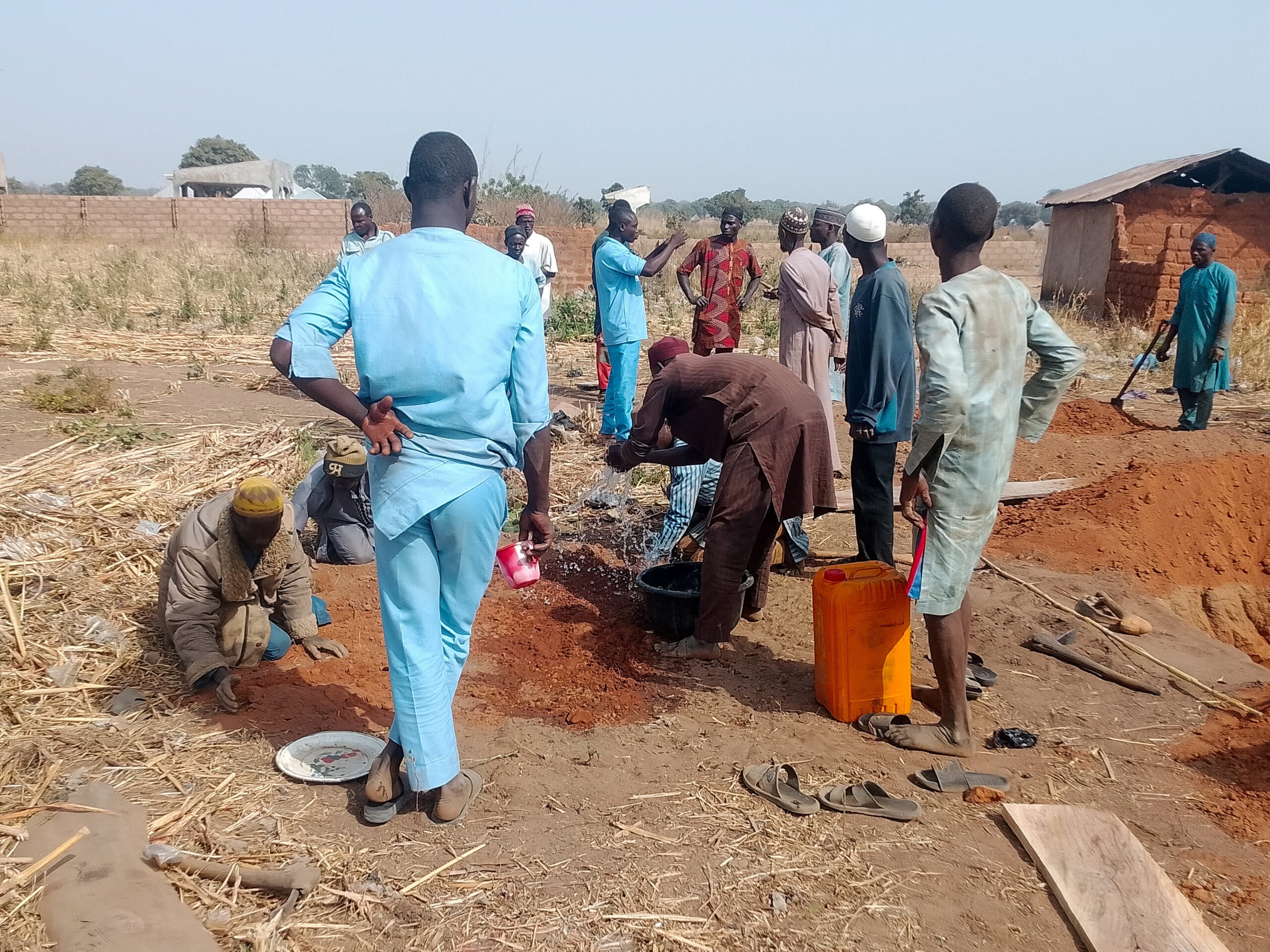
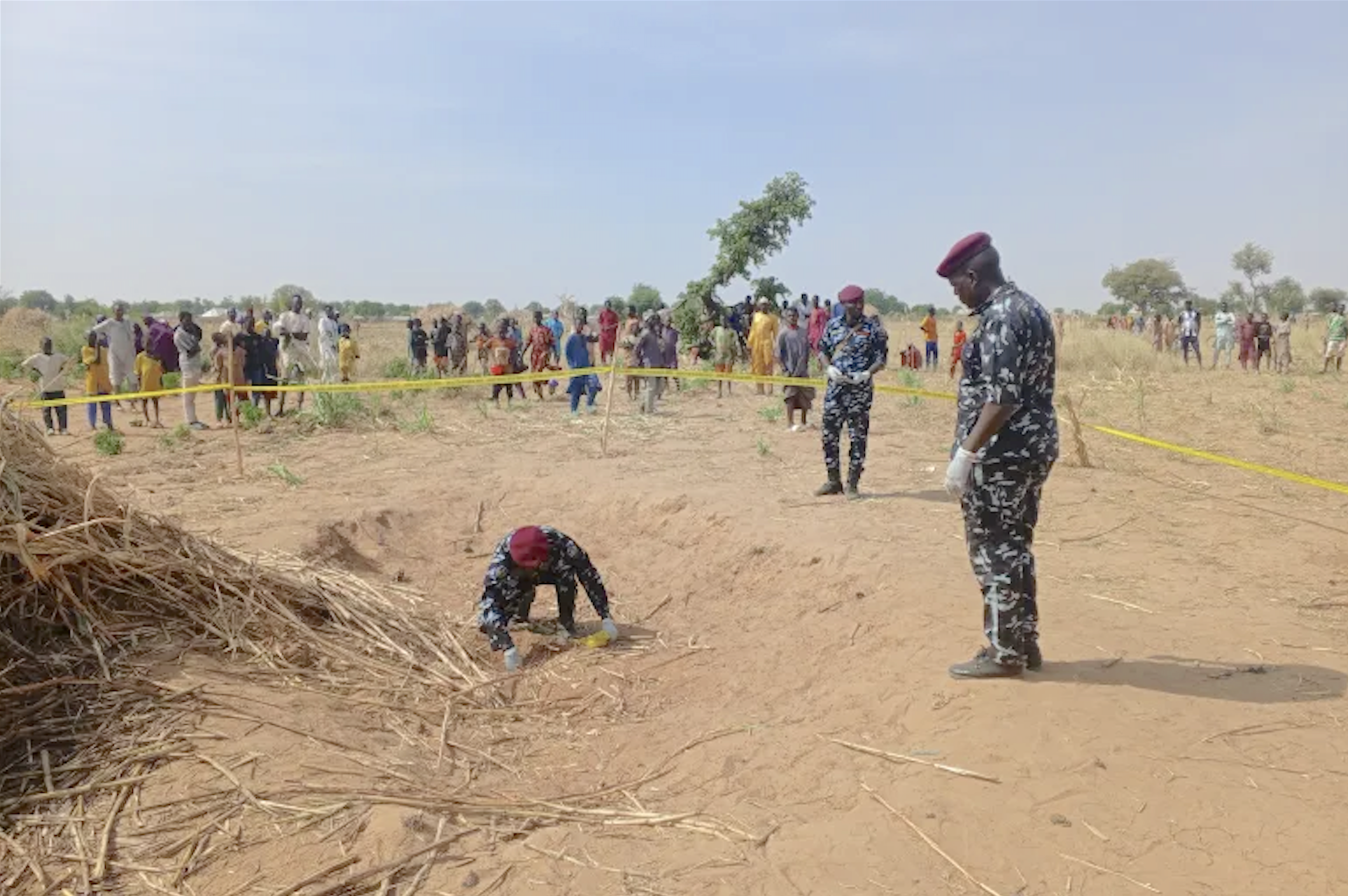
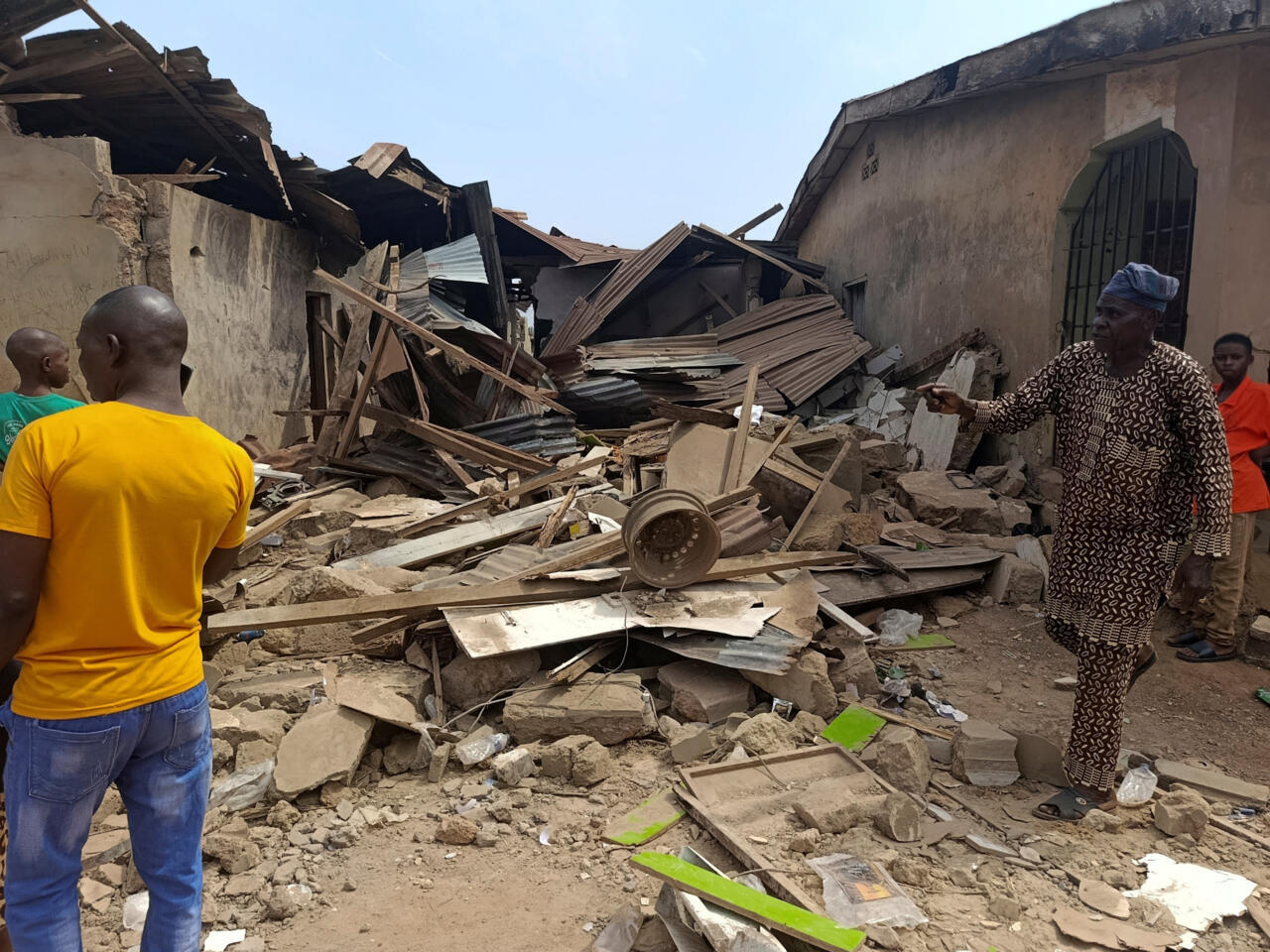
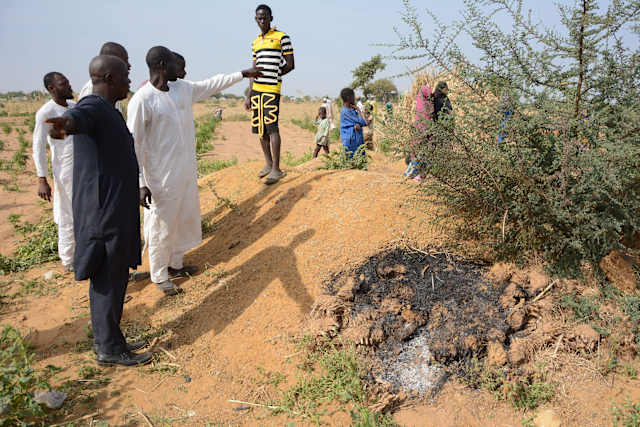
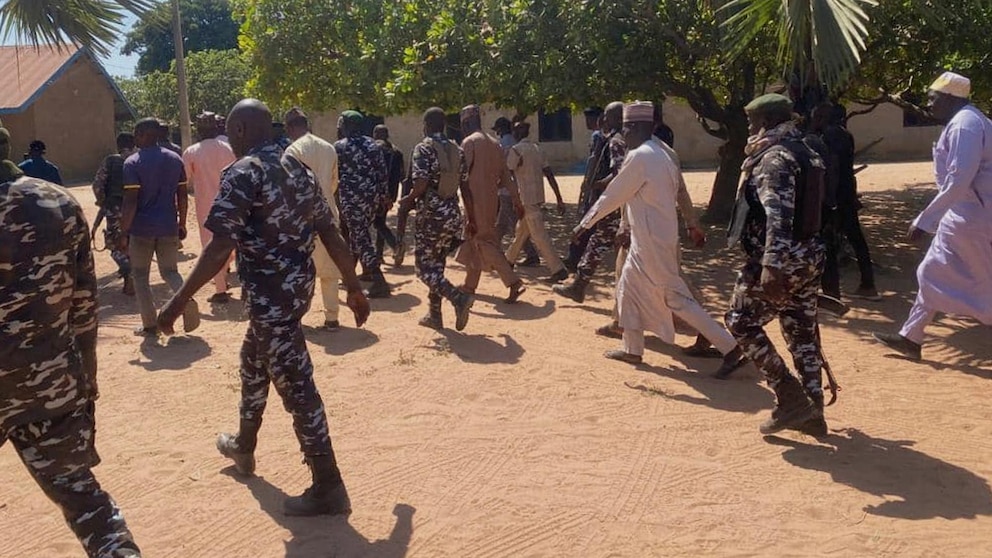
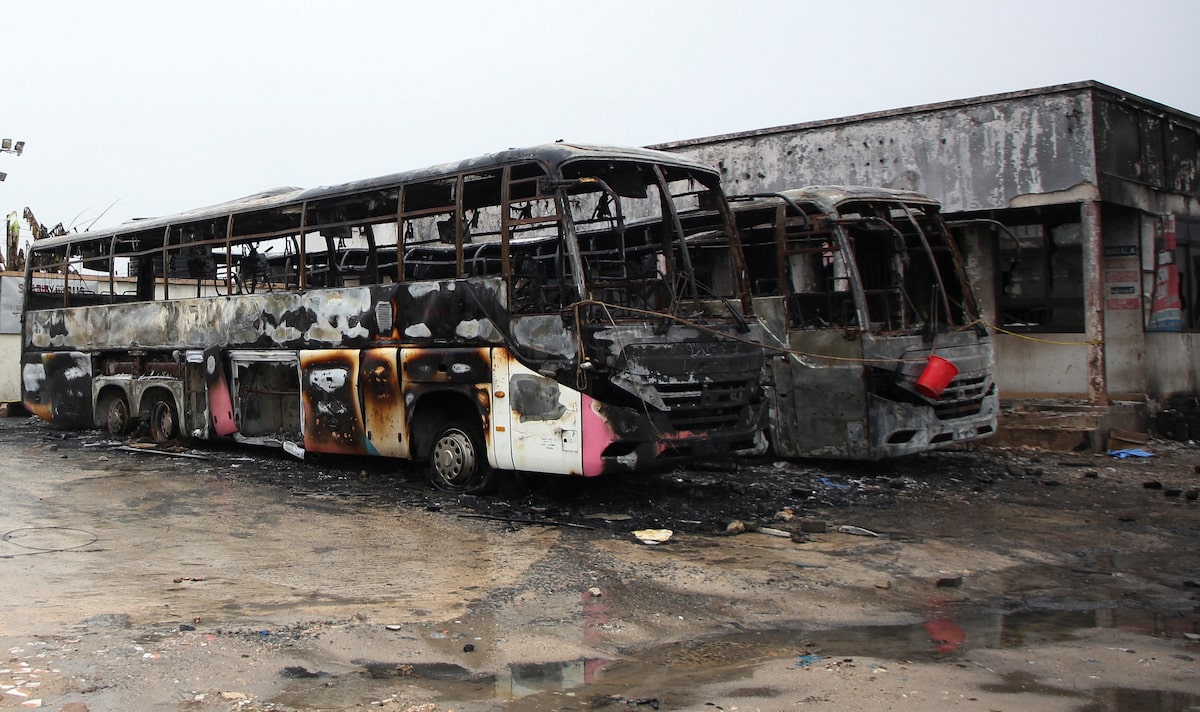
Nigeria, Africa’s most populous nation, is currently navigating a stark contrast: a recent, devastating mining tragedy in Plateau State, even as the country boldly leads the charge in a digital financial revolution sweeping across the continent. Can a nation grappling with such profound loss simultaneously forge a path toward economic innovation? This unsettling duality highlights the complex challenges and promising opportunities Nigeria, and indeed Africa, faces in our rapidly changing world. Eyewitnesses report at least 37 miners lost their lives at a lead and zinc mine near Wase town, a disaster likely caused by a carbon monoxide leak. It’s a grim reminder of long-standing safety concerns in Nigeria’s mining sector, where inadequate infrastructure and oversight sadly make accidents all too common. Strengthening efforts to ensure worker safety, like those championed by the Tinubu administration in Plateau State, couldn’t be more critical right now. You can learn more about this tragic event from BBC News.
Yet, despite this immediate heartache and economic setback, Nigeria is embracing the future of finance. A recent study, a collaboration between YouGov, BVNK, Coinbase, and Artemis, points to Nigeria and South Africa as the leading African economies in the skyrocketing demand for stablecoins. These digital currencies, often pegged to assets like the US dollar, offer a lifeline. They minimize the wild swings often seen in traditional cryptocurrencies, providing predictable value and transaction methods for users. Just think, nearly 80 percent of Nigerians already hold stablecoins, and over 75 percent plan to increase their investments within the next year! This isn’t just about tech; it’s about genuine financial inclusion, easier remittances, and a much-needed hedge against inflation and currency devaluation, issues many traditional banking systems in Africa struggle with. For more details on this fascinating shift, check out the KITCO/Reuters report.
These events, tragic and transformative alike, reflect a continent in dynamic flux. The mining disaster urgently calls for better industrial safety standards and robust workers’ rights across resource-rich African nations. At the same time, the swift adoption of digital currencies shows us a continent ready for technological leapfrogging, opening new doors to economic empowerment. However, we can’t ignore the broader health challenges, like the widespread undiagnosed febrile illness in the Democratic Republic of Congo. Over 9,400 suspected cases were reported between October 2024 and March 2025 in Panzi, nearly half of them children under five. Advanced scientific methods were used to investigate, but the outbreak’s persistence highlights major weaknesses in healthcare infrastructure and epidemic preparedness. This ongoing health crisis, detailed further by Nature, underscores why sustained international collaboration and investment in public health are non-negotiable for West Africa’s future. Nigeria’s story is truly emblematic of Africa’s hopes and ongoing battles. By tackling these interwoven challenges with comprehensive, forward-thinking strategies, the continent can certainly unlock its immense human and economic potential in the years ahead.