Nigeria’s Tightrope Walk: Security, Politics, and Public Trust in a Nation Under Strain
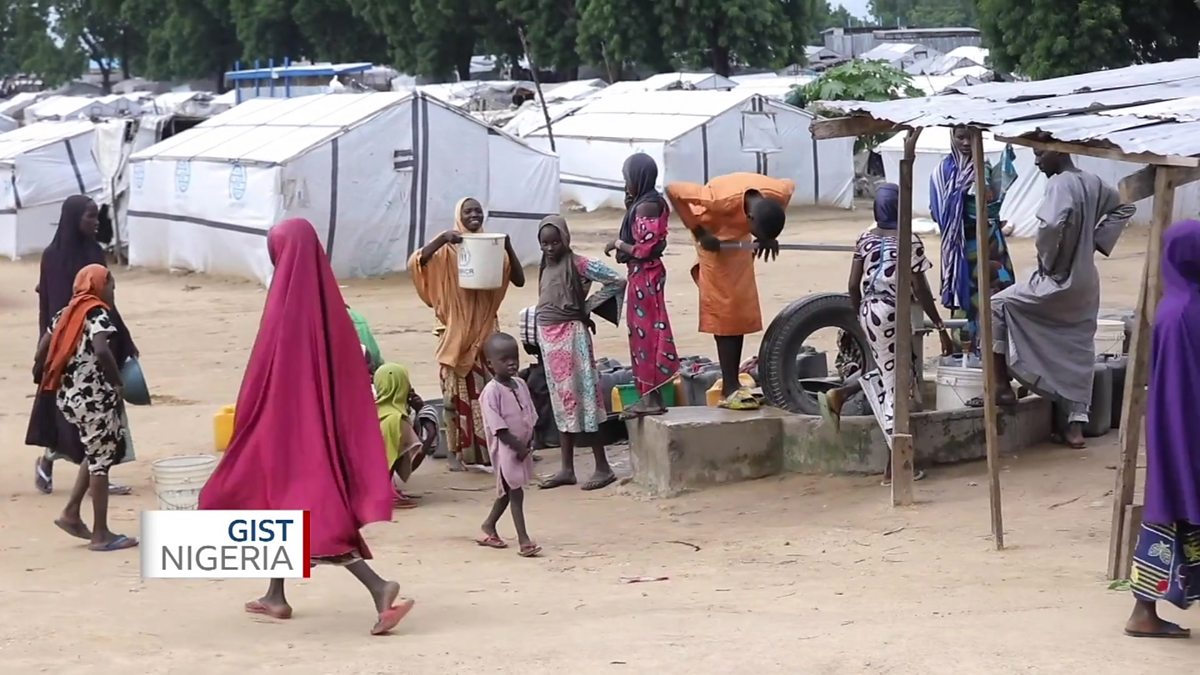
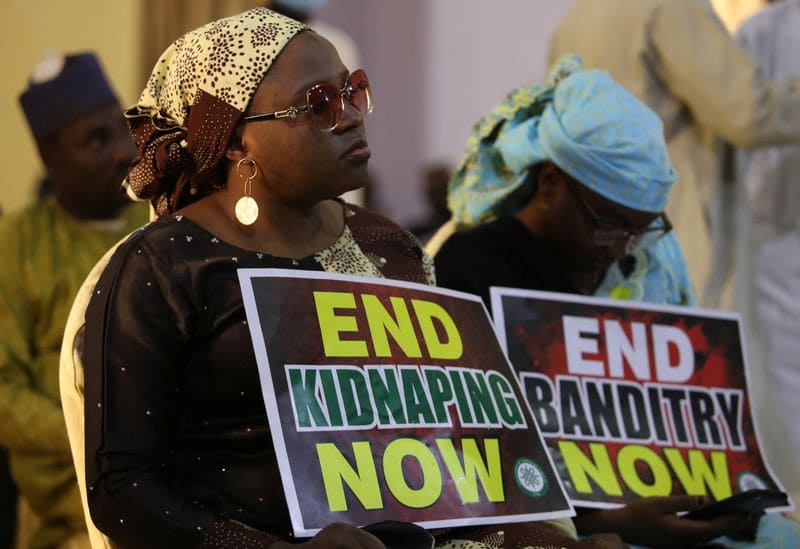
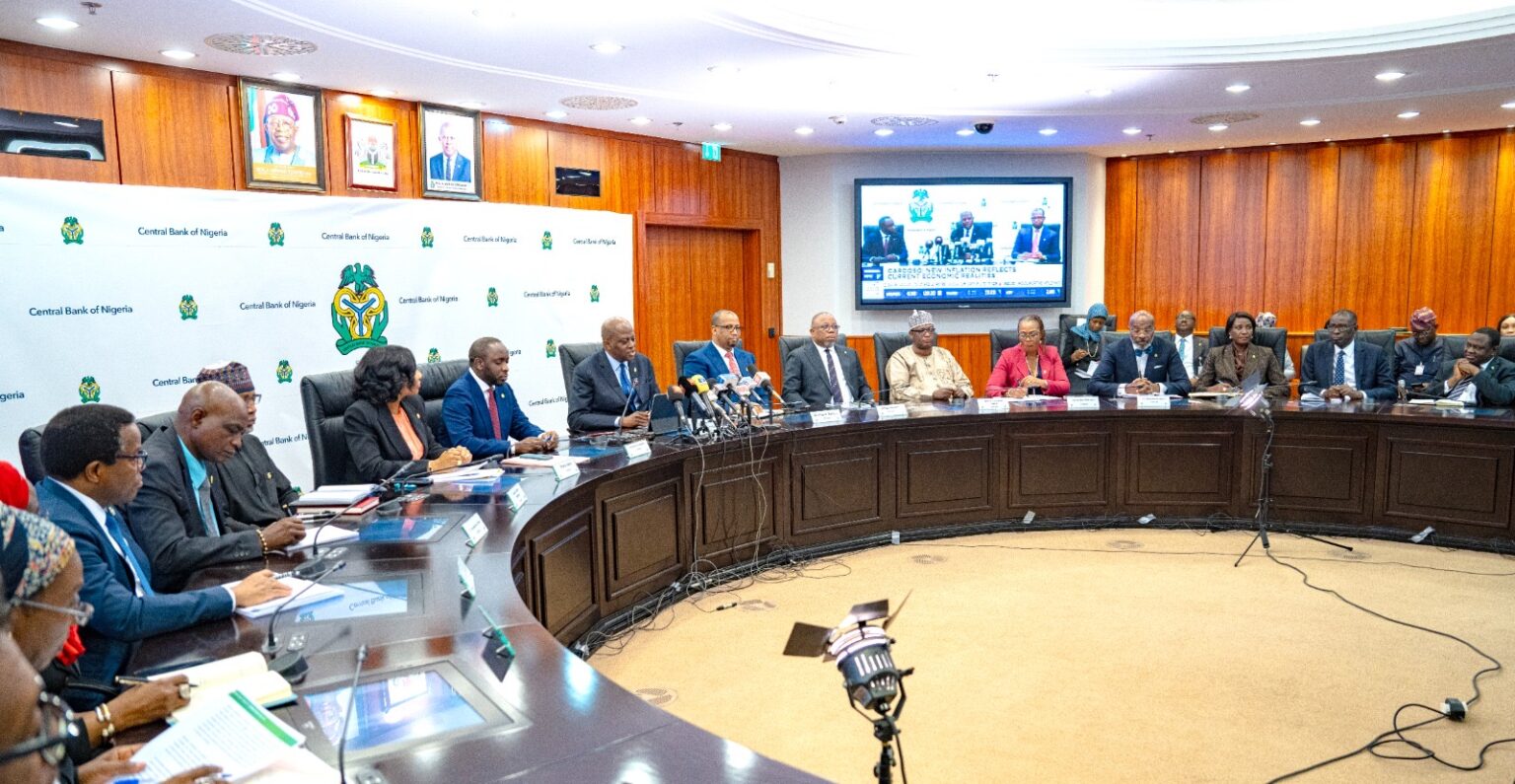
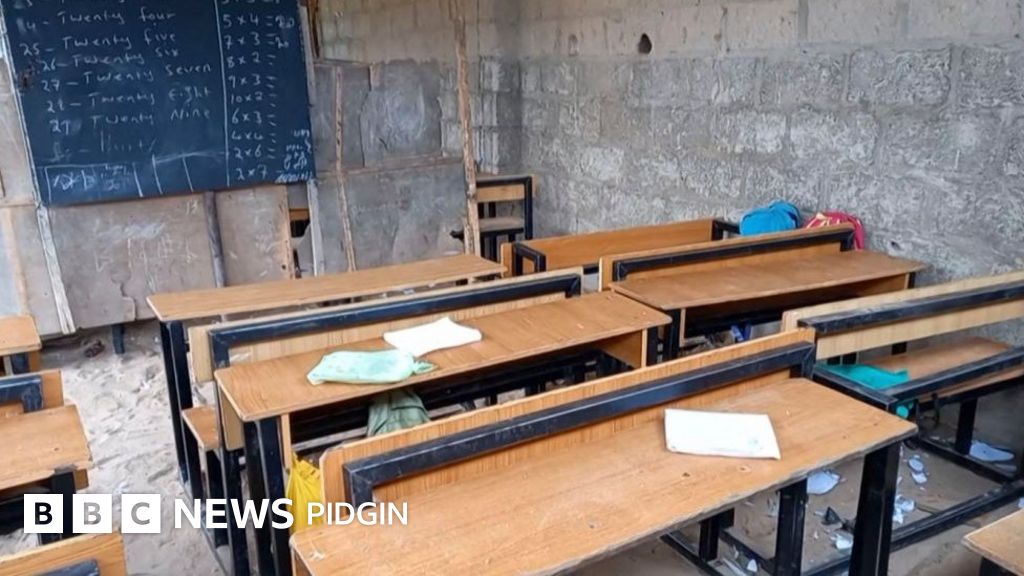
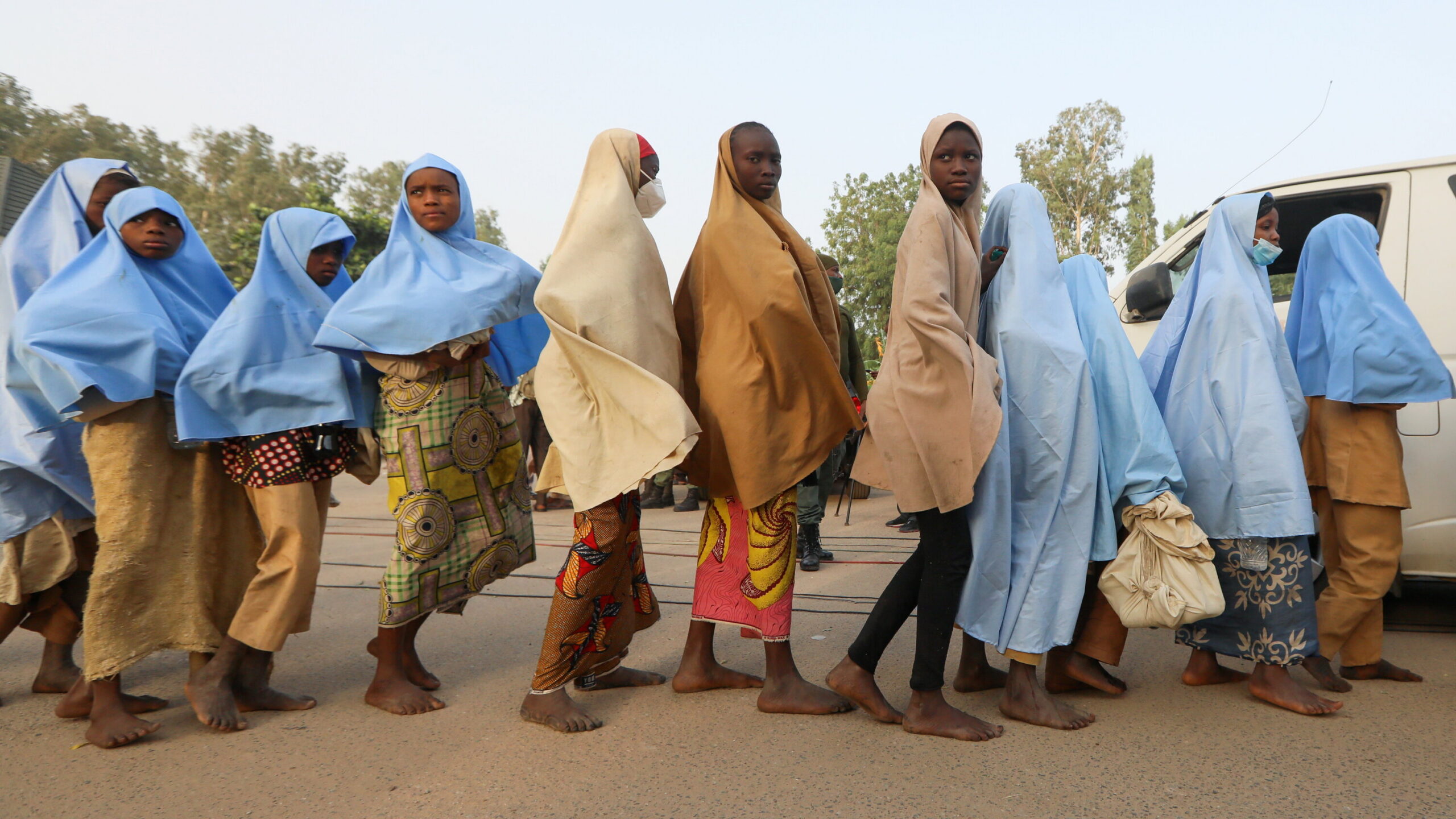
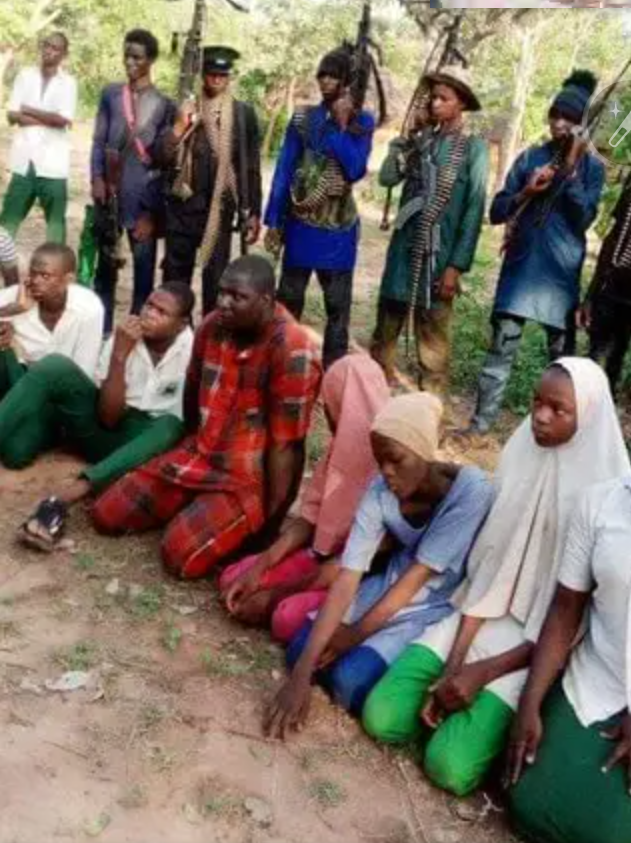
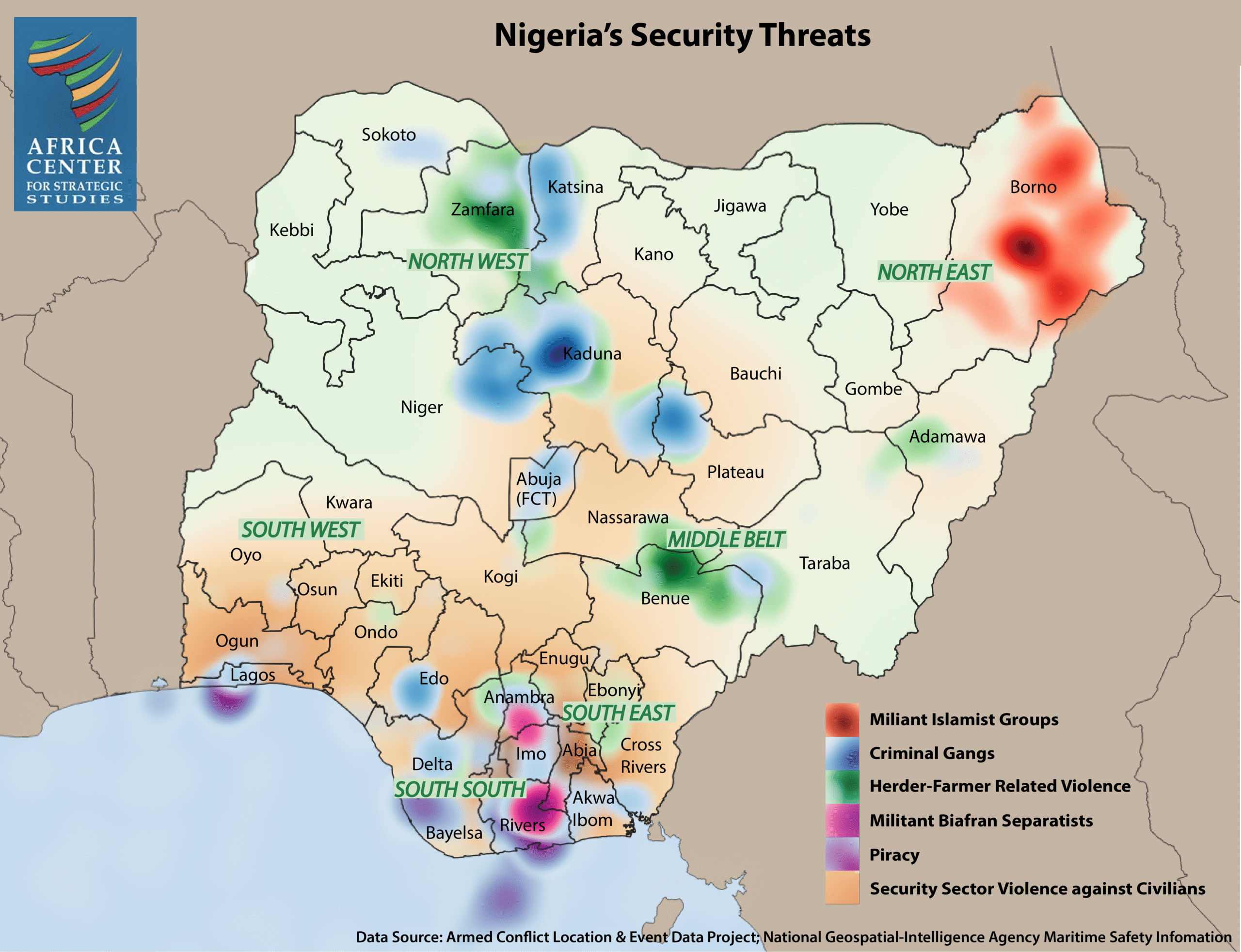
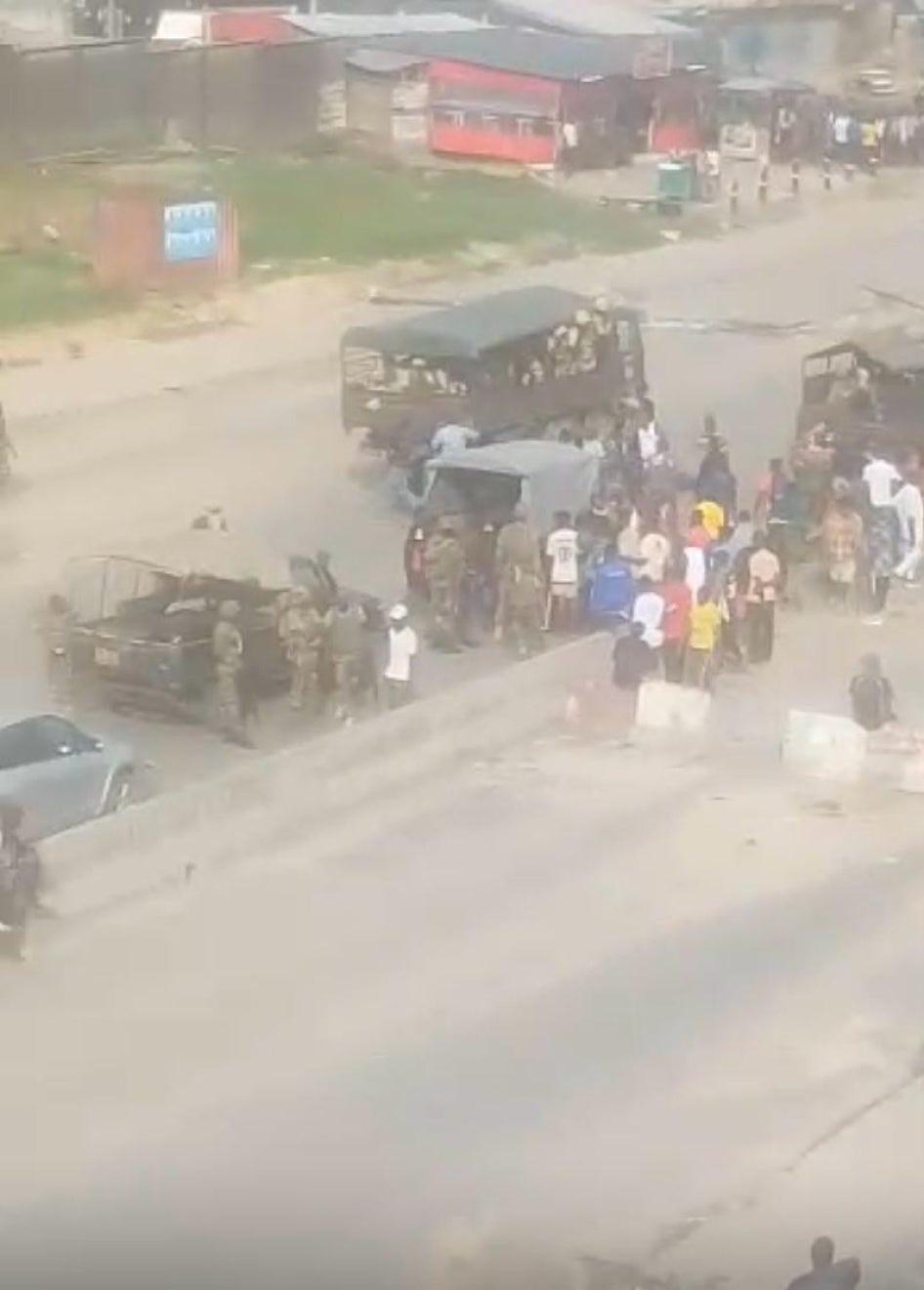
Nigeria, Africa’s most populous nation, is currently navigating a complex period marked by deep-seated political instability, escalating security challenges, and pervasive governance scandals. It’s a situation that truly puts the country’s resilience to the test, all while citizens watch closely and the world scrutinizes. Recent weeks have seen a flurry of alarming events, painting a stark picture of a nation struggling to maintain order and uphold its democratic ideals. We’re seeing everything from direct confrontations between citizens and security forces, like the tragic incident in Abuja where Department of State Services (DSS) operatives allegedly opened fire on residents, killing two and injuring one, to accusations against the Nigerian Air Force following a suspected helicopter attack in Niger State that reportedly left two dead and several injured. These incidents certainly raise serious questions about law enforcement practices and military engagement in civilian areas, don’t they? Meanwhile, the shadow of terrorism hangs heavy, with abductors in Kaduna demanding a hefty N250 million ransom and 20 motorcycles for the release of 166 worshippers, while insurgents in Adamawa hit Governor Fintiri’s hometown, killing two forest guards and abducting another. These attacks just keep threatening stability in the northwest and northeast, highlighting the ongoing, difficult fight against militant groups, a challenge that deeply impacts Nigeria’s broader security landscape and economic activities.
Political Fault Lines and Governance Under Fire
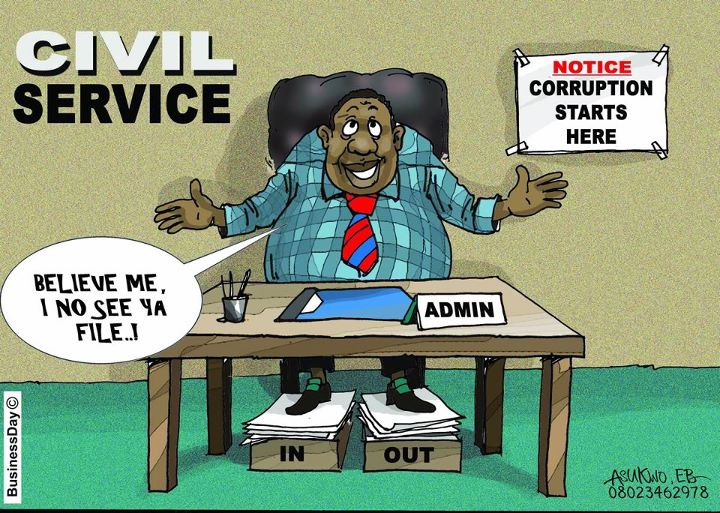
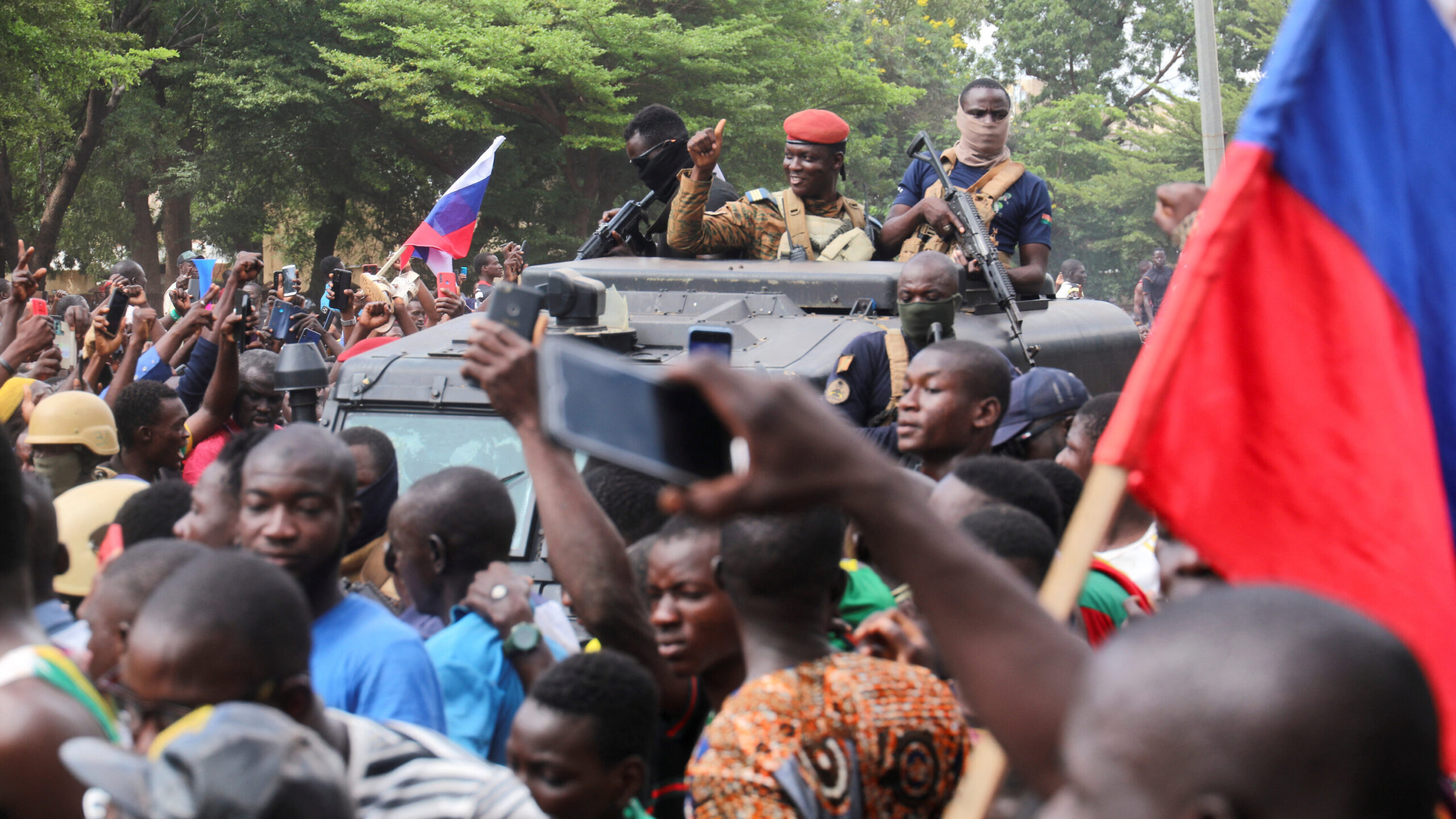
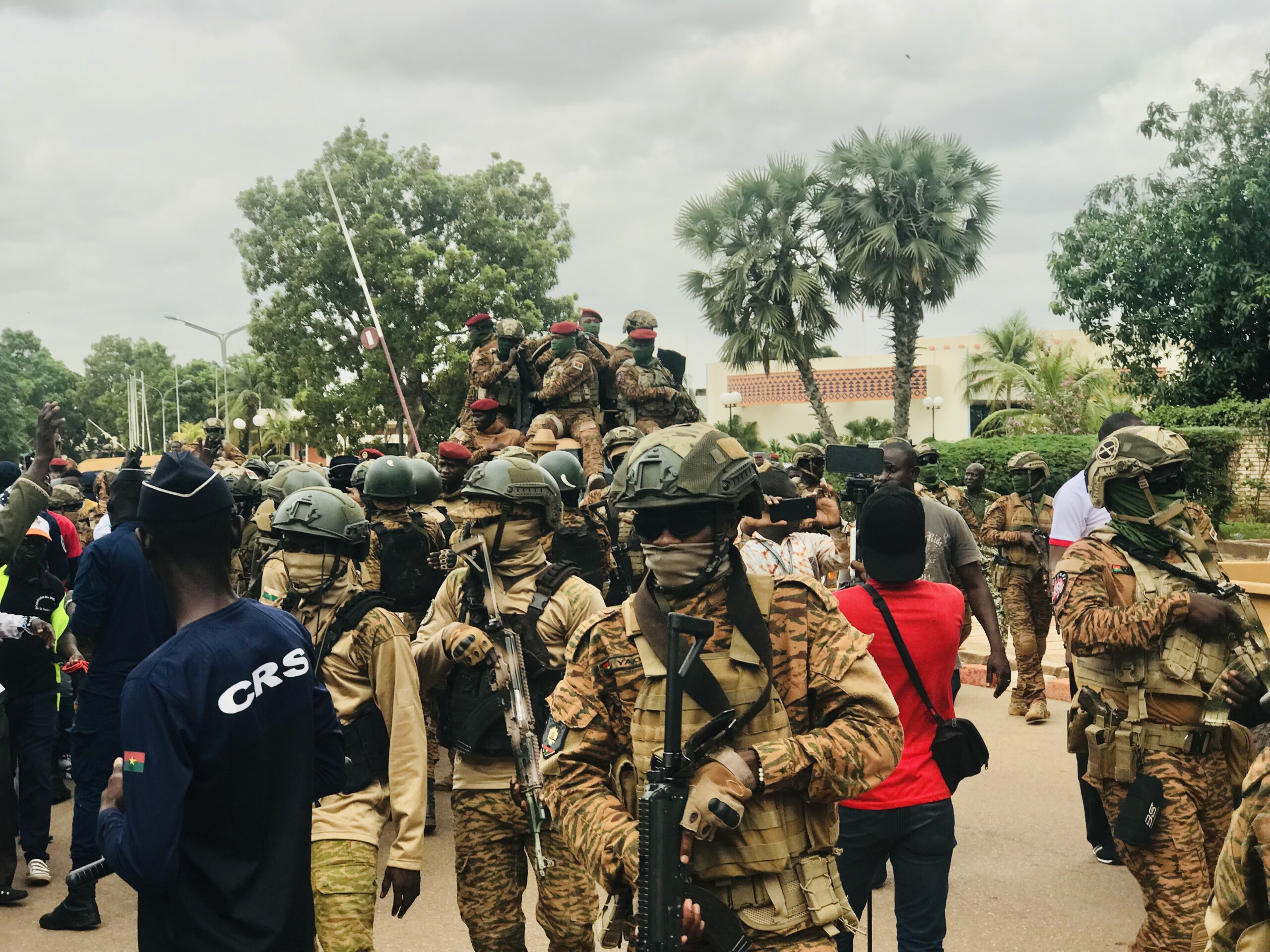
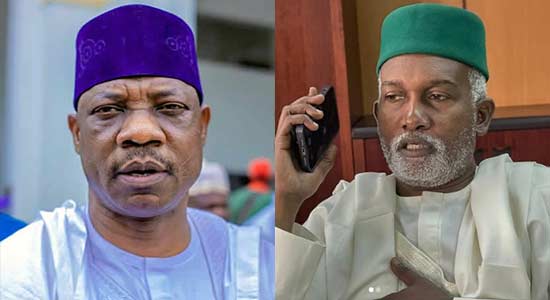
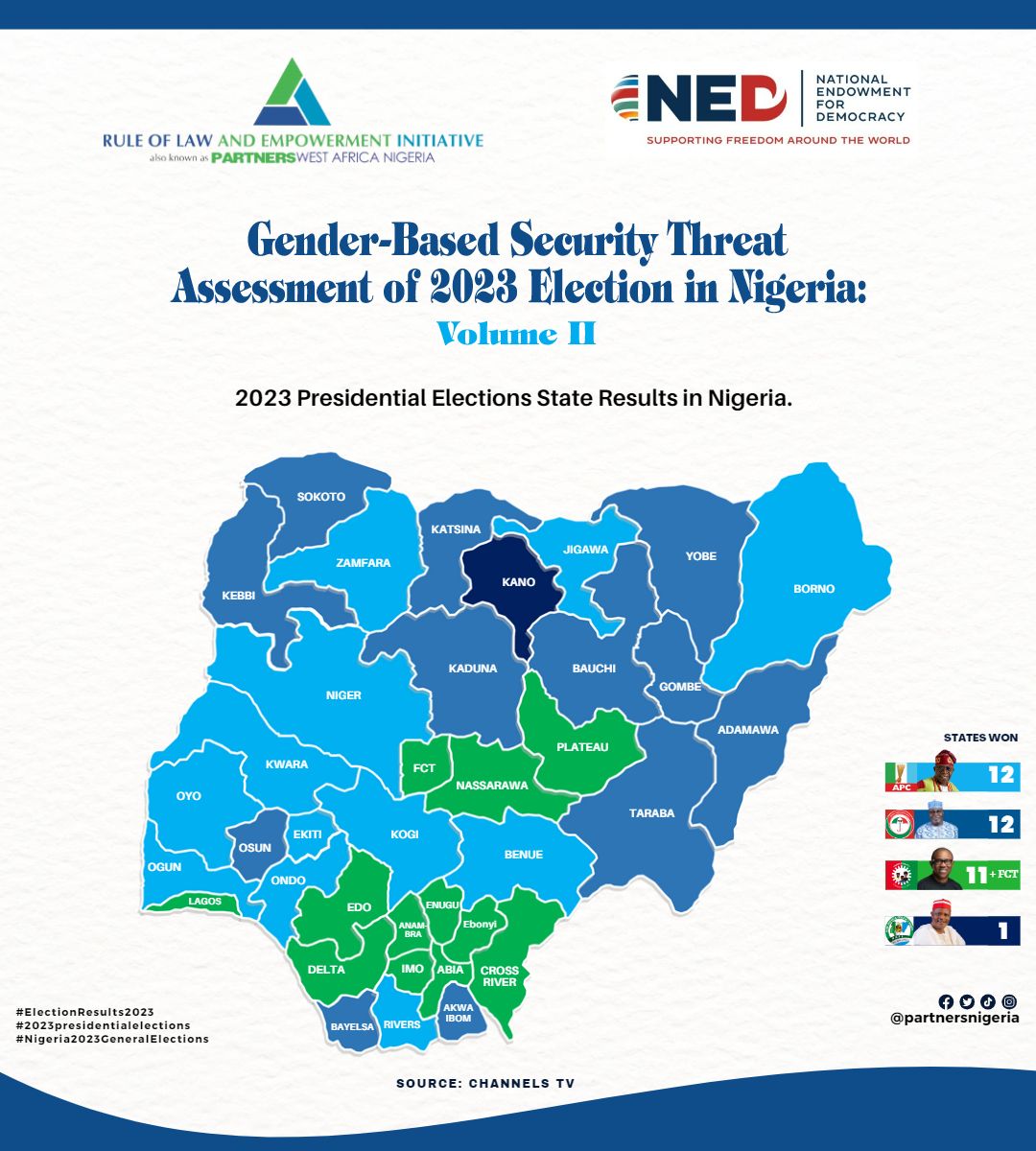
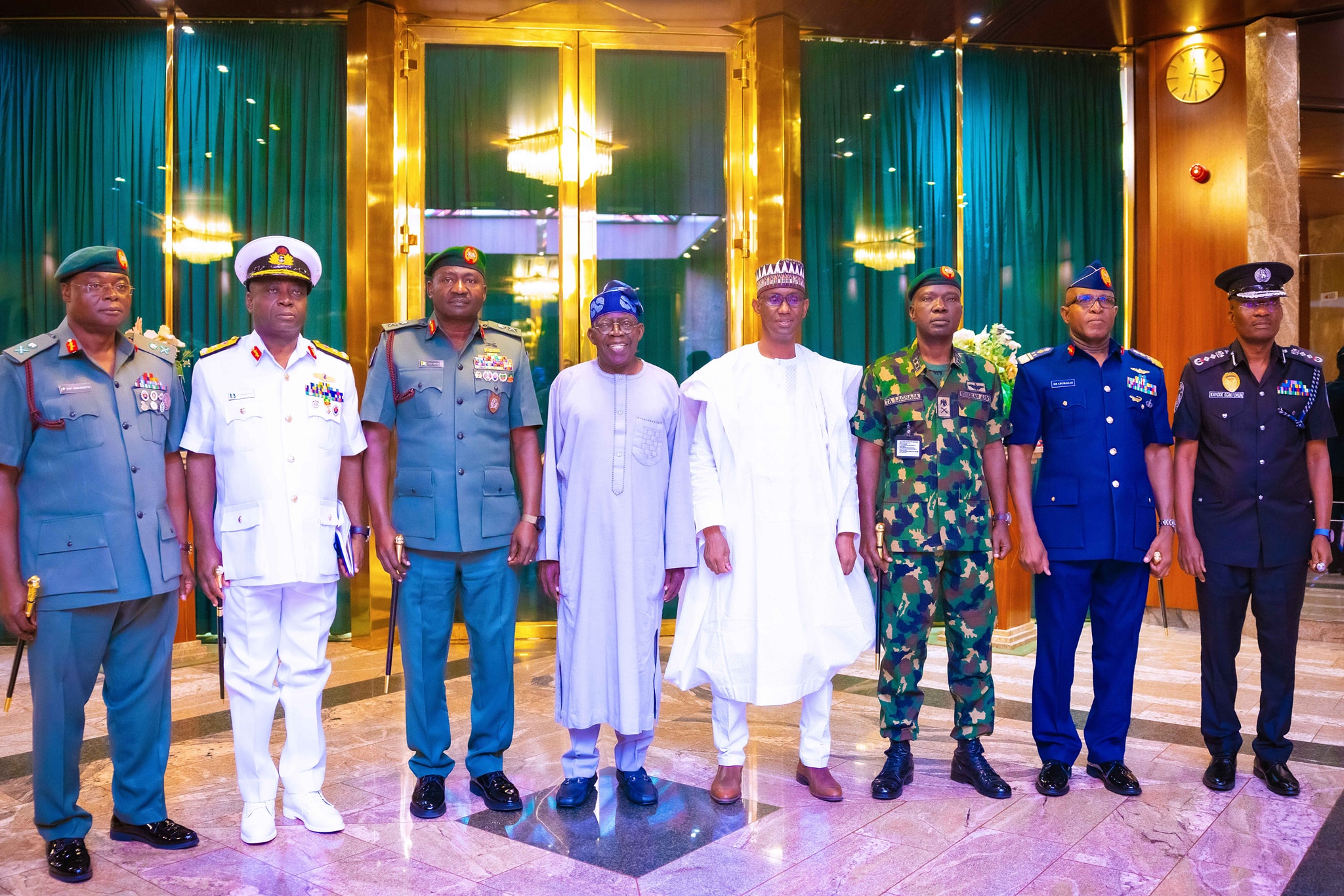
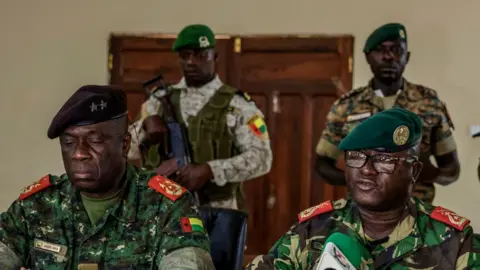
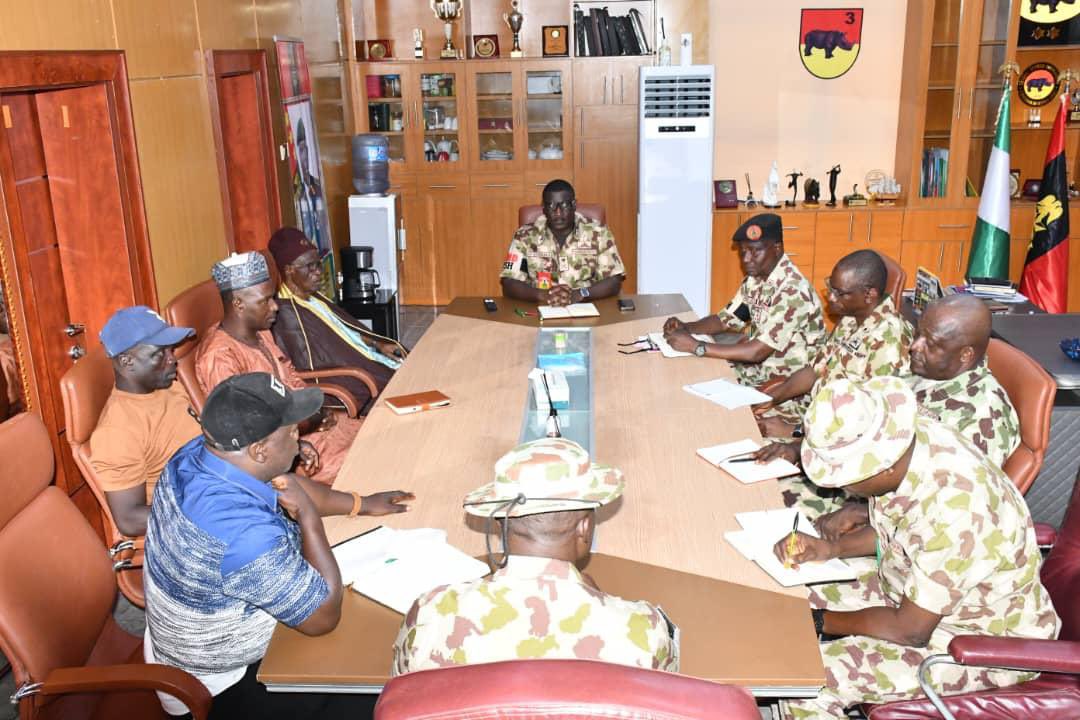
Beyond the immediate security concerns, Nigeria is grappling with significant political turbulence within its institutions. Allegations of a coup plot have led to the detention of 35 military officers, mostly from the northern region, alongside a Nigerian police inspector. The military plans to arraign these officers, signaling how seriously it takes threats to constitutional governance. However, the wives of these detained officers aren’t having it; they’ve publicly accused President Bola Tinubu’s administration of a witch-hunt, comparing it to tactics used by former President Olusegun Obasanjo to weaken northern influence in the military. These accusations really expose the ethnic and regional tensions woven into Nigeria’s power fabric, making it tougher for the nation to present a united front. Politically, we’ve also seen shifts, like Kano State Governor Abba Yusuf and 21 lawmakers ditching the New Nigeria Peoples Party (NNPP) to join the ruling All Progressives Congress (APC). Such defections could certainly reshape political alliances ahead of upcoming elections, affecting future governance and policy directions. Governance itself isn’t spared from controversy. The House of Representatives has called in top officials, including the Auditor-General and Ministers of Finance and Agriculture, over missing records related to farm subsidies. This clearly signals growing concerns about transparency and accountability in public resource management. And let’s not forget Nasarawa State, which is under fire for reportedly spending N707 million on refreshments while vital rural water projects languish. Are these the right fiscal priorities for the people? The Nigerian Export Promotion Council also saw an internal revolt over a N72 million redeployment scandal, and an engineer accused UNICEF of abandonment after an injury on duty, pointing to wider issues in organizational oversight and employee welfare. These incidents collectively underscore significant challenges in Nigeria’s governance structures.
Public Frustration and the Path Forward
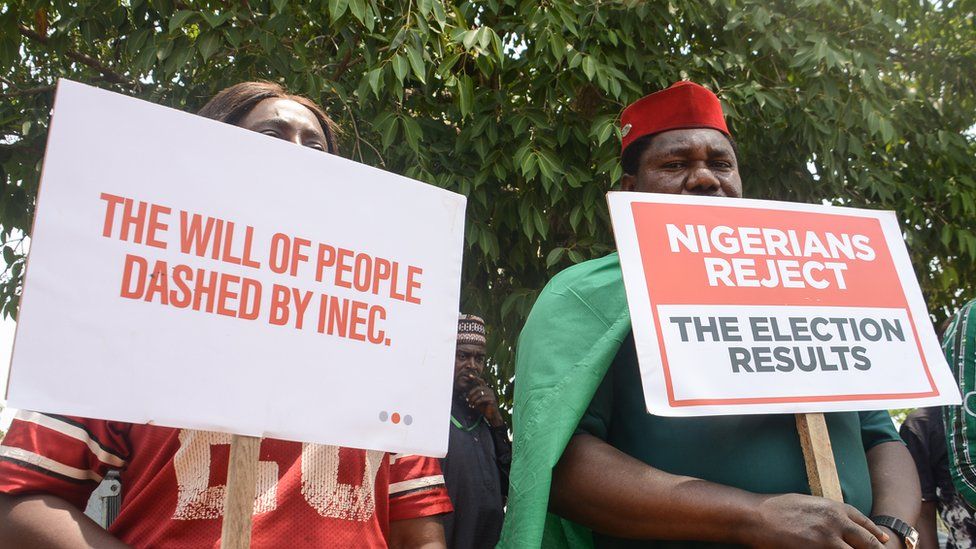
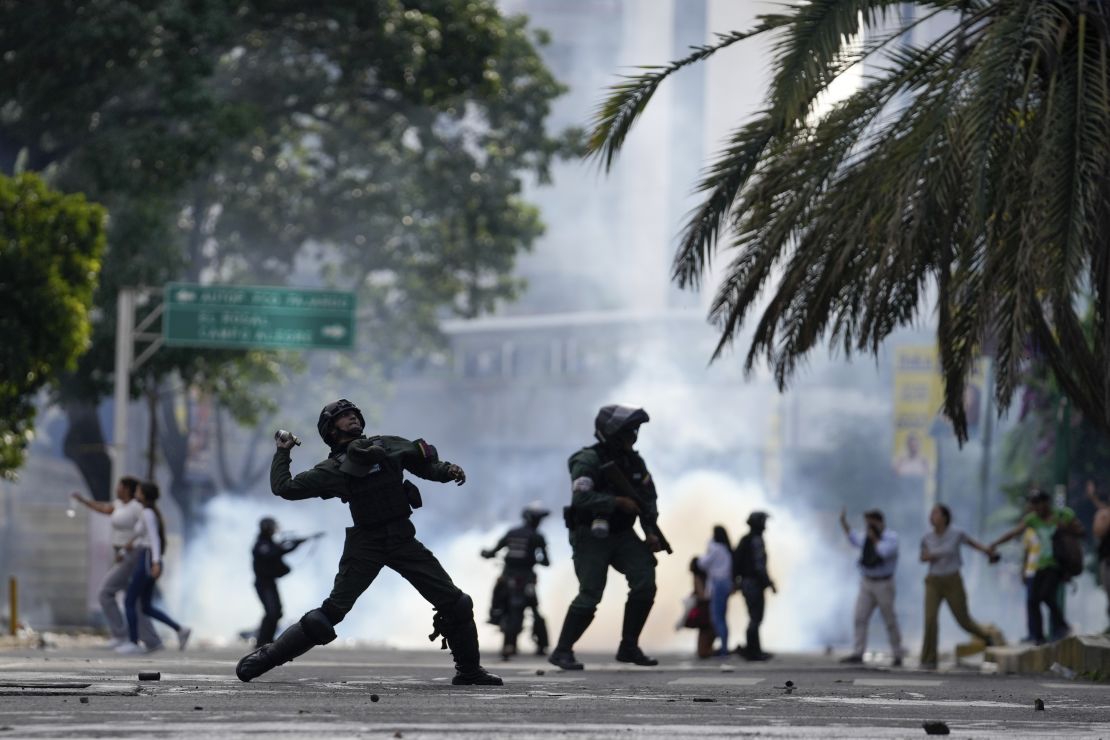
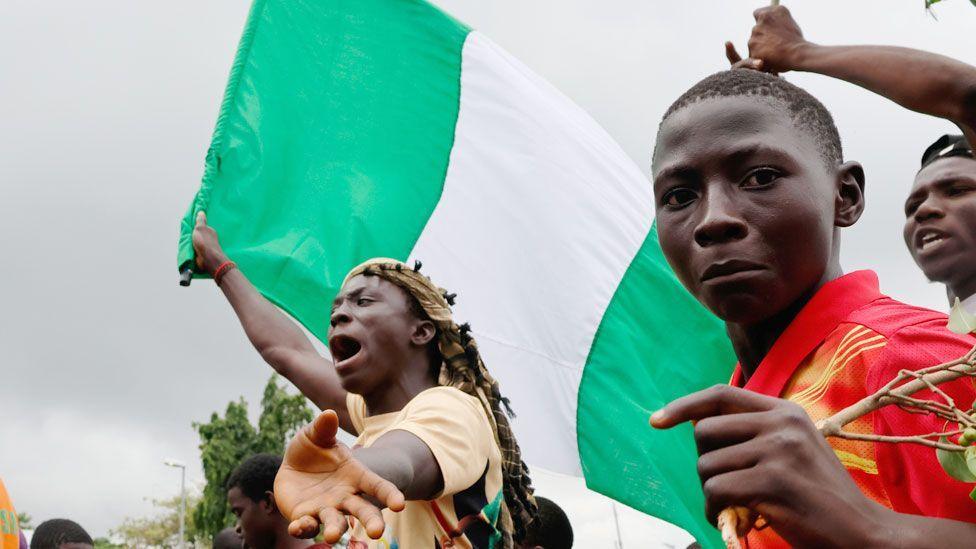
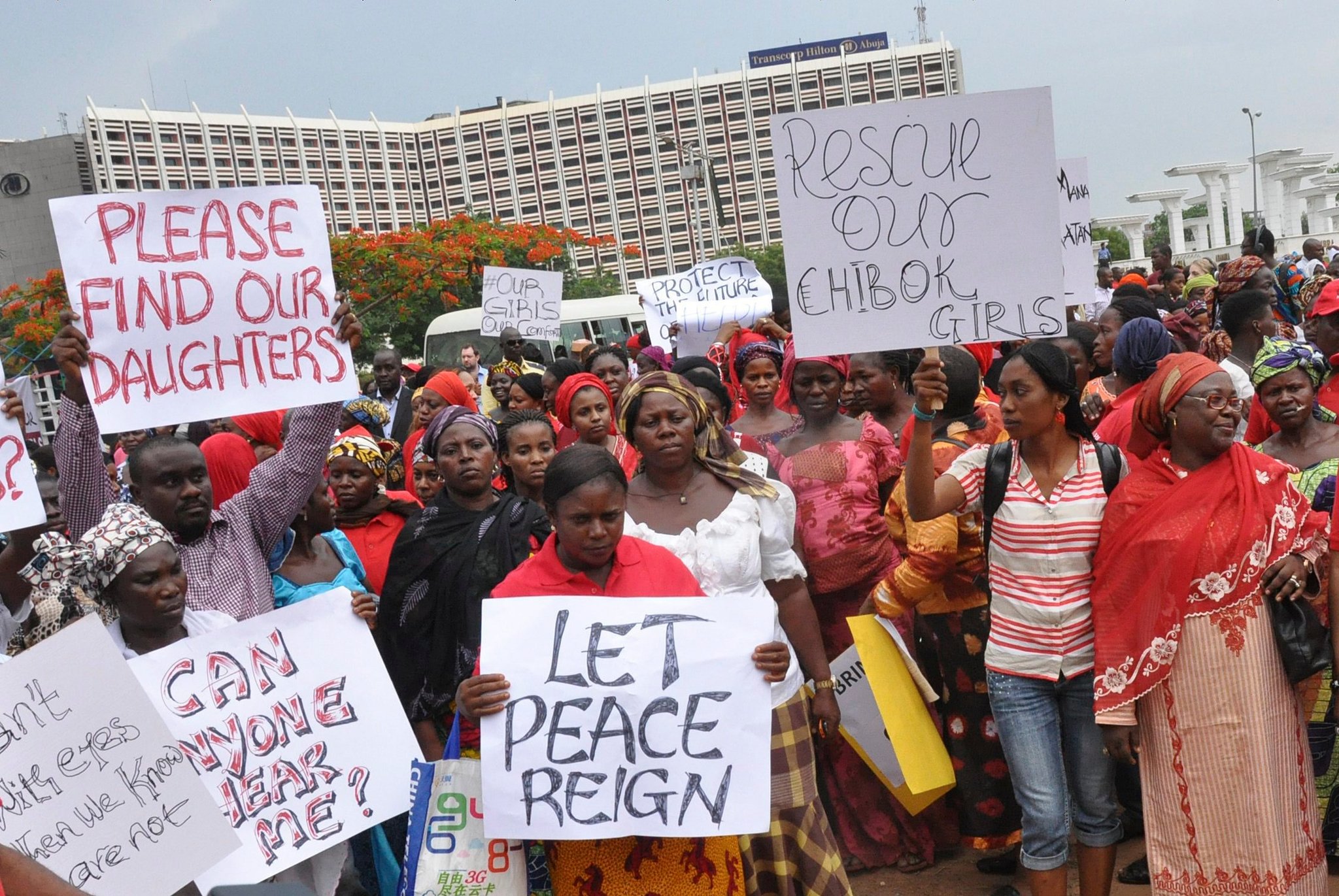
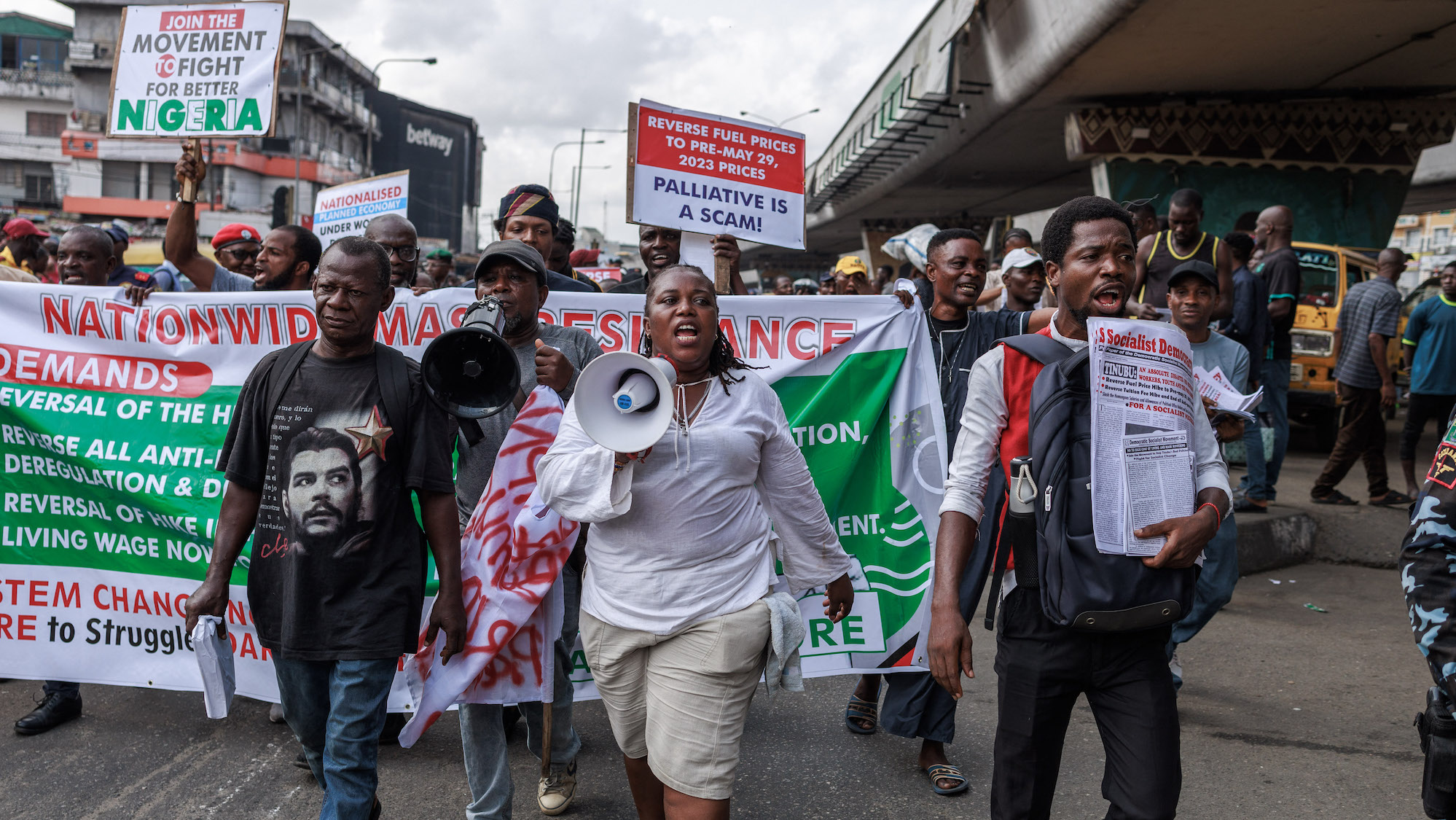
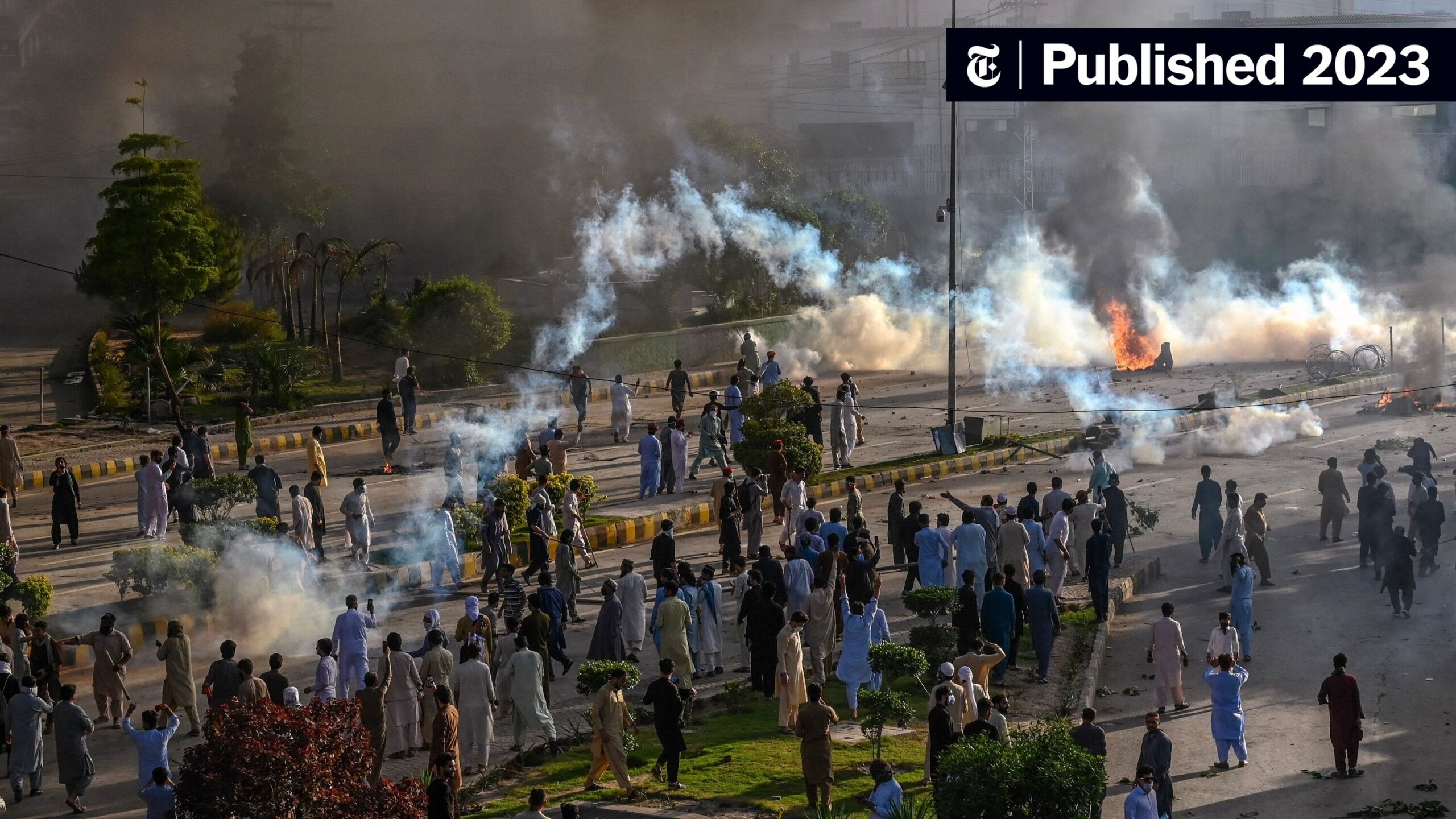
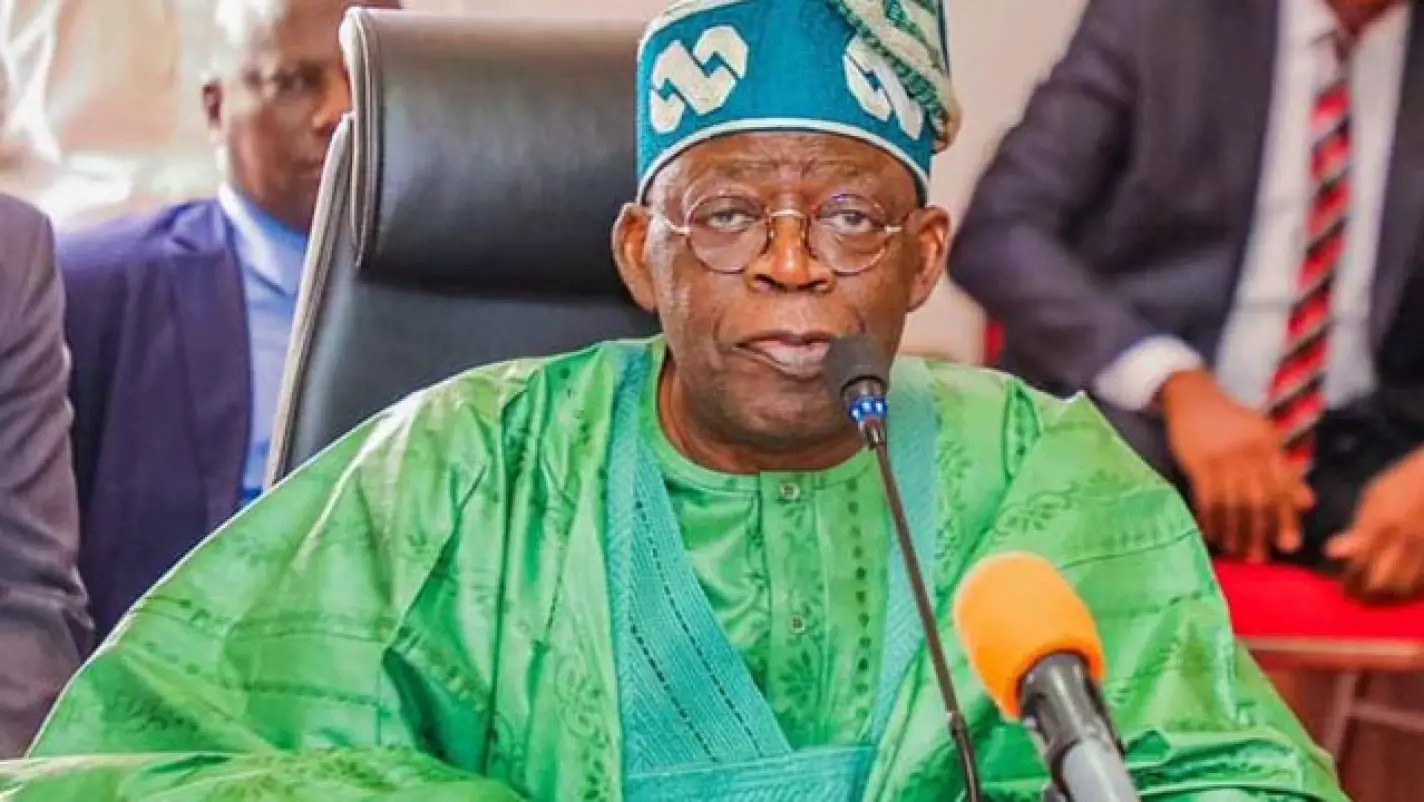
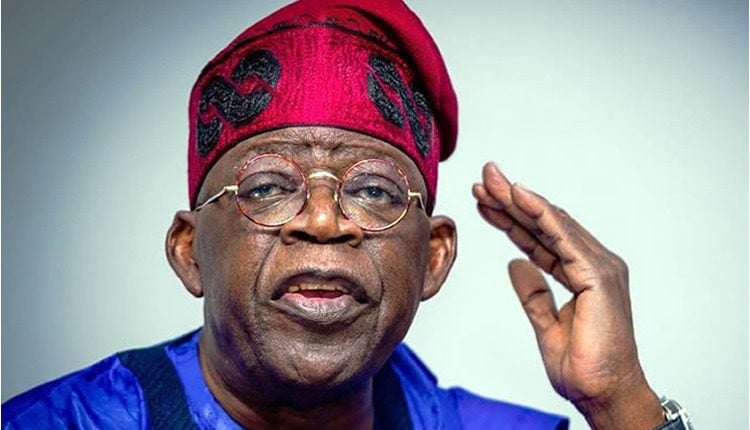
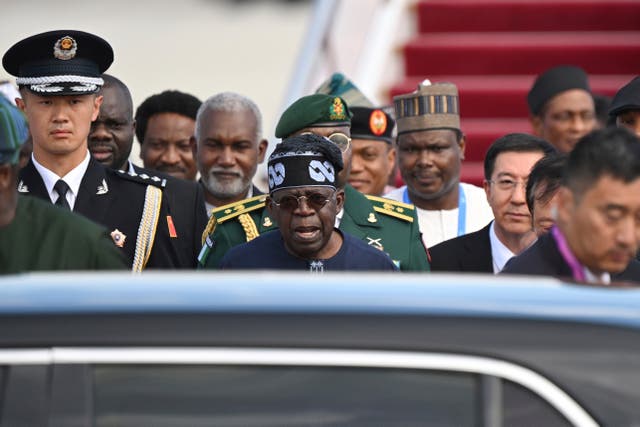
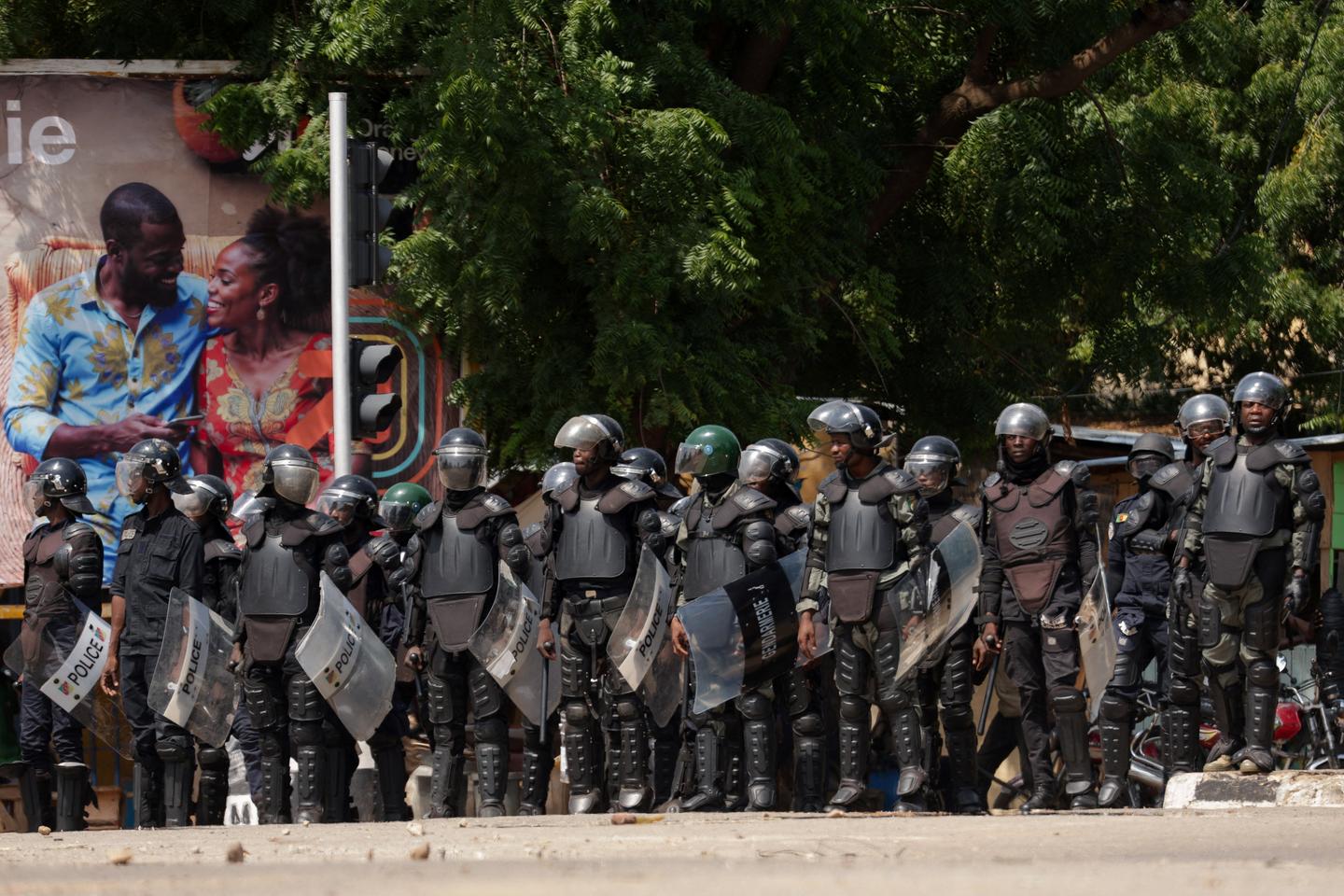
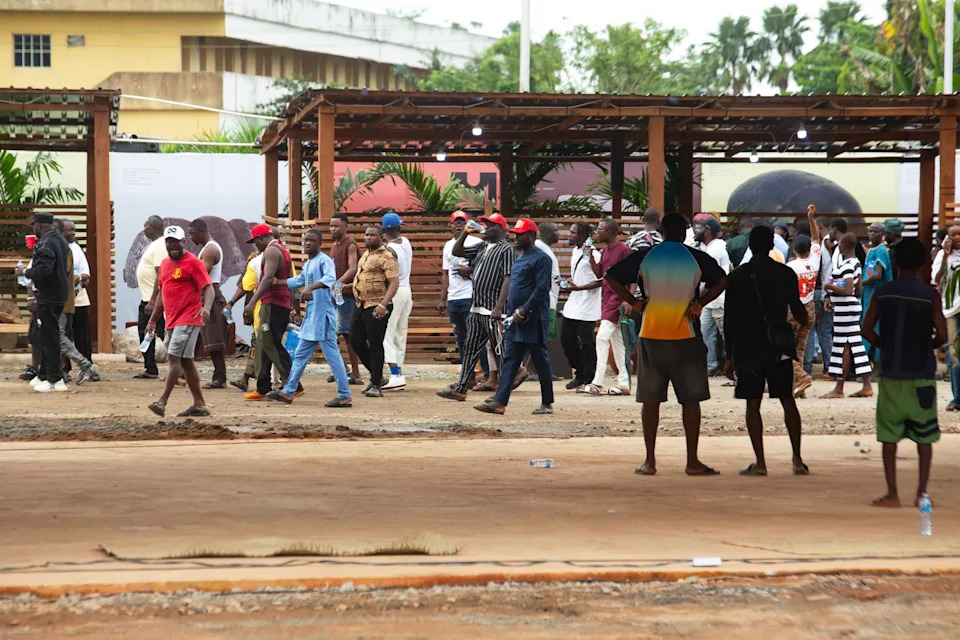
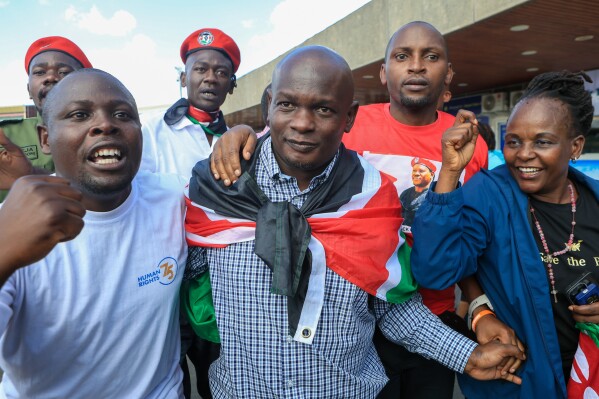
Public unrest is becoming increasingly visible. Youths in Abuja’s Bwari area protested against alleged police shootings and tear gas attacks that left one man blind, demanding the removal of the divisional police officer. These demonstrations highlight a deep, persistent mistrust between citizens and law enforcement, pointing to an urgent need for reforms. Political leaders, too, face scrutiny. FCT Minister Wike, who once criticized Nigerians seeking foreign degrees, was recently celebrated for his son’s UK graduation. This really brings to light the contrasting educational realities for Nigeria’s elite versus the average citizen. Even President Tinubu wasn’t immune from public attention when he stumbled and fell during a reception parade in Turkey; a moment that quickly became symbolic of the immense pressures facing the nation’s leadership. The country’s socio-political fabric does seem to be fraying as citizen grievances meet institutional weaknesses and security threats. A recent near-total blackout, caused by yet another collapse of the national power grid, only adds to daily life complications and economic woes, underscoring critical infrastructure deficiencies that demand immediate attention. Looking ahead, Nigeria faces a monumental task: balancing its democratic ambitions with robust security measures, transparent governance, and responsive leadership. The government must bridge existing ethnic and regional divides within its institutions and work hard to restore public trust through genuine accountability and justice. As political realignments continue and security operations unfold, the unity and resilience of Nigerians will undeniably be key in steering the nation towards a more peaceful, stable, and sustainable future. This moment asks a crucial question: can Nigeria overcome these political challenges and build a stronger foundation for all its people?
Sources:
- Breaking: Two Killed, One Injured As DSS Operative Opens Fire On Abuja Residents, Sahara Reporters, January 28, 2026.
- Breaking: Two Killed, Several Injured In Suspected Nigerian Air Force Helicopter Attack On Niger State Community, Sahara Reporters, January 27, 2026.
- Terrorists Raise Ransom To N250million, 20 Motorcycles To Free 166 Abducted Worshippers In Kaduna, Sahara Reporters, January 28, 2026.
- Exclusive: 35 Military Officers Including 33 Northerners Detained Over Alleged Coup Plot Against Tinubu Govt, Sahara Reporters, January 27, 2026.
- Alleged Coup Plot: Wives Of Detained Officers Say Tinubu Copying Obasanjo’s Playbook To Weaken Northern Influence In Military, Sahara Reporters, January 28, 2026.
- Breaking: Kano Governor Abba Yusuf, 21 Lawmakers, Others Resign From NNPP Amid Planned APC Defection, Sahara Reporters, January 23, 2026.
- House Of Reps Summons Auditor-General, Finance, Agriculture Ministers Over Missing Records On Farm Subsidies, Sahara Reporters, January 28, 2026.
- Nasarawa Government Spends N707million On Refreshments As Rural Water Provision Suffers Neglect, Sahara Reporters, January 24, 2026.
- Exclusive: Nigerian Export Promotion Council Hit By Internal Revolt Over N72Million Redeployment Scandal, Sahara Reporters, January 21, 2026.
- Exclusive: IGP Egbetokun Reportedly Furious Over N100Million Security Vote Scandal, Sahara Reporters, January 23, 2026.
- Breaking: Youths Protest In FCT’s Bwari Over Alleged Police Shooting, Tear Gas Attack That Left Man Blind, Demand DPO’s Removal, Sahara Reporters, January 26, 2026.
- Video: Tinubu Stumbles, Falls During Reception Parade In Turkey, Helped Up By Multiple Men, Sahara Reporters, January 27, 2026.
- Breaking: National Grid Collapses Again, Plunges Nigeria Into Near Total Blackout, Sahara Reporters, January 23, 2026.