Nigeria Faces Political Turmoil, Security Crises, and Judicial Paralysis in 2026
As 2026 unfolds, Nigeria finds itself caught in a complicated web of political unrest, rising insecurity, and a stalled judicial system. These aren’t just headlines, they paint a stark picture of the nation’s current leadership challenges and social strains. Already in the first week of the year, we’ve seen national attention gripped by government transparency issues, fresh corruption probes, an ongoing insurgency, and significant local political upheavals. It’s certainly set a tone of unease and urgency for what’s ahead. What does this mean for ordinary Nigerians? Well, it means navigating daily life against a backdrop of uncertainty. Take, for instance, the high-profile case involving the former Attorney General of the Federation (AGF). His recent bail approval prompted a huge reaction, with the Department of State Services (DSS) reportedly sending over 50 operatives to Kuje Prison. Their goal? To re-arrest the ex-AGF on terrorism financing allegations. This dramatic scene happened while delays attributed to Malami, the former AGF, slowed bail processing, highlighting the seriousness of terrorism financing cases but also exposing deep institutional pressures within Nigeria’s judicial and security systems. Meanwhile, the Independent Corrupt Practices and Other Related Offences Commission (ICPC) isn’t backing down. They’ve rejected a petition withdrawal in the high-profile allegations by business magnate Aliko Dangote against former NMDPRA chief, Ahmed. The ICPC’s decision to push forward with this probe signals a governmental commitment to fighting corruption, at least on the surface. But critics are quick to point out that such investigations often get bogged down by procedural delays and political interference, a pattern we’ve seen in other recent bail denials, like that of the Bauchi Commissioner also accused of terror financing. It really makes you wonder, doesn’t it, if justice is truly swift and unbiased for all.
Escalating Security Concerns and Strained Justice System
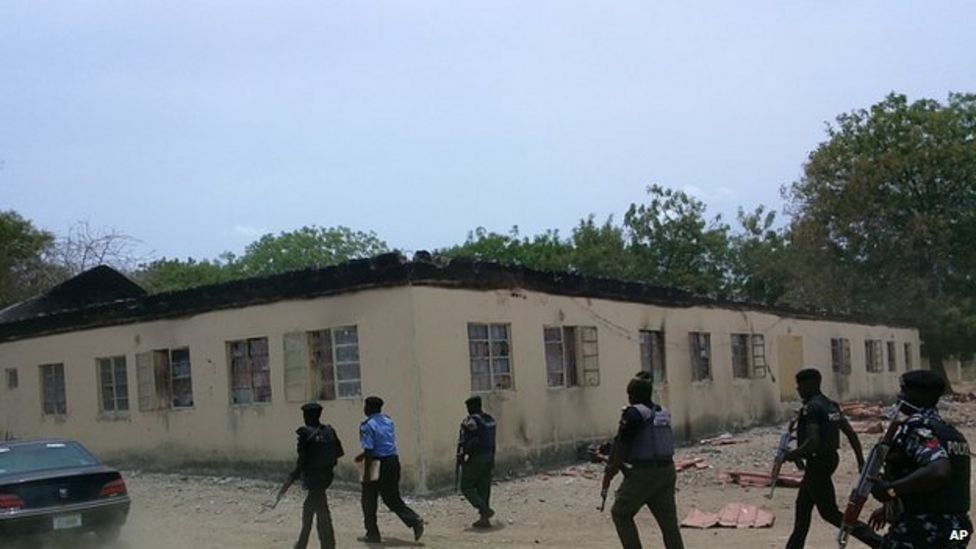
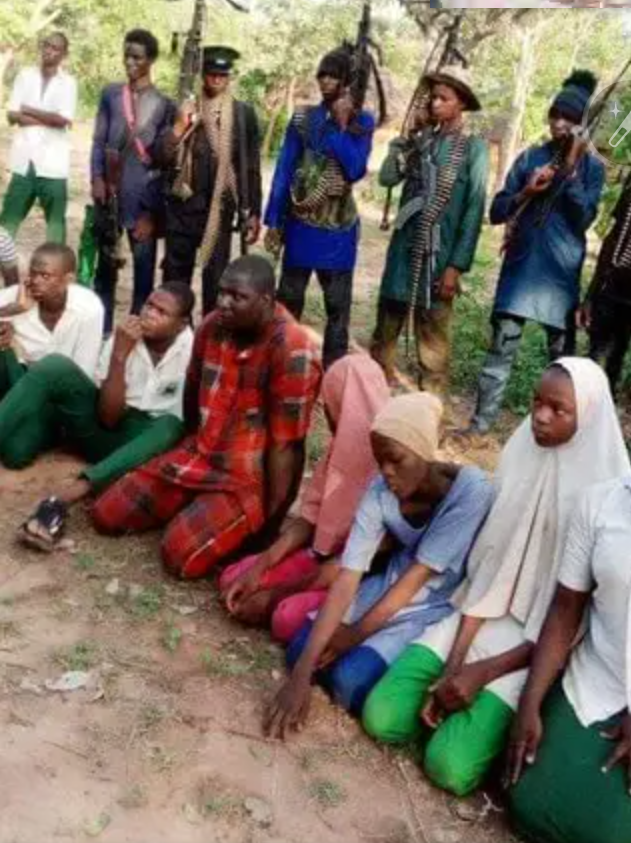
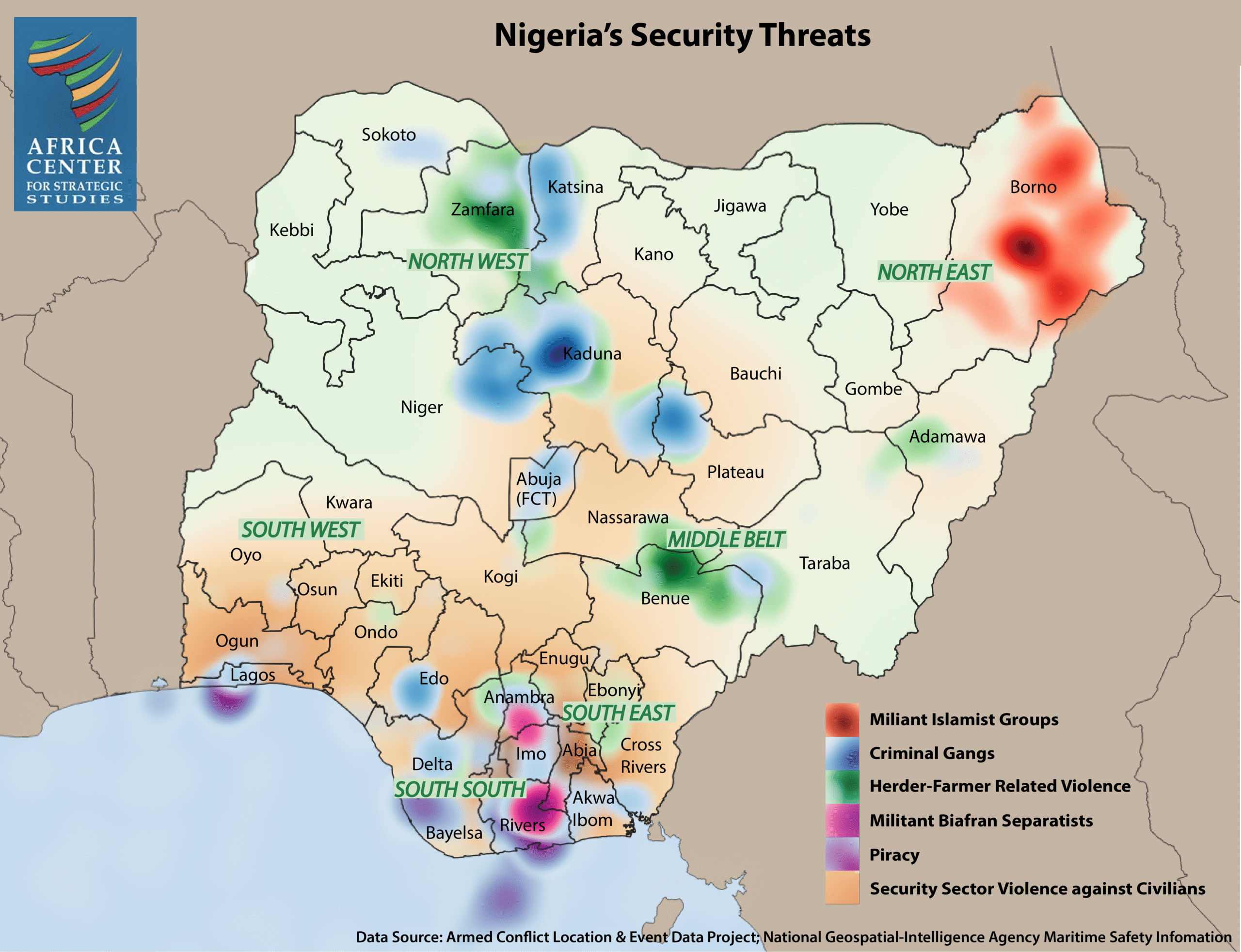
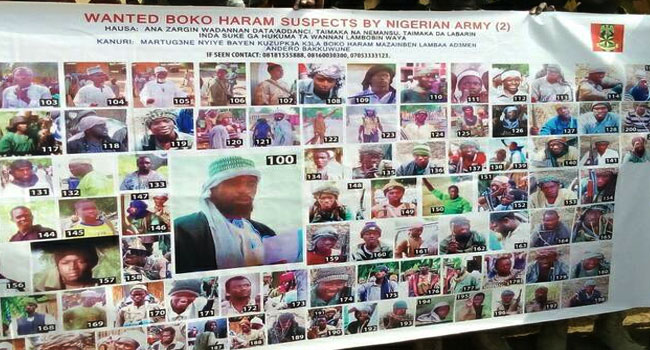
Beyond the courtroom drama, Nigeria’s political landscape feels increasingly unstable. Rivers State, for example, is watching impeachment proceedings unfold against Governor Siminalayi Fubara, all amidst a deepening rift with influential figure Nyesom Wike. This kind of infighting isn’t just local news, it hints at major cracks within ruling party dynamics that could erode public trust across the country. And it’s not just about high-level politics. Remember that viral video? It allegedly showed APC Senator Kelvin Chukwu assaulting a constituent at a football event in Enugu. Incidents like these throw a harsh spotlight on lawmakers’ accountability, or lack thereof. Security, a perennial worry for Nigerians, is sadly getting worse. We’re seeing more violent and deadly attacks. There was that brutal assault on a mobile police checkpoint in Niger State, coming hot on the heels of the Kasuwar Daji massacre. These events underscore the relentless threat from armed bandits in the region. And in Borno State, Boko Haram extremists reportedly planted explosive devices, killing nine Nigerian soldiers and injuring several others. One young soldier had only been married for eight months, a truly heartbreaking reminder of the human cost of this ongoing insurgency. These aren’t isolated incidents, they show a multi-dimensional threat to Nigeria’s internal security, where militants and bandits often operate with terrifying impunity. How can citizens feel safe when such threats loom? This rising violence is also putting immense pressure on our judicial system. Judicial activities ground to a halt in Ondo State as magistrates, customary court presidents, and legal officers went on strike over unresolved grievances. This kind of paralysis only makes things worse, delaying justice for countless criminal and corruption cases and making people feel like their government isn’t really working for them.
Human Rights, National Pride, and Fiscal Accountability Under Scrutiny
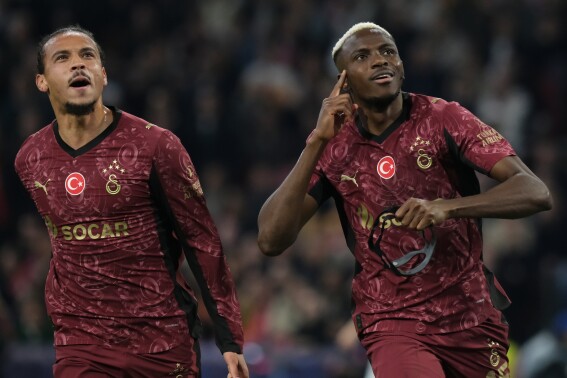
Concerns about human rights continue to shadow state security actions. We’ve seen respected Islamic scholar Sheikh Khalifa detained in Zaria for weeks, then moved to an undisclosed location, sparking serious questions about due process and the rule of law. It makes you wonder, doesn’t it, about fundamental freedoms. Even within the police force, there are problems. Officers at Imo State’s Tiger Base are reportedly raising alarms about threats to their lives and claims that their unit commander, ACP Oladimeji, plans to dismiss them. These internal issues highlight fractures and raise concerns about police conduct and safety, which is vital for any functioning society. And it’s not just governance structures facing scrutiny; national pride’s taken a hit too. Our beloved Super Eagles threatened to boycott an upcoming match against Algeria because of unpaid bonuses from the Africa Cup of Nations. This kind of sports controversy taps into wider feelings about administrative inefficiency and a perceived lack of support for national talent. Then there’s the scandal swirling around the Federal Inland Revenue Service (FIRS). Its chairman, Zach Adedeji, reportedly planning a lavish birthday bash in Dubai with prominent figures like Seyi Tinubu, has drawn sharp criticism amidst ongoing tax controversies. It really brings up questions about fiscal accountability and ethical standards in public office. The attacks haven’t let up either. Bandits stormed Idofin community in Kogi State, killing one person and injuring another. The sheer frequency and boldness of these attacks scream for more effective policing and community protection. So, where does Nigeria go from here? We’re clearly at a crossroads. All these converging issues, political conflicts, security breakdowns, judicial dysfunction, and governance lapses, demand urgent, coordinated responses from every level of government and civil society. To truly rebuild public confidence and protect its citizens, Nigeria must strengthen the rule of law, boost security operations through community engagement, and ensure transparent political processes. Without decisive action, the nation risks spiraling into further instability, eroding any progress made and deepening societal divisions. These early 2026 developments in Nigeria aren’t unique; they mirror bigger challenges facing many African democracies. It’s where aspirations for growth and democracy meet complex, long-standing issues of governance and security. We, as citizens and observers, must watch closely, support meaningful reforms, and hold our leaders accountable to navigate these turbulent times.
Sources:
EXCLUSIVE: Malami Slows Bail Processing As DSS Operatives Besiege Kuje Prison To Re-Arrest Ex-AGF On Terrorism Financing Allegations, Premium Times, January 8, 2026, Premium Times
BREAKING: Rivers Assembly Begins Impeachment Proceedings Against Governor Fubara Amid Rift With Wike, Vanguard, January 8, 2026, Vanguard
ICPC Rejects Petition Withdrawal, Continues Probe Of Dangote’s Allegations Against Ex-NMDPRA Chief, Ahmed, This Day, January 8, 2026, This Day
BREAKING: Gunmen Attack Mobile Police Checkpoint In Niger State, Days After Kasuwar Daji Massacre, Daily Trust, January 5, 2026, Daily Trust
BREAKING: Explosive Devices Planted By Boko Haram Kill Nine Nigerian Soldiers, Injure Several In Borno, Sahara Reporters, January 5, 2026, Sahara Reporters
BREAKING: Judicial Activities Grind To A Halt As Ondo Magistrates, Customary Court Presidents, Legal Officers Strike, Punch, January 5, 2026, Punch
BREAKING: APC Senator Kelvin Chukwu Caught On Camera Assaulting Constituent At Football Event In Enugu, Nigerian Tribune, January 5, 2026, Nigerian Tribune
EXCLUSIVE: Nigerian Revenue Agency FIRS Chairman Zach Adedeji Plans Lavish Birthday In Dubai With Seyi Tinubu, Others Amid Tax Controversies, The Guardian, January 3, 2026, The Guardian
BREAKING: Nigeria’s Super Eagles Threaten To Boycott Algeria Match Over Unpaid AFCON Bonuses, Premium Times, January 5, 2026, Premium Times