Nigeria Grapples with Surging Violence, Political Unrest, and Deep-Seated Governance Issues
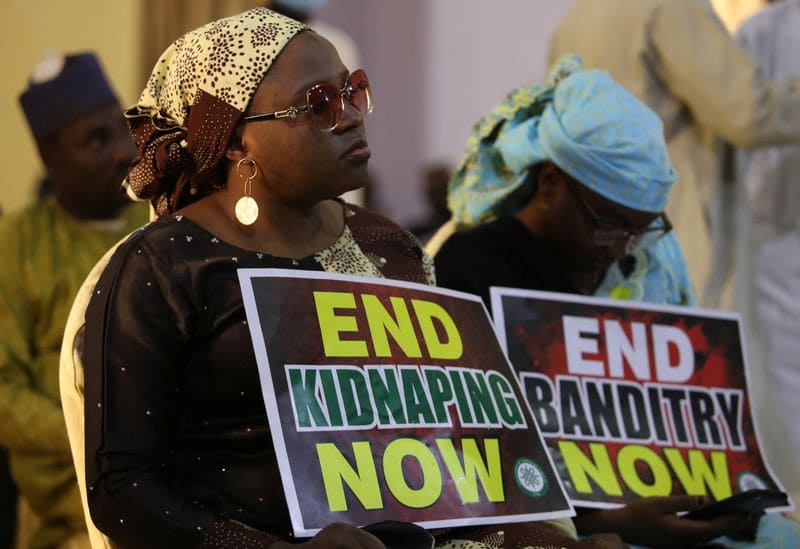
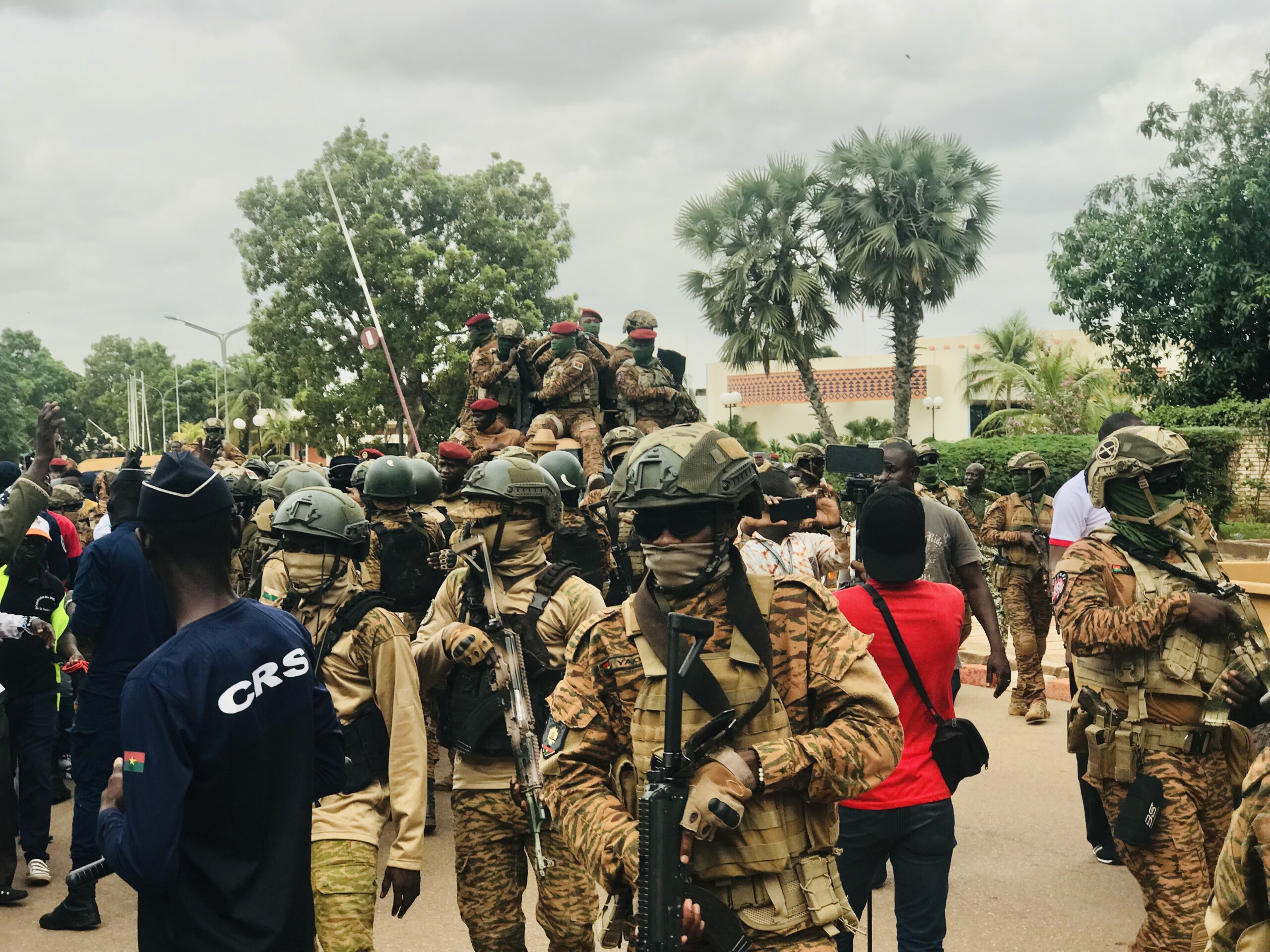
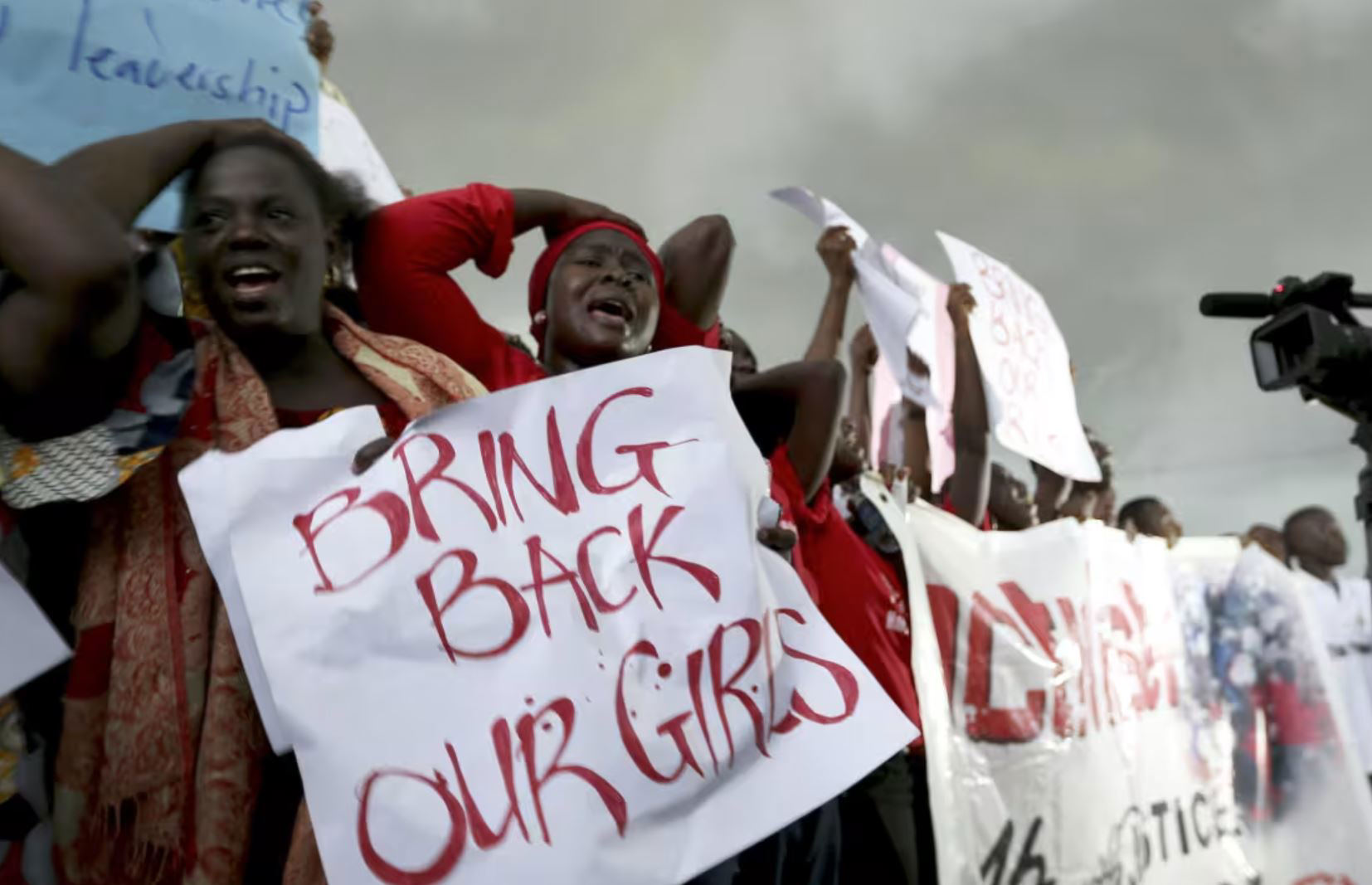
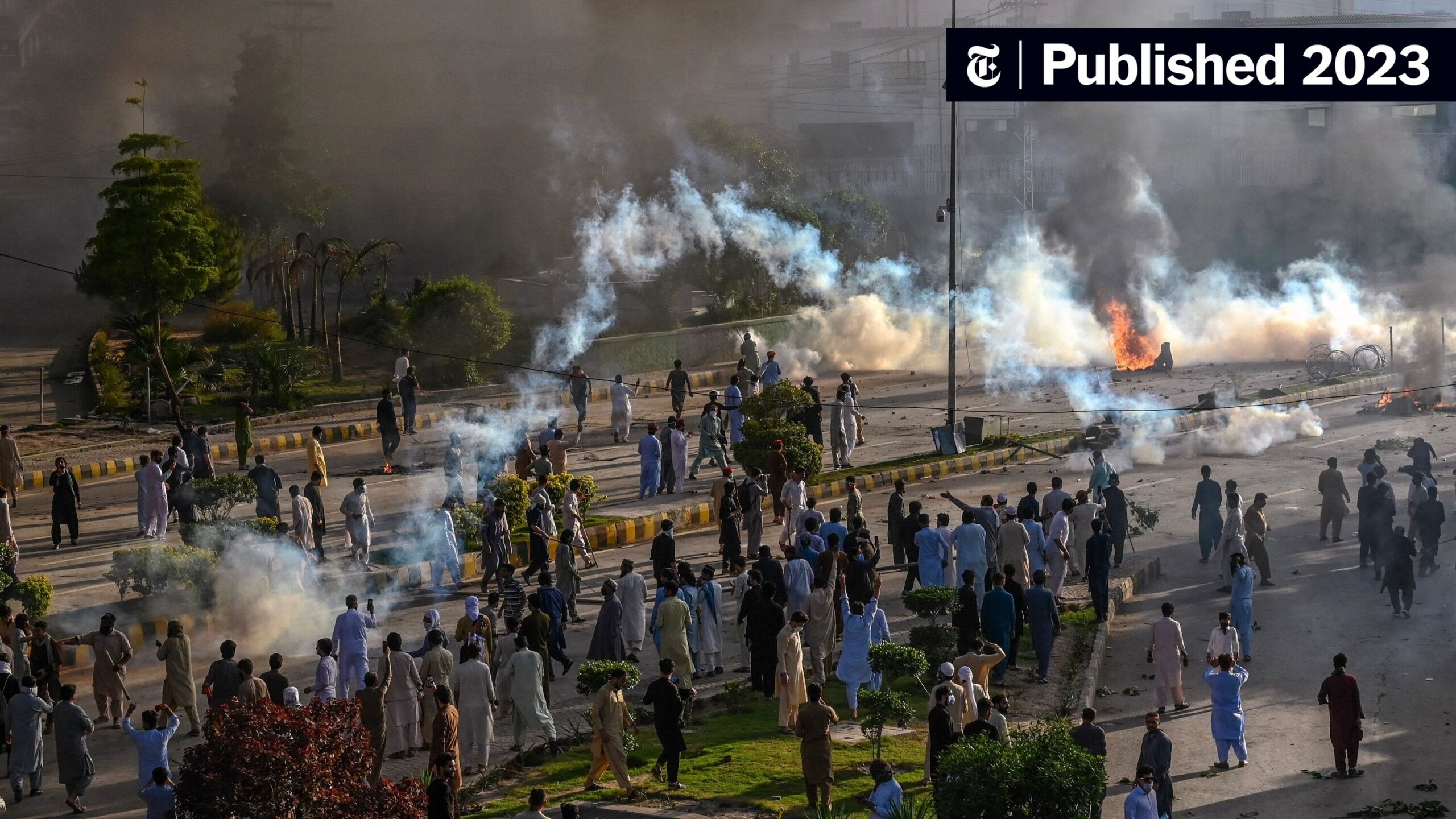
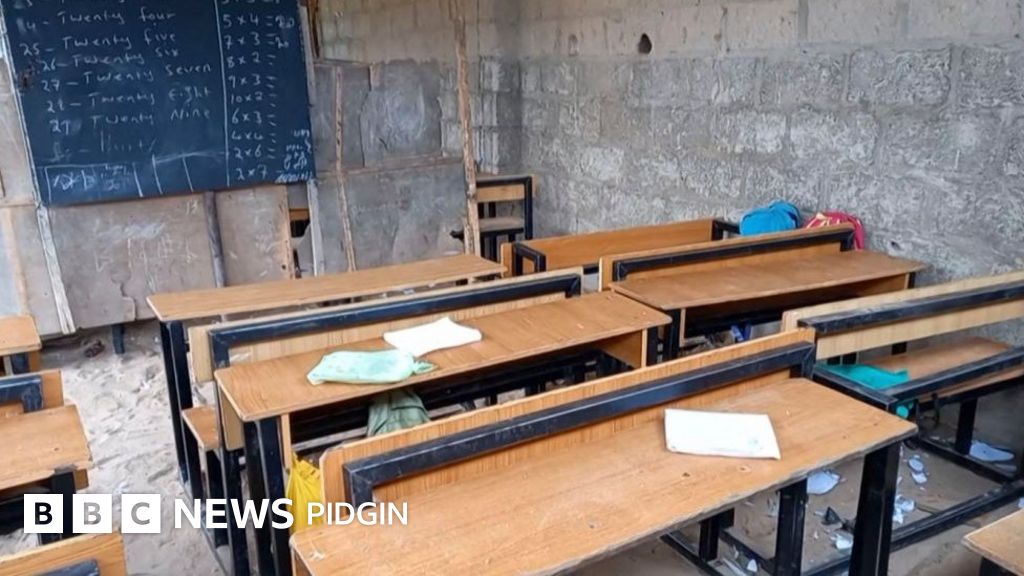
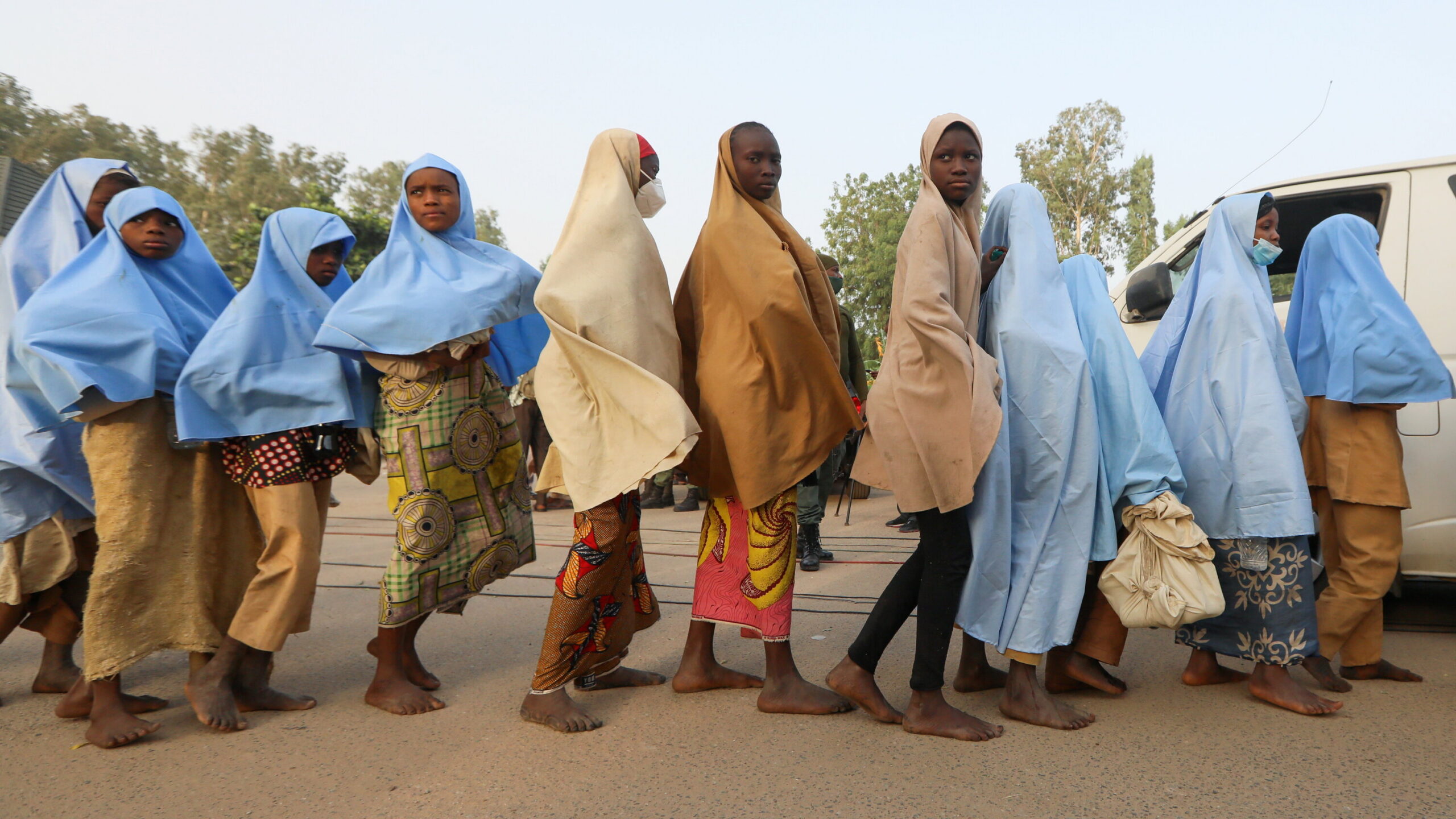
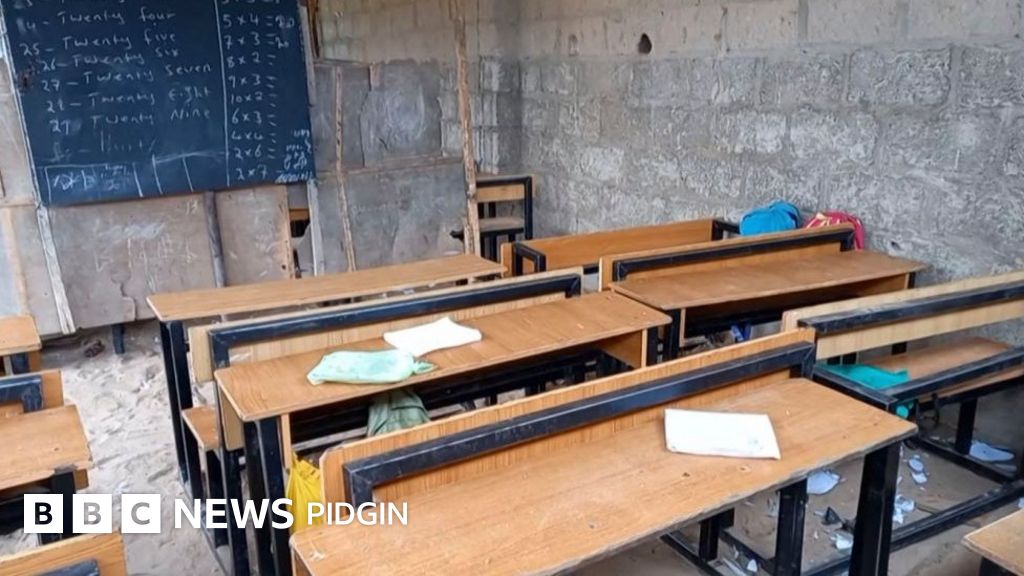
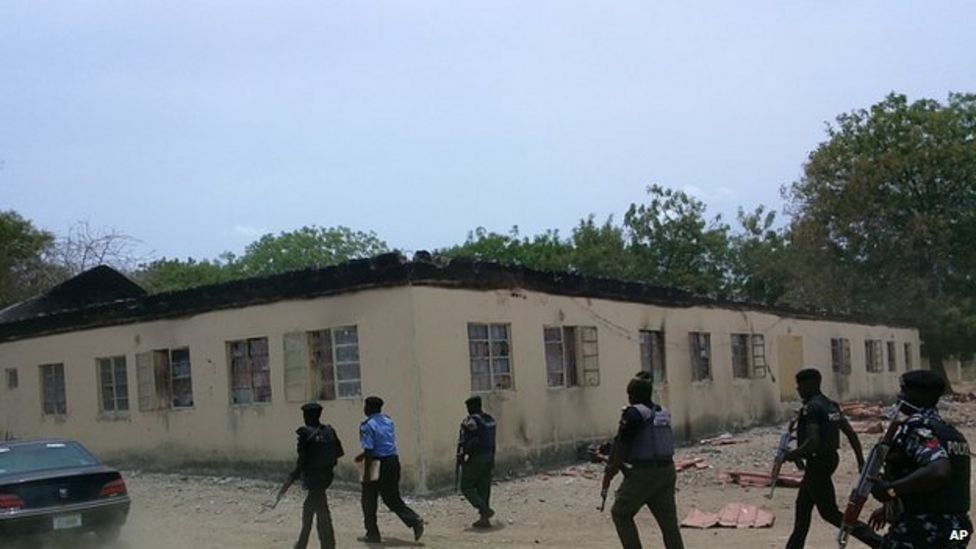
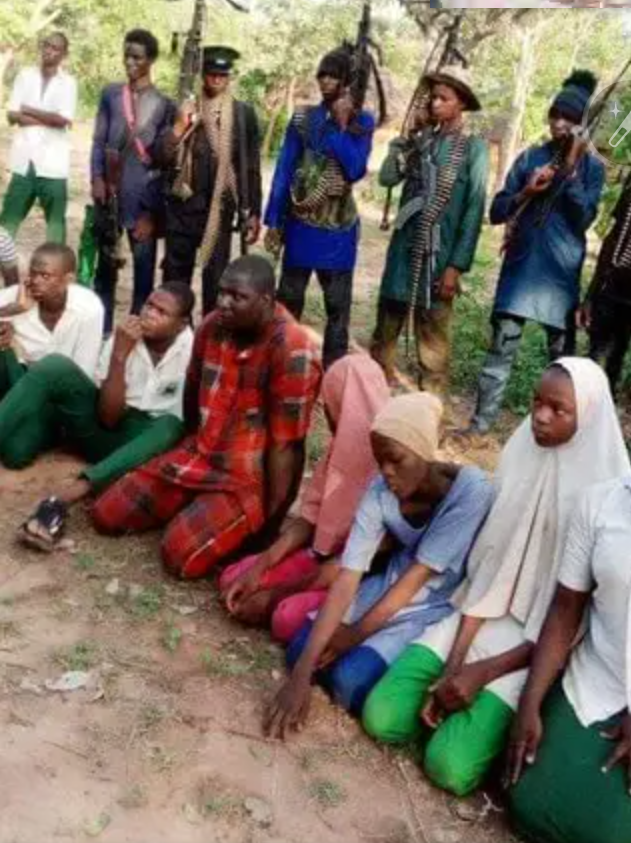
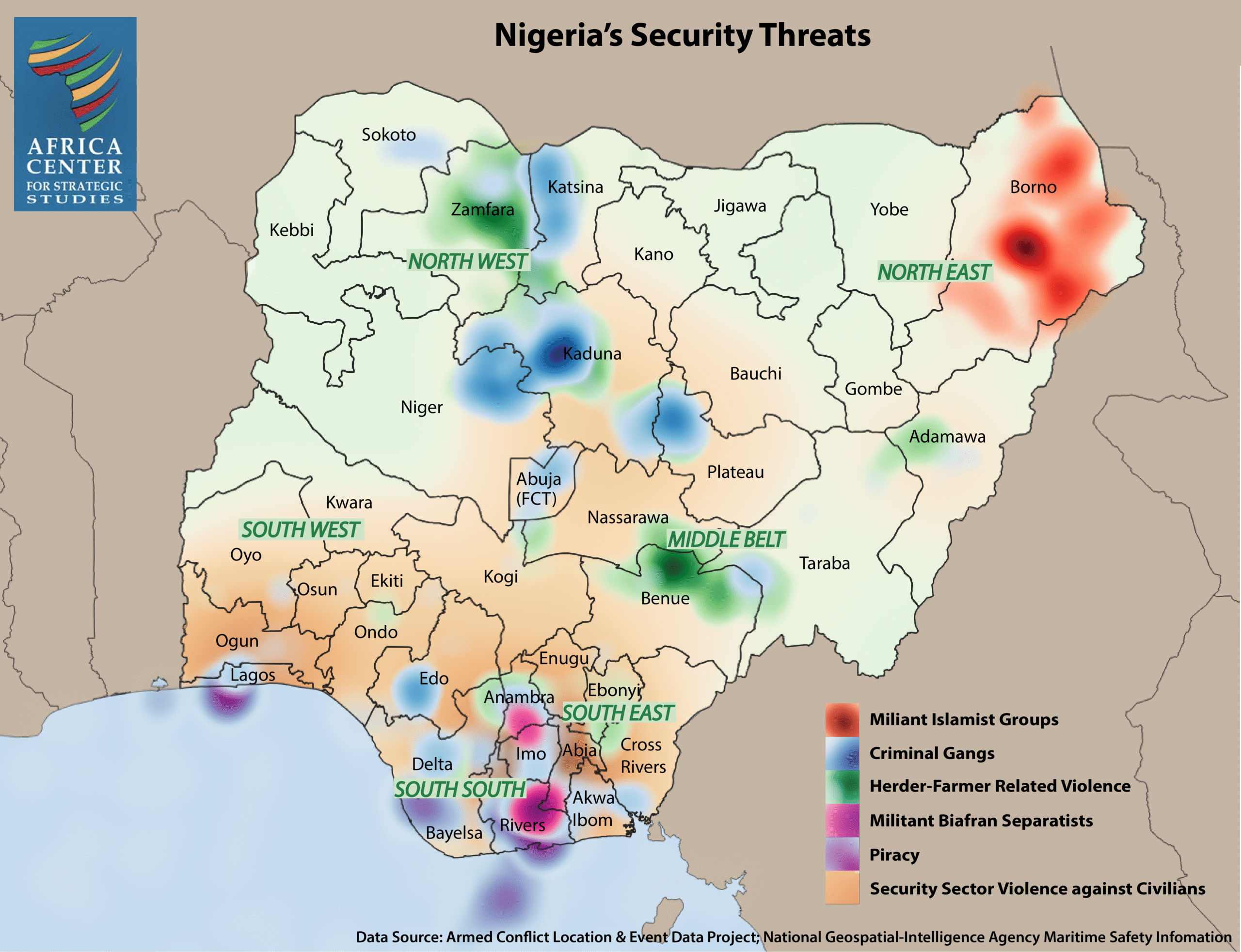
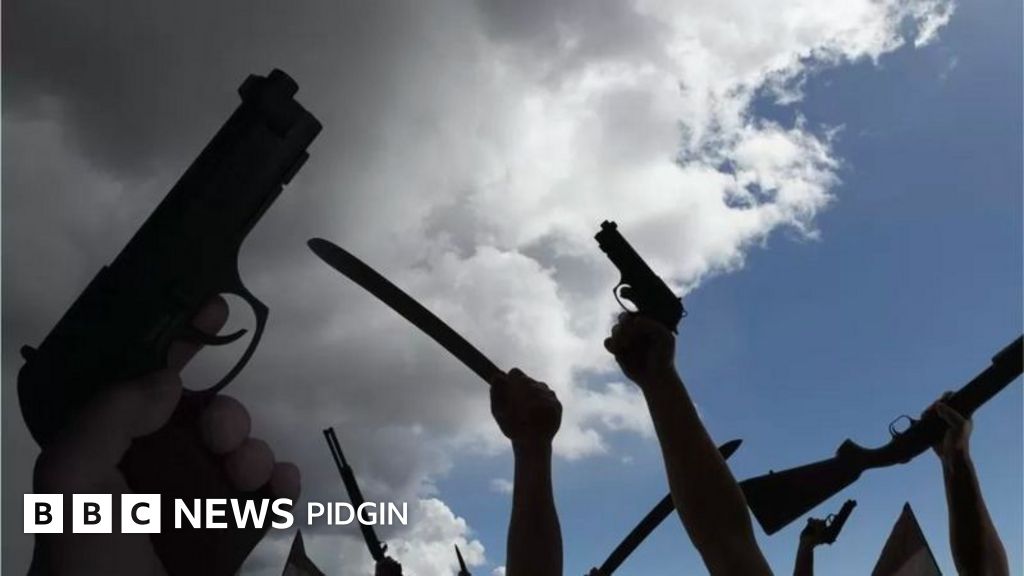
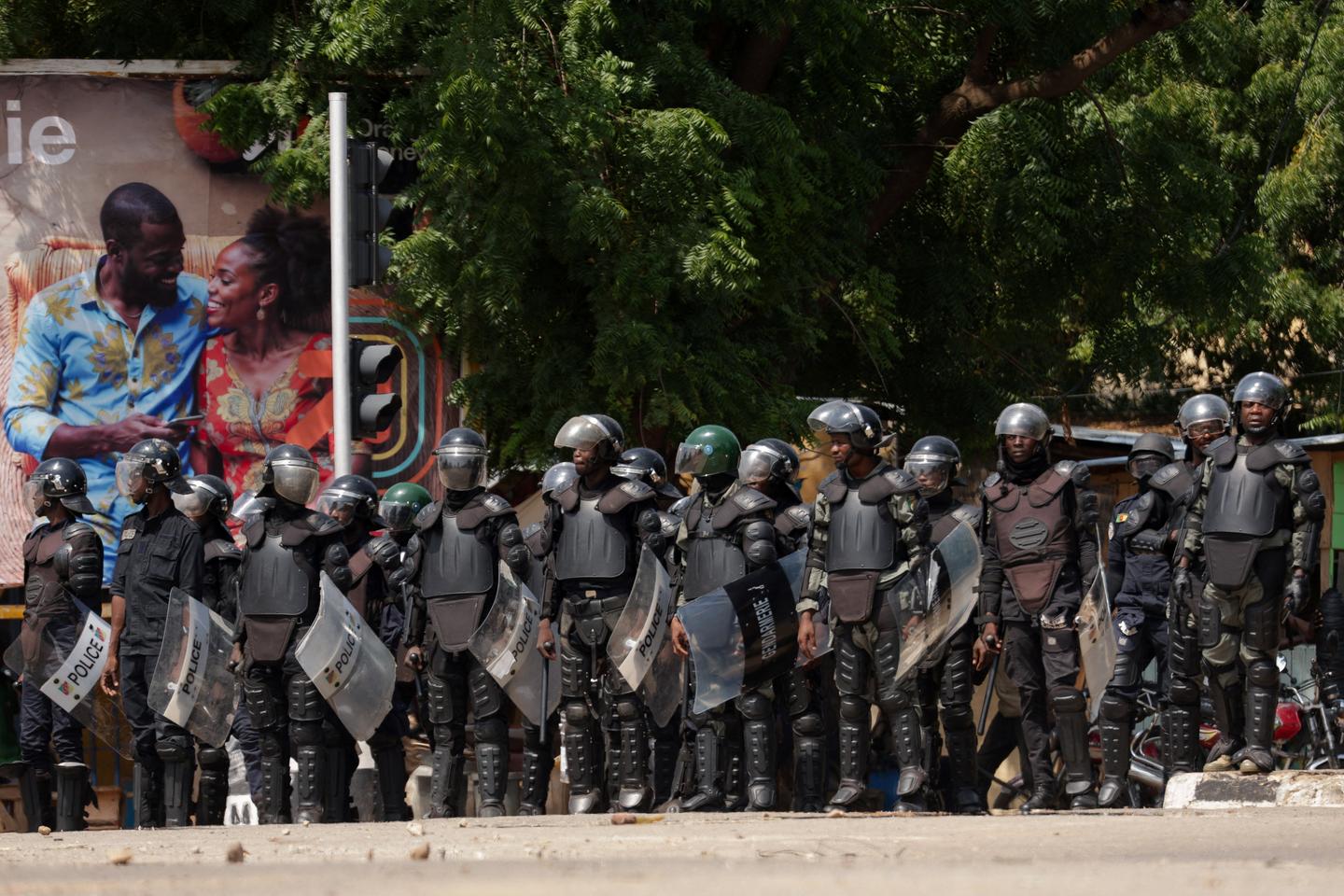
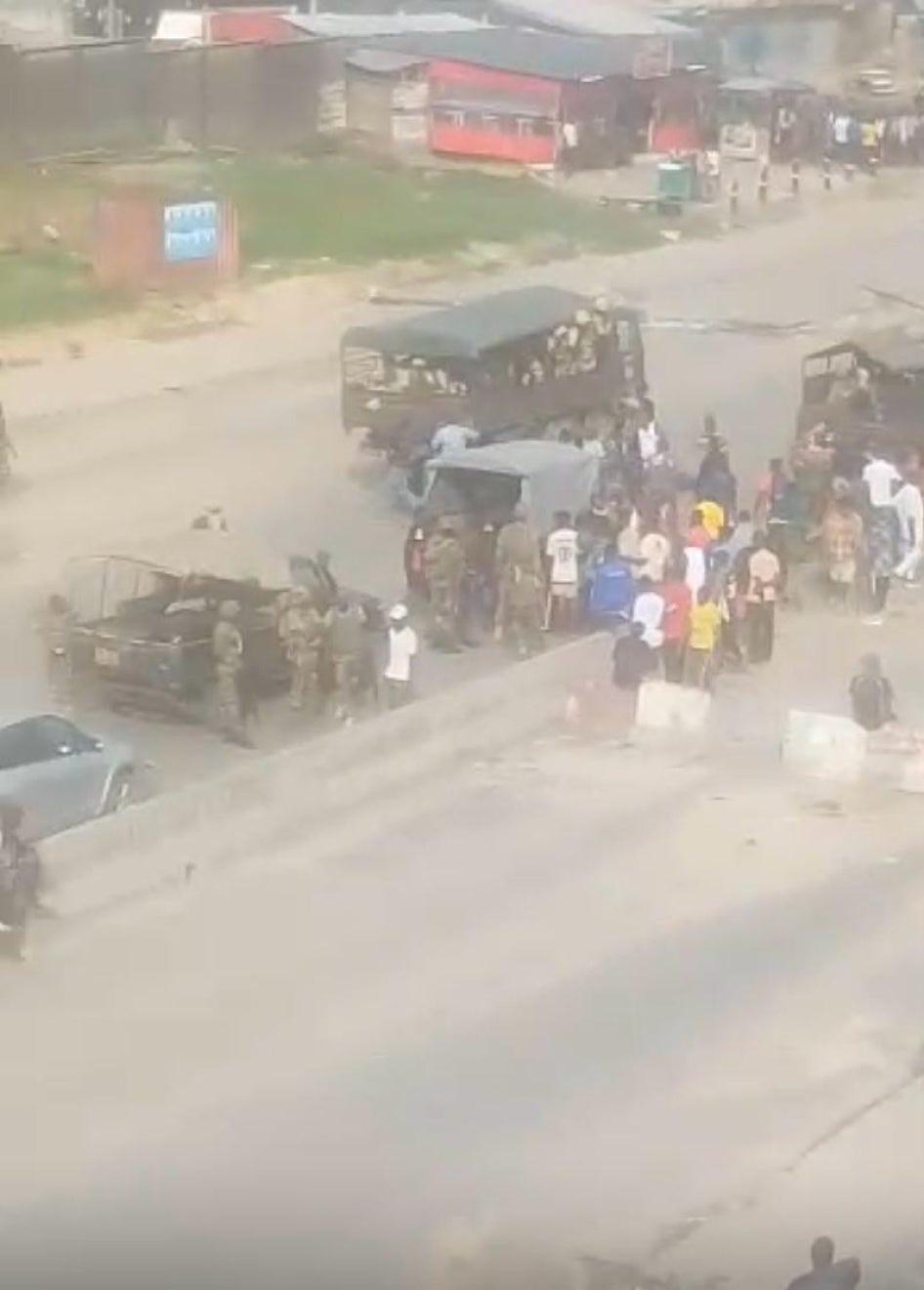
In recent weeks, Nigeria has seen a worrying rise in violence across several states, alongside growing political and institutional troubles that threaten to destabilize the nation. From fresh attacks in Katsina and Kwara states to concerning reports from Abuja and Lagos, it’s clear Nigeria faces complex layers of insecurity and governance failures, truly a country at a critical crossroads. Why is this happening now, and what does it mean for everyday Nigerians? The latest security incidents paint a grim picture for many communities. On February 9, 2026, terrorists struck in Katsina, killing a community watch officer and stealing his rifle, a brazen challenge to local security. Just next door in Kwara, bandits attacked the Koro community, leaving one person dead as terrified residents fled. Nigeria’s Defence Headquarters confirmed that terrorists committed mass killings in Kwara after locals reportedly rejected their teachings. Survivors of the Kaiama massacre, where over 170 people died, expressed frustration over authorities’ inaction, remembering seeing terrorists months before the tragedy, their pleas seemingly ignored. This raises troubling questions about government responsiveness and Nigeria’s ongoing security challenges. It’s not just rural areas feeling the heat either; on February 8, armed men ambushed vehicles on the busy Enugu-Onitsha Expressway, abducting commuters near a police checkpoint, exposing vulnerabilities on key transit routes. In Kaduna, more than 160 abducted worshippers recently regained freedom, but their ordeal highlights the persistent threat insurgents pose to ordinary citizens. For a deeper look into the context of these events, consider the broader trends discussed in “Terrorists Kill Community Watch Officer, Steal Rifle In Fresh Katsina Attack,” Insurgency, February 9, 2026 and “BREAKING: Bandits Launch Fresh Attack On Koro Community In Kwara, Leave One Dead As Residents Flee,” Insurgency, February 9, 2026, and “BREAKING: Gunmen Ambush Vehicles Along Enugu-Onitsha Expressway, Abduct Commuters Near Police Checkpoint,” Insurgency, February 8, 2026.
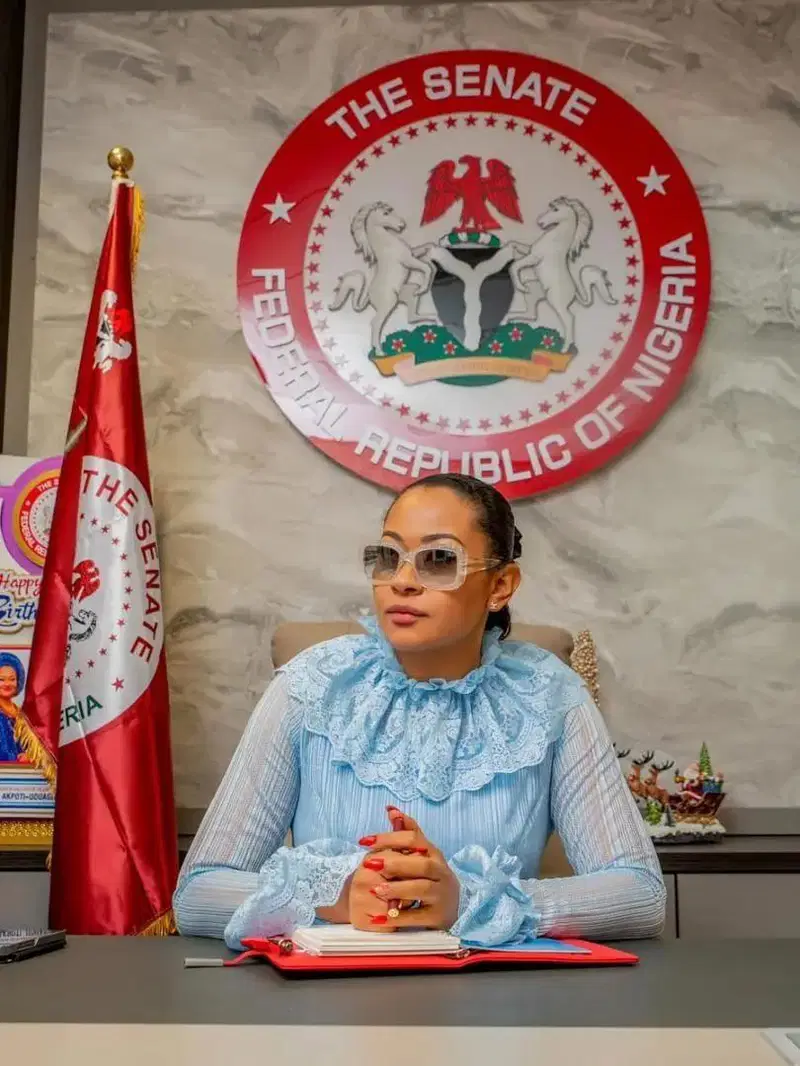
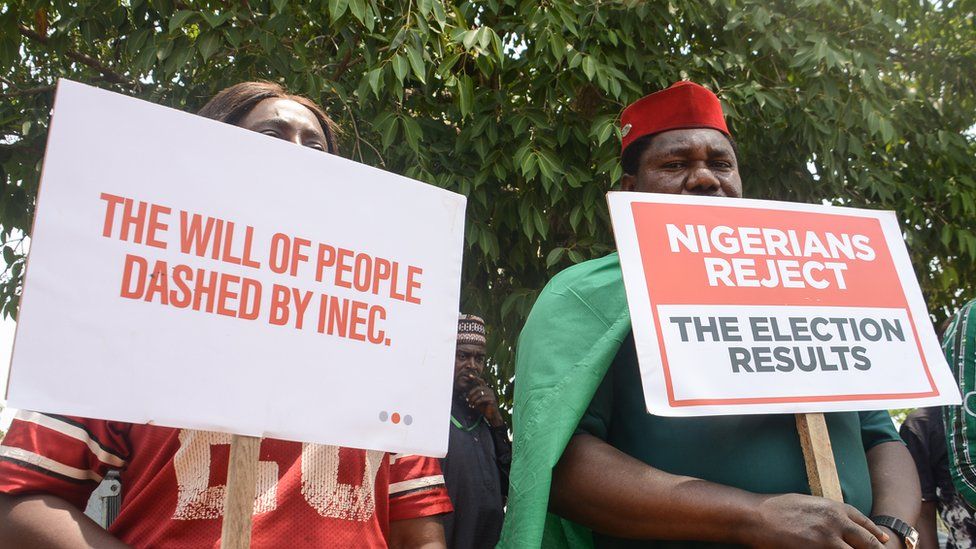
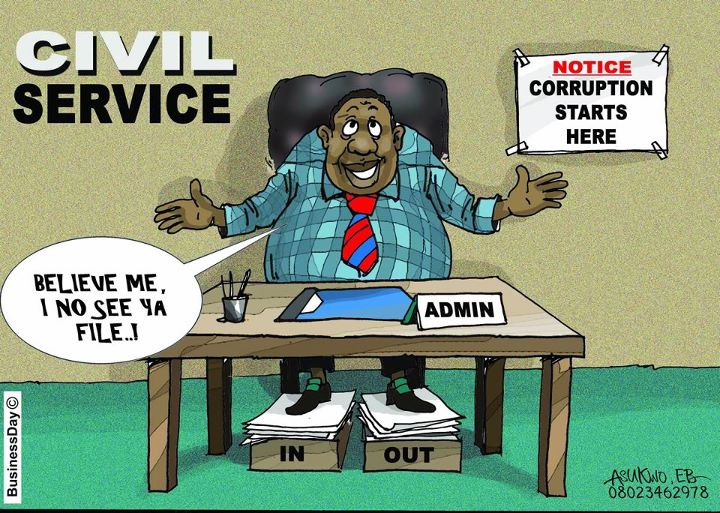
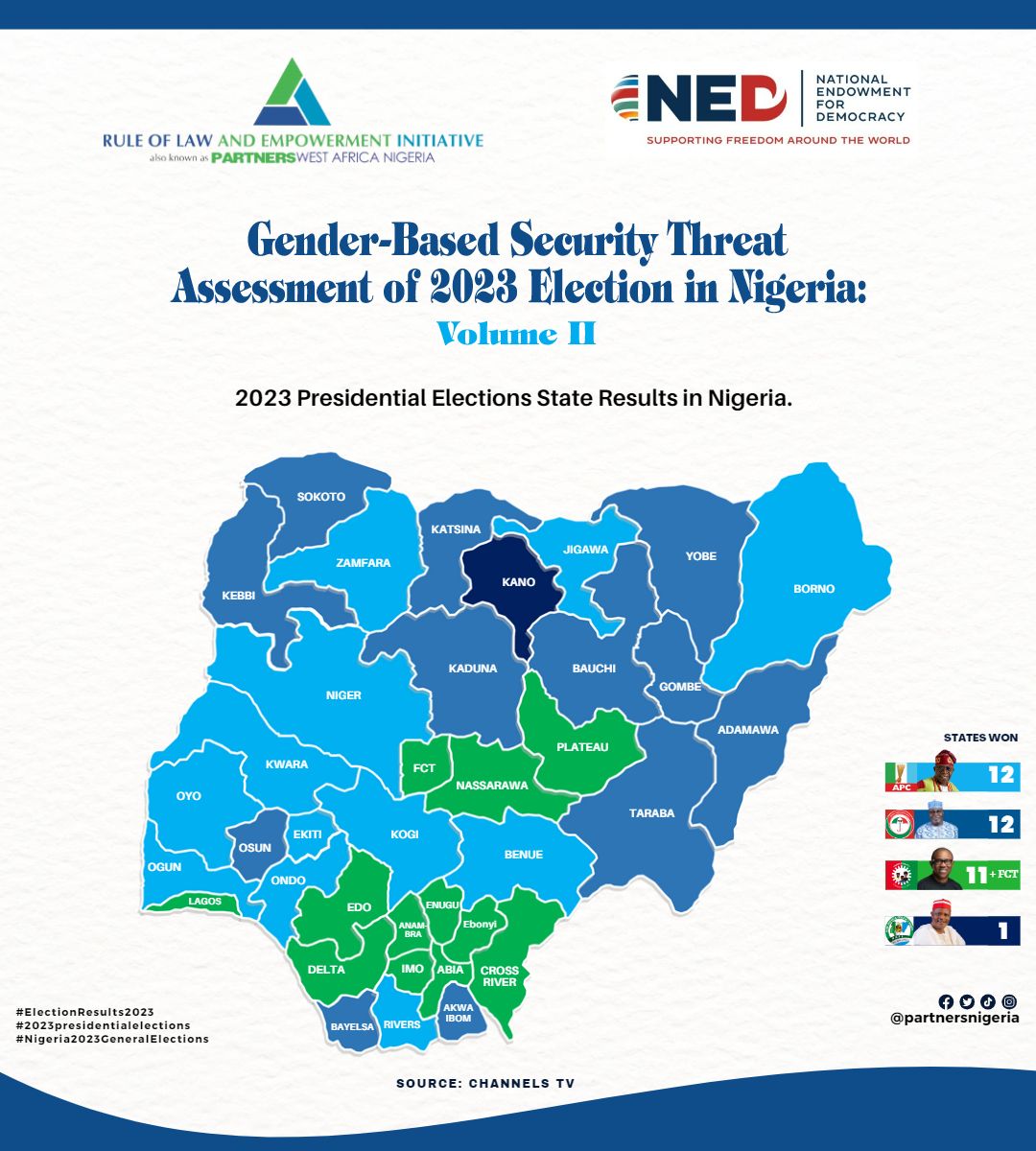
Beyond the immediate physical threats, Nigeria is grappling with deep-seated institutional crises that fuel public distrust. We’re hearing reports of senior military officers in Abuja allegedly arresting a visa agent at gunpoint and detaining him over a failed Canadian visa application. Such actions naturally spark concerns about power abuse within security agencies. Then there’s the Economic and Financial Crimes Commission, which suspended one of its top prosecutors, Samuel Chime, amidst bribery allegations aimed at derailing ongoing cases. These scandals really deepen skepticism about the integrity of our law enforcement bodies, the very ones tasked with curbing corruption. Speaking of accountability, or the lack thereof, many survivors and analysts at the federal level have criticized Vice-President Shettima and the Kwara governor for not visiting the devastated Kwara community where over 170 people were murdered. This perceived neglect, many feel, underscores a glaring disconnect between leadership rhetoric and genuine engagement with affected citizens. And as if that’s not enough, the Independent National Electoral Commission (INEC) faces accusations of issuing voter cards to incorrect individuals in Kwali, Abuja. An Allied Congress candidate sounded the alarm, suggesting that electoral processes might be compromised. This erosion of democratic processes leads right into broader controversies within the Senate. An exclusive report revealed how Nigeria’s Senate leadership controversially overruled the majority to block a bill that would’ve mandated real-time transmission of election results. Critics argue this move prioritizes vested interests, raising serious concerns about transparency and election integrity as future polls approach.
Fiscal governance is also under scrutiny. Imagine a Lagos public-private agency spending a staggering 135 million Naira on tables and chairs, then budgeting another 40.5 million Naira for 2026. Many are asking how such lavish spending can be justified amidst widespread poverty and escalating insecurity. It doesn’t stop there; the Nigerian Police Airwing is reportedly fractured and facing safety challenges after a deputy commissioner advised cutting pilot training. This raises fears about the competence and readiness of crucial security components. The human cost of these complex crises hits hard. A mother’s heart-wrenching account reveals her son’s detention by the Department of State Services for two years without trial, with the family repeatedly denied access. This highlights serious breaches of due process and fundamental rights during the country’s current turmoil. Things got even more complicated in Lagos, where UK-based blogger Maureen Badejo was arrested following petitions by prominent clerics. This incident really shows the intricate dance between religion, politics, and media in Nigeria’s volatile public sphere. All these developments combined paint a clear picture: Nigeria, a nation rich in human potential, is deeply scarred by violence, corruption, and institutional dysfunction. From the rural areas terrorized by insurgents to the corridors of power in Abuja and Lagos, a pattern of neglect, scandal, and insecurity clearly emerges, calling for urgent, coordinated responses to rebuild public trust. For additional details regarding financial discrepancies, refer to “Lagos Public Private Agency Spends N135million On Tables, Chairs, Budgets Another N40.5million In 2026,” Finance Scandal, February 7, 2026.
Sources
- “Terrorists Kill Community Watch Officer, Steal Rifle In Fresh Katsina Attack,” Insurgency, February 9, 2026.
- “BREAKING: Bandits Launch Fresh Attack On Koro Community In Kwara, Leave One Dead As Residents Flee,” Insurgency, February 9, 2026.
- “BREAKING: Gunmen Ambush Vehicles Along Enugu-Onitsha Expressway, Abduct Commuters Near Police Checkpoint,” Insurgency, February 8, 2026.
- “EXCLUSIVE: Military Officers Arrest Abuja Visa Agent At Gunpoint, Detain Him In Mambilla Barracks Over Failed Canadian Visa,” Insurgency, February 8, 2026.
- “EXCLUSIVE: EFCC Suspends Top Prosecutor, Samuel Chime Over Alleged Bribery To Sabotage Cases,” Insurgency, February 8, 2026.
- “EXCLUSIVE: How Vice-President Shettima, Kwara Governor Sat Back In Ilorin, Failed To Visit Devastated Community Where Terrorists Murdered Over 170 People,” Insurgency, February 8, 2026.
- “INEC Accused Of Issuing Voter Cards To Wrong Persons In Kwali, Abuja As AAC Candidate Raises Alarm,” Scandal, February 7, 2026.
- “Lagos Public Private Agency Spends N135million On Tables, Chairs, Budgets Another N40.5million In 2026,” Finance Scandal, February 7, 2026.
- “EXCLUSIVE: Nigerian Police Airwing Divided, Safety Fears Grow After Deputy Police Commissioner’s Advice To Cut Pilot Training,” Scandal, February 7, 2026.
- “BREAKING: UK-Based Blogger Maureen Badejo Arrested In Lagos Following Petitions By Clerics Olukoya And Apostle Suleman,” Scandal, February 6, 2026.
- “BREAKING: Defence Headquarters Confirms Terrorists Carried Out Mass Killings In Kwara Community After Residents Rejected ‘Indoctrination, Preachings,'” Military, February 5, 2026.
- “BREAKING: Over 160 Worshippers Abducted In Kaduna Regain Freedom,” Military, February 5, 2026.
- “EXCLUSIVE: ‘We Saw Terrorists In Bushes Months Before 170 Killed But Kwara Govt Ignored Our Warnings,’ Say Kaiama Massacre Survivors,” Terrorism, February 5, 2026.
- “EXCLUSIVE: Mother Cries Out As DSS Detains Son For Two Years Without Trial, Denies Family Access Despite Requests,” Human Rights, February 5, 2026.
- “EXCLUSIVE: How Nigeria’s Senate Leadership Overruled Majority, Blocked Mandatory Real-Time Results Transmission Amid ‘Vested Interests,’” Scandal Elections, February 5, 2026.