Nigeria Navigates Security Crises and Economic Ambition Amid Shifting African Alliances
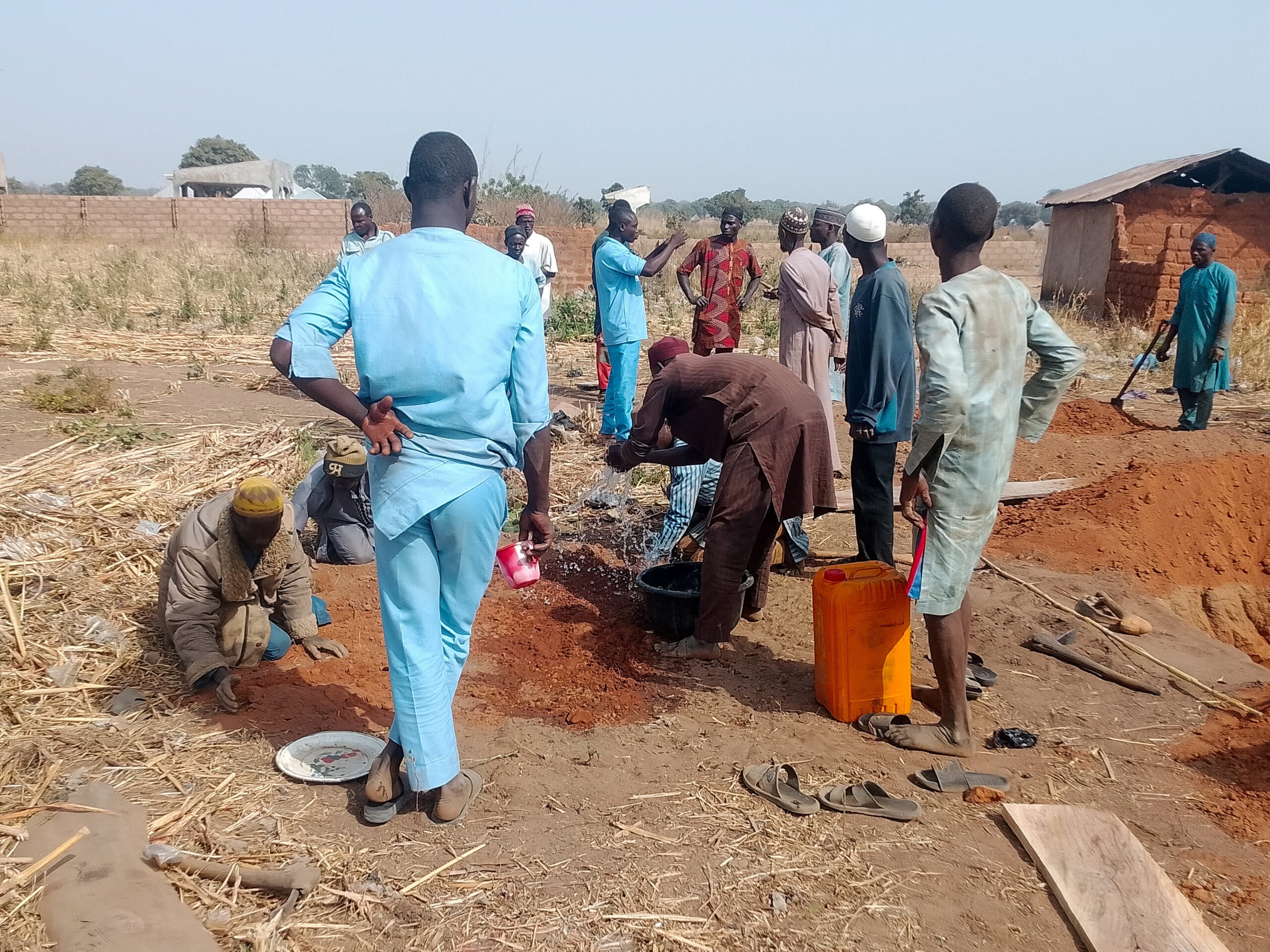
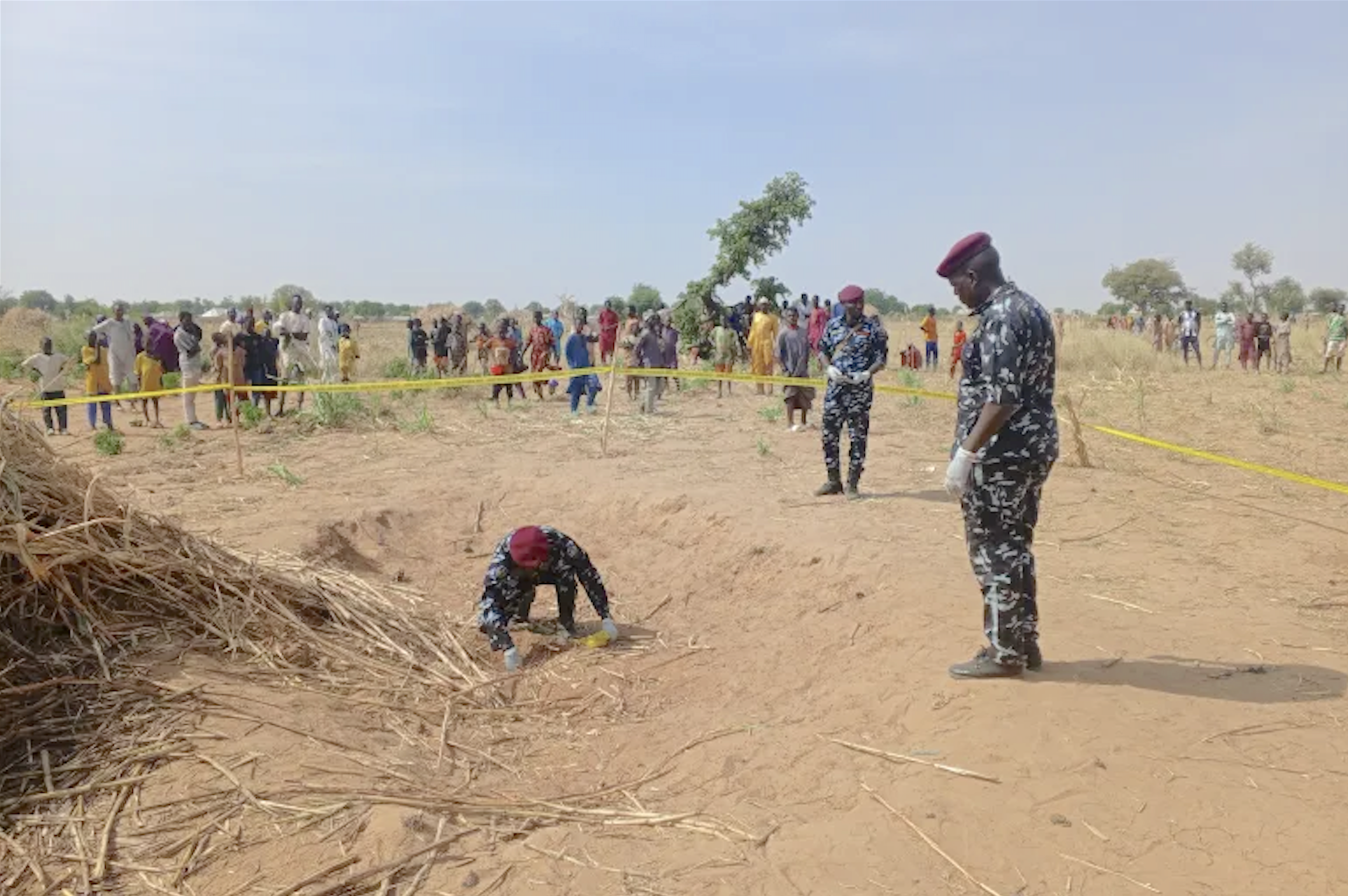
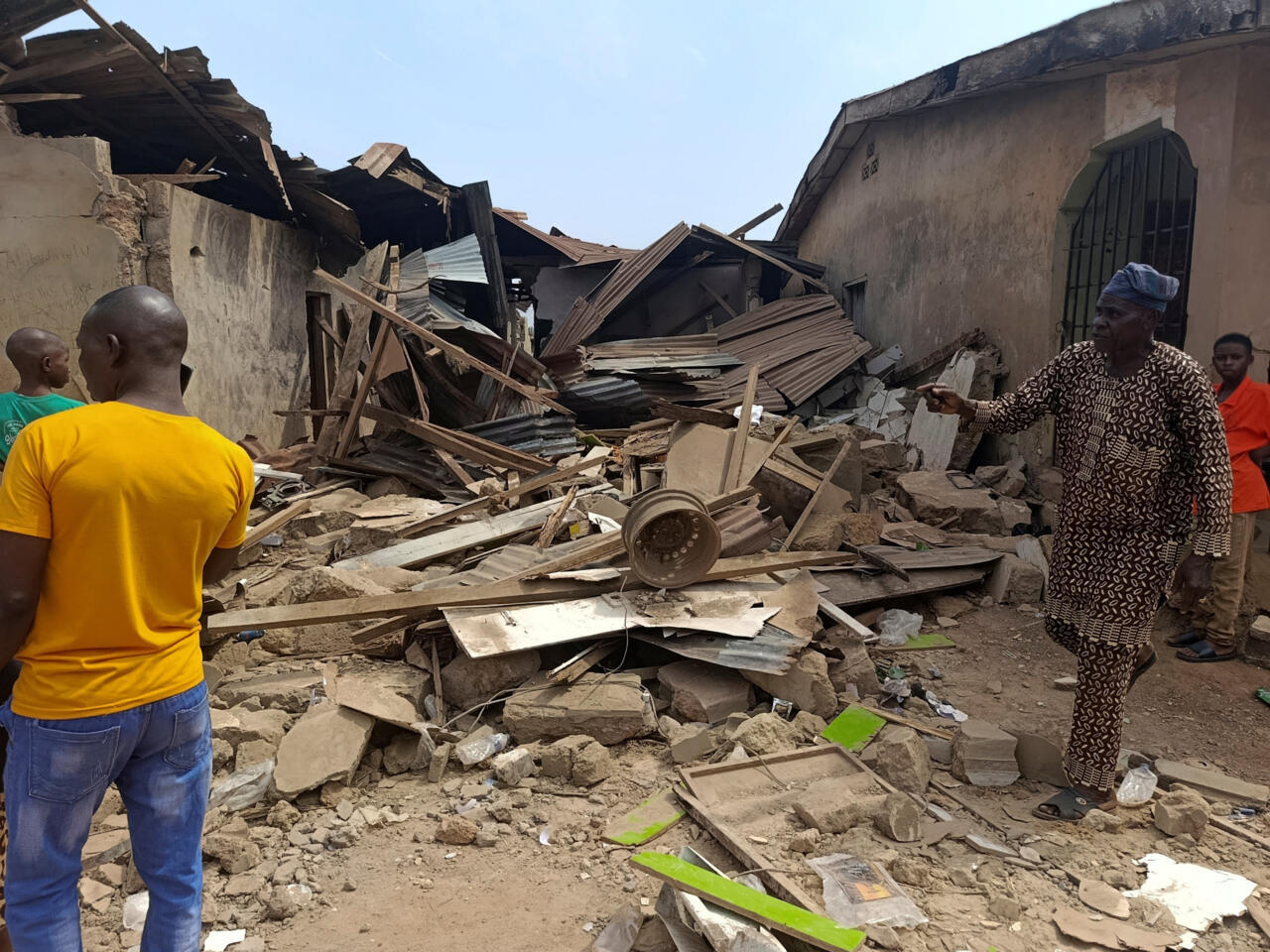
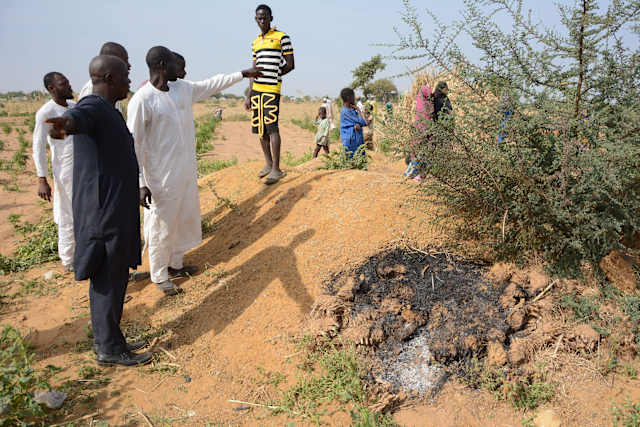
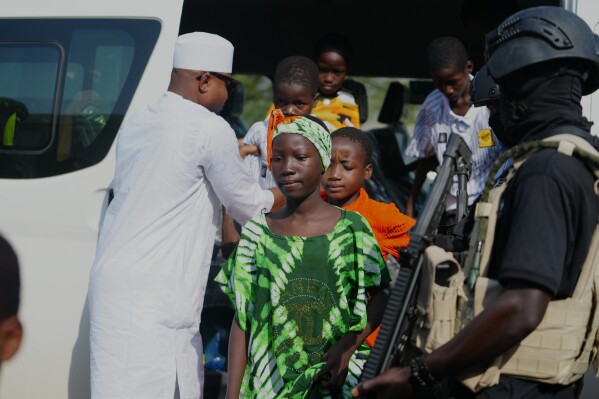
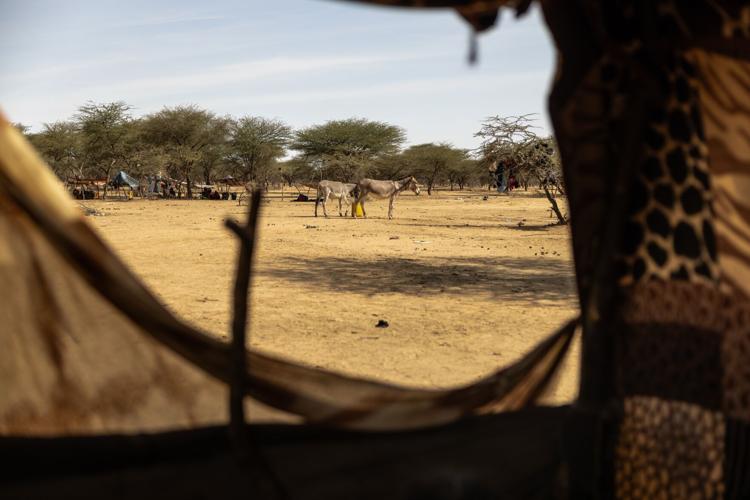
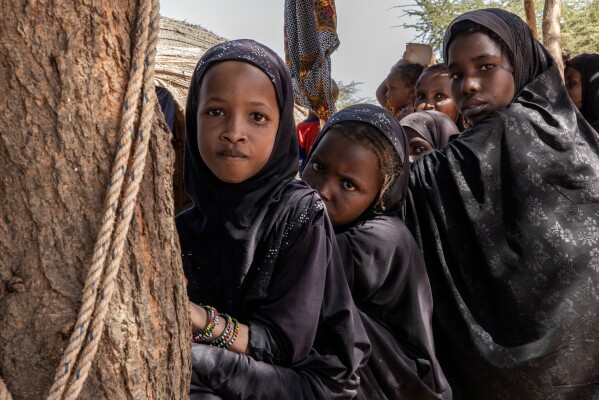
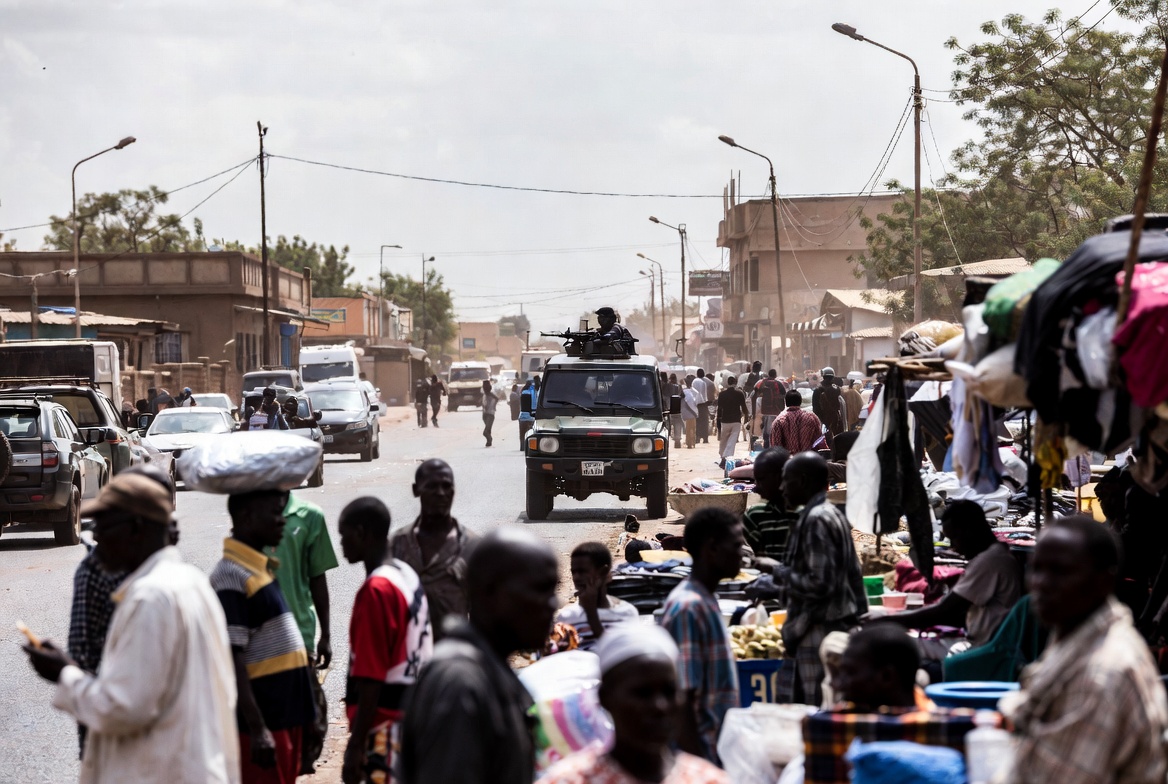
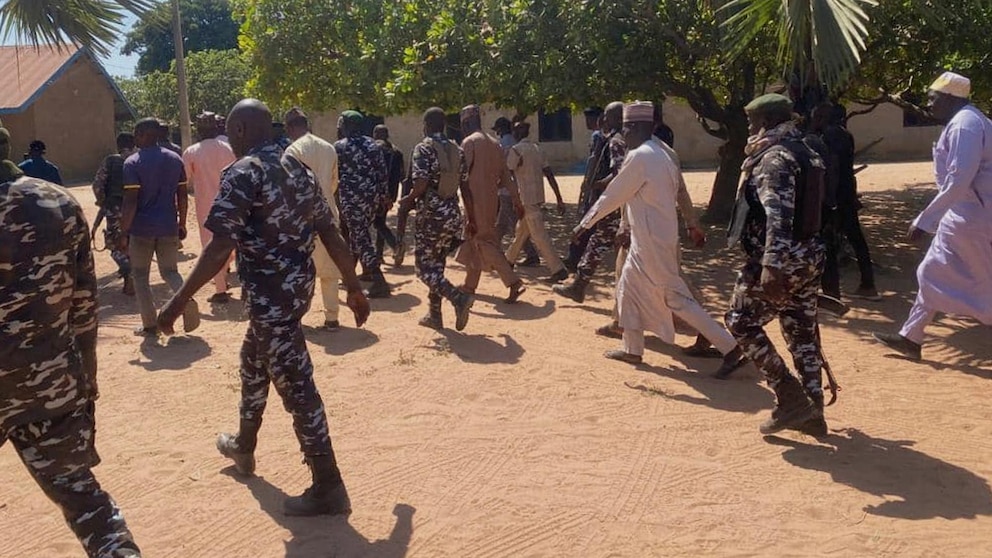
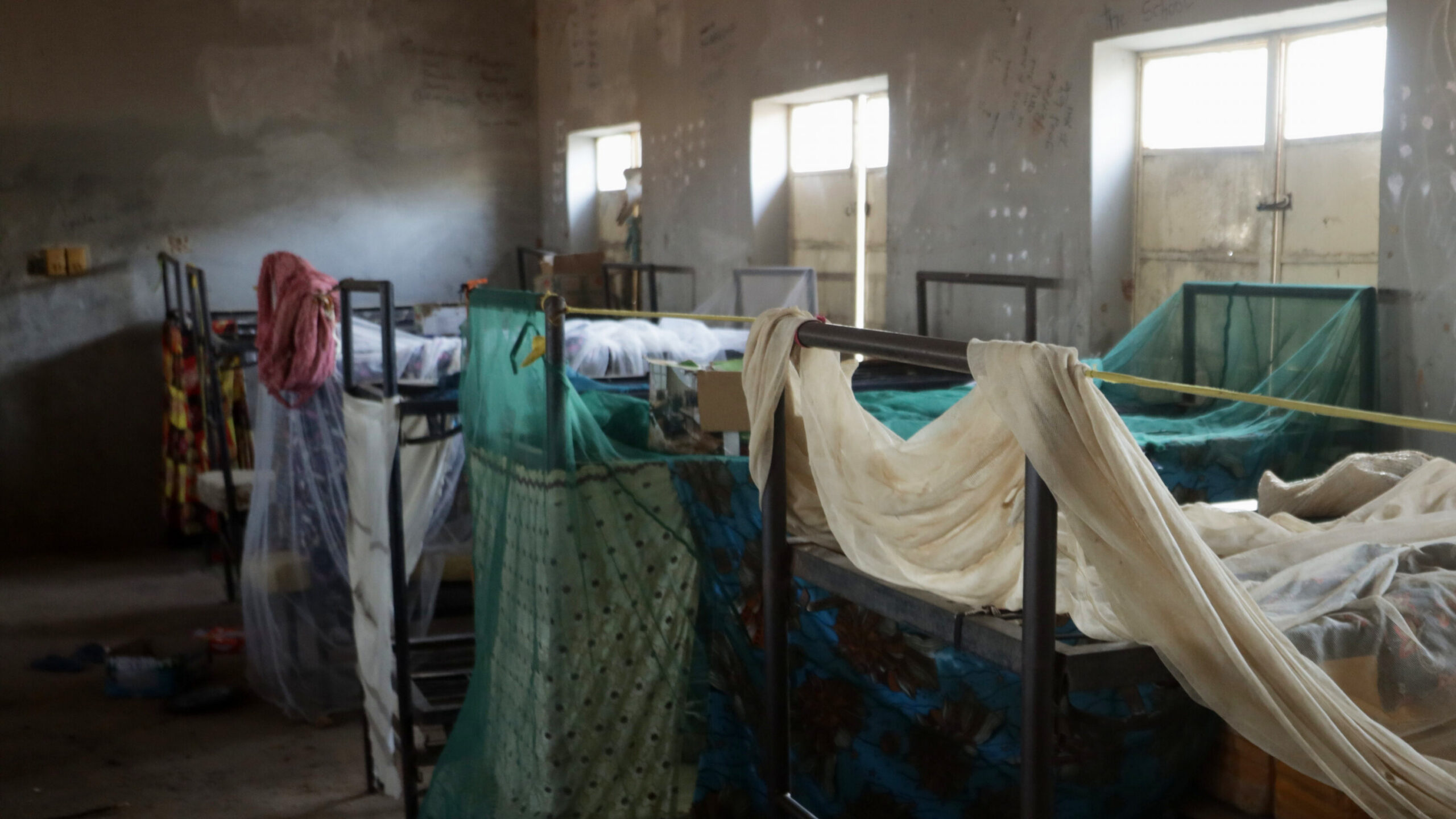
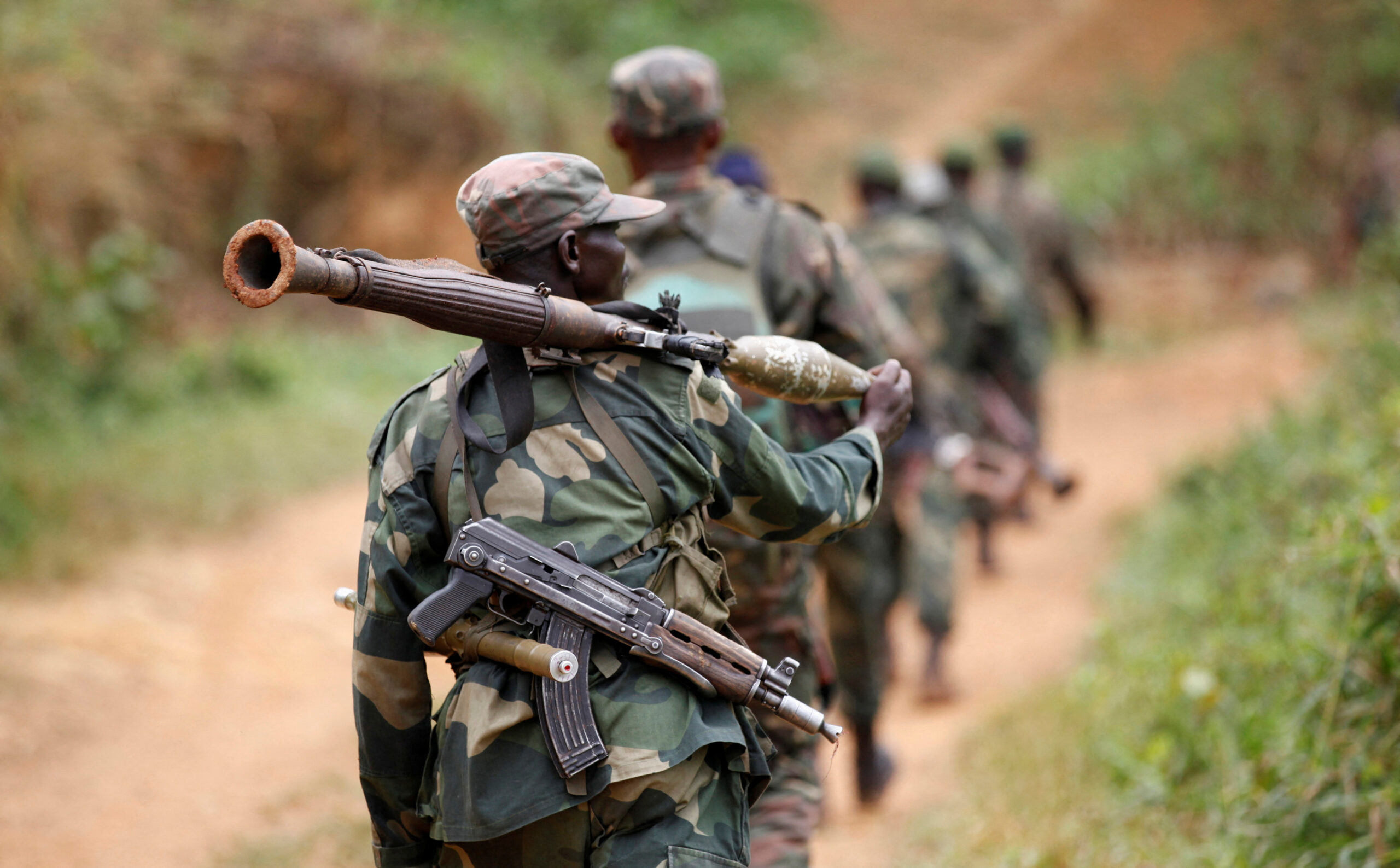
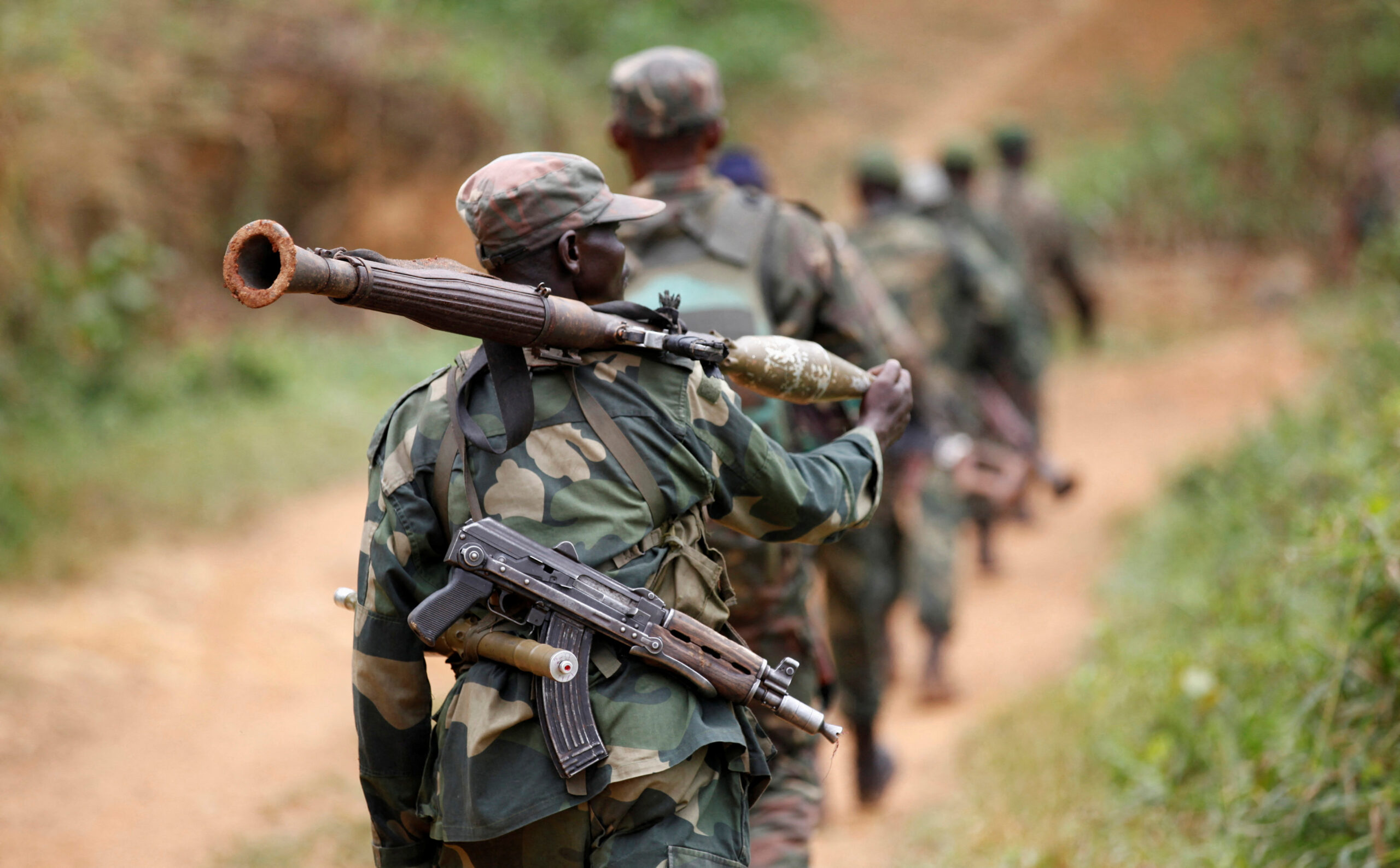
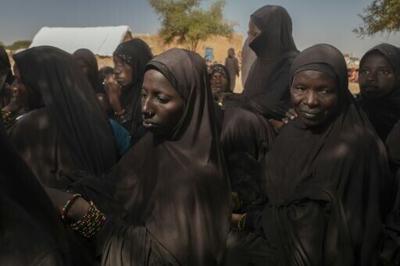
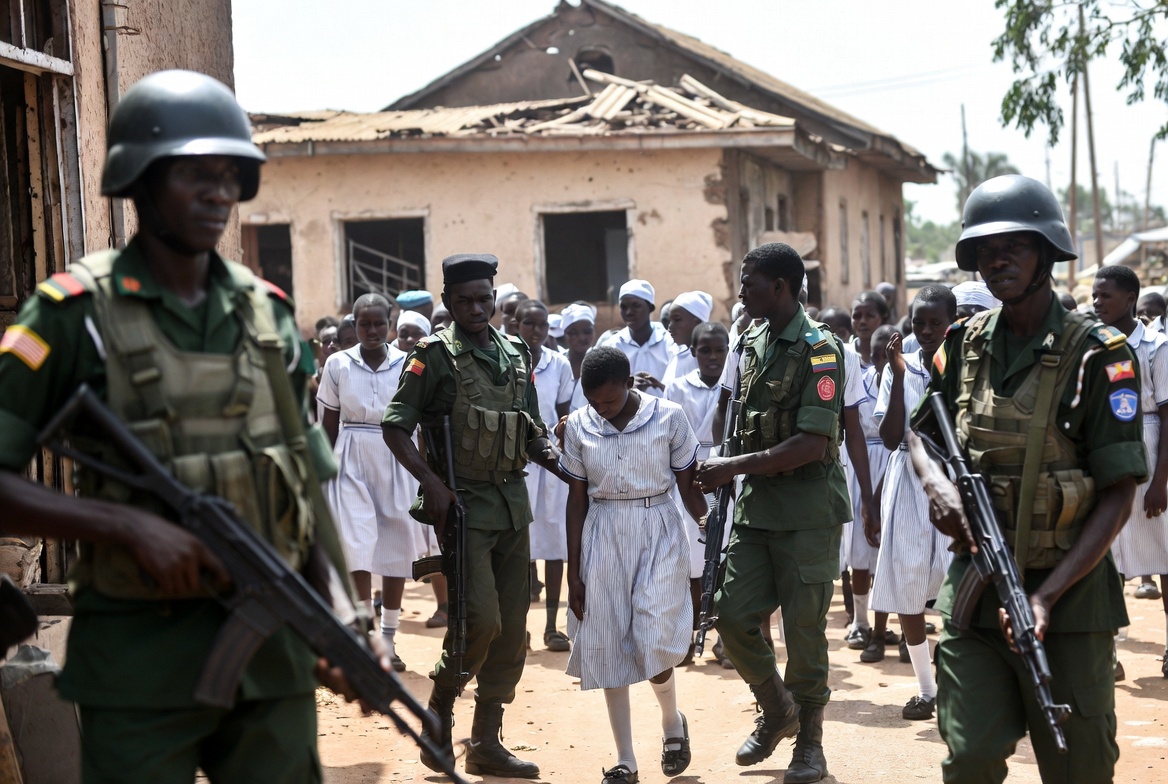
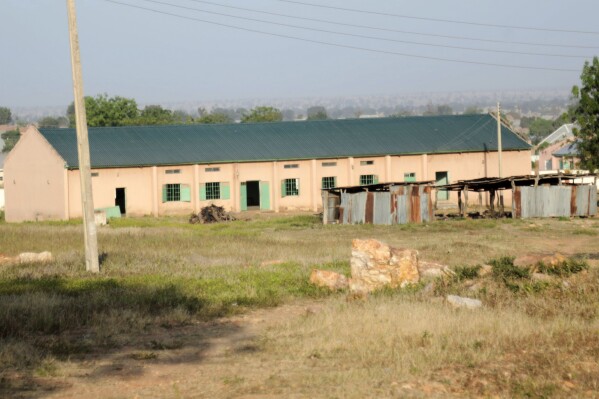
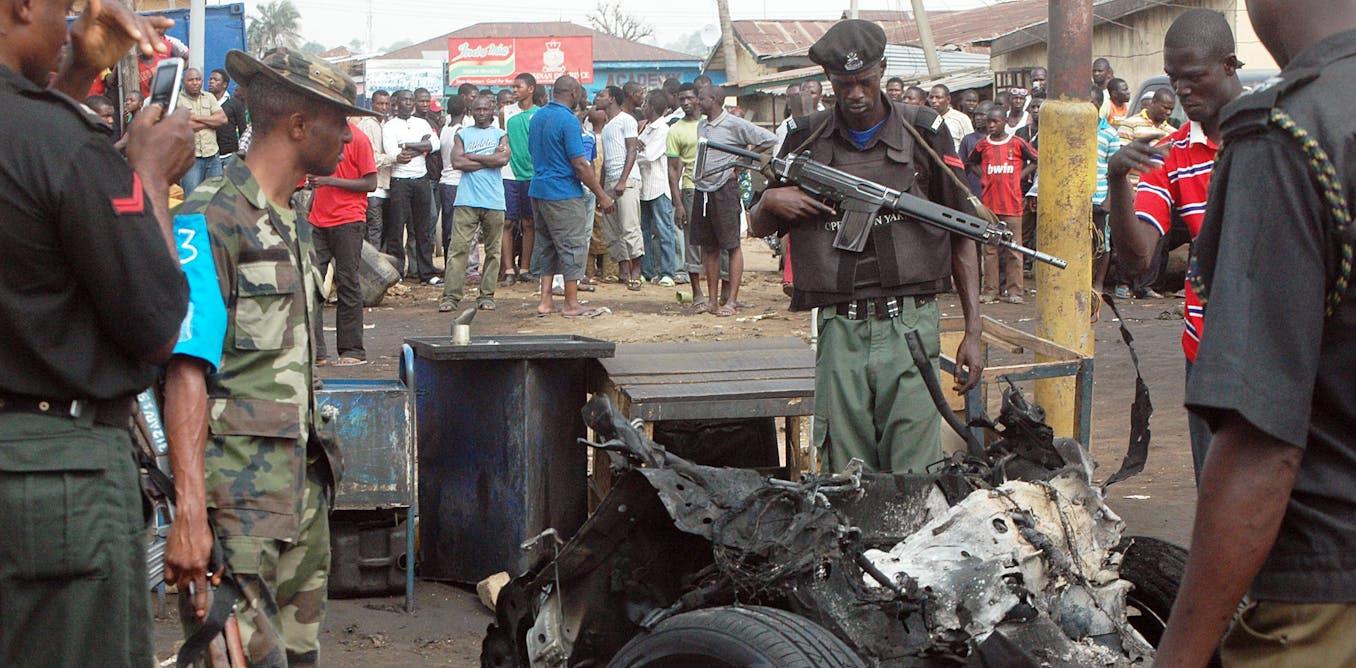
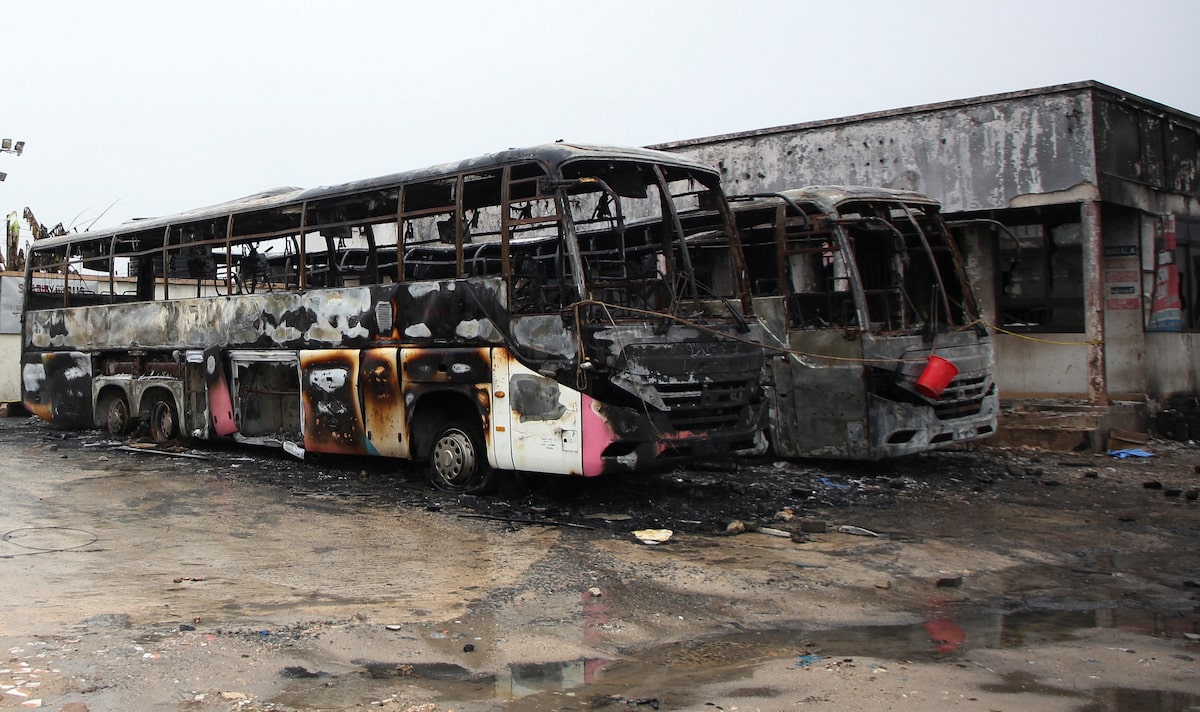
Nigeria’s been through a lot lately, hasn’t it? Just as 130 schoolchildren and teachers returned home after a terrifying mass abduction, a wave of relief washing over their families and communities in Minna, another frightening incident unfolded. Days after celebrating their release, gunmen struck again, this time in Plateau State, snatching 28 Muslim travelers. It’s a stark reminder that kidnapping for ransom, often carried out by criminal gangs known as “bandits,” remains a devastating problem across northern and central Nigeria. These groups exploit weak state control, their targets indiscriminate, cutting across religious and ethnic lines. This isn’t just about security anymore, it’s about a nation fighting for its very sense of peace and stability. For more on how these issues impact the nation, see our report on Nigeria’s security crisis and agricultural challenges.
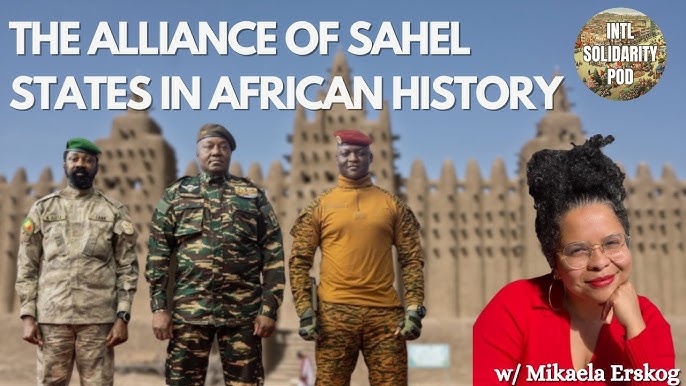
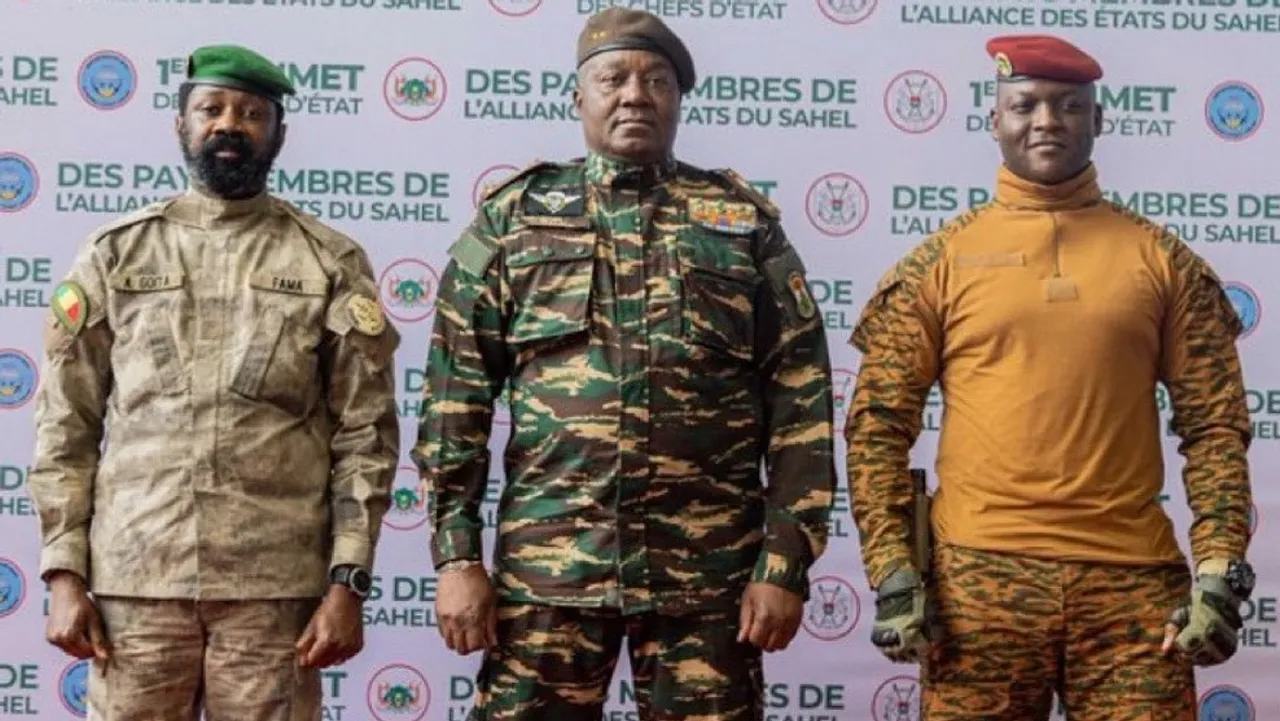
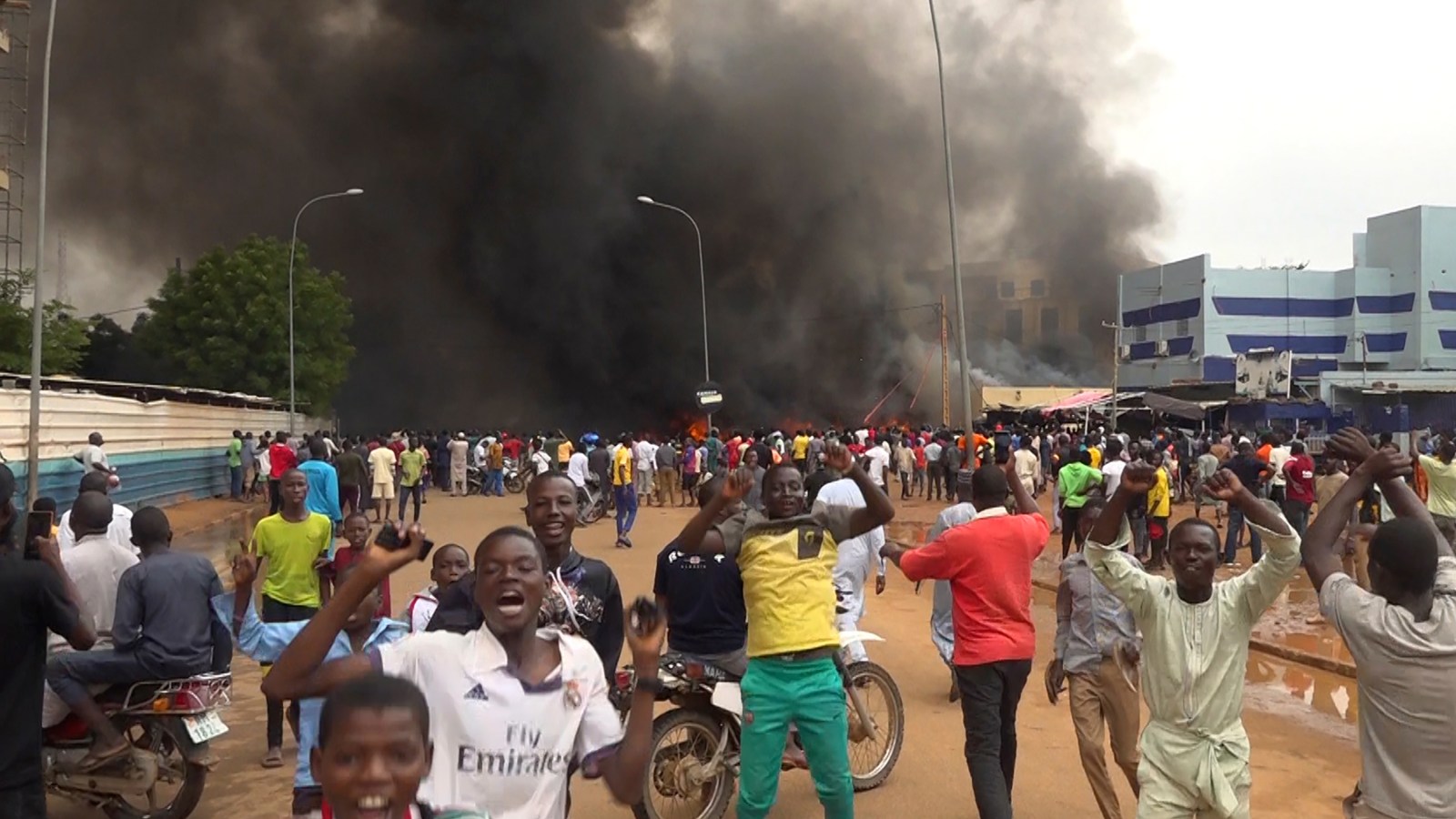
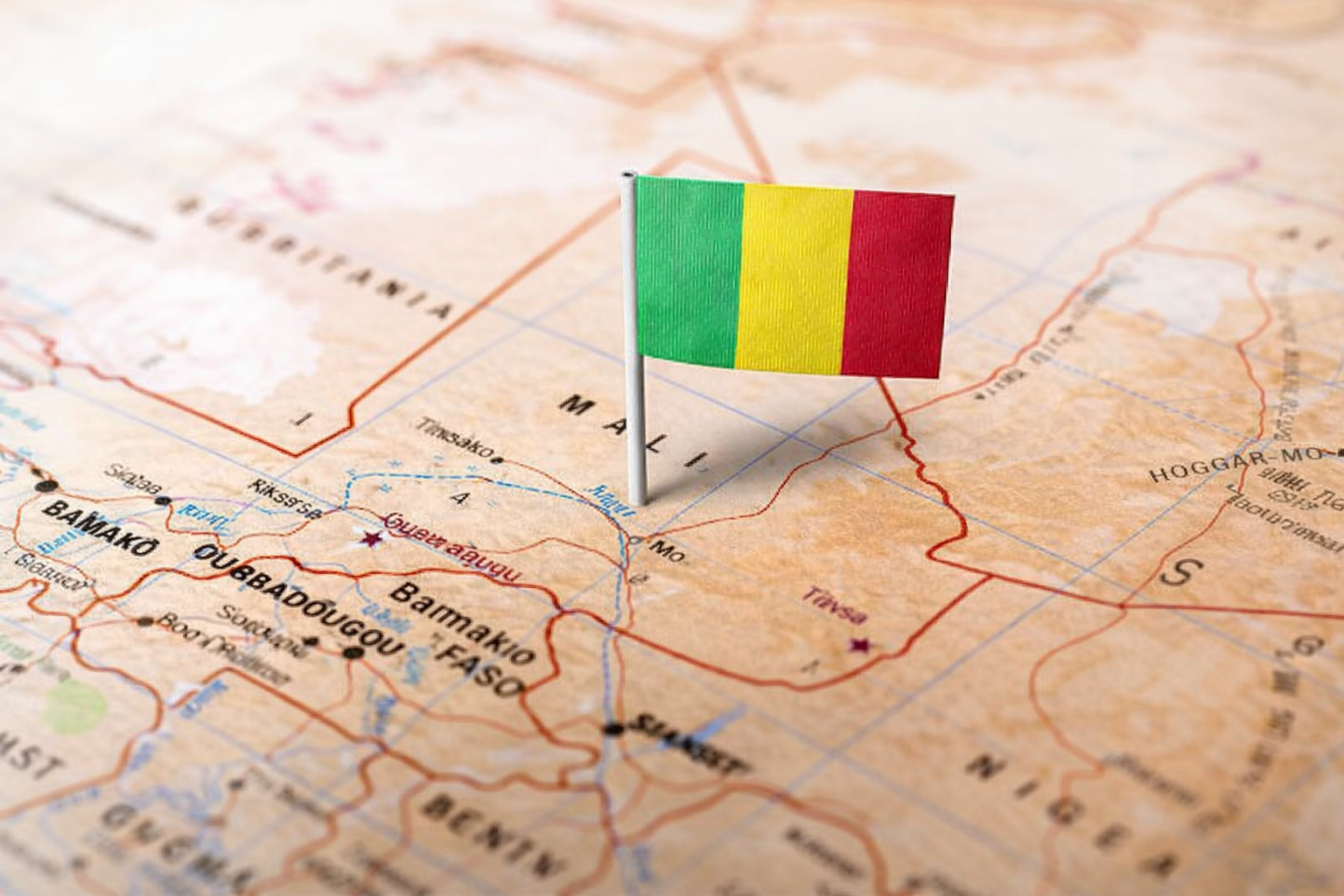
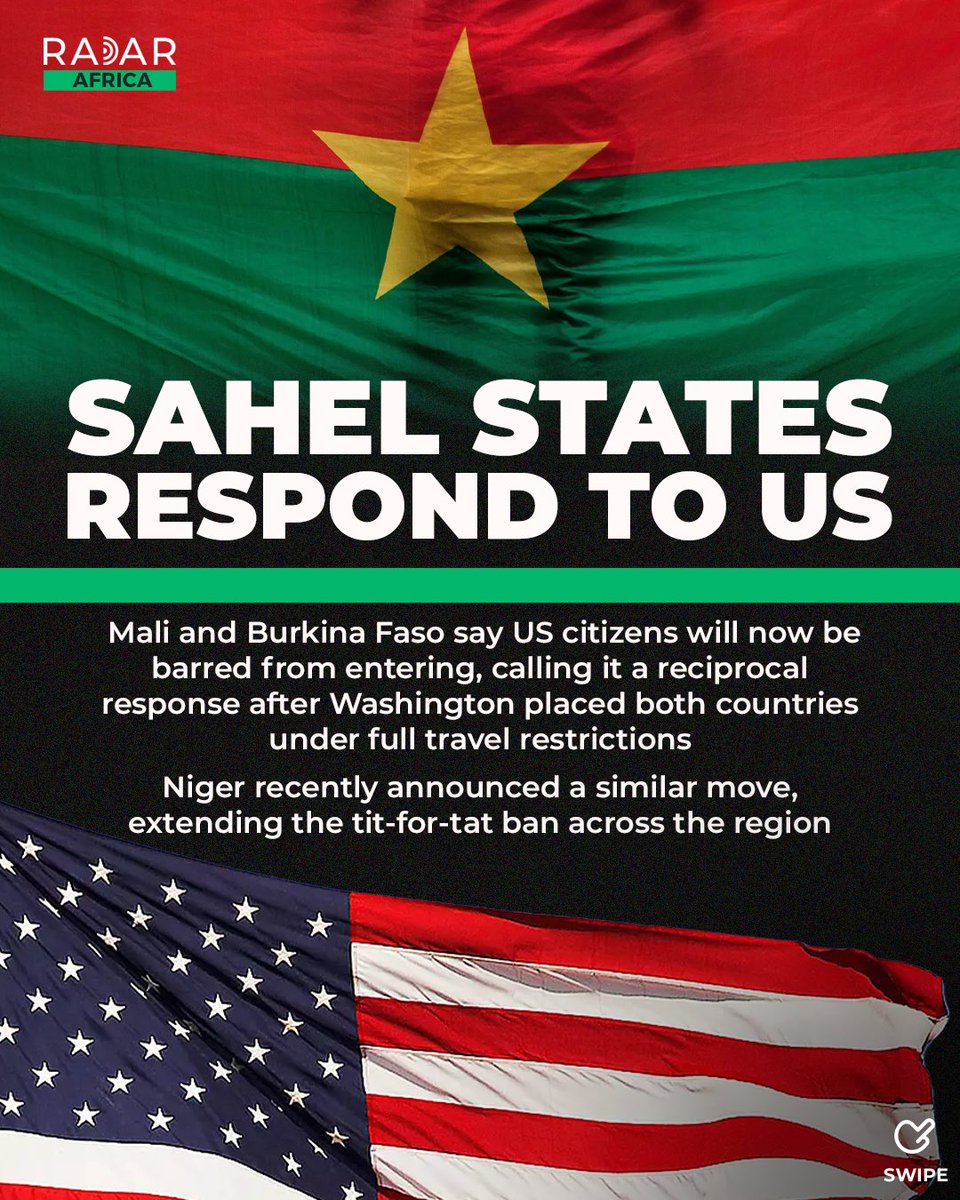
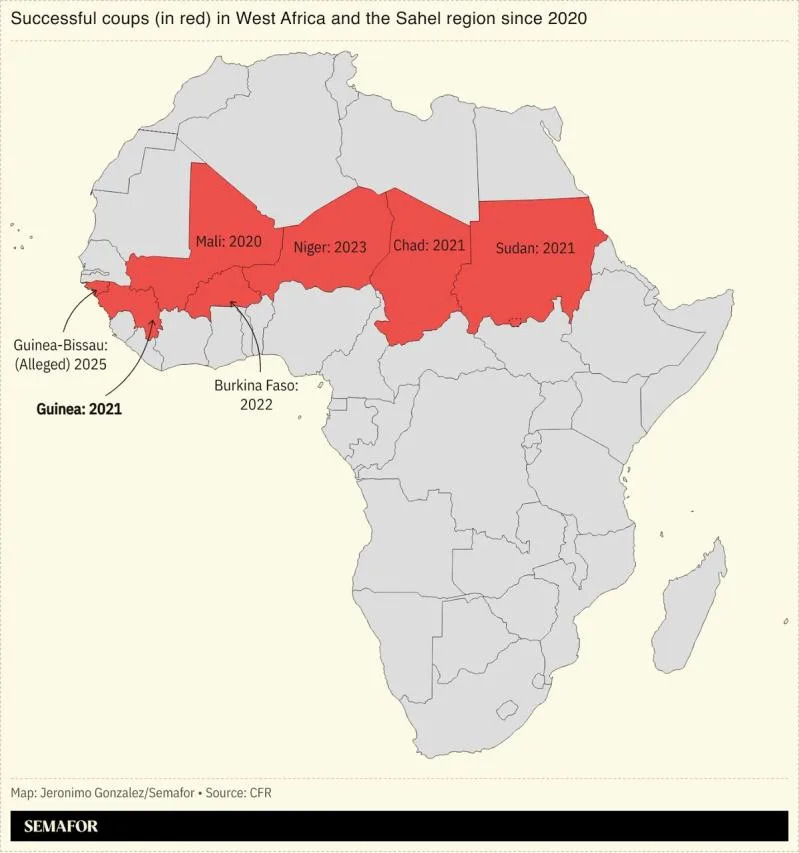
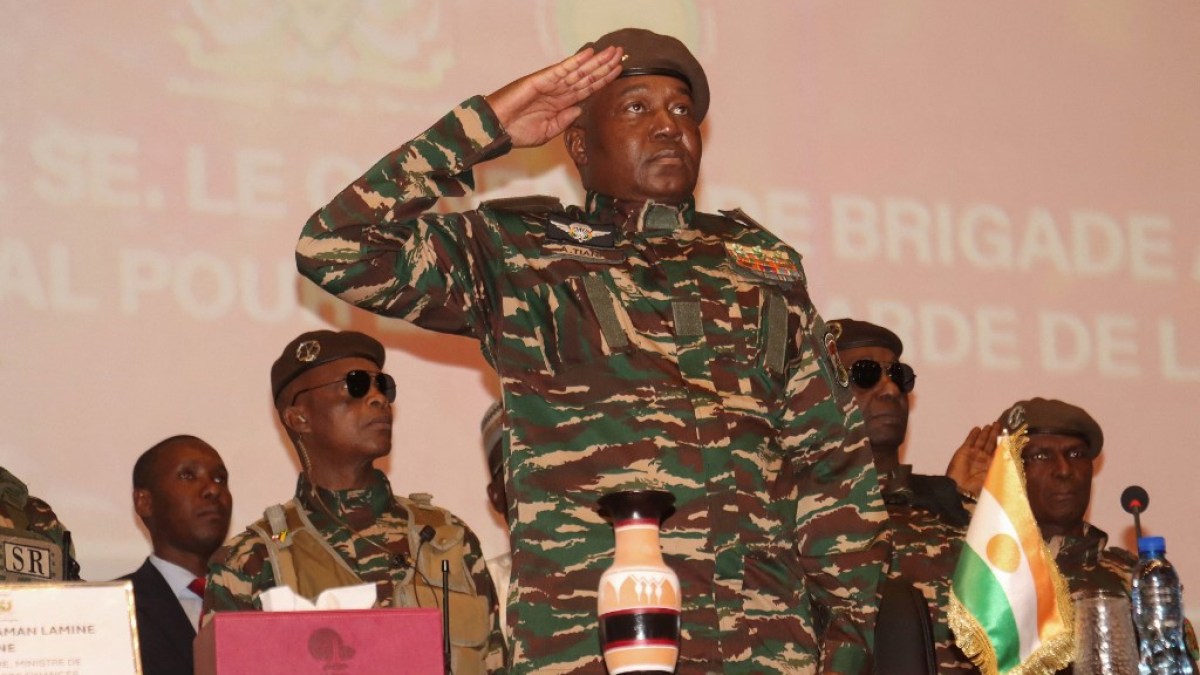
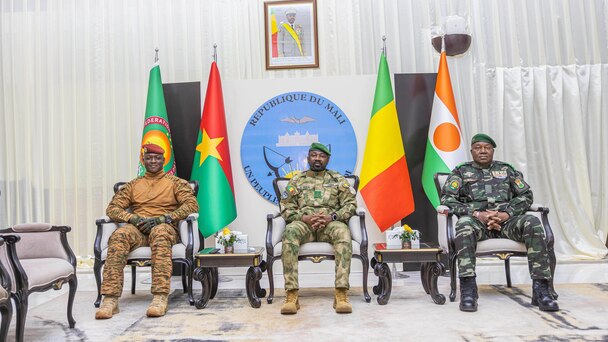
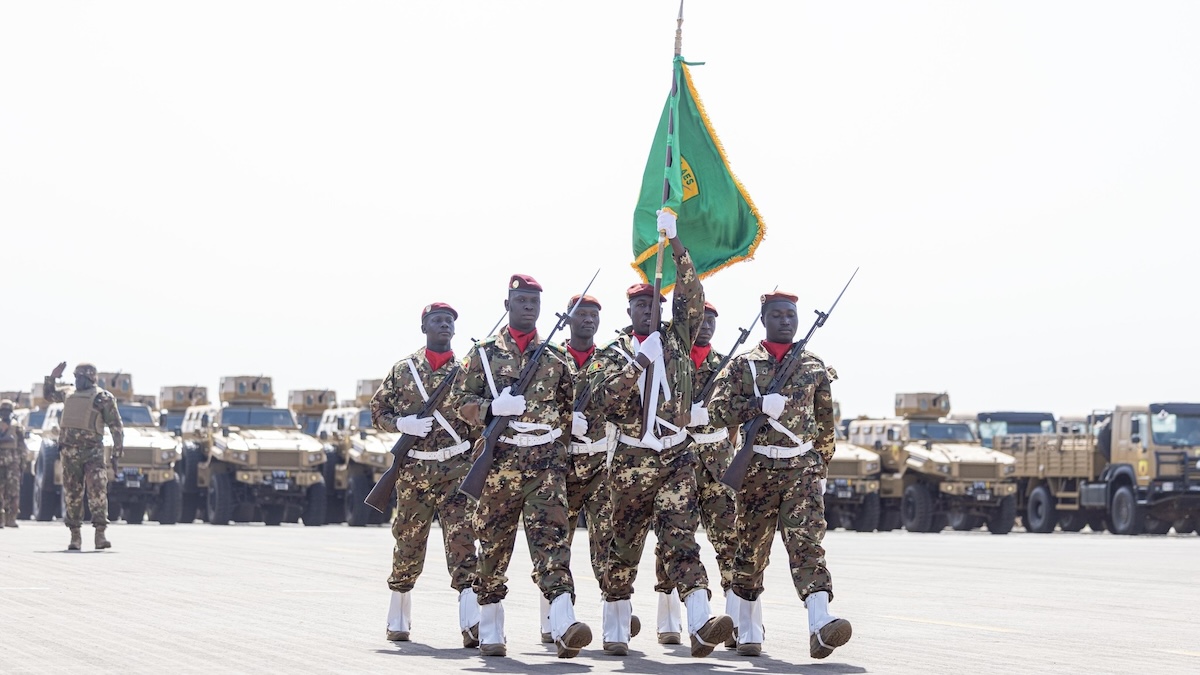
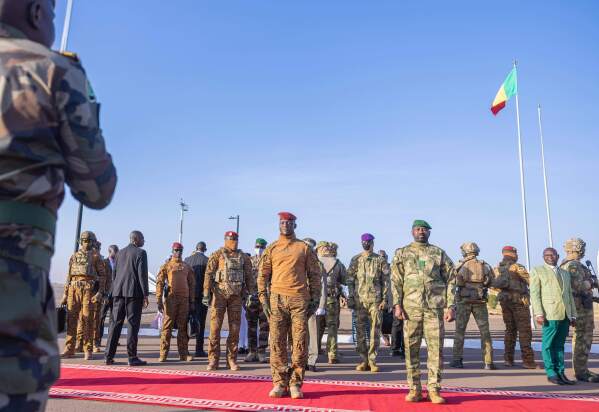
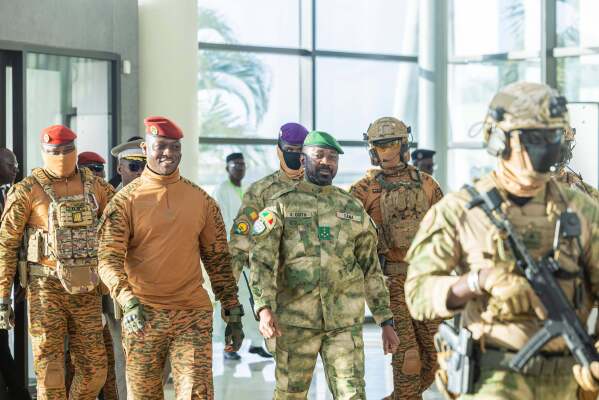
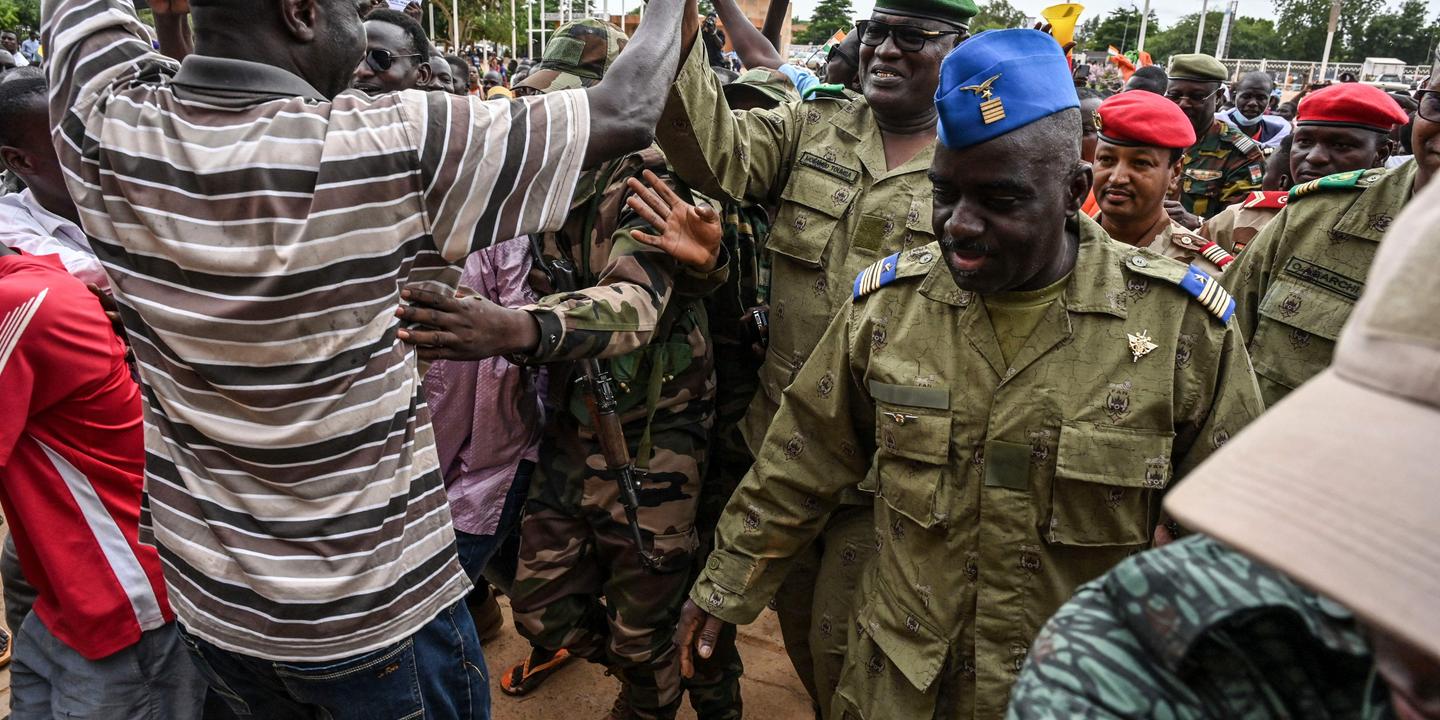
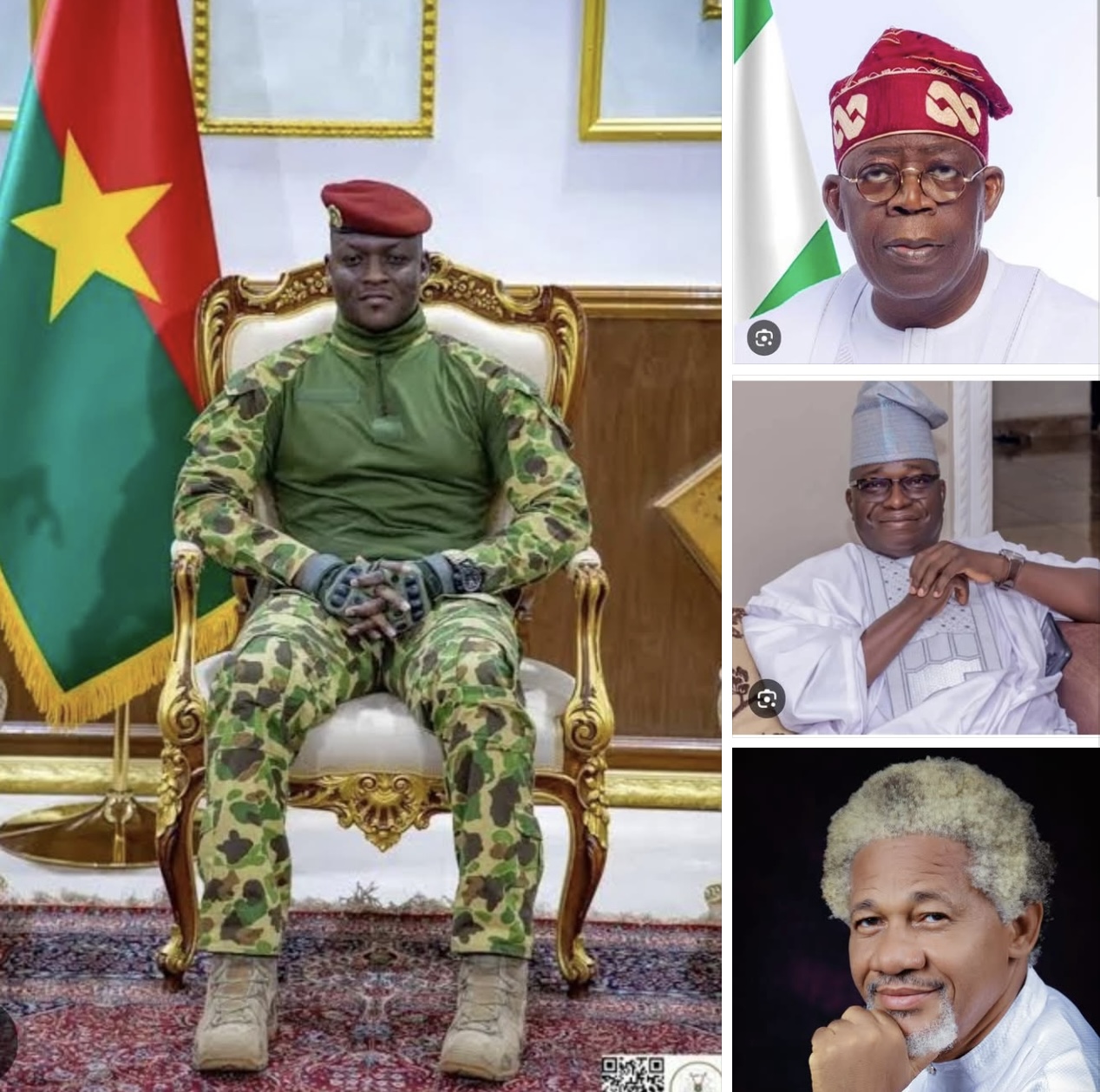
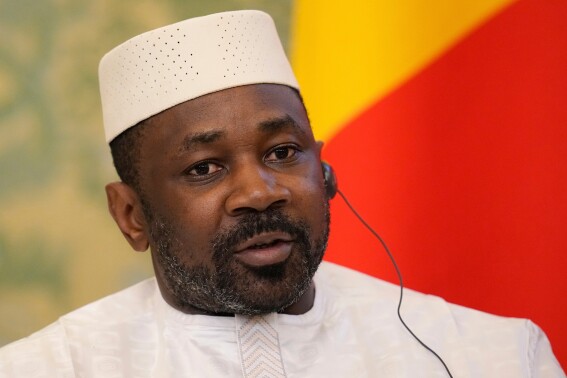
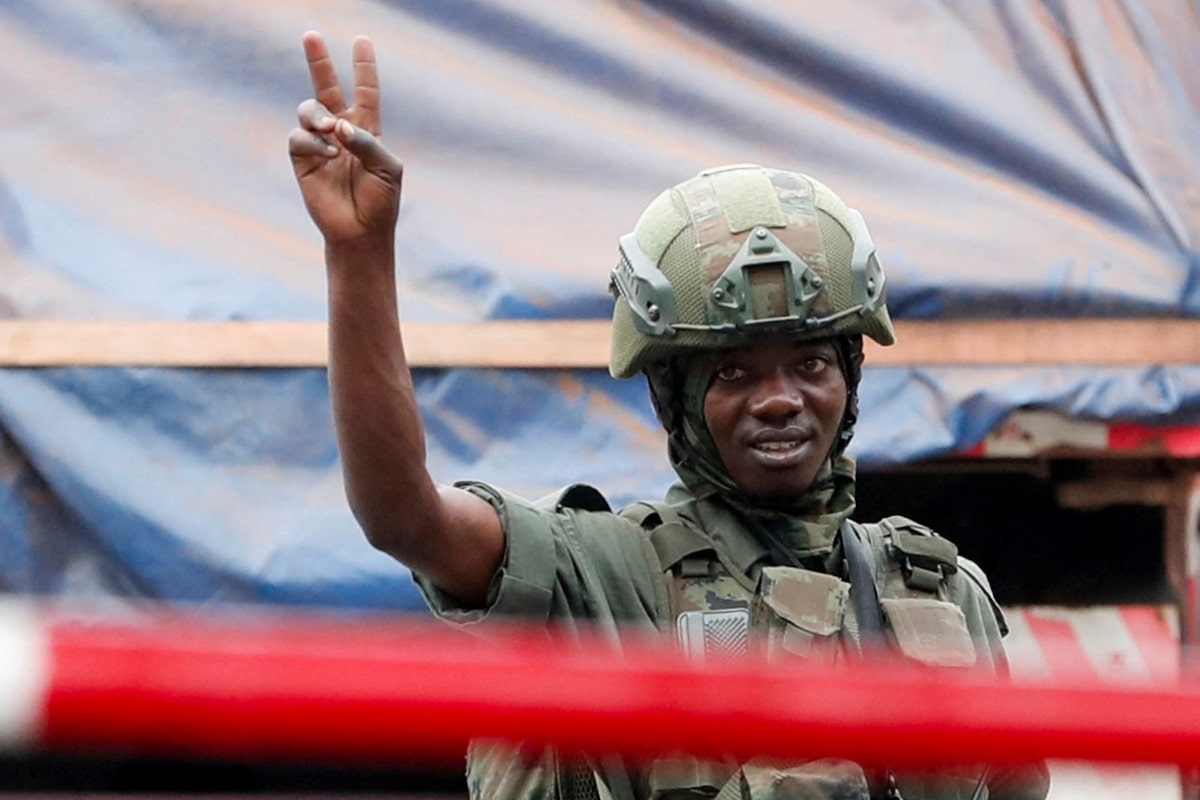
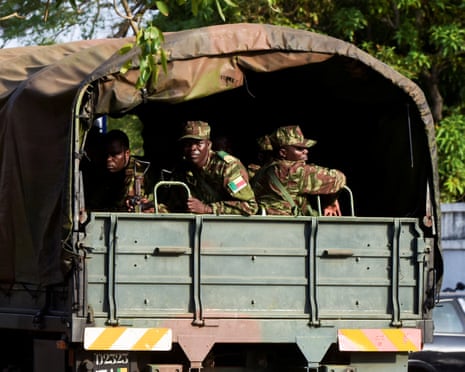
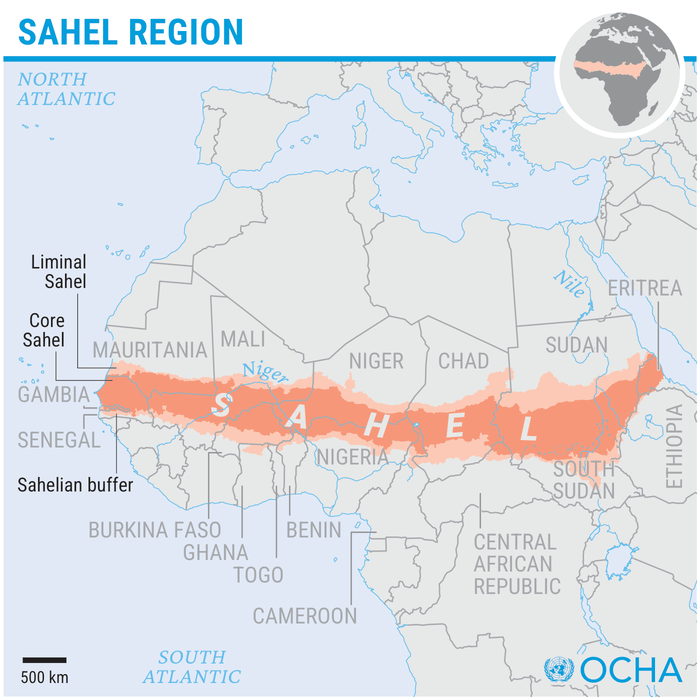
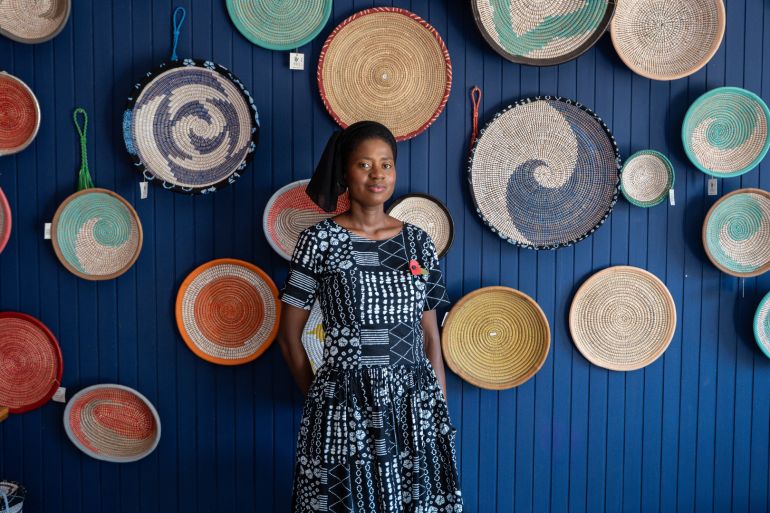
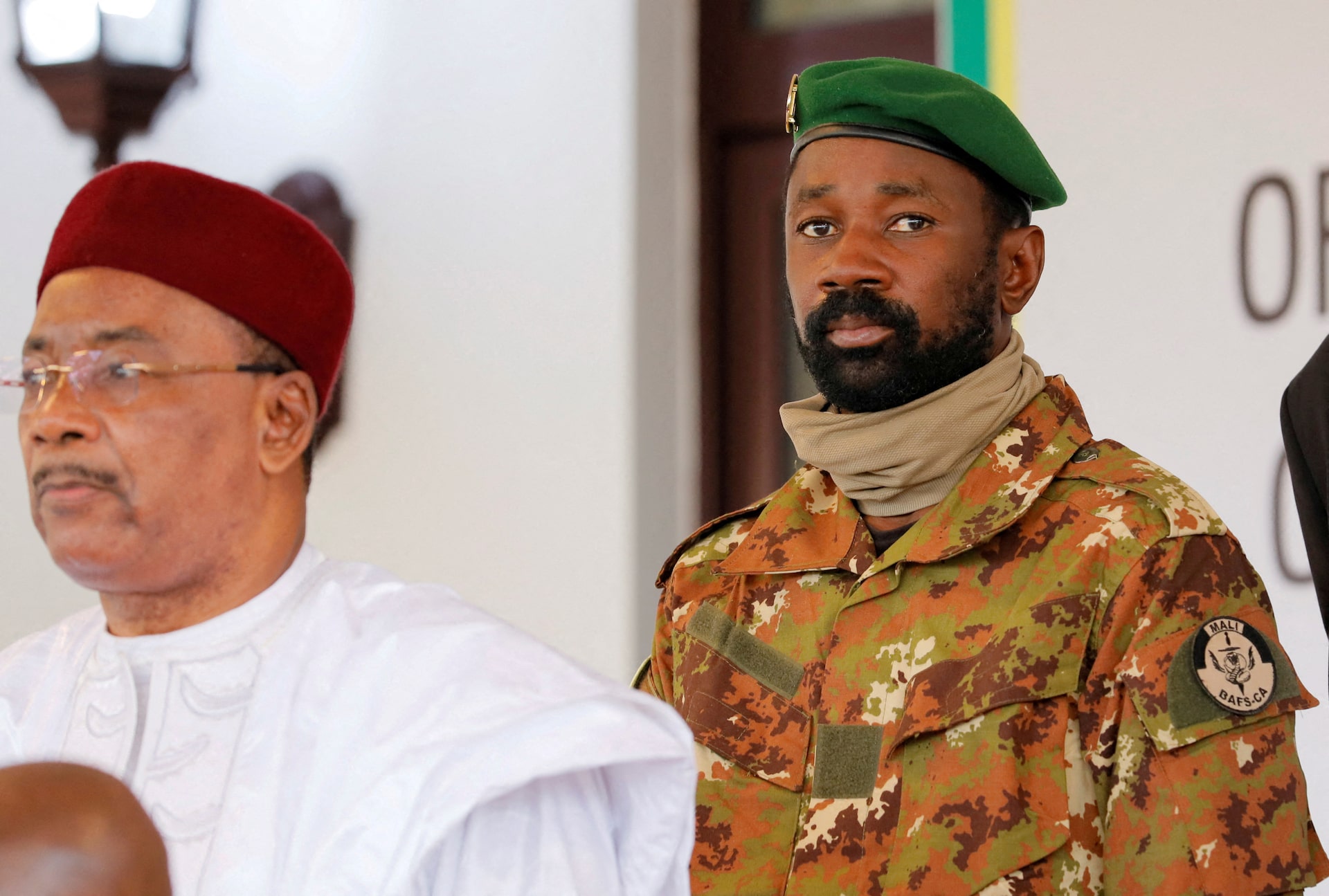
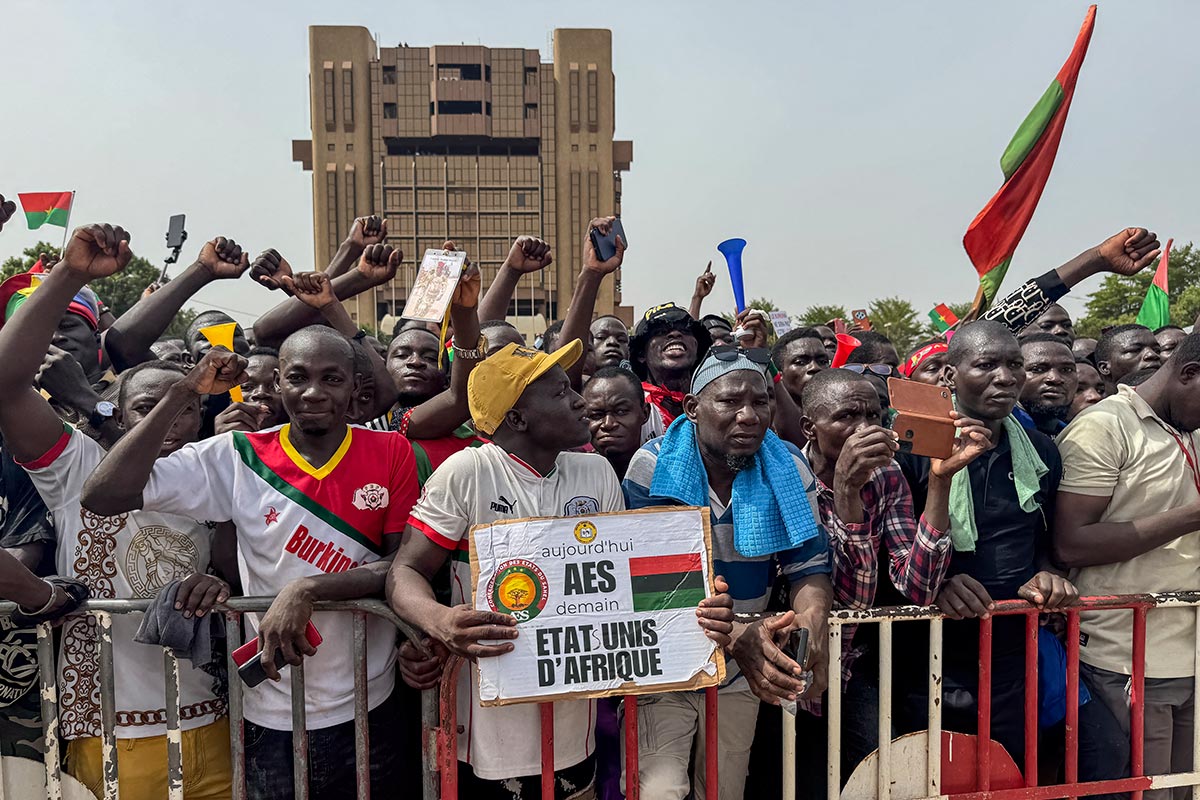
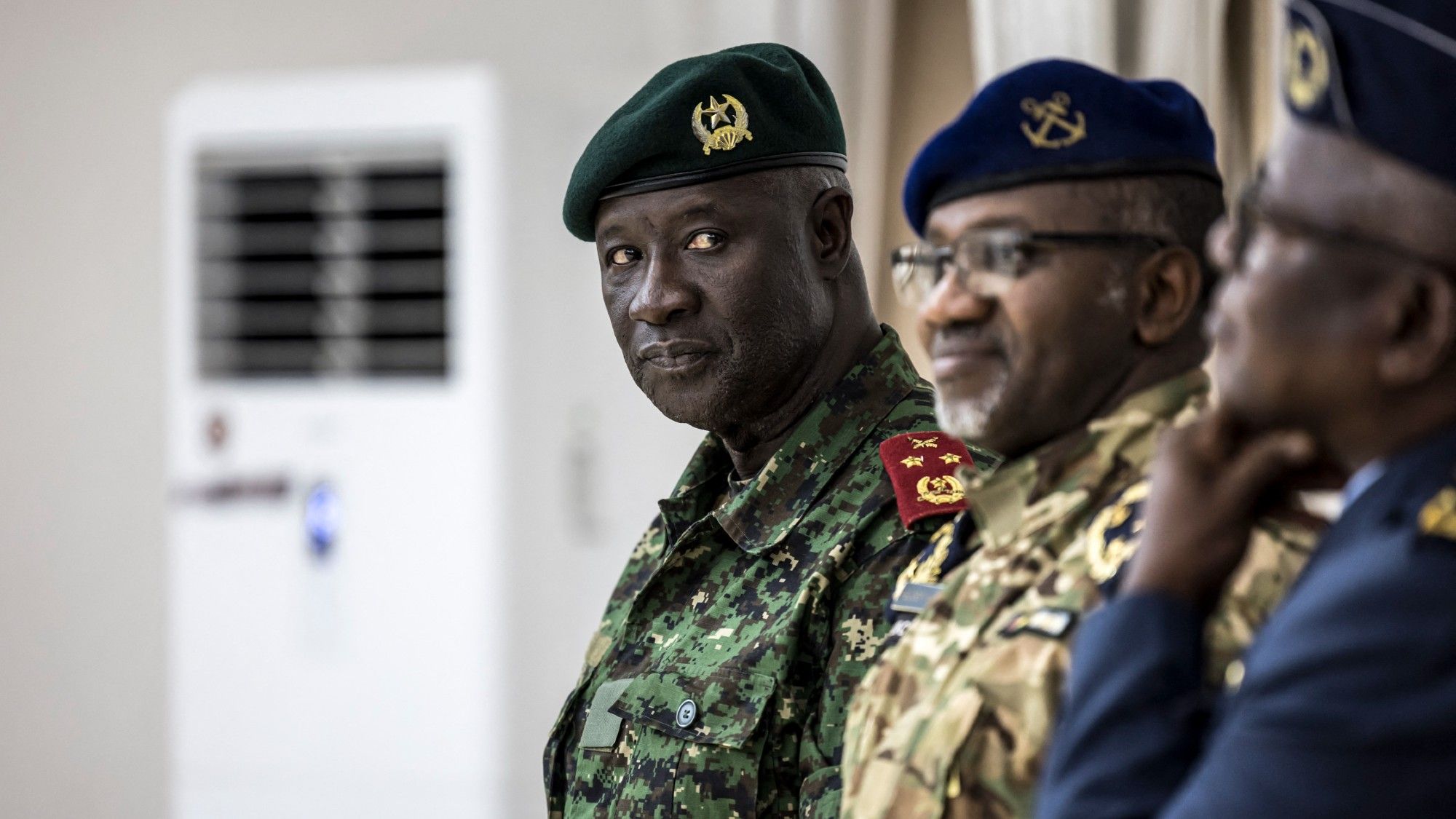
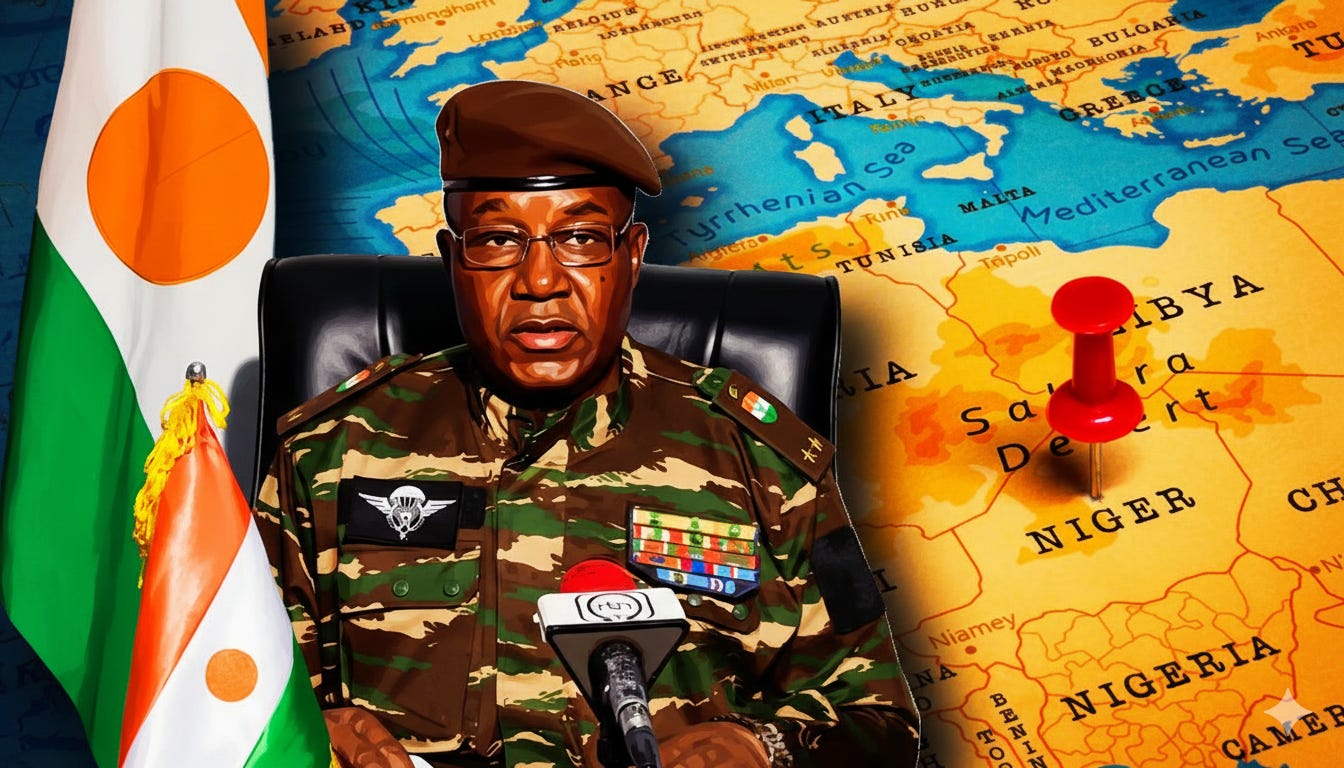
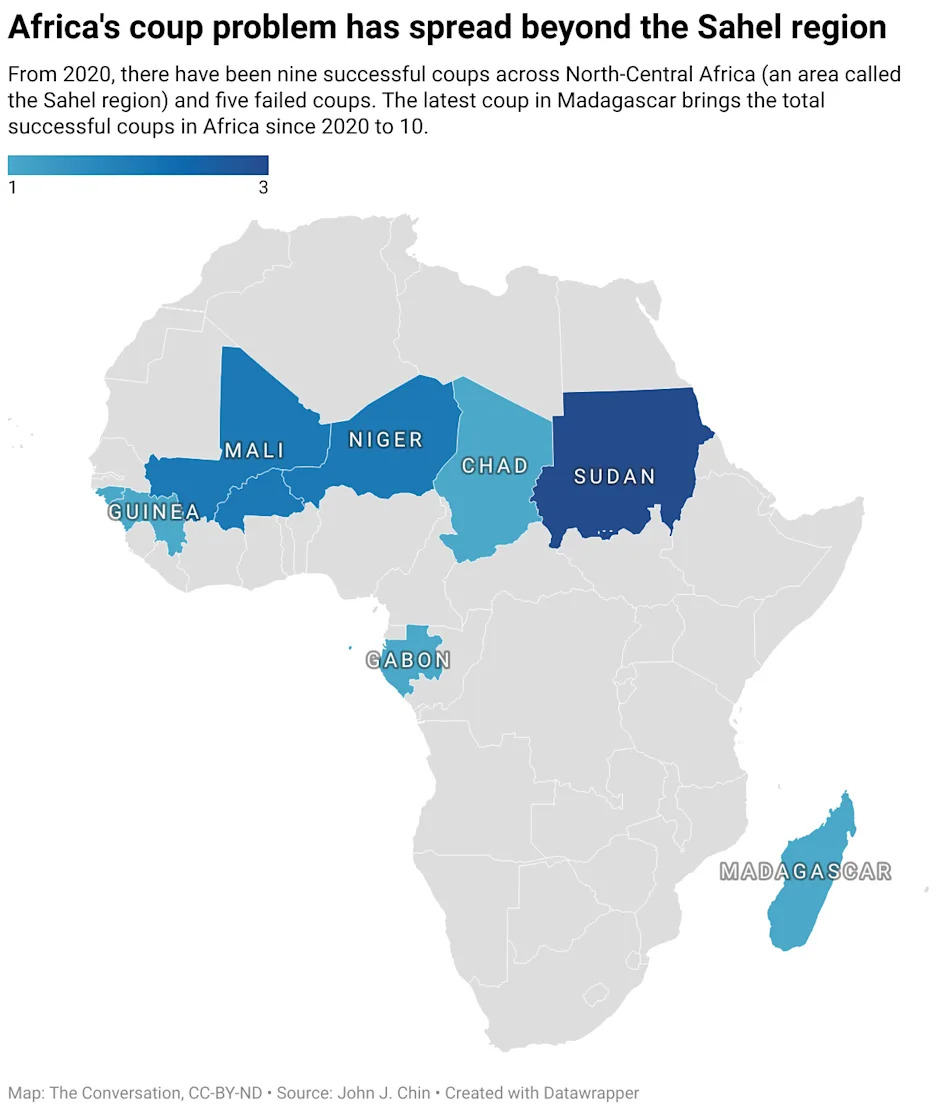
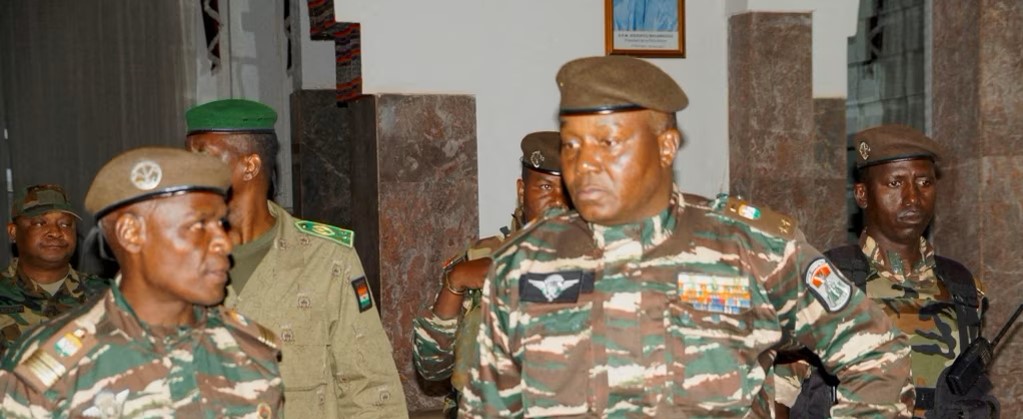
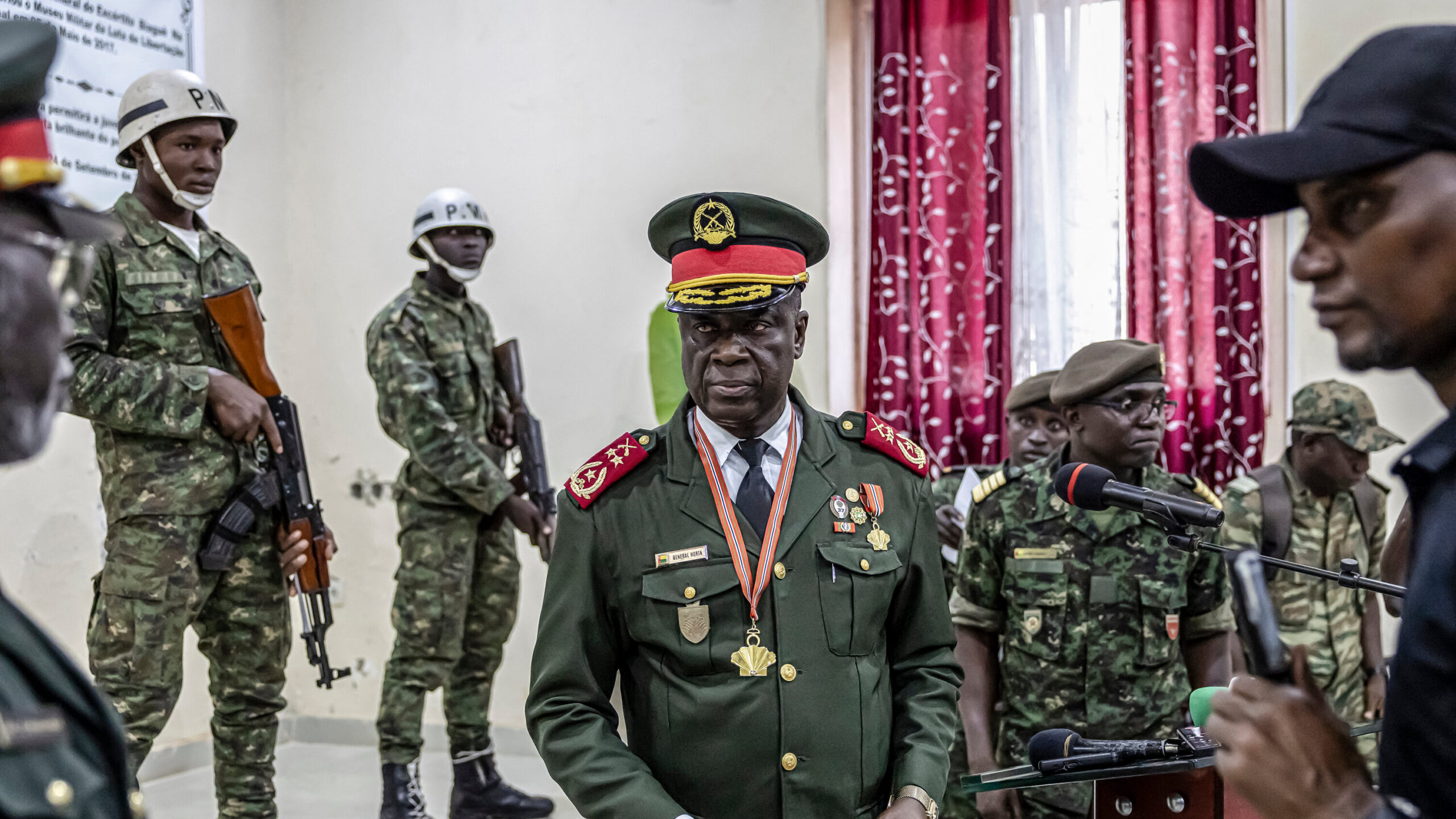
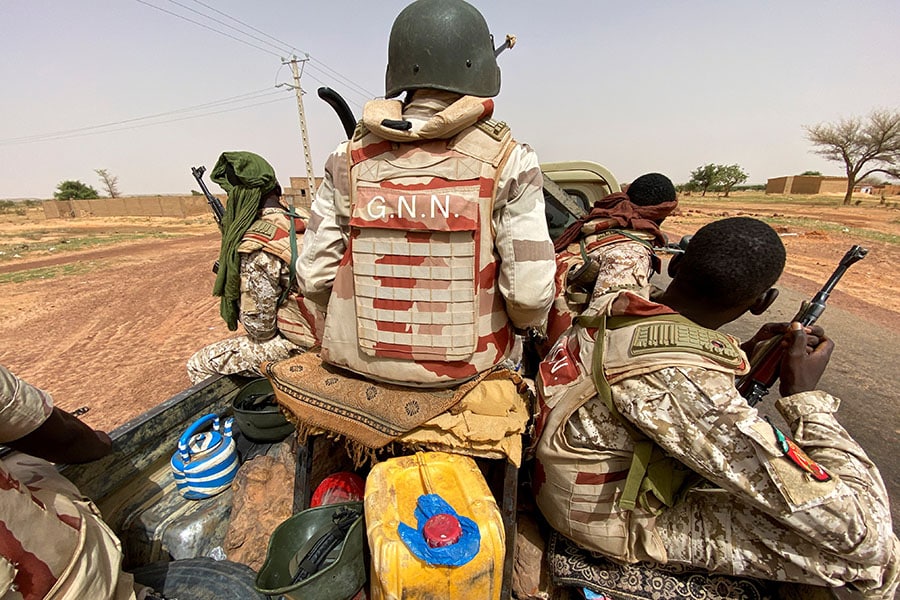
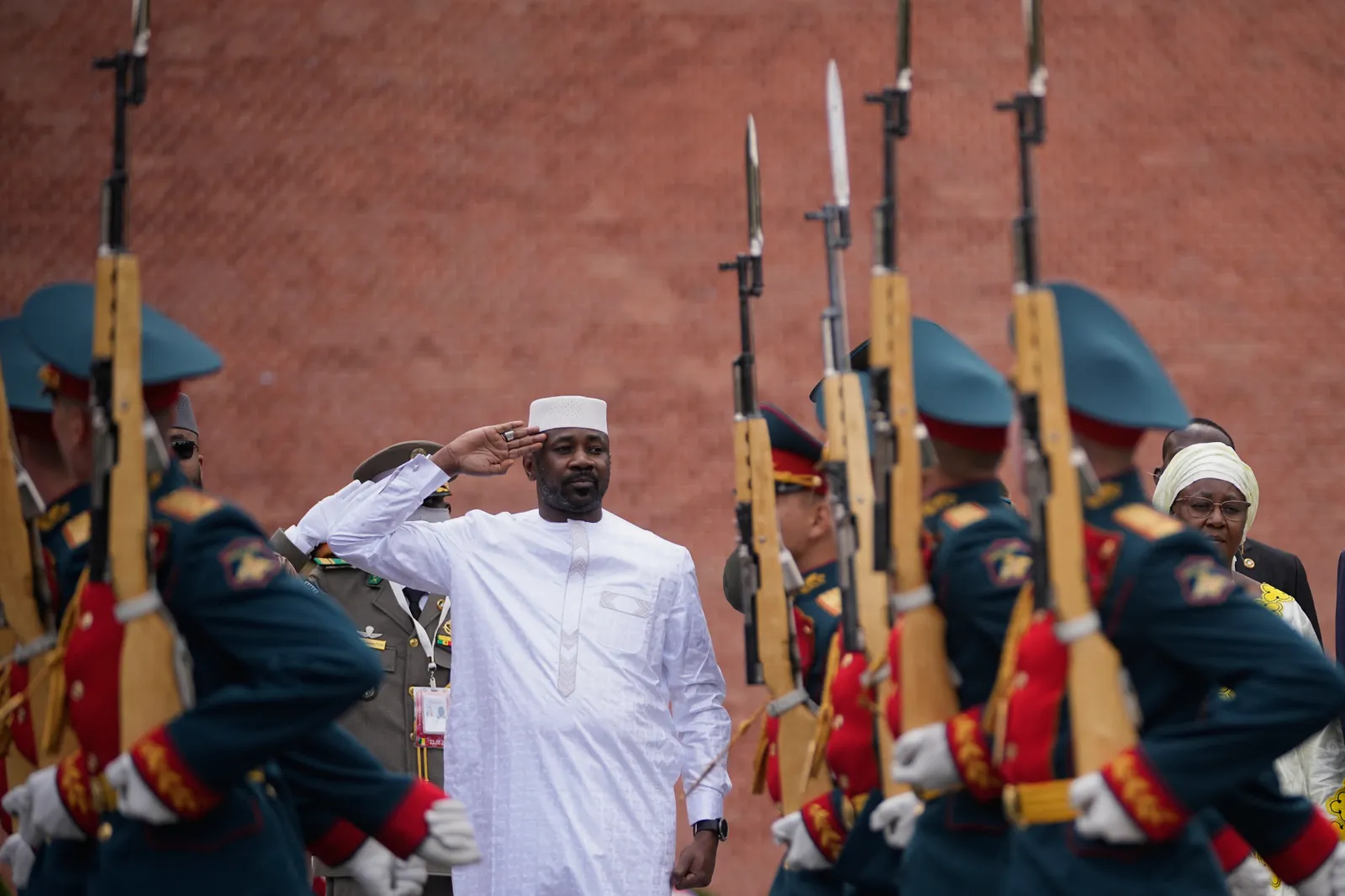
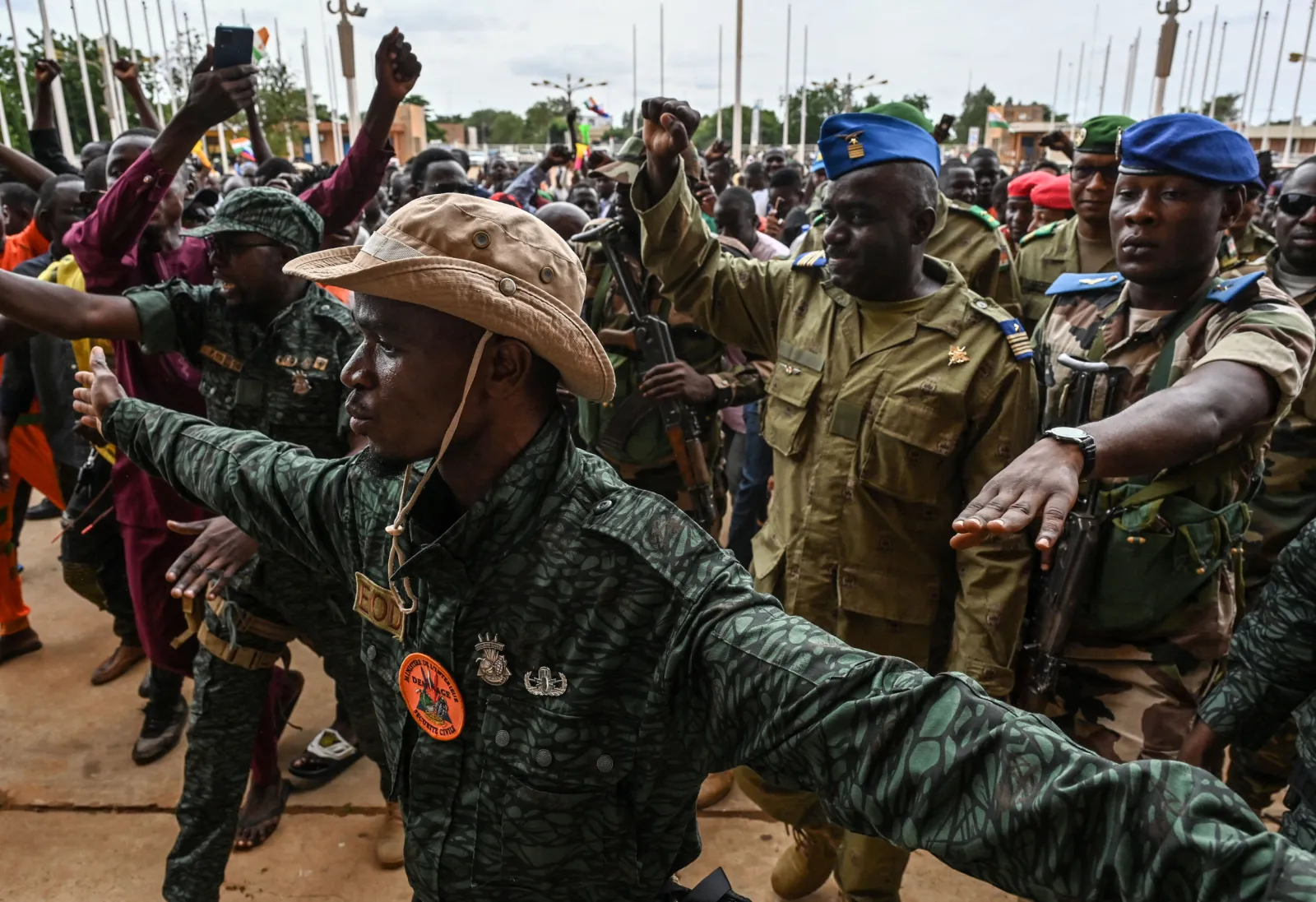
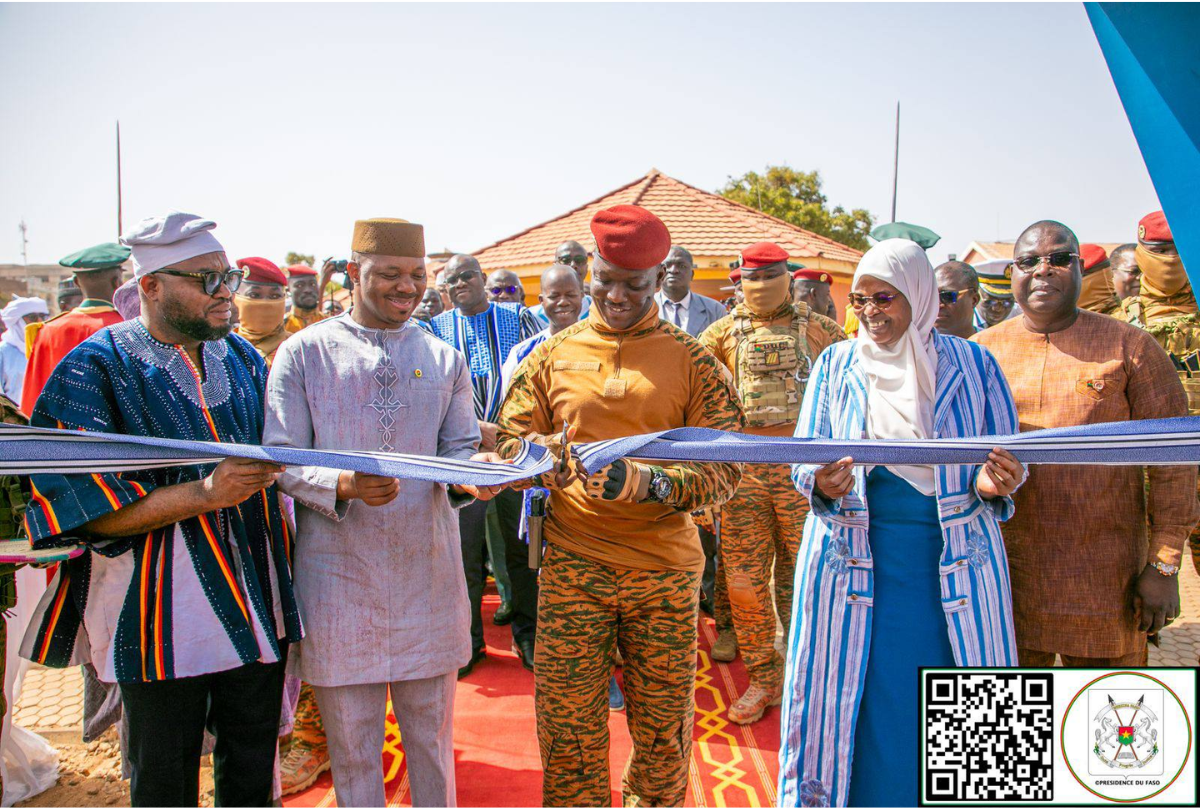
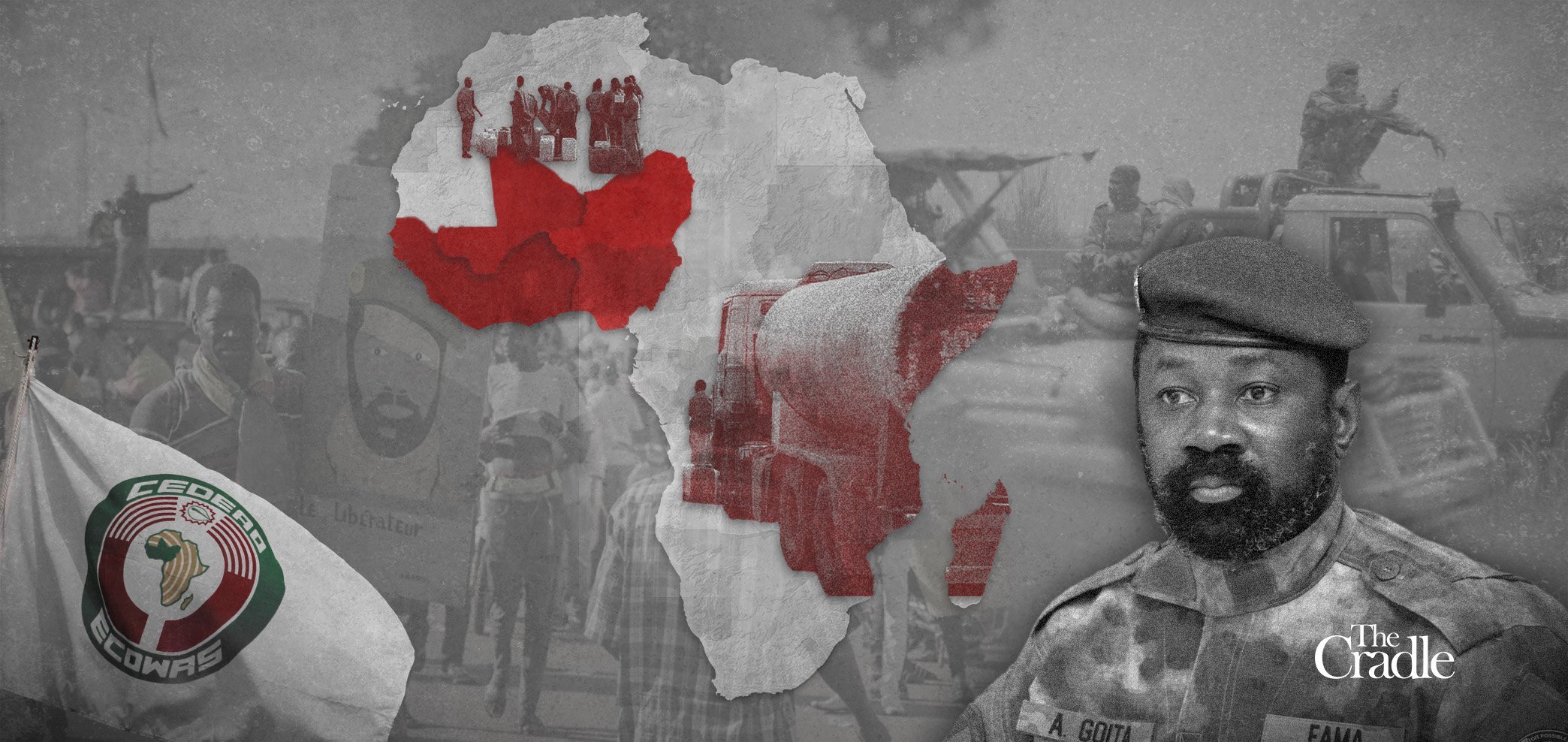
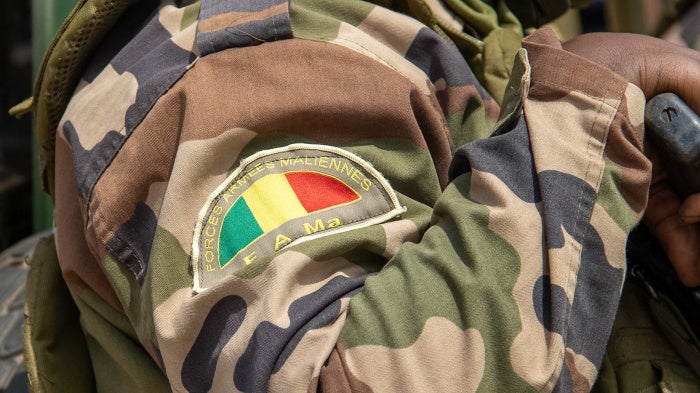
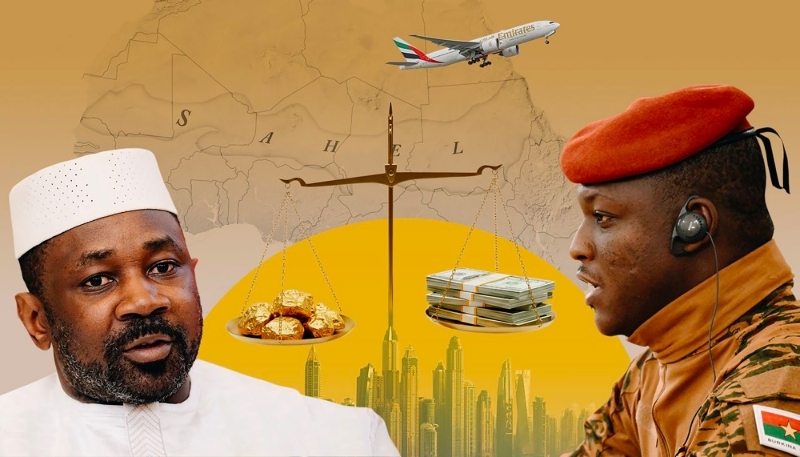
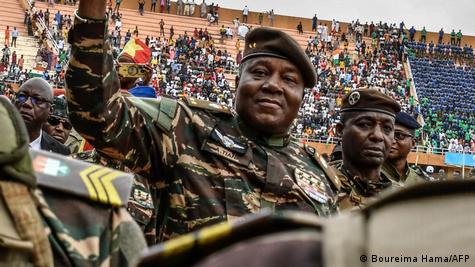
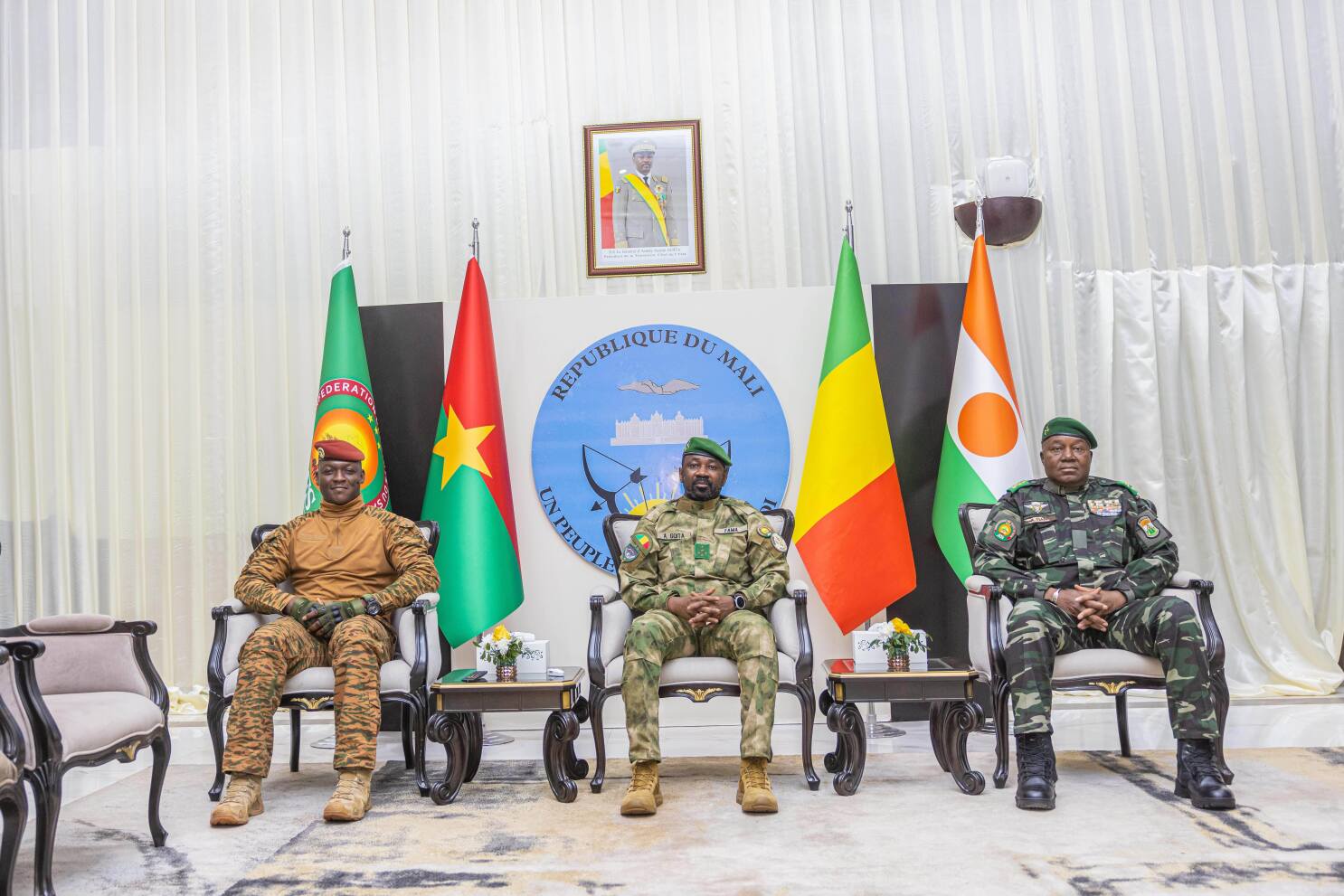
Against this challenging backdrop, influential voices are stepping up, calling for something truly vital: economic self-reliance. Think about industrial giants like Alhaji Aliko Dangote, who’s urging leaders to boost local production and embrace backward integration, relying on local raw materials instead of imports. He sees the African Continental Free Trade Area (AfCFTA) as a huge chance for Nigerian manufacturers to become more competitive globally. Why does this matter to you? Because a stronger, more self-sufficient economy could be Nigeria’s best defense against insecurity’s ripple effects. Meanwhile, look beyond Nigeria and you’ll see Africa’s governance and military alliances evolving. Madagascar, for instance, has recently seen a military government take power and aligned itself with Russian military support. This mirrors shifts we’ve seen in West African nations like Burkina Faso, Mali, and Niger, who’ve forged their own alliances after coups. It’s a significant geopolitical move, isn’t it? One that could reshape regional stability and foreign influence.
So, where does Nigeria go from here? The challenges are undeniable, highlighting vulnerabilities in state capacity and law enforcement. Yet, there’s also a powerful drive to transform from resource-dependent economies into industrial powerhouses. Nigeria’s security strategy needs a dual approach: immediate responses paired with long-term reforms, including strong community engagement and intelligence collaboration. Economic policymakers, too, must champion industrial autonomy and regional integration to secure sustainable growth, even amidst instability. These military realignments across the continent, from the Sahel to the Indian Ocean, are testing African unity and diplomacy, as nations strive for internal cohesion while pushing back against foreign domination. It’s a daunting path, yes, but not without hope. The sheer resilience shown by those released children and their communities, coupled with visionary leadership in industry, paints a picture of cautious optimism. Nigeria, and indeed the wider African continent, stands at a crucial moment. Forging a future built on security, economic independence, and balanced diplomacy could very well unlock a more stable and prosperous tomorrow. Discover more about the continent’s potential in our piece on Africa’s digital renaissance, and for the story of the recently released hostages, check out this Los Angeles Times report.