Nigeria’s Turmoil: Unpacking Corruption, Security, and Economic Strain in 2026
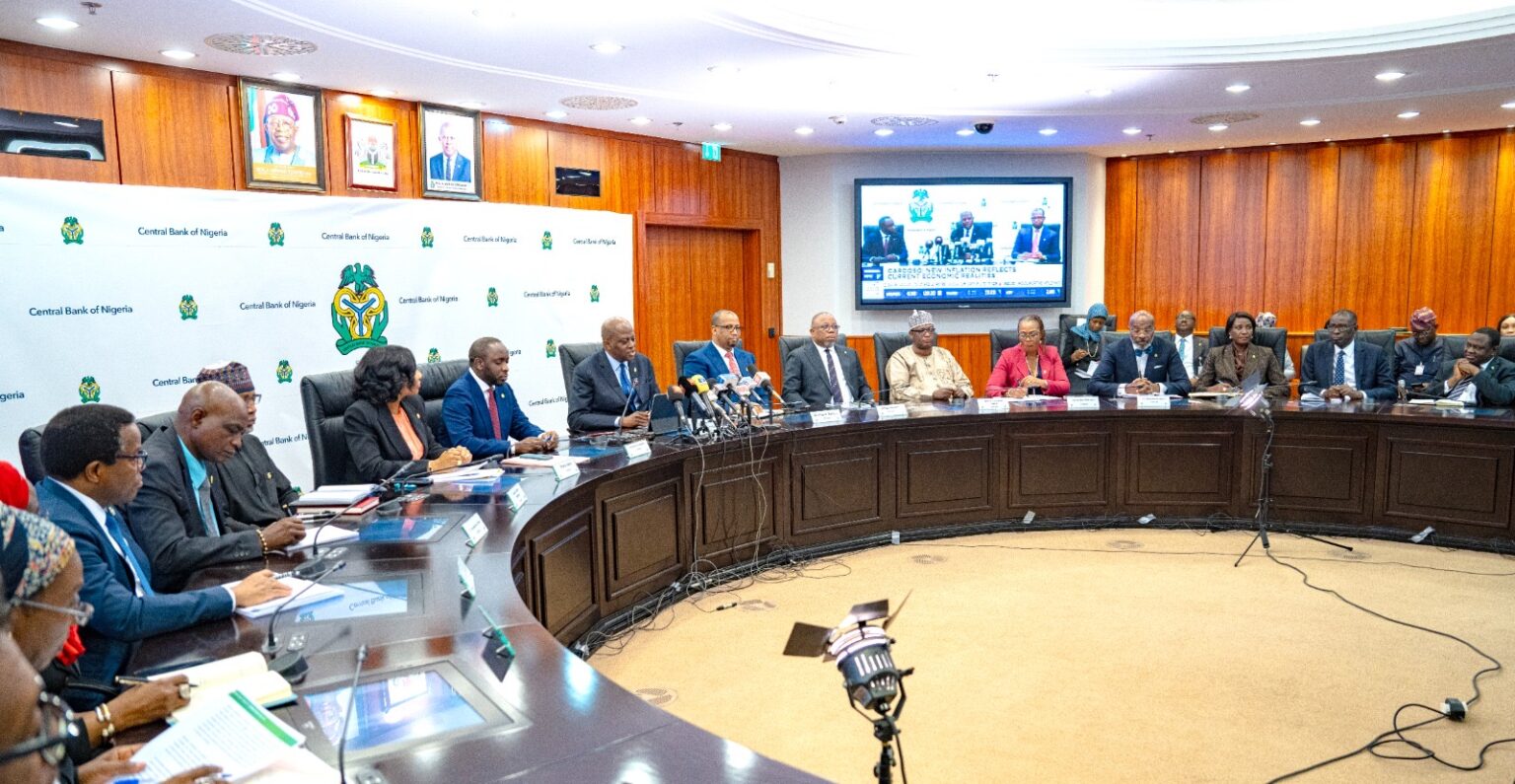
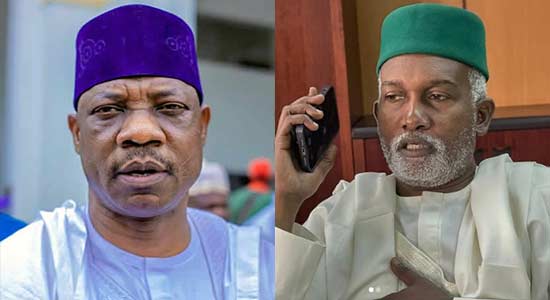
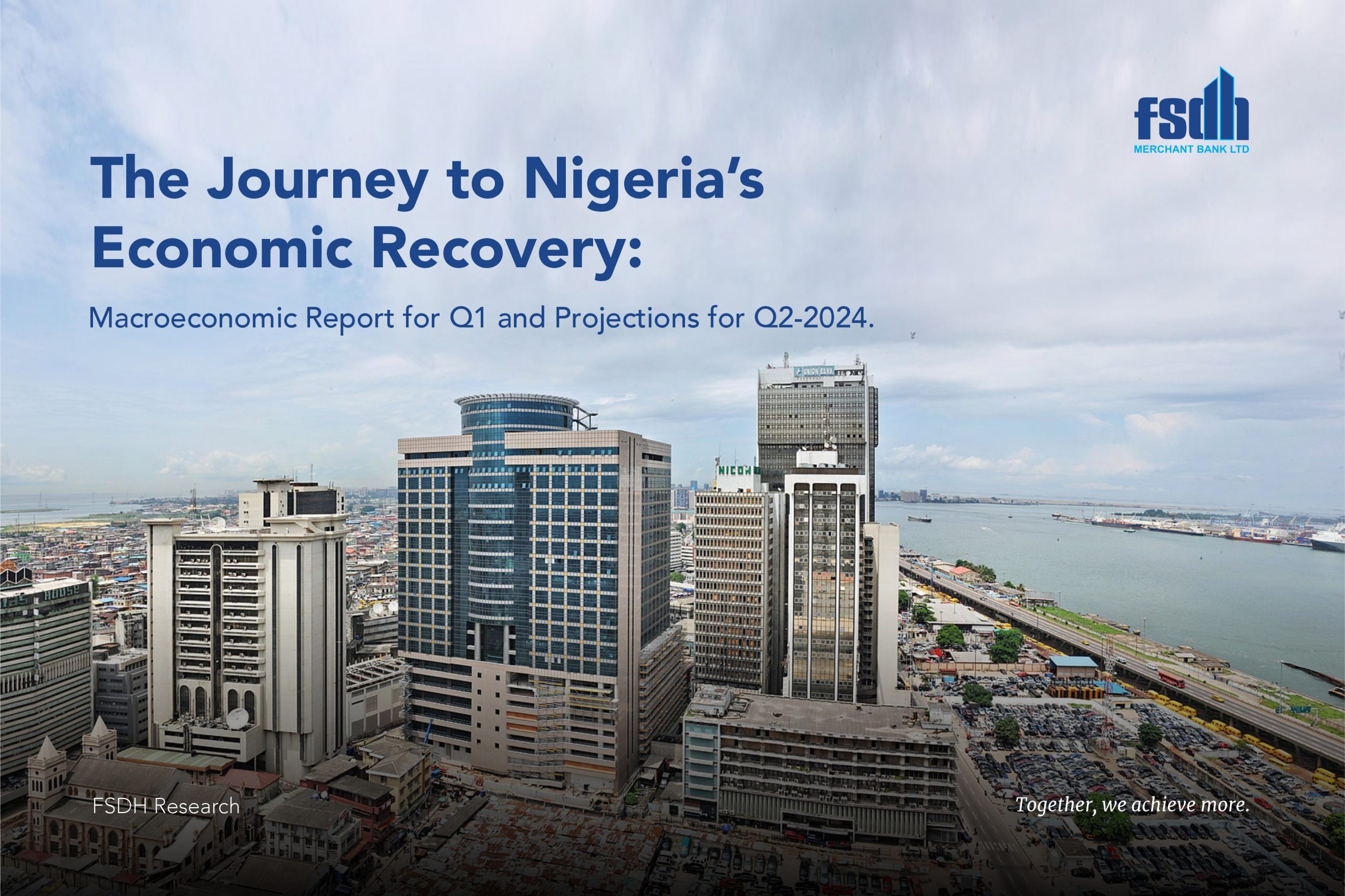
As 2026 rolls on, Nigeria finds itself entangled in a complex web of political, security, and economic hurdles, sparking intense national conversations and ratcheting up public tensions. Reports from across various sectors paint a picture of a nation struggling for stability, grappling with deep-rooted corruption, persistent regional security threats, mounting protests over governance, and a growing financial burden on its citizens. This month, we’ve seen striking developments, from allegations of corruption hitting close to government power, involving a whistleblower detained for exposing malpractices at an Alpha-Beta firm, reportedly linked to President Tinubu. That incident alone spotlights ongoing worries about transparency and accountability within the influential corporate-government networks we see. Meanwhile, the Independent Corrupt Practices and Other Related Offences Commission (ICPC) isn’t backing down, pushing ahead with an investigation into industrialist Aliko Dangote’s claims against the former National Maritime Domain Protection and Regulatory Agency chief, Ahmed. These probes really highlight the continuing challenges in Nigeria’s anti-corruption efforts and the quest for true governance reforms. Don’t forget EFCC boss Olukoyede also made waves by reaffirming his intent to resign, stating he’s completed his mandate. He stressed that high-profile prosecutions, including Governor Yahaya Bello’s case, are still on track despite leadership changes, showcasing a palpable tension within law enforcement agencies fighting corruption under significant political pressure. On top of that, public finance has certainly caught eyes with reports indicating the Office of the Nigerian Government Secretary, George Akume, plans to spend nearly half a billion naira on photocopiers and furniture in 2026. Considering Nigeria’s broader economic difficulties and calls for austerity, such expenditures naturally raise questions about fiscal responsibility and how resources are being prioritized.
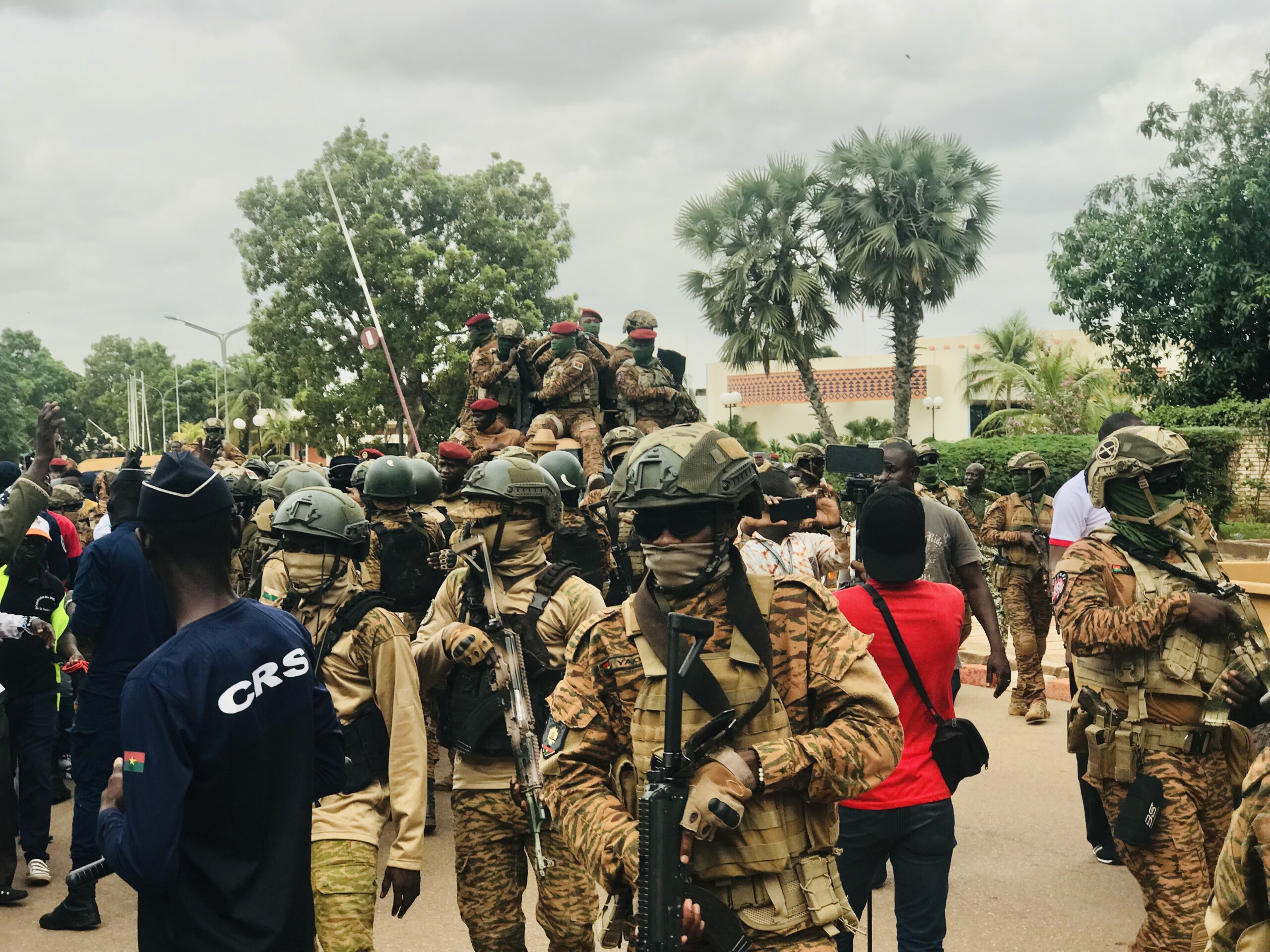
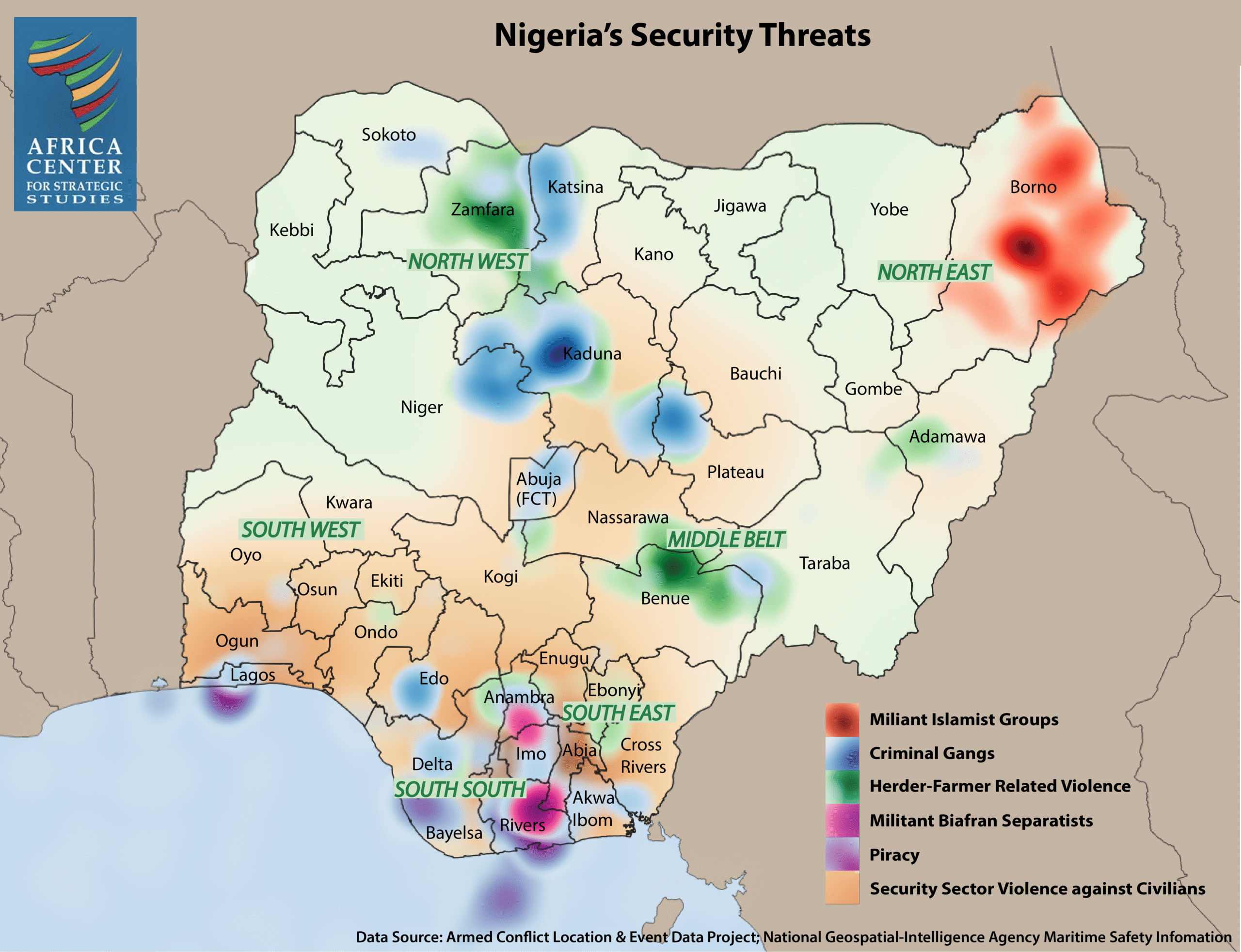
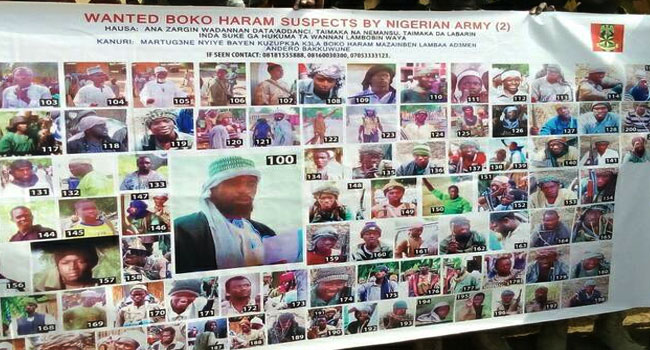
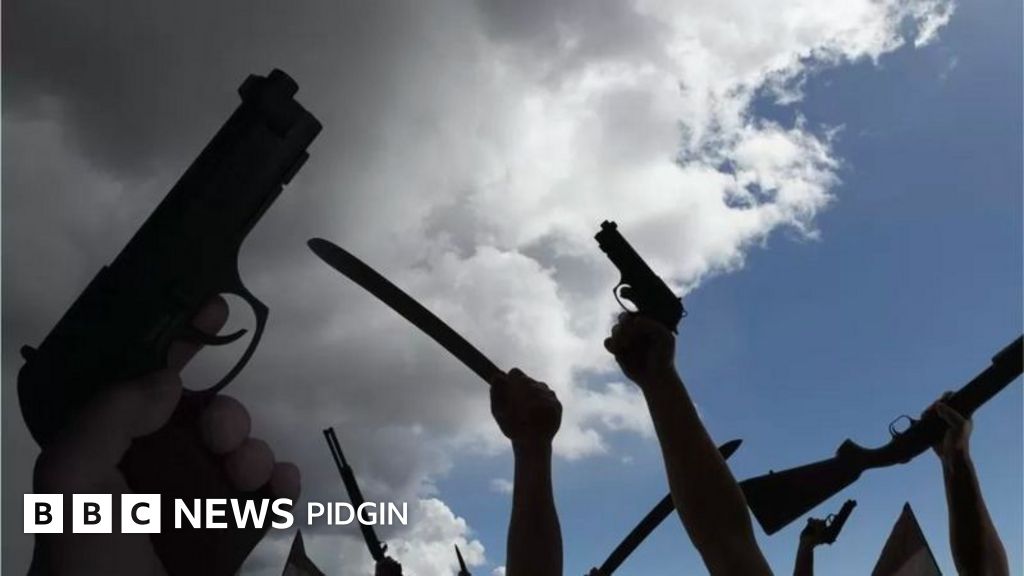
The security landscape remains a major concern, with Nigeria continuing to battle severe security challenges from terrorism and insurgency, particularly across the northeast and nearby regions. Just recently, Mubang Village in Adamawa experienced an explosion after a Boko Haram raid, and a deadly terrorist attack on a police position near the Dangote Cement Factory in Kogi State tragically claimed the life of a Civilian Joint Task Force (CJTF) member. These incidents starkly remind us of the relentless threat posed by extremist groups, even with ongoing military operations. Internally, the military is facing growing unrest. Nigerian soldiers deployed in the northeast are loudly demanding an end to the controversial policy of integrating “repentant terrorists” into the armed forces, even linking recent deadly attacks to intelligence leaks. This suggests deep internal divisions and morale issues that could severely hamper counterterrorism efforts. In related news, a Nigerian Army brigadier general was detained for alleged ties to a retired general, Ali-Keffi, who previously exposed the release of terror financing suspects. Plus, reports surfaced of arms discovered at former Attorney General of the Federation Malami’s residence in Kebbi, leading the Department of State Services (DSS) to launch a new investigation. These revelations certainly complicate the relationship between security agencies and political figures, often blurring the lines between justice and political maneuvering. The DSS has been notably proactive in high-profile terrorism financing cases. After a court granted Malami bail, DSS operatives deployed over 50 personnel to Kuje Prison, ostensibly to re-arrest him or manage related security risks, which has reportedly slowed his bail processing. This unfolding legal drama really captures the fraught interplay of politics, law enforcement, and national security in our country.
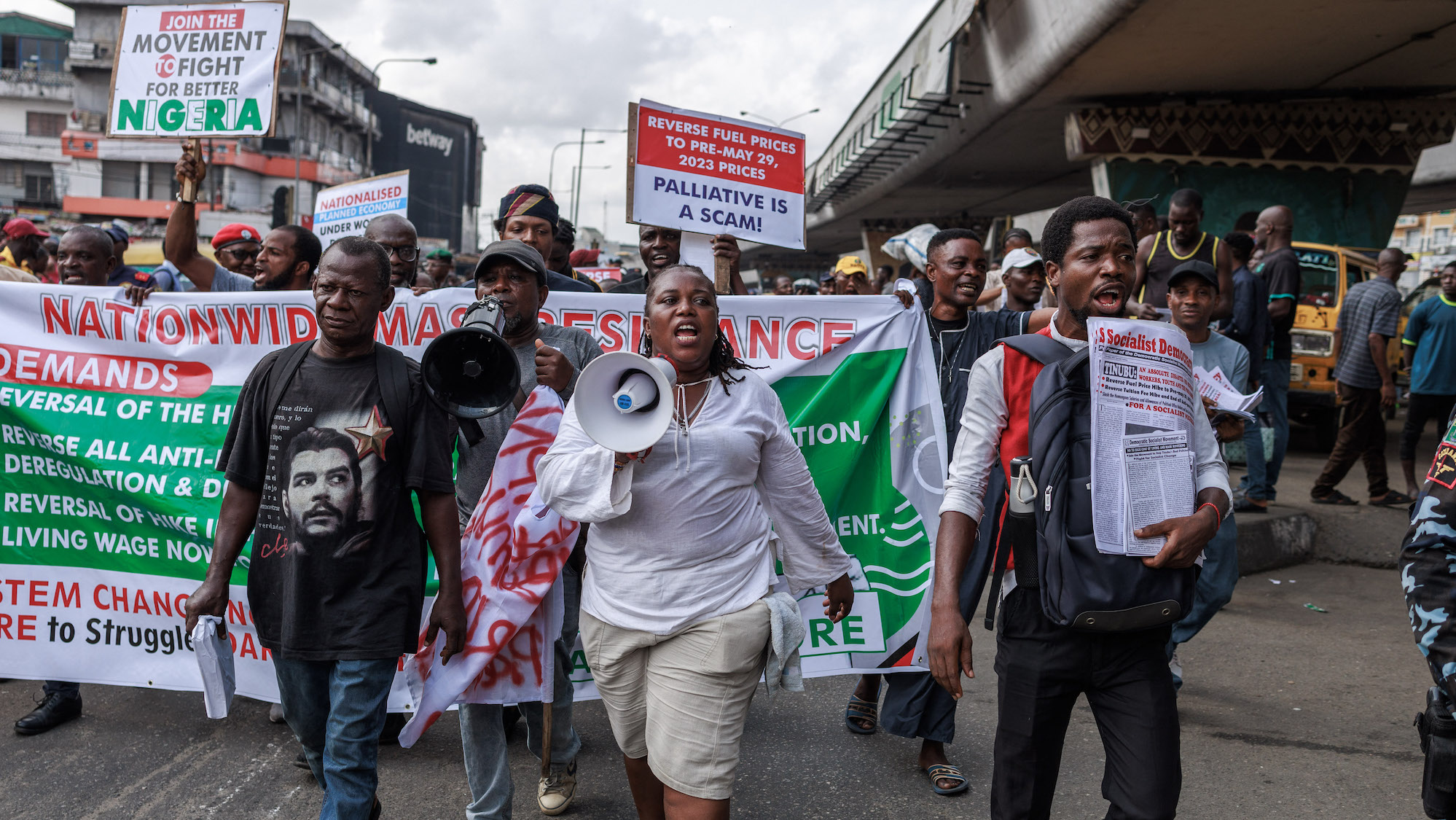
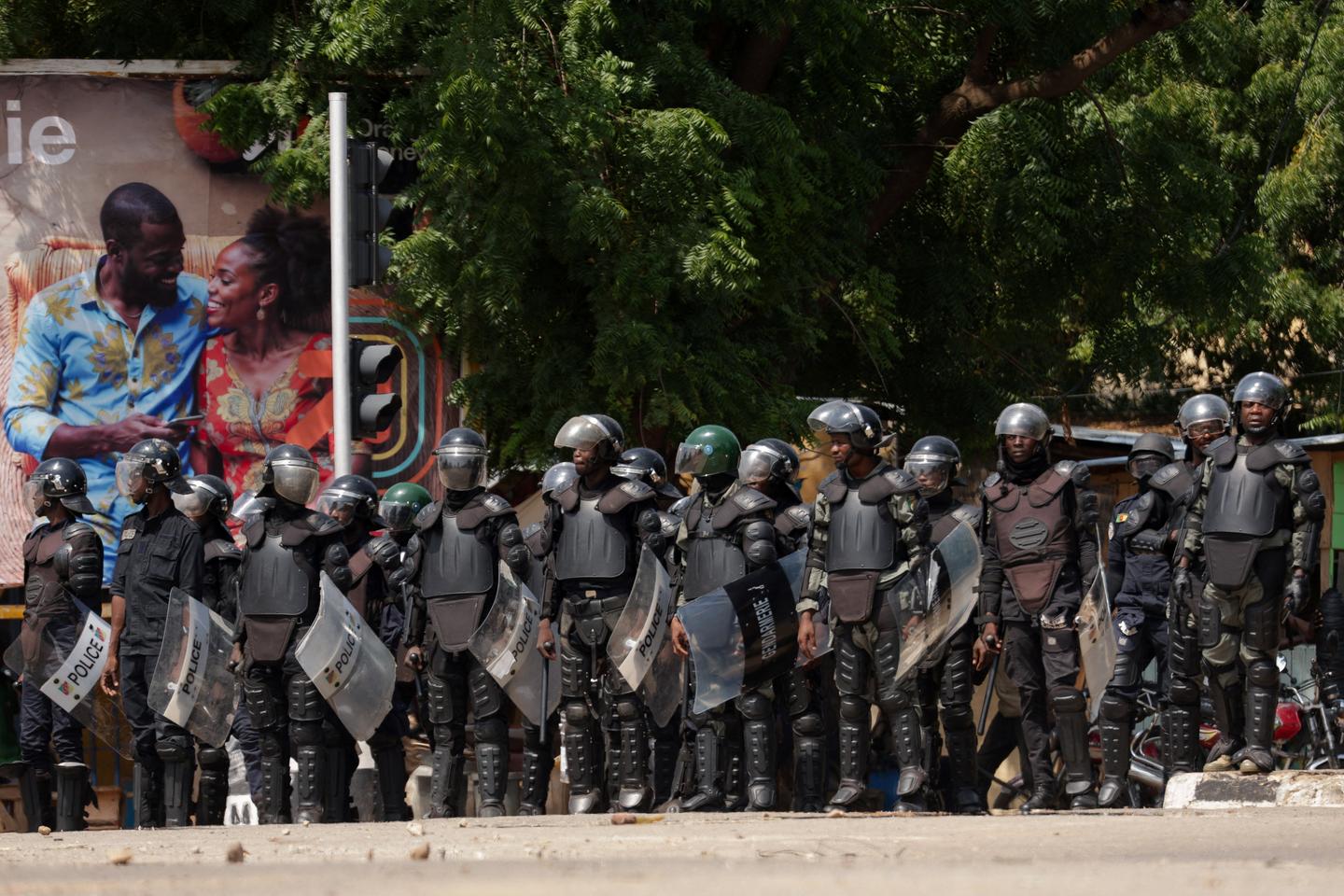
Beyond these critical issues, political turmoil has also been brewing in the South-South region, where the Rivers State Assembly initiated impeachment proceedings against Governor Siminalayi Fubara. This move signals escalating tensions following his highly public fallout with former Governor and political heavyweight Nyesom Wike. Such intra-party conflicts complicate effective governance and timely service delivery, especially in an already challenging environment. Civil society and grassroots activists haven’t been silent either, responding vigorously to governance and human rights concerns. The release of Makoko youth leader Oluwatobi Aide after three days in detention by the Lagos Rapid Response Squad starkly illustrates the ongoing friction between authorities and activists protesting forced demolitions and other contentious policies impacting vulnerable communities. This episode echoes broader calls for police reforms and more humane urban development strategies. Economically, ordinary Nigerians are feeling the squeeze. From January 19, a new 7.5 percent Value Added Tax (VAT) will be imposed on mobile bank transfers and USSD transactions. Given that mobile banking is a lifeline for so many, this tax could worsen financial strains for a populace already dealing with inflation and unemployment, potentially impacting consumer habits and digital financial inclusion. And sometimes, it’s the unexpected incidents that add to public anxiety, like the large fire at a foam depot in Ilorin, Kwara State, which caused widespread panic. While seemingly isolated, such emergencies highlight broader concerns about industrial safety and disaster preparedness in our urban centers. Even in sports, tensions flared when Nigeria’s national football team, the Super Eagles, threatened to boycott their African Cup of Nations (AFCON) qualifier against Algeria over unpaid bonuses. This standoff in sports administration mirrors the larger governance challenges the nation faces, particularly concerning funding, transparency, and athlete welfare. Looking ahead, Nigeria’s path in early 2026 is clearly marked by ongoing efforts to reconcile governance reforms, tackle entrenched corruption, and address the escalating security threats that endanger national stability. Success, it seems, will largely depend on restoring public trust through transparent institutions, equitable policies, and the effective management of complex socioeconomic challenges. The unfolding political dramas, legal battles, and grassroots responses clearly signal a country in flux, navigating between ambitious reforms and stubborn systemic obstacles. Closely monitoring these developments won’t just be crucial for citizens, but for policymakers and international observers alike who are keenly watching Africa’s fight against corruption and global governance and political changes.
Sources:
- BREAKING: Nigerian Police Detain Whistleblower For Exposing Corruption At Tinubu-Linked Alpha-Beta Firm, Set To Arraign Him, Publisher Unknown, January 15, 2026.
- BREAKING: Makoko Youth Leader Oluwatobi Aide Released After Three Days In Lagos RRS Detention Over Demolition Protest, Publisher Unknown, January 14, 2026.
- BREAKING: Fire Razes Foam Depot, Sparks Panic On Asa-Dam Road In Ilorin, Publisher Unknown, January 14, 2026.
- BREAKING: Nigerians To Pay 7.5% VAT On Mobile Bank Transfers, USSD Transactions From January 19, Publisher Unknown, January 14, 2026.
- BREAKING: Explosion Rocks Mubang Village In Adamawa Days After Boko Haram Raid, Publisher Unknown, January 14, 2026.
- EXCLUSIVE: Nigerian Army Detains Brigadier General Over Alleged Links To Retired General Ali-Keffi, Who Exposed Release Of Terror Financing Suspects, Publisher Unknown, January 8, 2026.
- EXCLUSIVE: Malami Slows Bail Processing As DSS Operatives Besiege Kuje Prison To Re-Arrest Ex-AGF On Terrorism Financing Allegations, Publisher Unknown, January 8, 2026.
- BREAKING: Rivers Assembly Begins Impeachment Proceedings Against Governor Fubara Amid Rift With Wike, Publisher Unknown, January 8, 2026.
- EXCLUSIVE: DSS Deploys Over 50 Operatives To Kuje Prison Over Terrorism Financing Probe After Court Grants Malami Bail, Publisher Unknown, January 8, 2026.
- ICPC Rejects Petition Withdrawal, Continues Probe Of Dangote’s Allegations Against Ex-NMDPRA Chief, Ahmed, Publisher Unknown, January 8, 2026.
- BREAKING: Nigeria’s Super Eagles Threaten To Boycott Algeria Match Over Unpaid AFCON Bonuses, Publisher Unknown, January 13, 2026.
- Office Of Nigerian Government Secretary, George Akume To Spend N496million On Photocopier Machines, Furniture In 2026, Publisher Unknown, January 12, 2026.
- EXCLUSIVE: Nigerian Soldiers In North-East Demand End To “Repentant Terrorist” Integration, Link Deadly Attacks To Leaks, Publisher Unknown, January 12, 2026.
- Arms Found In Ex-AGF Malami’s Kebbi House As DSS Opens Fresh Probe –Report, Publisher Unknown, January 12, 2026.
- BREAKING: One CJTF Member Killed As Terrorists Attack Police Position At Dangote Cement Factory In Kogi, Publisher Unknown, January 12, 2026.
- EFCC Boss Olukoyede Stands By Resignation Vow, Says ‘I’ve Fulfilled My Mandate, Yahaya Bello’s Prosecution Is On Track’, Publisher Unknown, January 12, 2026.