Nigeria’s Fight Against Terrorism: Freed Children, US Airstrikes, and a Complicated Path Ahead
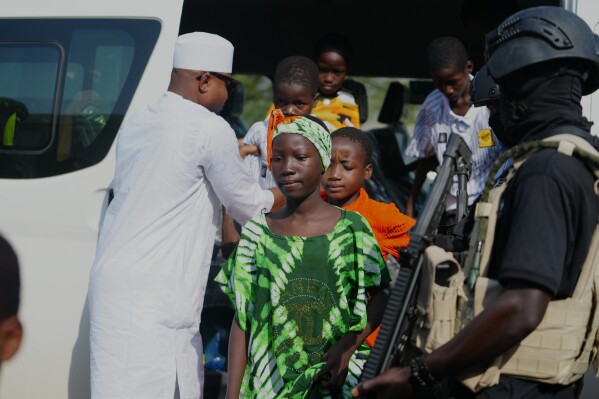
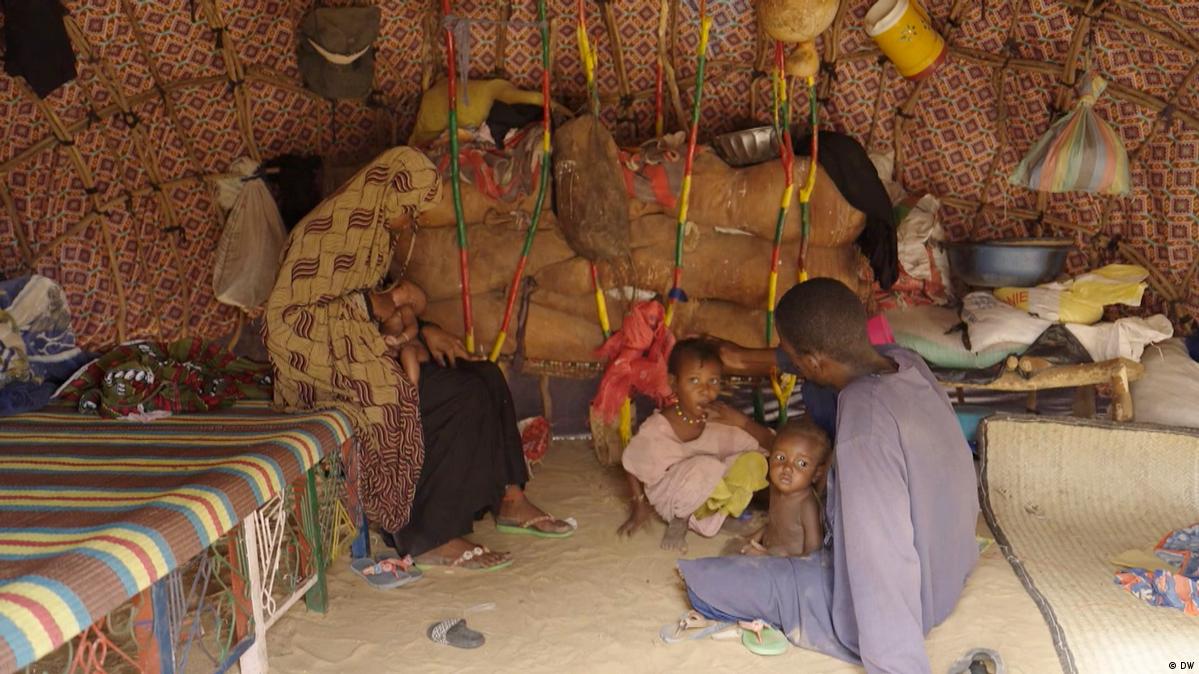
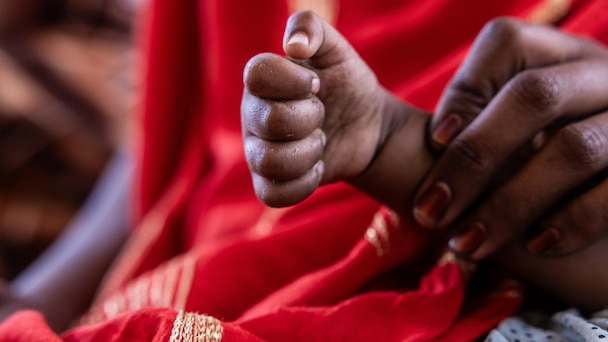
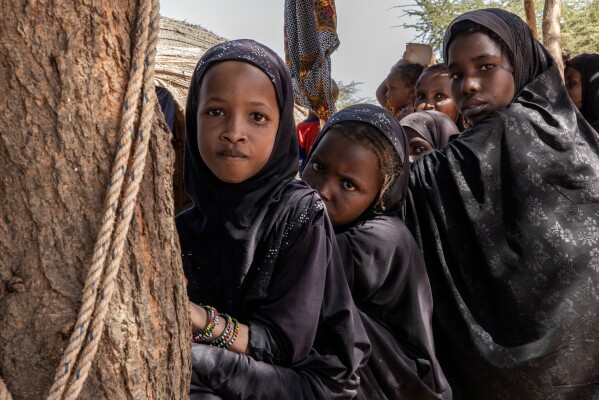
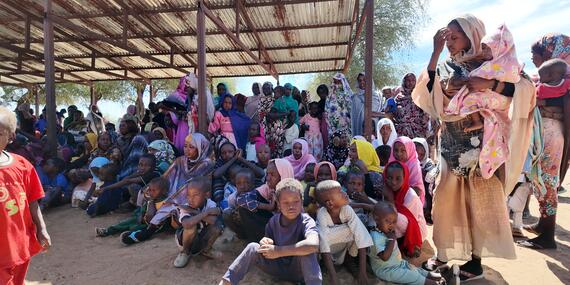
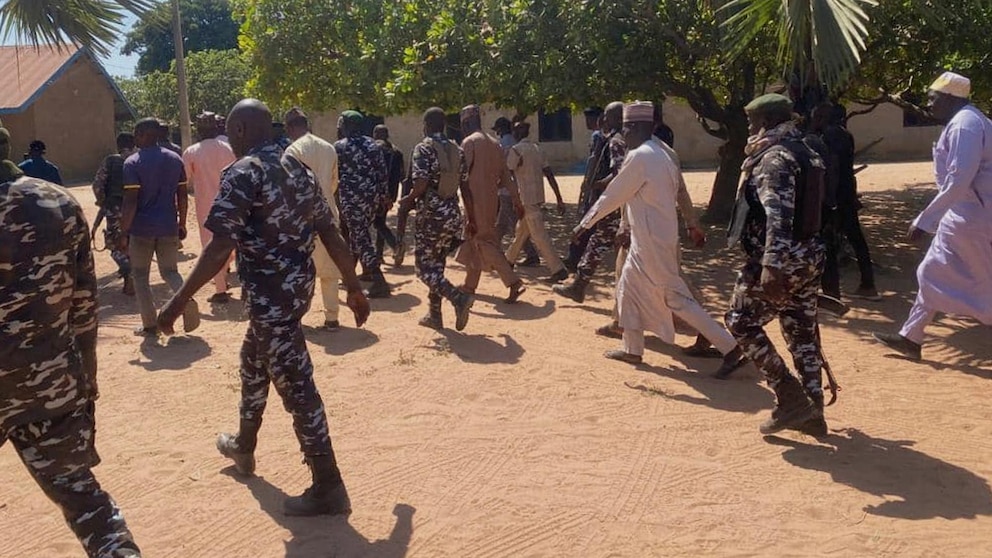
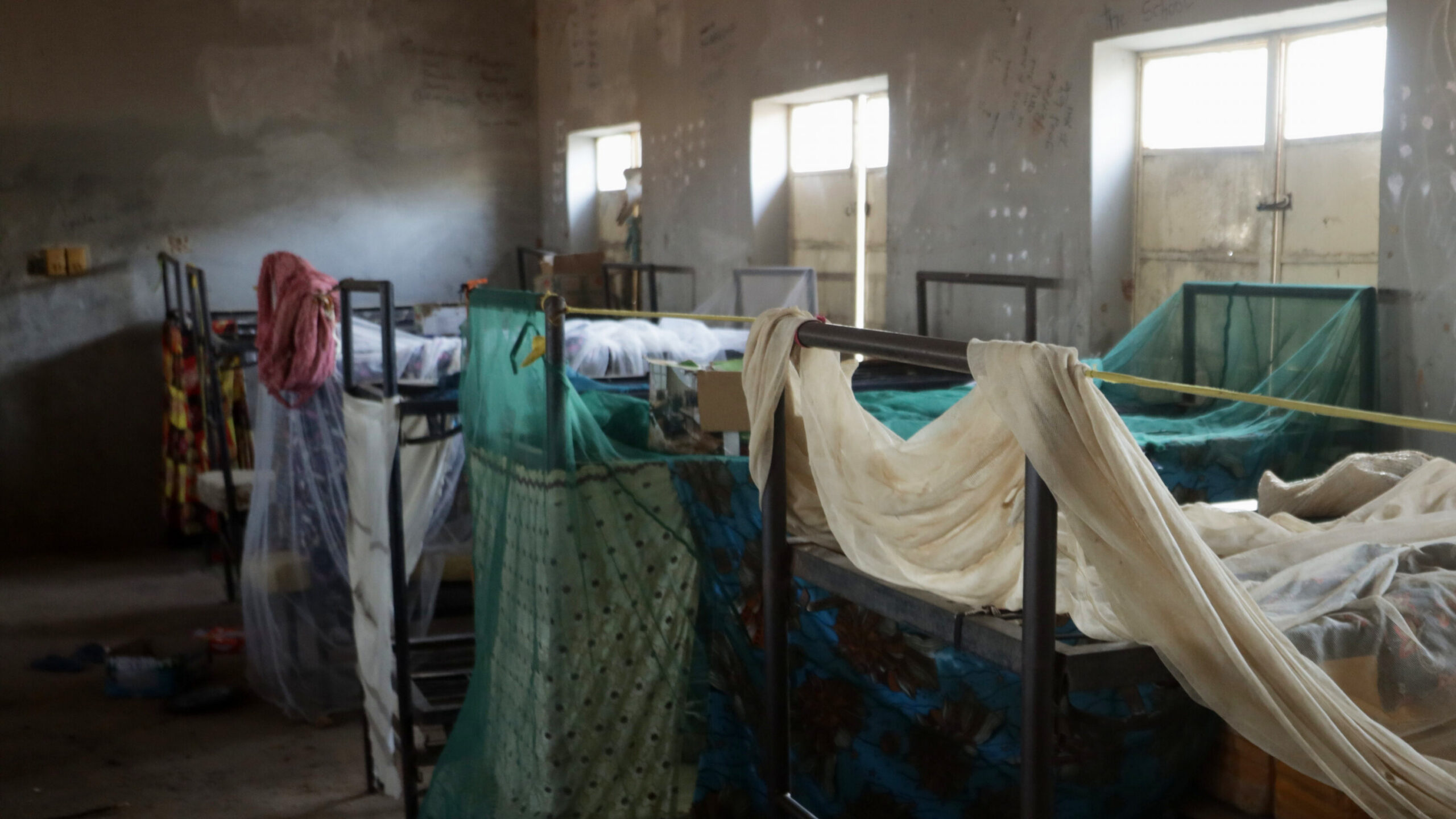
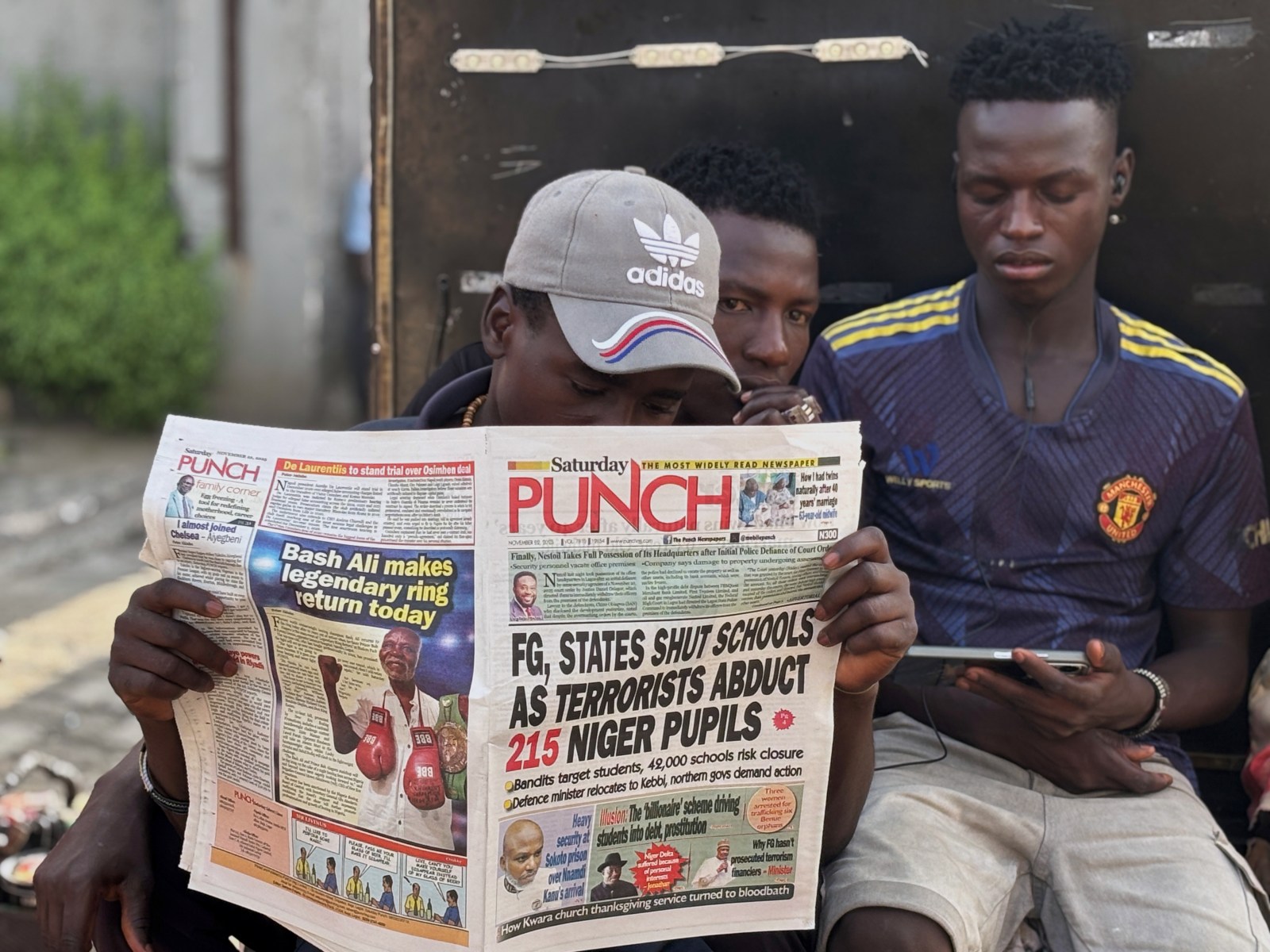
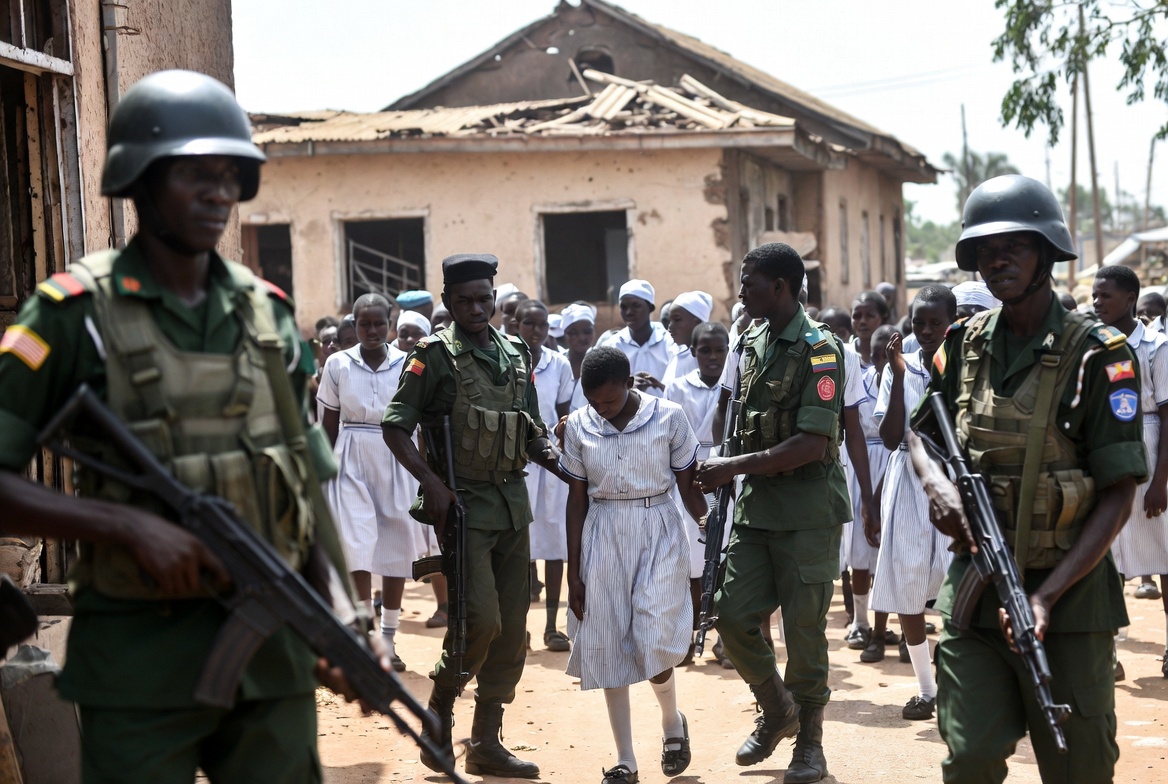
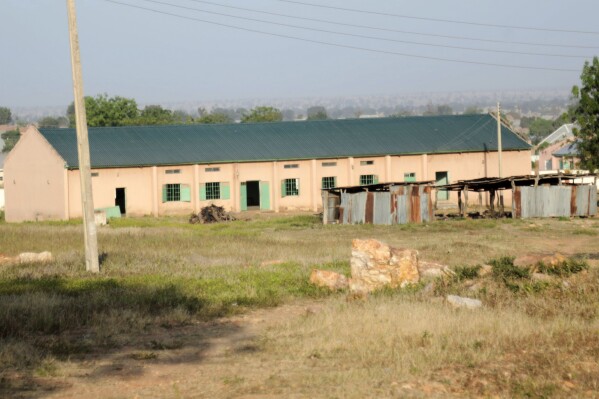
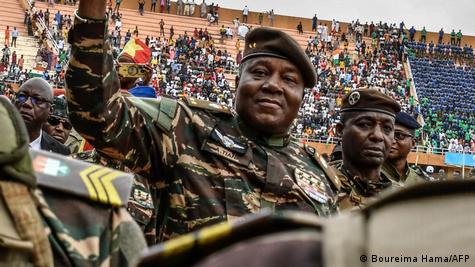
Nigeria is grappling with a difficult fight against violent armed groups, a situation highlighted by recent developments that show both the immense challenges and a glimmer of hope for progress in one of Africa’s most populous nations. Just recently, 130 schoolchildren, kidnapped in north-central Niger State, were safely released. This comes as U.S.-backed airstrikes hit Islamic State-affiliated militants in the northwest. It’s a complex picture, isn’t it? One blending deep humanitarian struggles, extremist threats, and global teamwork. Imagine the relief for those families, almost a month after 303 children and 12 teachers were taken from St. Mary’s Private Catholic School. Fifty students had already made their own escape within 48 hours, highlighting just how dangerous things are for children in vulnerable areas. These mass kidnappings aren’t random, they’re tactics armed groups use for ransom and to gain control.
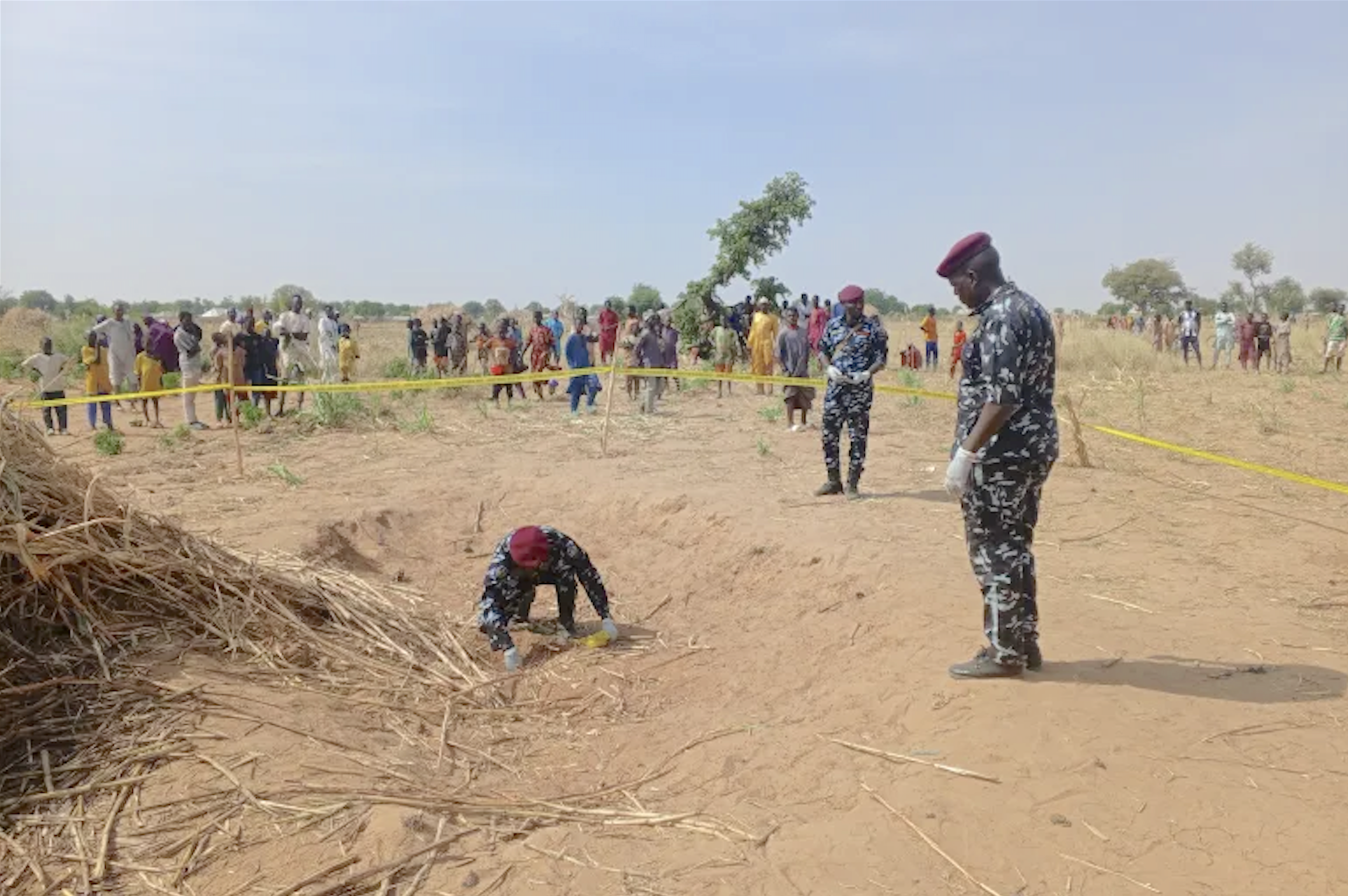
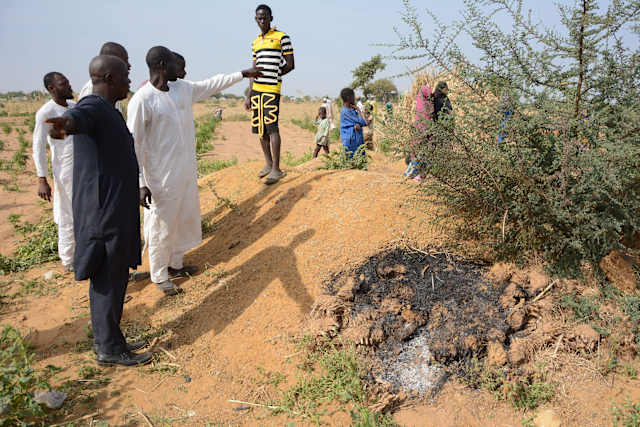
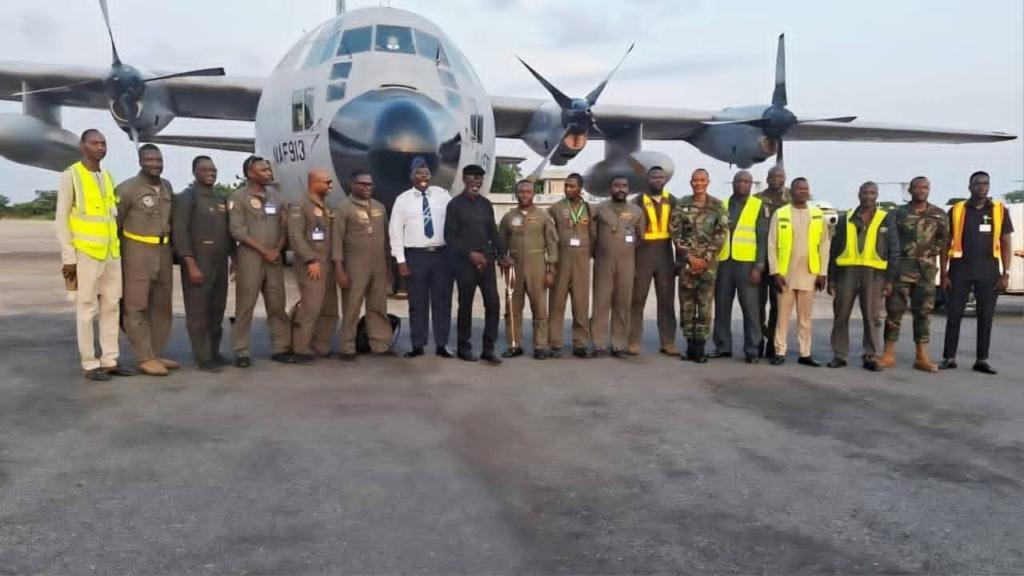
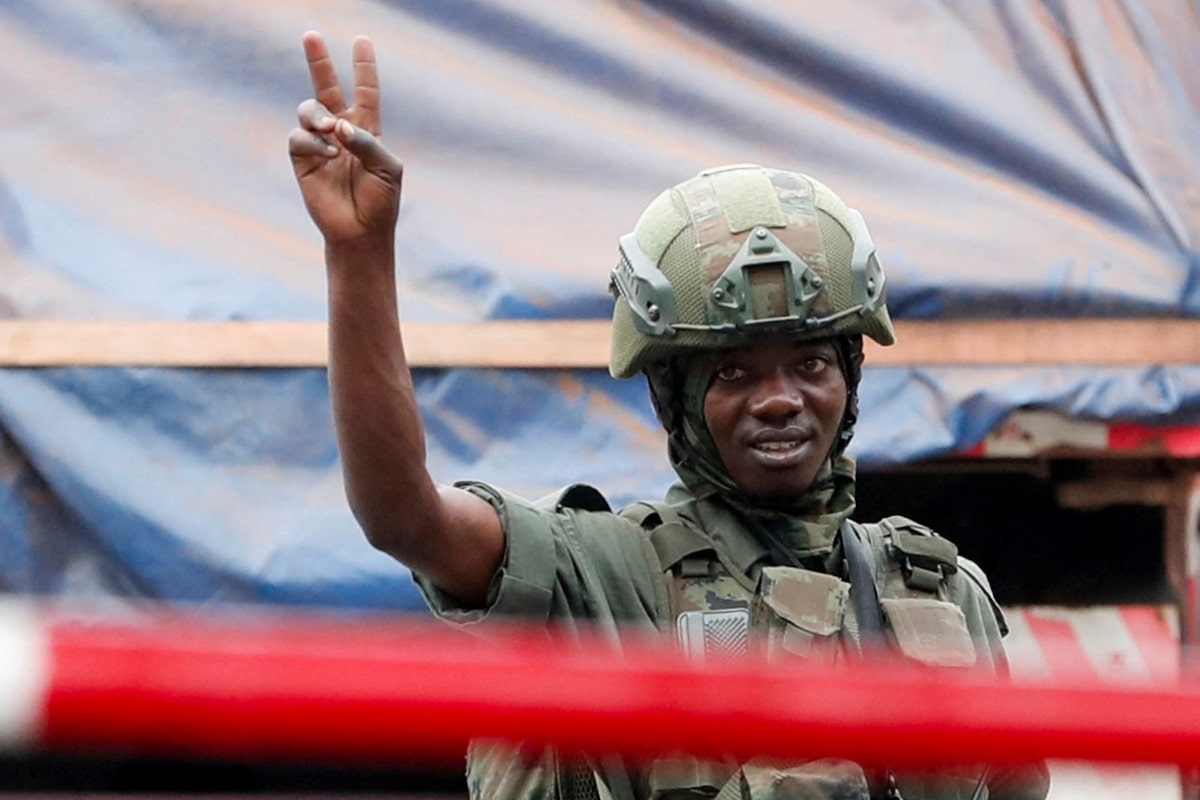
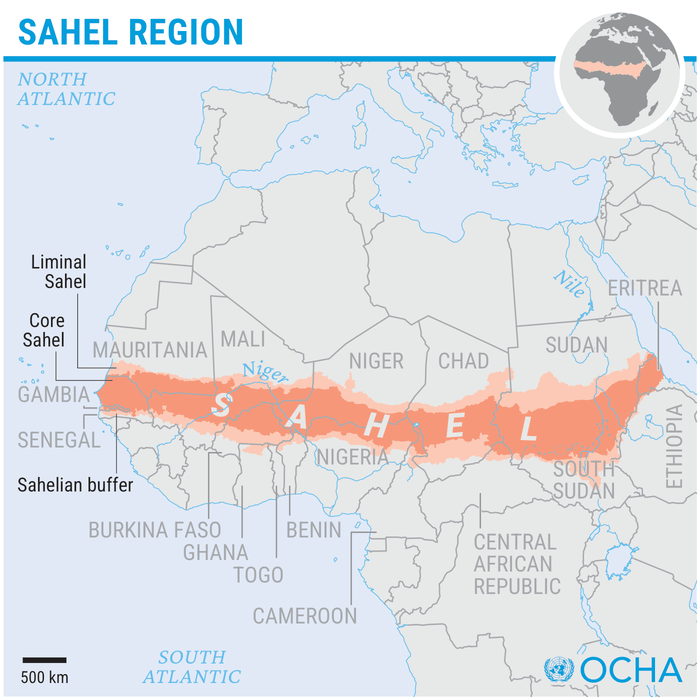
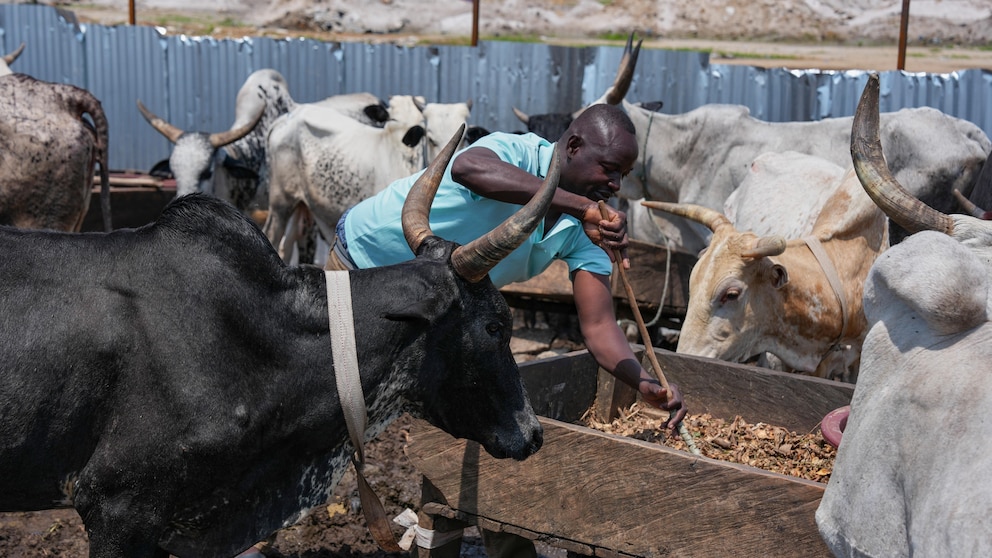
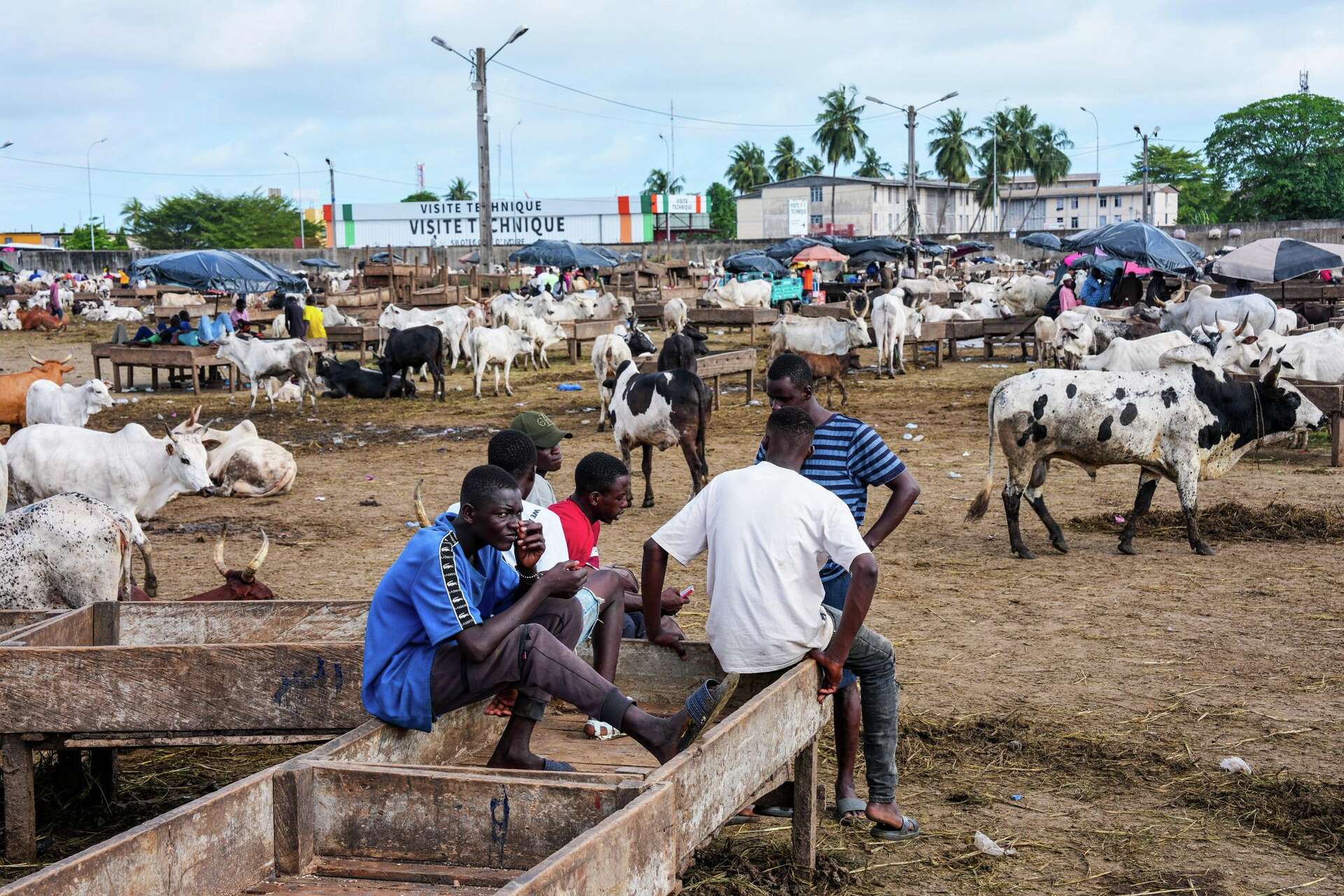
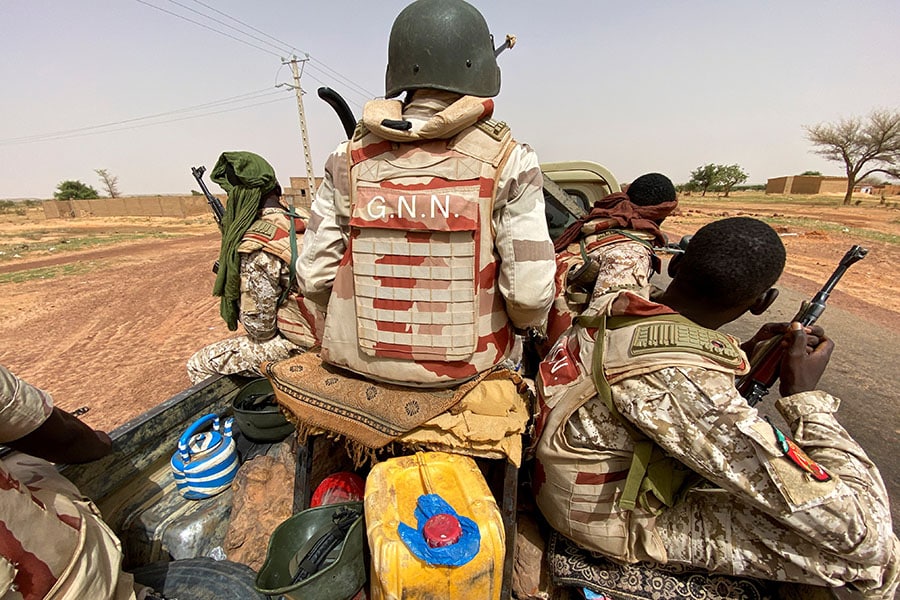
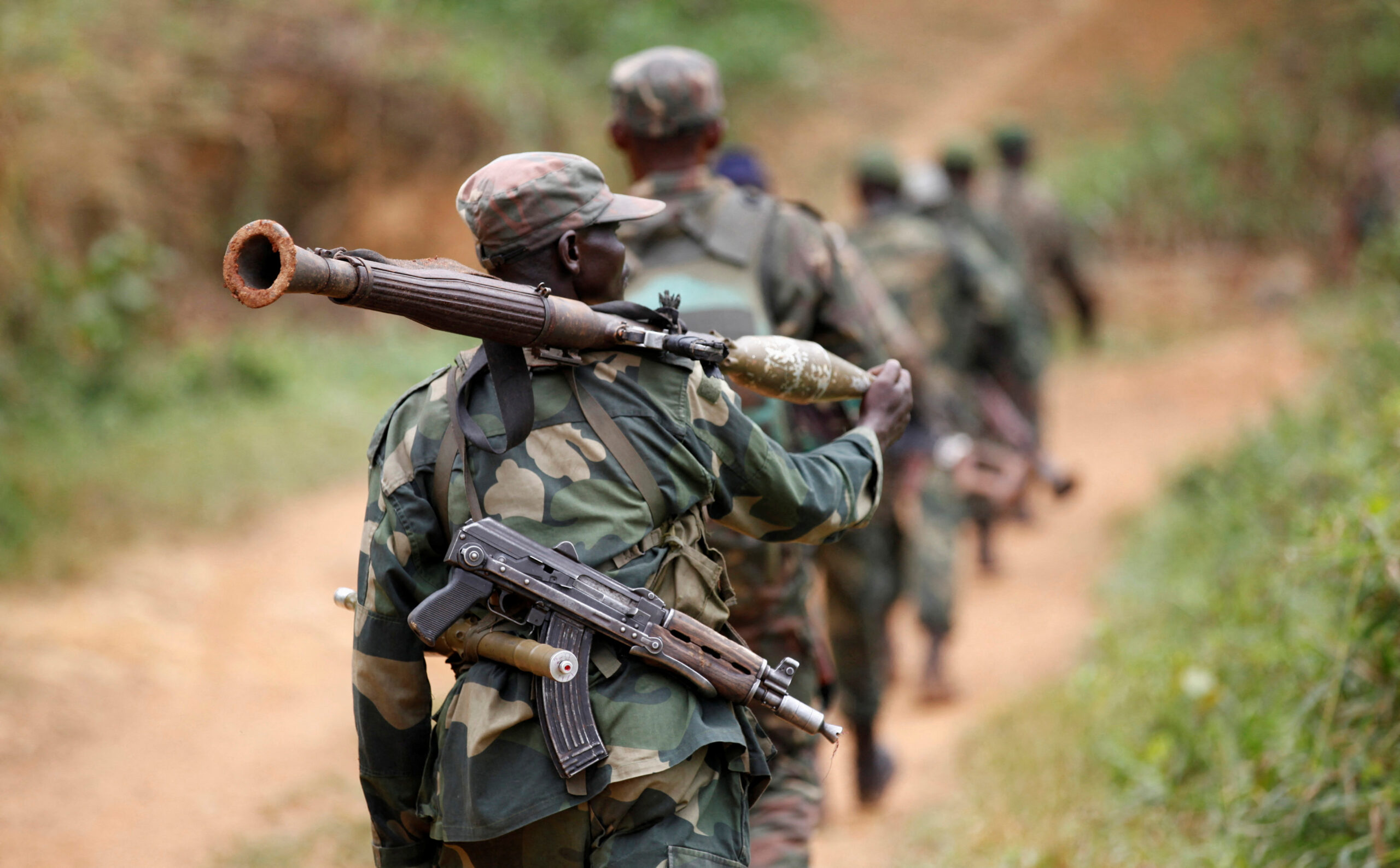
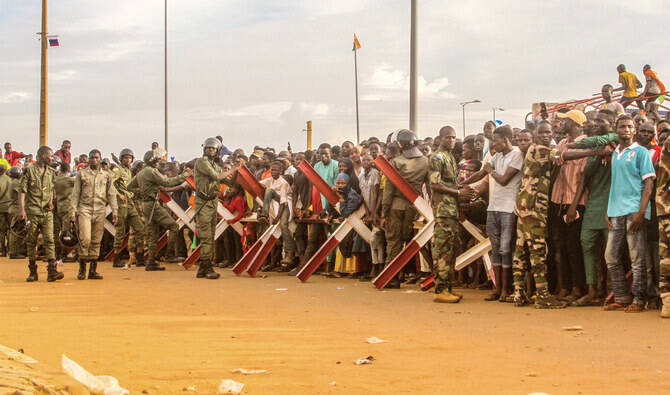
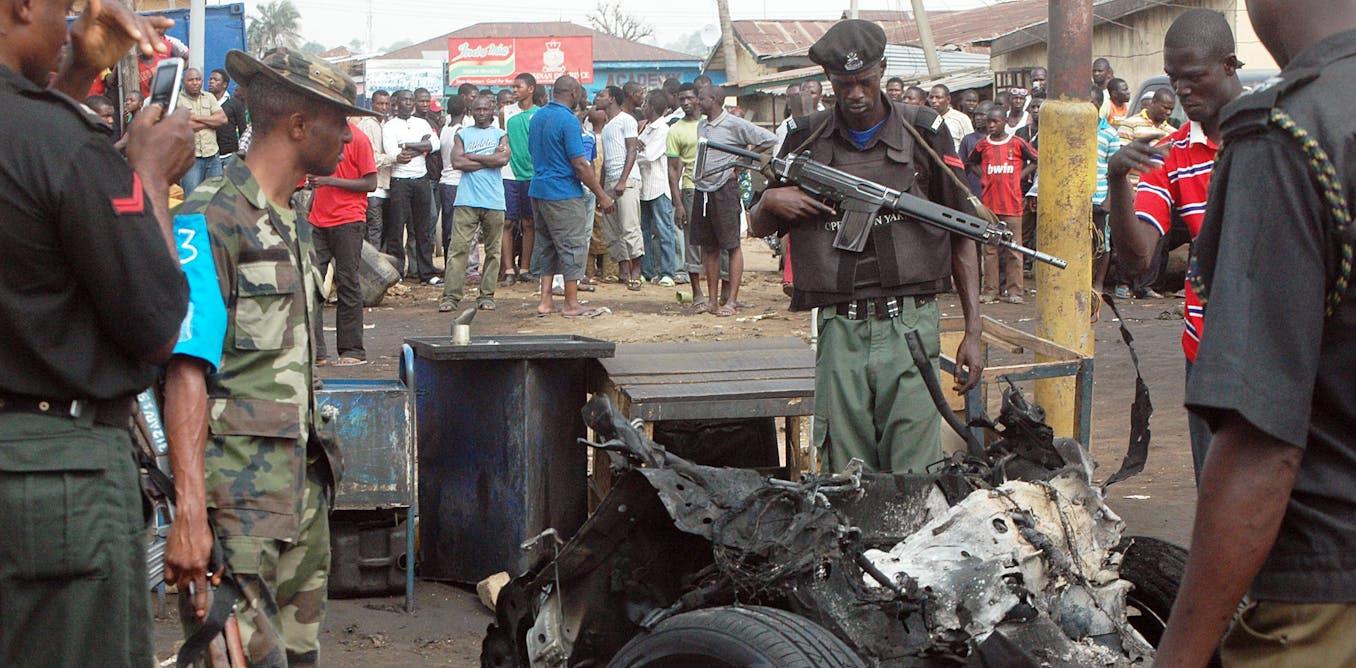
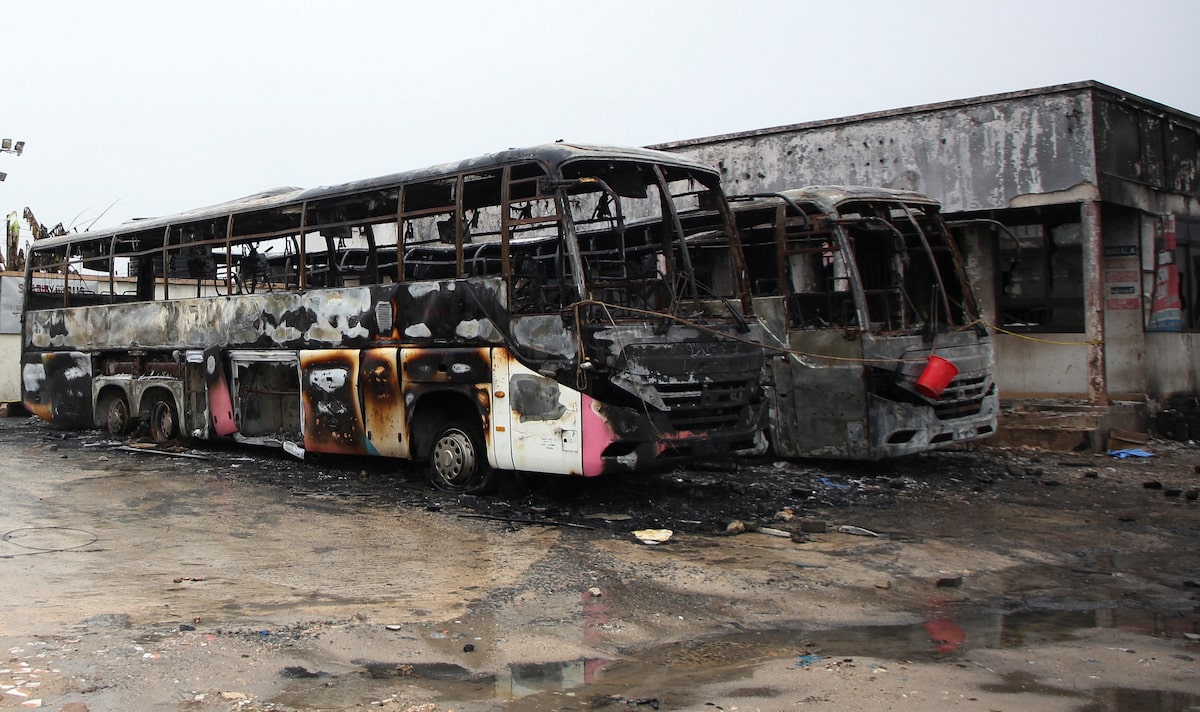
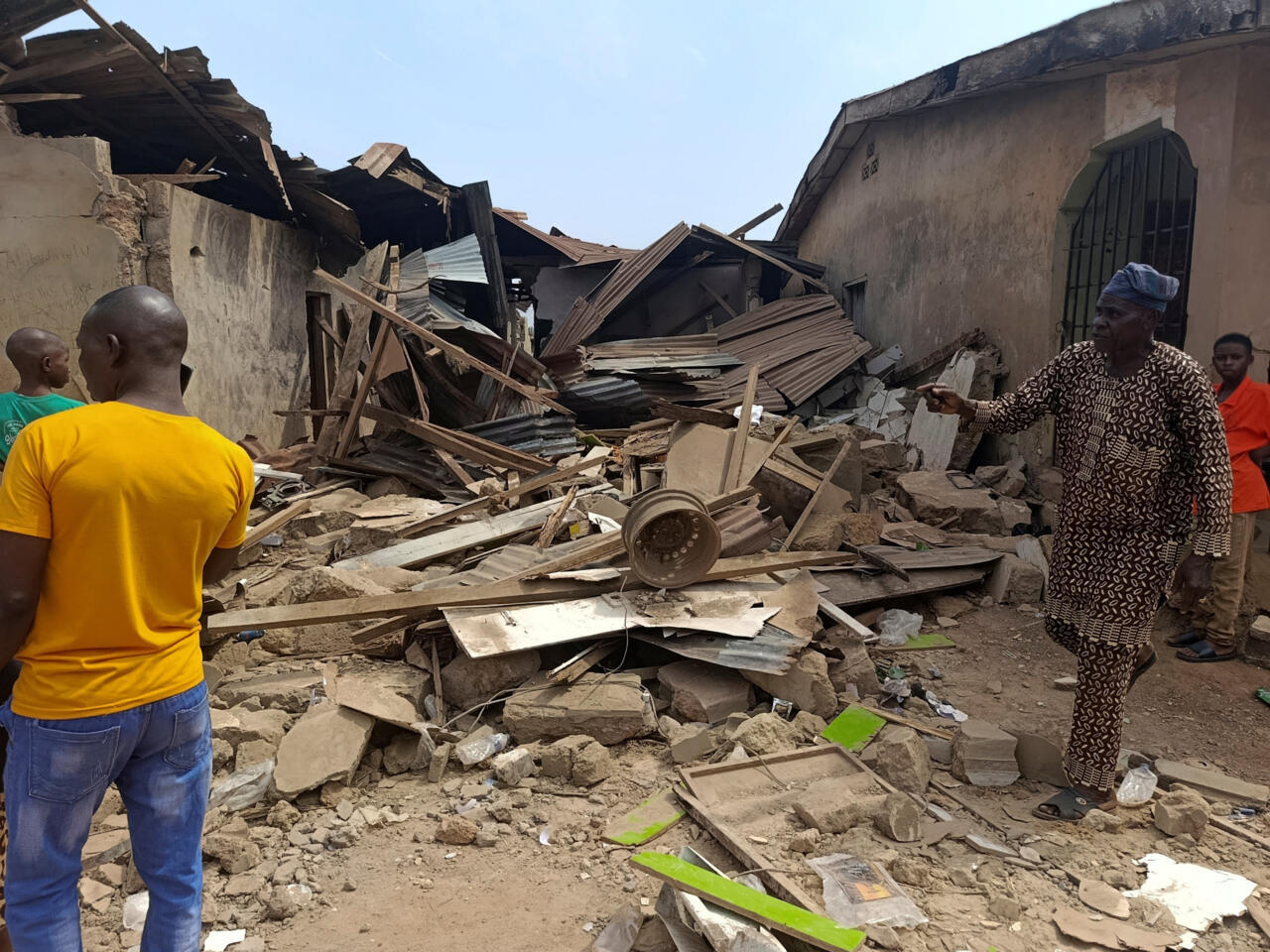
Meanwhile, the Nigerian government disclosed conducting airstrikes in Sokoto State’s Bauni forest, with U.S. military support. These strikes targeted camps reportedly holding foreign fighters linked to the ISIS Sahel Province, who’d infiltrated from the troubled Sahel region. President Donald Trump publicly announced these coordinated Christmas night operations, emphasizing the goal to dismantle ISIS networks accused of brutally targeting Christian communities. This marked a significant direct U.S. military move in West Africa, showing Washington’s strategic interest in regional stability. International observers largely supported sustained engagement, with some like The Washington Post praising the strikes as decisive, though they correctly warn that military action must be part of a wider strategy. However, we can’t ignore the nuances on the ground. Critics, including religious scholars and locals in affected areas, challenge the idea this is simply a religious war. For instance, the town of Jabo, near an airstrike site, has no known history of sectarian violence. Residents insist on peaceful coexistence between Christians and Muslims. This suggests portraying the conflict as a crusade might just obscure the real drivers of violence, like banditry, local tensions, and struggles over resources. It also highlights Nigeria’s internal battle with armed bandits, criminal groups engaging in kidnappings, cattle rustling, and raids. Some of these groups, like Lakurawa, are linked to extremist factions. The challenge for the government? Neutralize these networks, protect civilians, and keep public trust.
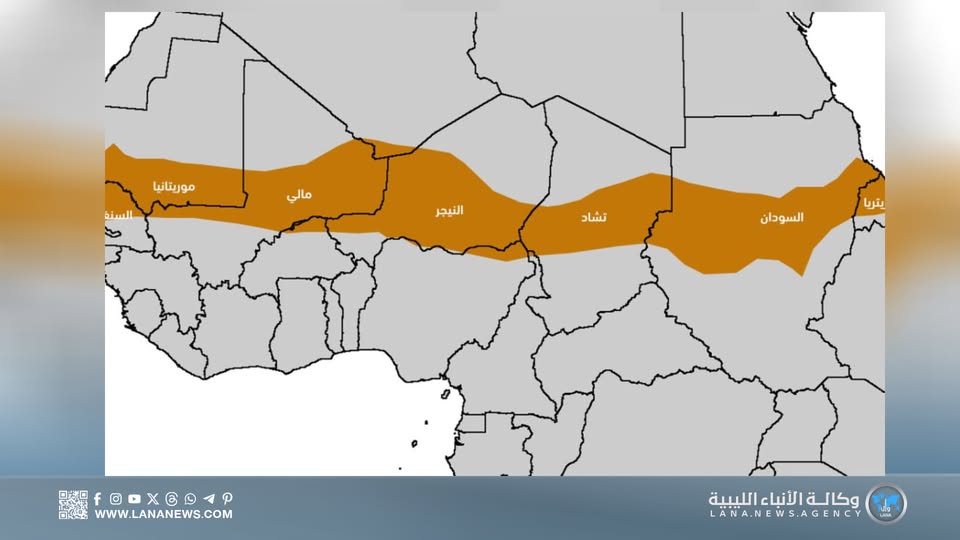
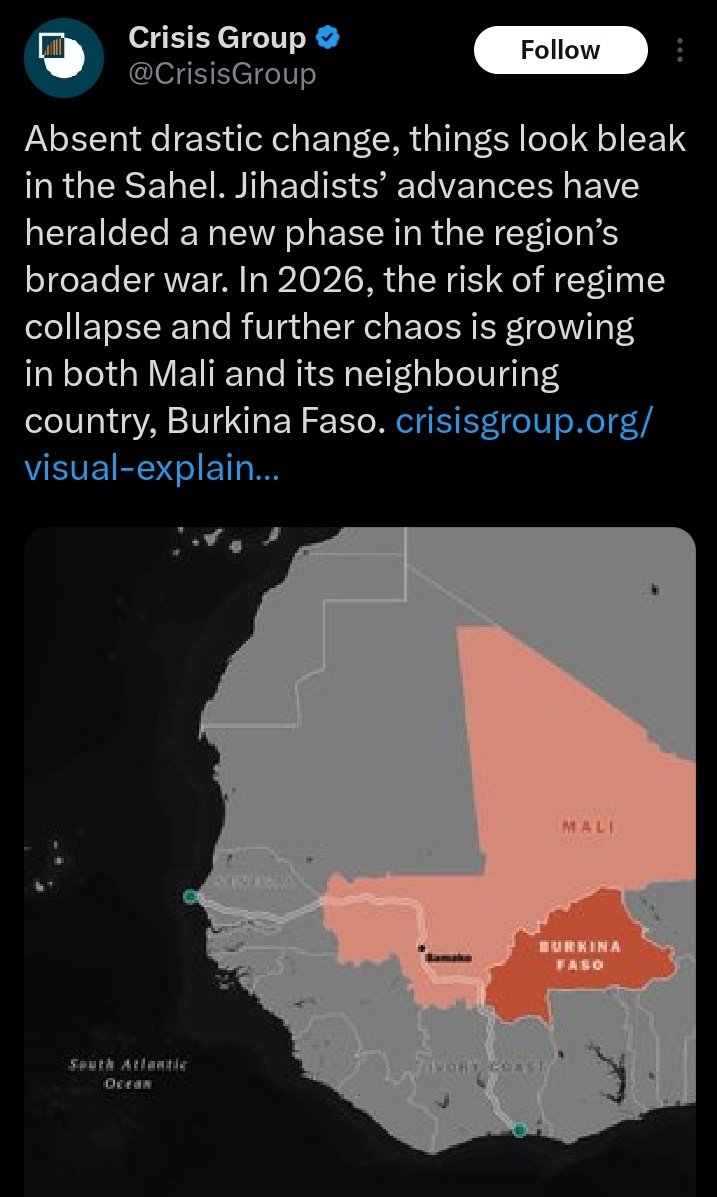
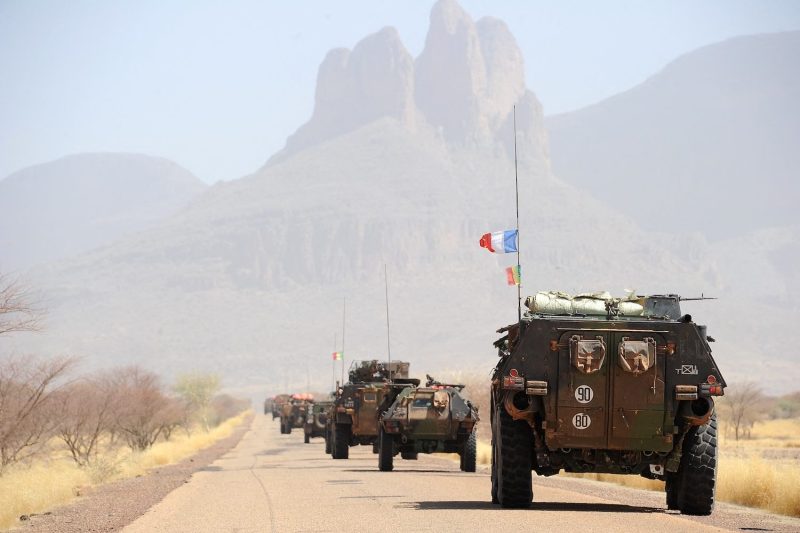
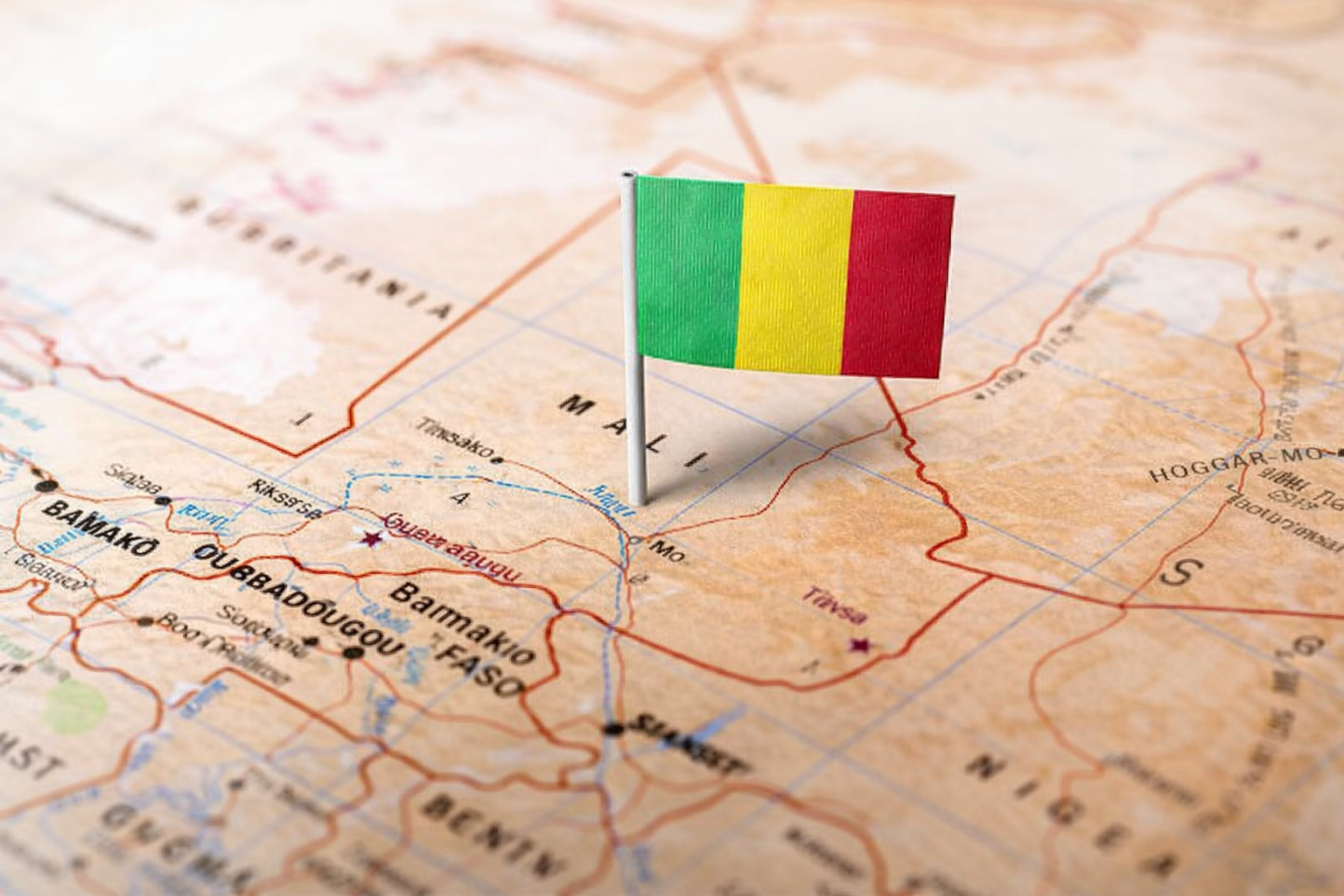
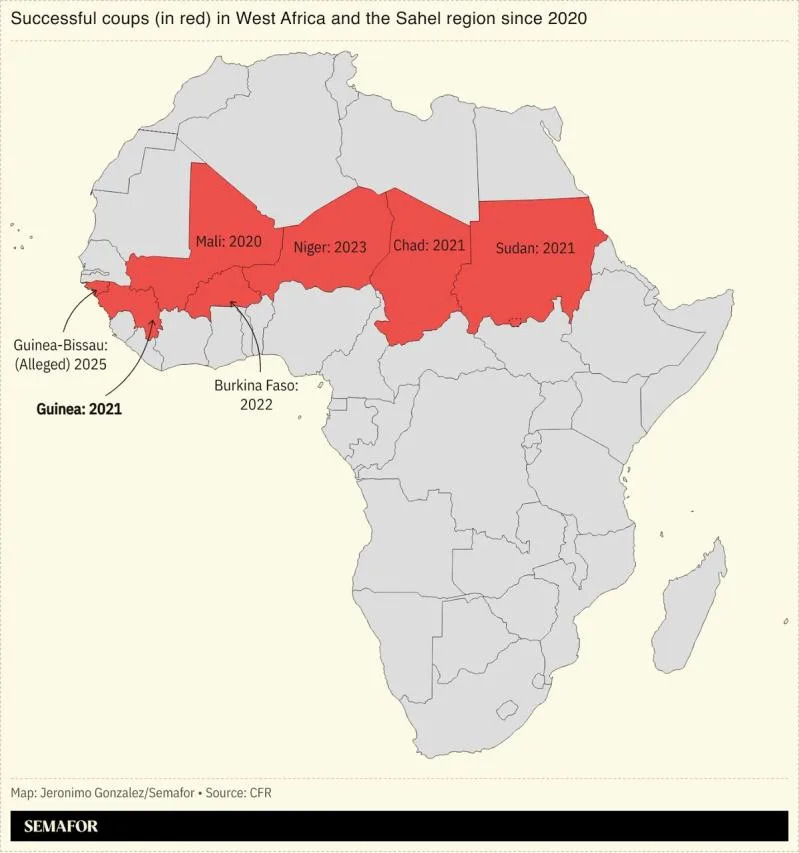
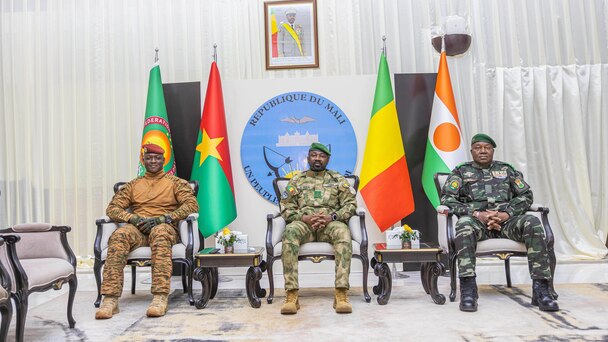
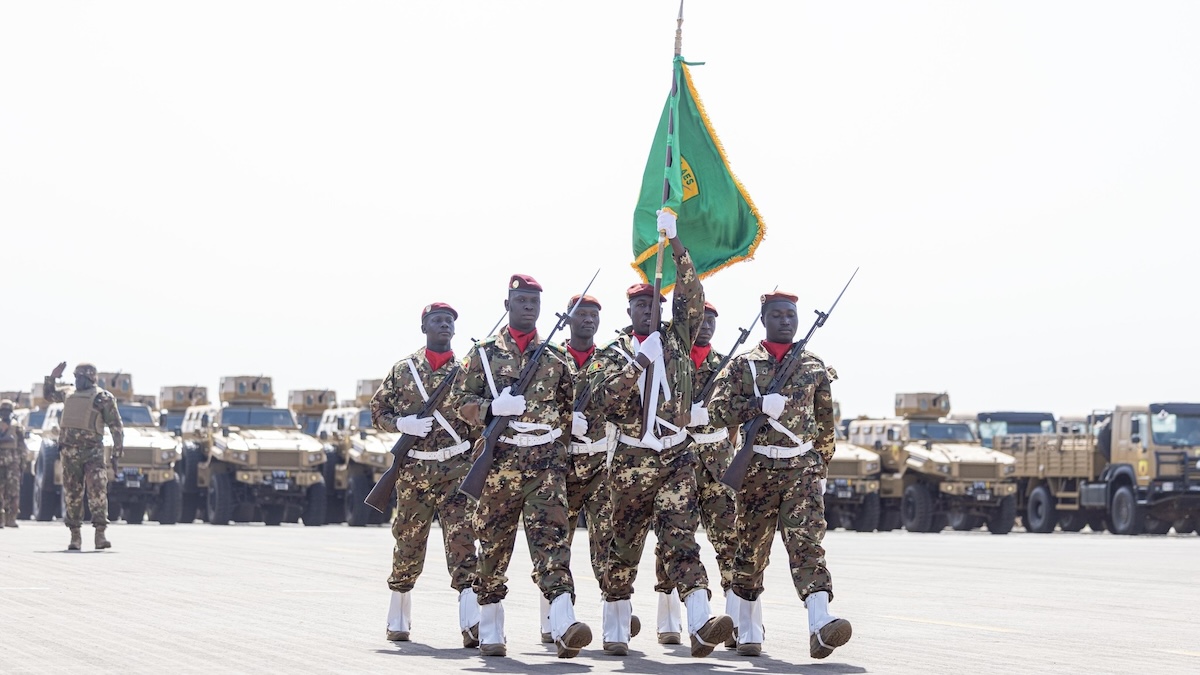
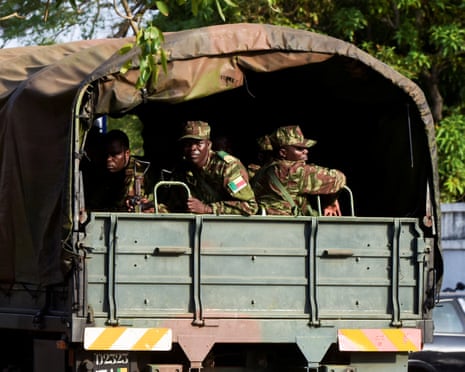
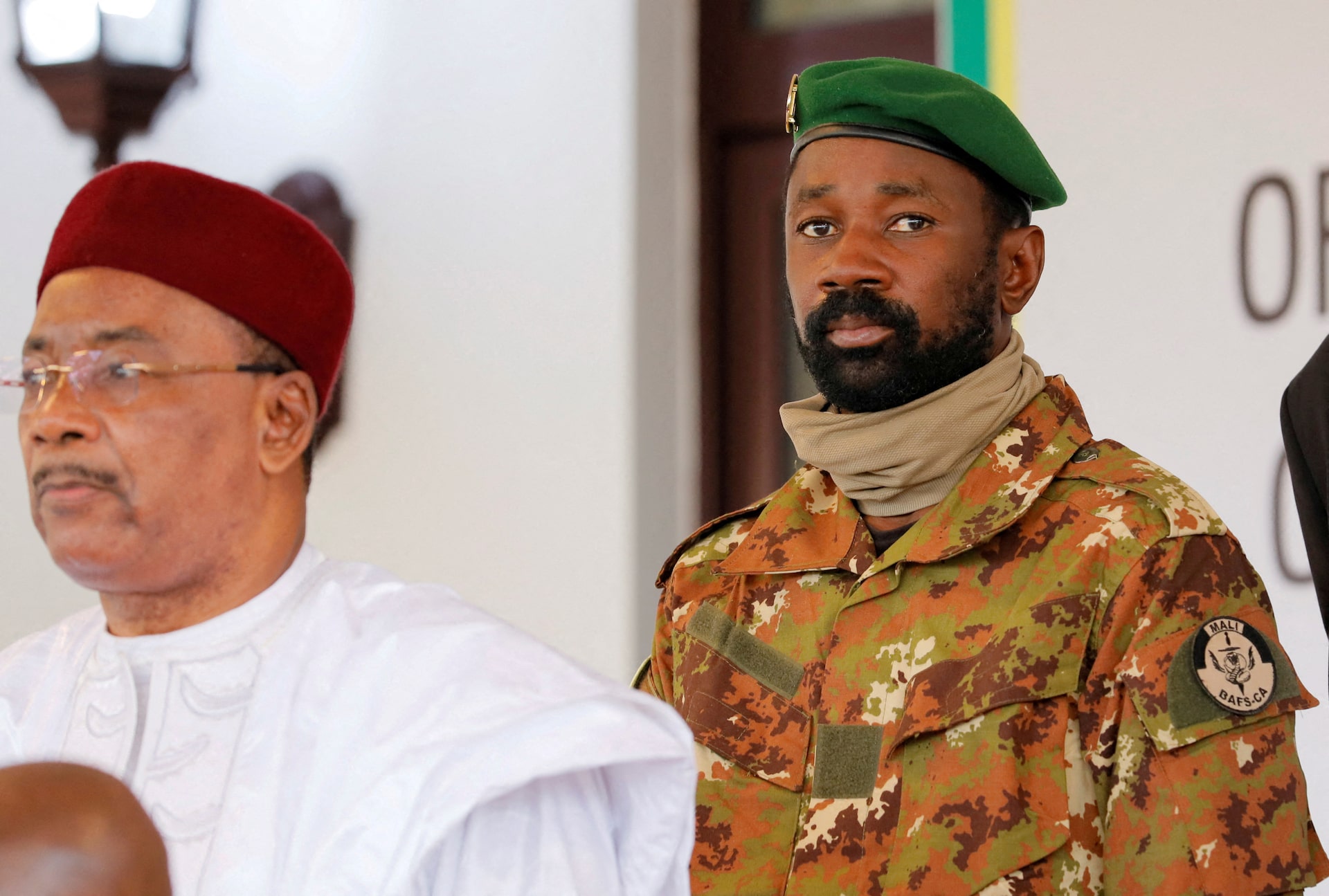
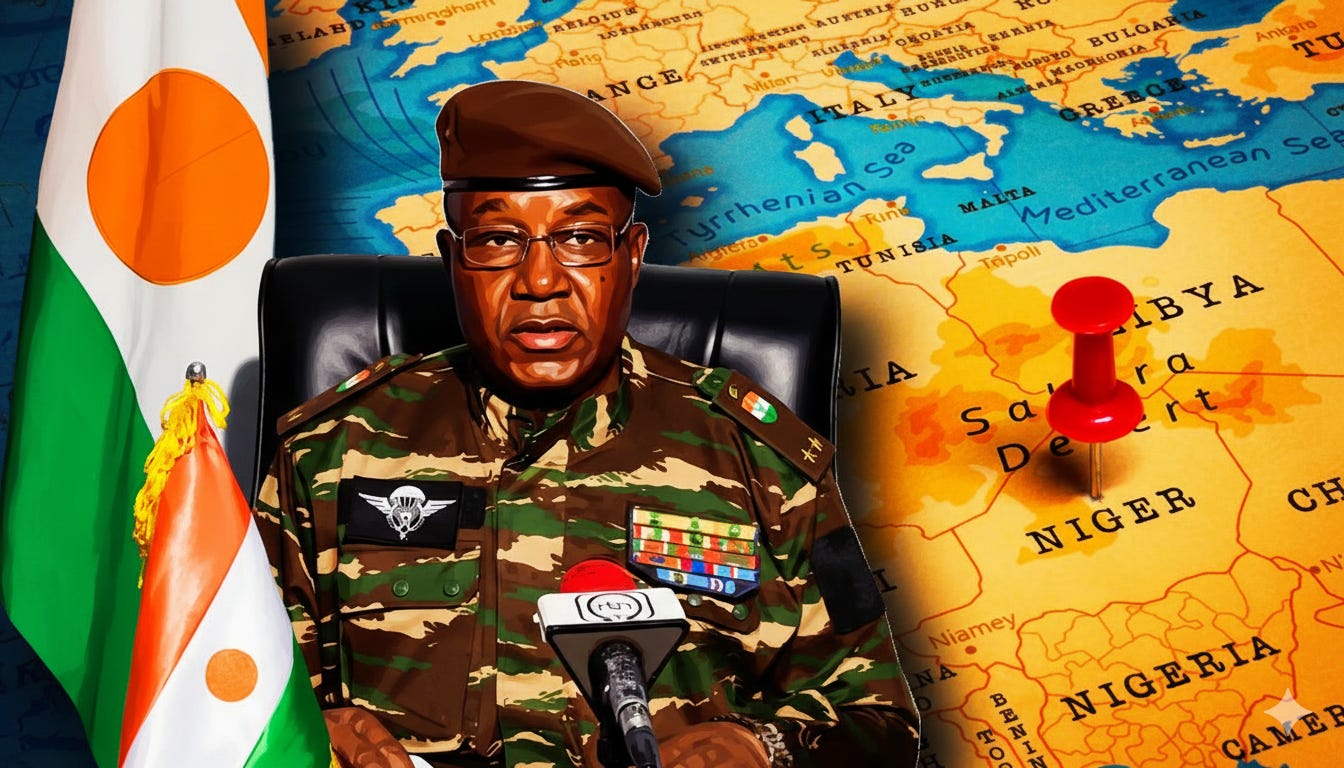
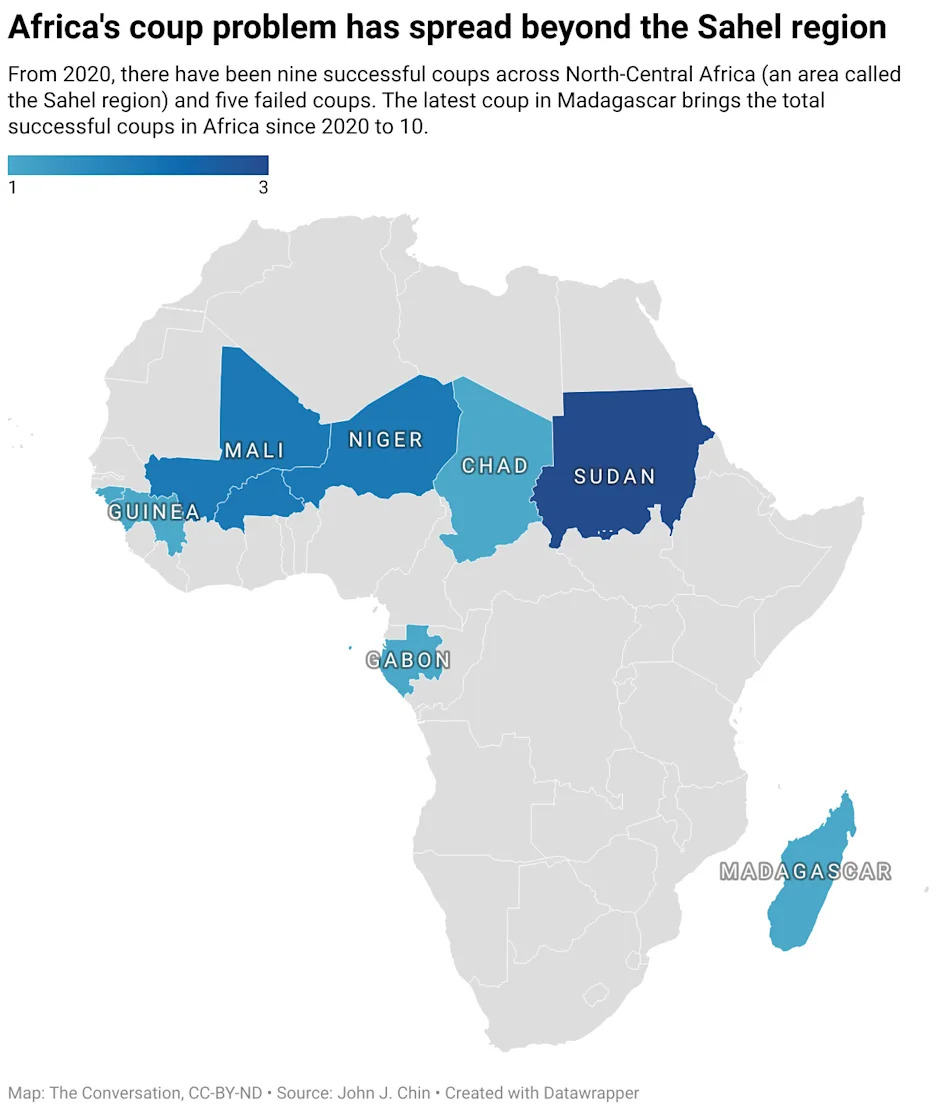
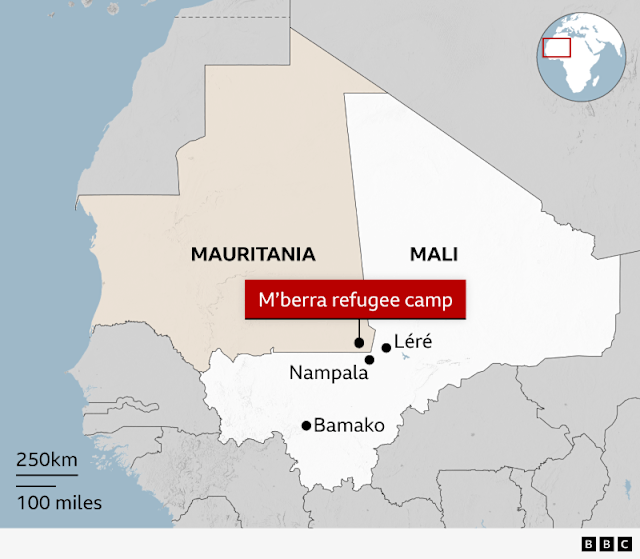
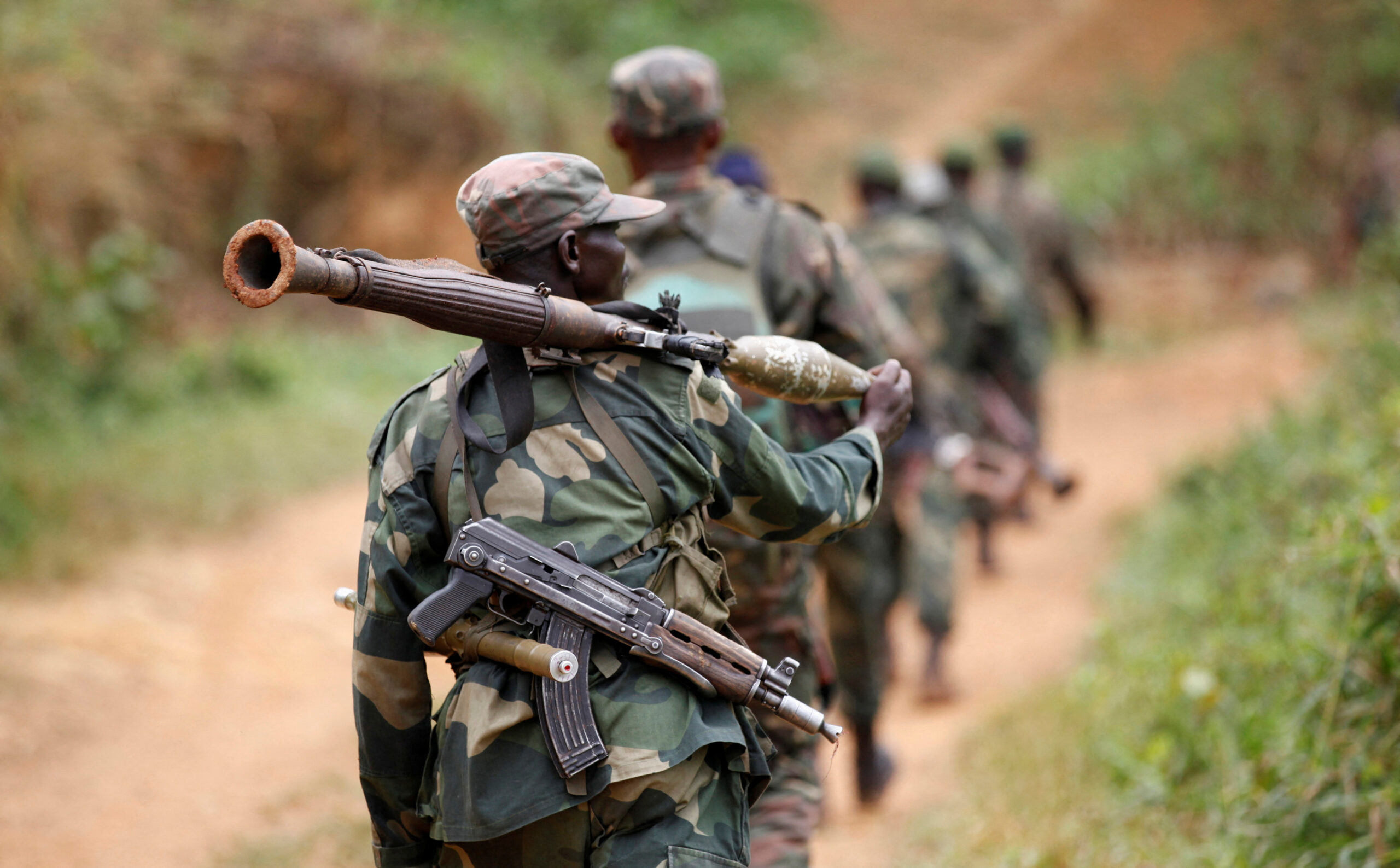
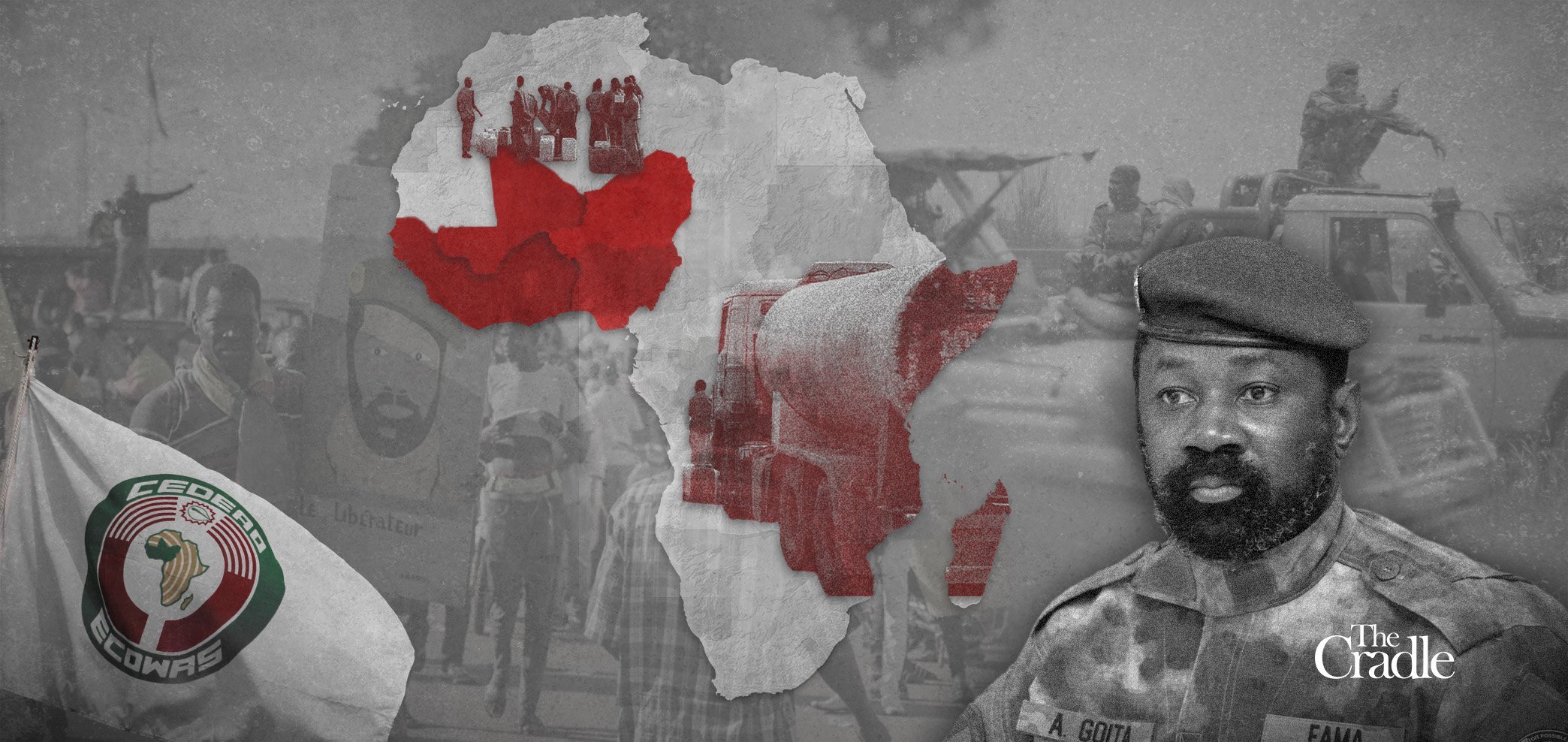
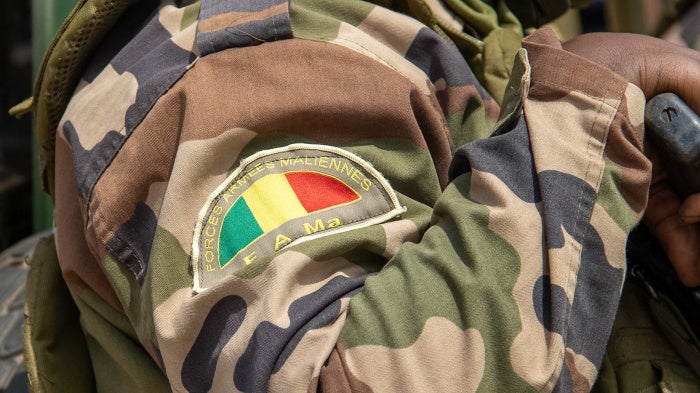
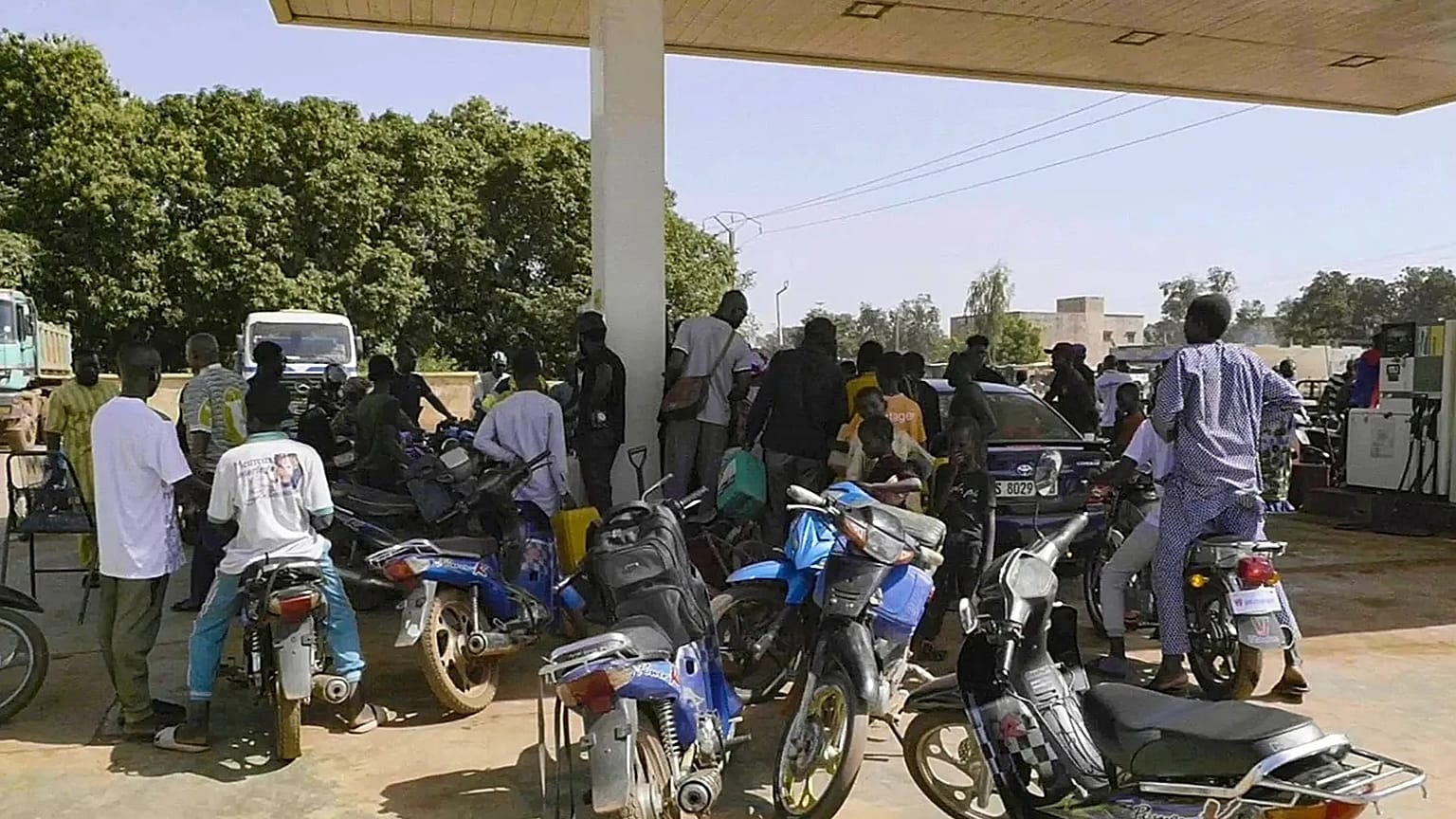
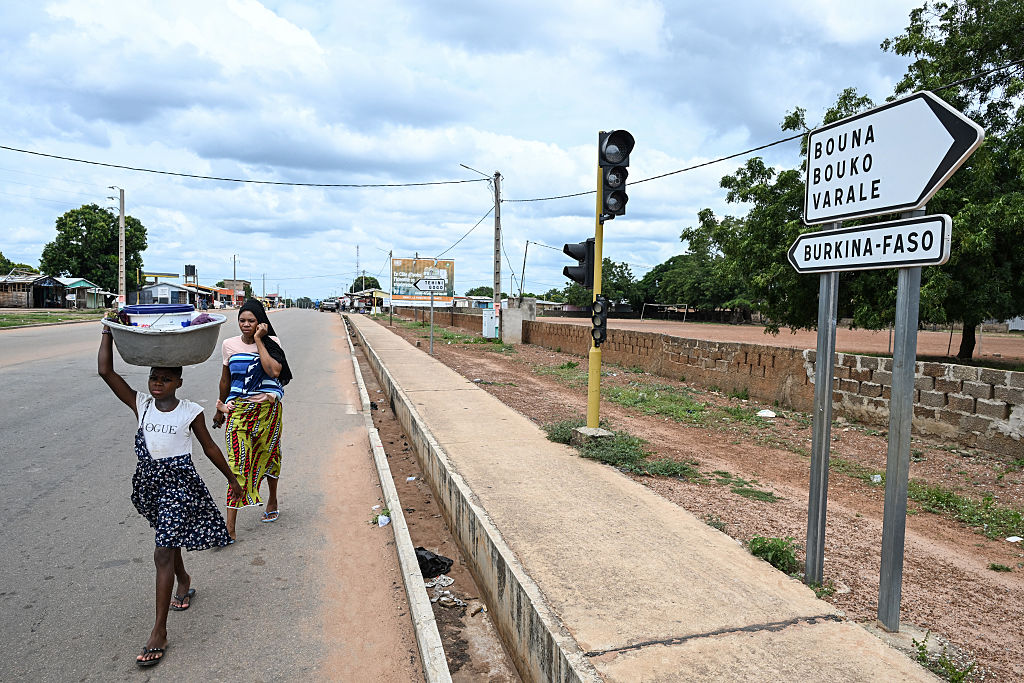
This whole situation in Nigeria reflects a wider surge in militant activity across West Africa. Countries like Mali are also battling al-Qaeda-affiliated groups, seeing blockades and attacks on supply convoys that worsen humanitarian and economic crises. It’s clear this regional dynamic demands multinational cooperation and sustained attention from both African nations and international partners. So, what’s the path forward? Experts suggest military action, like the recent airstrikes, is necessary, but it’s not enough on its own. A comprehensive strategy is essential. That means combining security operations with political dialogue, economic development, and community engagement to build lasting peace. Nigeria and its partners must stay active in addressing extremist threats, all while respecting the local complexities. This will be key to preventing violence from flaring up again and protecting vulnerable populations, especially children. The recent release of those kidnapped schoolchildren offers a much needed glimmer of hope amid grim headlines. Doesn’t it remind us of what’s really at stake in Nigeria’s fight against armed groups? It’s not just about land or beliefs, it’s about the safety and future of its youngest generation. Read more about the children’s release.