
Nigeria, Uganda, and Africa’s Sporting Spirit: A Snapshot of Progress, Politics, and Passion
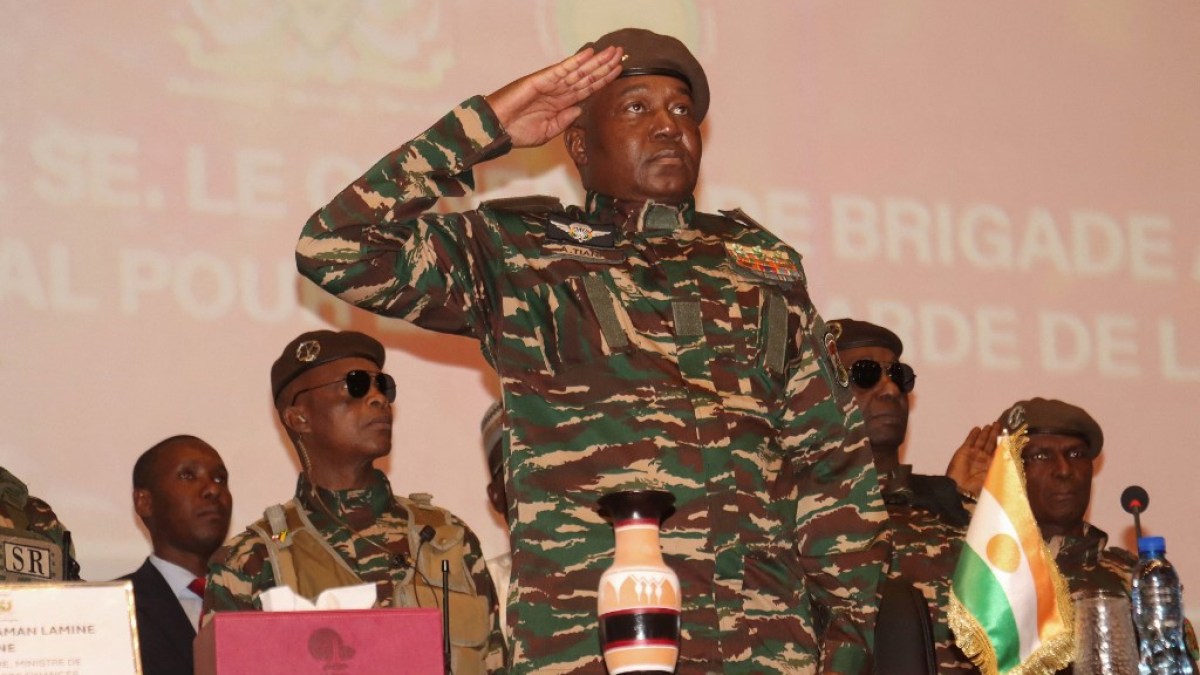
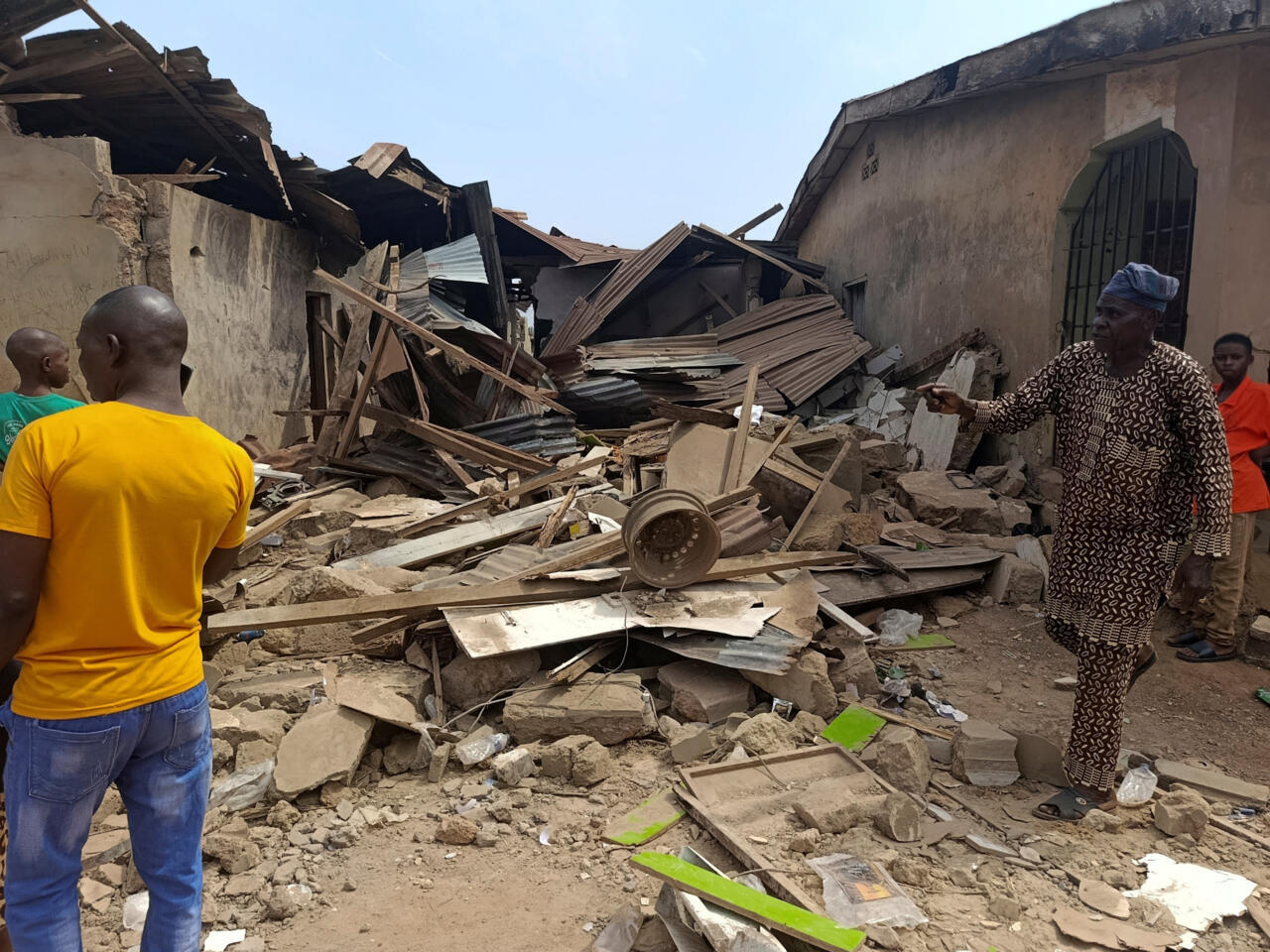
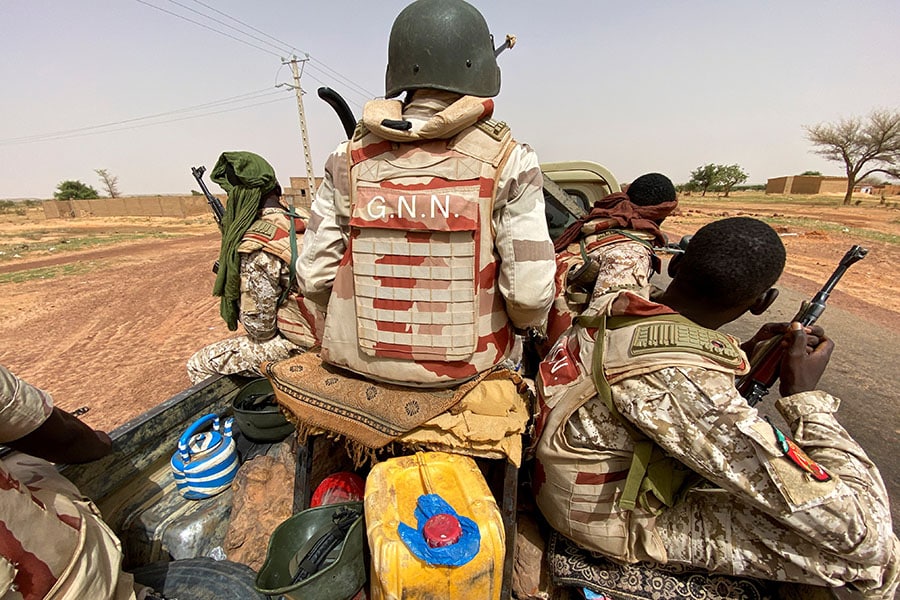
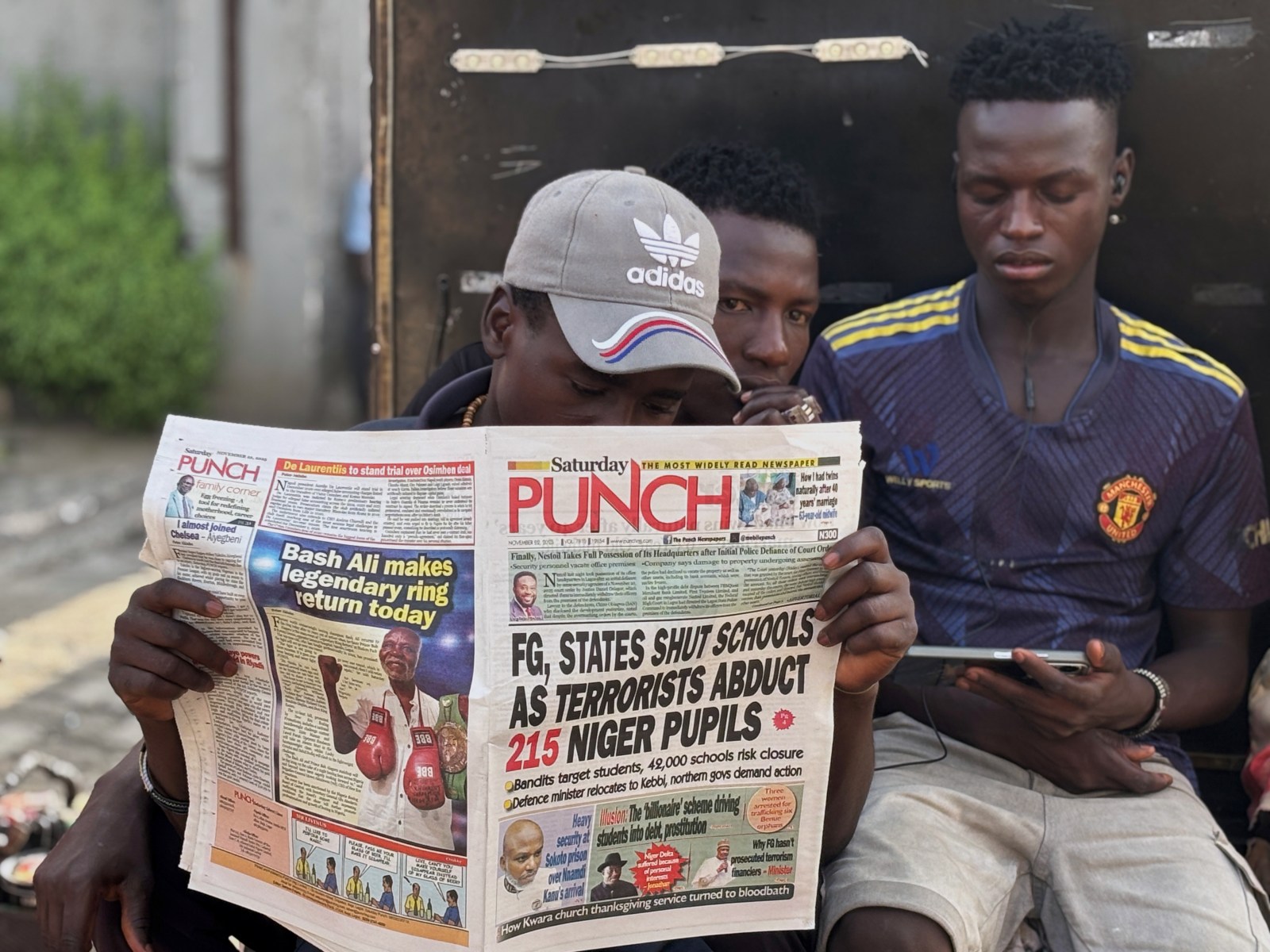
Africa’s narrative is a vibrant, ever-unfolding story, isn’t it? In recent days, we’ve watched as threads of governance, pressing infrastructure challenges, and the unifying spirit of sport have intricately woven together across the continent. From the very heart of political power in Uganda and Nigeria to the roaring football pitches where national pride shines brightest, Africa is charting a complex course of both immense ambition and unwavering resilience. Consider Nigeria’s current agricultural predicament. The federal government’s eyebrow-raising decision to abandon a nearly completed Ministry of Agriculture building, already costing 7 billion naira, only to embark on a new project at a different location with an inflated budget of 11 billion naira, has certainly raised questions. This isn’t just about bricks and mortar, is it? It’s a stark reflection of deeper issues in planning, resource allocation, and administrative decision-making within Nigeria’s public sector, with profound implications for farmers and the broader economy in a nation where agriculture is vital for food security. On the political front, things are just as dynamic. Whispers of impeachment moves are circulating within the Rivers State House of Assembly, while the U.S. is taking a more assertive stance with counter-insurgency support across West Africa. The Vice President, too, has been busy with notable international diplomatic engagements. These developments don’t just happen in a vacuum; they underscore Nigeria’s critical role in regional stability and global affairs, even as it tackles internal hurdles like inflation and healthcare access. Meanwhile, in East Africa, Uganda’s recent presidential election marked a significant moment. Veteran leader Yoweri Museveni secured an impressive seventh term in office, winning by a considerable majority. His enduring leadership draws mixed reactions, doesn’t it? While supporters often point to his role in fostering Uganda’s long-term stability, critics voice legitimate concerns about political freedoms and alleged opposition suppression, with reports of leaders facing coercion. Museveni’s repeated victory truly highlights both the strength of his political machinery and the ongoing, complex struggles for democratic renewal in various parts of Africa. For a deeper look at Nigeria’s agricultural policies, you might want to check out reports from Head Topics. And for more on Uganda’s election results, Reuters has the details.
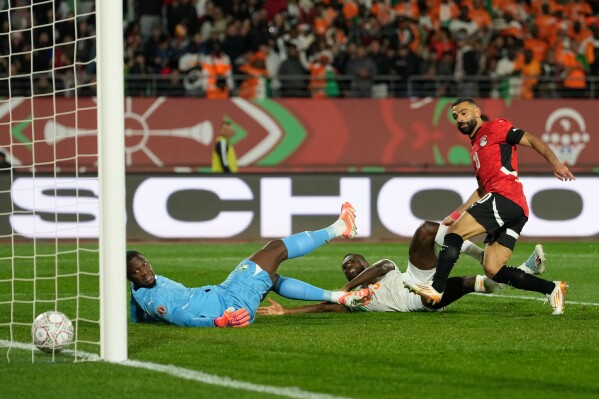
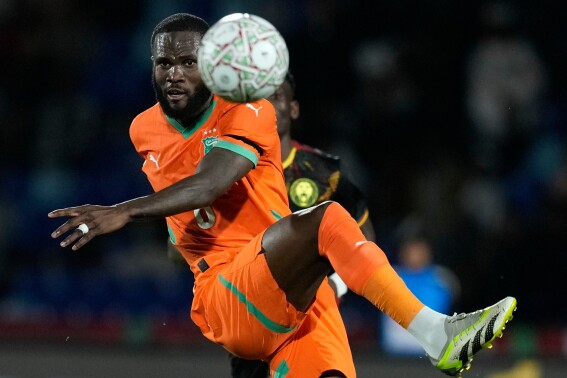
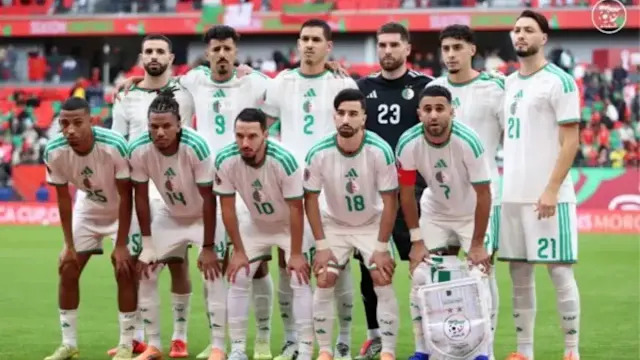
But politics and policy aren’t the only stories unfolding, are they? The continent’s unifying power was on brilliant display in the world of sport, particularly with the lead-up to the Africa Cup of Nations (AFCON) 2025 final. Senegal, often called the “Lions of Teranga,” fiercely earned their spot after a hard-fought victory over Egypt. They’re now set to face Morocco’s “Atlas Lions,” who dramatically advanced following a tense penalty shootout win over Nigeria. This isn’t just any match; these are titans of African football, bringing decades of rich history and passionate fandom to the pitch. The anticipation is palpable, sparking widespread excitement and a profound sense of national pride across borders. For Senegal, this journey echoes past finals in 2002, 2019, and 2021, fueling hopes among their devoted supporters that this time, glory will finally be theirs. The AFCON finals truly transcend sport, don’t they? They embody African pride and achievement, reminding citizens everywhere of a shared identity and collective aspiration. To relive Senegal’s past AFCON journeys, you can find video highlights on Yahoo Sports Canada. This upcoming match will undoubtedly be a beacon of hope and unity, something the continent often needs amidst its other challenges. For more on how sport intertwines with African development, take a look at Africa’s sporting triumphs.
Of course, Africa doesn’t operate in isolation. Leaders and expatriates across the continent are constantly navigating complex geopolitical currents. While the calls for international involvement by Iran’s exiled crown prince, Reza Pahlavi, to challenge his country’s current regime might seem distant from daily African realities, their reverberations on global diplomacy and the security concerns for African diasporas, particularly those in volatile regions, can’t be underestimated. Simultaneously, global financial markets and technological innovation remain in a state of flux. We’ve seen ongoing trade halts on exchanges like NASDAQ and significant corporate maneuvers that, though seemingly far removed, directly affect African economies. These economies are increasingly tied into globalized trade systems and capital flows, which in turn influence vital investment in sectors ranging from cutting-edge technology to robust manufacturing. So, what’s on the horizon? Africa is poised at a nexus of transformative potential. Its leaders face the intricate challenge of balancing political stability with continued democratic progress. Governments, too, must tackle lingering infrastructure inefficiencies that hinder development. Yet, even amidst these formidable tasks, Africa’s vibrant sporting culture consistently serves as a beacon of hope and unity, reminding citizens everywhere of a shared identity and collective aspiration. The coming months promise further compelling developments. Beyond the thrilling AFCON 2025 final, observers will undoubtedly be watching Uganda’s evolving political landscape and Nigeria’s ongoing economic reforms very closely. These nations, after all, are charting crucial courses within the broader, dynamic African tableau. Ultimately, these unfolding narratives paint a picture of Africa’s multifaceted journey: a journey rich with challenges, yes, but profoundly powered by an enduring spirit and an undeniable ambition.