Nigerian Turmoil Escalates Amid Protests, Terror Attacks, and Corruption Scandals
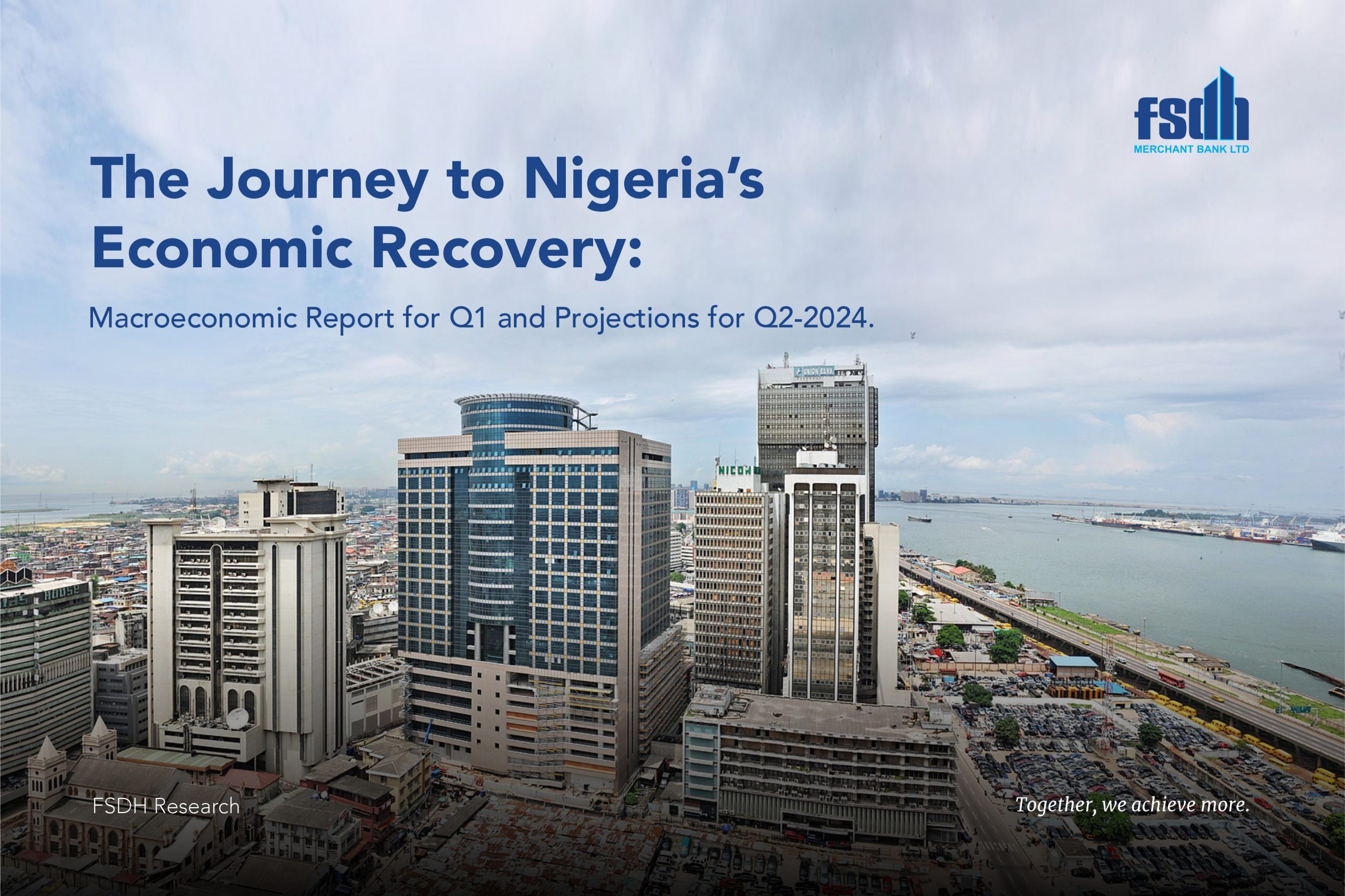
February 2026 has been quite a month for Nigeria, hasn’t it? Lagos is buzzing, not with excitement, but with deepening unrest. We’re seeing widespread protests, fresh terror attacks, and a whole lot of questions about corruption at the highest levels. It’s a stark reminder of the complex challenges facing Africa’s most populous nation, making you wonder, what’s next for governance and security here?
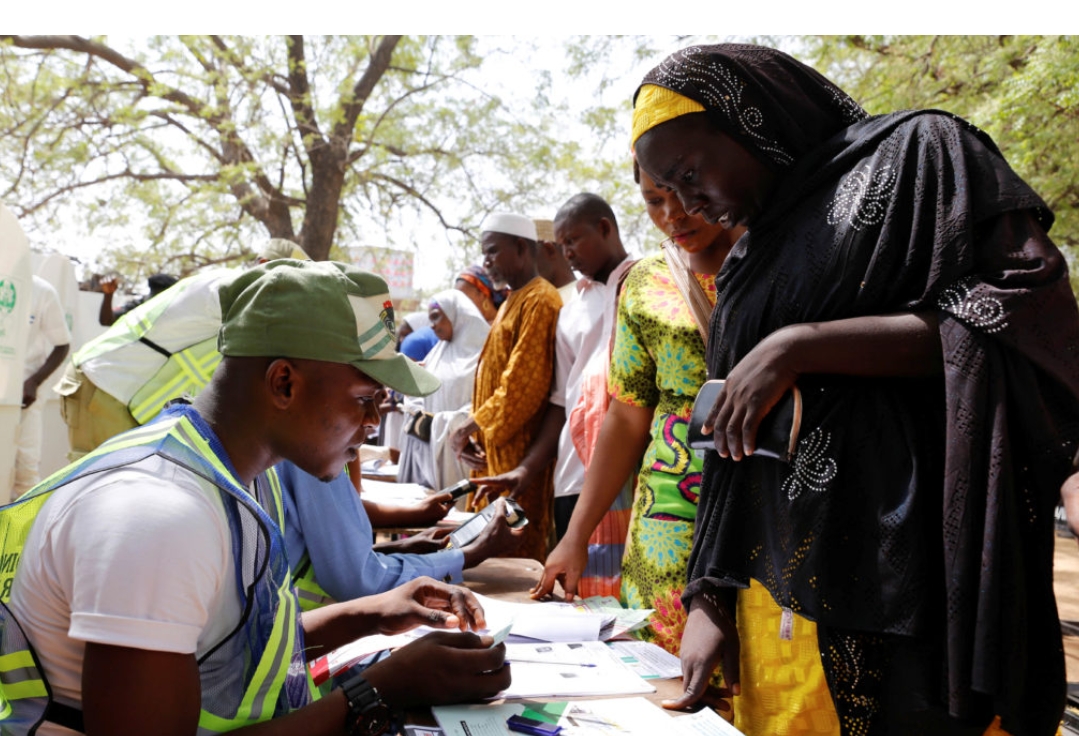
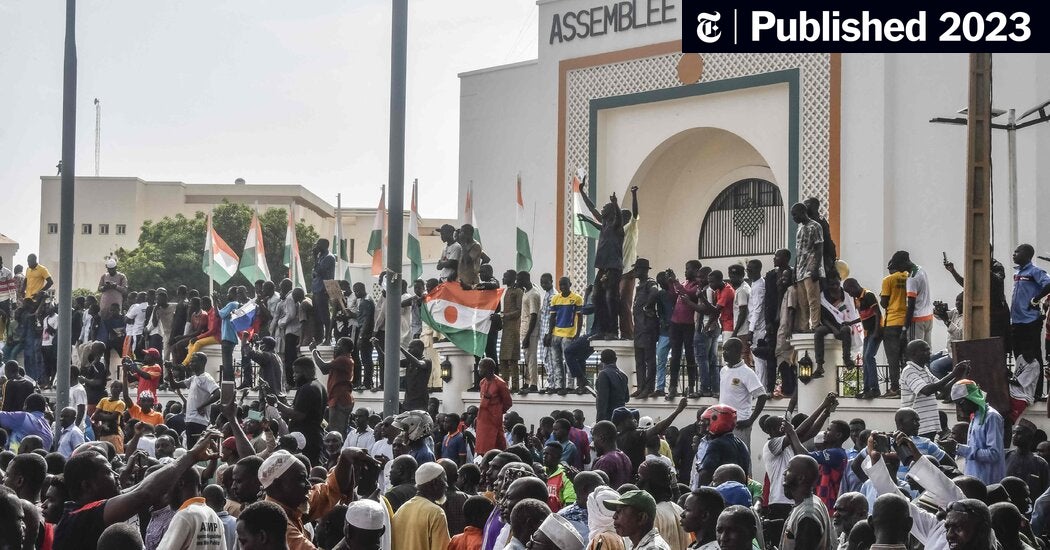
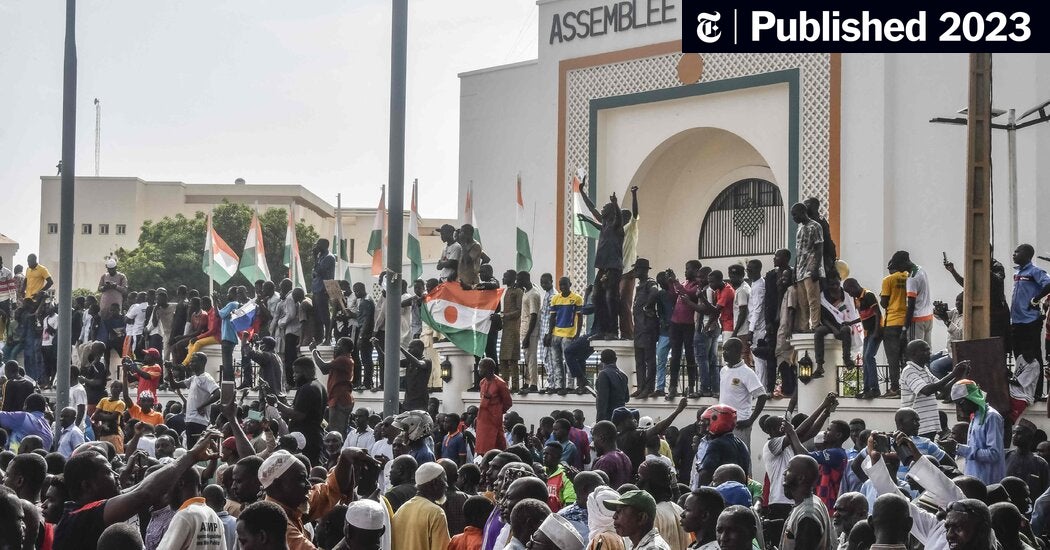
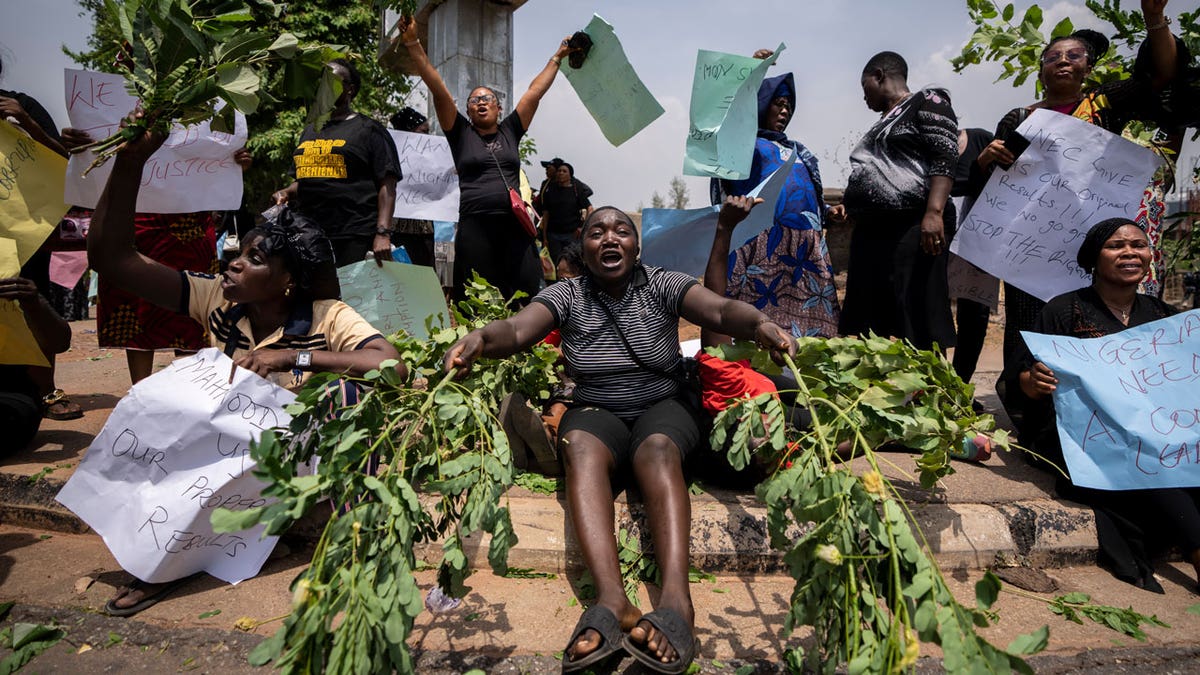
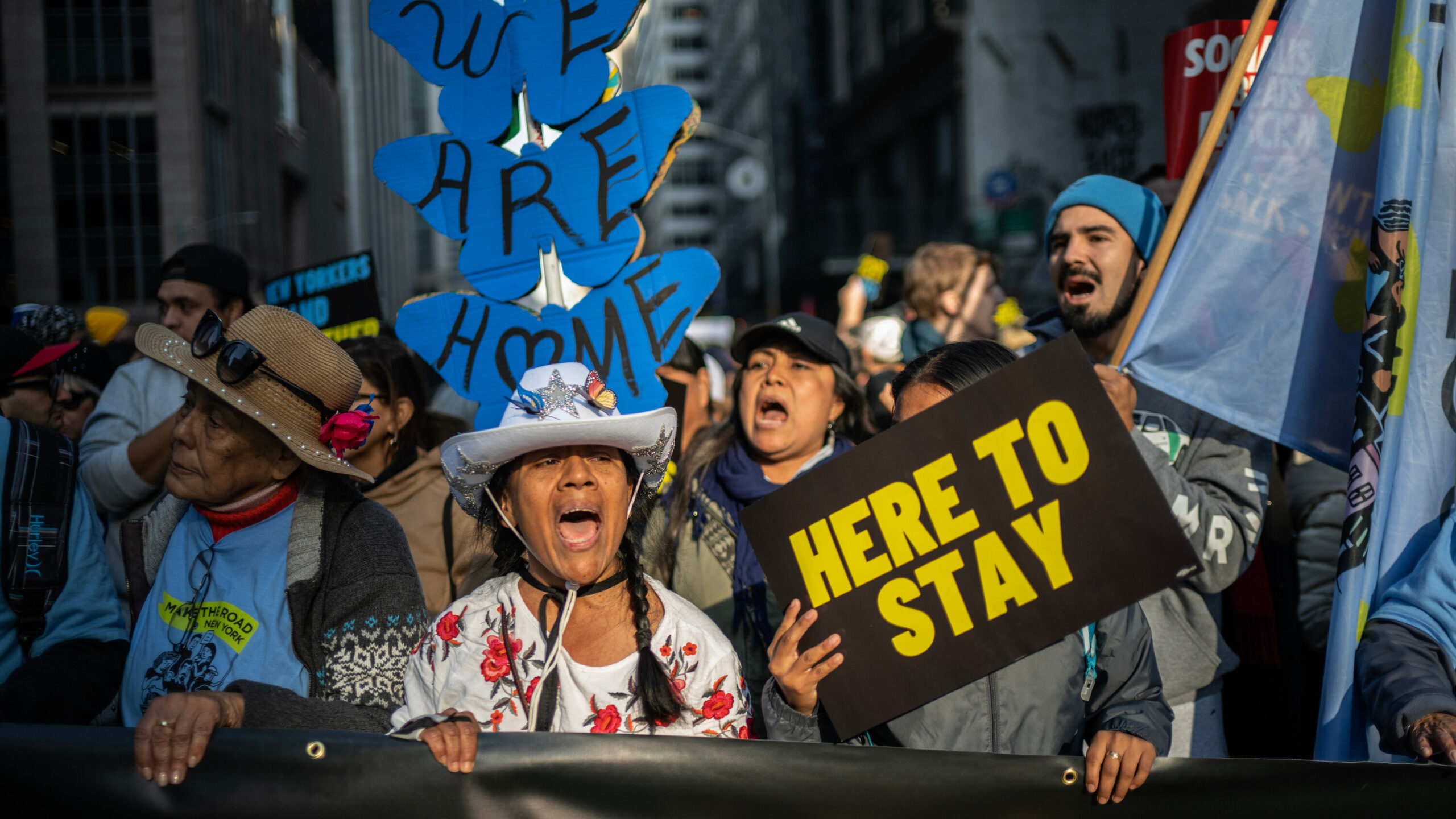
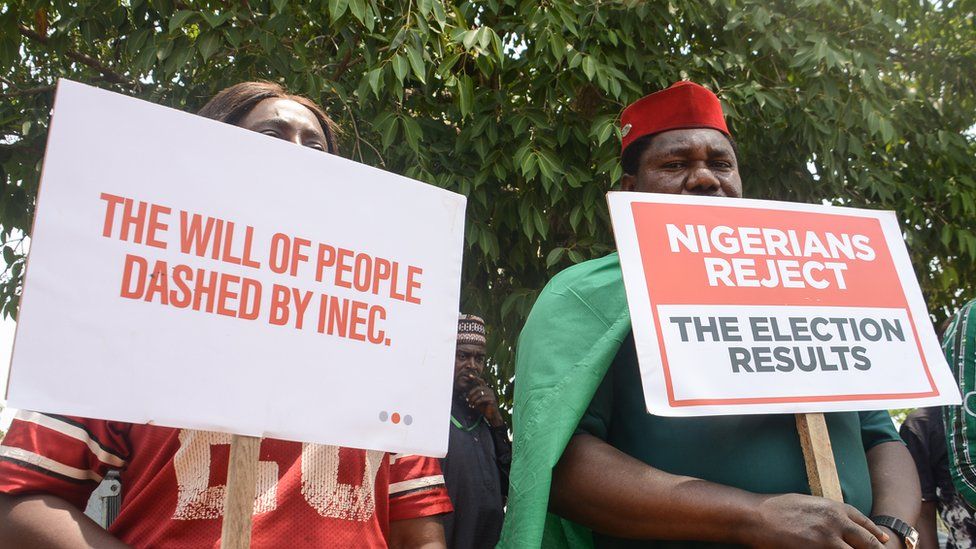
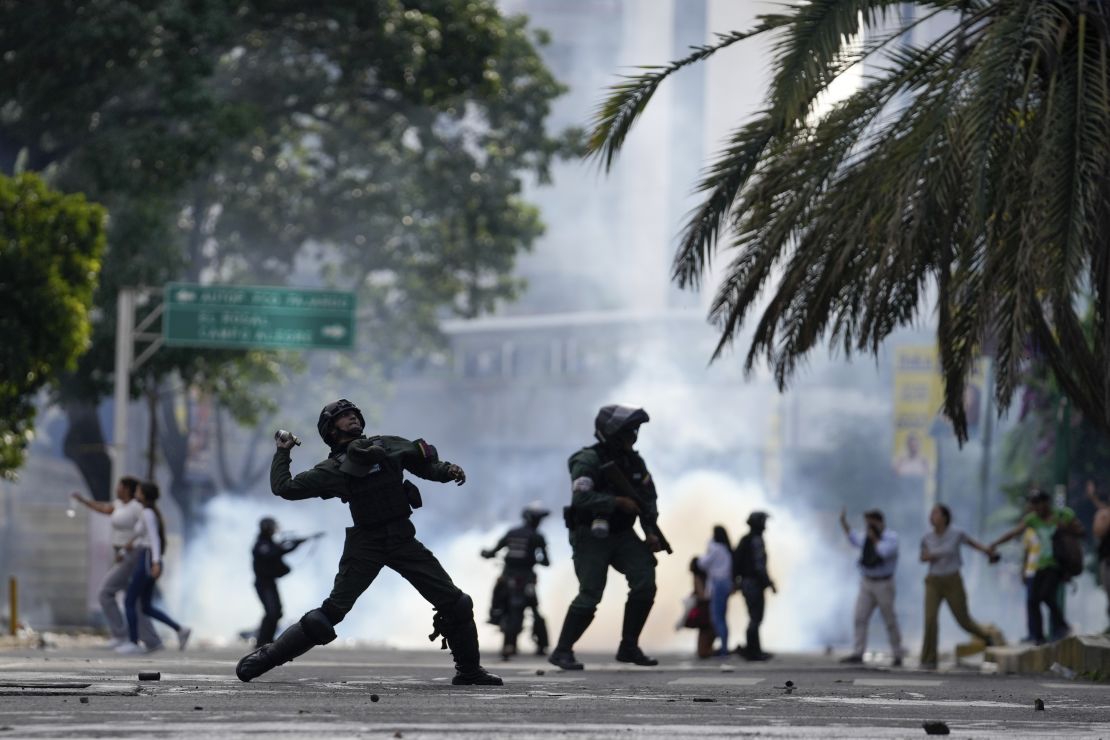
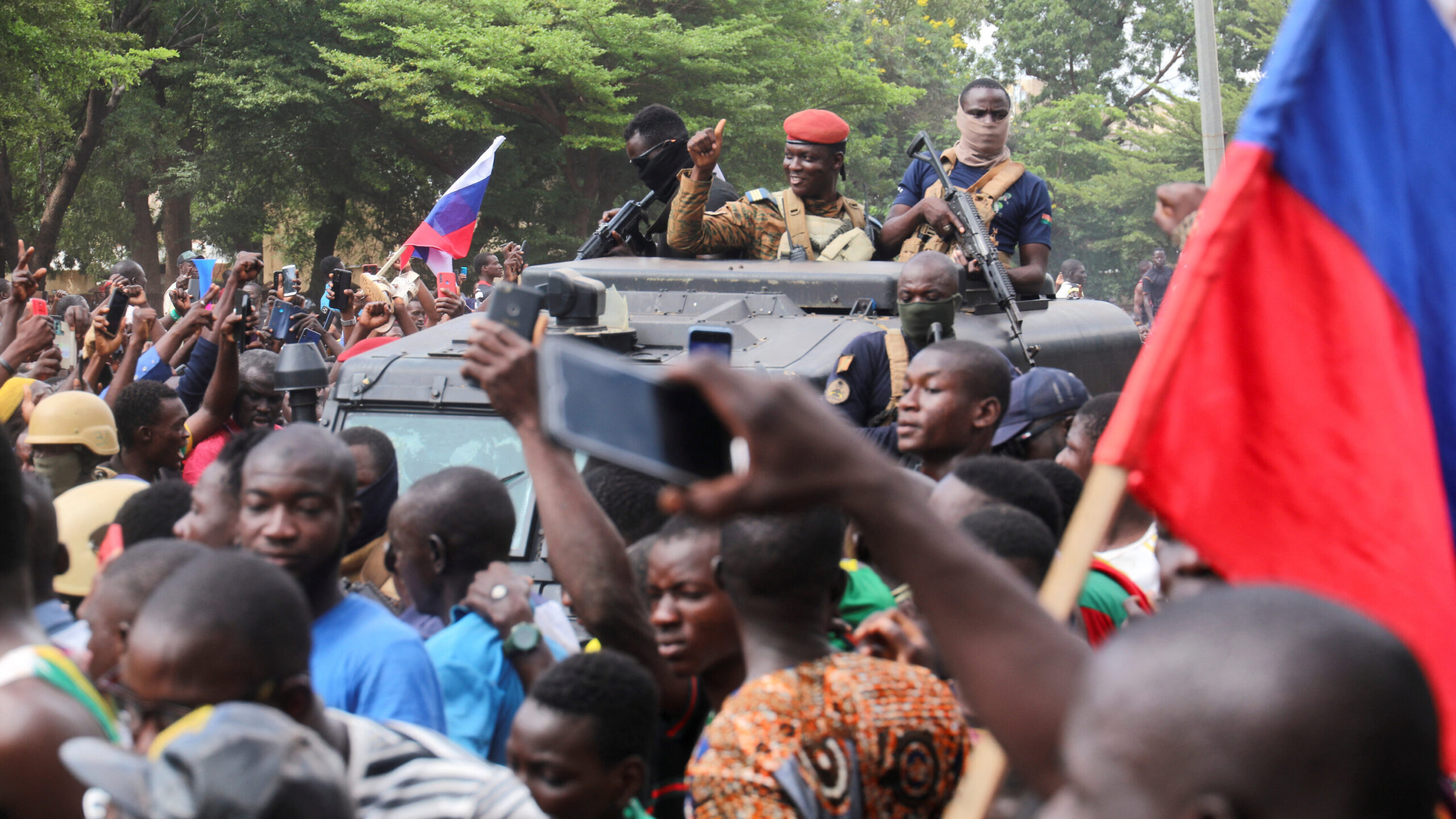
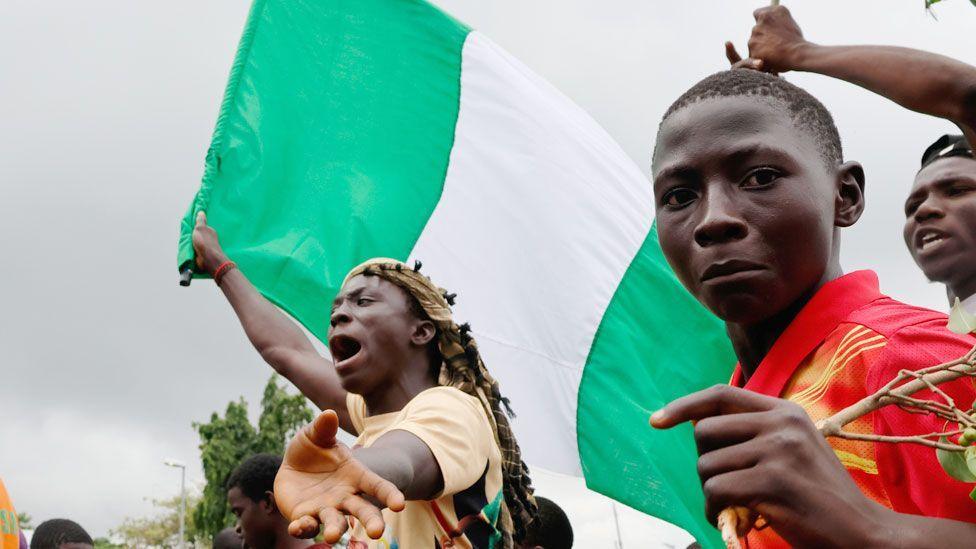
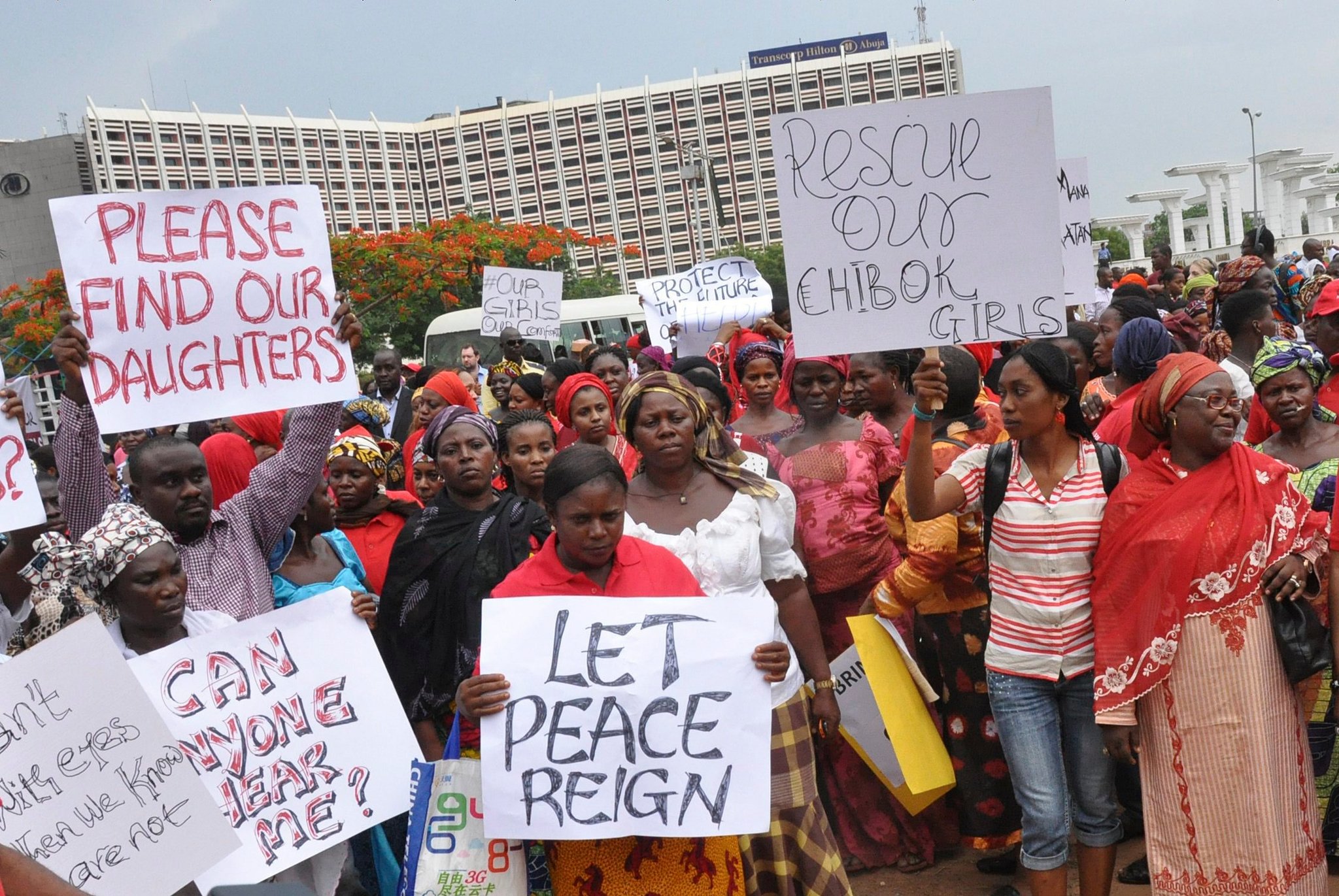
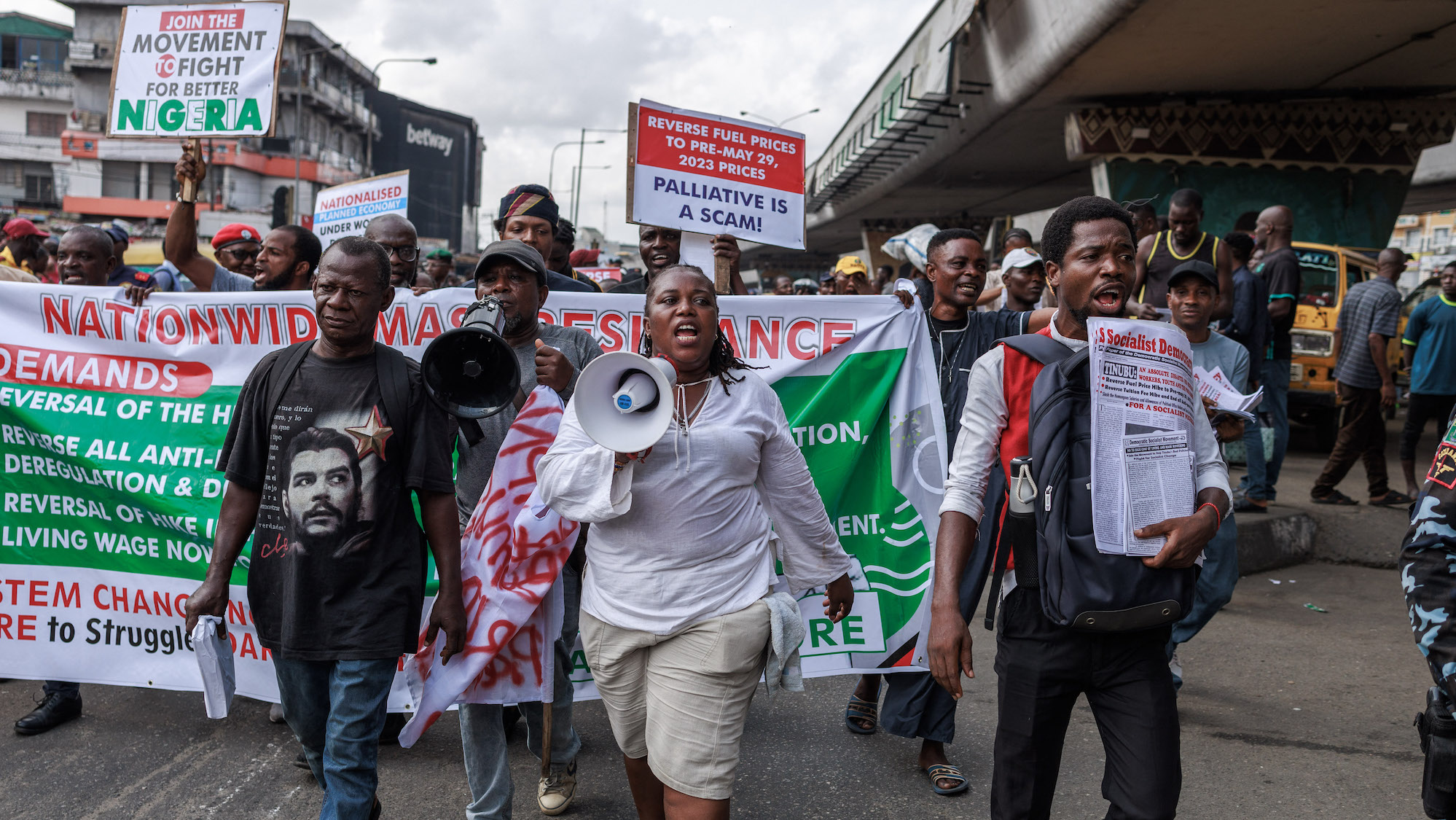
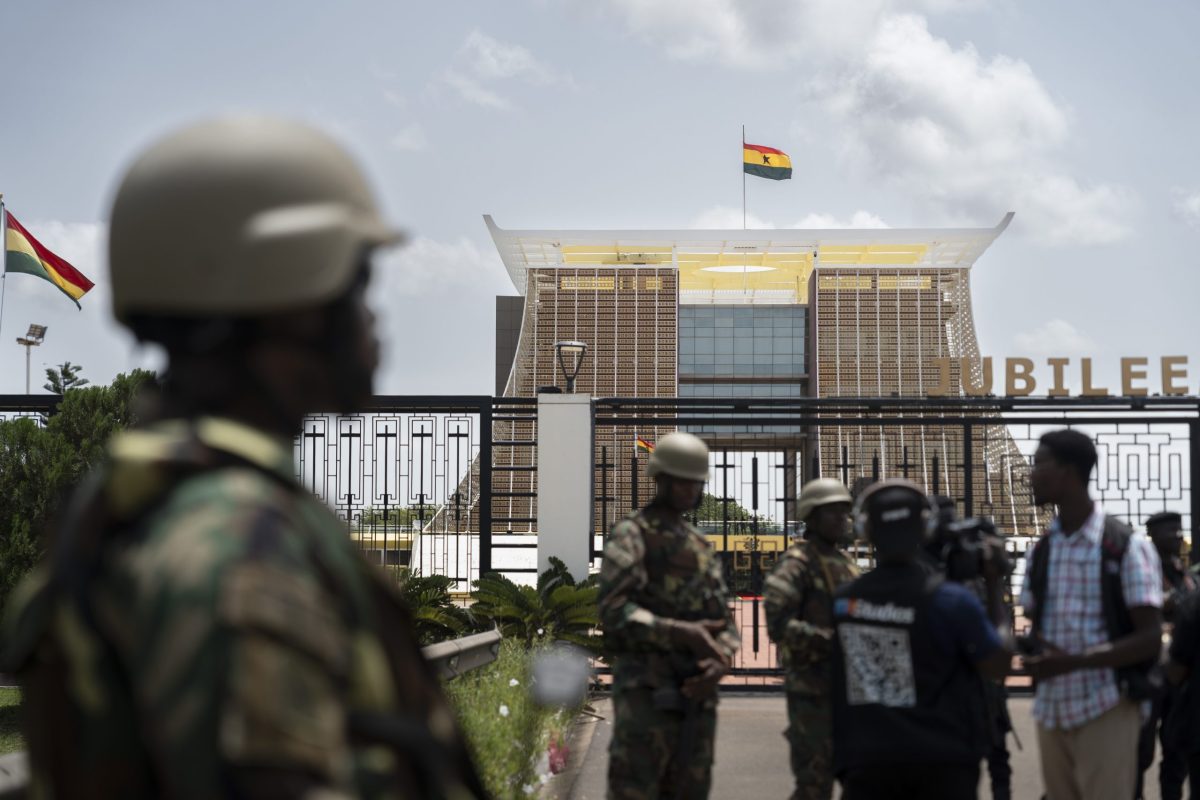
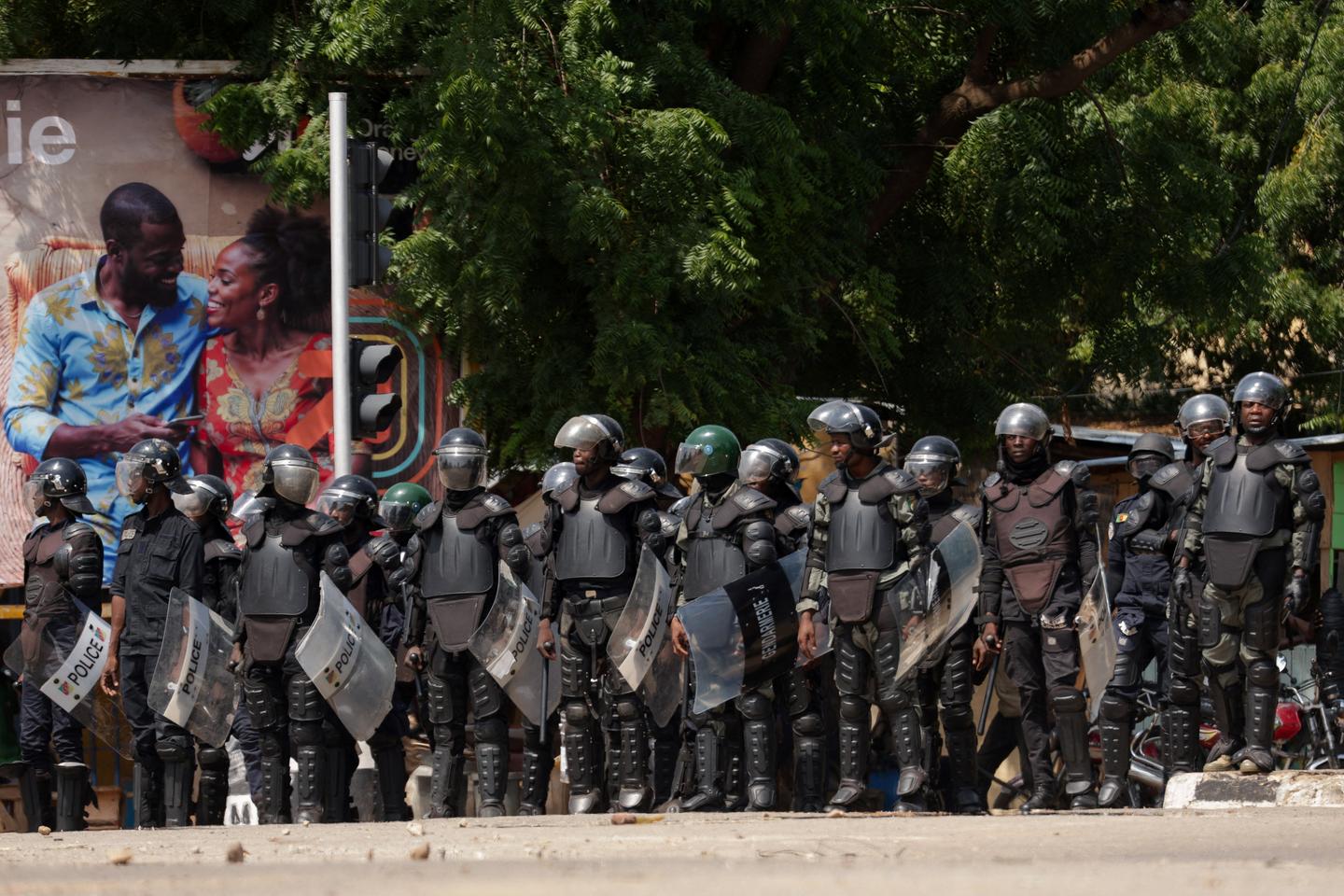
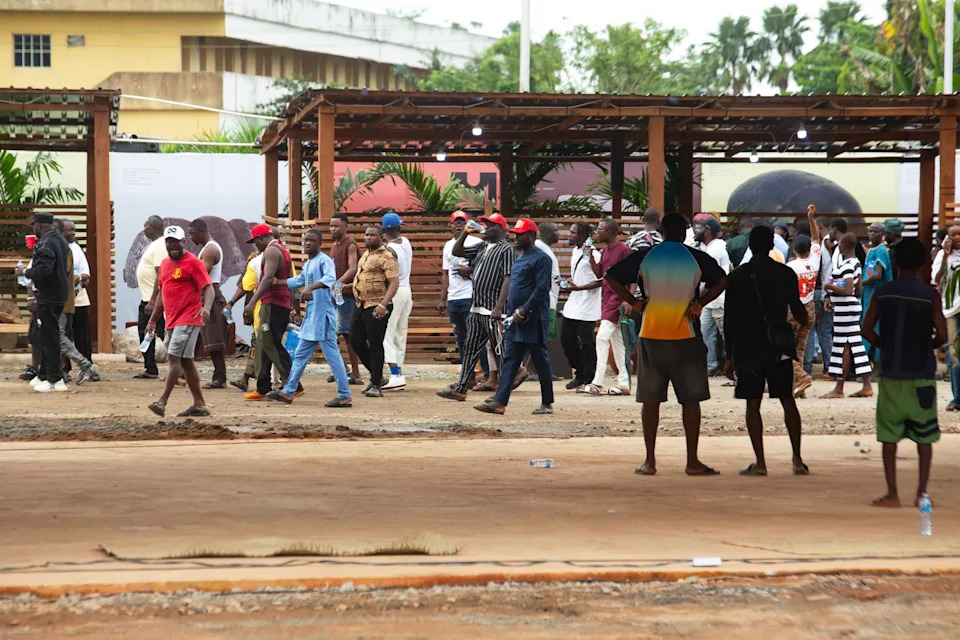
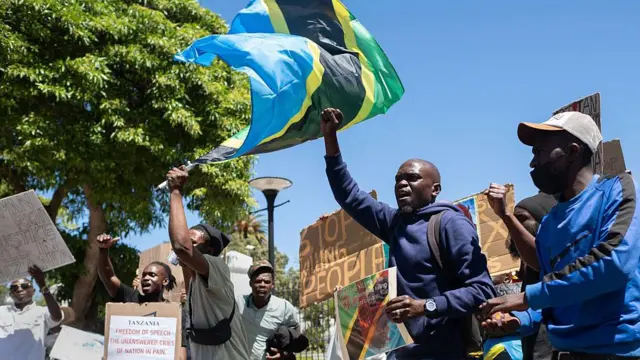
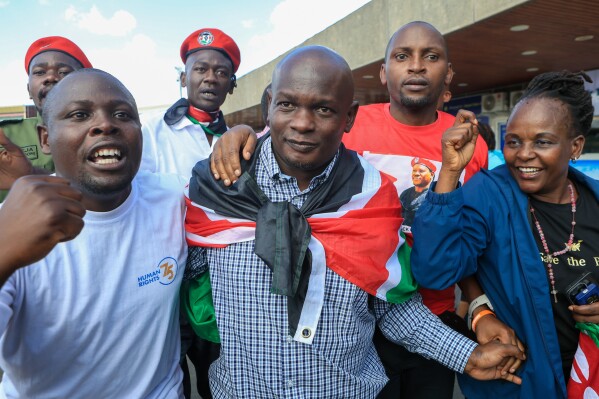
Just recently, the National Assembly became the focal point for angry citizens under the #OccupyNASS banner. Activist Omoyele Sowore joined the crowd, delivering a clear message to security forces: don’t use violence against those demanding accountability and reform. The government’s response? Deploying soldiers to guard the complex, a move that only ramps up tension between state power and citizen activism in what many describe as a fragile democratic context. Meanwhile, the legal system caught public attention when a Lagos court granted blogger Maureen Badejo N10 million bail. She’d been held after influential clerics Apostle Suleman and Olukoya petitioned against her, highlighting the complicated dance between religious authority, free speech, and judicial processes in Nigeria’s often contentious public arena. (African News Network, February 10, 2026)
Security Crises Deepen Across the Nation
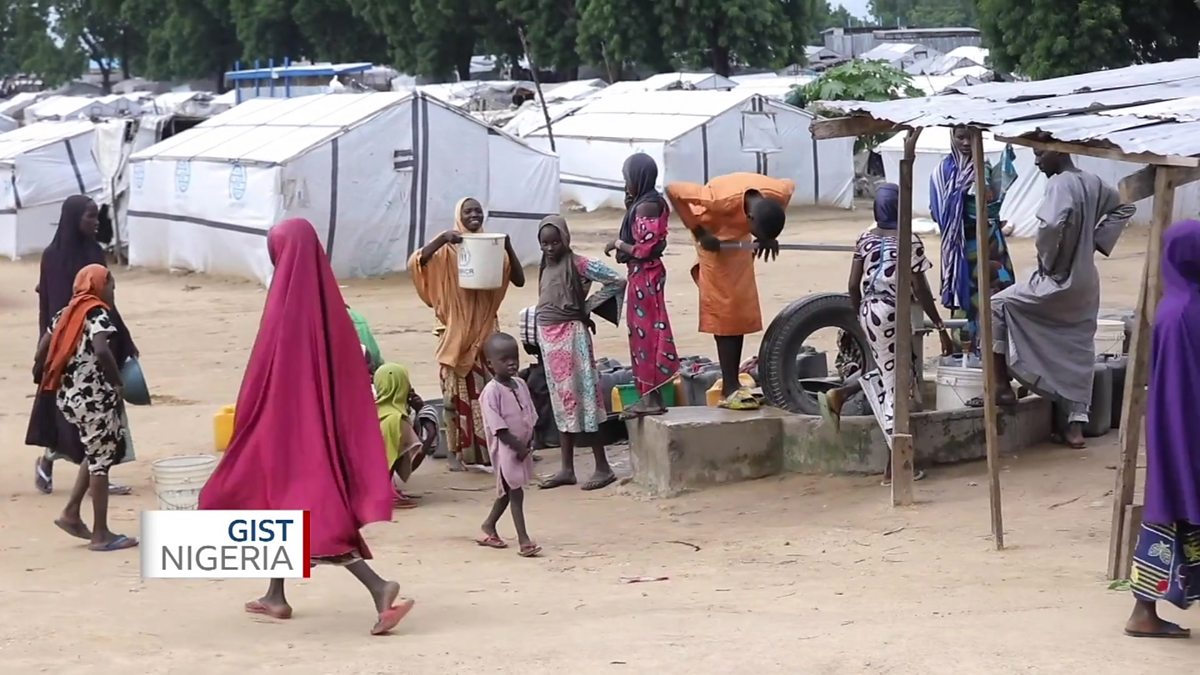
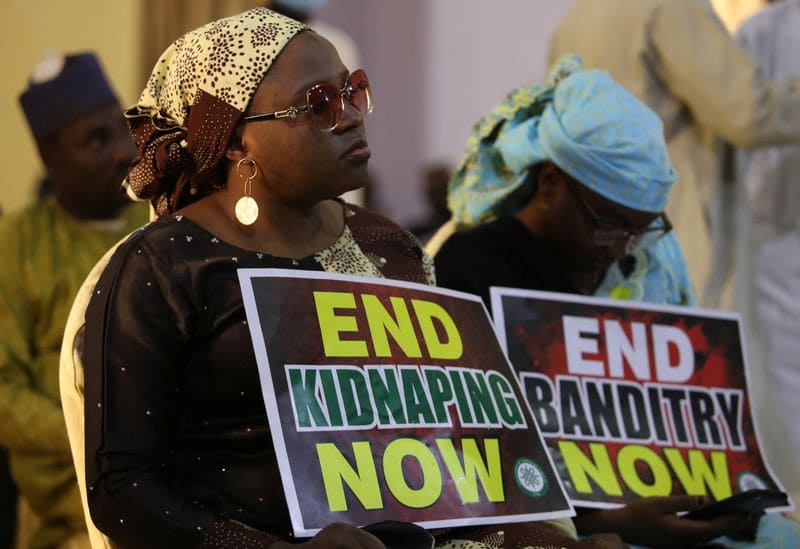
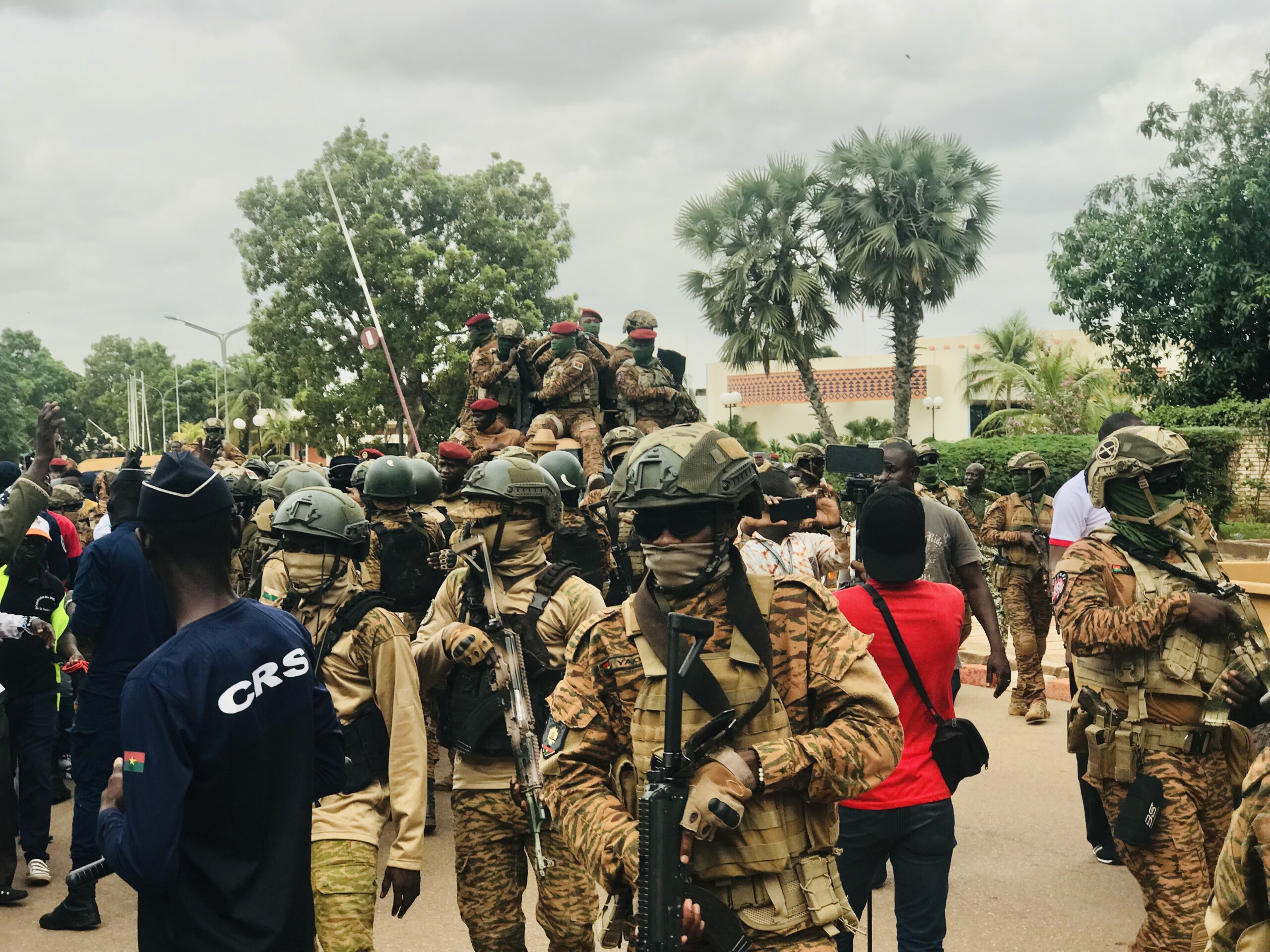
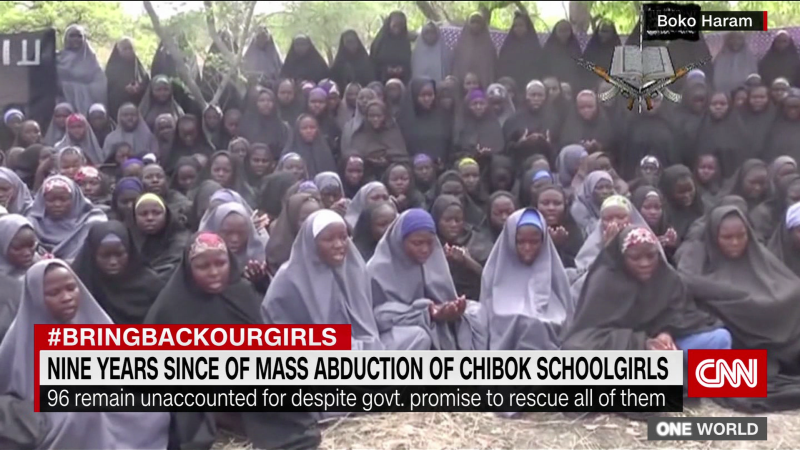
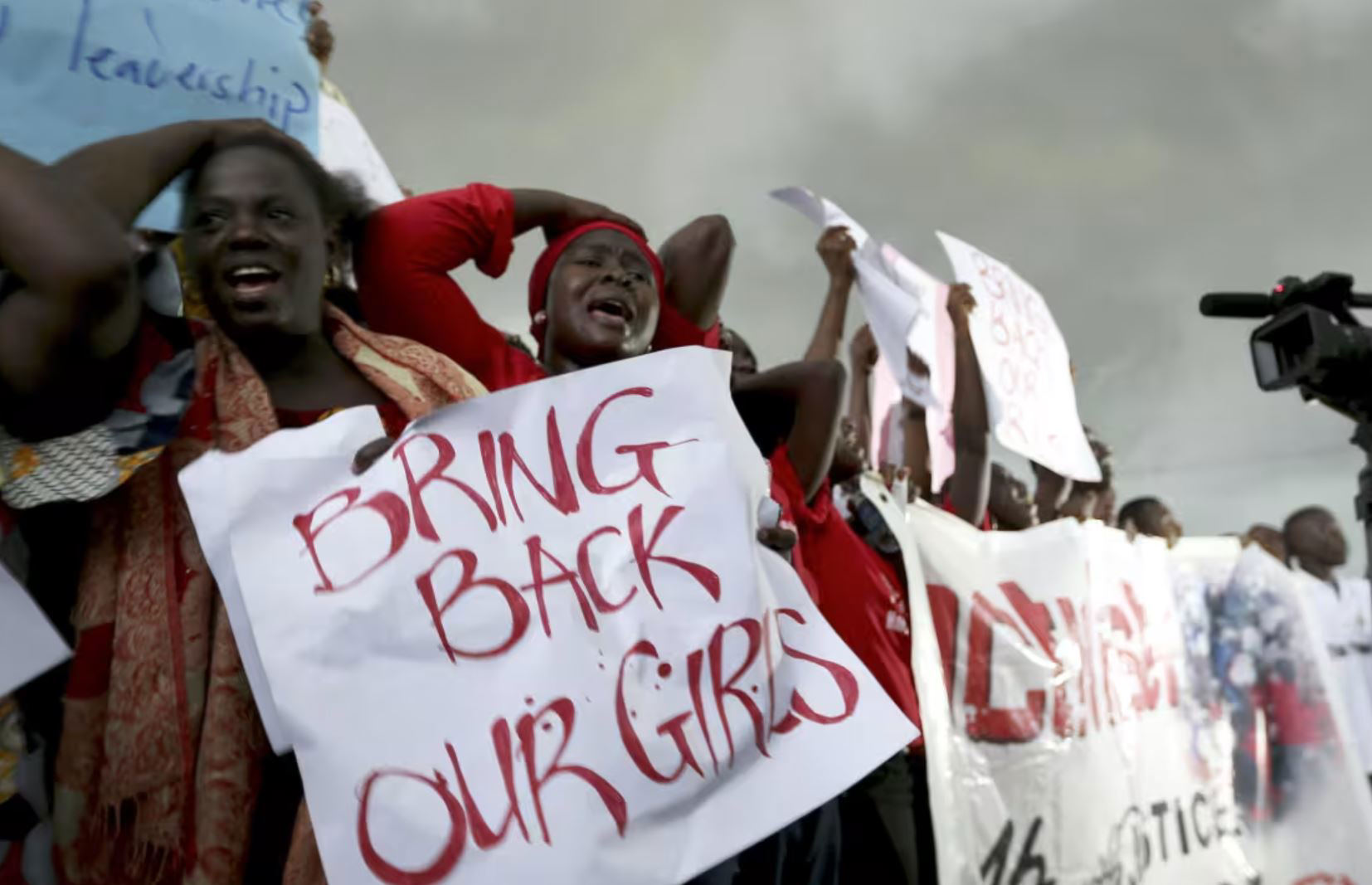
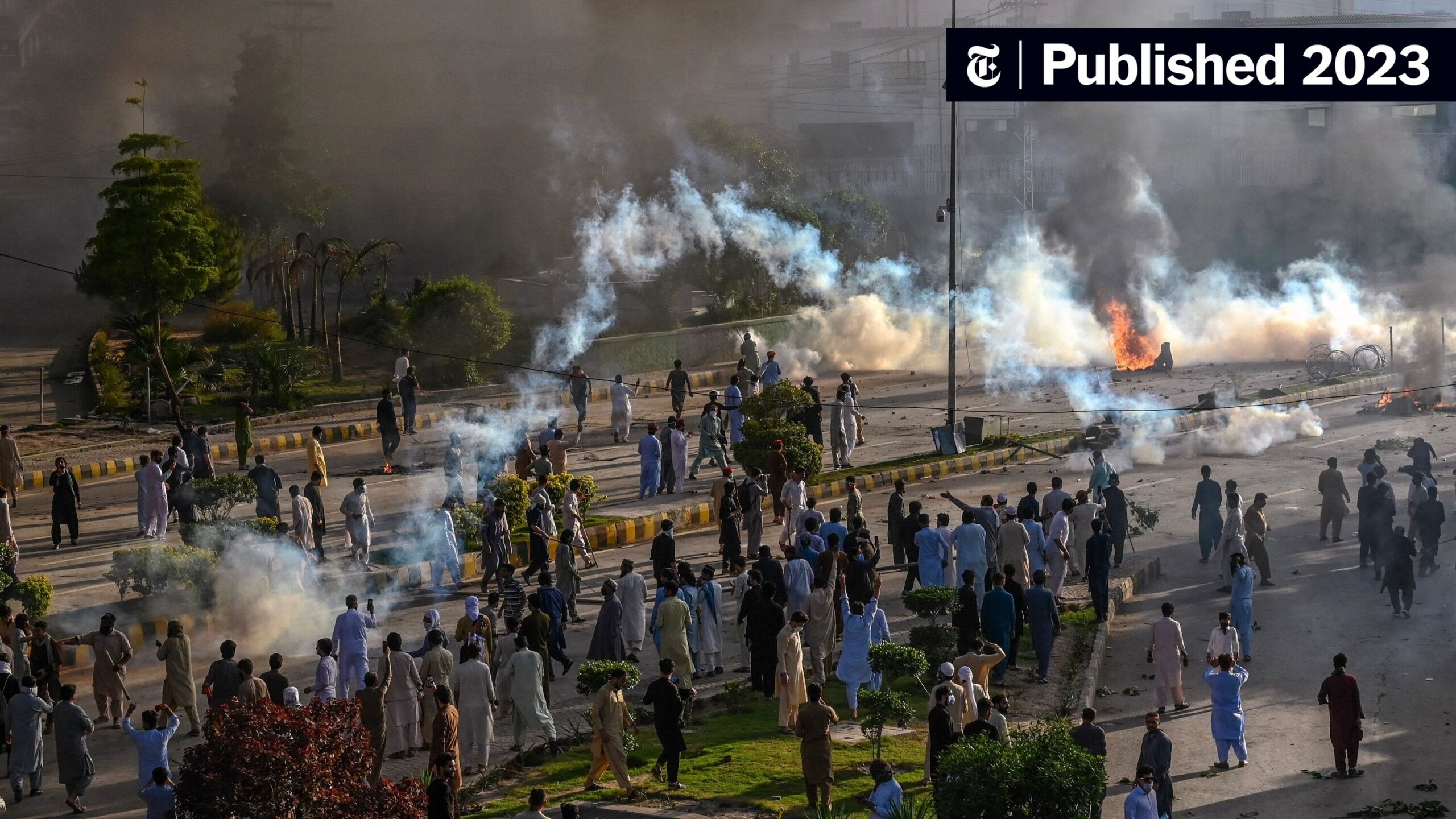
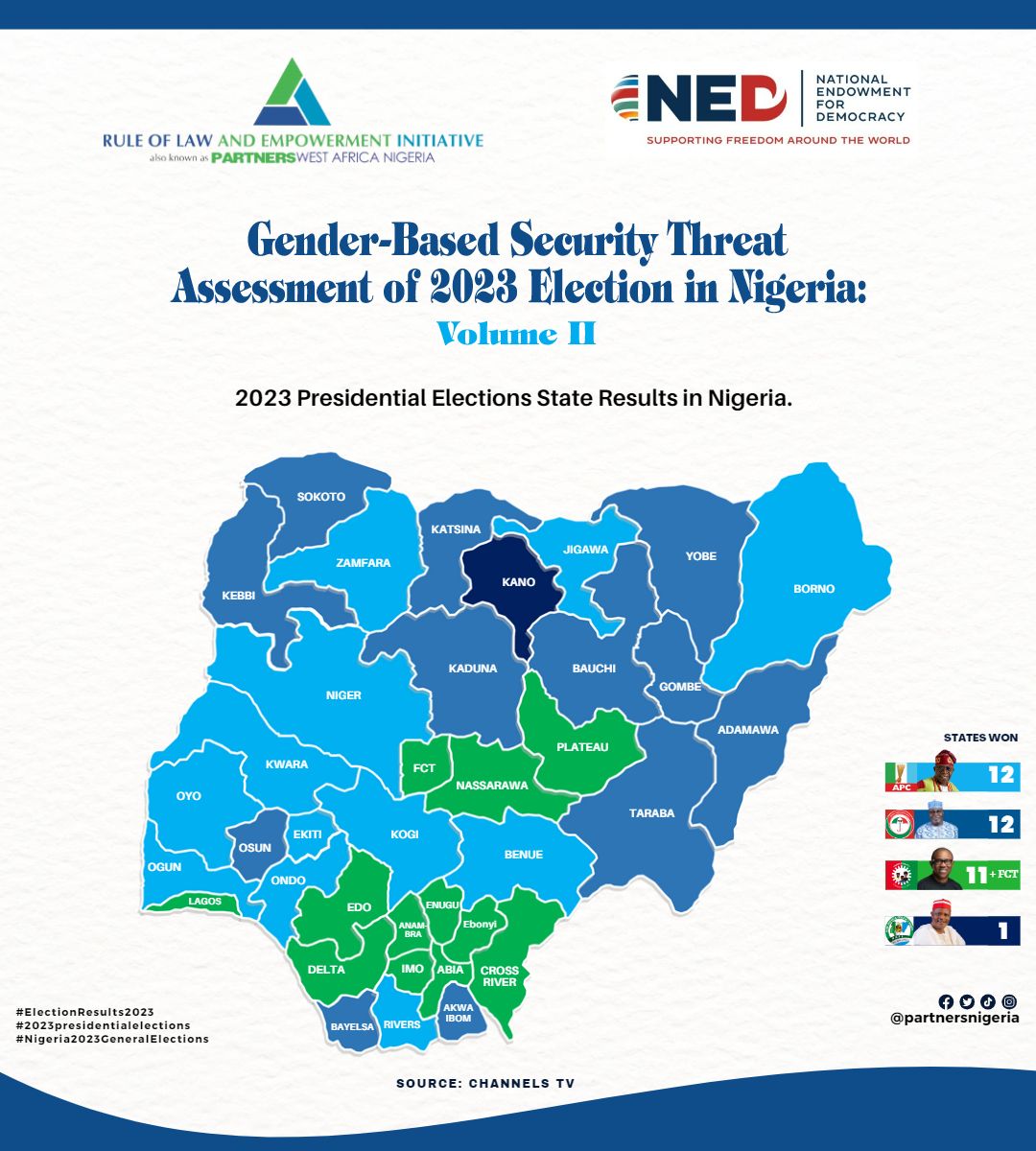
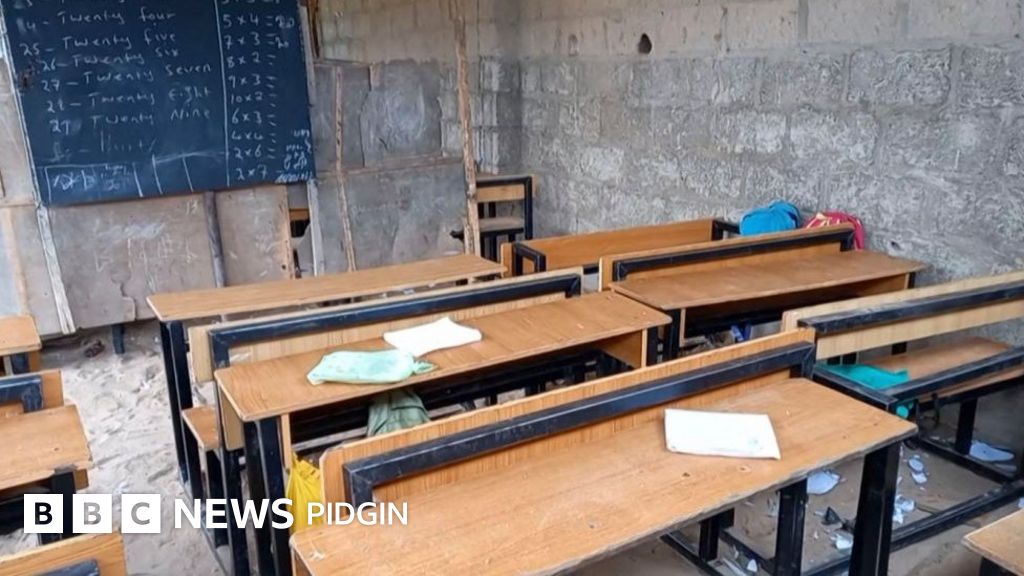
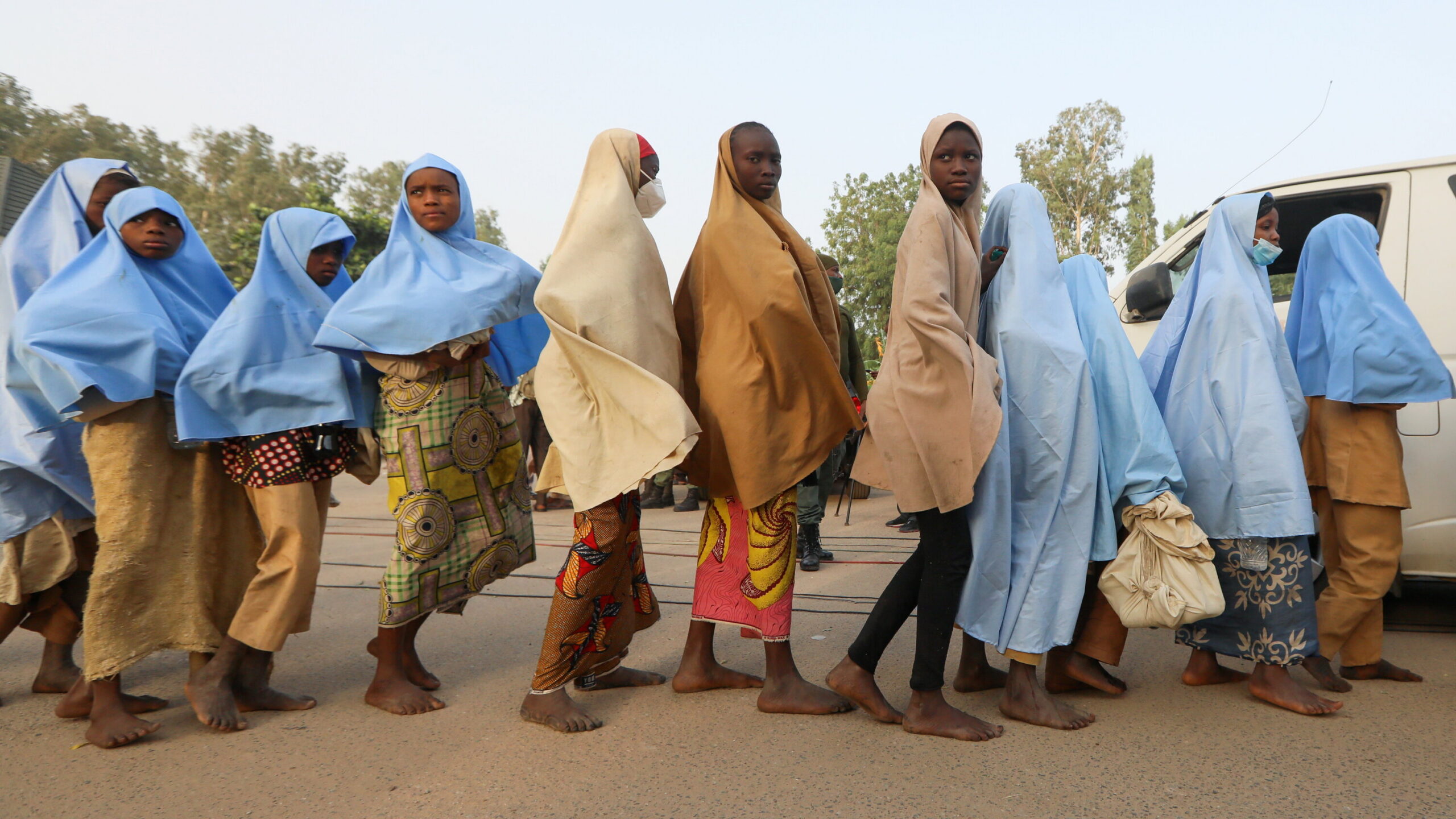
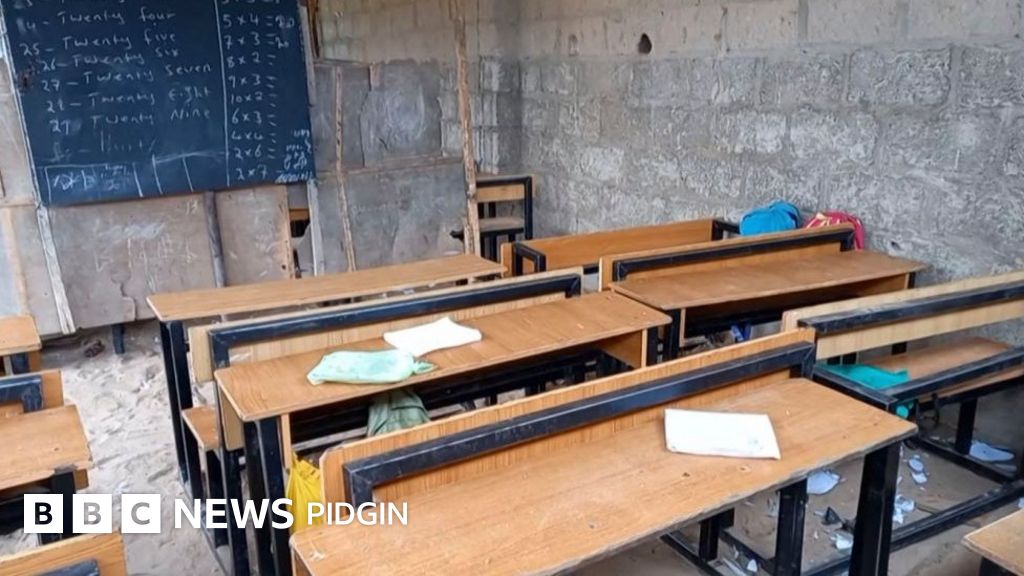
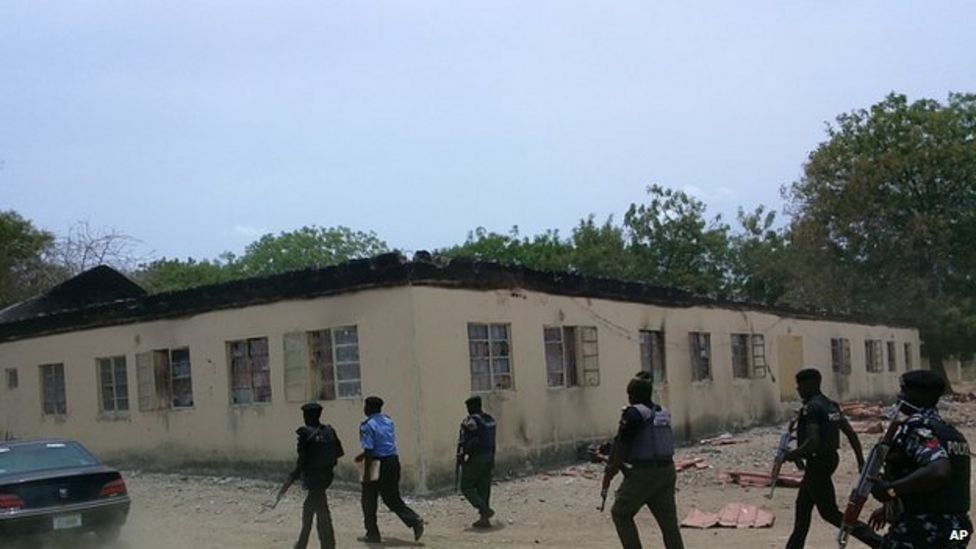
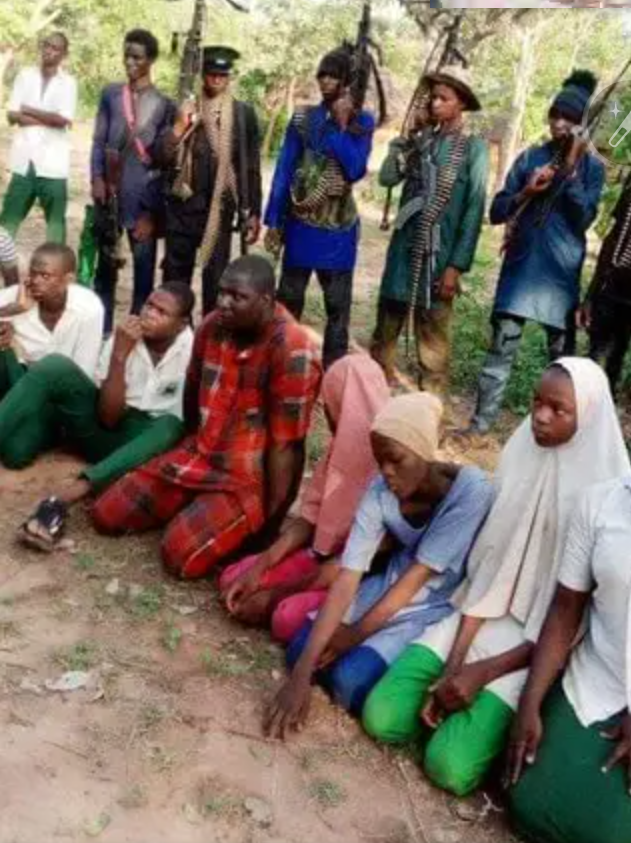
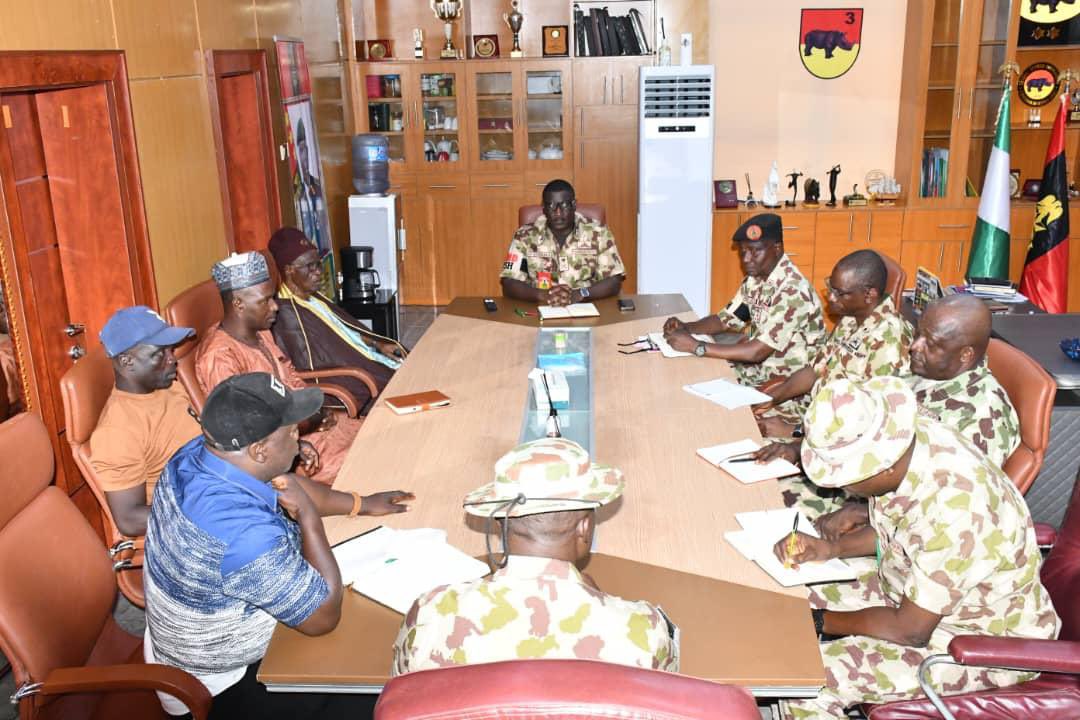
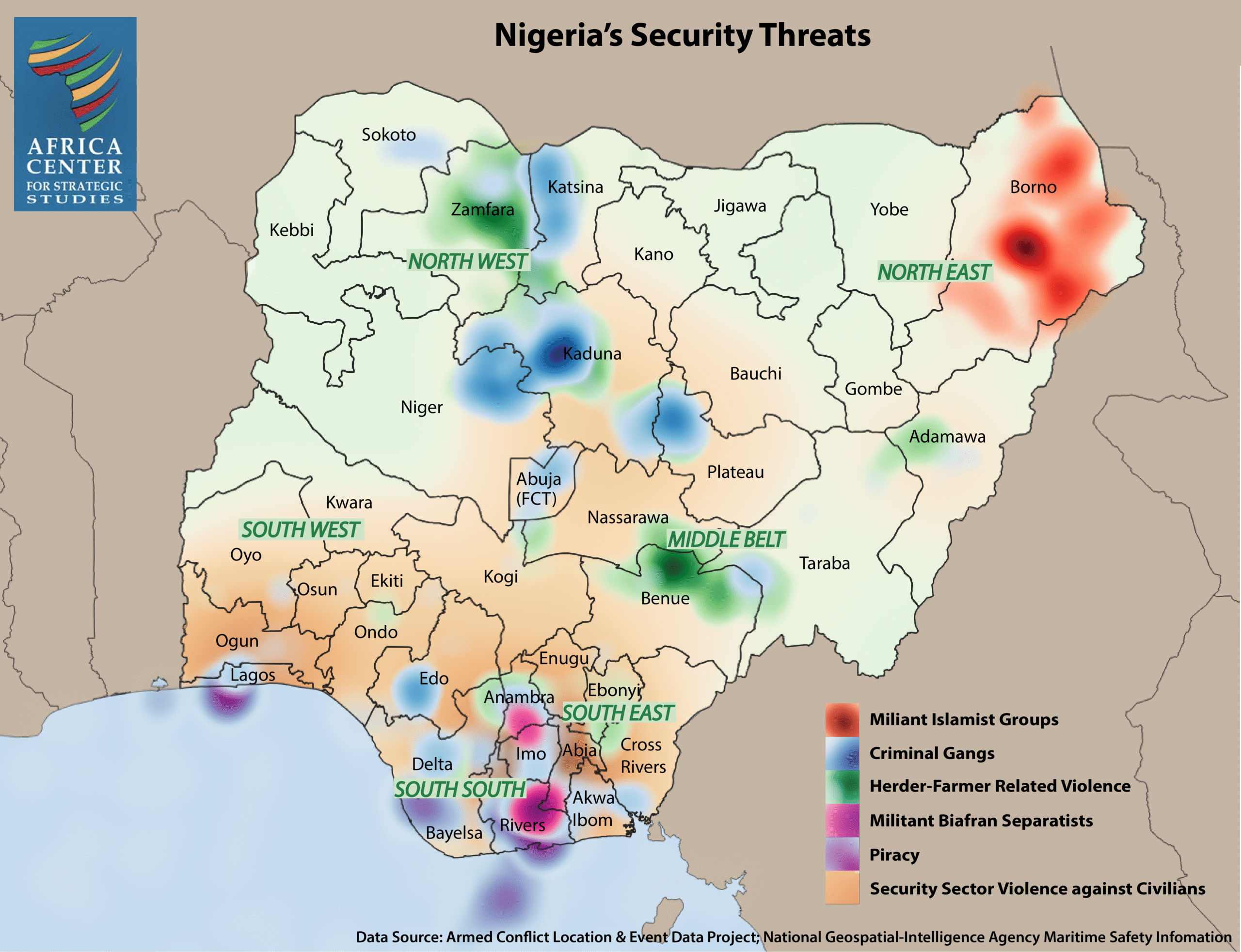
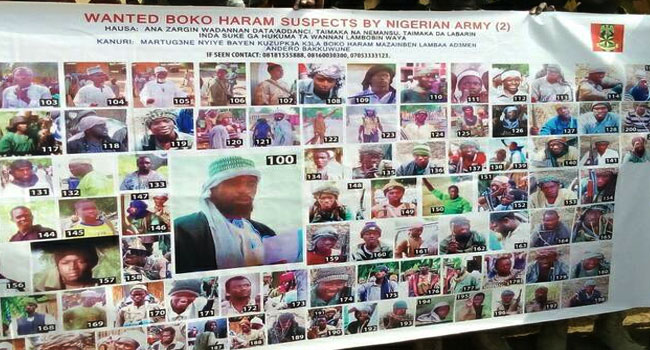
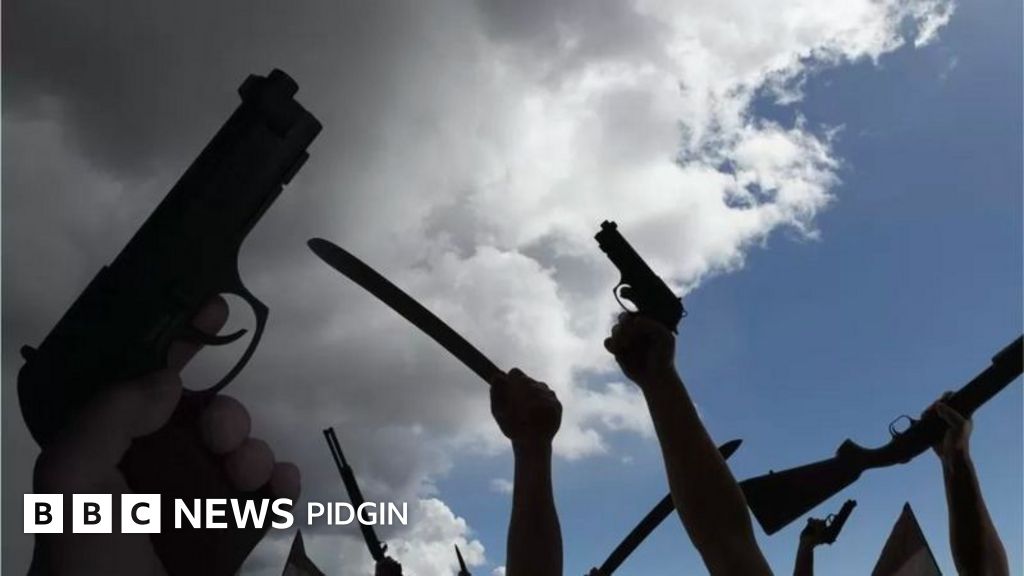
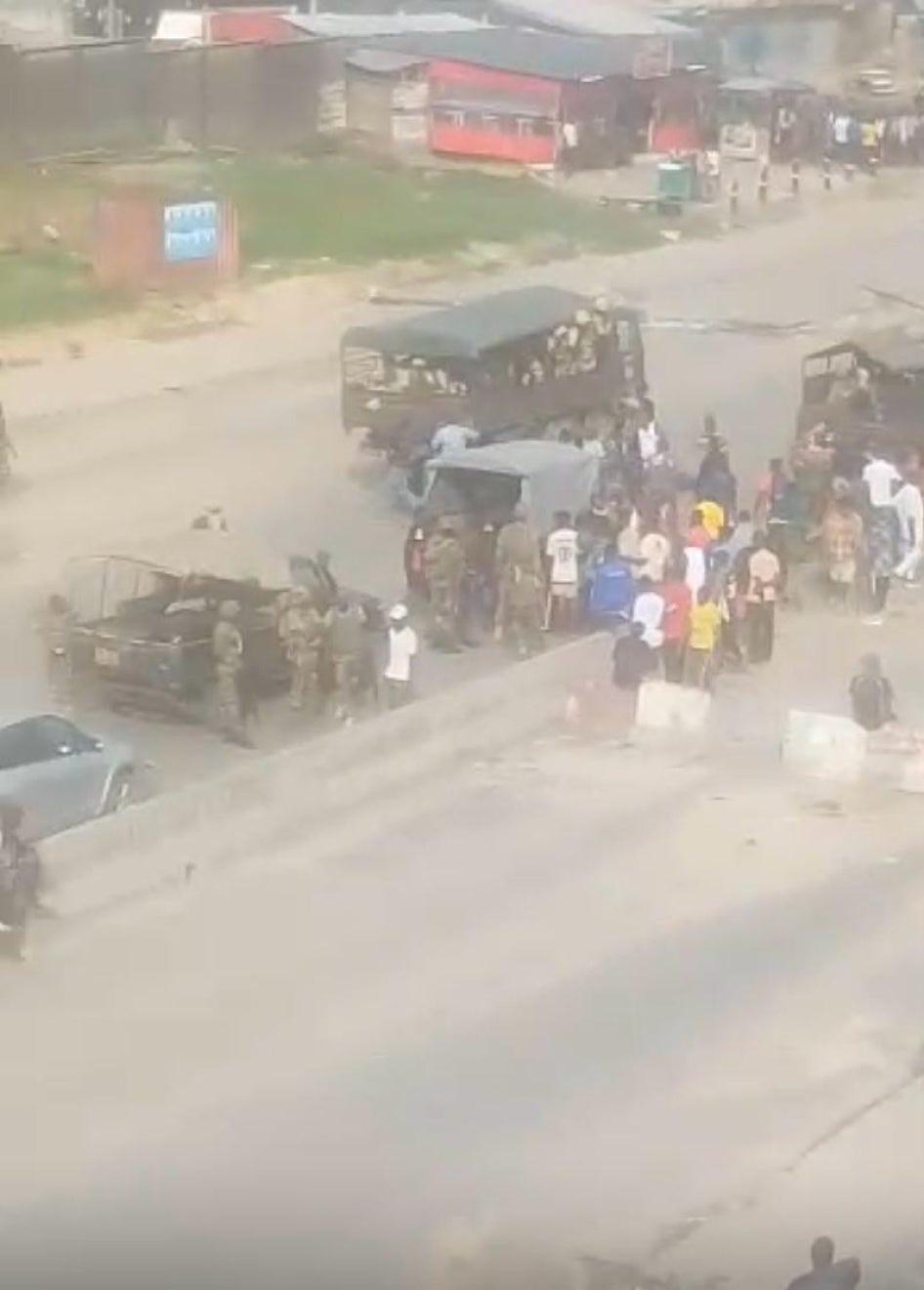
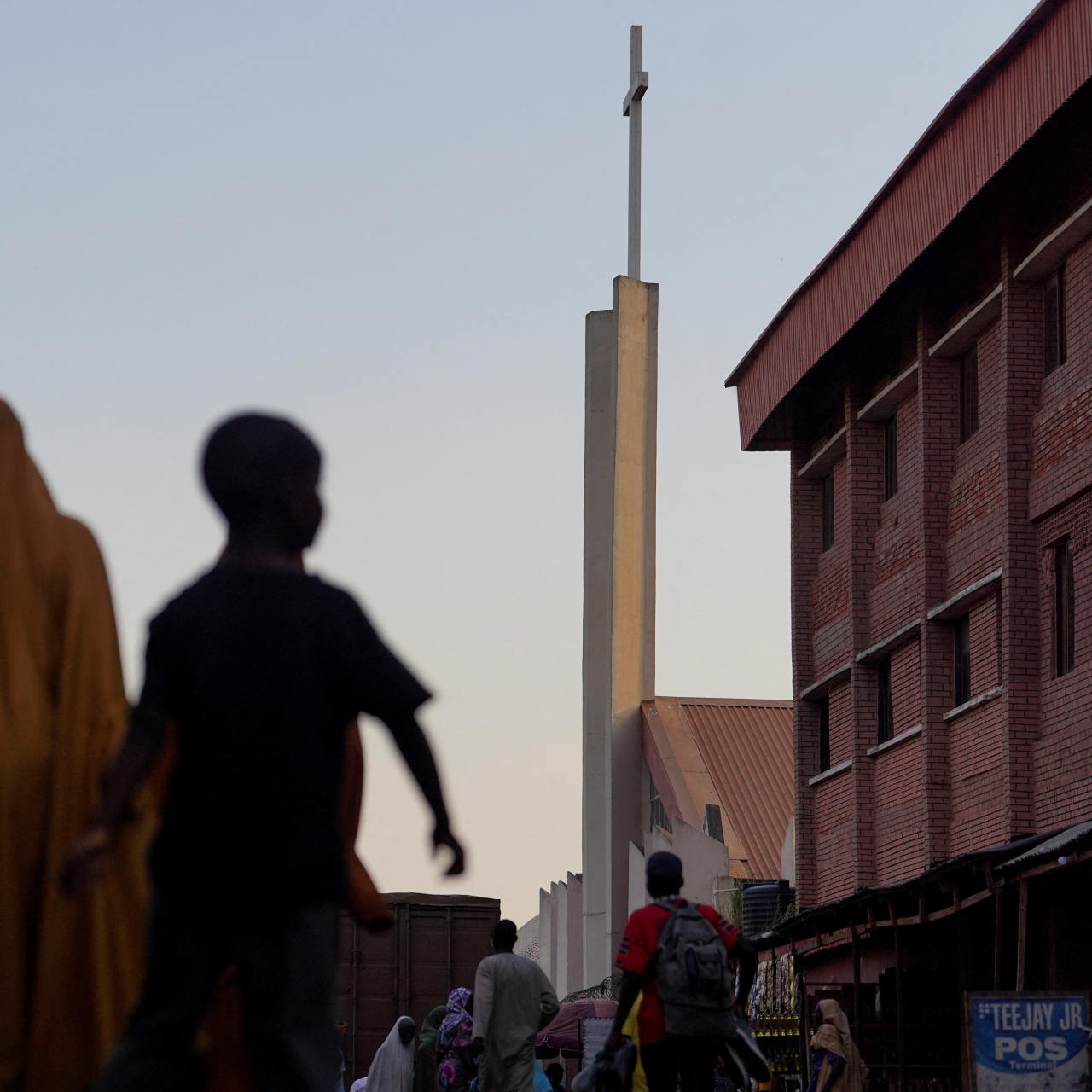
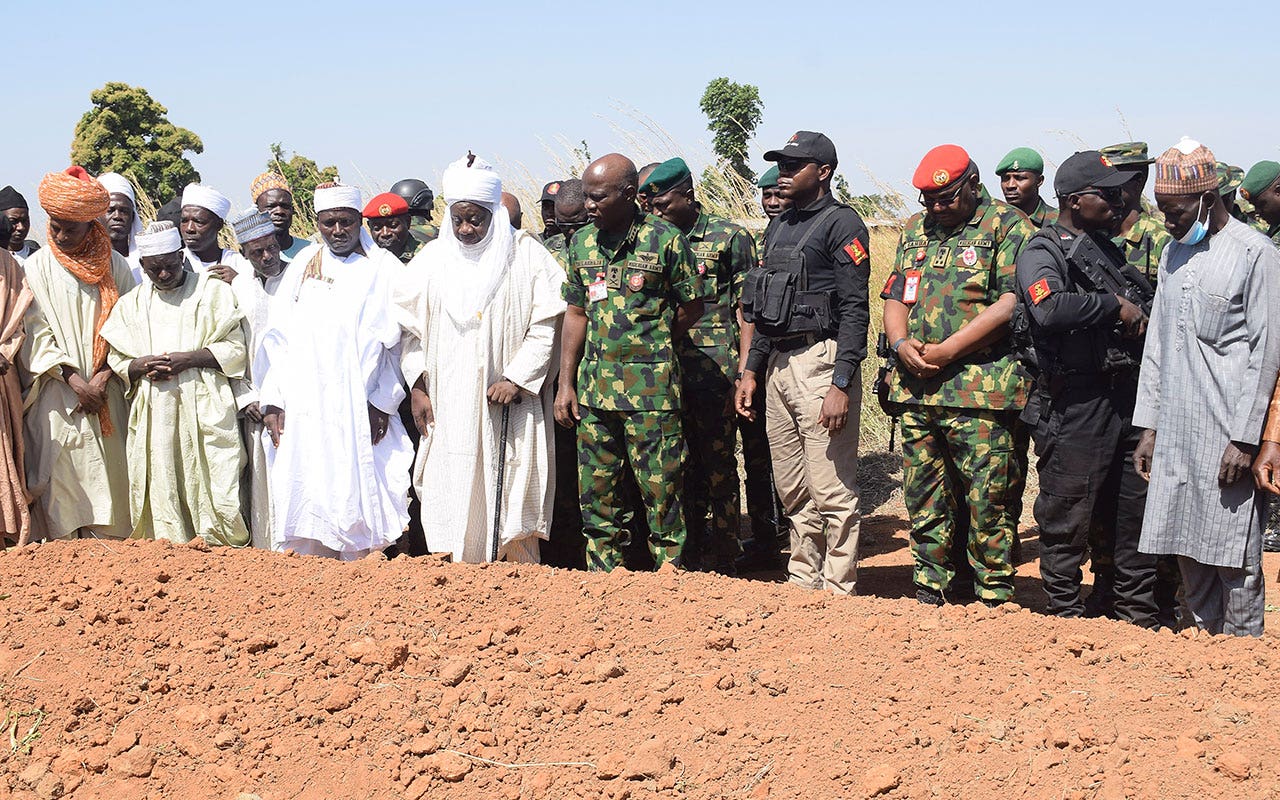
Beyond the political stage, security remains a huge headache. We’re seeing relentless violence from terrorist groups and bandits hitting multiple states. In Taraba, a brutal attack on the Tiv community left several dead, making everyone worry about how vulnerable our rural areas are. Then, just days later, Kwara state was under siege by armed bandits, leading to intense clashes with soldiers and forest guards. And as if that wasn’t enough, Boko Haram reportedly paraded over a hundred abducted victims in the same area, claiming the government’s just pushing propaganda to downplay the crisis. These aren’t isolated incidents, are they? They show the real, ongoing threat these terror groups pose to peace, especially in Nigeria’s northern and central regions. How long can this continue?
The government isn’t just relying on military might to tackle these security issues. Interestingly, US lawmakers are getting involved, proposing sanctions against Fulani militias and prominent political figures like former governor Rabiu Kwankwaso. This signals growing international concern about Nigeria’s internal conflicts and how they ripple globally. (African News Network, February 11, 2026)
Corruption and Political Intrigues Continue to Unsettle
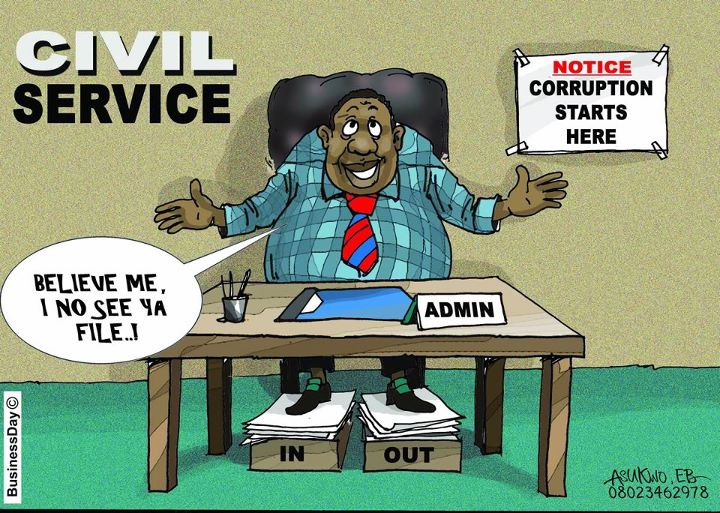
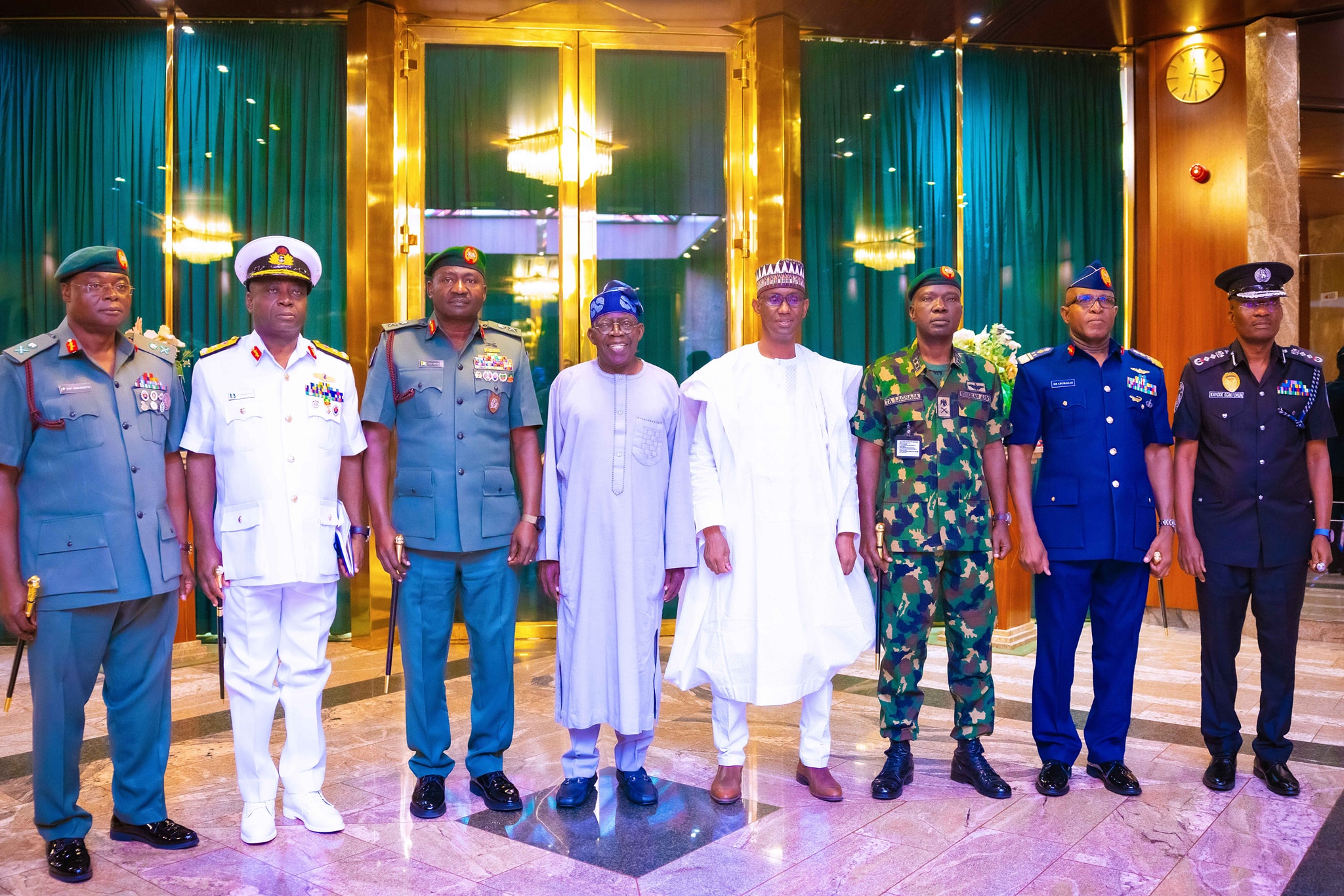
Amidst all this turbulence, corruption continues to steal headlines, spotlighting systemic governance issues. Explosive testimony has emerged from a cook and driver, detailing how business moguls Kola Aluko and Jide Omokore allegedly funneled cash to former petroleum minister Diezani Alison-Madueke. This exposé reveals an alleged web of financial malpractice within the oil sector, a vital part of Nigeria’s economy. Further fueling public anger, the Economic and Financial Crimes Commission (EFCC) is digging into claims that NSITF Managing Director Faleye diverted funds, reportedly to back a Lagos governorship ambition tied to President Bola Tinubu’s allies. And what about the police? The Nigerian Police Force under Inspector General Egbetokun spent a staggering N104.9 million on officers’ berets, raising serious questions about fiscal discipline in our security agencies. The Nigerian Bar Association didn’t hold back, publicly condemning police promotions under Egbetokun, citing irregularities and demanding transparency. Clearly, institutional reforms are urgently needed.
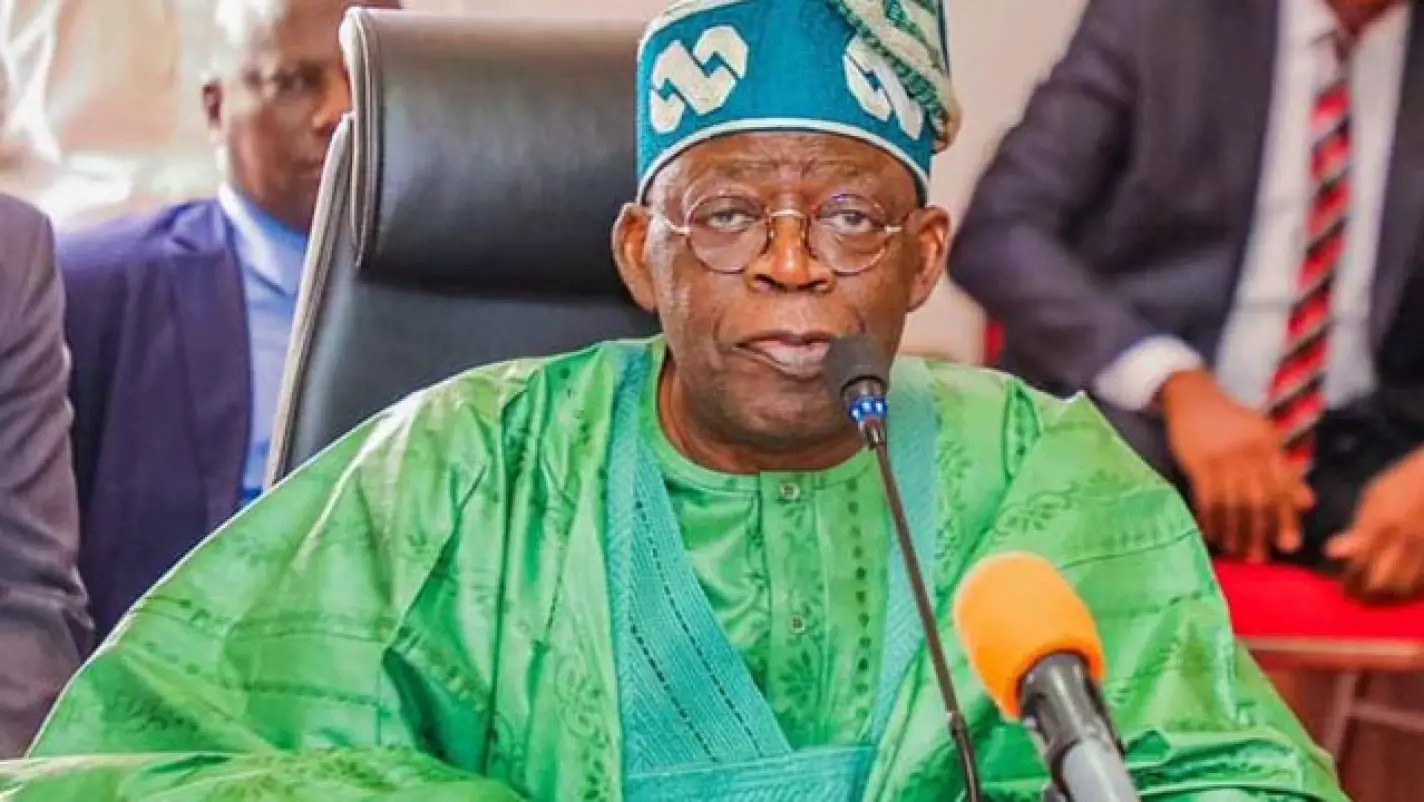
Political dynamics aren’t getting any calmer either. Governor Nasir El-Rufai recently pressed National Security Adviser Nuhu Ribadu for answers about alleged odorless poison imports from Poland, a claim with grave implications for national security. Plus, President Tinubu and Osun Governor Ademola Adeleke are set to meet, hoping to iron out disputes over local government funds. We’re even hearing whispers that the presidency is questioning UBA chairman Tony Elumelu about financial irregularities. All these interconnected events, from mass protests and terror to corruption and political drama, paint a picture of a nation really wrestling to balance governance, security, and democratic ideals. Can Nigeria steer towards a more stable future? The world will be watching in 2026 to see if transparency, improved security, and genuine engagement can lead to lasting progress or more conflict. (African News Network, February 10, 2026)