
Nigeria’s Election Reforms and Governance Shifts Shape Africa’s Future
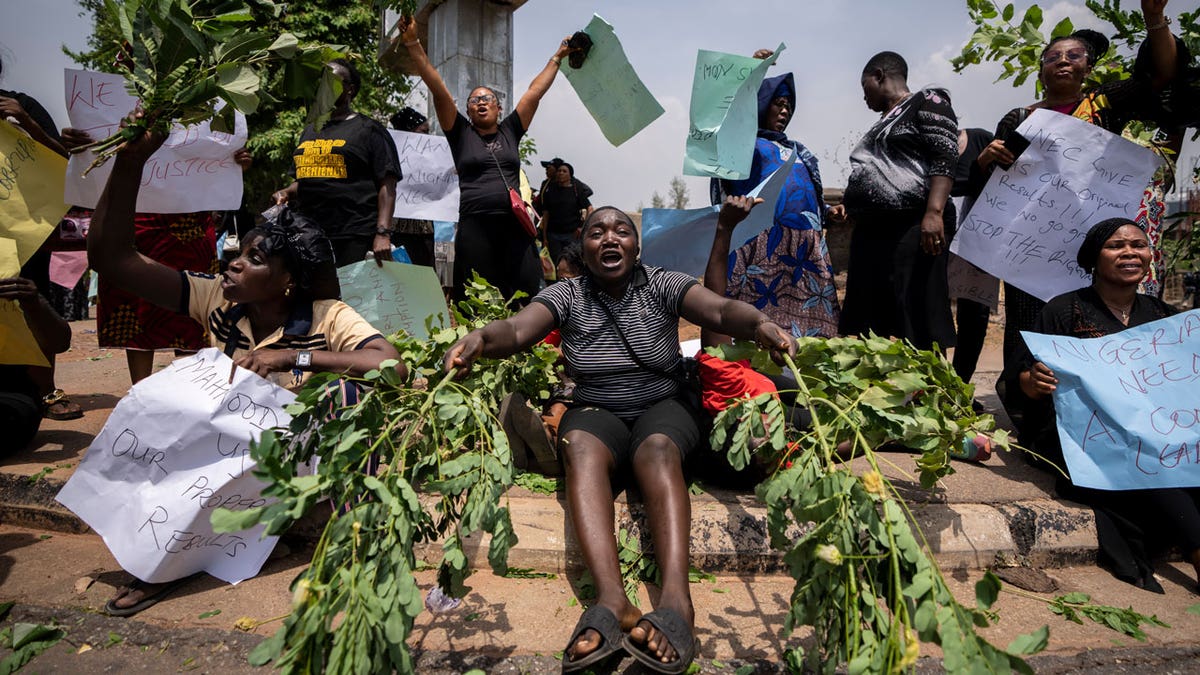
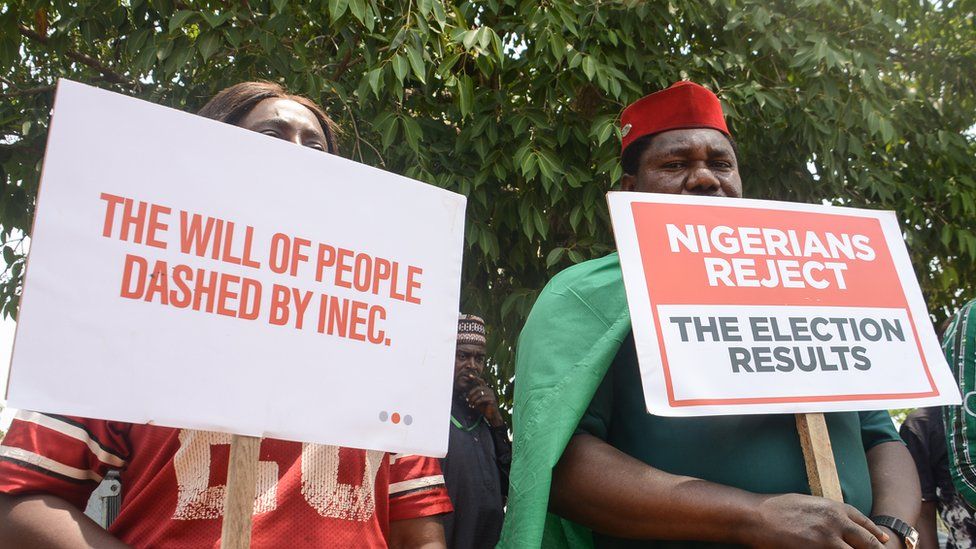
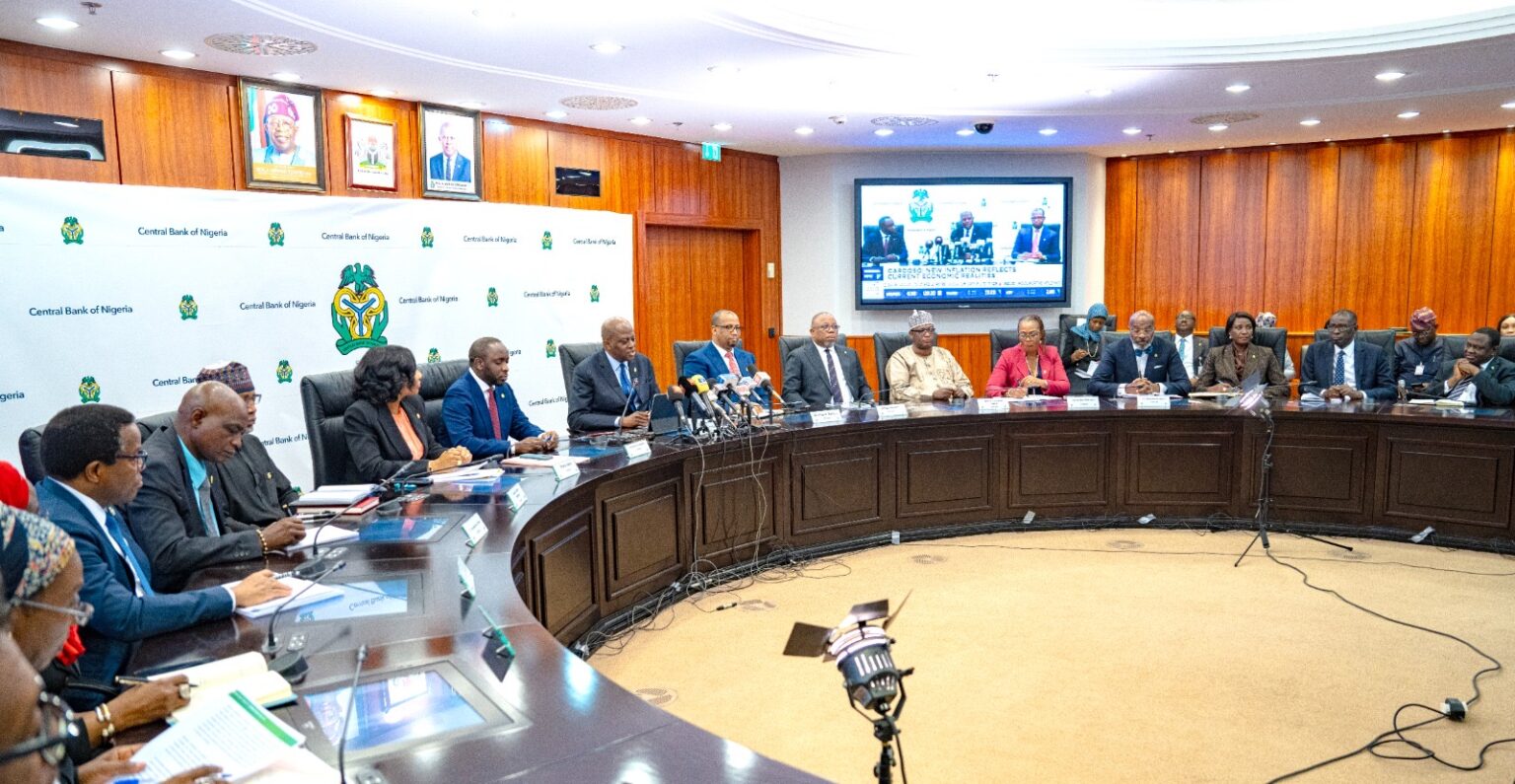
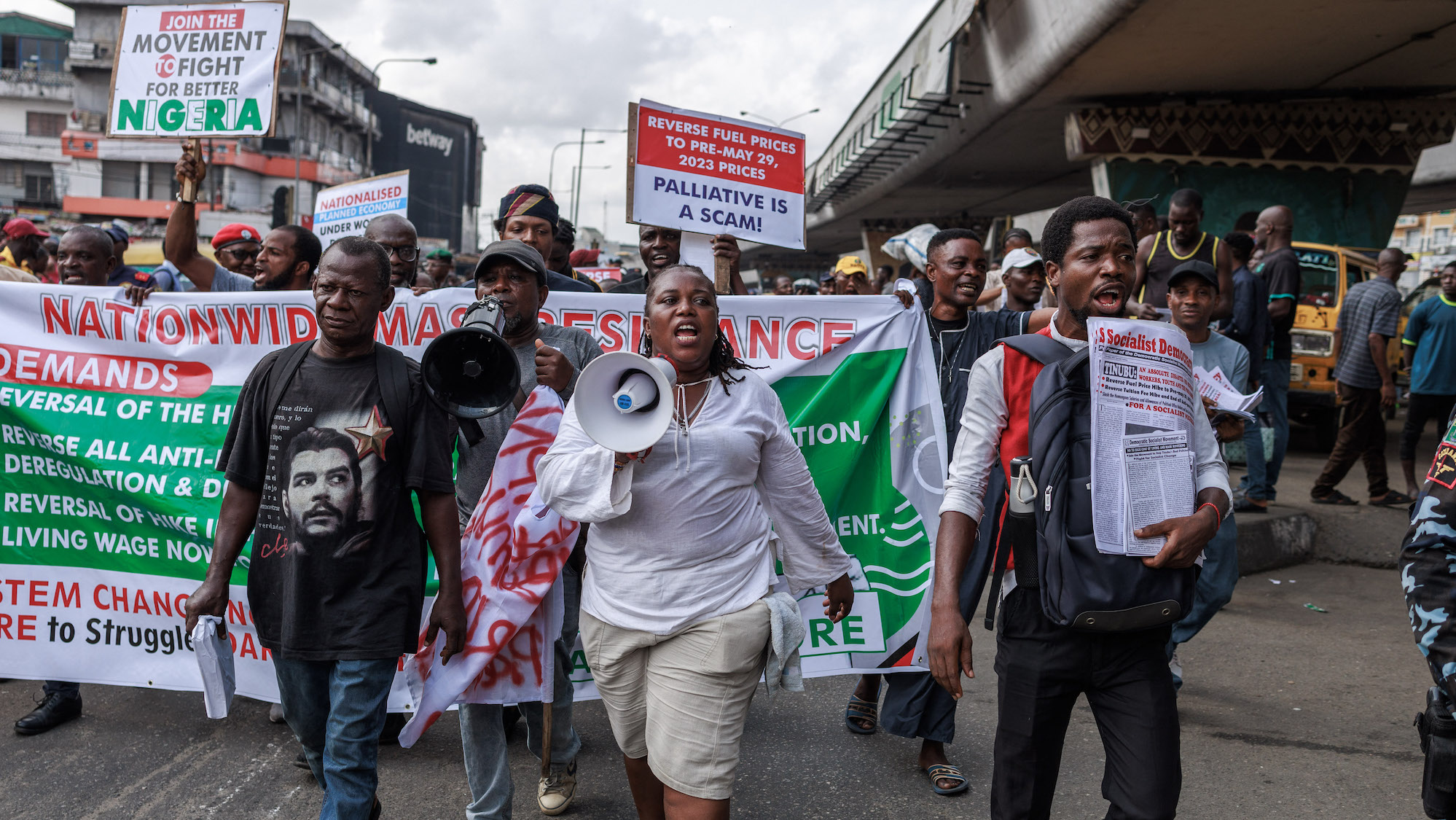
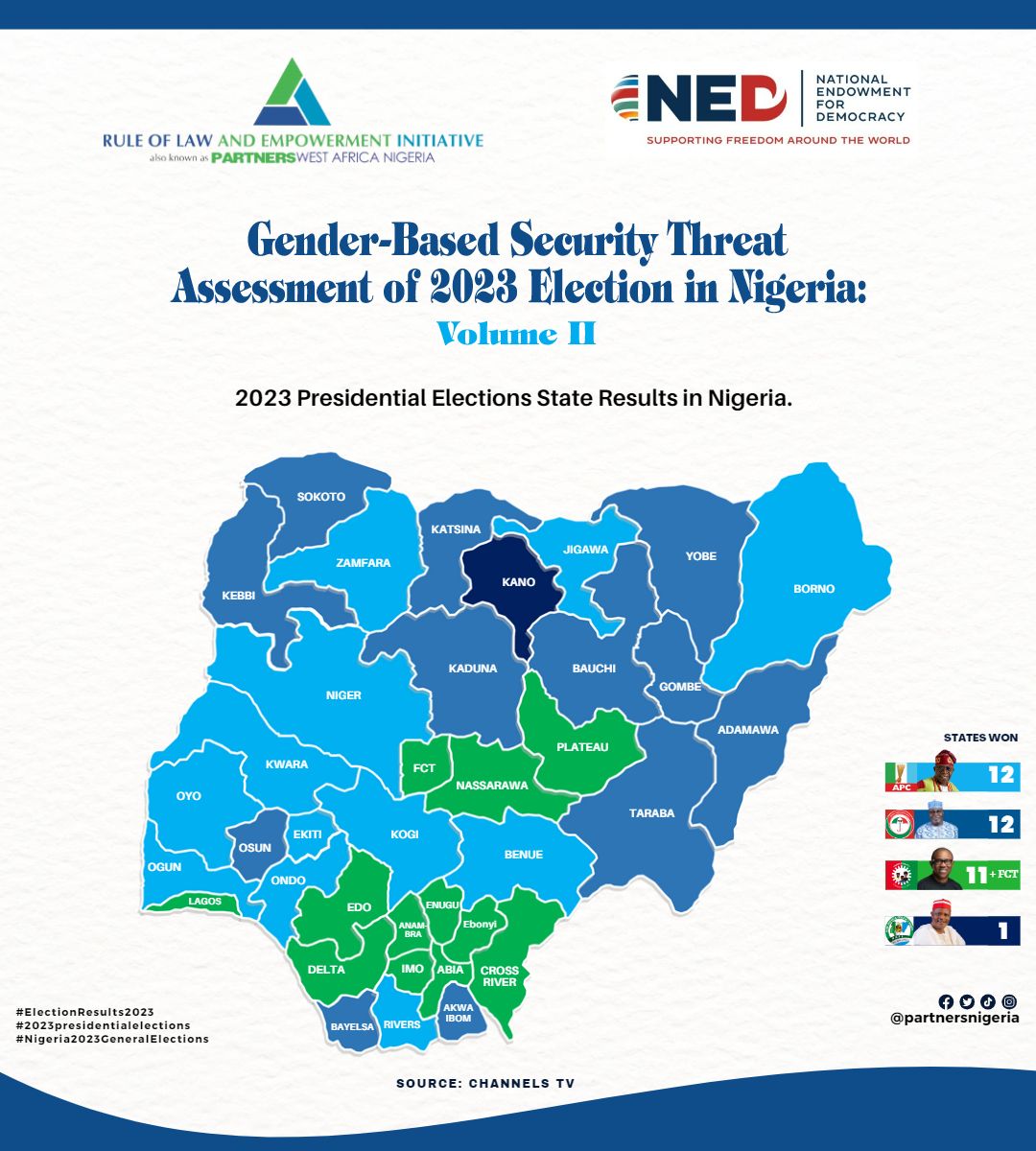
Nigeria’s political landscape is constantly shifting, isn’t it? With our infrastructural ambitions growing, discussions around election reform and governance truly dominate the national conversation. We’re heading towards the 2027 general elections, and there’s a real buzz about real-time transmission of results, major governance reshuffles in key states, and our leaders’ visions for Africa’s incredible youthful leadership potential and broader economic transformation. Everyone’s asking: how do we modernize our electoral processes while still ensuring effective governance? The Independent National Electoral Commission (INEC) is certainly pushing for change, proposing a massive N873.8 billion budget for 2027, with N209.2 billion set aside for technological upgrades. But this ambitious digital push isn’t straightforward. Adebayo Balogun, a seasoned observer of Nigeria’s electoral framework, cautions that much of the challenge lies in misinterpreting “real time” election result transmission. This misunderstanding, he suggests, fuels skepticism, making some stakeholders worry technology could complicate our already delicate electoral process. Adeniyi Adegbonmire further clarifies that real-time results transmission isn’t the same as electronic voting. The former simply means immediately sending verified vote counts to a central system, while the latter is about casting ballots electronically. Understanding this difference is crucial, as public wariness often stems from confusion about the security and transparency implications of each. On the other hand, notable political figure Buba Galadima is a strong advocate for full electronic transmission, arguing that the Senate’s partial acceptance just undermines electoral integrity. Clearly, there’s an ongoing tension within Nigeria’s political class between incremental reforms and calls for a complete system overhaul.
Governance Transitions: Rivers State’s Cabinet Reshuffle and Political Undercurrents
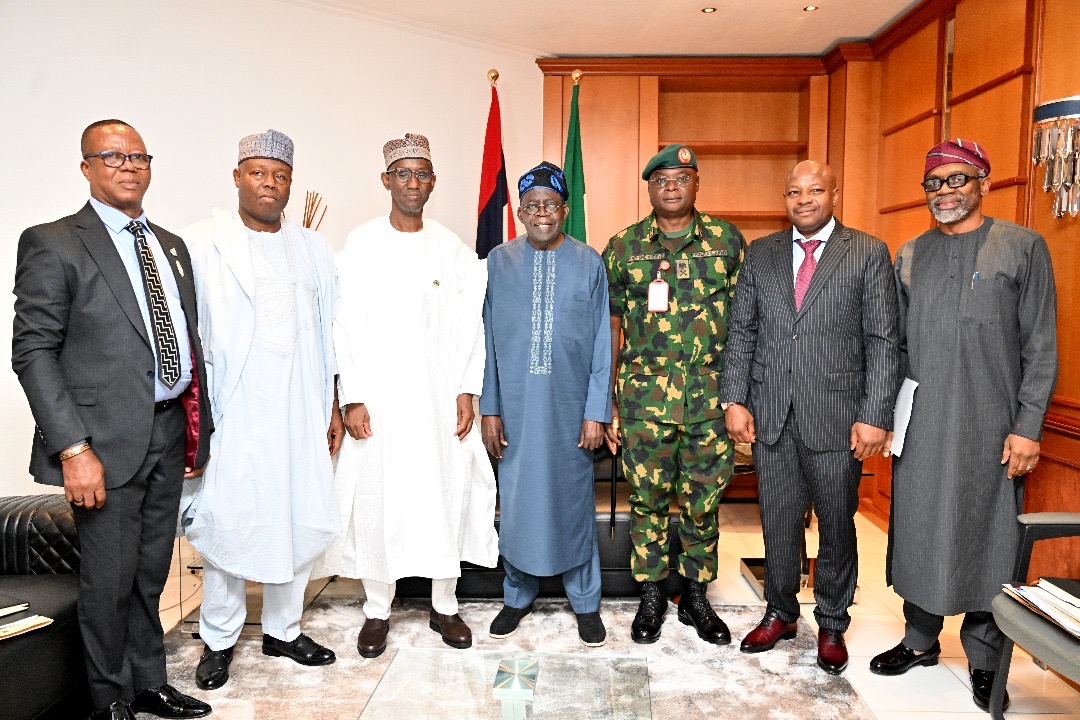
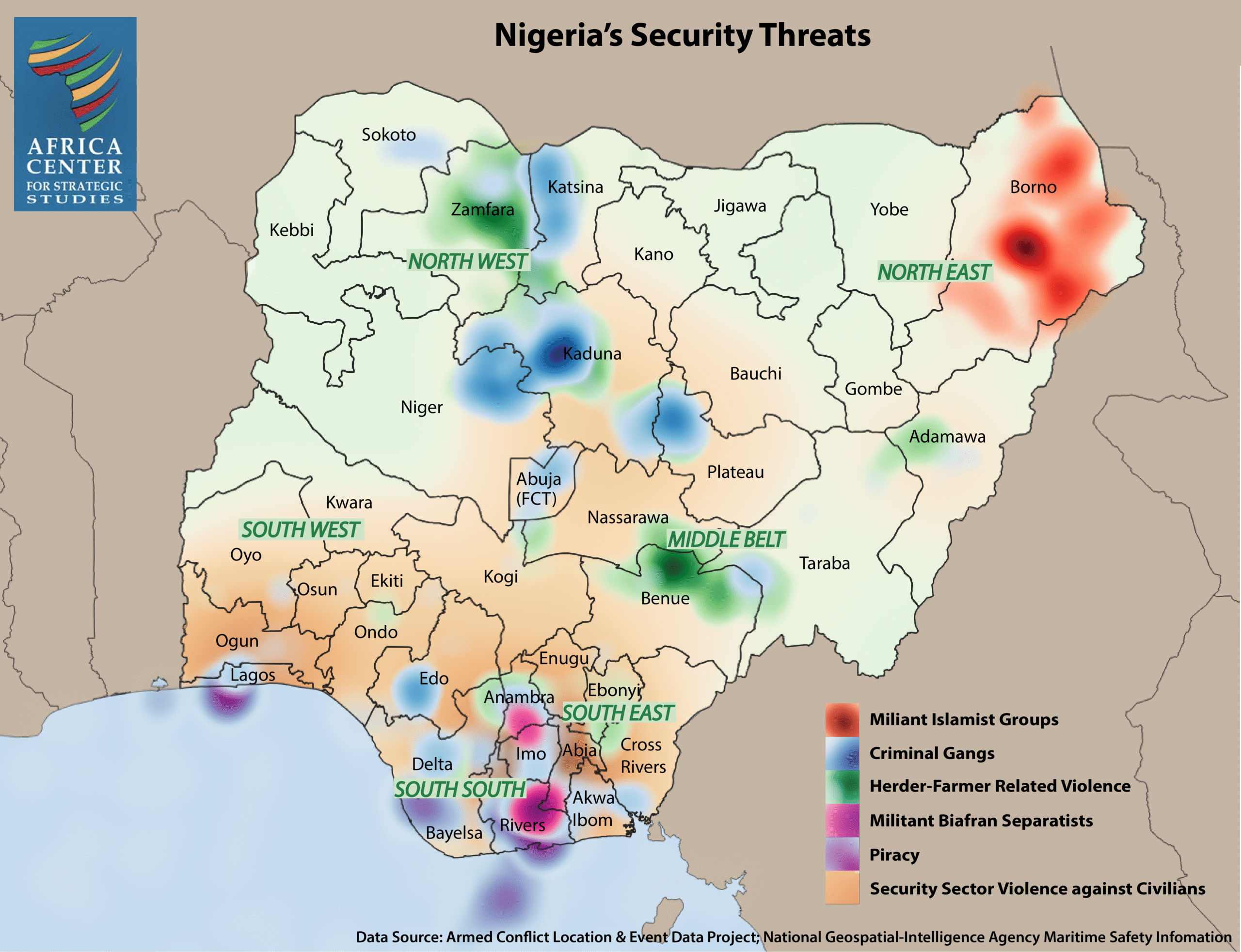
In Rivers State, governance shifts are intensifying. Governor Siminalayi Fubara recently dissolved his cabinet and appointed new officials, including a Chief Press Secretary. This move followed a strategic meeting in Abuja with President Bola Tinubu and Federal Capital Territory Minister Nyesom Wike, aimed at resolving a lingering political crisis in the state. The governor publicly thanked his outgoing cabinet members for their contributions, signaling a fresh phase for his administration’s agenda. This cabinet shakeup, however, unfolds against a backdrop of legislative tension, exemplified by Rivers State Assembly lawmakers reversing reconciliation efforts and renewing their insistence on pursuing impeachment processes against Governor Fubara and his deputy. These developments really highlight the factionalism and power struggles that often go hand-in-hand with governance in Nigeria’s sometimes volatile political environment. And it’s not just states; the Senate recently grilled the Accountant-General over a reported N28 trillion in revenues contrasted with zero capital allocations. Doesn’t that expose significant institutional challenges in budget management and transparency within our national governance framework?
Voices on Leadership and Africa’s Path Forward
Amid these immediate governance matters, former Nigerian President Goodluck Jonathan recently suggested that leadership in Africa should be entrusted to individuals under fifty. He firmly believes younger leaders are more in tune with their populations’ aspirations and better equipped to harness the continent’s demographic dividend for transformative development. This idea resonates with economic leaders like Rabiu Kwankwaso of the BUA Group, who urges African nations to pivot from raw material extraction towards industrial value addition. Just look at the Dangote Refinery; it’s achieved a historic milestone by becoming the first refinery globally to reach a crude distillation unit throughput of 650,000 barrels per day. That’s homegrown industrial competence operating at global standards, a powerful testament to what Africa can achieve! Meanwhile, Nigeria’s commitment to inclusivity and climate resilience is evident in securing a $62.8 million loan from Kuwait to fund schools designed for climate adaptation and inclusive education. These multifaceted goals illustrate an interconnected agenda to foster socio-economic development through both leadership renewal and strategic investments.
Other Noteworthy Developments
On the regional front, there’s been a troubling legal development: a Kenyan preacher faces charges for 52 additional deaths linked to a starvation cult, which really underscores the ongoing complexities of religious and social order across Africa. Domestically, the DSS clarified the circumstances surrounding the seizure of Kaduna State Governor Nasir El-Rufai’s passport at Abuja airport. Legal counsel has condemned attempts perceived as unlawful arrests related to this incident, highlighting the continuing frictions between political figures and security agencies.
Looking Ahead: Navigating Reform and Stability in Nigeria and Africa
As Nigeria marches closer to the 2027 election cycle, conversations about modernizing electoral processes, ensuring sustainable governance, and envisioning Africa’s future leadership are becoming incredibly urgent. Building public trust will be pivotal, especially regarding the nature and security of technological interventions in elections. Simultaneously, political recalibrations within states like Rivers indicate that governance stability heavily relies on effective crisis management and open dialogue. Africa’s demographic shifts offer tremendous potential, particularly if the continent embraces visionary leadership under fifty, dedicated to industrial innovation and socio-political inclusion. Economic milestones, like those achieved by the Dangote Refinery, affirm that Africa can indeed lead in high-impact industries on the global stage. Collectively, these trends show a continent in transition, balancing tradition with modernity, unity with factionalism, and caution with ambition. Stakeholders at every level simply must engage with transparency and foresight to ensure Africa’s promising narrative is realized through stable governance, informed reforms, and truly inclusive growth.
Sources:
- Adebayo Balogun: The Challenge Is Misinterpretation Of ‘Real Time’ In Transmission Of Election Results, Africa News, November 2025, URL
- Buba Galadima: Senate Cannot Be Wise By Half On Electoral Act, Nigerians Demand Full Electronic Transmission, Africa News, November 2025, URL
- Adeniyi Adegbonmire: Real-Time Results Transmission Is Not E-Voting, Africa News, November 2025, URL
- Rivers Governor Fubara Says Surveyors Are Crucial To Effective Governance, Africa News, January 2026, URL
- Jonathan: Only Leaders Under 50 Are Fit To Govern African Countries, Africa News, January 2026, URL
- Senate Grills Accountant-General Over N28tn Revenue, Zero Capital Allocations, Africa News, January 2026, URL
- INEC Proposes N873.8bn For 2027 Elections, N209.2bn Earmarked For Technology, Africa News, January 2026, URL
- BUA Group’s Rabiu Urges Africa To Shift From Raw Material Extraction To Industrial Value Addition, Africa News, January 2026, URL
- Dangote Refinery Makes History, Becomes First Globally To Hit 650,000 bpd Capacity On CDU, MS Block, Africa News, January 2026, URL
- DSS Explains Seizure Of El-Rufai’s Passport At Abuja Airport, Africa News, January 2026, URL
- Counsel Condemns Alleged Unlawful Attempt To Arrest El Rufai At Abuja Airport, Africa News, January 2026, URL
- Kenyan Preacher Charged Over 52 Additional Deaths Linked To Starvation Cult, Africa News, January 2026, URL
- Breaking: Fubara Dissolves Rivers Cabinet, Appoints New Chief Press Secretary, Africa News, January 2026, URL