Nigeria Navigates Complex Political and Security Landscape
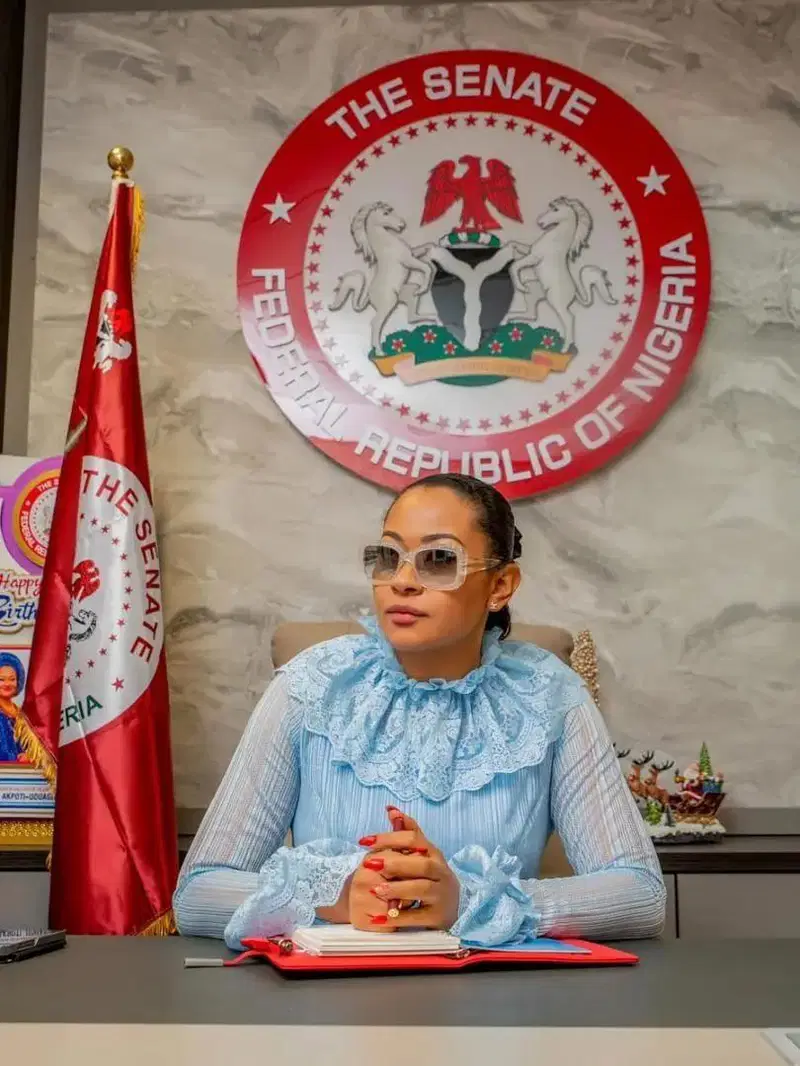
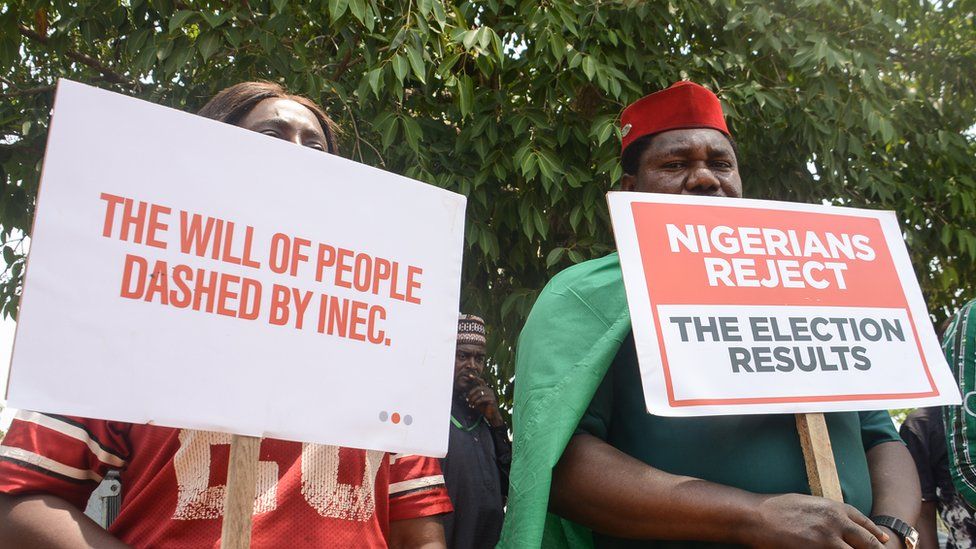
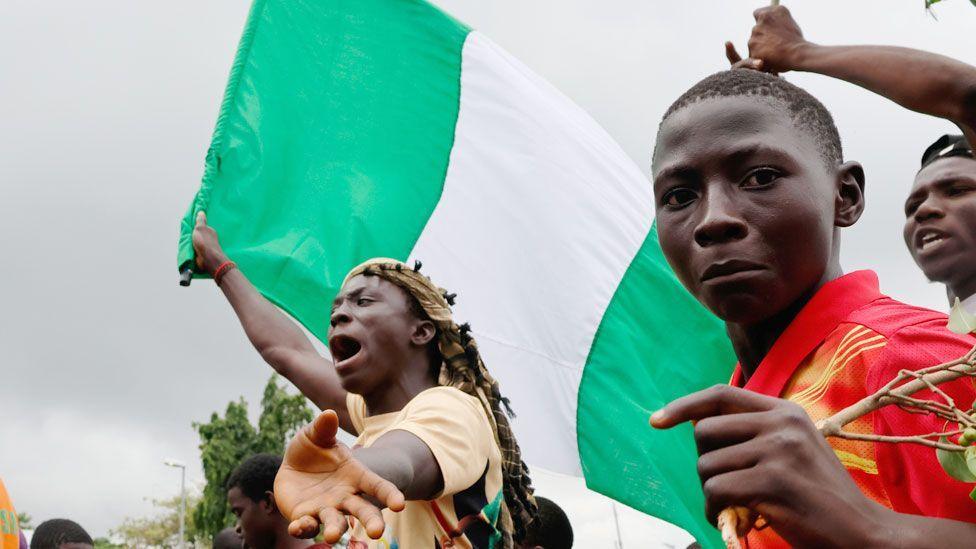
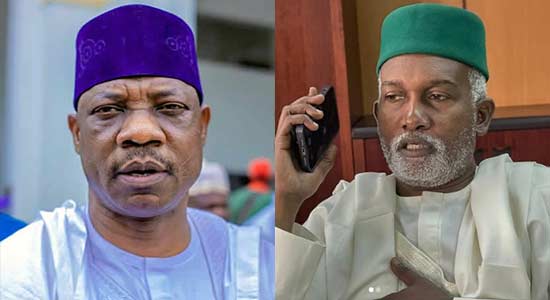
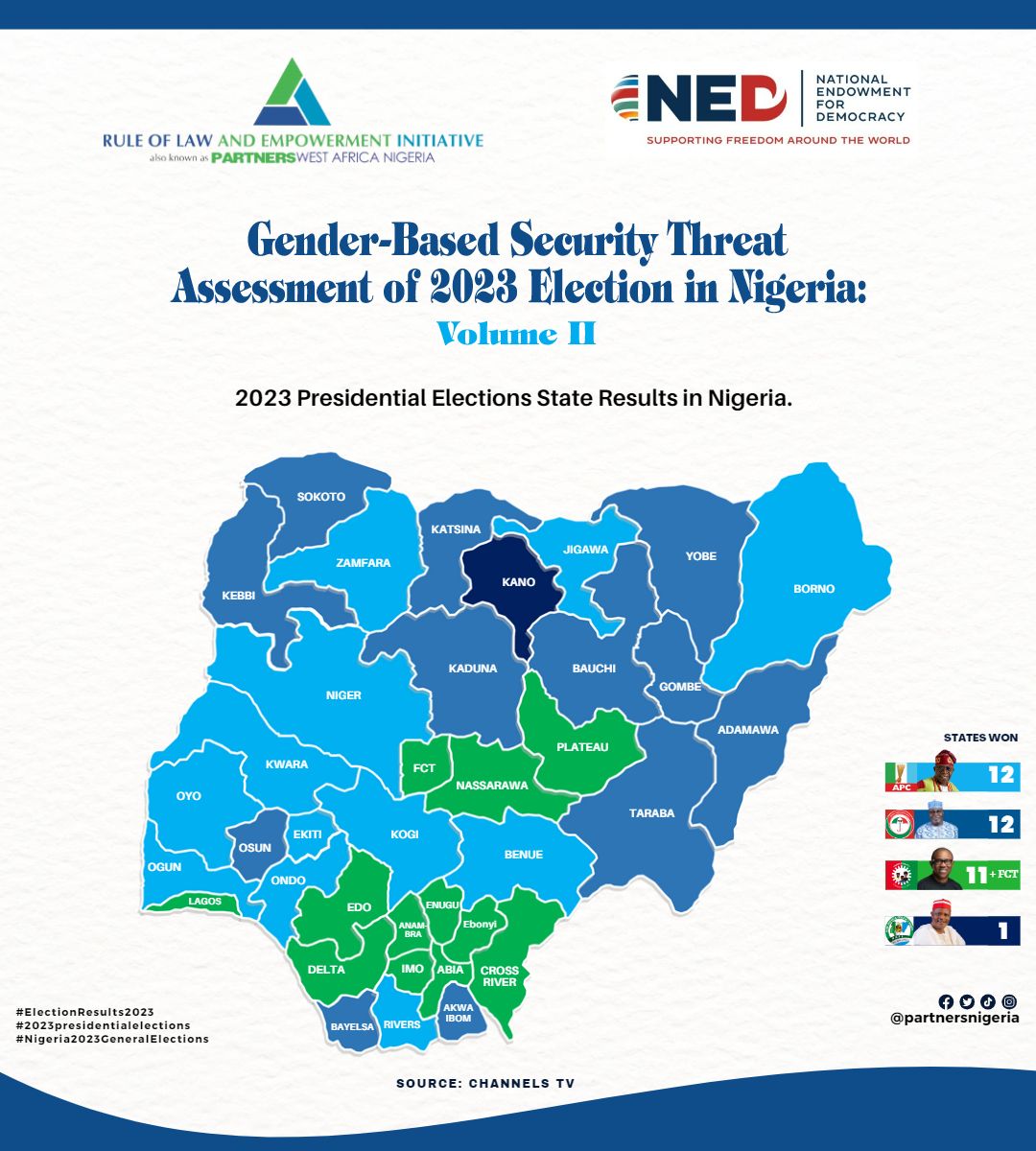
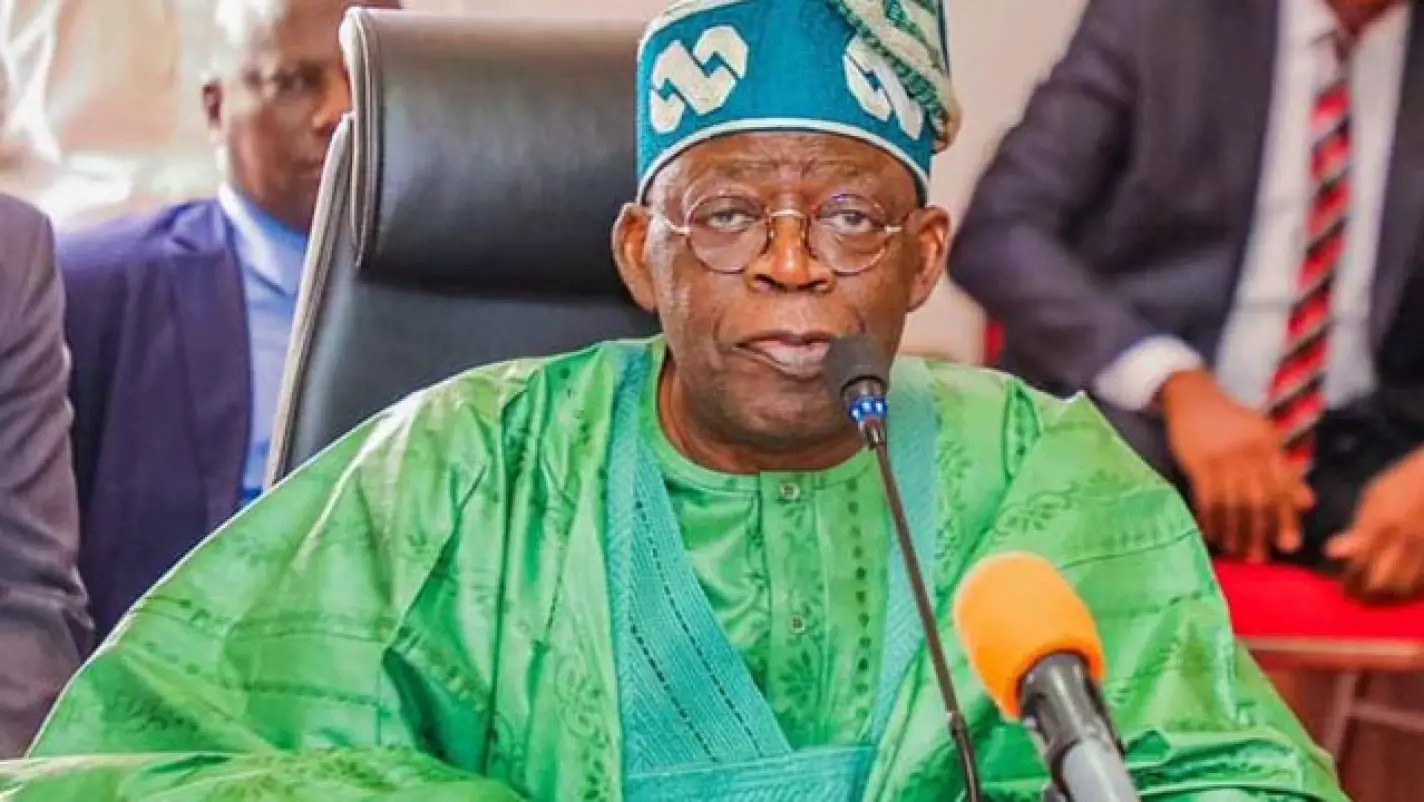
Nigeria is definitely at a crossroads, balancing significant political reforms, persistent security challenges, and crucial international diplomacy. What’s really shaping the nation’s future trajectory are recent developments, from intense legislative debates over electoral law changes to clever political campaigns. We’re also seeing concerns about regional bias in government services, alongside vital discussions on national infrastructure and defense. It’s a lot to take in, isn’t it? Take, for instance, Senator Akpabio’s recent firm defense of the Senate’s proposed amendments to the Electoral Act. He isn’t just defending them, he’s actually cautioning against quick judgment, arguing that premature criticism could actually hurt our democratic process even before a full review. This stand comes as various political players are looking closely at how these changes might impact upcoming elections. What this highlights is the tightrope lawmakers must walk, trying to make our electoral processes more transparent and fair without alienating the very voices that make our democracy vibrant. Meanwhile, Rivers State Governor Wike has been busy, launching a new radio station. Why? To drum up support for President Tinubu’s anticipated 2027 re-election campaign. This initiative really shows how local media is becoming a key tool to energize political networks and connect with people at the grassroots level. It’s a reflection of a bigger trend in Nigerian politics, where managing public messaging and voter outreach through regional platforms is super important for shaping election results and party narratives. As we gear up for future elections, it’s clear that these internal political dynamics will continue to be a major talking point. After all, everyone wants their voice heard, don’t they? For more on the election landscape, read about Nigeria’s 2027 elections.
Governance, Economy, and Global Reach
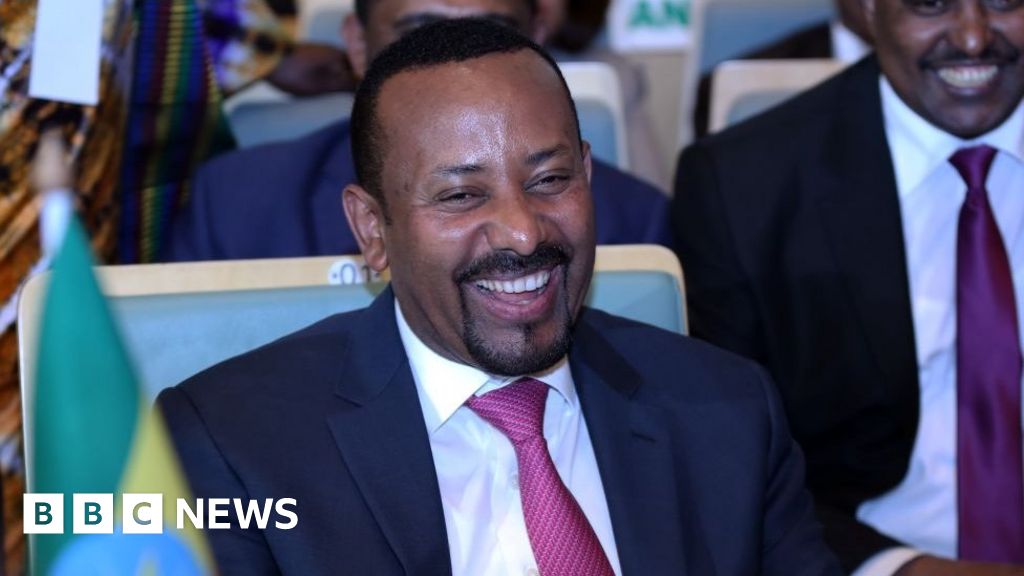
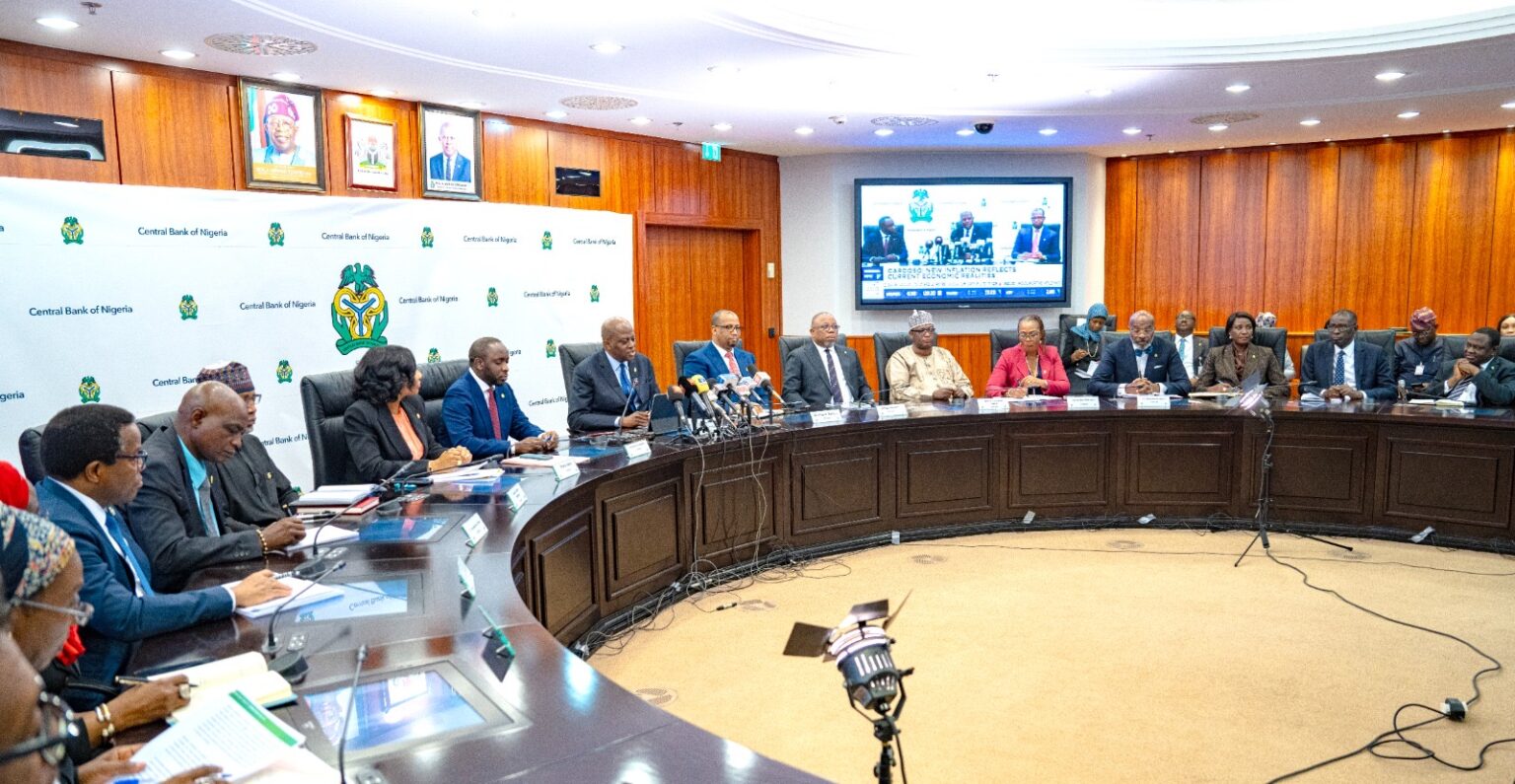
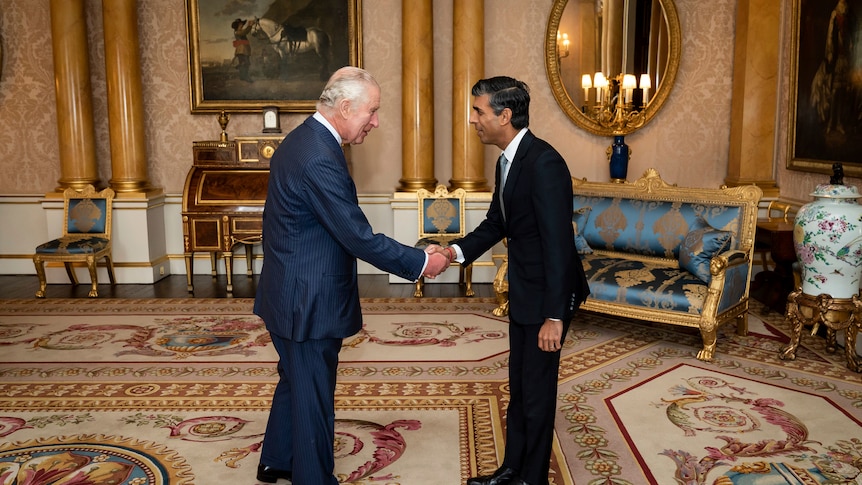
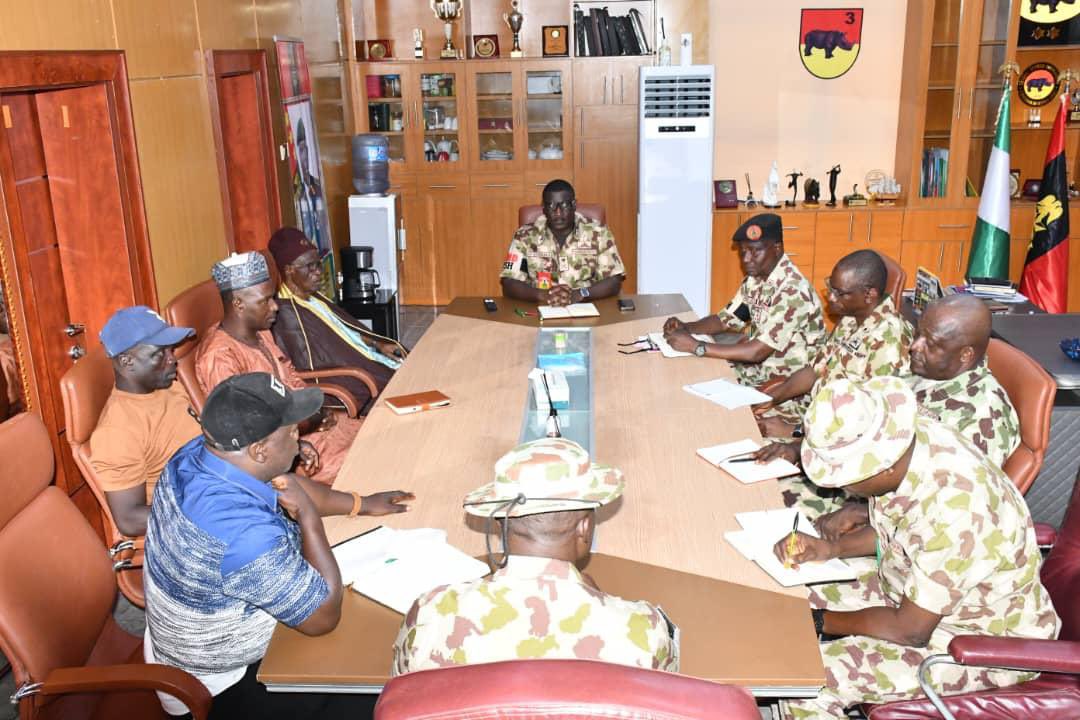
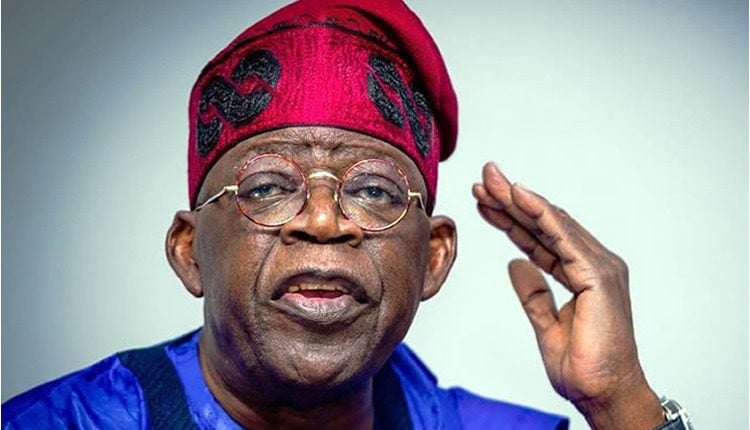
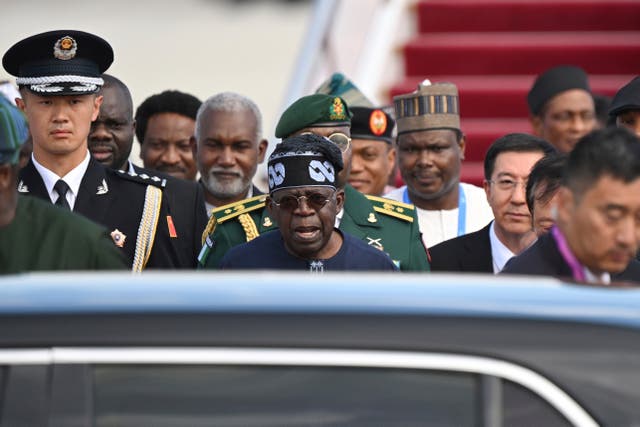
Shifting gears to public service, the Nigerian Immigration Service (NIS) recently put to bed claims of regional exclusion when it comes to passport issuance. They’re steadfast, reaffirming their commitment to treating all citizens fairly, no matter their geographical or ethnic background. This is a big deal, especially when national unity is so important amidst ongoing tensions. The government clearly wants to squash any ideas of marginalization that could worsen regional divisions. But let’s talk about energy, a critical issue for many Nigerians. Dan Kunle, an expert in the field, just reignited a fierce debate about Nigeria’s energy infrastructure. His point? Our oil refineries just can’t run well under government control. He’s pushing for privatization and a deep forensic audit of the billions of naira already spent on refinery operations. Kunle believes that transparency and private sector involvement are vital to unlock the refineries’ true potential, reduce our reliance on imported fuel, and ultimately, stabilize domestic energy supplies. It sounds like a plan to help Nigeria’s economy grow. On the international stage, President Tinubu, joined by First Lady Oluremi, is preparing for a state visit to the United Kingdom, invited by King Charles himself. This isn’t just a friendly visit, it’s a clear move to strengthen Nigeria’s global partnerships. It’s expected to build on historical ties and open new doors for collaboration in trade, security, and cultural exchange. You can learn more about how global investments and social reforms highlight progress. Concurrently, the Nigerian Air Force (NAF) is implementing a structured program to retrieve service weapons from retiring officers. This shows a real focus on arms control and maintaining internal discipline within the military, essential for national stability. Defense Minister Musa also recently shared that new military cooperation agreements include training exchanges and building troop capacity with allied nations. This demonstrates a strategic approach to tackle the security threats that have sadly plagued the country.
Security Concerns and the Road Ahead
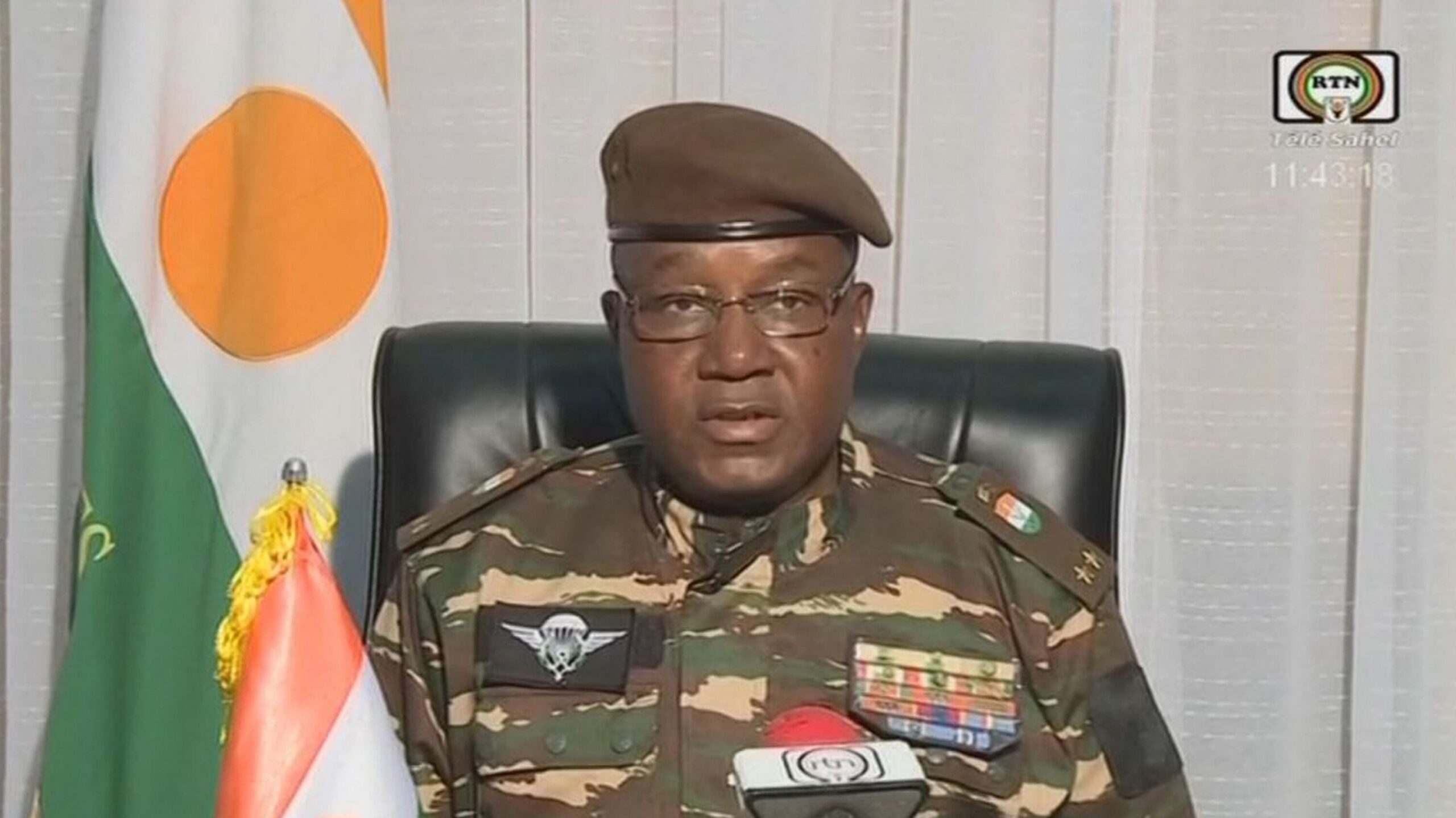
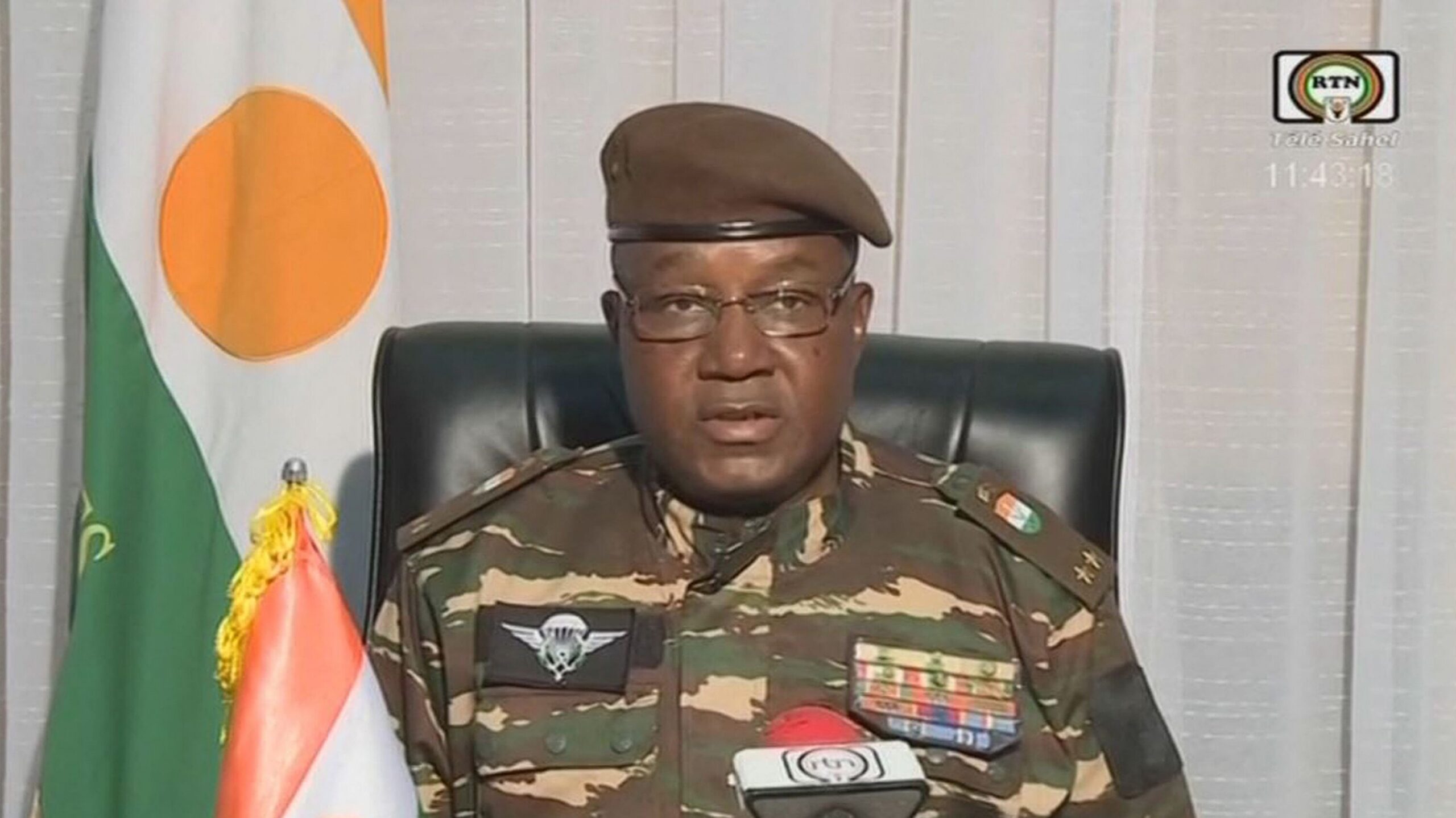
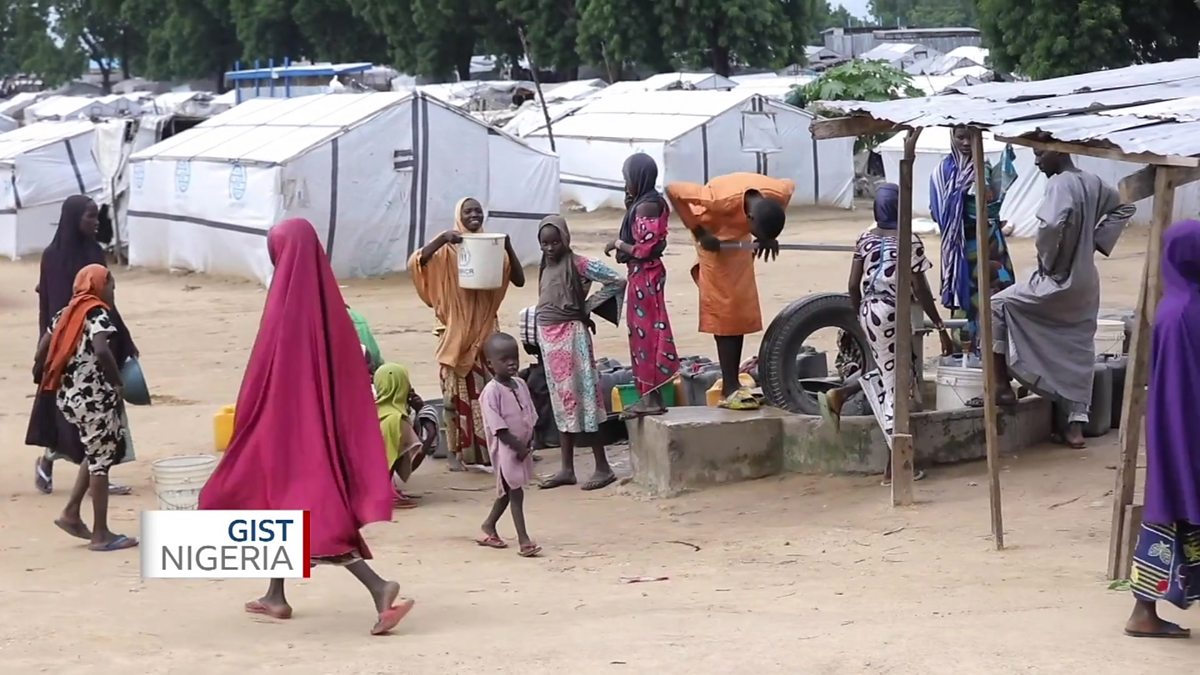
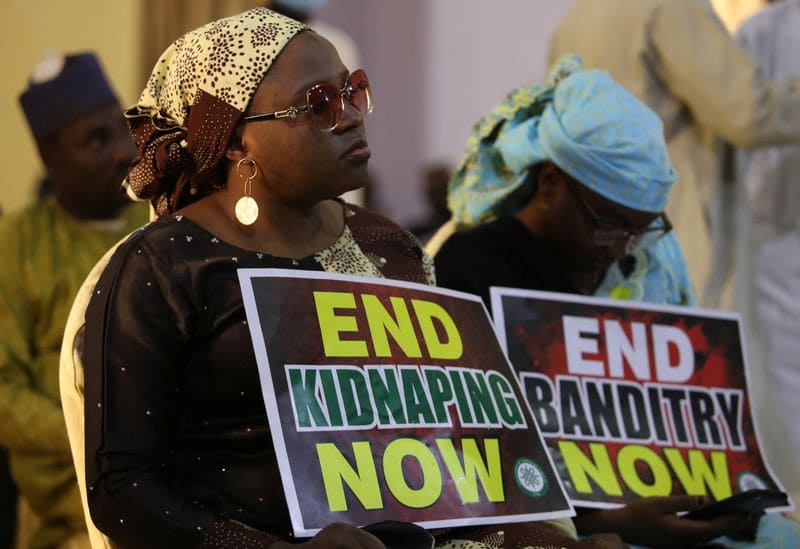
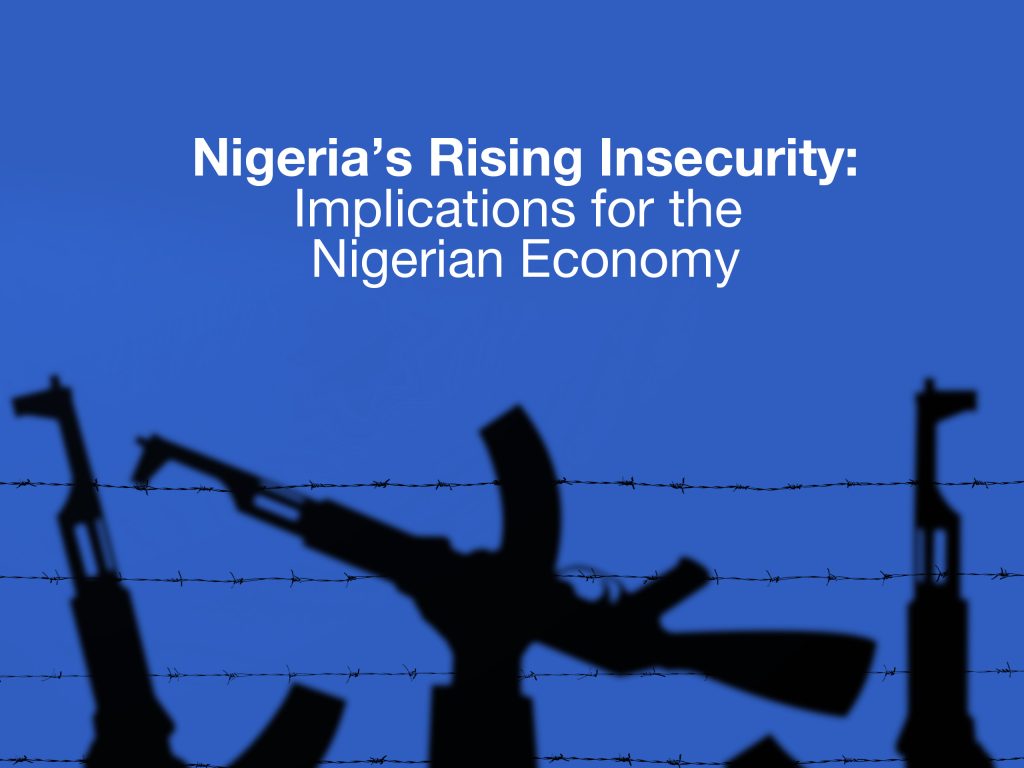
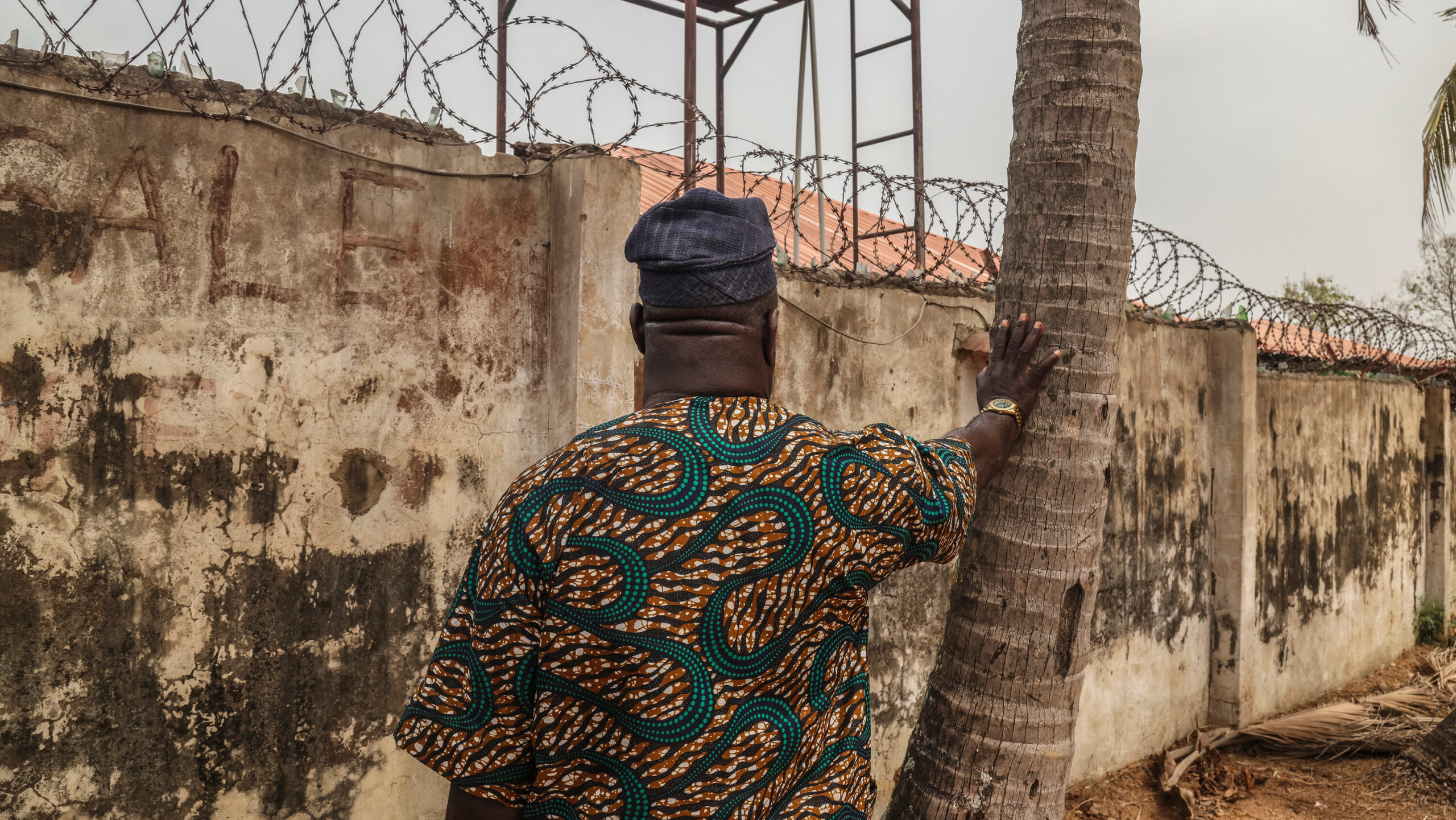
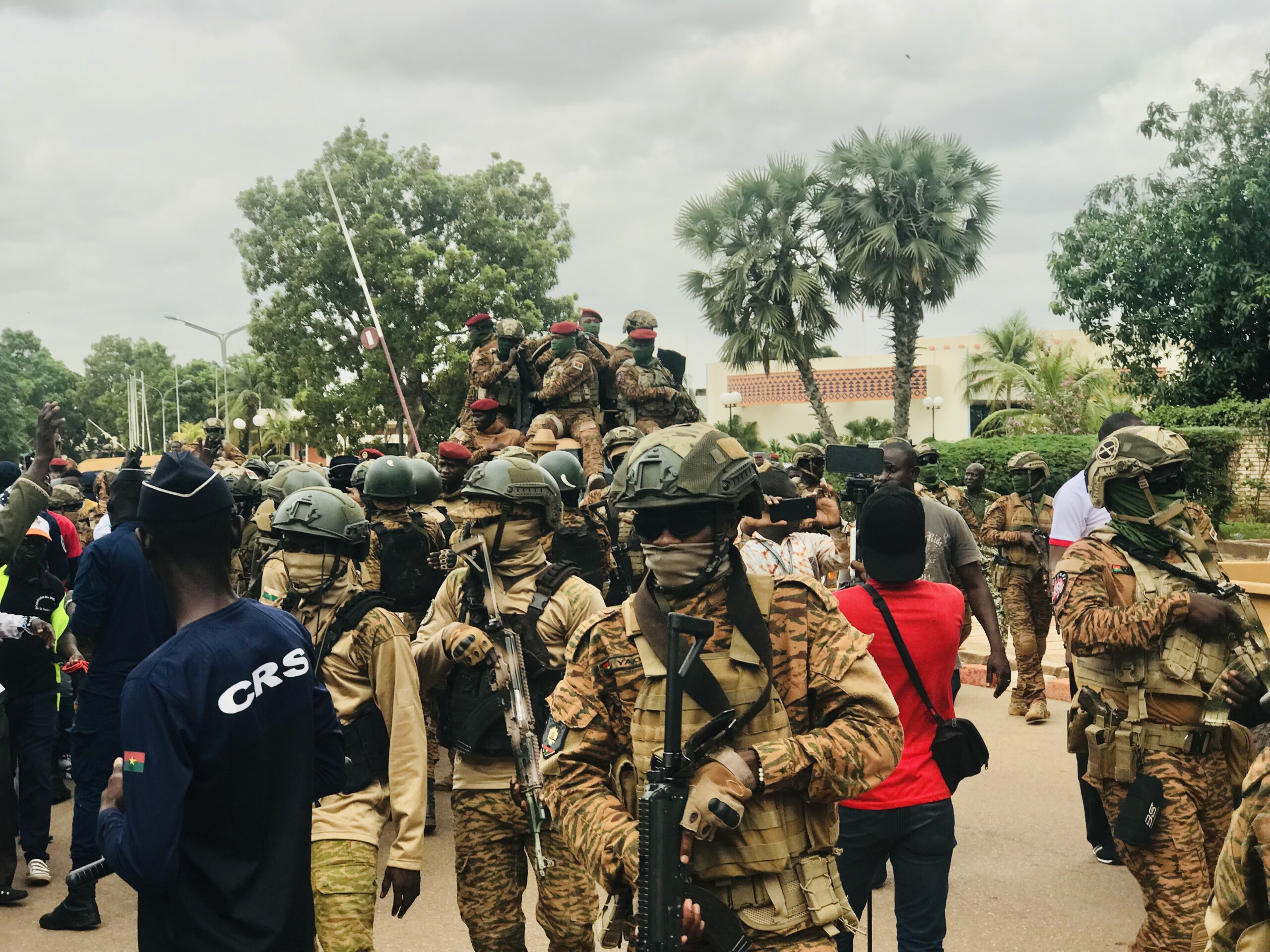
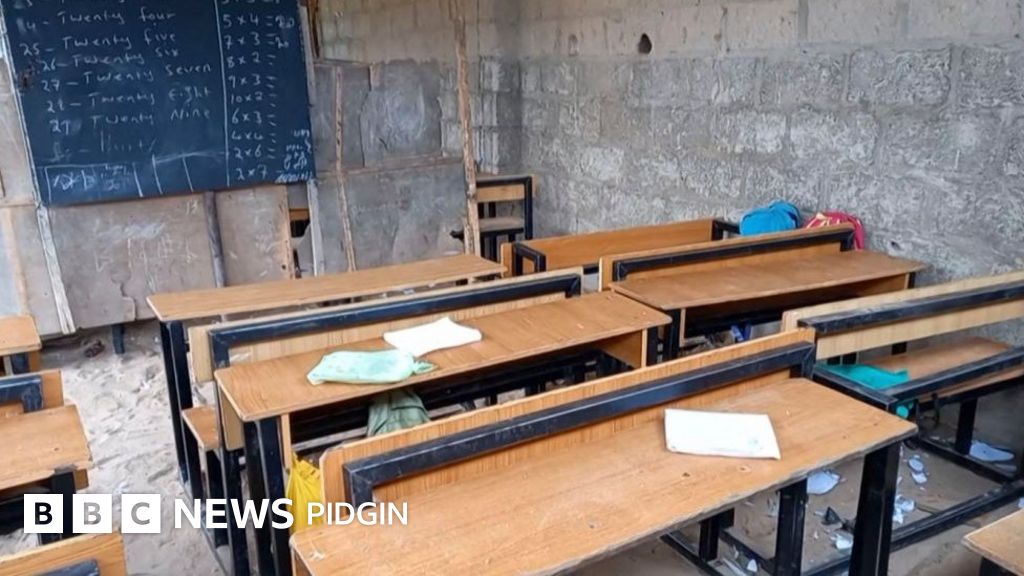
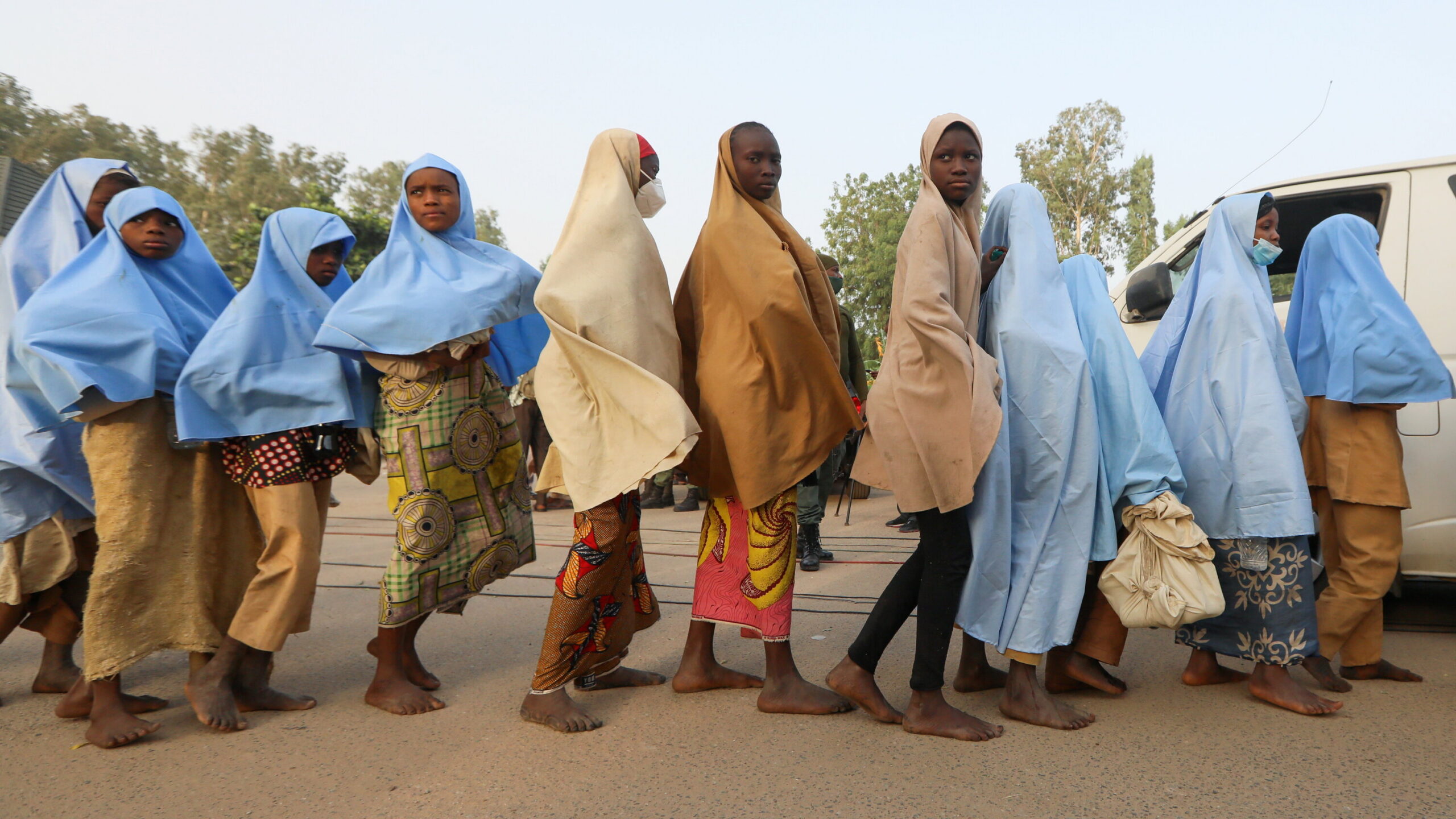
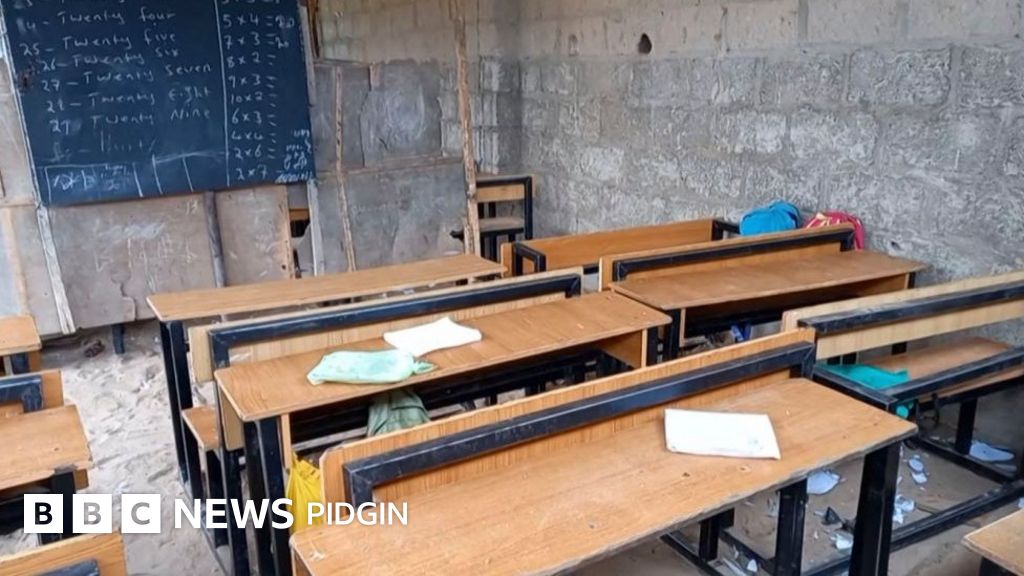
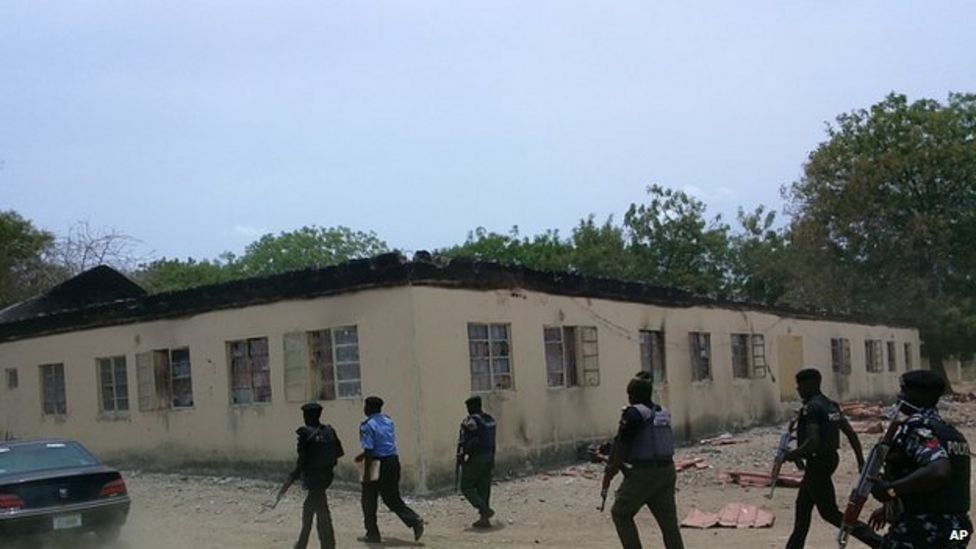
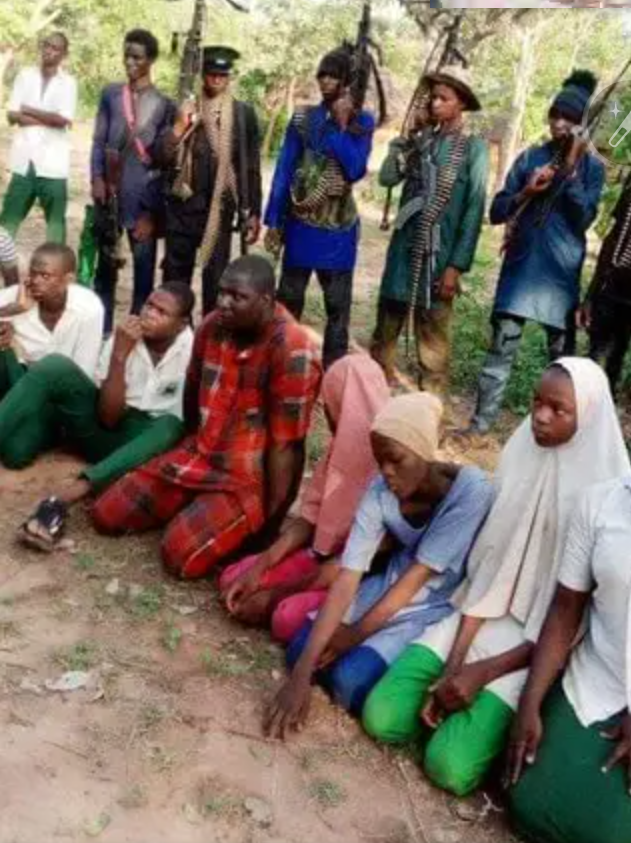
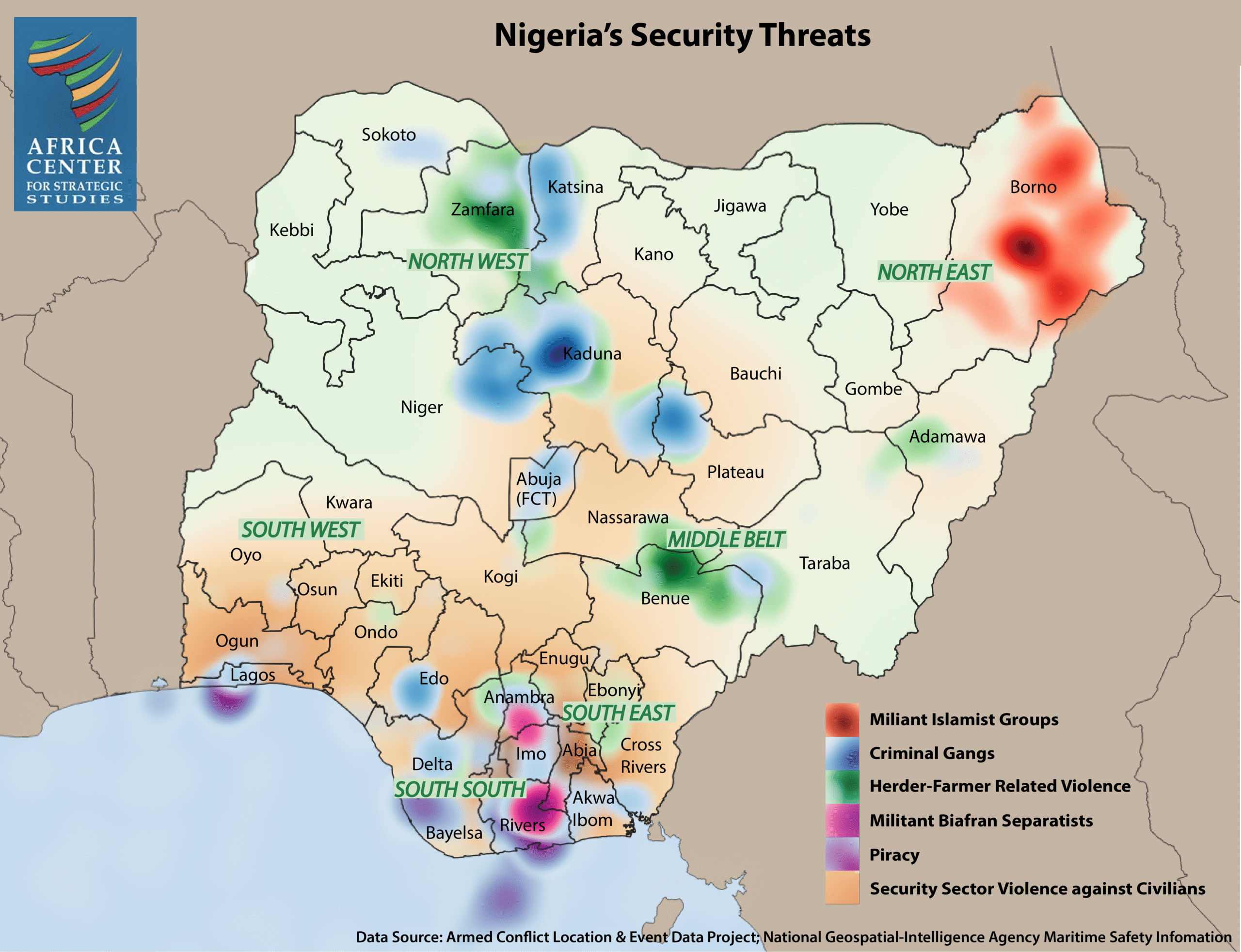
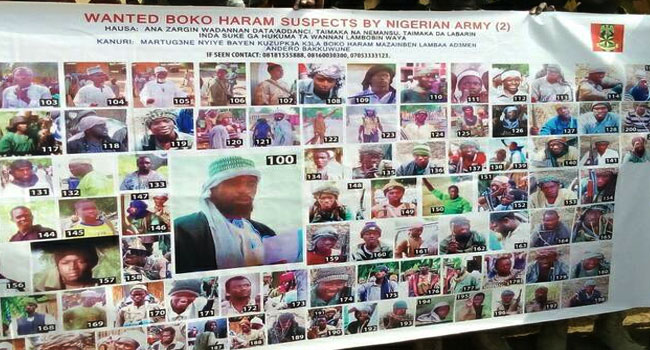
Regrettably, the security situation remains quite tense. Terrorists and bandits continue their attacks in various regions, including Katsina and Kwara states. We’ve seen tragic incidents, like the killing of a community watch officer and the ambush of commuters near Enugu. These events really highlight the constant danger these groups pose to both civilians and the government. Interestingly, recently deployed U.S. troops mark the first clear international military support in Nigeria’s counterterrorism efforts, a move praised by military officials like John Enenche. This signals a new phase in our ongoing struggle against these threats. Amidst this challenging backdrop, there have also been arrests linked to serious crimes, from drug trafficking at Kano airport to allegations of corruption and complicity among officials. These persistent issues truly underscore the existing problems within Nigeria’s justice and security institutions. Don’t you think reforms are absolutely necessary to ensure accountability and the rule of law? As Nigeria navigates this intricate web of political reform, security stabilization, and international diplomacy, both leaders and citizens face a crucial task: fostering collaboration across ethnic, regional, and institutional lines. The defense of electoral amendments shows a nation striving to find that delicate balance between reform and order. At the same time, new media initiatives and political alliances reveal how electoral engagement is changing. Addressing energy inefficiencies and boosting military capabilities are all part of a comprehensive approach to national development and security. With upcoming elections and palpable security concerns, Nigeria’s future will heavily depend on inclusive governance, transparent resource management, and stronger partnerships both at home and abroad. How Nigeria handles these multifaceted challenges could truly set a precedent for Africa’s largest economy and most populous country in the years to come. It’s certainly a lot to consider as we look toward the future. For more on Nigeria’s security efforts, you might be interested in this article on Nigeria’s Security Crossroads.
Sources:
Akpabio Defends Senate On Electoral Act Amendment, Warns Against Premature Criticism, Arise News, February 2, 2026, Arise News
Wike Launches Radio Station In Rivers To Boost Tinubu’s 2027 Re-Election Campaign, Arise News, February 2, 2026, Arise News
NIS Dismisses Claims Of Regional Exclusion In Passport Issuance, Arise News, February 2, 2026, Arise News
Dan Kunle Insists Nigeria’s Refineries Can’t Work Under Government Control, Urges Privatisation, Forensic Probe Of Billions Spent, Arise News, February 2, 2026, Arise News
Tinubu, First Lady Oluremi To Pay State Visit To UK On King Charles’ Invitation, Arise News, February 2, 2026, Arise News
NAF Plans Structured Retrieval Of Service Weapons From Retiring Officers, Arise News, February 2, 2026, Arise News
John Enenche: US Troop Deployment Marks First Practical Support In Nigeria’s Fight Against Terrorism, Arise News, February 2, 2026, Arise News