Nigeria’s Security Successes and Political Changes Shape Future Stability
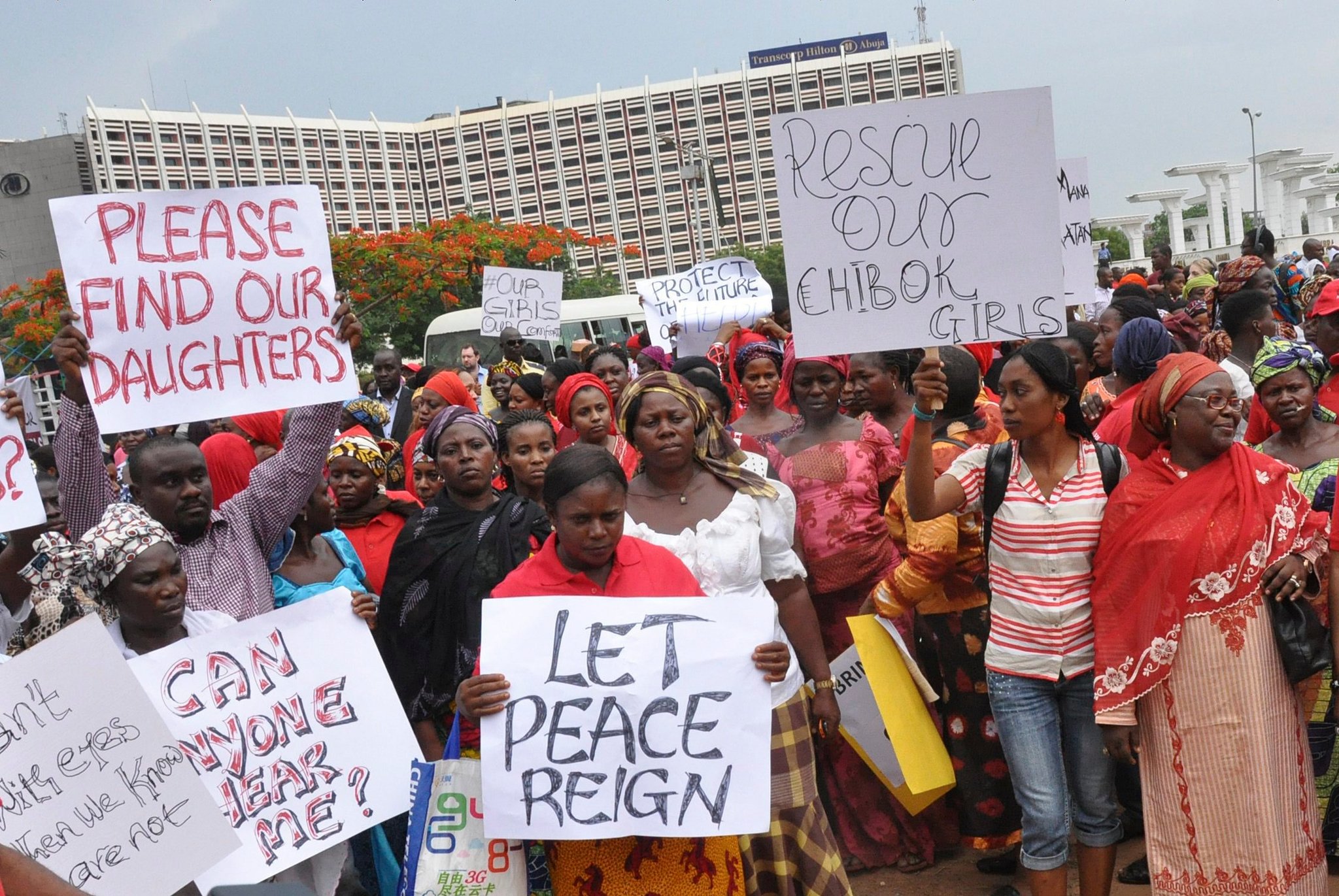
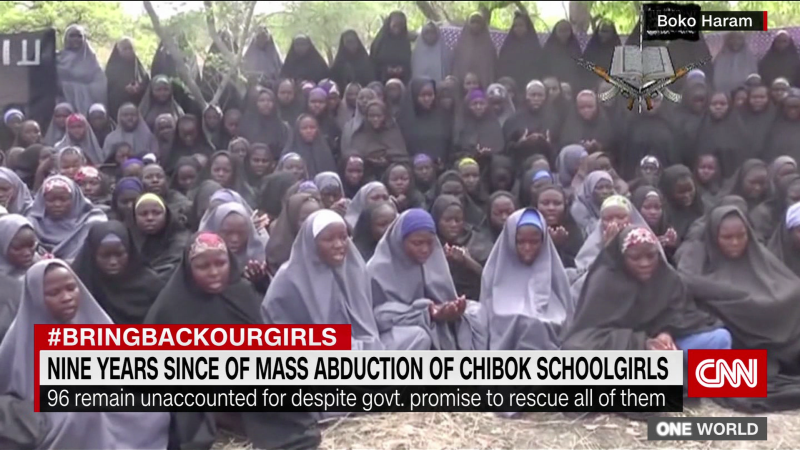
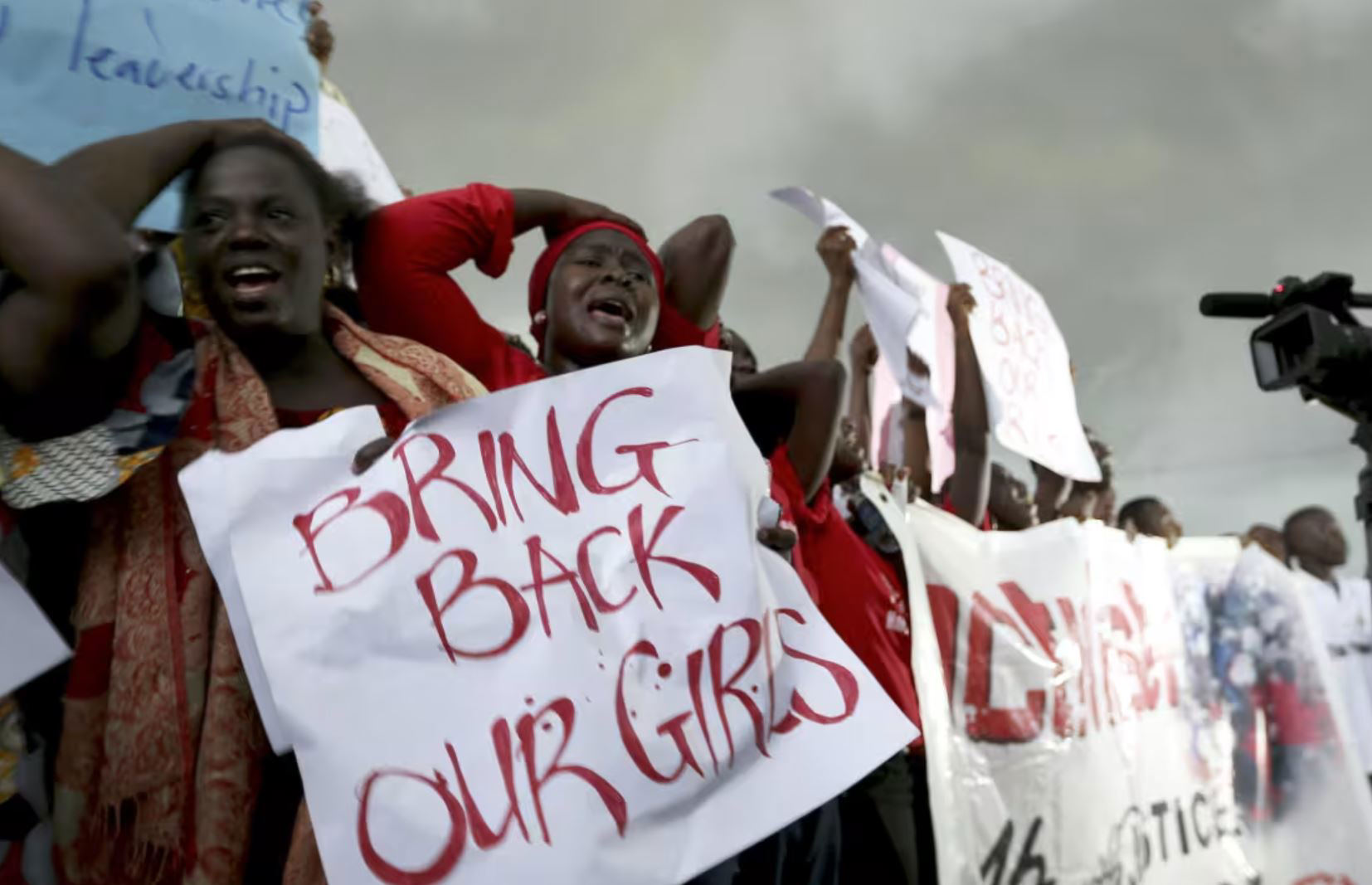
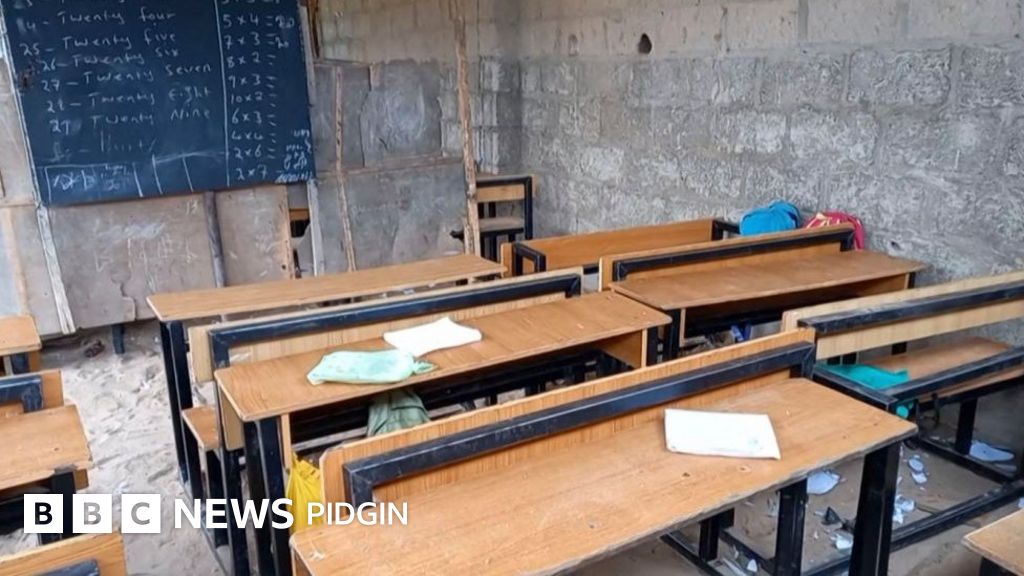
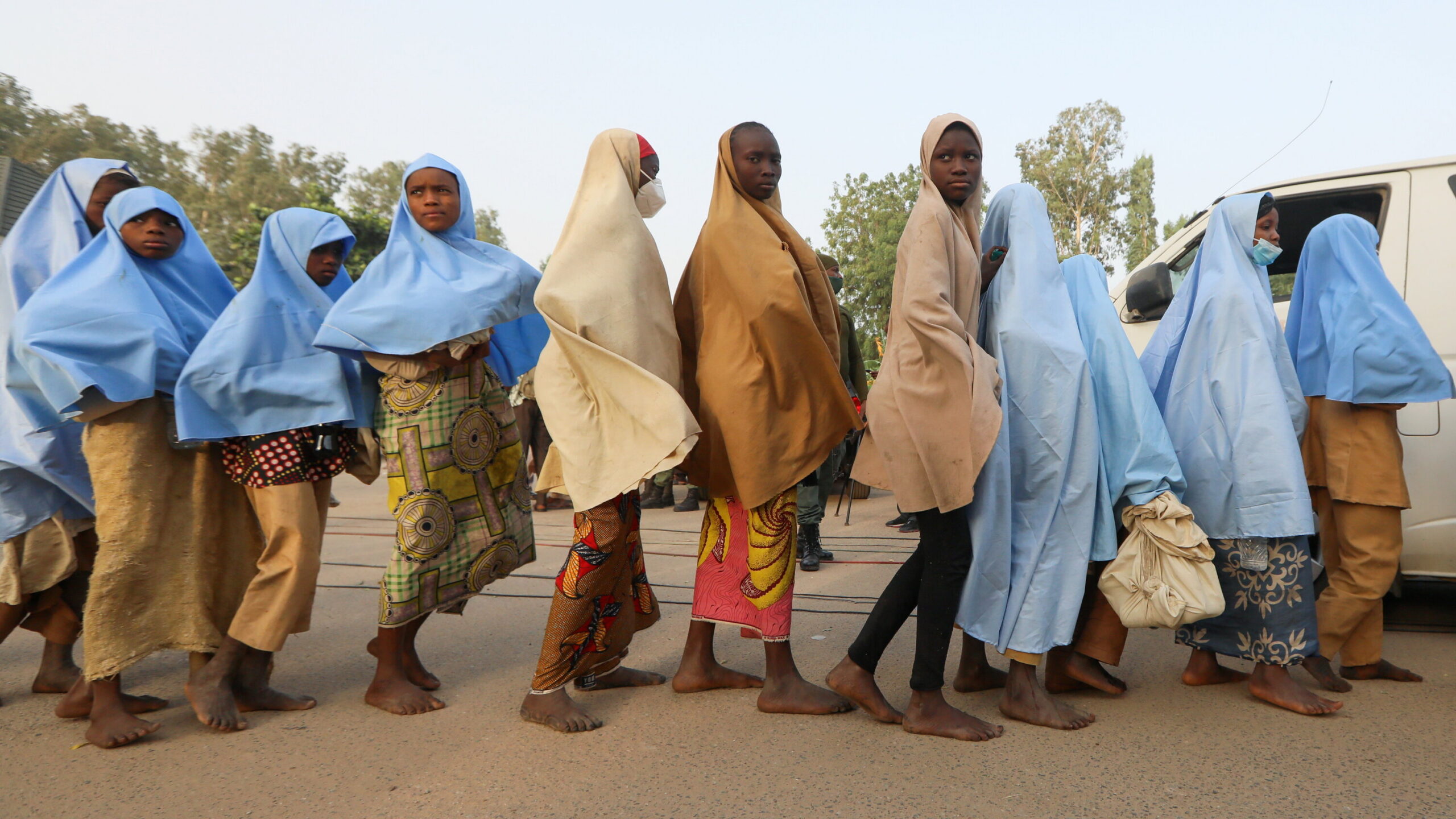
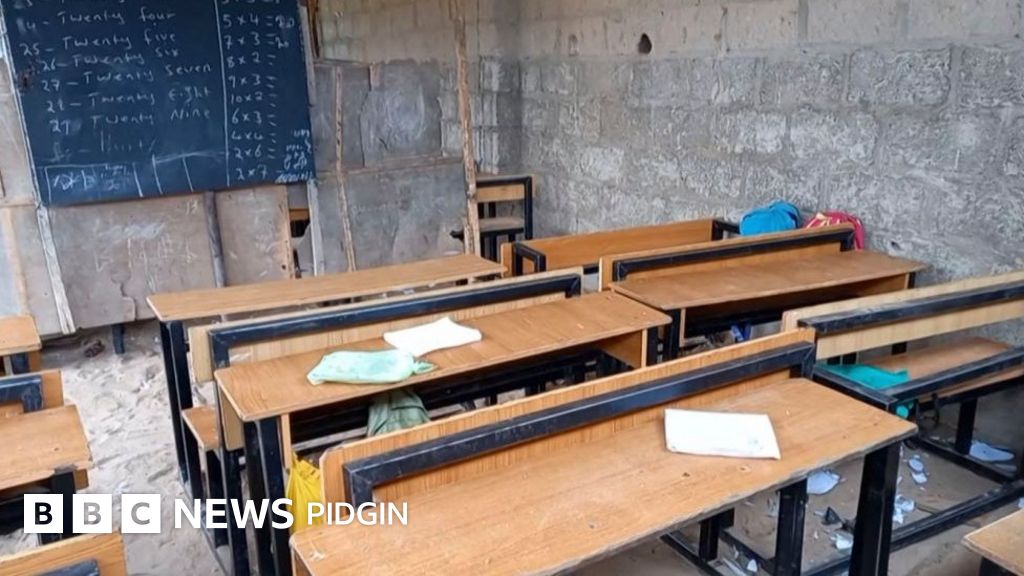
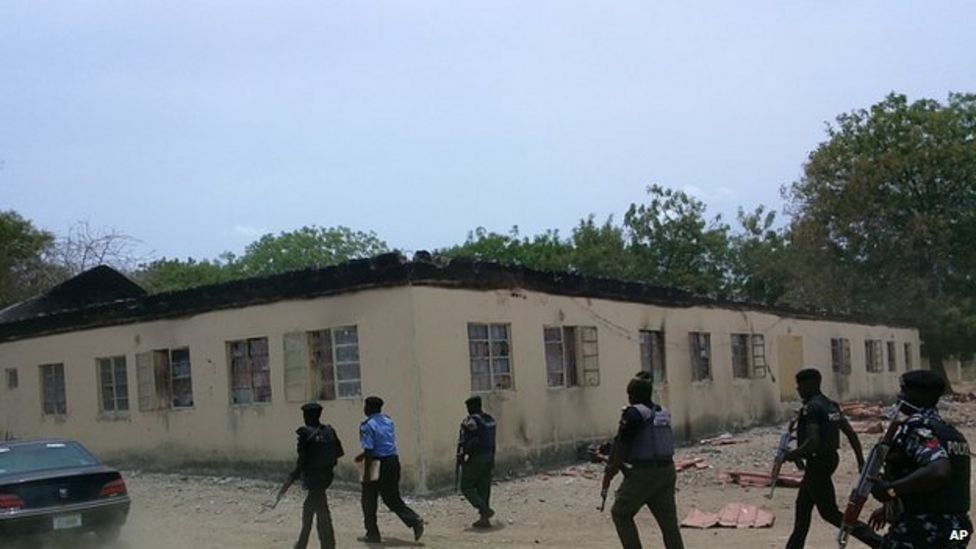
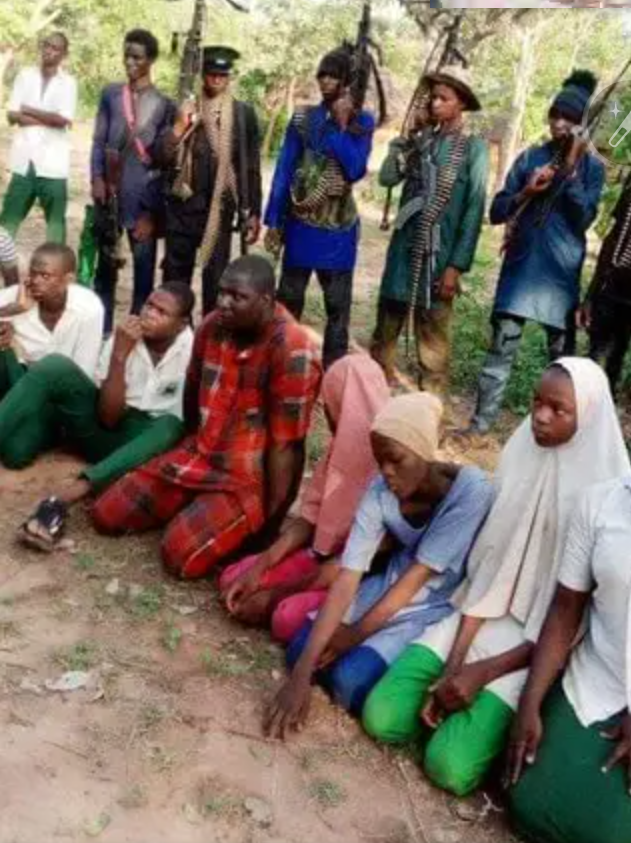
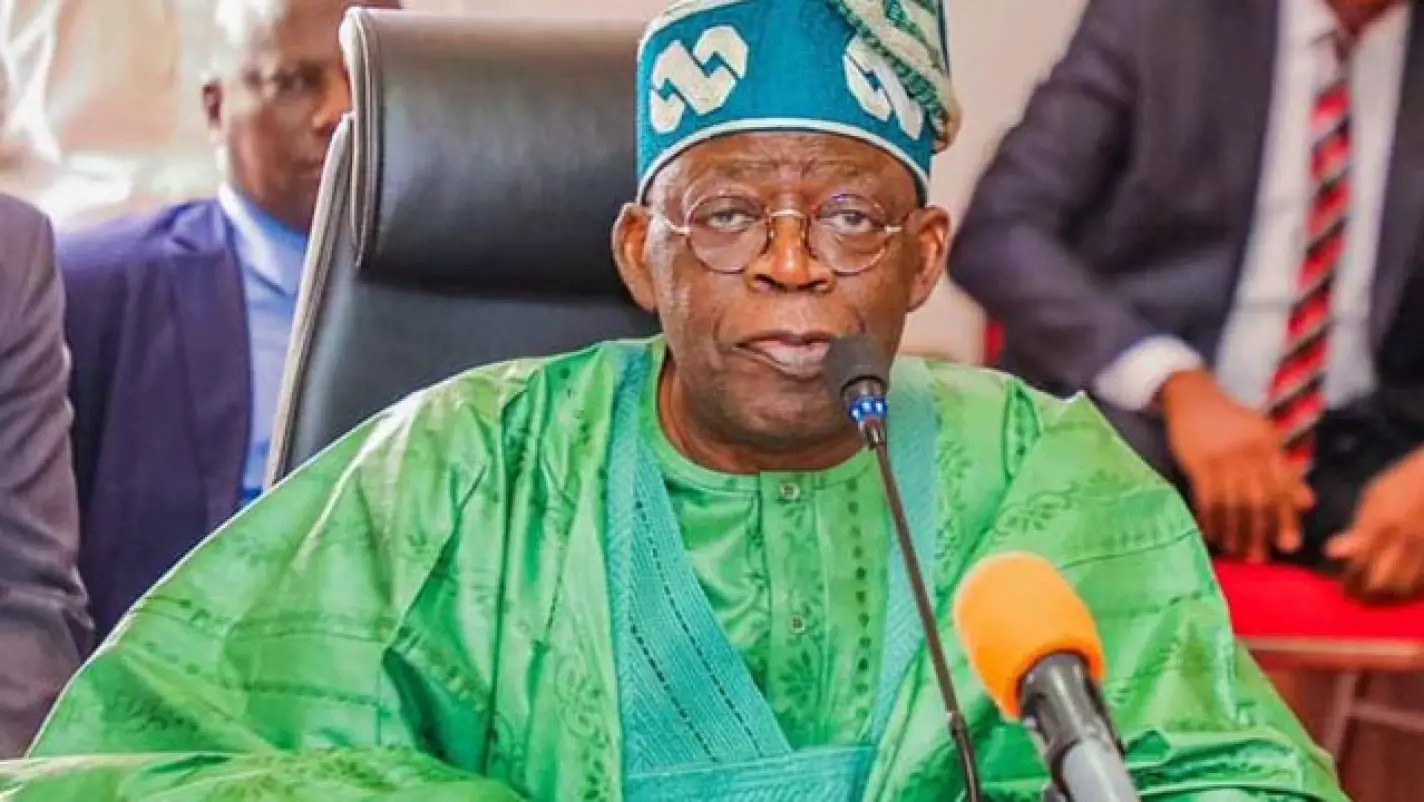
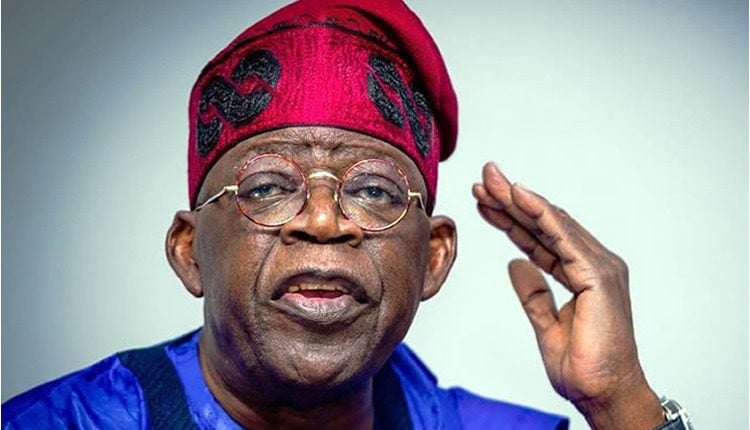
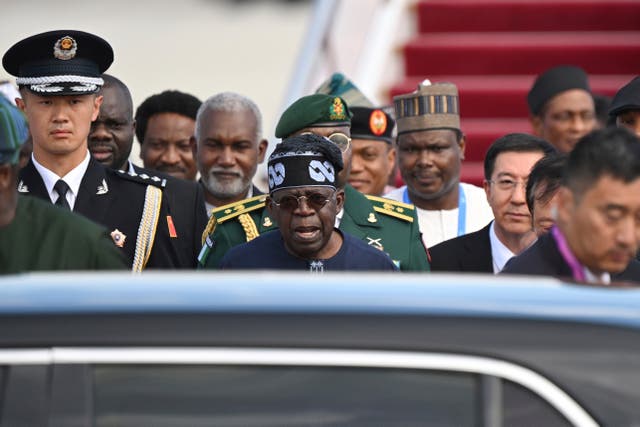
In recent days, Nigeria’s been a hub of activity, clearly showing both its ongoing security challenges and its vibrant political scene. From the successful rescue mission in Kebbi to the notable political recalibrations within major parties, these events really paint a multifaceted picture of a nation tackling internal threats head-on while simultaneously striving for profound stability and citizen empowerment. The most heartening news has to be the successful rescue of twenty-four schoolgirls, abducted on November 17 from a boarding school in Kebbi state. This impressive operation, a direct result of our security forces’ well-coordinated efforts, powerfully highlights a renewed commitment to counter the rising tide of kidnappings that have, sadly, plagued various regions. It’s a vital, albeit rare, lift for national morale and clearly underscores just how critical our security agencies are in protecting vulnerable populations across the country. Meanwhile, at the federal level, President Bola Tinubu’s administration is actively placing youth empowerment front and center. New programs are being rolled out, specifically aiming to create tangible opportunities for young Nigerians, a demographic the government rightly recognizes as a crucial engine for driving future economic growth and ensuring social stability. Tinubu’s focus here signals a strategic shift towards addressing systemic issues through smart investment in human capital, anticipating these measures will effectively complement existing security efforts.
Security Concerns and Regional Influence
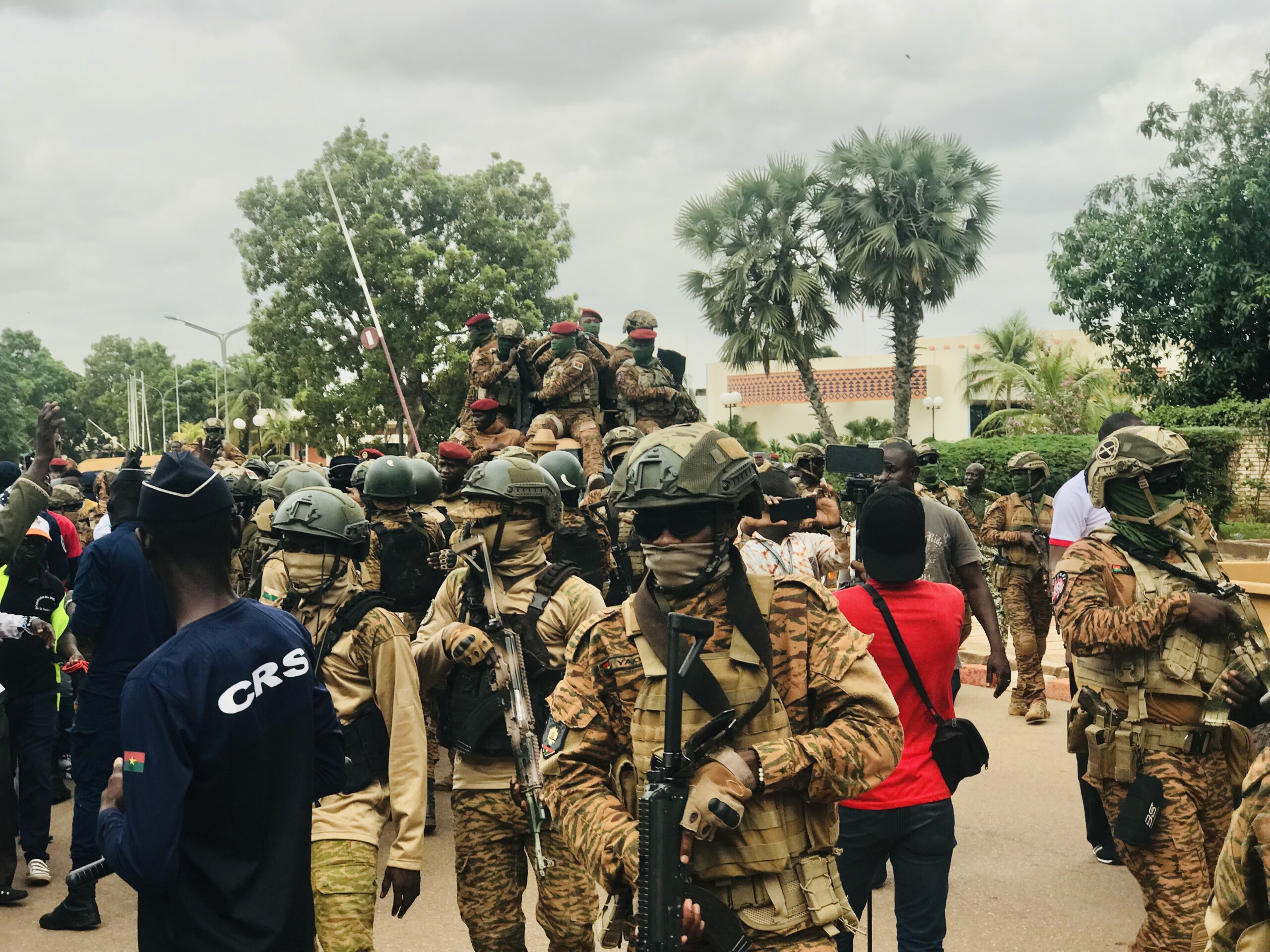
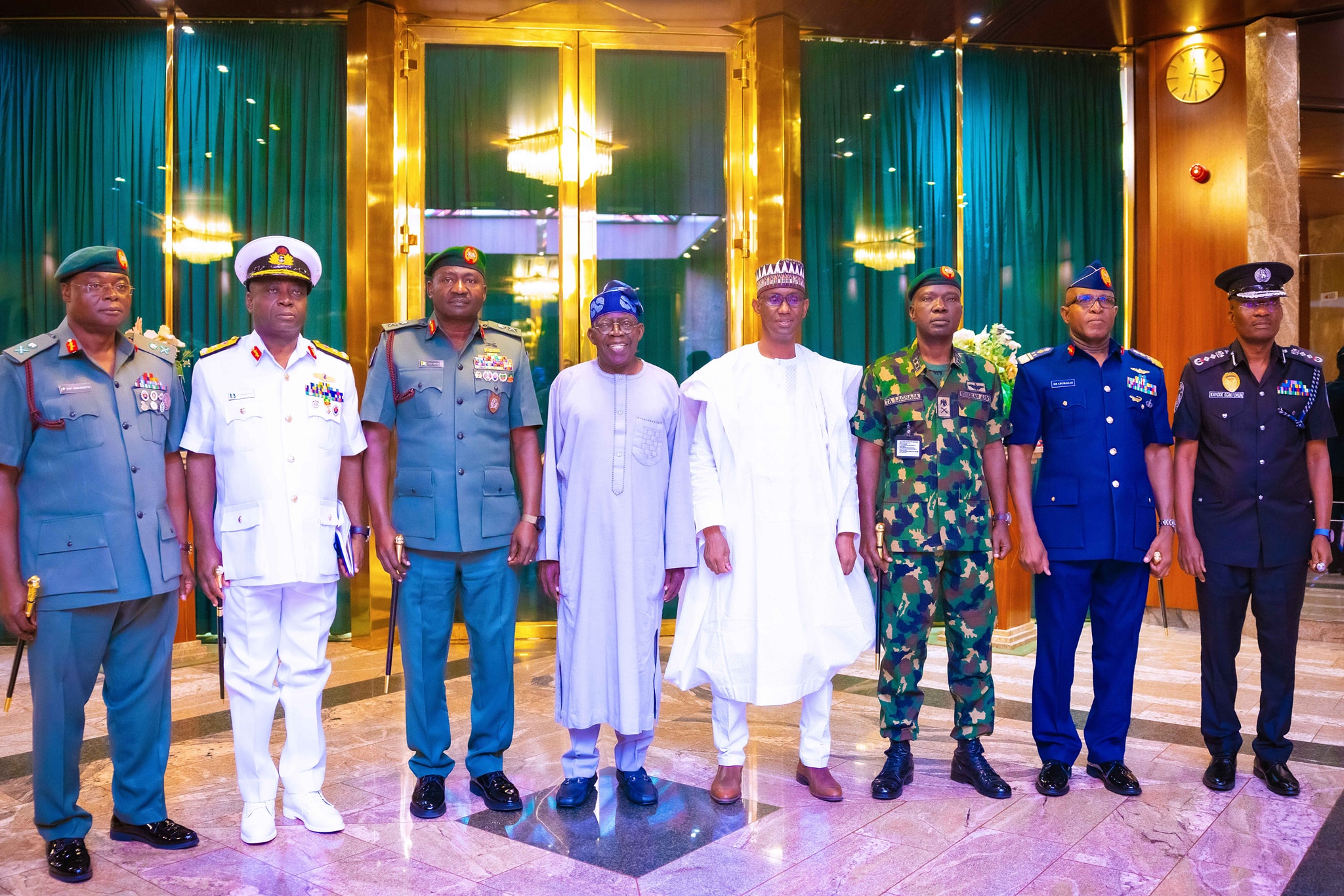
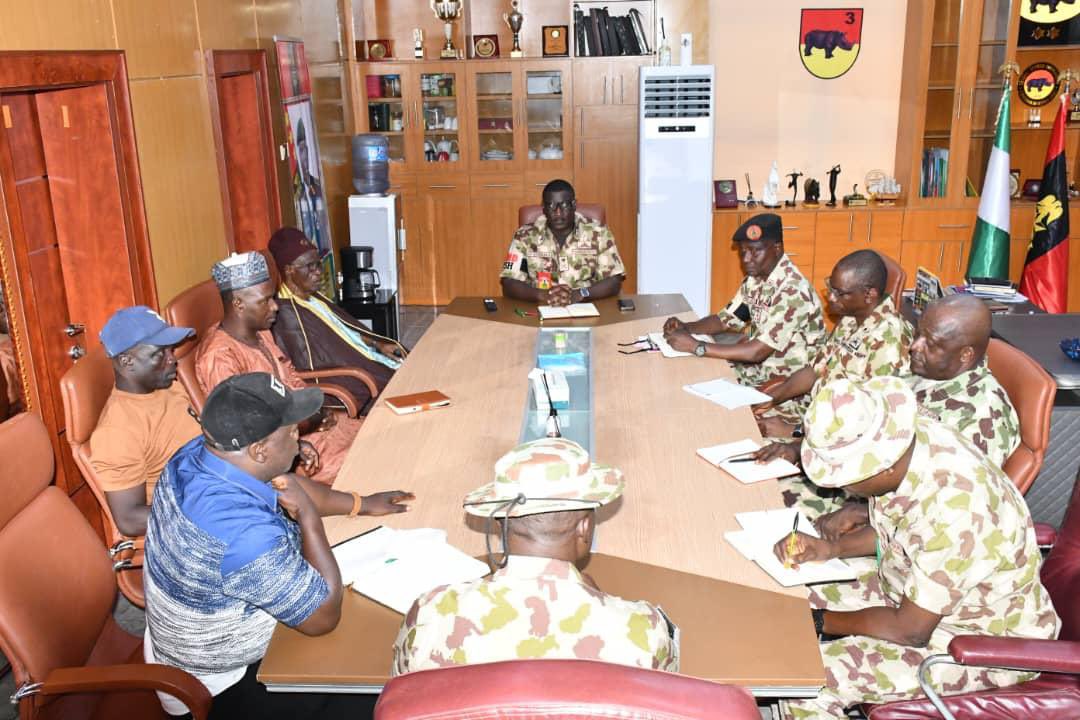
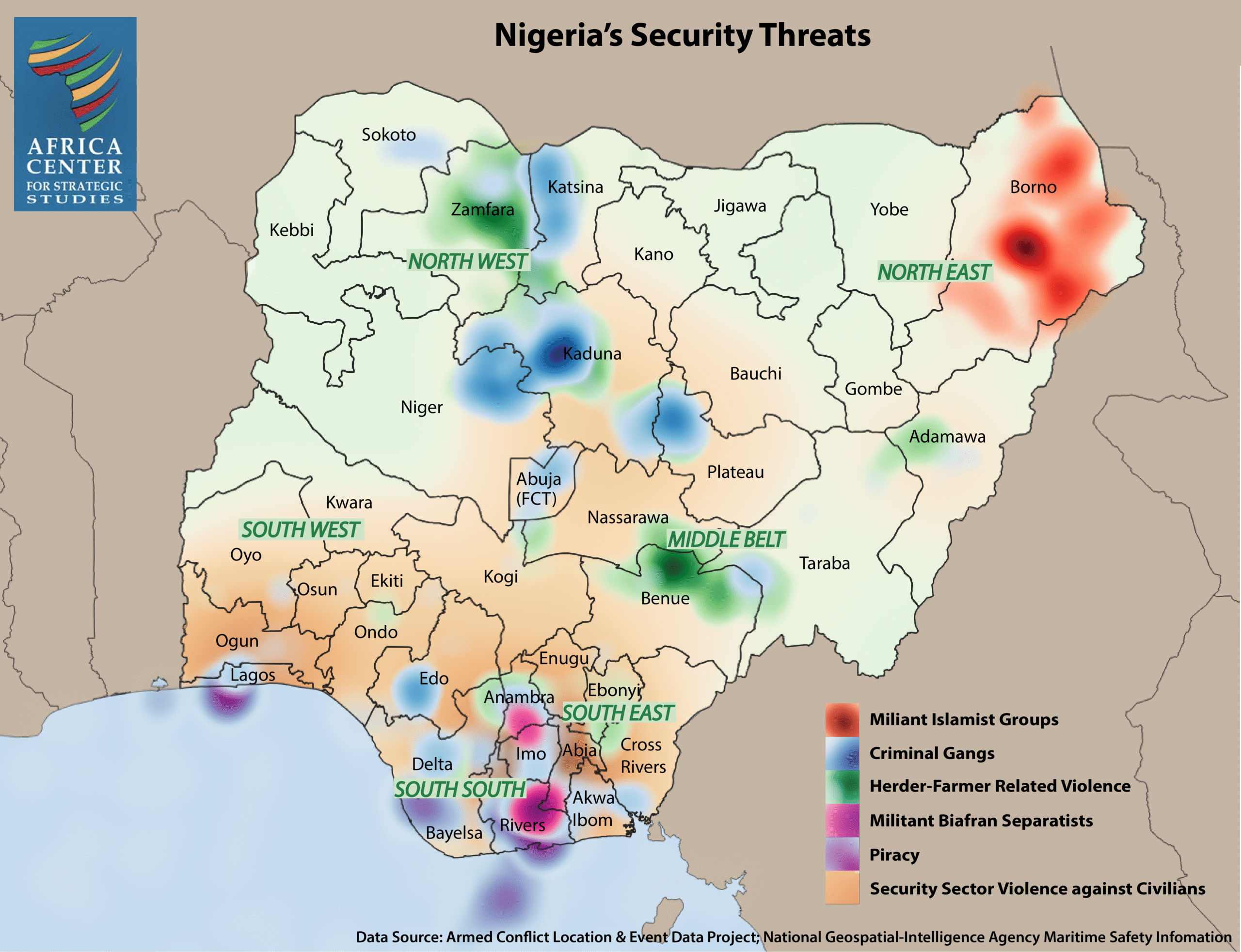
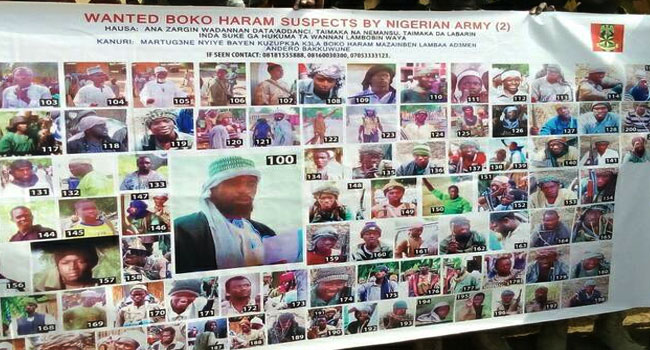
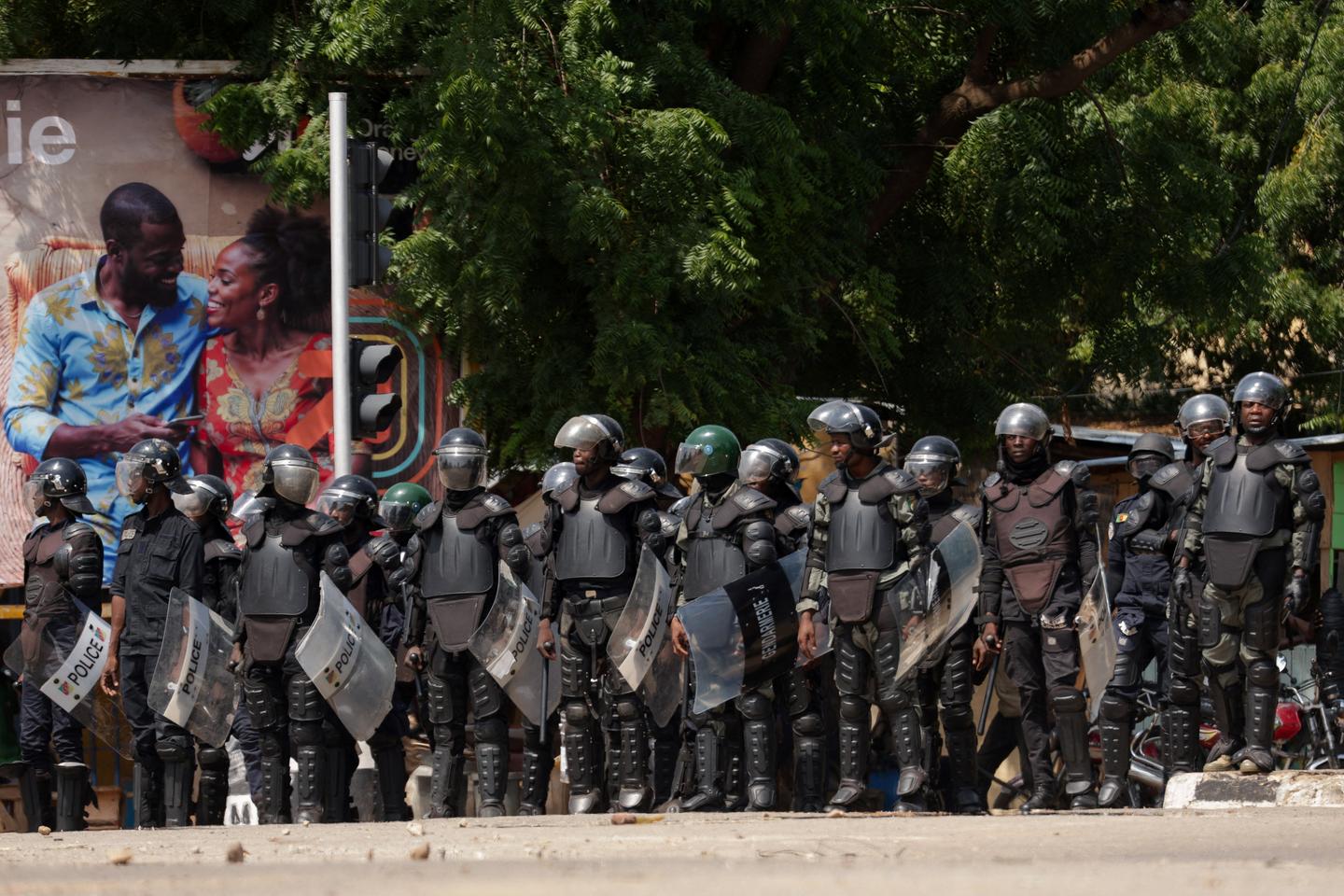
However, Nigeria’s security environment isn’t without its shadows. The Nigerian Defence Headquarters recently took a firm stance, declaring nineteen Islamic terrorists wanted for orchestrating brutal attacks in Katsina and Zamfara states, President Buhari’s home region. A substantial bounty of five million Naira has been placed on these individuals, a move that unequivocally underlines the seriousness with which the military is tackling terrorism. This declaration follows persistent allegations by some that the Nigerian army has been involved in extrajudicial killings, specifically in Adamawa state, accusations the army has firmly denied, reiterating its unwavering dedication to lawful operations and the paramount protection of civilians. Beyond our borders, Nigeria’s expanding regional impact on security was vividly underscored when the Economic Community of West African States (ECOWAS) highly praised Nigeria’s pivotal role in thwarting a coup attempt in neighboring Benin Republic. France, too, confirmed it provided essential logistical support for this operation, showcasing how crucial international cooperation is in maintaining regional stability. These developments distinctly position Nigeria as a key security actor in West Africa, taking a proactive stance against threats that could destabilize the broader region.
Shifting Political Tides and Economic Headwinds
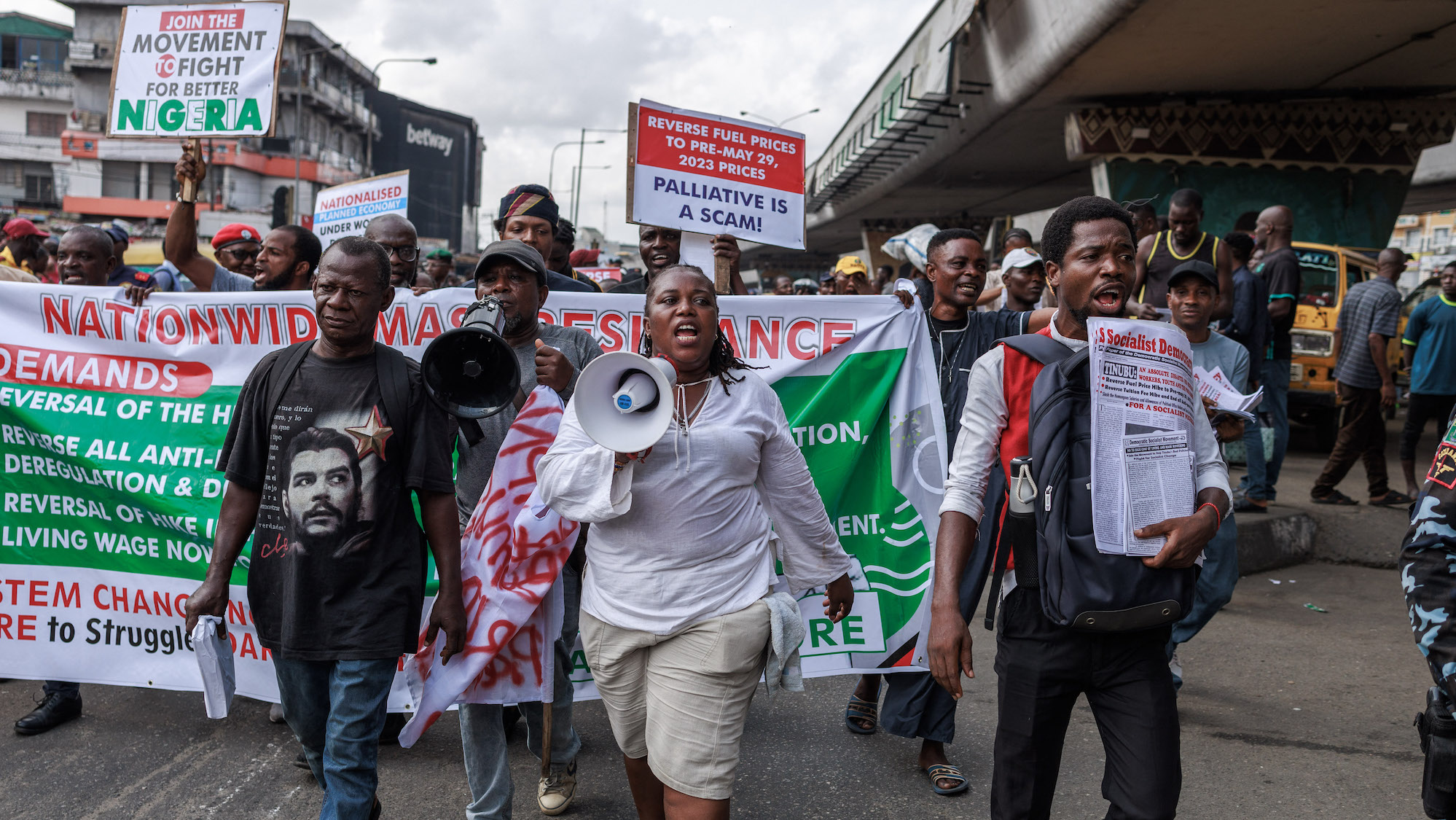
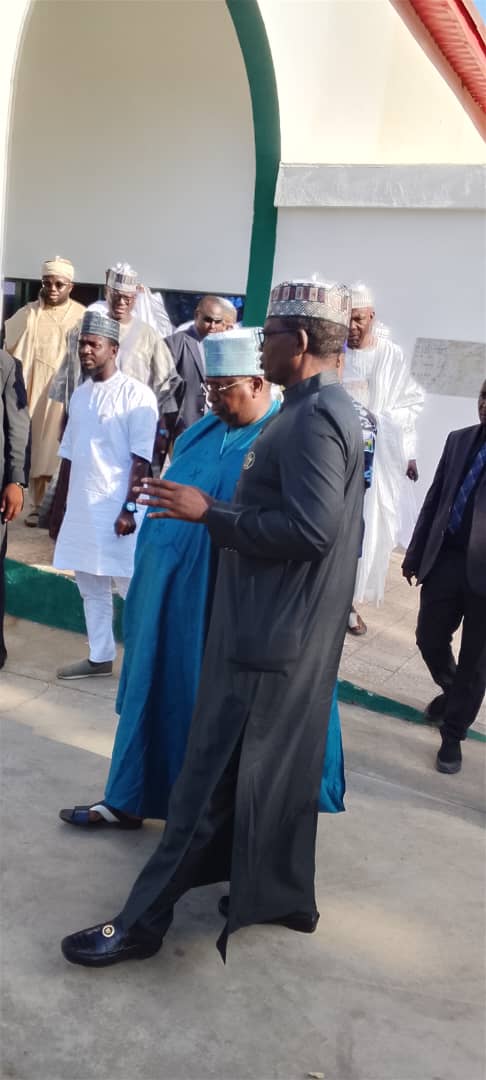
Domestically, significant political ground has been shifting, capturing public attention. Rivers State gubernatorial candidate Tony Fubara’s dramatic defection from the People’s Democratic Party (PDP) to the All Progressives Congress (APC) has sparked a heated debate. The PDP, predictably, condemned the move, describing it as a ‘self-inflicted injury’ to the party. Conversely, thoughtful commentators like Bernard Mikko suggest Fubara’s decision was motivated by a desire for self-preservation, access to stronger protection, and a strategic choice aimed at fostering stability in Rivers State. This switch truly epitomizes the fluid nature of Nigerian party politics, where shifting alliances often reflect underlying tensions and the constant quest for political security. In a related political development, Osun State Governor Adeleke has also reportedly left the PDP to join the Accord Party, signaling further fragmentation and a reshaping of Nigeria’s party system ahead of future elections. These shifts could undeniably reshape both local and national political dynamics, potentially influencing governance strategies and electoral outcomes for years to come. Economically, ordinary Nigerians are really feeling the pinch. This was highlighted when the Senate had to summon the Minister of Labor, Festus Keyamo, alongside representatives of major airlines, to directly address concerns over a nationwide hike in airfares deemed exploitative. This move reveals rising economic pressures confronting our citizens as well as the government’s responsive albeit challenged efforts to tackle inflationary challenges affecting essential services, including travel. We’ve even seen senators protesting the withdrawal of police orderlies assigned to them, openly demanding special consideration. These aren’t just minor complaints, they reflect broader tensions within the legislative branch related to resource allocation and existing operational protocols in governance. So, as Nigeria navigates into the coming months, how will the government effectively balance critical security imperatives with the demands for political stability and pressing economic challenges? The rescue of the Kebbi schoolgirls definitely symbolizes hope and showcases effective government response. Yet, ongoing threats from terrorism and the fluidity of political defections hint at complex hurdles still ahead. Youth empowerment initiatives, like those President Tinubu’s pushing, offer a promising, forward-thinking path toward transforming societal prospects, aiming directly to reduce the allure of violence among young people. And that powerful display of regional cooperation we saw in the joint efforts with France and ECOWAS in Benin? It speaks volumes, signaling a growing awareness among West African nations that their security fates are deeply interconnected. Nigeria’s dual role as both a national and regional stabilizer genuinely sets the stage for it to influence peace and development far beyond its own borders. Amidst all these serious security and political developments, cultural moments still provide a welcome relief. Eko Hotels recently announced the highly anticipated return of their holiday event, Tropical Christmas Wonderland, starting December 20. Such events continue to foster a vital sense of community and celebration, even as the nation bravely contends with its serious, multifaceted challenges. Ultimately, Nigeria’s recent headlines confirm a resilient nation striving diligently to affirm security, political coherence, and economic equity. The coming months will undoubtedly test whether these concerted efforts translate into lasting progress or require renewed, adaptive strategies amidst constantly evolving challenges.
Sources:
- PDP Reacts To Fubara’s Defection To APC, Describes Move As ‘Self-Inflicted Injury,’ AriseNews, November 25, 2025
- Senate Summons Keyamo, Airlines over ‘Exploitative’ Airfare Hike Nationwide, AriseNews, November 25, 2025
- 24 Schoolgirls Abducted In Kebbi Rescued By Security Forces, AriseNews, November 25, 2025
- Youth Empowerment Central To My Agenda, Says Tinubu As FG Unveils New Programmes, AriseNews, November 25, 2025
- France Says It Provided Logistical Support To Thwart Attempted Benin Coup, AriseNews, November 25, 2025
- Bernard Mikko: Fubara Joined APC For Self-Preservation, Stronger Protection And Rivers State Stability, AriseNews, November 25, 2025
- Nigerian Army Denies Alleged Extrajudicial Killing Of Female Protesters in Adamawa, AriseNews, November 25, 2025
- Nigeria’s Intervention In Benin Coup Attempt Sets Regional Standard, Says ECOWAS, AriseNews, November 25, 2025
- Senate Protests Withdrawal Of Police Orderlies, Demands Special Consideration, AriseNews, November 25, 2025
- Eko Hotels’ Biggest Holiday Event, Tropical Christmas Wonderland, Returns December 20, AriseNews, November 25, 2025