Nuclear Waste, Migration Crackdown, and Biodiversity Loss: Africa’s Future Challenges Unfold
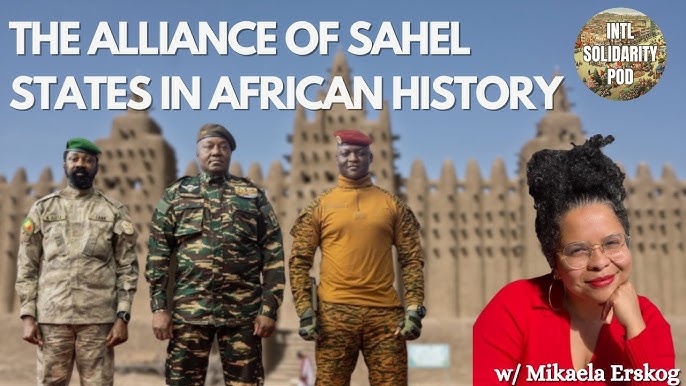
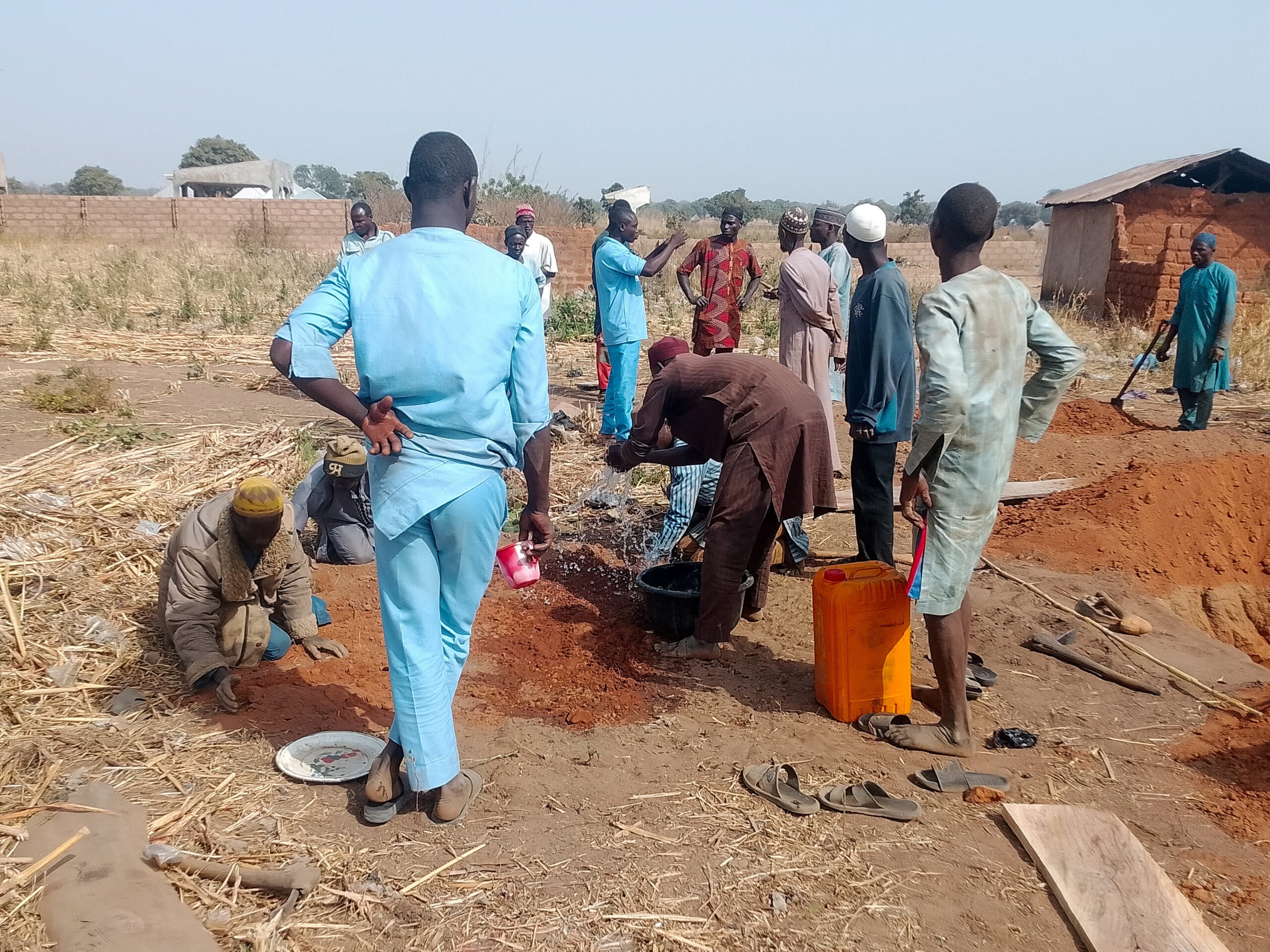
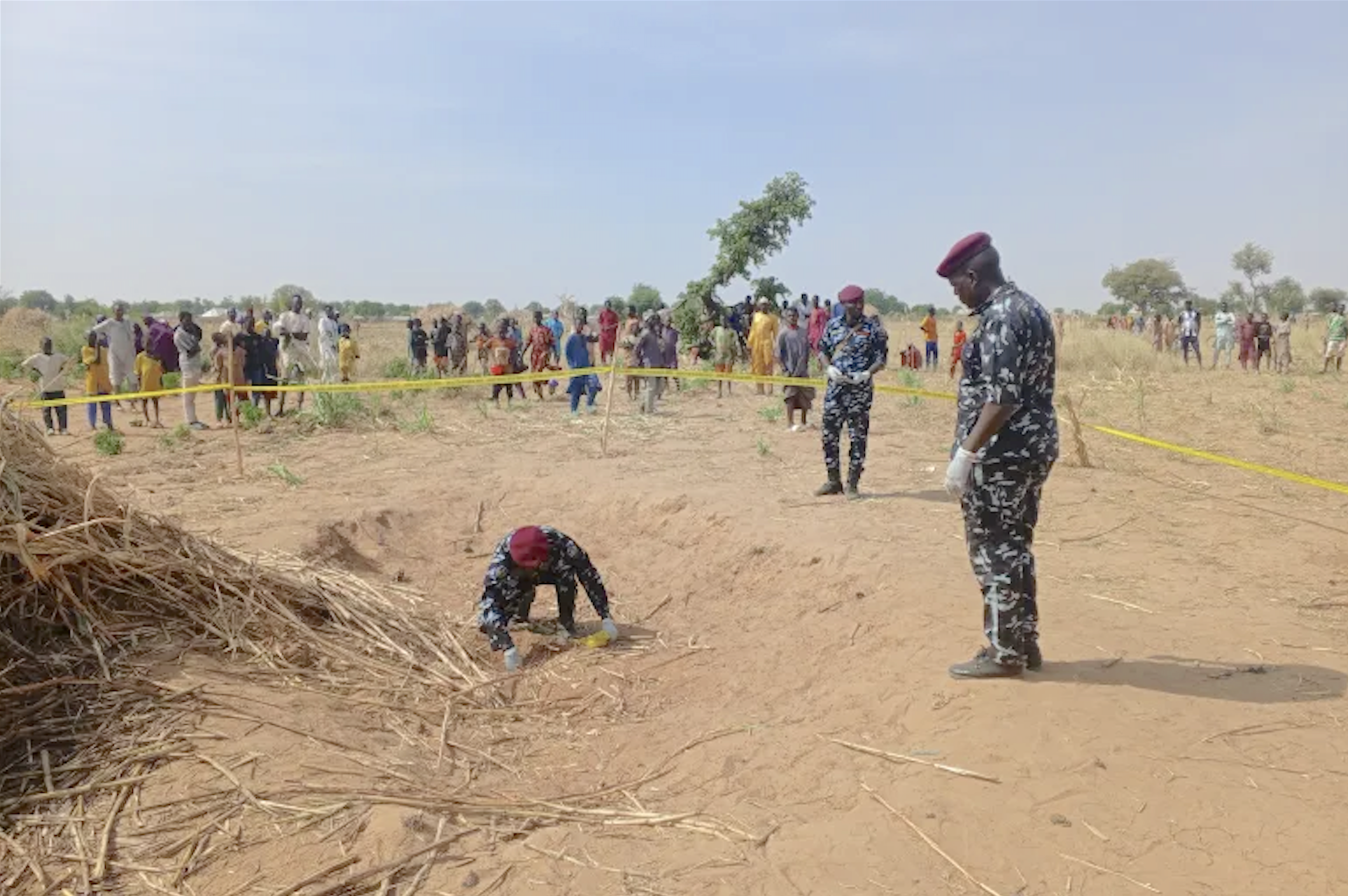
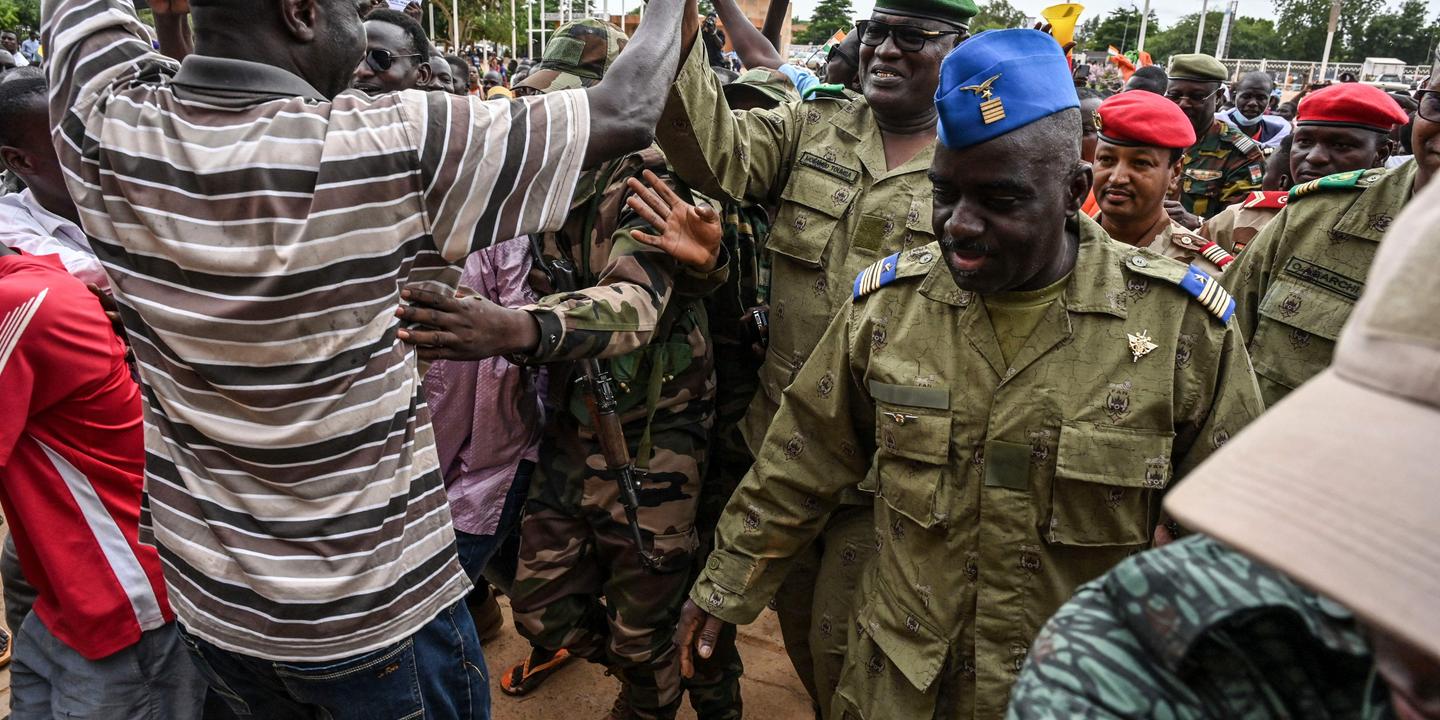
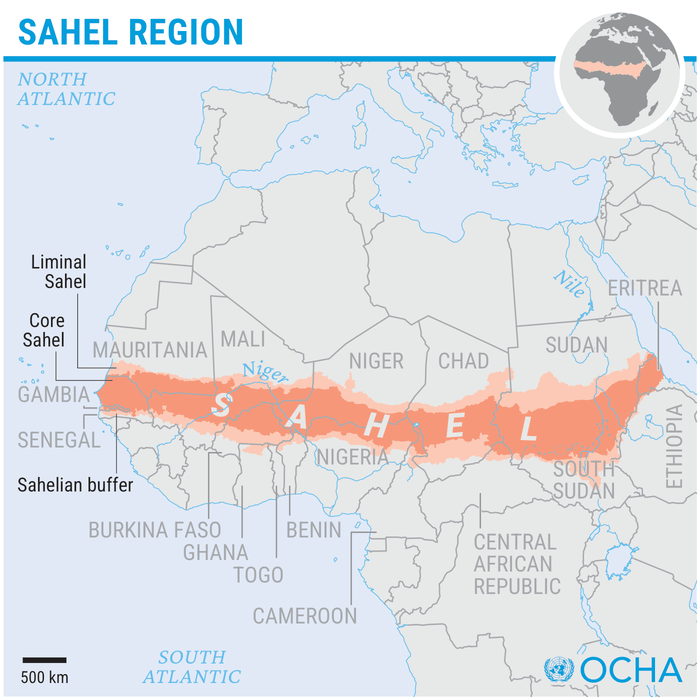
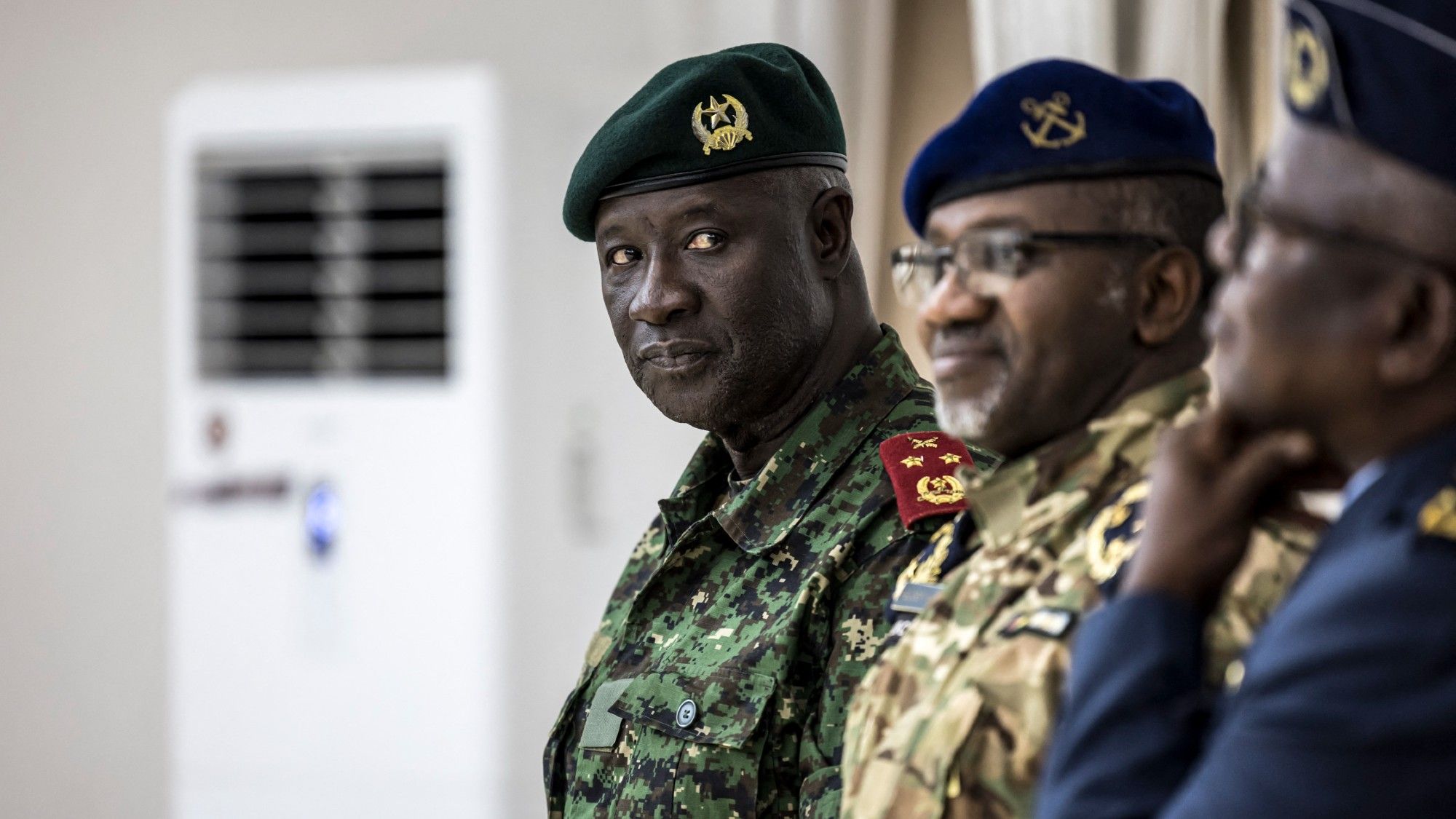
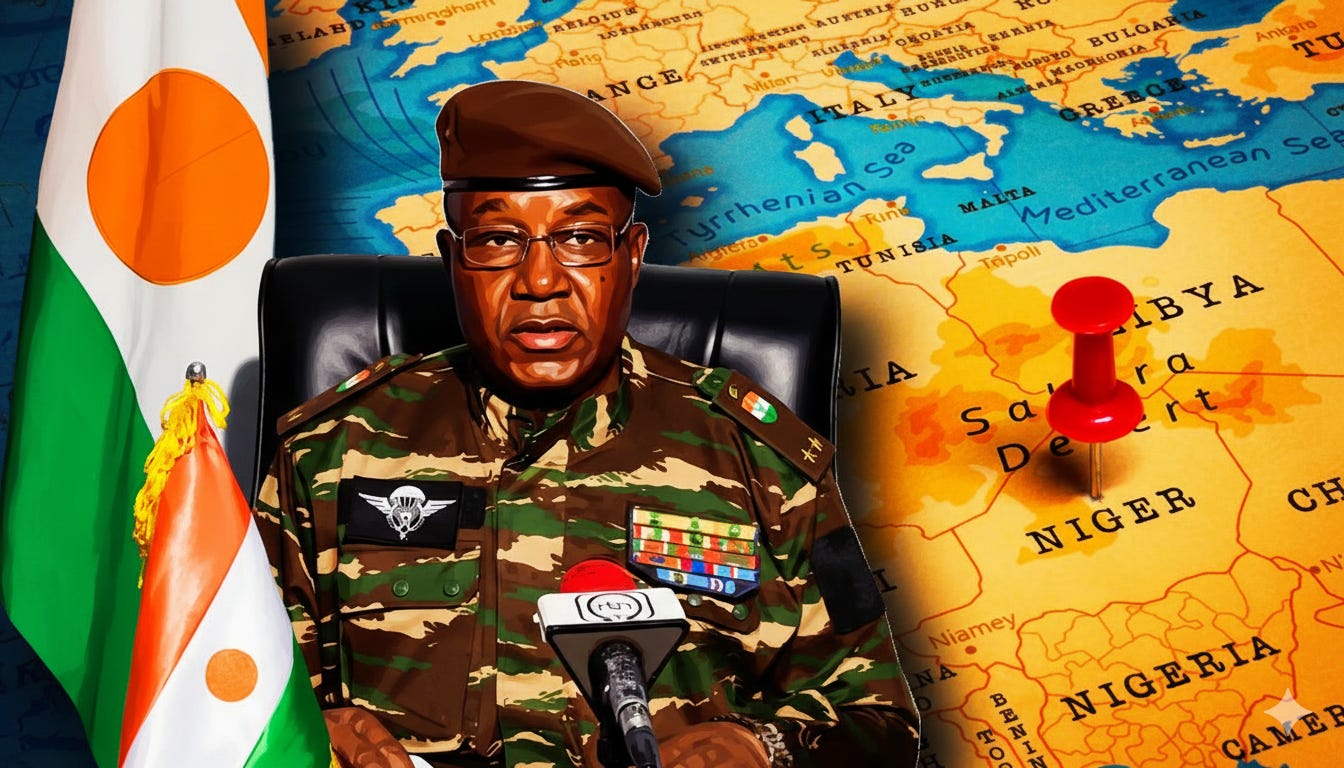
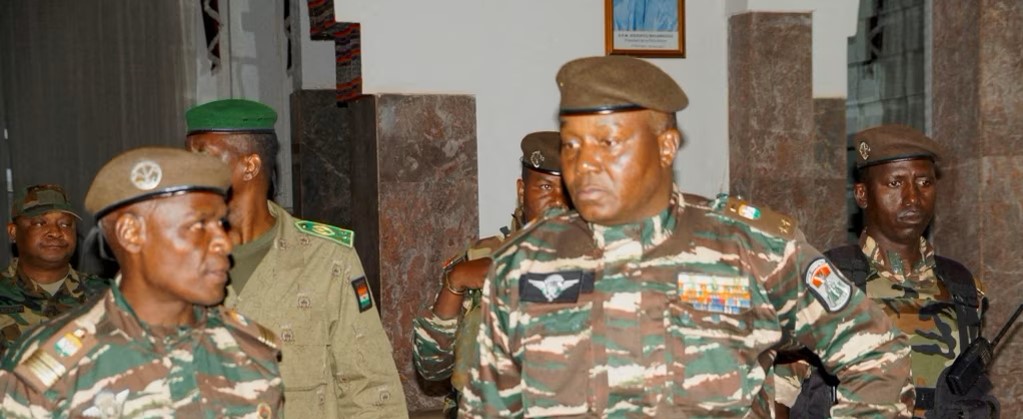
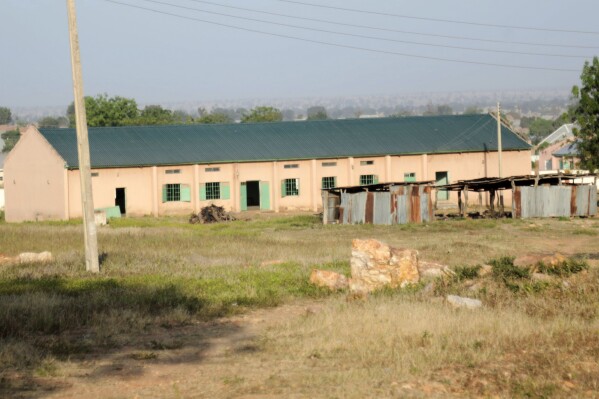
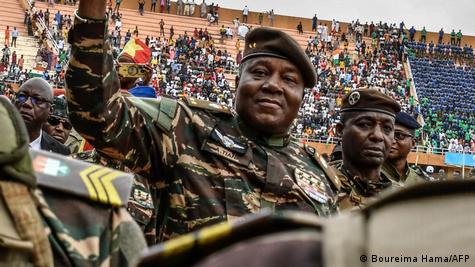
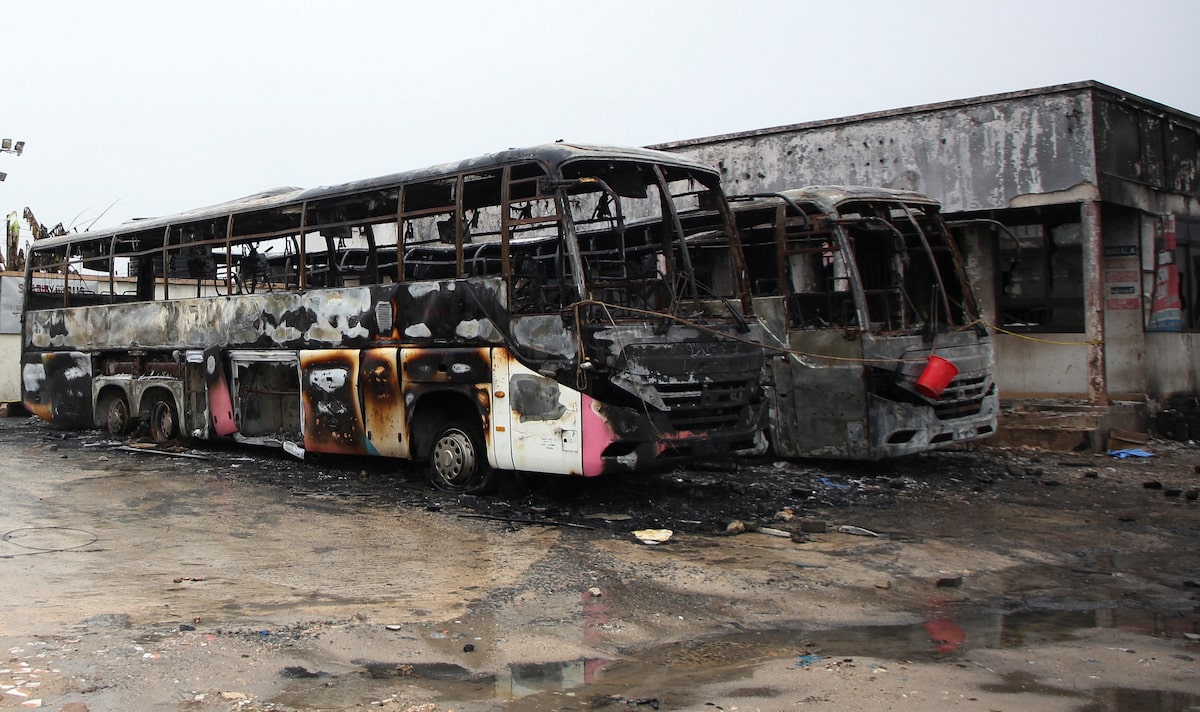
Africa is standing at a crucial moment, facing a mix of environmental, social, and economic challenges that will absolutely shape its path for years to come. From West to North Africa, we’re seeing urgent issues emerge, like dangerous industrial waste, strict new migration controls, and alarming biodiversity losses. These aren’t just isolated incidents; they’re calls for strong, clear, and forward-thinking responses across the continent. Let’s break down what’s happening and why it matters to everyone. For instance, in Niger, a nation rich in uranium but grappling with military rule, tensions are boiling over with a major nuclear fuel company. The French state-backed giant, Orano, has been deeply involved in Niger’s uranium mining for over fifty years. But now, Niger’s military authorities are publicly accusing Orano of environmental violations, specifically leaving hazardous radioactive waste at former mining sites. We’re talking about core materials stored in barrels, posing serious health risks to local communities and ecosystems near those mining areas. This whole situation highlights a long-standing issue between resource-rich African countries and multinational corporations, where extraction often leaves lasting scars. Niger’s claims point to what they call Orano’s “predatory practices,” bringing up vital questions about who’s accountable, how regulations work, and how we manage natural resources, especially nuclear ones with serious long-term consequences. What’s going to happen with corporate accountability and security challenges that affect Africa and the world? This situation was initially reported by Business Insider Africa.
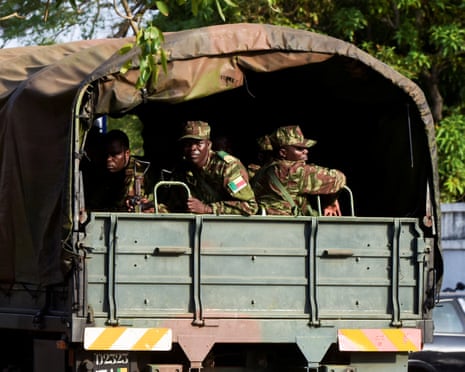
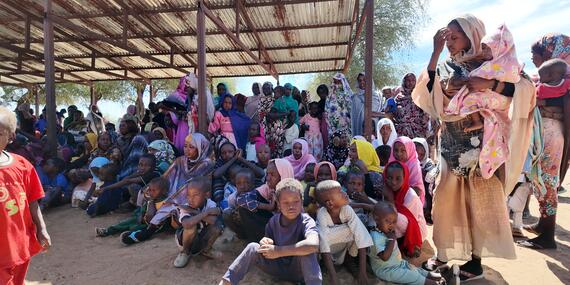
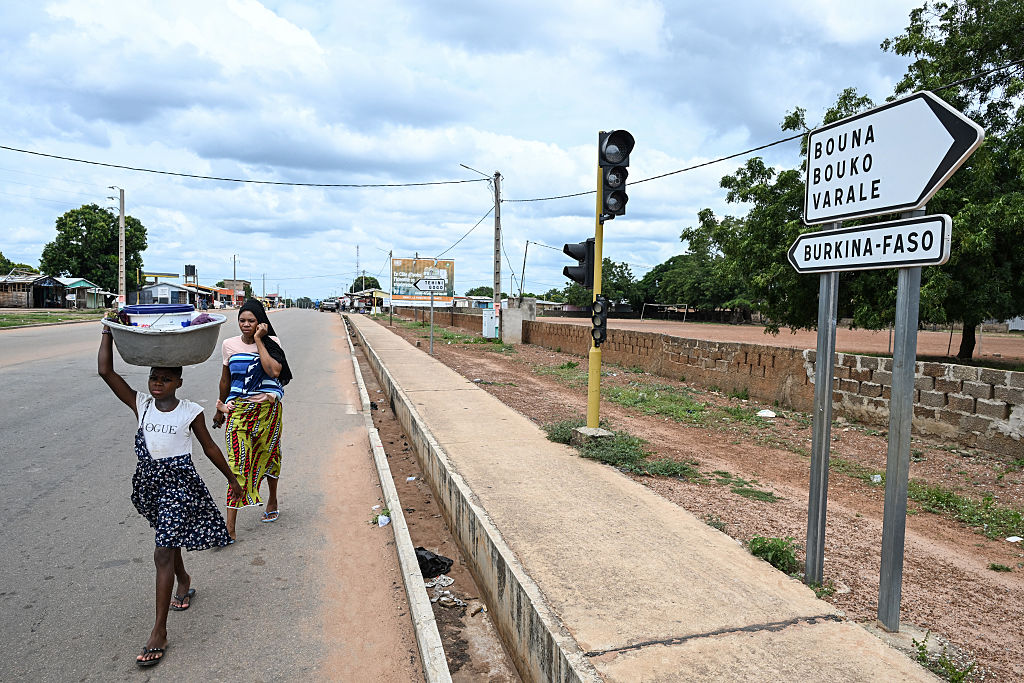
Meanwhile, a different kind of challenge is unfolding in Libya, which is a key migration hub in North Africa. The government there, based in Tripoli, has kicked off one of the continent’s most ambitious moves yet to control irregular migration by speeding up deportations. Since October, Libya’s Interior Ministry has announced it’s repatriated thousands of migrants from places like Egypt, Niger, Nigeria, and Bangladesh, aiming for a massive monthly target of 60,000 removals. This push is part of a bigger plan to reclaim authority over the irregular routes funneling thousands of Africans towards Europe. For so many migrants, Libya remains a dangerous and unpredictable journey, and this intensified crackdown truly reflects wider regional efforts to manage migration flows with strict enforcement. It also brings up complex humanitarian and geopolitical questions about the routes, difficulties, and essential protections for vulnerable people moving across Africa’s incredibly diverse landscapes. How will these global migration trends continue to reshape the continent and beyond? Business Insider Africa also covered this, reporting that illegal migrants face stricter rules.
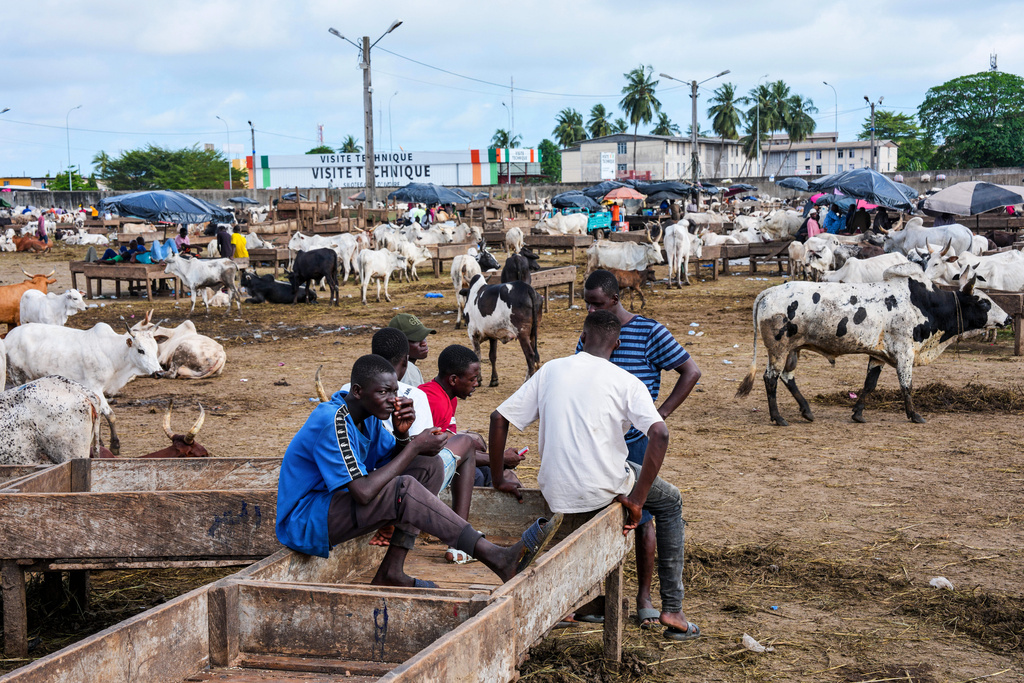
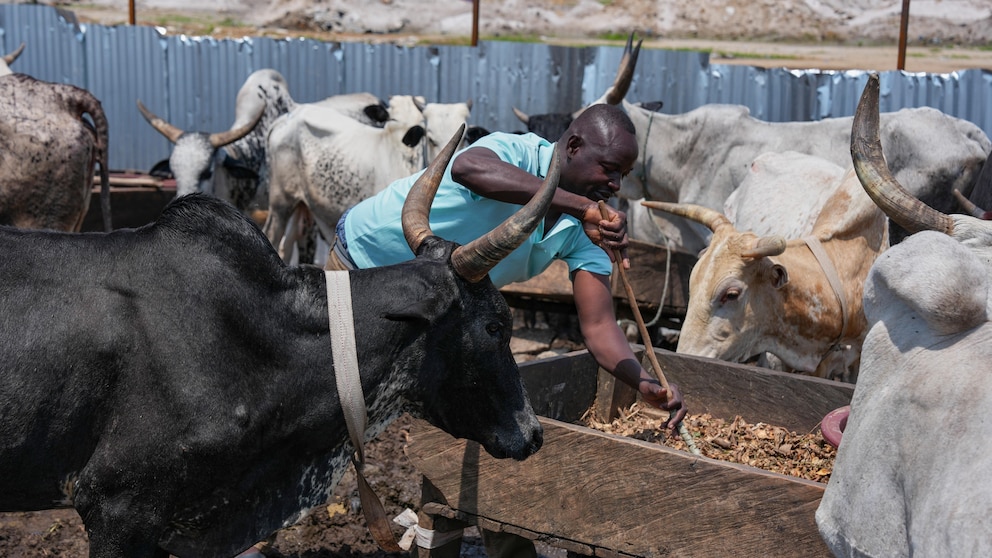
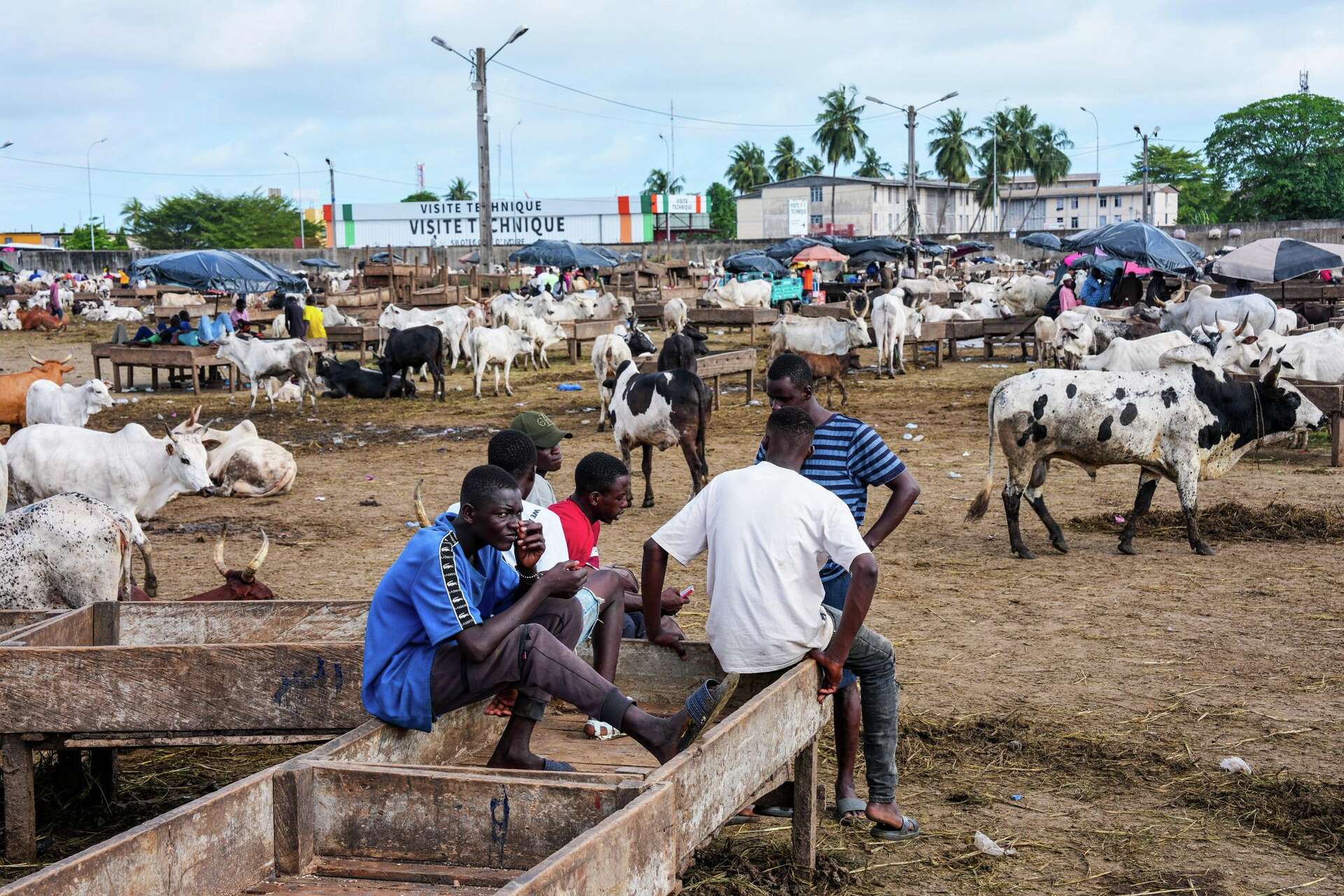
Adding another layer to these human and industrial dynamics is an urgent ecological crisis. A new, groundbreaking study in the prestigious journal Nature just highlighted significant biodiversity loss across sub-Saharan Africa. This isn’t just another broad estimate; it’s one of the most detailed, place-based assessments of how plant and animal populations have changed in recent decades. The research dives deep into local conditions using extensive data, moving beyond global inventory models. What did they find? The study confirms our concerns about declining ecosystem health, largely due to expanding agricultural activity and land use. Importantly, it emphasizes that sustainable livestock farming practices are absolutely vital for balancing productivity demands with biodiversity conservation. African scientists leading this work are underscoring the continent’s need for stronger, homegrown voices and strategies to protect biodiversity. It’s not just about environmental health, is it? Biodiversity underpins agriculture, climate resilience, and people’s livelihoods. We must consider how agricultural reform and environmental challenges are shaping the continent’s future. Find more details on this new research via NWU News.