Power Plays and Peril: The Sahel’s Evolving Security Landscape
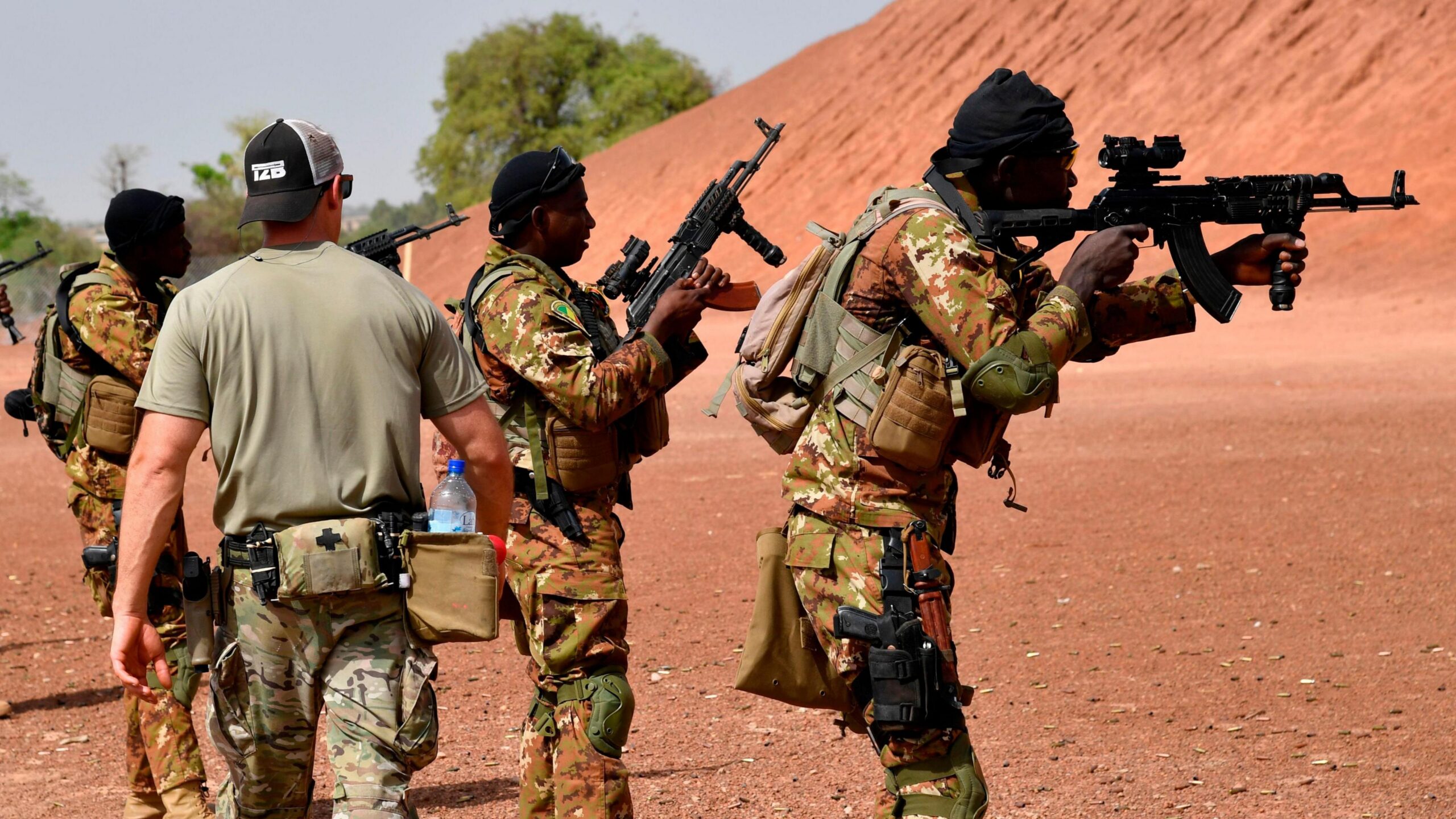
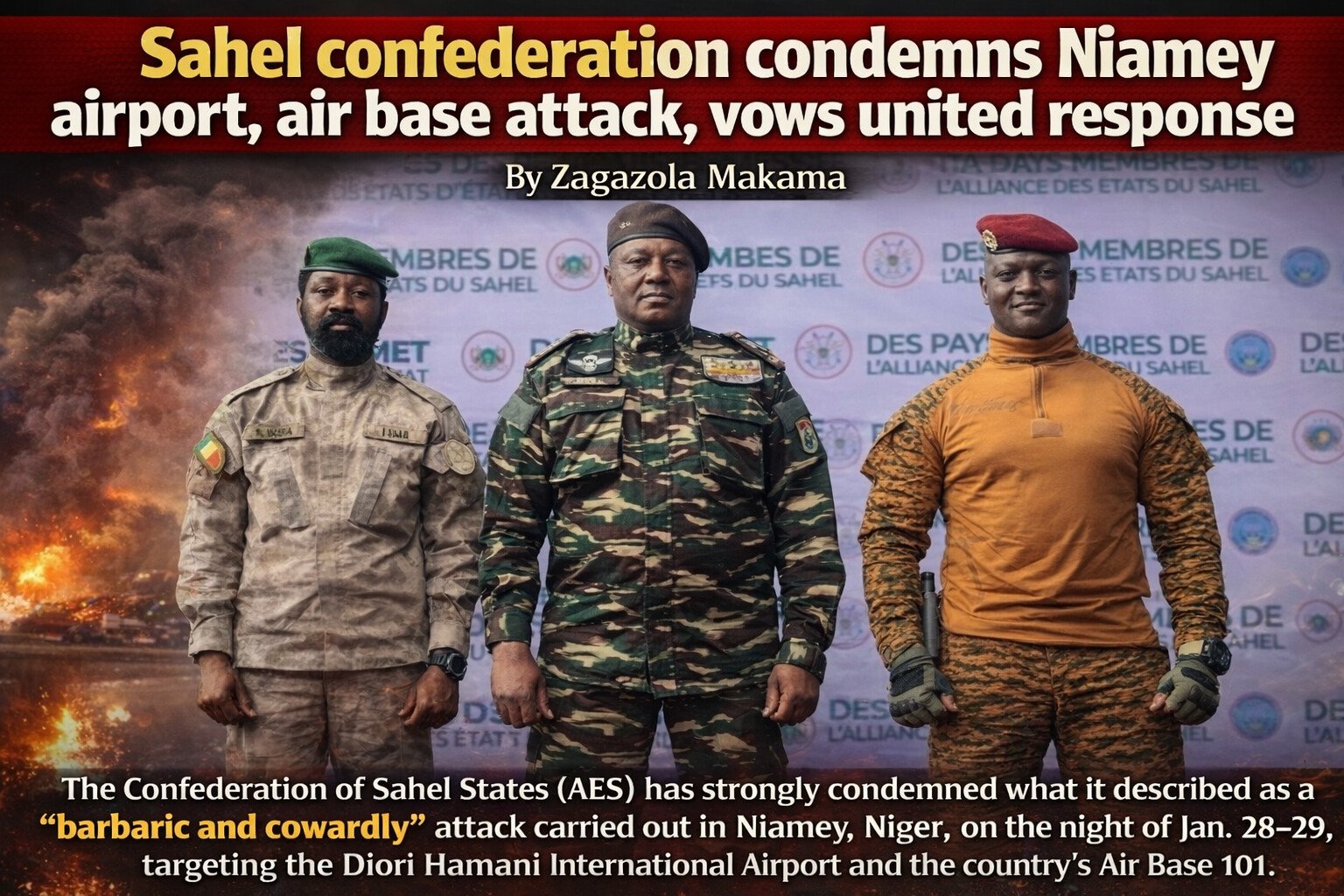
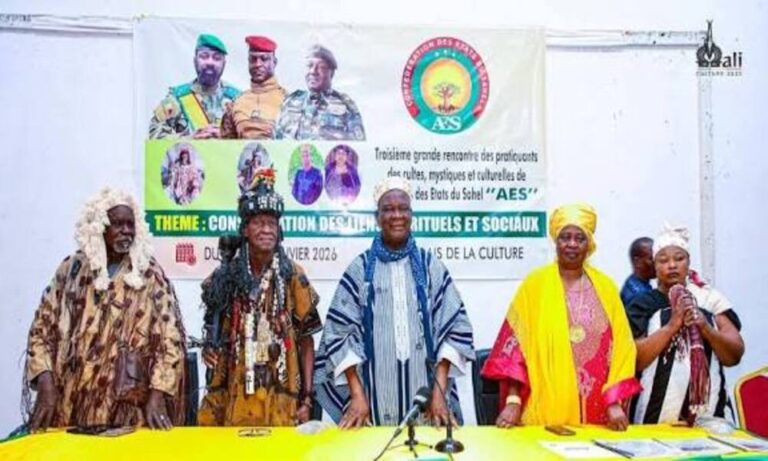
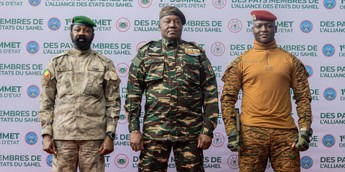
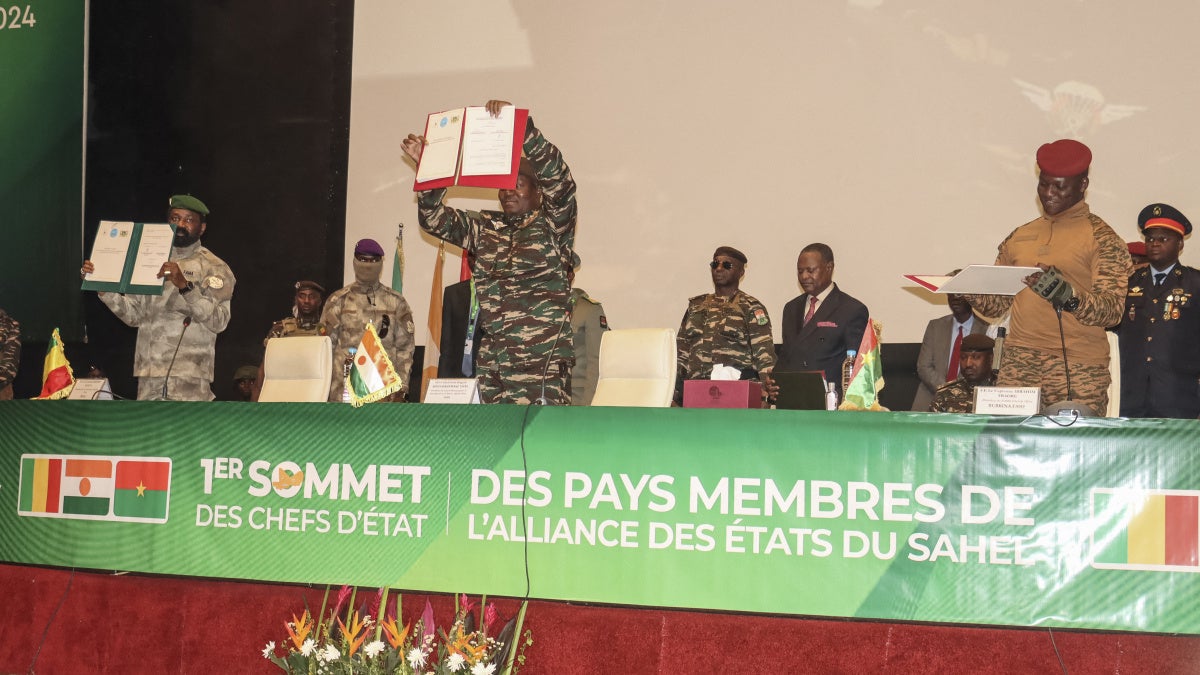
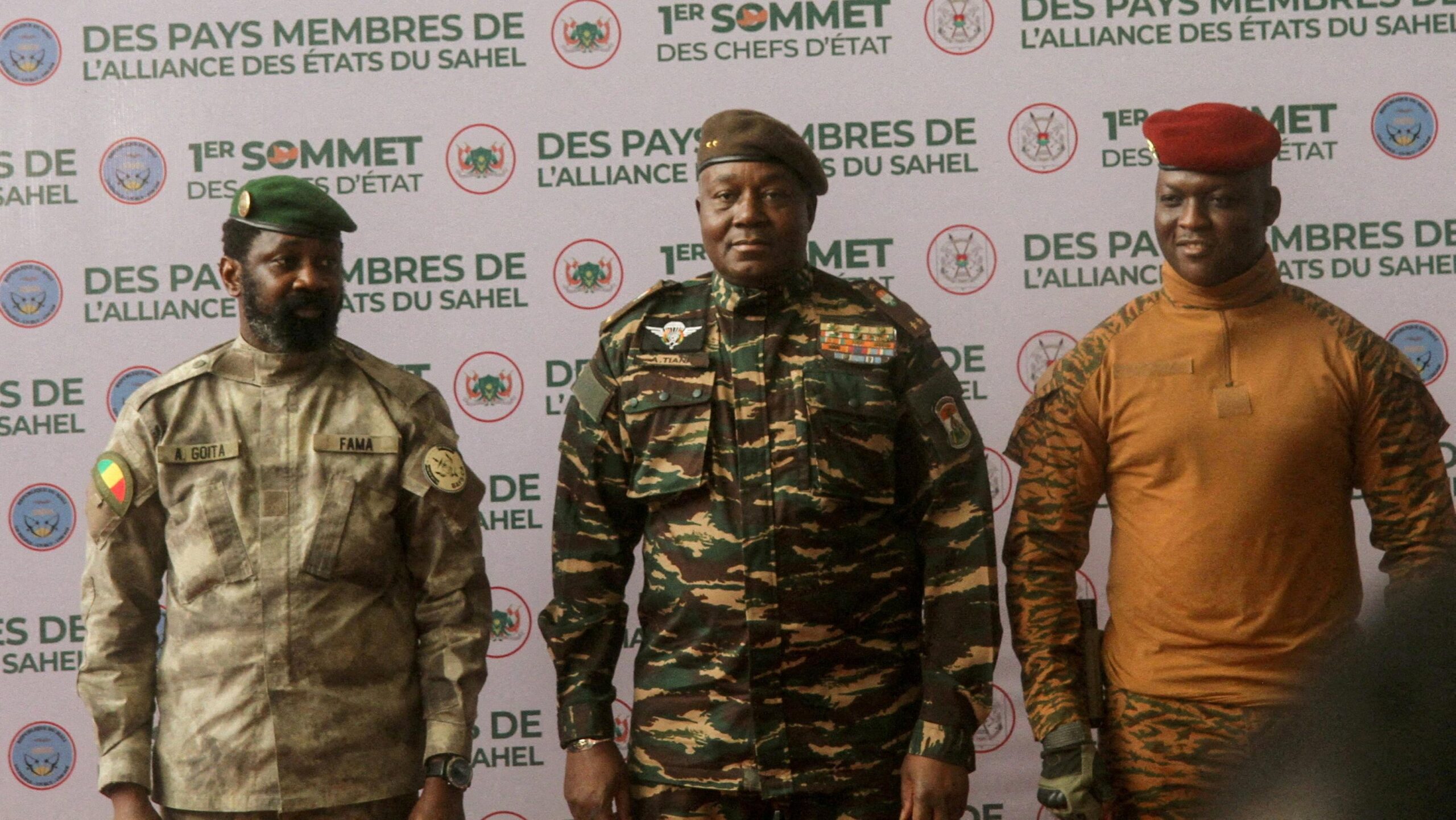
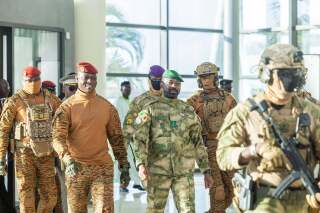
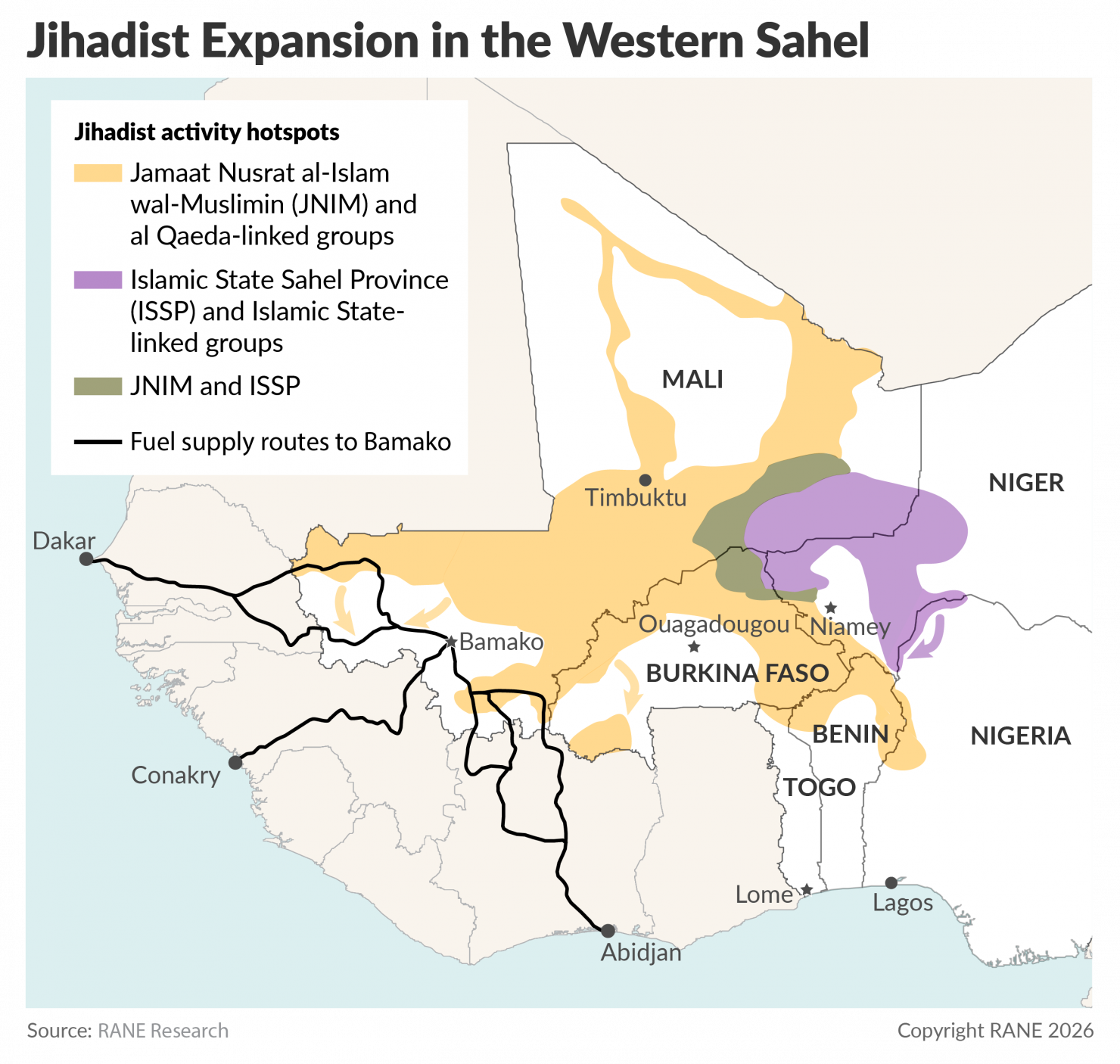
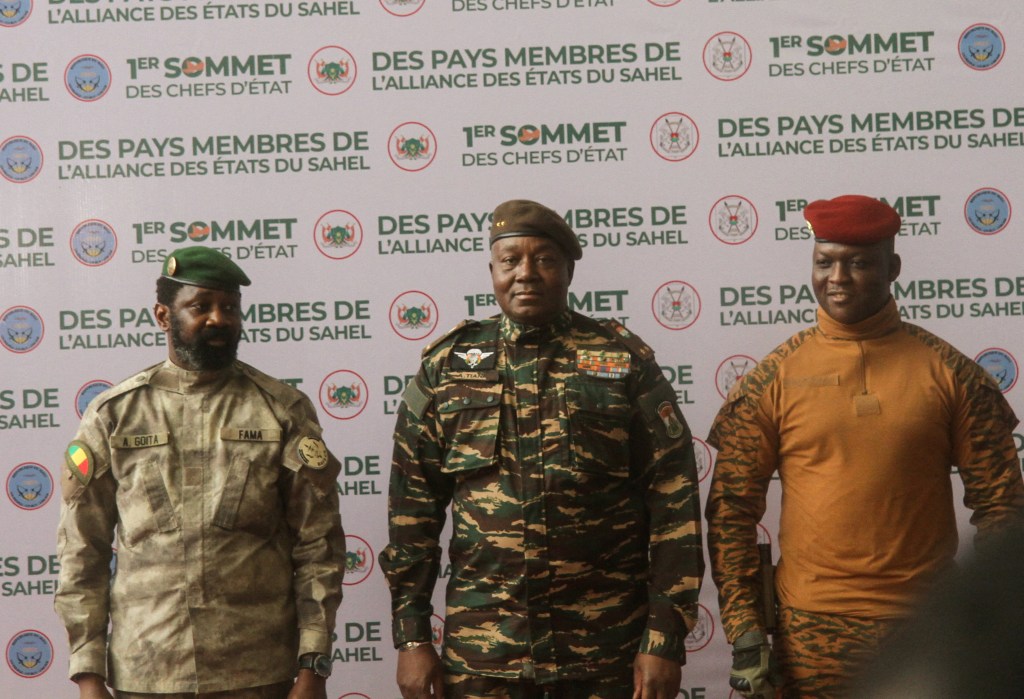
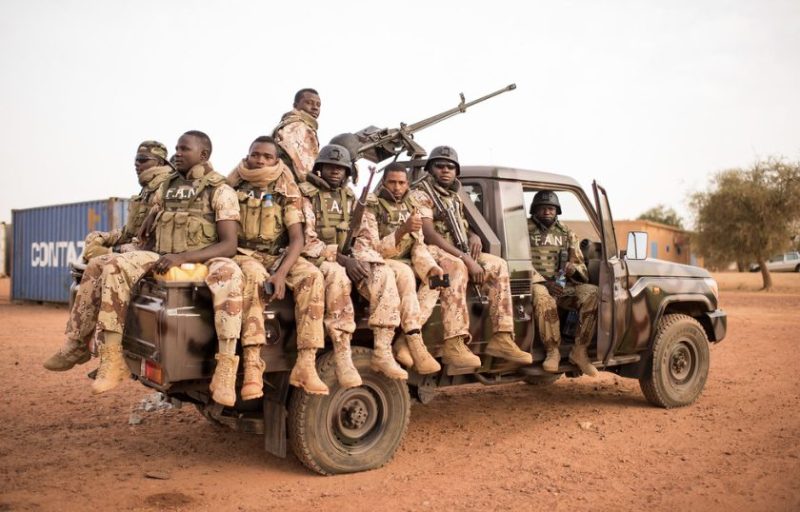
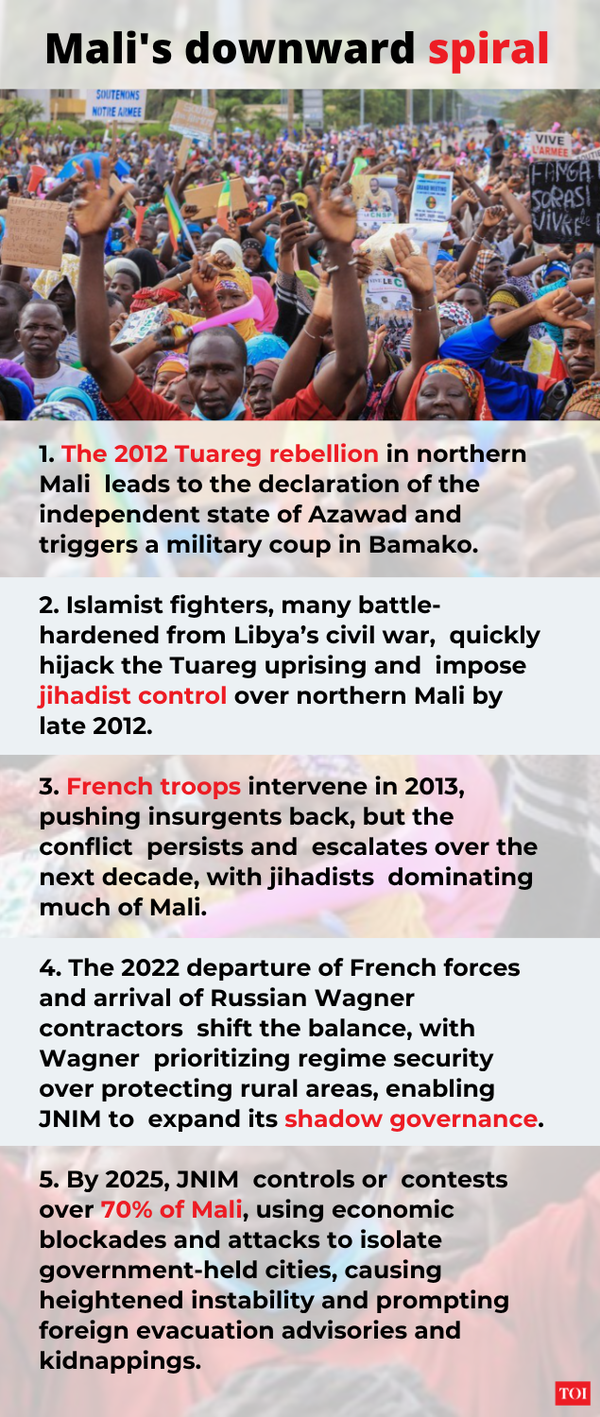
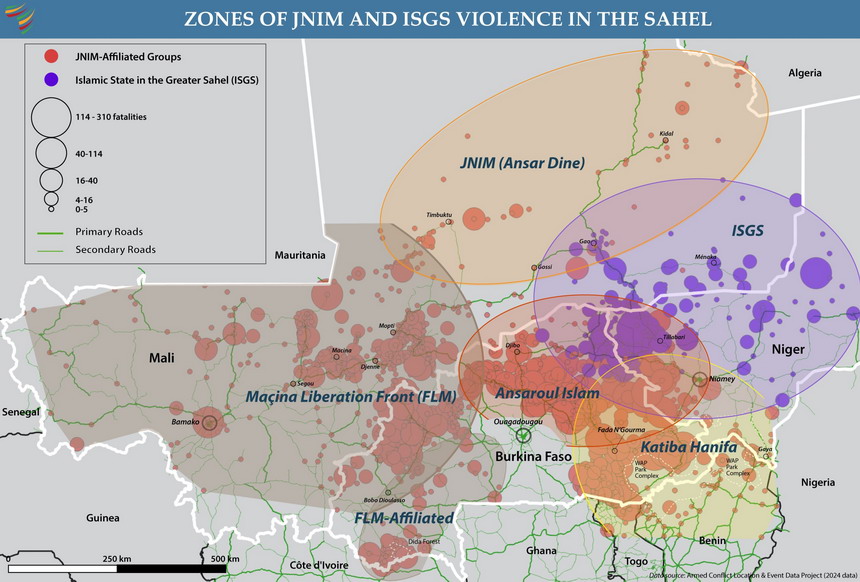
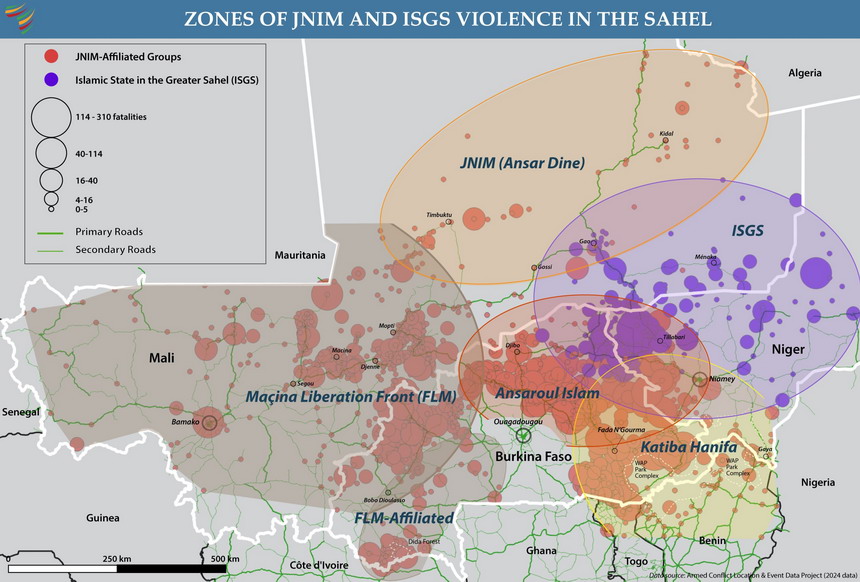
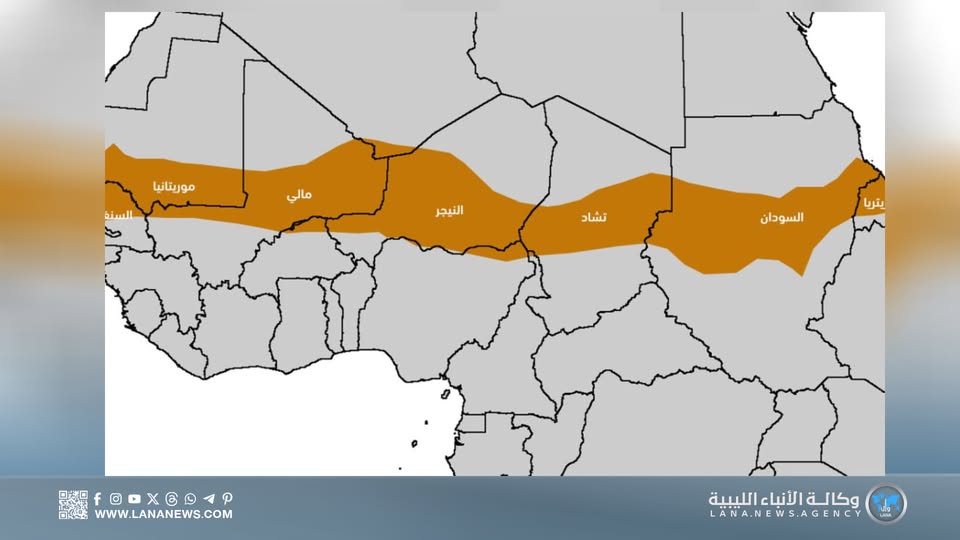
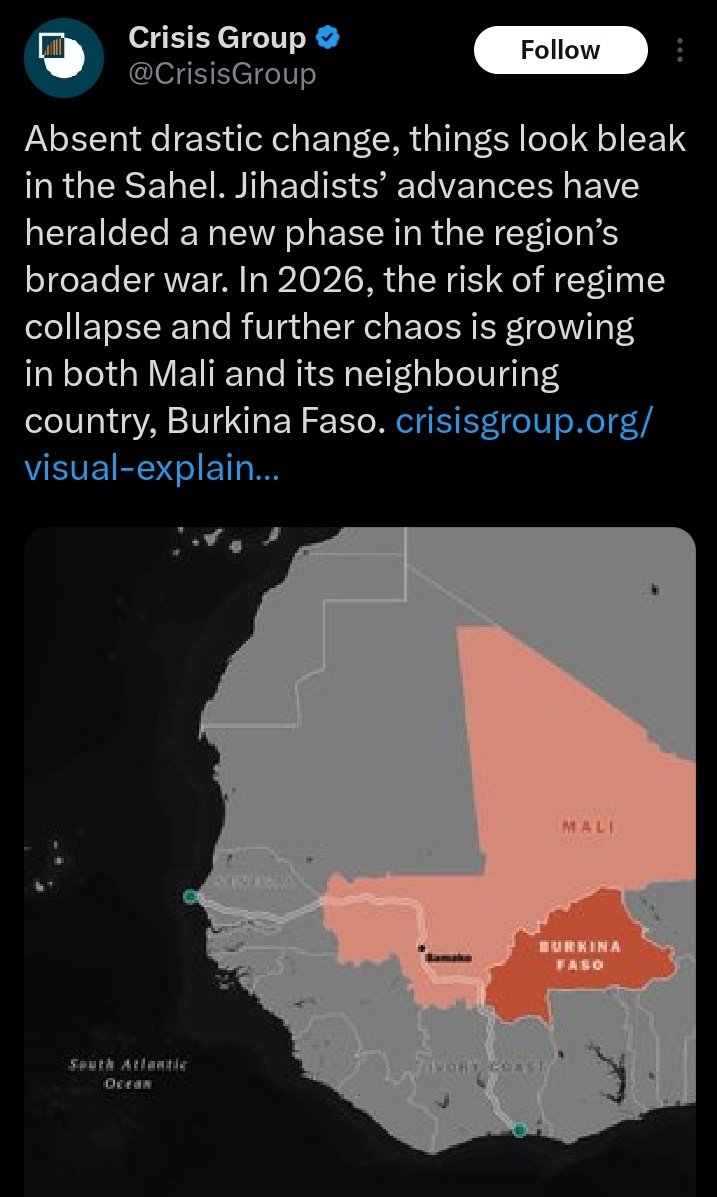
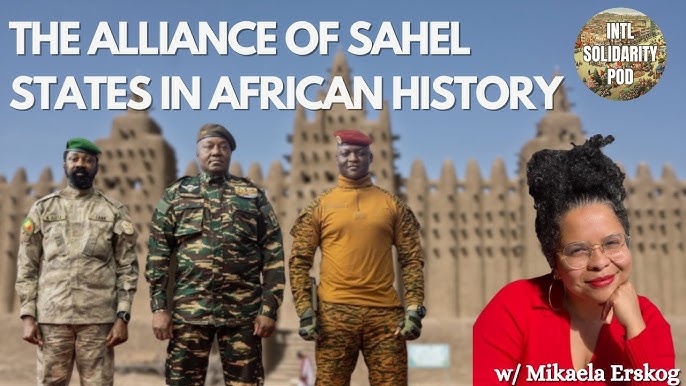
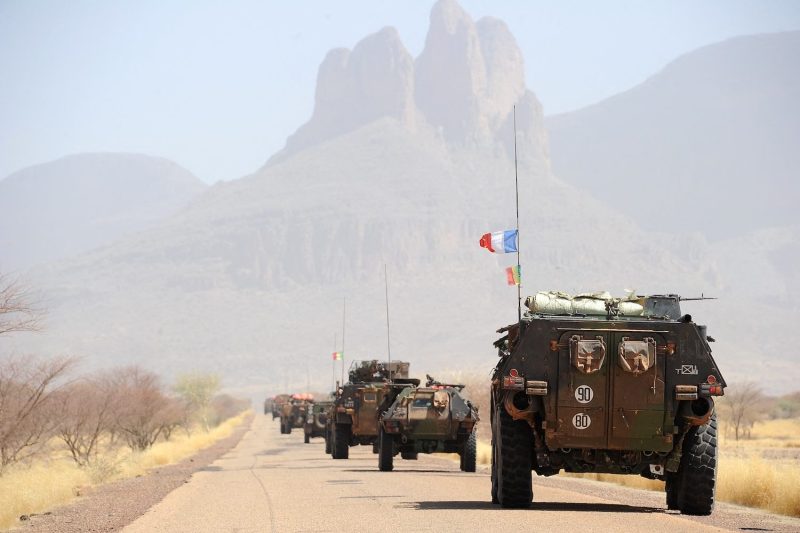
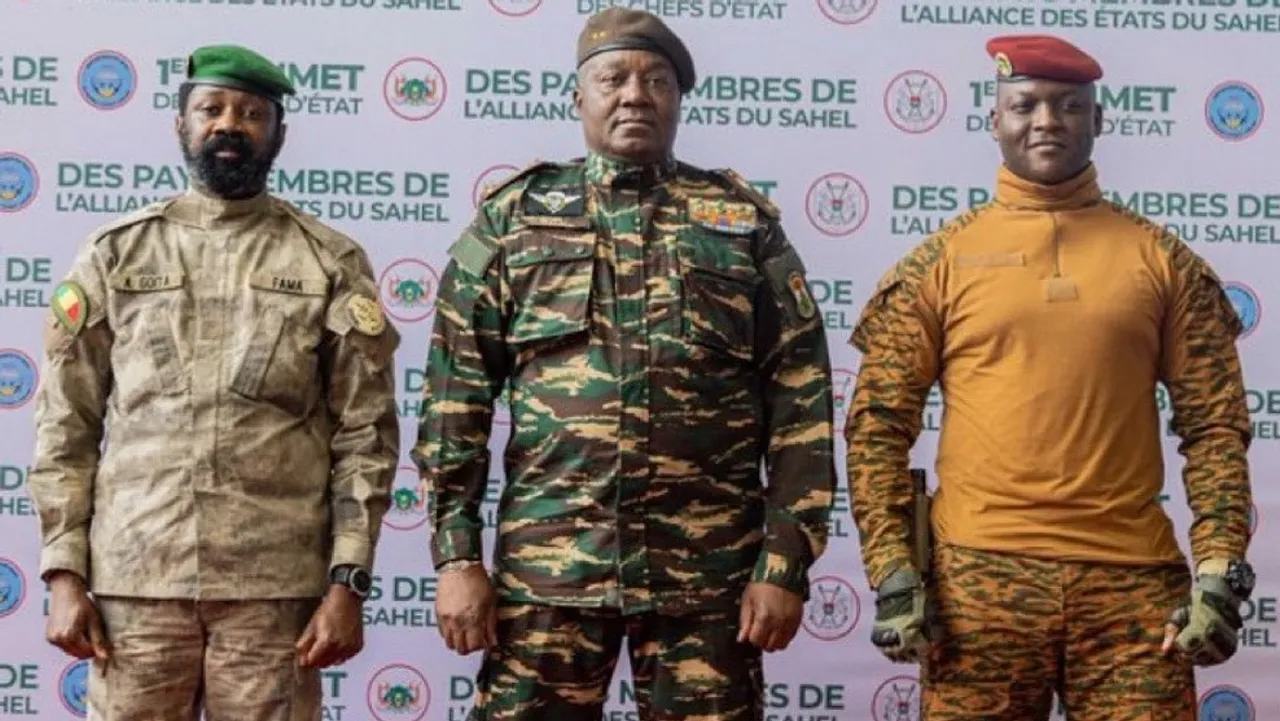
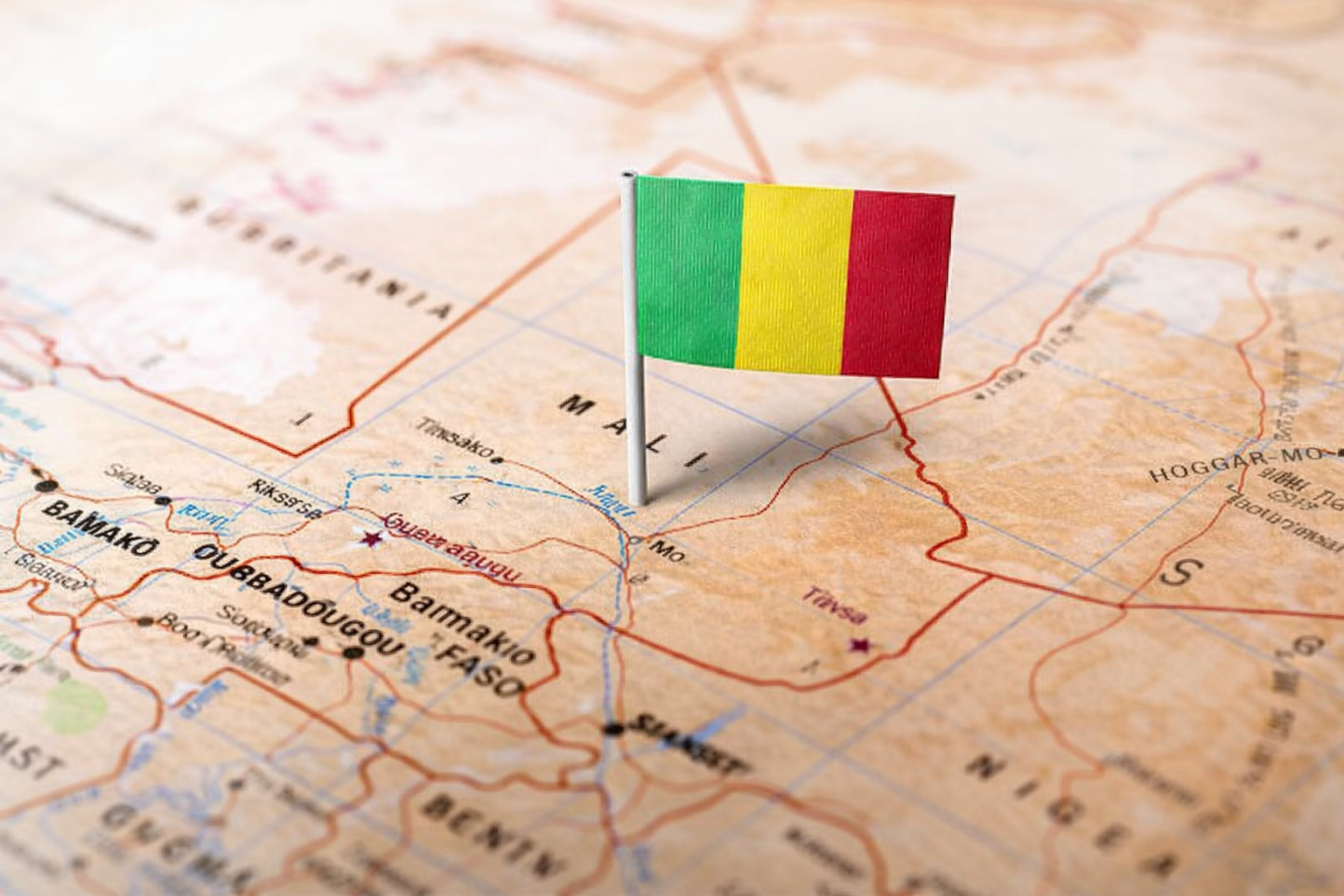
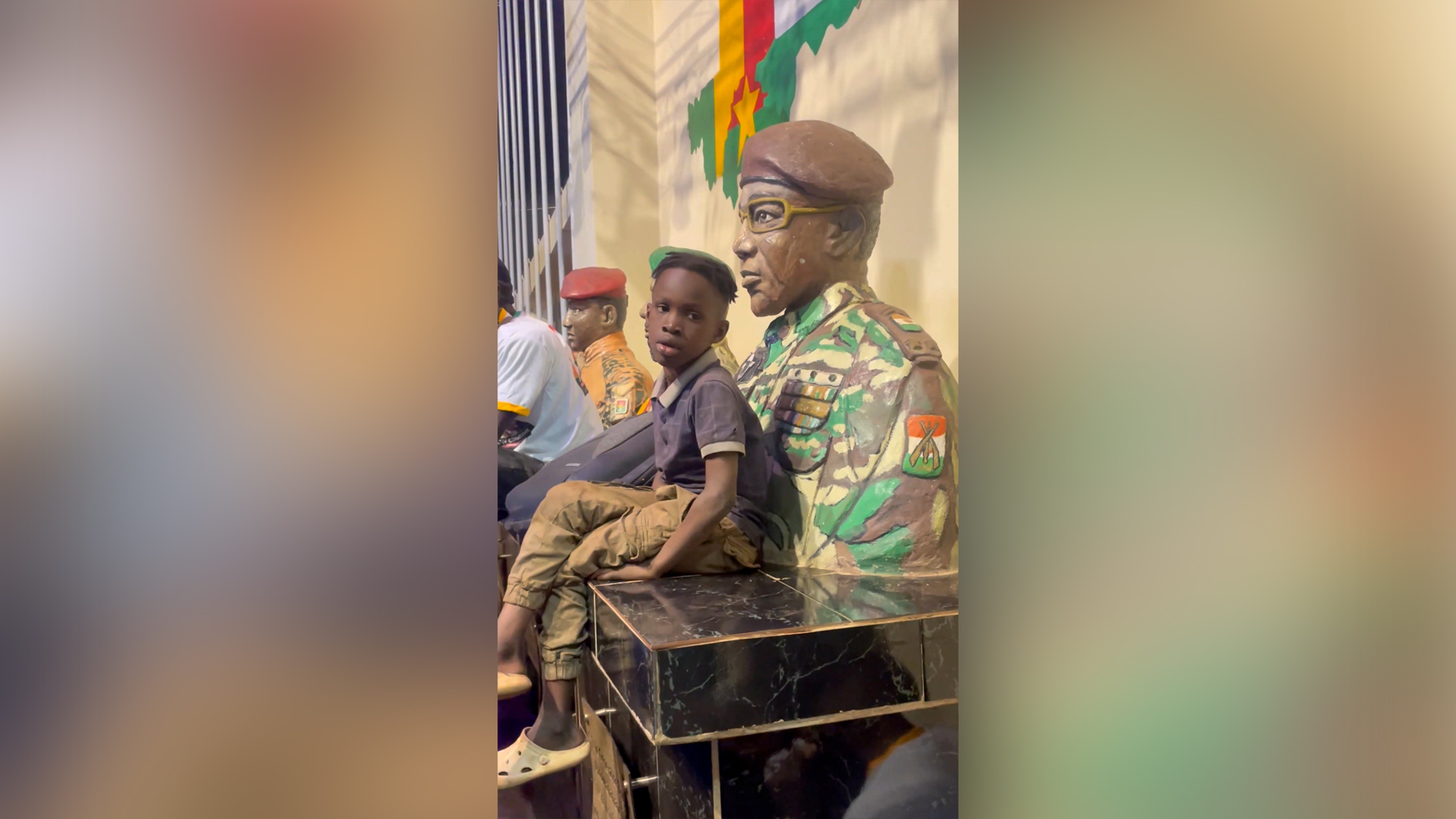
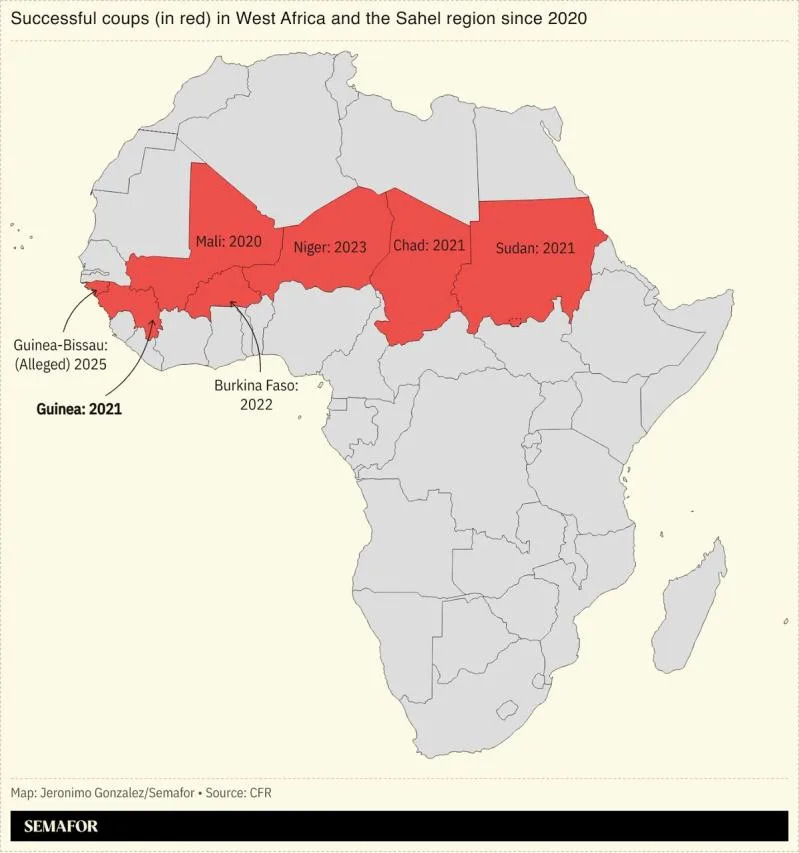
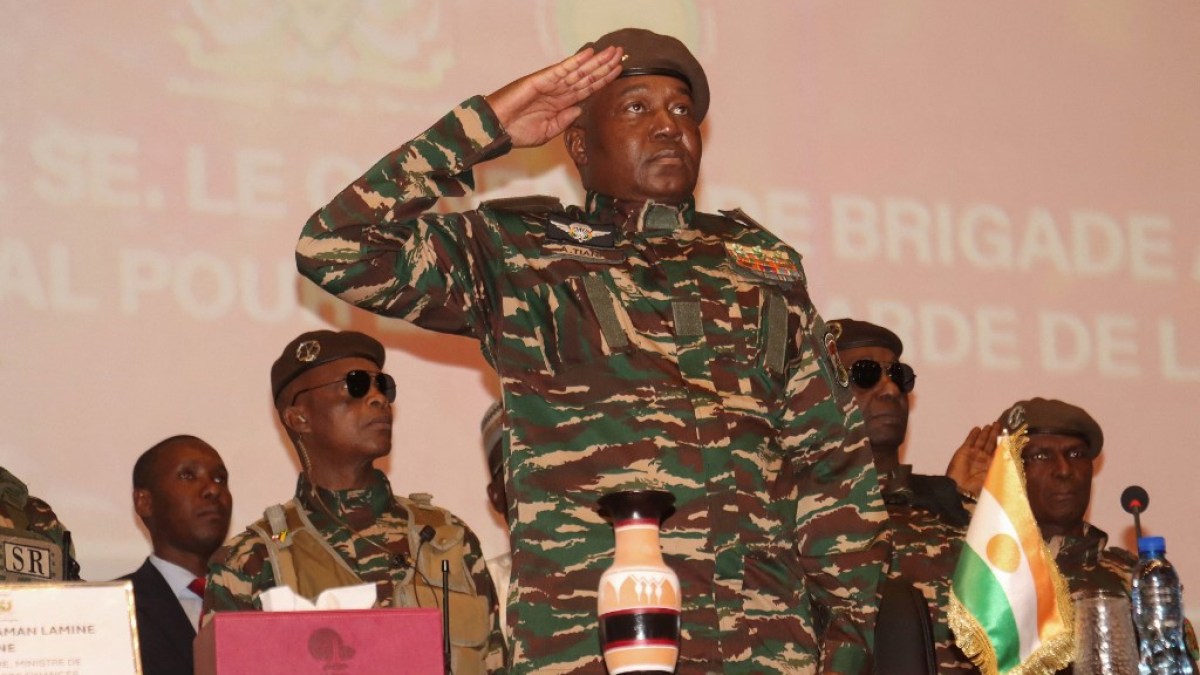
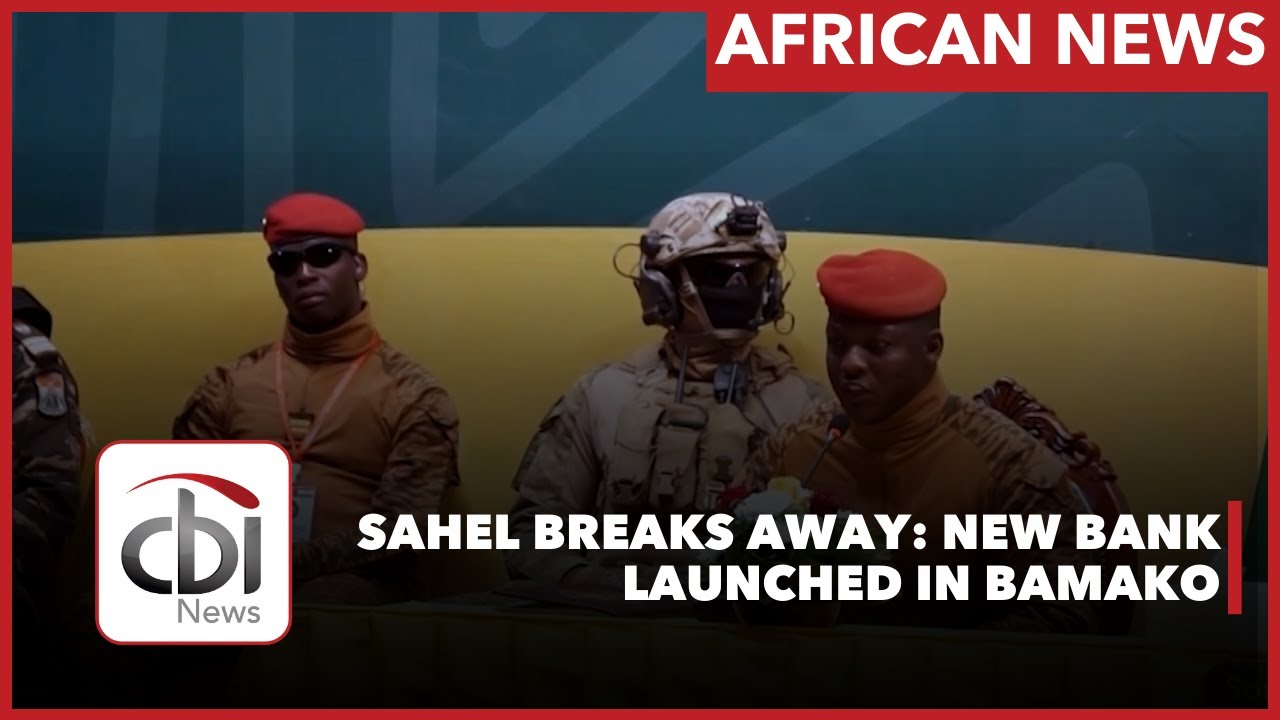
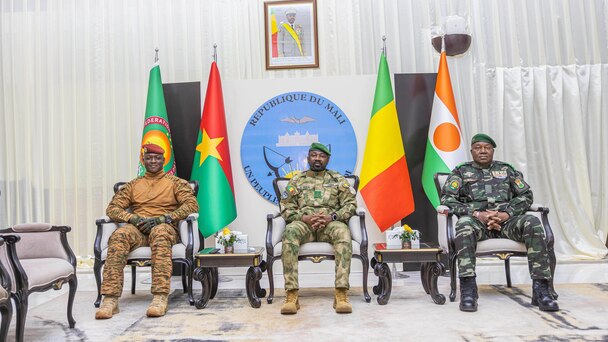
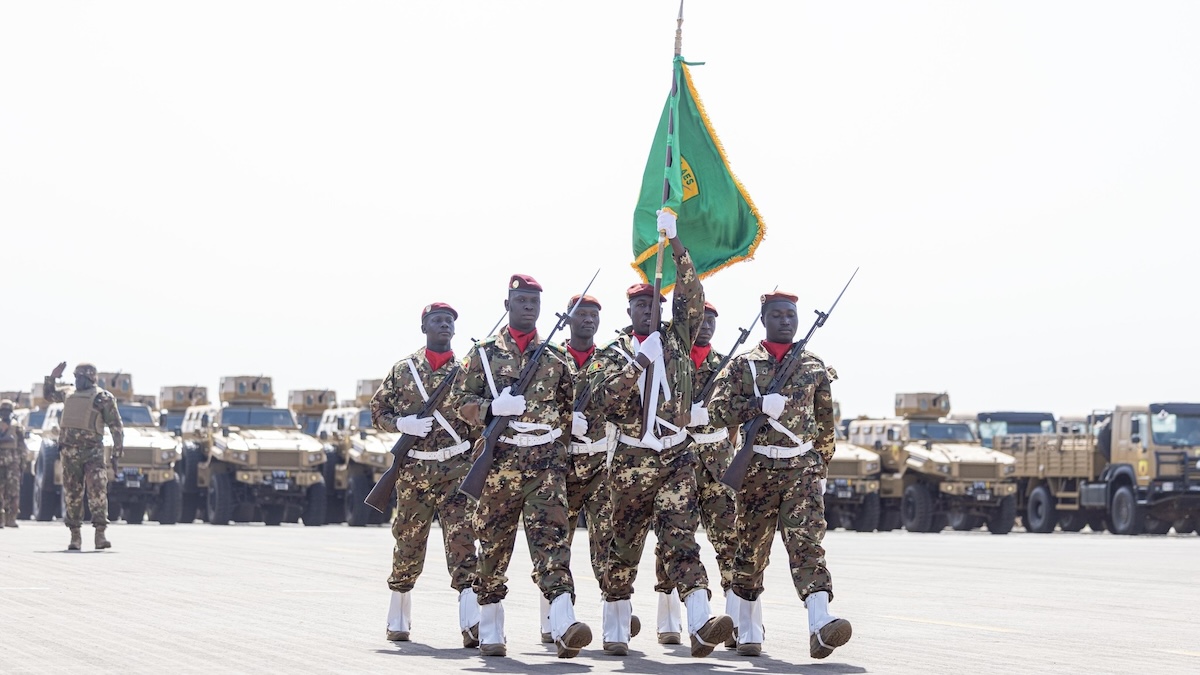
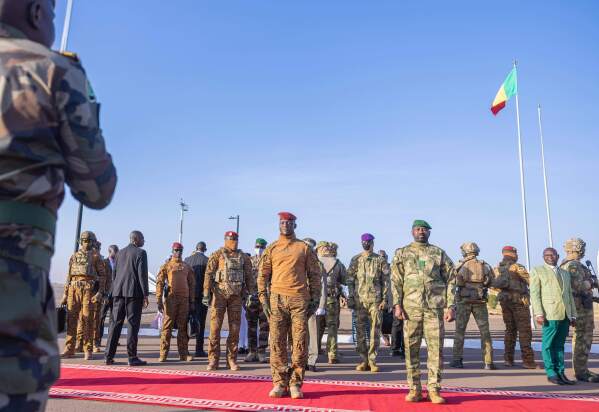
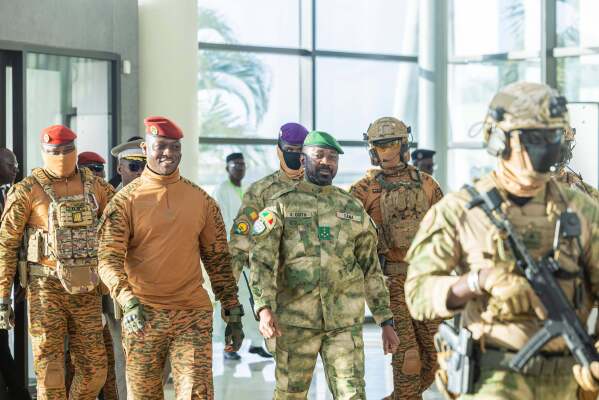
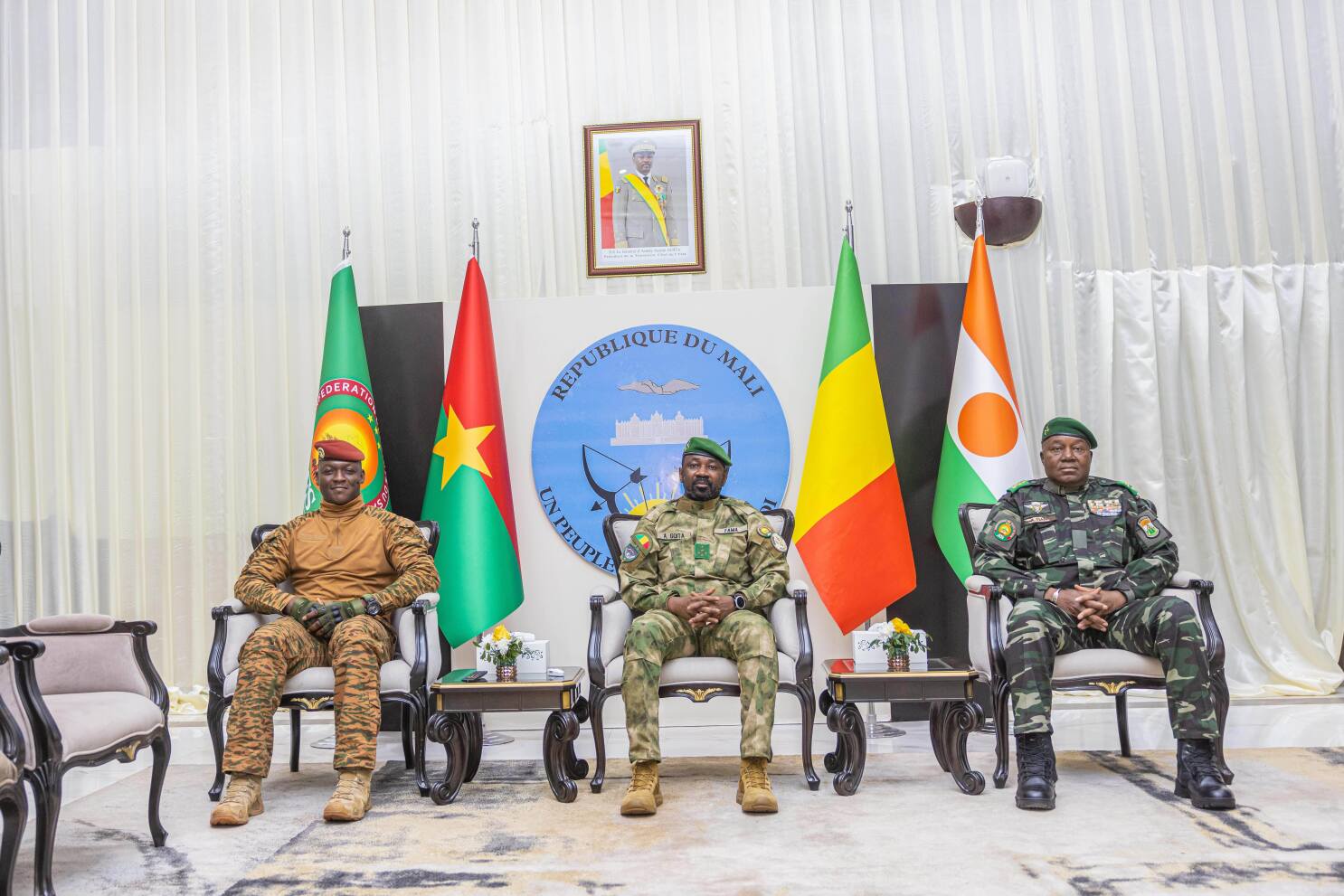
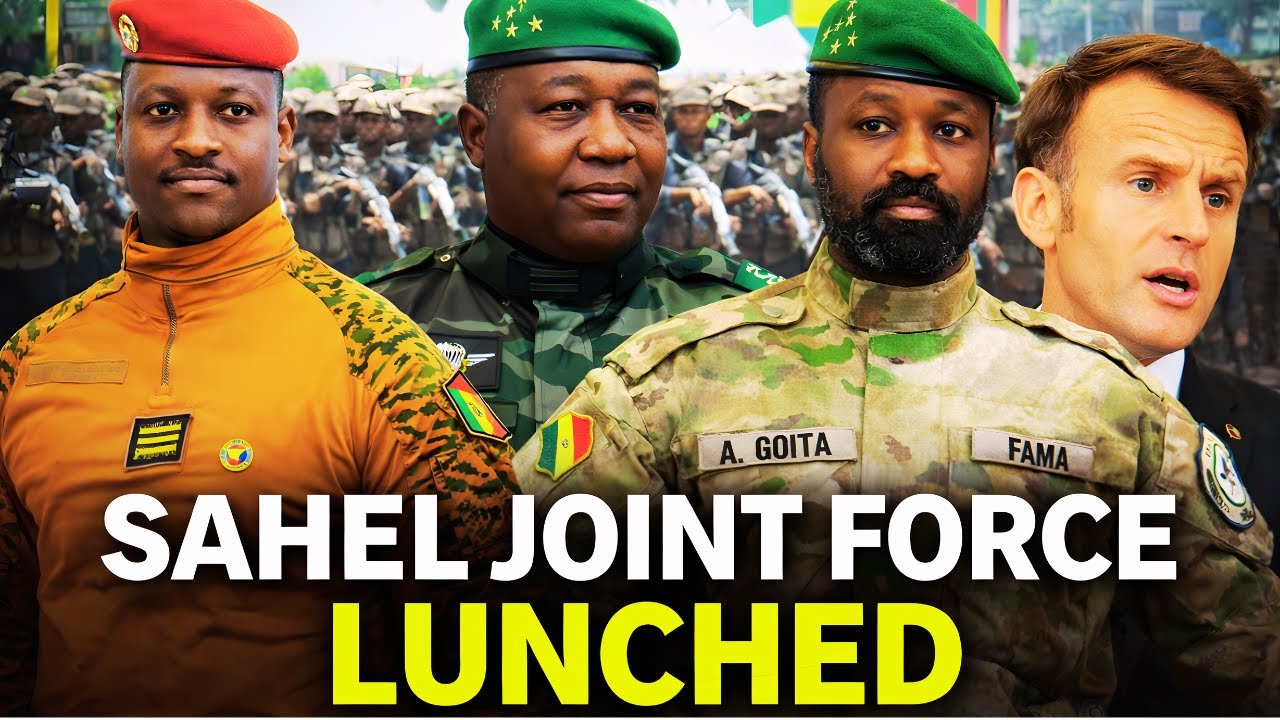
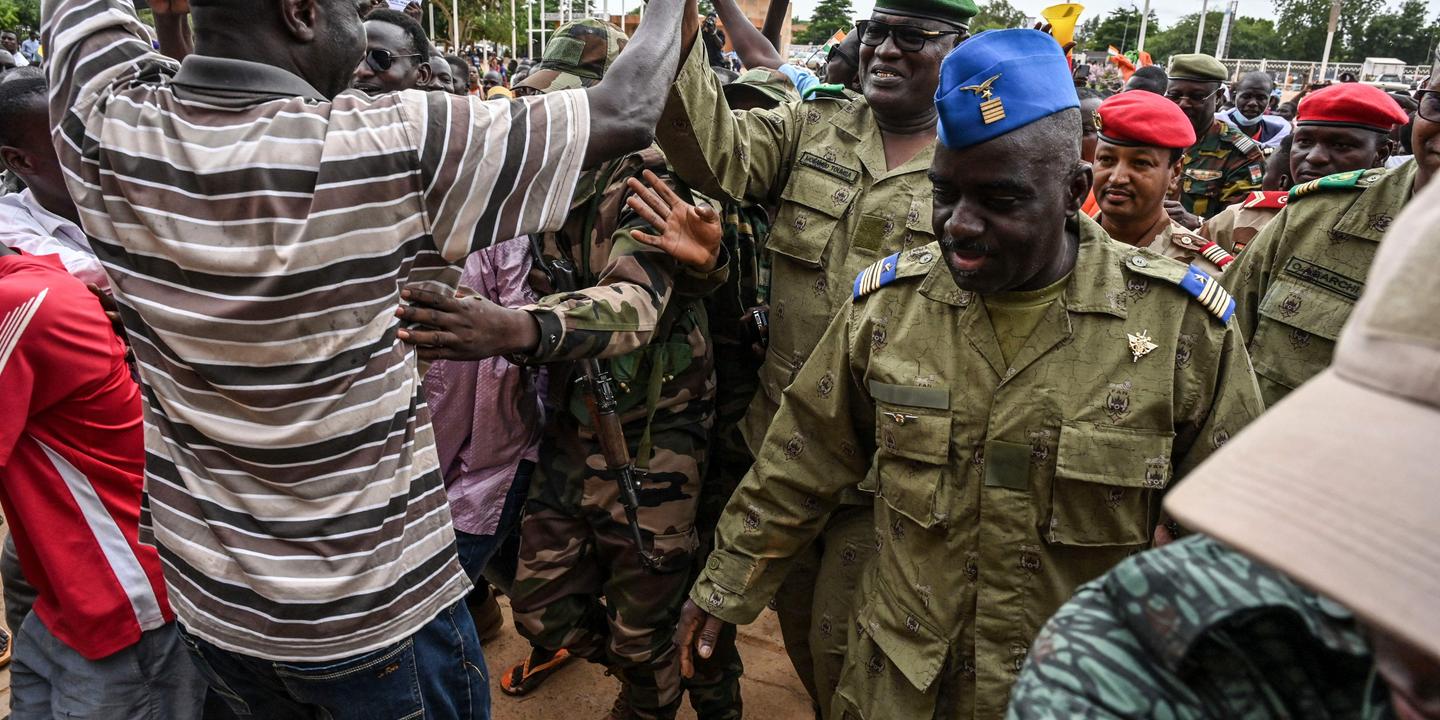
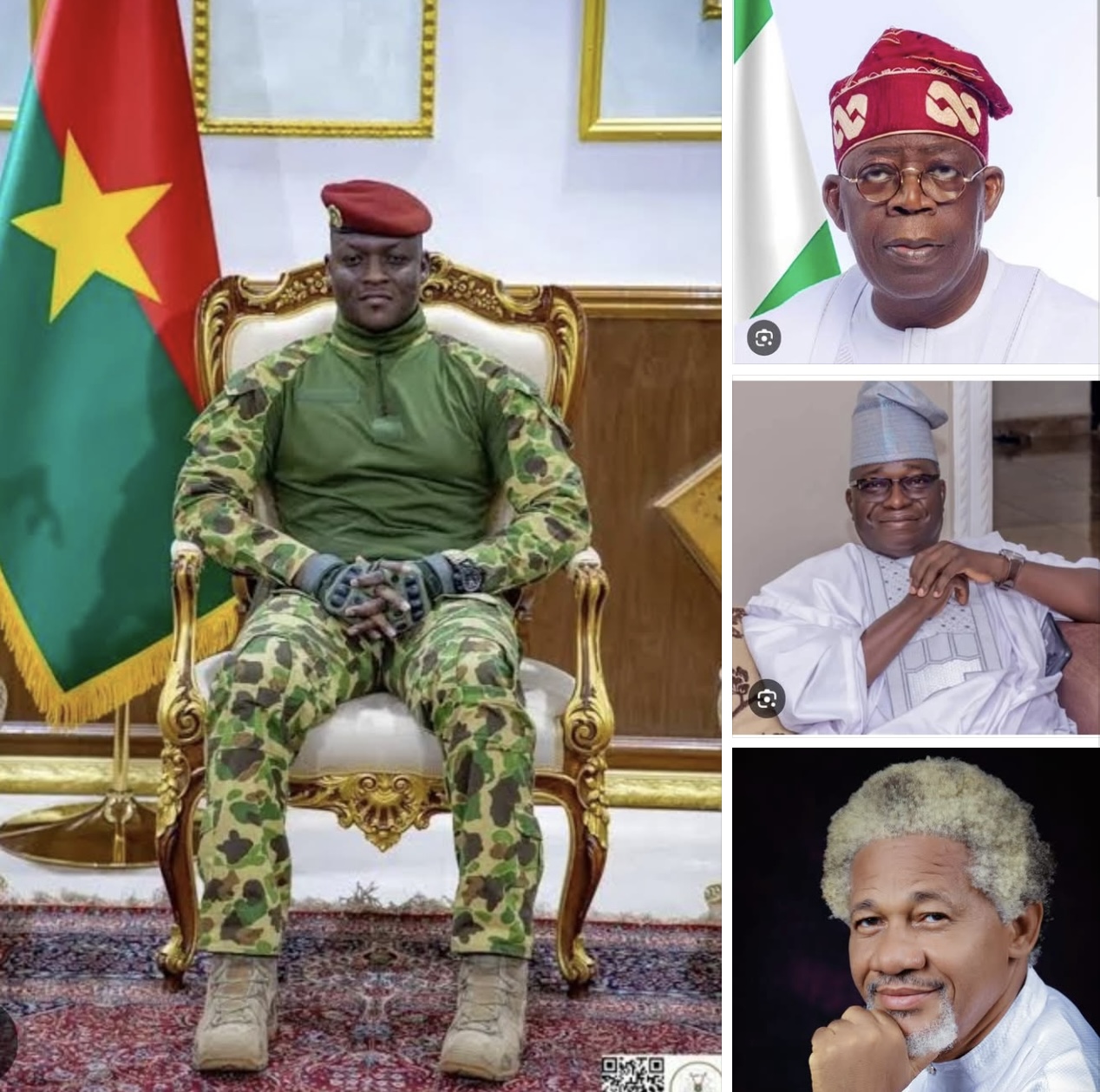
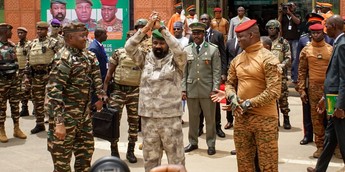
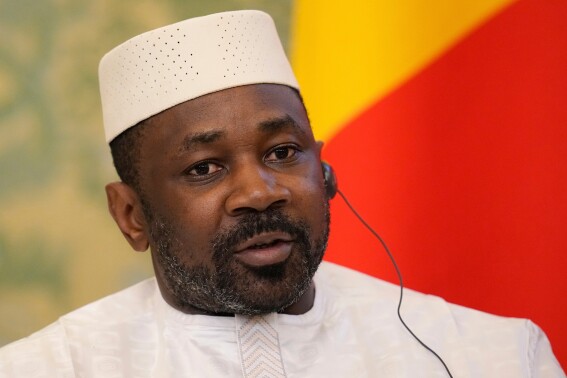
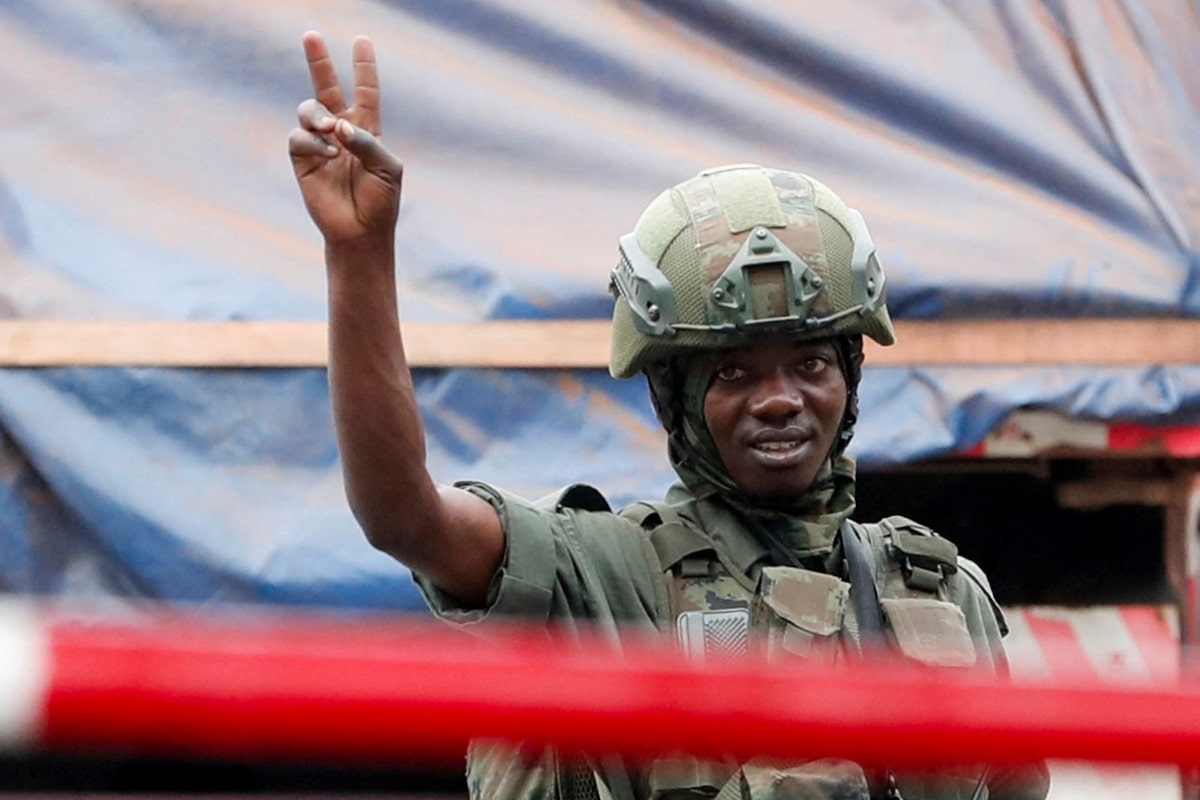
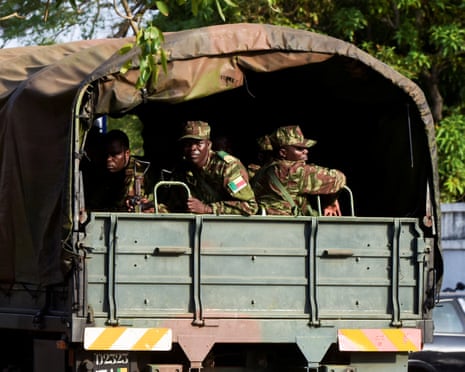
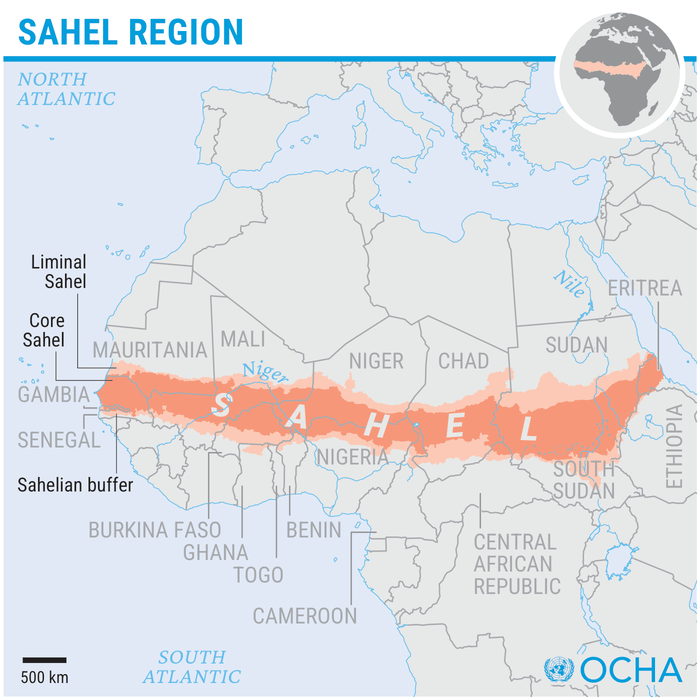
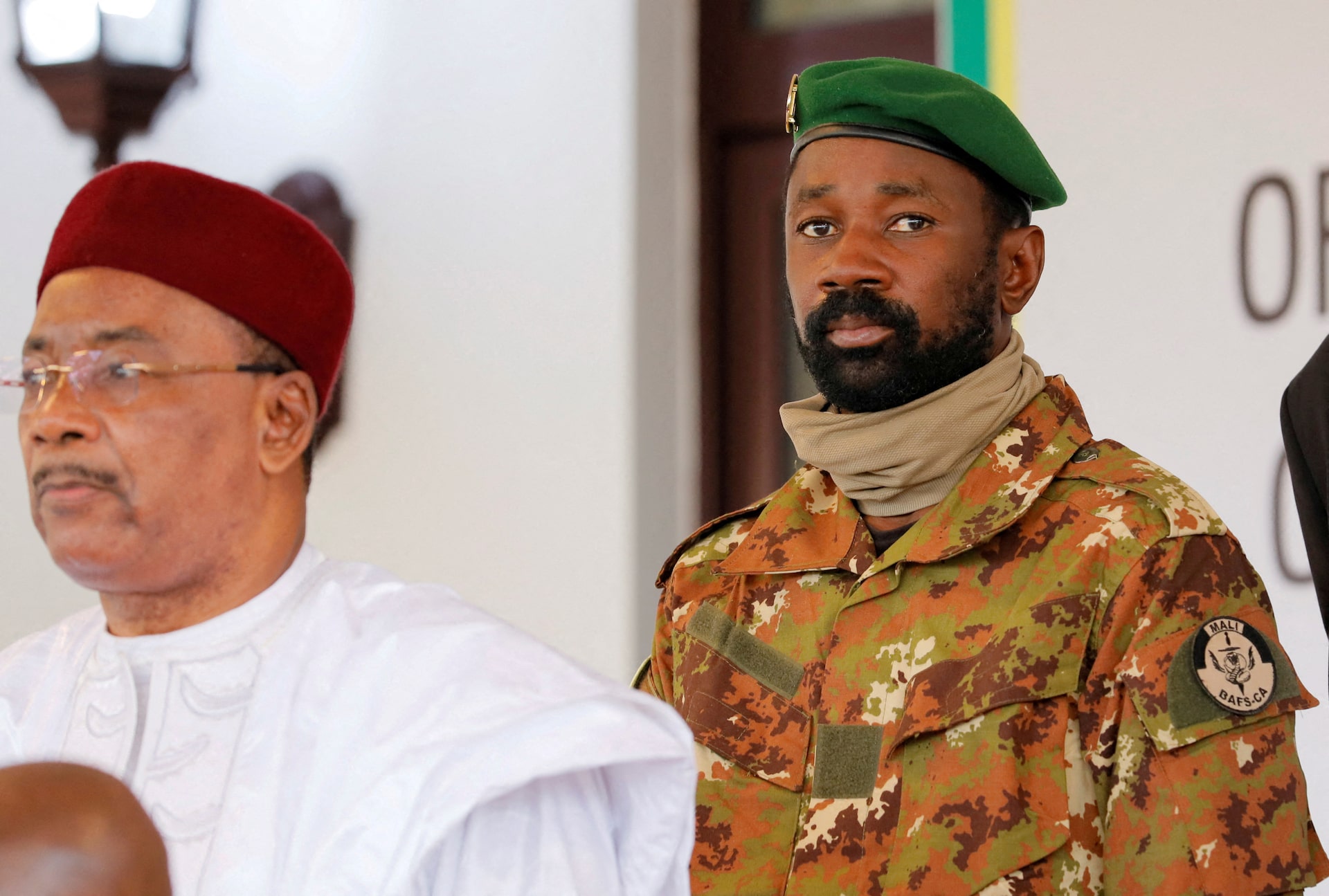
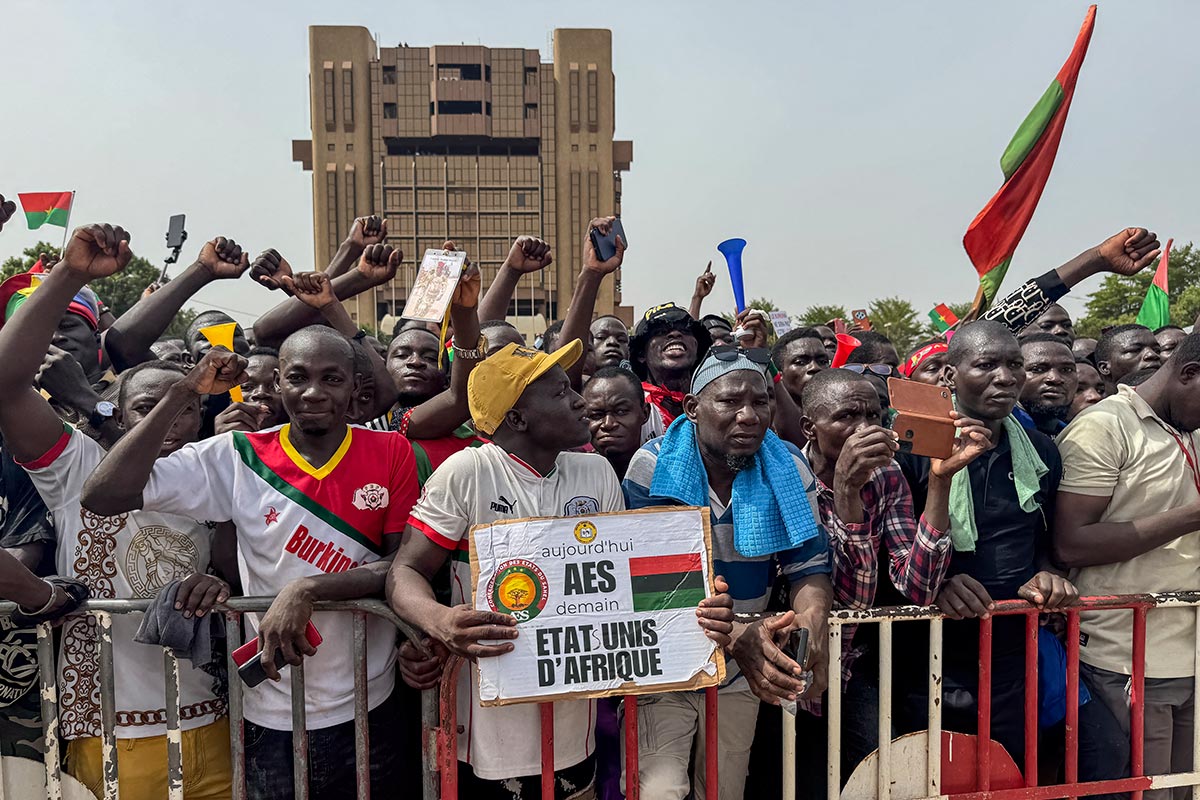
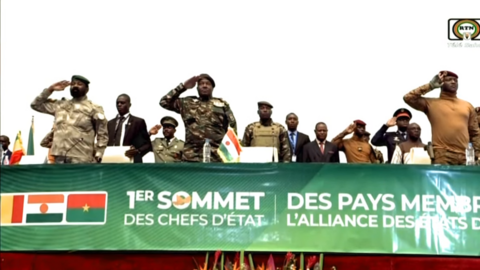
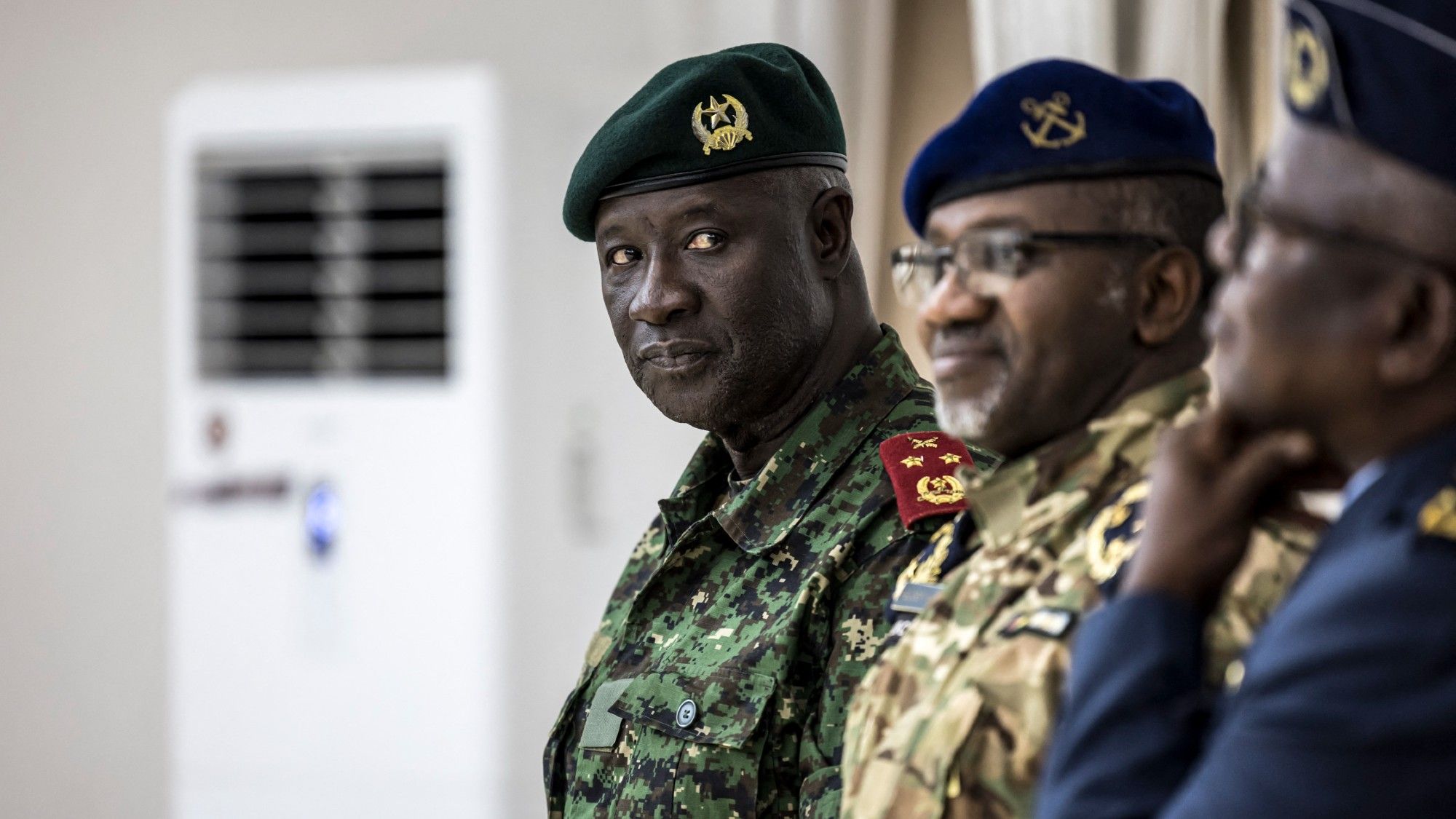
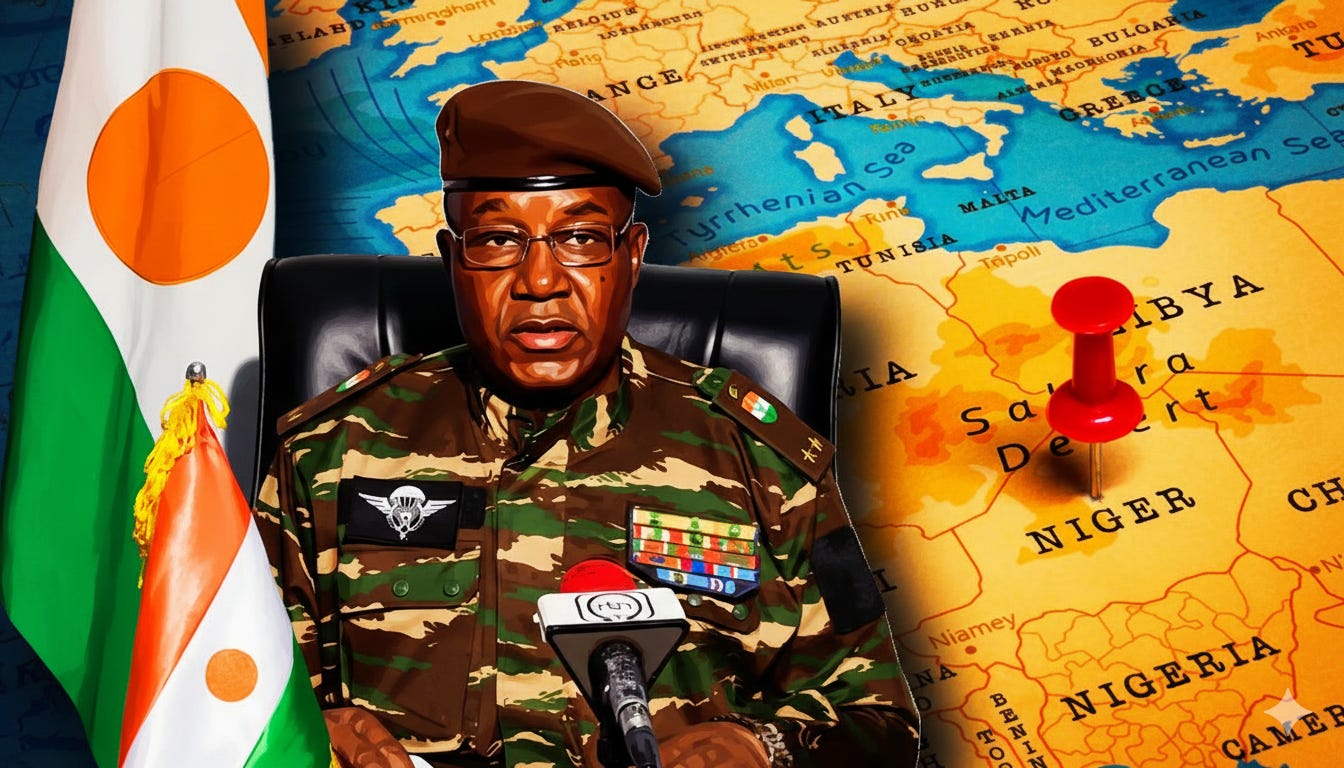
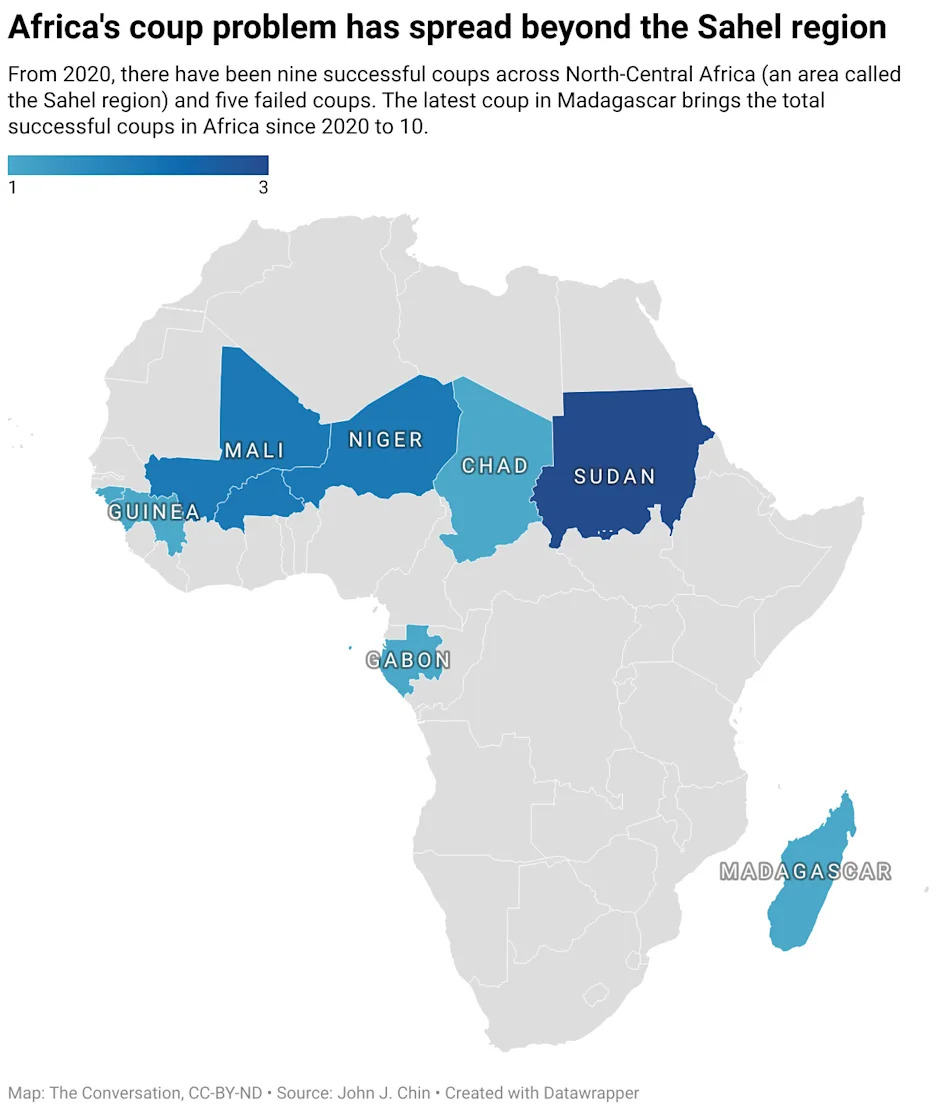
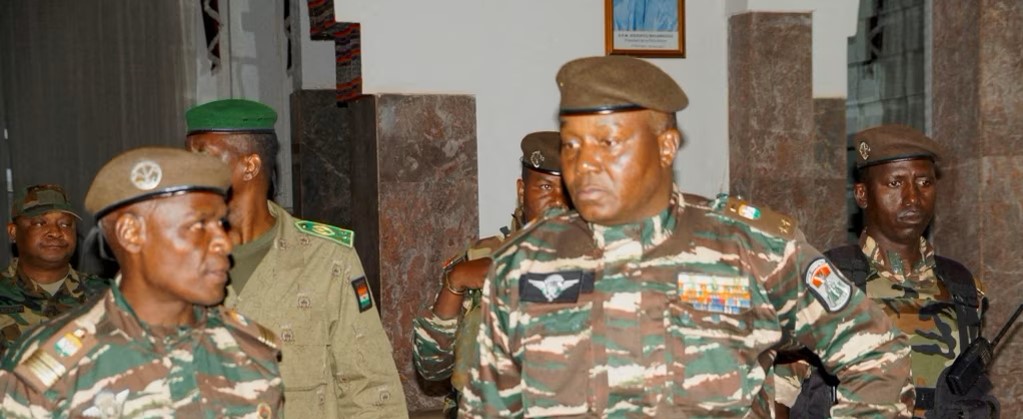
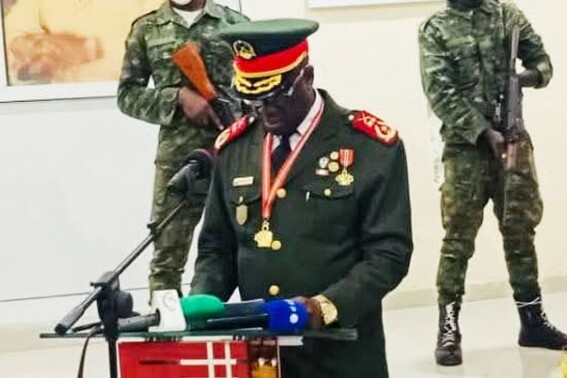
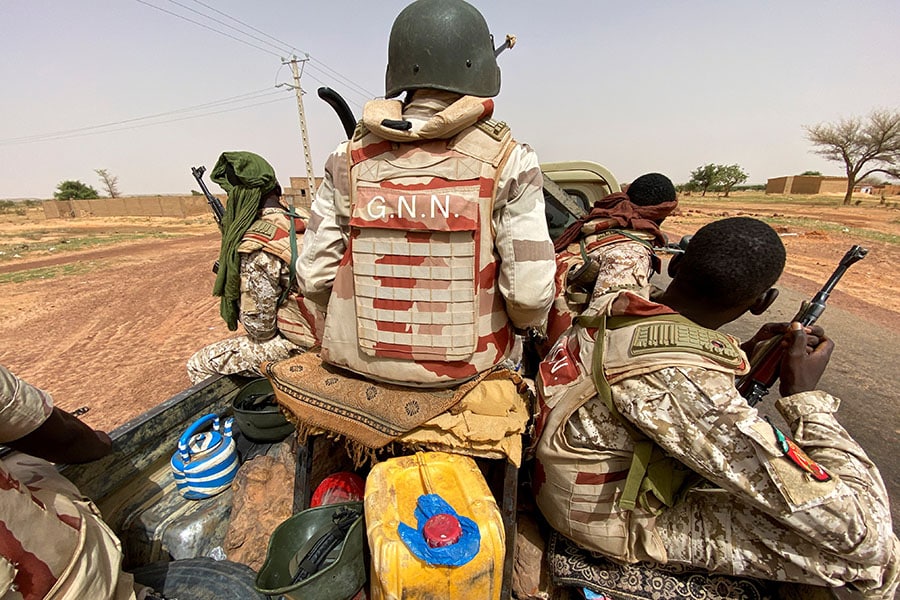
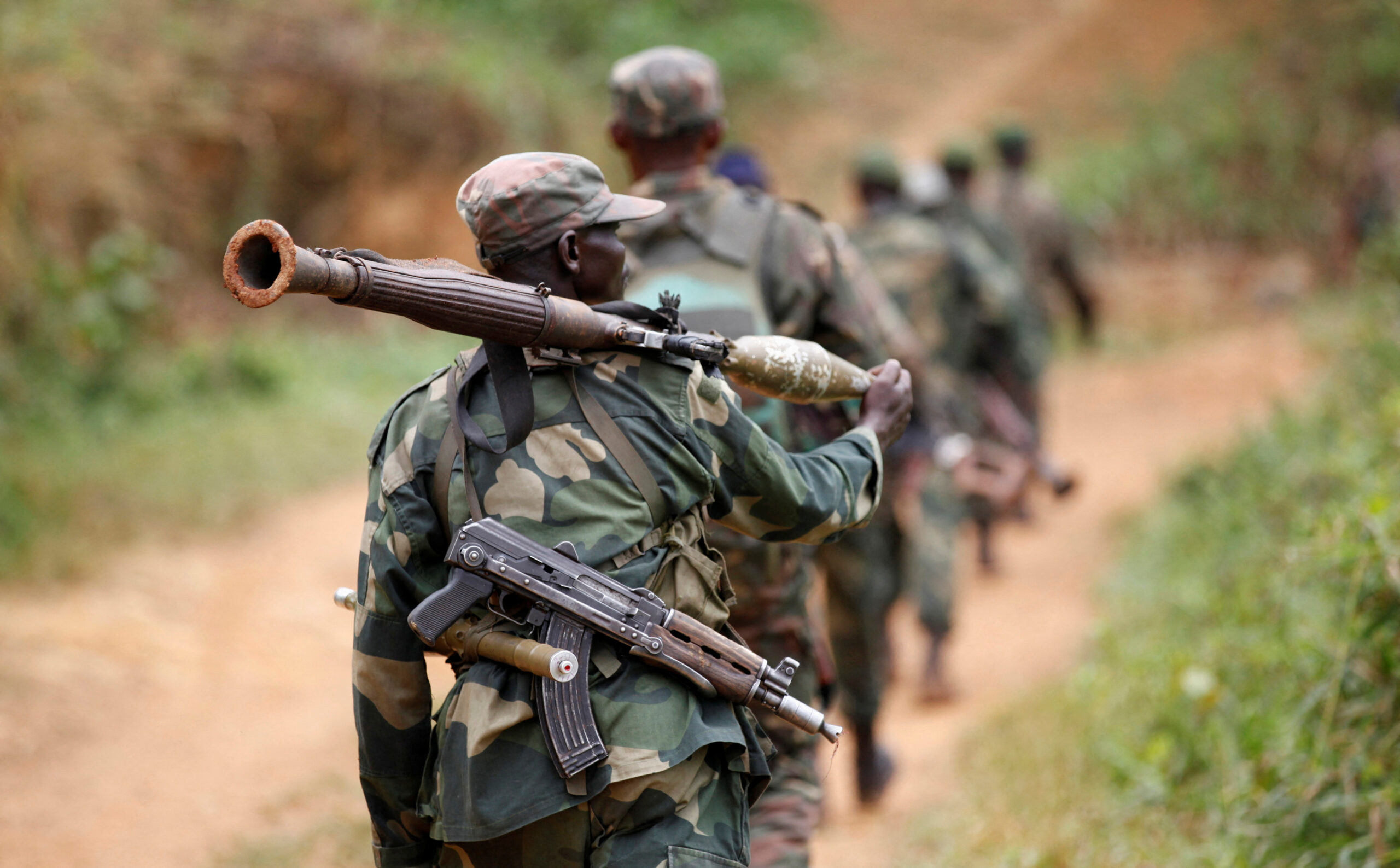
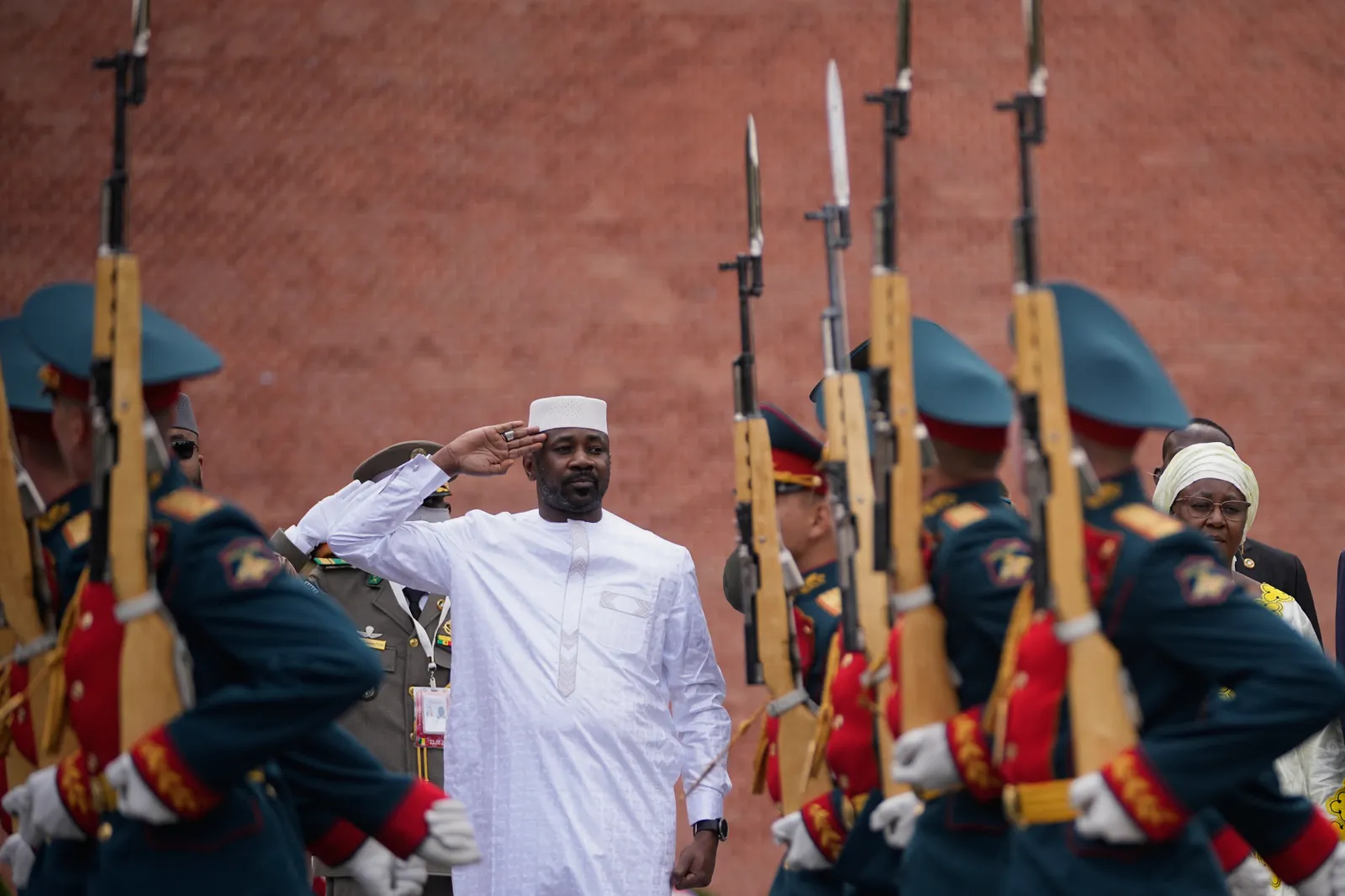
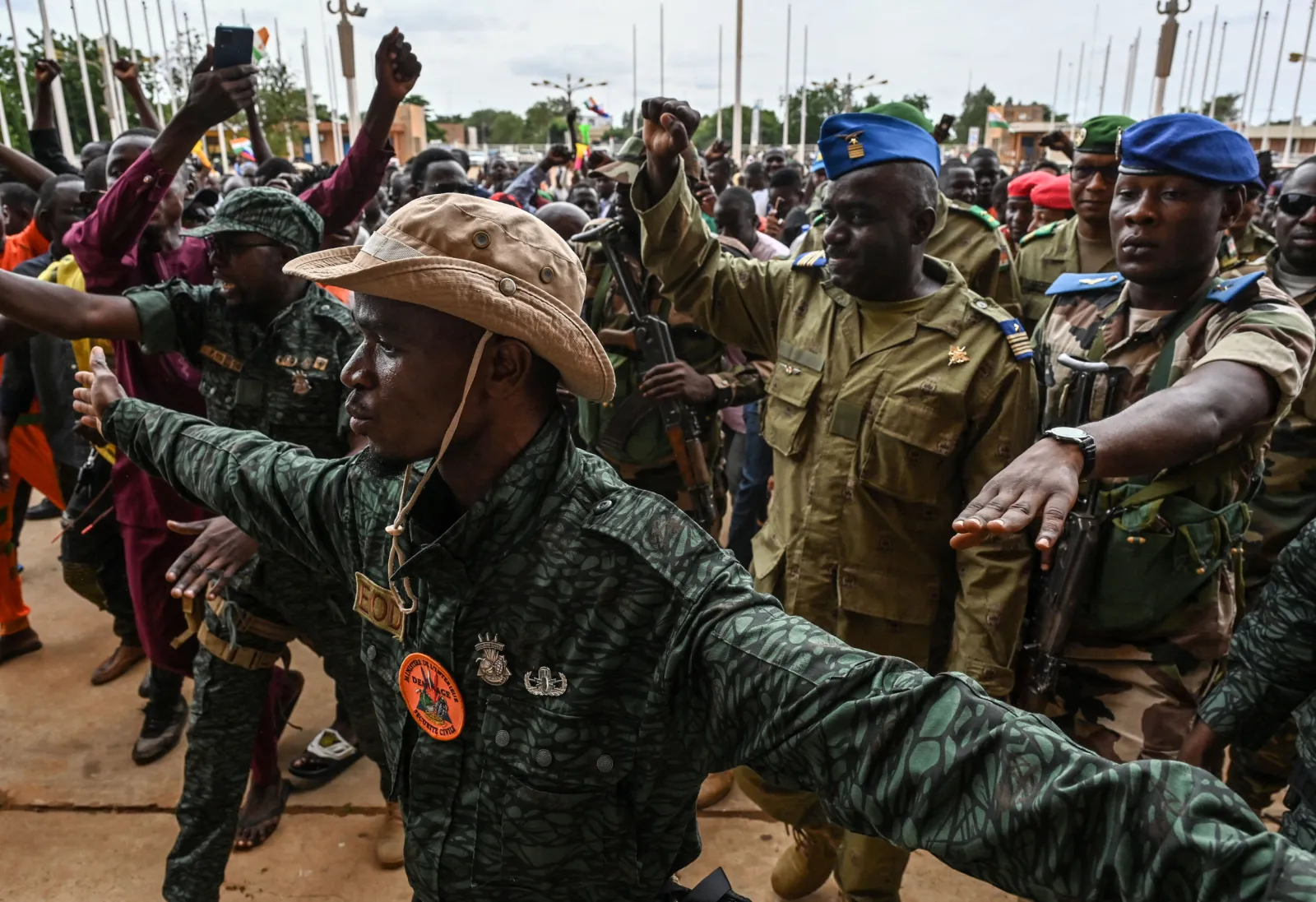
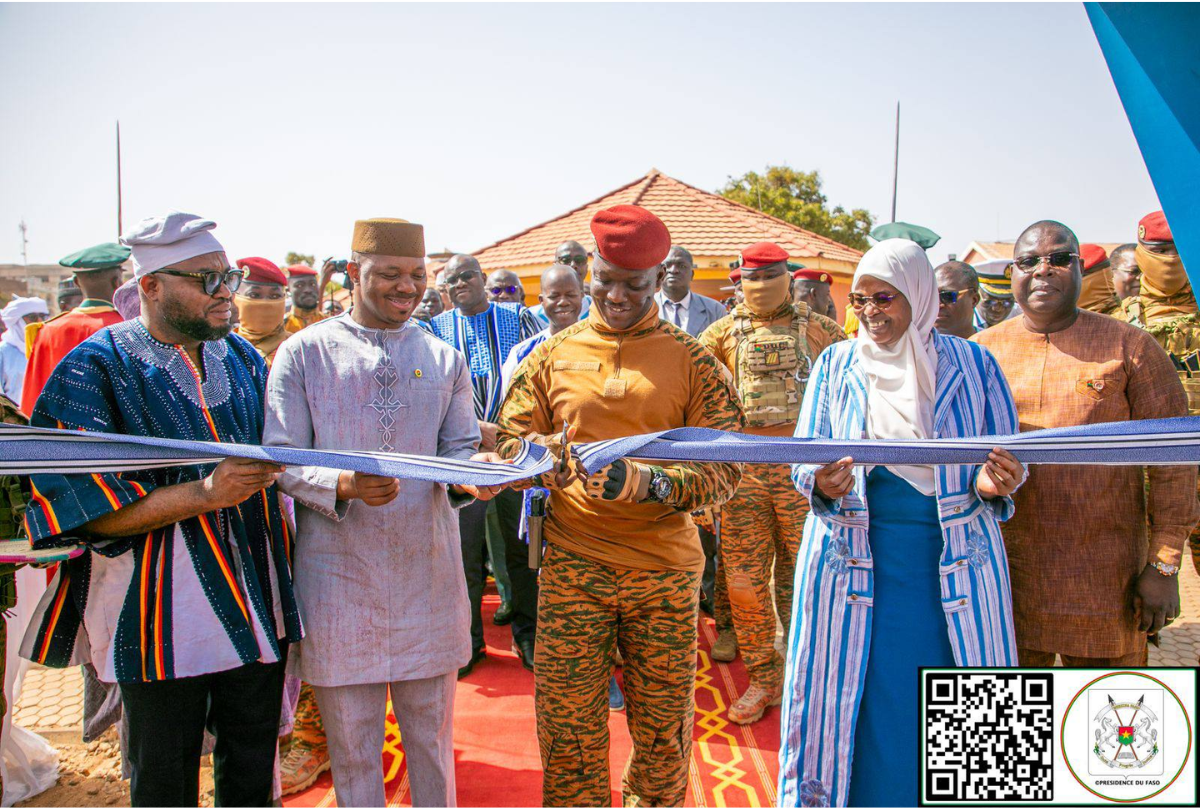
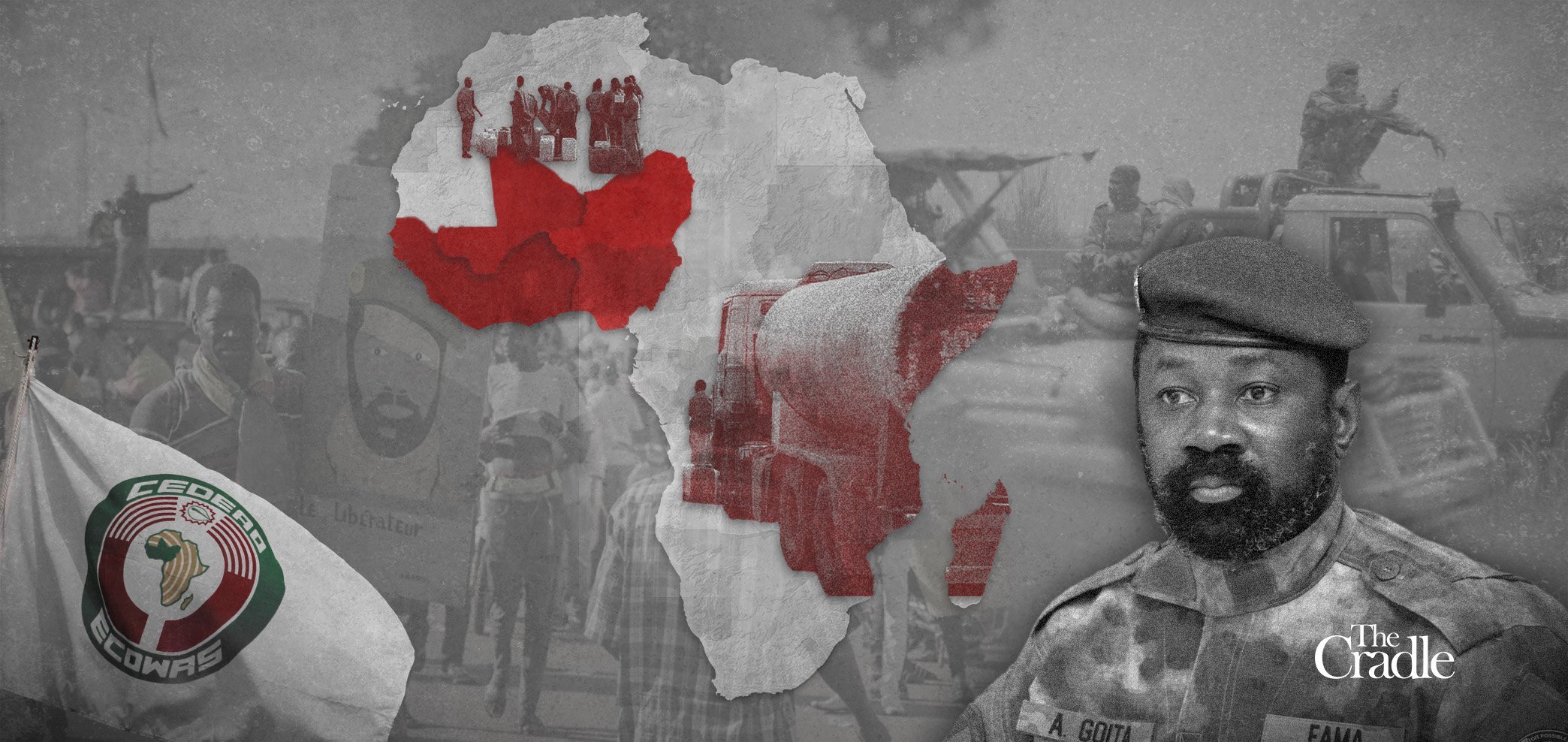
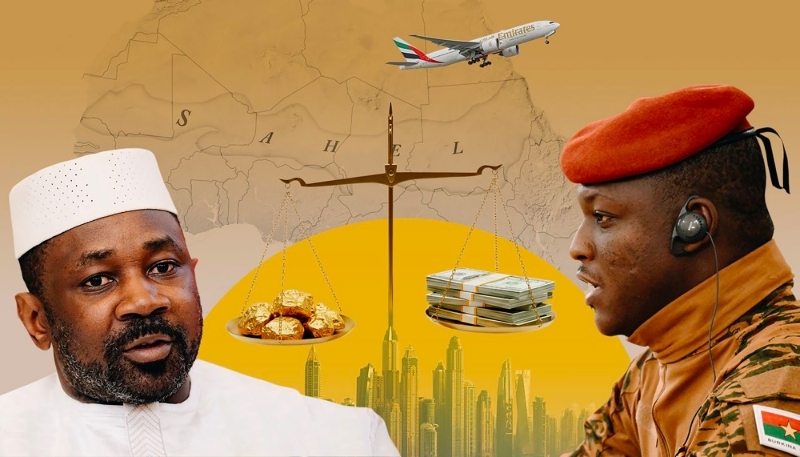
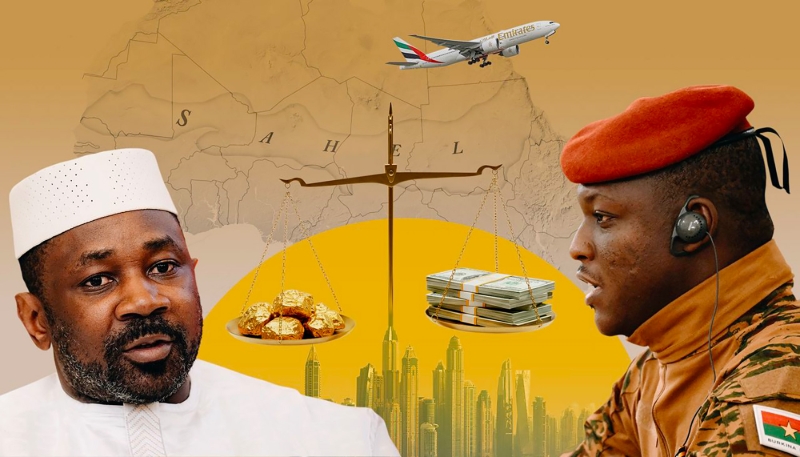
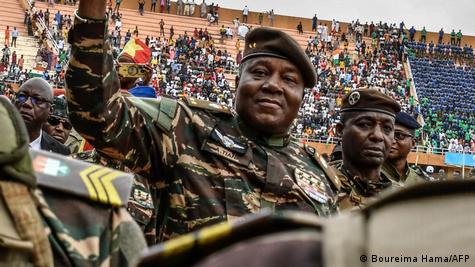
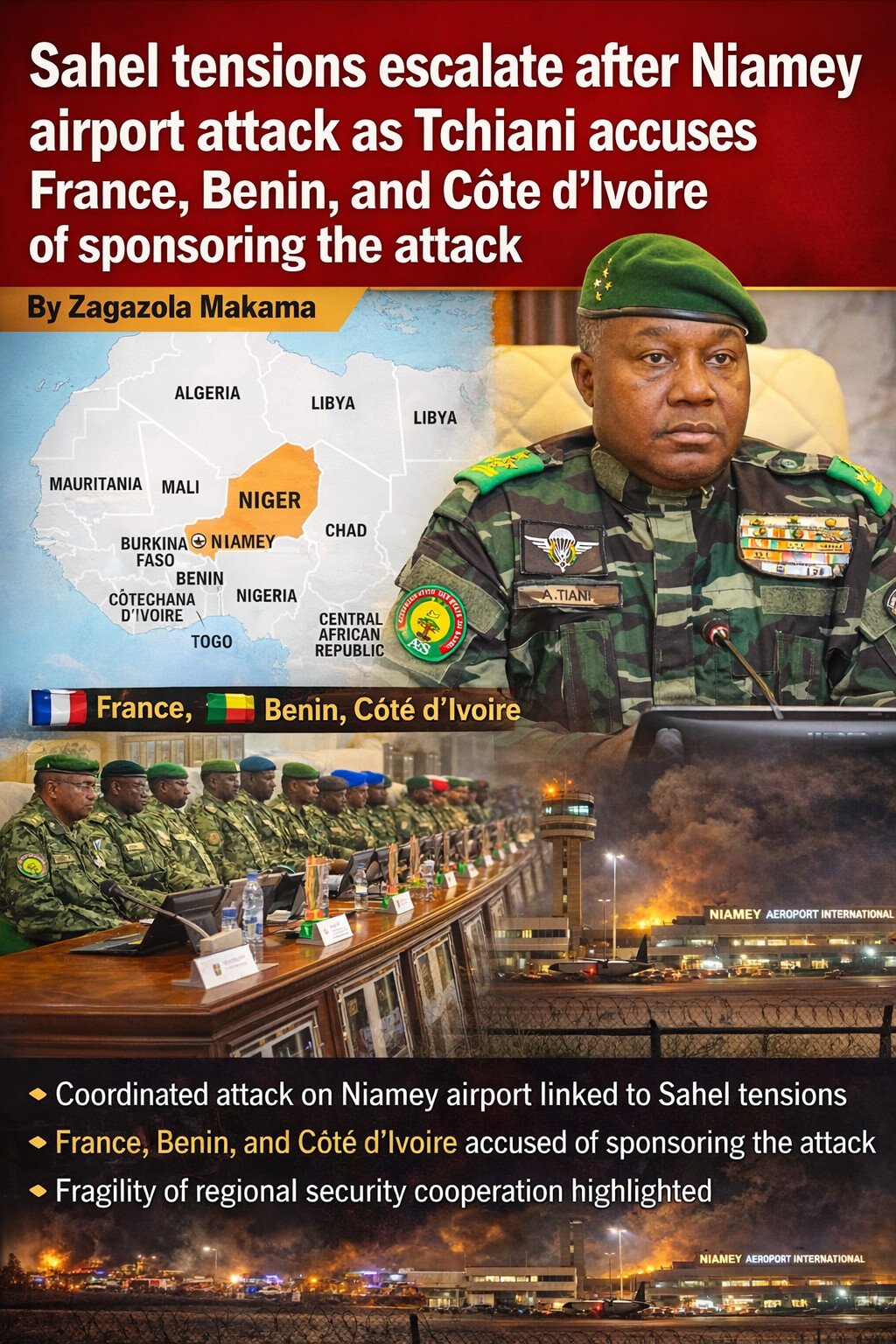
The Sahel, that vast, crucial stretch of land just south of the Sahara, is caught in a whirlwind of change. It’s not just about rising extremist violence, which has seen the fastest growth in Africa over the last two years, but also dramatic shifts in governance and regional alliances. These aren’t isolated incidents, are they? They’re part of a bigger, strategic realignment unfolding across West Africa. We’re seeing a bold push for sovereignty, exemplified by the Alliance of Sahel States (AES), formed in September 2023. This new coalition, spurred by military coups and spearheaded by figures like Ibrahim Traoré, aims to tackle insecurity and what leaders view as external interference. It’s a clear statement: Sahelian nations are ready to stand together, leveraging their collective military experience to counter both domestic and regional insurgencies. The question now is, can this unity truly bring stability?
Navigating Escalating Violence and Shrinking Freedoms
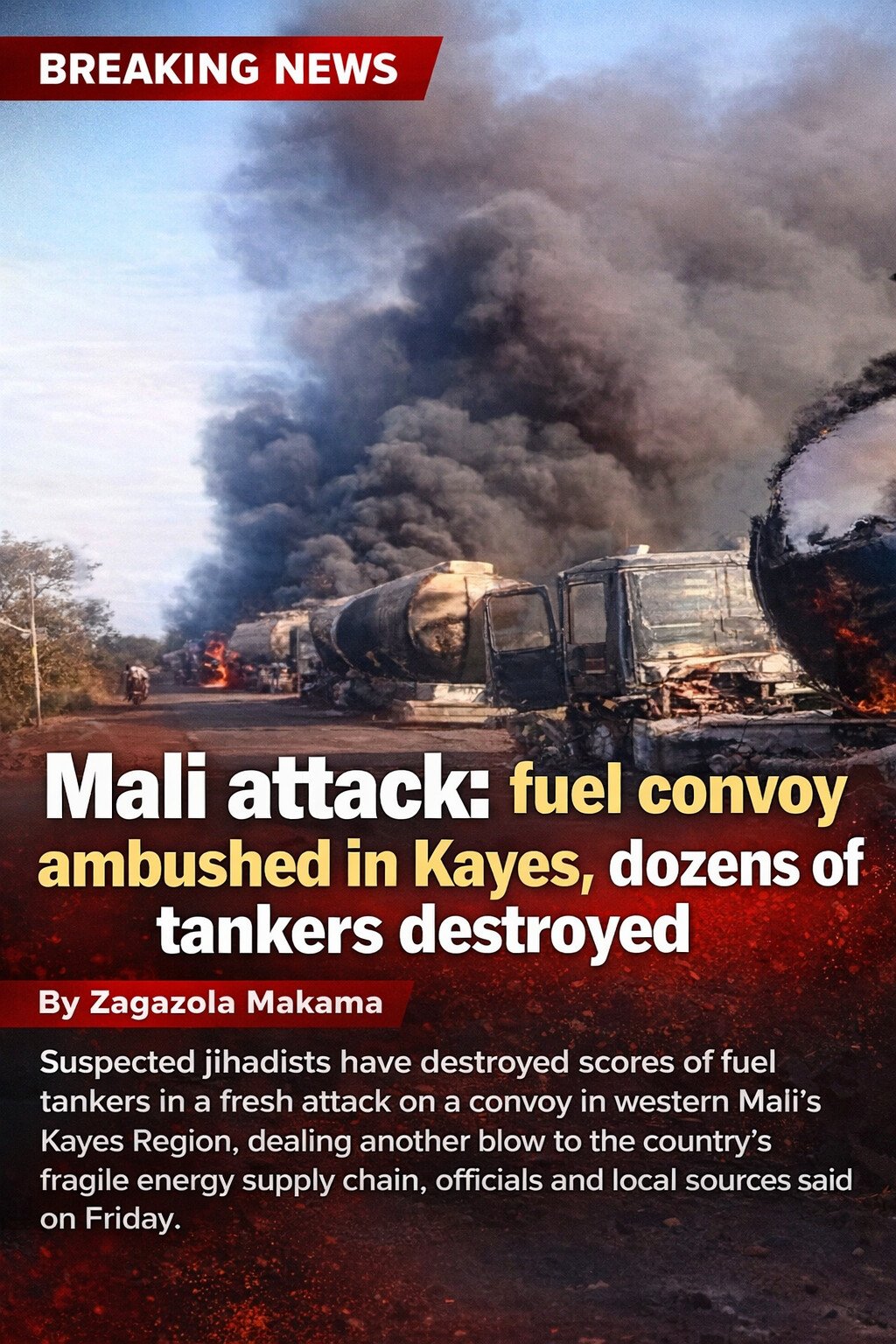
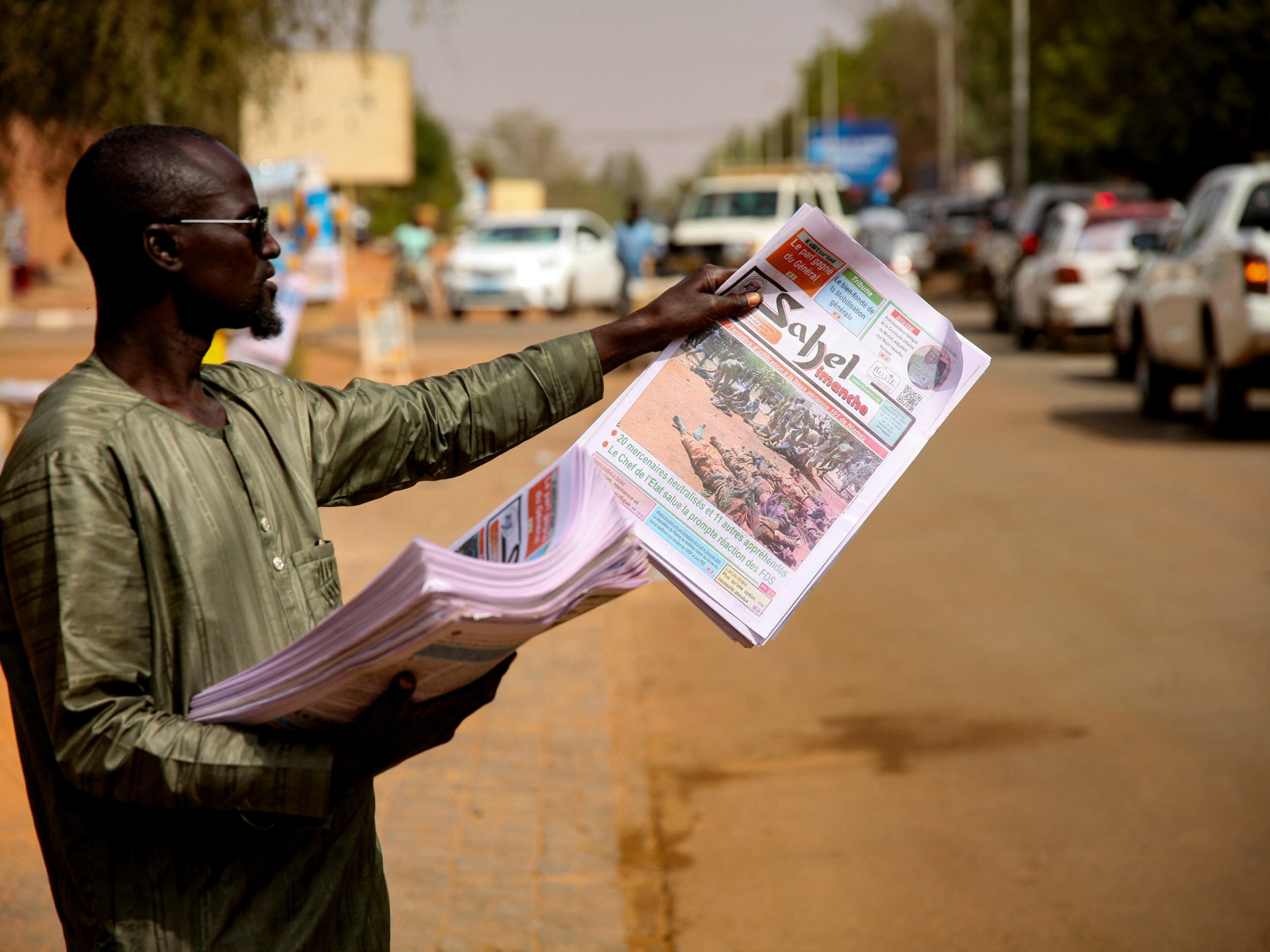
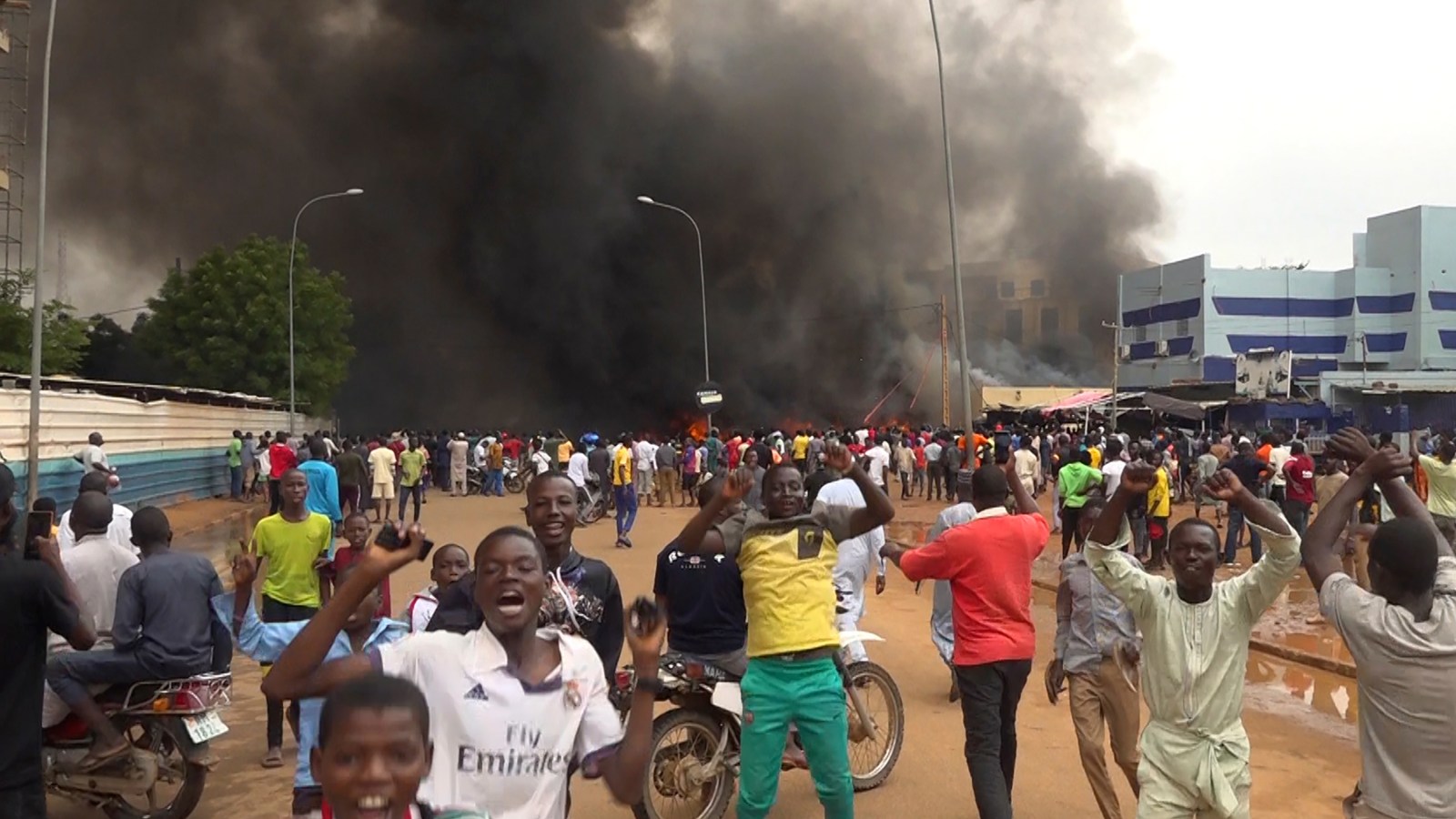
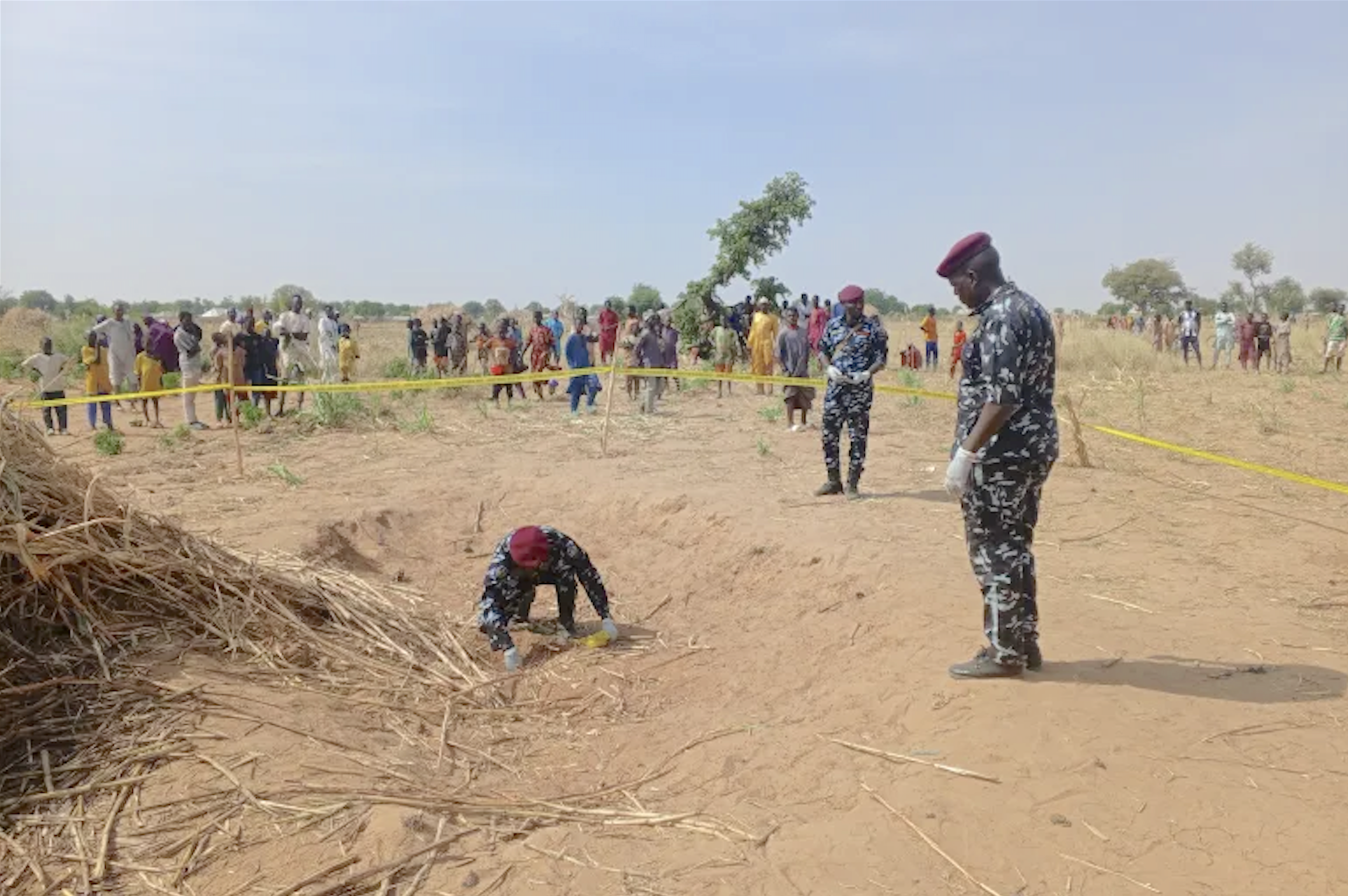
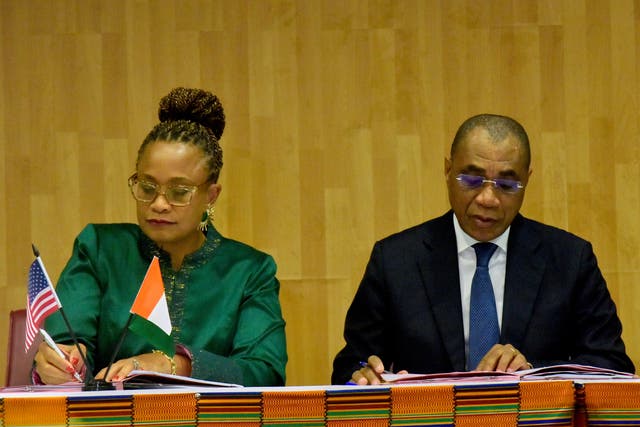
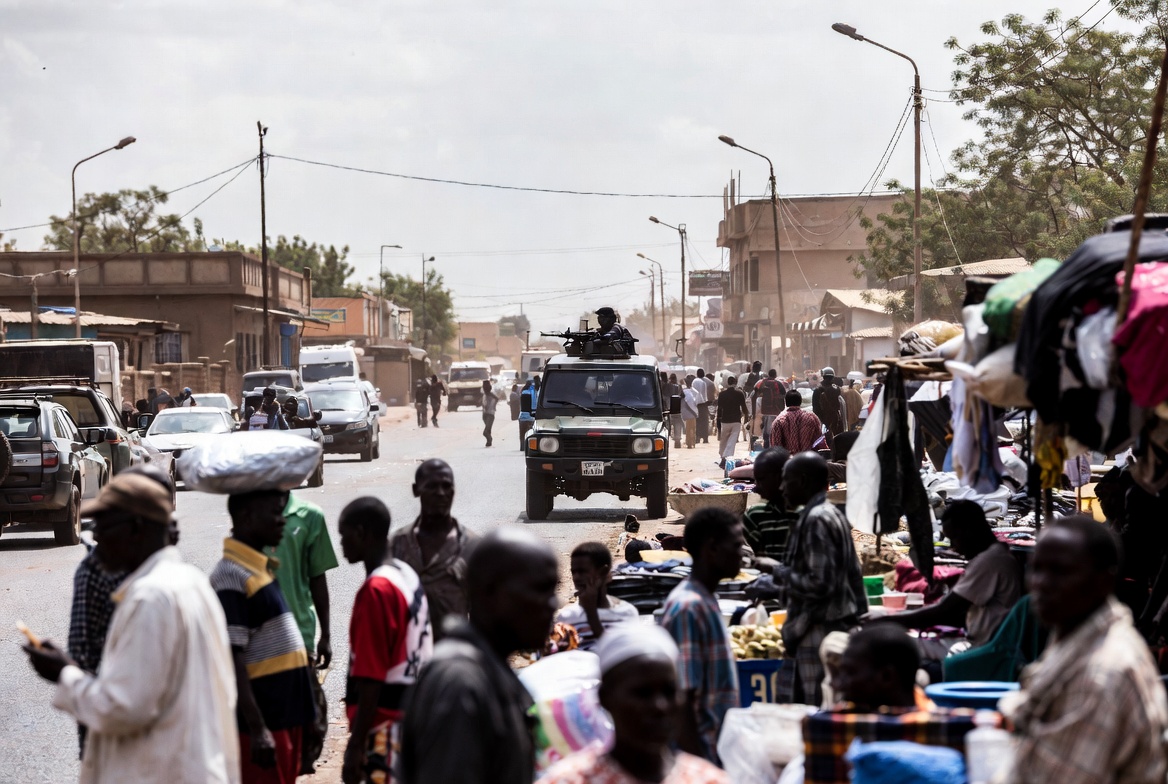
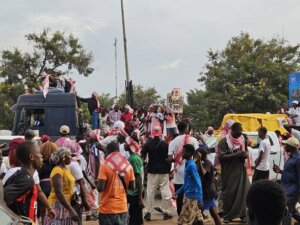
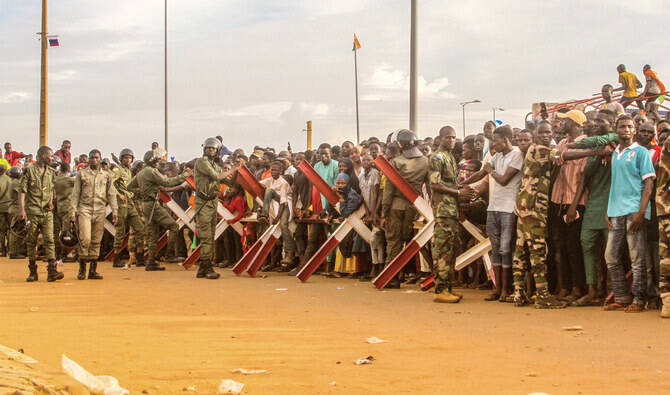
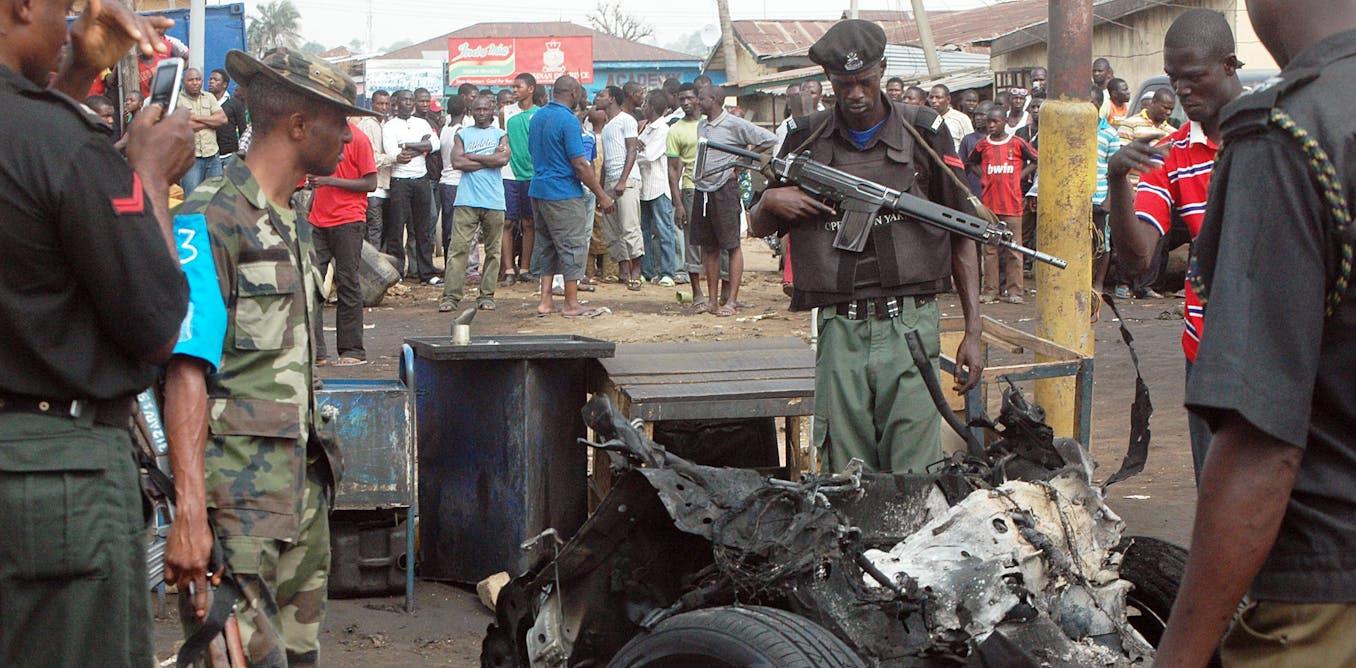
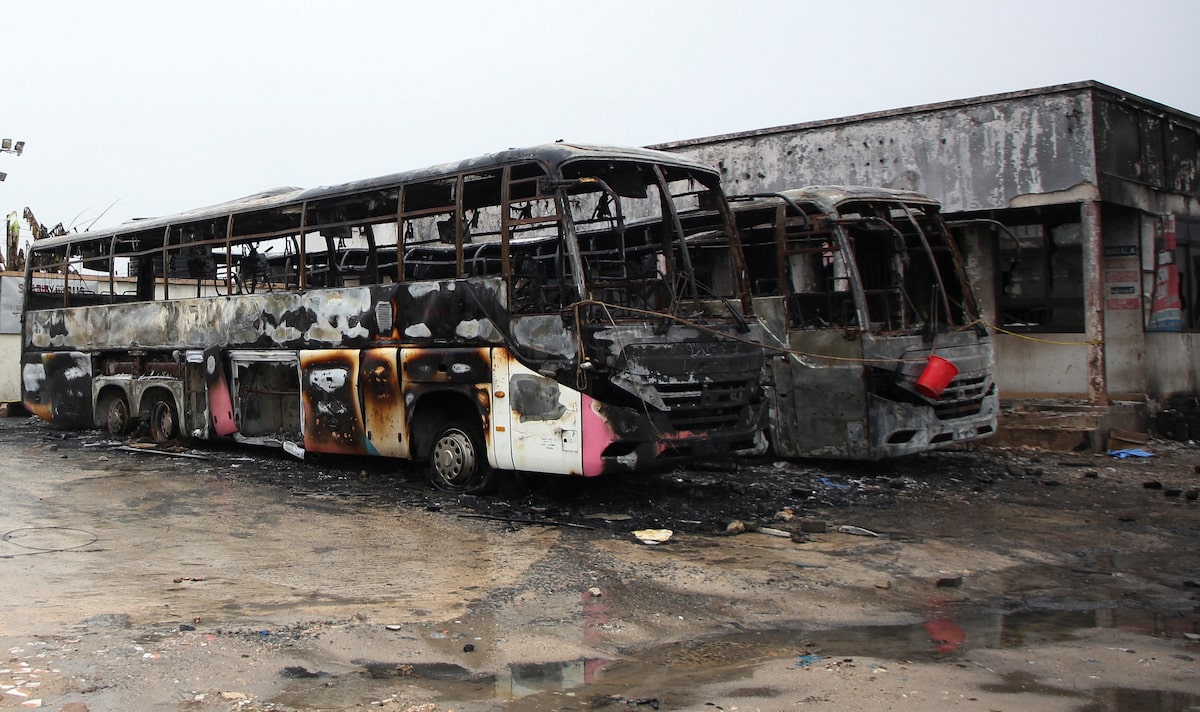
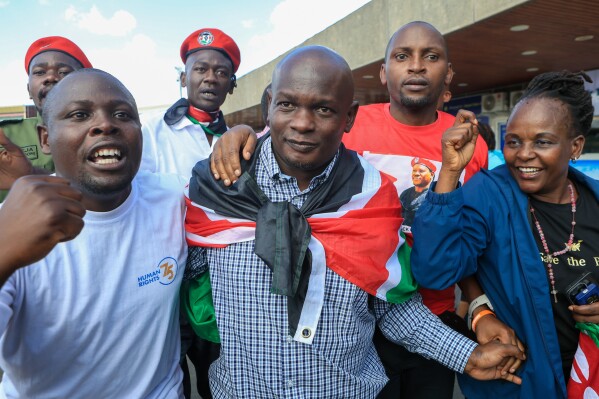
This shift towards militarized alliances directly responds to a pressing challenge: the relentless surge in extremist violence. Groups exploit deep-seated ideological, ethnic, and economic grievances, intensifying attacks that destabilize communities and undermine state authority. But the geopolitical picture isn’t just about bullets and borders; it’s also about a worrying crackdown on civic freedoms and political expression. In Burkina Faso, for instance, the government recently banned all political parties, a move that’s sparked widespread concern. Rights groups argue this erodes democratic institutions, limits peaceful engagement, and frankly, risks alienating citizens, potentially bolstering extremist narratives that challenge government legitimacy. Think about it: how do you balance security concerns with upholding human rights and democratic governance? This tightrope walk is something many Sahel states face. The tensions even spill over into personal consequences, as seen with Mamadou Hawa Gassama, a Malian lawmaker jailed in Ivory Coast for insulting President Alassane Ouattara. This incident, widely reported by BBC News, starkly illustrates the fragility of regional relations and the contentious nature of leadership perceptions in West Africa. Such developments underline a complex web of alliances, enmities, and power struggles shaping the region’s destiny. For deeper insights into Burkina Faso’s evolving political landscape, consider reading this article on its security crisis and political transition. You can also learn more about the implications of the political party ban from Al Jazeera’s report.
The Road Ahead: Balancing Security and Freedom
So, where does the Sahel go from here? The region’s future certainly hinges on its states’ ability to harmonize critical security needs with respect for political pluralism and human rights. While the AES presents a united front against terrorism and external domination, internal fissures like political party bans and the jailing of opposition figures reveal how fragile political freedoms can be. The unfortunate truth is that rising violent extremism often provides governments with justification for increasingly autocratic measures. The international community, too, has a vital role to play, supporting legitimate security efforts while advocating for democratic norms. It’s a nuanced engagement, demanding recognition of state sovereignty alongside accountability for democratic practices. Ultimately, the path forward for West Africa and the Sahel will be forged by how its leaders and peoples navigate these dual imperatives of security and freedom in an increasingly complex geopolitical environment. For historical context on the Alliance of Sahel States and the fight against imperialism, you might find this Marxist.com article insightful.