Rising Jihadist Violence in the Sahel Fuels Regional Instability and European Security Concerns
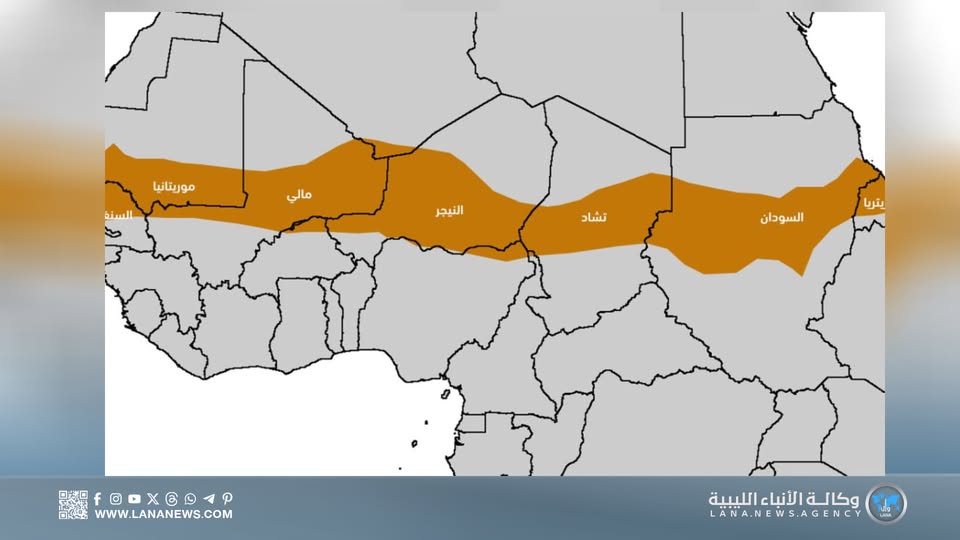
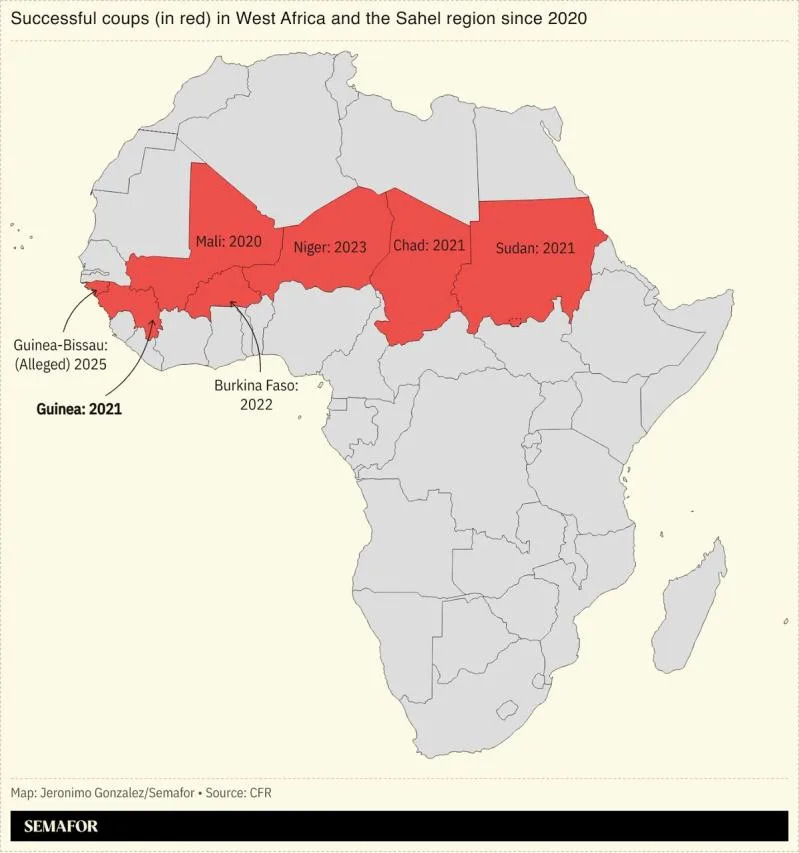
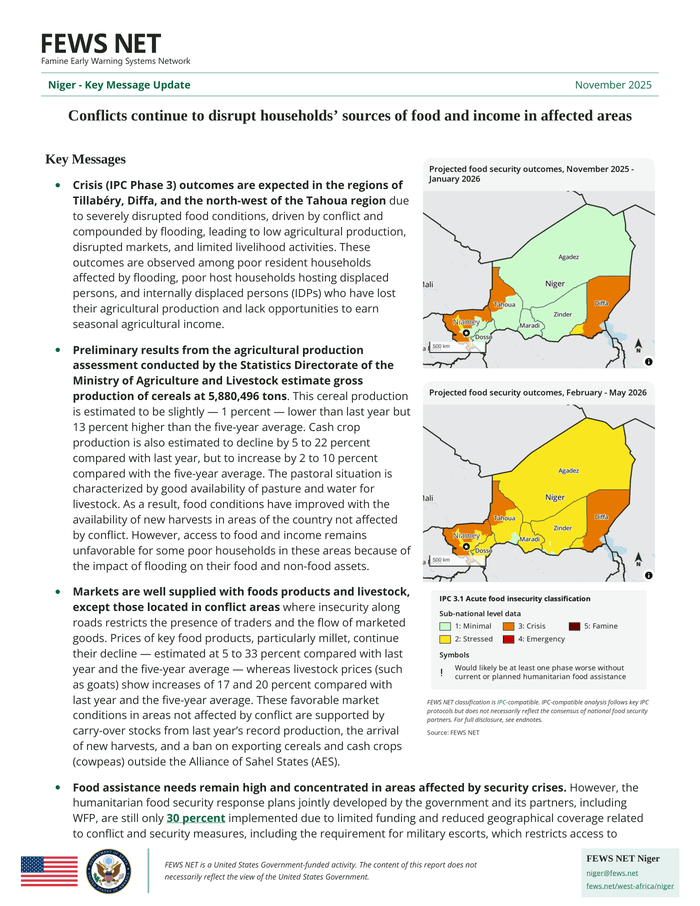
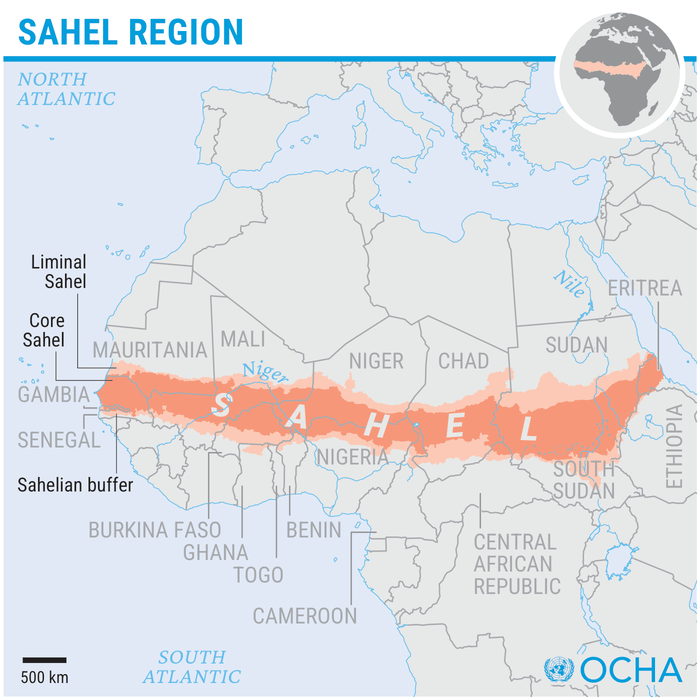
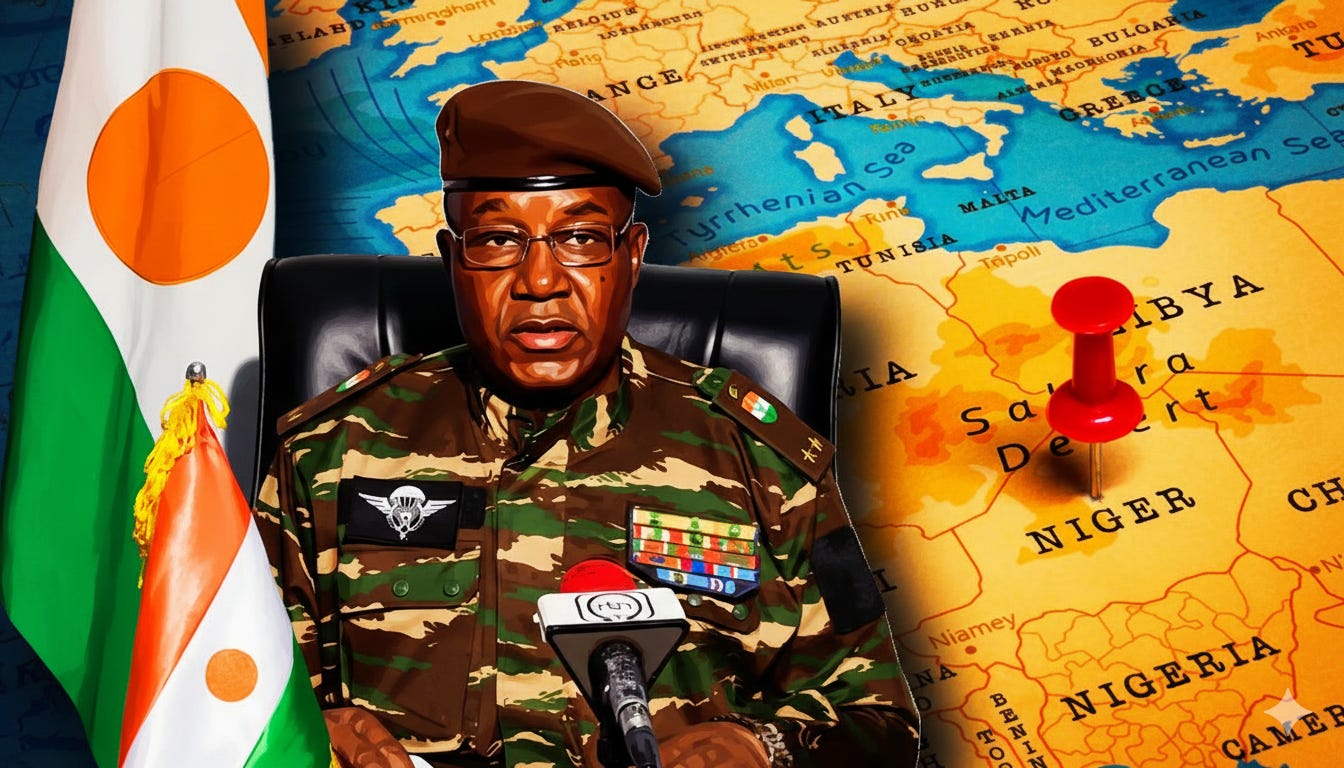
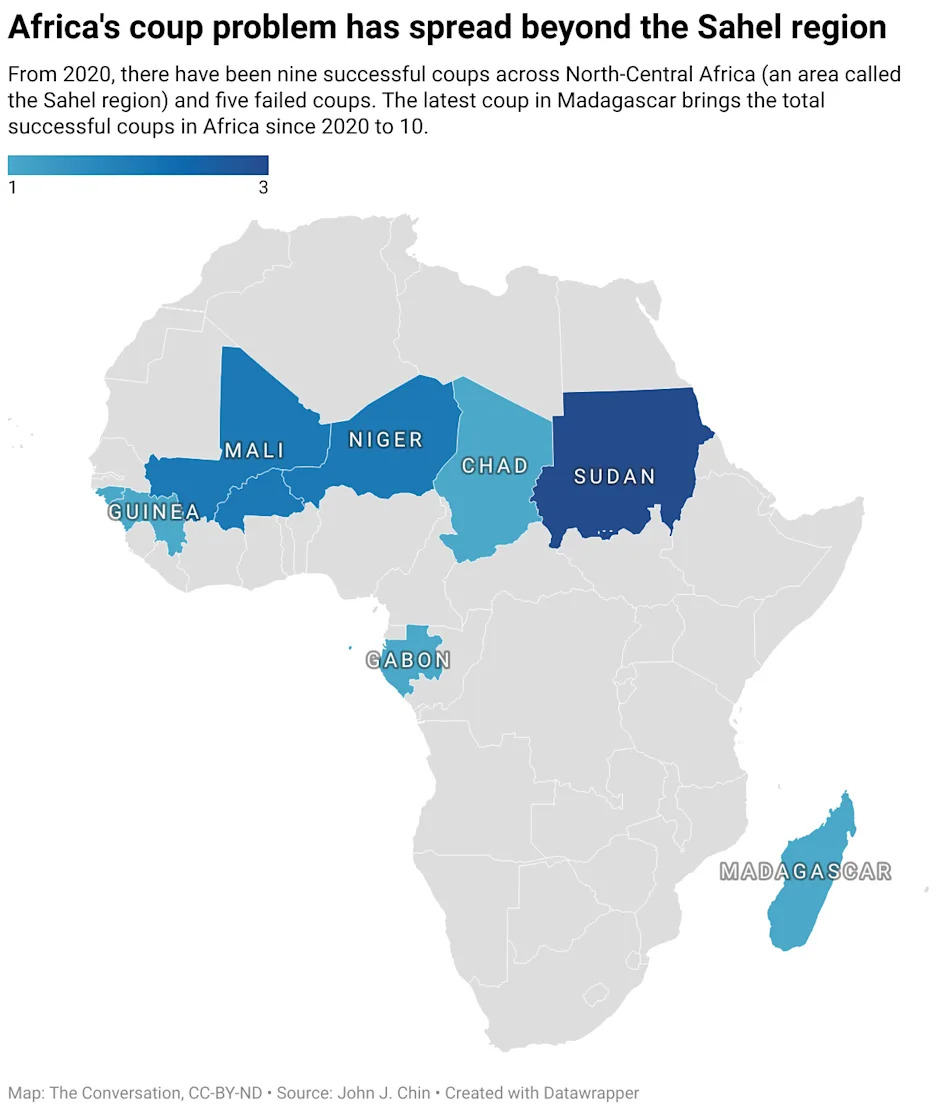
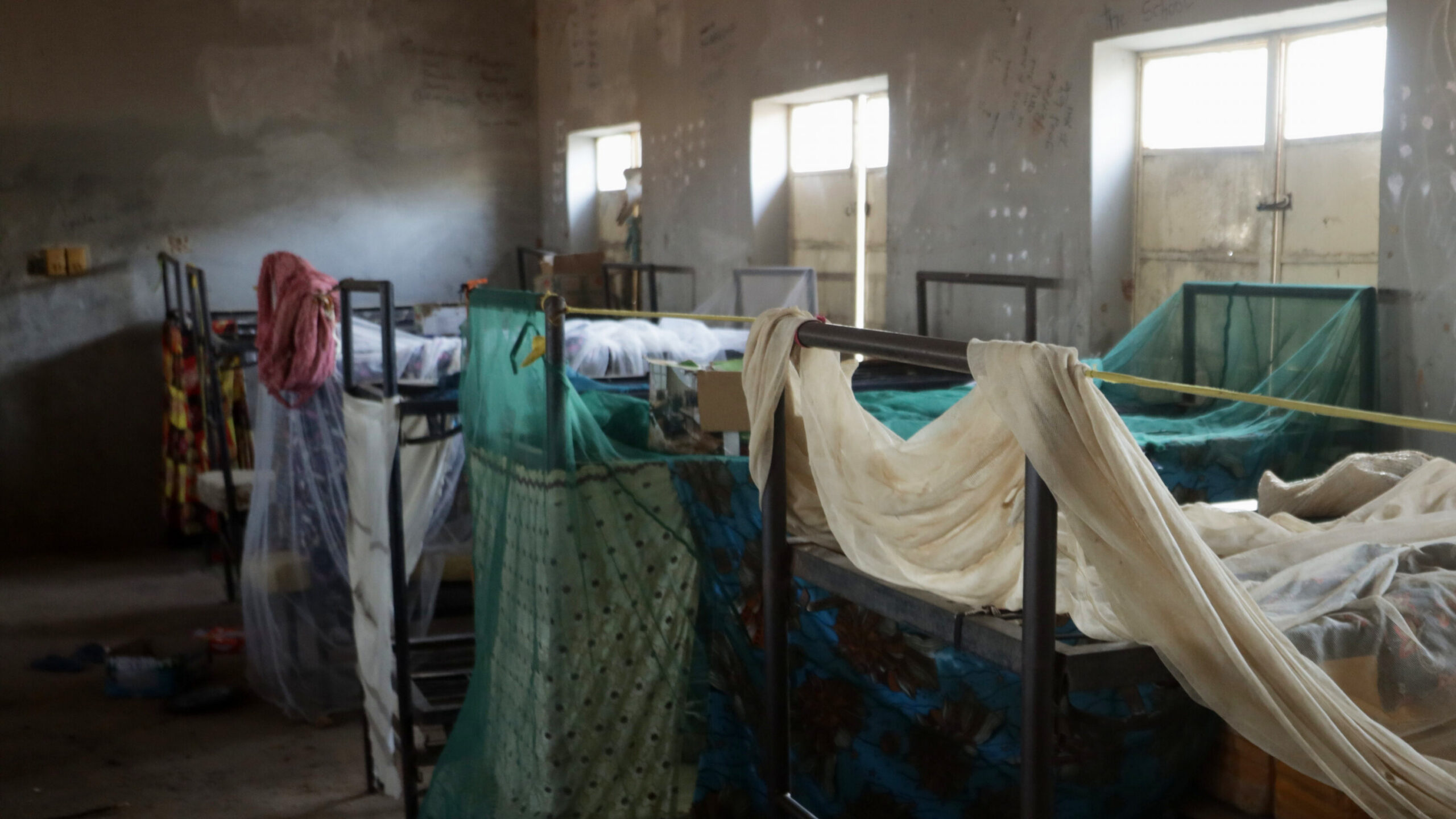
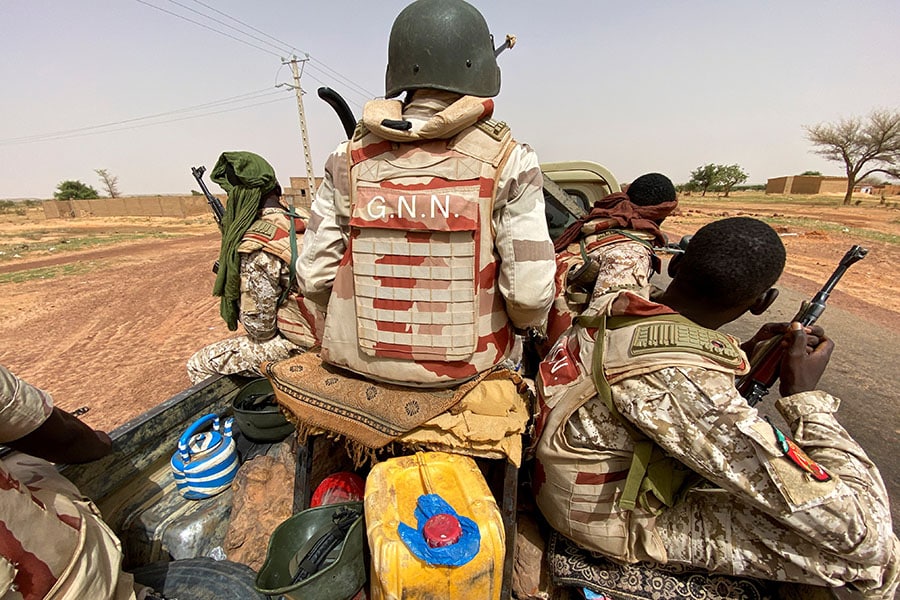
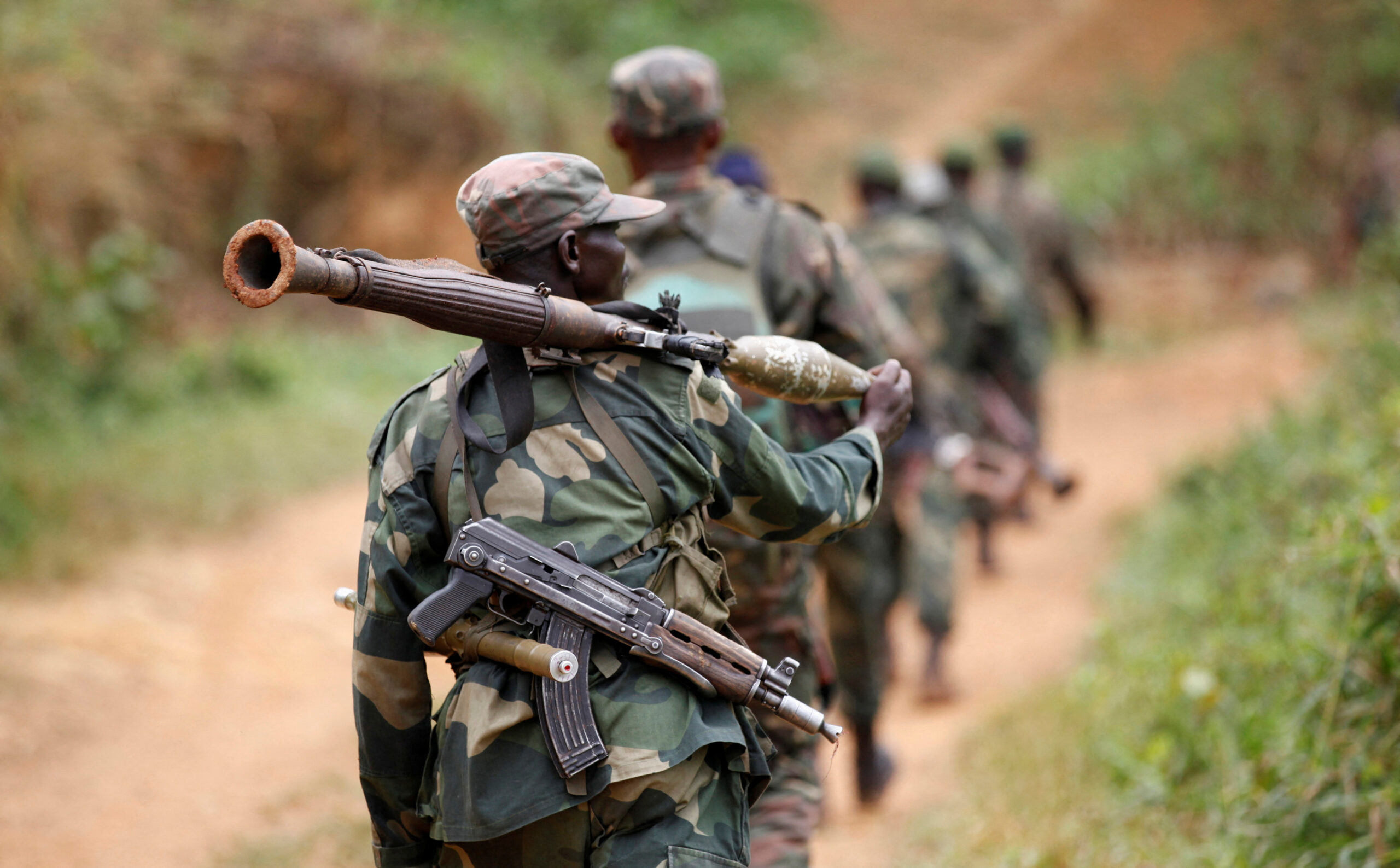
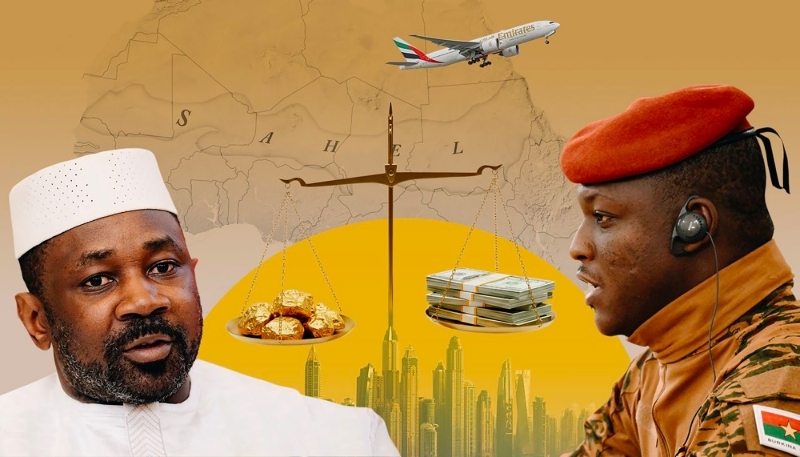
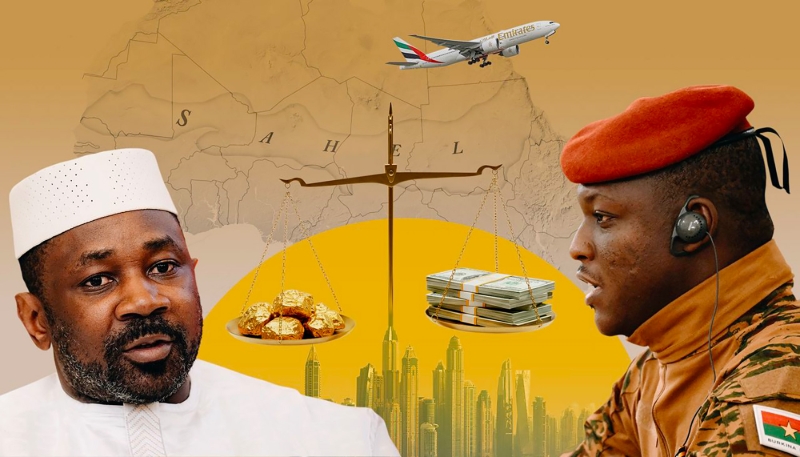
The Sahel, a vast region in West Africa, is currently grappling with a severe escalation of jihadist violence. Countries like Mali and Nigeria are at the epicenter of this crisis, which isn’t just a local concern anymore; it’s a major threat to regional stability and even European security. What was once seen as a distant problem has transformed into one of the world’s most active fronts for extremist groups. These militants are cunning, exploiting weak governance, widespread economic hardship, and porous borders to expand their reach and influence. It’s a complex, rapidly evolving situation, and its implications are far-reaching.
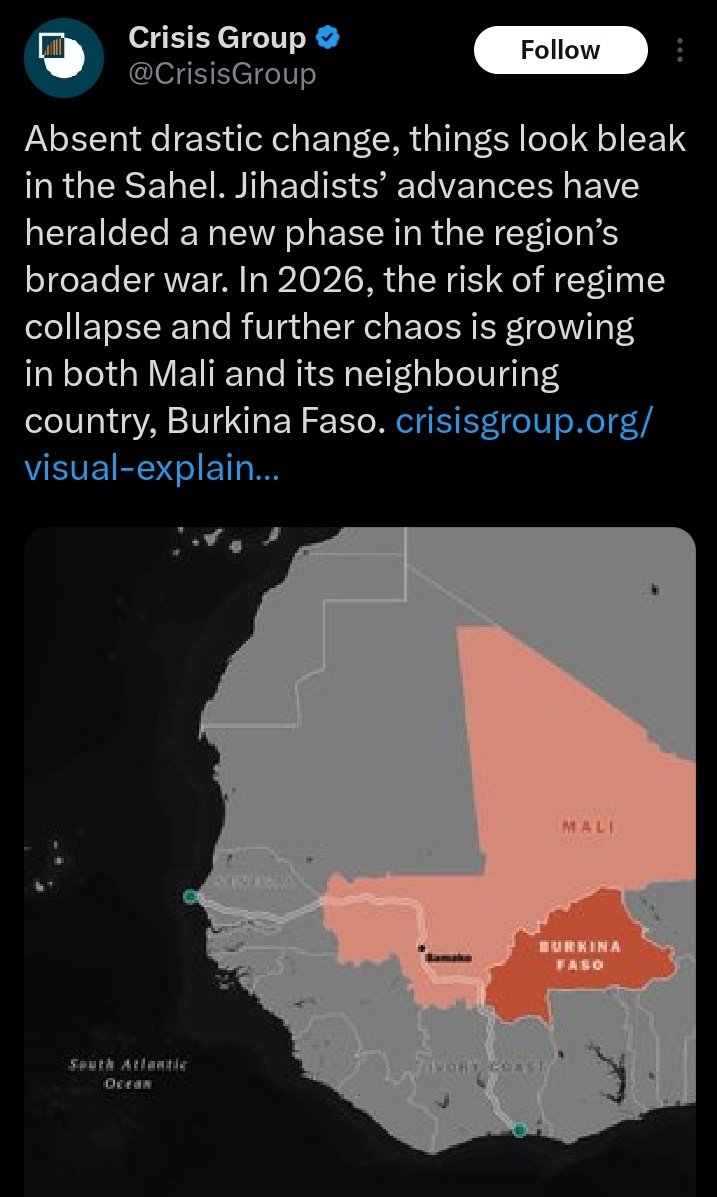
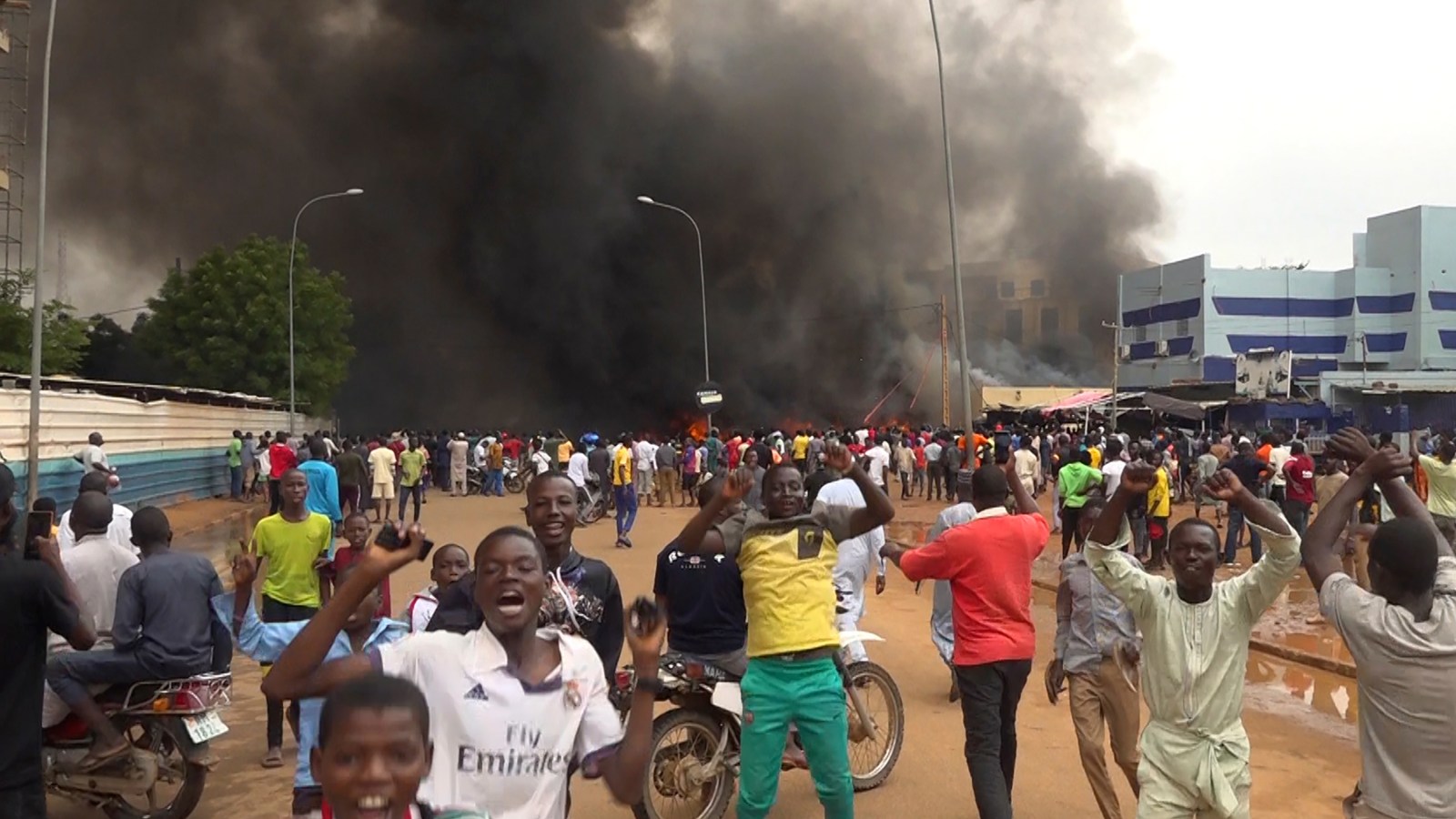
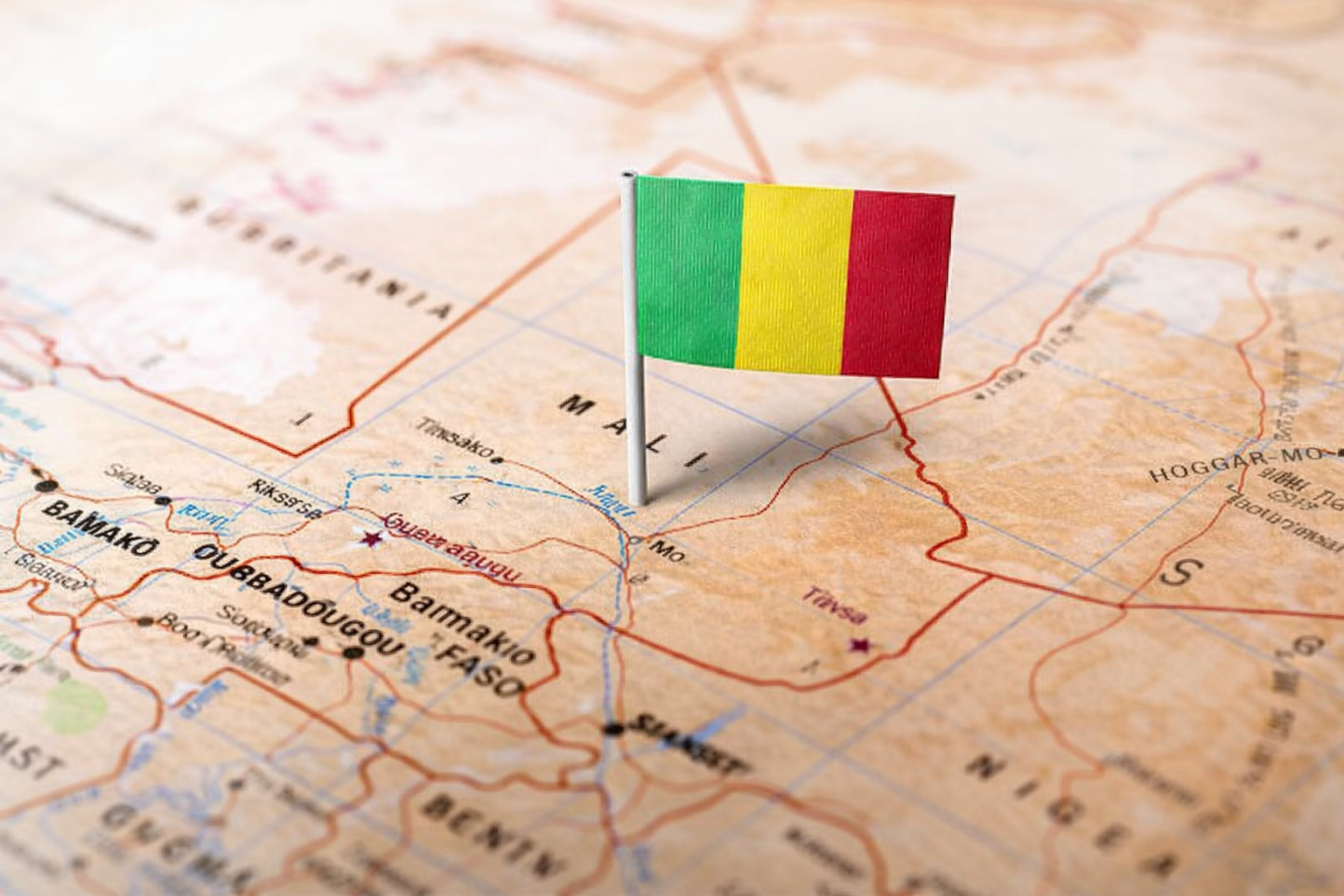
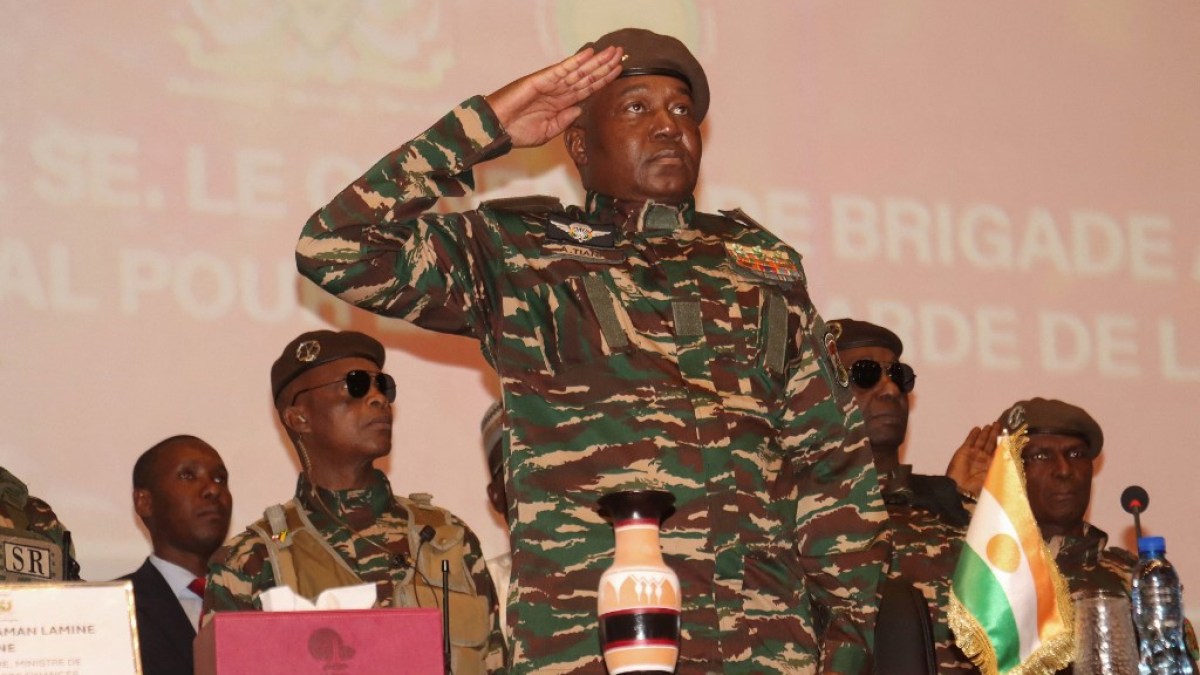
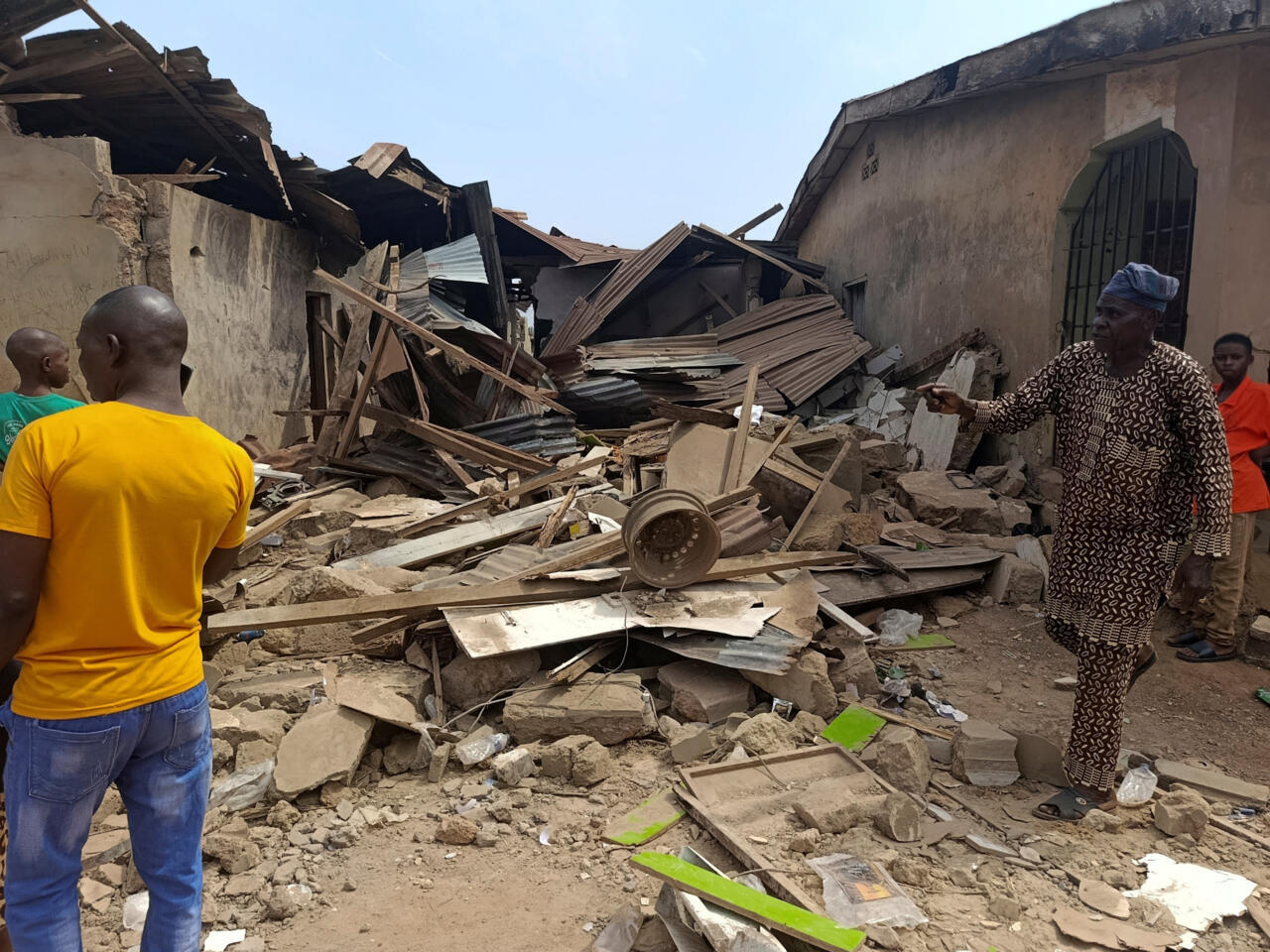
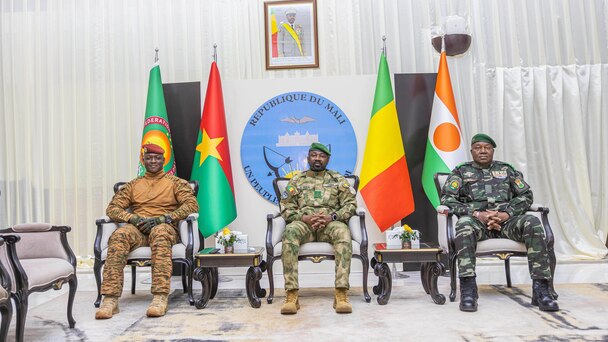
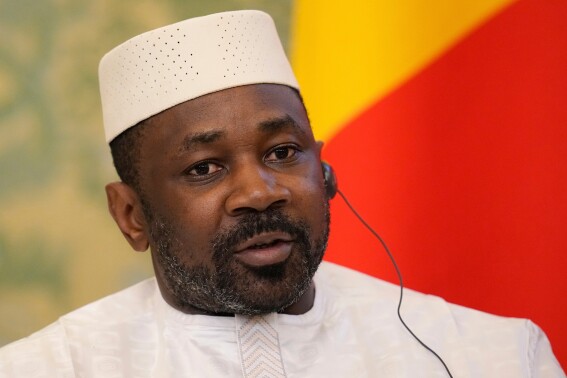
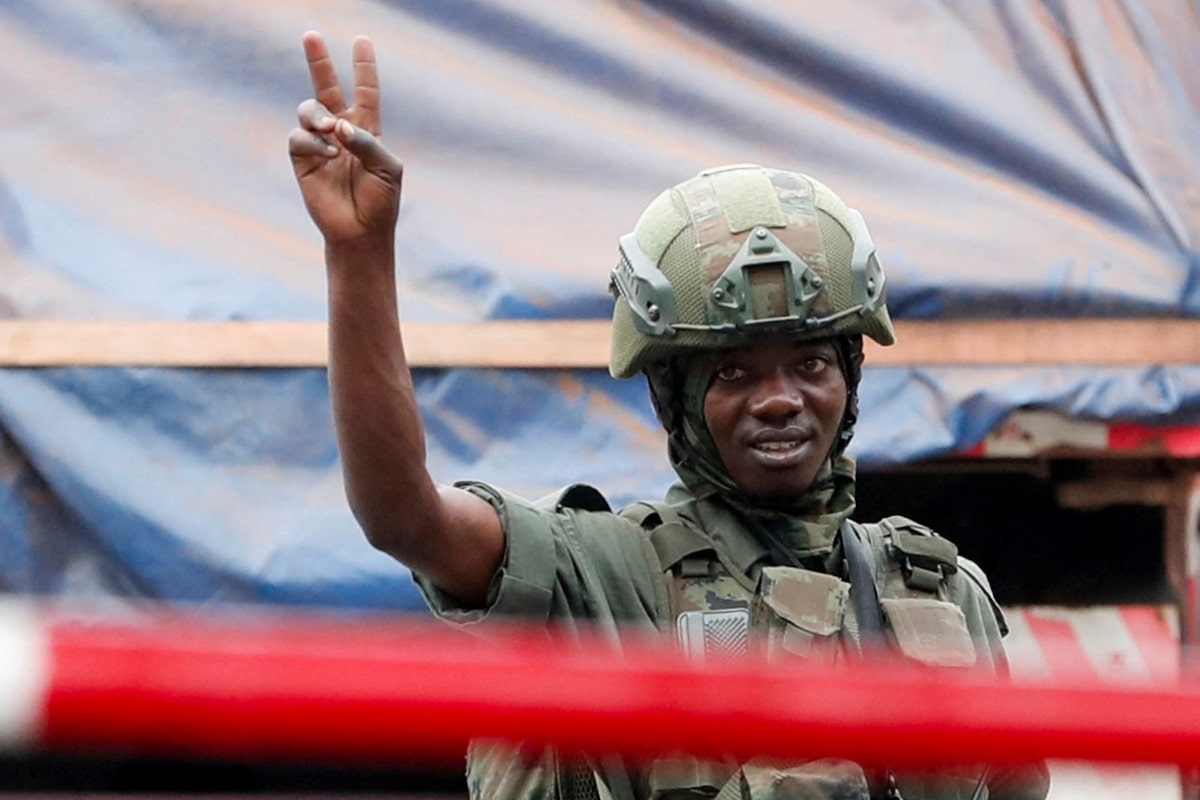
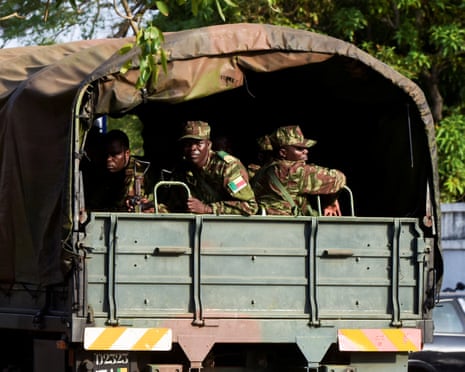
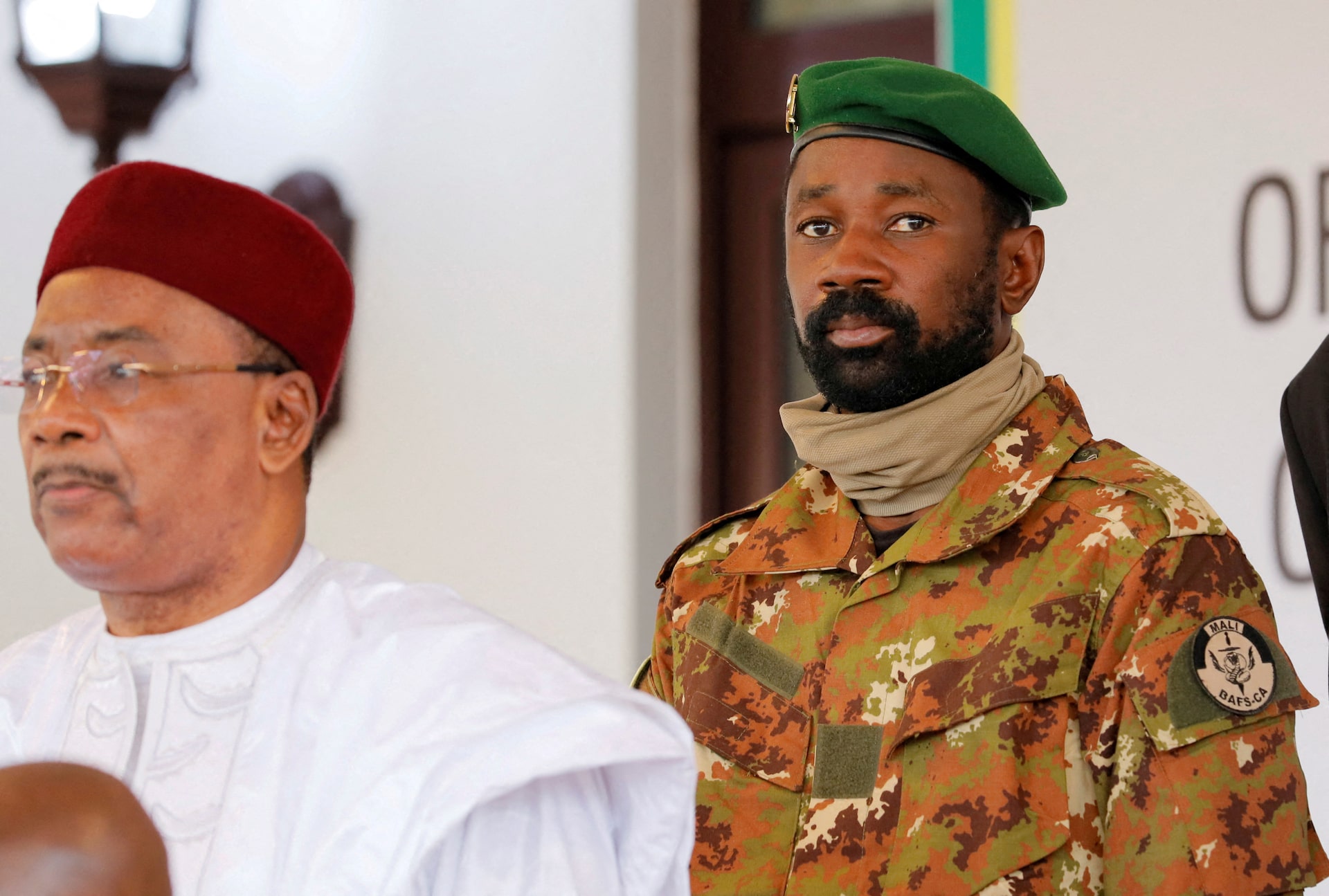
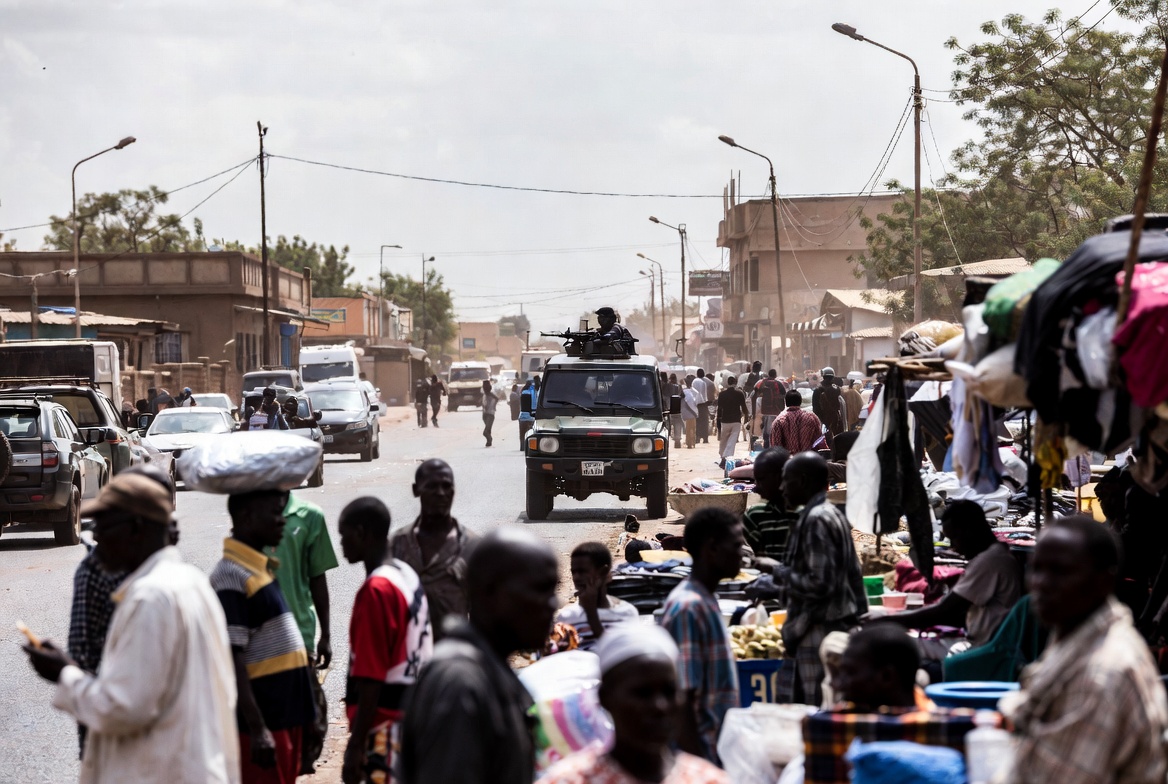
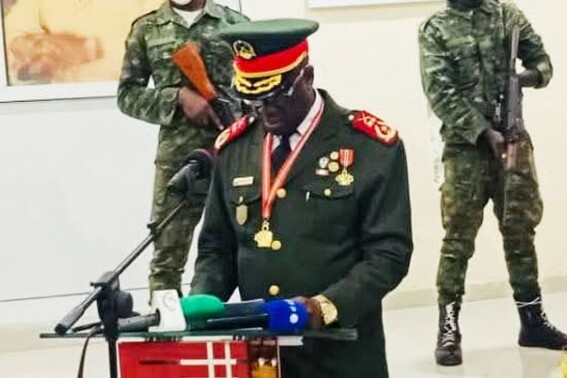
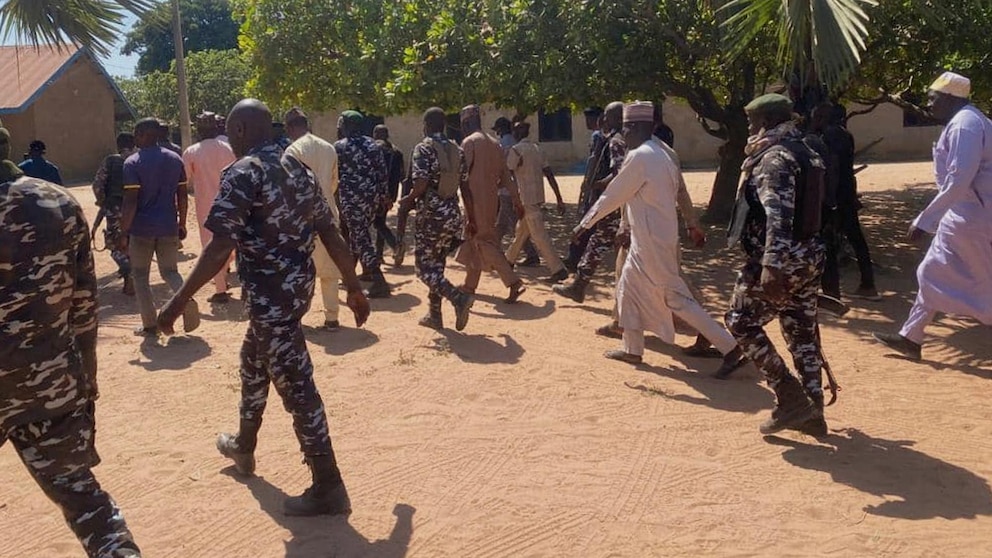
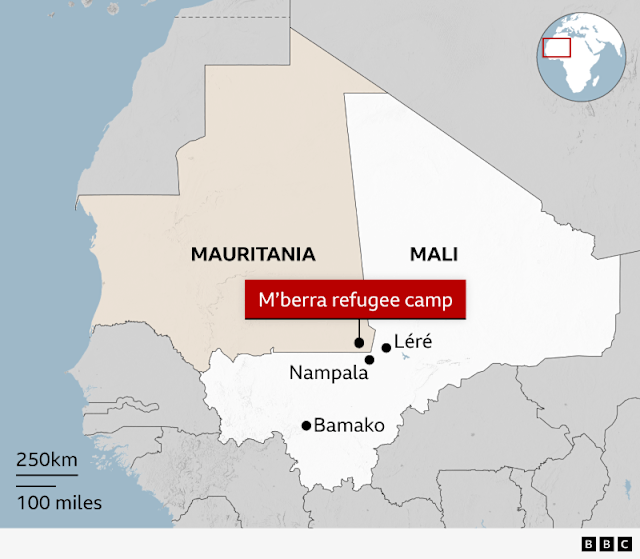
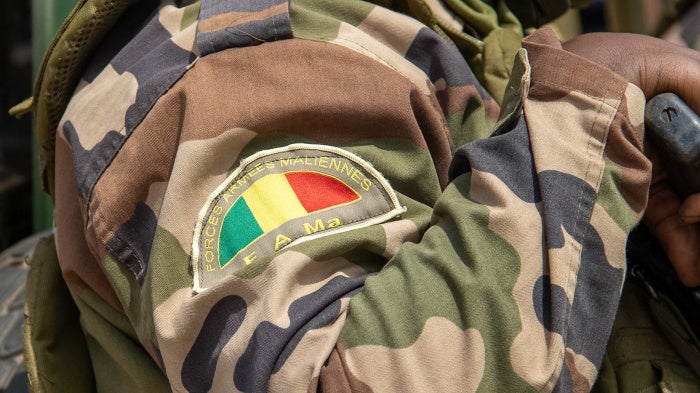
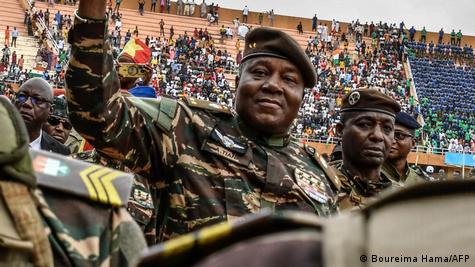
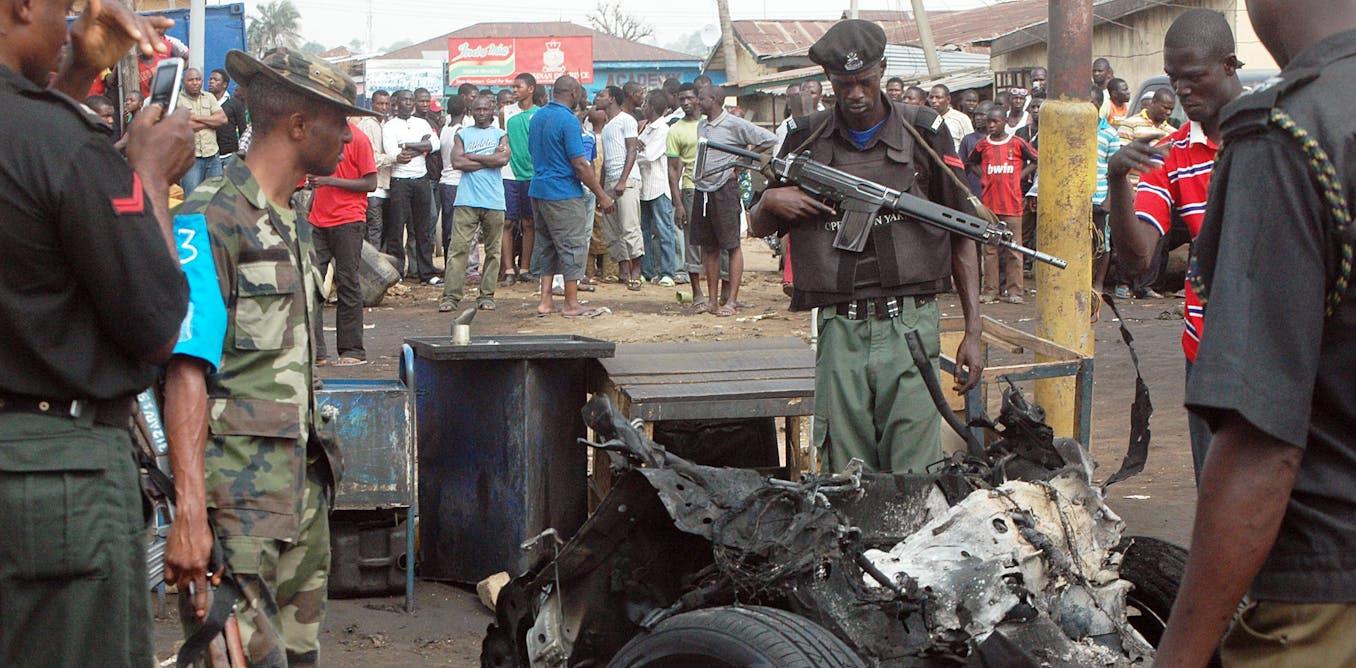
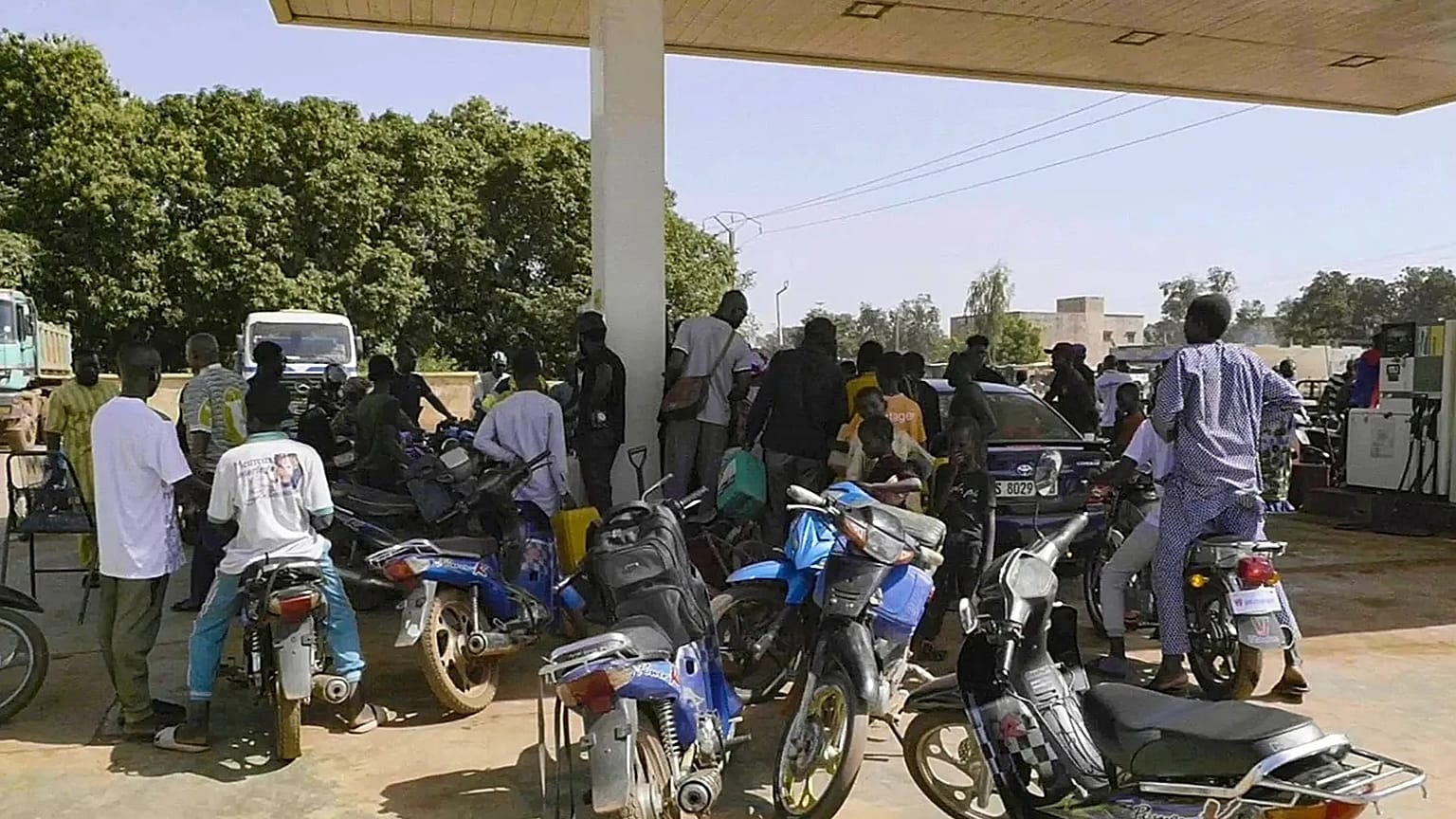
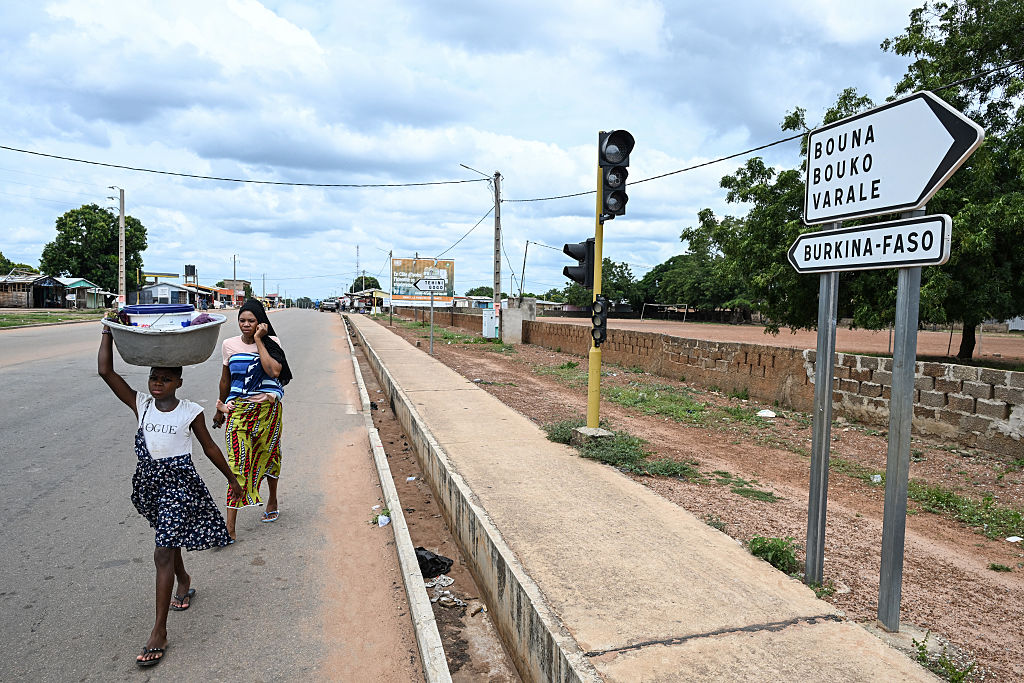
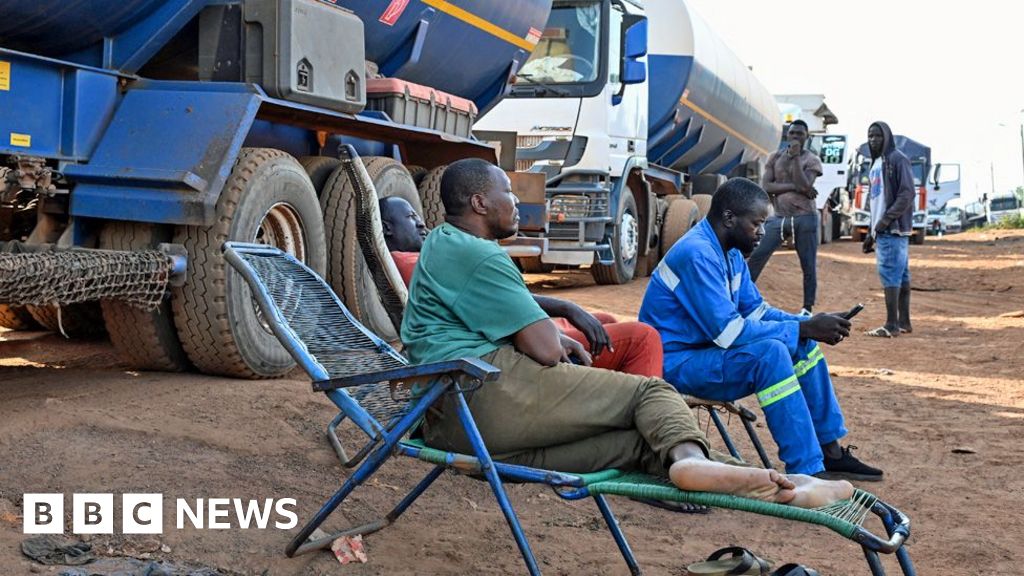
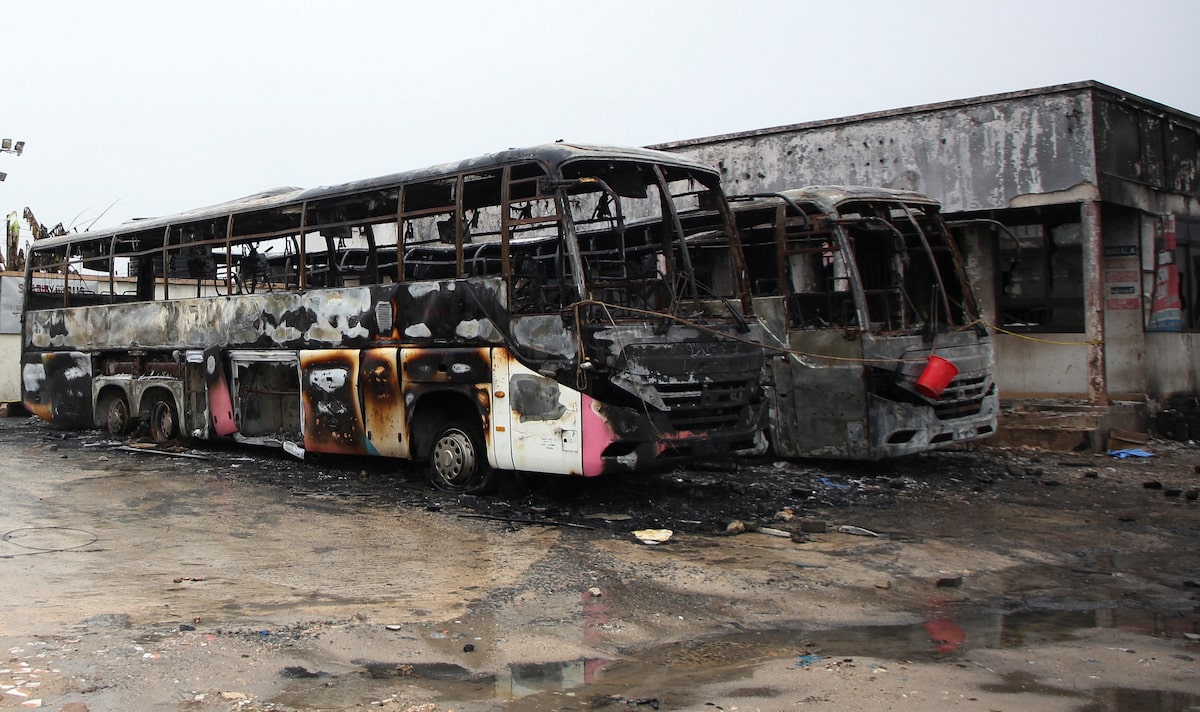
In Mali, often considered the heart of this turmoil, we’ve seen a dramatic increase in militant activity. Reactionary jihadi rebels recently blockaded the capital city, Bamako, disrupting daily life and starkly revealing how fragile state authority is against such organized opposition. These insurgents want to overthrow the military government and impose their strict interpretation of Sharia law, reshaping the country’s political landscape entirely. Neighboring Nigeria is fighting similar battles, especially in its northern regions. Both nations are seeing these groups not only claim more territory but also ramp up recruitment, luring vulnerable young people with extremist promises. These networks don’t just have local roots, they’ve got international ties, including with notorious organizations like Al-Qaeda. This convergence of extremist forces is undeniably destabilizing, challenging national governments and existing regional security frameworks. We’re talking about a significant force that could trigger a “terrorist domino effect,” pulling other West African countries into conflict and further fragility. Imagine the humanitarian crises and how much harder counterterrorism efforts would become if that happens.
The situation demands a collective effort from both local and international partners. The rise of jihadism in the Sahel, from Mali to Nigeria and beyond, stems from a troubling mix of political instability, economic deprivation, weak governance, ethnic tensions, and external influences. So, what’s the answer? It’s going to take more than just military action. We’ll need coordinated initiatives to strengthen state institutions, boost economic development, improve security forces, and foster inclusive governance. Just as crucial is tackling the ideological allure of extremism through community engagement and counter-radicalization programs. Looking ahead, this struggle isn’t simple. The international community, particularly African regional bodies and European partners, must prioritize sustainable peacebuilding and development strategies alongside robust security measures. Success against these insurgencies hinges on a holistic approach balancing military intervention with political dialogue, economic support, and social resilience. Without comprehensive action, the Sahel could become an expanding hotbed of extremism, with serious consequences for Africa and Europe alike.