Rising Tensions in Nigeria Amid Alleged Coup Plot and Security Crises
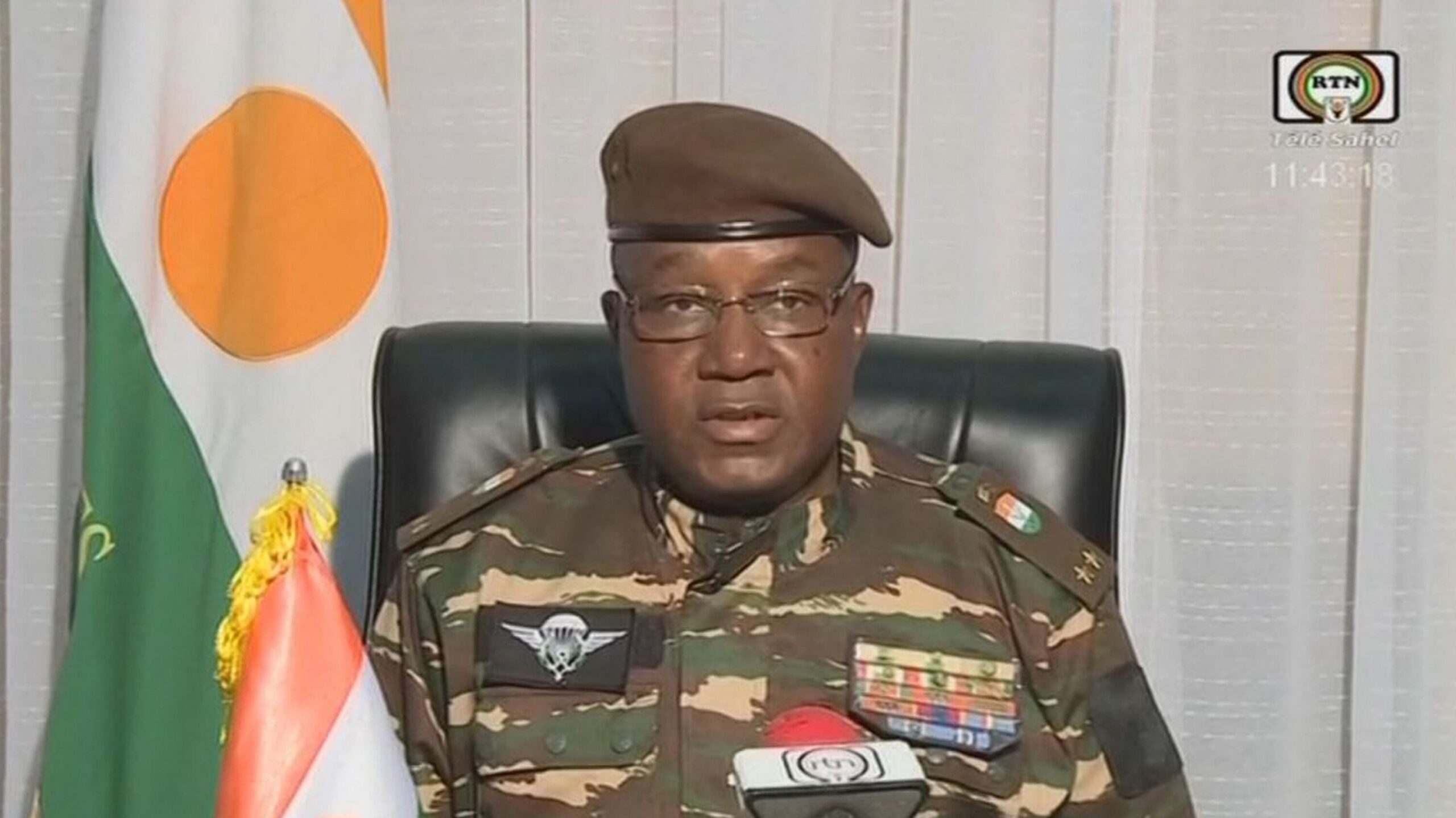
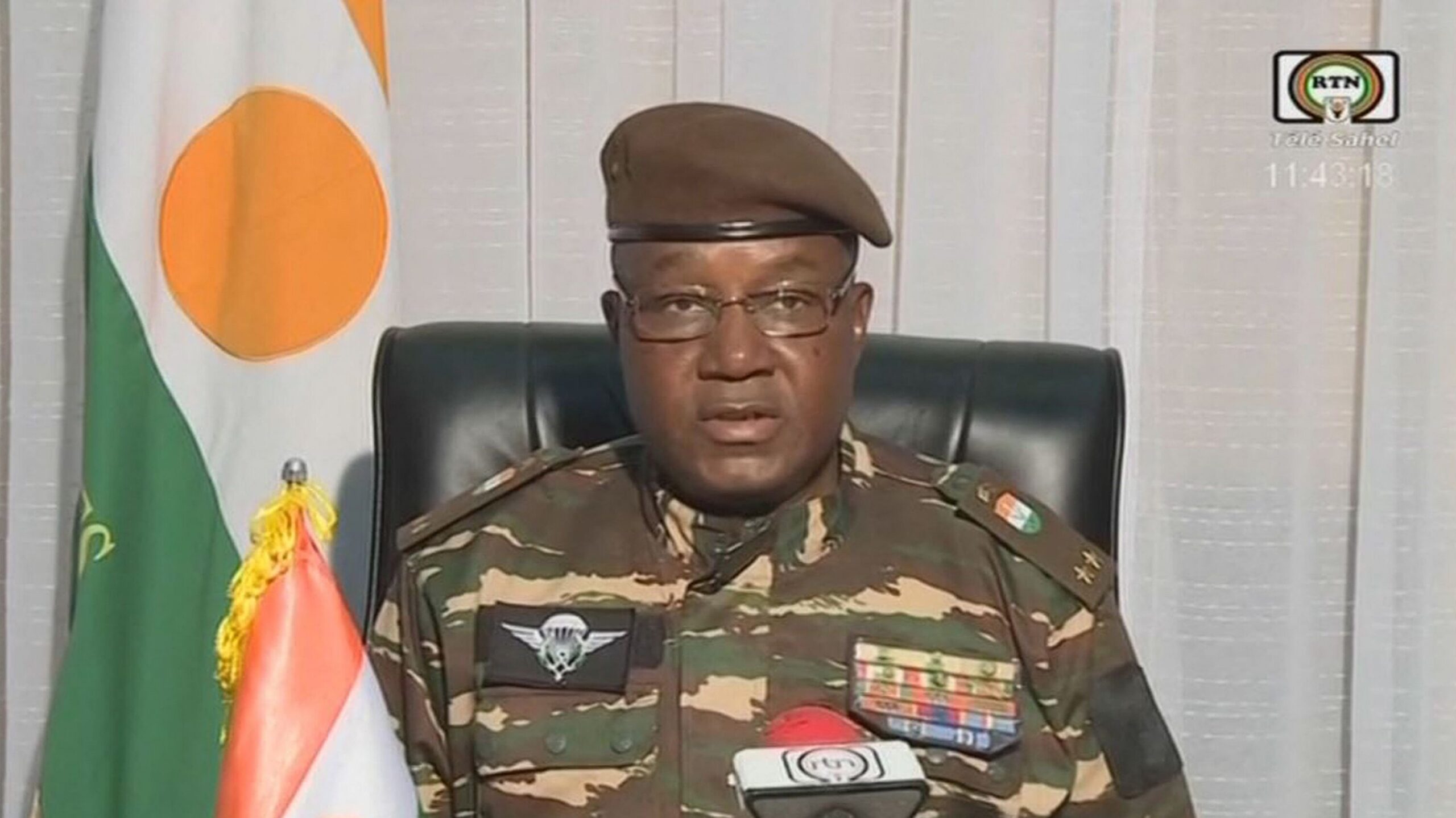
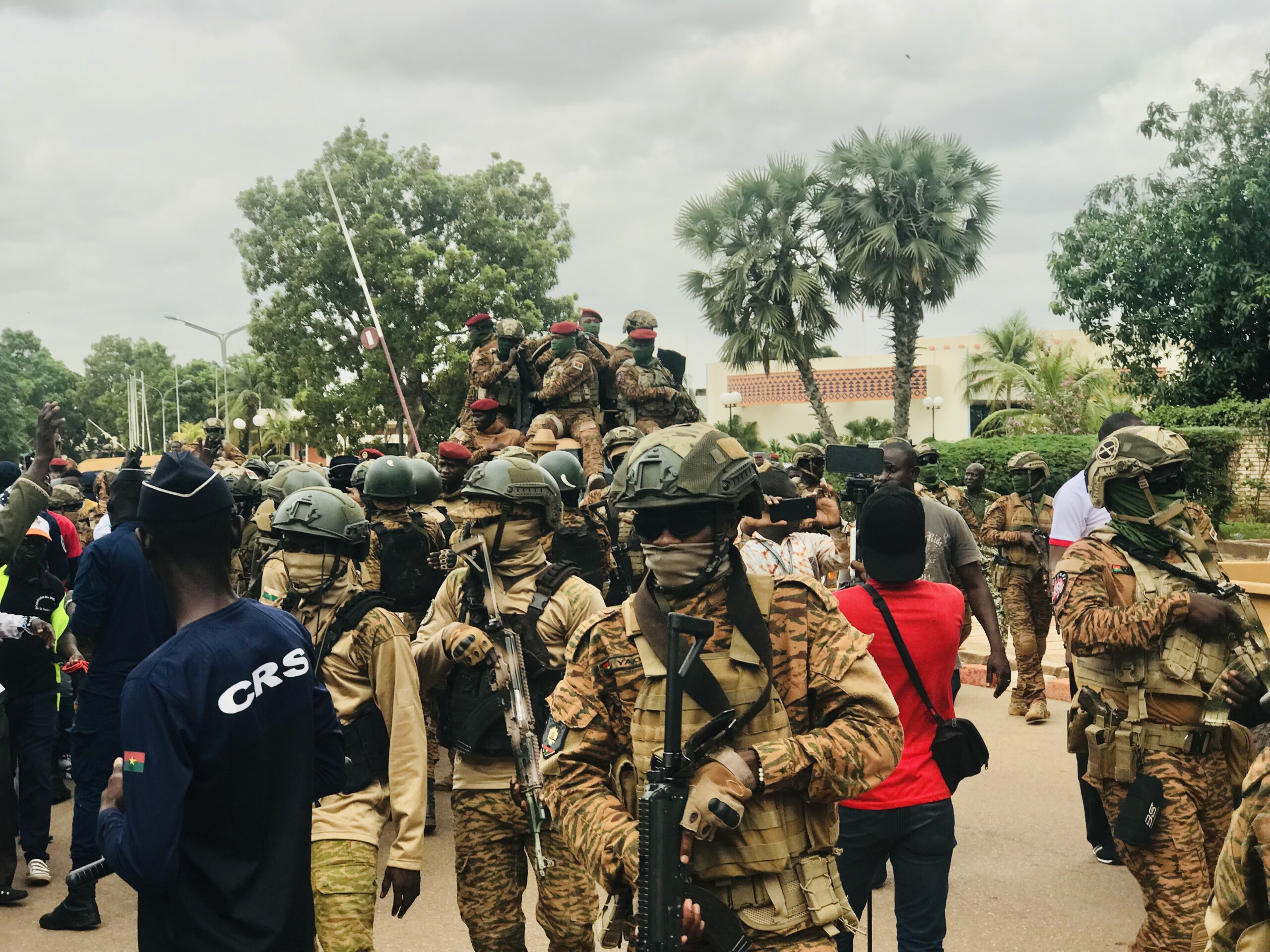
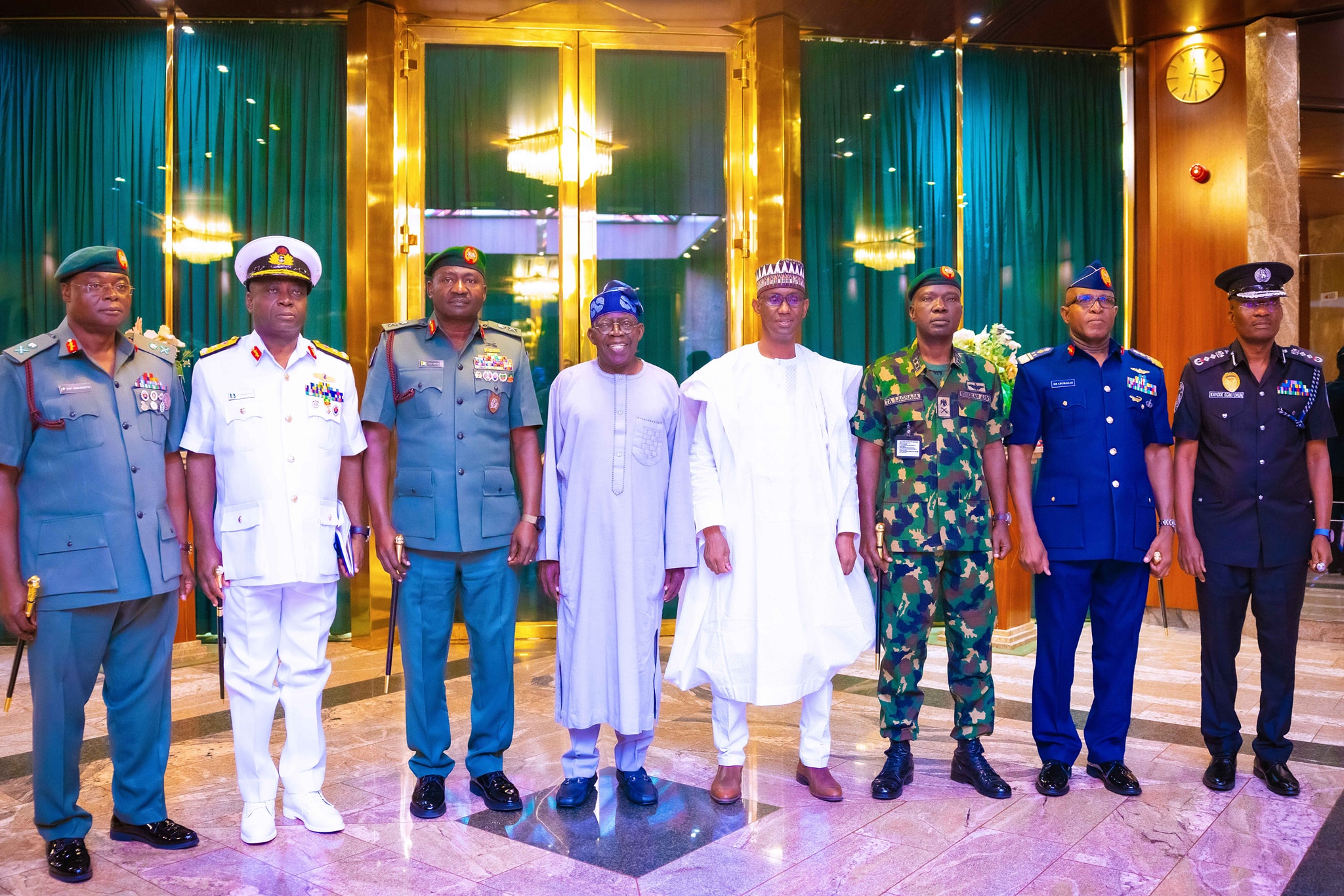
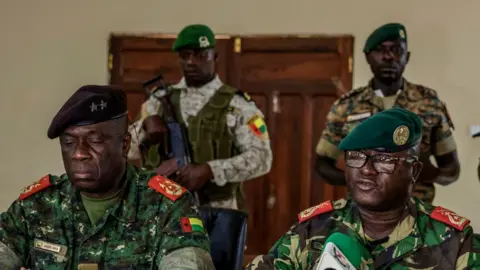
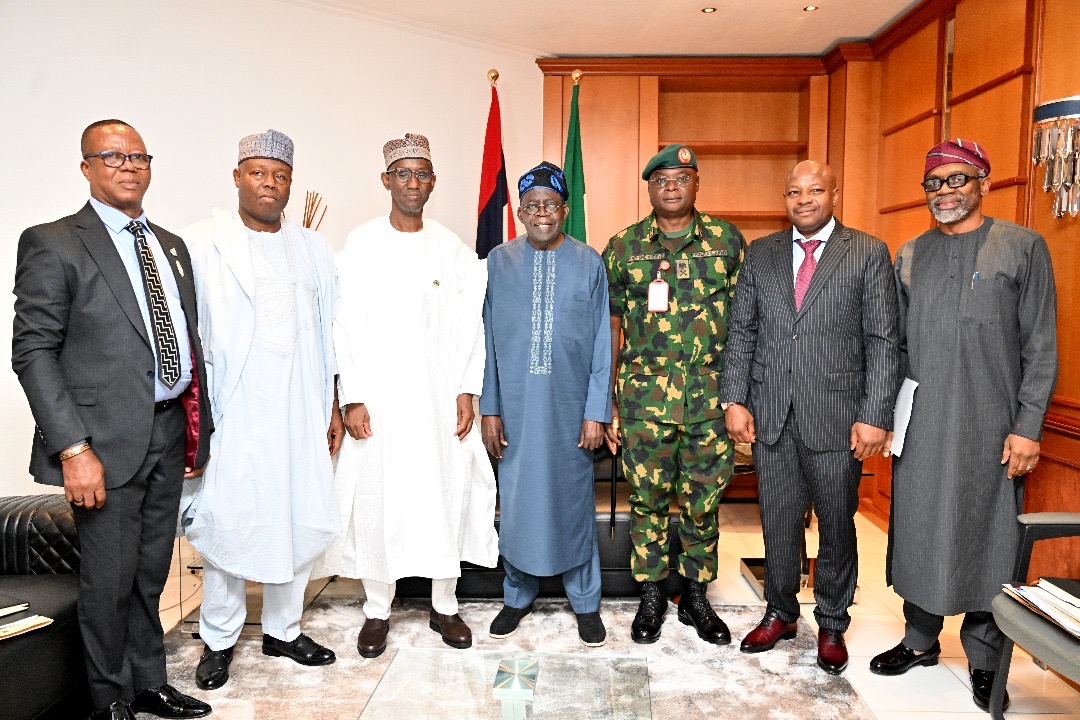
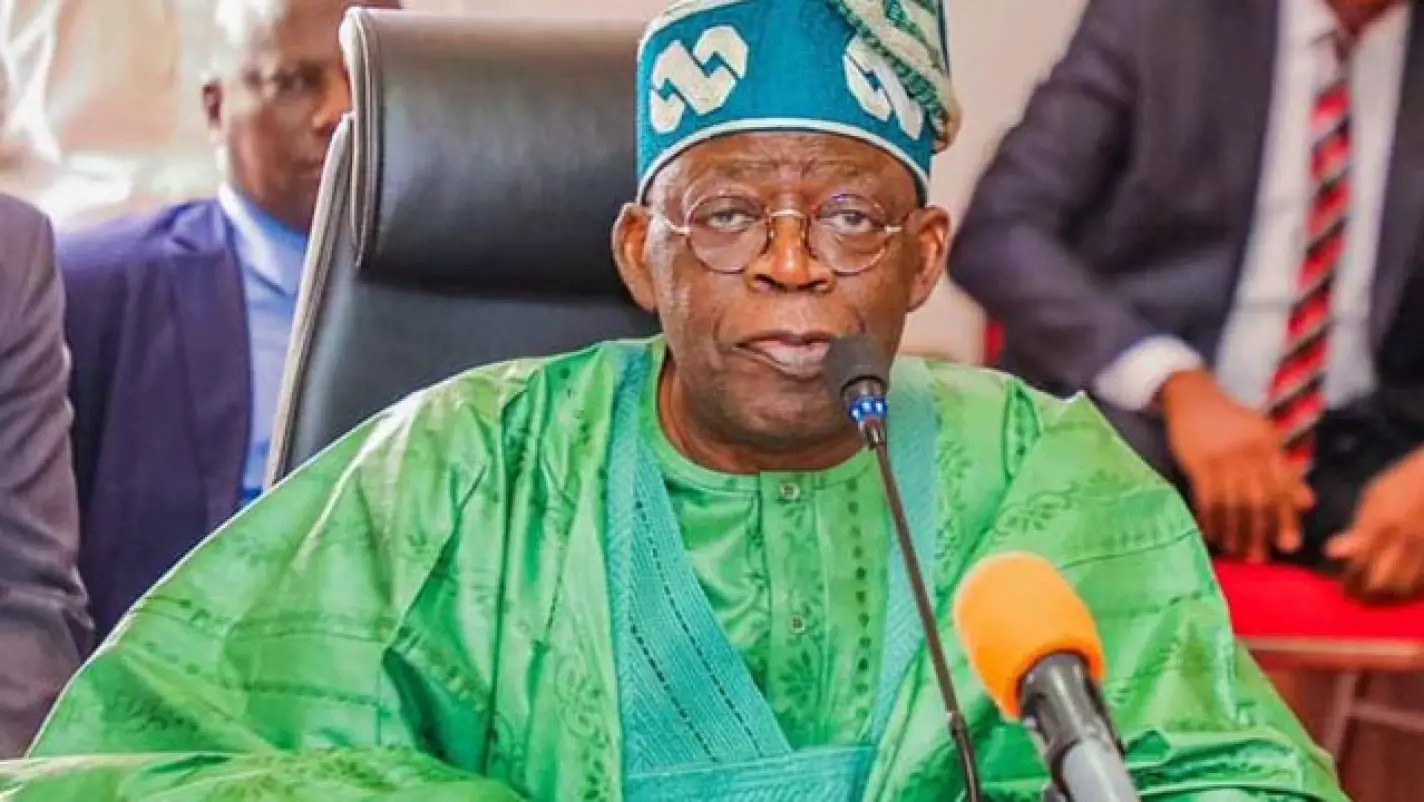
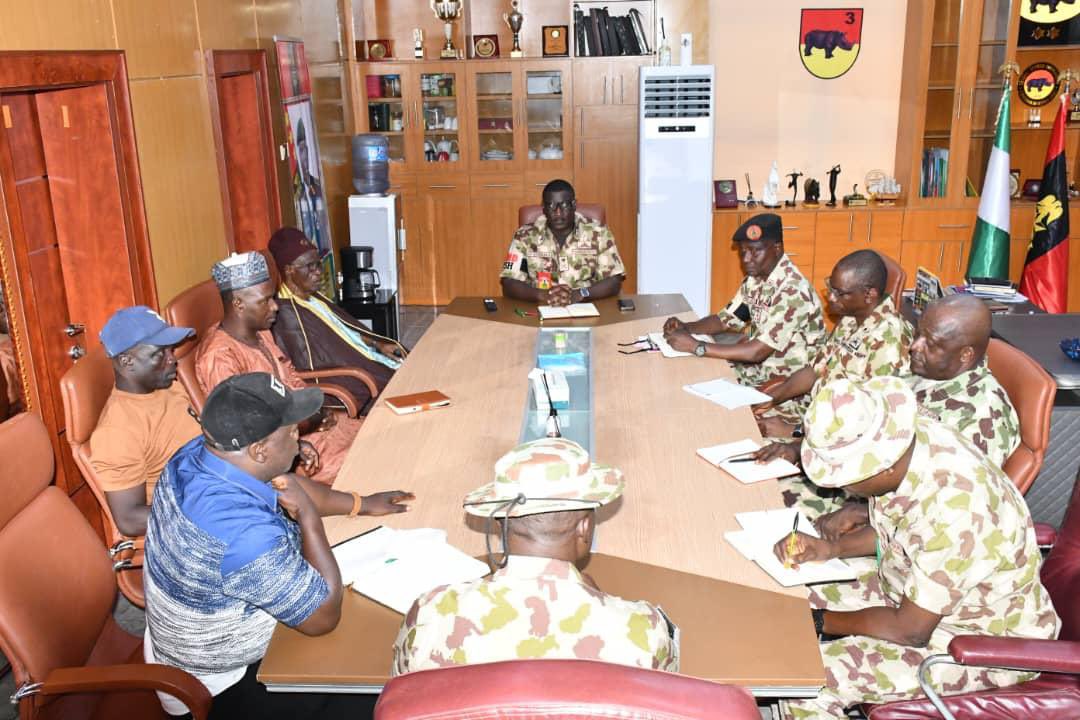
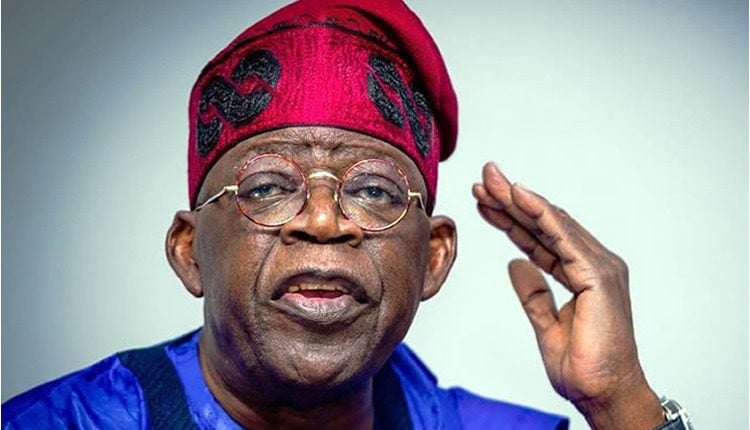
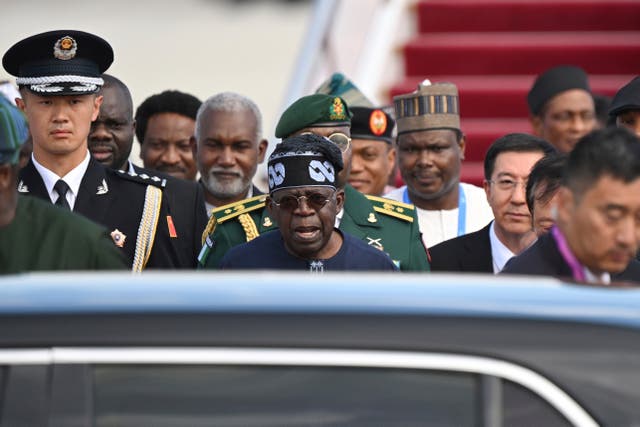
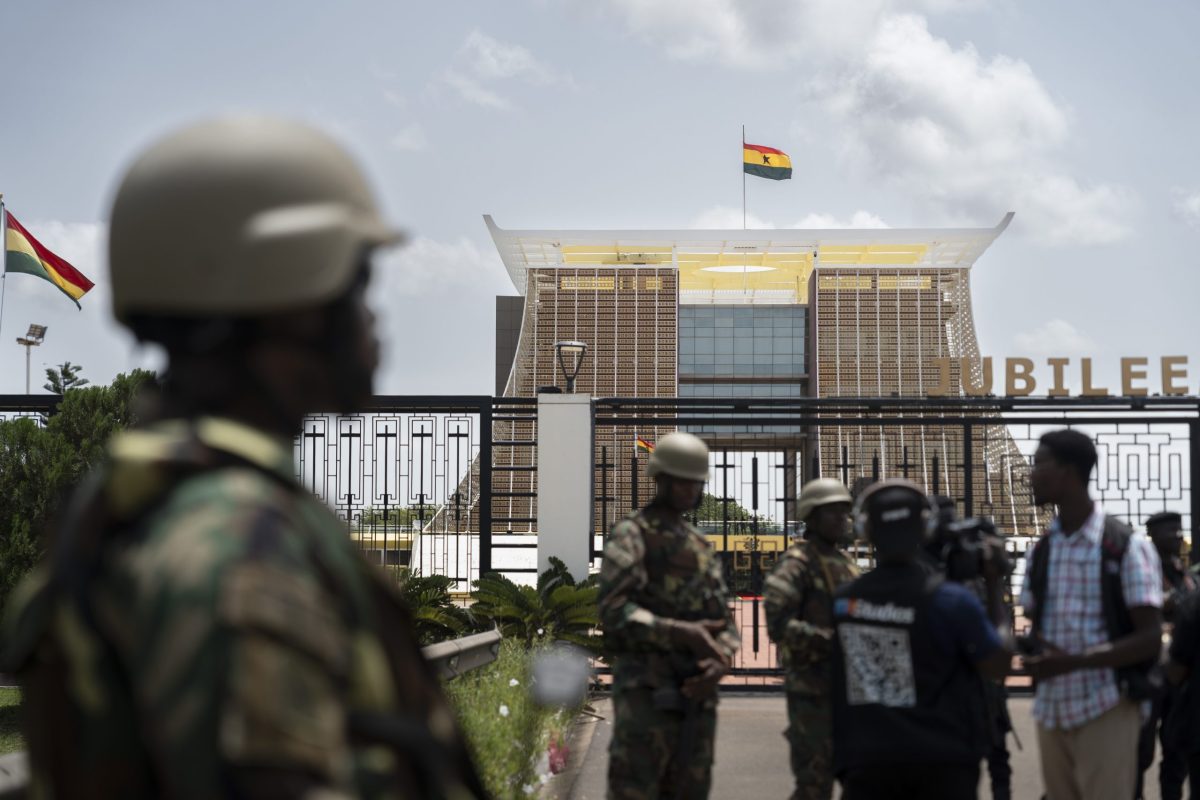
Nigeria’s currently facing a serious test, doesn’t it? Our democratic institutions, security forces, and governance systems are under immense pressure as several high-stakes issues collide. Front and center is the unsettling drama surrounding an alleged coup plot involving military officers. This has really shone a light on some deep cracks within the Armed Forces, raising tough questions about civil-military relations under President Bola Ahmed Tinubu’s watch. Remember January 26, 2026? That’s when Samaila Uba, Director of Defence Information, first confirmed investigations were underway into officers trying to undermine our democracy. While initial military statements tried to brush it off, a later report to President Tinubu confirmed plots to overthrow the government. These aren’t minor charges either; they’re accused of violating military ethics and professional standards, and Nigerian law is pretty strict here, prescribing the death penalty or life imprisonment for treason. Interestingly, treason cases fall exclusively under the Federal High Court, meaning civilian courts, not just military tribunals, will handle these. Defence Minister Christopher Musa, during a visit with President Tinubu, emphasized the gravity, promising free and fair court-martial proceedings with legal access for the suspects. He also assured families of fair treatment, trying to balance stern justice with due process. This situation really highlights the complexities of maintaining stability.
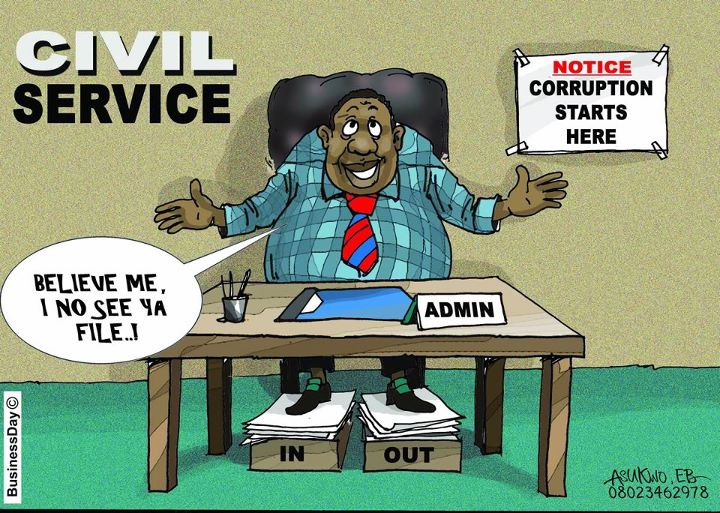
But let’s be clear, this alleged coup isn’t an isolated incident. It’s part of a much bigger problem plaguing Nigeria’s security and governance. Just days after the coup revelation, imagine this: gunmen ambushed vehicles on the bustling Enugu-Onitsha Expressway, near a police checkpoint no less, abducting commuters. This really ramps up anxieties about public safety on vital transport routes, despite official claims of improved security. Then there are the insider issues. Exclusive reports have revealed some alarming challenges within our own institutions. Take the Chief of Staff to President Tinubu, Femi Gbajabiamila, for example. His cousin ended up in Ikoyi Prison over alleged threats, with accusations of complicity reaching the Chief of Staff’s office. And military officers? They arrested a visa agent in Abuja at gunpoint because of a failed Canadian visa application, which obviously raises concerns about military power abuse and arbitrary detentions. Even our anti-graft bodies aren’t immune: the Economic and Financial Crimes Commission (EFCC) suspended a top prosecutor, Samuel Chime, who’s accused of taking bribes to sabotage key cases. That certainly shines a light on entrenched corruption within anti-graft bodies. Our nation’s governance issues extend further, into public service and politics. The Nigerian Bar Association, for instance, publicly called out alleged biased police promotions under Inspector General Egbetokun, demanding transparency. We’re also seeing fund diversion allegations at the National Social Insurance Trust Fund (NSITF), with managing director Faleye accused of funneling resources towards political ambitions in Lagos state. These kinds of scandals just chip away at public trust, especially when confidence in institutions is absolutely critical. Nigeria faces persistent governance challenges.
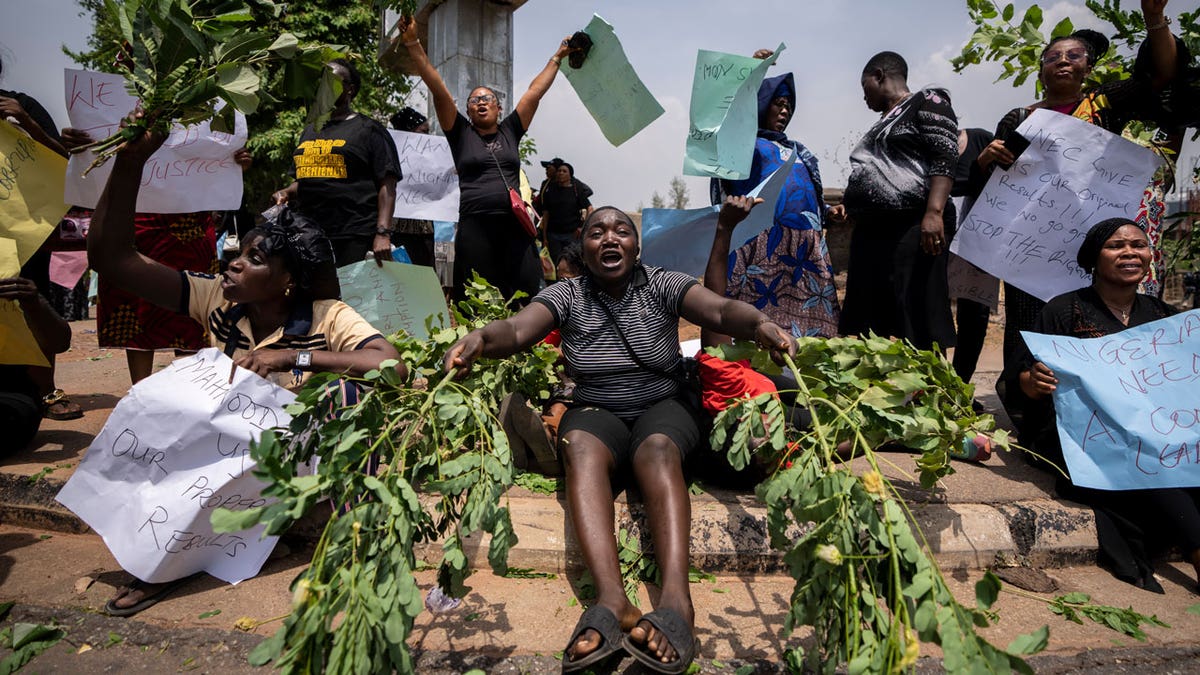
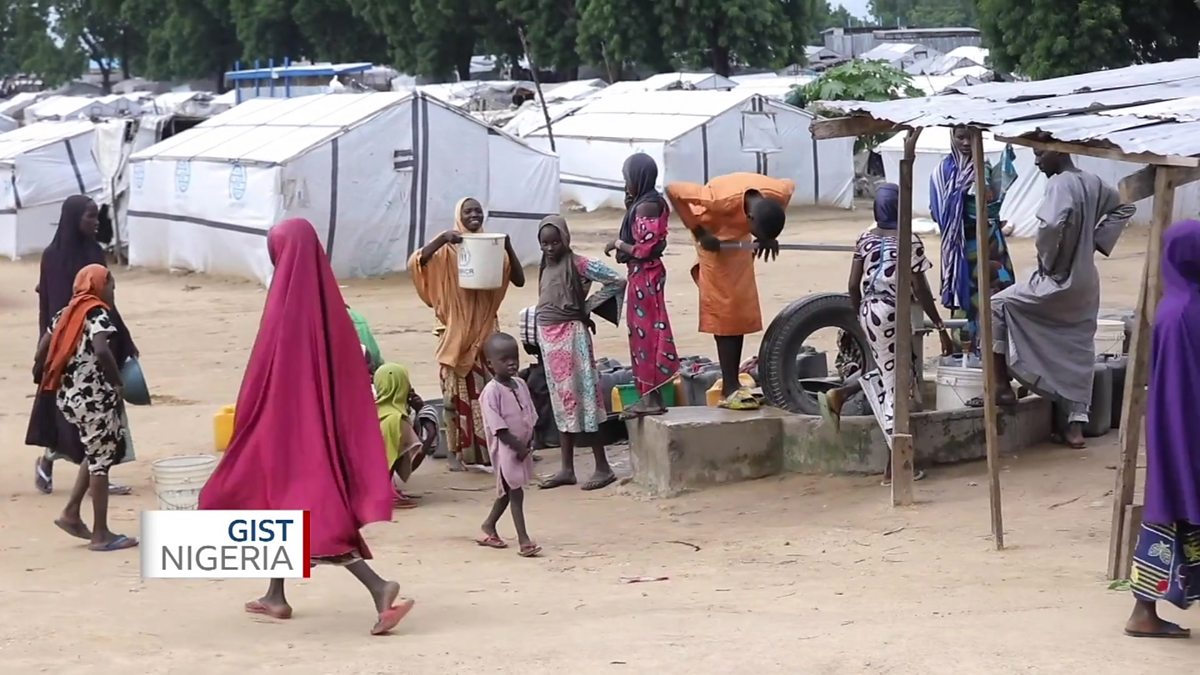
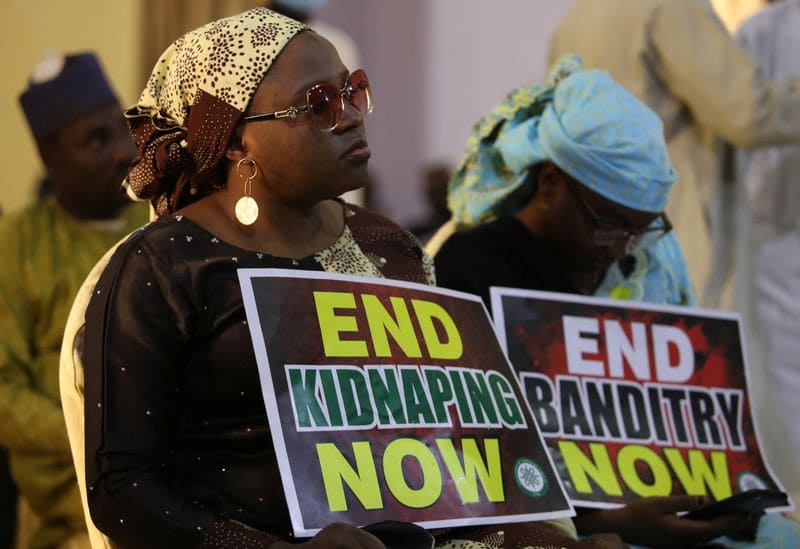
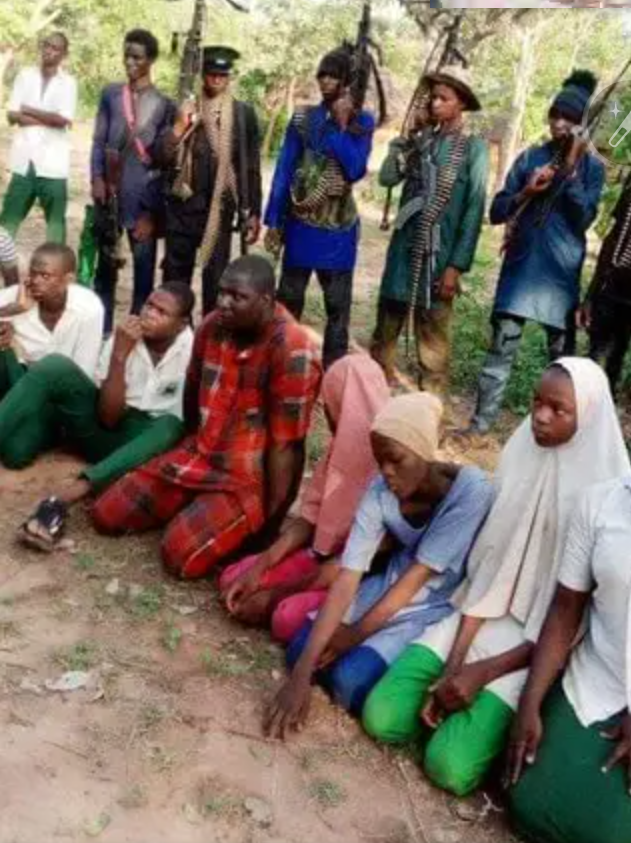
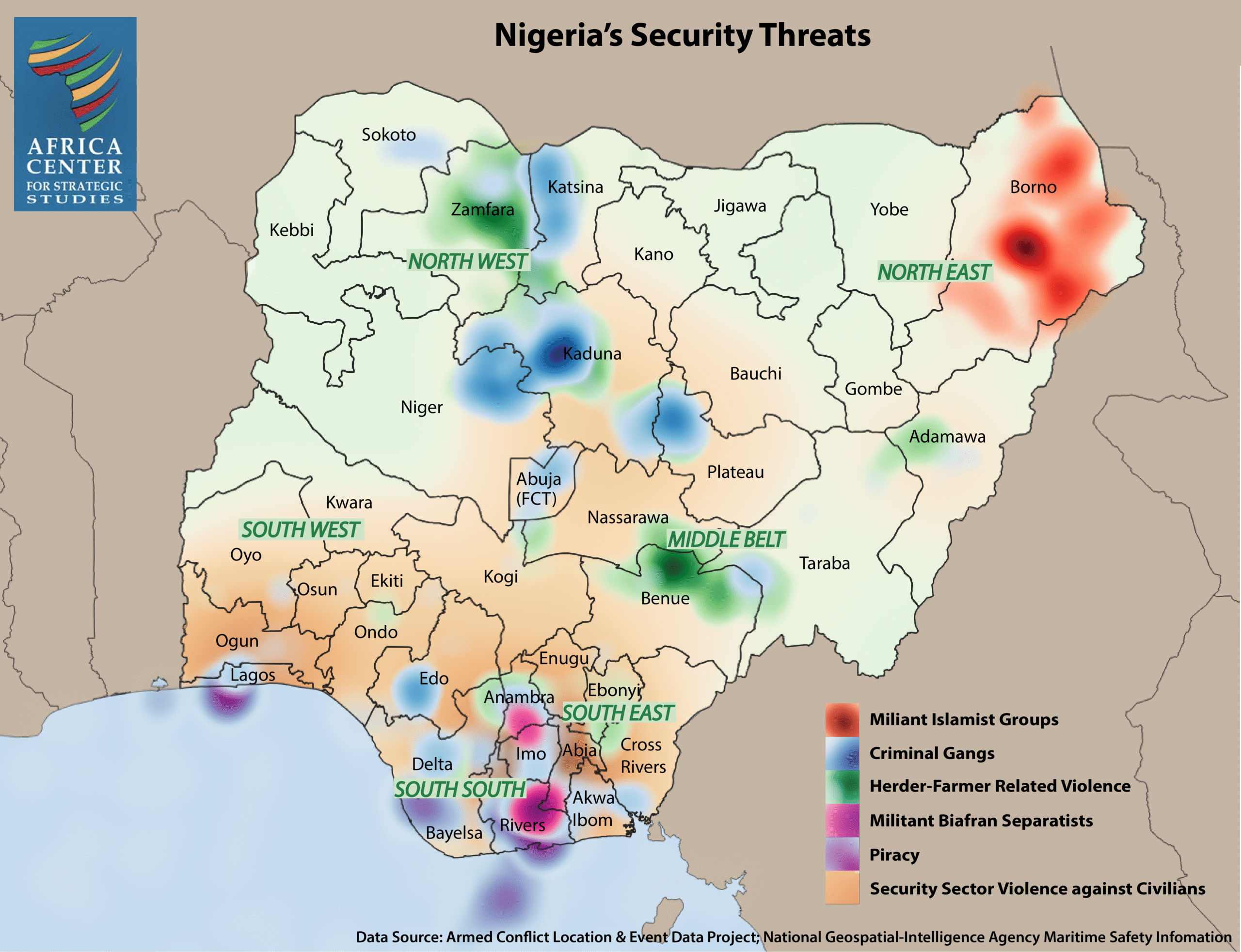
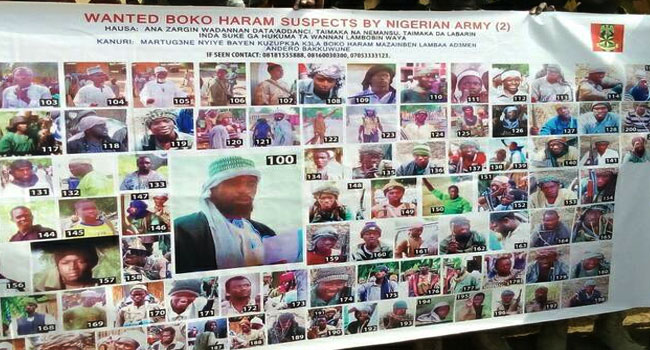
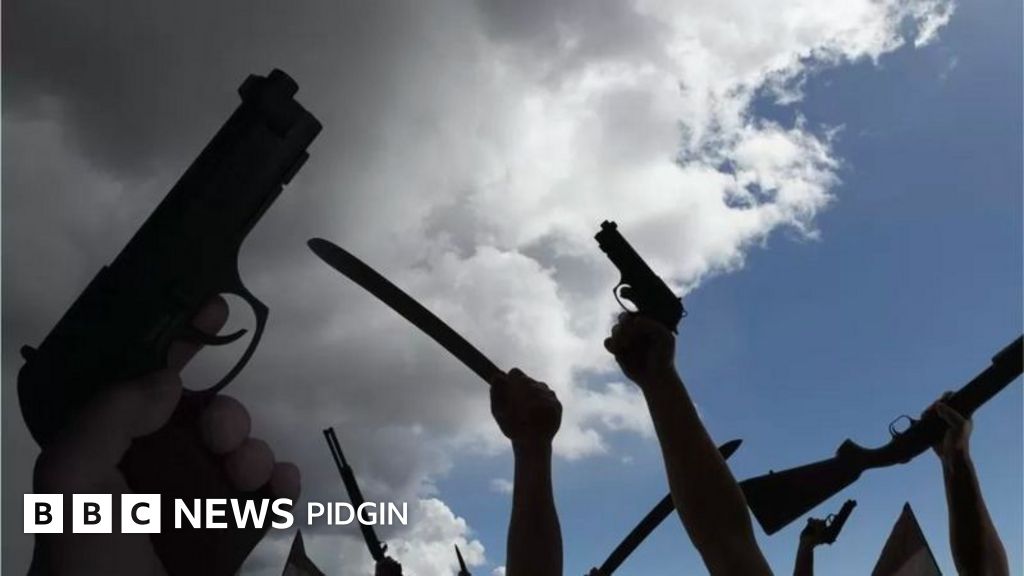
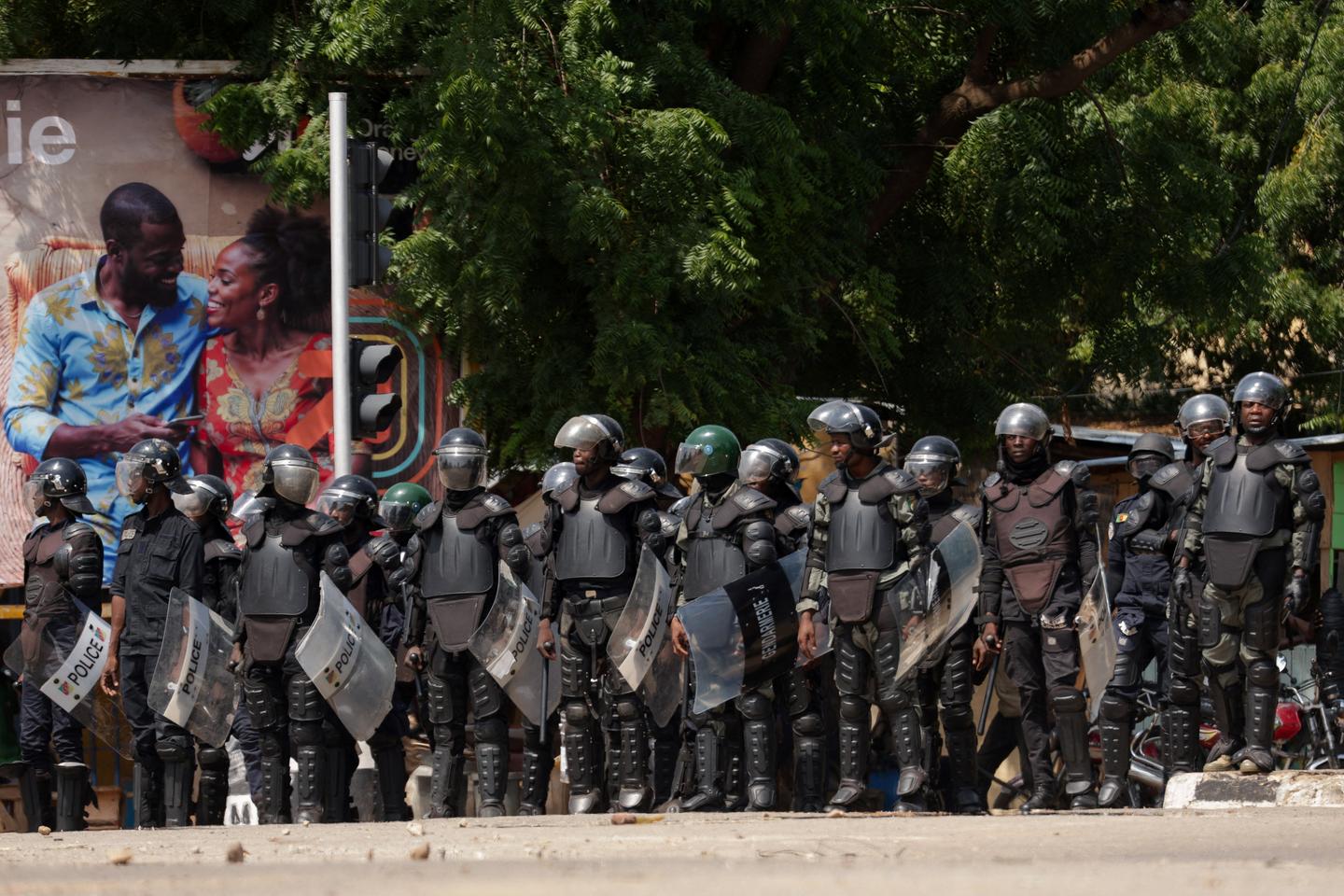
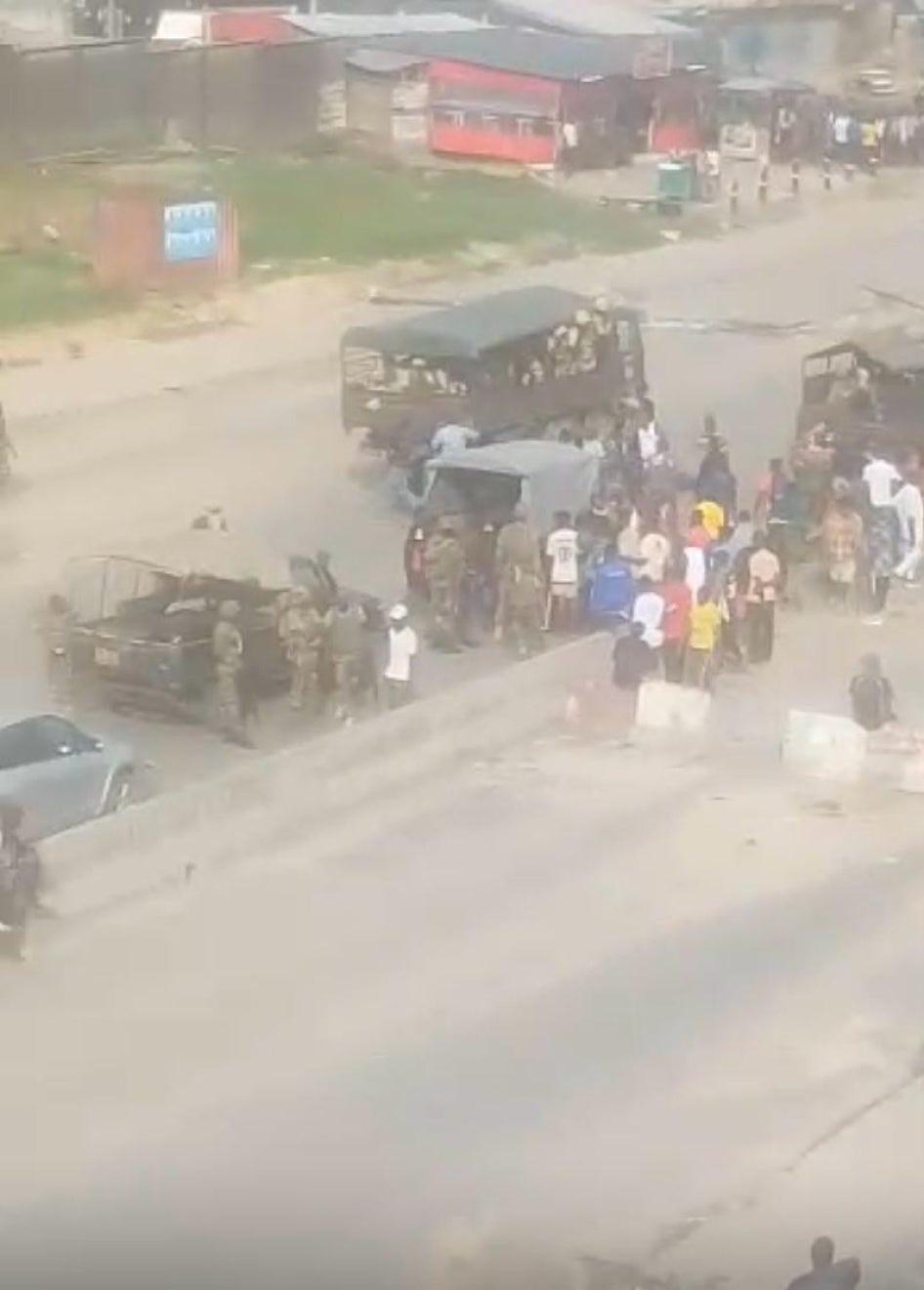
And the violence? It keeps on, with deadly results. Terrorists recently attacked the Tiv community in Taraba State, killing several people and keeping regional security forces on high alert. Communities in Kwara are gripped by fear too, after receiving terror threat letters warning of imminent strikes. It’s a volatile security environment, isn’t it? We see local conflicts escalating, with mobs killing a policeman, attacking Nigeria Security and Civil Defence Corps officers, and torching vehicles at a mining site in Niger State. Civilians and security personnel alike are bearing the brunt of multiple armed groups and communal rivalries. On top of that, our civil service is facing scrutiny for lavish spending, with over 54.5 million naira reportedly blown on cleaning and fumigation in just two months. Even the education sector has its own scandal, with the provost of Federal College of Education Eha-Amufu allegedly diverting government vehicles to her private school, amplifying accountability concerns. These developments paint a troubling picture of Nigeria grappling with interconnected crises. From internal military threats to ongoing terrorist violence, institutional corruption, shaky governance, and a rule of law under strain, it’s a lot to handle. Yet, despite all this, the government is insisting on justice and transparency. How they manage the alleged coup plot suspects, their commitment to fair trials, and public communication show efforts to maintain order and uphold democratic norms. The next few months will be pivotal for Nigeria’s stability. What comes out of those coup trials could reshape civil-military relations and affect future political dynamics. It’s clear that tackling systemic corruption and boosting our security responses are essential for rebuilding public confidence. Even the international community is watching closely; proposed US legislation targeting militias and political figures tied to violence adds even more pressure on Nigeria’s leadership. Ultimately, Nigeria stands at a crossroads, demanding decisive, transparent, and inclusive governance to navigate these many threats. With continued vigilance and meaningful reforms, we can hope these turbulent times lead to stronger democratic resilience and security for Africa’s largest economy.
Sources
- Alleged Coup Plot: Suspects Face Death Penalty Or Life Imprisonment Under Nigerian Law, Arise News, 3 Feb 2026, https://arisenews.ng/alleged-coup-plot-death-penalty
- BREAKING: Gunmen Ambush Vehicles Along Enugu-Onitsha Expressway, Arise News, 8 Feb 2026, https://arisenews.ng/ambush-onitsha
- EXCLUSIVE: Tinubu’s Chief Of Staff Gbajabiamila’s Cousin Languishes In Ikoyi Prison, Arise News, 8 Feb 2026, https://arisenews.ng/gbajabiamila-cousin-prison
- EXCLUSIVE: Military Officers Arrest Abuja Visa Agent At Gunpoint, Arise News, 8 Feb 2026, https://arisenews.ng/visa-agent-arrest
- EXCLUSIVE: EFCC Suspends Prosecutor Samuel Chime Over Bribery Allegations, Arise News, 8 Feb 2026, https://arisenews.ng/efcc-suspends-prosecutor
- Nigerian Bar Association Condemns Irregular Police Promotion Under IGP Egbetokun, Arise News, 11 Feb 2026, https://arisenews.ng/nba-condemns-police-promotion
- EXCLUSIVE: NSITF Managing Director Faleye Accused of Diverting Funds, Arise News, 11 Feb 2026, https://arisenews.ng/nsitf-fund-diversion
- BREAKING: Several Killed as Terrorists Attack Tiv Community in Taraba, Arise News, 10 Feb 2026, https://arisenews.ng/terrorist-attack-taraba
- BREAKING: Panic Grips Kwara Communities After Terror Threats, Arise News, 13 Feb 2026, https://arisenews.ng/kwara-terror-threats
- BREAKING: Mob Kills Policeman and Attacks NSCDC Officers in Niger State, Arise News, 12 Feb 2026, https://arisenews.ng/mob-attack-niger-state
- Nigeria’s Civil Service Office Paid Over N54.5Million on Cleaning in Two Months, Arise News, 13 Feb 2026, https://arisenews.ng/civil-service-spending
- EXCLUSIVE: N300Million Scandal at Federal College of Education Eha-Amufu, Arise News, 13 Feb 2026, https://arisenews.ng/federal-college-scandal