Rogers Satellite Takes Cellular Starlink Live in Canada With Major App Support
What happens when you’re hiking in the Canadian wilderness and your phone loses signal? For years, that meant being truly off the grid. But now, thanks to a partnership between Rogers and SpaceX’s satellite technology, Canadians can stay connected even in the most remote cellular dead zones. Rogers Satellite, the Canadian version of cellular Starlink service, has officially moved out of beta and launched as a paid service with a game changing feature, app support.
From Beta to Full Launch
Remember that free beta program Rogers ran back in July? The one that let users send emergency texts via satellite? That testing phase is officially over. Rogers Satellite has graduated to a full commercial service, and while that means the end of free testing, it brings some powerful new capabilities to the table.
“We’re proud to be the first and only provider in the country to offer this ground breaking technology so Canadians can stay connected,” said Rogers CEO Tony Staffieri. The service taps into SpaceX’s constellation of orbiting satellites to provide connectivity where traditional cellular networks simply can’t reach.
What makes this launch particularly interesting isn’t just the transition from beta to paid service. It’s the expanded functionality that comes with it. Rogers Satellite now supports data for specific mobile apps, moving beyond simple text messaging to offer more practical connectivity solutions for people who venture off the beaten path.
App Support Changes the Game
Here’s where things get really useful. Rogers Satellite now supports data for select apps including Google Maps, WhatsApp, X, AccuWeather, and even hiking app CalTopo. Think about that for a second. You’re deep in the backcountry, need to check your route, and suddenly you can pull up Google Maps via satellite. Or maybe you need to let someone know you’re running late, a WhatsApp message goes through even when you’re miles from the nearest cell tower.
The carrier confirmed in their official FAQ that “On December 9, app capability is available on compatible Google Pixel and Samsung devices. Support for select iPhone models coming soon.”
That WhatsApp support is particularly noteworthy because it means you can conduct video calls via satellite, though Rogers is quick to point out that the satellite data consumed “will be deducted from your plan’s existing data bucket.” So it’s not unlimited satellite streaming, but it could be a lifeline when you really need it.
Pricing and Availability
So what’s this going to cost you? Rogers is offering the satellite connectivity as a free perk for 12 months on select plans. Otherwise, interested users need to pay CA$15 per month, although consumers who participated in the beta trial will receive a $5 per month discount for the first year.
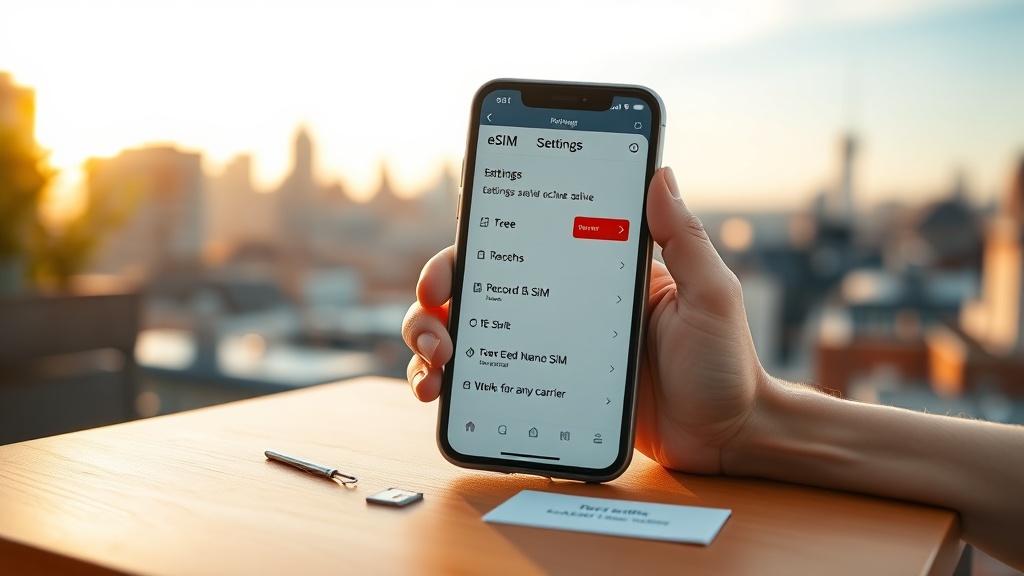
Here’s the really flexible part, “Rogers Satellite is open to anyone, from any carrier, with a compatible device,” the carrier added. The satellite connectivity operates through a second SIM card in your phone’s eSIM. “You can keep your existing plan with your current provider and sign up for a Rogers Satellite plan.”
This approach mirrors what we’ve seen developing in the broader connectivity landscape, where flexibility and cross compatibility are becoming increasingly important for consumers.
How Rogers Compares to T Mobile’s Approach
In the US, SpaceX’s partner T Mobile has been taking a similar route, offering a free beta for several months before releasing the cellular Starlink under the “T Satellite” brand as a paid feature. The service costs $10 per month for most users, including consumers on rival carriers like AT&T and Verizon.
Only T Mobile subscribers on the most premium plans can receive the satellite connectivity for free. In August, the carrier began rolling out support for satellite data to select apps, in addition to satellite text messaging. This parallel development shows how satellite to mobile connectivity is becoming a competitive space, not just a niche feature.
But Rogers’ implementation has some distinct differences that might give them an edge in certain scenarios.
Rogers’ Unique Advantages
For starters, Rogers supports connectivity to the Apple Watch, while T Satellite only supports phones for now. That’s not a small detail if you’re someone who relies on your smartwatch for communication when you’re active outdoors.
In their announcement, Rogers also noted that “Rogers Satellite will expand next to support data and voice services,” moving beyond app based data. This suggests they’re thinking about a more comprehensive satellite communication solution, not just emergency messaging.
Perhaps more significantly for businesses and industries, the Canadian carrier is enabling “satellite to mobile for IoT businesses” through SpaceX satellites. “Applications include fleet and asset tracking along remote highways and rail corridors, as well as powering automated sensors for sectors like forestry and mining,” Rogers said. “As the technology advances, it will help transform Canadian businesses and governmental organizations.”
This industrial application of satellite connectivity represents a major shift in how we think about IoT infrastructure. Imagine sensors in remote mining operations that can transmit data without needing expensive terrestrial infrastructure, or tracking systems for trucks crossing the vast, unpopulated stretches of Canadian wilderness.
The SpaceX Branding Question
Here’s an interesting twist, unlike T Mobile, Rogers has tried to distance itself from SpaceX, likely to sidestep possible Canadian backlash against SpaceX CEO Elon Musk. The website for Rogers Satellite seems to make no mention of SpaceX at all.
This branding strategy raises questions about how satellite partnerships will be marketed in different regions. While the technology behind Starlink’s satellite constellation is impressive, the public perception of the companies and individuals behind it can influence adoption rates.
It’s a reminder that technology adoption isn’t just about technical capabilities, it’s also about brand perception, regulatory environments, and cultural factors. Rogers seems to be betting that Canadian consumers care more about reliable connectivity than they do about which billionaire’s company provides the satellites overhead.
The Bigger Picture for Satellite Connectivity
What Rogers is doing with their satellite service reflects a broader trend in telecommunications. We’re moving toward a world where connectivity isn’t limited by geography. Whether you’re in downtown Toronto or deep in the Yukon wilderness, the expectation is growing that you should be able to communicate, access information, and stay connected.
This development comes at a time when satellite technology investments are accelerating globally. Governments and private companies alike are recognizing the strategic importance of space based connectivity, not just for consumer applications but for national security, emergency response, and economic development.
The app support aspect is particularly telling. It shows that satellite connectivity is maturing beyond emergency use cases to become a practical tool for everyday activities. You’re not just getting an SOS button, you’re getting navigation, communication, and information access tools that work when you need them most.
What This Means for Canadian Consumers and Businesses
For outdoor enthusiasts, this is a game changer. That backcountry hiking trip just got safer and more convenient. For remote workers and digital nomads, it opens up new possibilities for working from truly off grid locations. And for businesses operating in Canada’s vast northern and rural regions, it could transform operations and safety protocols.
The eSIM approach is smart too. It means you don’t have to switch carriers to get satellite coverage. You can keep your existing phone plan and just add Rogers Satellite as a secondary service that kicks in when you’re outside cellular range. That flexibility lowers the barrier to adoption and makes the service accessible to more people.
As we look at the evolution of mobile connectivity, services like Rogers Satellite represent an important step toward truly ubiquitous coverage. They’re not replacing traditional cellular networks, they’re complementing them, filling in the gaps where towers can’t reach.
Looking Ahead
Rogers has indicated they’re not stopping with app support. The mention of future data and voice services suggests they see satellite connectivity as a growing part of their service portfolio. And the IoT applications point toward enterprise and industrial uses that could have significant economic impacts.
The question now is how quickly other carriers will follow suit, and how the technology will evolve. Will we see satellite connectivity become a standard feature on mobile plans? Will data allowances for satellite use increase as the technology improves? And how will pricing models adapt as adoption grows?
One thing’s clear, the era of being truly disconnected is coming to an end. Whether that’s a good thing depends on your perspective, but for safety, business, and convenience, services like Rogers Satellite are changing what’s possible when you venture beyond the reach of cell towers.
As this technology continues to develop, we’re likely to see more innovations in how satellite and terrestrial networks work together. The future isn’t about choosing between cellular and satellite, it’s about having seamless connectivity that automatically uses the best available option, whether that’s a 5G tower down the street or a satellite hundreds of miles overhead.
For now, Canadians have a new tool for staying connected in the great outdoors, and it’s one that could make remote adventures a little safer and a lot more convenient. That’s progress, even if it means you can’t use “no service” as an excuse for not answering messages anymore.