Russia’s Shifting Tides: Mali’s Strategic Pivot and the Sahel’s New Security Chapter
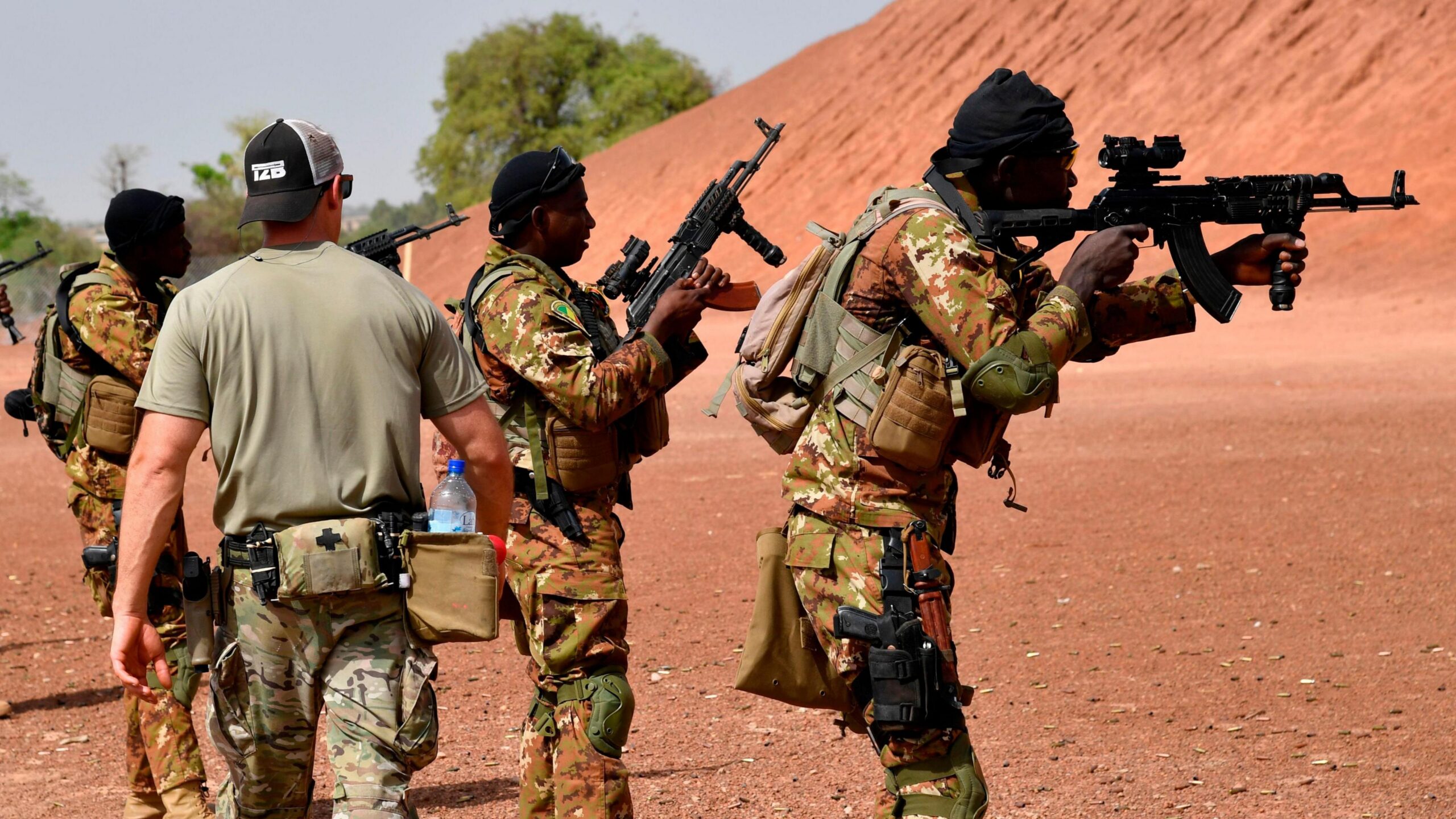
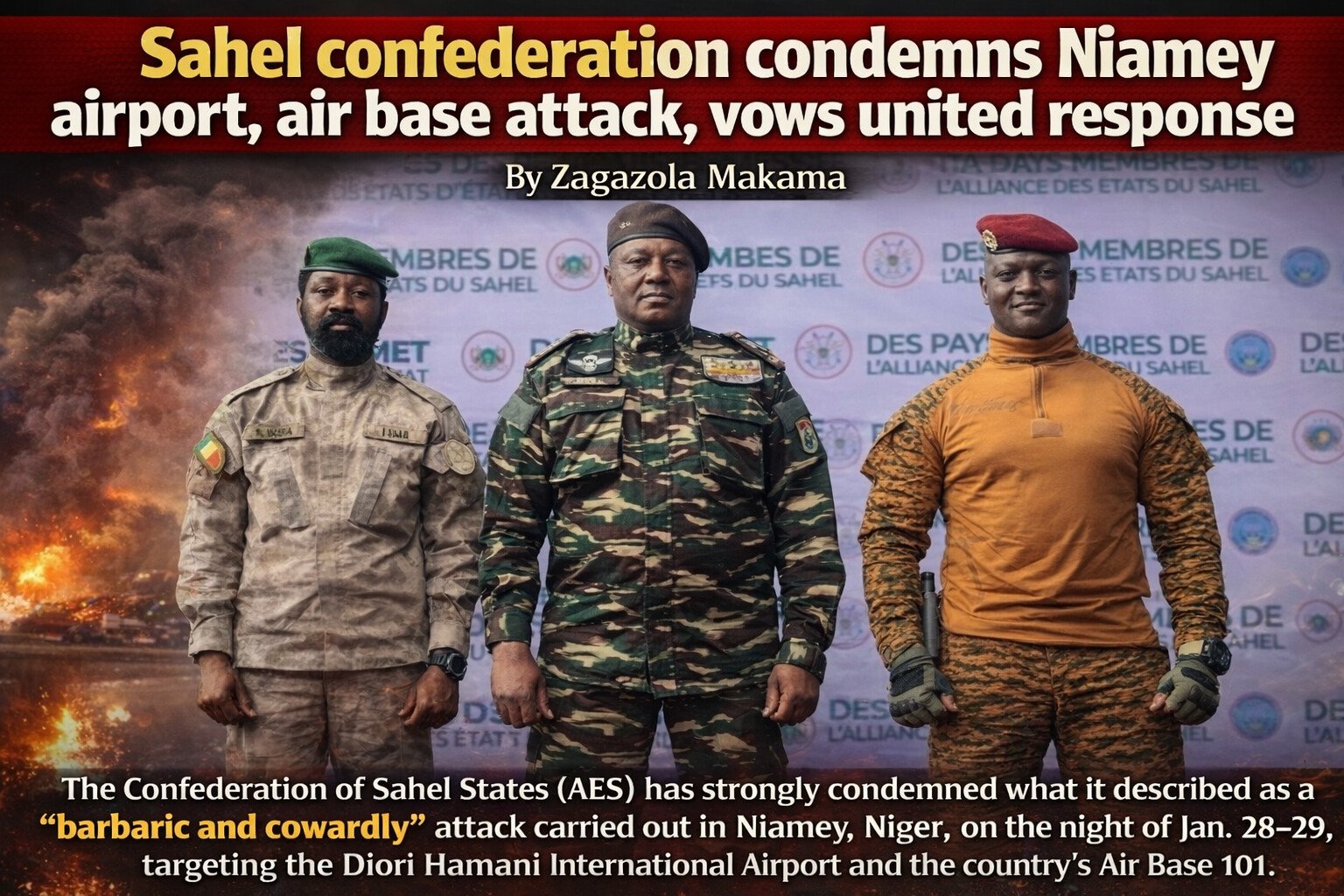
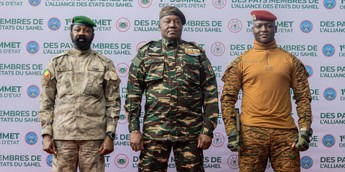
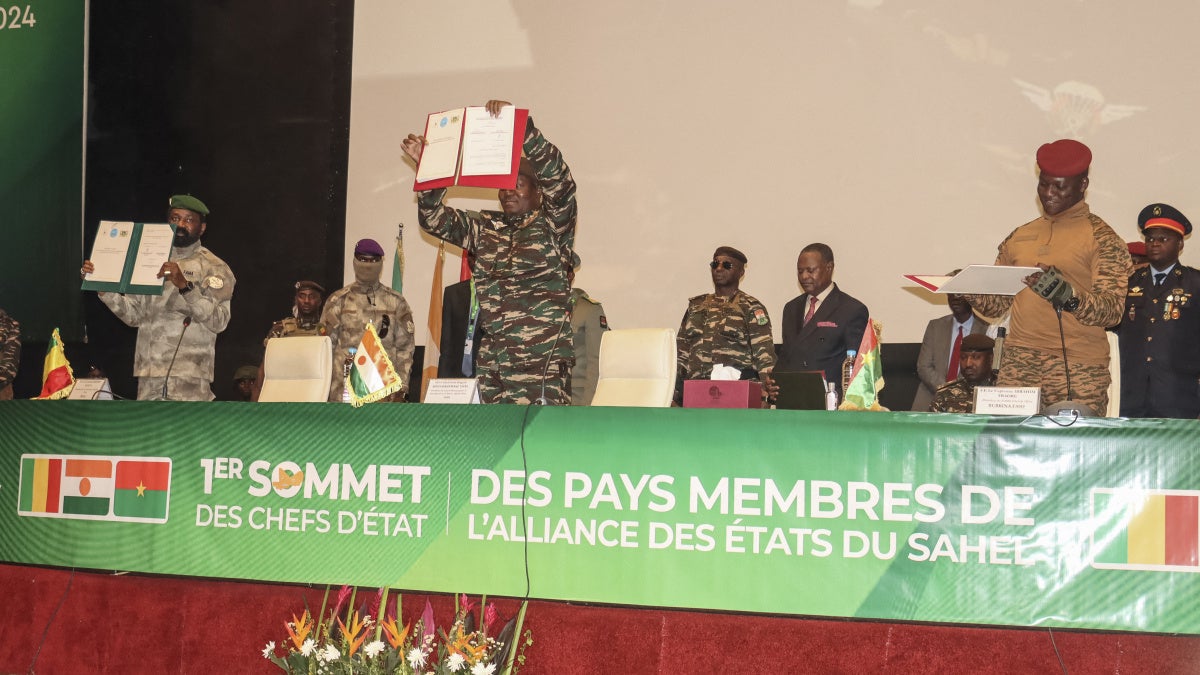
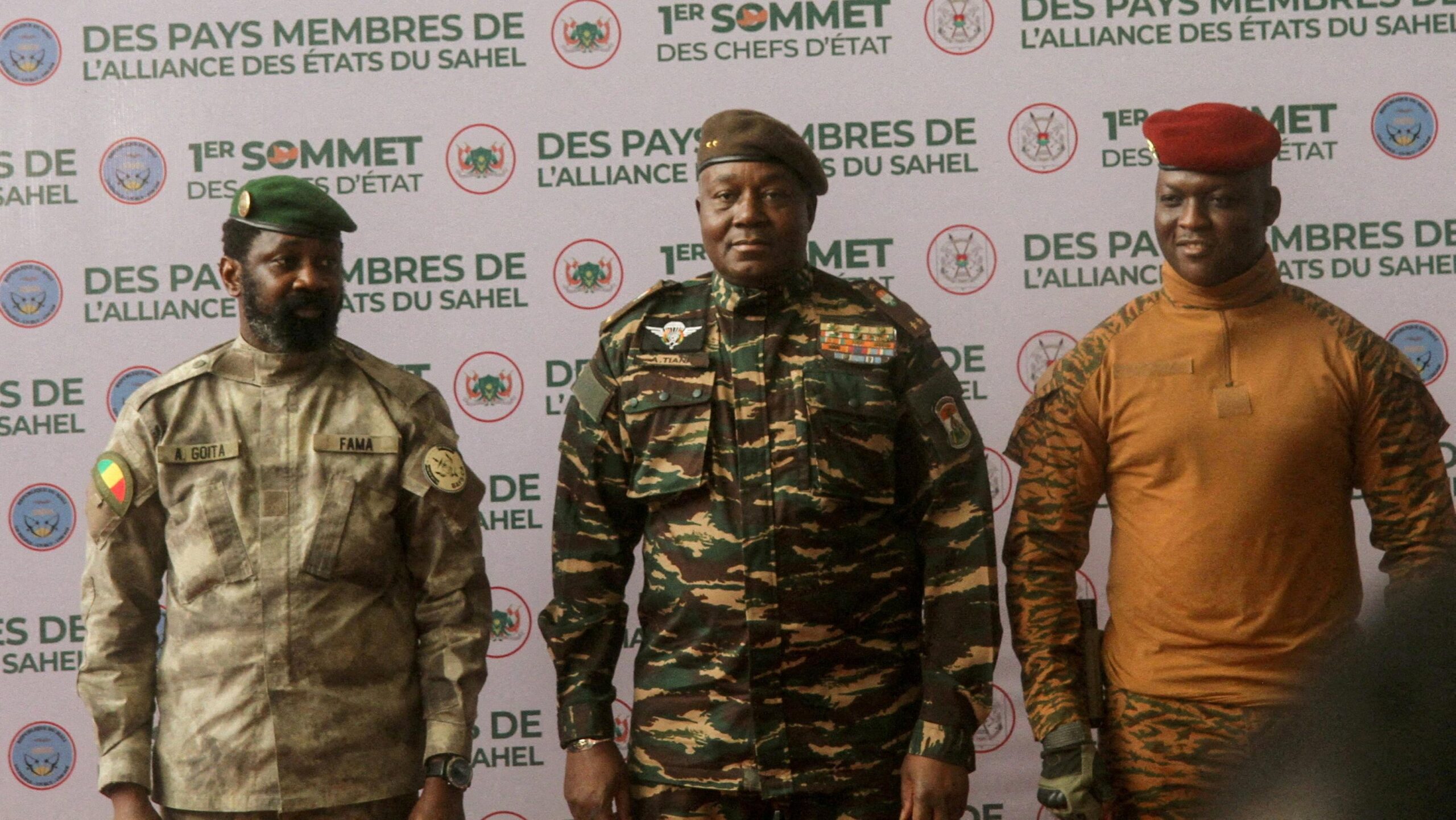
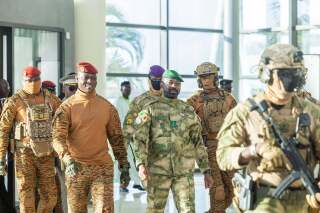
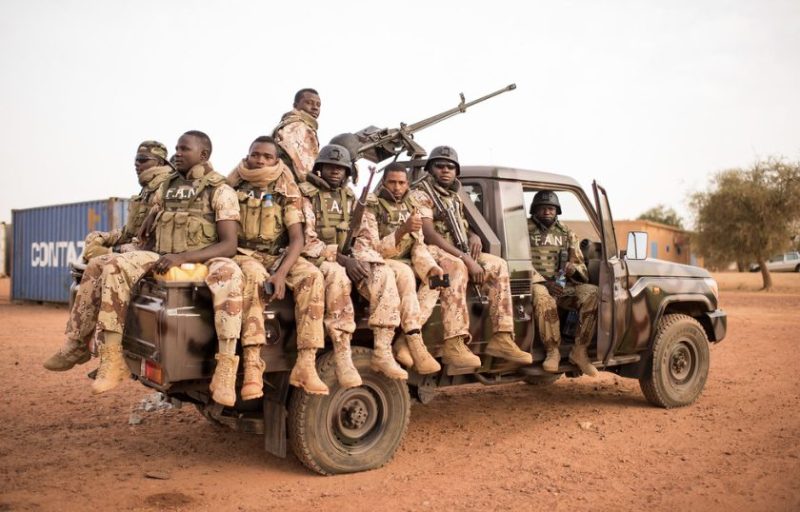
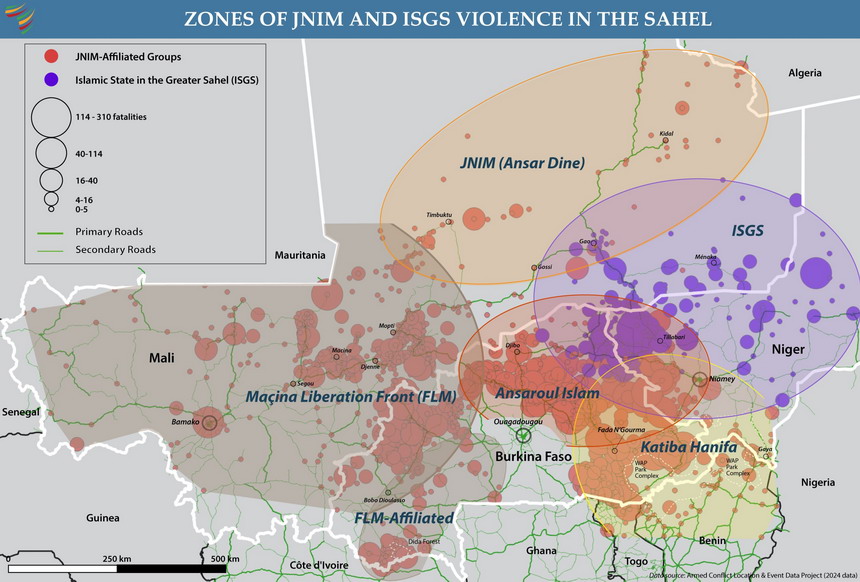
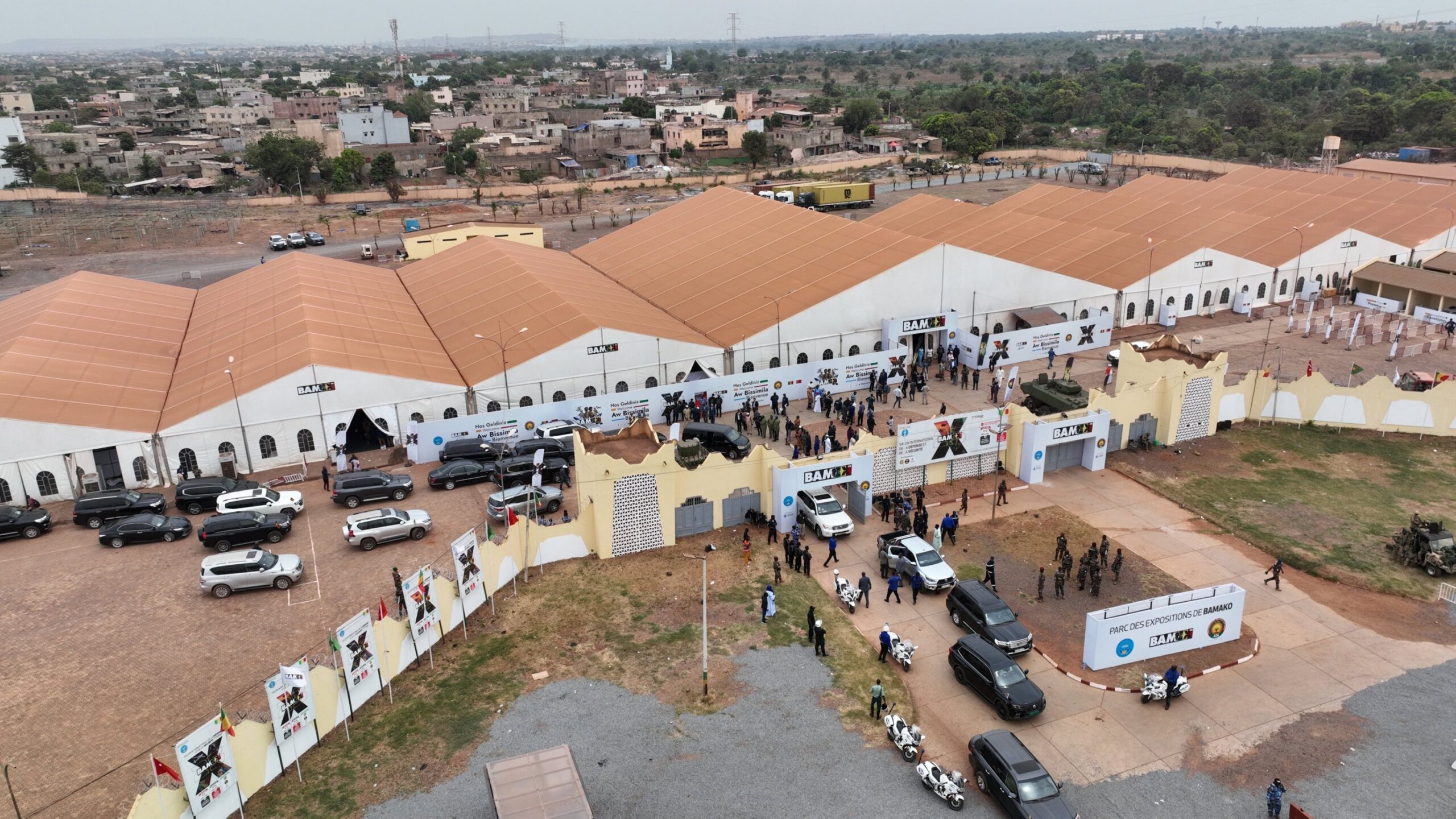
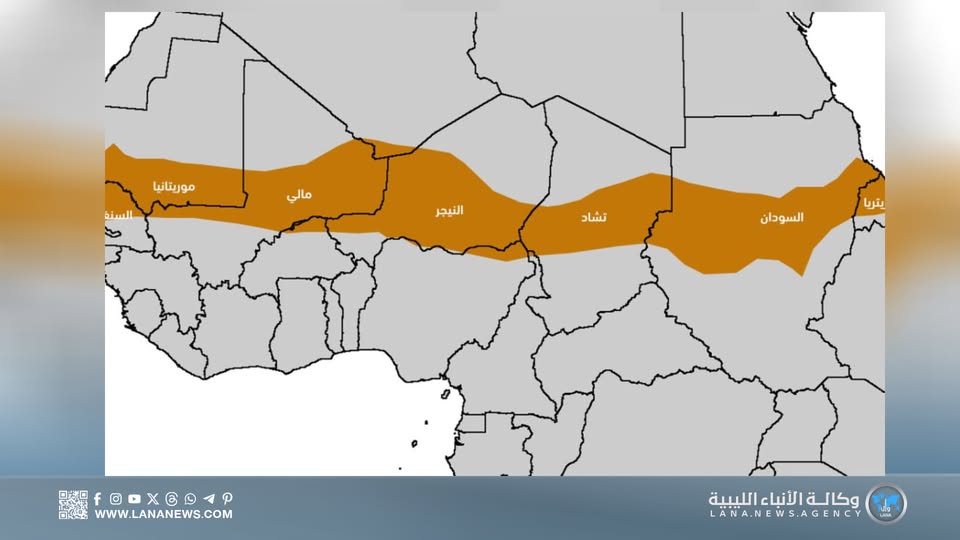
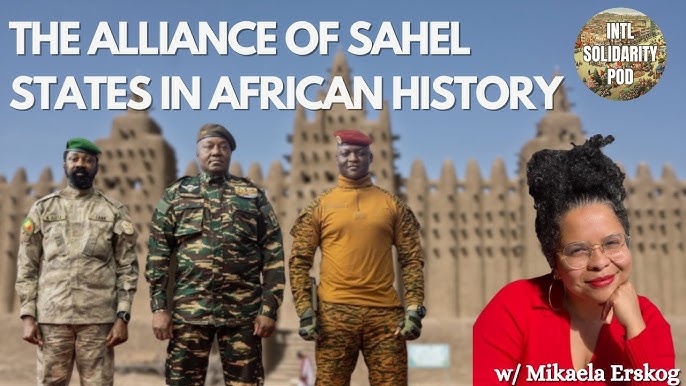
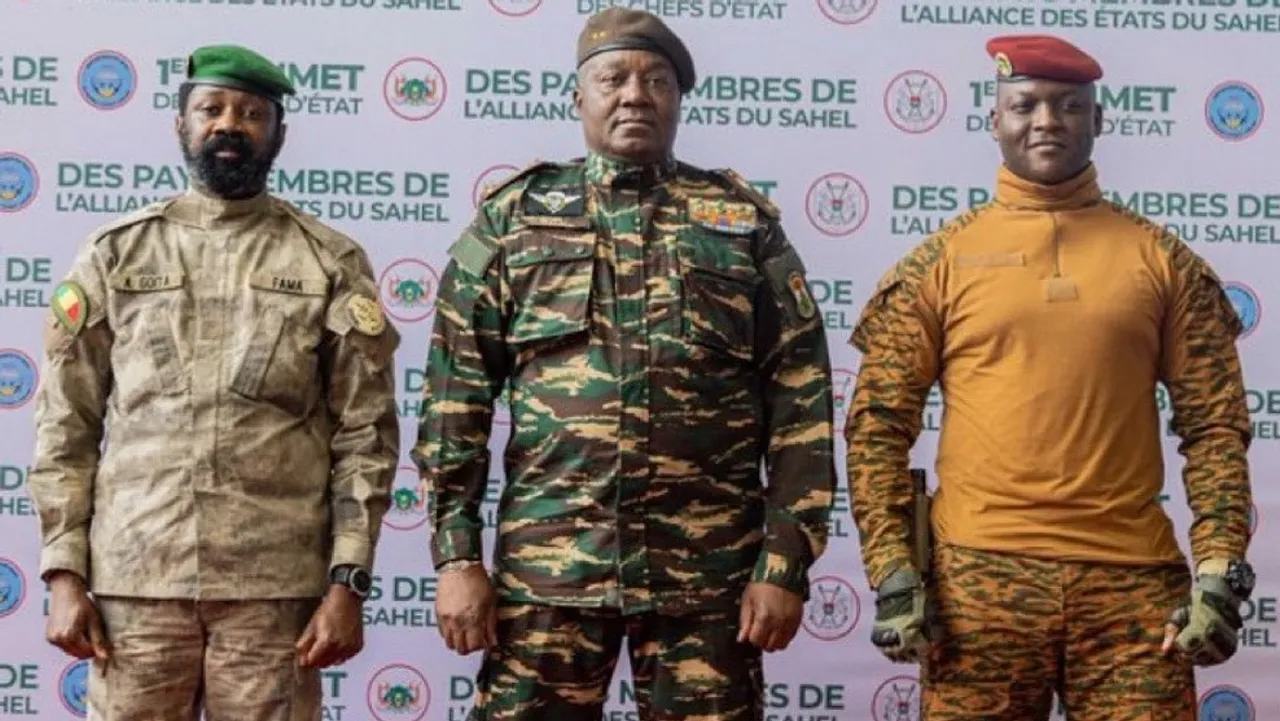
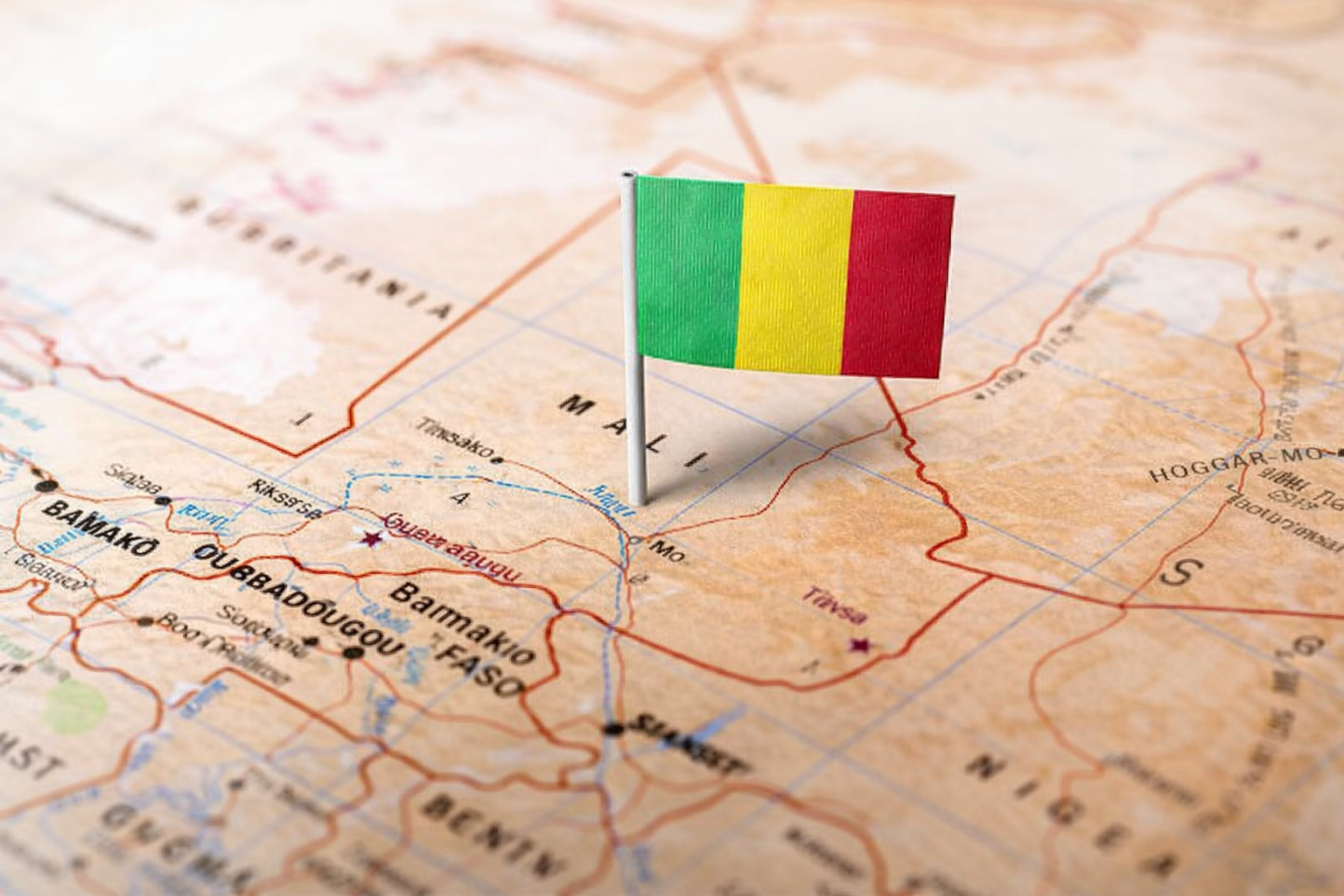
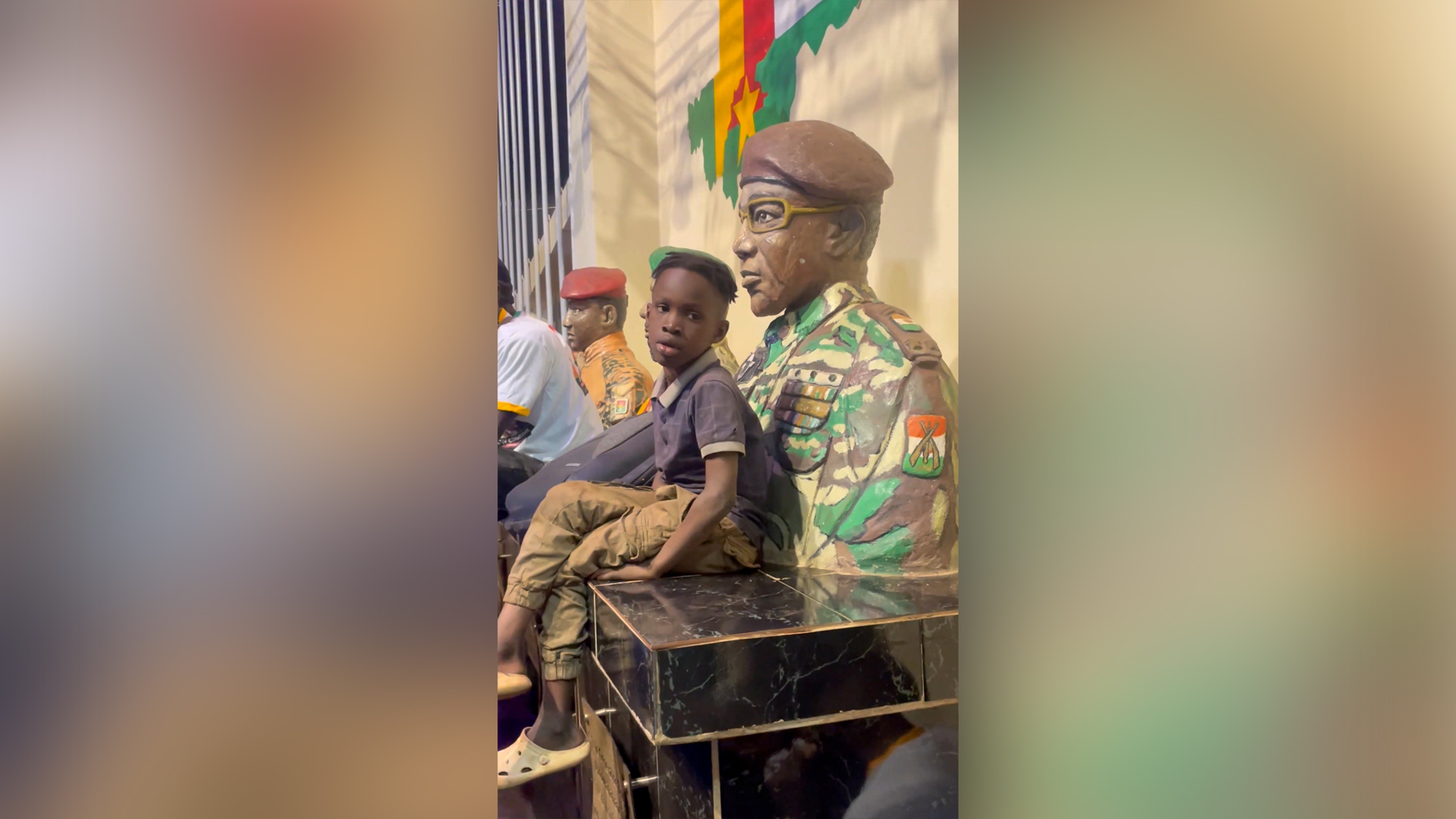
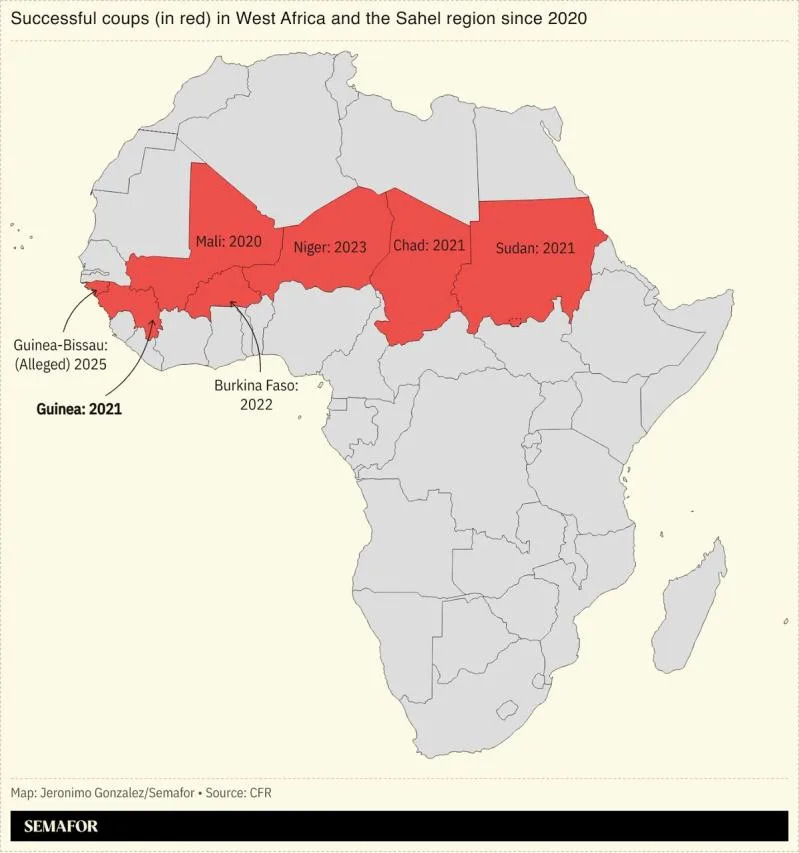
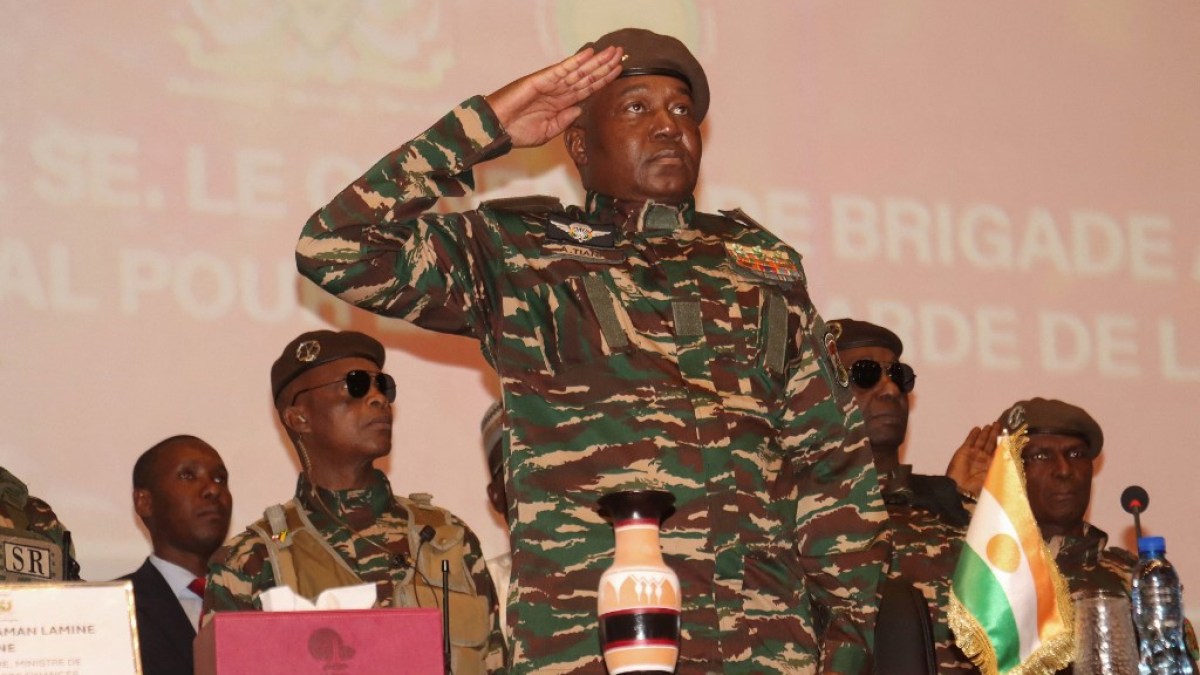
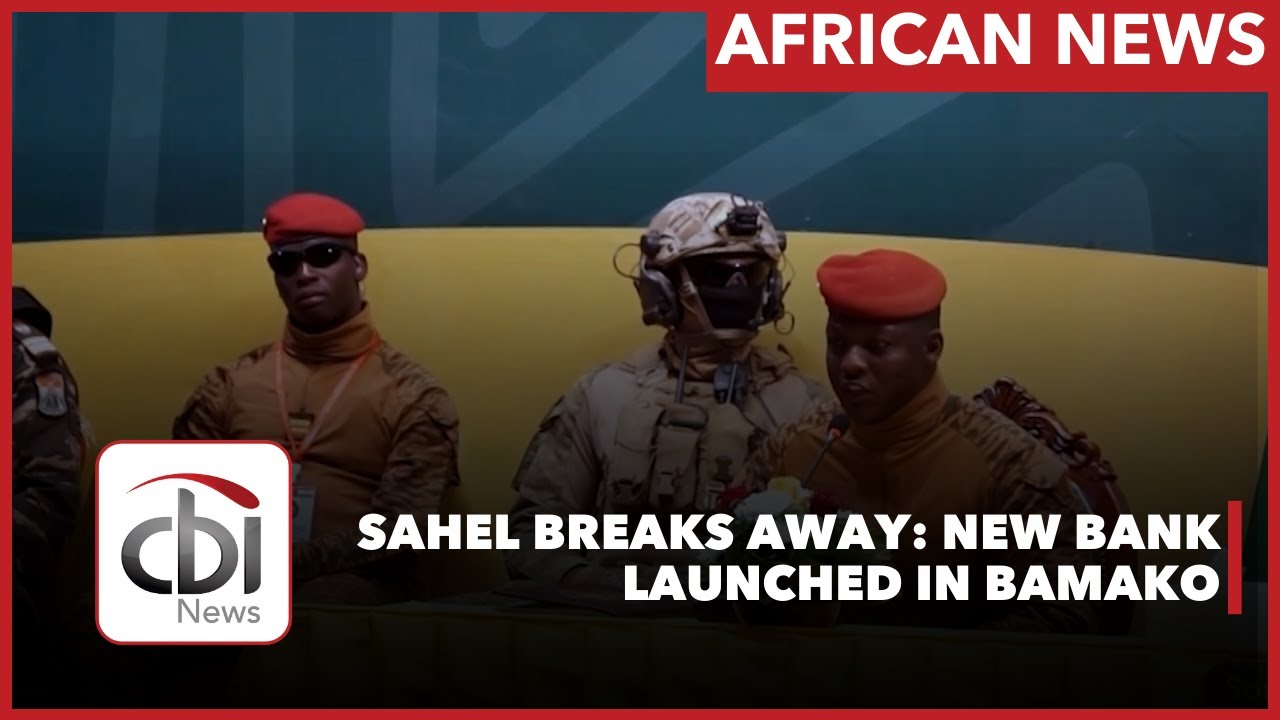
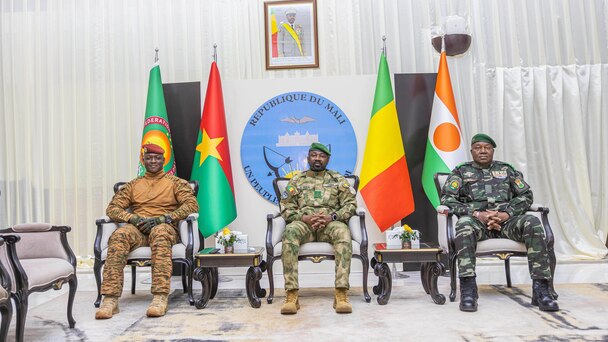
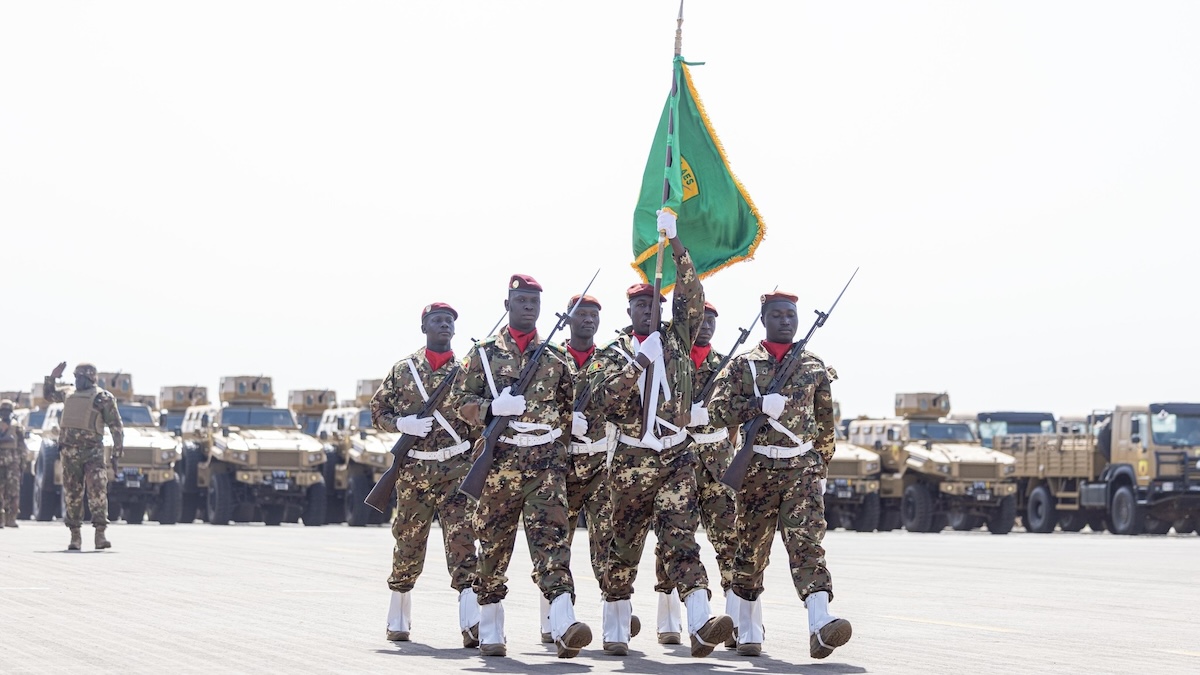
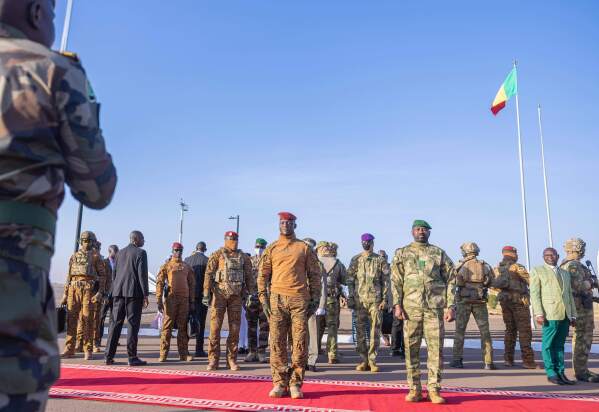
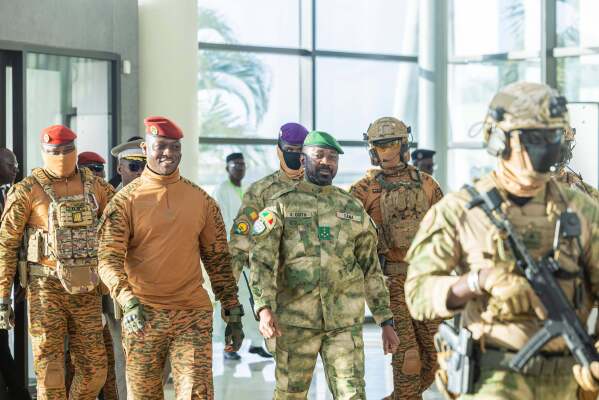
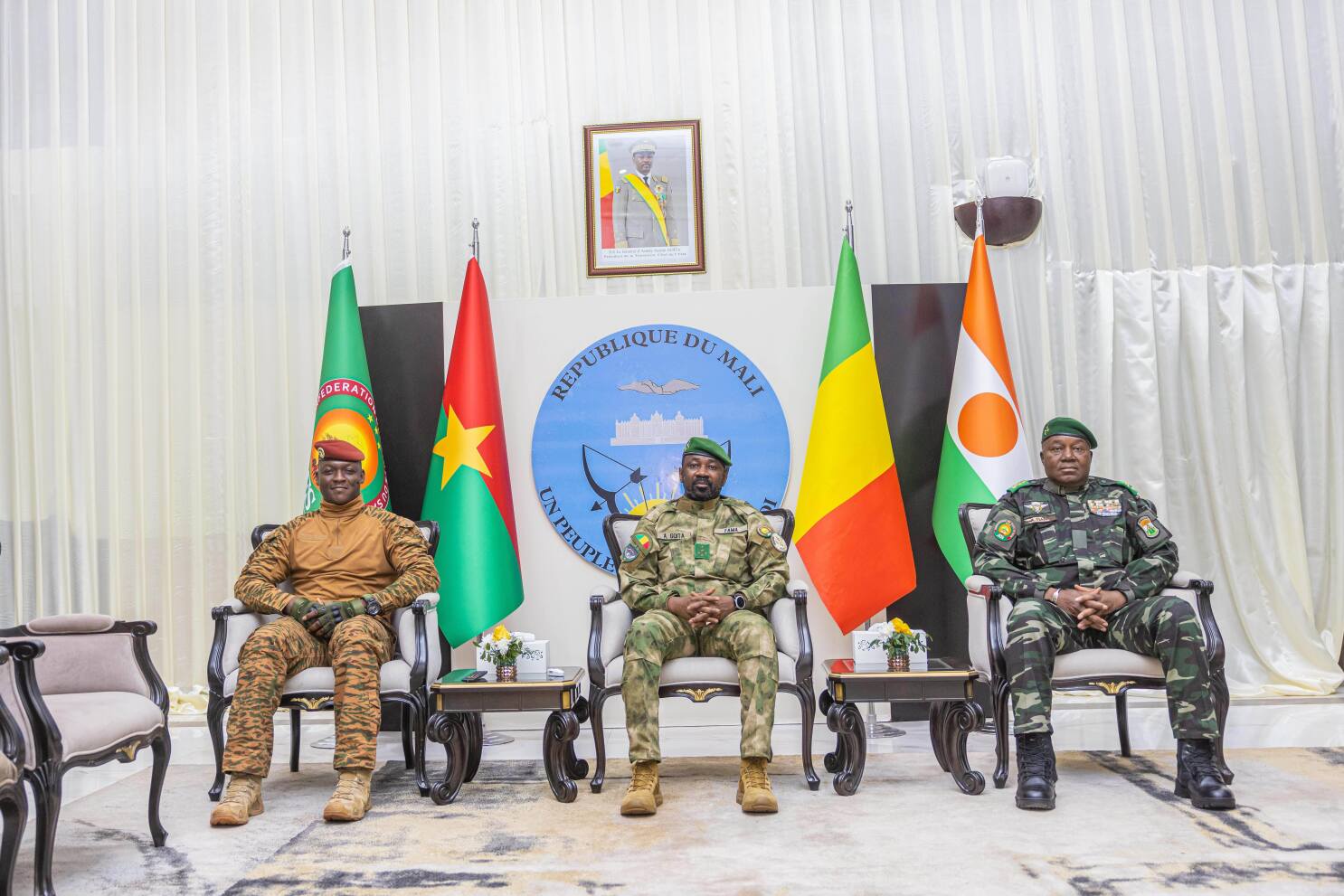
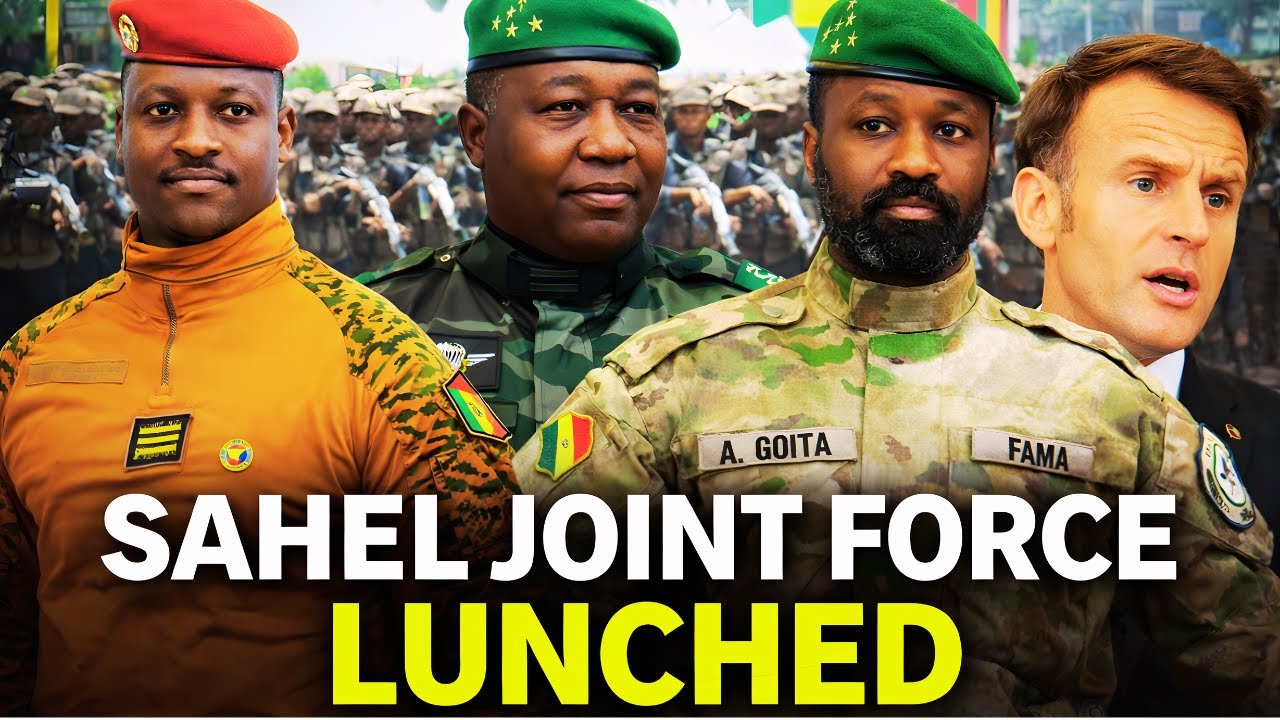
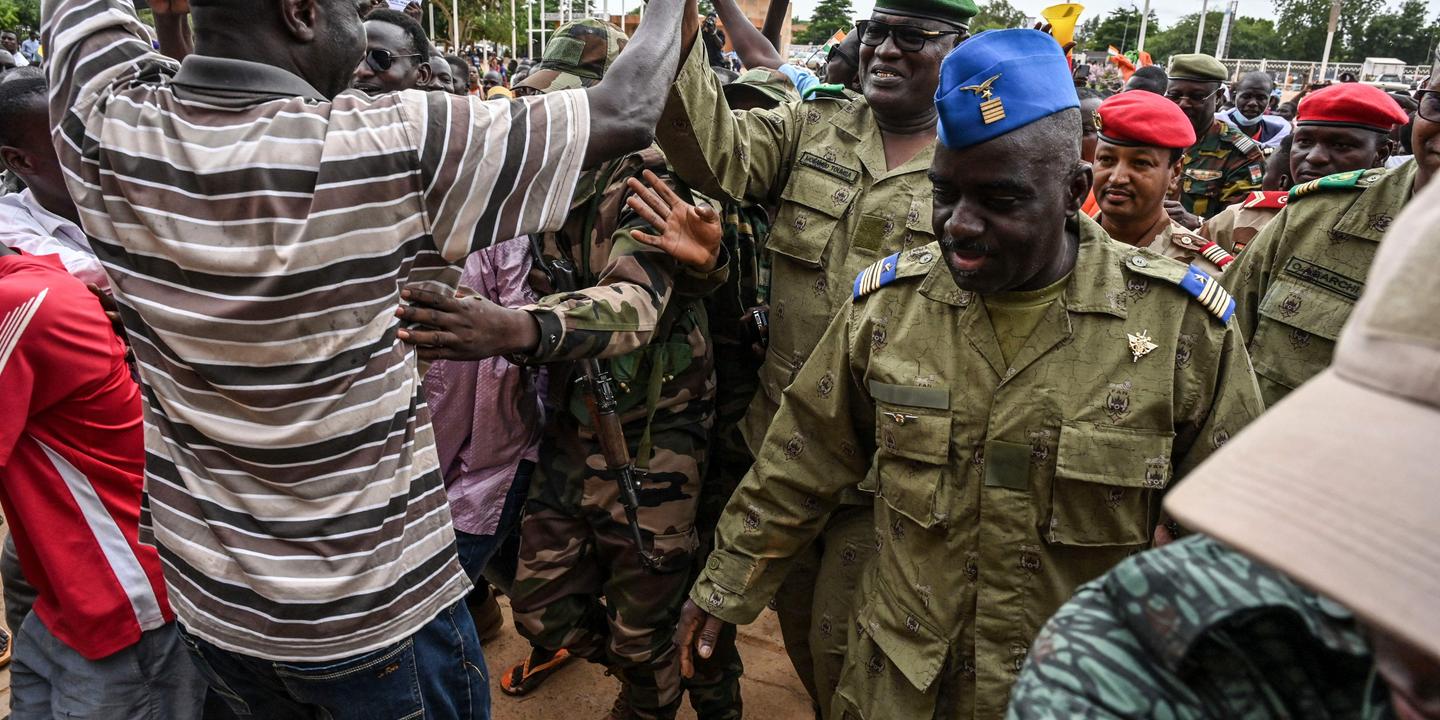
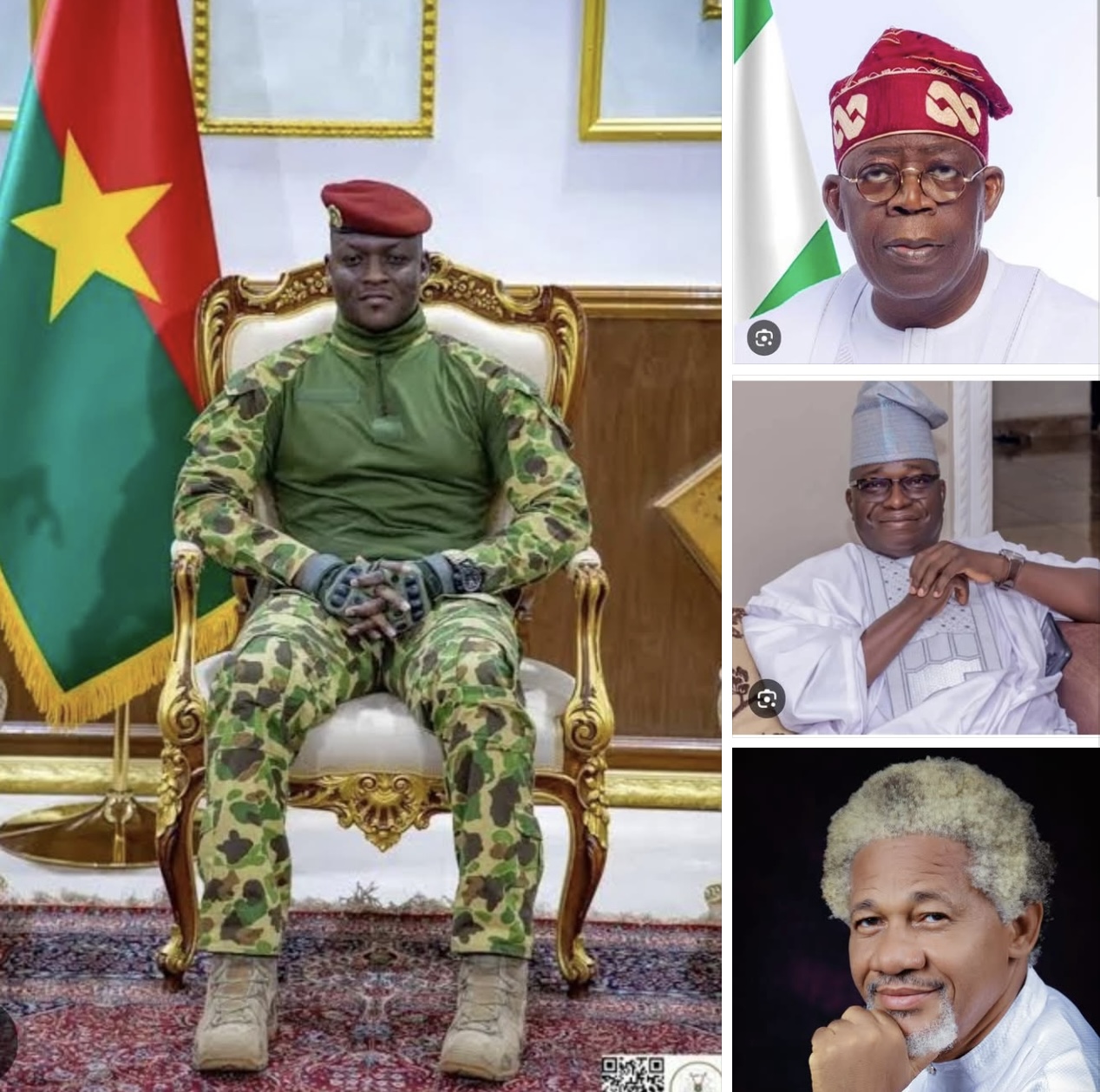
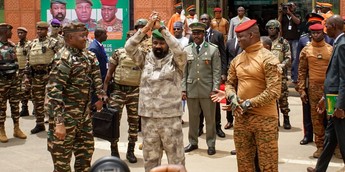
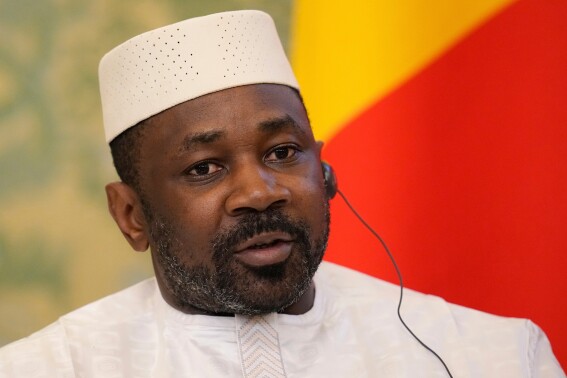
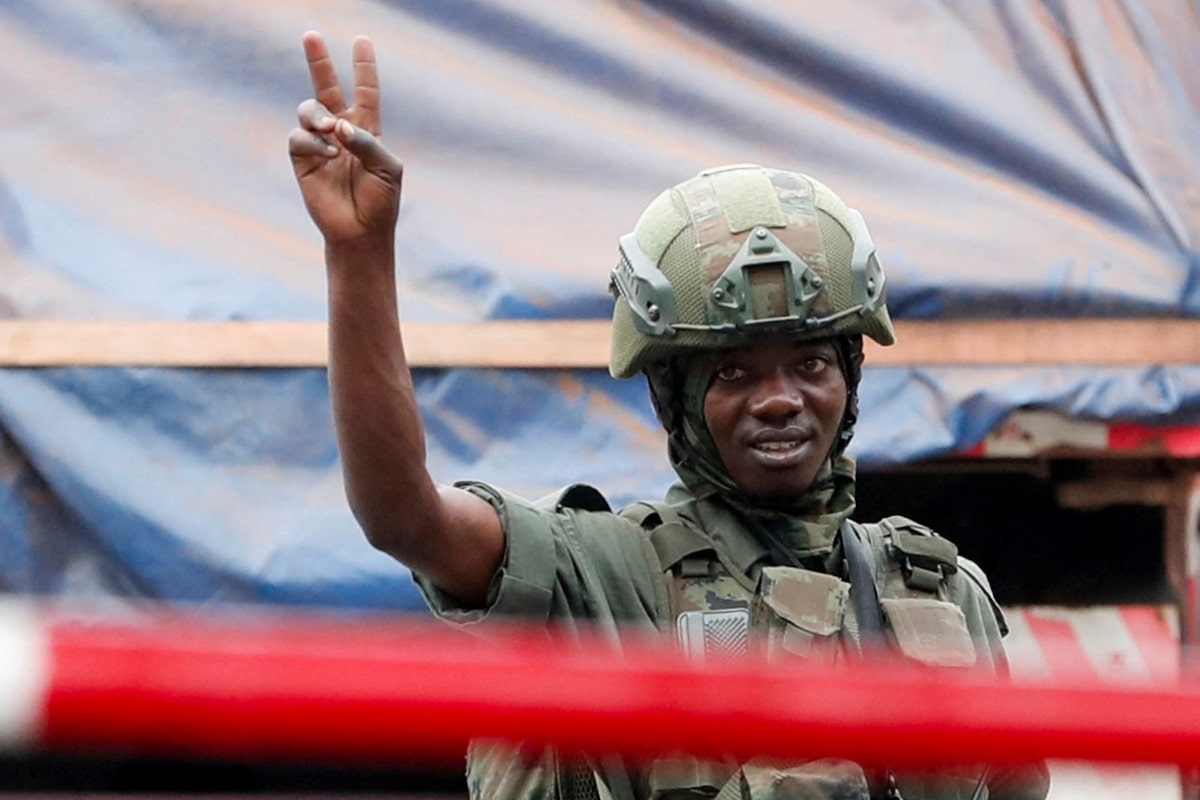
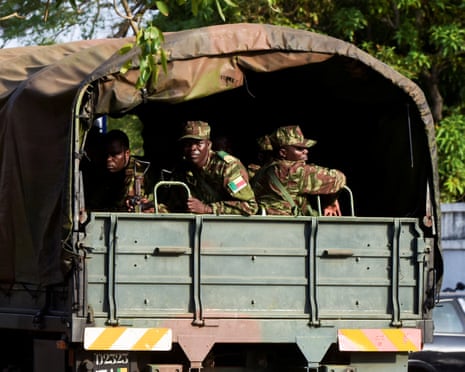
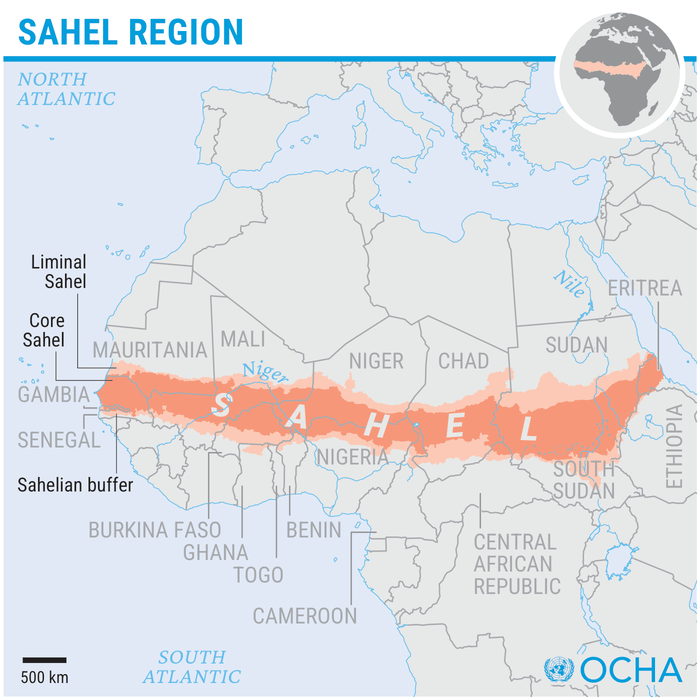
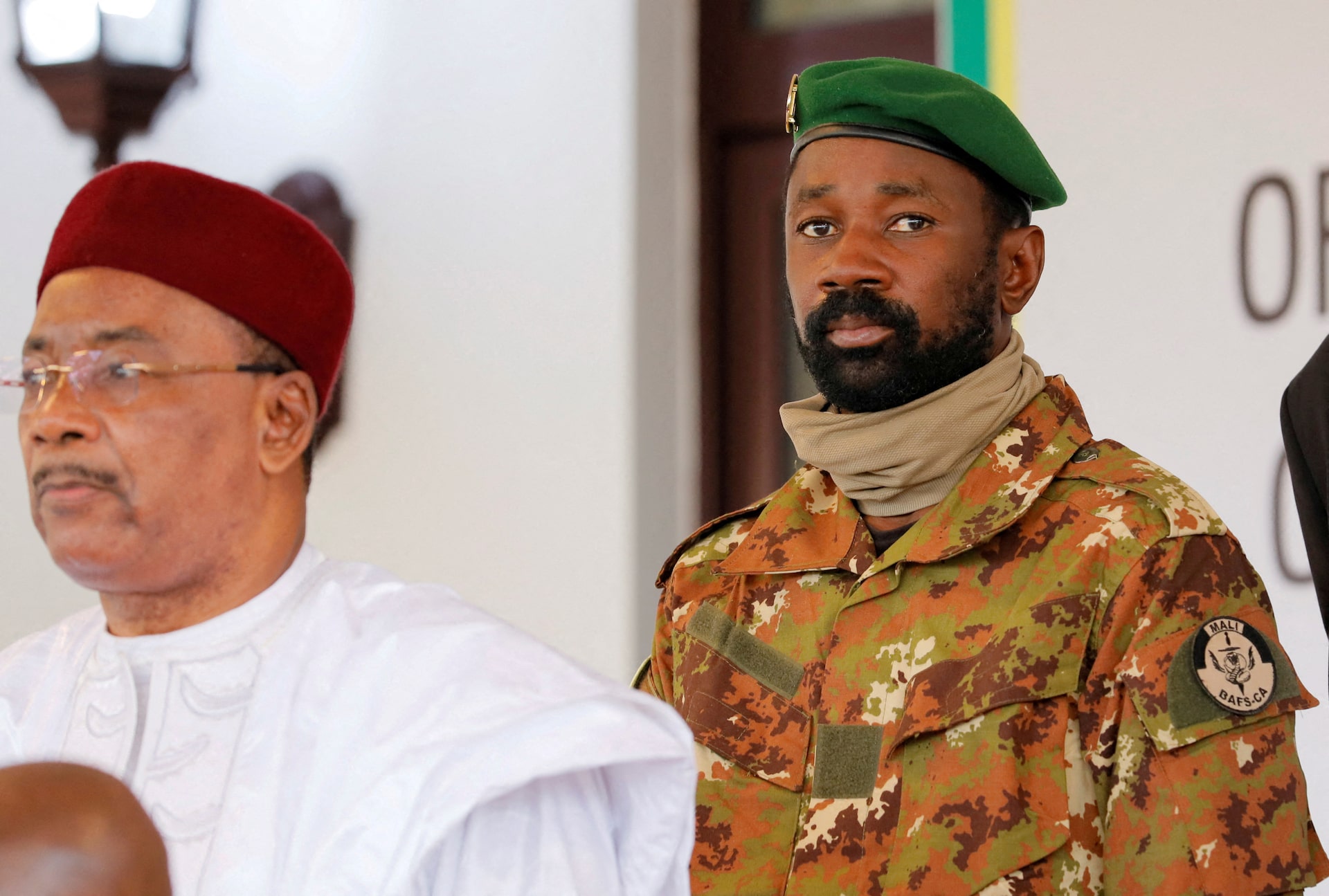
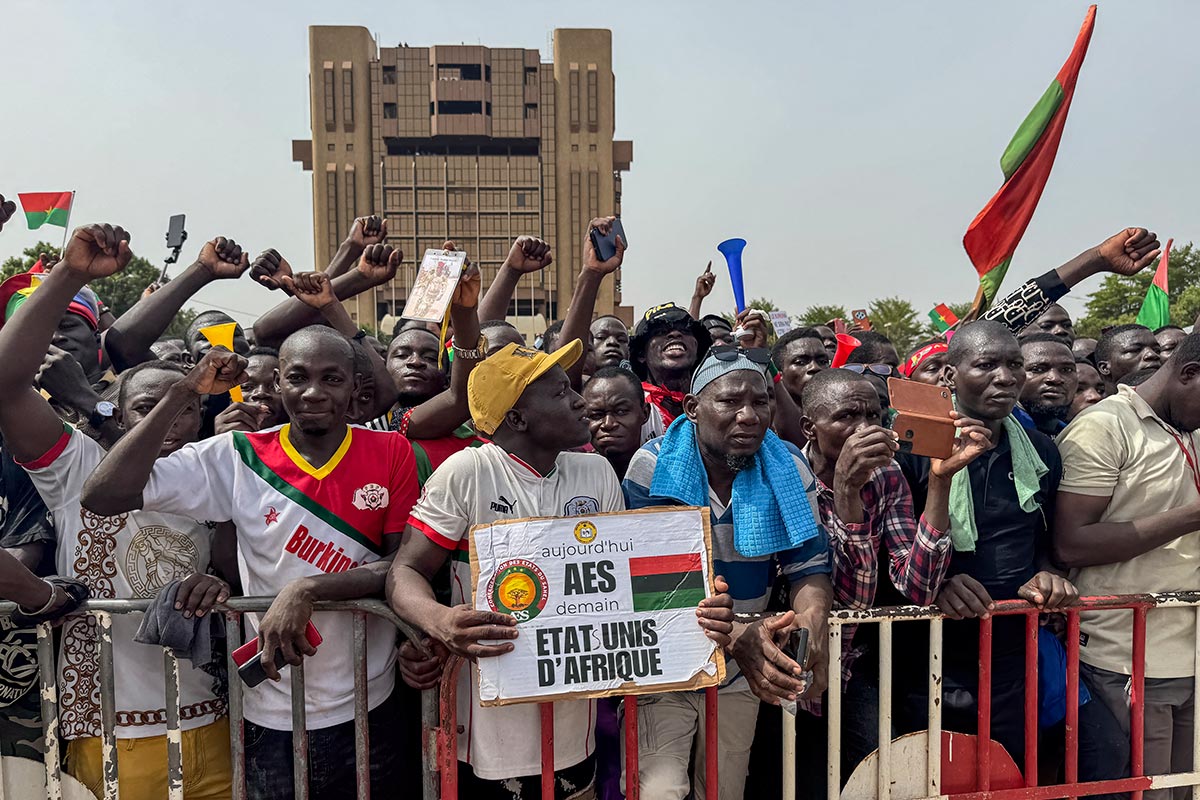
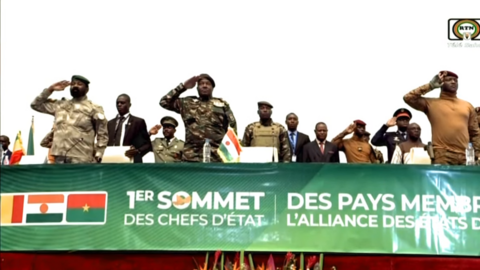
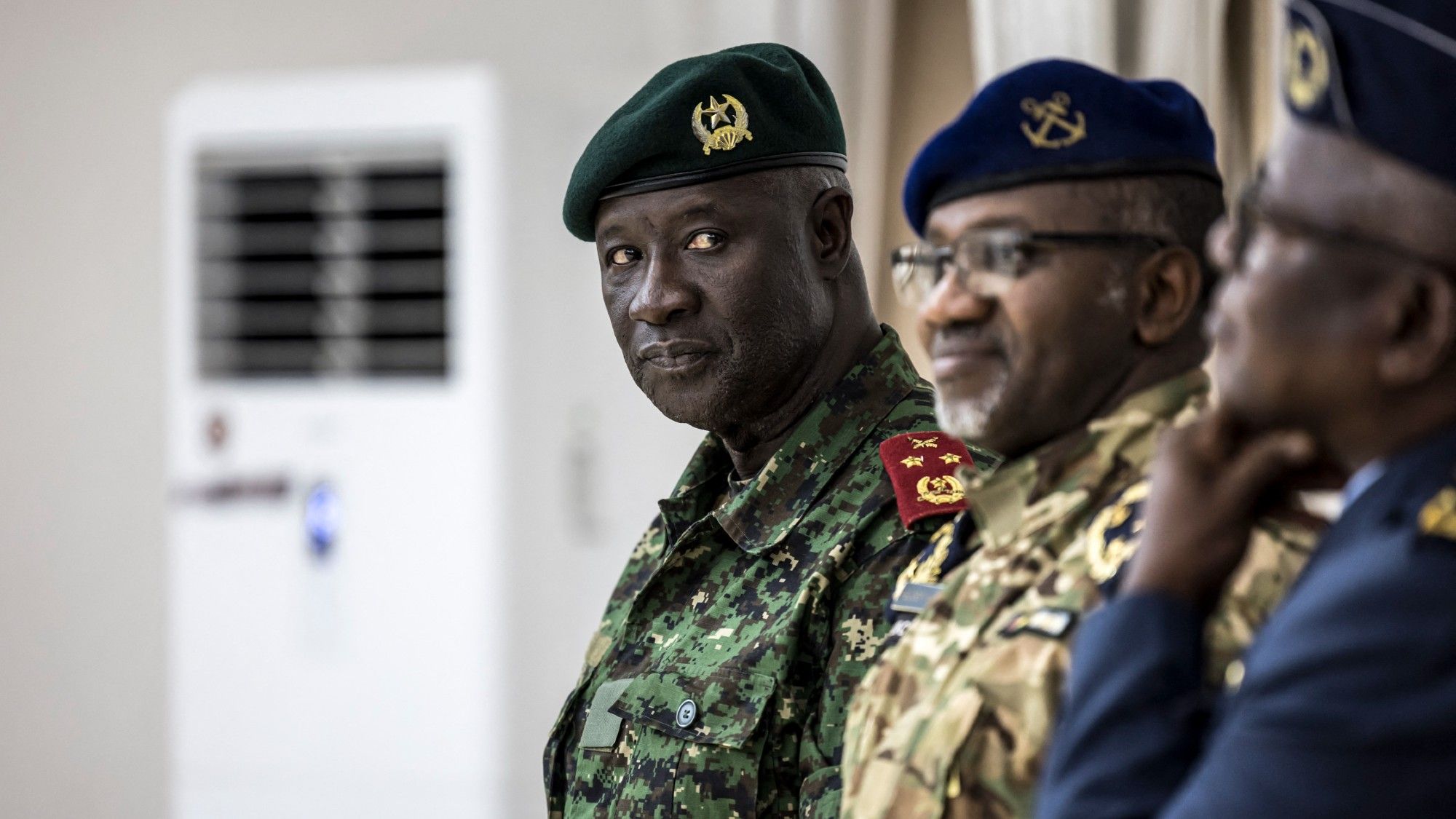
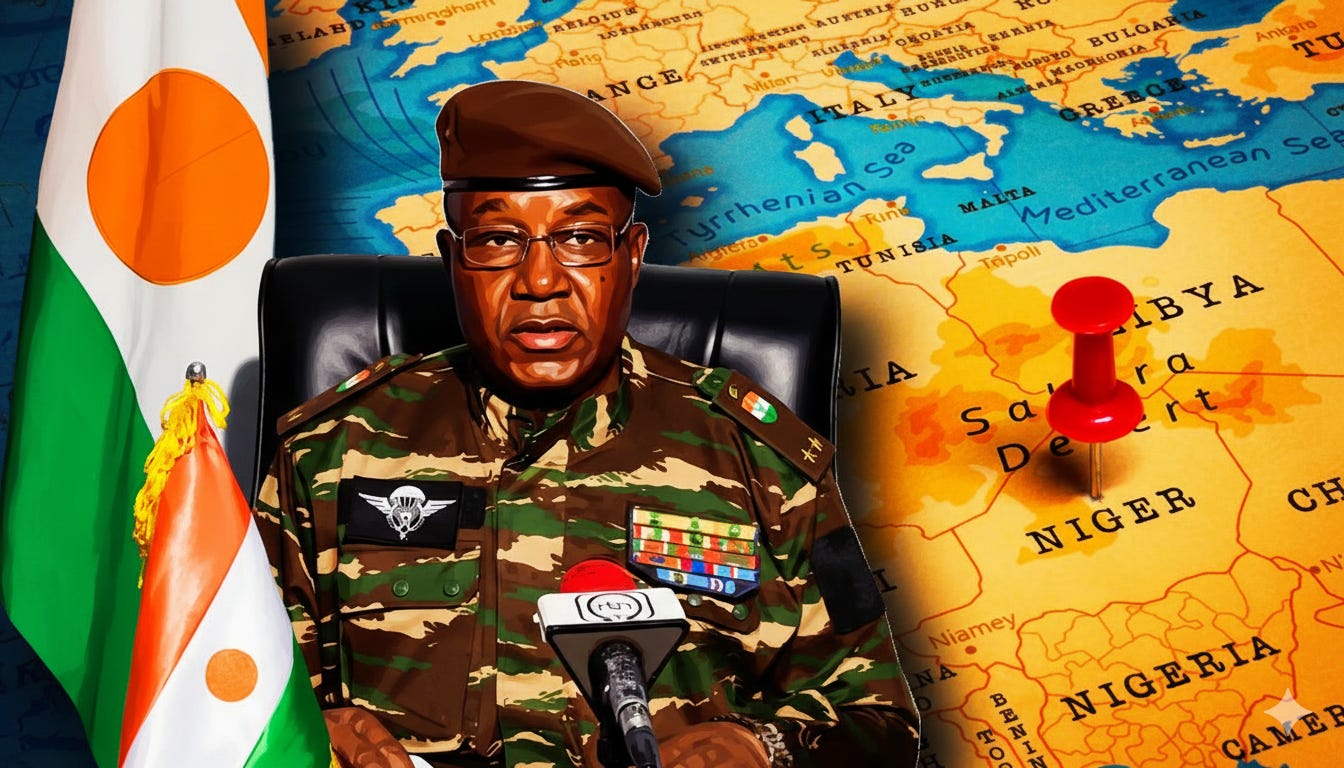
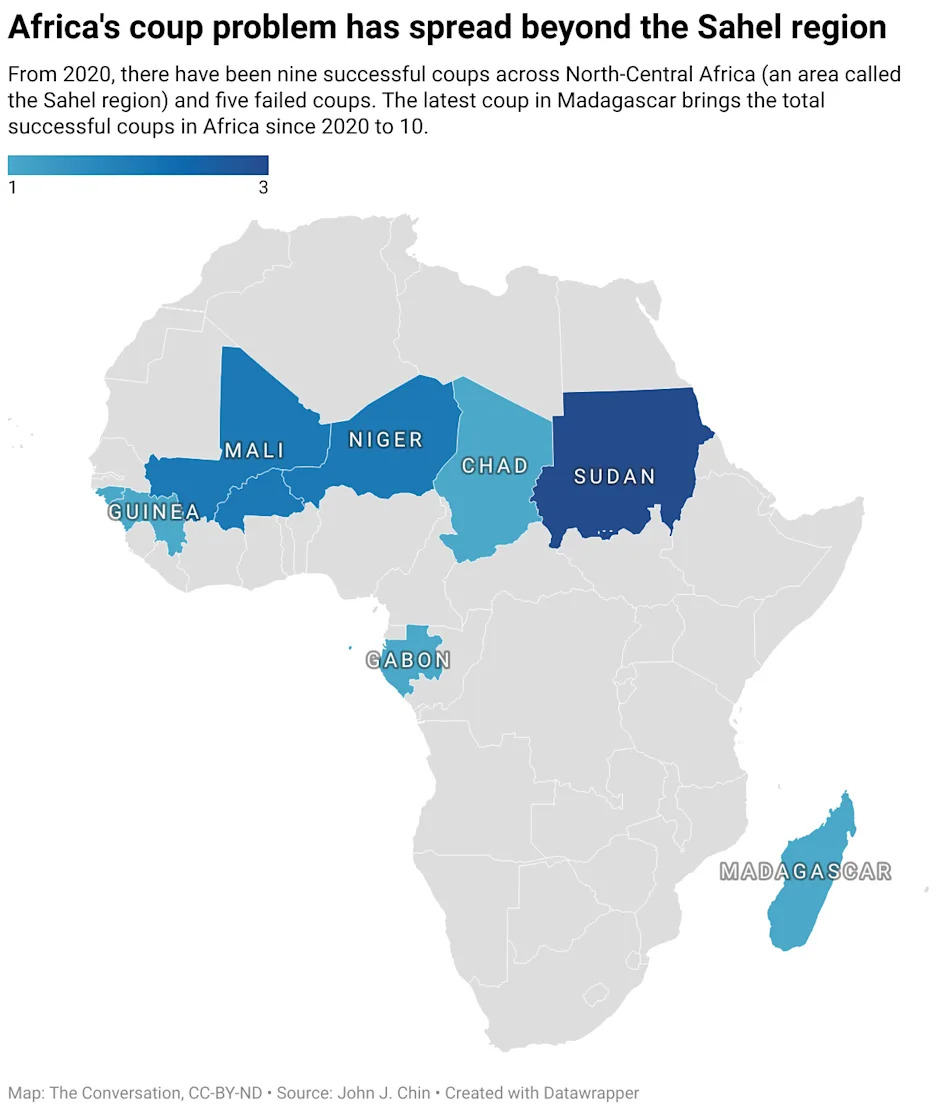
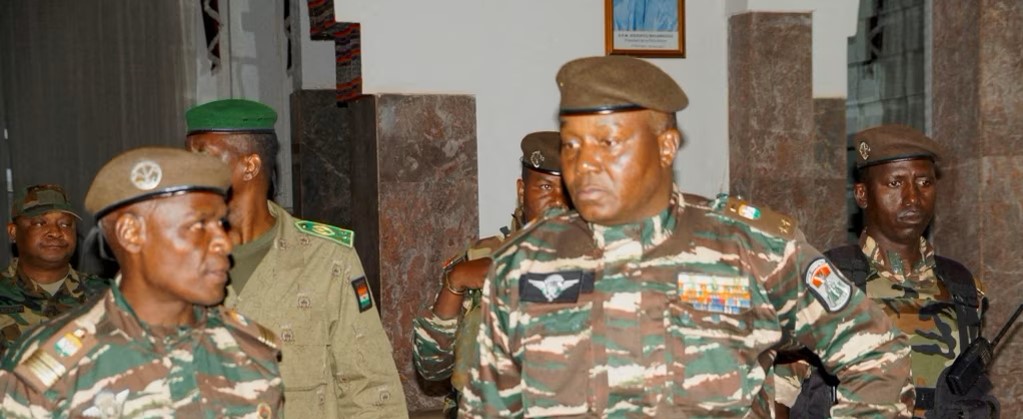
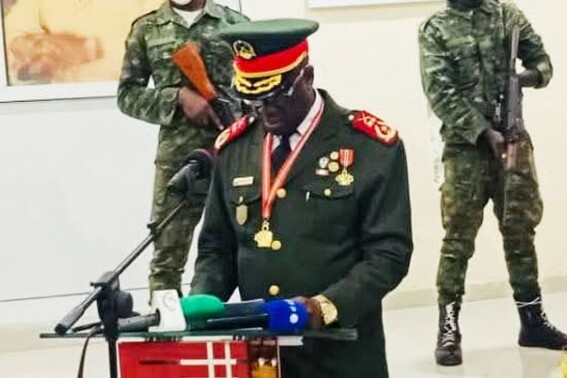
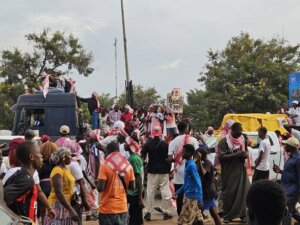
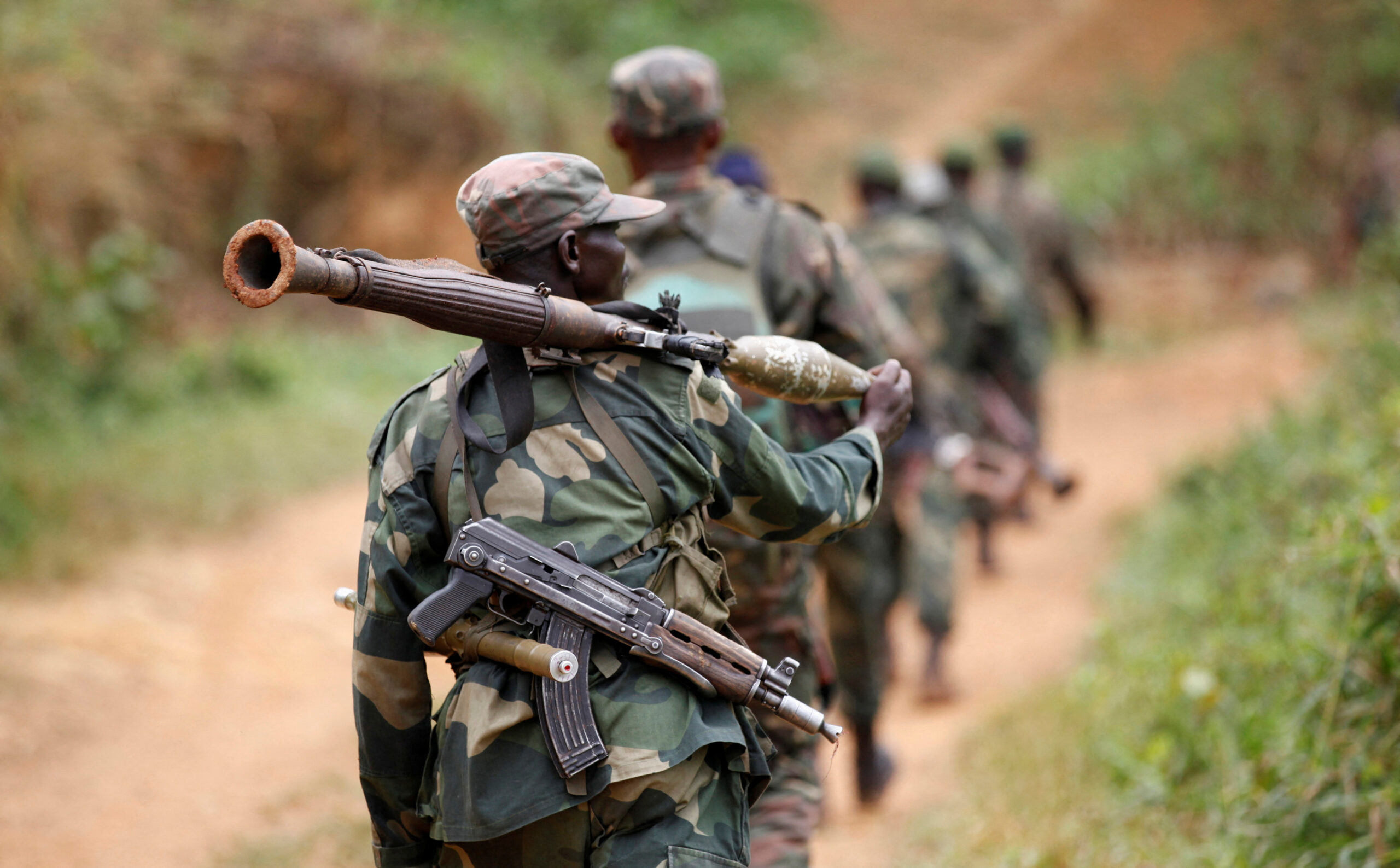
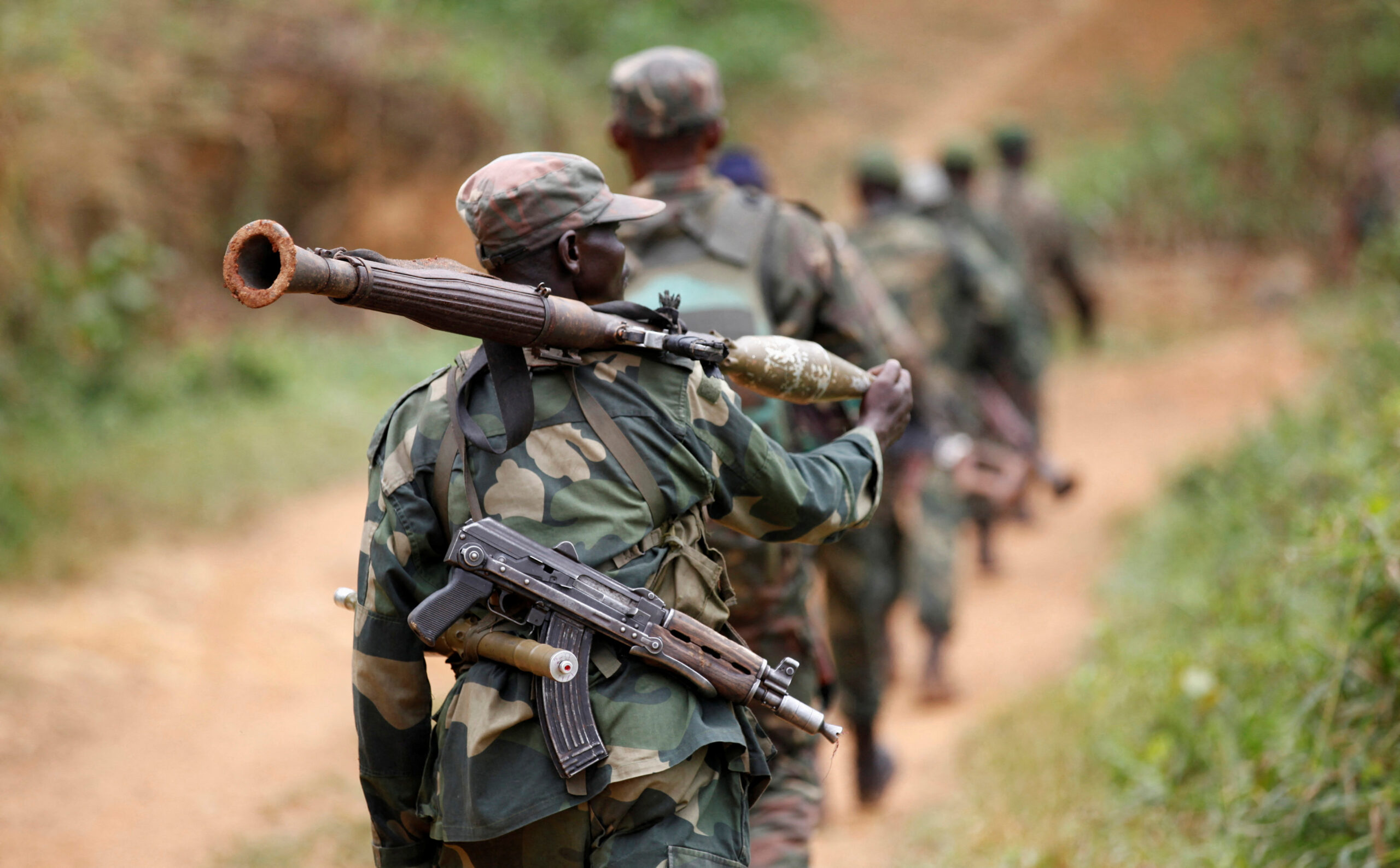
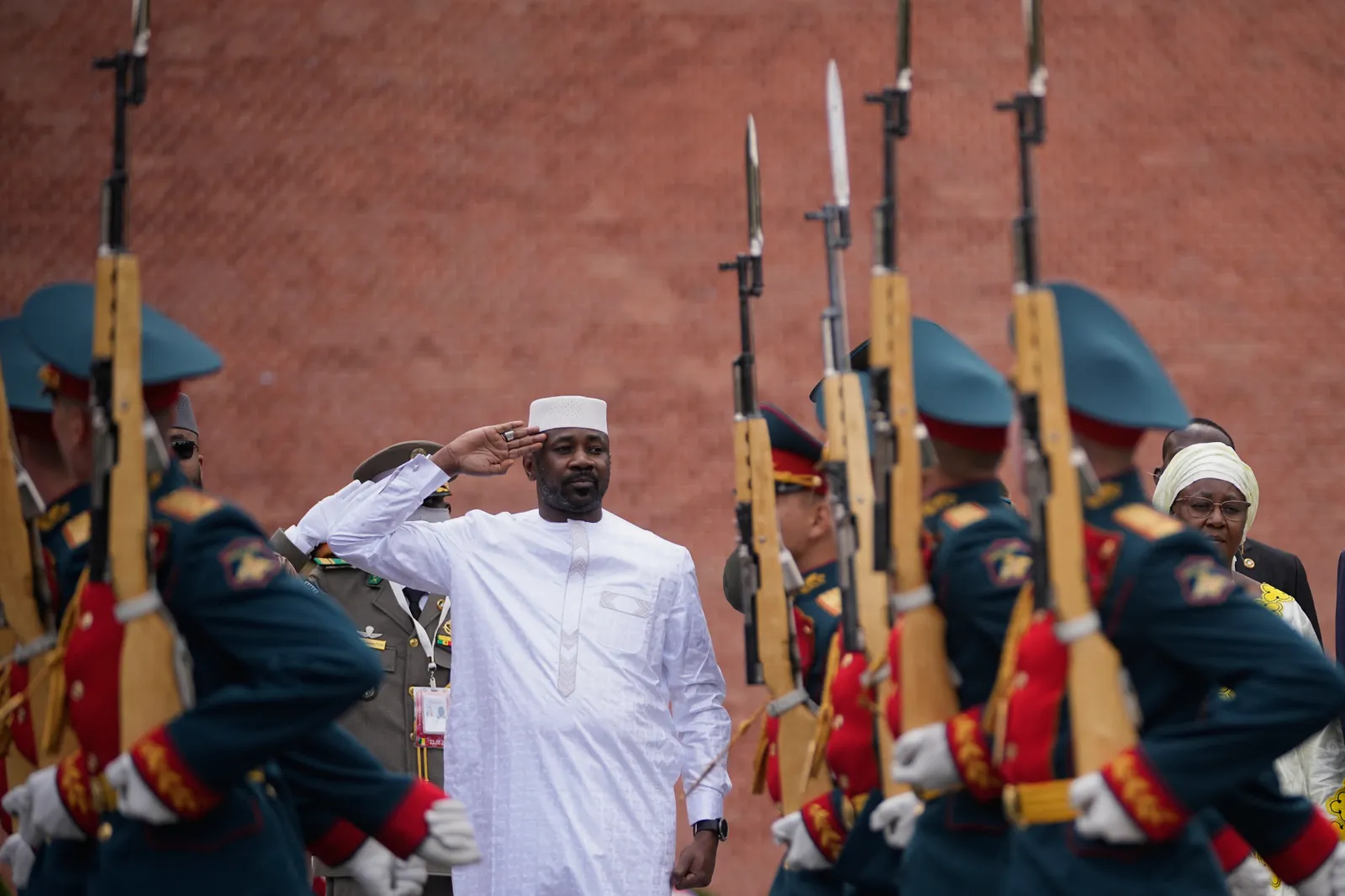
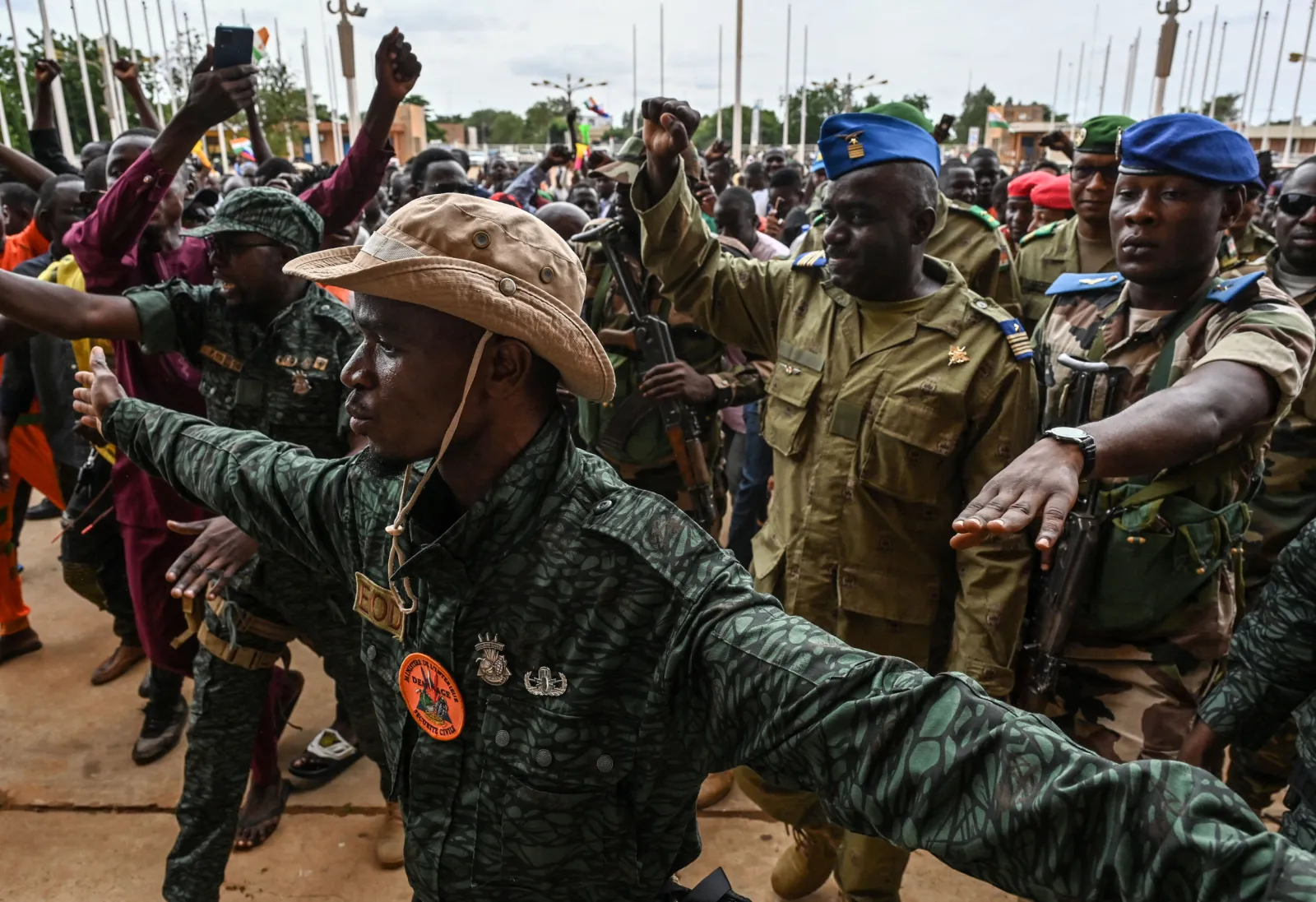
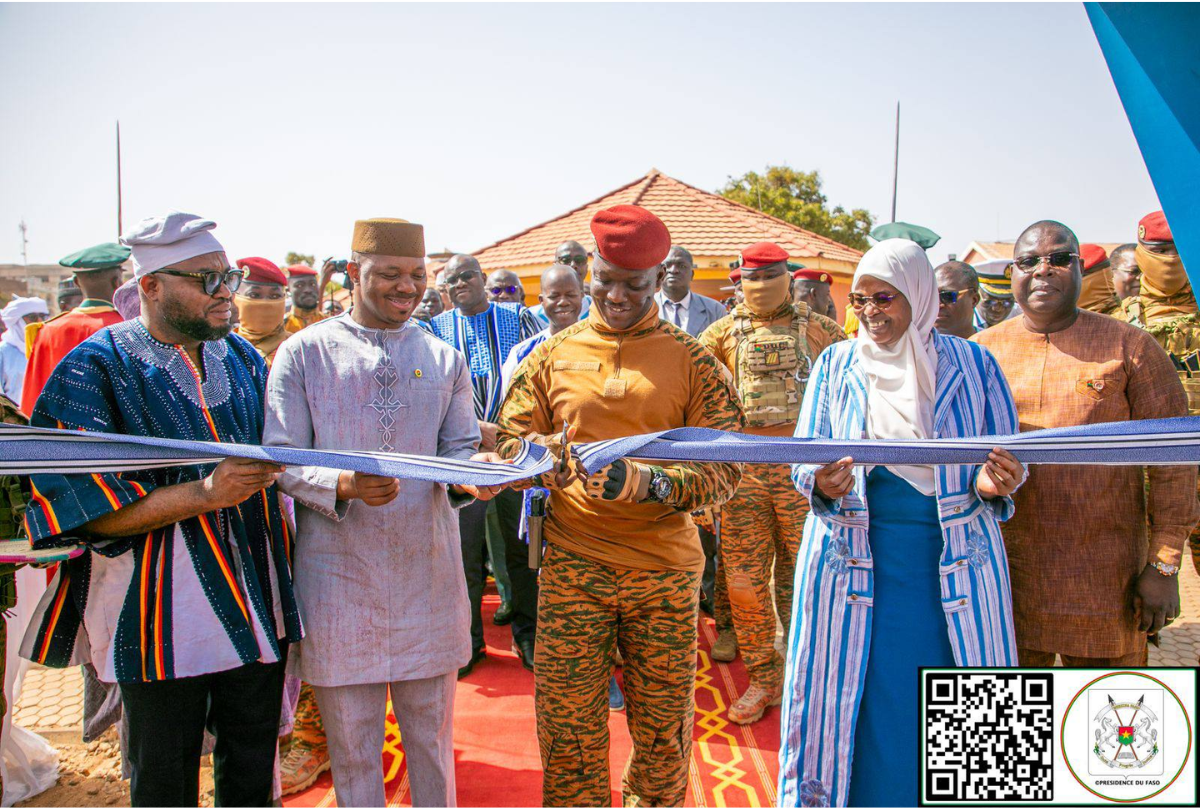
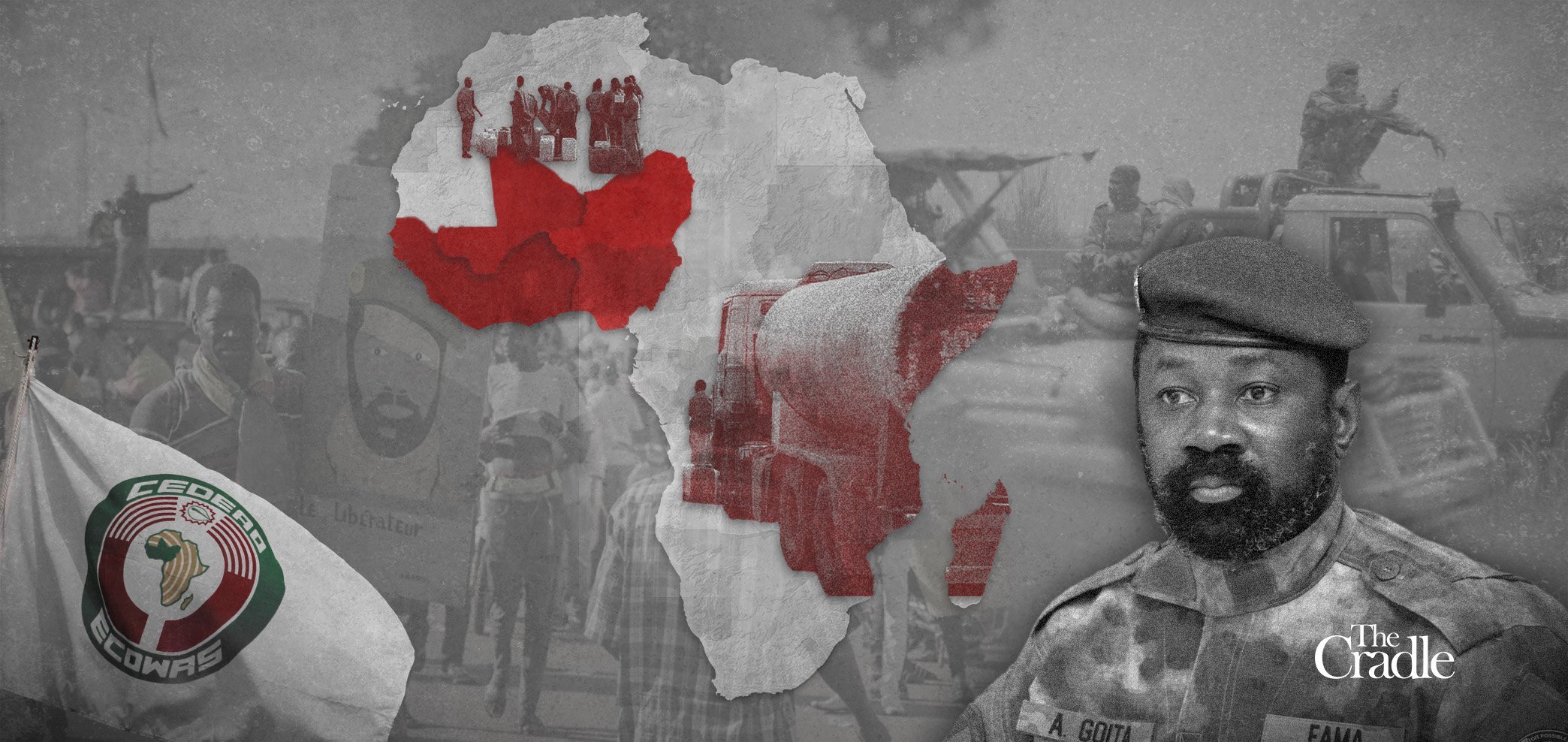
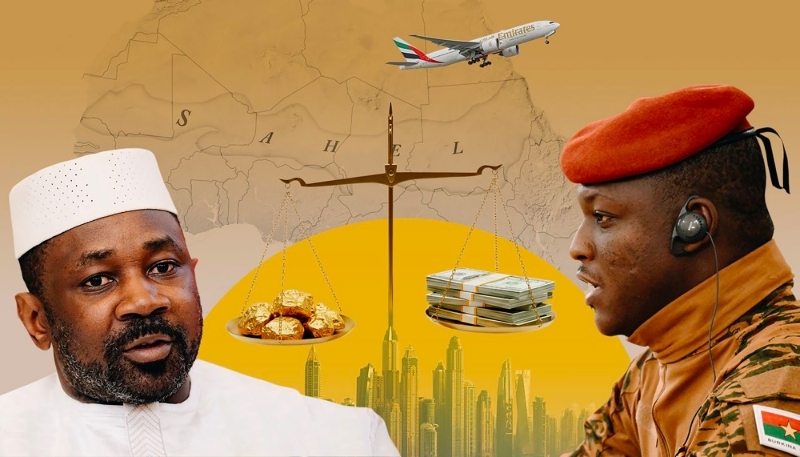
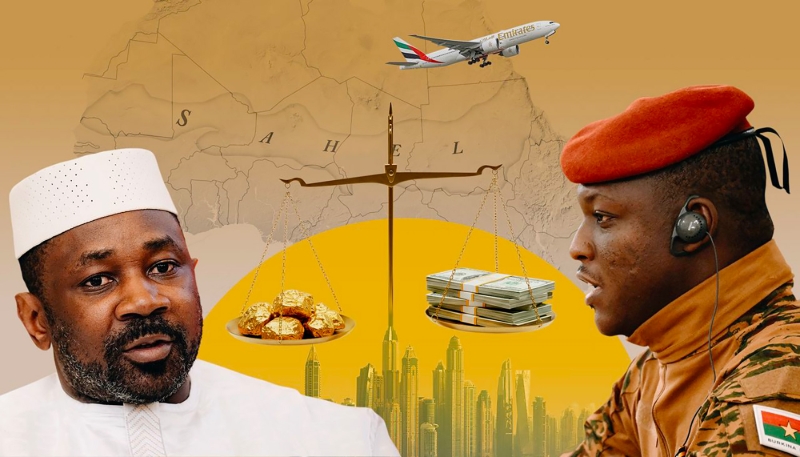
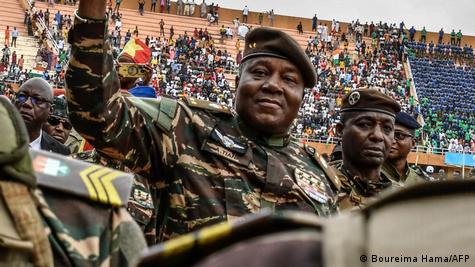
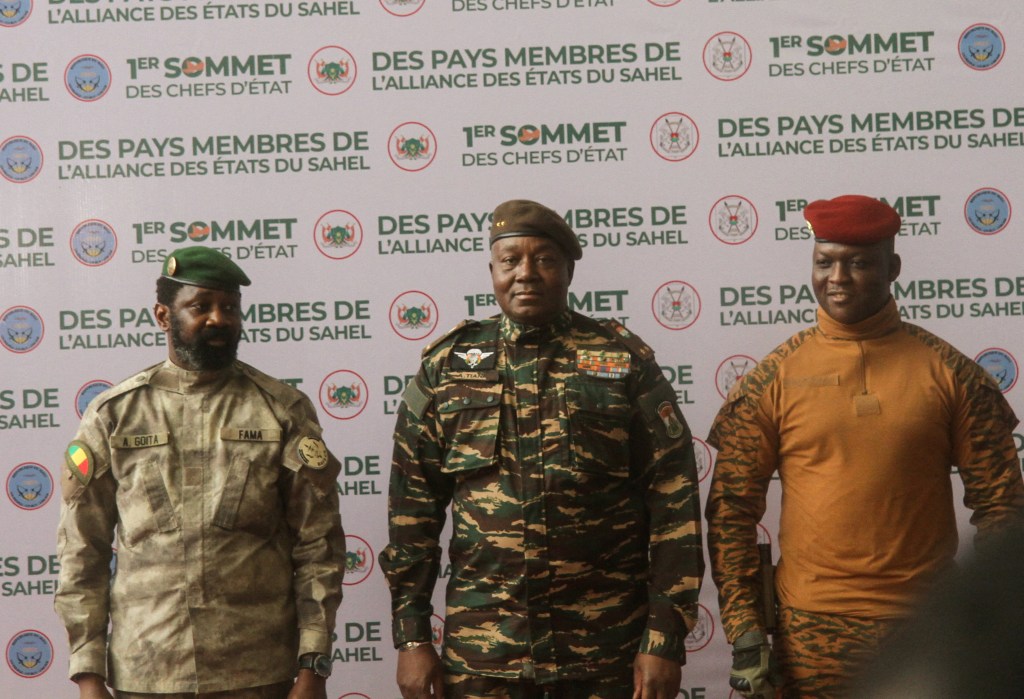
The Sahel region is certainly writing a new chapter in its security story, isn’t it? Just imagine the scene in Bamako, Mali, on December 20, 2025. President Assimi Goïta, in a moment that felt truly historic, handed over the national standard to the AES Unified Force. This wasn’t just a ceremony, it was a powerful statement of renewed unity and a fresh resolve among the Sahel states, ready to tackle their escalating security challenges head-on. This region, a vast semi-arid belt cutting across West and Central Africa, has battled a deepening security crisis for too long, grappling with extremist violence, political instability, and economic hardship. That’s why Niger, Mali, and Burkina Faso, all hit hard by insurgent groups, formed the Alliance of Sahel States (AES) in 2023. This mutual defense pact, driven by the three nations’ military juntas, is a bold move to coordinate their security efforts independently, marking a clear pivot towards regional self-determination and away from traditional Western-led operations, a shift profoundly underlined by the symbolic flag handover event.
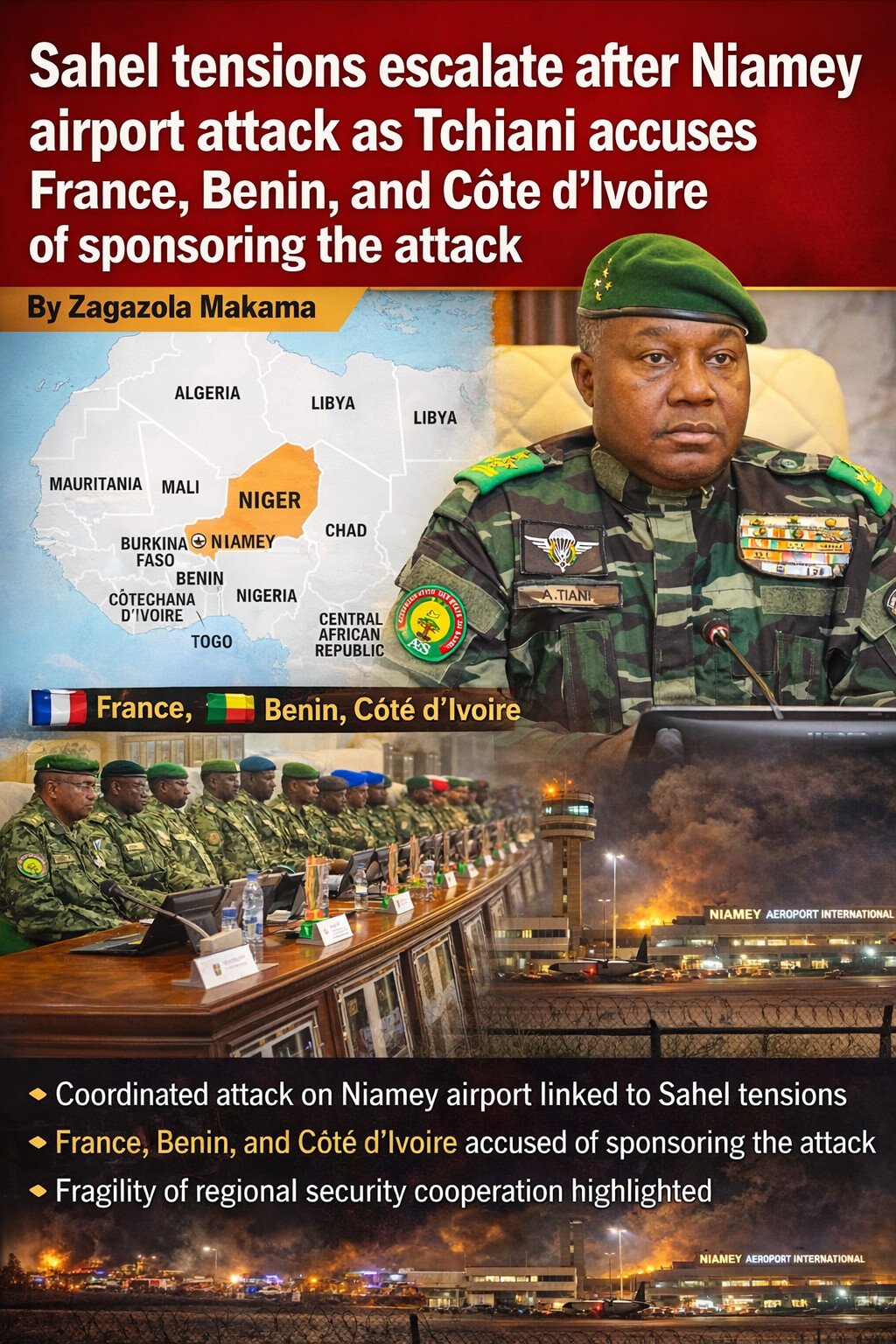
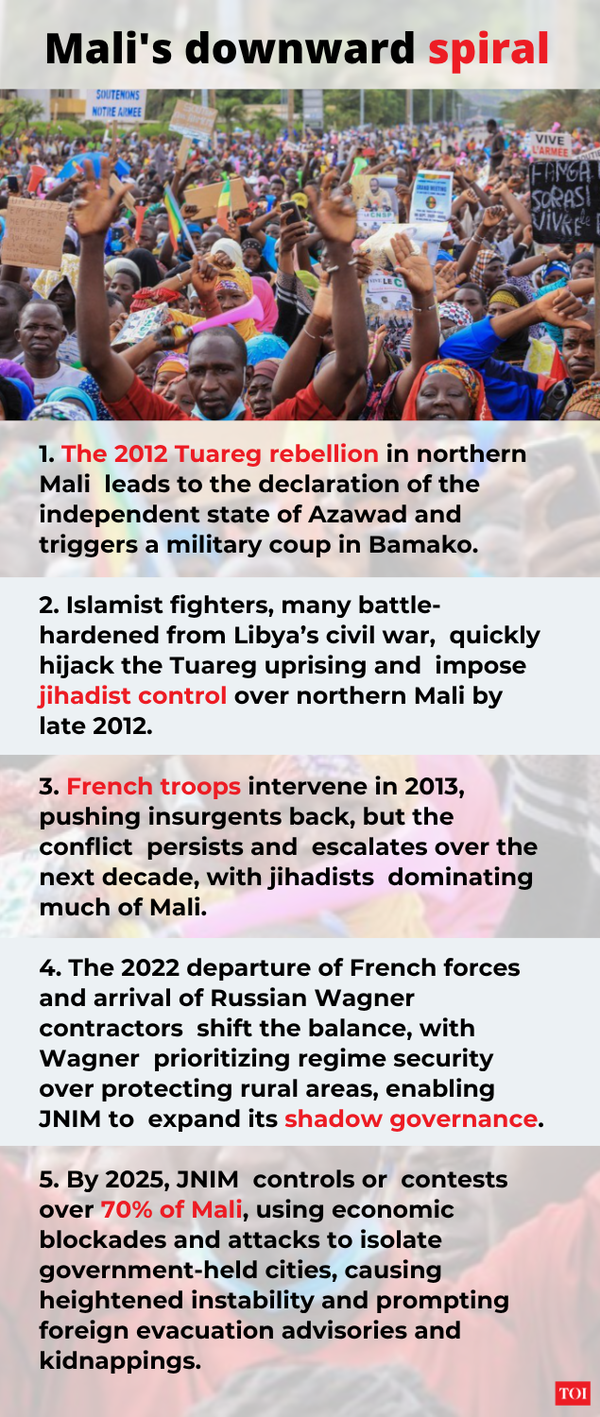
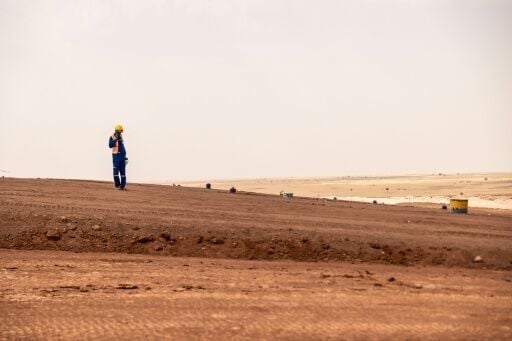
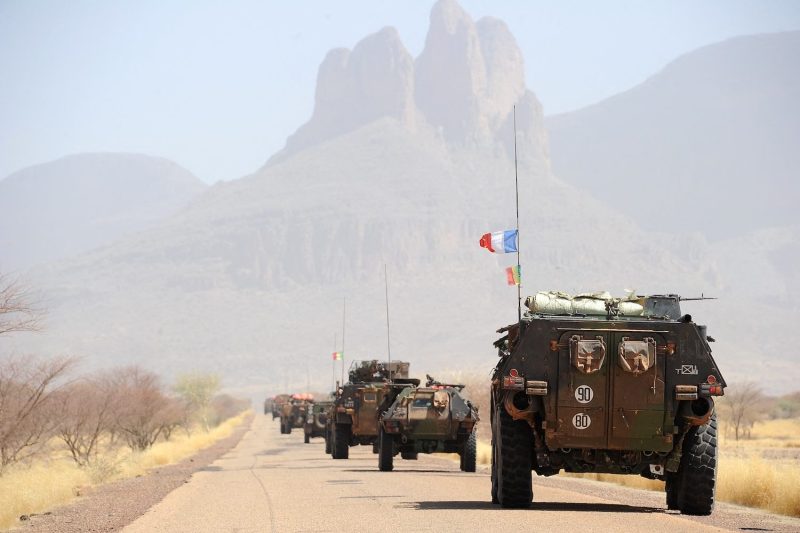
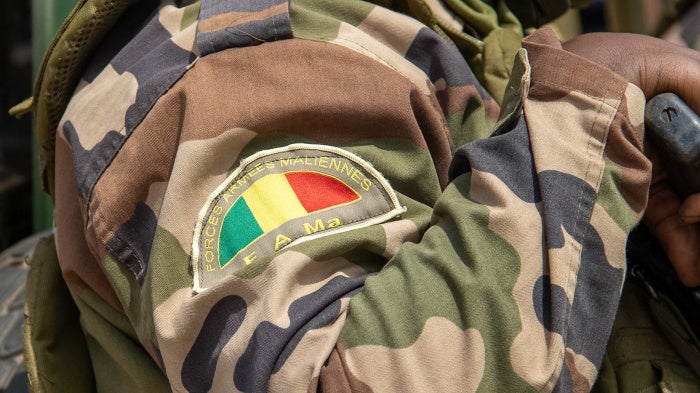
Mali’s role in this evolving alliance has become noticeably more assertive. President Goïta’s administration isn’t just talking the talk, it’s tightened its grip on vital sectors, like the strategic mining industry, which is absolutely crucial for Mali’s economic future and sovereignty. What’s more, Mali has drastically rethought its military allegiances. One of the most stunning developments? President Goïta’s revelation of an alleged betrayal by the French Army during a joint military operation. That disclosure really shook the foundations of Franco-Malian relations and accelerated Mali’s move away from Paris. And who’s stepping into that void? Russia. They’ve truly cemented their position as the Sahel’s most reliable security partner, emerging as a solid alternative to the French-led framework that started back in 2013. Remember when Mali first asked for French military help against Islamic insurgents? That collaboration, initially promising stability, became increasingly contentious, plagued by accusations of inefficiency and political meddling. Now, Russia cementing its role as a trusted partner brings not only fresh military support, but also diplomatic engagement, perfectly aligning with the current regional leadership’s vision for greater autonomy and a multipolar security architecture. This isn’t just about soldiers and guns, it’s a much broader geopolitical realignment, with Mali forging stronger economic ties and diplomatic coordination with Russia, reflecting a wider African trend to diversify international partnerships beyond just Western allies.
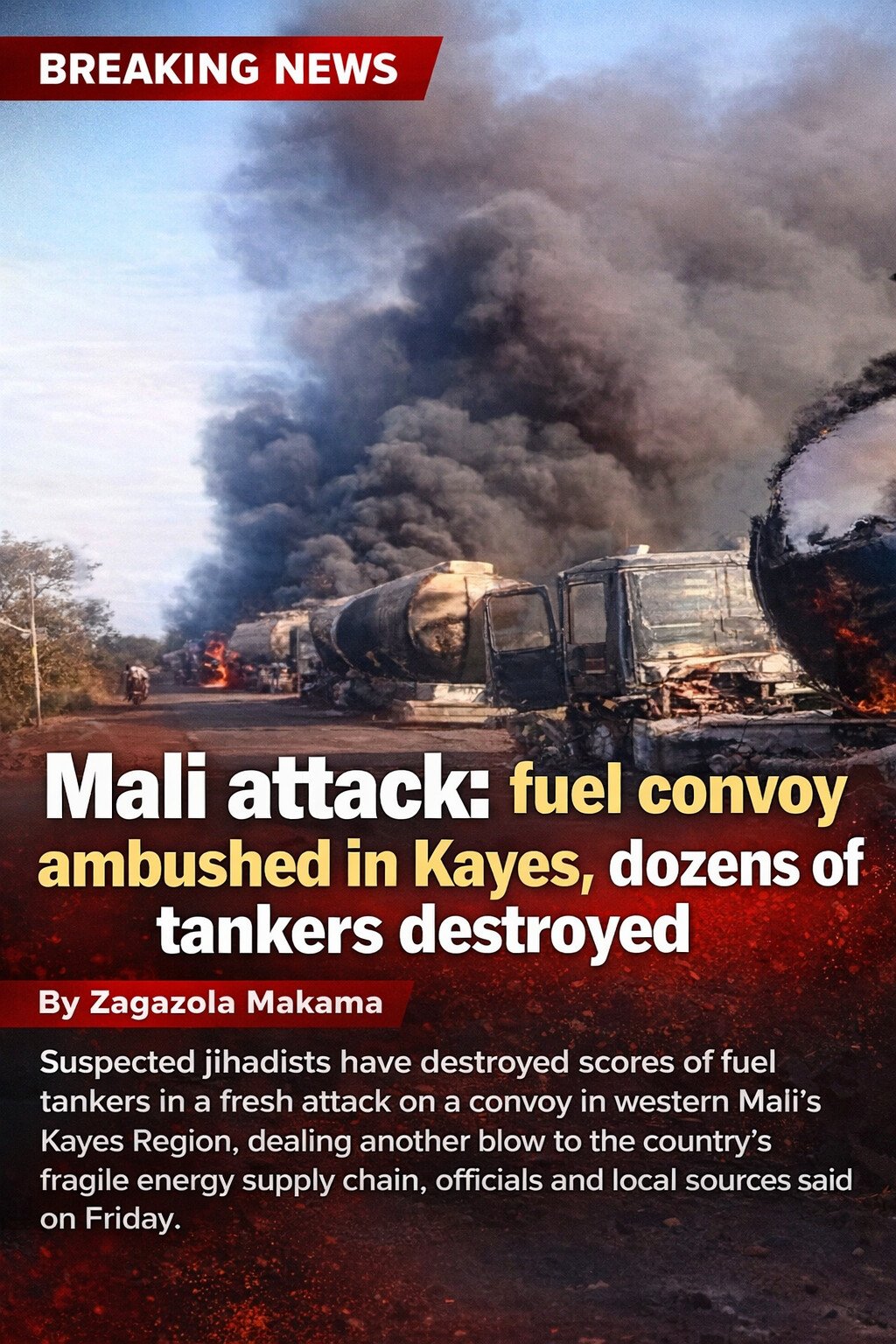
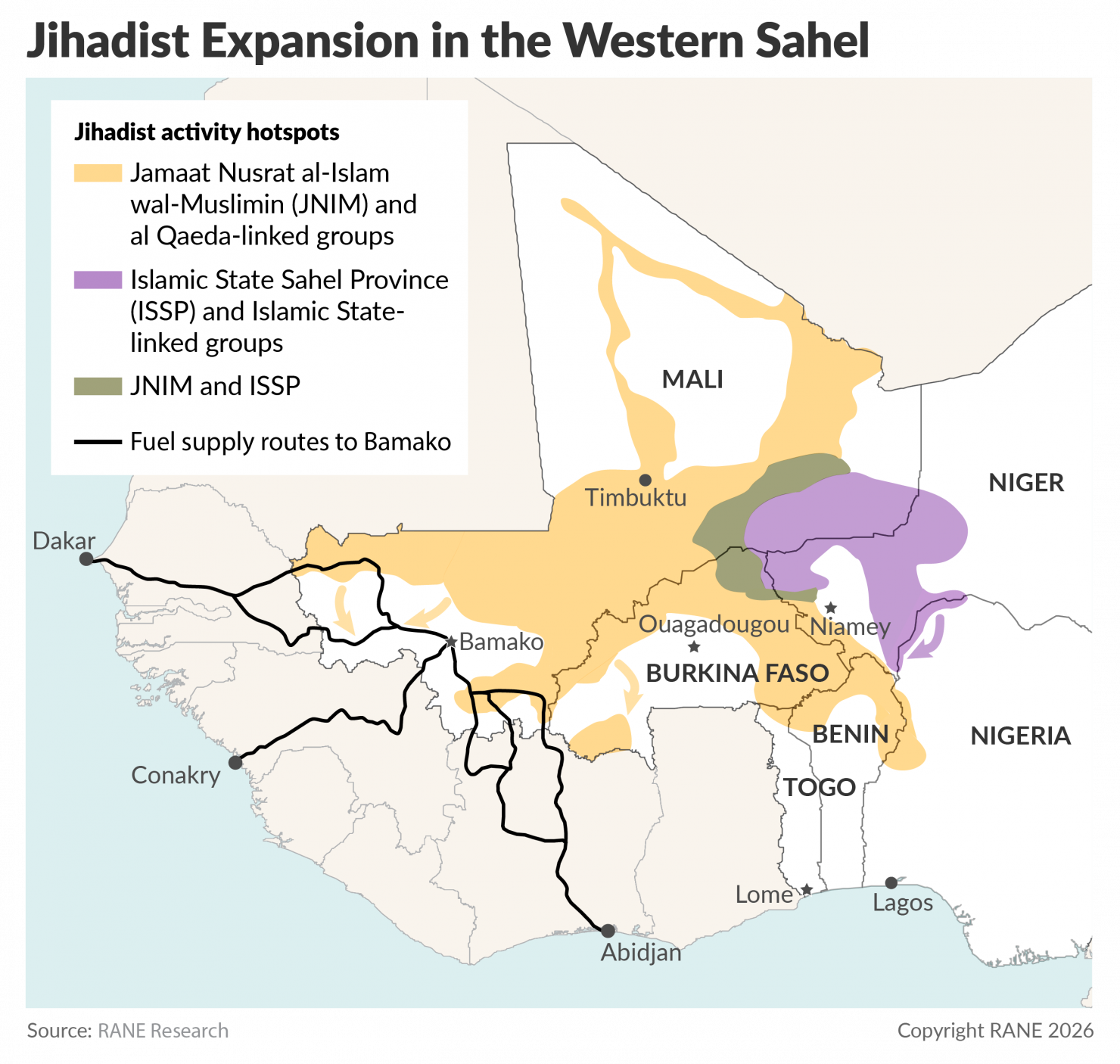
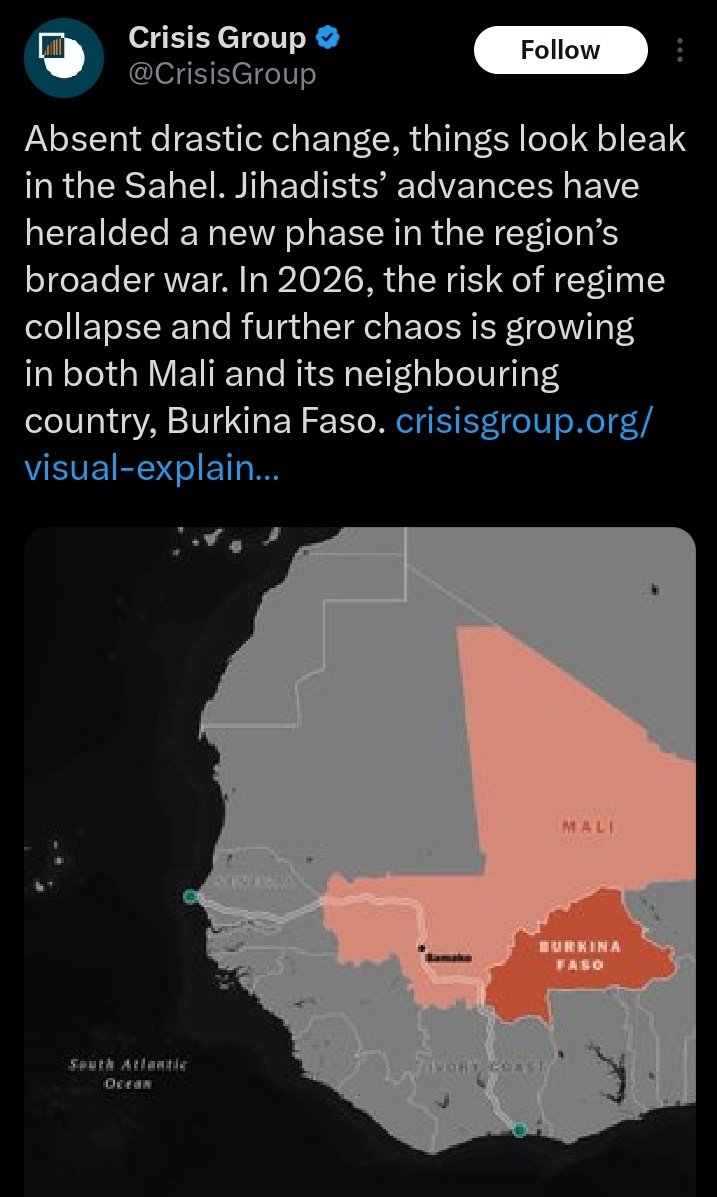
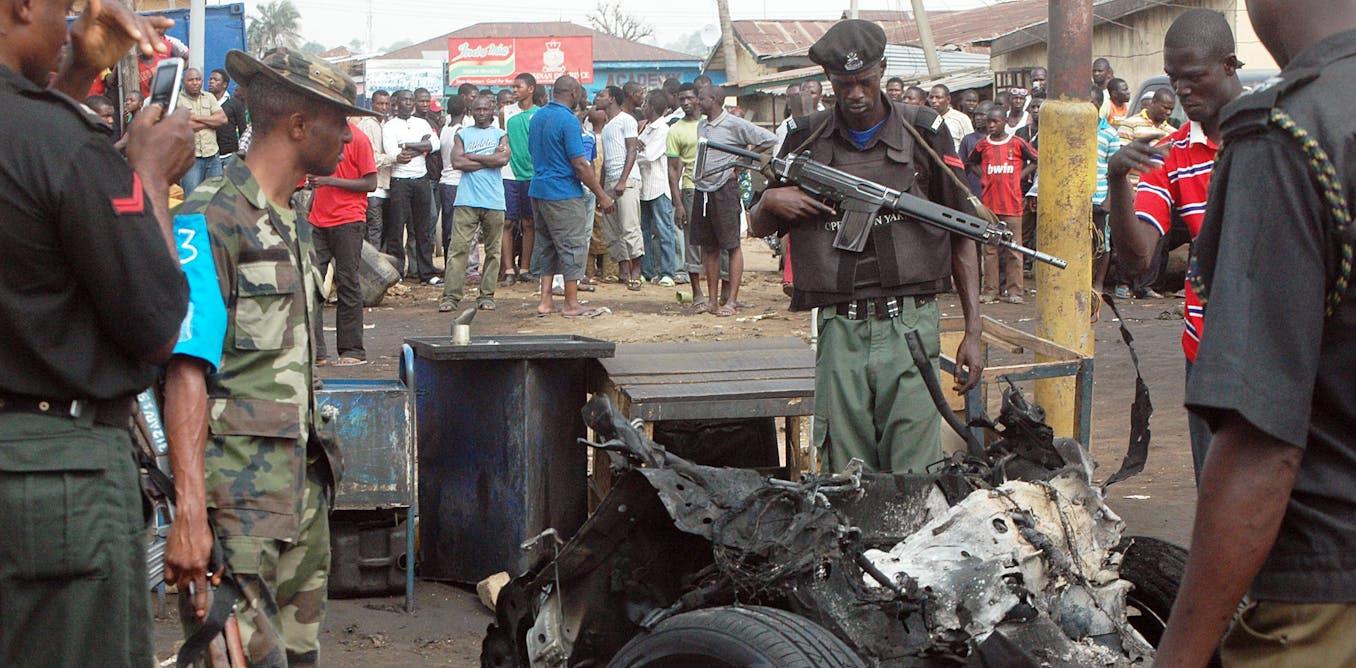
But let’s be clear, this regional transformation won’t be without its bumps. While the Alliance of Sahel States is certainly aiming to boost collective security, member countries face some formidable internal battles. We’re talking about persistent governance issues and real human rights concerns. Global observers are watching the dynamics among the juntas in Niger, Mali, and Burkina Faso very closely, and understandably, they’re wary of military-led rule. Despite these challenges, this framework for regional cooperation might just offer a blueprint for resilience as the region navigates ongoing threats and uncertainties. Looking ahead, the Sahel’s security narrative will be a critical test: can these new partnerships and alliances truly replace, or even effectively complement, older security models? The stability of this vast region hinges on how these states manage to balance the influence of external backers with their own national priorities. Mali’s recent assertive leadership, its shrewd economic strategies, and these fresh international alignments are bound to influence its neighbors and could very well set new precedents for regional sovereignty in both security and development. For anyone following African affairs, the Sahel is definitely at a crossroads, offering a compelling look into the continent’s future security and geopolitical landscape, especially considering Mali’s ongoing struggle against jihadist groups.