Sahel on the Brink: Navigating Conflict, Crisis, and Regional Resilience
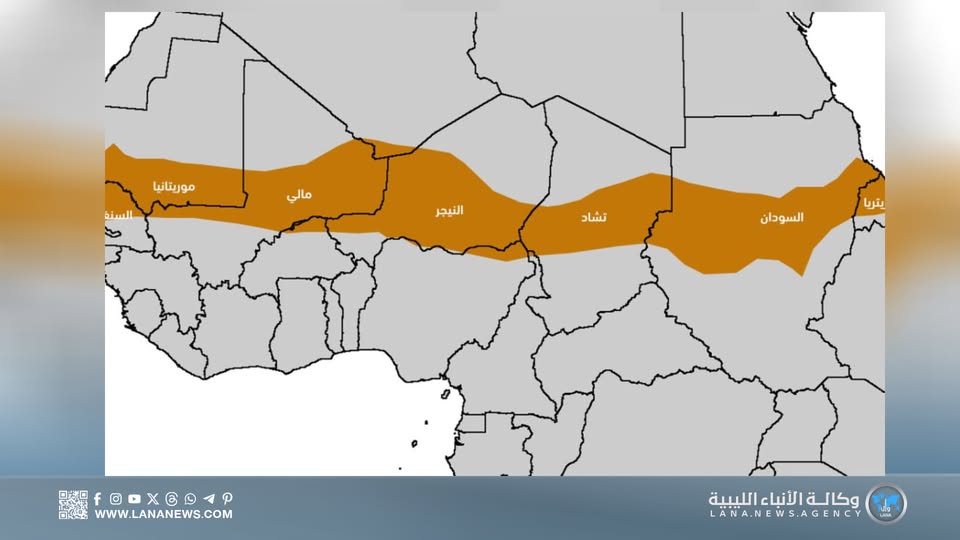
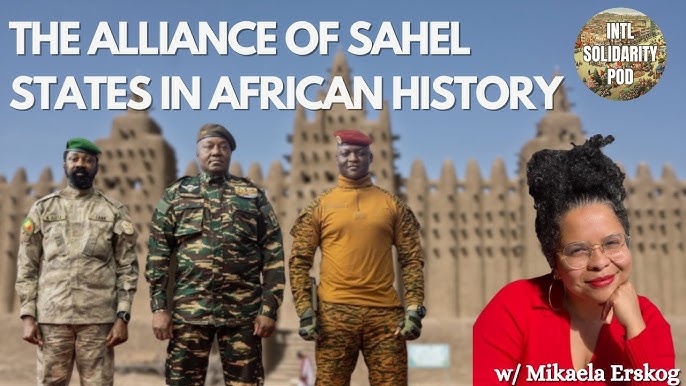
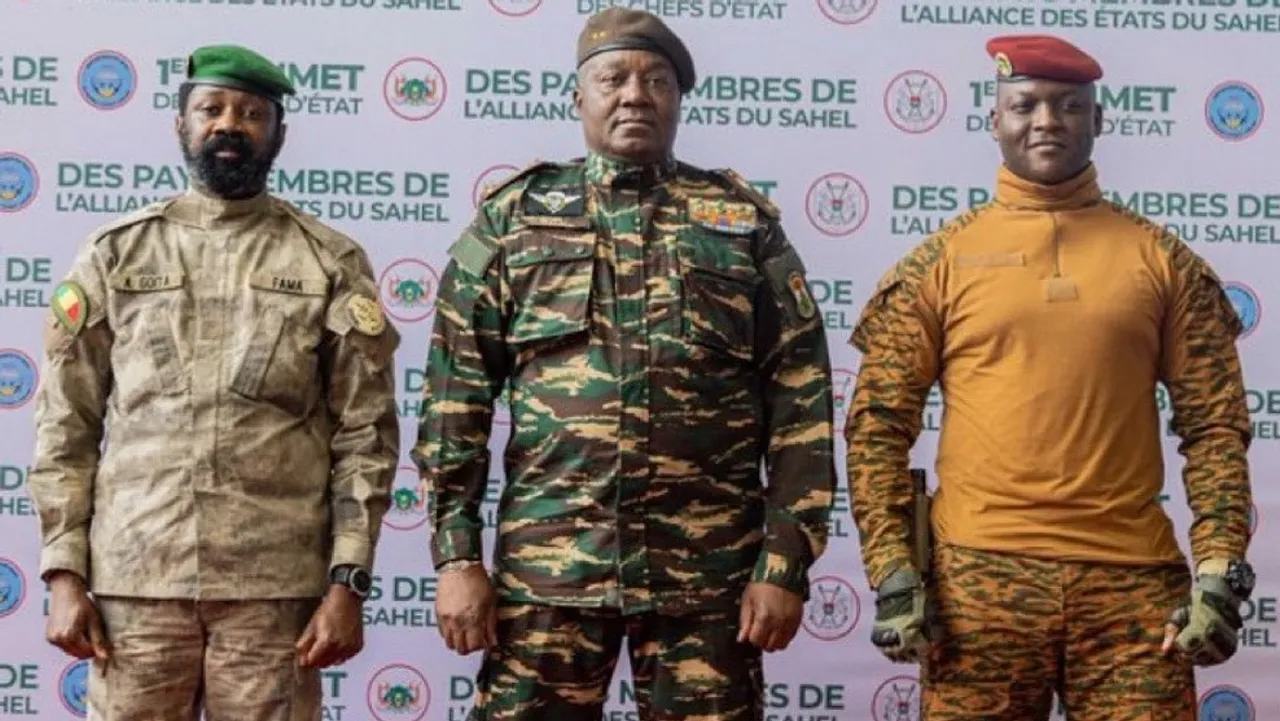
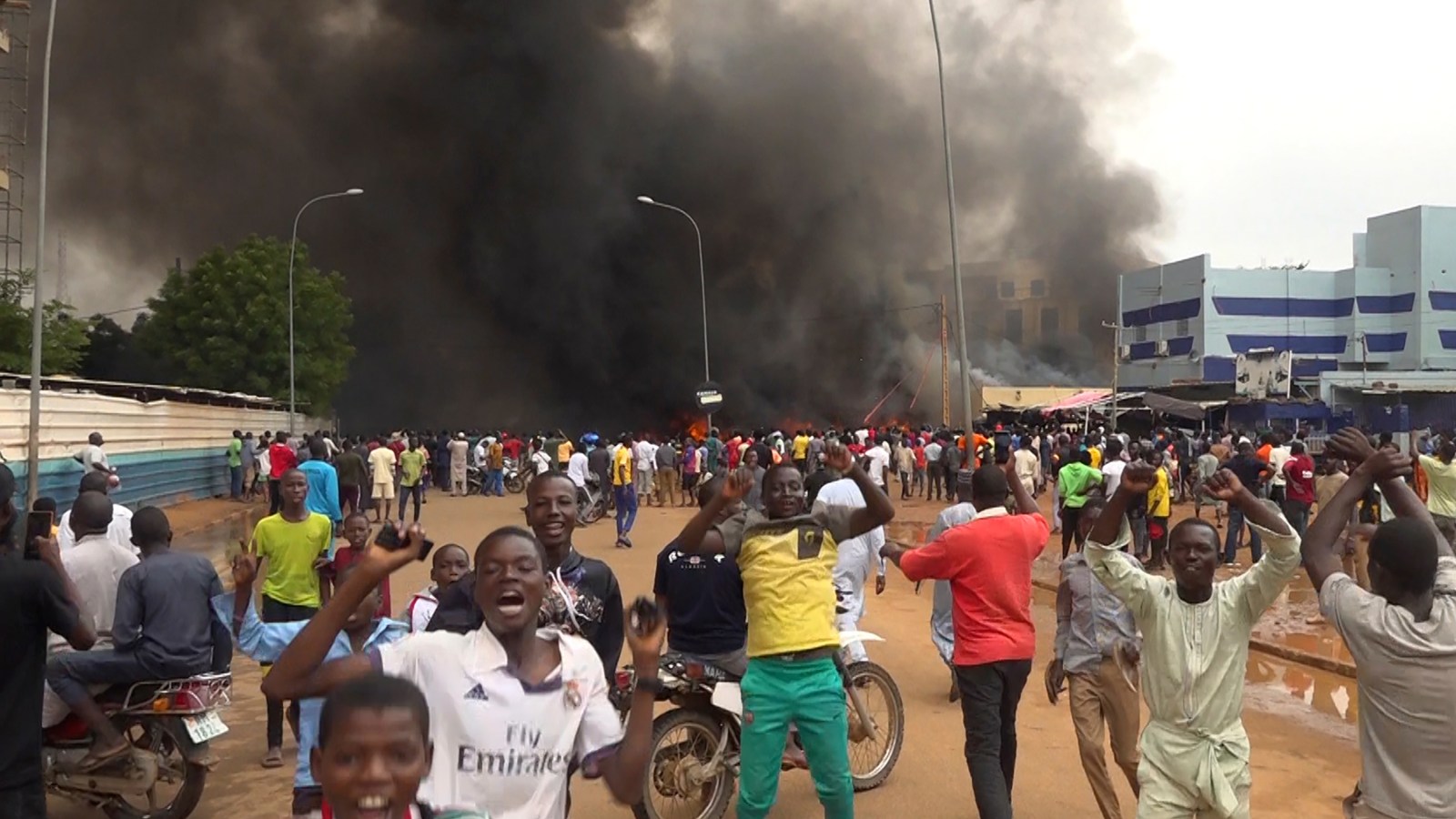
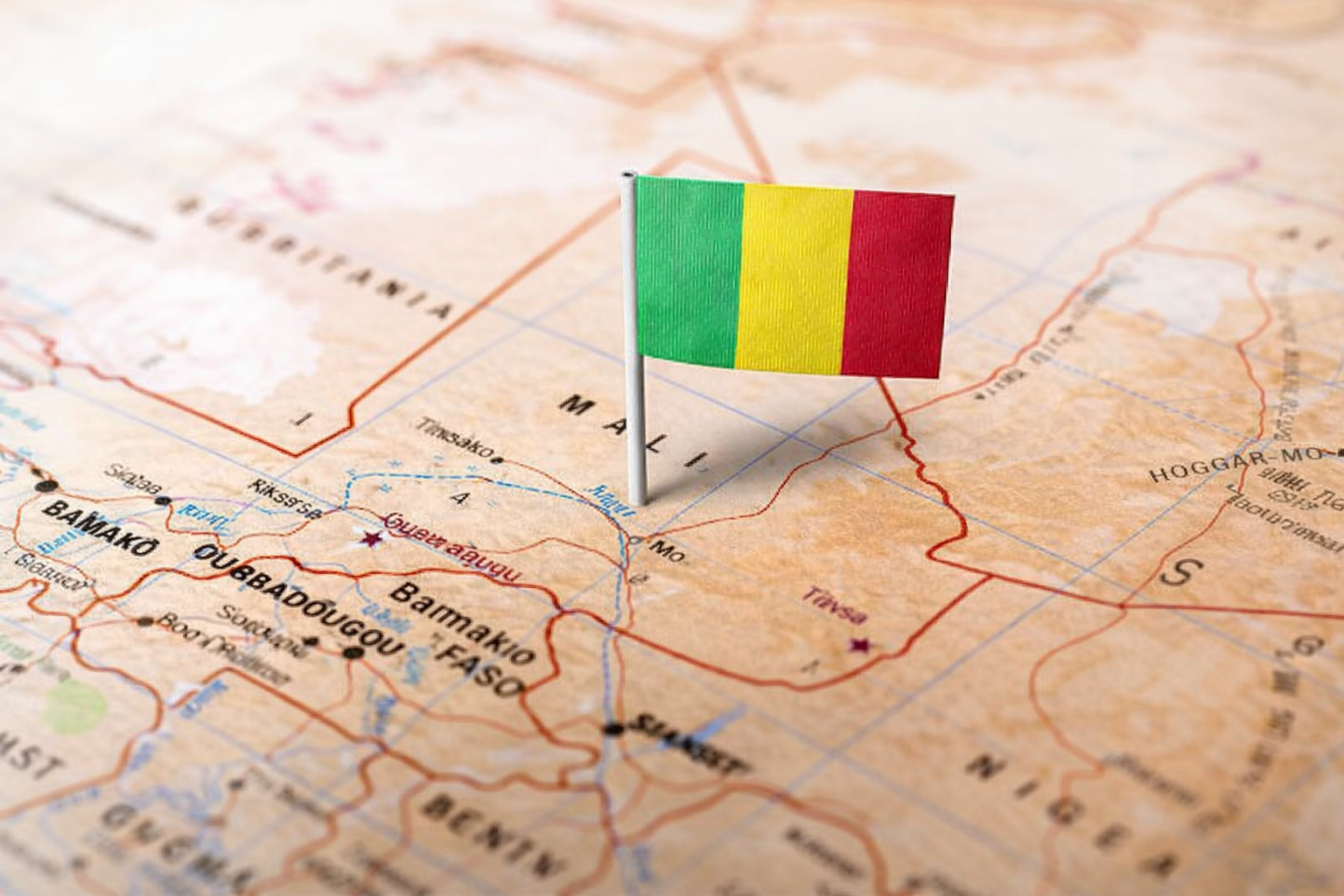
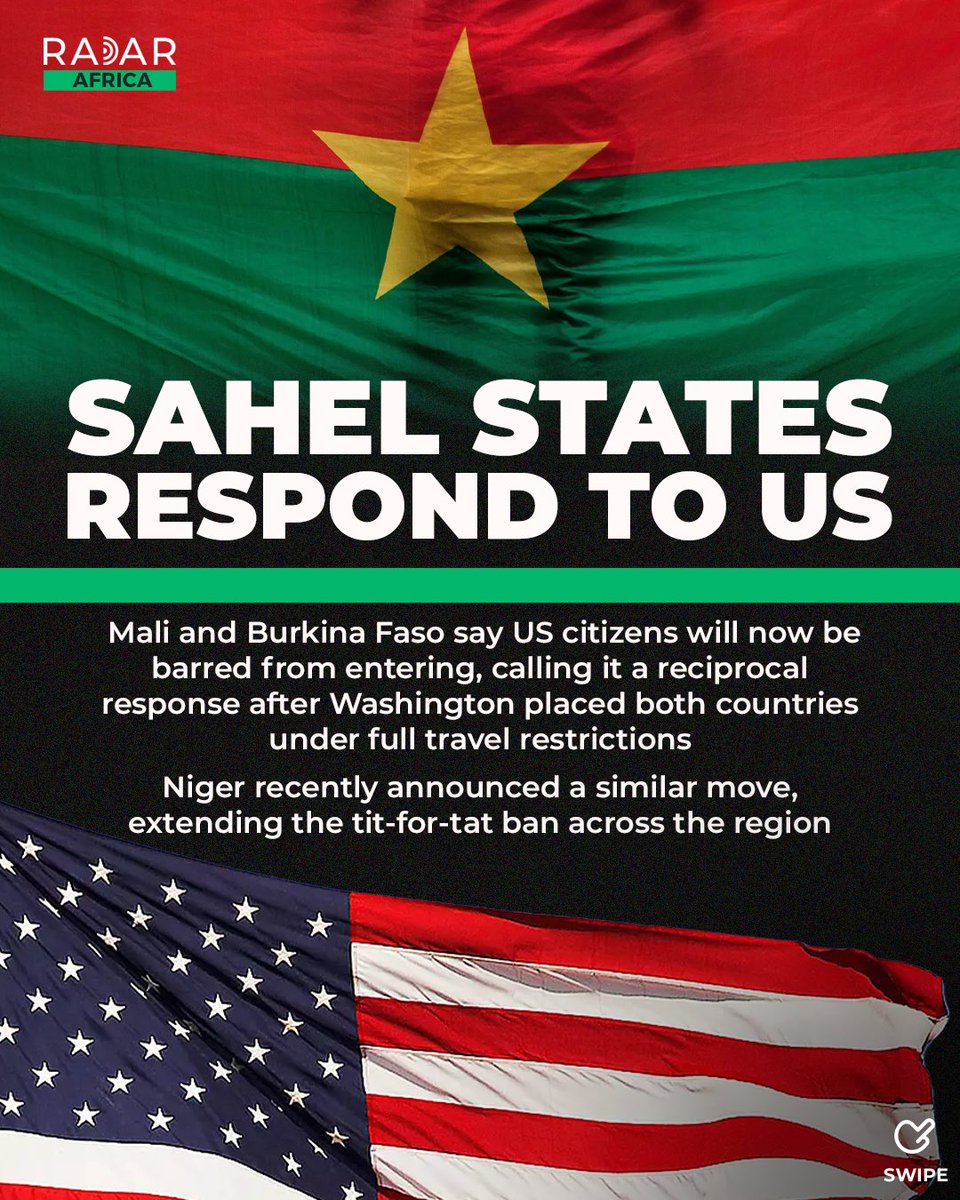
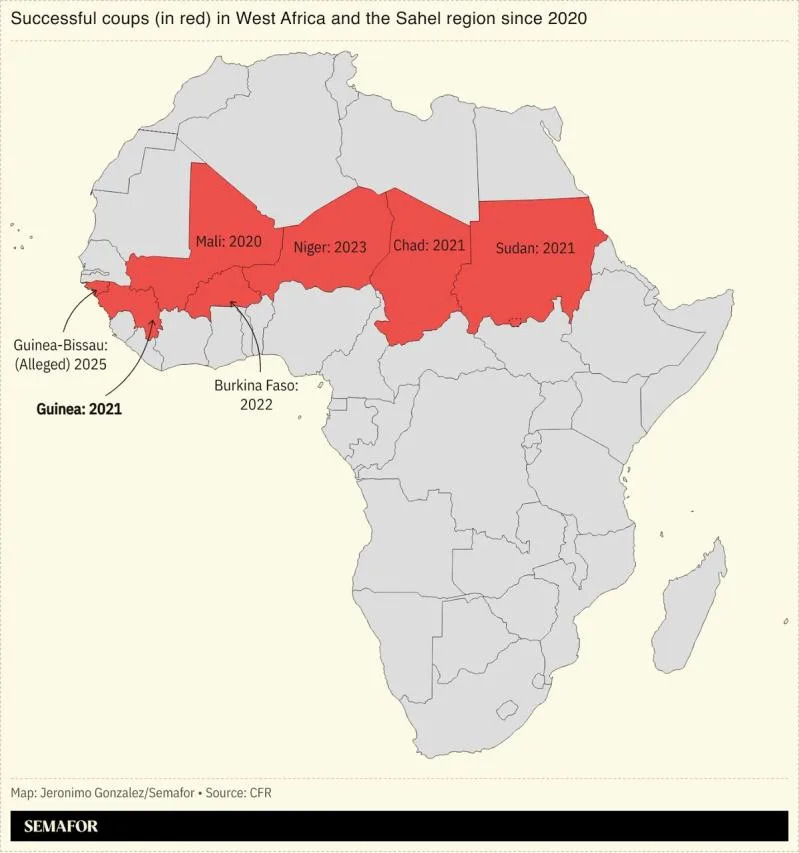
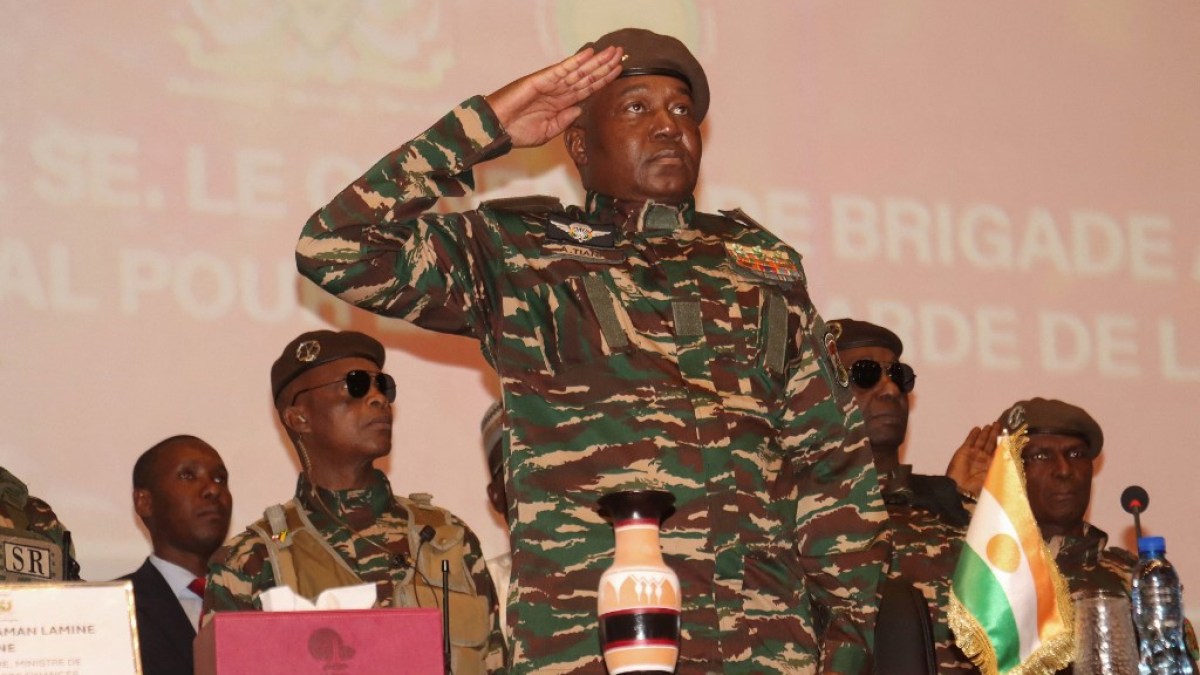
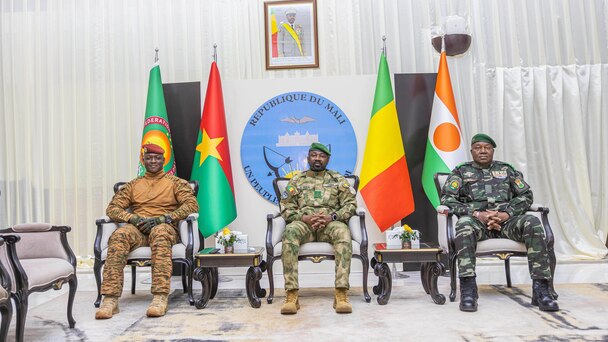
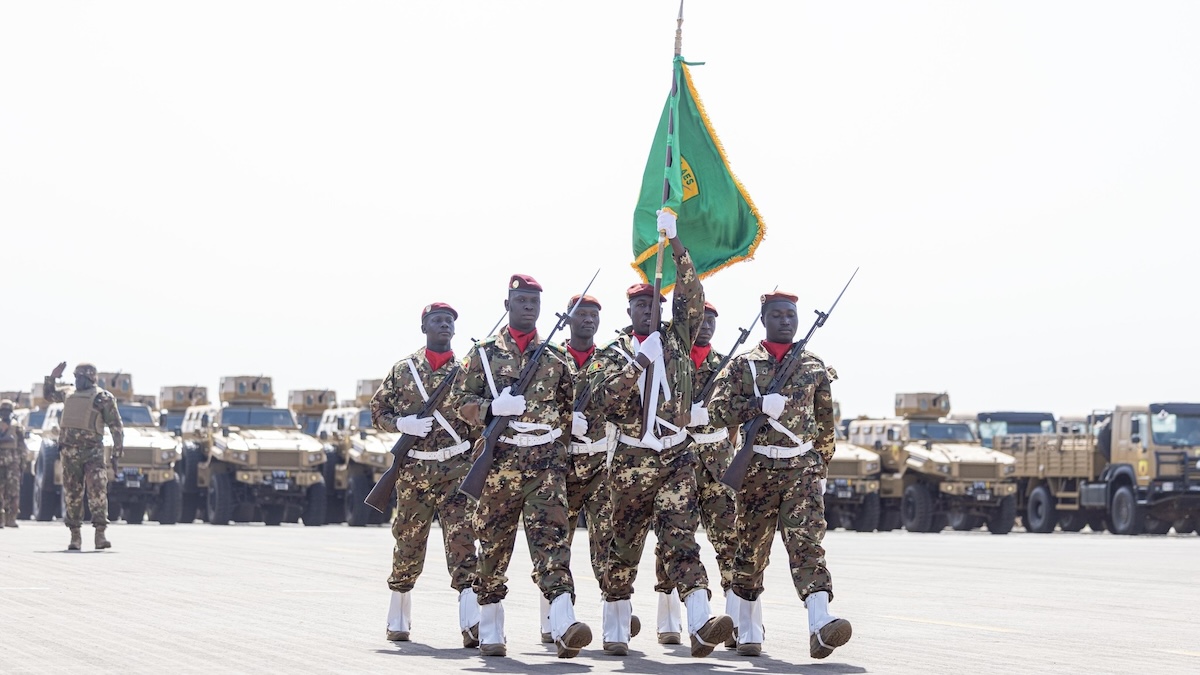
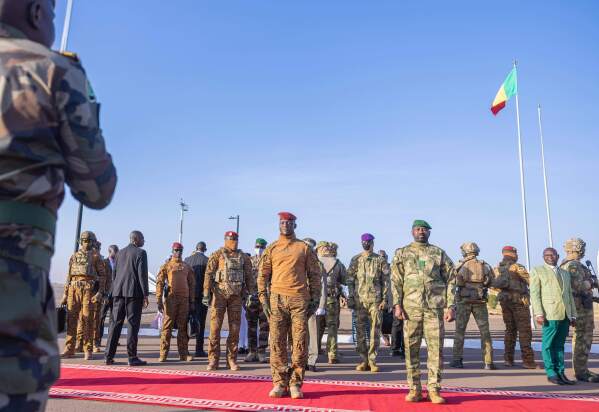
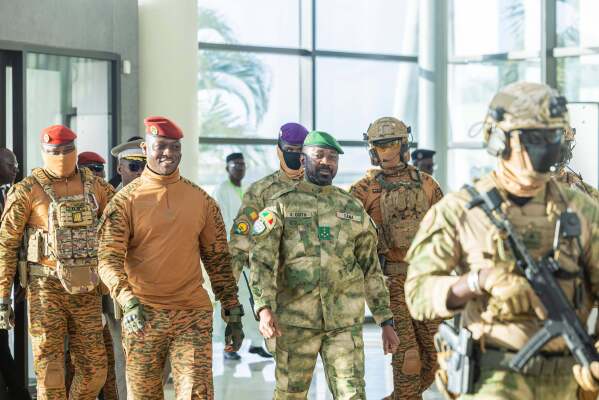
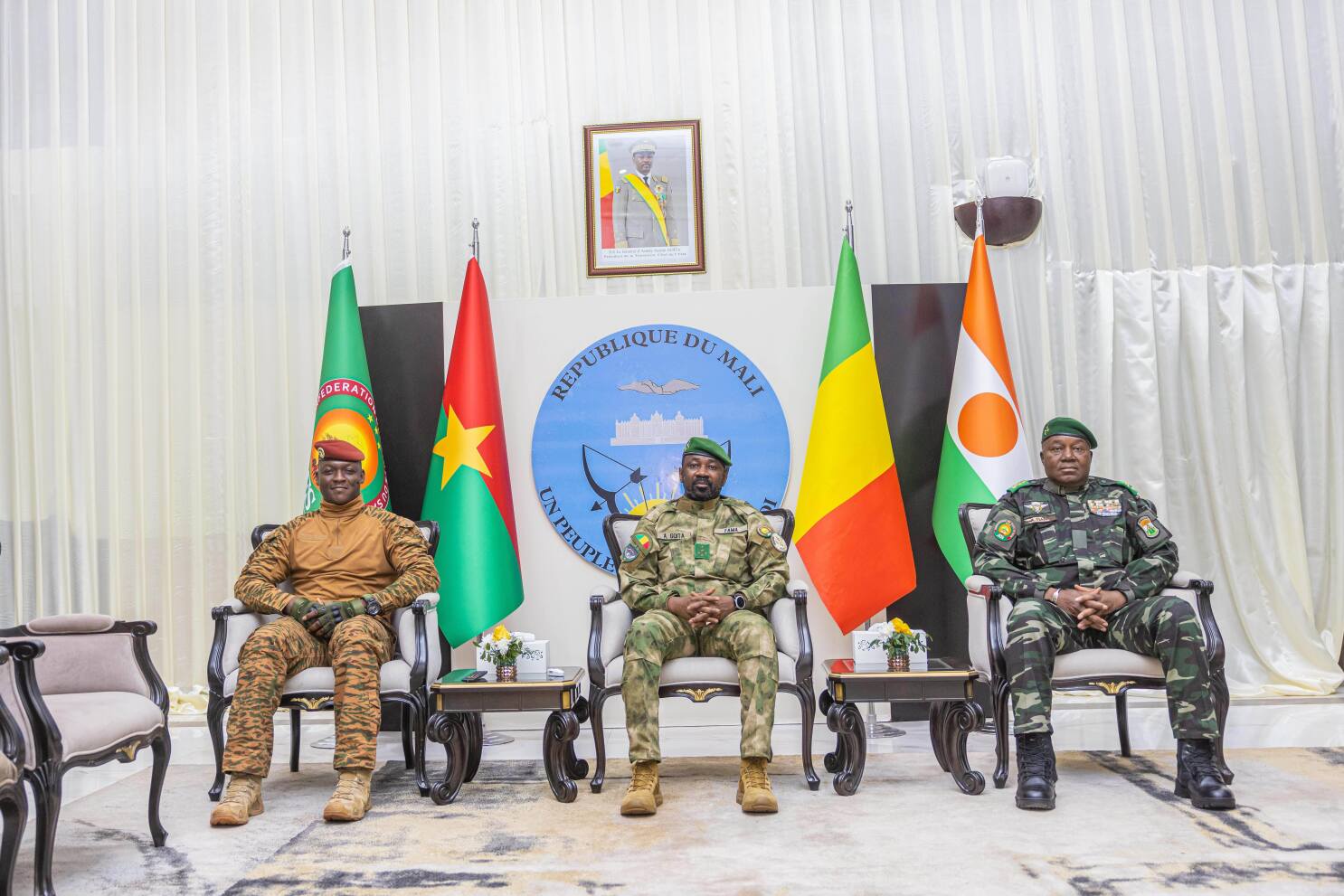
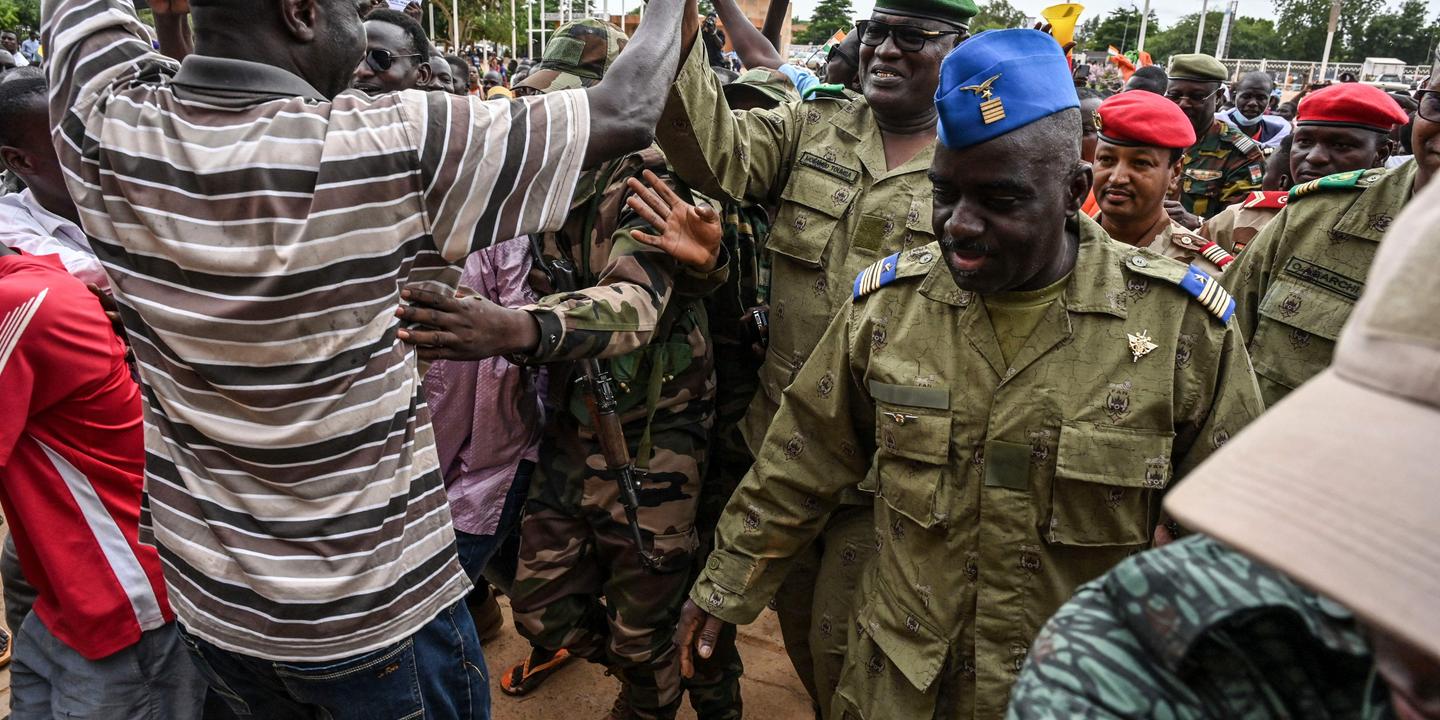
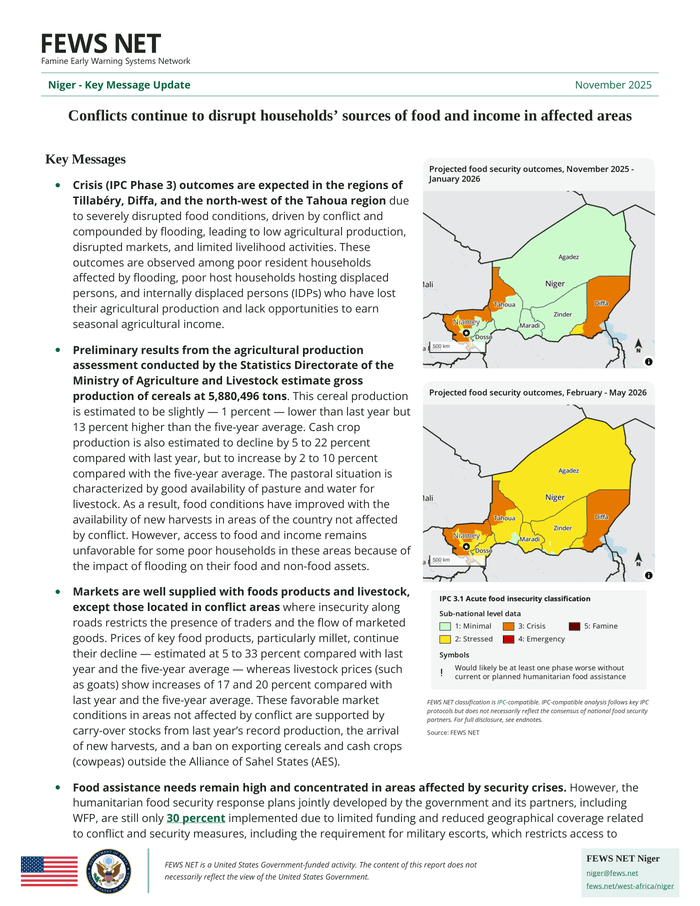
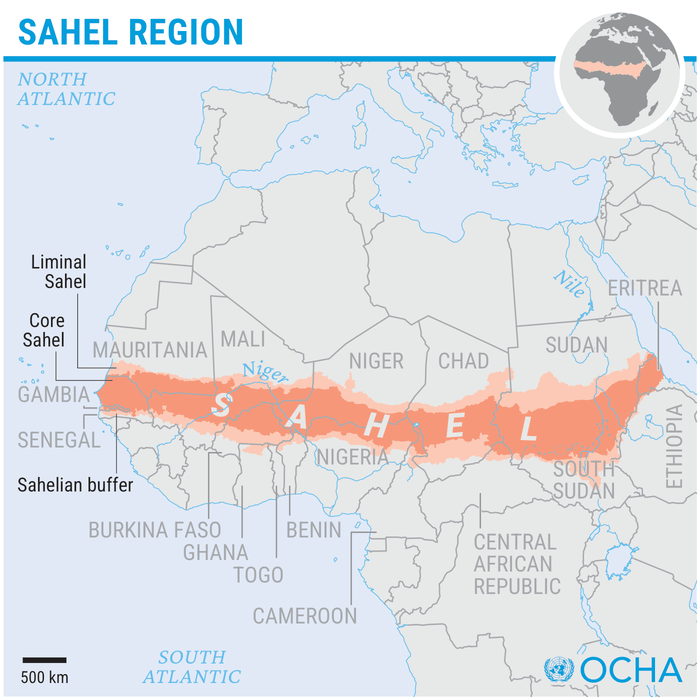
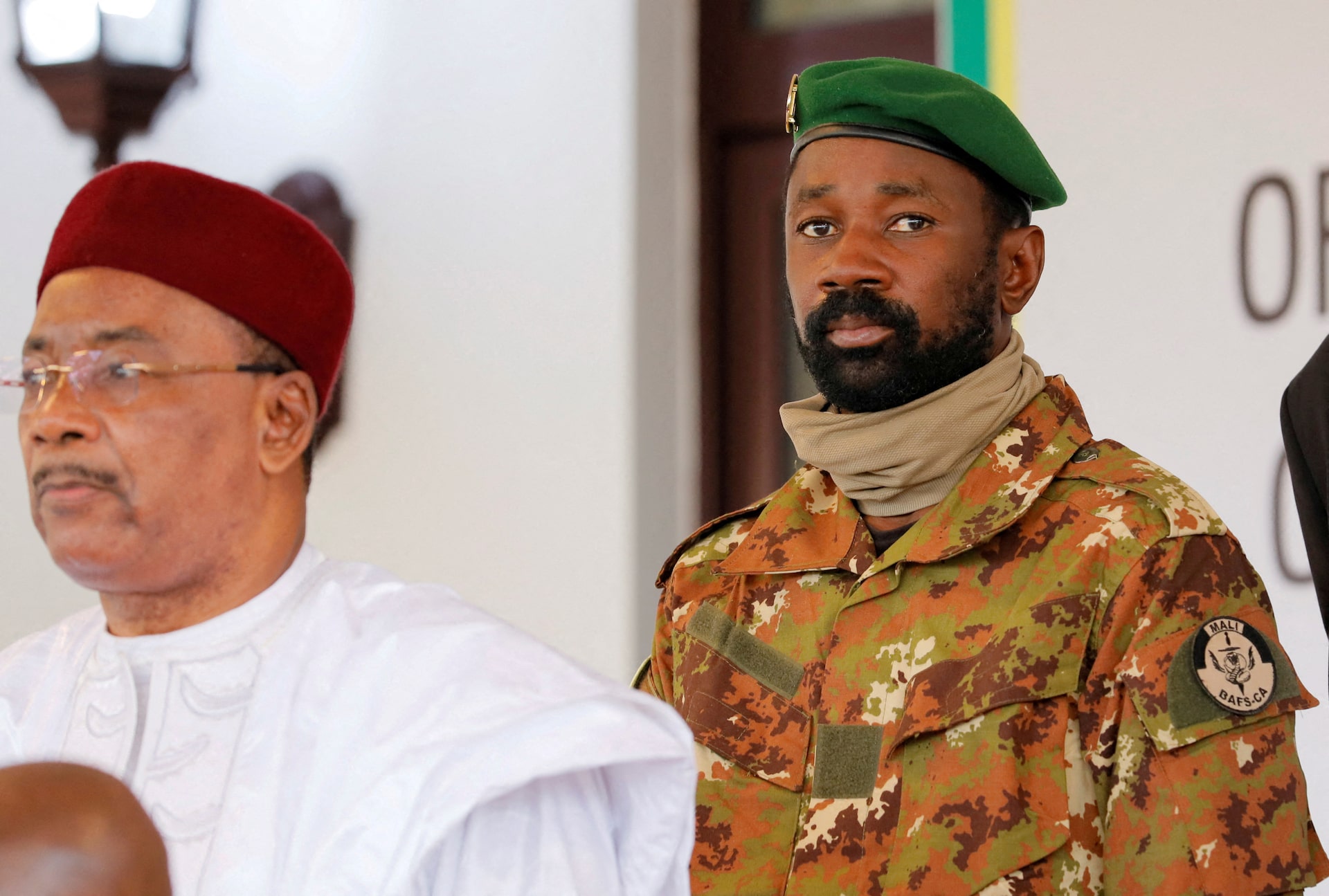
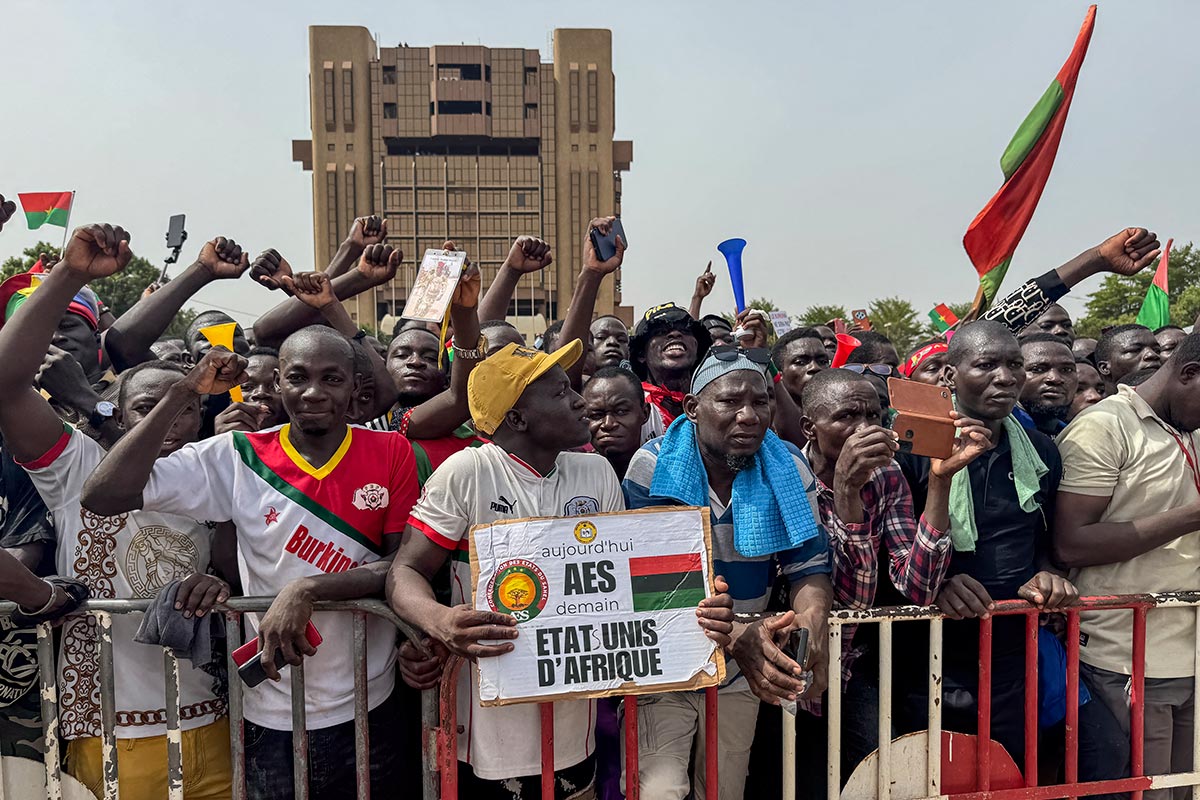
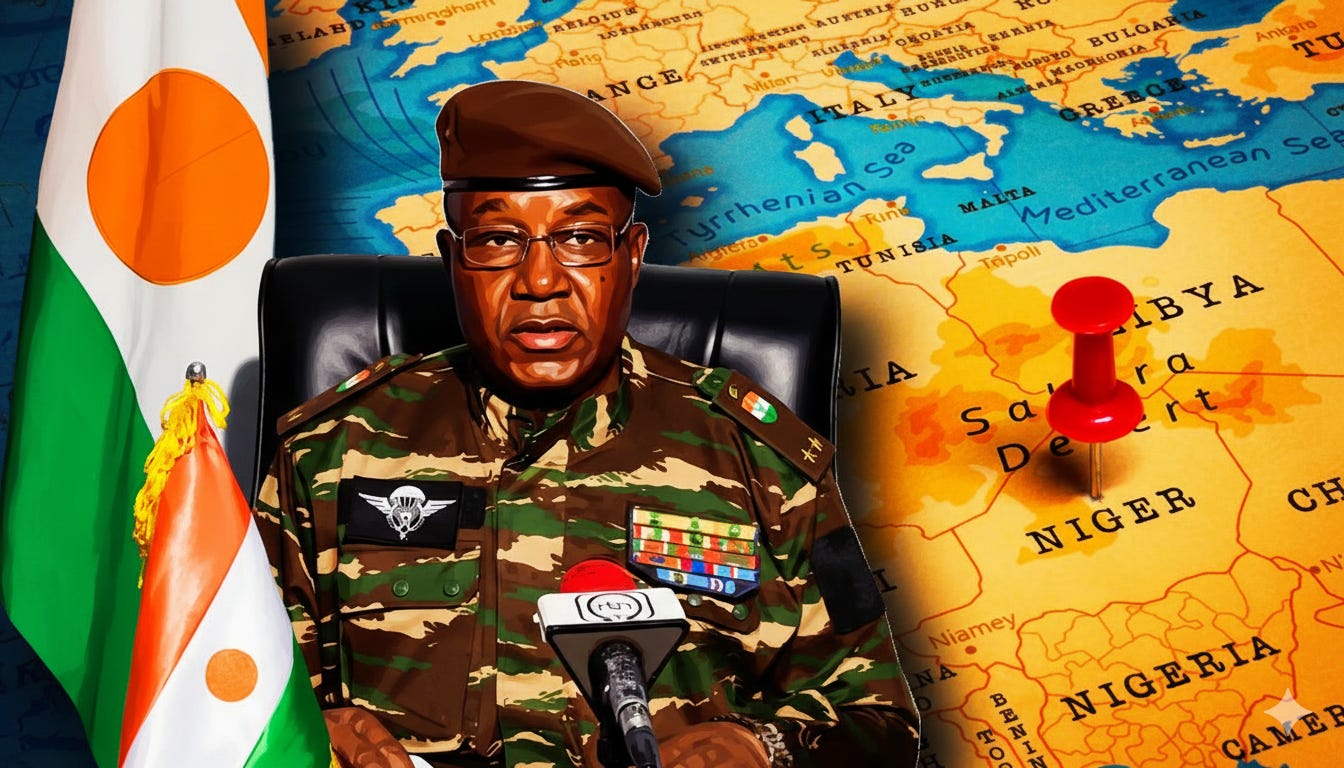
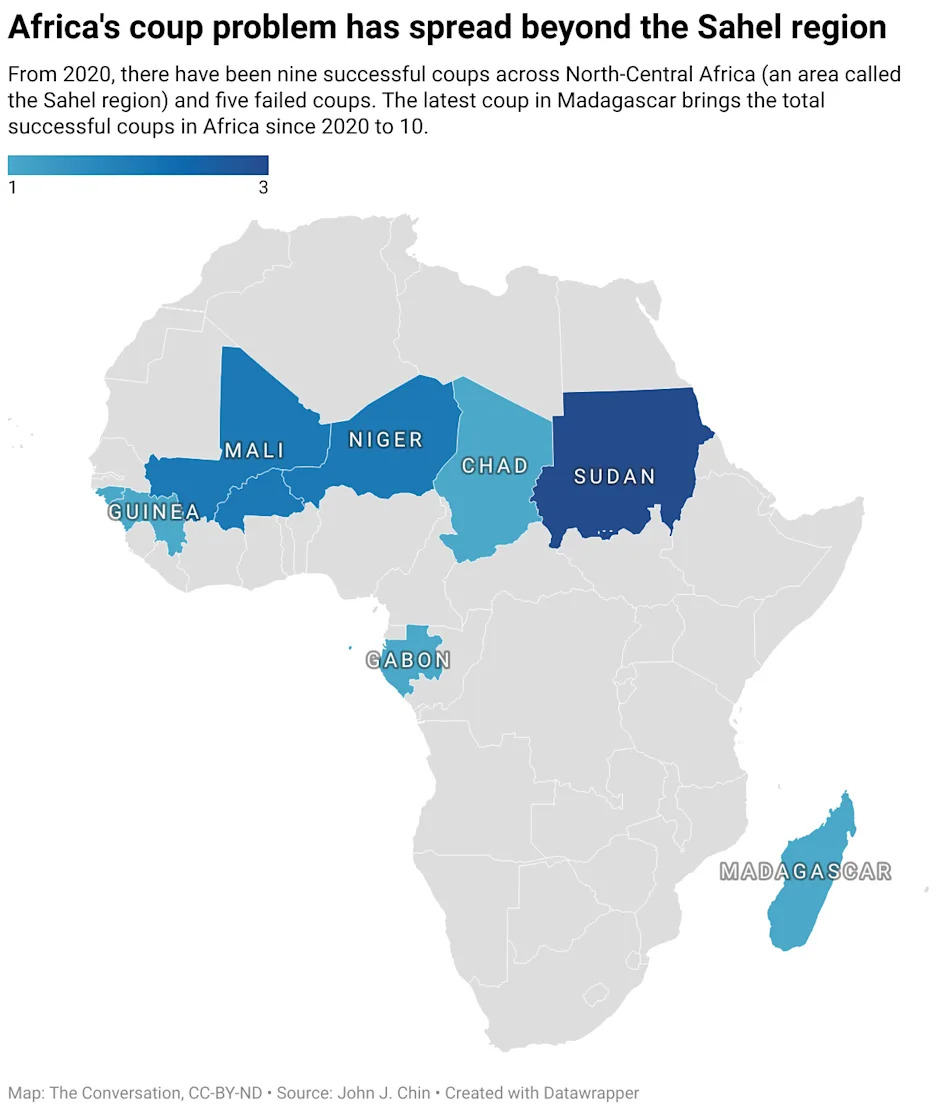
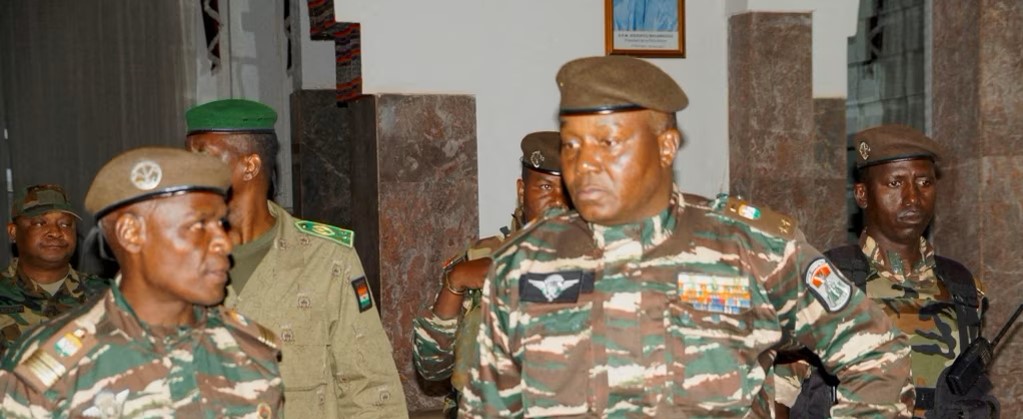
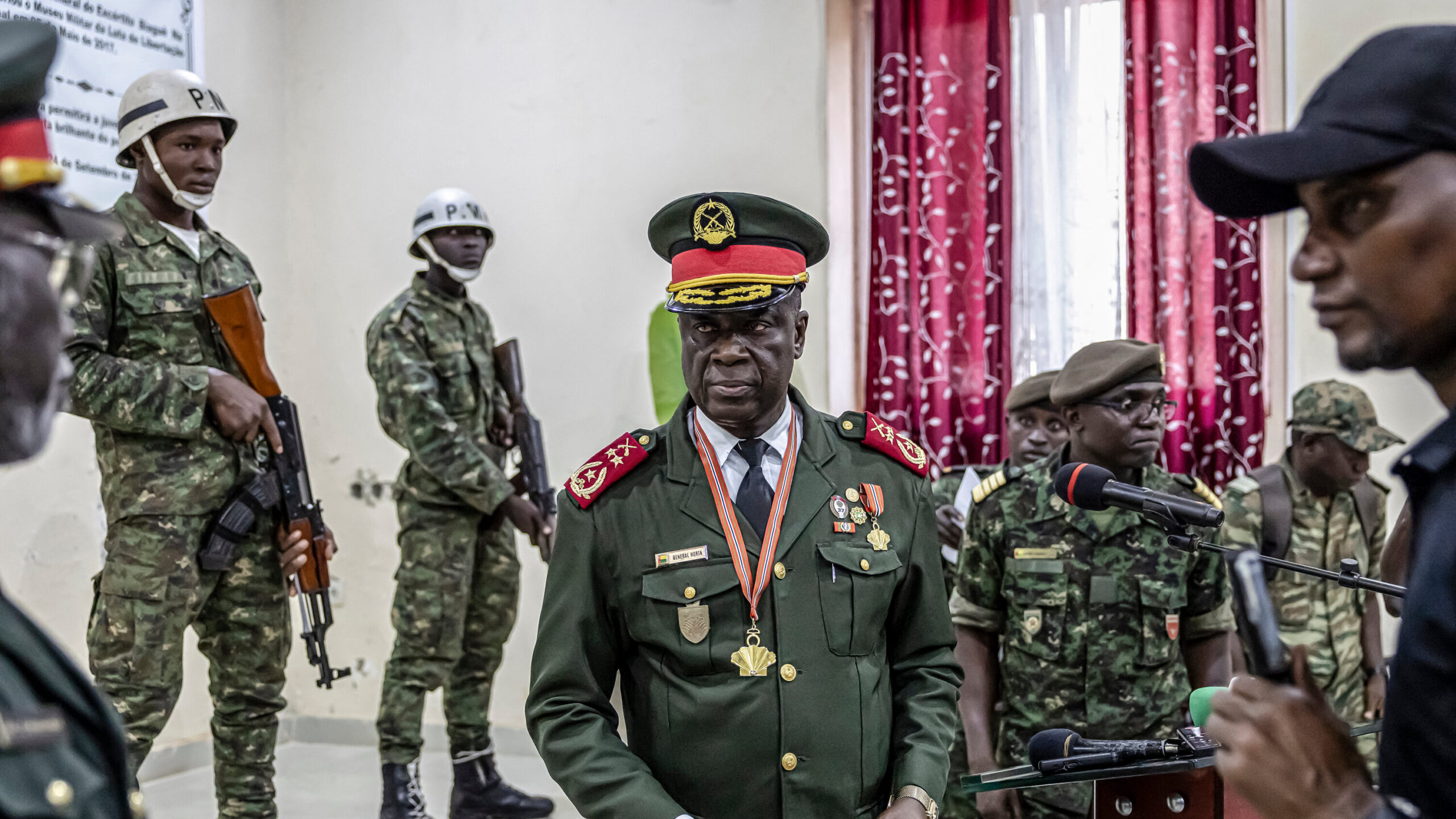
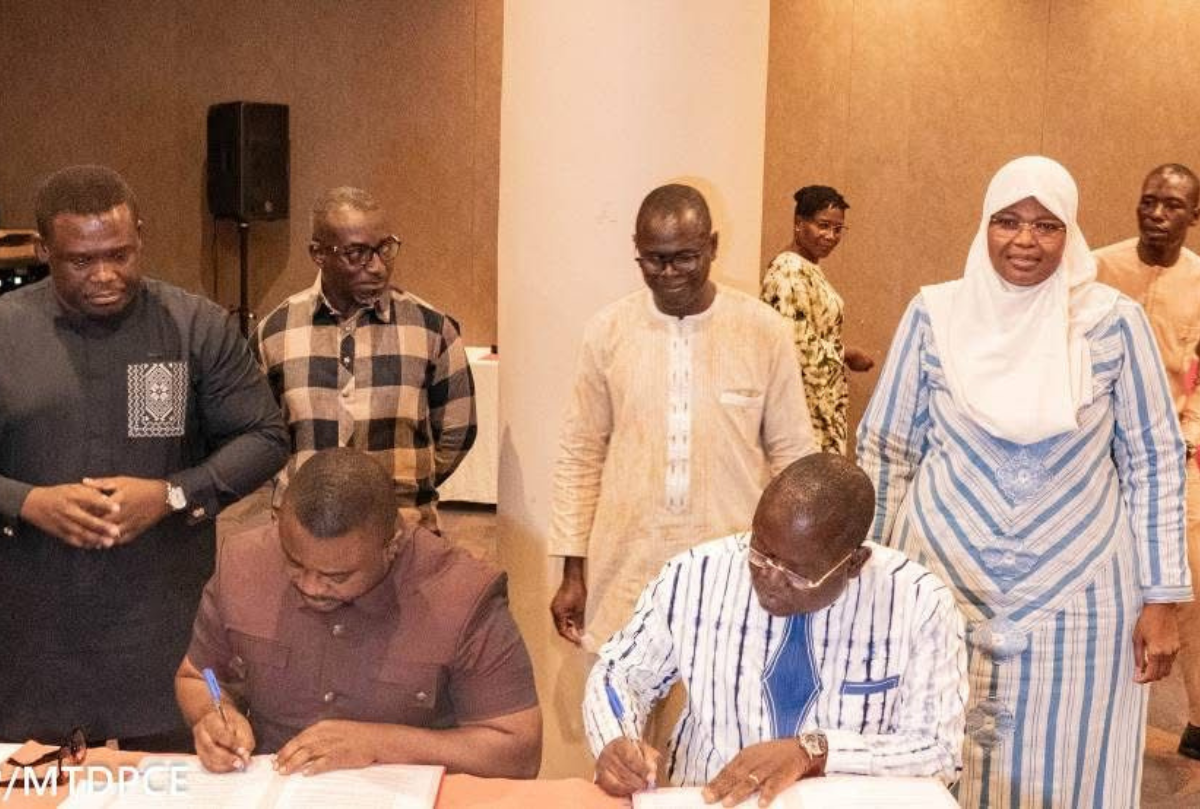
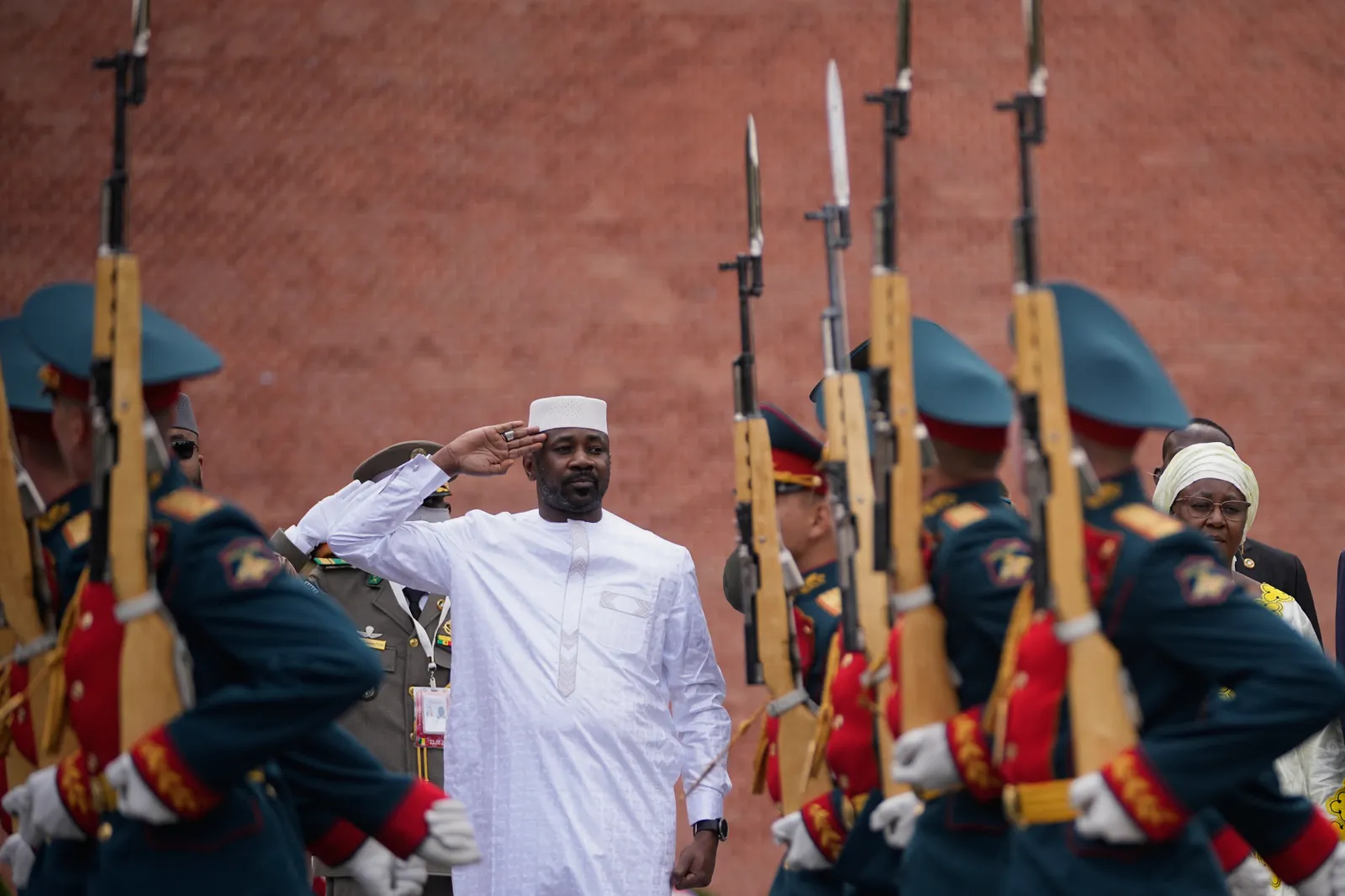
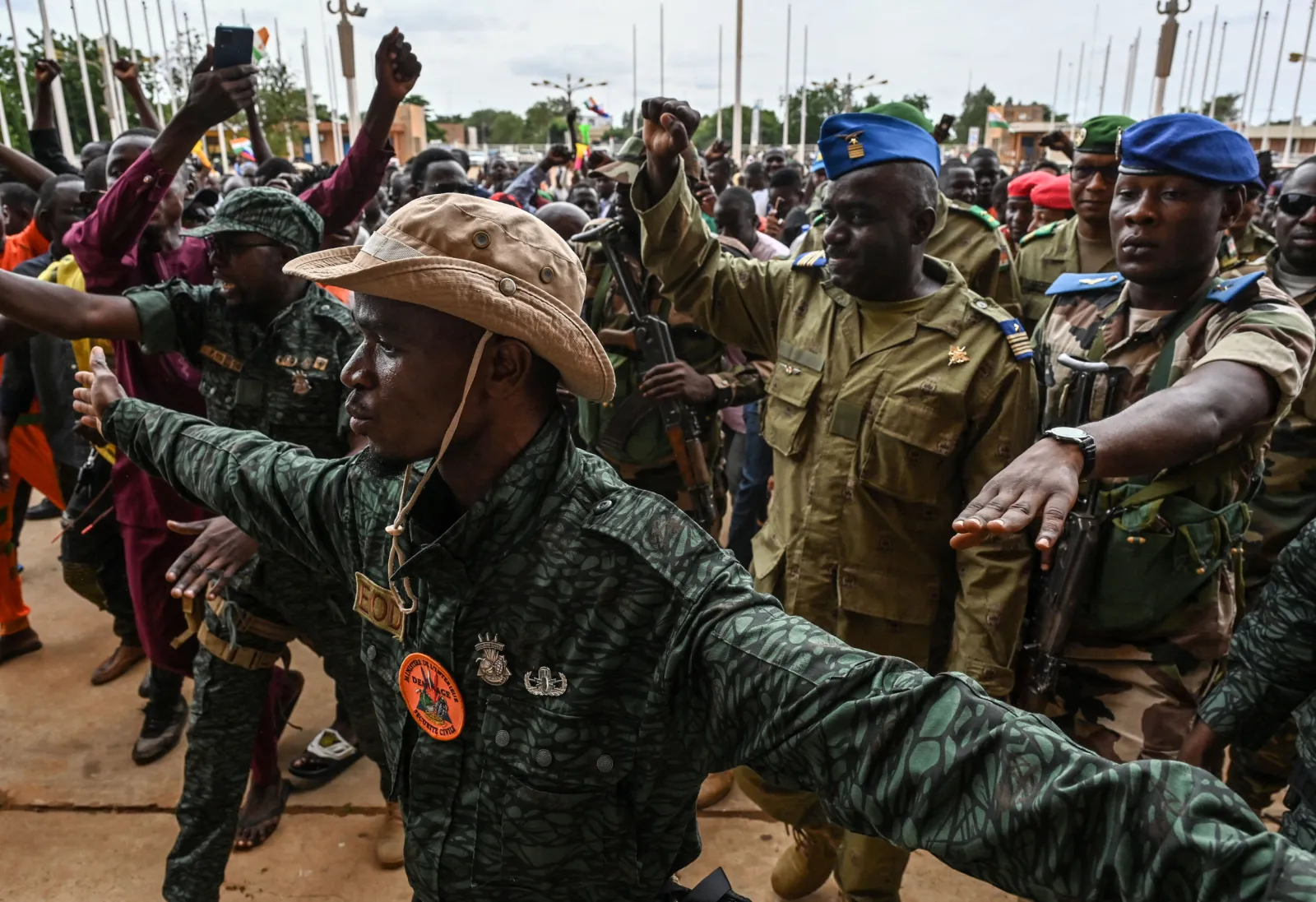
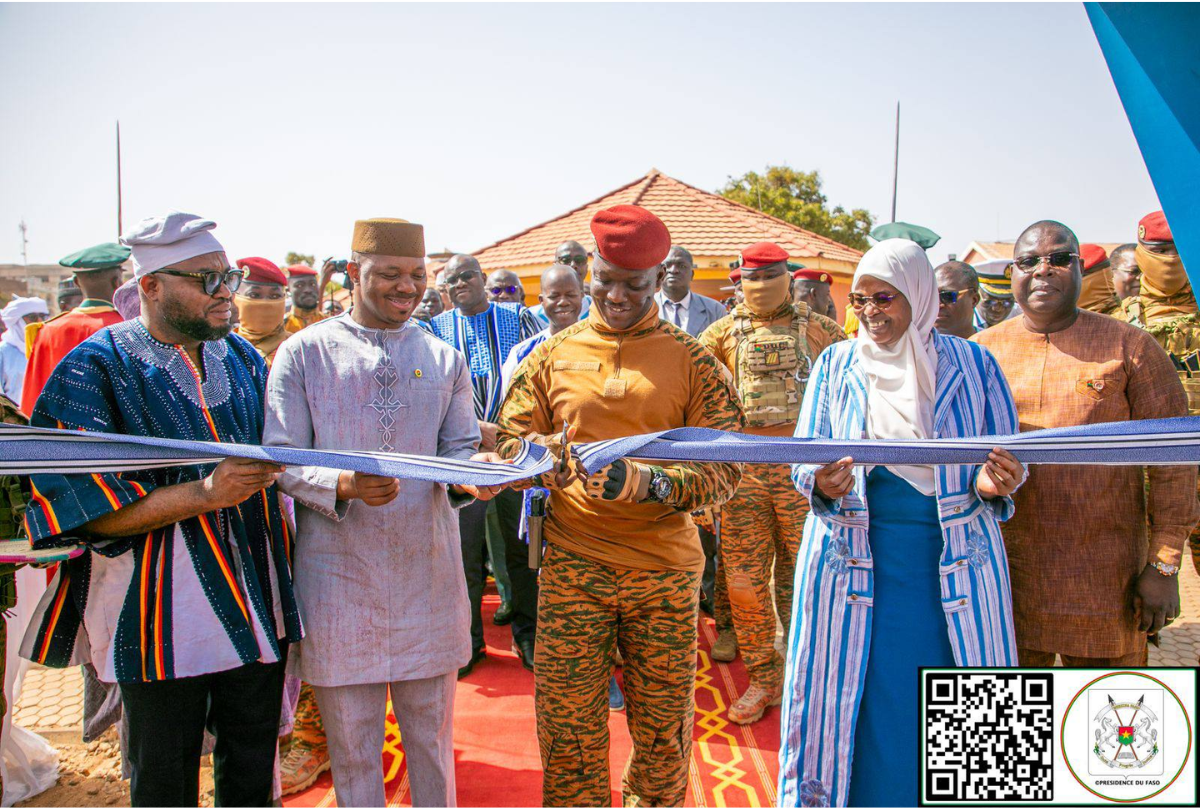
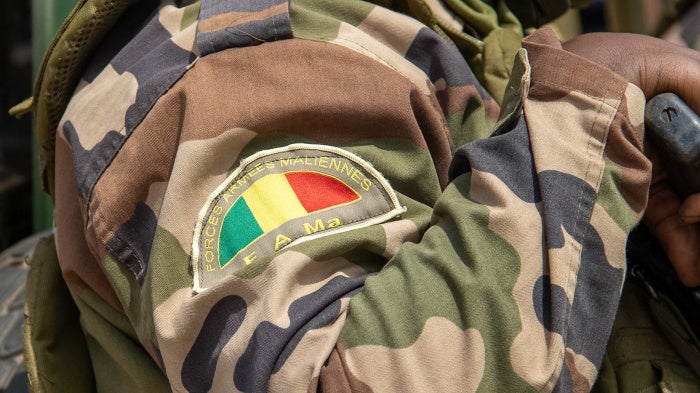
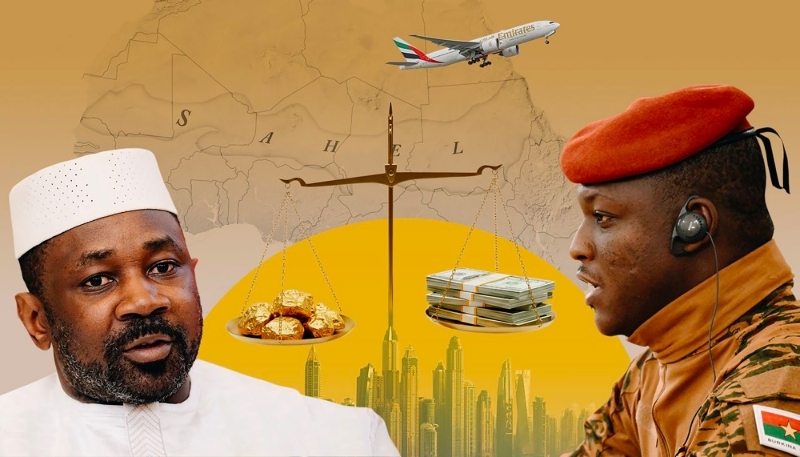
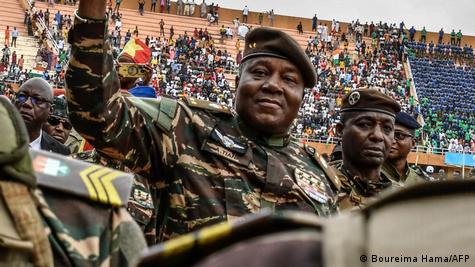
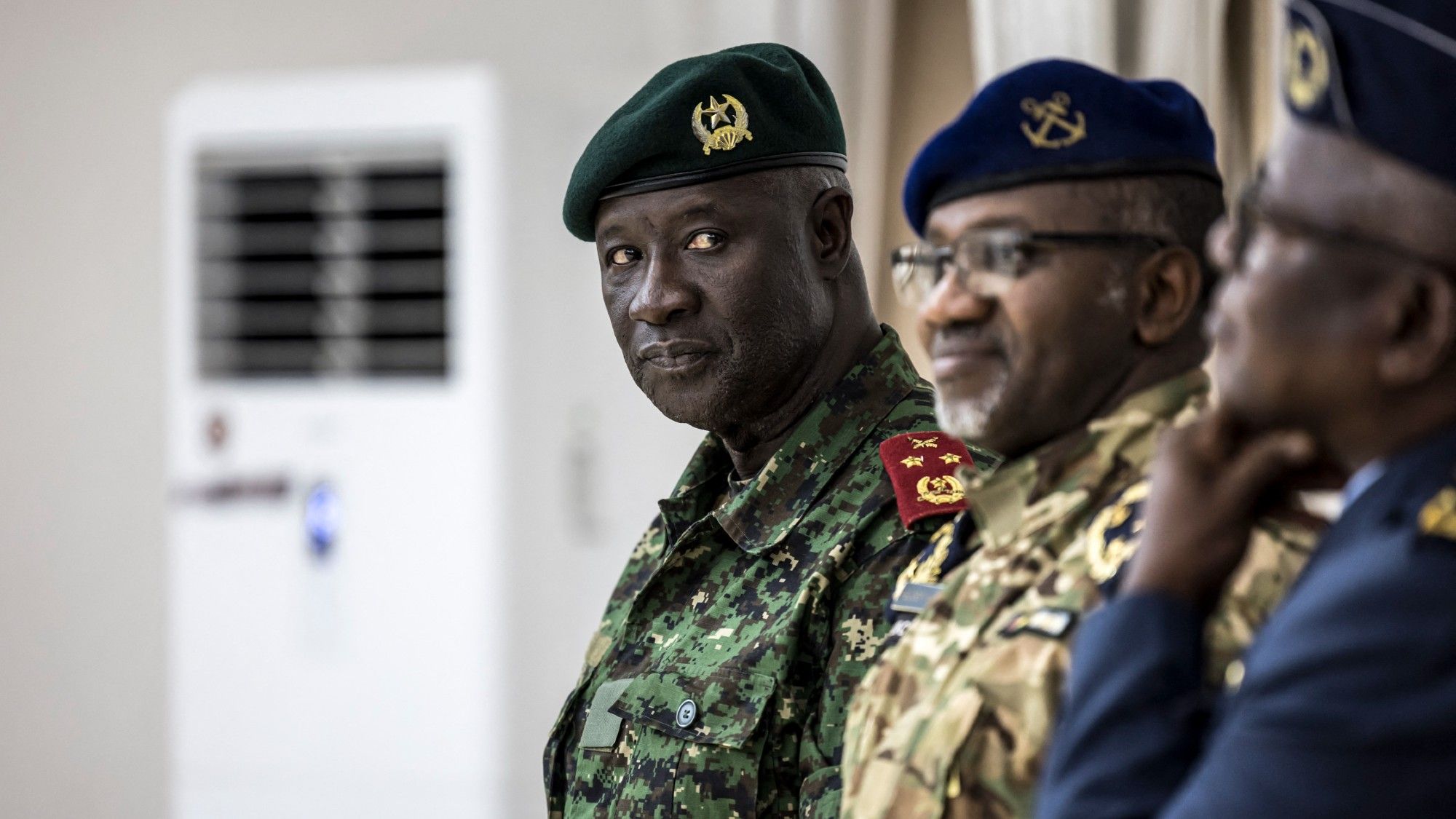
The Sahel, a vast region stretching from the Sahara to the savanna, isn’t just a geographical area. It’s a vital crossroads for African resilience and its toughest challenges, lately becoming the epicenter of escalating conflict and profound change. Countries like Mali, Burkina Faso, and Niger grapple with violent extremism, economic upheaval, and shifting politics. What’s driving this, and how are these nations responding? A significant development is the revolutionary Alliance of Sahel States (AES). Built on Pan-African ideals, this bloc of Burkina Faso, Mali, and Niger is more than just a political agreement. It’s a shared vision for unity, a direct answer to both outside pressures and internal strife. We saw this commitment firsthand with Niger’s President completing a historic nationwide tour, a clear signal of solidarity within the AES. They’re working to push back against the destabilizing wave of armed groups tearing through the region.
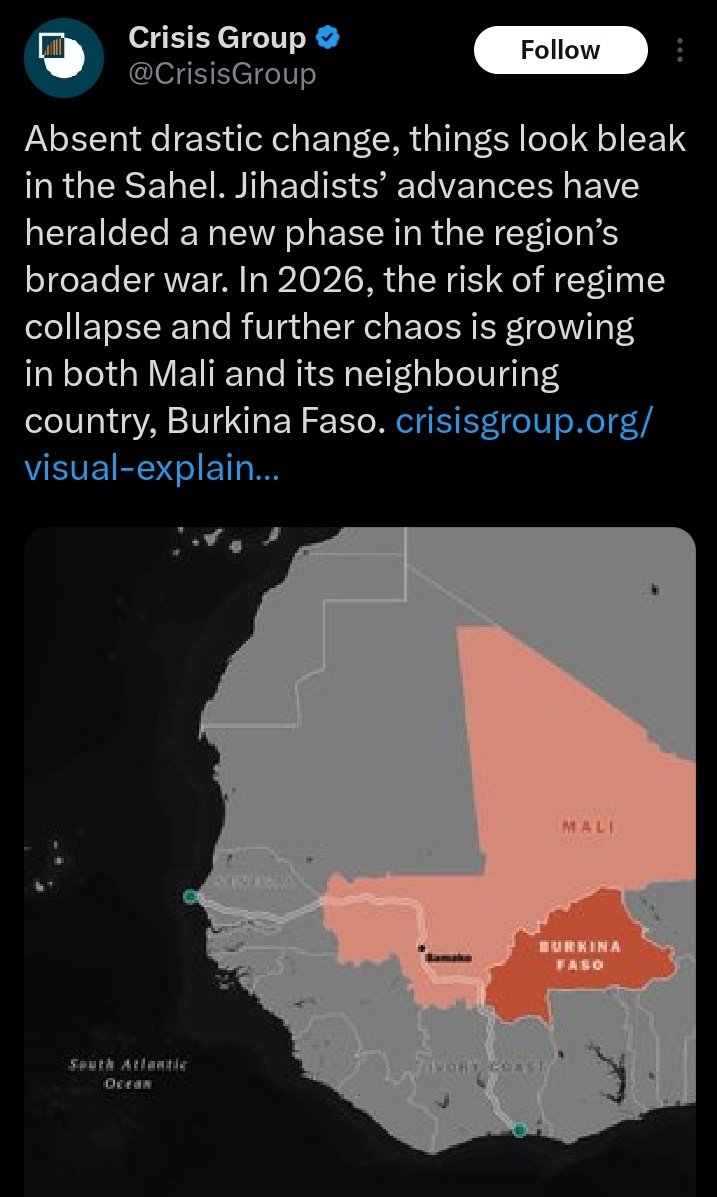
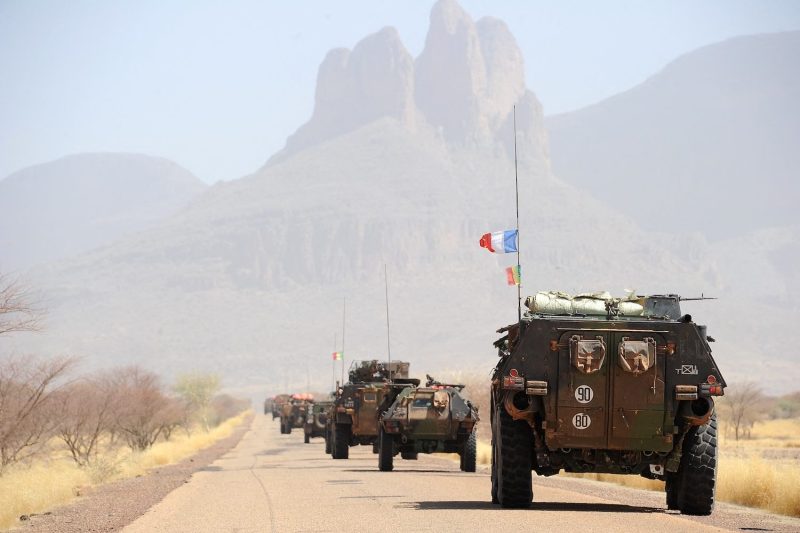
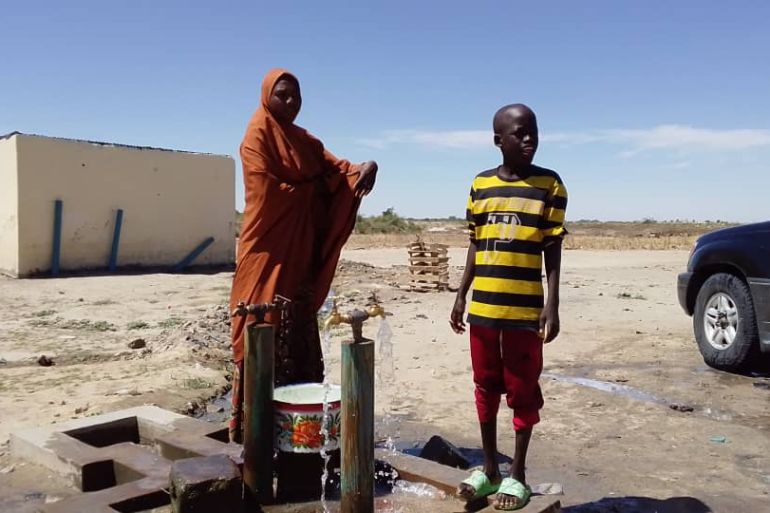
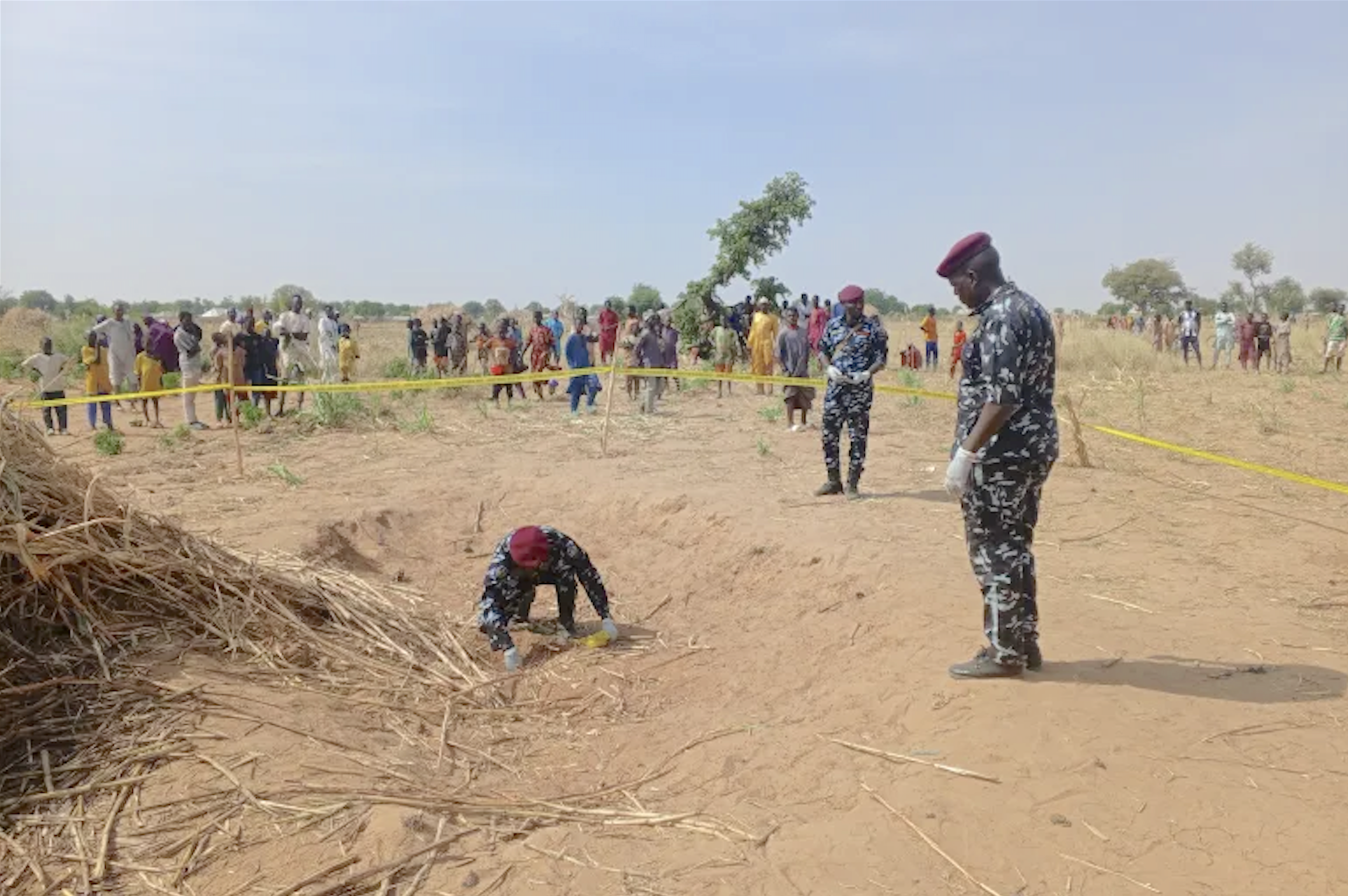
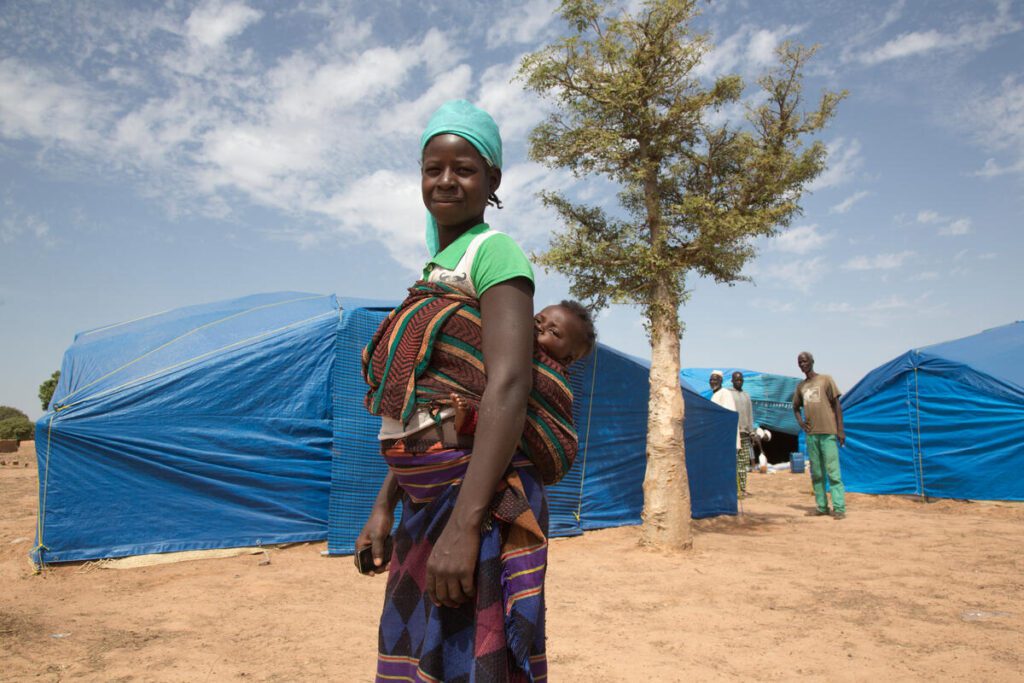
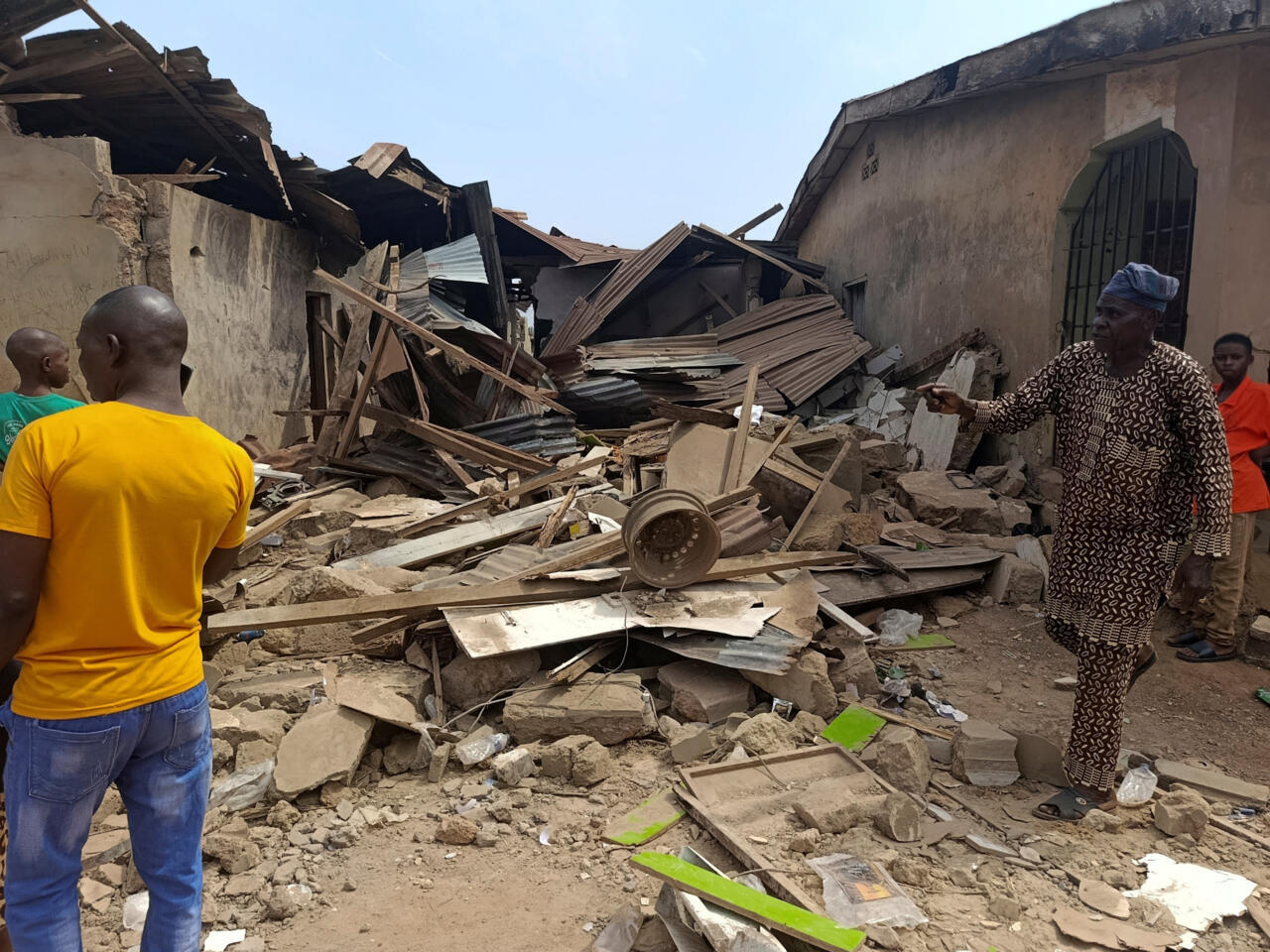
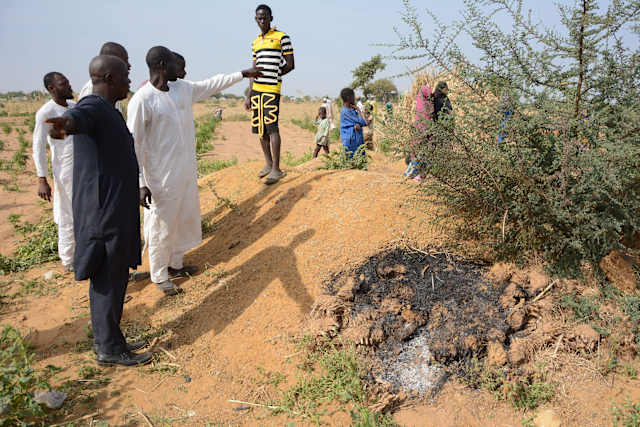
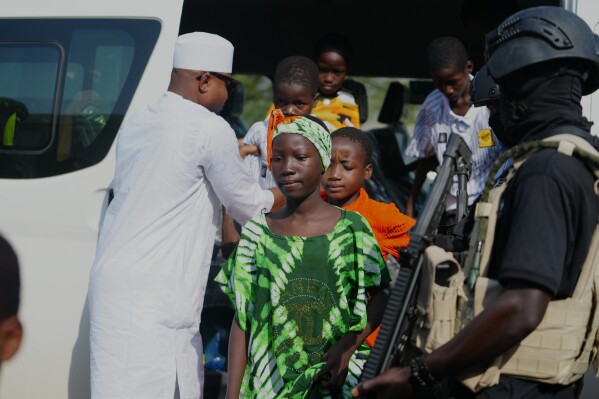
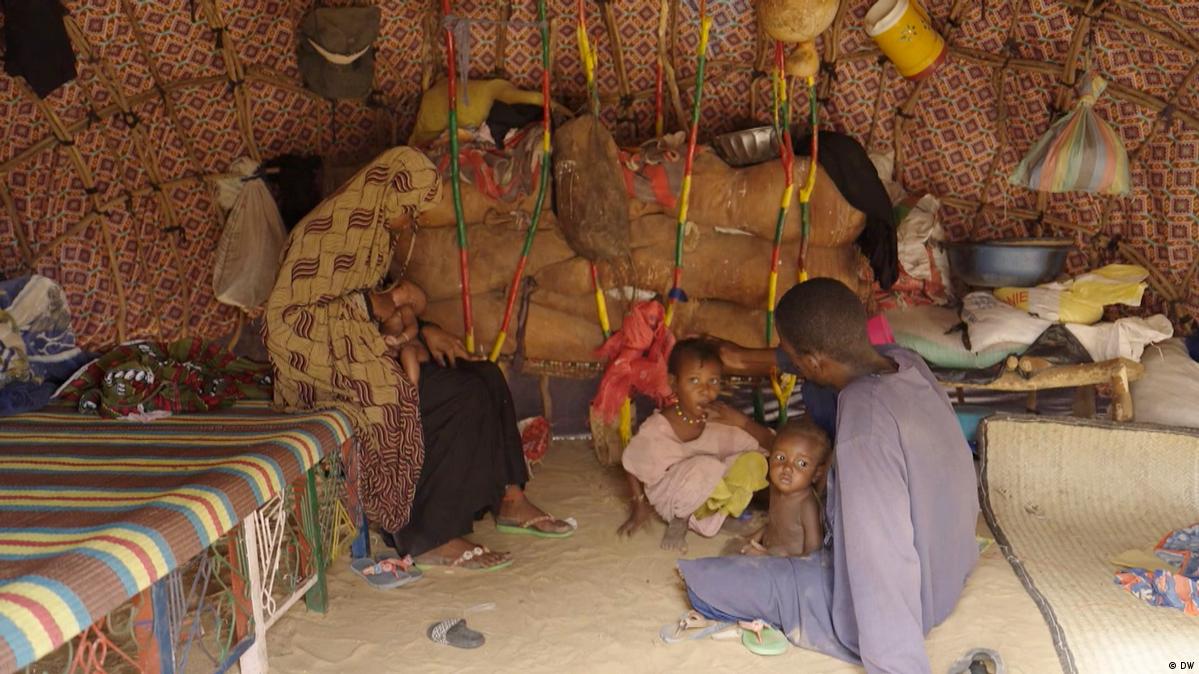
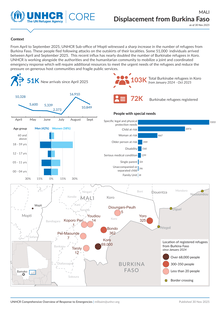
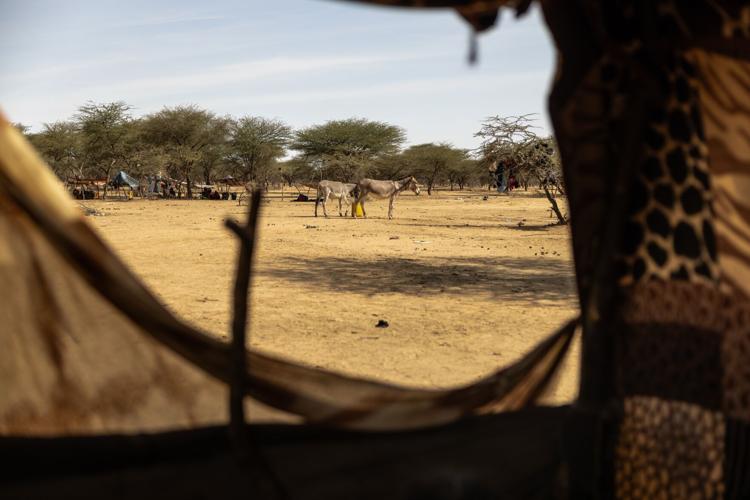
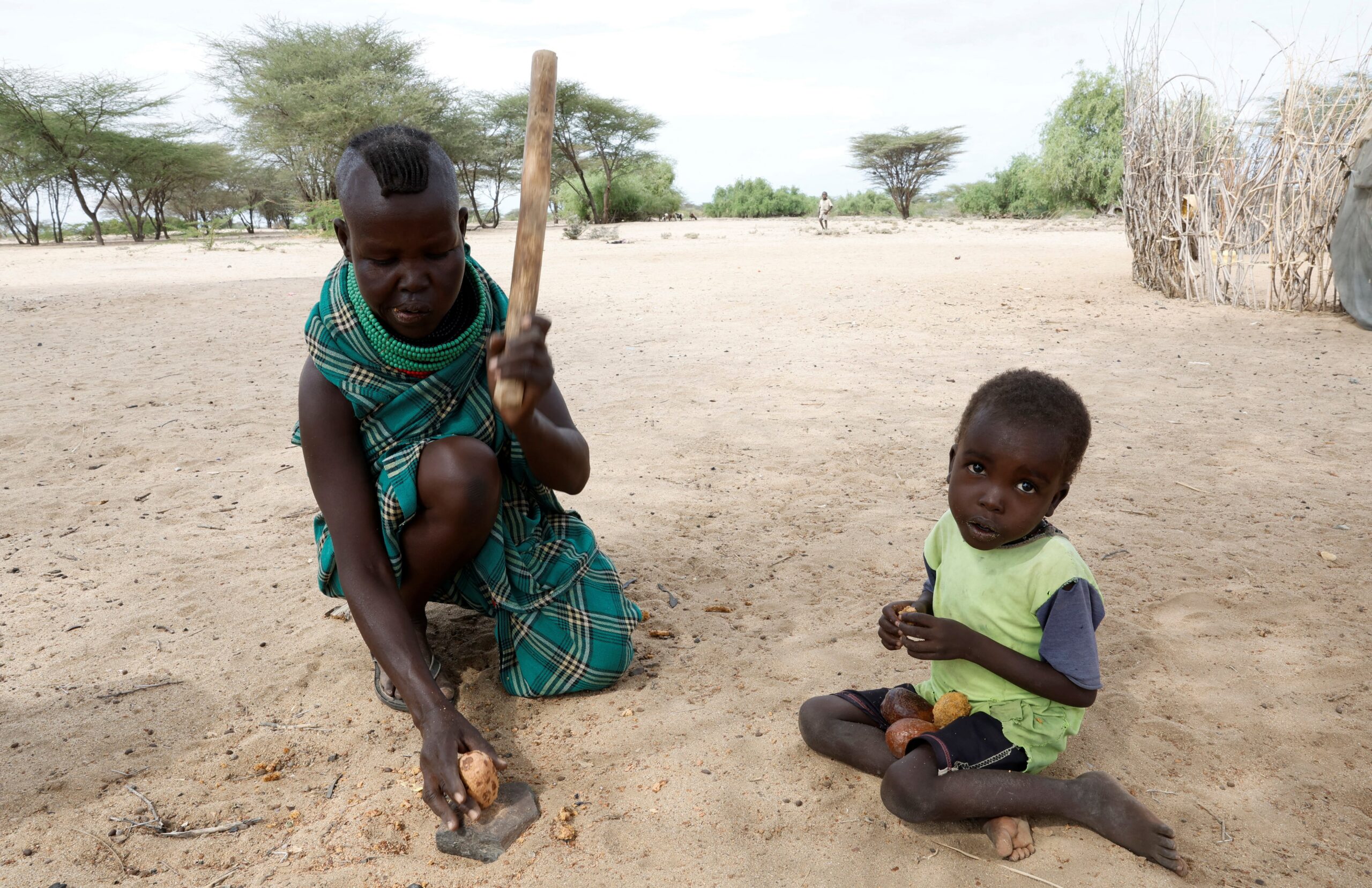
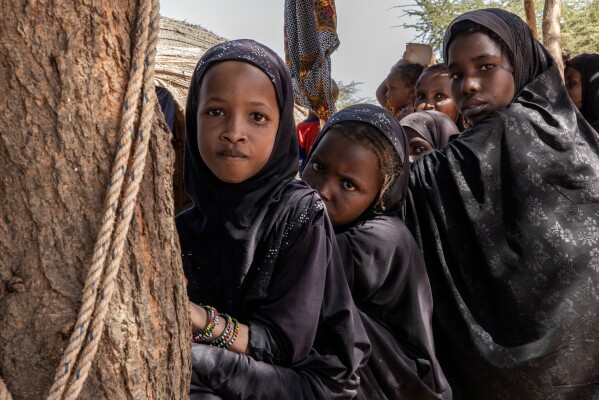
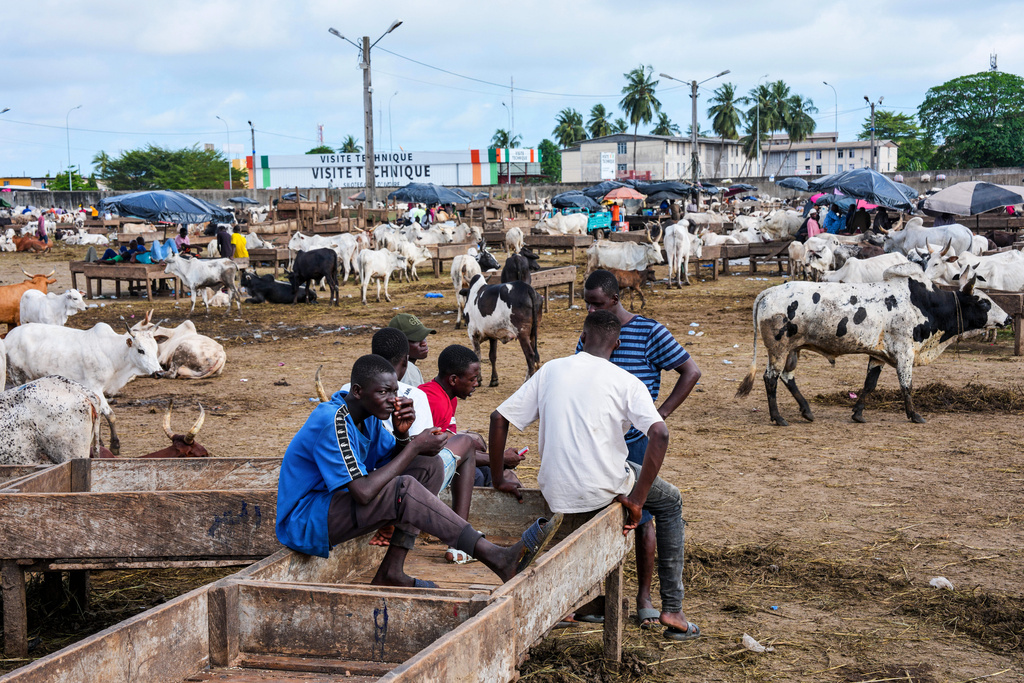
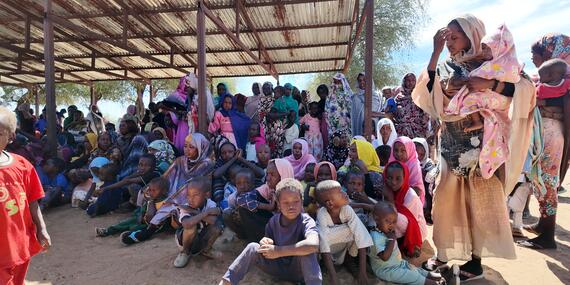
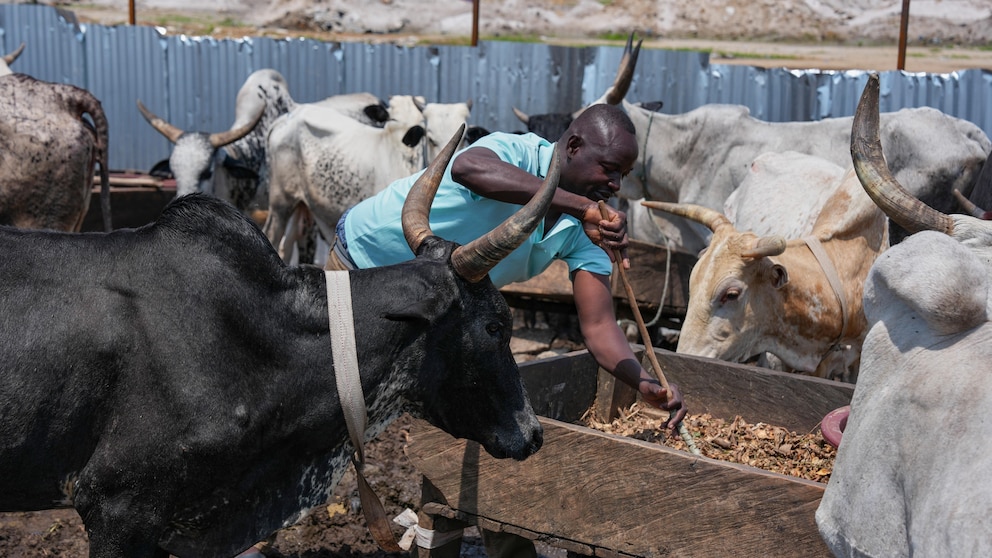
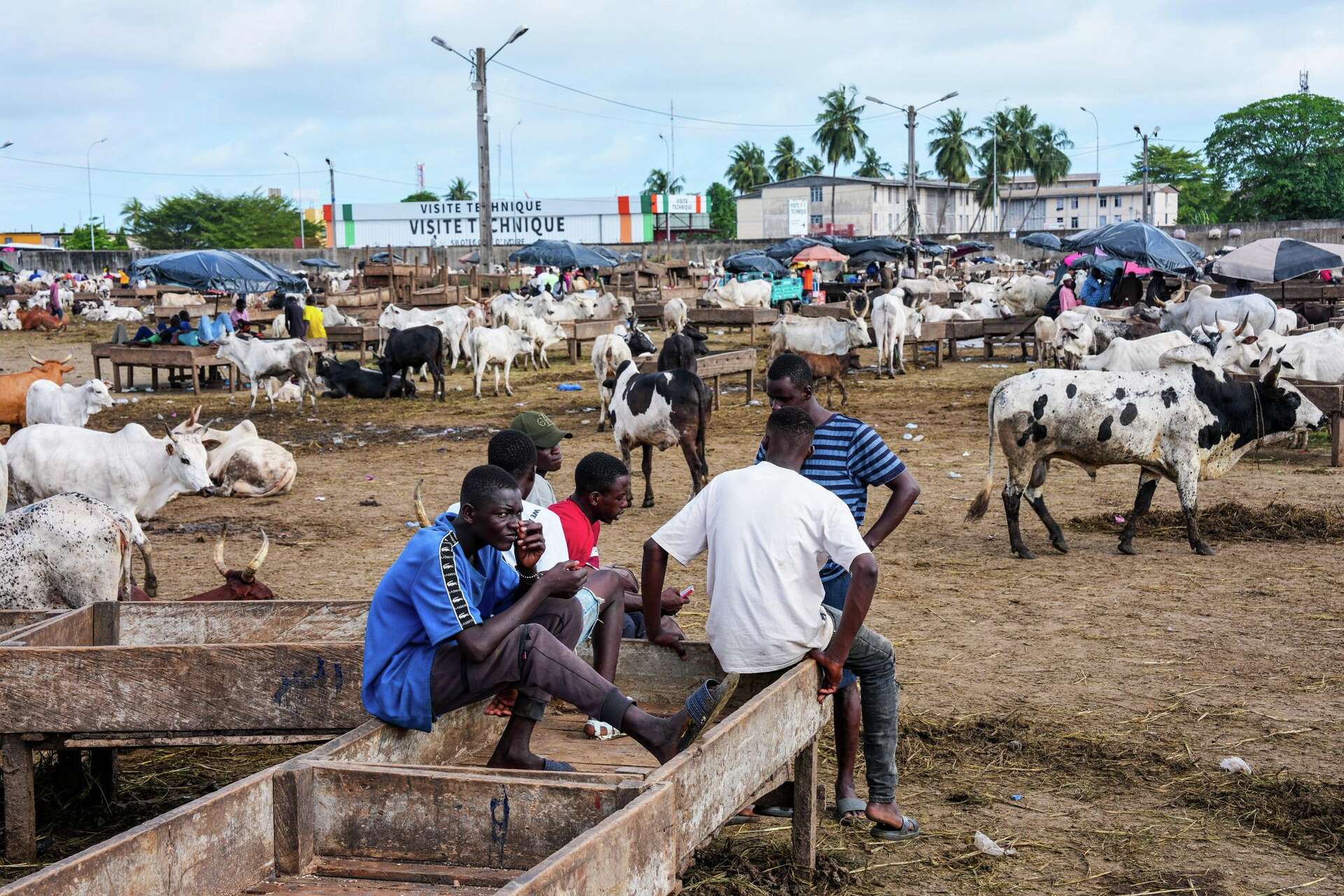
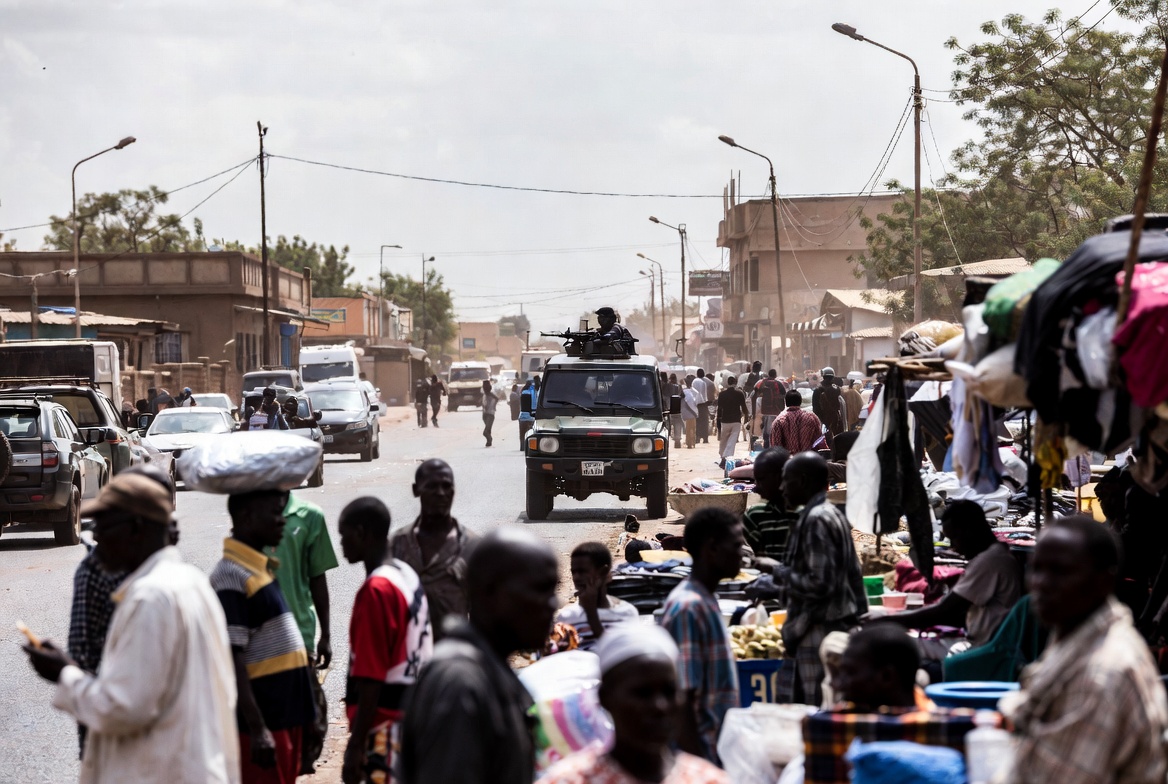
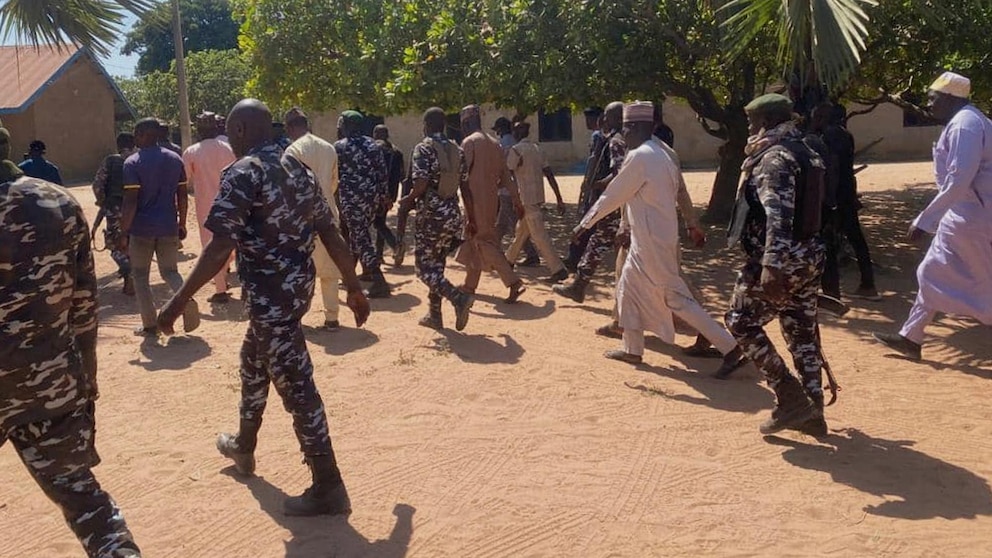
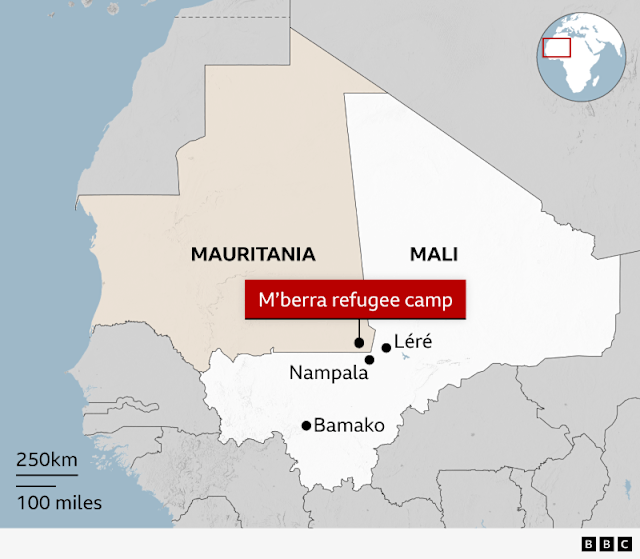
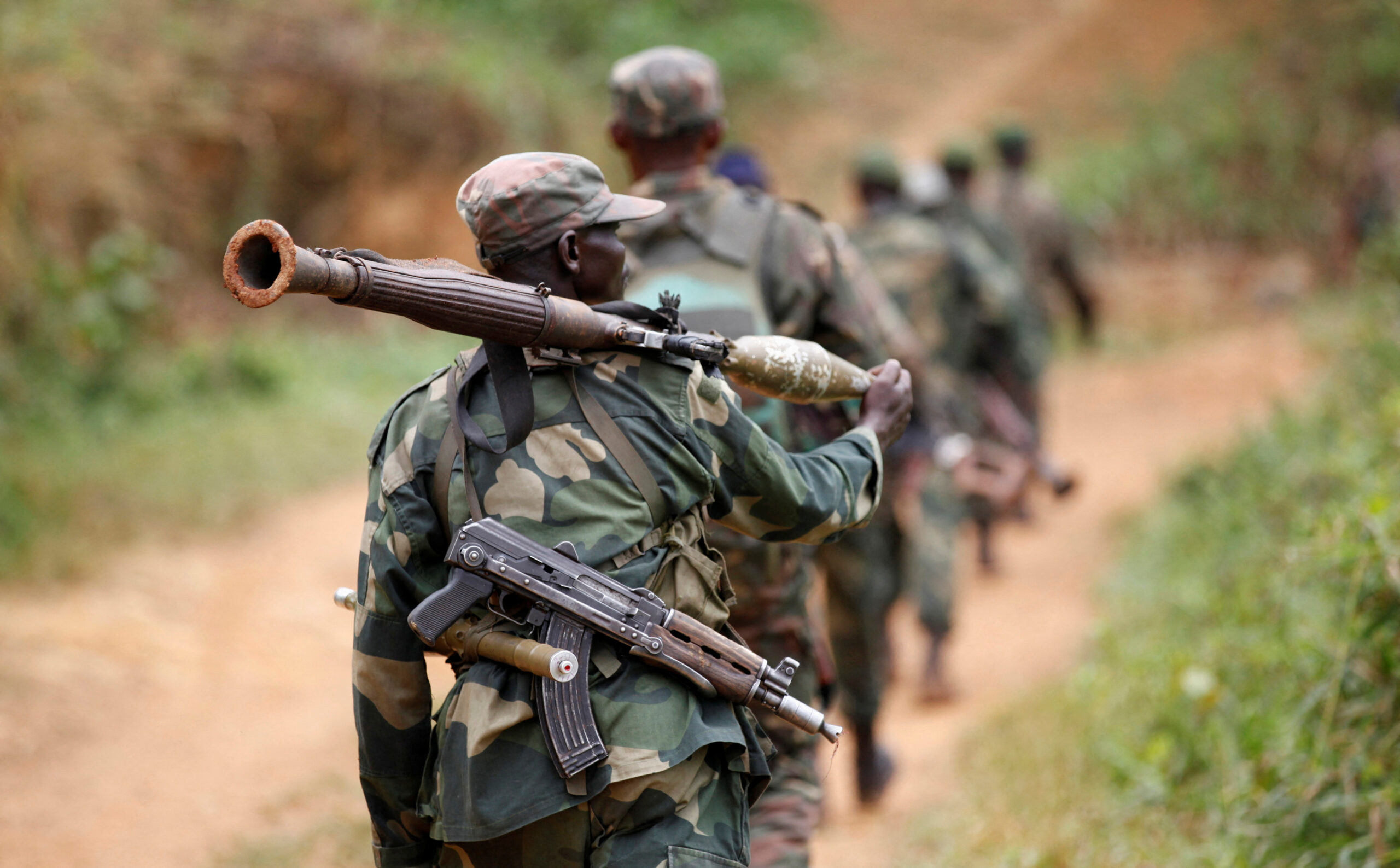
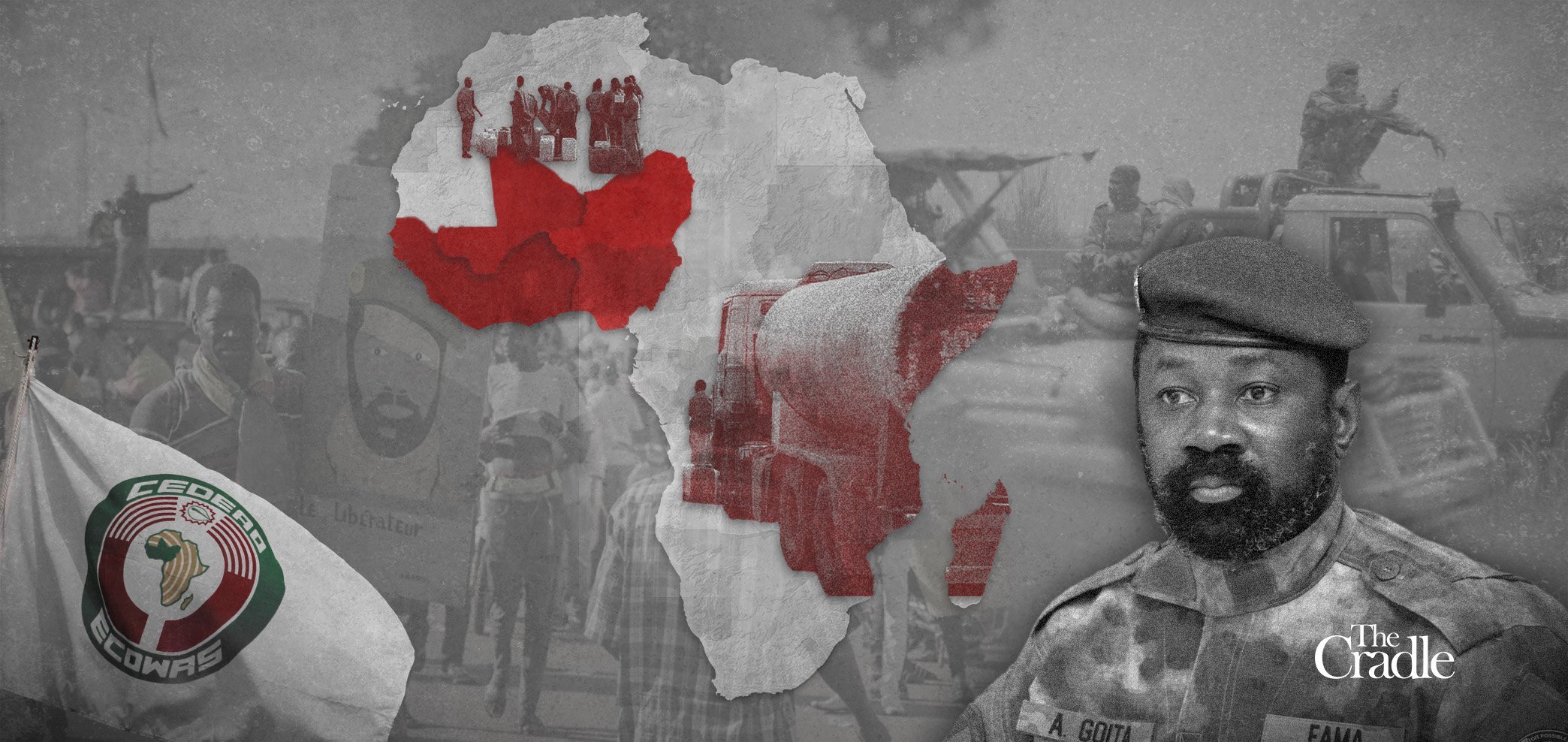
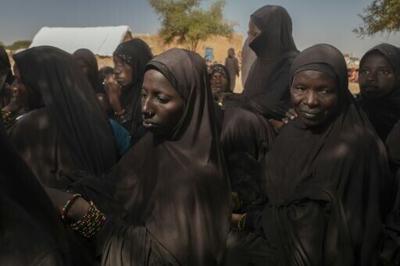
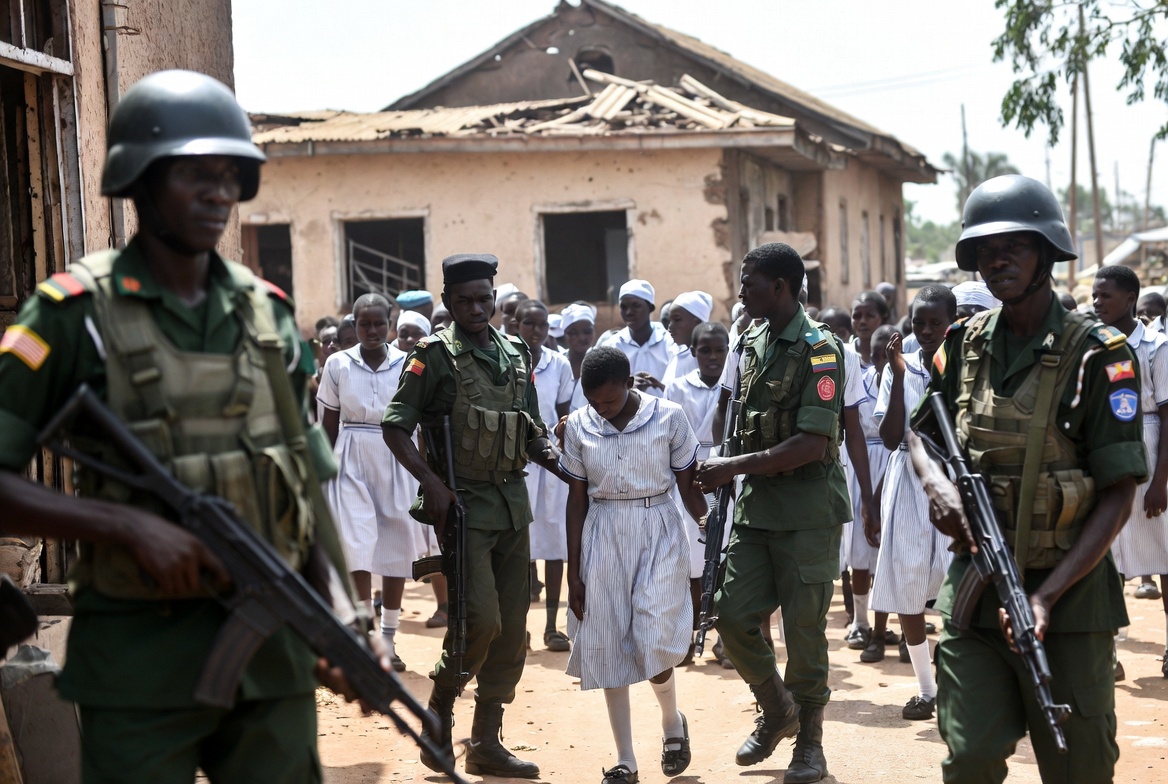
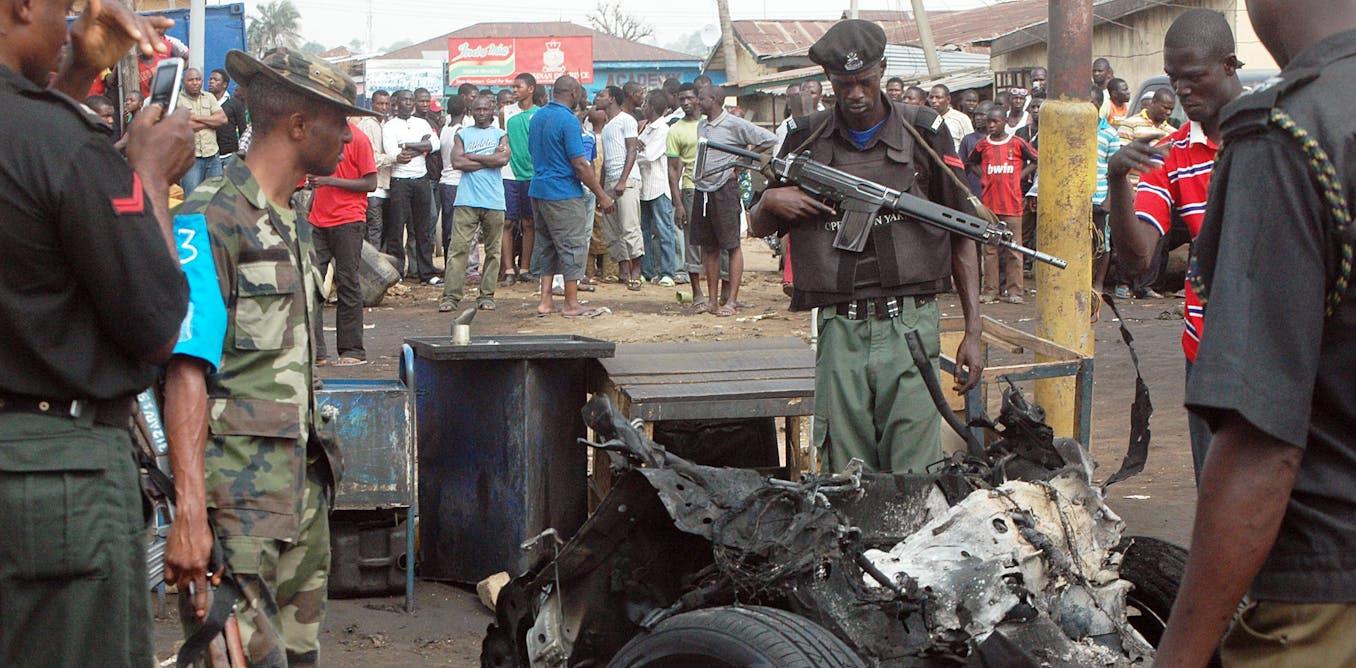
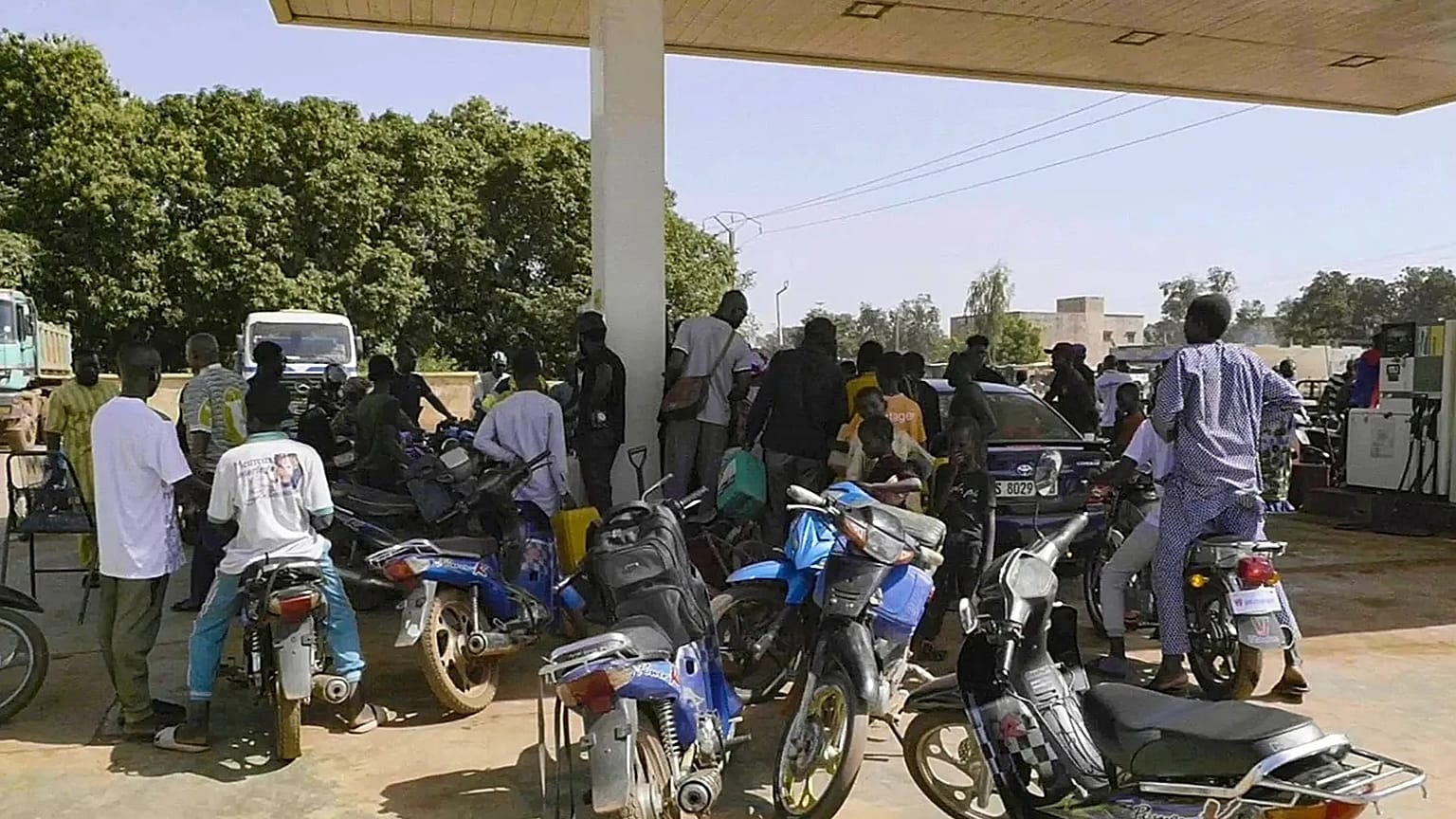
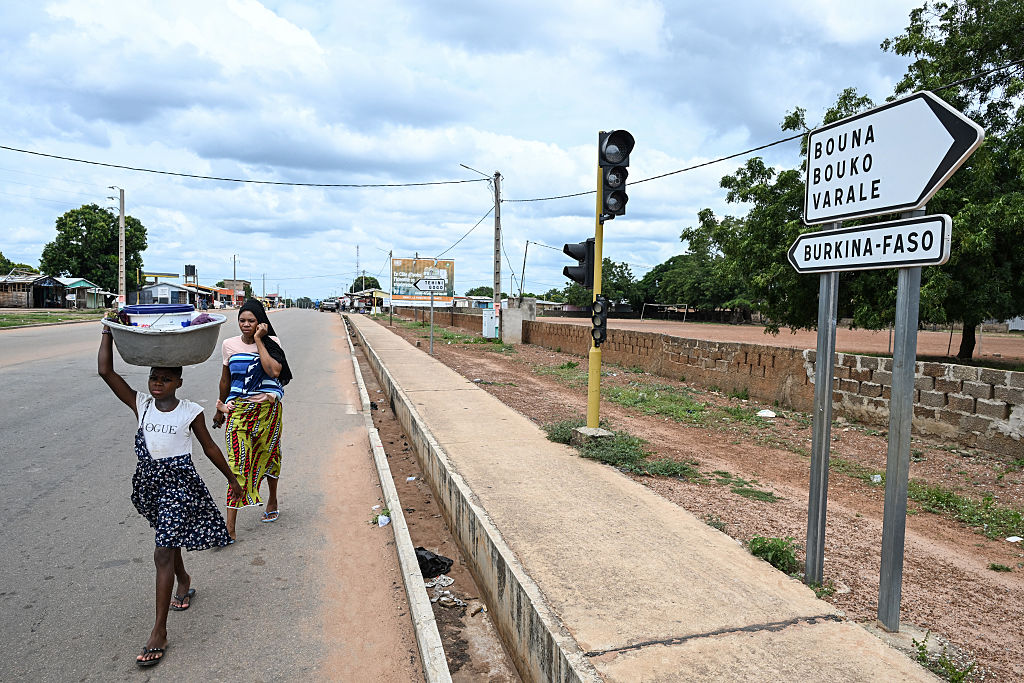
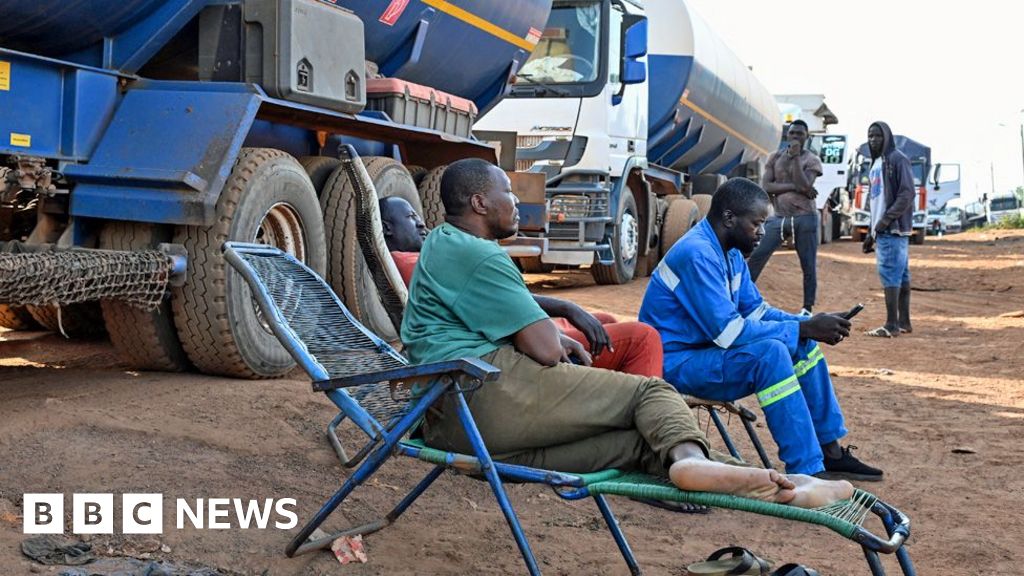
Where did this all begin? It wasn’t a sudden storm, but a slow burn tracing back to Northern Mali’s unrest in 2012. That initial uprising spiraled quickly, pulling Burkina Faso and Niger into widespread armed conflicts. This relentless violence has dramatically reshaped lives. We’re seeing traditional herders and rural communities abandon centuries-old nomadic ways, forced into a new, often unusual city life in search of safety and opportunity. This mass migration is changing our urban areas, creating fresh economic and social pressures as people adapt. Worse yet, the Sahel remains a crucible for extremist violence. The Liptako-Gourma region, at the tri-border of Burkina Faso, Mali, and Niger, is a known hotbed. Armed groups use the tough terrain and open borders to keep a cycle of insecurity going, stalling development and good governance. To make matters worse, groups like Jama’a Nusrat ul-Islam wa al-Muslimin (JNIM) deliberately target crucial supply routes, disrupting oil imports through corridors connecting Mali to Senegal. This siege on fuel could spark a fuel crisis, threatening livelihoods and stability in major cities like Bamako. These rising tensions also affect the region’s sovereignty and cross-border relationships. Neighboring Nigeria, for instance, worries about conflict spilling over from Mali, stressing the need to secure their own borders. It’s a tough balancing act for African states to protect their land while facing these shared, transnational threats.
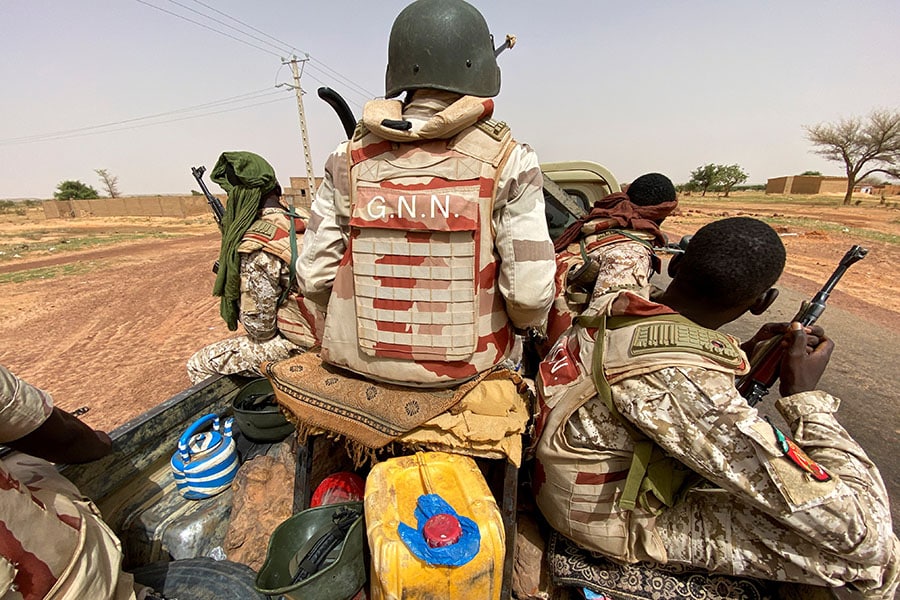
But let’s not paint the whole picture with despair. The Sahel’s story isn’t just about decline. Leaders across the region are waking up, recognizing the complex challenges they share and the absolute necessity of working together. The AES formation and those significant national engagements really show a growing political will to fight extremism and boost regional cooperation. The Sahel’s strategic importance, both for Africa and the broader international community, encourages investments in peacebuilding, infrastructure restoration, and socio-economic resilience programs. What does the future hold? It depends on striking the right balance: strong security efforts paired with sustainable development. We’re talking about strengthening community ties, securing vital trade routes, and empowering displaced people to thrive in their new urban environments. The next few years will tell us if the collaborative spirit can truly bring lasting peace and prosperity, or if the region will get caught in another cycle of crisis. As the sun climbs over the Sahel’s sandy plains and rugged roads, the world watches a region at a vital crossroads. With determined leadership, solid regional unity, and a fresh focus on its people’s well-being, the Sahel can absolutely shift from a zone of conflict to a beacon of African resilience and stability.