Sahel at a Crossroads: Navigating Conflict, Cooperation, and a Digital Future
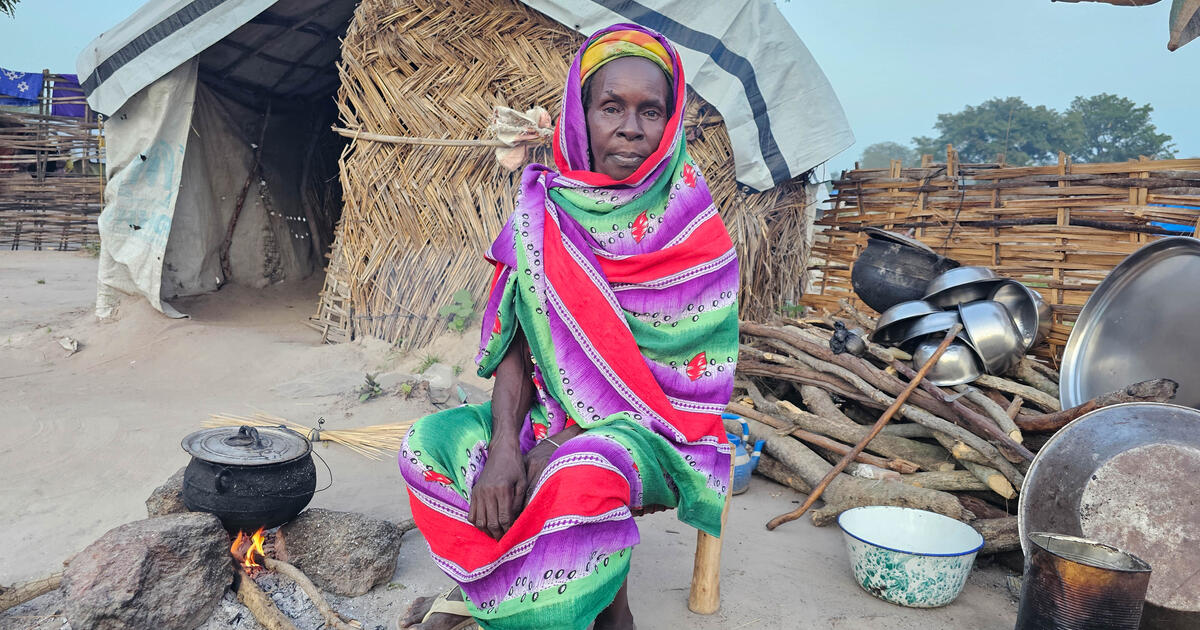
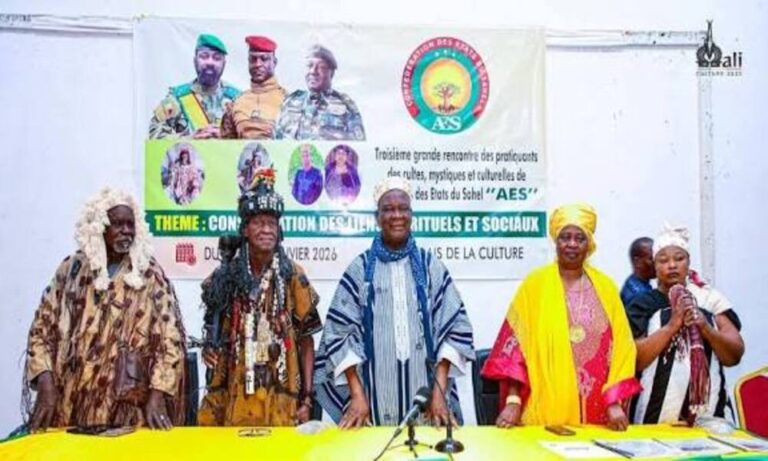
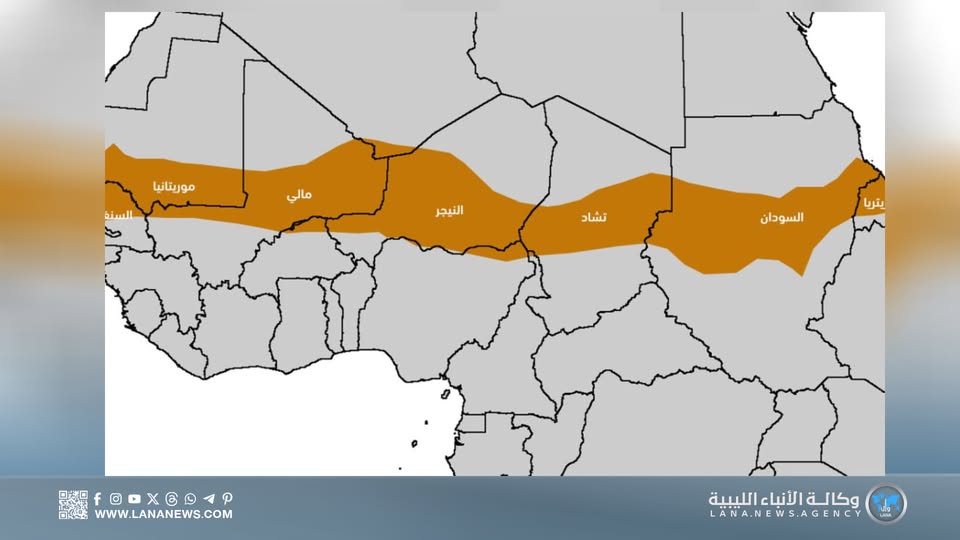
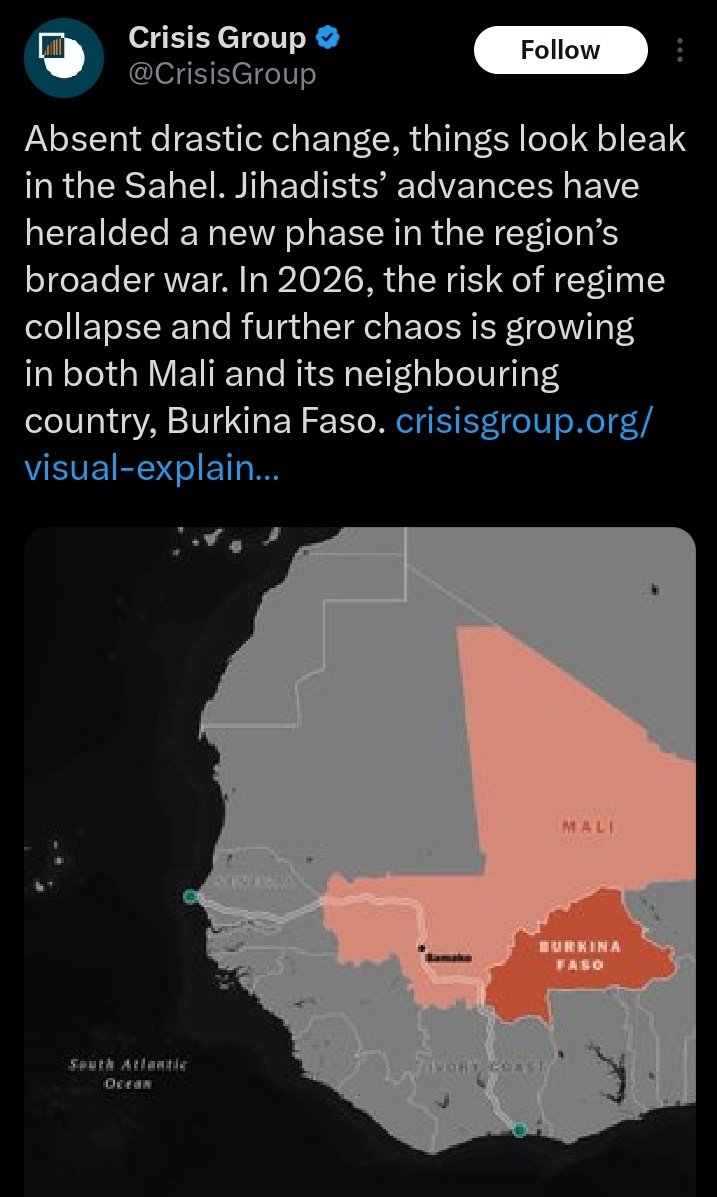
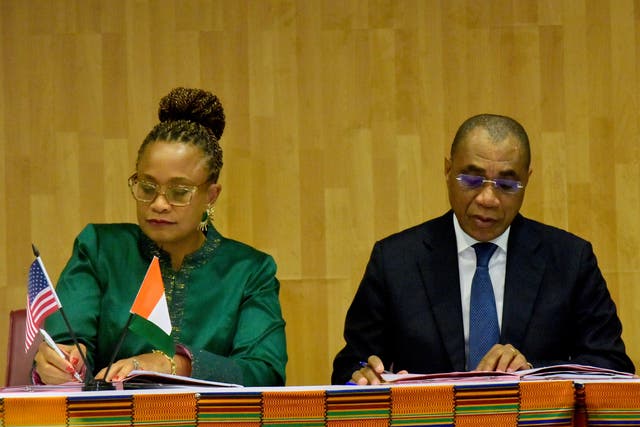
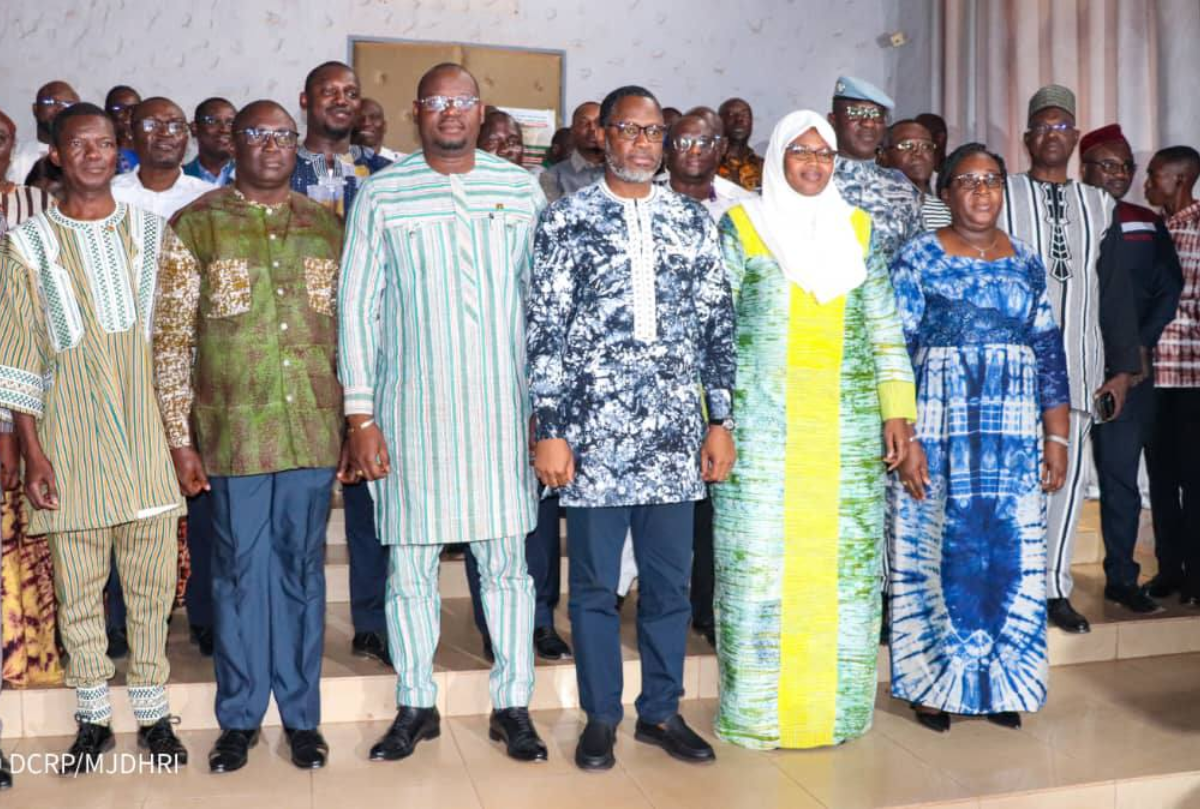
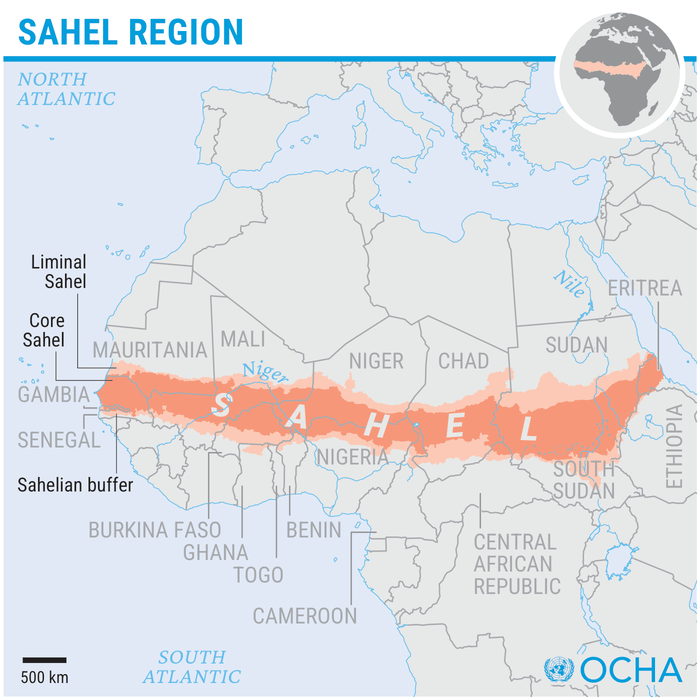
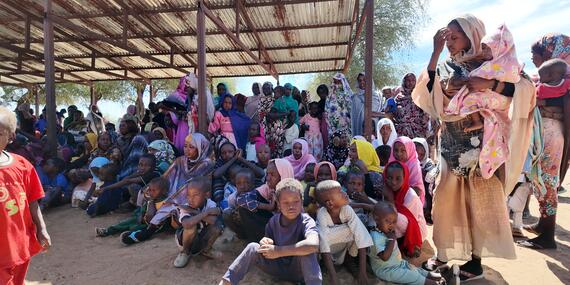
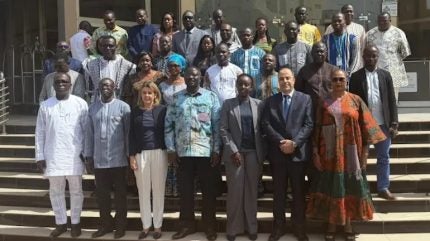
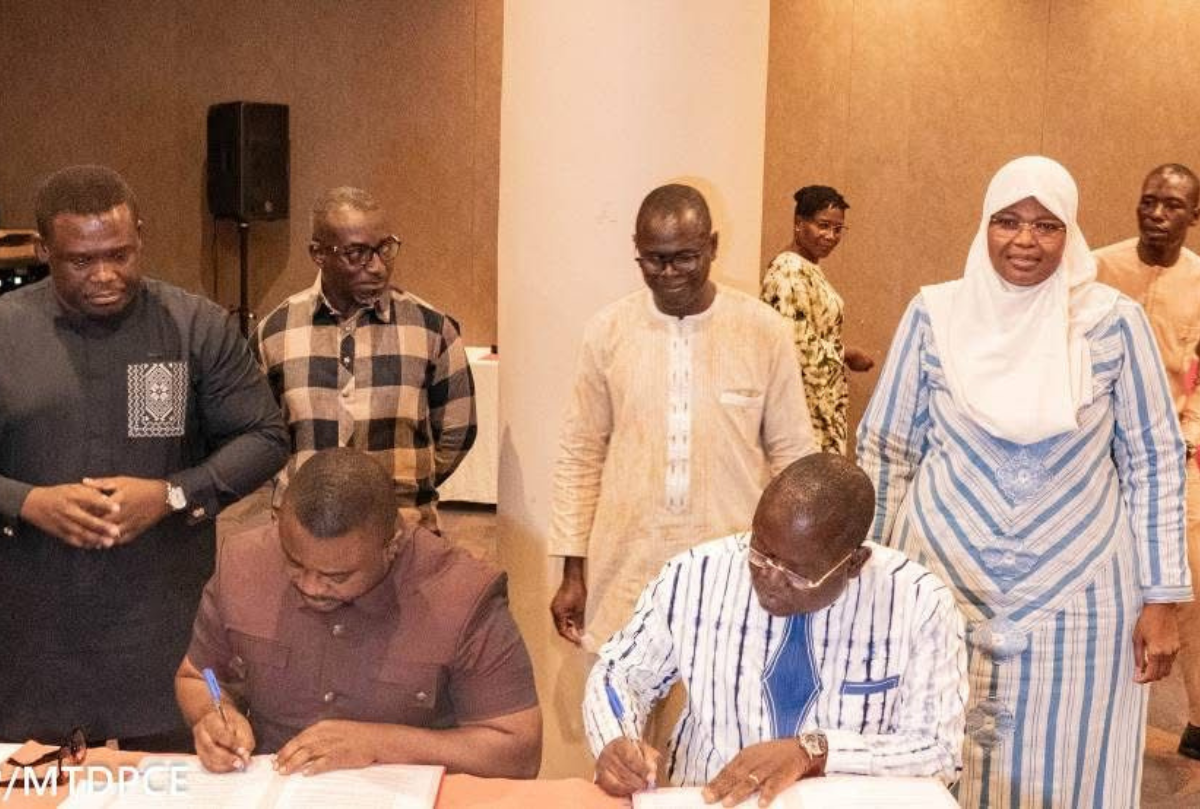
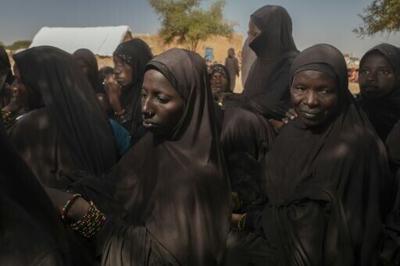
The vast Sahel region of Africa, encompassing countries like Burkina Faso, Mali, and Niger, finds itself at a critical juncture. It’s a land brimming with rich cultural heritage, yet perpetually grappling with complex political, social, and economic challenges. From security dilemmas to governance hurdles, the resilience of its people is constantly tested. There’s a tangible desire for progress, evident in recent moves like the new statute for the John Paul II Foundation for the Sahel. This foundation aims to bolster solidarity and cooperation, fostering a unified approach to sustainable development rather than fragmented efforts. Doesn’t that sound like a step in the right direction?
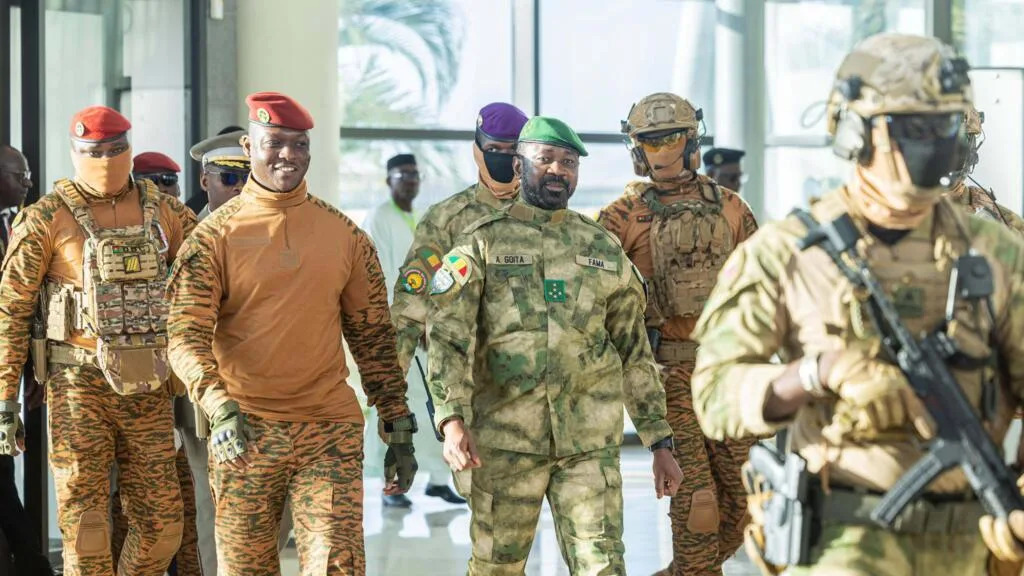
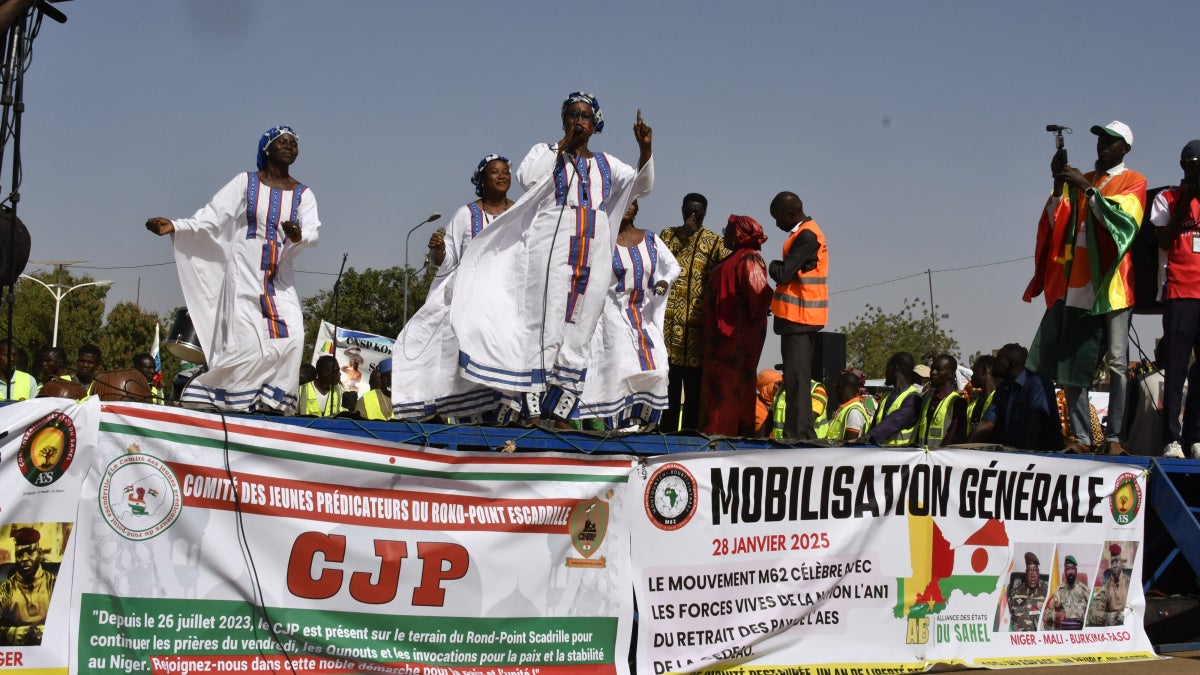
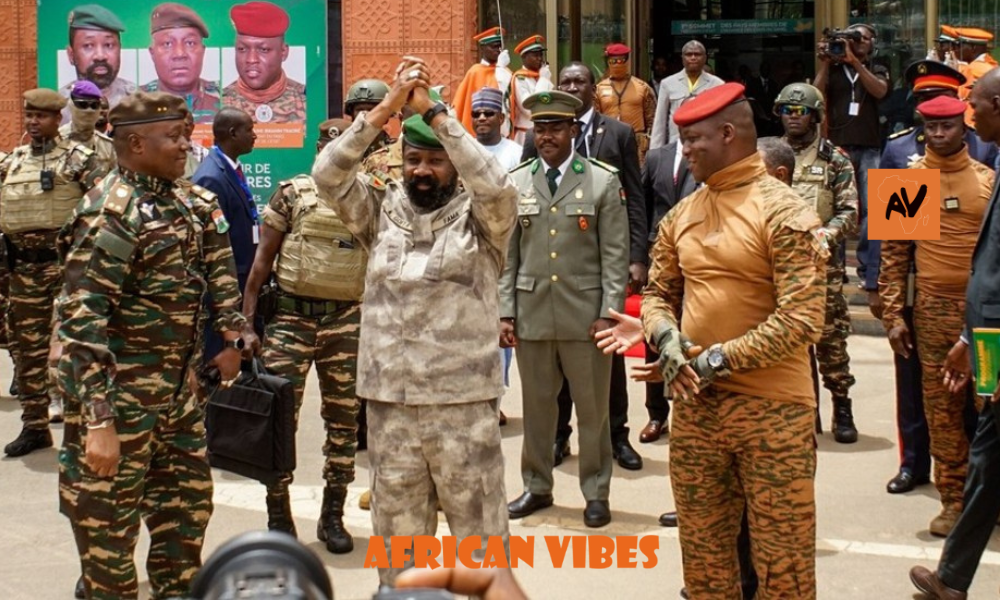
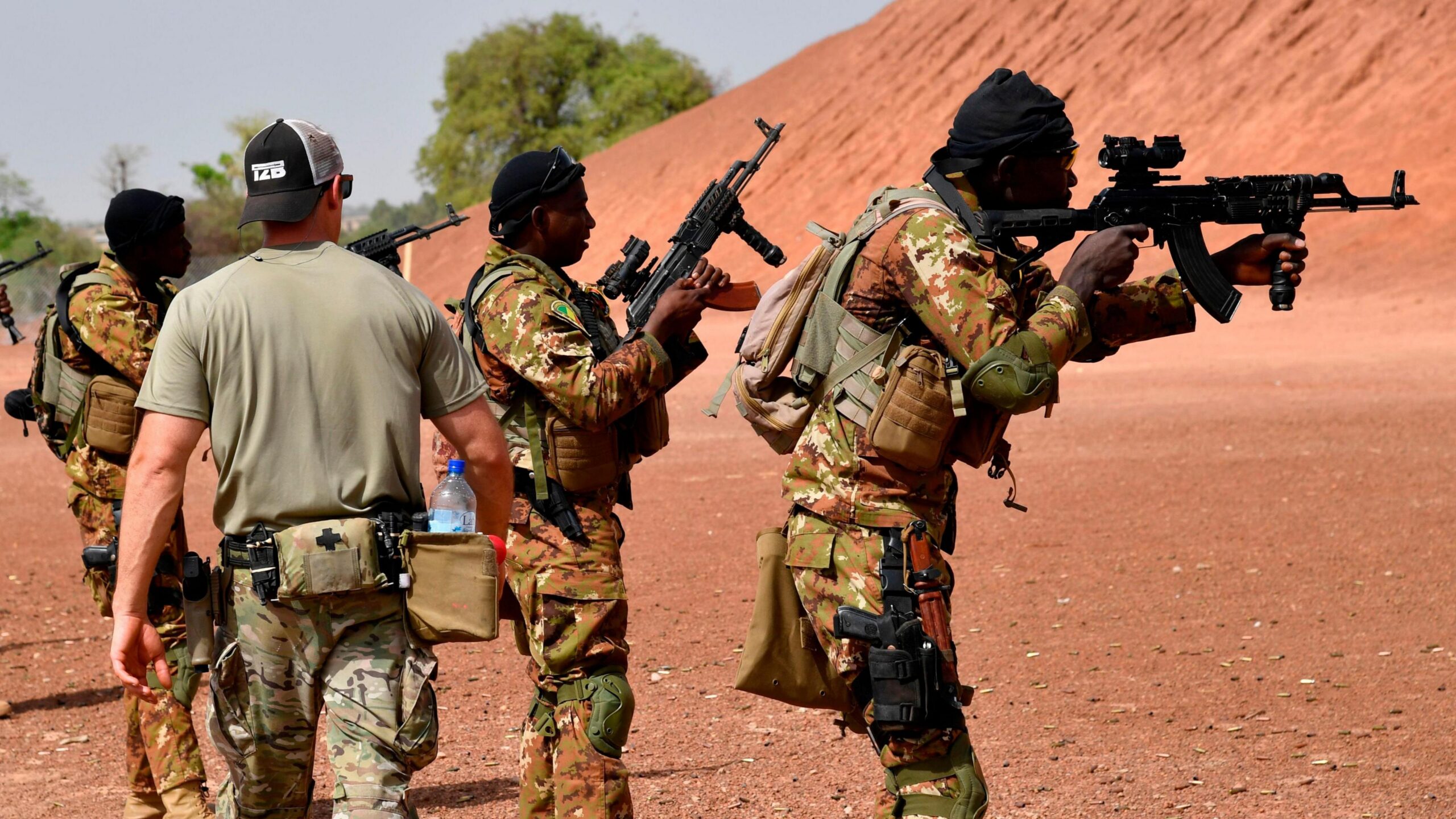
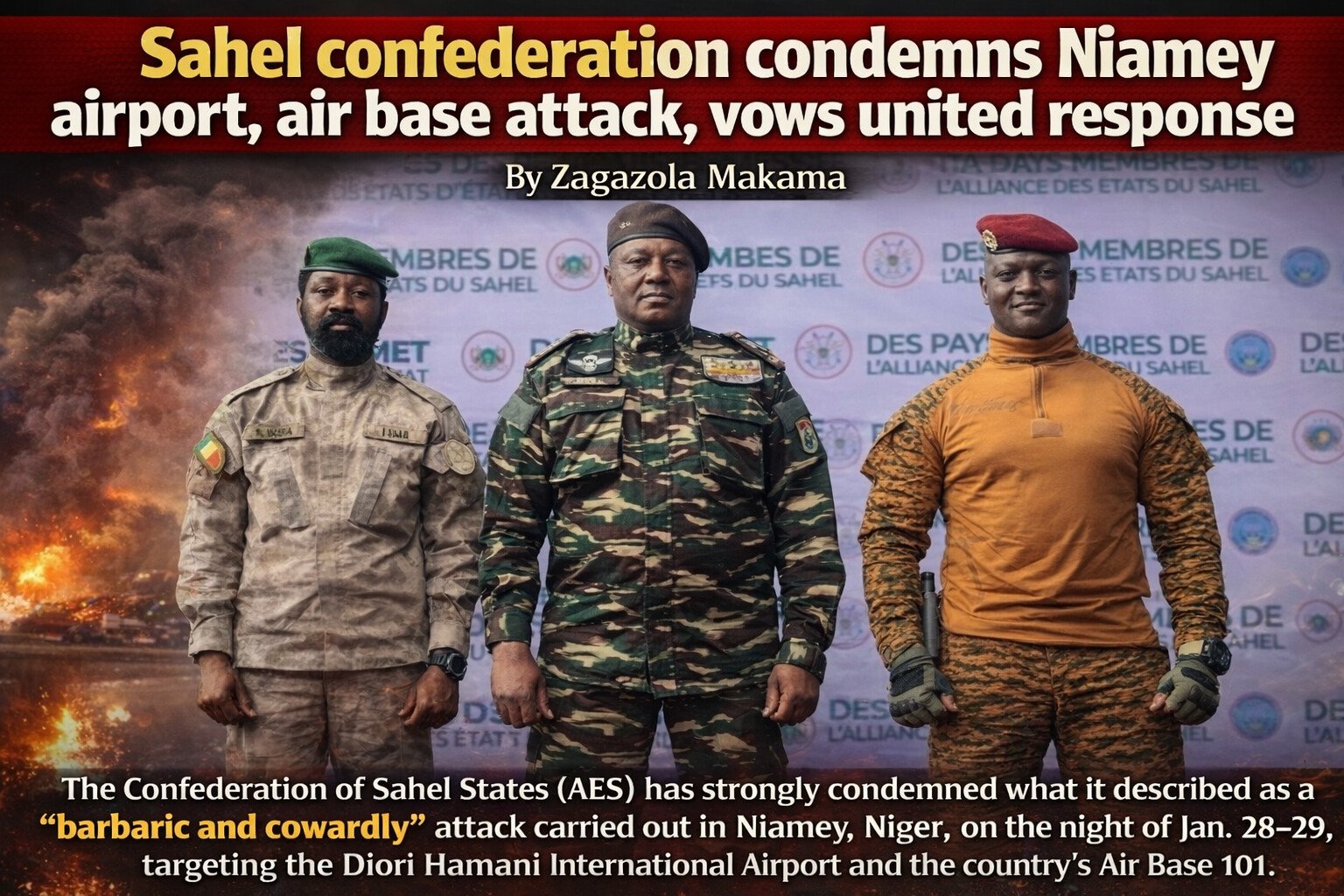
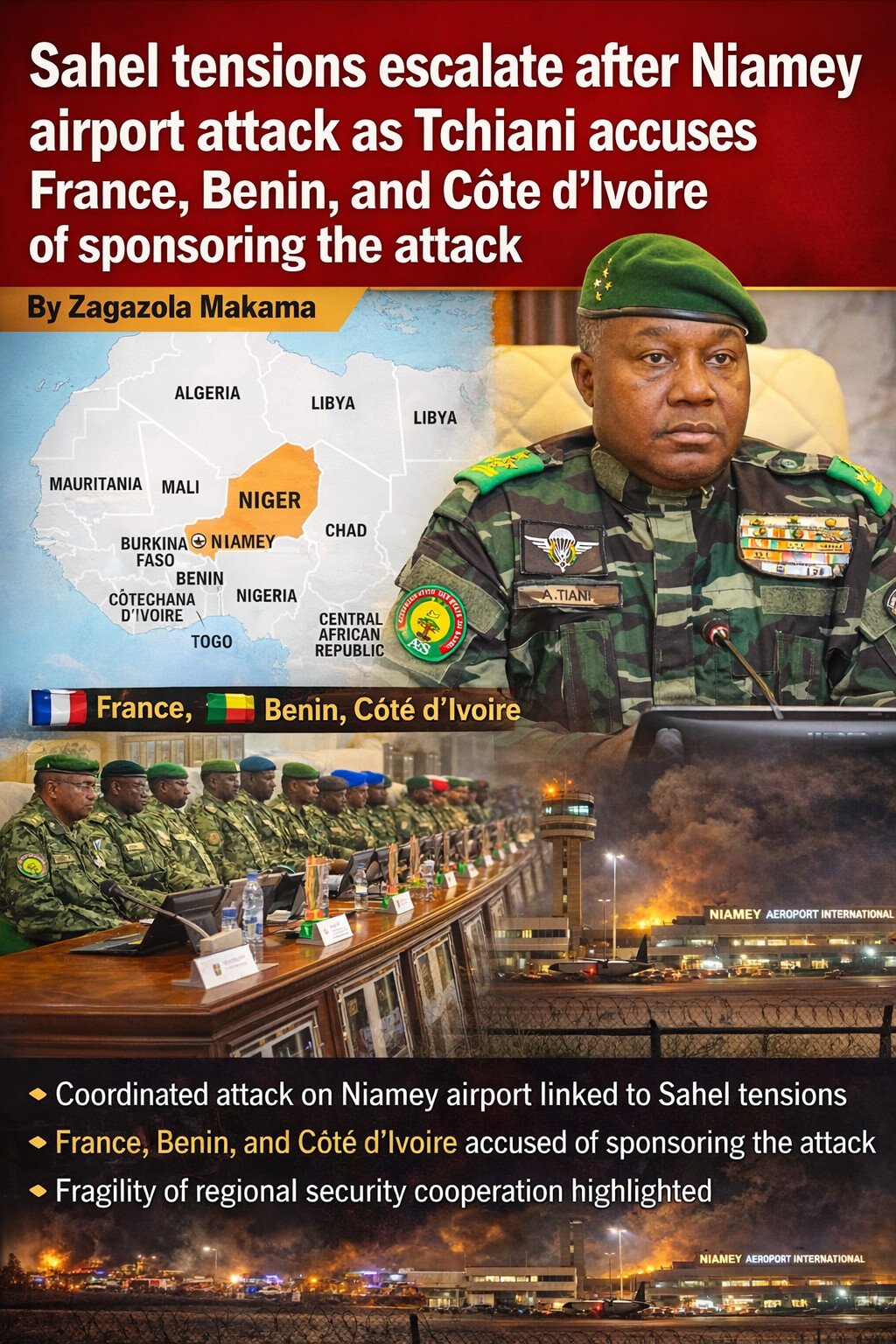
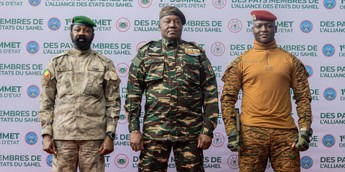
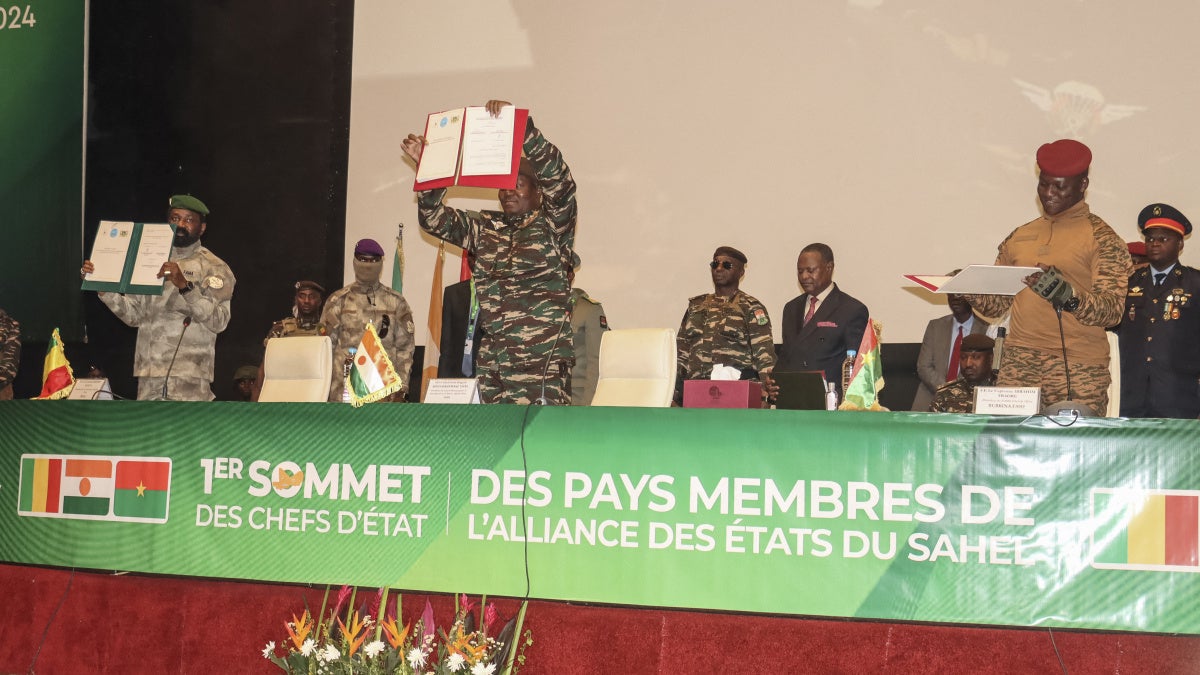
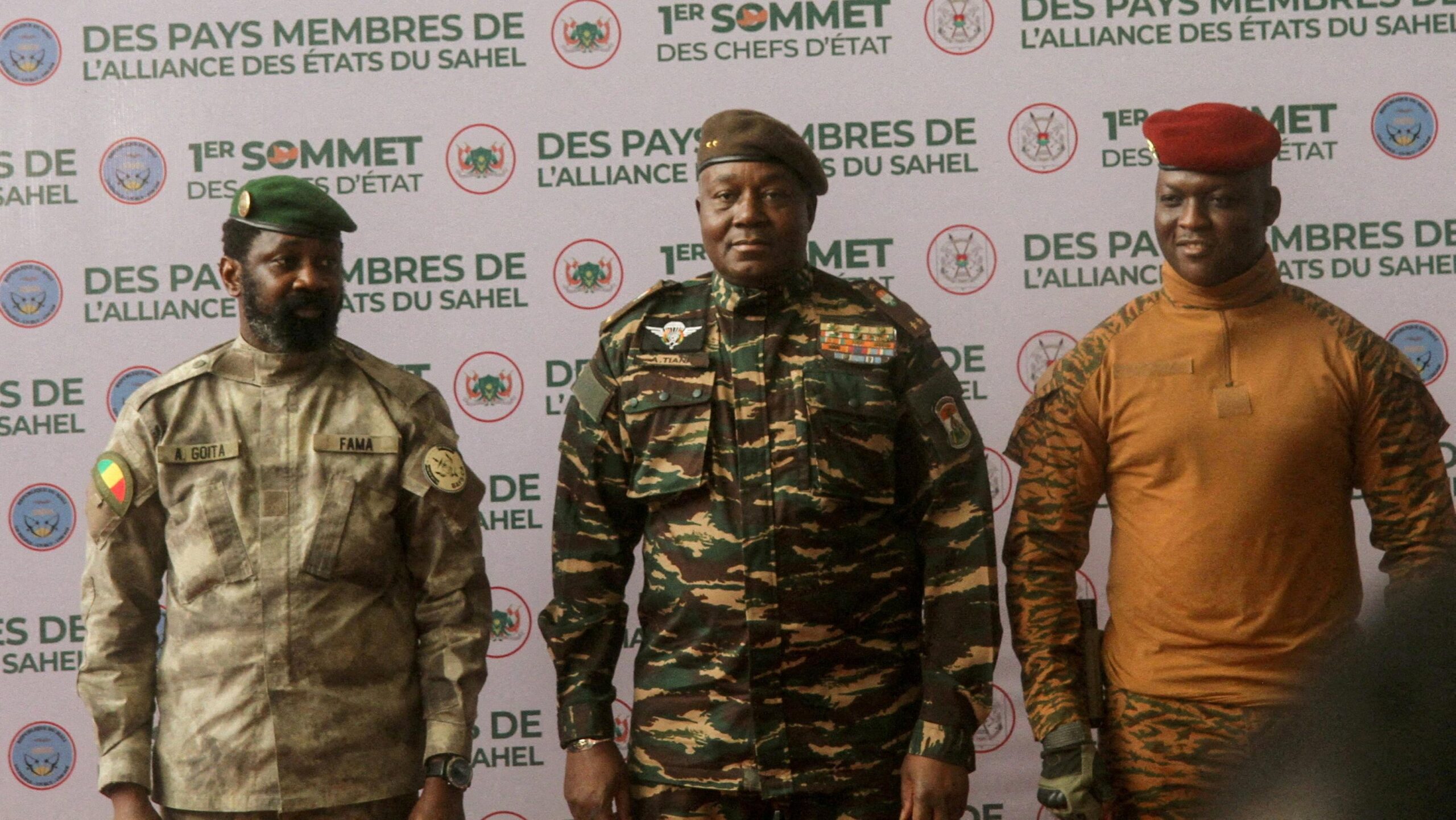
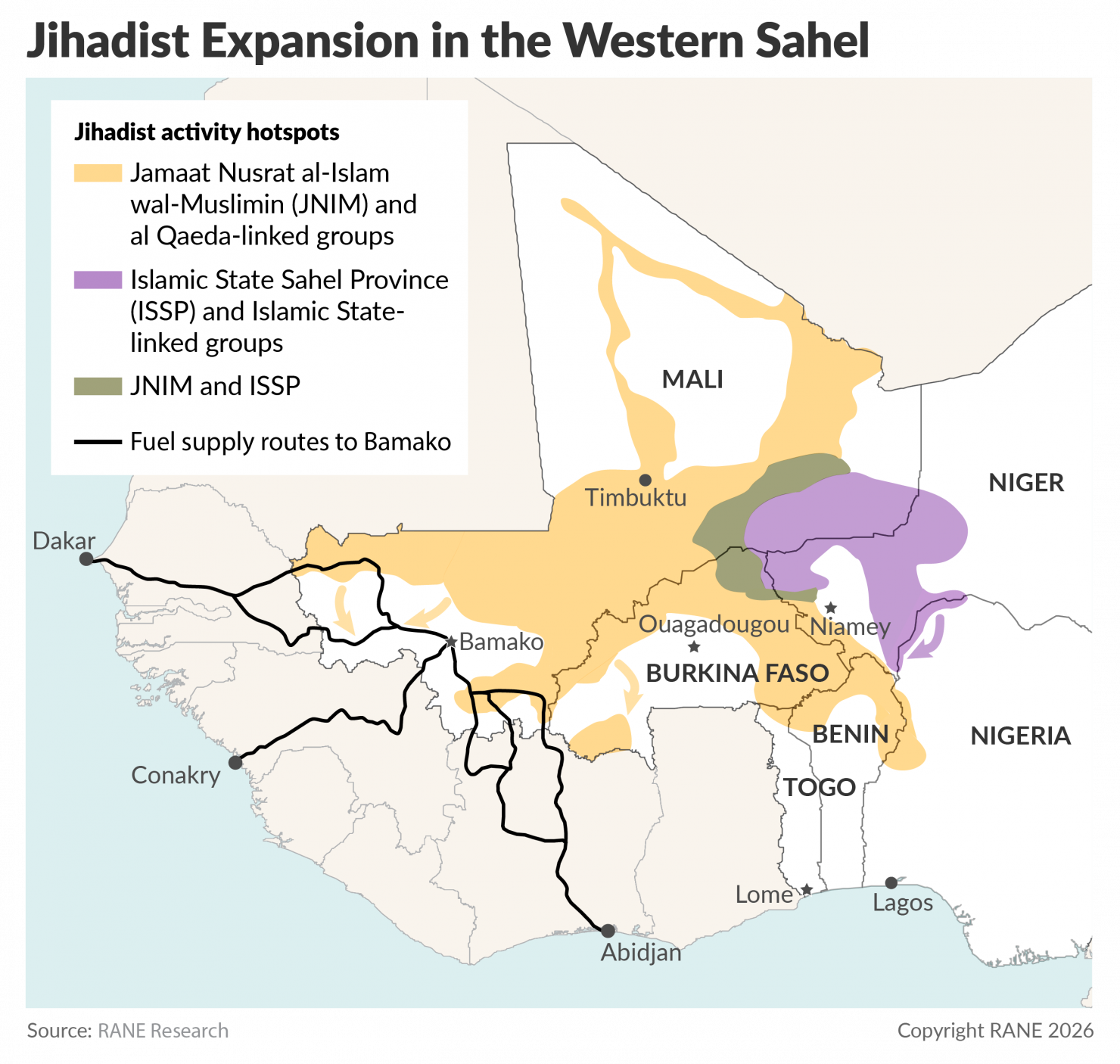
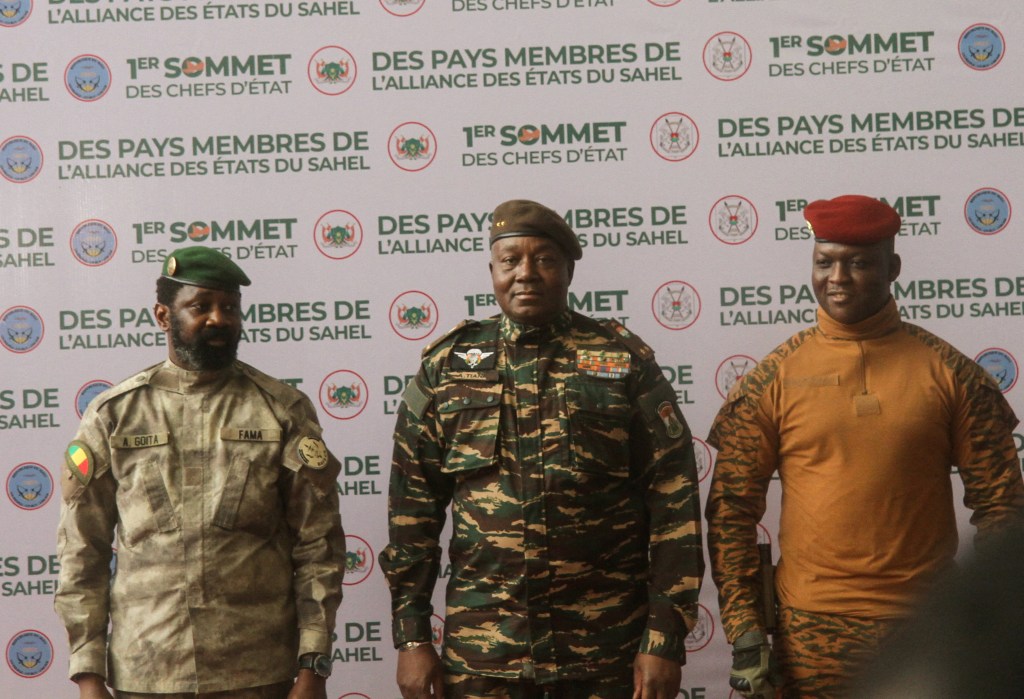
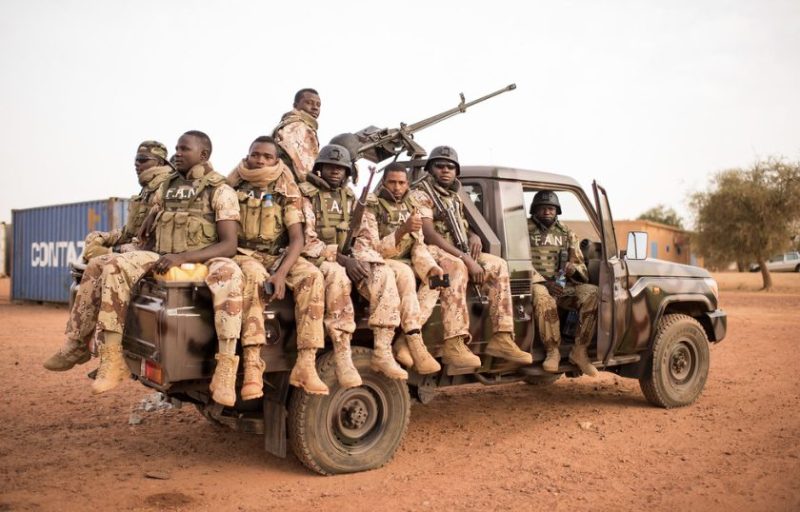
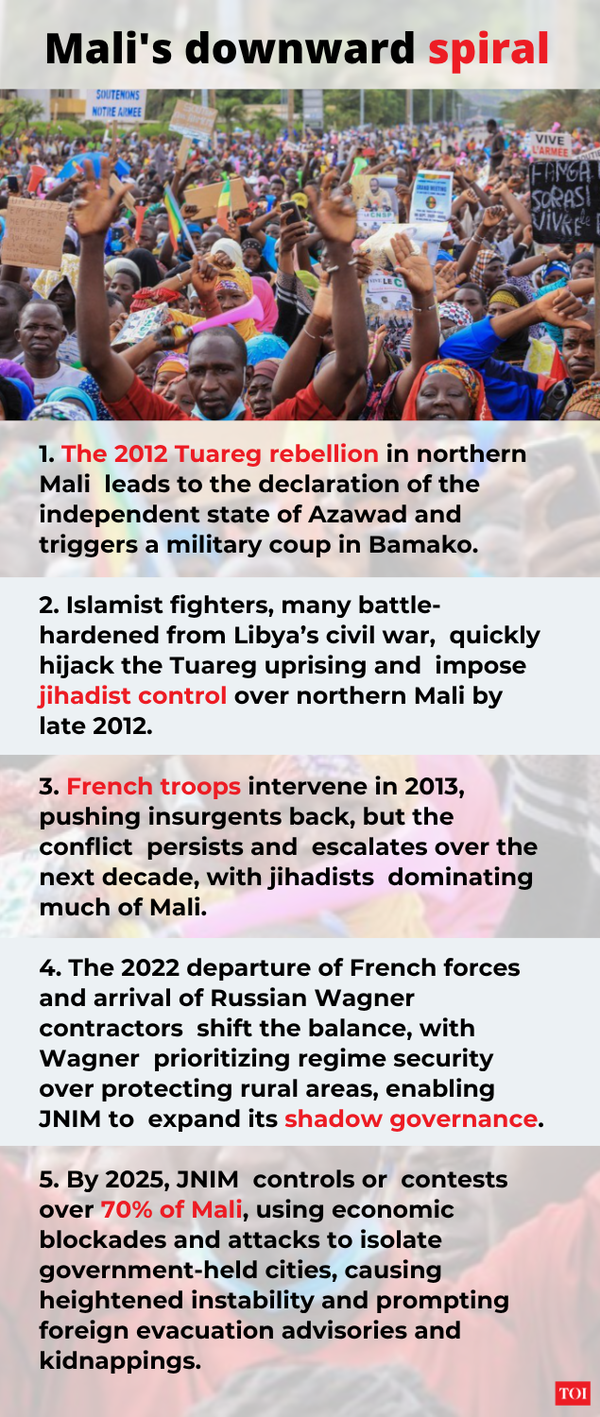
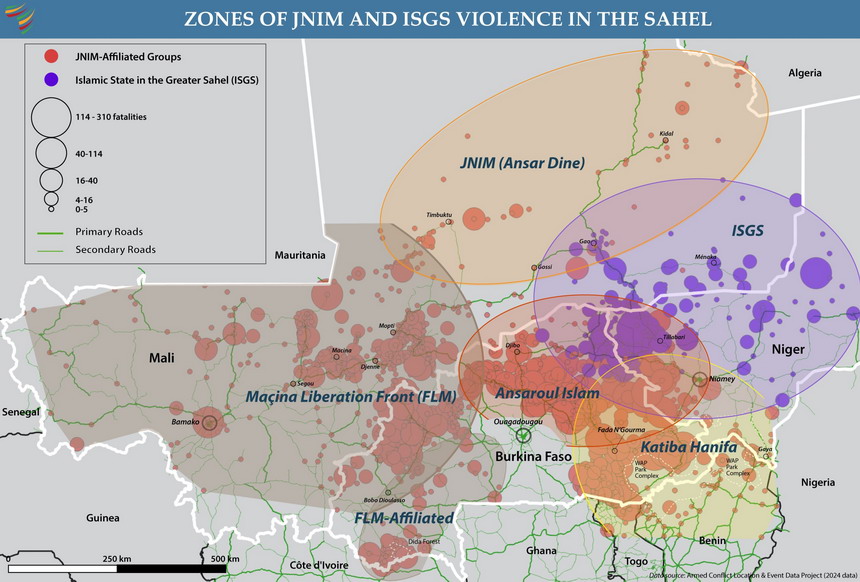
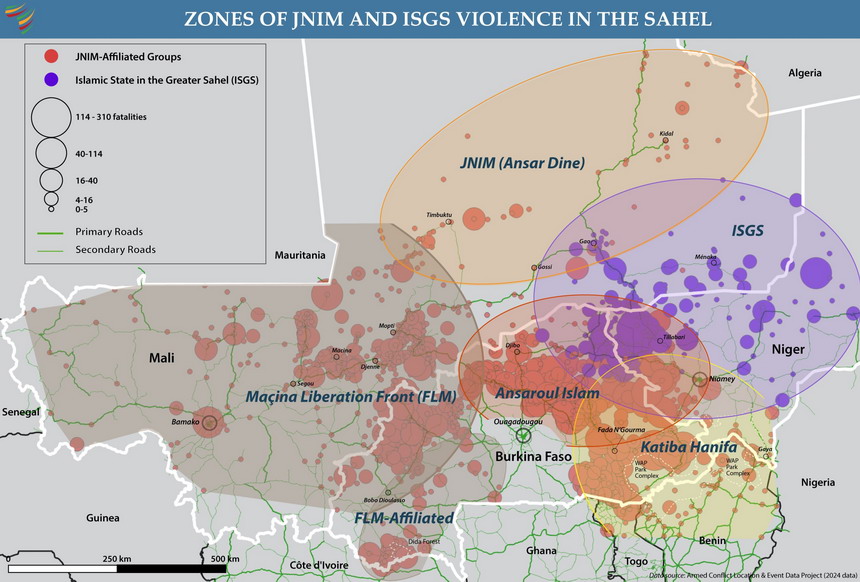
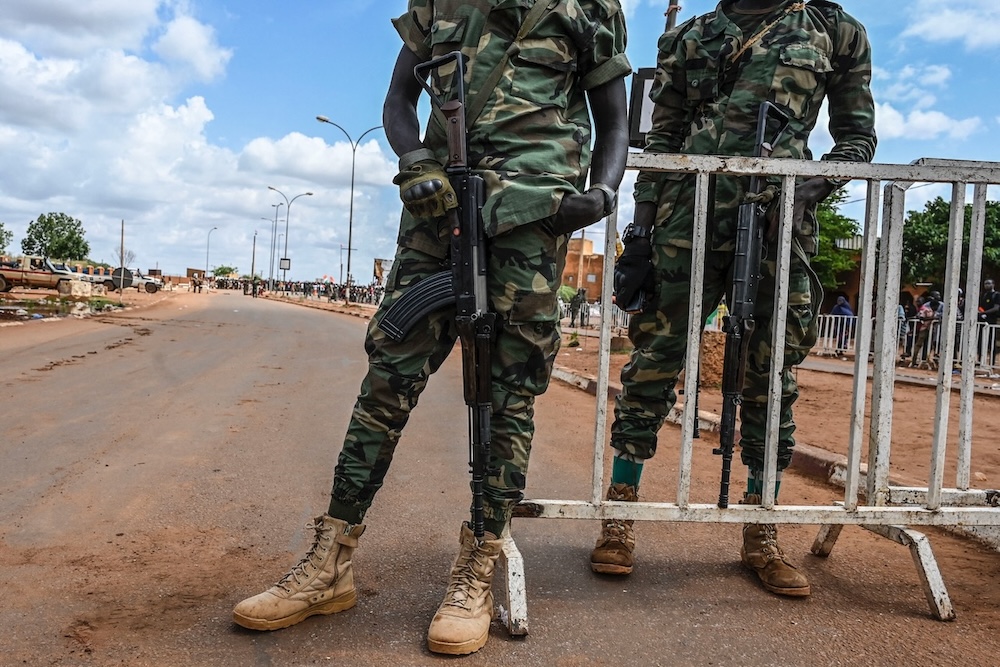
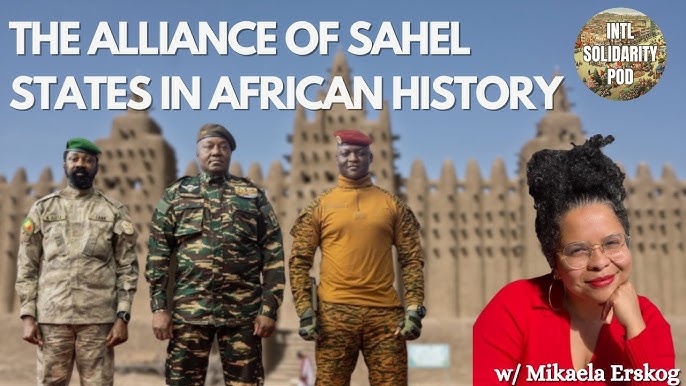
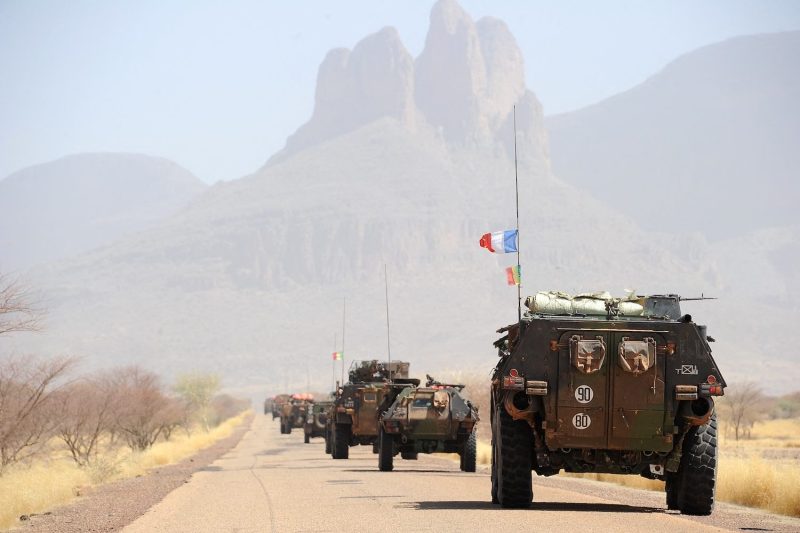
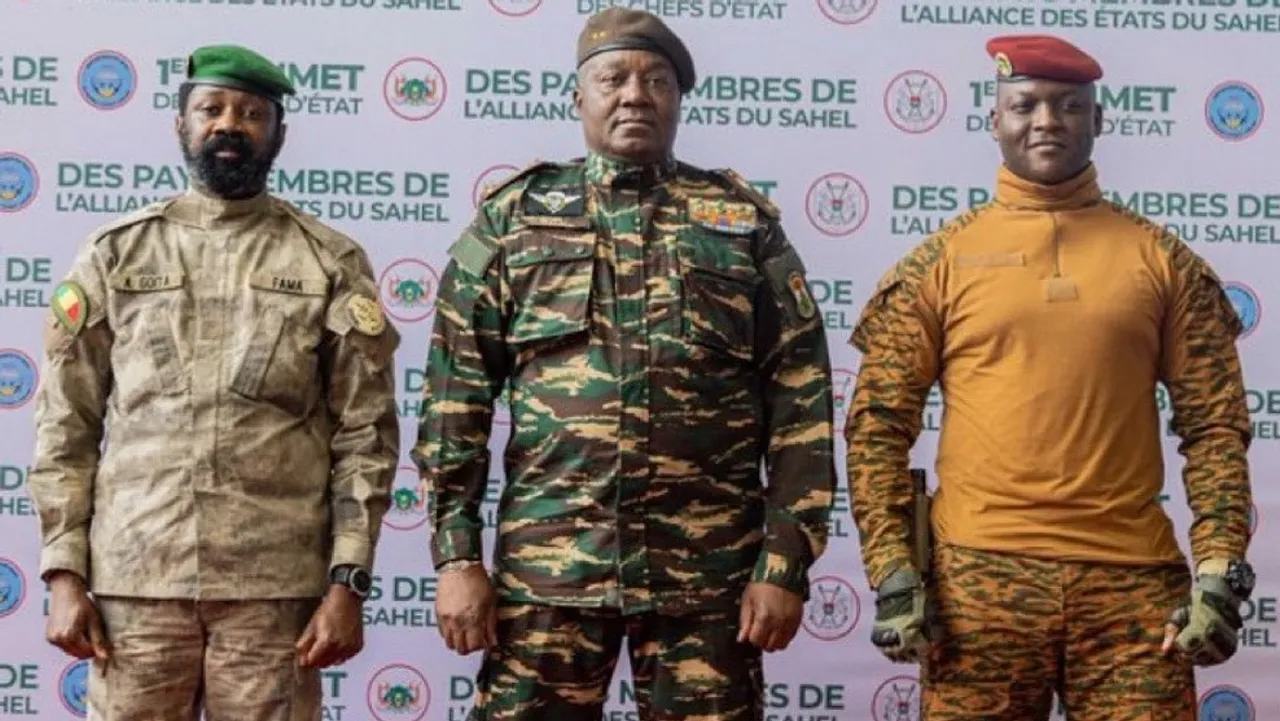
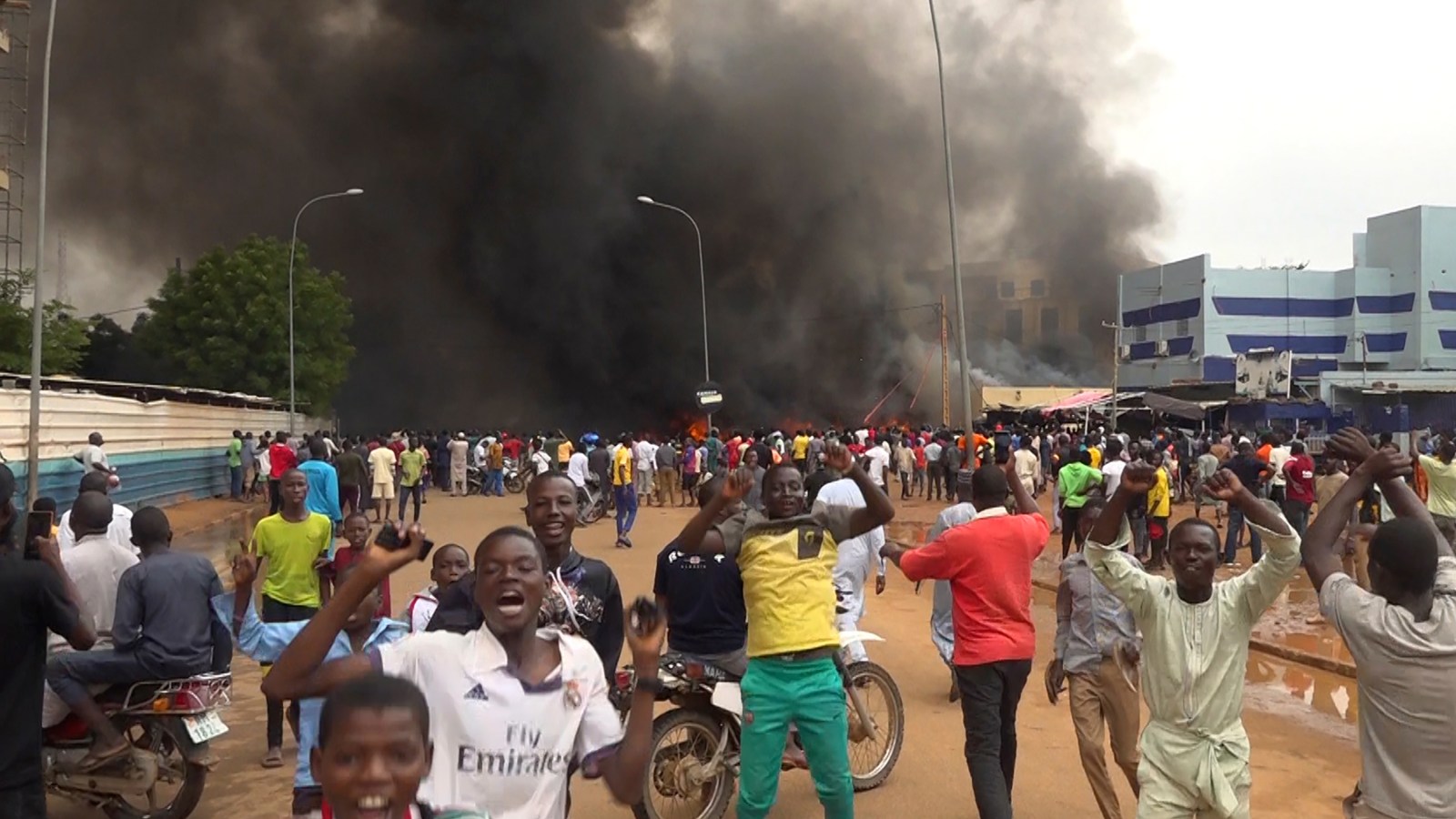
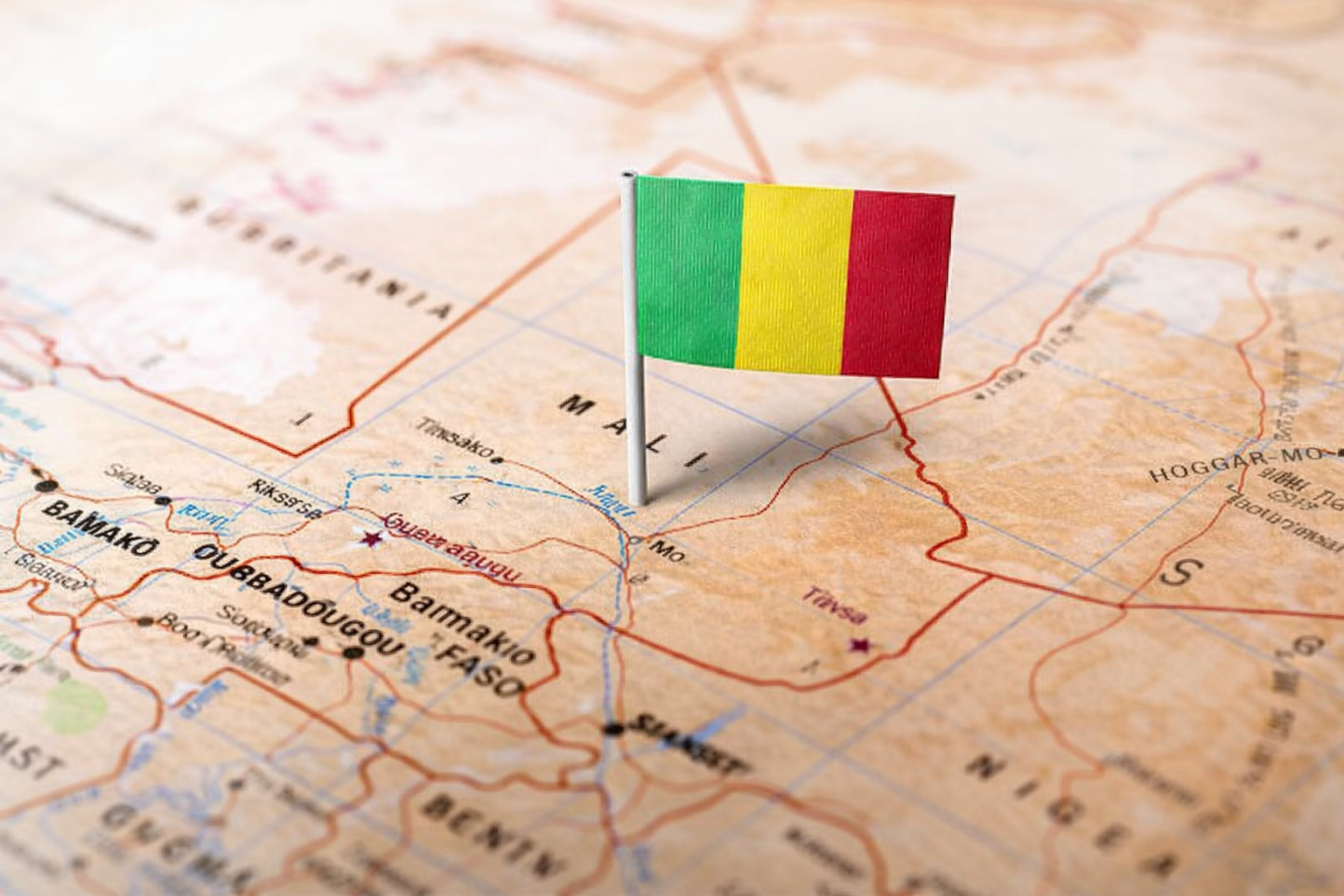
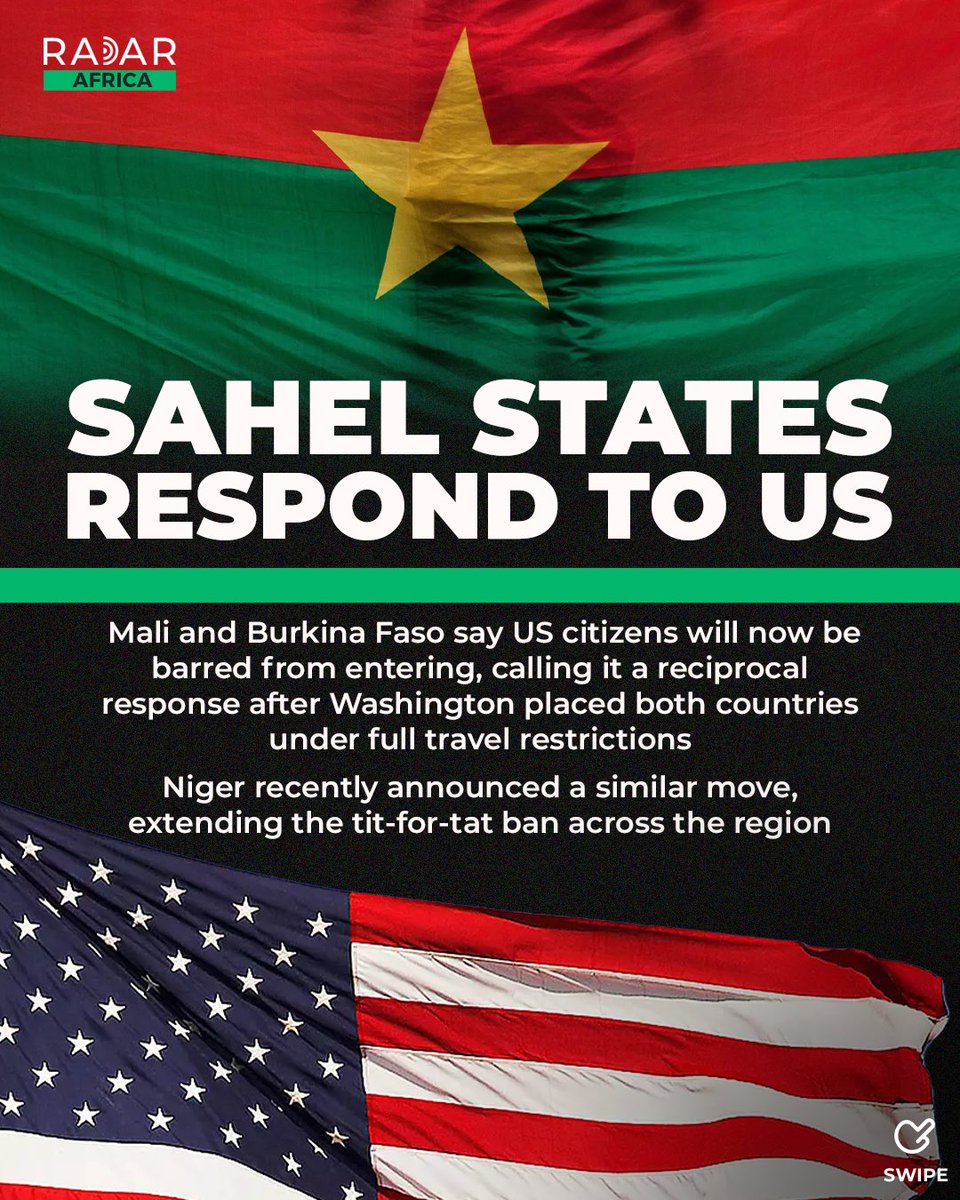
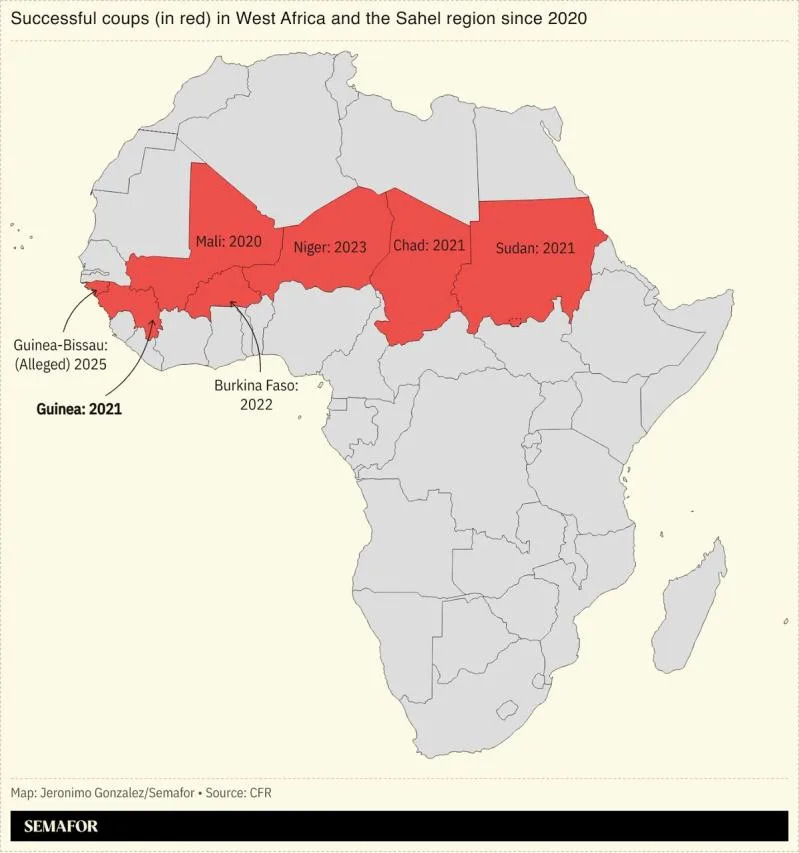
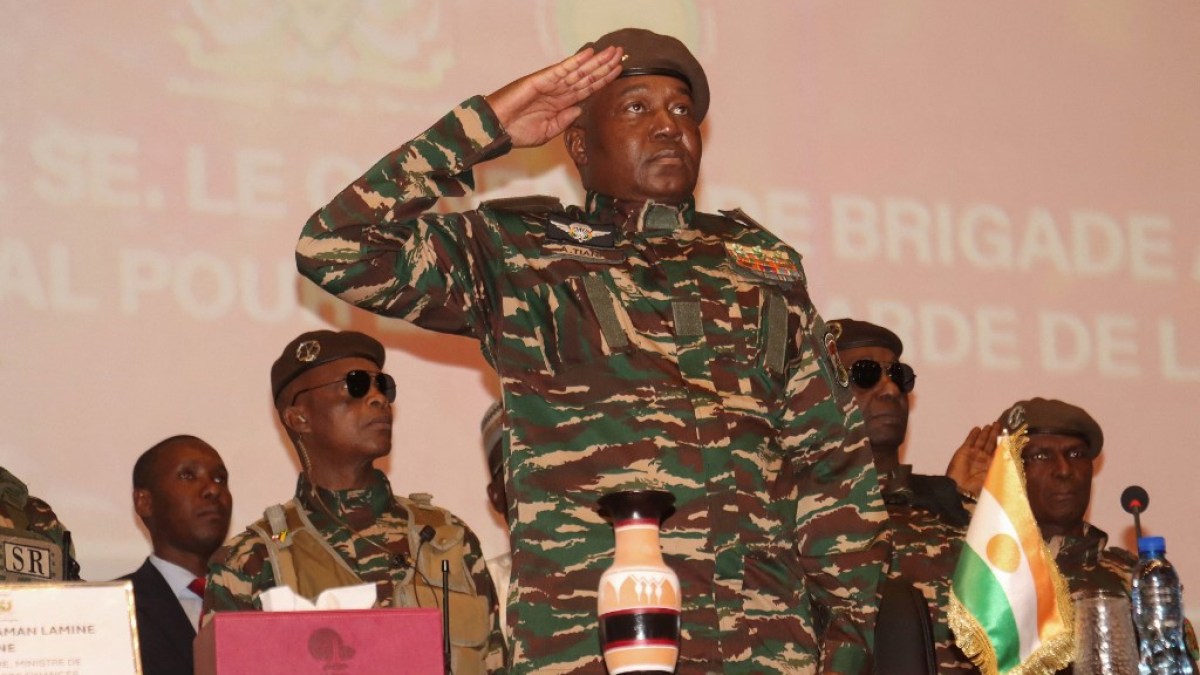
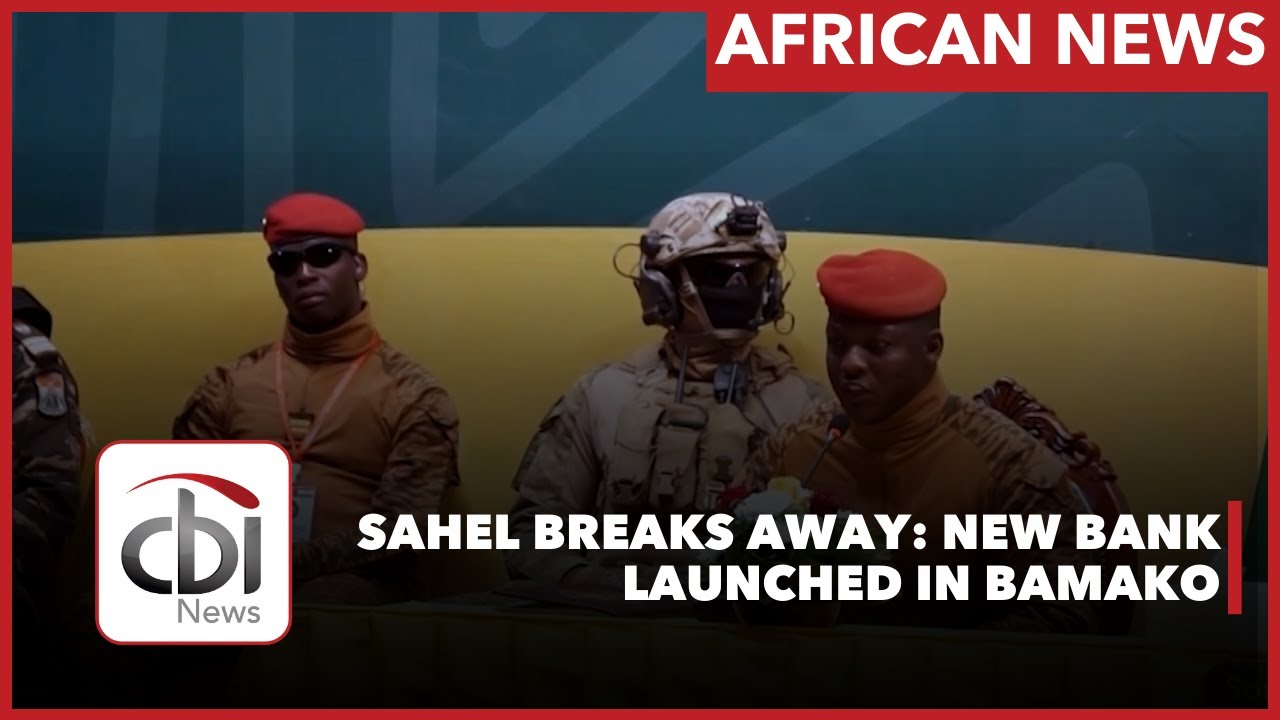
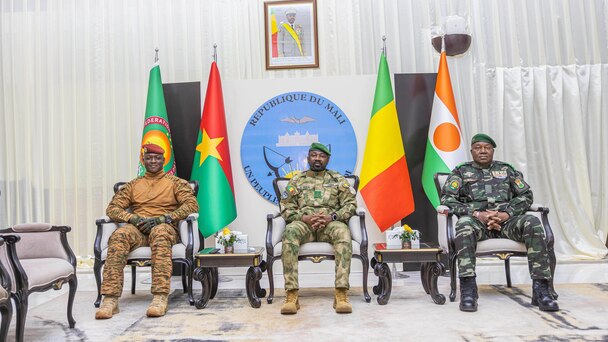
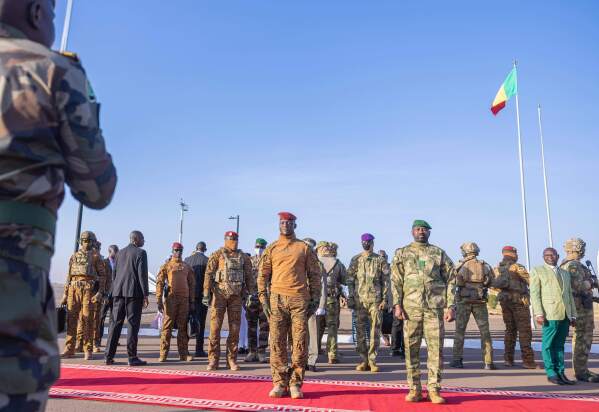
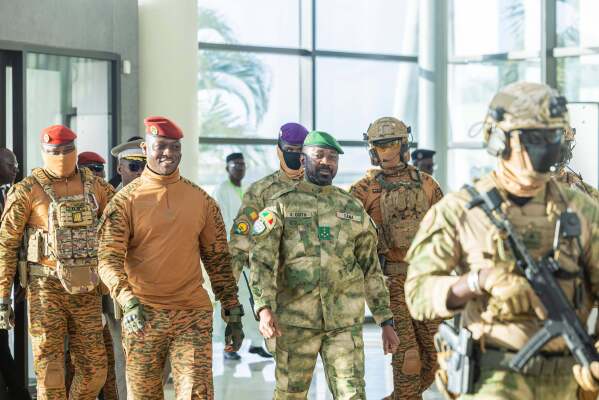
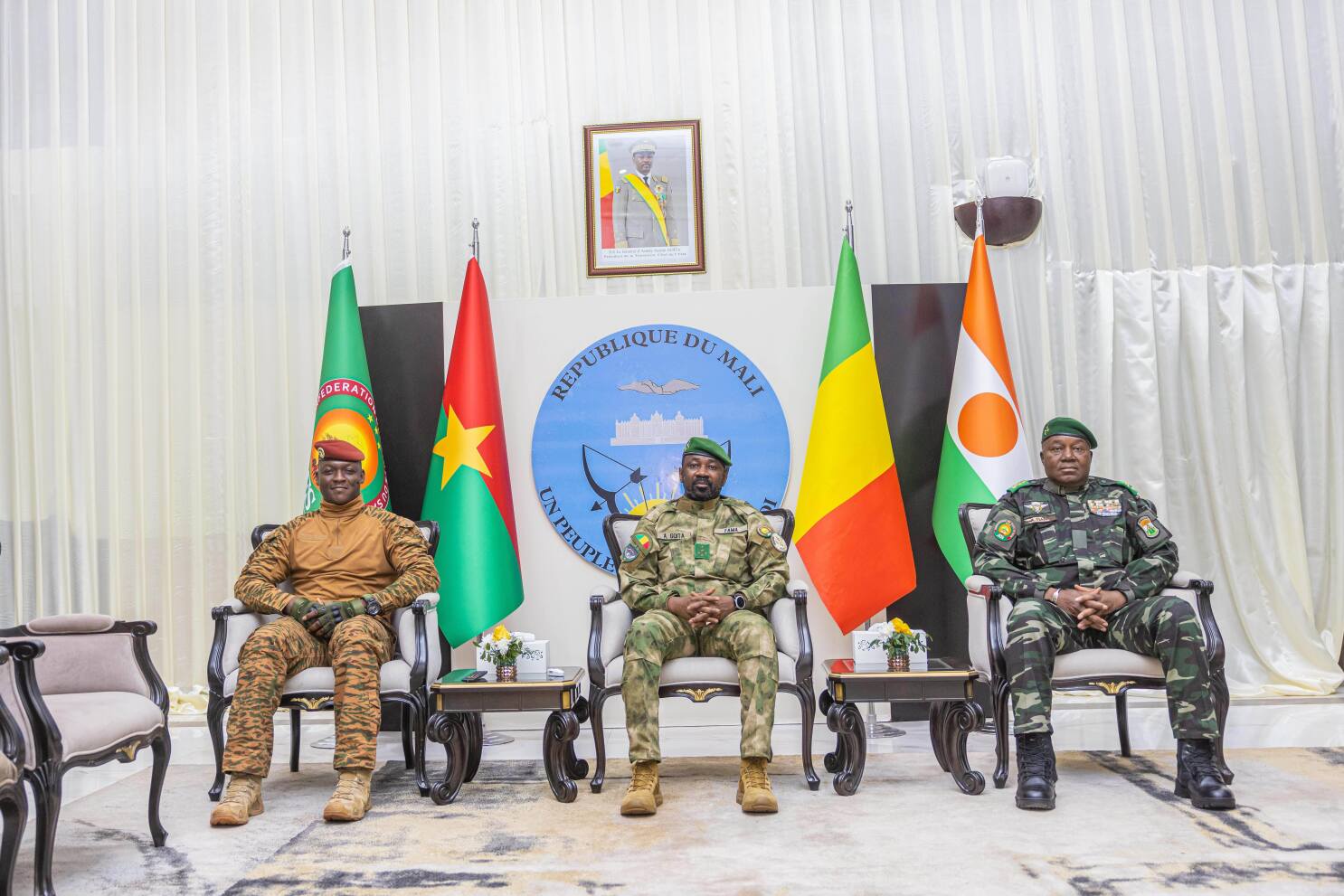
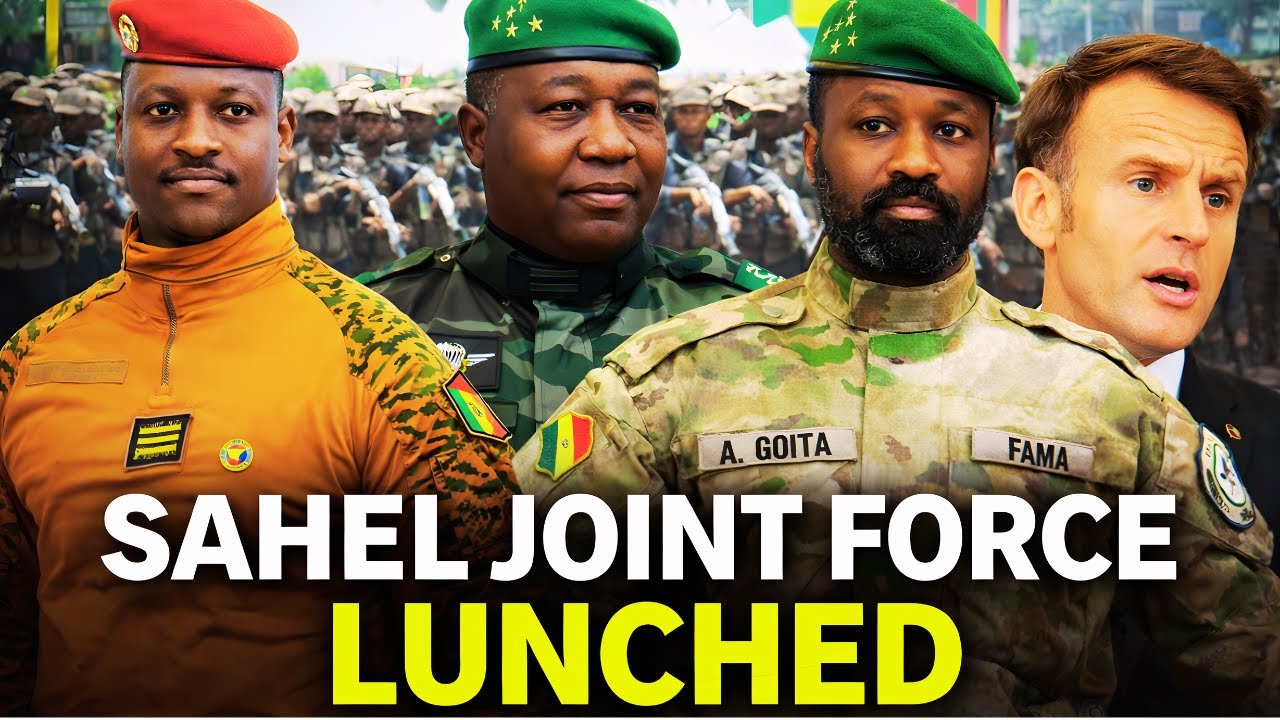
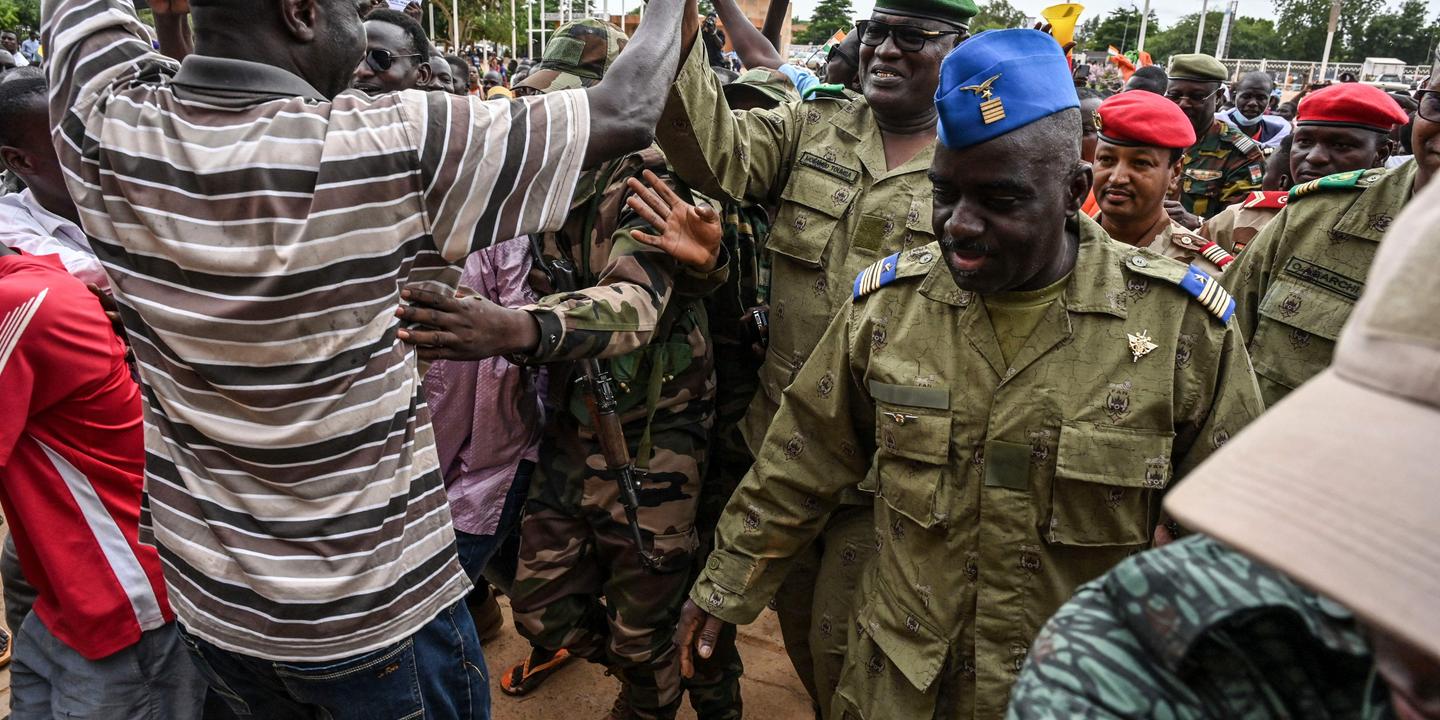
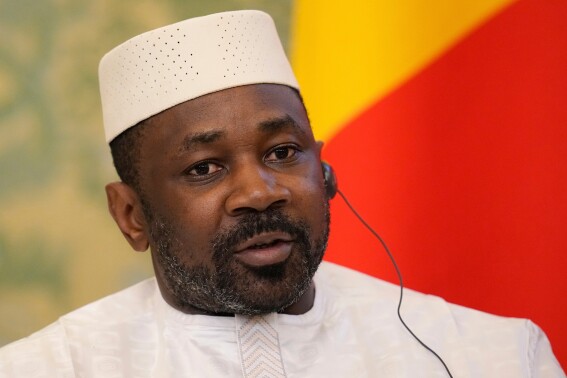
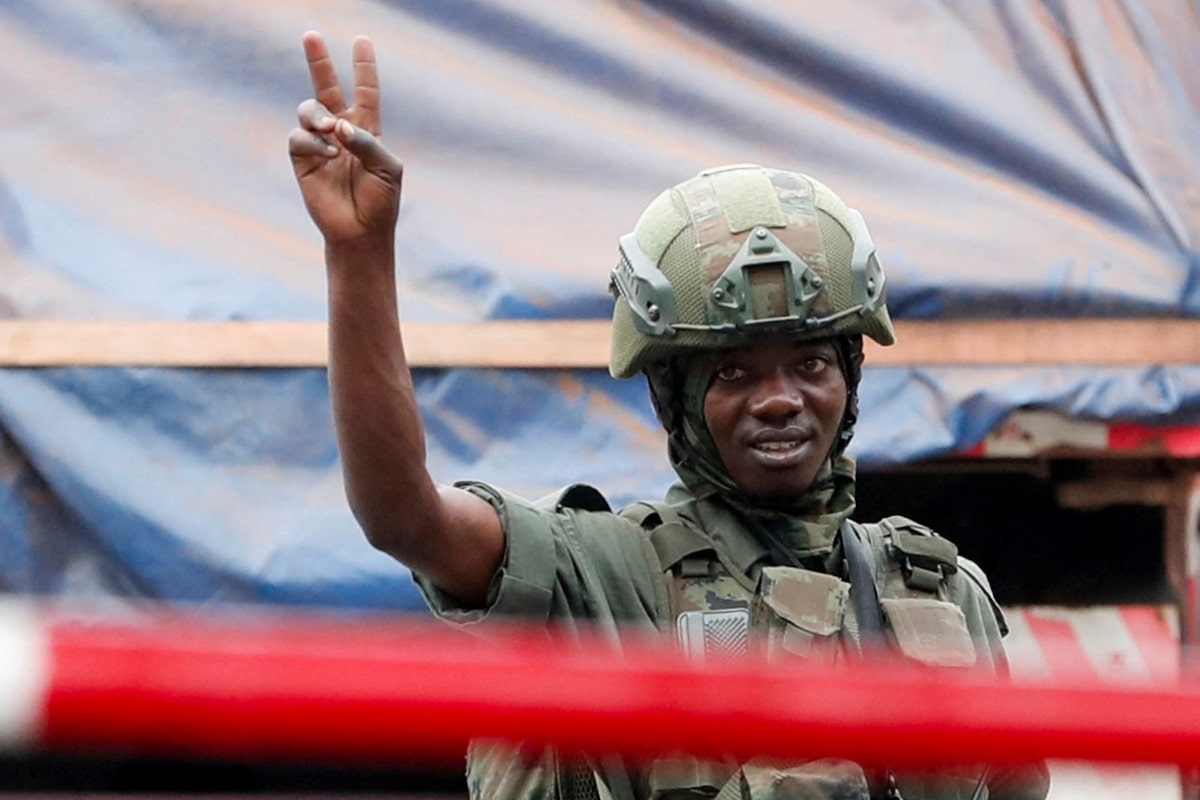
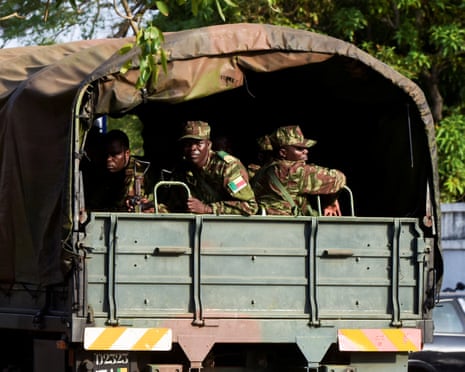
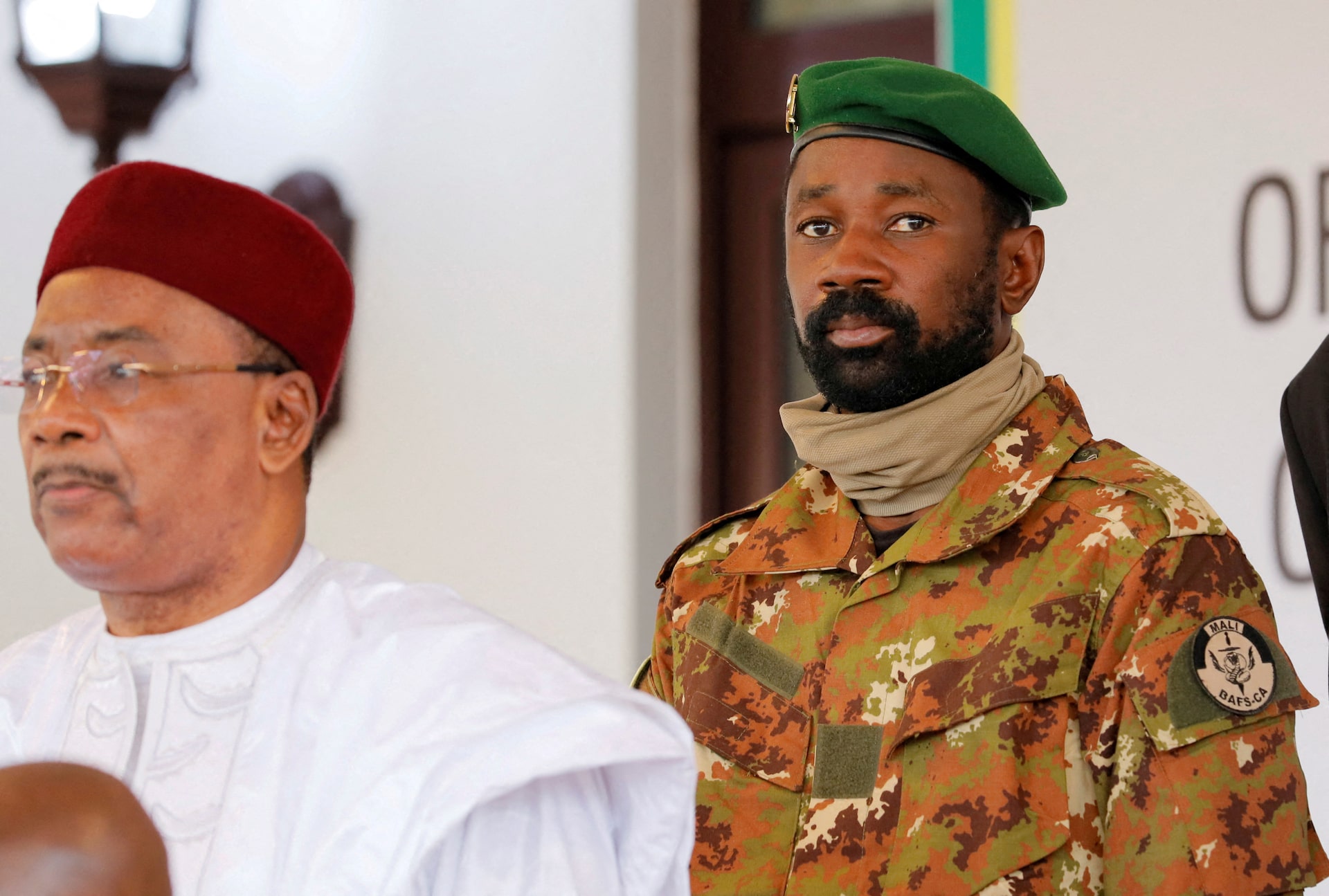
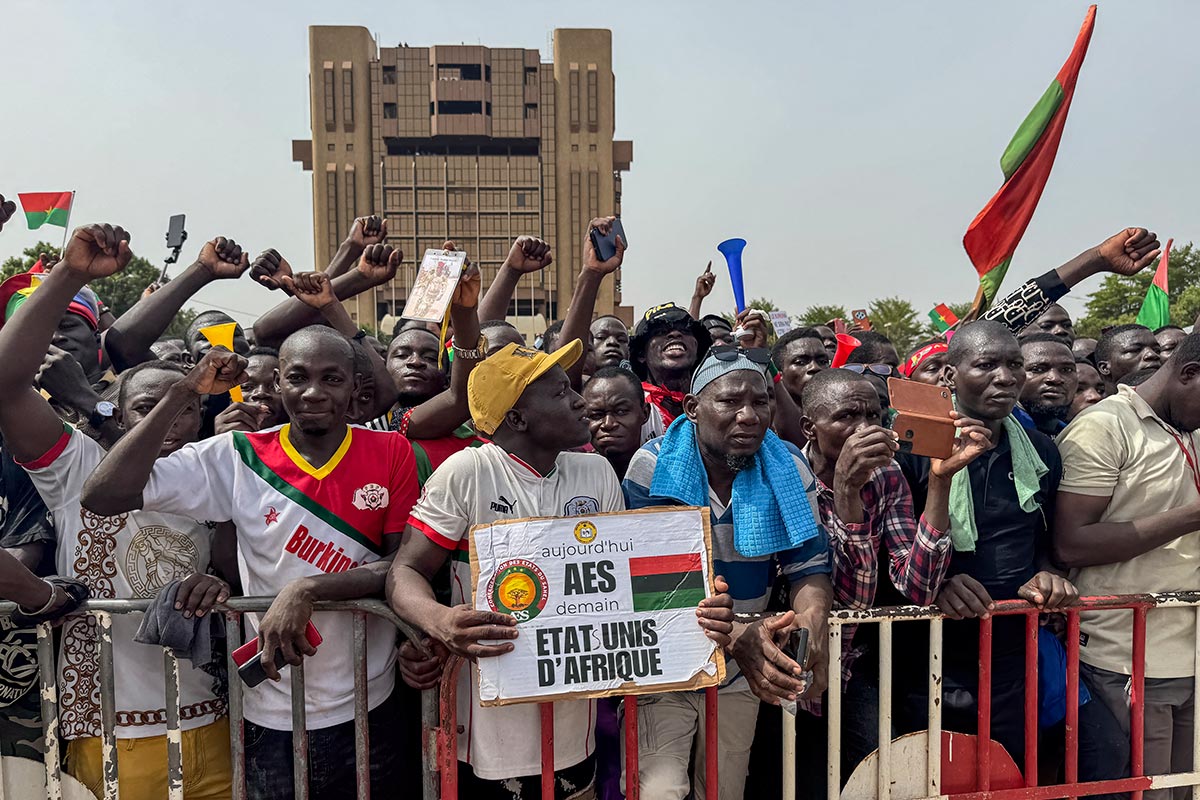
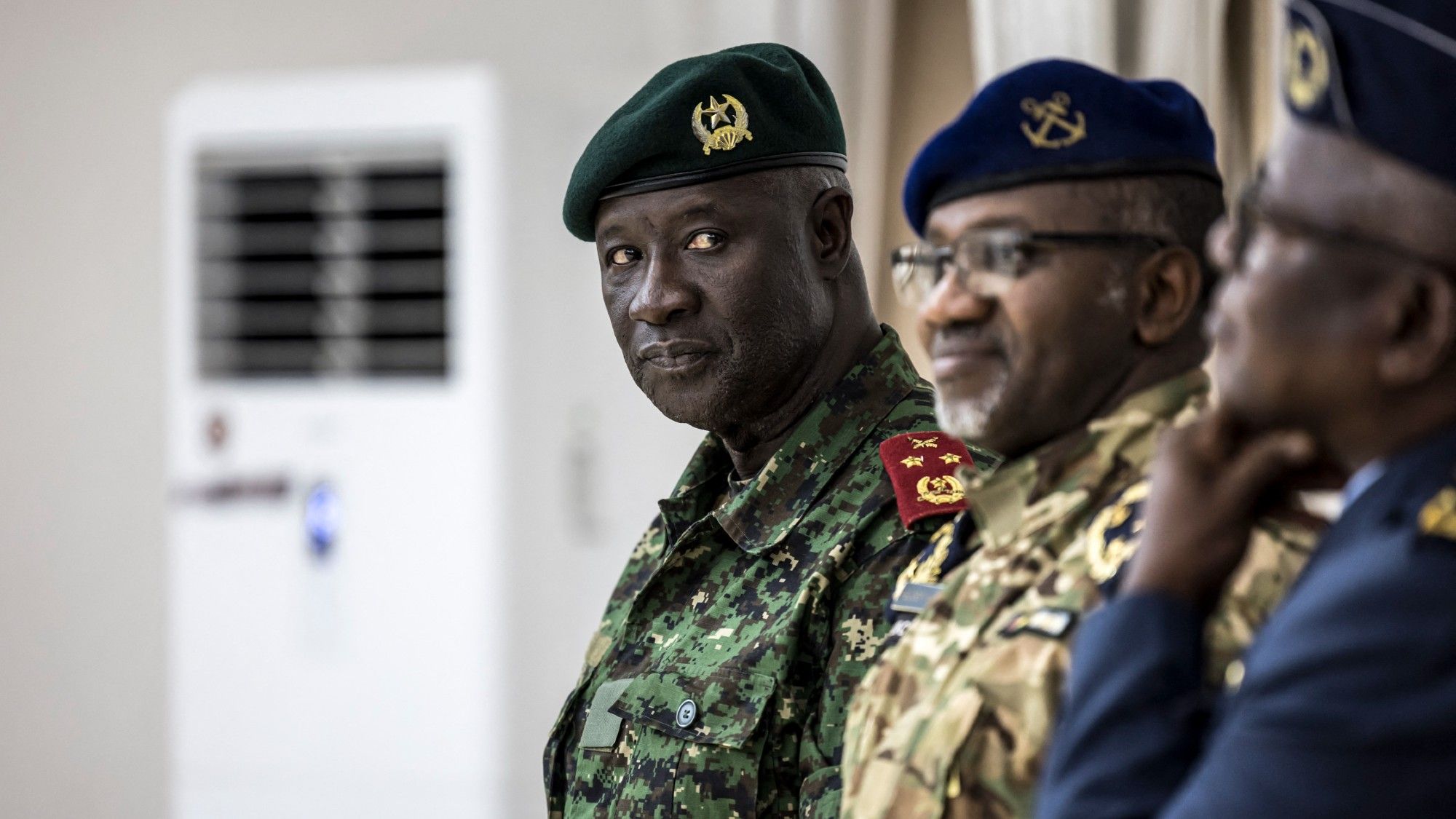
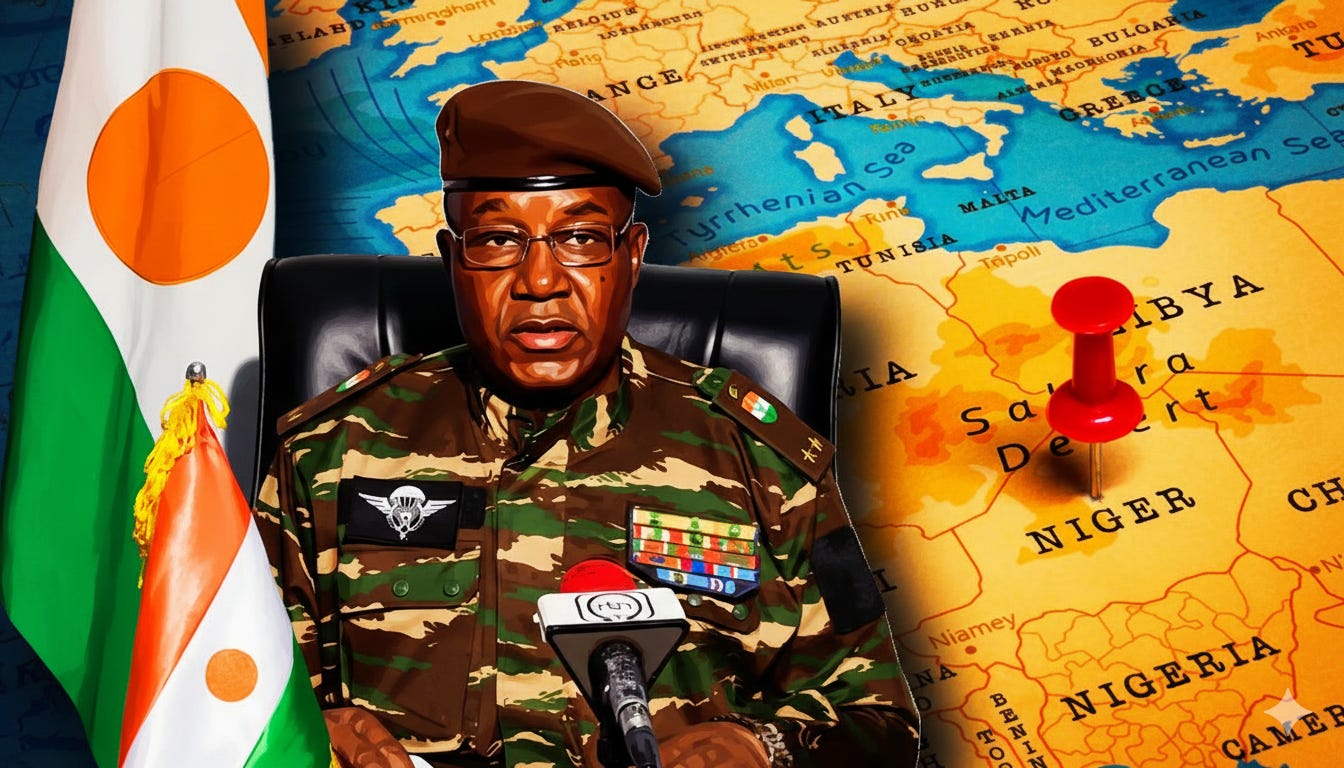
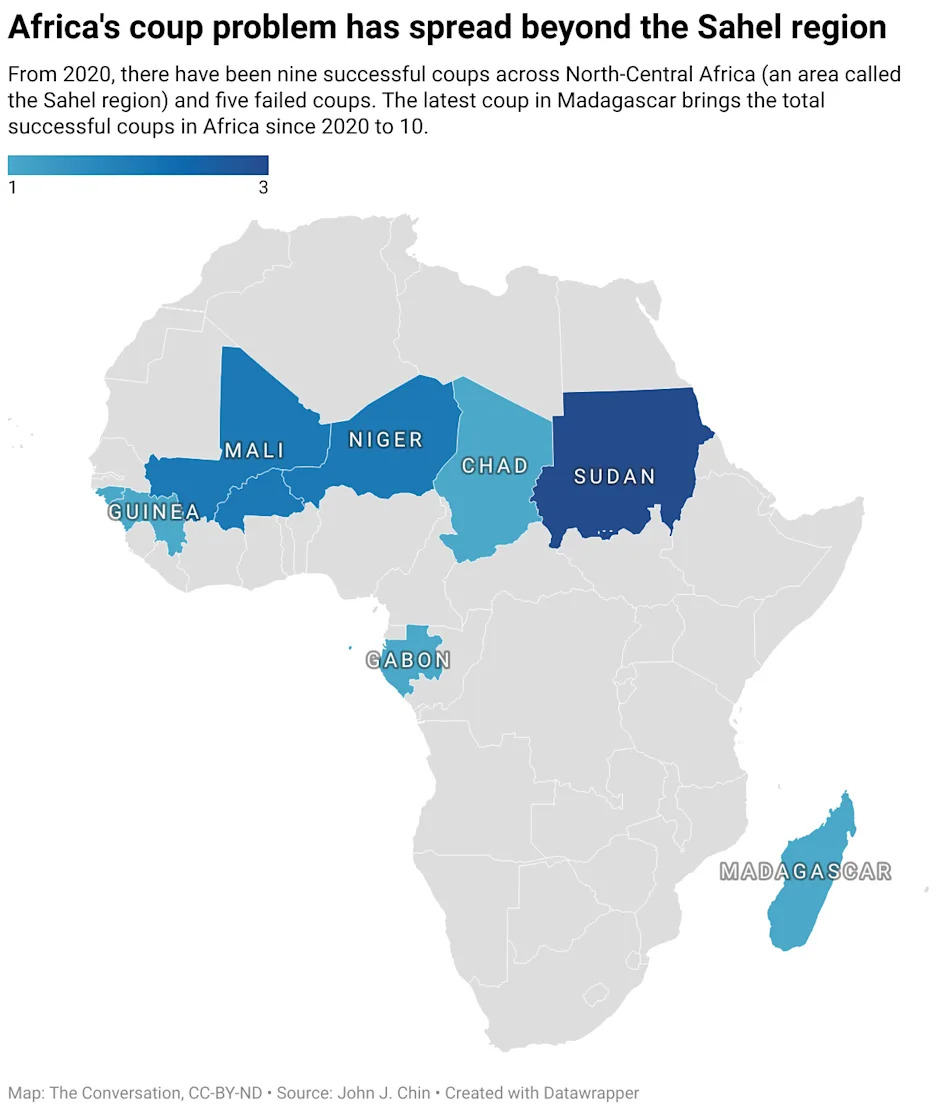
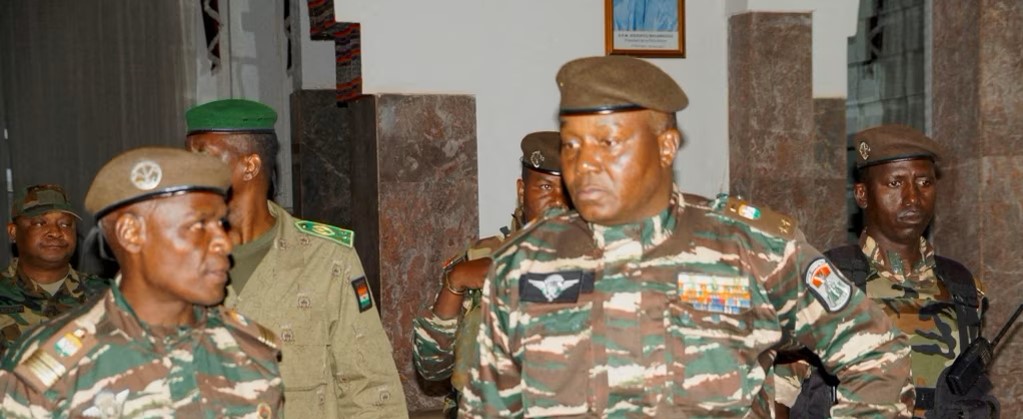
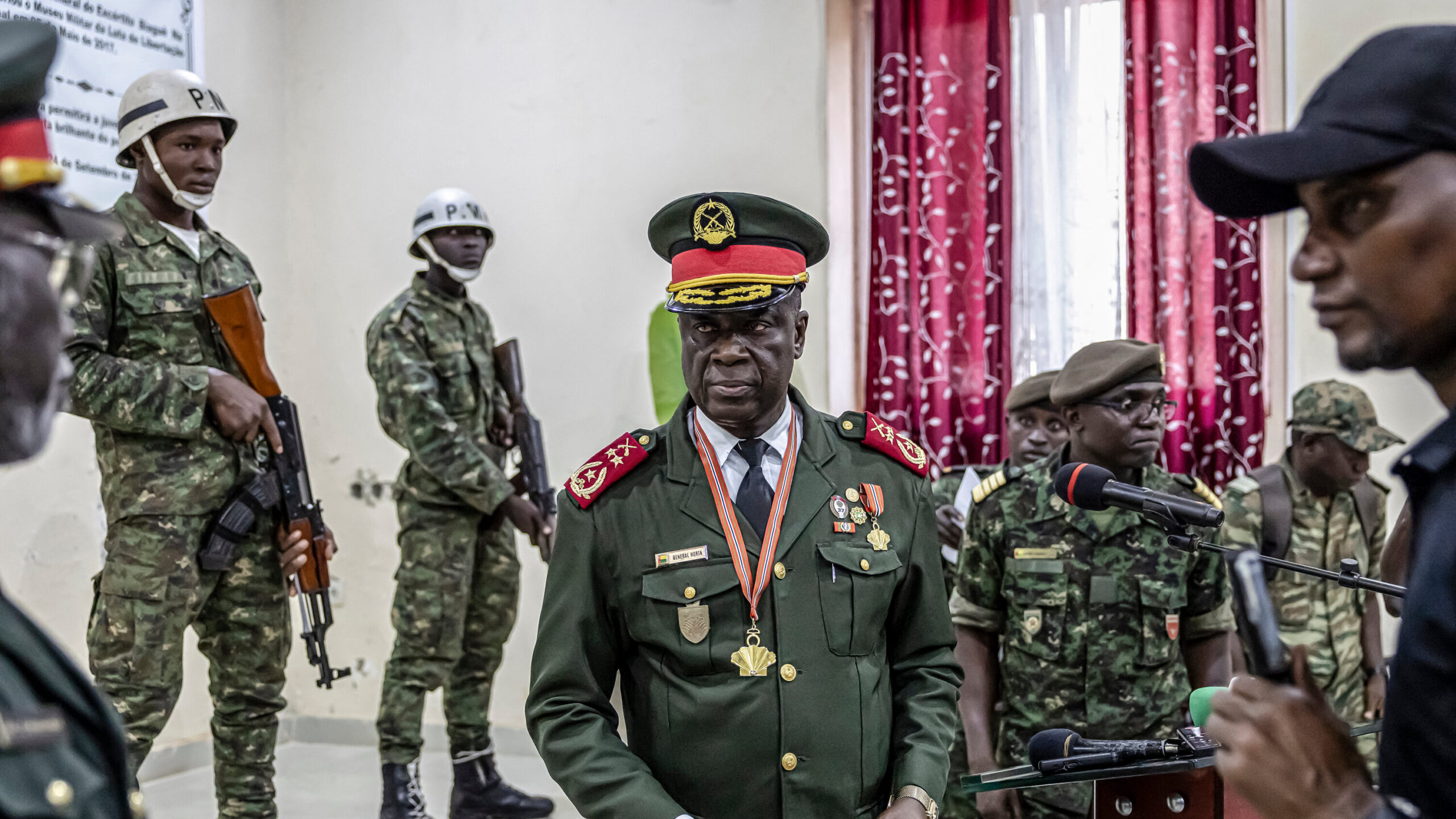
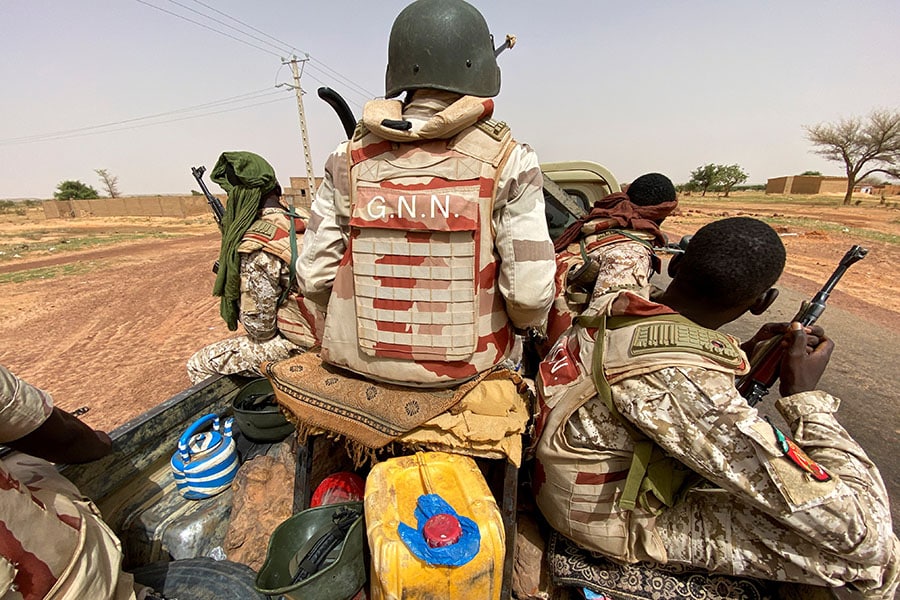
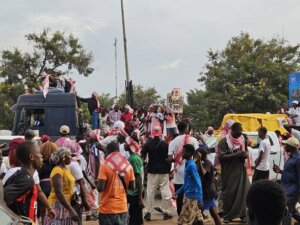
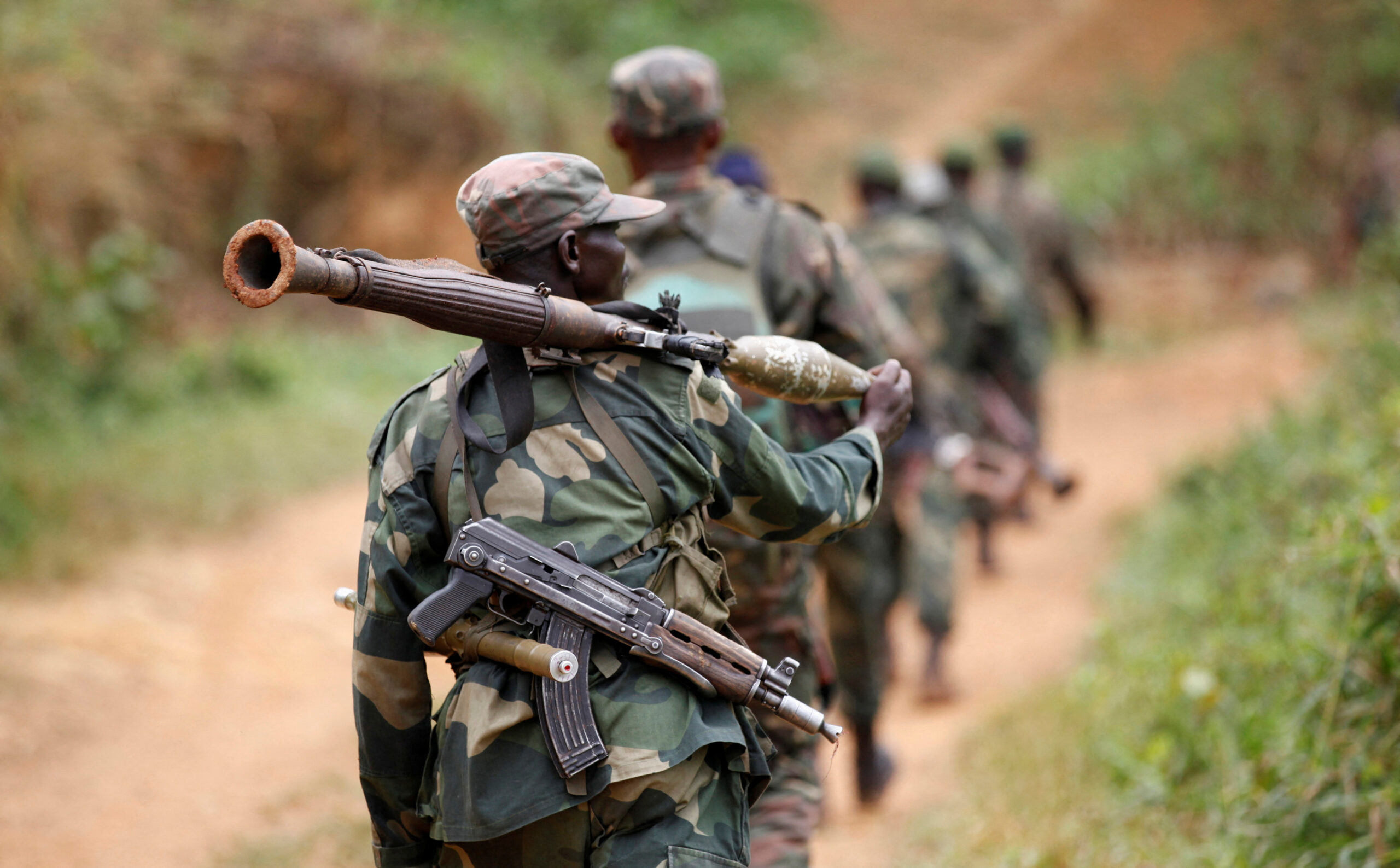
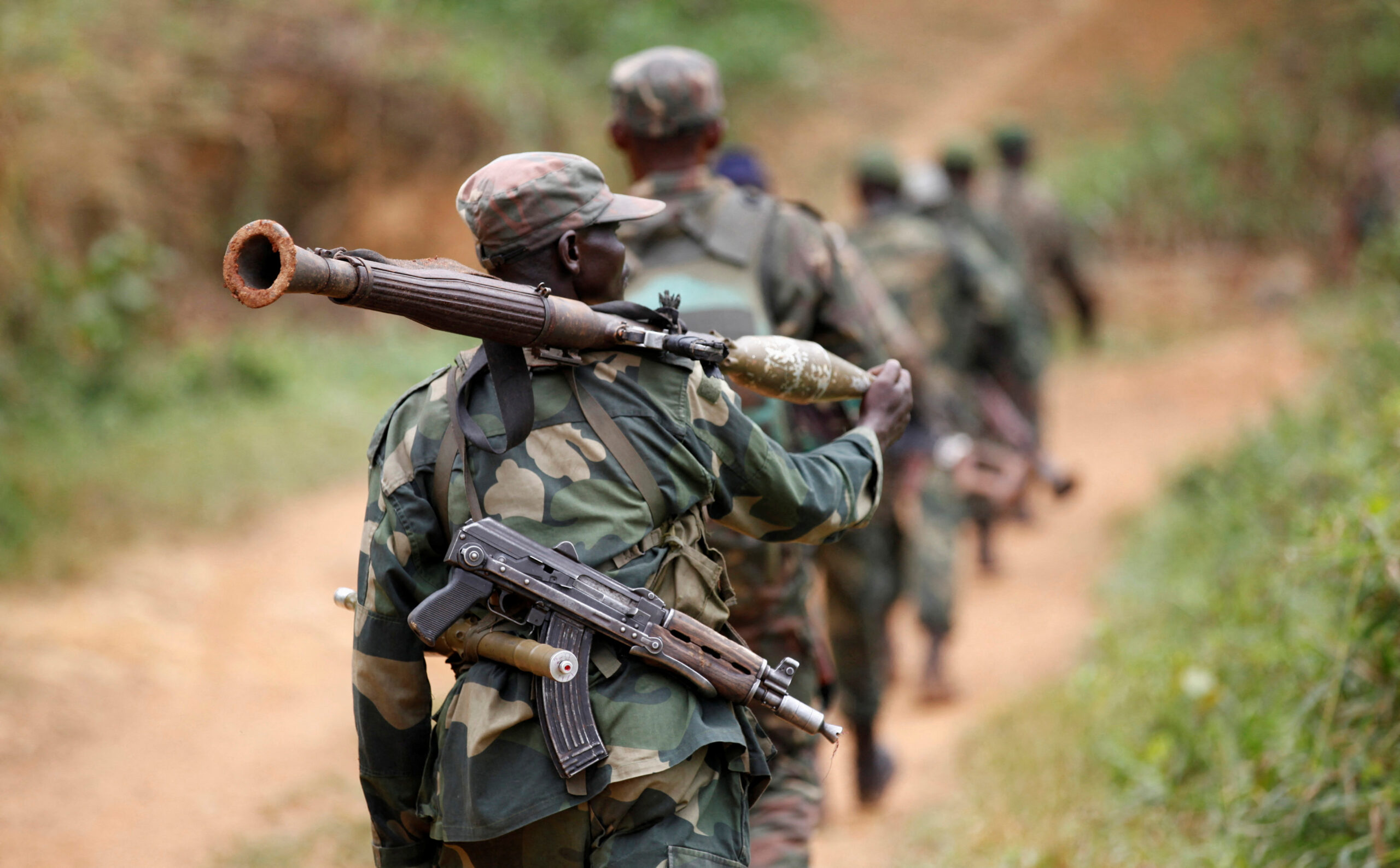
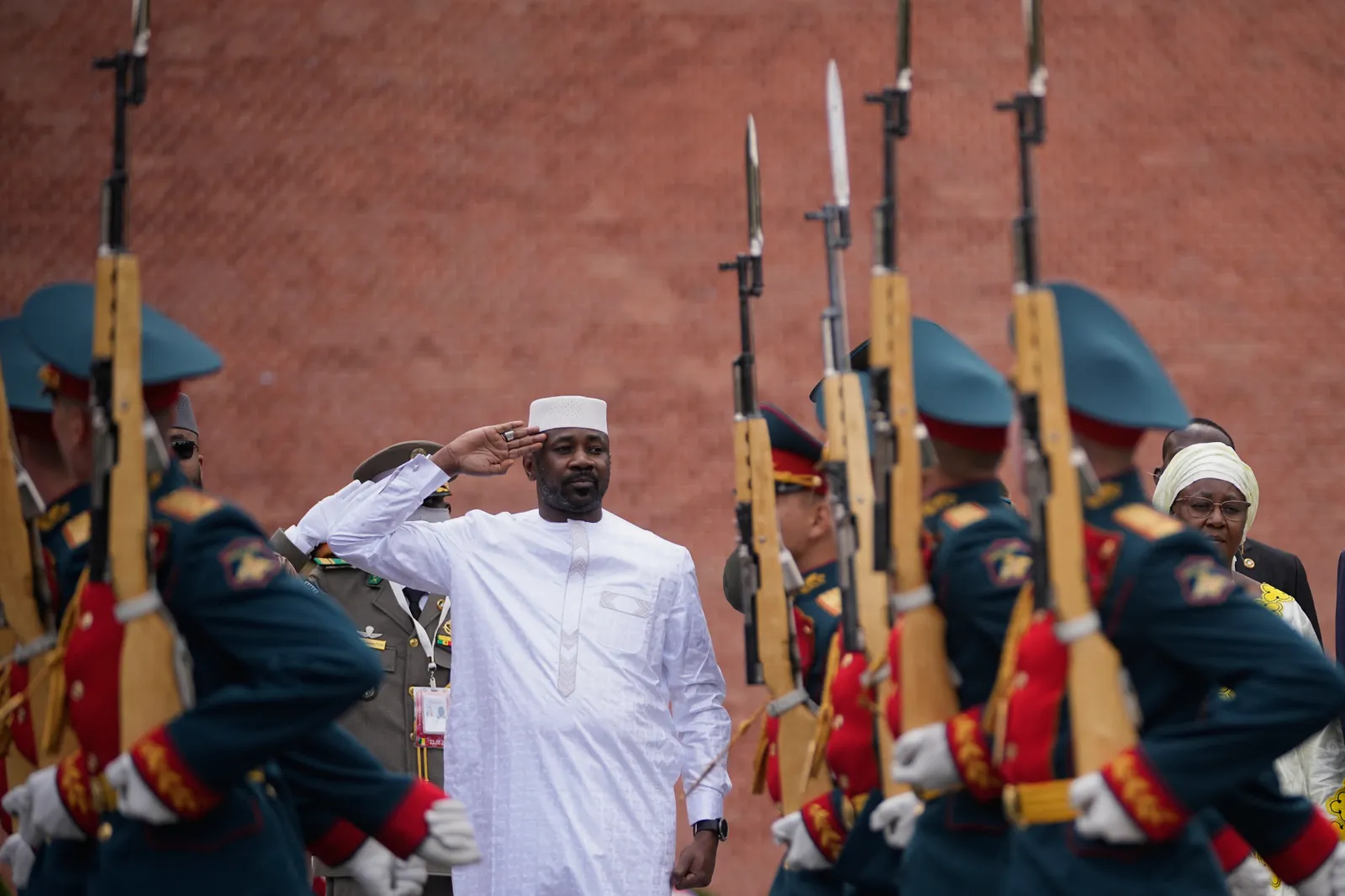
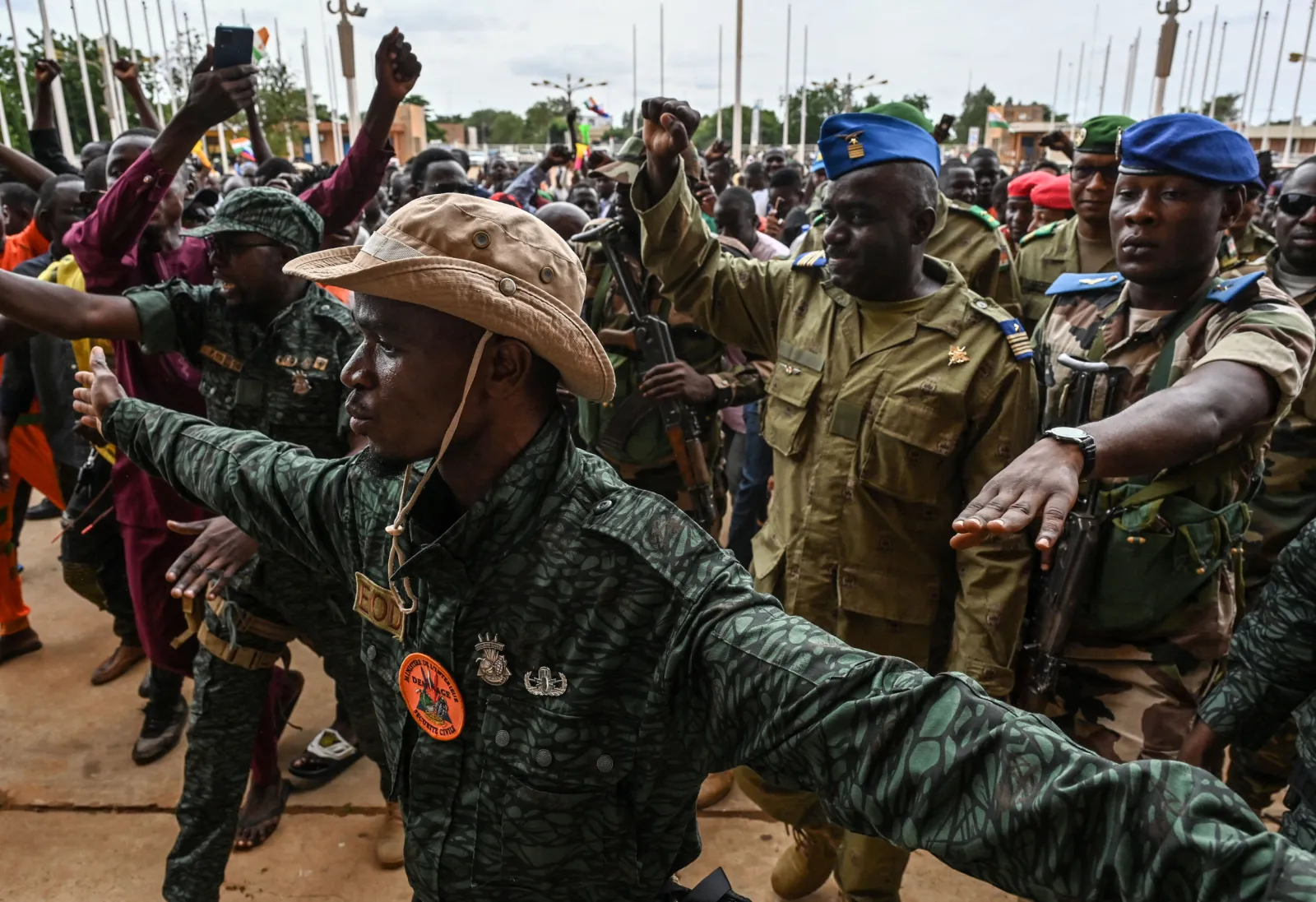
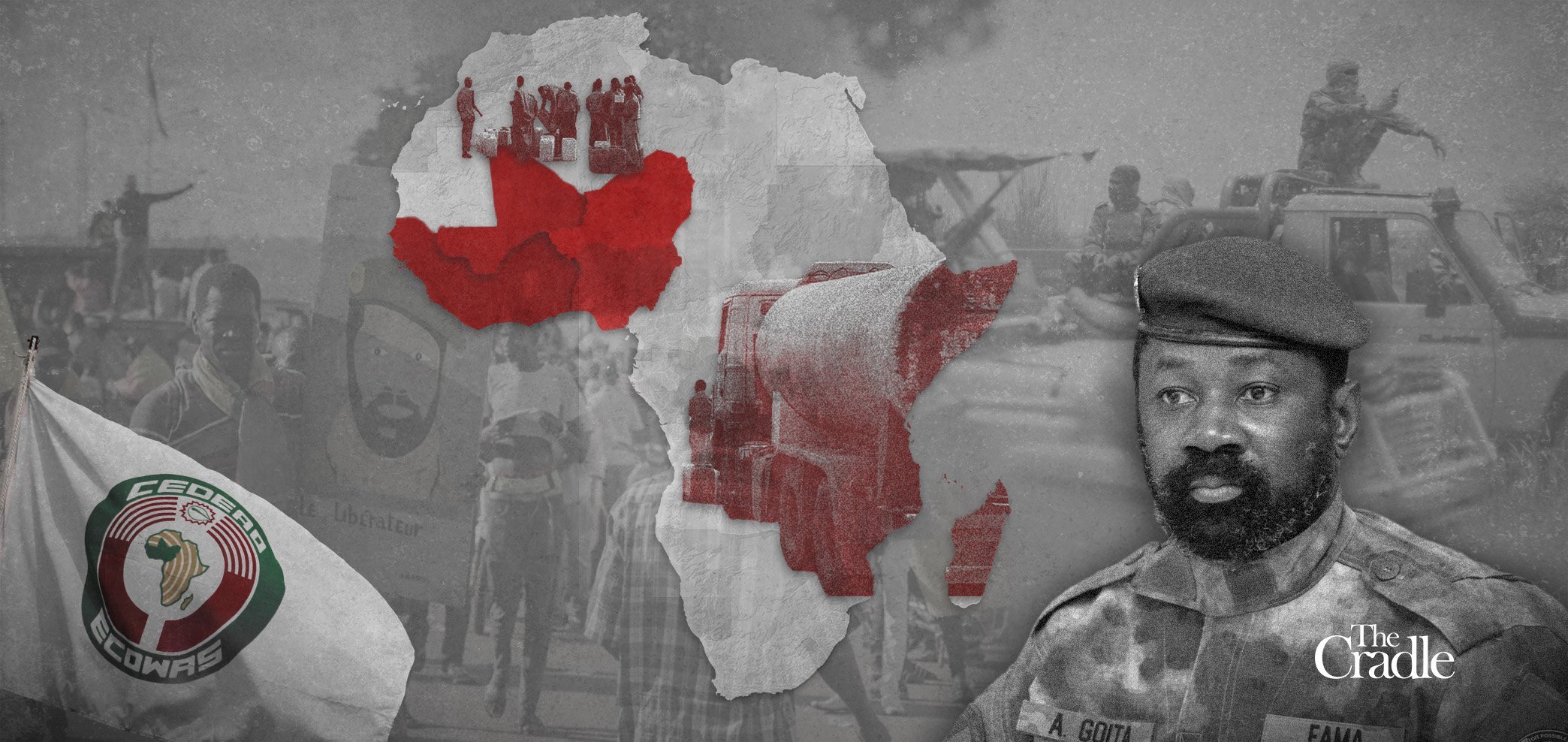
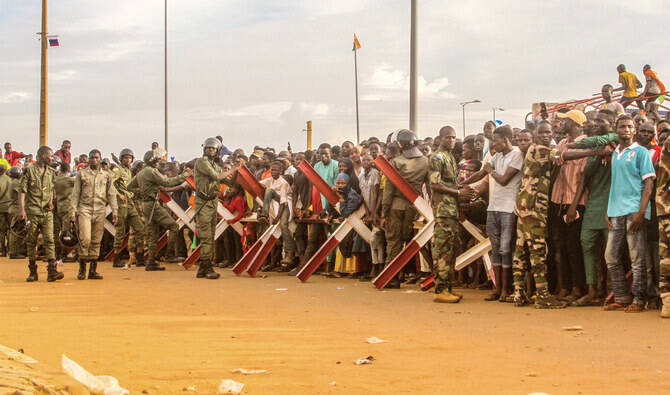
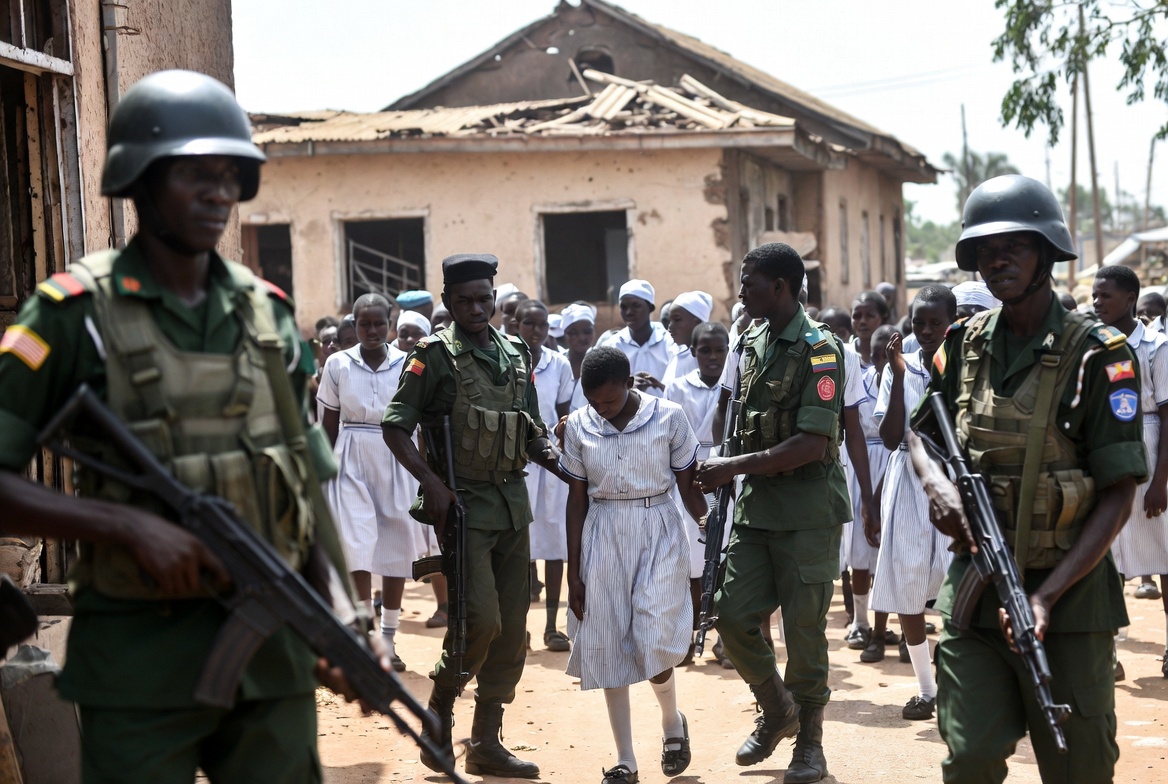
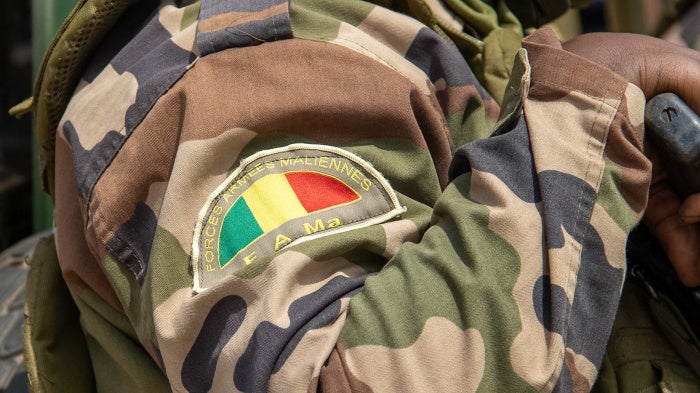
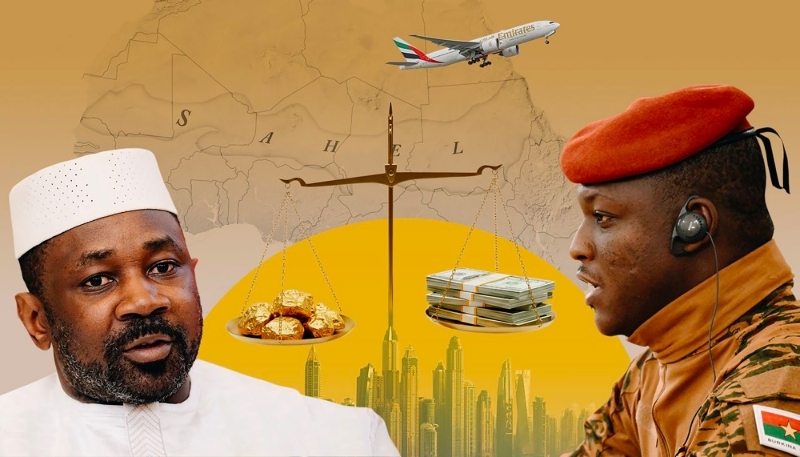
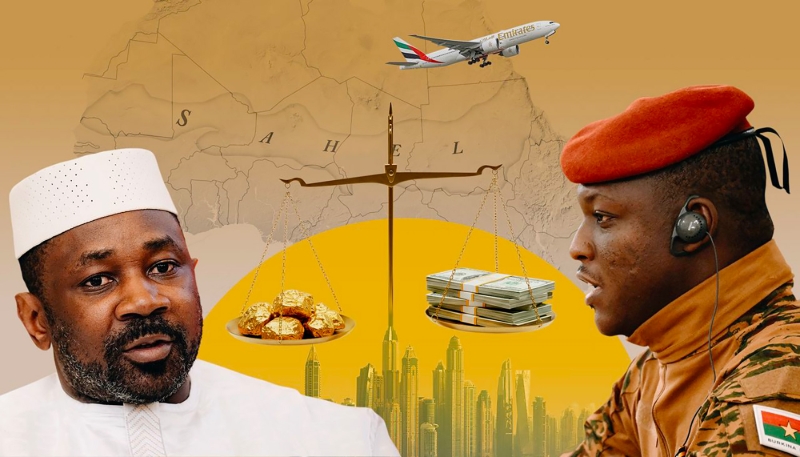
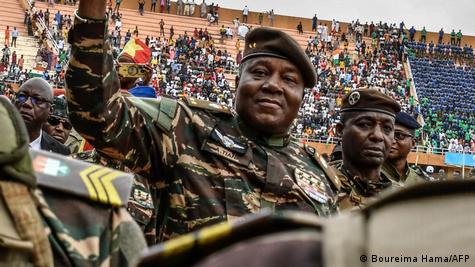
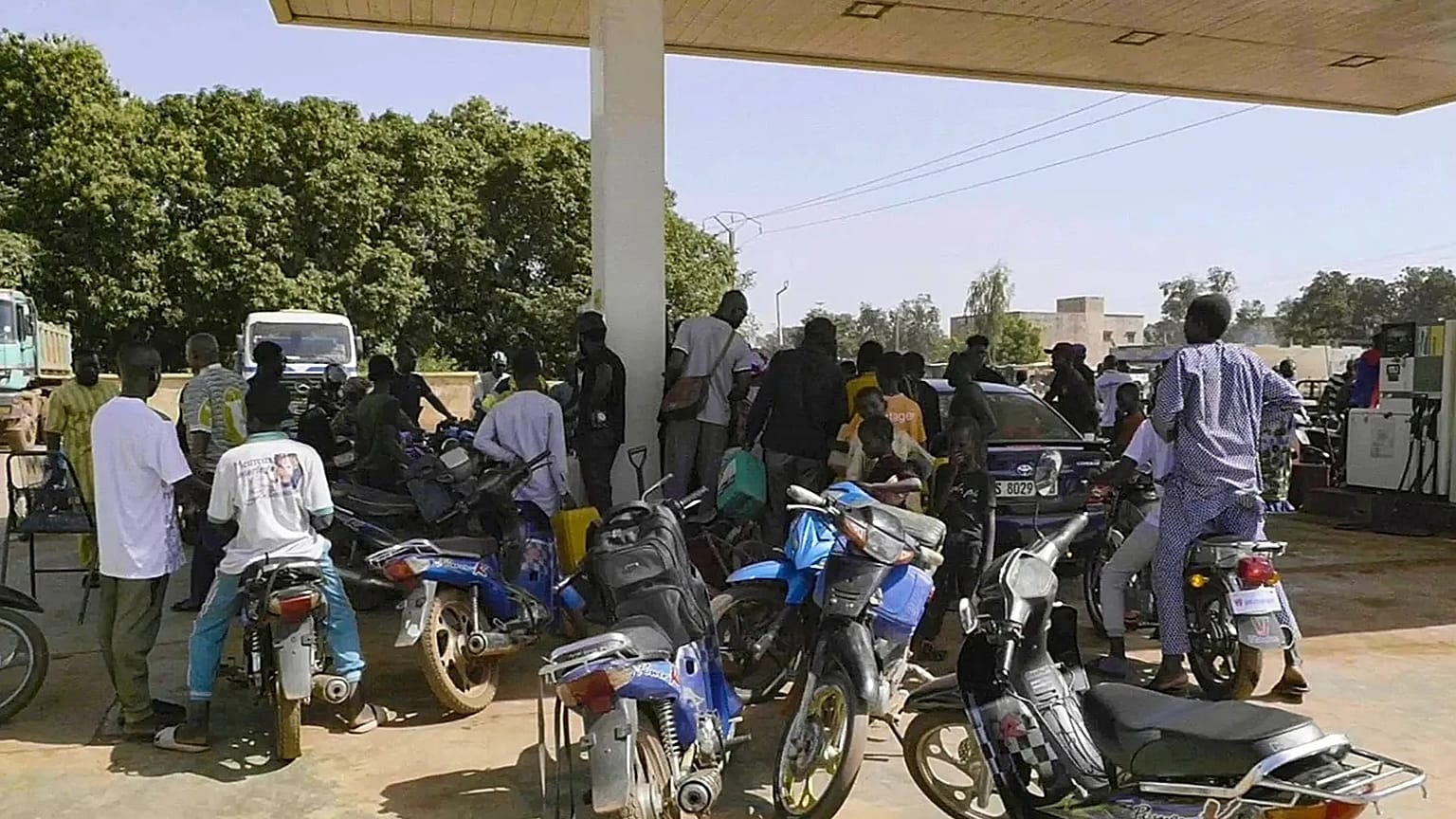
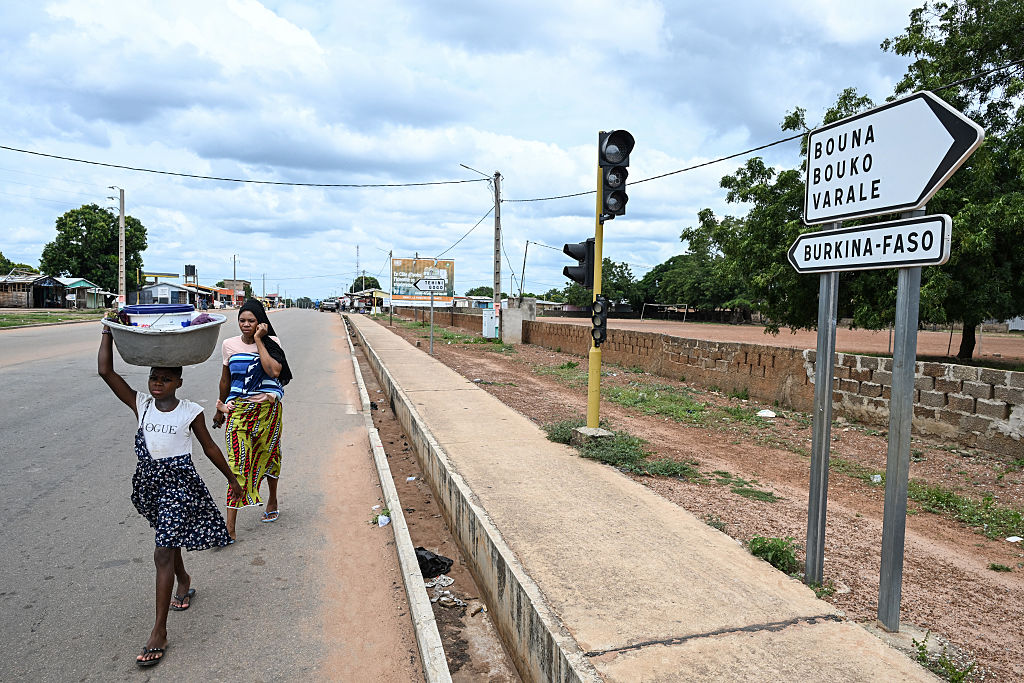
Yet, the political climate here remains undeniably volatile. Consider the recent formation of the Alliance of Sahelian States (AES) by Mali, Burkina Faso, and Niger. This alliance signals a clear intent to push back against external pressures, notably from ECOWAS, especially as military influence grows in governance. It’s a dynamic shift, with regional actors asserting their agendas despite international calls for a return to democratic norms. Adding another layer to this complexity are claims from Russia’s foreign intelligence service, the SVR, alleging French plots to interfere in these same three nations. Such accusations highlight the intense geopolitical competition unfolding here, often complicating the already monumental task local leaders face in establishing lasting peace and stability [Source]. For residents, this external jostling often translates into prolonged uncertainty and hardship.
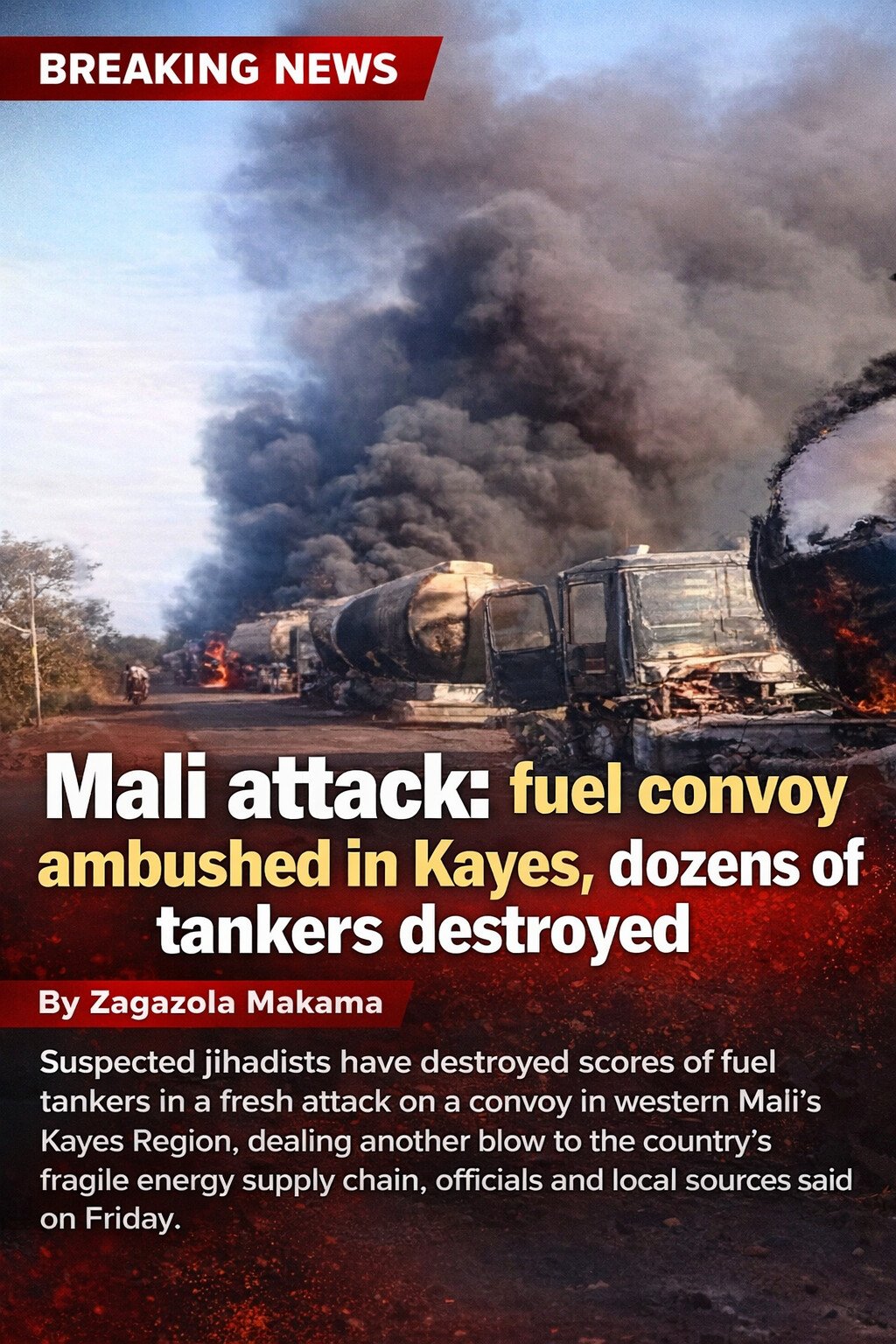
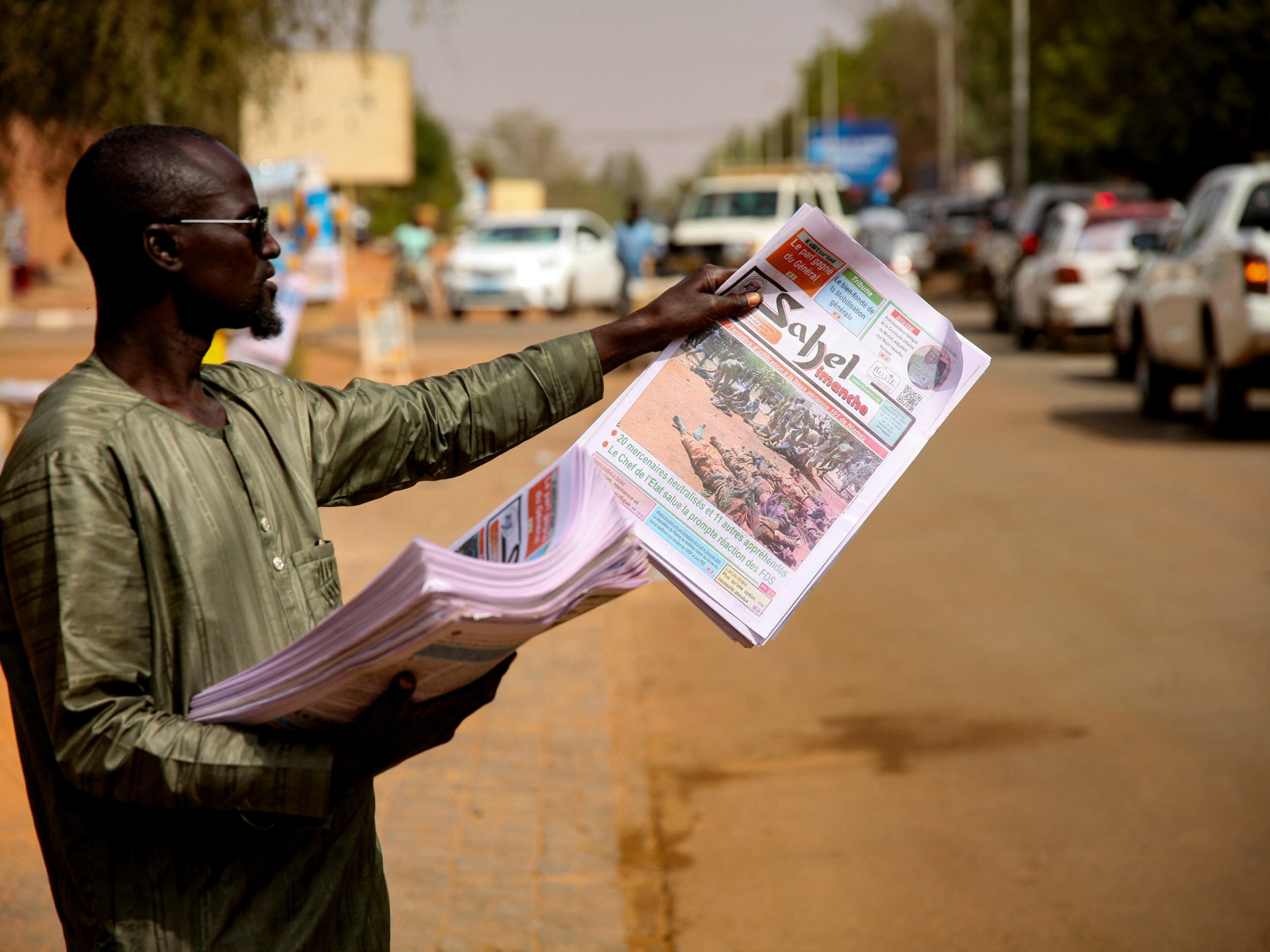
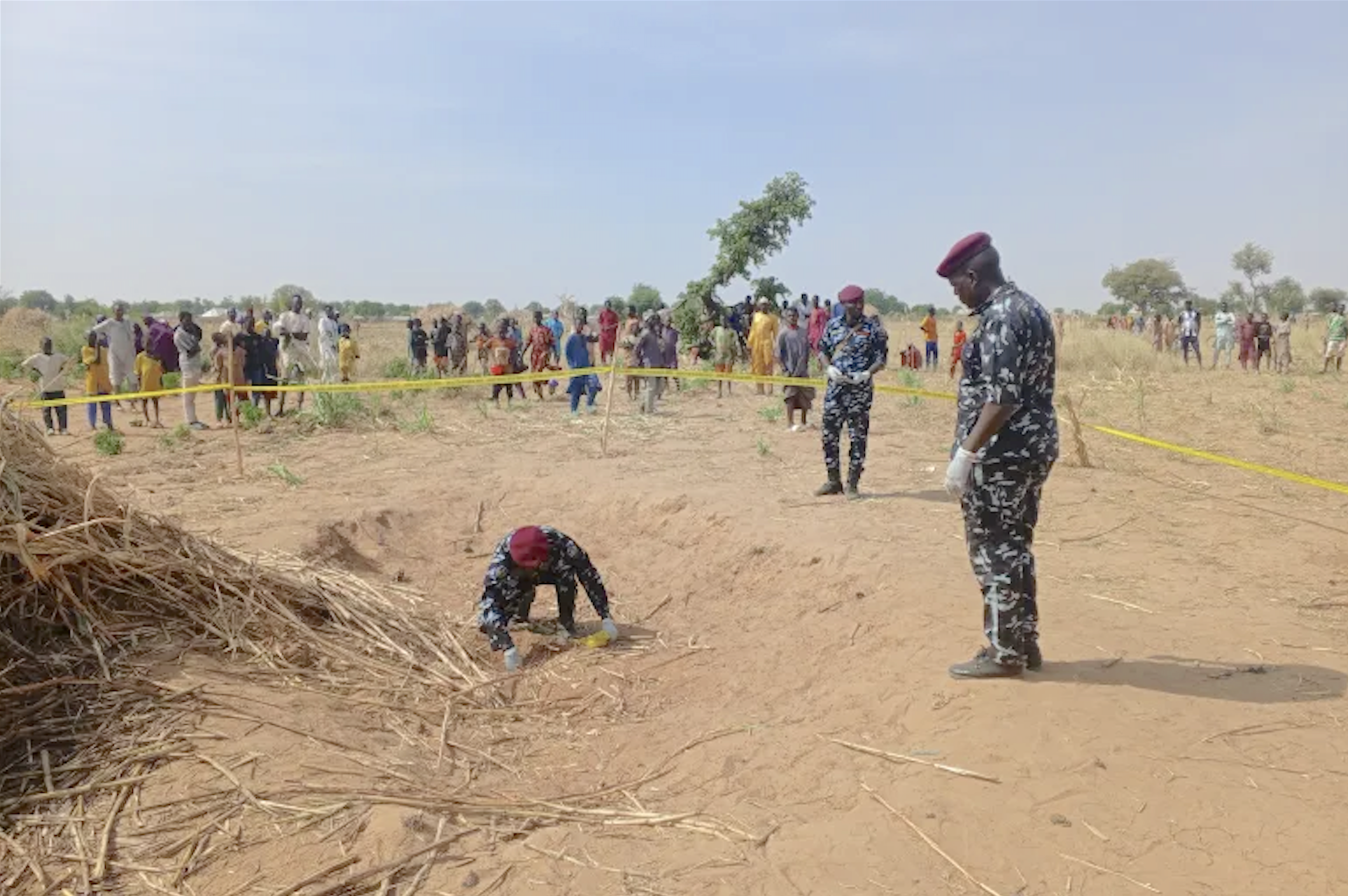
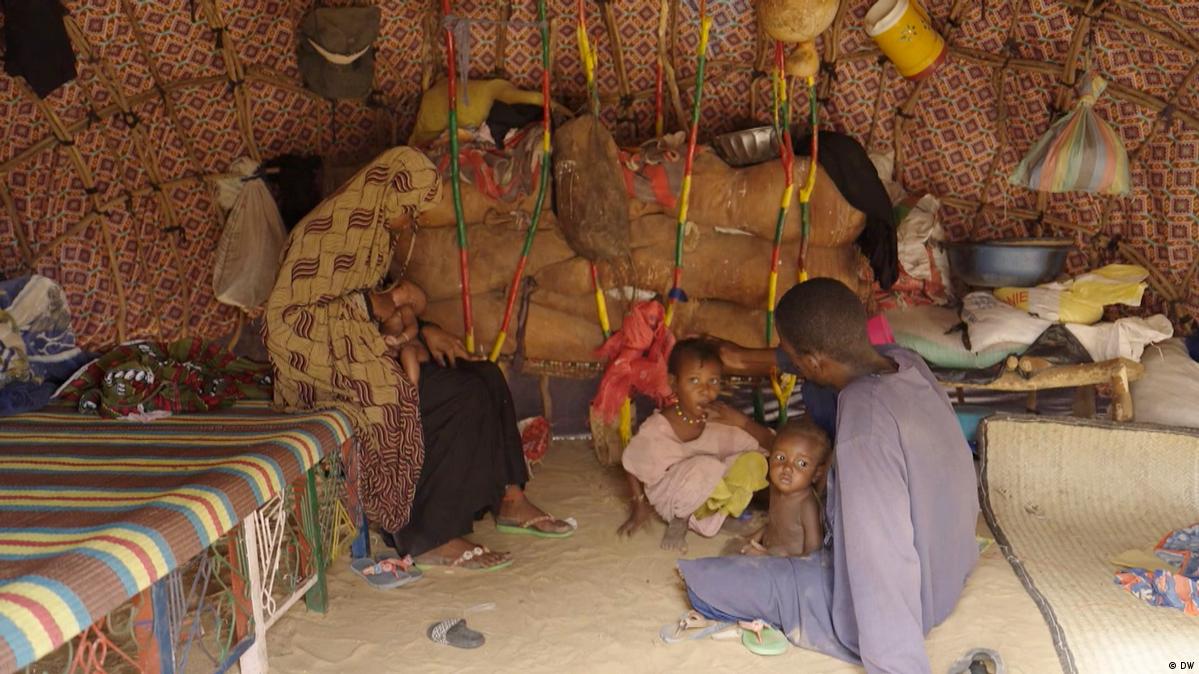
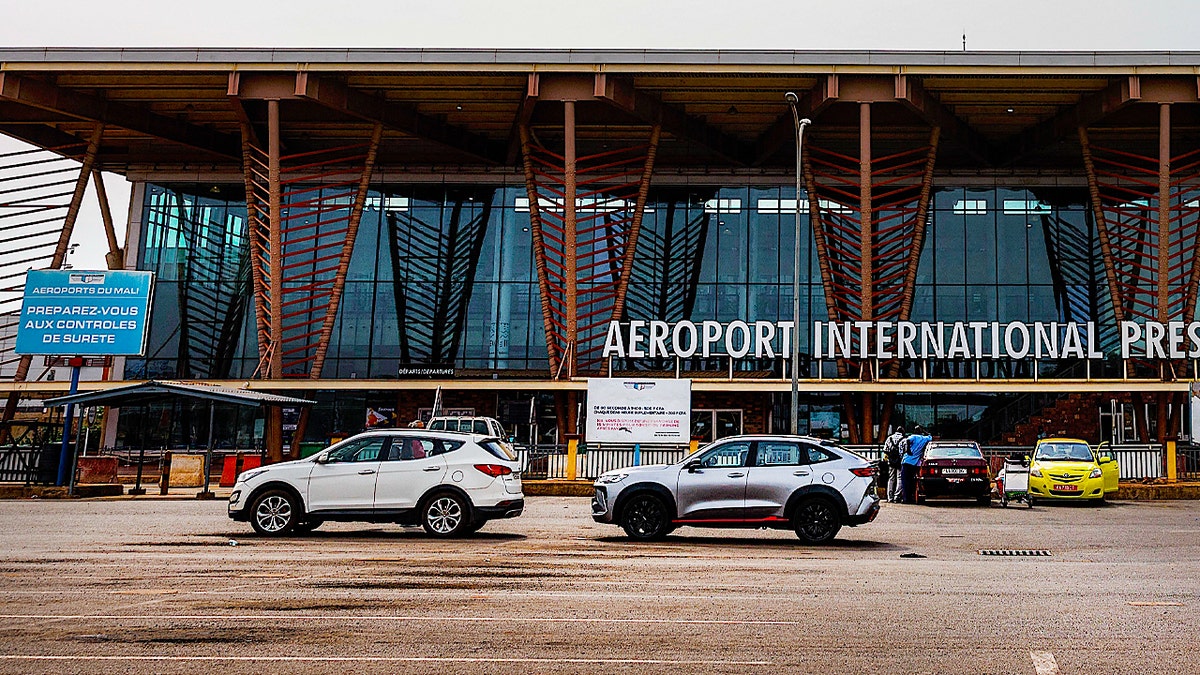
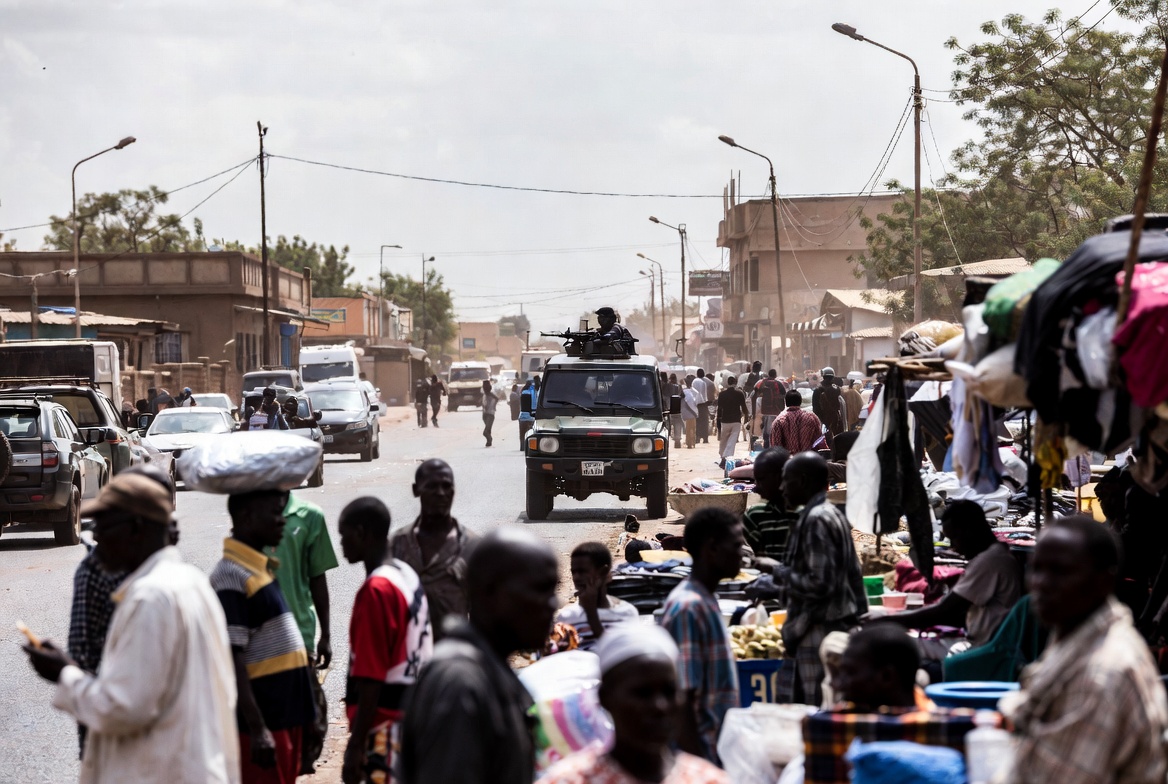
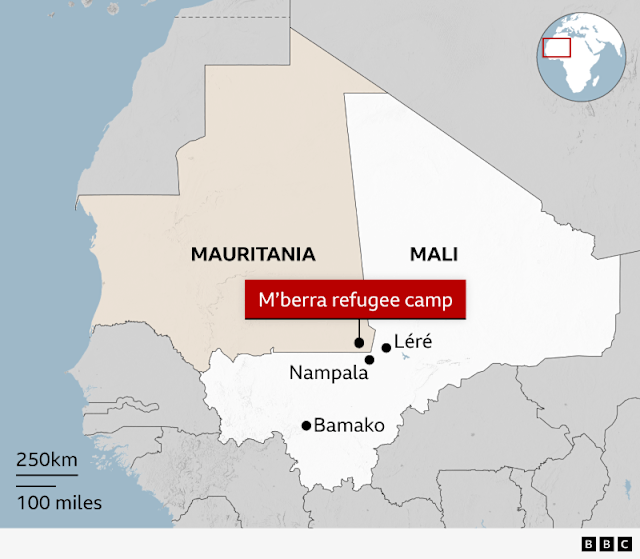
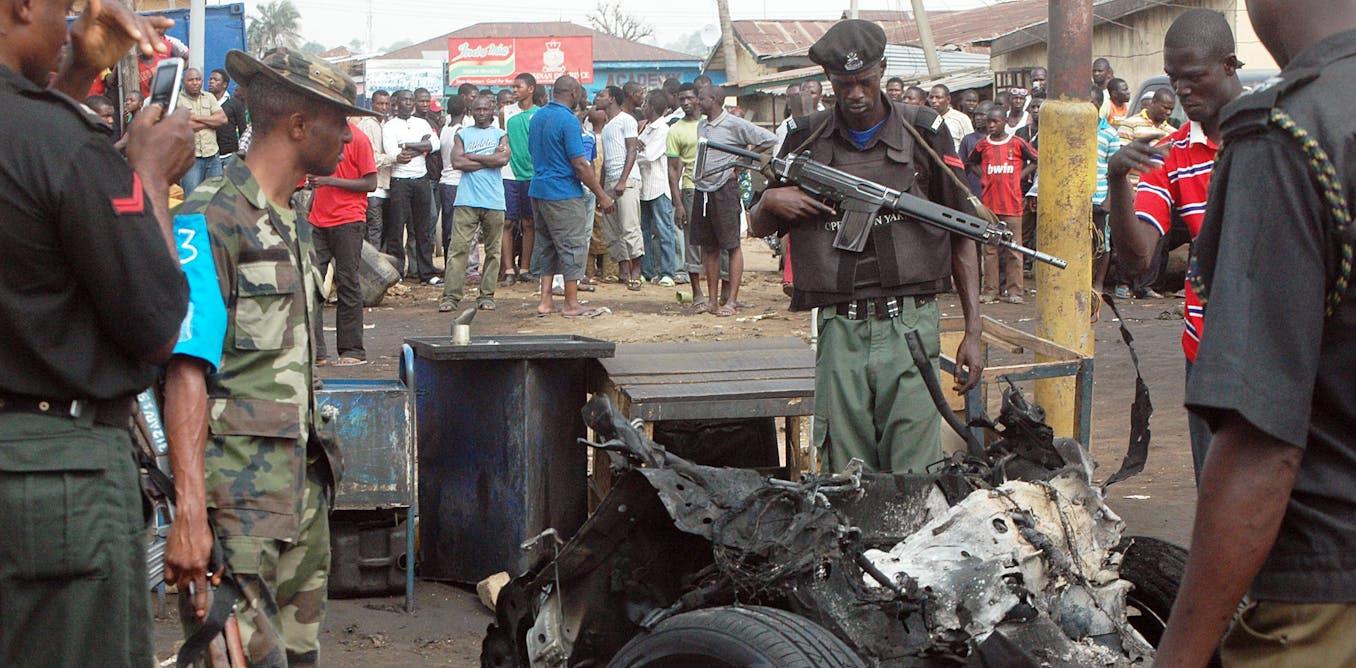
Economically, the situation in Mali offers a sobering reality check. Its once vibrant tourism sector, celebrated for attracting visitors to stunning historic sites and lively cultural experiences, has seen a sharp decline. Consecutive coups over the past few years, coupled with the pervasive threat from extremist groups like Al-Qaeda, have effectively choked off this crucial revenue stream. The impact of military rule and persistent security risks has drastically reduced international engagement, leaving countless communities and businesses facing dire economic uncertainty as they fervently hope for a revival. It makes you wonder how long they can hold out, doesn’t it?
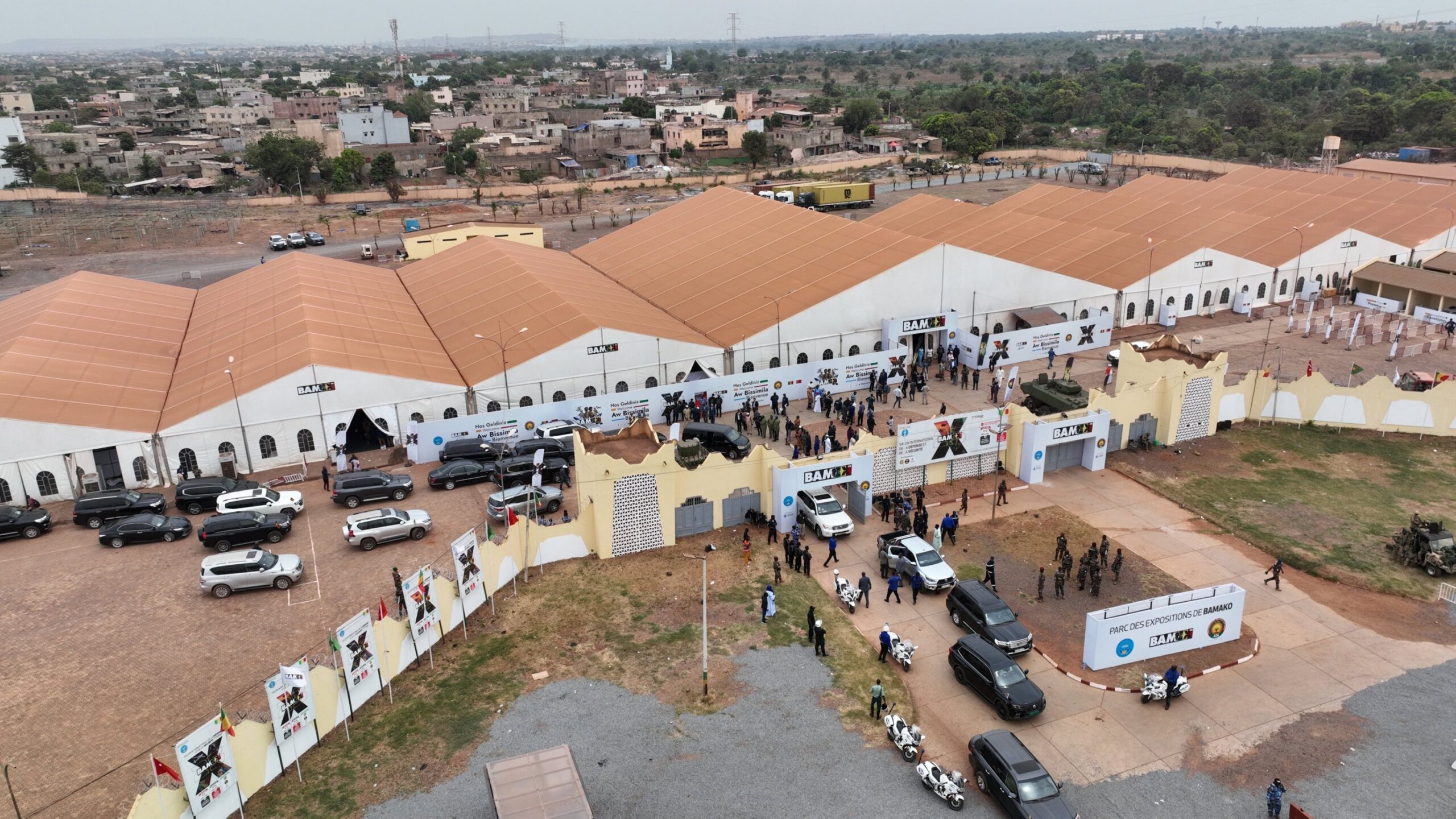
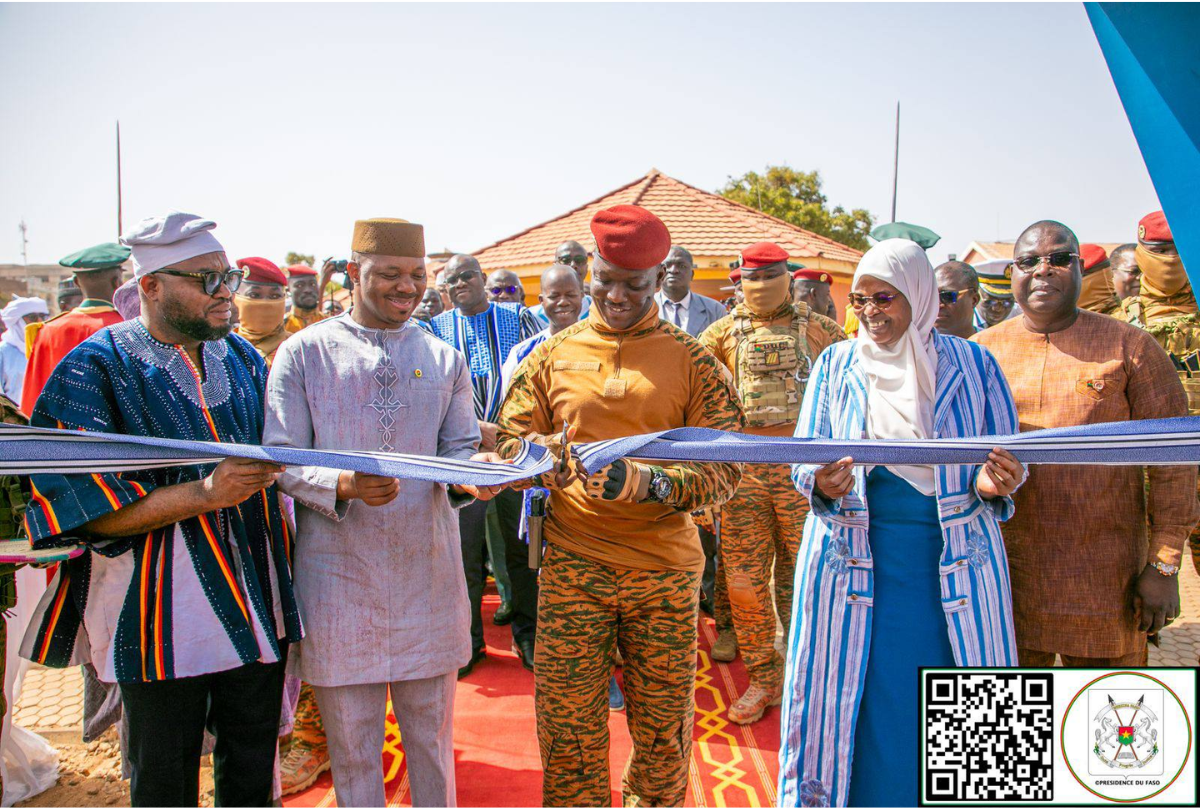
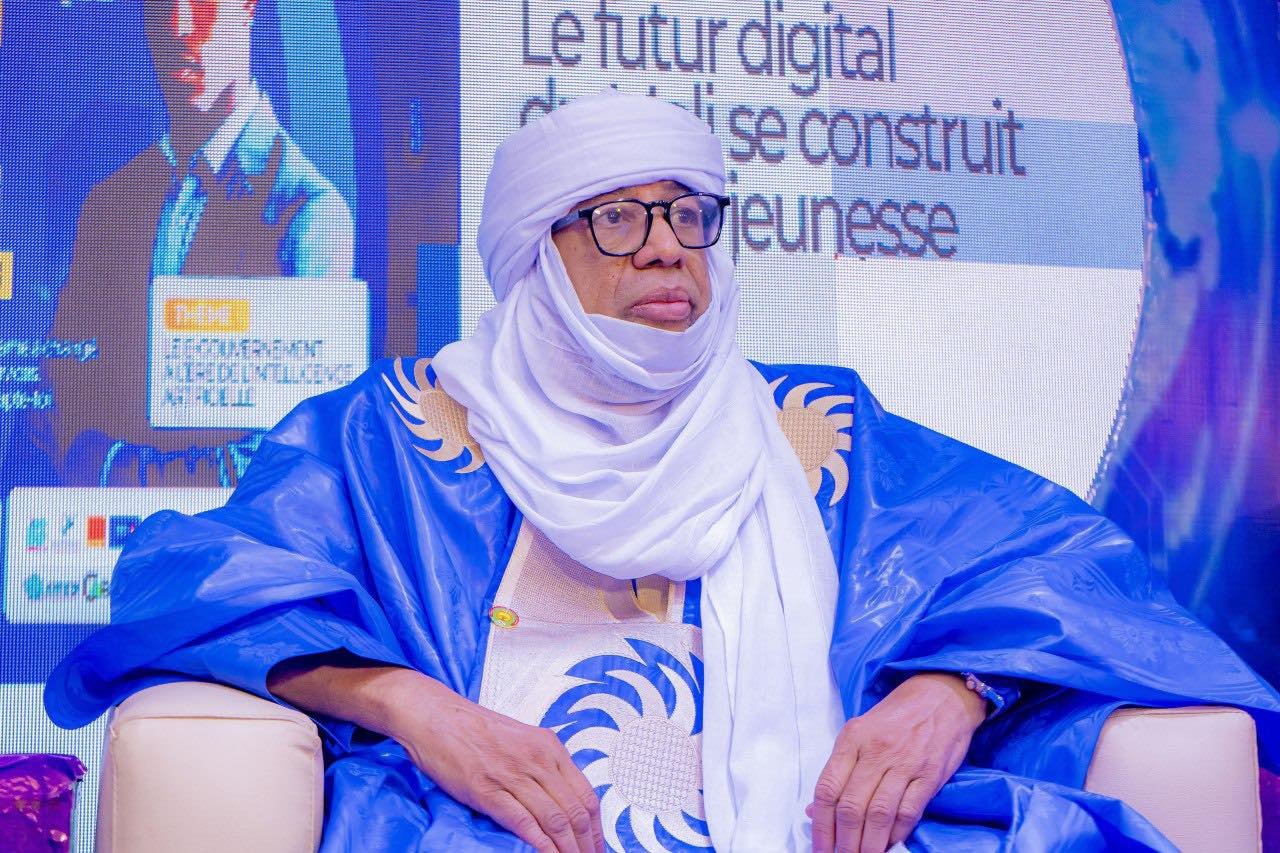
However, innovation is still finding its way. Mali’s government recently inaugurated a cutting-edge data center facility in Bamako. This Tier III-standard center offers impressive reliability and security for digital infrastructure, signaling Mali’s determined stride towards modernization. It’s a powerful statement of commitment to digital transformation, even amidst profound insecurity and political upheaval. This effort to shore up digital capabilities isn’t just about technology; it represents a tangible investment in future growth, promising new opportunities for an economy that desperately needs them. Bolstering digital capabilities like this could be a game changer for the country’s long-term prosperity.
The Sahel’s unfolding narrative is, therefore, a multifaceted one, characterized by the collaborative spirit of new foundations, the assertive political alliances, international accusations, economic downturns, and exciting technological leaps. These elements don’t exist in isolation; they intertwine, constantly reshaping a region that faces daunting challenges while simultaneously harboring immense, untapped potential for renewal and progress. Looking ahead, the path the Sahel takes will undoubtedly depend on several critical factors. Sustained cooperation among member states, much like the vision held by the John Paul II Foundation, could cultivate the stability and shared prosperity the region desperately needs. Constructive political dialogues that bridge internal divisions and thoughtfully engage international partners will be absolutely crucial in calming the unrest. Meanwhile, economic recovery strategies, including a tourism revival and channeling investments into modern infrastructure like Bamako’s new data center, stand to strengthen livelihoods and build robust digital economies.
The Sahel truly stands at a crossroads, a place where profound aspirations for peace, development, and innovation collide with the harsh realities of political complexity and persistent security threats. By actively fostering inclusive governance, prioritizing strong regional cooperation, and strategically harnessing technological advancements, the Sahel doesn’t just have the potential to put out the fires of conflict; it could actually ignite a vibrant new era of sustainable growth for its resilient people. This journey will be long, but the seeds of change are already being sown, indicating a future that, while uncertain, is far from hopeless. To understand more about similar efforts, explore Africa’s ongoing digital transformation and how regional bodies are addressing security challenges.