The Sahel’s Storm: Militancy, Instability, and a Squeeze on Freedom
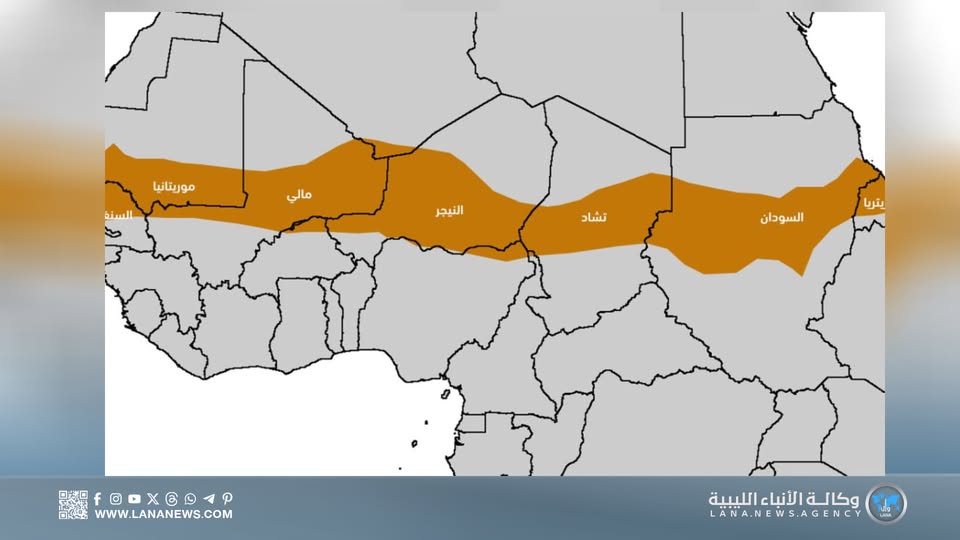
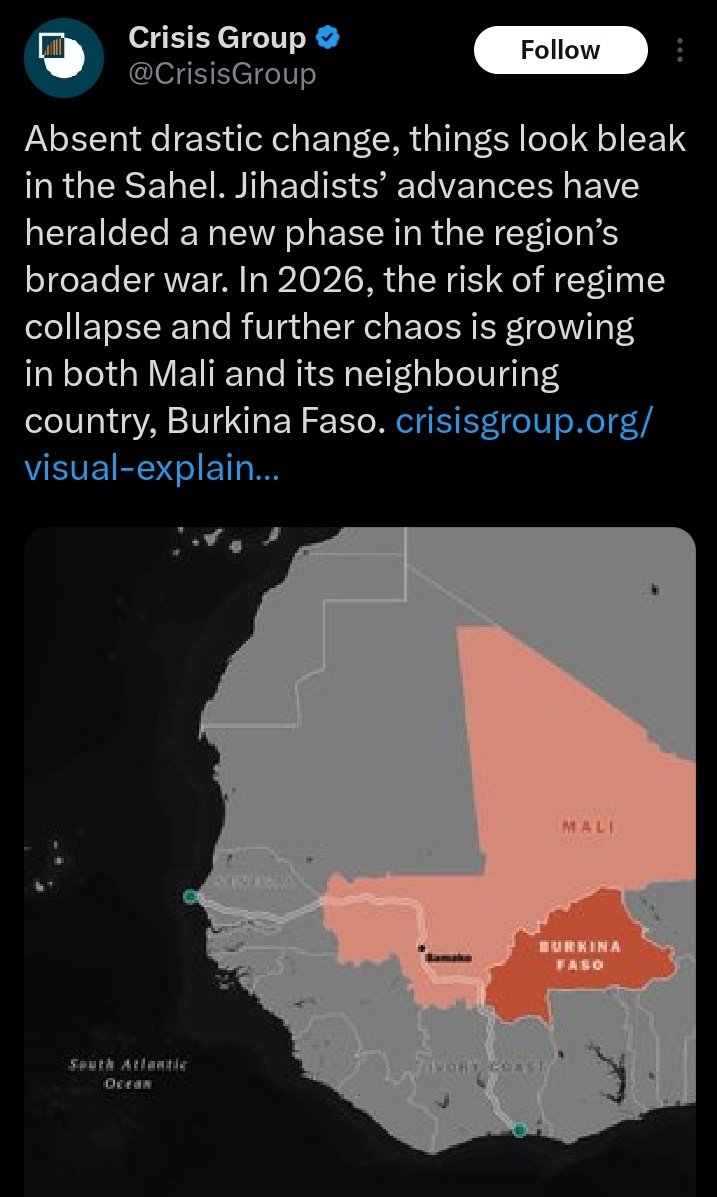
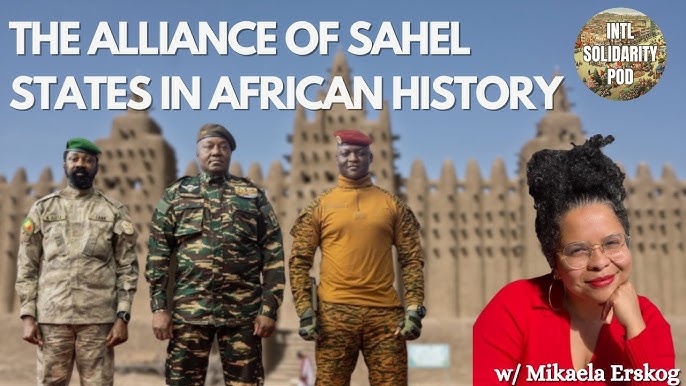
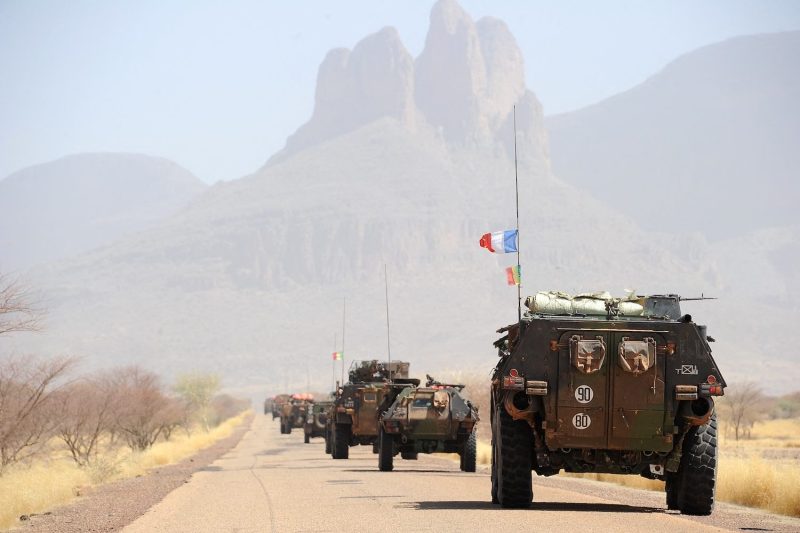
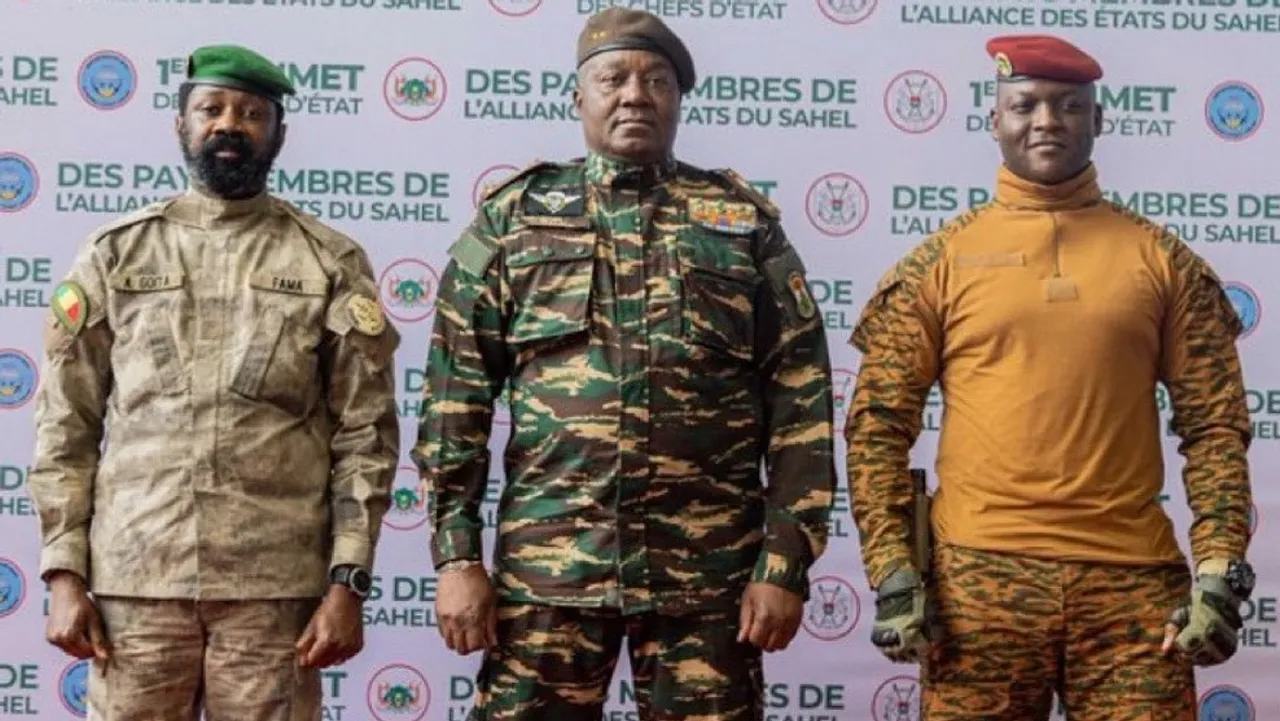
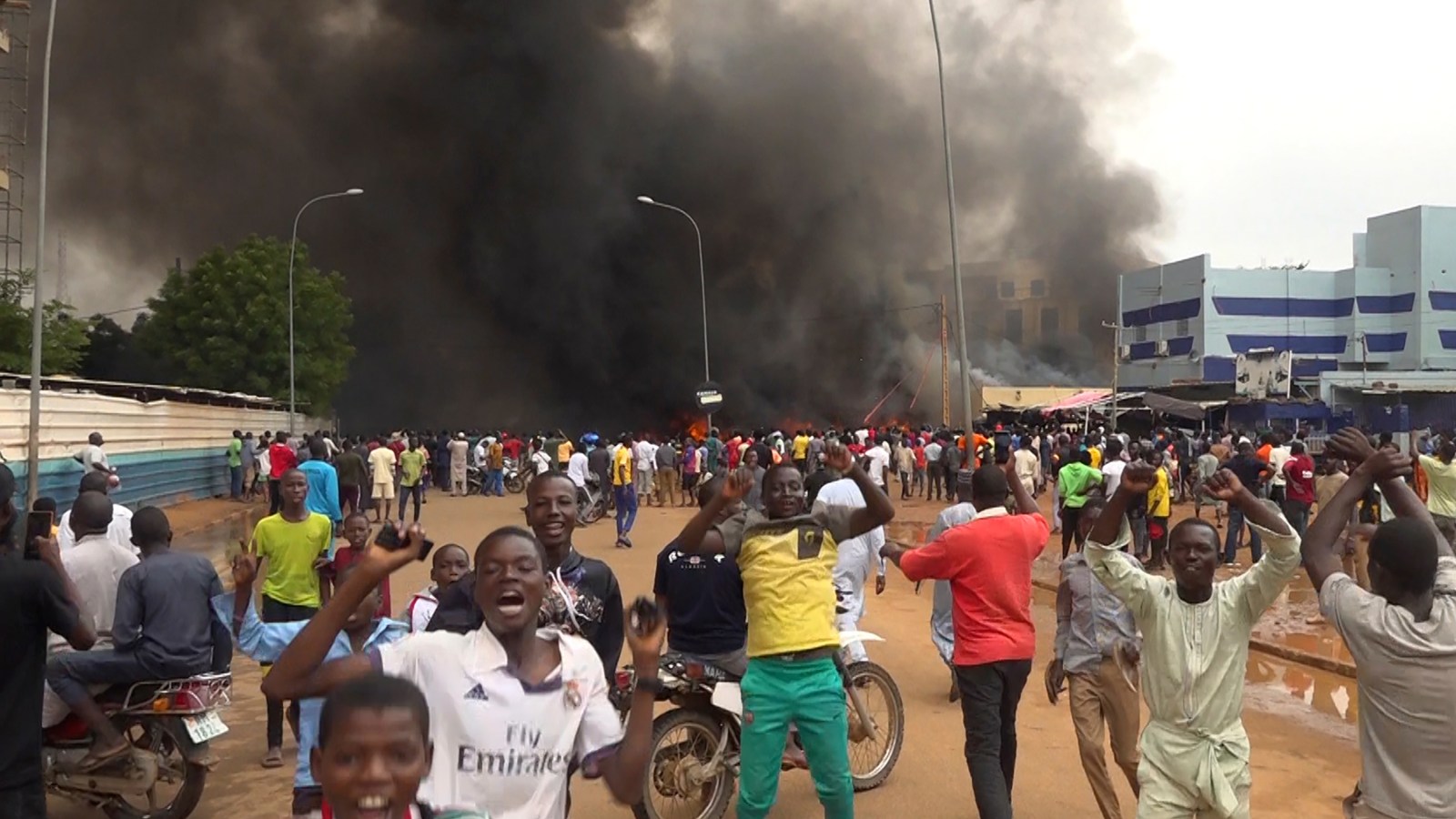
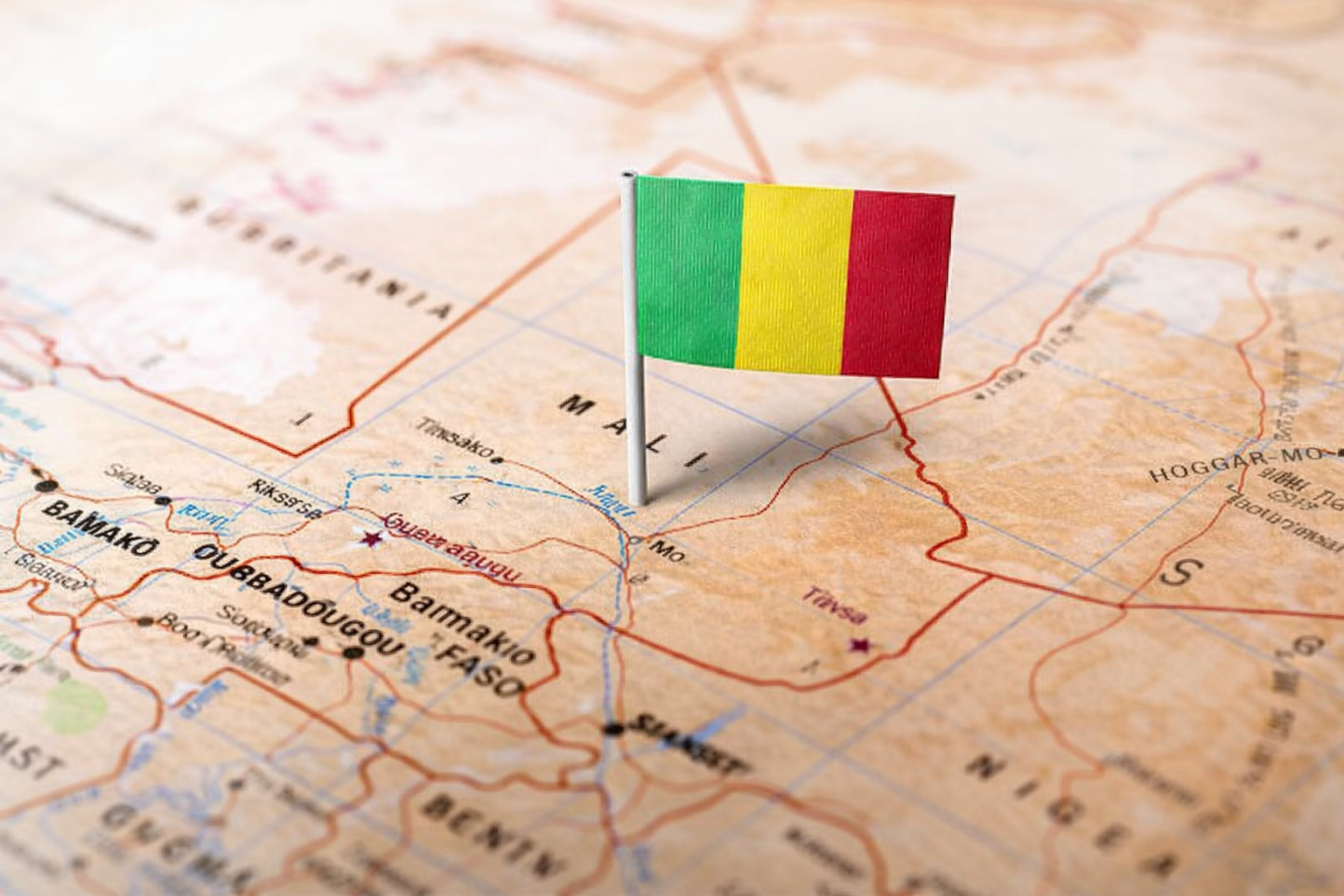
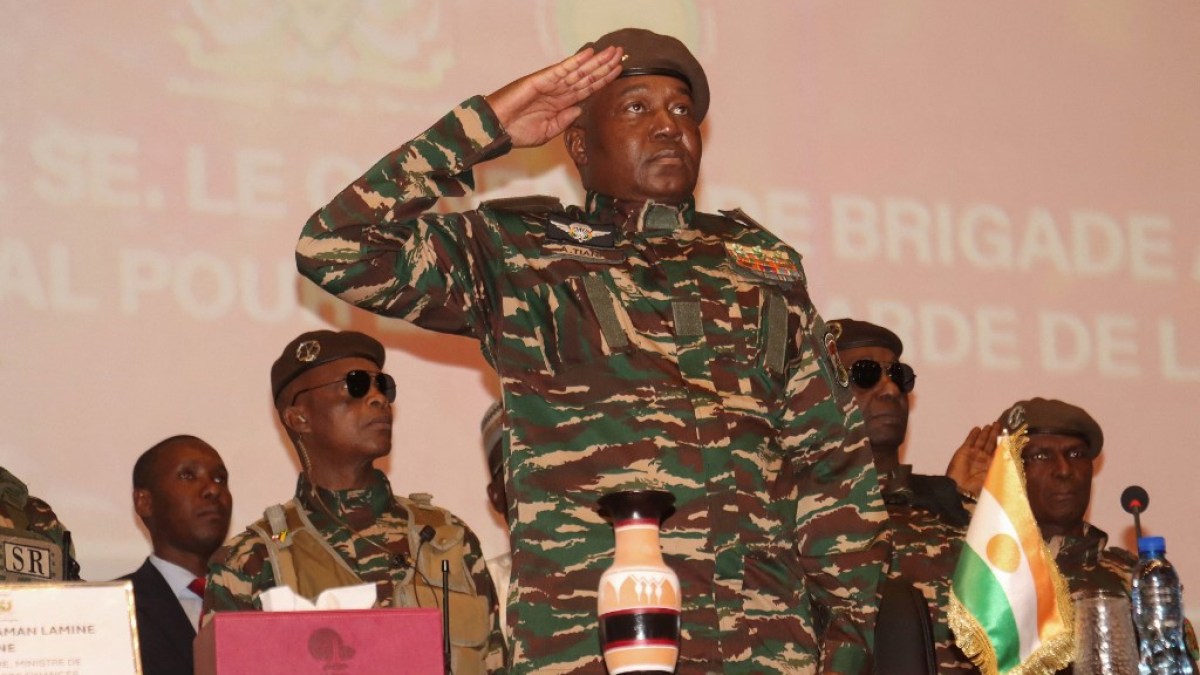
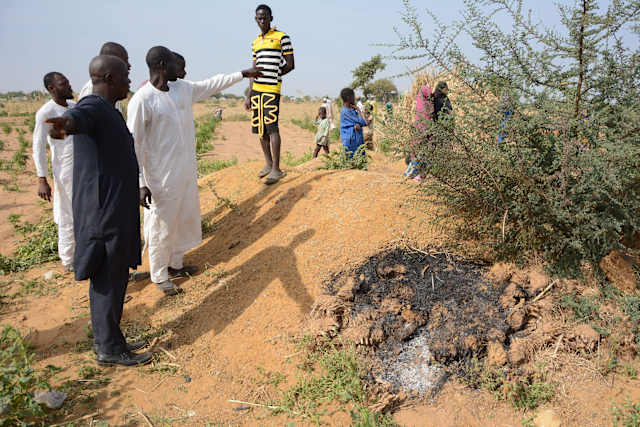
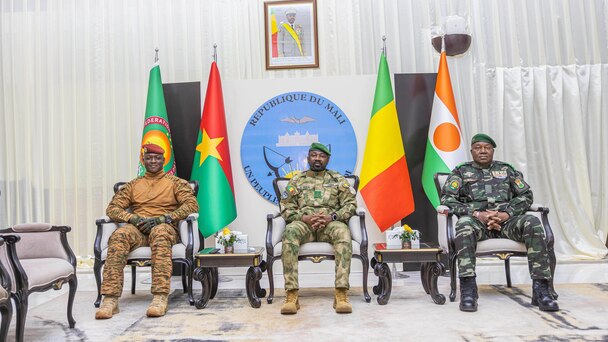
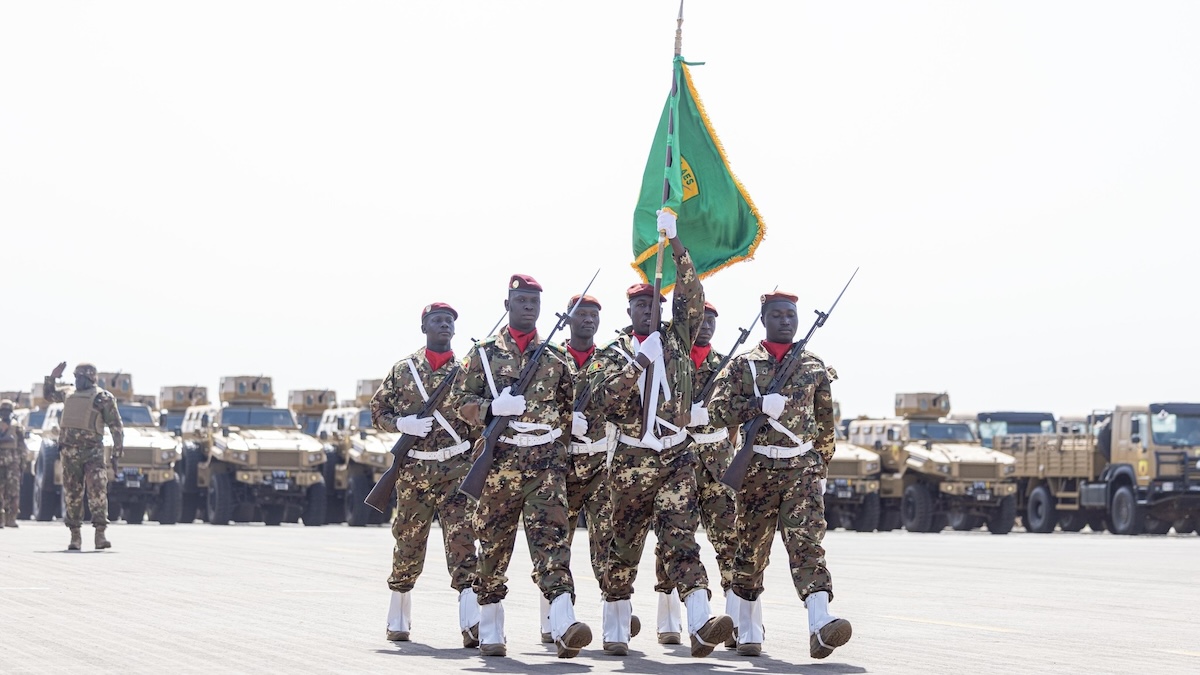
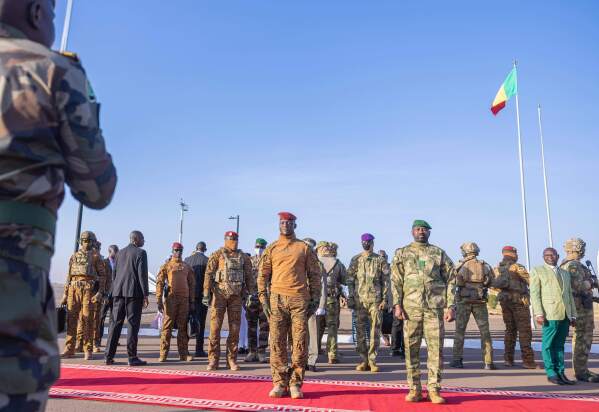
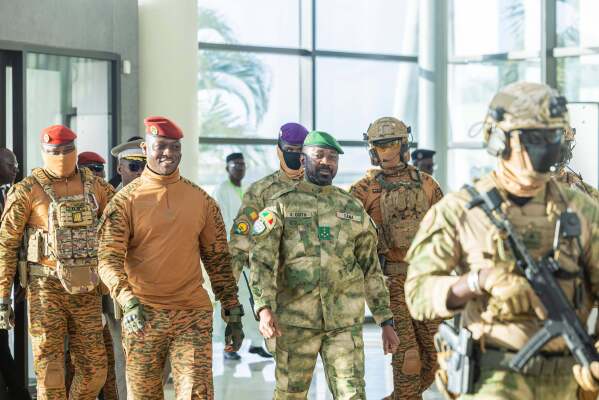
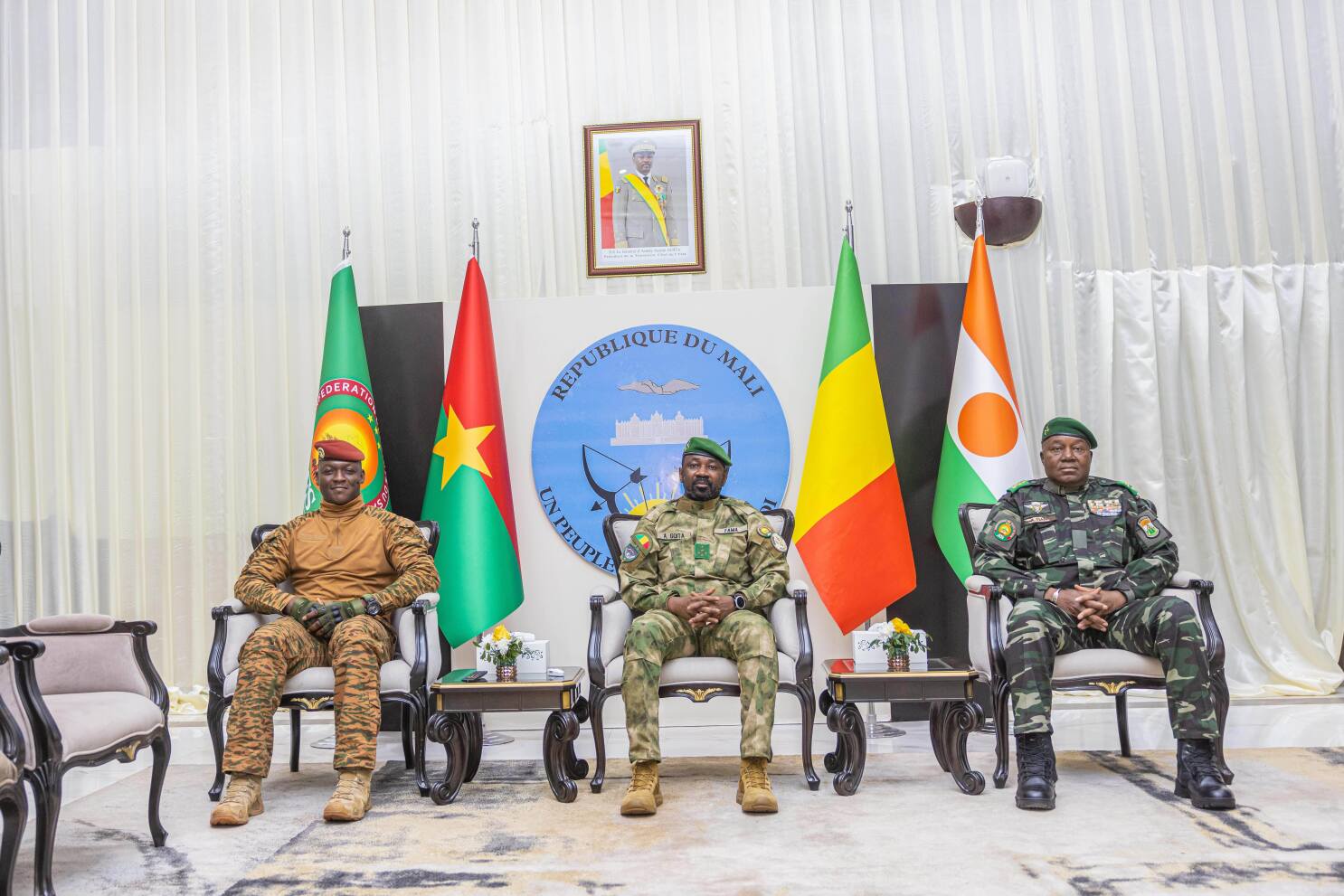
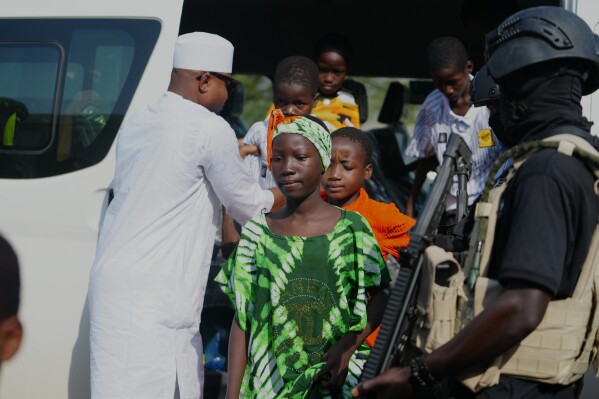
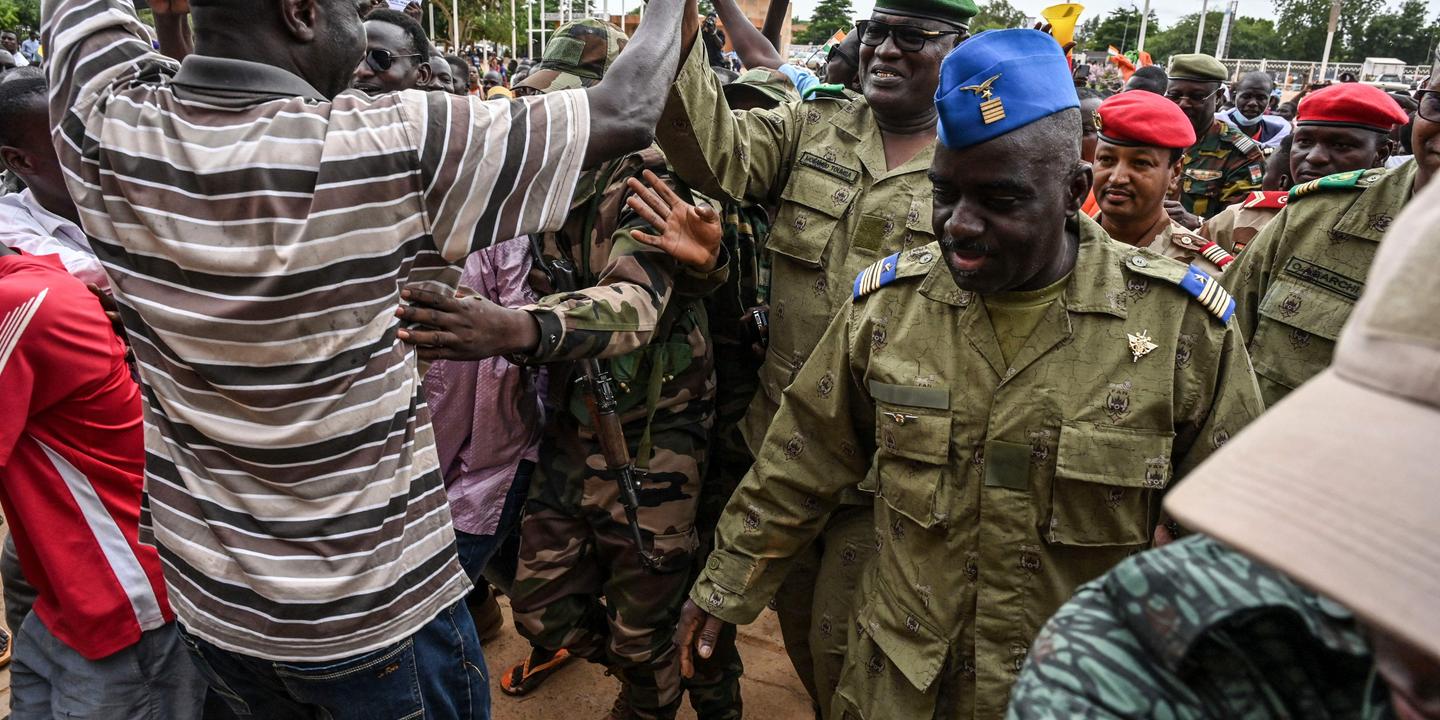
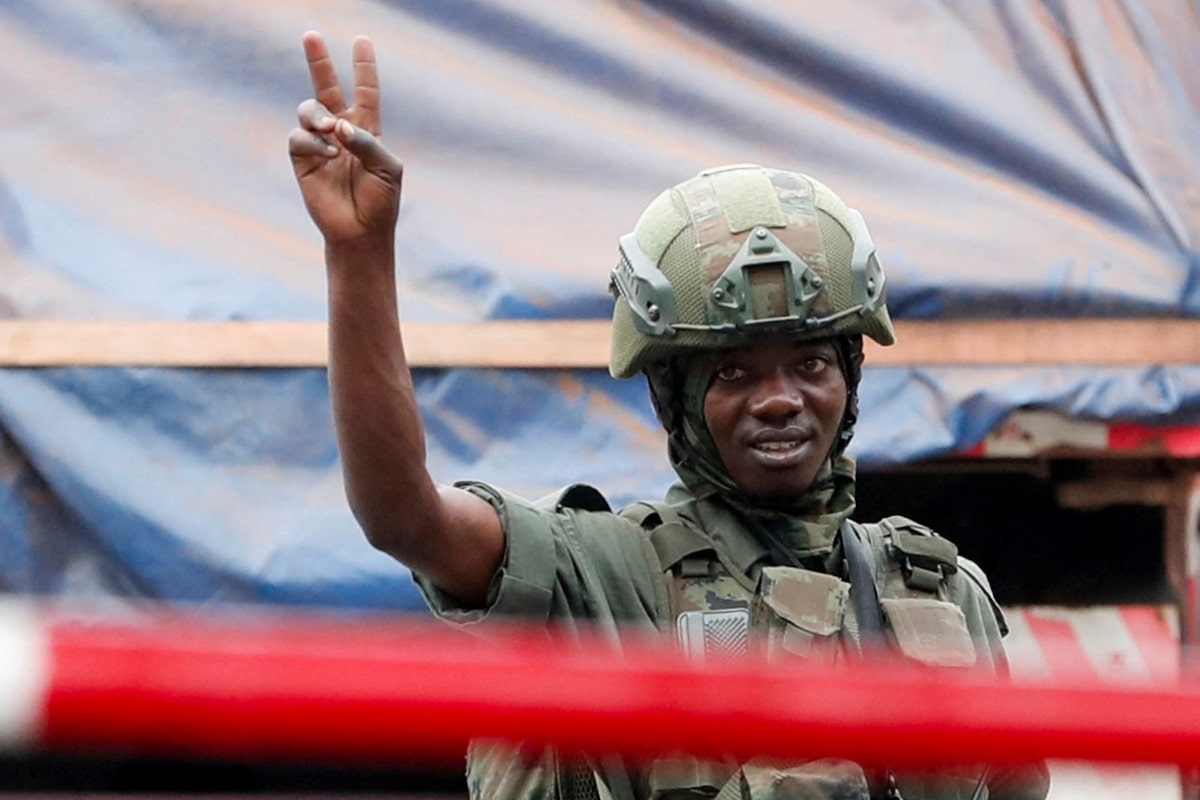
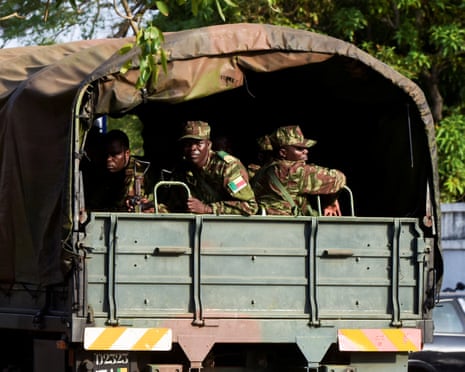
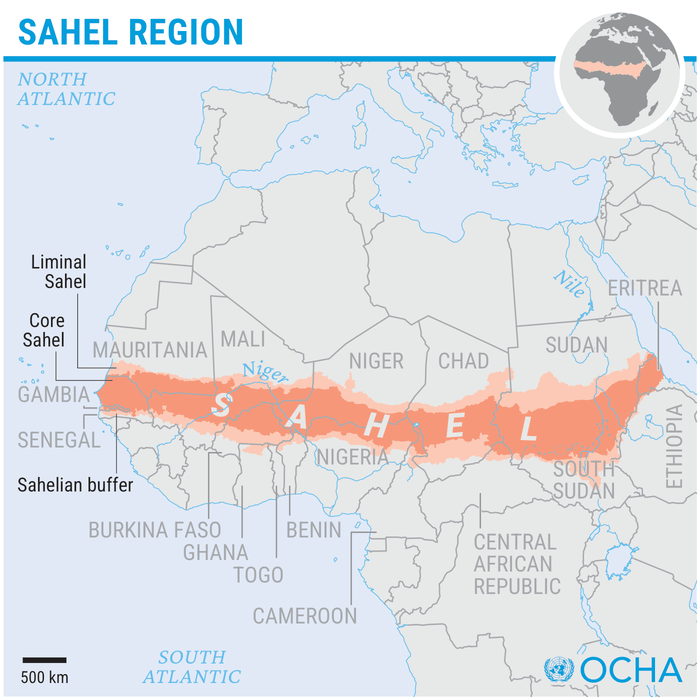
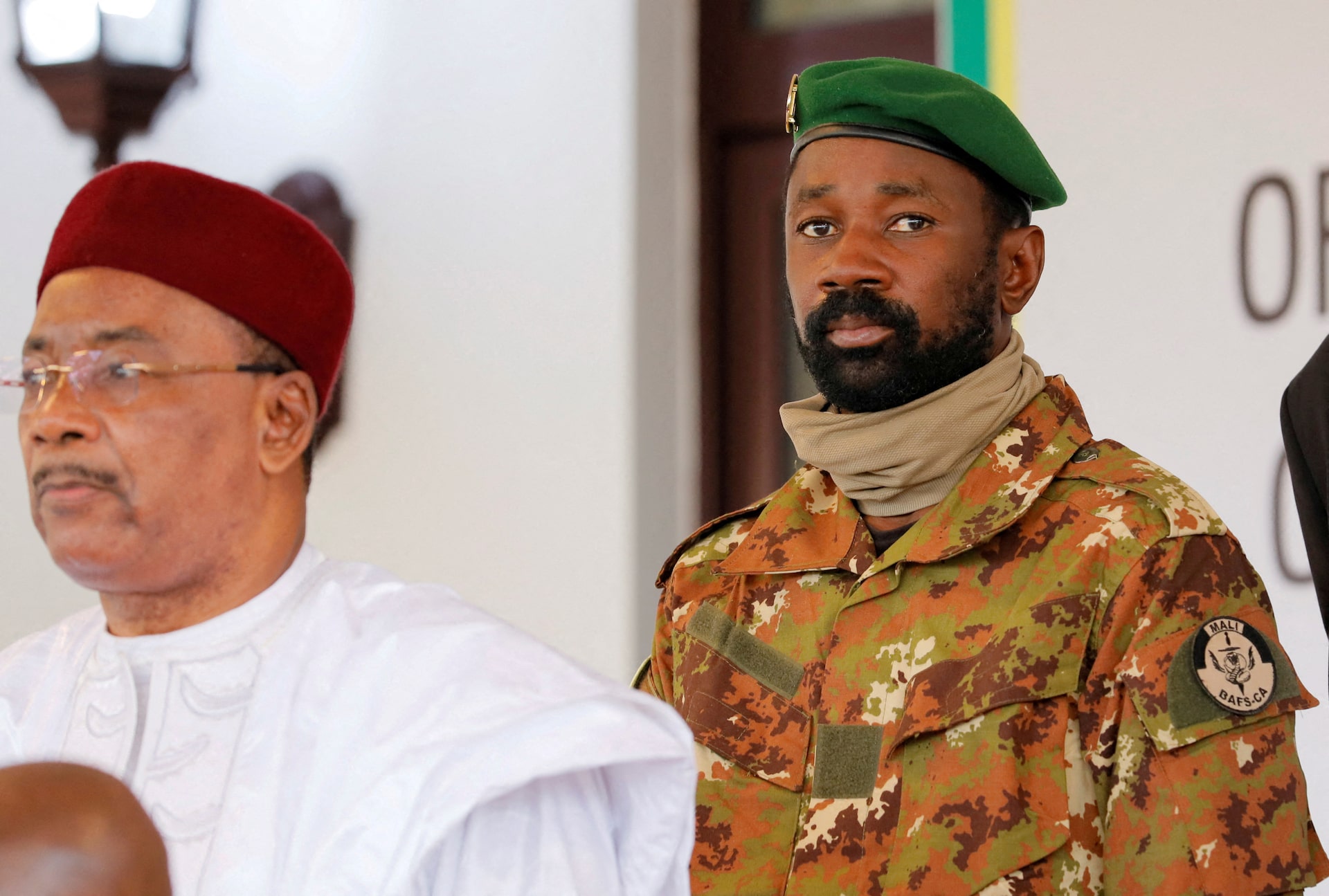
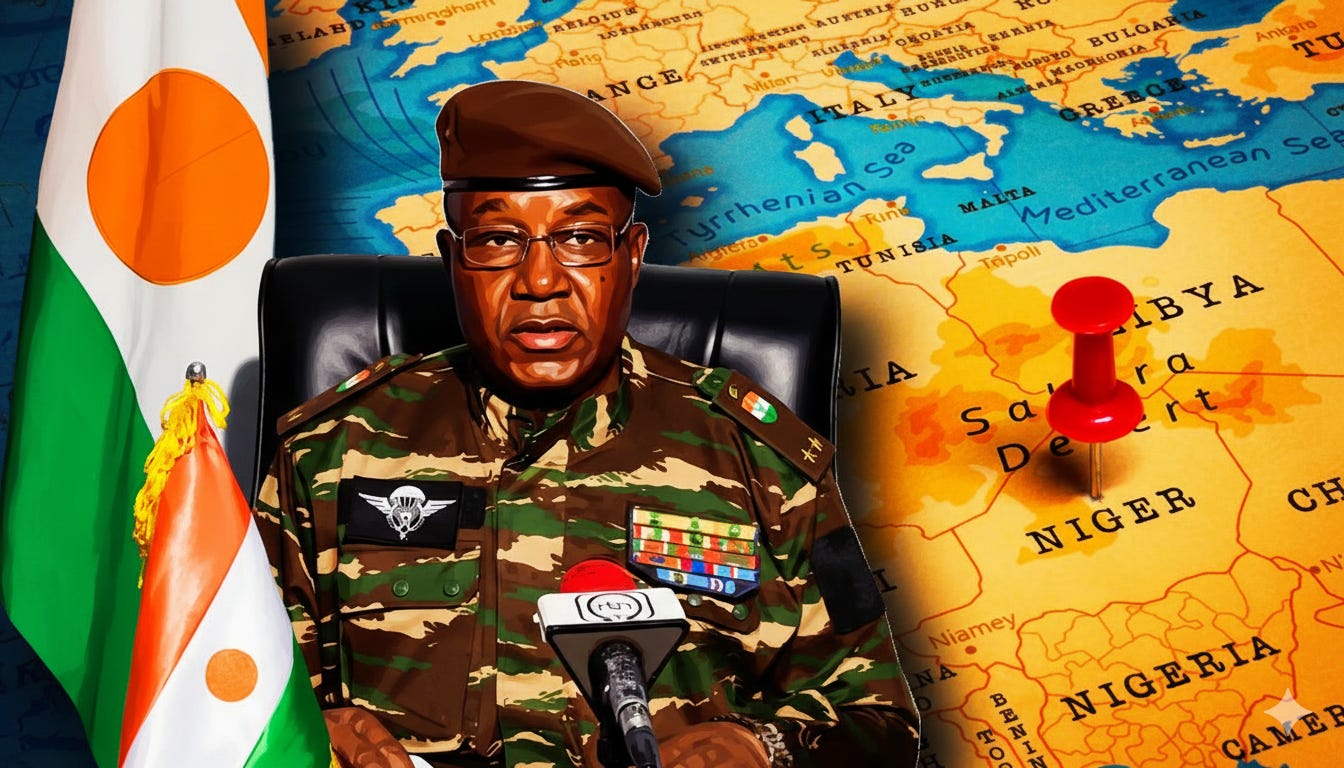
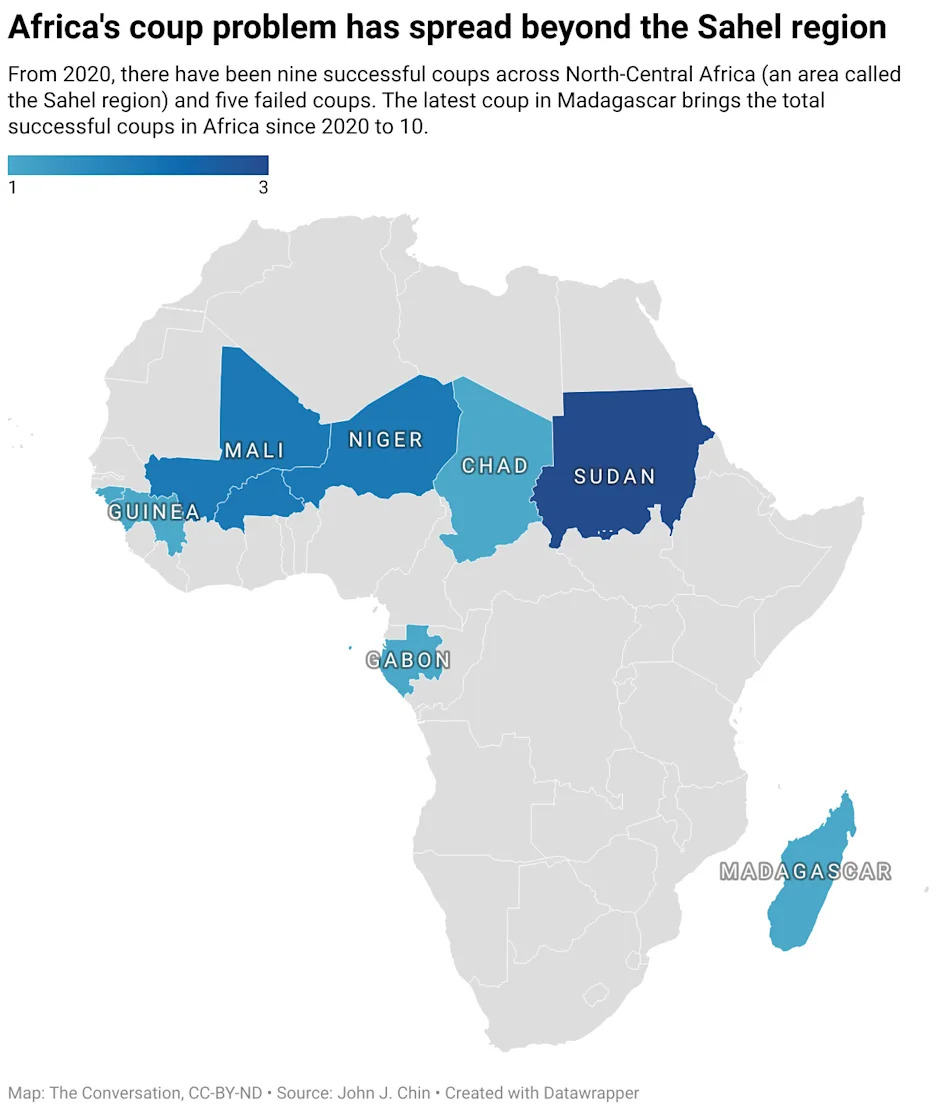
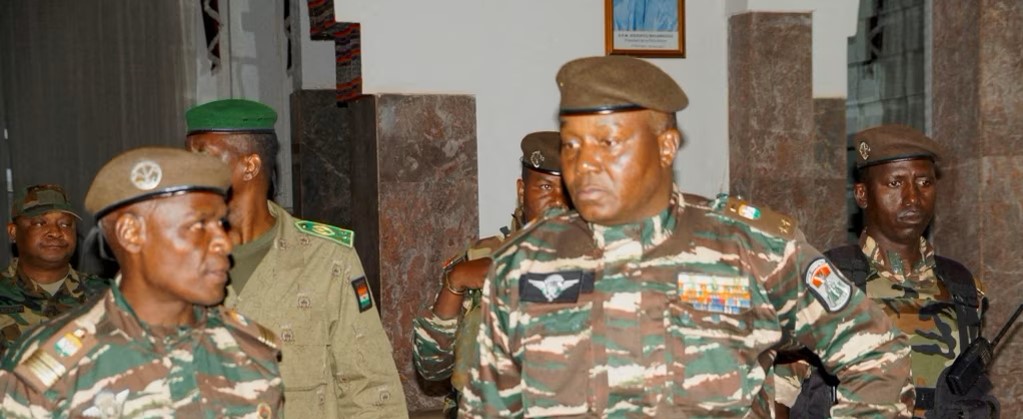
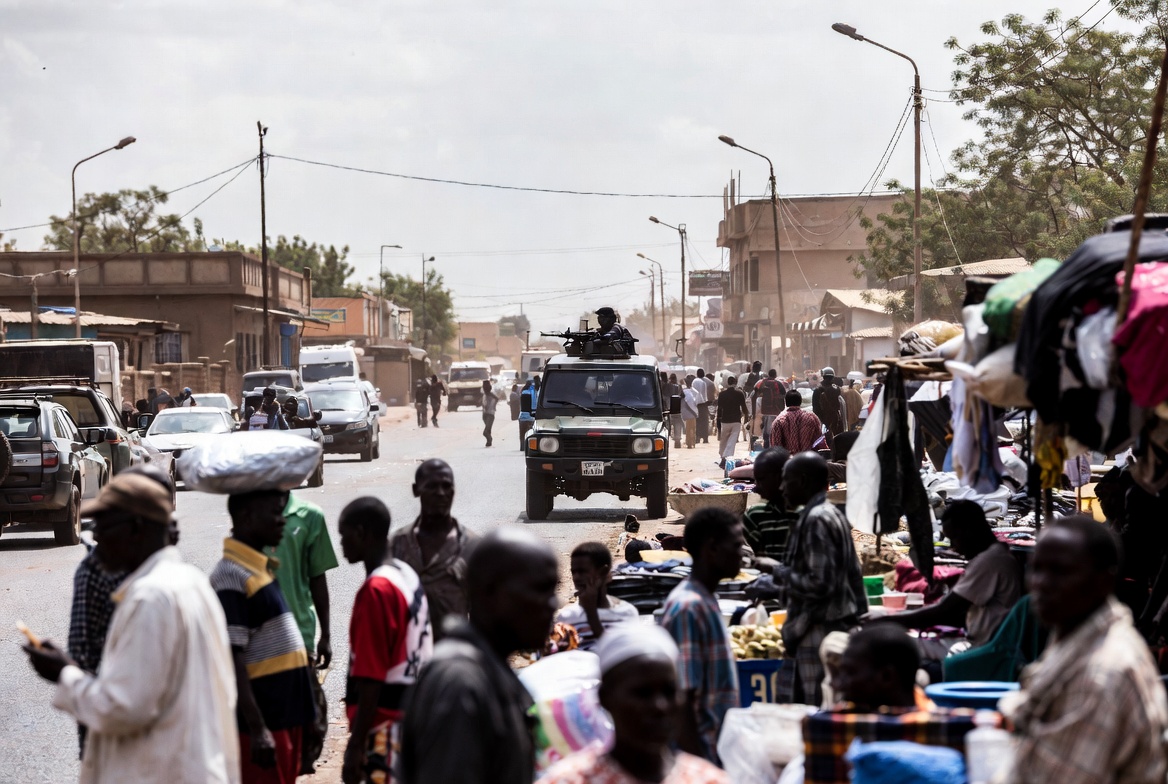
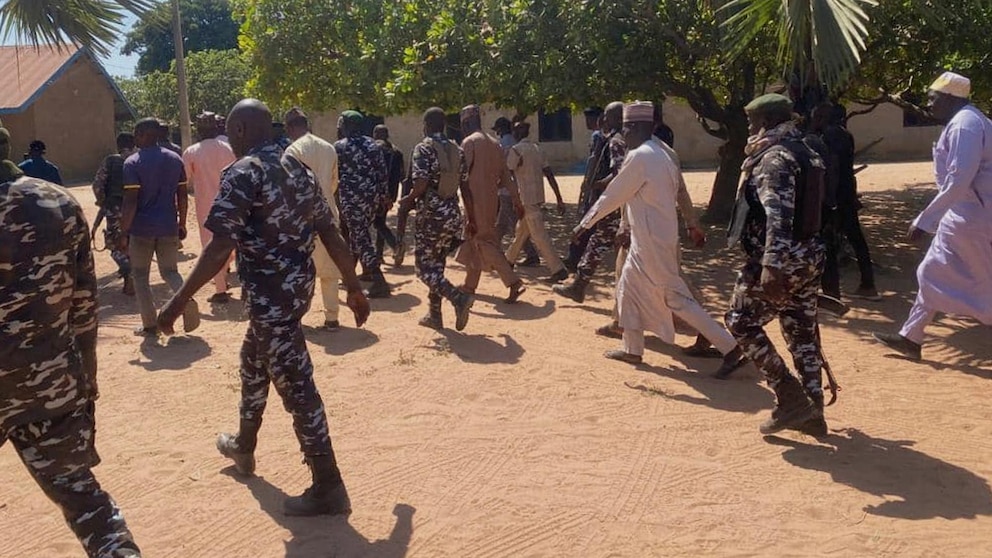
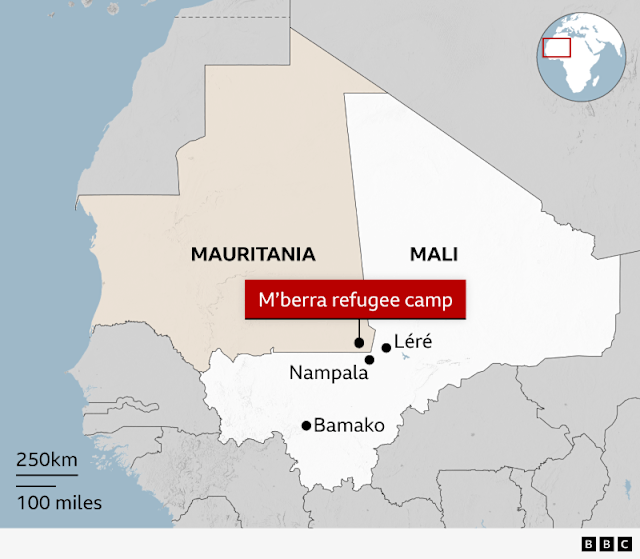
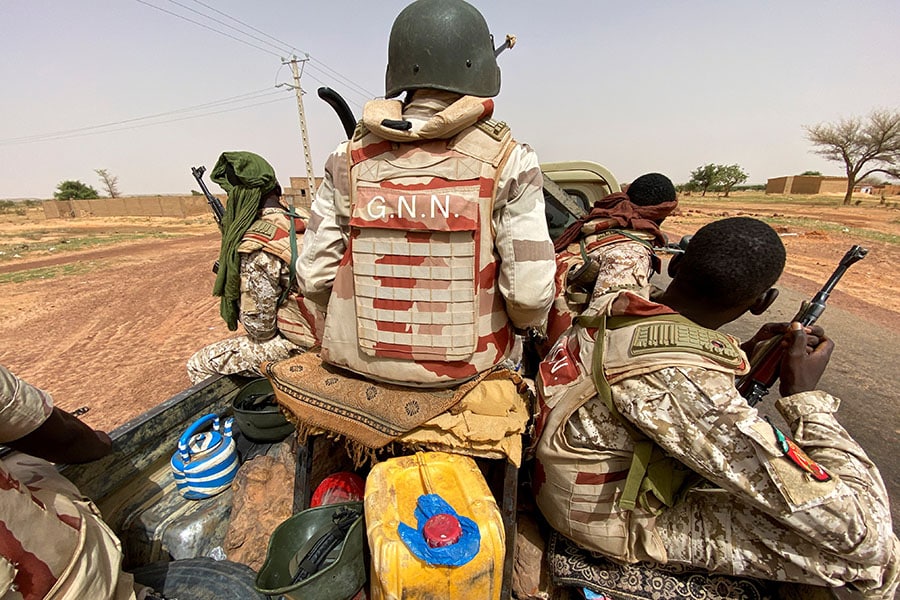
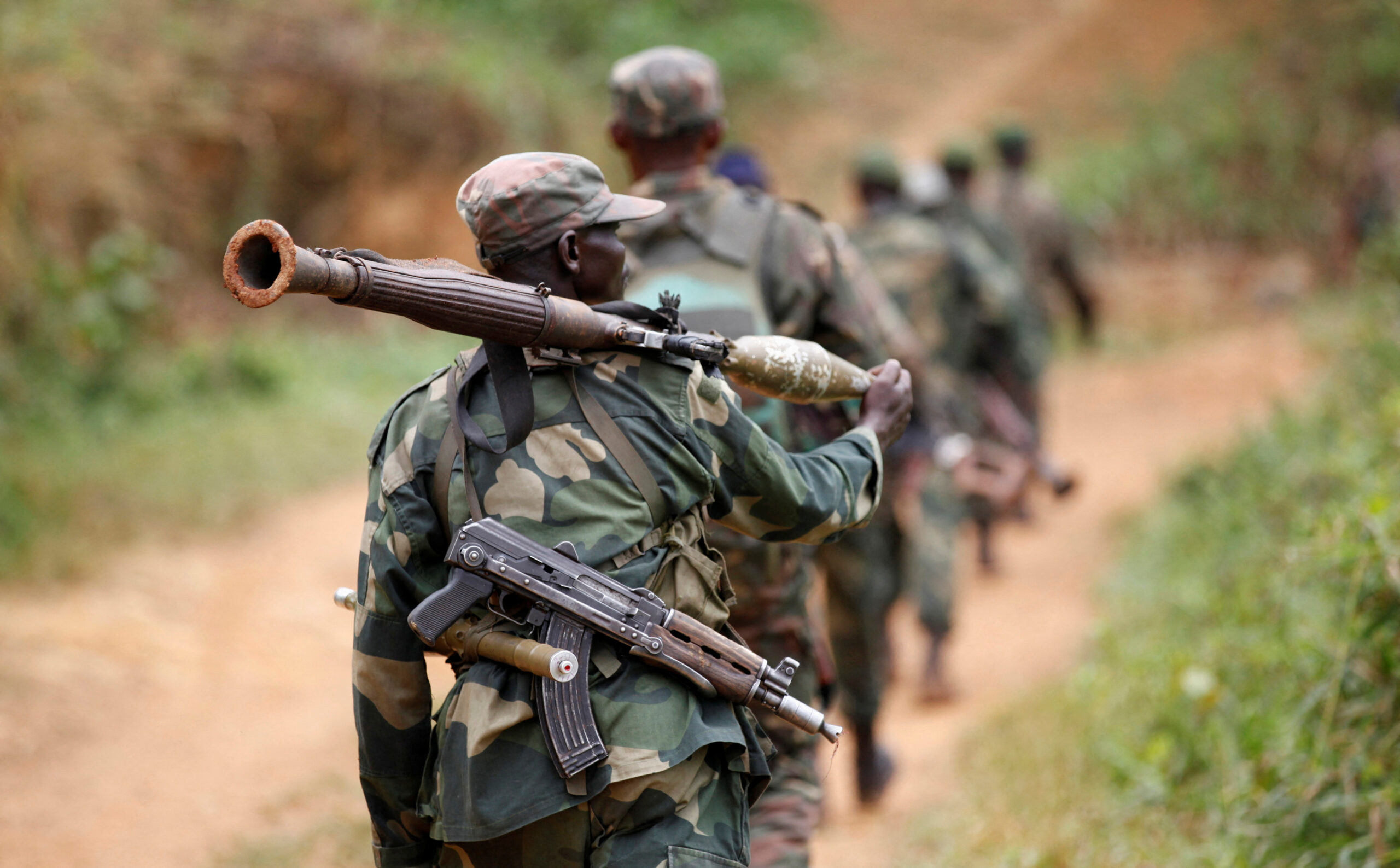
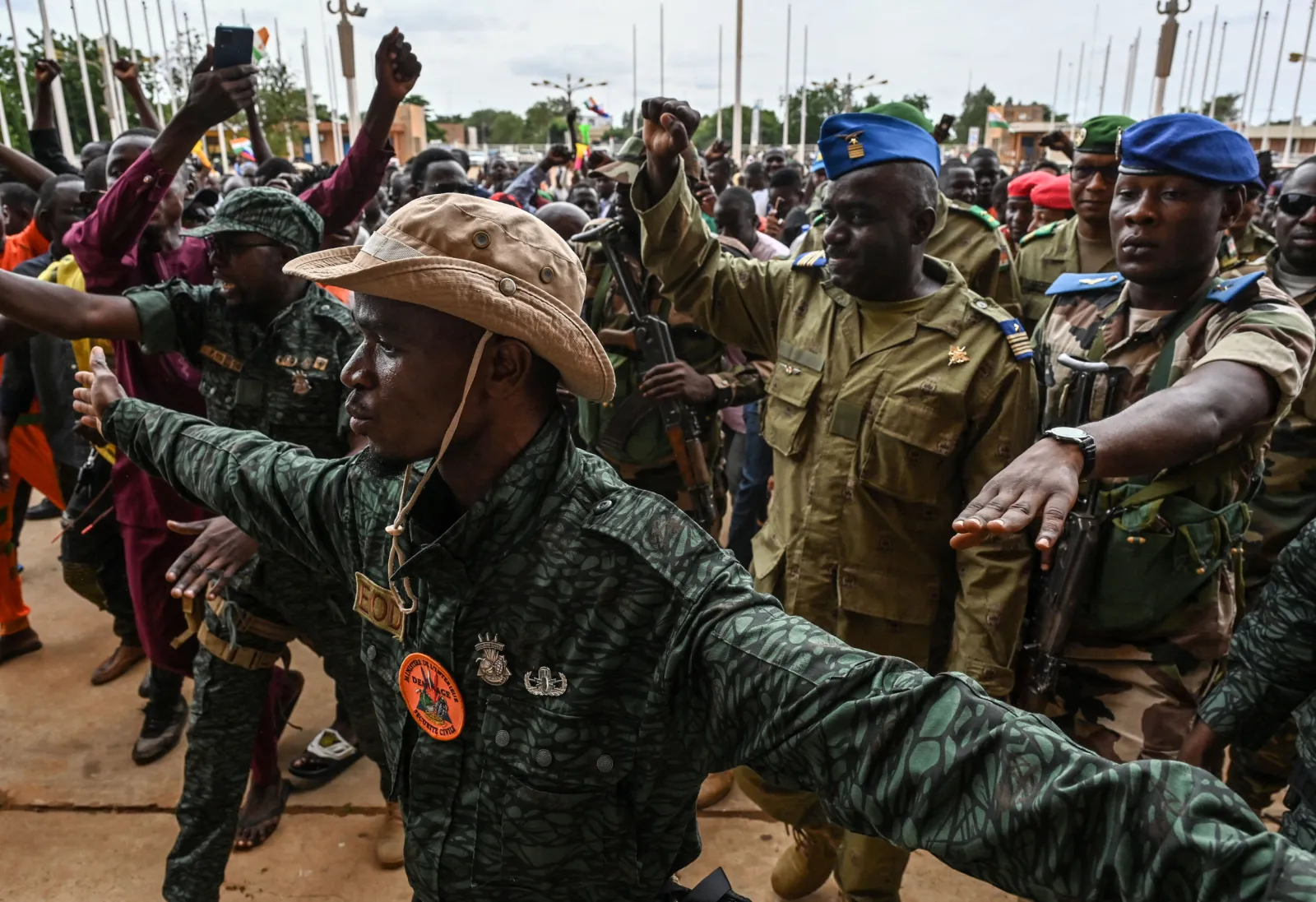
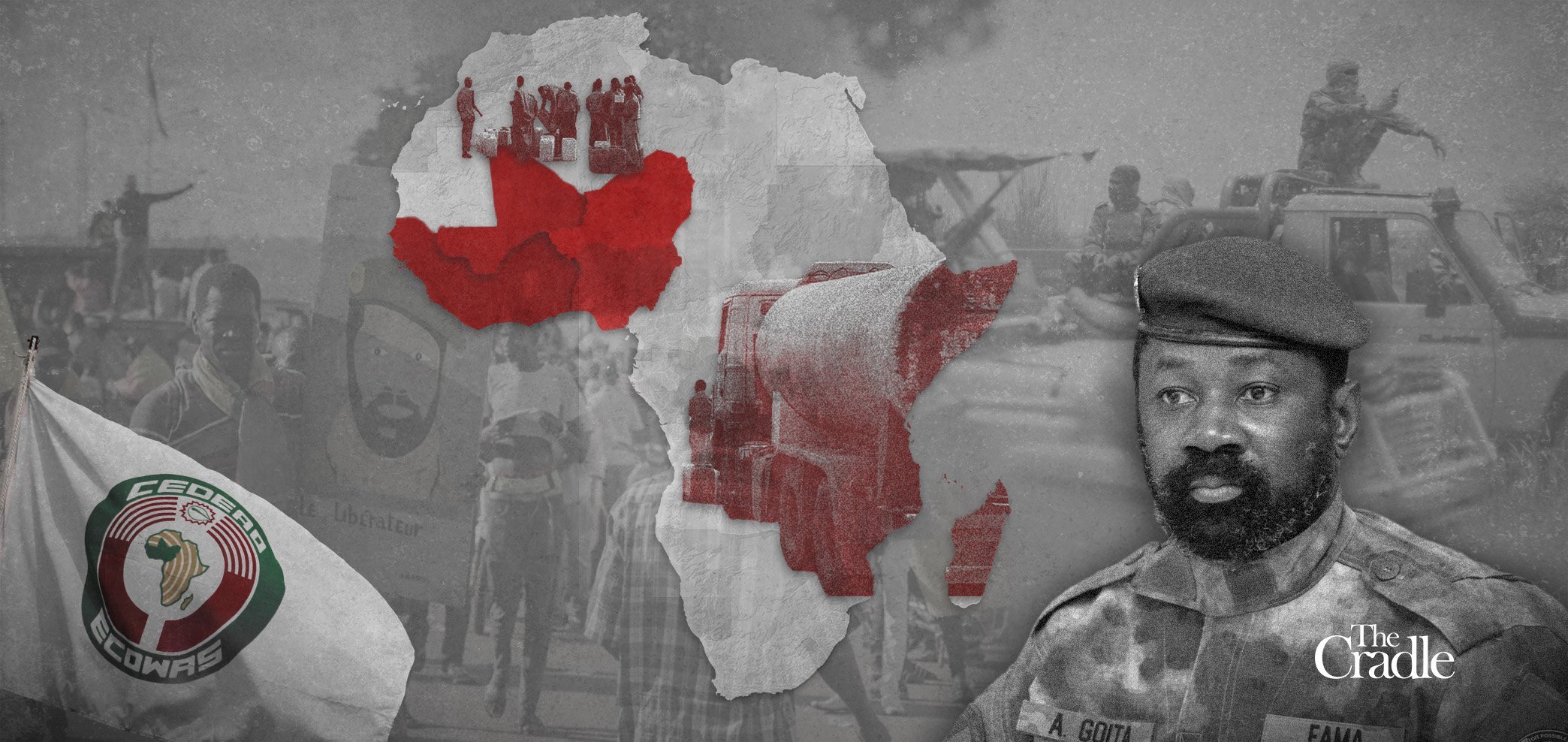
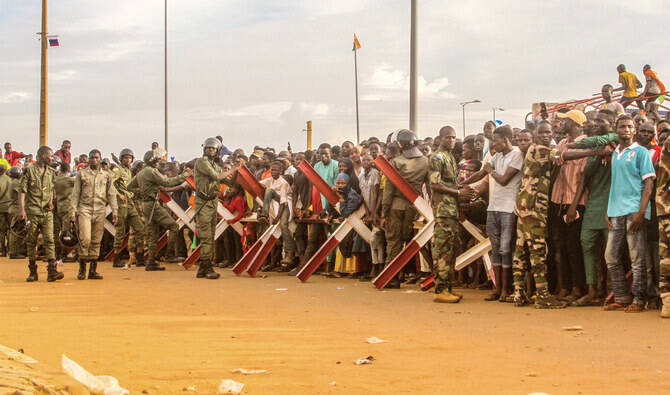
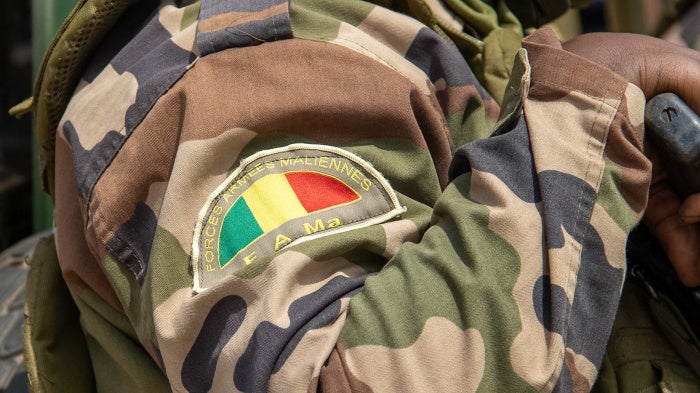
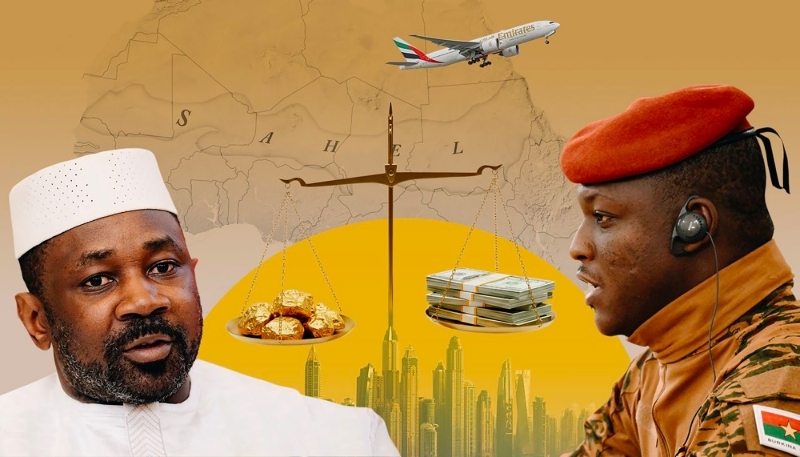
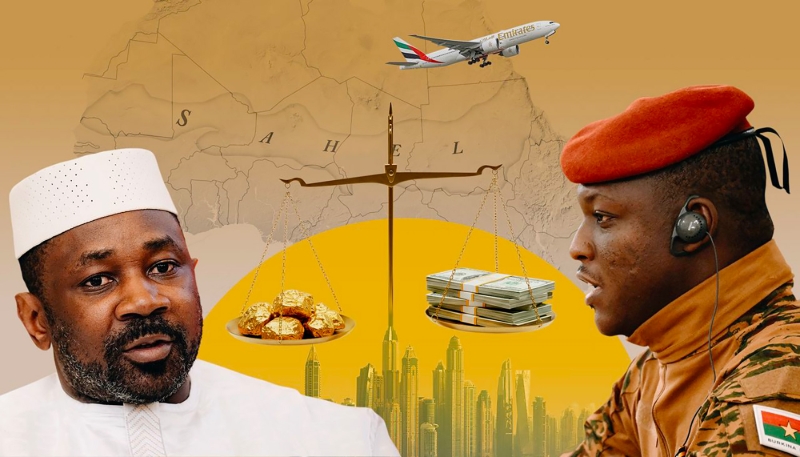
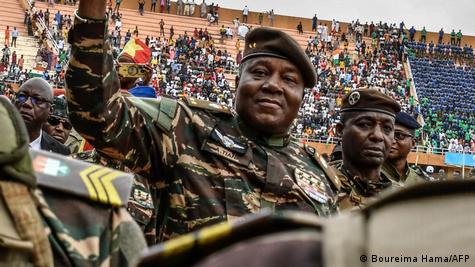
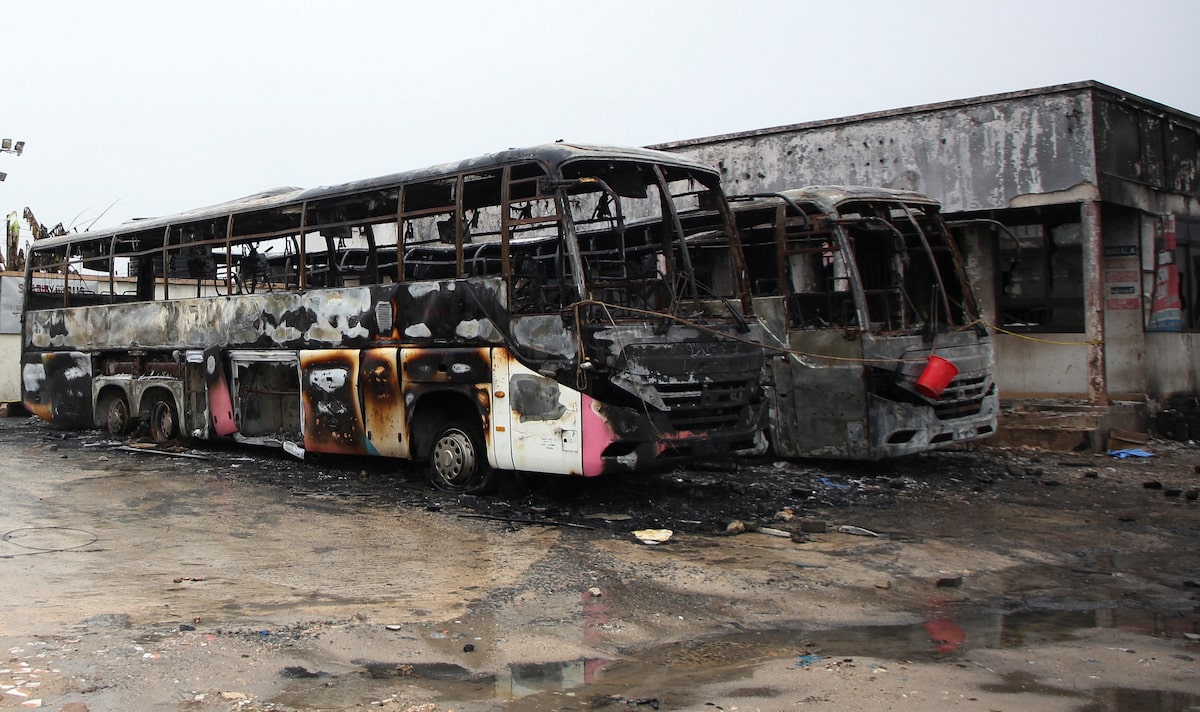
The Sahel region, a vast and vibrant stretch of Africa, is currently caught in a fierce storm. Militant violence, a shifting political landscape, and a shrinking space for journalists are converging to create a truly critical moment for peace and security across the entire continent. Are we seeing the region reaching a breaking point? Recent developments from countries like Mali, Niger, and Nigeria paint a troubling picture, revealing a complex interplay of jihadist insurgencies, government responses, and civil unrest that demands urgent regional and international attention. Take Mali, for instance: the situation there remains undeniably dire. Violence perpetrated by various armed factions, including notorious jihadist groups like Jama’at Nusrat al-Islam wal-Muslimin (JNIM) and the Islamic State in the Greater Sahara, continues to escalate with devastating consequences. These aren’t just isolated skirmishes; they’re coordinated attacks that aren’t only destabilizing local governance but are also severely threatening the safety of both locals and foreign nationals. We saw a stark example of this recently when the Ministry of External Affairs in India had to condemn the abduction of three Indian workers from a cement factory in Kayes, amid a fresh spate of militant assaults. This international dimension of the crisis clearly underscores the broader implications for regional stability and global security. Recognizing this escalating danger, Niger has bravely stepped up to the challenge, ordering a general mobilization against armed groups threatening its borders. This isn’t a small step; it reflects a growing understanding that these jihadist networks, operating seamlessly across the Sahel’s often porous boundaries, pose a shared threat. Their presence demands coordinated defense strategies if the region hopes to regain control. This bold call to arms in Niger serves as a sobering reminder of the persistent security vacuum, where state authority is continually challenged by violent non-state actors who cleverly exploit fragile institutions and weak governance structures. Isn’t it time for a truly unified regional response?
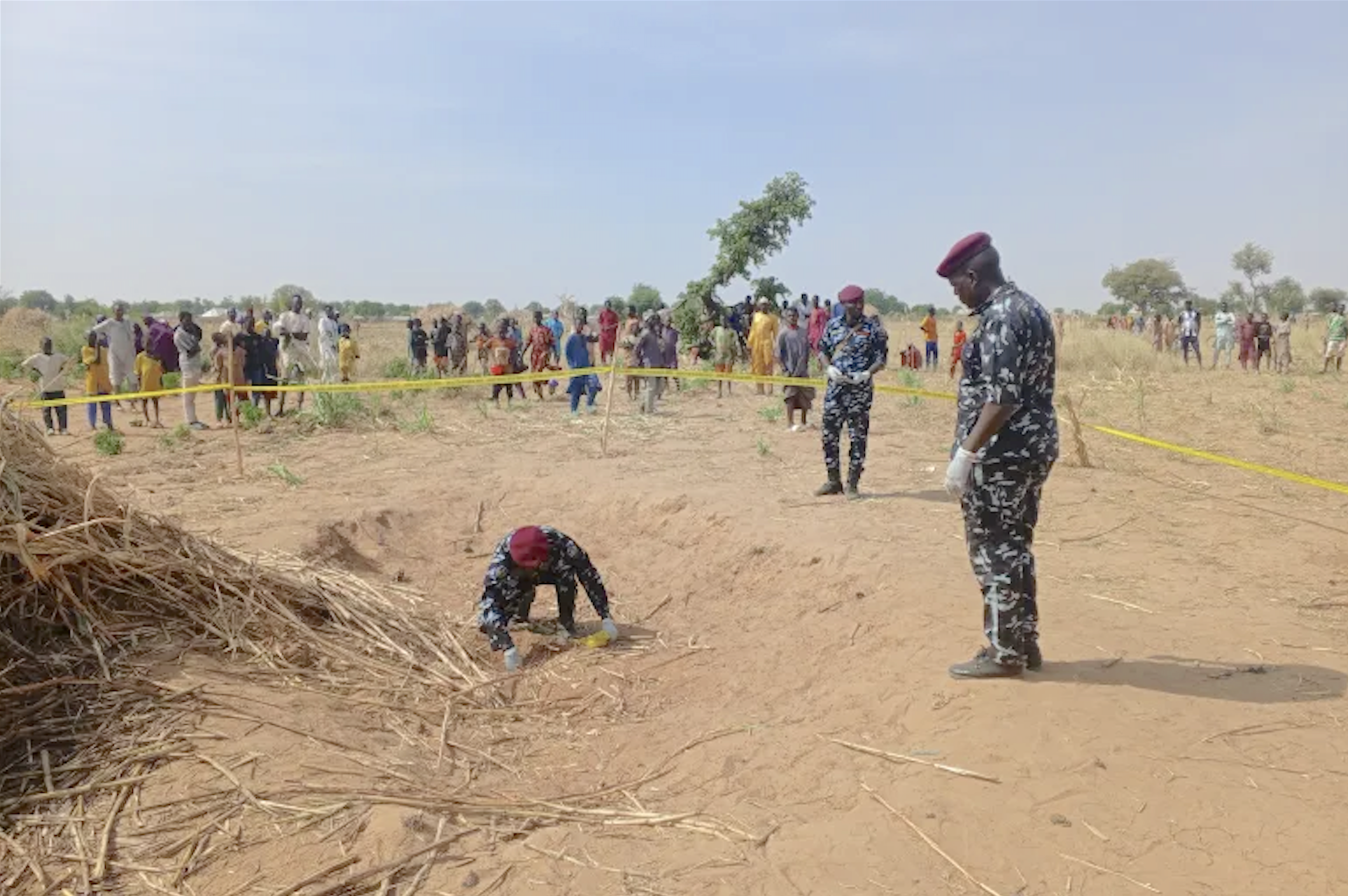
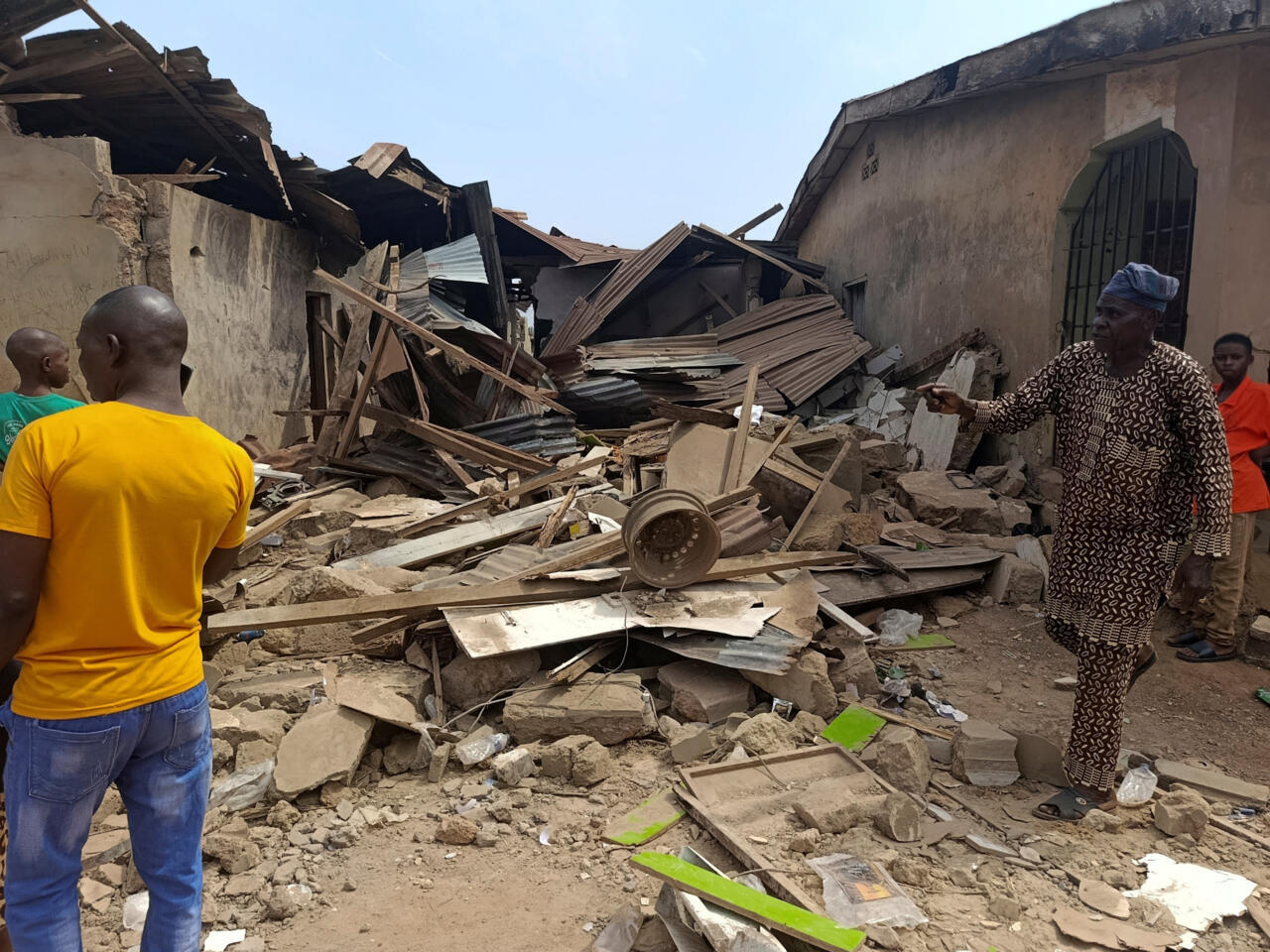
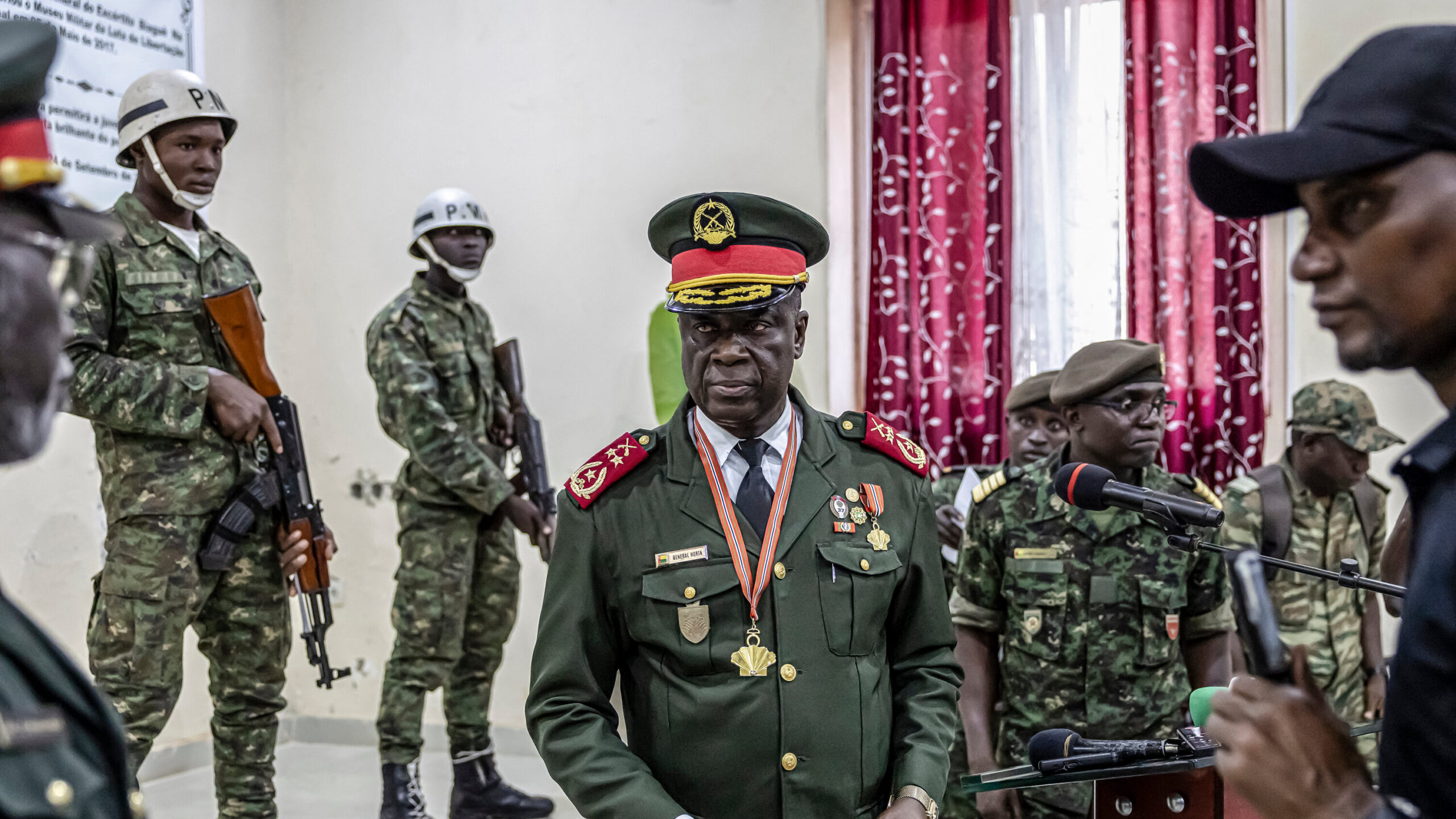
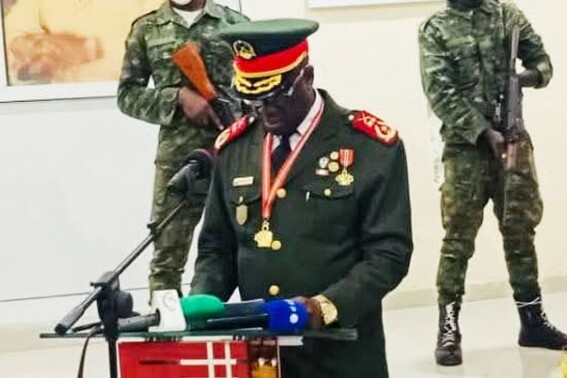
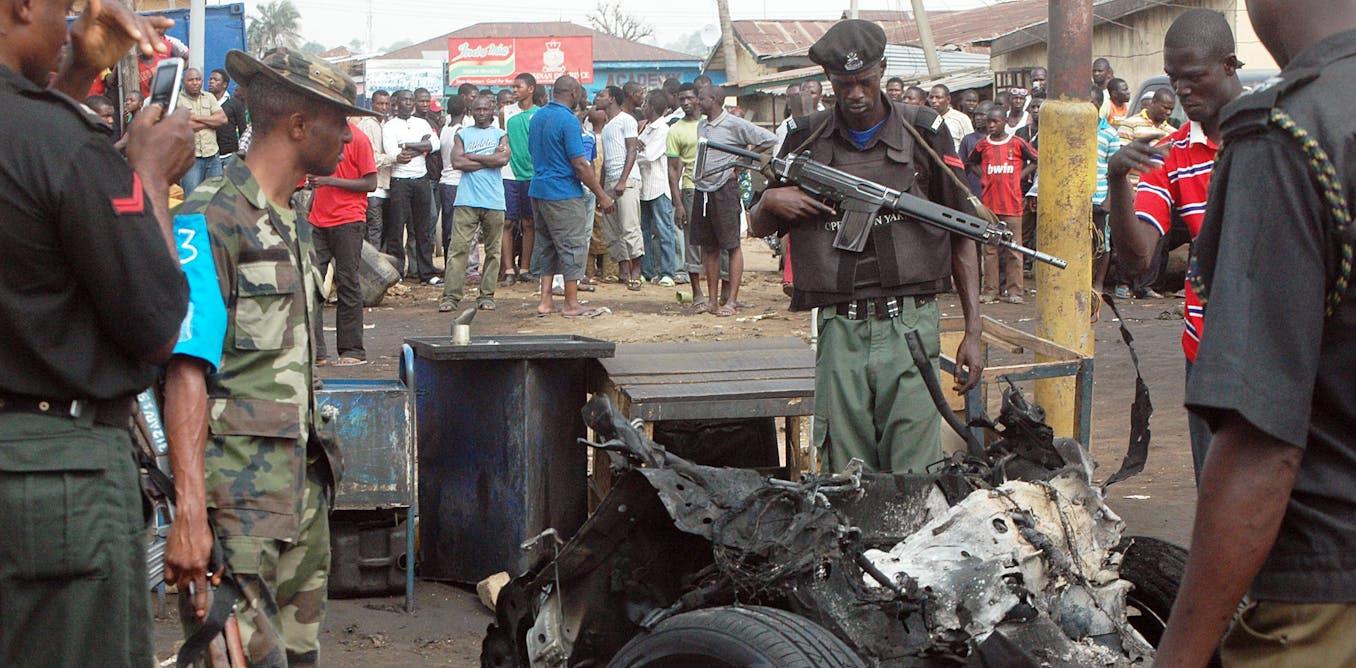
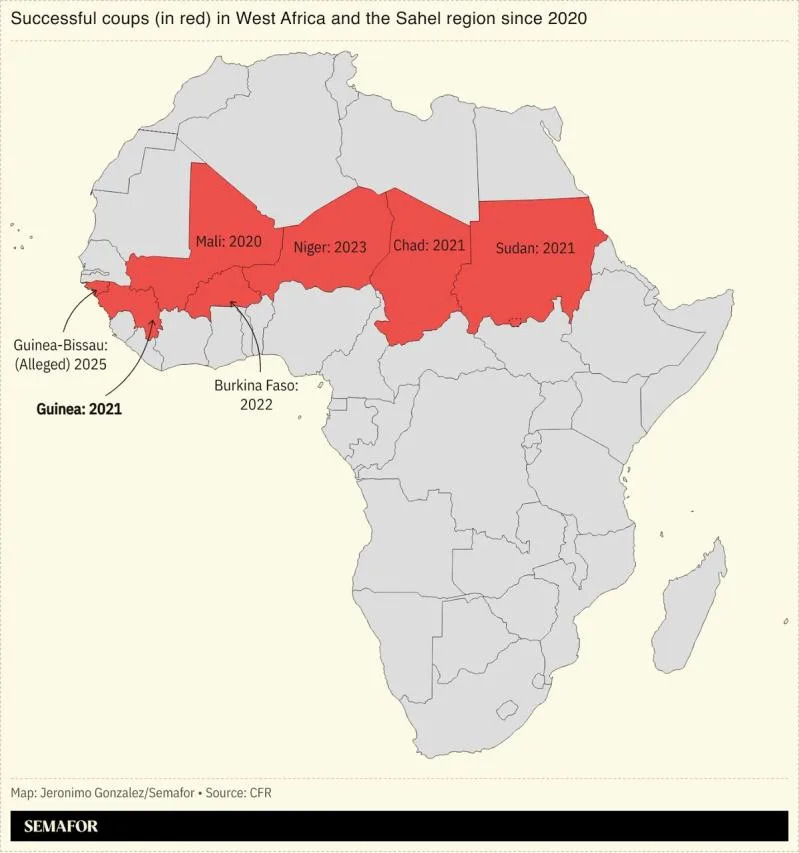
Meanwhile, in Nigeria, the focus of militant violence has sharply intensified, particularly in the northeastern and northwestern regions, where ISIS-affiliated factions continue to orchestrate deadly attacks. Do we truly grasp the human cost here? Under the Trump administration’s watch, targeted strikes against ISIS cells in Sokoto State resulted in the elimination of several militants following horrific attacks on Christian communities. These operations powerfully highlight the painful complexity of religious and ethnic tensions fueling the violence, emphasizing the critical necessity for concerted military and diplomatic efforts. We need to address the deep-seated root causes of extremism not just in Nigeria, but across the wider Sahel. This turbulent security environment isn’t happening in isolation; it exists alongside a politically charged atmosphere that’s sweeping across Africa. Remember Tanzania’s post-election period, which saw outbreaks of violence, or the disturbing series of coups in various countries that have only compounded the instability? Guinea-Bissau, for instance, remains under intense international scrutiny following a military coup that raised serious questions about the future of democratic governance and the rule of law in the region. And what about the very foundation of an informed public: press freedom? Reporters Without Borders (RSF) has been sounding the alarm over the severe erosion of press freedoms in Guinea-Bissau and indeed, the broader Sahel. They’re emphasizing the urgent need for safeguards to protect brave journalists from repression amidst these upheavals. When independent media is stifled during times of political crisis, it doesn’t just undermine transparency, it fundamentally hampers efforts to hold authorities accountable. How can citizens make informed decisions without a free press?
This dangerous convergence of militant insurgencies, political turbulence, and restricted press freedom poses a formidable, multifaceted challenge for the Sahel’s future. These countries find themselves at a crucial crossroads, confronted with the undeniable imperative to rebuild resilient governance structures, significantly strengthen their security apparatuses, and promote genuinely inclusive political dialogue. This isn’t just an internal struggle; international partners also face the critical task of supporting these efforts in ways that respect national sovereignty while genuinely enhancing regional cooperation. Looking ahead, the Sahel’s trajectory will depend largely on the ability of local governments to implement effective security measures that both protect citizens and foster essential trust. The mobilization efforts in Niger and counterterrorism operations in Nigeria offer vital tactical responses to immediate threats, yet sustainable peace, the kind that truly lasts, will absolutely require addressing underlying issues. We’re talking about systemic problems like poverty, deep-seated marginalization, and the insidious spread of extremist ideologies that prey on despair. Equally vital, in fact, absolutely crucial, will be ensuring that the media can operate freely. Why? Because a free press can properly inform and empower the public, which is a fundamental cornerstone of democratic resilience. As the world watches, the Sahel stands as a potent reminder of the complex challenges and promising opportunities that define Africa’s contemporary political and security landscape. The coming months and years will be crucial in shaping whether this diverse and resource-rich region can overcome its formidable trials and chart a clear, confident course toward stability and prosperity for all its people. It’s a future we should all care about, don’t you think? The call to action is clear.