Sahel Region Navigates Complex Security and Climate Challenges Amid Emerging Satellite Collaboration
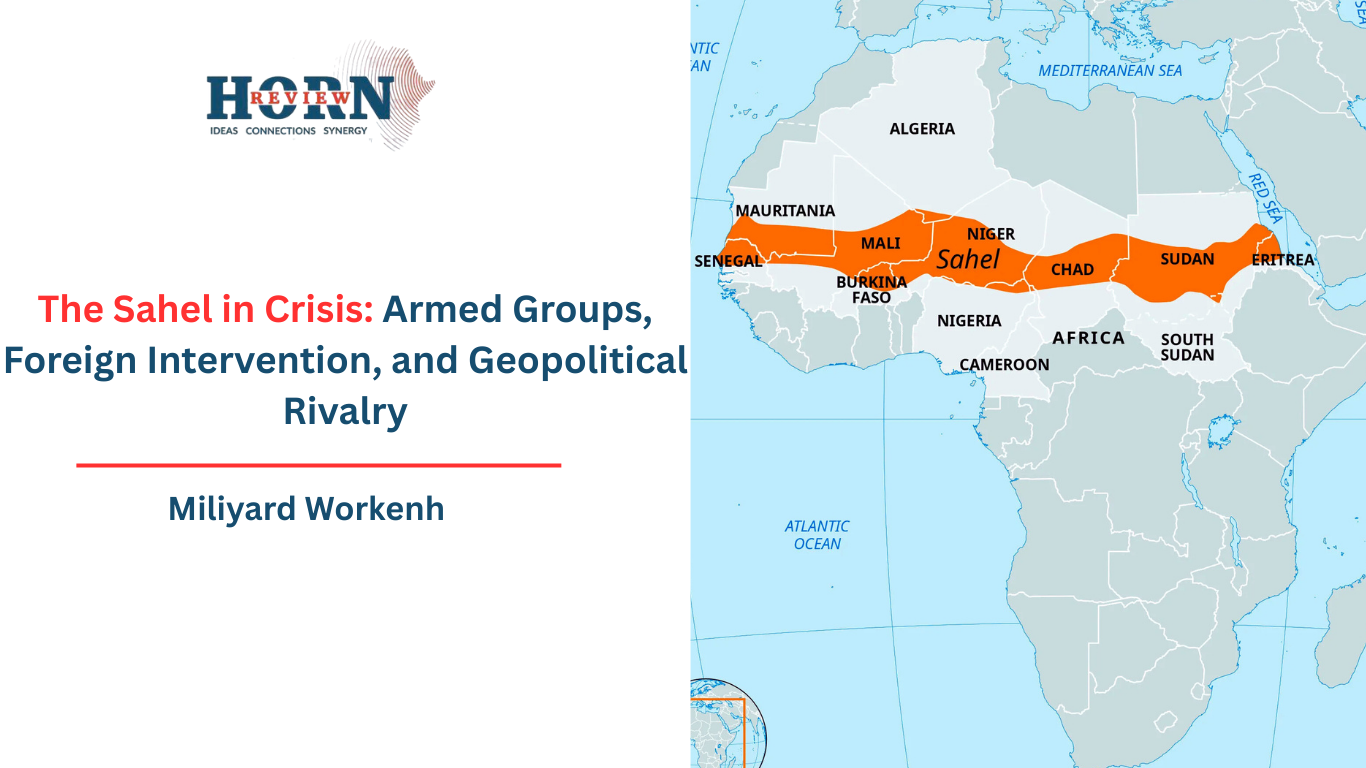
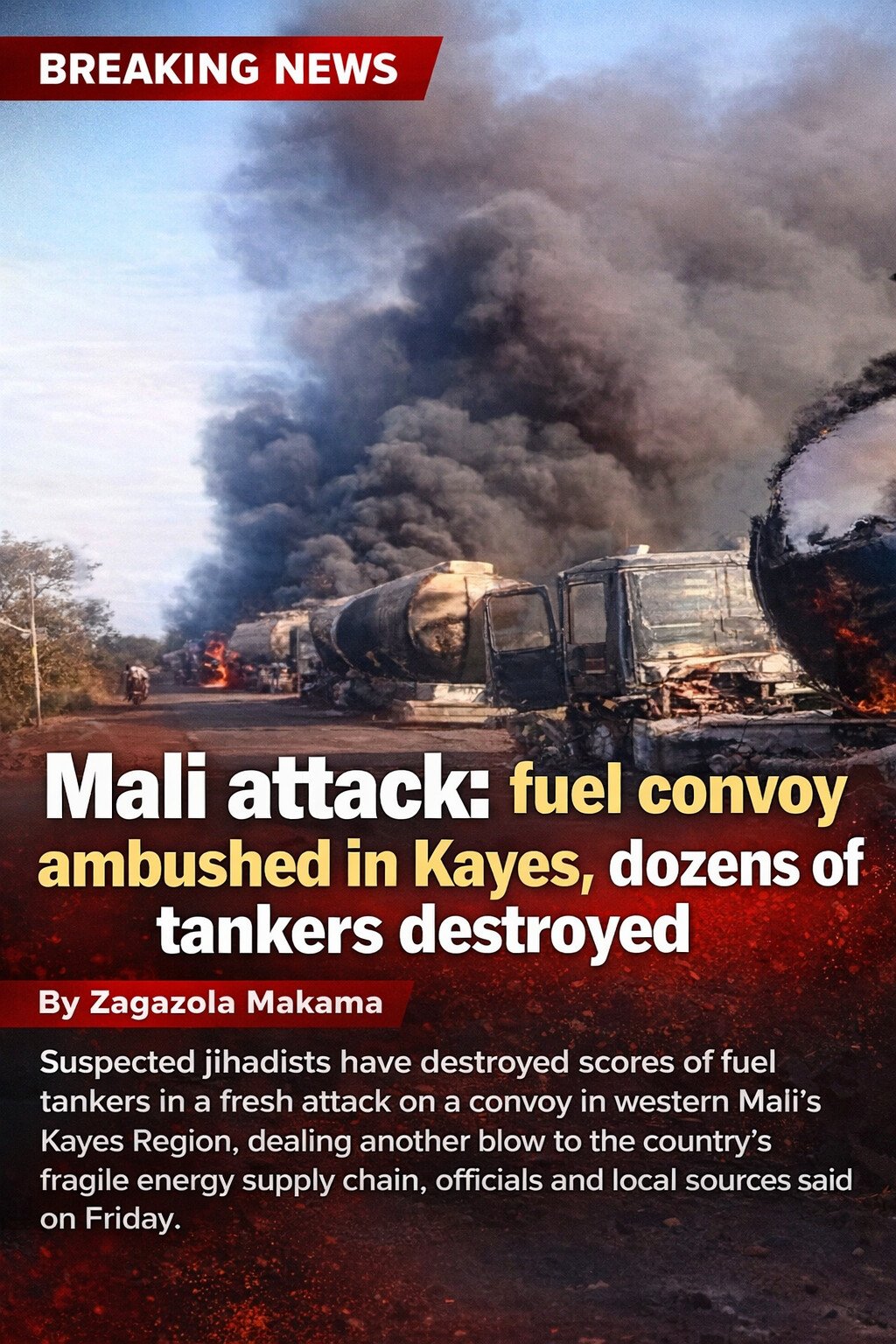
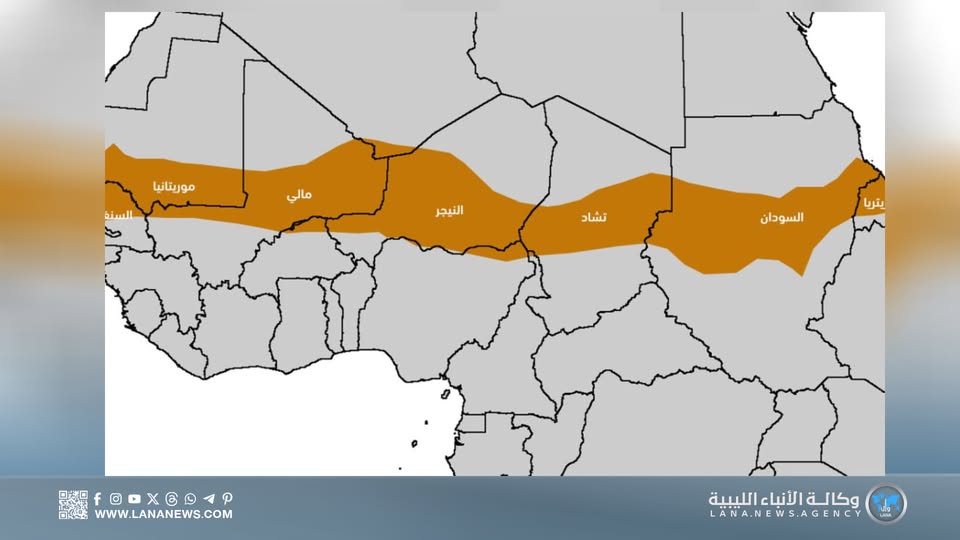
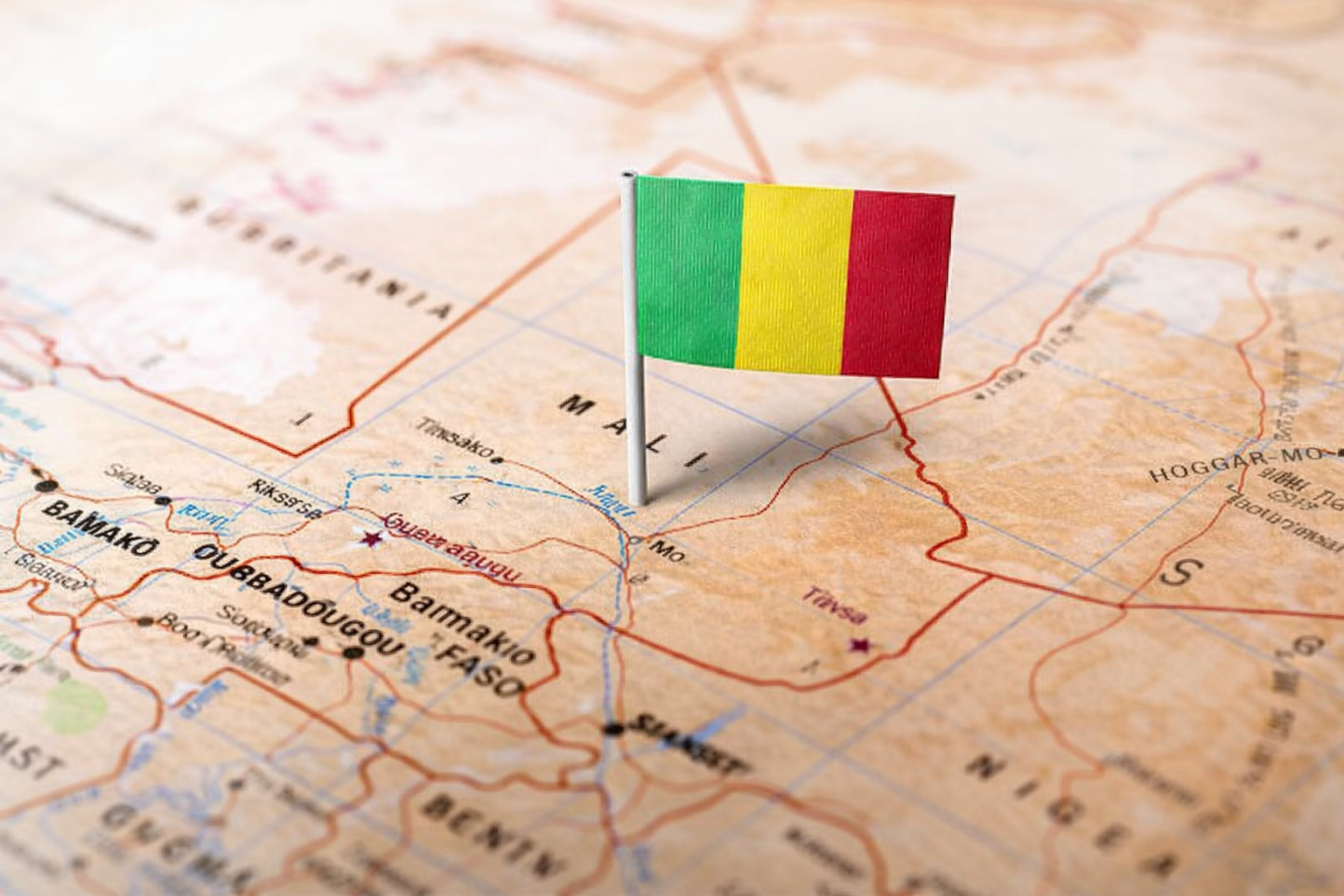
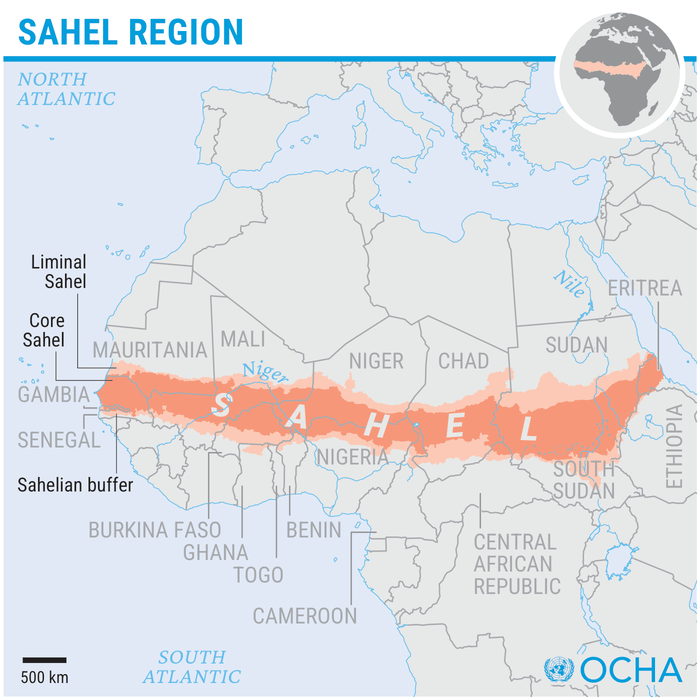
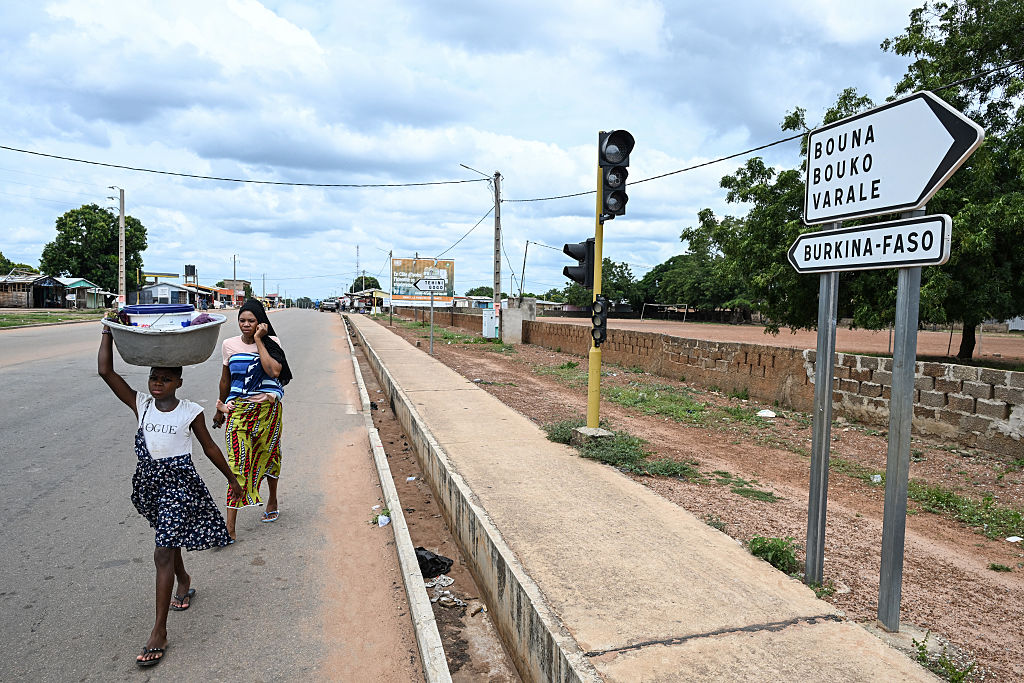
The Sahel region, a vast stretch of Africa encompassing countries like Mali, Niger, and Burkina Faso, faces an intense mix of challenges and surprising opportunities. We’re talking about persistent security issues, dominated by jihadist violence and unsettling military instability, coupled with the brutal realities of extreme desert heat. Yet, amidst all this, the region is charting a path towards technological advancement with the upcoming launch of its first shared satellite. This blend of tough circumstances and forward progress is really shaping the Sahel’s story, demanding serious attention from local leaders, international partners, and even global observers.
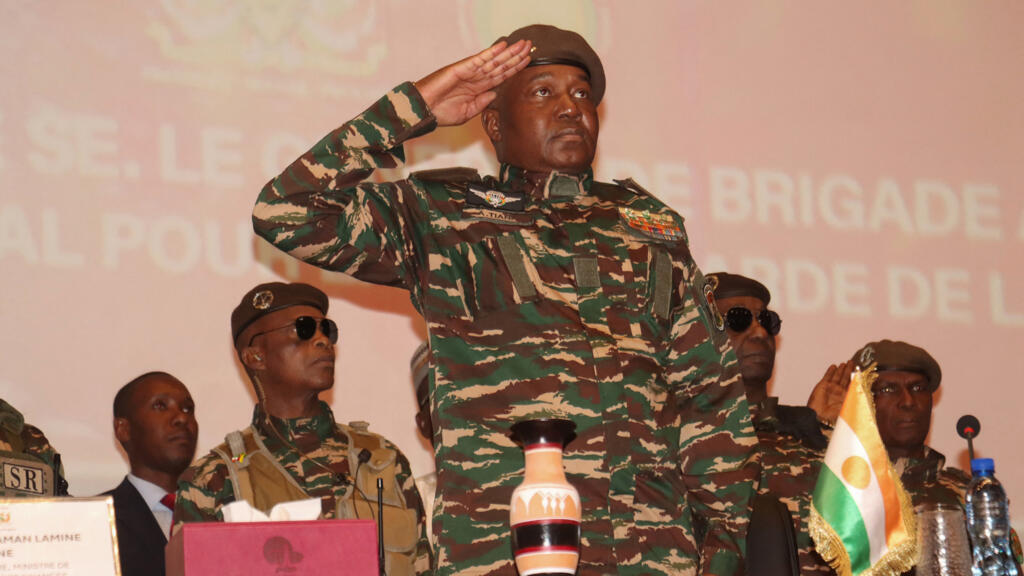
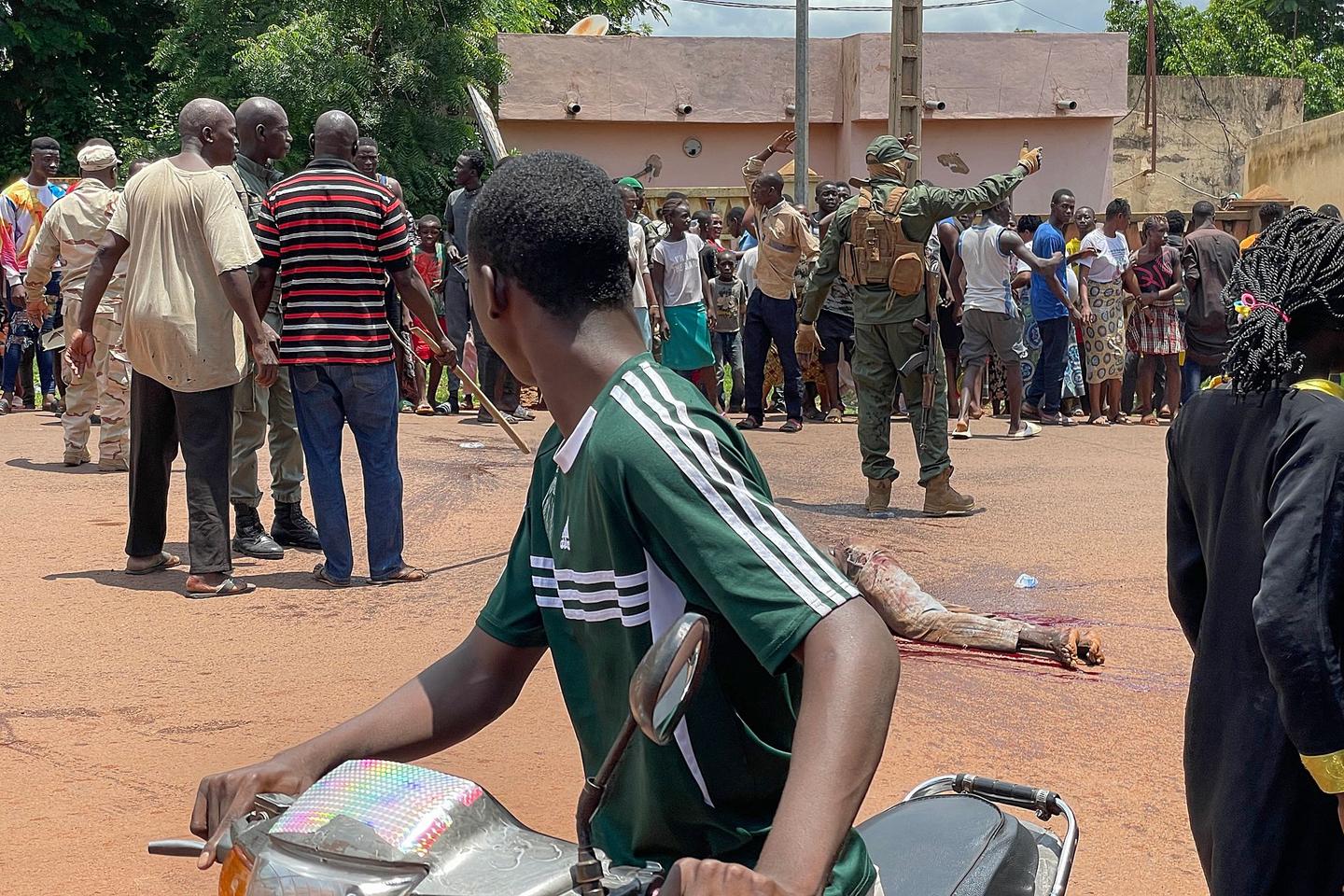
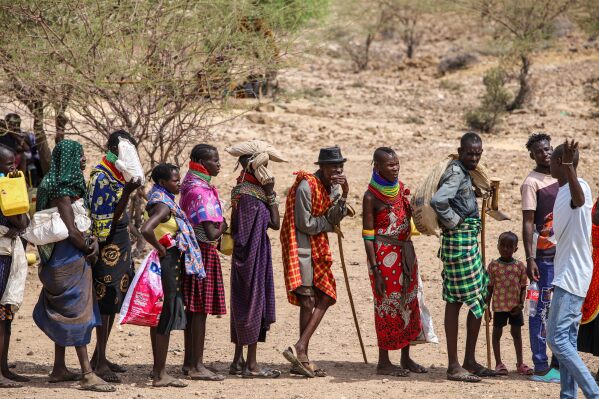
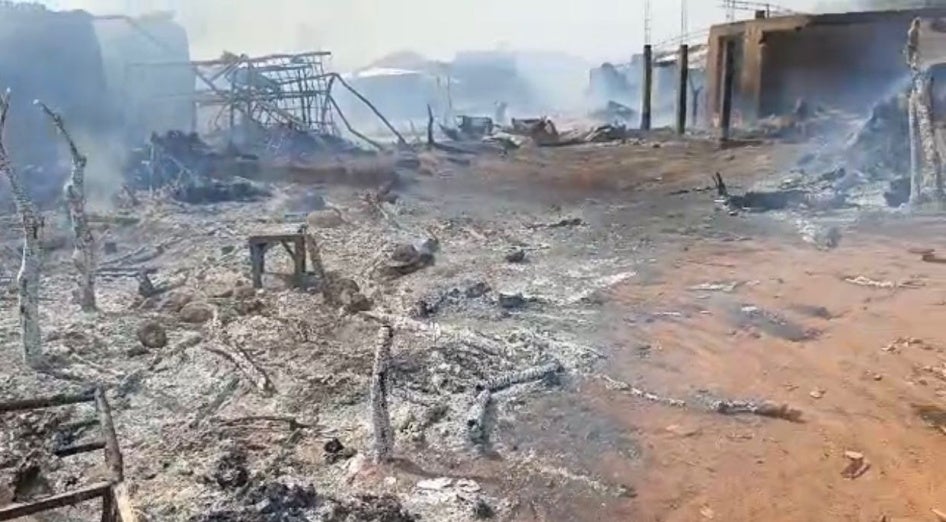
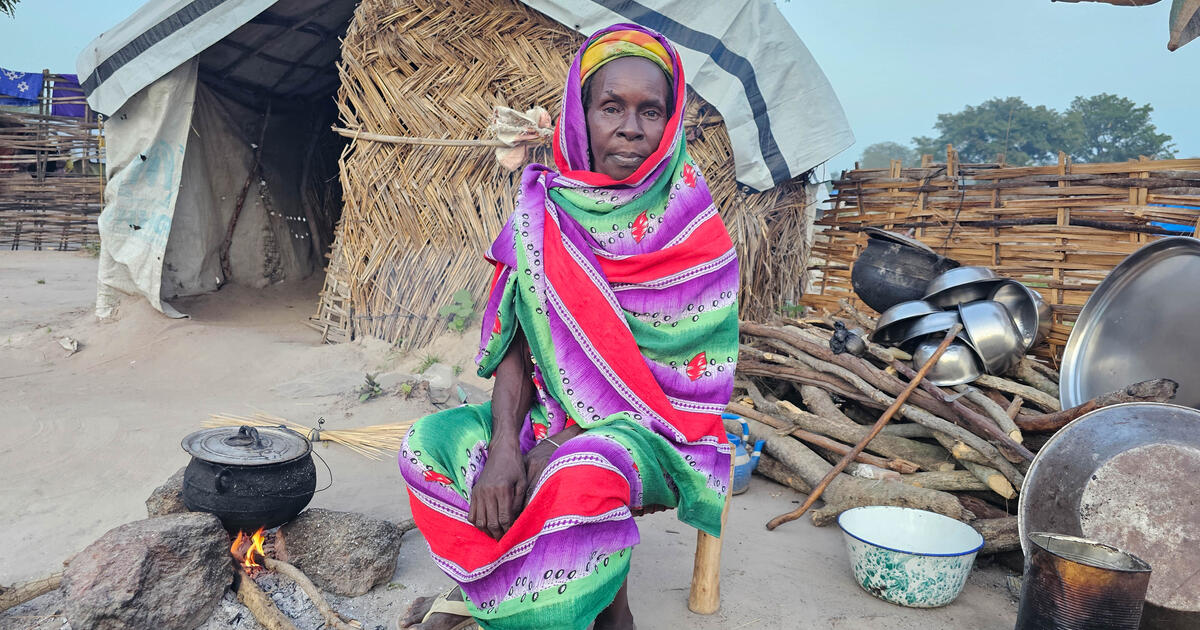
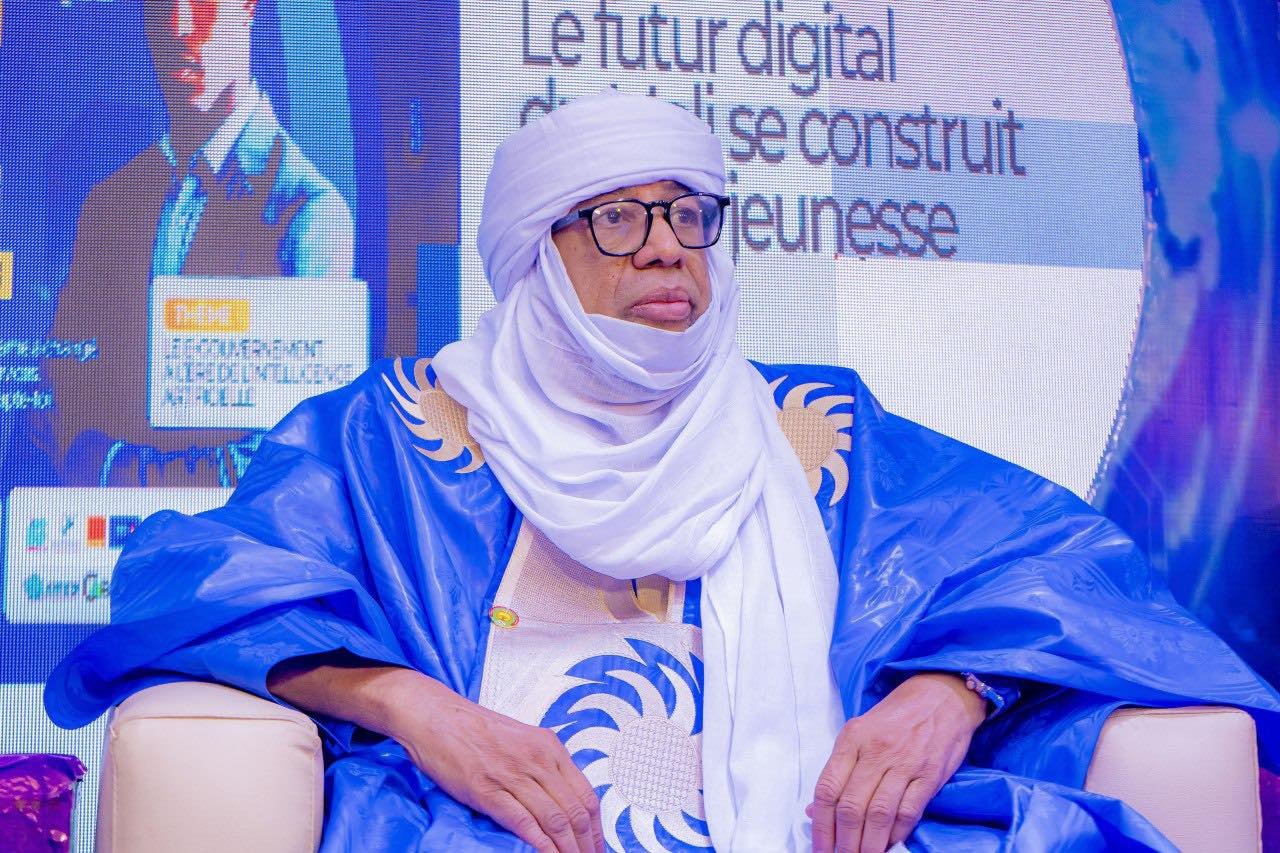
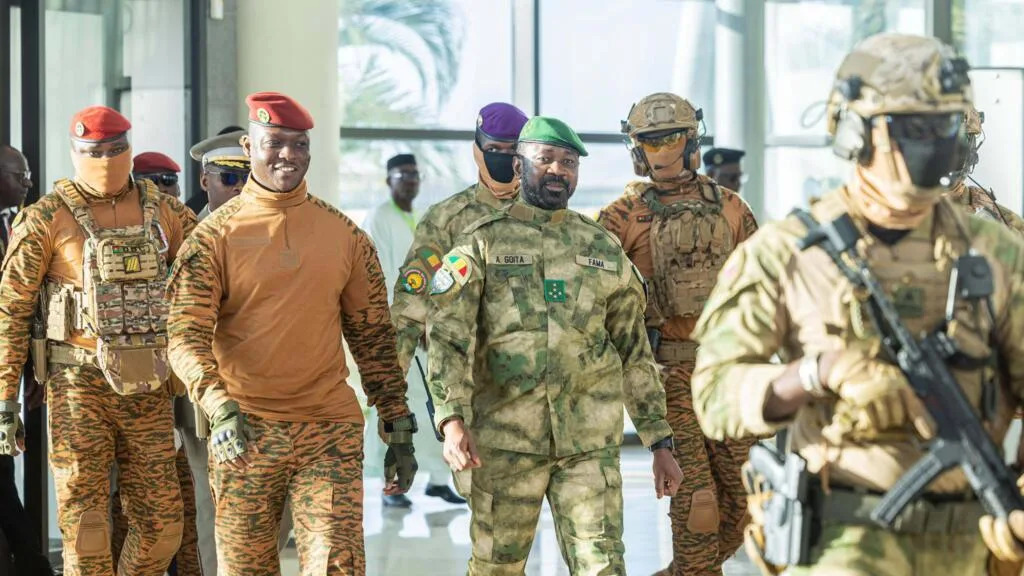
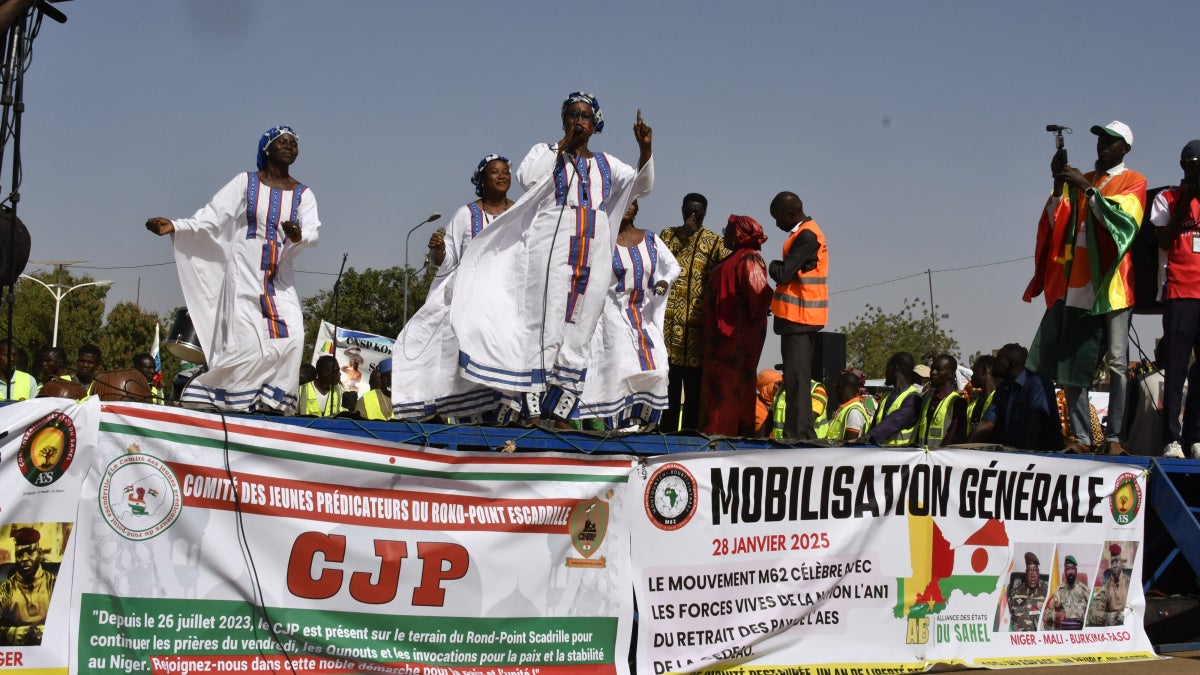
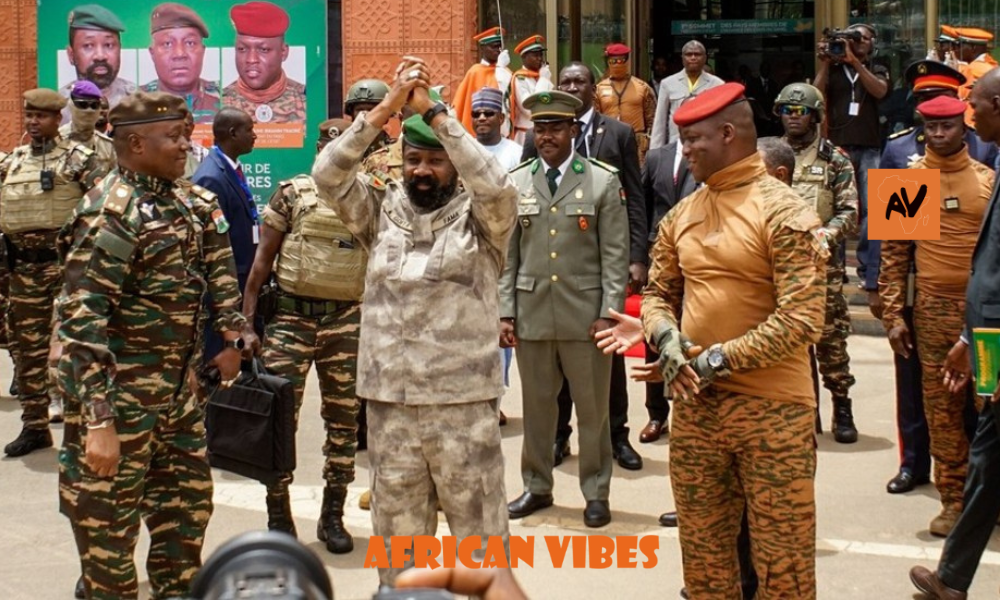
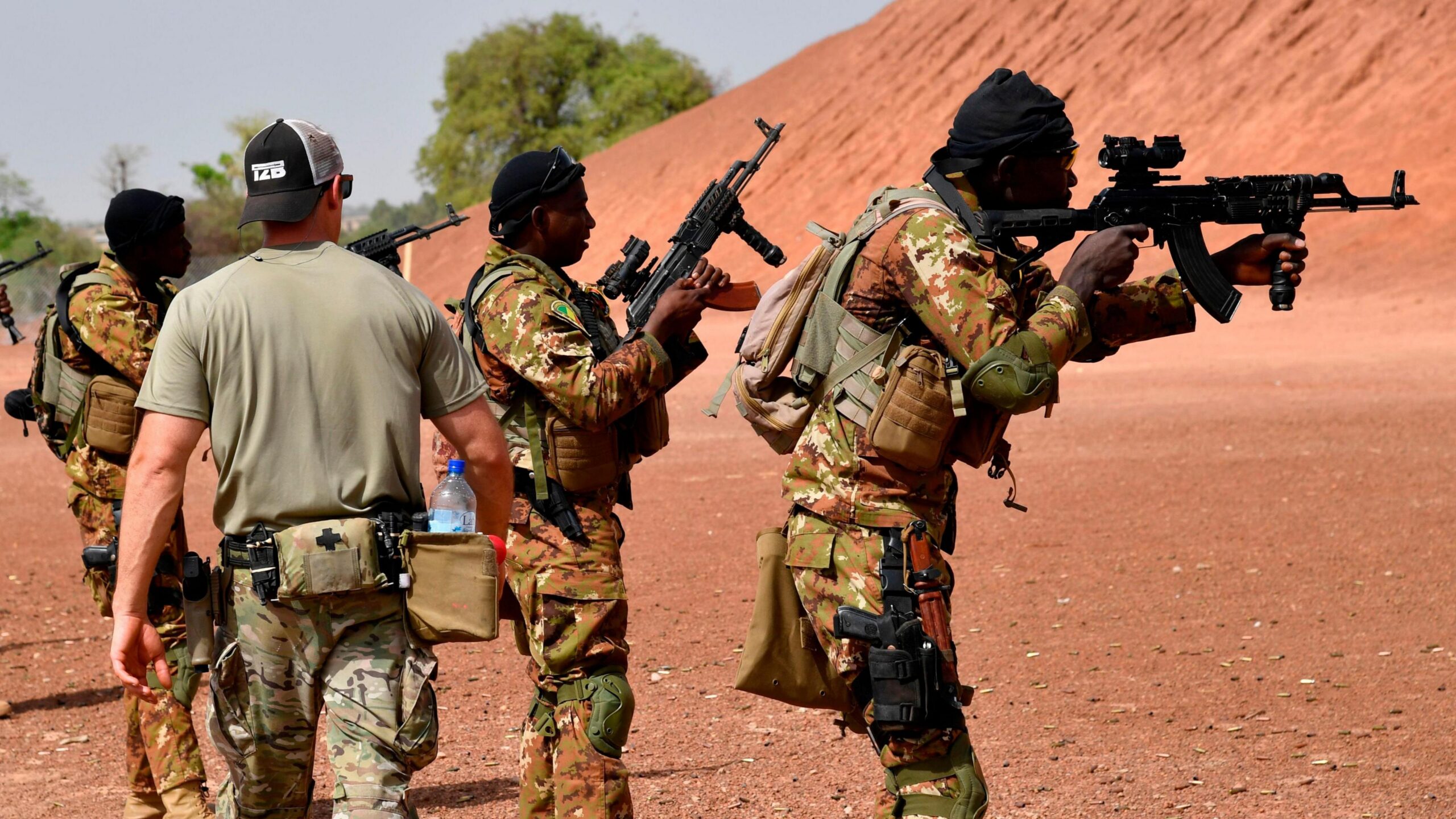
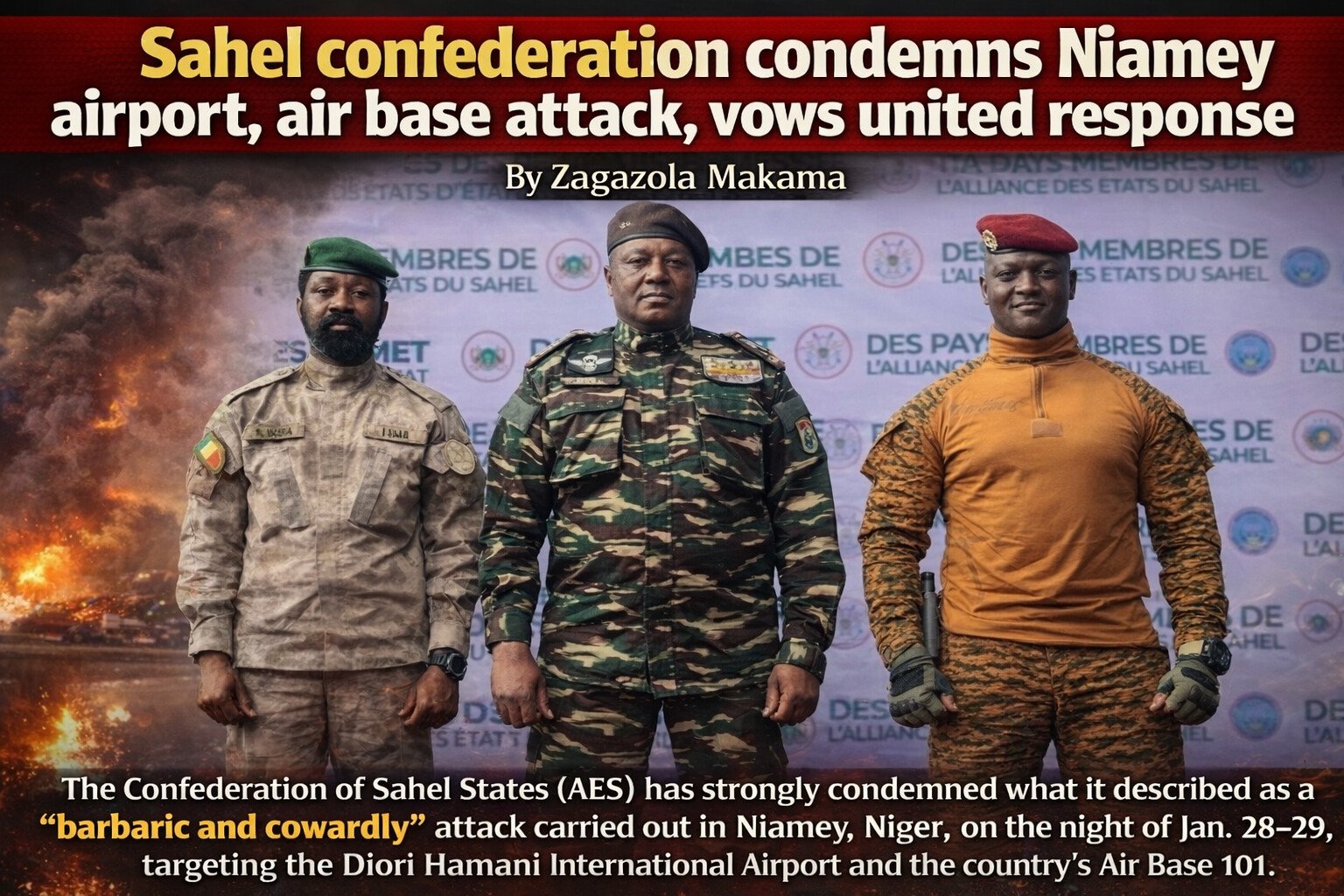
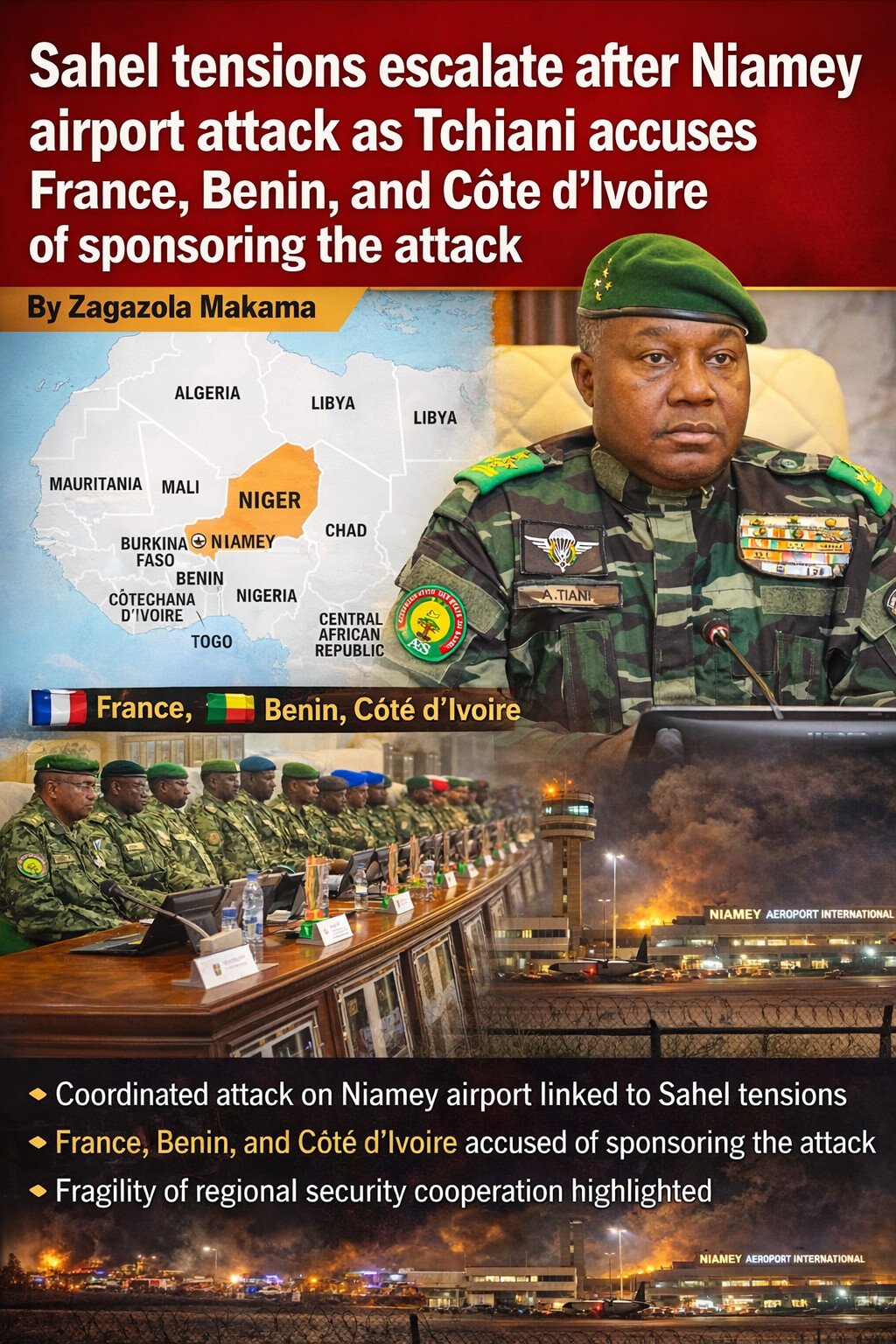
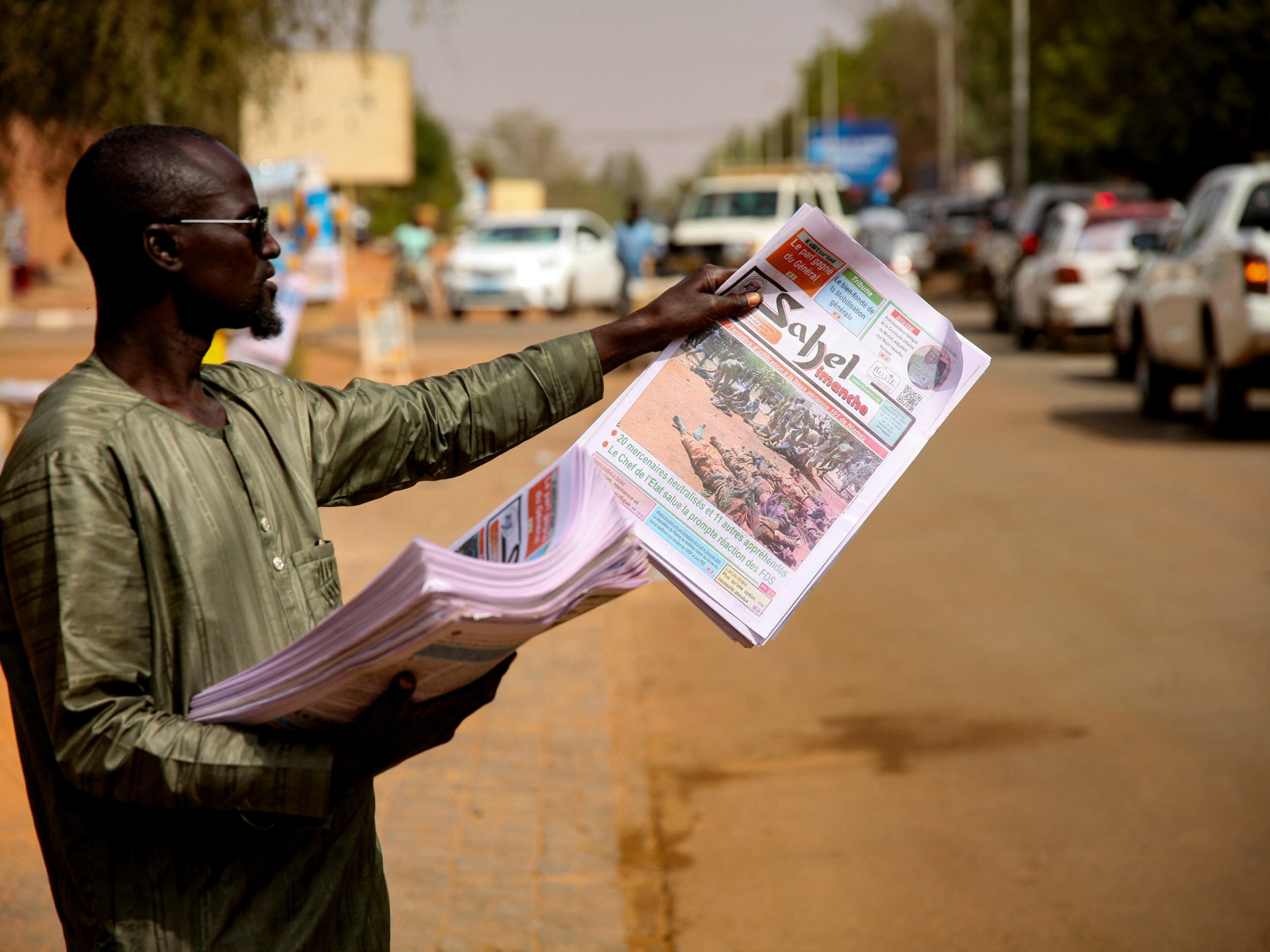
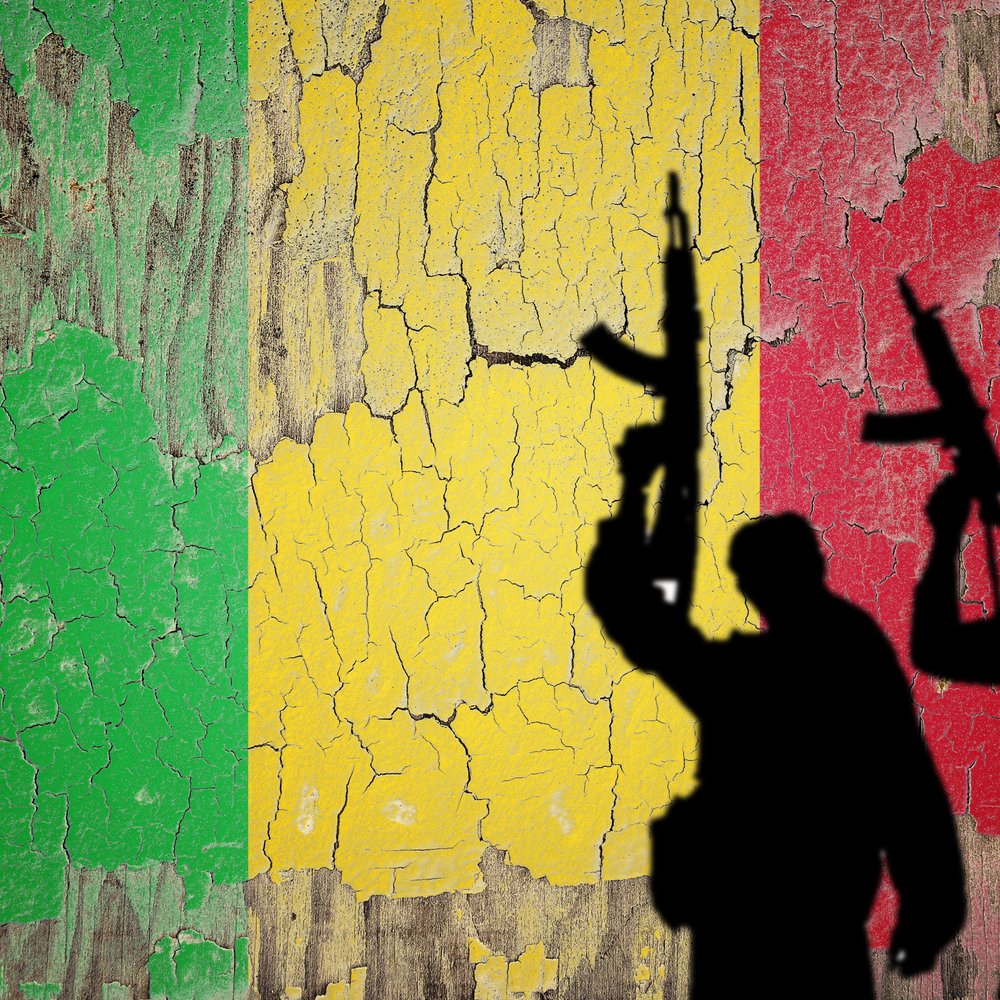
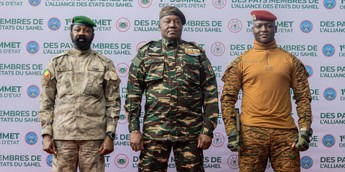
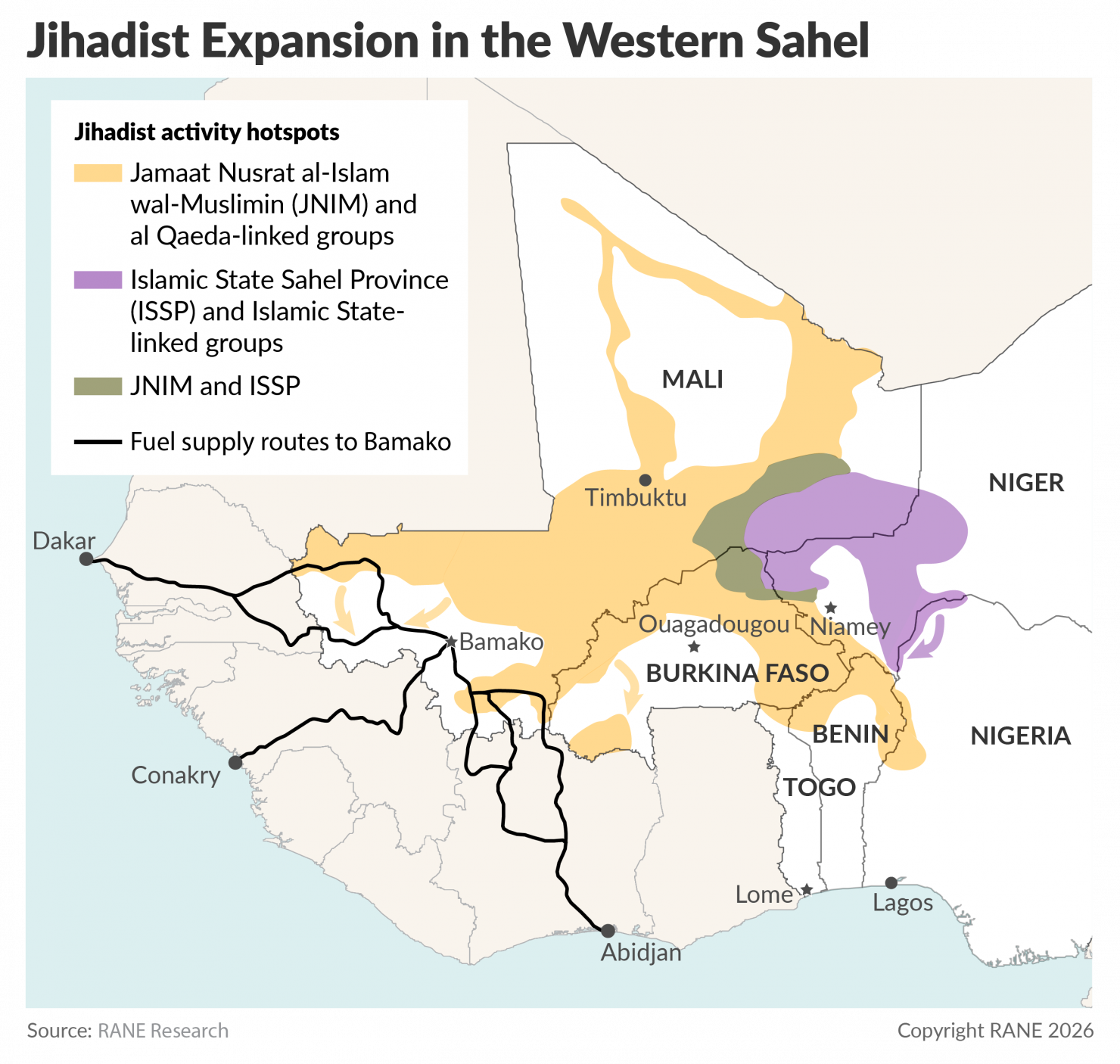
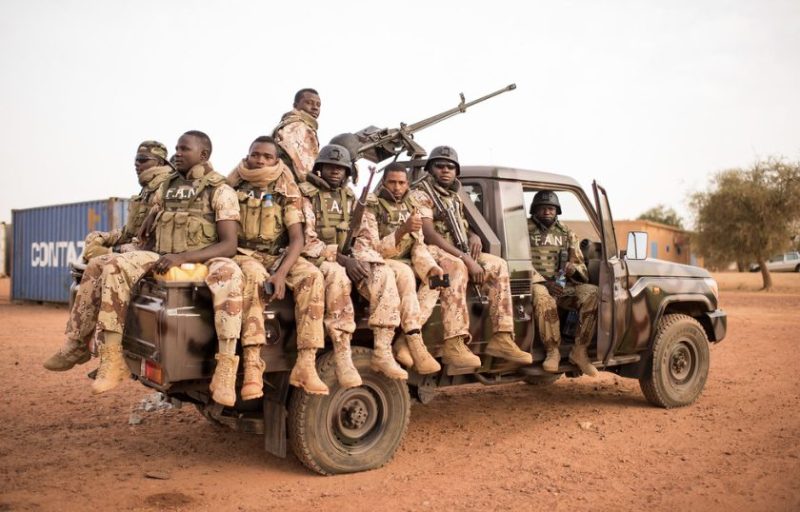
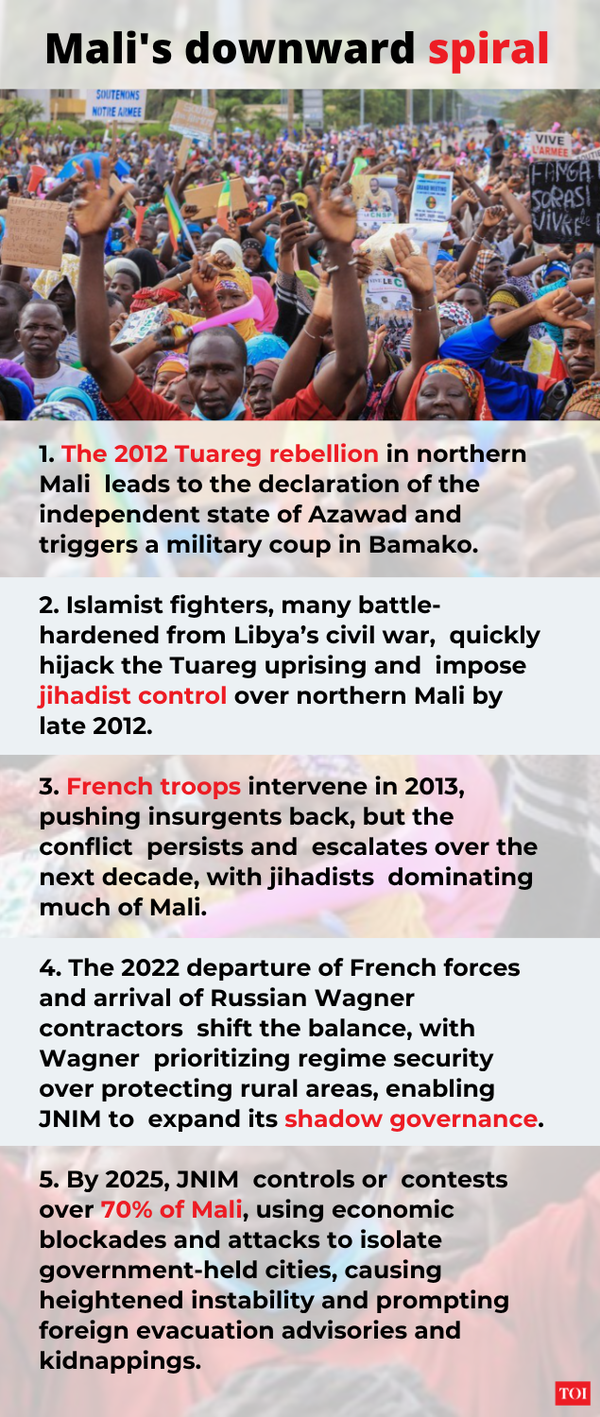
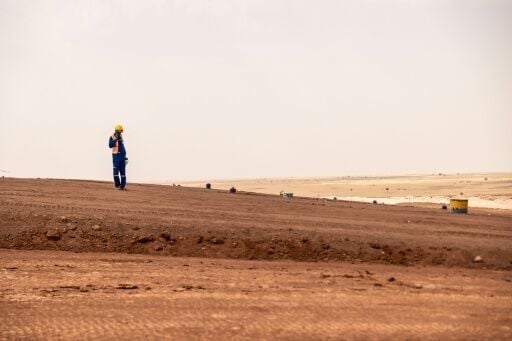
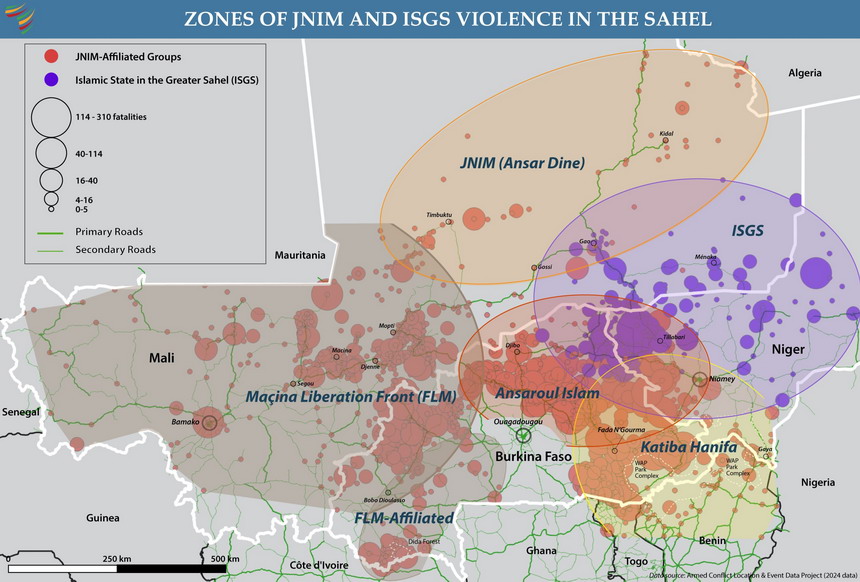
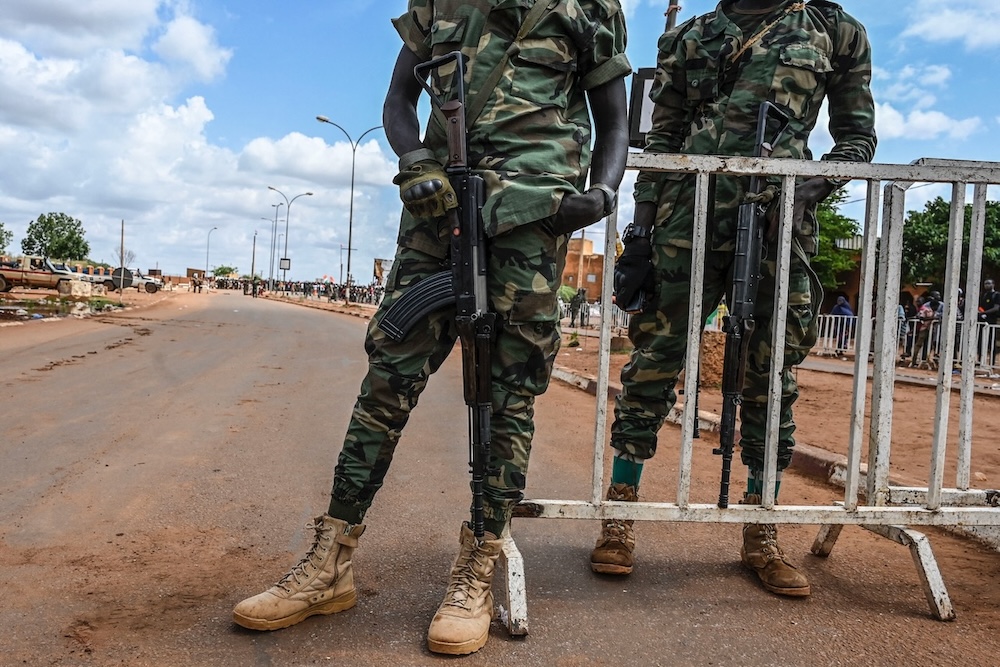
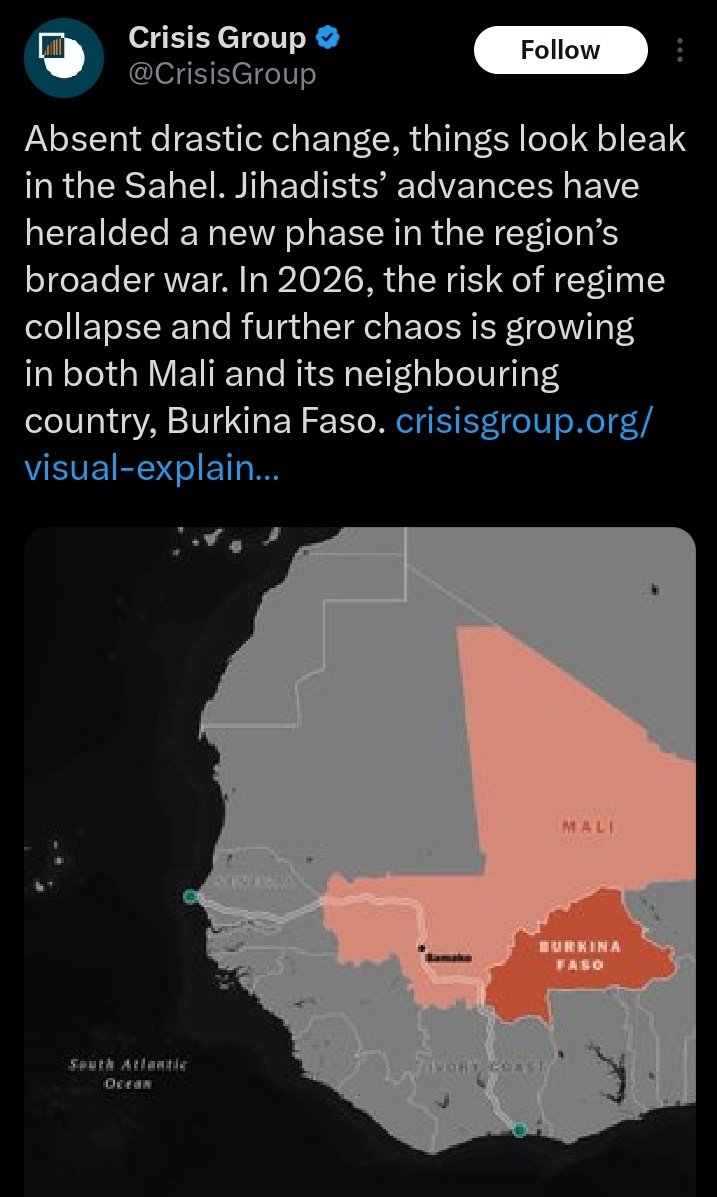
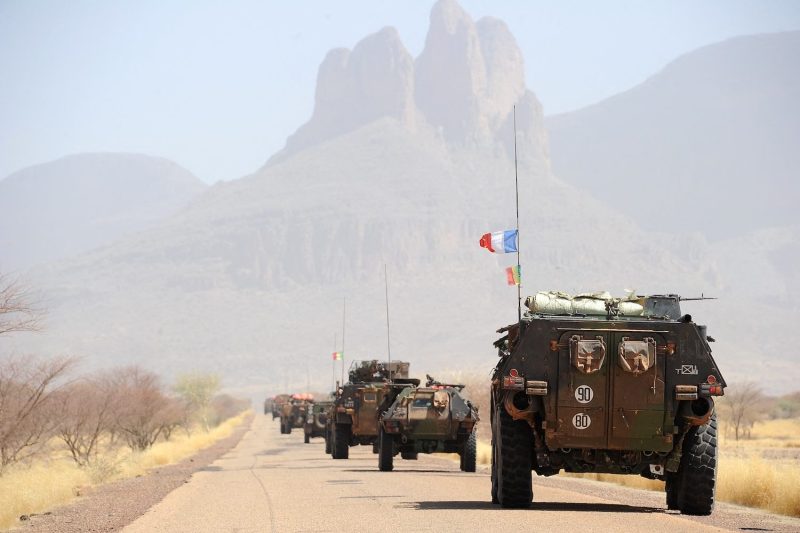
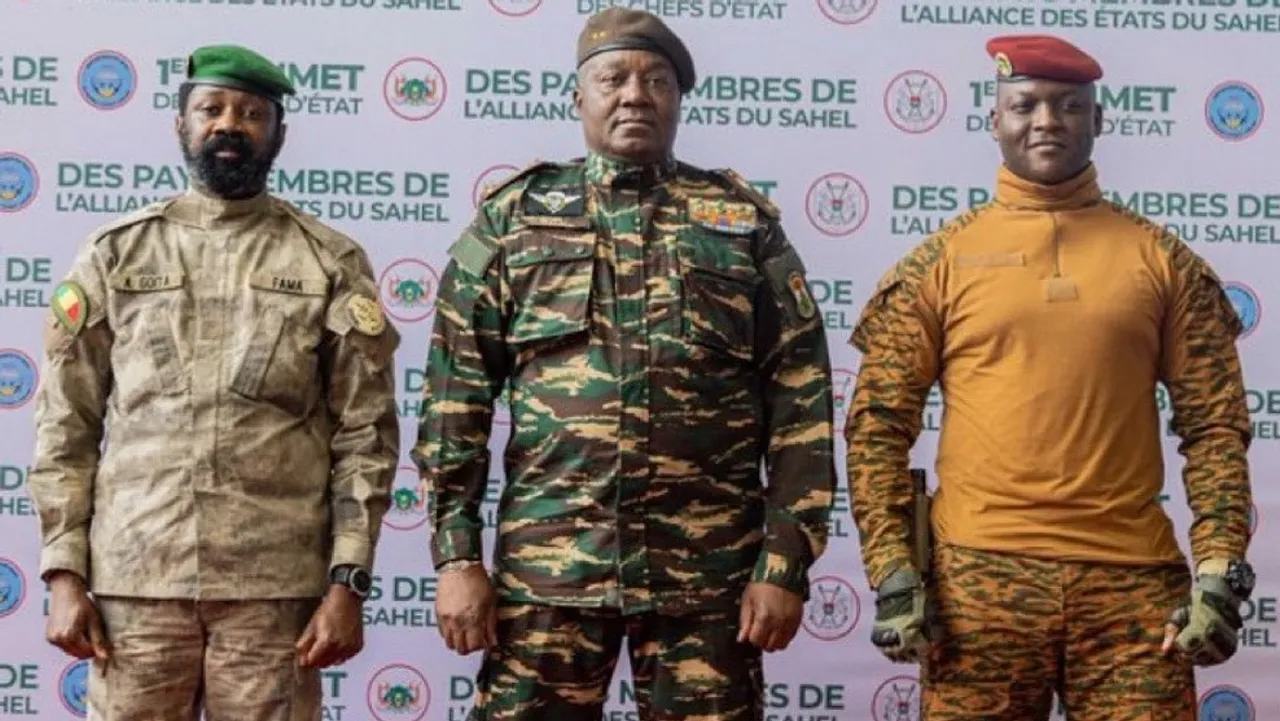
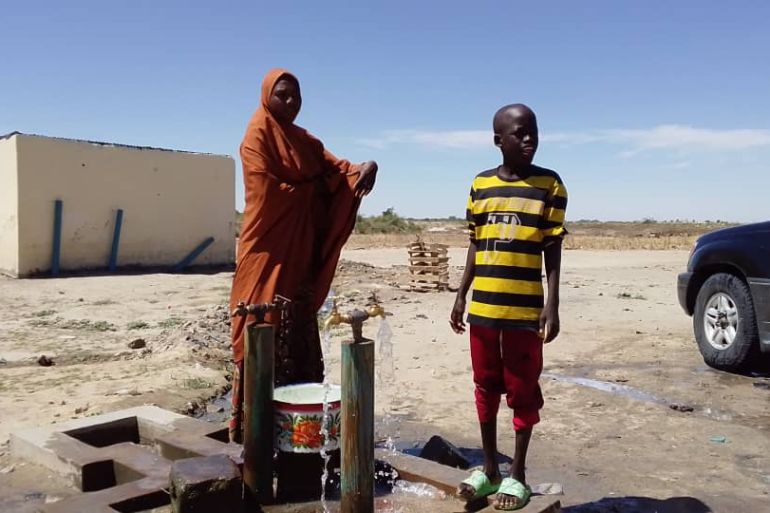
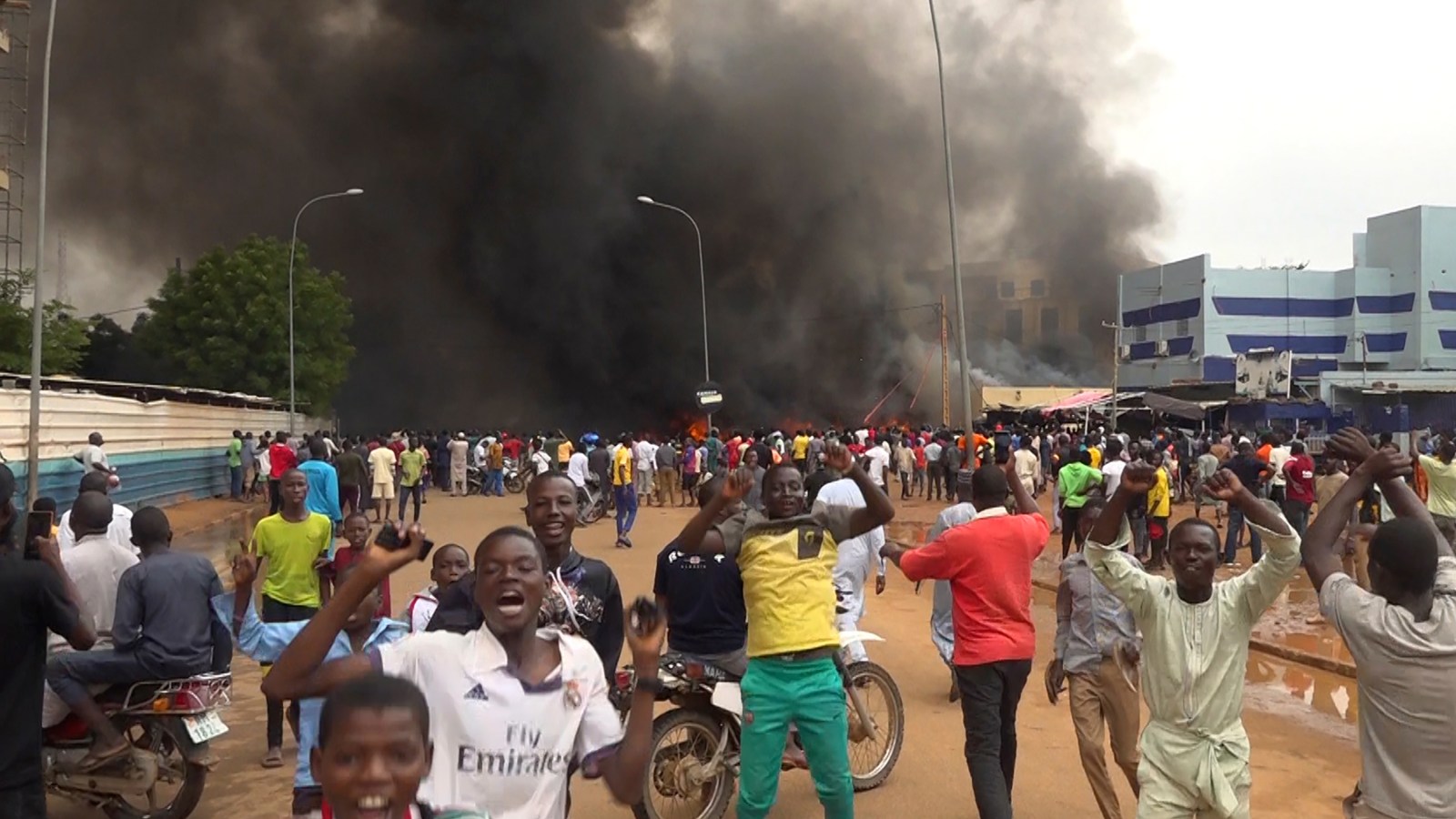
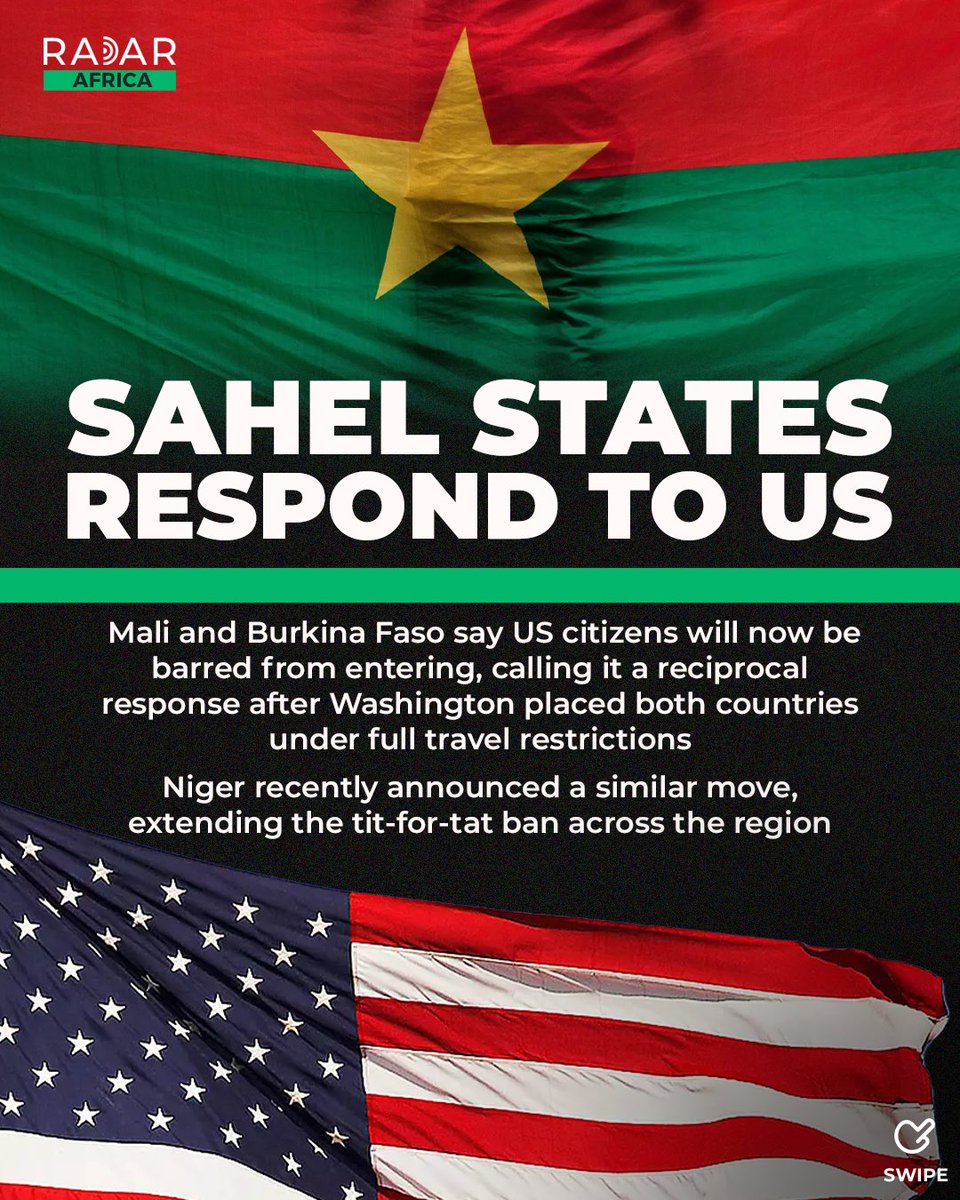
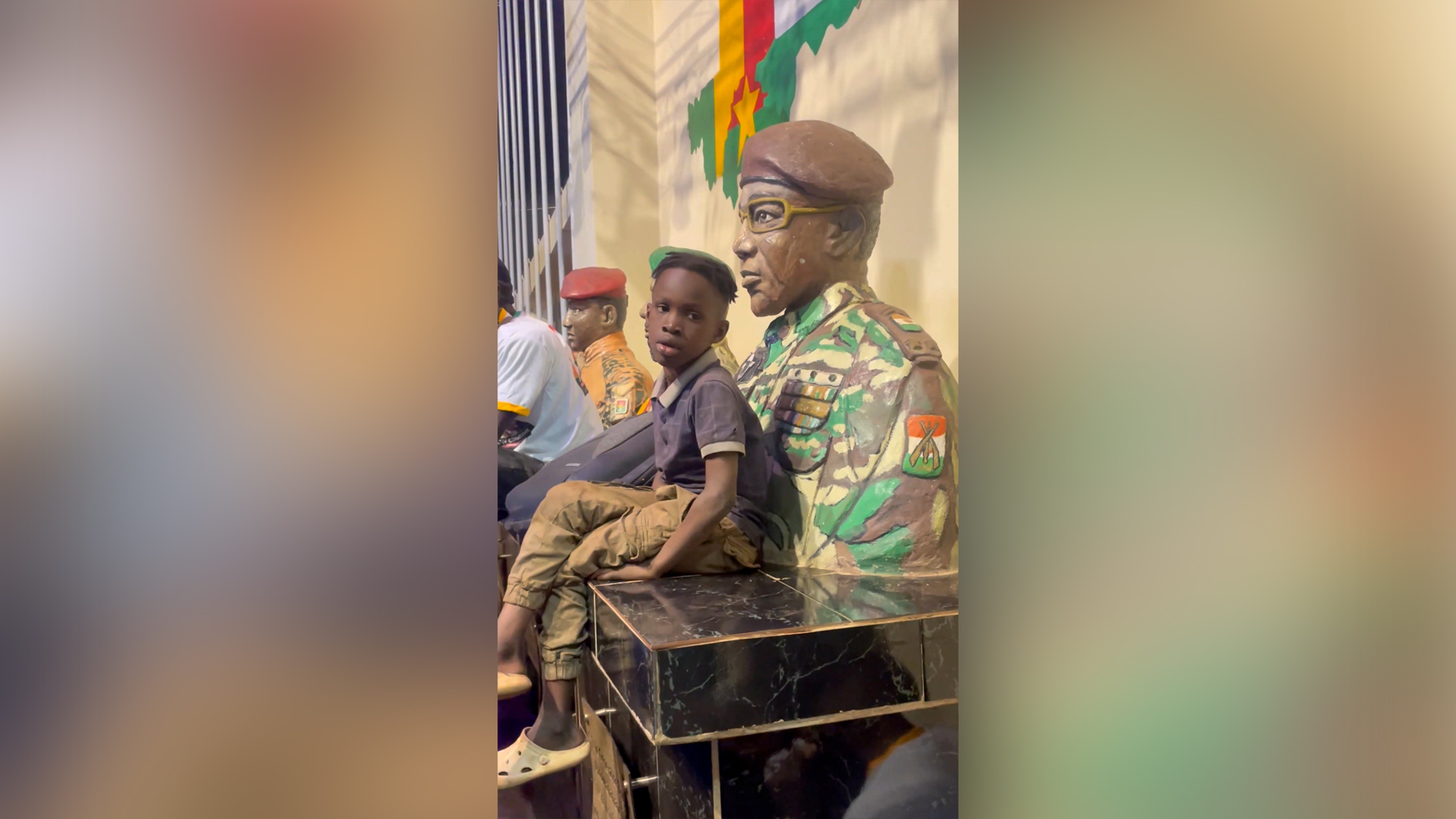
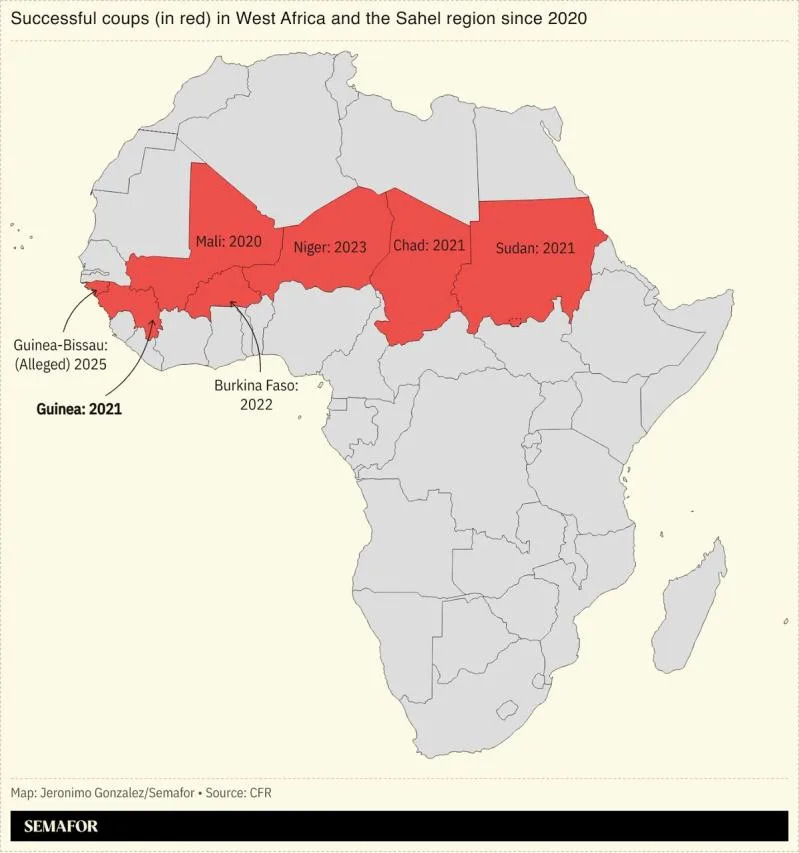
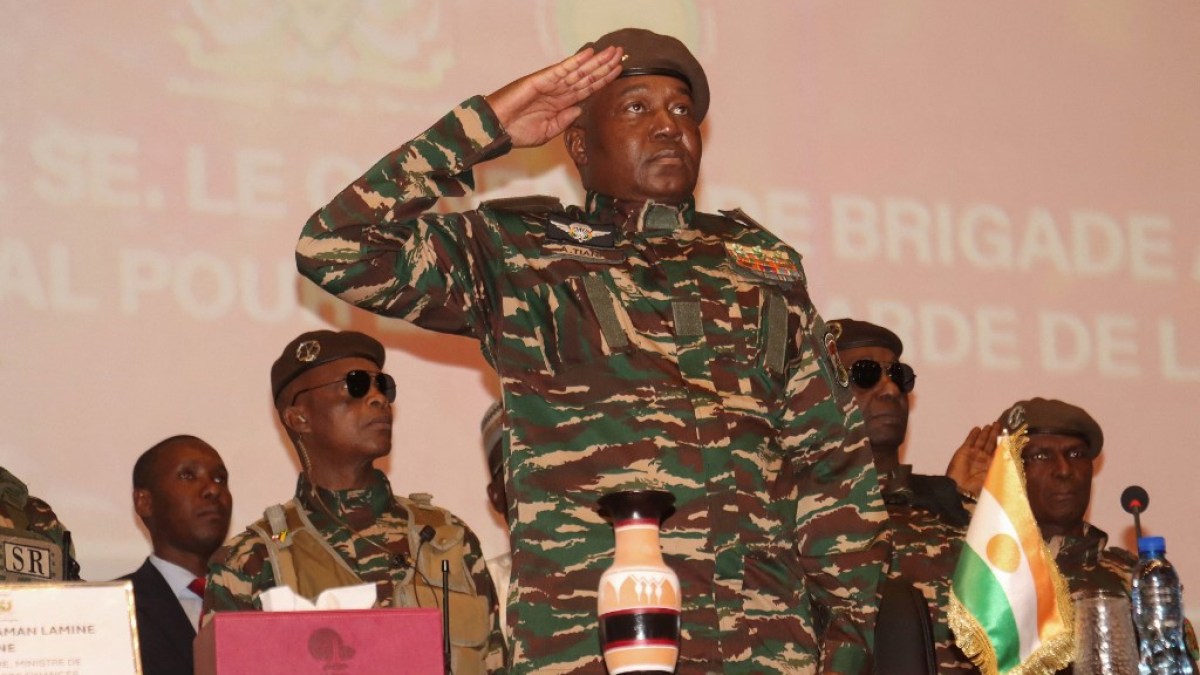
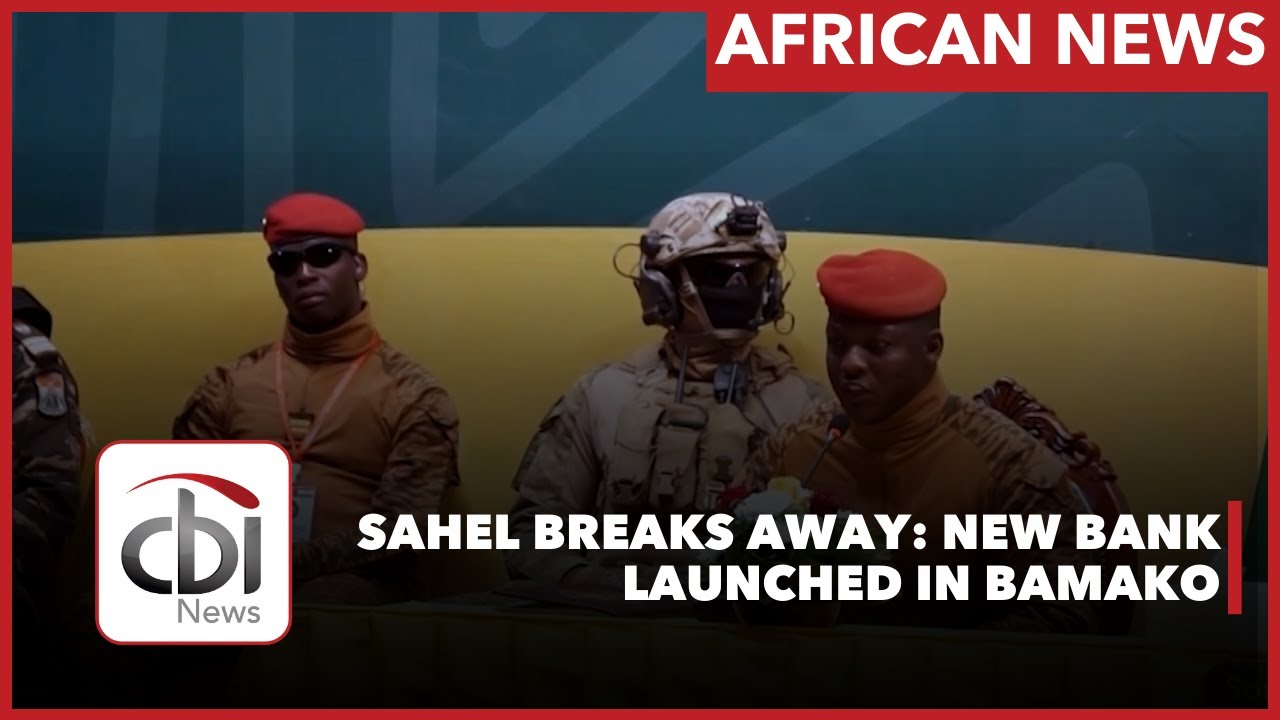
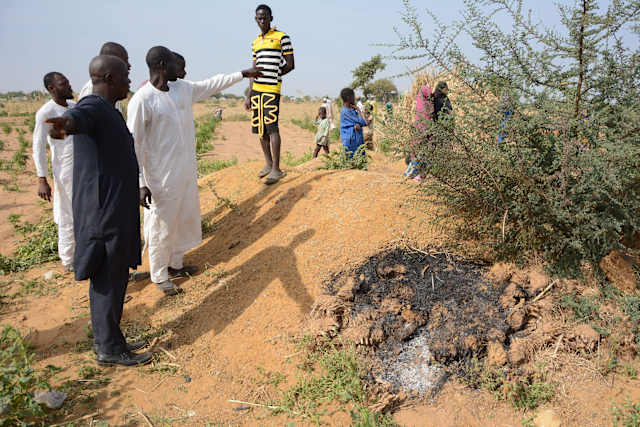
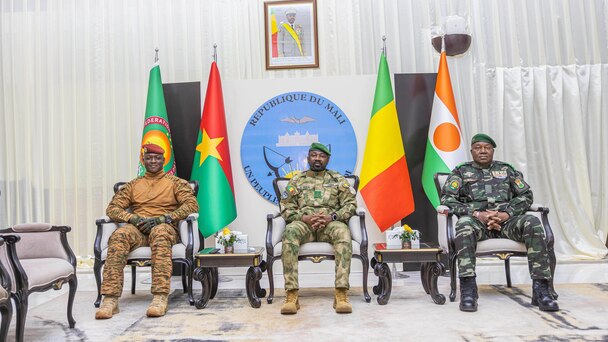
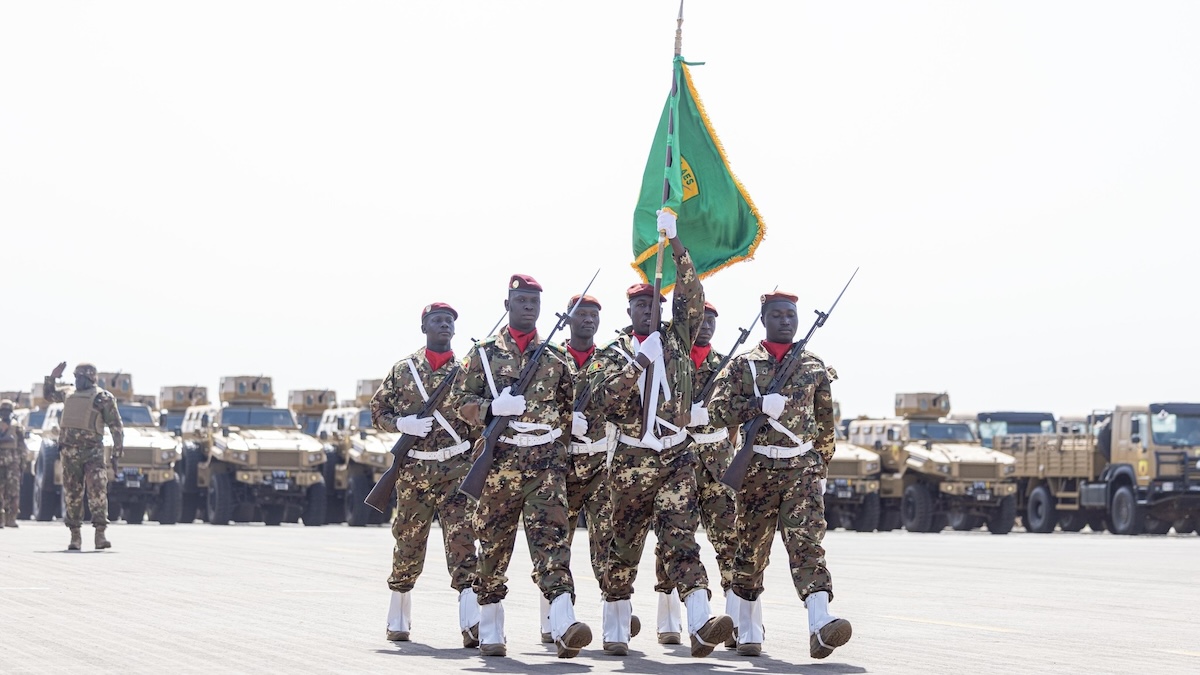
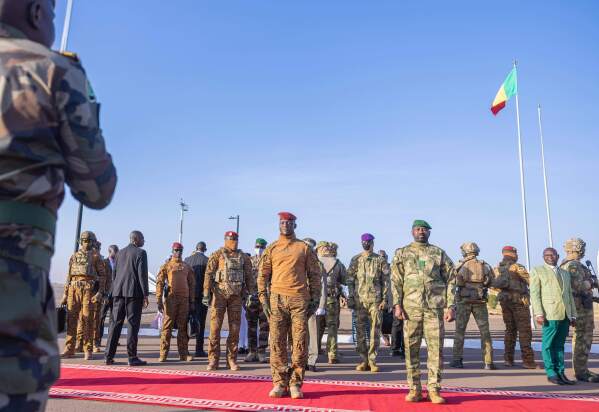
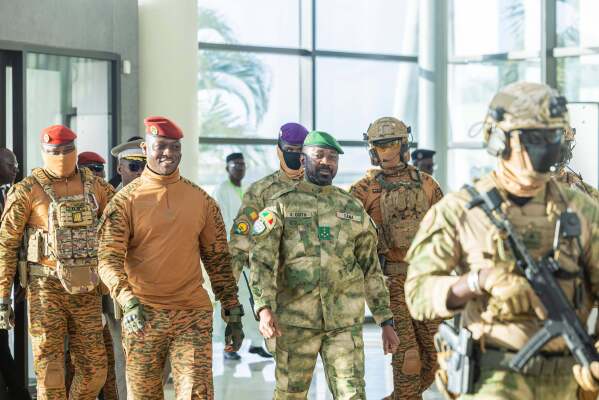
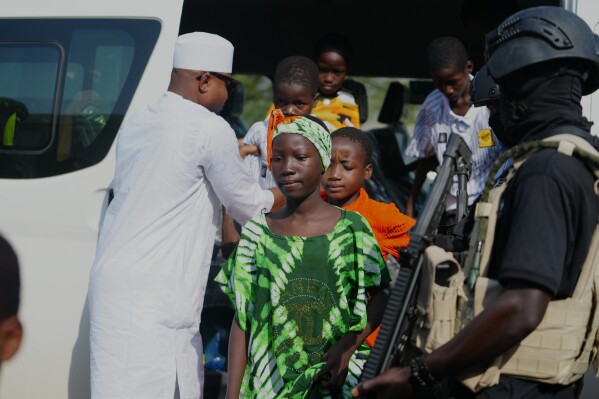
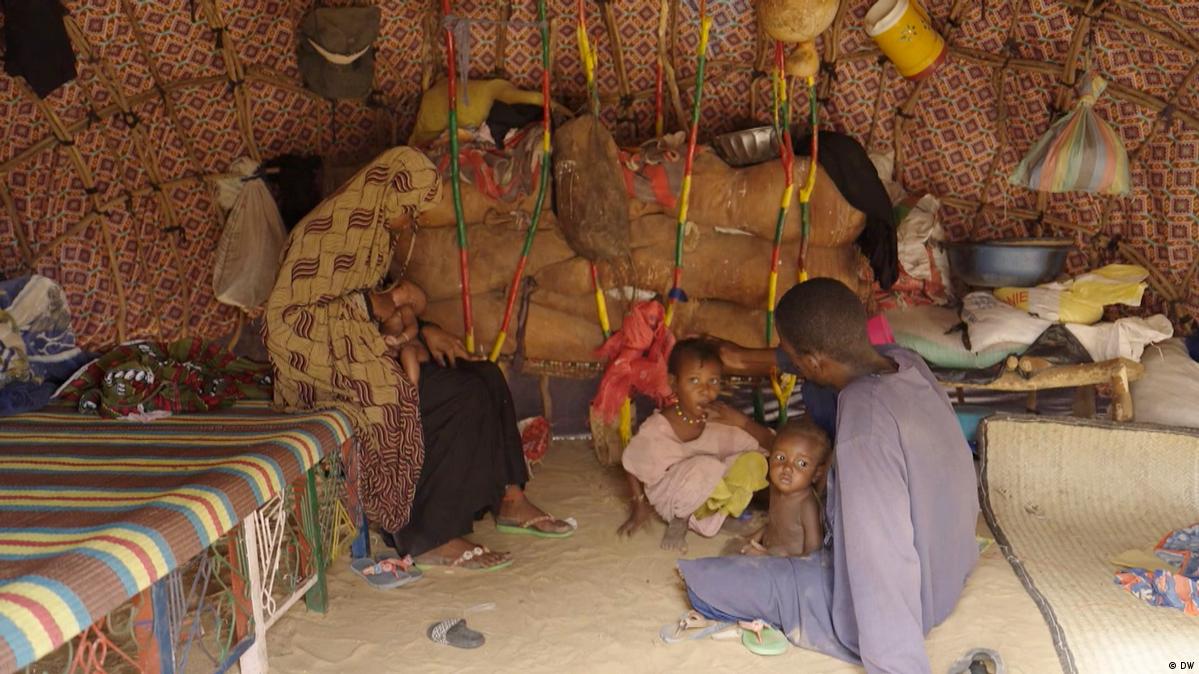
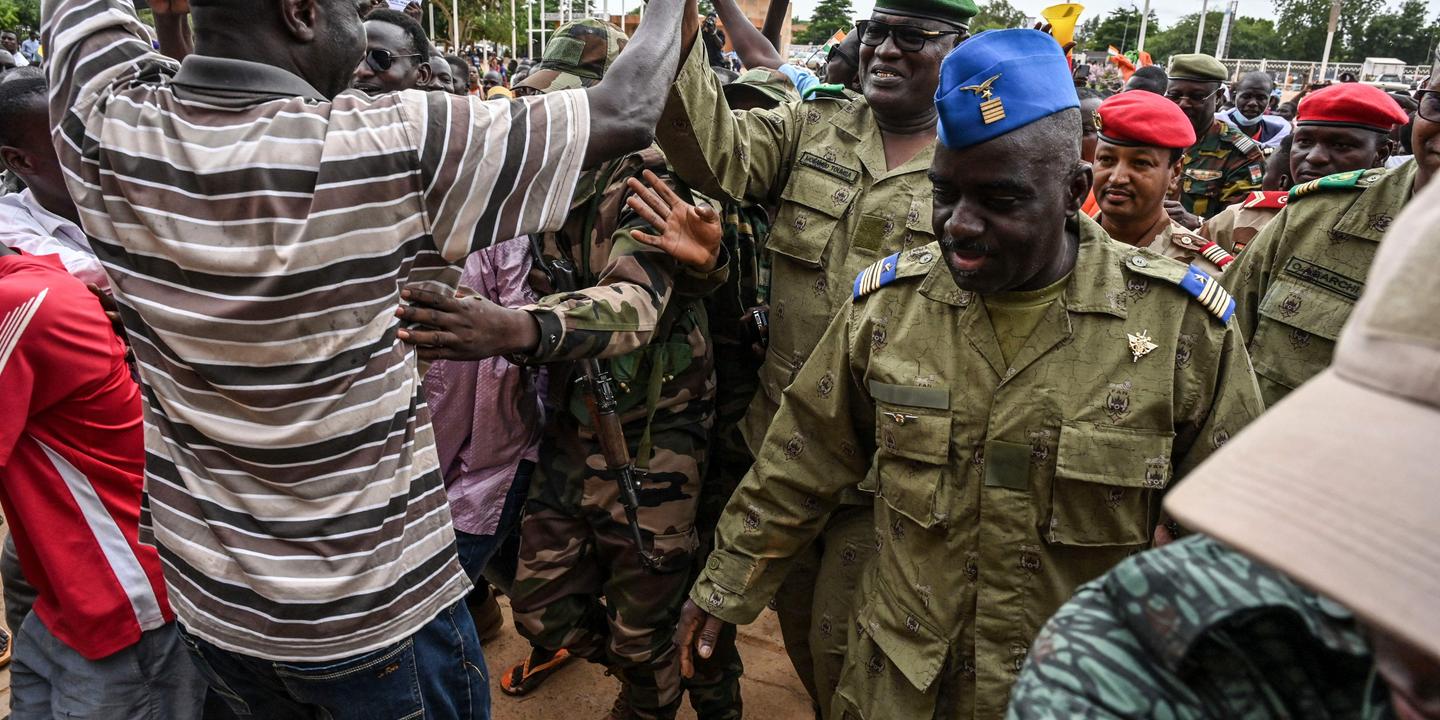
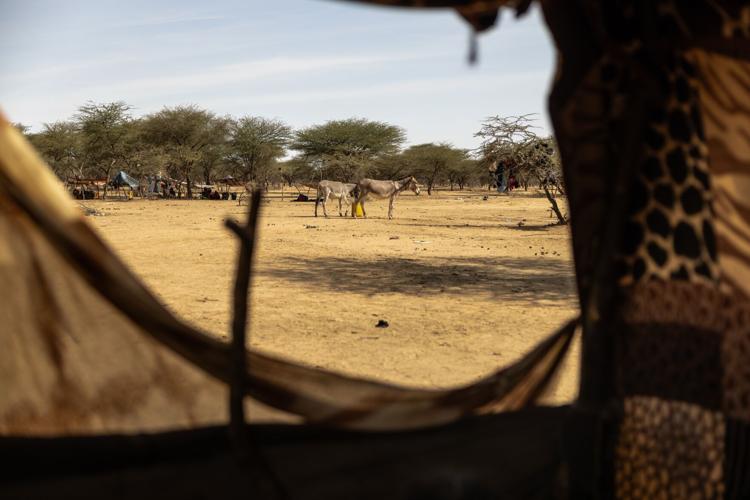
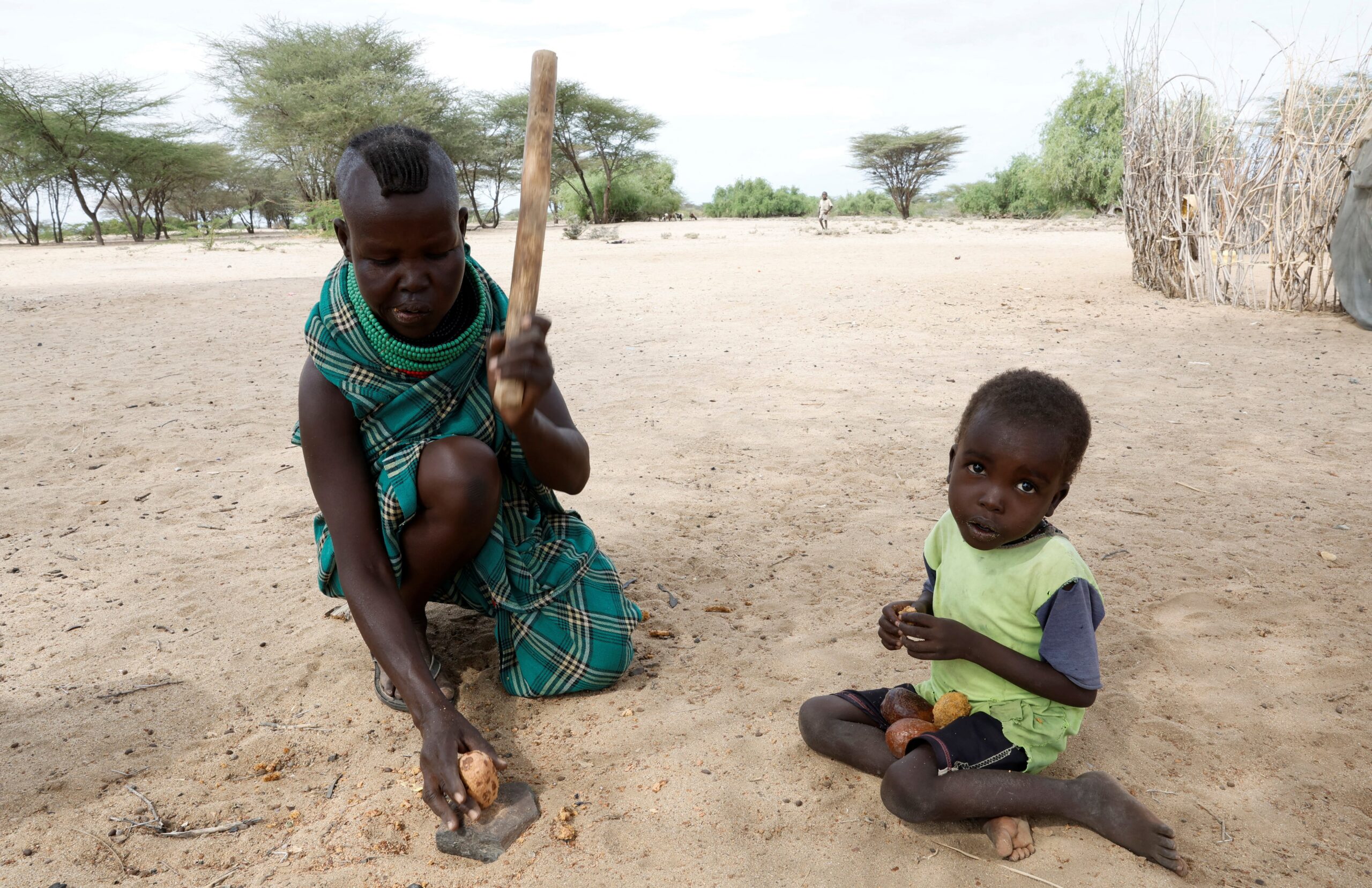
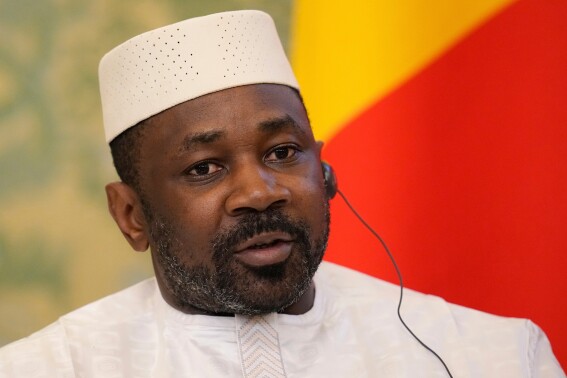
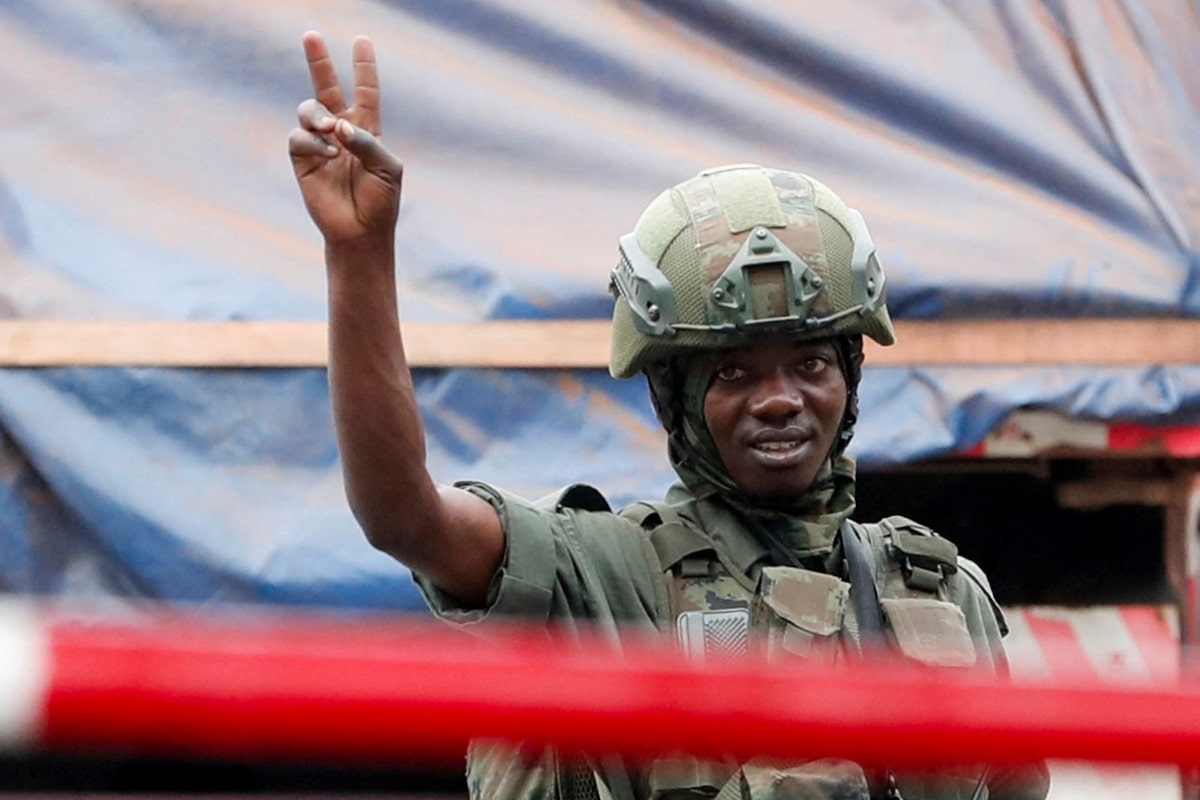
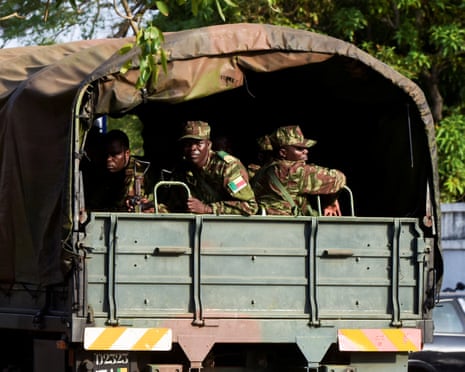
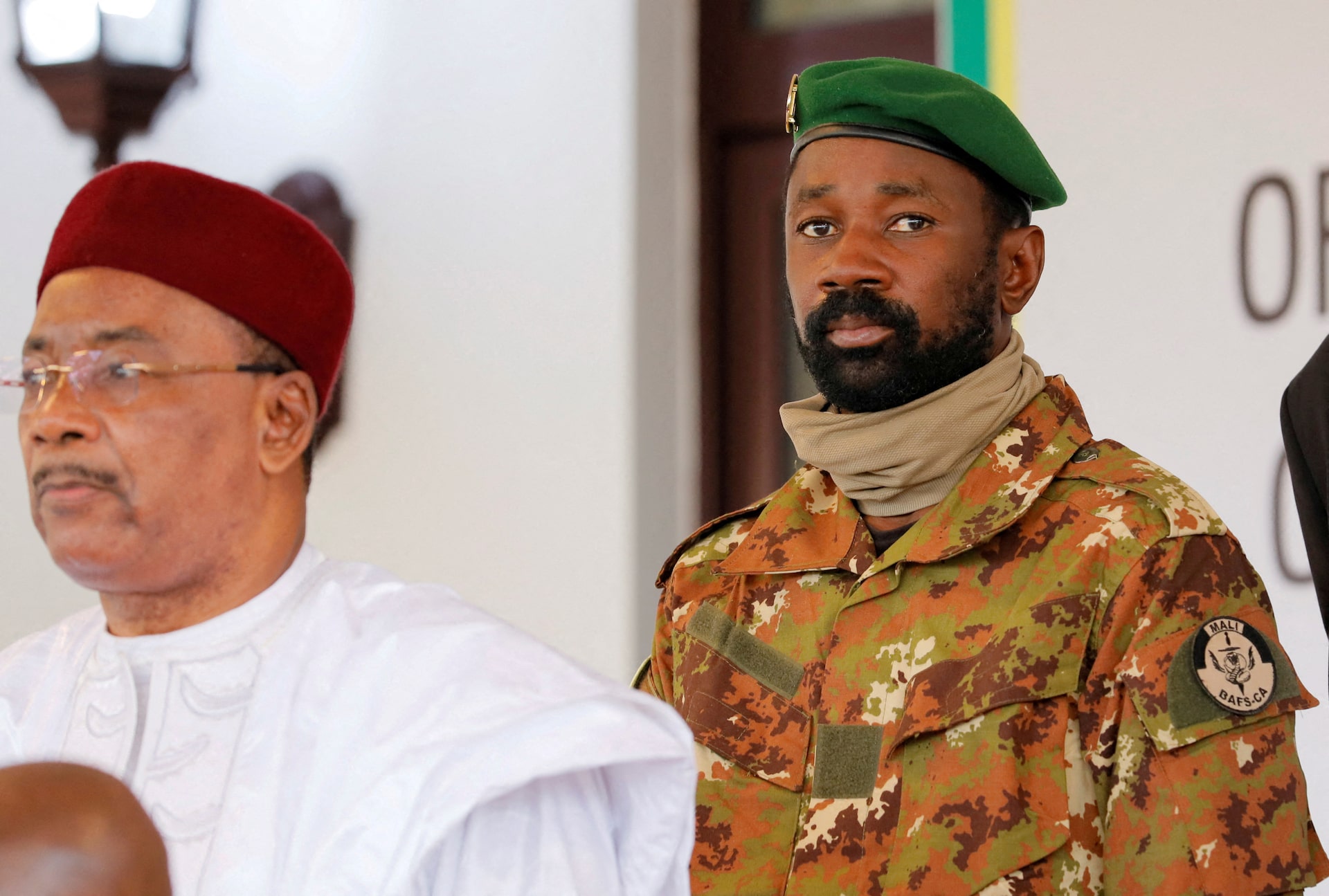
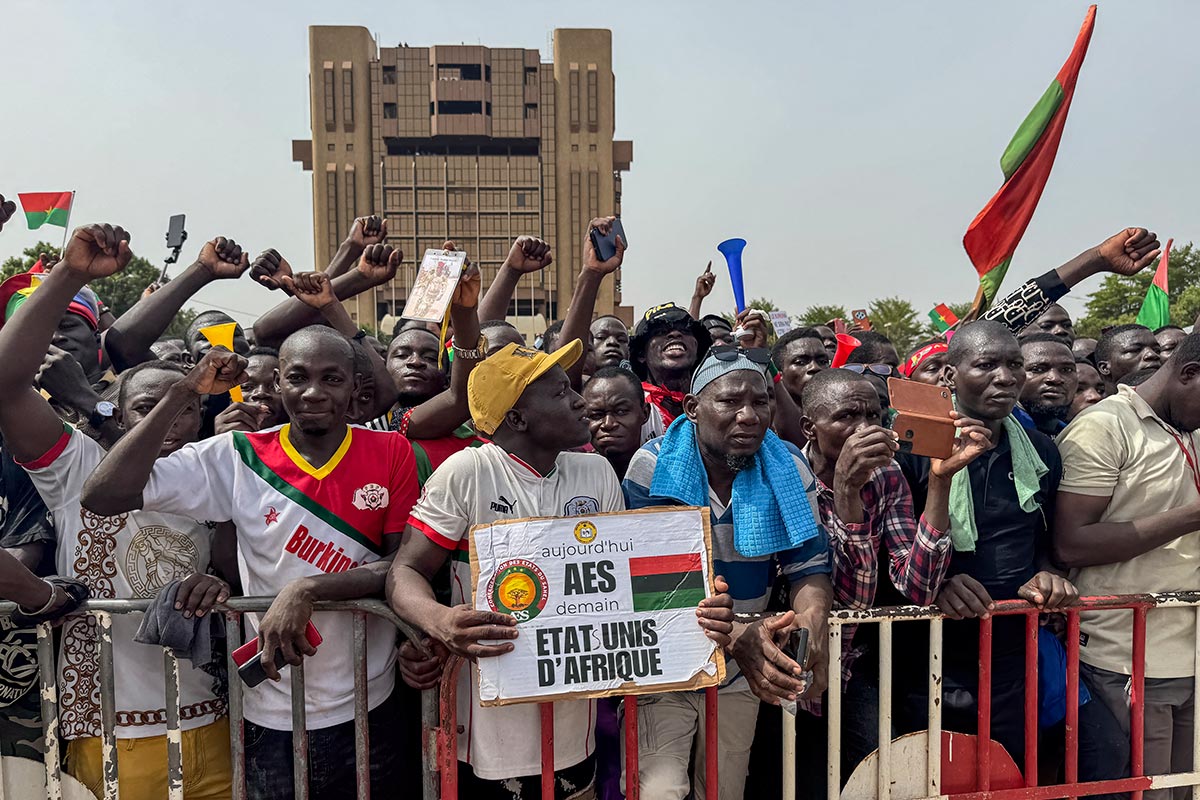
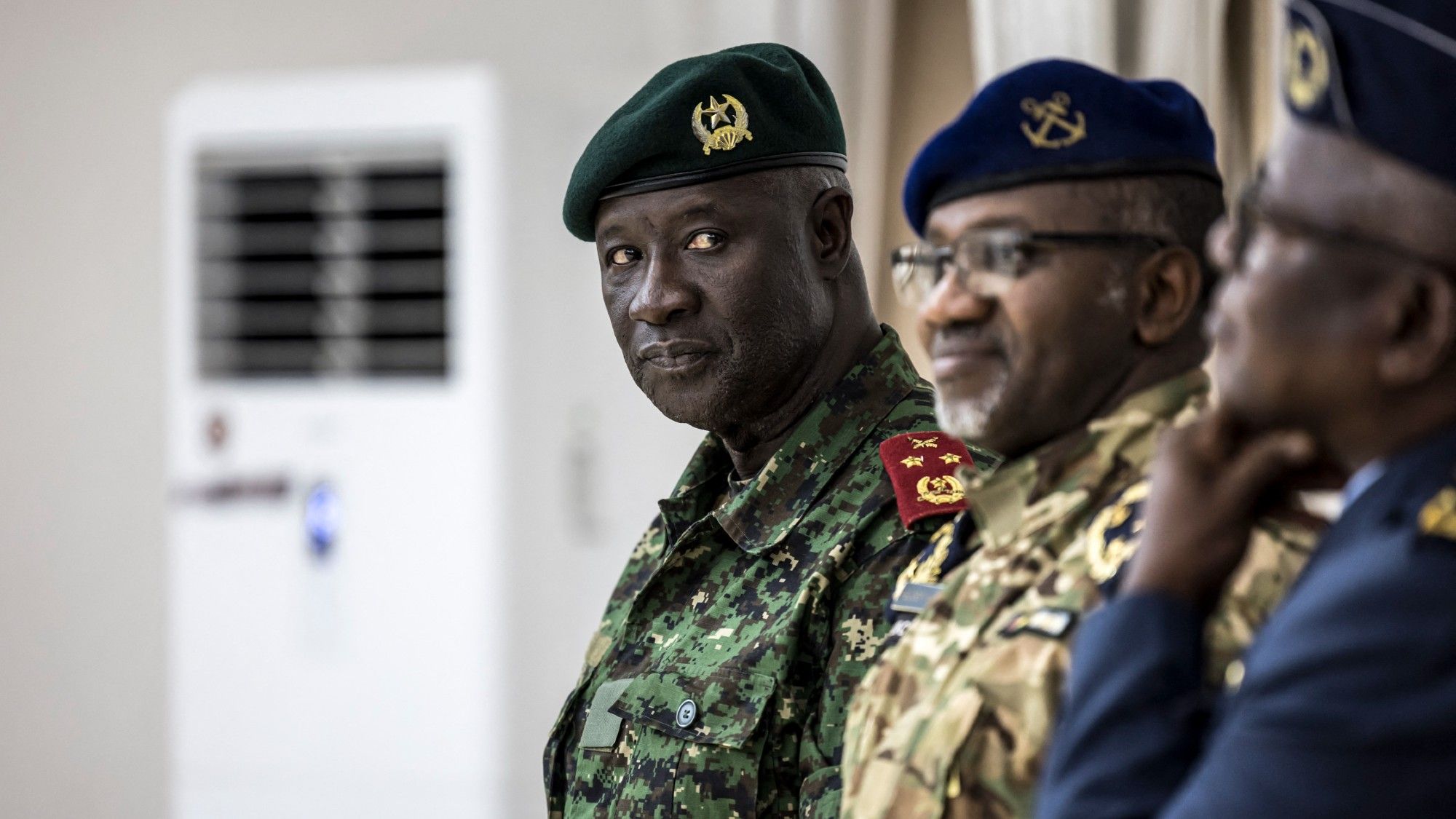
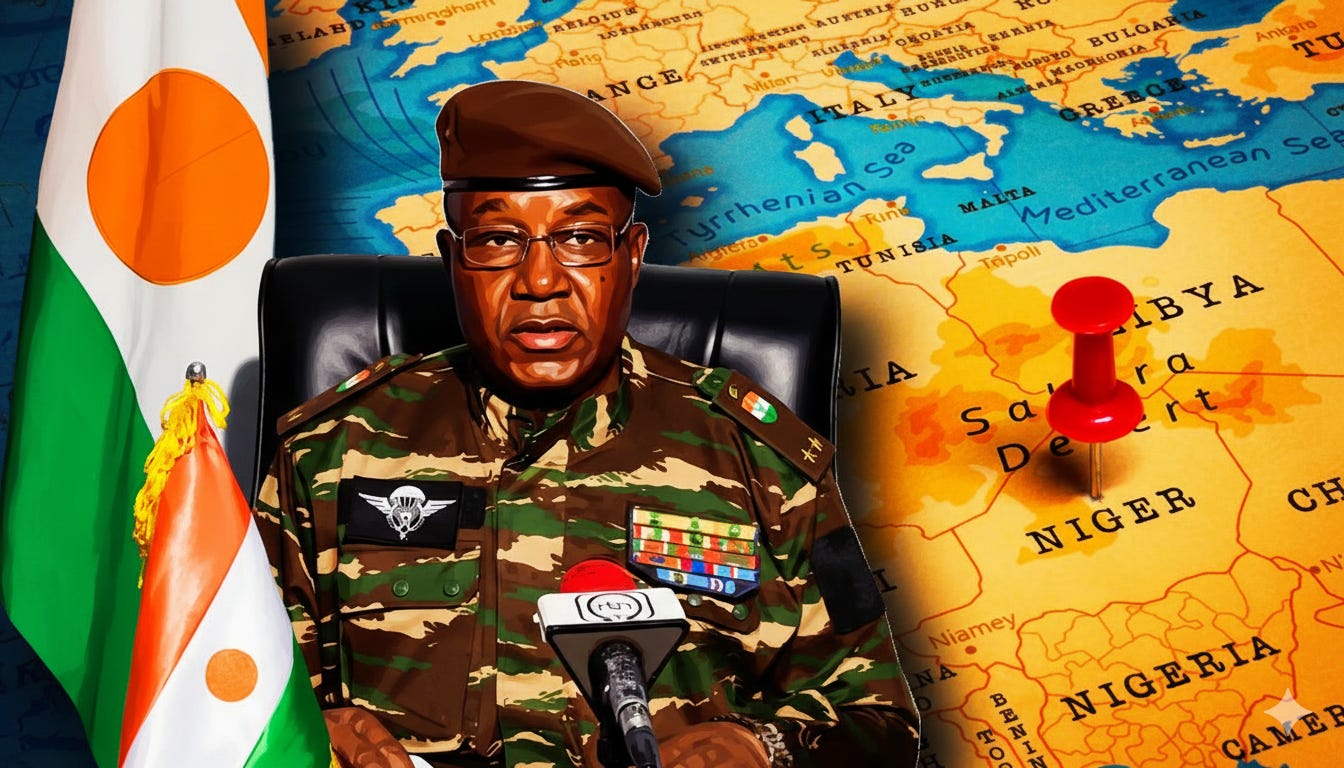
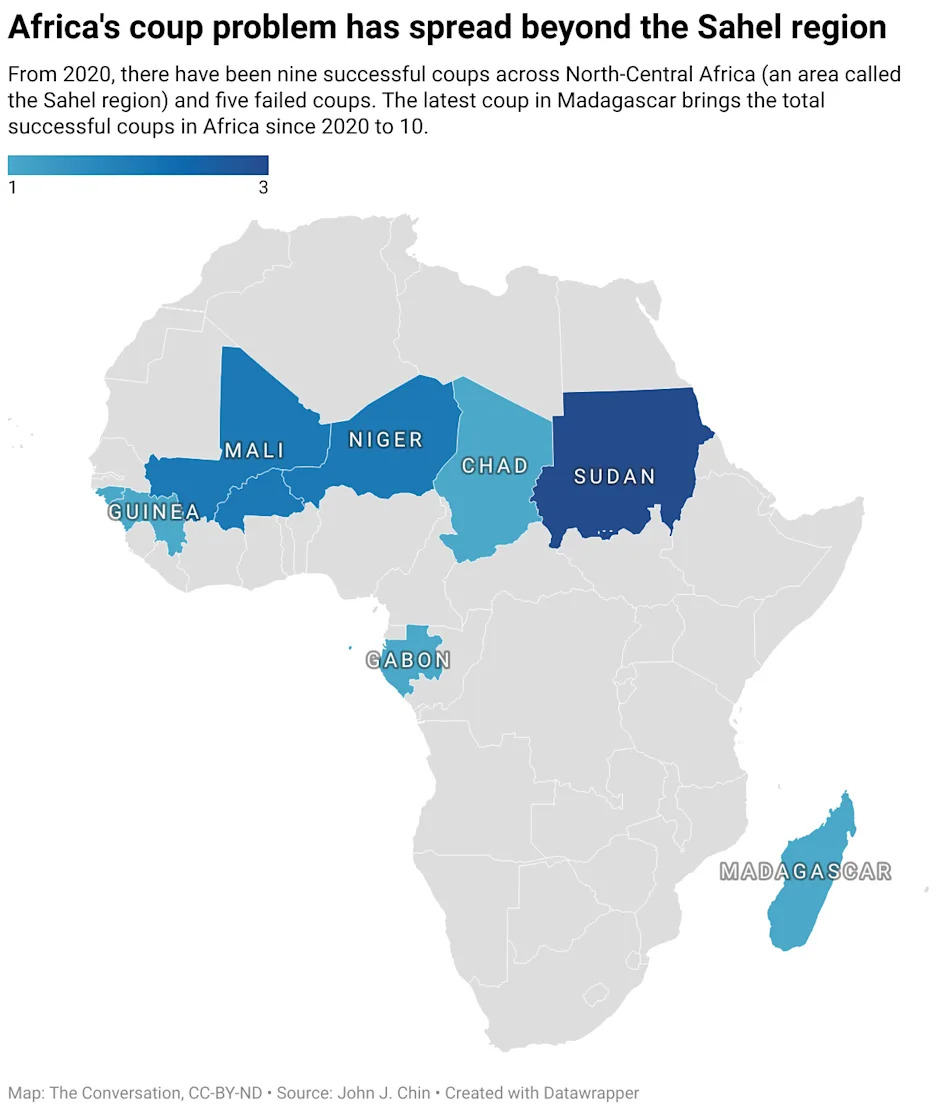
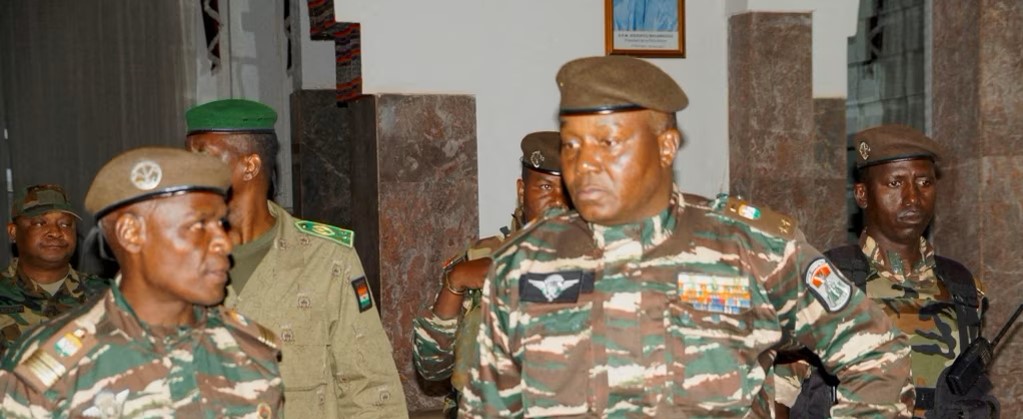
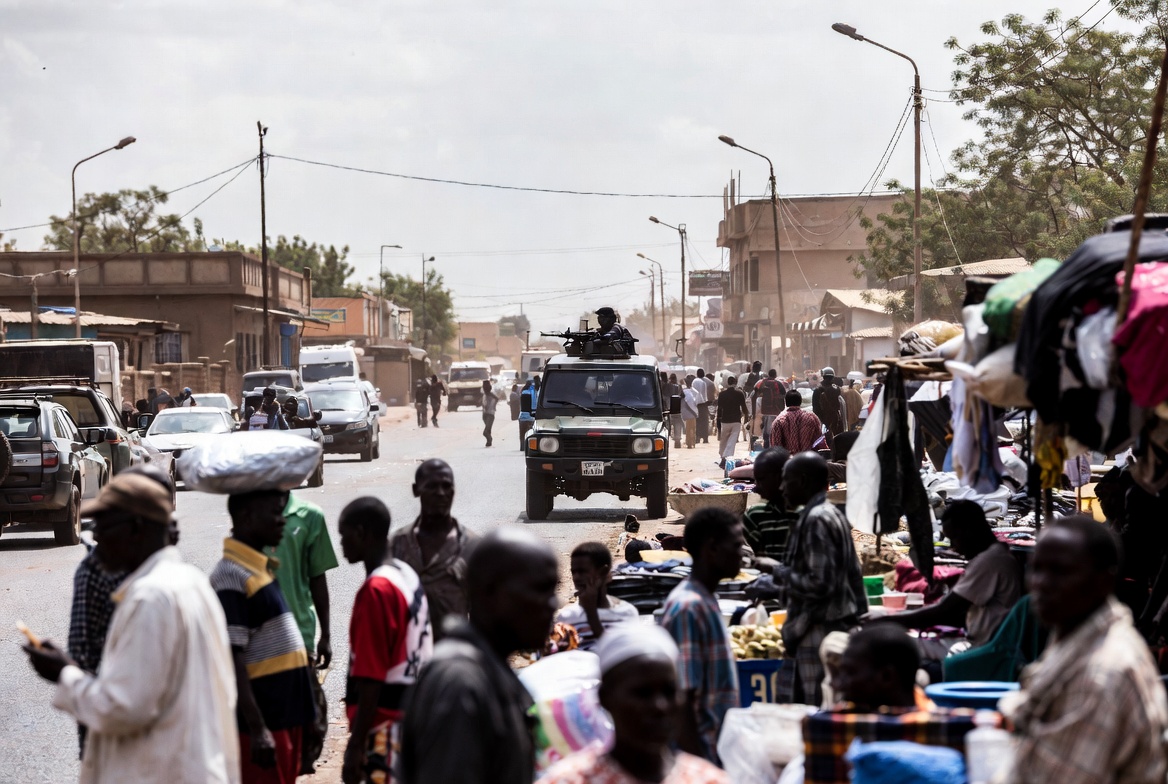
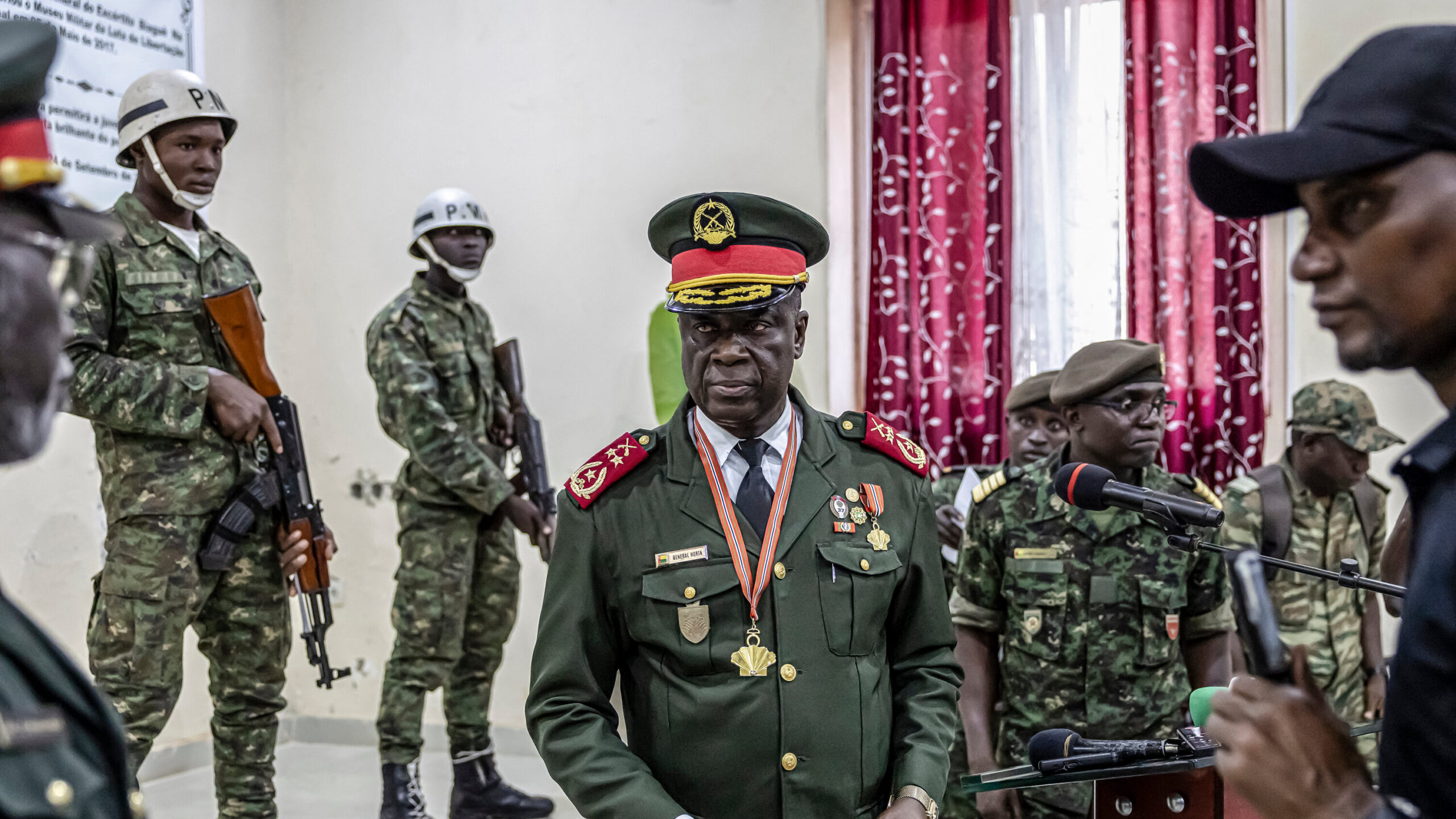
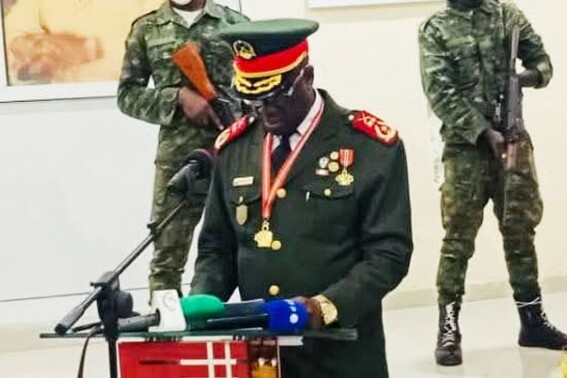
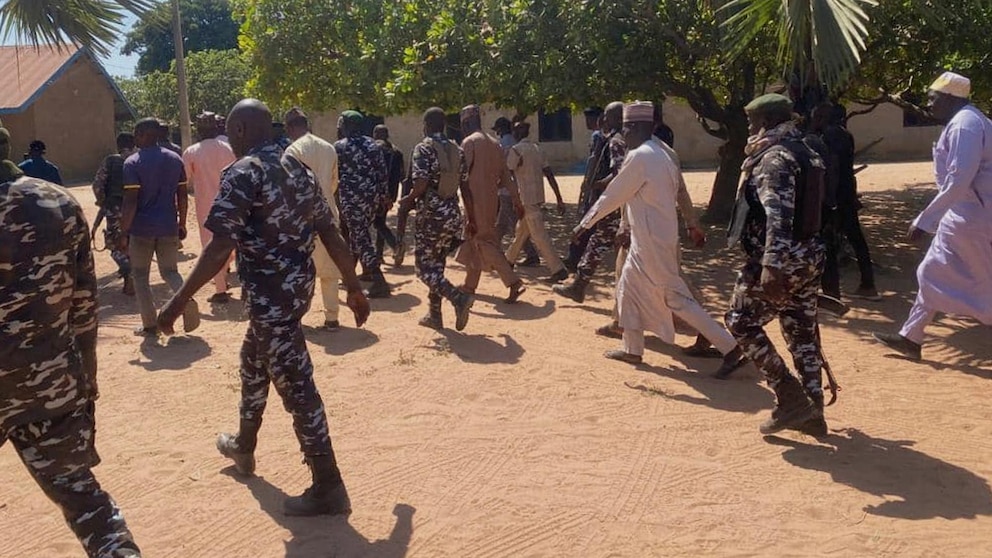
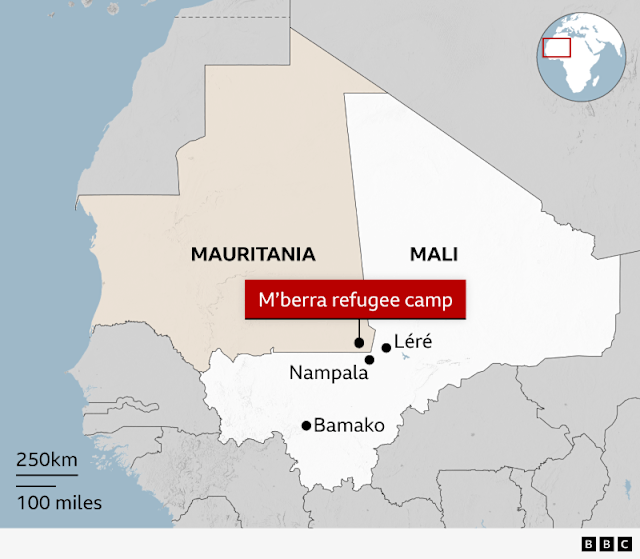
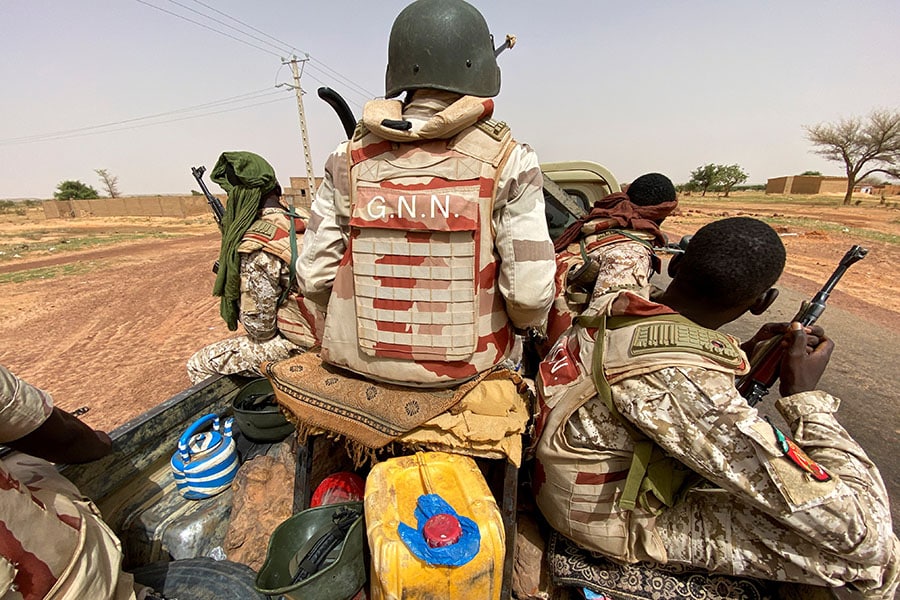
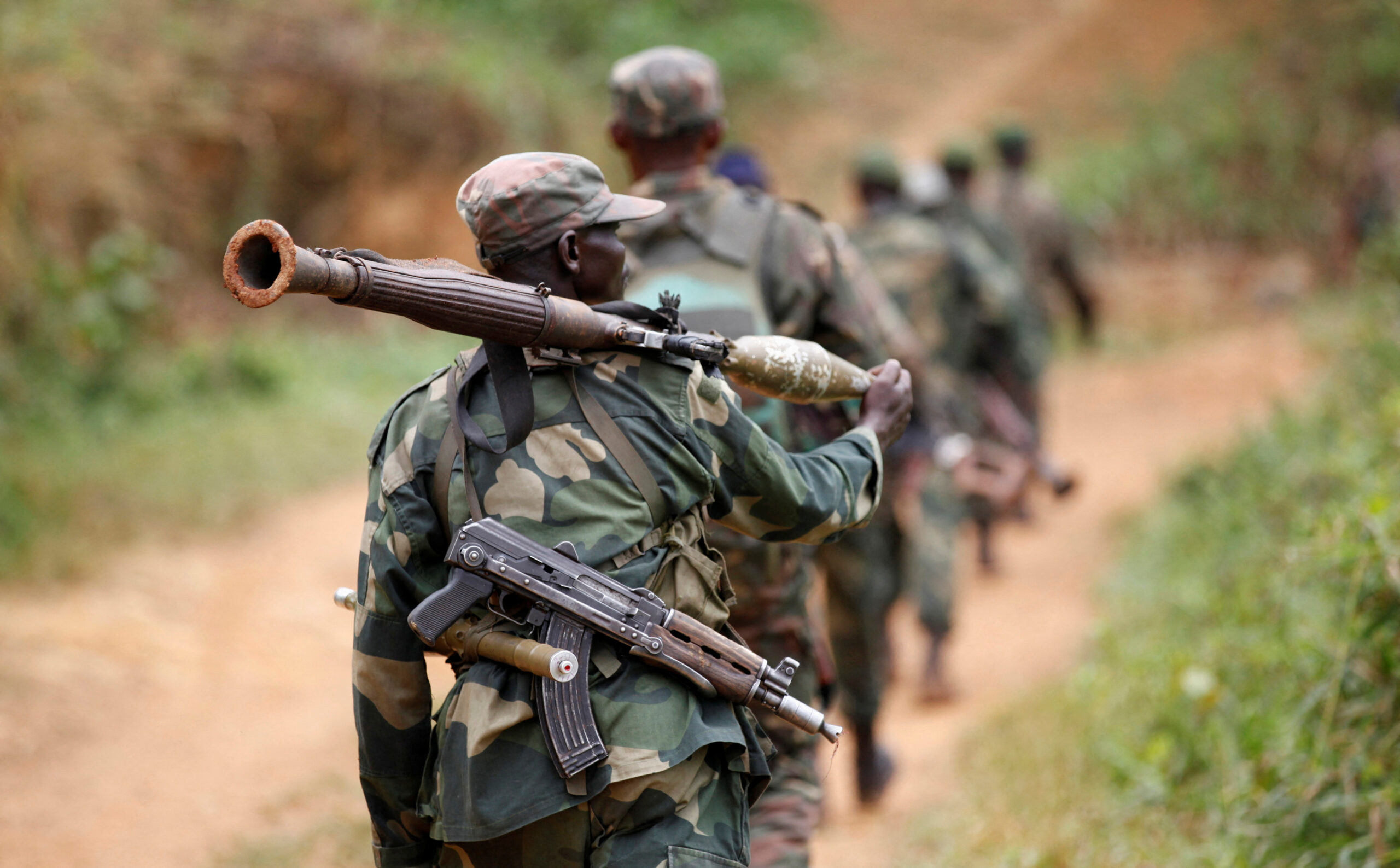
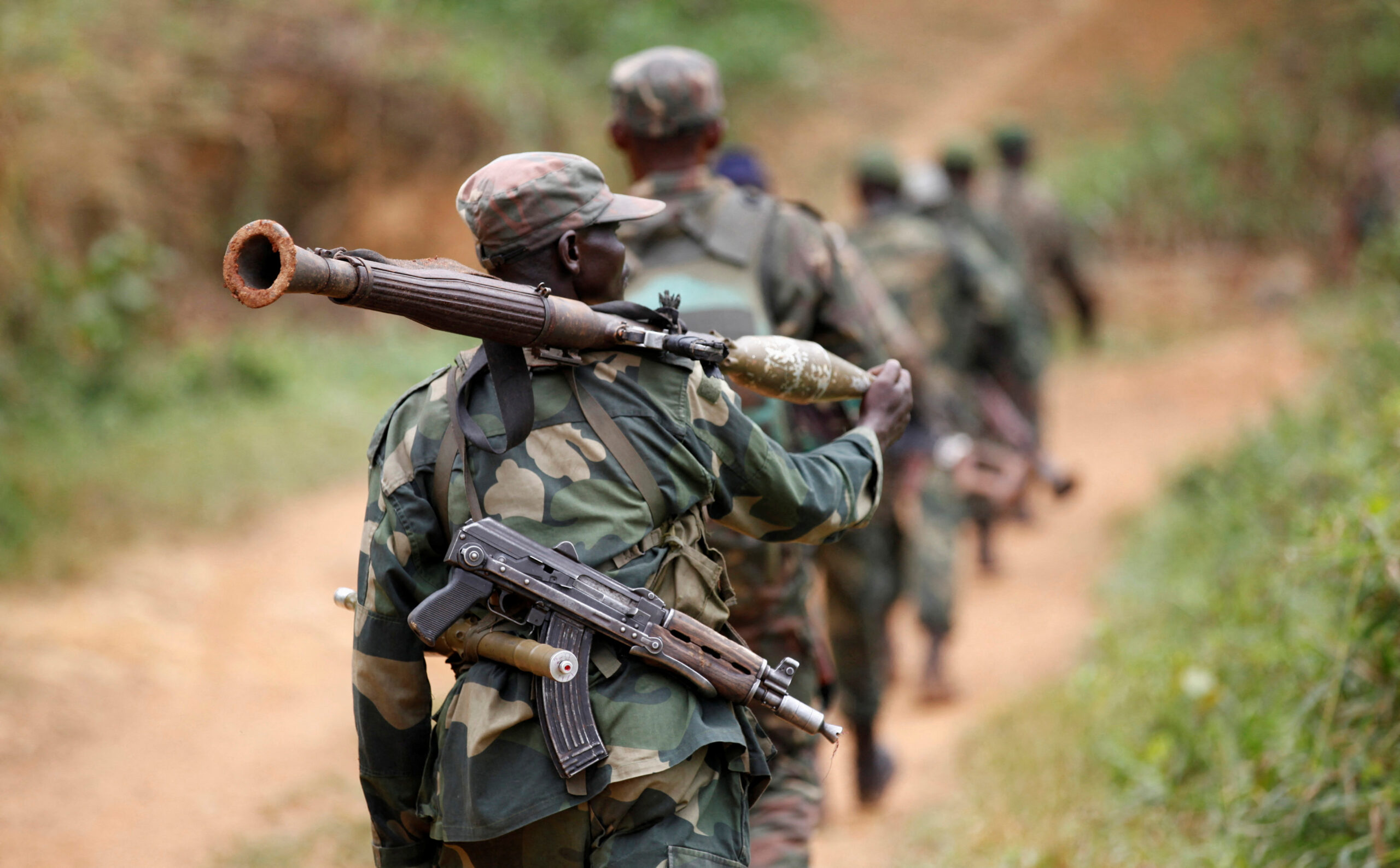
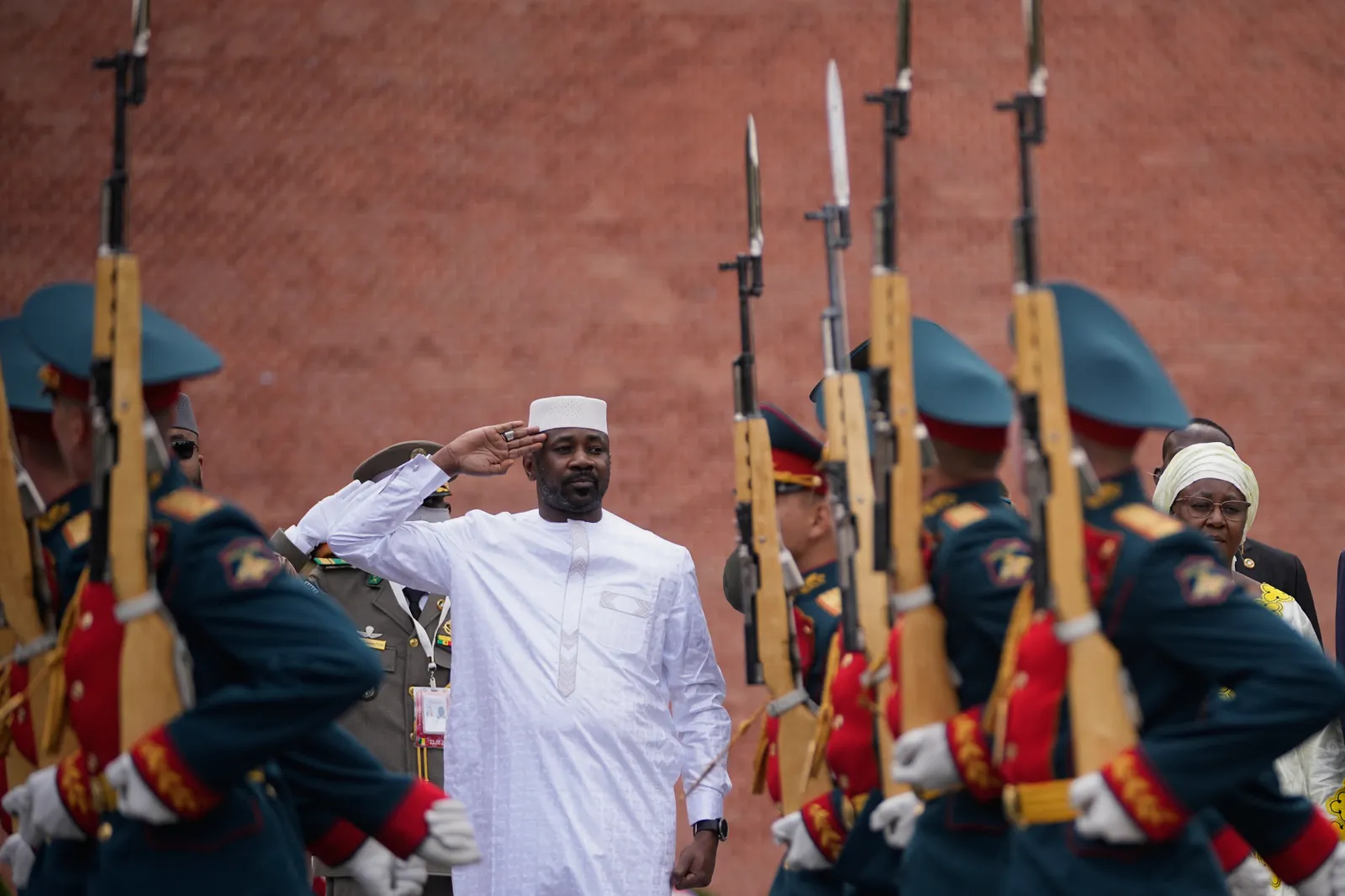
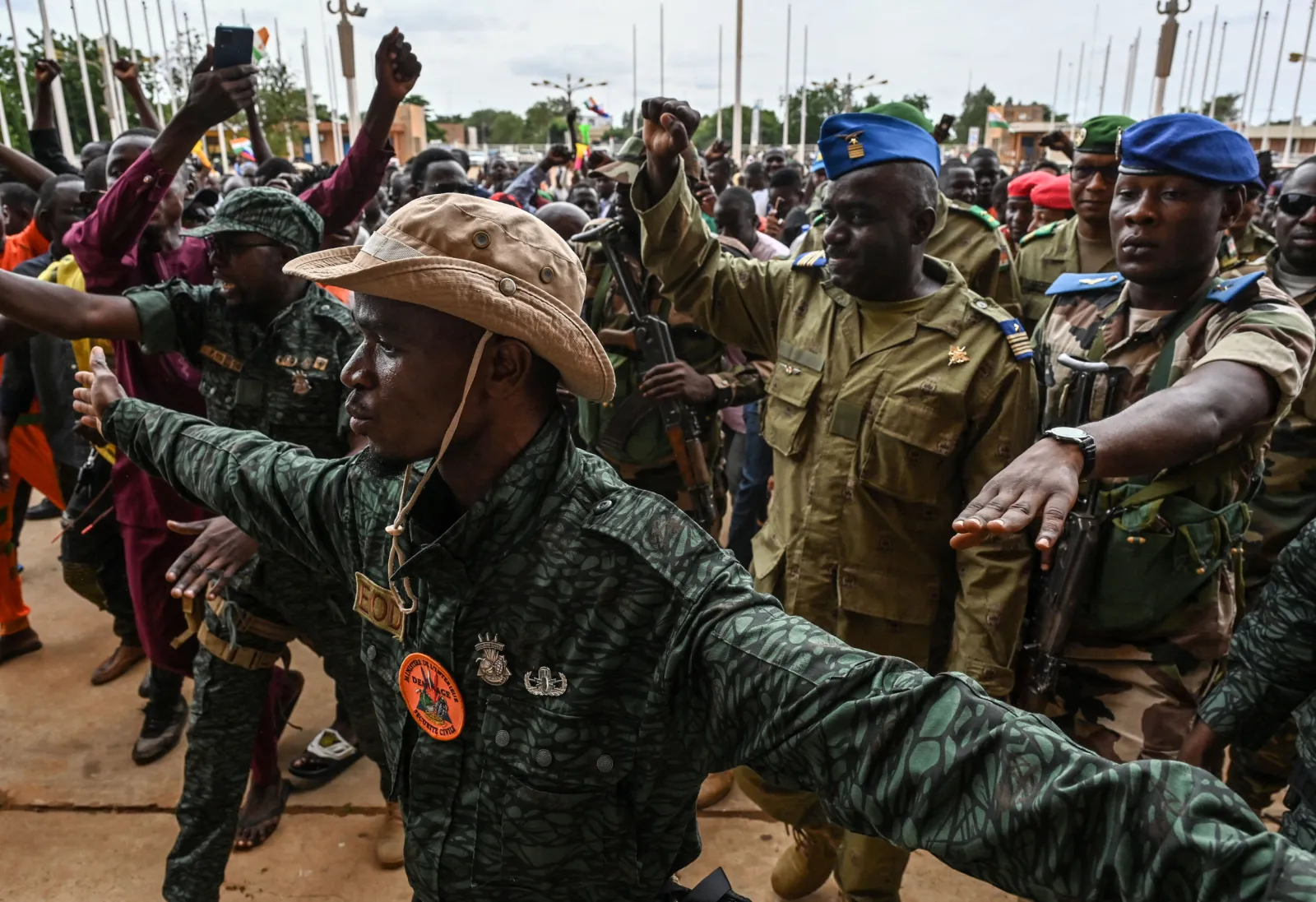
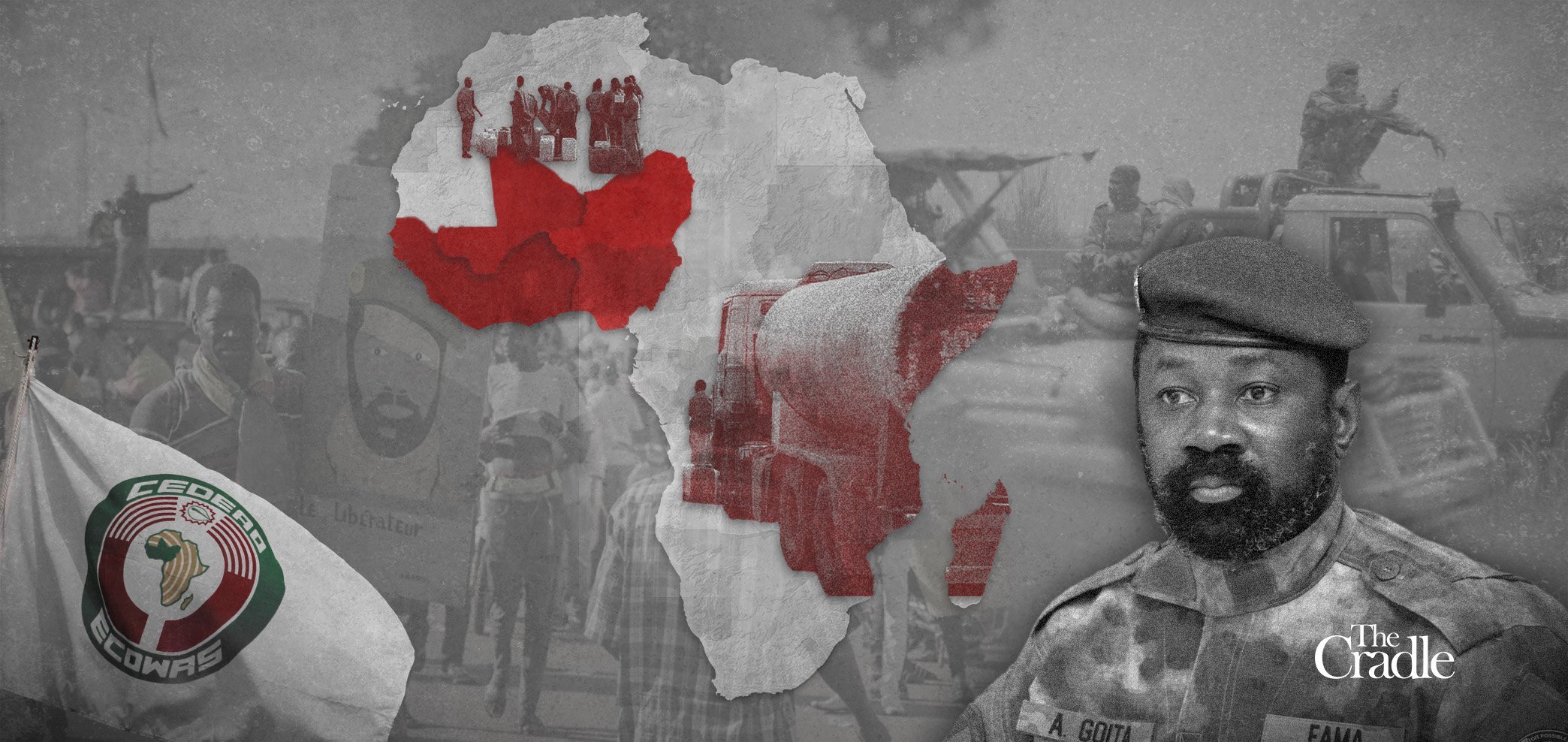
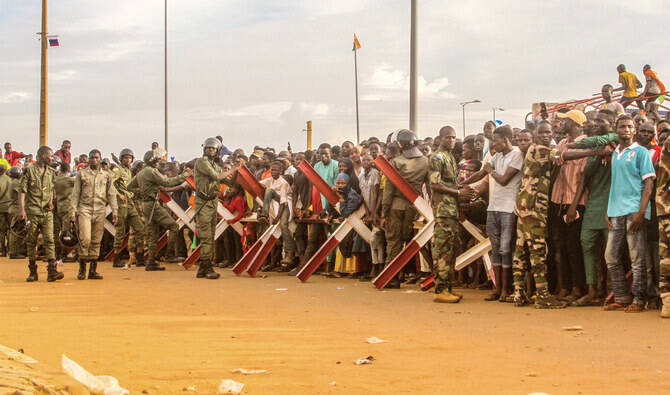
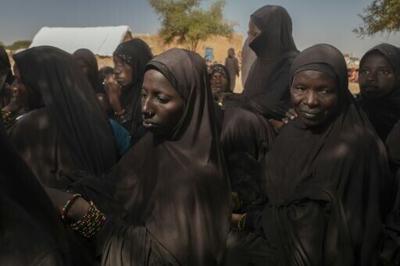
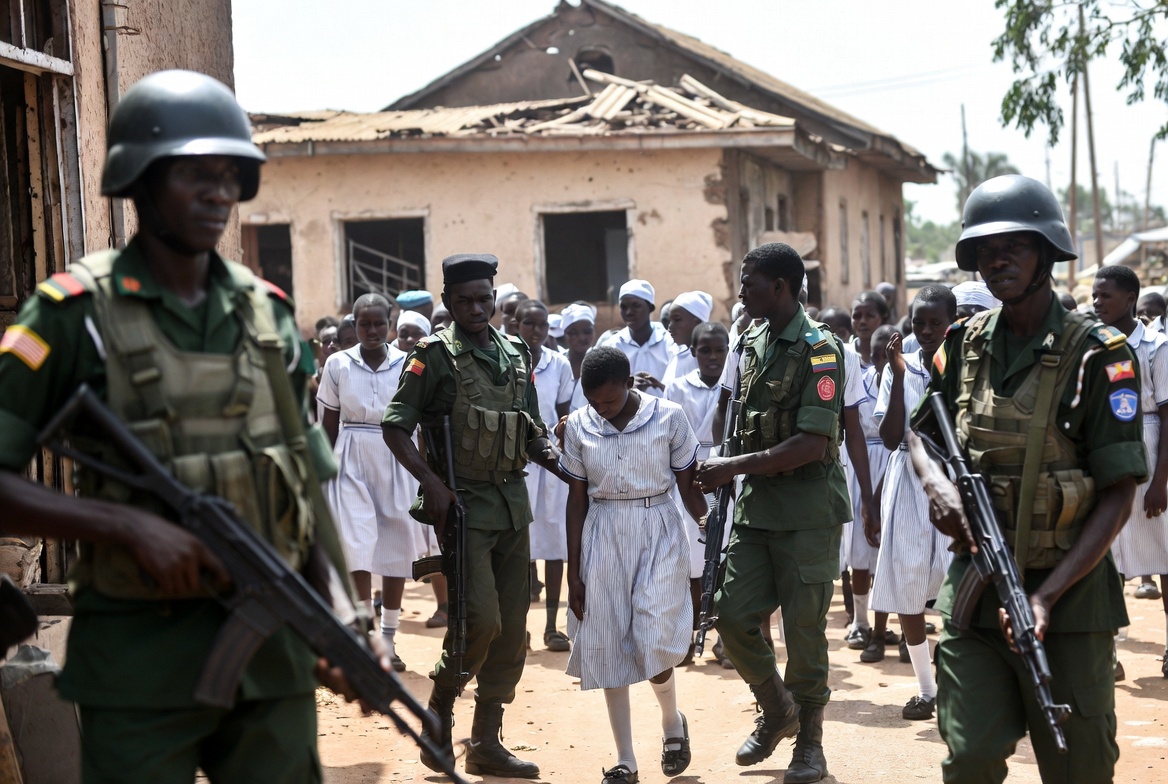
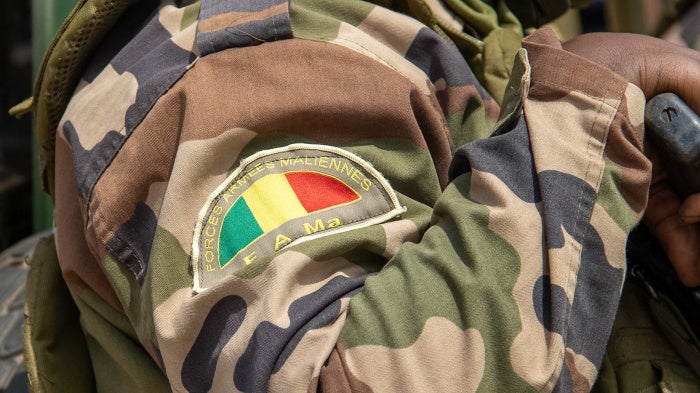
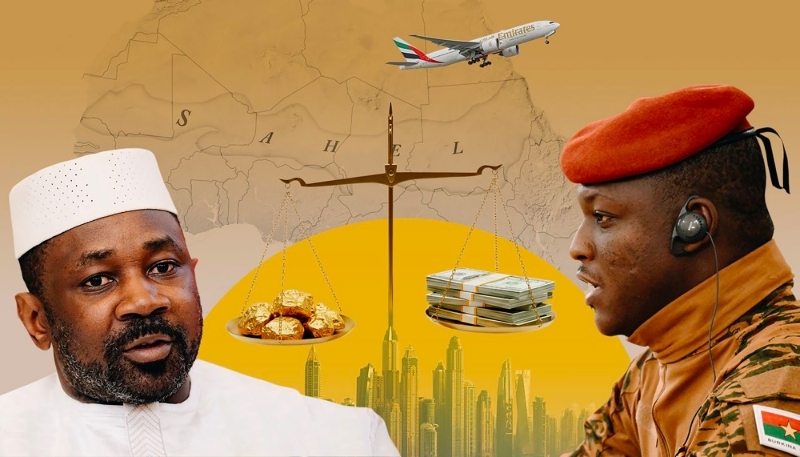
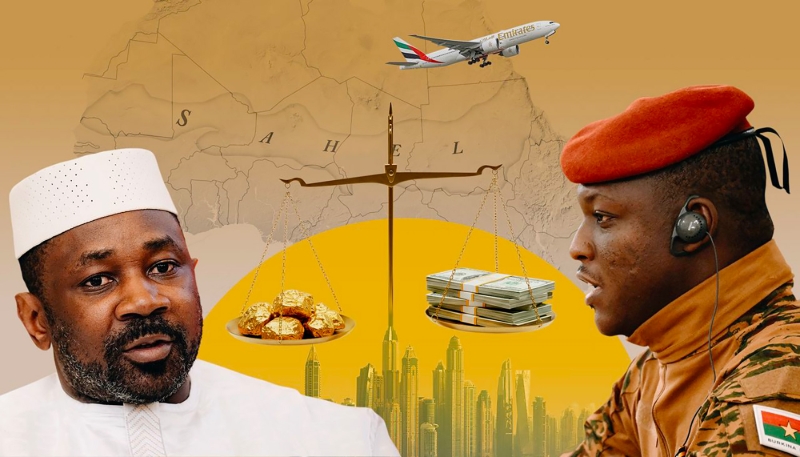
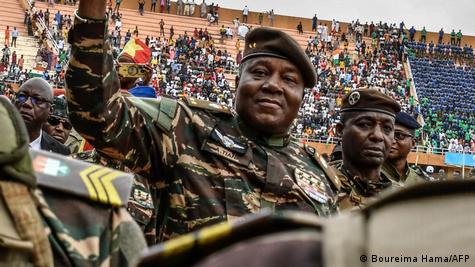
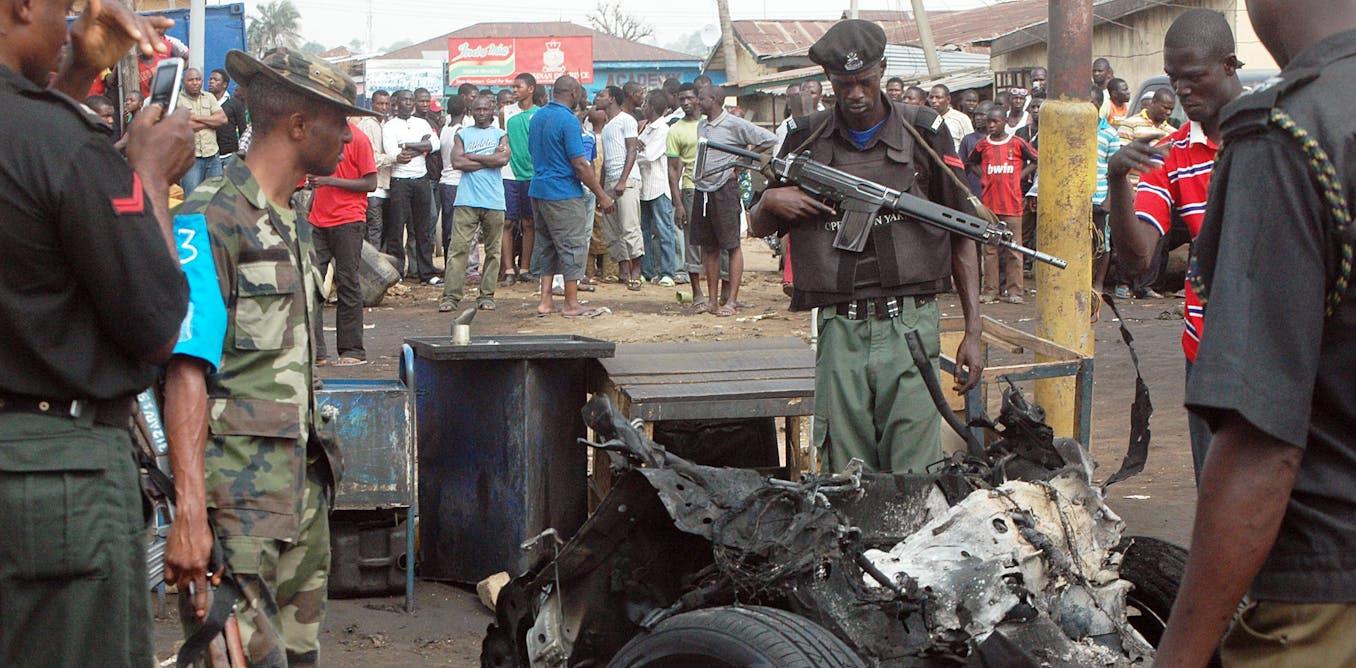
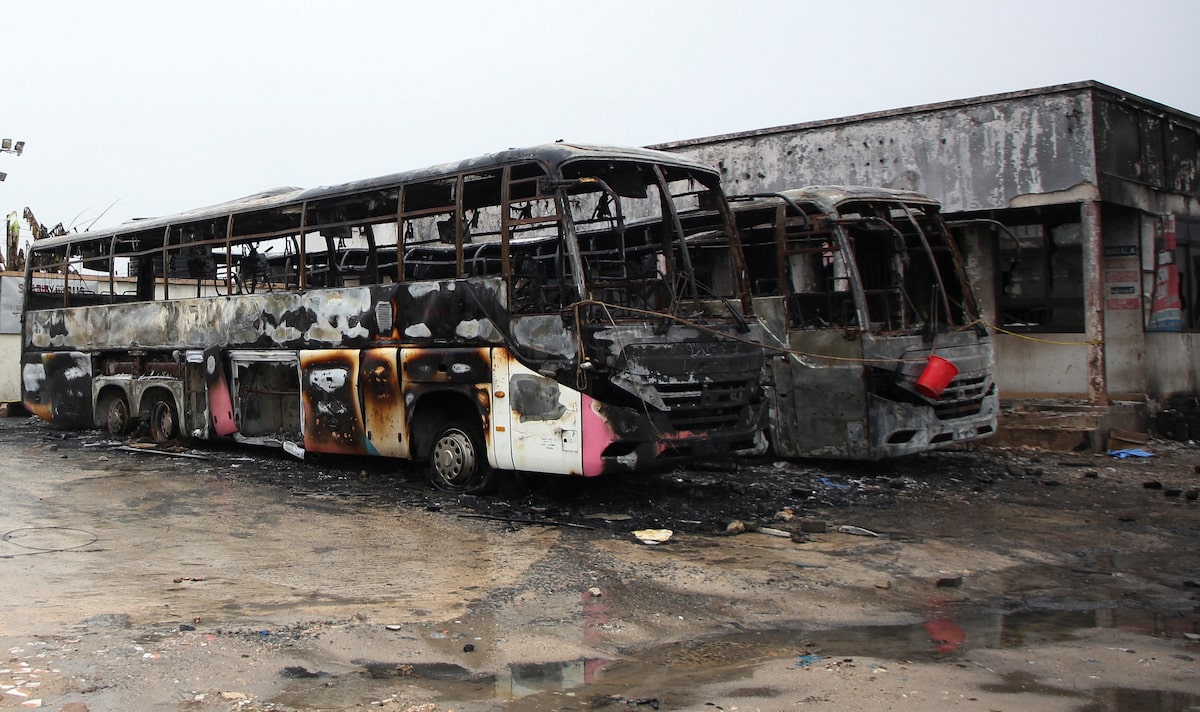
Security remains at the forefront of the Sahel’s struggles, with Mali often at the epicenter of instability. Exiled Malian imam Mahmoud Dicko recently made a heartfelt appeal for peace, urging an end to the jihadist violence that has plagued the area for over a decade. His plea highlights a deep yearning among Sahelian citizens for a return to normalcy and a rebuilding of social trust. What’s made things even tougher? A wave of military coups since 2020, particularly in Burkina Faso, Mali, and Niger, which have upended traditional alliances and redrawn the geopolitical map. Observers have called this a ‘military vacuum,’ a gap in conventional power structures that external players, including global powers, are certainly eager to engage with in new ways. This shift has caught the eye of countries like China, which sees expanding markets in West and Central Africa as a chance to adapt to the changing political dynamics. These outside interests add another layer of complexity to the region’s security and diplomatic landscape. It’s not just a Sahelian problem, either. Security concerns ripple out, affecting neighboring North Africa and connecting with broader European interests. For instance, ongoing conflict in Libya continues to fuel instability that spills into the Sahel-Sahara zone, intertwining with critical issues like migration, terrorism, and drug trafficking that impact multiple continents. As if that wasn’t enough, the Sahel’s unforgiving climate piles on the pressure. Northern Mali’s regions, deep in the Sahara Desert, regularly endure extreme heat. Cities like Timbuktu often record temperatures far above what many would consider habitable, making daily life incredibly difficult. This relentless heat worsens existing vulnerabilities, hitting agricultural productivity, water availability, and the overall resilience of communities. It also drastically increases the difficulty for security operations and humanitarian efforts, forcing them to operate in some of the most physically demanding environments on Earth, a factor for why the region is often listed among the hottest countries in Africa.
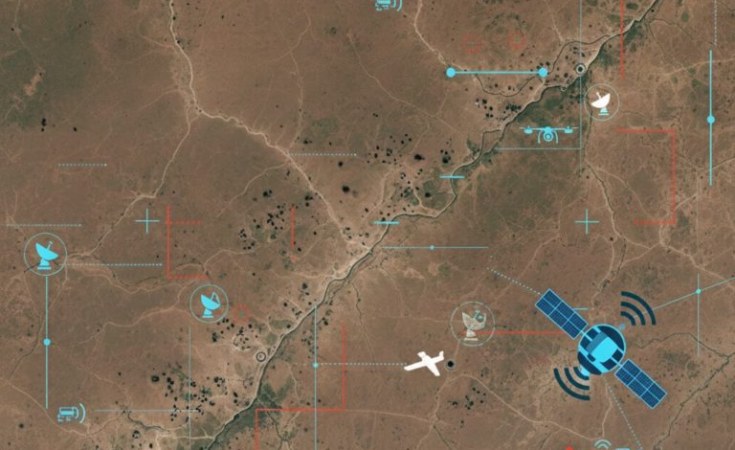
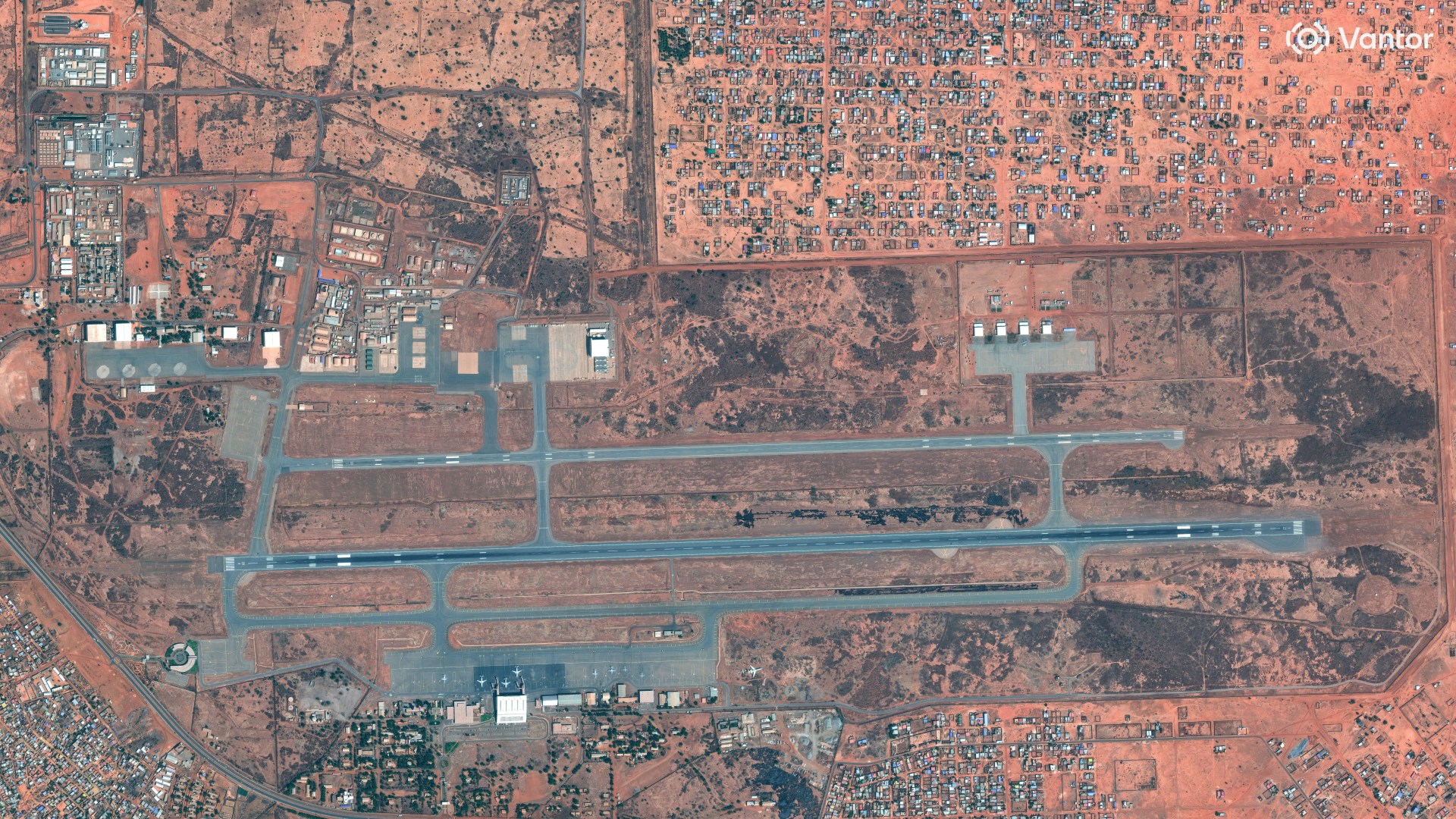
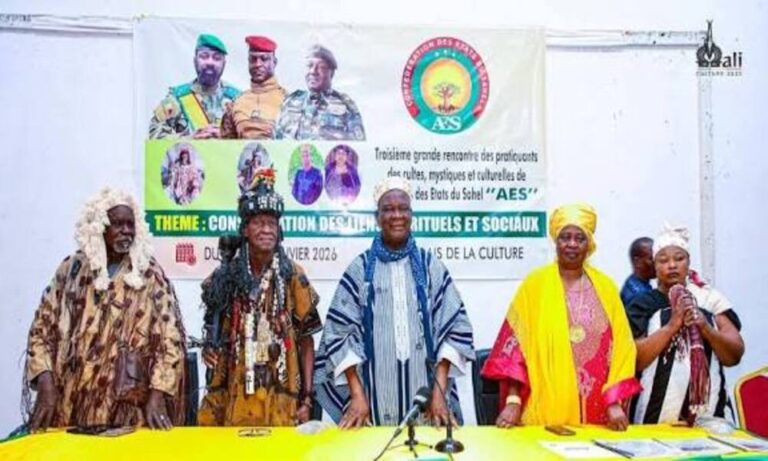
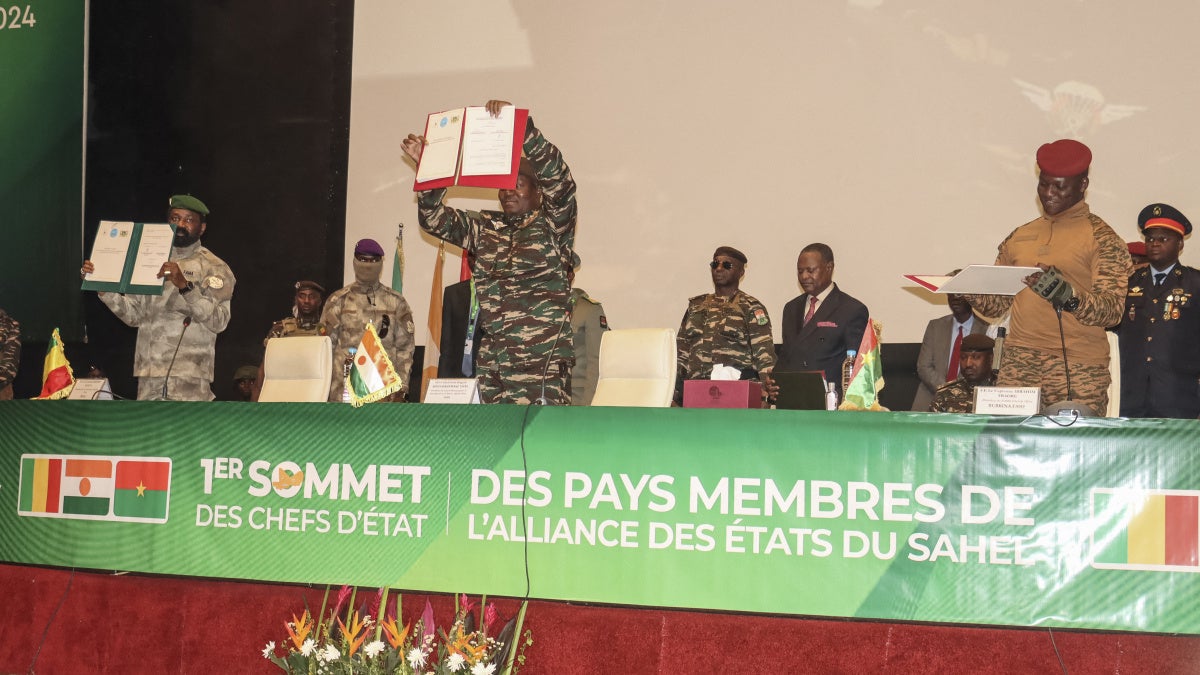
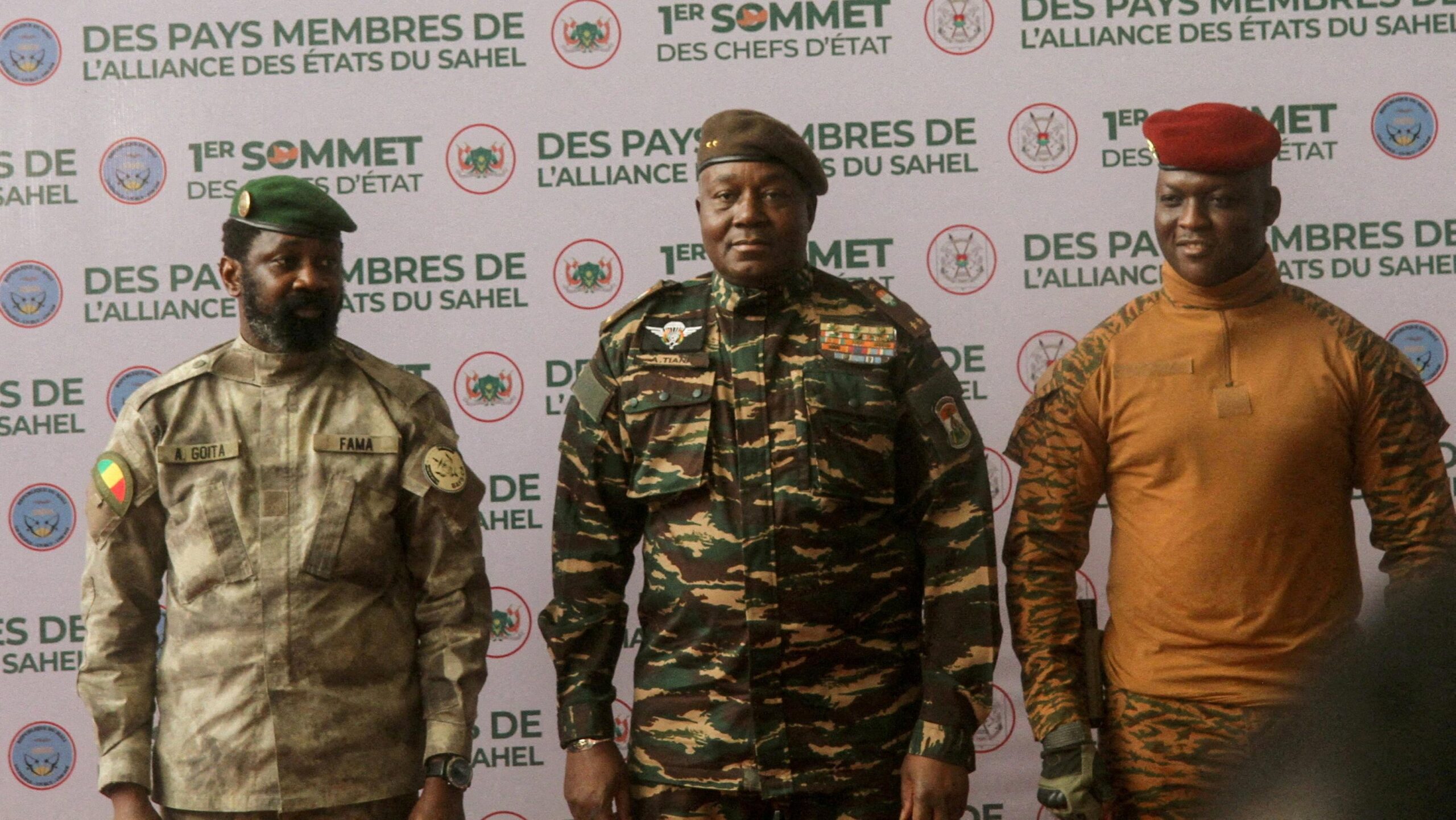
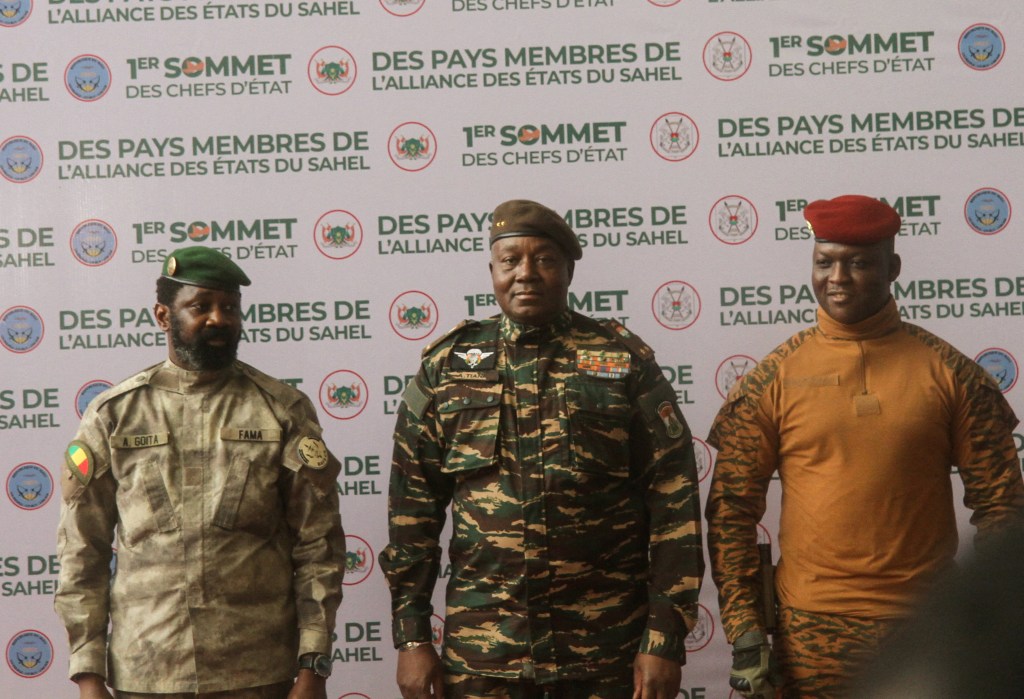
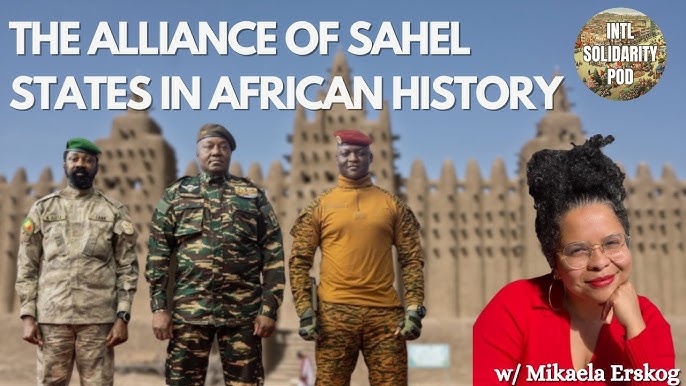
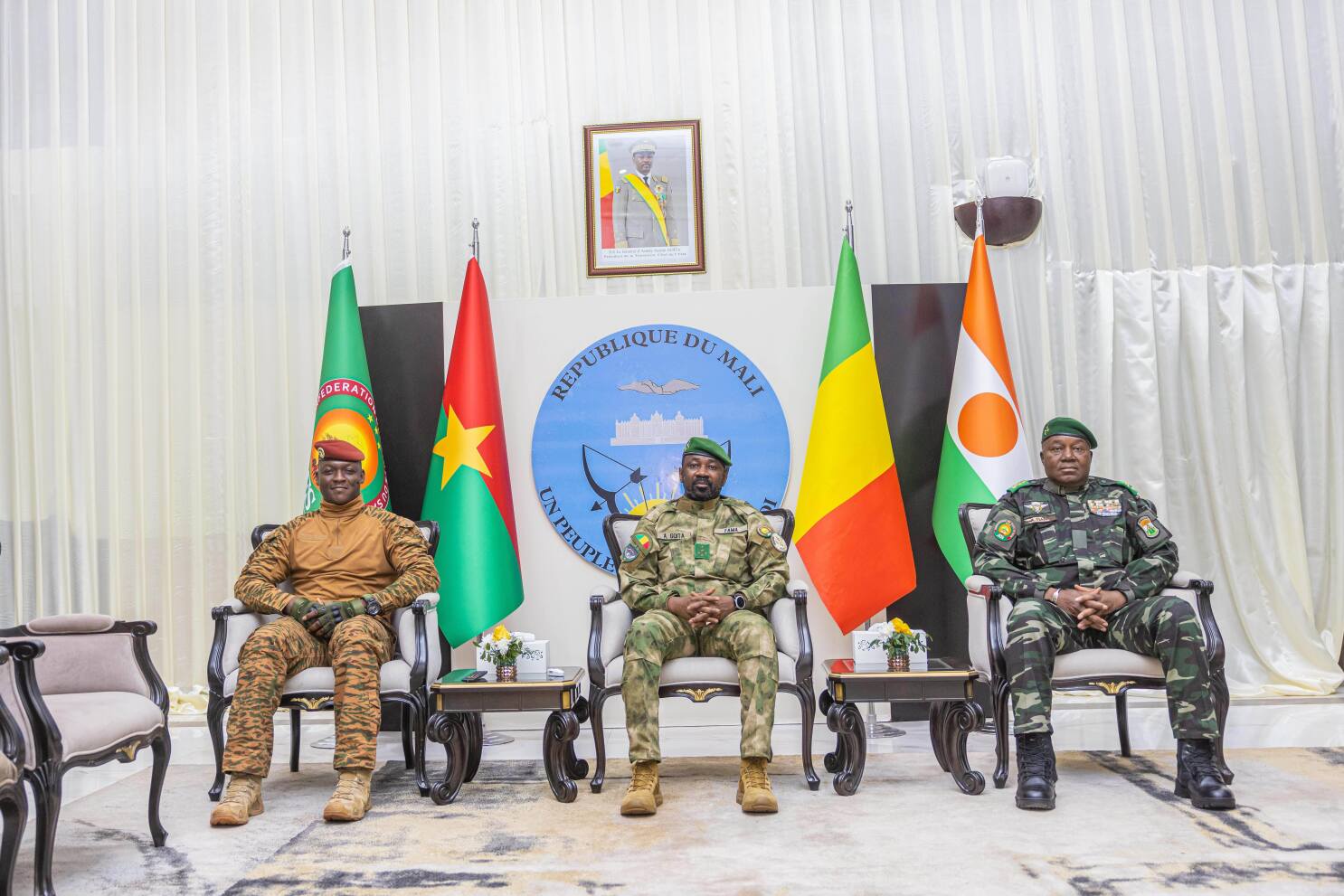
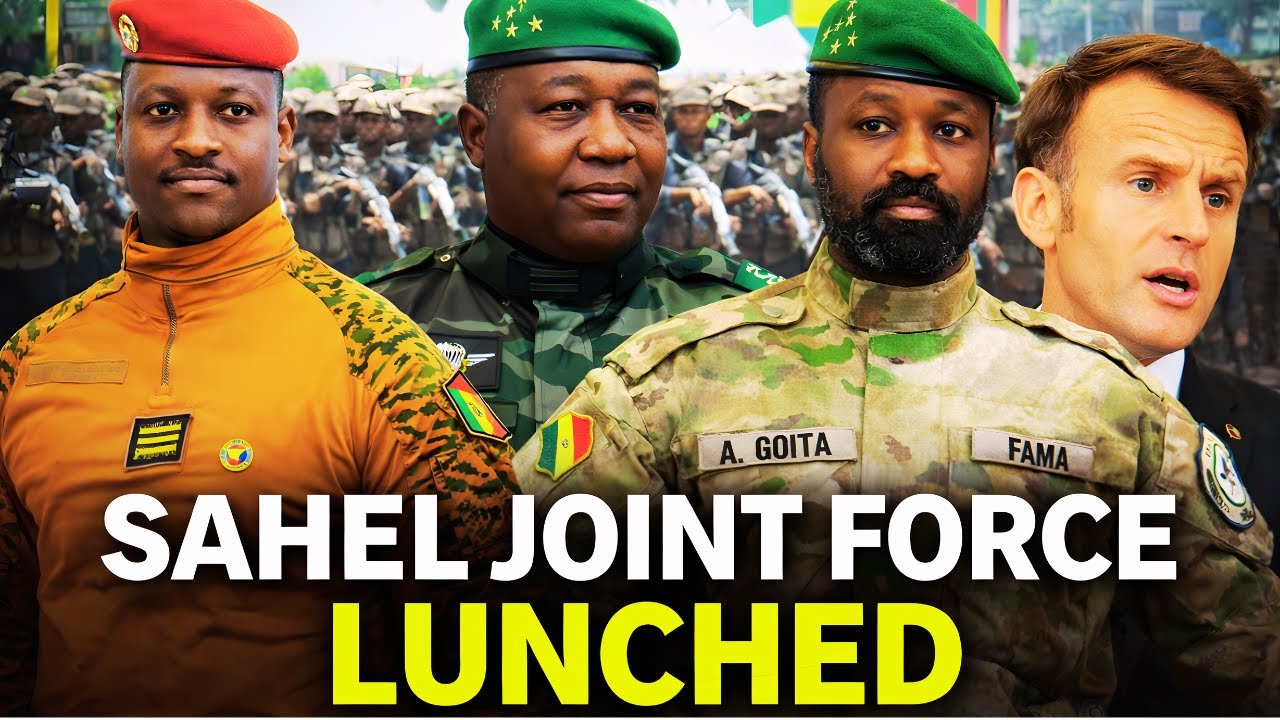
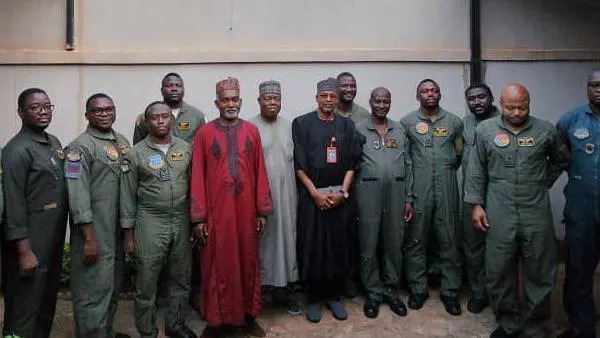
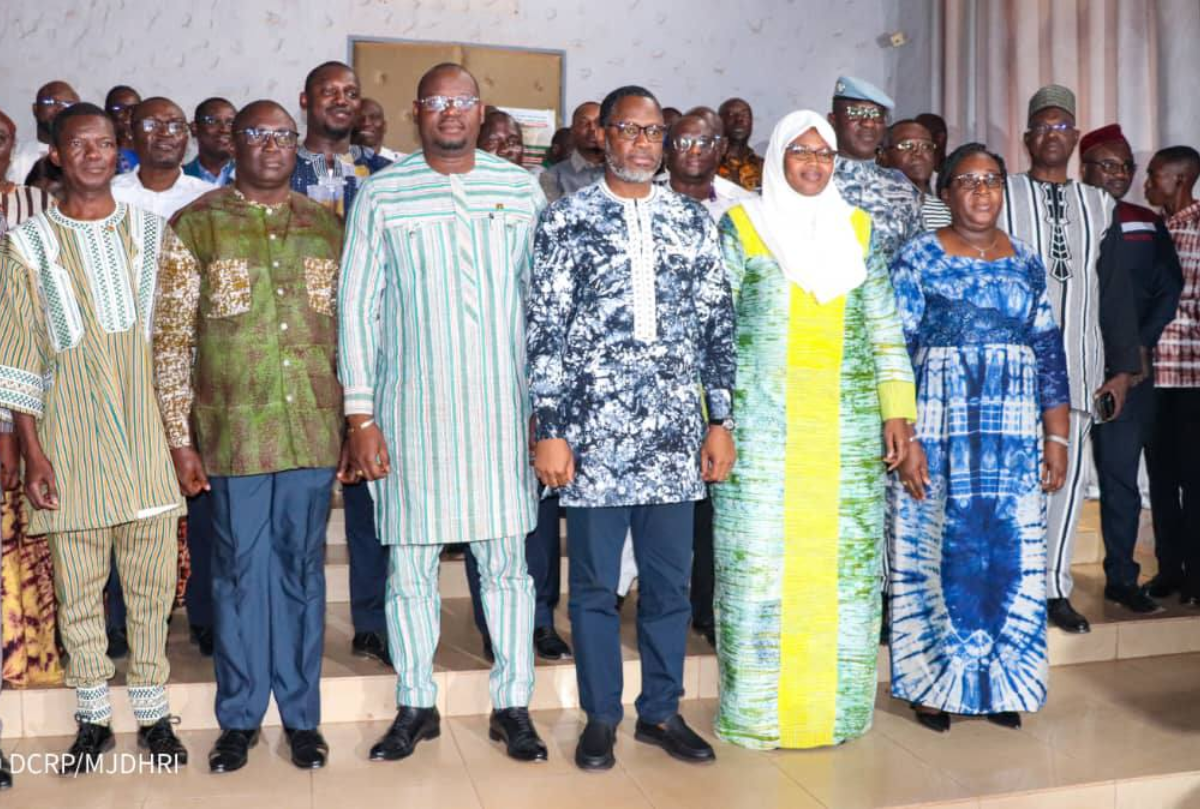
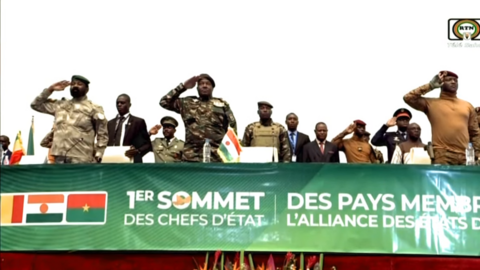
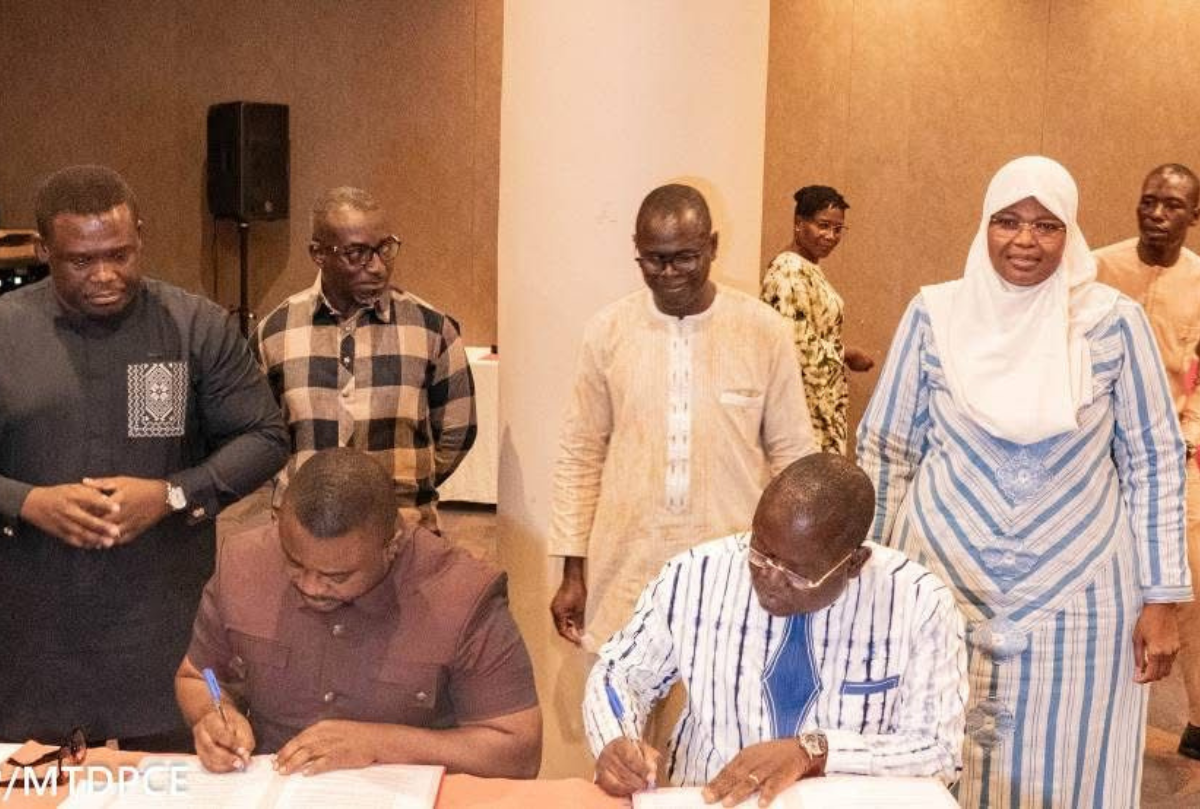
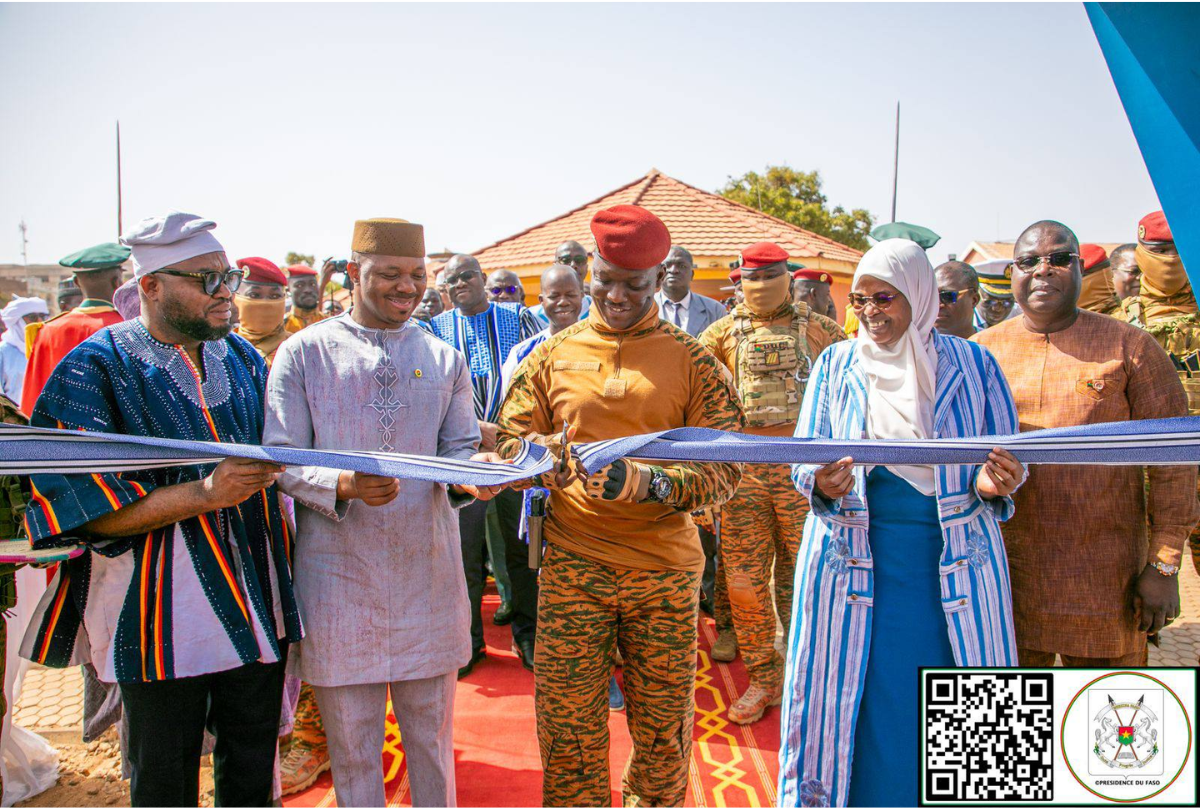
Despite these immense challenges, the Sahel isn’t without hope. A significant development on the horizon is the planned launch of the first ever shared satellite among Sahelian countries, including Burkina Faso, Mali, and Niger, announced for early 2026. This project isn’t just about technology, it’s a powerful symbol of regional integration and a push for technological independence. By pooling resources to develop and deploy space technology, these nations aim to boost capabilities in communication, weather forecasting, and managing natural resources. Such advancements can provide crucial support to both civilian sectors and security operations, offering vital data that could improve responses to environmental hazards and security threats alike. This cooperative satellite venture hints at a smart, strategic pivot, showing how Sahelian states are looking to harness innovation to counter the formidable challenges they’re up against. It reflects a wider trend across Africa, where growing investment in science and technology is becoming essential for sustainable development and stronger geopolitical standing. Importantly, this initiative also represents a form of collective resilience and regional solidarity, building a foundation for future collaborations that might extend to infrastructure, education, and coordinated governance reforms. Looking ahead, the Sahel’s path remains uncertain, but it’s definitely marked by determined efforts to navigate its complexities. Restoring peace and stability will require tackling both the immediate threats from jihadist groups and broader systemic issues, like governance shortcomings and economic disenfranchisement. International partners must strike a careful balance between engagement and respect for the sovereignty and local context of Sahelian populations. Meanwhile, investments in technology, like this shared satellite, offer practical tools that can truly empower these countries to take charge of their own security and development trajectories. The Sahel stands at a critical juncture. Its story is one of unwavering resilience in the face of adversity, of the intricate dance between worsening climatic conditions and evolving security challenges, and of a cautious, yet optimistic, embrace of technological innovation as a beacon for progress. The coming years will undeniably test the durability of peace efforts and the effectiveness of these new regional collaborations, making the Sahel a region of both profound urgency and remarkable potential on the African continent.