Sahel’s Tightrope Walk: Security, Aid, and Diplomacy in a Volatile West Africa
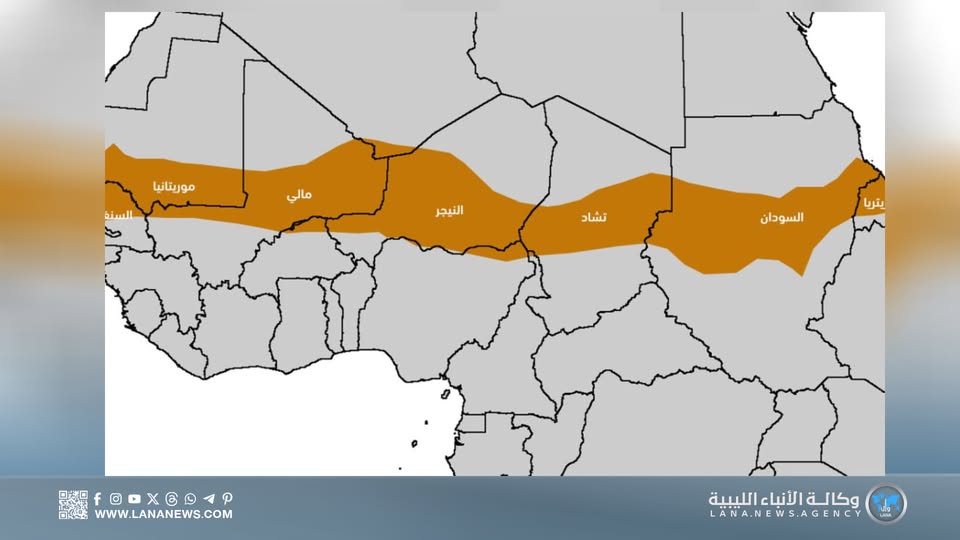
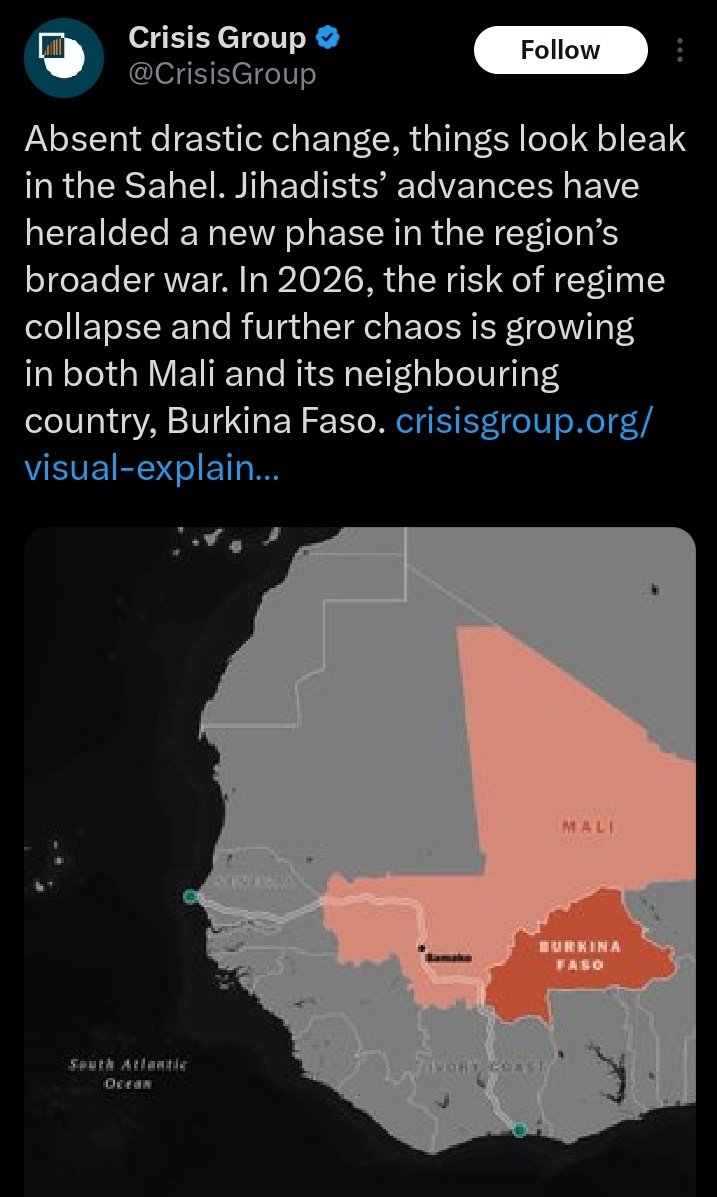
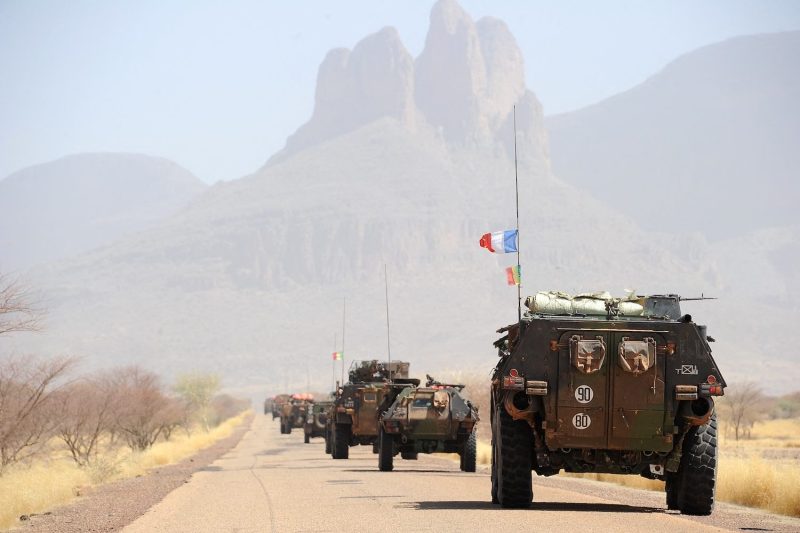
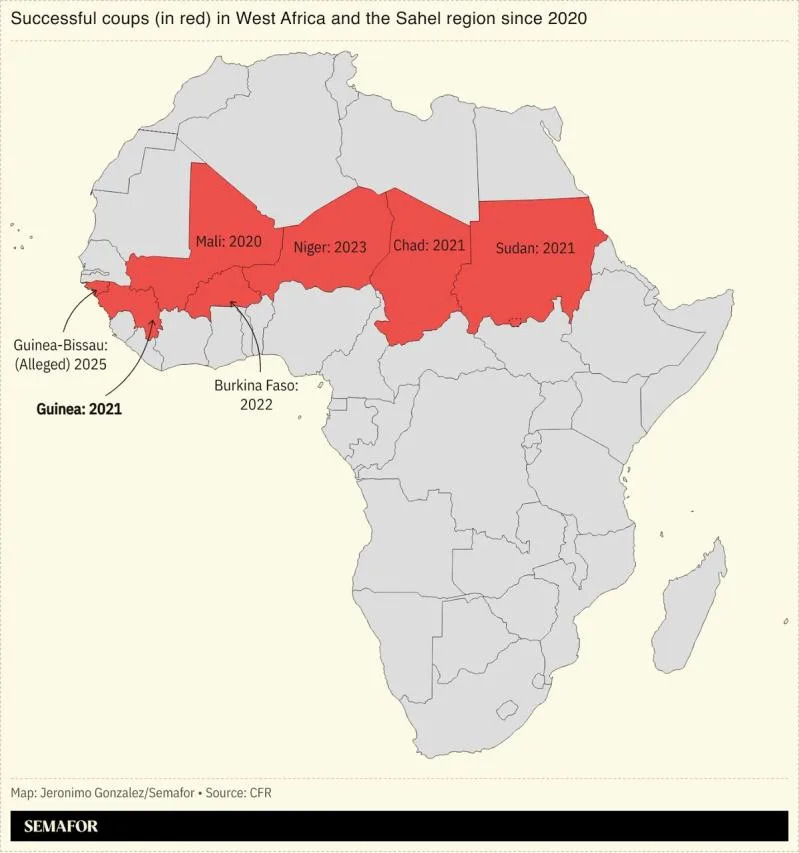
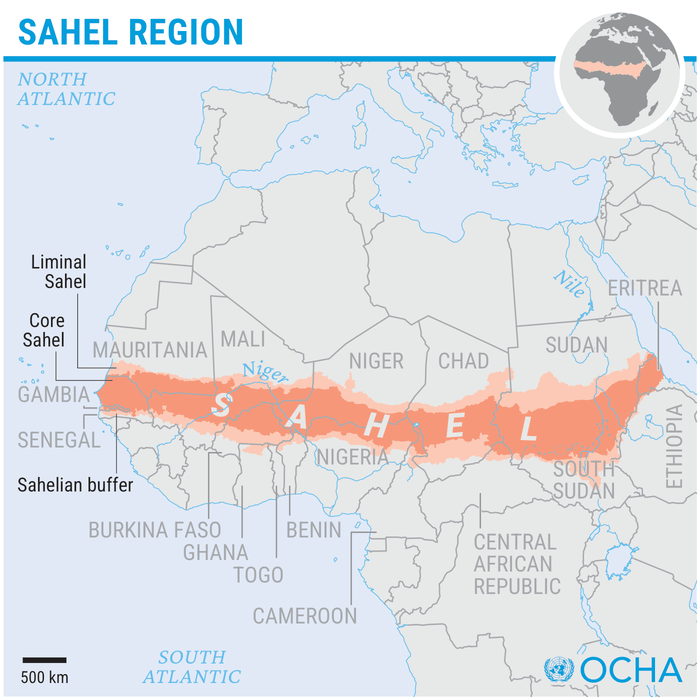
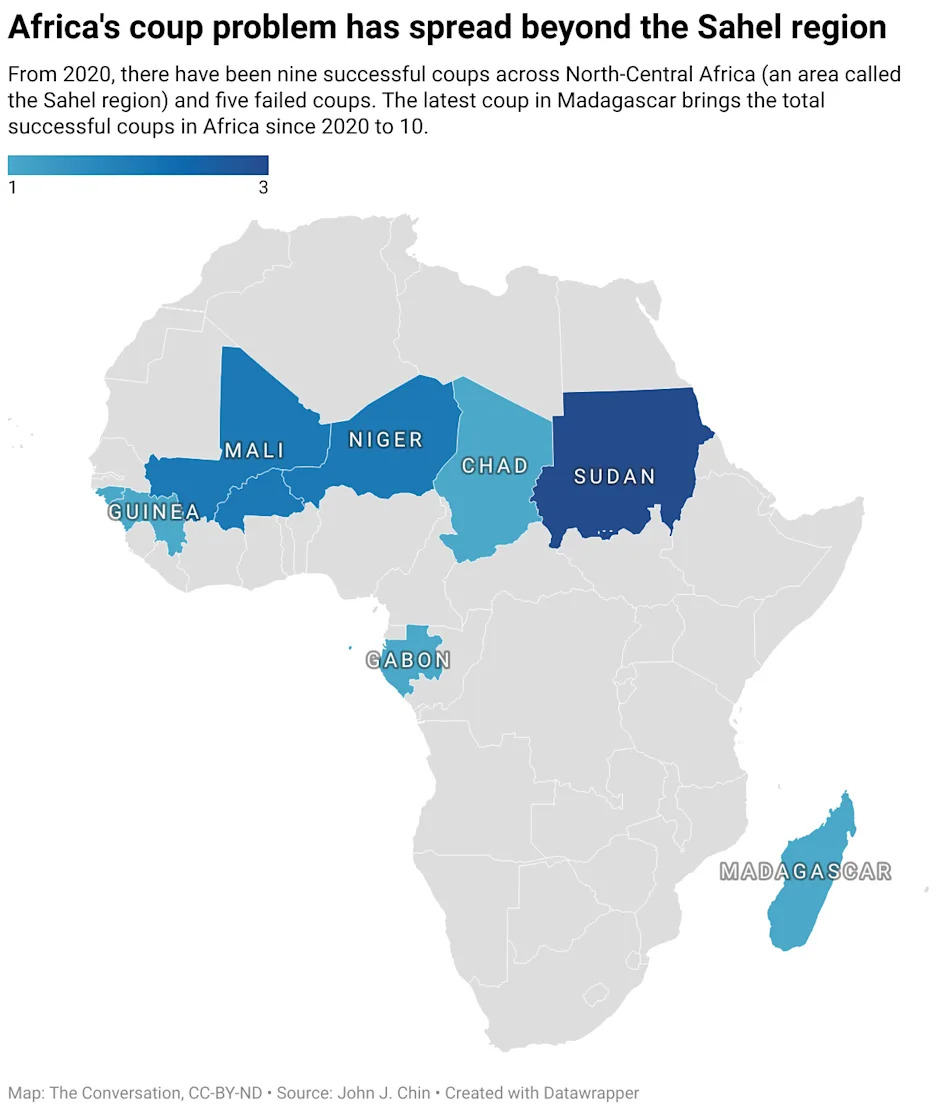
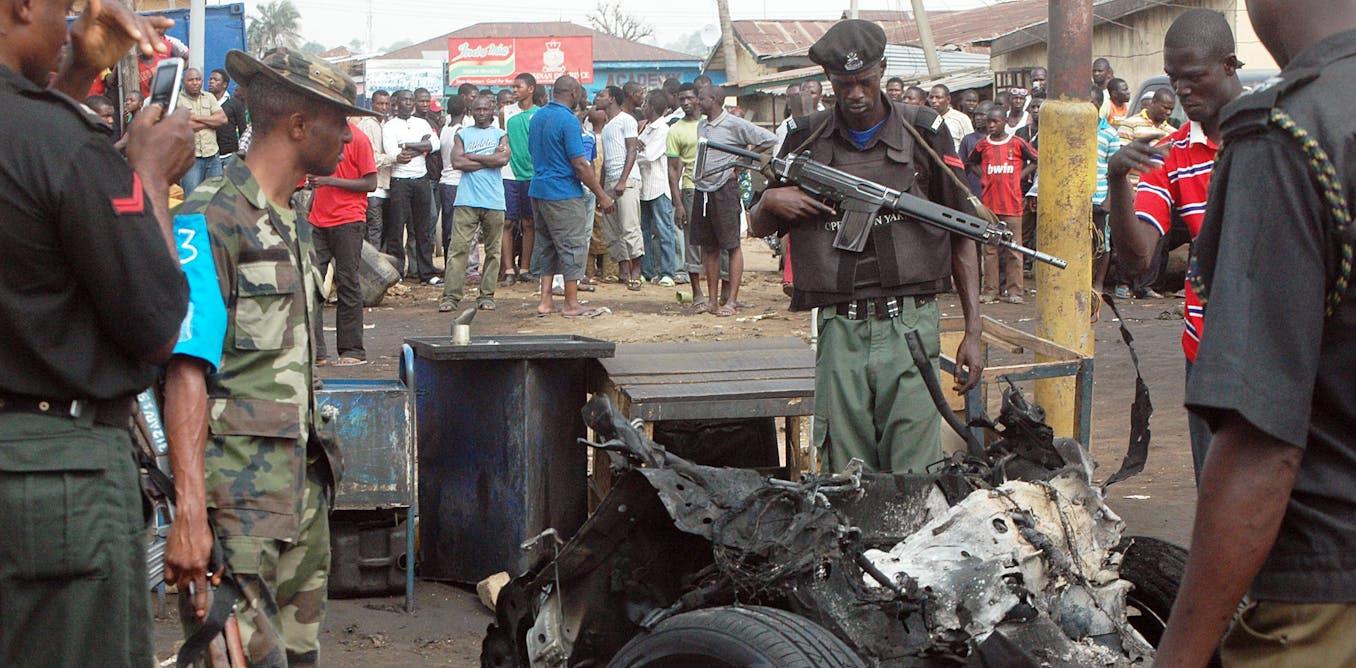
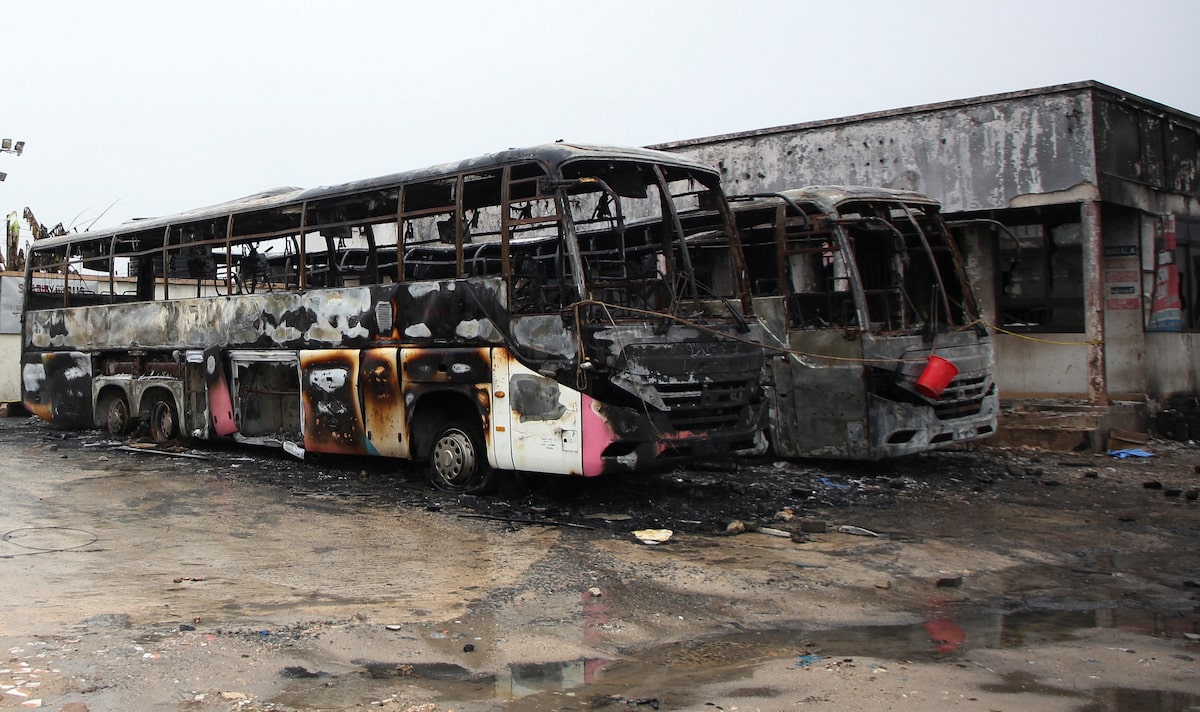
The Sahel region, including Burkina Faso, Mali, and Niger, finds itself entangled in a deepening crisis. We’re talking about escalating security risks, vast humanitarian needs, and a tangled web of diplomatic plays. Against this backdrop of instability, these West African nations face urgent challenges that demand real coordination and honest conversations among everyone involved, both regionally and internationally. It’s a situation that’s not just impacting local lives but also casting a long shadow over the entire region’s future.
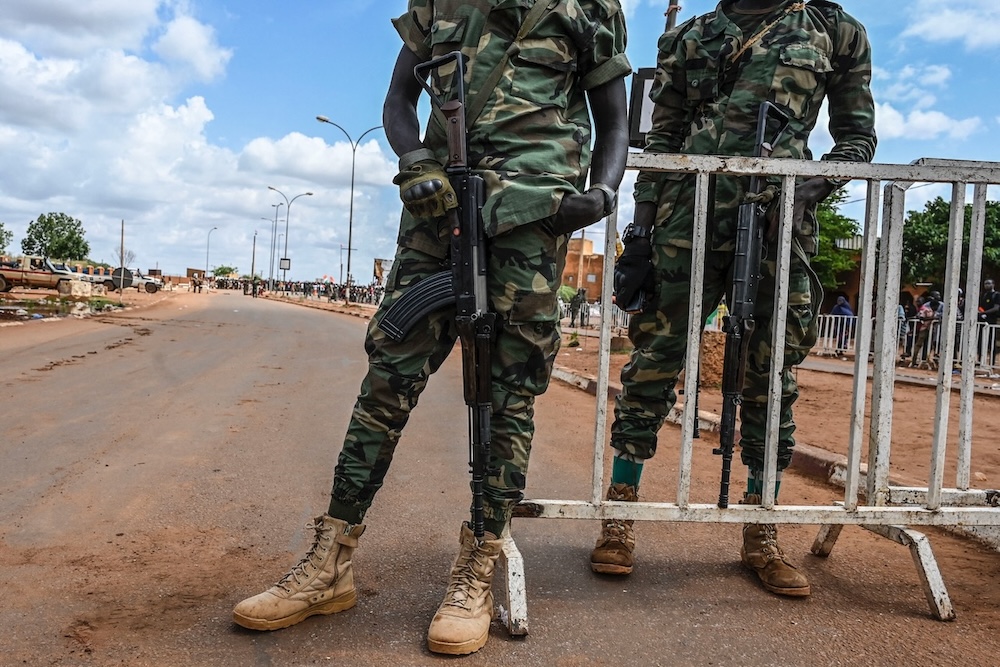
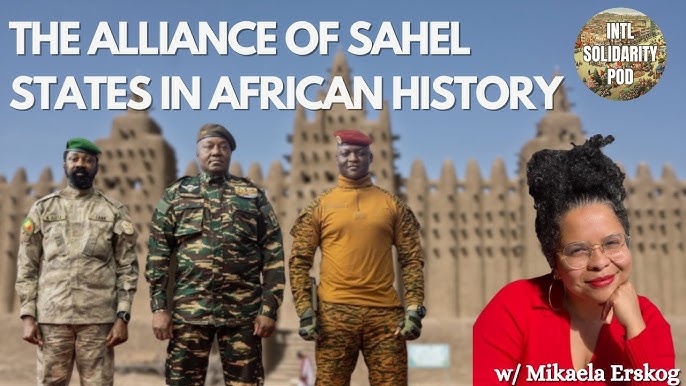
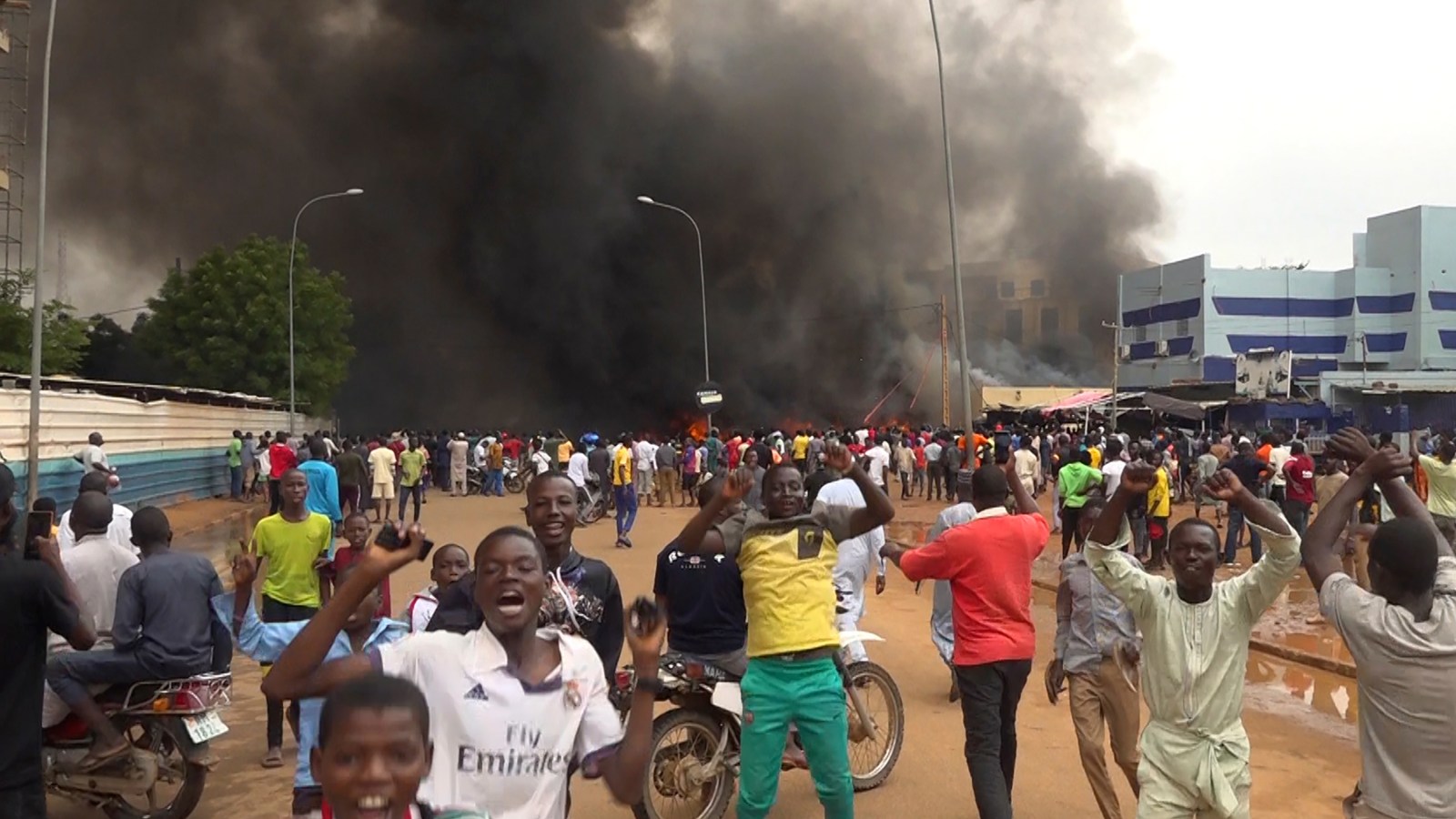
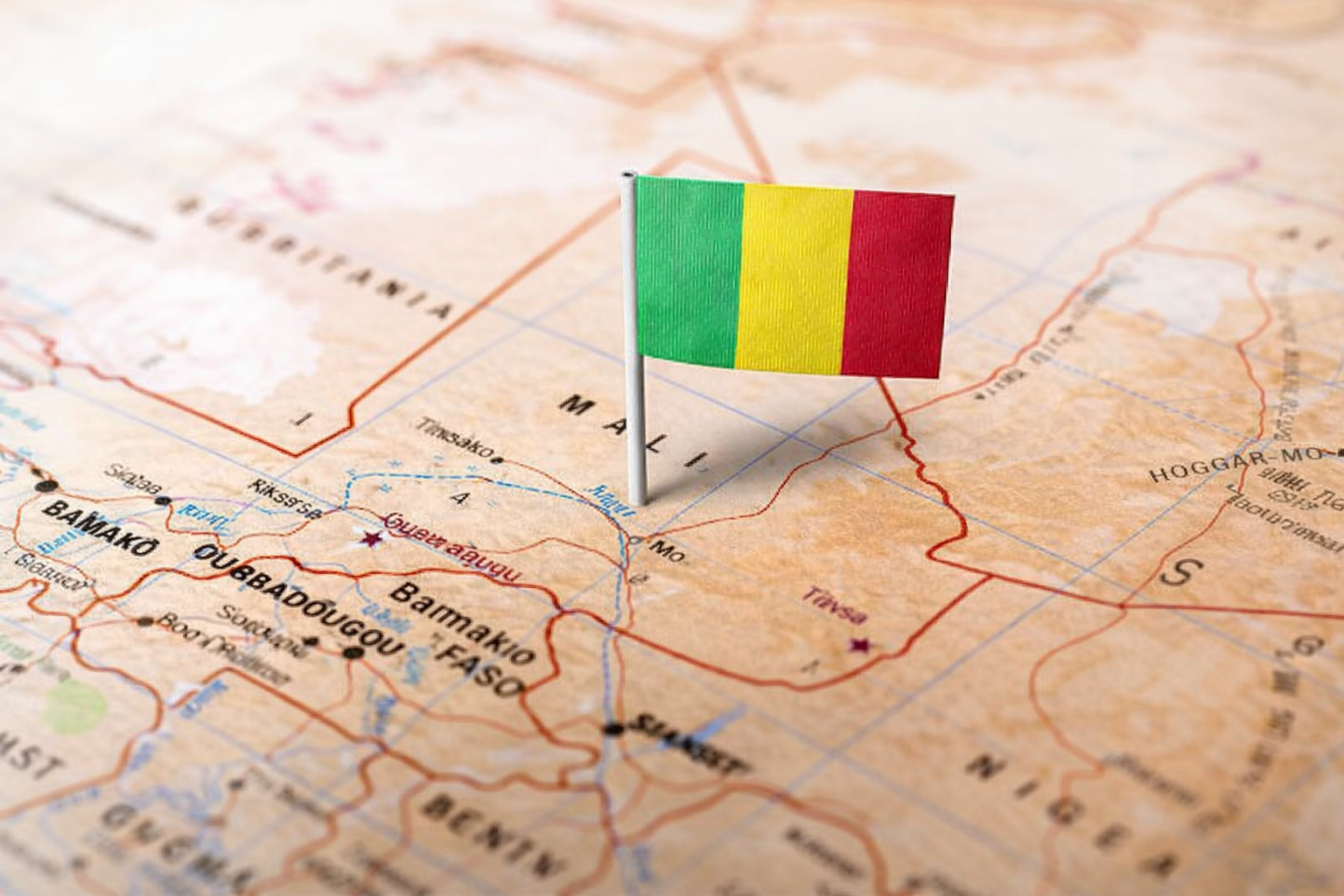
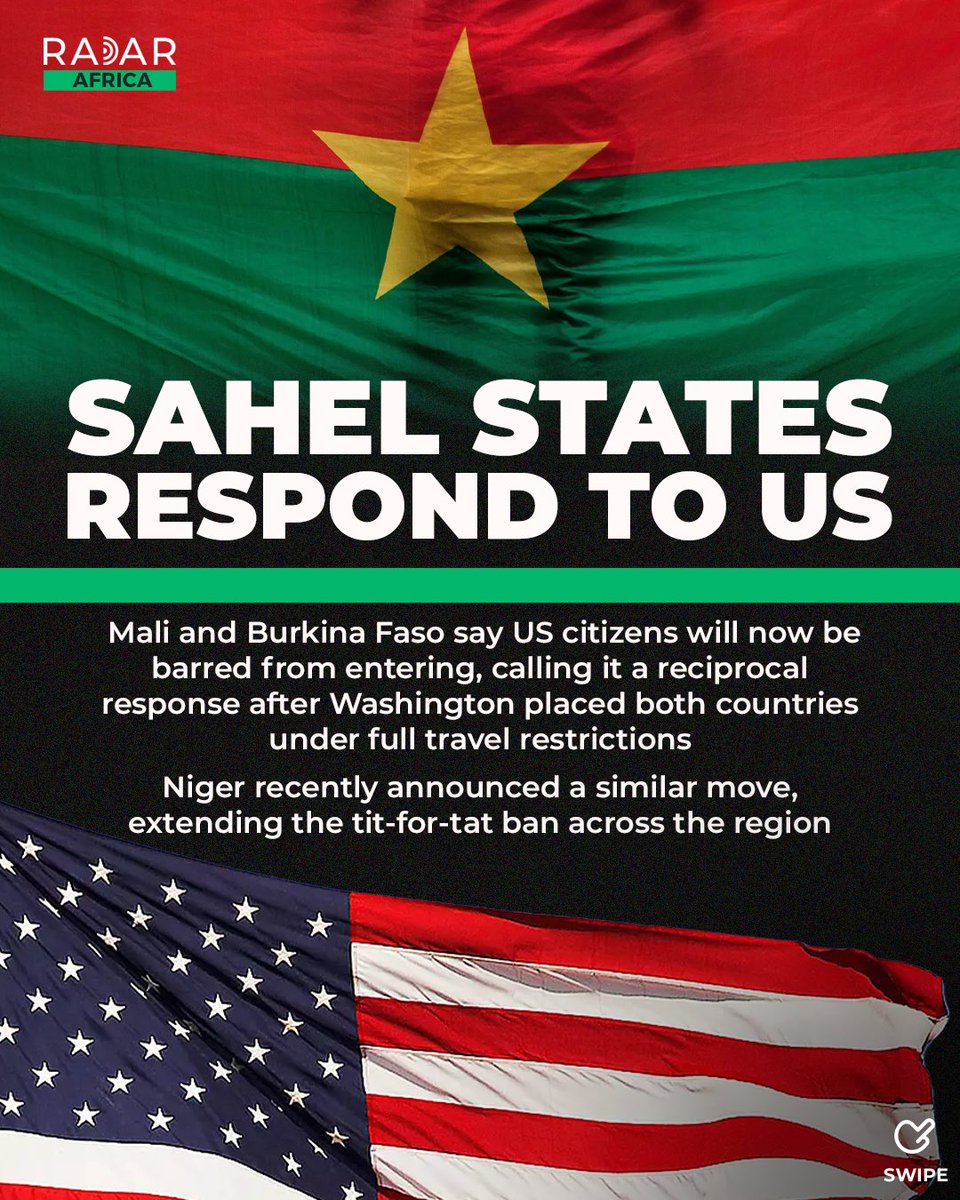
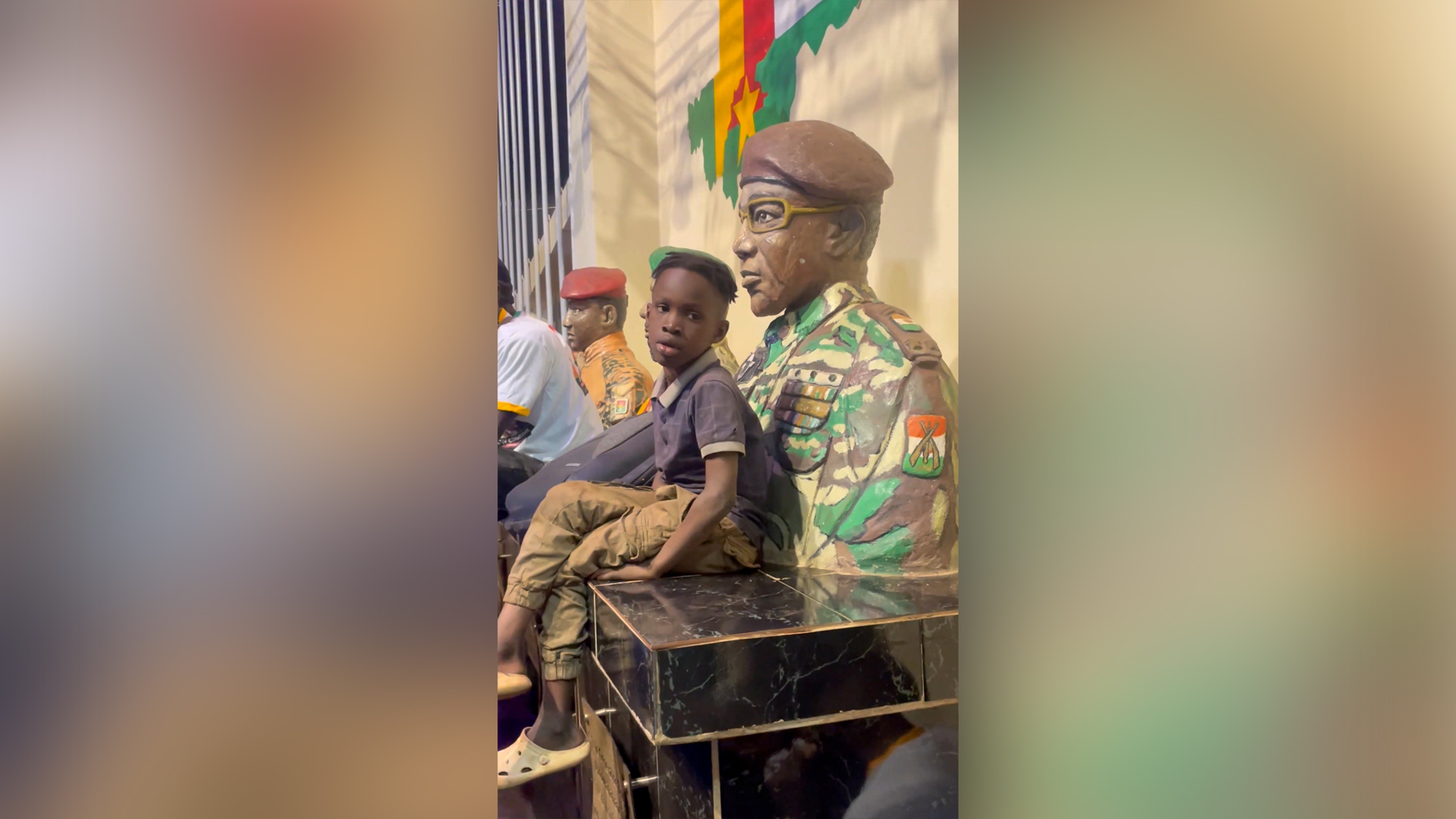
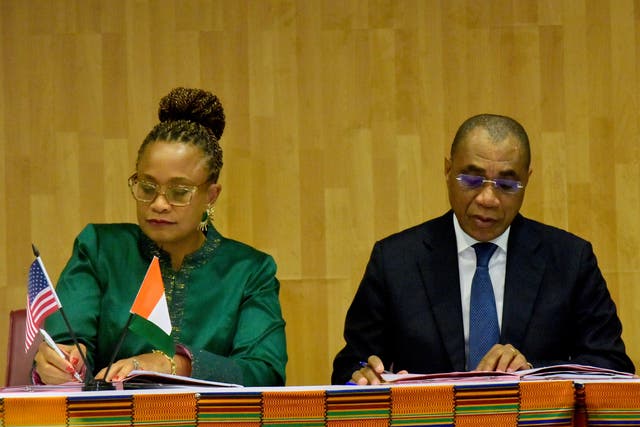
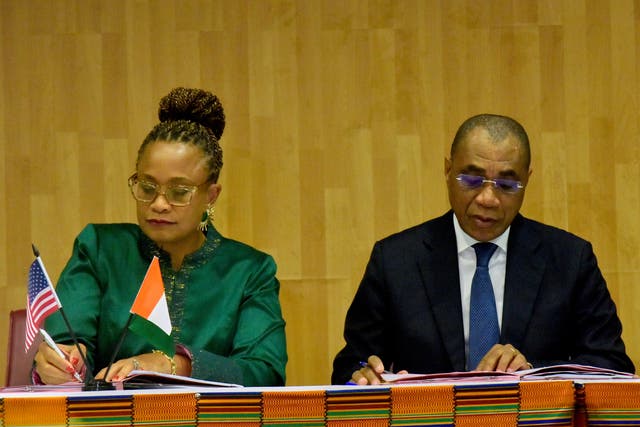
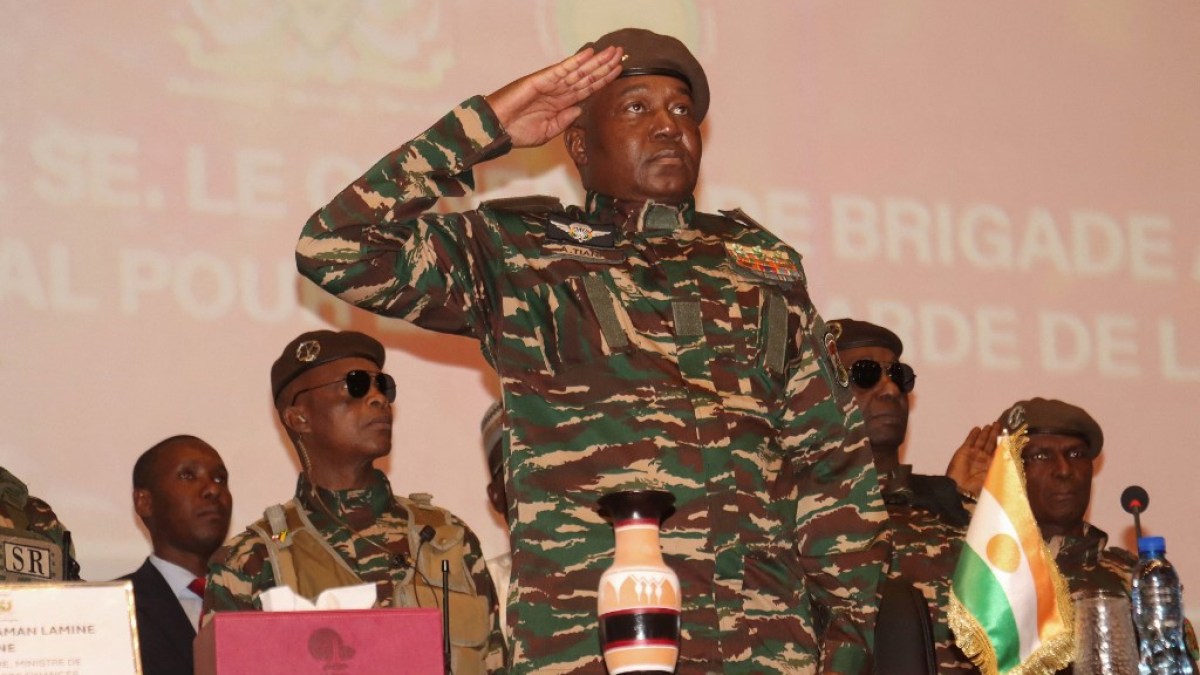
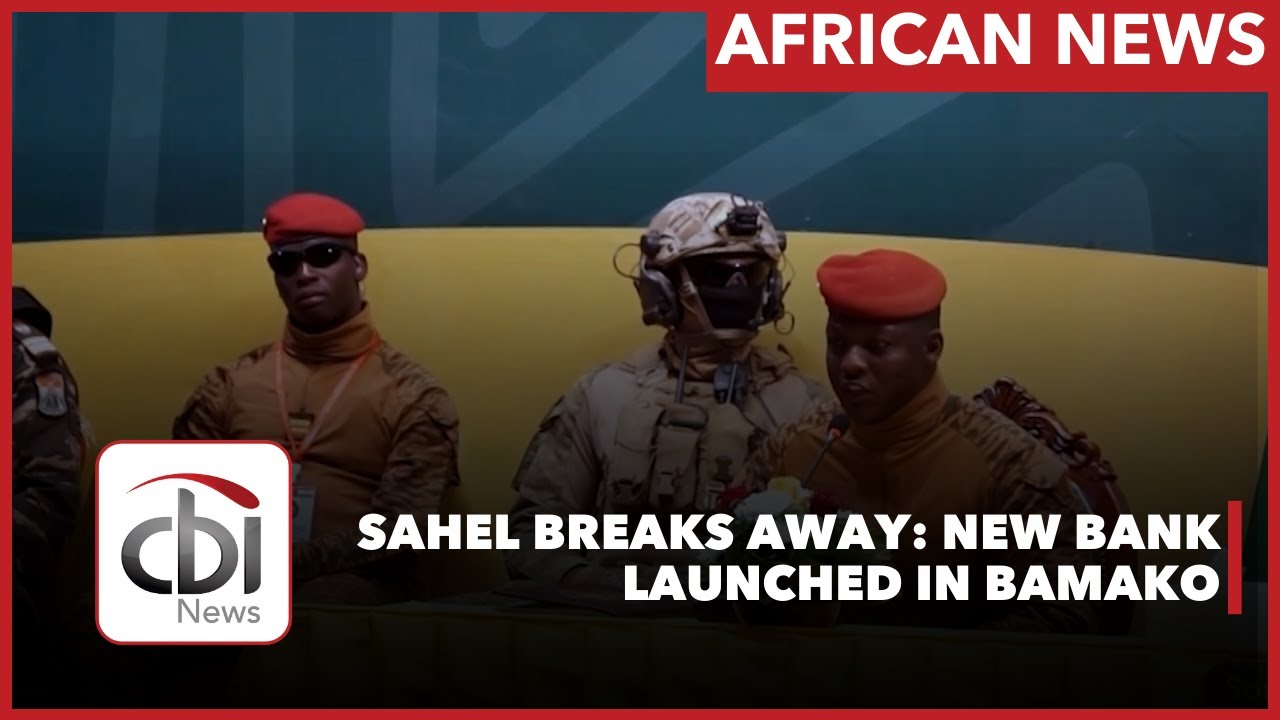
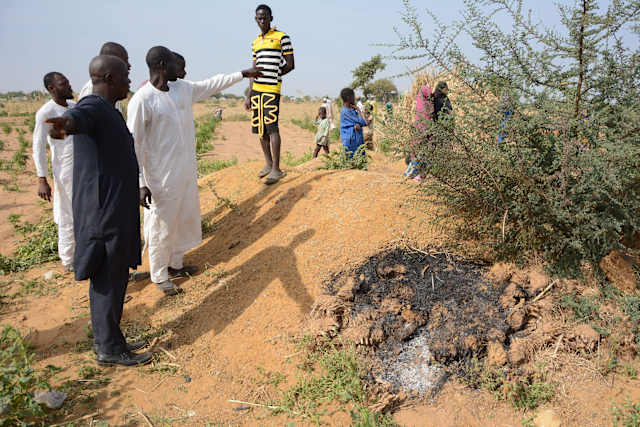
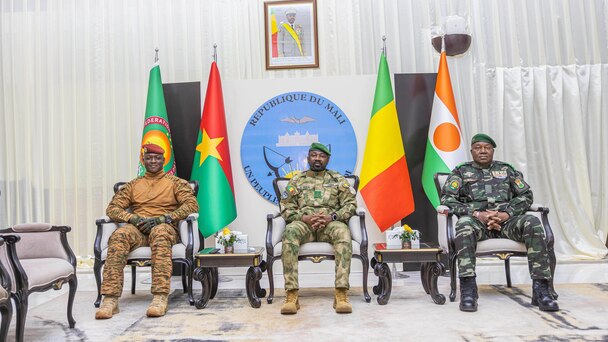
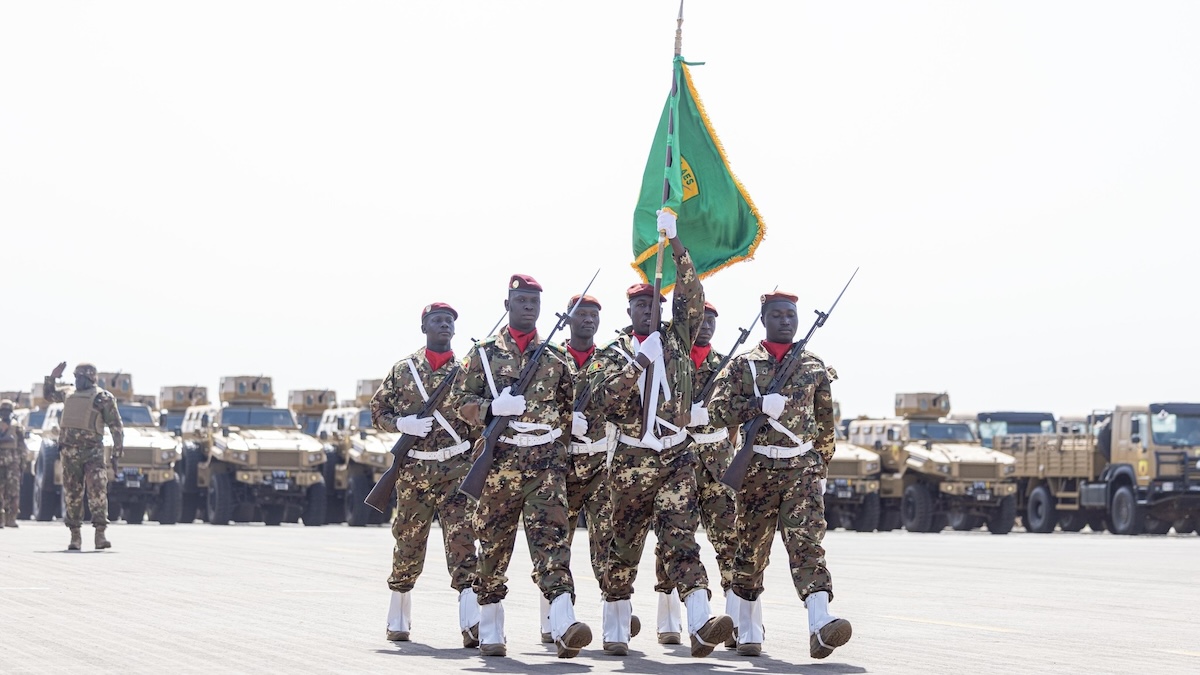
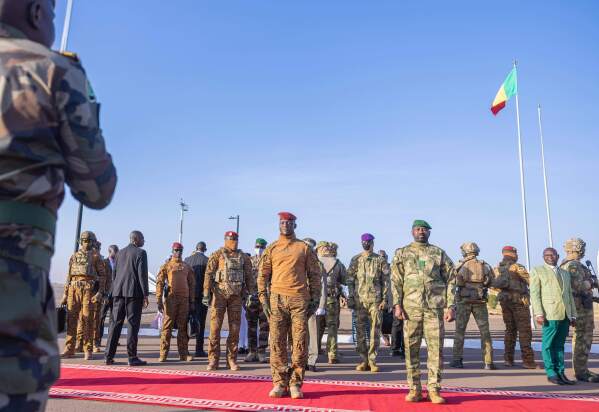
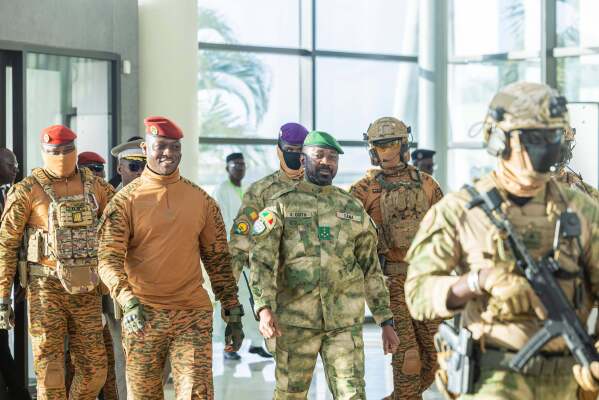
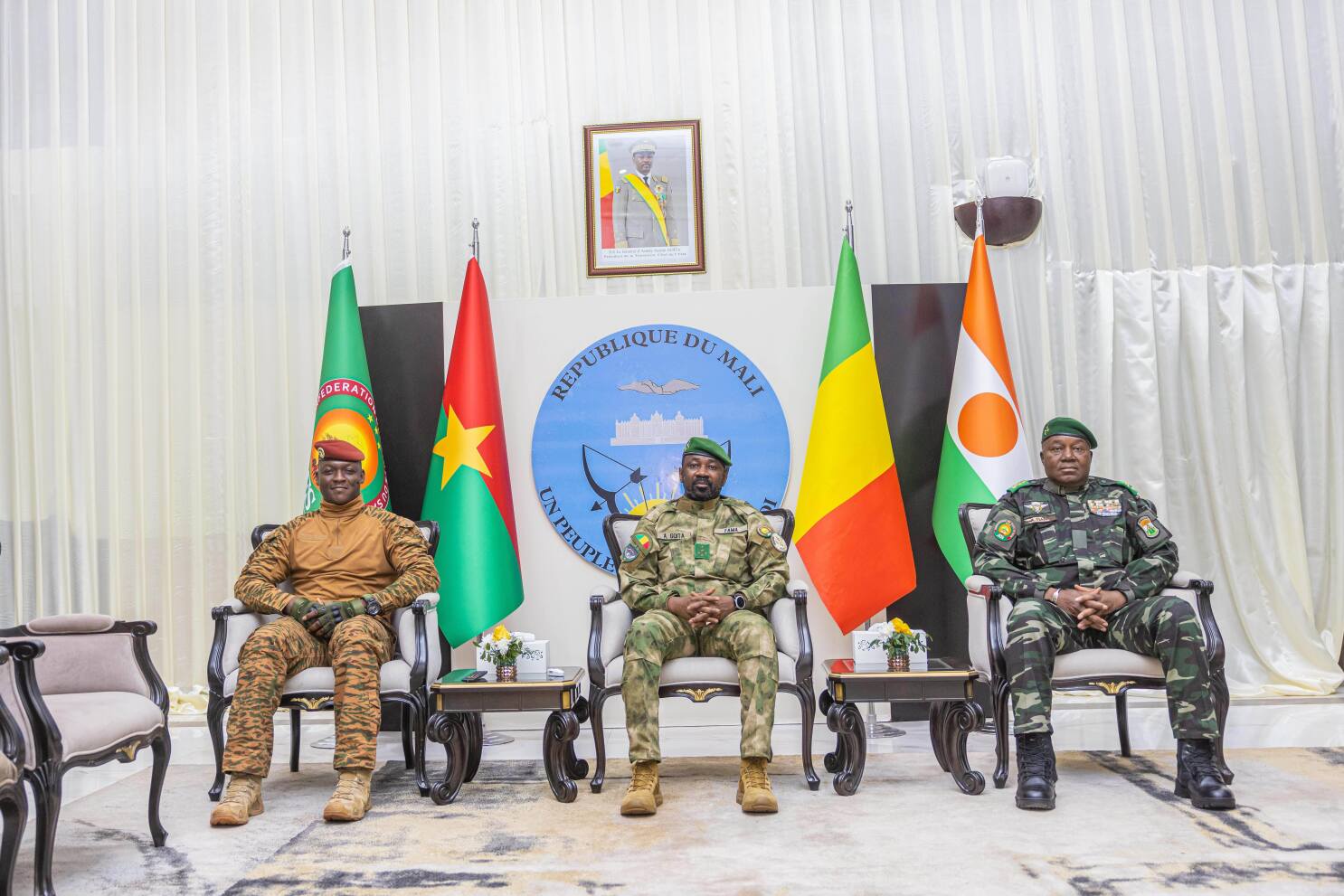
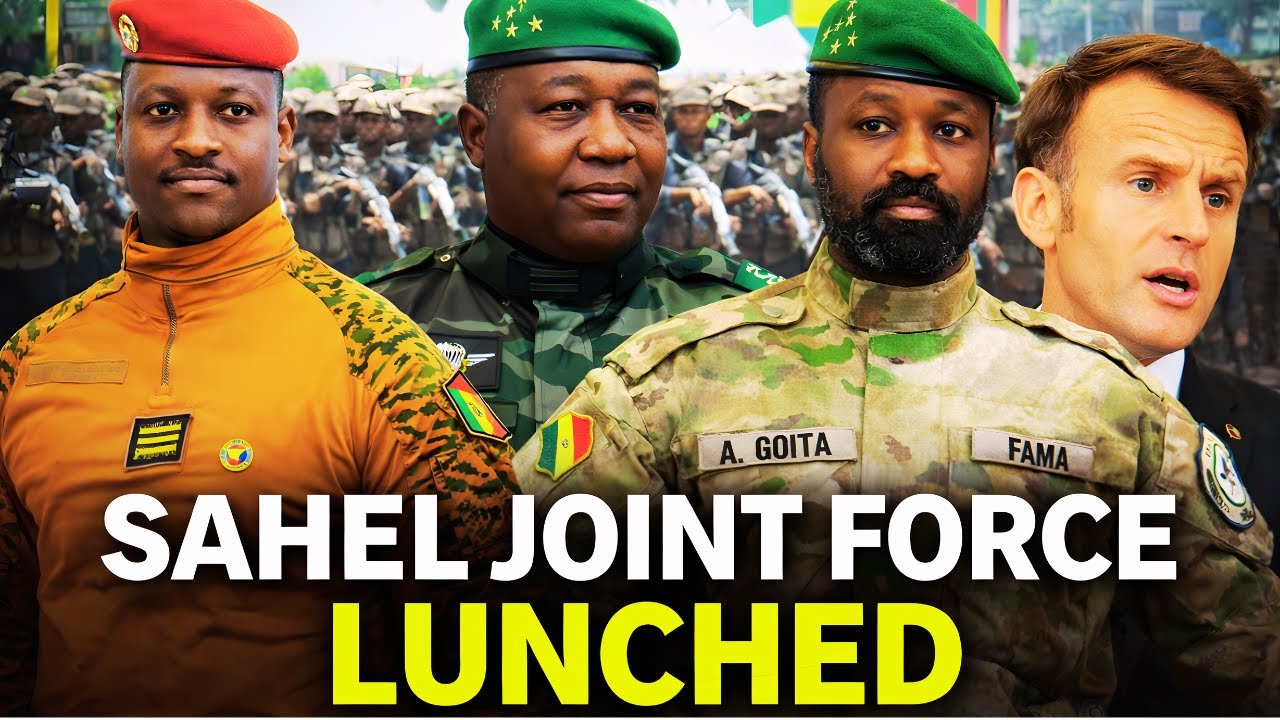
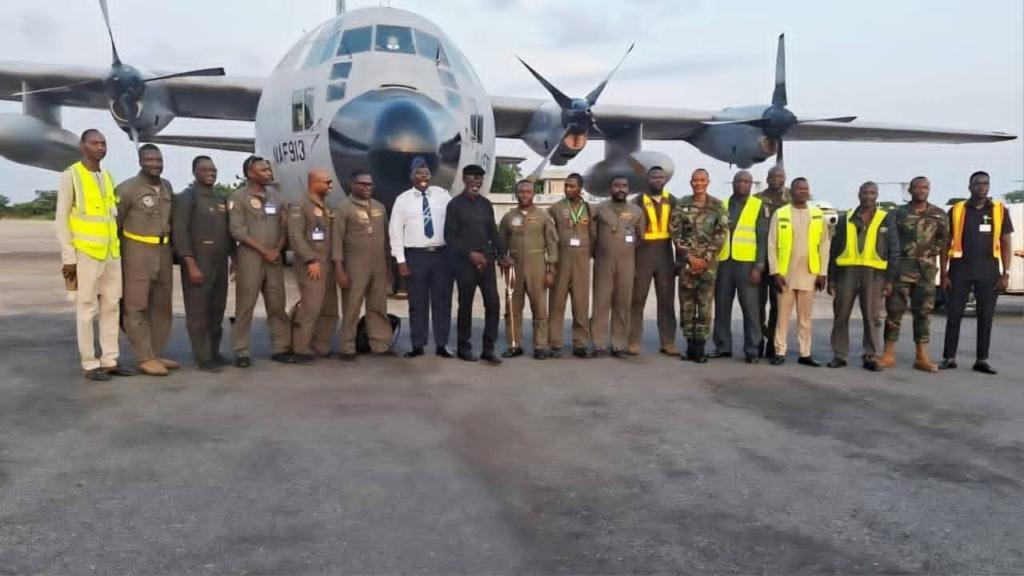
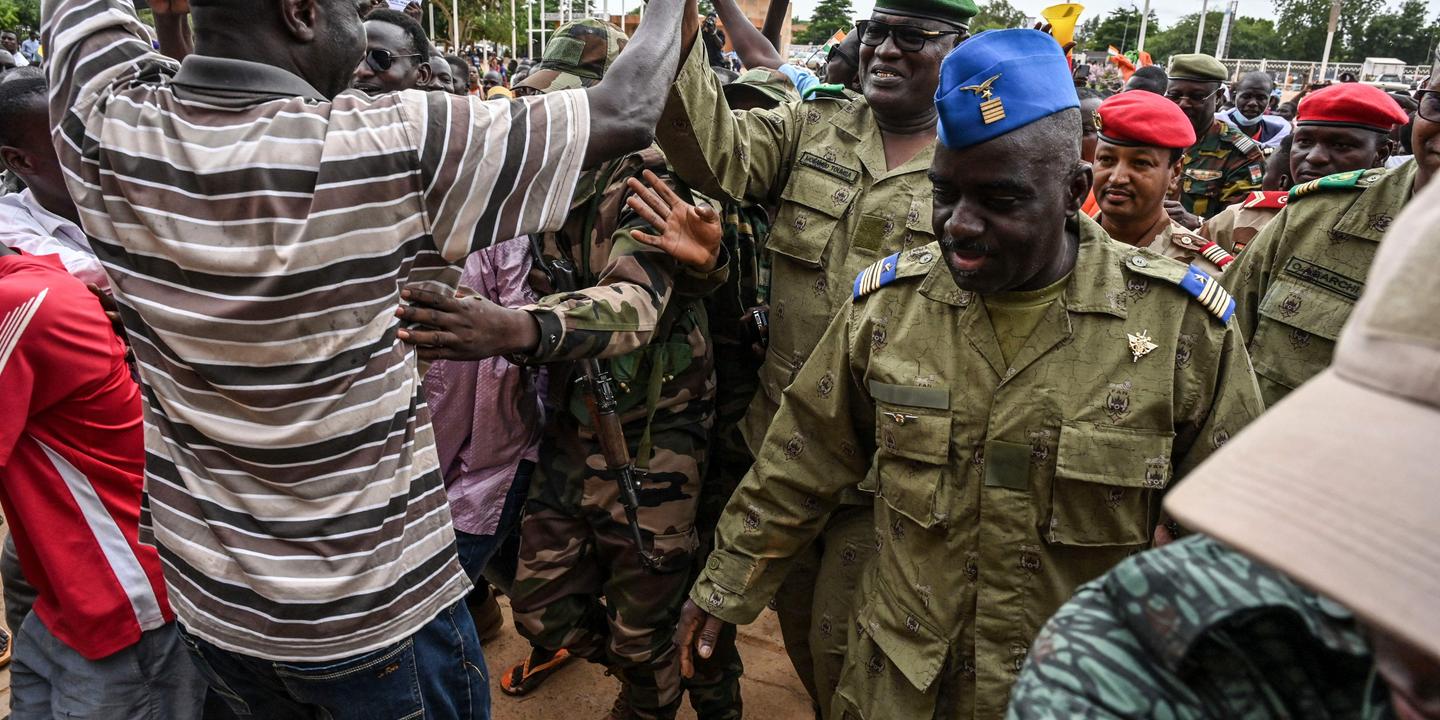
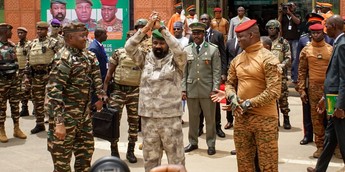
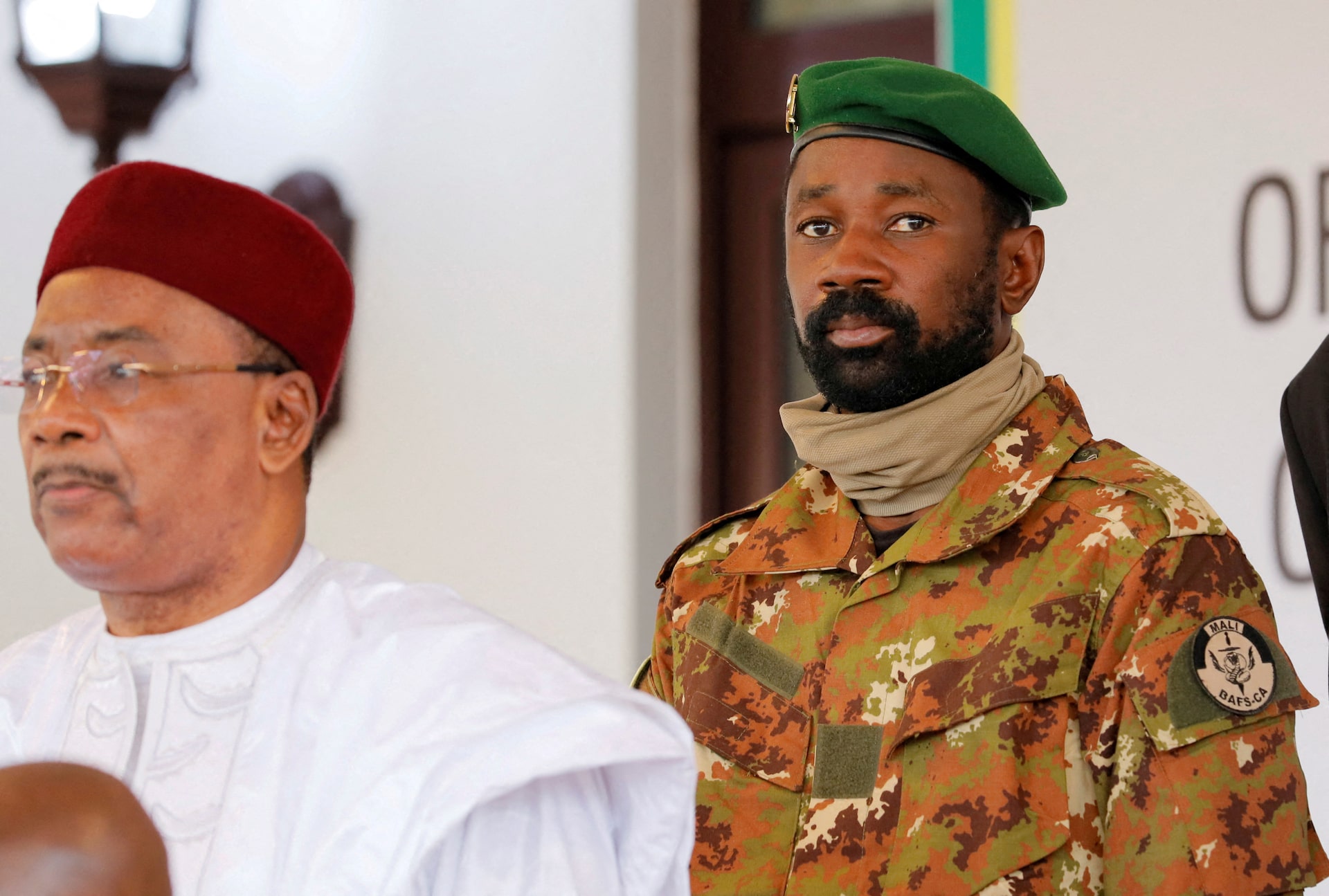
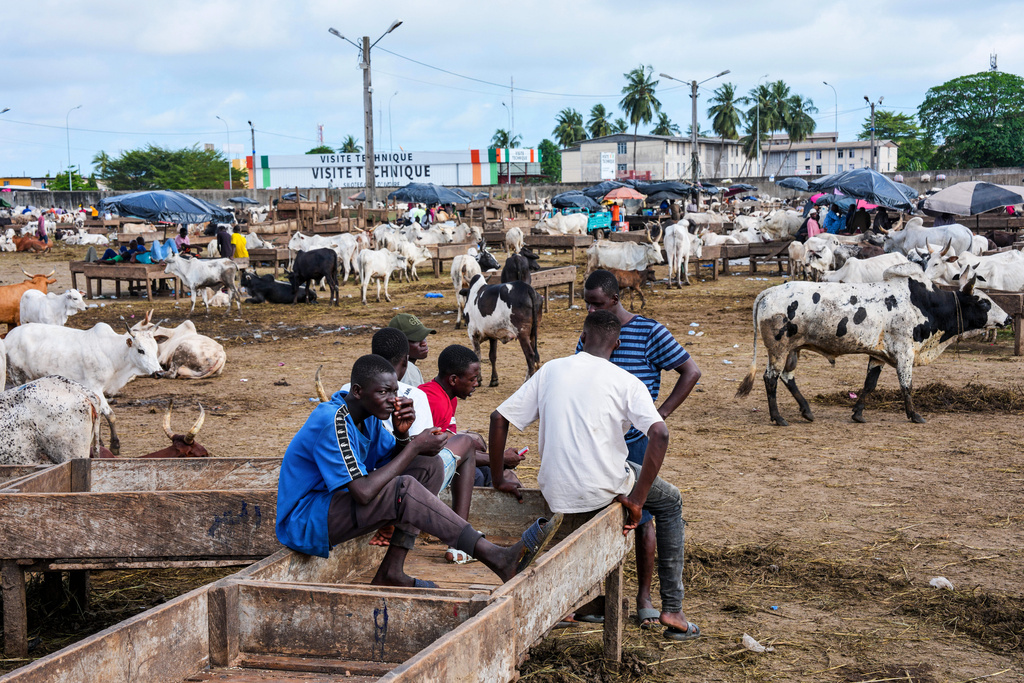
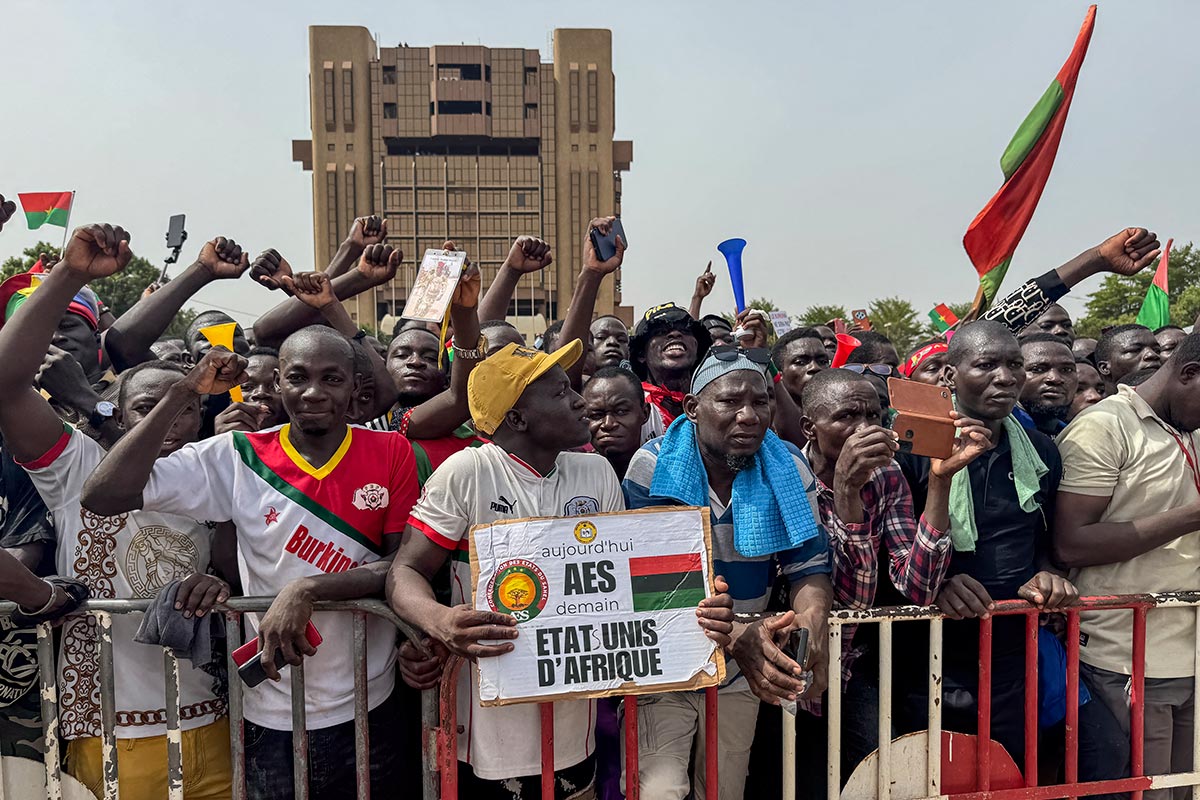
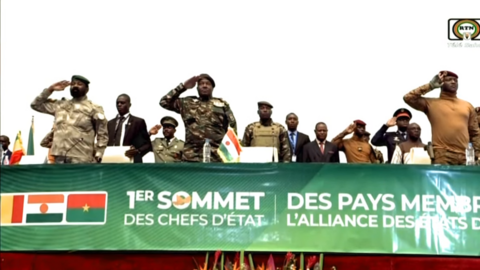
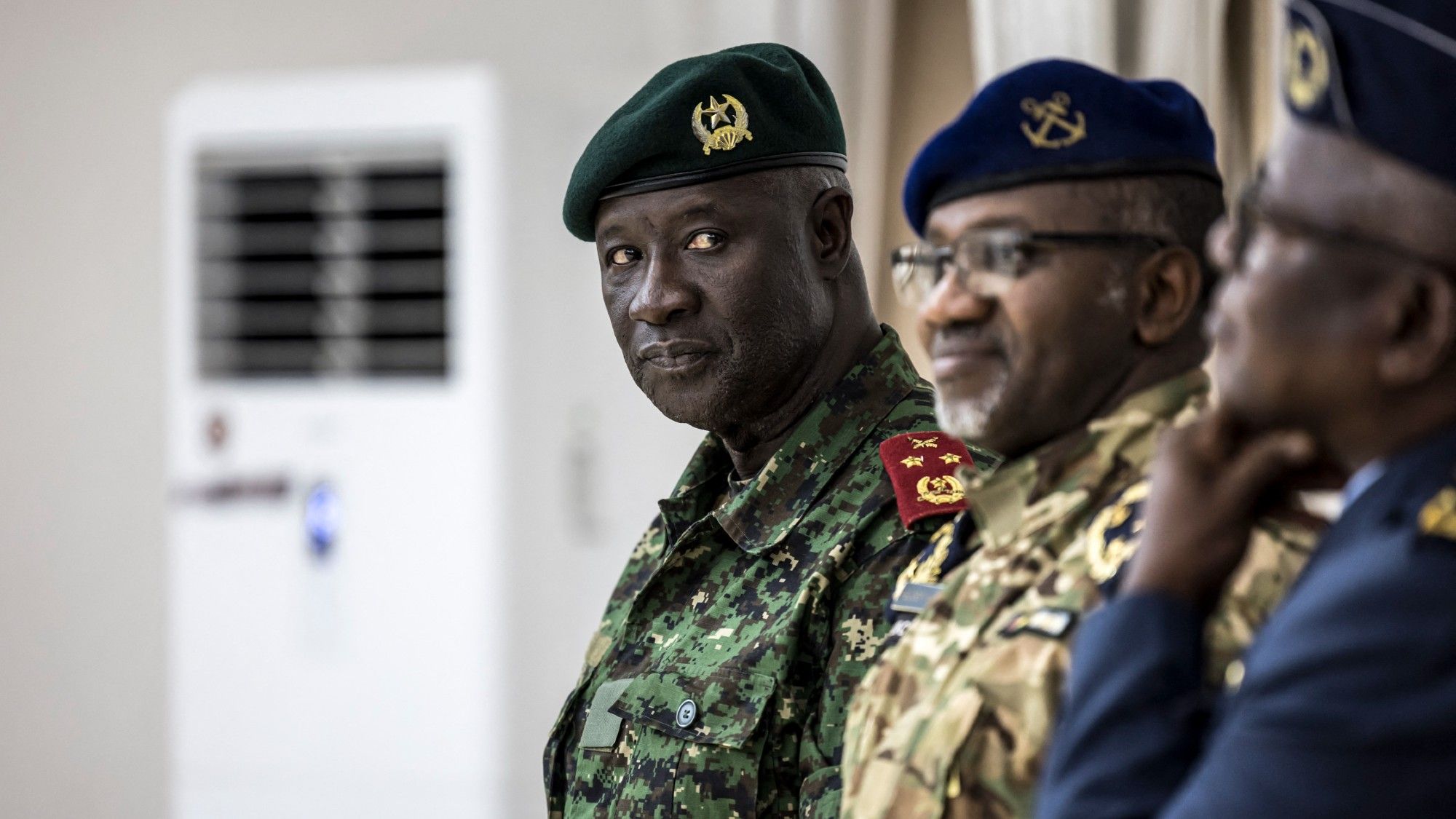
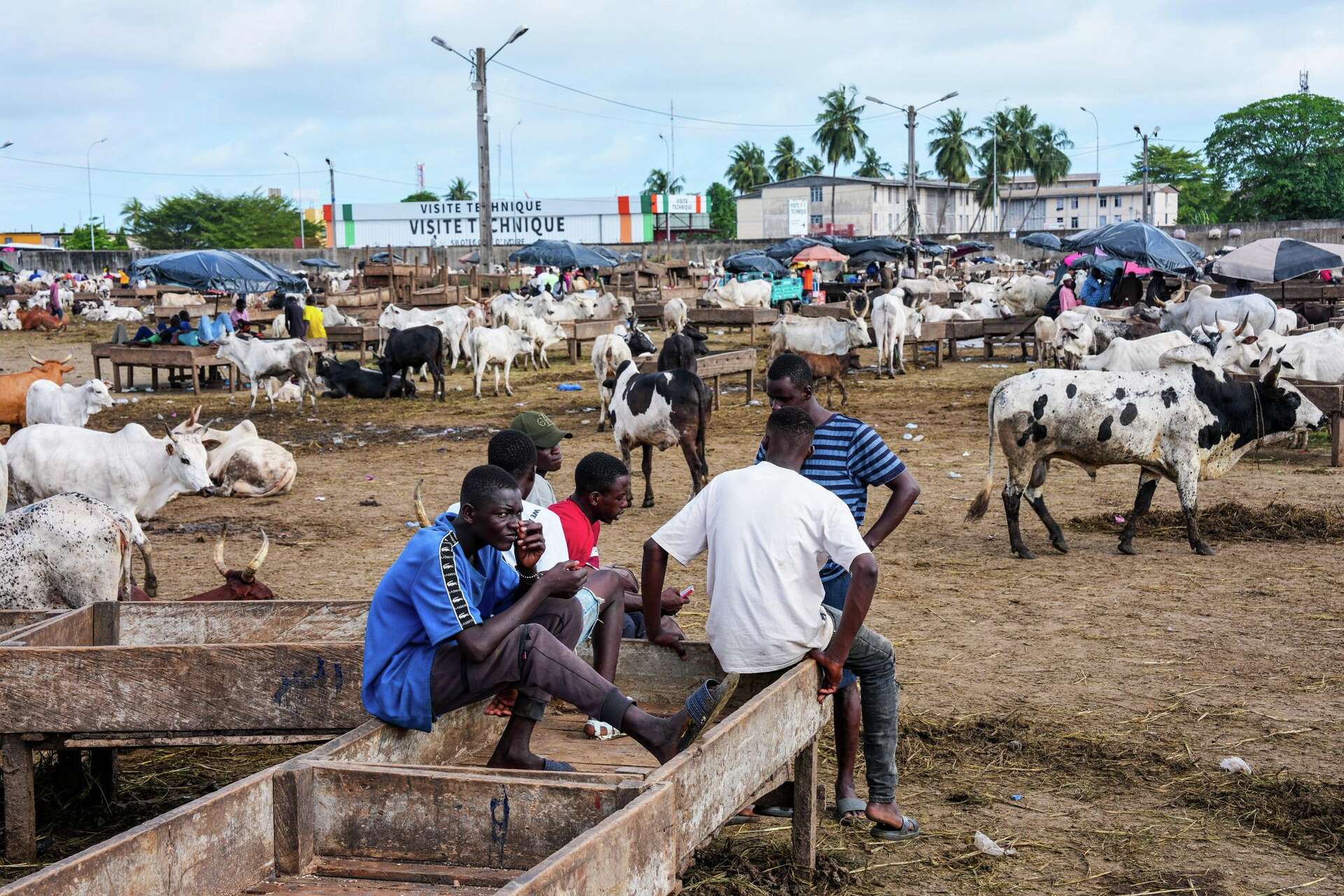
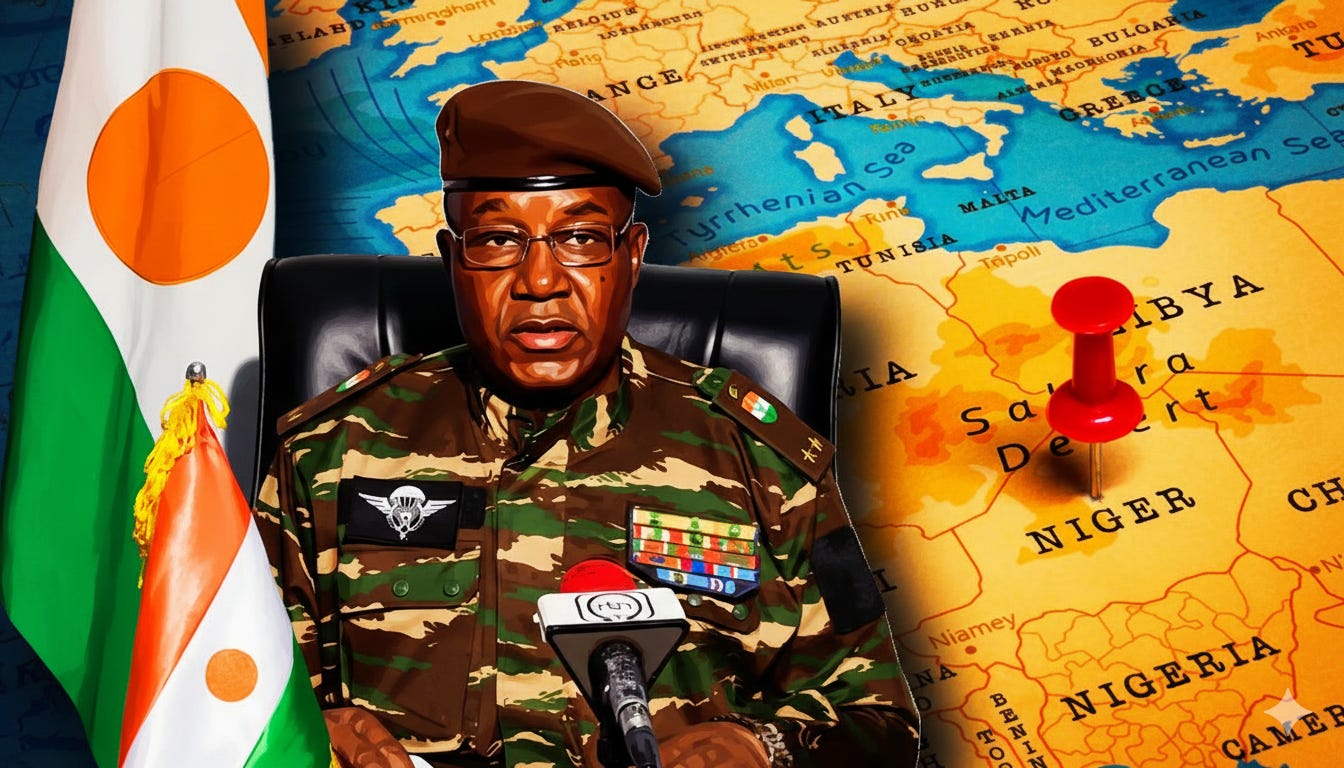
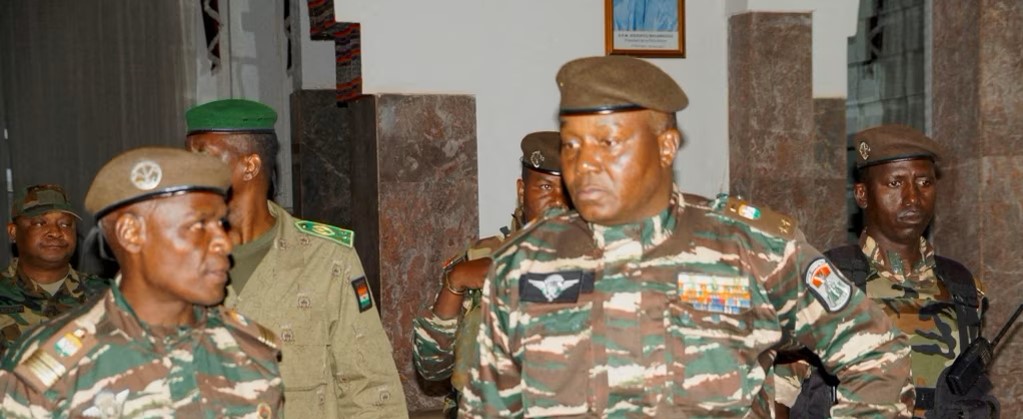
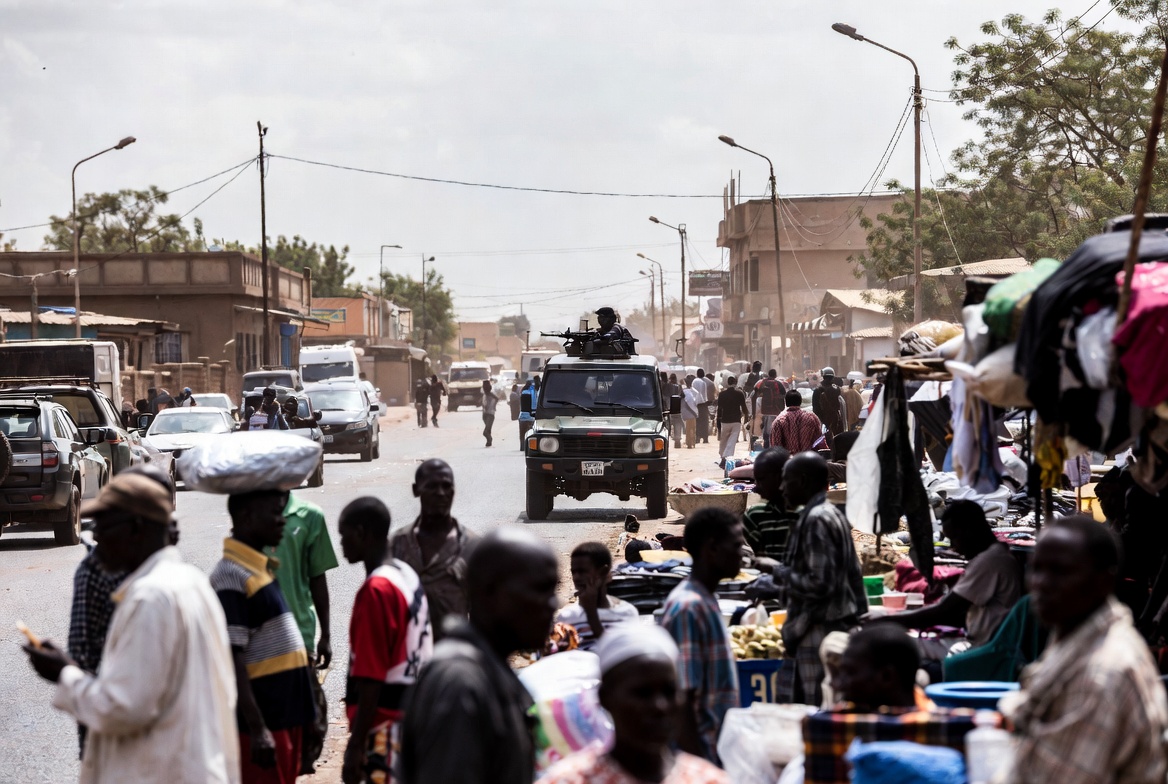
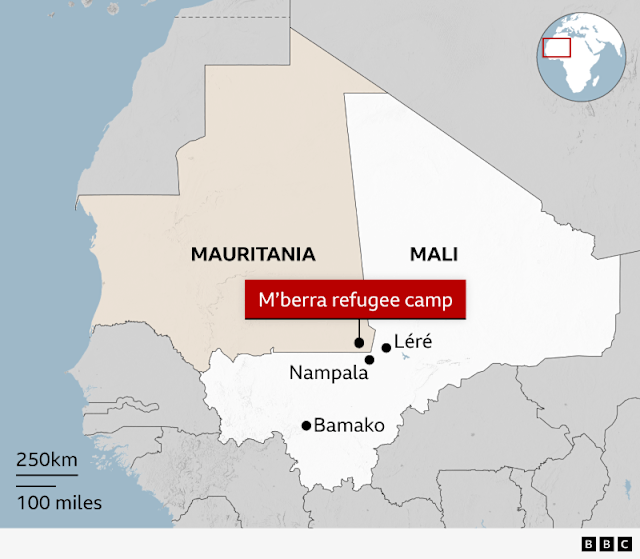
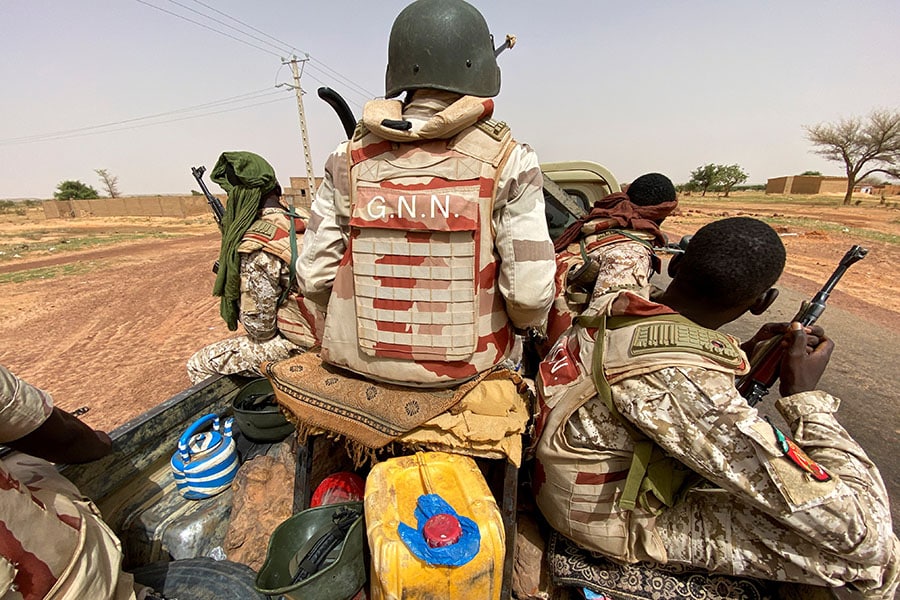
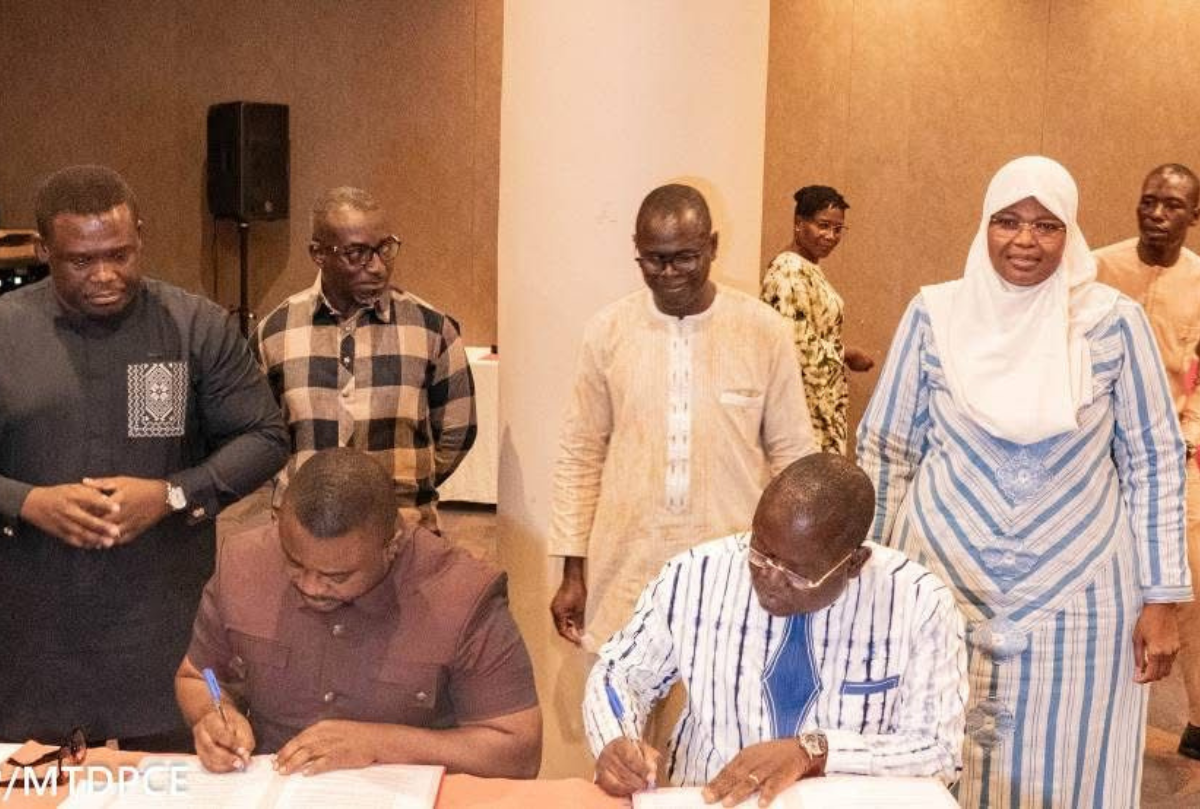
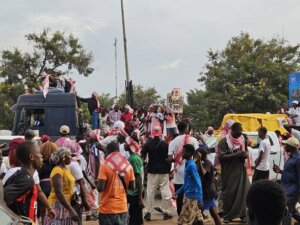
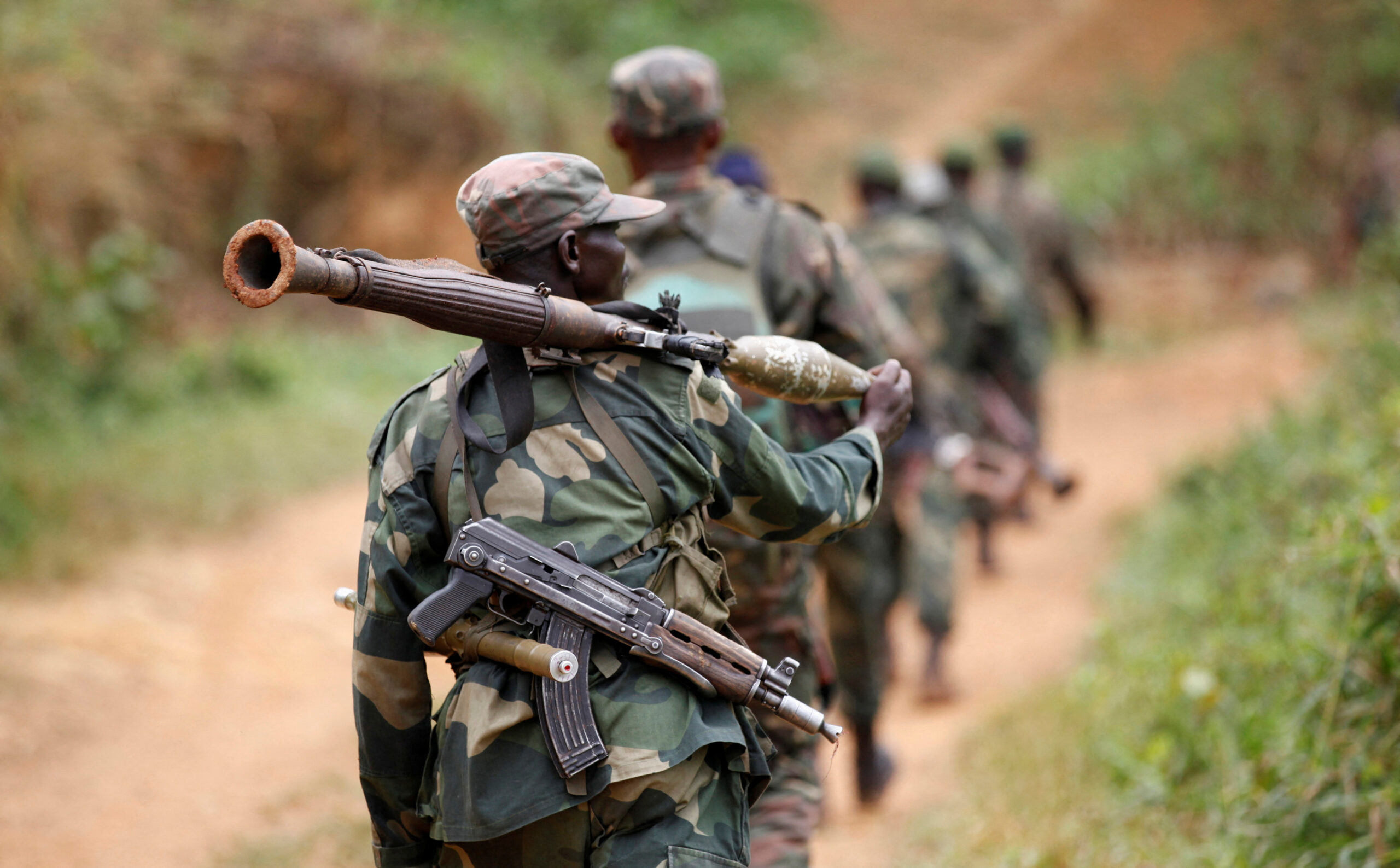
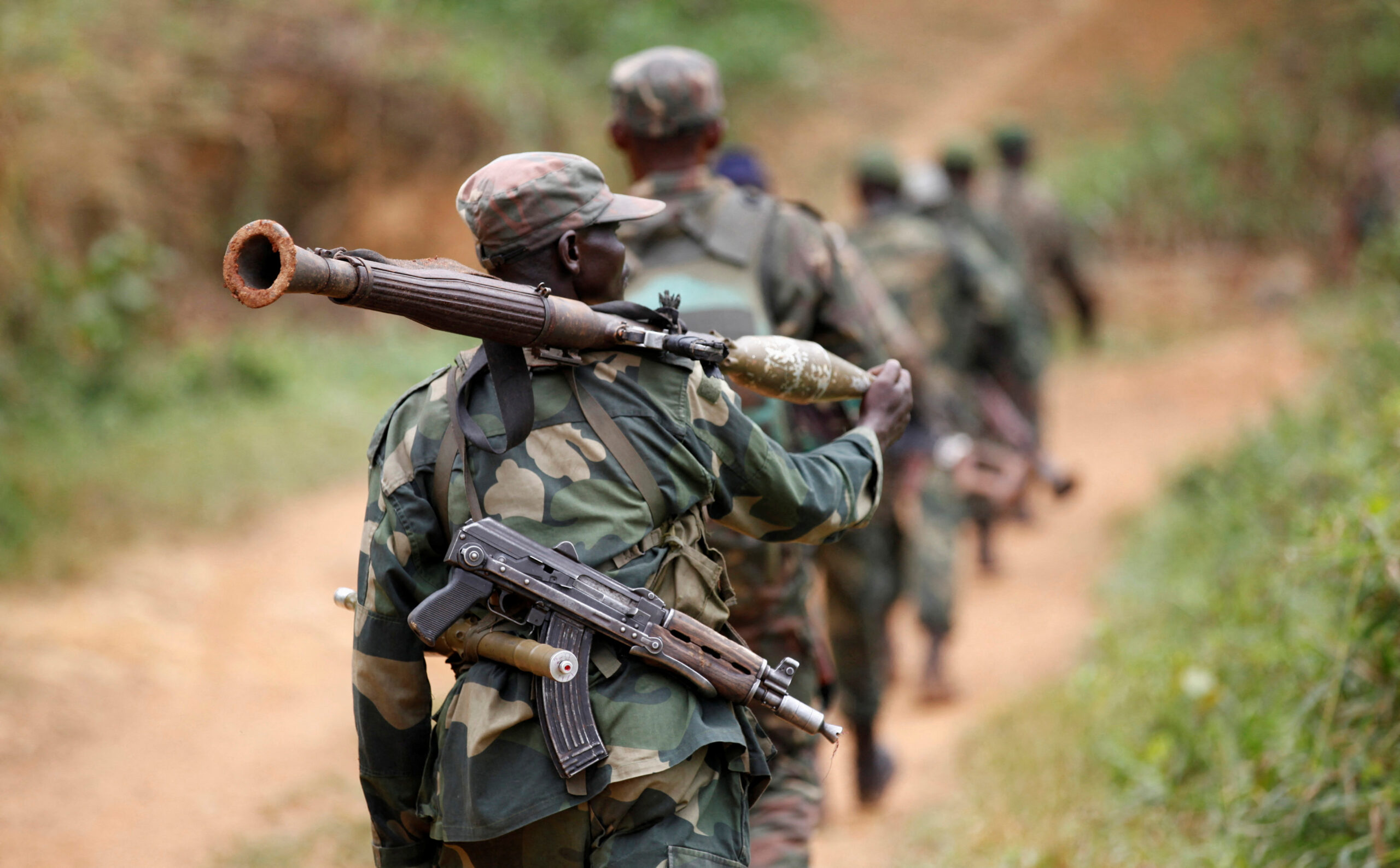
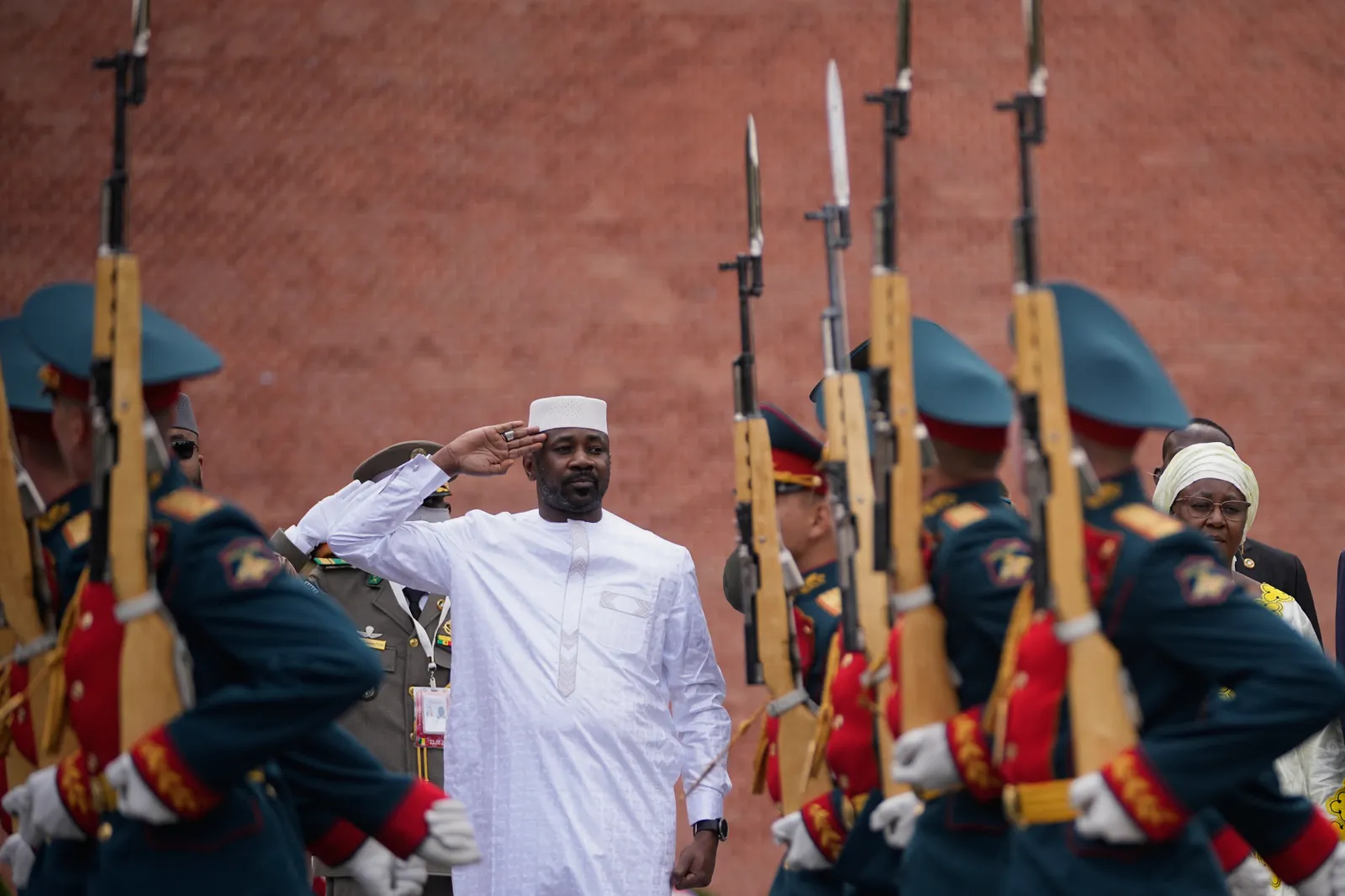
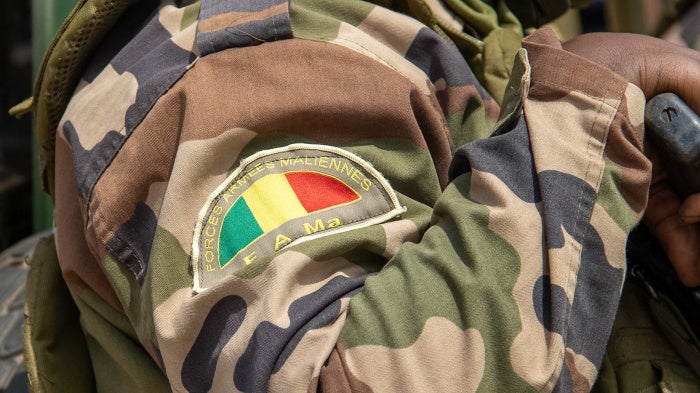
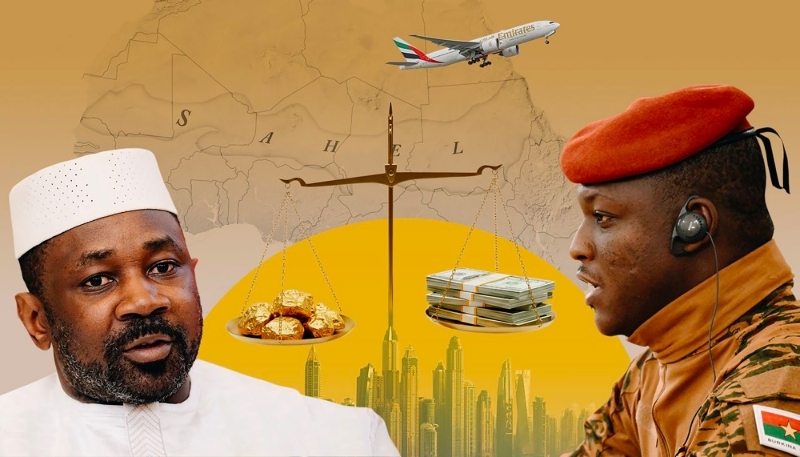
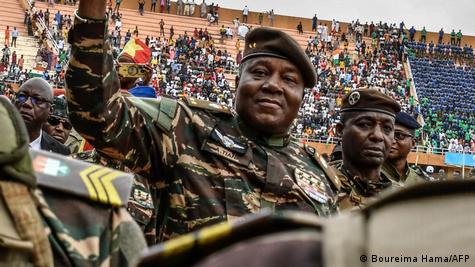
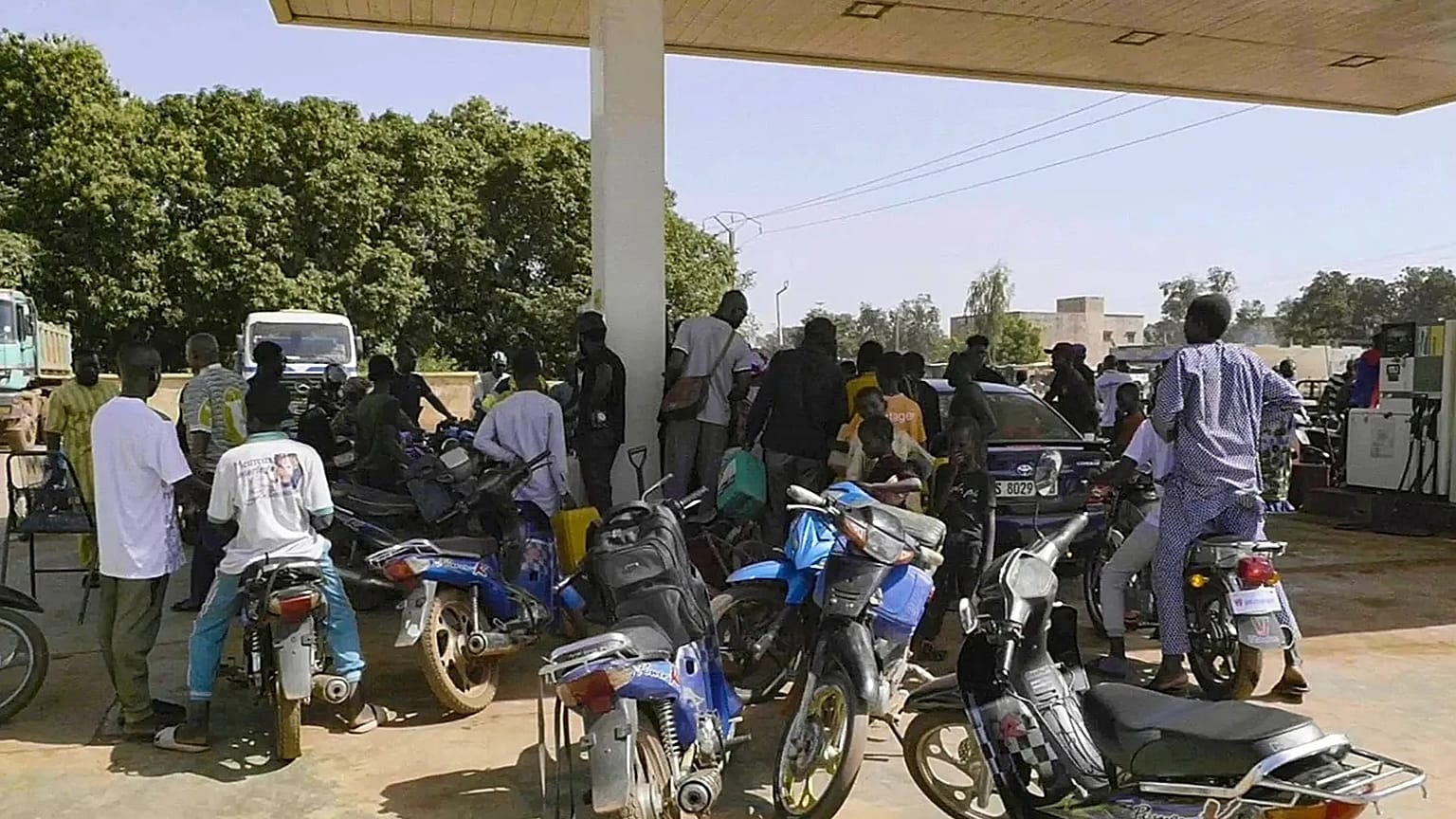
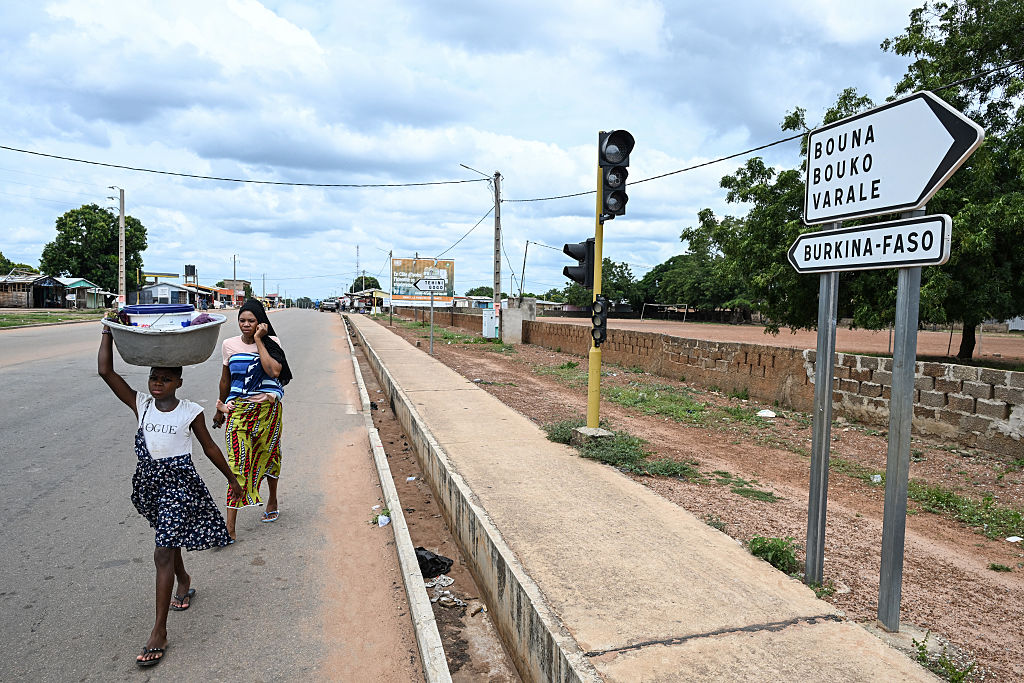
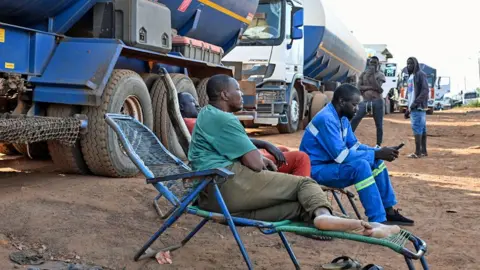
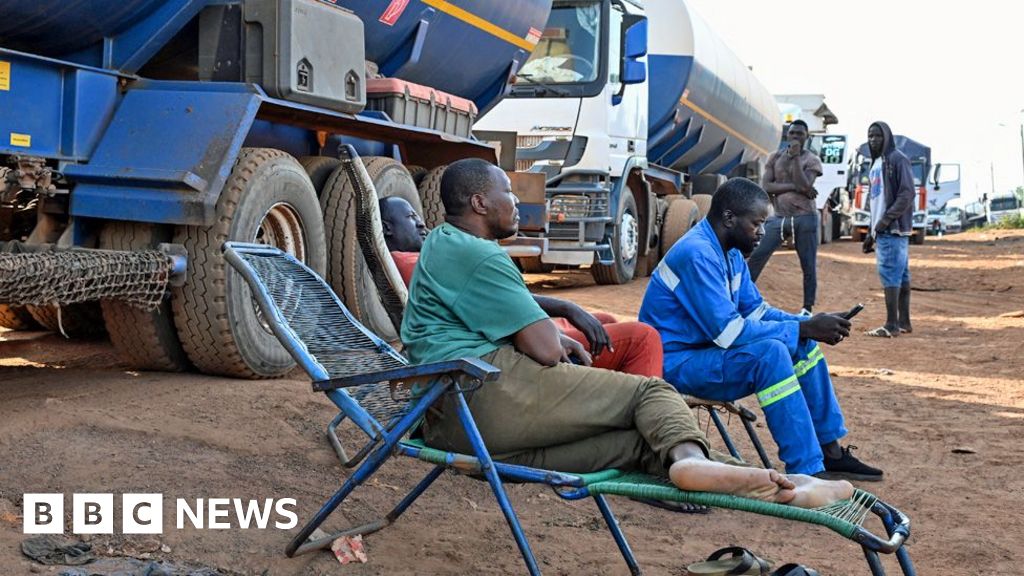
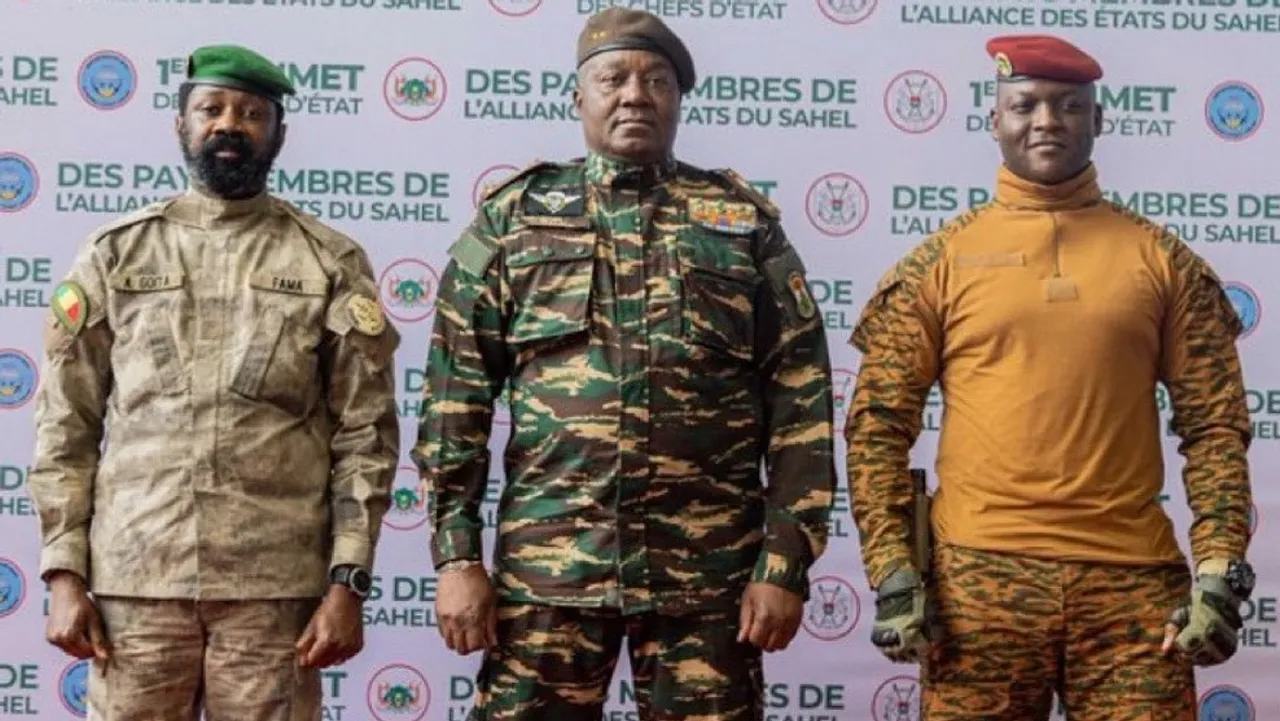
Security concerns, for instance, are hitting trade and mobility hard. Just ask the Moroccan truckers operating in Mali; they’re sounding the alarm over their safety. This volatility even forced Malian authorities to temporarily close their land border with Mauritania, a move that undoubtedly disrupted crucial trade flows and daily life. It just goes to show you how fragile supply chains are and the human cost when insecurity grips the region, especially for those who depend on cross-border commerce to survive. Diplomatic conversations are equally complex, reflecting the intricate regional dynamics at play. Qatar’s Ministry of Foreign Affairs, for example, recently clarified its position on cooperation with Mali. While emphasizing dialogue with the African Union’s Special Representative, Qatar also dismissed reports of direct collaboration with Malian and Sahel regional entities. This nuanced stance highlights the delicate balance of engagement in a region where alliances often attract intense scrutiny. Furthermore, the military leaders of Burkina Faso’s challenges, Mali, and Niger have collectively voiced strong opposition to perceived foreign intervention, specifically condemning U.S. actions in Venezuela. This united front from the Sahel alliance really underscores their call for sovereignty and a plea for the United Nations to handle international diplomacy with fairness and neutrality. It offers a clear glimpse into how these regional players view global power dynamics and external influence.
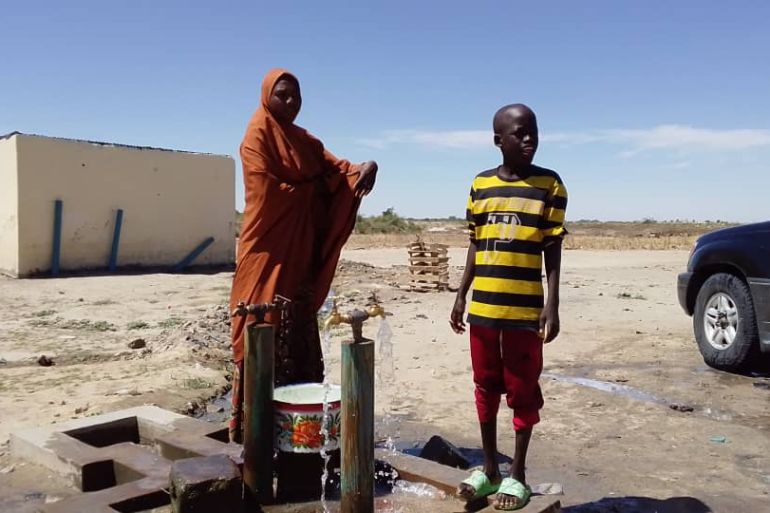
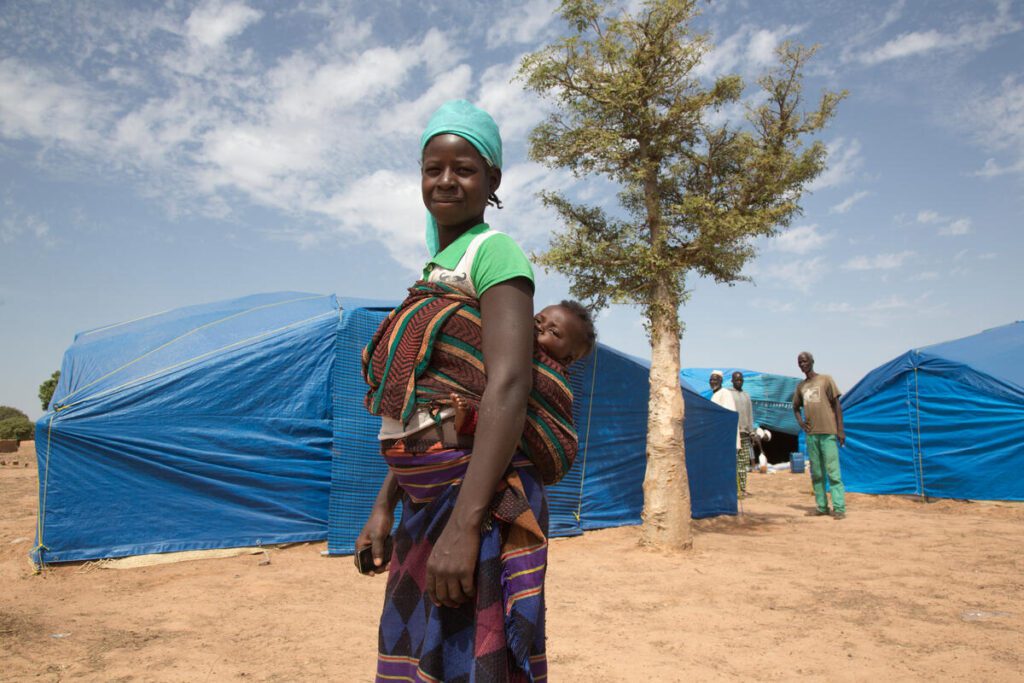
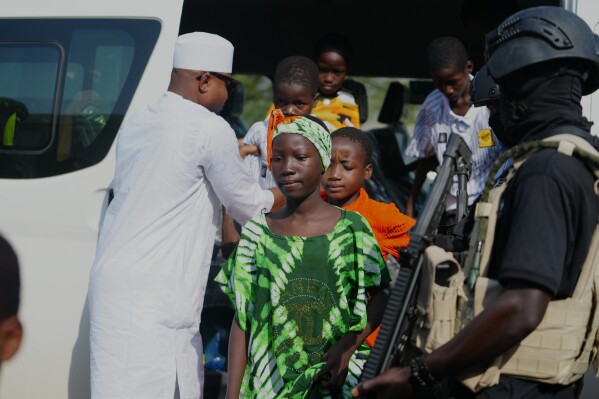
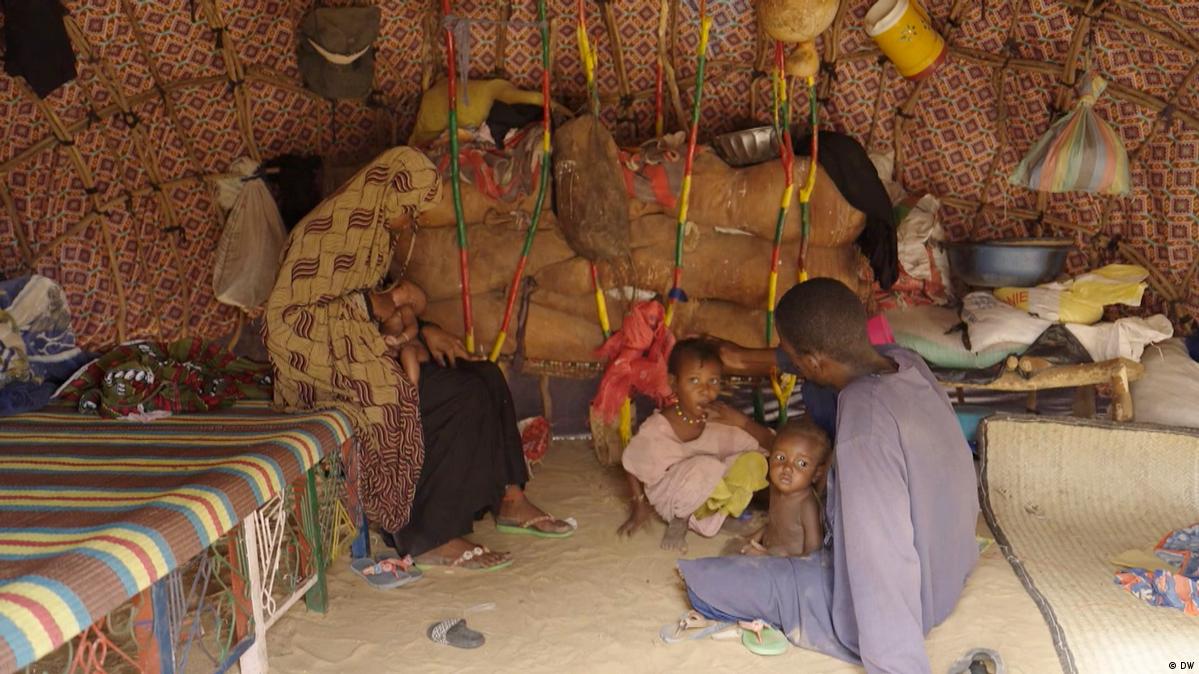
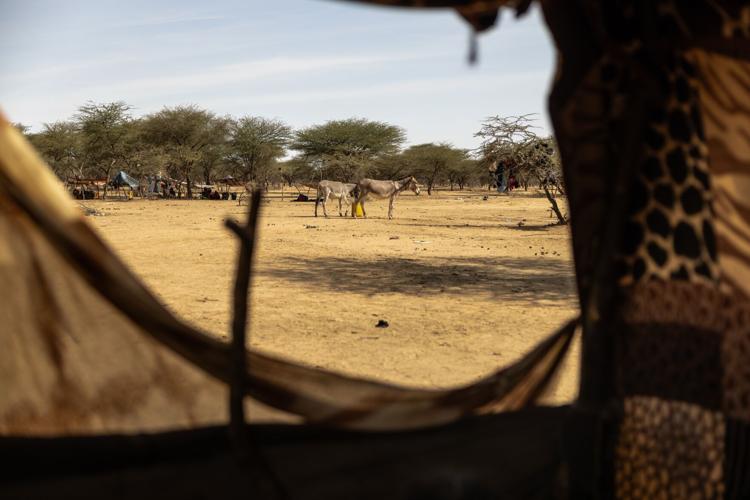
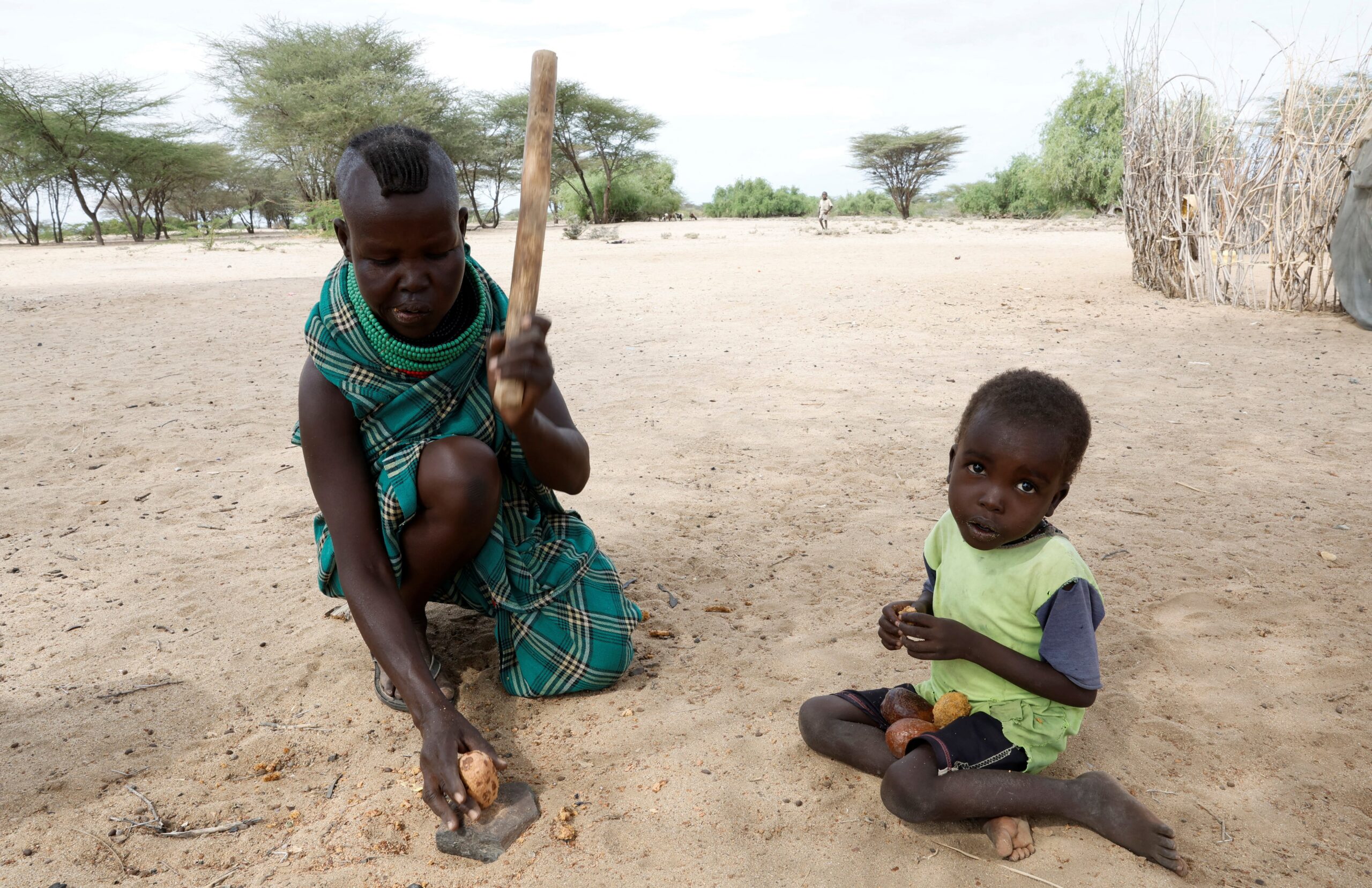
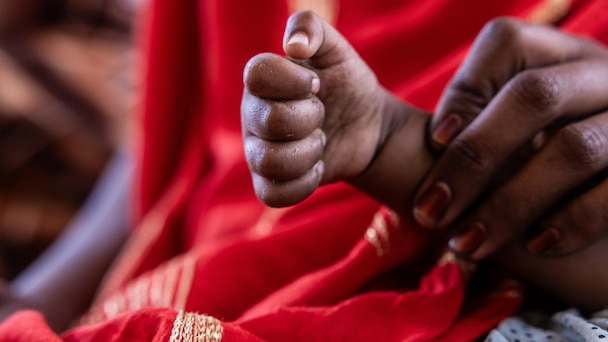
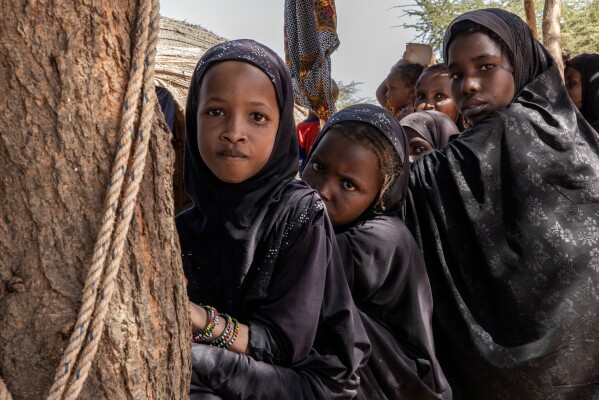
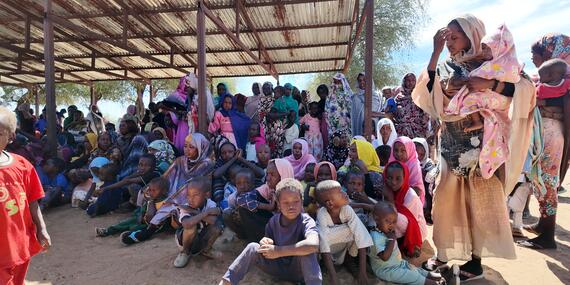
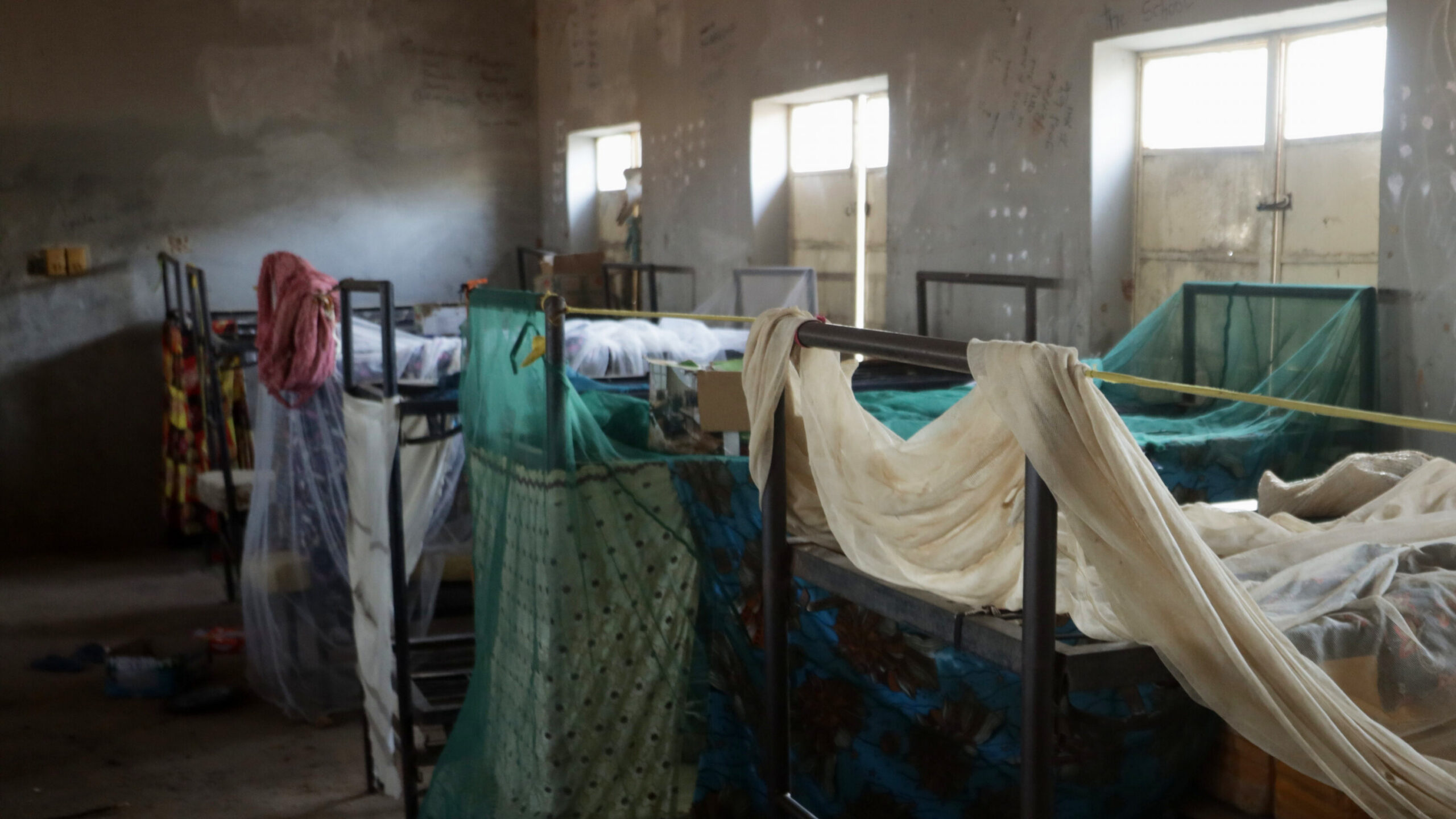
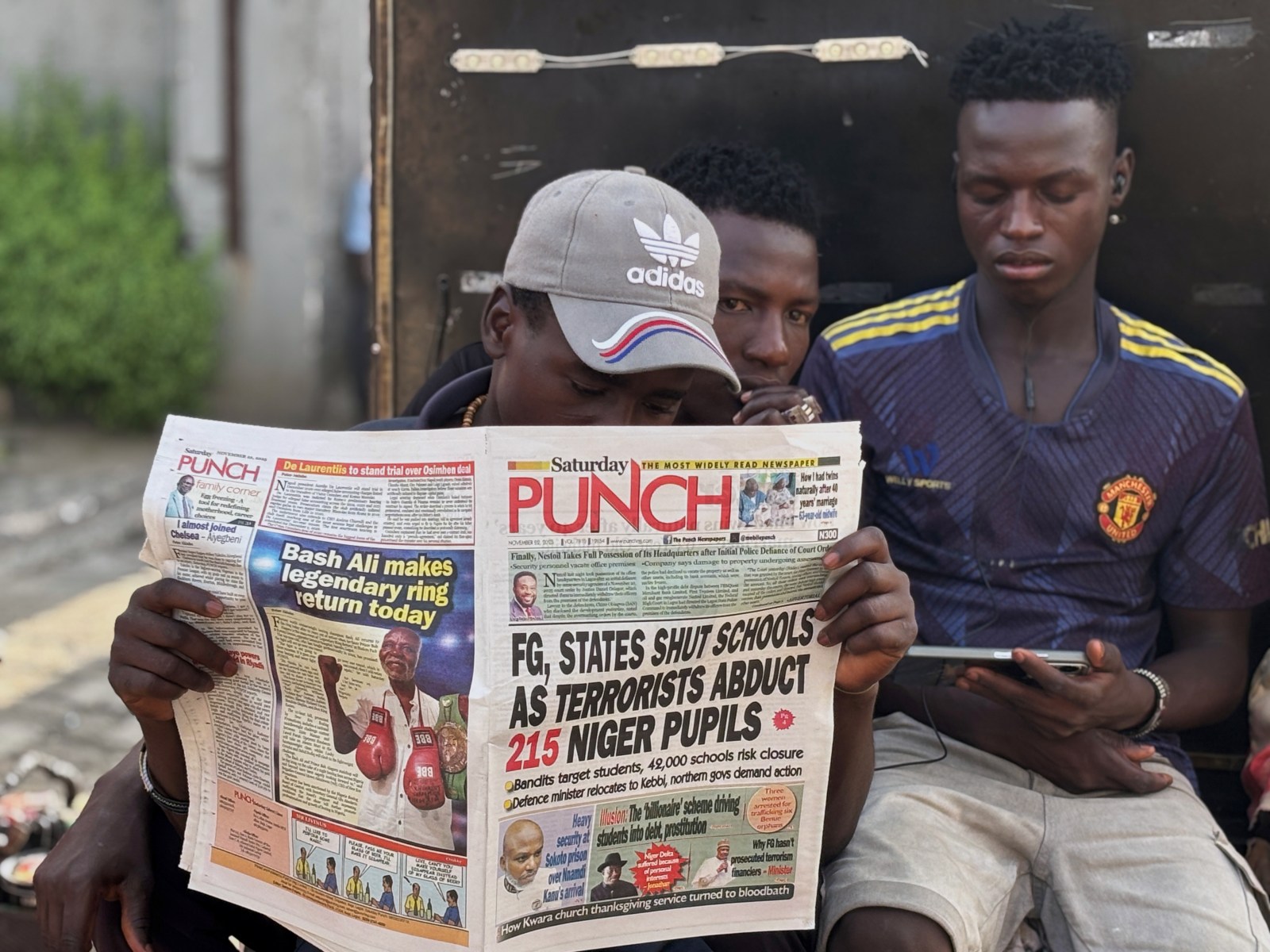
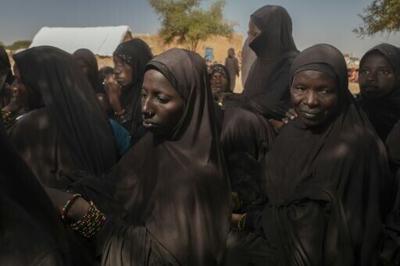
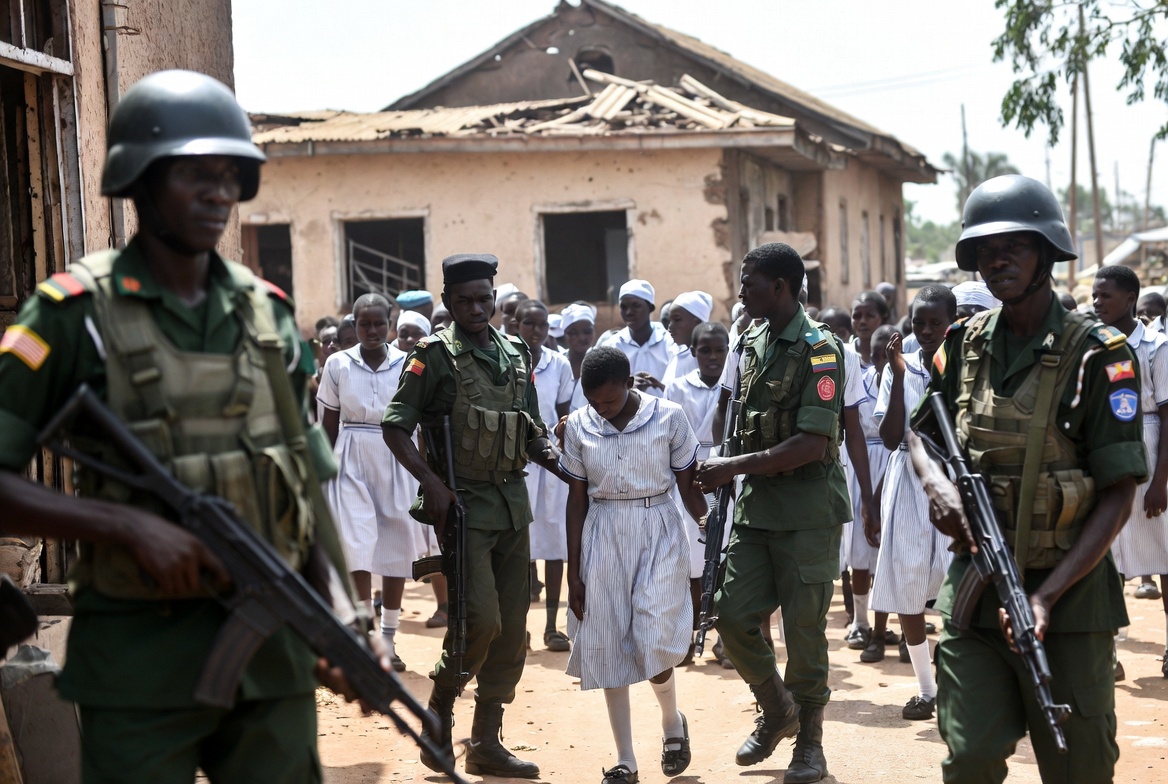
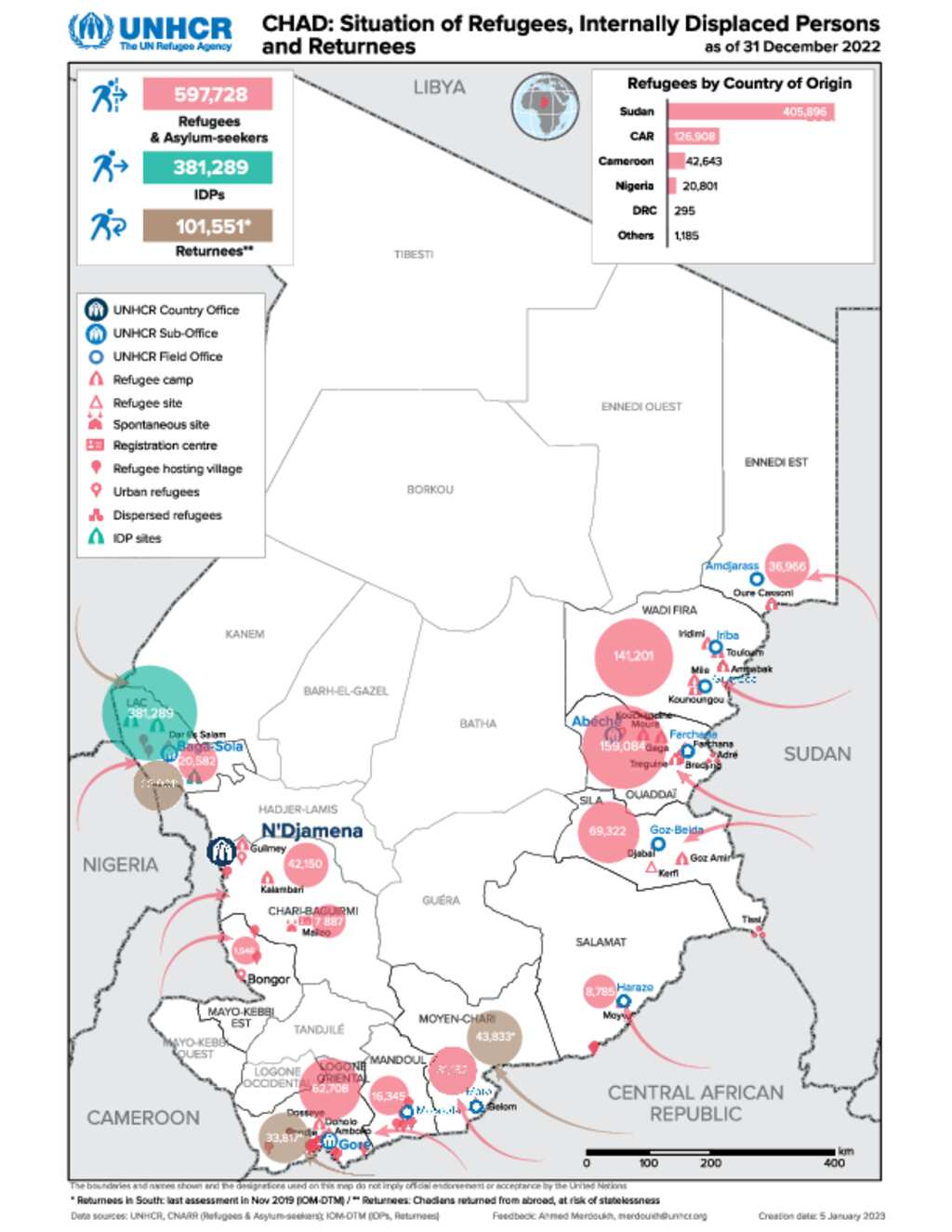
While security and politics grab headlines, we can’t forget the humanitarian aspect, which remains both urgent and often overlooked. An estimated 12 million people across the Central Sahel are in dire need of assistance, and roughly 8.2 million children are particularly affected by trauma and displacement due to ongoing conflict. Though humanitarian groups are working tirelessly to help children process trauma and stress, the sheer scale of need far outstrips the available resources. This vulnerability among the youth is a pressing concern, isn’t it? The long-term social impact of all this violence and unrest could severely jeopardize the Sahel’s development prospects unless we see comprehensive and sustained interventions. Looking ahead, the region’s challenges are deeply intertwined. Tackling Sahel’s security crisis means restoring safe passage for trade and communities, while also building trust among national and regional stability efforts. Diplomatic engagements, like Qatar’s careful approach and the Sahel military alliance’s demand for sovereignty, reveal tensions that require a delicate balancing act between cooperation and respect for independence. Most importantly, humanitarian strategies must significantly ramp up support for vulnerable populations, especially children, to mitigate the profound psychological and developmental scars caused by prolonged conflict. As this new year unfolds, collaborative mechanisms between African states, regional bodies, and international partners will be crucial. Prioritizing stability, security, and humanitarian relief, all at the same time, can genuinely pave the way for renewed hope in a region that truly stands at a critical crossroads. The Sahel’s future, ultimately, will depend on the ability of its leaders, communities, and allies to forge a path marked by resilience, inclusivity, and an unwavering commitment to peace.