Sahel’s Shifting Sands: Alliances, Threats, and a Precarious Path Forward
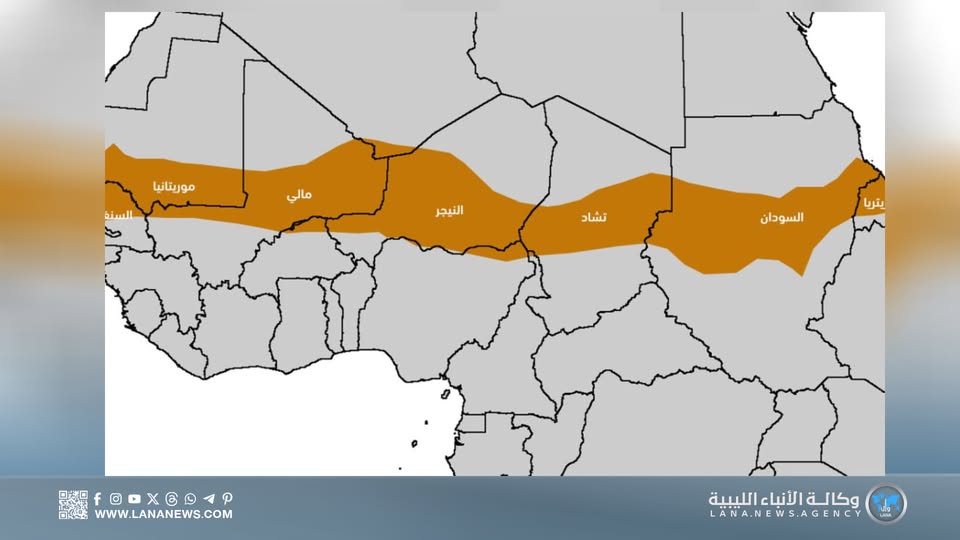
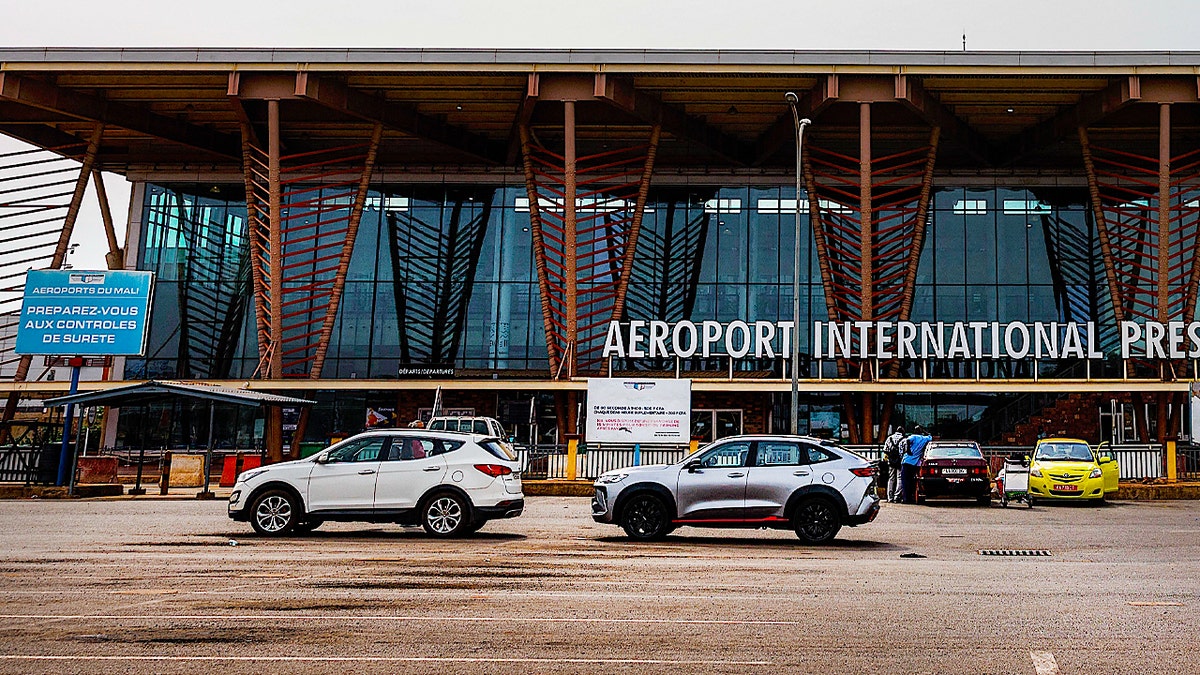
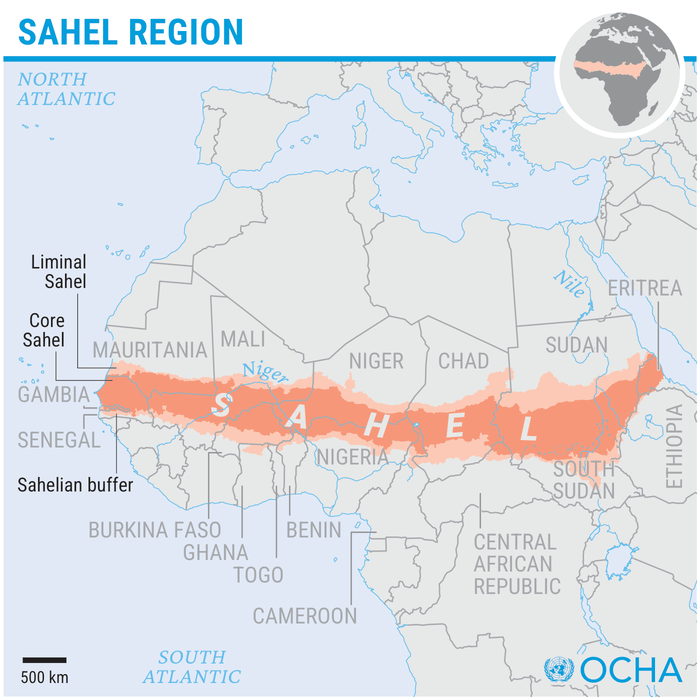
The Sahel, a vast and vibrant region spanning nations like Mali, Burkina Faso, Niger, and Chad, finds itself at a critical crossroads. Security and political dynamics here aren’t just local stories, they’re shaping the very stability of West Africa. We’re seeing a landscape quickly transform, marked by new military pacts, relentless jihadist violence, and deeply troubling human rights reports. Regional powers and international players alike are scrambling to adjust their positions in this uncertain and fiercely competitive environment.
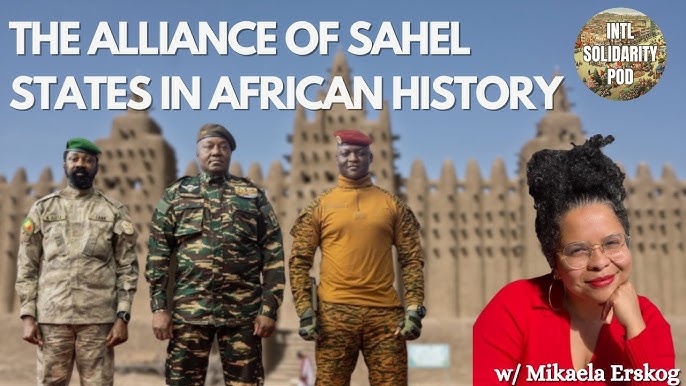
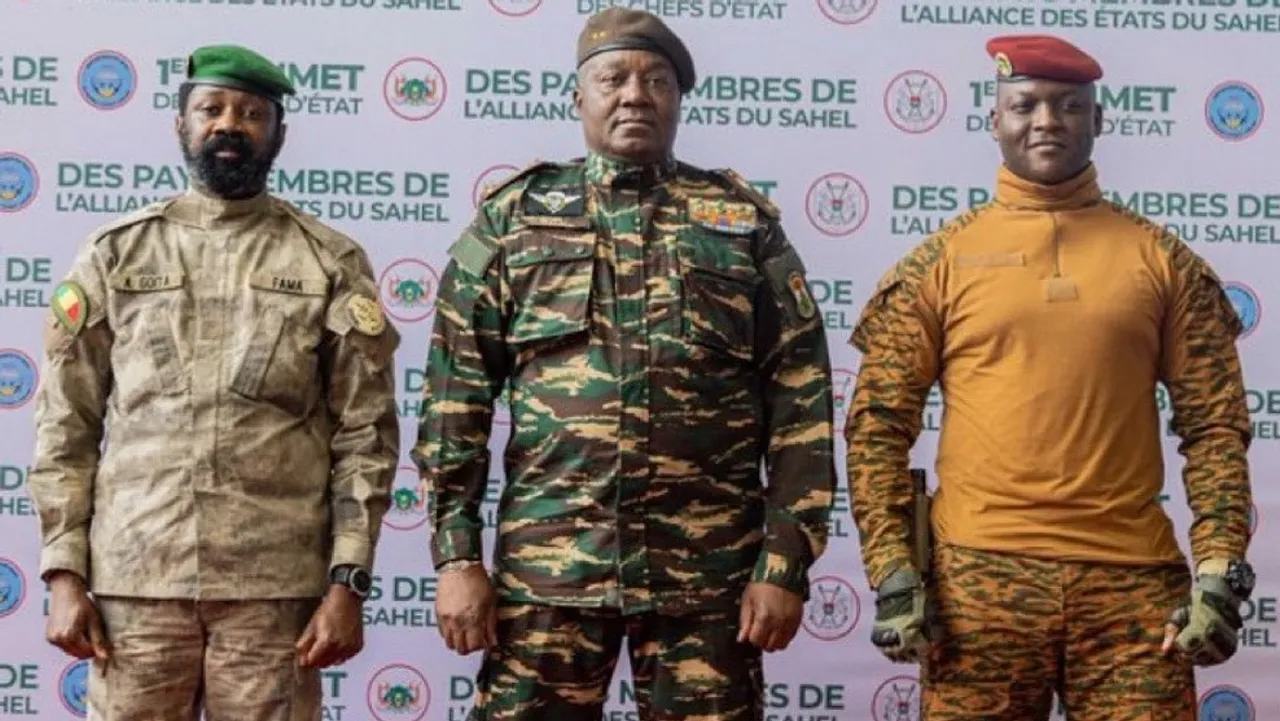
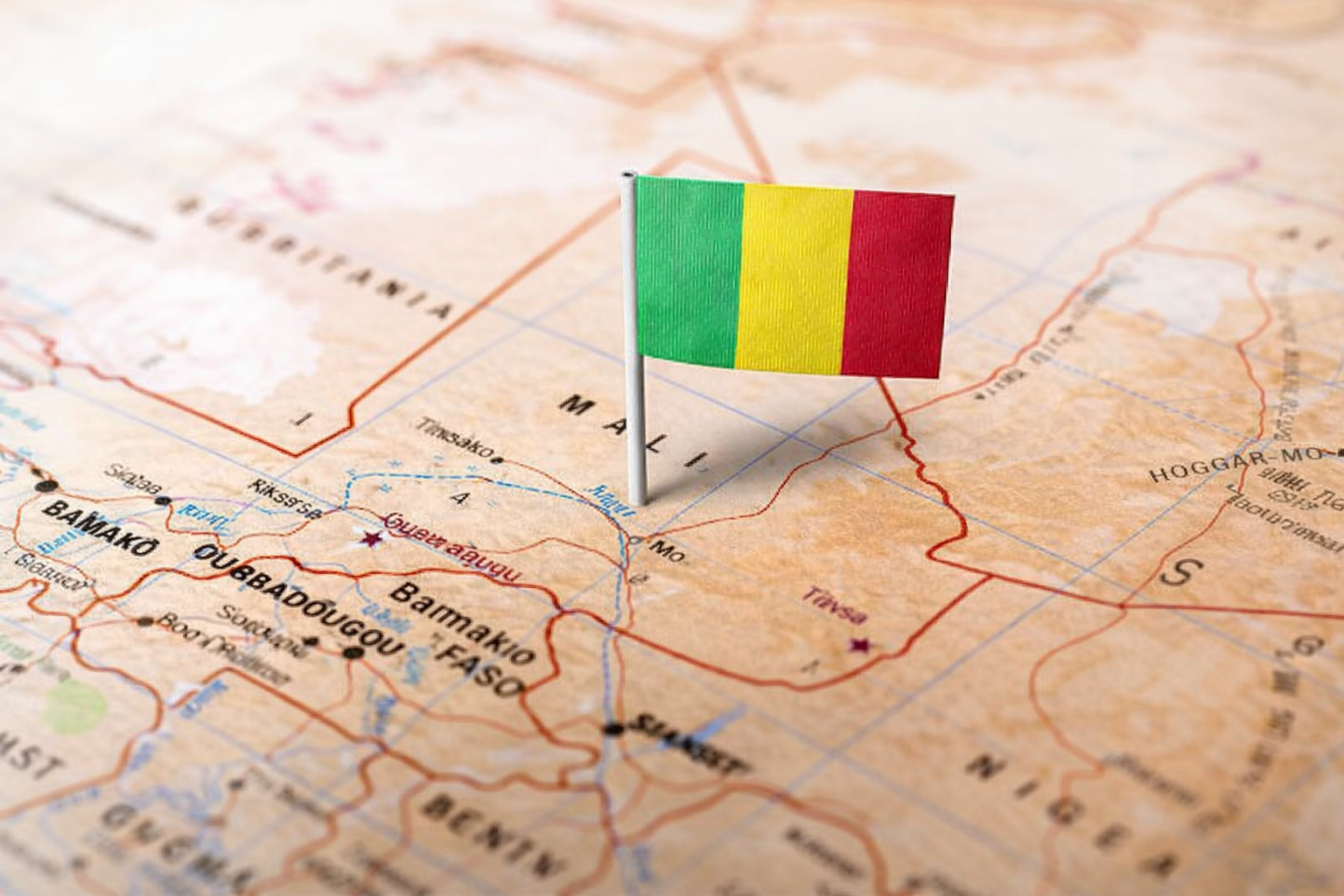
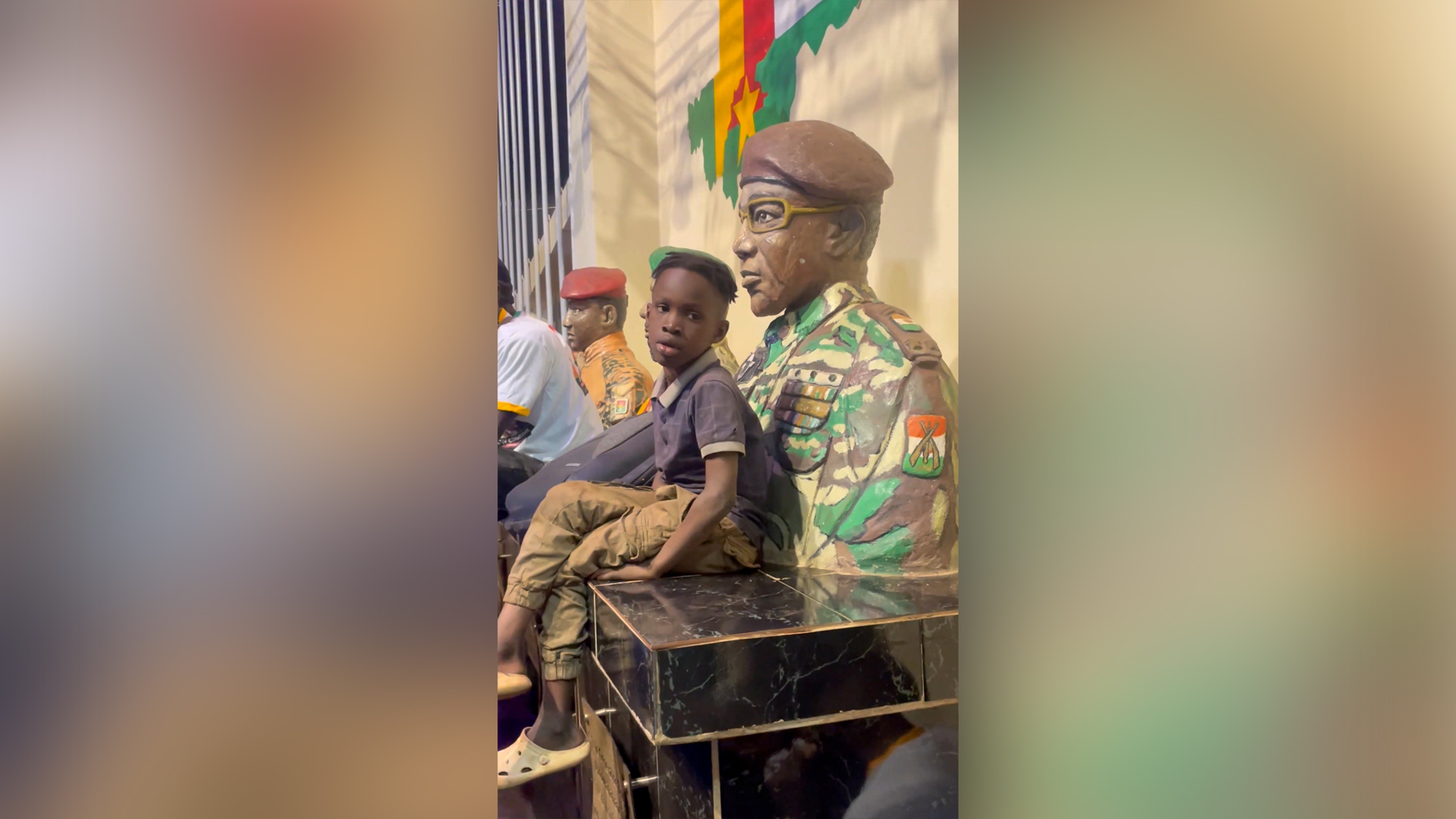
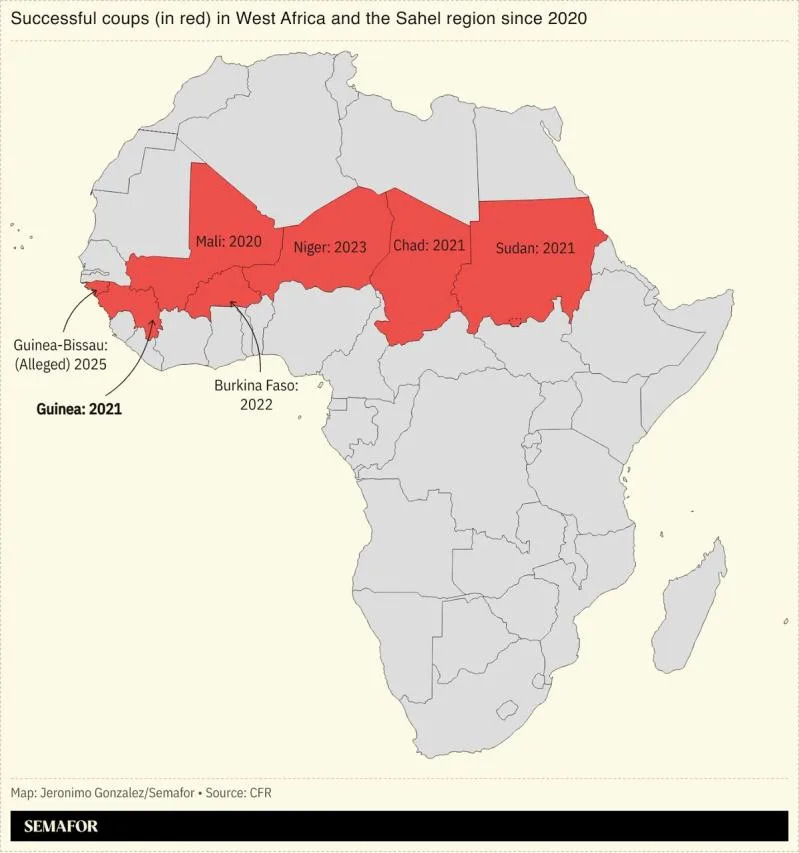
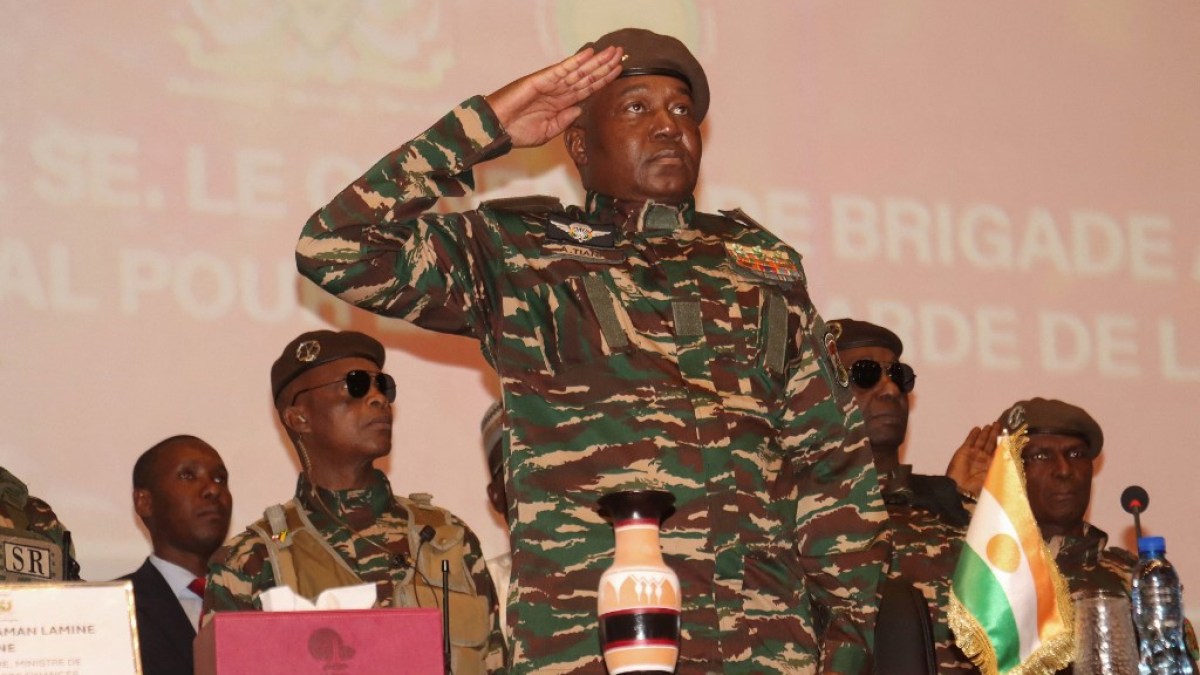
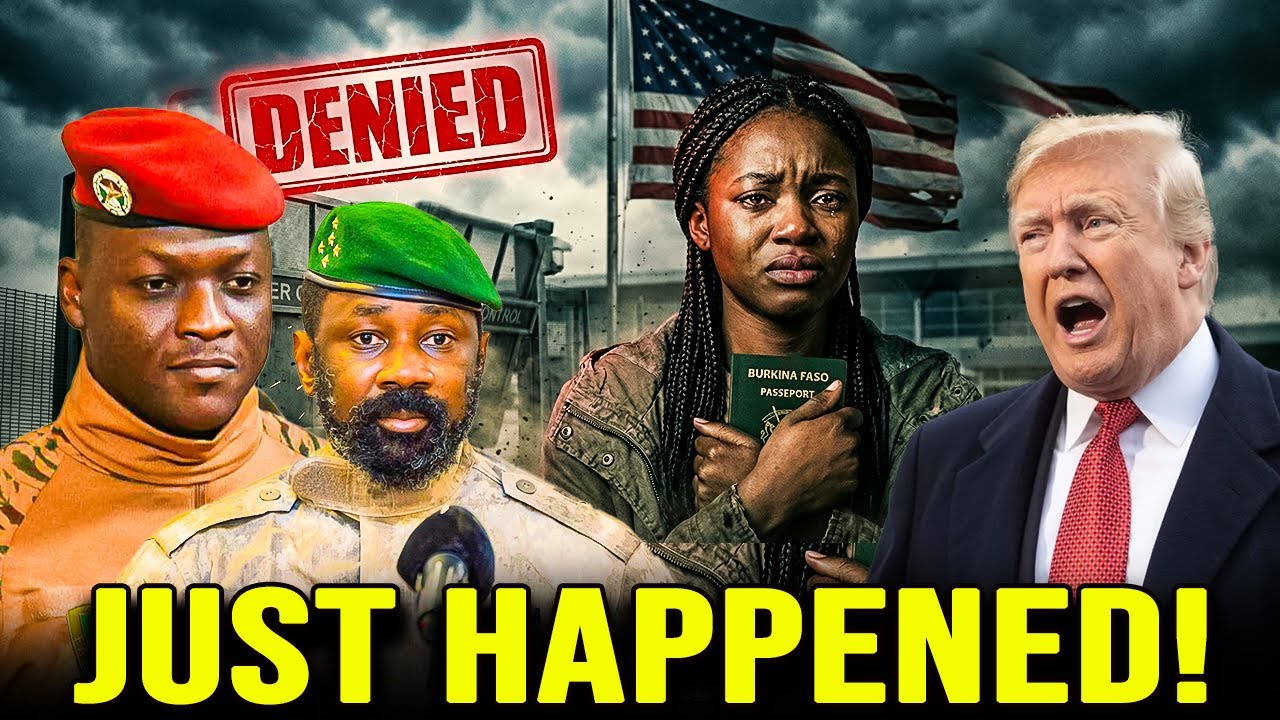
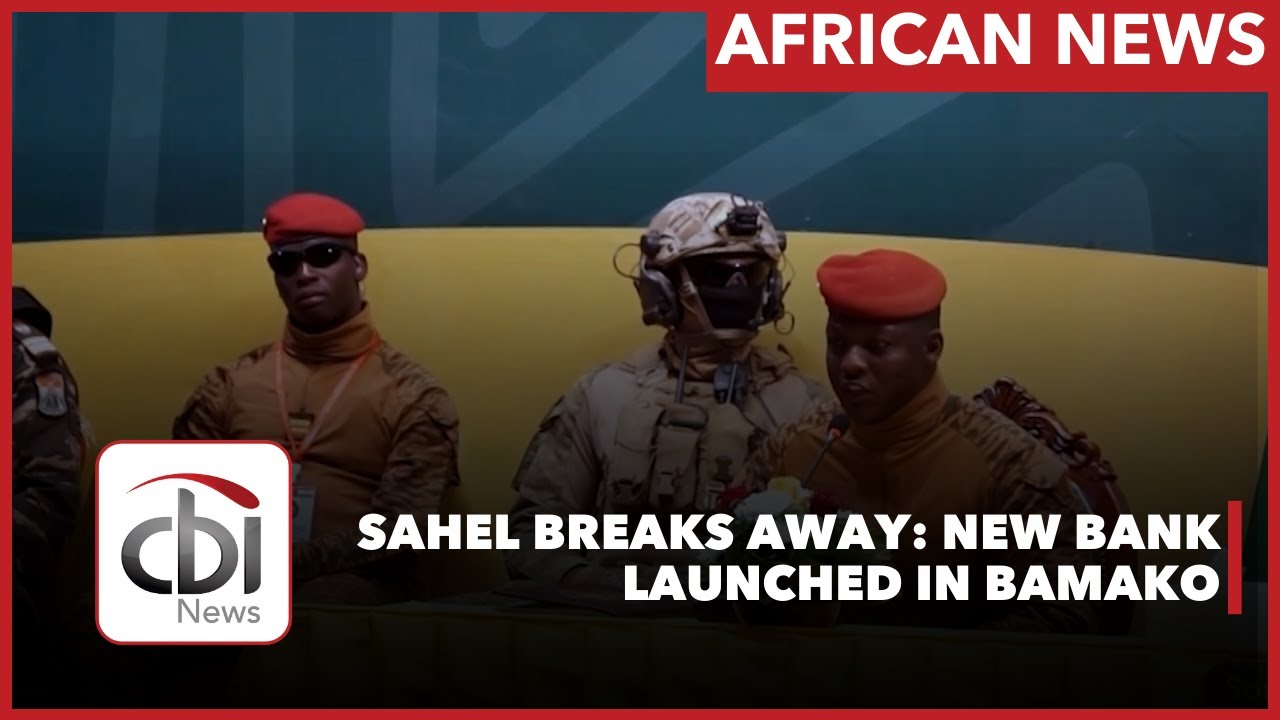
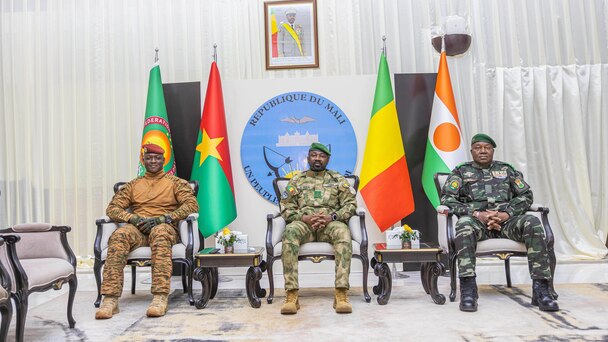
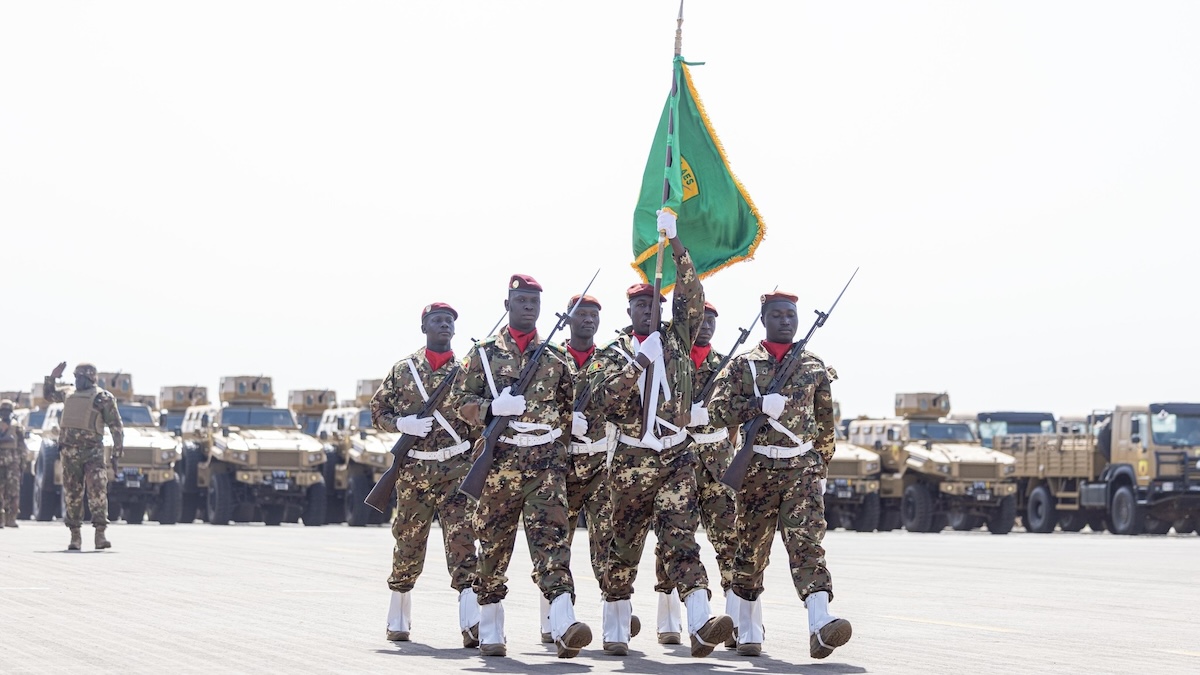
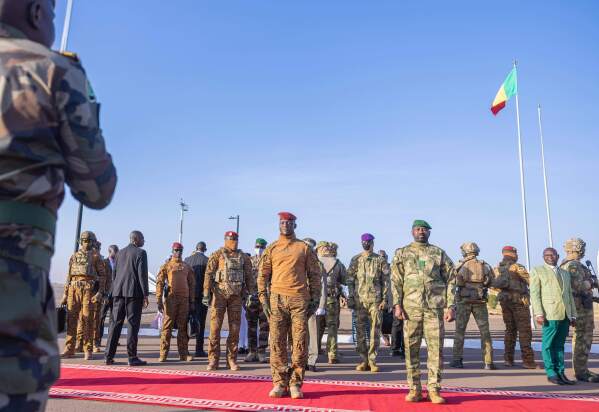
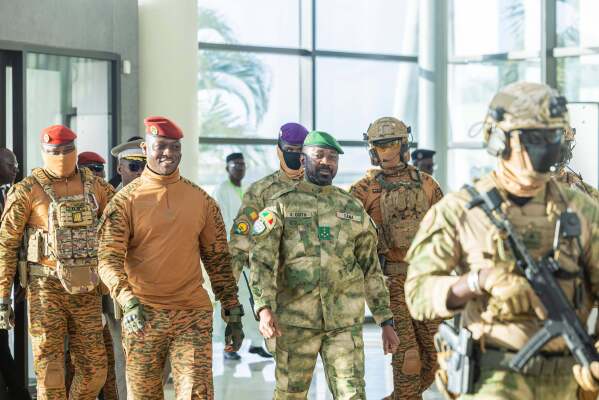
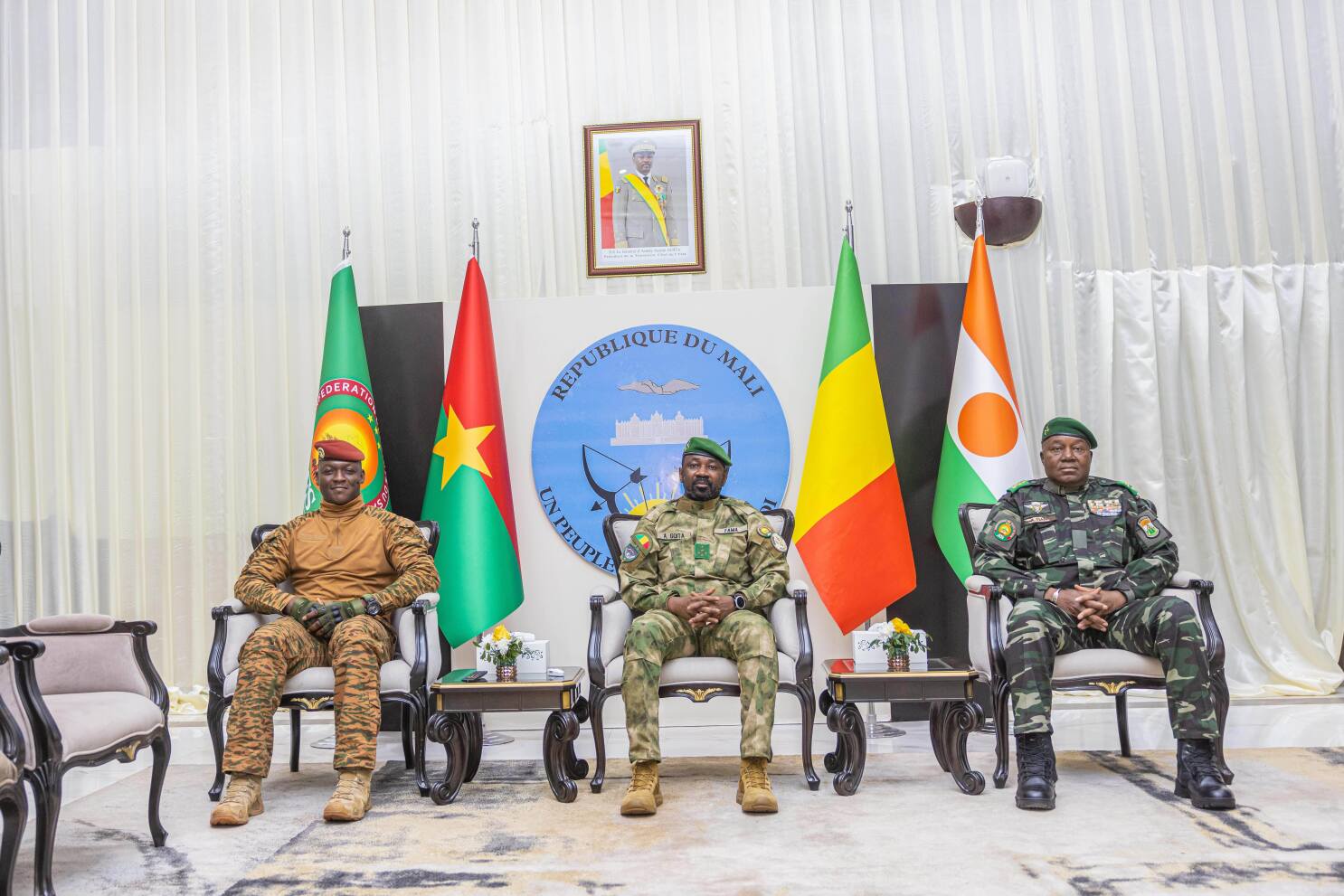
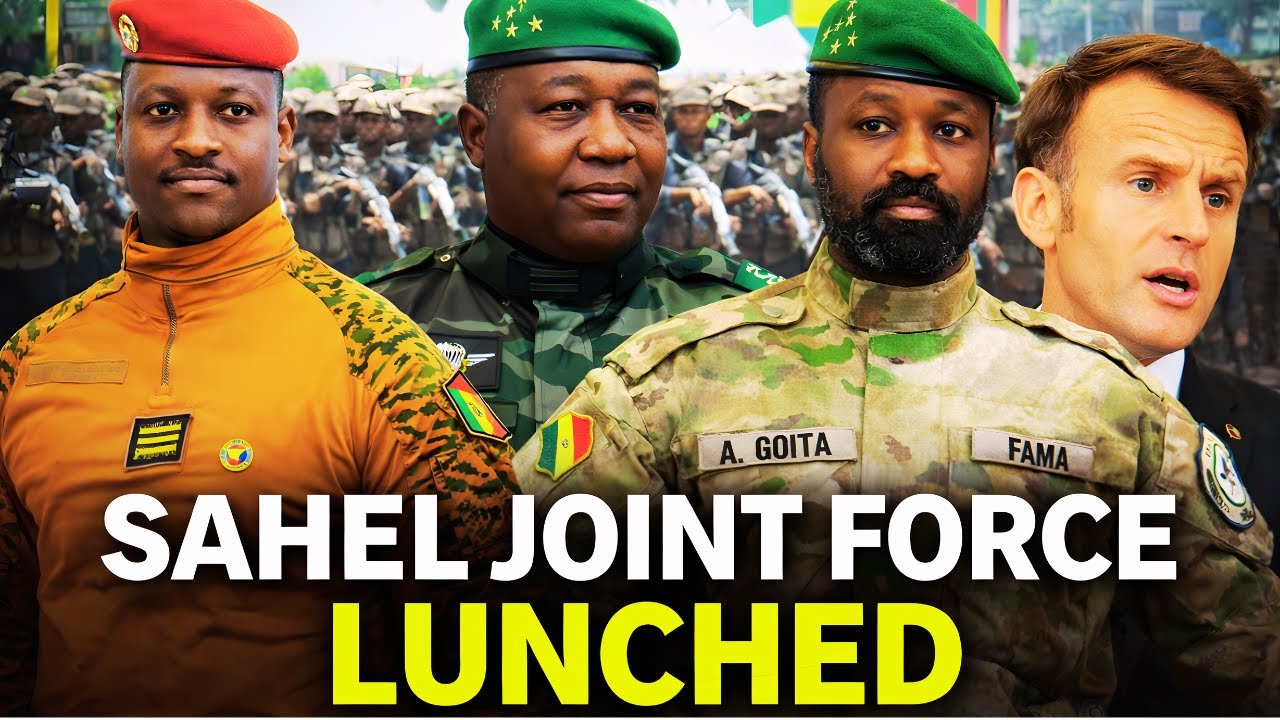
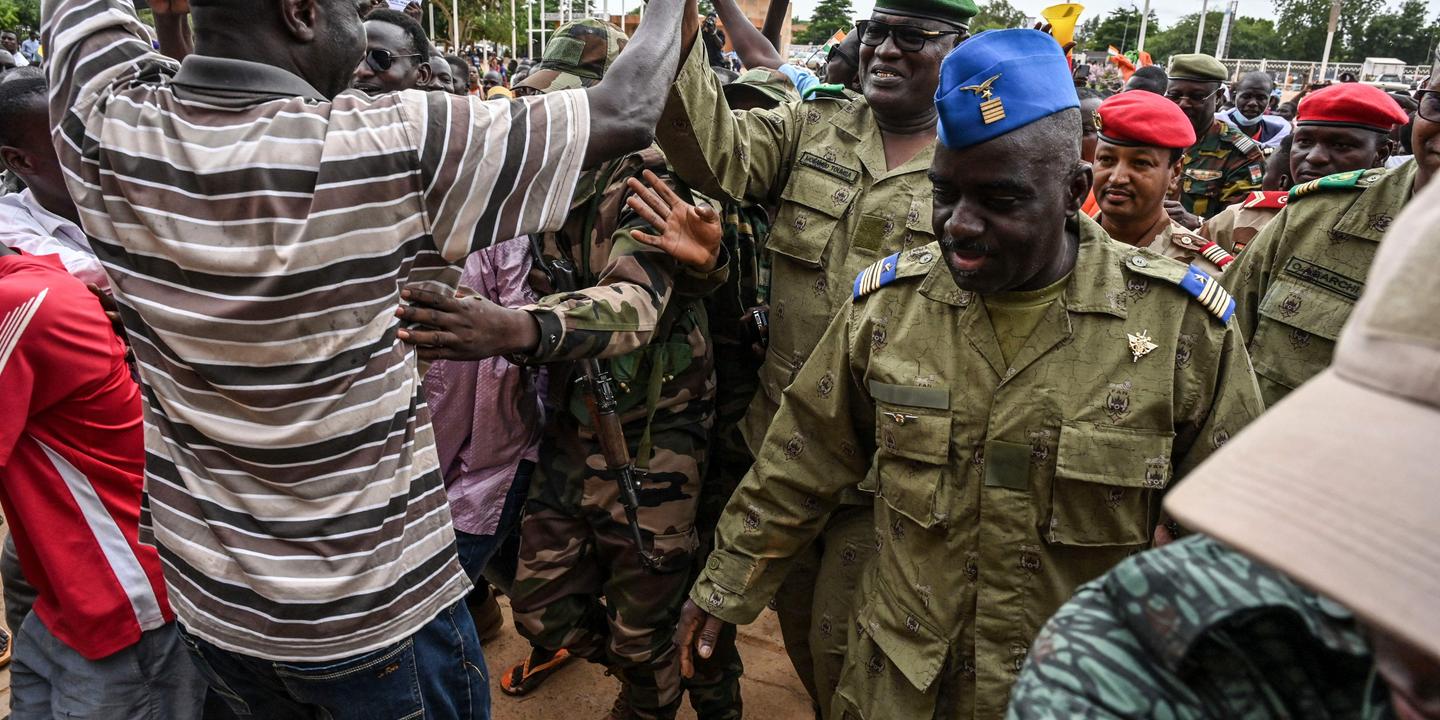
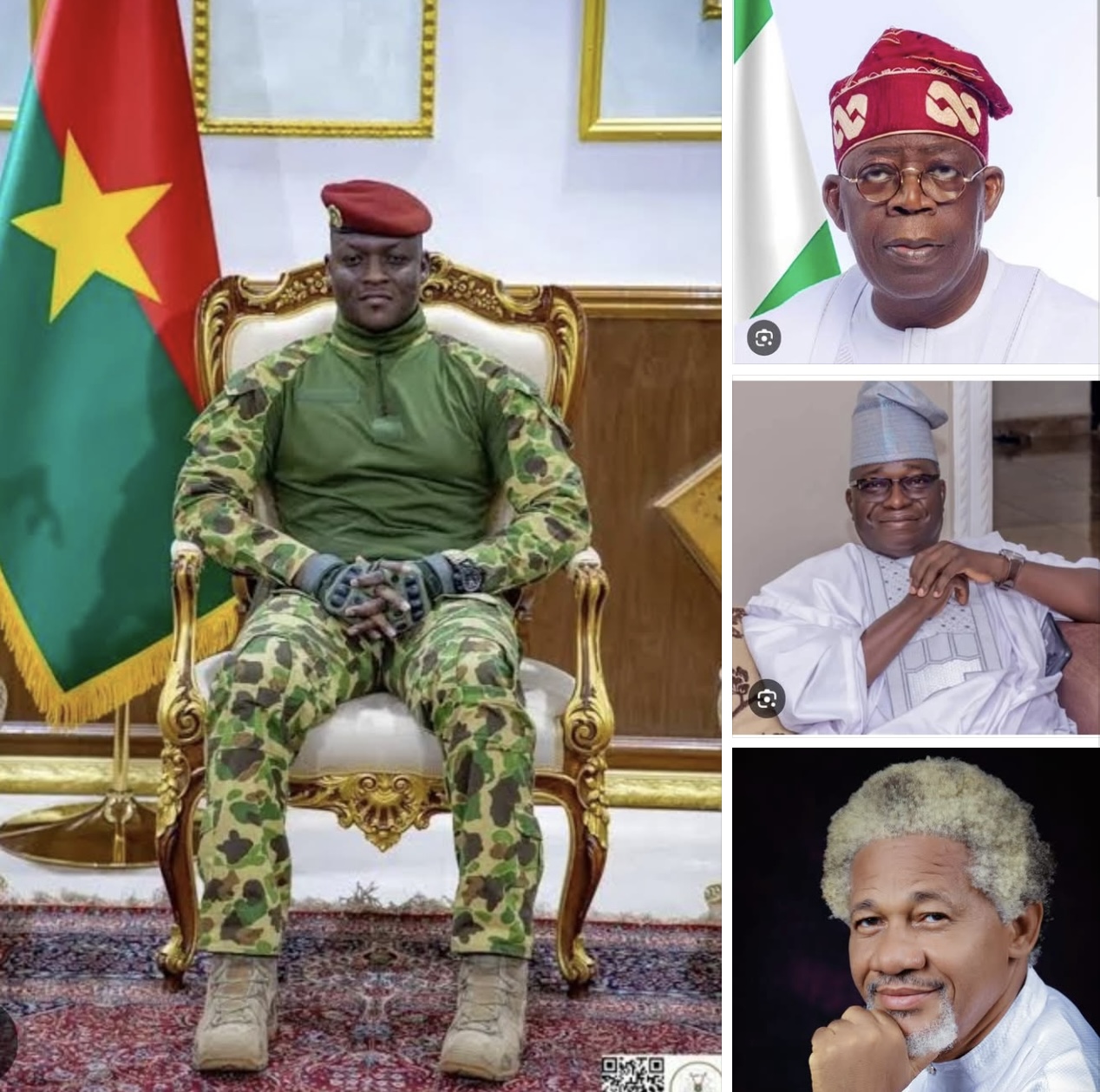
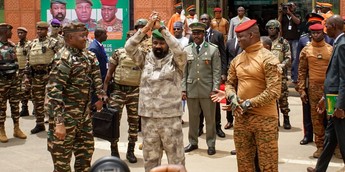
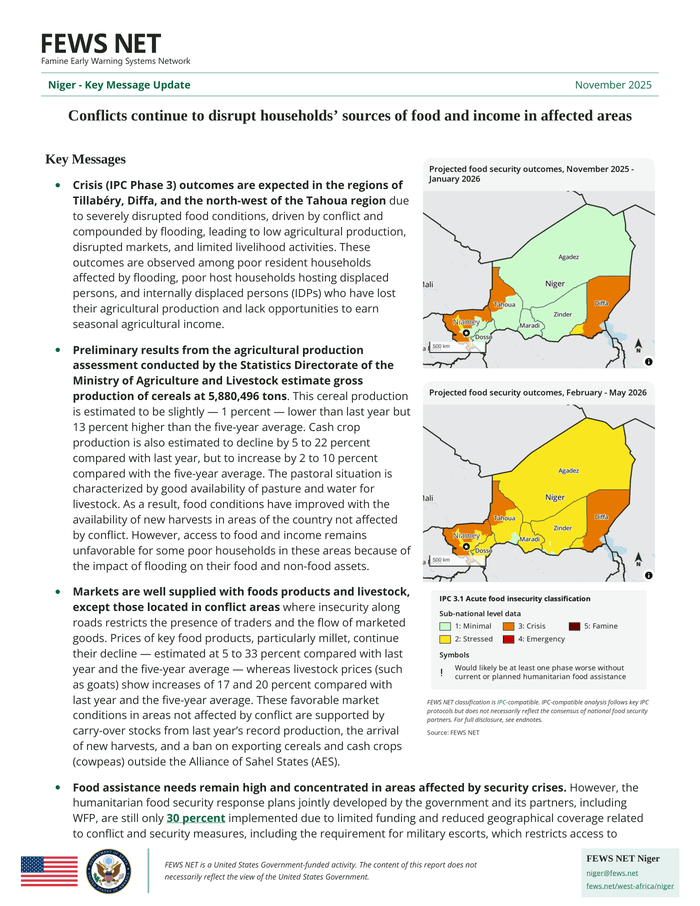
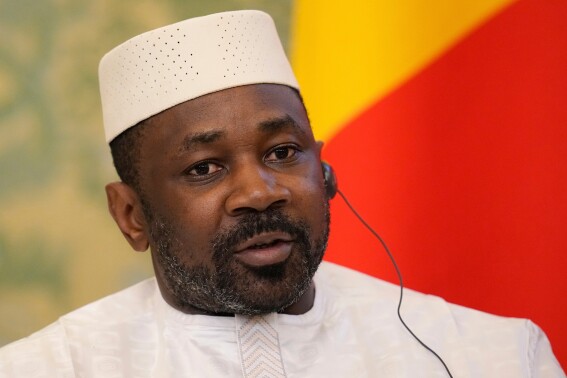
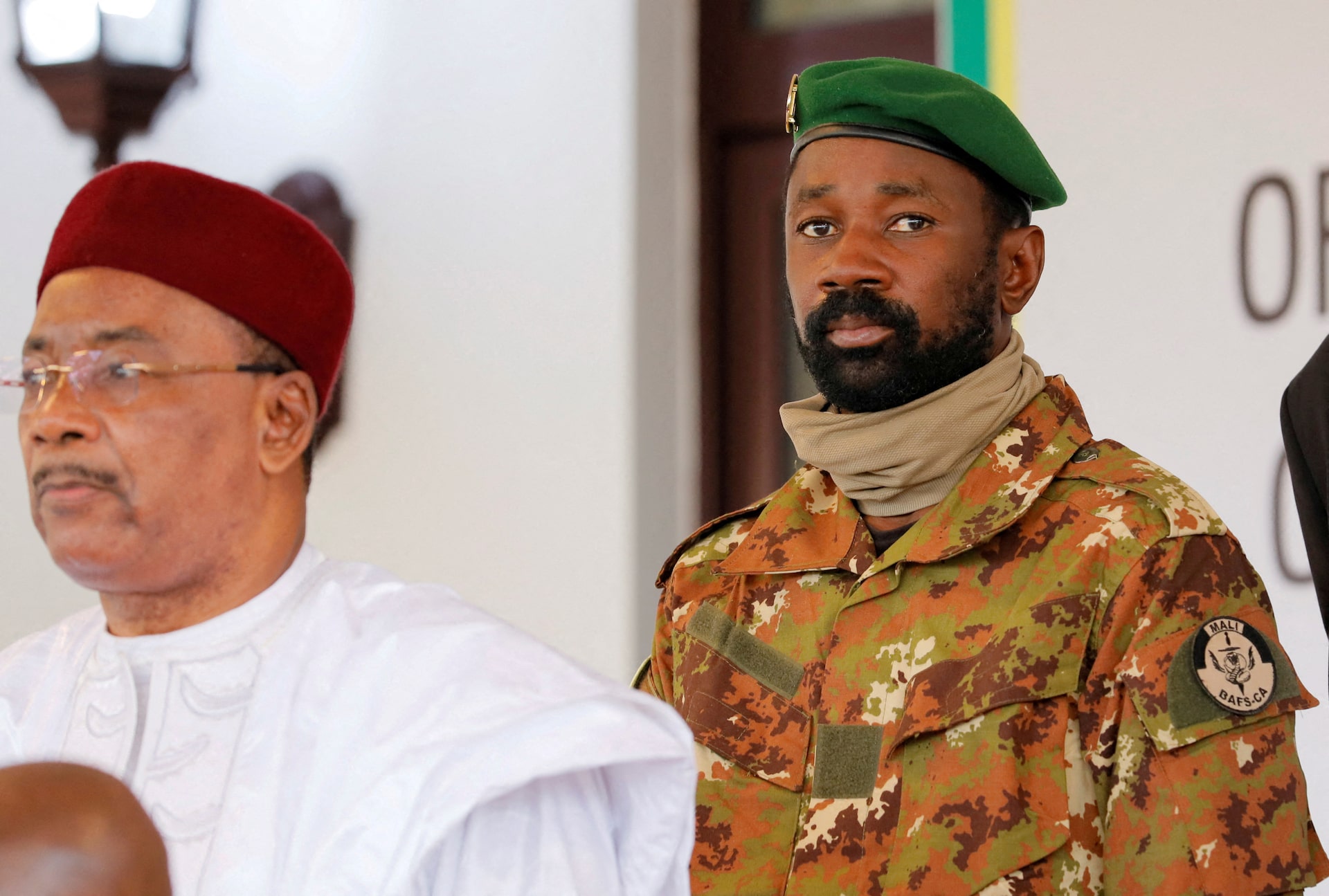
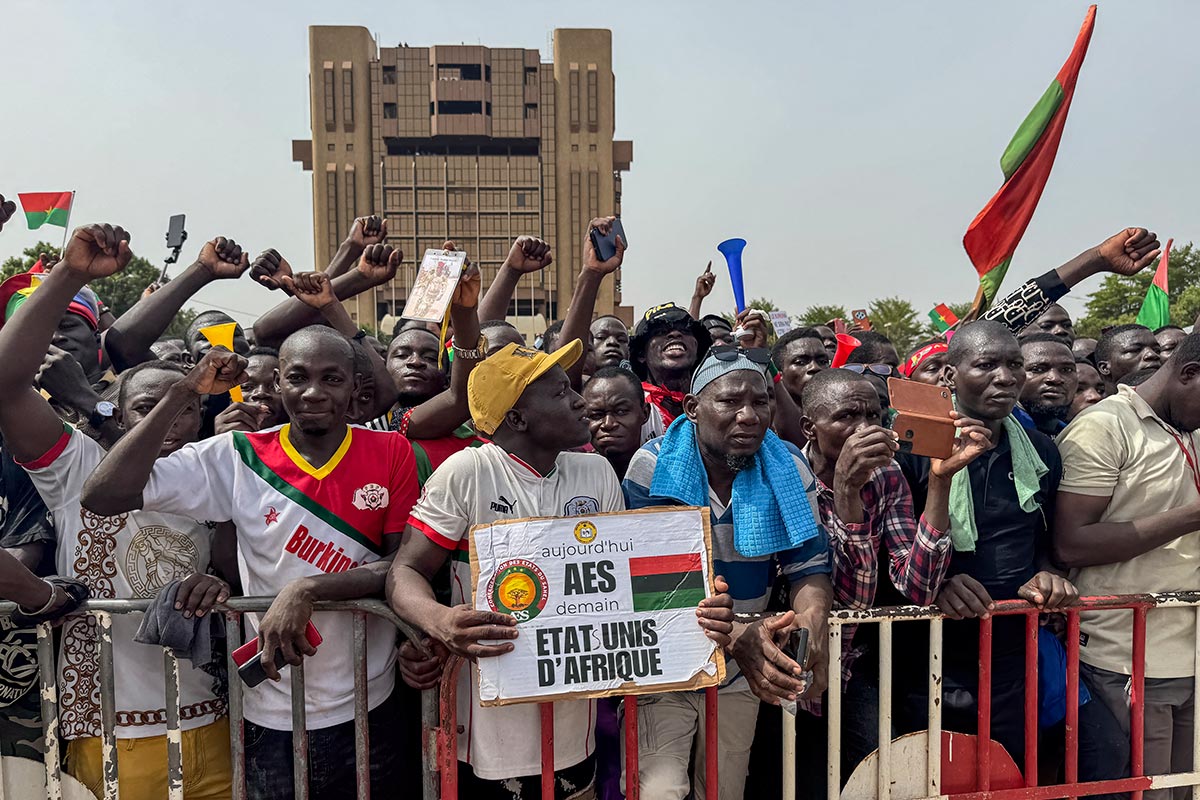
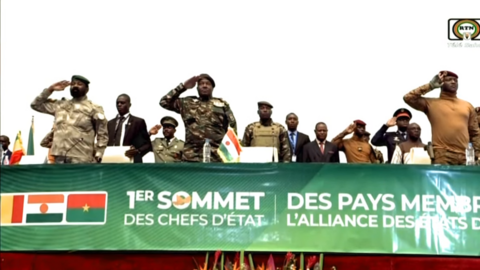
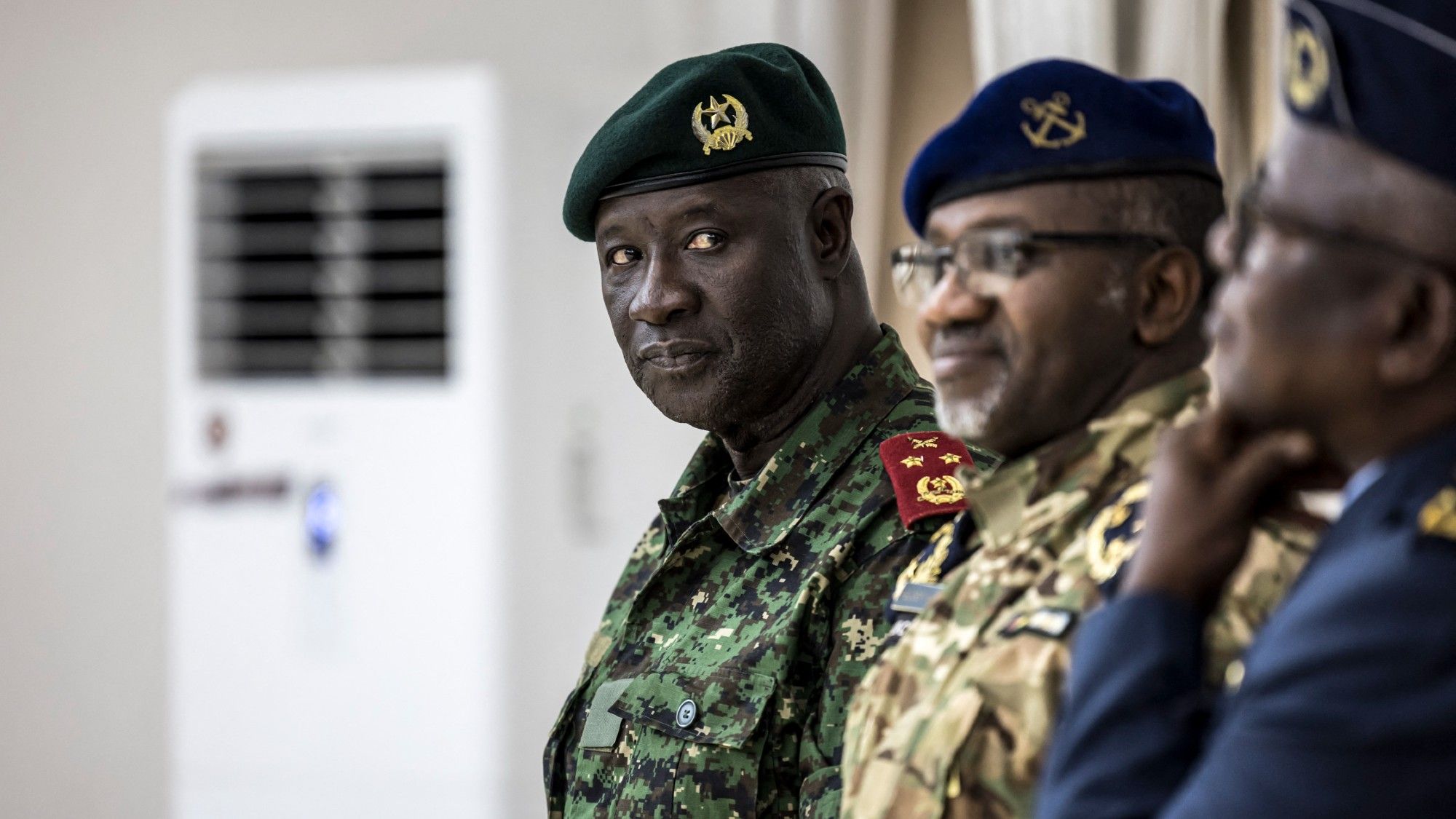
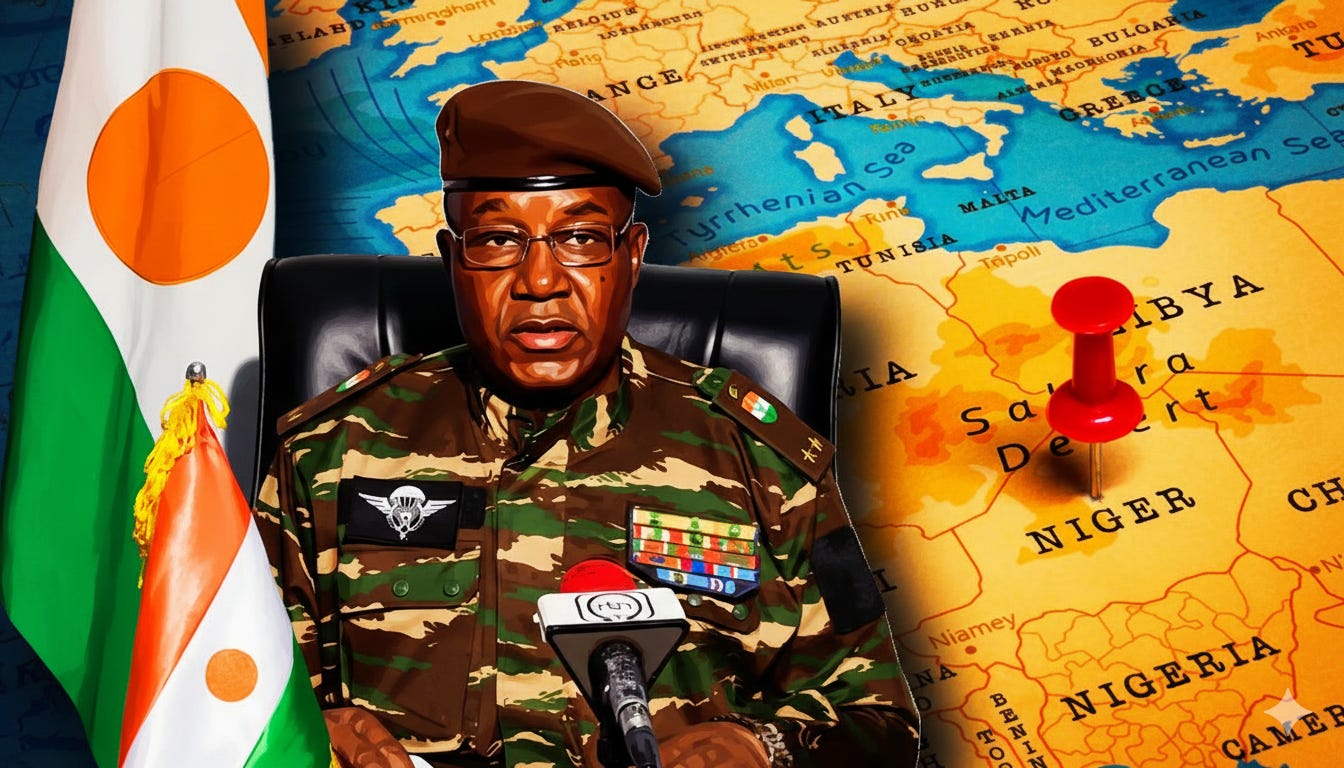
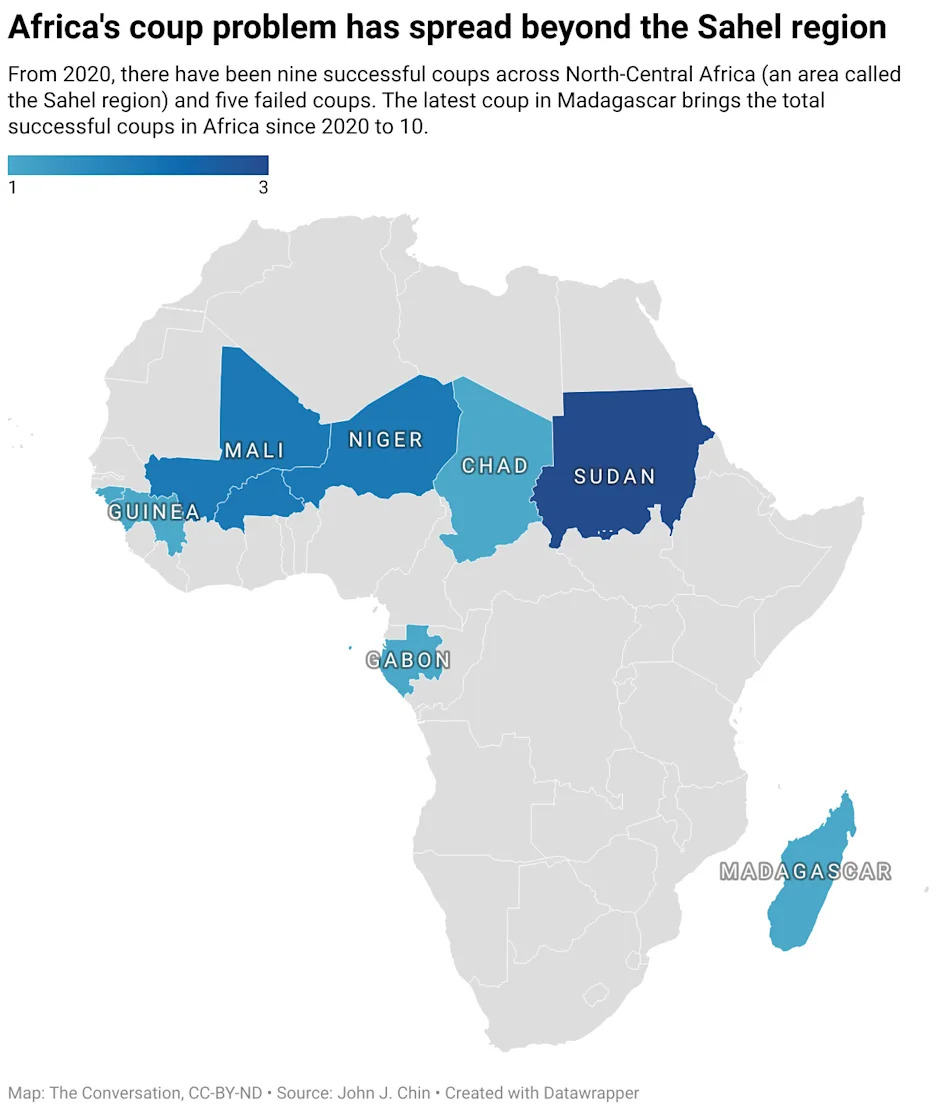
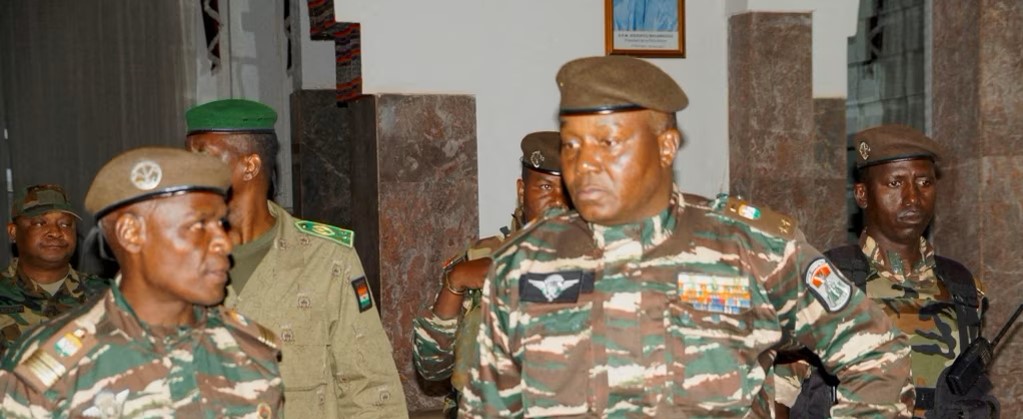
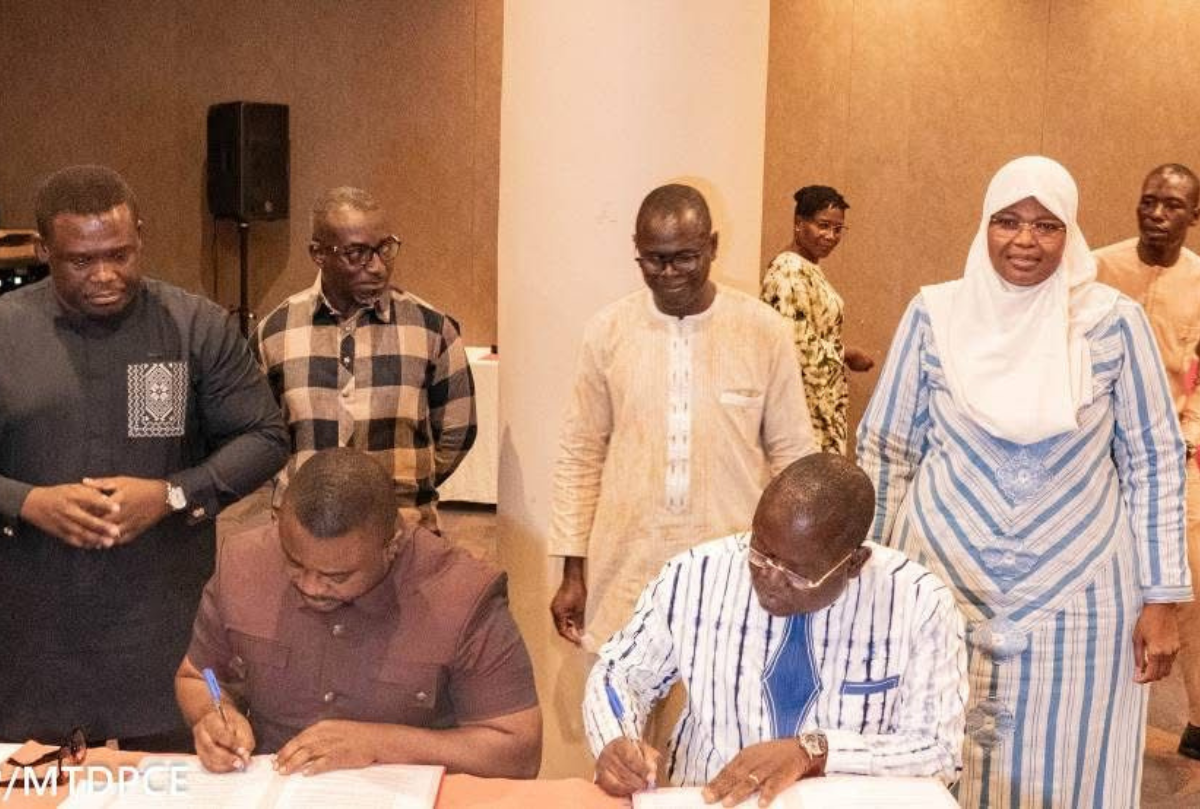
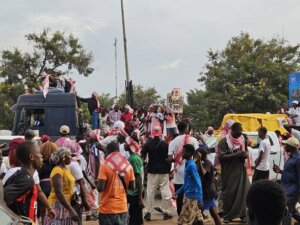
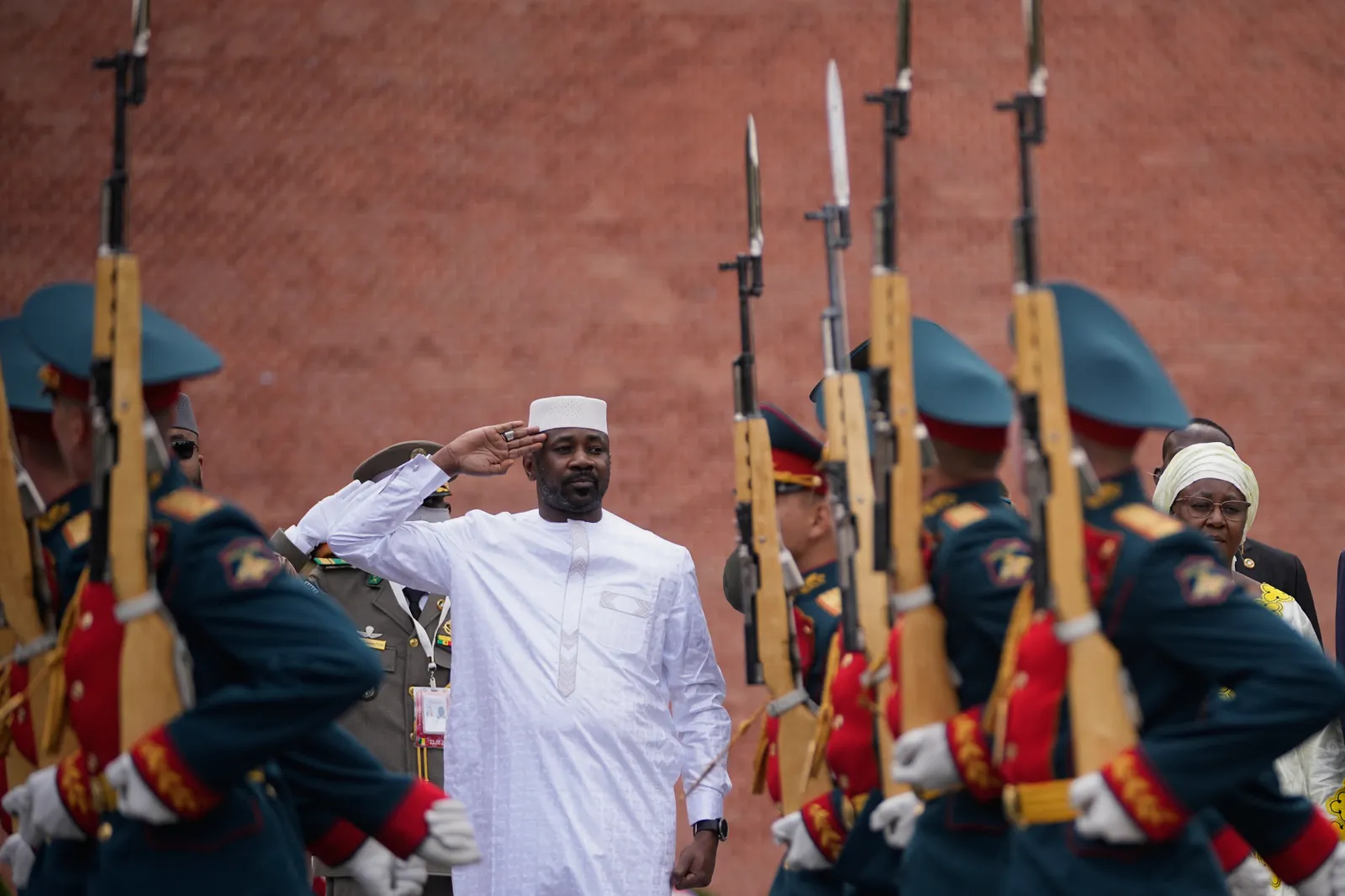
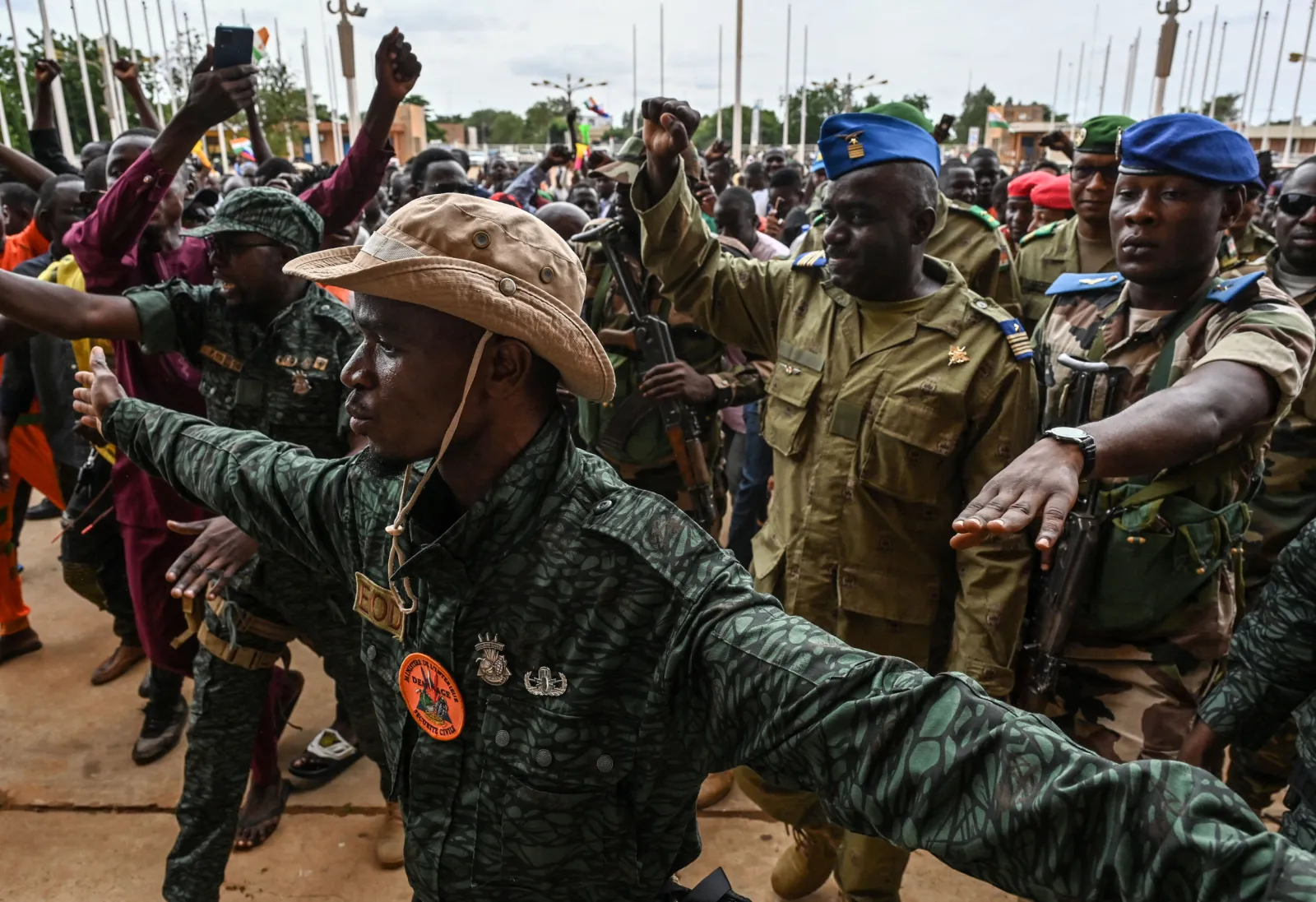
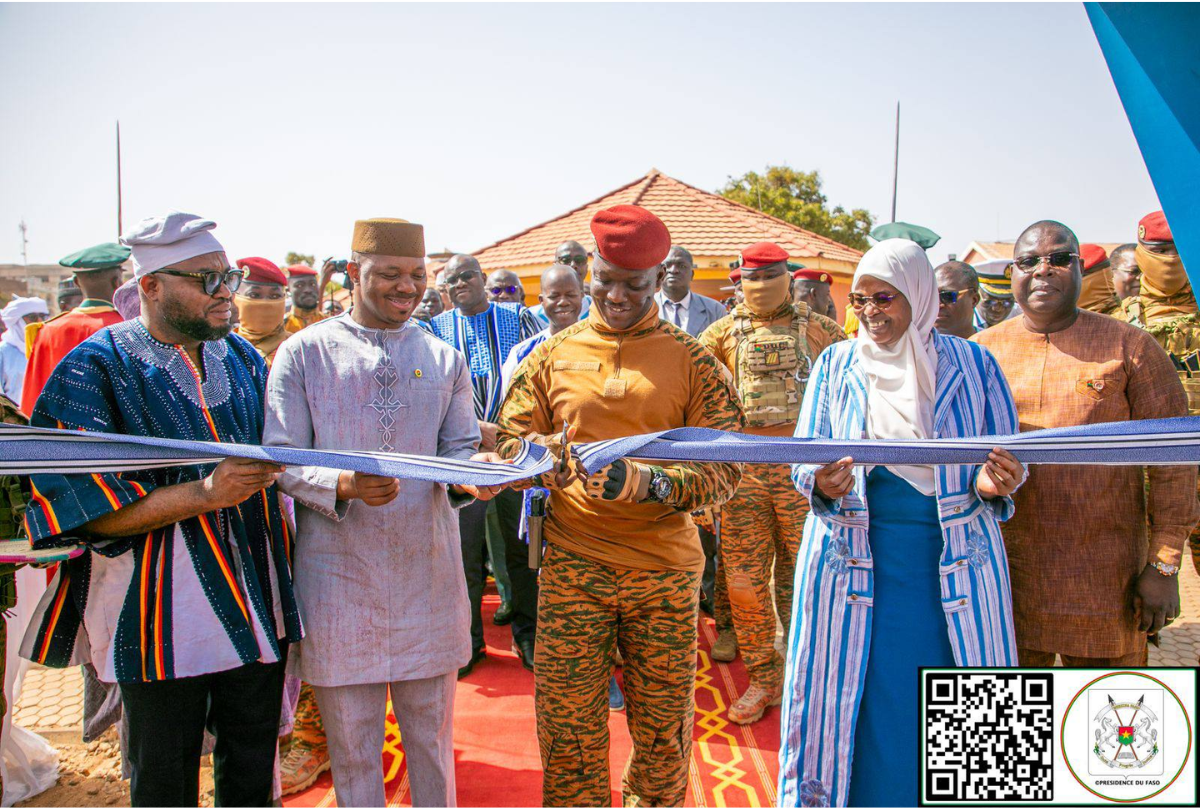
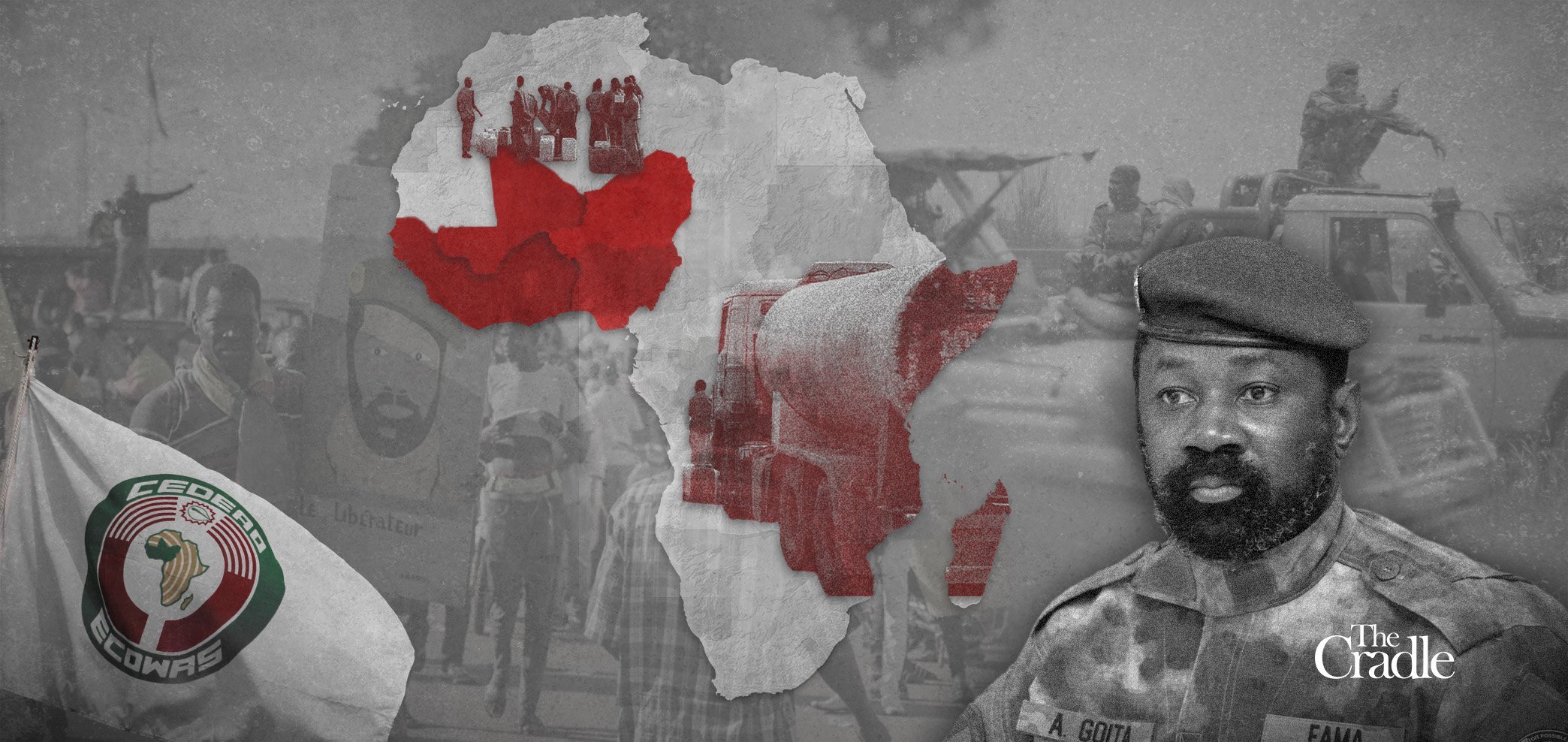
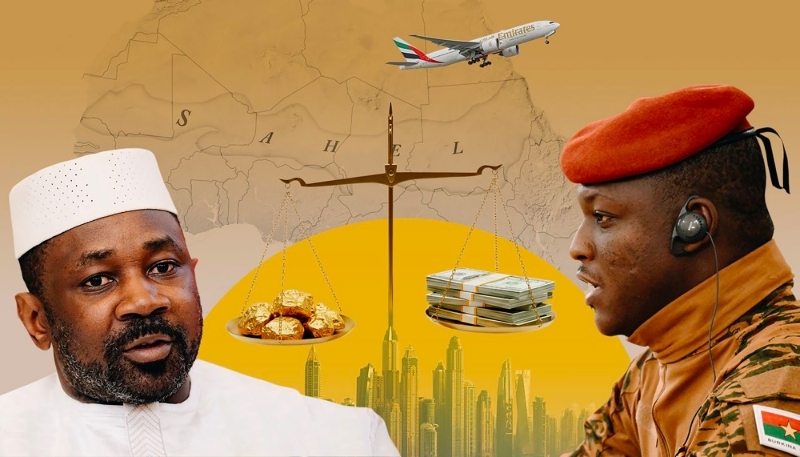
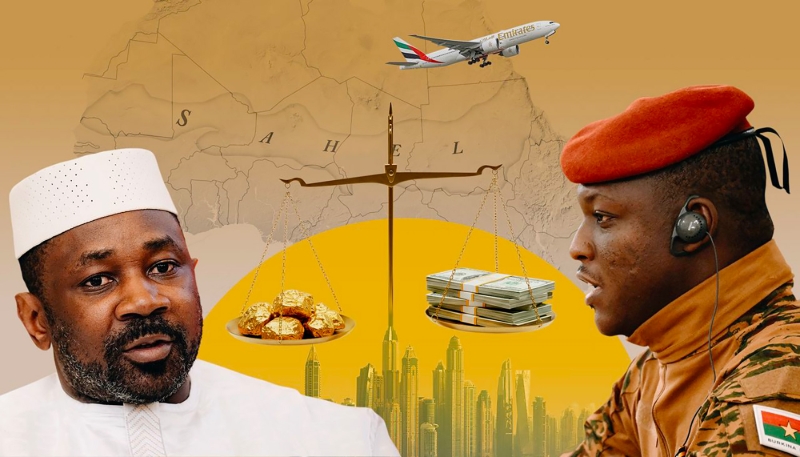
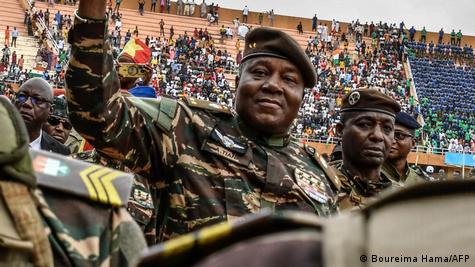
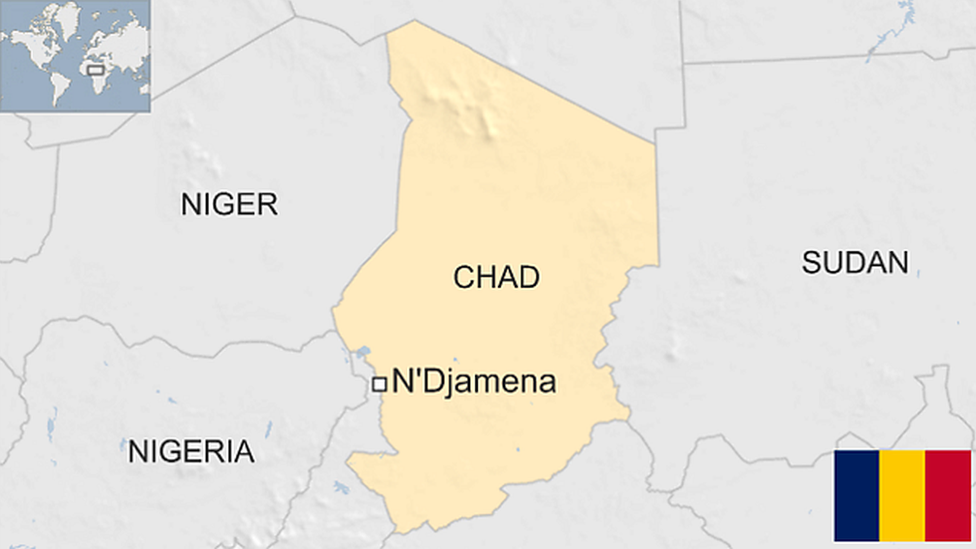
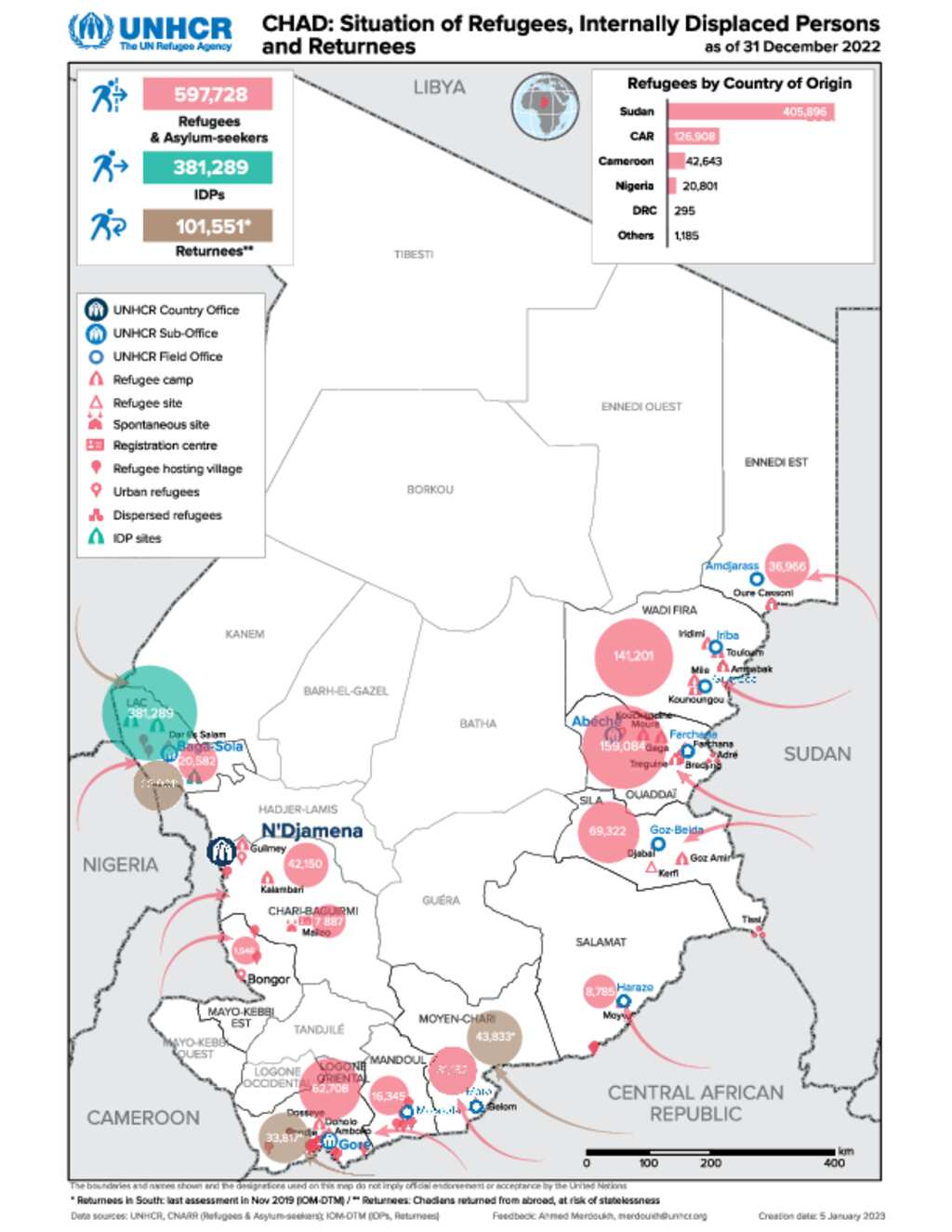
Just recently, in late 2025, a significant power play unfolded: Burkina Faso, Mali, and Niger officially launched the Alliance of Sahel States (AES). This defense pact isn’t just a new club, it’s a direct challenge to the long established Economic Community of West African States (ECOWAS). What does this mean for the region? It signals growing internal divisions, with AES countries clearly seeking their own paths to sovereignty and security, often wary of ECOWAS’s perceived political pressures and sanctions that followed recent coups. And let’s not forget Chad. Its decision on whether to join the AES could dramatically redraw defense and political maps across the entire Sahel. Chad’s military might and strategic location make its choice absolutely critical in the fight against insurgency, don’t you think? This situation truly highlights how complex alliance-building is in West Africa, where national interests constantly clash with global influences.
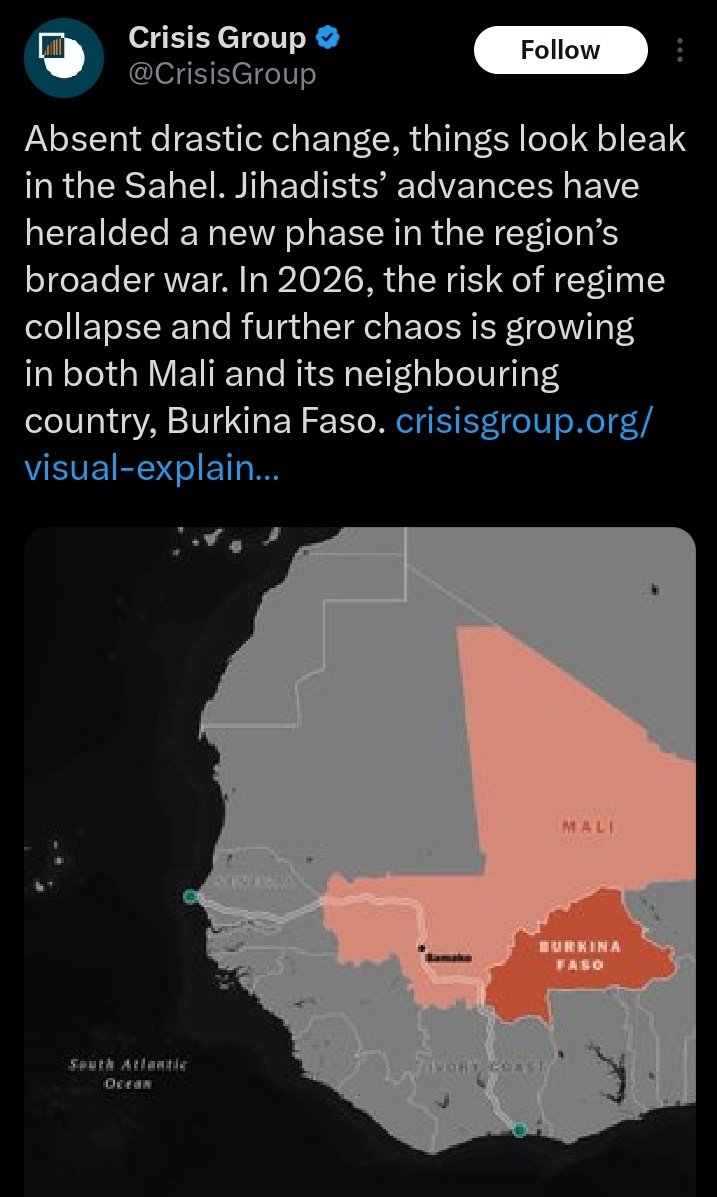
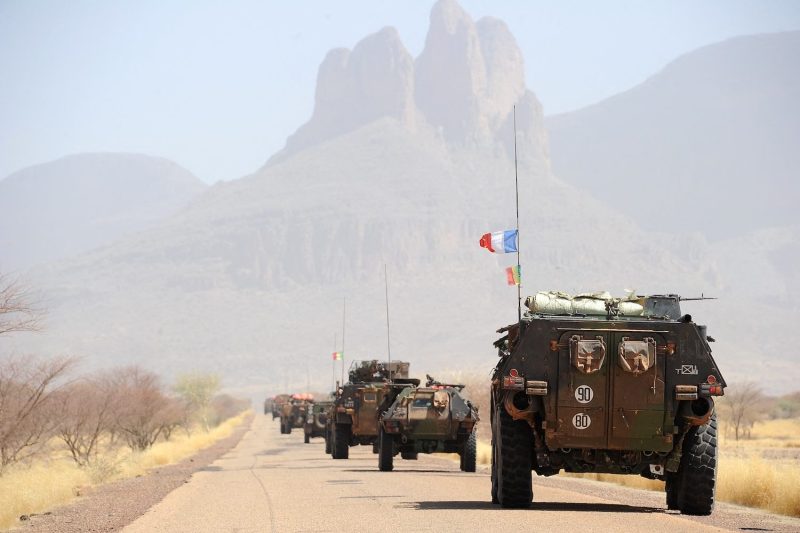
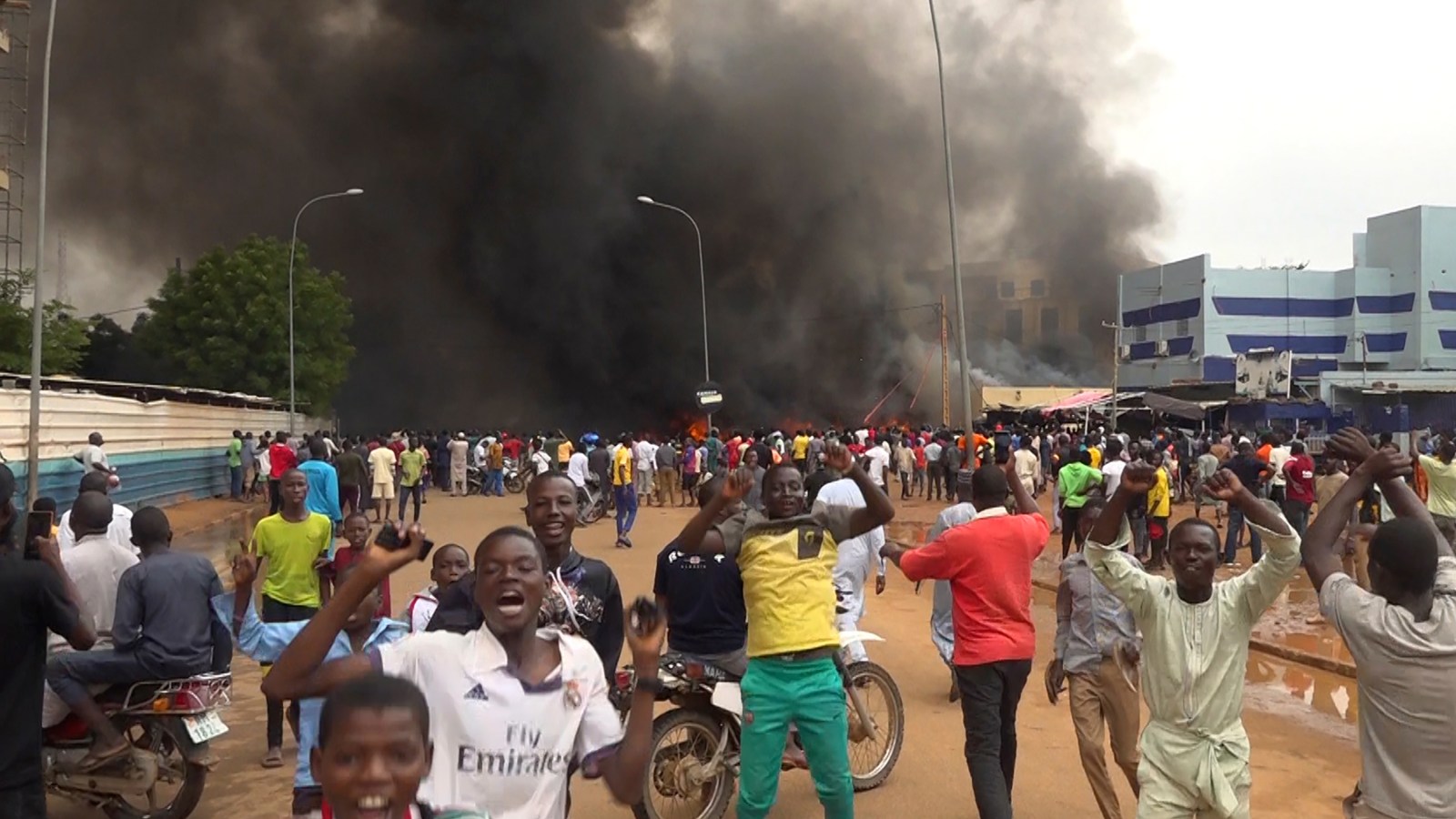
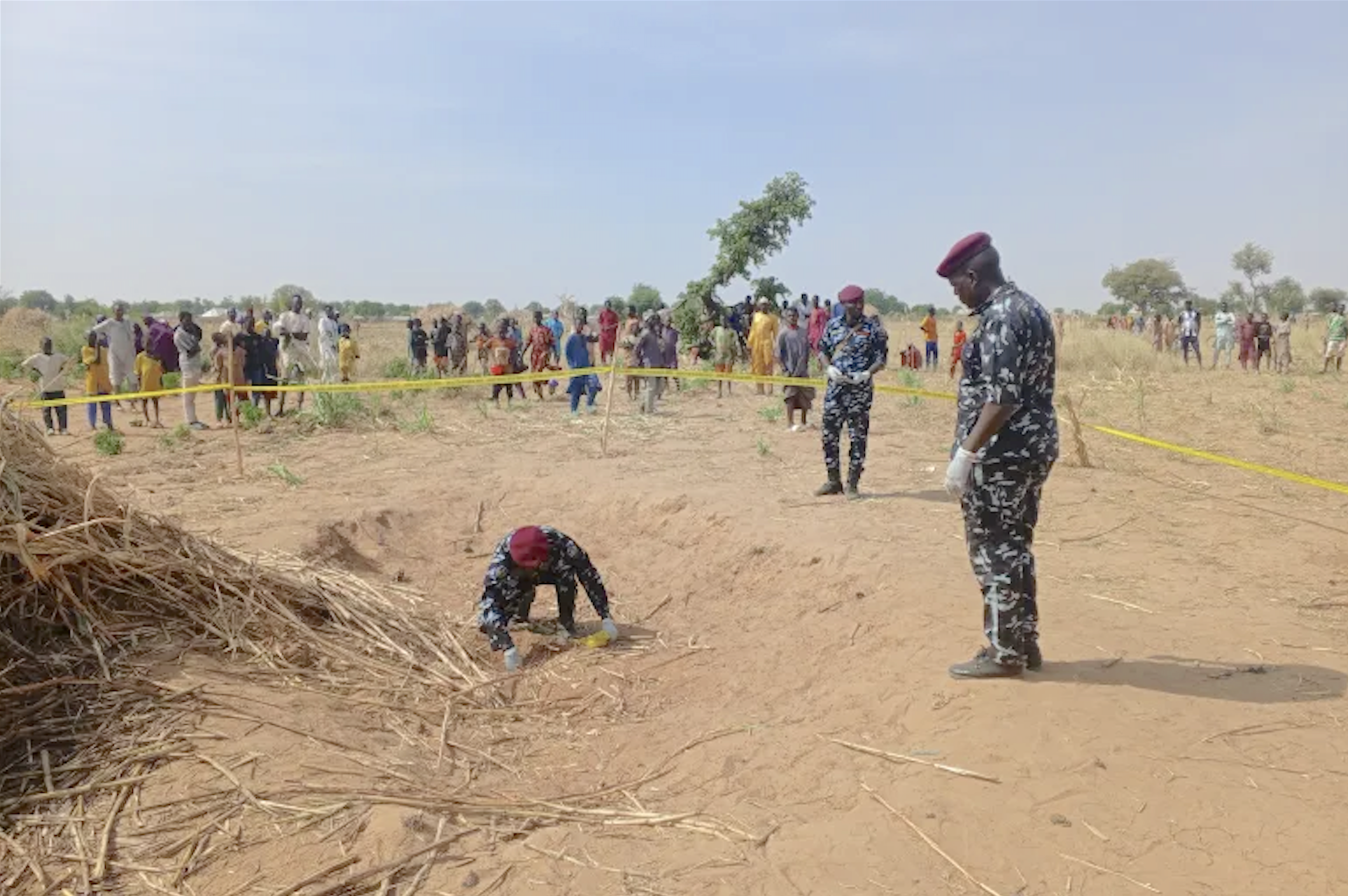
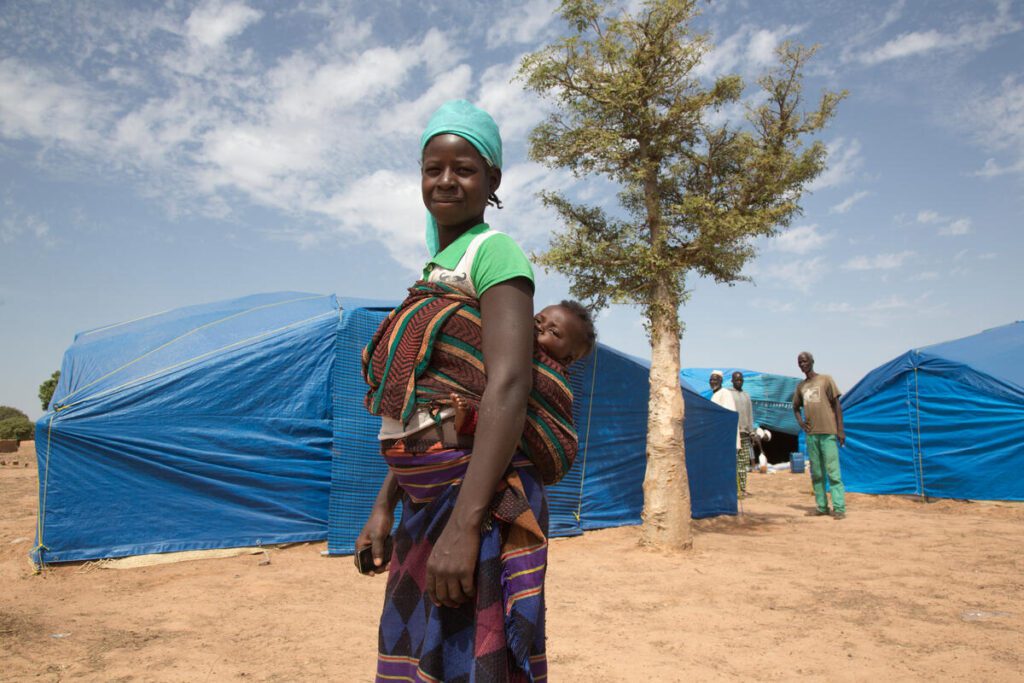
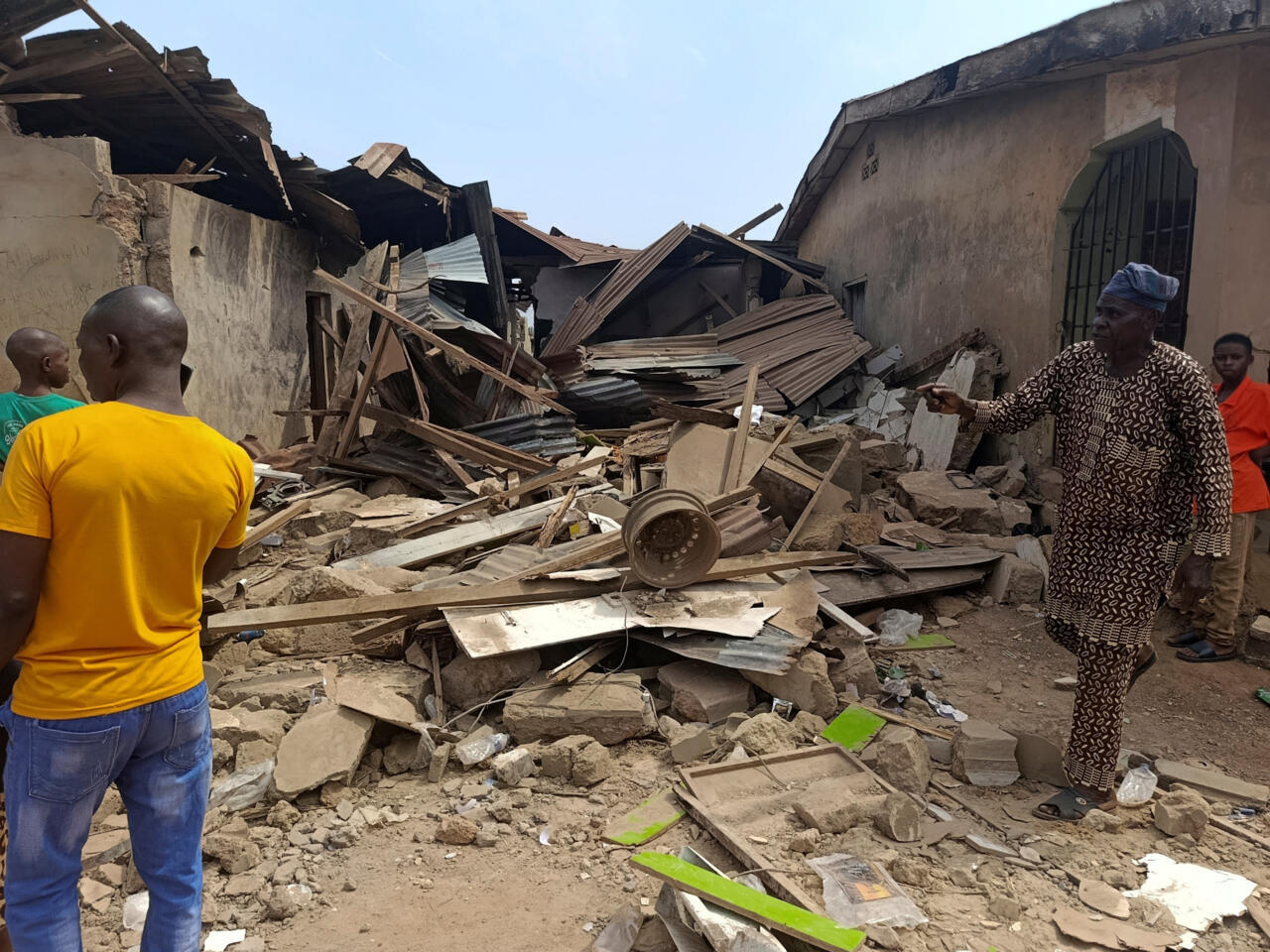
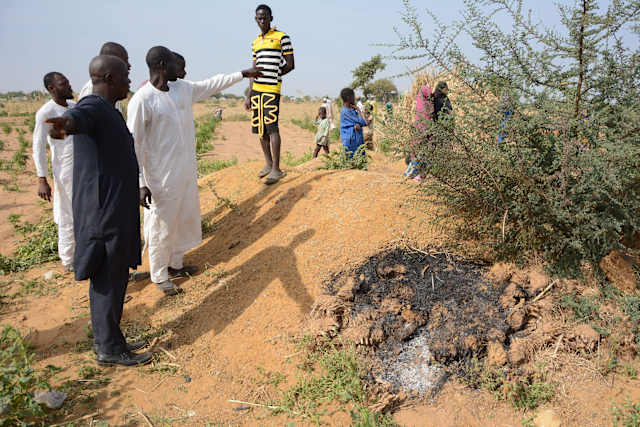
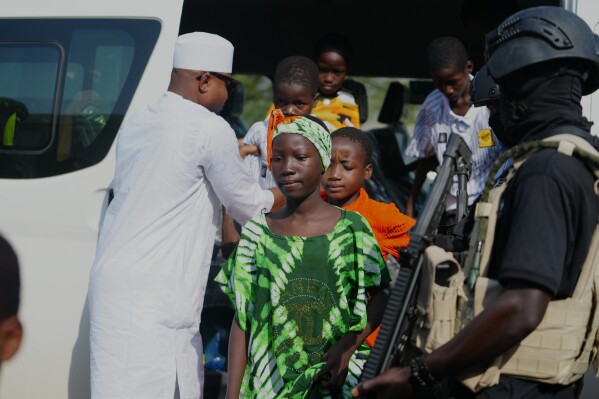
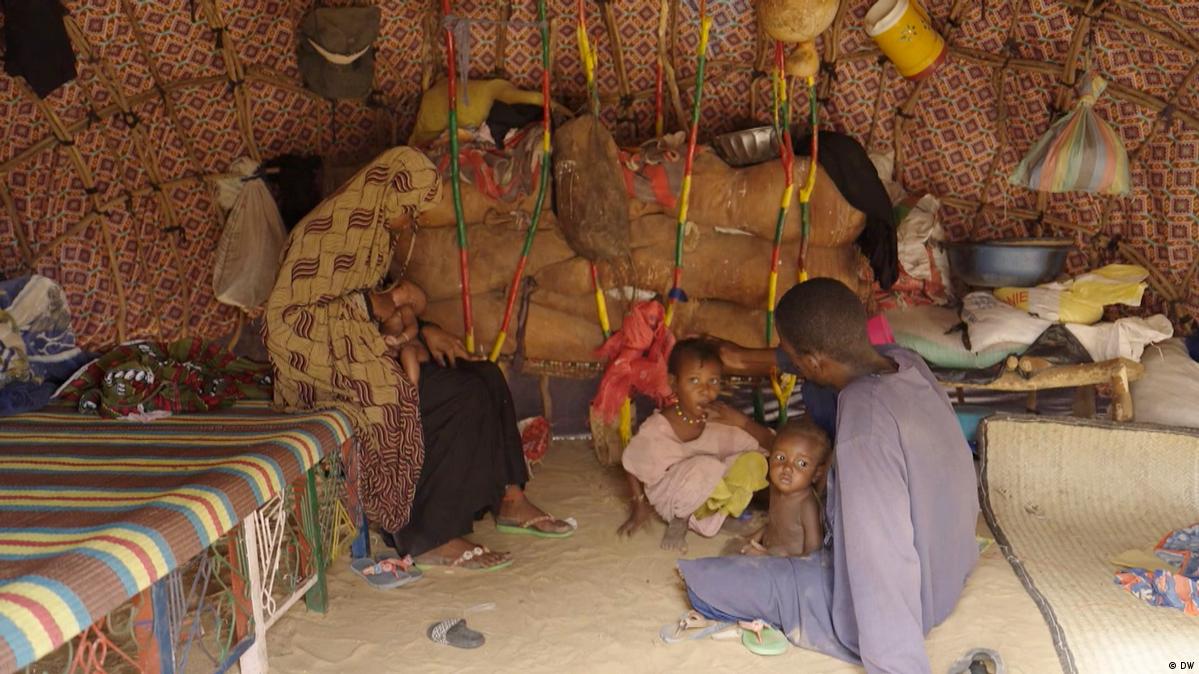
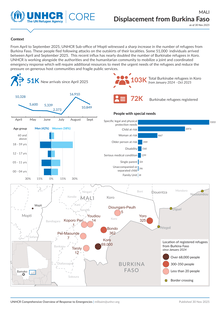
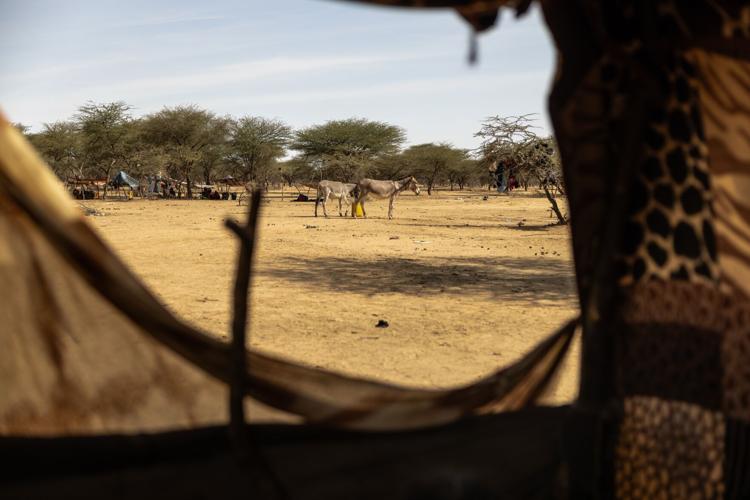
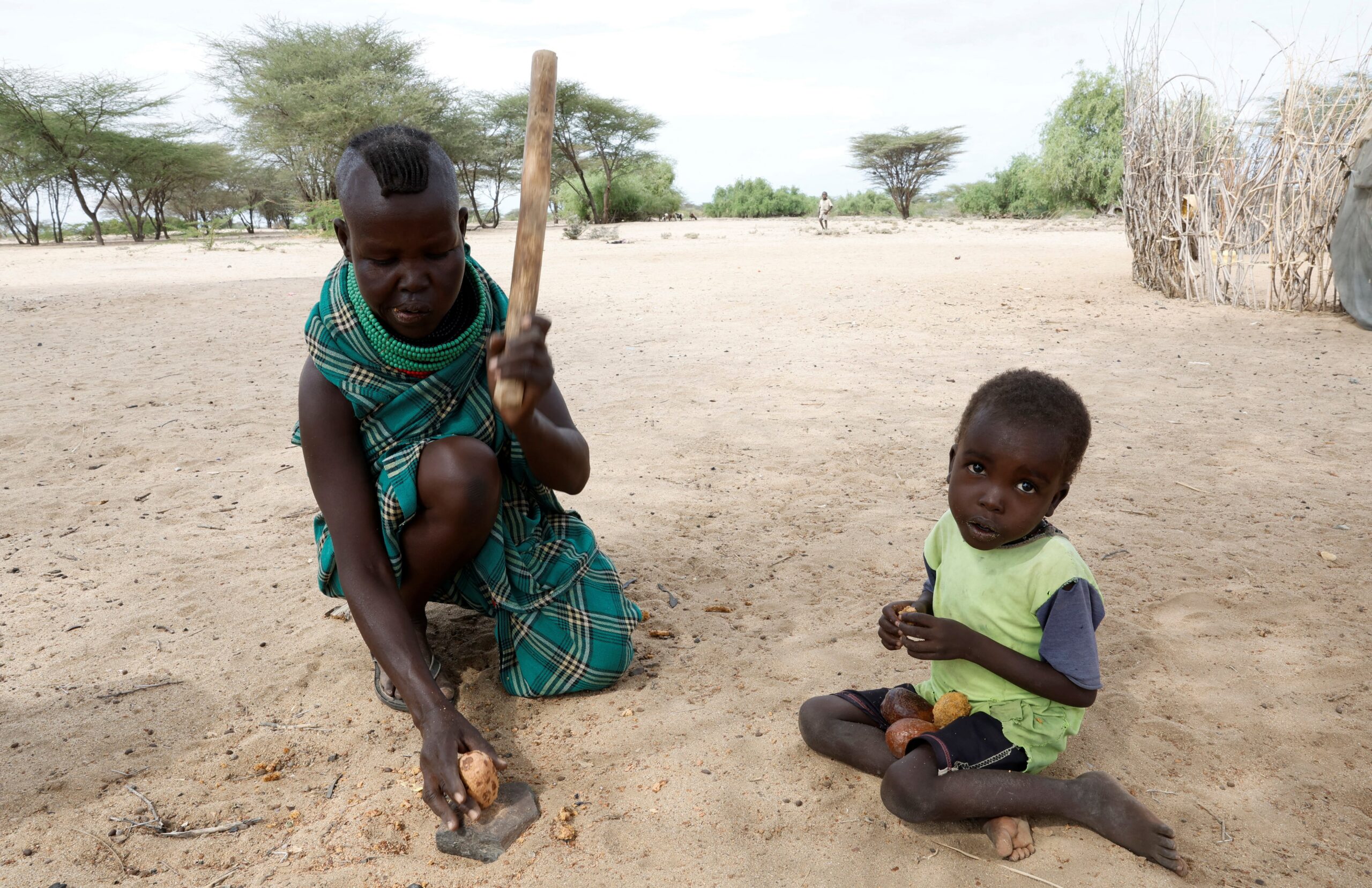
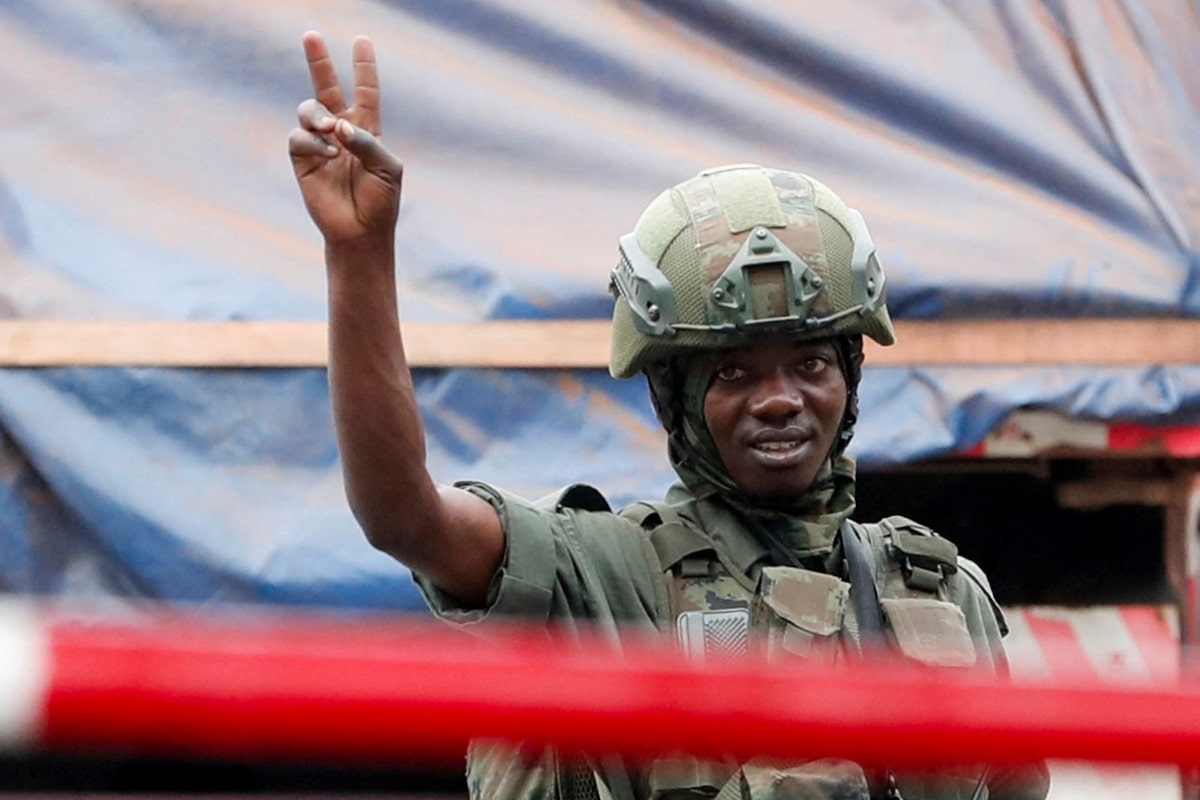
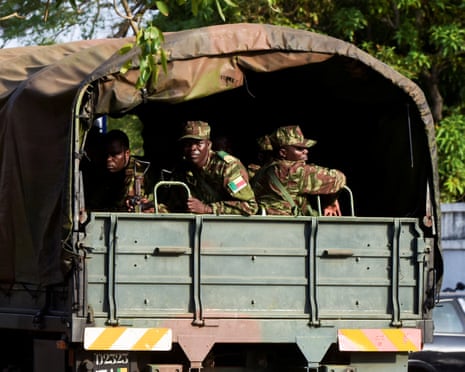
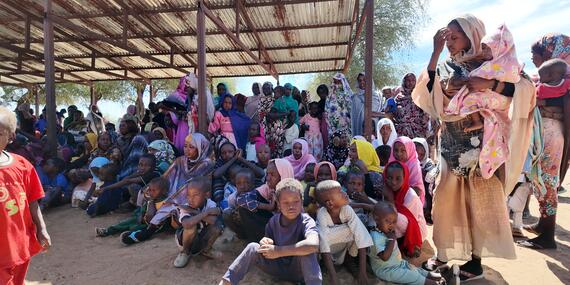
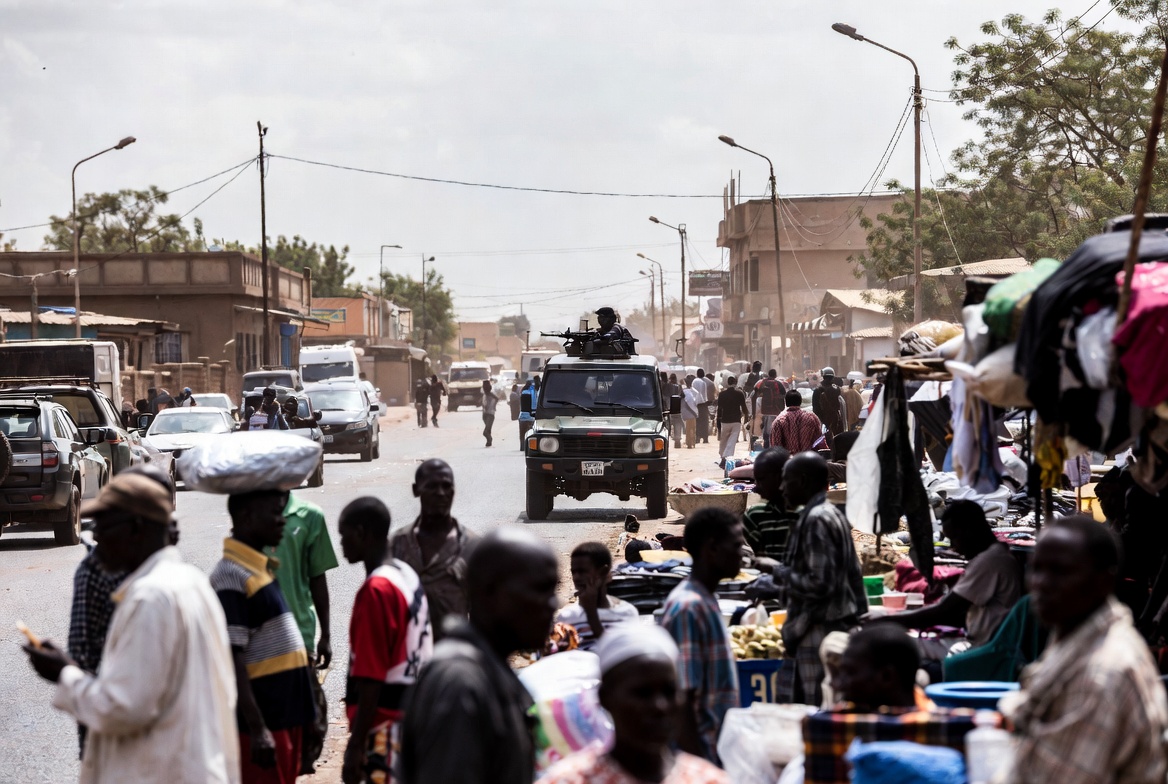
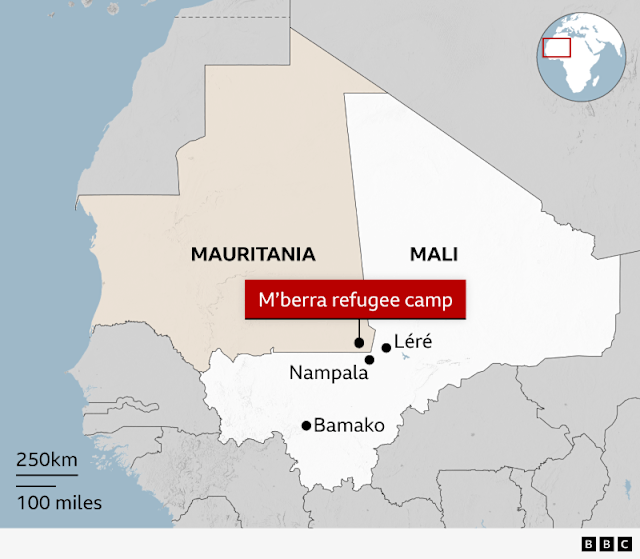
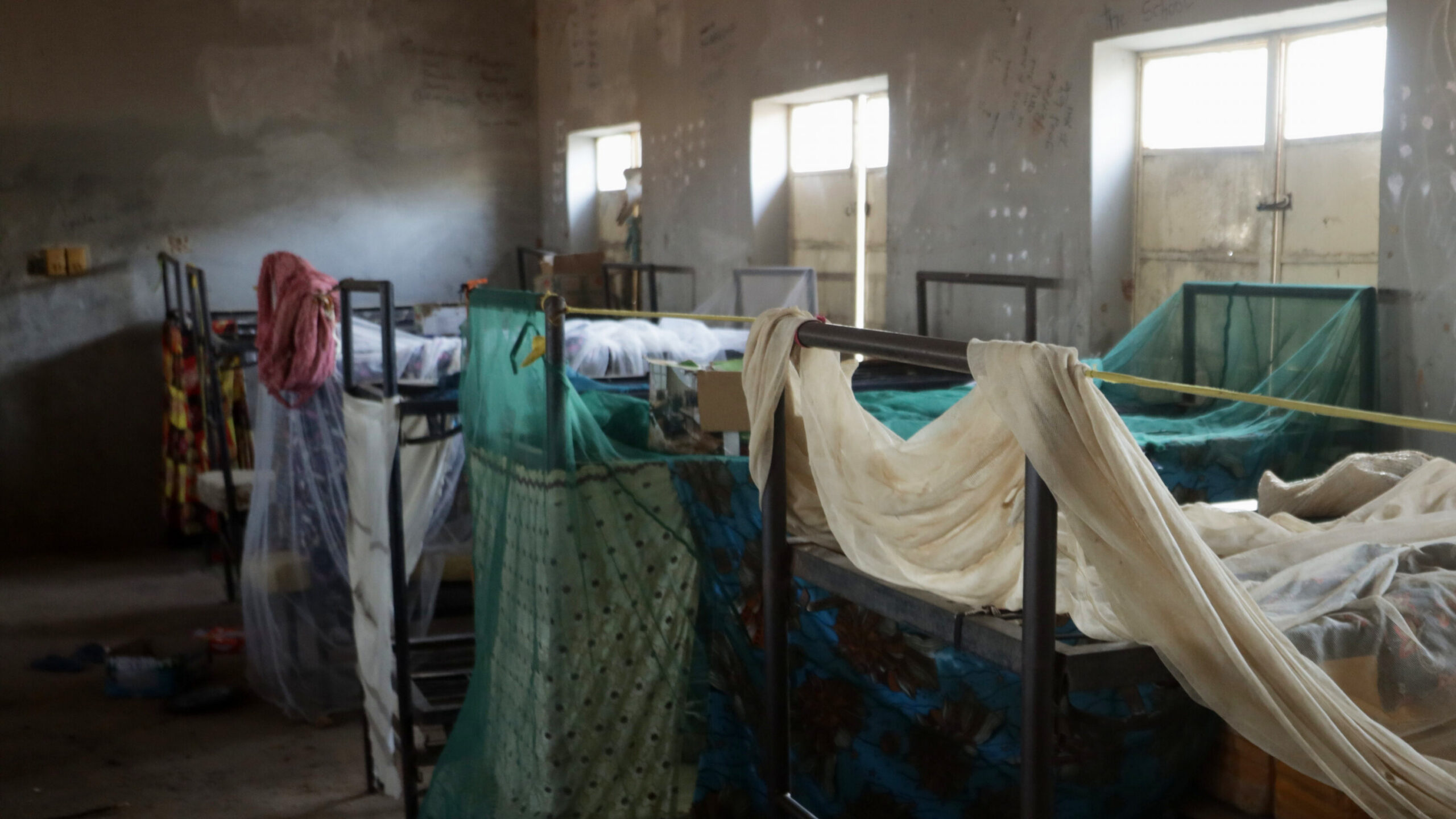
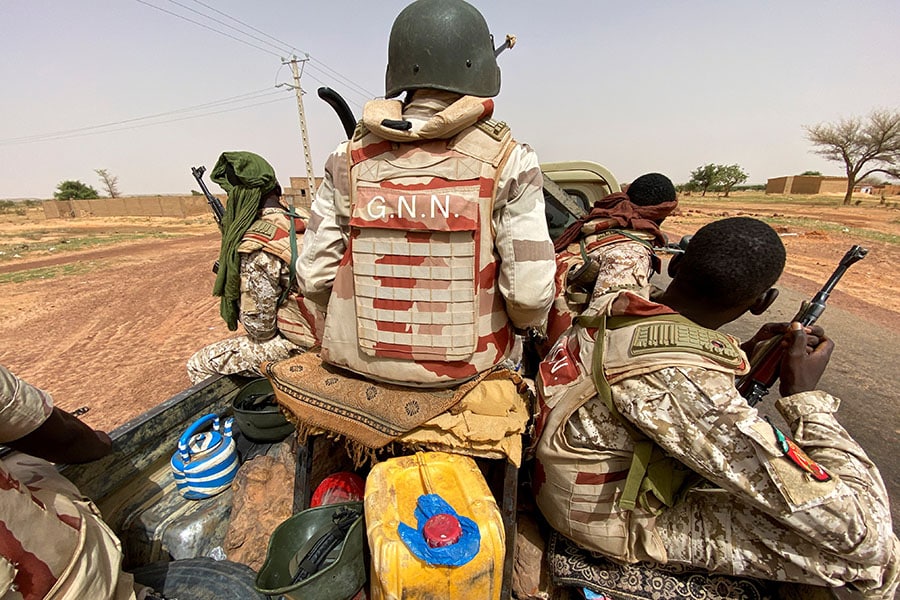
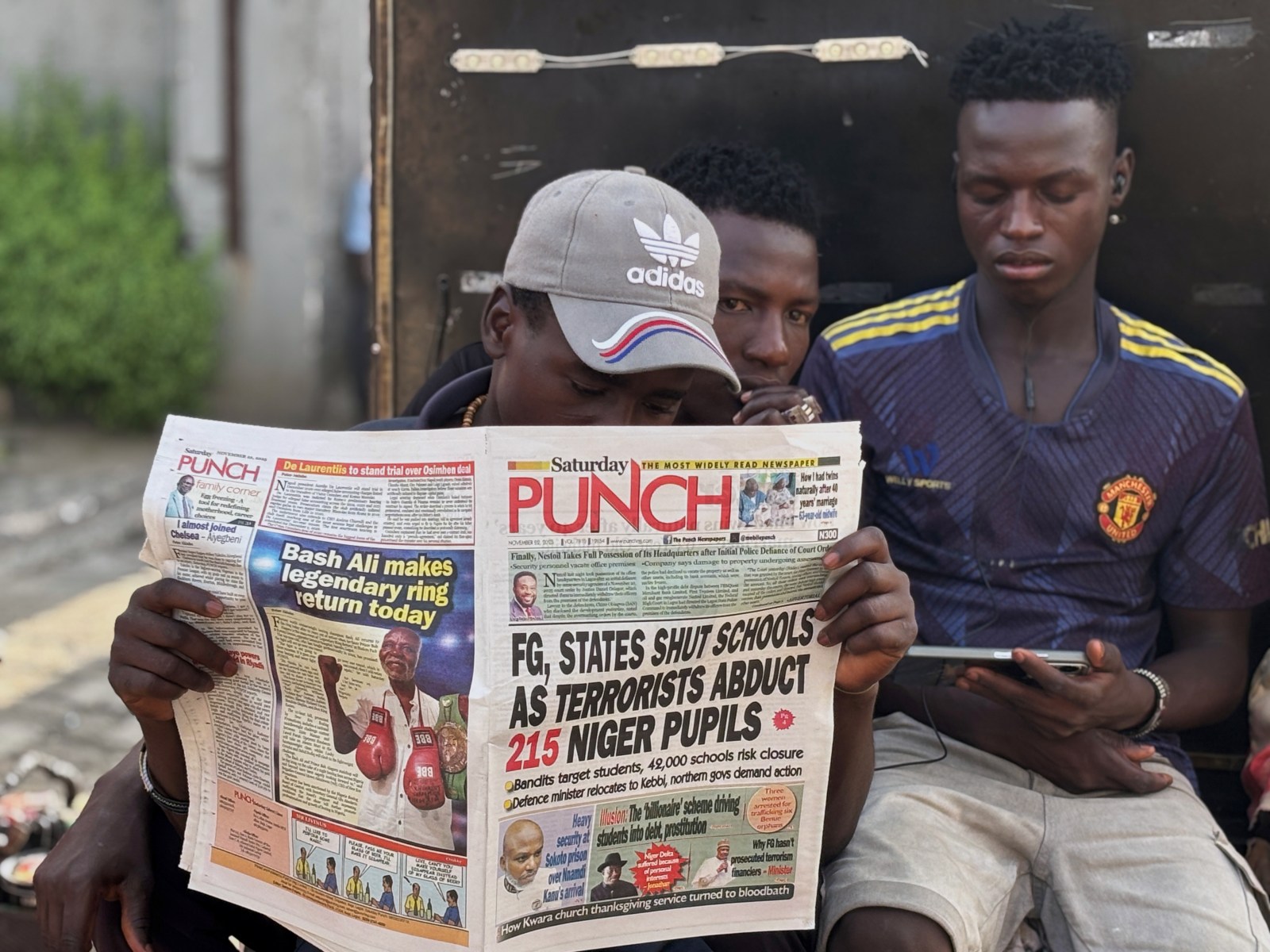
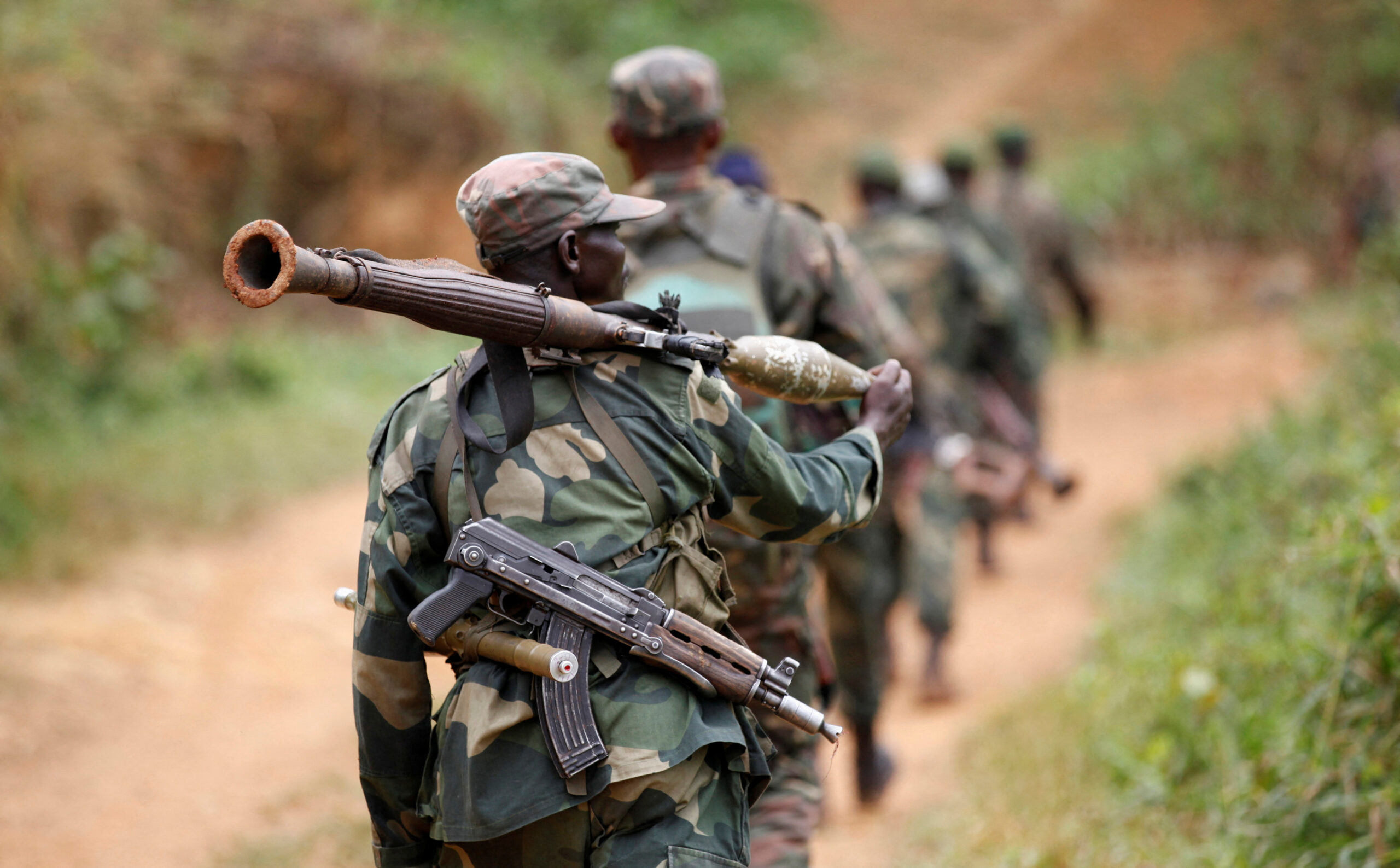
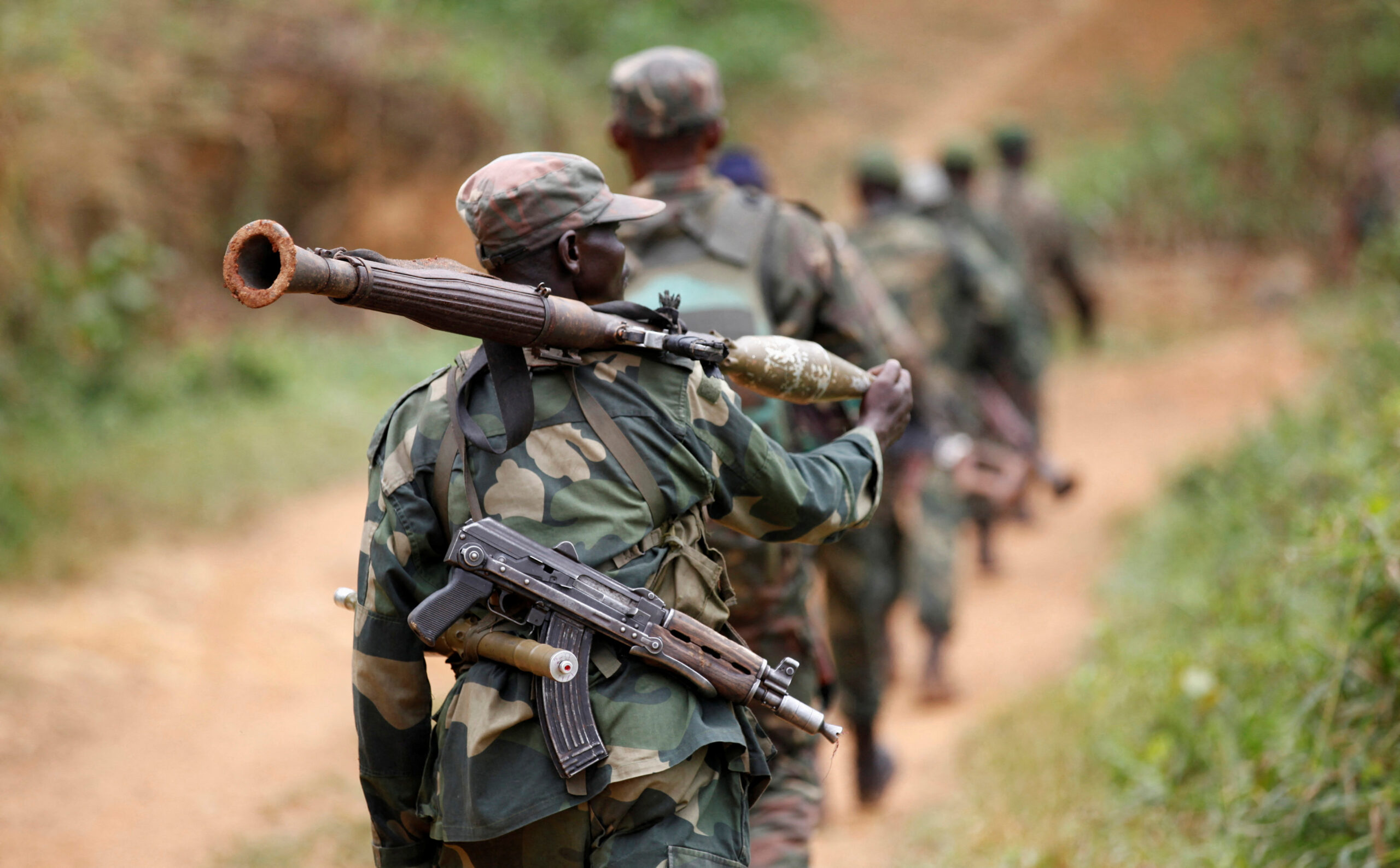
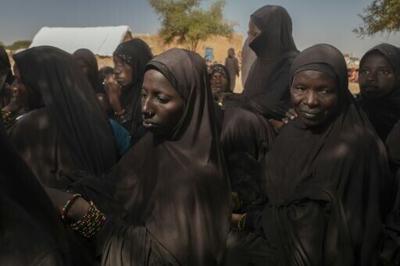
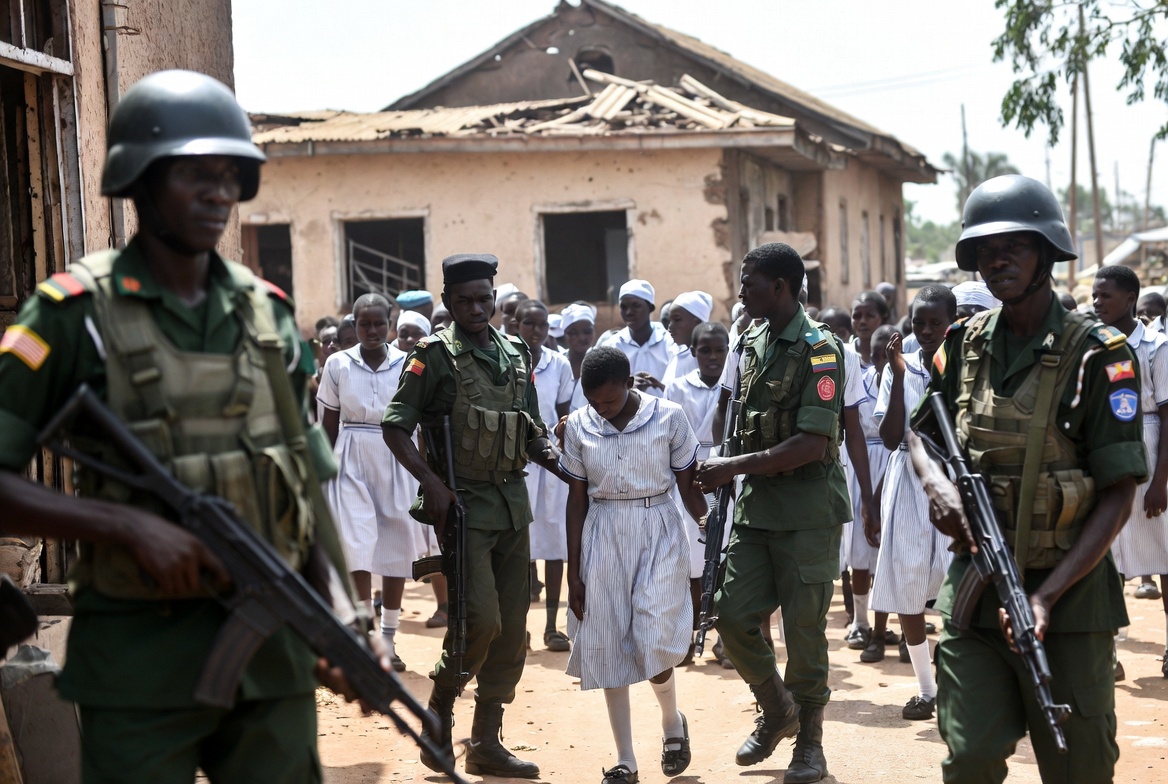
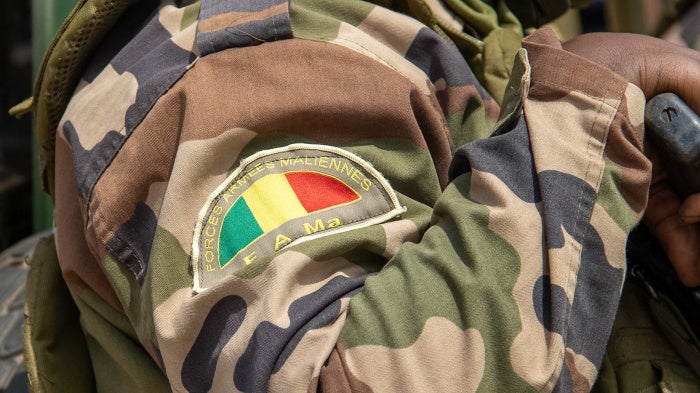
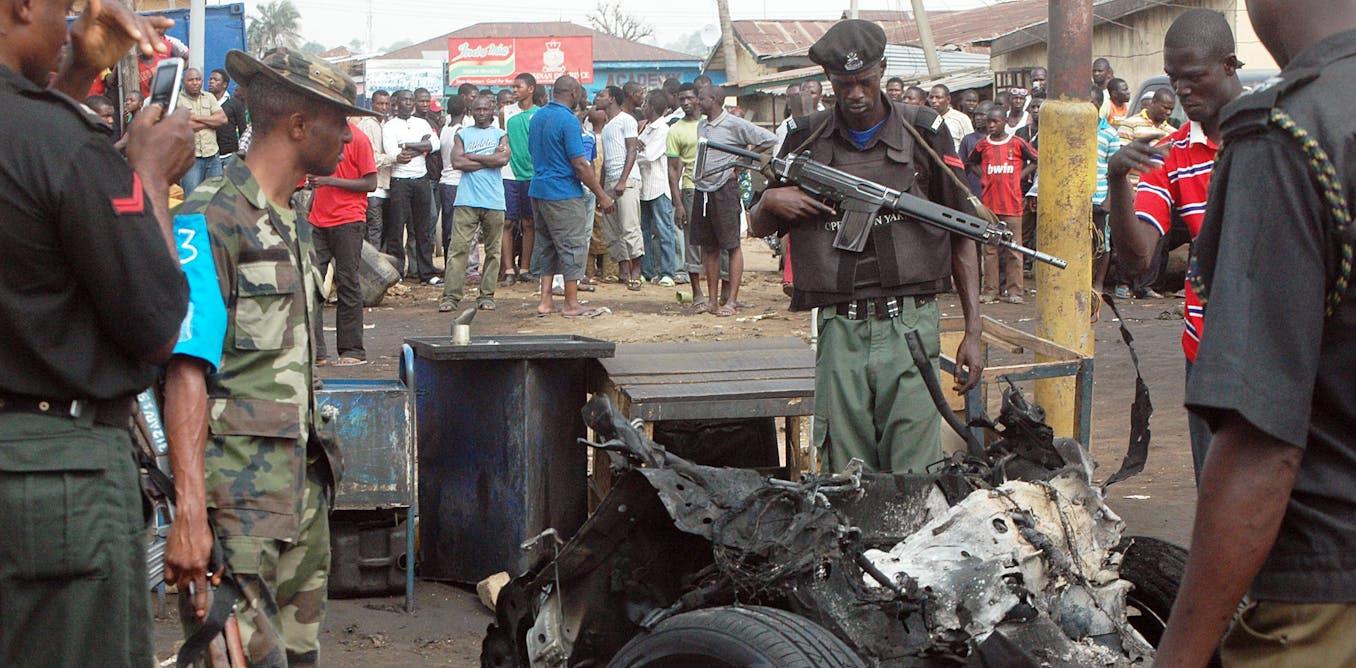
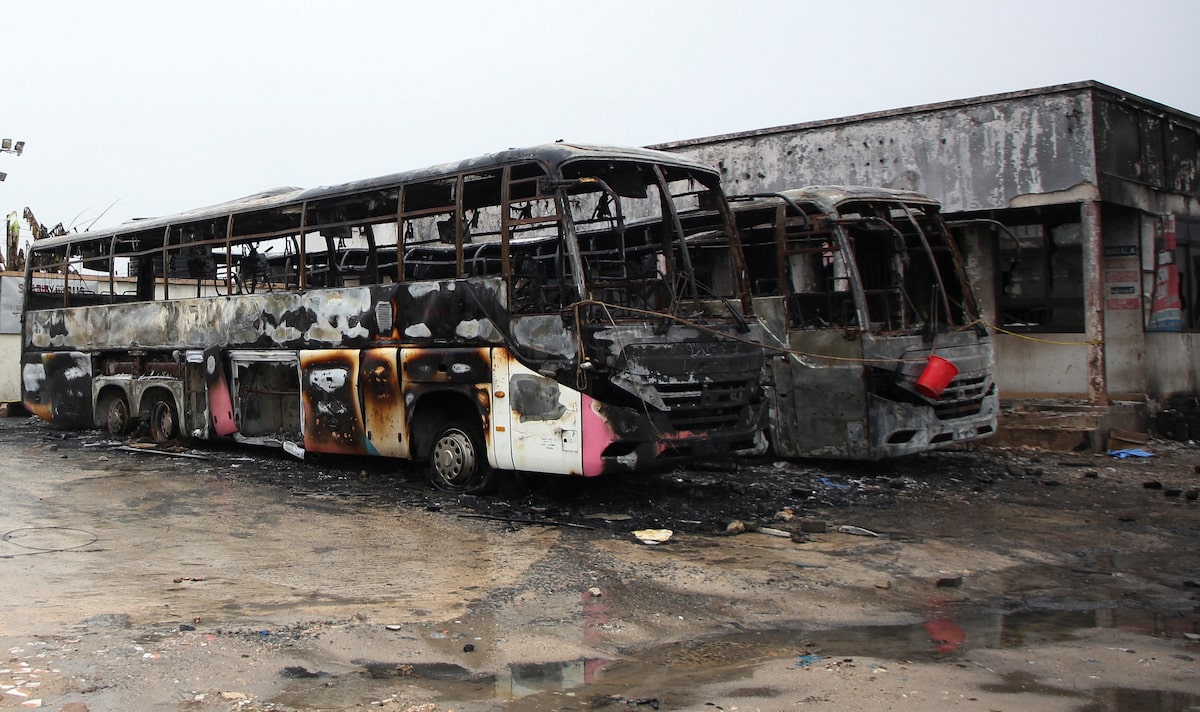
Beneath these high-stakes political maneuvers, the Sahel continues to grapple with the terrifying reality of escalating insurgent and jihadist attacks. These groups have destabilized communities for years, but lately, we’ve seen a concerning surge in kidnappings, terror attacks, and lawlessness, particularly in Niger, Mali, and Nigeria. This isn’t going unnoticed on the global stage. The United States, which had dialed back its presence in West Africa, is now keenly refocusing its strategic priorities to combat this resurgence of extremist activity. It’s a clear acknowledgment that the threat posed by these violent non-state actors, who thrive on weak governance and porous borders, is not only enduring but possibly growing. But there’s a darker chapter unfolding, especially in Mali. Reports detail a new Russian military unit, the Africa Corps, stepping in to replace the controversial Wagner mercenary group. And the stories emerging are chilling. Witnesses and refugees fleeing Mali paint a grim picture of alleged atrocities, including horrific human rights abuses like beheadings and rapes. These accounts, confirmed by investigative journalists, reveal the brutal face of foreign military involvement in the Sahel’s conflicts. What does this mean for the pursuit of peace? This grim reality only complicates matters, undermining efforts to win over local populations and potentially sparking further instability as communities react to such violence and exploitation. The Africa Corps’ actions are compounding an already severe humanitarian crisis marked by displacement, famine, and societal fragmentation. We’ve got to ask, what are the ethical and legal implications of international military engagement when such accusations surface? Meanwhile, the Africa Corps has been a subject of ongoing investigations.
As the Sahel navigates this incredibly precarious moment, the interconnectedness of these challenges is impossible to ignore. New regional alliances represent a genuine search for collective security, but the entry of external military actors, with their own agendas and methods, can either bolster or sabotage local efforts. Meanwhile, the growing jihadist threat and urgent human rights concerns demand a carefully balanced response. It’s not just about strong security initiatives, it’s also about strictly adhering to humanitarian principles. What’s next for the Sahel? Its future really hinges on countries like Burkina Faso, Mali, Niger, and potentially Chad, forging strong, lasting alliances and effectively coordinating their security operations. International stakeholders, including the United States and Russia, will have to somehow align their strategic interests with the desperate need to protect civilians and foster sustainable governance. The coming months and years will undoubtedly bring more realignments and security pushes, all aimed at bringing stability back to one of Africa’s most vital, yet challenging, regions. This unfolding story is a stark reminder of how complex modern security threats are, how fluid political alliances can be, and just how profound the impact of outside military involvement truly is. The resilience of the Sahel’s nations and people will certainly be tested as they strive to carve out a path toward peace amidst ongoing turbulence.