Mali’s Battle for Stability: Navigating Sahel’s Security Crisis and Economic Hopes
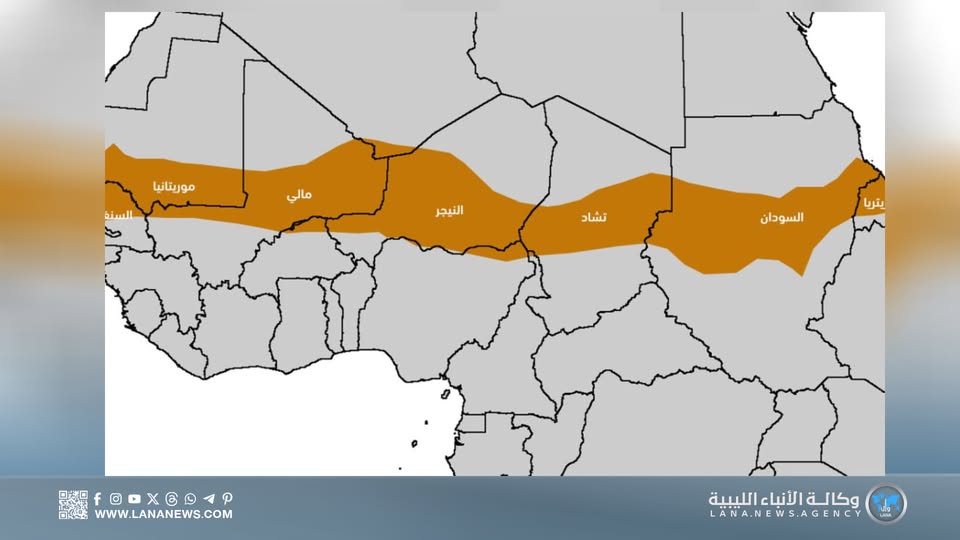
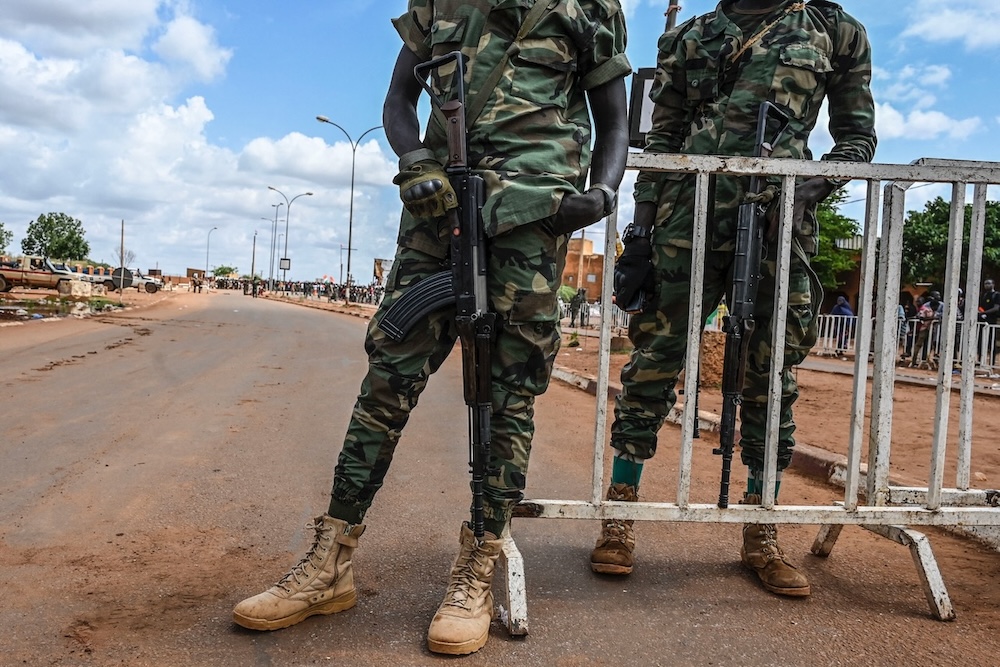
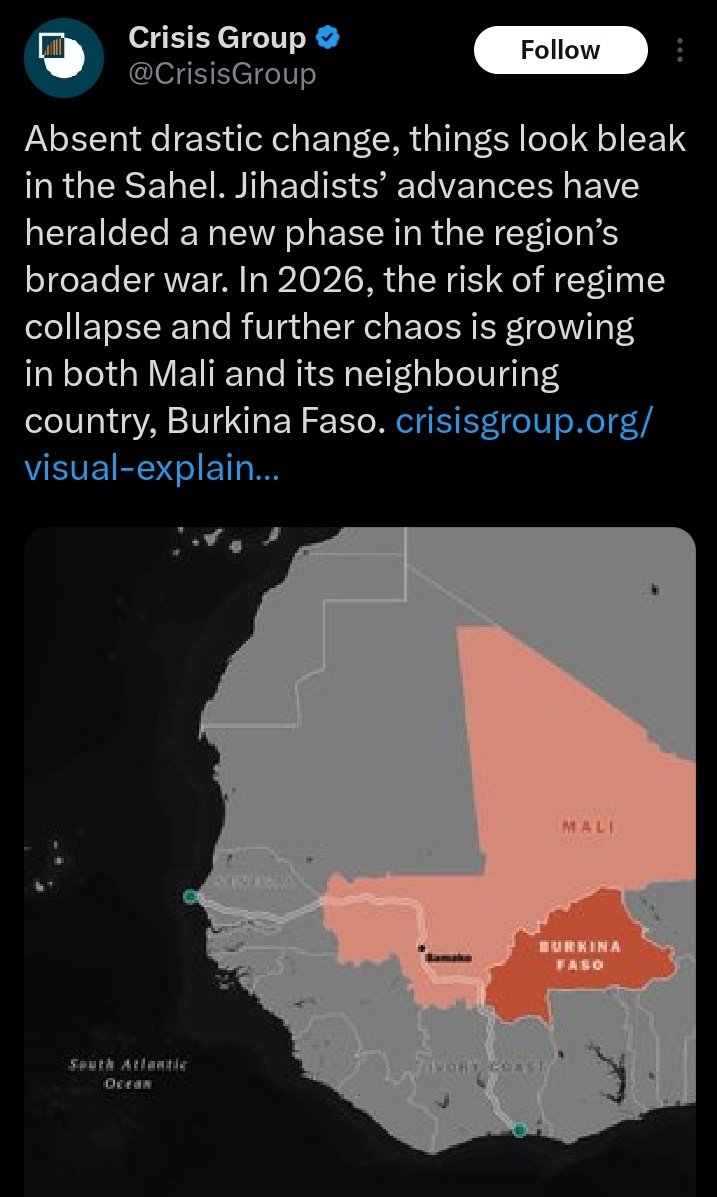
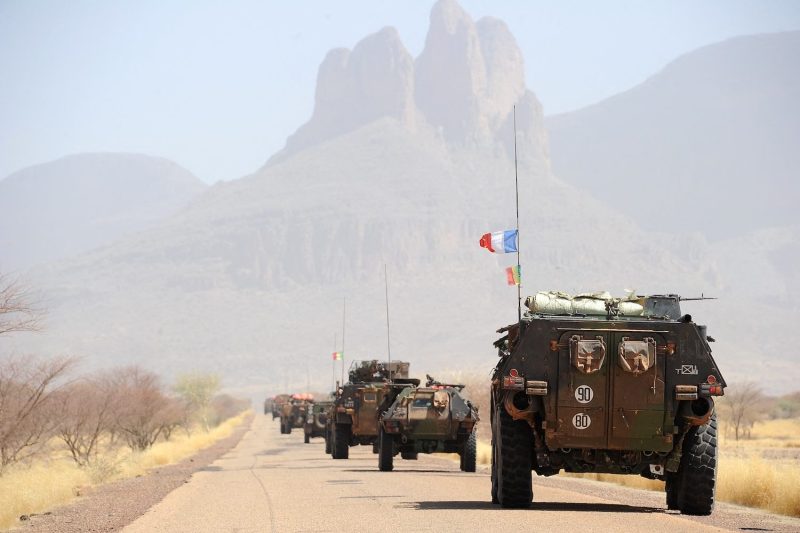
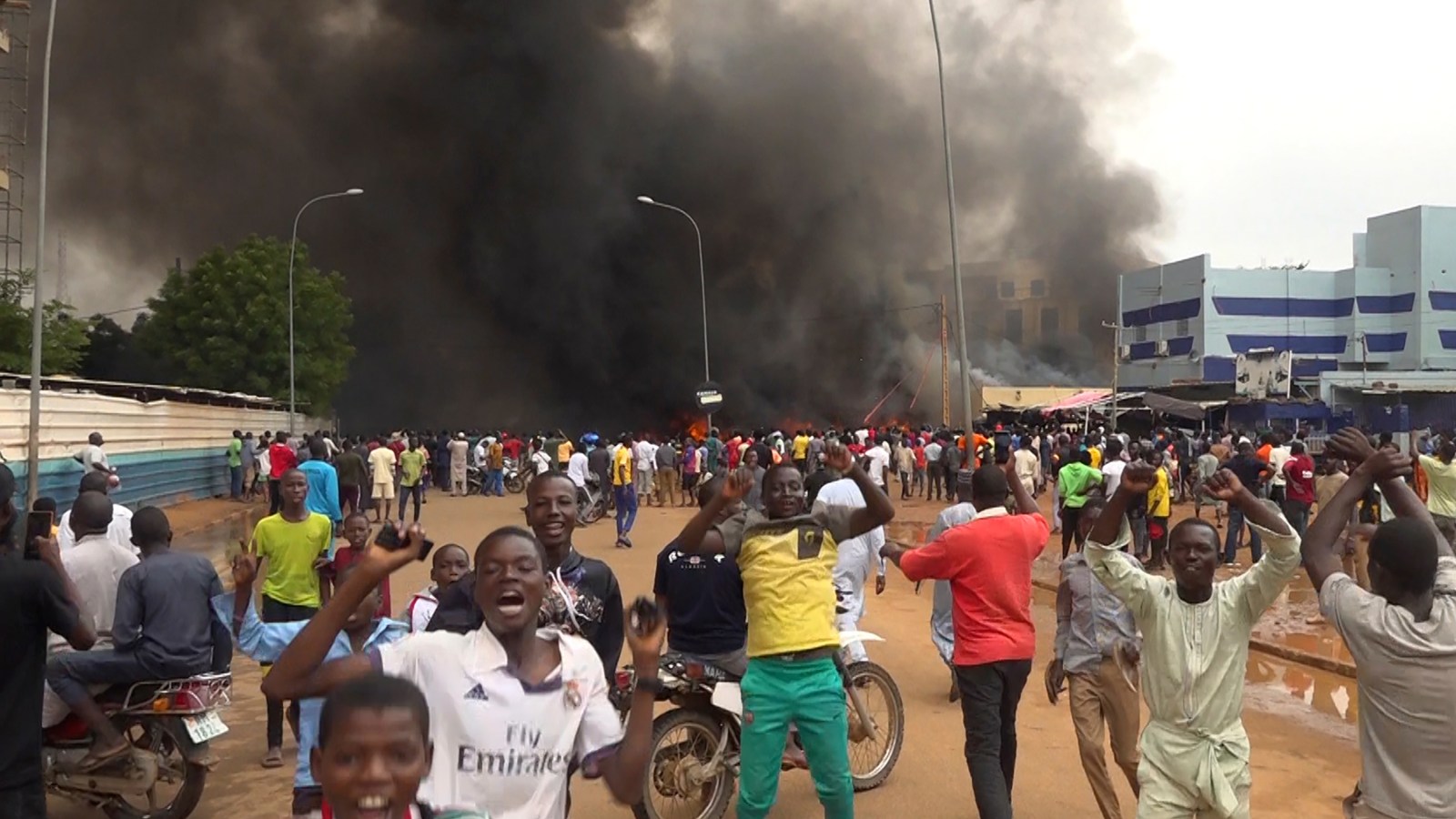
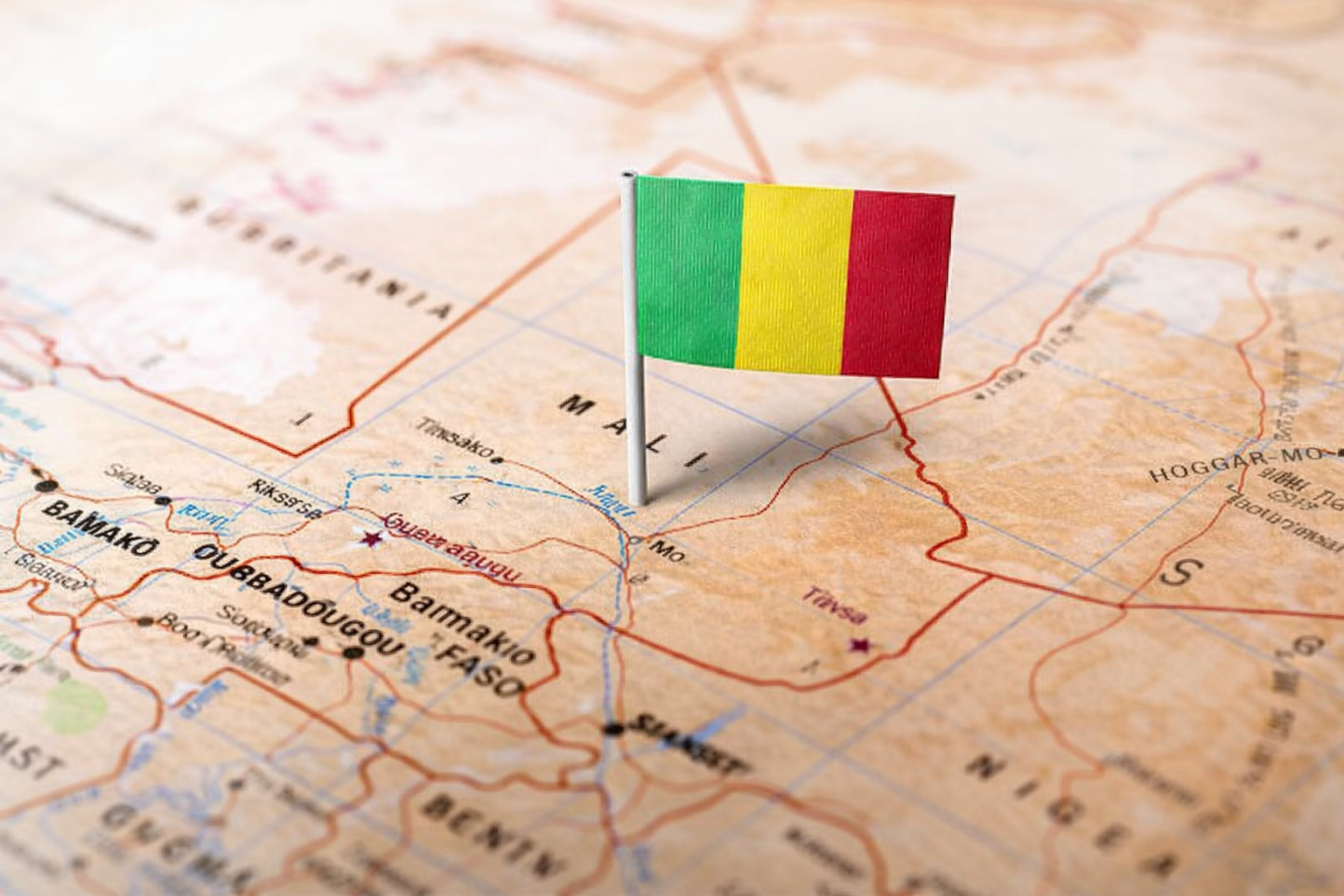
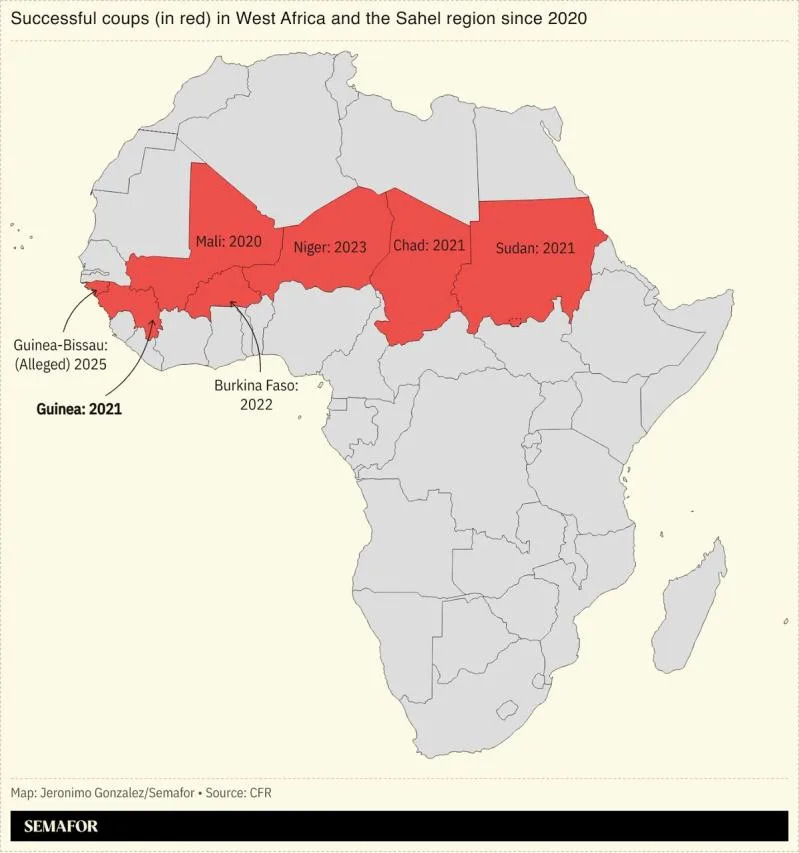
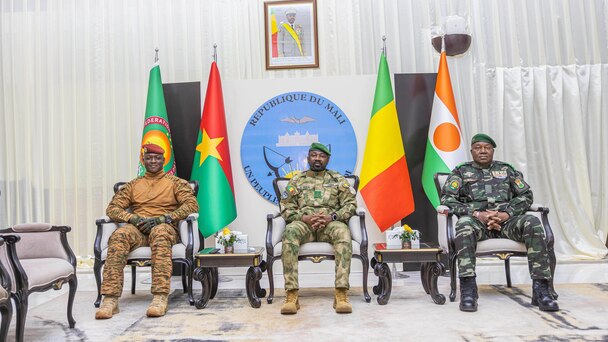
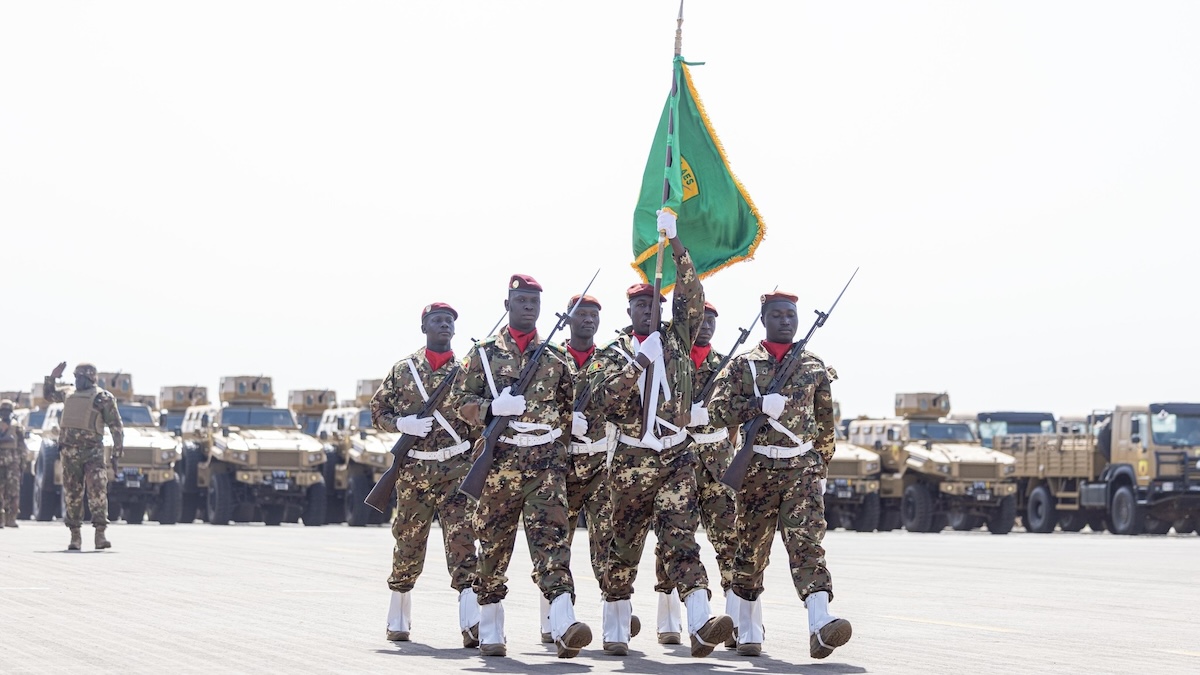
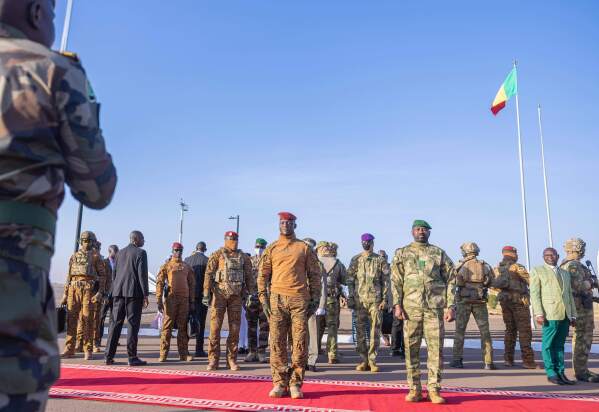
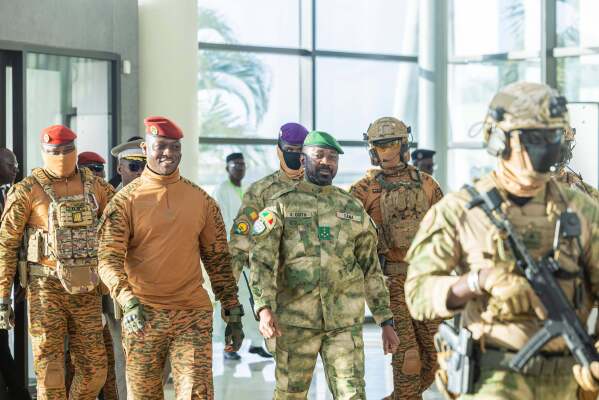
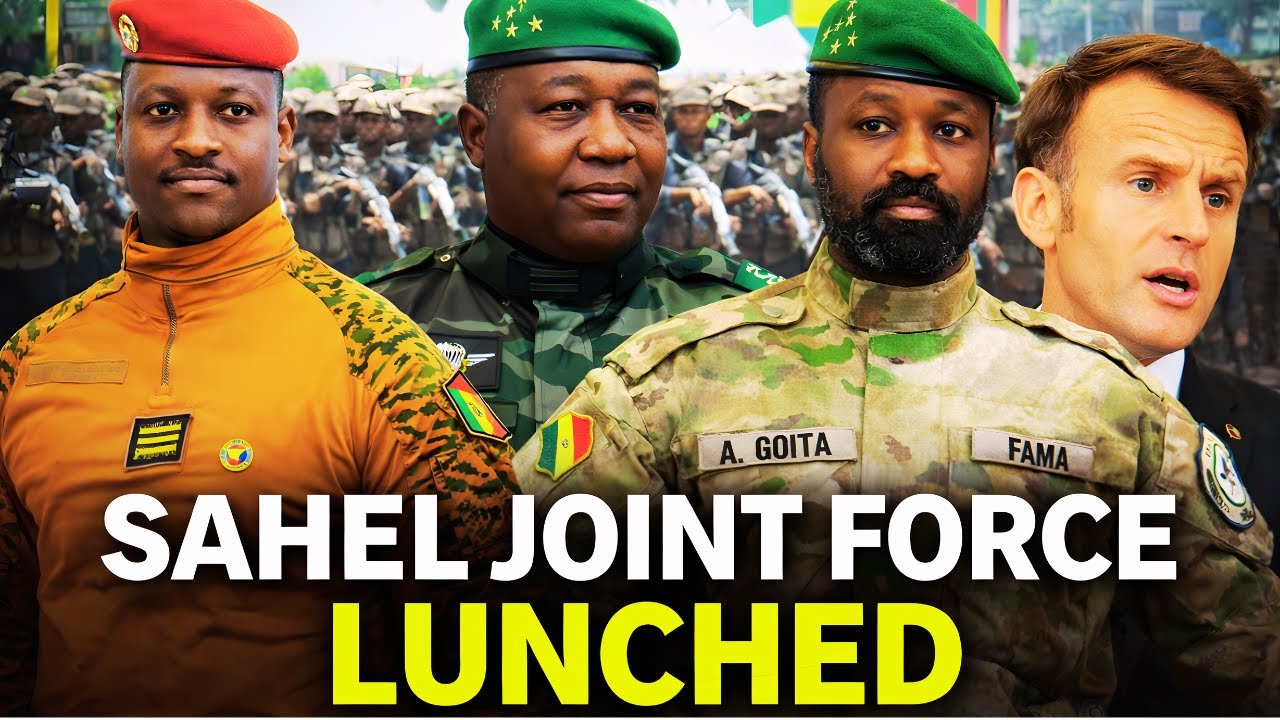
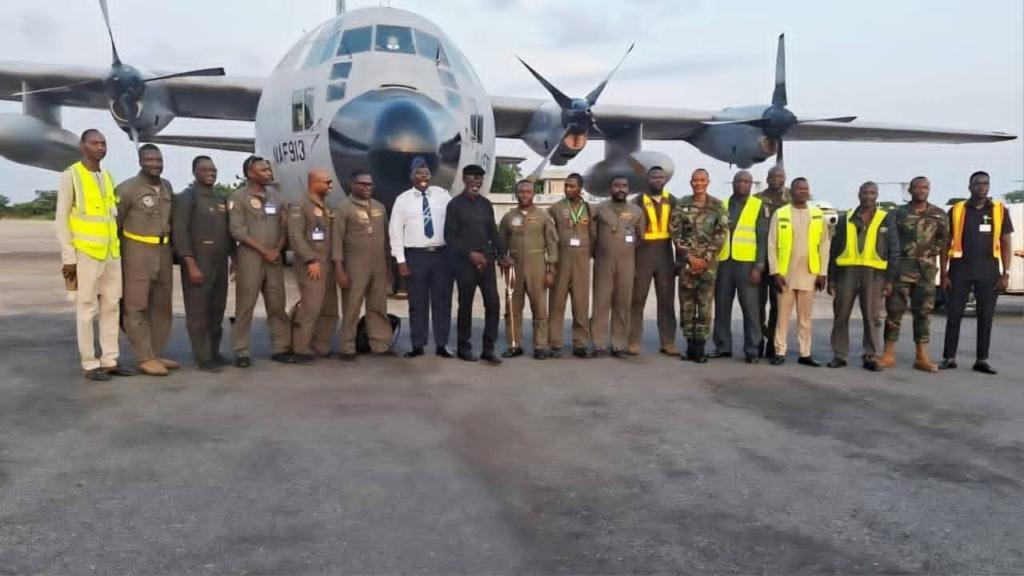
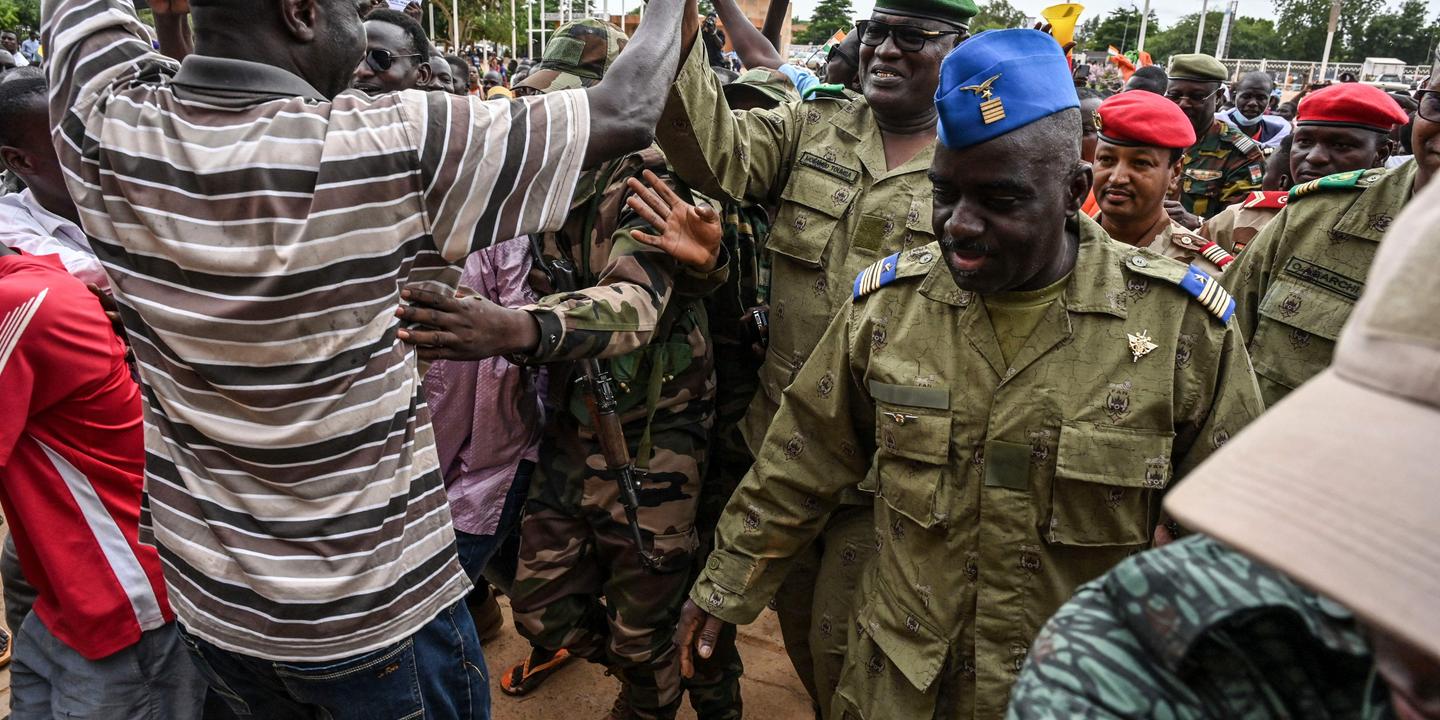
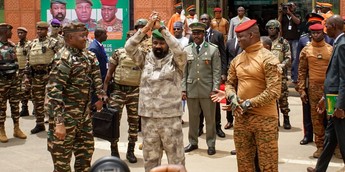
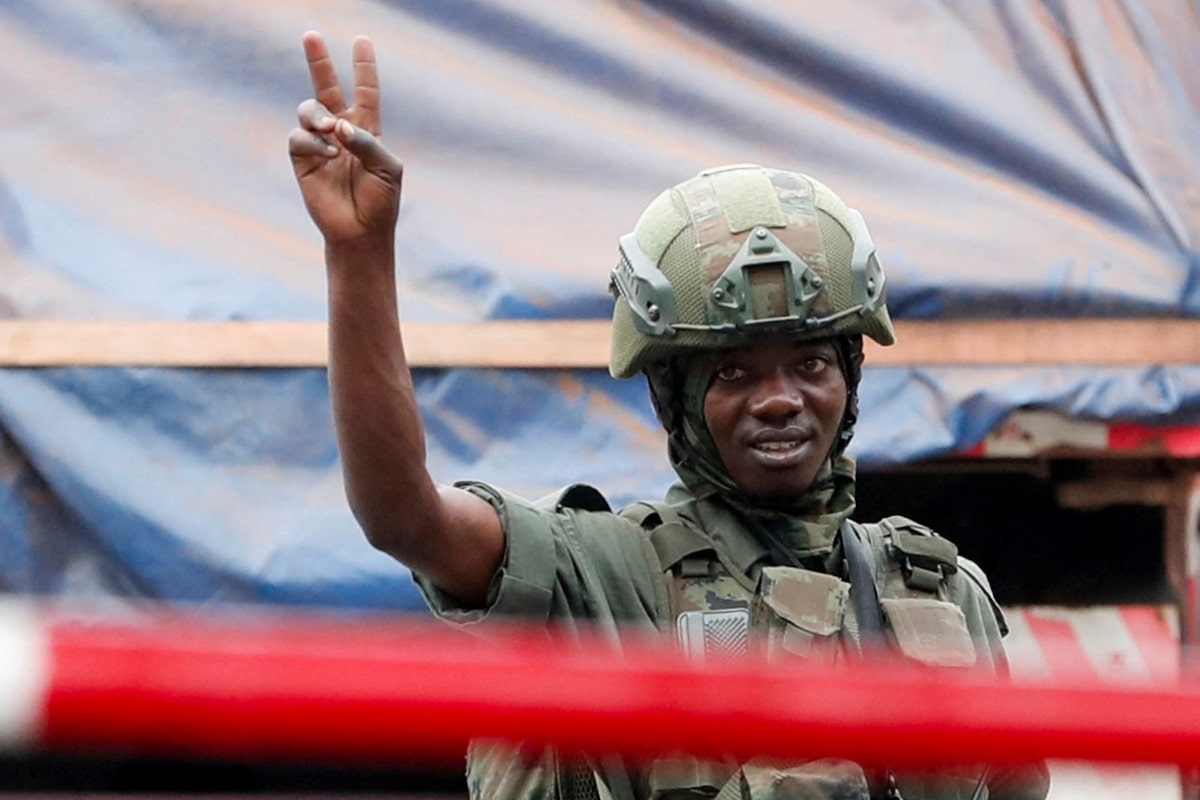
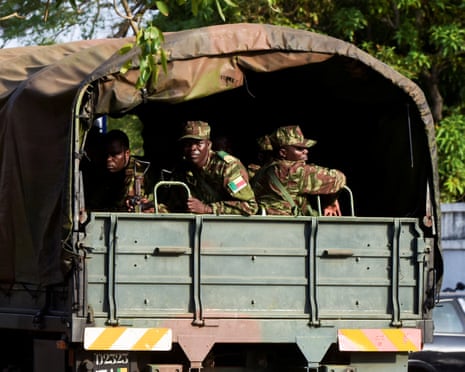
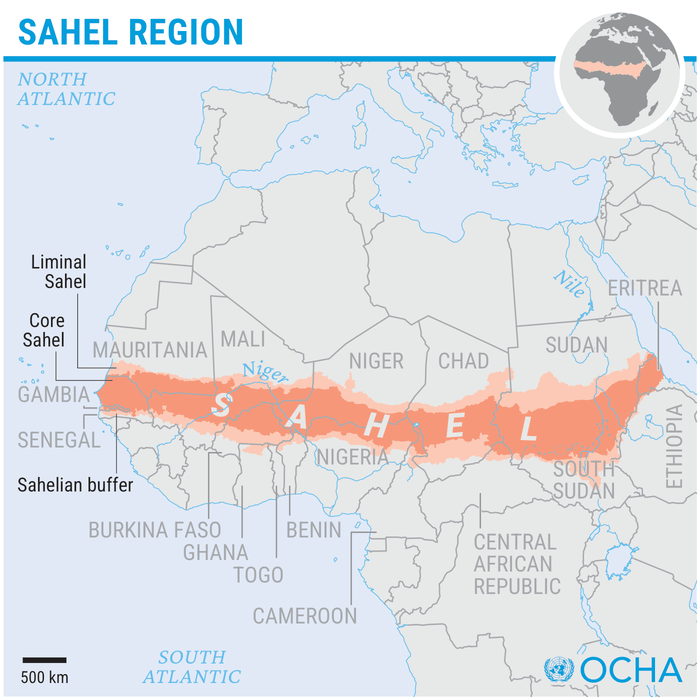
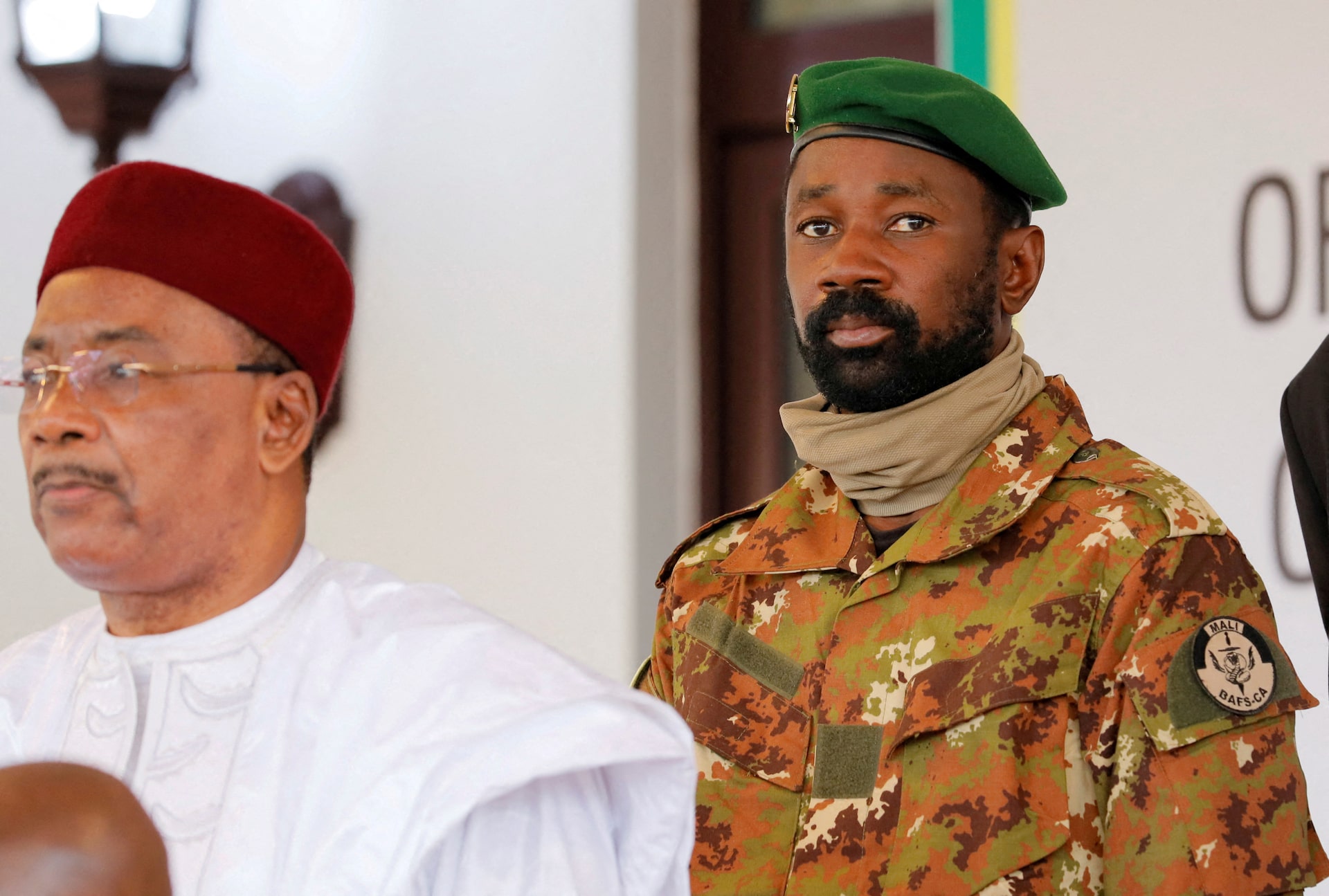
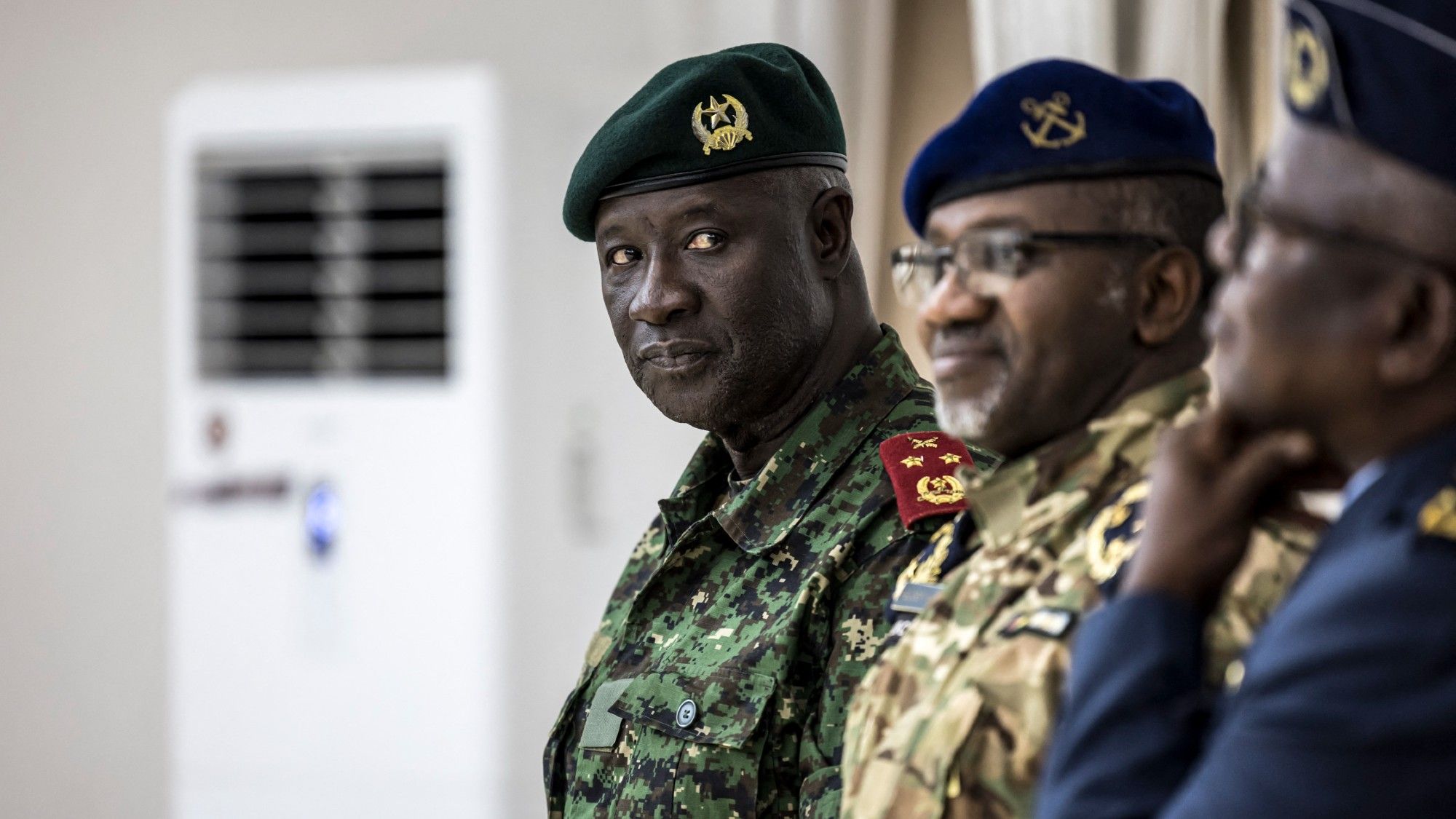
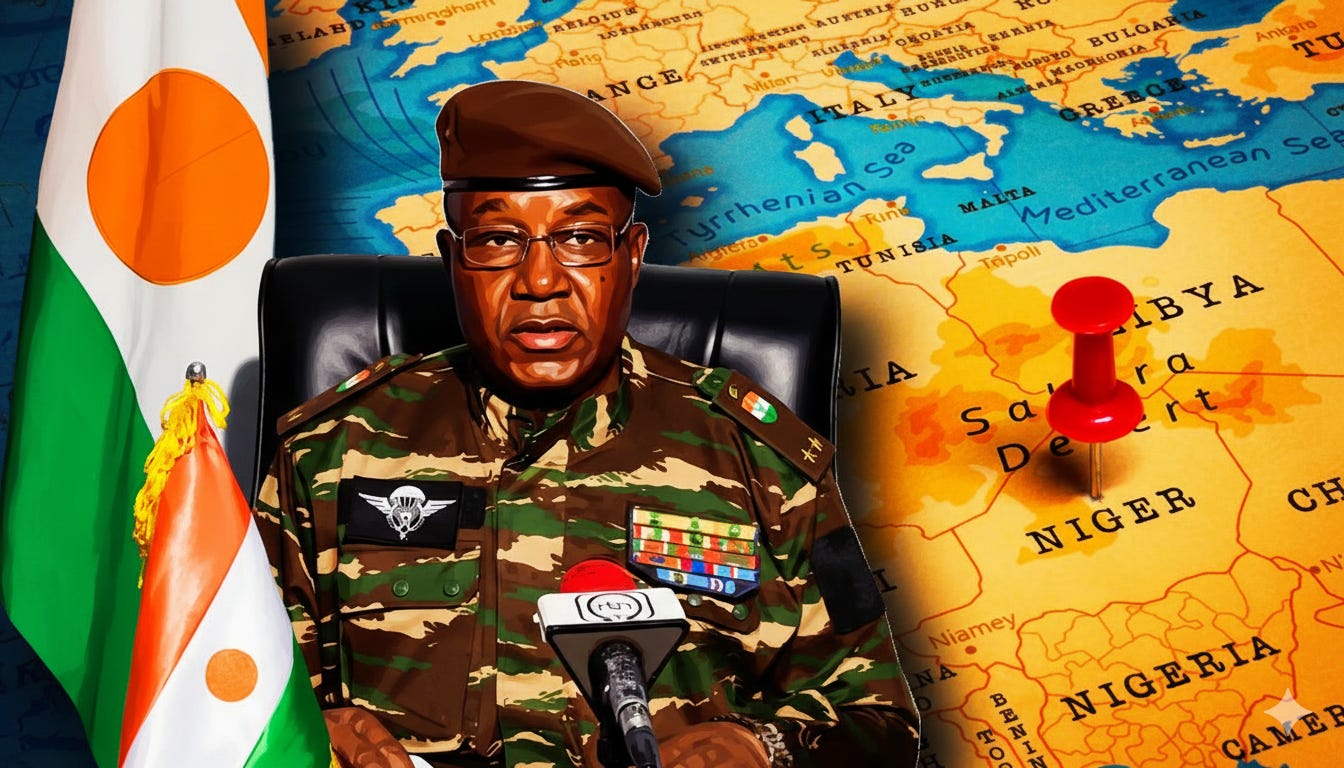
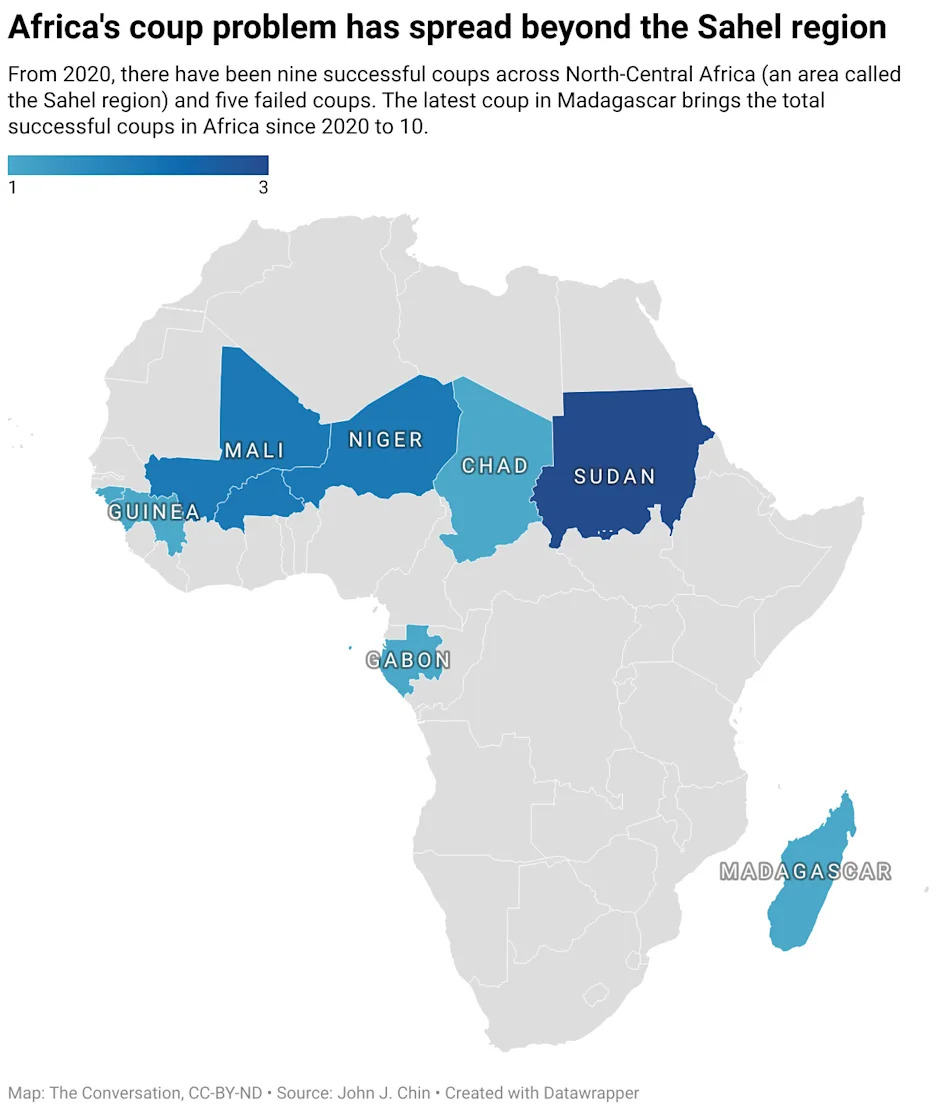
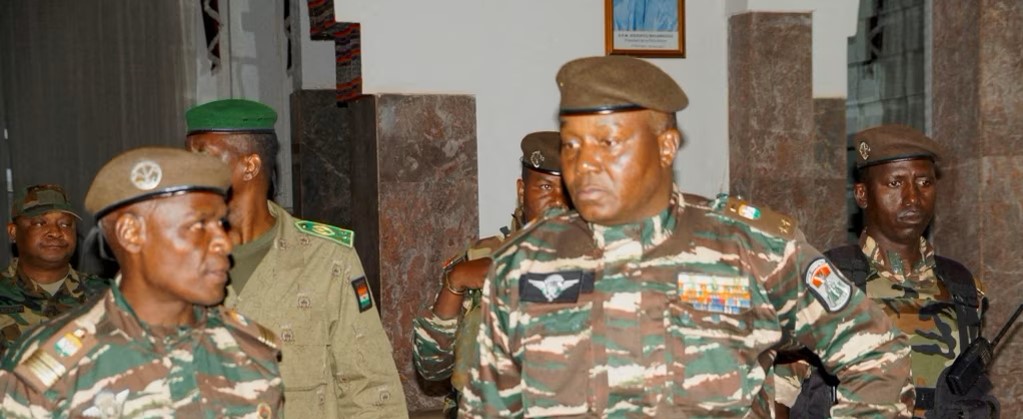
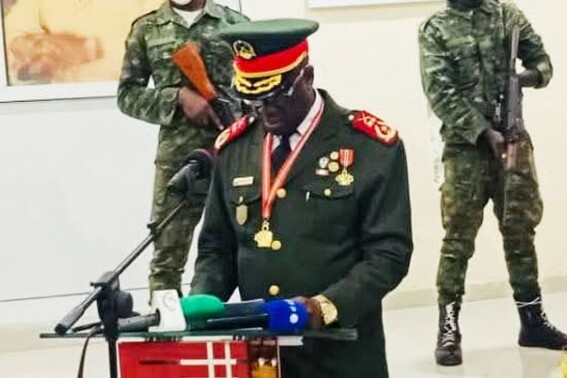
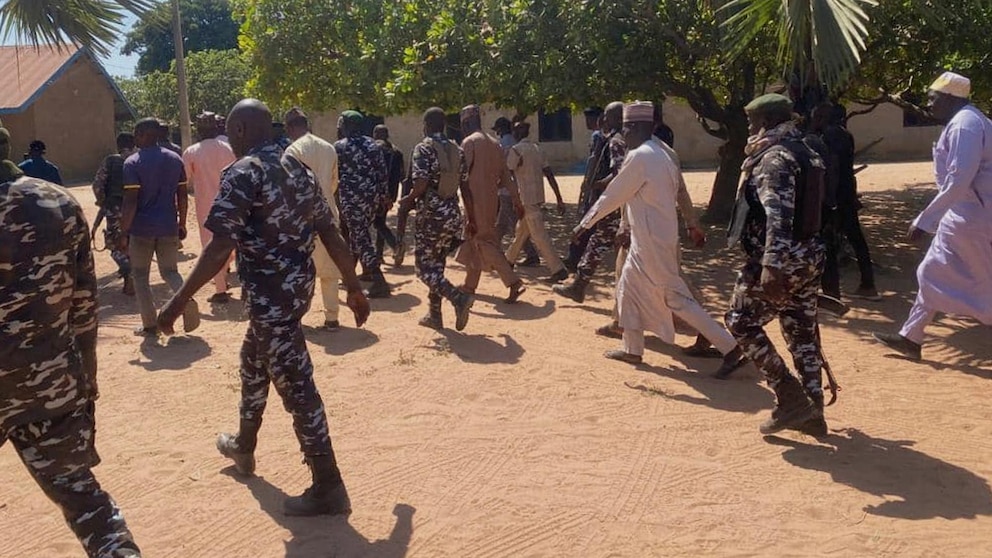
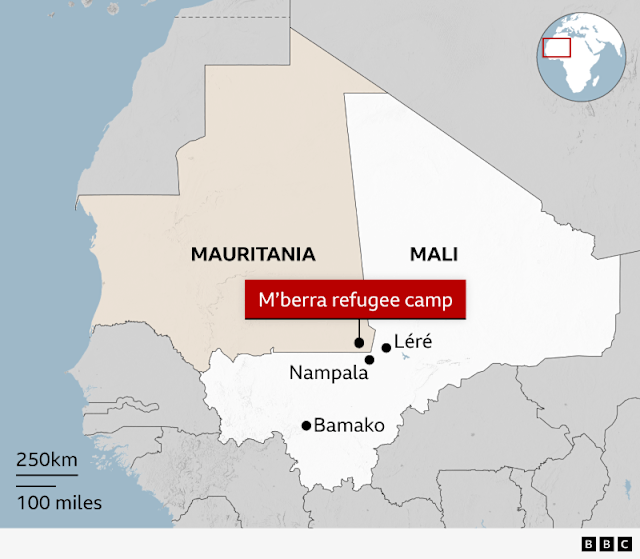
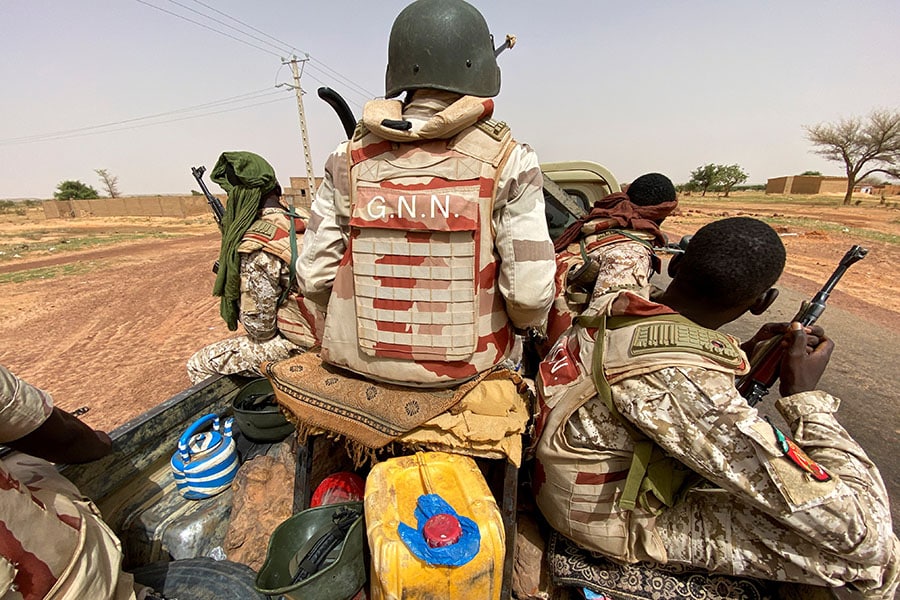
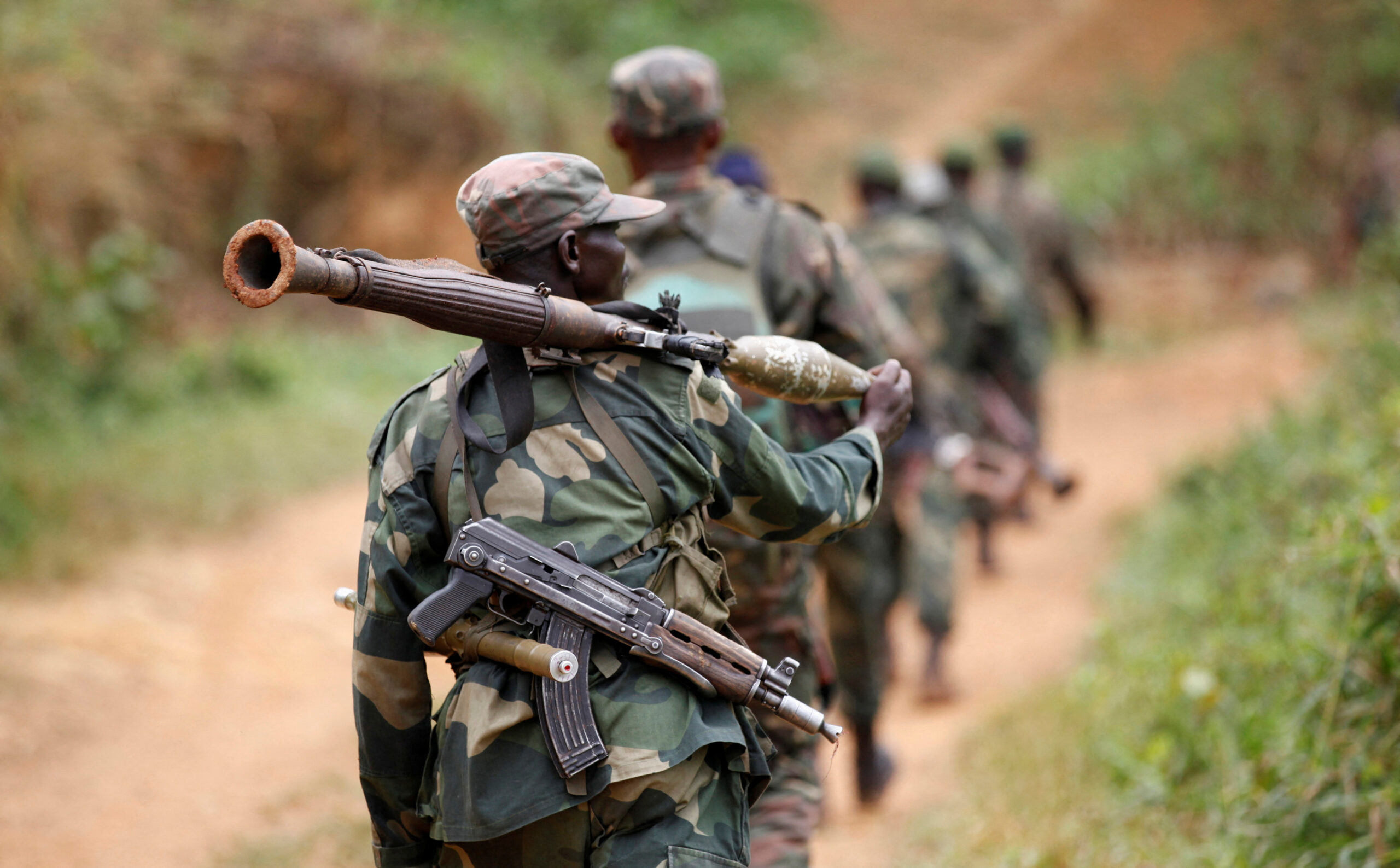
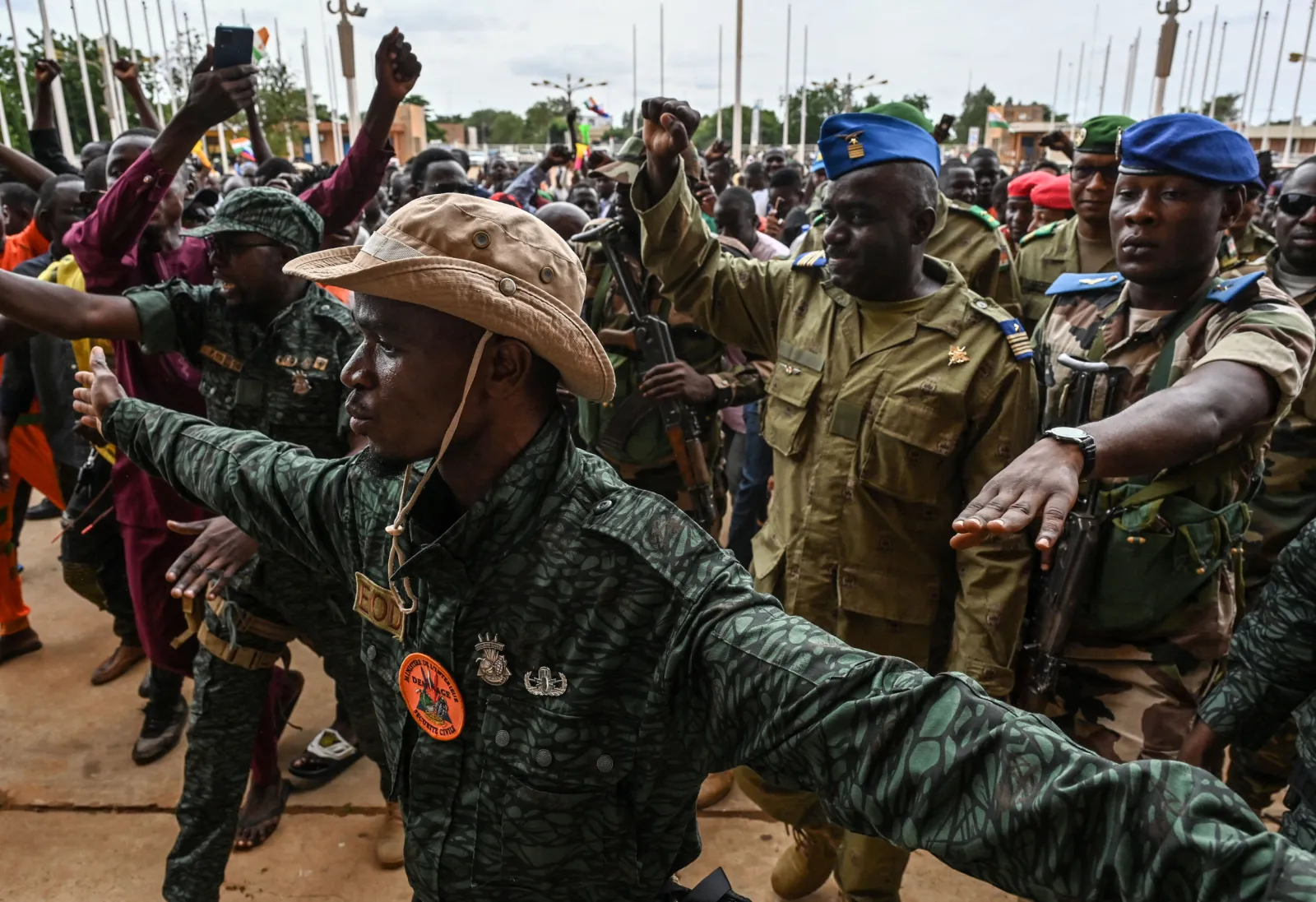
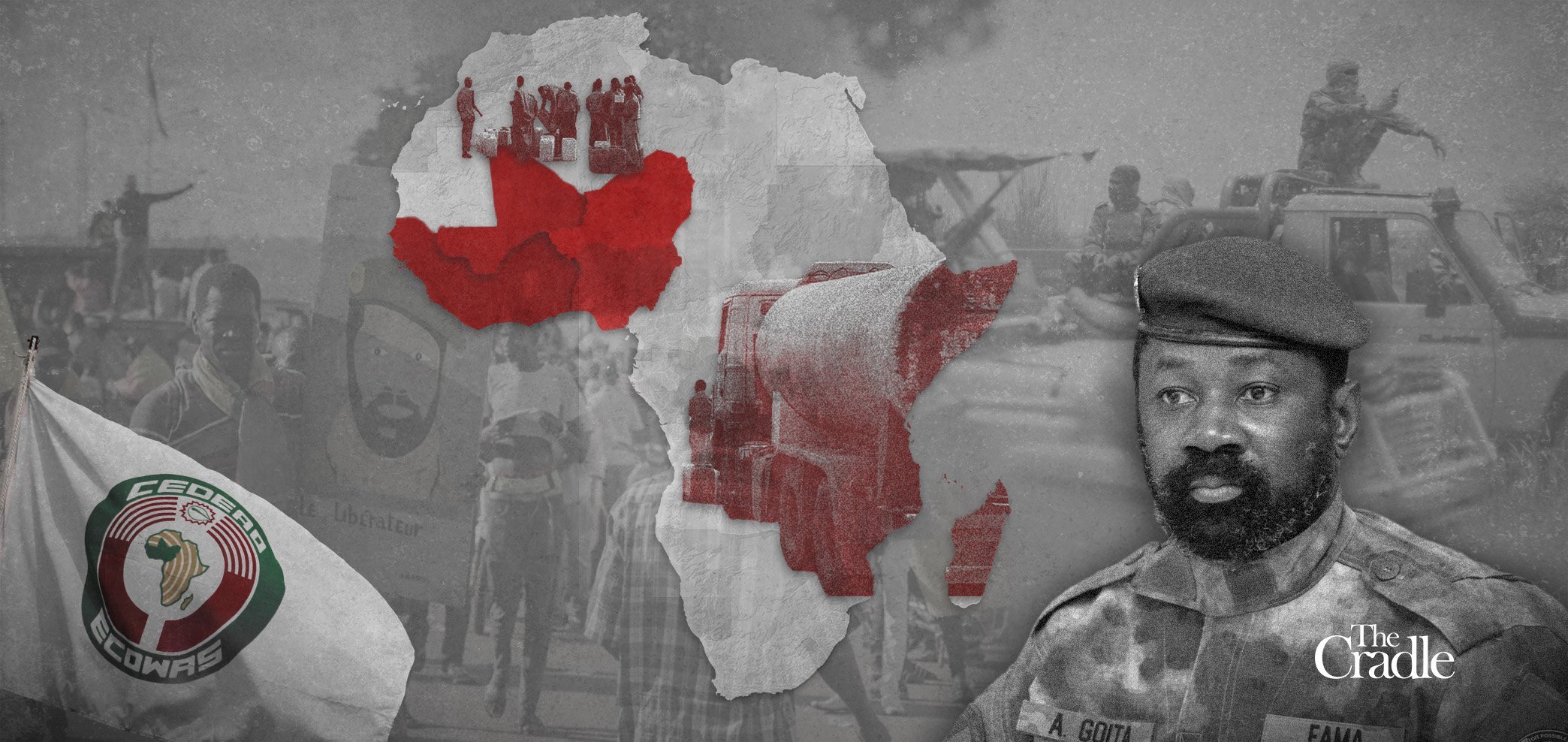
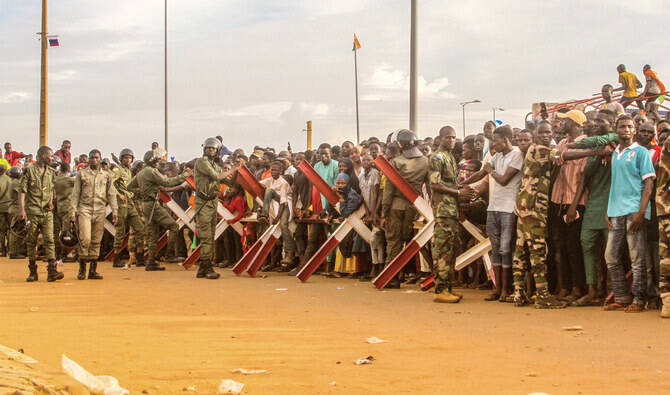
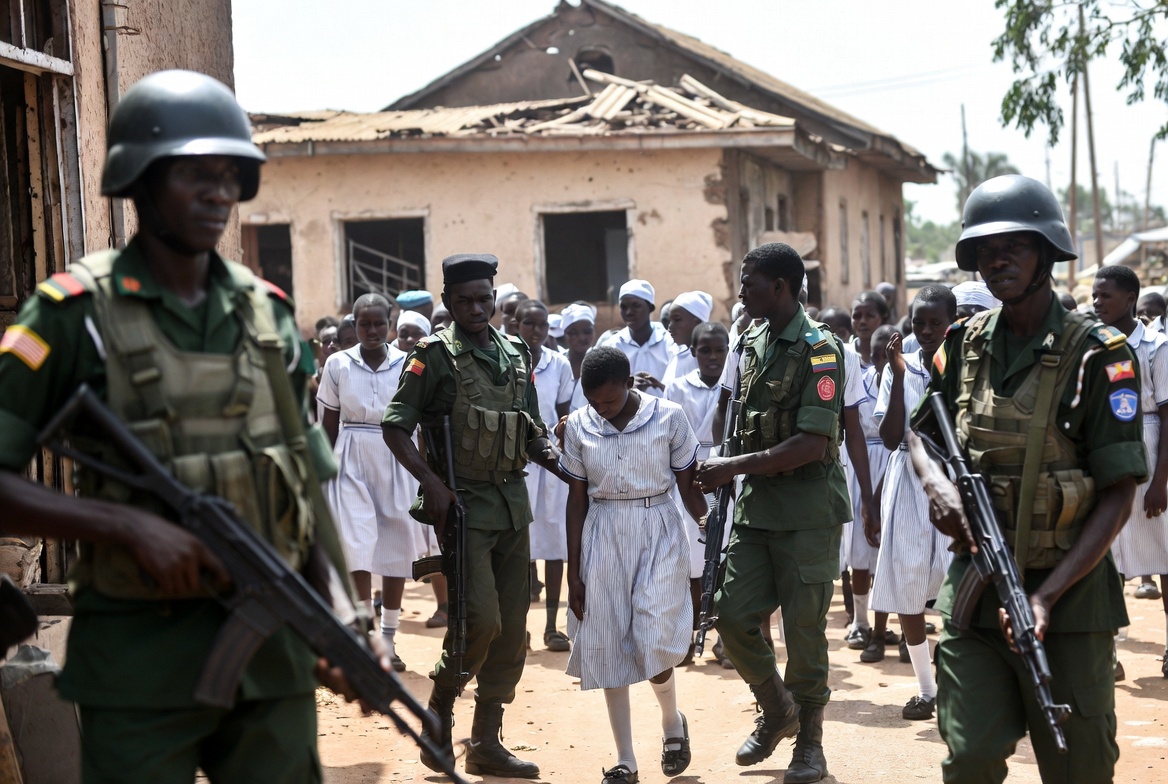
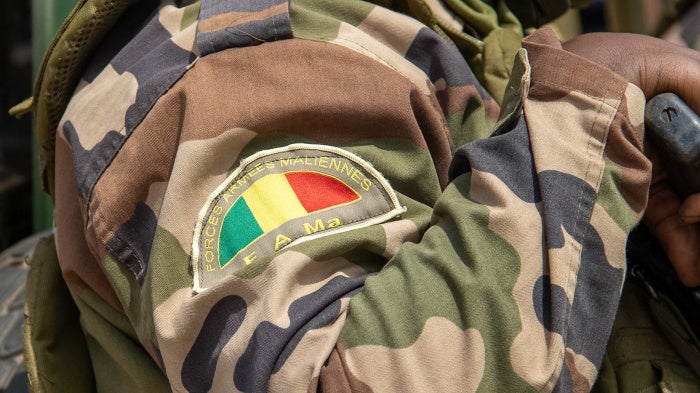
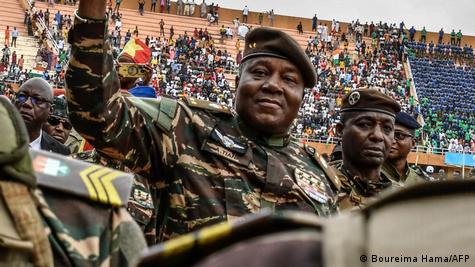
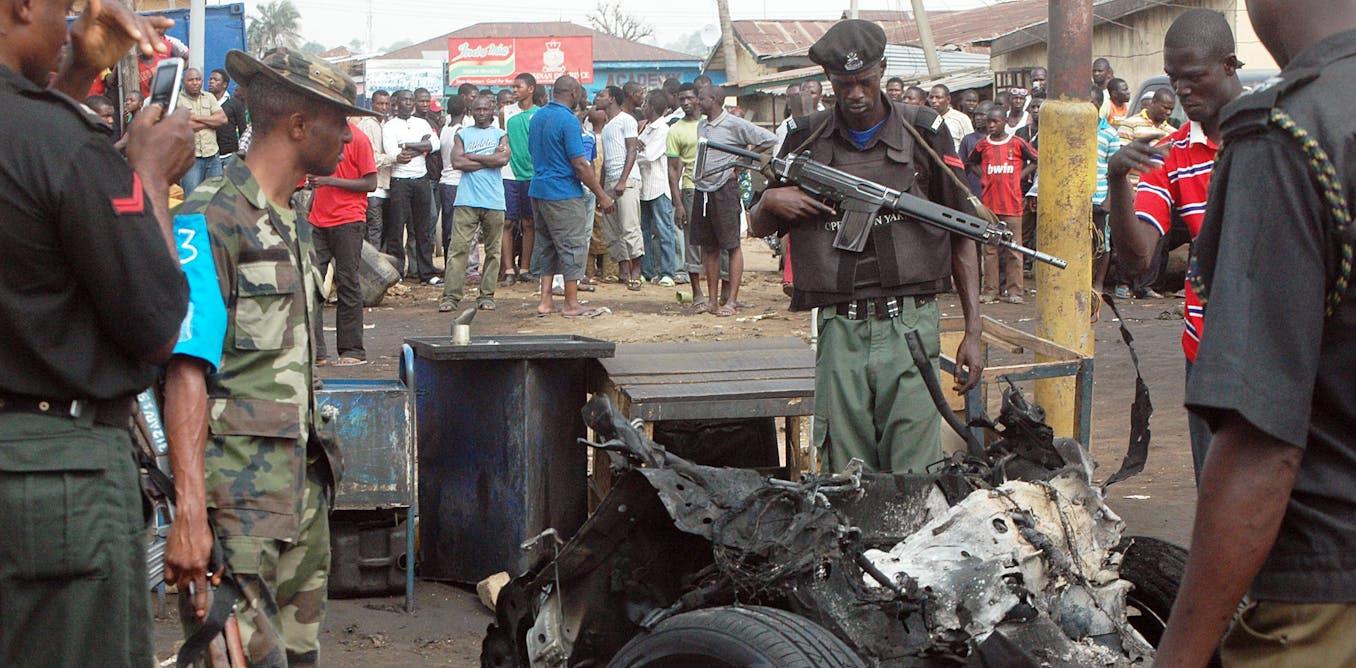
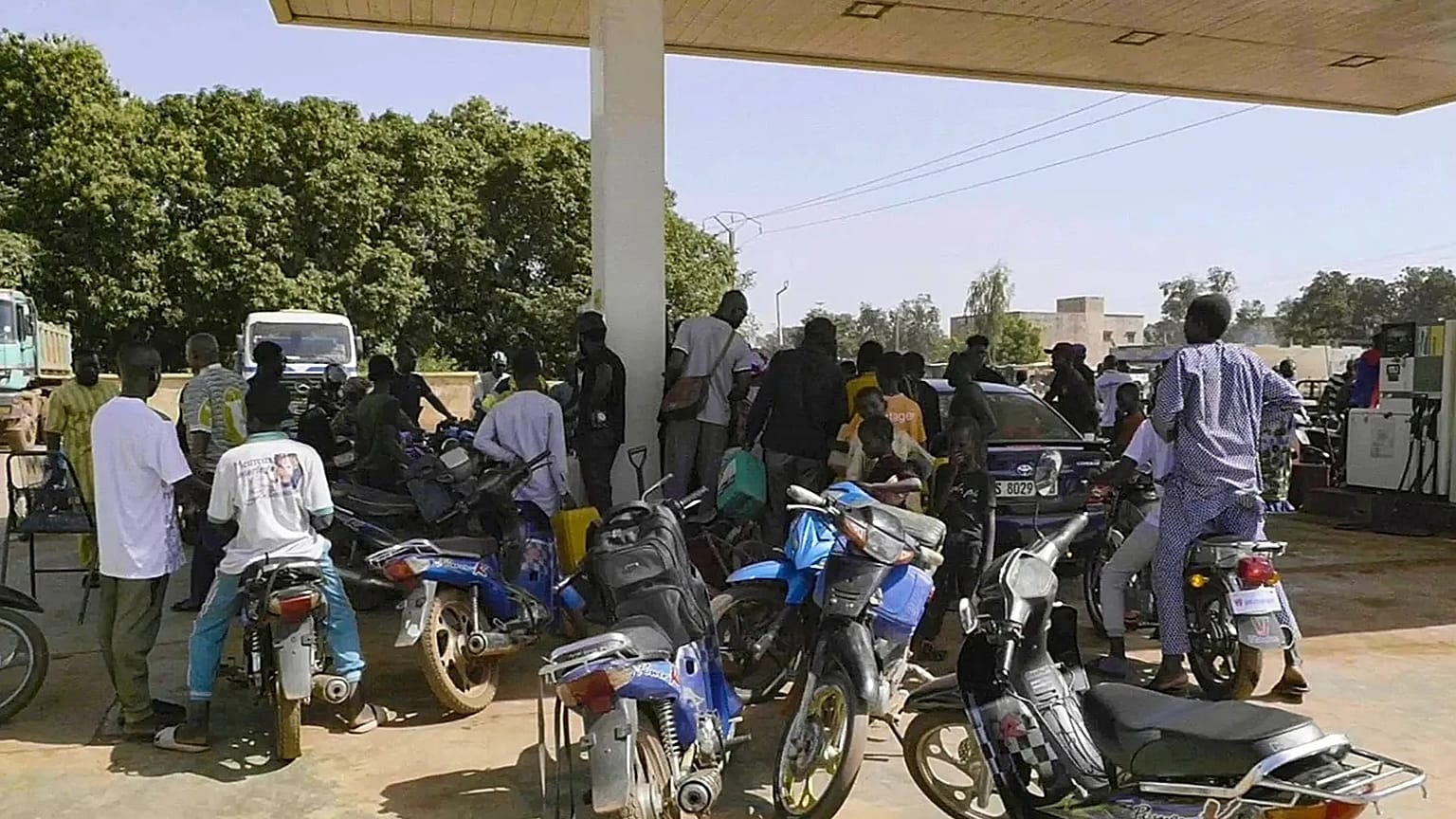
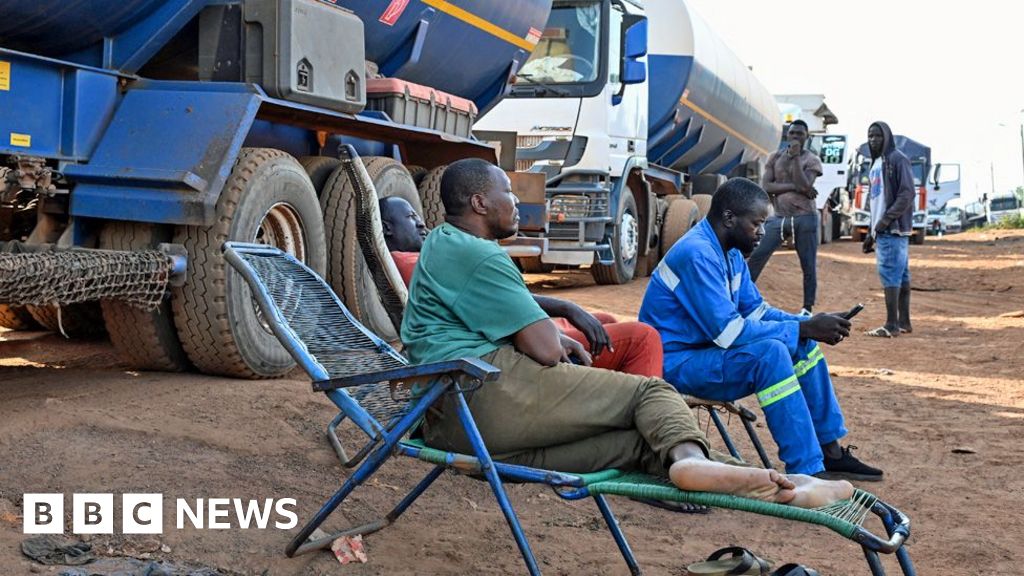
The Sahel region, a vibrant but often troubled heartland of West Africa, continues to grapple with a complex mix of conflict, economic hardship, and determined efforts at regional cooperation. At the center of this intricate situation stands Mali, a nation whose journey shows both tough realities and glimmers of hope. What’s truly happening on the ground? Persistent armed confrontations, initiatives for economic recovery, and vital regional security partnerships paint a vivid, if challenging, picture. We’re talking about more than just headlines; we’re talking about the daily lives of millions. The ongoing violence in Mali sits at the core of the Sahel’s instability, with groups like Jama’at Nasr al-Islam wa al-Muslimin (JNIM) maintaining a worrying presence across much of the country. They’re exploiting weak governance, widespread poverty, and porous borders, causing severe disruption to social order and security. For a deeper look into the nation’s struggles, you can learn more about how Mali faces a growing jihadist threat and regional stability crisis. This instability doesn’t stay confined to Mali’s borders; it spills over, creating similar pressures in neighboring countries like Burkina Faso and Niger. We’ve seen these nations step up, deploying troops to assist Mali’s military. Just last November, for instance, forces from Burkina Faso and Niger moved into Mali to help break a crucial fuel blockade, signaling growing regional collaboration aimed at reducing the impact of economic sabotage on daily life and military operations. These efforts highlight how interconnected the region is, where one nation’s struggle quickly becomes a shared challenge.
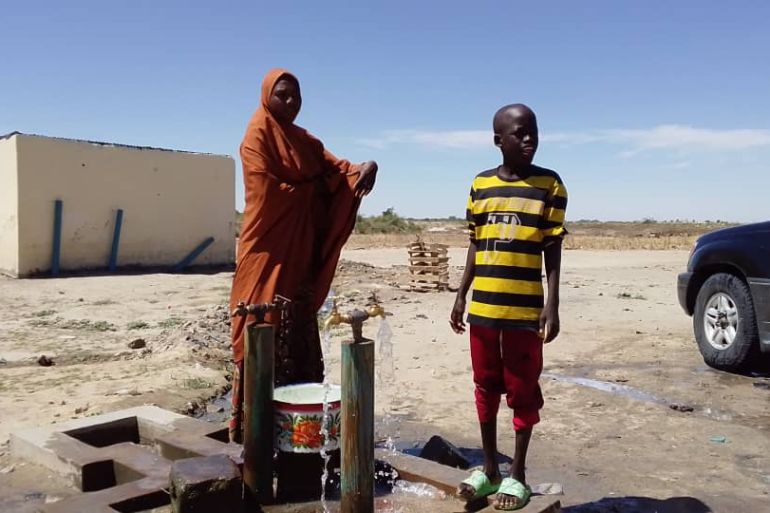
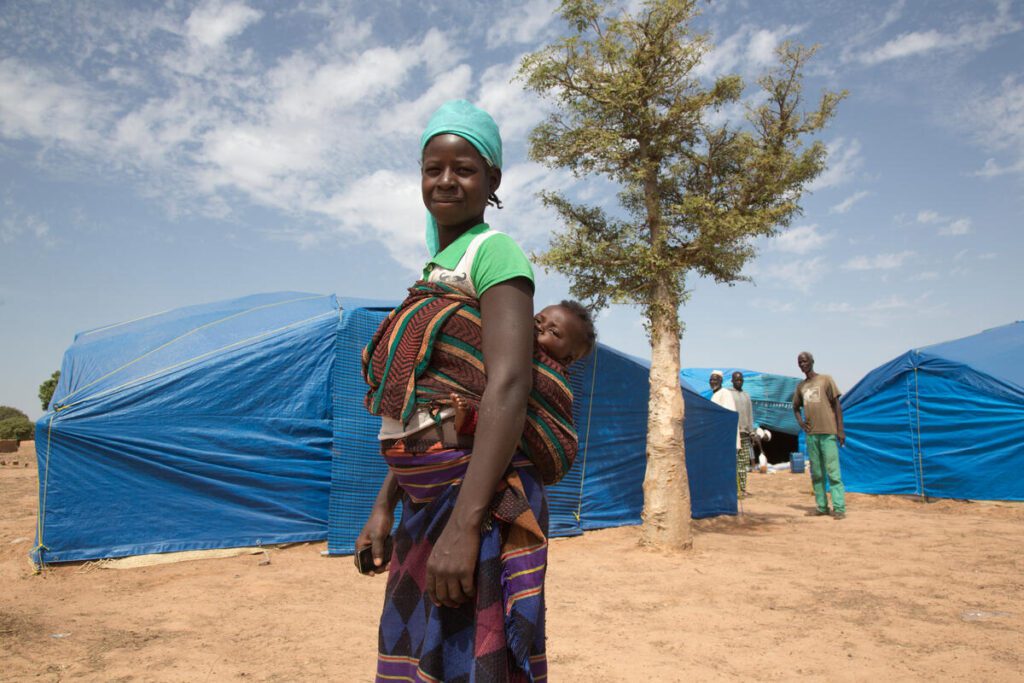
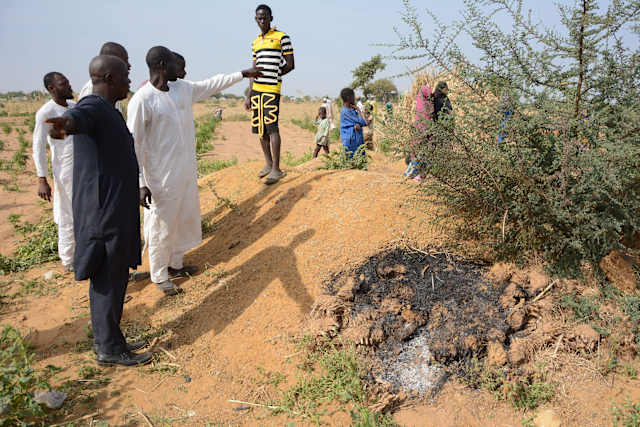
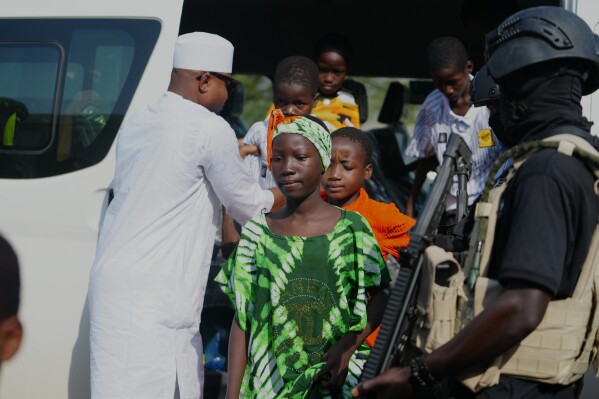
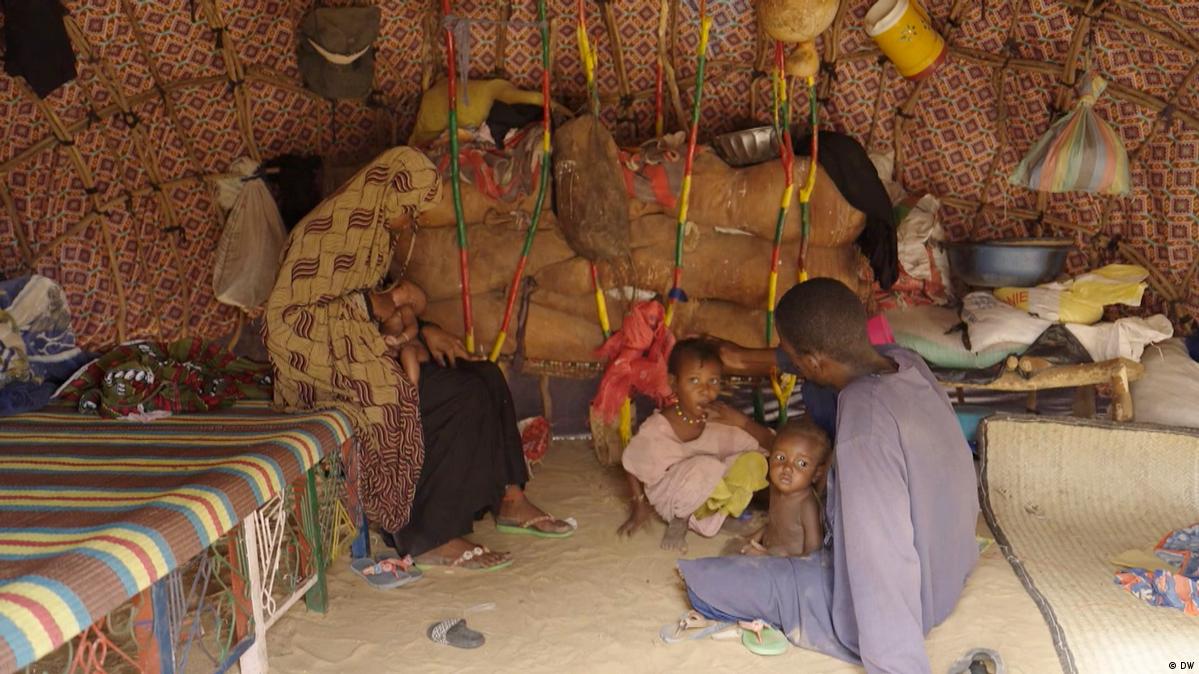
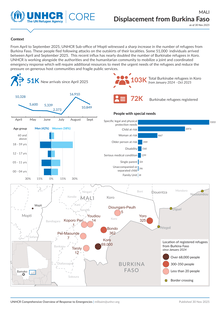
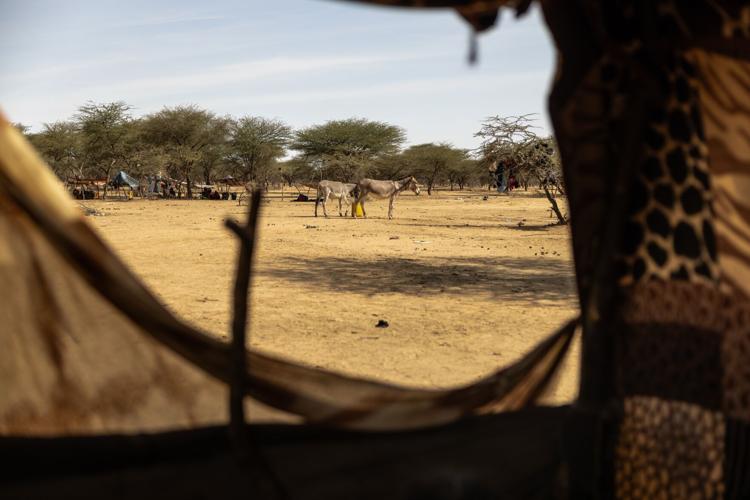
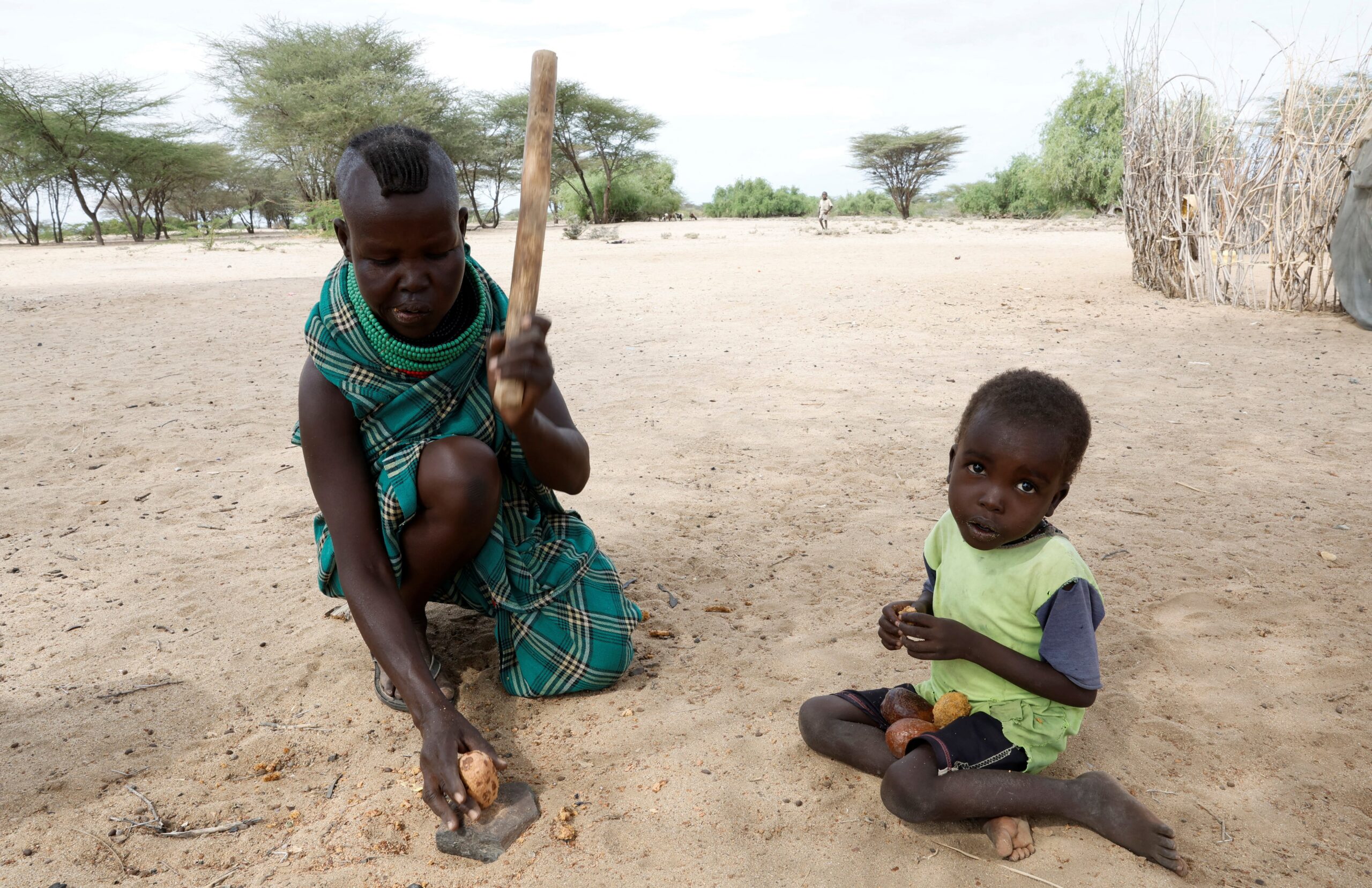
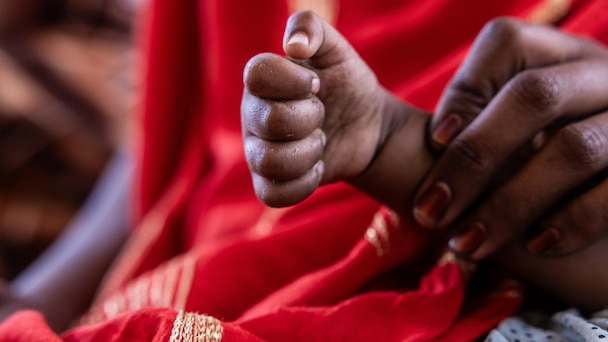
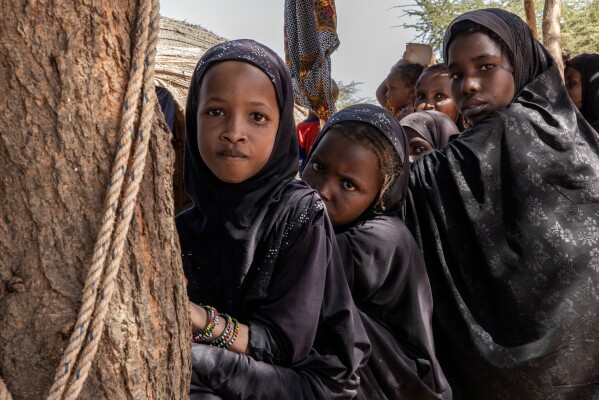
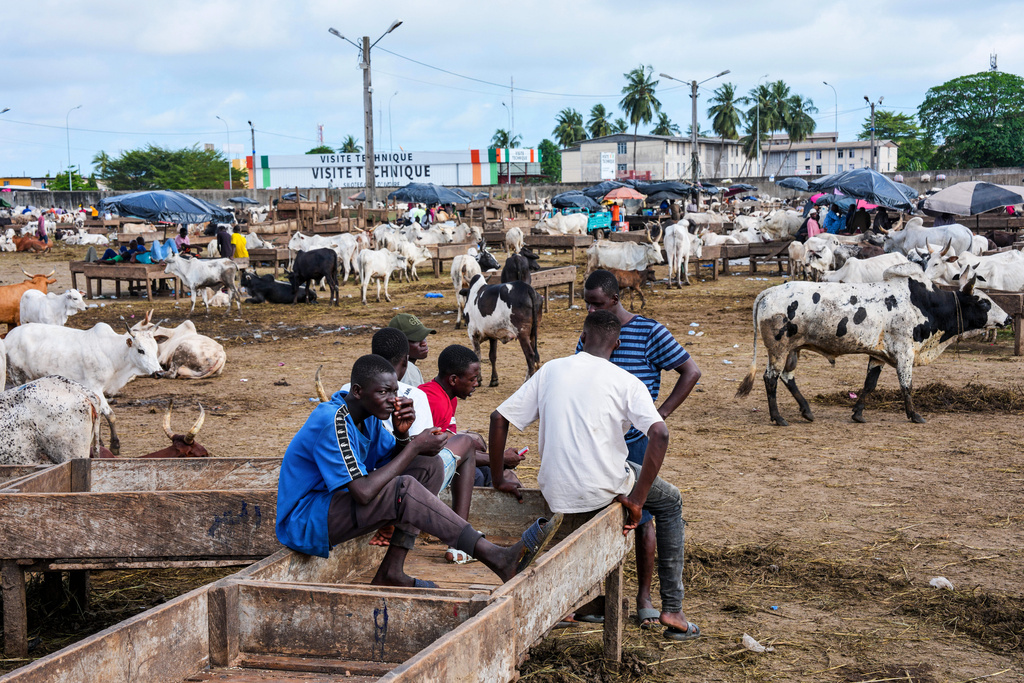
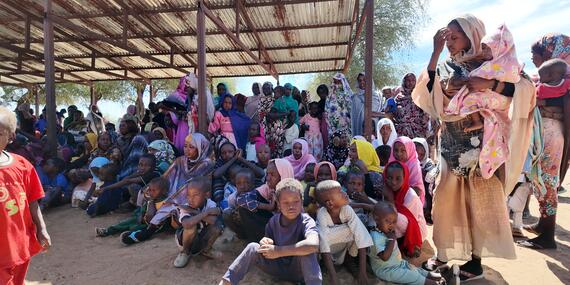
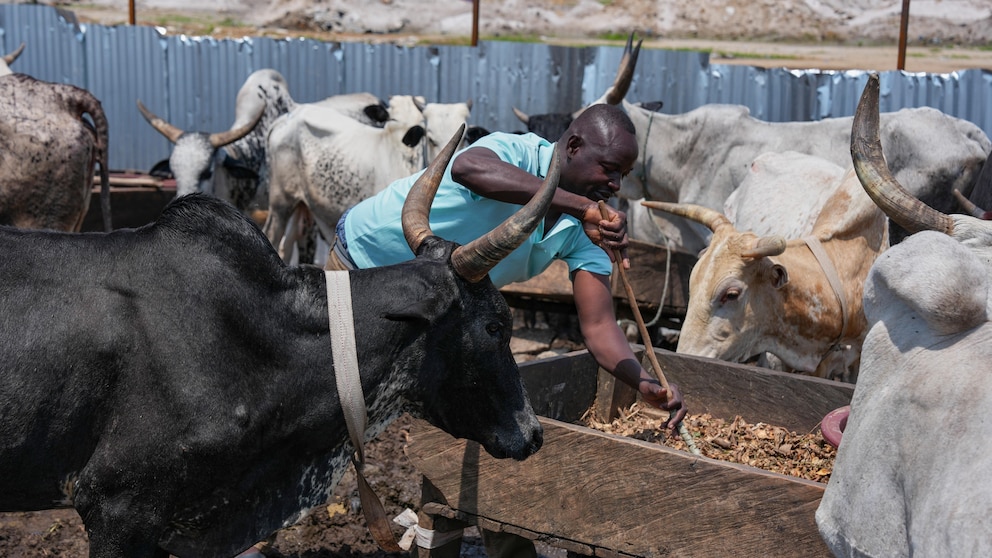
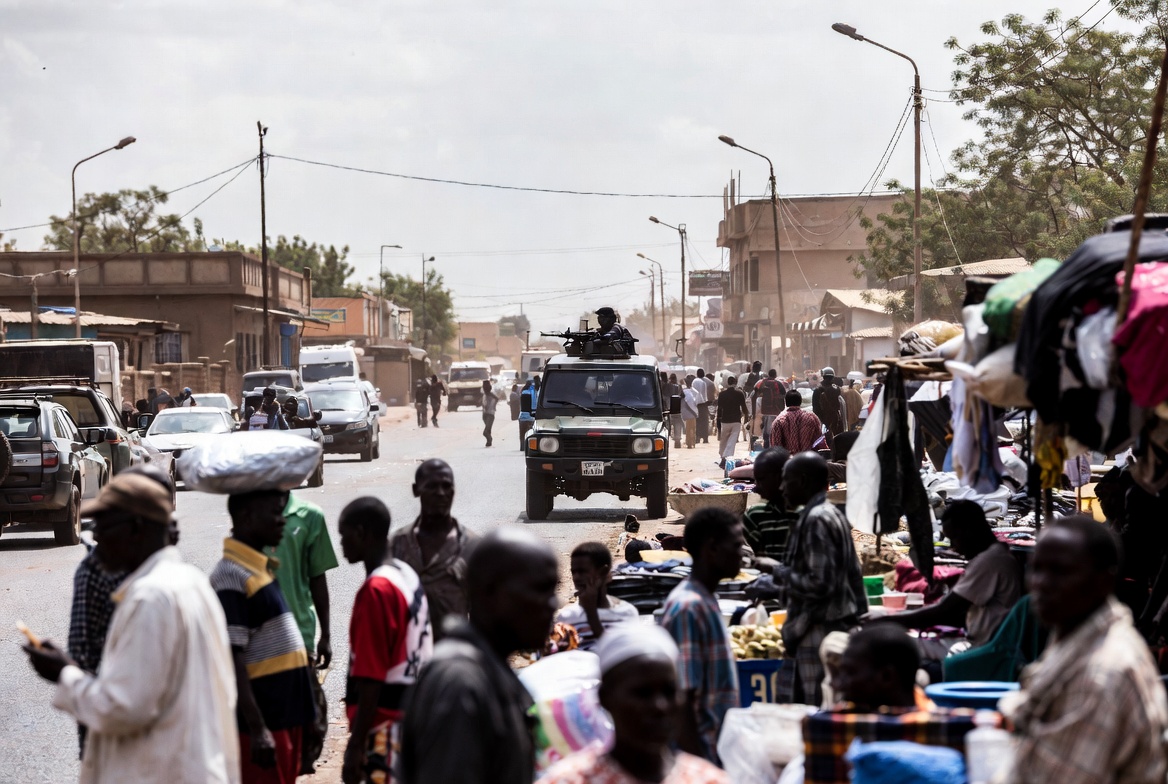
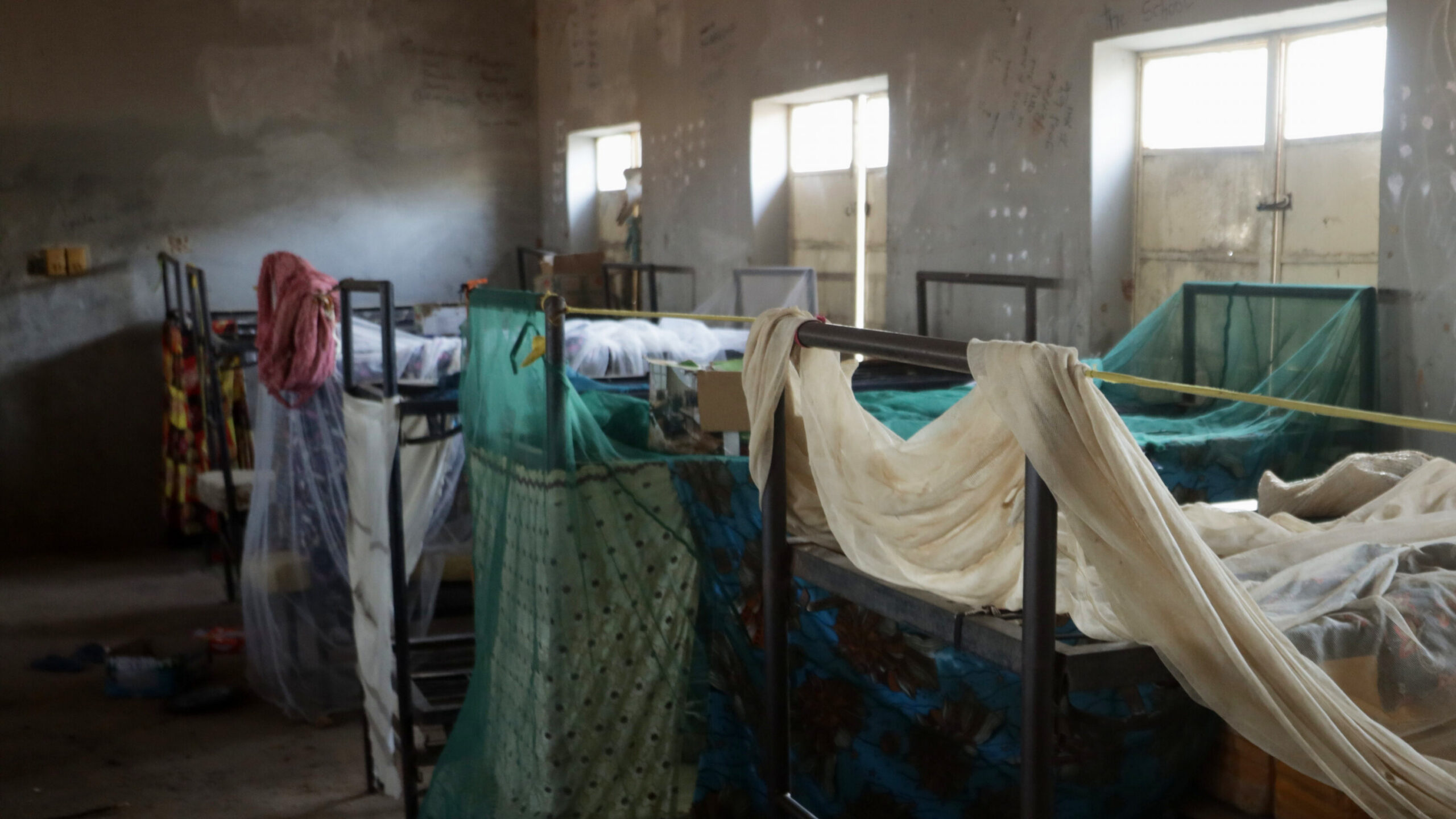
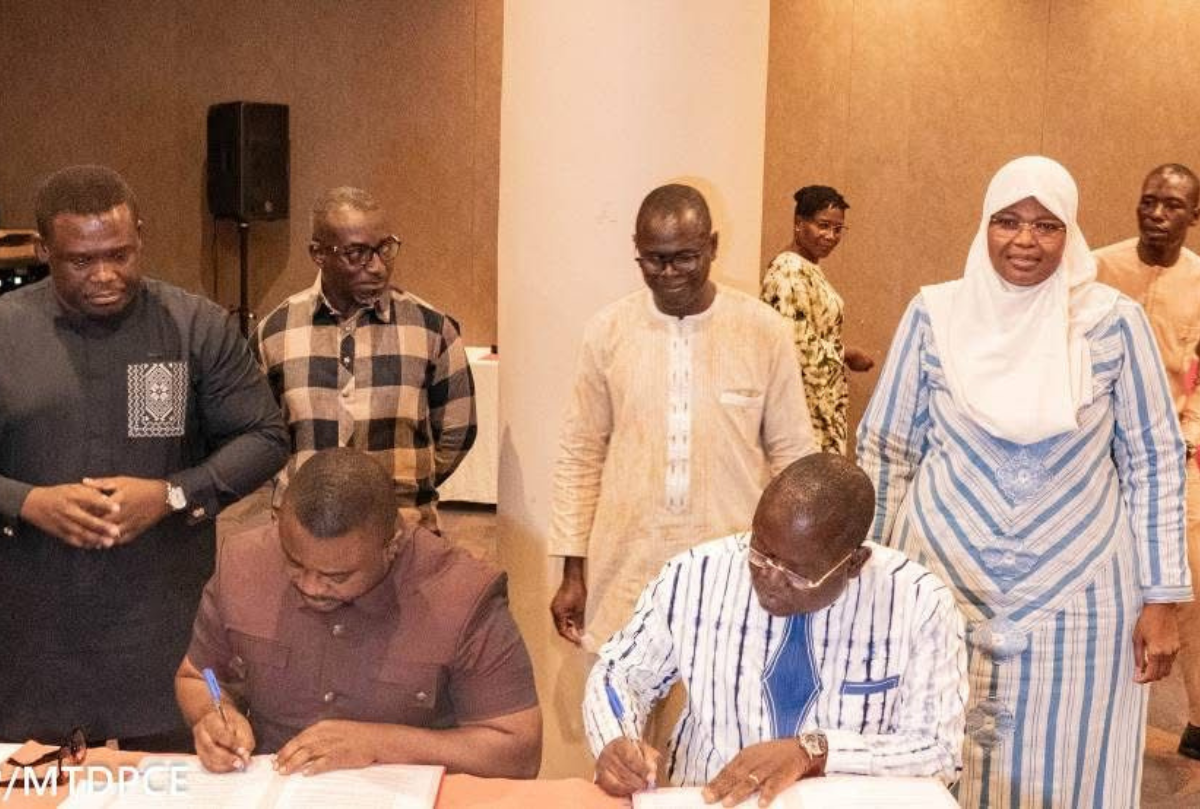
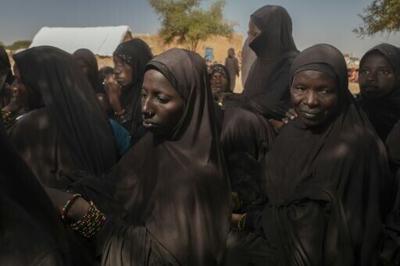
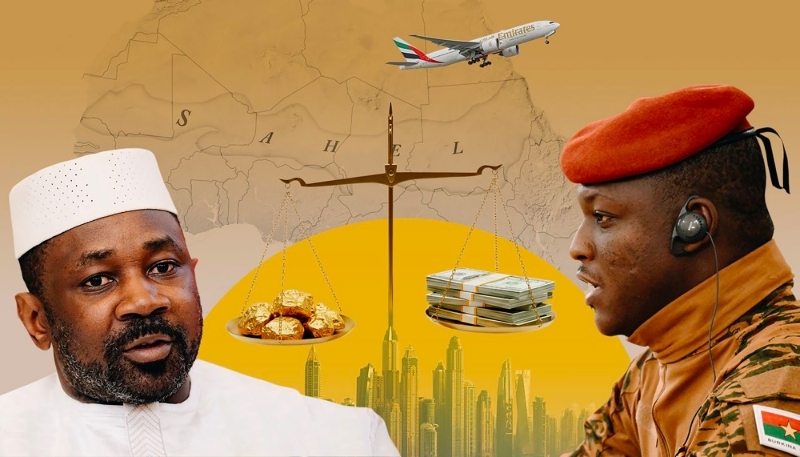
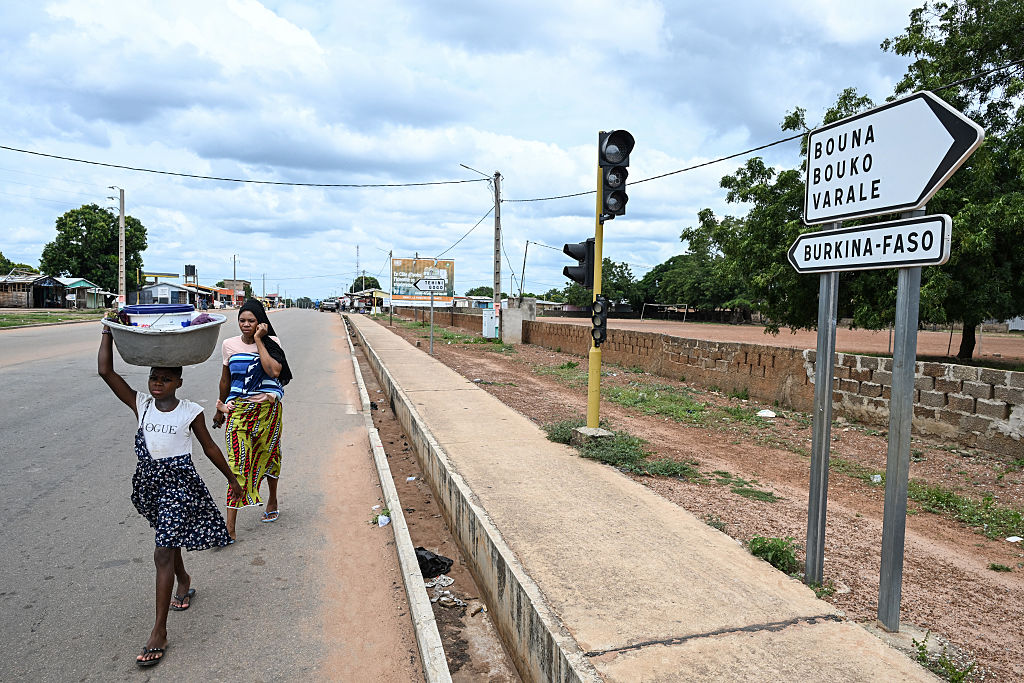
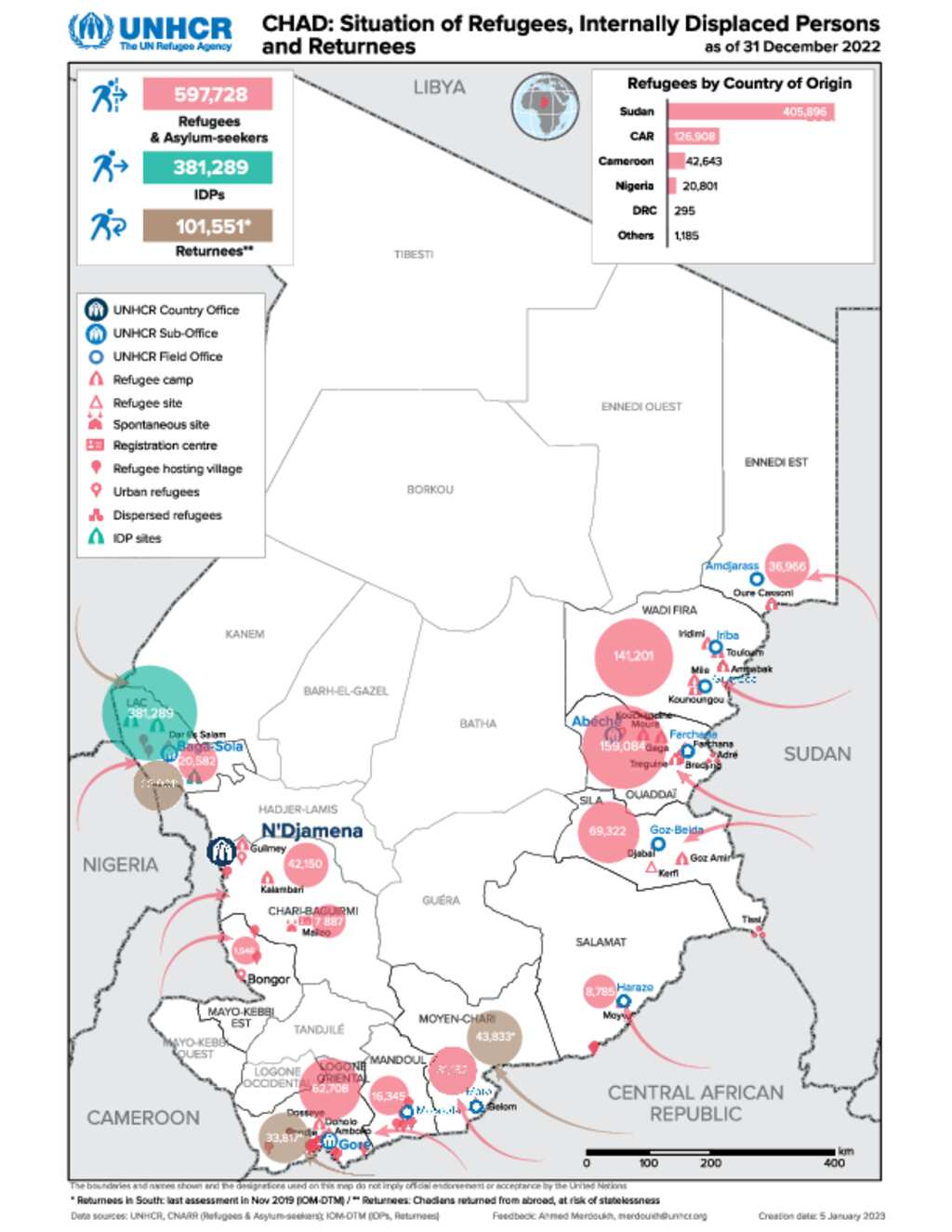
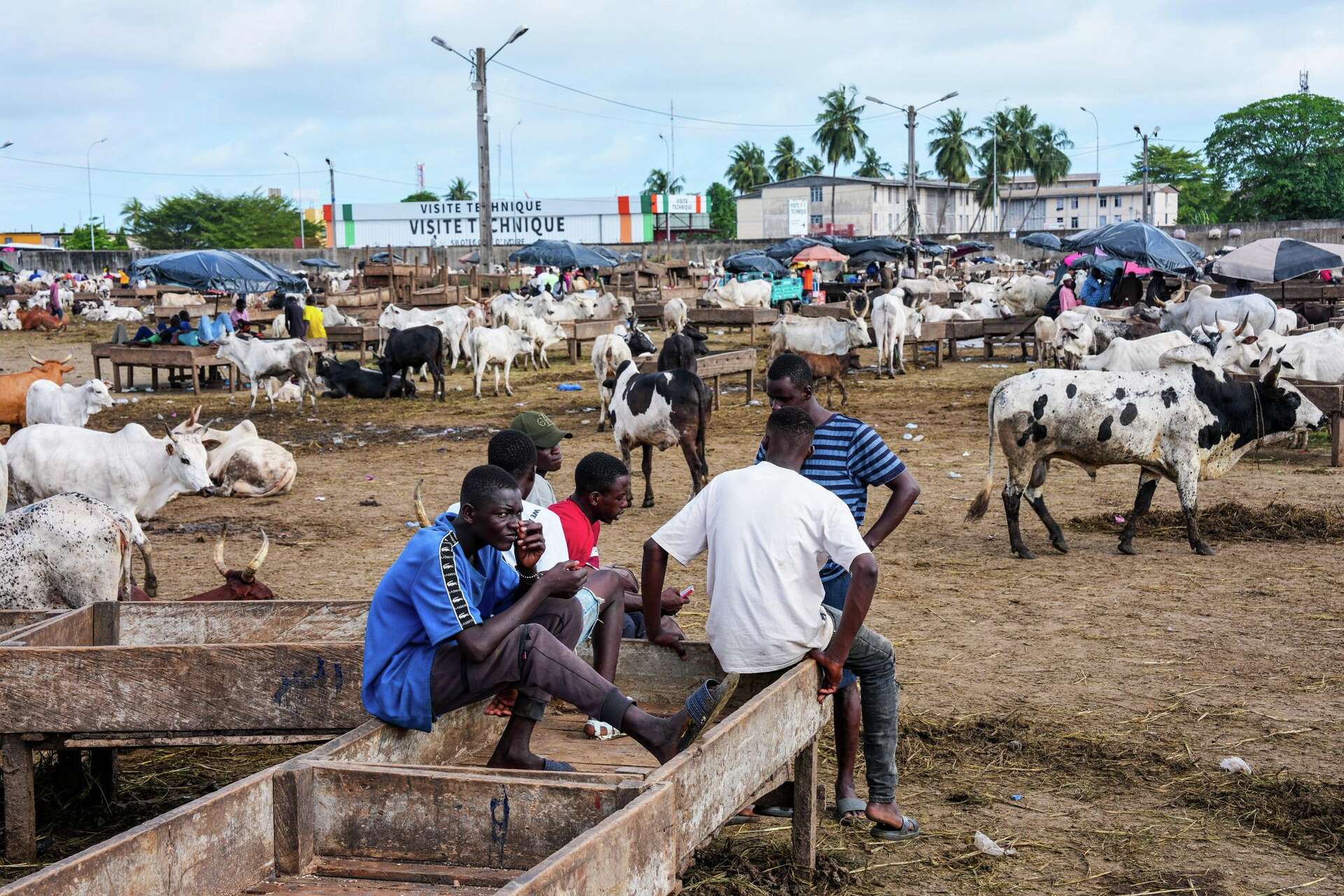
The human cost of this conflict is truly devastating. Imagine, over 72,000 people fled violence in Burkina Faso and Mali into Ivory Coast during just the first quarter of this year, according to UNICEF data. These aren’t just numbers; they’re herders and farming communities, families caught in the crossfire, forced to abandon their livelihoods and seek safety. Their movement towards Africa’s coastal cities strains urban infrastructure and creates new humanitarian and economic problems for host countries already dealing with their own development goals. As Arab News reported, deadly conflict in the Sahel sends herders fleeing to Africa’s coastal cities. It’s a ripple effect that touches everyone. Yet, amid this turmoil, Mali is also making strides in its economic recovery through focused financial policies. The Malian government recently announced it recovered 761 billion CFA francs, about $1.2 billion, in arrears from mining companies after a thorough audit. This fiscal tightening shows a serious commitment to boost national revenues, which are absolutely essential for funding both security and development projects. Mali’s mining sector holds immense potential for growth and stability, but only if they can stop revenue leakages and improve governance. It’s a delicate balance, don’t you think?
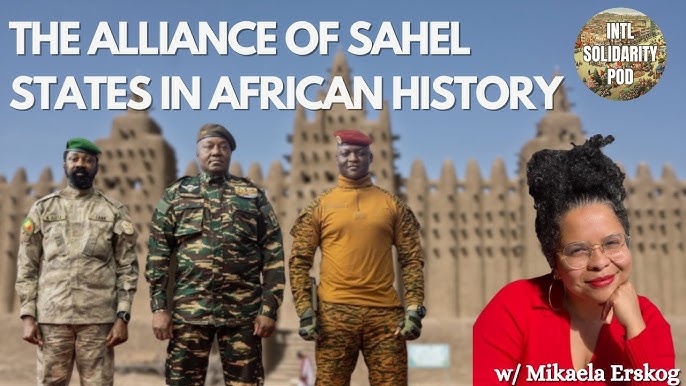
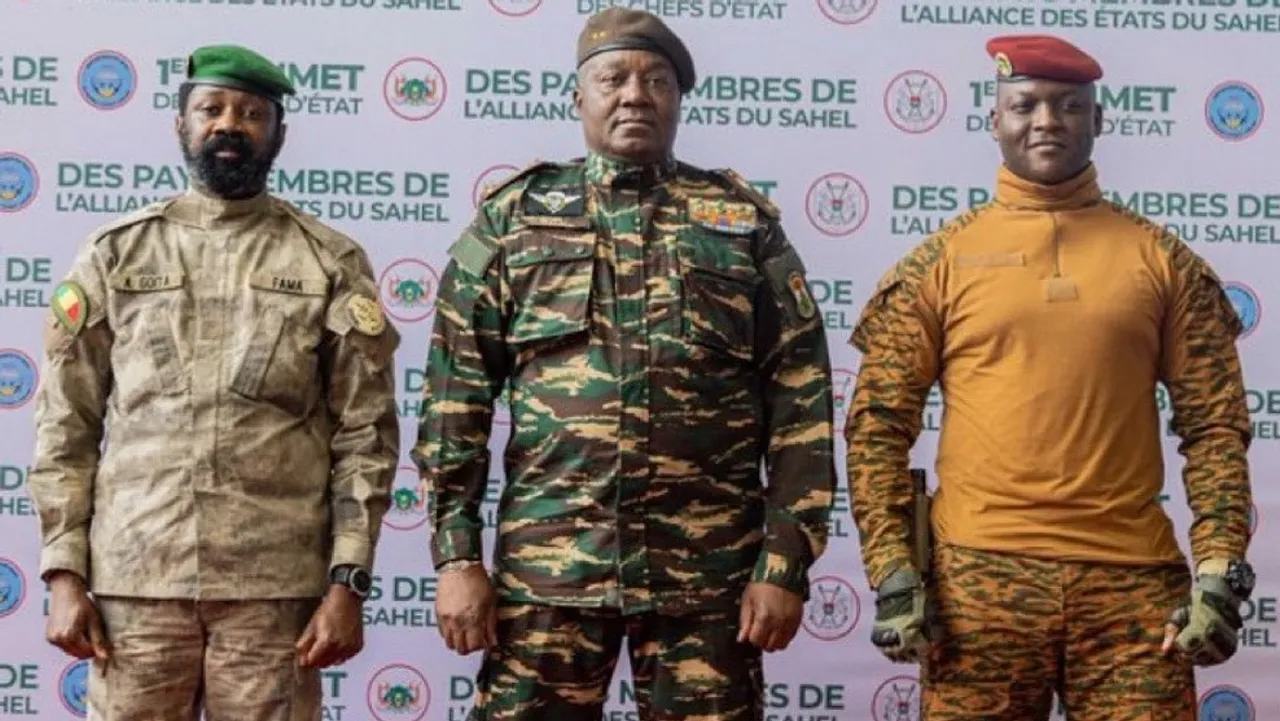
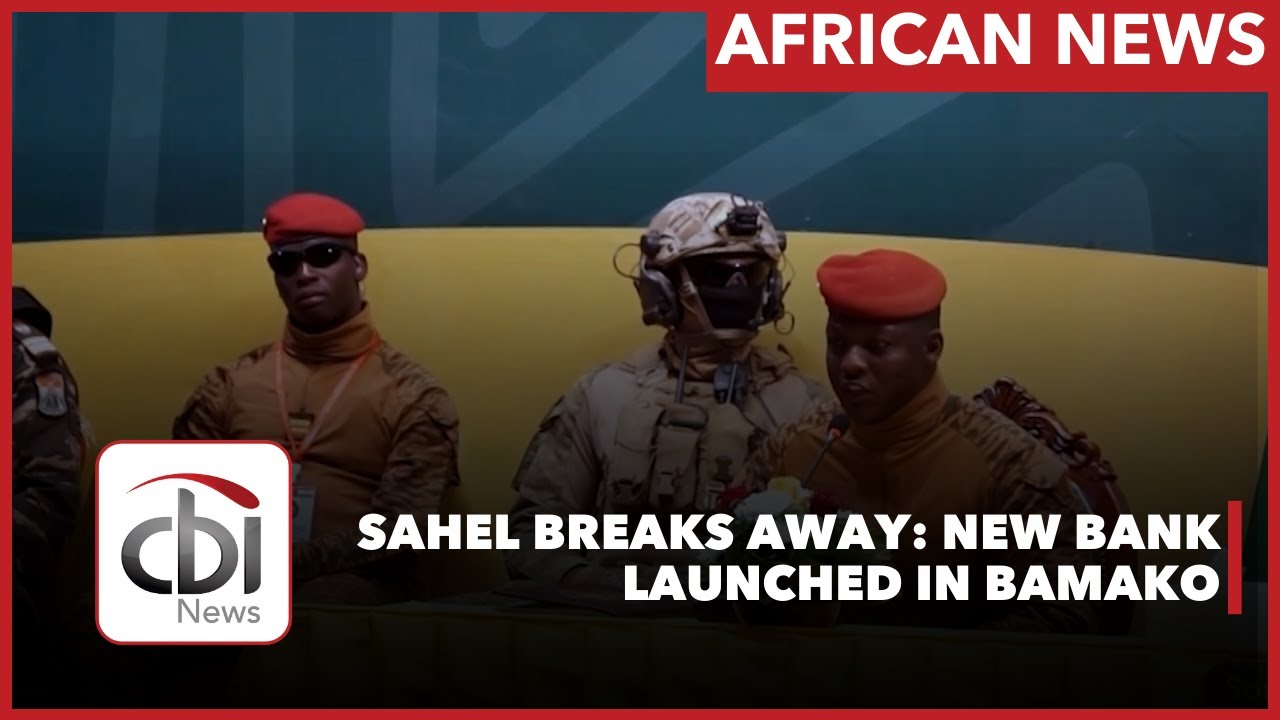
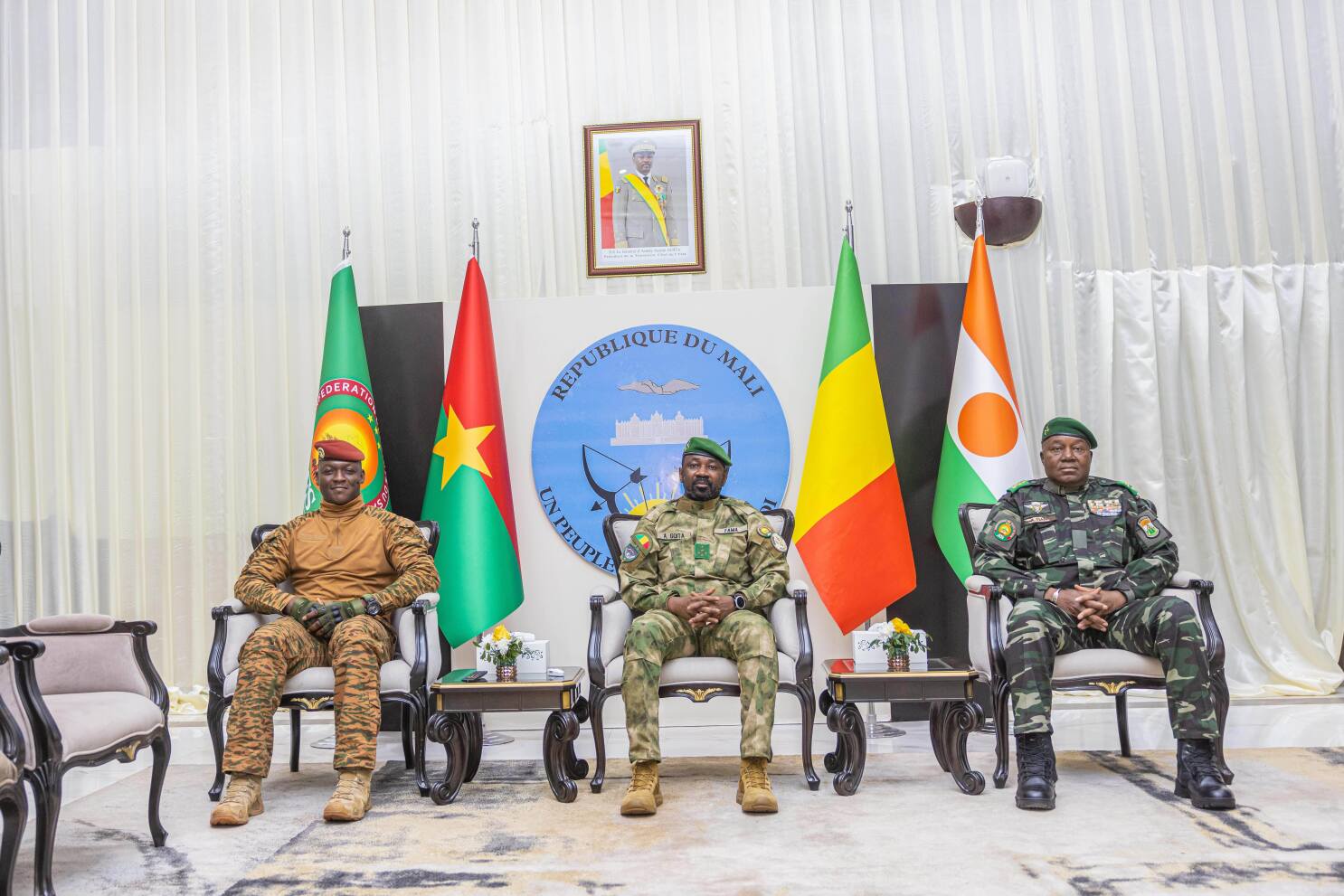
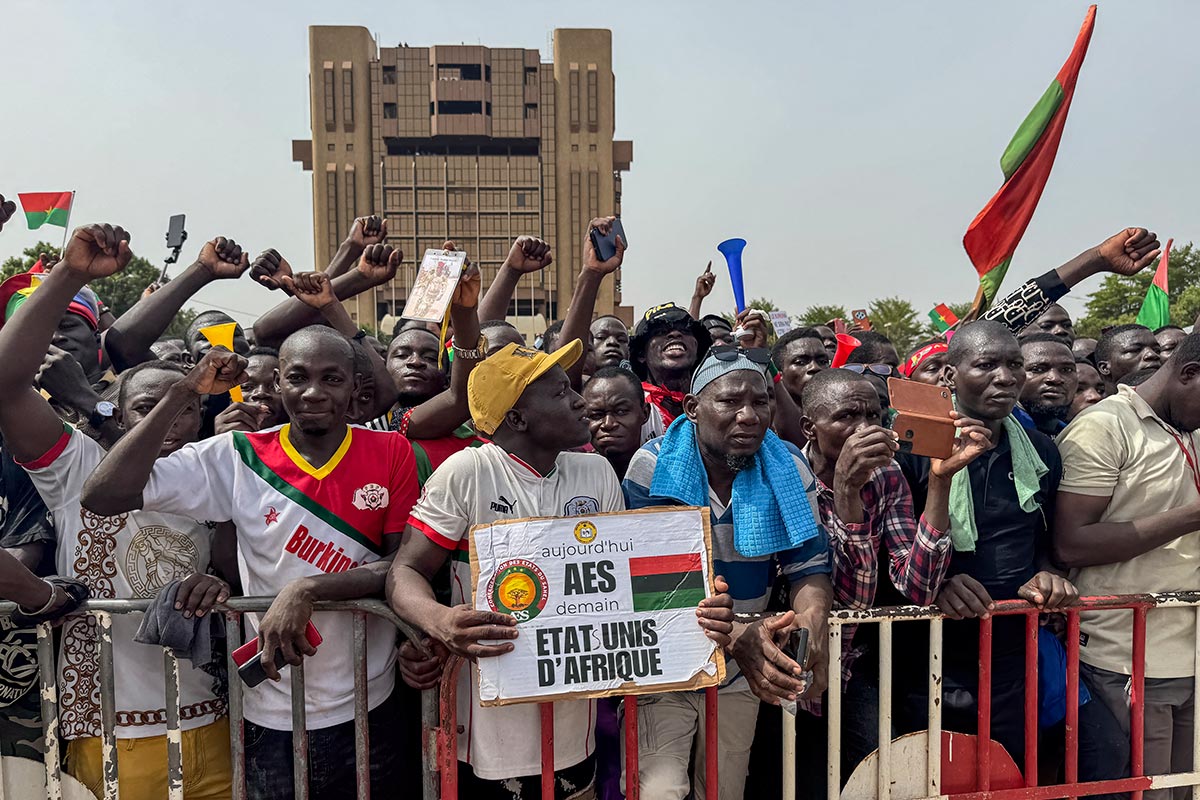
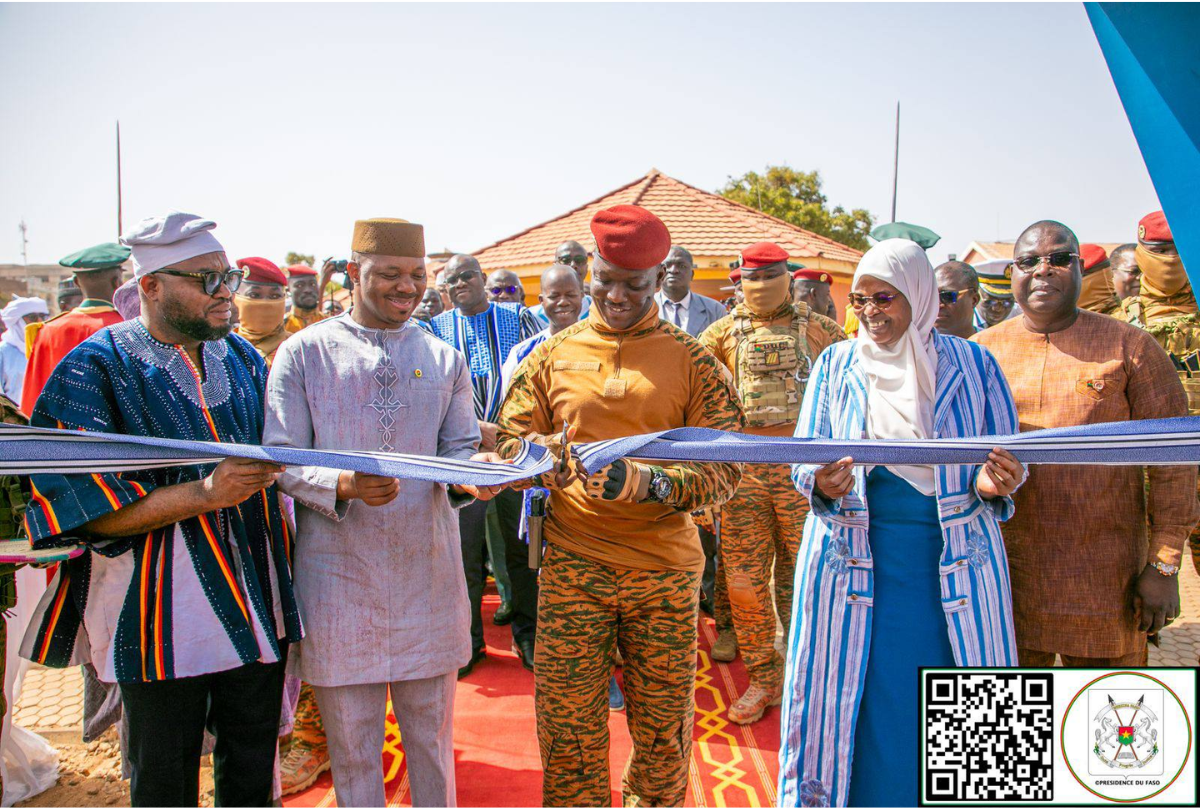
While security threats often dominate the narrative, don’t overlook the determined efforts of Sahel countries to coordinate their response. The troop reinforcements from Burkina Faso and Niger underline a shared understanding: these challenges are regional. Burkina Faso, for example, is also tackling terrorism and economy to build resilience, emphasizing the region’s shared fate. Mali’s security and economic stability are deeply tied to the fate of the wider Sahel. This kind of regional cooperation could pave the way for more effective peace-building and collective responses to non-military threats, like those economic blockades and resource scarcity. What does the future hold? Mali’s path to lasting stability and prosperity will hinge on balancing its immediate security needs with vital longer-term reforms in development and governance. The persistent presence of armed groups tells us that military solutions alone won’t be enough. We need comprehensive approaches that bring together economic revitalization, social reconciliation, and international support. That recovery of mining revenues? It’s a positive step, showing Mali’s commitment to strengthening its institutions and managing resources better, a point also highlighted by Beegeaglesblog via X regarding Sahel Confederacy. But for these gains to truly count, they must translate into improved public services and better living conditions for ordinary people. That’s what will ultimately undercut the appeal of extremist recruiters and truly stabilize communities. Meanwhile, the displacement crisis and its regional impacts demand coordinated humanitarian strategies alongside security efforts. Protecting vulnerable populations and rebuilding livelihoods aren’t just humanitarian concerns; they’re central to peace, prosperity, and stability. Mali’s journey truly reflects the broader Sahel experience: a region battling violent insurgencies, economic fragility, and governance issues, but also one buoyed by local resilience and regional solidarity. How these dynamics play out will not only shape Mali and its neighbors, but it’ll also influence wider geopolitical interests across Africa, further underscoring how the Sahel region faces rising security and political challenges amid economic strains.