Conflict and Cooperation: The Sahel’s Evolving Battle for Stability
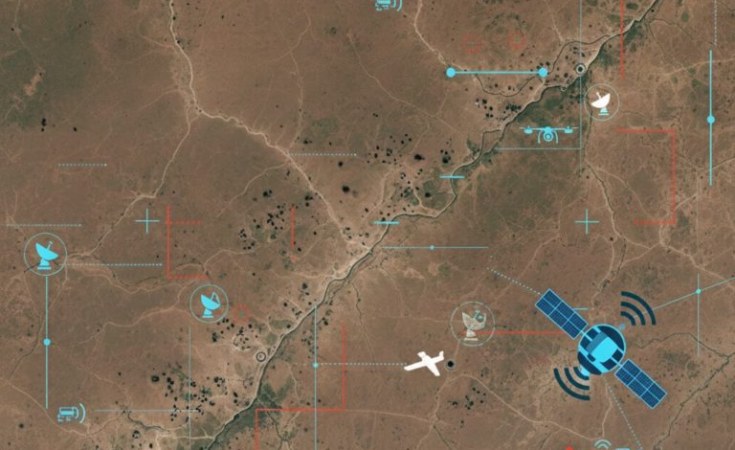
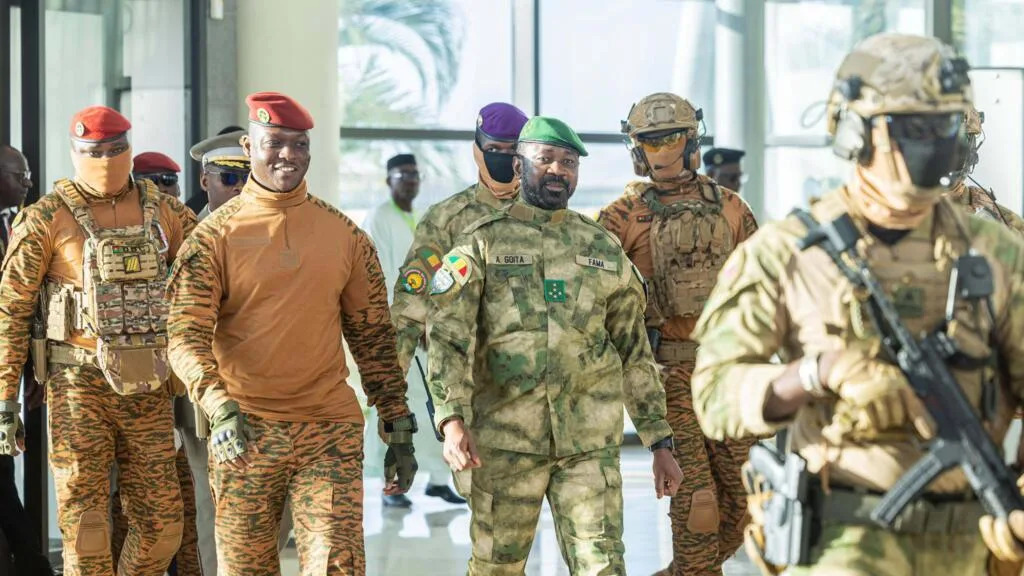
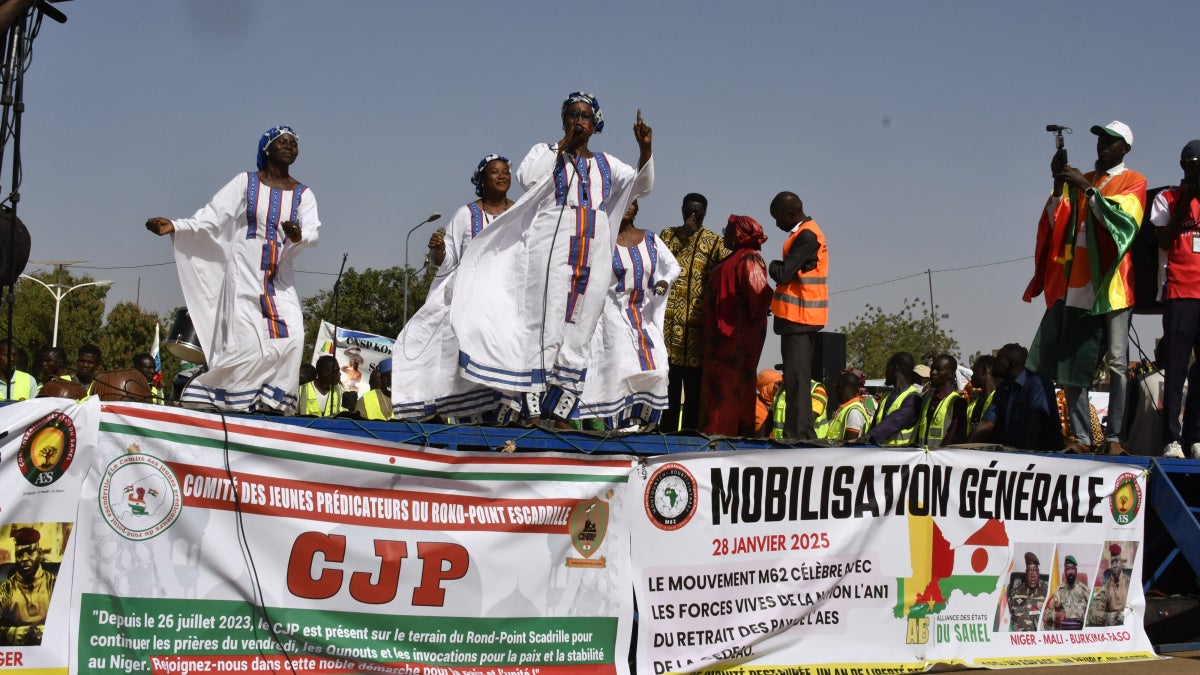
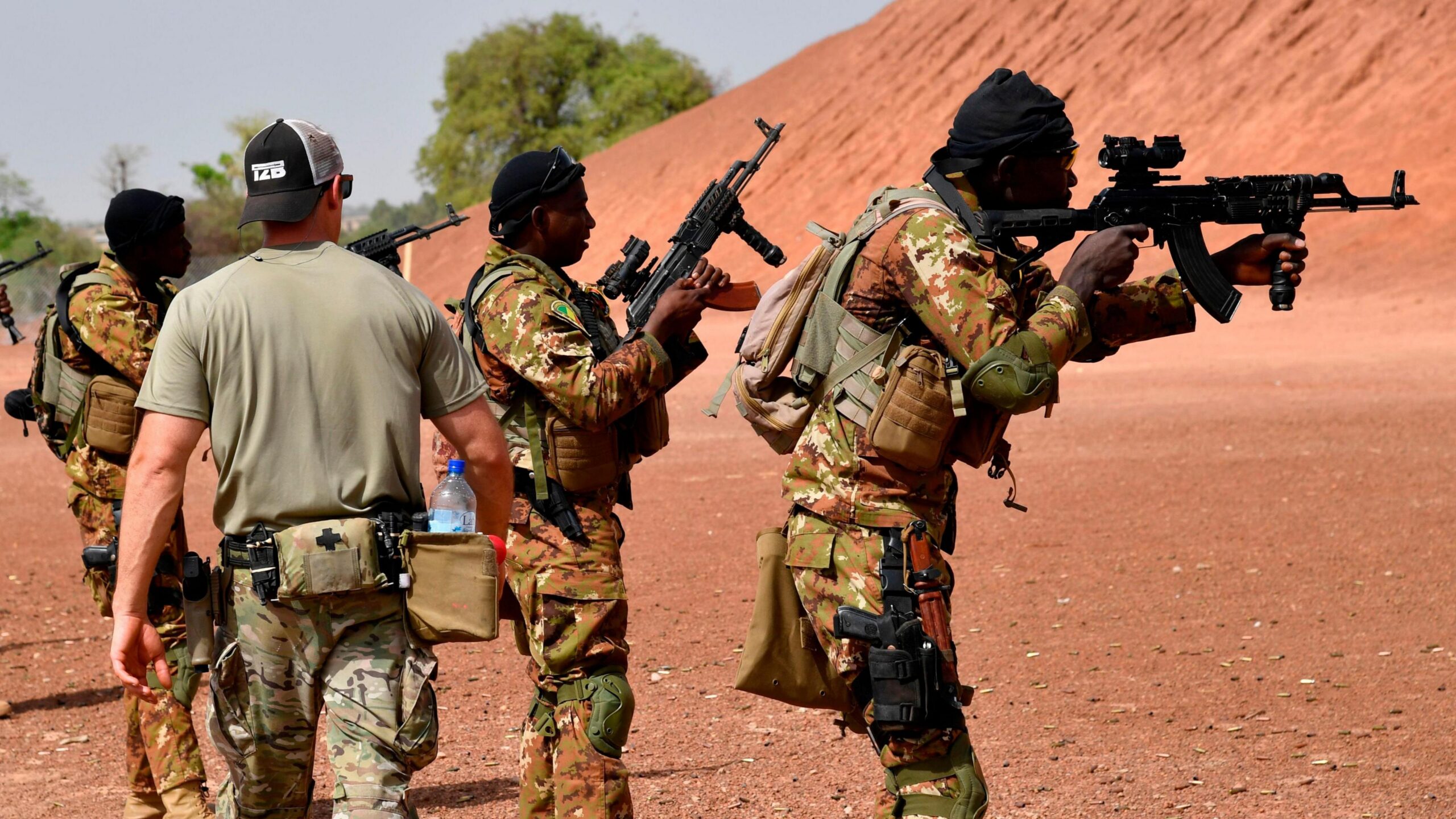
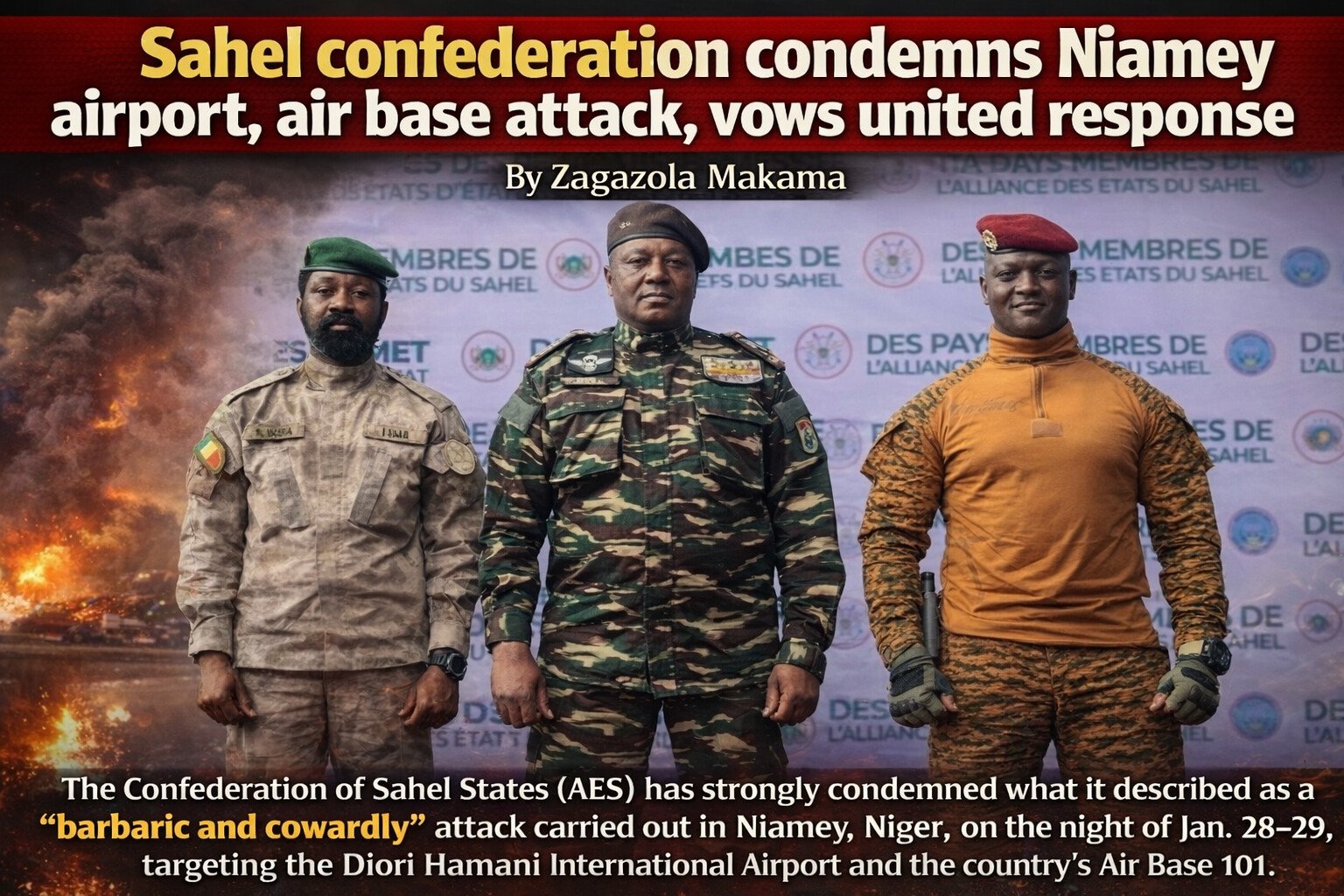
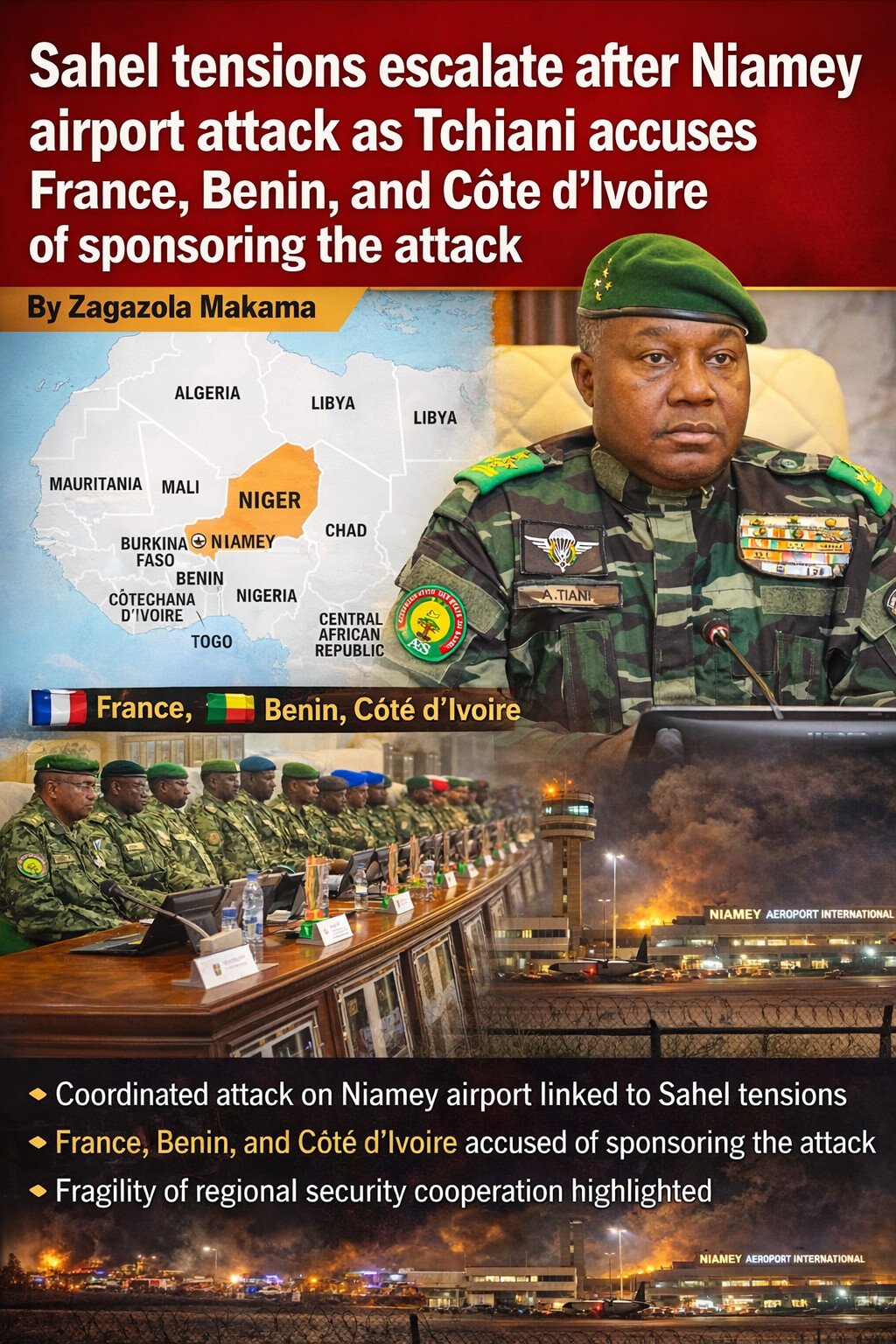
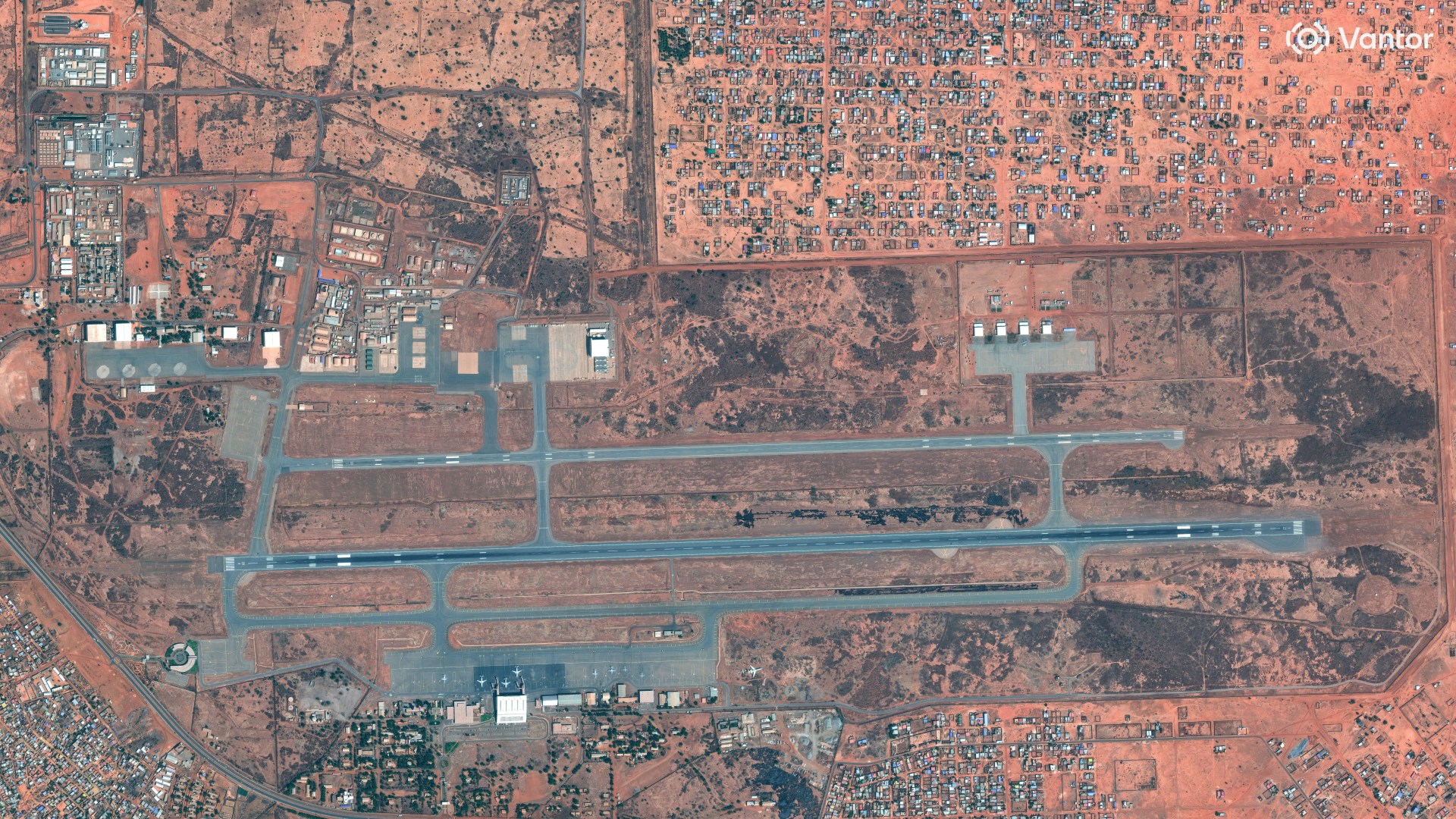
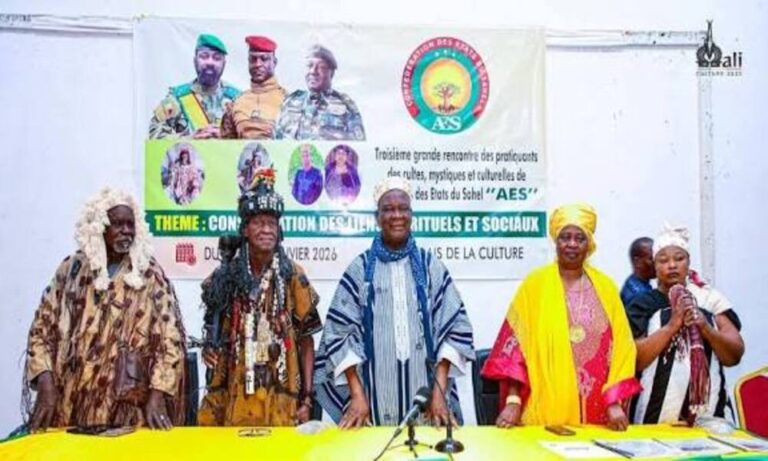
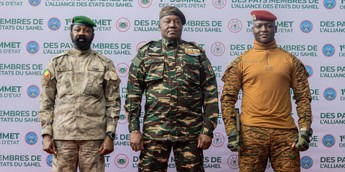
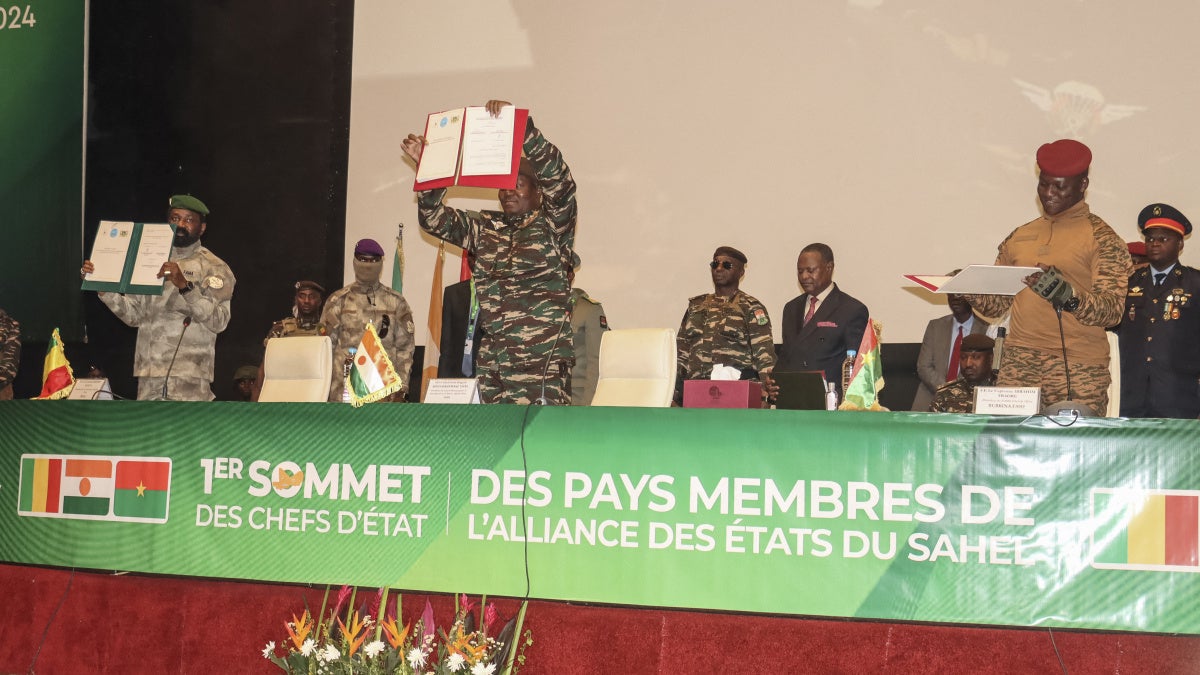
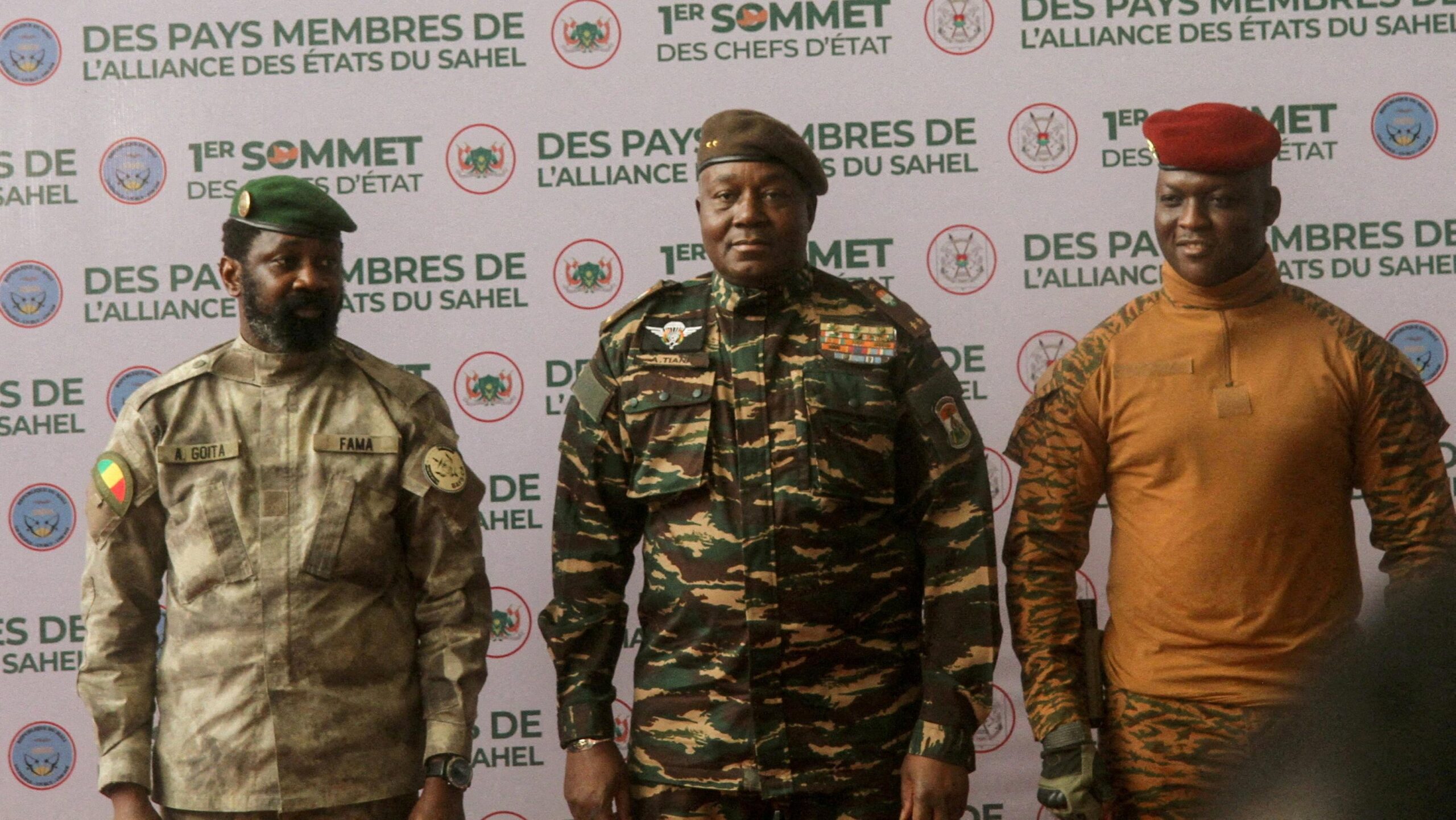
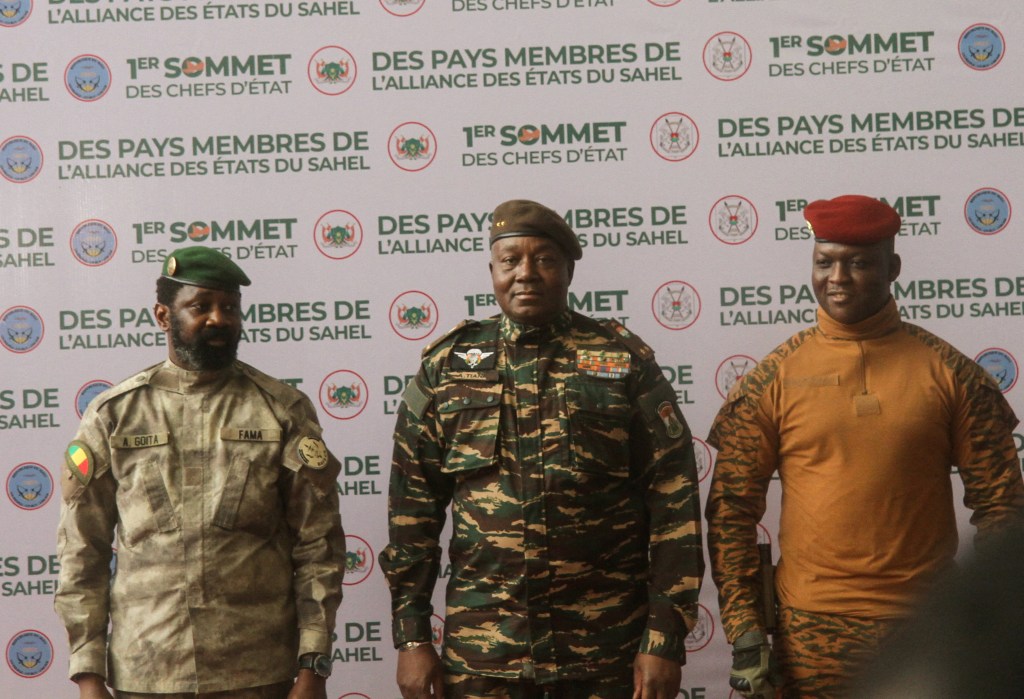
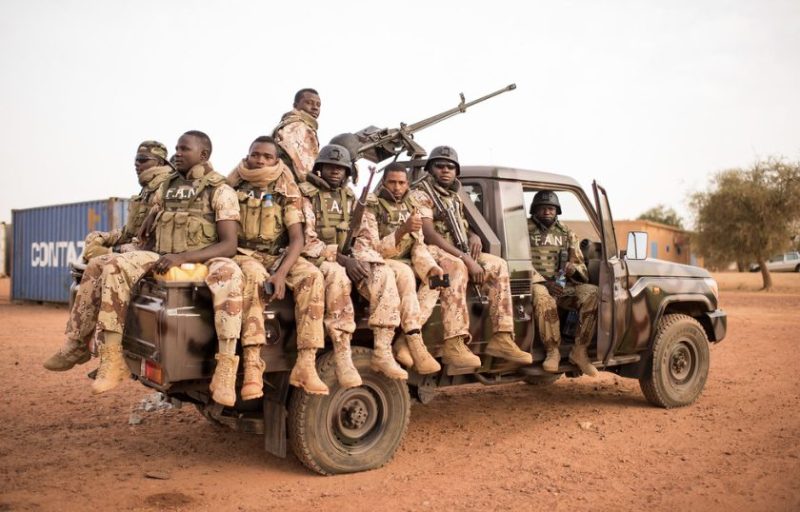
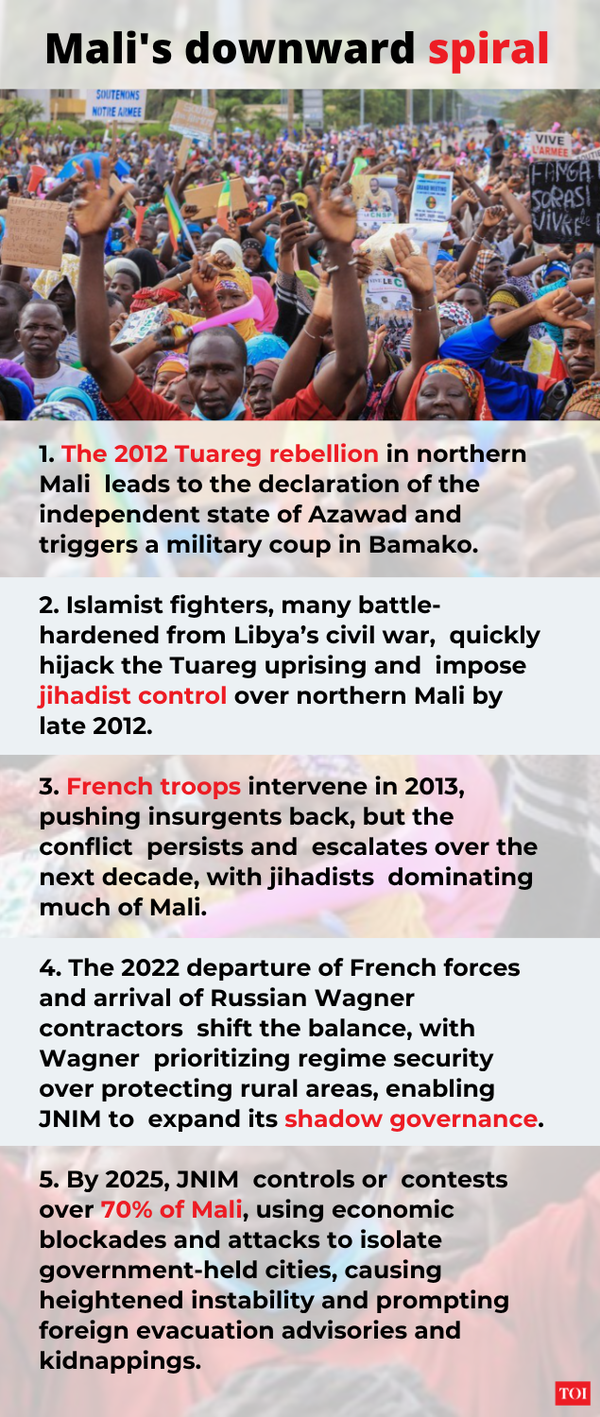
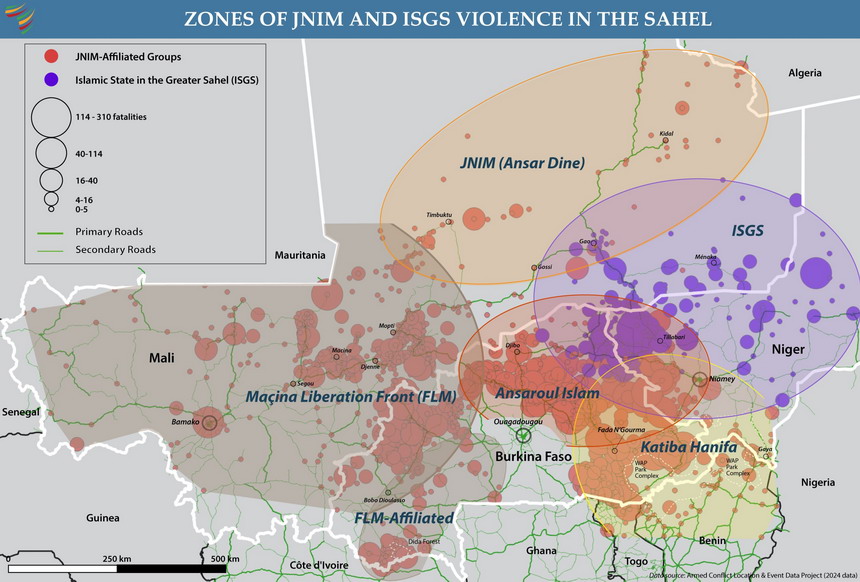
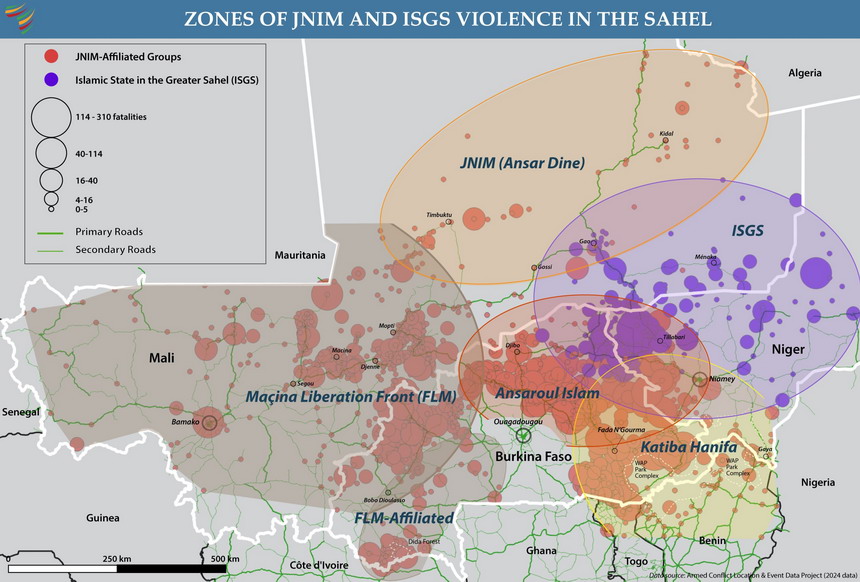
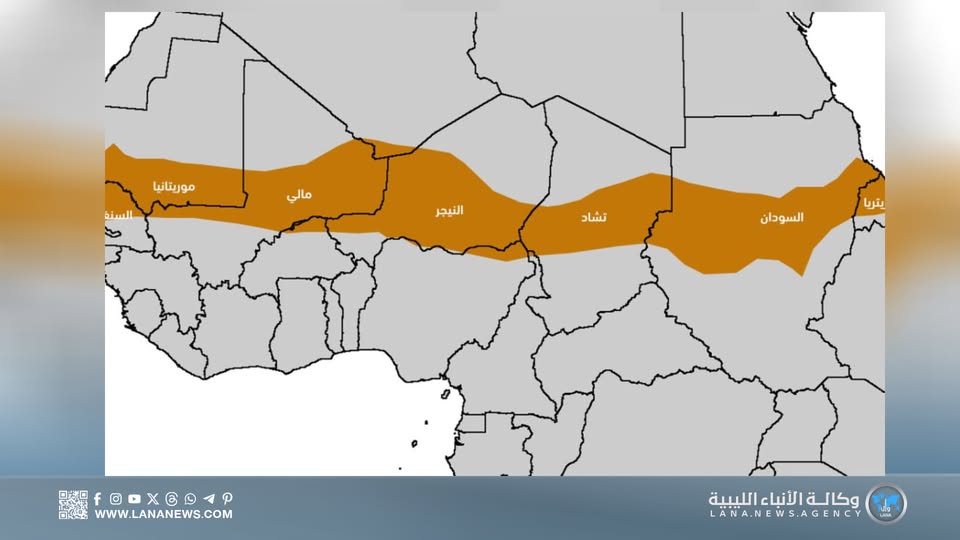
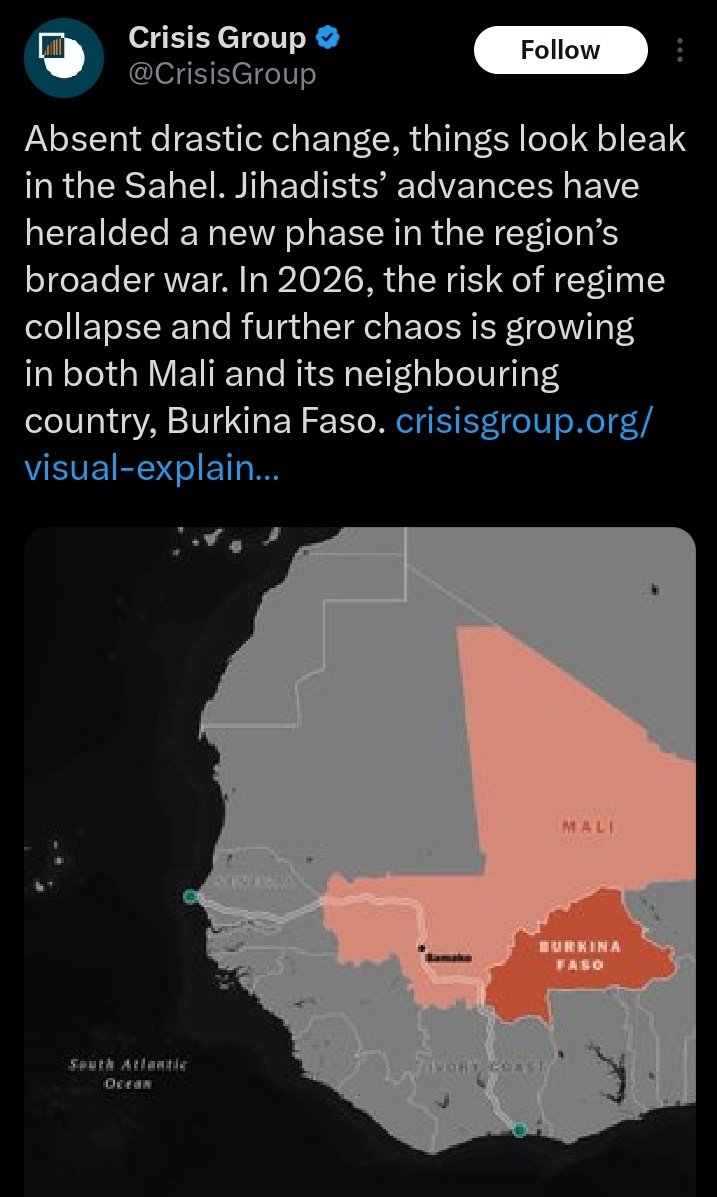
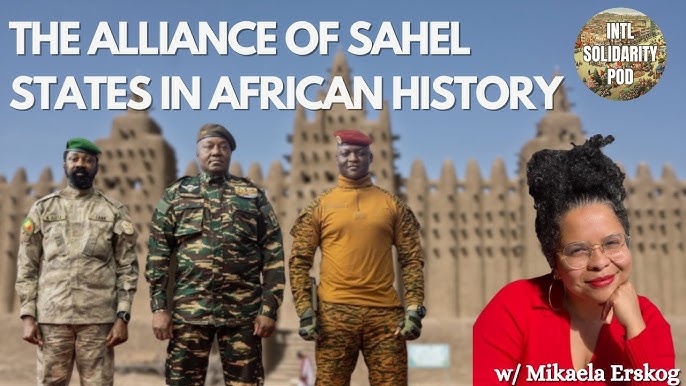
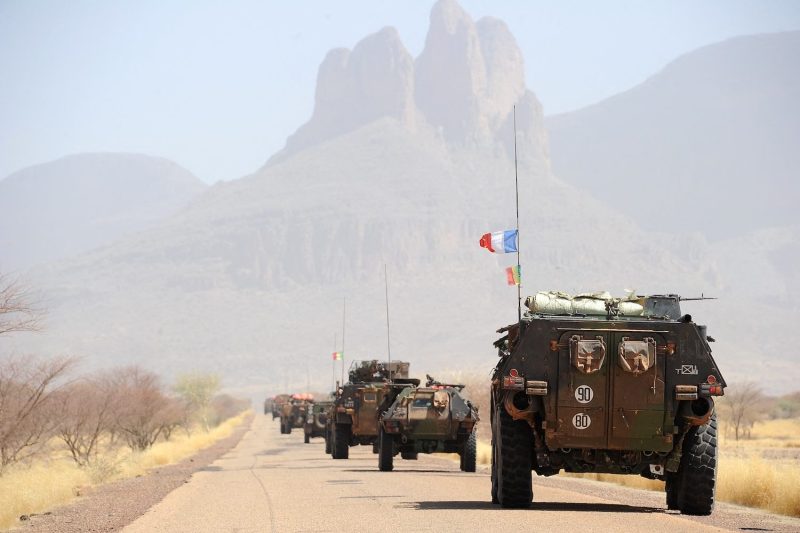
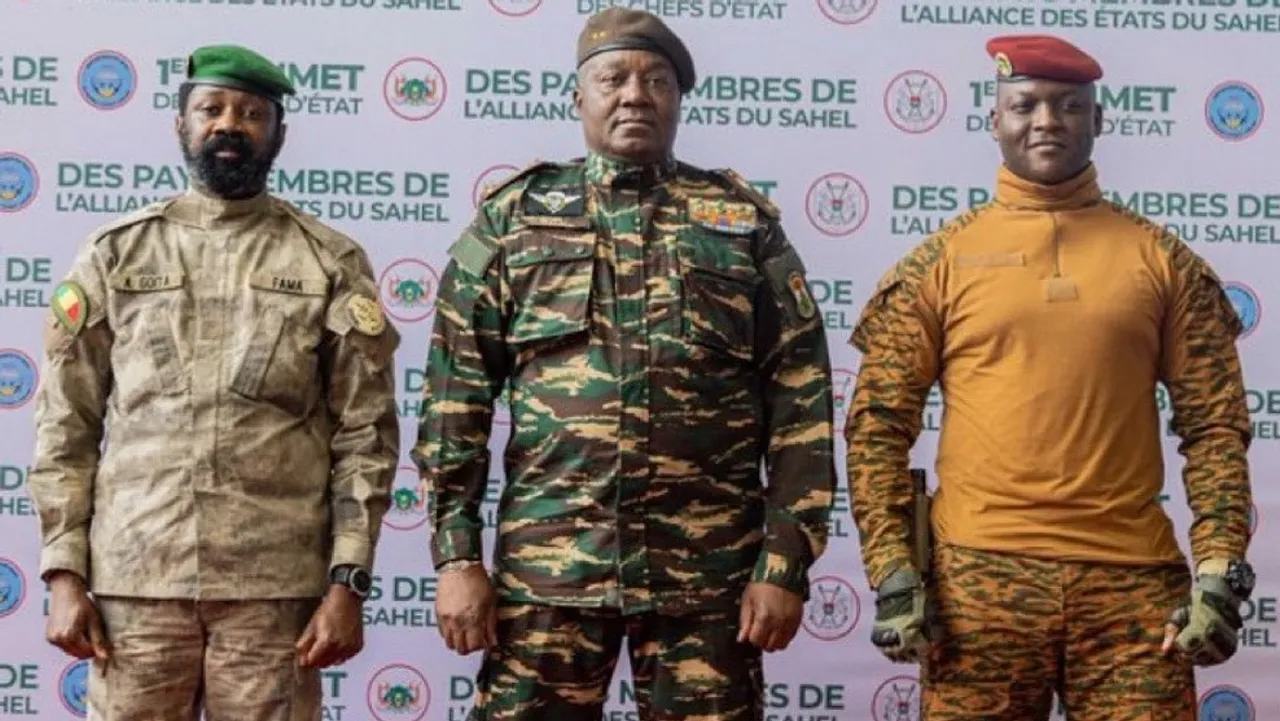
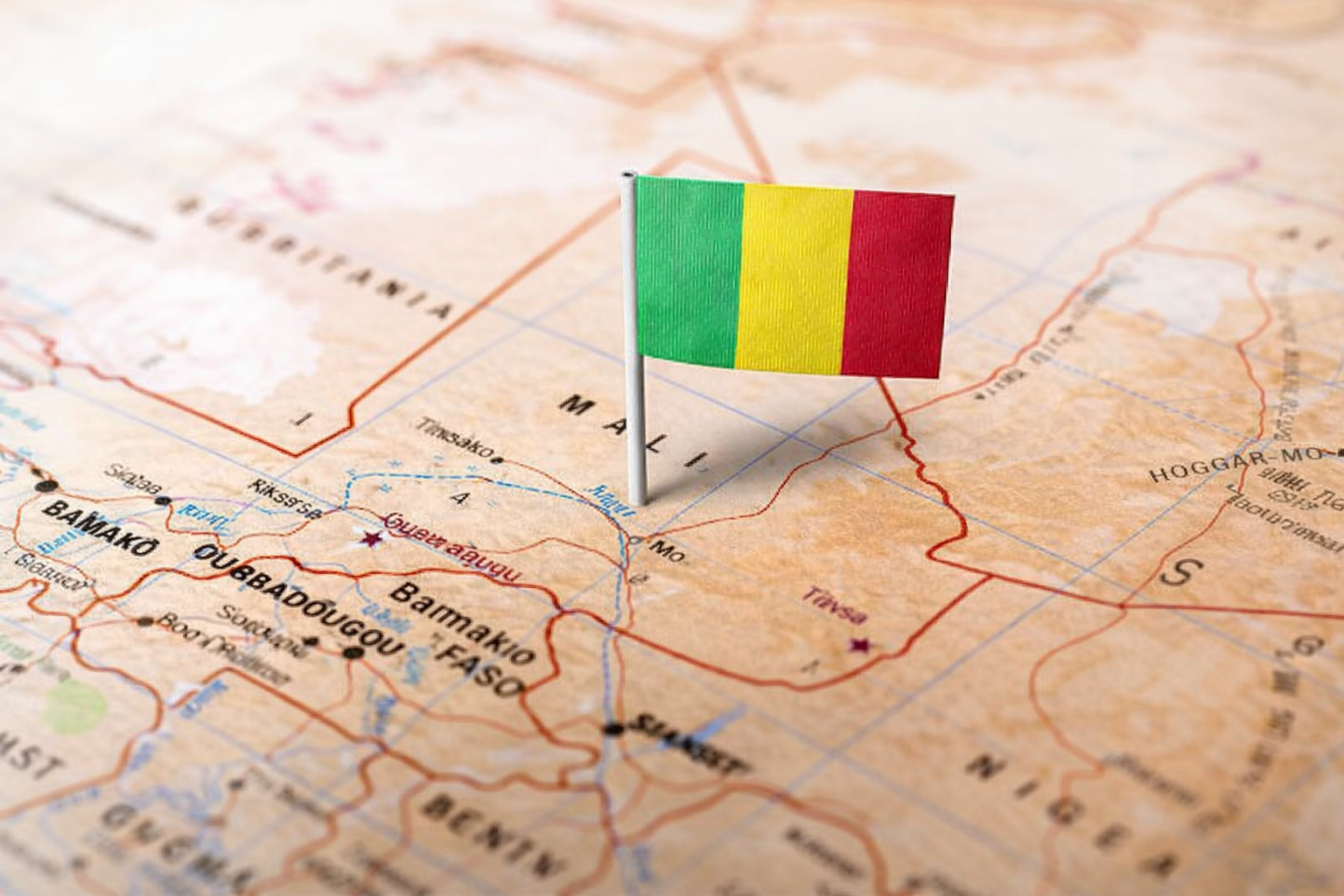
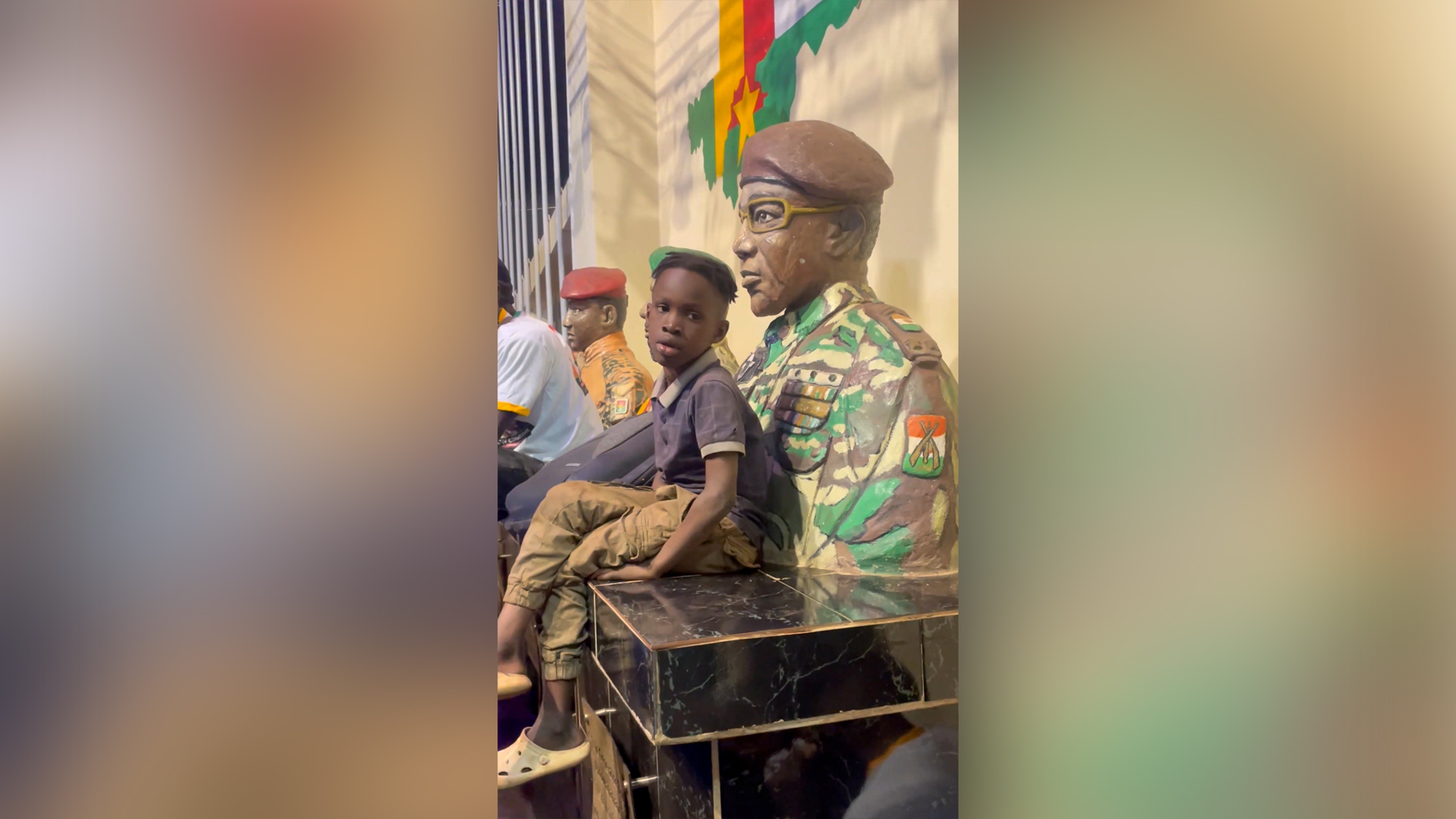
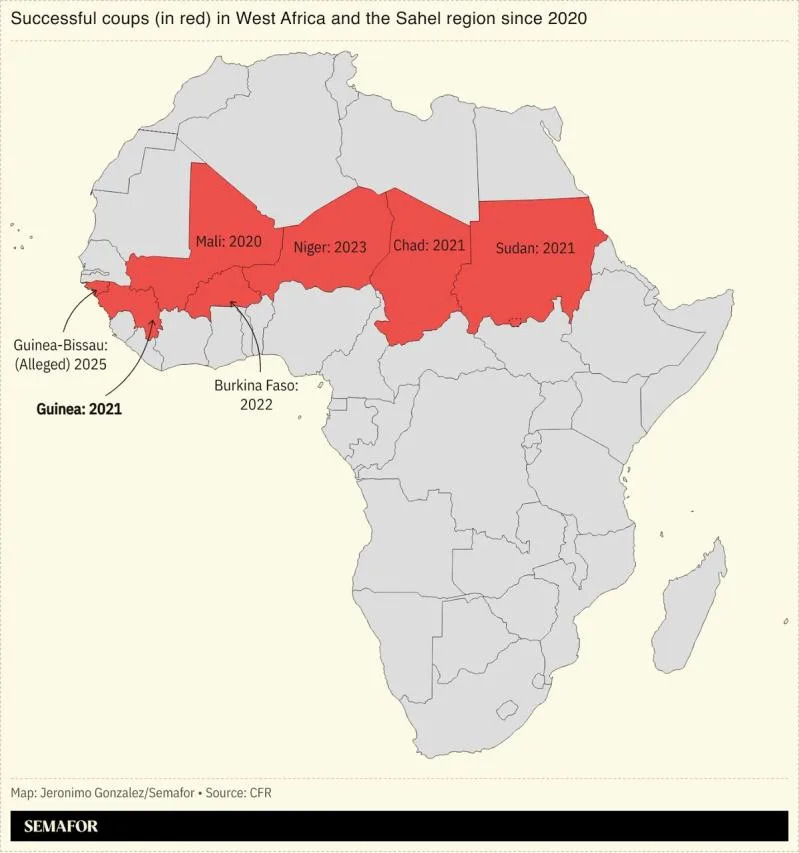
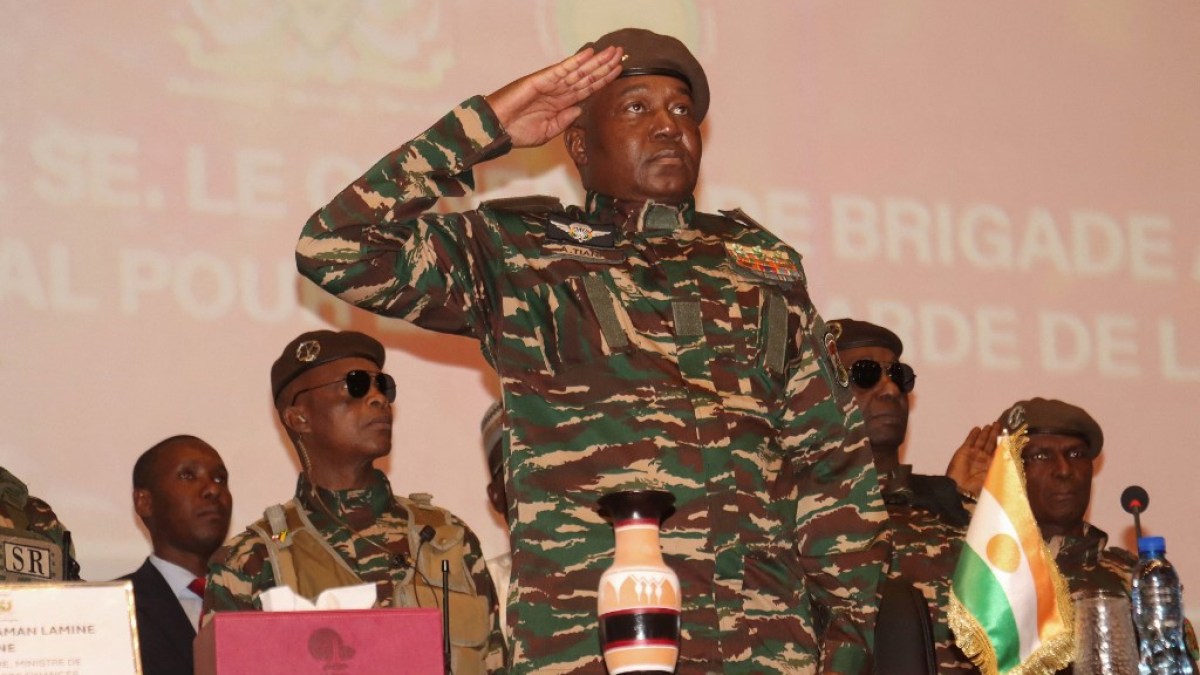
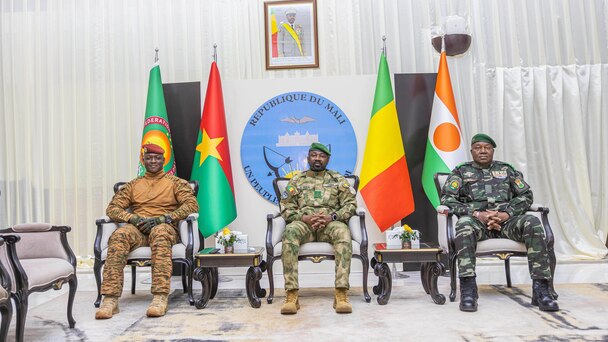
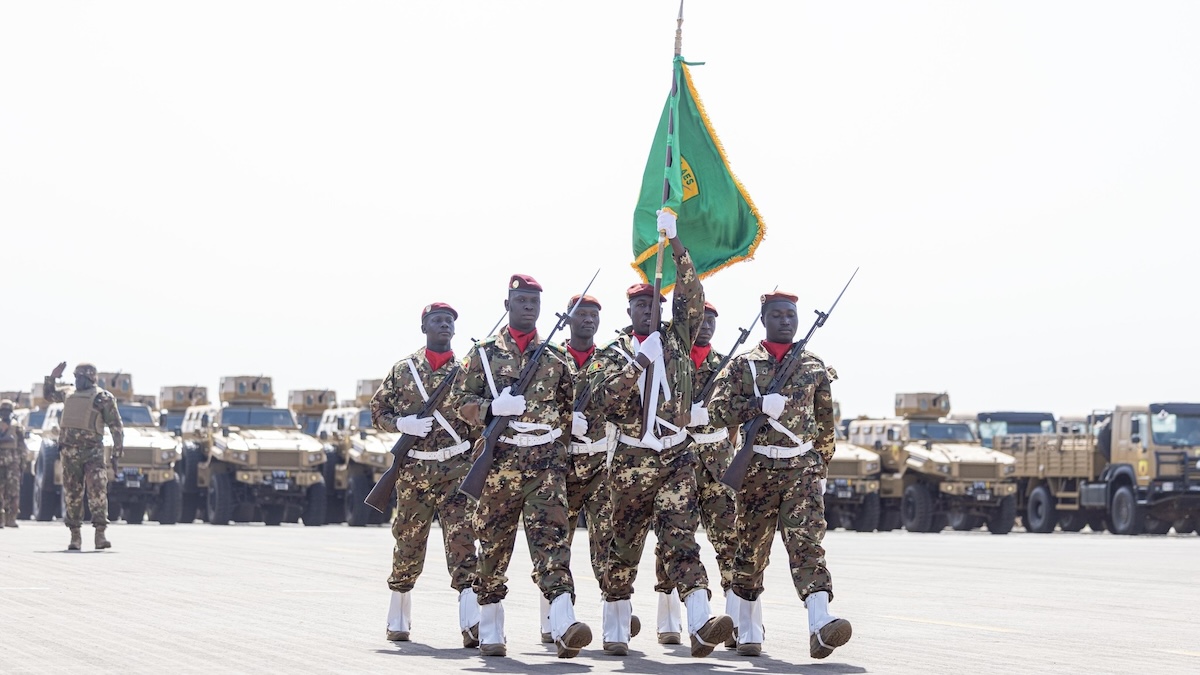
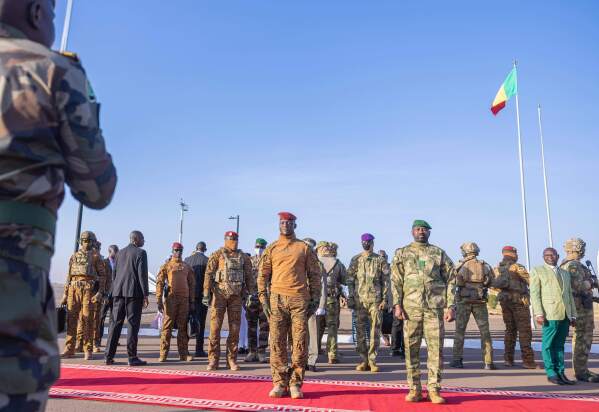
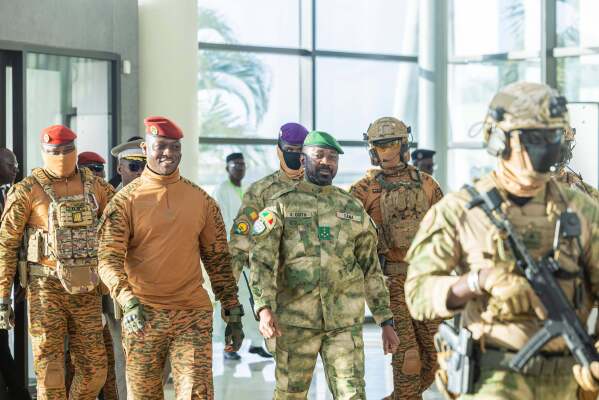
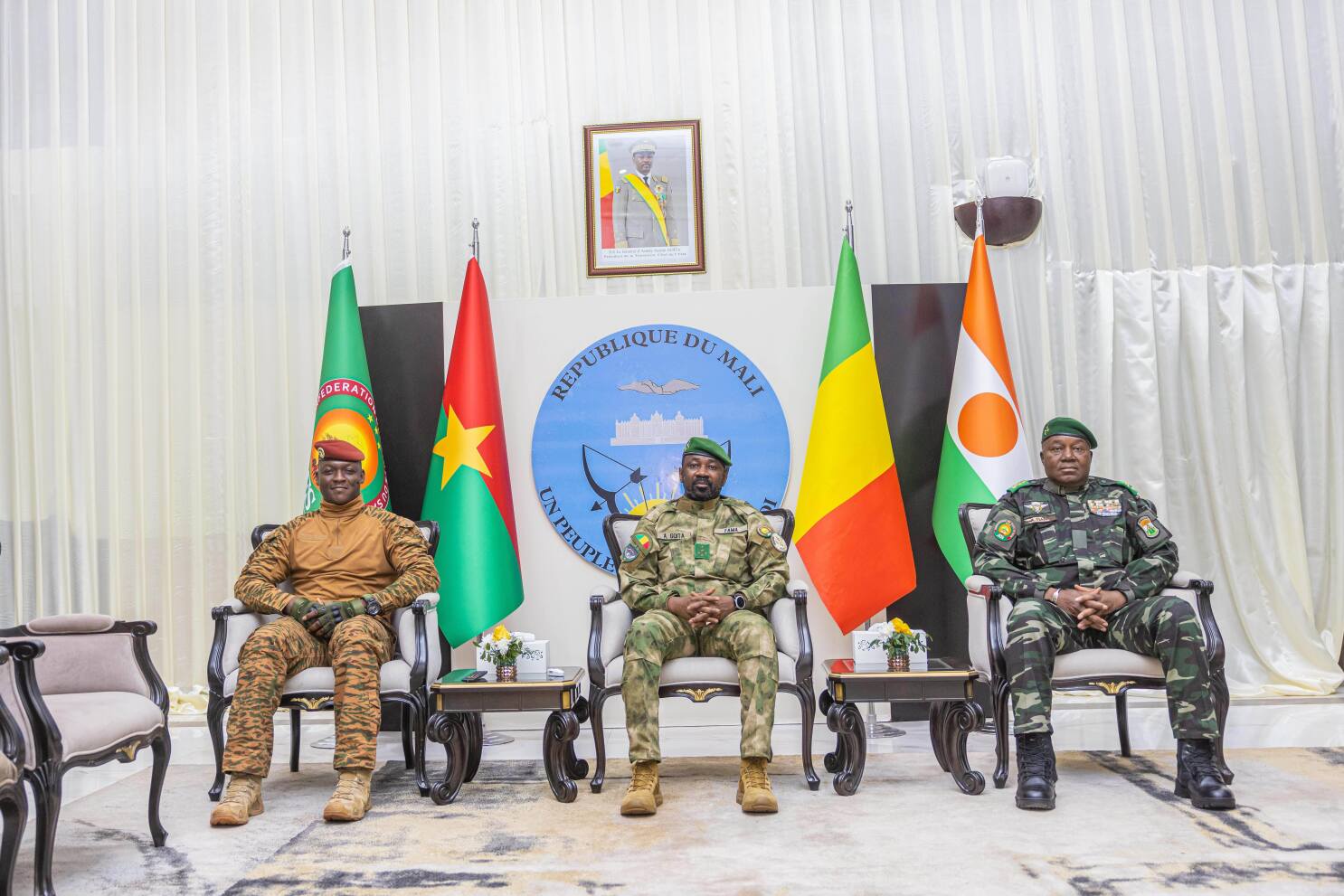
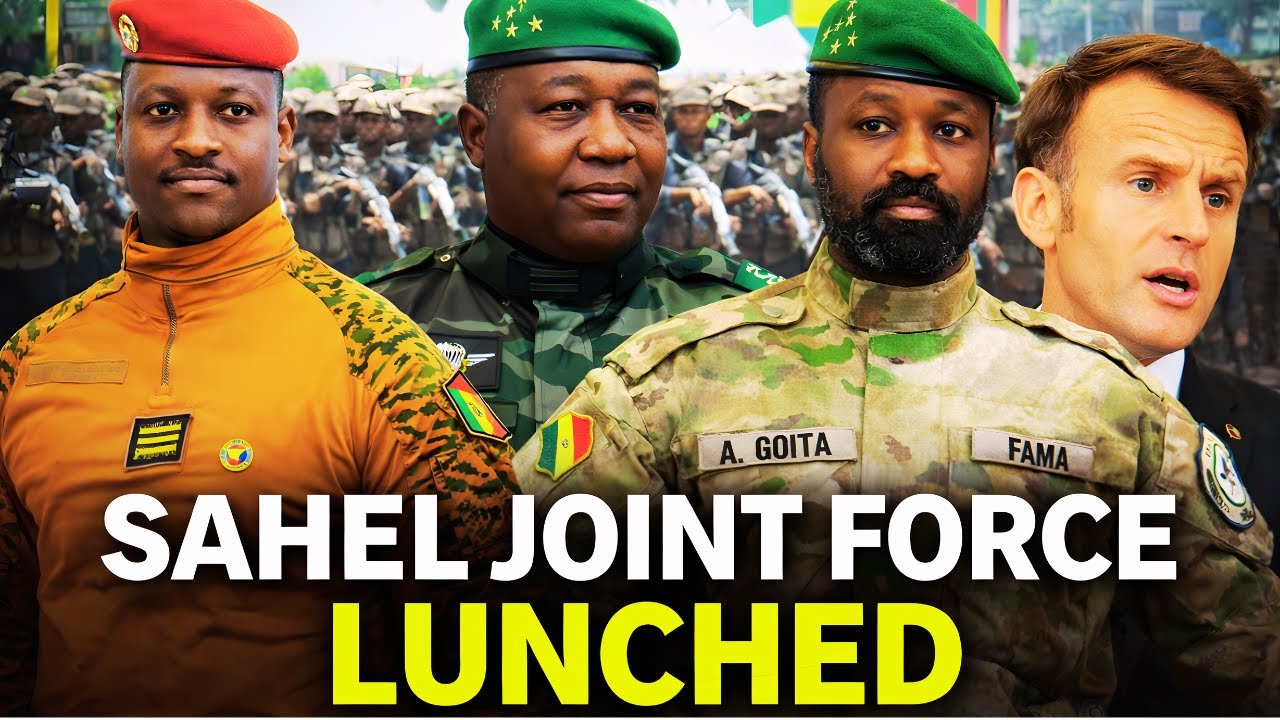
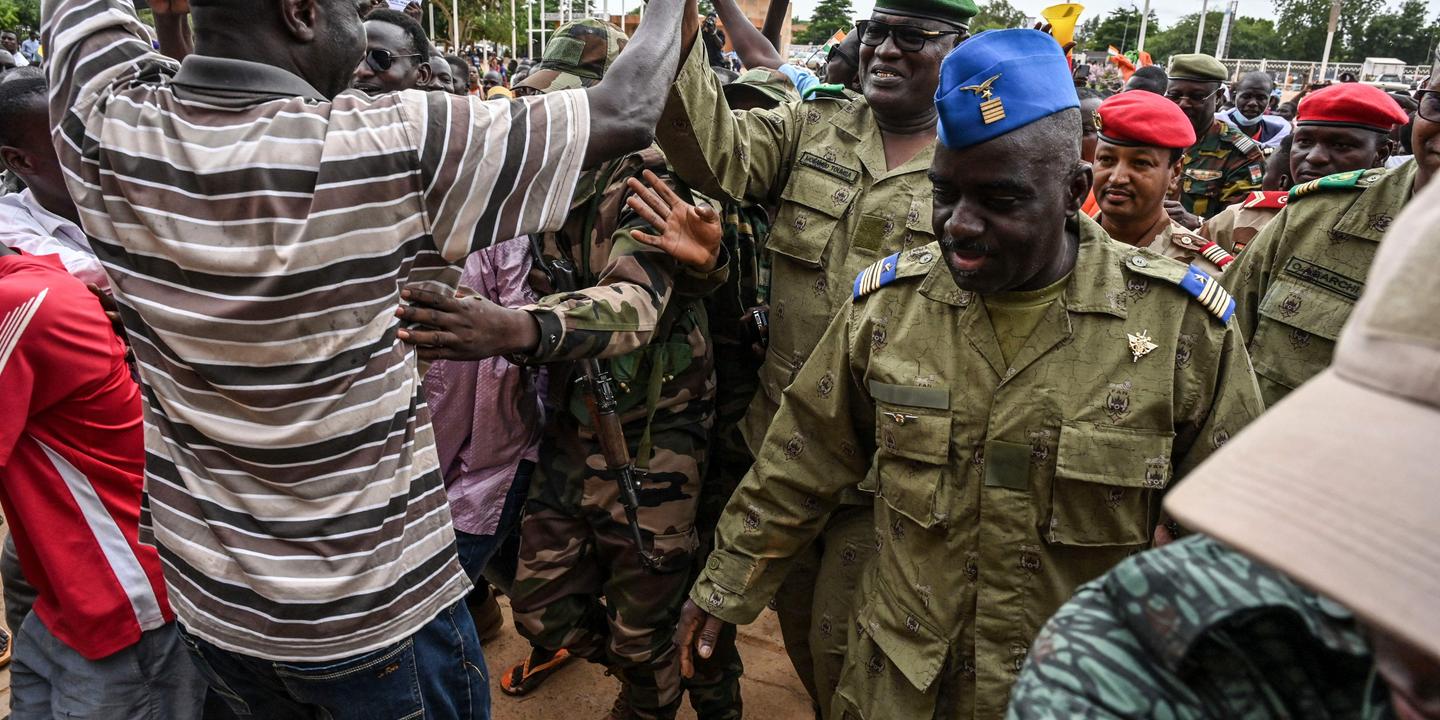
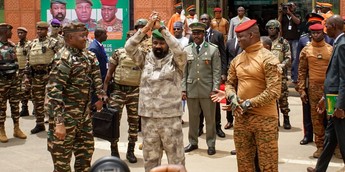
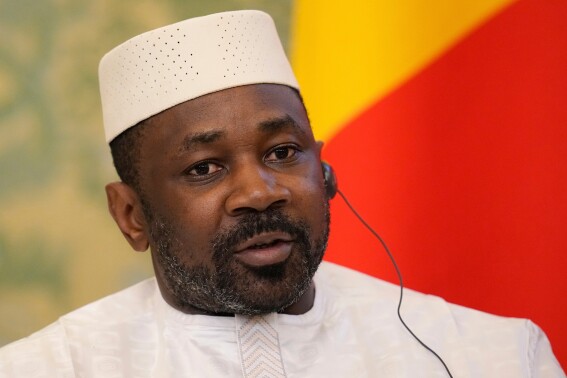
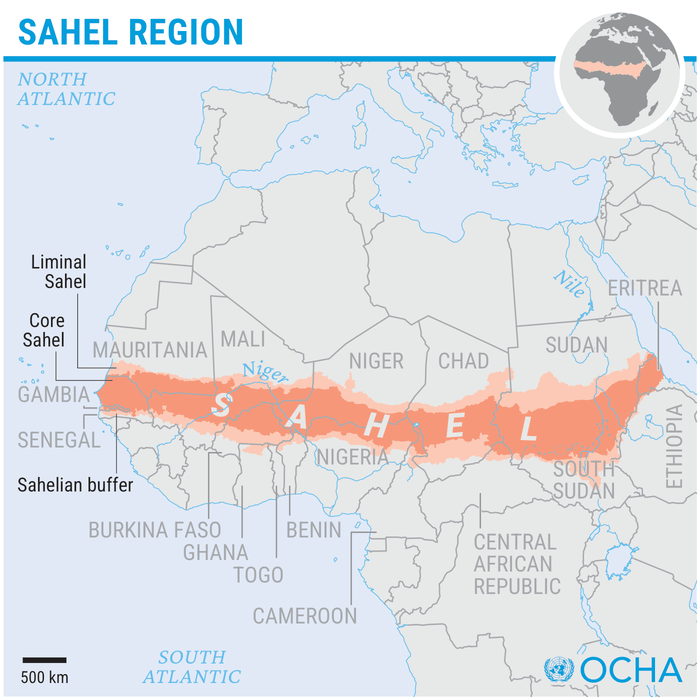
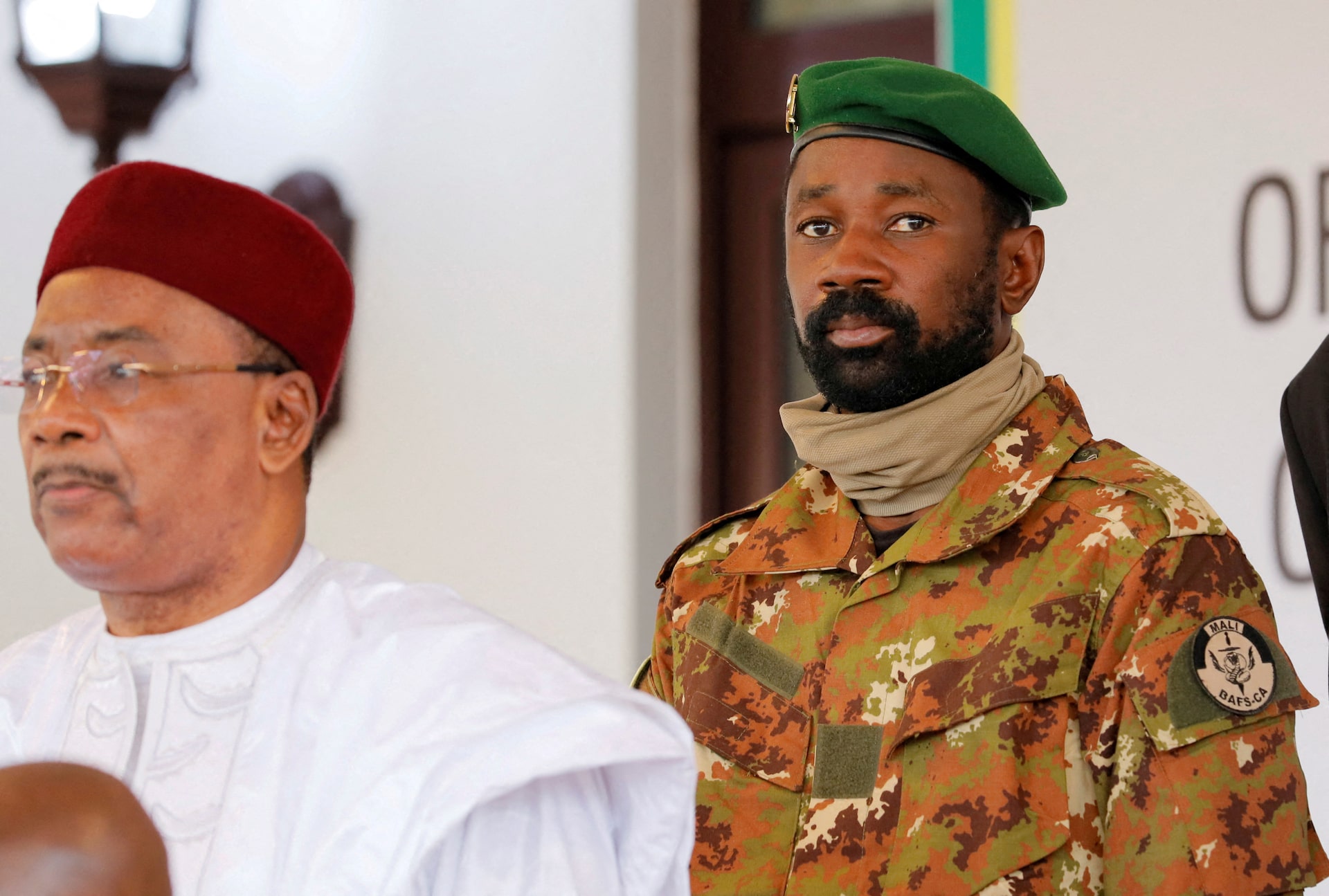
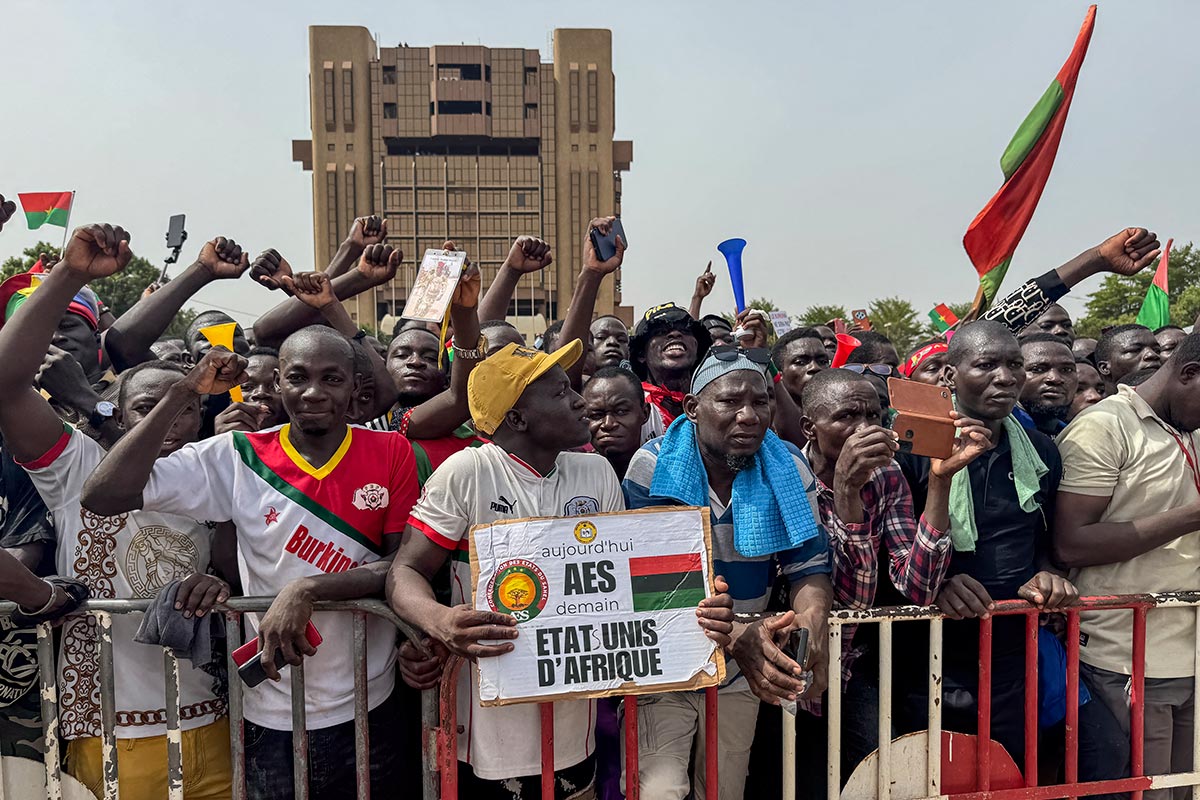
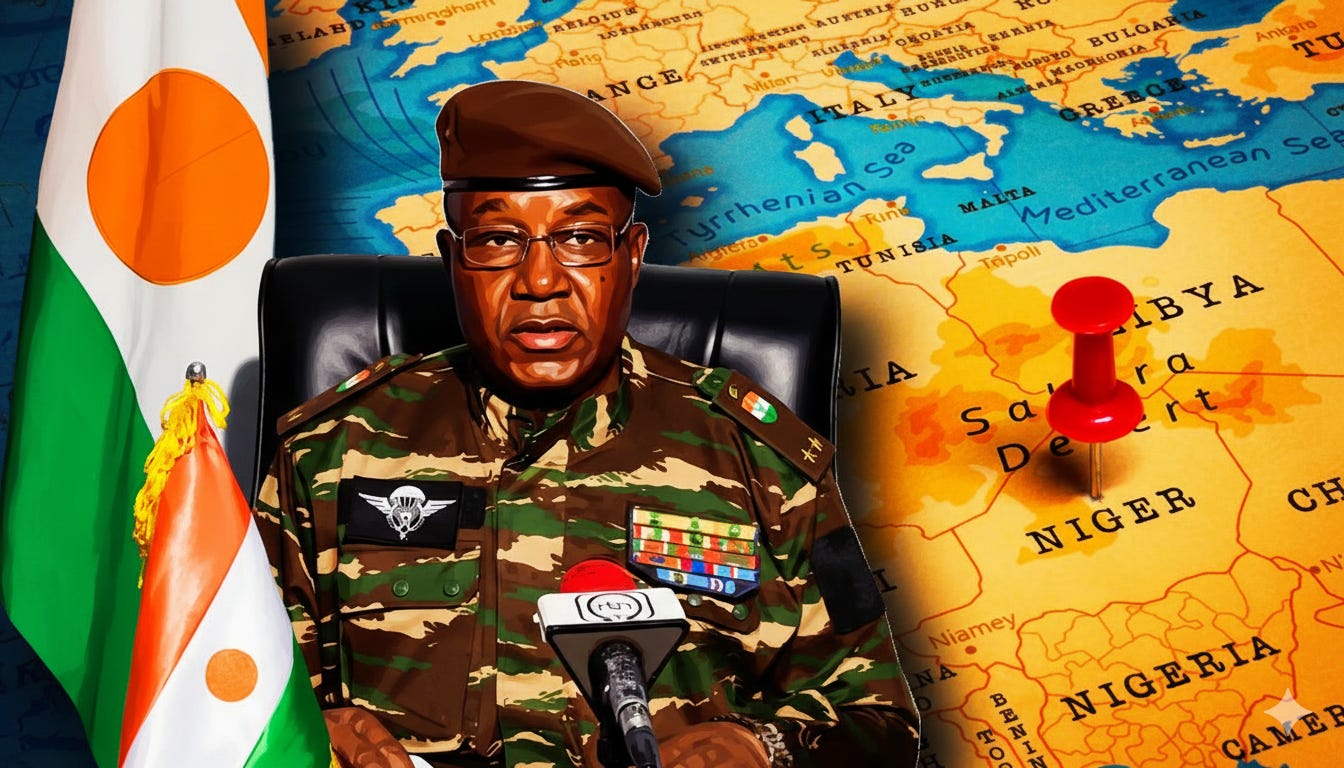
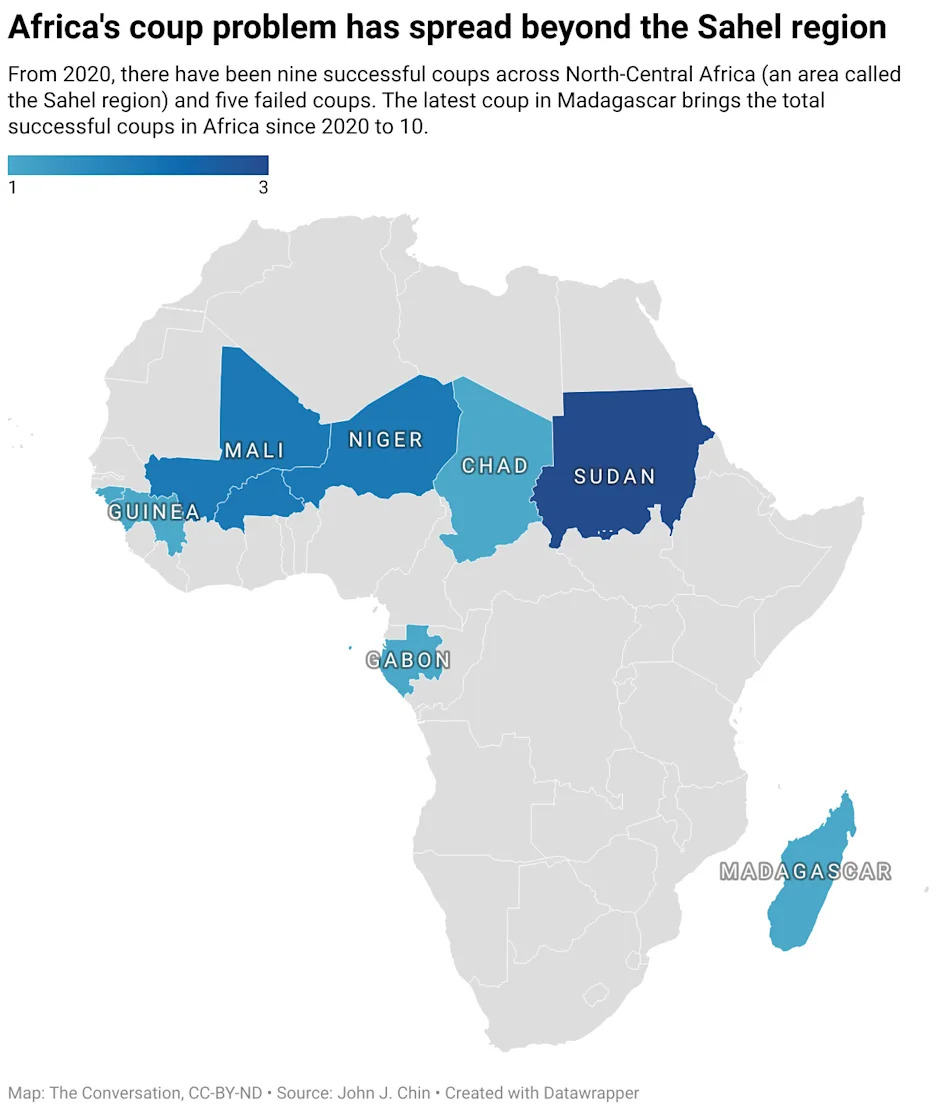
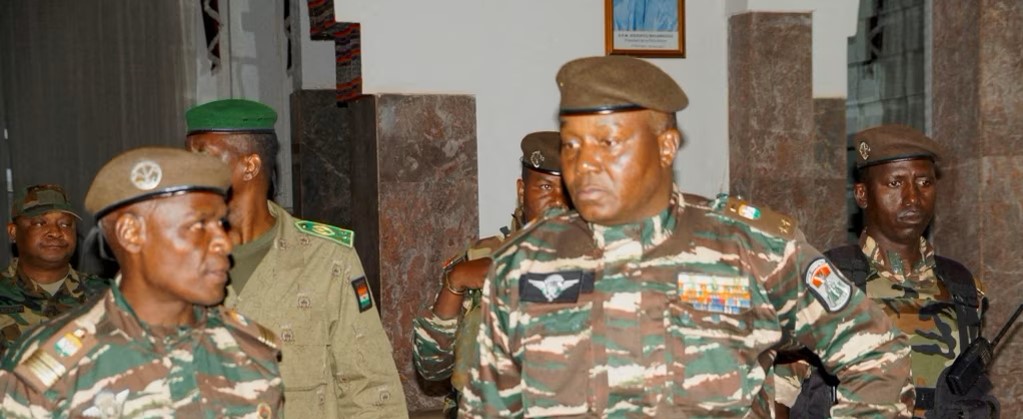
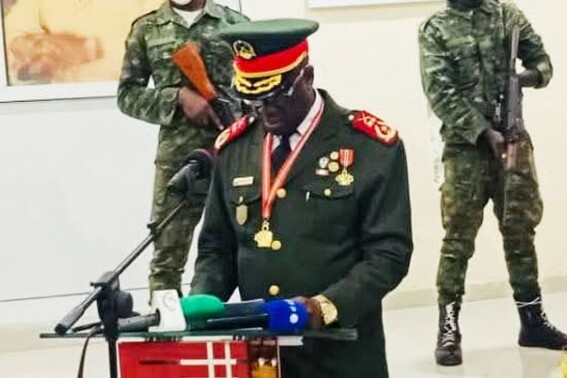
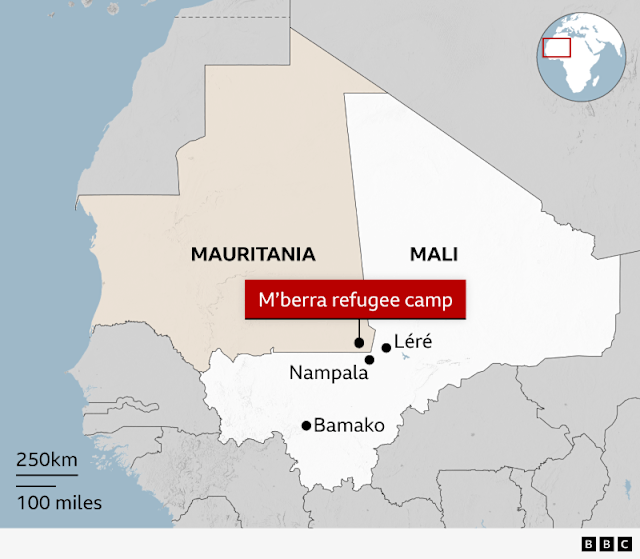
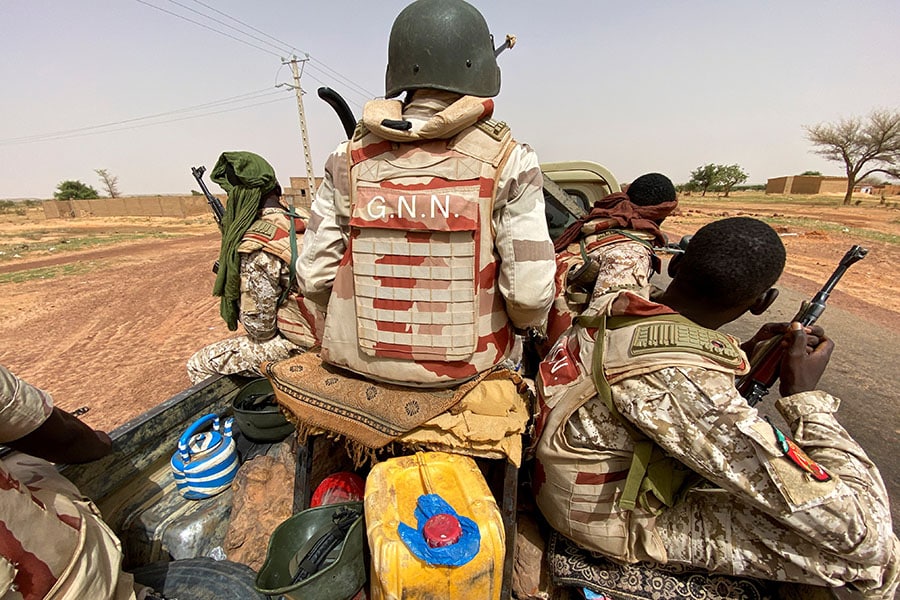
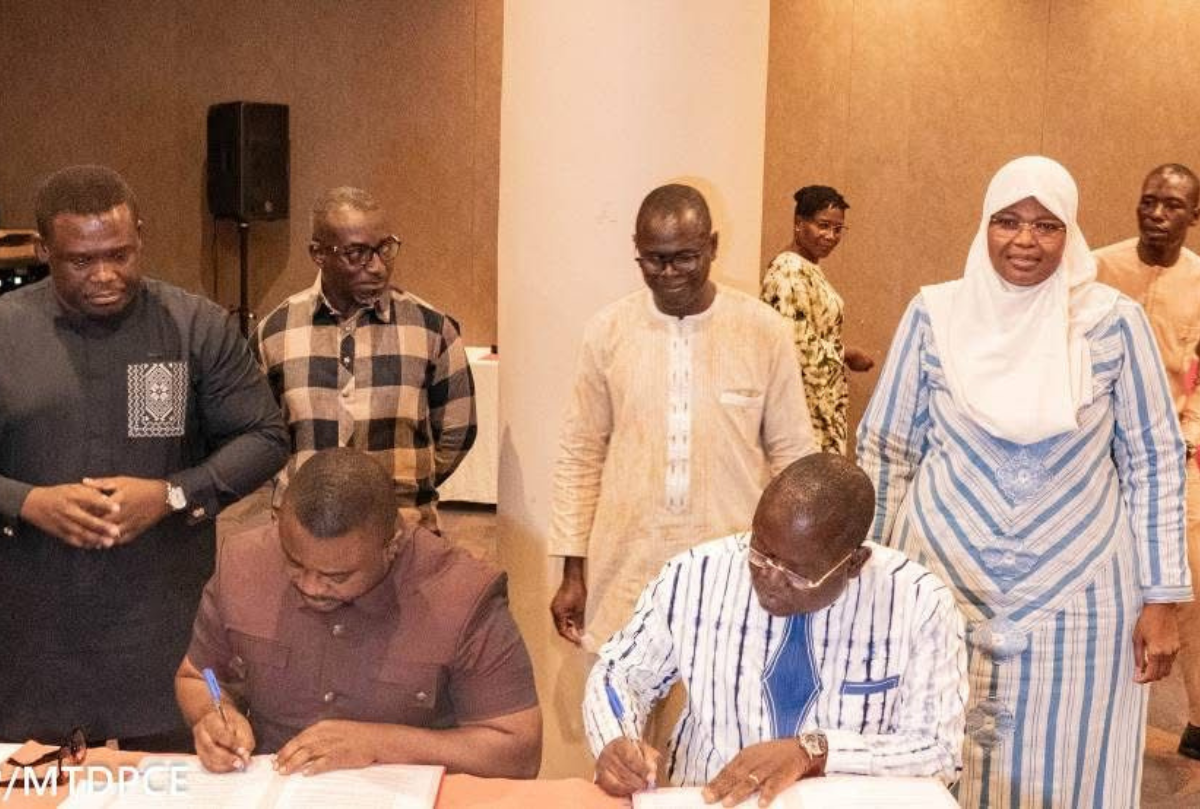
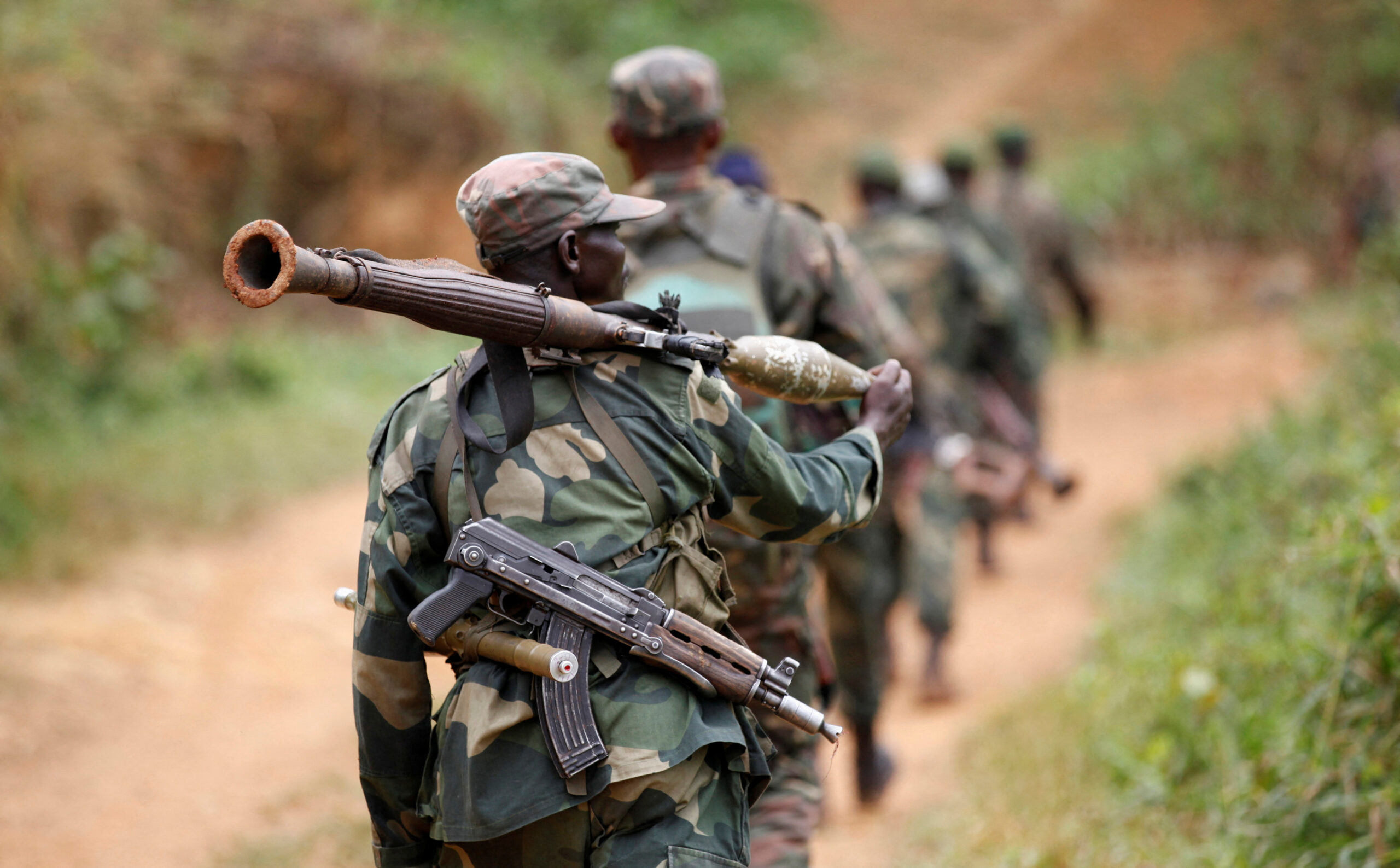
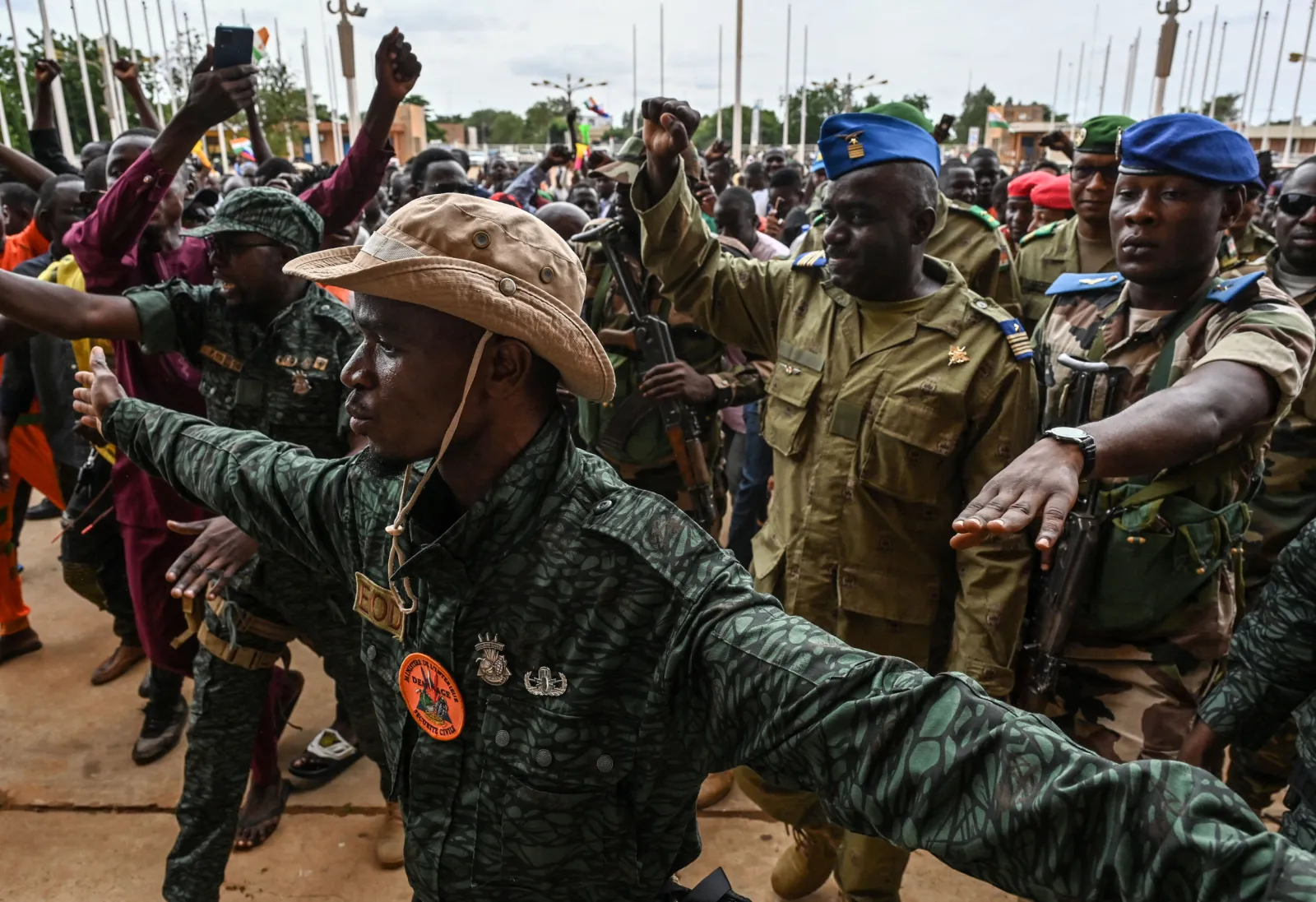
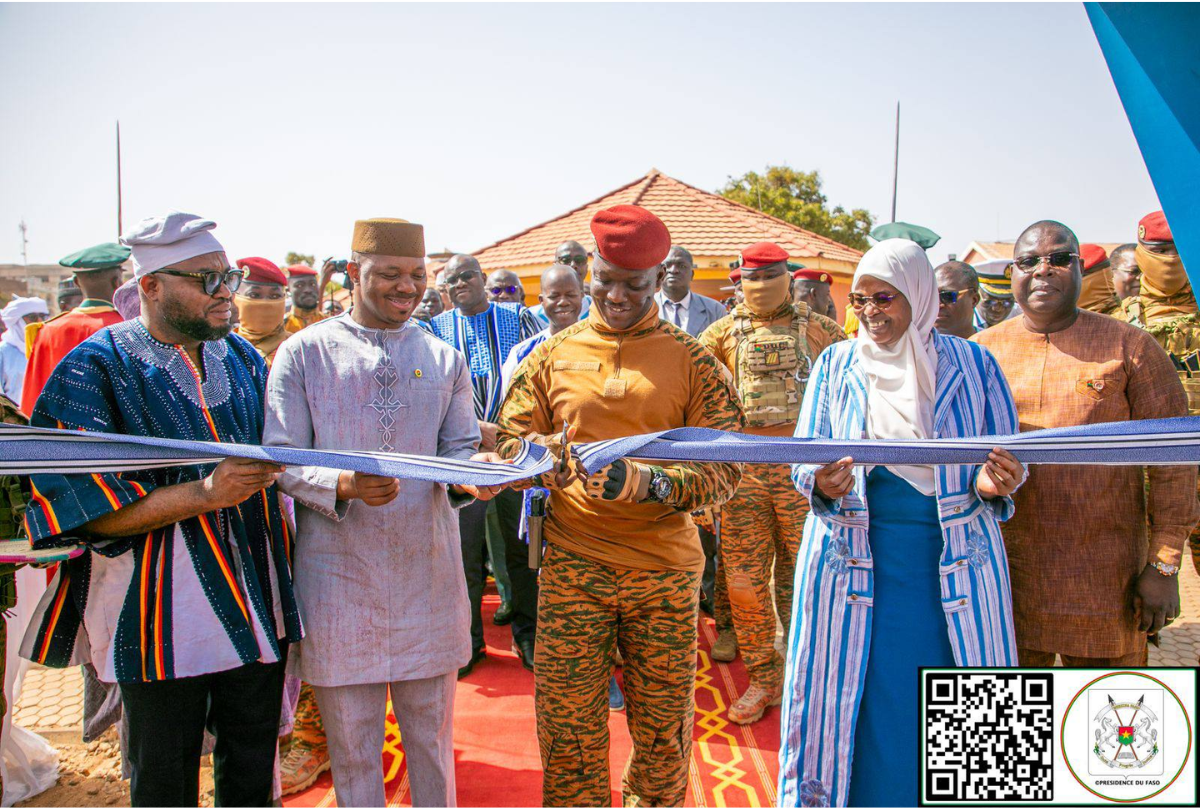
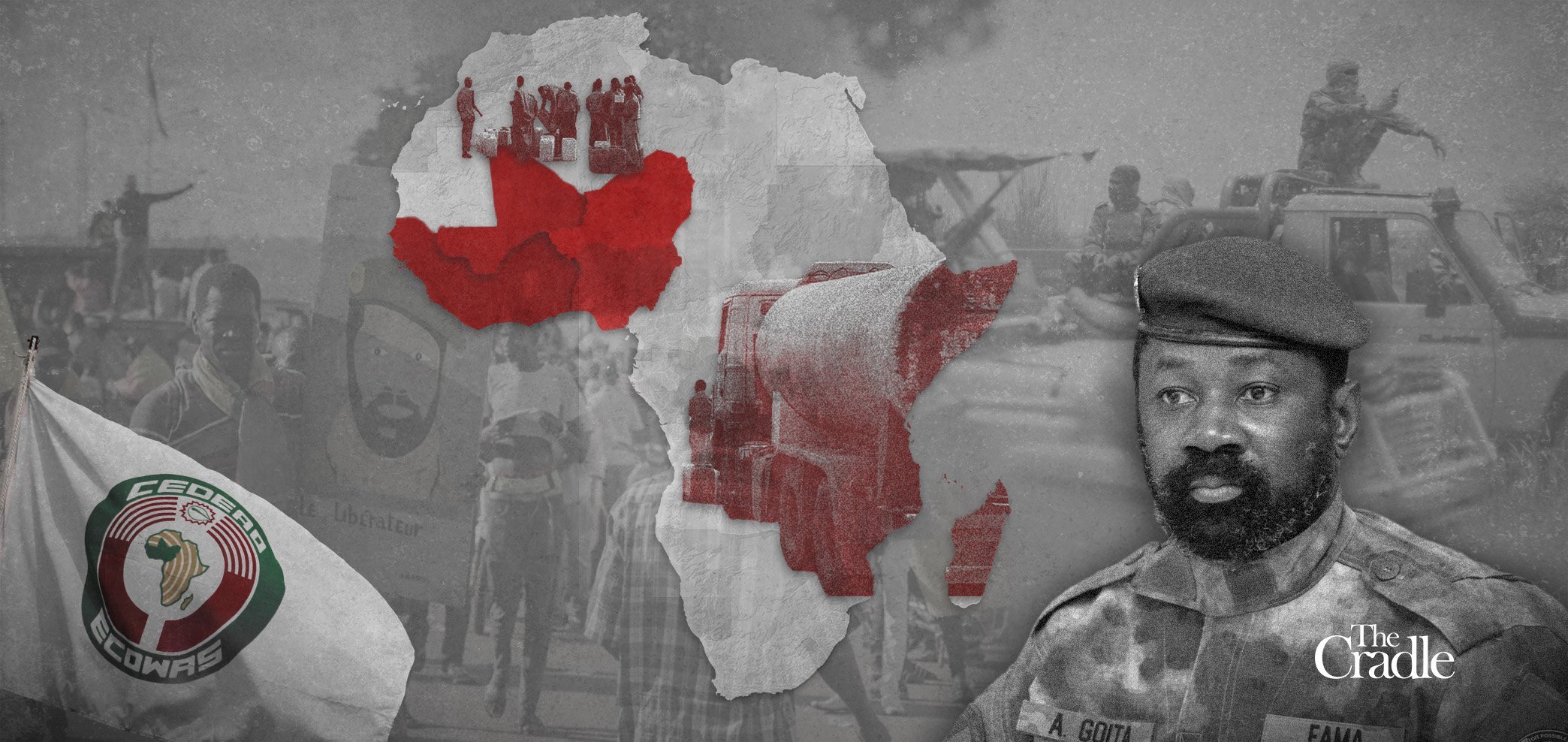
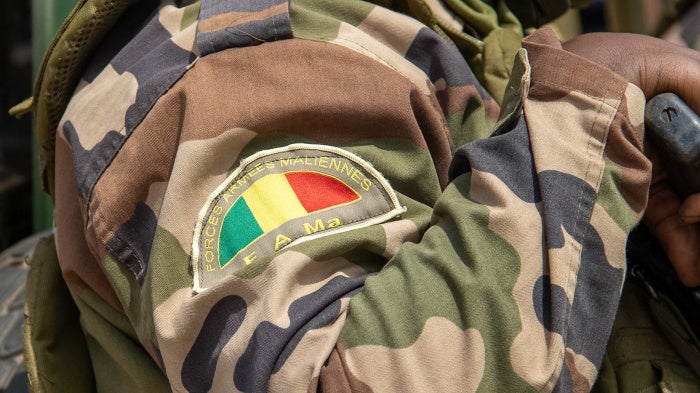
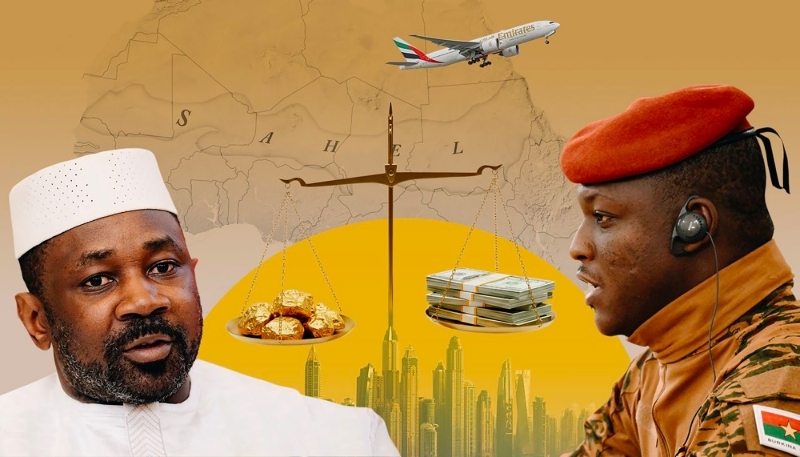
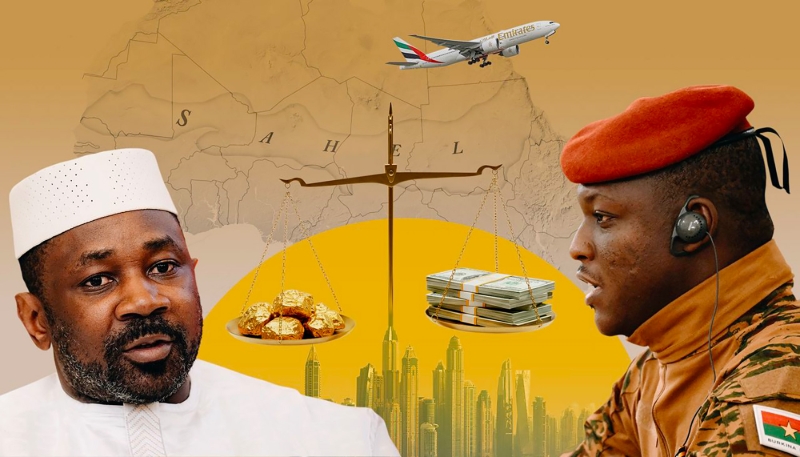
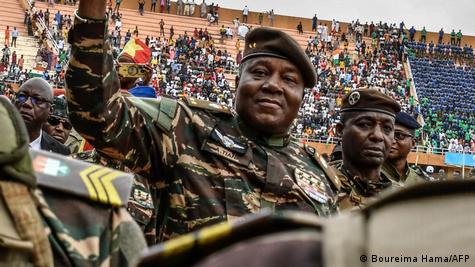
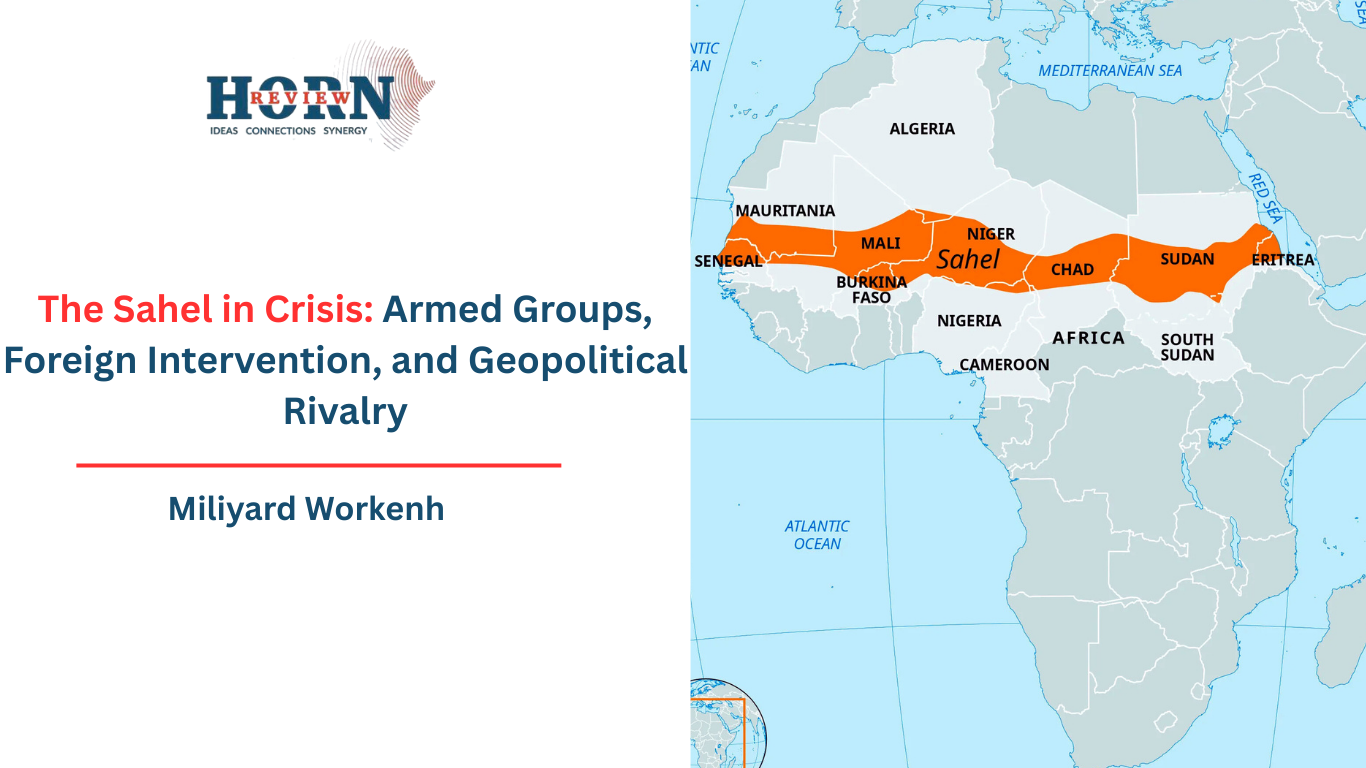
The Sahel, a vast and complex region covering Mali, Niger, and Burkina Faso, is caught in a tough struggle against militant Islamist groups. It’s a conflict marked by fresh tactics, shifting alliances, and a tragic human cost. Recently, Mali, Niger, and Burkina Faso formed the Alliance of Sahel States, a significant move to boost security and economic cooperation. Yet, extremist attacks continue to cast a long shadow, highlighting just how fragile peace remains. What’s making this fight even harder? The growing use of technology. Drones and AI are now frontline tools for surveillance and counterterrorism, but it’s a double-edged sword. While these tools help governments track and target armed groups, they also complicate things, forcing militants to adapt. This tech race shows us how warfare in Africa keeps changing, with both state and non-state groups constantly adjusting their strategies in a fast-moving environment. For more on this, Al Jazeera reported on the challenges of drones and AI in the Sahel.
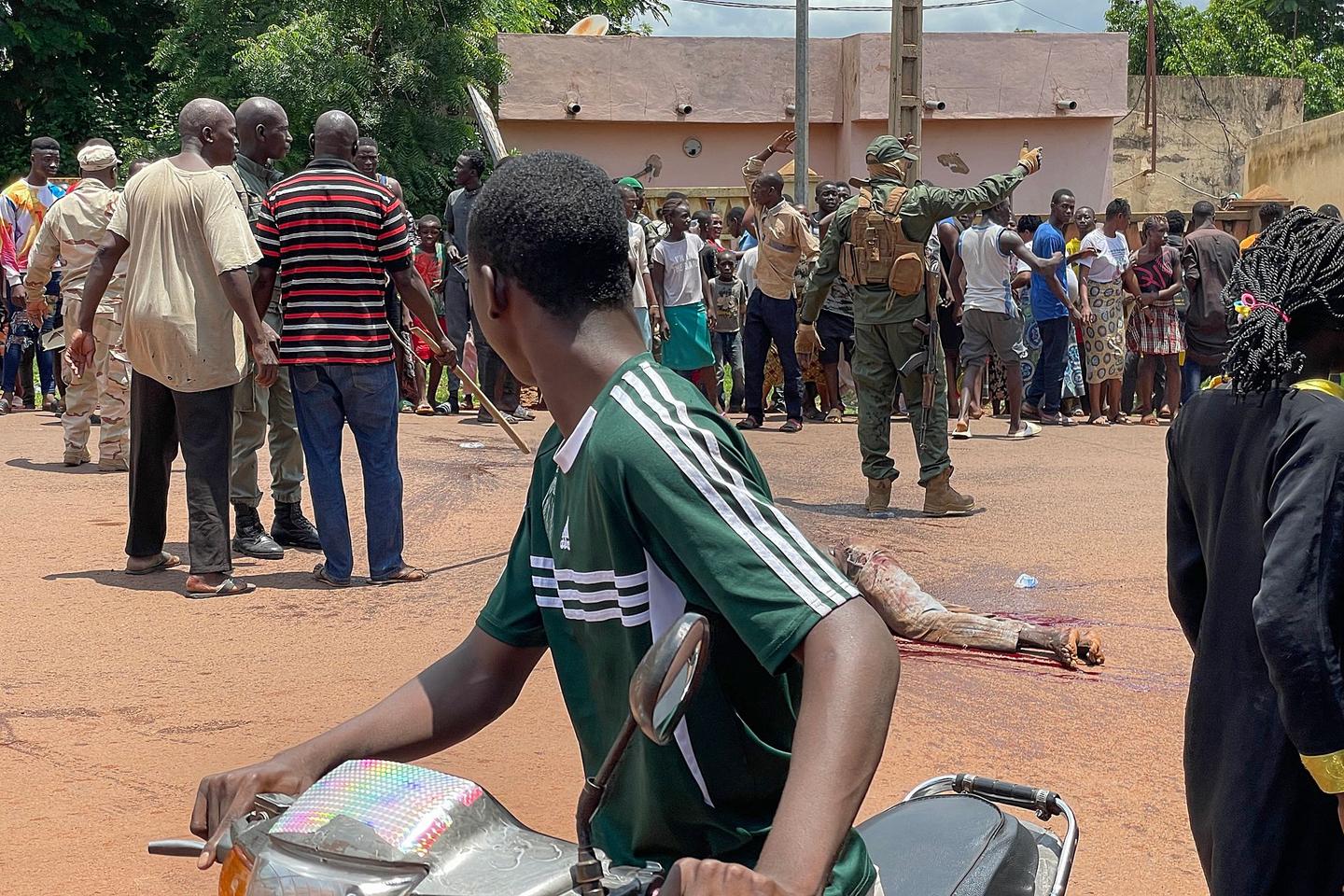
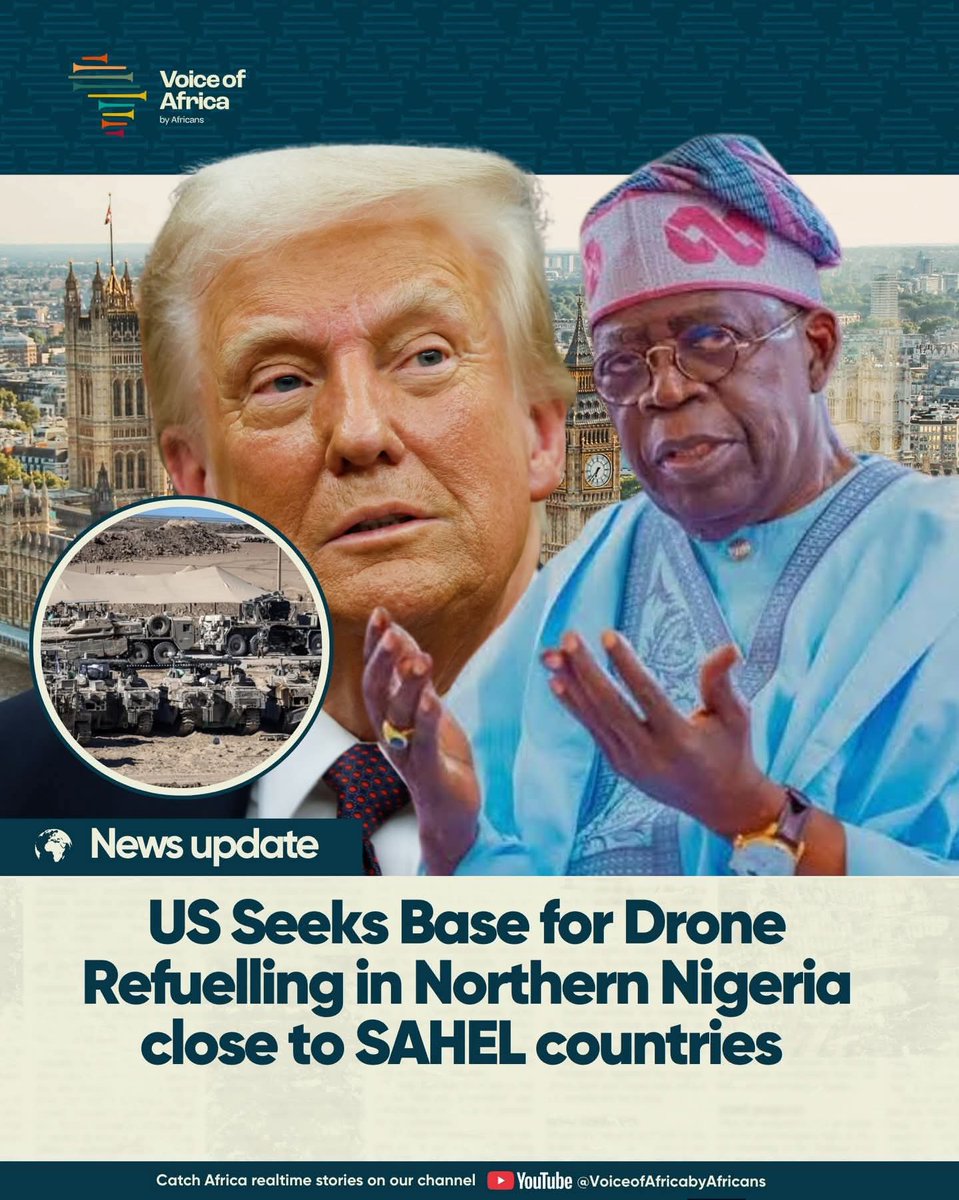
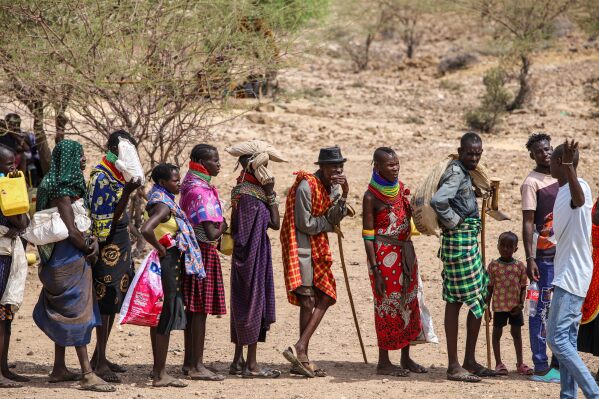
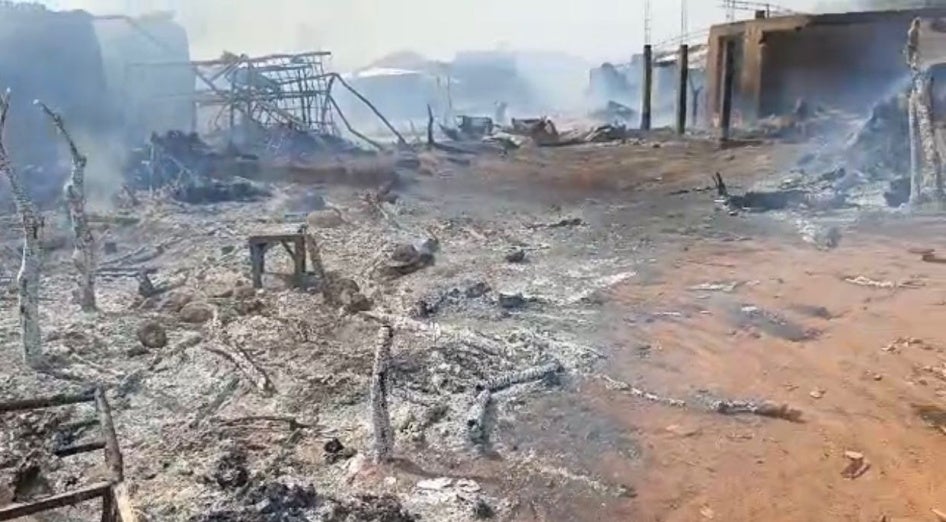
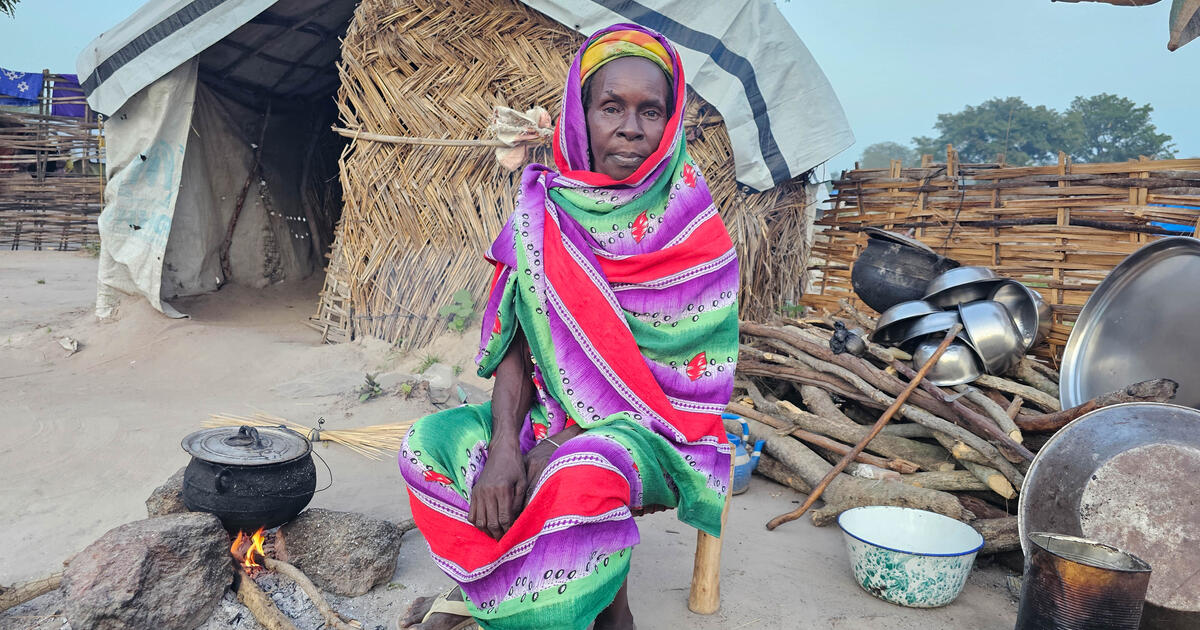
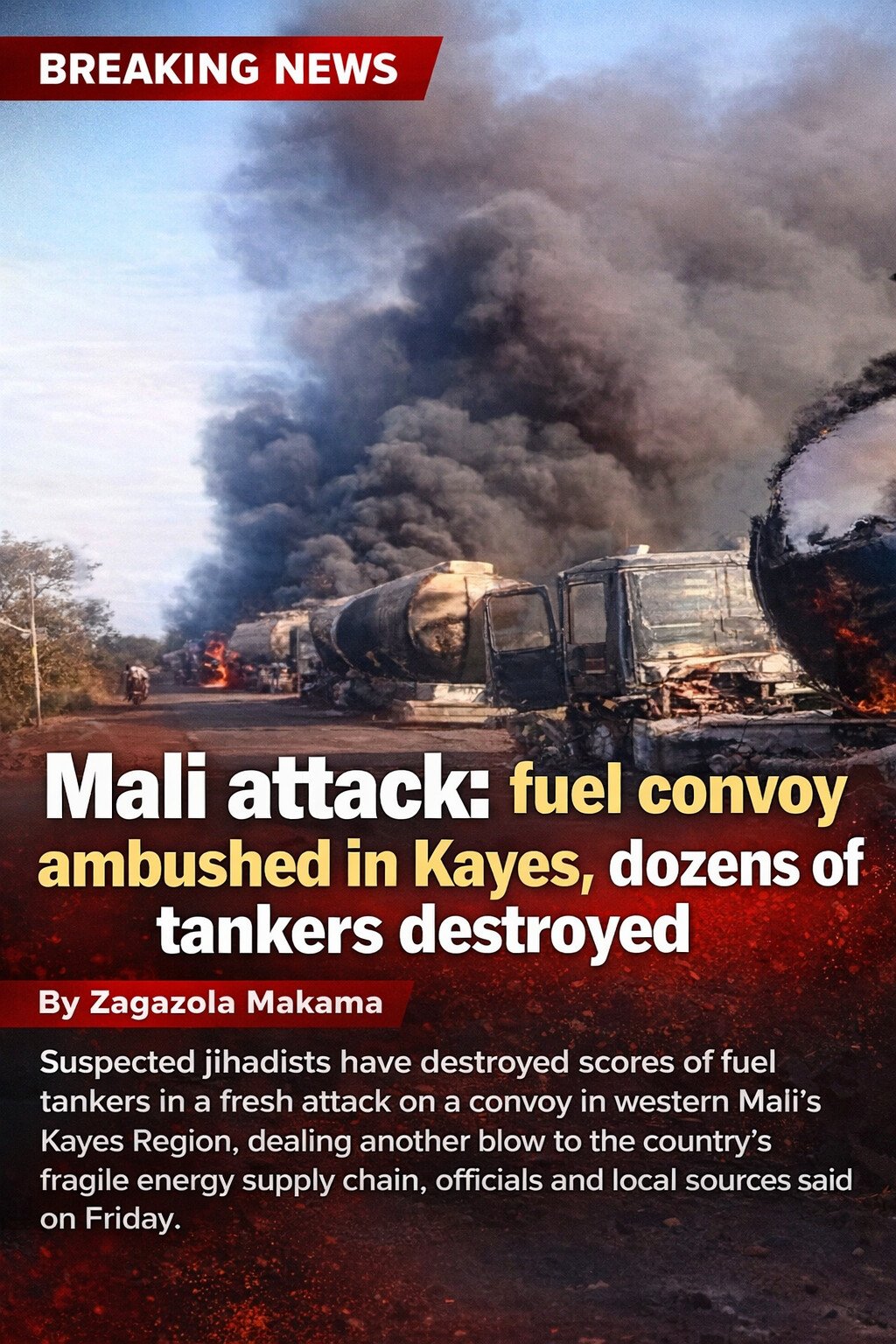
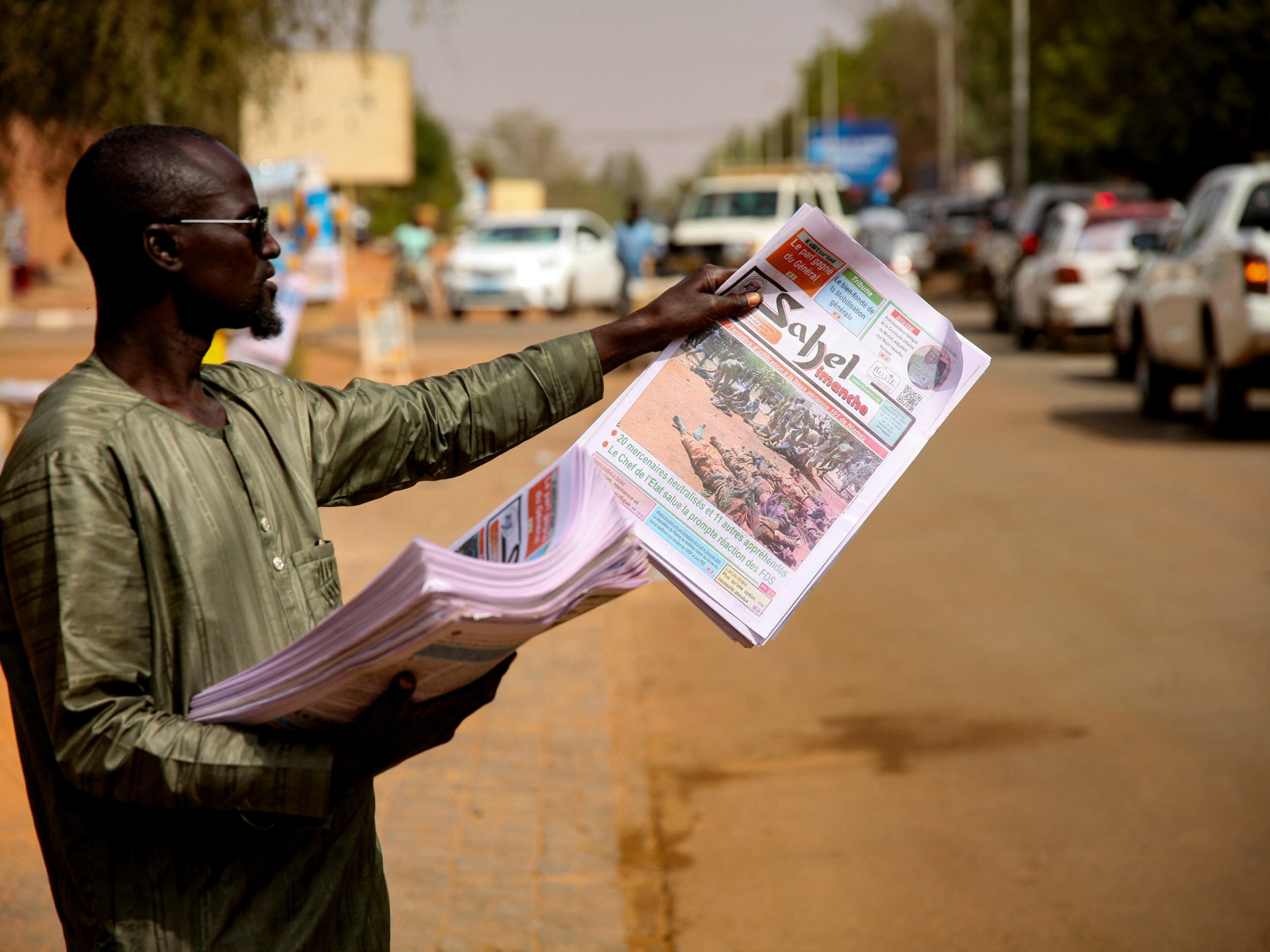
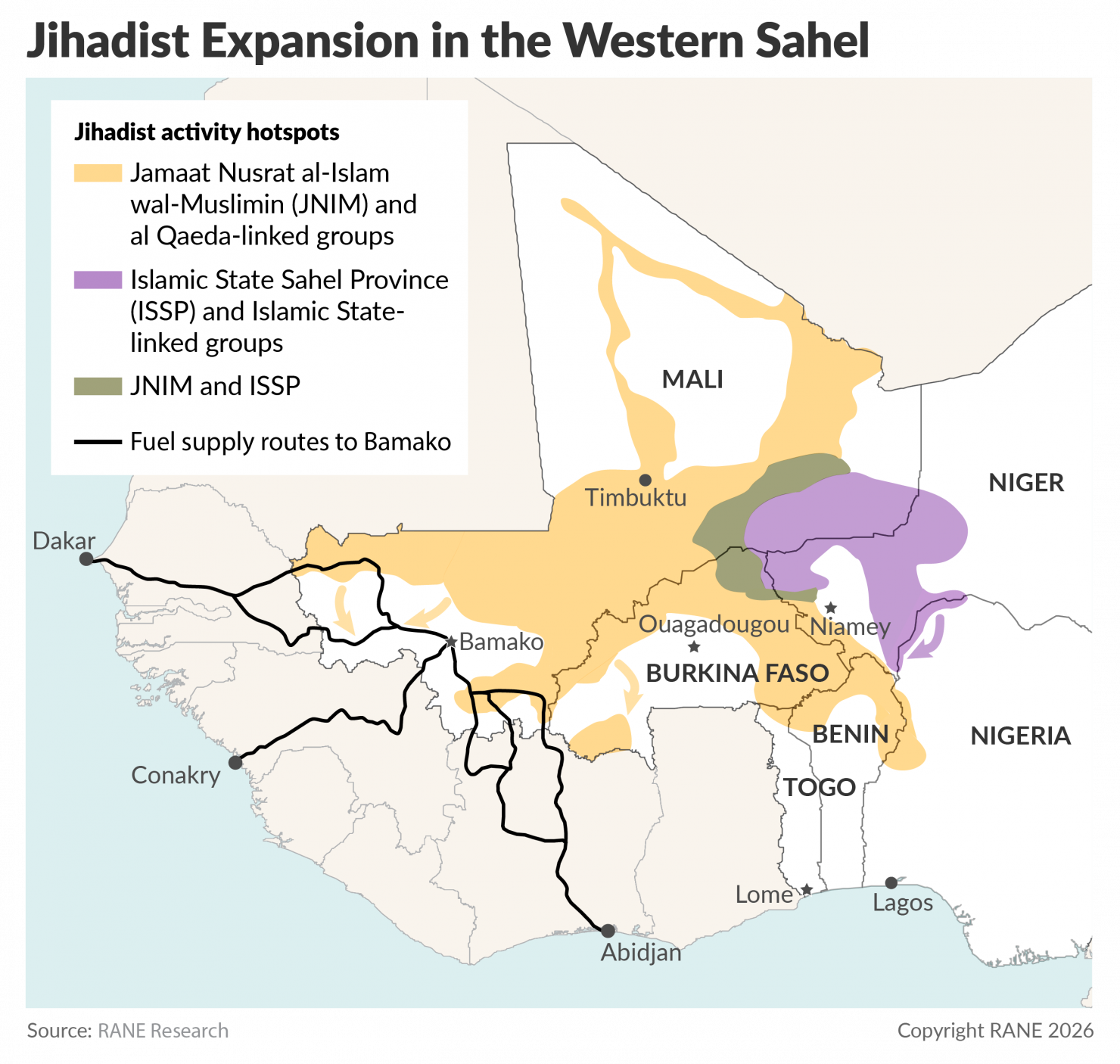
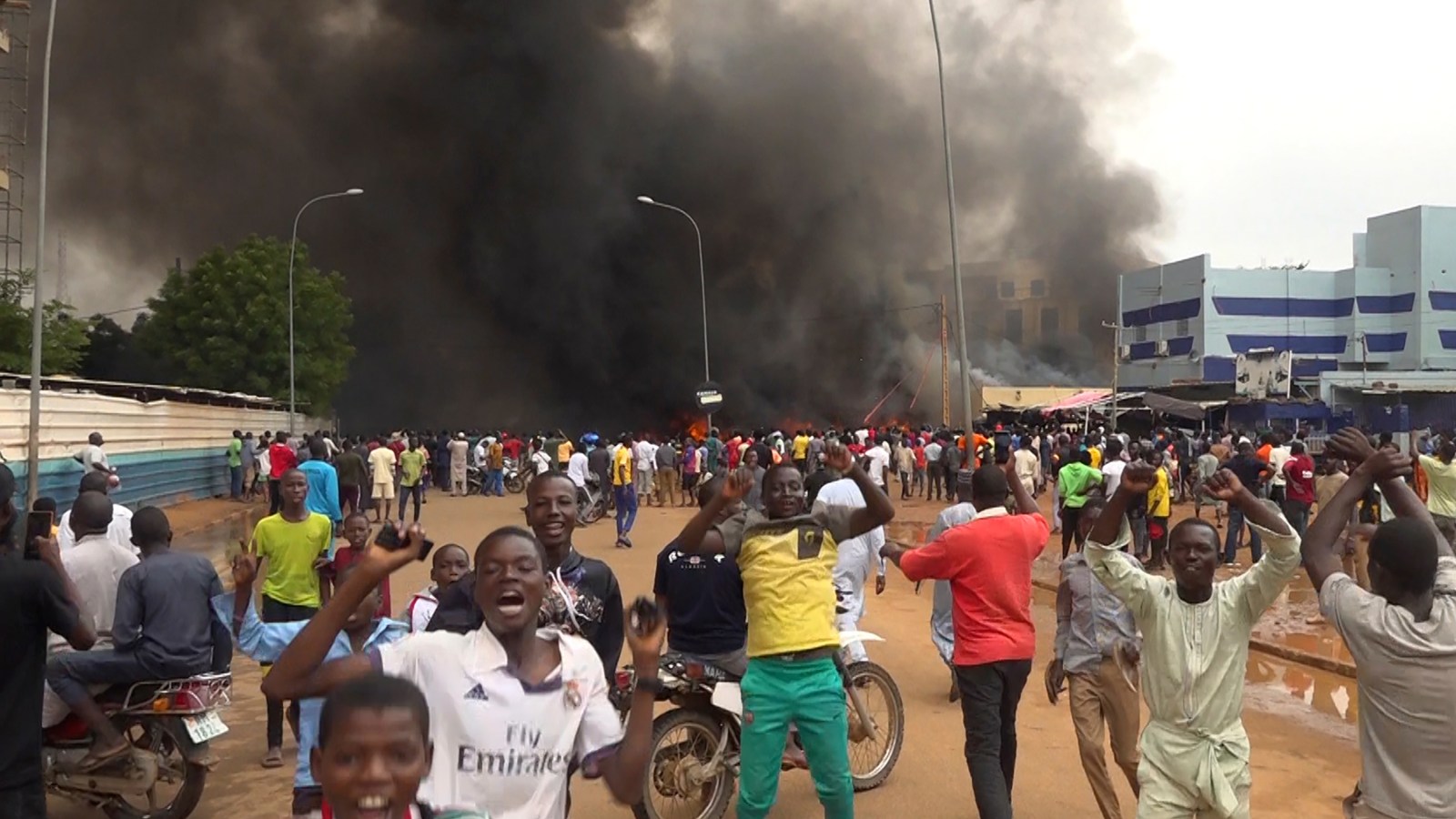
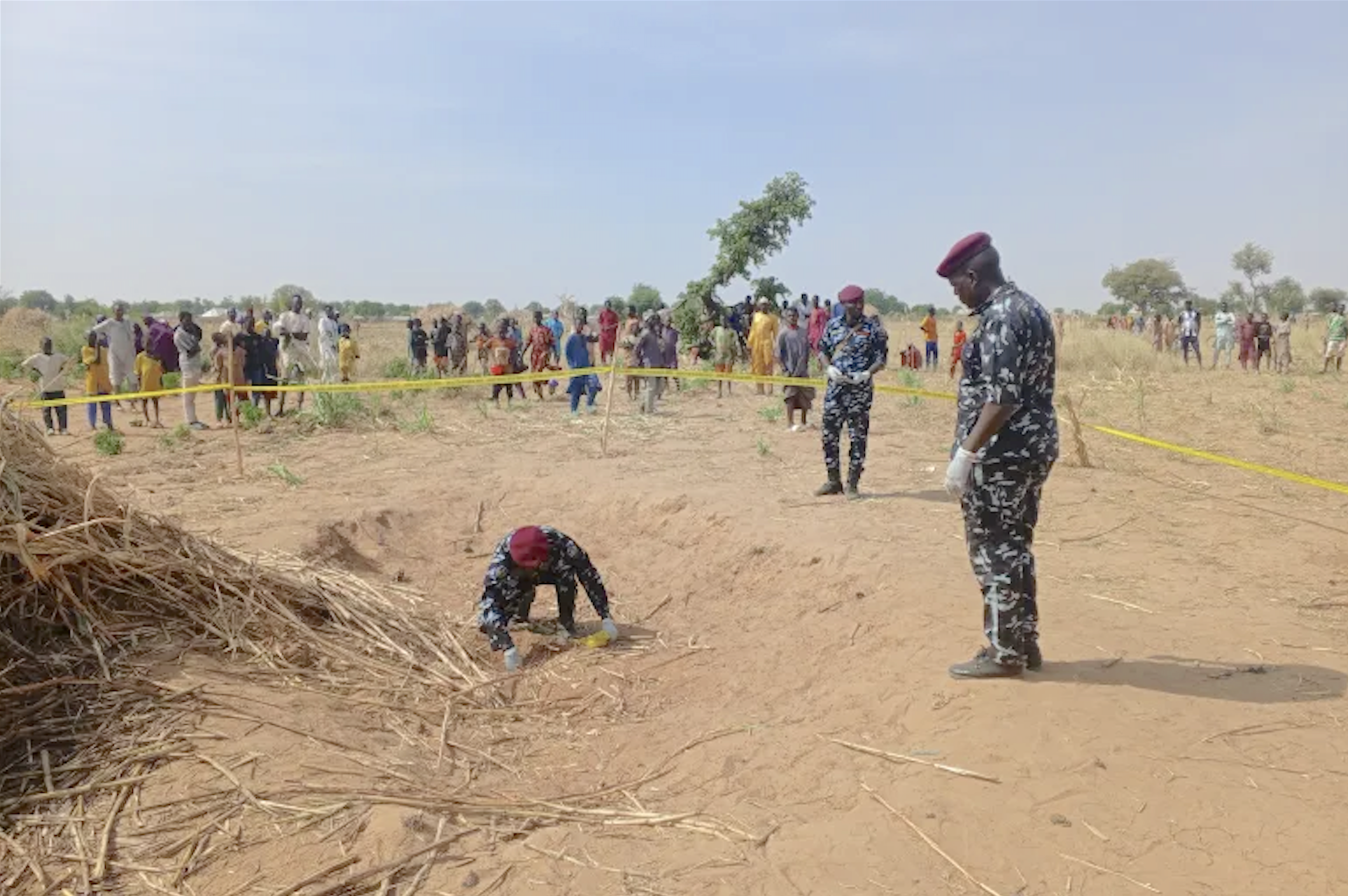
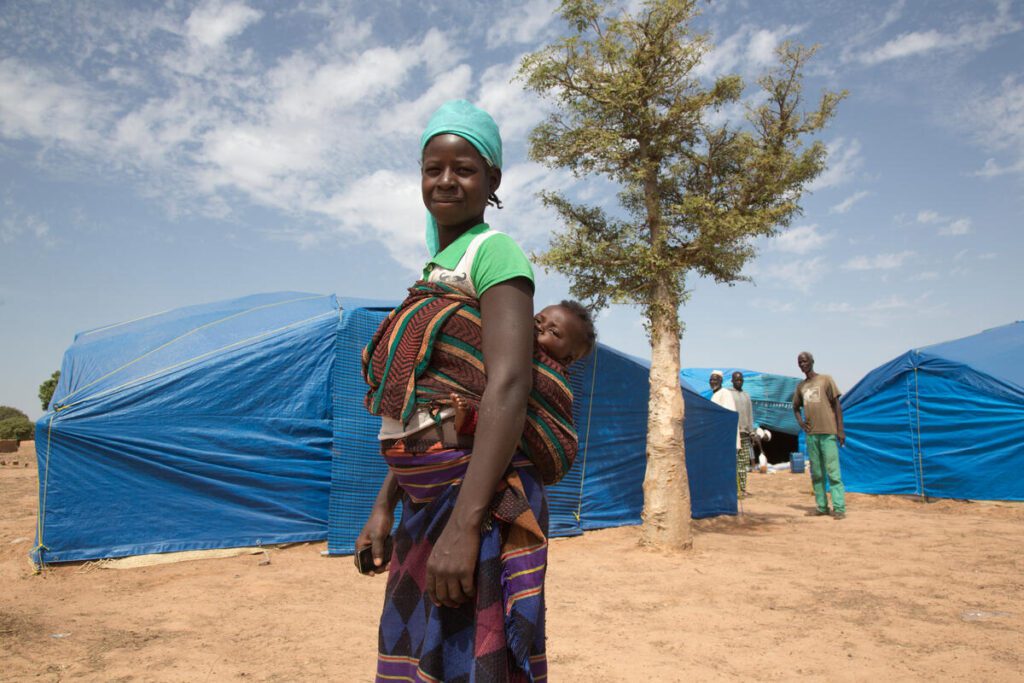
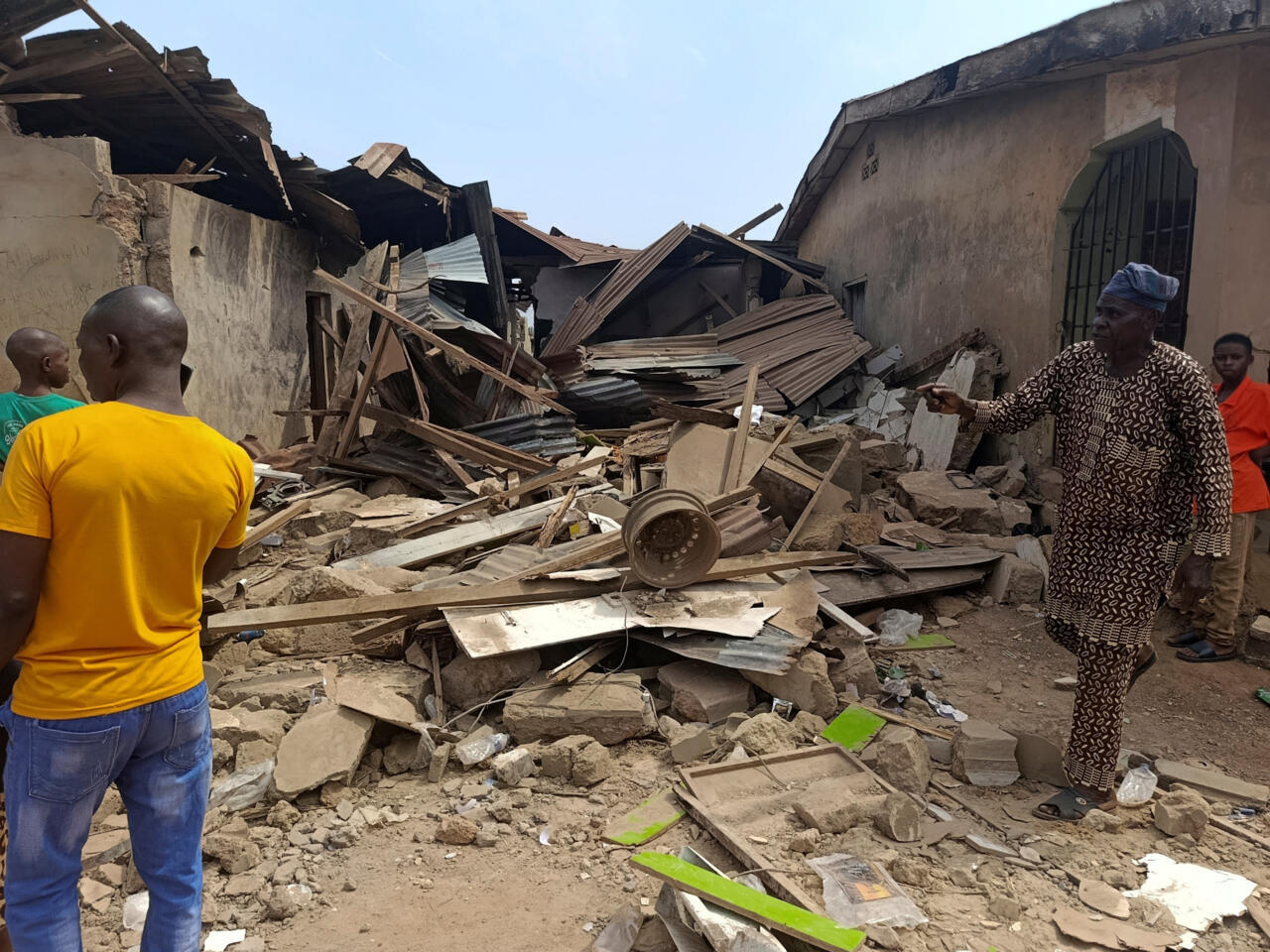
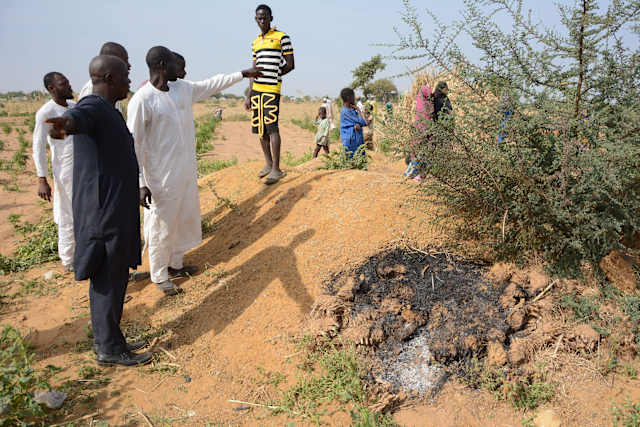
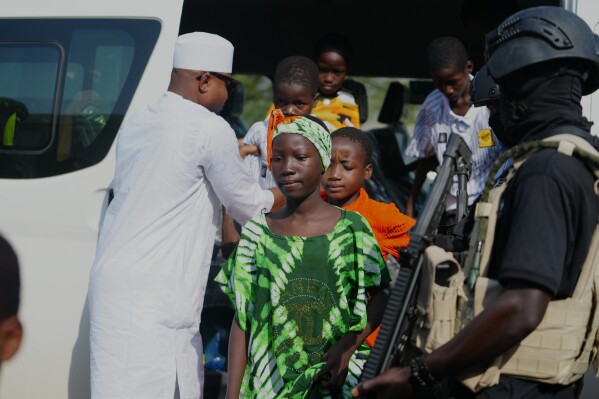
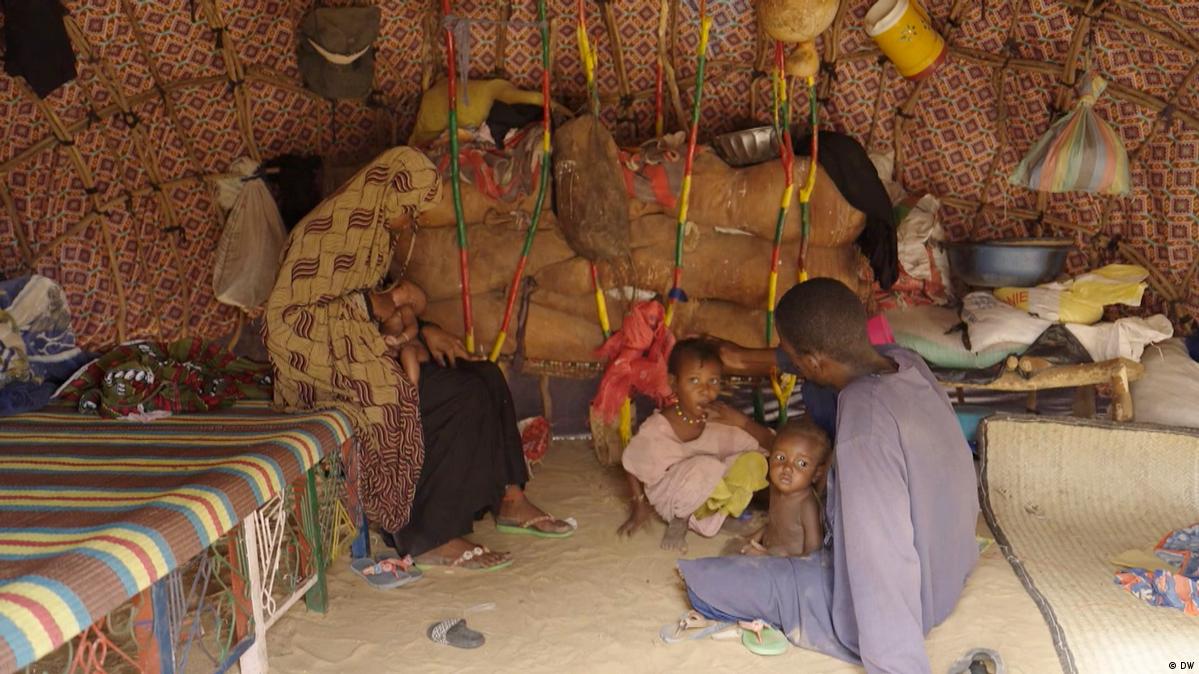
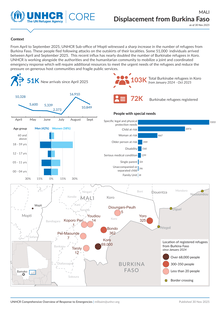
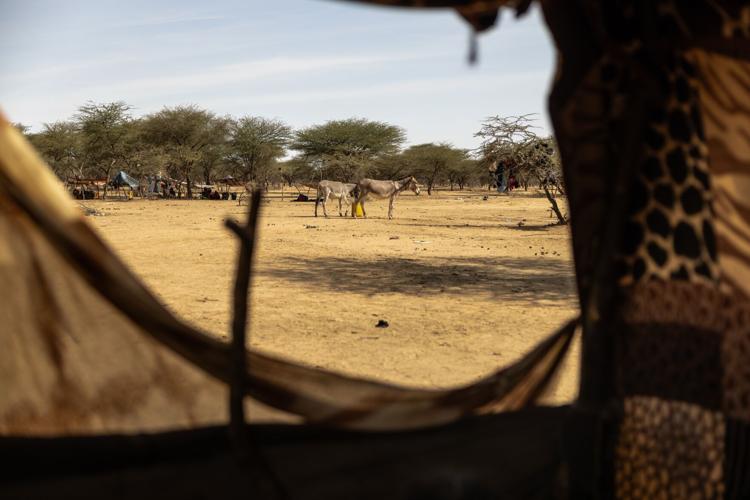
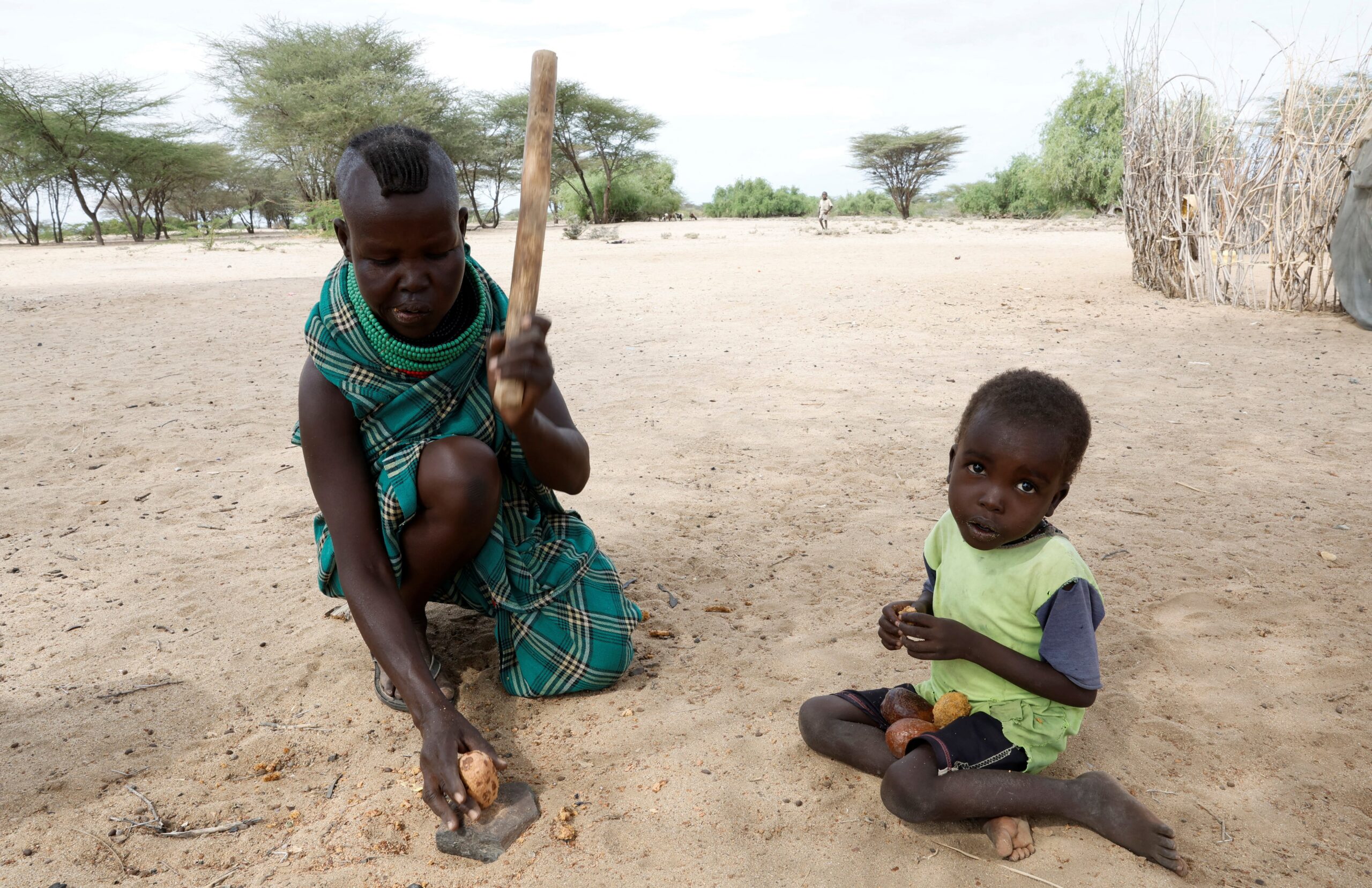
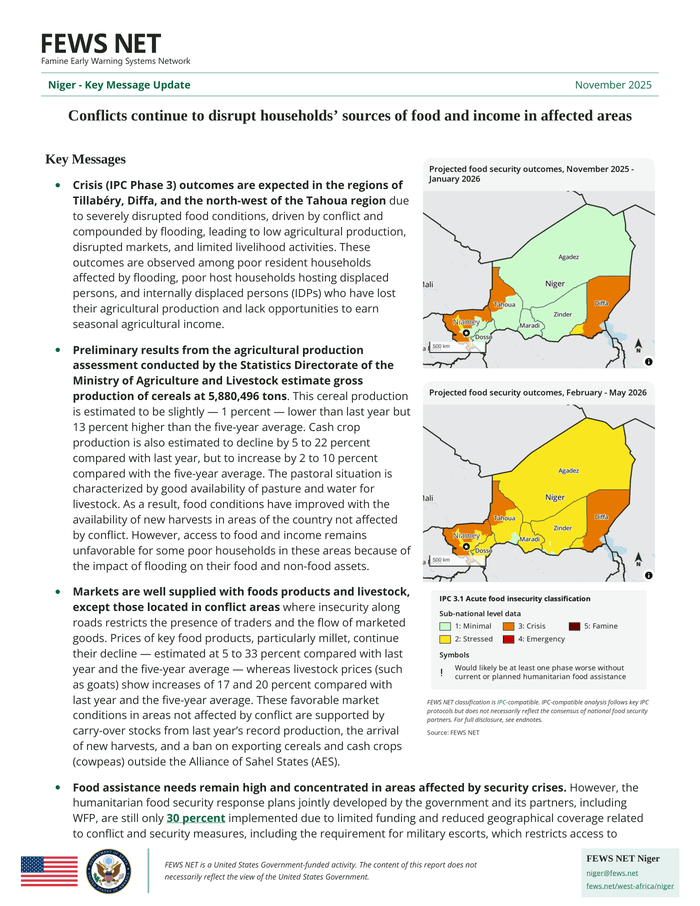
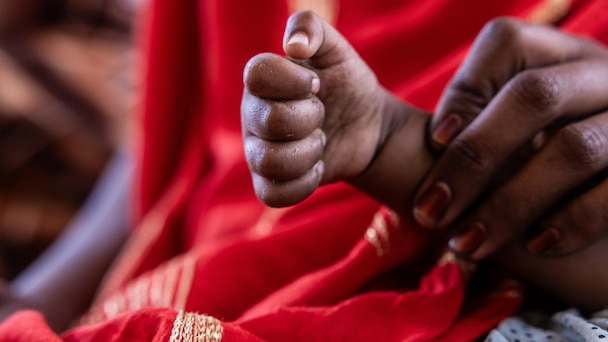
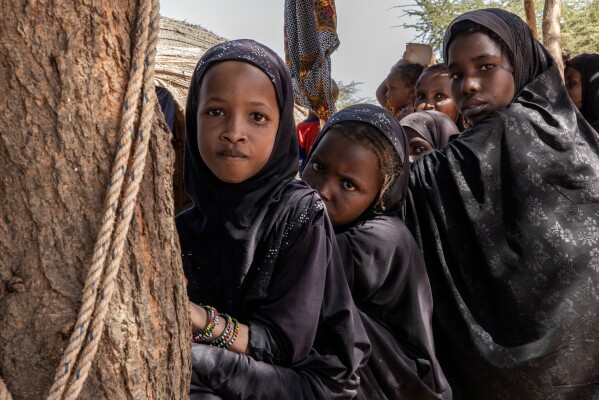
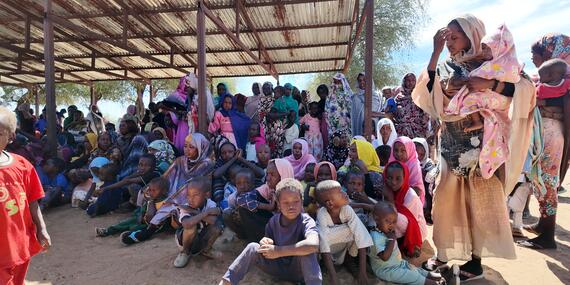
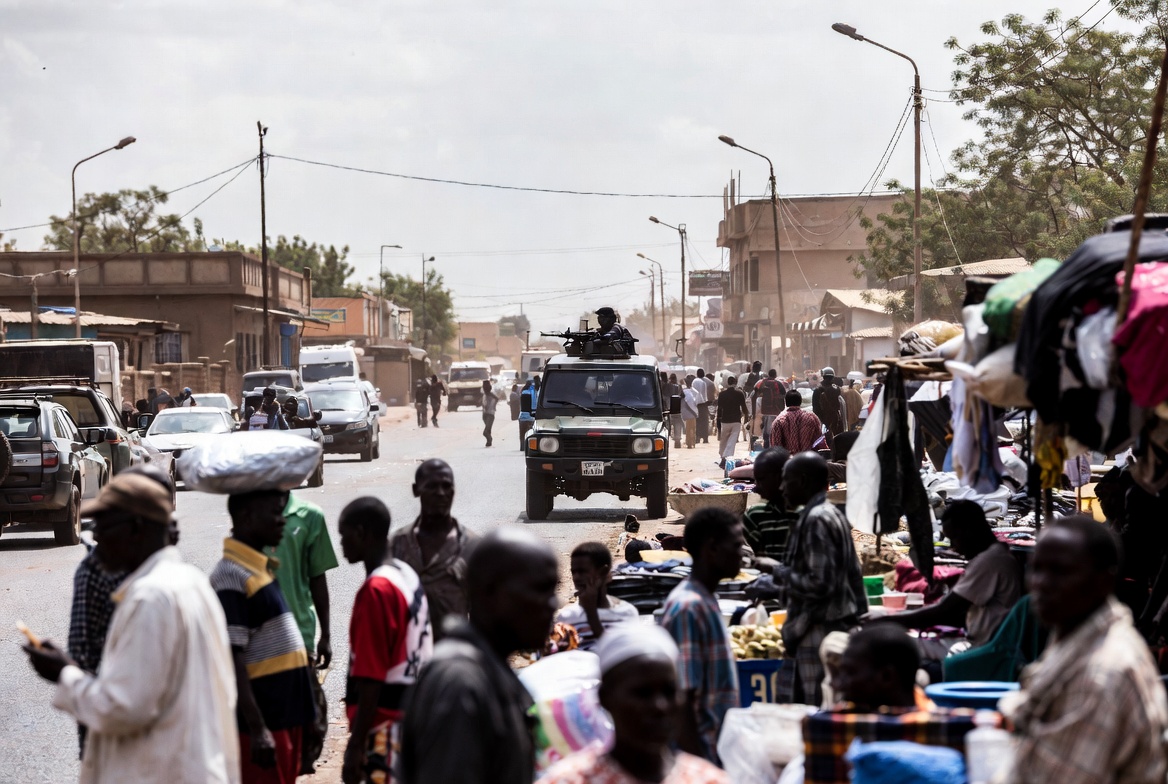
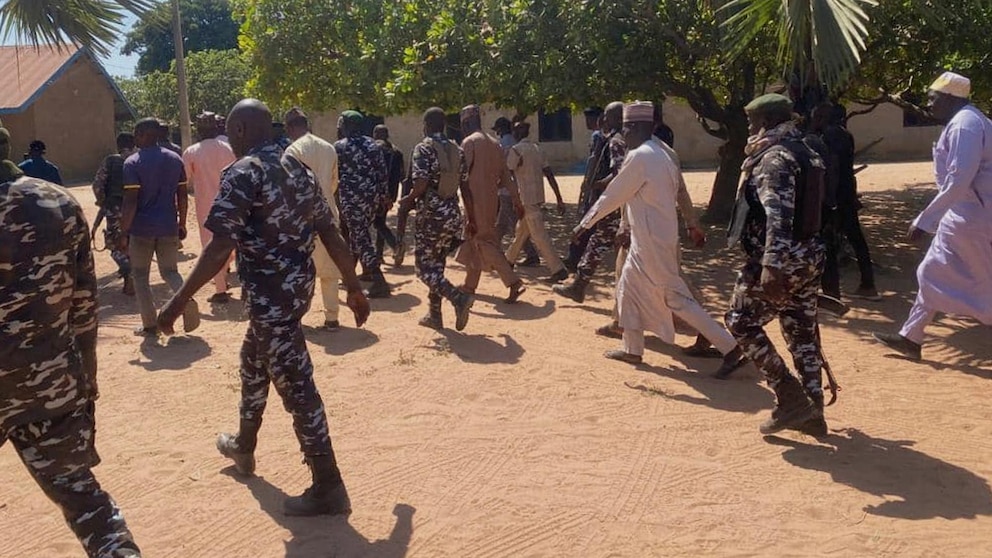
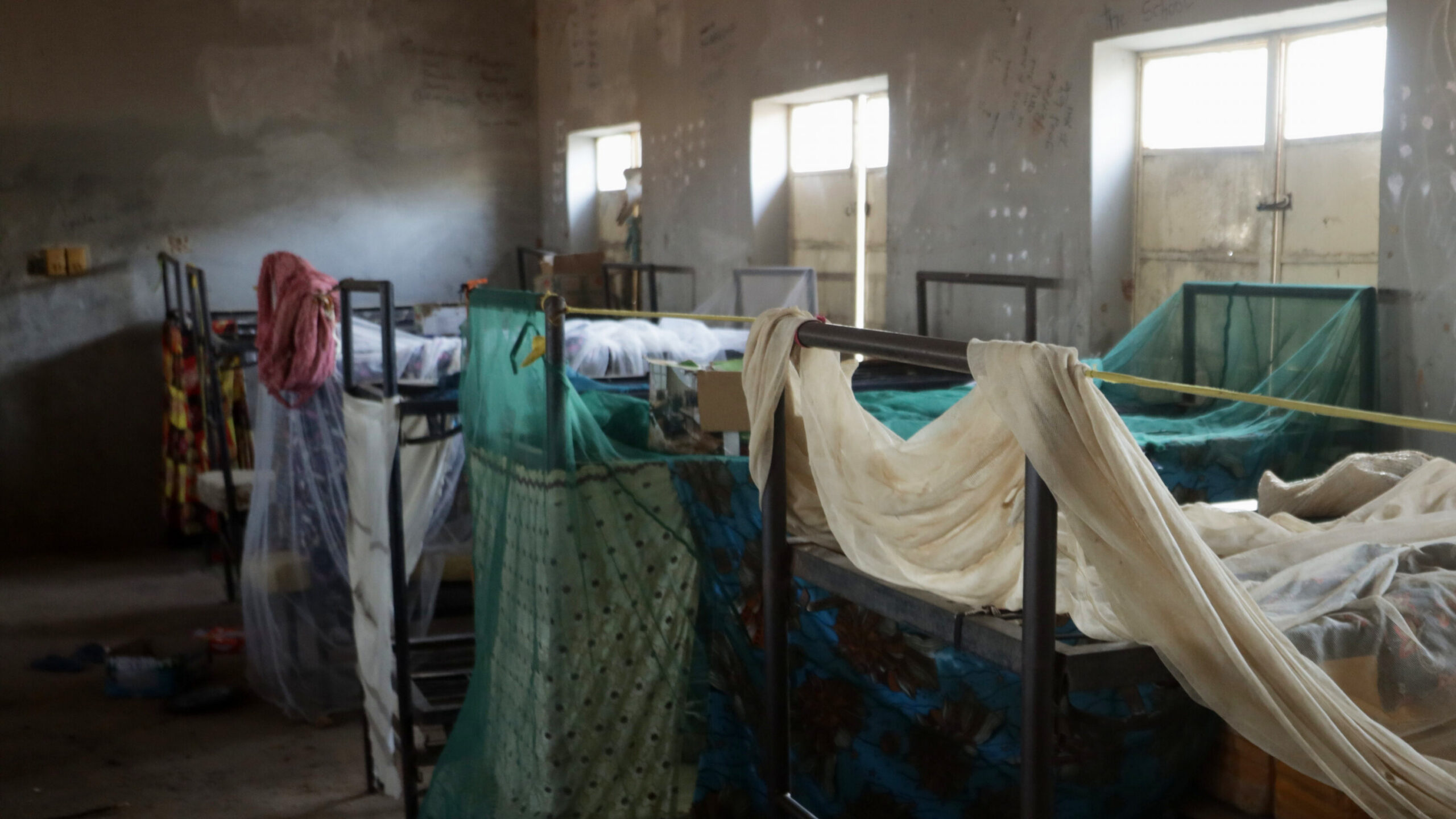
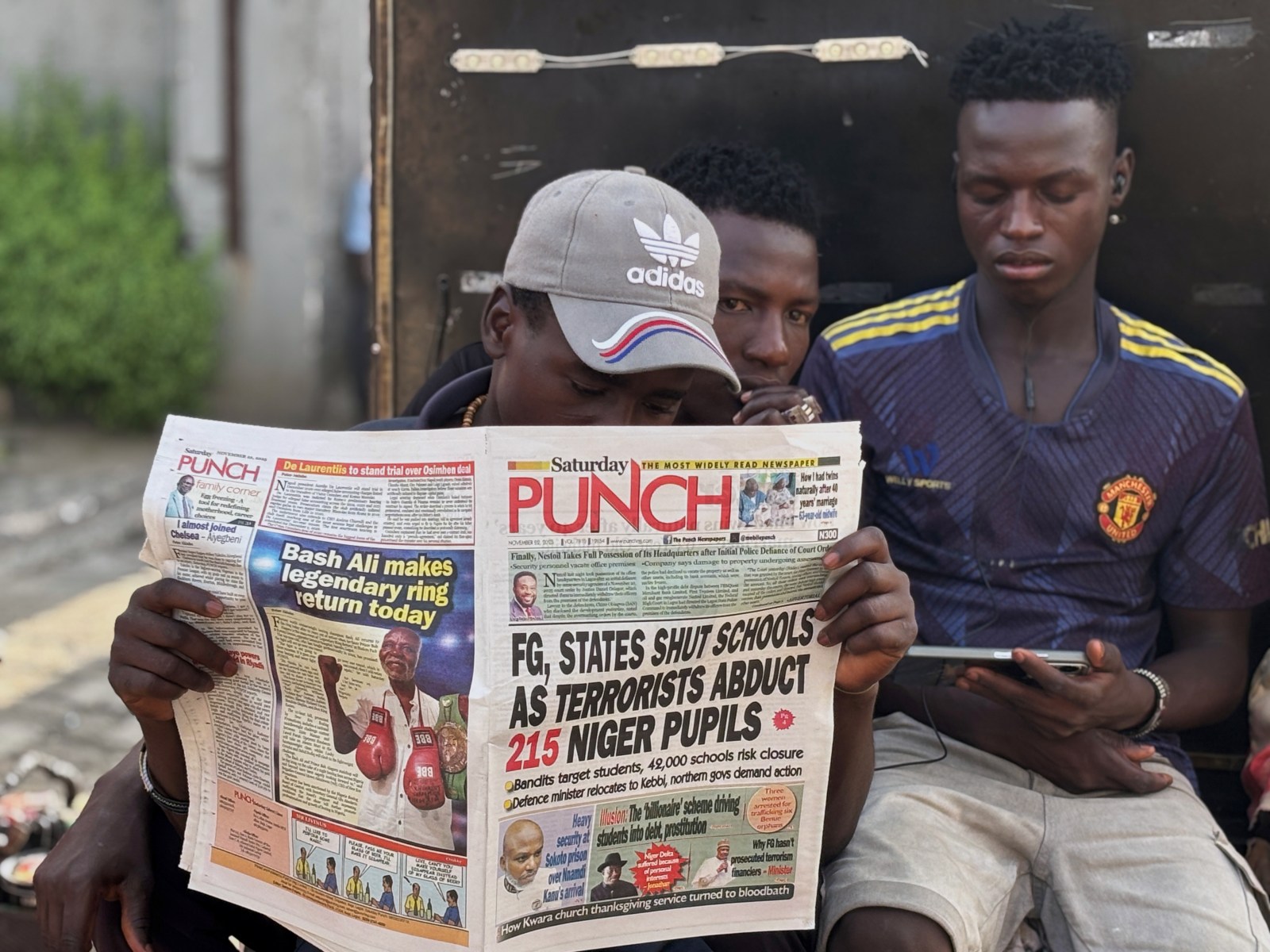
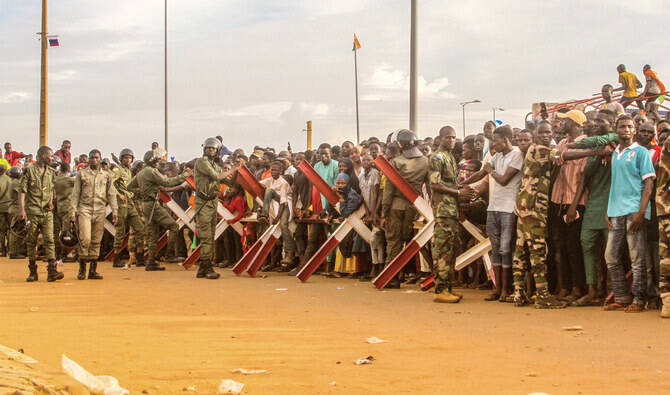
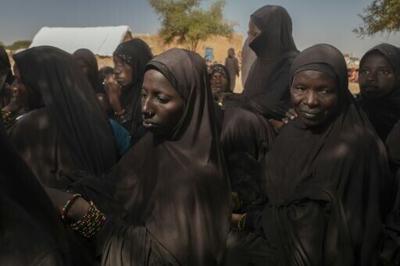
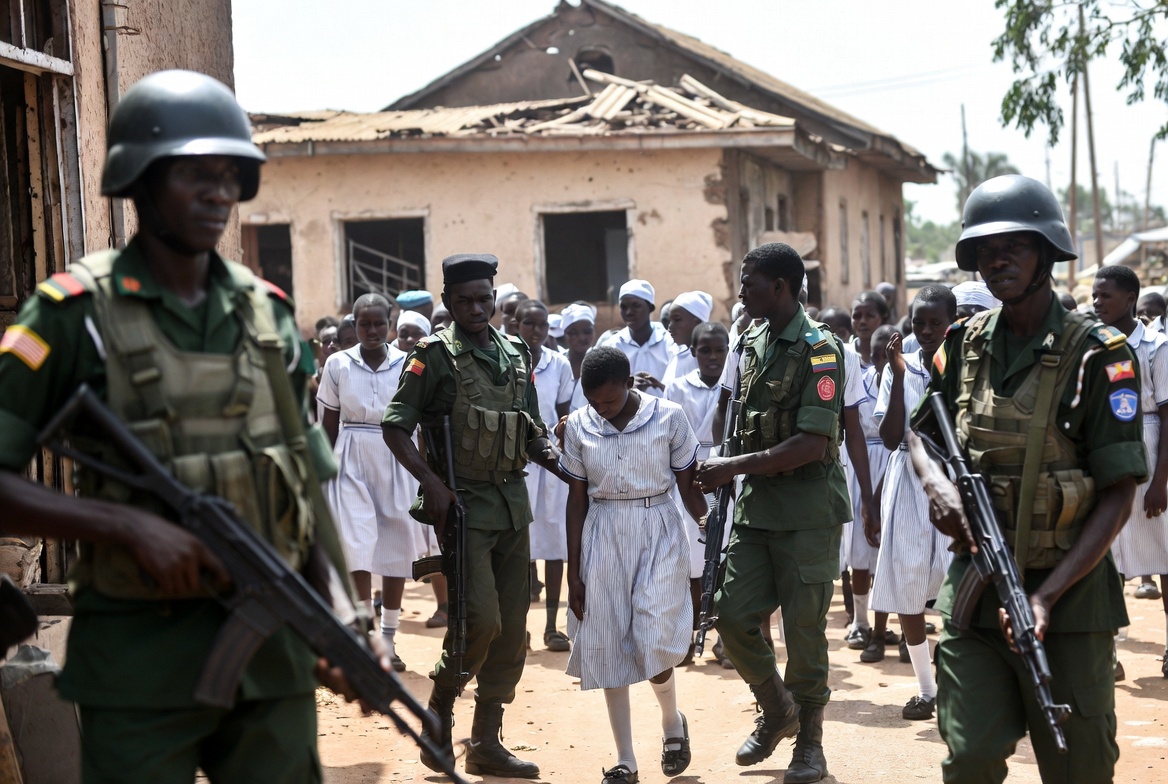
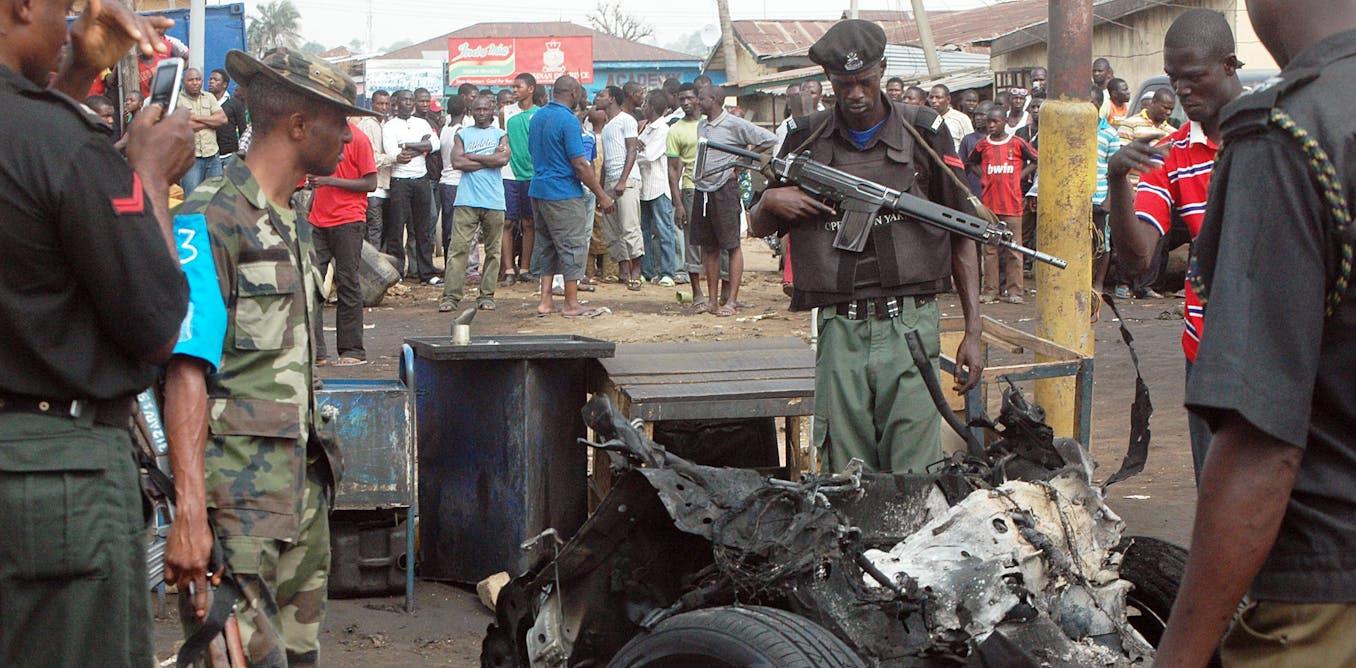
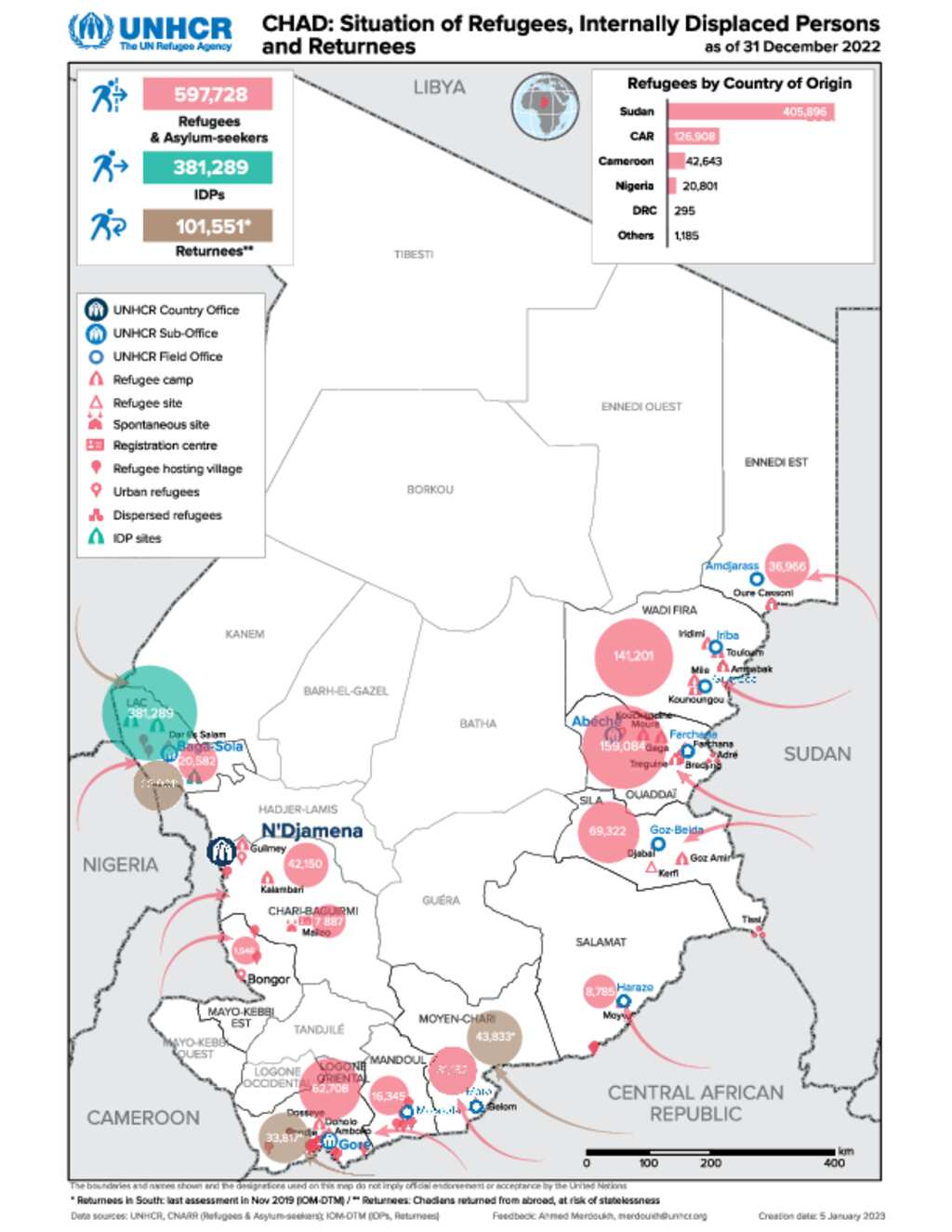
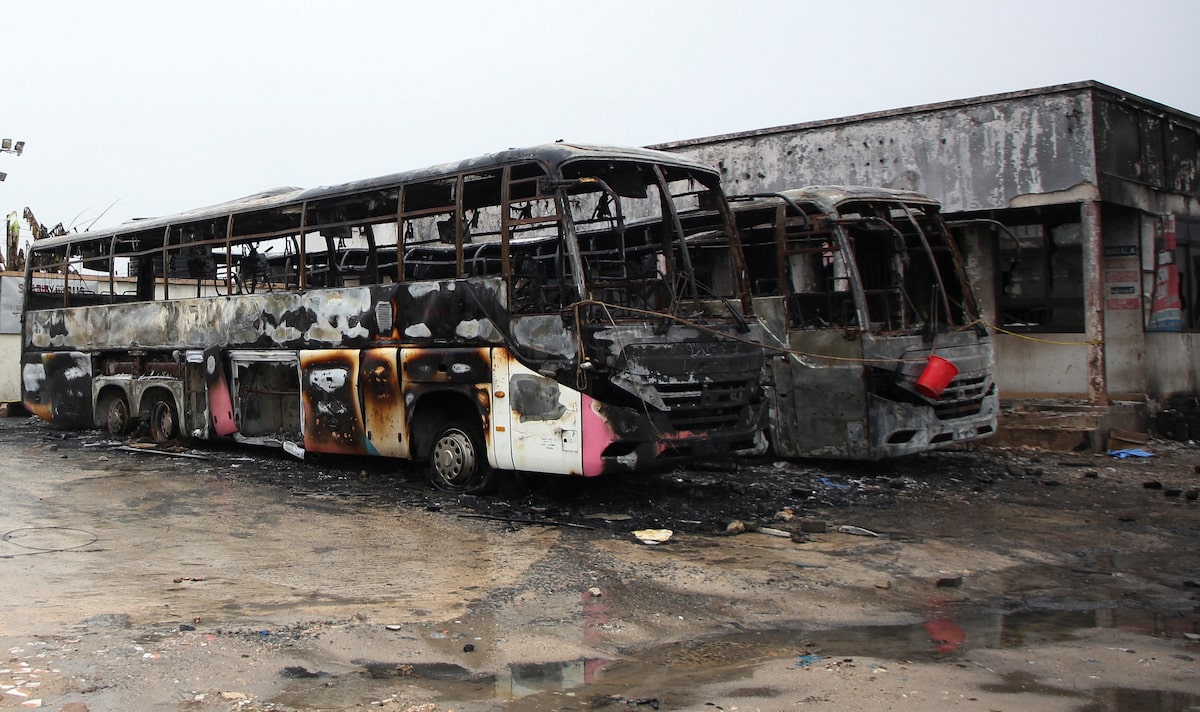
The violence isn’t staying put either. It’s spilling over, increasingly affecting nearby countries like Nigeria and Benin. Reports show militant Islamist threats are crossing borders, making areas once thought safe from the core Sahelian conflict now insecure. Niger incidents, for instance, are linked to growing threats in Nigeria, while Benin quickly adjusts its security as attacks from its Sahelian neighbors spread. This requires a much wider, coordinated response, beyond just the Alliance of Sahel States. But what about the people caught in all of this? The human toll is truly heartbreaking. Burkina Faso alone has seen at least 10,000 deaths since this insurgency began, with Mali and Niger facing similar tragedies. Families are torn apart, communities devastated, lives upended. Consider the agonizing story of a woman whose sons were killed by Islamist militants; she embodies the struggles of thousands trapped between radical ideologies and state fragility. The UN constantly voices concerns over the humanitarian crisis, urging urgent international help to stop the violence and support displaced populations. You can read more about such poignant stories of human suffering in the conflict.
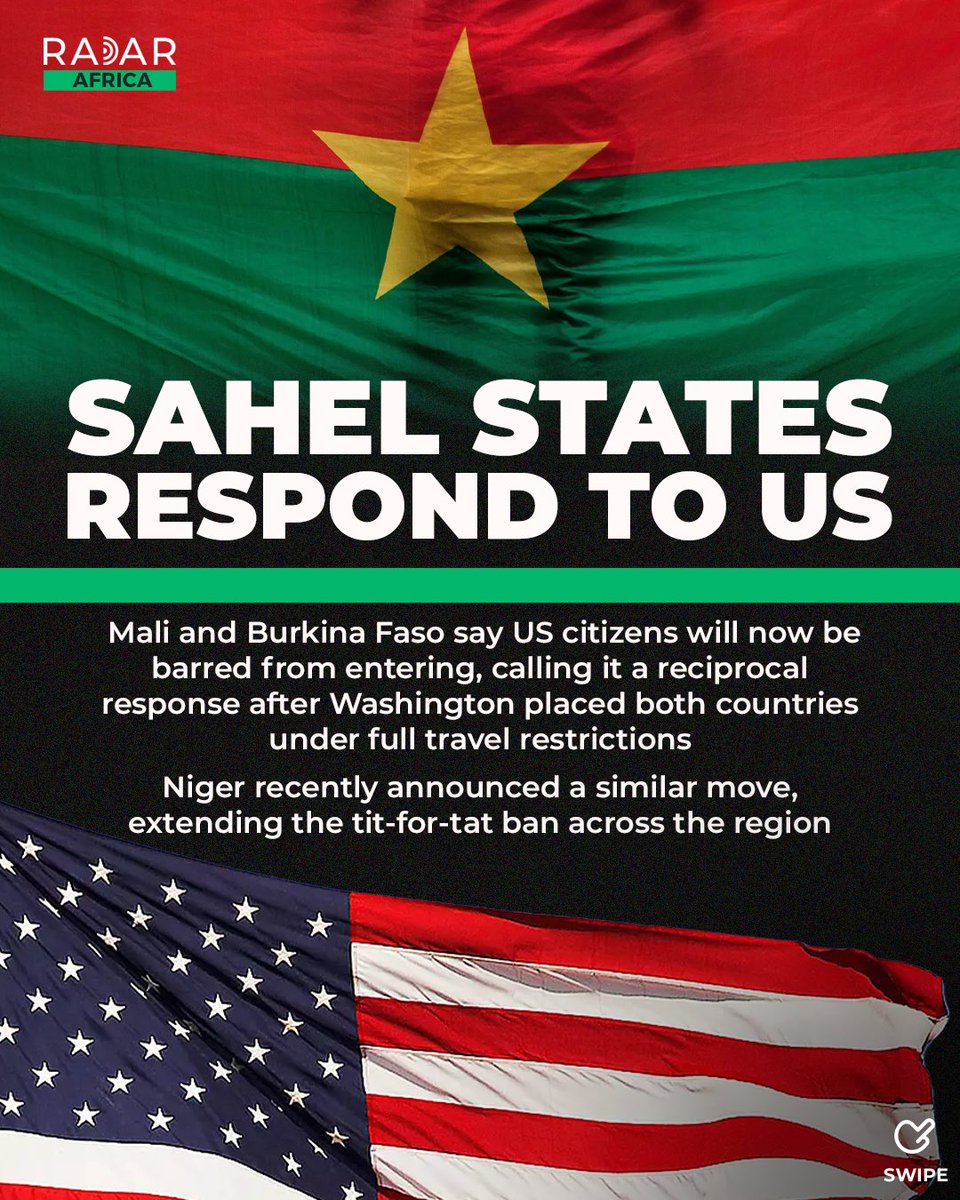
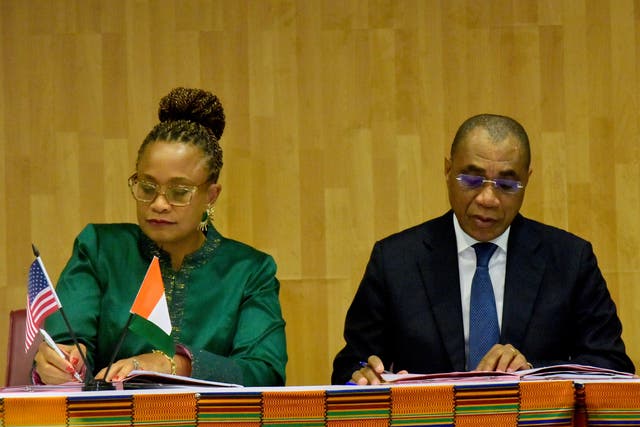
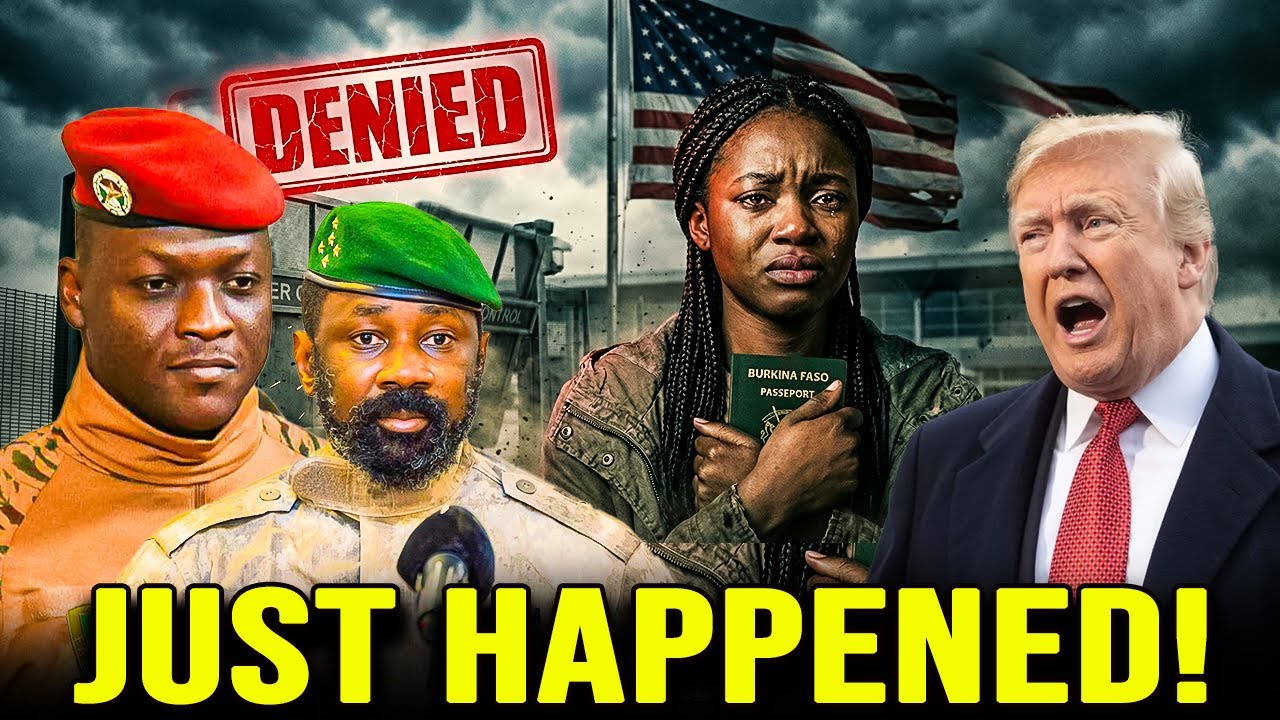
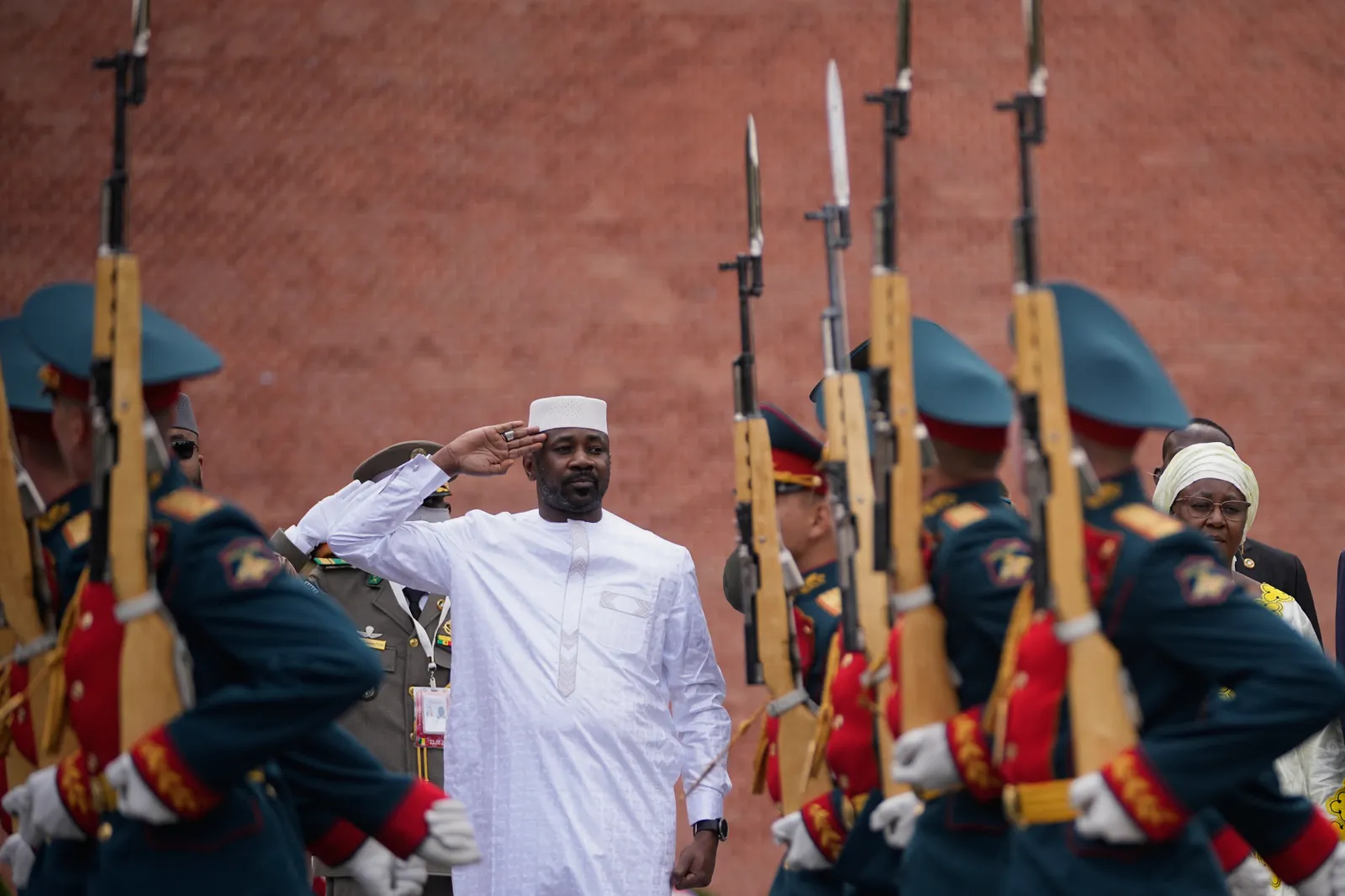
Adding another layer of complexity, Mali and Burkina Faso recently banned US citizens from entering their countries. This move came after the US placed travel restrictions on Malian and Burkinabe nationals, a clear tit-for-tat. It highlights rising diplomatic strains and the tricky international involvement in the region’s security. Such actions might complicate cooperation, but they also signal a desperate quest for autonomy and sovereignty among Sahel states grappling with persistent instability. Looking ahead, the Sahel’s stability will likely depend on the Alliance of Sahel States successfully creating a united front against insurgency and building economic strength. New tech must combine with regional unity and local community efforts to truly outmaneuver militant groups. The international community still plays a crucial part, providing humanitarian aid, fostering dialogue, and building capacity, all without stirring up more tension. The Sahel’s story is one of incredible resilience in the face of immense adversity. Its future really hinges on balancing technological progress, strong regional cooperation, and addressing urgent humanitarian needs on the ground. For more on the challenges faced by the region, including in Burkina Faso’s security situation, stay informed.