Sahel on Edge: Military Action, Diplomatic Shifts, and Mounting Security Concerns Reshape West Africa
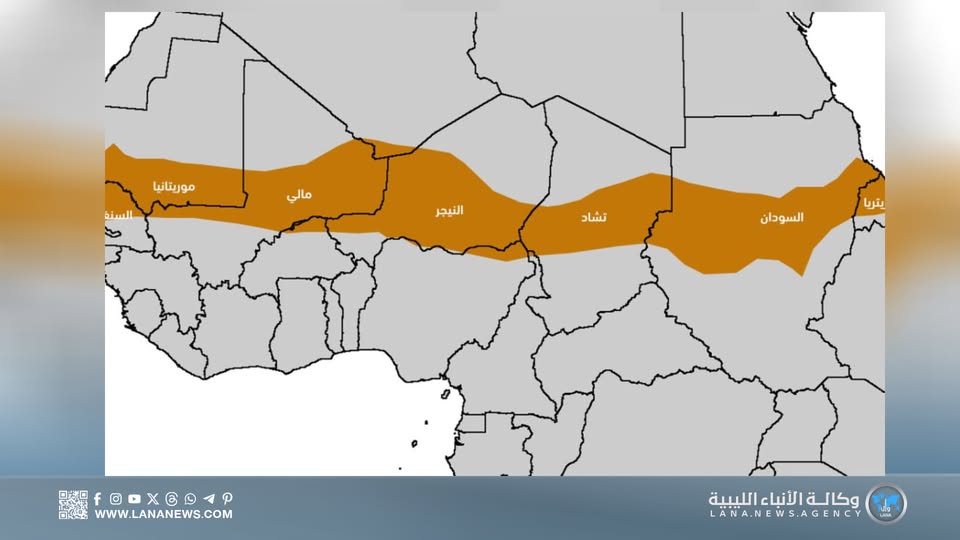
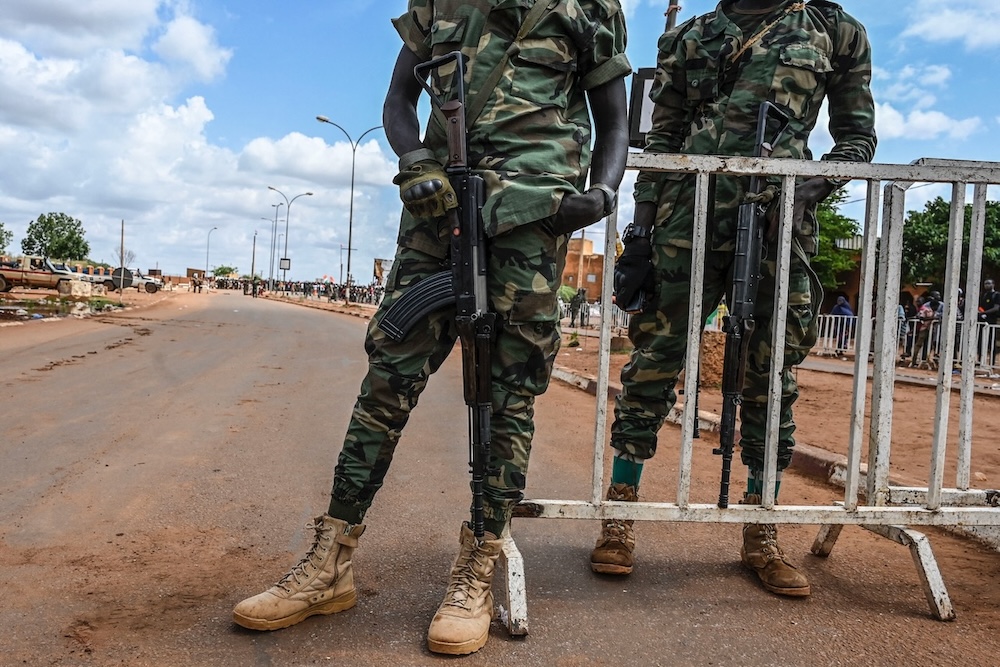
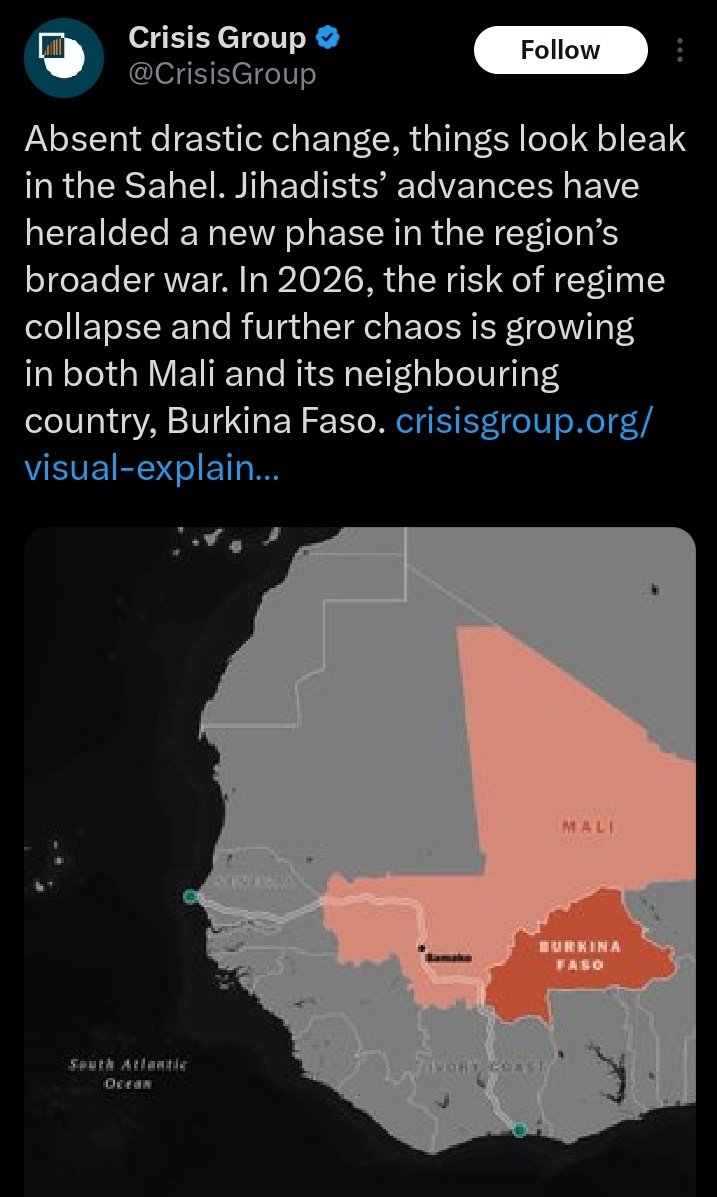
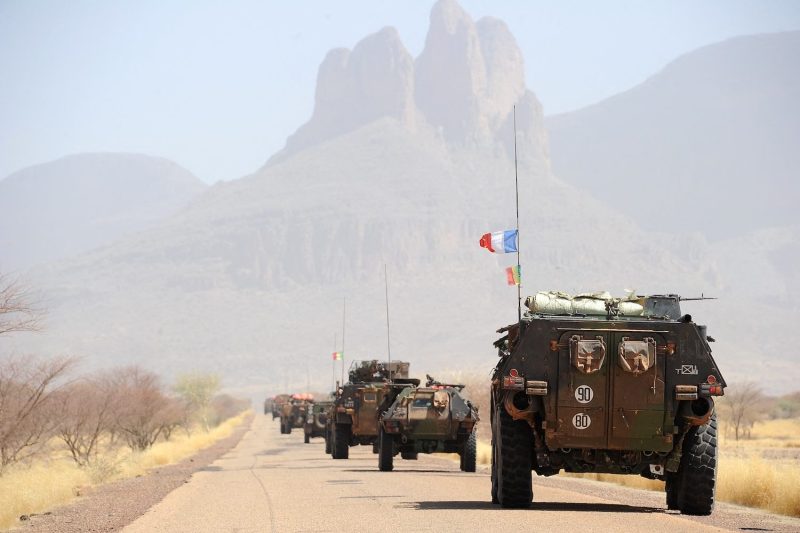
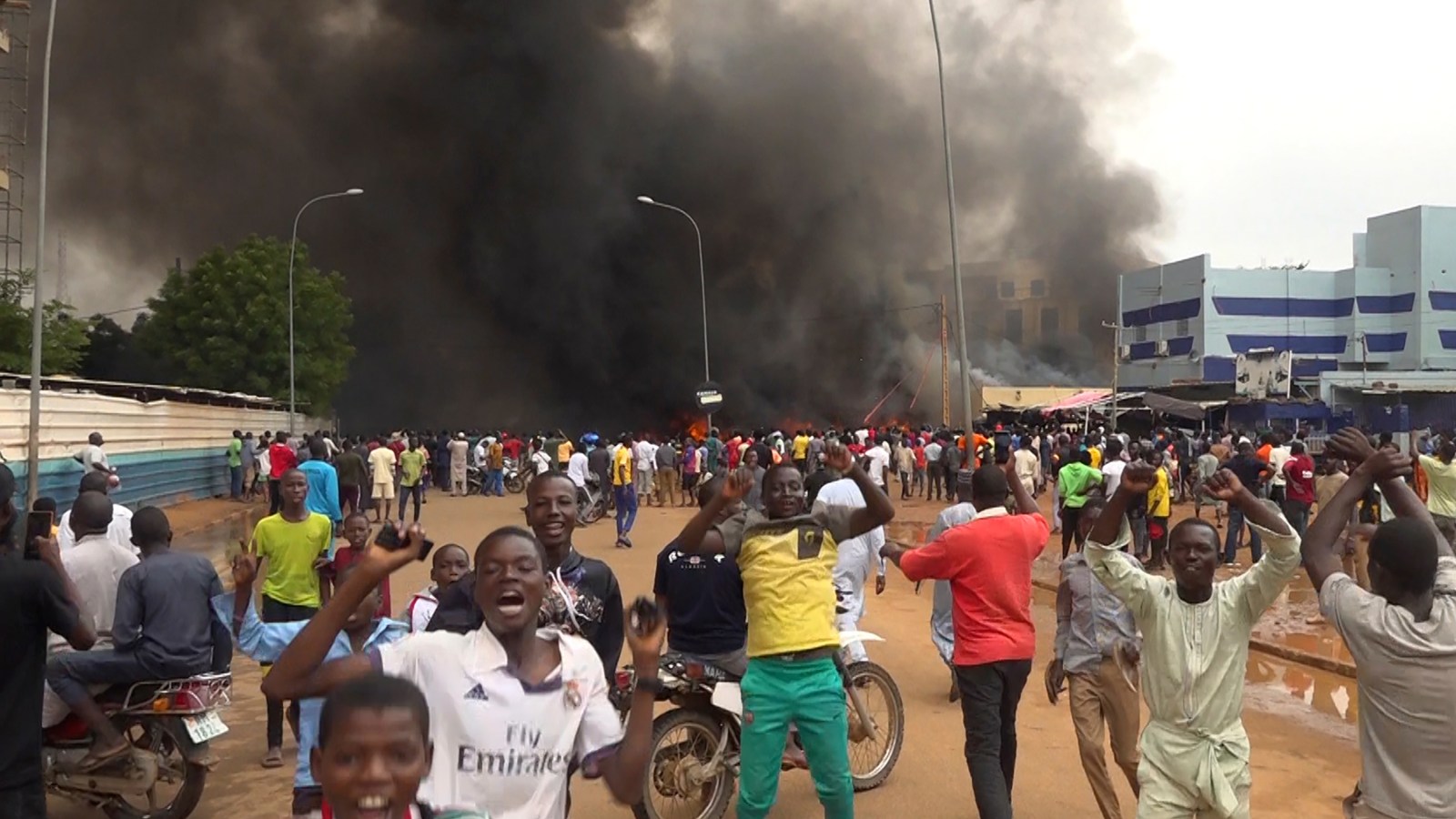
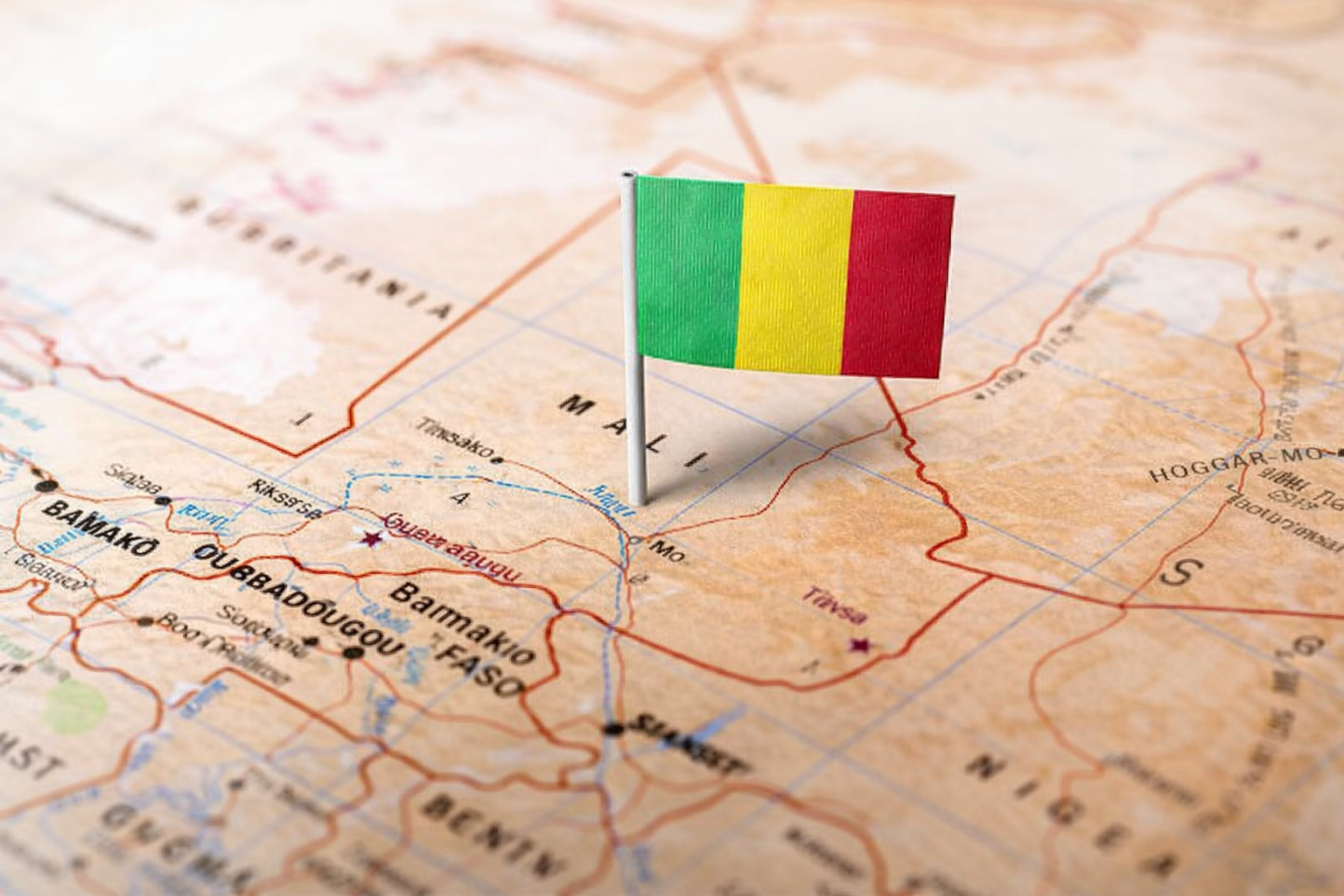
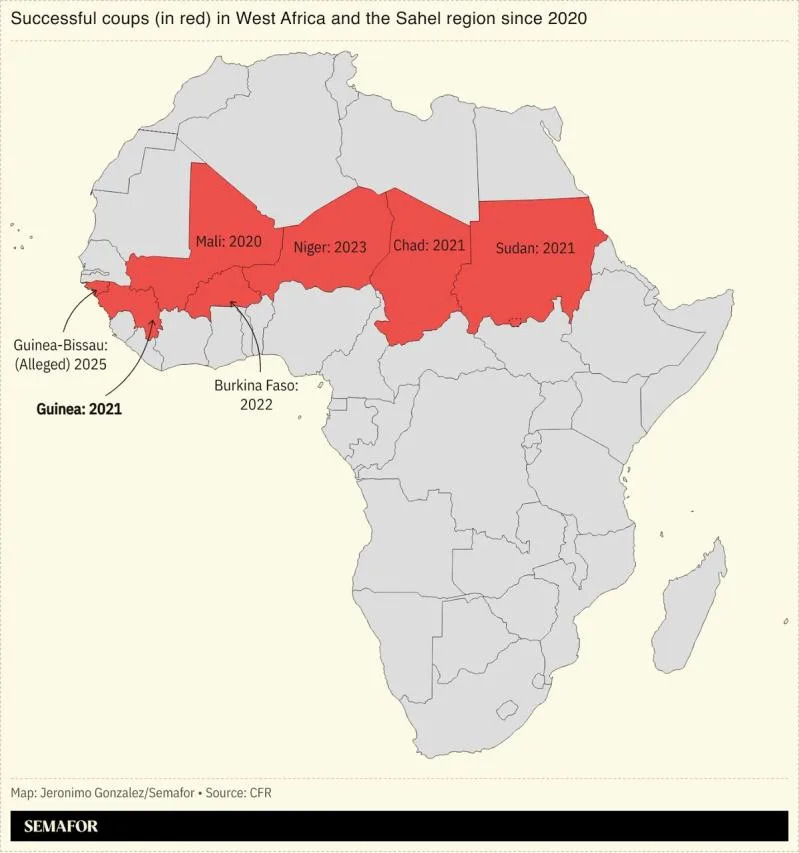
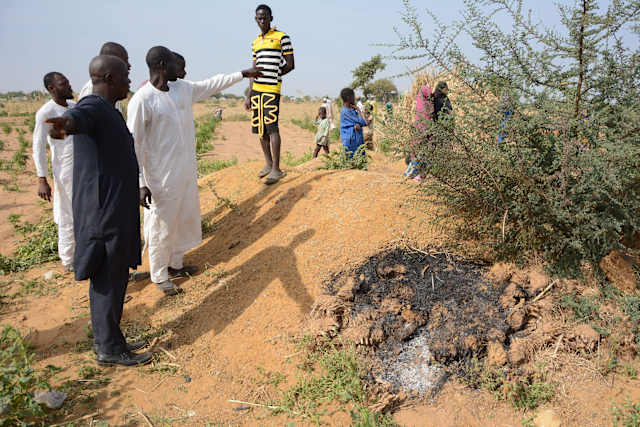
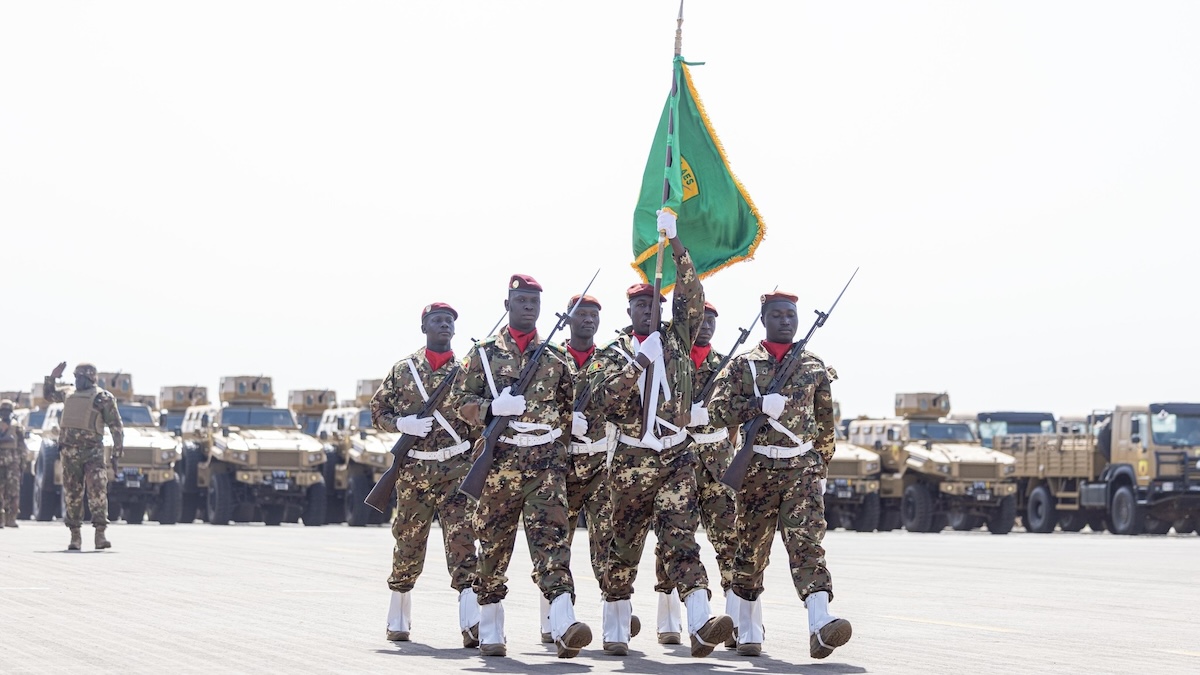
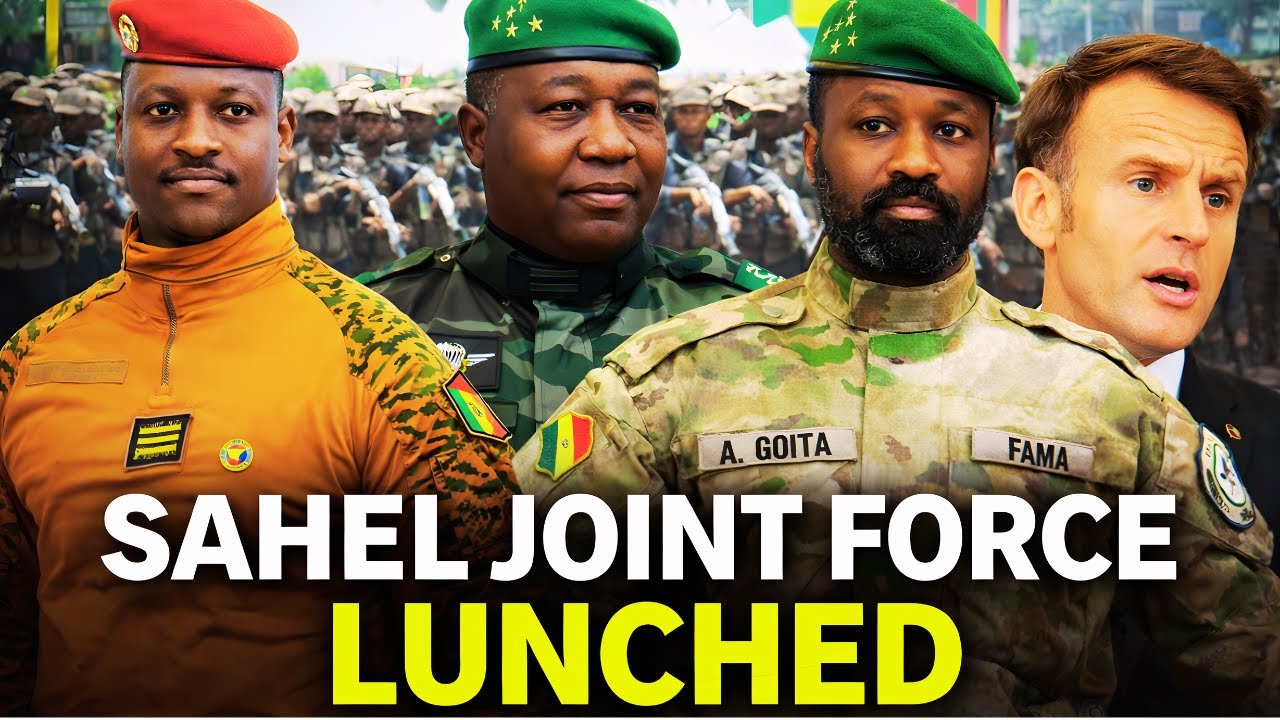
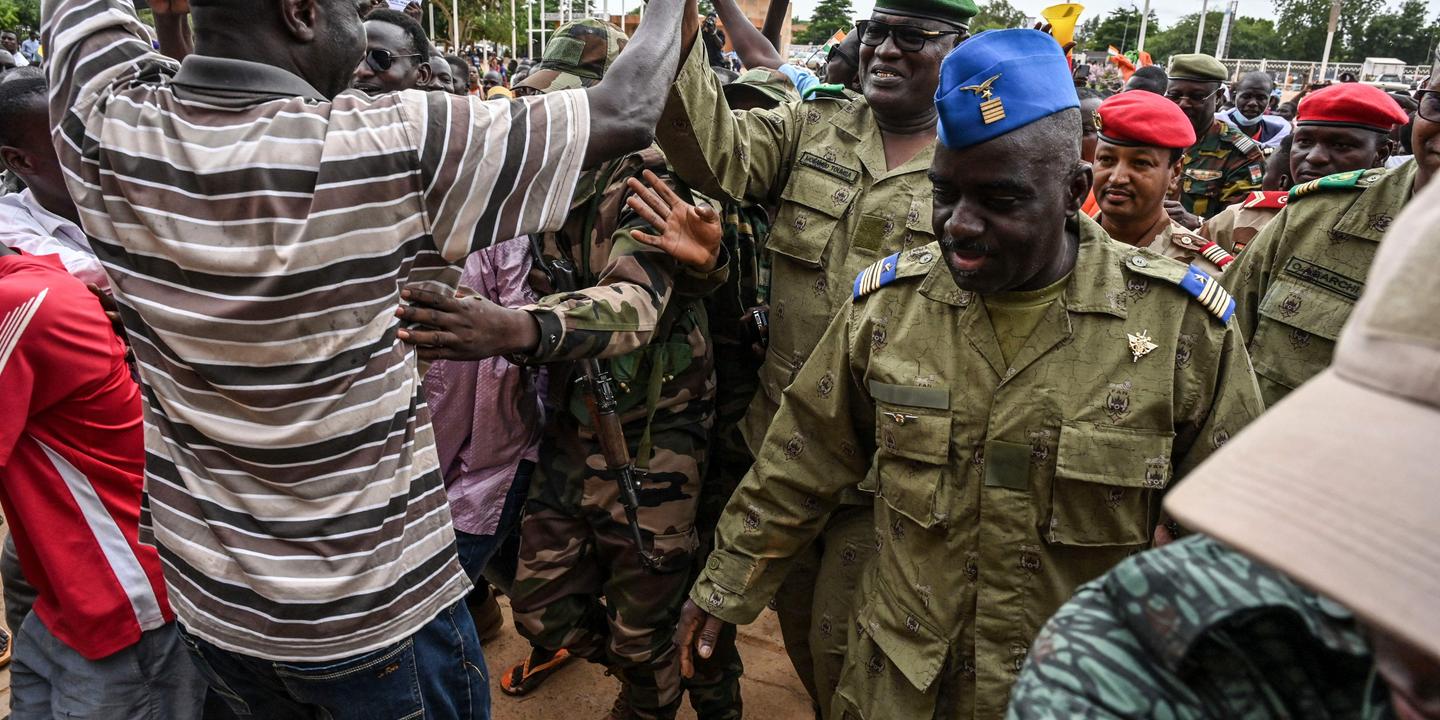
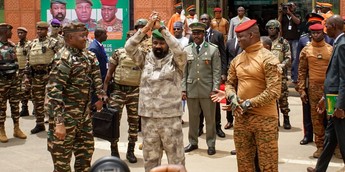
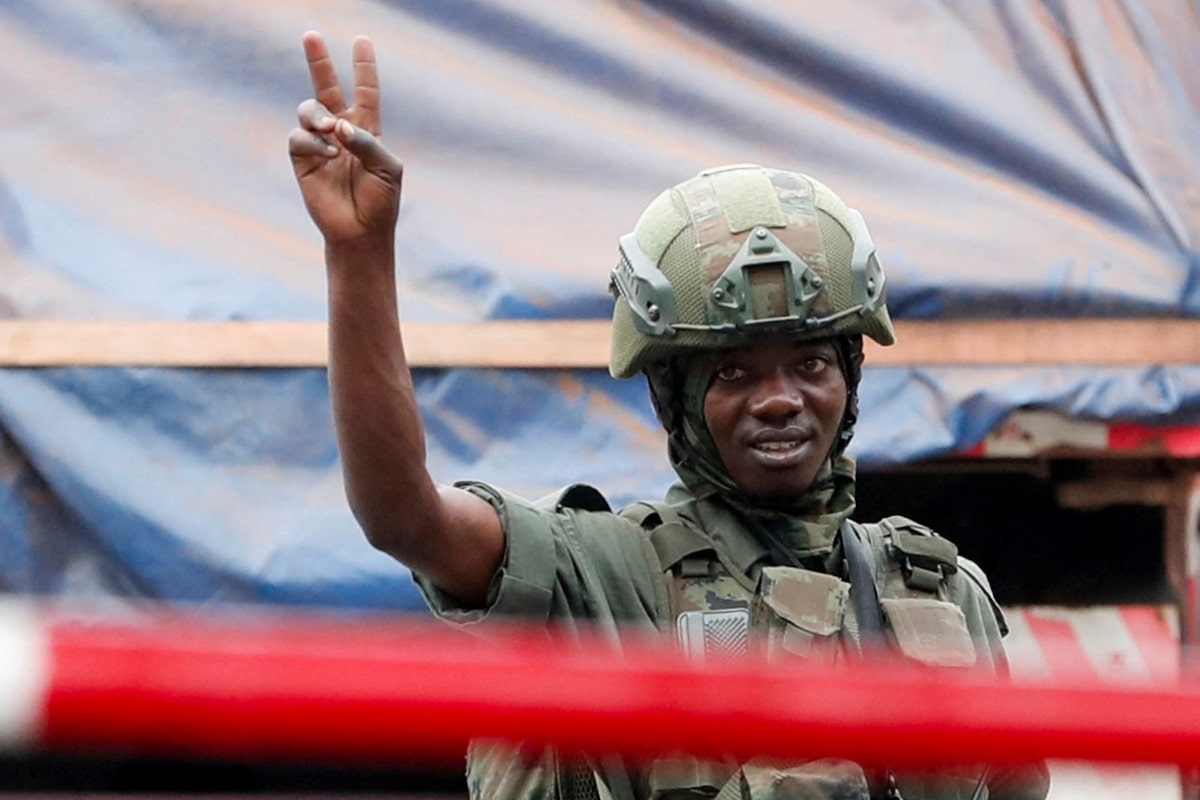
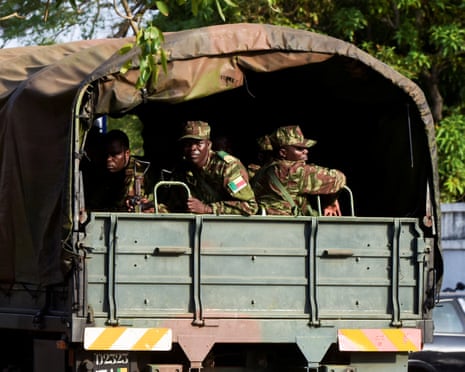
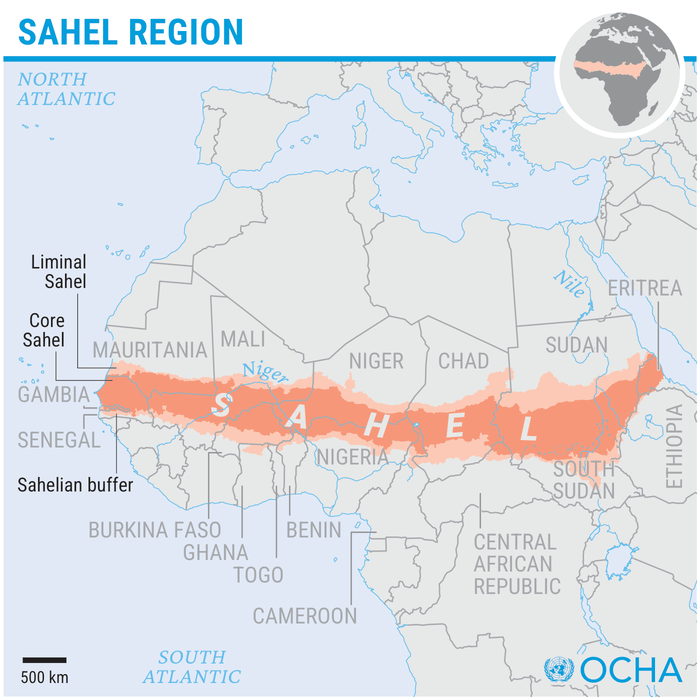
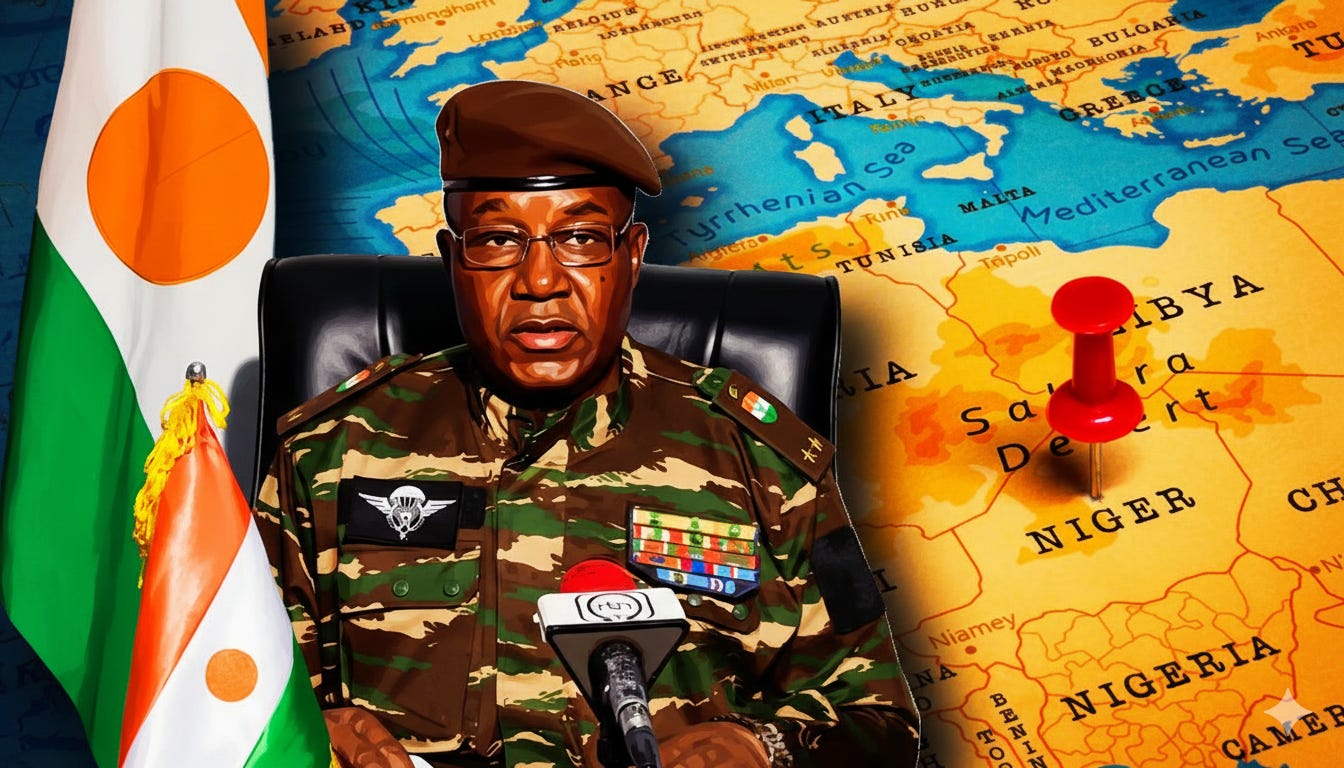
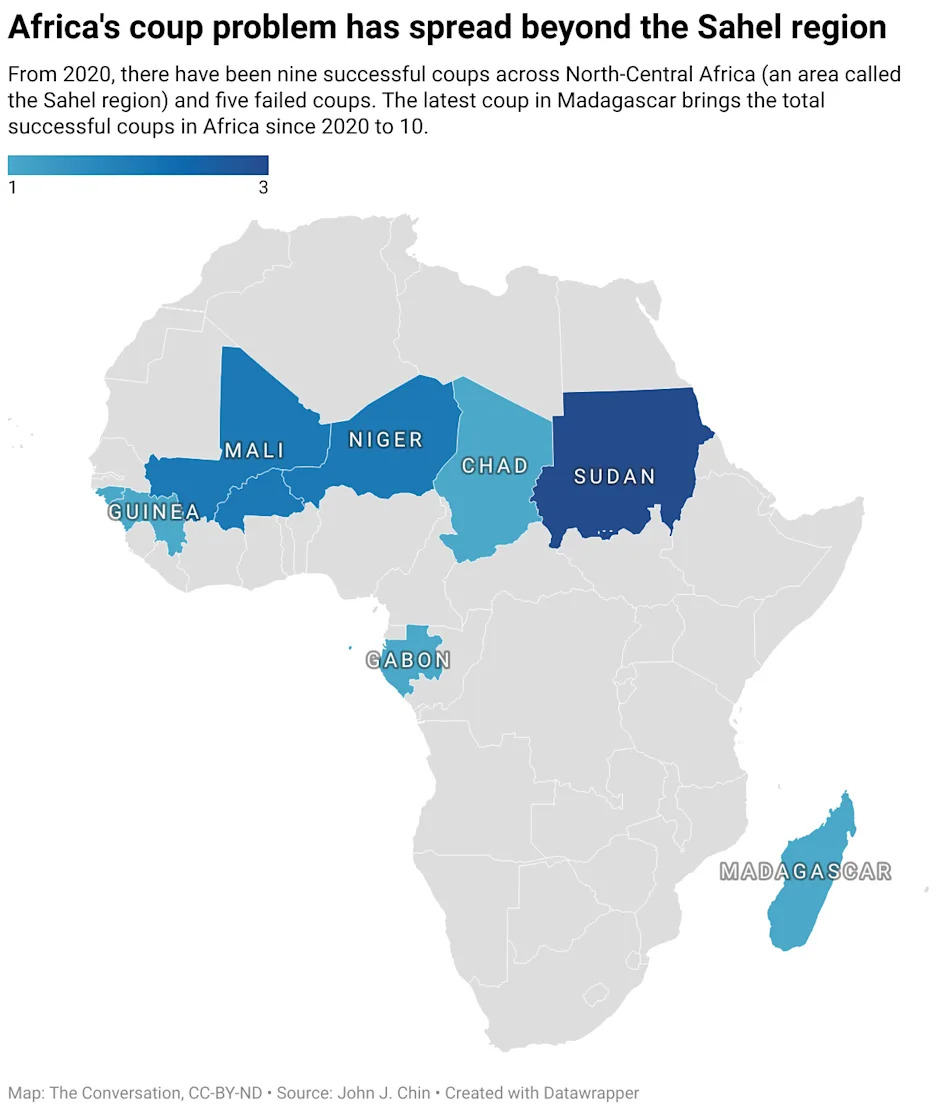
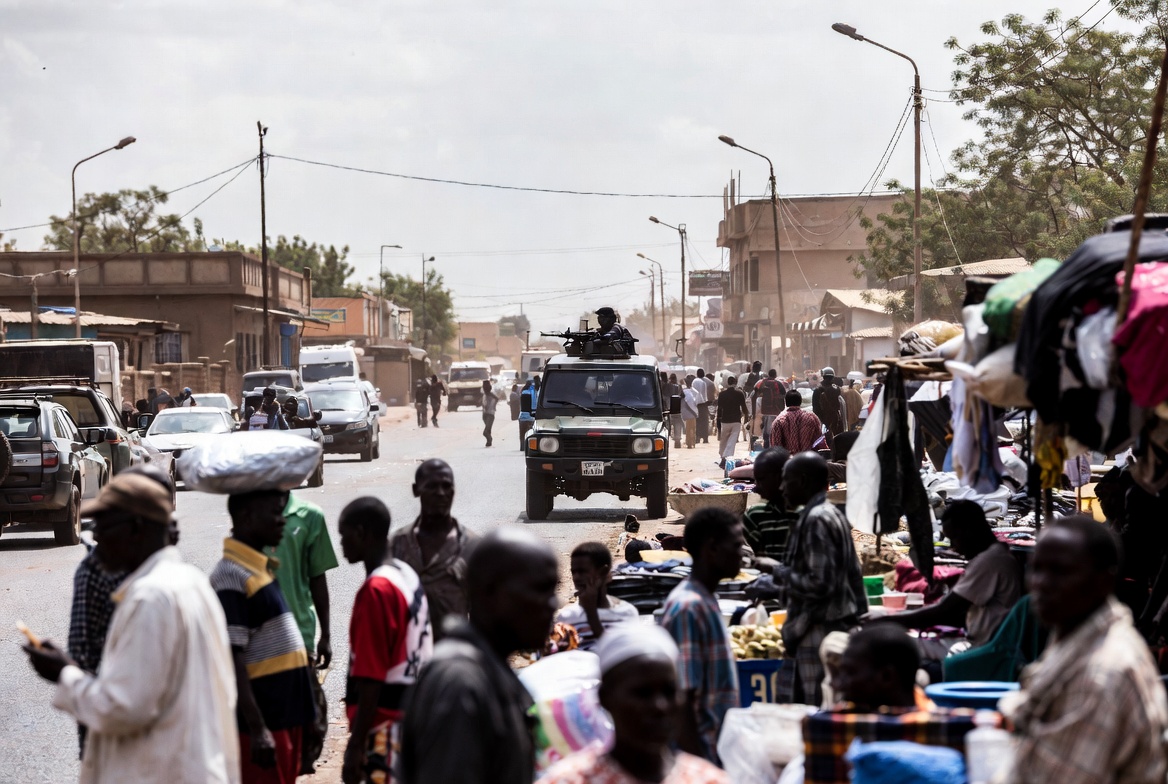
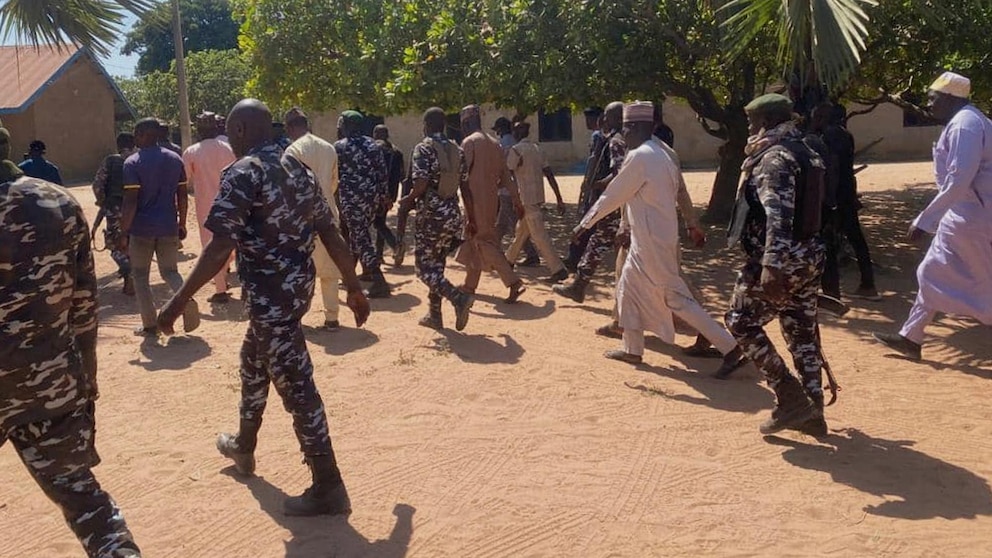
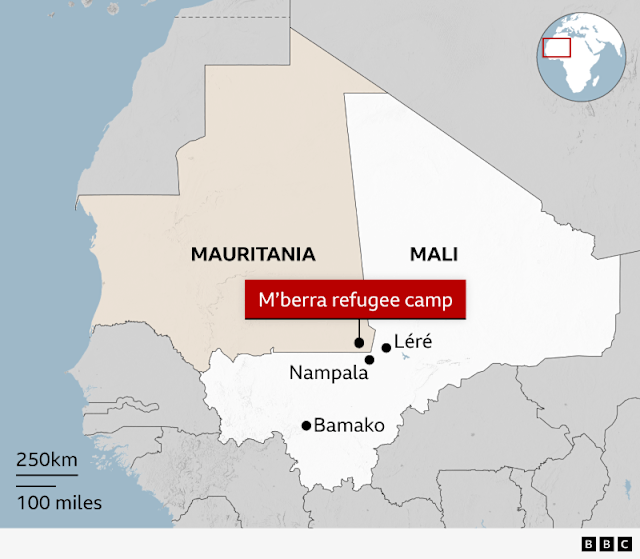
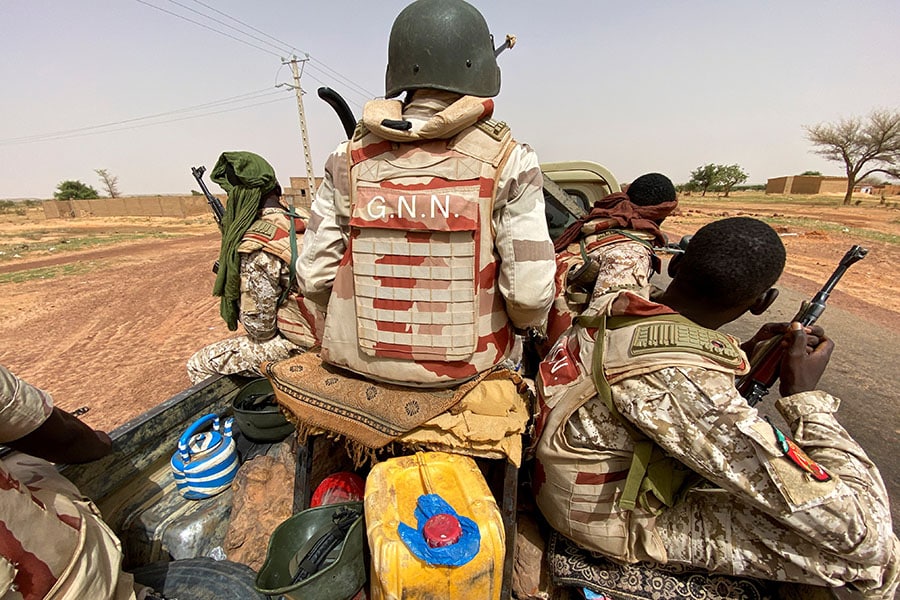
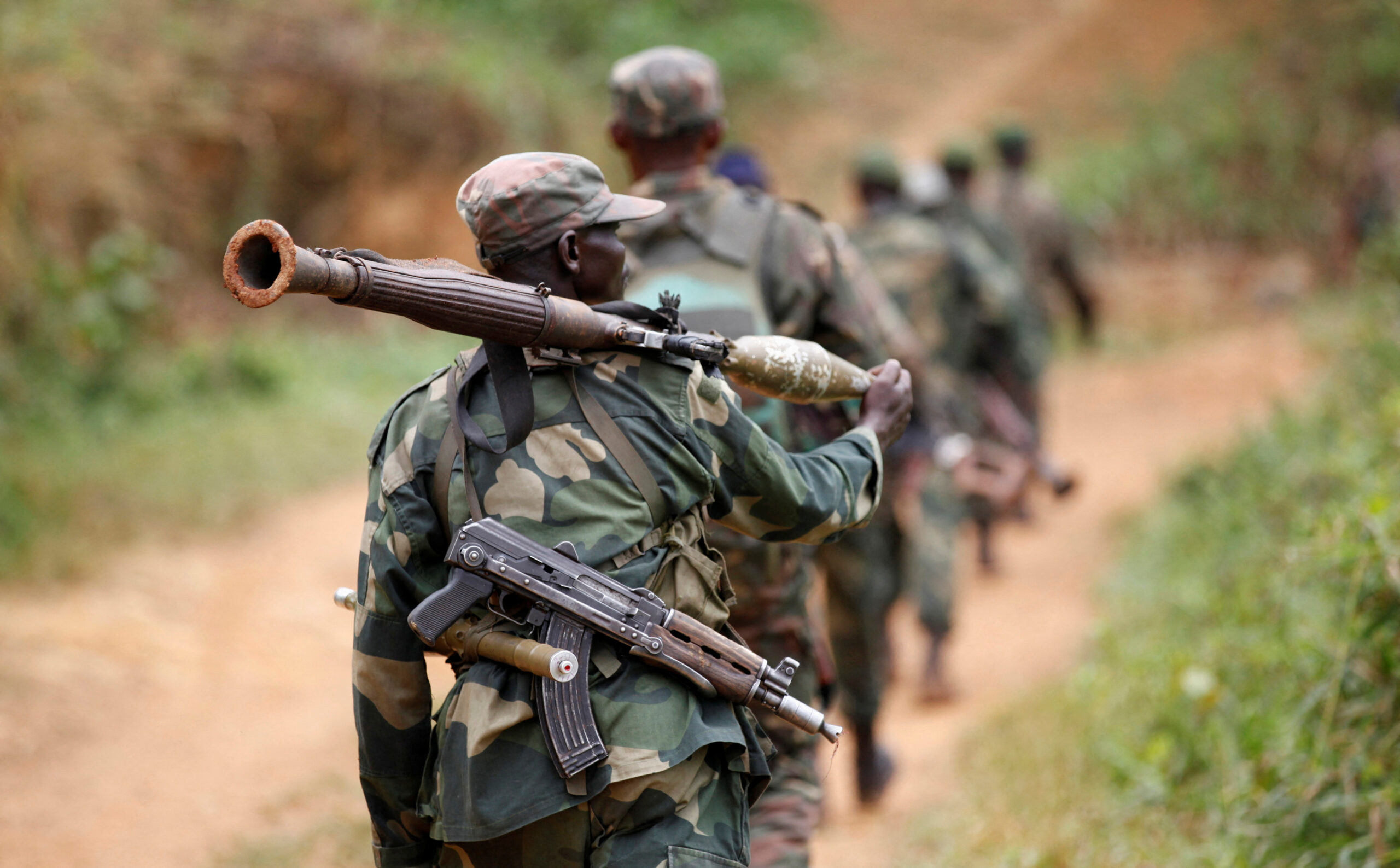
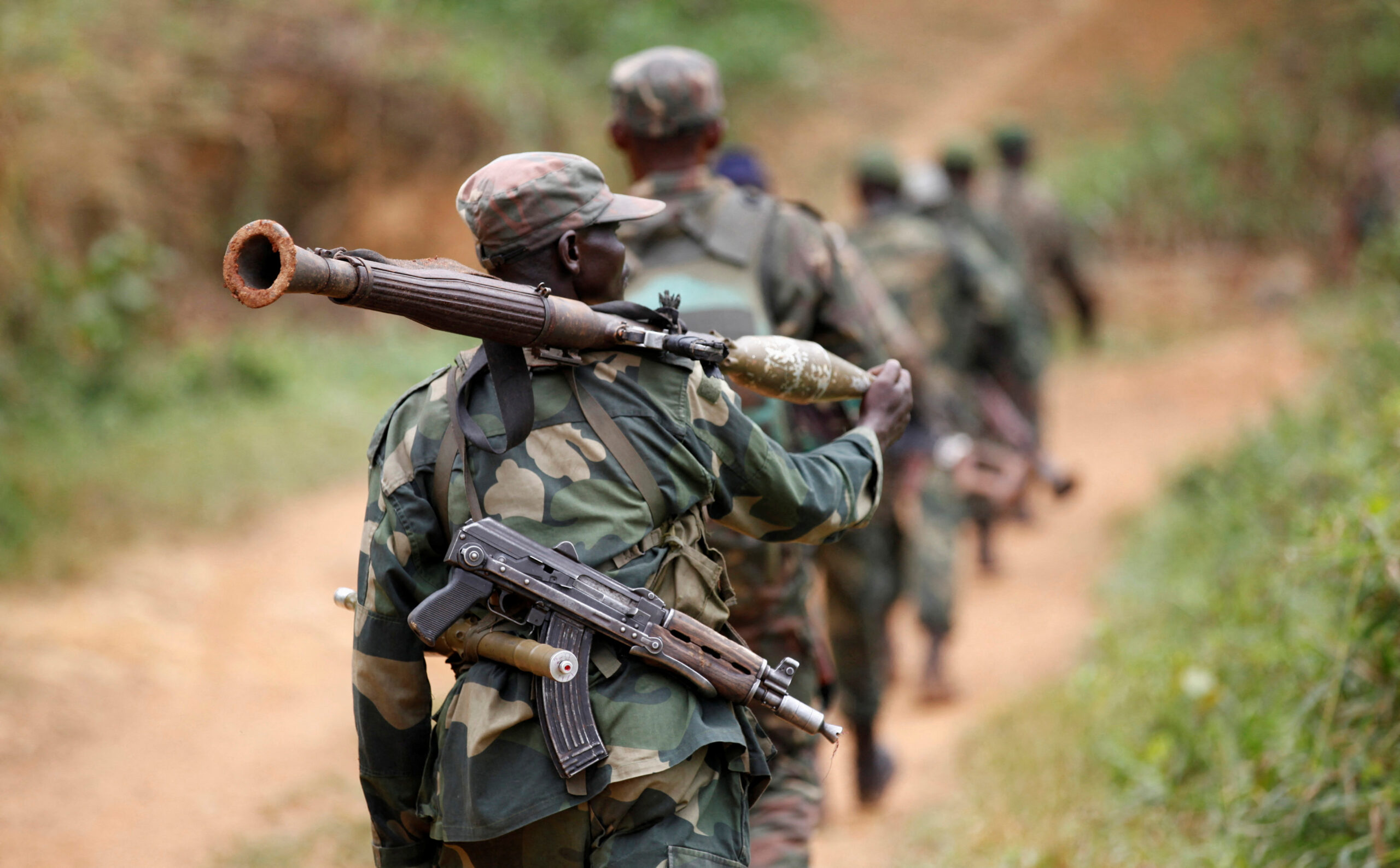
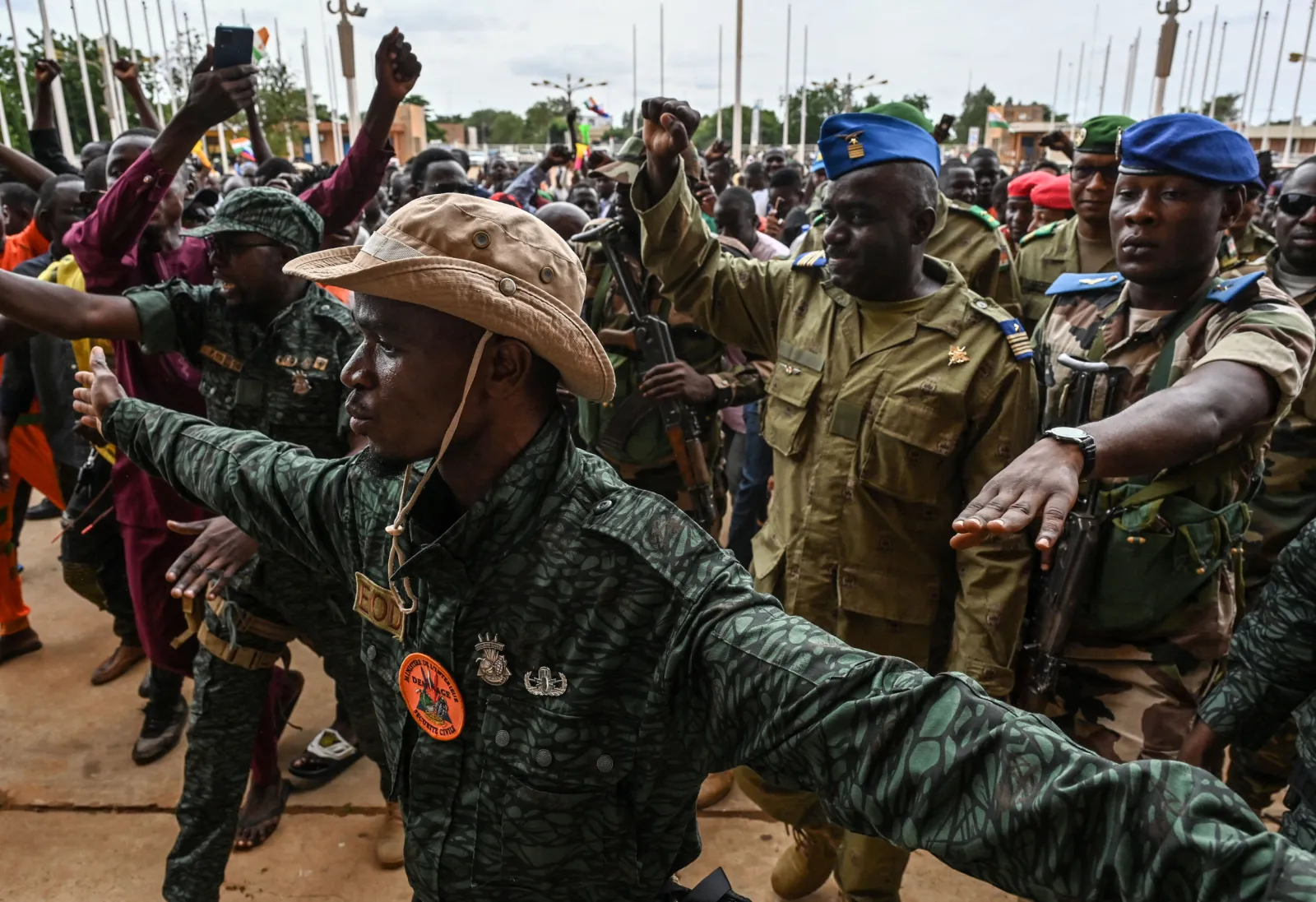
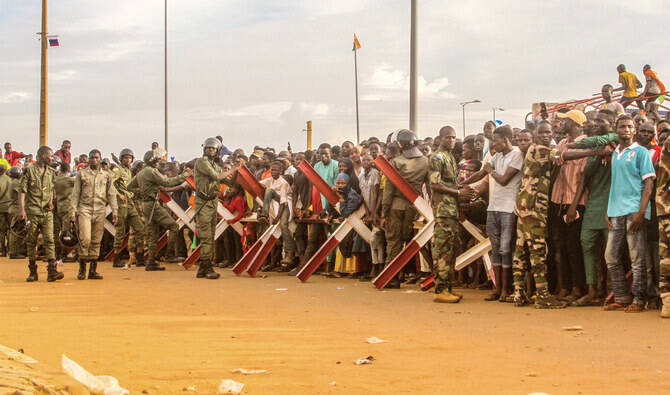
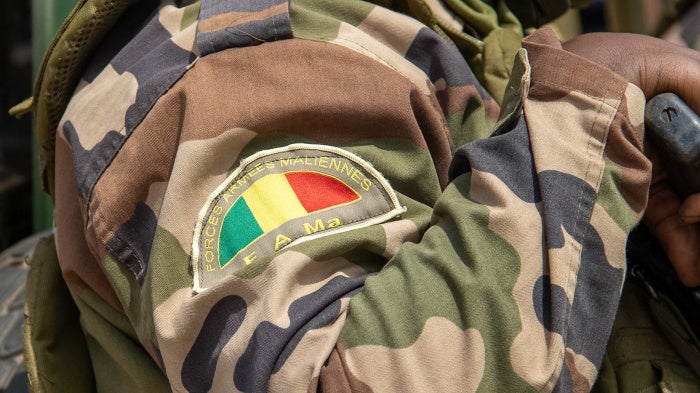
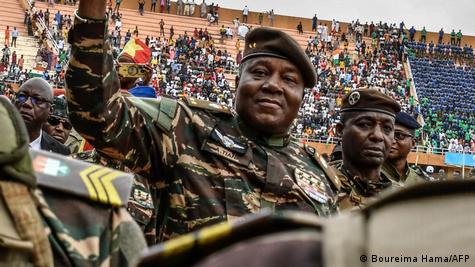
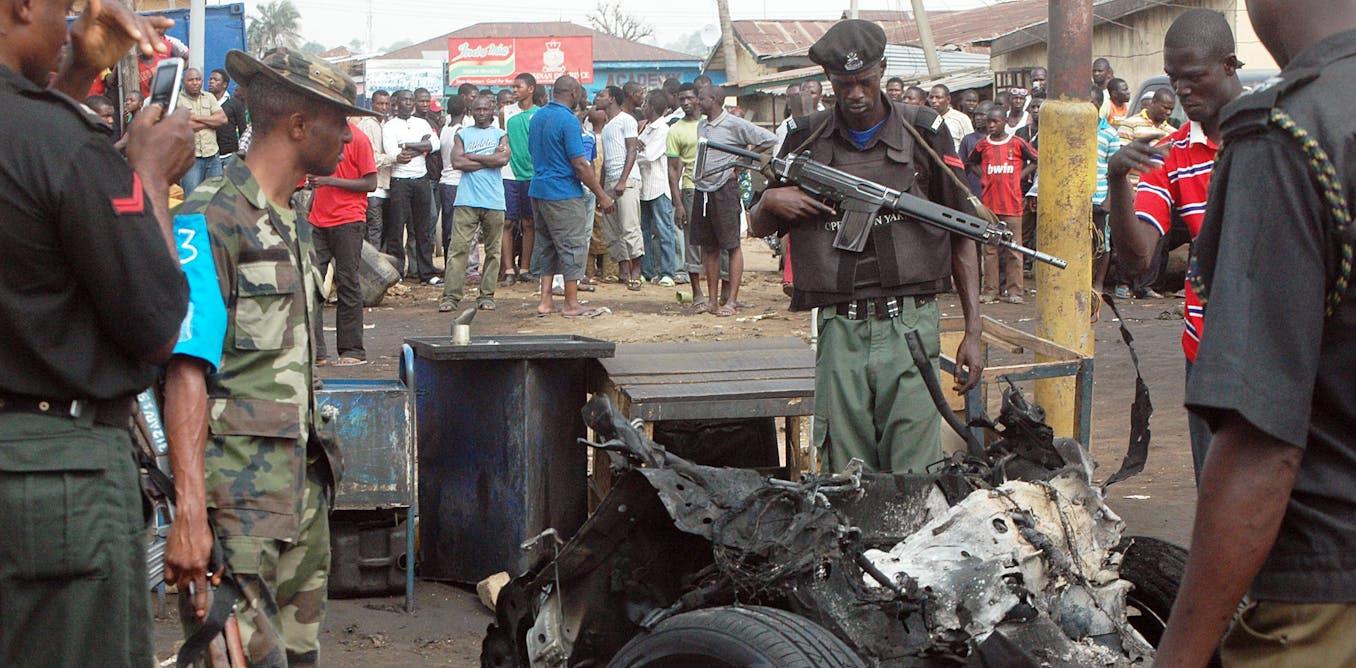
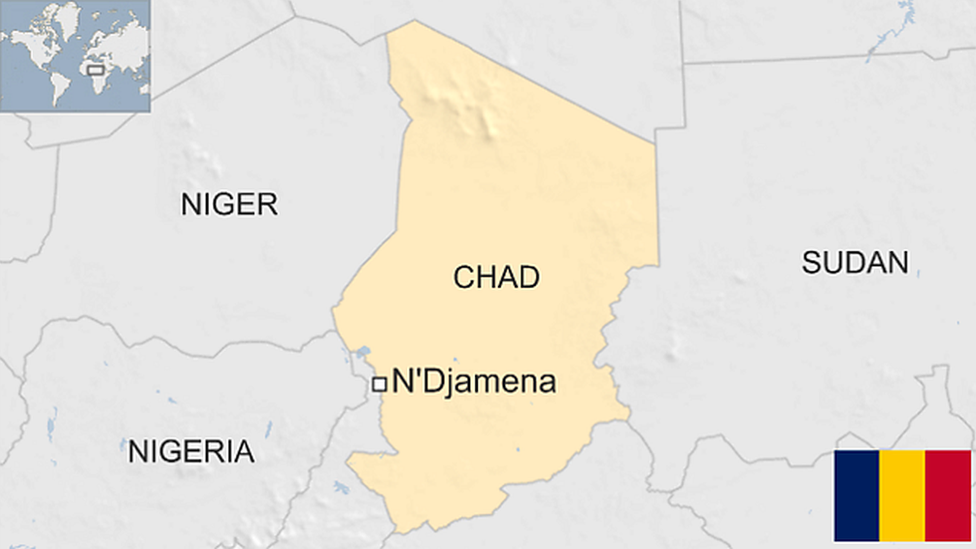
The Sahel region, a zone long grappling with insurgency, terrorism, and political unrest, stands at a critical juncture as 2026 gets underway. We’re seeing intense military offensives, crucial diplomatic moves, and rising security worries that aren’t just fueling local tensions, they’re also creating international ripple effects. Why does this matter? Because what happens in Mali, Burkina Faso, Niger, Chad, and their neighbors directly impacts West Africa’s security and its place in global diplomacy. A major military push is currently sweeping across parts of Mali, Niger, Burkina Faso, and Chad. These campaigns are a clear sign that regional governments are stepping up efforts to regain control over territories heavily contested by armed militant groups. This offensive underscores heightened diplomatic tensions, while the persistent threat from jihadist organizations, like the al-Qaeda-affiliated Jama’at Nasr al-Islam wal Muslimin (JNIM), only complicates matters. JNIM’s recent, prolonged siege on Mali’s capital, Bamako, served as a stark reminder of how fragile the security landscape remains, exposing the growing jihadist threat in Mali and the wider region.
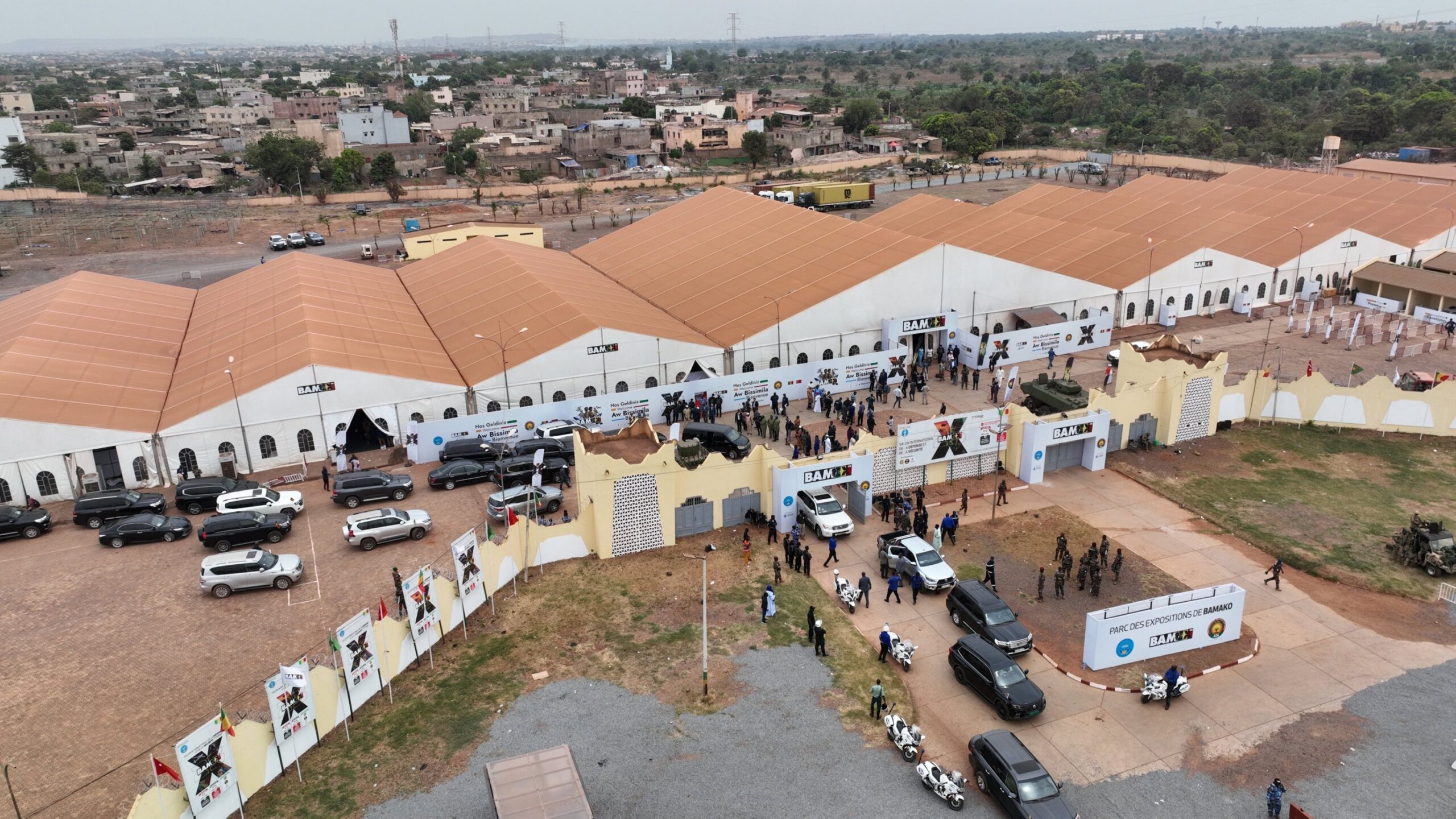
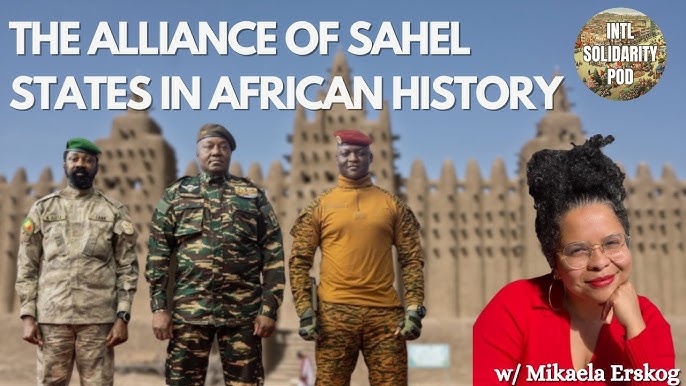
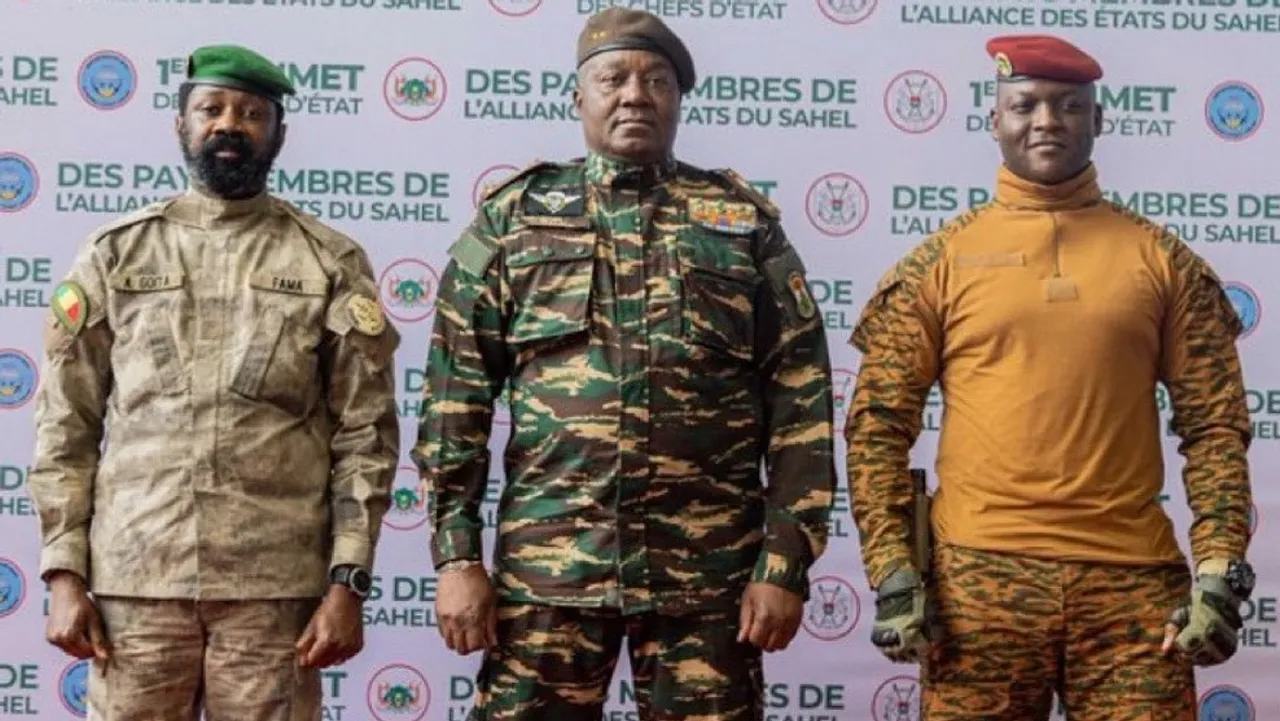
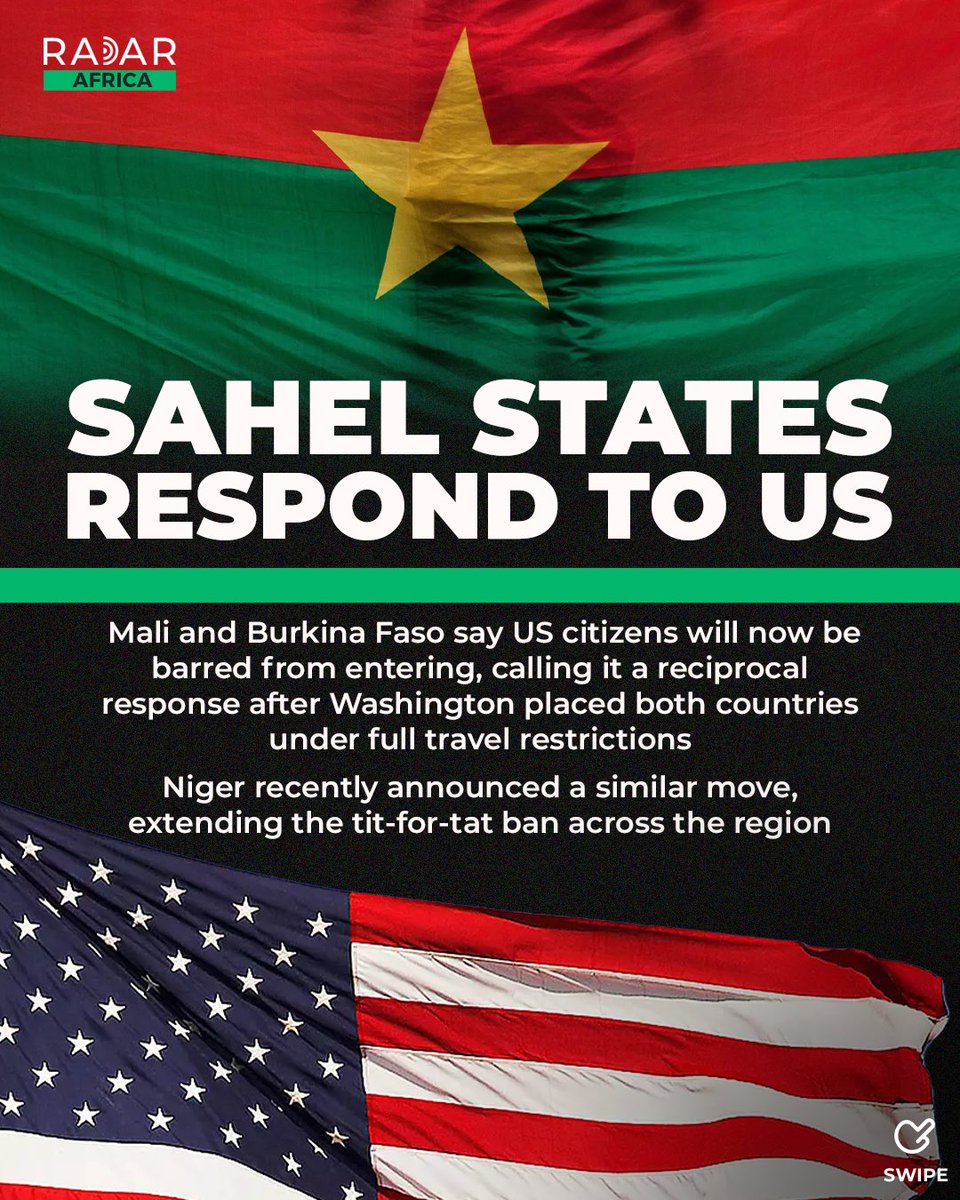
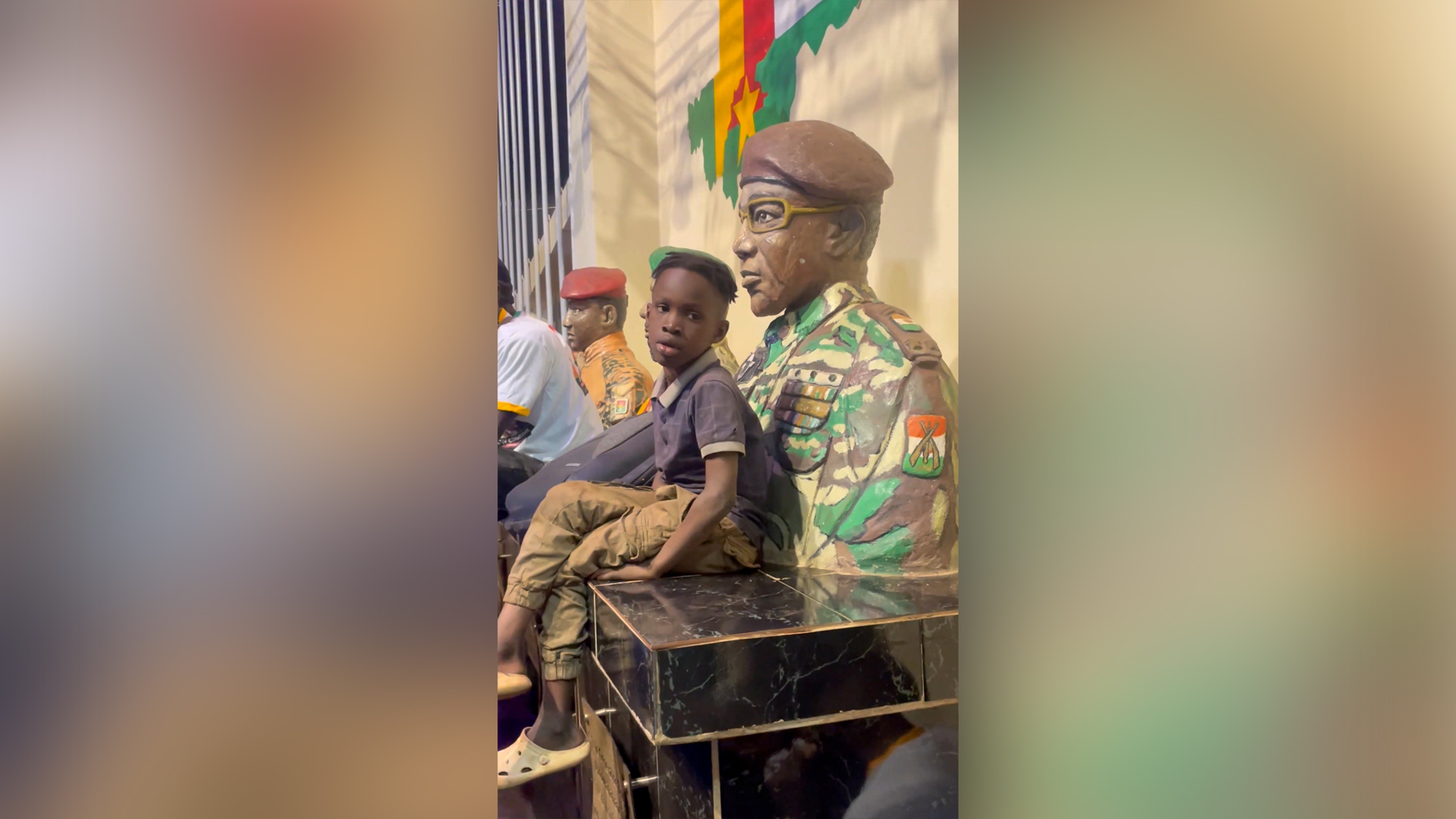
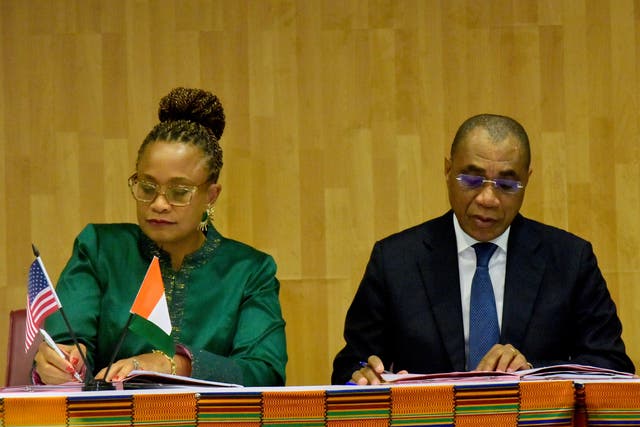
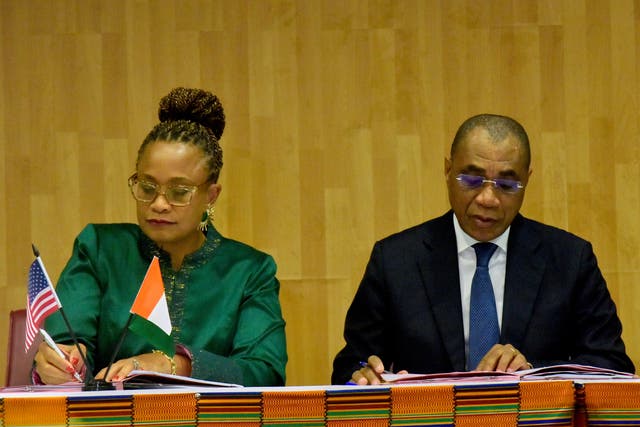
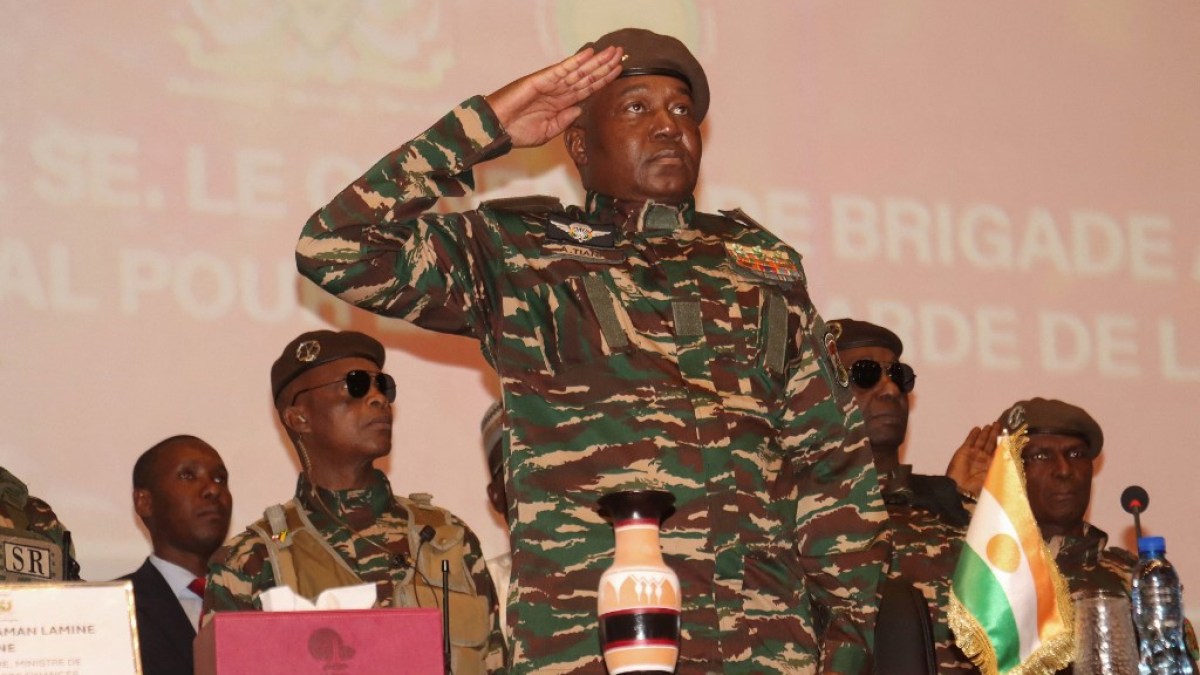
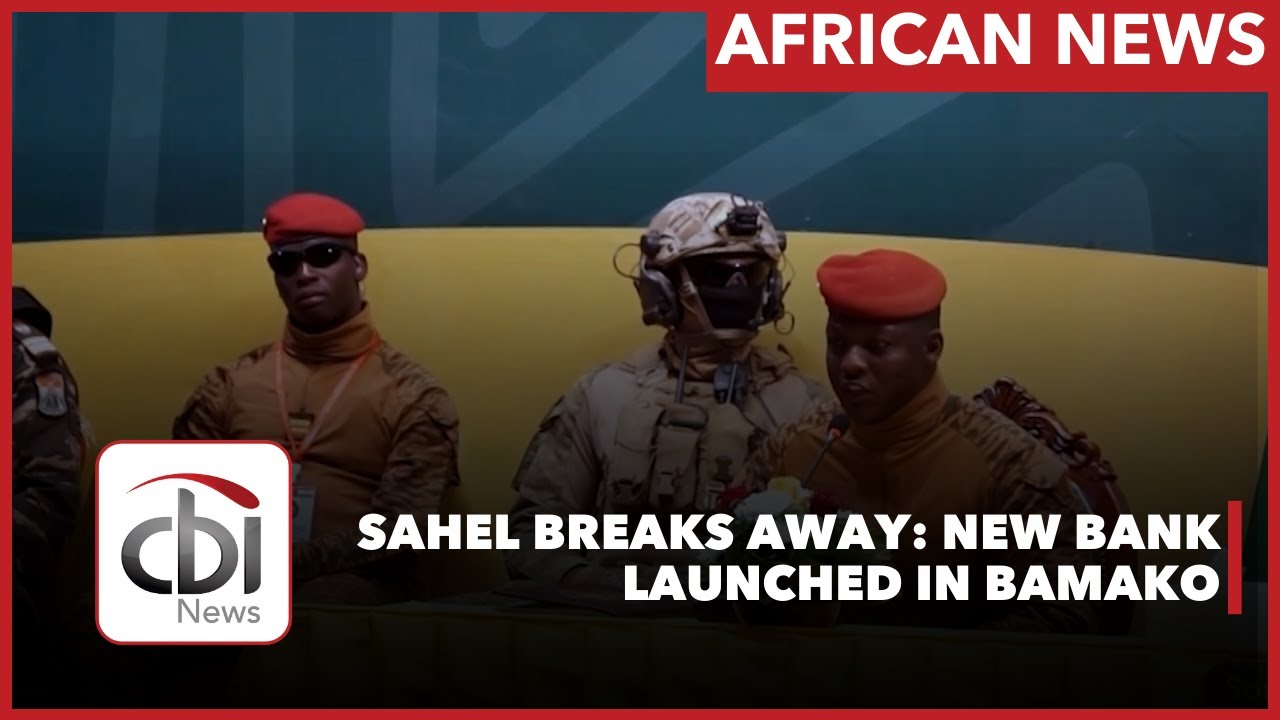
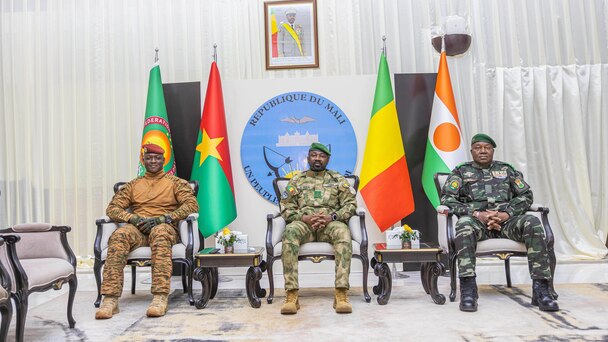
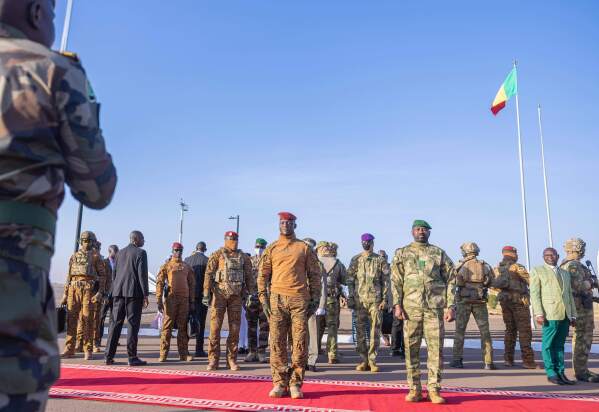
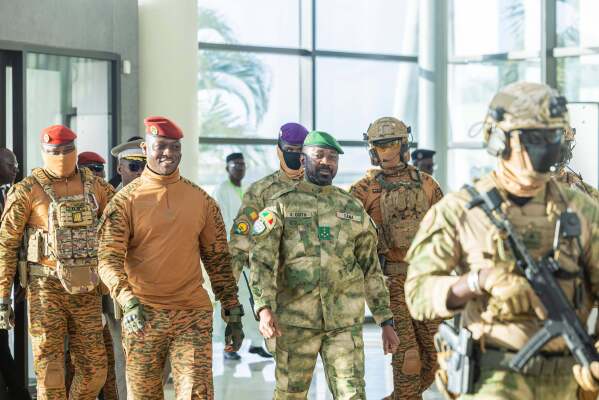
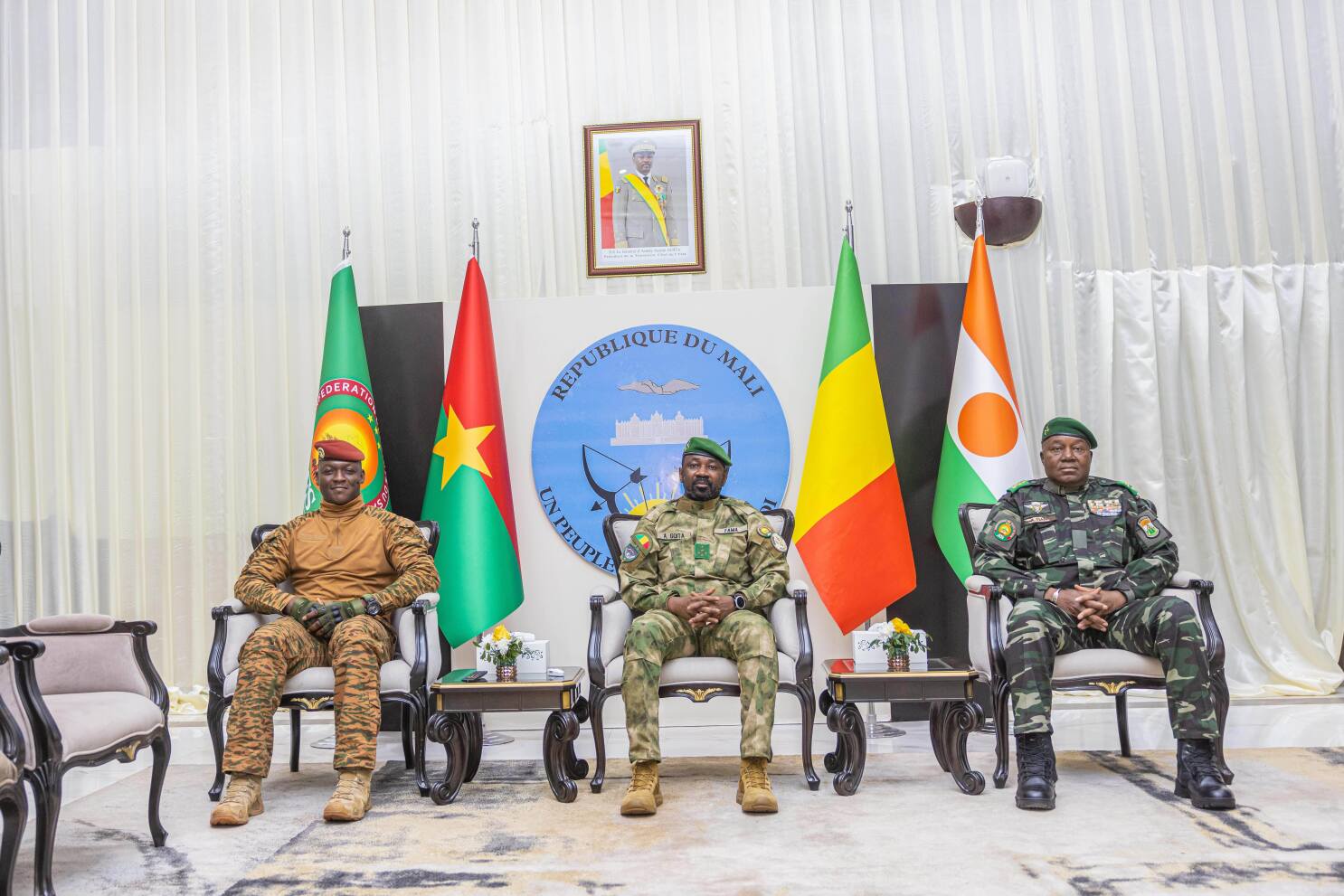
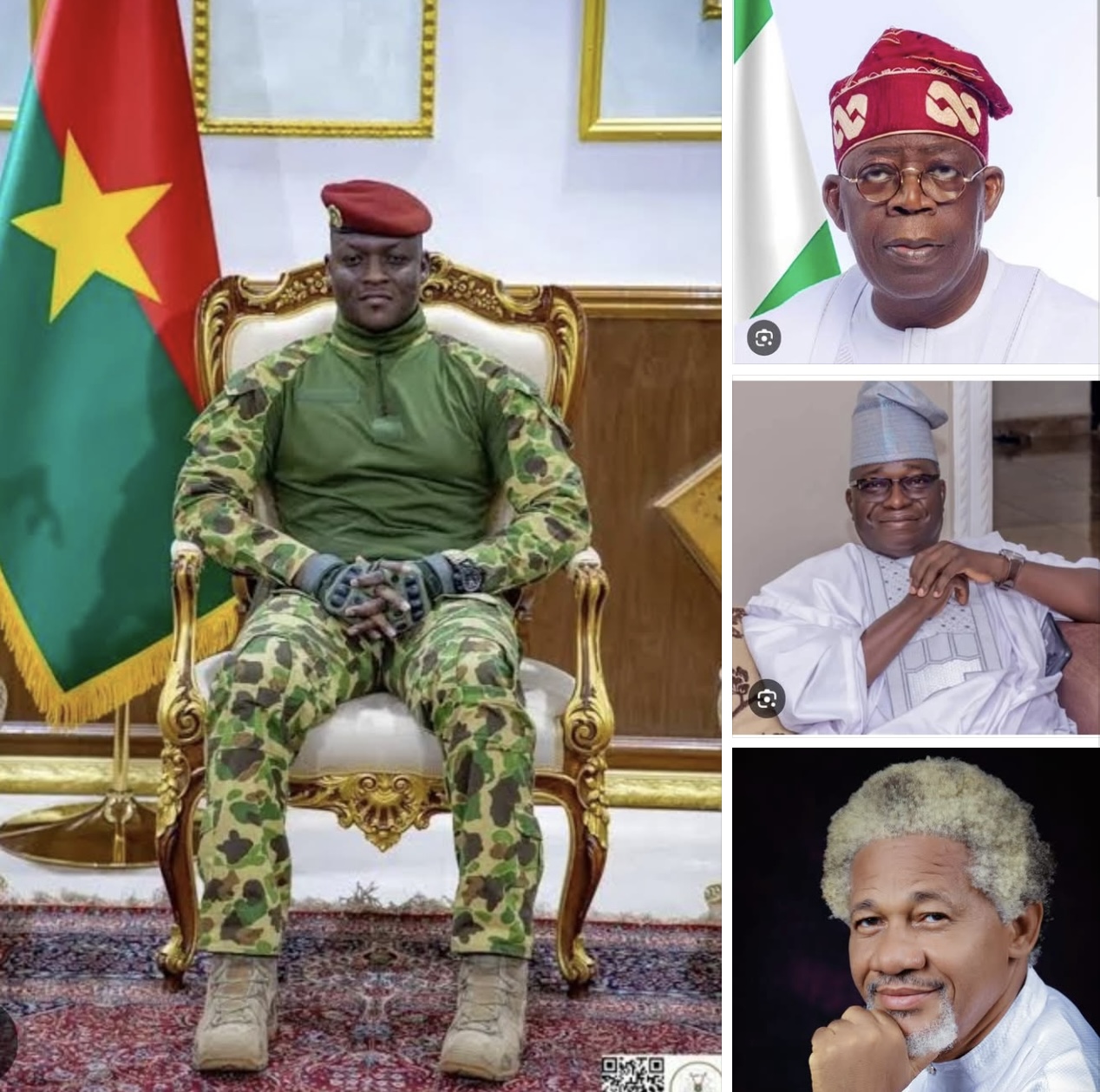
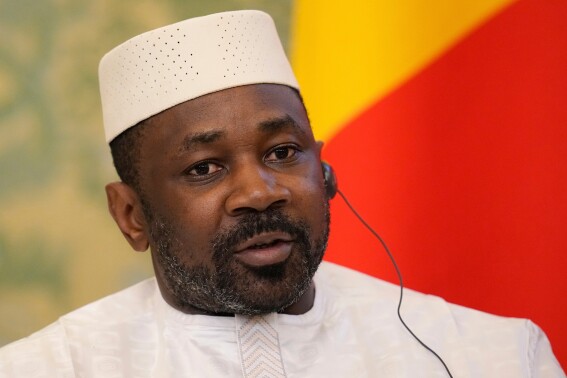
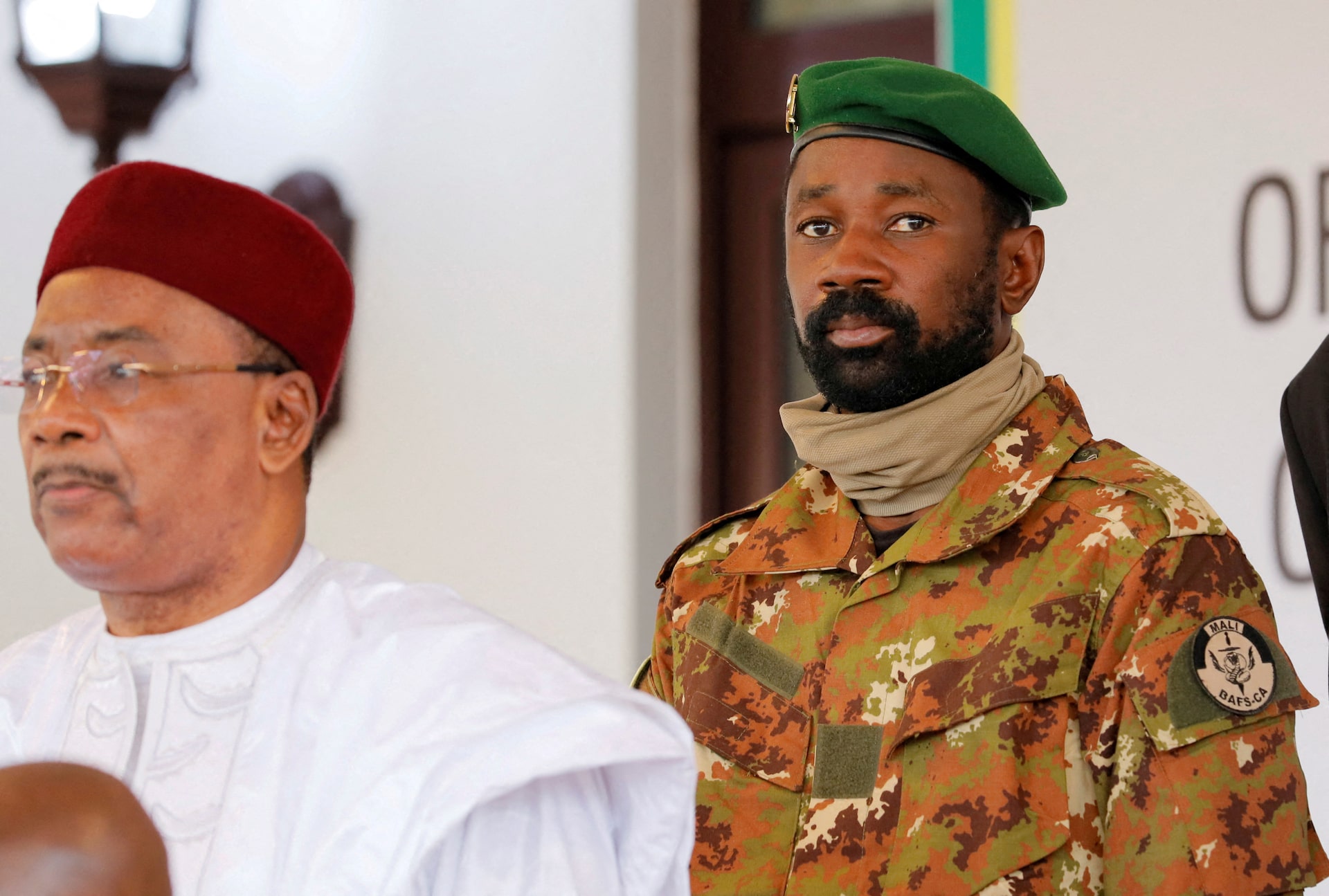
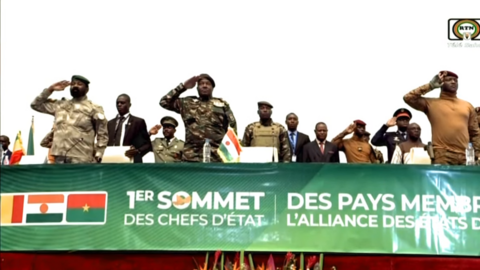
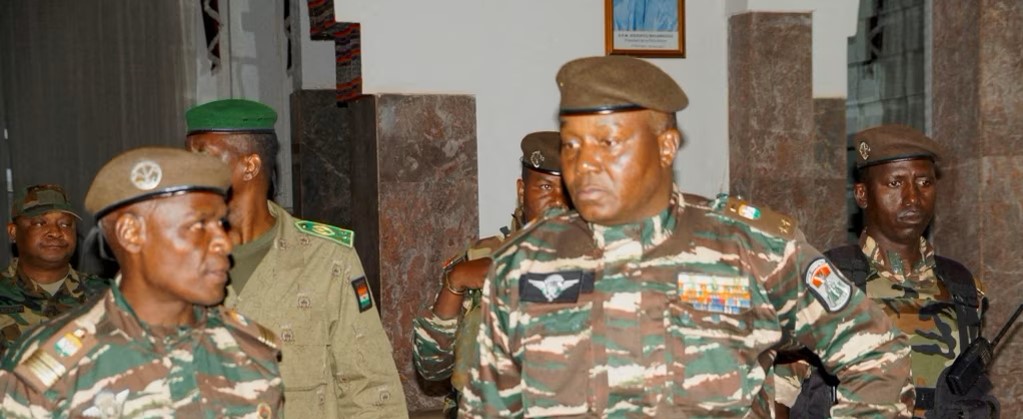
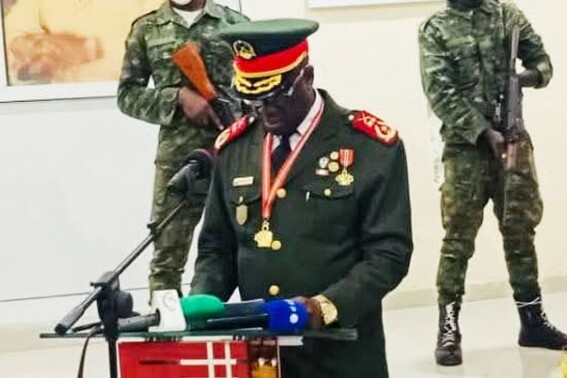
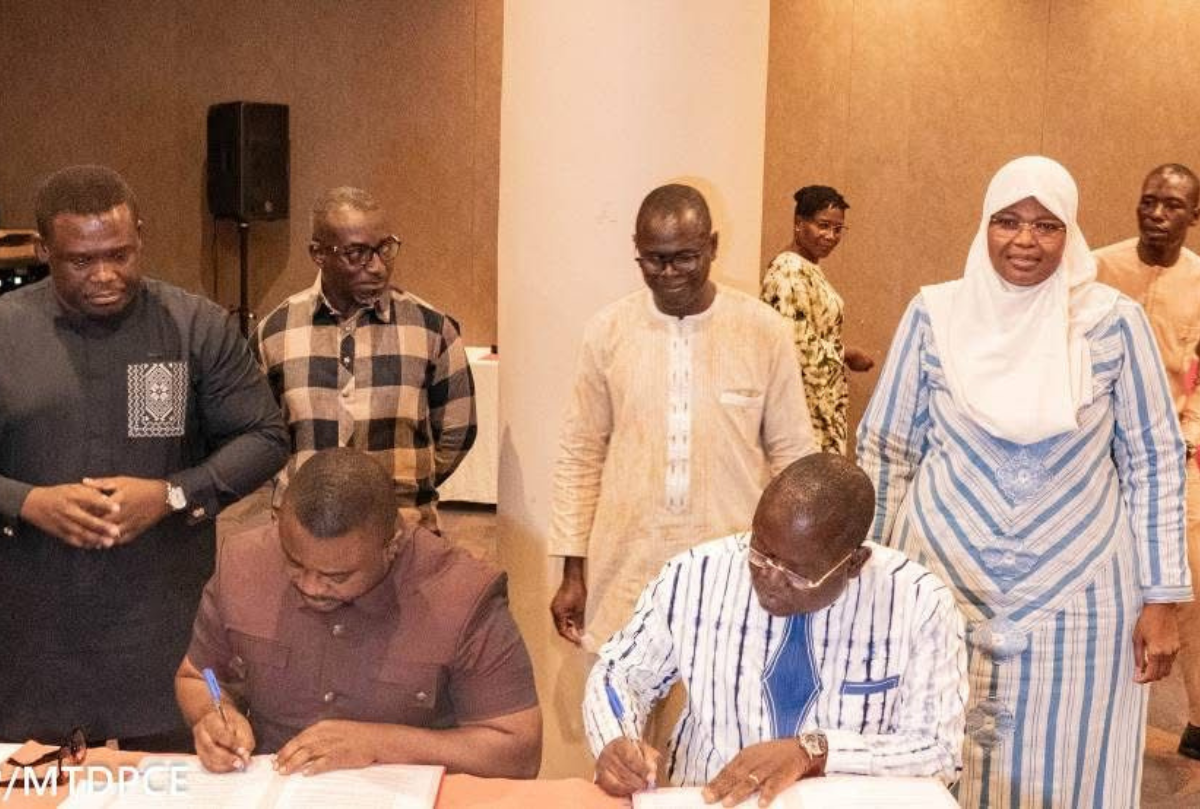
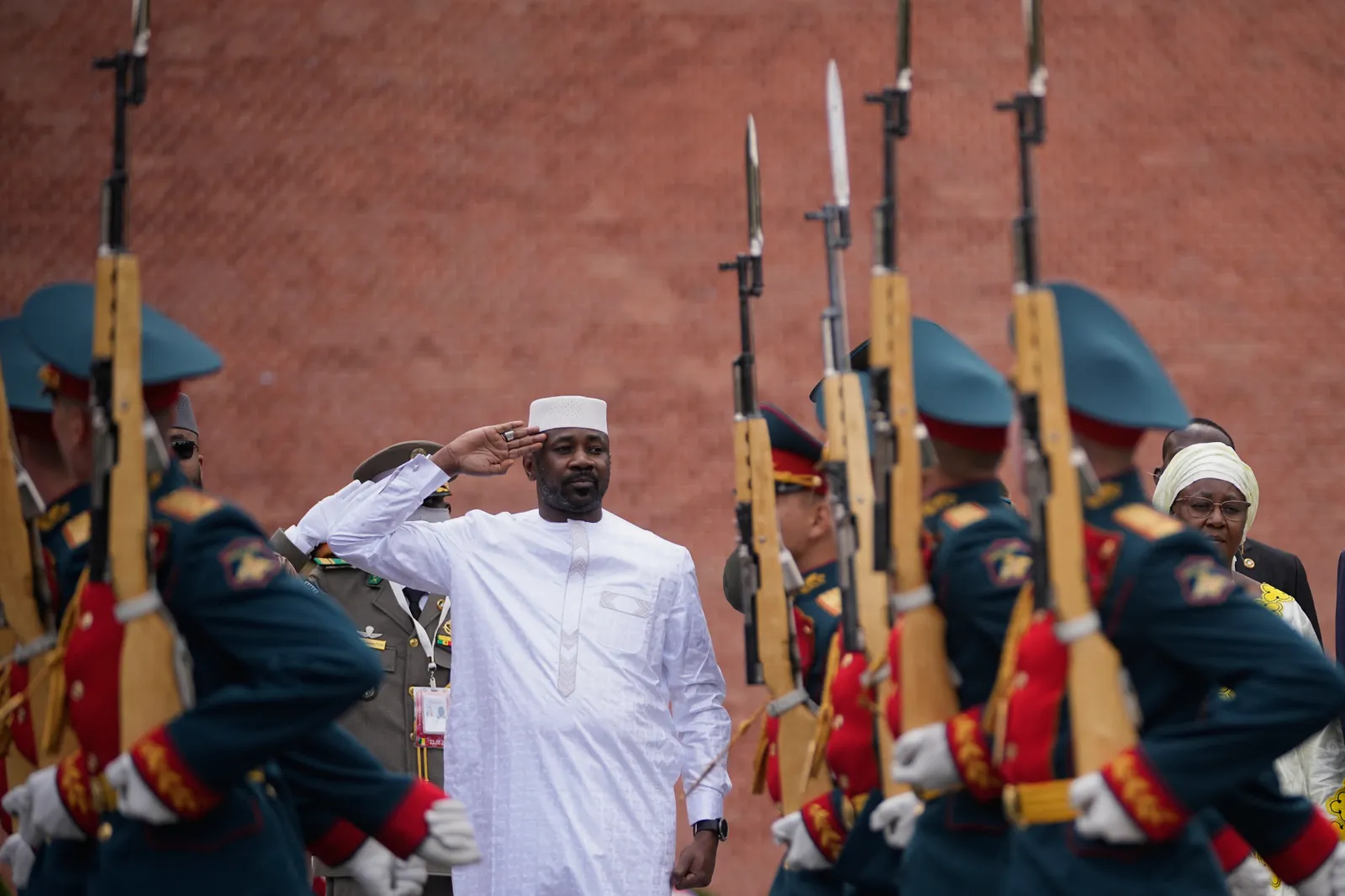
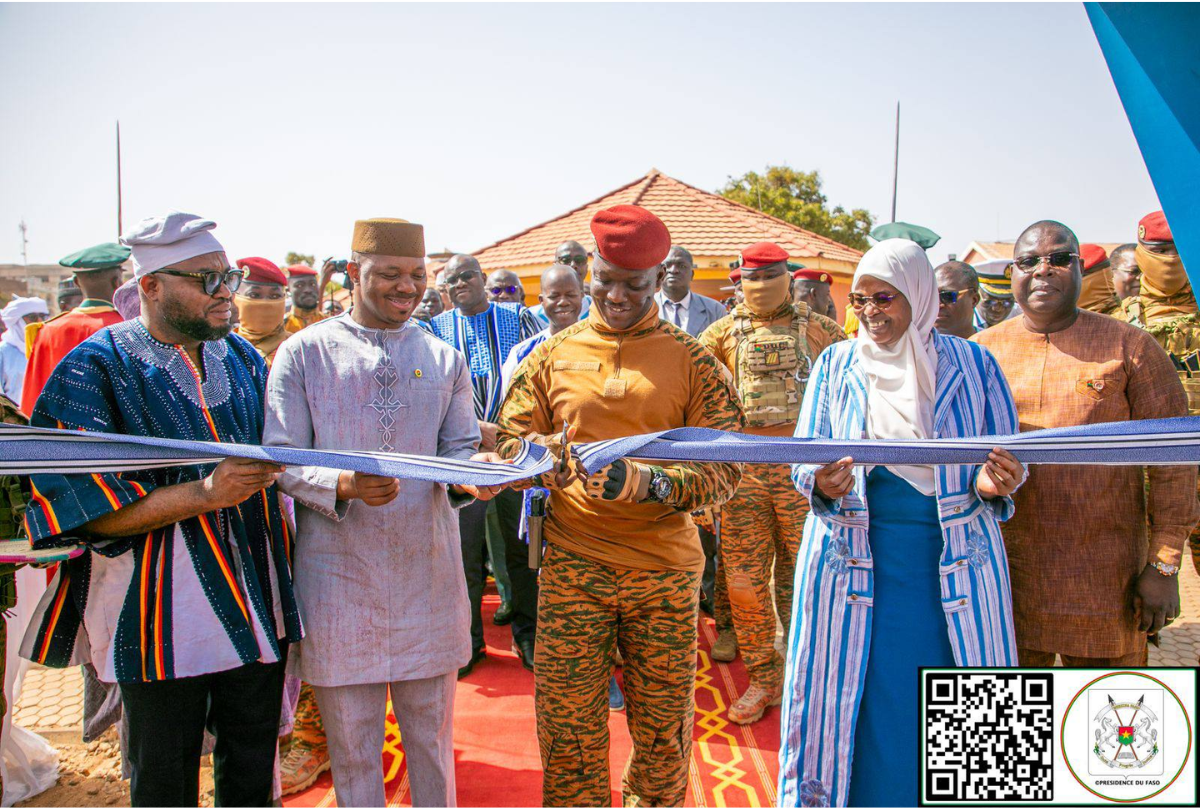
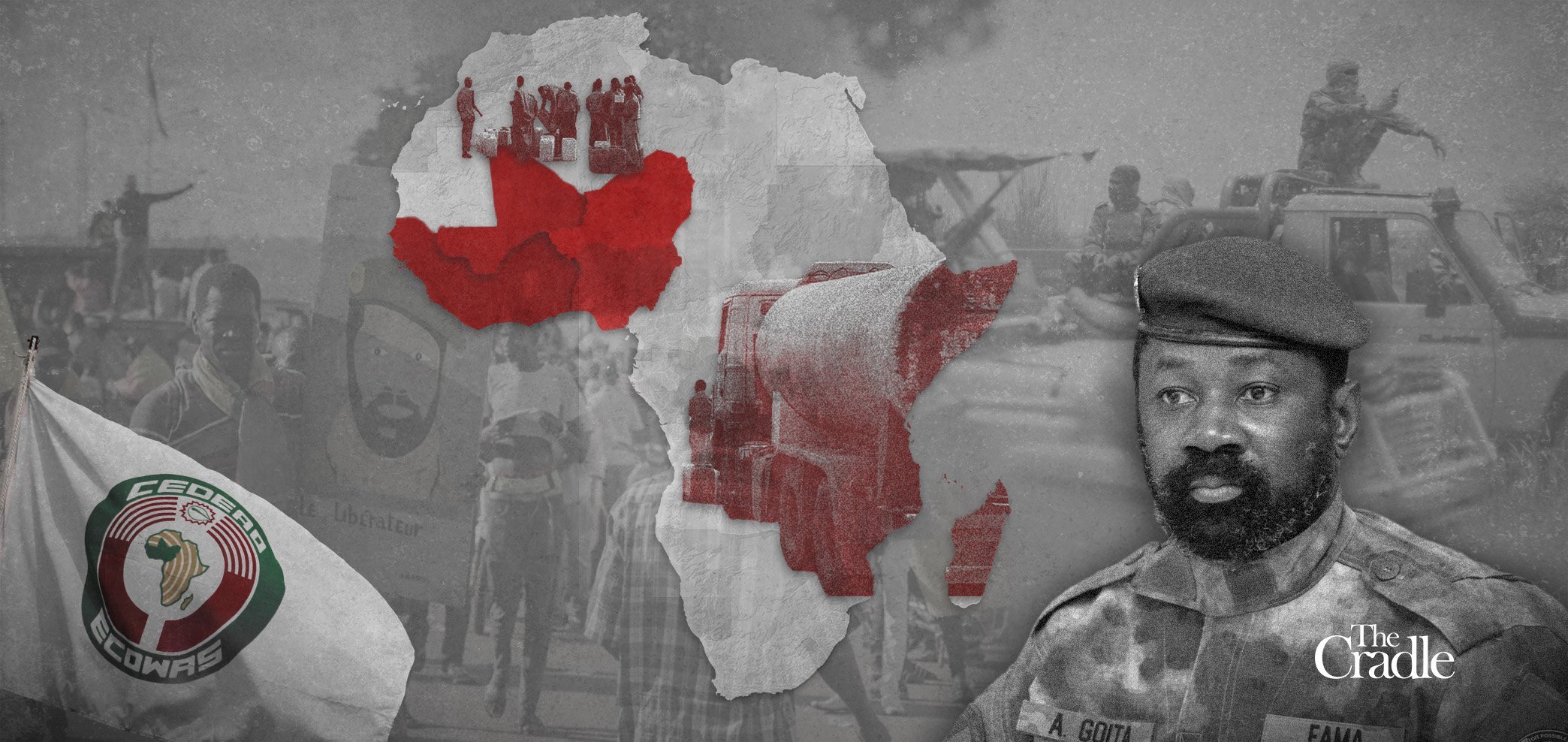
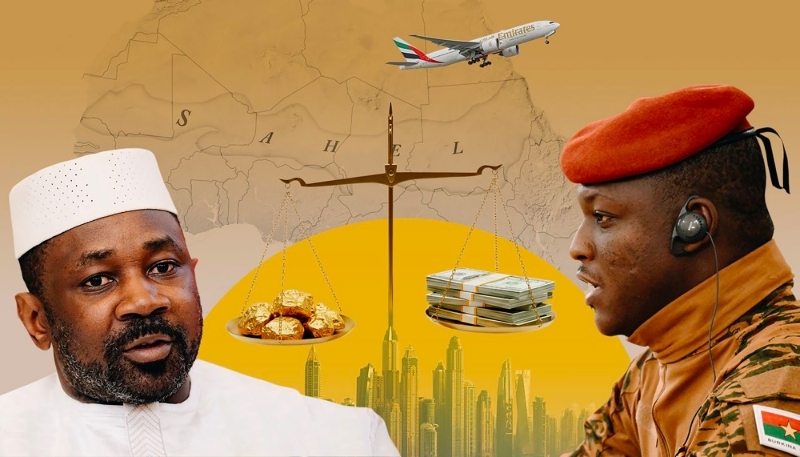
Amidst this turbulence, Mali’s leadership is making noticeable diplomatic efforts. On January 6, Transitional President and Head of State, Army General Assimi GOITA, welcomed new ambassadors in Bamako, a move signaling Mali’s desire to strengthen its regional and international relationships. This push for collaboration couldn’t come at a more crucial time, as the country works to address complex security and governance challenges, reassert its sovereignty, and re-engage with global partners after years of instability. Yet, the security picture darkens as these regional conflicts start influencing international relations, especially with Western nations. Several African countries, including Mali, Niger, and Malawi, have now introduced retaliatory visa bans and travel restrictions against U.S. citizens. These measures stem from escalating tensions over security concerns and a perceived sense of outside interference. This back-and-forth on visa policy shows how geopolitical anxieties bleed into everyday diplomacy and civilian life, impacting people’s ability to travel and shaping global perceptions. Meanwhile, Burkina Faso also grapples with serious challenges. Early this January, authorities managed to foil an assassination plot targeting President Ibrahim Traoré, an incident that starkly reveals the precarious nature of governance in the region. Leaders here constantly battle internal dissent, insurgent threats, and coup attempts, making it tough to maintain order and implement much-needed reforms. This ongoing instability makes the Sahel region truly on the brink.
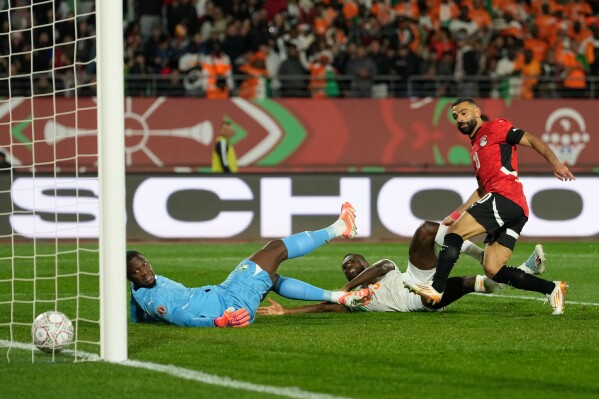
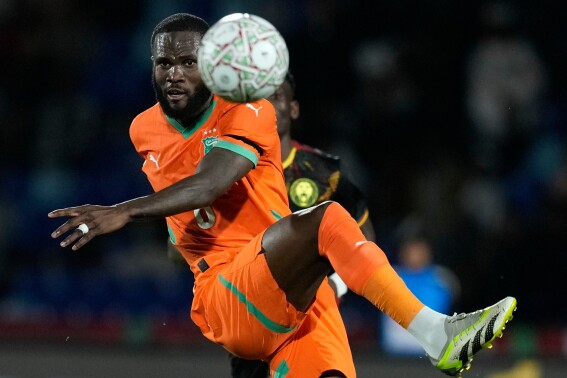
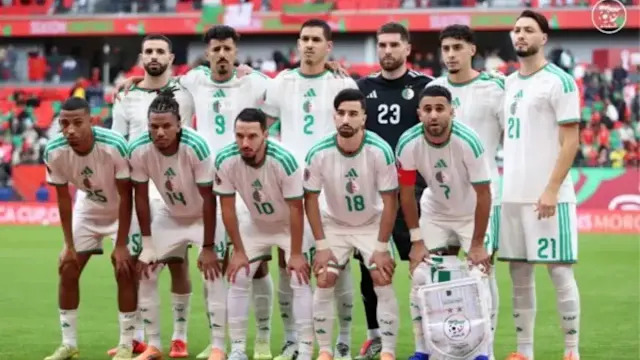
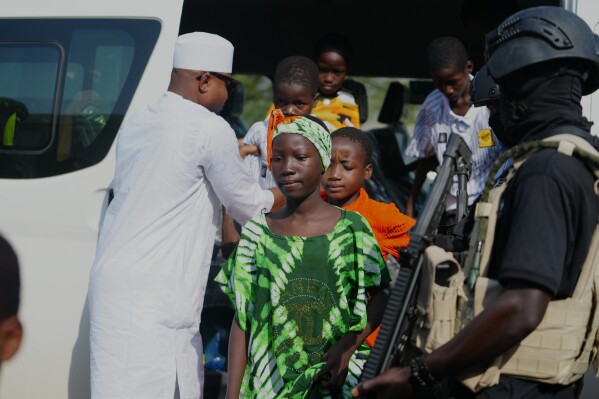
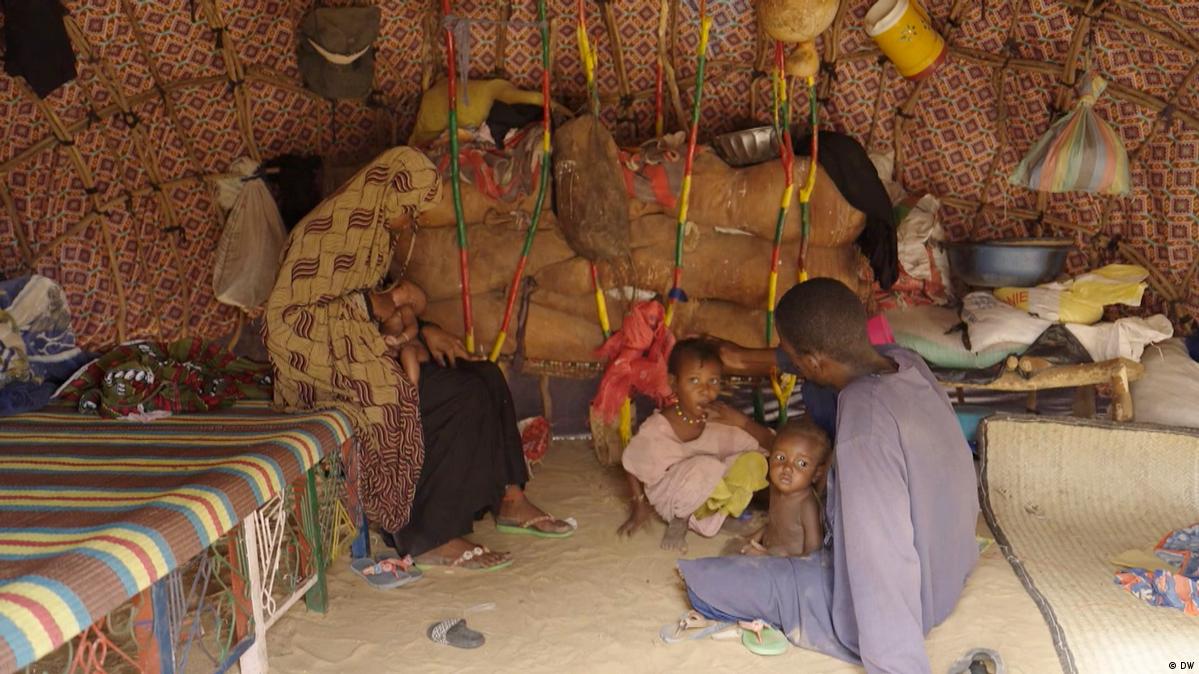
While the Africa Cup of Nations (AFCON) 2025 quarterfinals bring a brief, unifying respite through sport, the underlying geopolitical and security crises continue to shape daily life for millions across West Africa. The Sahel holds immense strategic importance, attracting a wide range of international actors, from regional armies and peacekeeping missions to jihadi forces and foreign governments. It’s clear that achieving stability here will demand more than just quick military responses. The path to peace requires comprehensive political reforms, inclusive governance, stronger regional collaboration, and a genuine effort to address the socio-economic grievances that often push people towards insurgency. Ultimately, West Africa finds itself at a defining moment. The ongoing events in Mali, Burkina Faso, Niger, and Chad, coupled with worsening security dilemmas and evolving diplomatic strategies, carry both national and global implications. How leaders navigate these complex tensions in the coming months will likely determine the Sahel’s future for years to come, influencing not just regional security but also economic development and global counterterrorism efforts, as highlighted by the recent news of the assassination plot against President Traoré and the AFCON quarterfinals.