Sahel States Step Up Fight Against Extremism While Nigeria Grapples With Security and Health Controversies
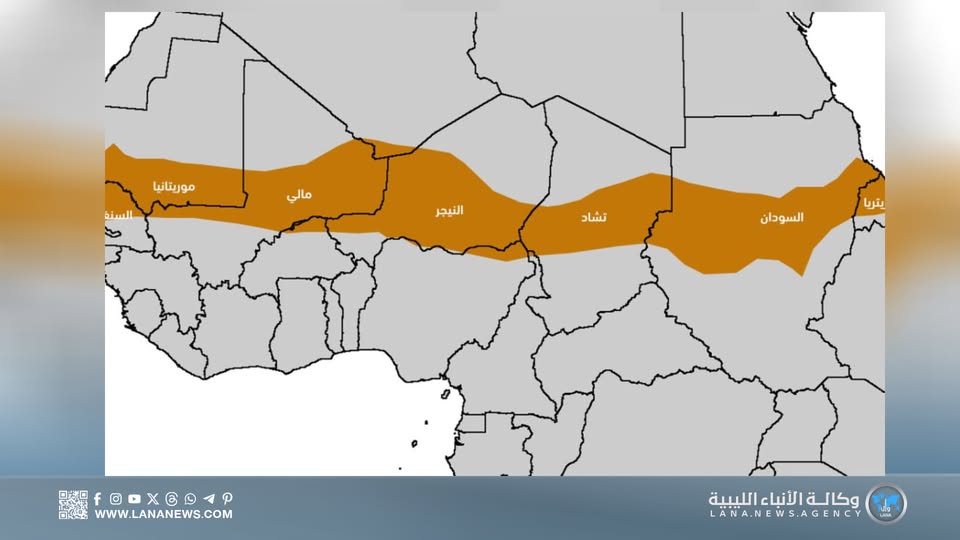
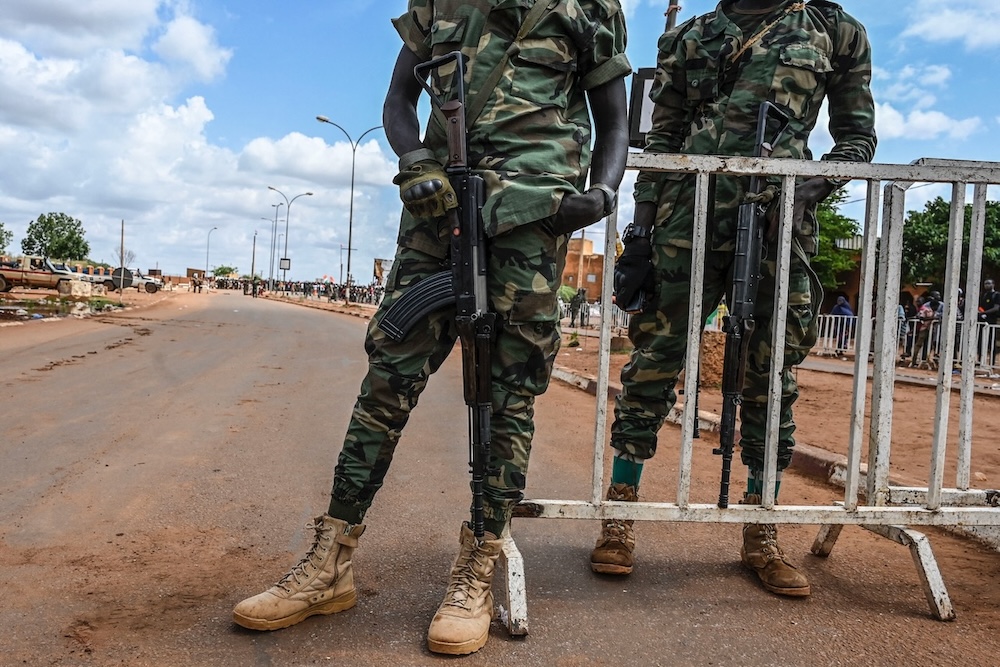
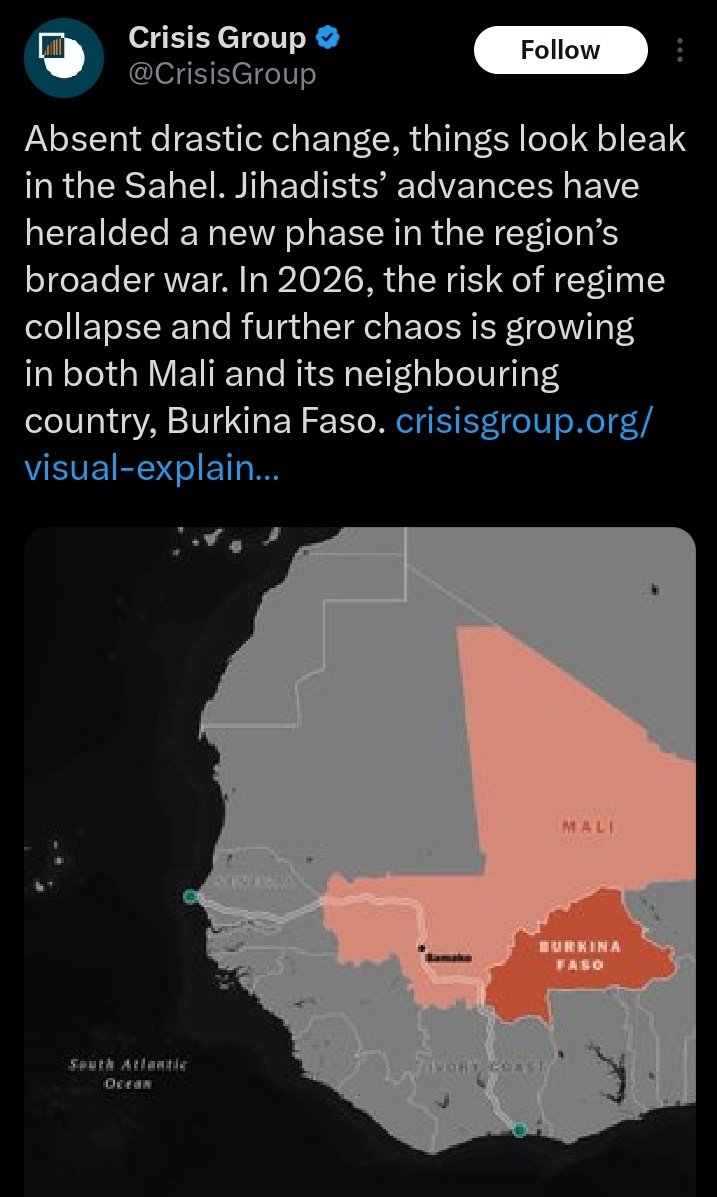
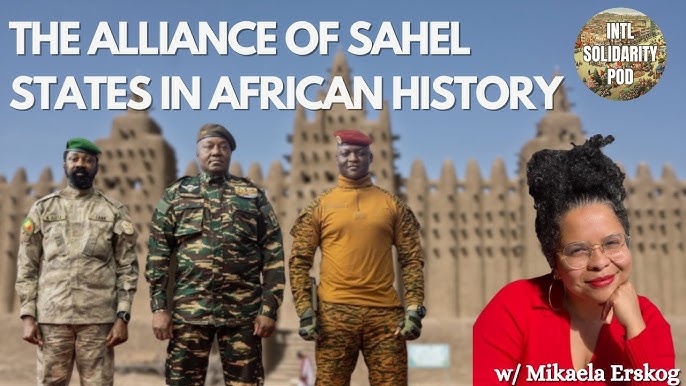
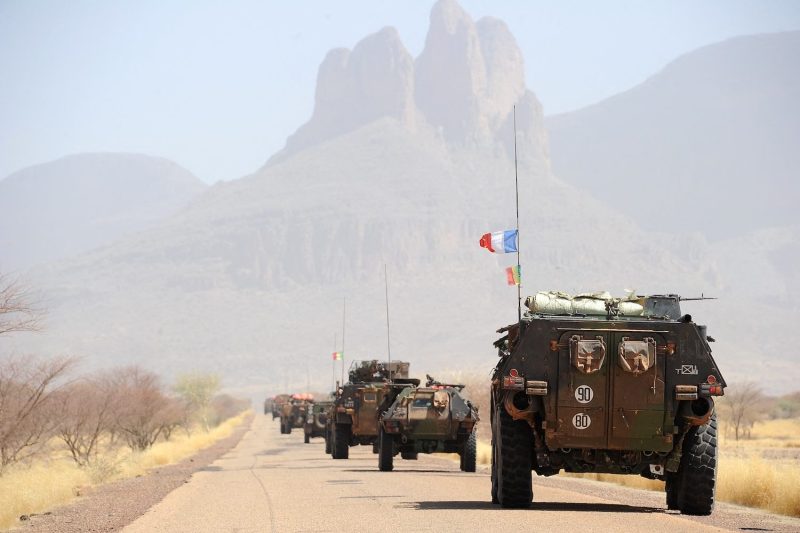
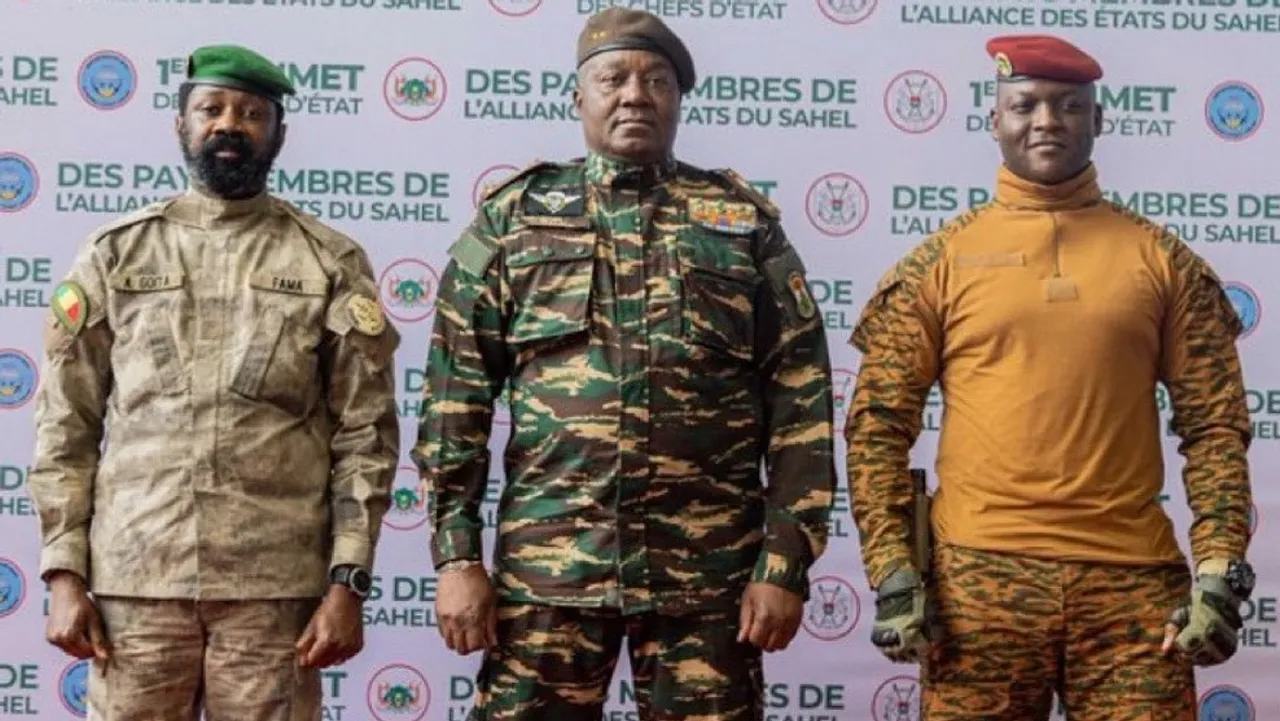
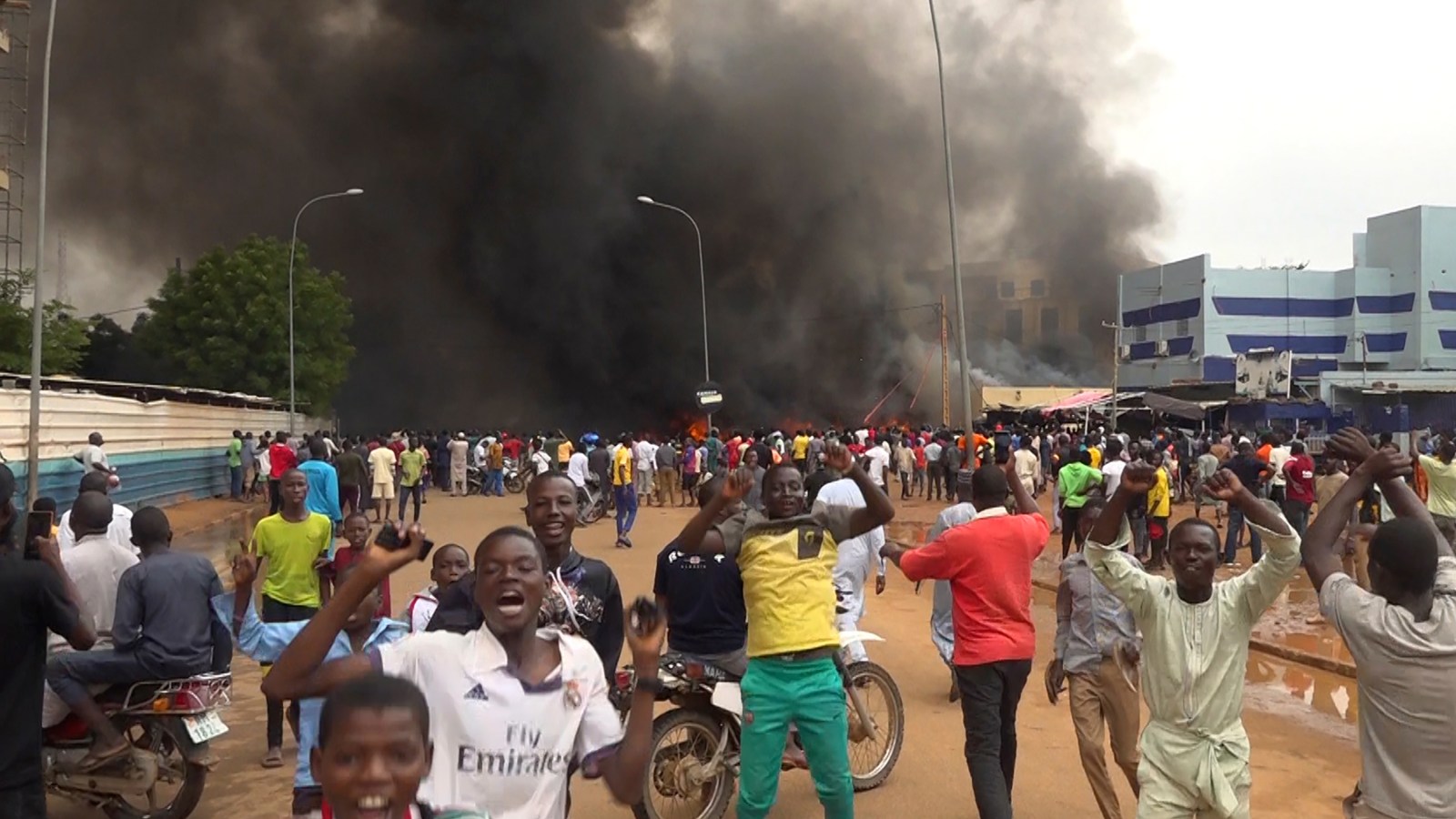
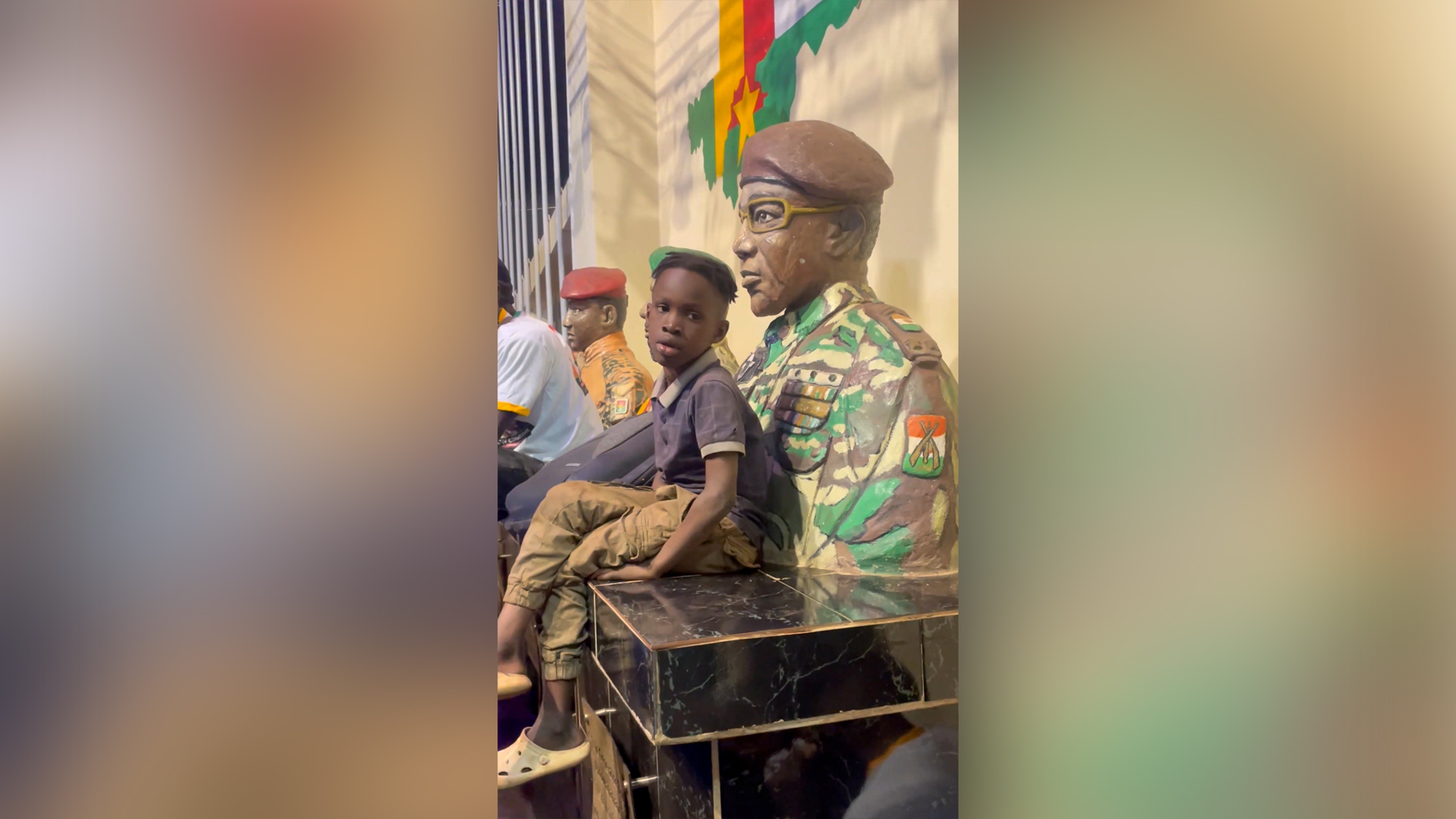
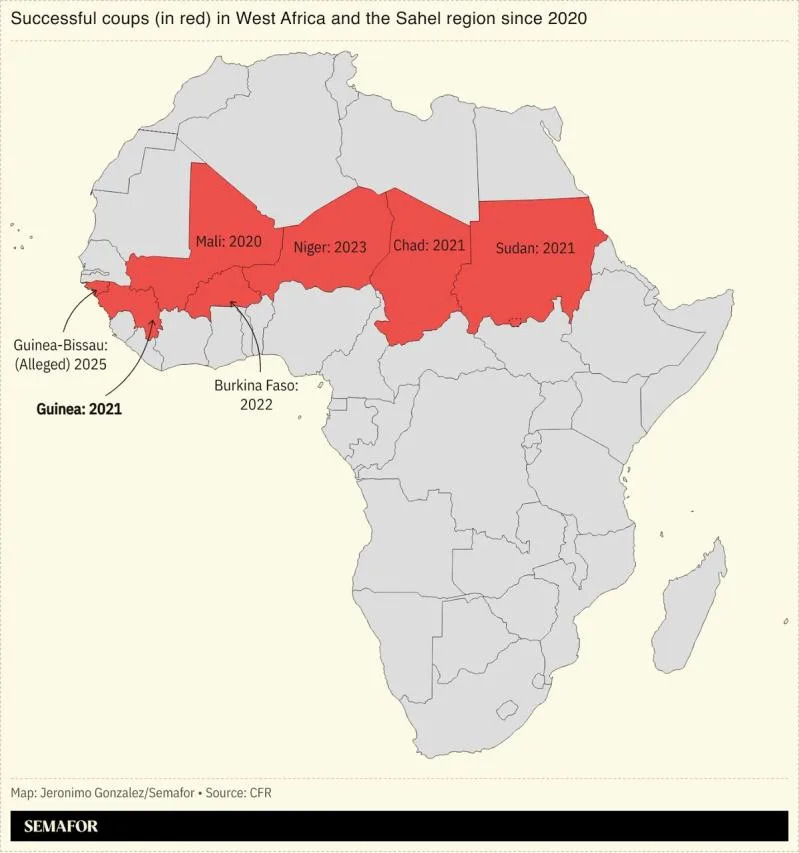
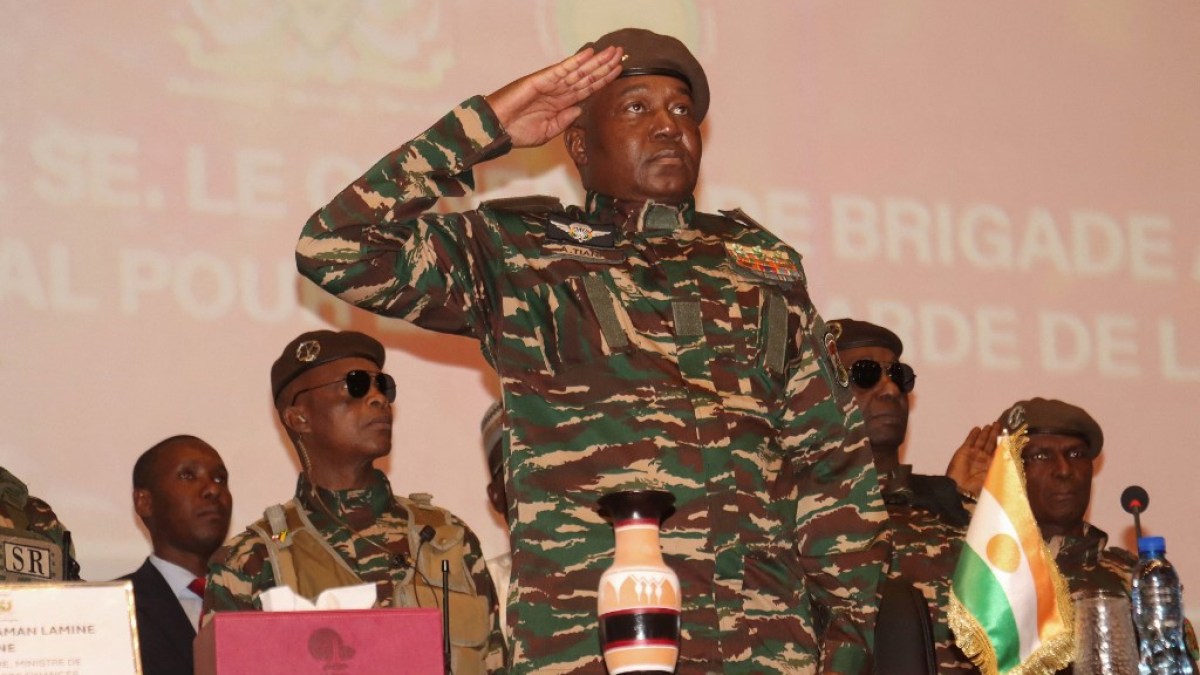
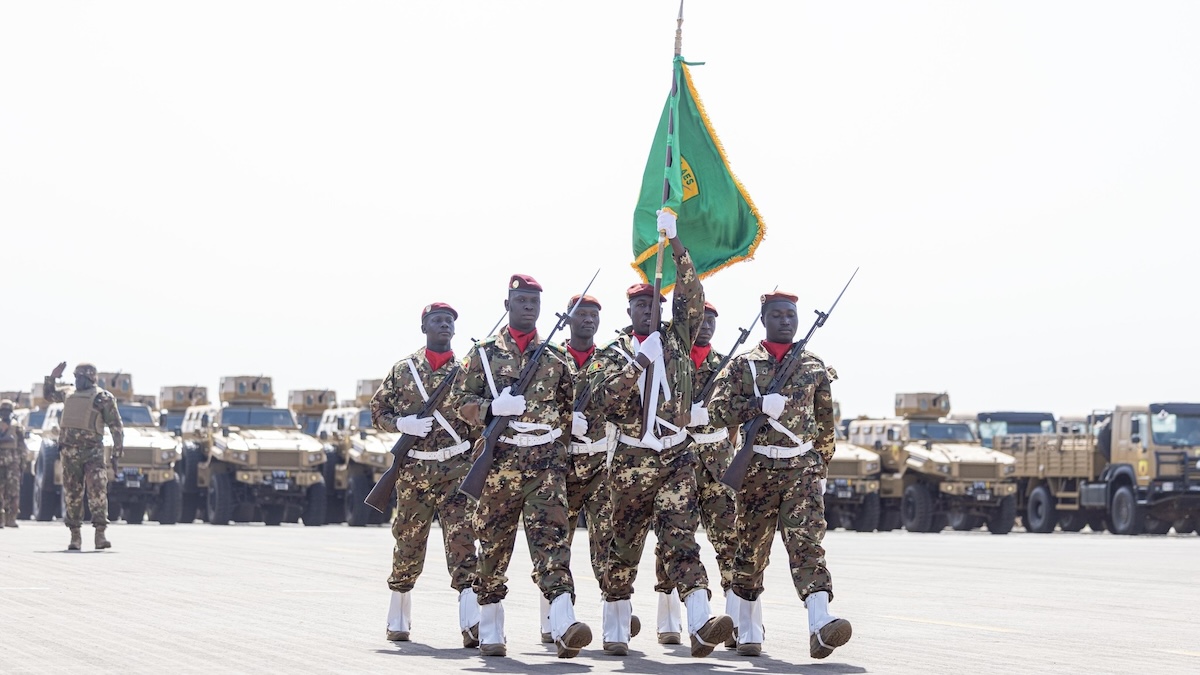
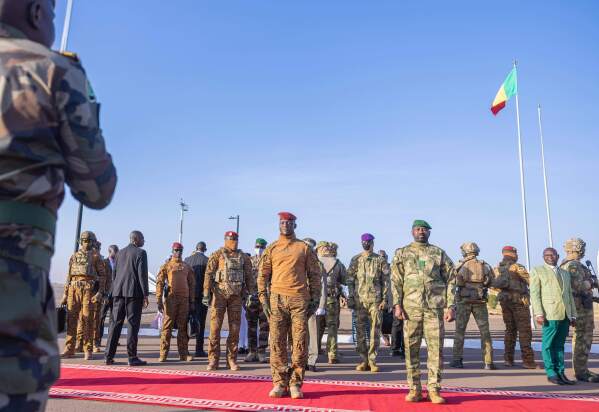
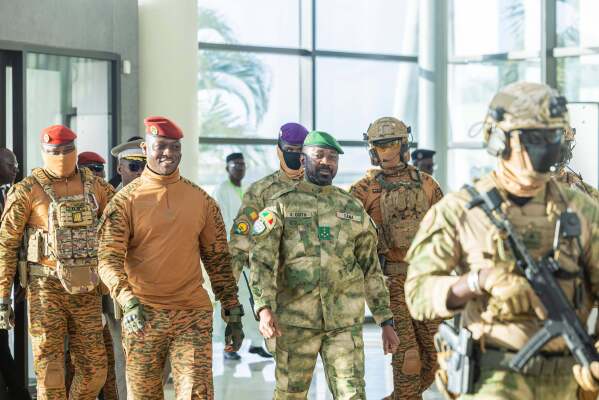
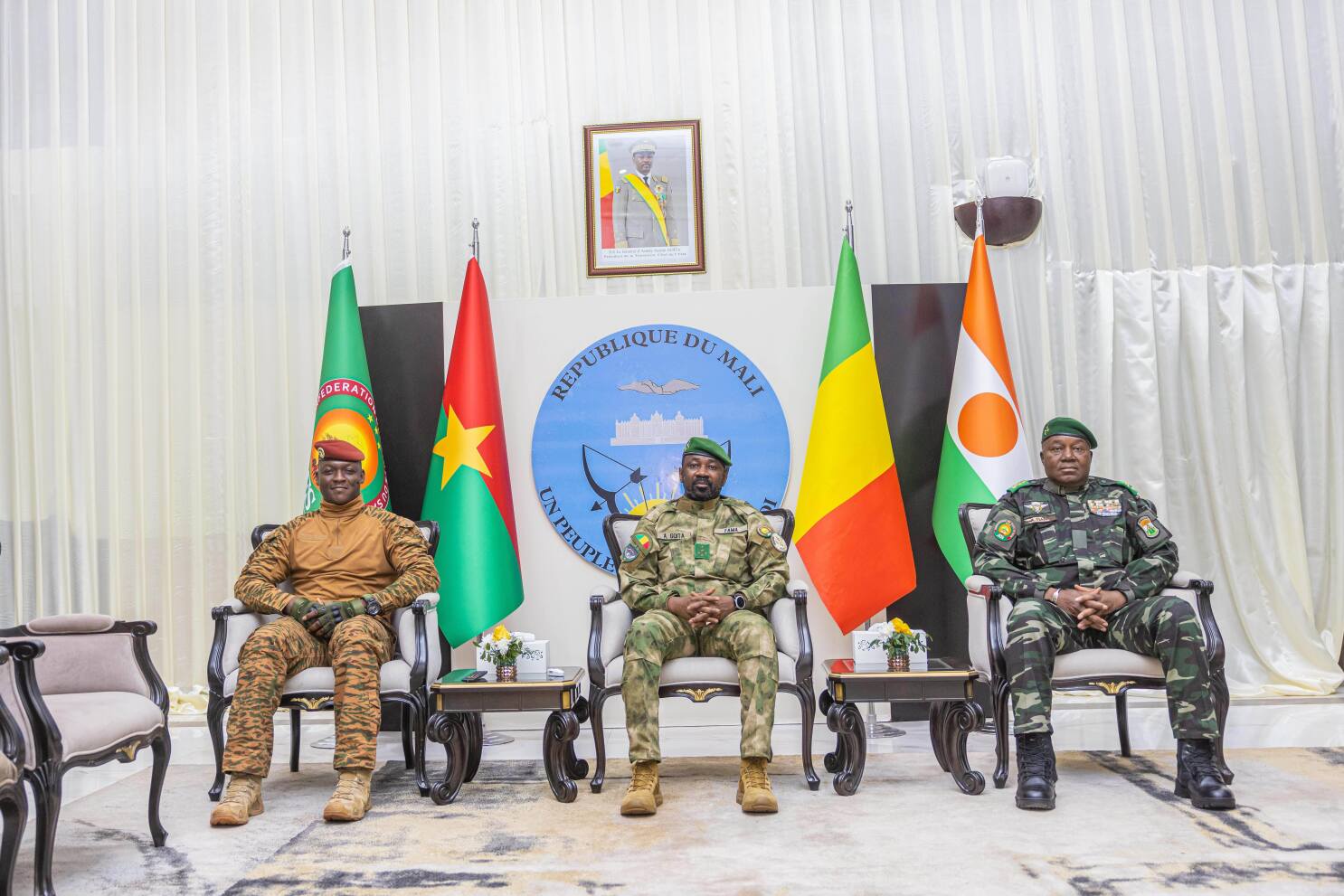
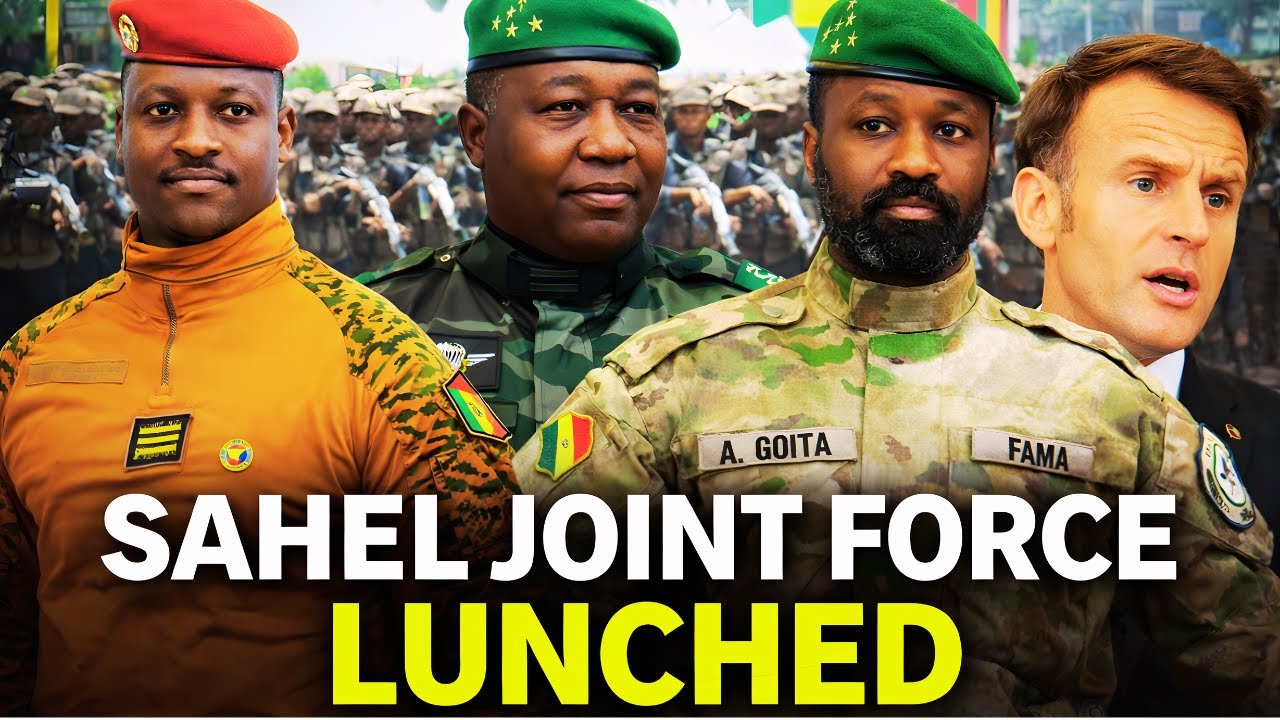
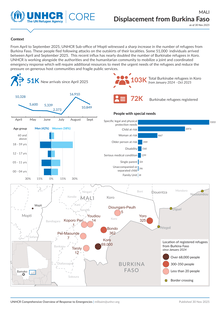
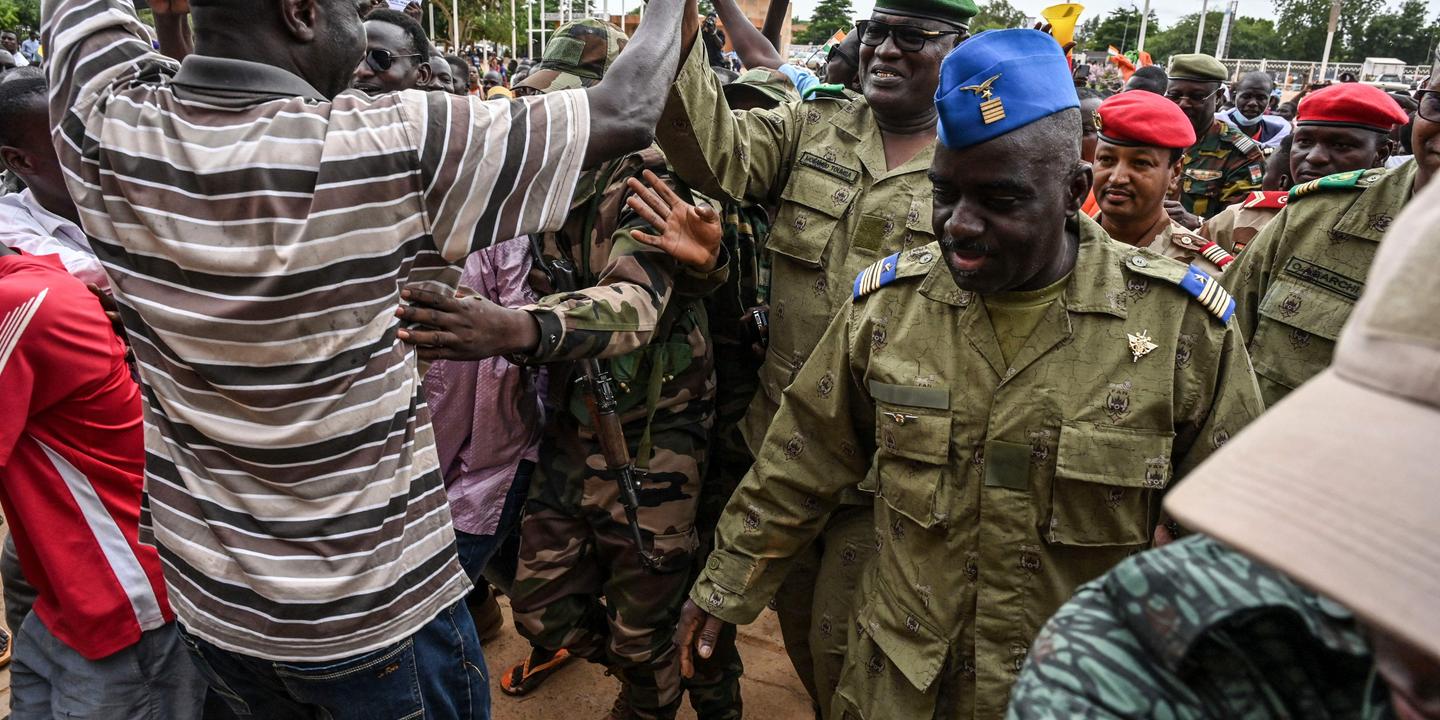
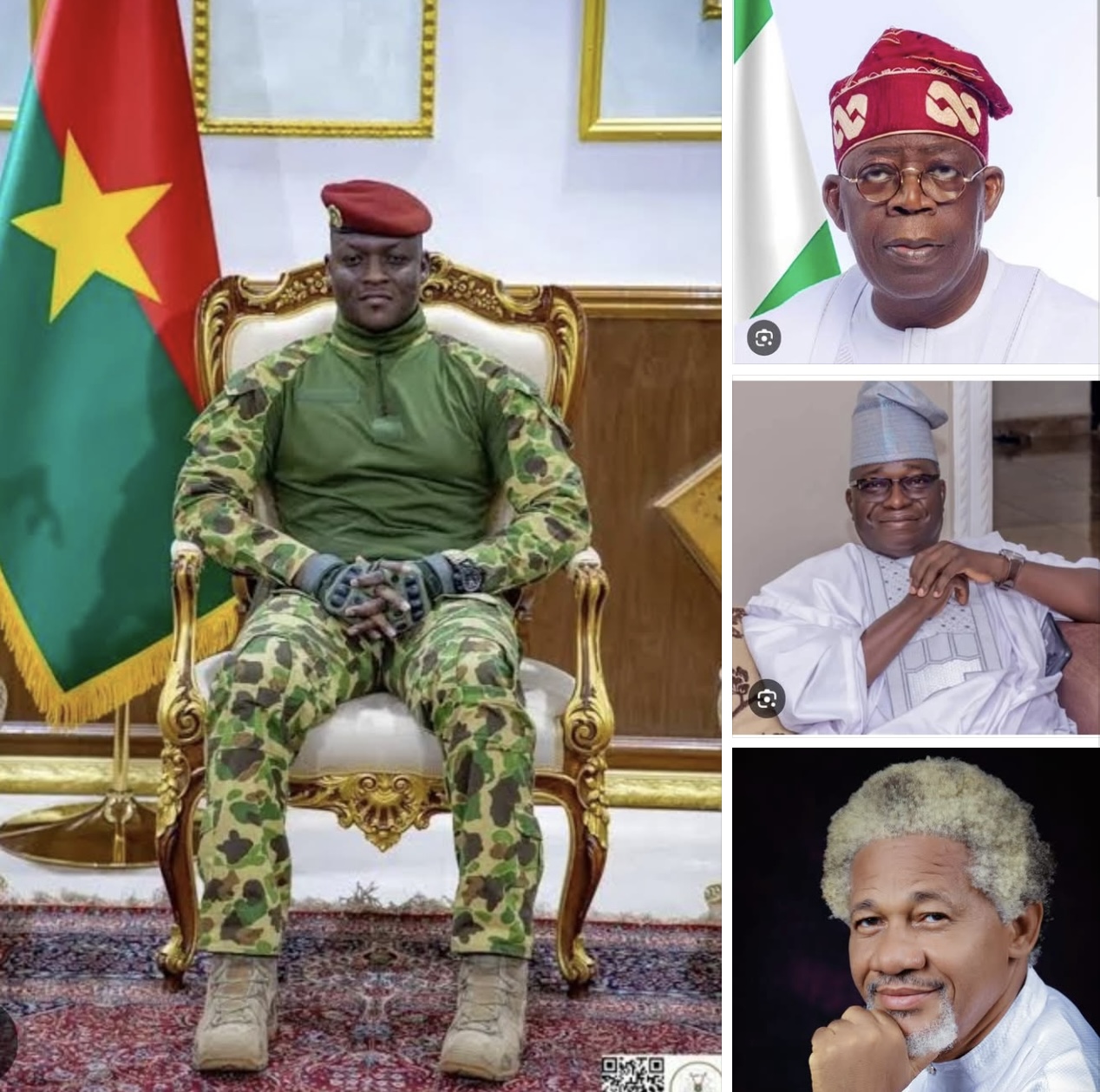
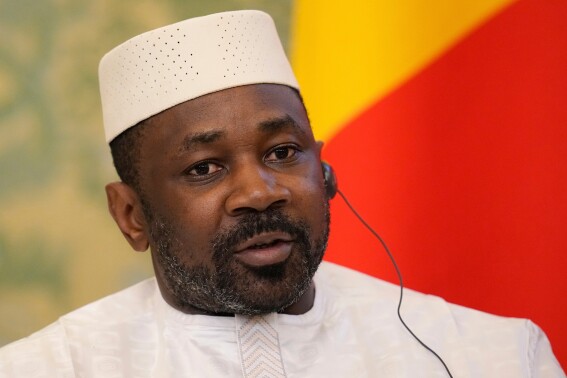
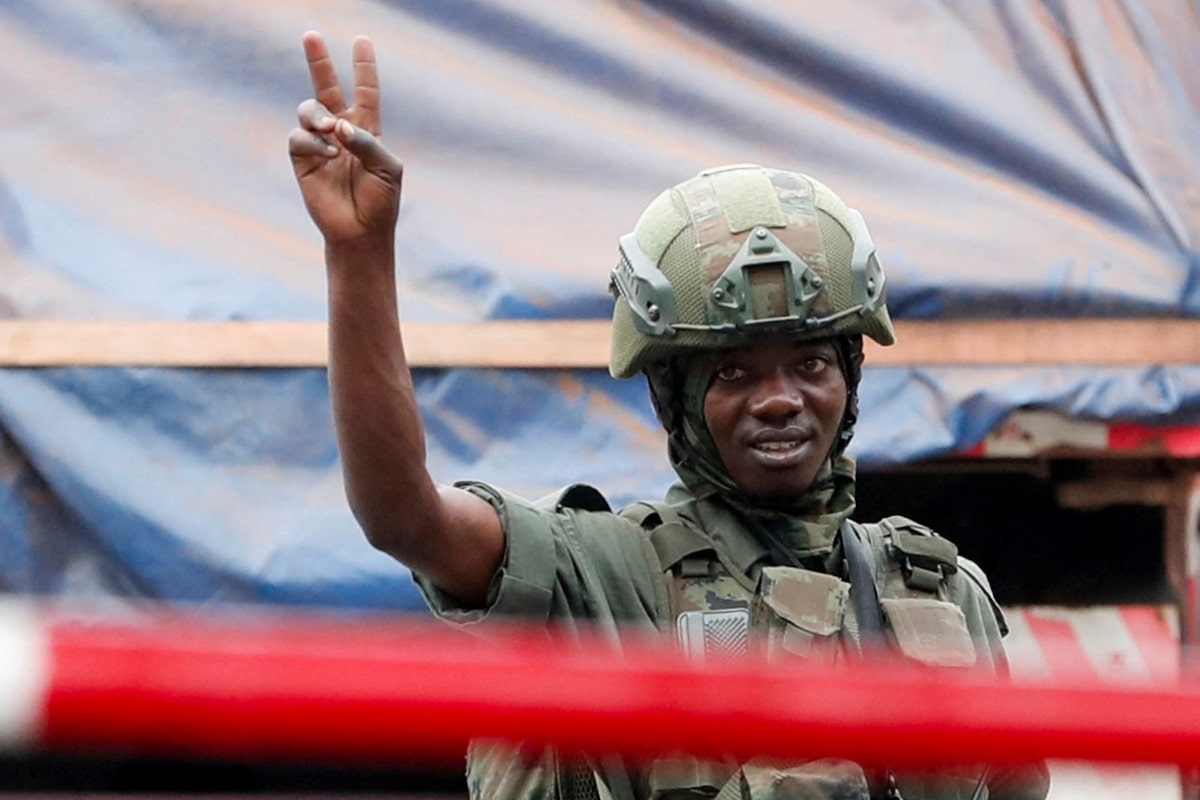
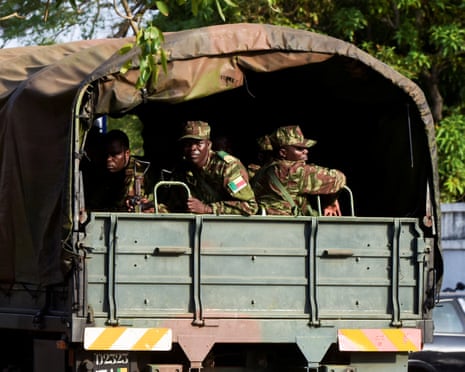
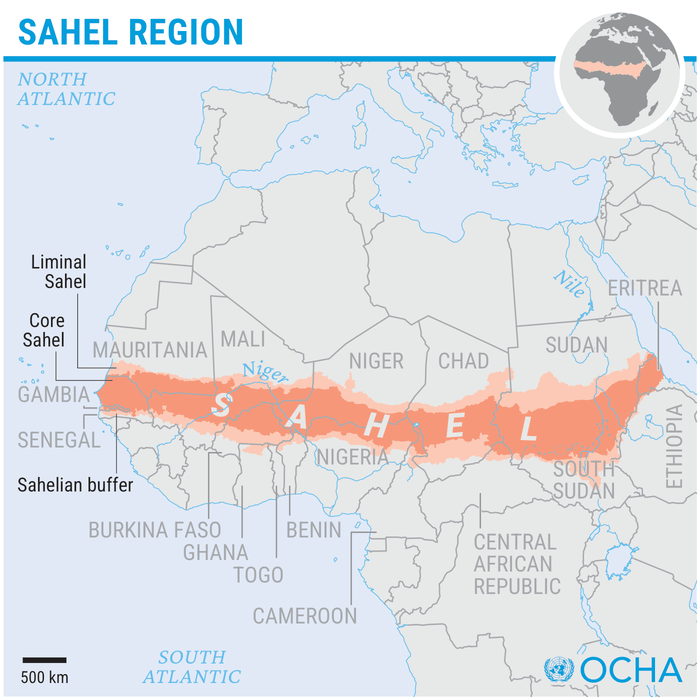
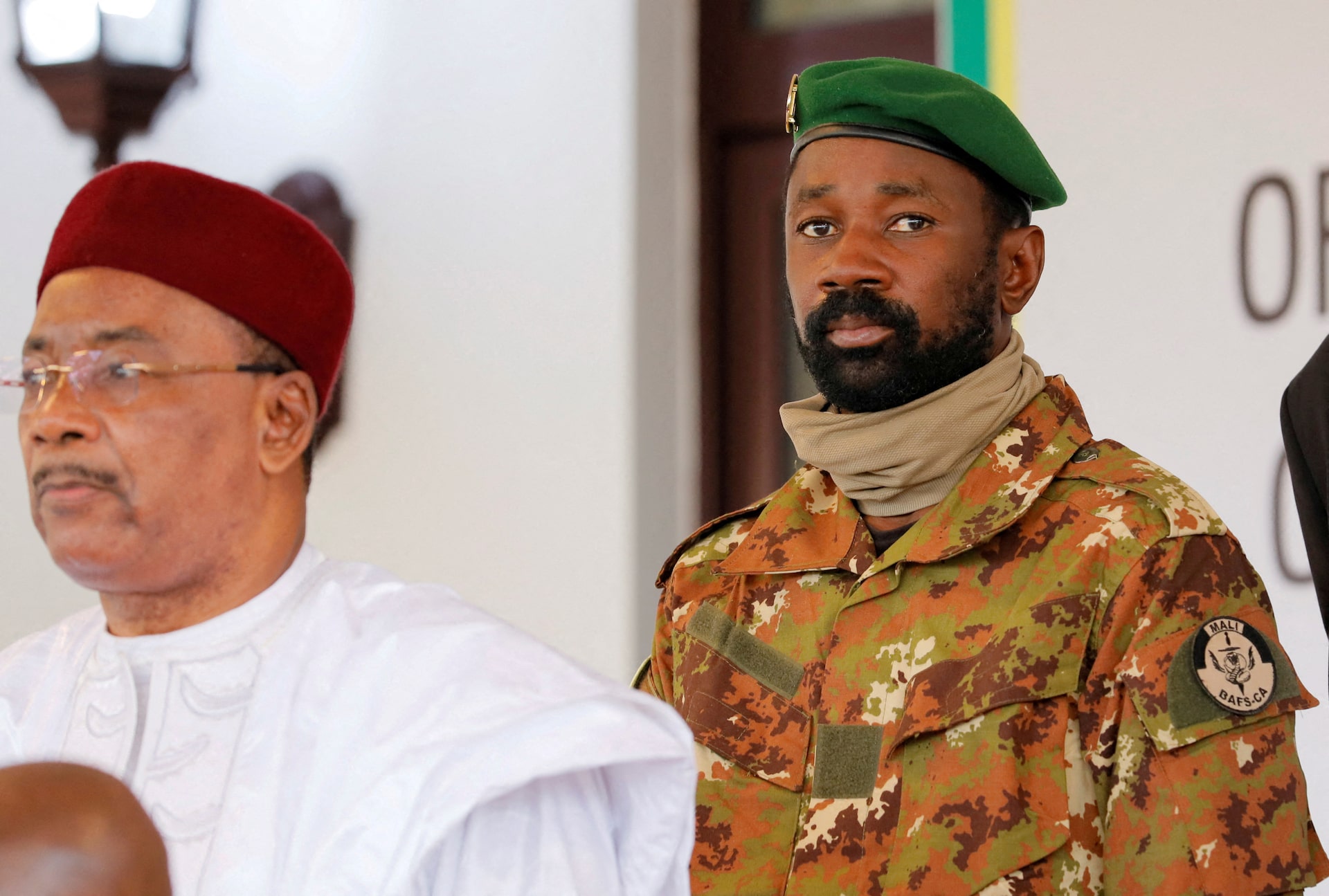
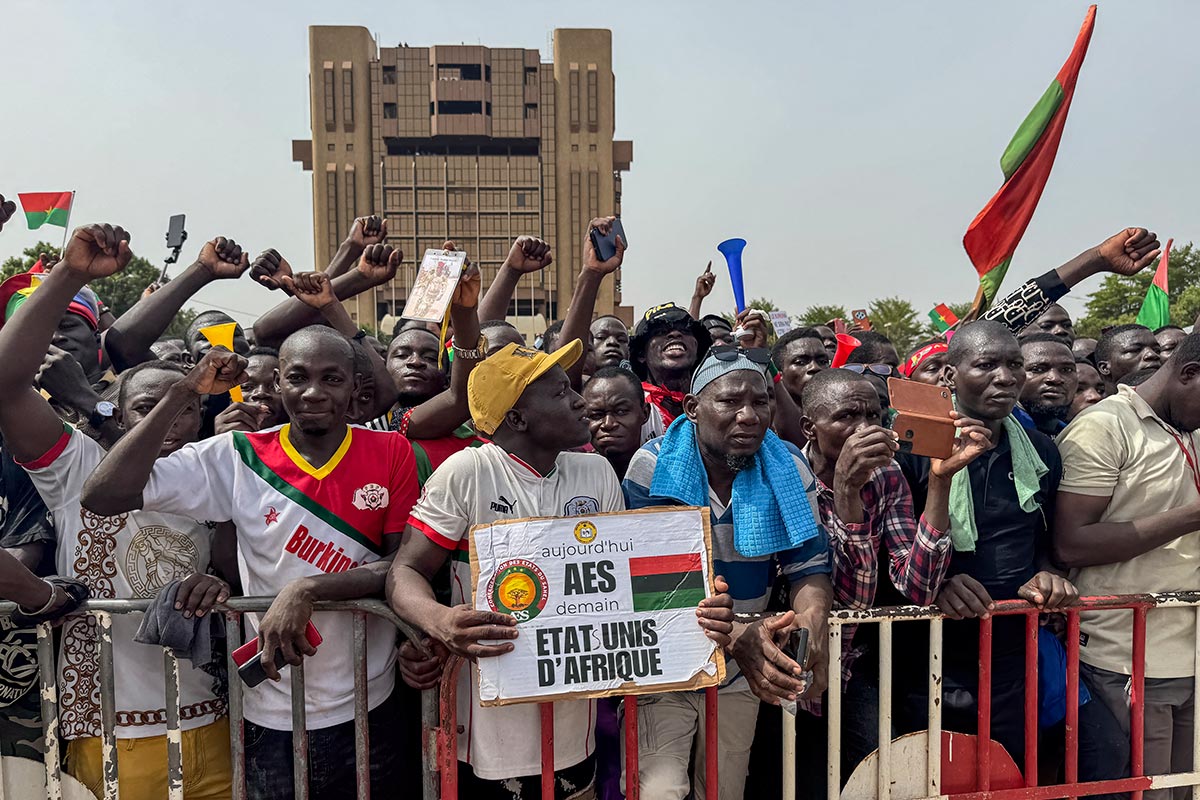
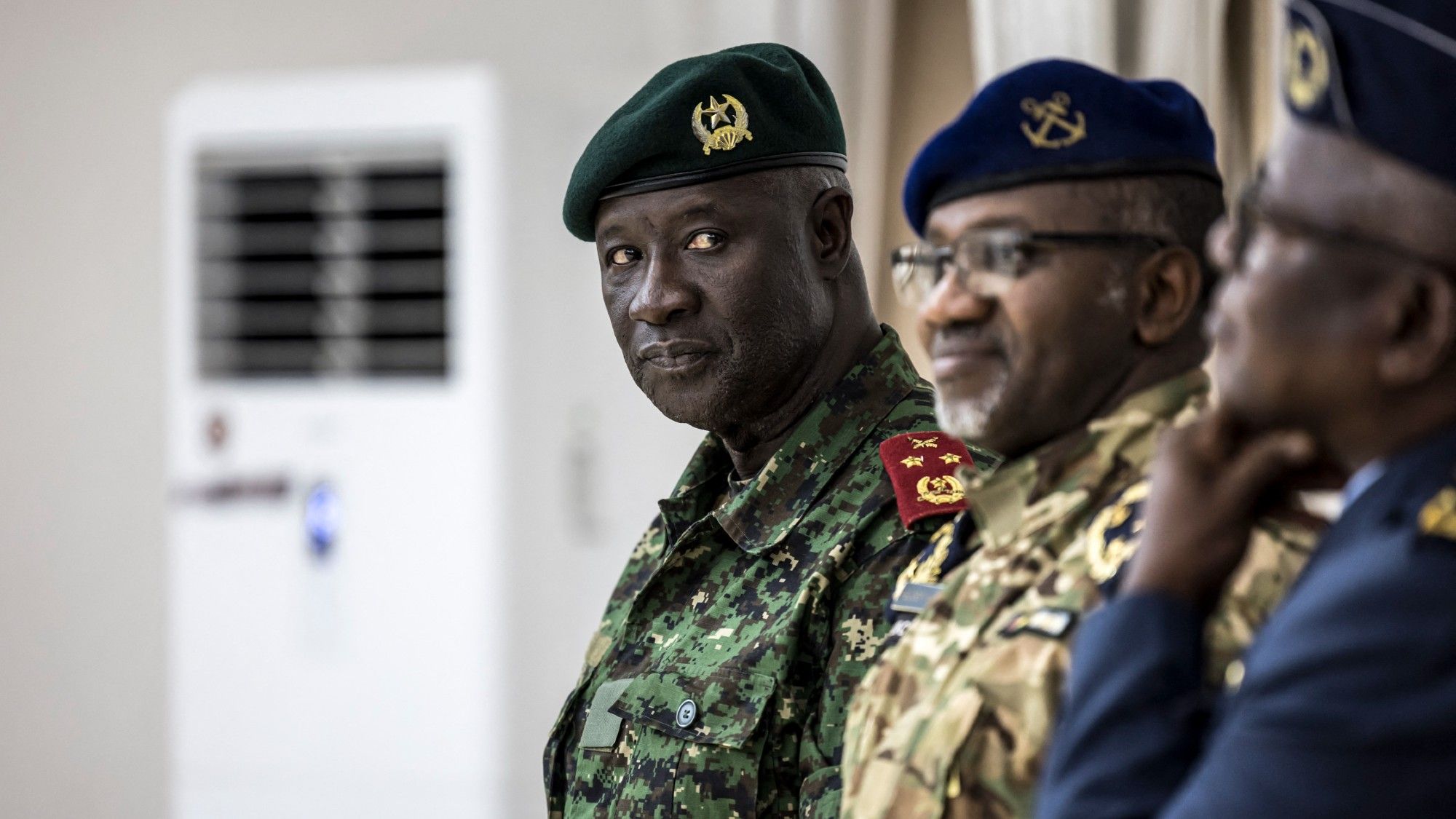
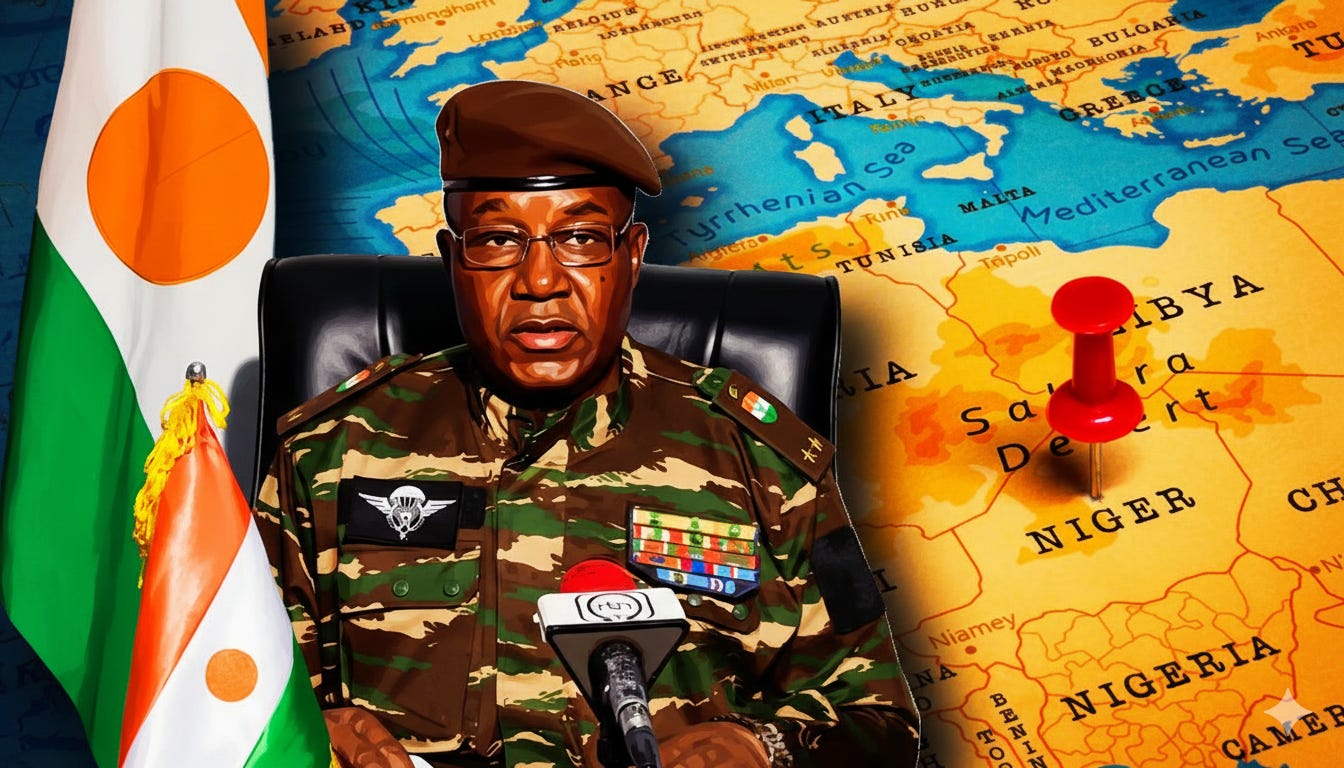
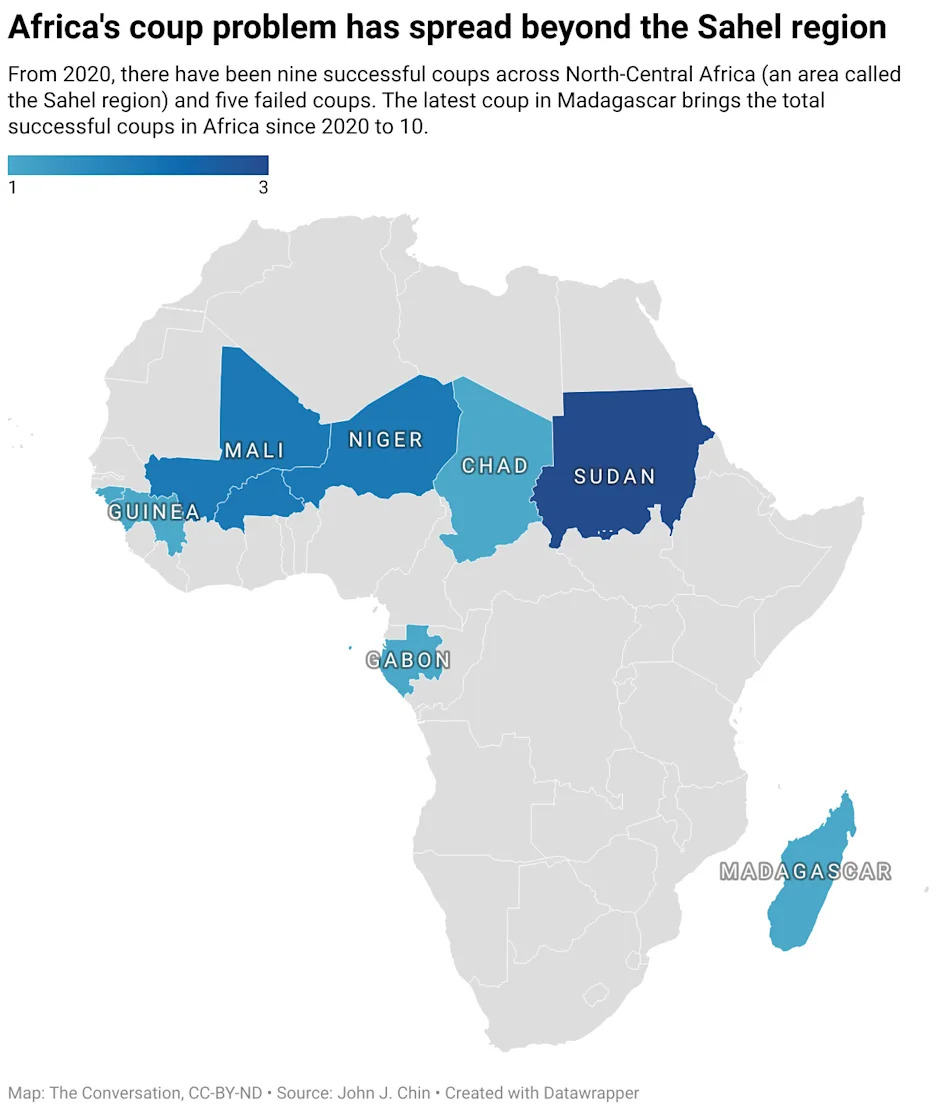
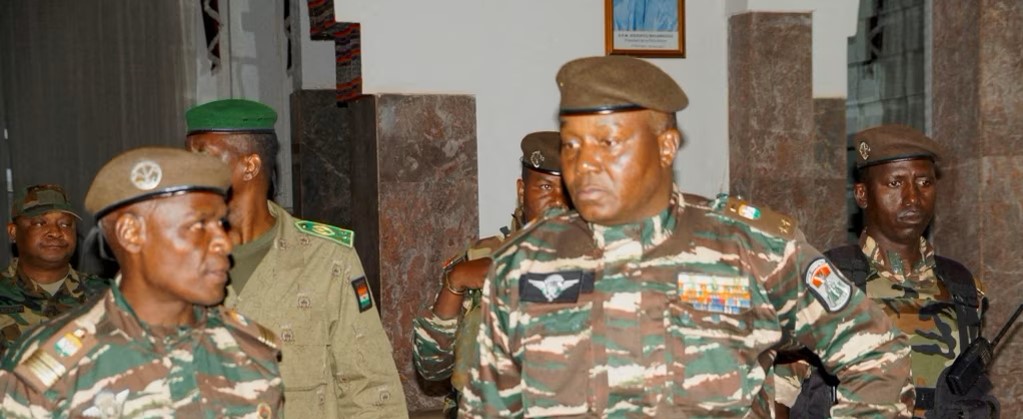
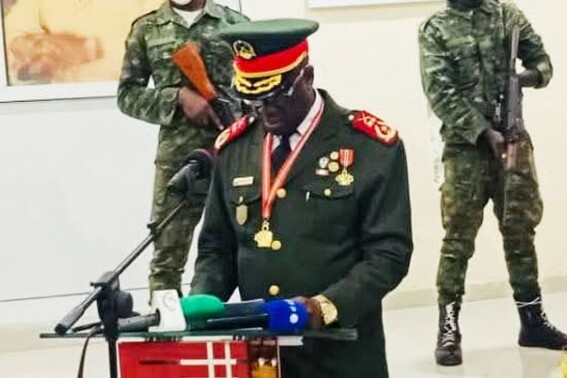
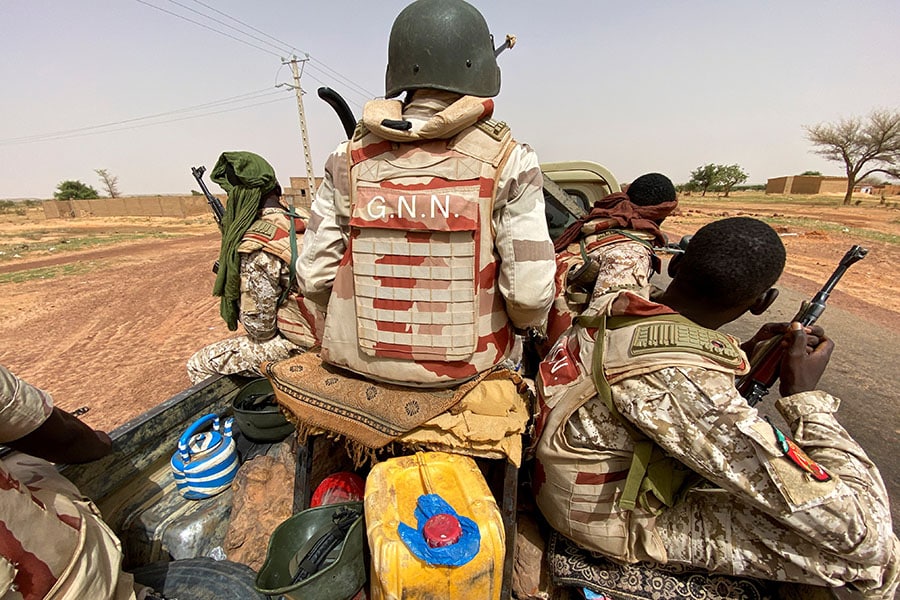
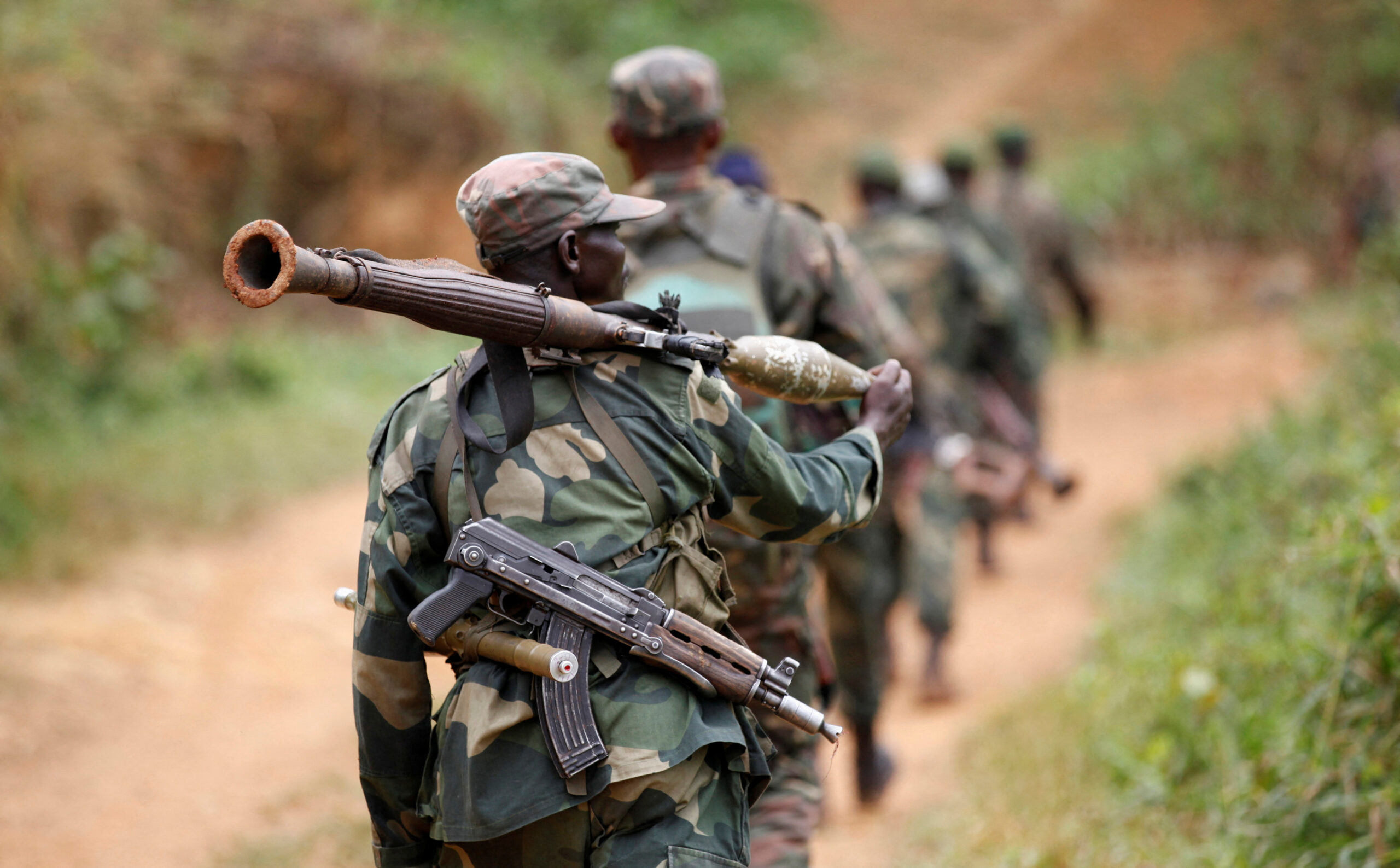
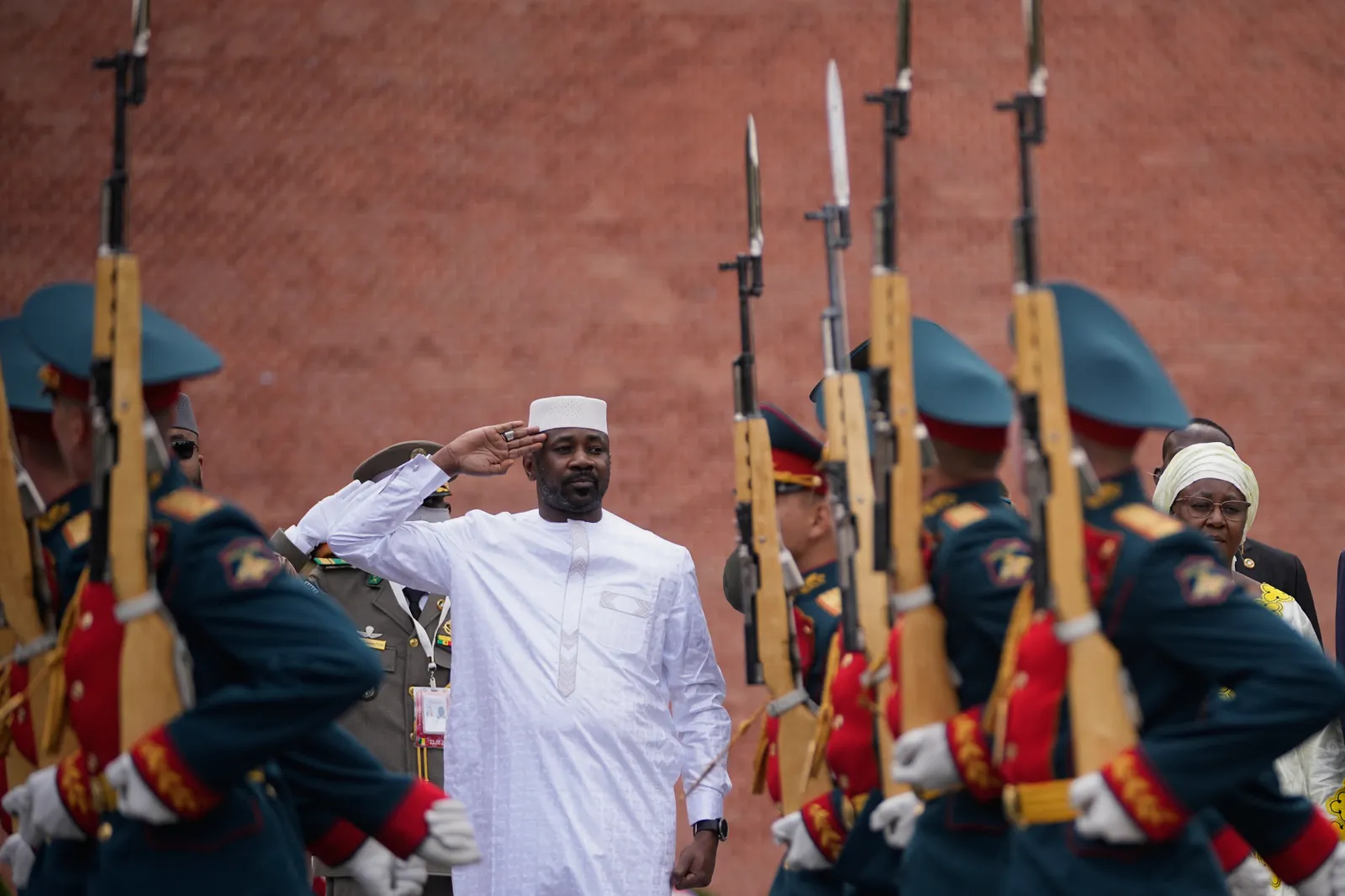
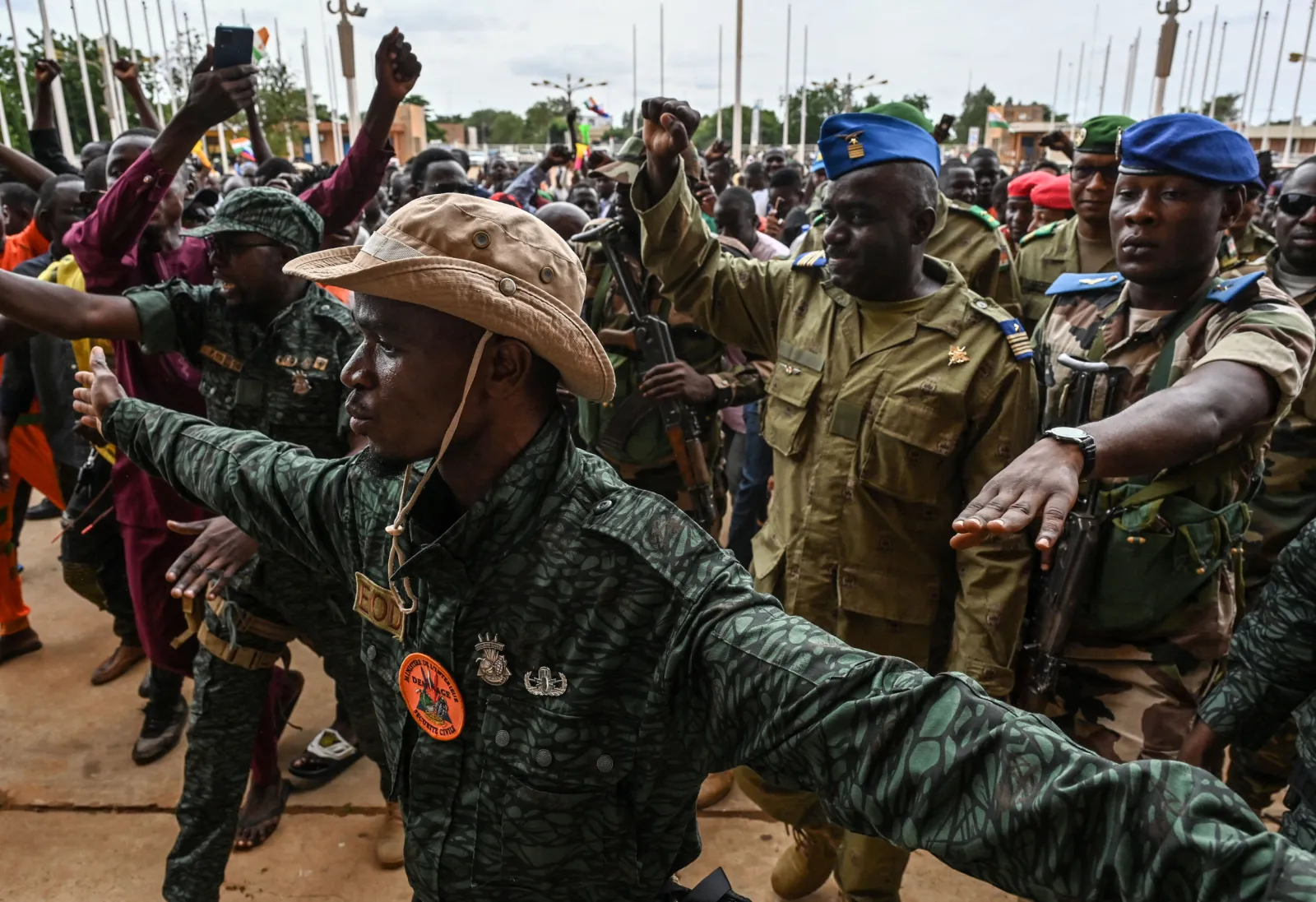
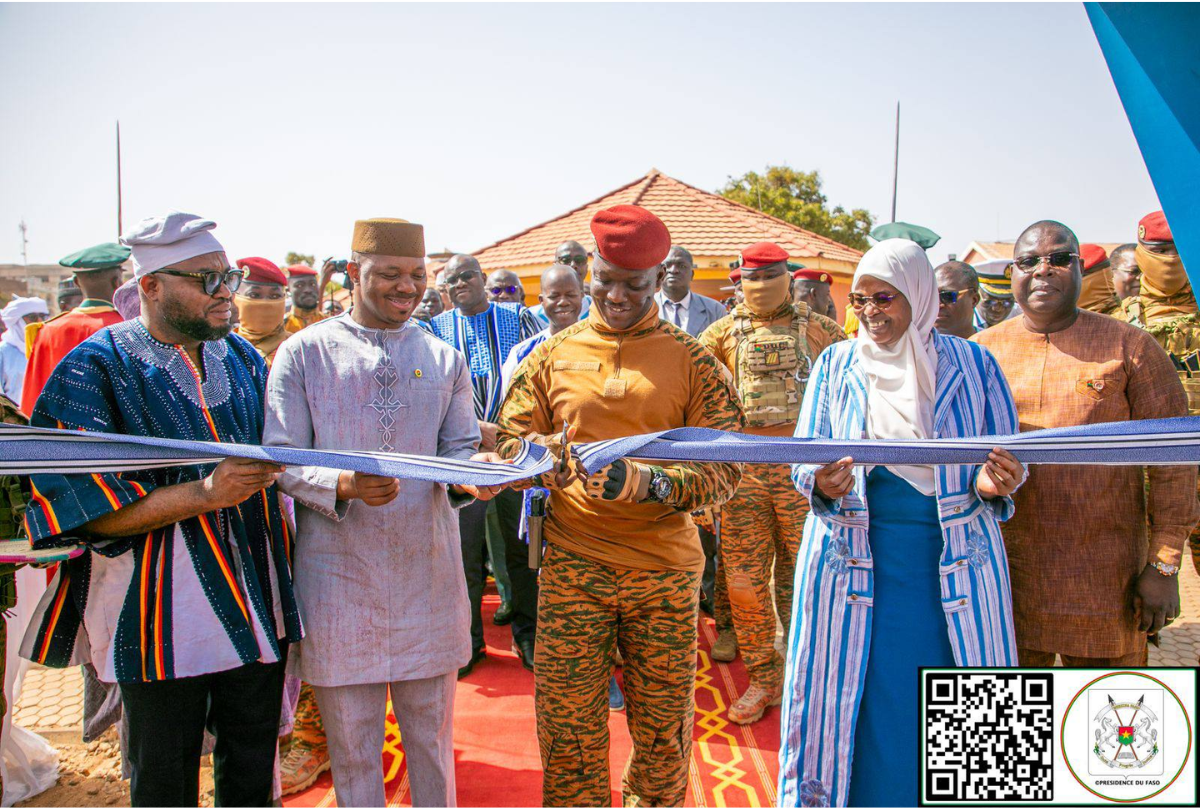
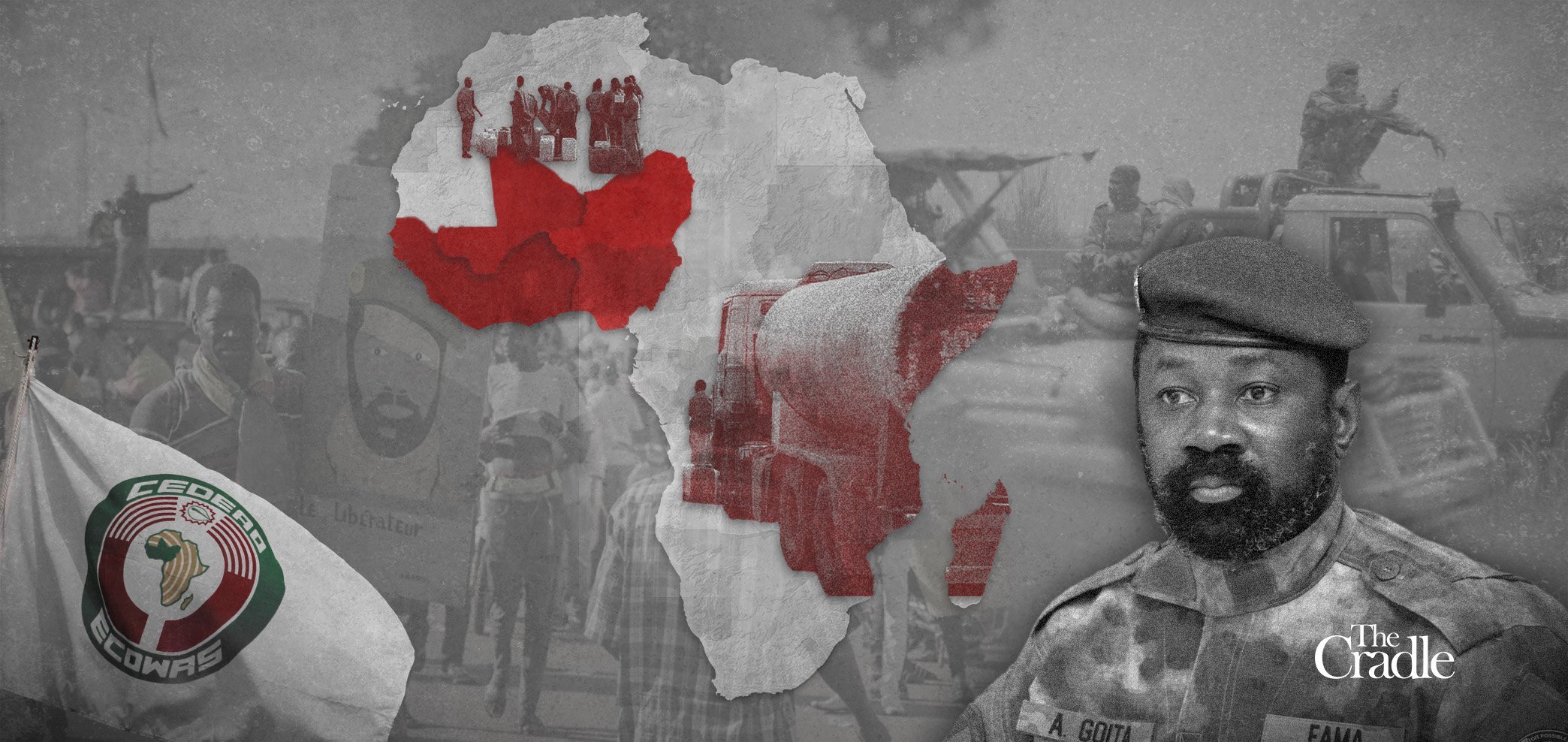
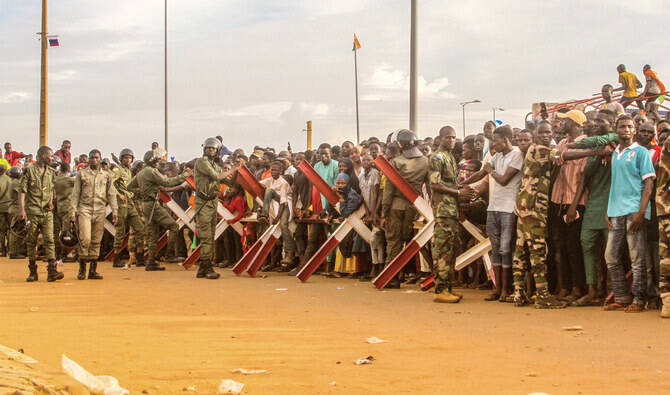
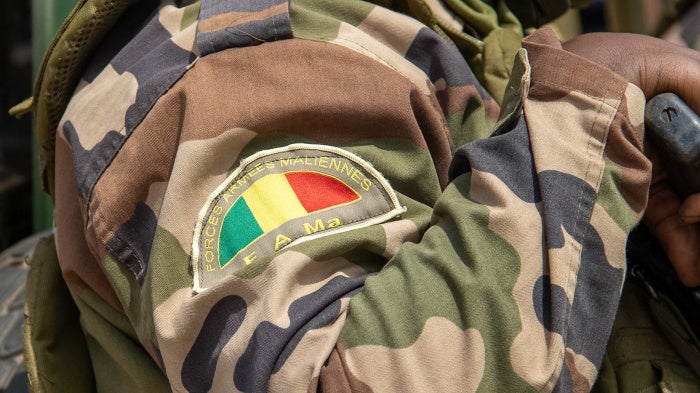
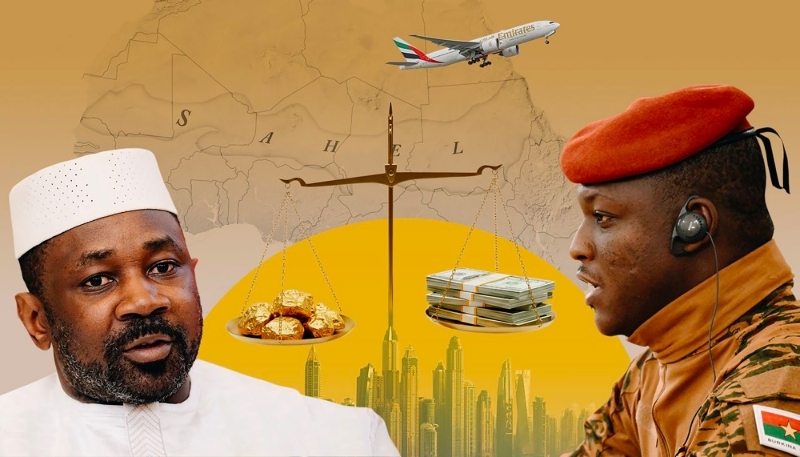
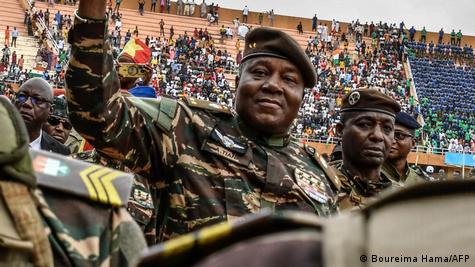
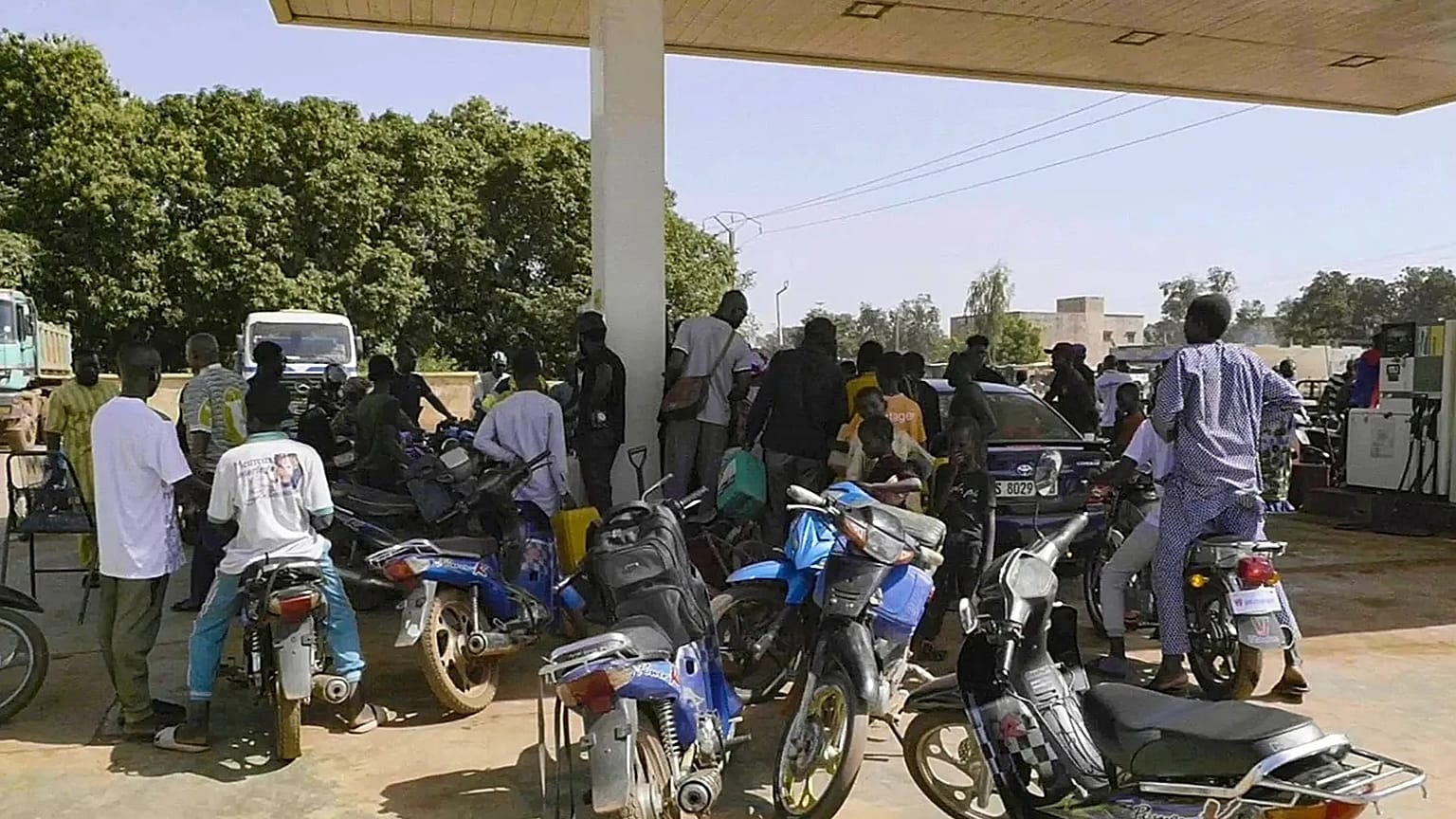
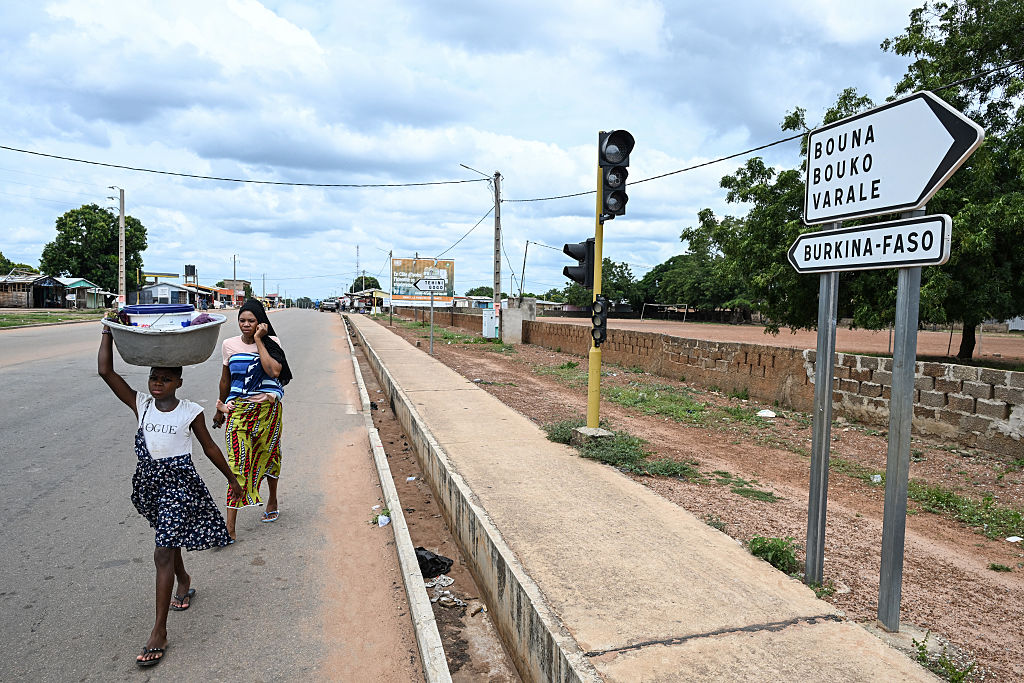
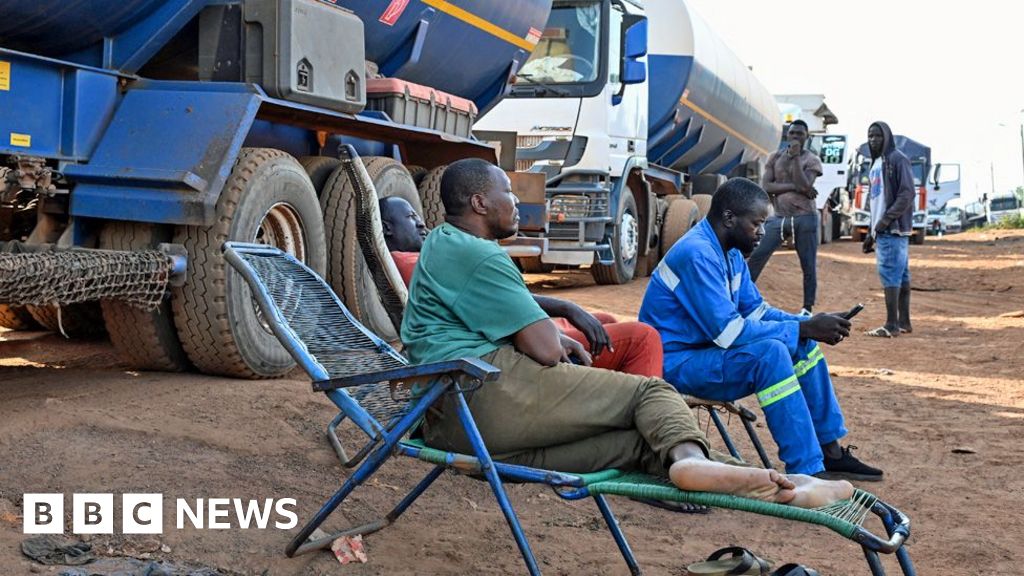
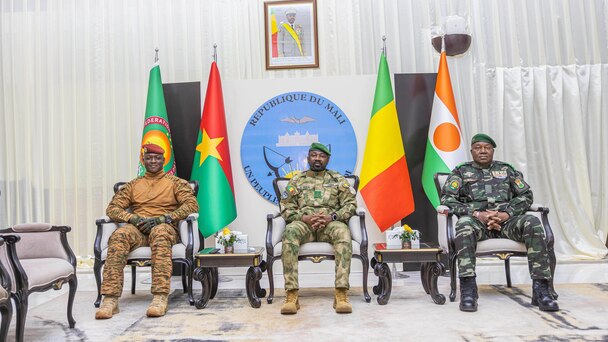
The security situation across West Africa has taken a serious turn, hasn’t it? Leaders from Mali, Burkina Faso, and Niger recently committed to stepping up their fight against extremist violence sweeping the Sahel. This big announcement comes as Nigeria continues to face its own persistent security problems and a controversial health sector deal affecting malaria control efforts. It really shows us the intricate web of security and health challenges shaping West Africa’s future. Captain Ibrahim Traoré of Burkina Faso, the new head of the Alliance of Sahel States (AES), wants immediate, large scale military operations. This follows the recent launch of a joint battalion comprising troops from Mali, Burkina Faso, and Niger. Speaking on Tuesday, Traoré made it clear that a unified force is just the beginning; it needs to swiftly lead to coordinated strikes against the armed groups causing so much violence in the Sahel. This alliance of military-led governments formed after their withdrawal from ECOWAS. They also sent packing long term international partners like France and the United States, indicating a more self reliant approach to tackling extremist threats. This joint military force plans synchronized ground, air, and intelligence operations against violent groups tied to al Qaeda and the Islamic State, which have caused countless casualties and displaced millions over the last ten years in that fragile tri border area. Niger’s military leader Abdourahamane Tchiani agrees, confirming the alliance’s goal to end foreign military presence in their lands. Their strategy aims to regain control and stabilize what many experts call the deadliest place worldwide for extremist violence. This new offensive, detailed in reports like this Los Angeles Times article, could mark a turning point, as these countries work to dismantle entrenched insurgent networks that destabilize huge parts of the Sahel.
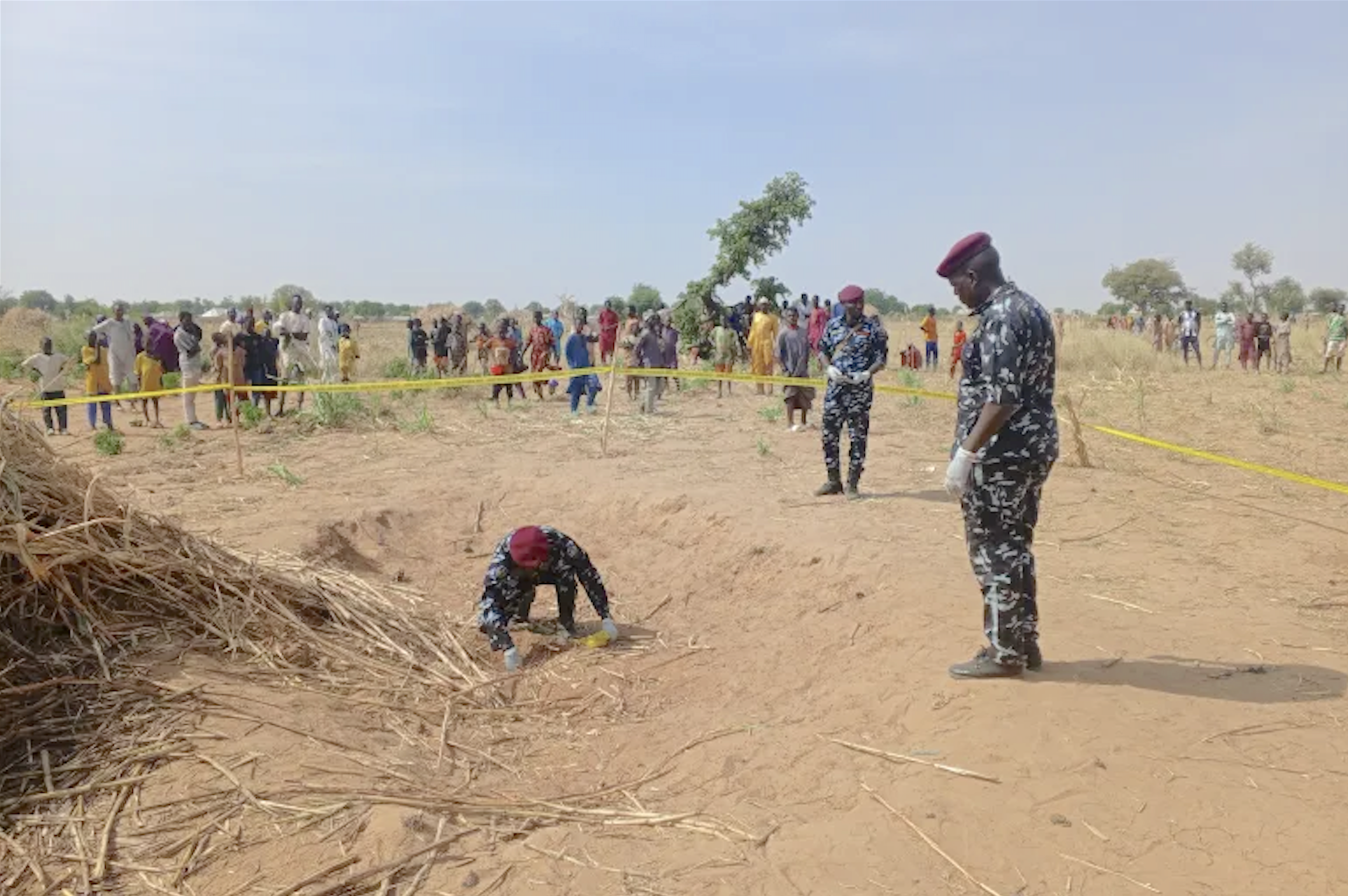
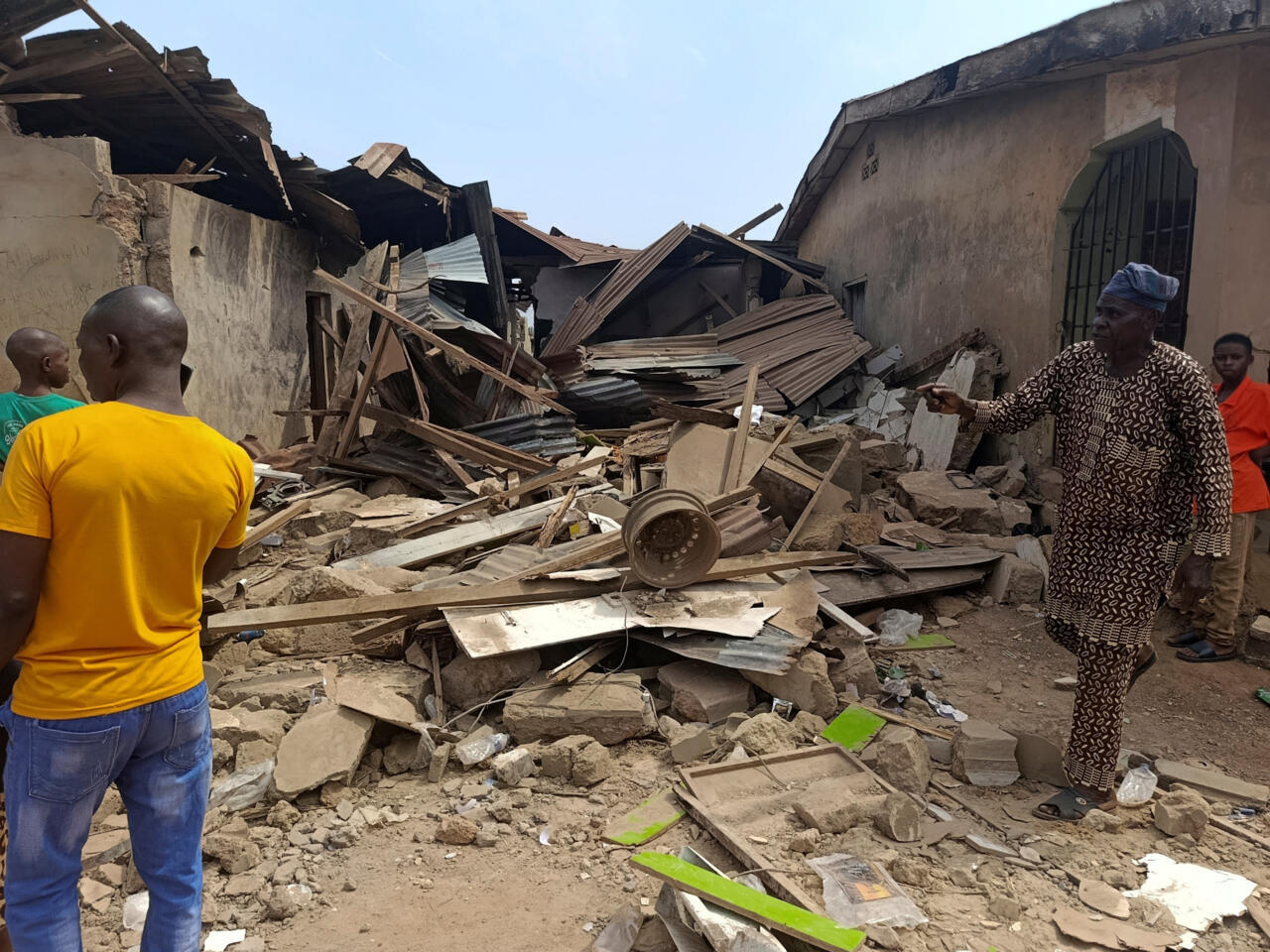
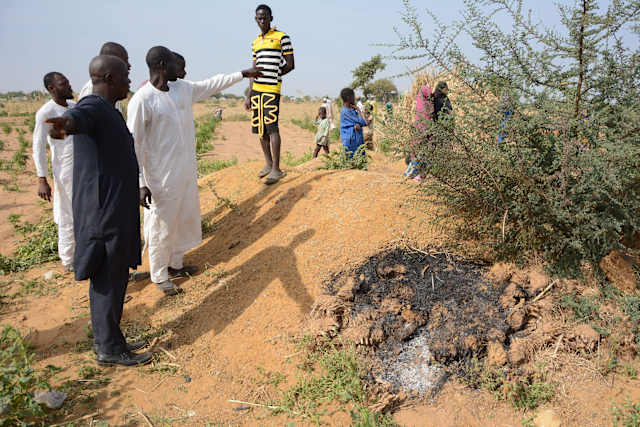
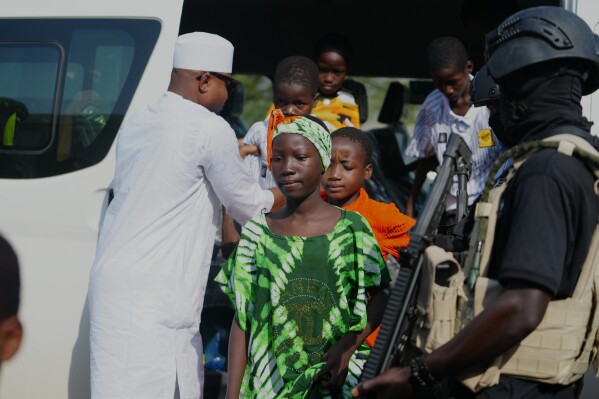
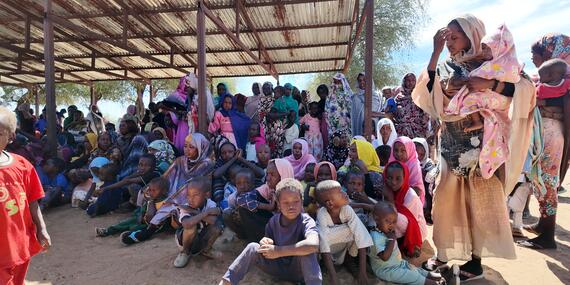
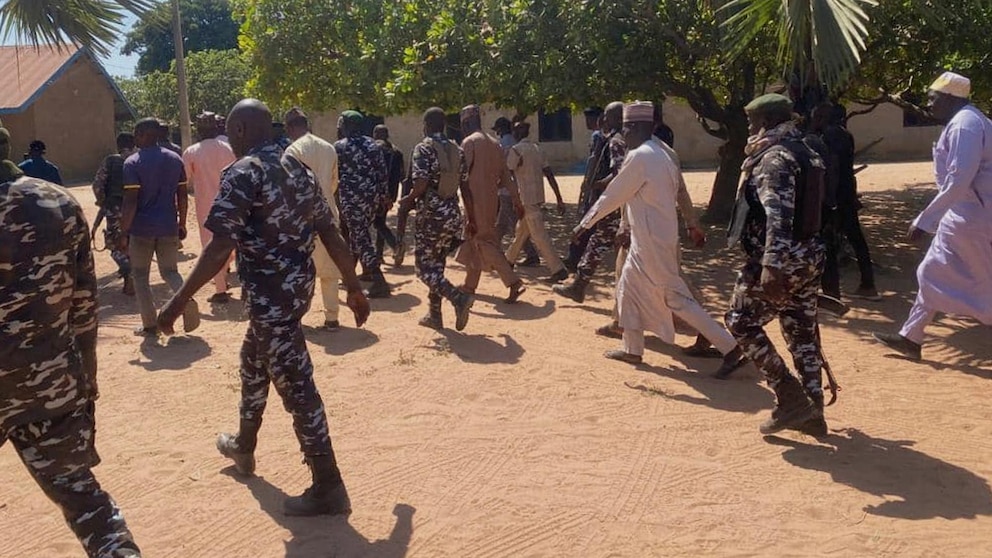
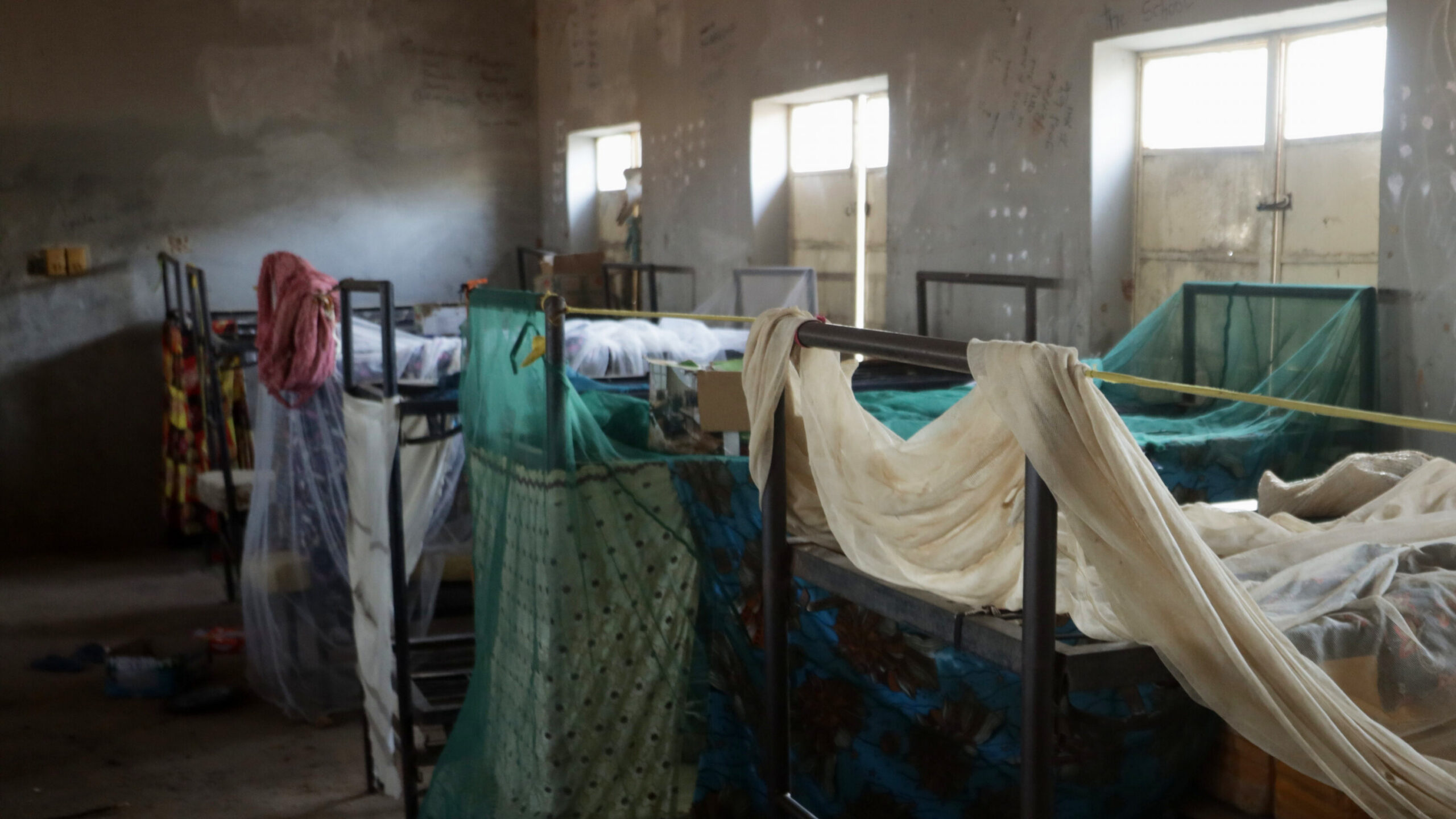
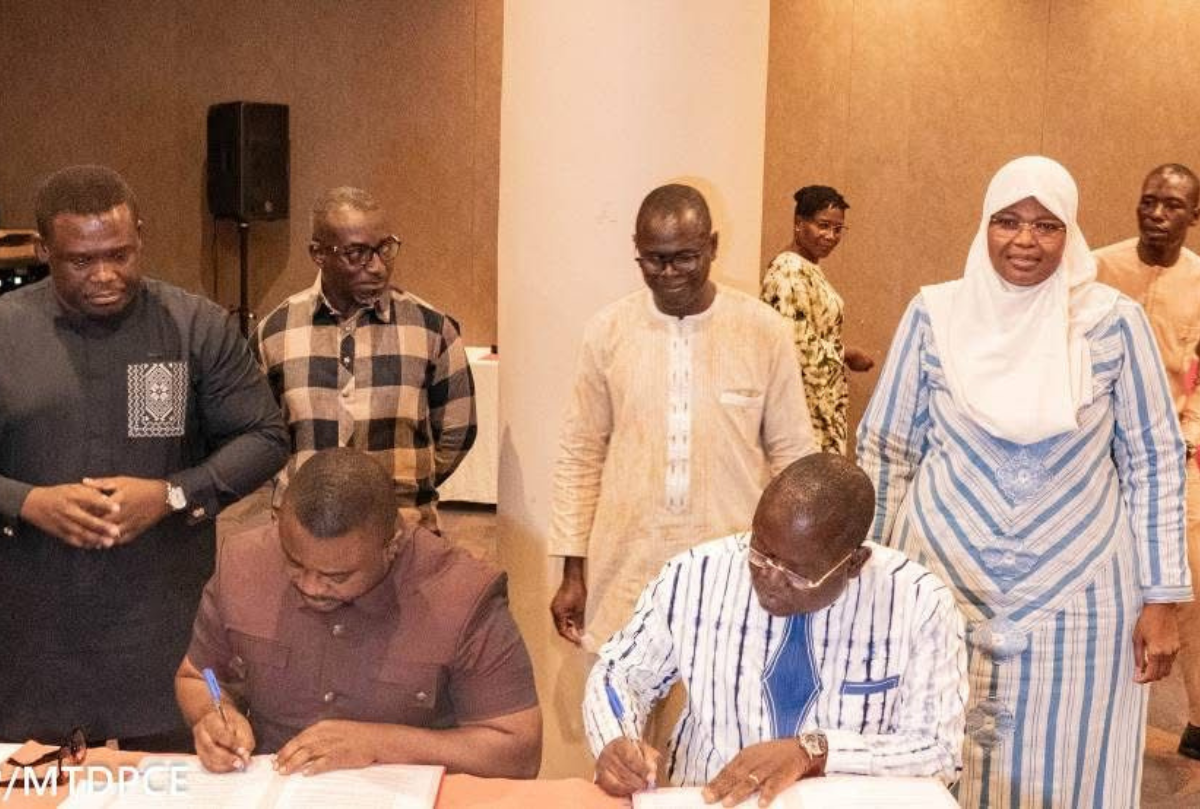
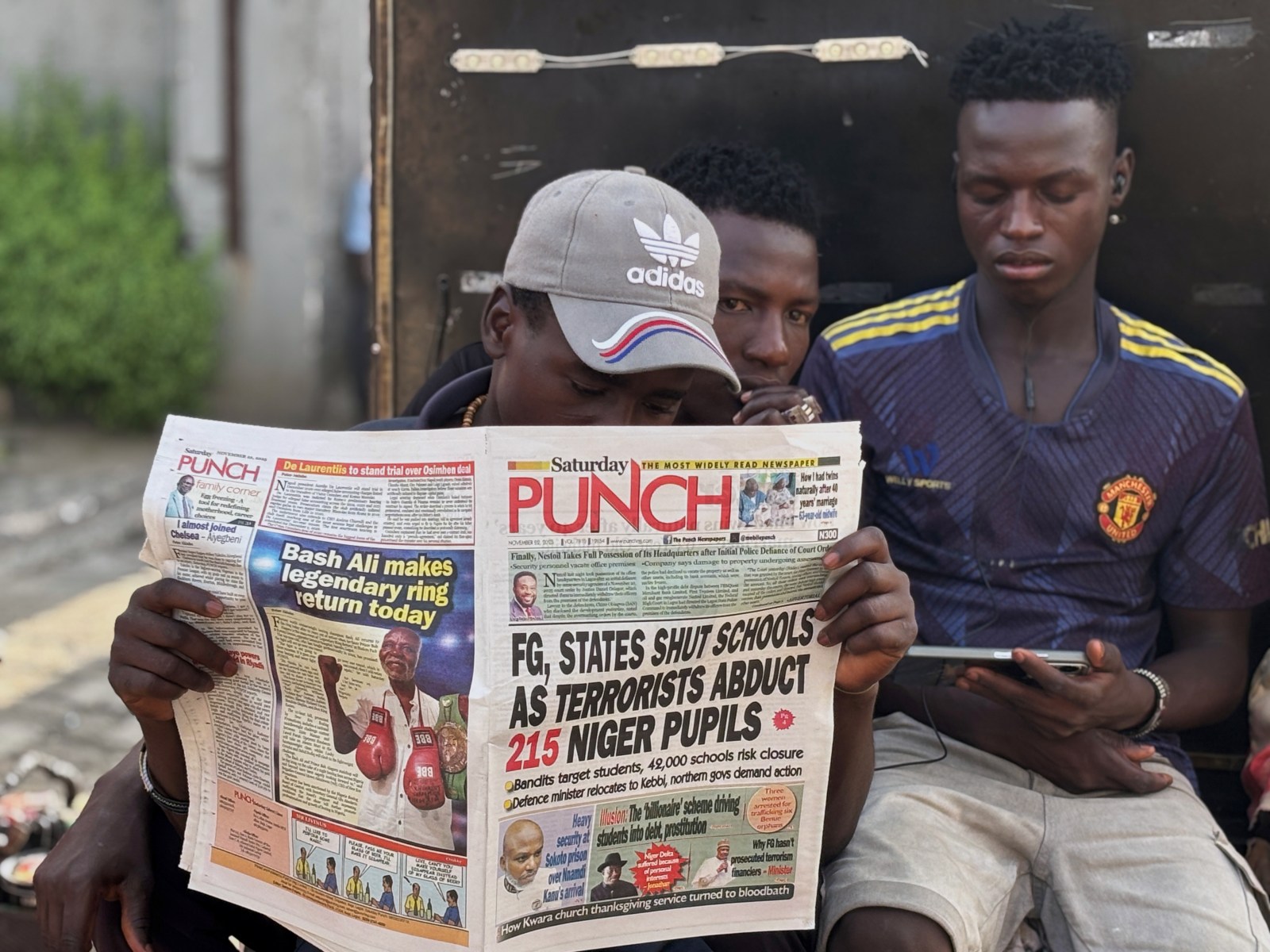
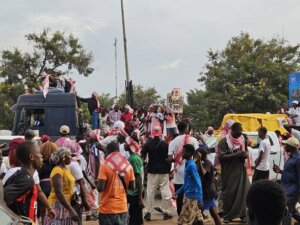
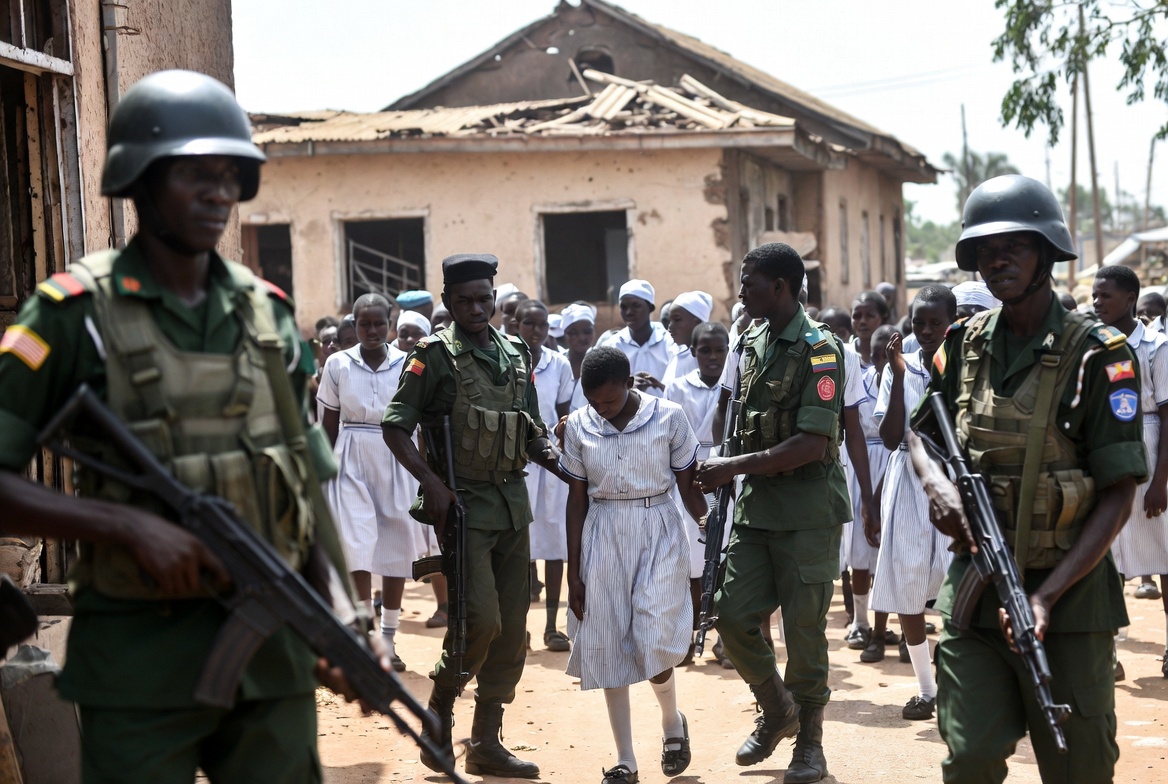
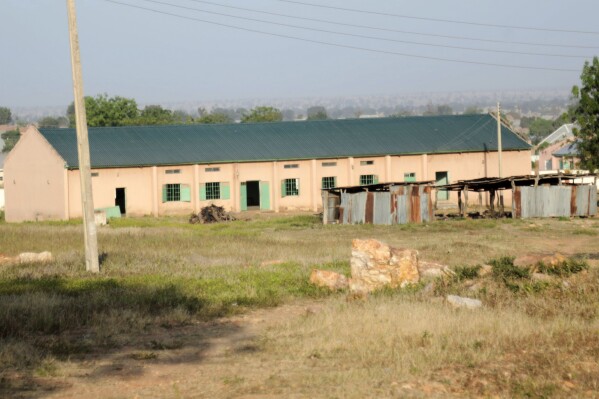
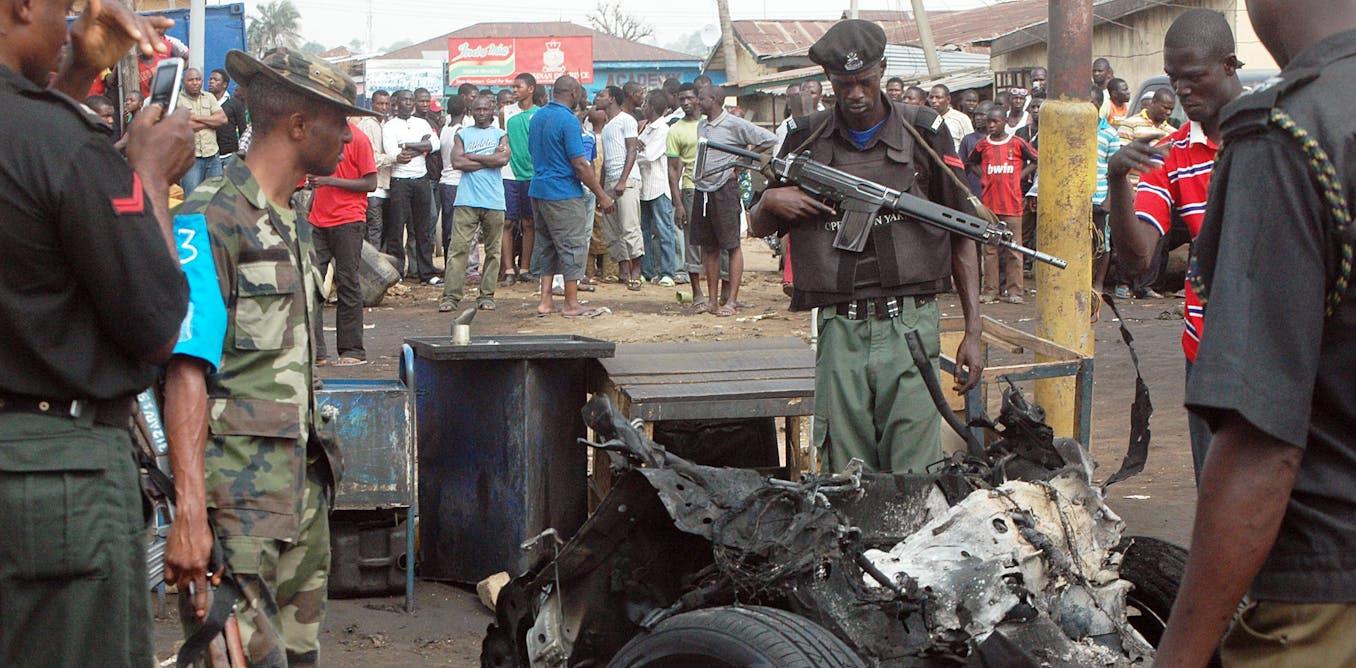
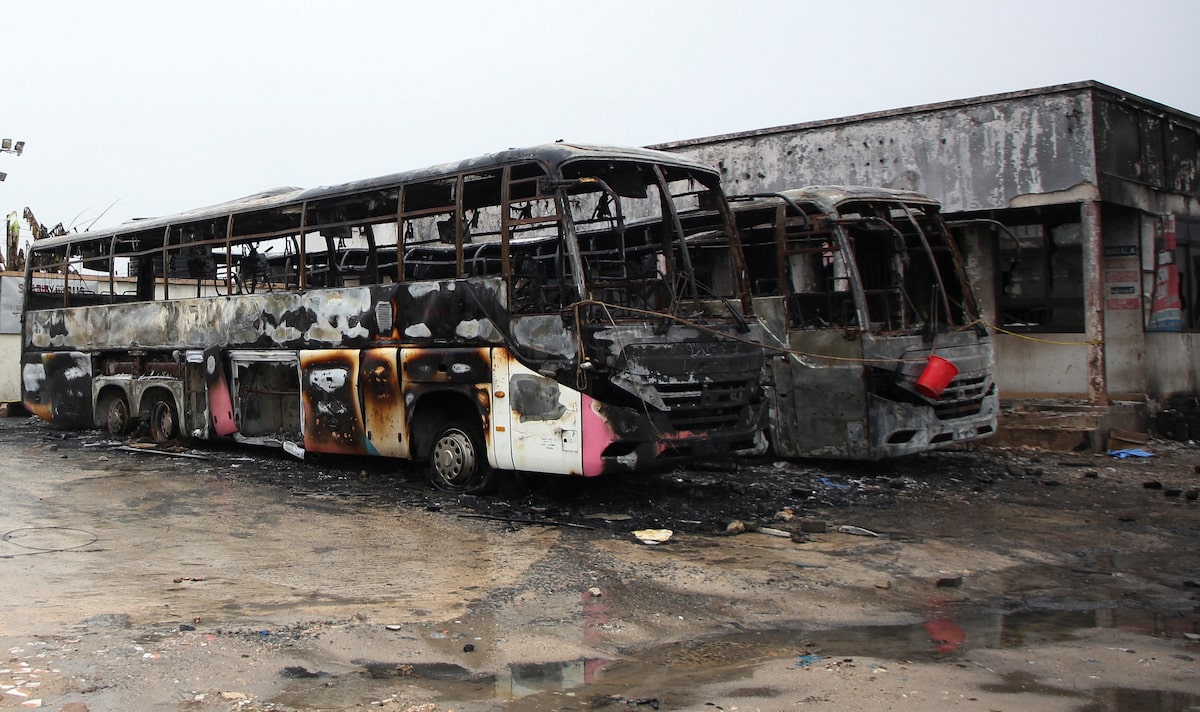
While the Sahel coalition focuses on insurgent strongholds, Nigeria, unfortunately, continues to grapple with the heavy human cost of violent extremism. There was some good news though, families in north central Nigeria recently celebrated heartwarming reunions with schoolchildren abducted from St. Mary’s Catholic School in Niger State. The release of the last 130 captives, held for over a month since that awful November 21 attack, brought tears of joy to their community, as AP News reported. But kidnappings, often by Islamist militants, have become a sadly common tactic in Nigeria’s ongoing insurgency. And security incidents aren’t stopping elsewhere in Nigeria. On December 24, an explosion at a mosque during evening prayers in Maiduguri, Borno State’s capital, took lives and caused fear. Maiduguri, being the birthplace of Boko Haram and its offshoot, the Islamic State West Africa Province (ISWAP), has suffered nearly two decades of insurgency, marked by death and mass displacement. This attack clearly shows that, despite military efforts, extremist violence remains deeply embedded in parts of Nigeria. Beyond these security woes, Nigeria’s health sector faces scrutiny over an agreement many see as bad for local industries and the fight against malaria. He-RIN, a civil society group, slammed the SNG Health Agreement between the Federal Ministry of Health and private companies. They say it sidelines Nigerian mosquito net makers. These nets are vital for preventing malaria, which is one of Nigeria’s most serious public health challenges. He-RIN argues that this agreement, which continues the activities of the United Nations Office for Project Services (UNOPS), hurts local production, could cost jobs, and might even make malaria interventions less effective. They sharply criticized the ministry’s handling of the sector, pointing out that public health spending, despite being significant, is still only a fraction of the 15 percent recommended by the Abuja Declaration. This funding gap surely contributes to Nigeria’s ongoing struggle to reduce malaria related deaths, worsening public health vulnerabilities.
Looking at all these developments together, it’s clear West Africa stands at a crossroads, wouldn’t you agree? The joint military operations promised by the Sahel alliance represent a bold attempt to bring back stability to a vast region constantly troubled by violence and insurgency, a region whose struggles profoundly affect millions of lives. At the same time, Nigeria’s mixed news of schoolchildren reunions, alongside continued attacks in Maiduguri, painfully reveals an ongoing, multi front battle against extremist violence that tears lives and communities apart. Then there’s the critical challenge of effectively managing essential health services, a stark reminder that security and public welfare are always linked in the larger pursuit of peace and development for its citizens. What’s next for the region, and how will these crucial efforts play out for the people living there? The success of the Sahel joint battalion and its planned operations could absolutely set a powerful precedent for regional cooperation against extremism, potentially inspiring similar strategies across the continent, particularly in areas facing related threats. In Nigeria, everyone will keep a close eye on efforts to secure communities and fix systemic issues, like improving health infrastructure and strengthening local industries, to ensure lasting progress and a better quality of life. Consider the profound implications these efforts hold for regional stability and human development. Ultimately, West Africa’s path to lasting peace and prosperity depends on integrated approaches, blending robust military action, vital social solutions, and sustainable economic development. As the Sahel states rally their resources and communities bravely welcome survivors of violence, we might just be seeing a new chapter unfold. It’s certainly full of challenges, but it also holds so much promise of resilience and hope for the millions who call this vast, vibrant region home. Don’t we all want to see that promise fulfilled?