Sahel’s Deepening Crisis: Conflict, Isolation, and a Fight for Stability
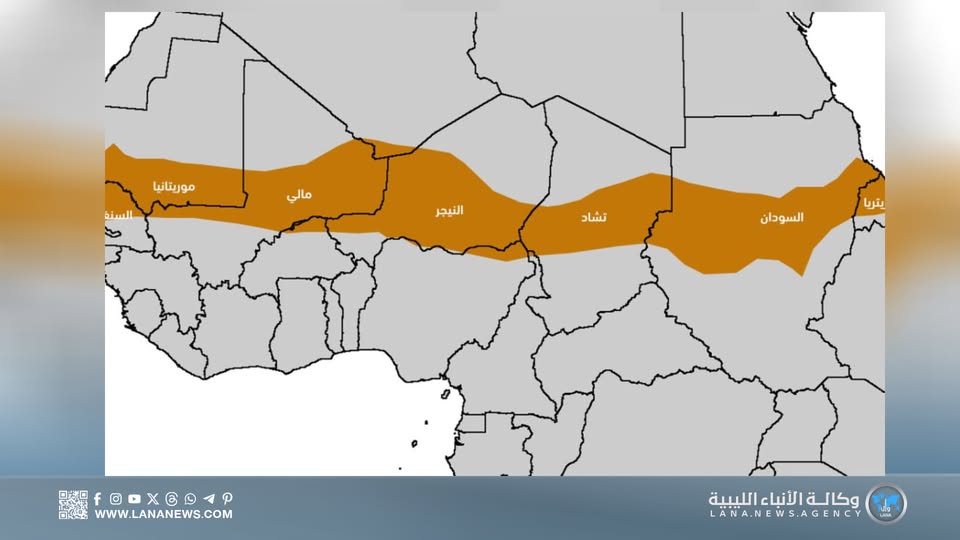
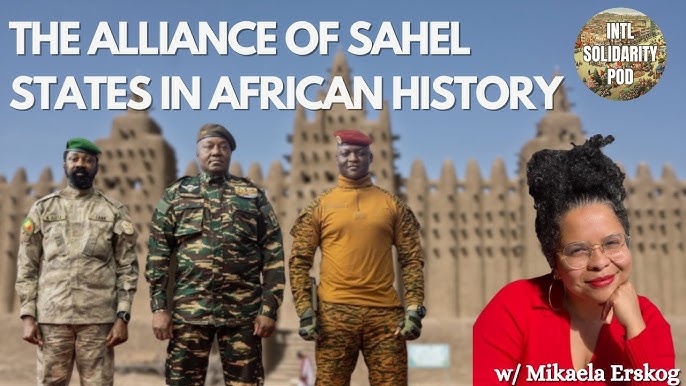
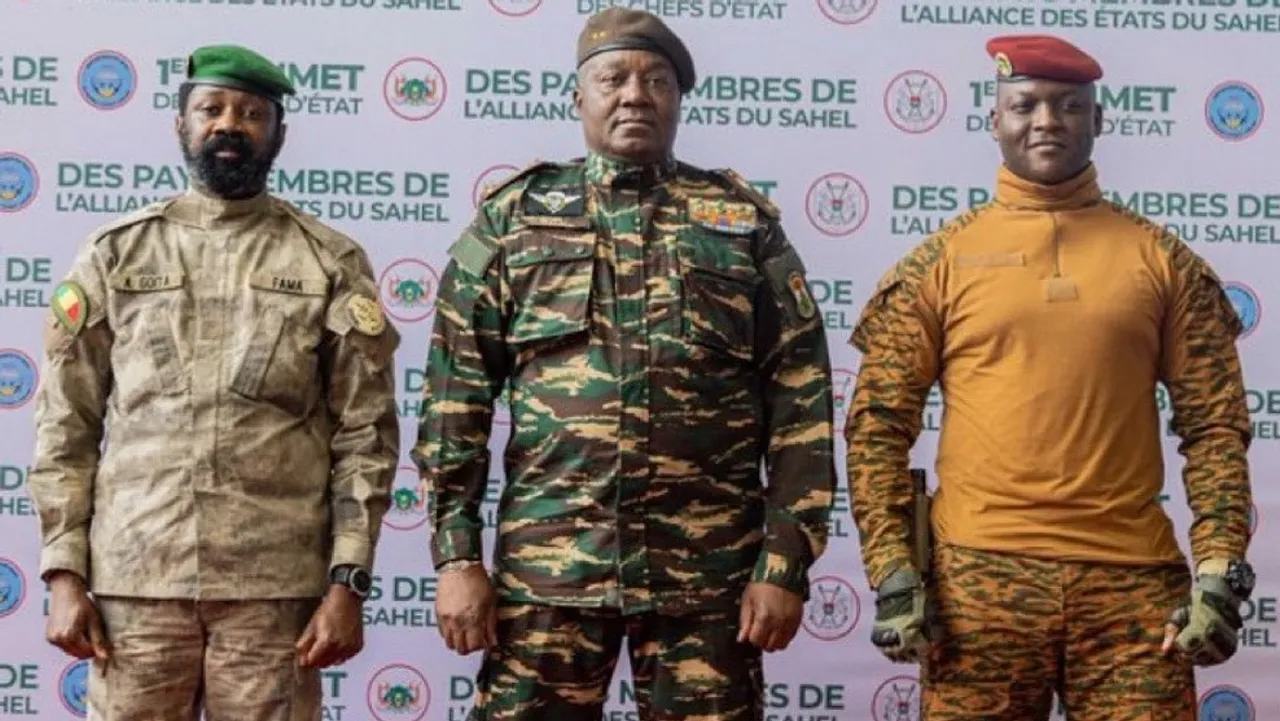
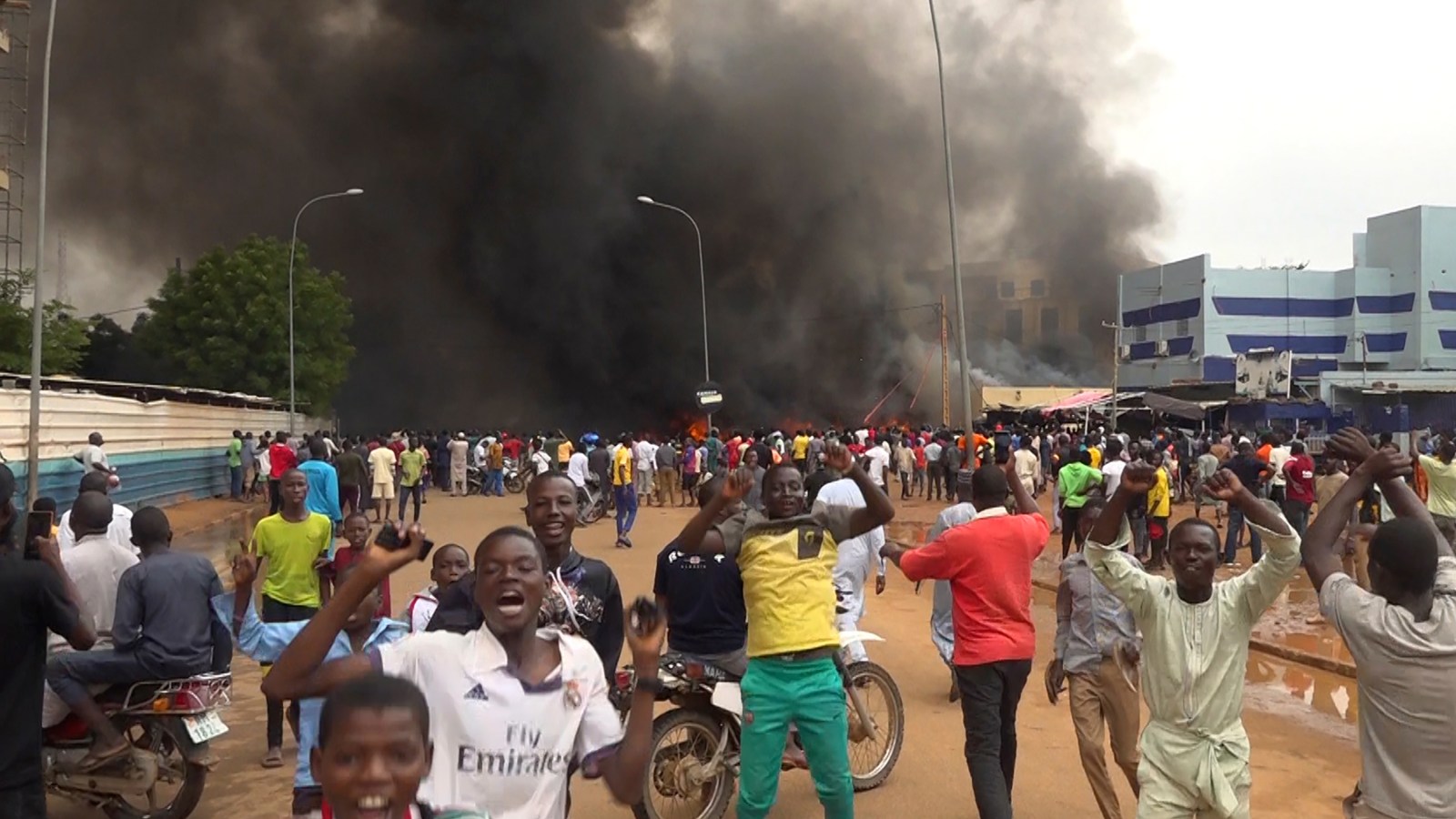
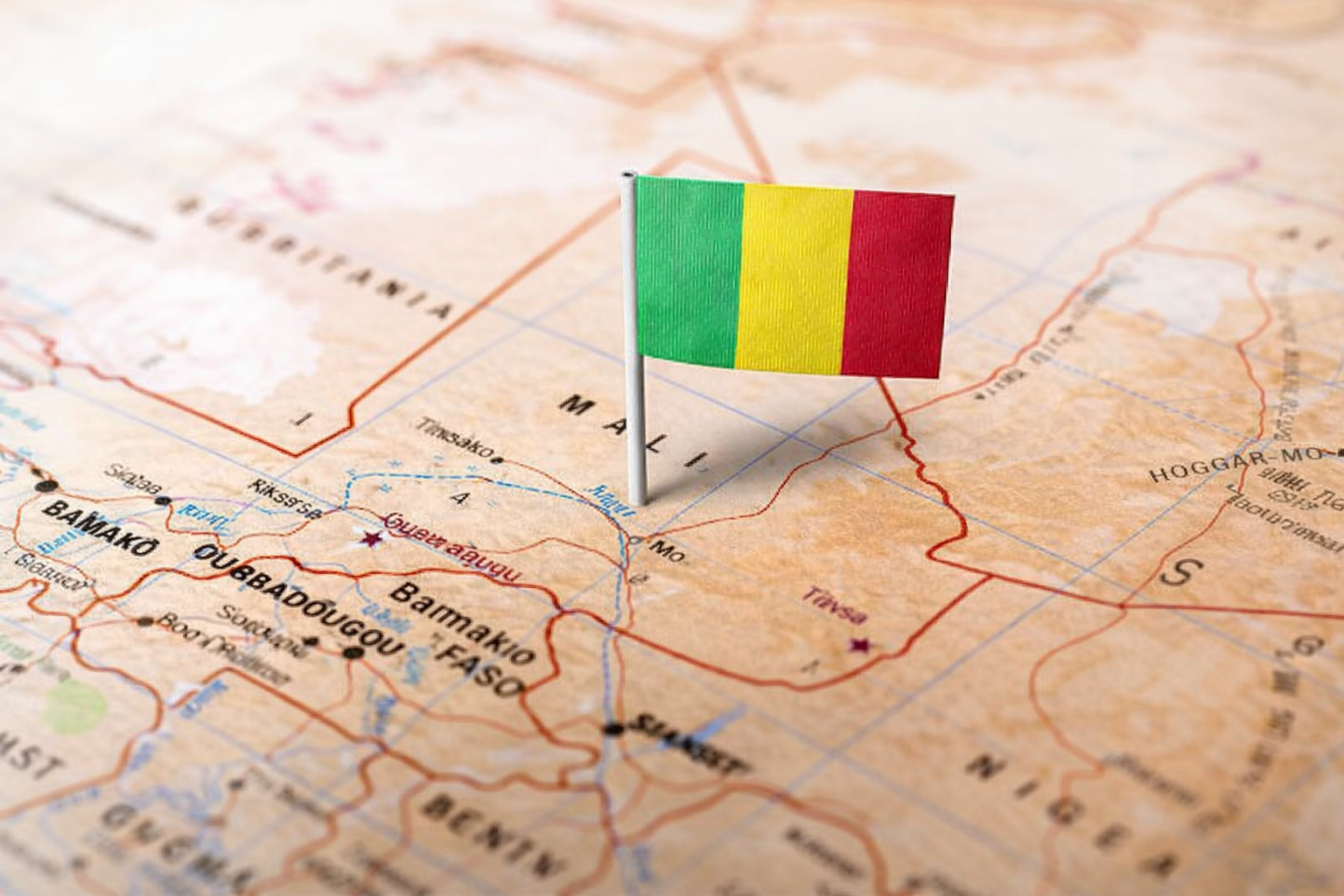
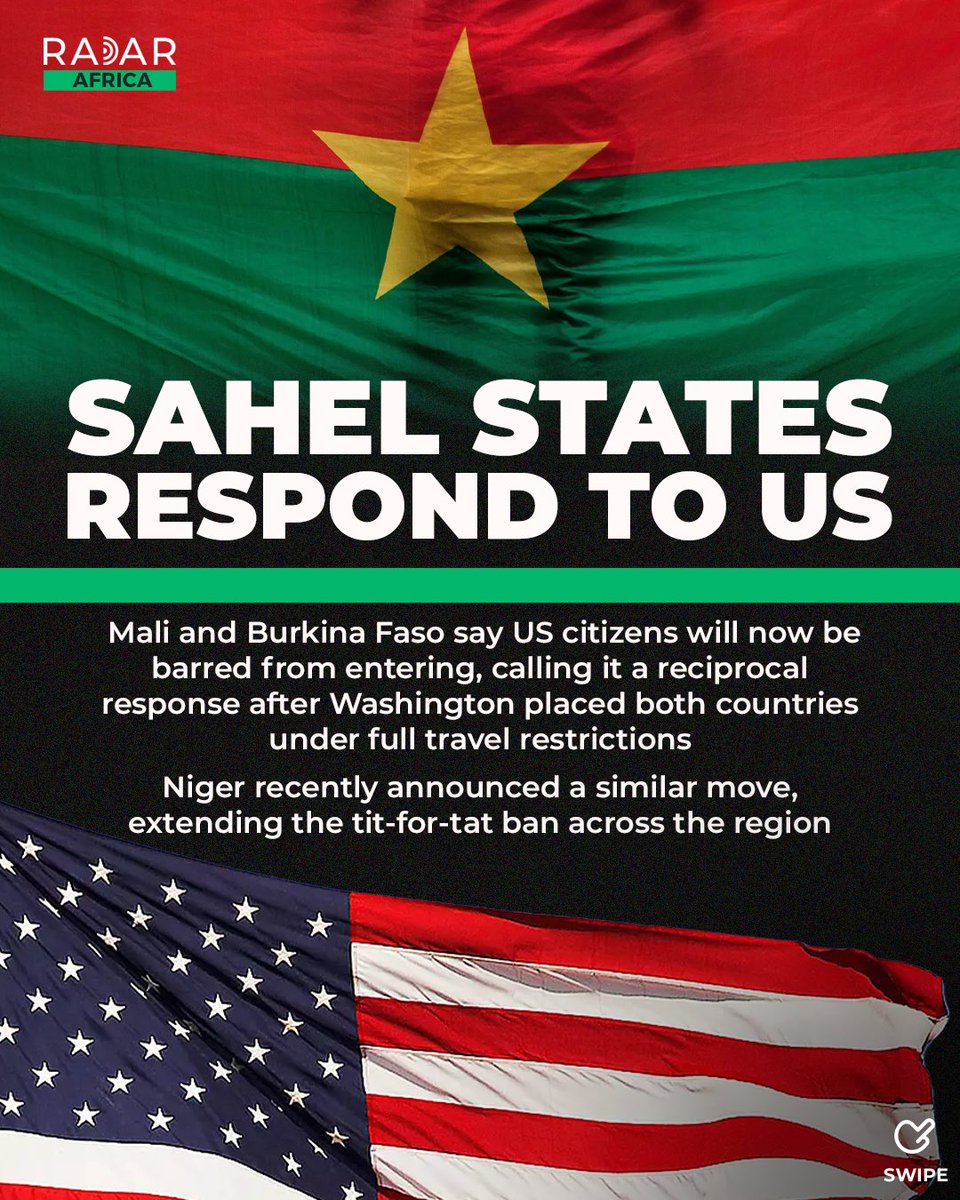
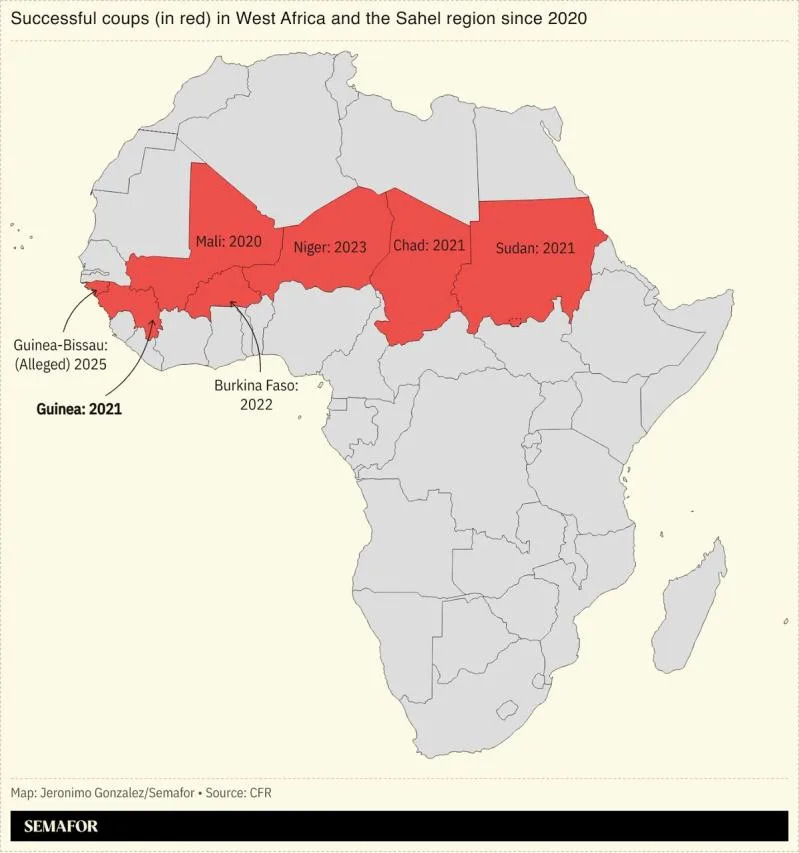
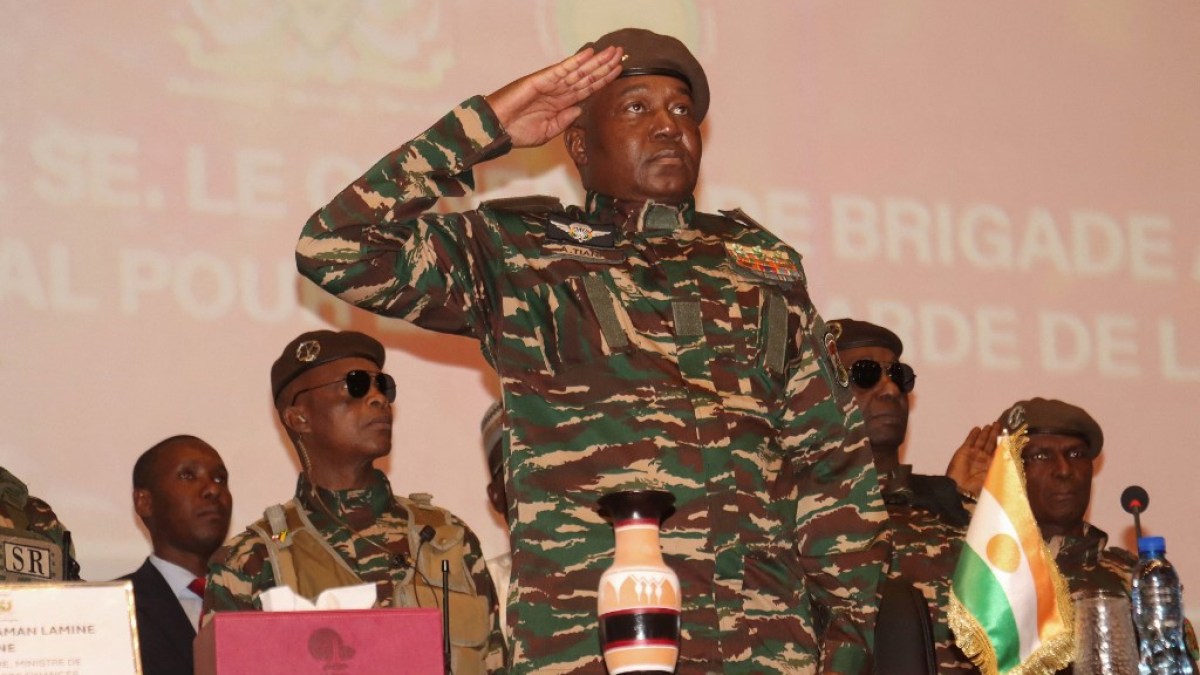
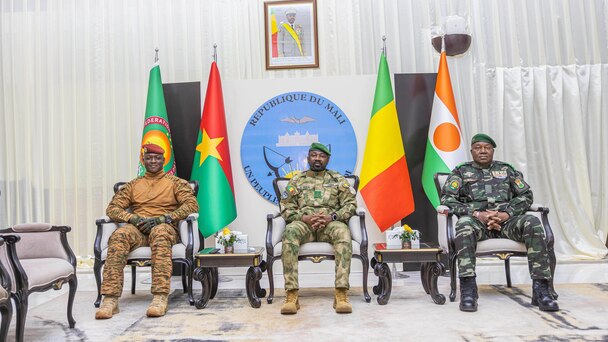
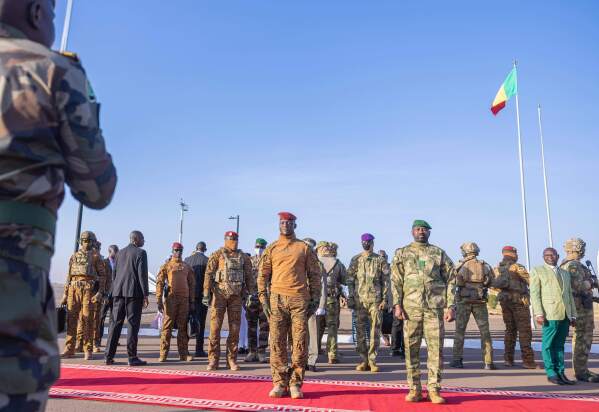
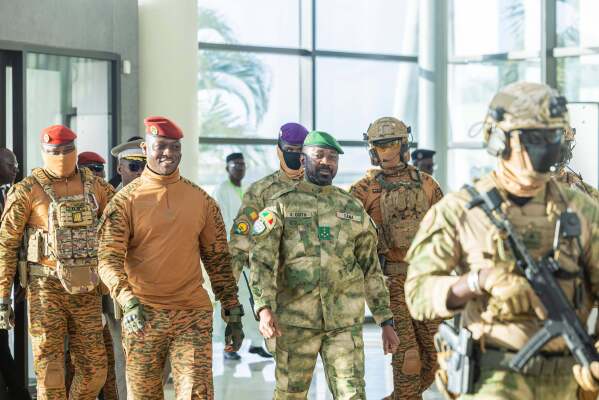
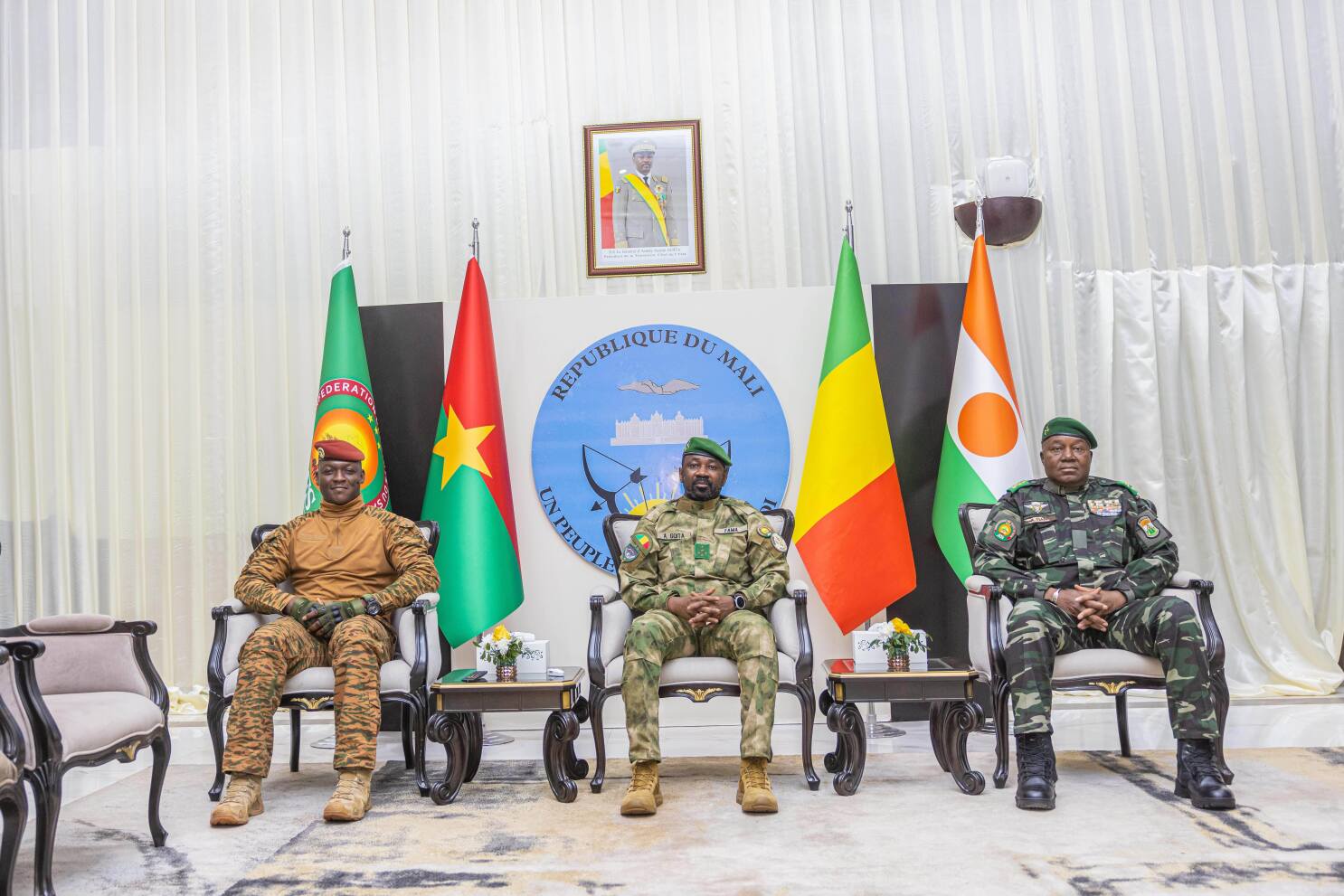
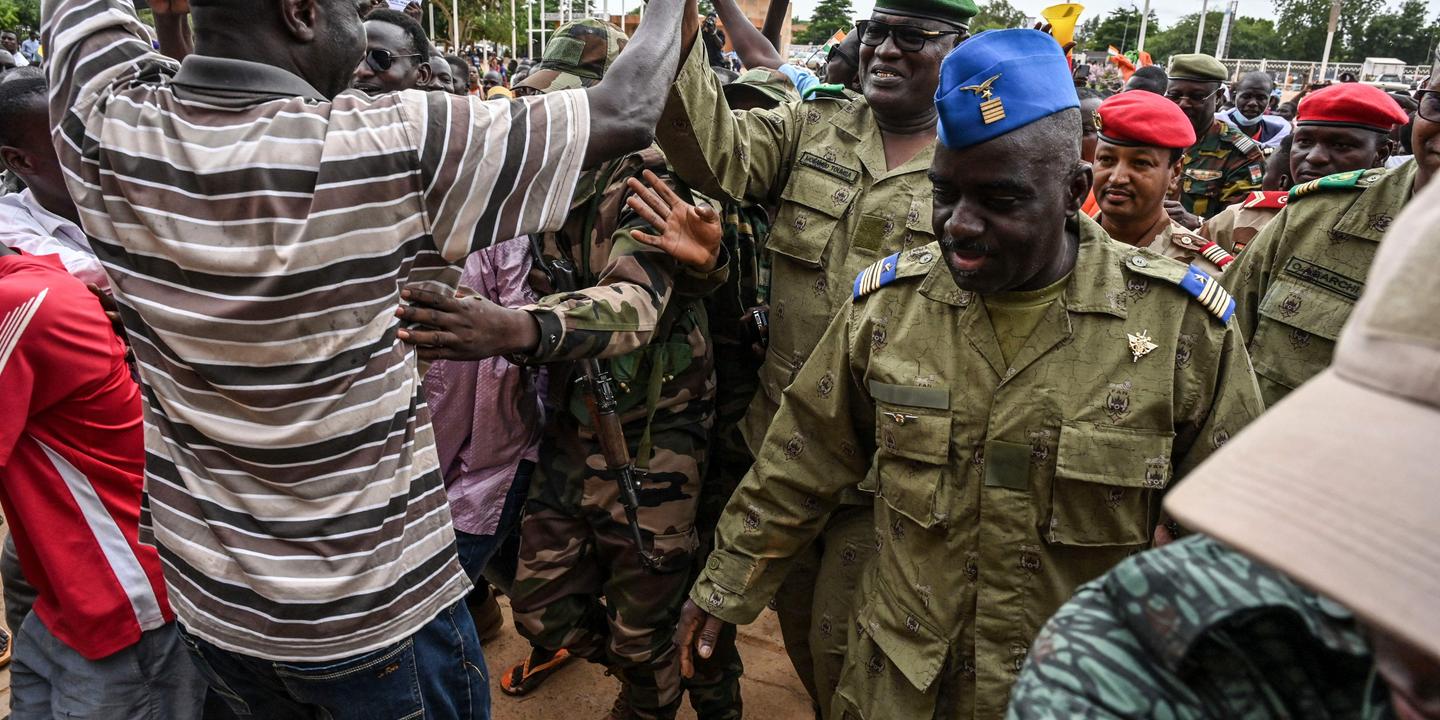
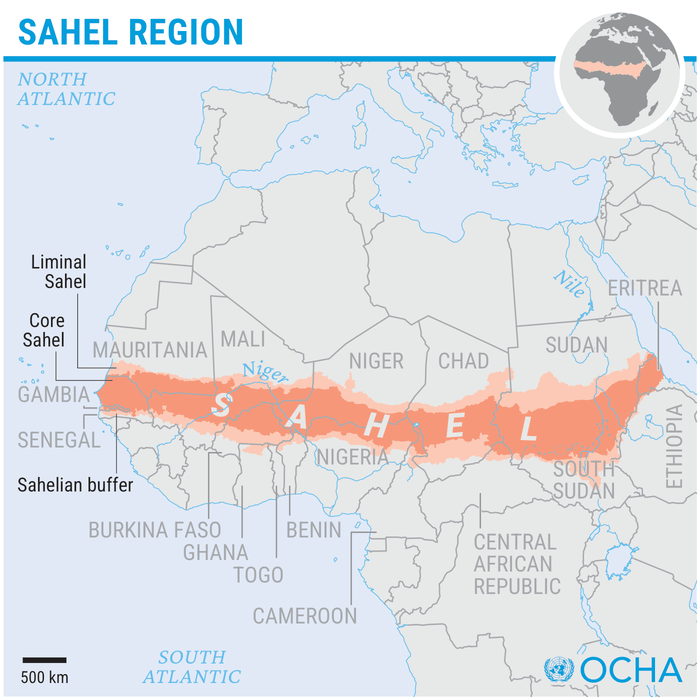
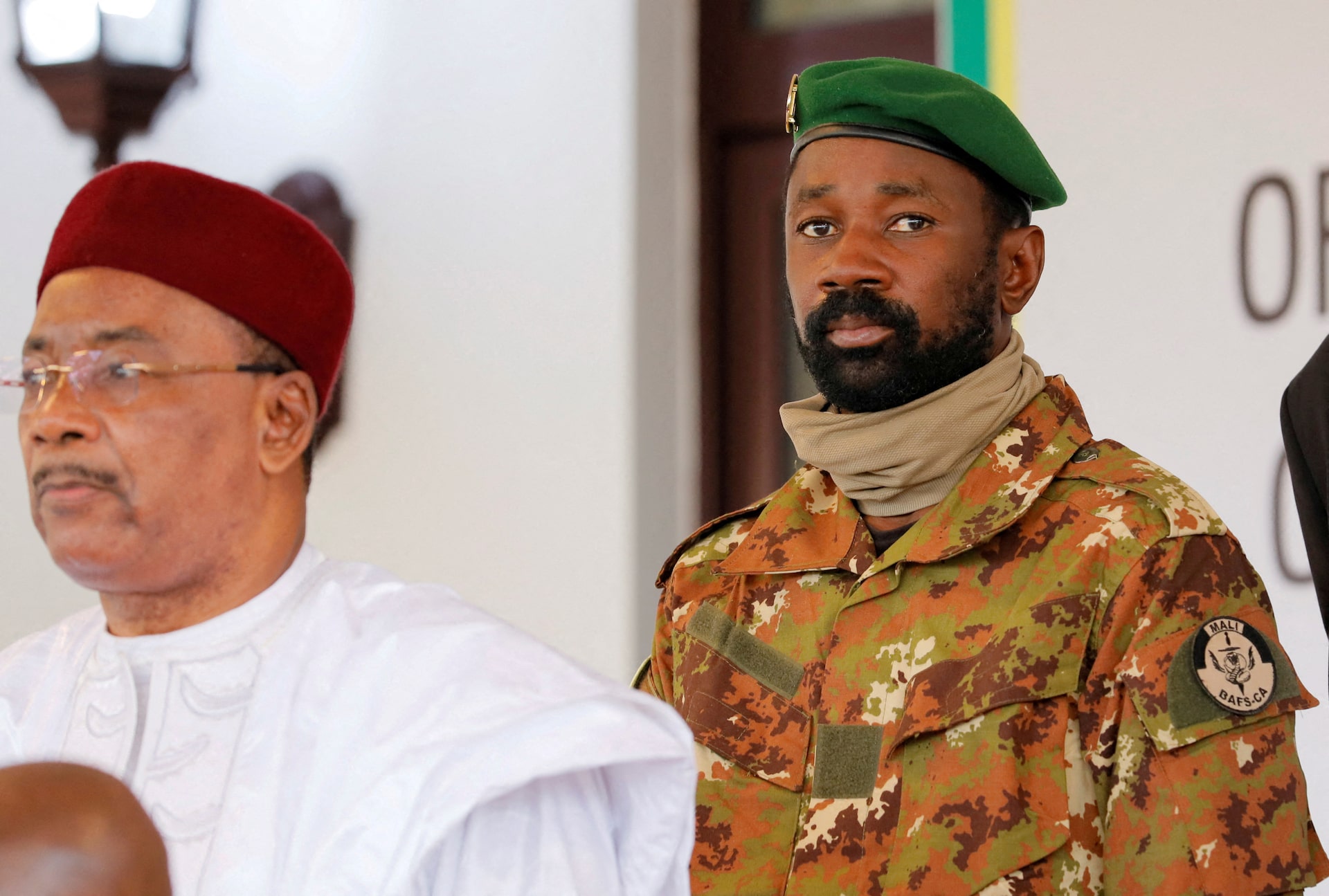
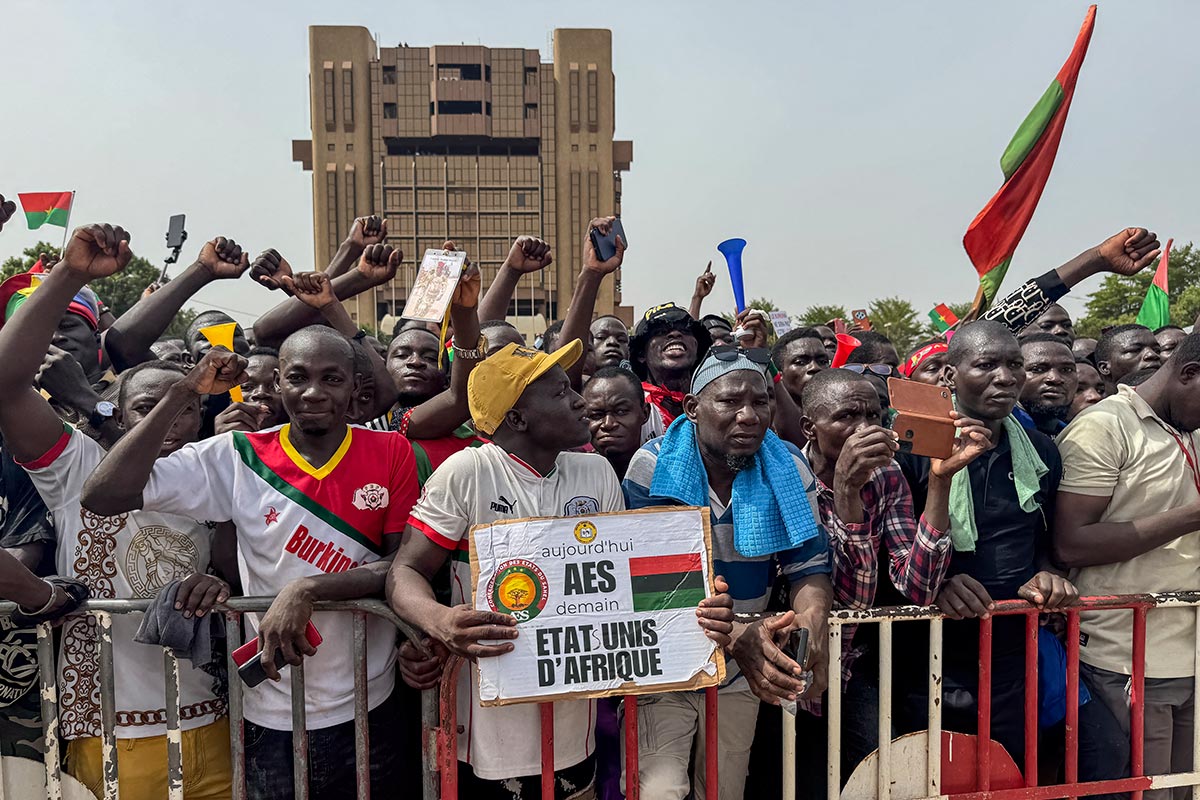
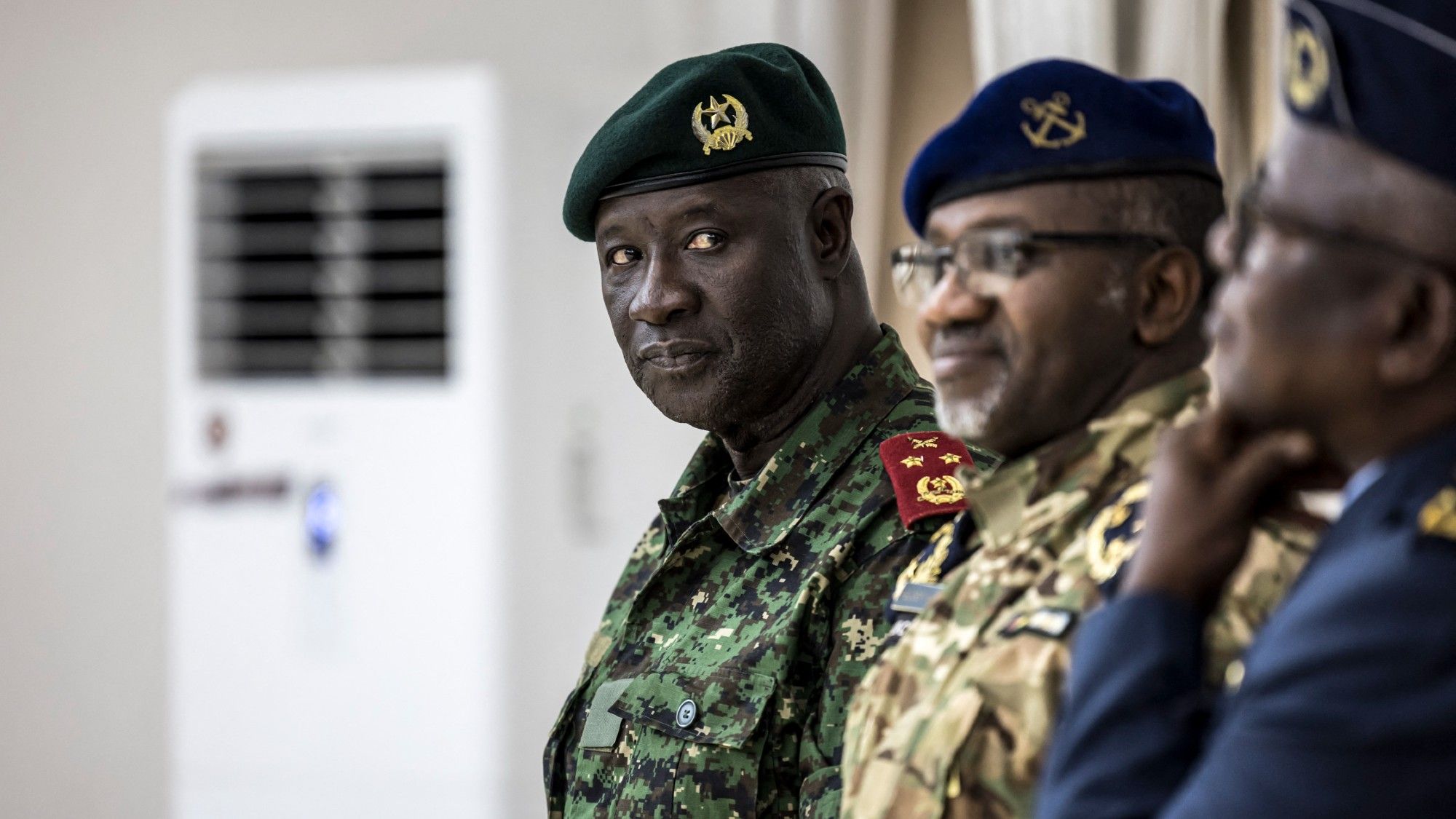
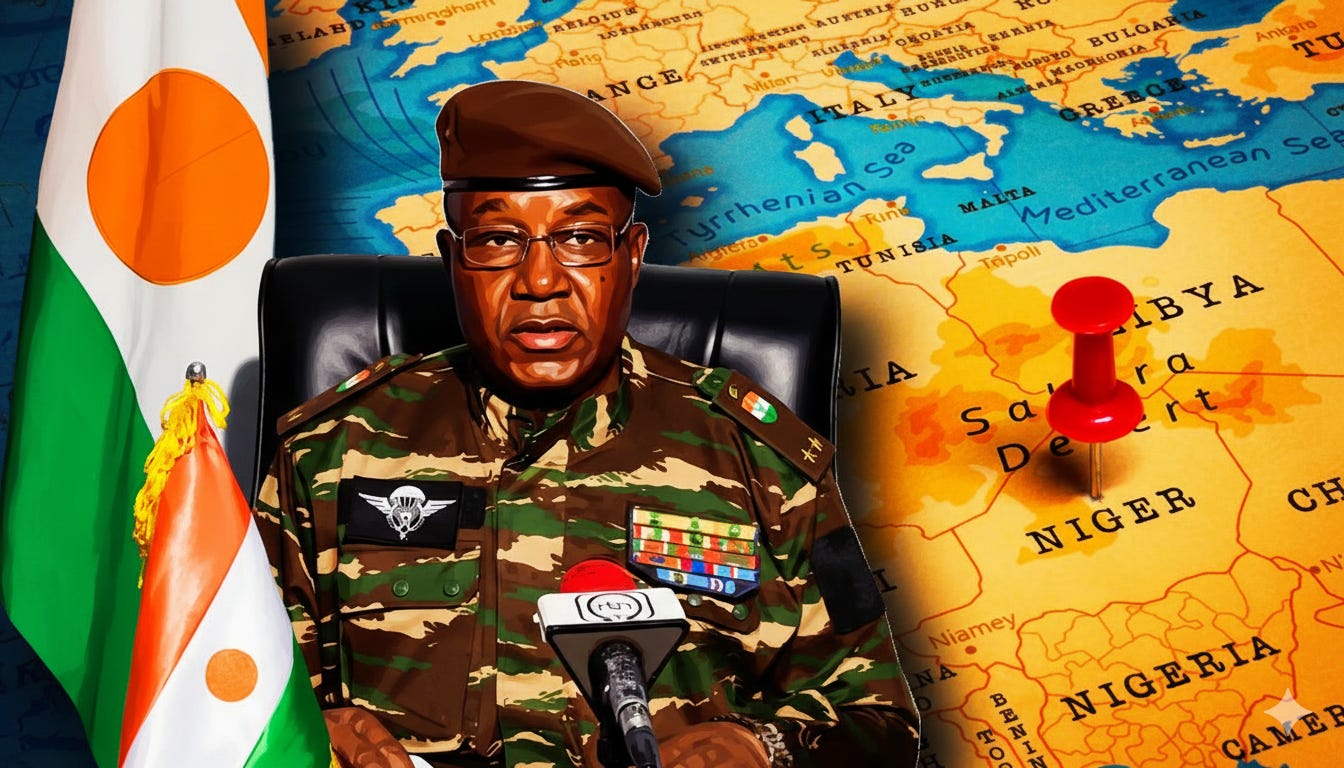
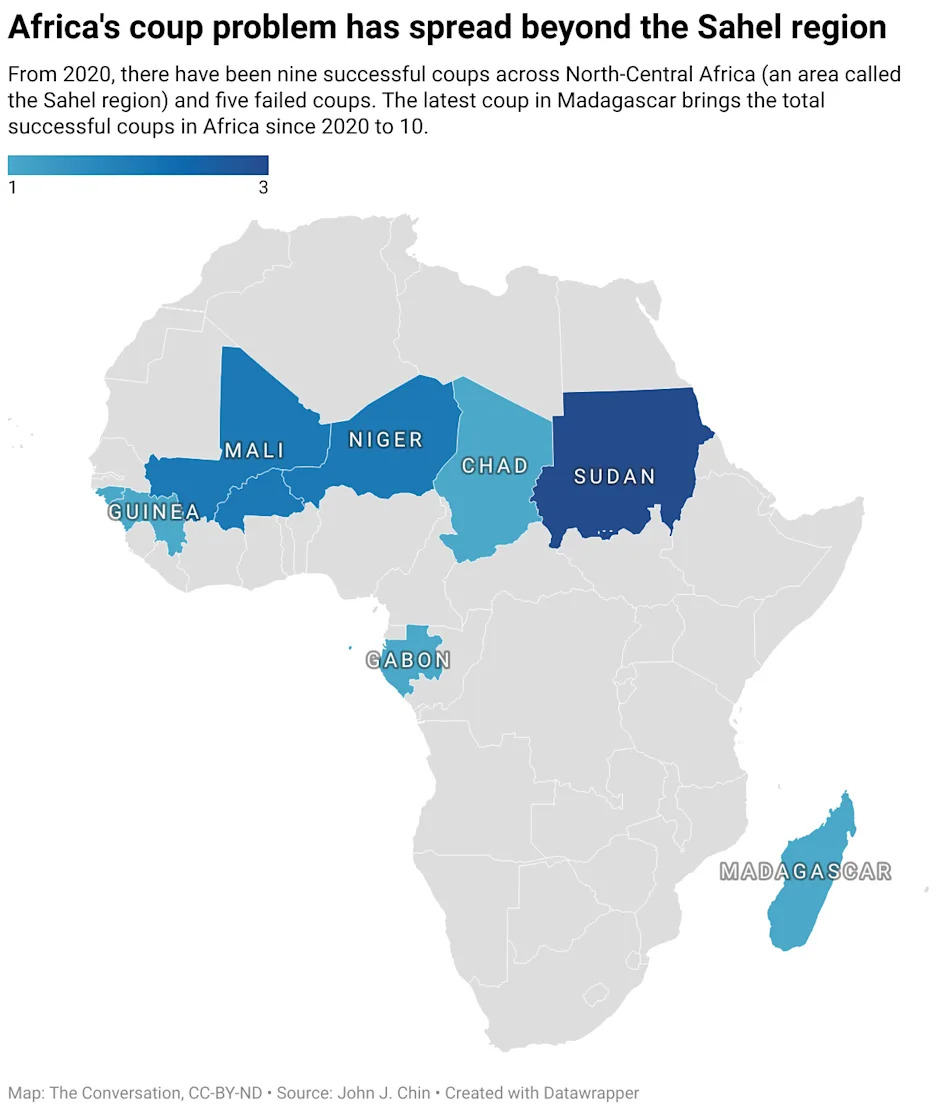
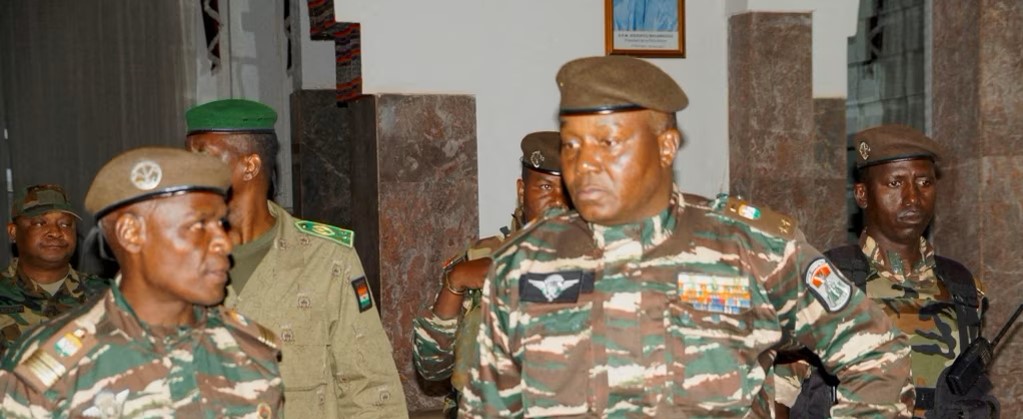
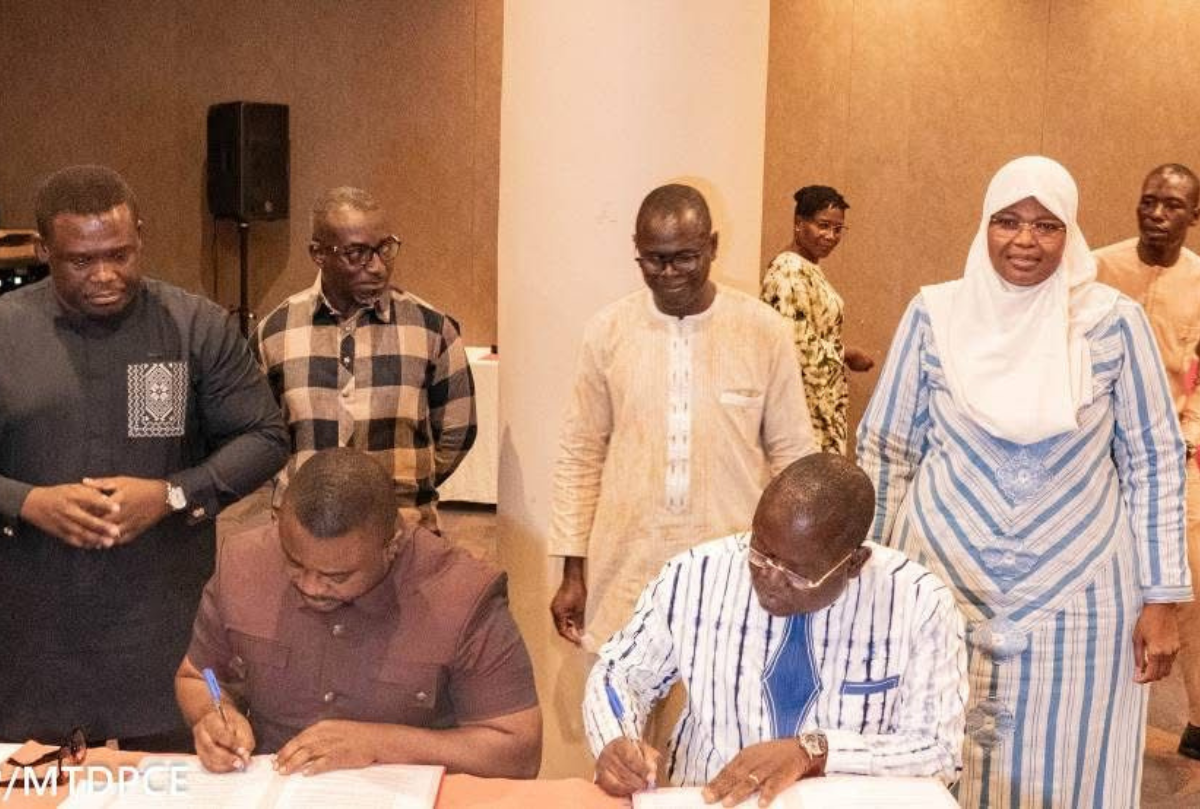
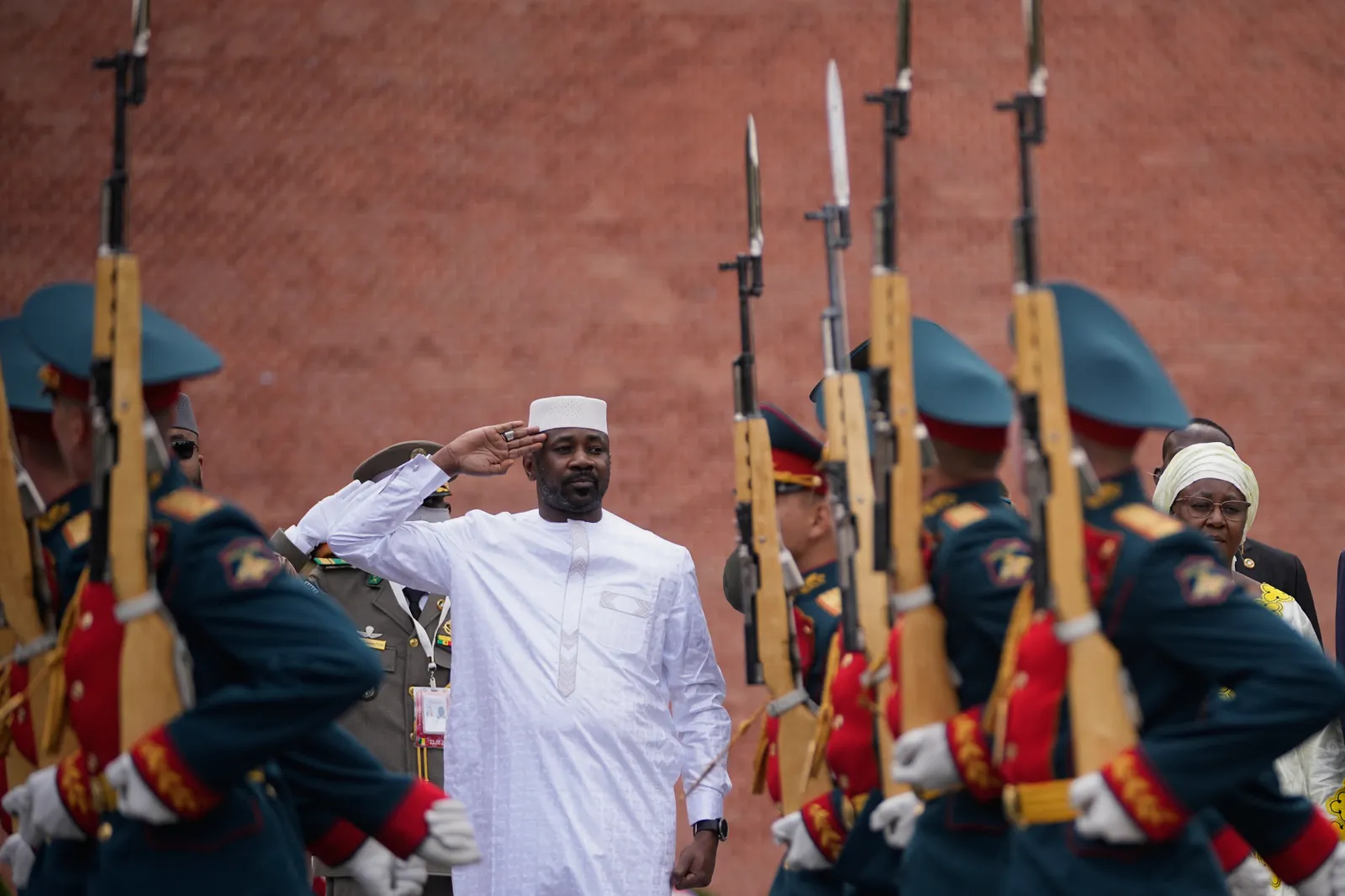
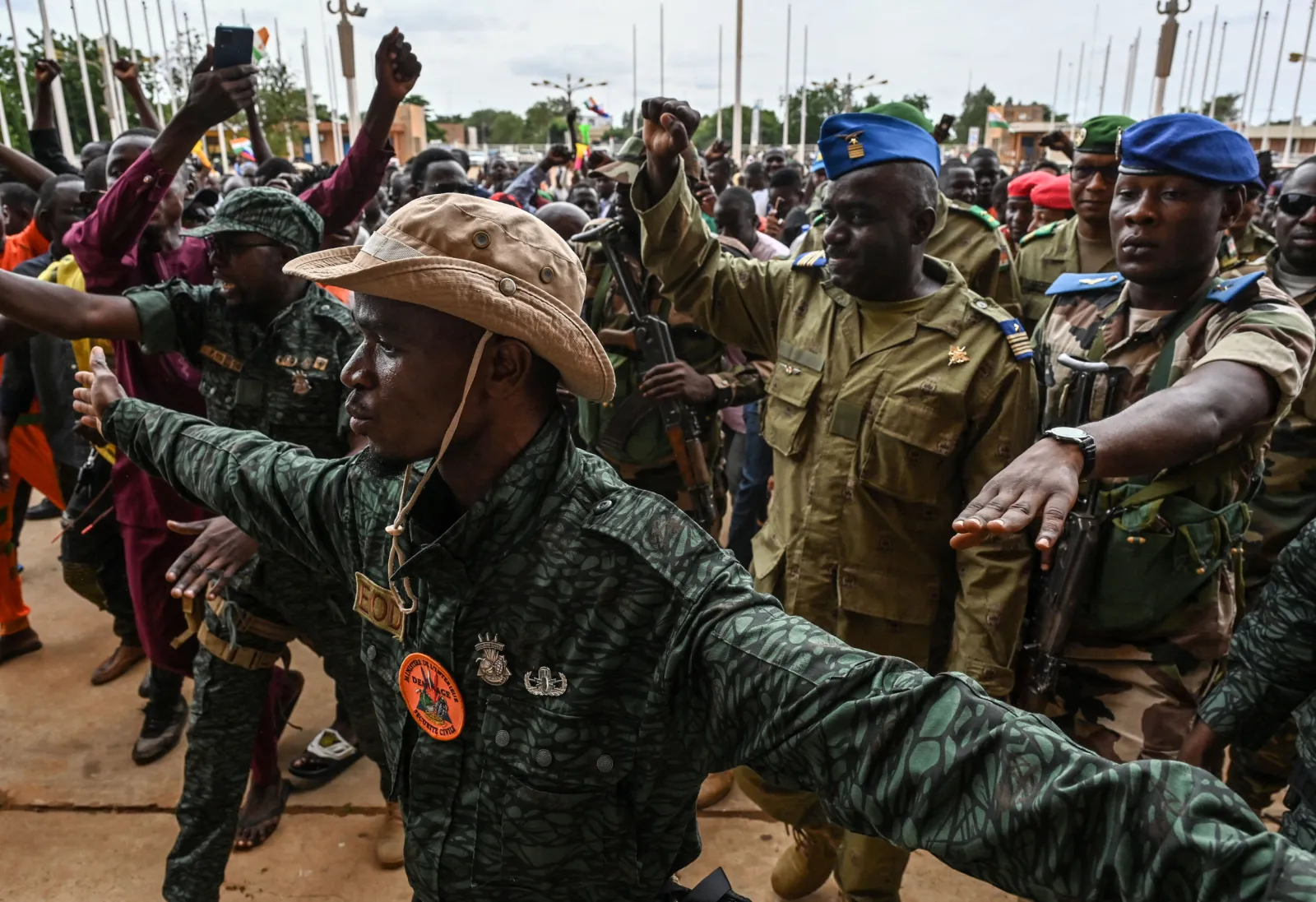
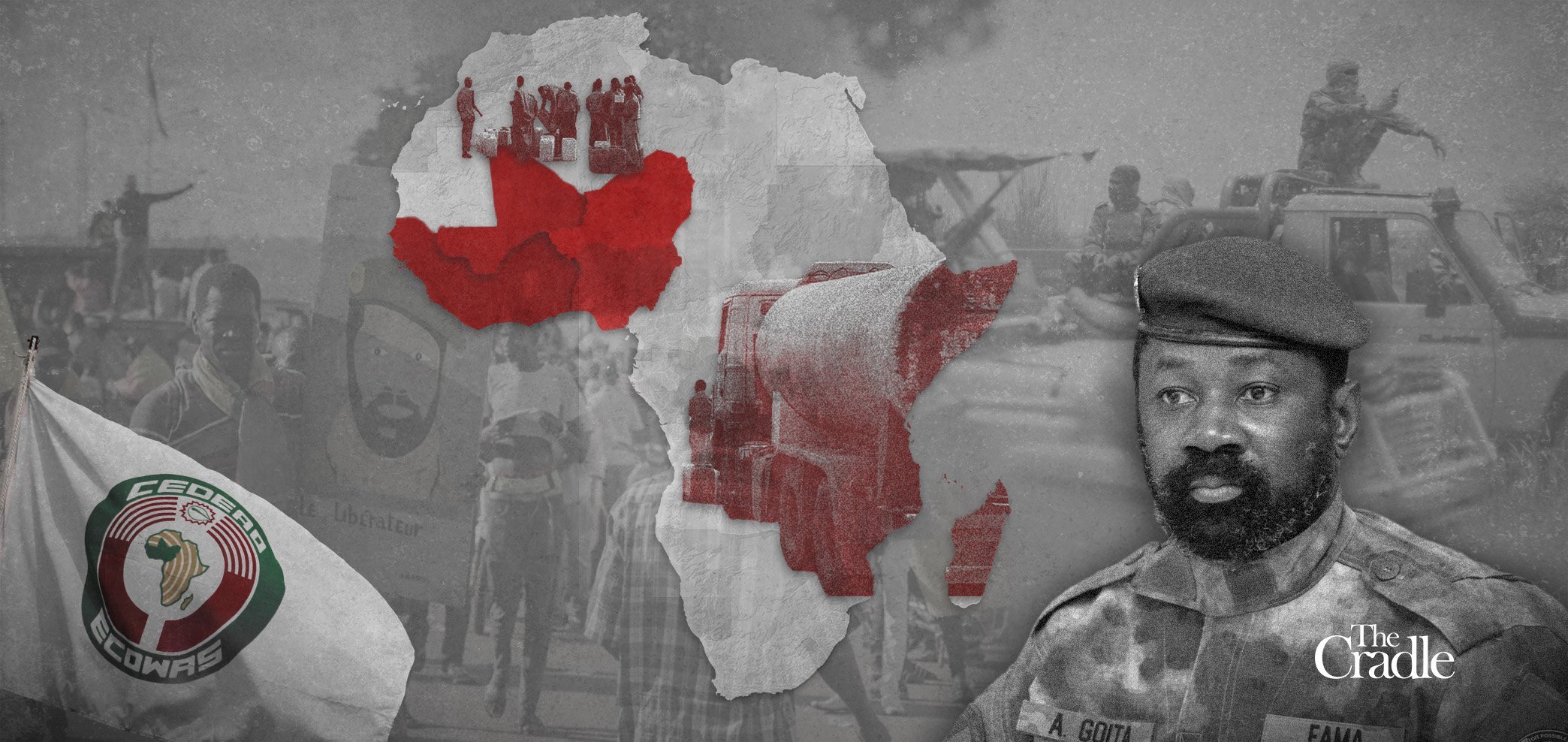
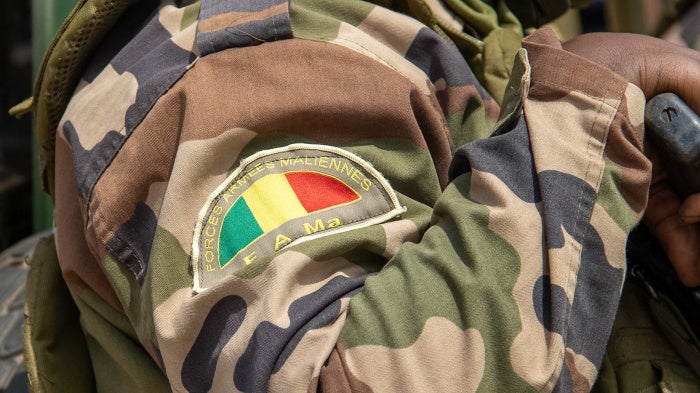
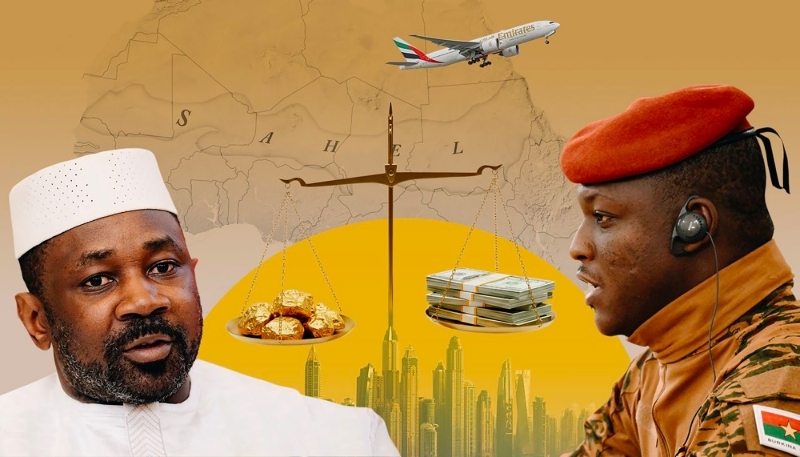
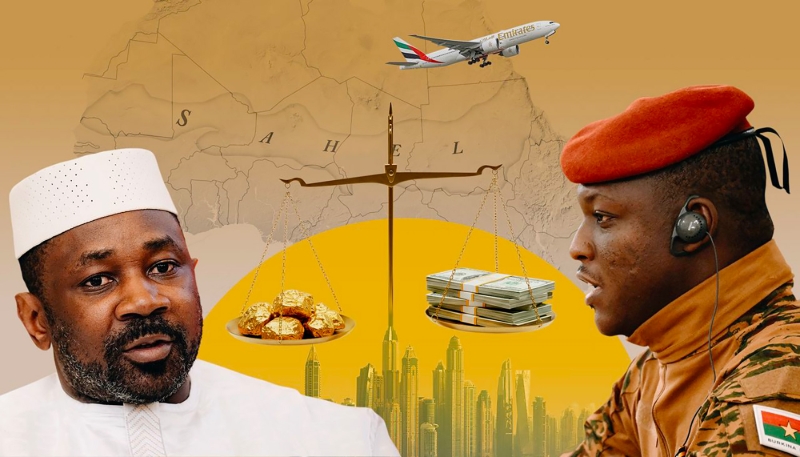
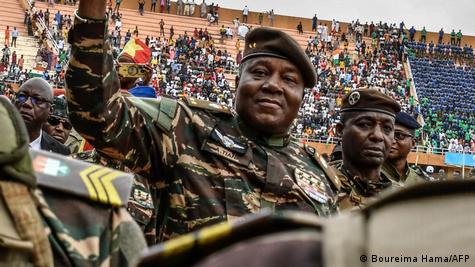
The Sahel region, a vital heartland stretching across Burkina Faso, Mali, and Niger, is grappling with a relentless surge of security crises, political upheaval, and immense humanitarian suffering. This fragile zone finds itself trapped between escalating violent extremism and increasingly strained international ties, becoming a critical flashpoint not just for African nations but on the global stage. What’s driving this escalating tension? The Trump administration’s recent imposition of a full U.S. travel ban on the Alliance of Sahel States, grouping them with countries like South Sudan and Syria, marks a stark diplomatic escalation. While this travel restriction signals growing international frustration, it also risks deepening the isolation of these countries at a time when collaborative regional cooperation and external support couldn’t be more crucial. Meanwhile, a fierce contest unfolds between Western-aligned regional organizations and emergent local alliances. The Economic Community of West African States (ECOWAS), led by Nigeria, has actively sanctioned Mali and Niger in response to their recent military juntas. These sanctions threaten to destabilize the region further, piling economic hardships onto already ongoing armed conflicts. Yet, the Alliance of Sahel States is determined to assert its agency, pushing back against what some see as undue external interference and setting the stage for a regional power dynamic fraught with contestation.
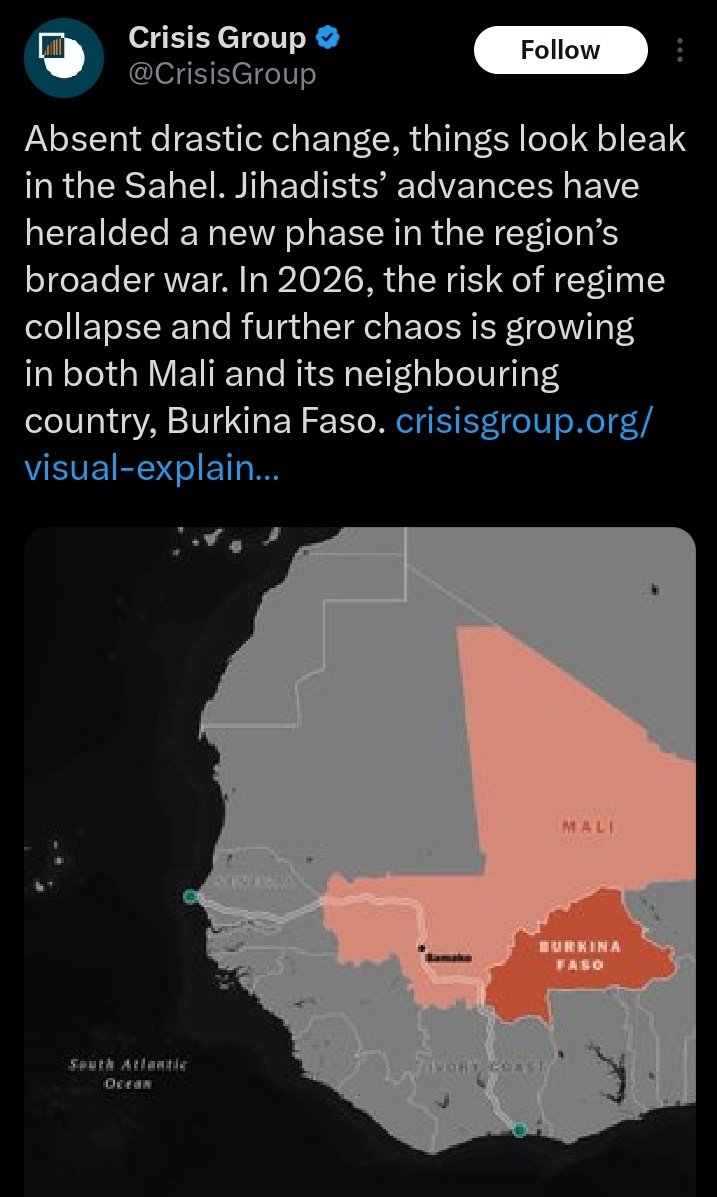
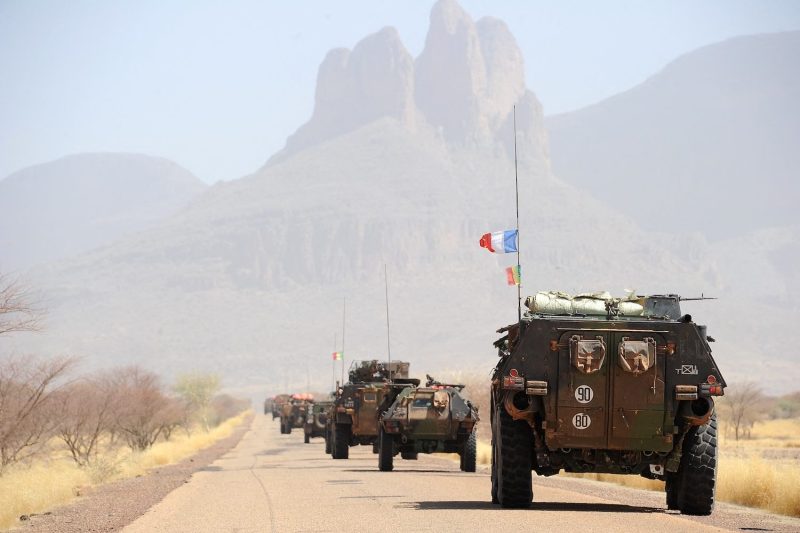
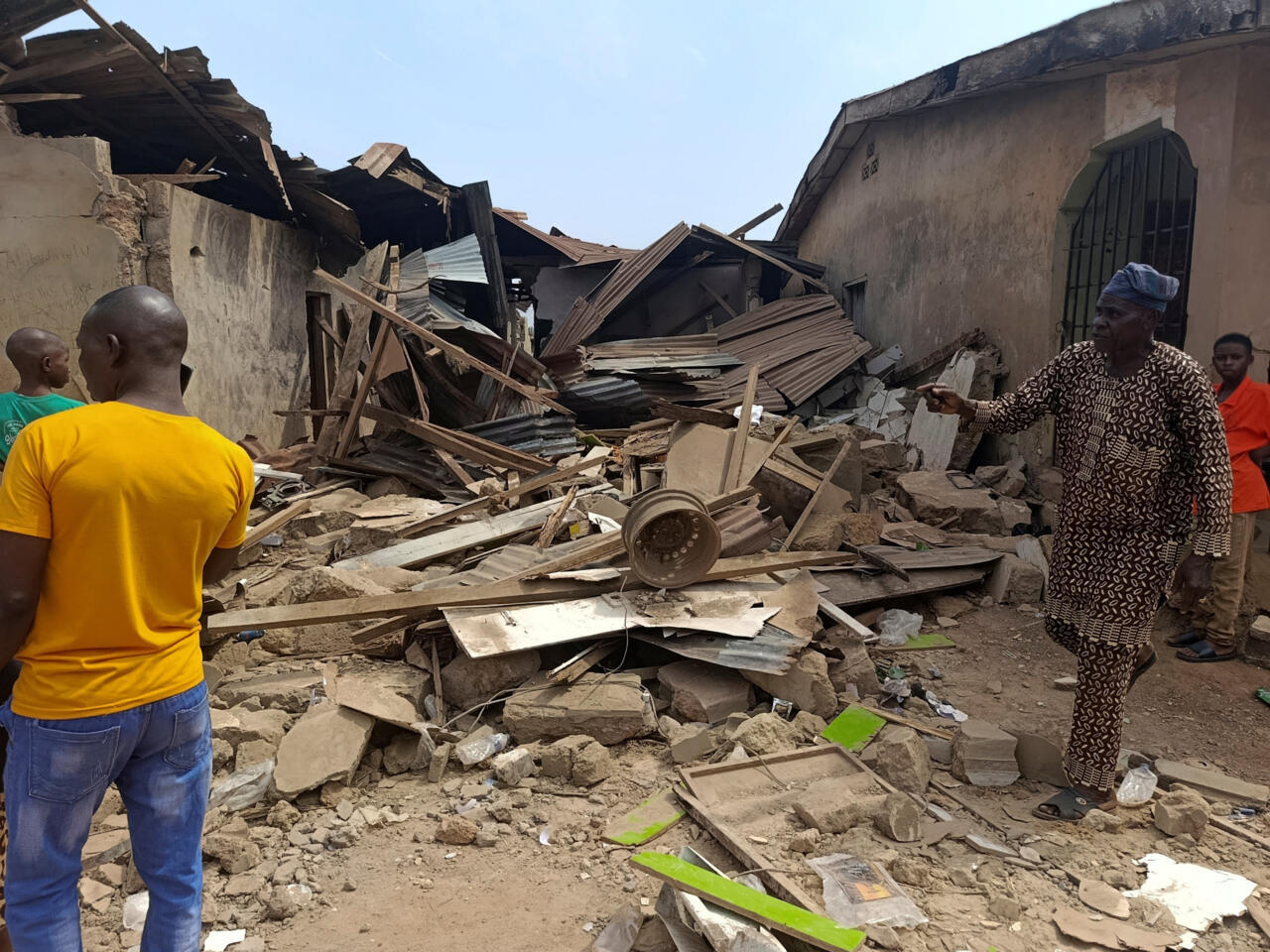
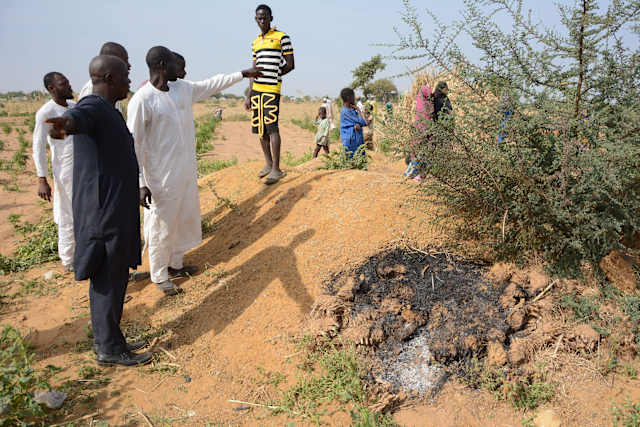
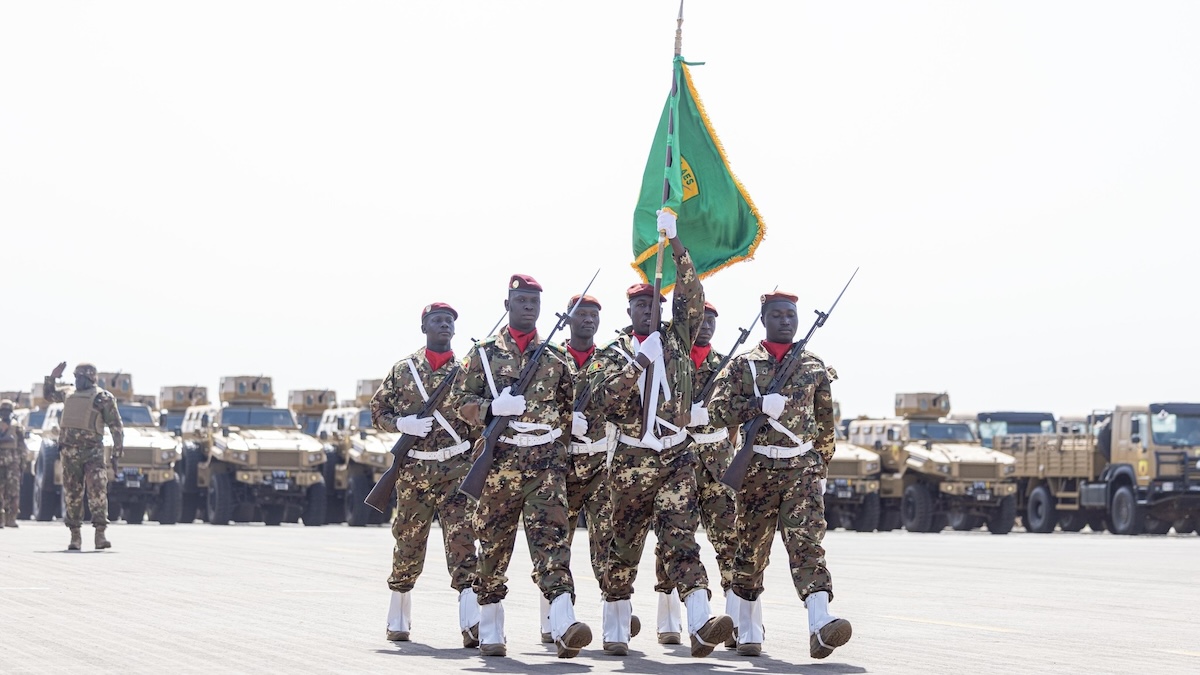
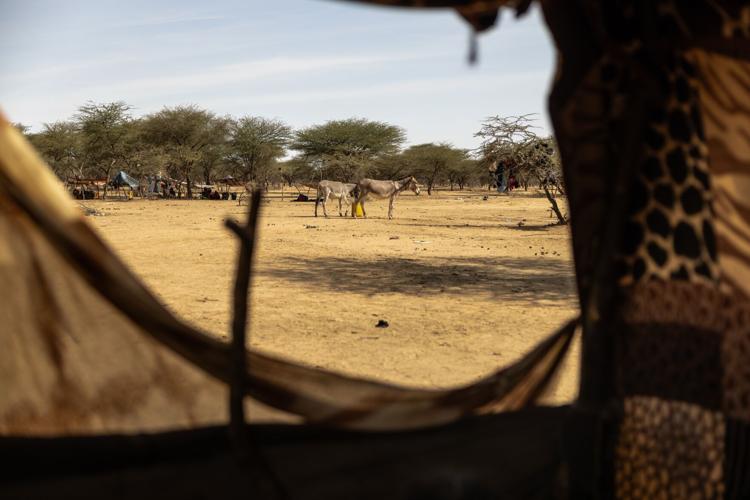
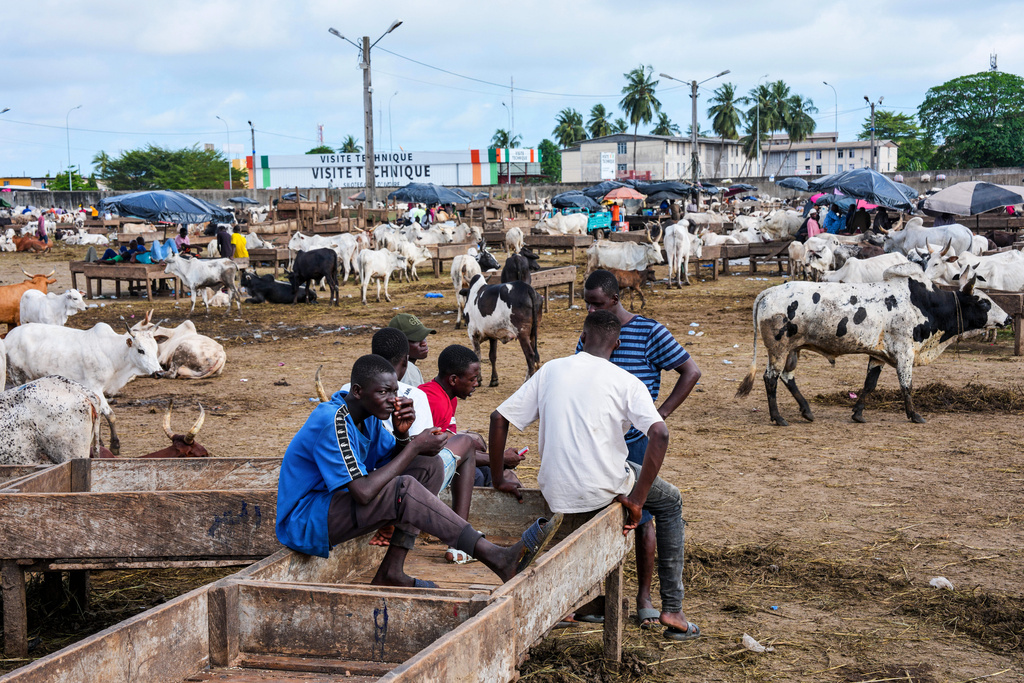
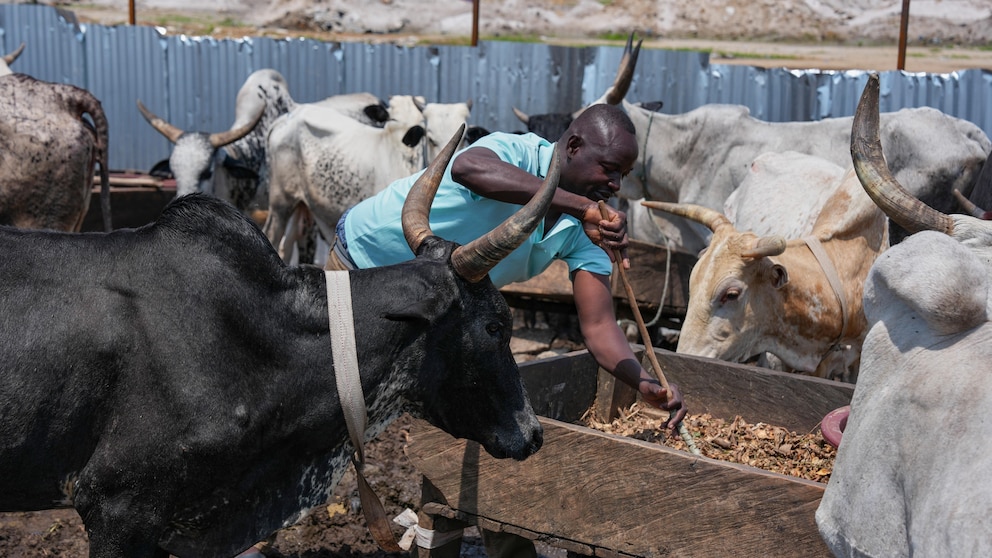
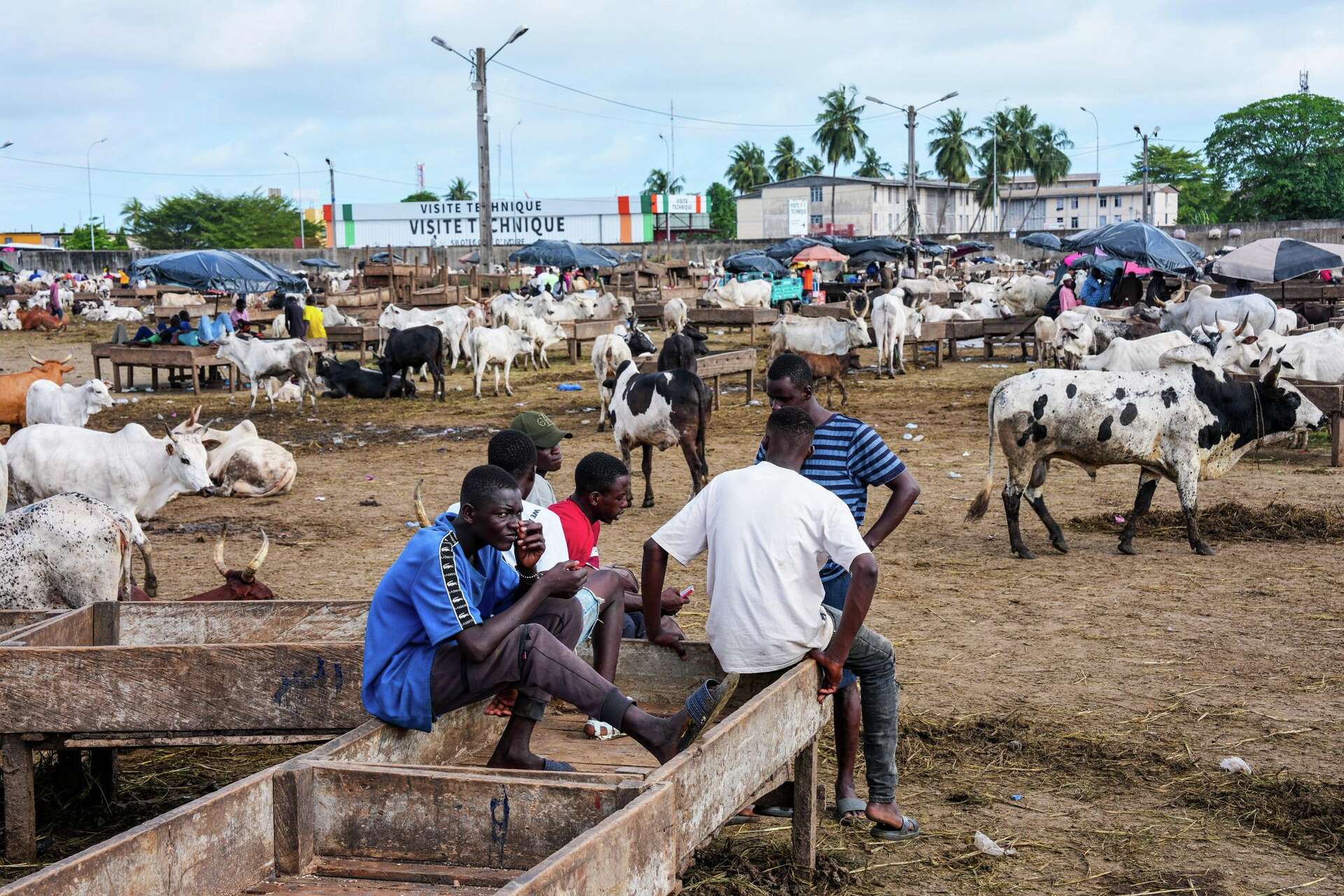
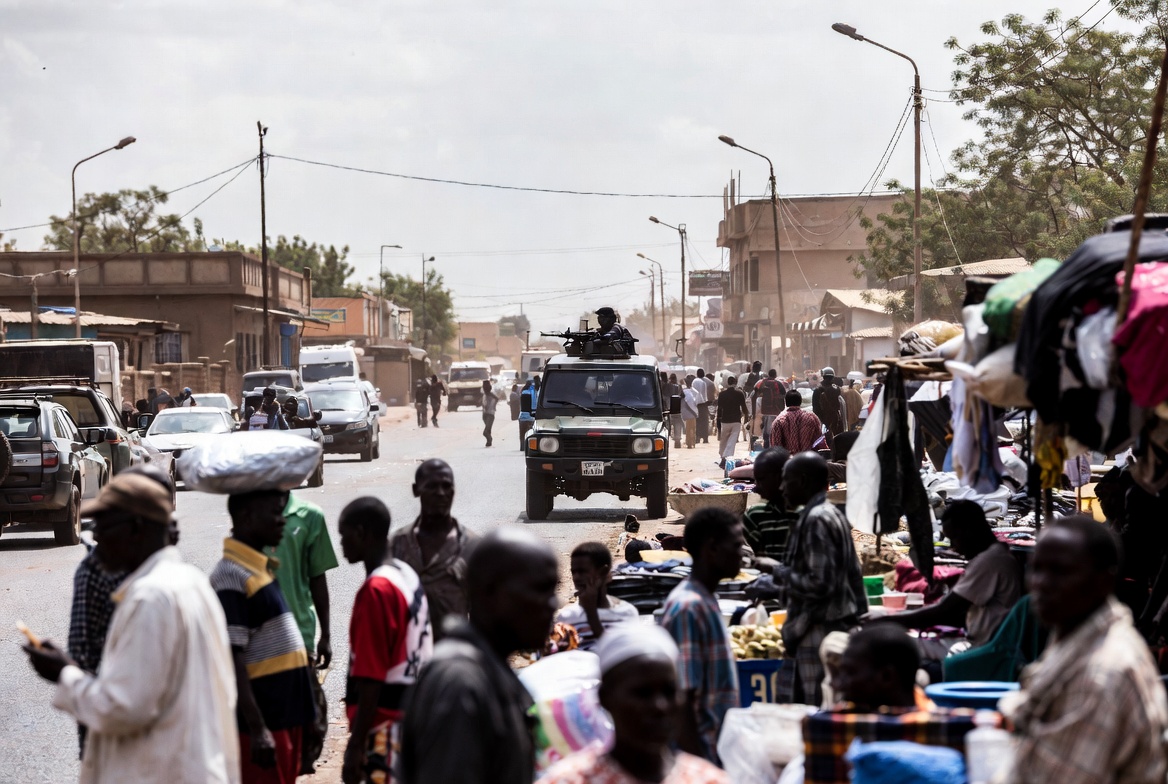
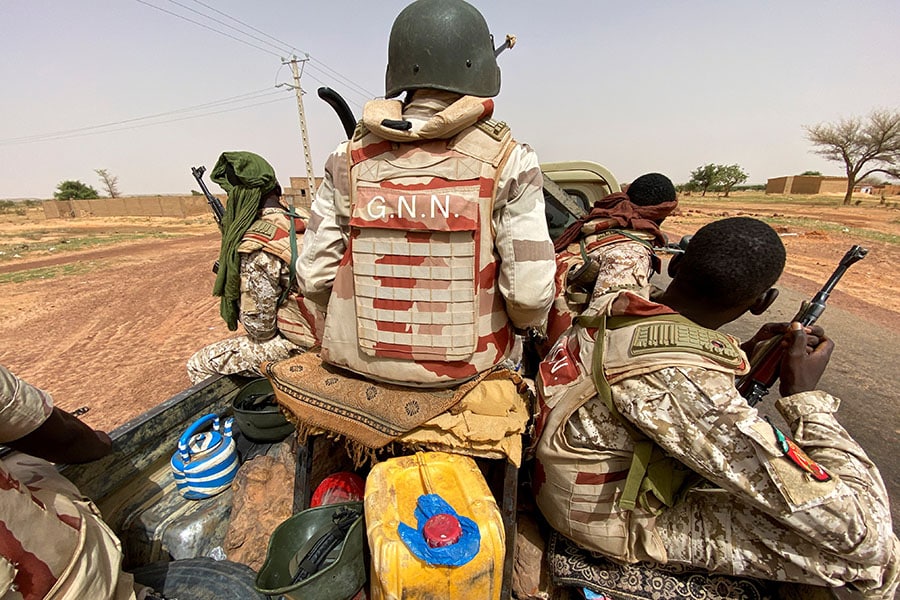
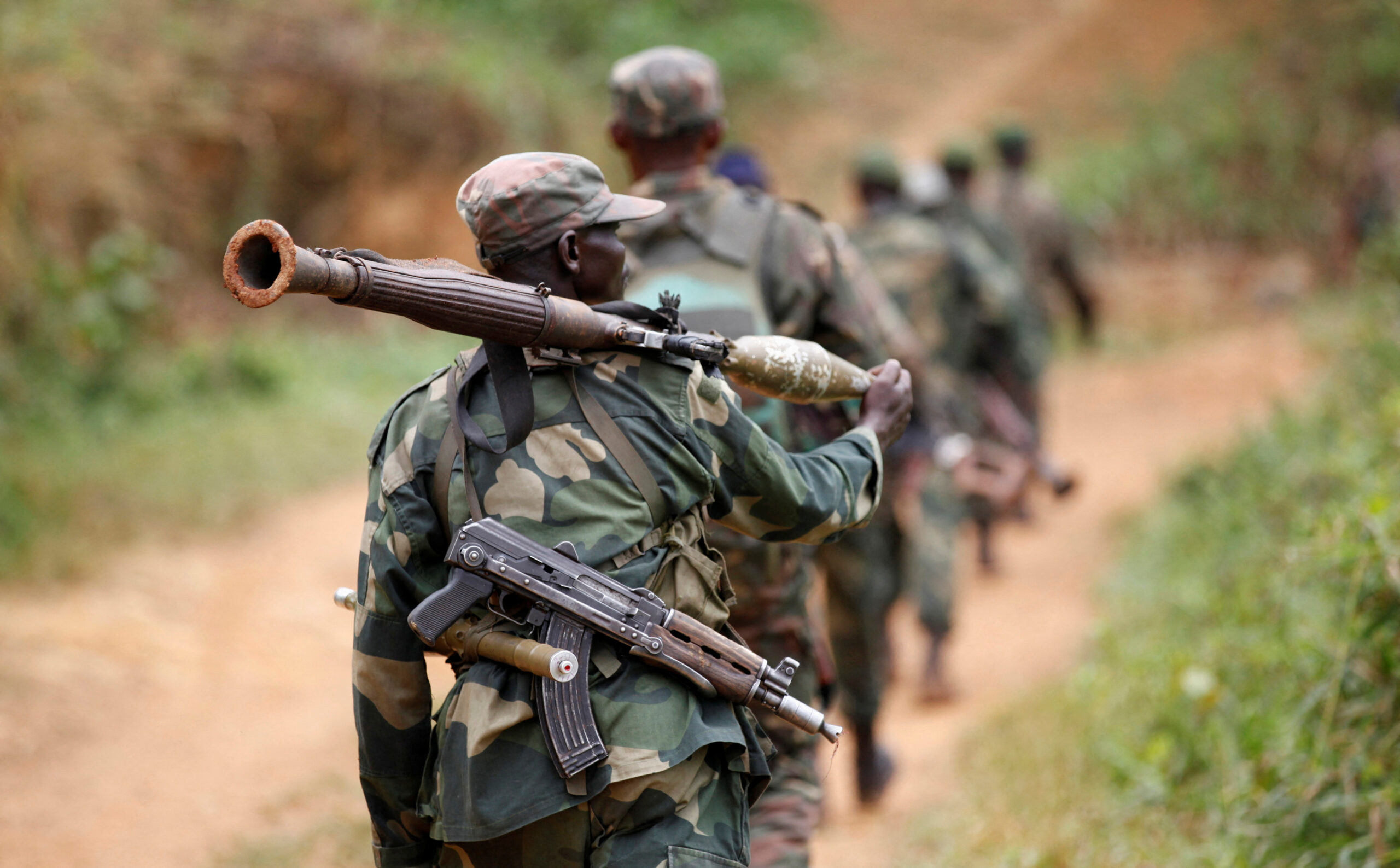
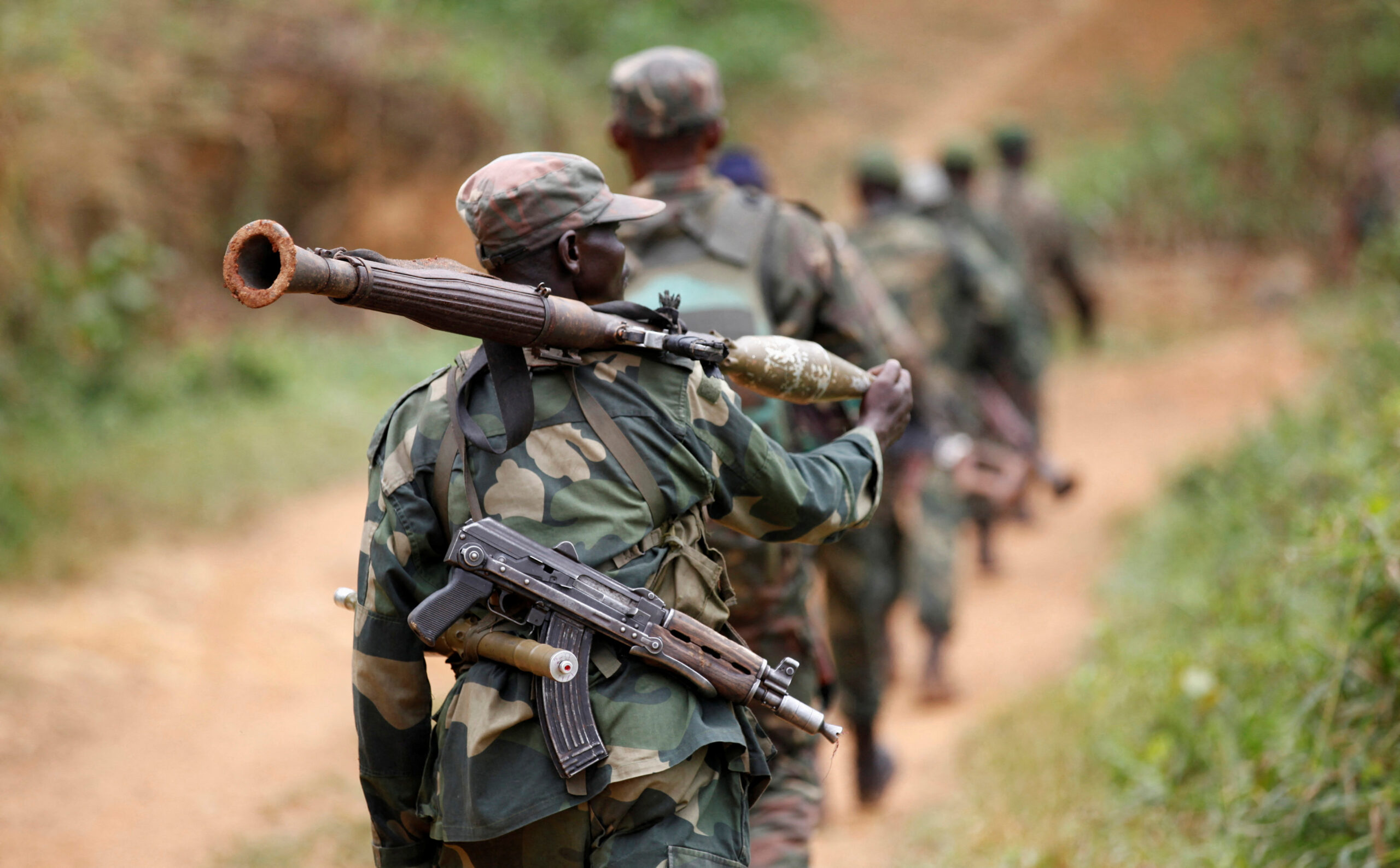
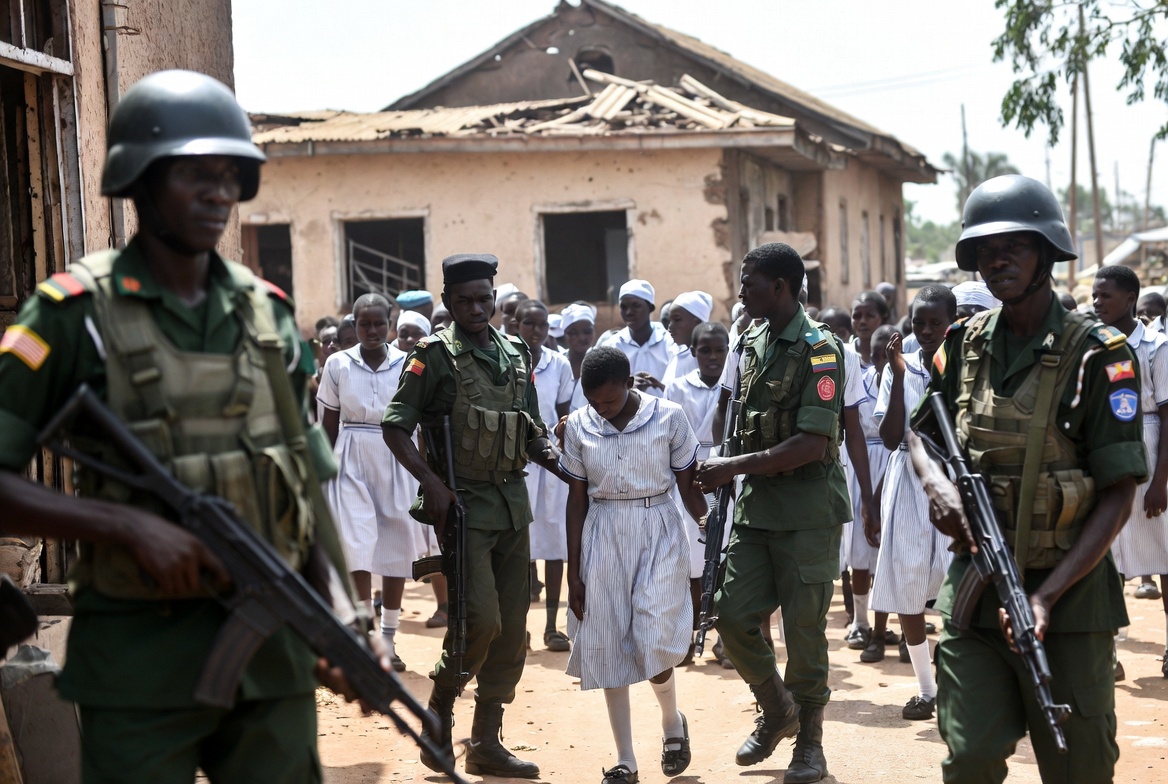
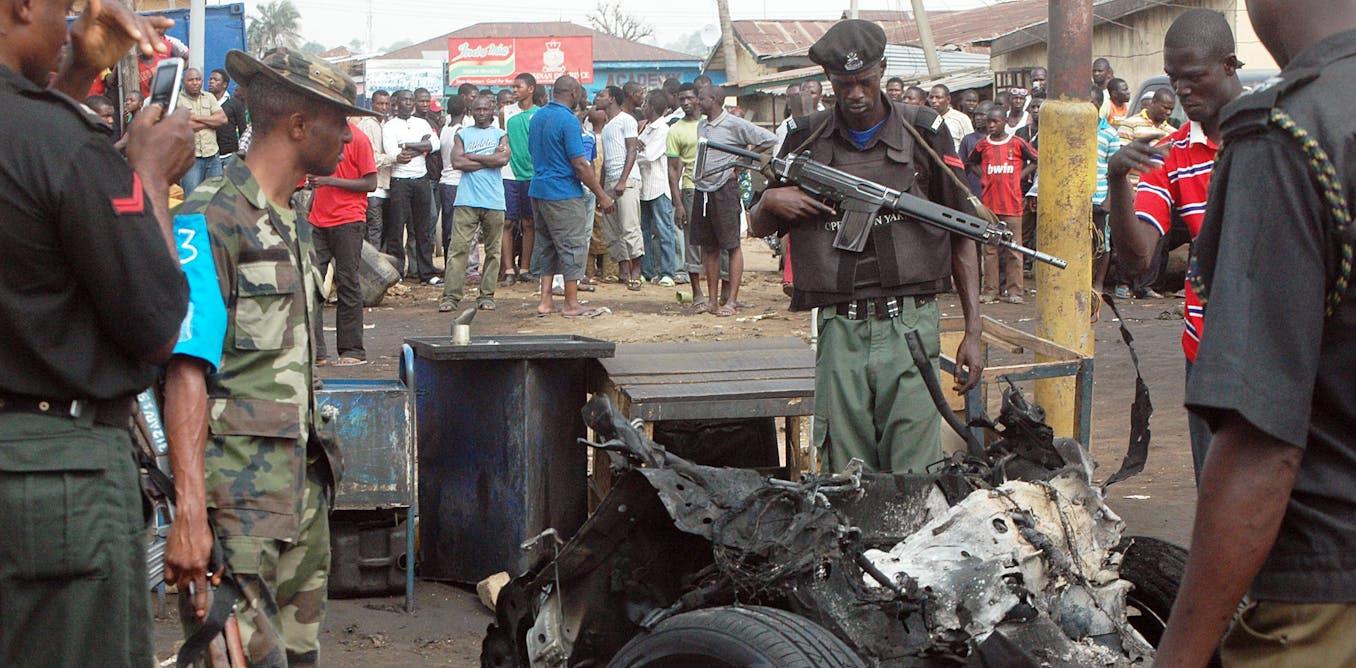
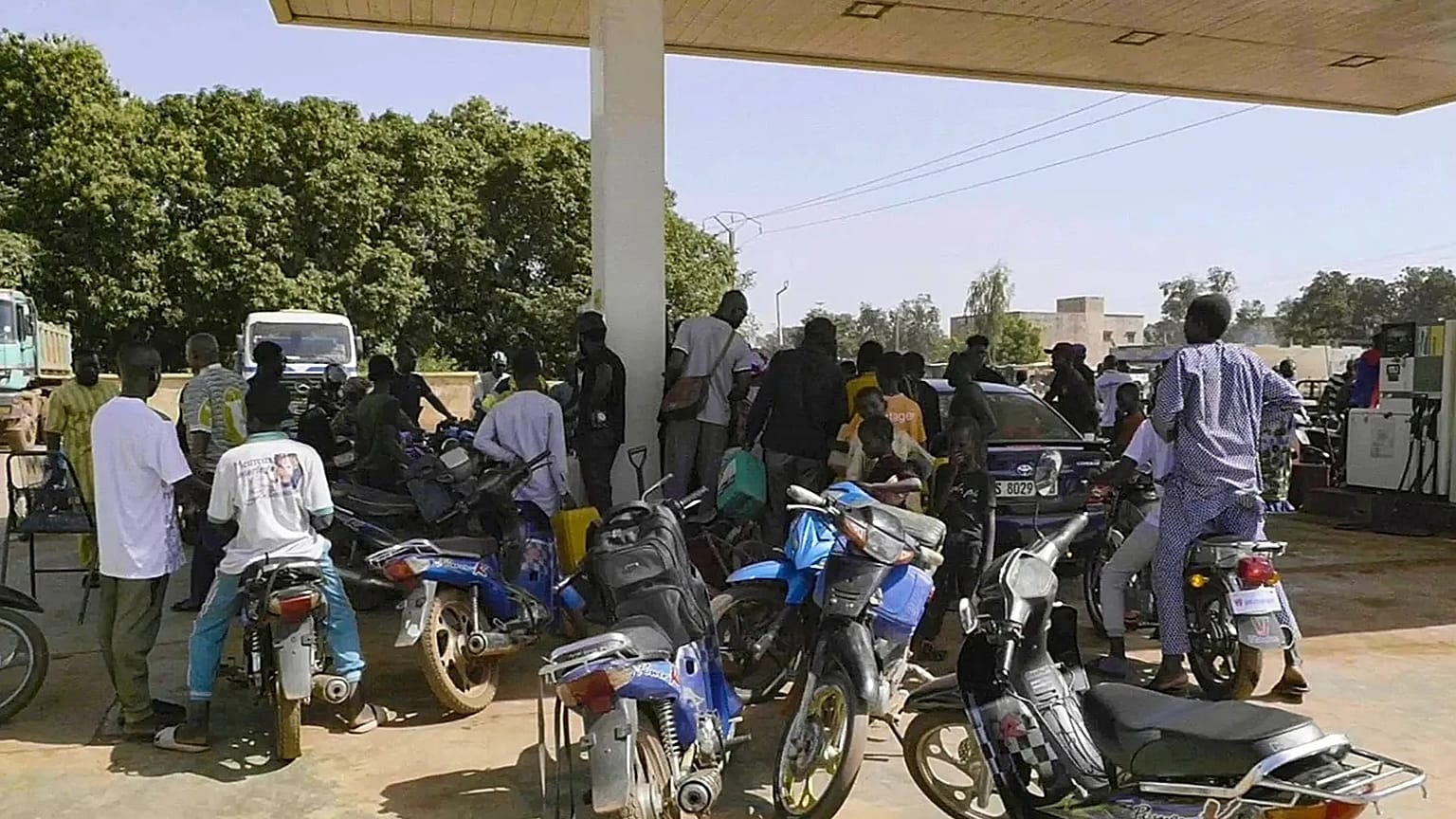
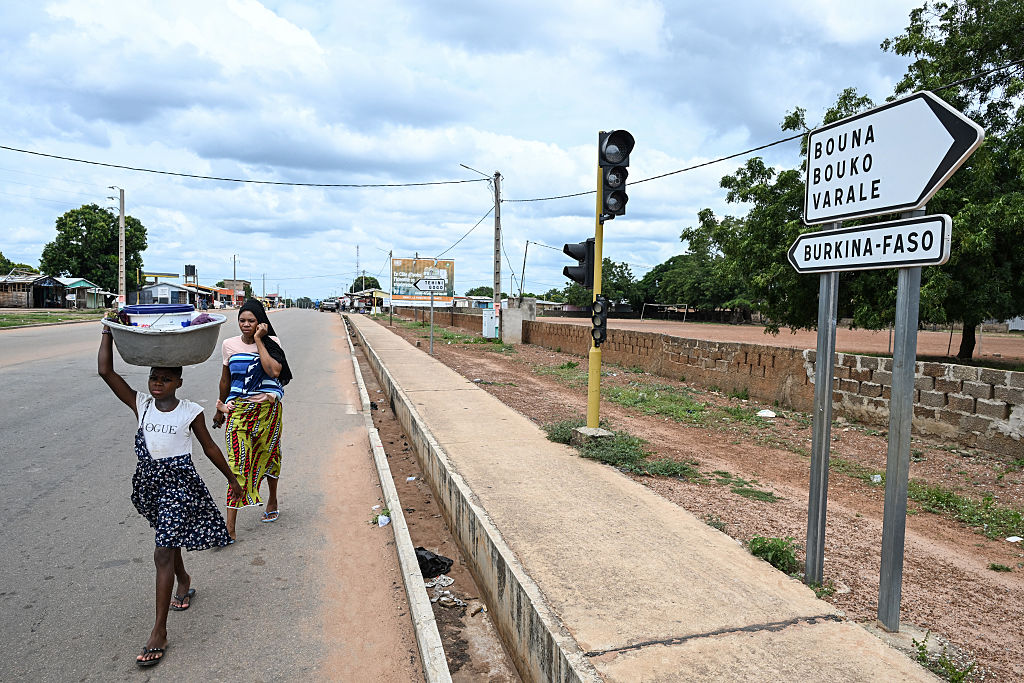
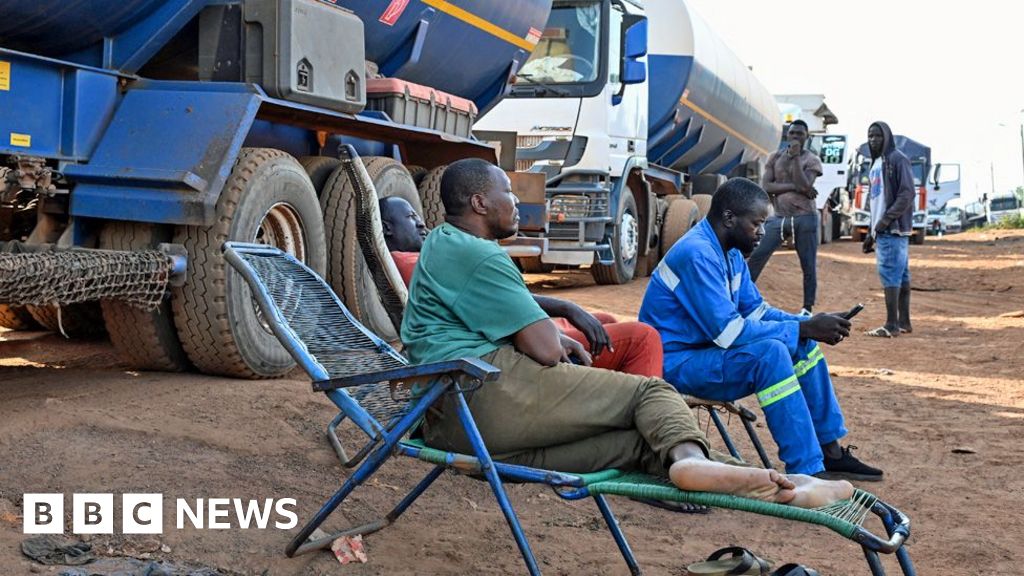
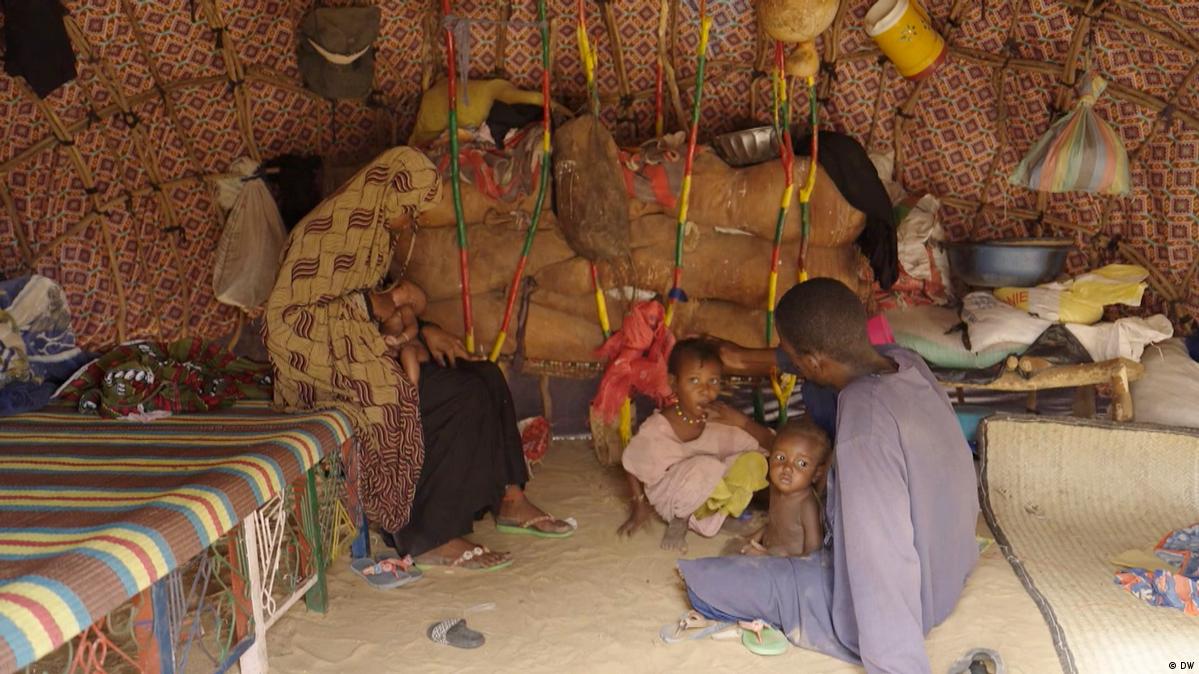
On the ground, the reality is grim, especially in northern Mali, a hotspot of armed unrest since 2012. This violence has since spilled into landlocked Burkina Faso and Niger, igniting fierce battles with jihadist groups that have seized vast territories. One such group, Jama’at Nusrat al-Islam wal-Muslimin, has proven particularly disruptive, cutting off critical trade corridors and severely impacting cities like Bamako, which now struggles for essential goods like fuel. This doesn’t just cripple the economy, it amplifies civilian suffering. As conflict grips the Sahel region, a striking societal transformation is underway. Traditionally, pastoralist herders have been forced to abandon their rural livelihoods, pivoting toward an unusual city life in urban centers. This drastic adaptation, driven by insecurity and displacement, places new social and economic pressures on cities, straining resources and infrastructure while challenging traditional ways of life. It’s a shift with profound implications for thousands of families struggling to survive.
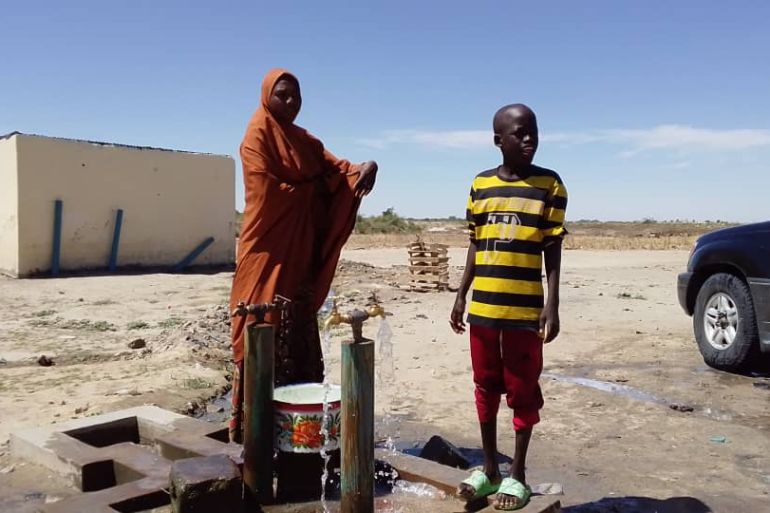
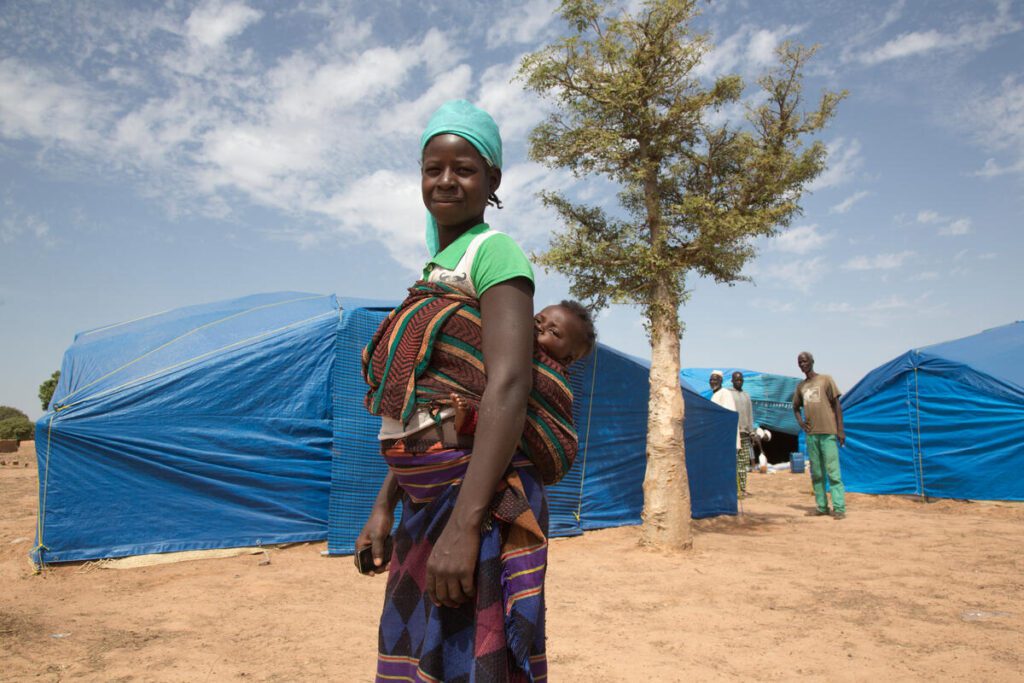
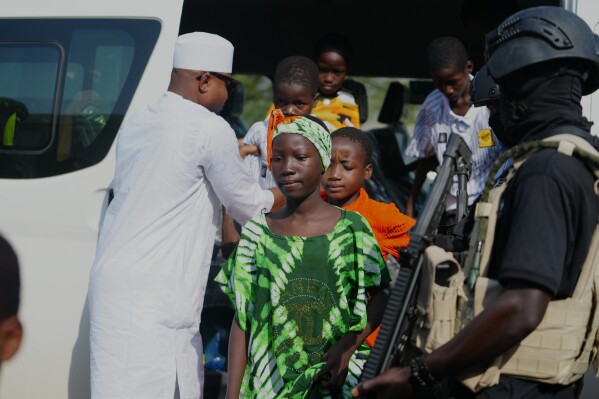
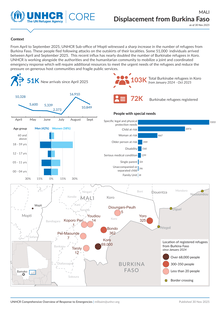
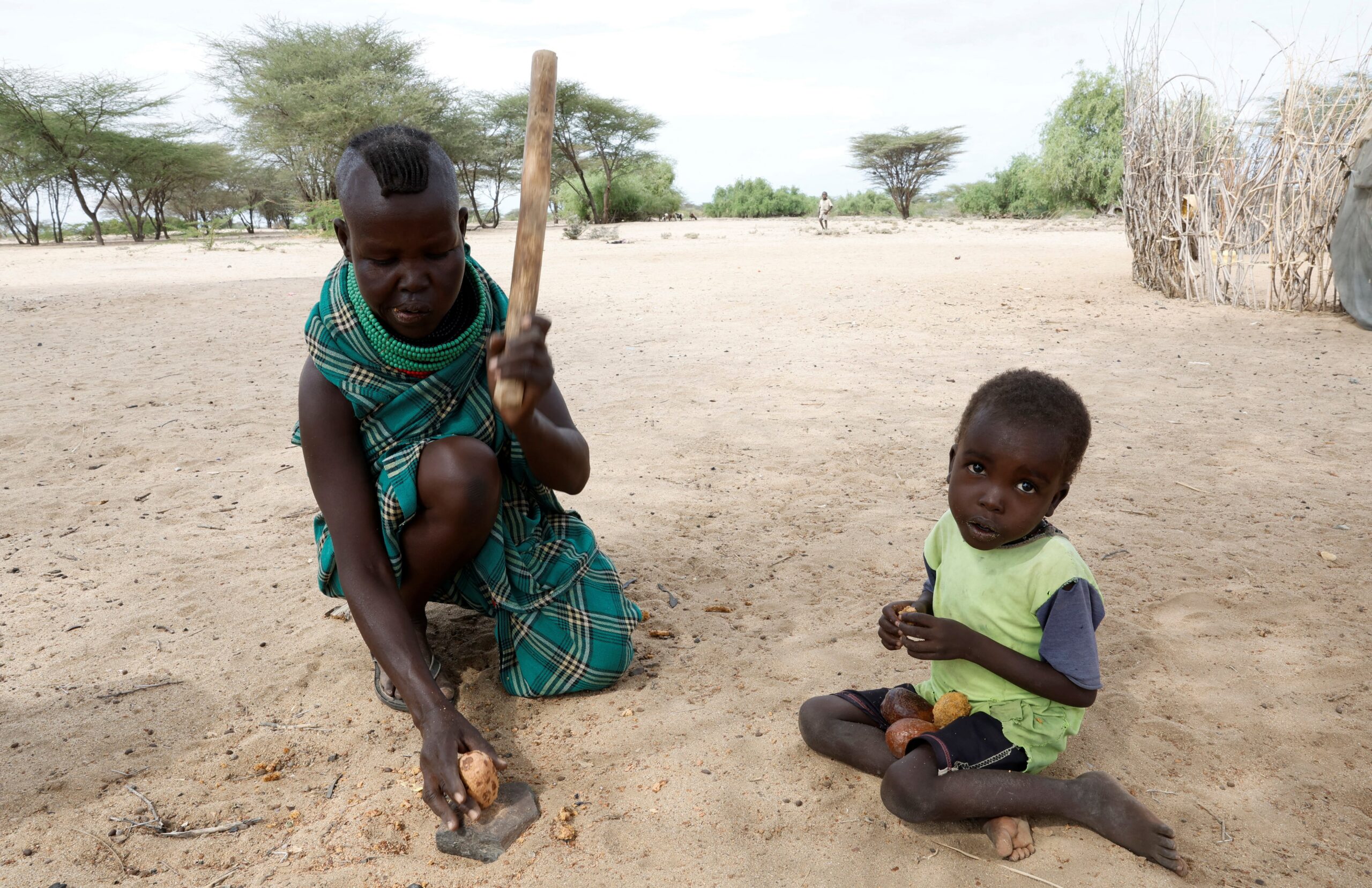
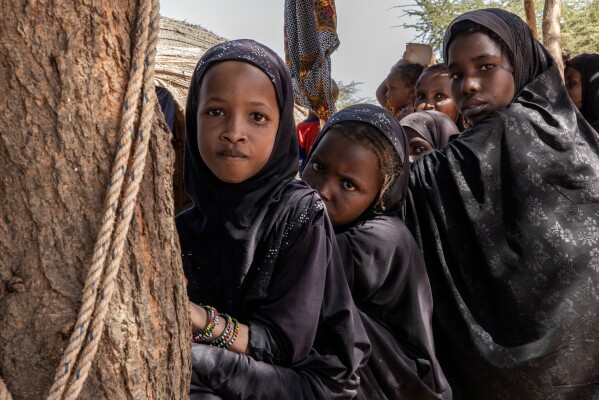
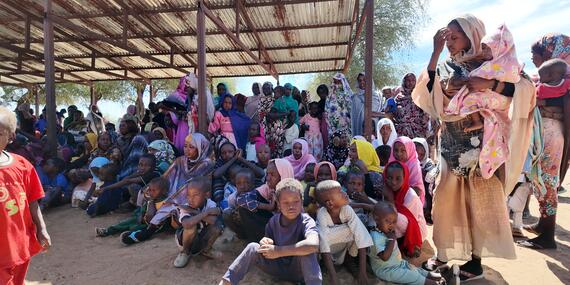
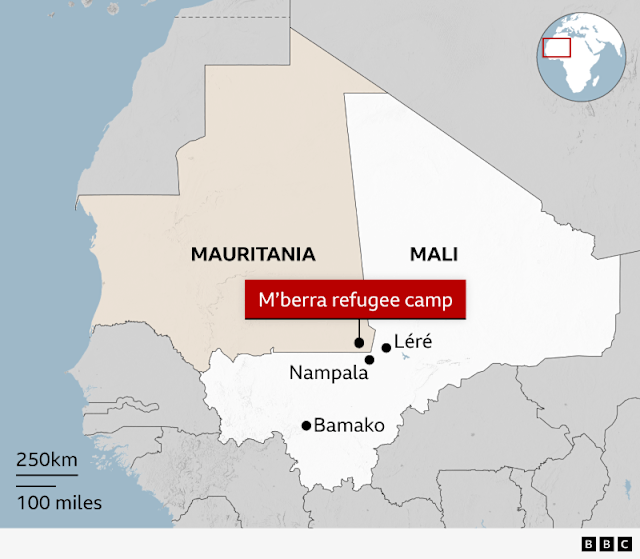
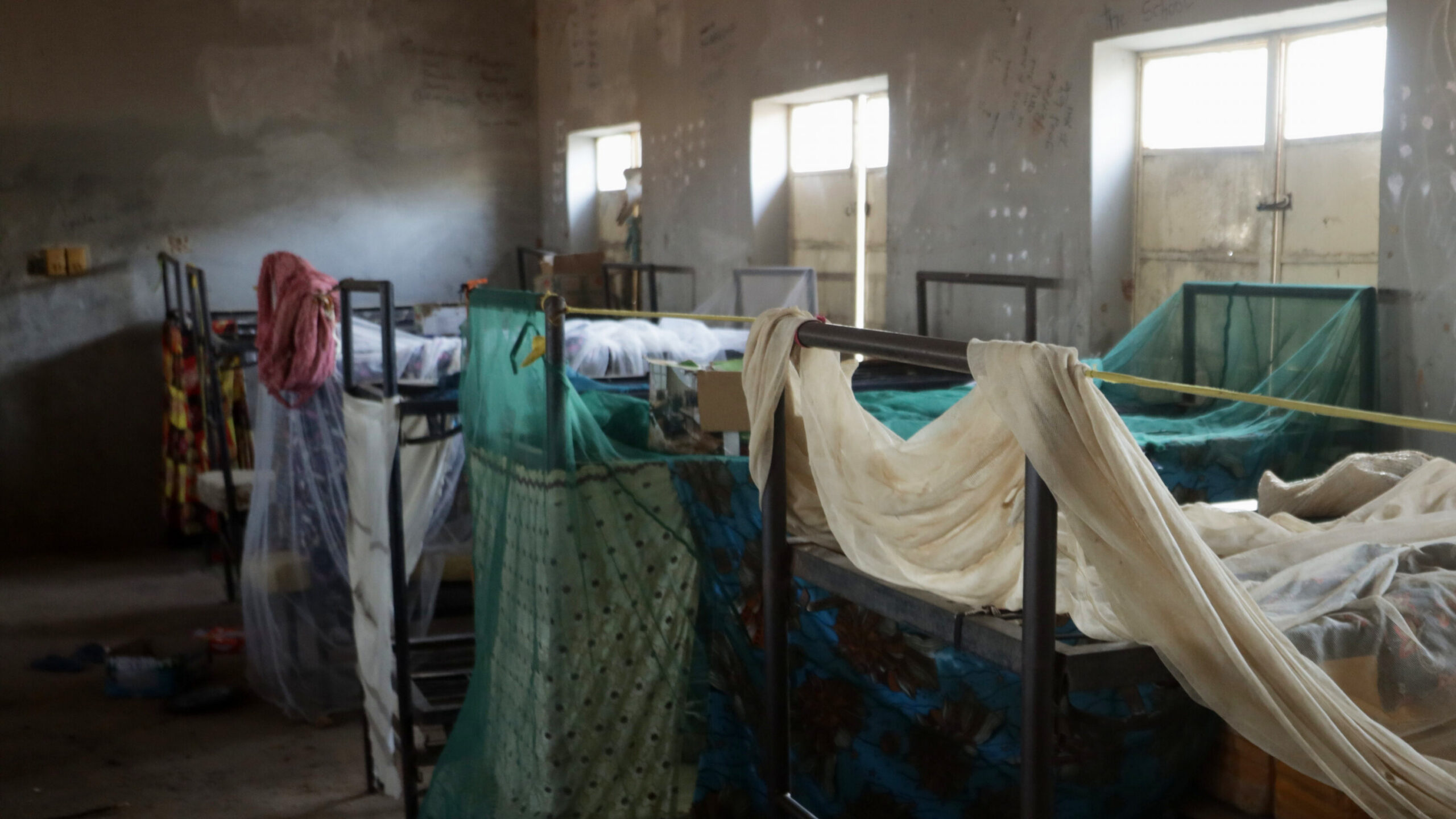
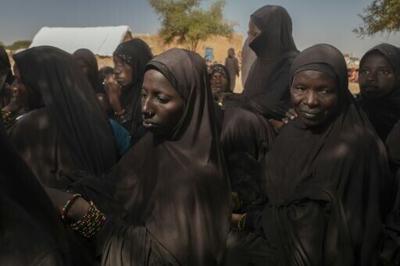
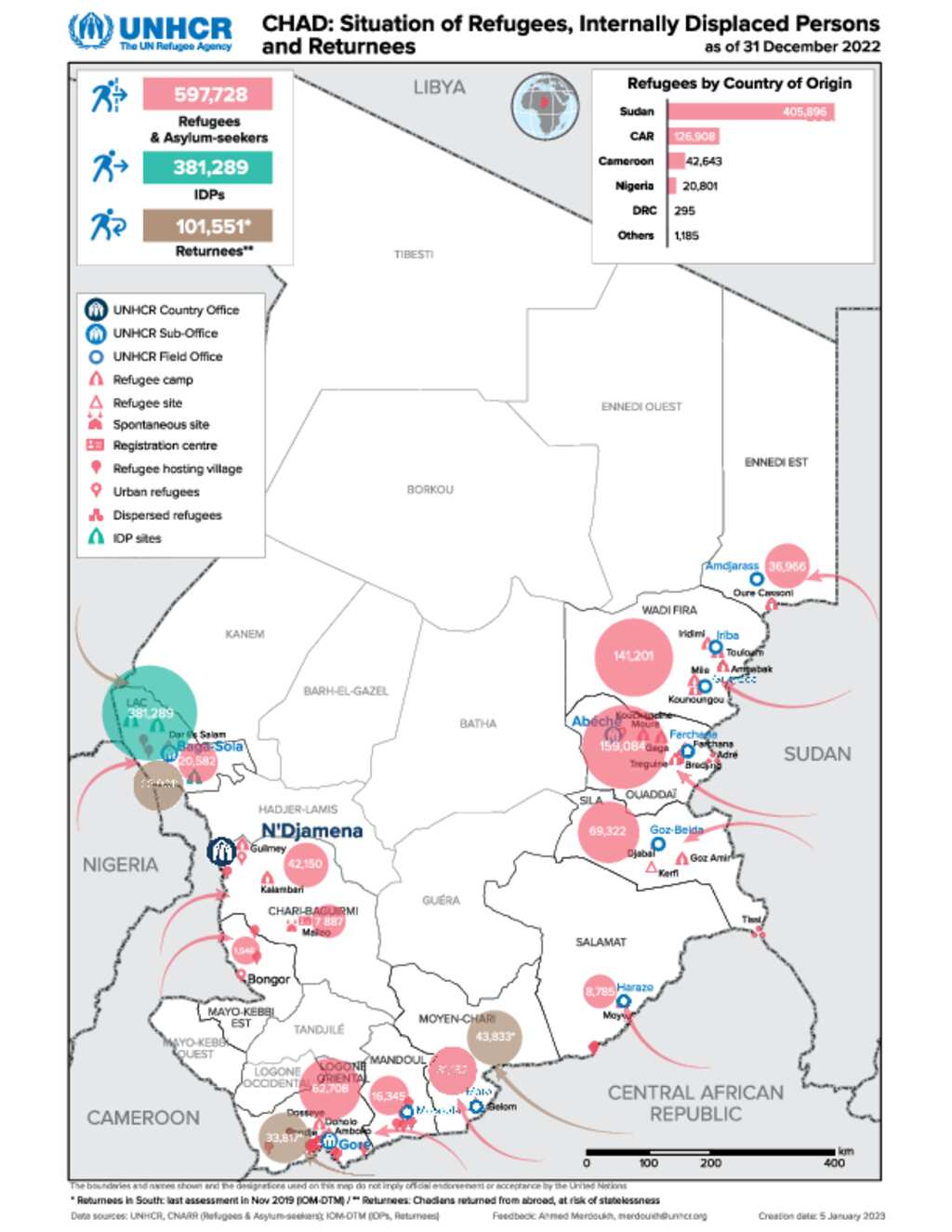
The human toll of this unrest is truly staggering. Renewed hostilities have forced over 170,000 Malians to flee across borders, seeking refuge, particularly in neighboring Mauritania. These displaced populations are overwhelming refugee camps and scattering into less secure informal settlements, underscoring the desperate plight of civilians caught between the hazards of armed conflict and the limits of humanitarian aid. The United Nations Security Council has been made aware of these deteriorating conditions, with reports highlighting how political upheavals and violent extremism have severely disrupted regional stability and stalled peace efforts. The blockade of key supply routes, like those affecting Mali’s capital, only intensifies hardships for ordinary citizens, demonstrating the far-reaching consequences for national security and human welfare. Looking ahead, the future of the Sahel states feels uncertain, yet pivotal. Regional frameworks for regional cooperation must adapt to the realities on the ground, and international partners need to rethink approaches that prioritize engagement over isolation. Sustainable peace here won’t just require military and political strategies, but also inclusive socioeconomic programs addressing the root causes of unrest, such as poverty, marginalization, and governance deficits. The resilience of Sahel communities in the face of such immense challenges is inspiring, but without coordinated and sustained support, this crisis risks spiraling further, with consequences that could easily resonate beyond the region’s borders. The world is watching; the imperative is clear: the Alliance of Sahel States must find pathways to stability, and their success will be a testament to powerful local leadership combined with constructive global partnership.