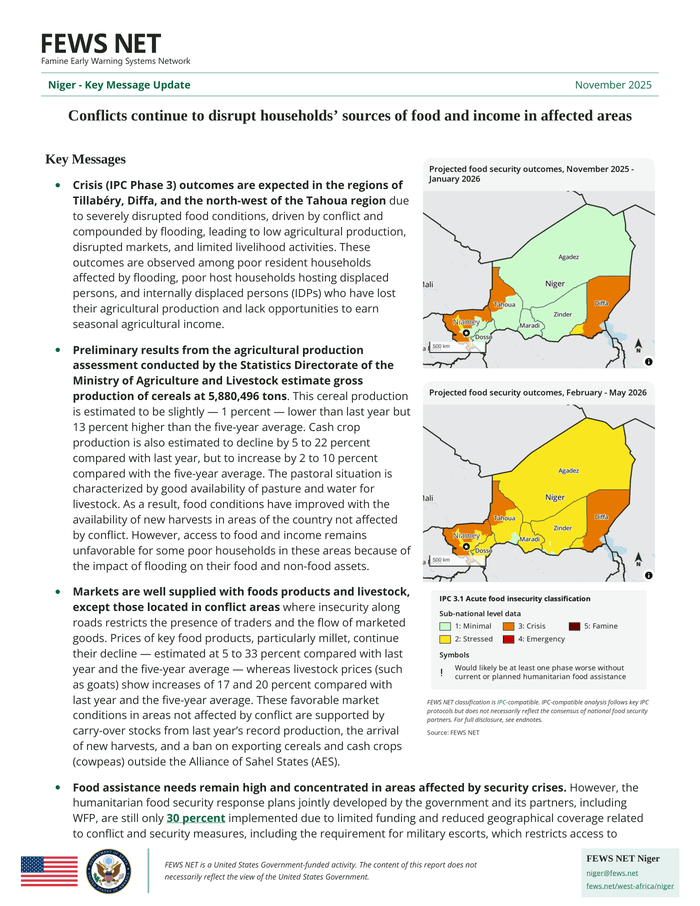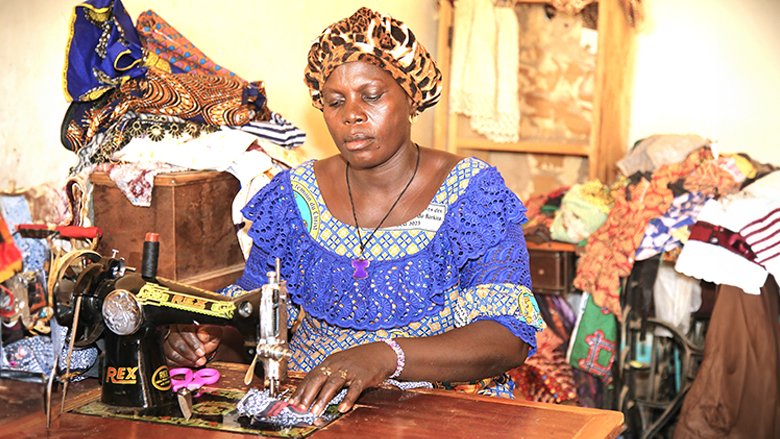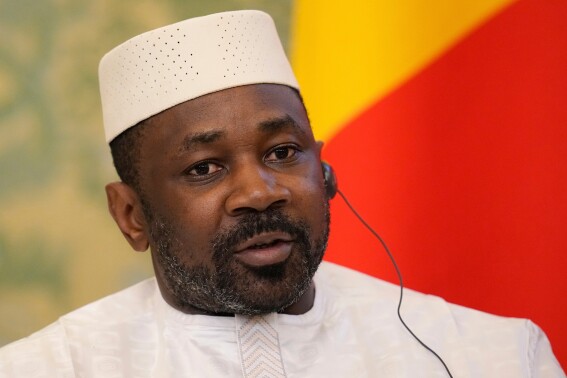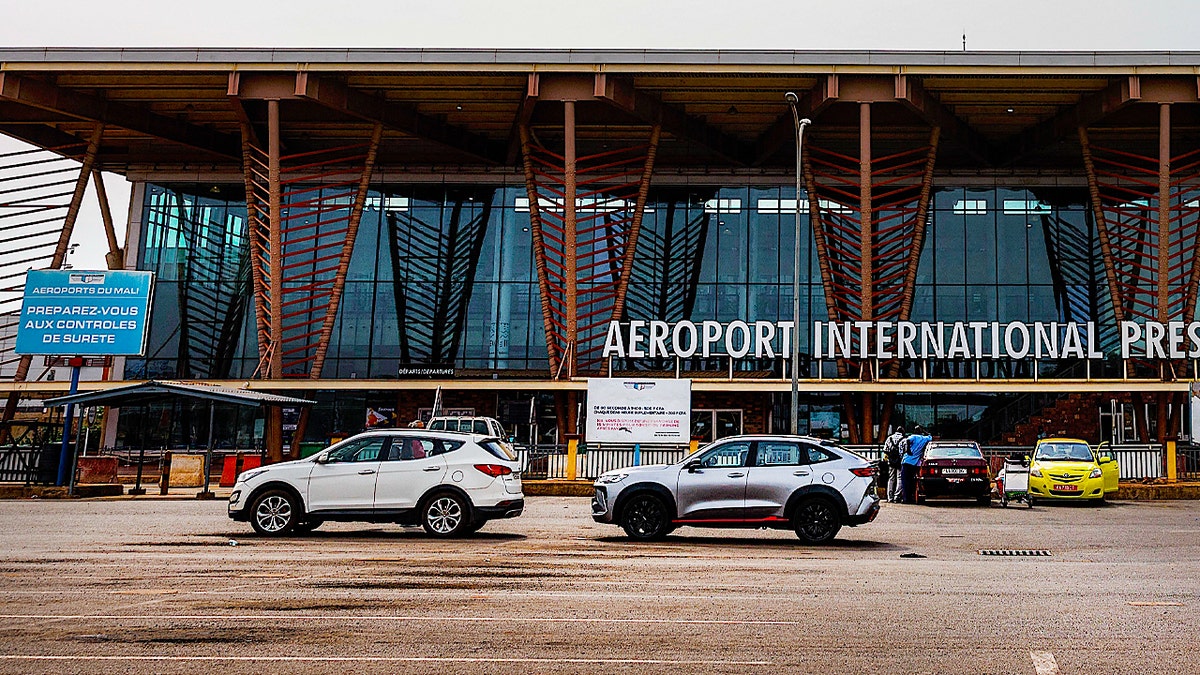

Sahel’s New Dawn: Burkina Faso, Mali, and Niger Forge Bold Alliance Amidst Turmoil
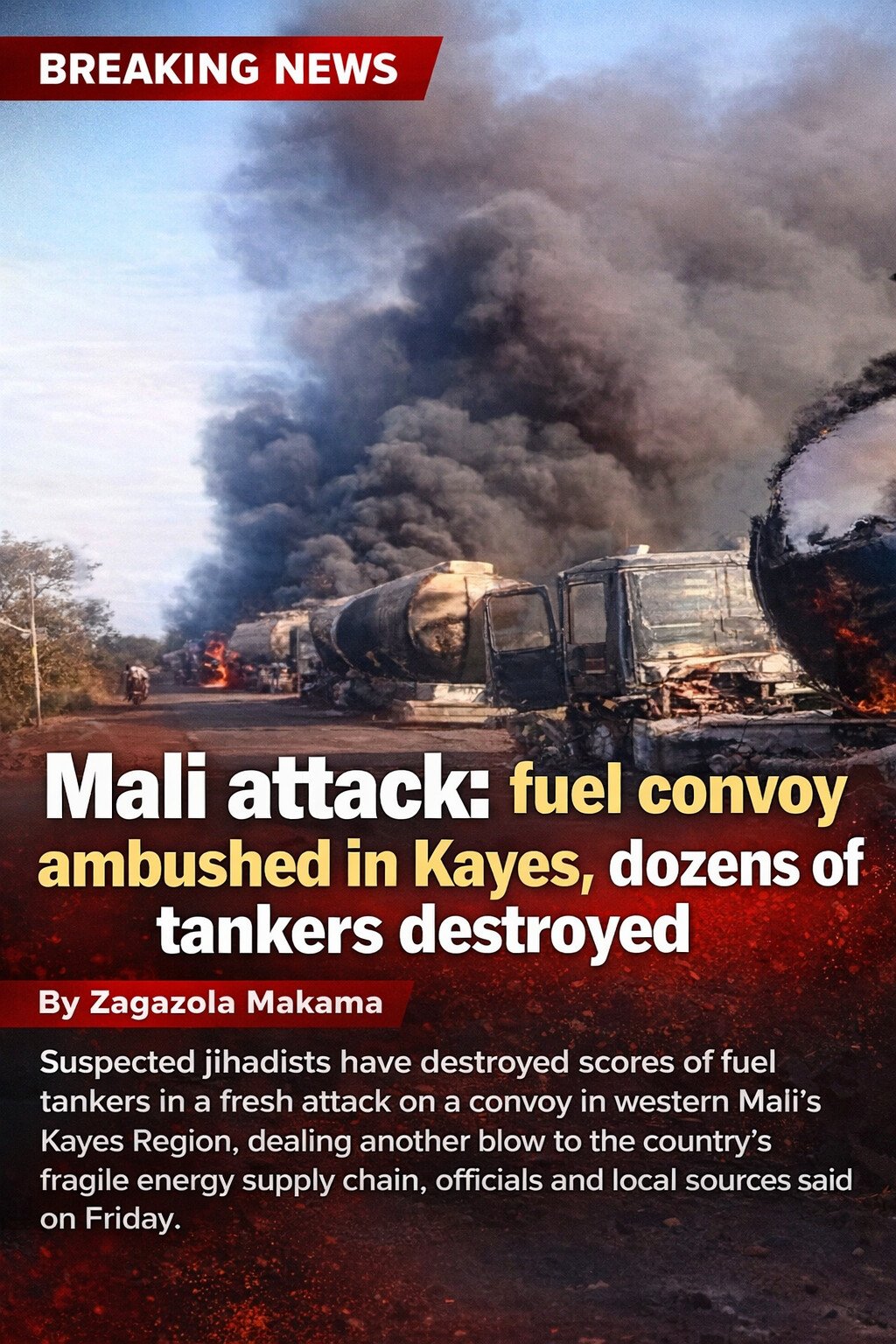
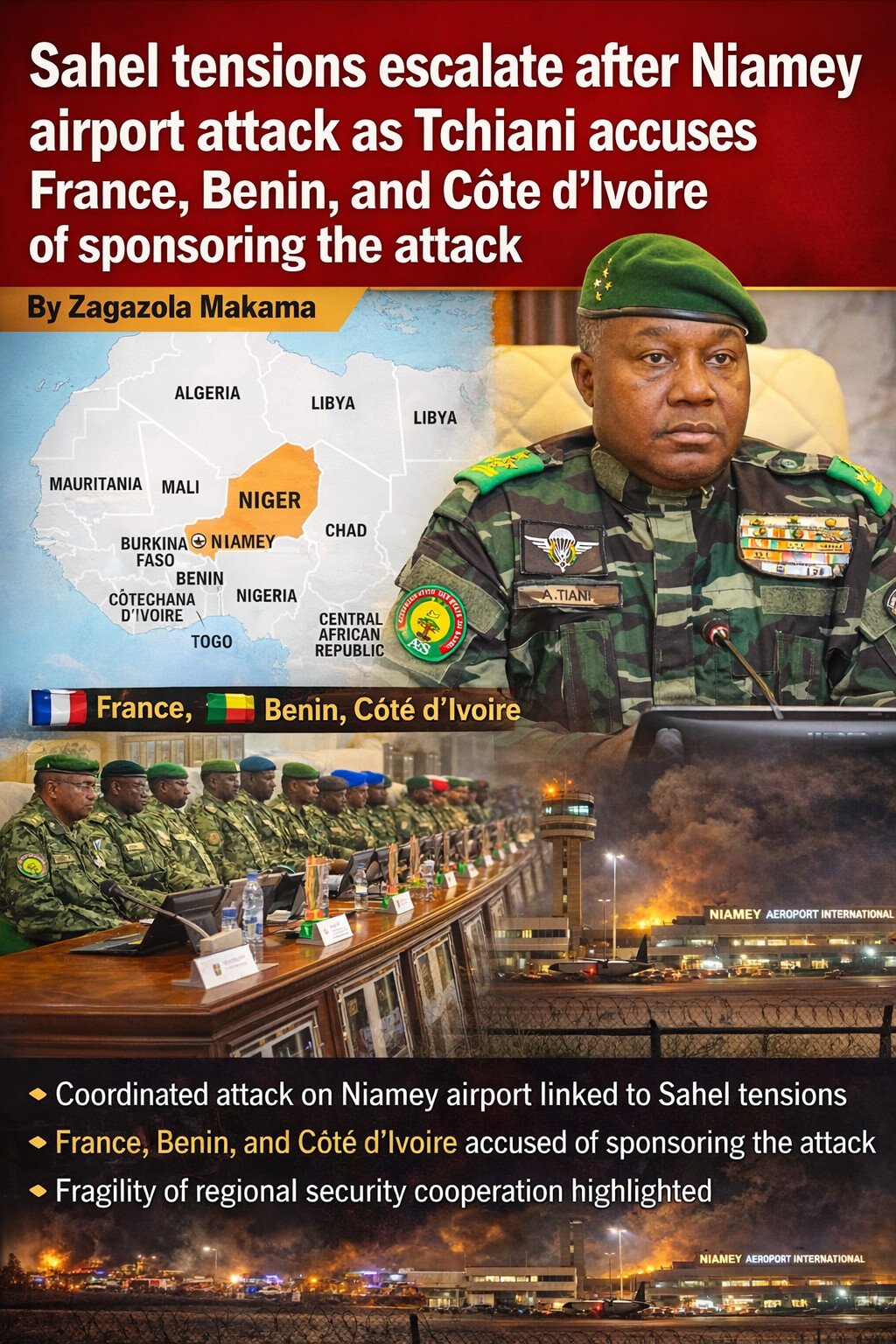
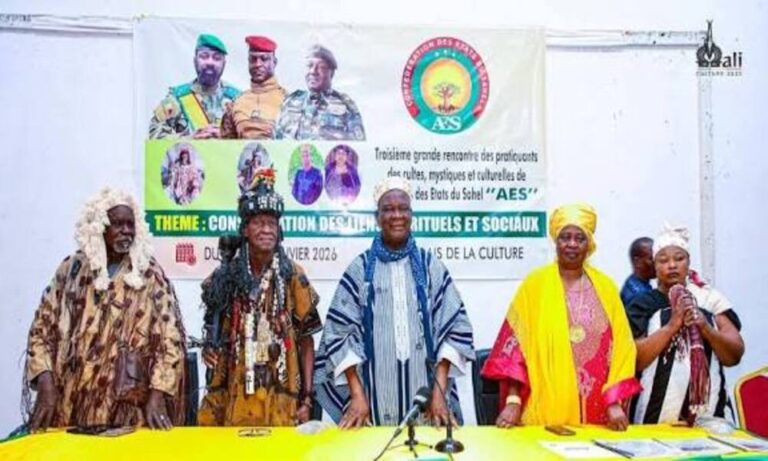
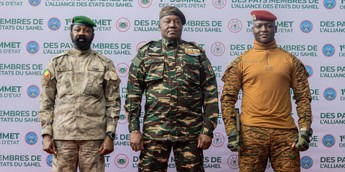
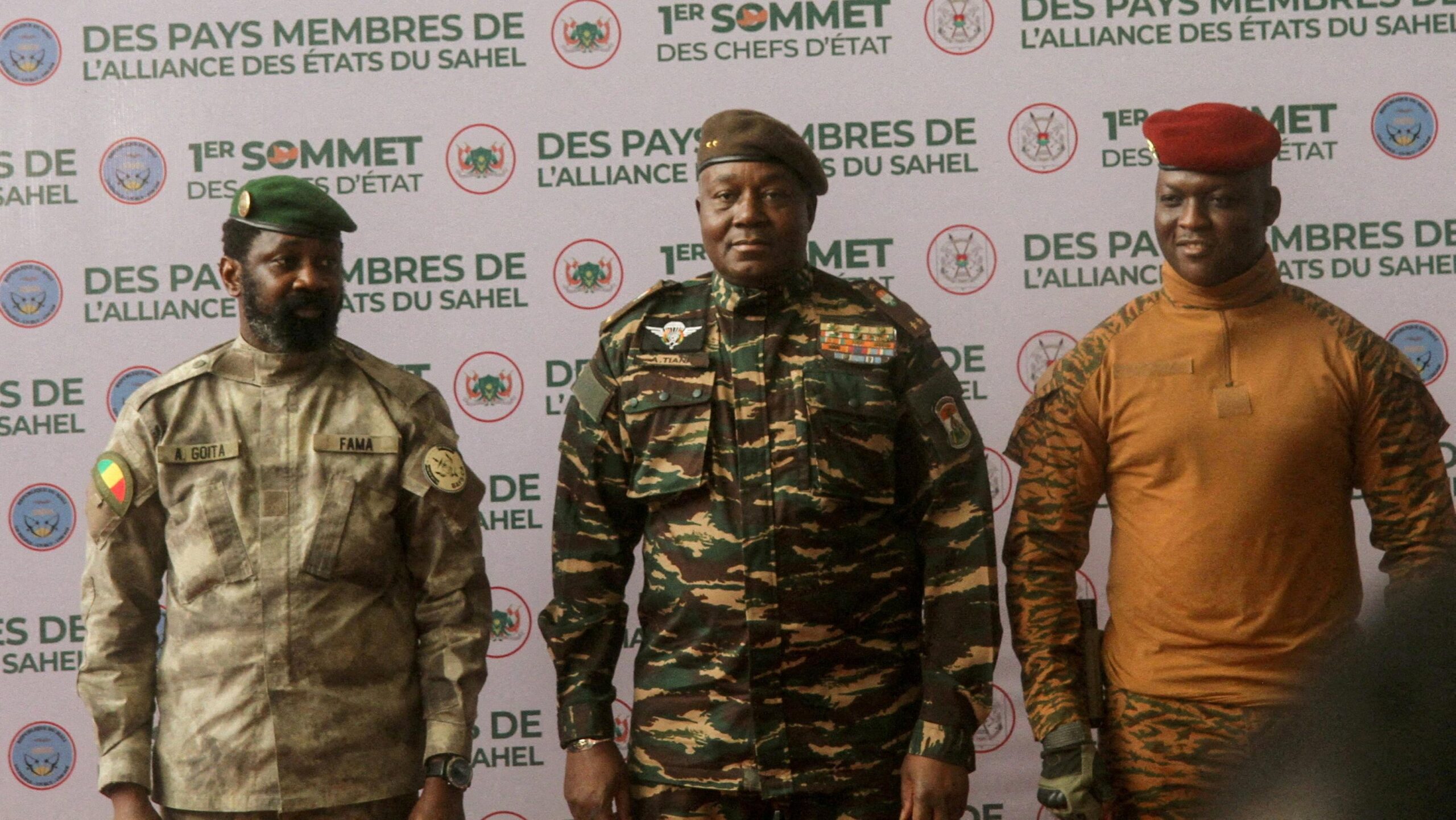
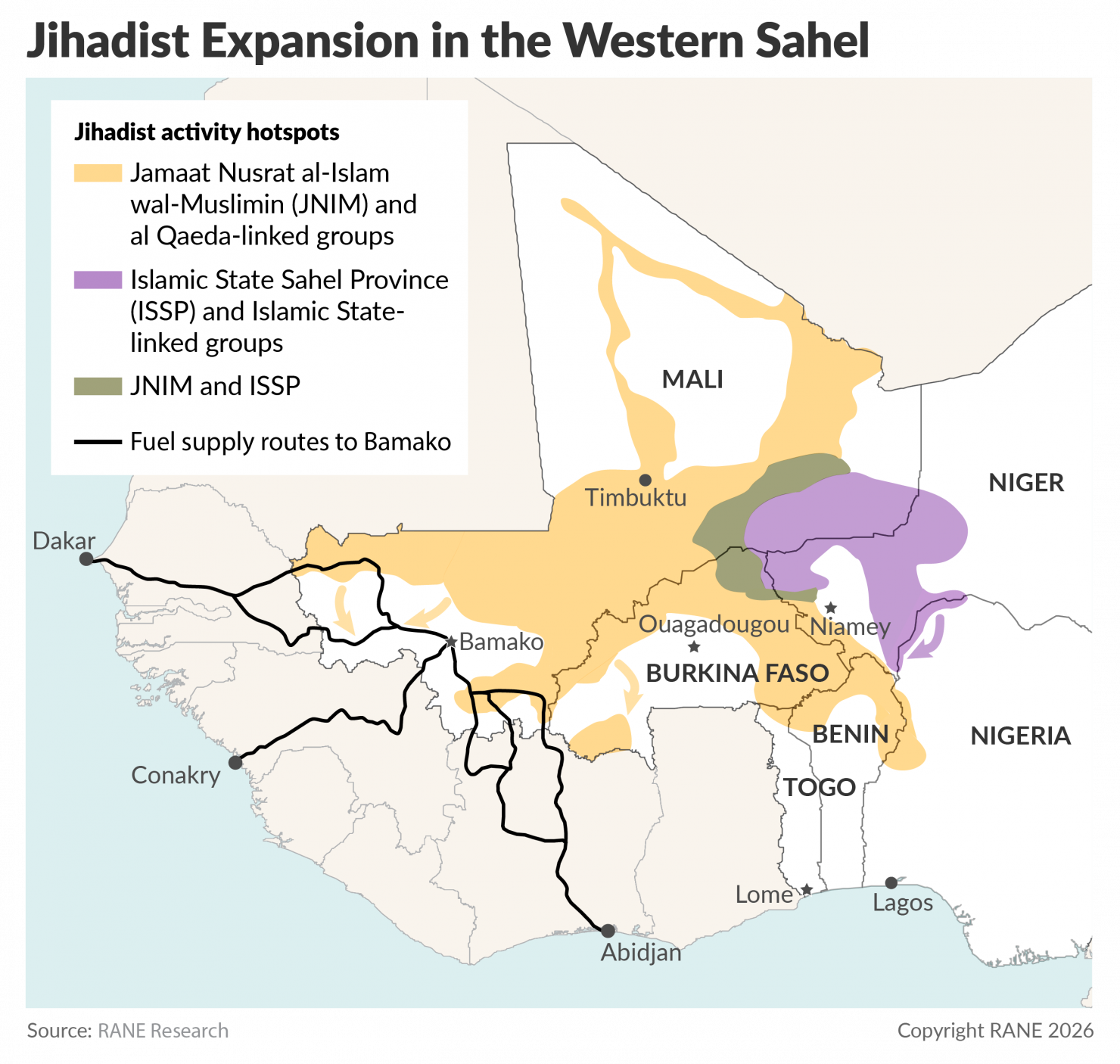
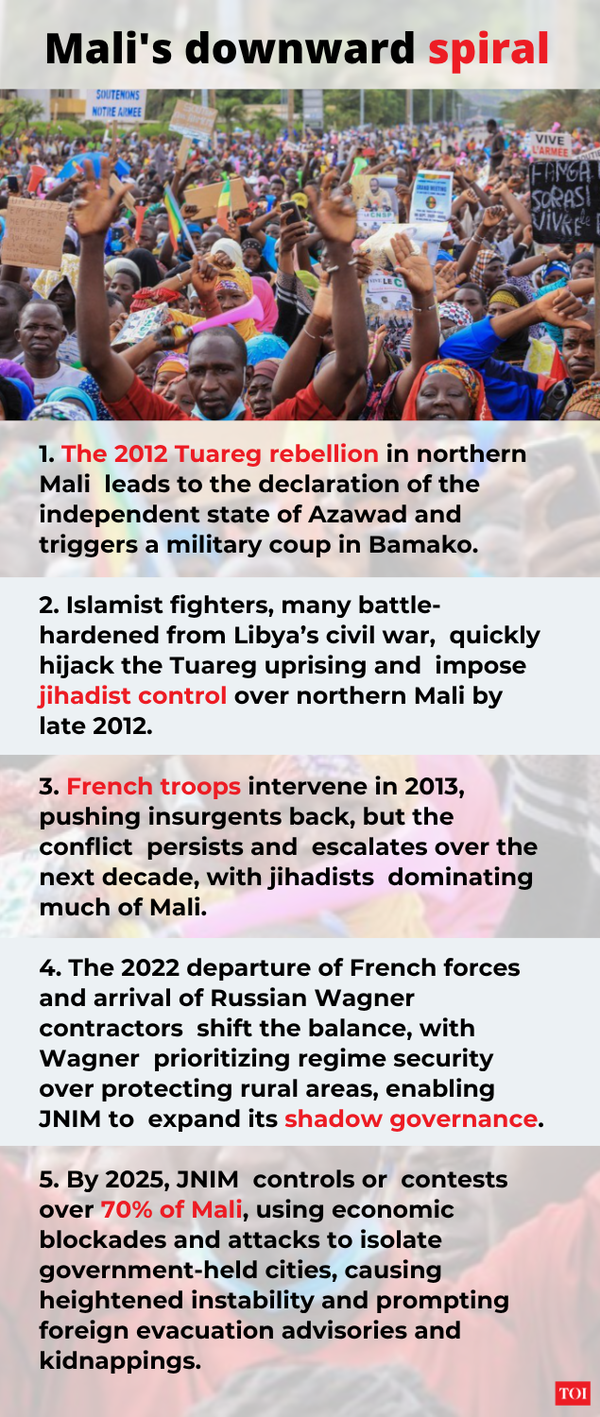
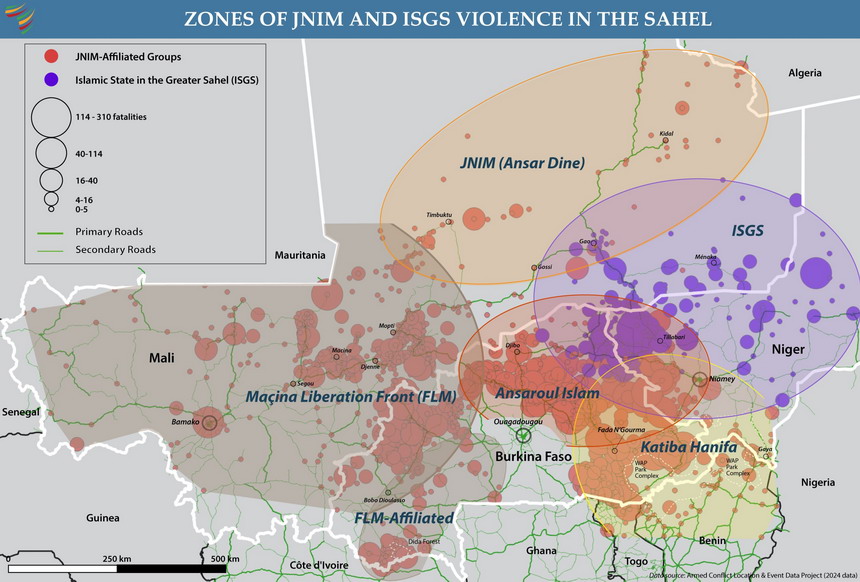
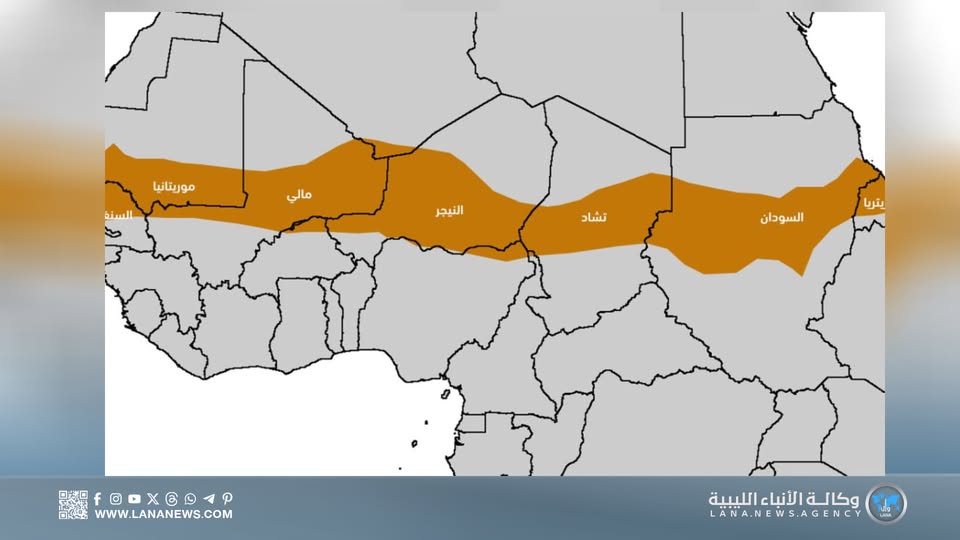
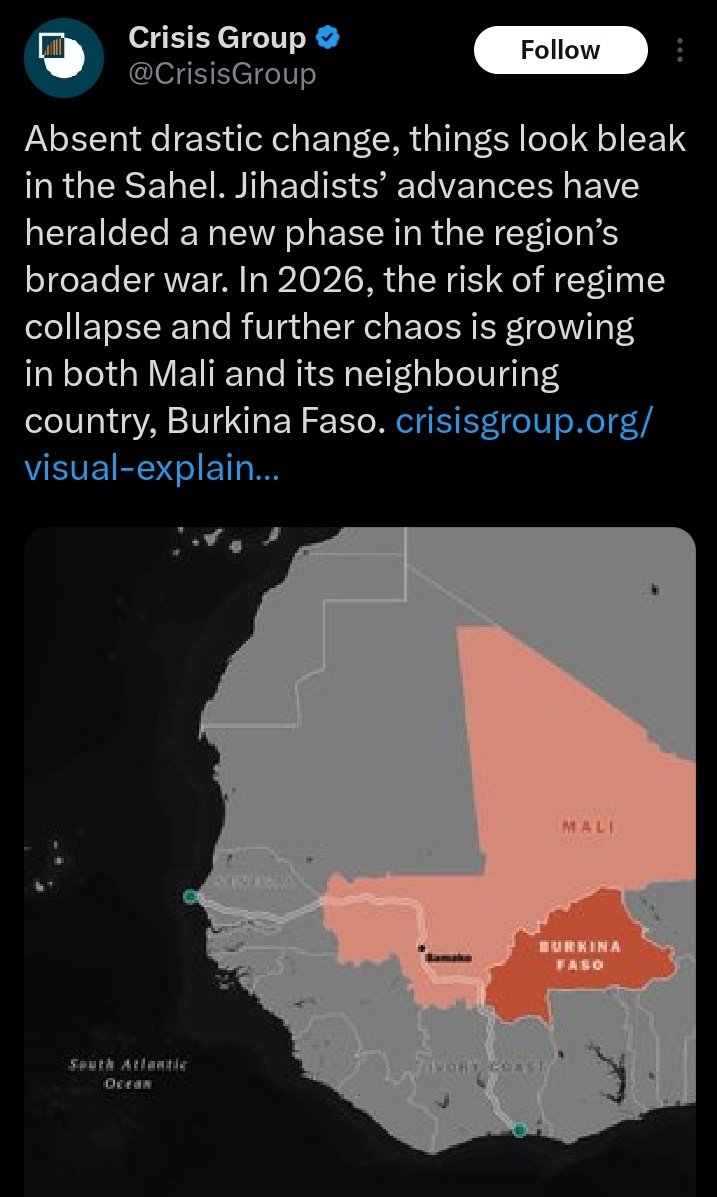
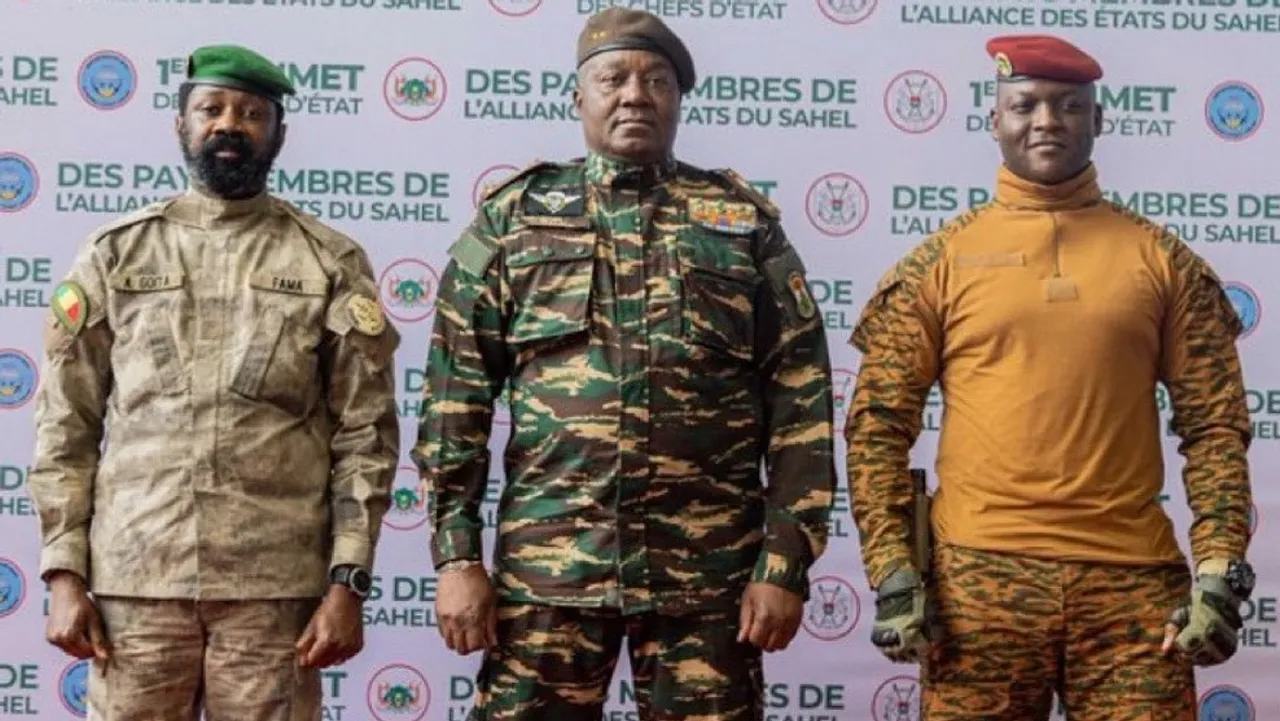
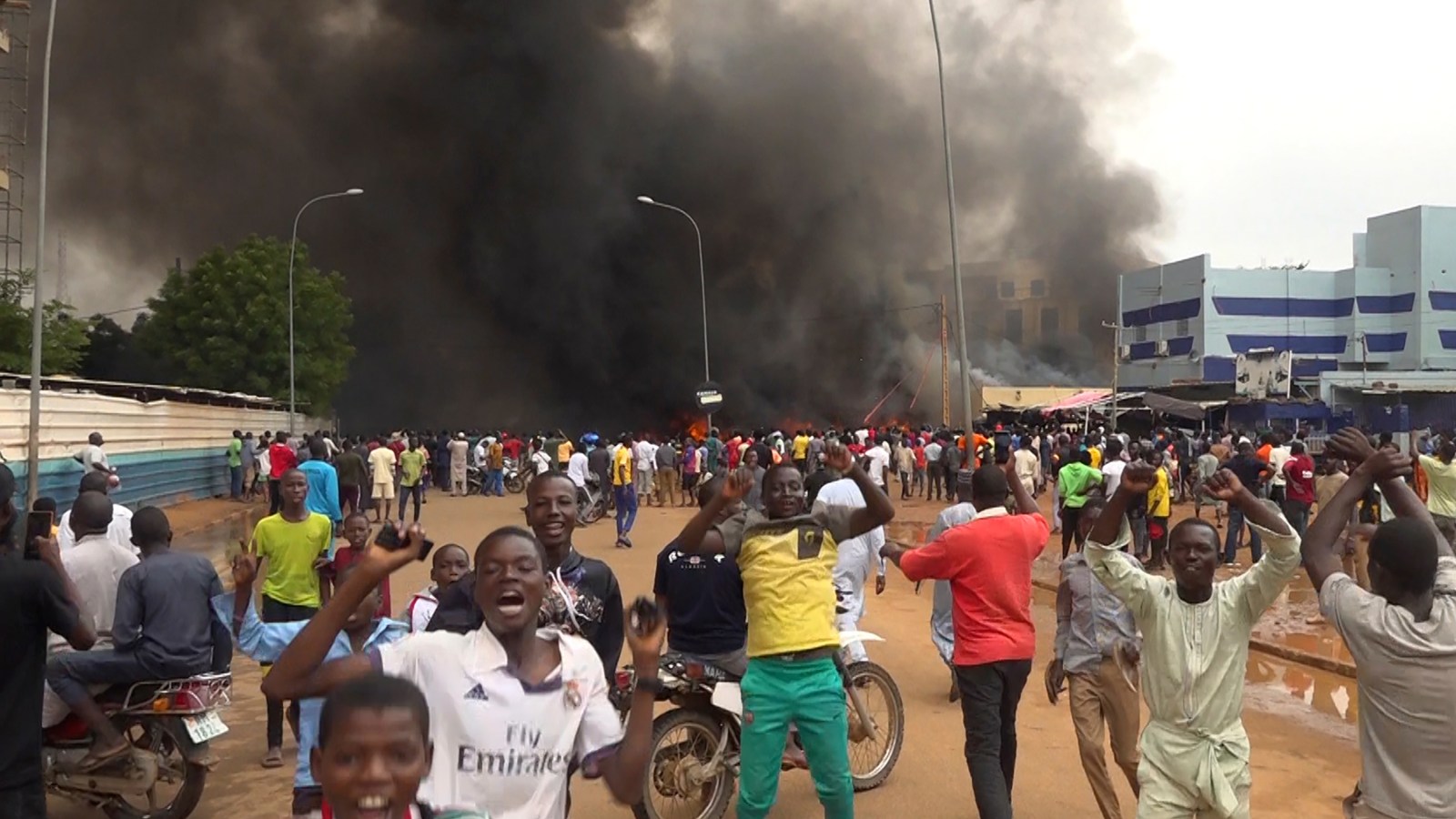
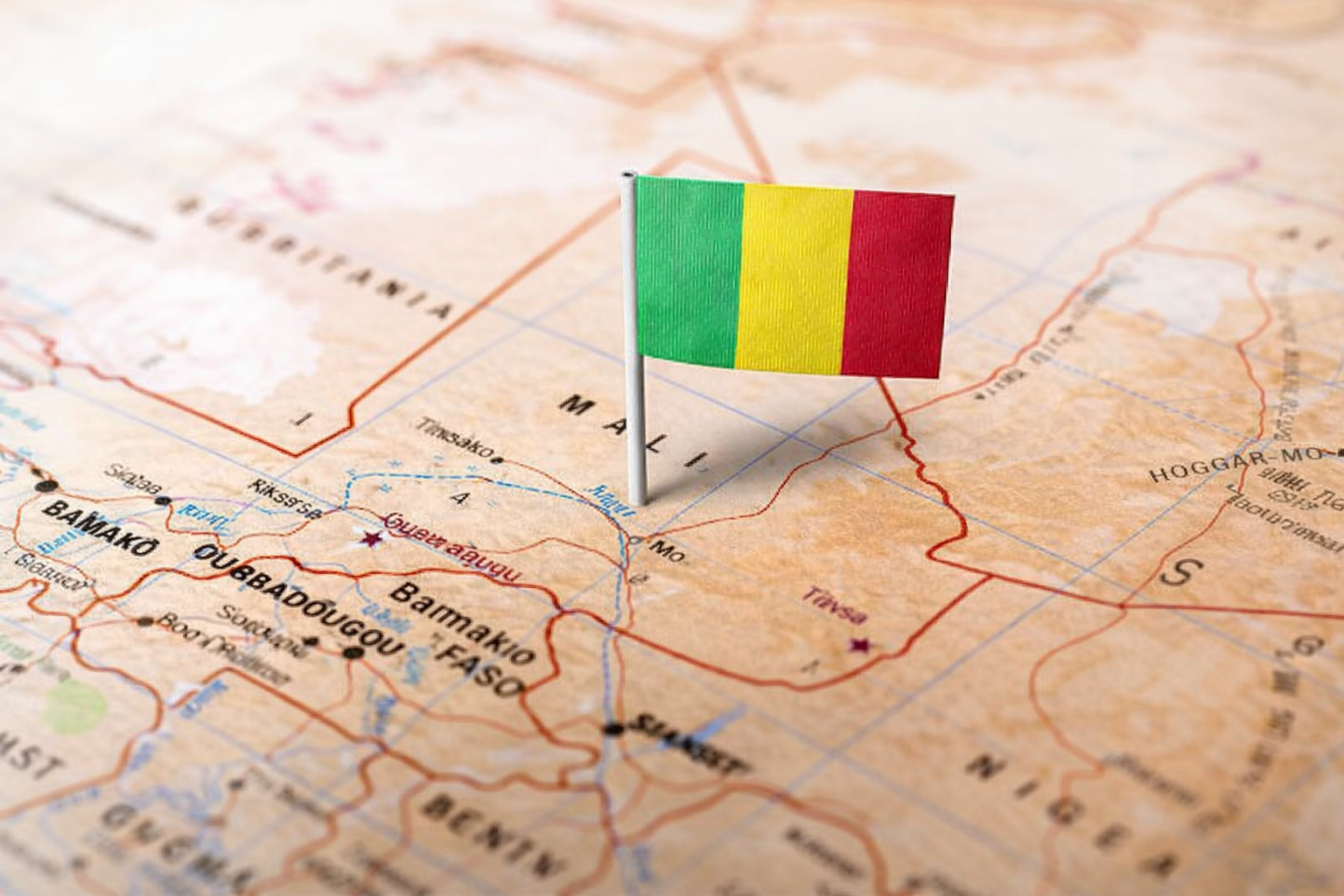
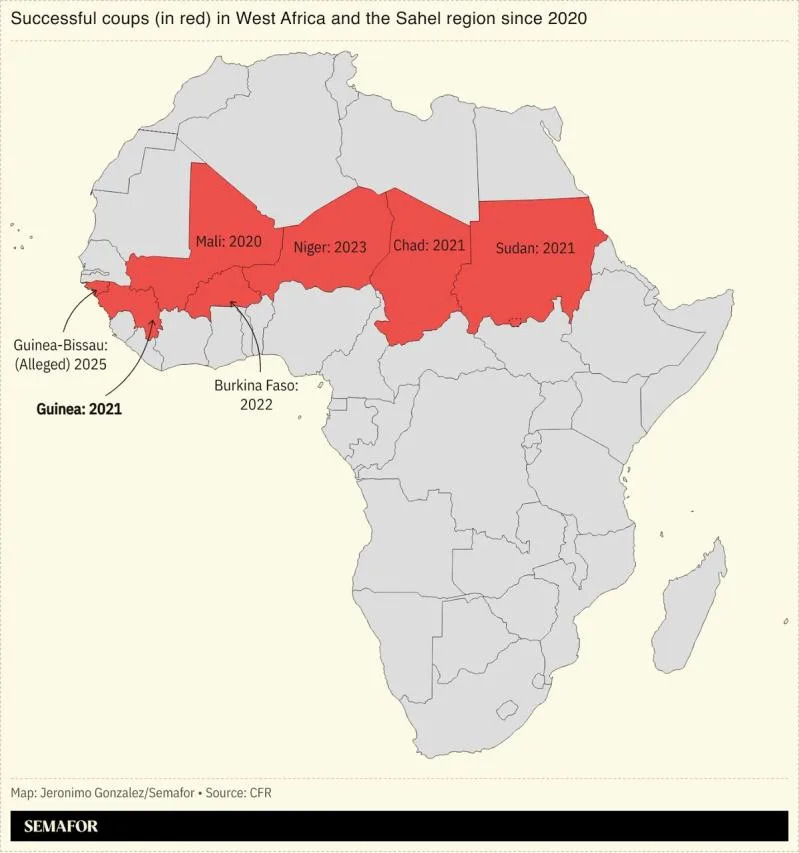
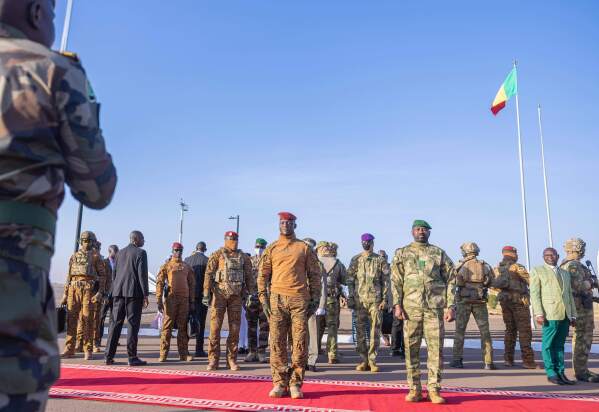
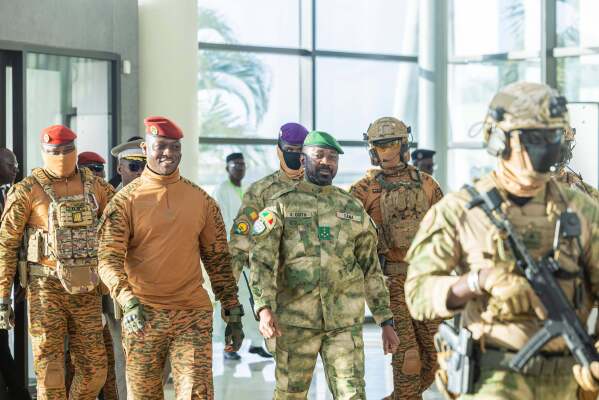
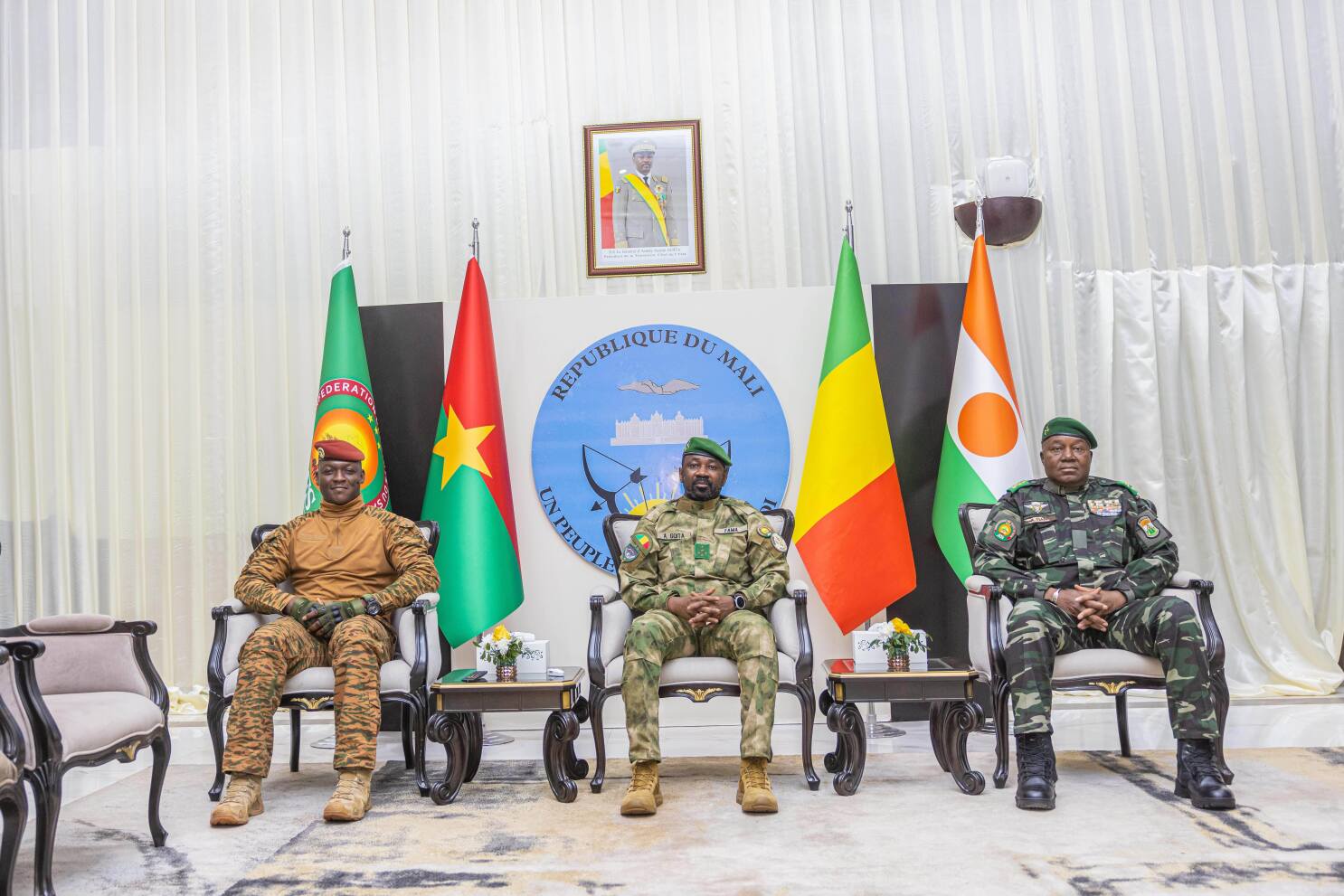
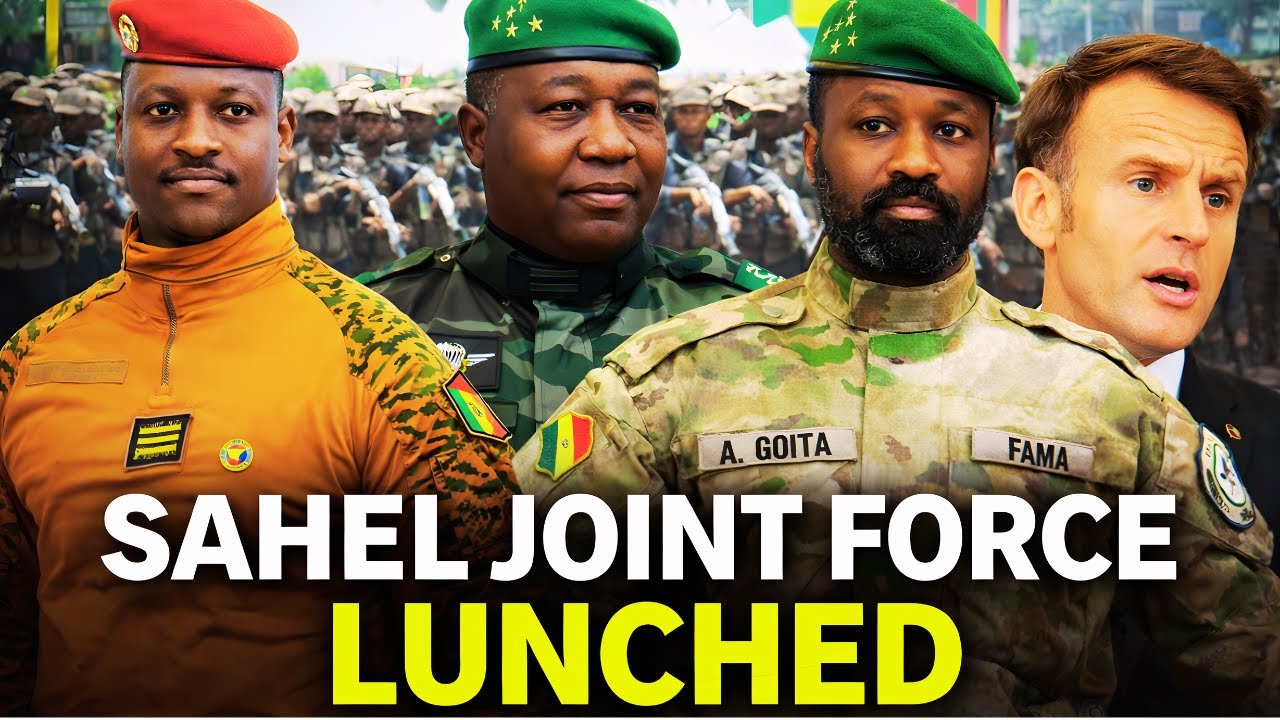
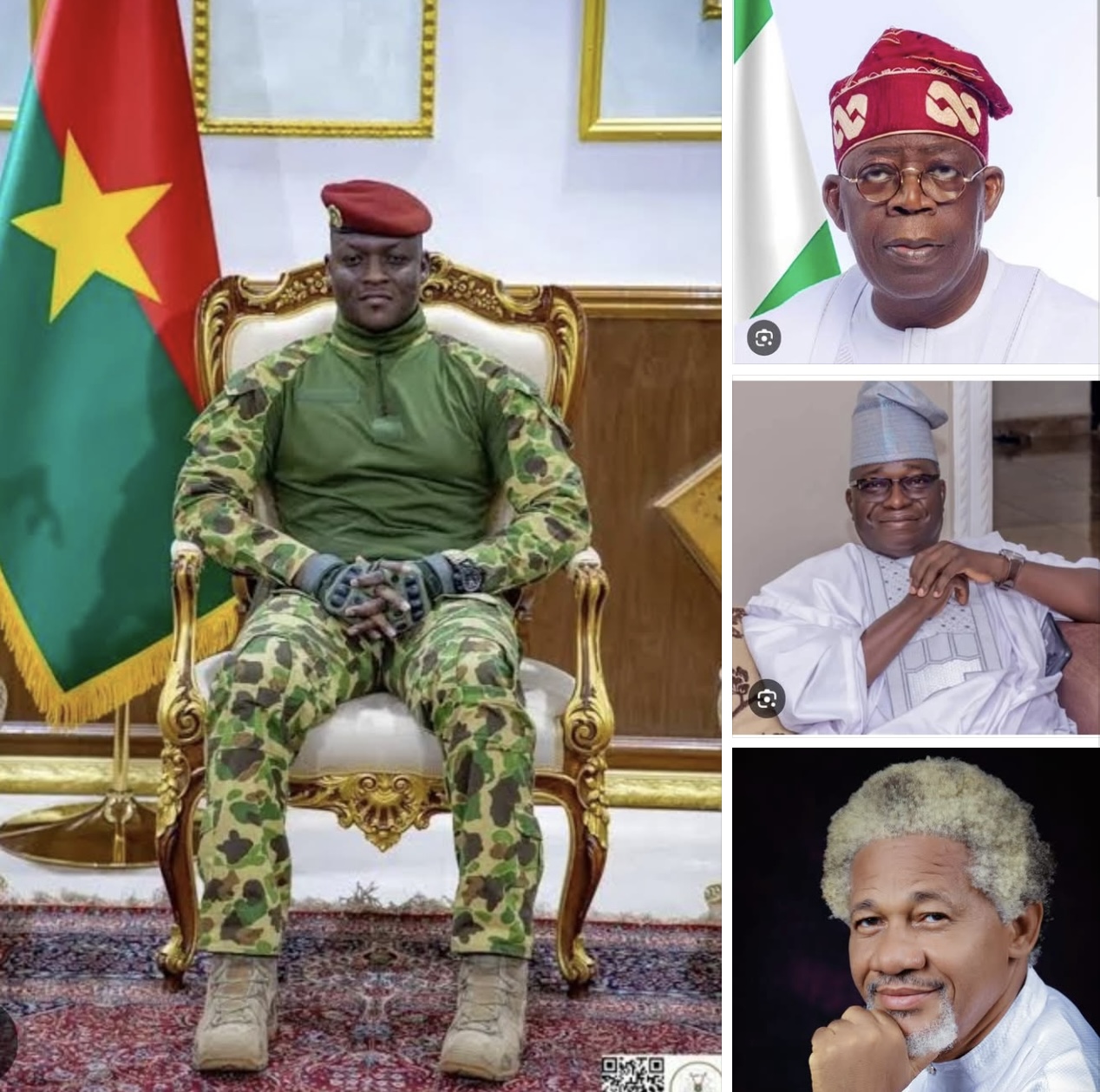
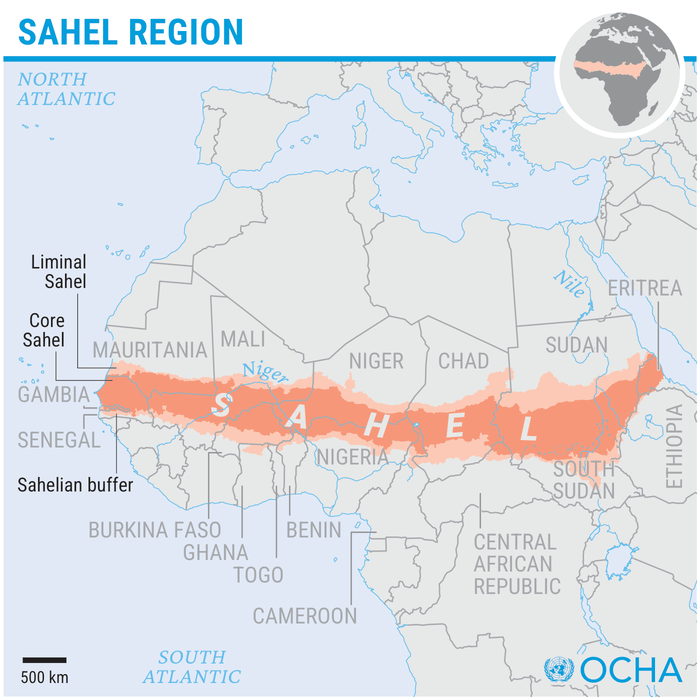
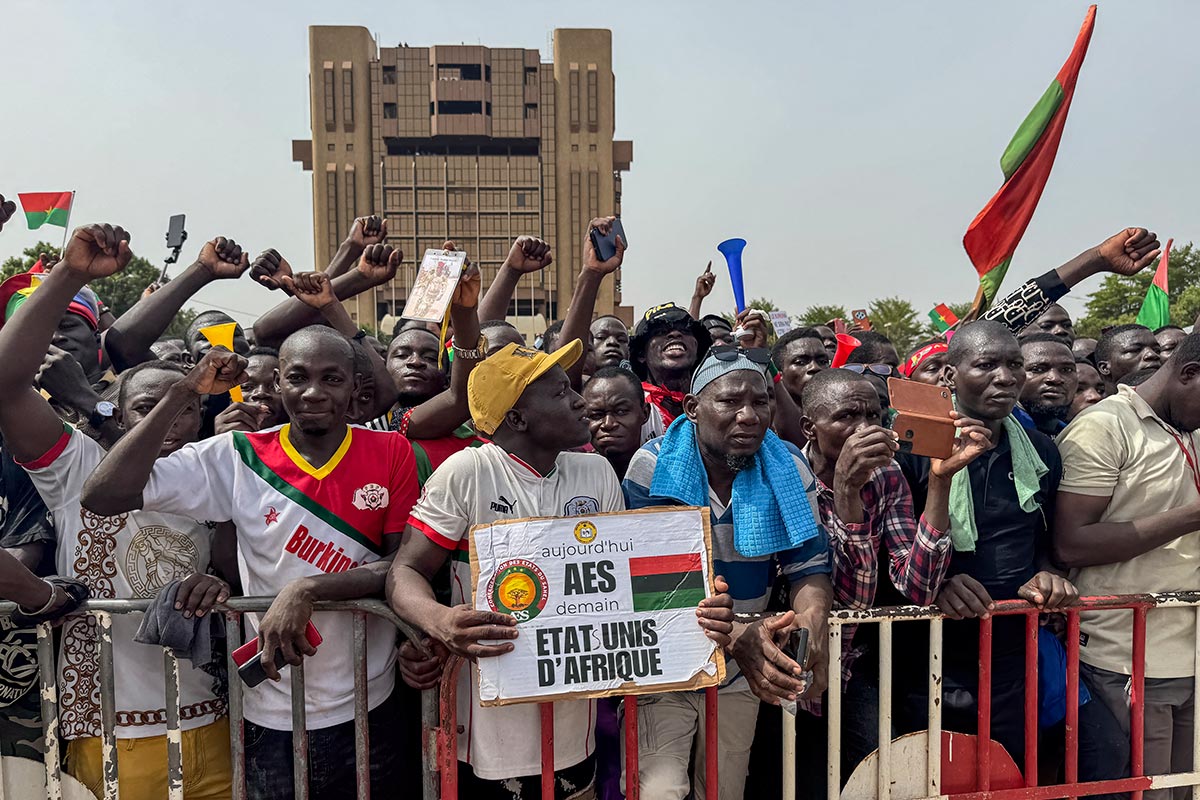
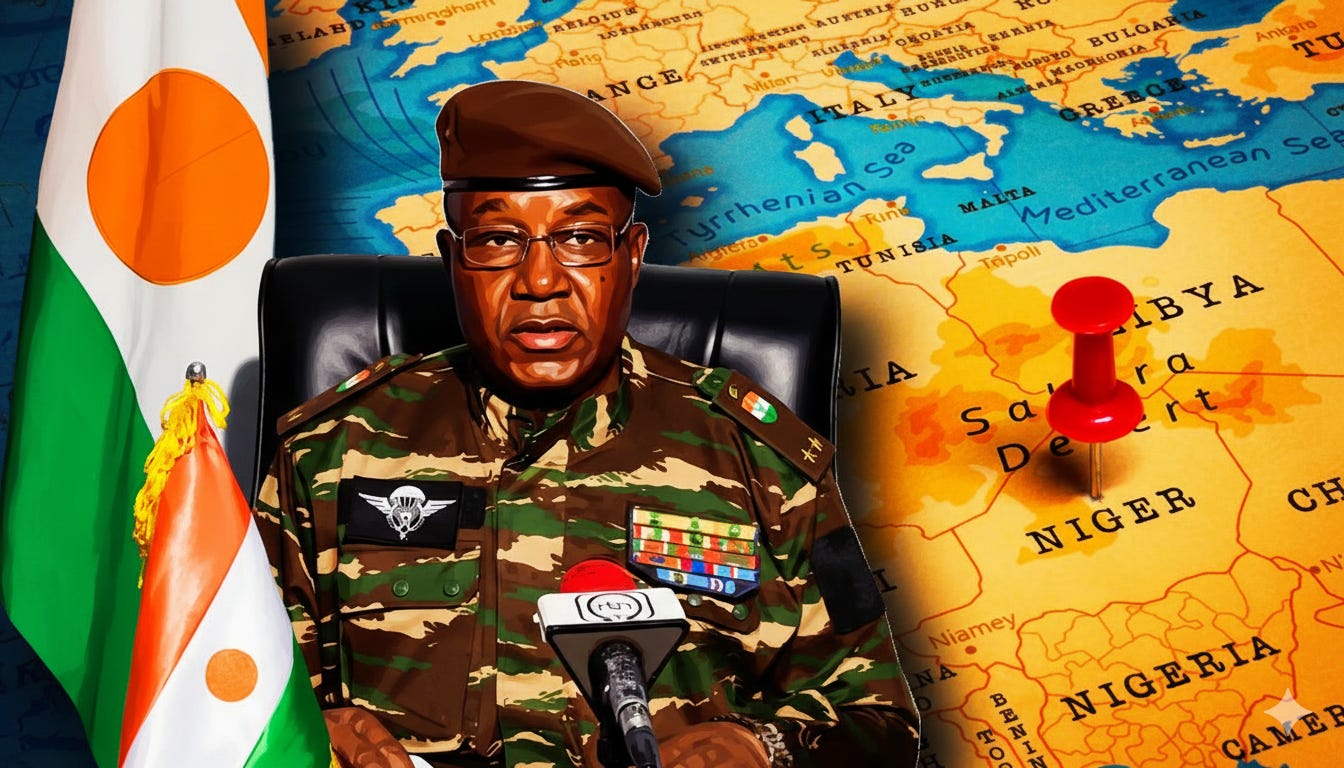
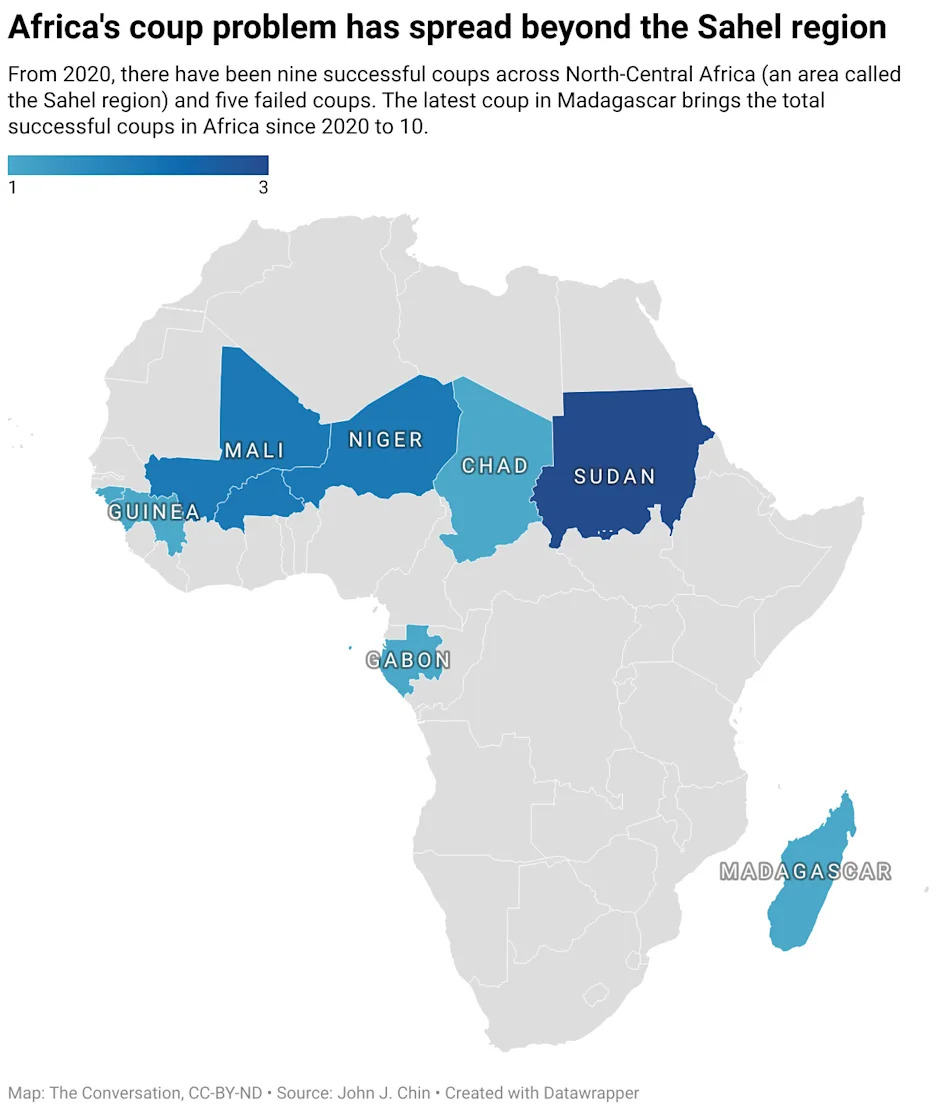
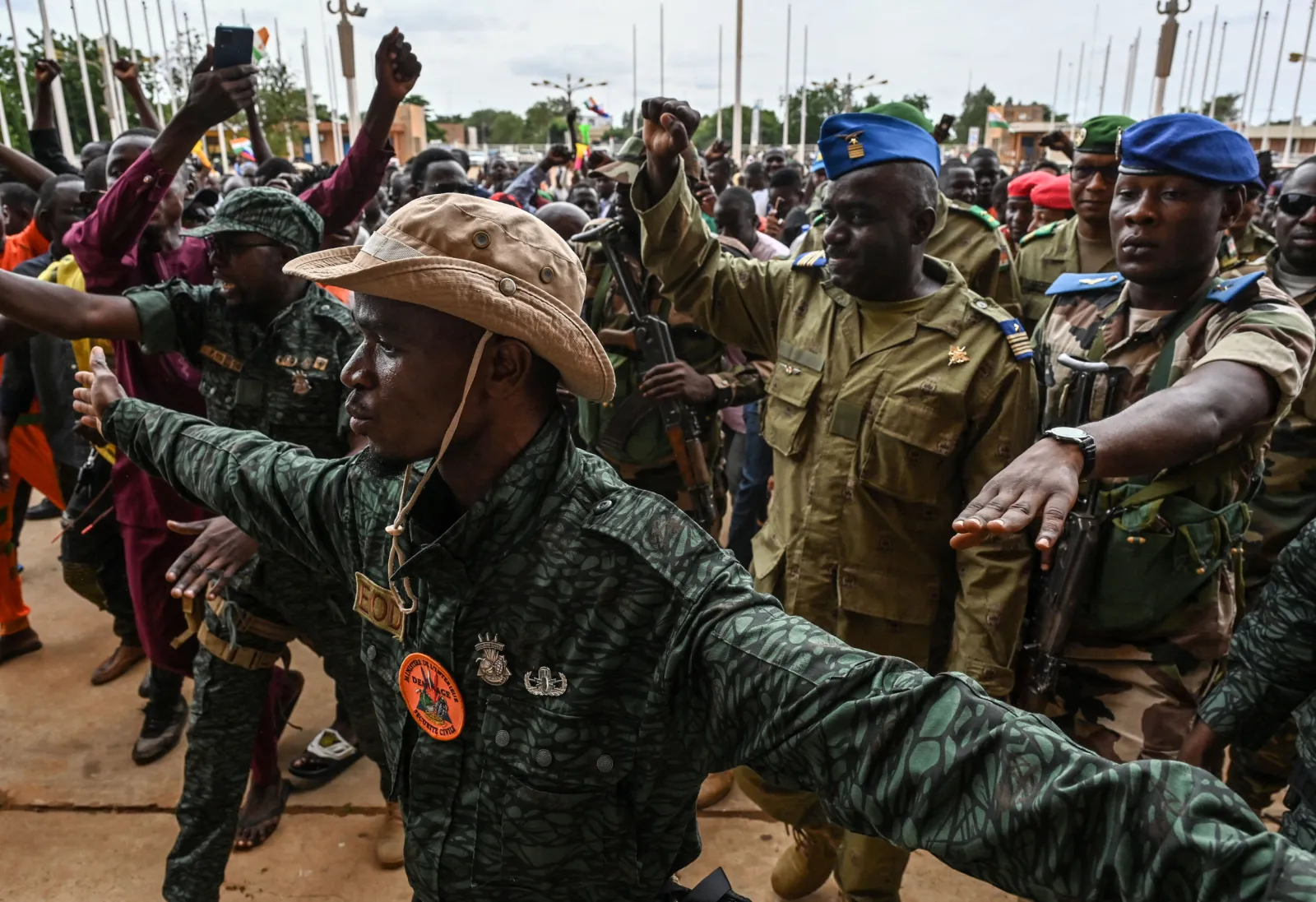
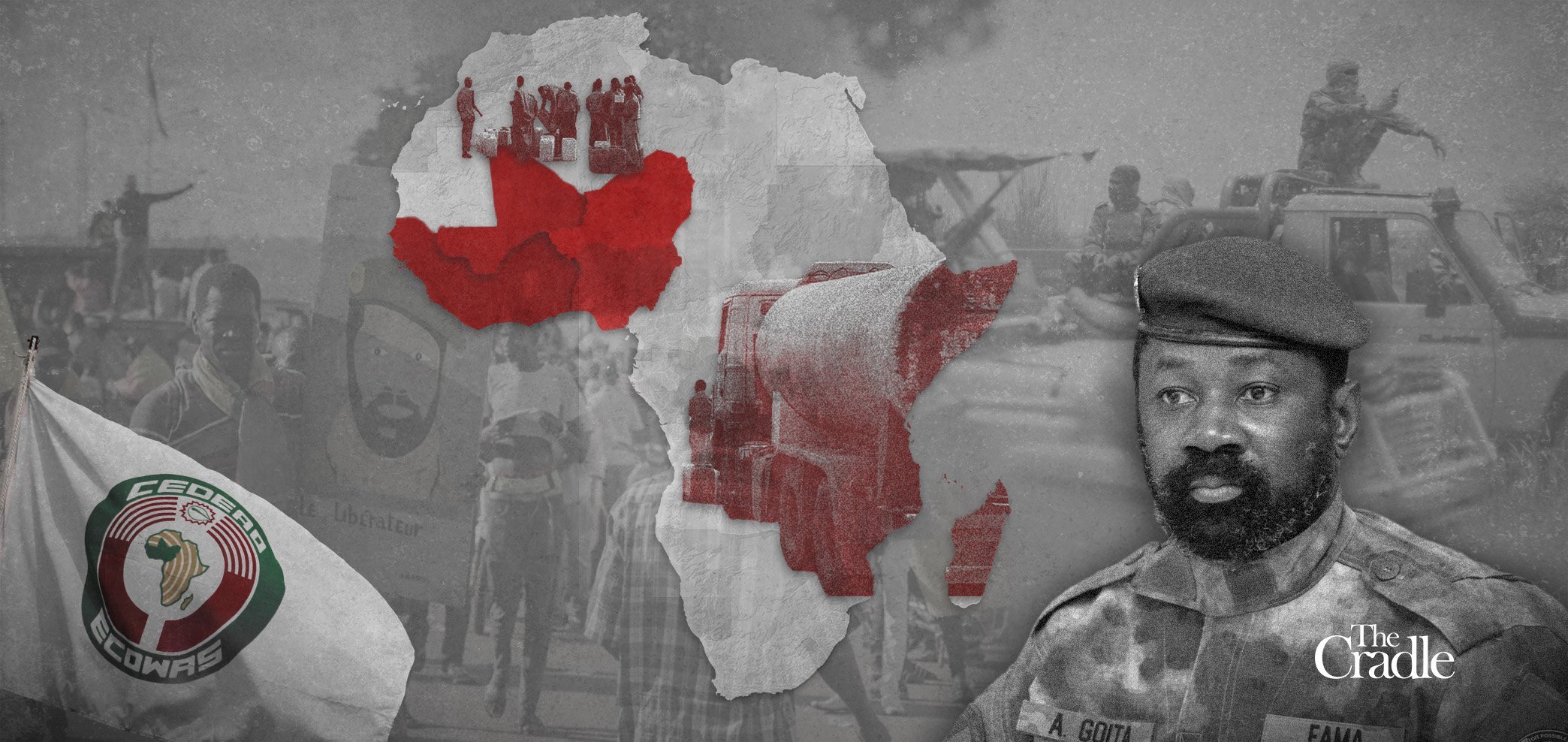
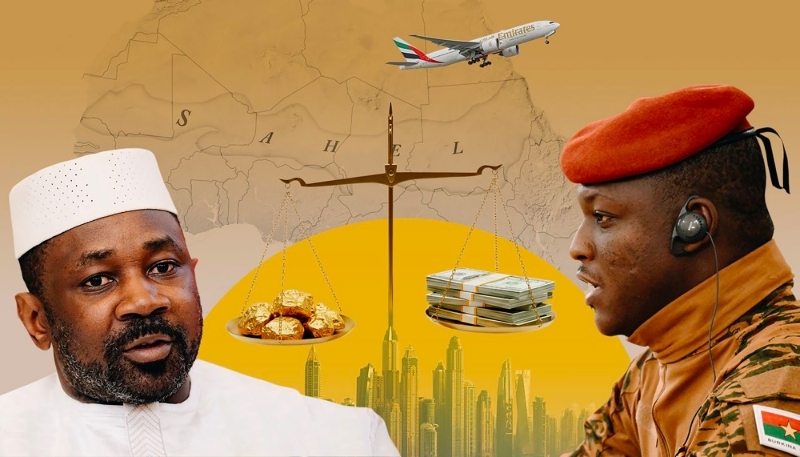
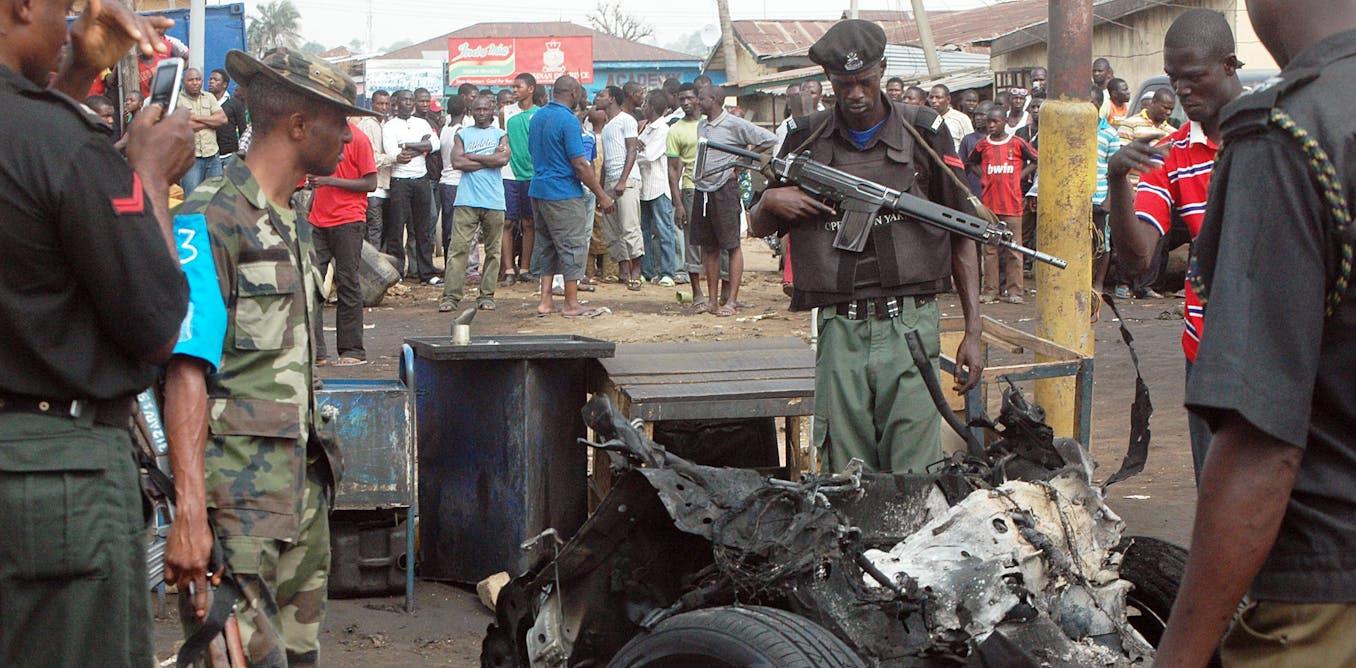
A seismic shift is unfolding in West Africa. Three prominent Sahel nations – Burkina Faso, Mali, and Niger – have courageously charted a fresh course by forming the Alliance of Sahel States, or AES. This isn’t merely a political announcement; it’s a profound, strategic confederation emerging precisely when the region grapples with relentless Islamist militant insurgencies, persistent governance challenges, and a rapidly evolving geopolitical landscape. After both Mali’s departure from the internationally backed G5 Sahel alliance in 2022, and Niger and Burkina Faso’s subsequent withdrawals in 2023, these nations clearly recognized an urgent need for a security framework truly tailored to their unique concerns and specific contexts. The AES, therefore, represents a remarkable dedication to collective strength and sovereignty, seamlessly blending enhanced military cooperation with ambitious technological innovation. What does this unprecedented move signify for a region that’s been battling jihadist violence for over a decade? It’s a bold, assertive push towards redefining regional security and asserting greater autonomy.
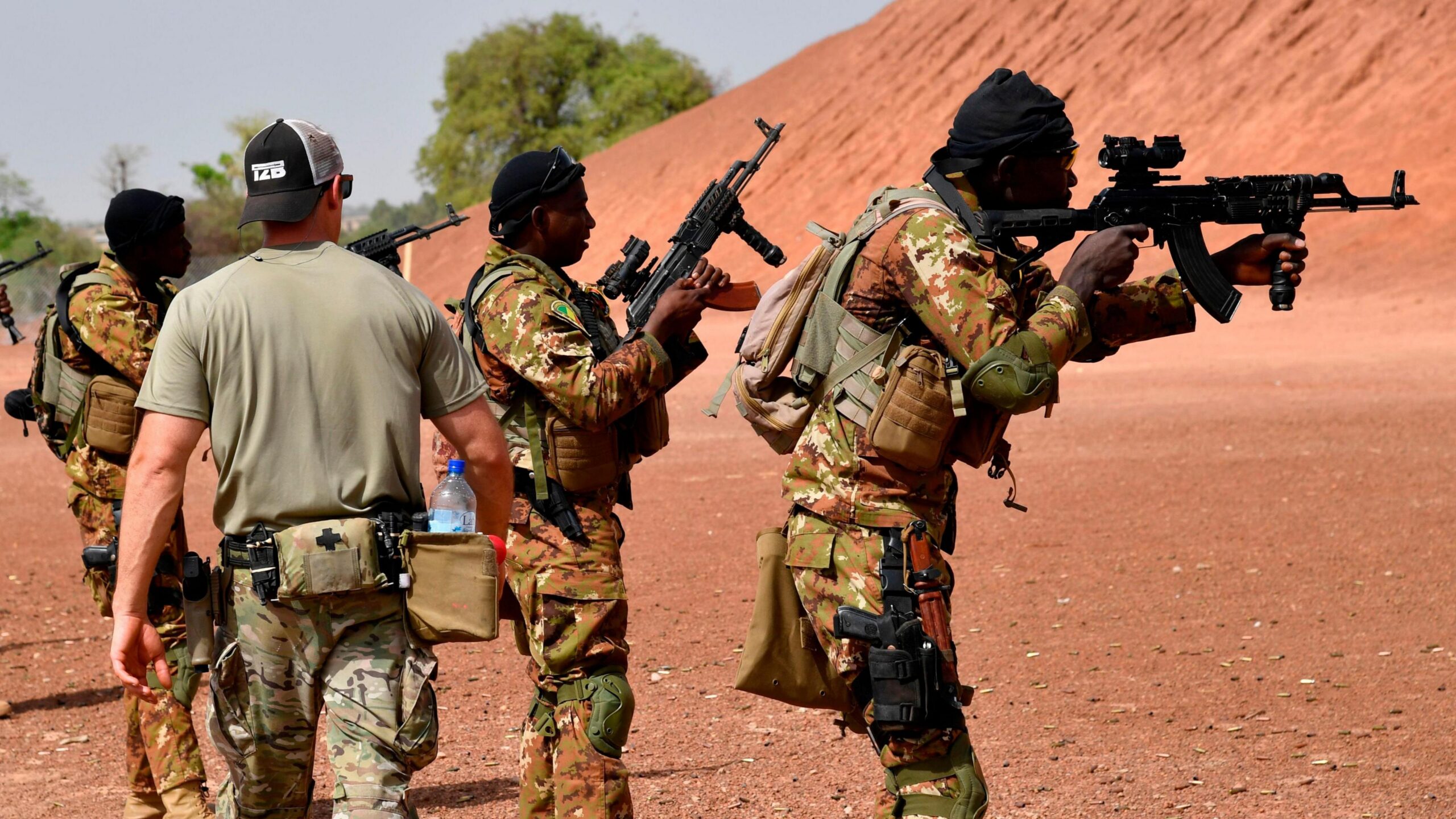
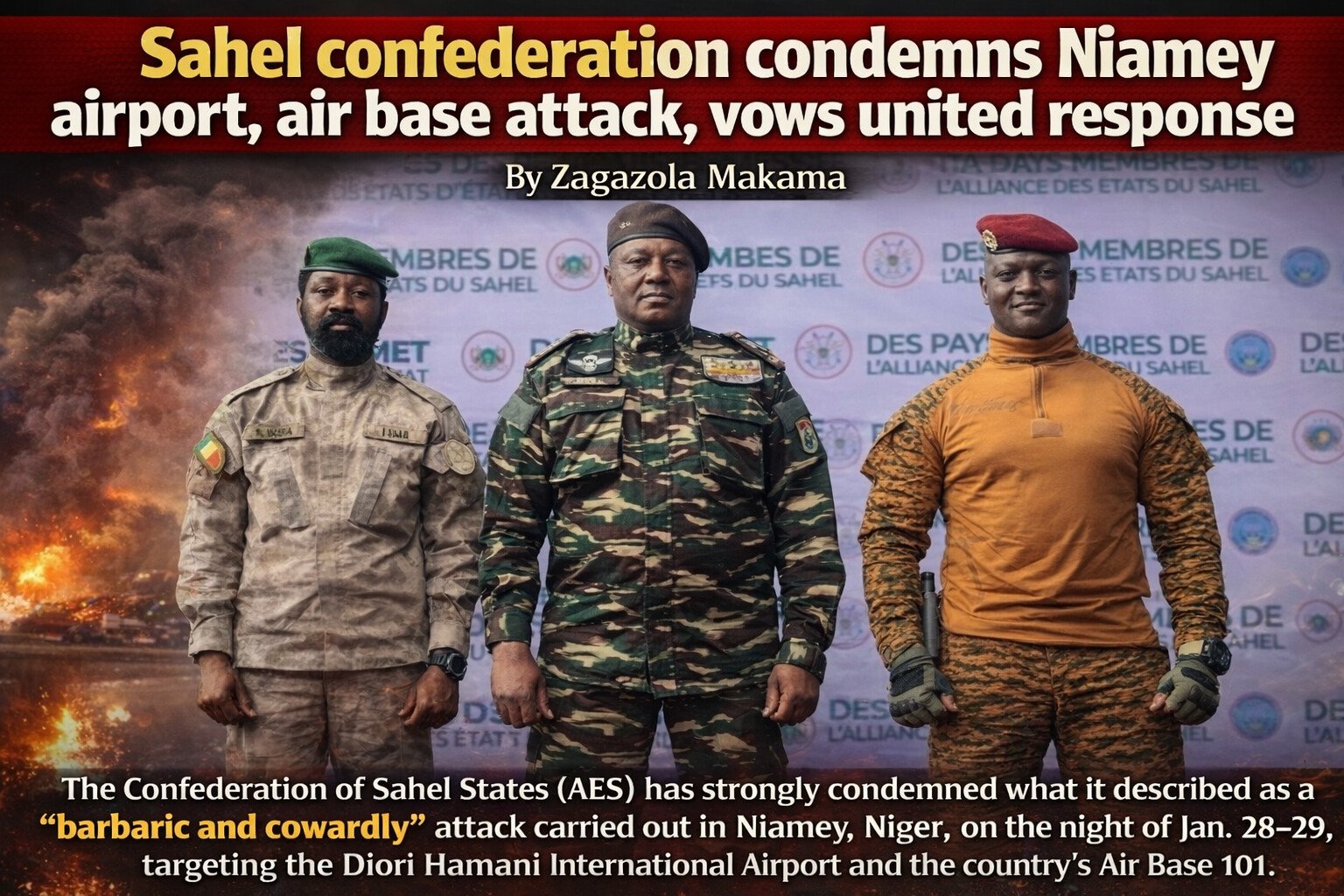
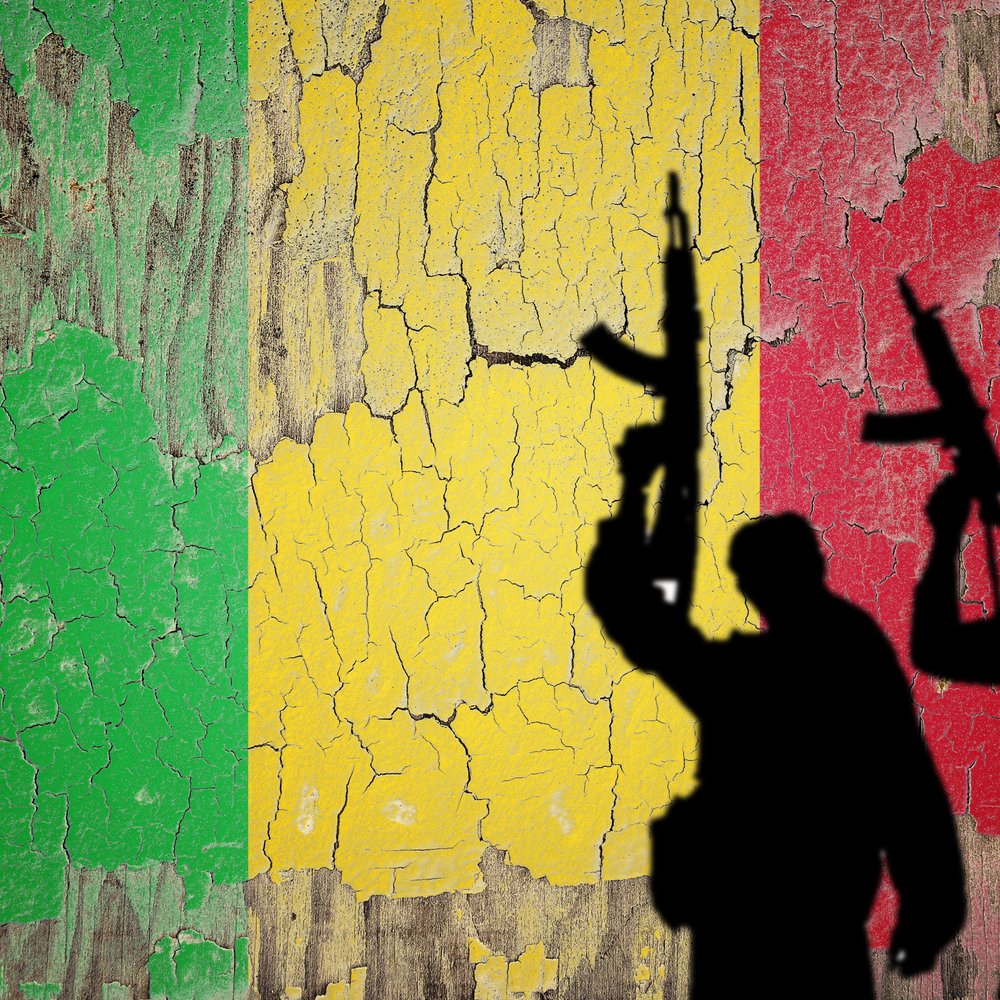
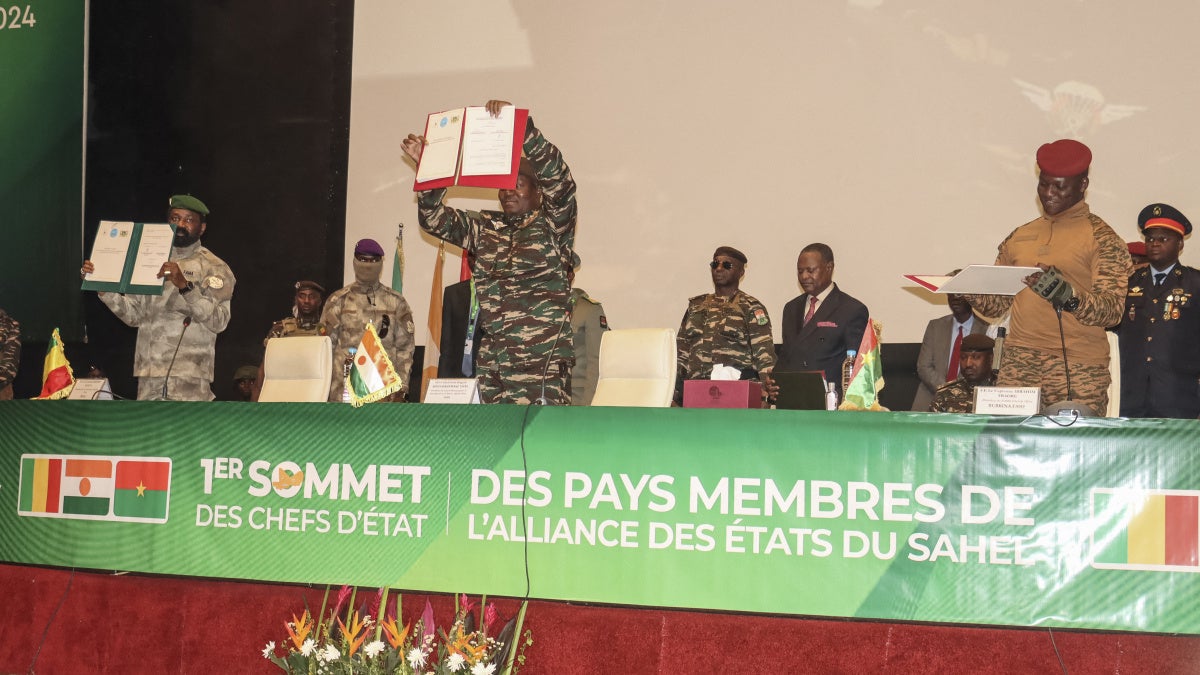
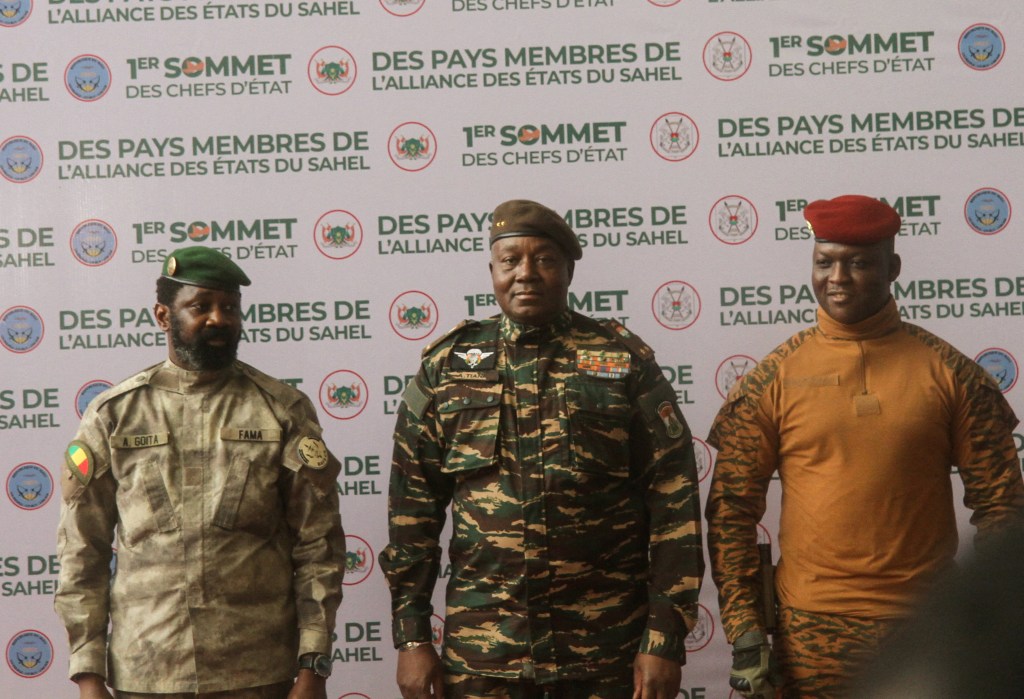
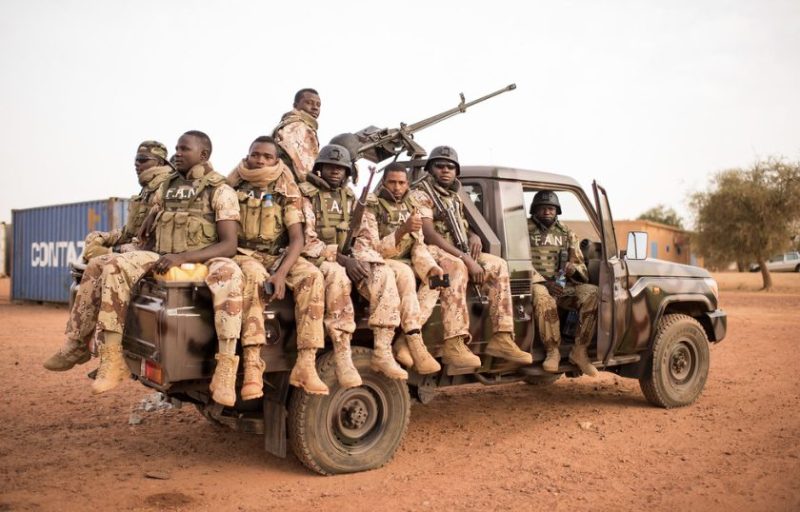
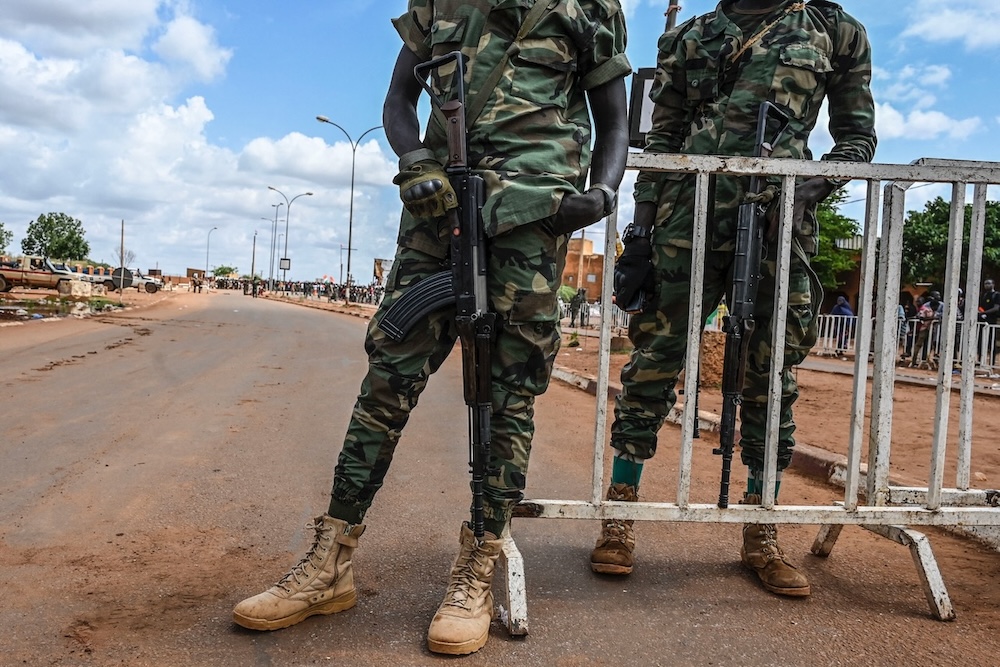
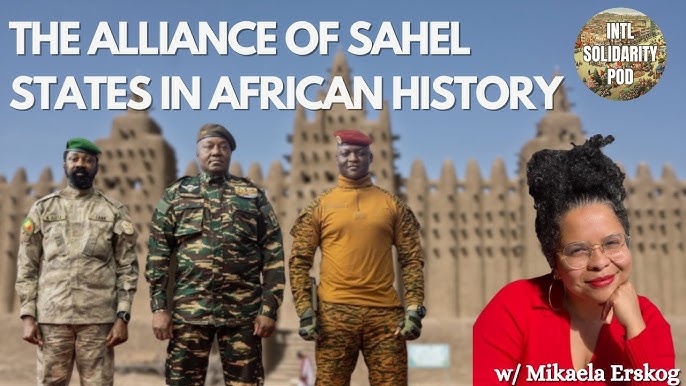
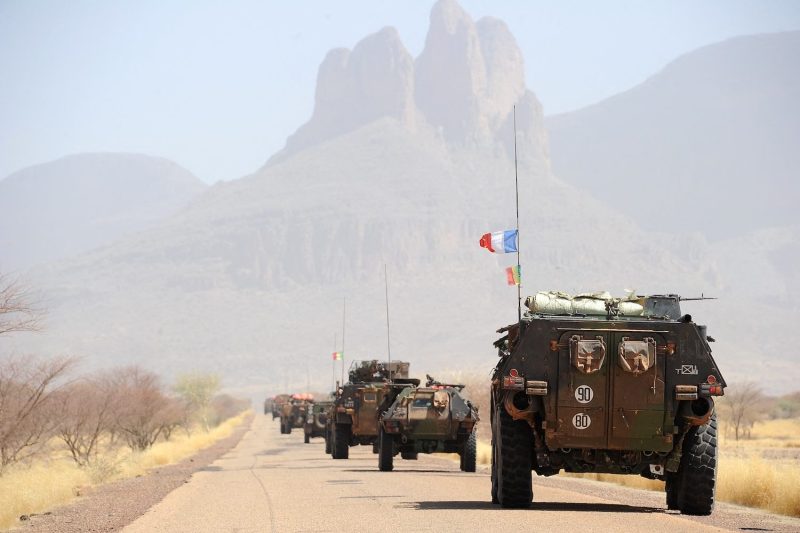
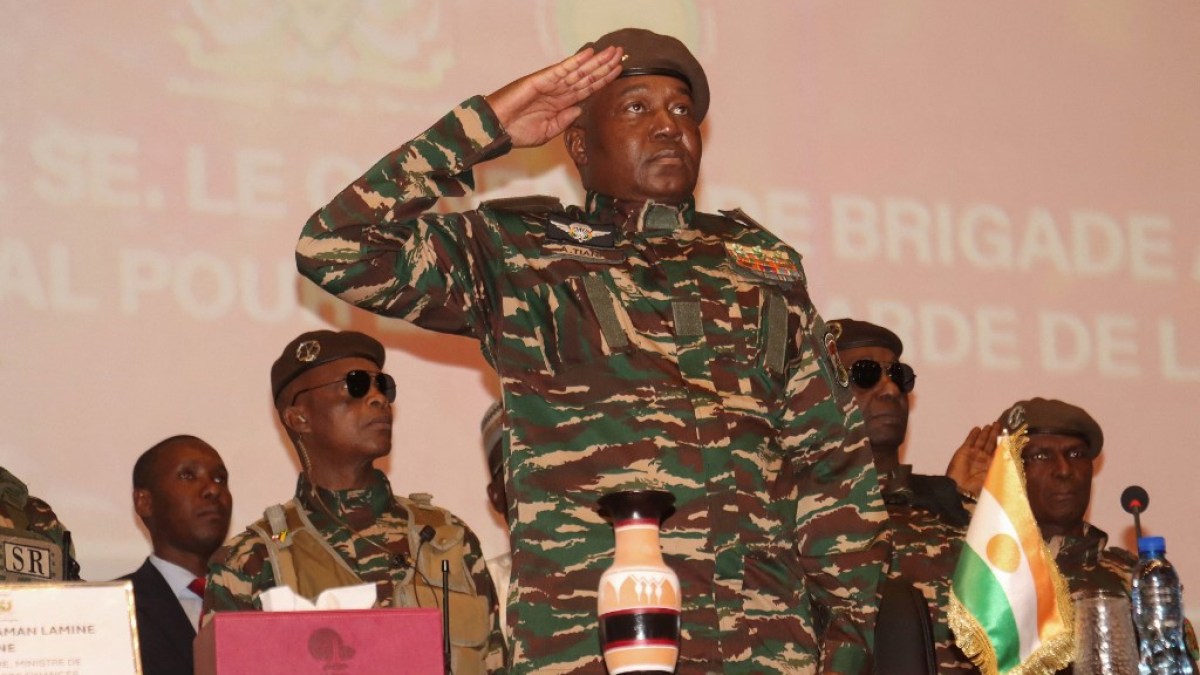
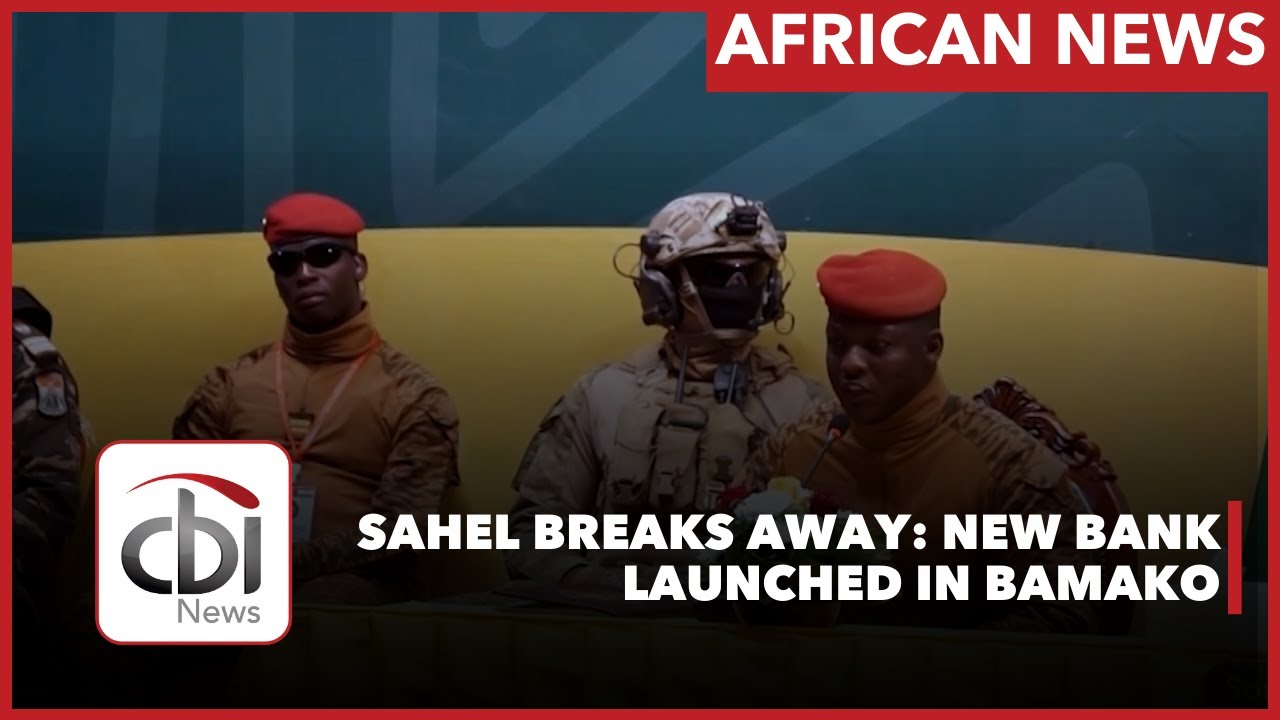
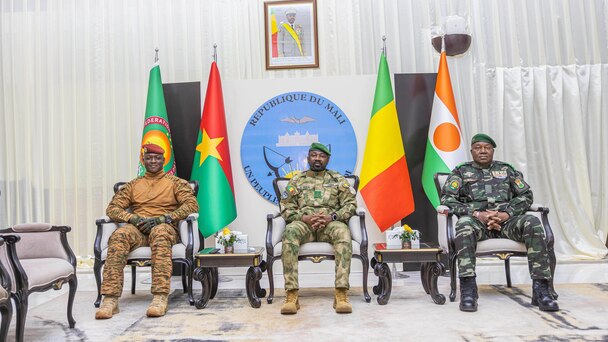
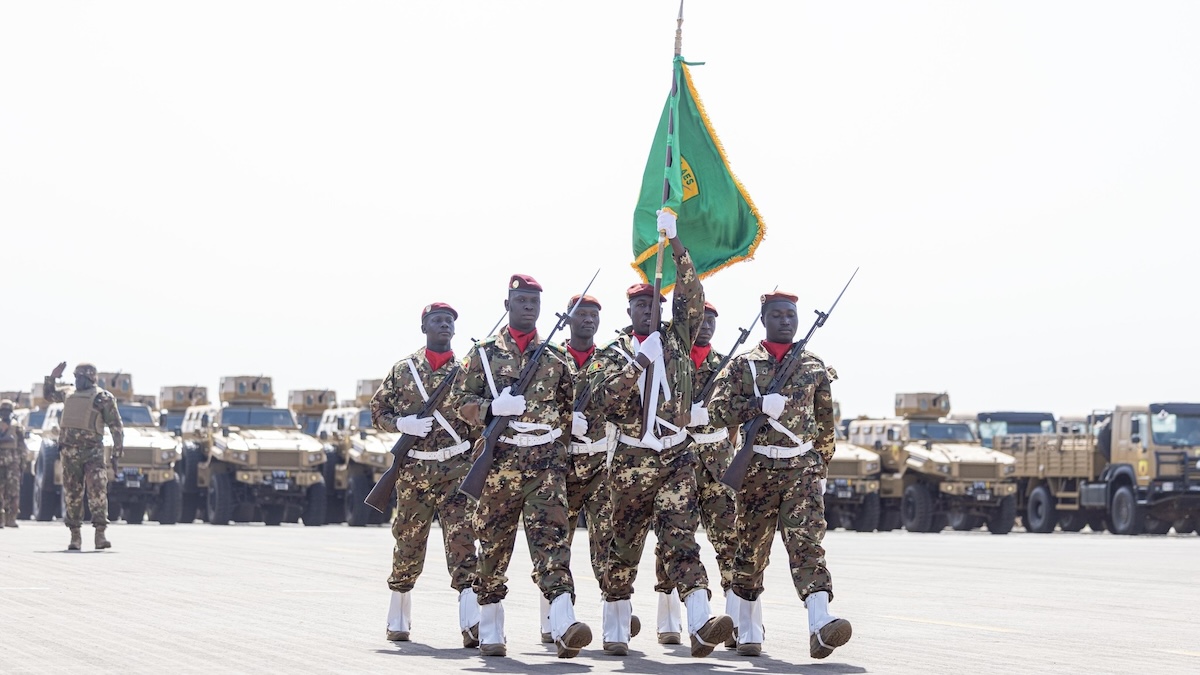
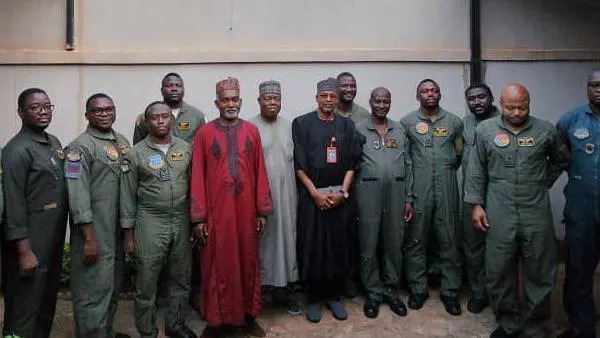
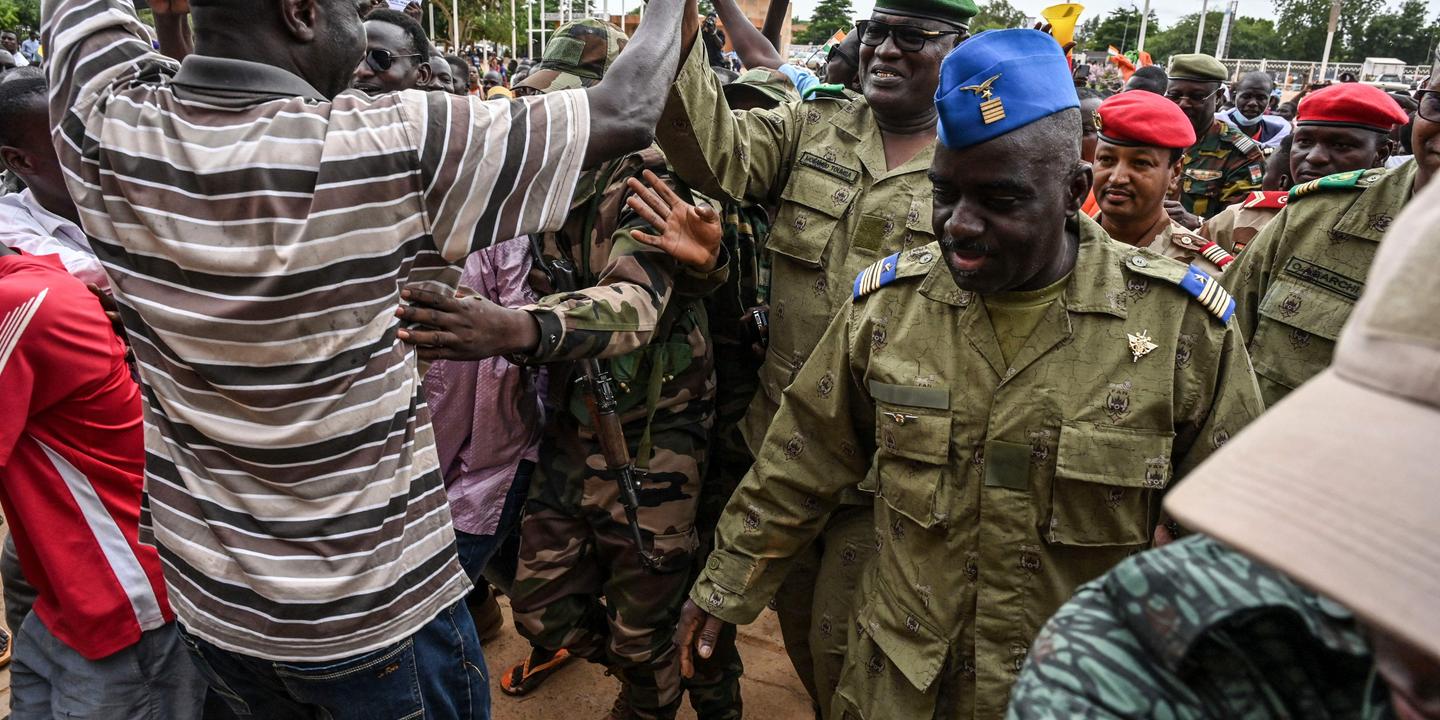
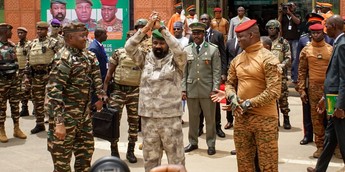
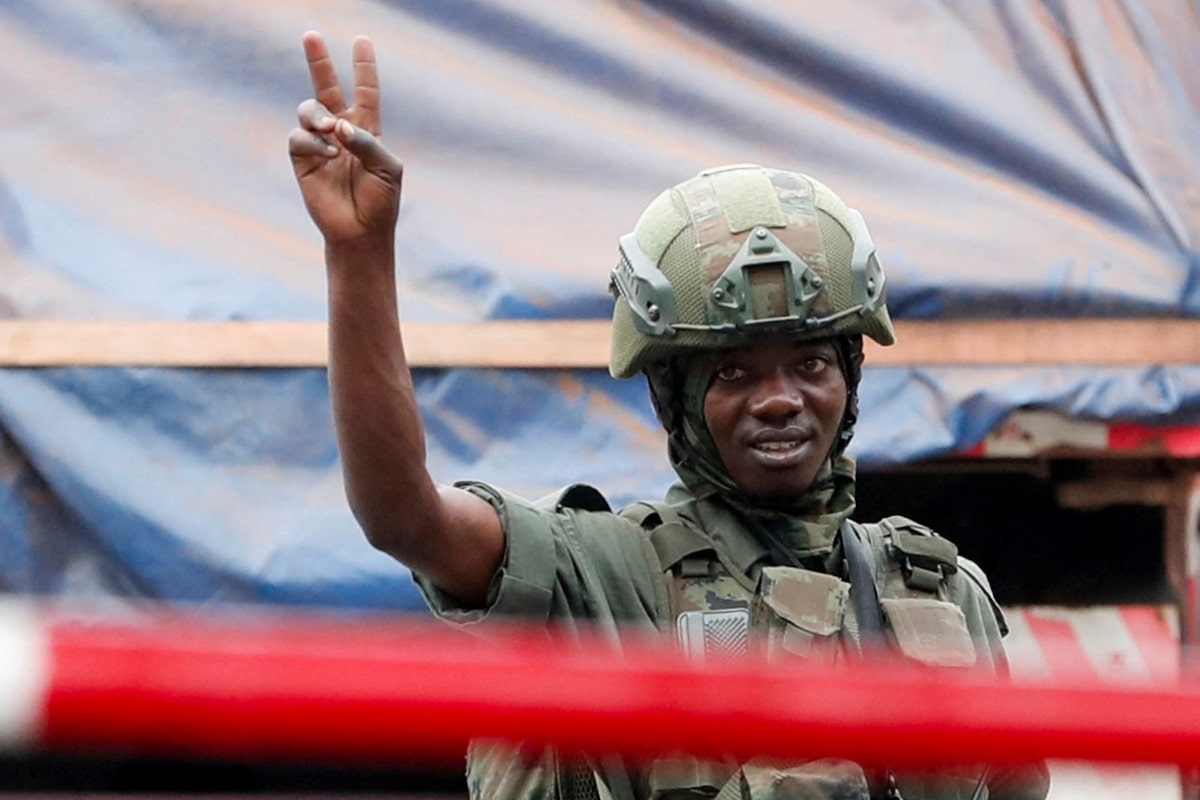
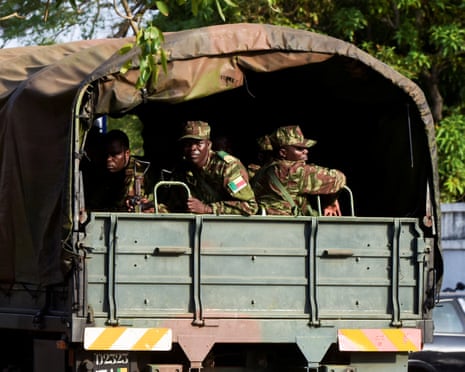
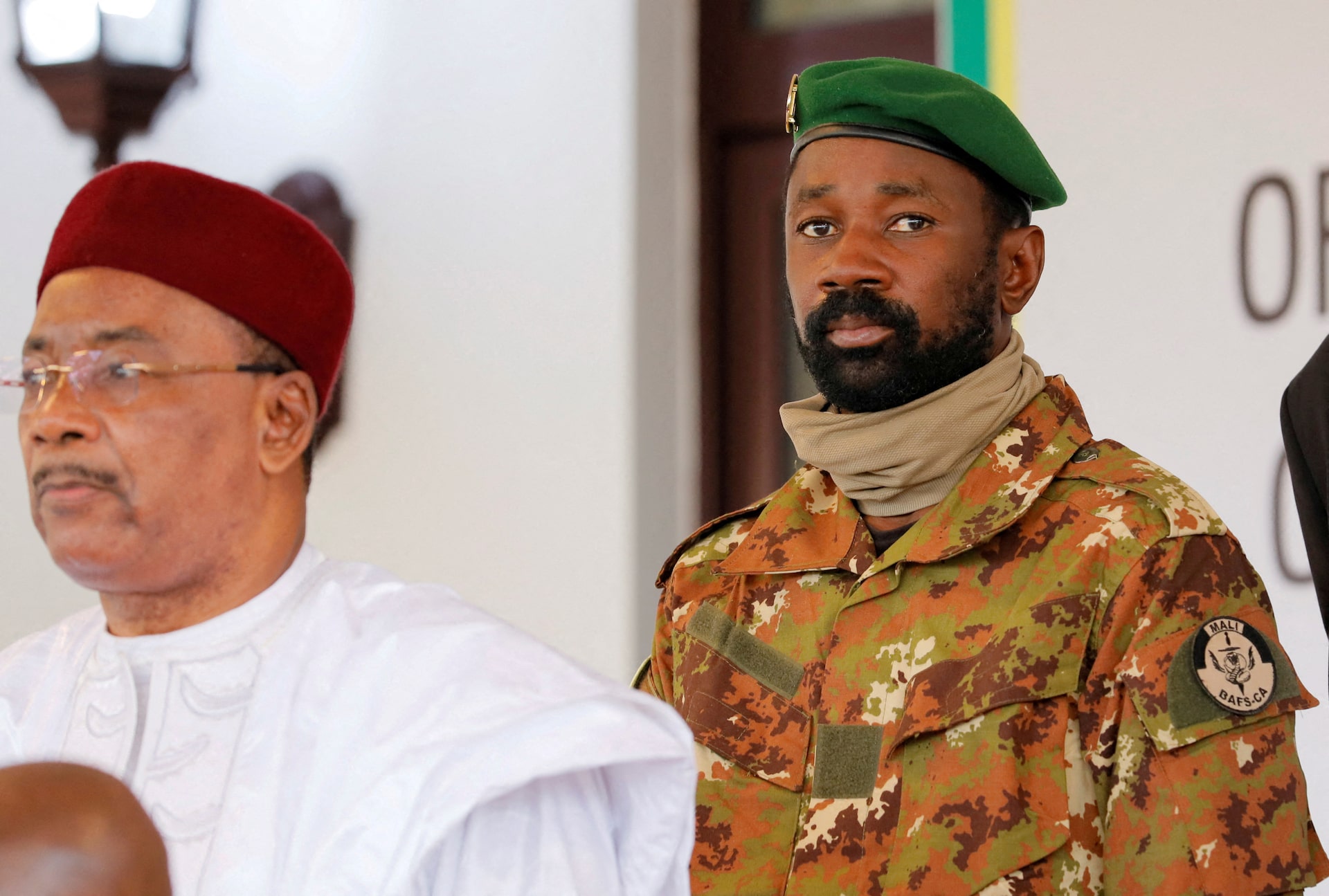
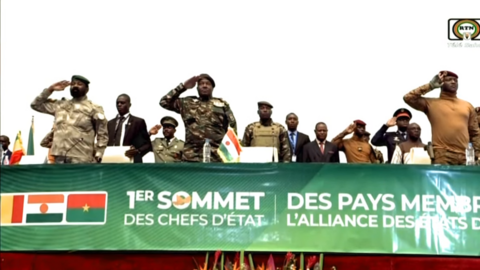
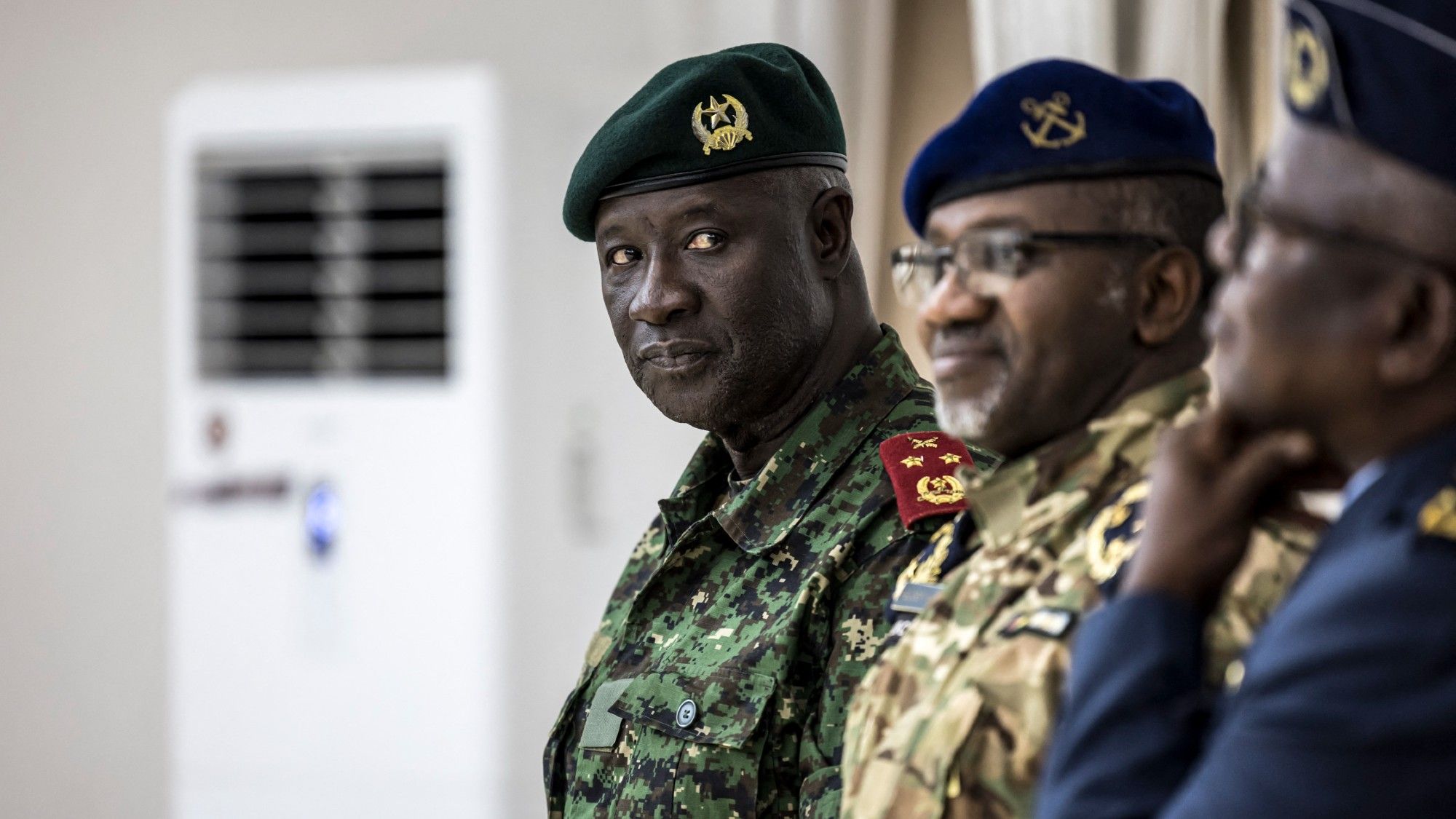
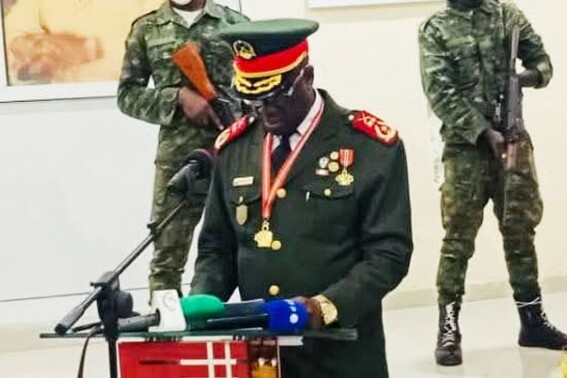
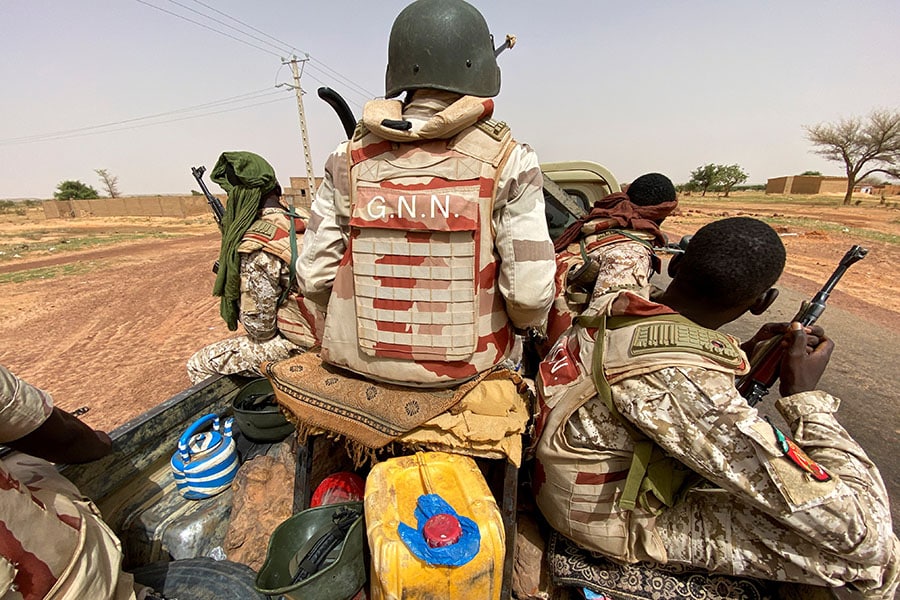
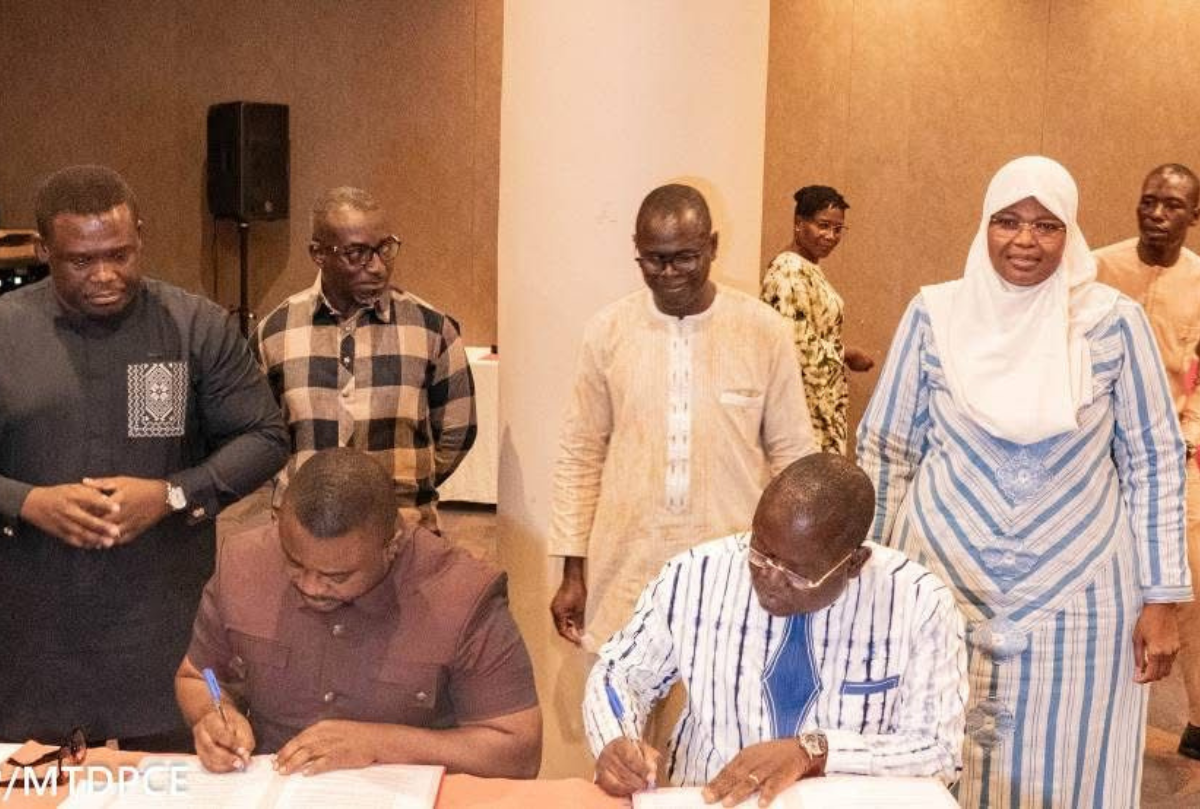
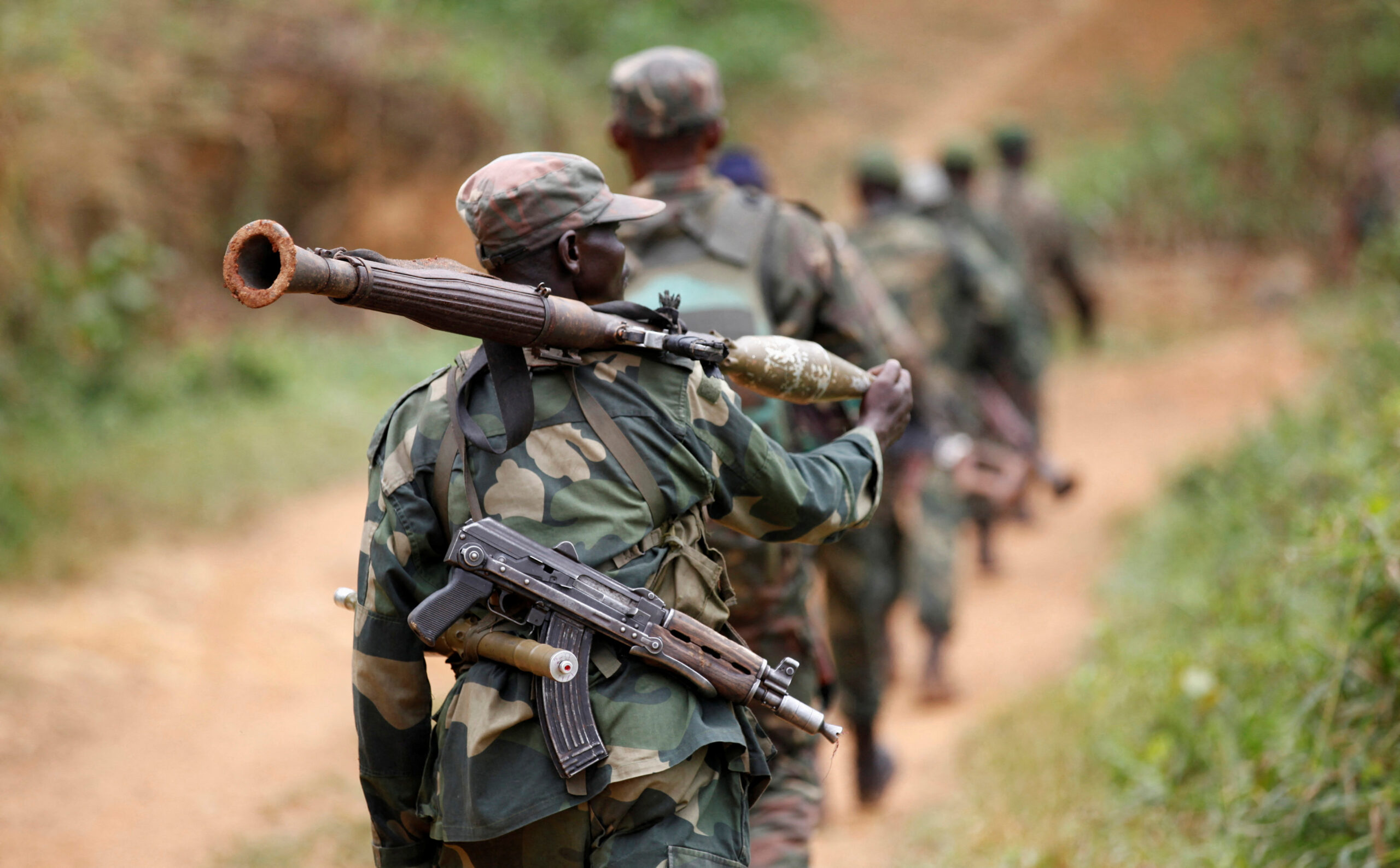
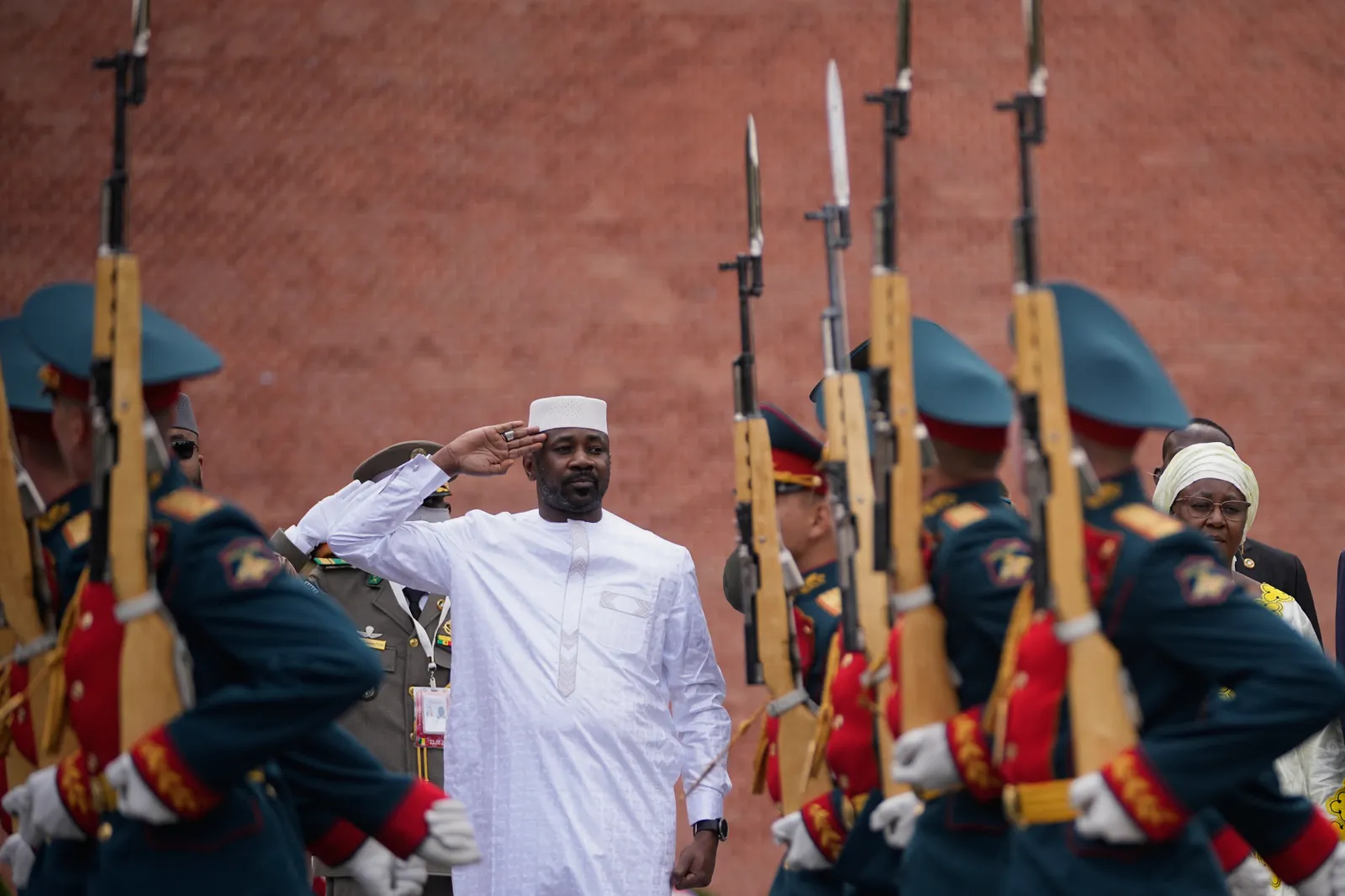
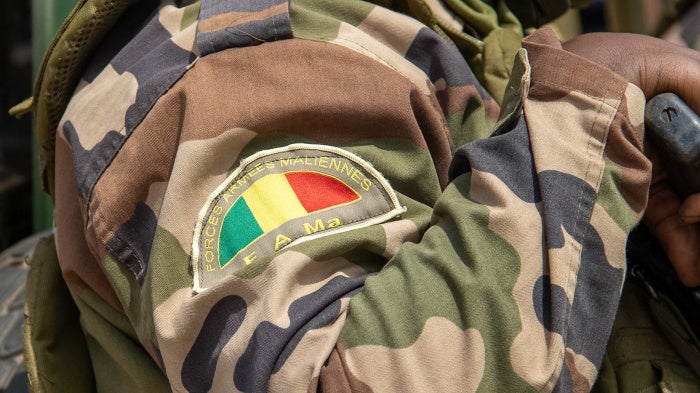
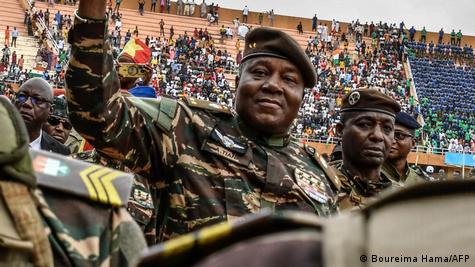
At its core, the alliance boasts a robust military dimension, swiftly operationalized with the establishment of the Joint Military Force Fu-AES. This force stands as a unified front, expressly designed to counteract Islamist insurgencies and significantly enhance the collective defense capabilities of its member nations. For communities repeatedly destabilized by jihadist violence, this kind of collaborative action isn’t just practical, it’s absolutely vital for regaining security and restoring civil order. The military leaders of Burkina Faso, Mali, and Niger formally cemented this confederation with a historic treaty, signaling a clear and decisive break from previous regional frameworks like ECOWAS, an economic and political bloc from which they’ve since withdrawn. Beyond immediate security measures, the AES is also embracing forward-thinking initiatives that elevate its regional ambition into the spheres of technology and national self-reliance. One of the most striking projects underway involves the planned launch of the region’s first-ever shared satellite. This bold venture isn’t just symbolic; it promises a significant leap into modern technological collaboration, set to improve vital communication, surveillance, environmental monitoring, and data gathering capabilities crucial for national security and sustained development. It’s a powerful and inspiring milestone for countries often perceived as under-resourced or vulnerable to technological backwardness.
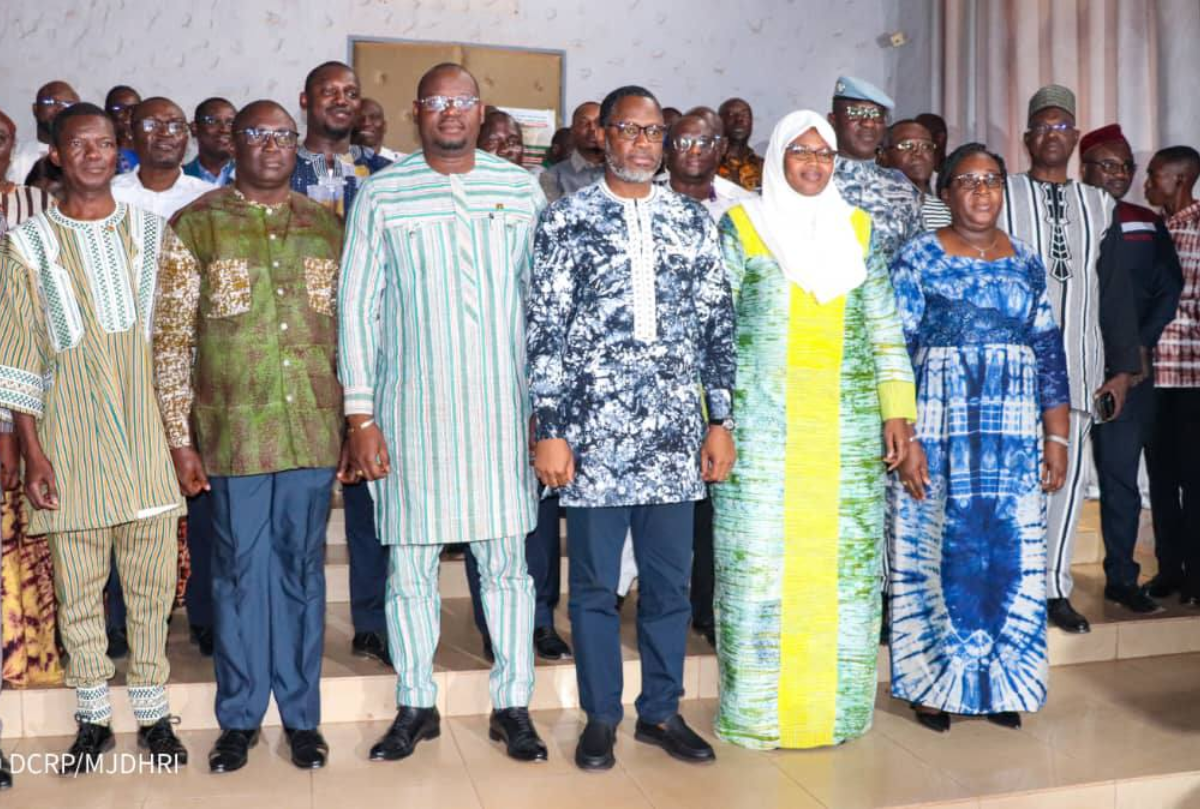
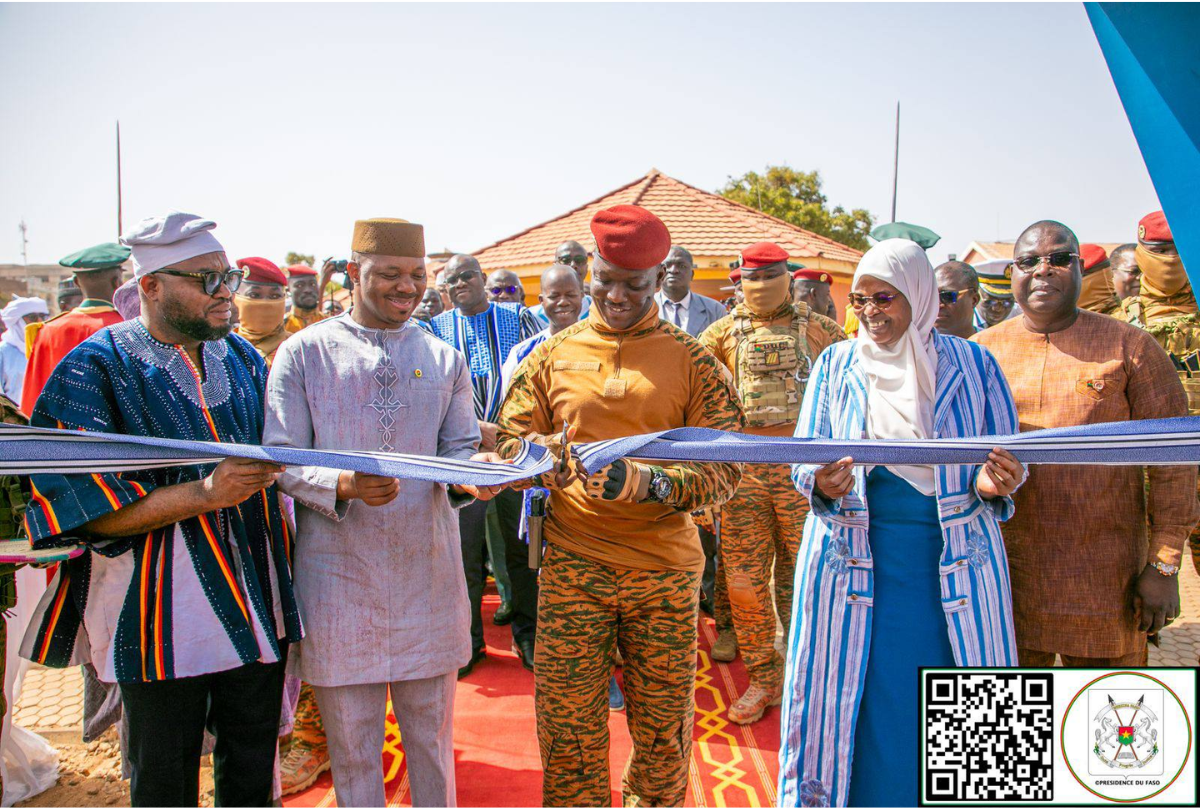
The formation of this alliance also carries weighty geopolitical messages, reshaping narratives across the continent. By choosing to disengage from ECOWAS, these Sahel nations are asserting a distinct regional autonomy, one with strategic goals that may not entirely align with the broader West African agenda. Interestingly, even international partners, like the European Union, have extended recognition to the AES, lending it a layer of legitimacy and hinting at its potential influence far beyond its immediate geographical confines. The AES arrives at a pivotal moment, when the very future of the Sahel region hangs in the balance. Its focused approach, combining military strength, political unity, and technological advancement, really does offer a novel way to overcome long-standing challenges. What will this new confederation ultimately mean for the people of Burkina Faso, Mali, and Niger? It certainly promises hope for improved security, greater self-determination, and tangible economic opportunities that could easily emerge from this push for technological sovereignty. While the AES will undoubtedly face complexities in navigating its internal dynamics and external relations, particularly with ECOWAS and other global actors, this bold and historic alliance unequivocally places the Sahel nations on a path toward redefining their destinies and fortifying their crucial role on the African continent and the global stage. Want to delve deeper into the specifics of this new confederation? Find out more about the Alliance of Sahel States on Wikipedia.