Regional Union and Rising Tensions in the Sahel: The Complex Struggle of Burkina Faso, Mali, and Niger
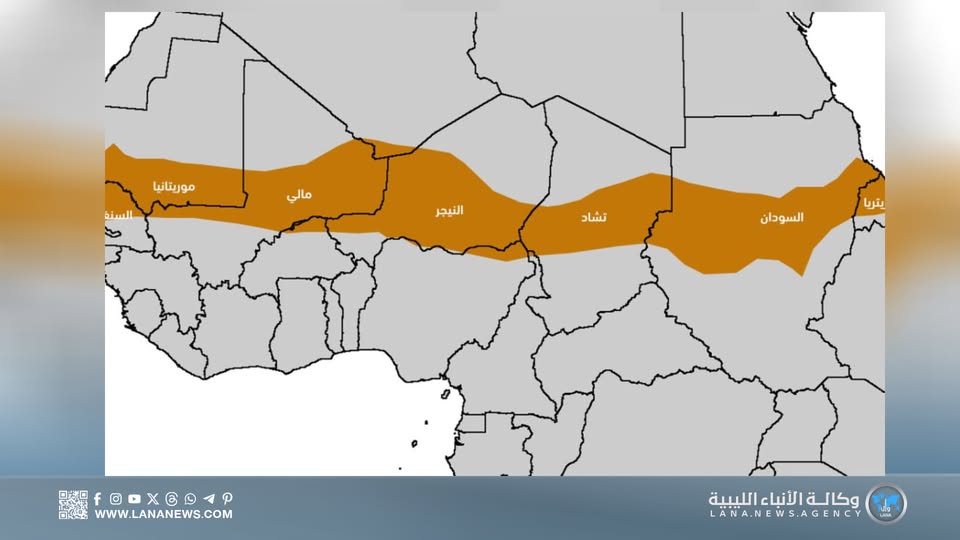
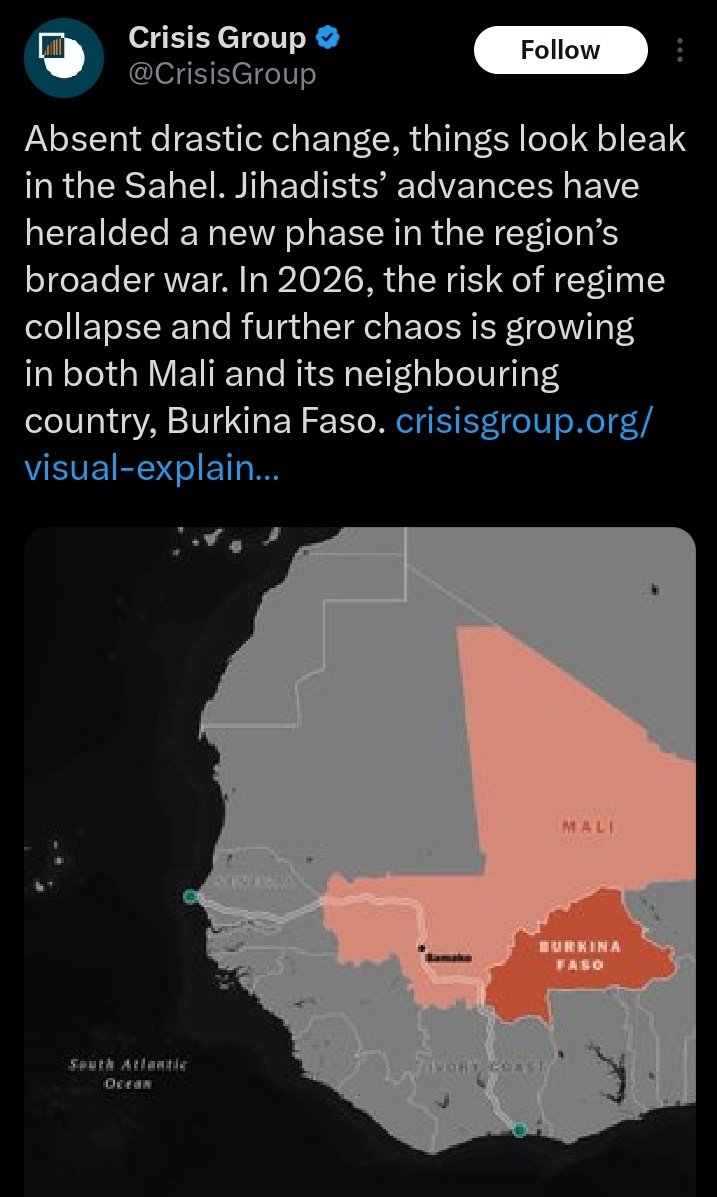
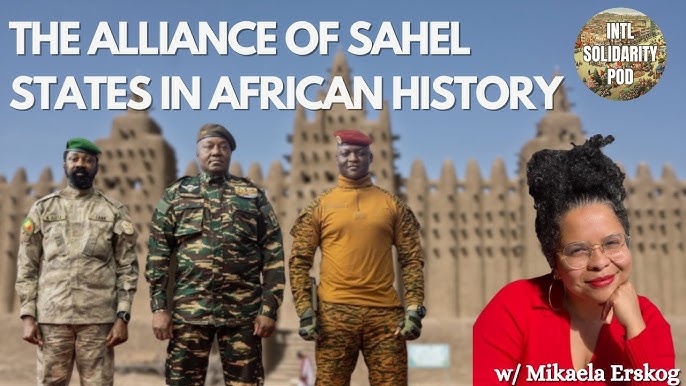
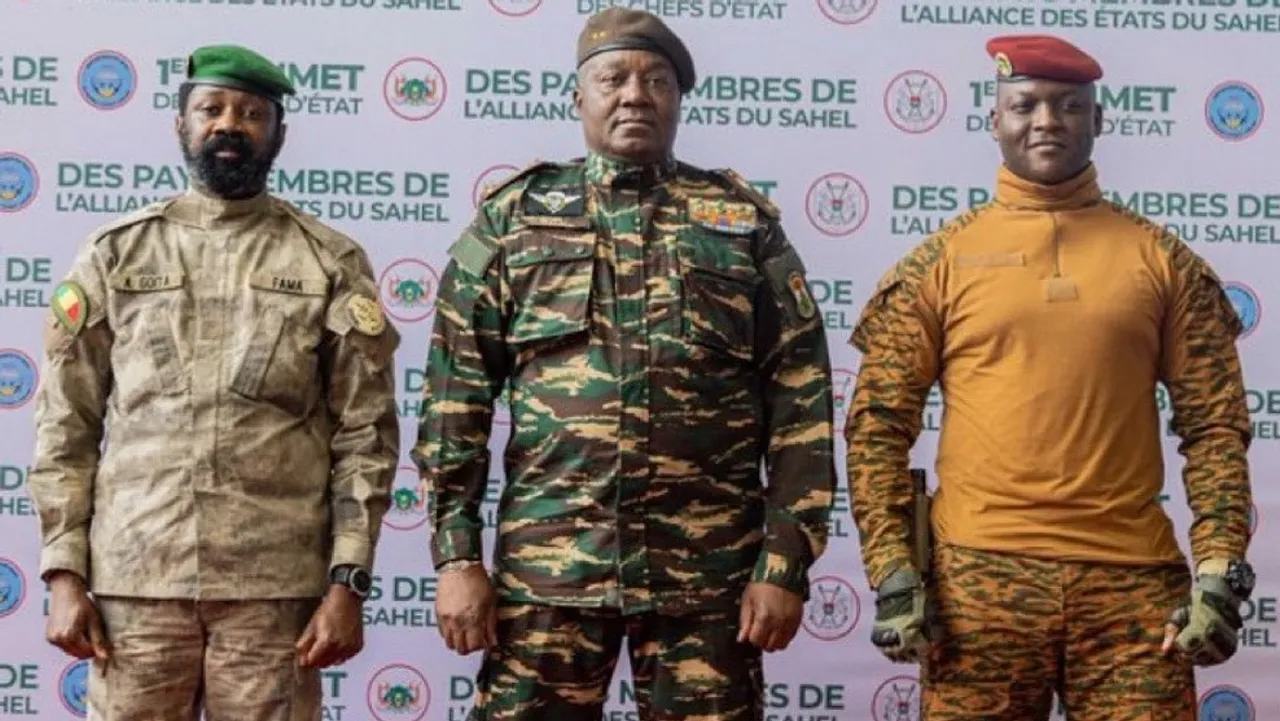
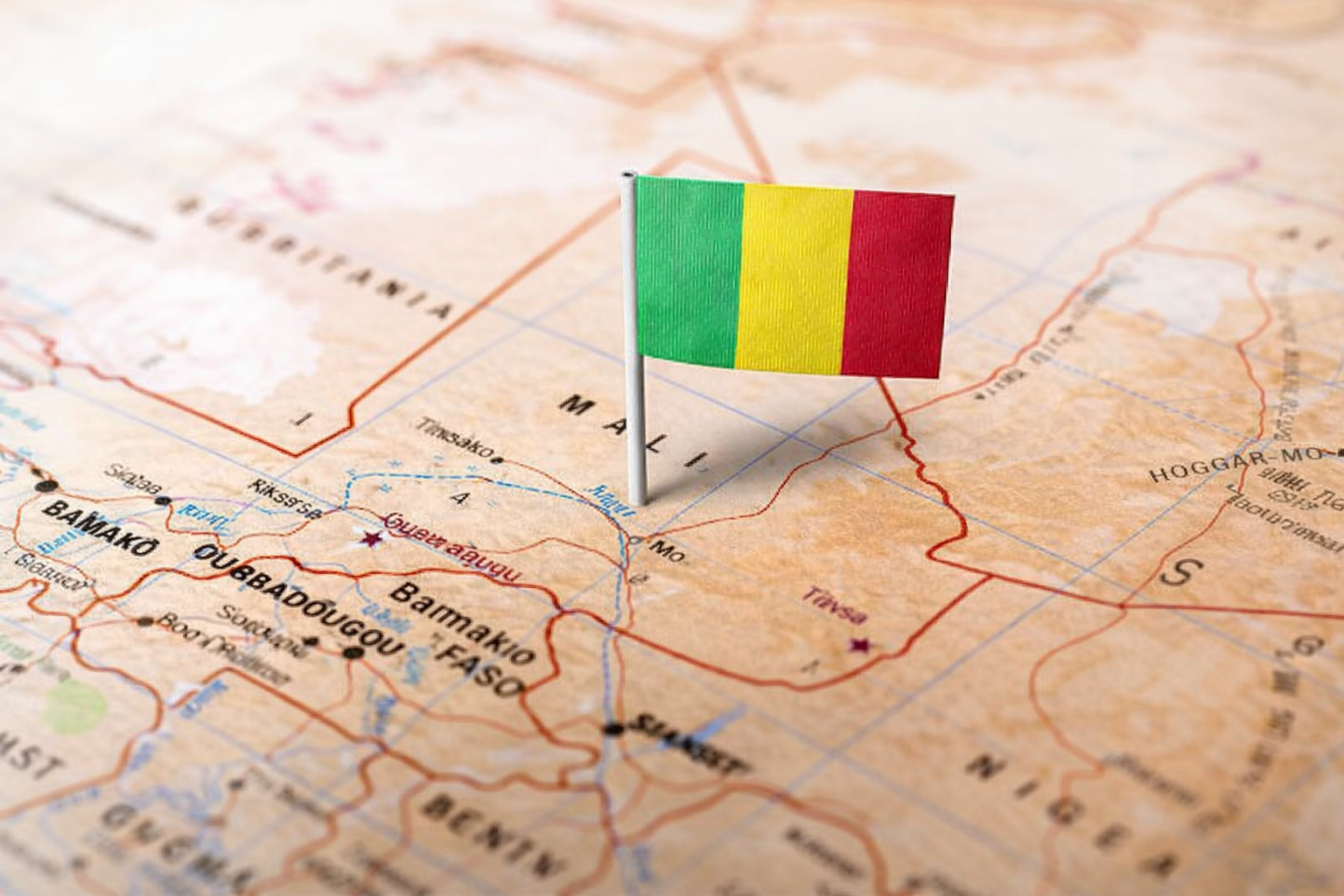
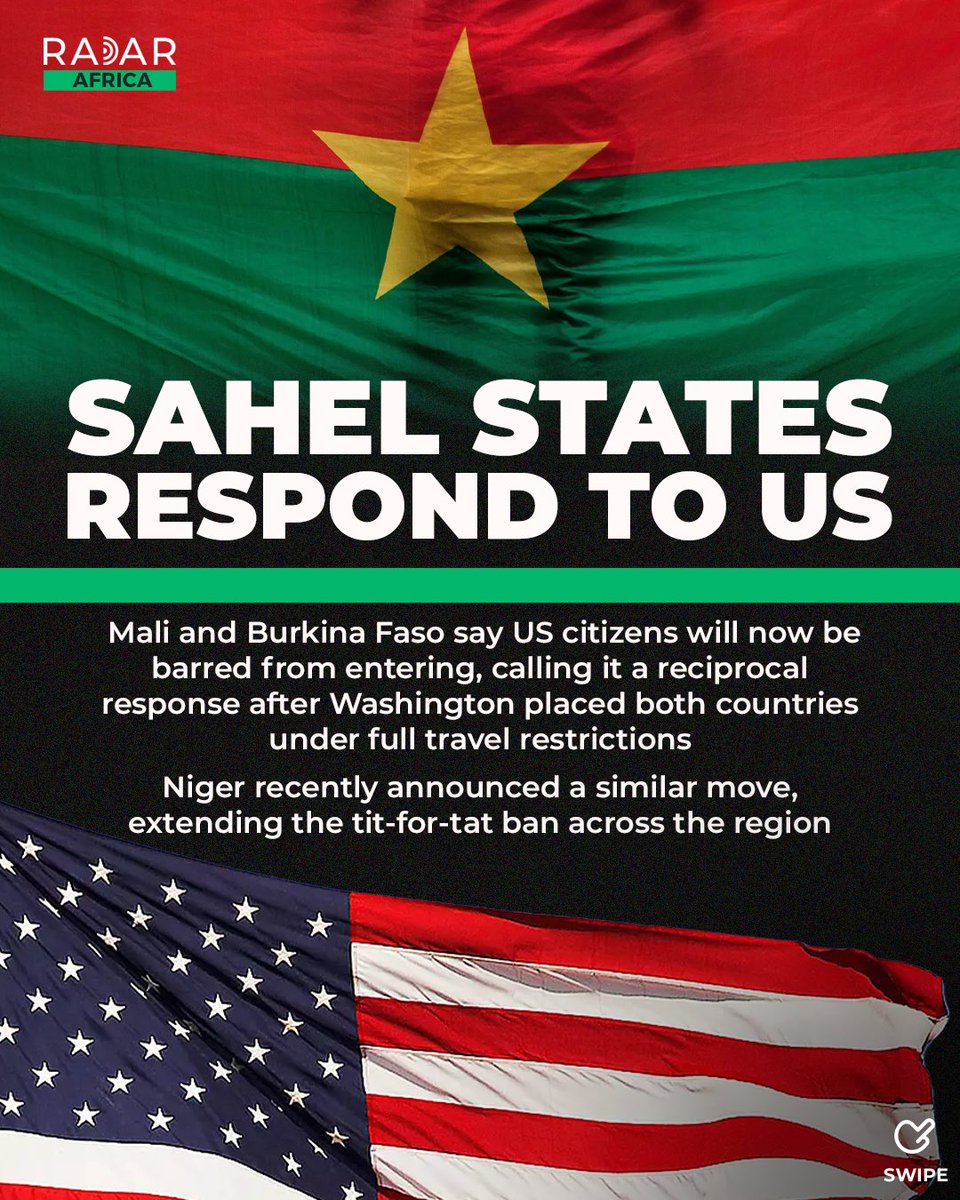
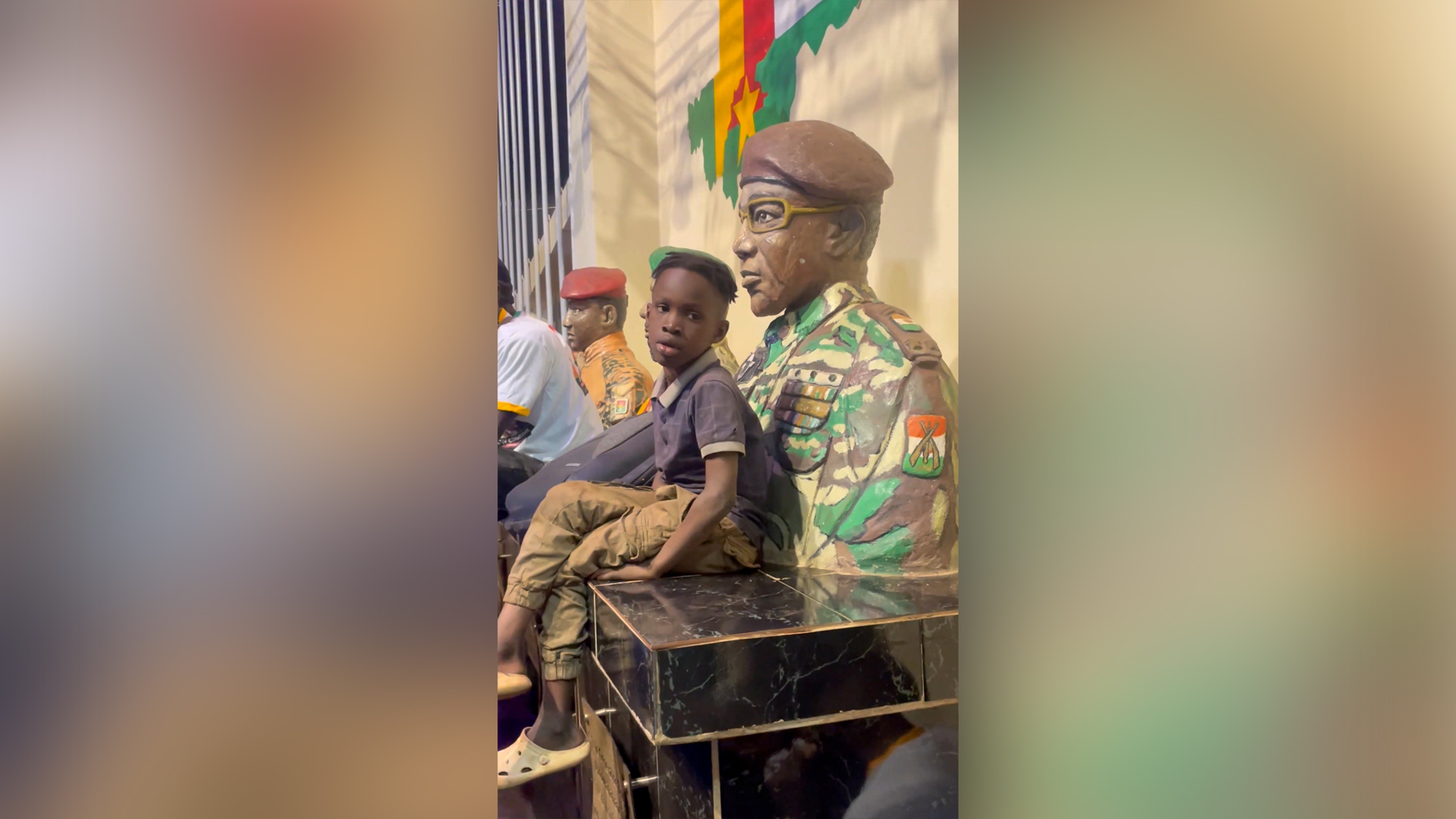
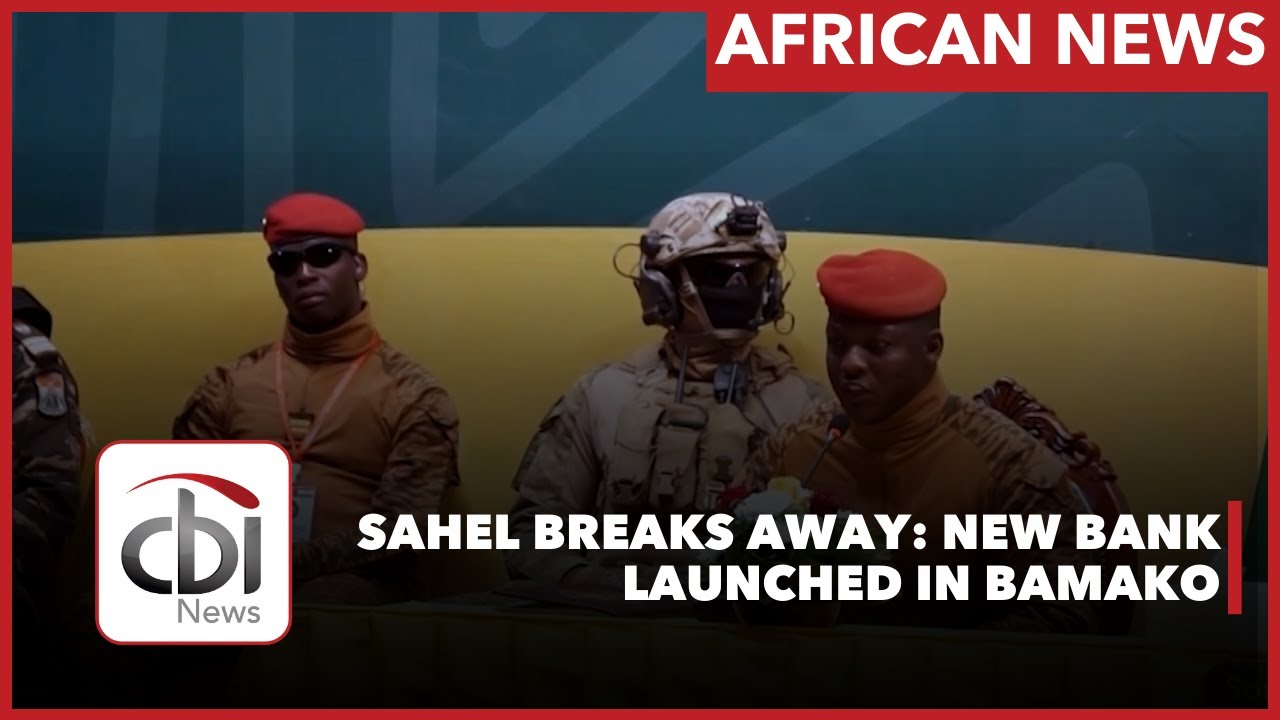
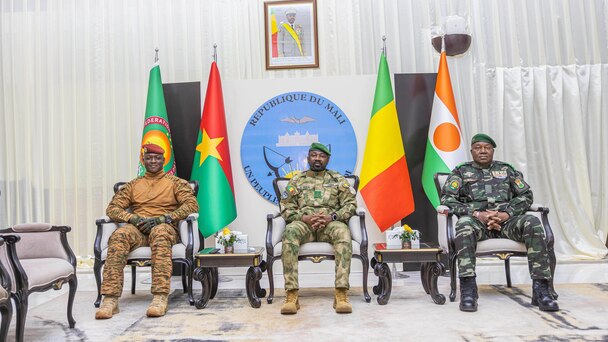
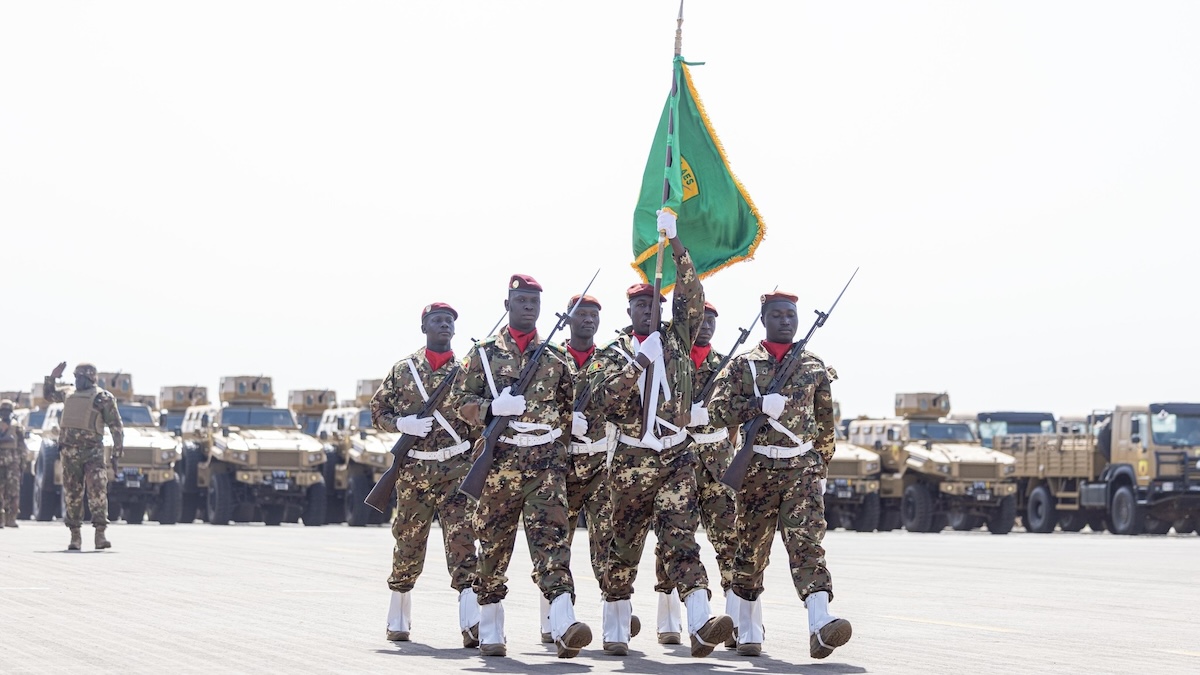
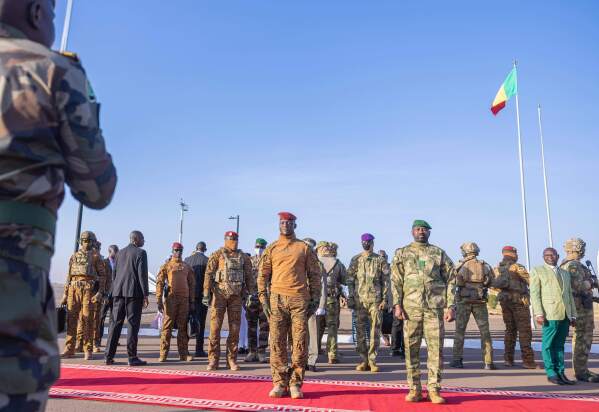
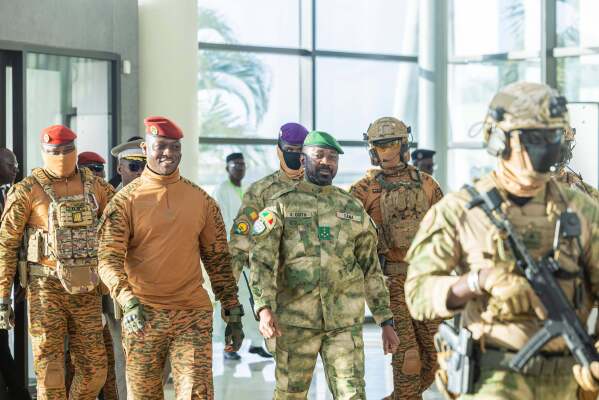
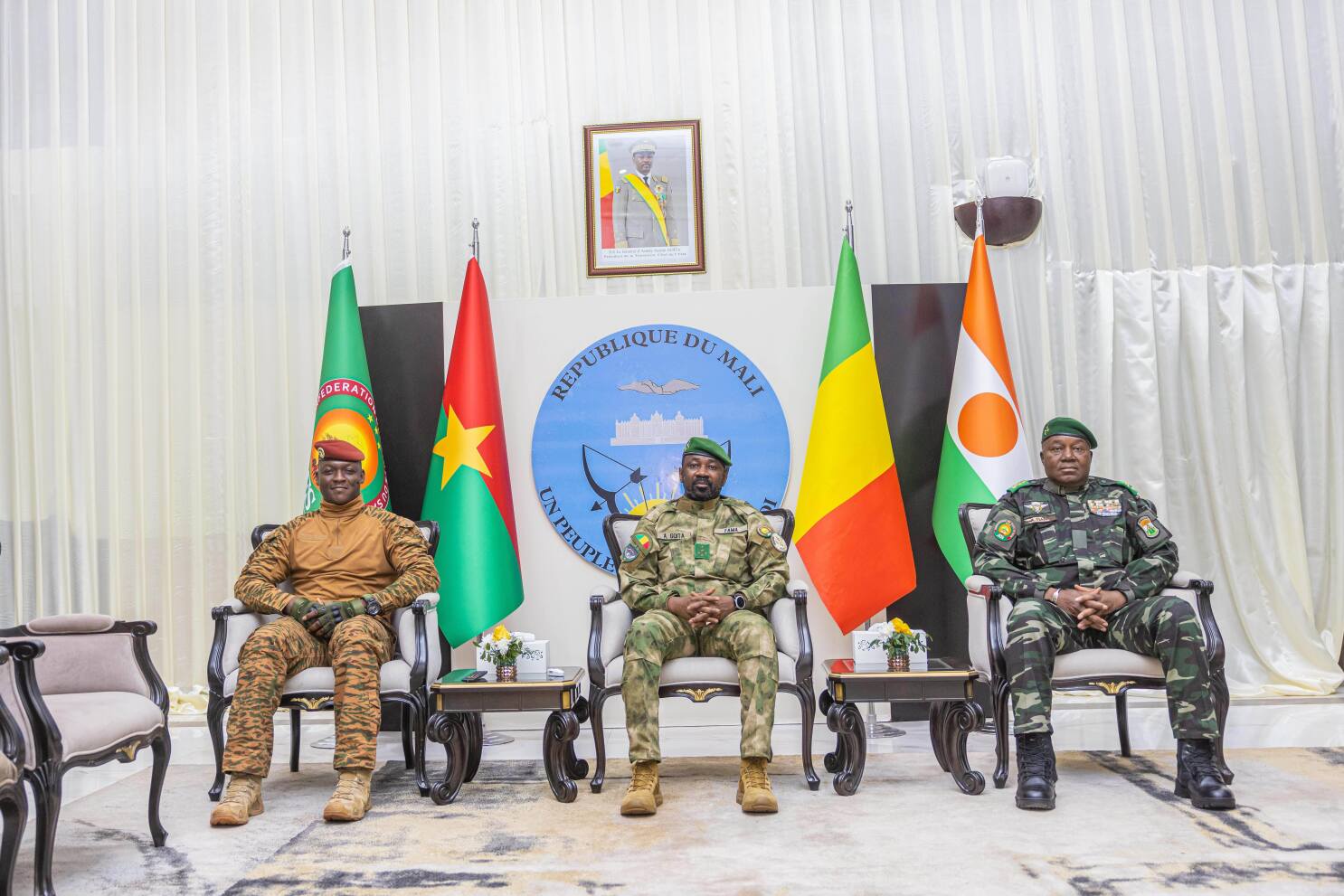
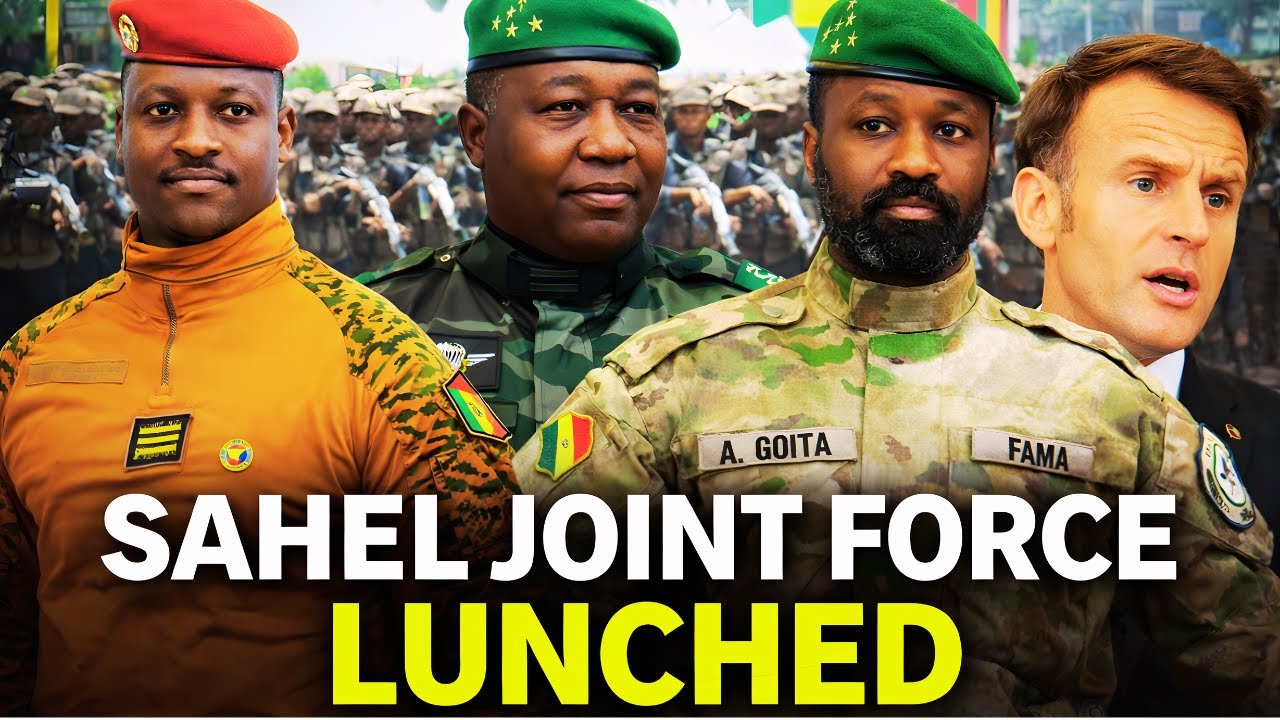
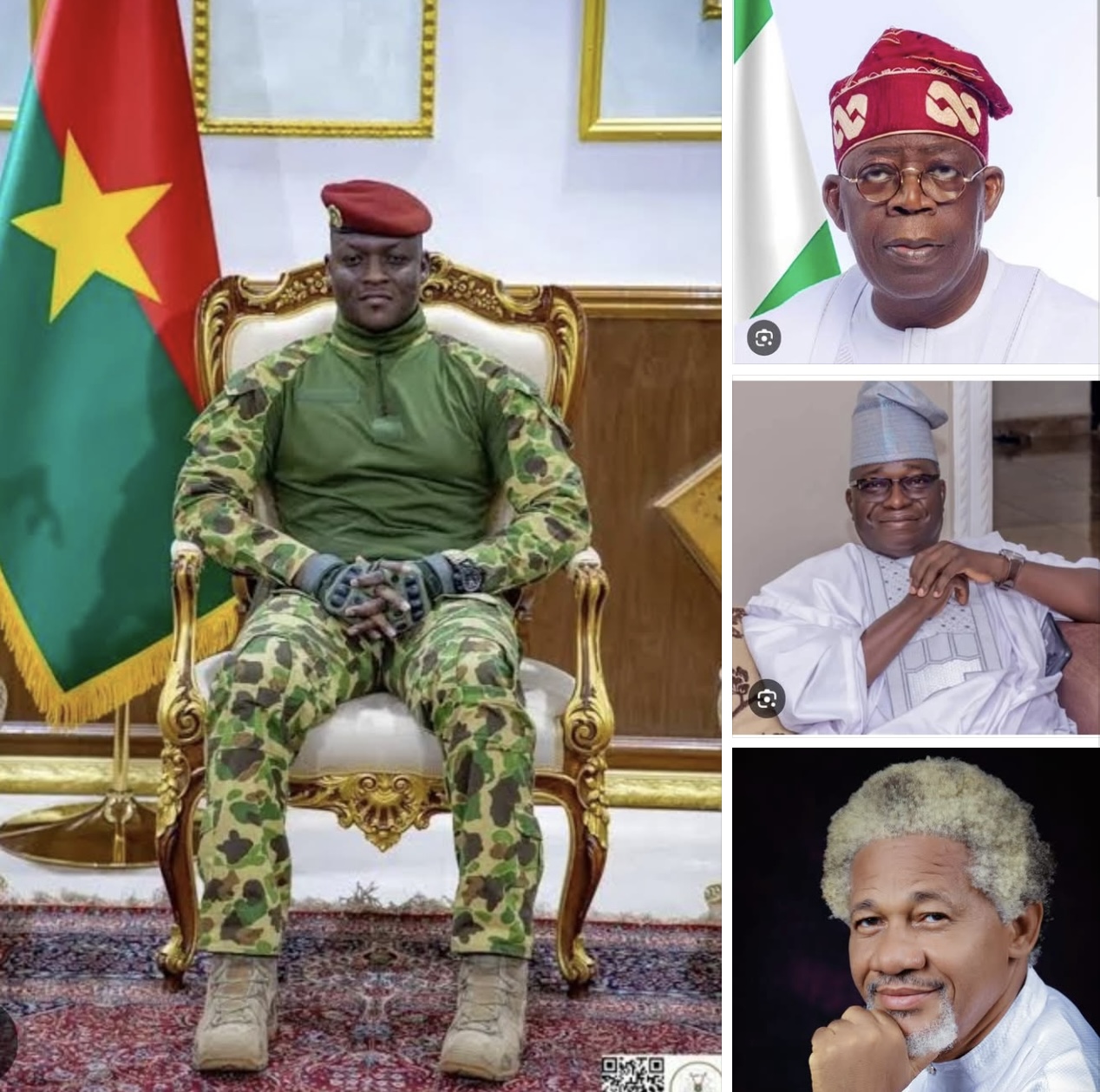
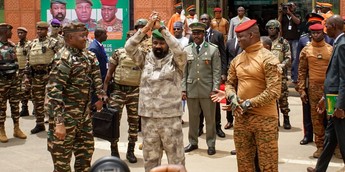
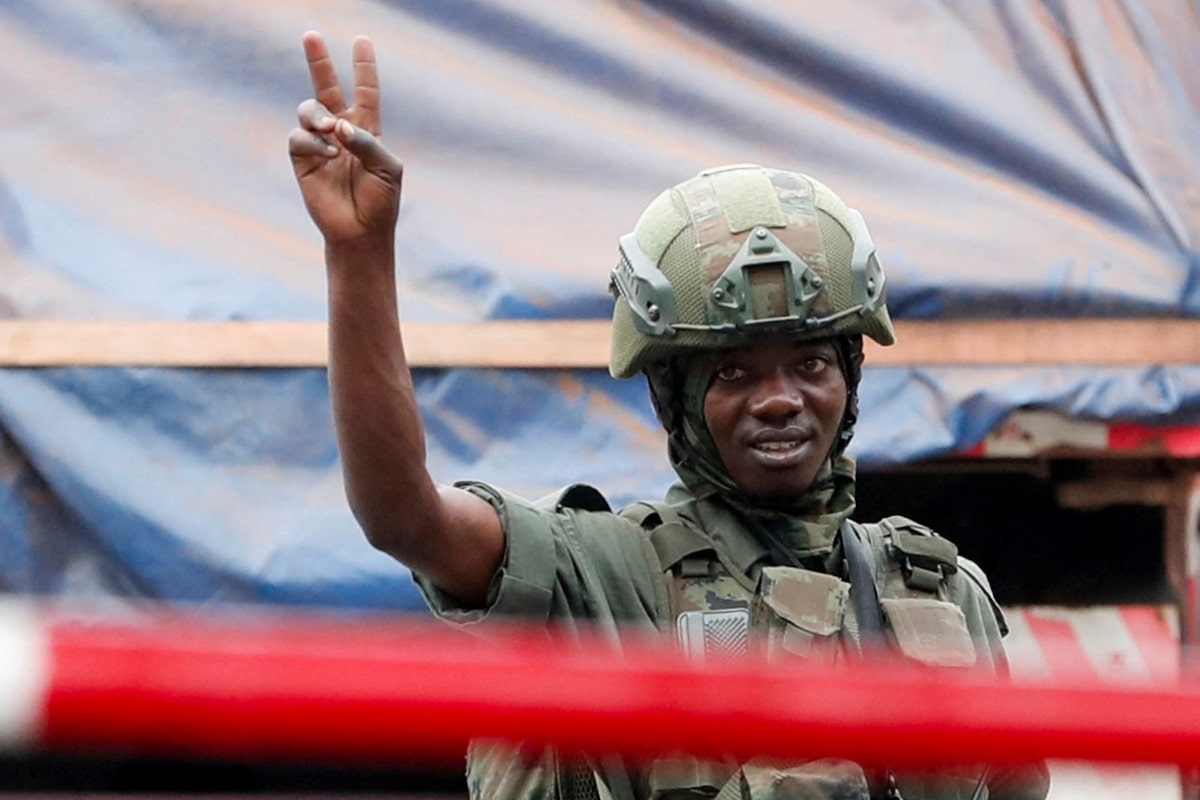
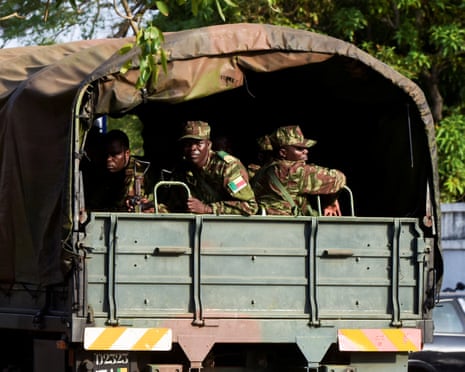
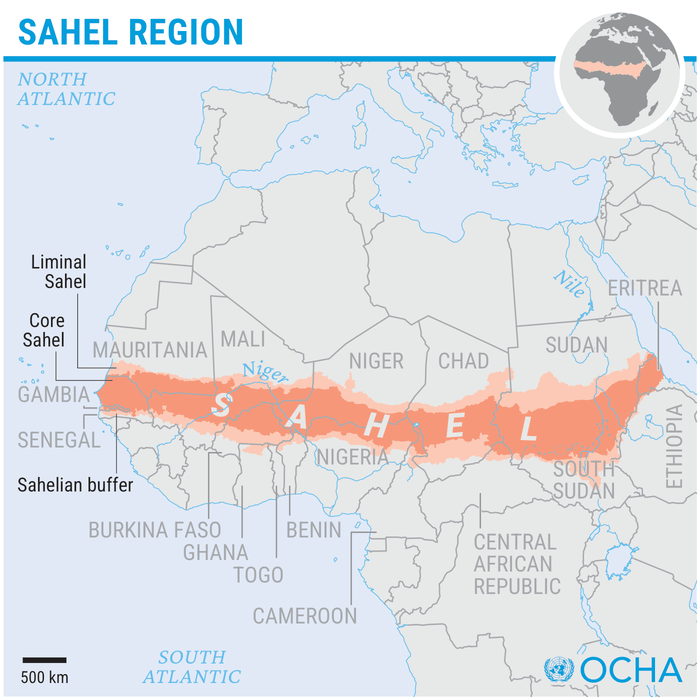
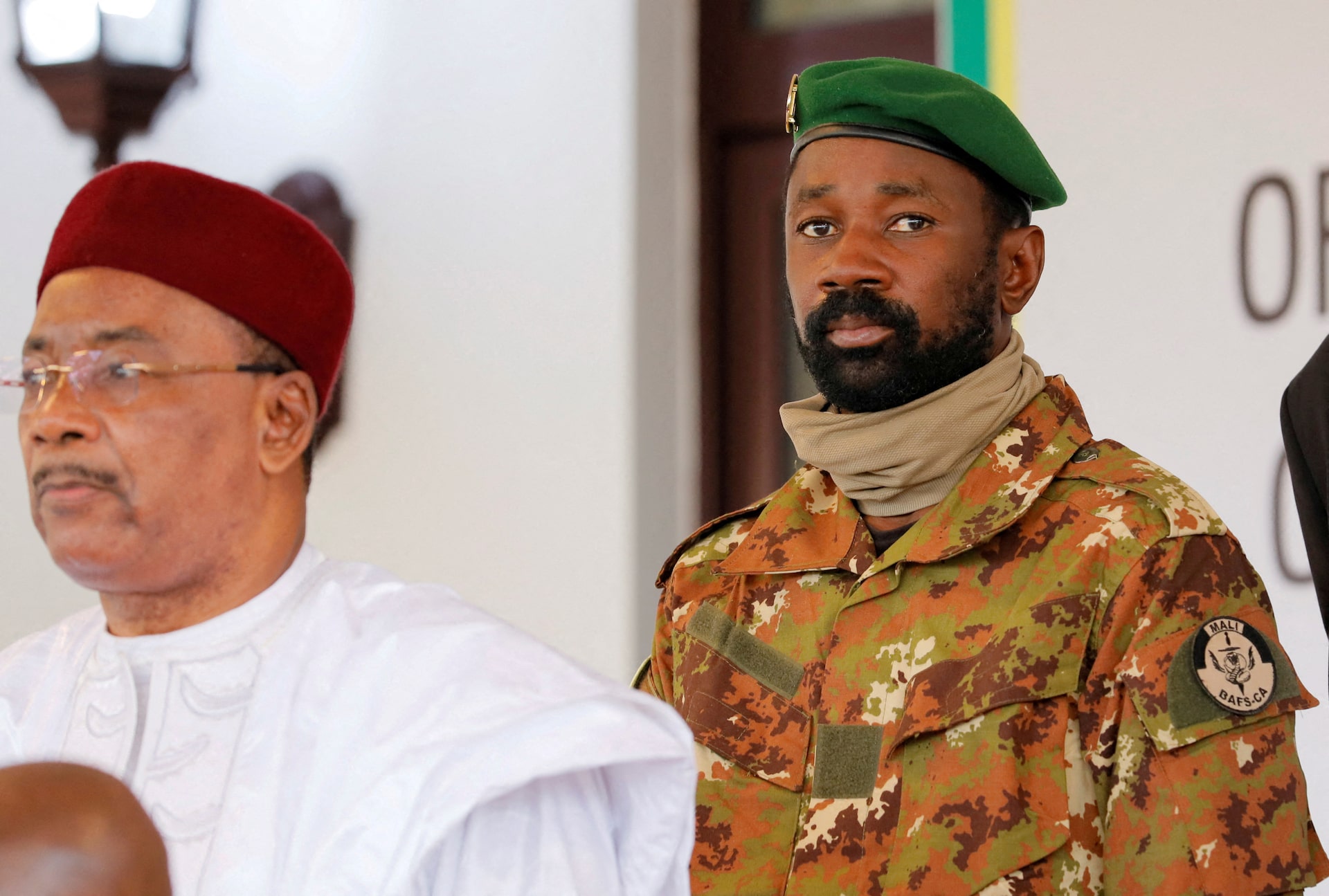
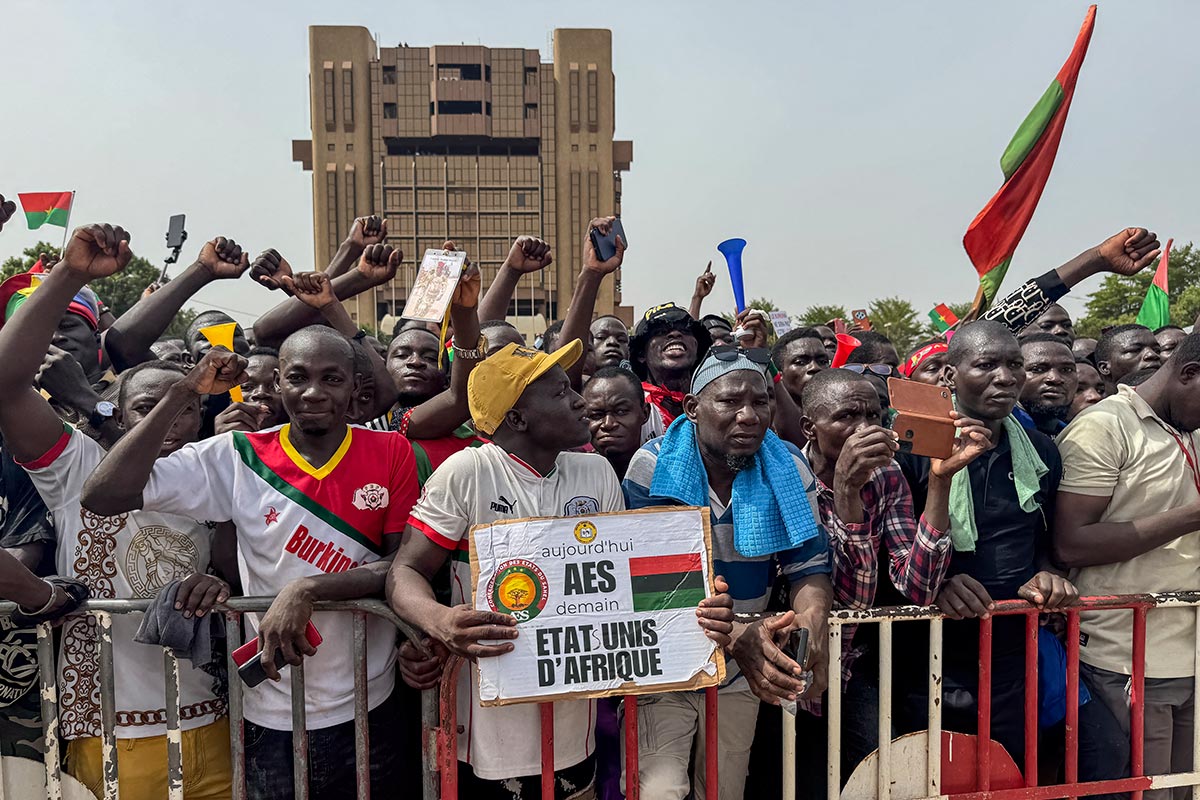
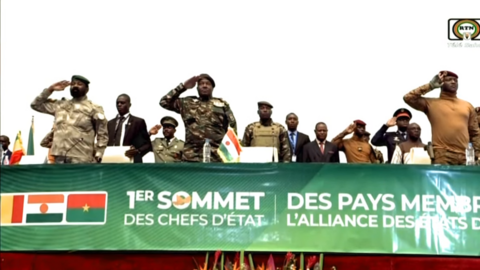
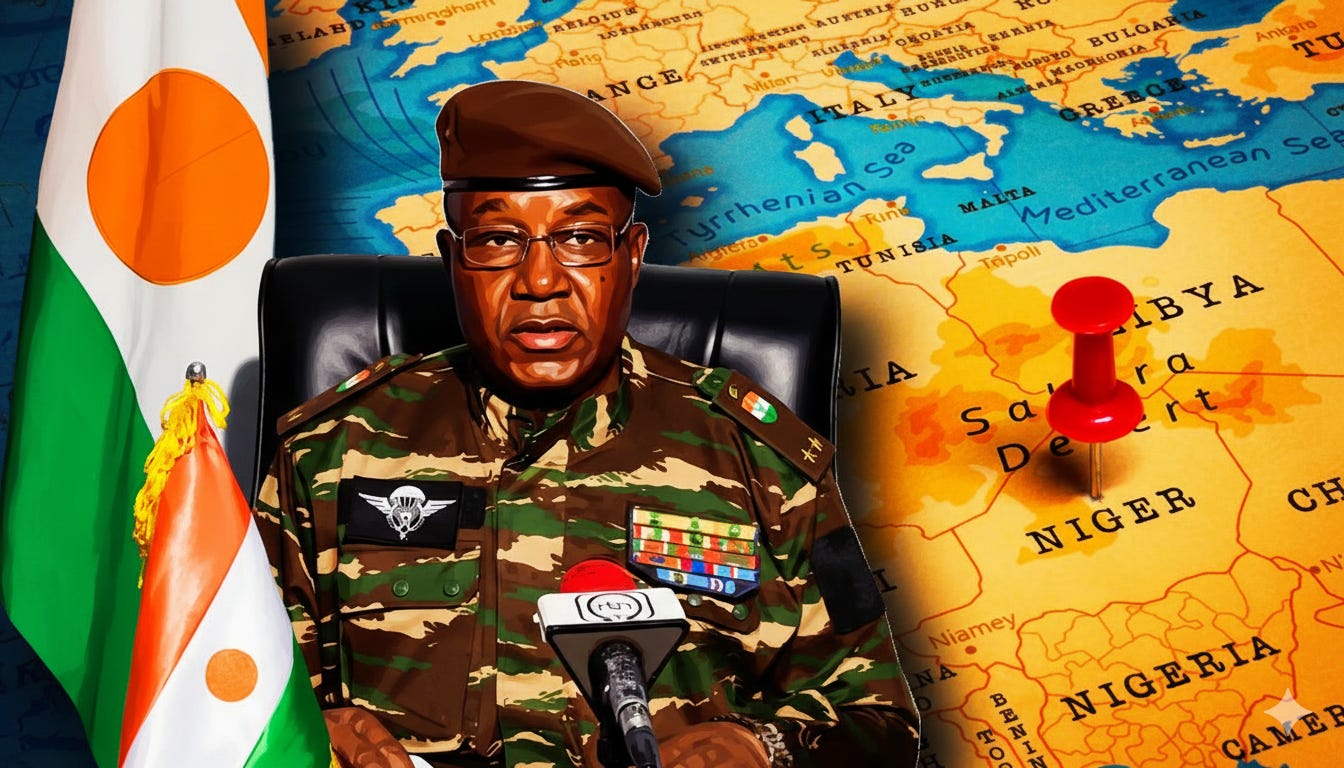
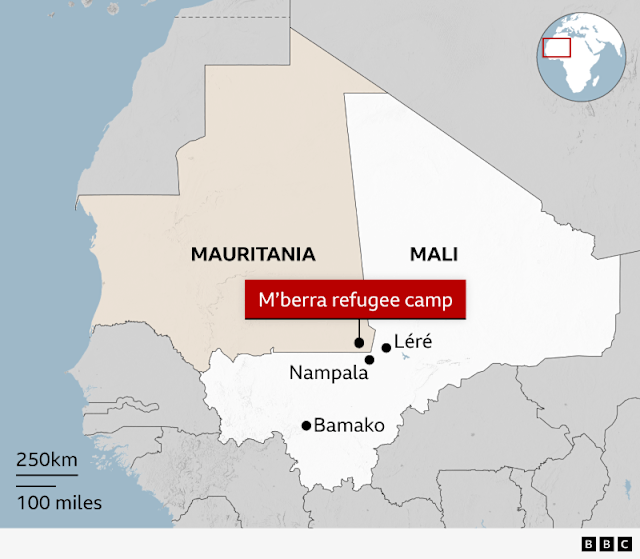
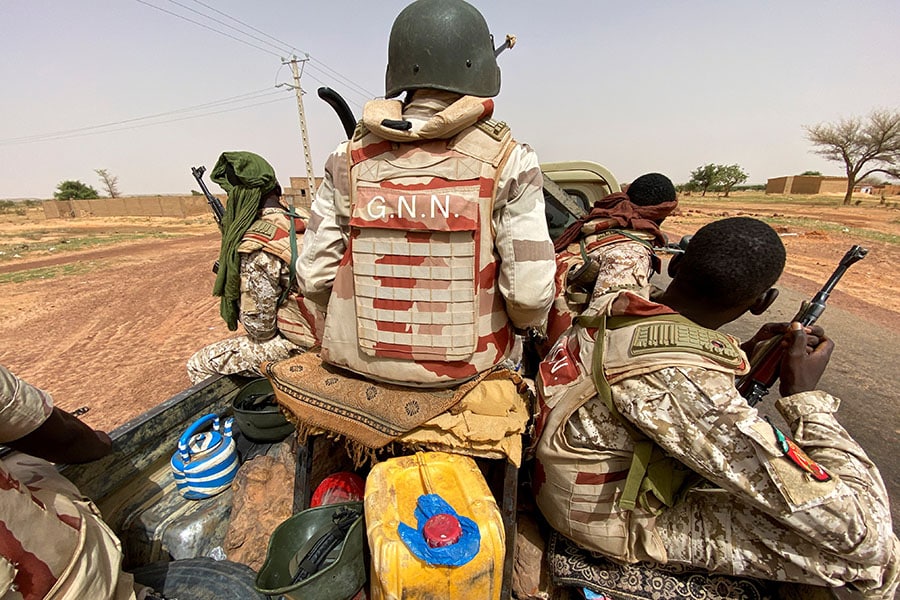
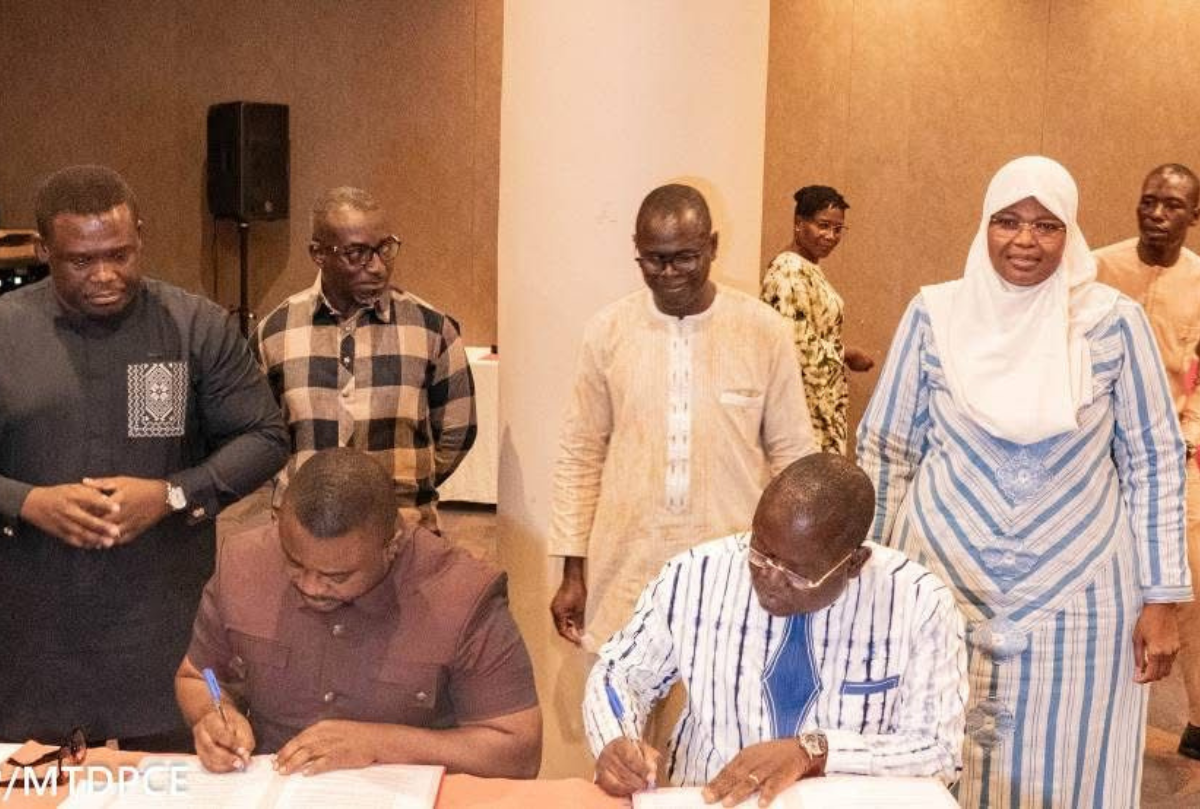
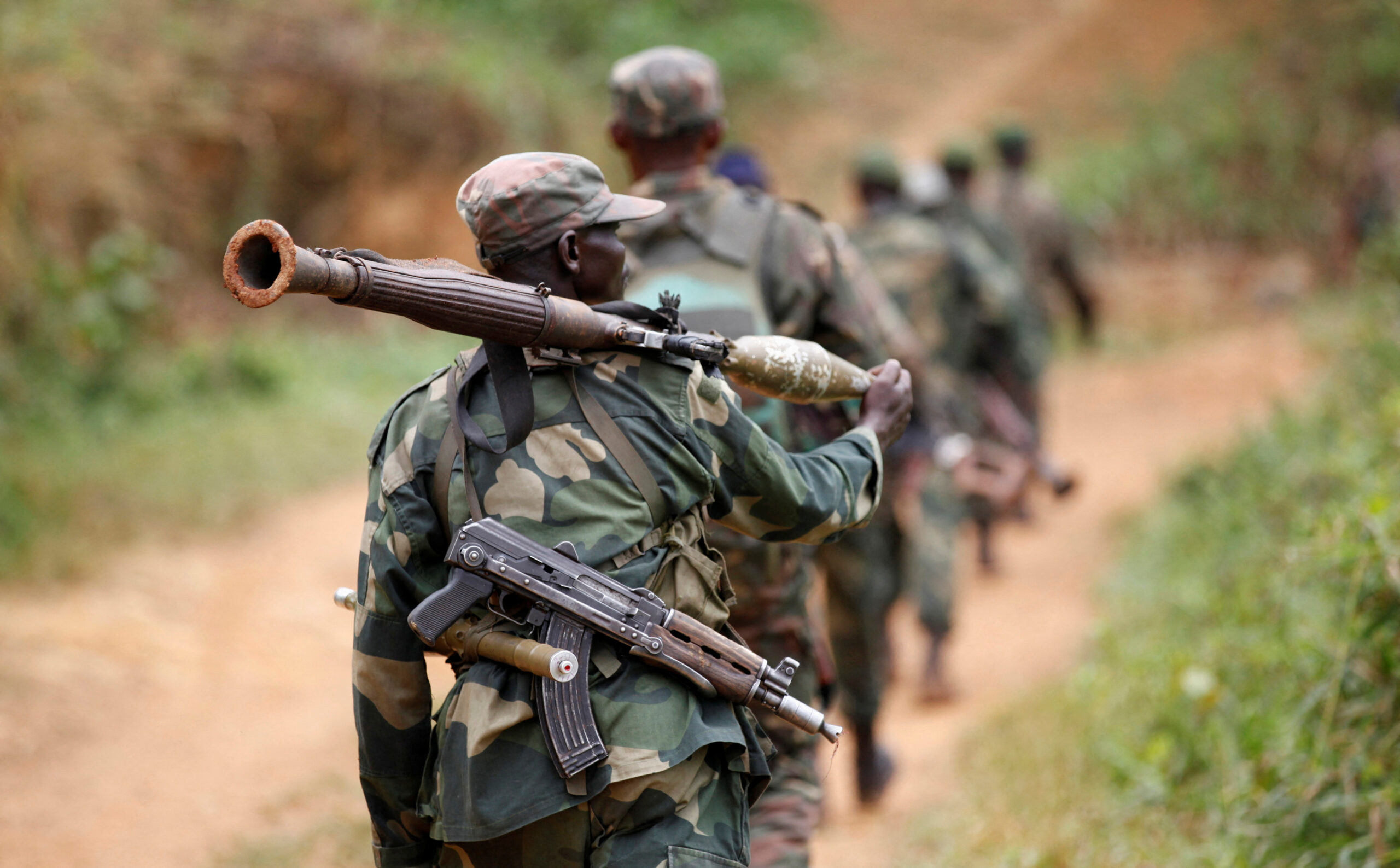
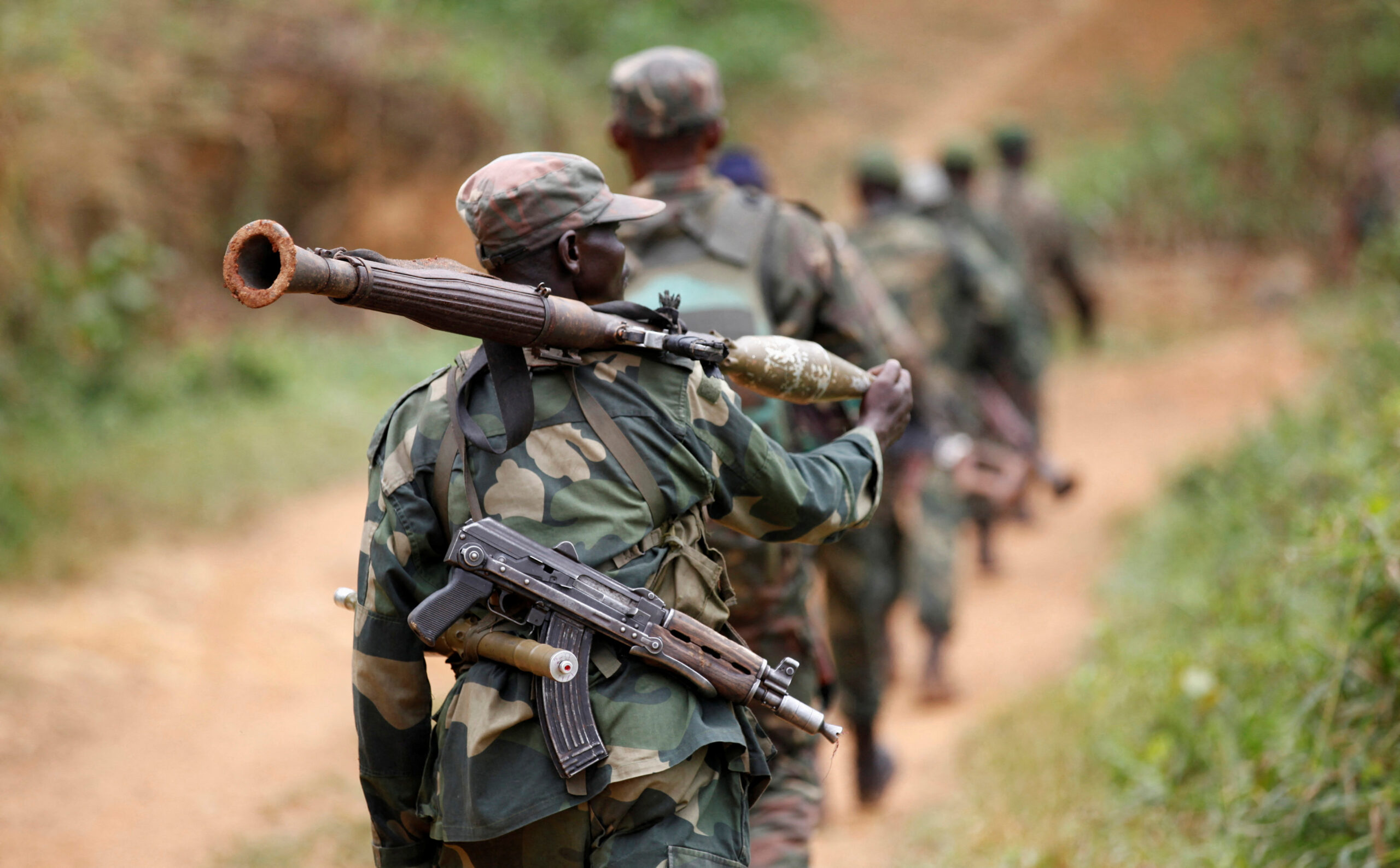
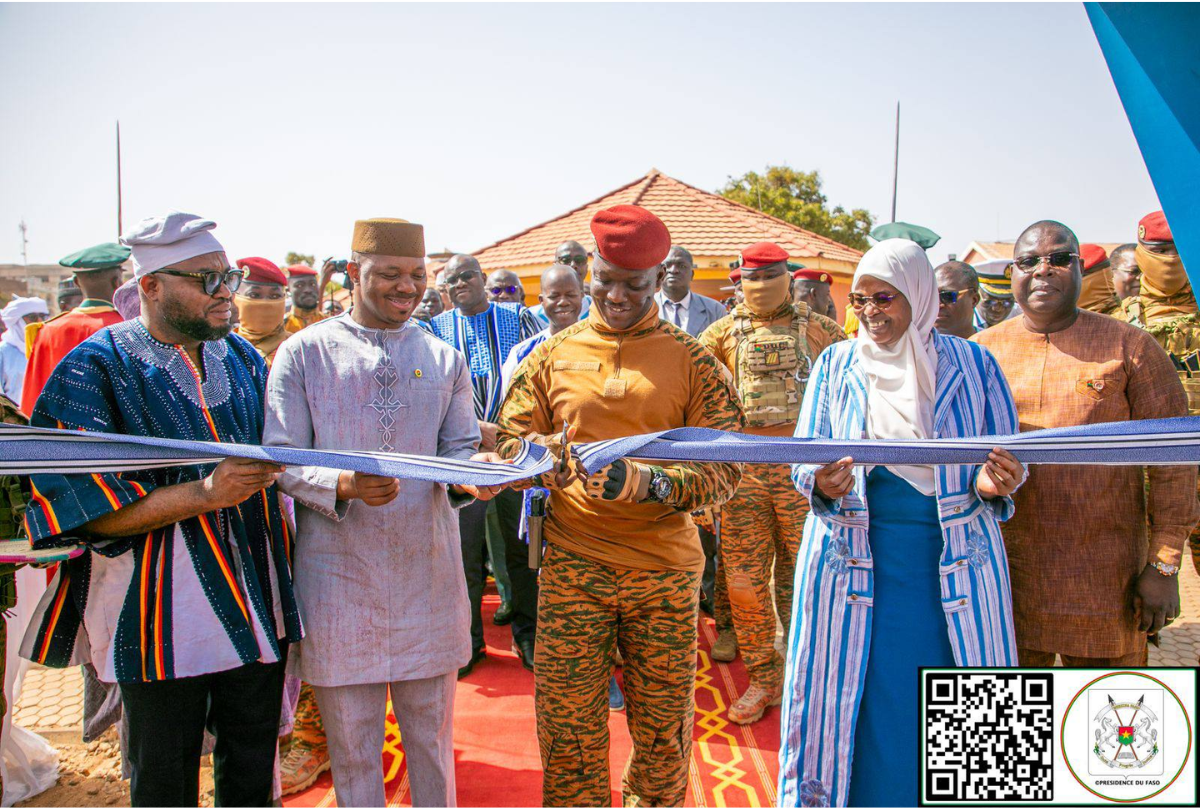
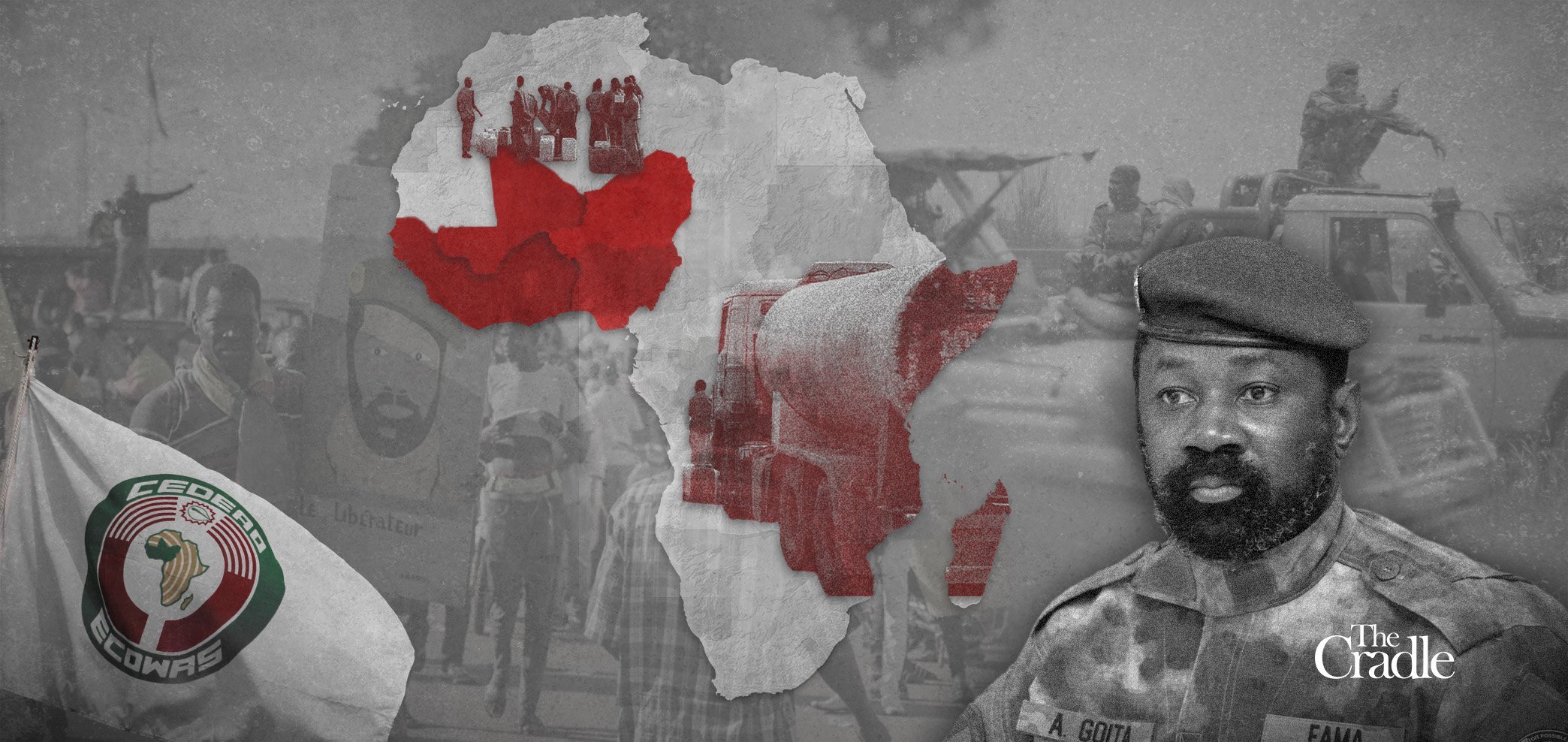
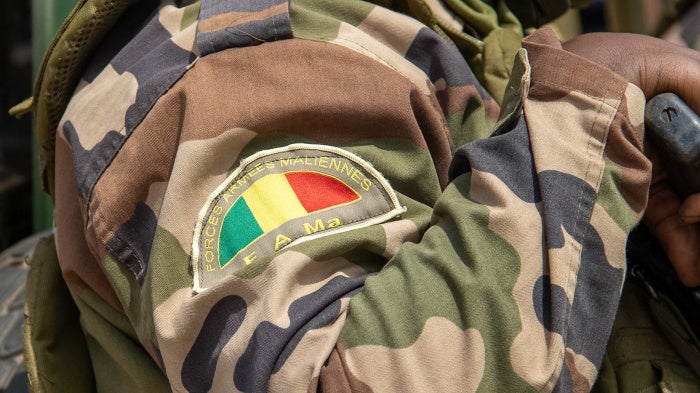
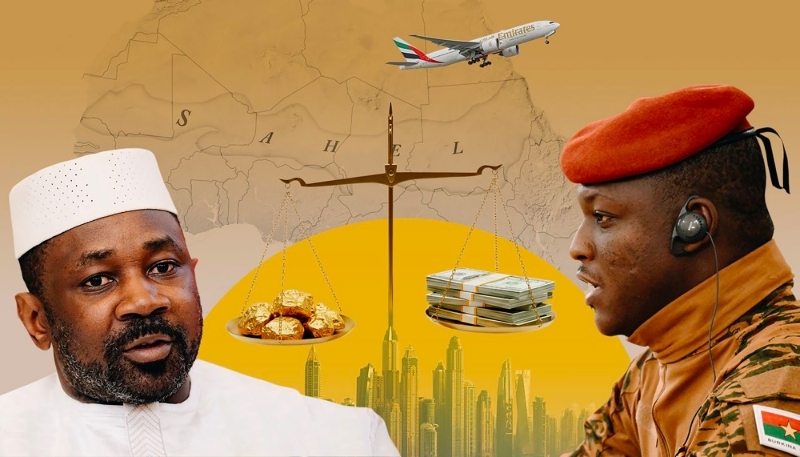
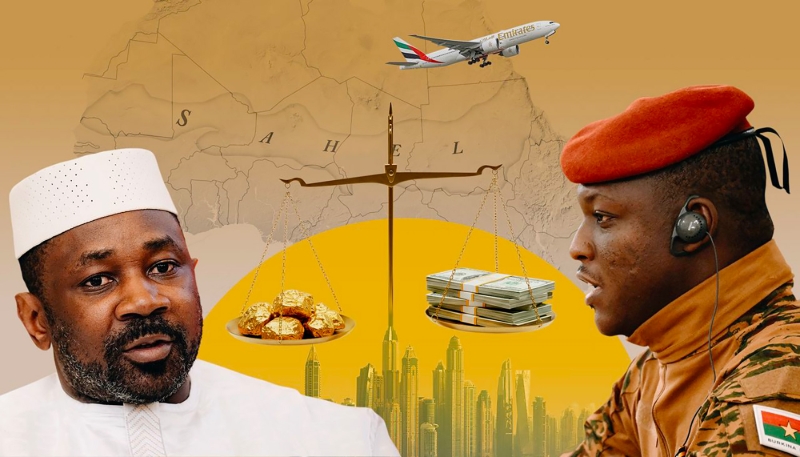
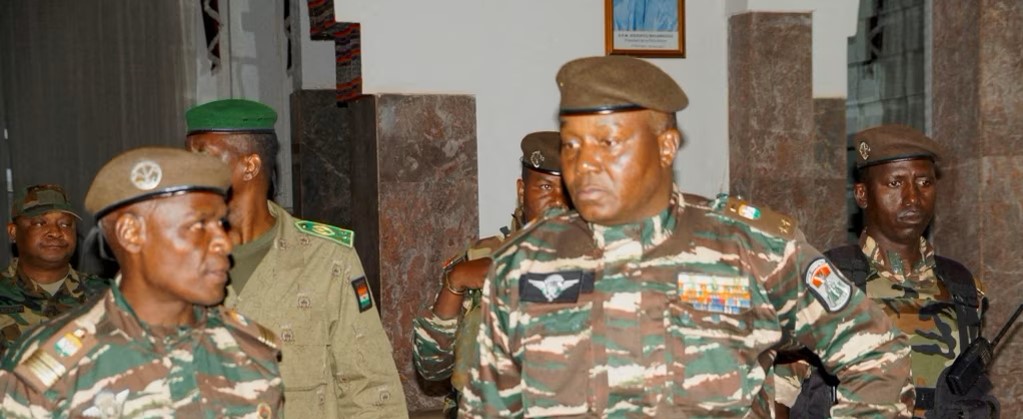
The Sahel region, a vast stretch of West Africa home to Burkina Faso, Mali, and Niger, sits at a critical crossroads. These three nations recently made a significant move, forming a union explicitly aimed at combating terrorism and pushing back against what they perceive as external interference, particularly from Western allies. This bold alliance isn’t just a political gesture, it’s a strong assertion of their sovereignty and a clear signal of their collaborative security agenda in an increasingly challenging regional landscape. Why this push for unity now? For years, persistent jihadist threats have plagued the Sahel, systematically undermining governance, security, and the very fabric of development. The idea is that coordinated military cooperation among Burkina Faso, Mali, and Niger will bolster their collective strength against insurgency. However, this emerging bloc already faces intricate diplomatic tensions, not just internally but also with its neighbors. Countries like Benin, for example, have openly expressed concerns about potential cross-border security spillovers, making the path to seamless regional cooperation much more complicated than it sounds. It’s a delicate balancing act, isn’t it, to build alliances while managing existing regional anxieties? For a deeper dive into the region’s volatile situation, explore the Sahel on the brink. This critical period demands vigilance and understanding.
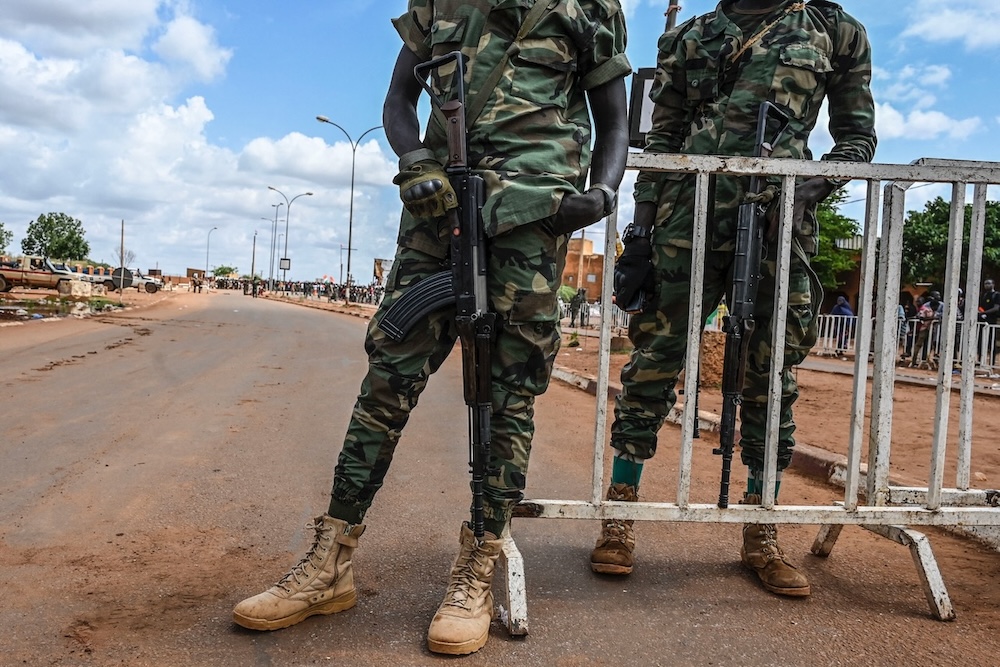
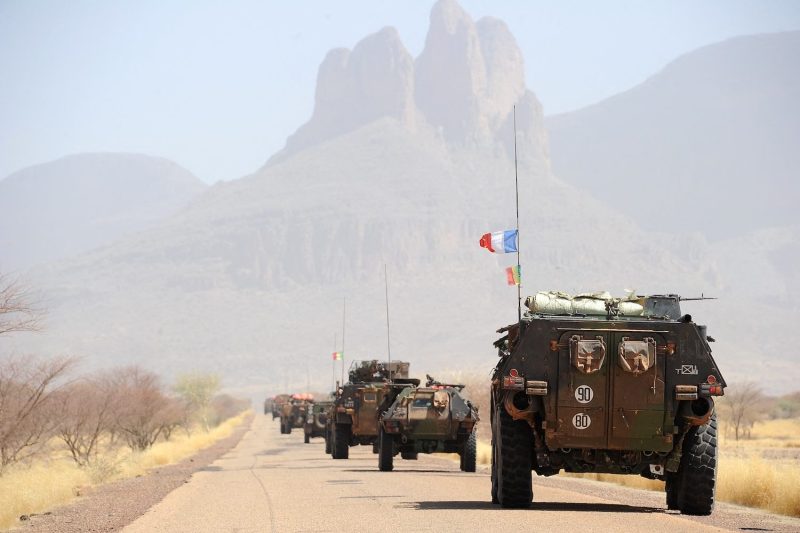
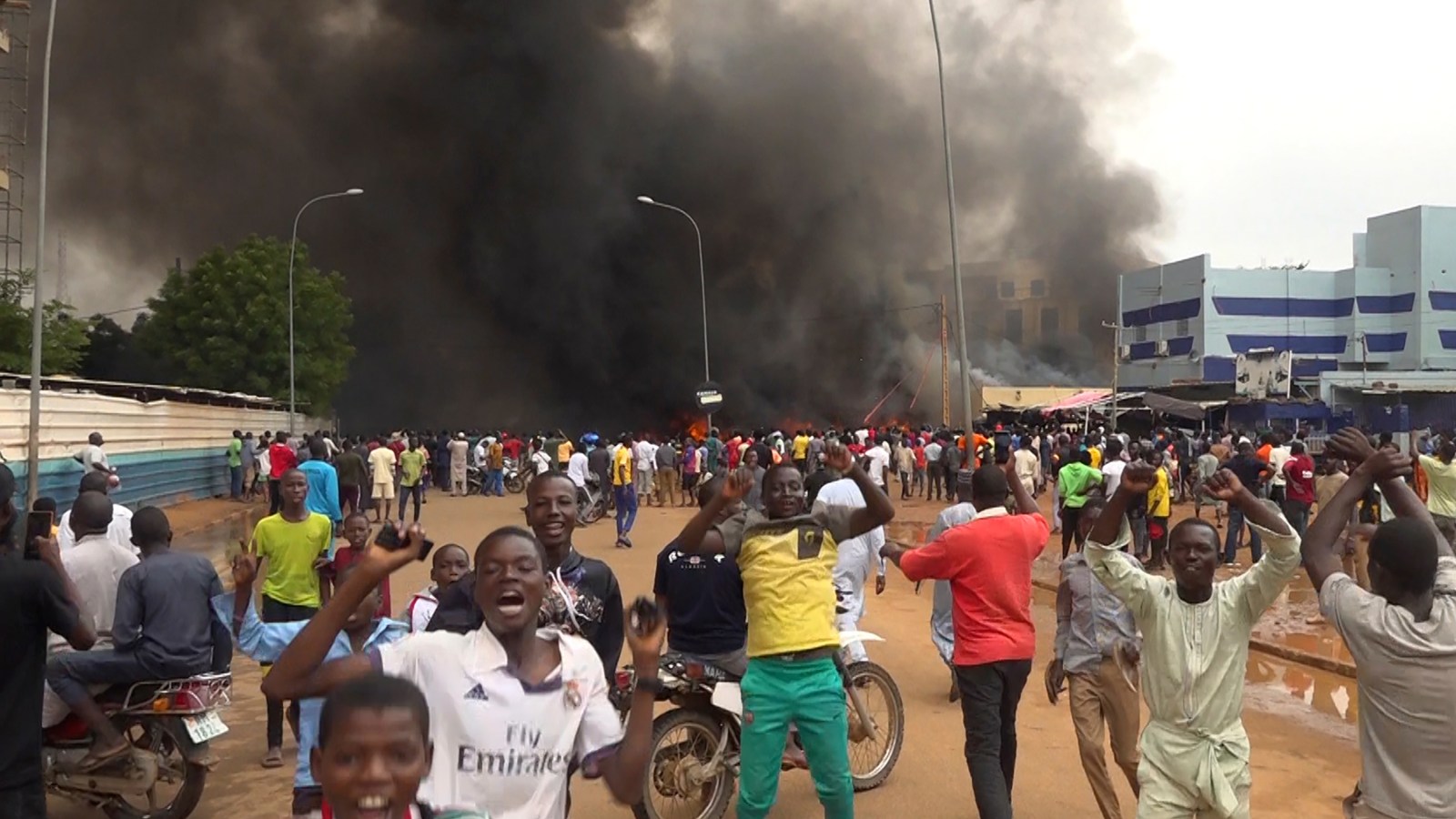
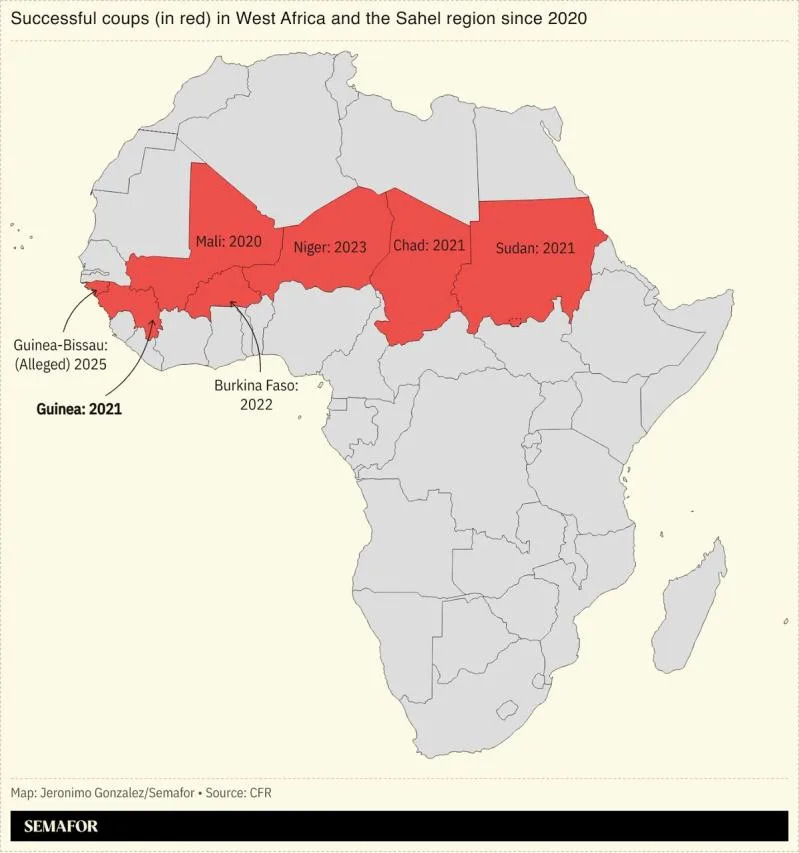
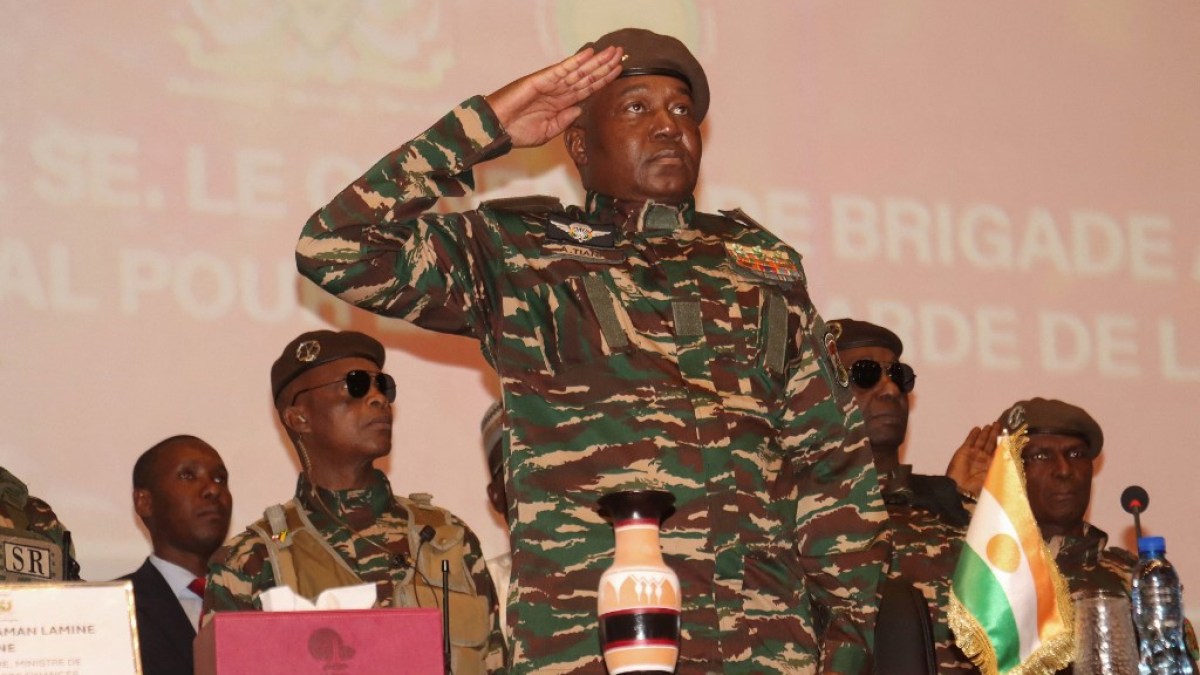
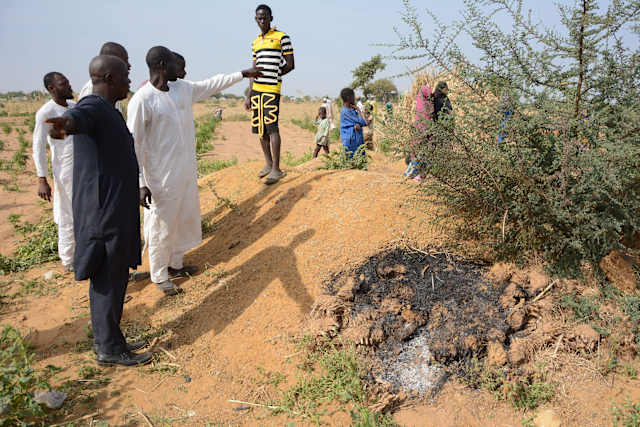
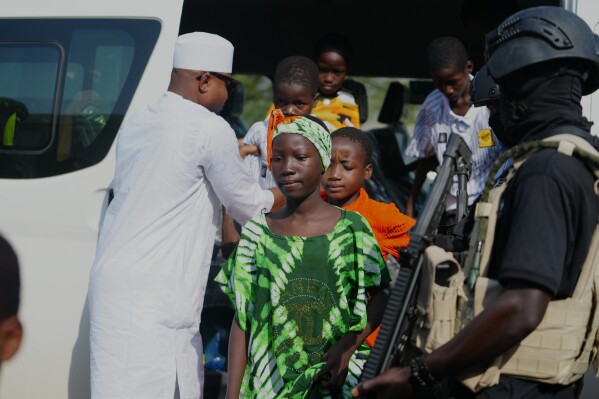
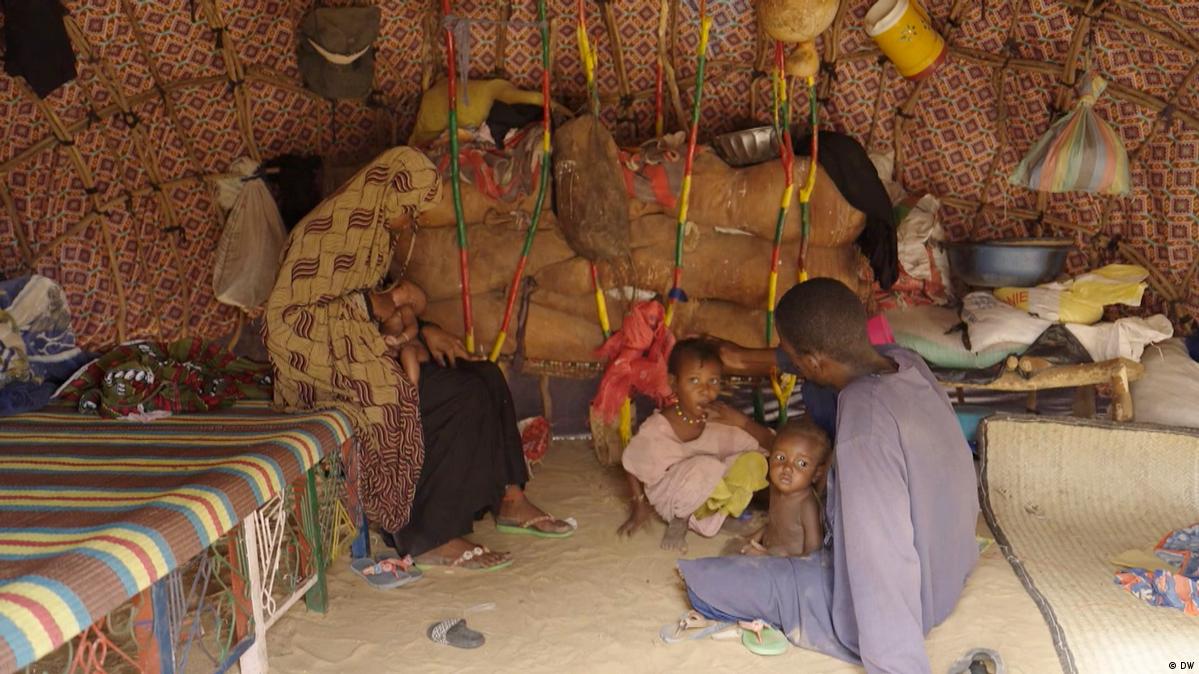
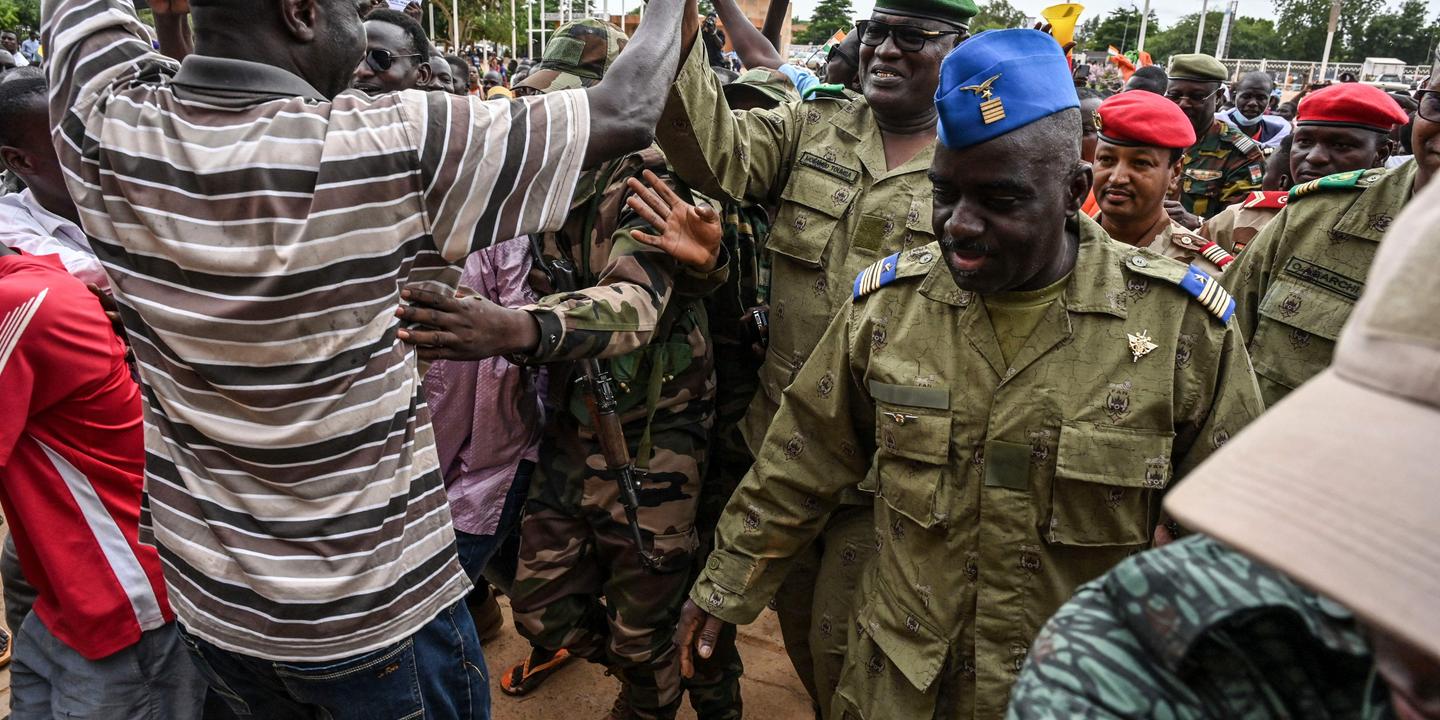
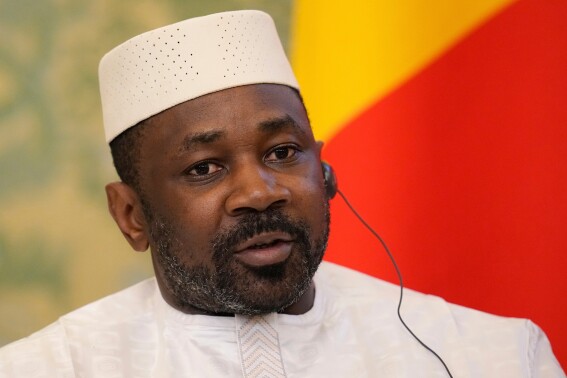
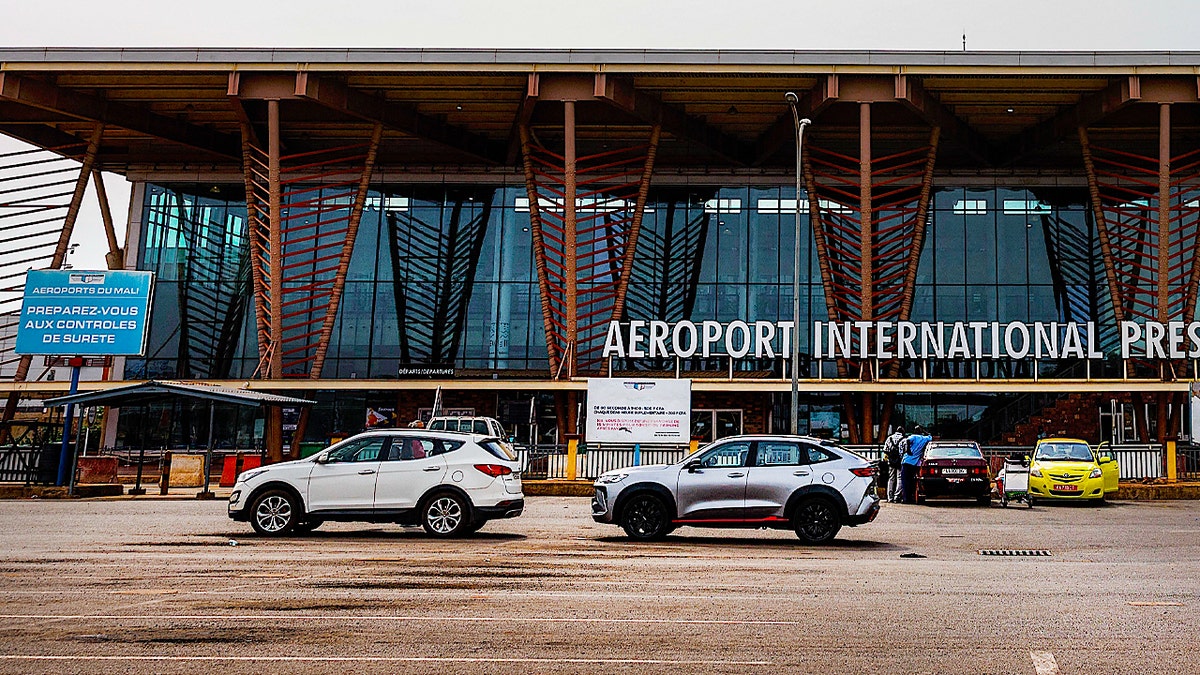
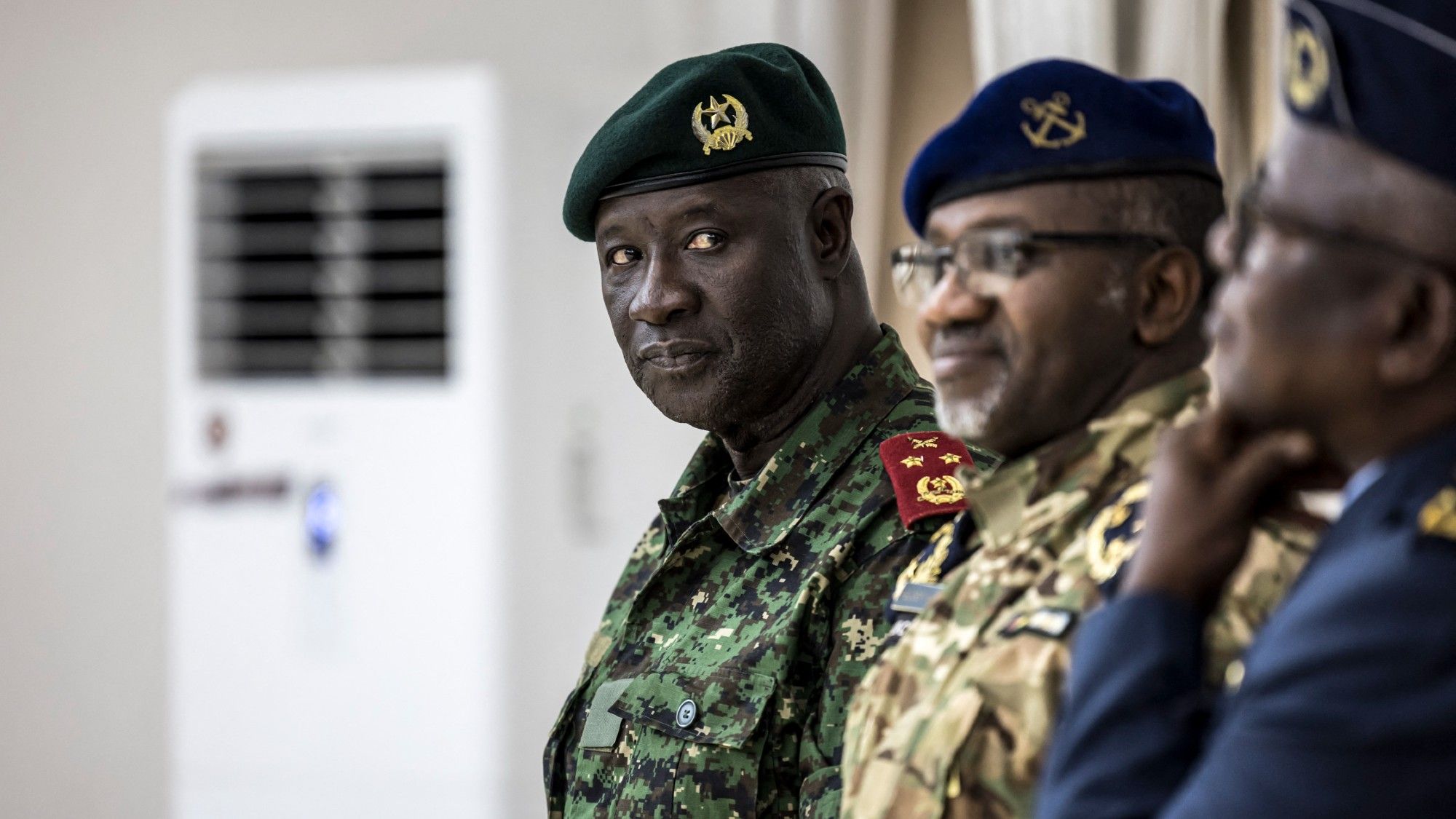
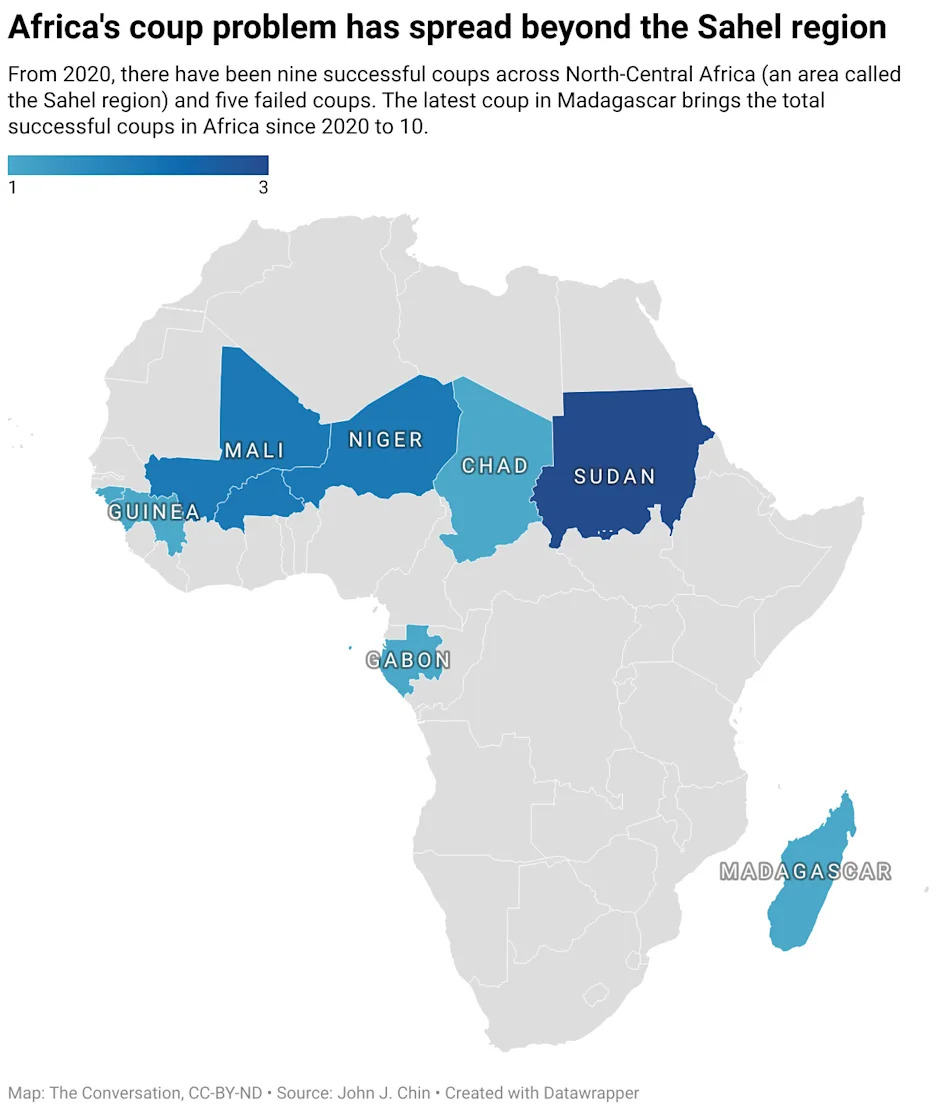
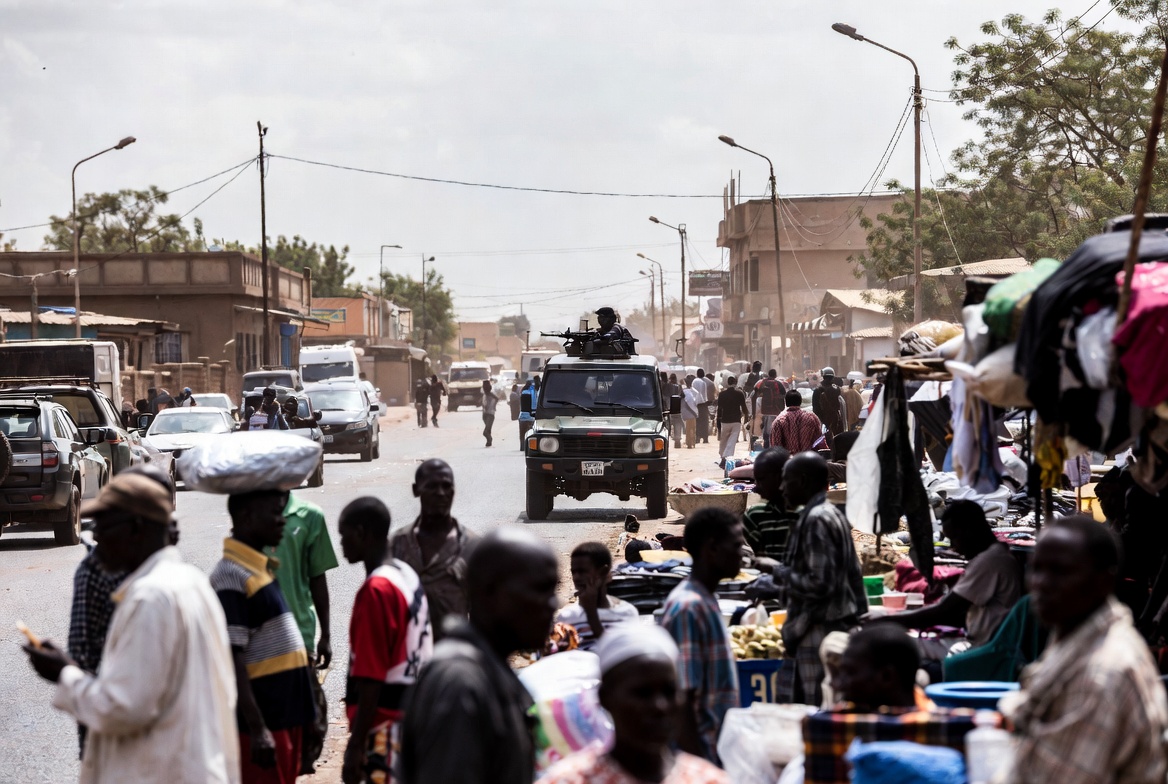
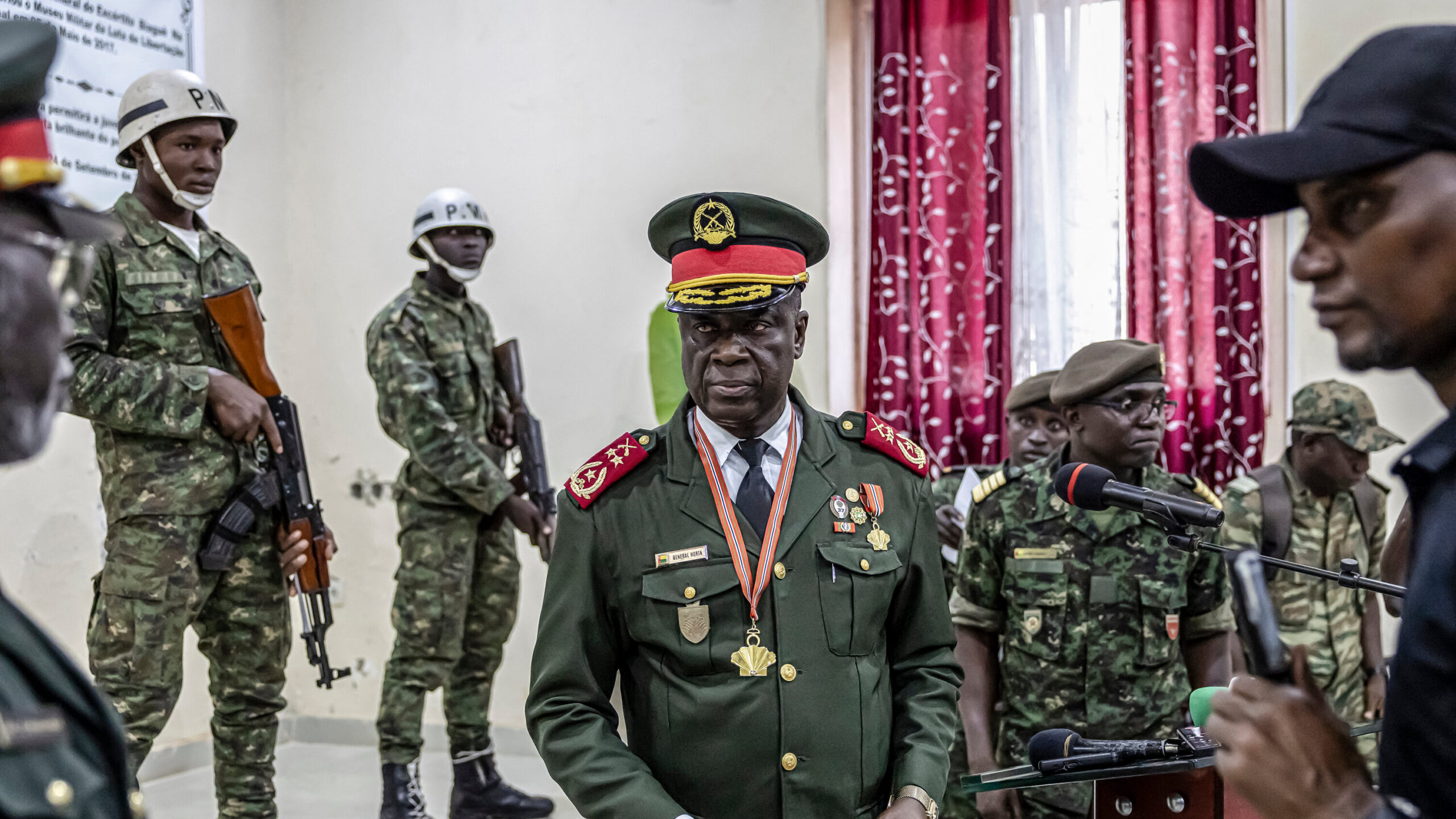
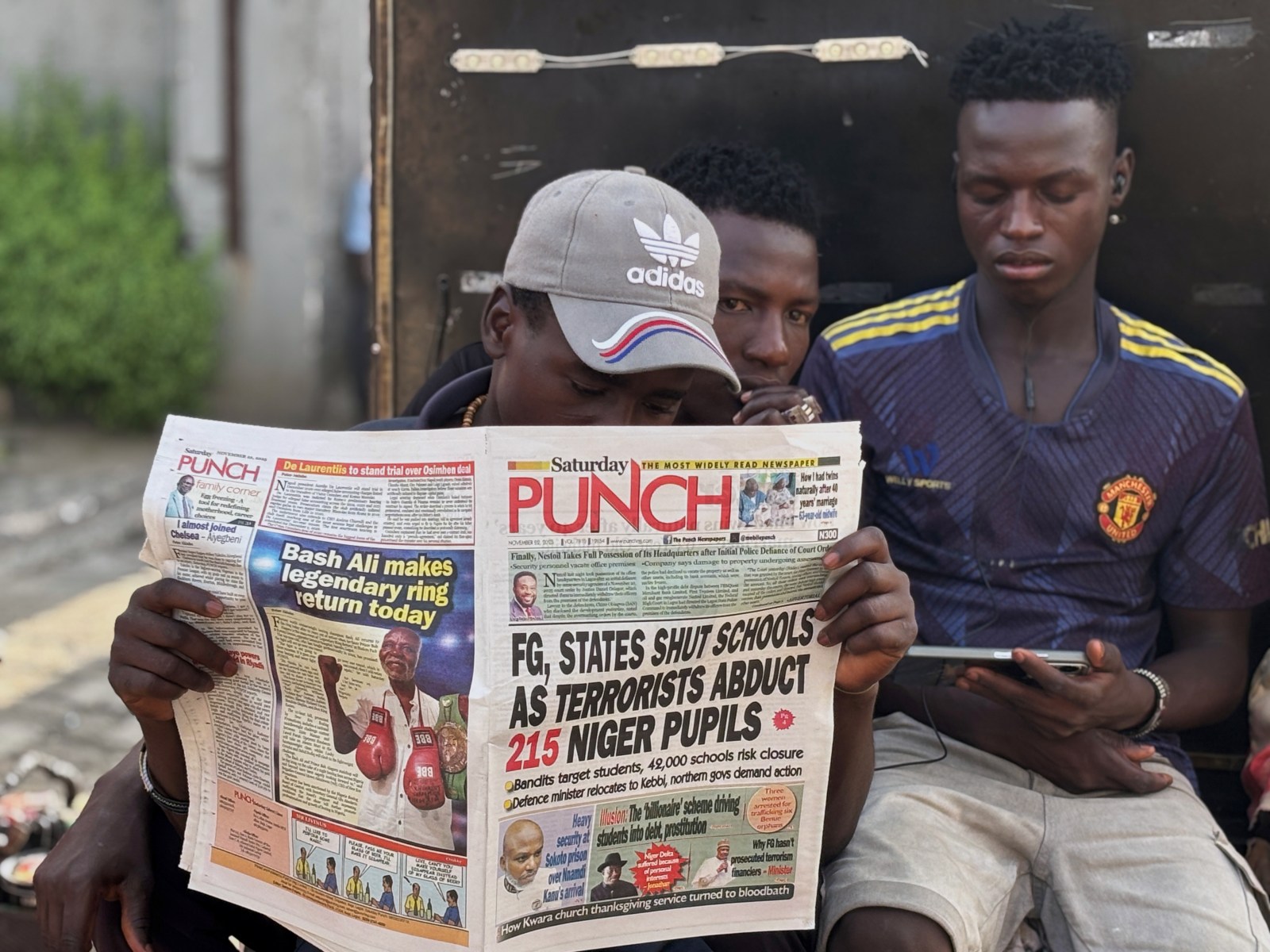
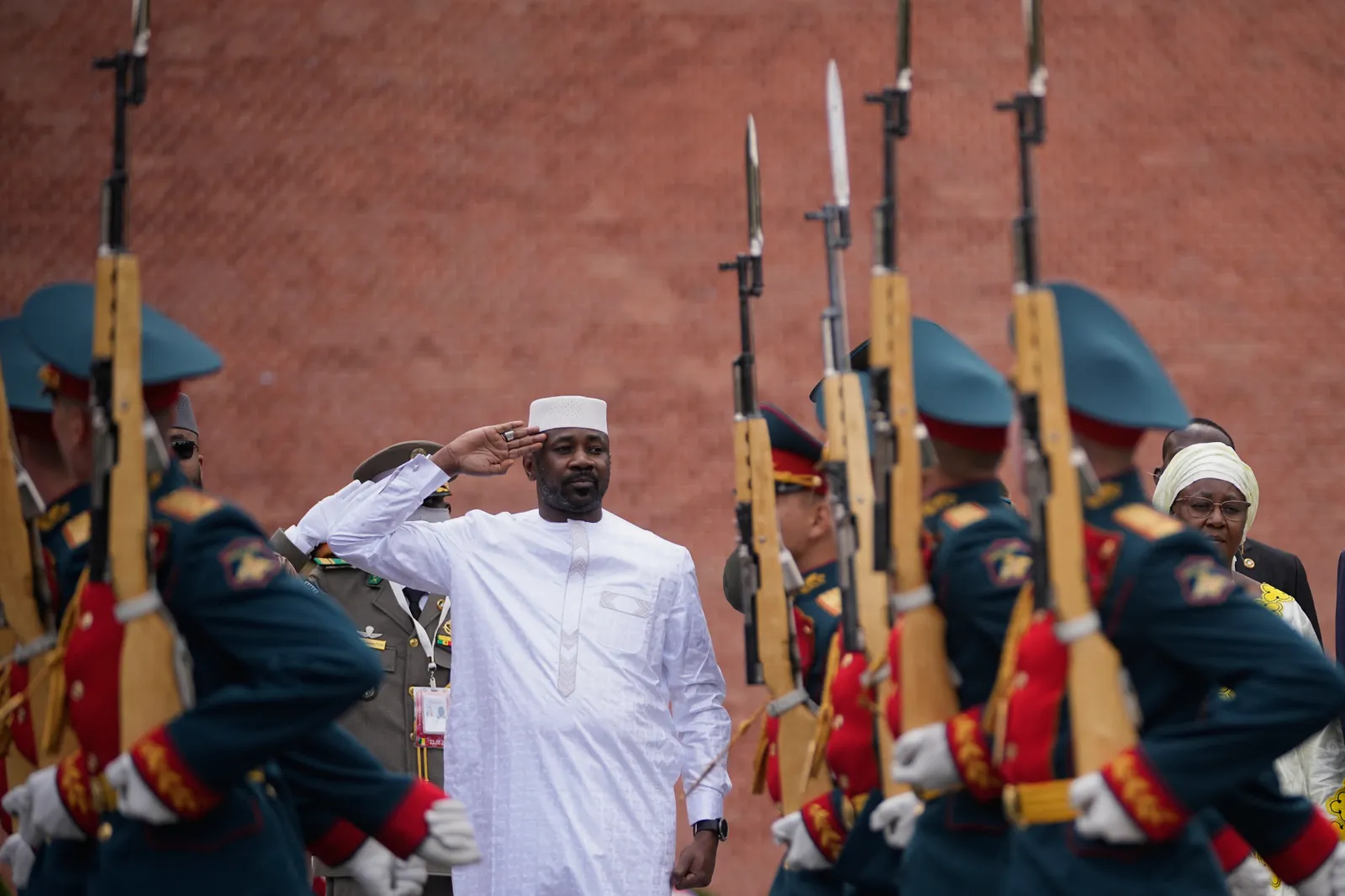
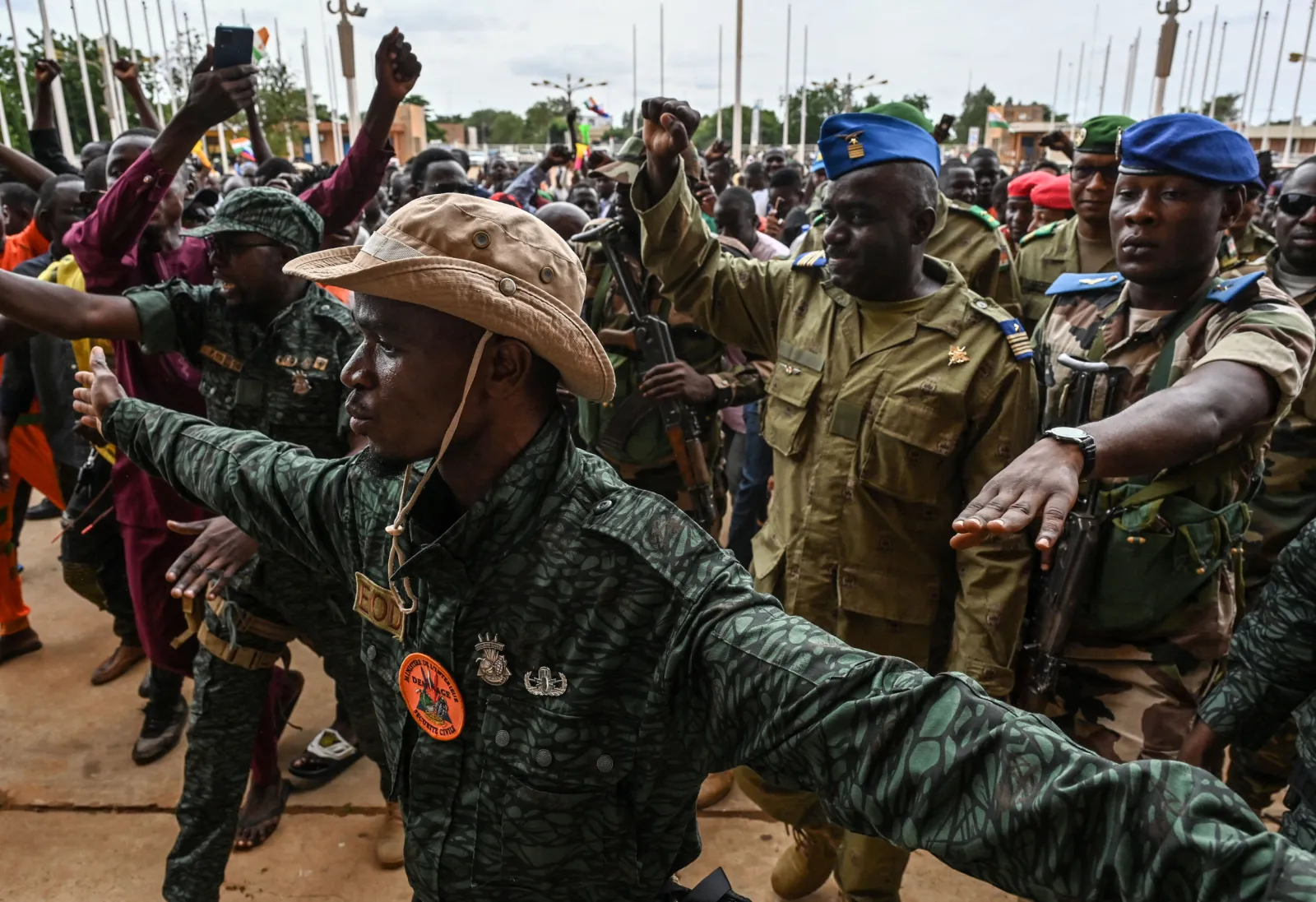
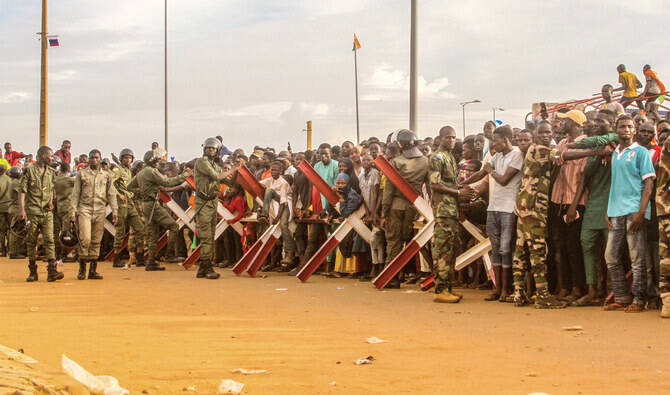
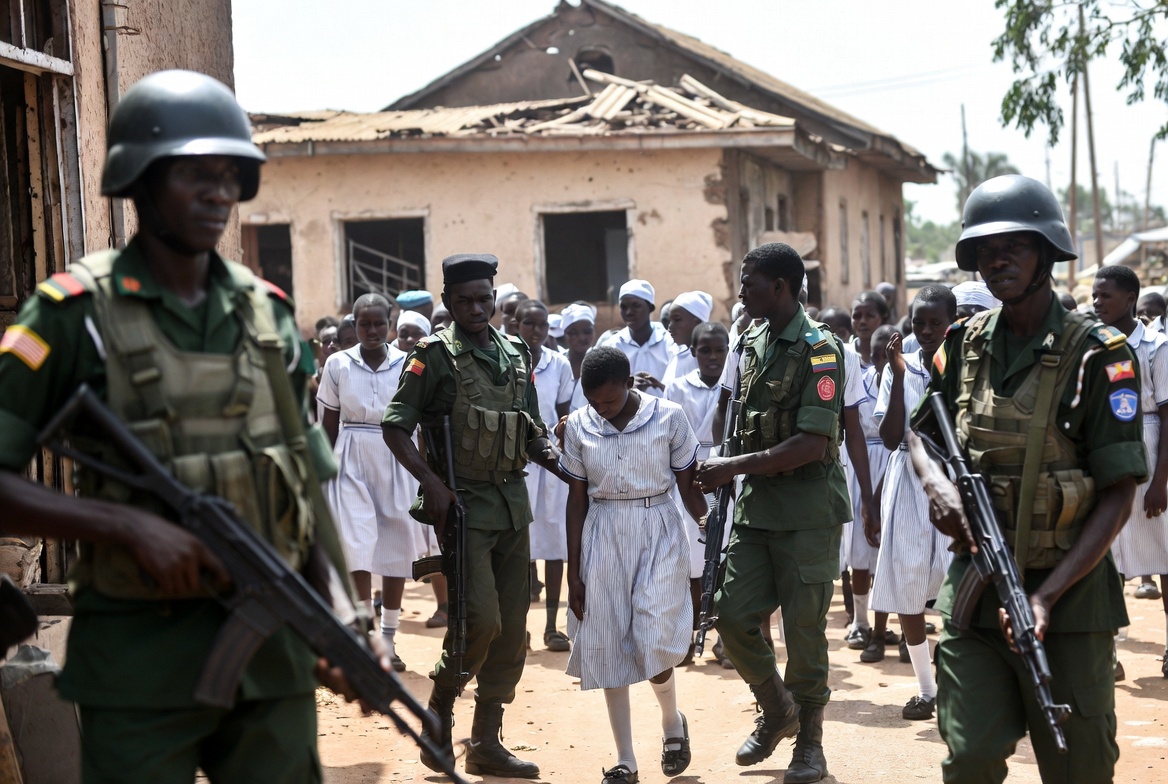
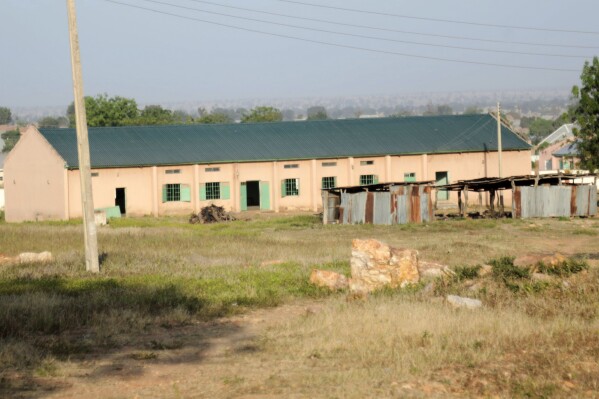
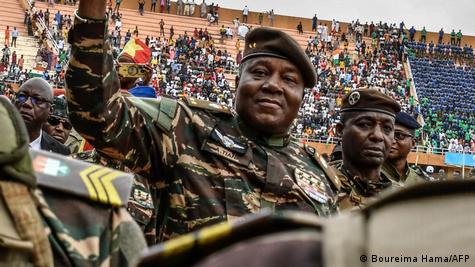
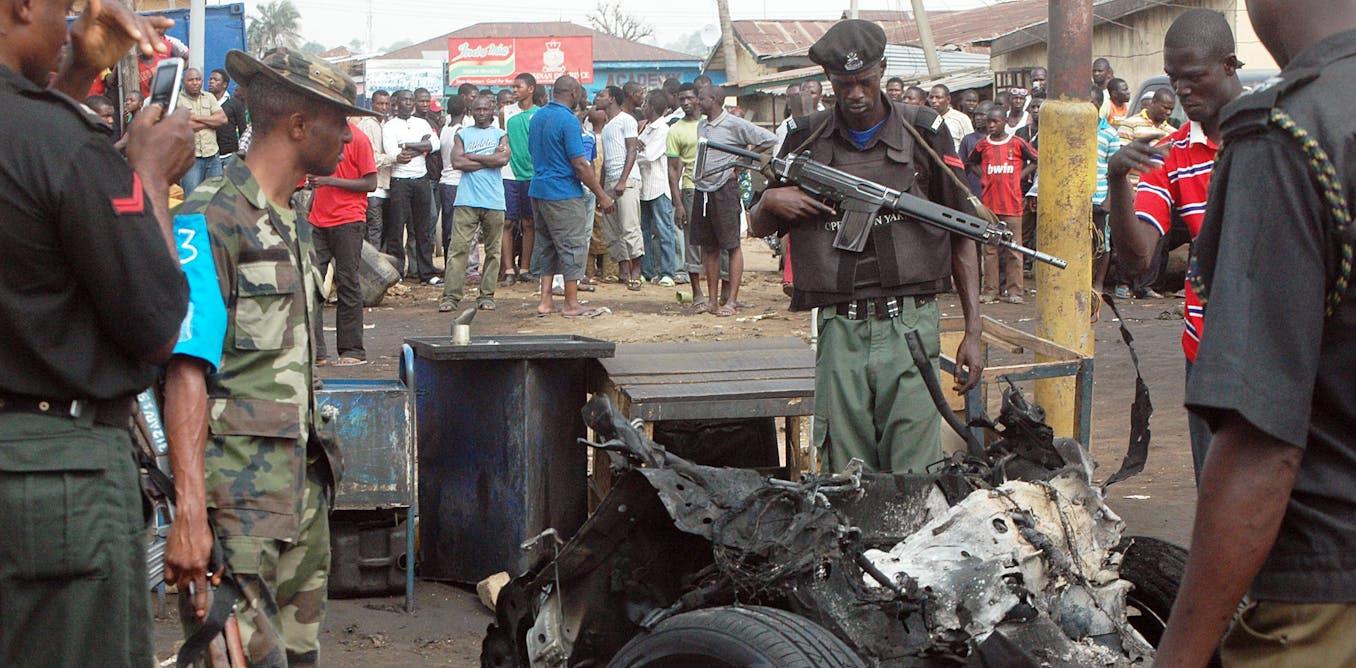
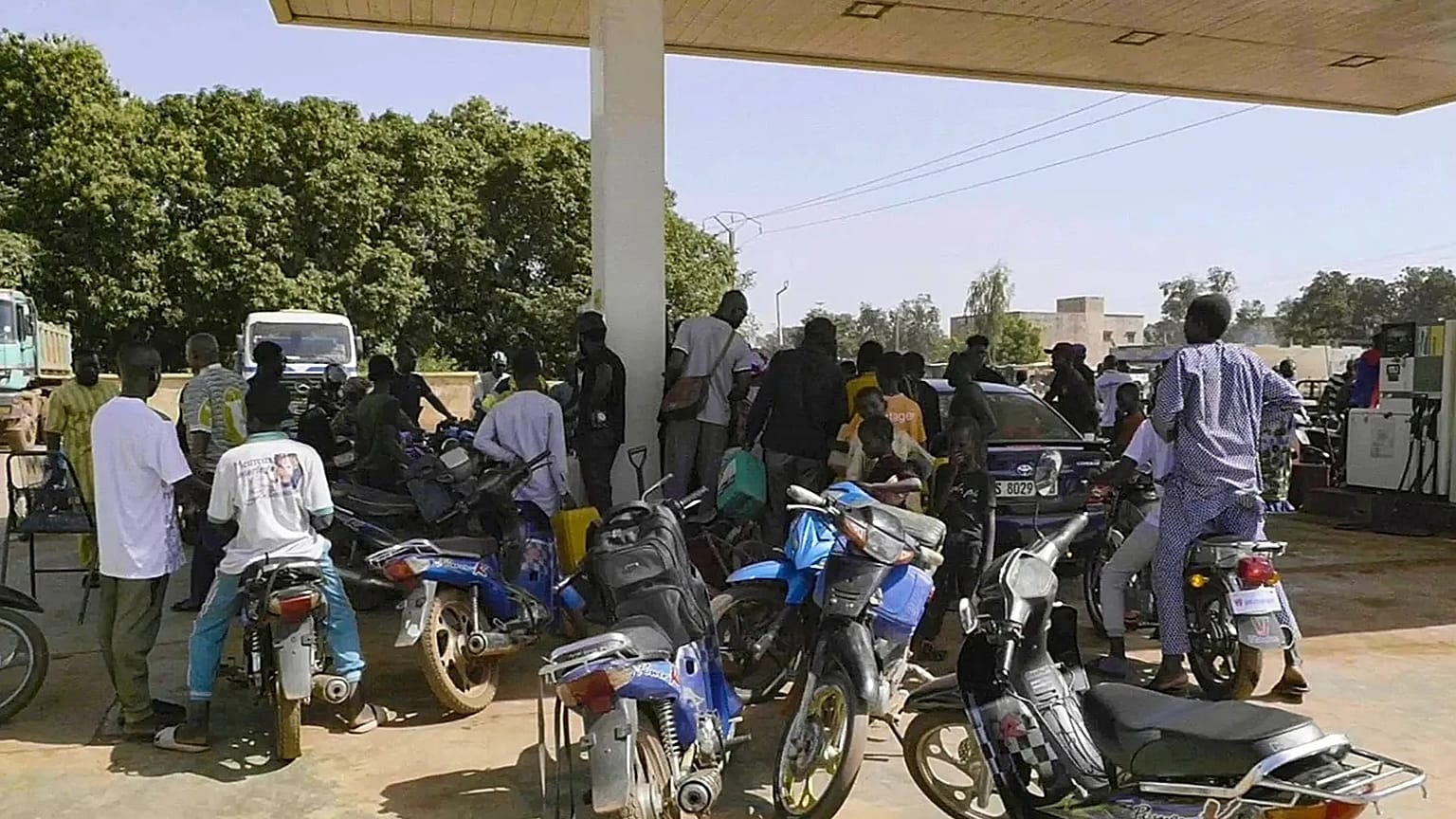
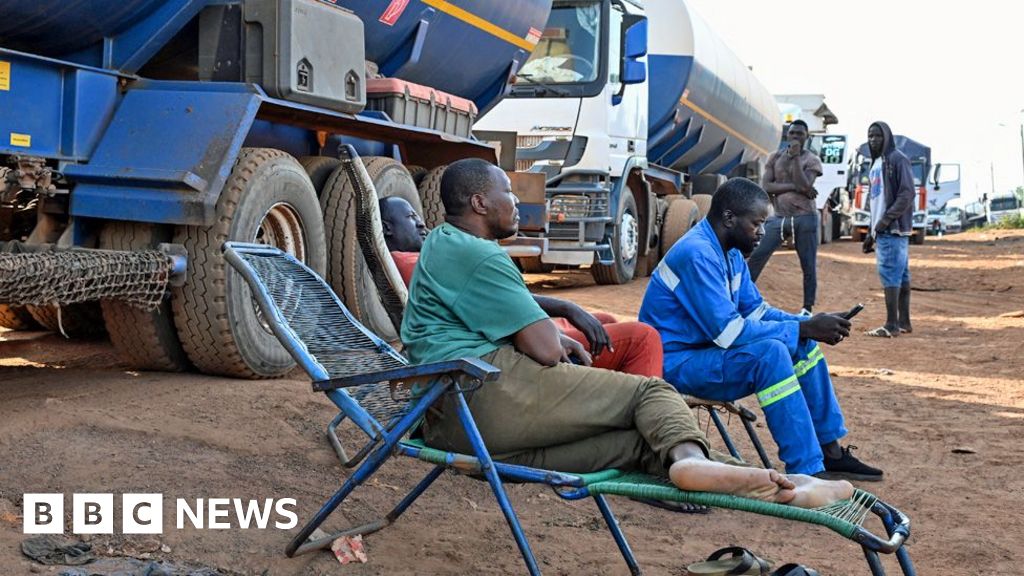
Beyond internal alliances, recent military coups in all three nations have sent shockwaves across West Africa. These upheavals didn’t just disrupt democratic institutions, they’ve gravely exacerbated regional instability. The overthrow of elected governments in Niger, Mali, and Burkina Faso created fragile political environments, leading to a dangerous security vacuum. What happens then? Sadly, jihadist militants have seized on this void, deepening their reach, intensifying violence, and further imperiling civilian populations who bear the brunt of this chaos. It’s important to note the contentious issue of external support for these regimes and coups, complicating prospects for democratic restoration. Take Mali, for instance, where the situation has become particularly dire. The government was forced to close all schools and universities nationwide due to severe fuel shortages, triggered by a critical blockade. This isn’t just about empty gas tanks, these shortages impact essential services, vividly highlighting the humanitarian toll of ongoing conflict and political turmoil. You can imagine the panic and anxiety this has sparked, drawing unsettling parallels to Afghanistan under Taliban rule, where education and civil order faced similar disruptions by militant control. This development marks a truly worrying trend for the region’s future, especially concerning the prospects for youth and education in these active conflict zones. The precarious security environment isn’t limited to locals either, the recent kidnapping and subsequent release of three Egyptian citizens in Mali underscores the dangers faced by foreigners, reflecting the complex interplay between national security issues and international diplomatic relations. Learn more about the immediate crisis from Mali’s fuel shortages and school closures. It’s a stark reminder of how quickly security can unravel.
Despite these formidable hardships and rising tensions, this regional union between Burkina Faso, Mali, and Niger embodies a hopeful, determined effort to reclaim stability. It symbolizes a concerted attempt to chart an autonomous course for security, lessening what they view as excessive dependency on Western powers. It’s no secret that interventions from these external forces have often been met with deep skepticism and even accusations of neo-colonial interference in the past. So, couldn’t this union provide a crucial platform for developing more effective and culturally attuned strategies to counter extremism, rebuild vital trust among affected populations, and foster both economic and political resilience from within? Looking ahead, the true success of this ambitious union will largely depend on these countries’ ability to overcome their own internal divisions, skillfully manage complex relationships with neighboring states, and crucially, establish credible governance structures that genuinely prioritize both security and democratic ideals for their citizens. The ongoing fuel crisis in Mali shows just one of many urgent challenges. What about Burkina Faso’s own challenges with leadership and stability? Furthermore, the active involvement of civil society, regional organizations like ECOWAS, and various international partners will undoubtedly be necessary to support the massive reconstruction and peace efforts needed. As the Sahel grapples with these deeply intertwined challenges, the world watches closely, hopeful that this union can indeed transform current hardships into a robust foundation for lasting peace and development across the region. For further insights into the union’s formation and objectives, you might find this YouTube explanation informative.