Sahel’s New Alliance: Navigating Power Plays and Press Freedom in Mali, Burkina Faso, and Niger
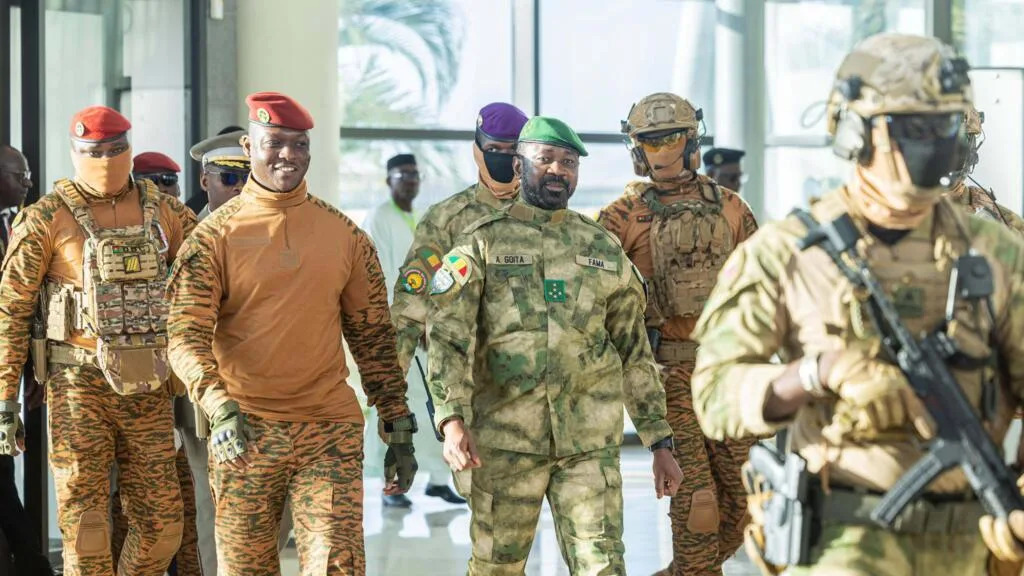
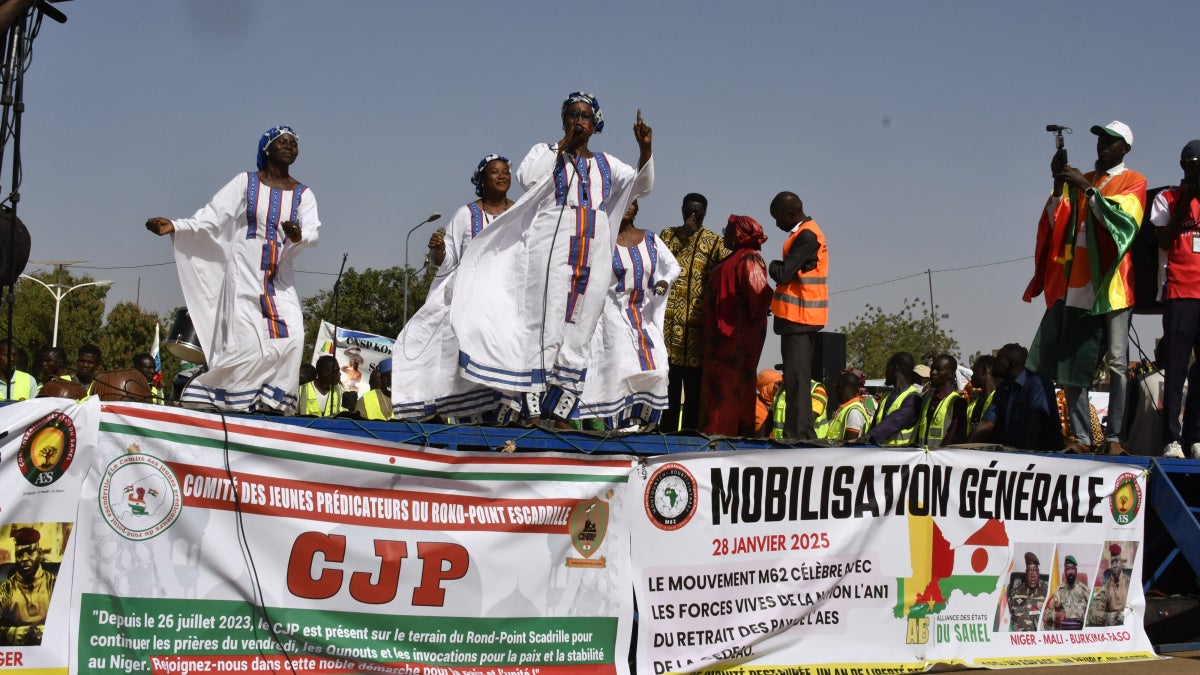
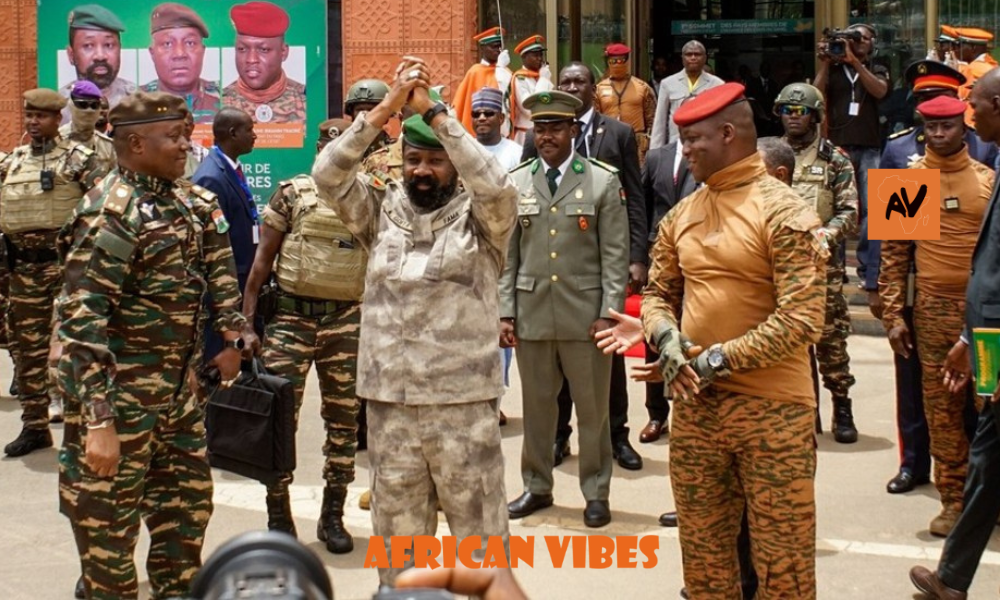
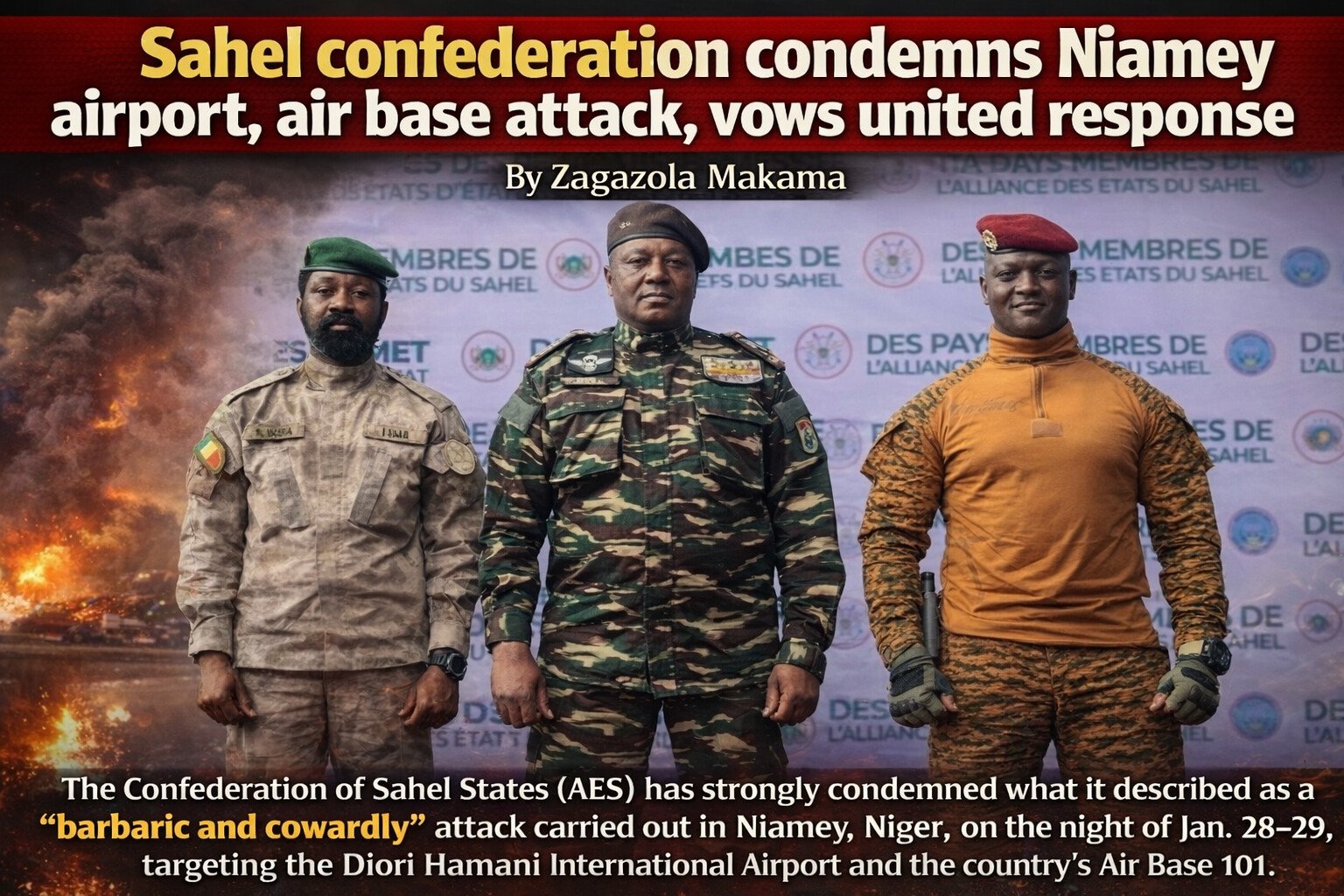
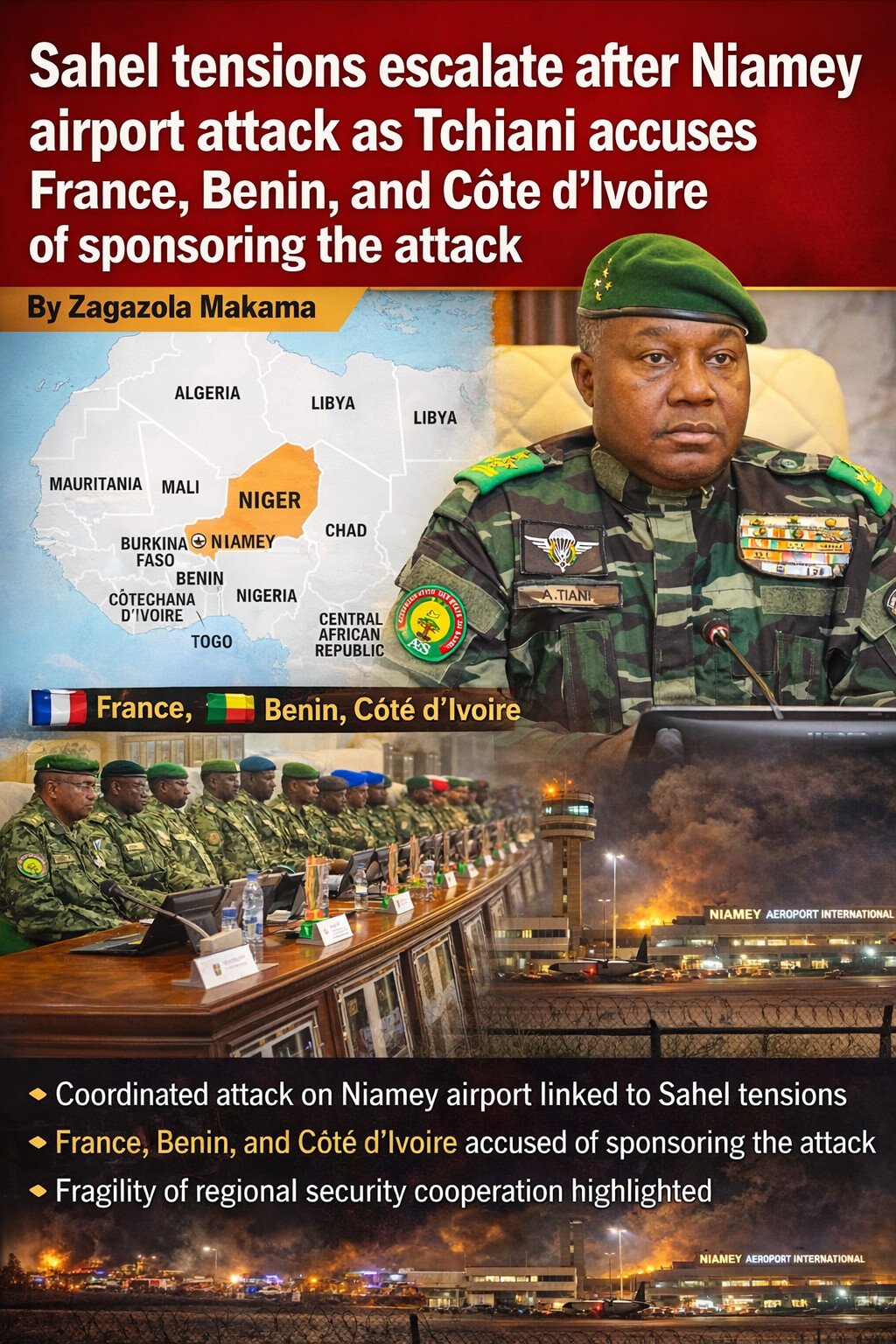
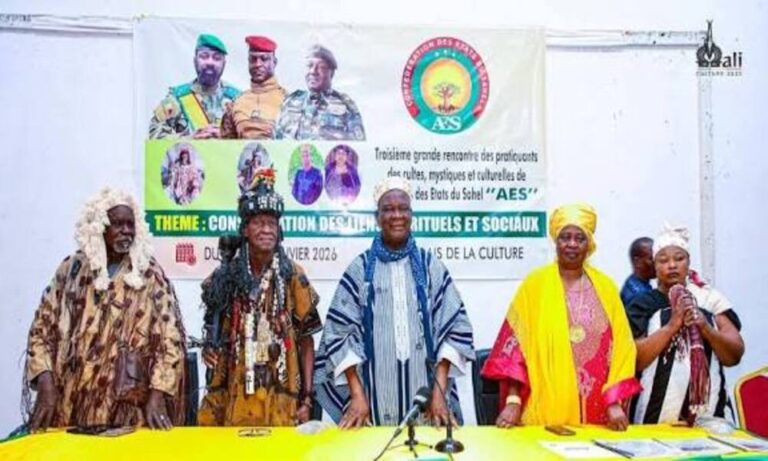
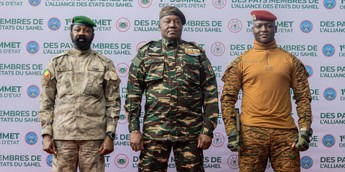
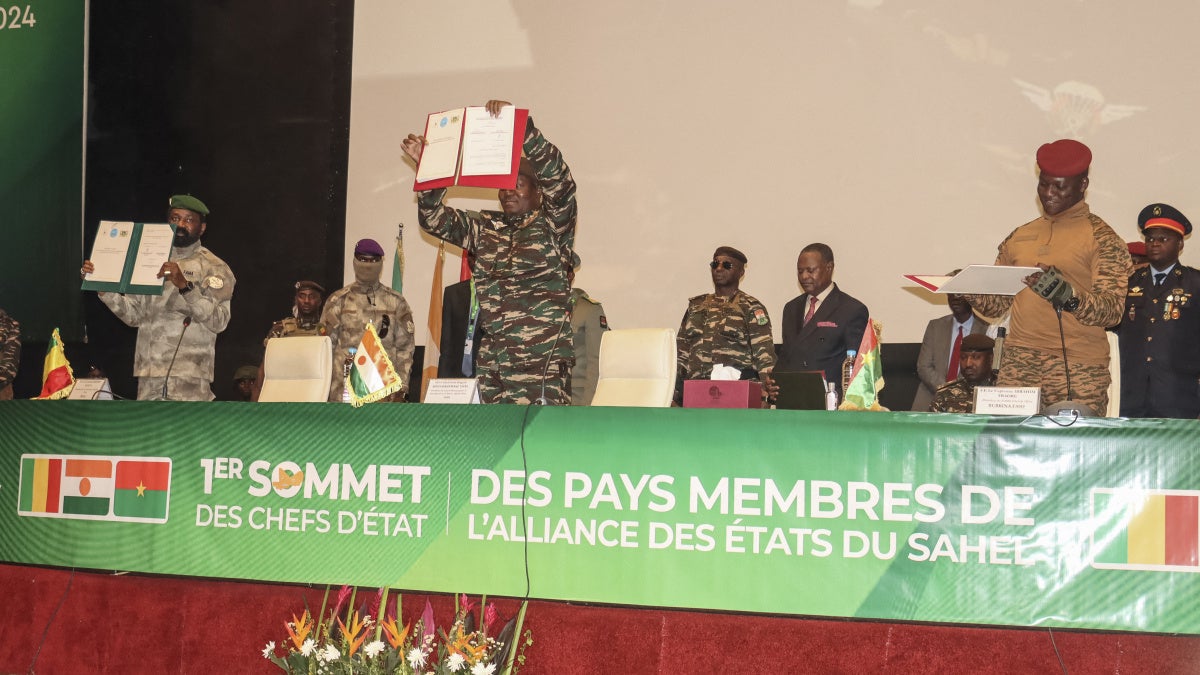
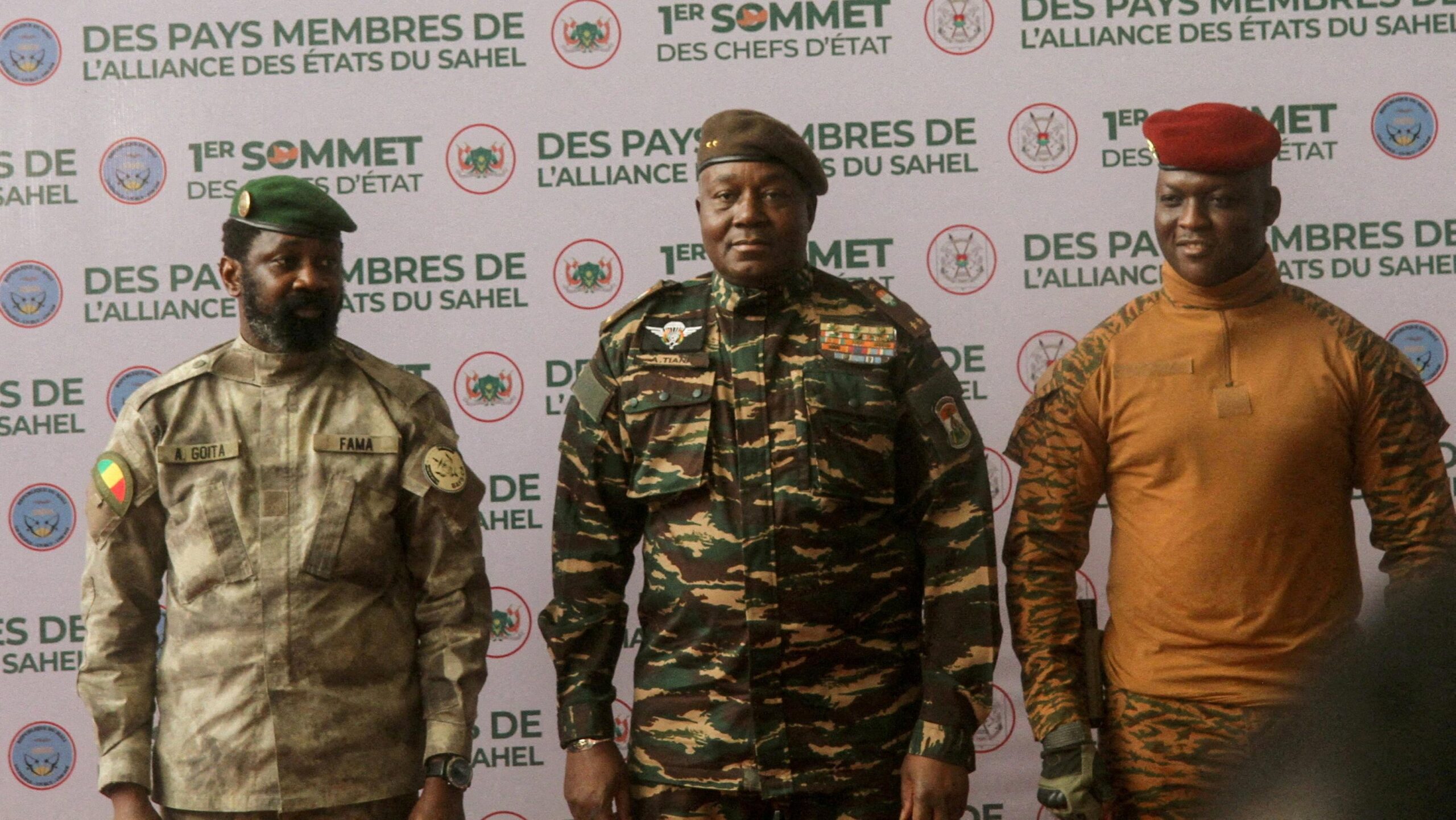
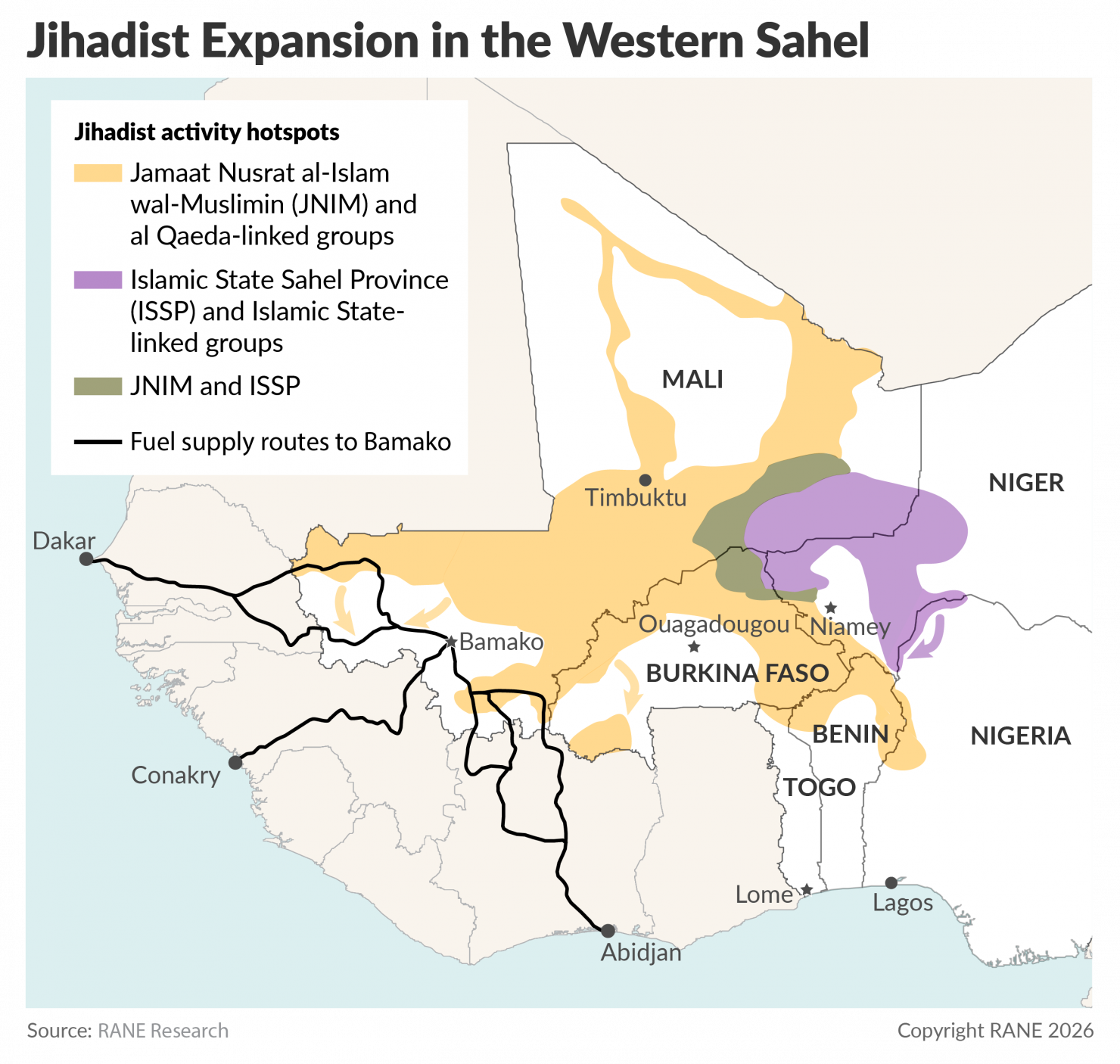
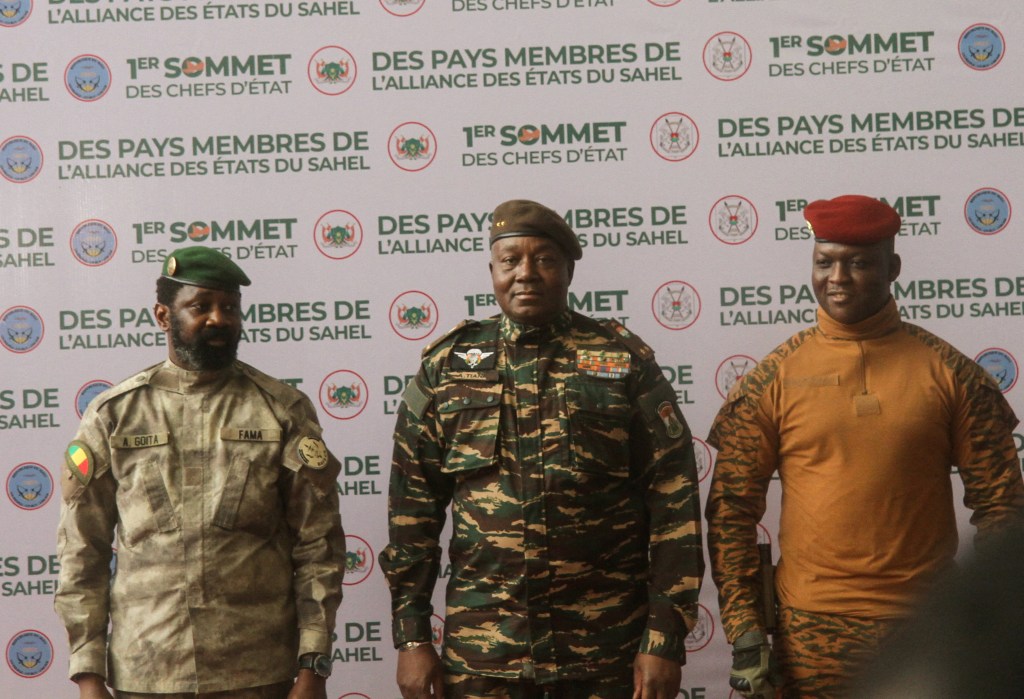
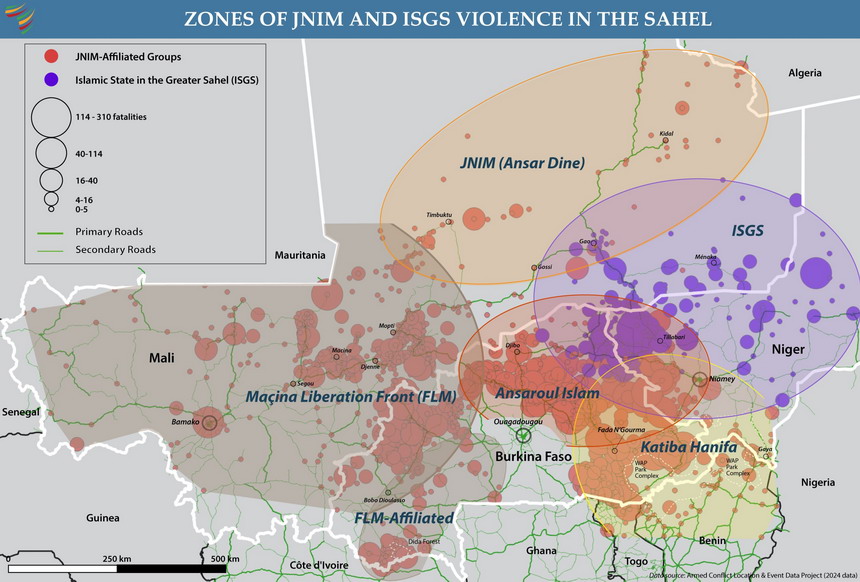
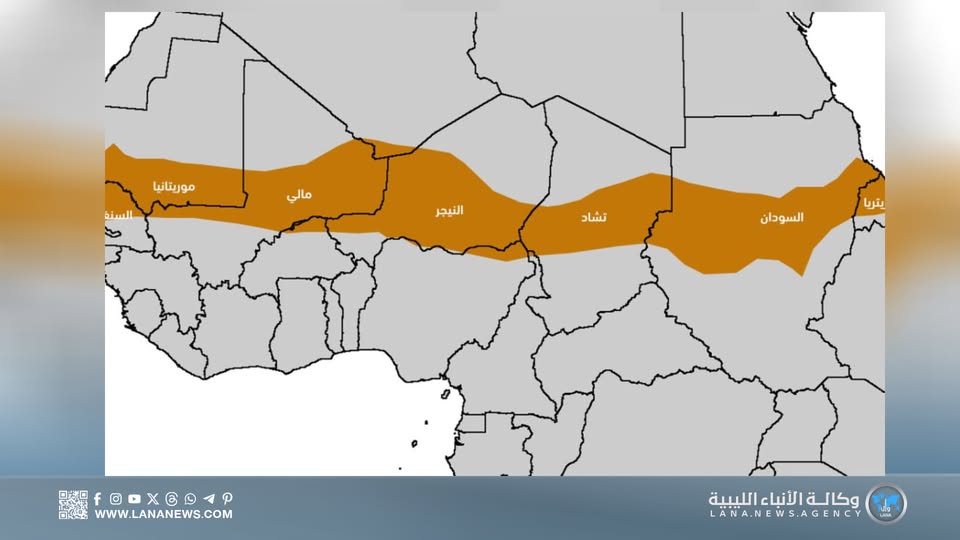
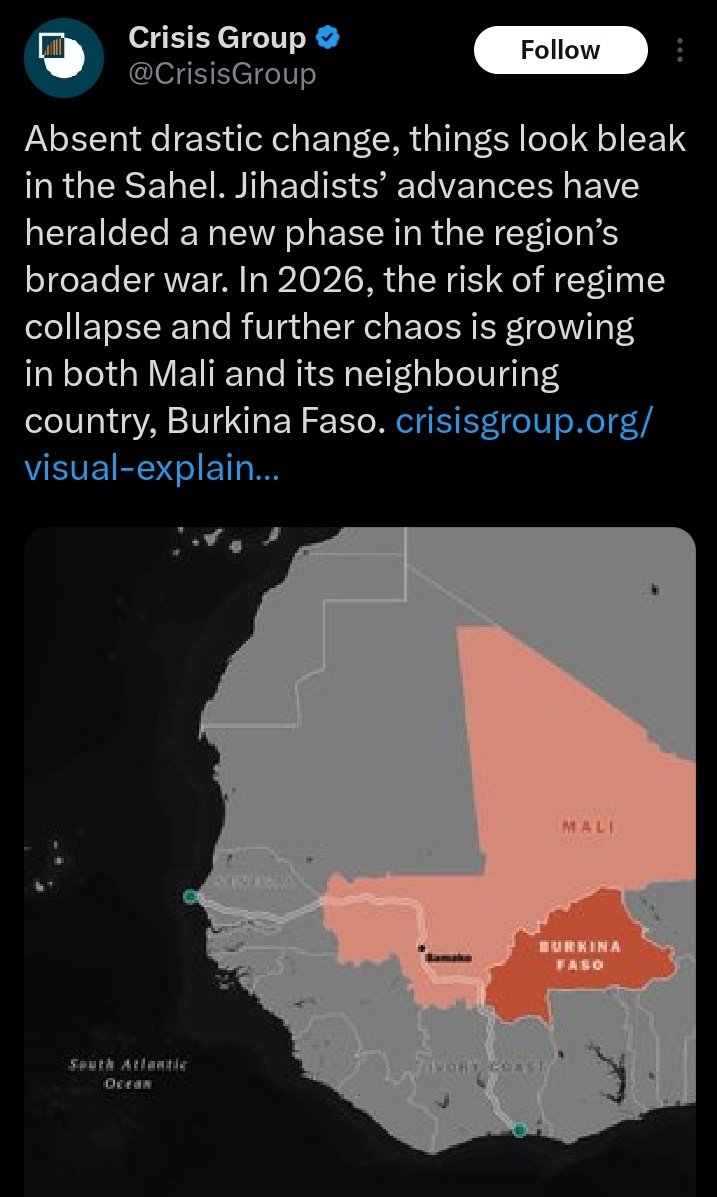
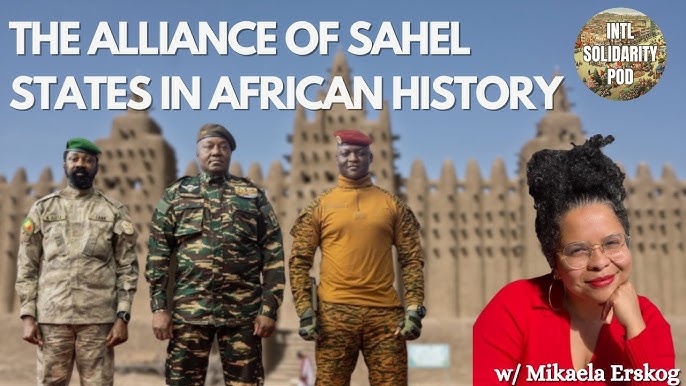
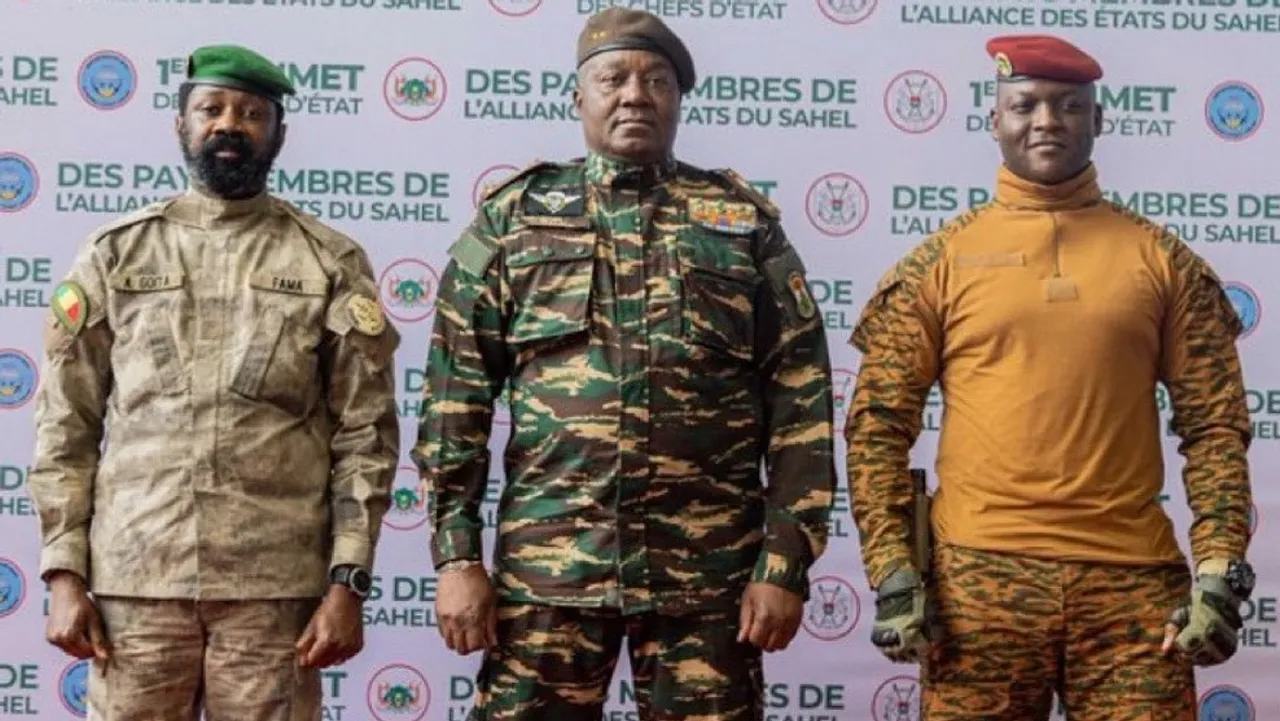
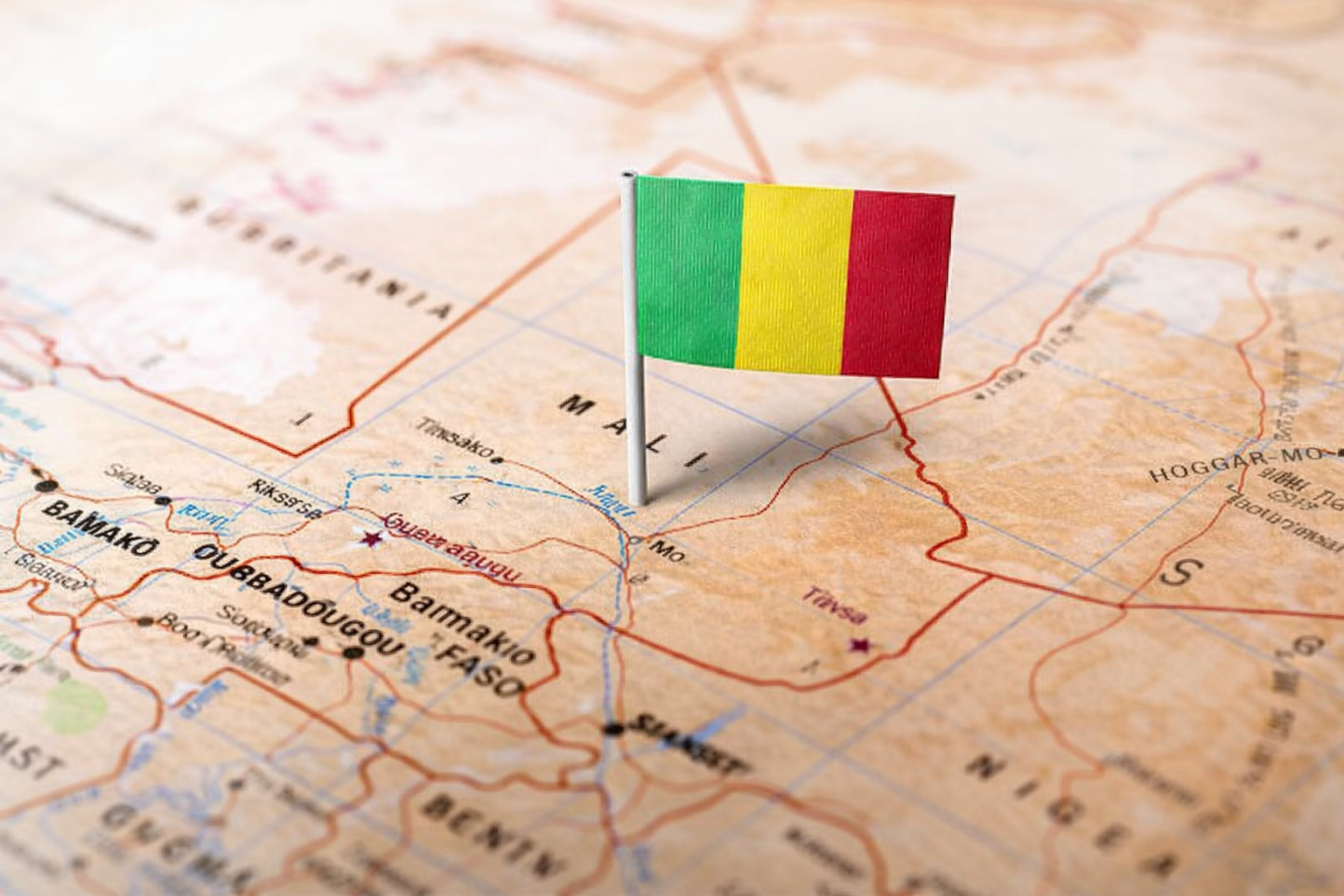
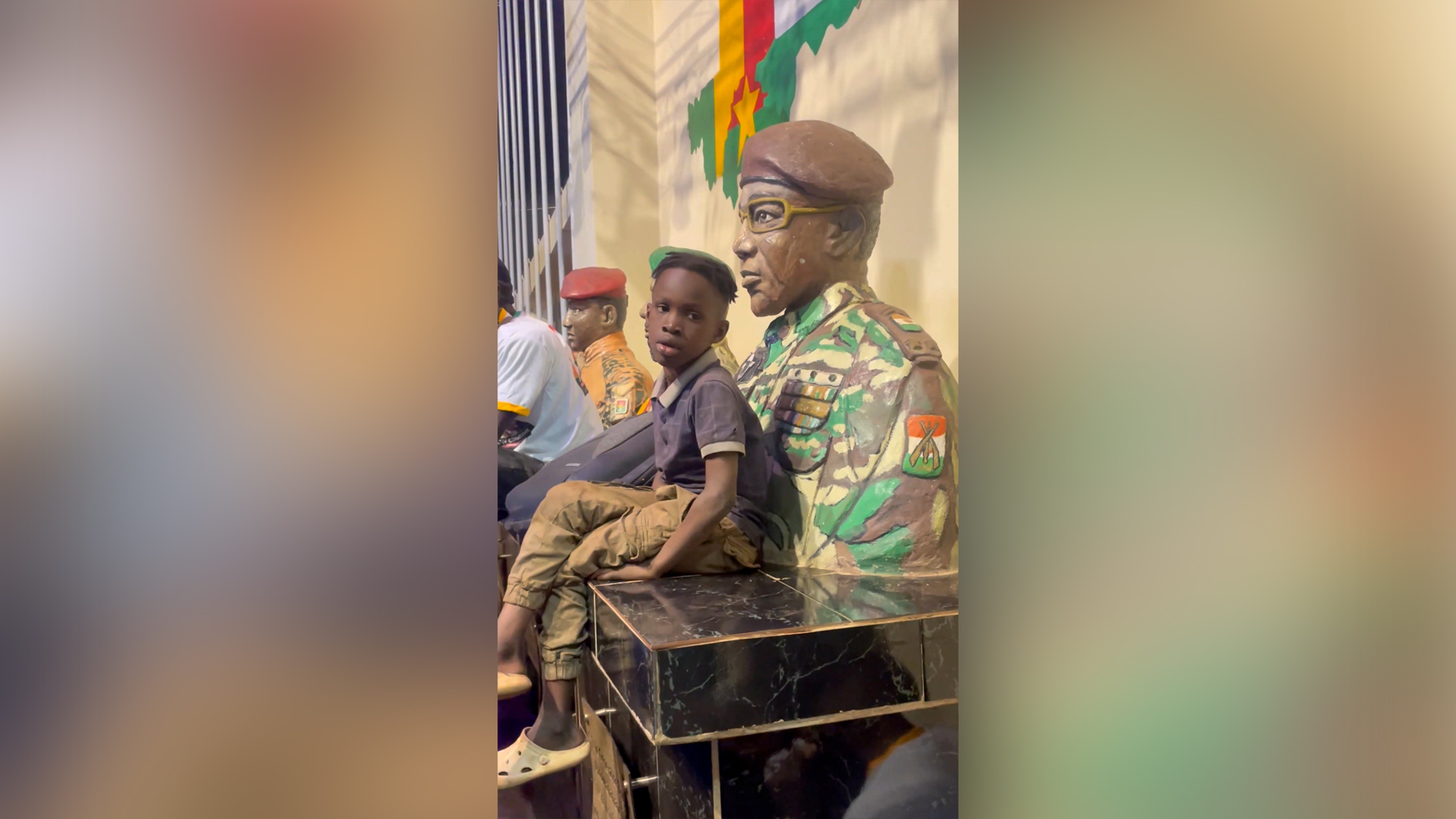
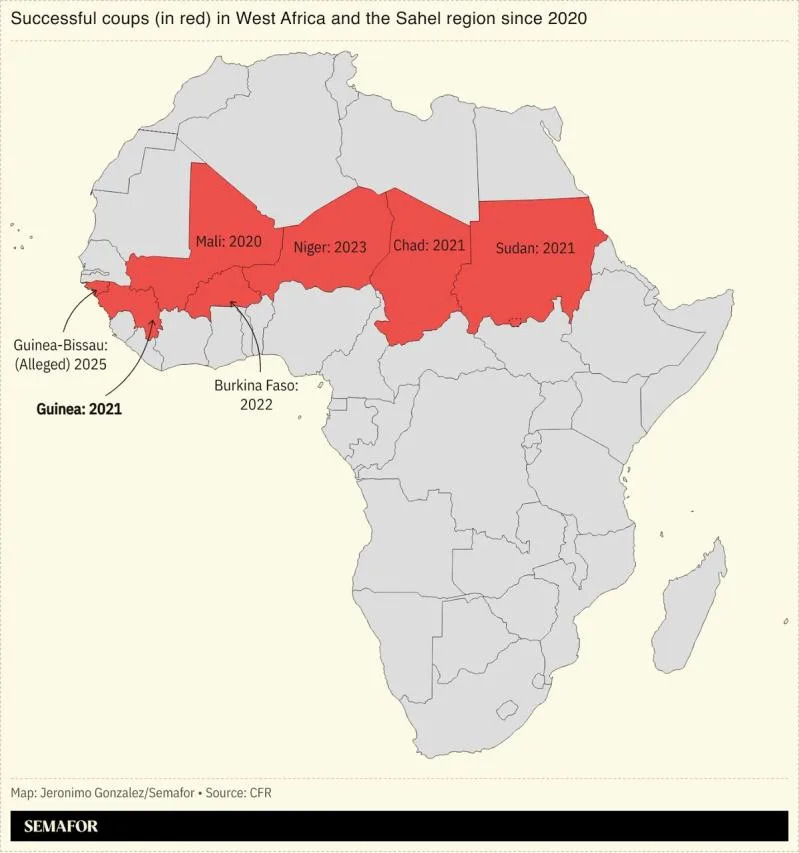
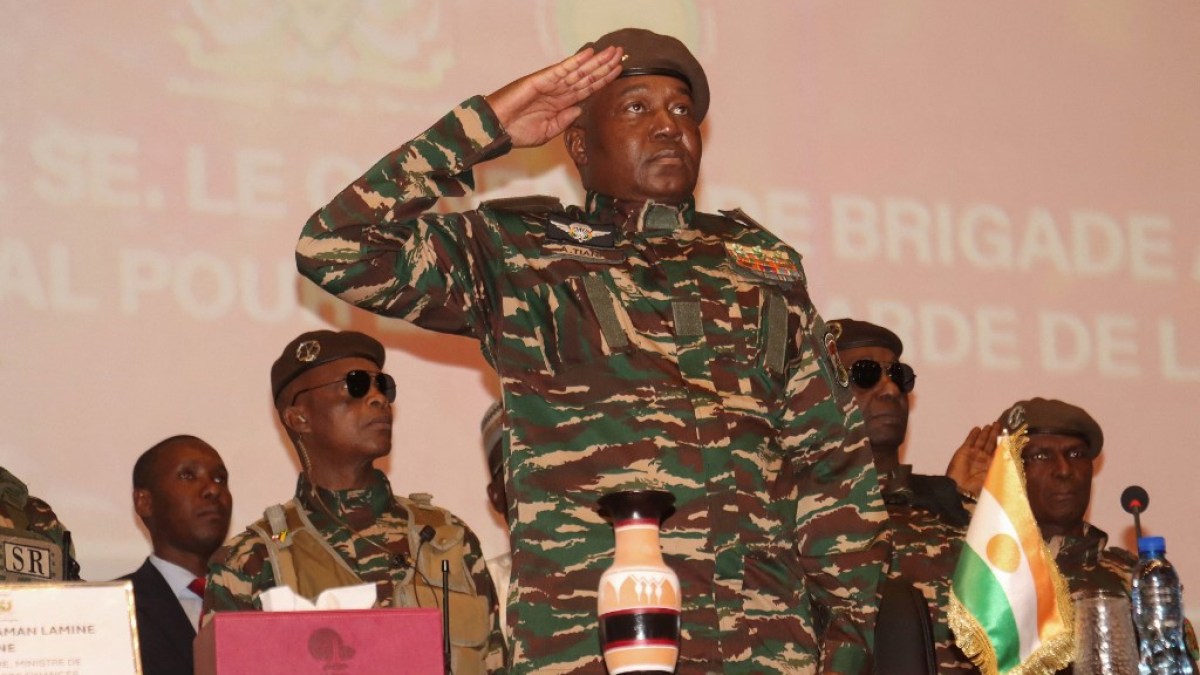
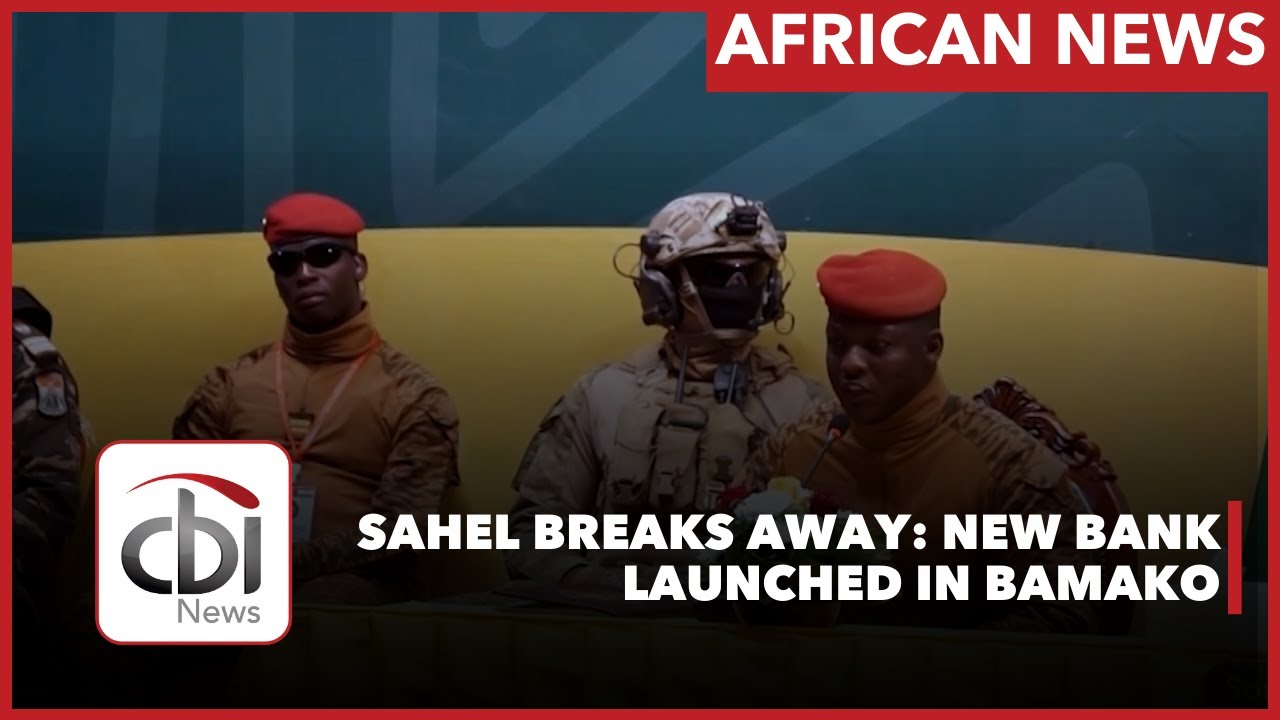
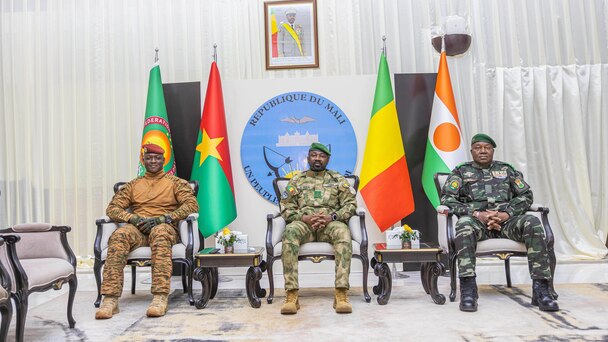
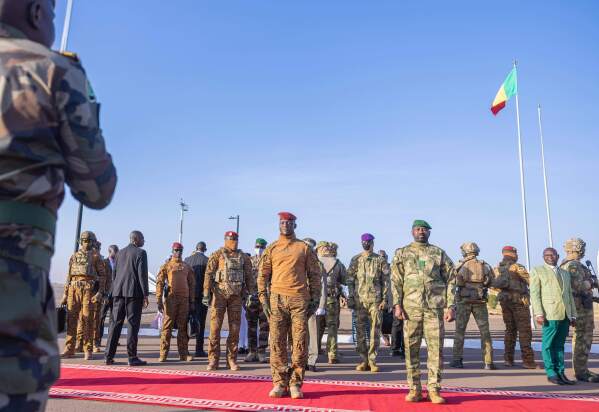
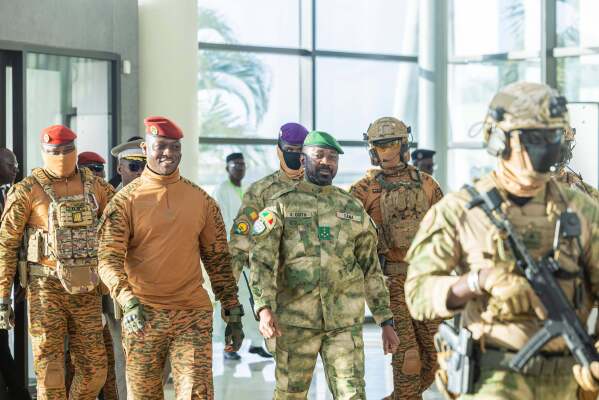
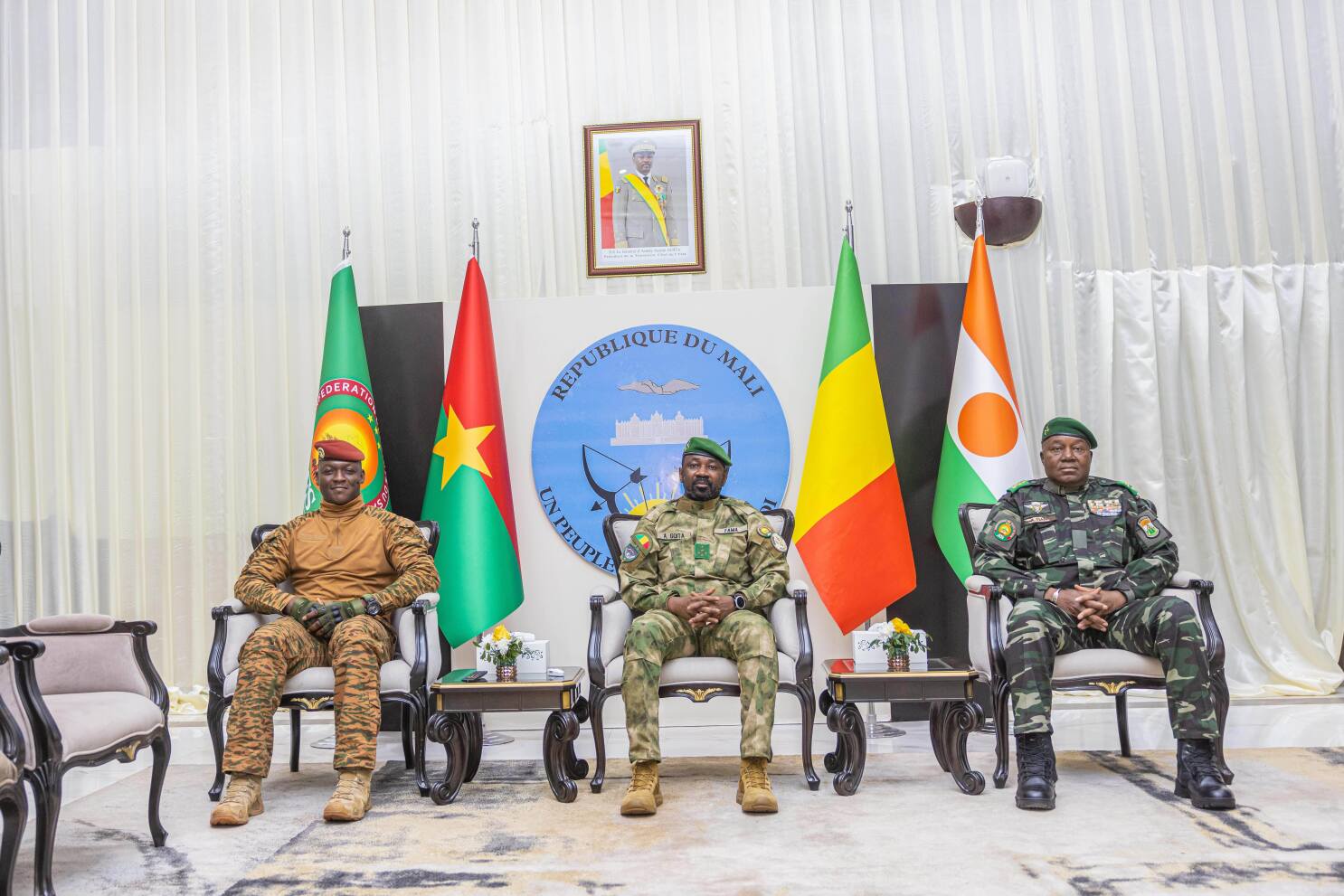
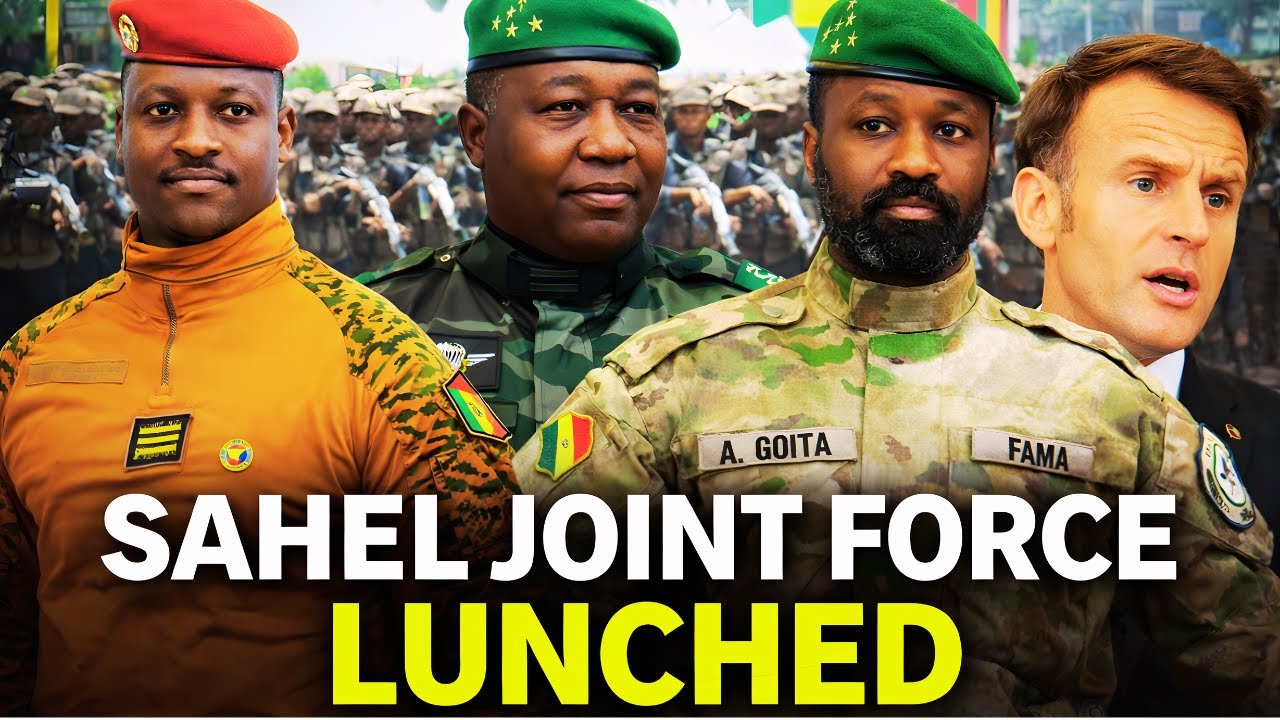
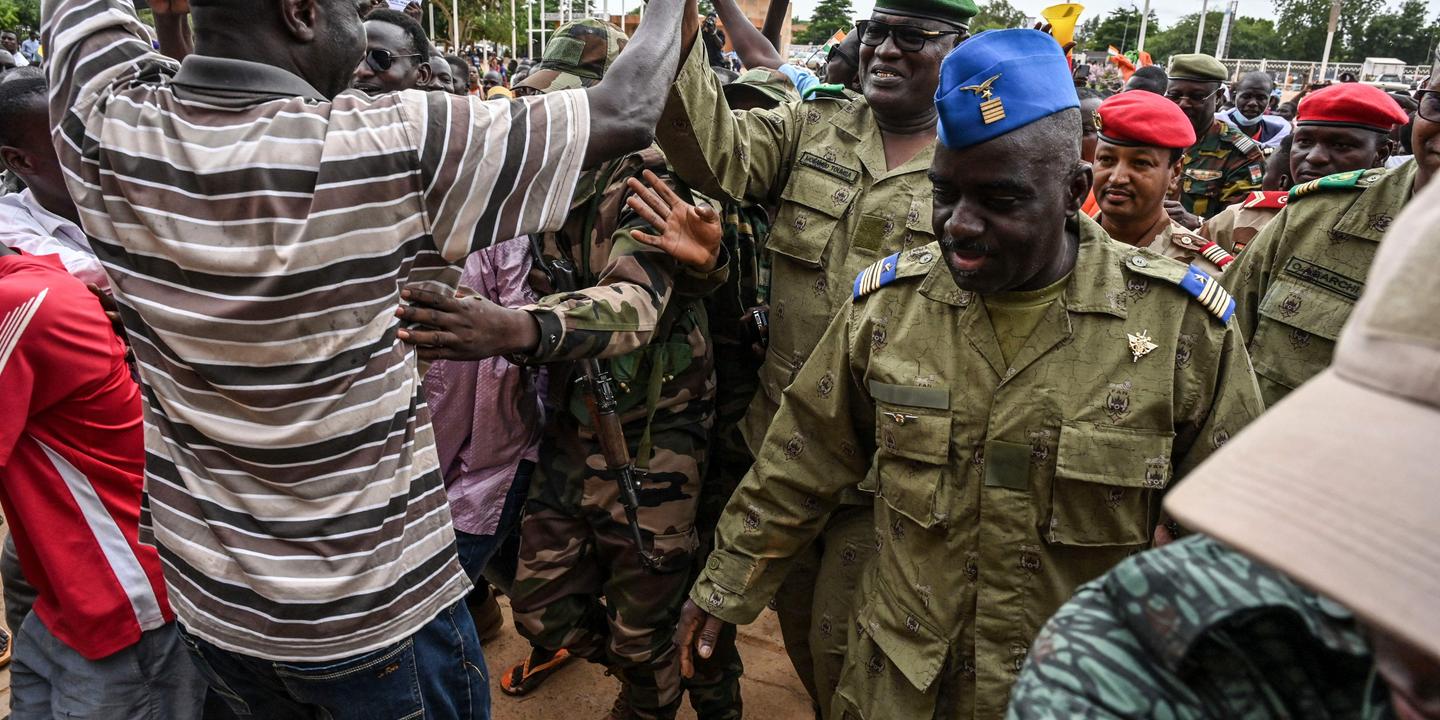
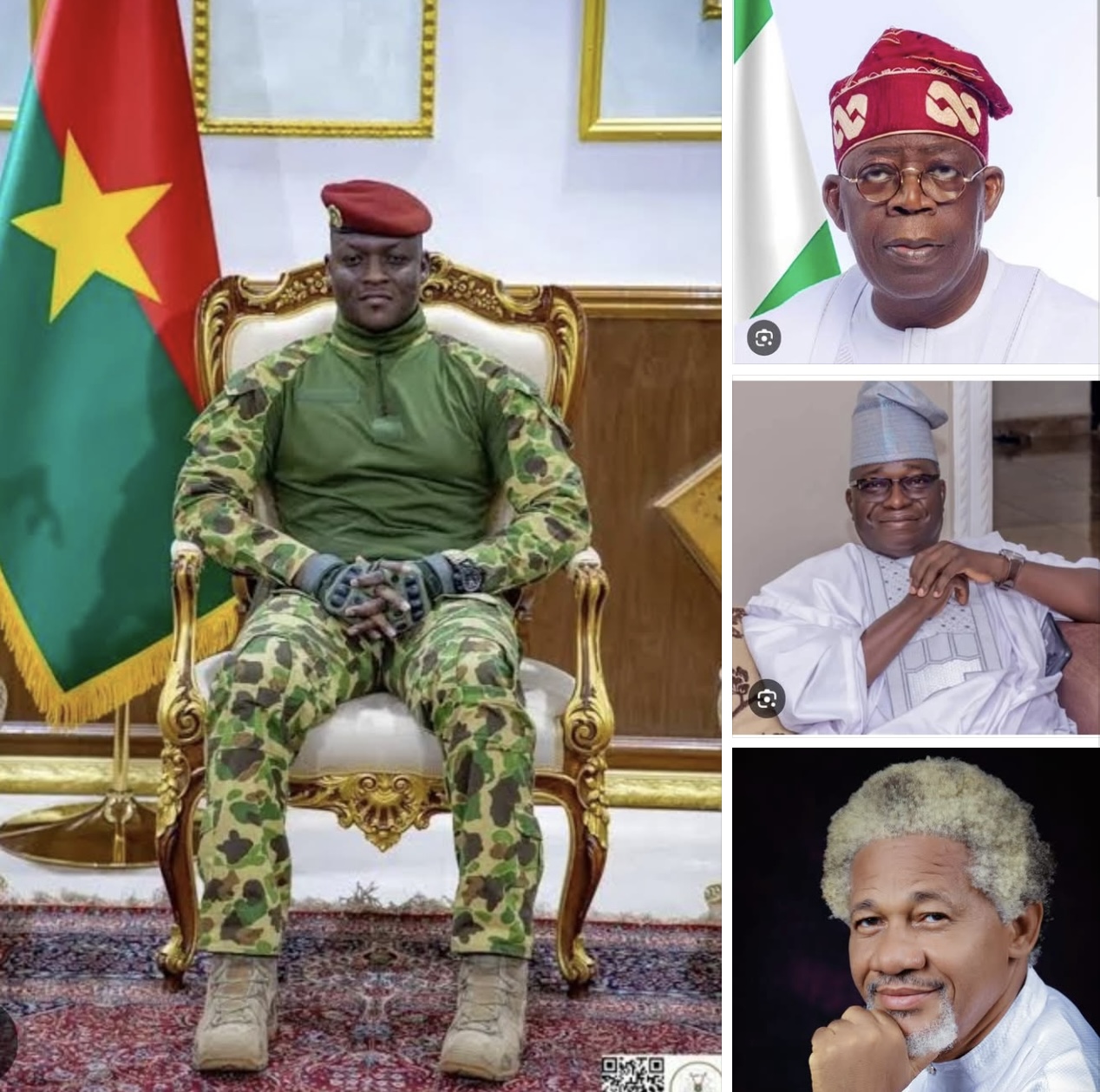
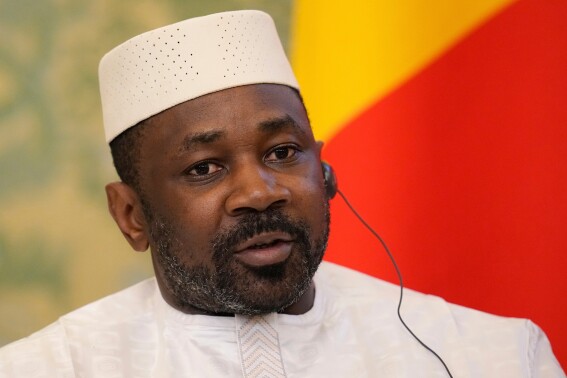
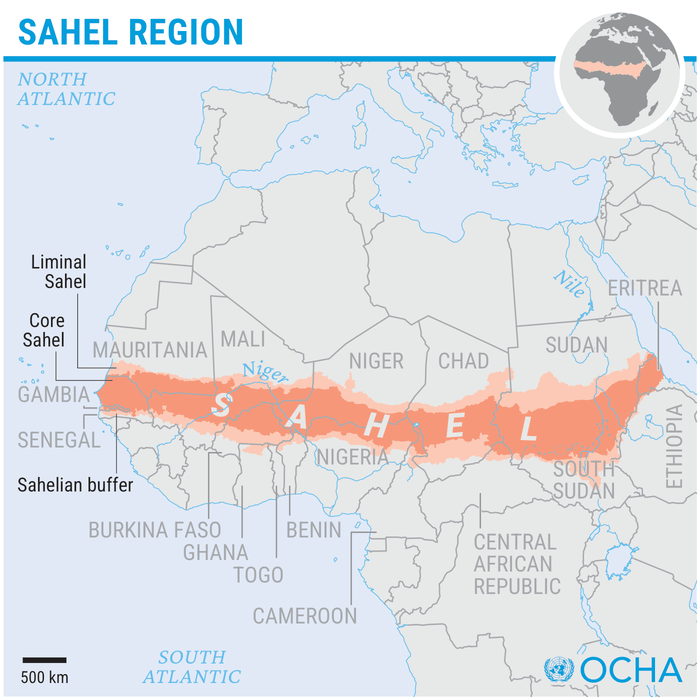
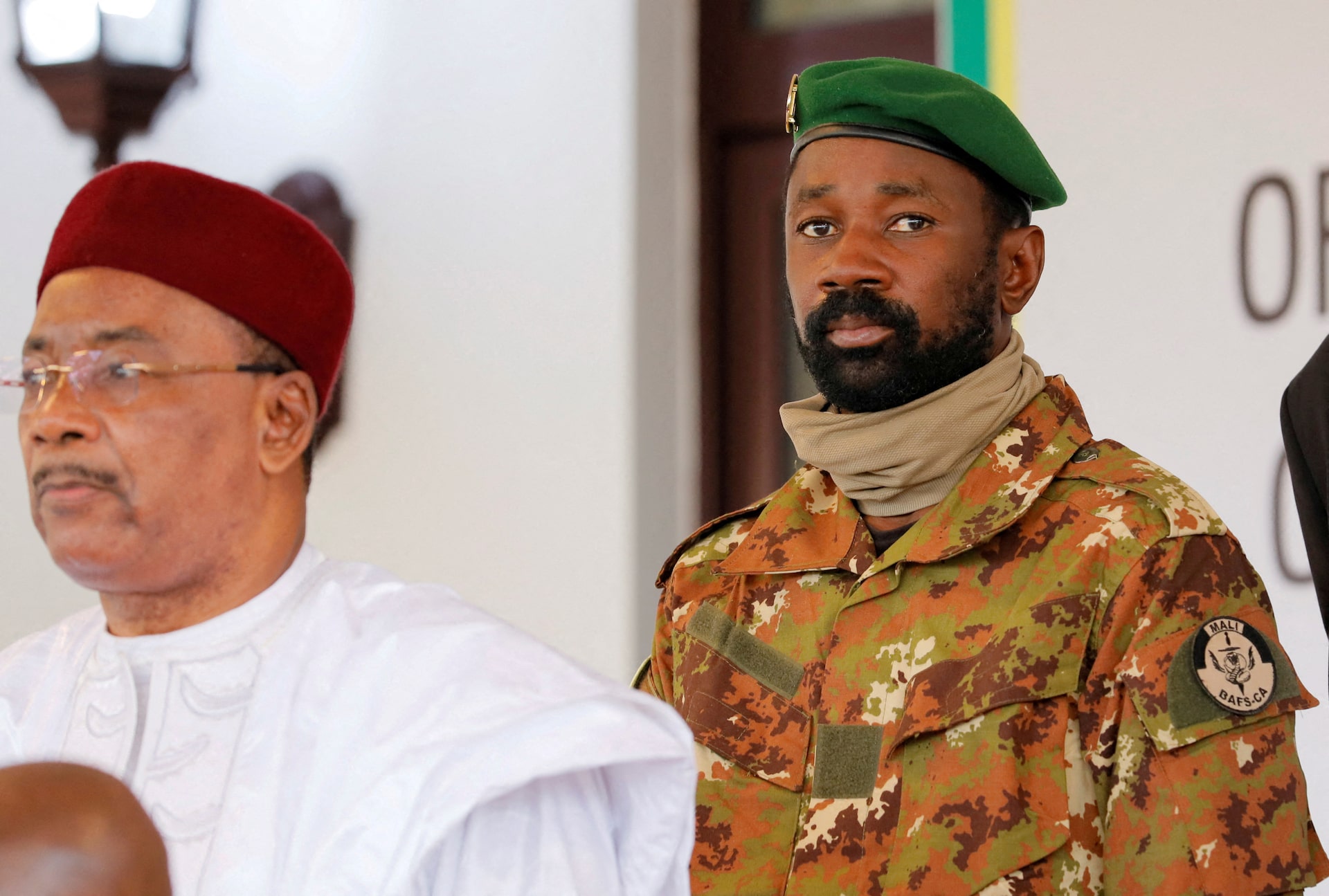
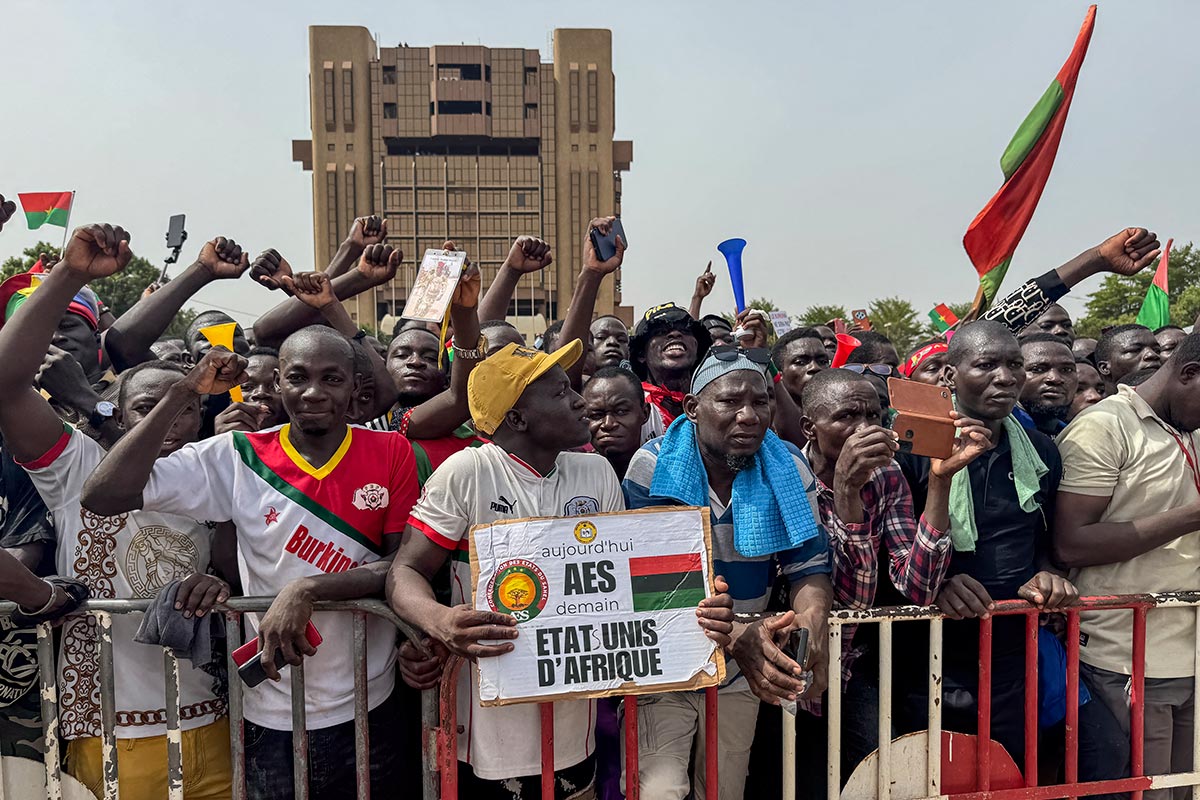
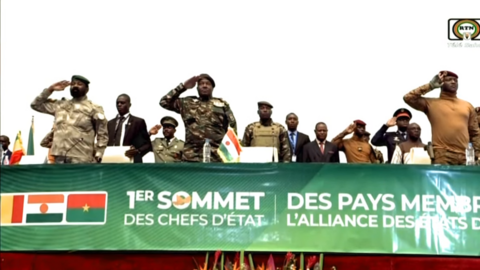
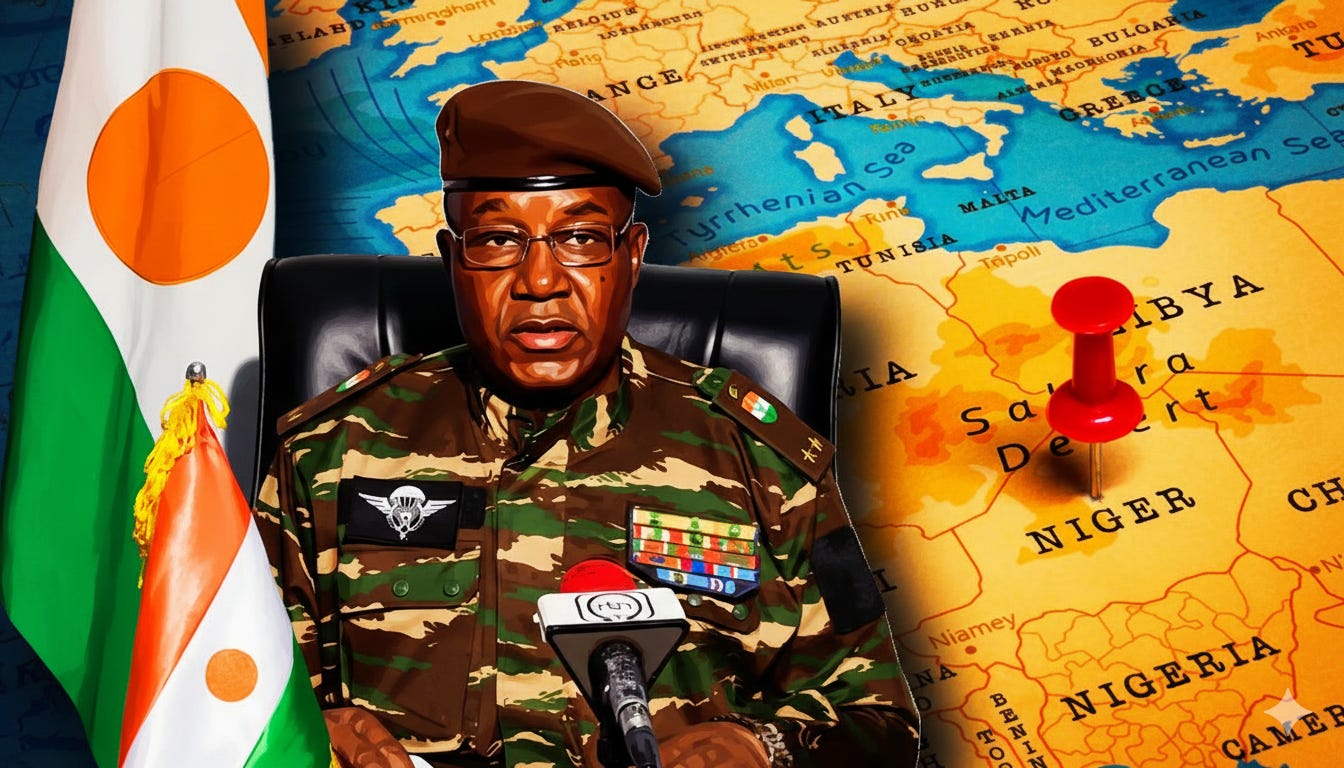
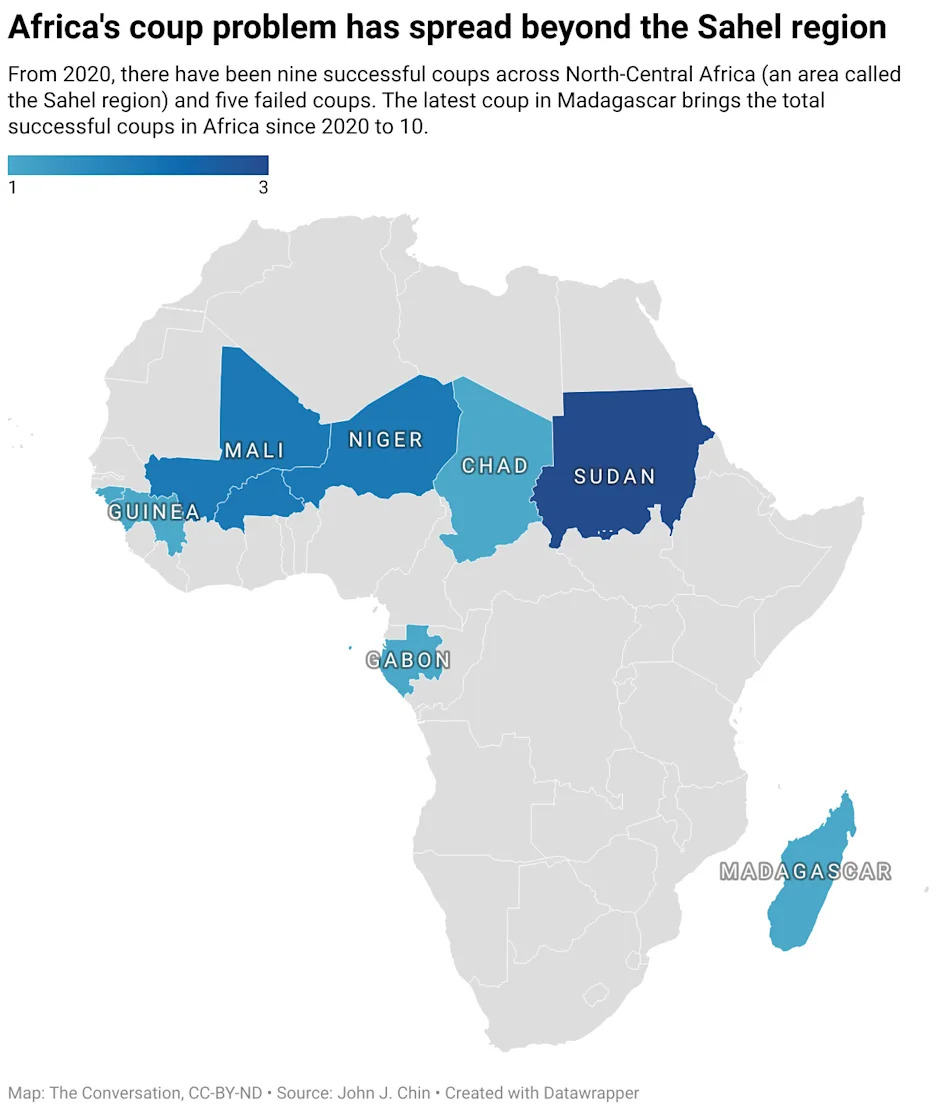
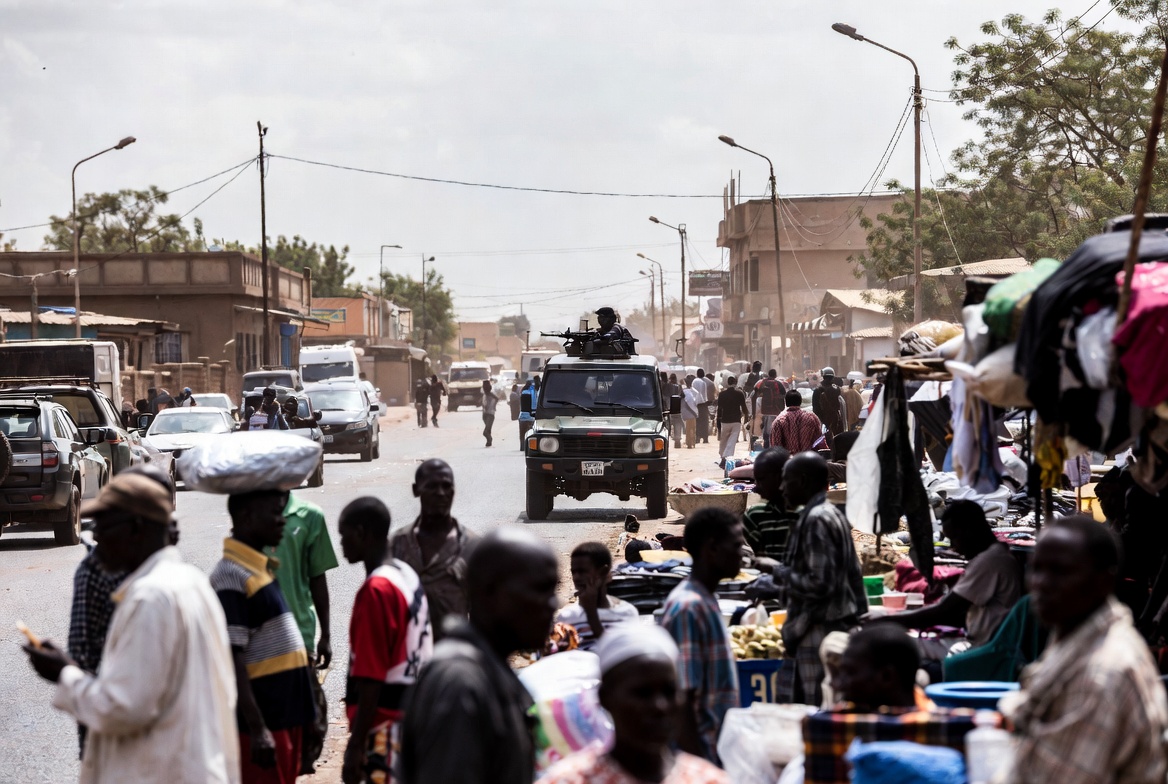
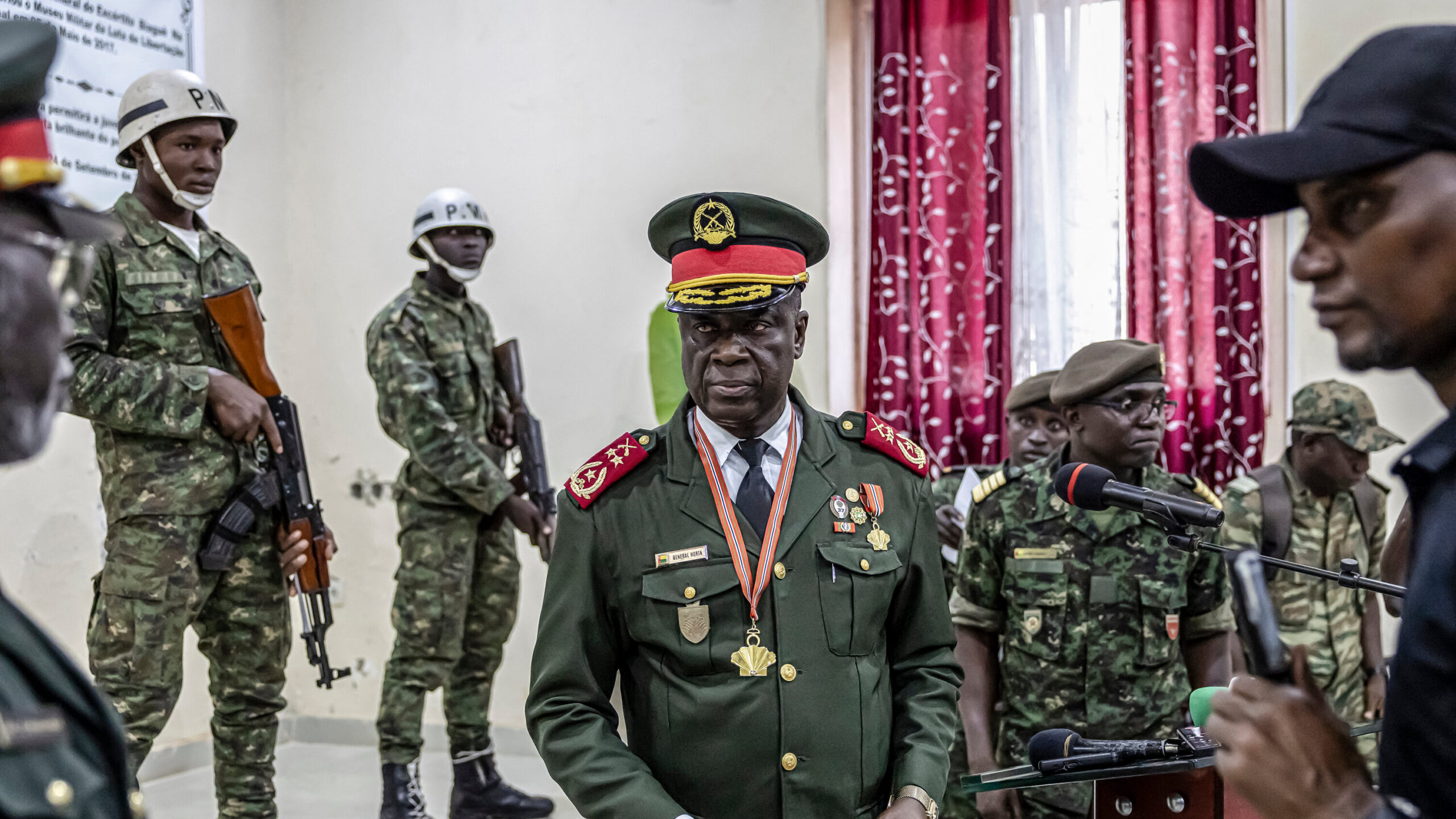
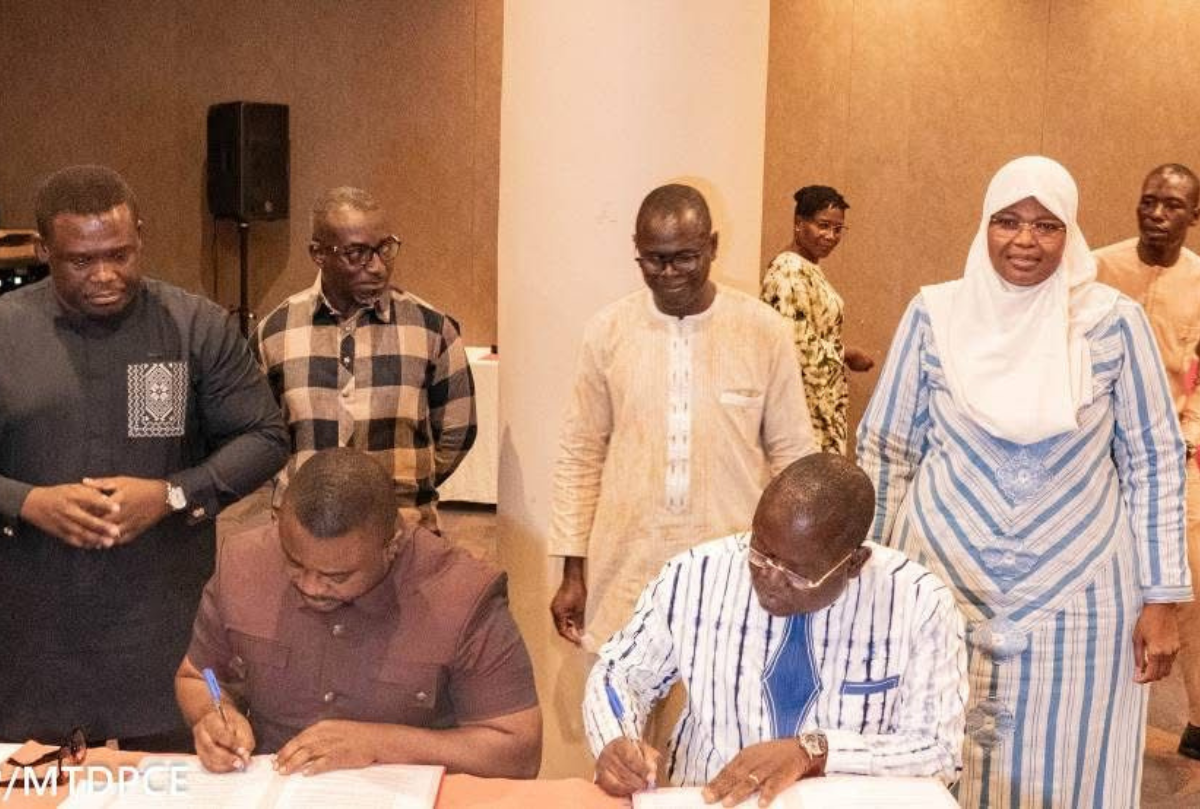
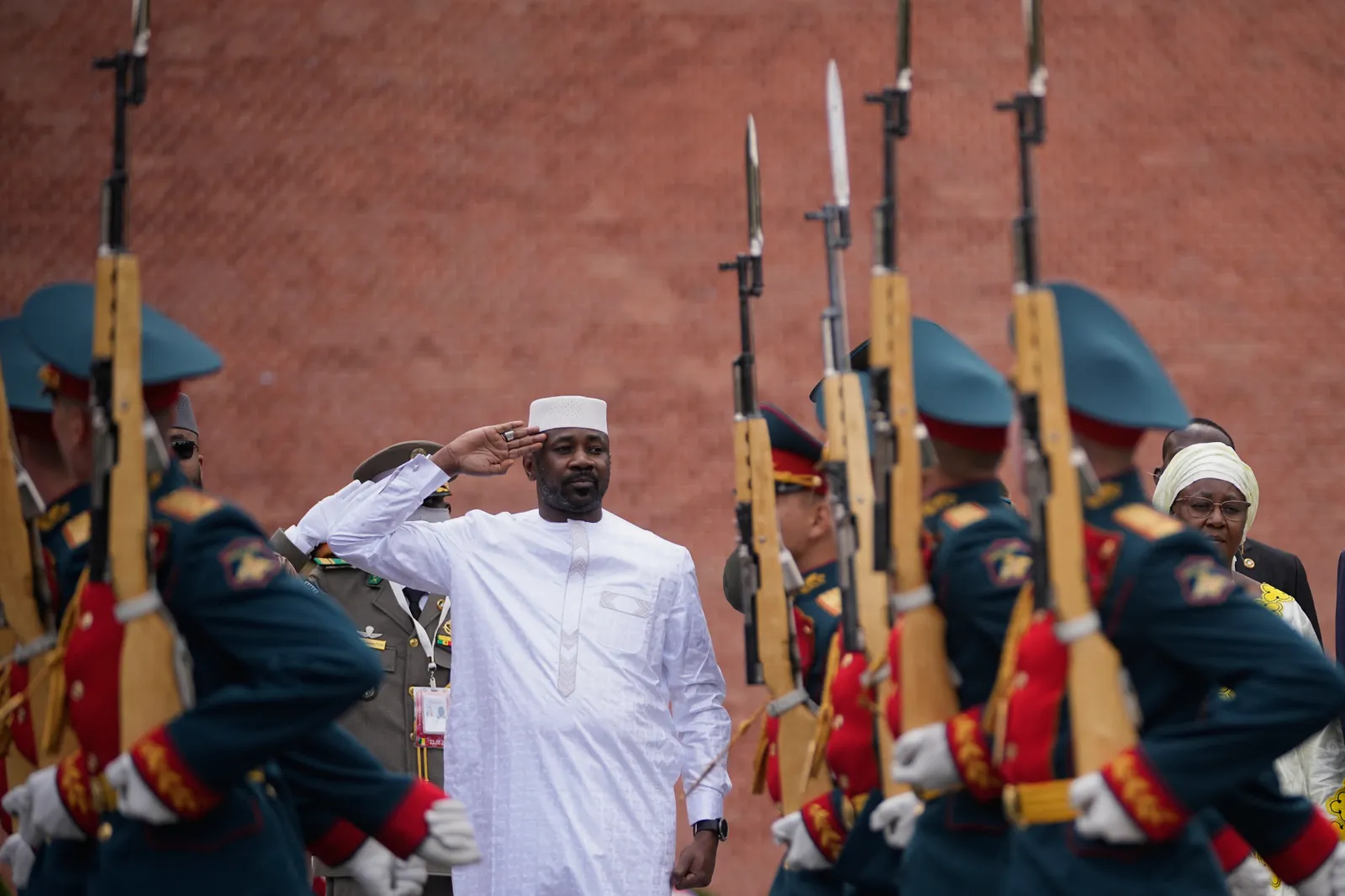
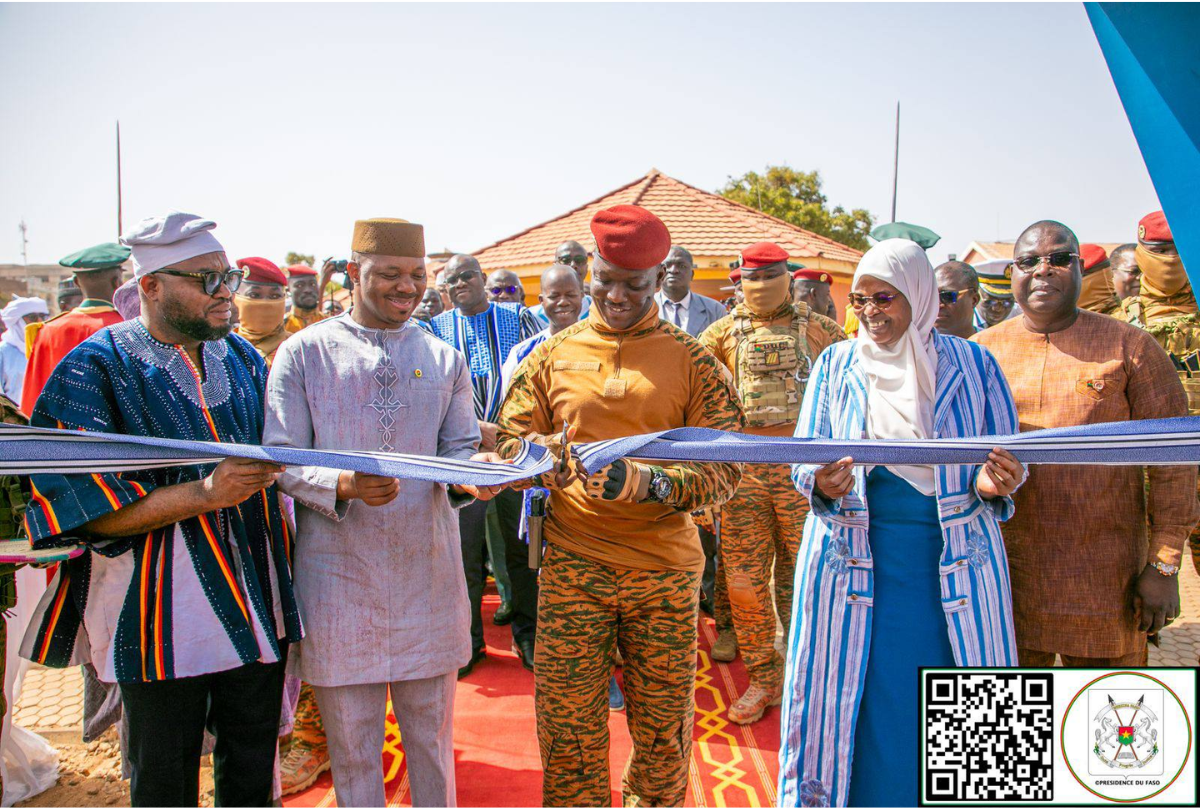
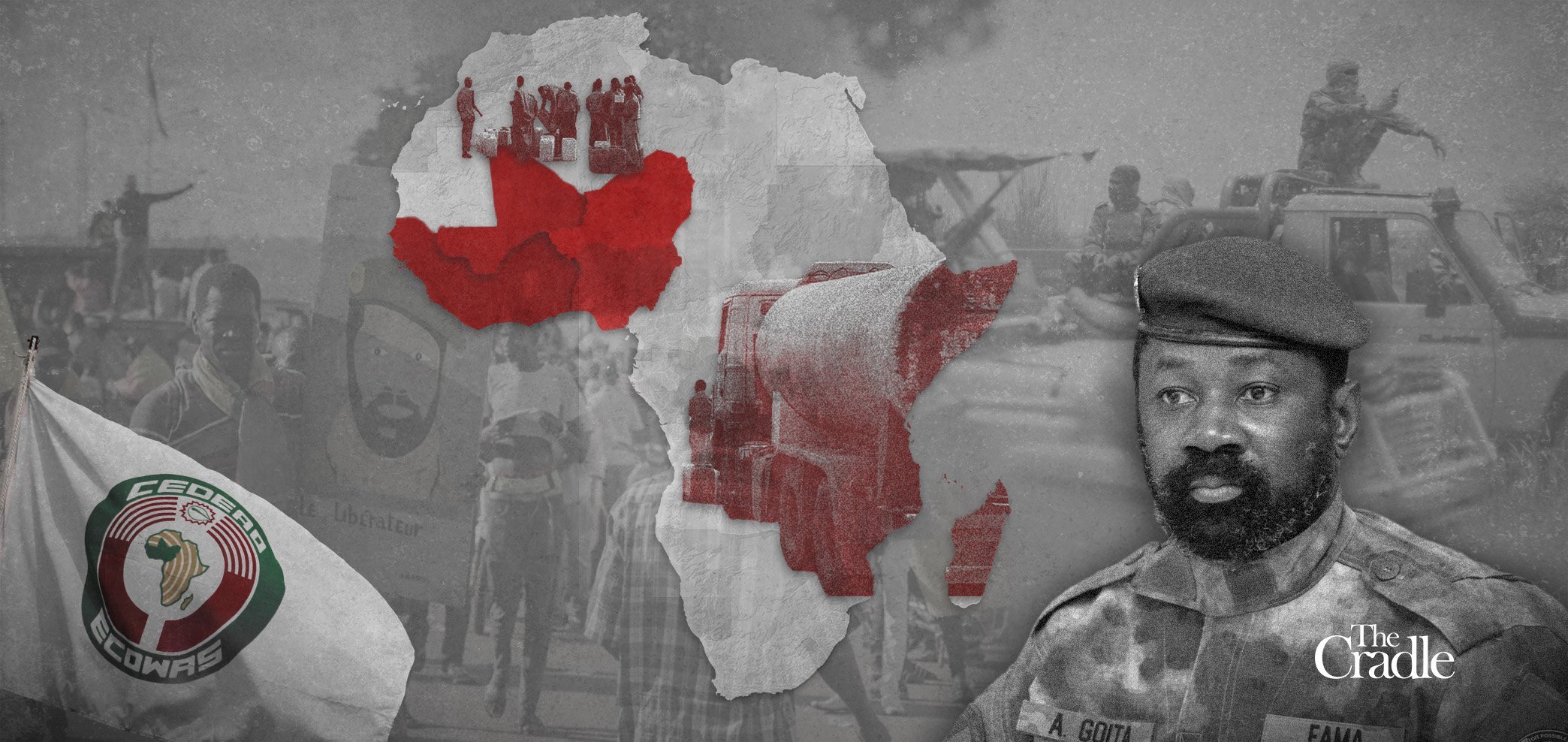
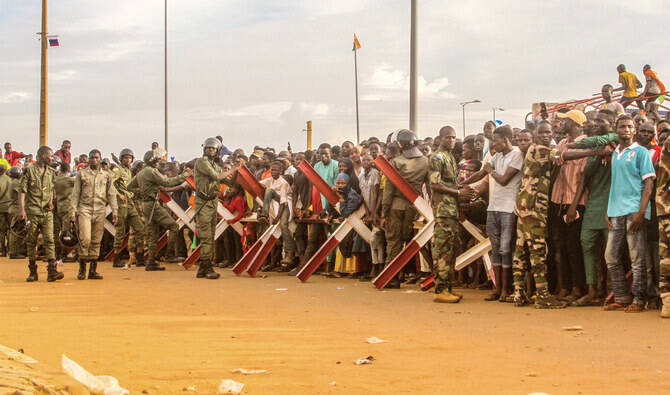
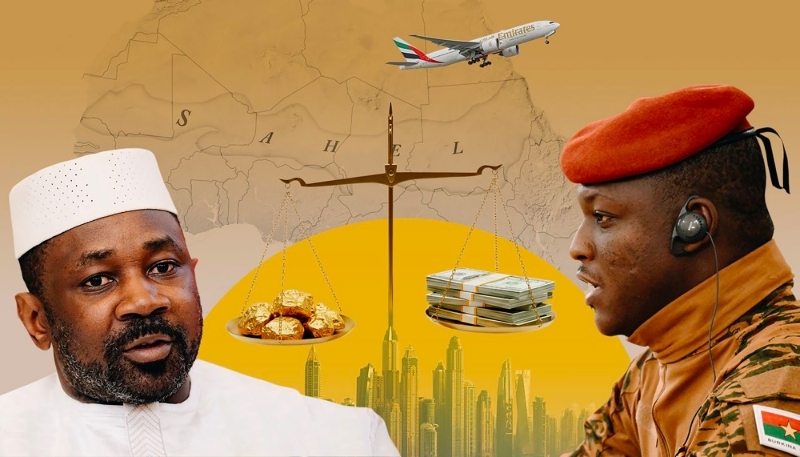
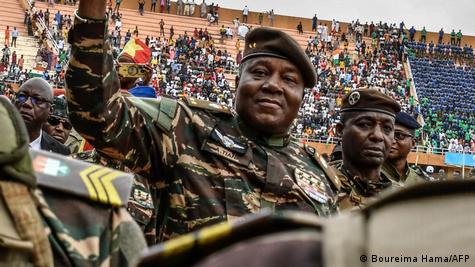
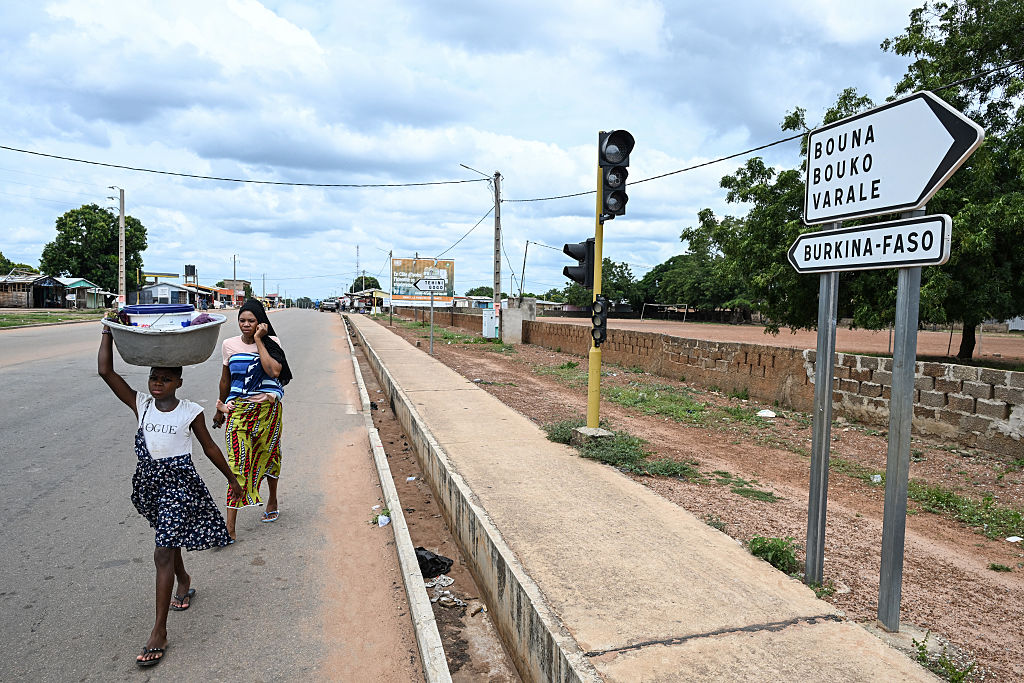
The Sahel region, a critical part of Africa, faces a pivotal moment. Mali, Burkina Faso, and Niger, nations consistently battling internal challenges and external pressures, have formally launched the Alliance of Sahelian States (AES). This isn’t just a political announcement, it’s a powerful statement. This new confederation aims to present a united front, designed to resist regional economic pressures and navigate a complex geopolitical landscape, marked by expanding international interests and intensifying domestic control over media freedom. The AES formalization marks a historic shift toward regional solidarity amidst rising tensions. Military leaders signed a treaty, signaling their intent to push back against the Economic Community of West African States (ECOWAS), which advocates for democratic governance. But what does this quest for self-determination mean for the core principles of democracy and transparency?
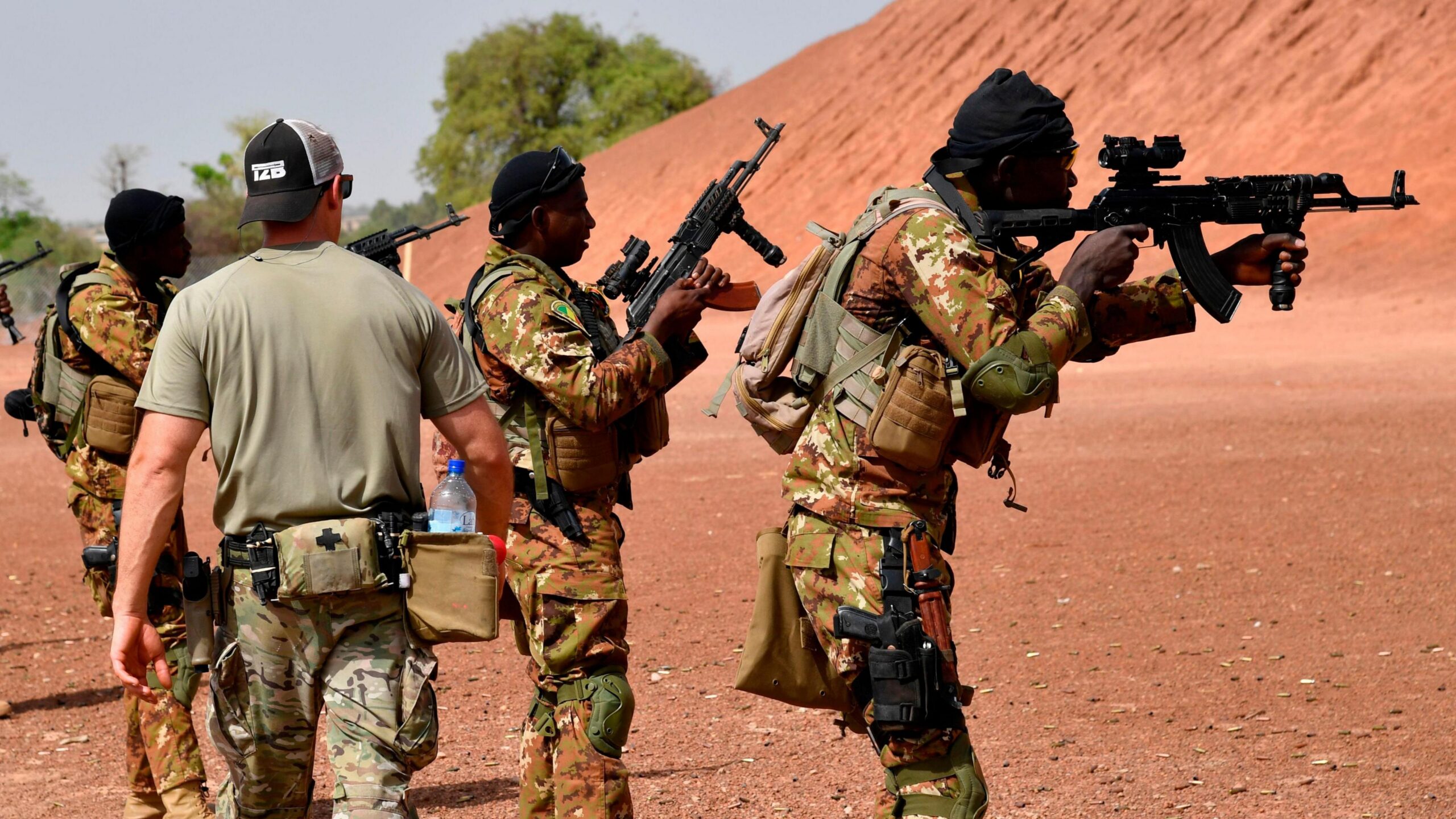
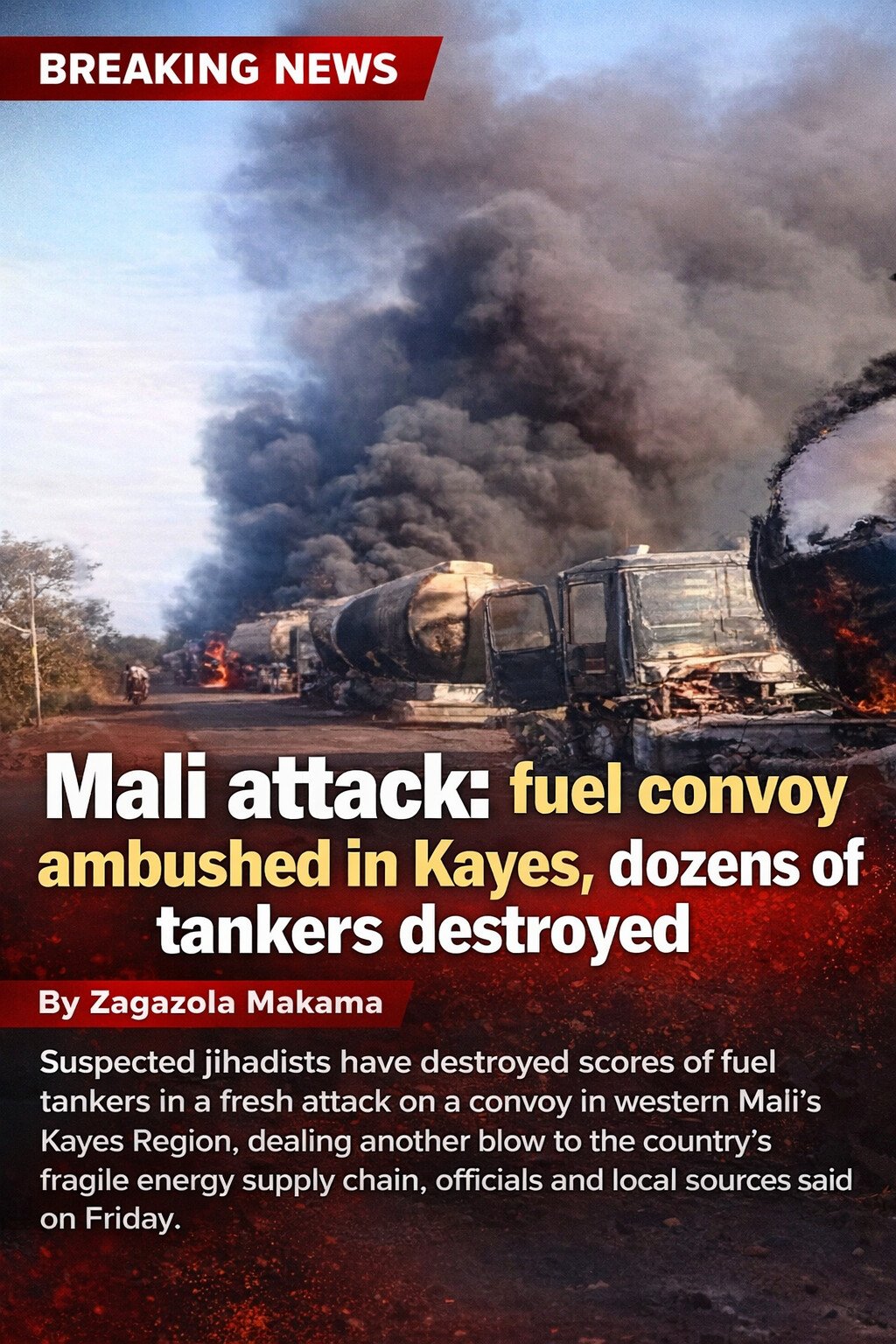
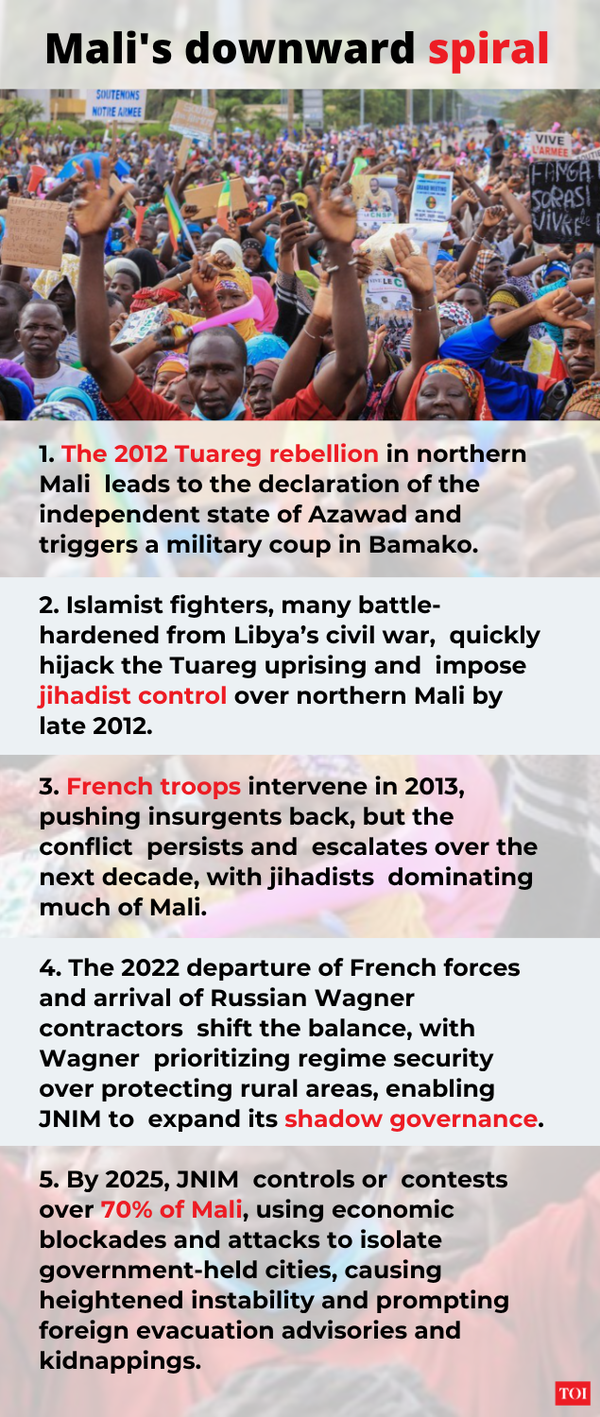
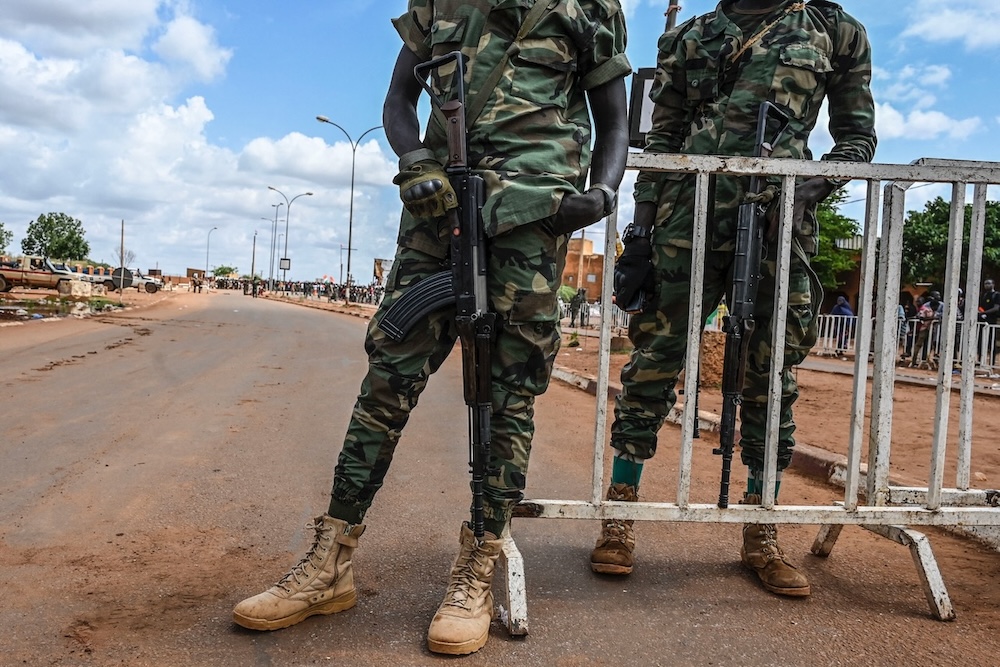
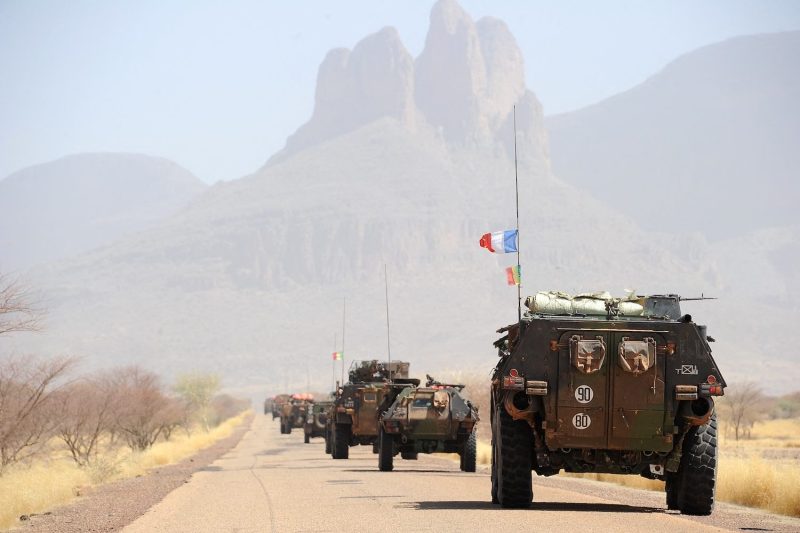
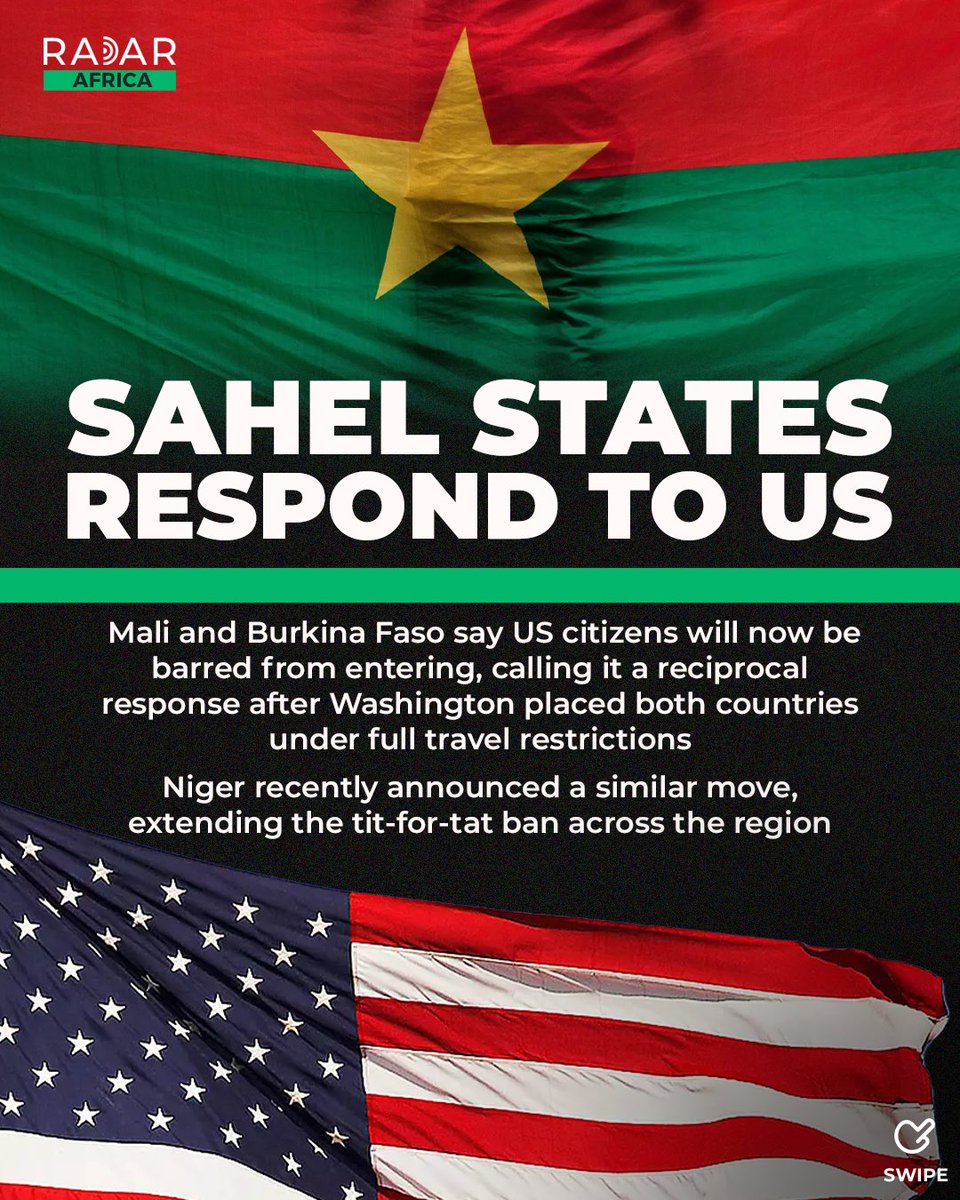
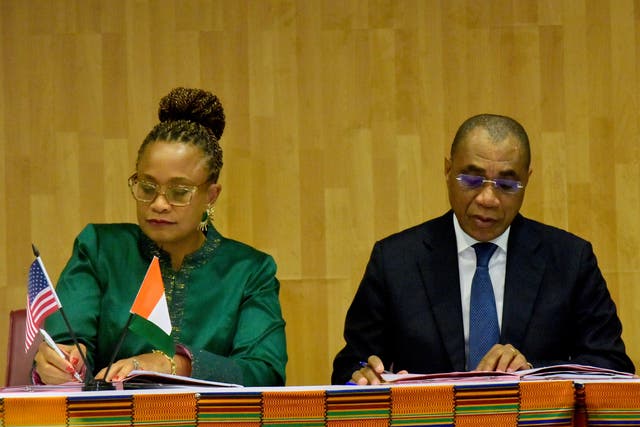
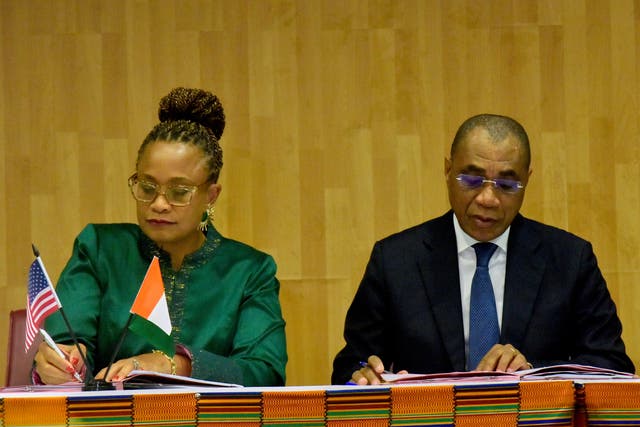
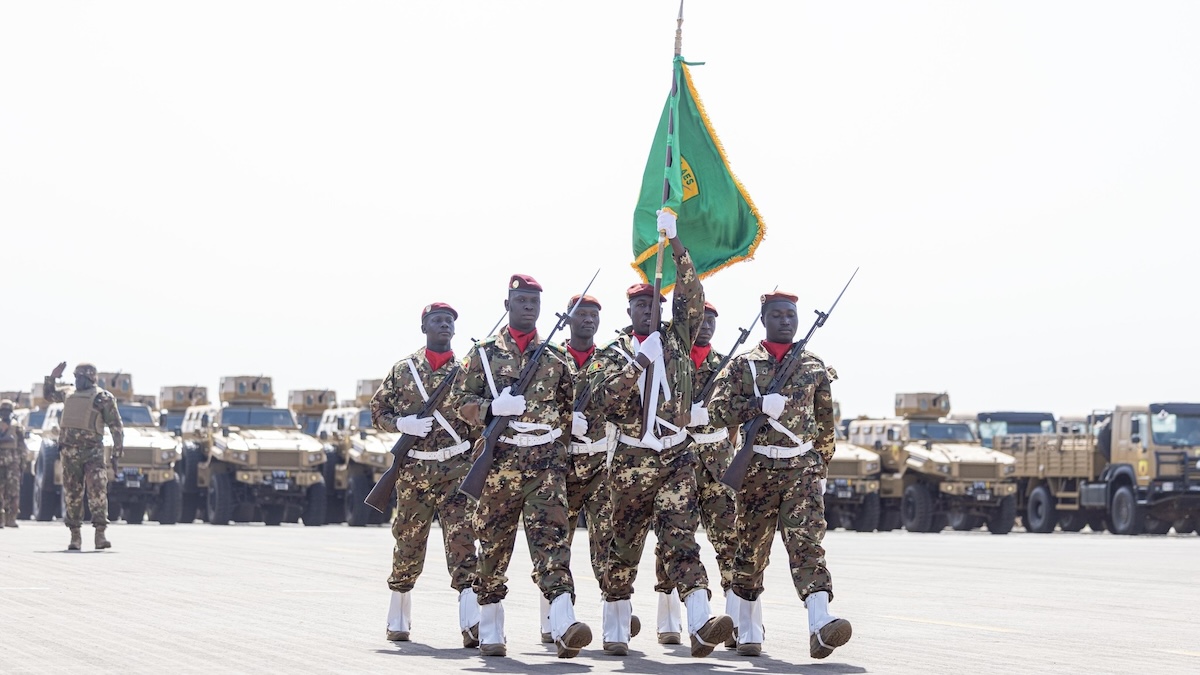
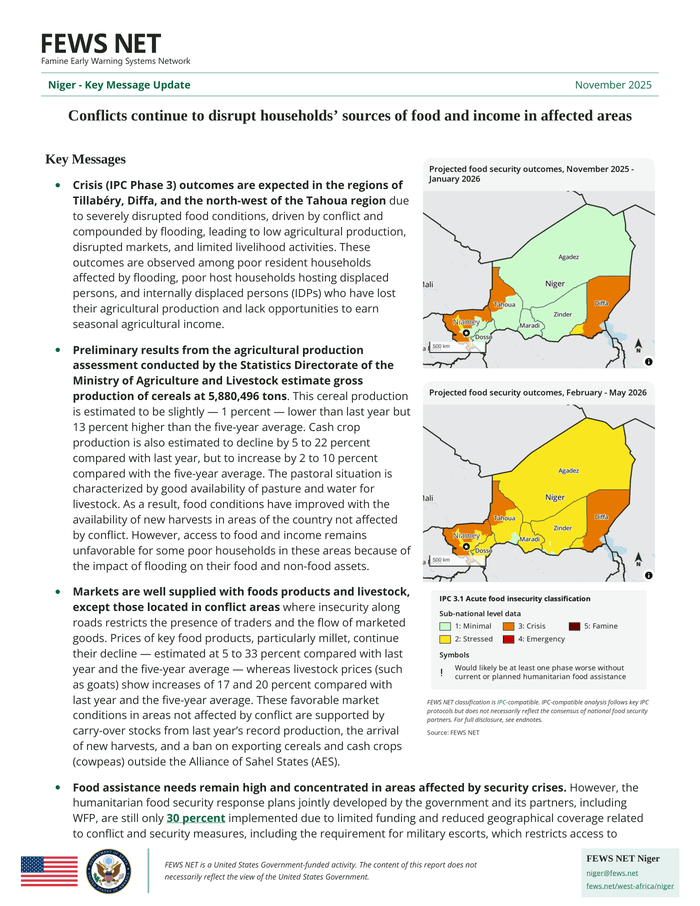
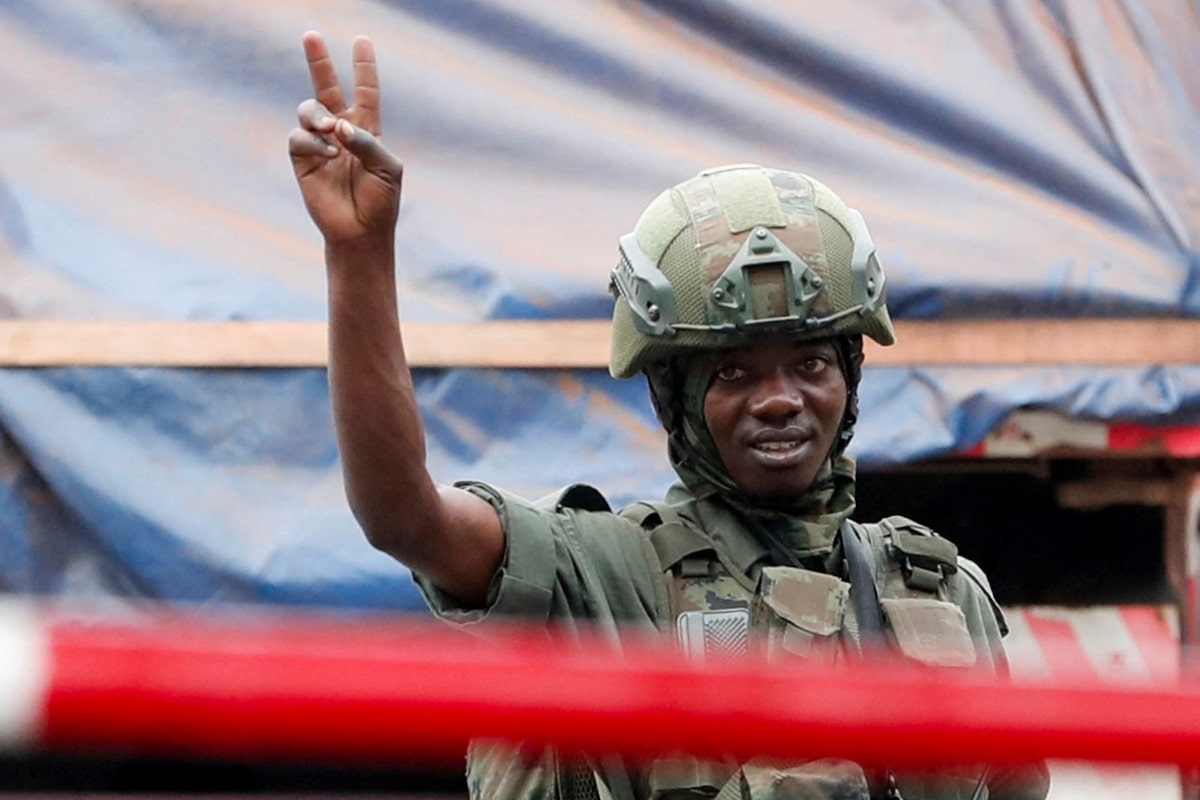
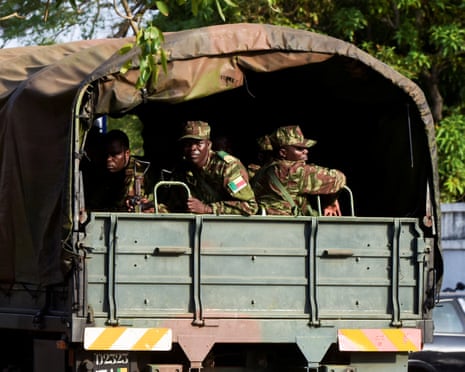
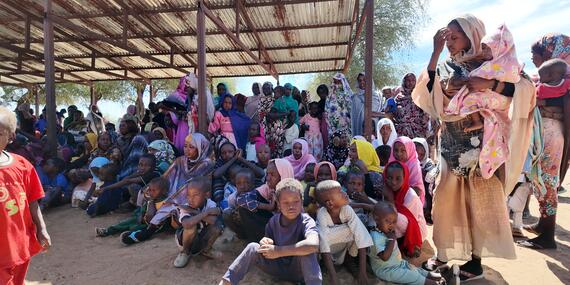
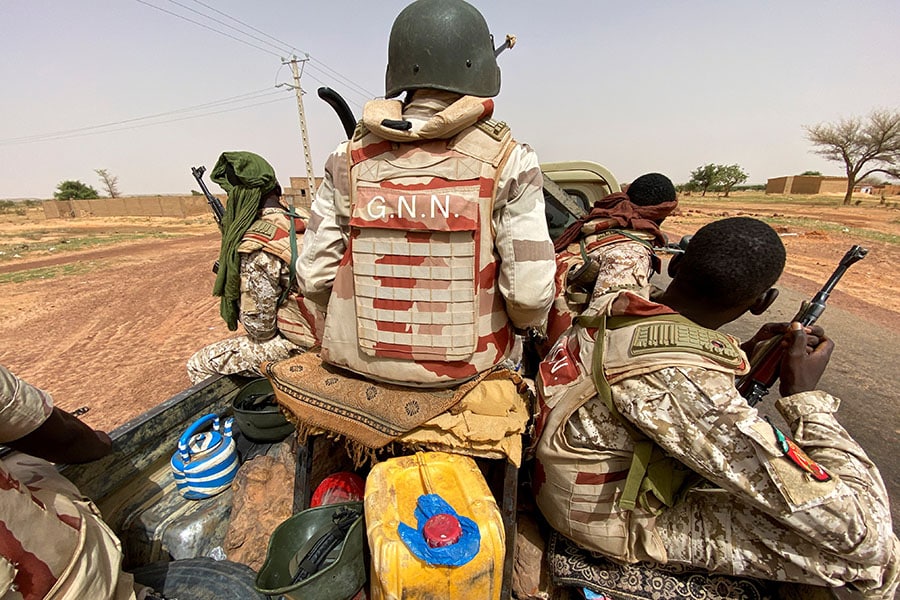
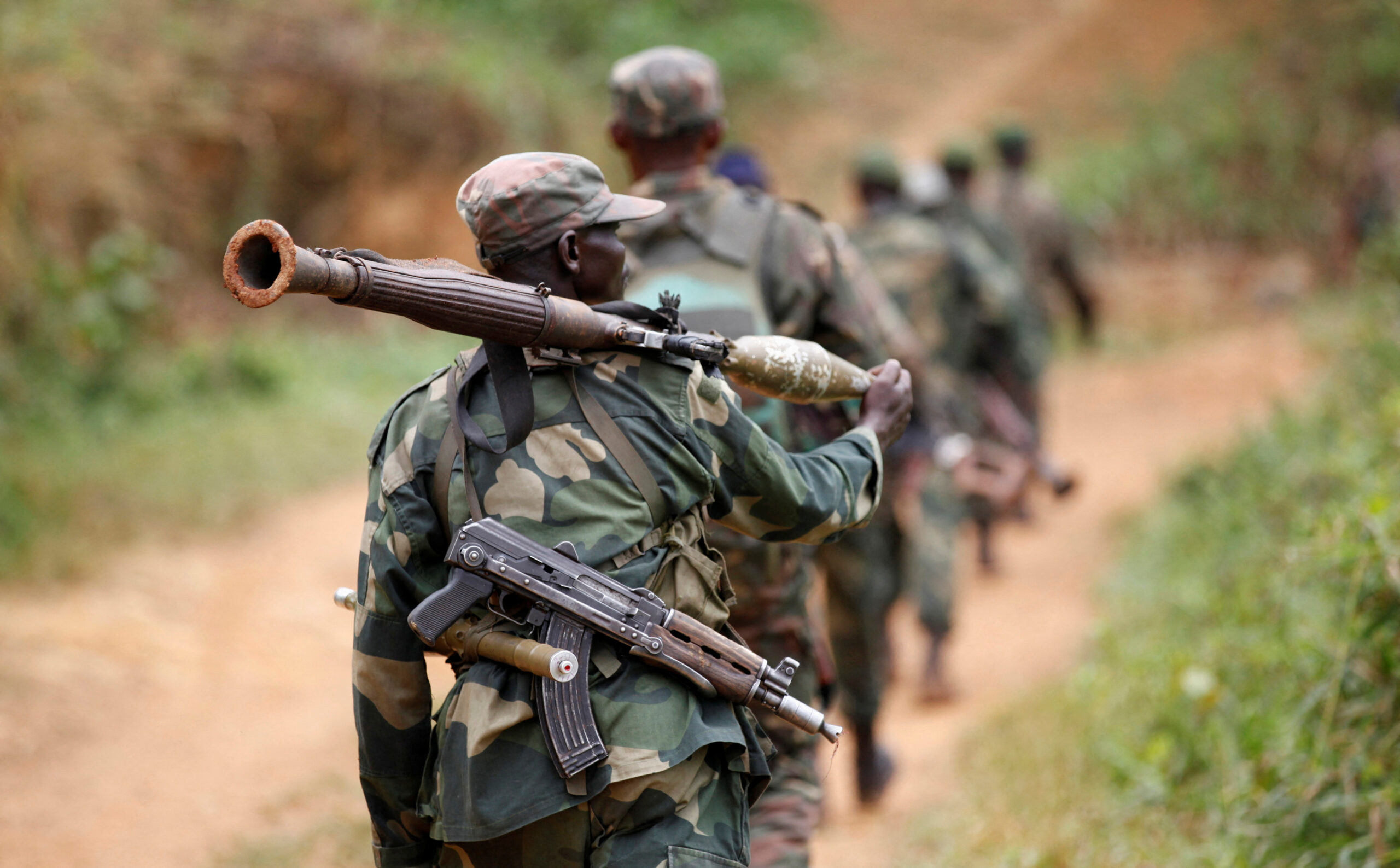
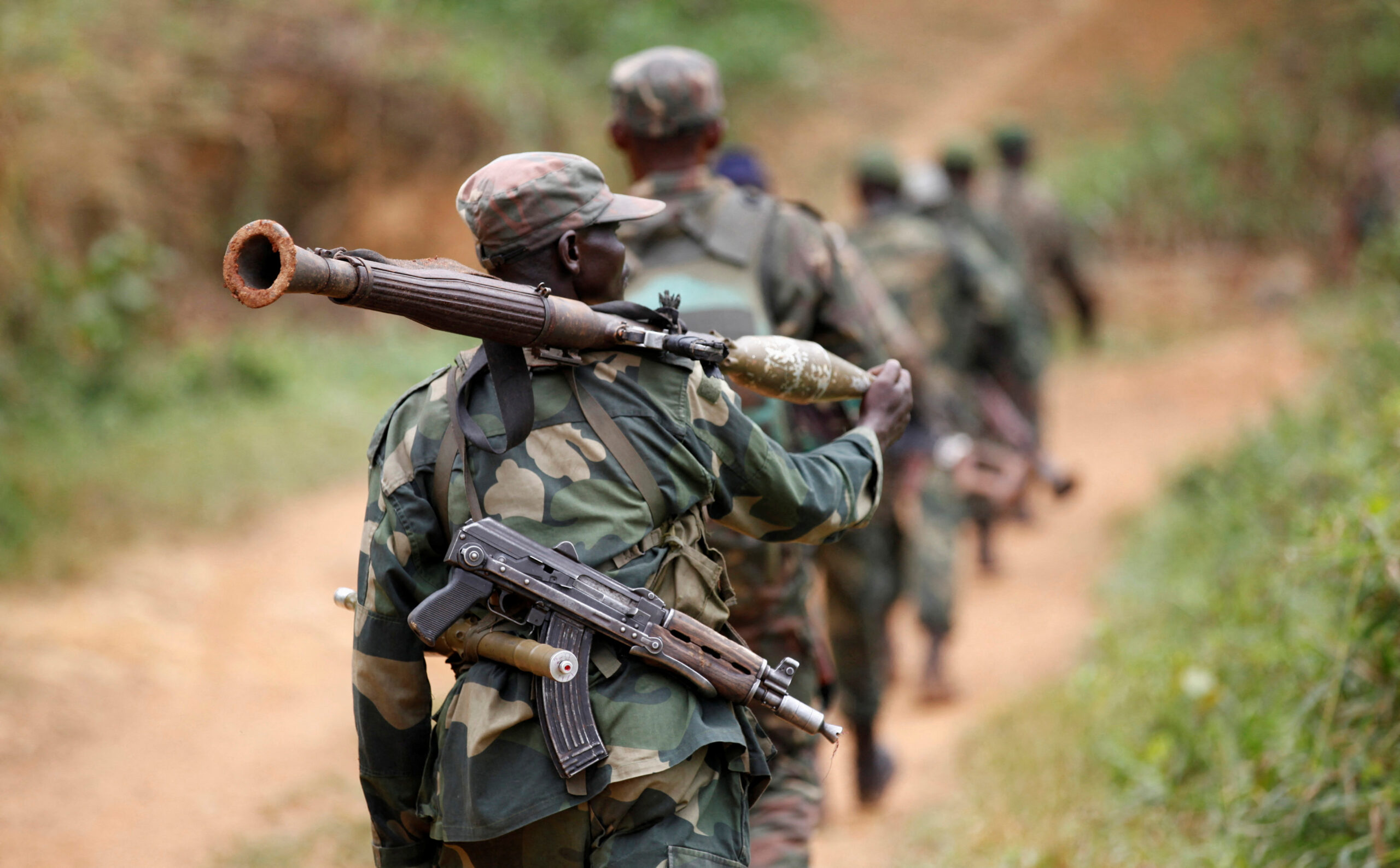
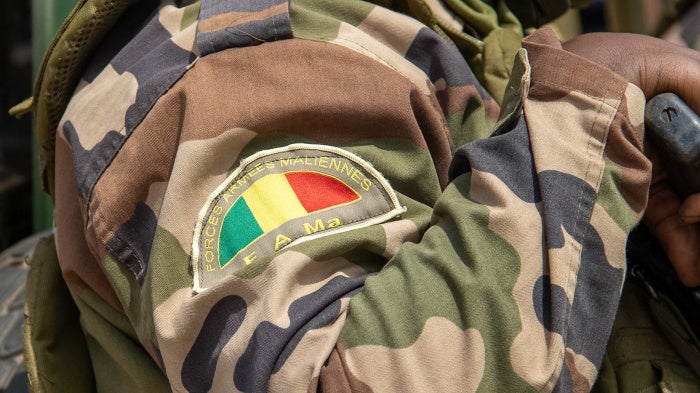
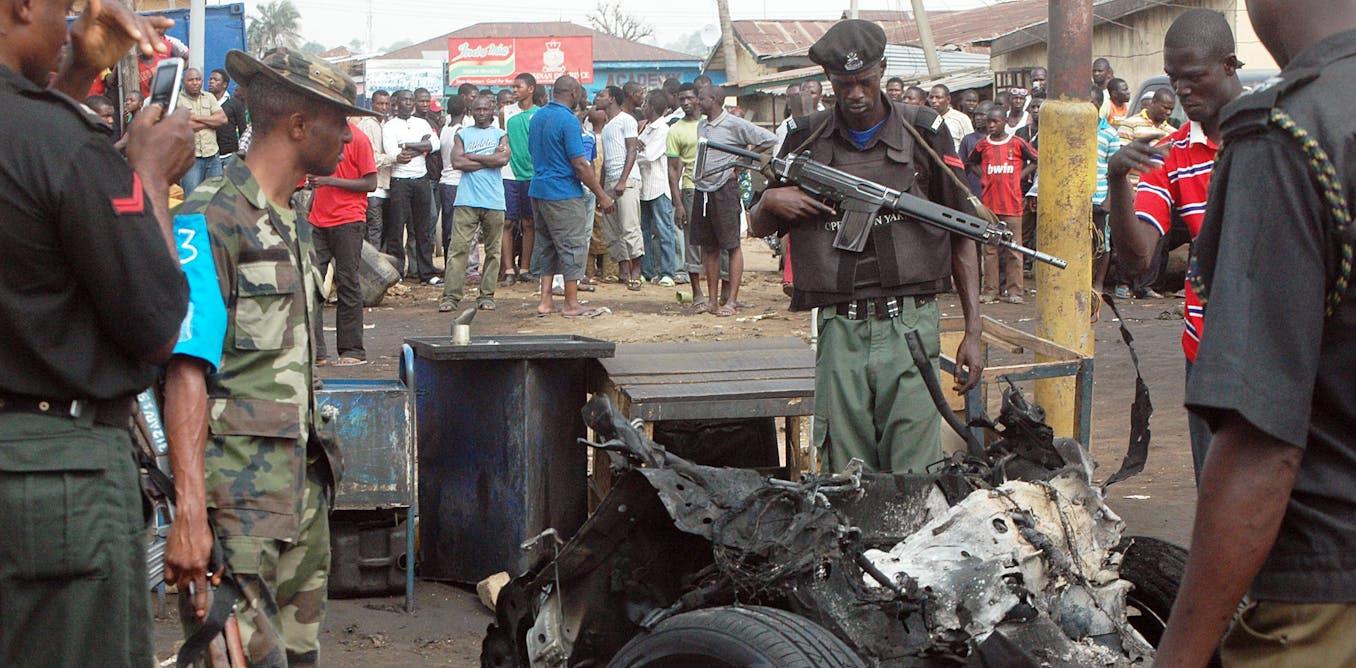
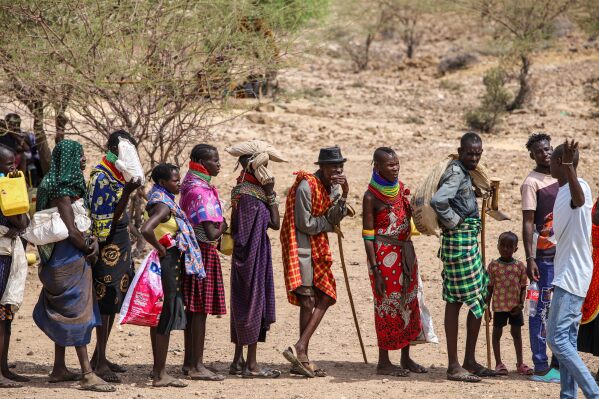
Beyond local power dynamics, the Sahel is becoming a theater for global competition. The United States and Russia are increasingly vying for influence here, each deploying distinct strategies. Russia, for its part, is expanding its Africa Corps paramilitary group, often presenting itself as a security partner to governments grappling with Islamist insurgencies. The US, conversely, is recalibrating aid and military cooperation with these Sahelian nations, aiming to counterbalance Russia’s growing footprint and safeguard its own strategic interests. This global tug-of-war plays out against a grim backdrop of pressing internal challenges: extremist threats, fragile governance, and widespread economic underdevelopment. The AES hopes to offer mutual support and coordinated defense, a mechanism proponents argue is essential for stability. Yet, critics caution that the militarization of regional politics and suppression of civil liberties could exacerbate tensions, diminishing prospects for peace and development. It’s a truly complex situation, isn’t it?
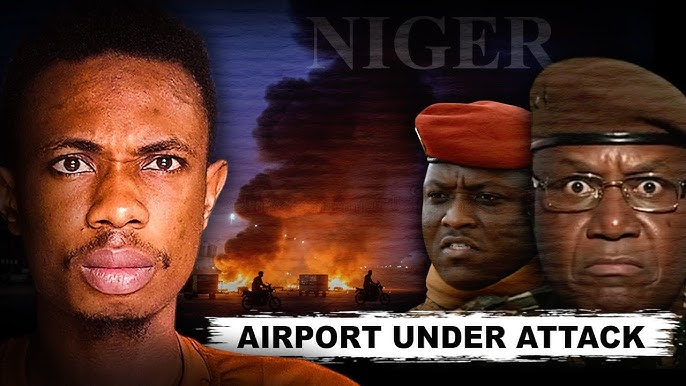
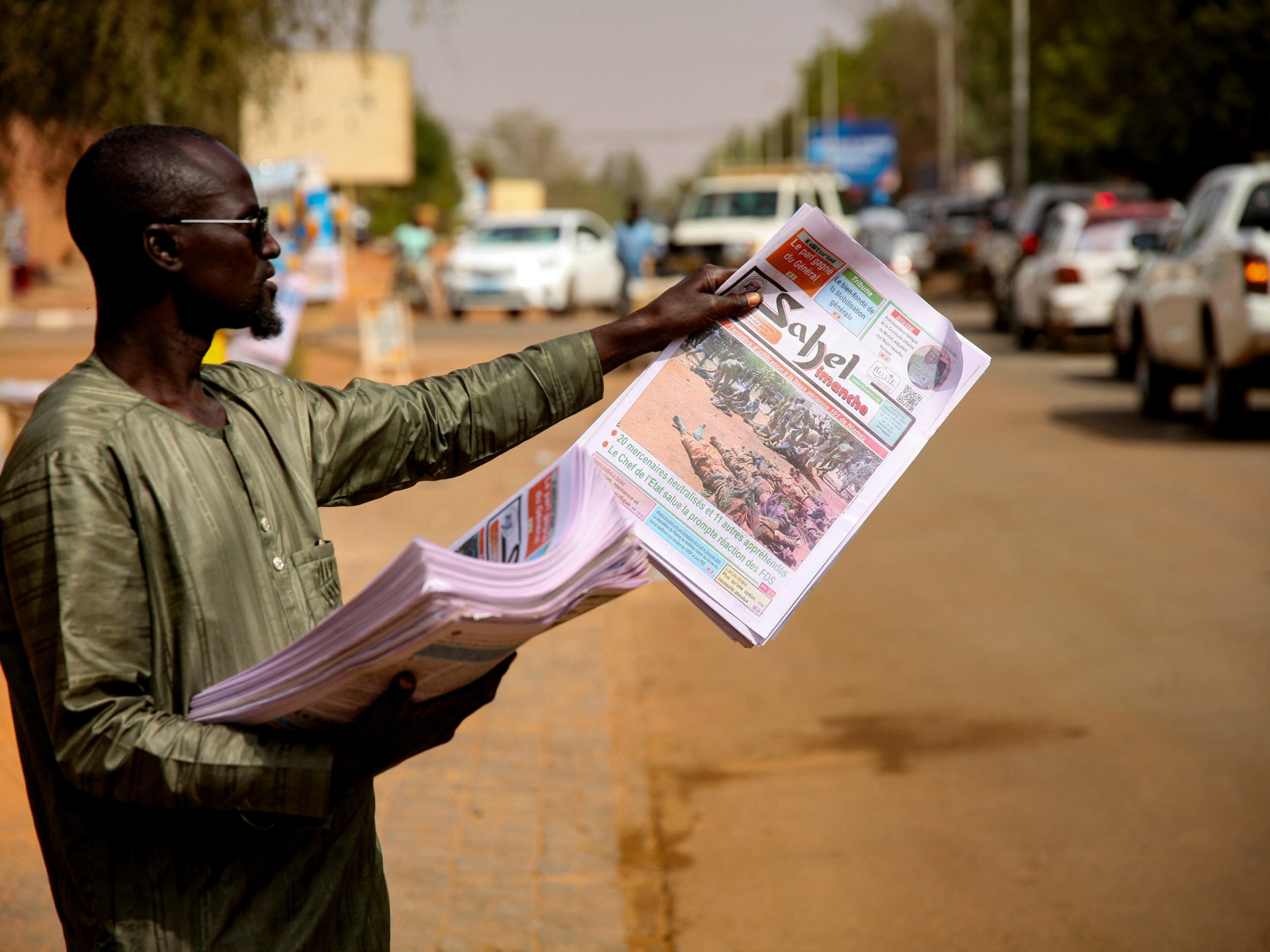
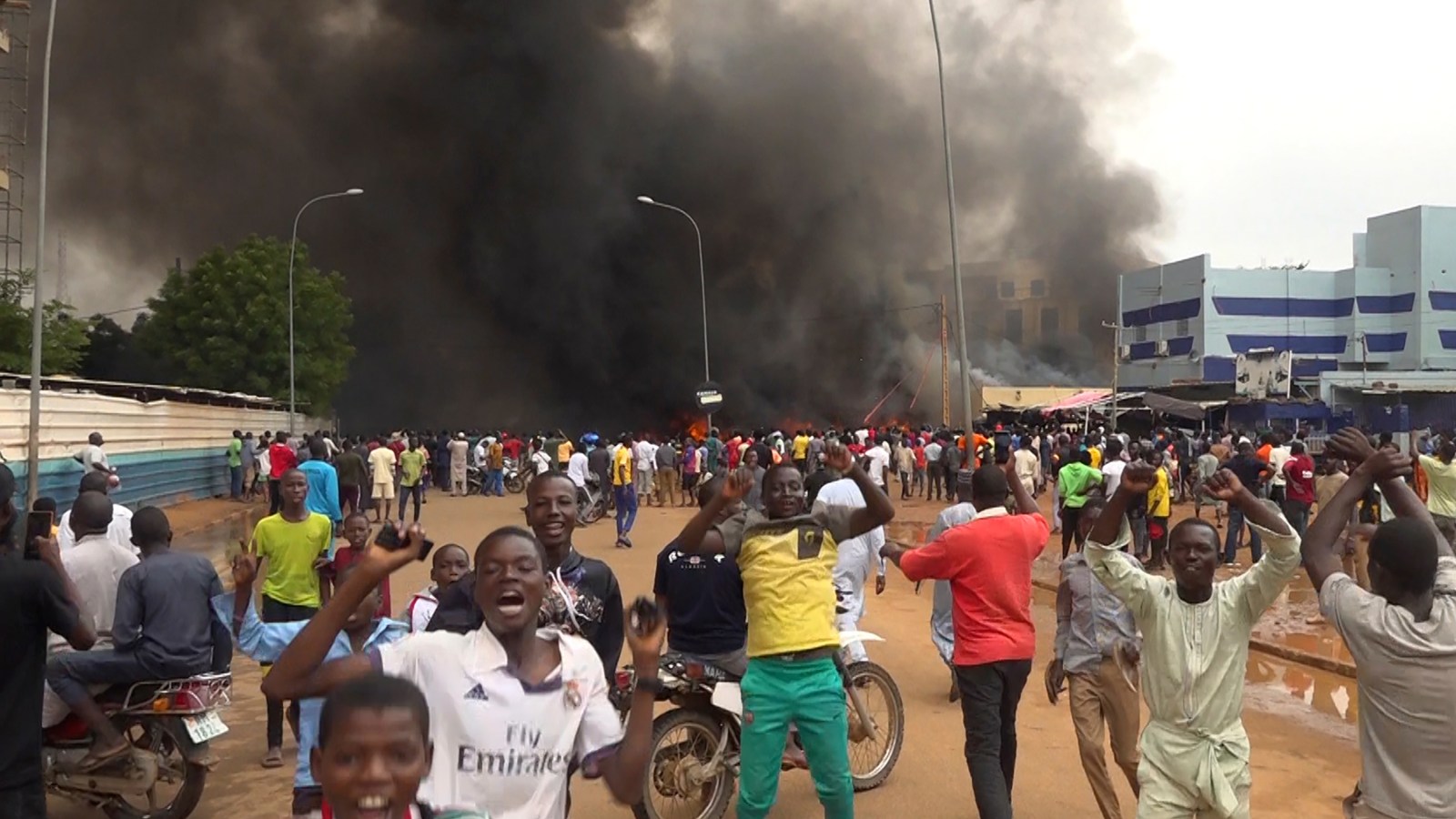
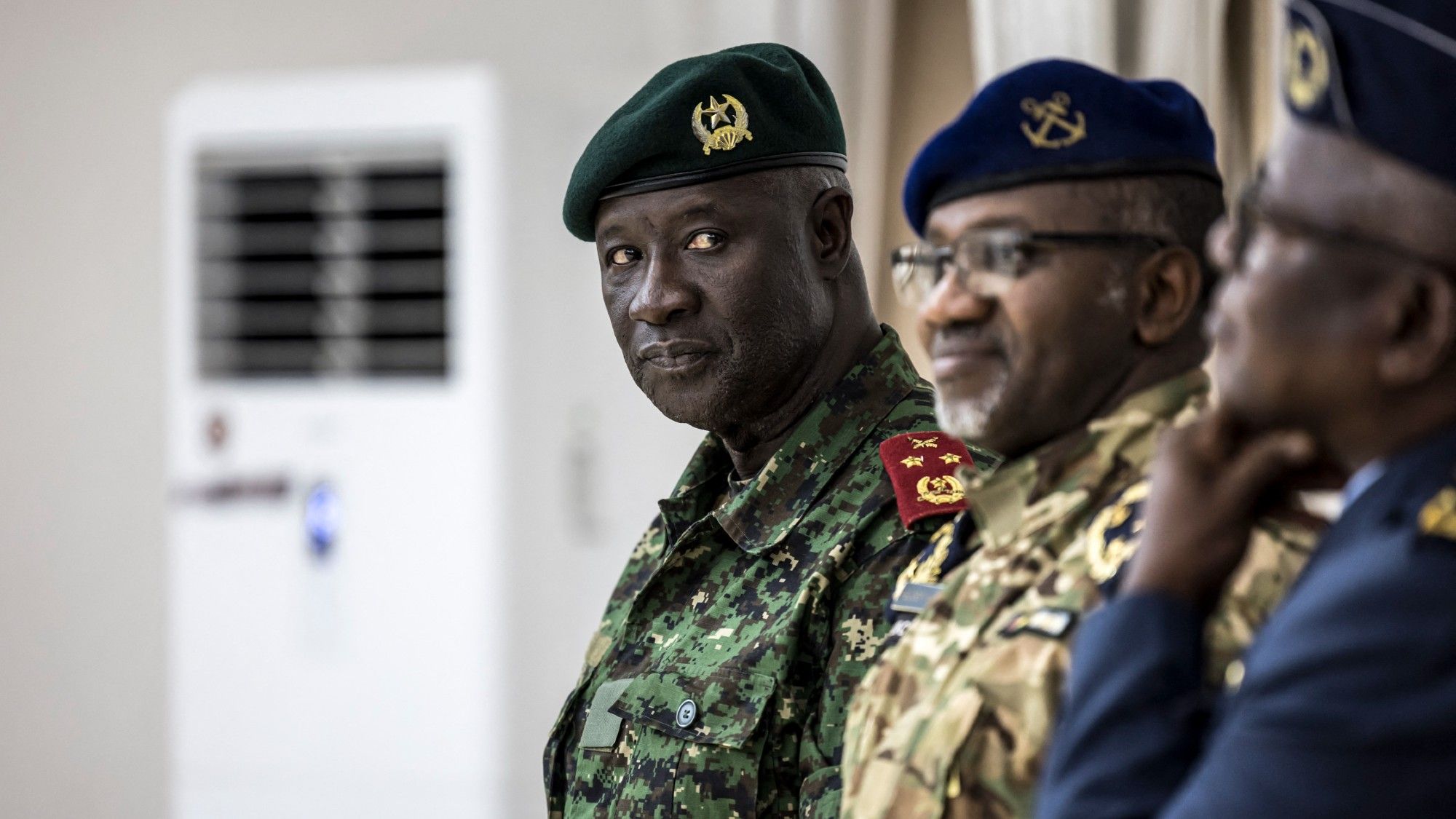
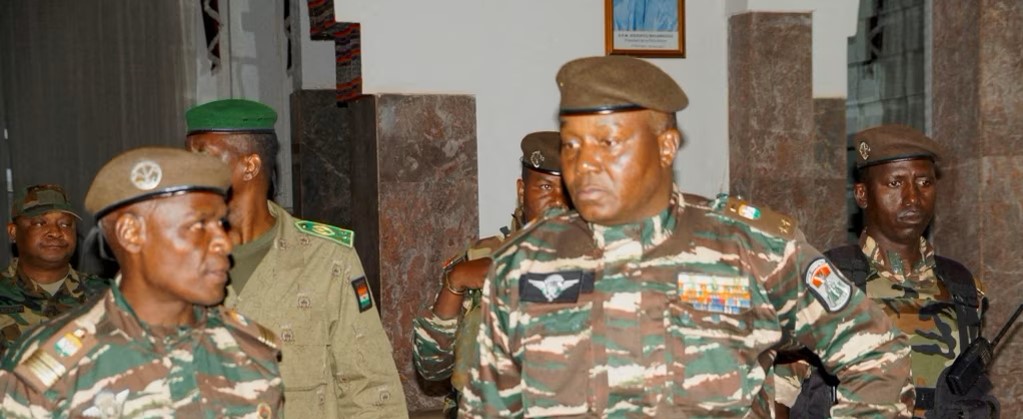
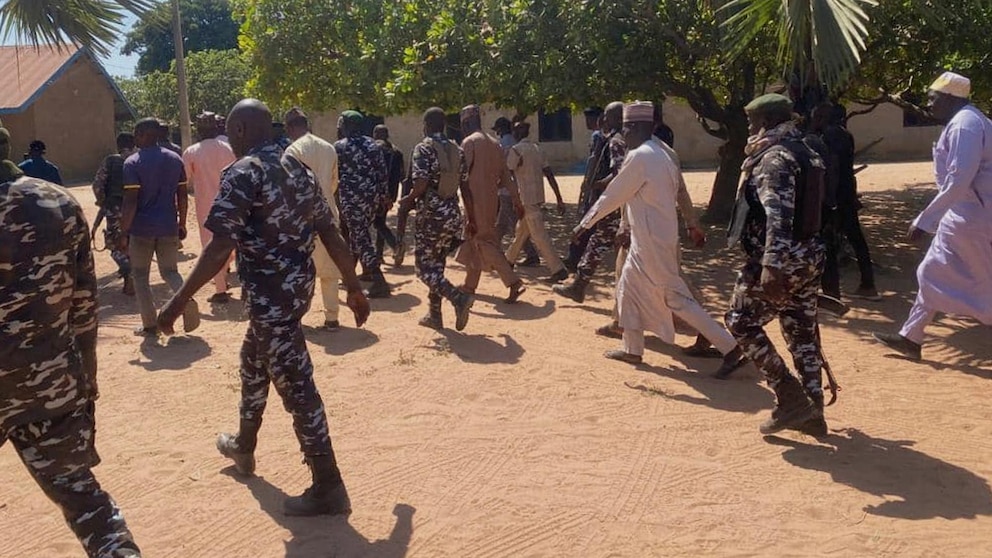
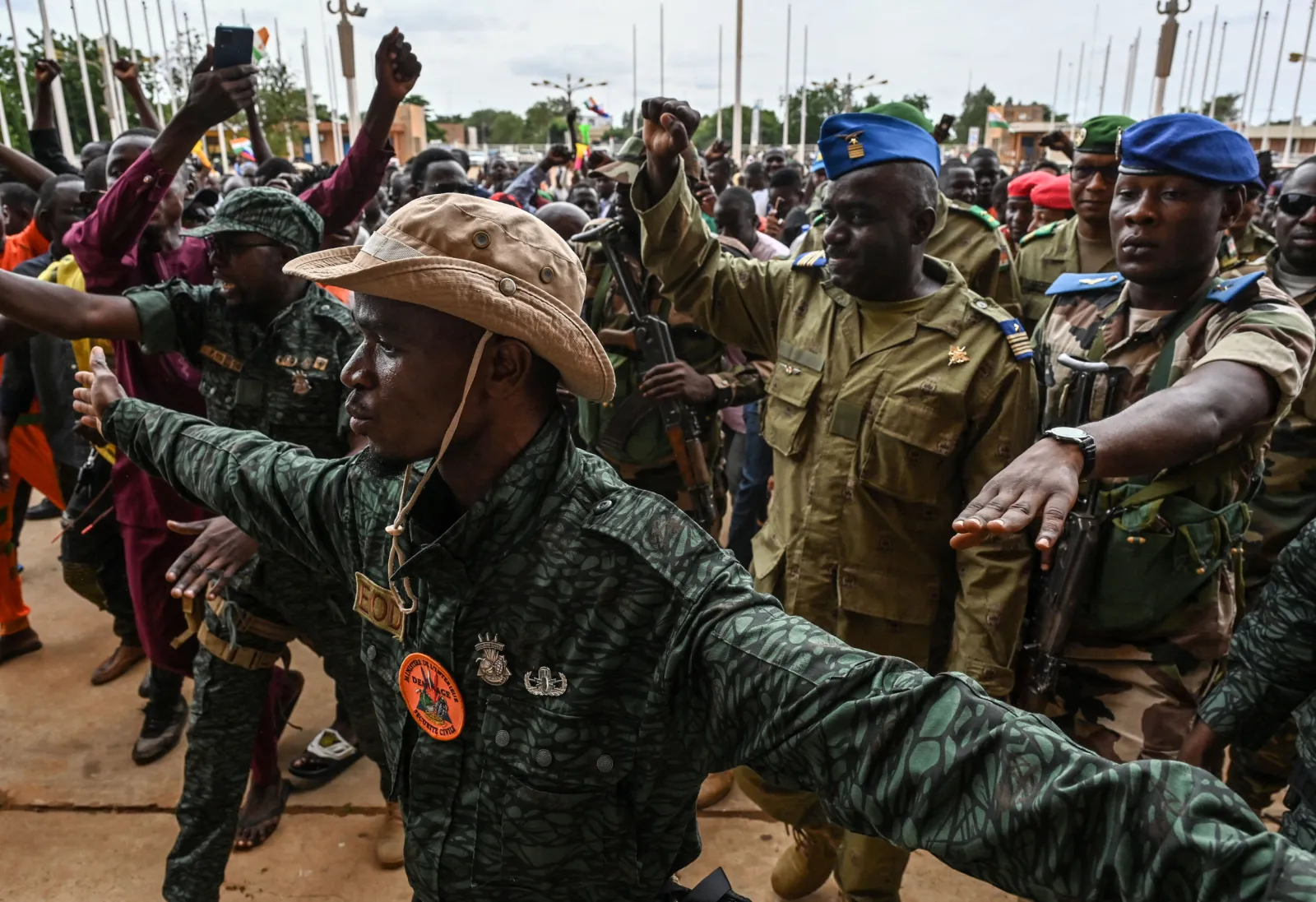
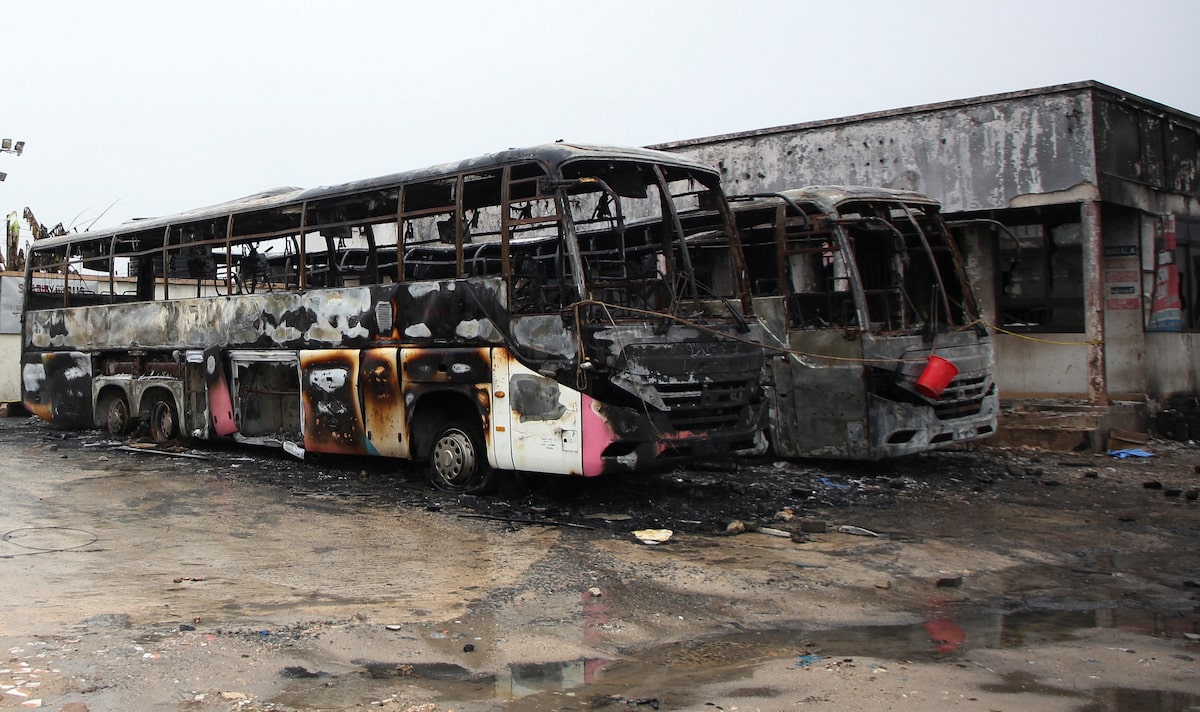
So, what’s next for the Sahel? Its future hinges on a delicate balance. Can these countries effectively assert sovereignty, foster regional cooperation, and cleverly navigate the influences of powerful external players with their own competing agendas? The alliance, formed by Mali, Burkina Faso, and Niger, reflects an urgent desire to chart their own course. Yet, it also brings intense scrutiny onto democratic governance and fundamental human rights. We’ve already seen this with Mali’s recent crackdown on a prominent journalist critical of Niger’s military leadership, highlighting heightened sensitivity to dissent and raising alarms from organizations like Human Rights Watch. How the AES manages internal disagreements, champions media freedom, and engages with global rivals will undoubtedly shape not only the future of its member nations but also impact the broader African continent’s security and international relations. Will the Alliance of Sahelian States manage to extinguish this metaphorical fire of instability, or will immense pressures, both internal and external, simply fuel further conflict? The world is watching closely, because what happens here stretches far beyond the Sahel’s dusty horizons.