
Security Challenges and Political Shifts Define Nigeria’s Current Landscape
Nigeria is a nation constantly navigating a complex mix of security threats, shifting political allegiances, and dedicated regional stability efforts. Recent events paint a clear picture: we’re grappling with violence, serious governance issues, and strategic changes. From the heartening rescue of abducted schoolgirls in Kebbi State to significant political defections and intricate international security missions, Nigeria truly stands at a pivotal moment. It’s a time testing our resilience and how well we govern.
Security Operations Bring Hope Amidst Lingering Dangers
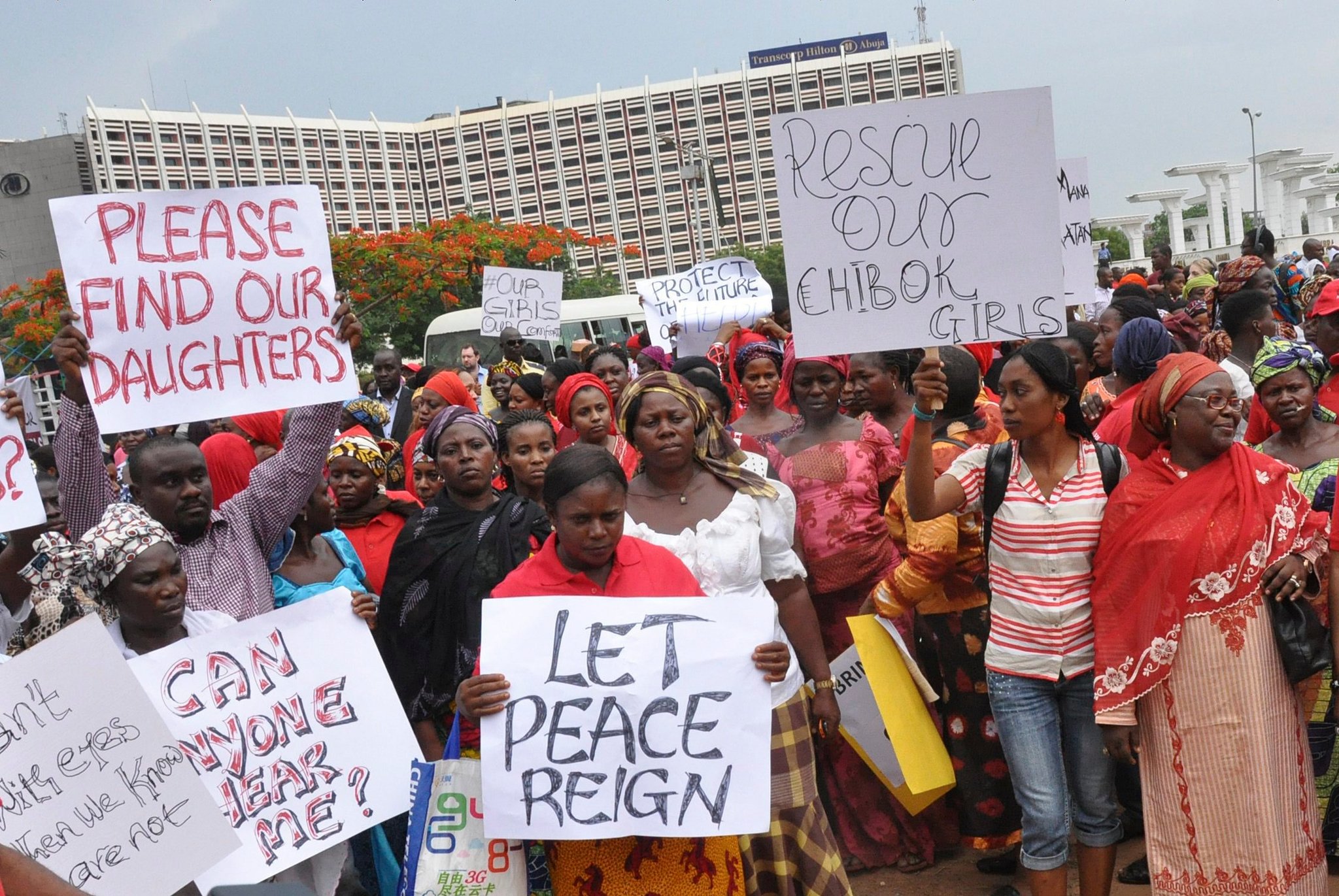
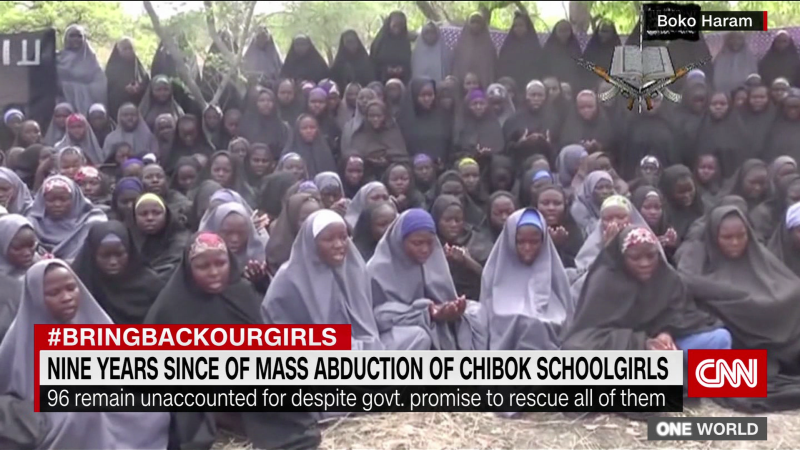
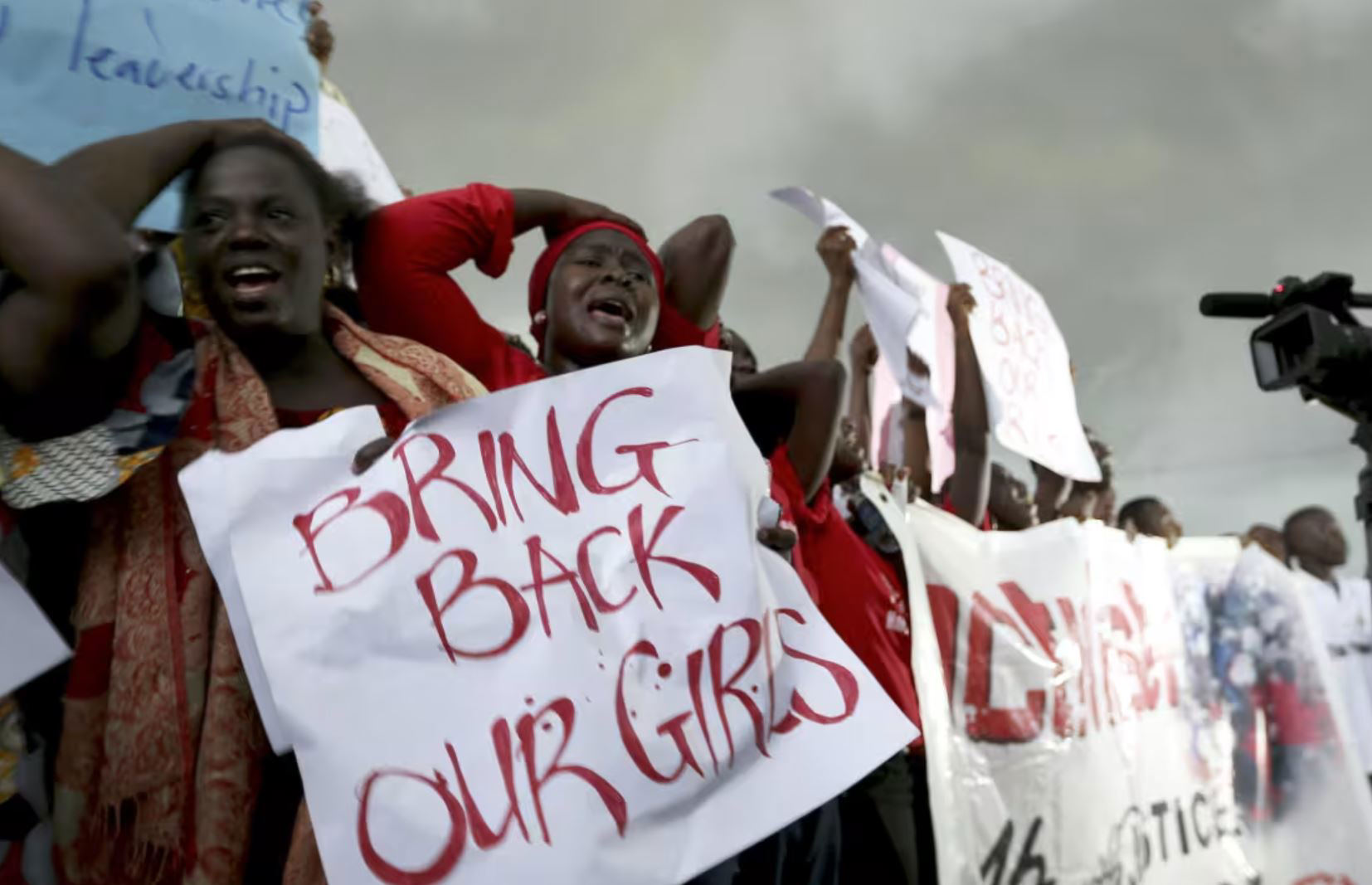
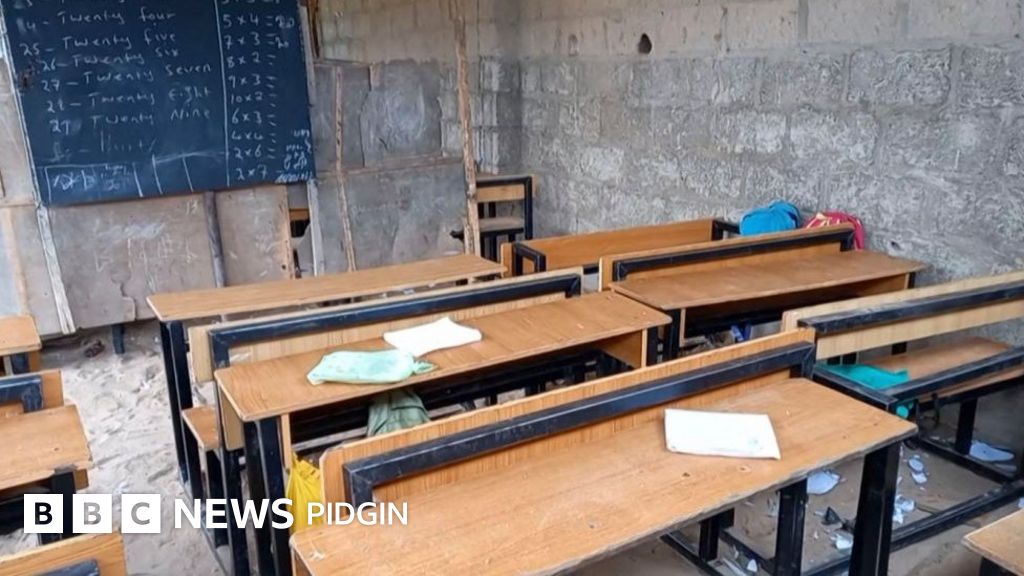
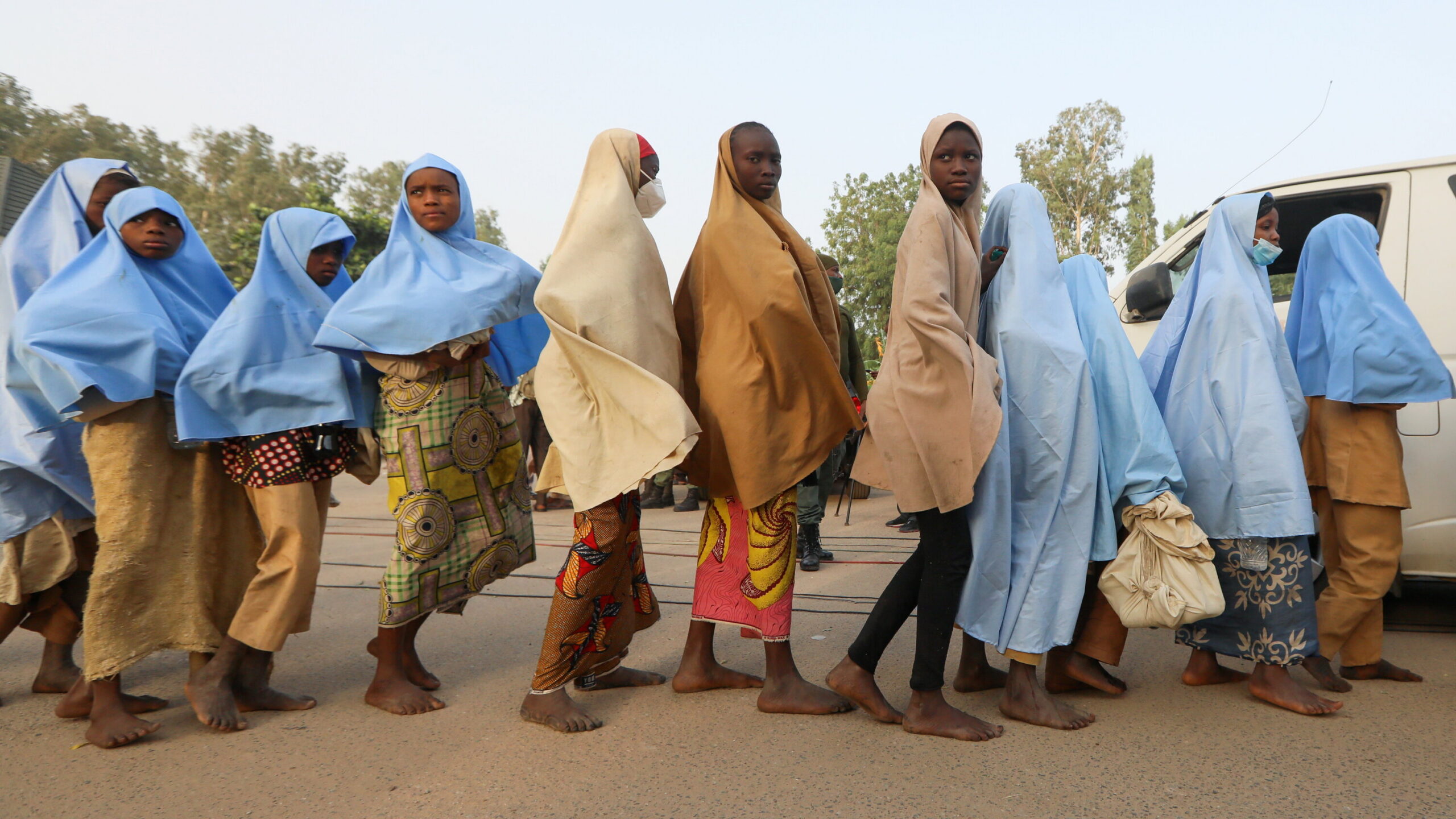
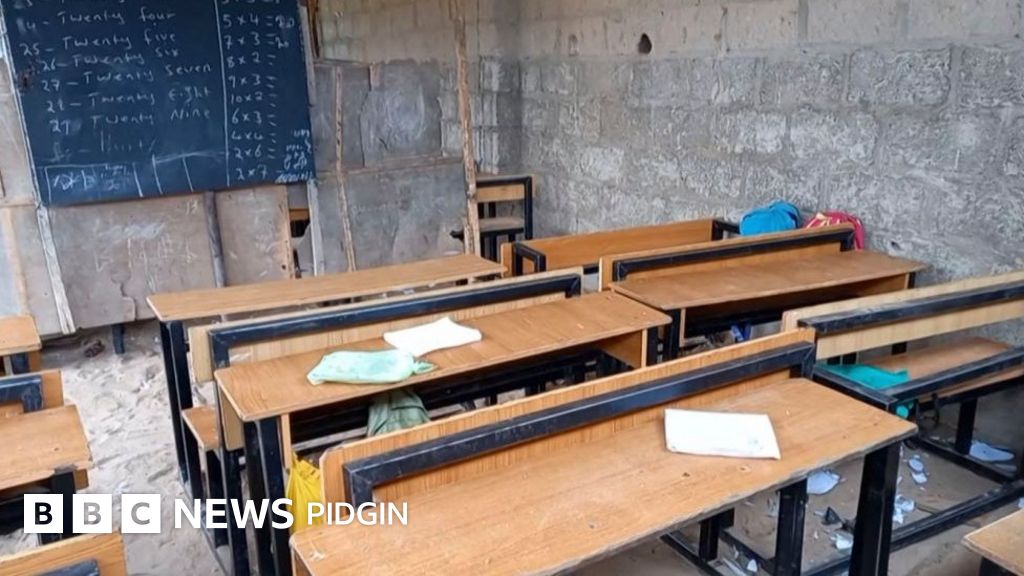
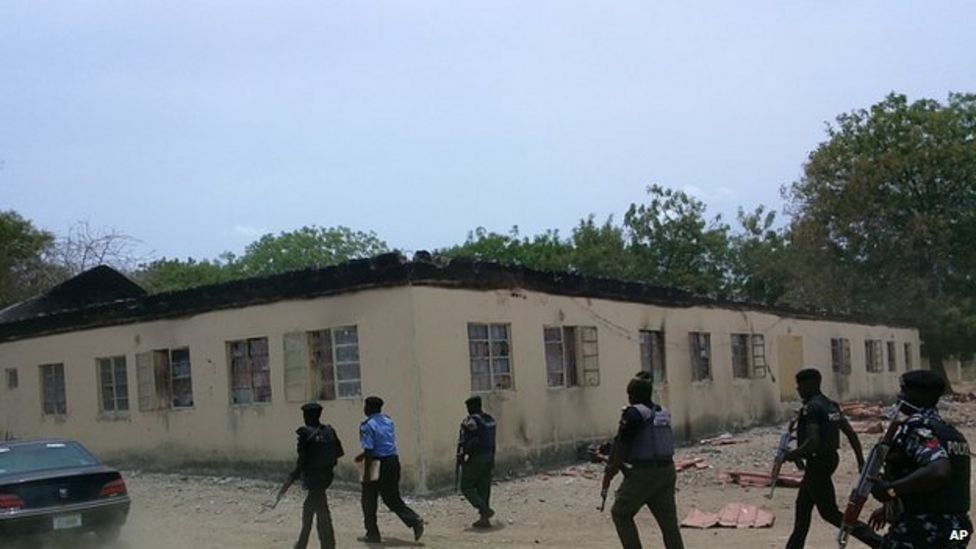
We recently saw a much-needed win in Nigeria’s tough fight against banditry and kidnappings. Twenty-four schoolgirls, snatched on November 17 from Government Girls’ Day Secondary School in Maga, Kebbi State, are finally safe. This area, right on the Sokoto/Kebbi border, has been suffering from persistent violence, ruining both farming and education for too long. But thanks to the sharp work of our security agencies, alongside brave local volunteers, these girls were recovered early one recent morning. The news brought a wave of relief across the region, reminding us all of the power of community-security collaboration, a model we must reinforce nationwide. You can learn more about how Nigeria’s security crisis impacts stability.
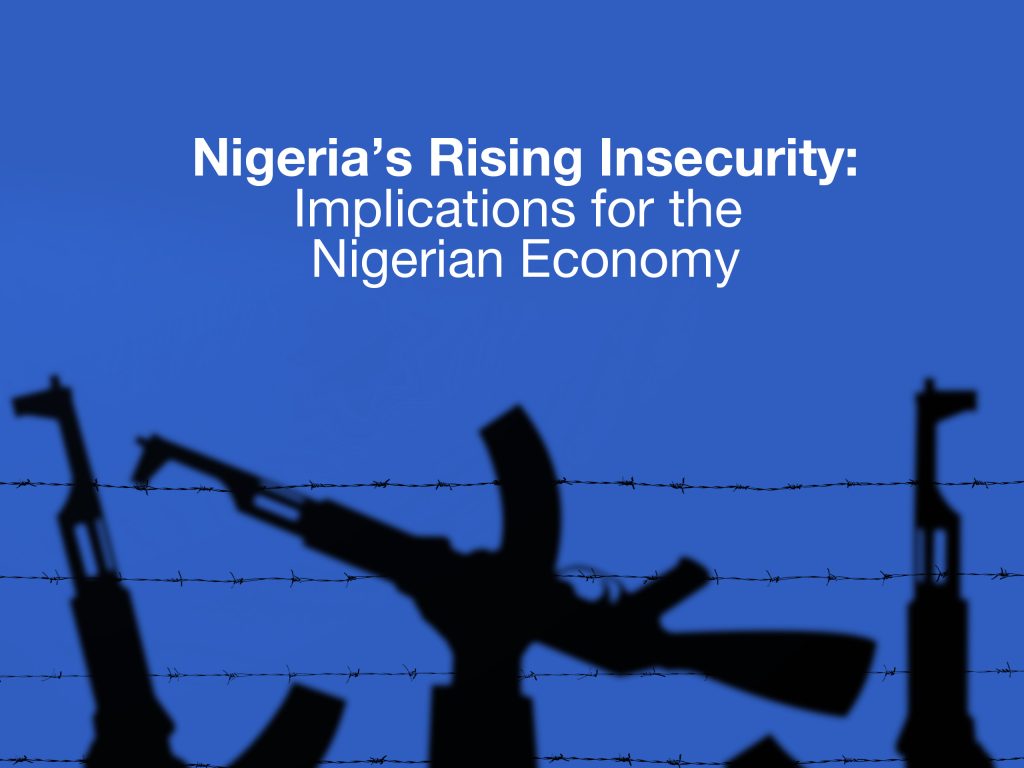
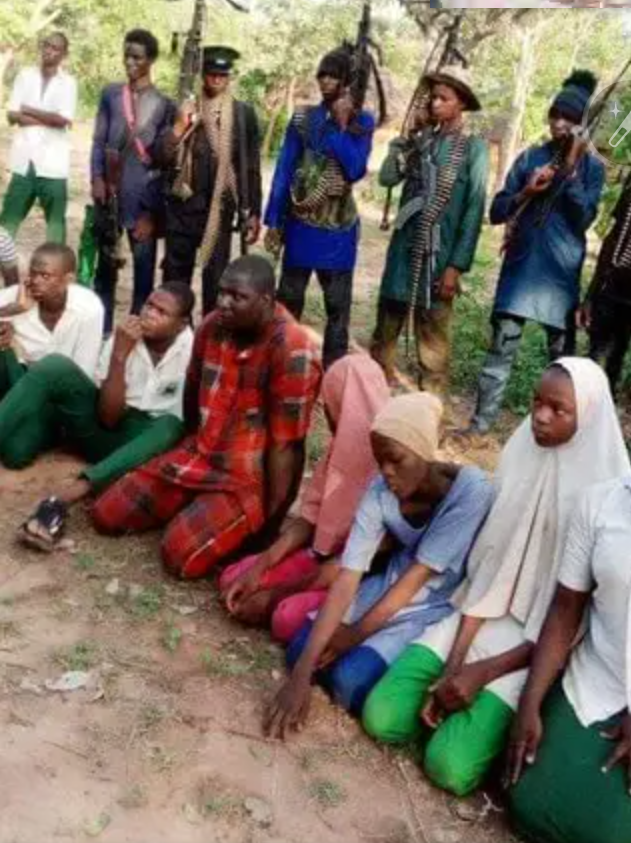
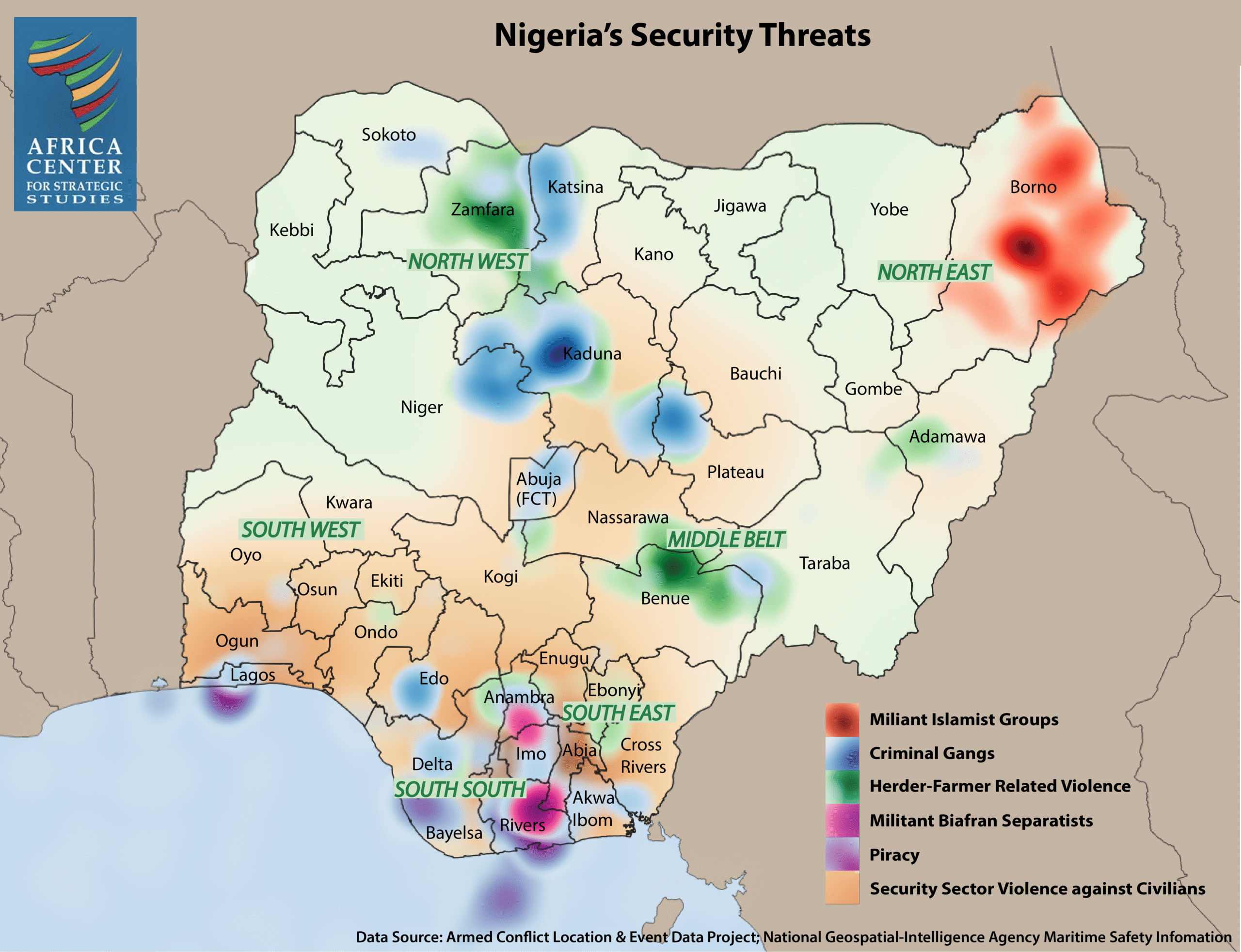
These rescued students are now getting medical care, an essential step before they reunite with their families after such a traumatic ordeal. While specific operational details remain confidential to keep ongoing efforts safe, this success highlights just how crucial collaborative responses are when tackling the complex landscape of bandit threats. Yet, the security situation remains incredibly fragile. Northwestern regions, like Sokoto and Kebbi, still face regular attacks, for instance, a recent devastating assault on a Sokoto community’s mosque left people dead and abducted. Bandits are also issuing chilling ultimatums in Kogi State, threatening mass violence if ransoms aren’t paid. And unfortunately, Kaduna and other northern areas continue to experience attacks, leading to more tragic loss of life and heightened anxiety for residents. We’re still facing immense insecurity challenges threatening Nigeria’s stability.
Military Actions and Political Dynamics: Regional and National Impact
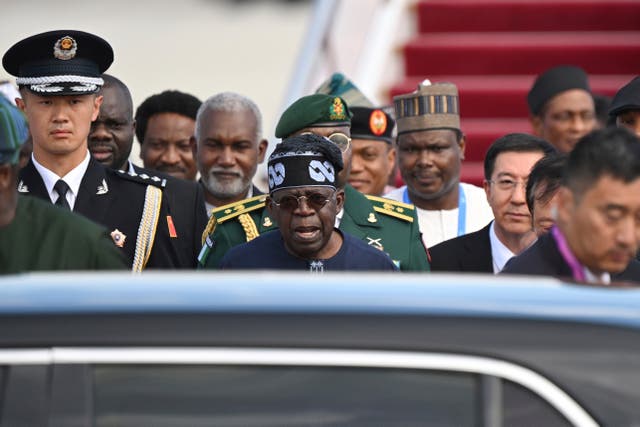
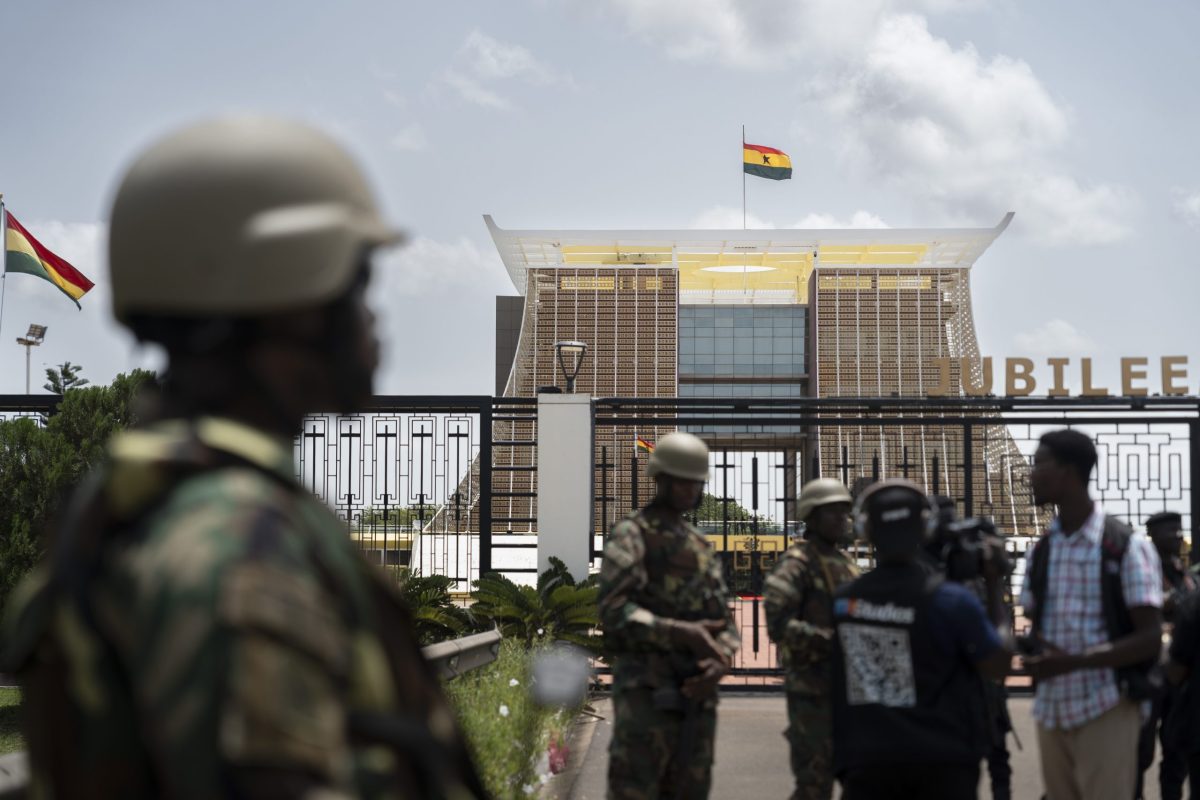
Nigeria’s commitment to regional peacekeeping is clear through its operations beyond our borders. When a coup attempt rocked neighboring Benin Republic, President Bola Tinubu quickly got Senate approval to deploy Nigerian troops for what’s being called a peace mission. However, not everyone’s convinced. Nigerian analyst Kunle Fagbemi voiced concerns, suggesting Nigeria might be stepping into a “French entrapment,” pointing out that there wasn’t a comprehensive risk assessment before deployment. Interestingly, France itself confirmed it provided logistical support to thwart the coup, which only highlights the intricate geopolitical dance Nigeria performs in its quest for regional stability. For more on regional efforts, check out Nigeria’s military intervention in Benin.
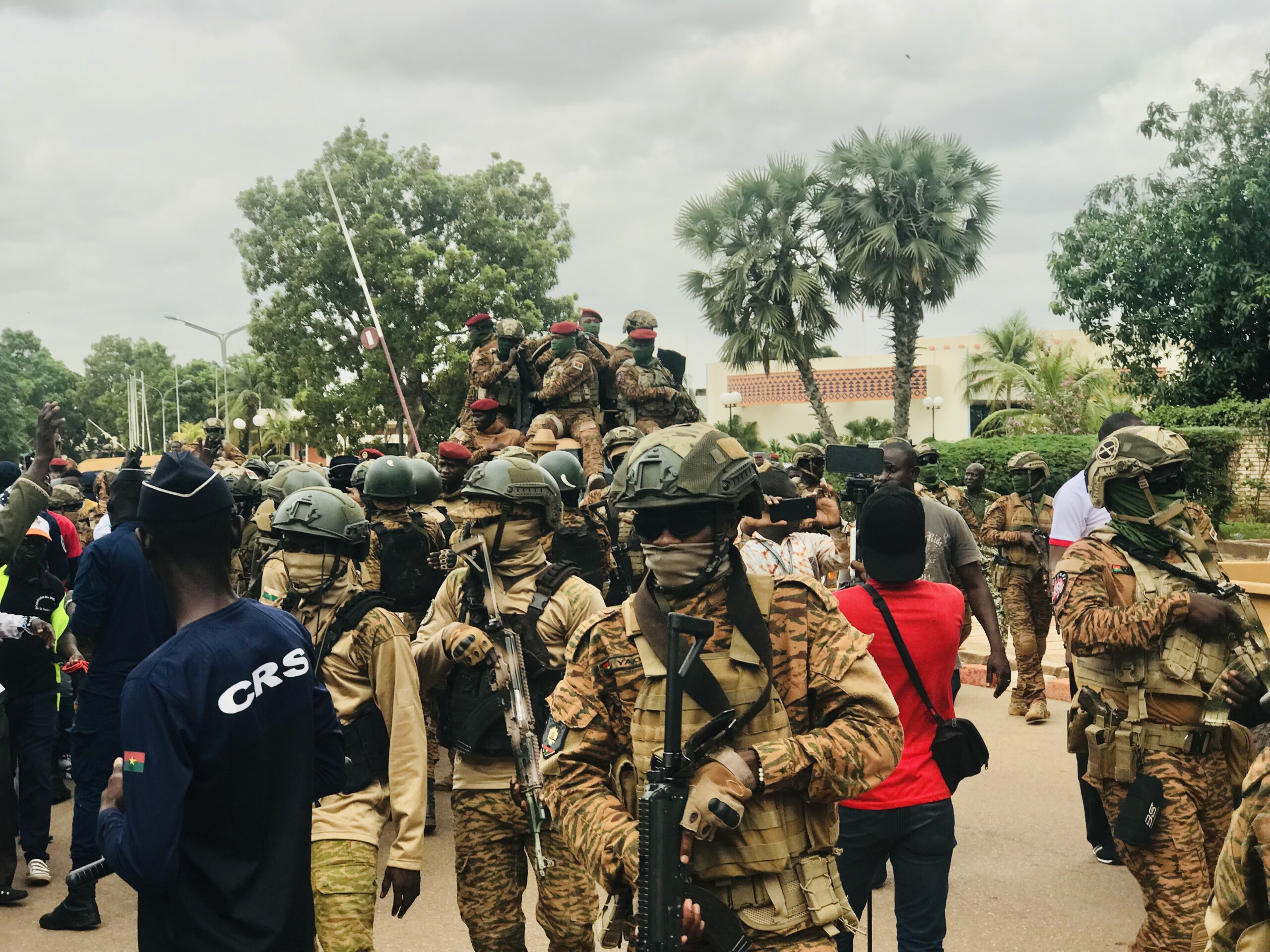
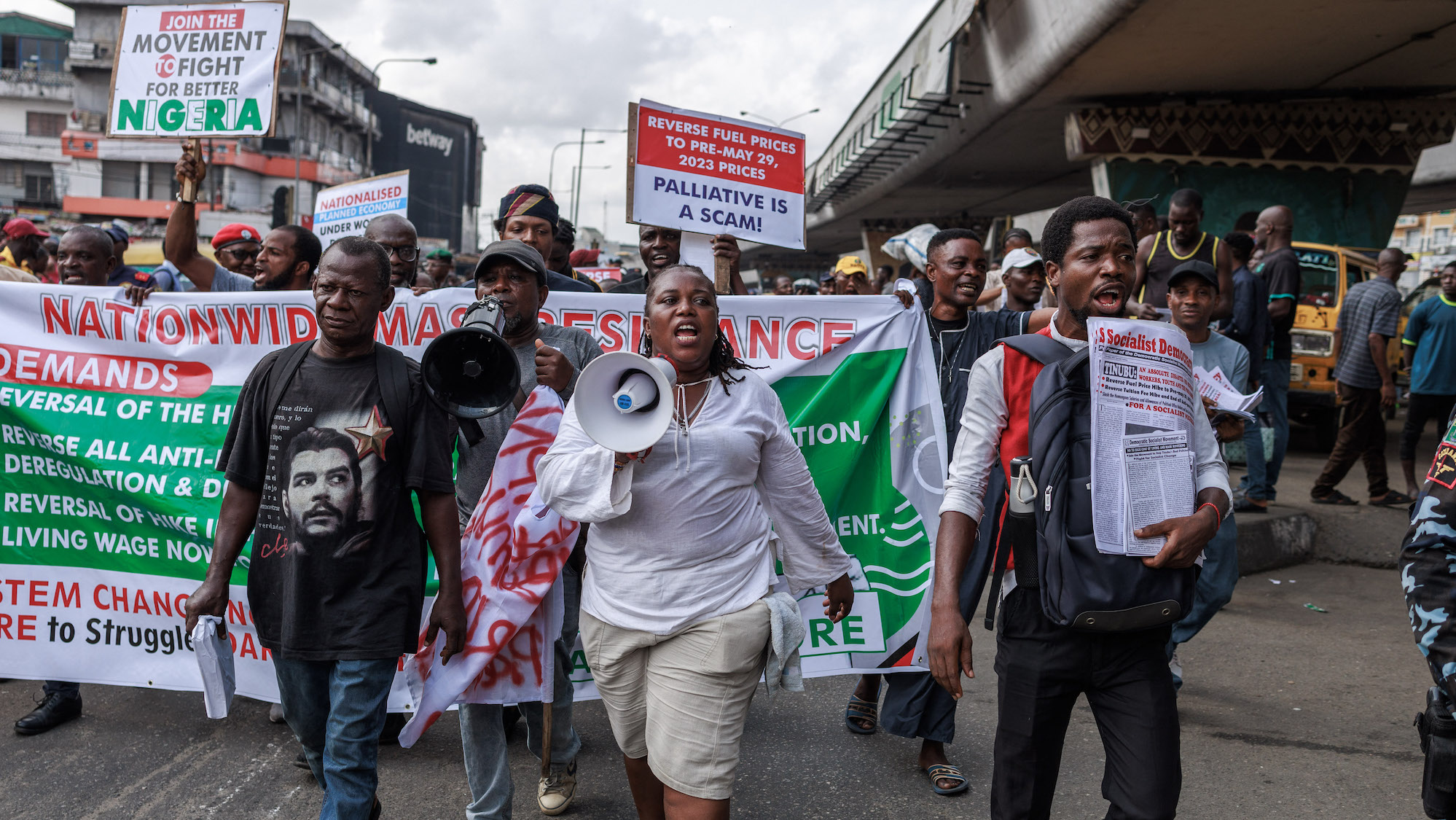
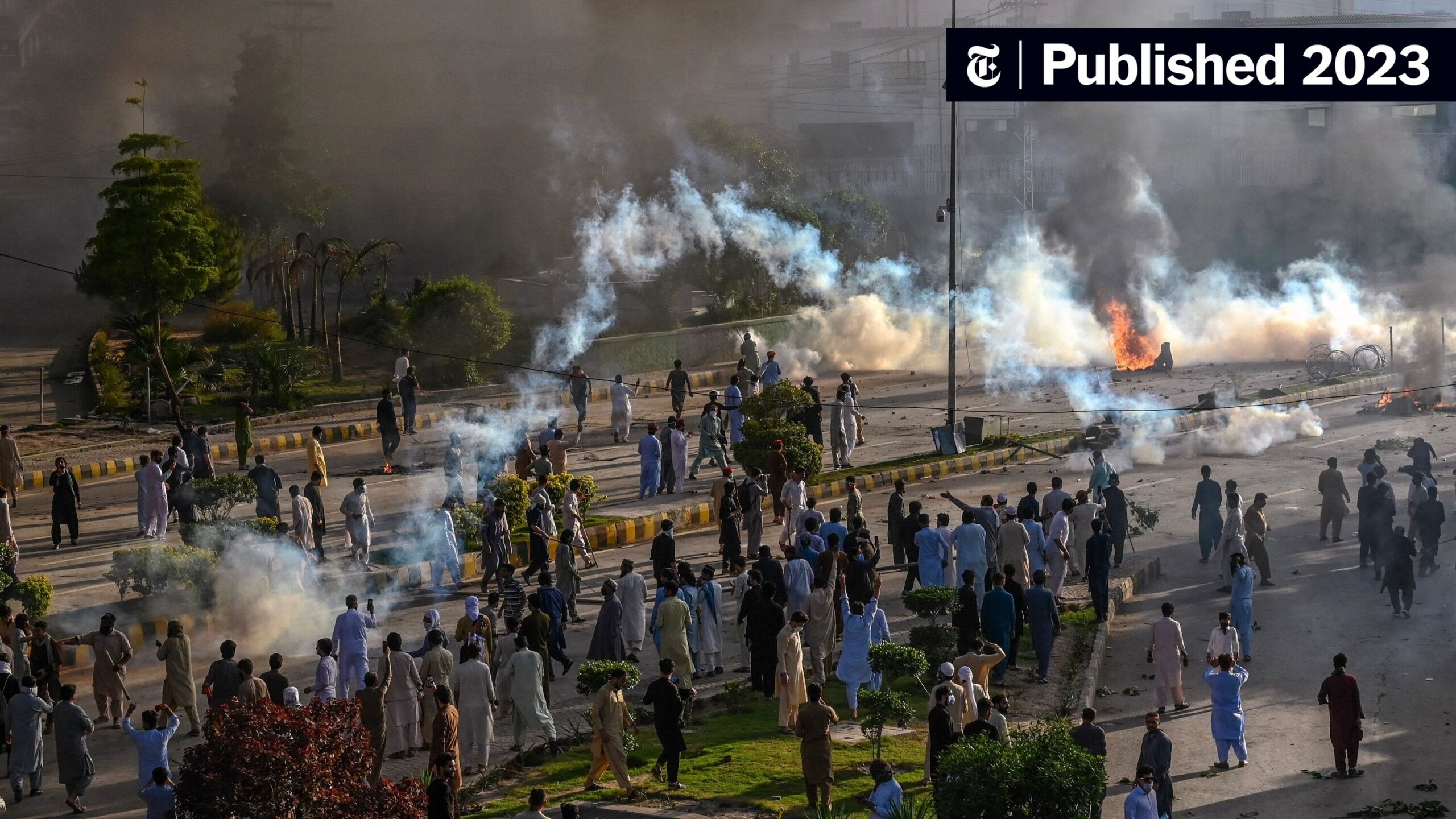
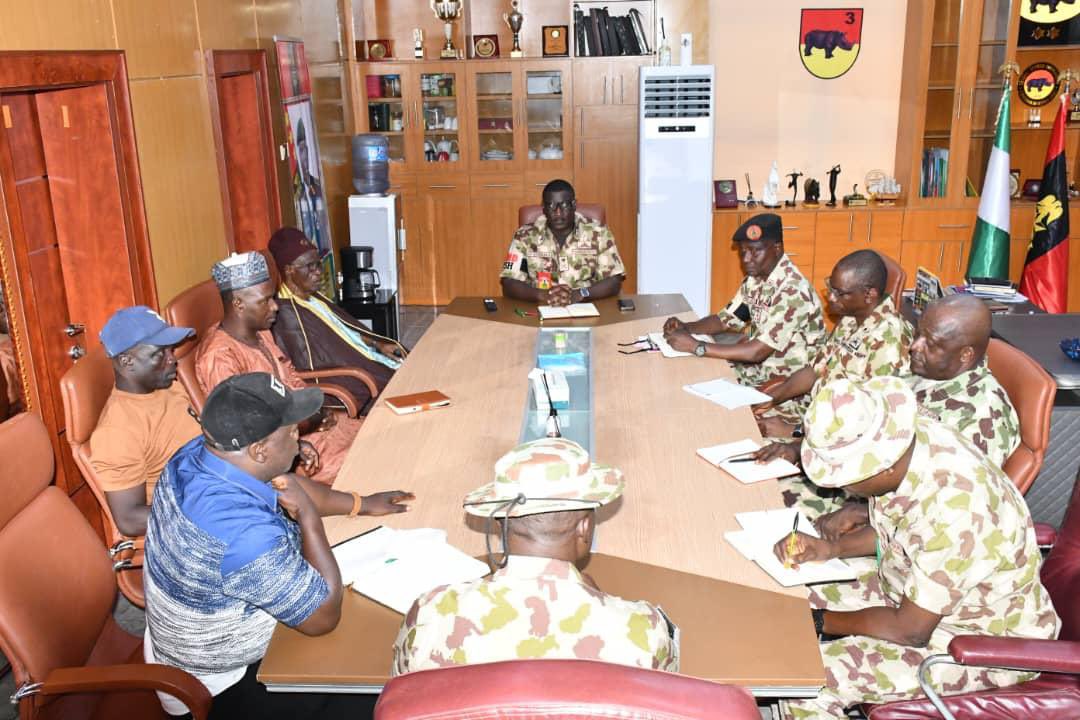
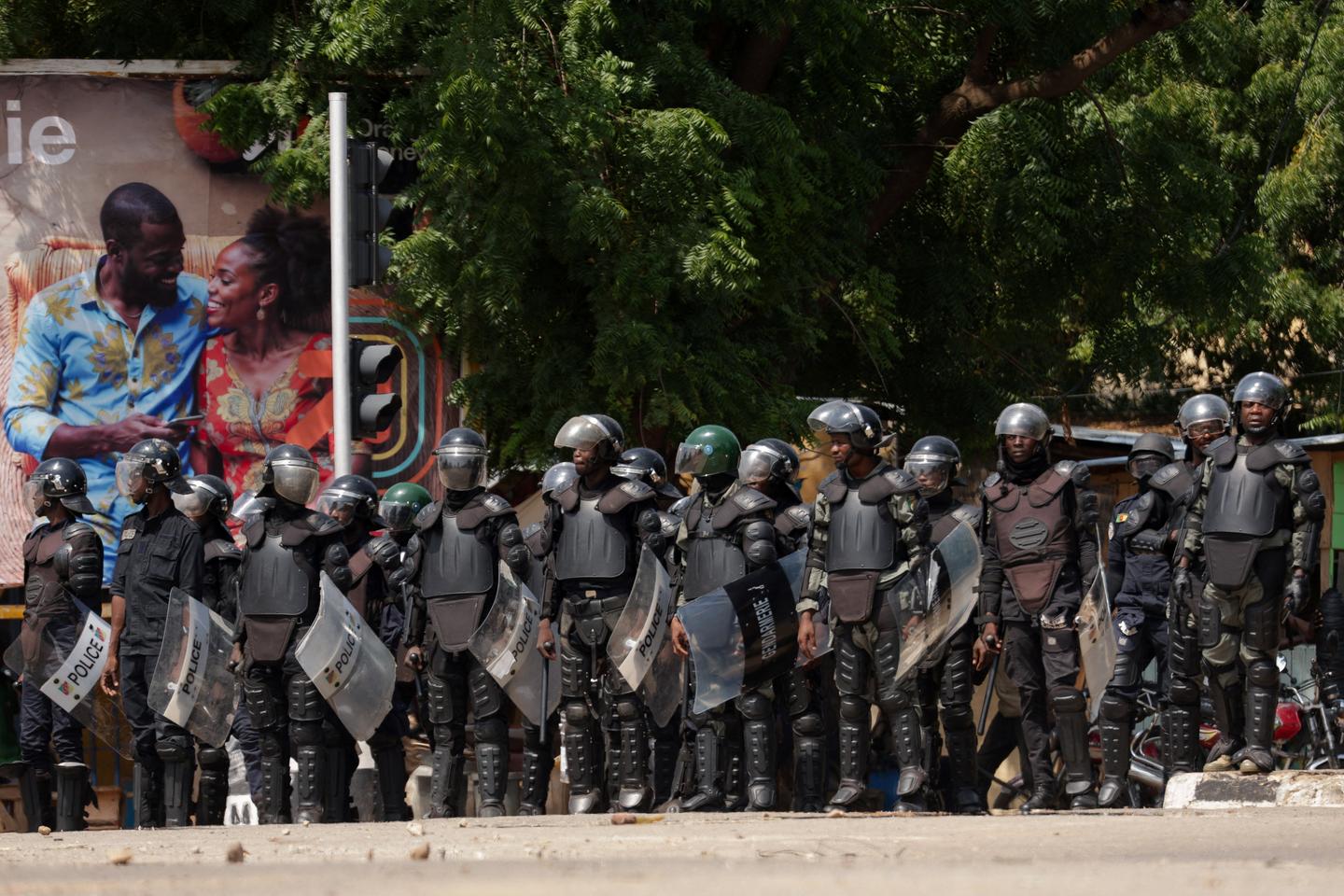
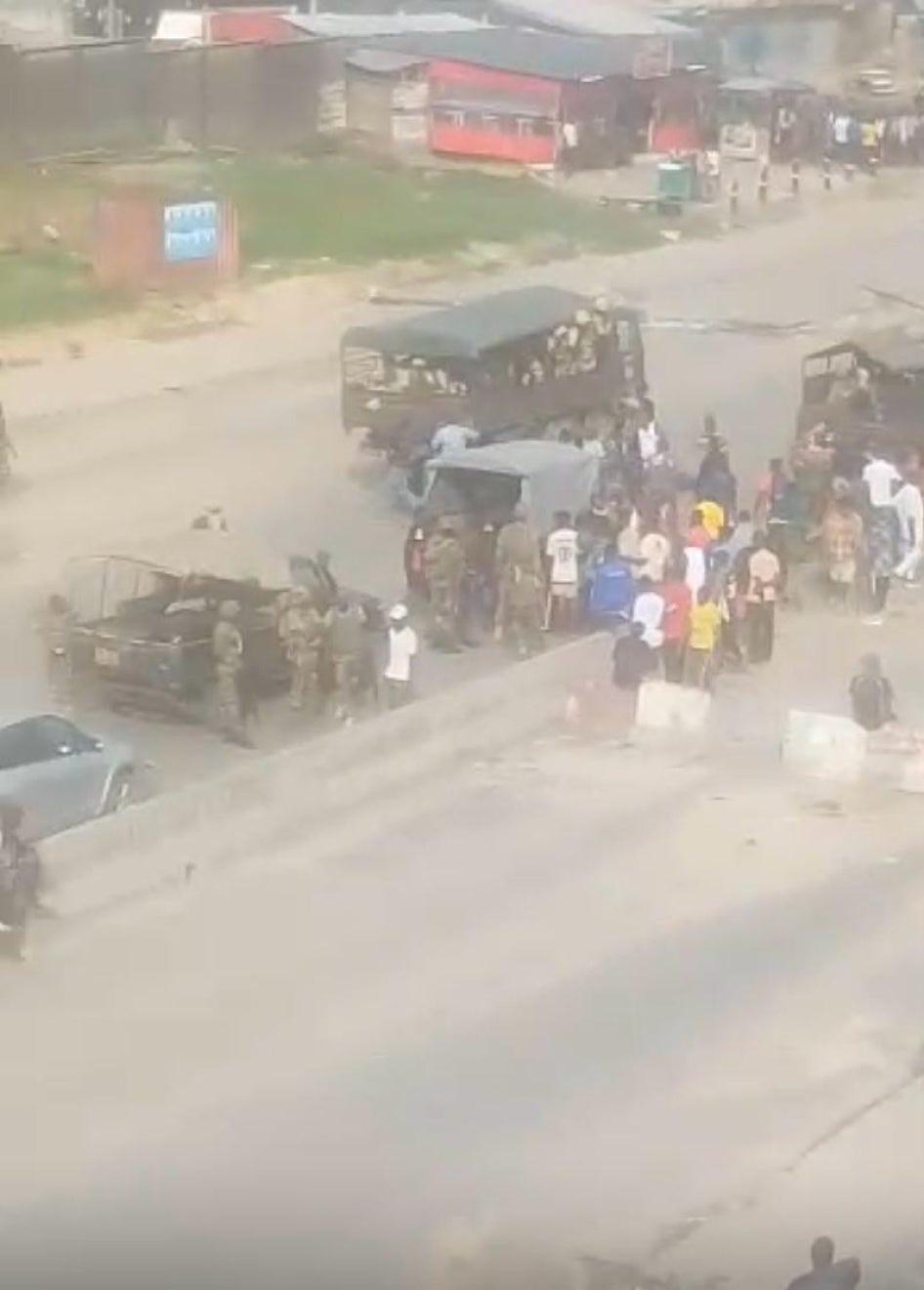
Closer to home, the Nigerian Defence Headquarters has ordered the removal of non-essential roadblocks across the country. This move aims to make public movement easier and hopefully ease tensions between civilians and security forces. This directive comes on the heels of disturbing reports about alleged extrajudicial killings of female protesters in Adamawa State, a tragedy that sparked national outrage and pushed the House of Representatives to launch a probe. While the Nigerian Army denies involvement, it underscores the delicate balance between maintaining security and protecting citizens’ rights. What’s more, Burkina Faso recently detained Nigerian military officers and an Air Force C-130 aircraft after it entered their airspace without permission. This incident certainly stirred diplomatic waters, highlighting the absolute need for clearer communication between neighboring states when it comes to military movements.
Political Shifts and Governance Hurdles
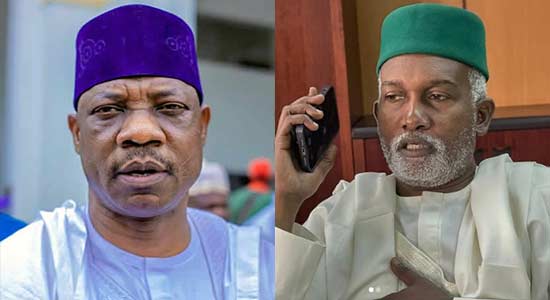
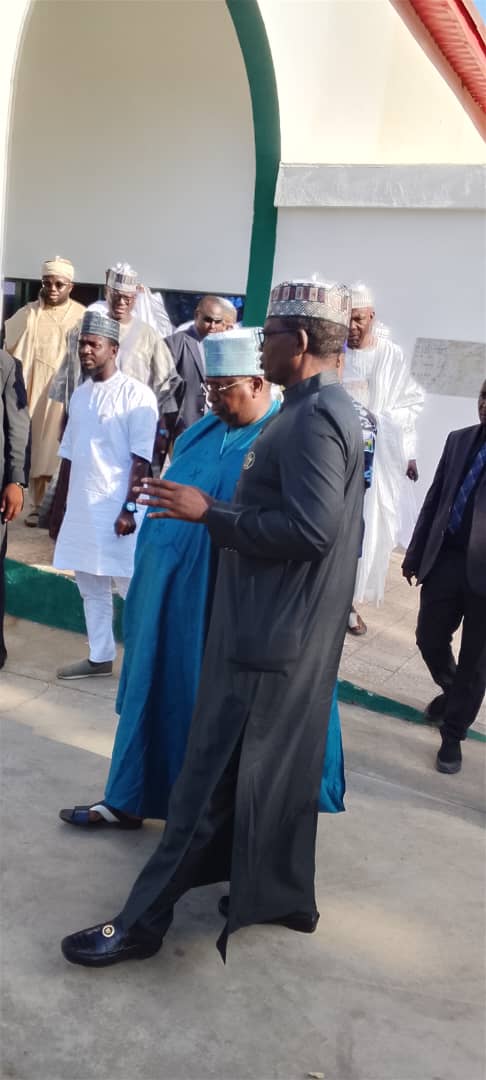
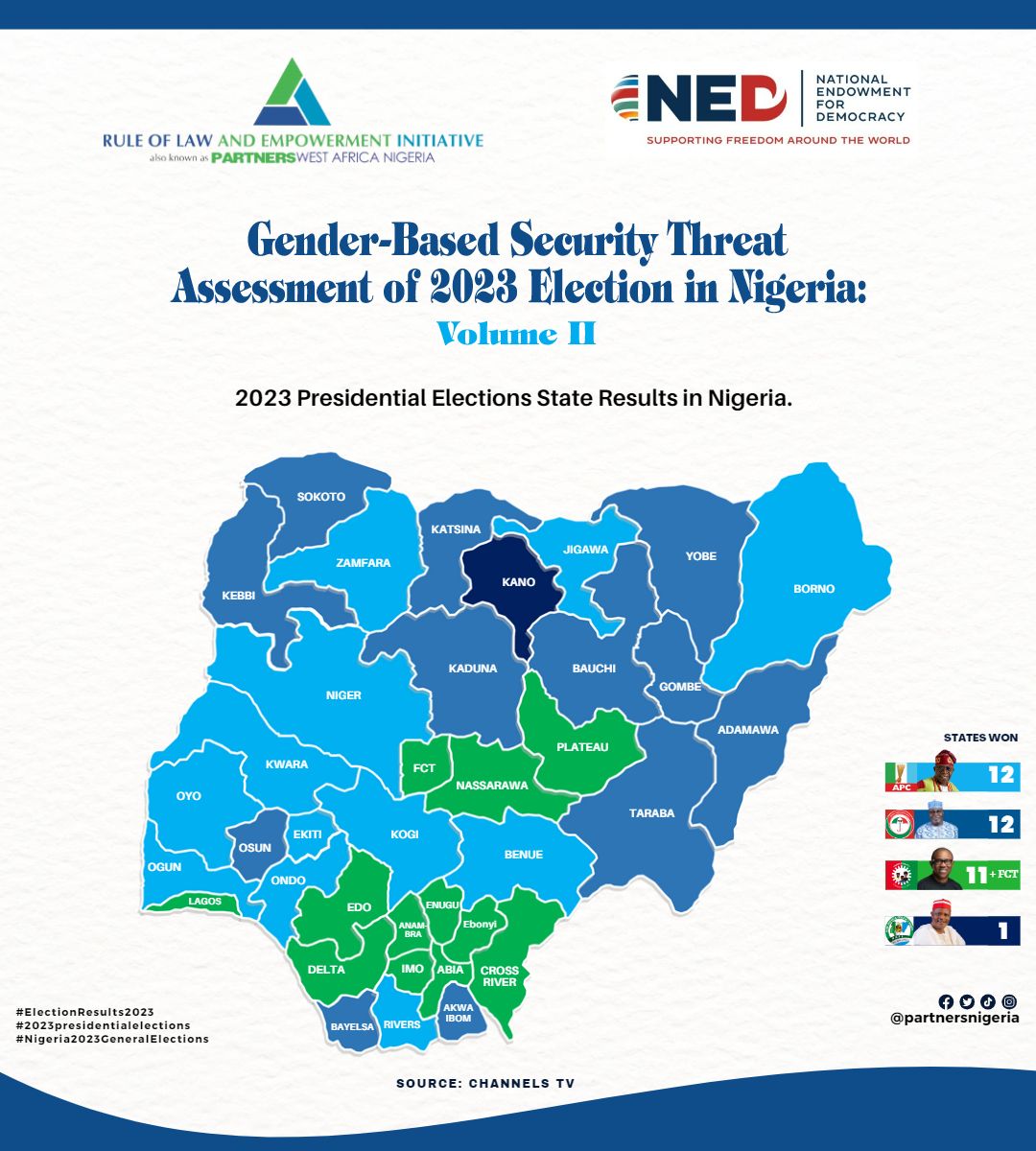
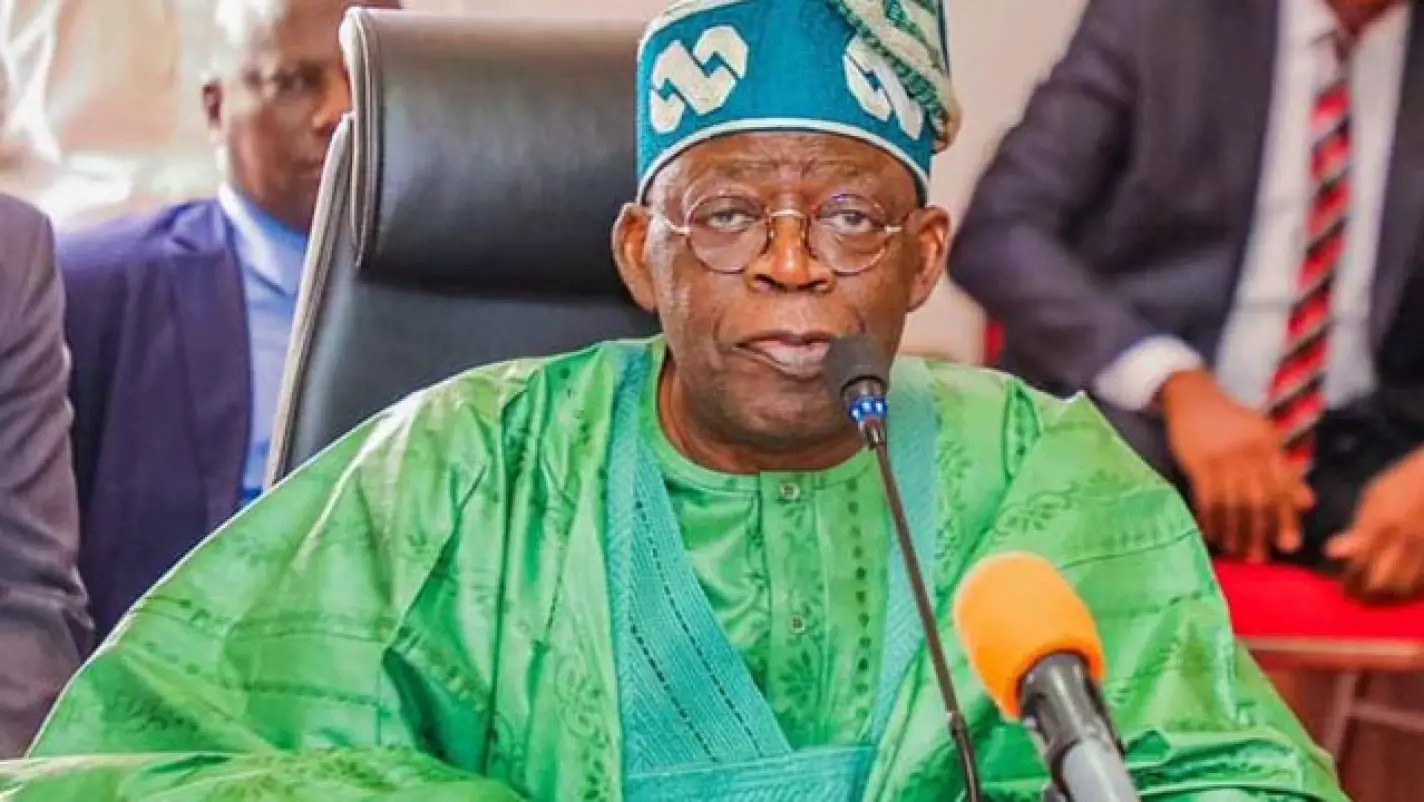
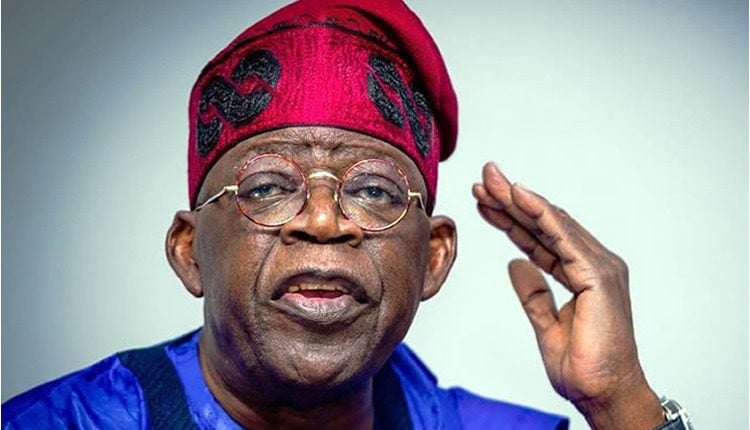
Nigeria’s political landscape is just as eventful, with some high-profile defections recently making headlines. Governor Siminalayi Fubara of Rivers State made waves by ditching the People’s Democratic Party (PDP) for the All Progressives Congress (APC). He credited President Tinubu for safeguarding his political mandate, framing his move as one driven by self-preservation, a need for stronger protection, and a commitment to stability in Rivers State. Naturally, the PDP wasn’t pleased, calling Fubara’s defection a “self-inflicted injury” and hinting at upcoming electoral tensions. Sixteen Rivers State lawmakers, including the assembly speaker, also switched to the APC, signaling a significant shift in regional power. Simultaneously, Osun State Governor Ademola Adeleke left the PDP for the Accord Party. These moves clearly illustrate the fluidity of party allegiances in Nigeria’s fast-changing political scene. The nation often sees political turmoil and shifts.
On the governance front, systemic issues are definitely showing. A recent audit revealed a massive collapse within Nigeria’s public service sector, pointing out that 30 Ministries, Departments, and Agencies (MDAs) are “structurally failing.” Corruption isn’t far behind, with allegations surfacing about misappropriated funds meant for crucial infrastructure projects, like the Taraba bridge reconstruction. The Economic and Financial Crimes Commission (EFCC) is actively investigating former officials, showing the government is trying to tackle these challenges. Still, substantial reforms are undeniably necessary to rebuild public trust and improve governance capacity. You can read more about how a recent audit exposes massive collapse in Nigeria’s public service.
Looking Ahead: Forging Stability, Security, and Development
As Nigeria faces these multifaceted challenges, from insurgent attacks and banditry to political upheavals and governance deficits, the path forward clearly requires coherent strategies. These strategies must balance the urgent need for security with our democratic principles. The recent successful rescue of the abducted schoolgirls provides a much-needed beacon of hope and a powerful model for community-security collaboration that absolutely needs strengthening nationwide.
Nigeria’s involvement in regional peacekeeping, especially the deployment to Benin Republic, shows its ambition to be a stabilizing force in West Africa. But it also underscores the vital need for careful risk assessment and diplomatic coordination. Domestically, the constant political realignments hint at an evolving democratic landscape. While unpredictable, it holds potential for renewal, particularly if managed with transparency and inclusivity. We need to remember that these are just some of the challenges defining Africa’s security and economy.
Ultimately, strengthening our public service and confronting corruption are critical for restoring public trust and improving how we govern. President Tinubu’s administration has initiatives aimed at youth empowerment and social programs. These could certainly help, but consistent follow-through is essential to turn policies into real, tangible outcomes for everyday Nigerians. So, what’s next for our nation? Nigeria’s current journey presents both tough challenges and significant opportunities. The dynamic interplay of security operations, political shifts, and governance reforms will undoubtedly shape our ability to achieve peace, drive development, and solidify our leadership role within Africa’s complex regional context.
Sources
- “24 Schoolgirls Abducted In Kebbi Rescued By Security Forces,” Arise News, November 25, 2025.
- “Bernard Mikko: Fubara Joined APC For Self-Preservation, Stronger Protection And Rivers State Stability,” Arise News, December 9, 2025.
- “Senate Approves Tinubu’s Request To Deploy Troops To Benin Republic,” Arise News, December 9, 2025.
- “Audit Exposes Massive Collapse In Nigeria’s Public Service, 30 MDAs Tagged ‘Structurally Failing’,” Arise News, December 7, 2025.
- “Kunle Fagbemi: Nigeria May Have Fallen Into A French Entrapment, Lacked Risk Assessment In Benin Deployment,” Arise News, December 9, 2025.
- “Nigeria’s Defence Headquarters Orders Immediate Removal Of Non-Essential Roadblocks Nationwide,” Arise News, December 10, 2025.
- “Reps Order Probe Into Alleged Killing Of Women, Teenager By Soldiers In Adamawa,” Arise News, December 11, 2025.
- “Burkina Faso Detains 11 Nigerian Military Officers, Seizes Air Force C-130 After ‘Unauthorised’ Airspace Entry,” Arise News, December 9, 2025.
- “Nigerian Army Denies Alleged Extrajudicial Killing Of Female Protesters In Adamawa,” Arise News, December 9, 2025.
- “EXCLUSIVE: ₦16.5Billion Taraba Bridge Reconstruction Funds Allegedly Diverted To Access Road; Tinubu’s Minister Faces Scrutiny,” Arise News, December 7, 2025.
- “Youth Empowerment Central To My Agenda, Says Tinubu As FG Unveils New Programmes,” Arise News, December 2025.