United Kingdom Faces Political Shift After Election Setback and Leadership Changes
A Nation at a Crossroads: The Prime Minister’s Departure
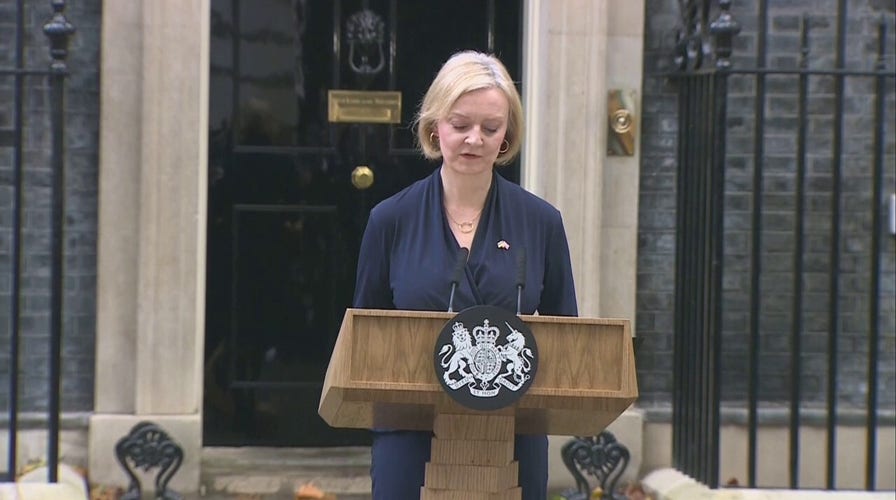
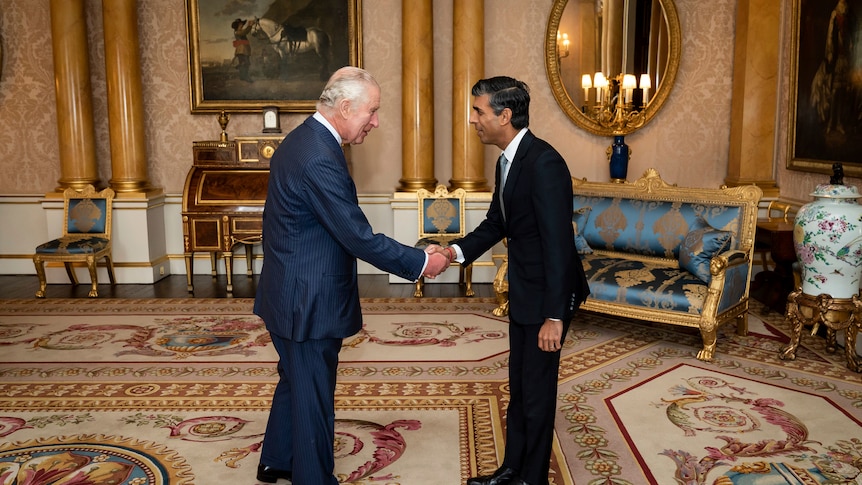
After a grueling nationwide election, the United Kingdom finds itself at a pivotal crossroads. The recent results certainly sent an undeniable message to the ruling party, immediately triggering its leader’s resignation and sparking a dynamic wave of political reflection across the nation. Did the electorate demand this profound change? Absolutely. The country watched intently as the Prime Minister, recognizing the sheer gravity of his party’s underperformance, announced his intention to step down. With a tone tinged with both regret and a deep respect for the democratic process, he conveyed his willingness to meet with the monarch to formally offer his resignation. “I would surely be seeing the Majesty to offer my resignation,” the prime minister stated, unequivocally signaling an end to his tenure. His message was both clear and profoundly heartfelt, acknowledging both his personal dedication to the role and the undeniable judgment of the public. “I have given this job my all. But you have sent a clear signal that the government of the United Kingdom must change, and yours is the only judgment that matters,” he said, addressing the electorate directly and leaving no room for doubt. This isn’t just about one individual leaving office, it powerfully signifies broader global governance and political changes impacting established democracies worldwide. What implications does this hold for ordinary citizens looking for stability and progress?
Opposition’s Ascent and the Promise of Renewal
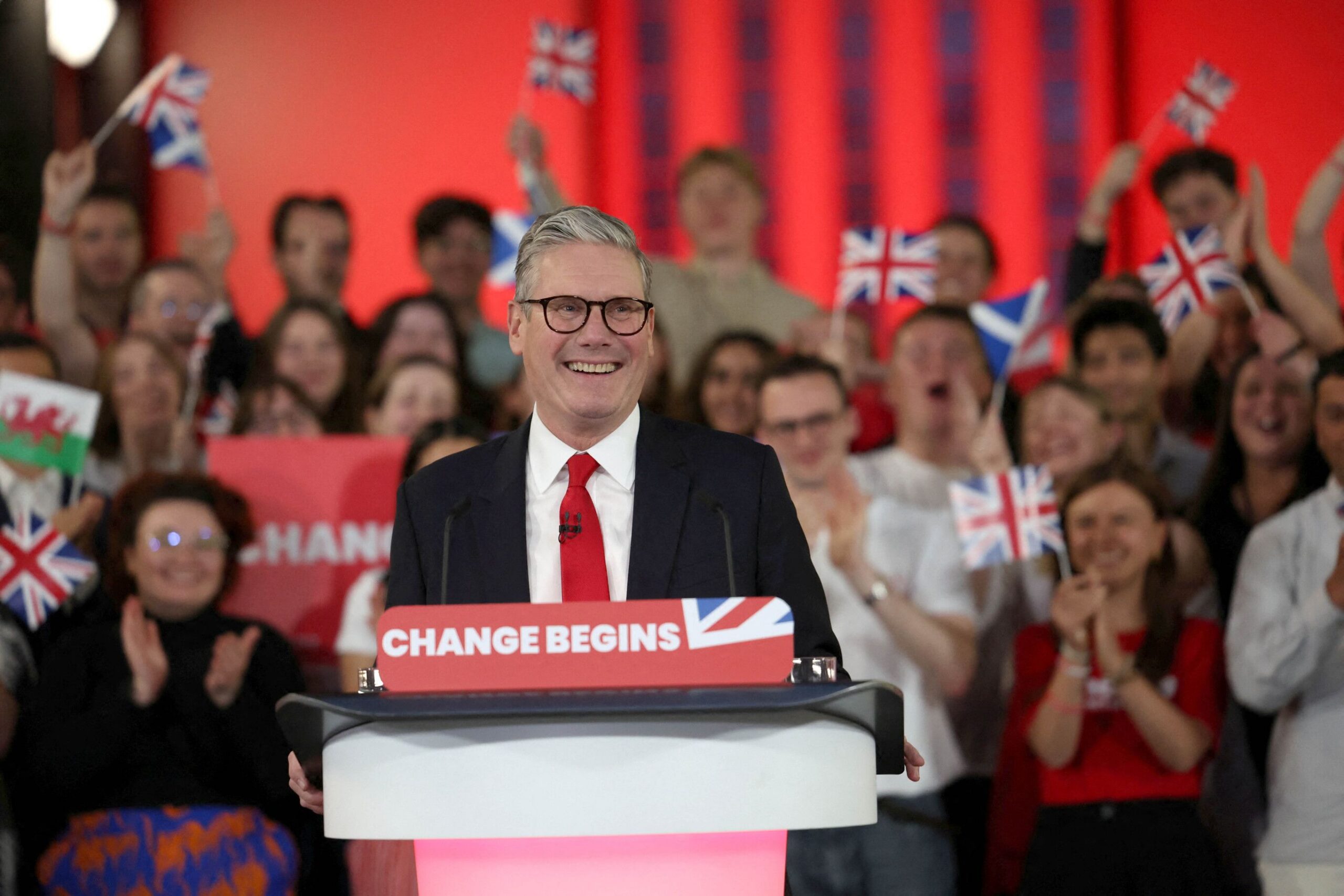
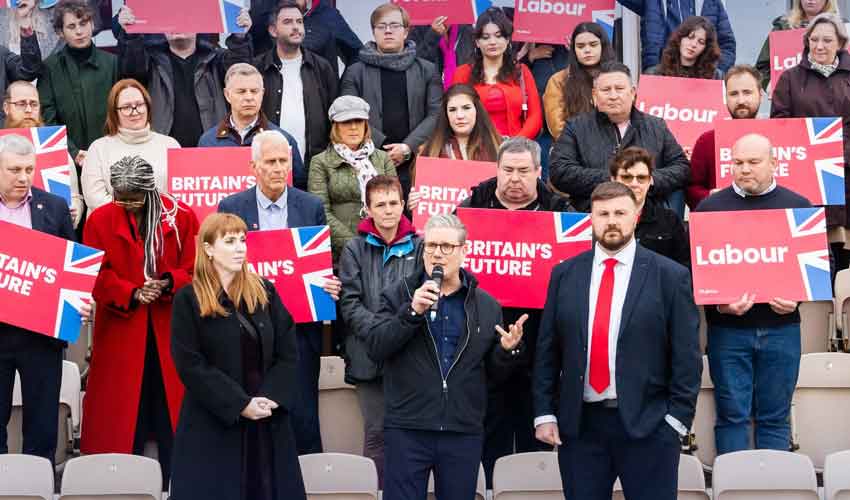
The election outcome didn’t just highlight the public’s clear desire for change, it also dramatically set the stage for the opposition’s rise to power. Labour Party leader Keir Starmer didn’t waste a moment, seizing the opportunity to declare victory with a compelling blend of humility and unwavering determination. Addressing a crowd of enthusiastic supporters gathered at London’s Tate Modern, Starmer passionately declared, “We have to return politics to public service.” That’s a powerful vision, one that clearly resonated deeply with voters actively seeking a fresh, more ethical approach to governance. He underscored the immense responsibility that comes with securing such a clear political mandate, strongly emphasizing his incoming administration’s singular focus on what he’s termed “national renewal.” This isn’t just some vague political buzzword or an empty promise, it’s an ambitious and comprehensive agenda squarely aimed at rebuilding and strengthening the United Kingdom across multiple vital sectors. Starmer’s unwavering commitment to tackling the country’s pressing social, economic, and political challenges signals a genuine readiness to pivot sharply from the existing status quo. His fervent declaration, “We did it,” served both as a heartfelt celebration of their electoral success and a resounding call to action for a new government centered on dedicated service and transparent accountability. It marks a truly significant juncture in Britain’s democratic journey.
Accountability and the Path Forward for Britain
In his post-election remarks, Starmer notably acknowledged the voices of those who felt profound anger and bitter disappointment, explicitly reassuring them that their concerns had not gone unheard. He openly took personal responsibility for the considerable election loss experienced by the Conservative candidates and their tireless campaigners. “I have heard your anger, your disappointment and I have taken responsibility for this loss. To all the Conservative candidates, to the campaigners who worked tirelessly without success, I’m sorry that we cannot deliver what your efforts deserve,” he offered, an unusual and weighty admission. This somber yet honest statement powerfully highlights the depth of political change underway and immediately sets a rare tone of direct accountability, a sharp contrast to the sometimes fractious and evasive nature of contemporary politics. It also powerfully reinforces the ultimate impact of the electorate’s decision. In democratic societies, doesn’t political legitimacy ultimately rest with the voters? Looking ahead, the United Kingdom undoubtedly stands on the brink of significant transformation as this new leadership prepares to implement ambitious reforms and restore crucial public trust. The sharpened focus on revitalizing public service and directly addressing national challenges signals a truly comprehensive approach that will need to engage stakeholders from across the political spectrum. Political observers and citizens alike will be watching incredibly closely as the new government navigates its early, critical days and genuinely seeks to translate those electoral promises into tangible, real-world progress. This call for national renewal is clearly more than just a catchy political slogan, it’s a direct mandate to rebuild, reconnect, and firmly reaffirm the foundational principles of governance. As the country embraces this fresh chapter, the new leadership’s ability to deliver on these crucial promises while simultaneously fostering genuine unity across a divided nation will prove absolutely vital in shaping the United Kingdom’s path forward. The political landscape is set to evolve rapidly, with the electorate’s clear message echoing through the halls of power. The coming months will surely reveal whether these pledges of national renewal and a return to public service resonate beyond mere rhetoric, truly cementing a new and hopeful era for Britain’s democracy.
Sources:
UK Prime Minister to Resign Following Election Defeat, Global News Network, April 15, 2024.
Keir Starmer Declares Victory and Outlines Vision for National Renewal, The London Times, April 15, 2024.
Conservative Party Acknowledges Election Loss, Commits to Reflection, British Political Review, April 15, 2024.