US Strengthens Nigeria’s Hand Against Rising Extremism as West Africa Grapples with Intertwined Crises
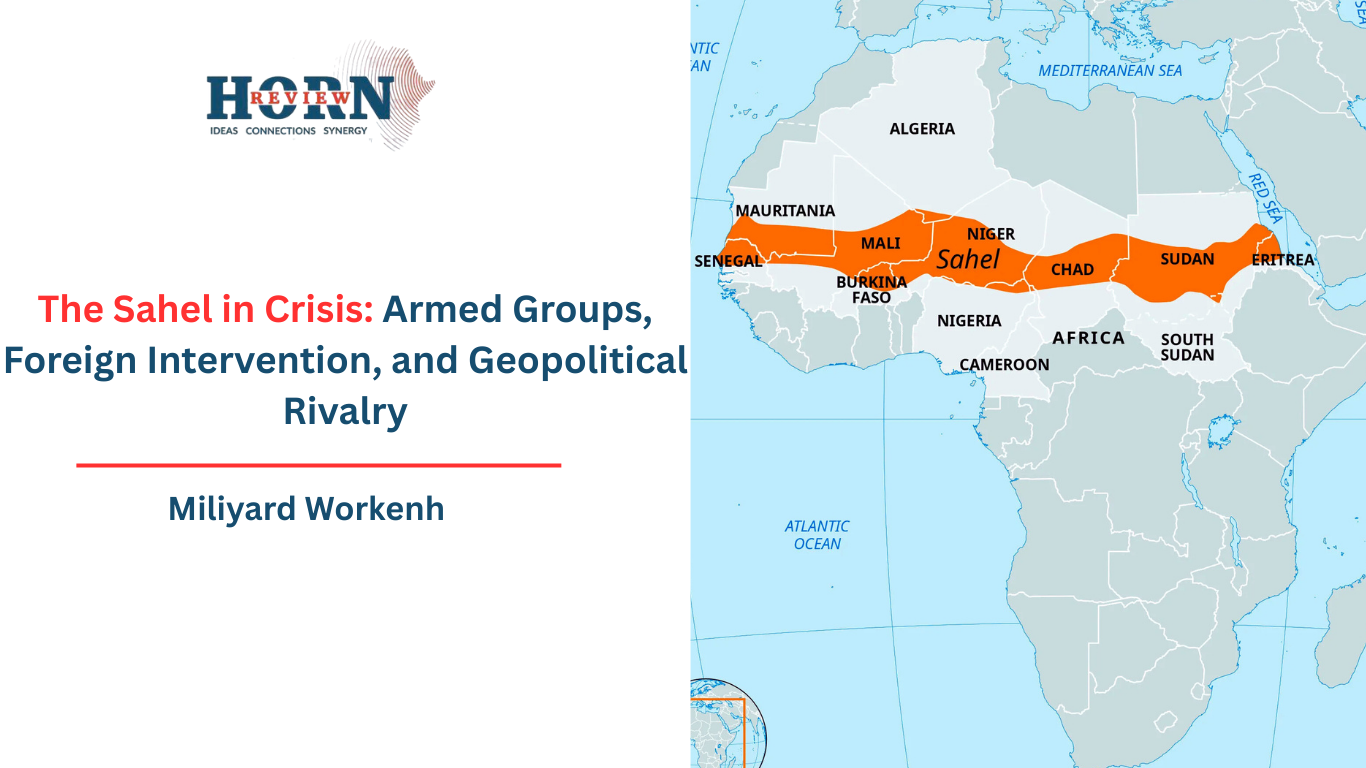
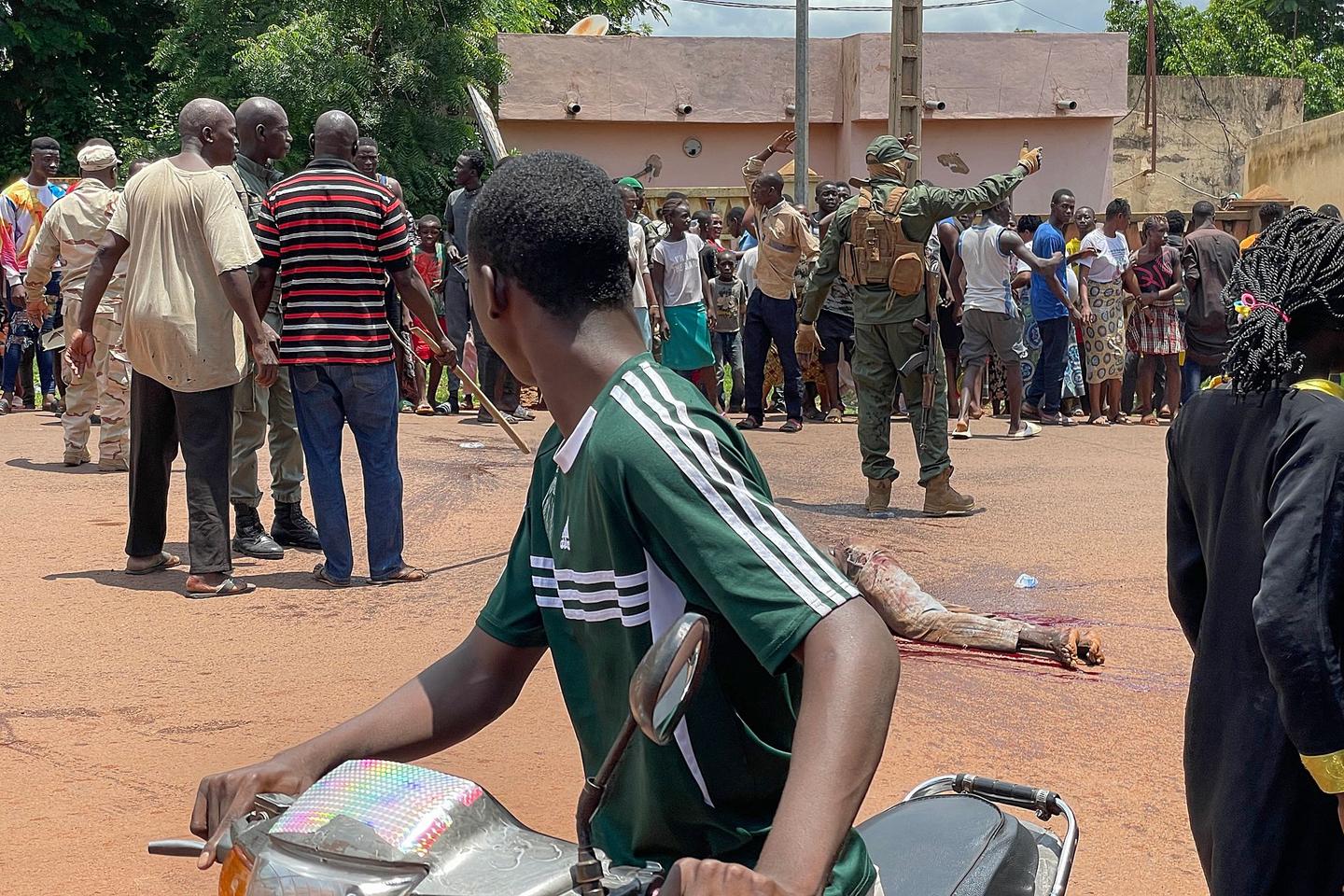
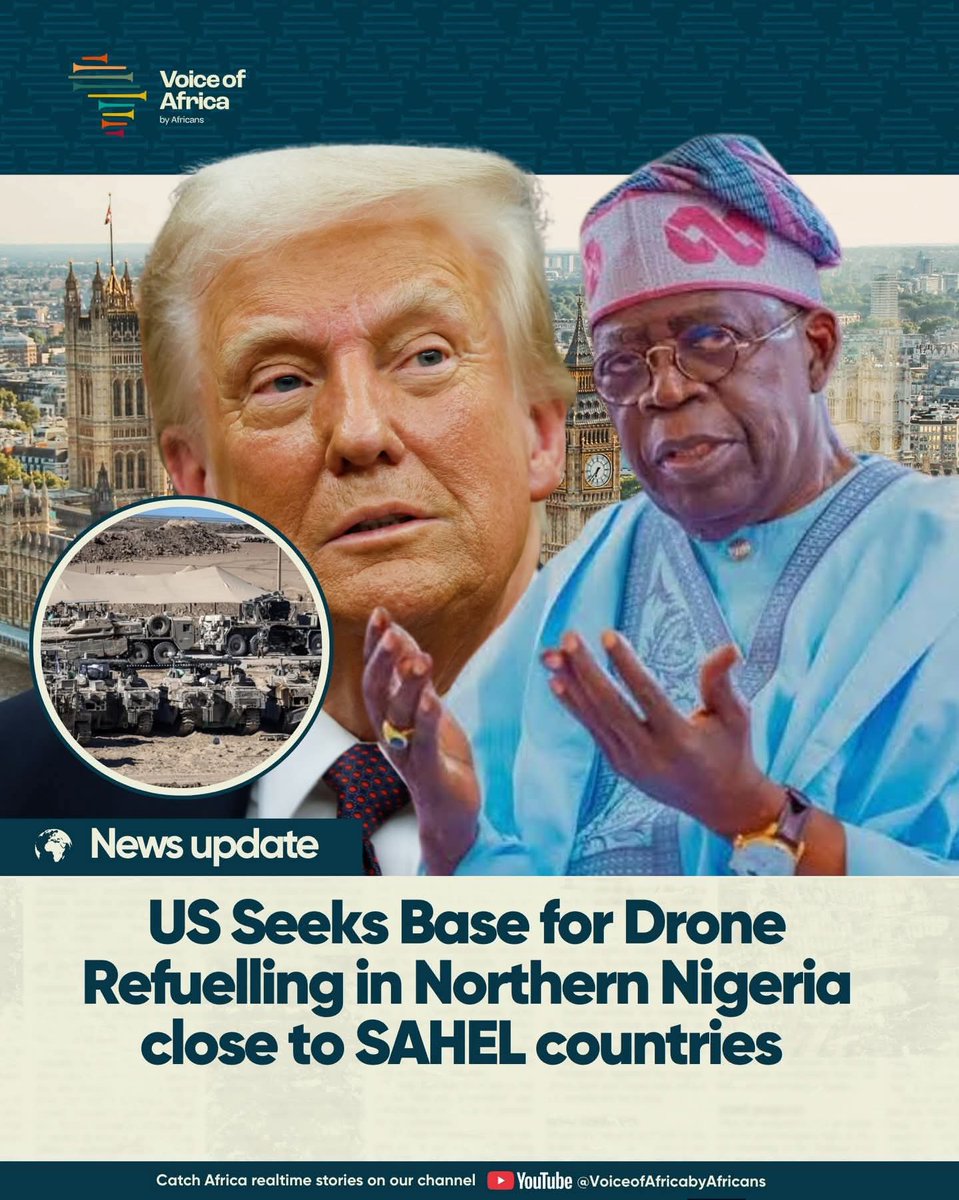
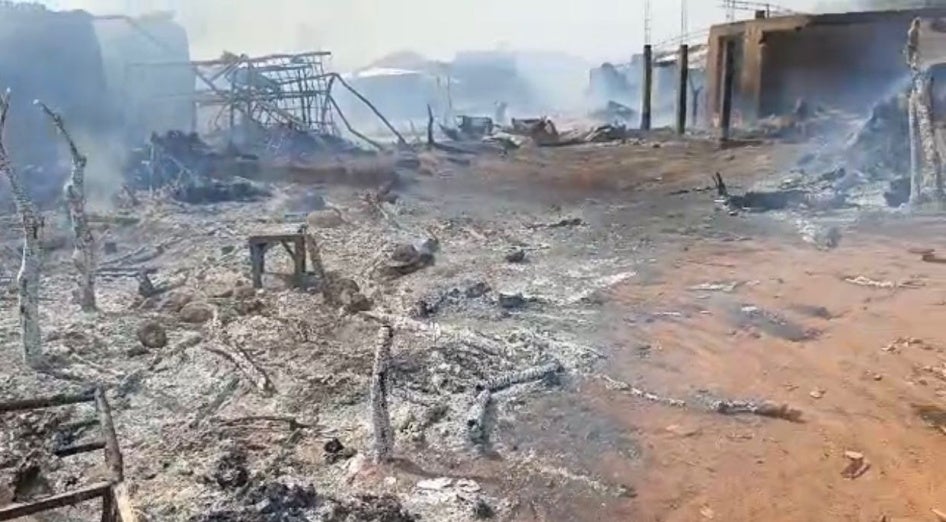
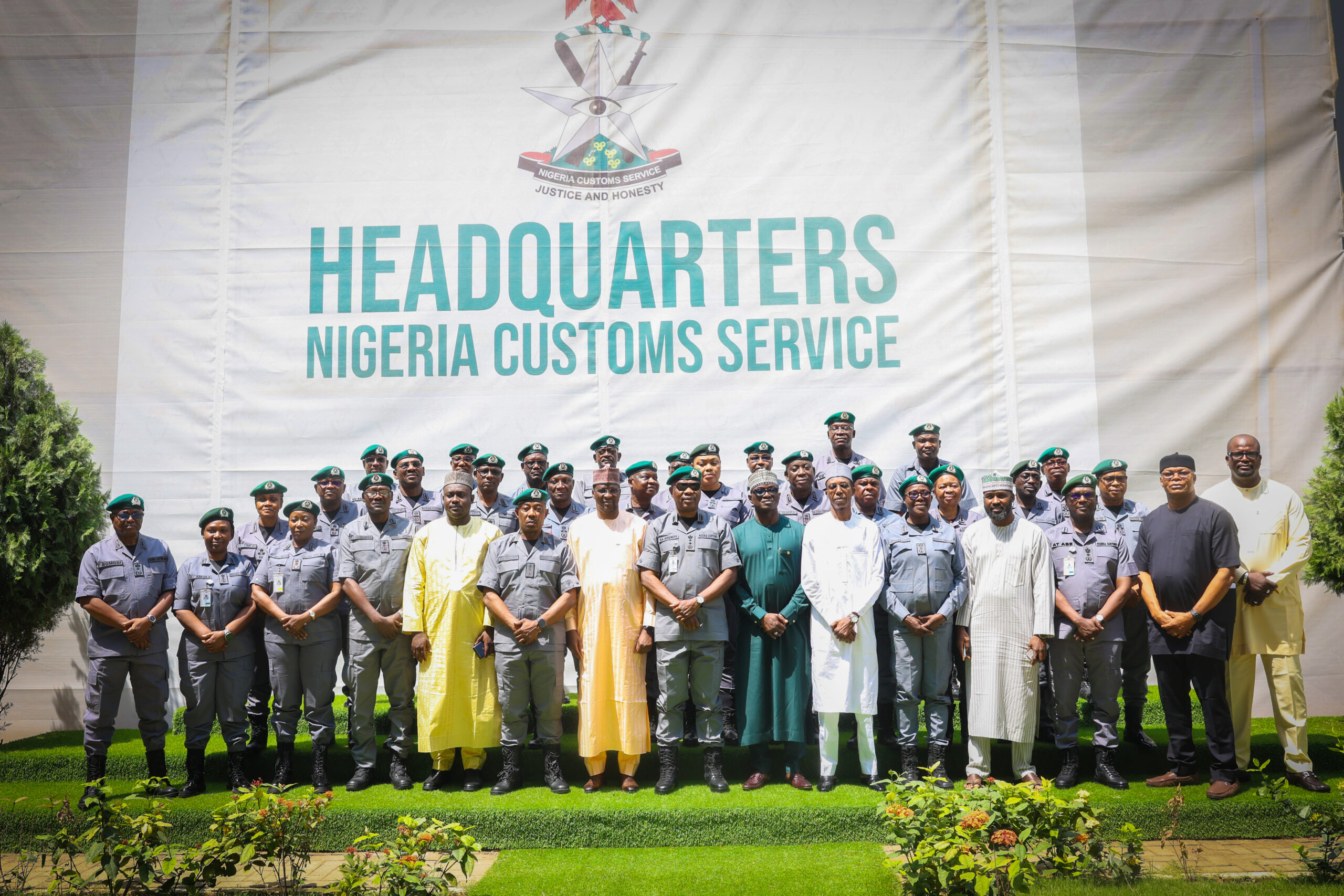
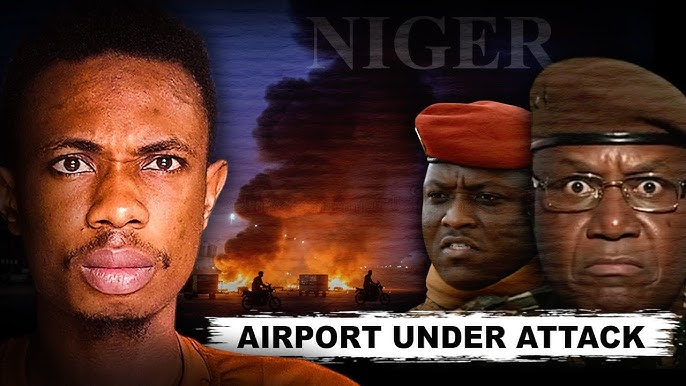
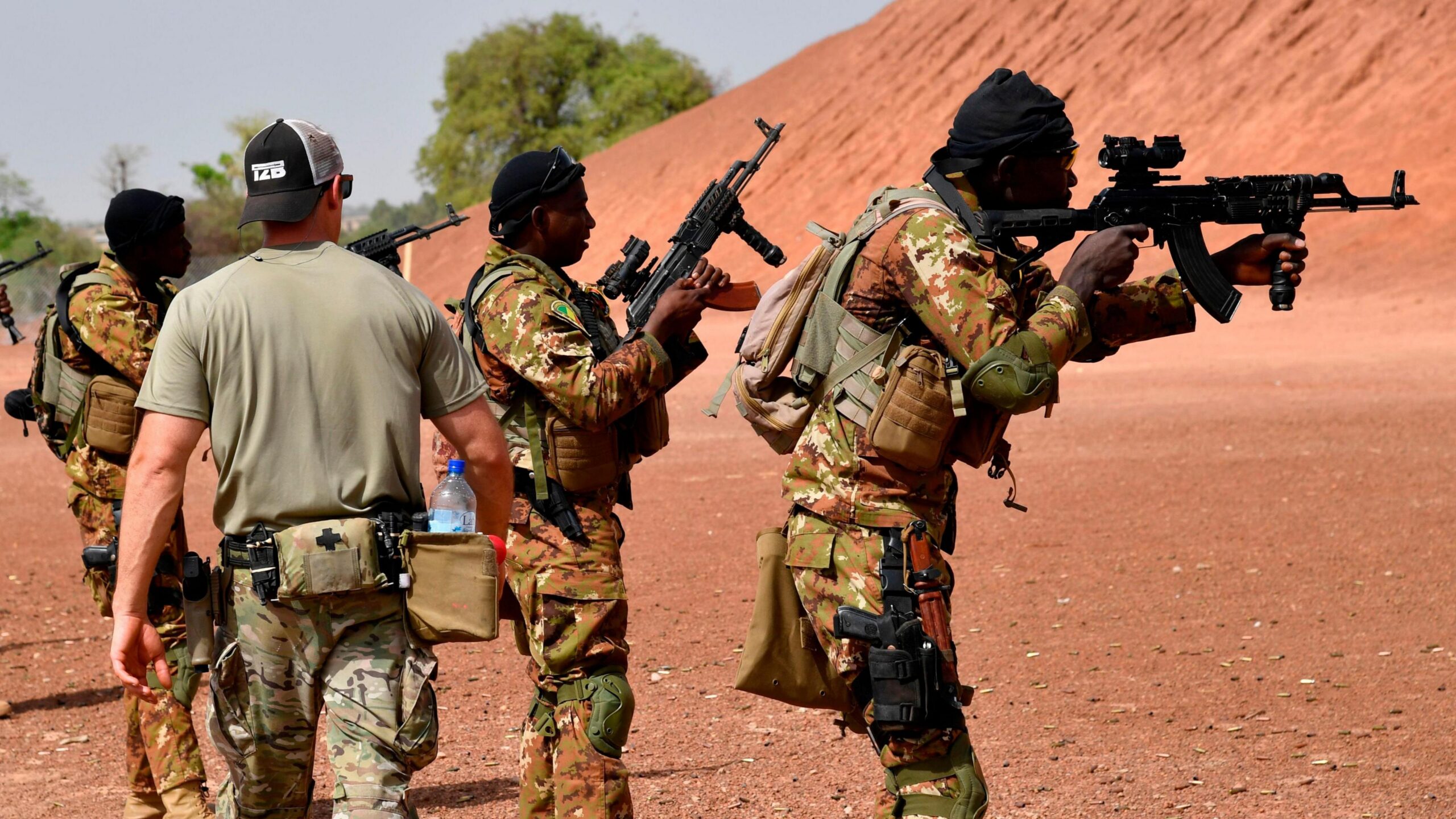
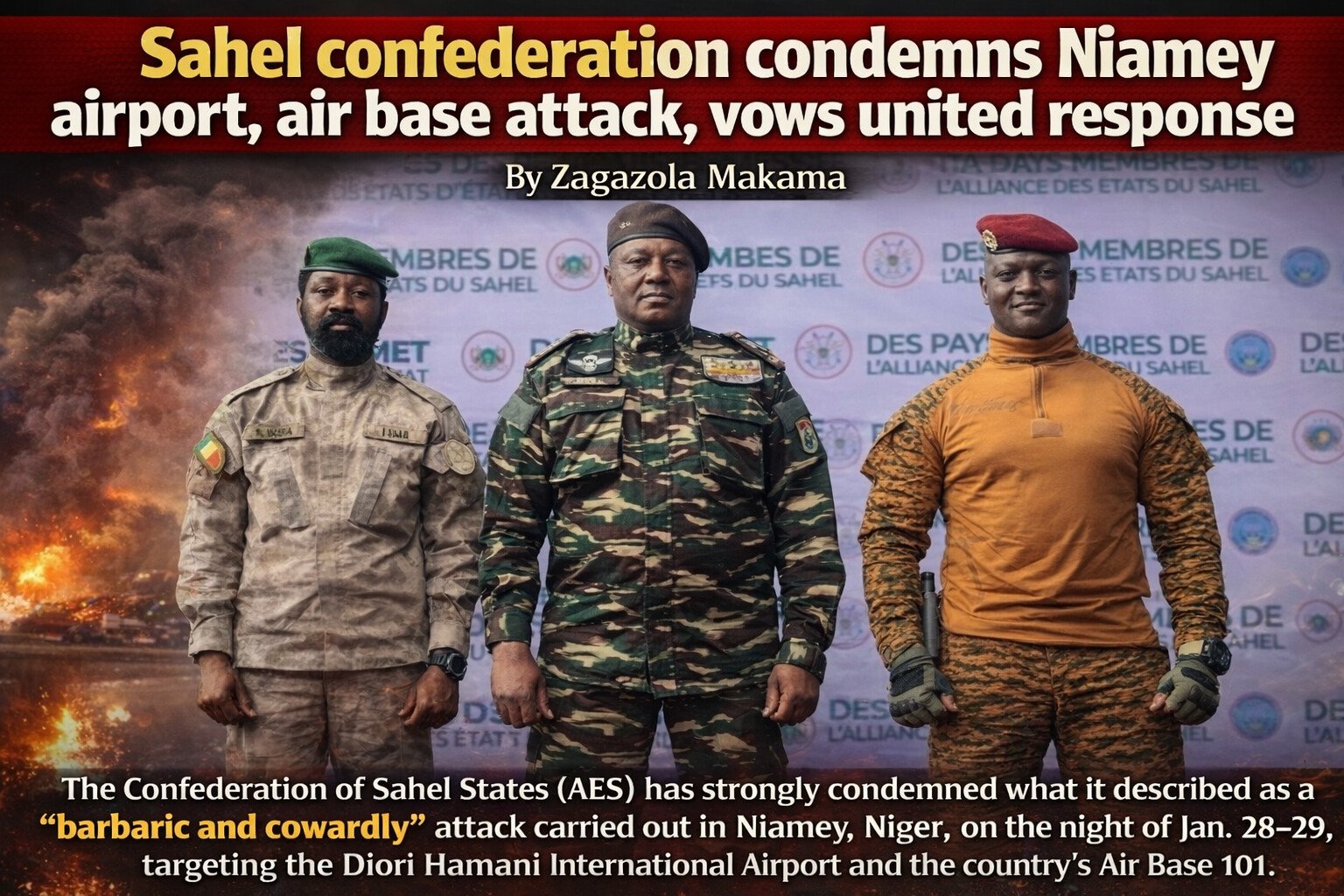
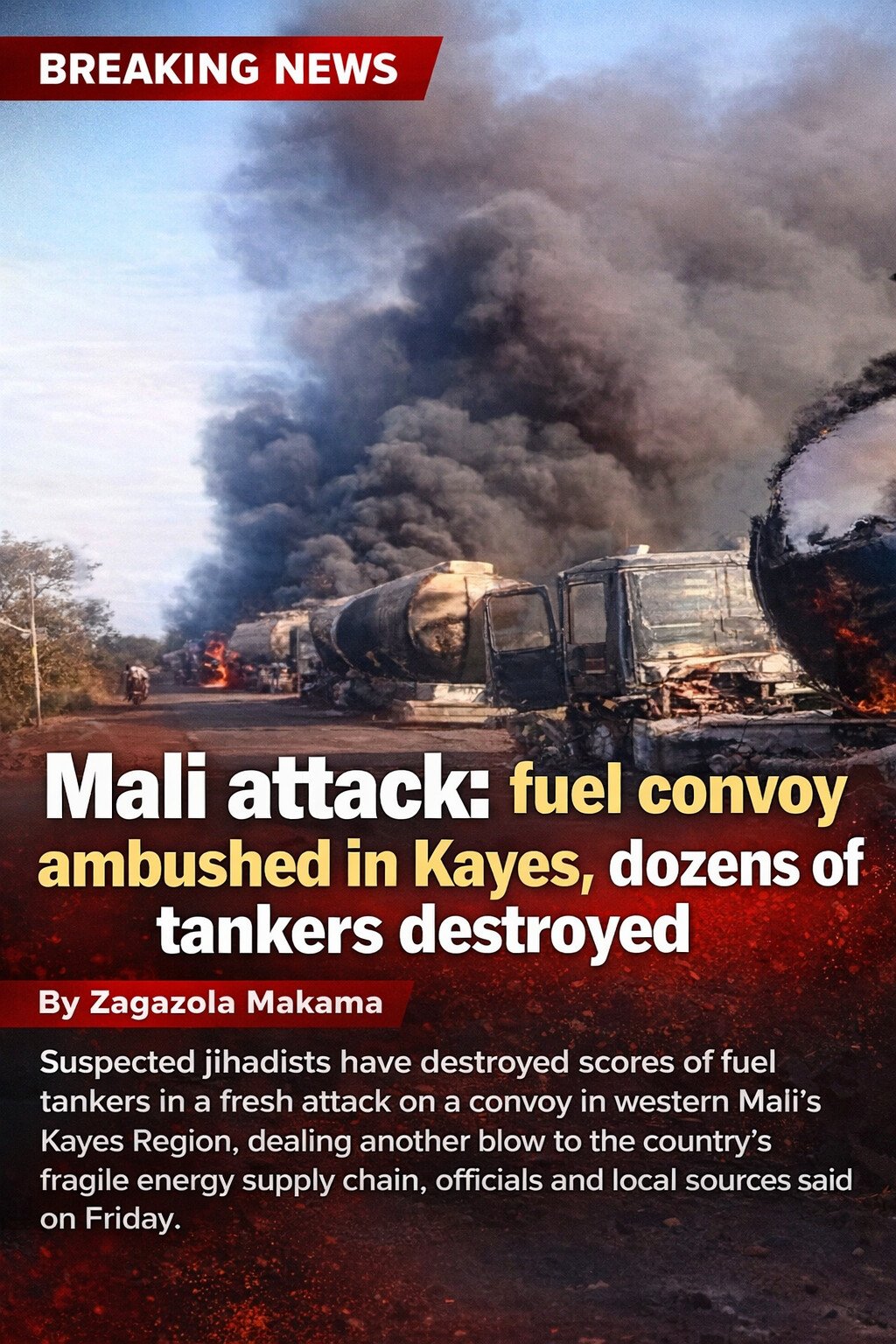
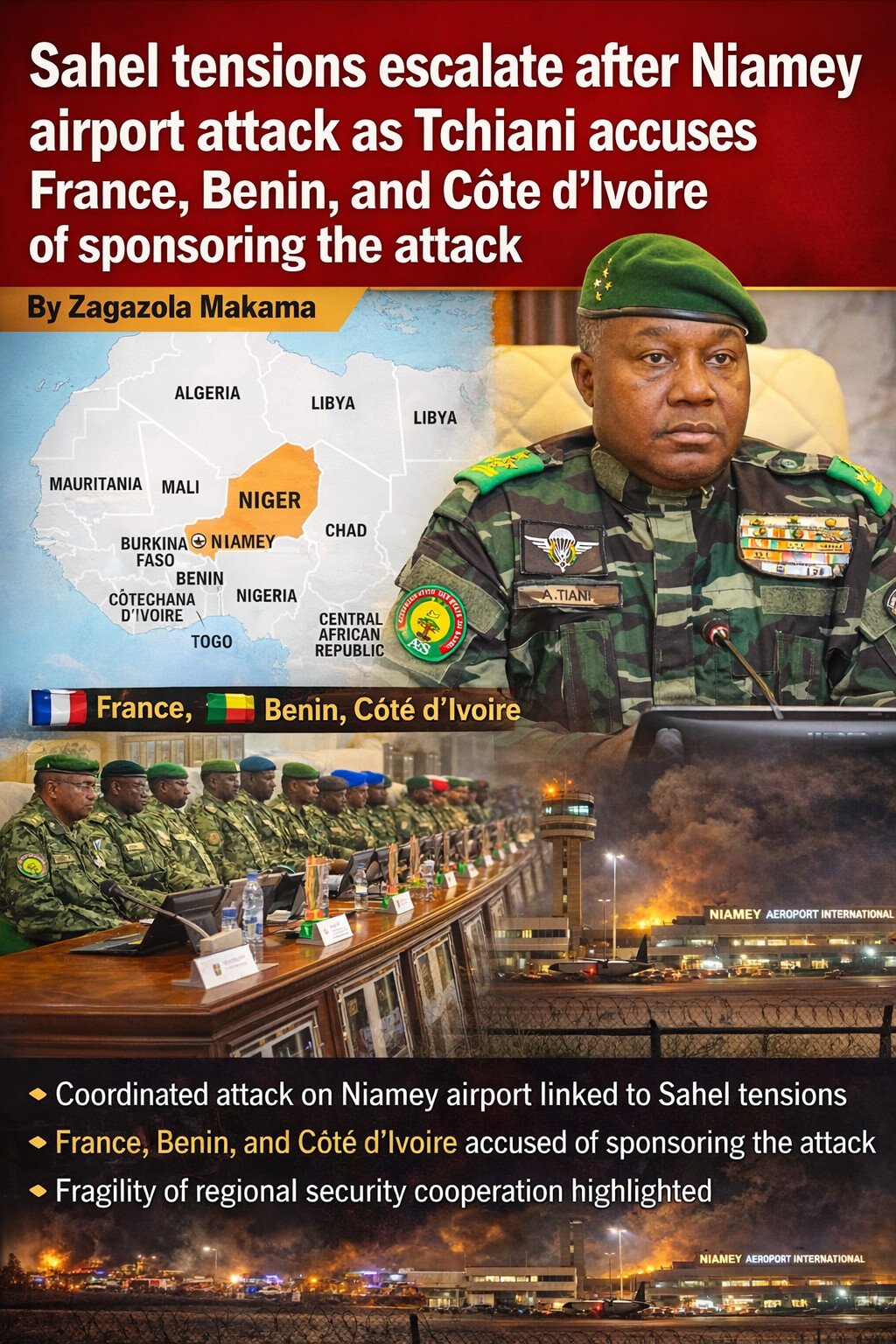
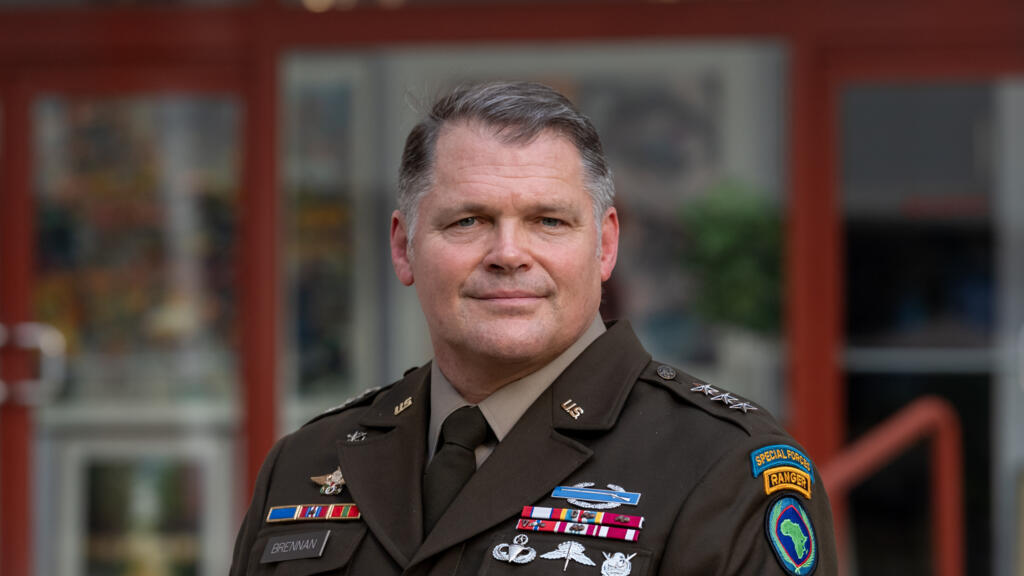
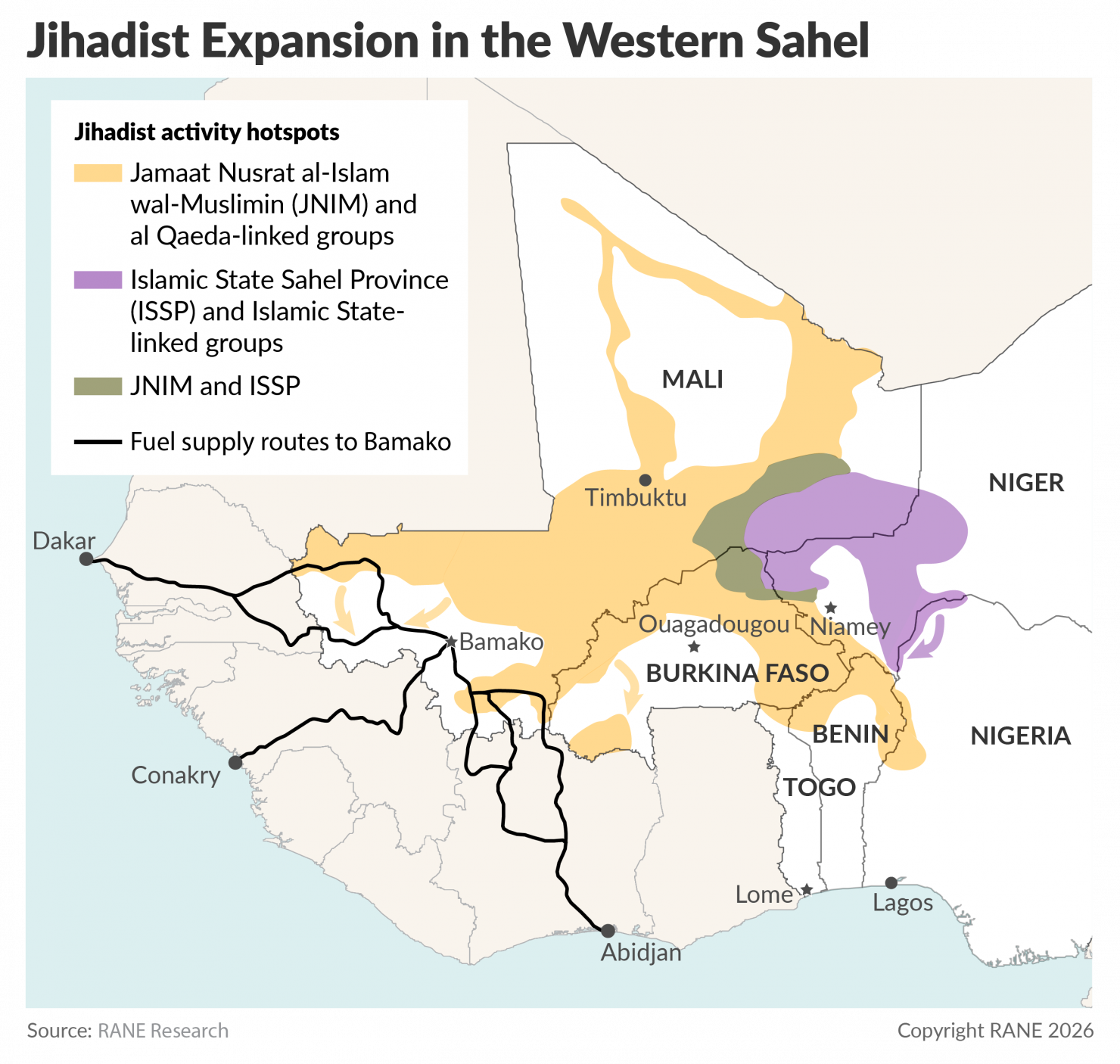
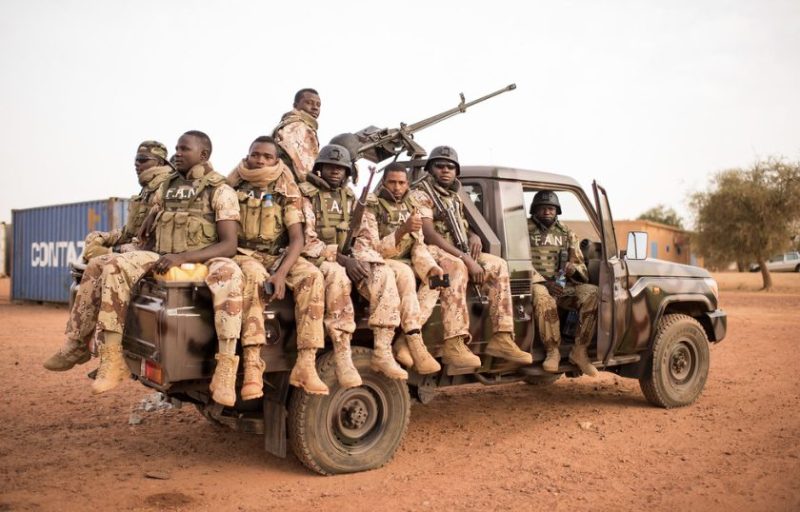
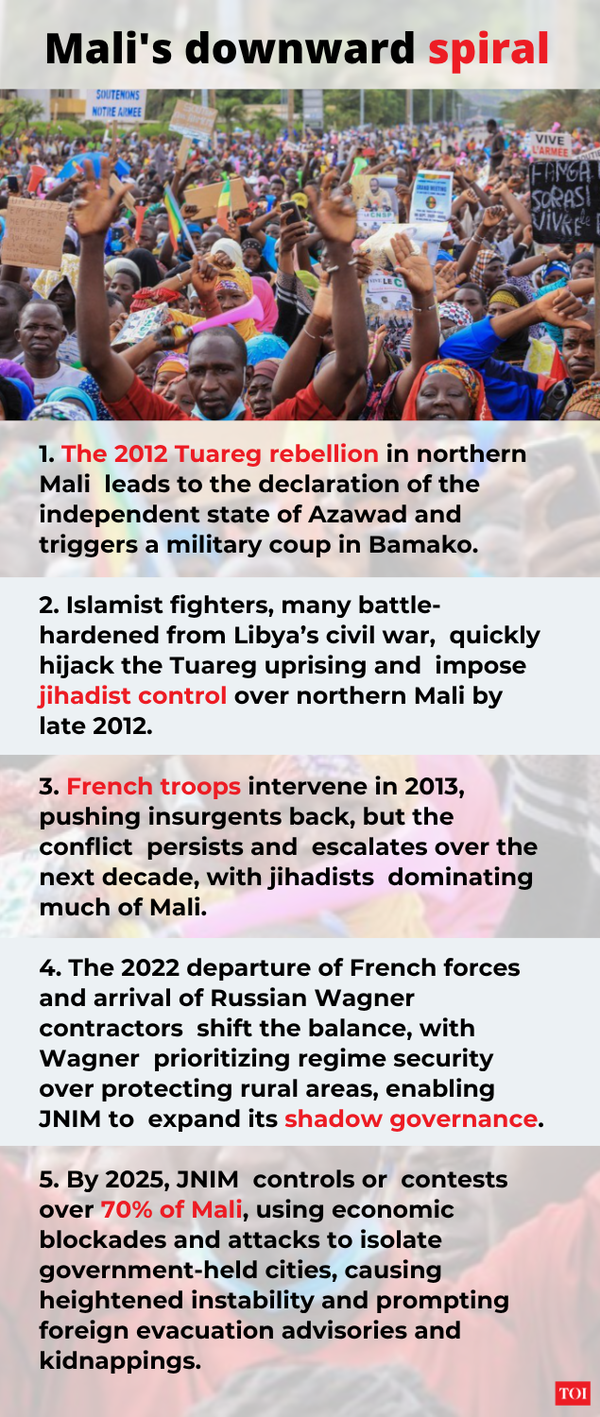
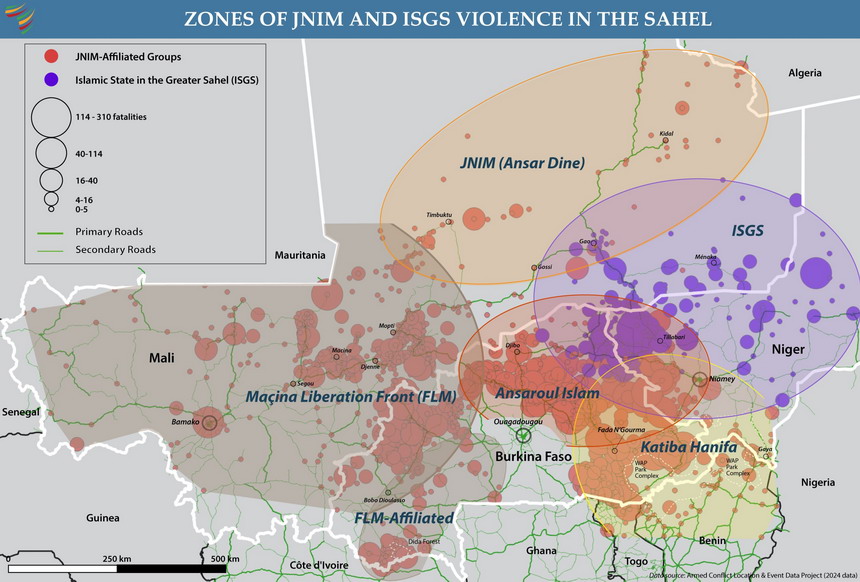
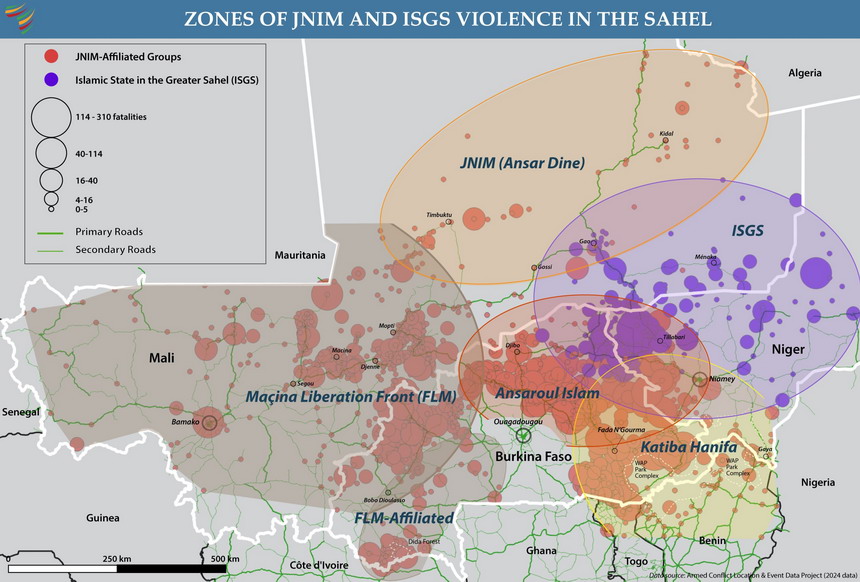
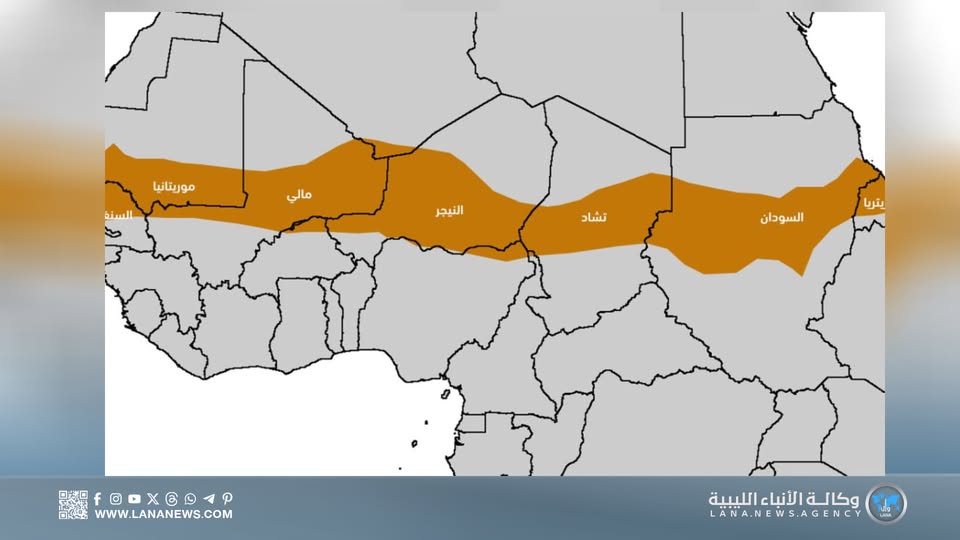
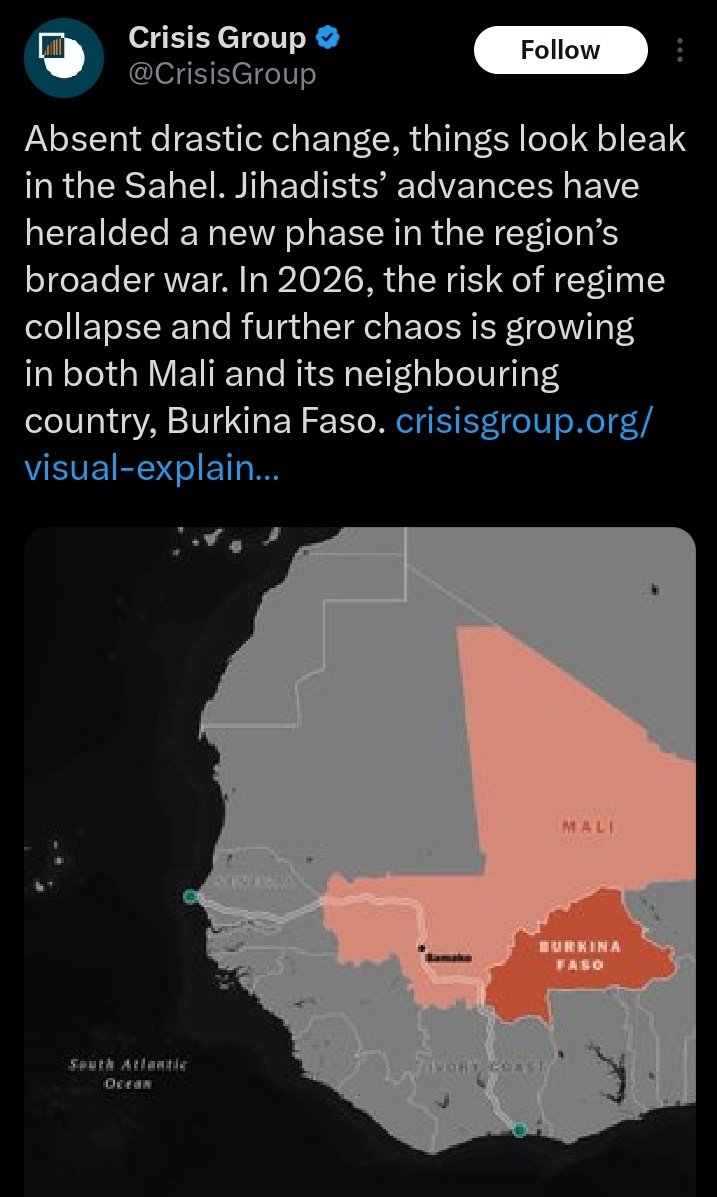
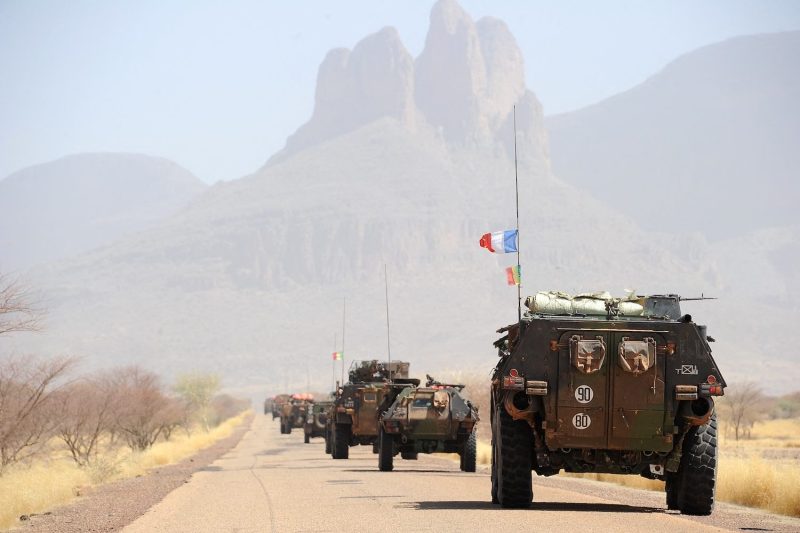
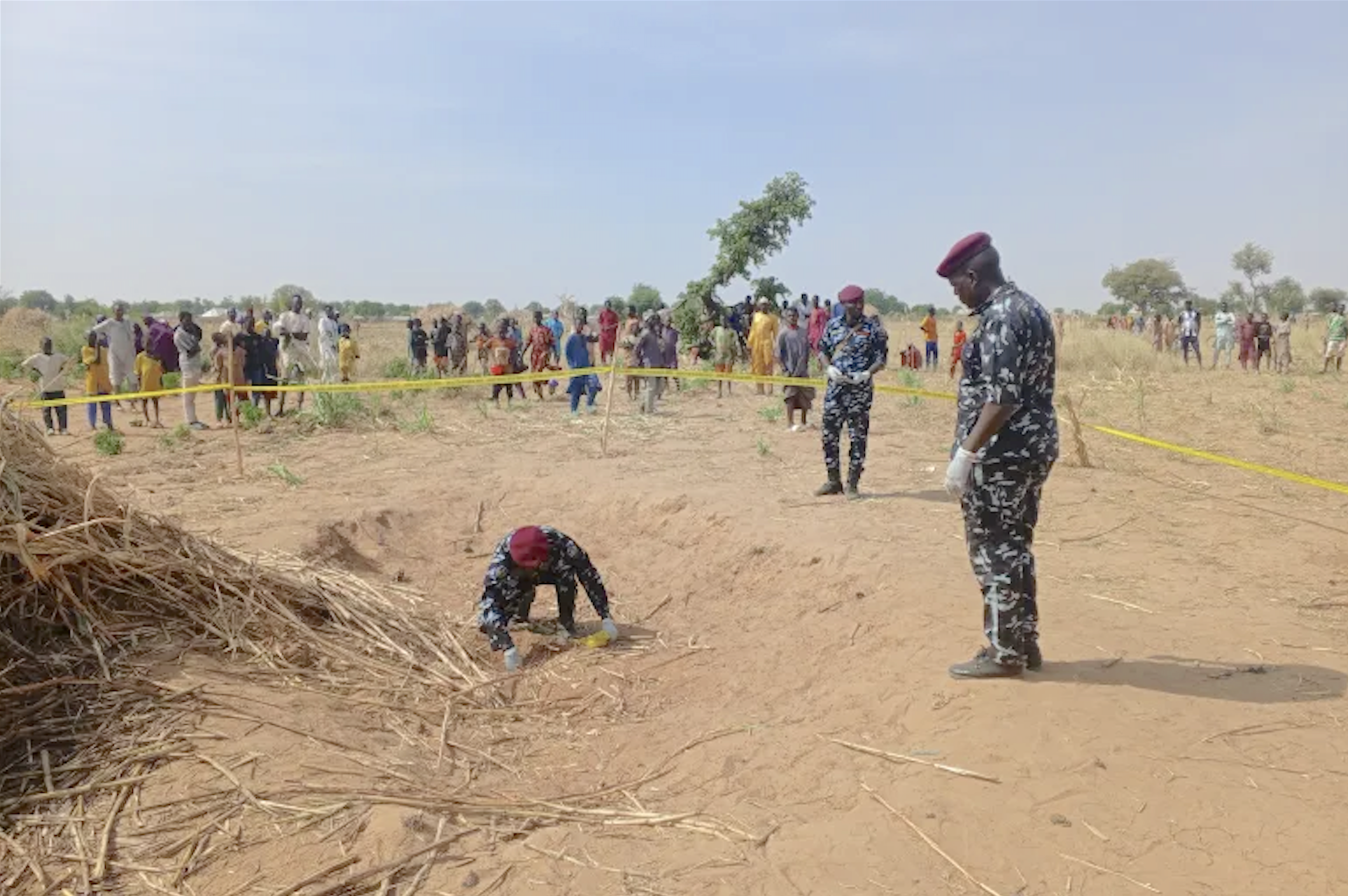
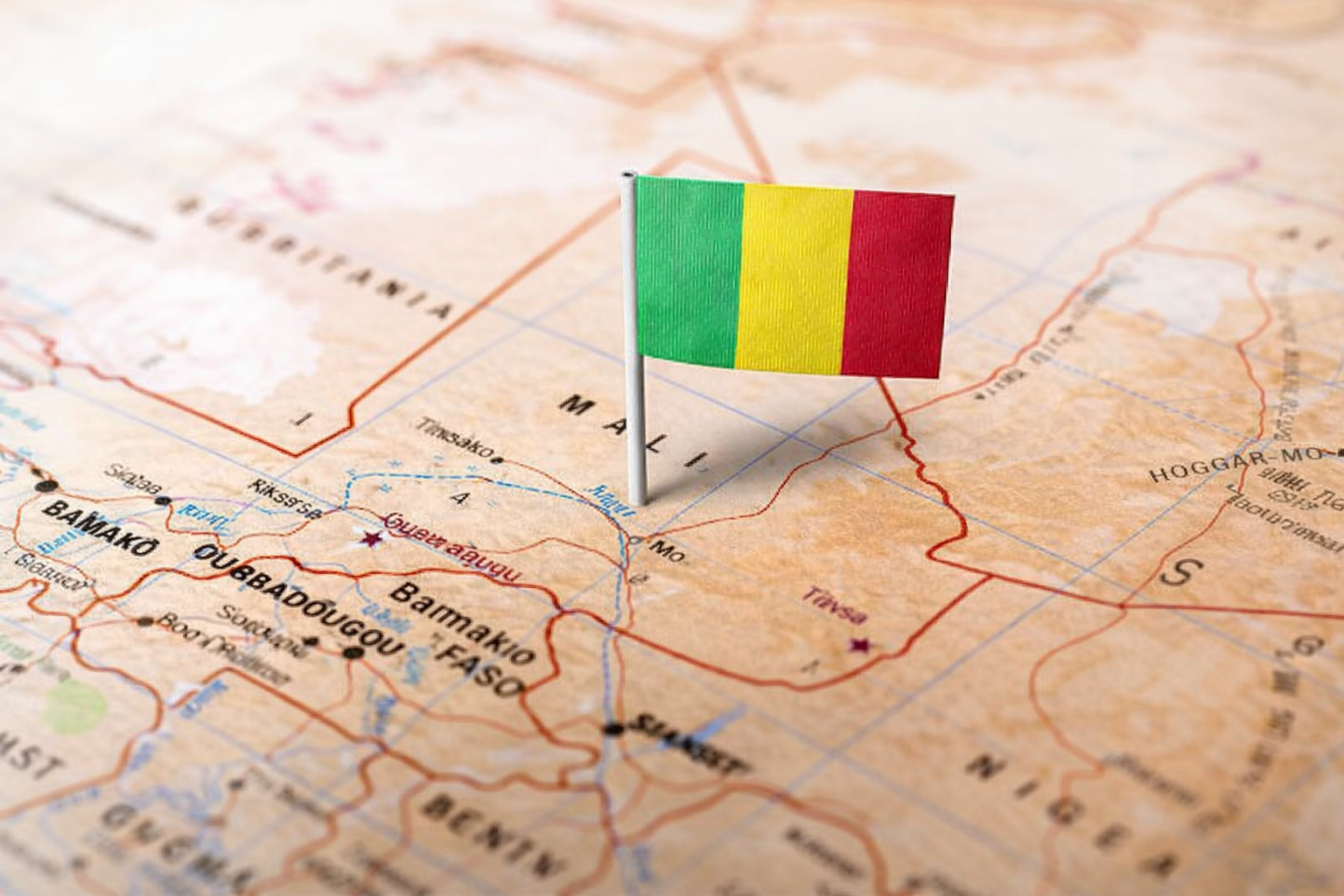
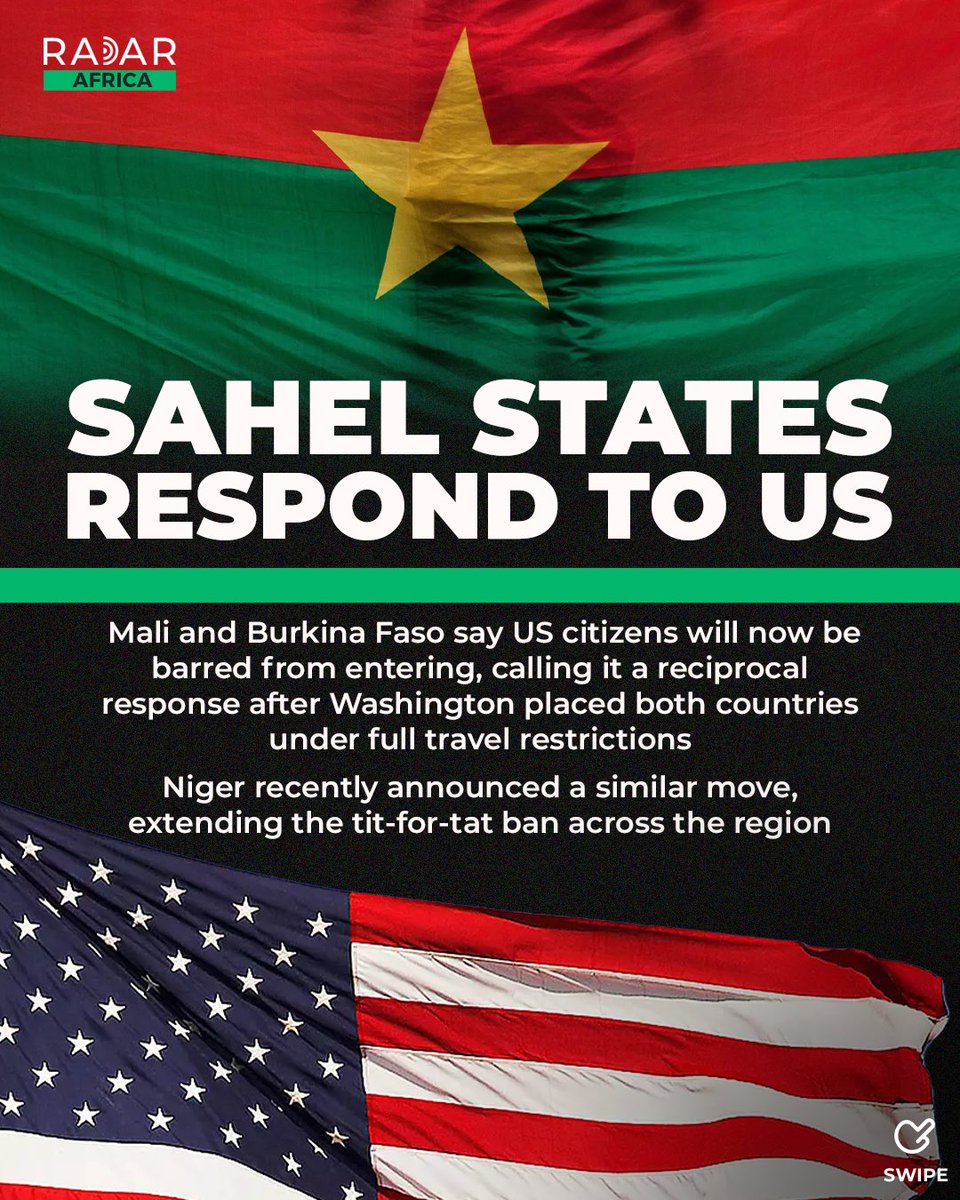
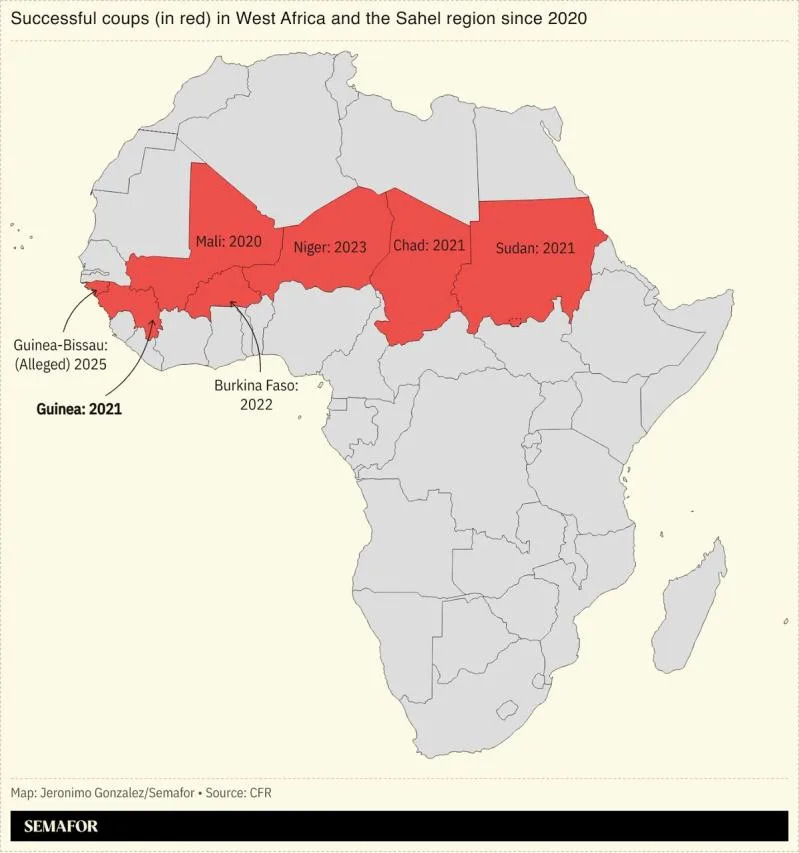
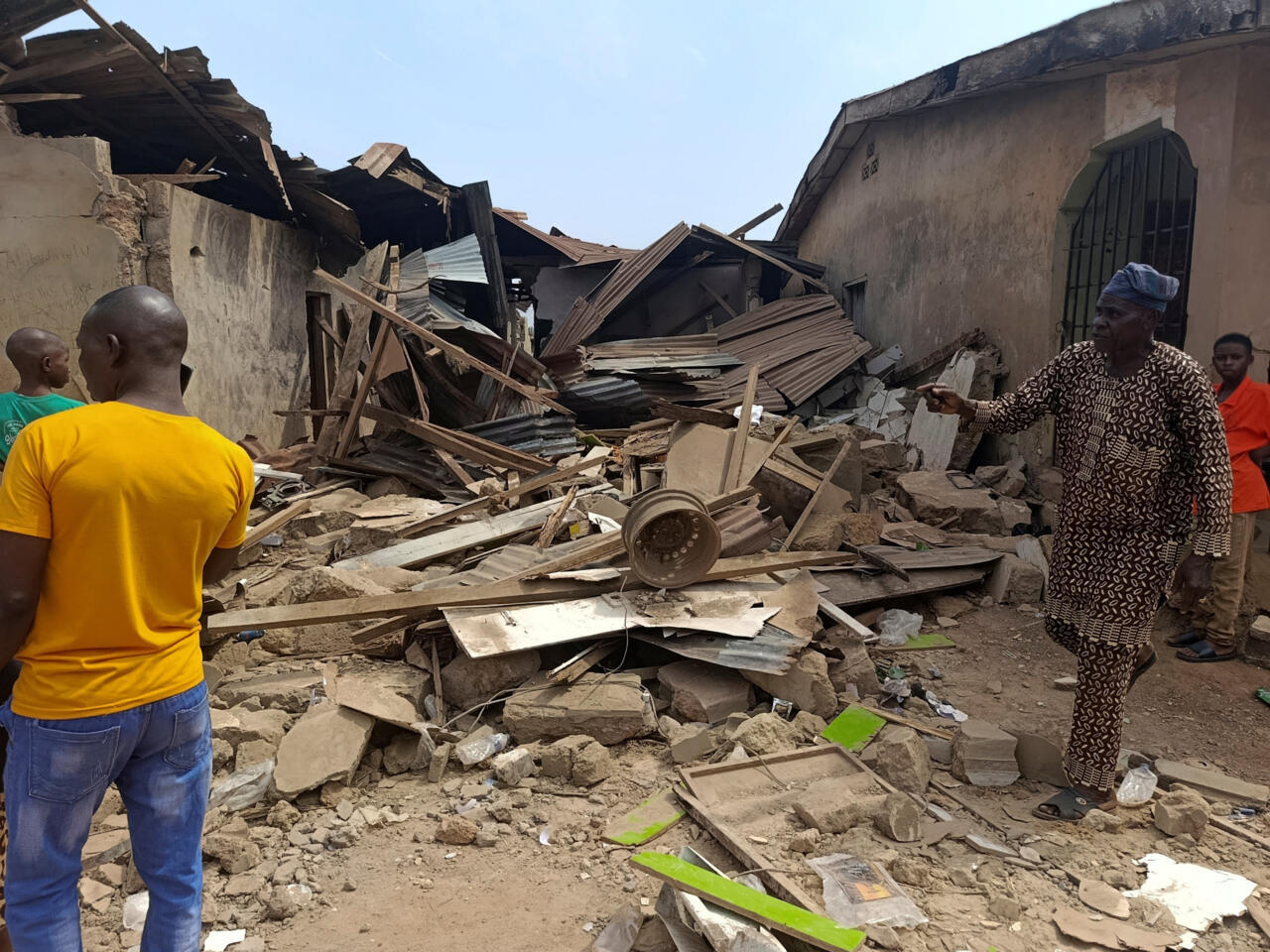
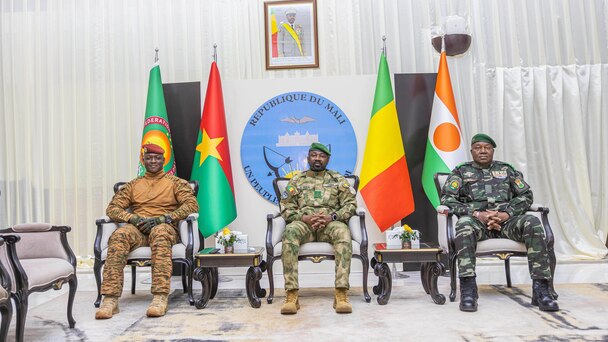
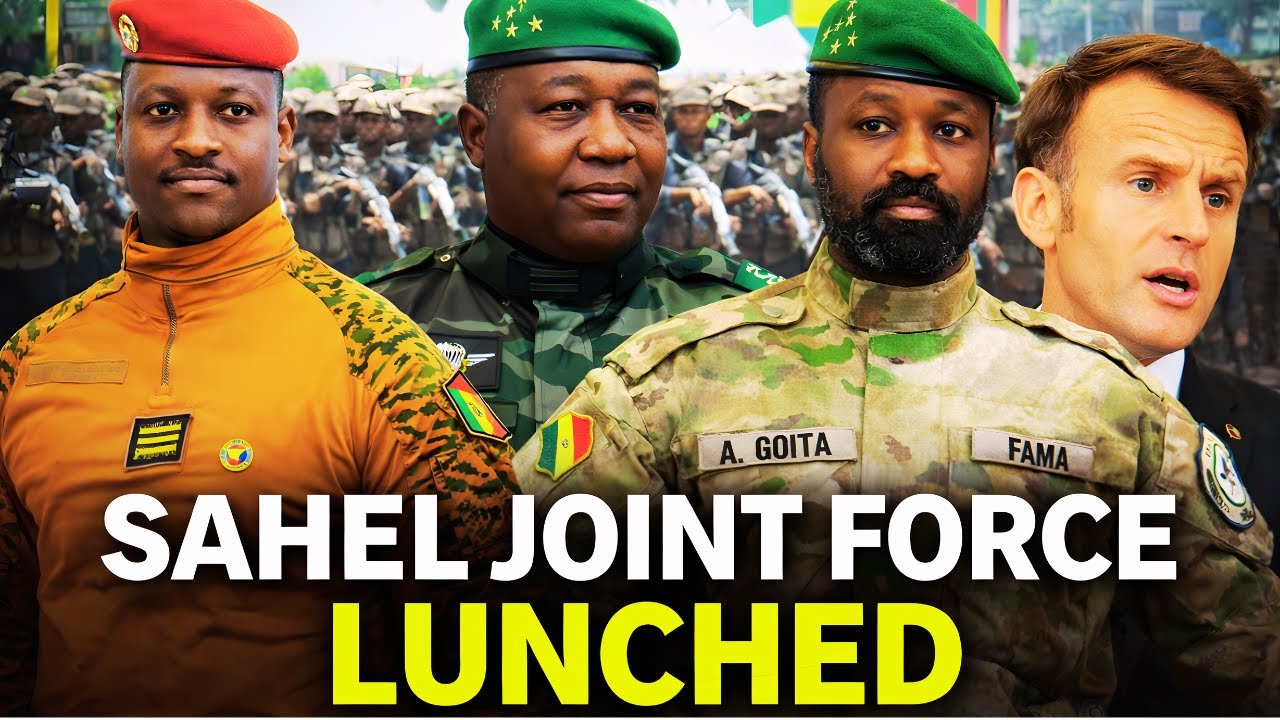
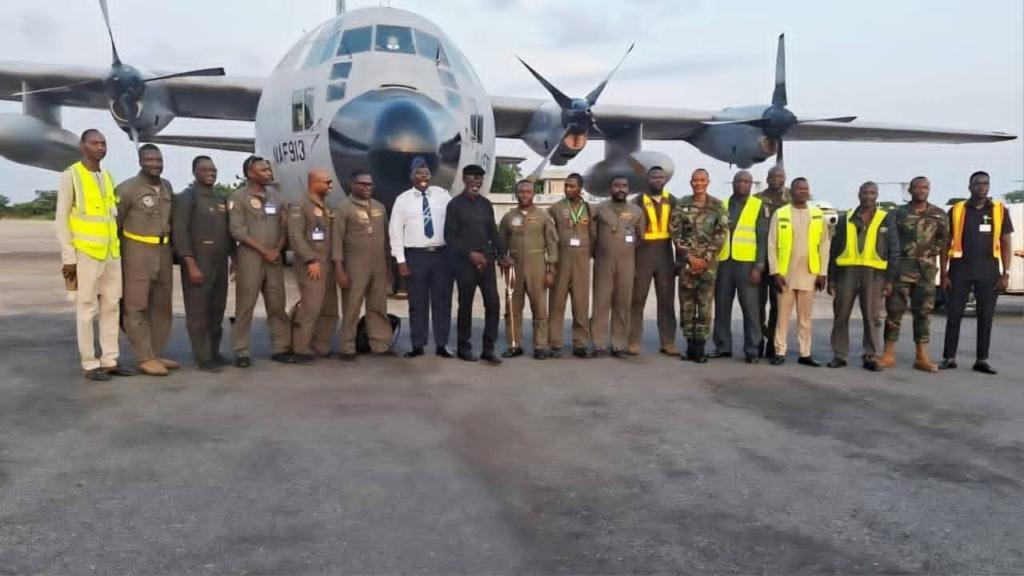
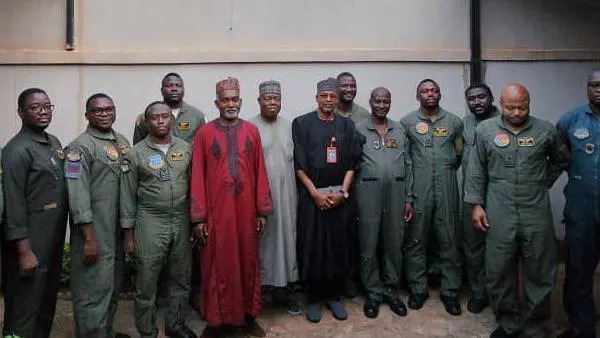
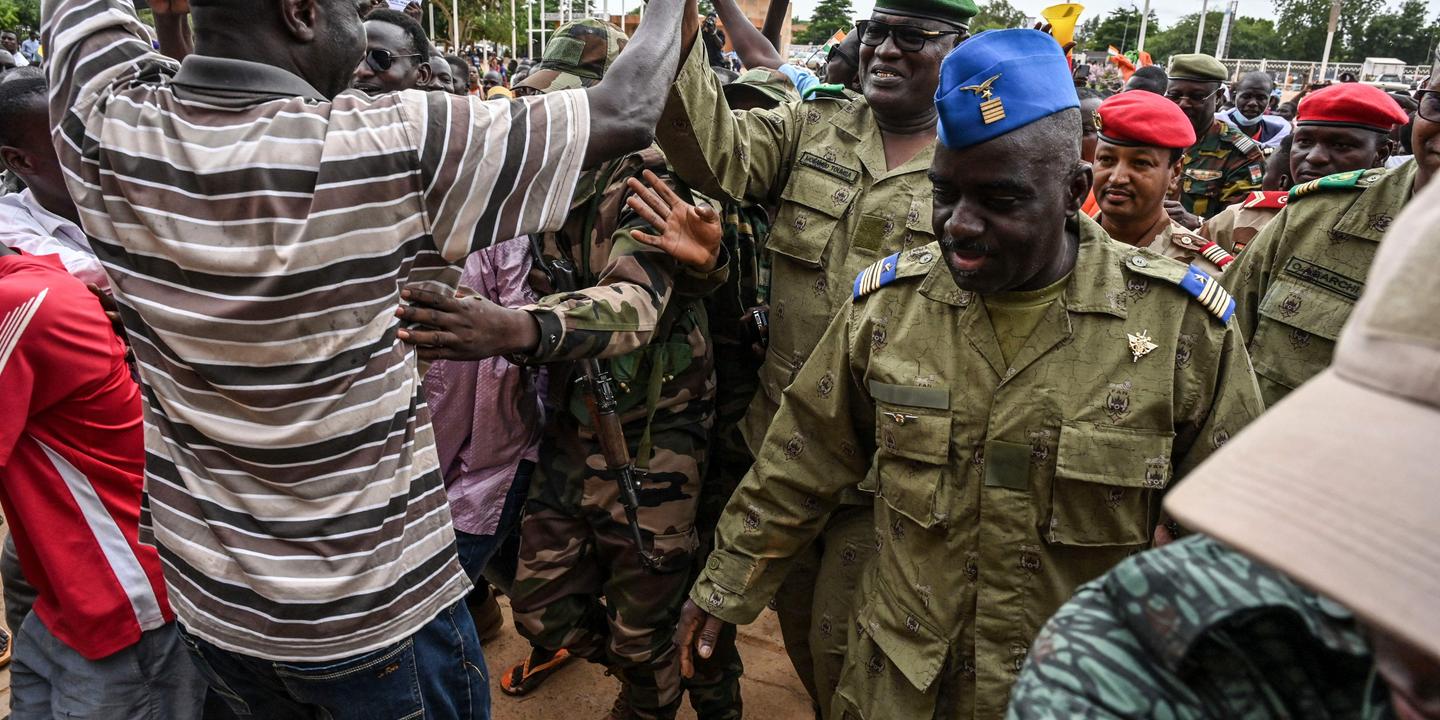
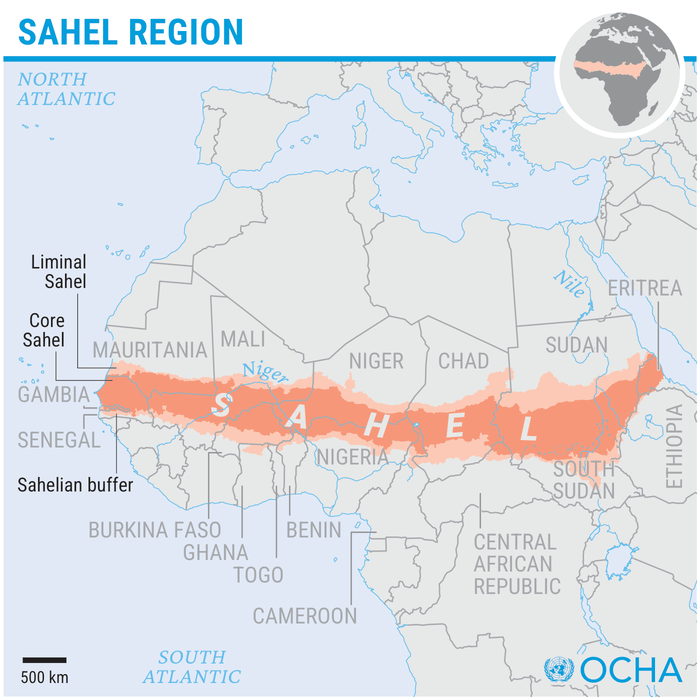
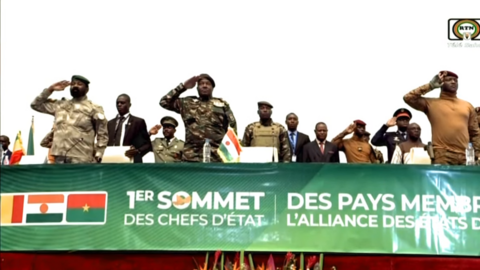
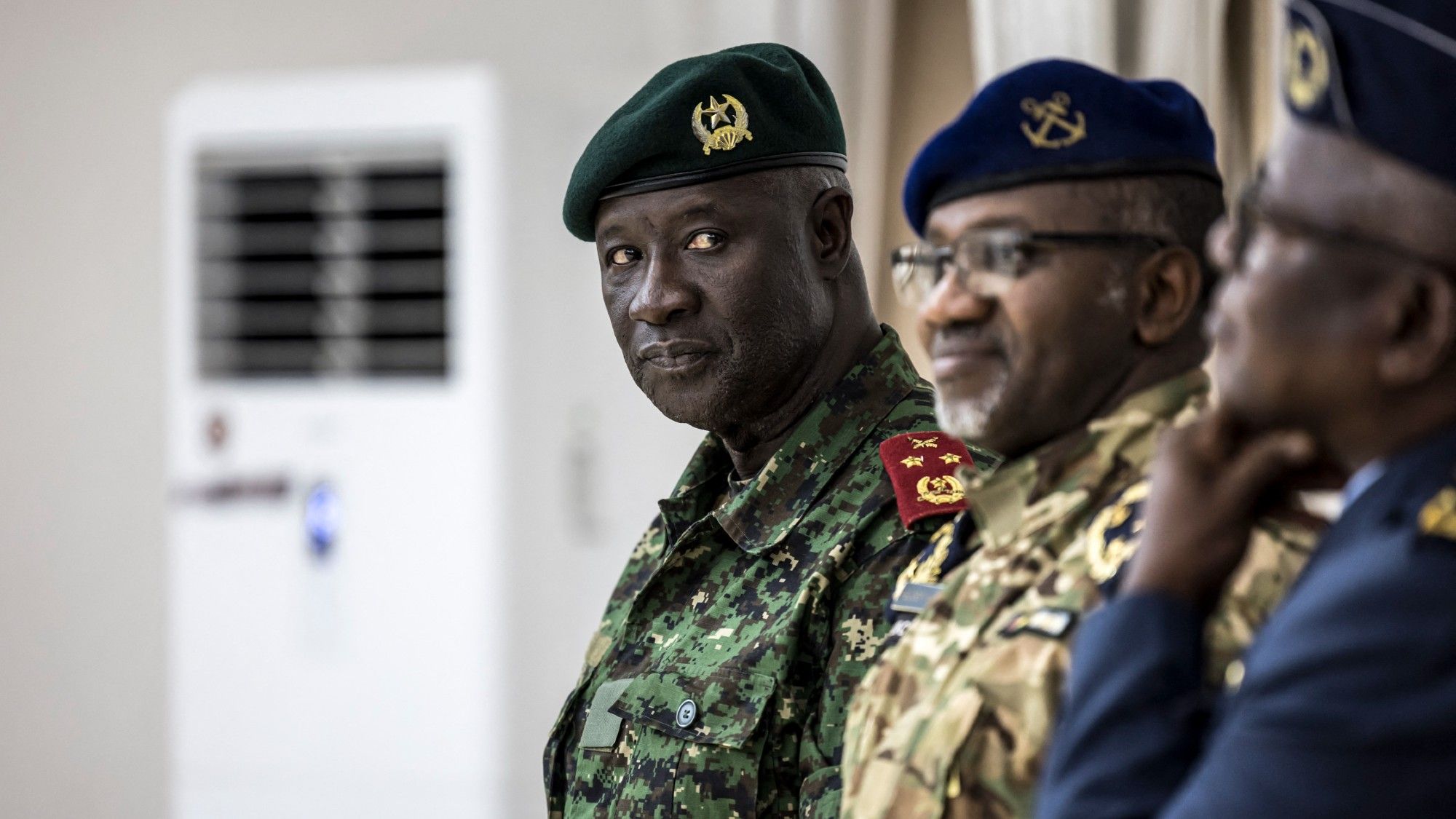
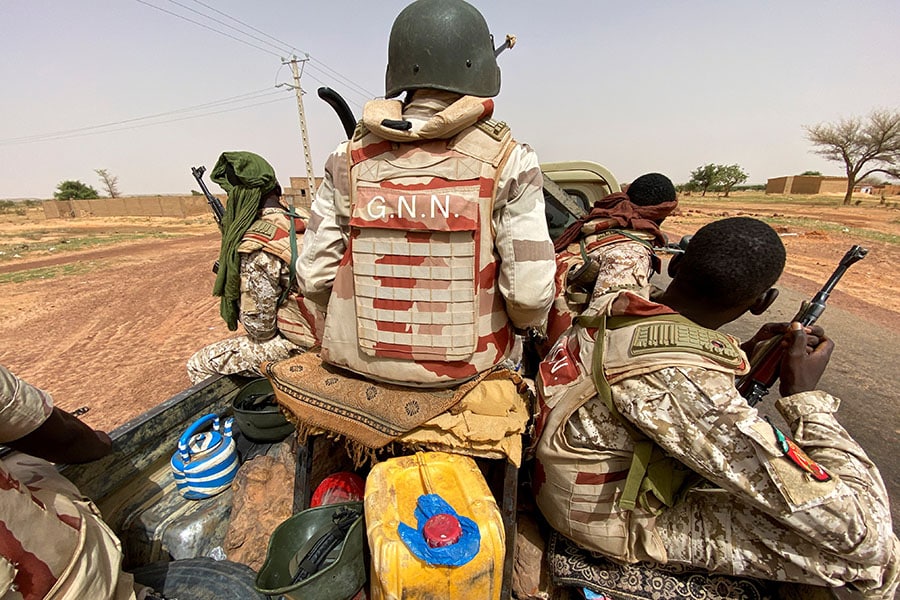
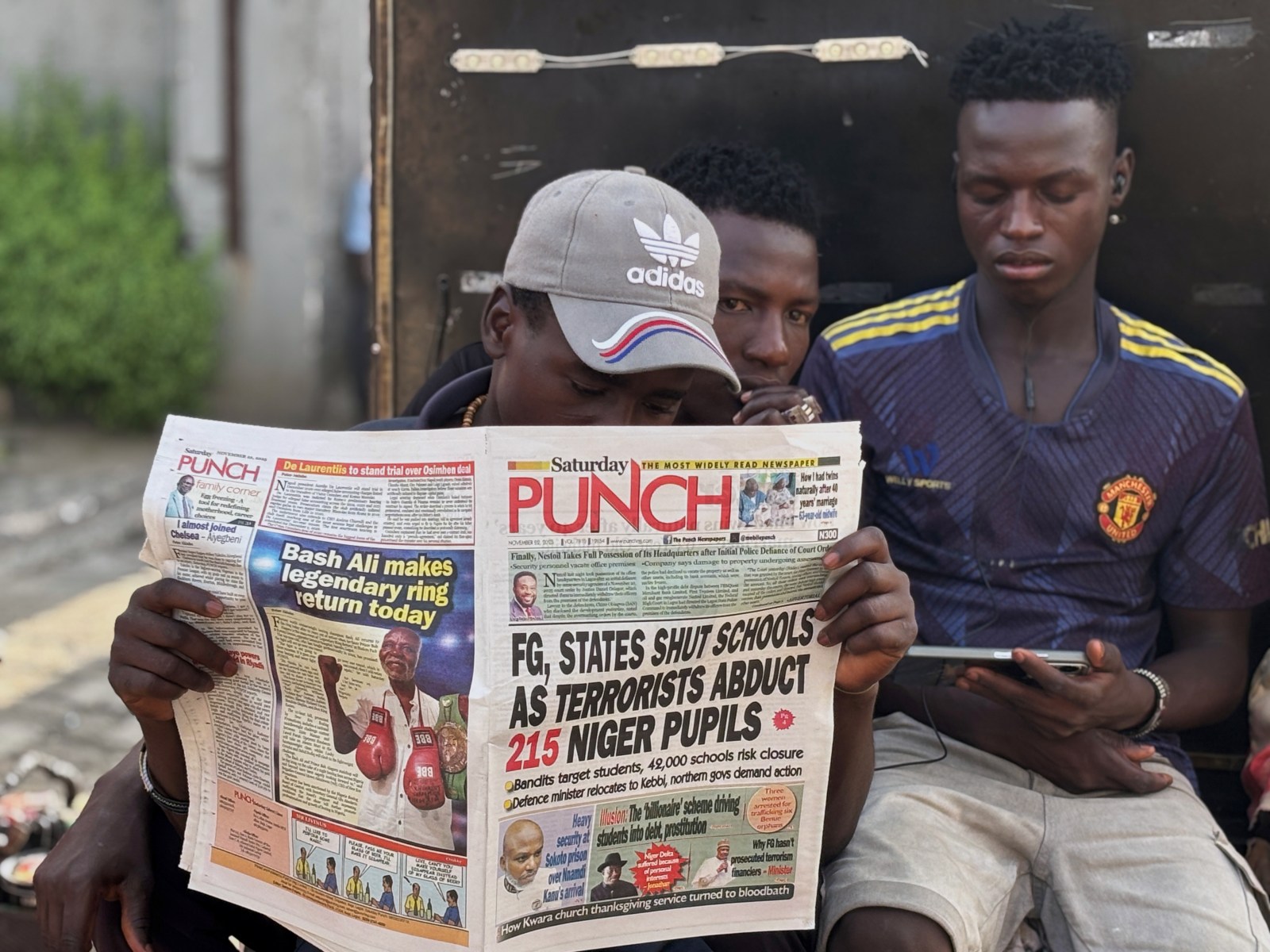
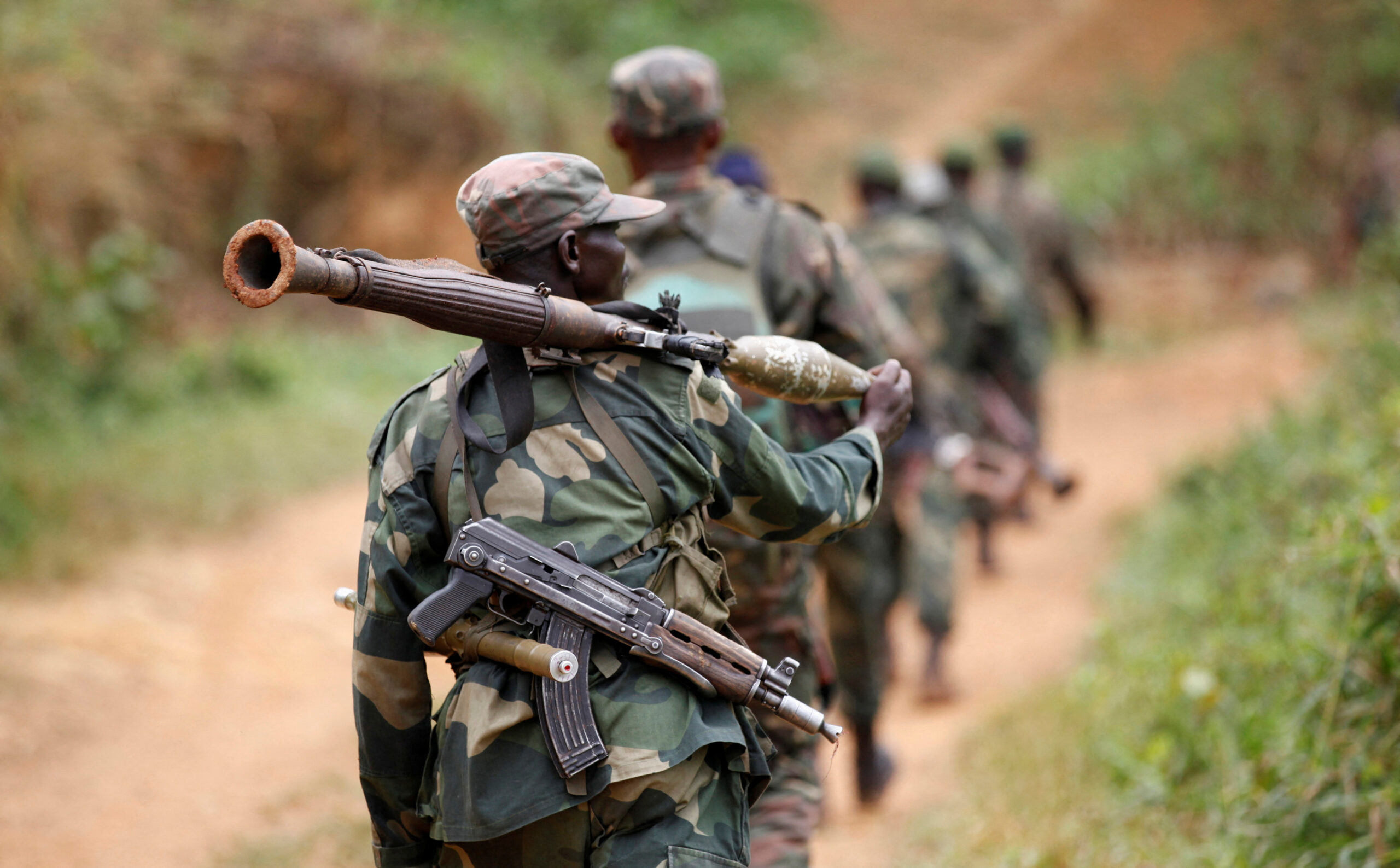
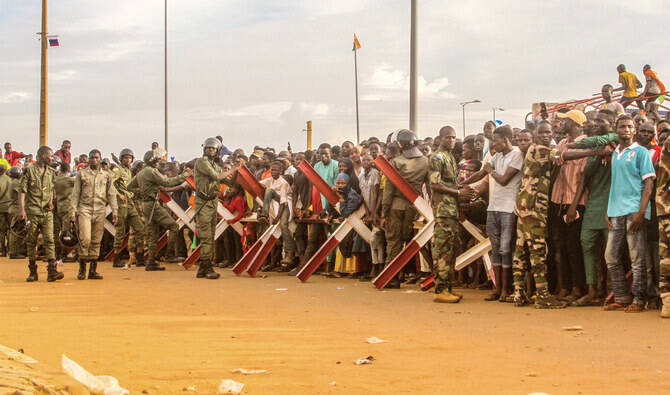
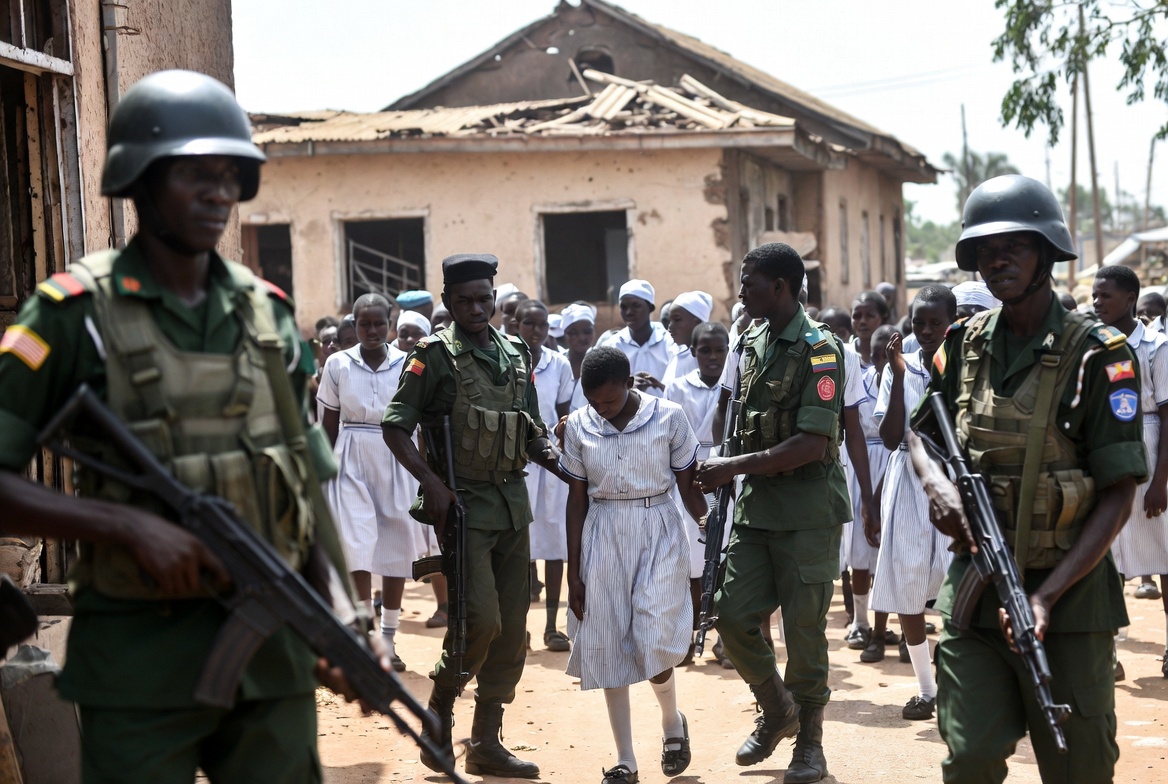
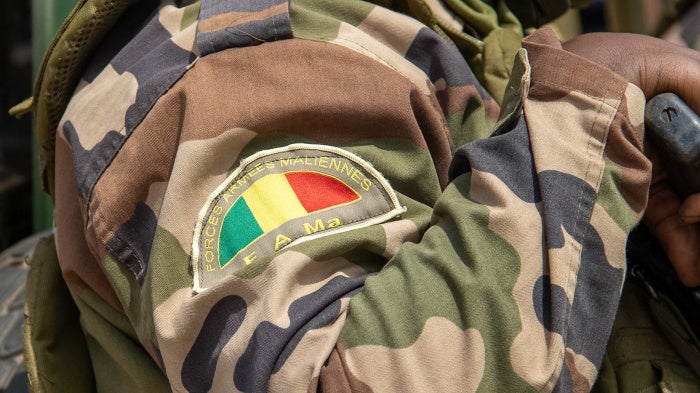
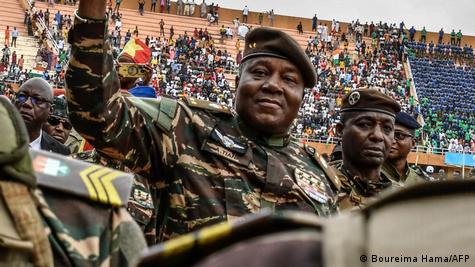
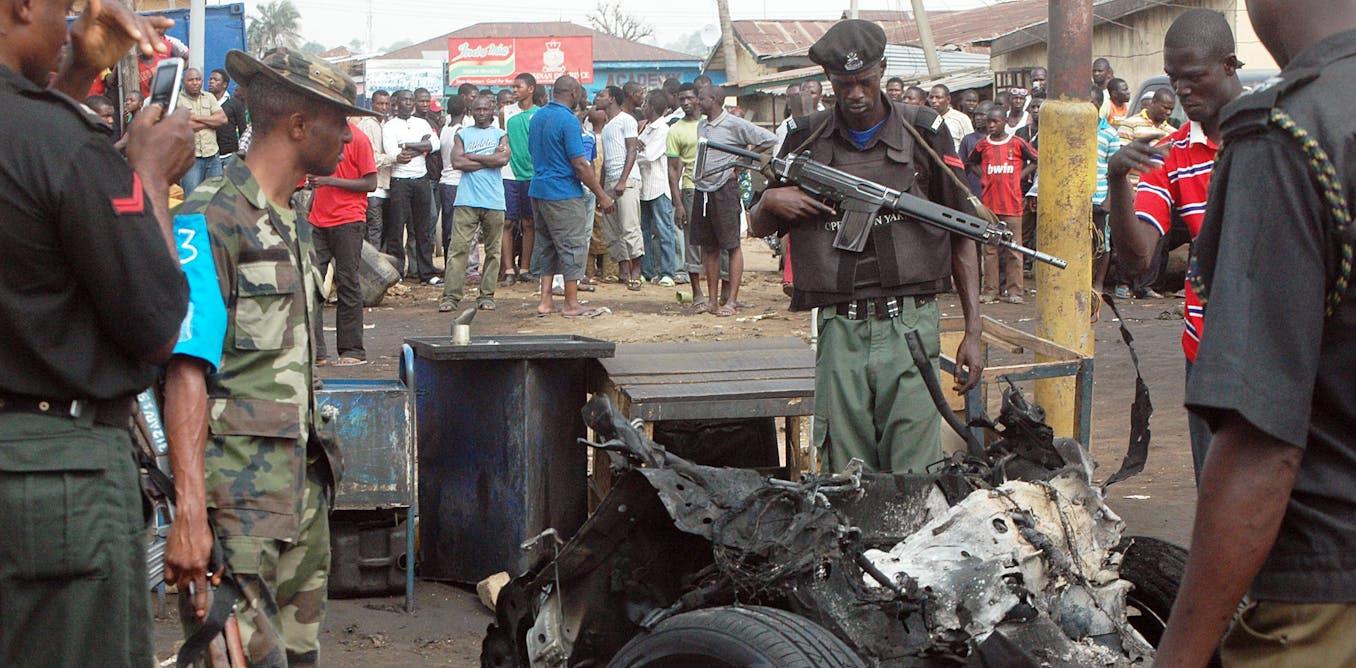
West Africa is facing a critical moment, and the United States isn’t standing idly by. This February 11, 2026, the US announced it’s deploying troops to Nigeria, a significant move aimed at training the Nigerian military to combat escalating extremist threats. This isn’t an isolated decision; it plays into a much larger, complex security crisis gripping not just Nigeria, but its neighbors too. We’re talking about deeply intertwined issues: regional terrorism, massive displacement, and wobbling economic stability. We’ve seen heightened US involvement before, including airstrikes against Islamic State militants in northwestern Nigeria last December, responding to direct requests from Abuja. This came after some public criticism from former President Donald Trump regarding Nigeria’s alleged failure to protect its Christian populations, a contentious claim among experts. While both Christian and Muslim communities have suffered, it’s worth noting that the majority of casualties often occur in Nigeria’s largely Muslim north, where insurgents are unfortunately tightening their hold. This strategic American military engagement signals a broad effort to quell jihadist violence that frankly, doesn’t respect borders. Its reach has already destabilized several countries, most tragically impacting Burkina Faso, Mali, and Niger, where these groups have sown widespread chaos and fear.
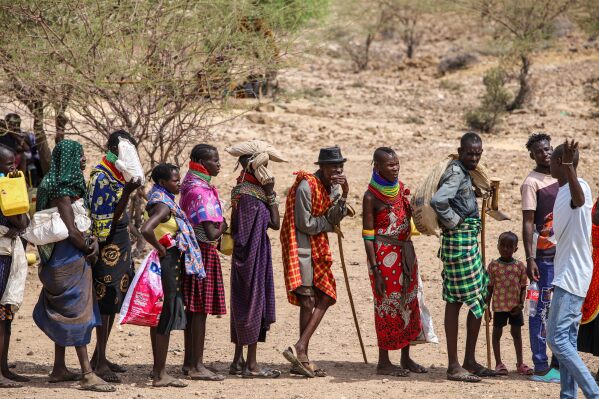
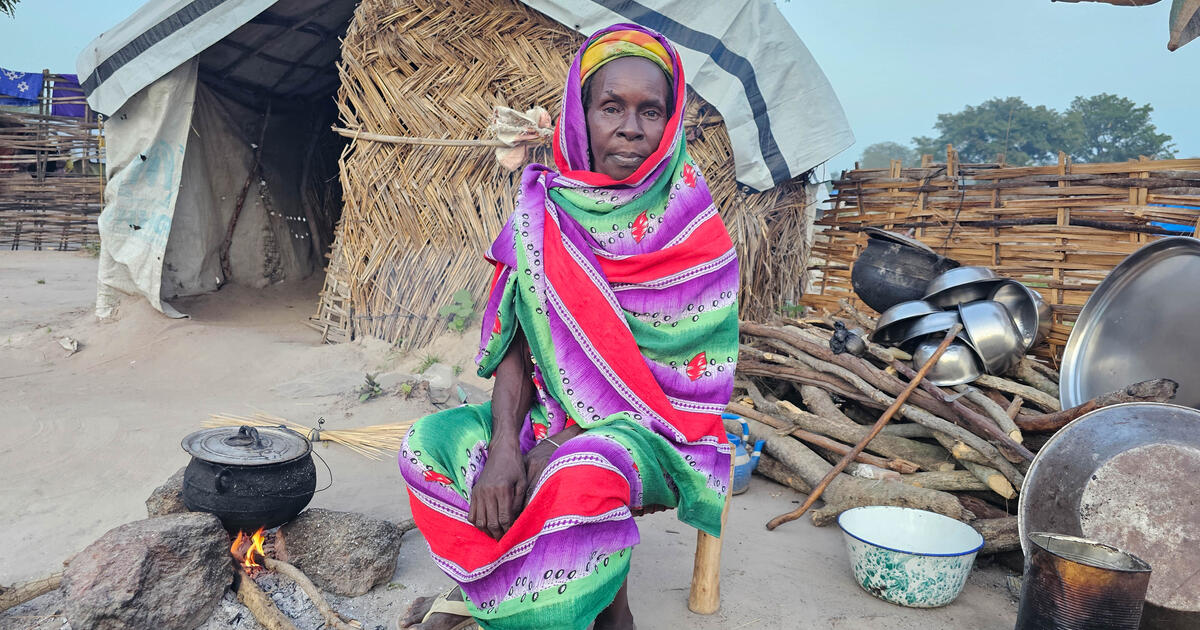
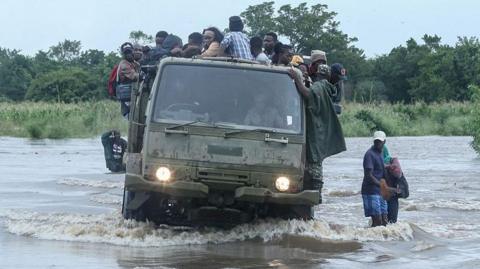
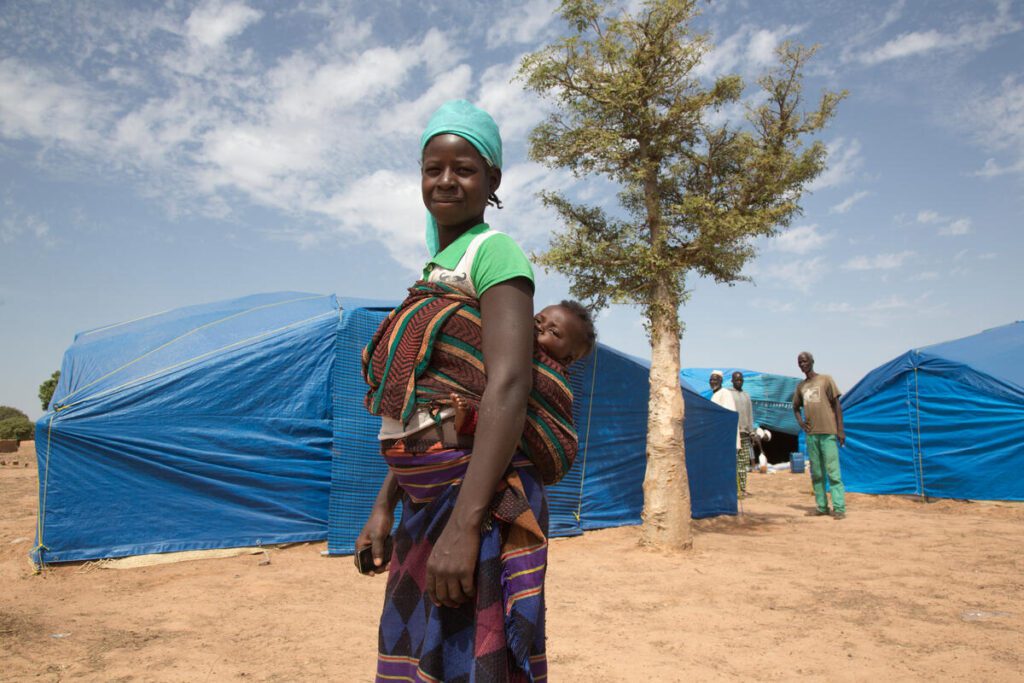
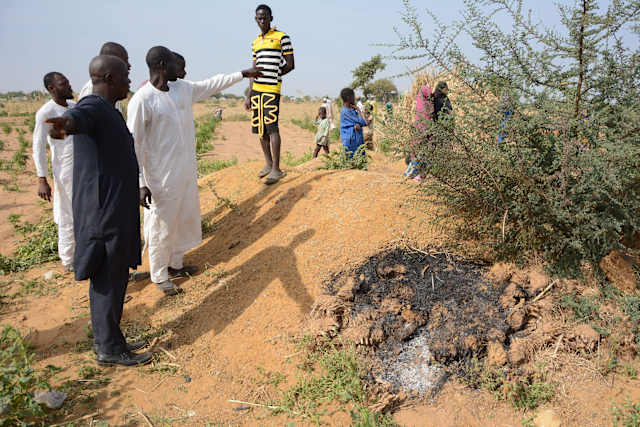
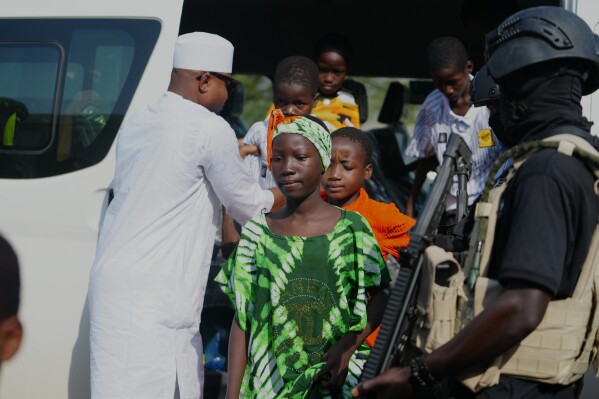
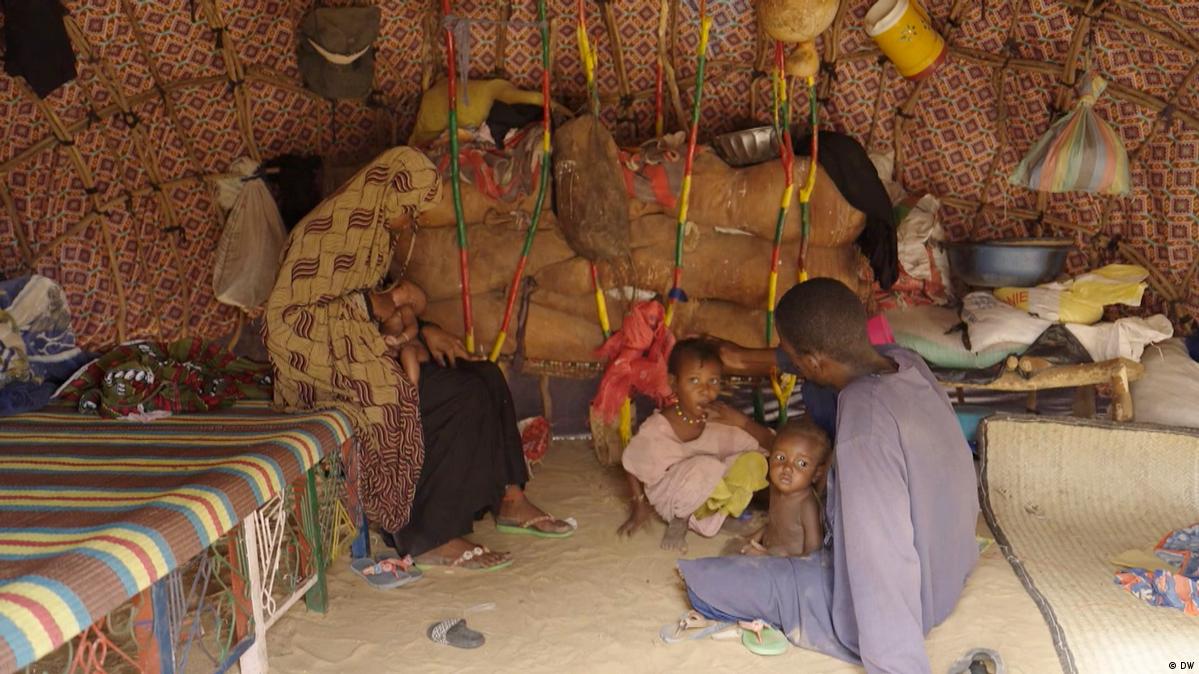
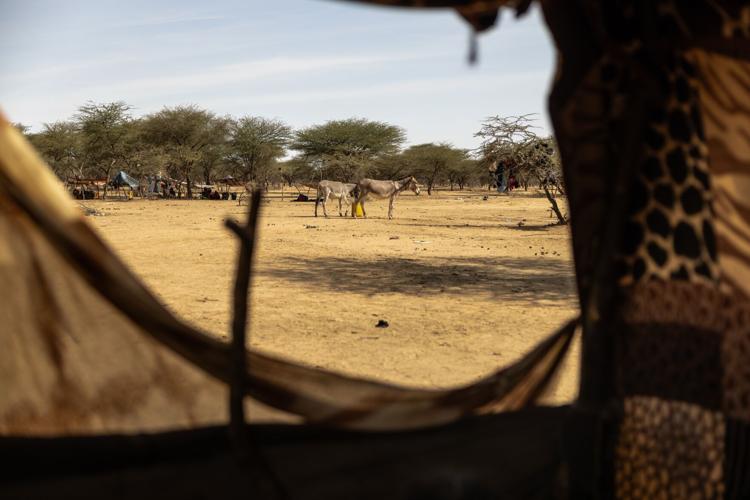
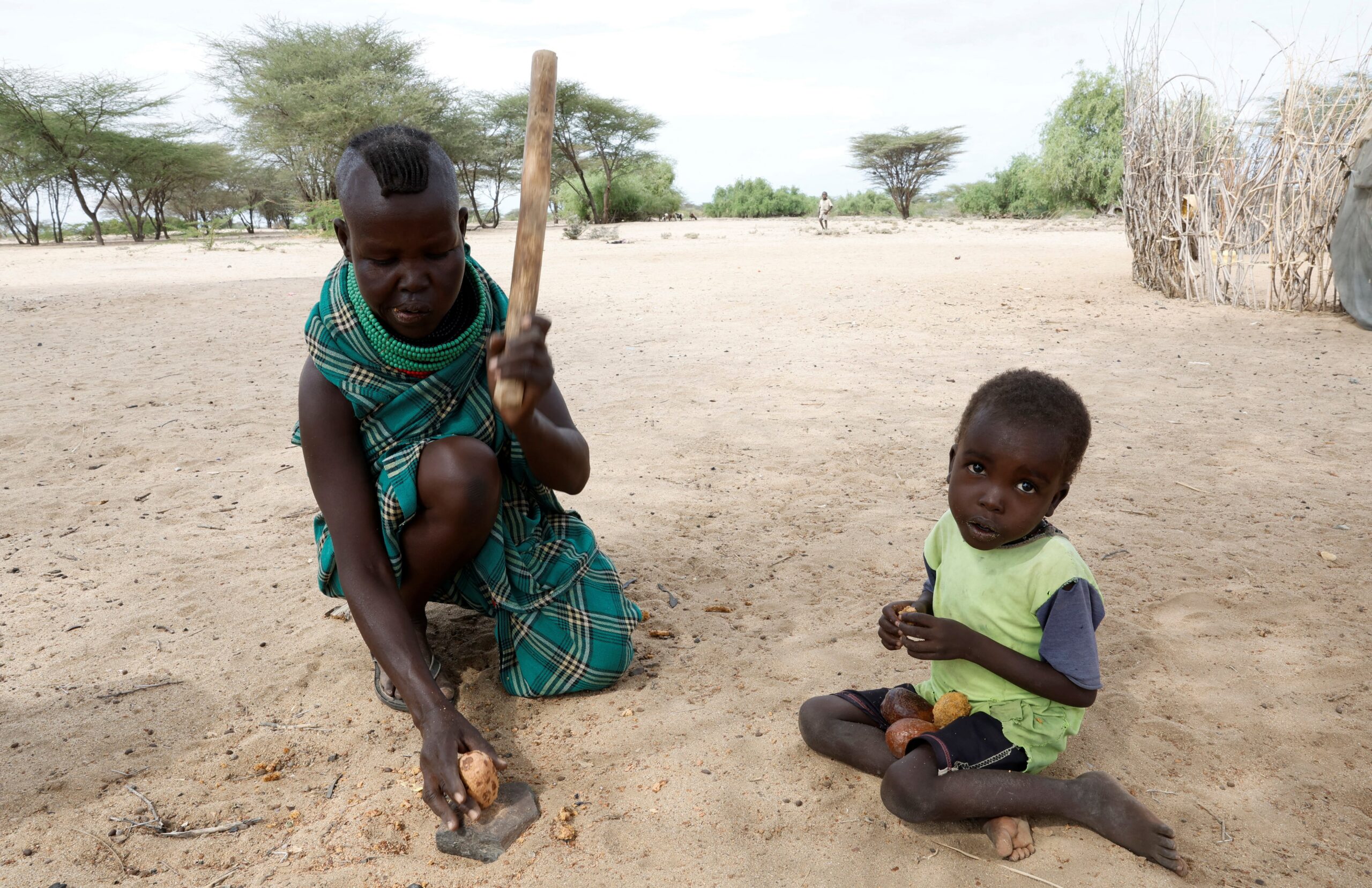
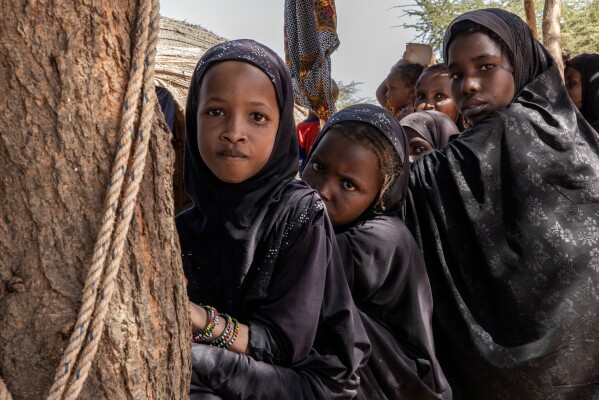
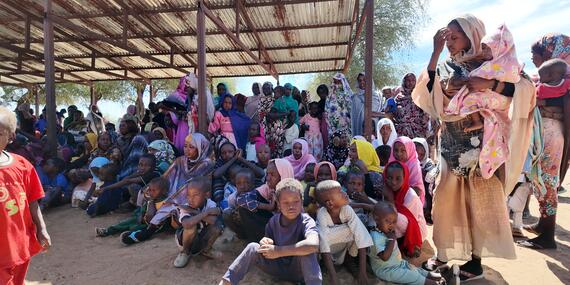
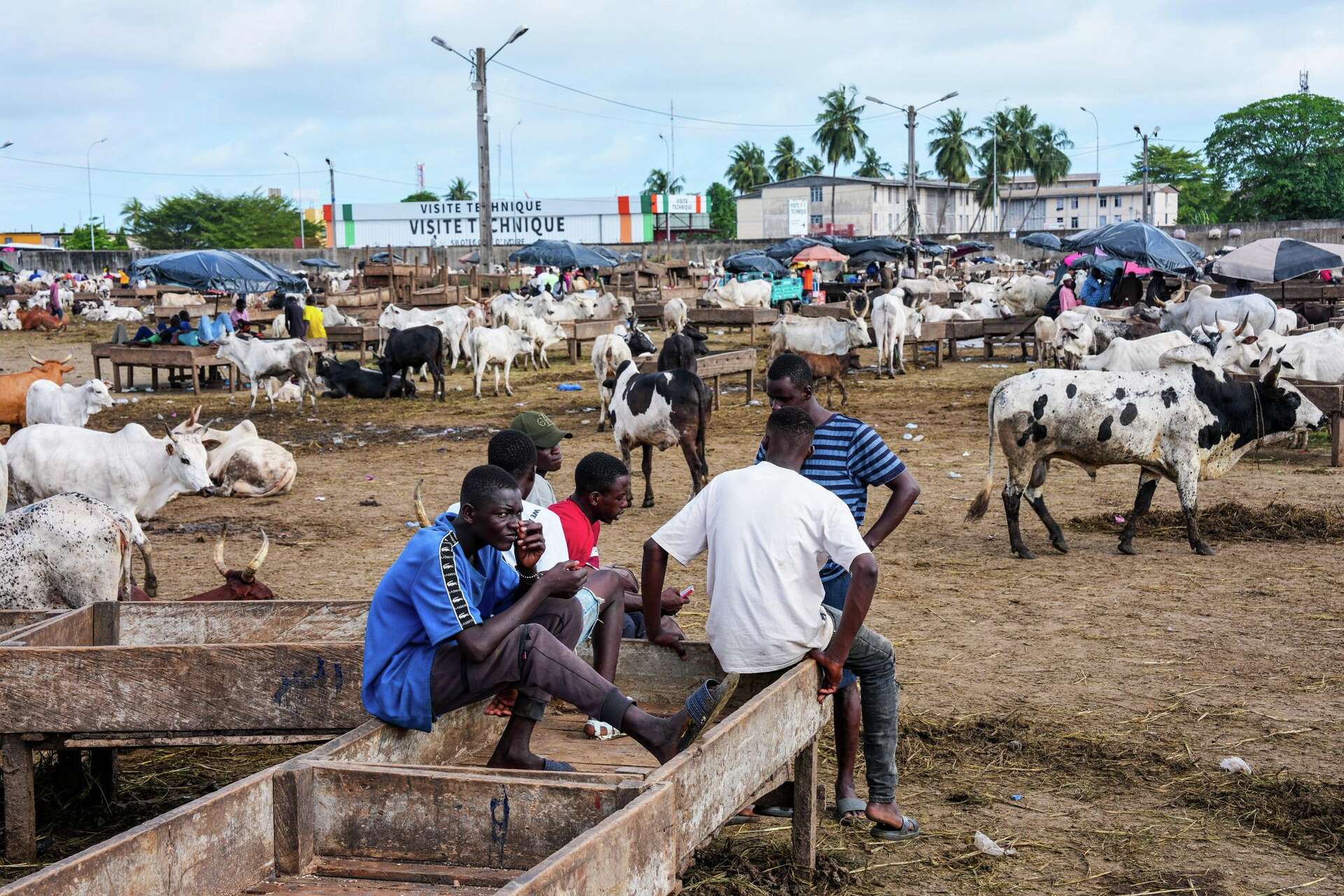
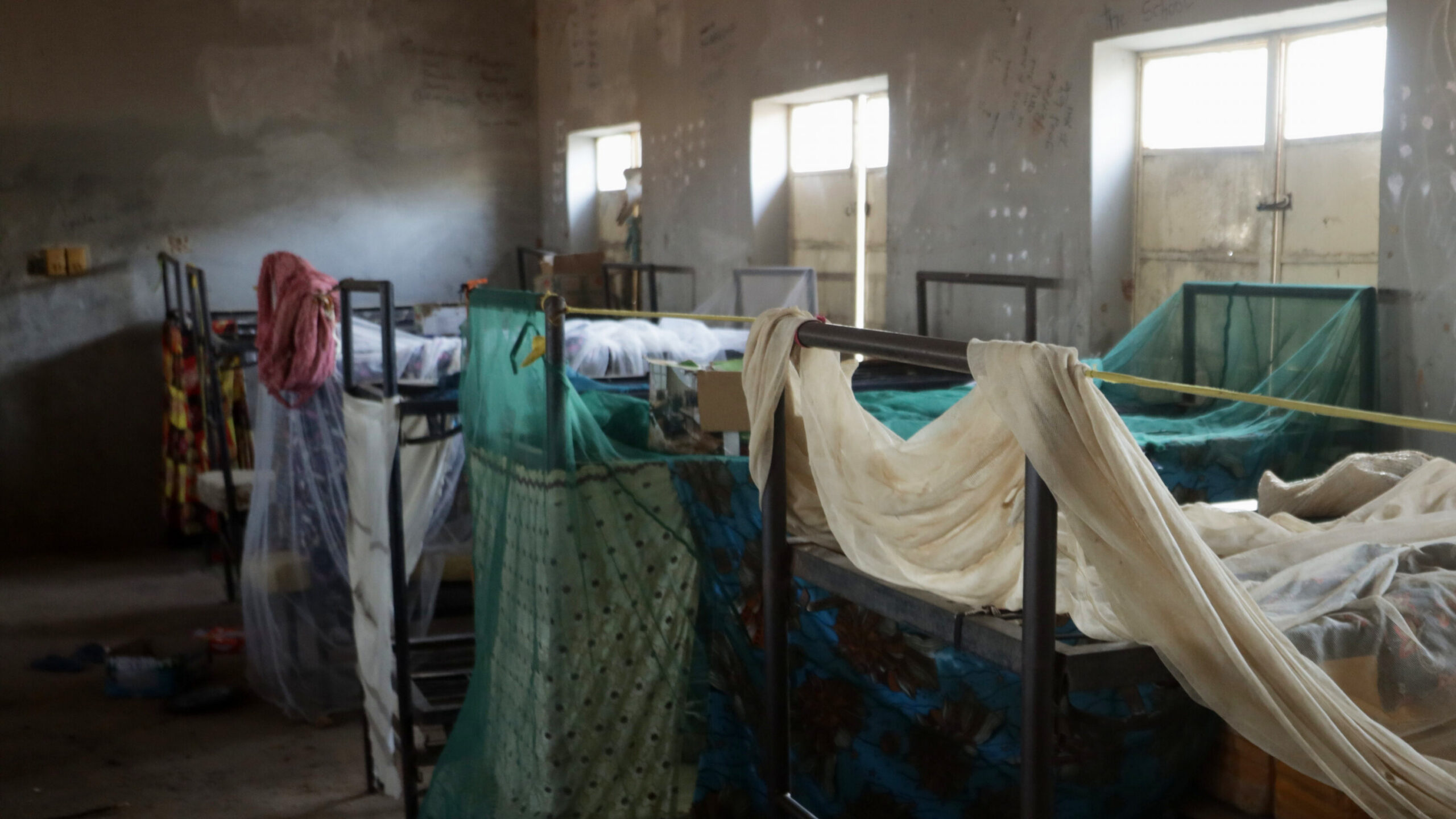
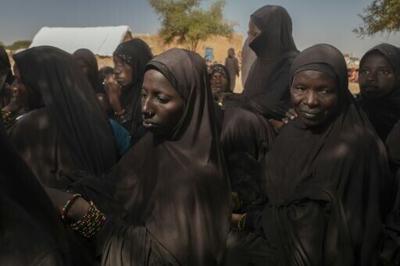
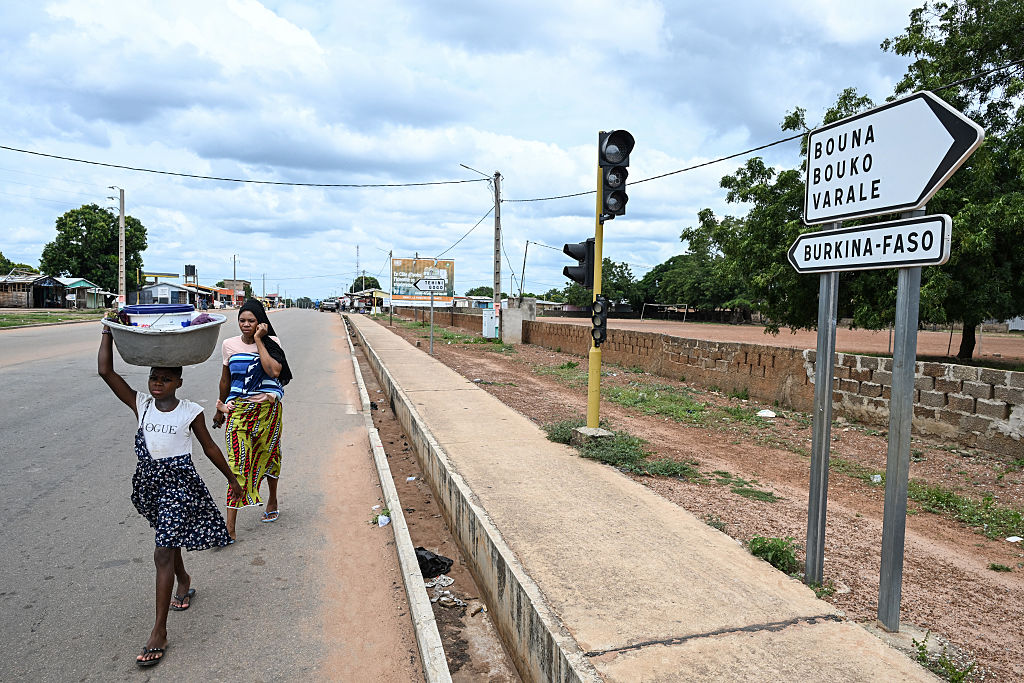
The sheer human impact of this ongoing insurgency is truly heartbreaking, playing out vividly in the refugee camps of Ivory Coast. Here, survivors from Burkina Faso share harrowing tales of loss and displacement, stories that really hit home. Take Yameogo Aminata, for example. At 57, she lives in a dimly lit camp near the Burkina Faso border, haunted by the brutal killing of her four sons by jihadists back in 2023. Can you imagine that pain? She, along with thousands of others, fled homes hoping for refuge from violence that has claimed over 10,000 lives in Burkina Faso alone in just a few years. It’s not just Aminata. The Nioronigué camp also shelters Hassane Tall, a farmer who left northern Burkina Faso with his family after enduring relentless attacks. With more than 80,000 Burkinabe refugees now in Ivory Coast camps, their testimonies paint a poignant picture of the insurgency’s destabilizing effect on families and entire communities. Amidst their trauma, there’s also a powerful sense of gratitude. Aminata made sure to thank the state and citizens of Ivory Coast, underscoring the vital role neighboring nations play in offering sanctuary amid such regional turmoil. This human cost highlights why international cooperation isn’t just policy, it’s paramount.
While security rightly grabs the headlines, we can’t ignore the significant economic consequences unfolding, especially for Nigeria’s crucial oil sector. Just recently, the African Energy Chamber pointed to investor concerns after a Federal High Court ruling reinstated the Dawes Island marginal field license, reversing a 2020 revocation. This judicial decision sent ripples through Nigeria’s upstream oil industry, particularly affecting “marginal fields,” which are those smaller oil blocks companies develop to boost local production. This ruling directly complicates Nigeria’s “drill or drop” policy, a regulatory move designed to accelerate development of these fields under the Petroleum Industry Act, preventing licenses from being held without active production and encouraging new investment. Nigeria’s government is certainly keen to attract more upstream investment through licensing rounds and reforms aimed at improving transparency and efficiency. However, legal uncertainties, like this Dawes Island case, really underscore the delicate balance needed between judicial decisions, regulatory clarity, and investor confidence, all absolutely vital for supporting Nigeria’s ambitious energy goals and sustainable development. So, what do these interconnected challenges, from US military involvement and the tragic refugee stories from Burkina Faso to legal disputes in Nigeria’s energy sector, tell us? They collectively illustrate the multifaceted struggles confronting West Africa. Extremist violence erodes regional stability and economic growth, forcing millions into displacement and threatening critical infrastructure and investment. There’s cautious optimism that boosted military training and international backing can disrupt militant operations, but long term peace also depends heavily on addressing root causes: solid governance, real economic opportunities, and clear legal frameworks in key sectors like oil production. Moving forward, everyone will be watching how effectively US-Nigerian military collaboration unfolds and how regional humanitarian responses adapt. Just as critically, how Nigeria manages to implement oil sector reforms amidst its political and legal turbulence will significantly influence the country’s economic trajectory. These dynamics, taken together, paint a clear picture of the urgent, intertwined priorities for West Africa’s stability and prosperity. As nations grapple with rising extremism and strive for recovery, engaged policymaking and vigilant journalism become more crucial than ever.