US Military Flags Rising Jihadist Threat Across Sahel Amid Regional Efforts to Strengthen Security
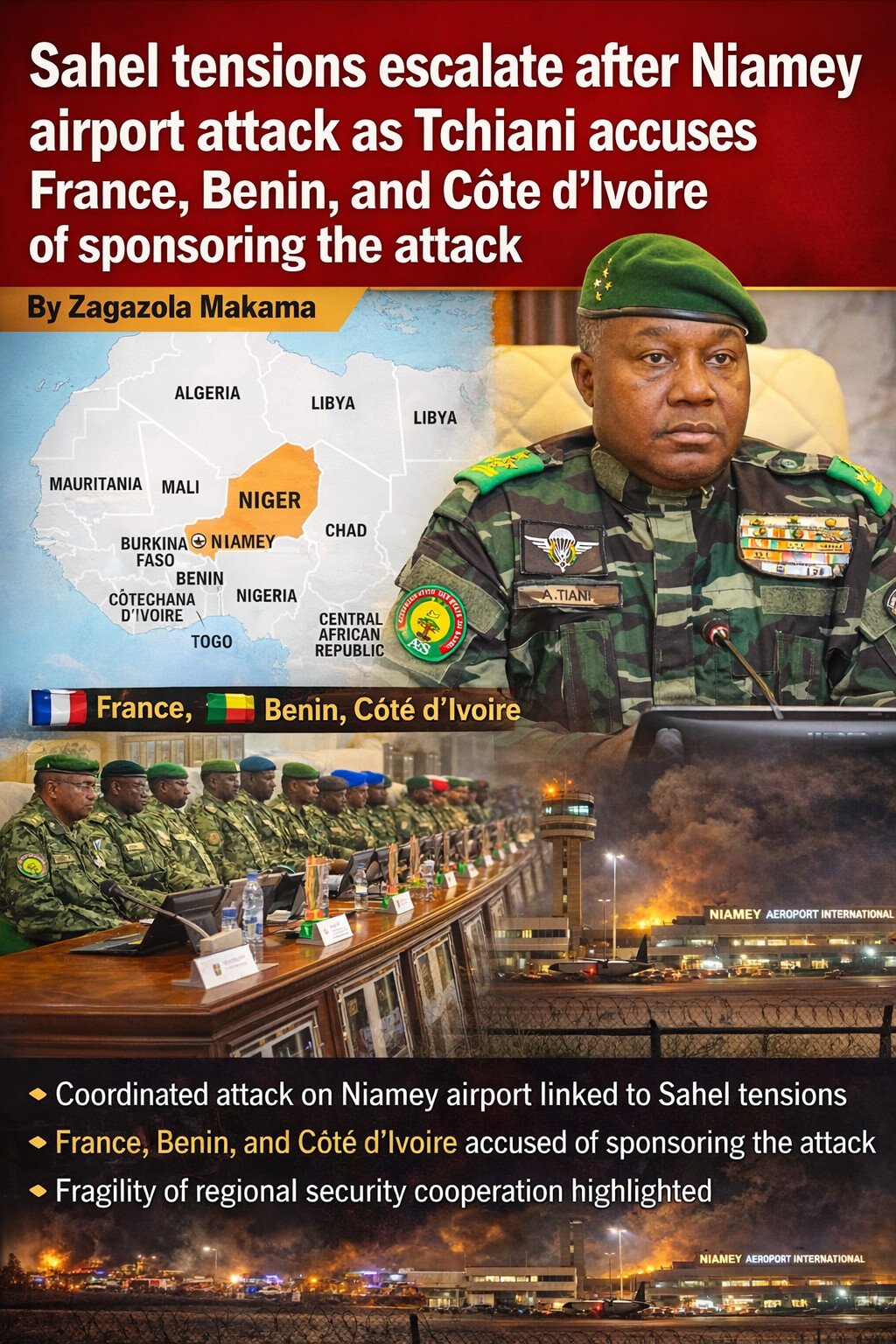
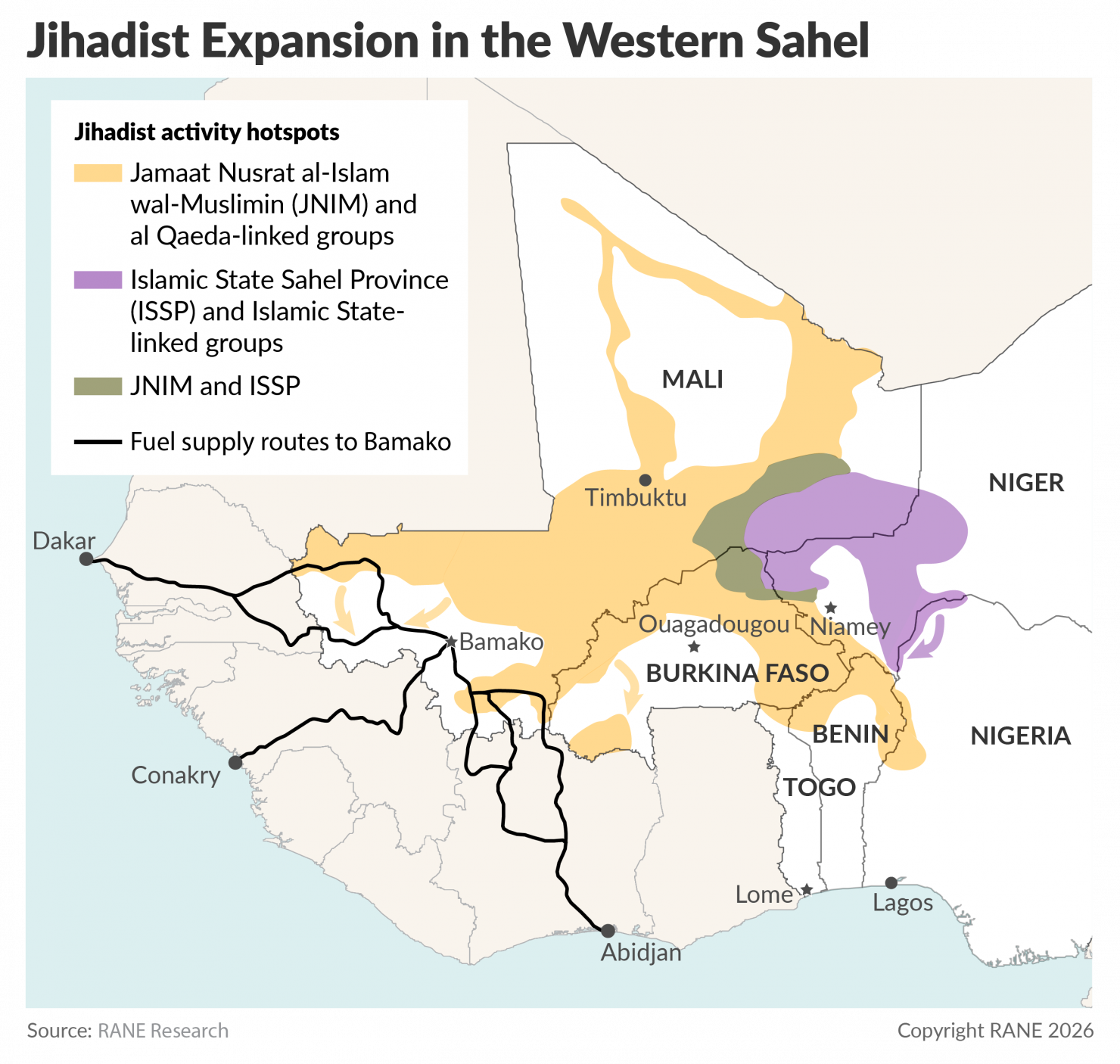
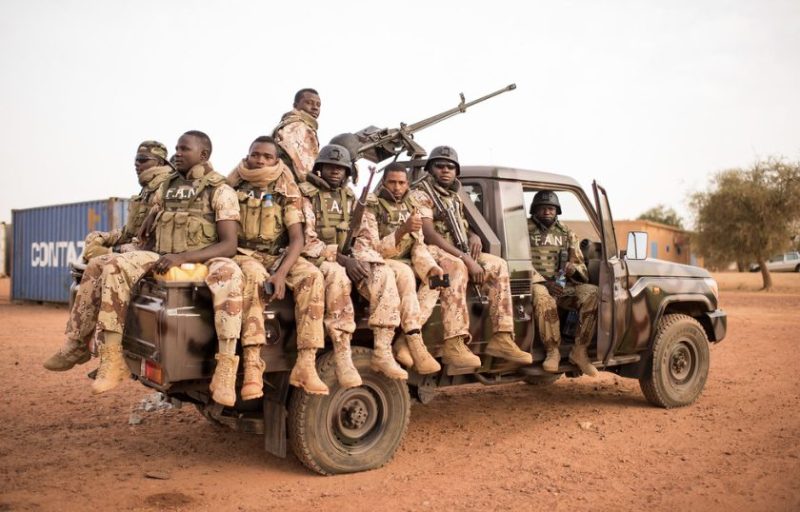
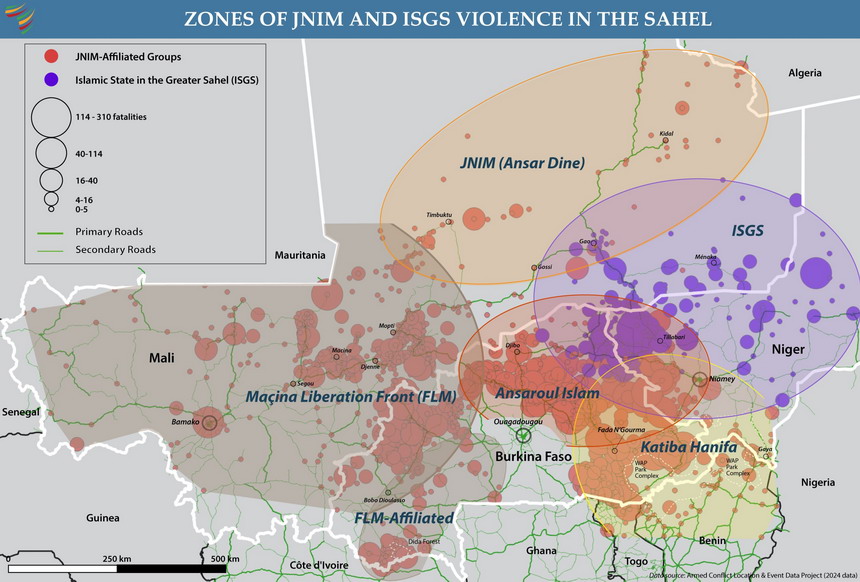
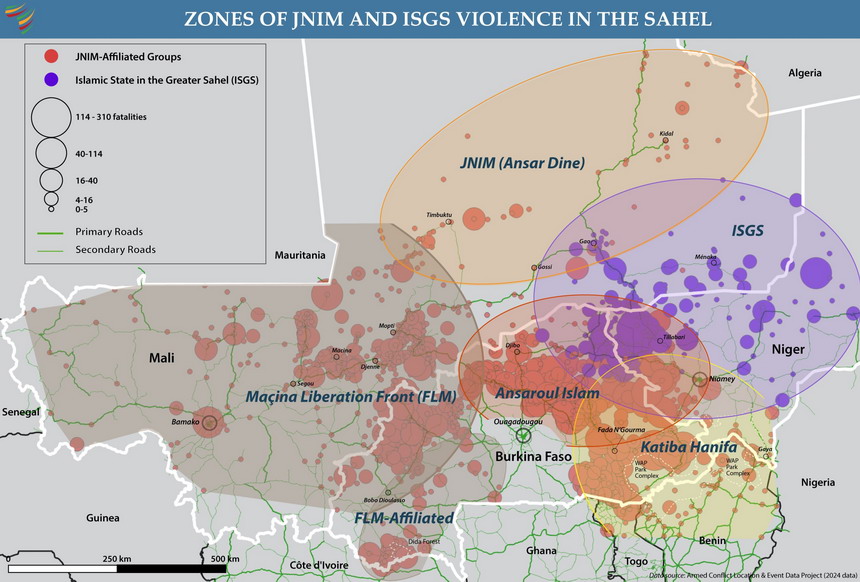
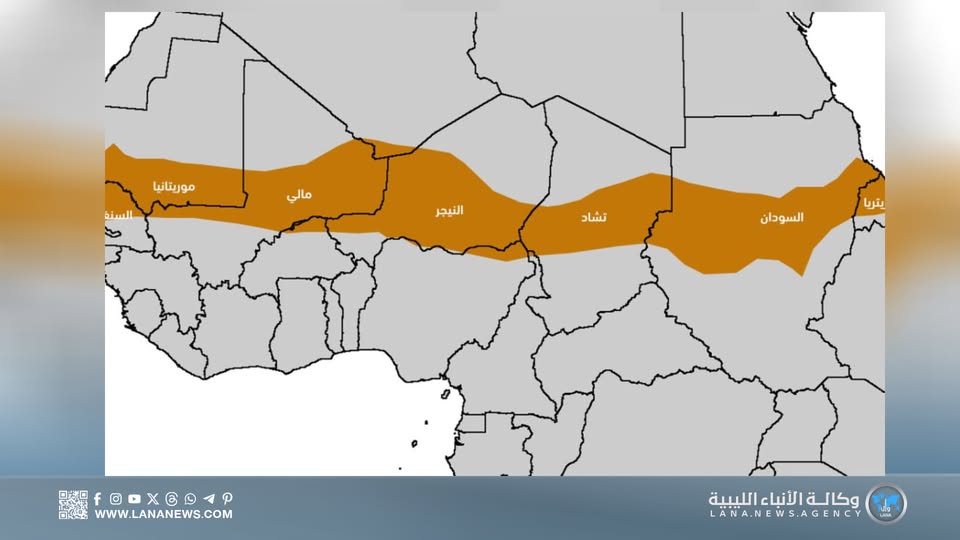
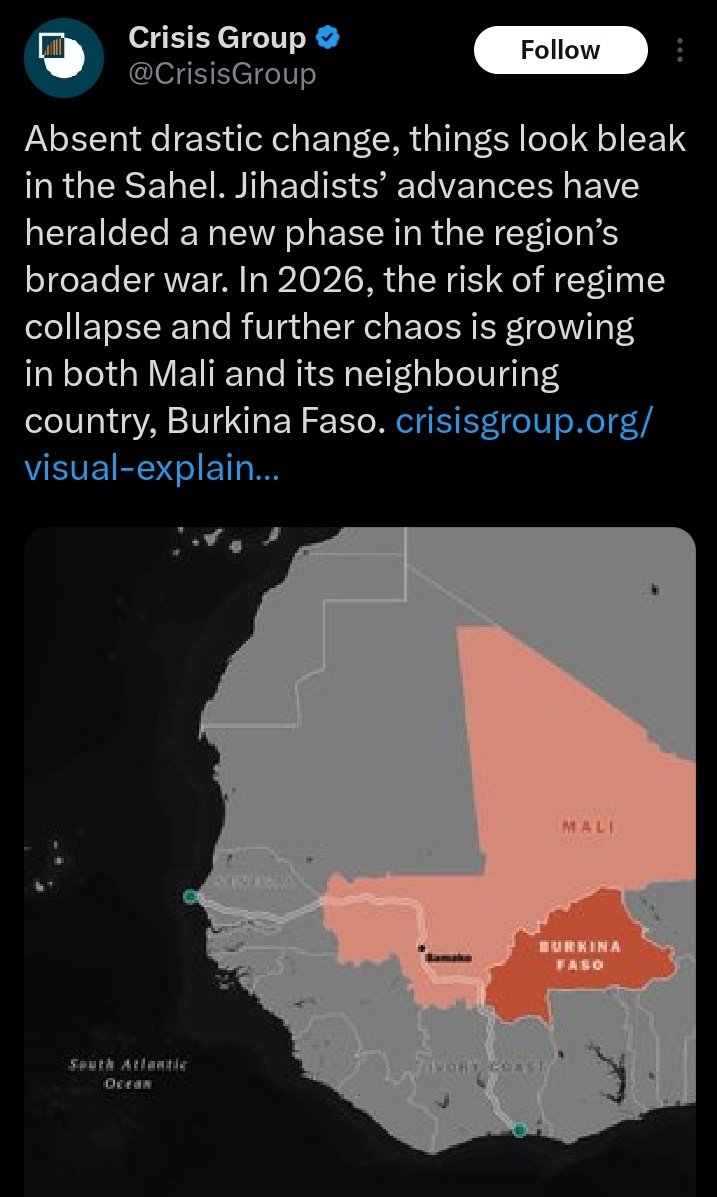
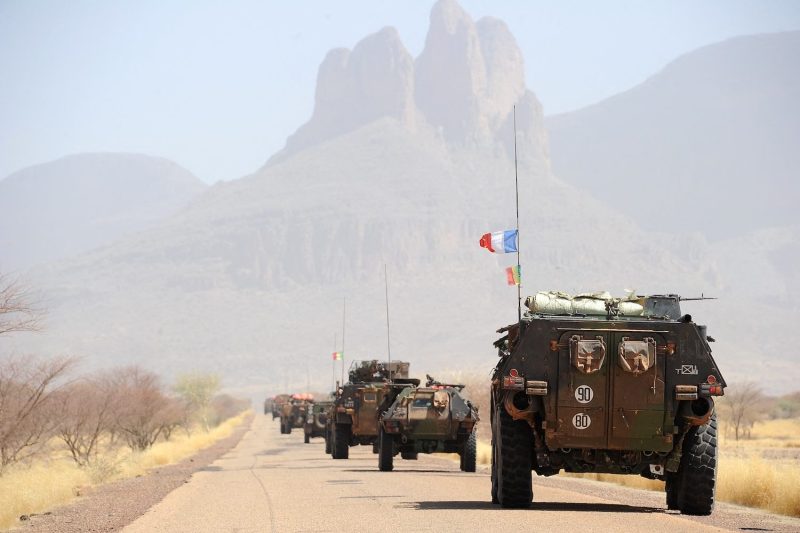
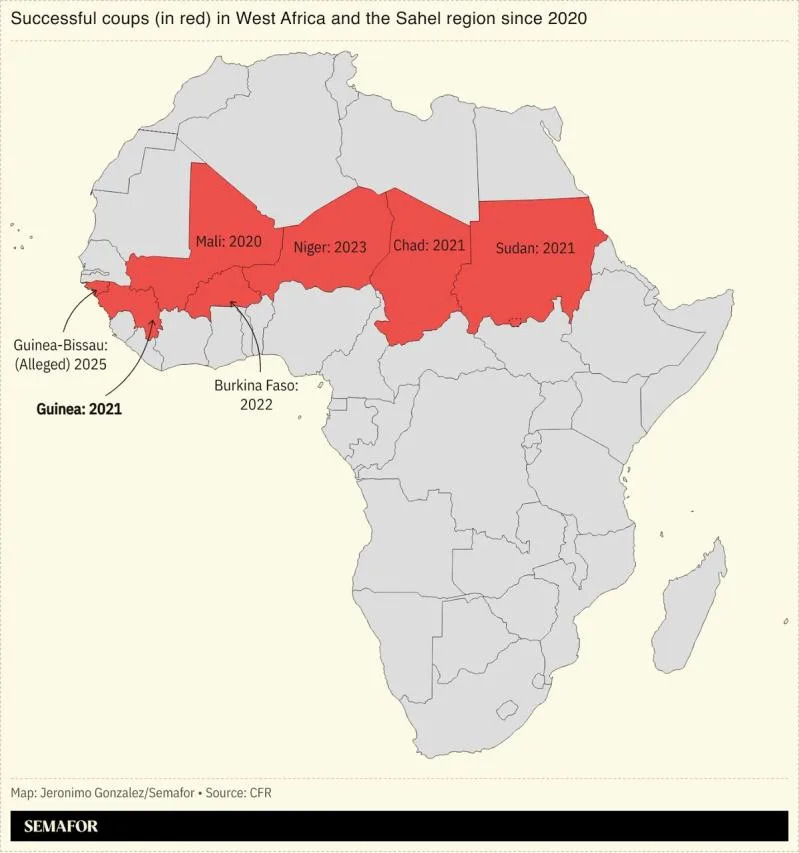
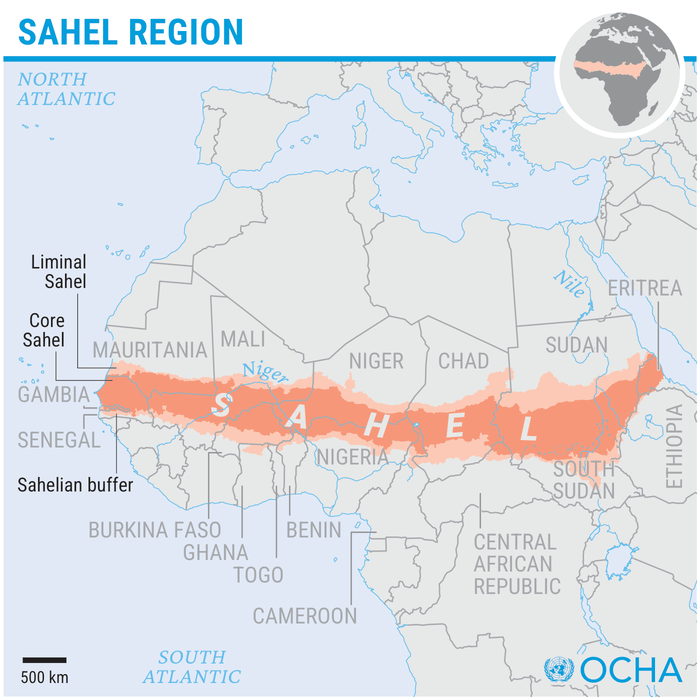
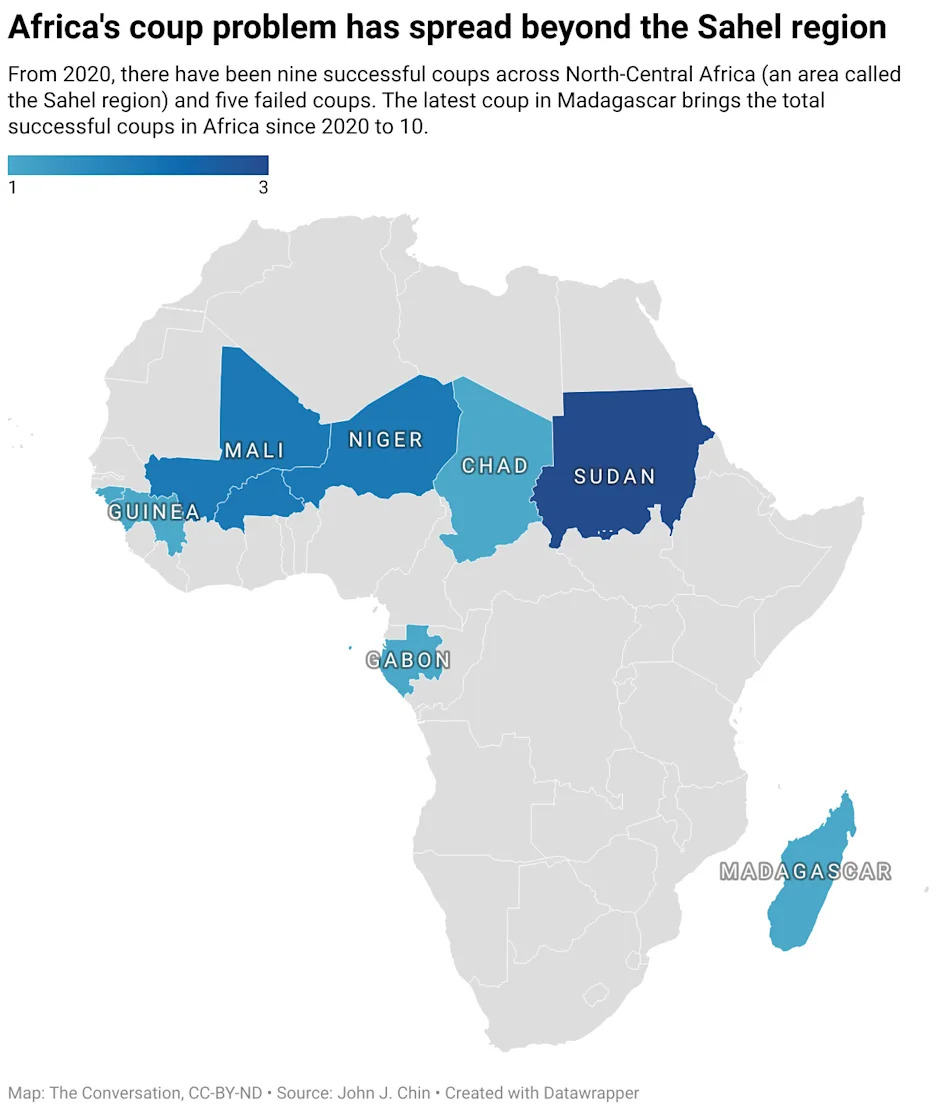
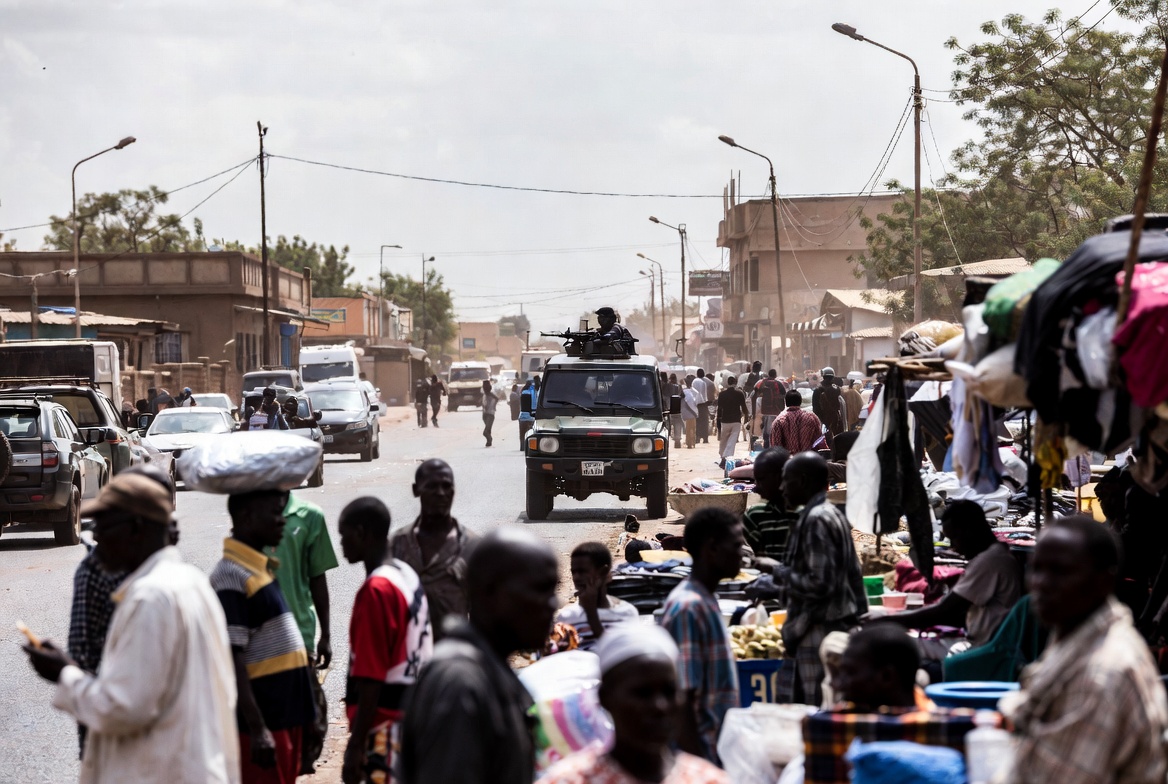
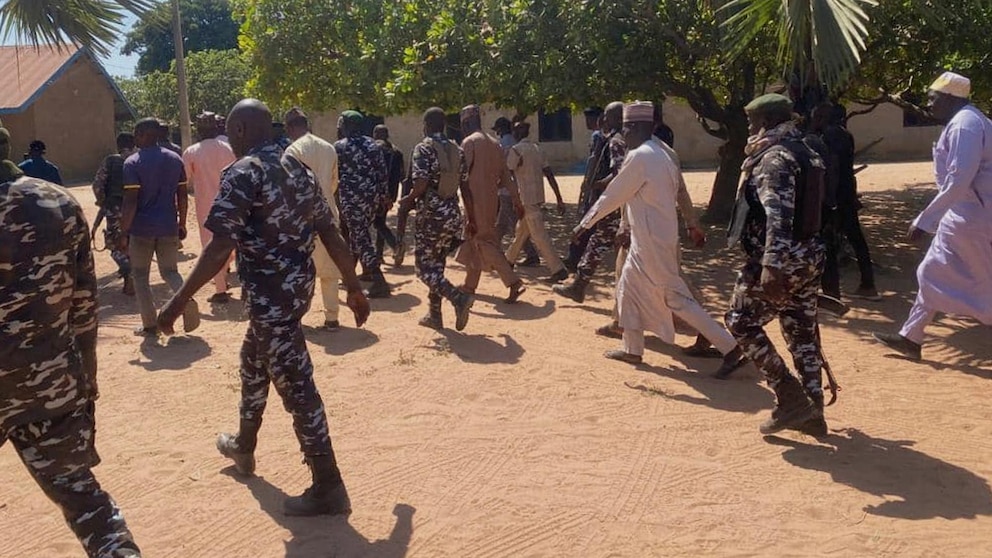
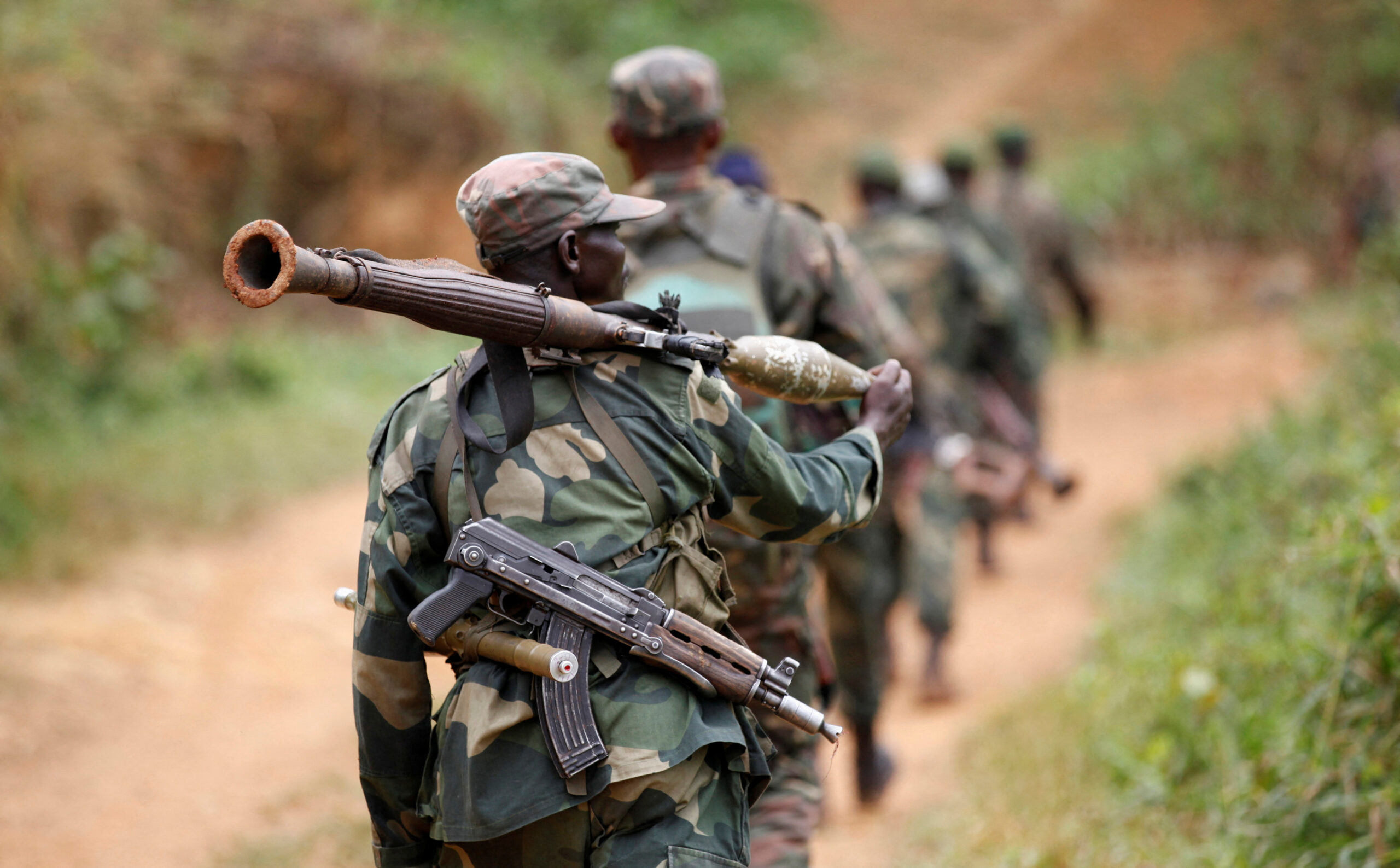
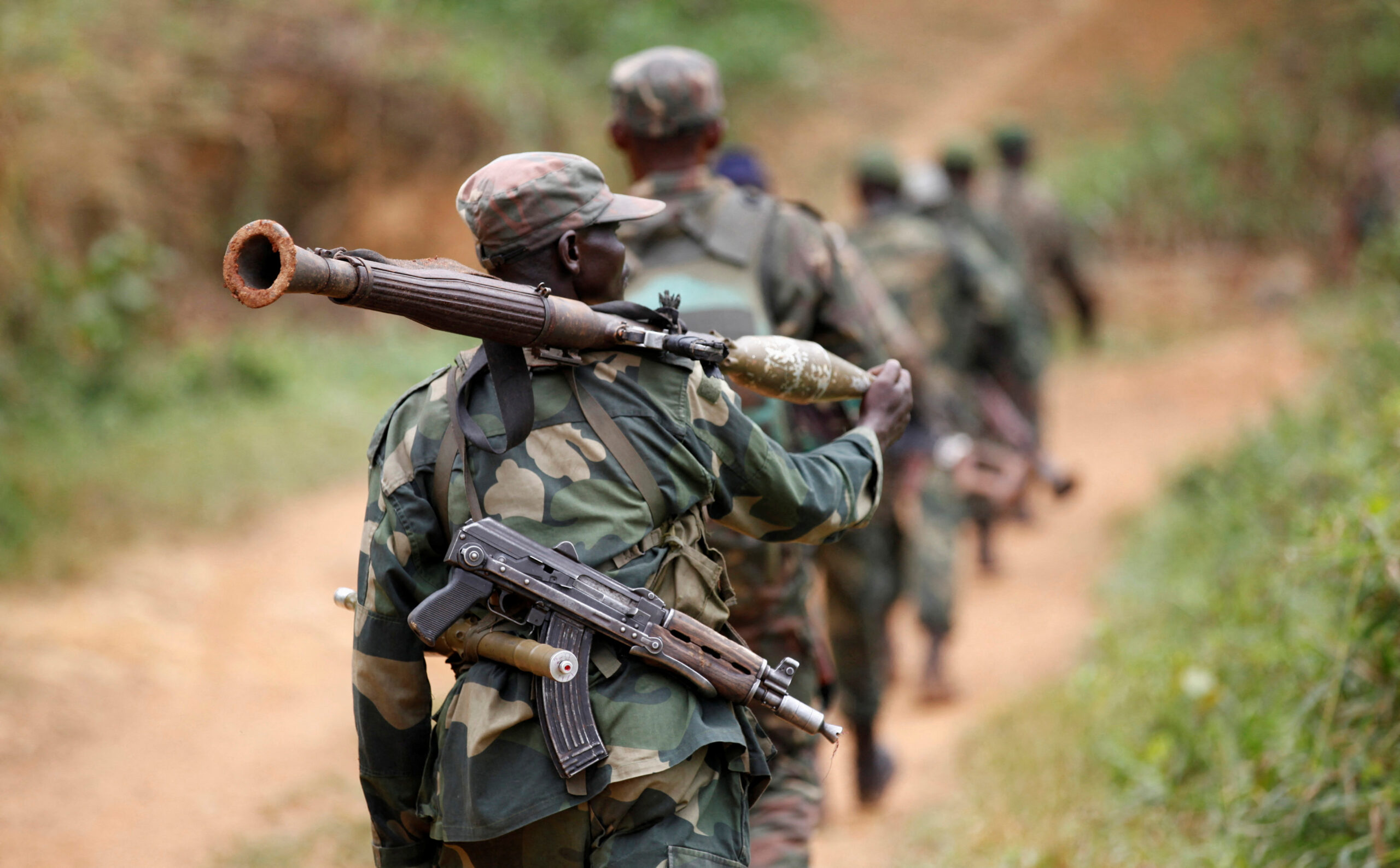
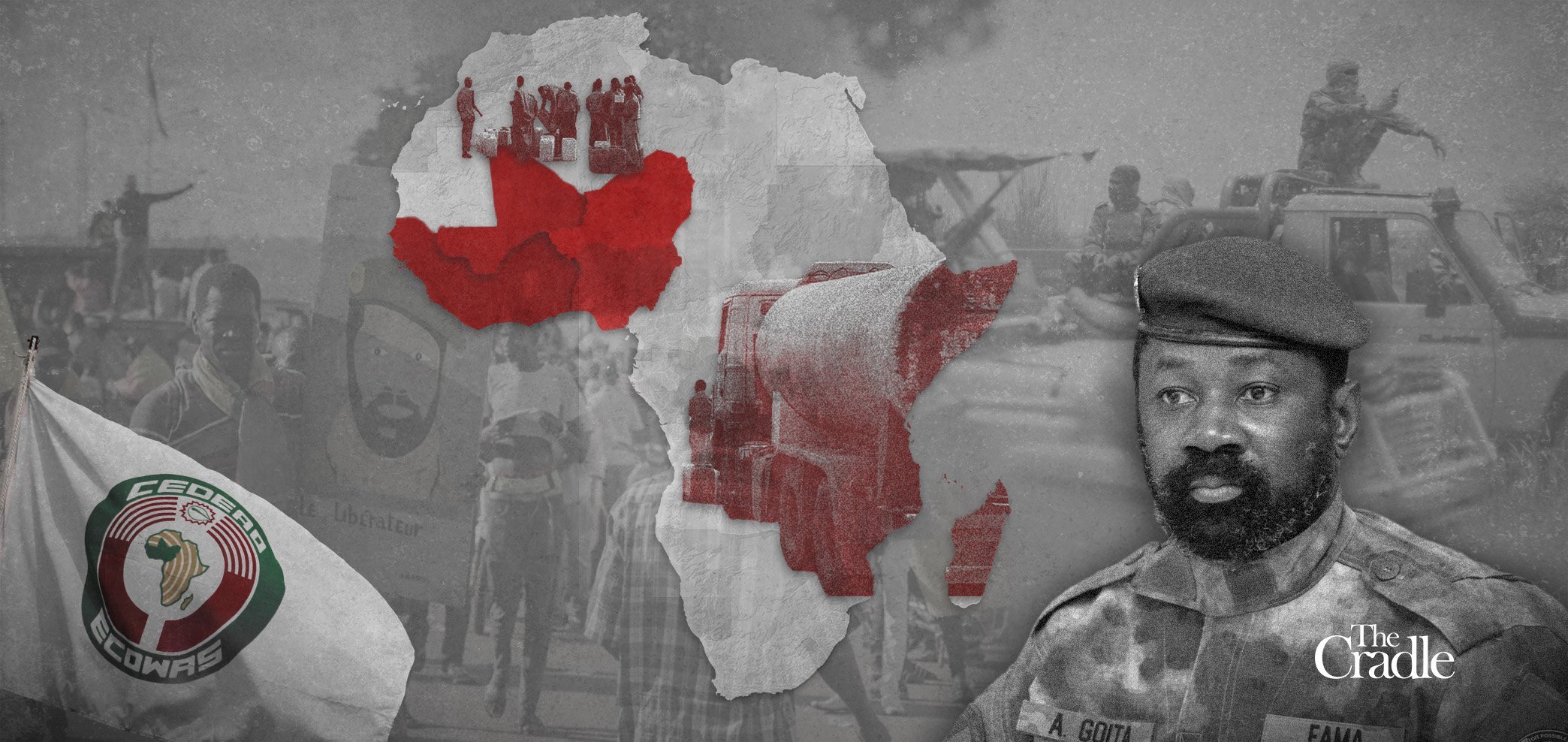
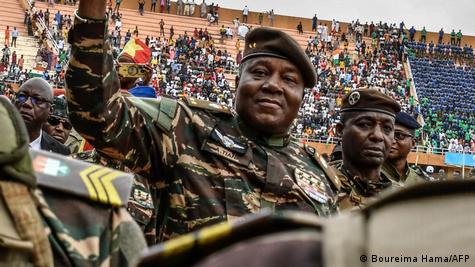
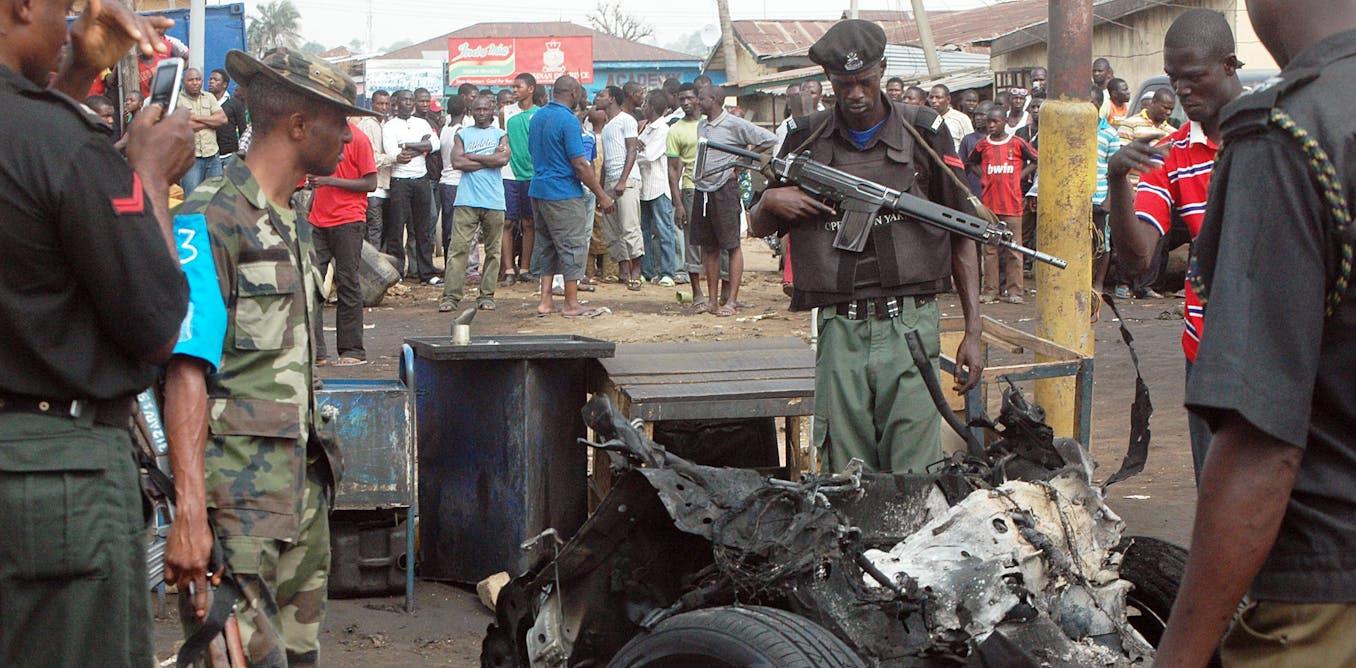
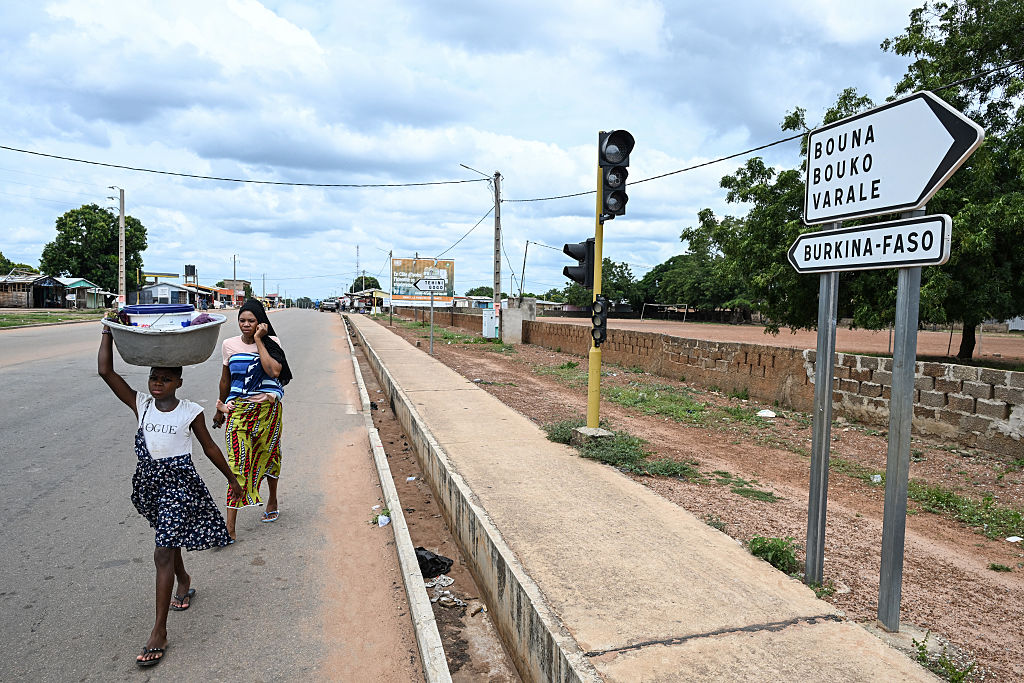
The US military is sounding the alarm: a vast jihadist threat now stretches across the Sahel, from Somalia all the way to Nigeria. This isn’t just a localized problem, it’s interconnected, and it’s intensified just as countries like Burkina Faso, Niger, and Mali are stepping up to tackle extremism. These nations, often led by juntas, are working closer than ever, not just among themselves but also with international partners, in what’s become one of Africa’s most vulnerable regions. The Sahel, a semi-arid belt cutting across northern Africa, has always been a hotbed for militants. What’s changed? These violent extremist groups are now exploiting loose borders and weak governance, making the problem far worse. The Pentagon’s clear statement about these transnational networks tells us one thing: we need more than just national responses, we need a united strategy. For more details on this assessment, see The Arab Weekly’s report.
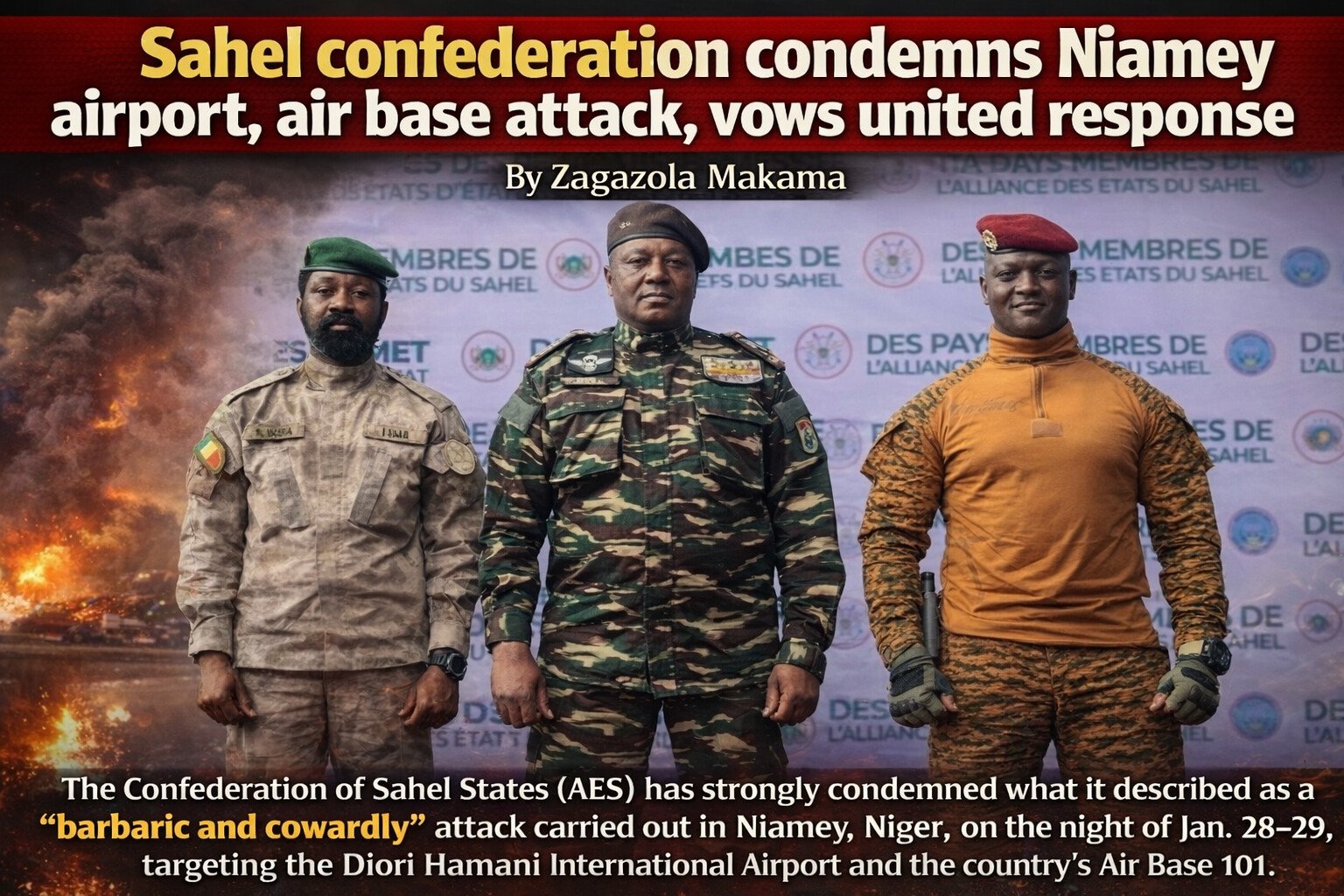
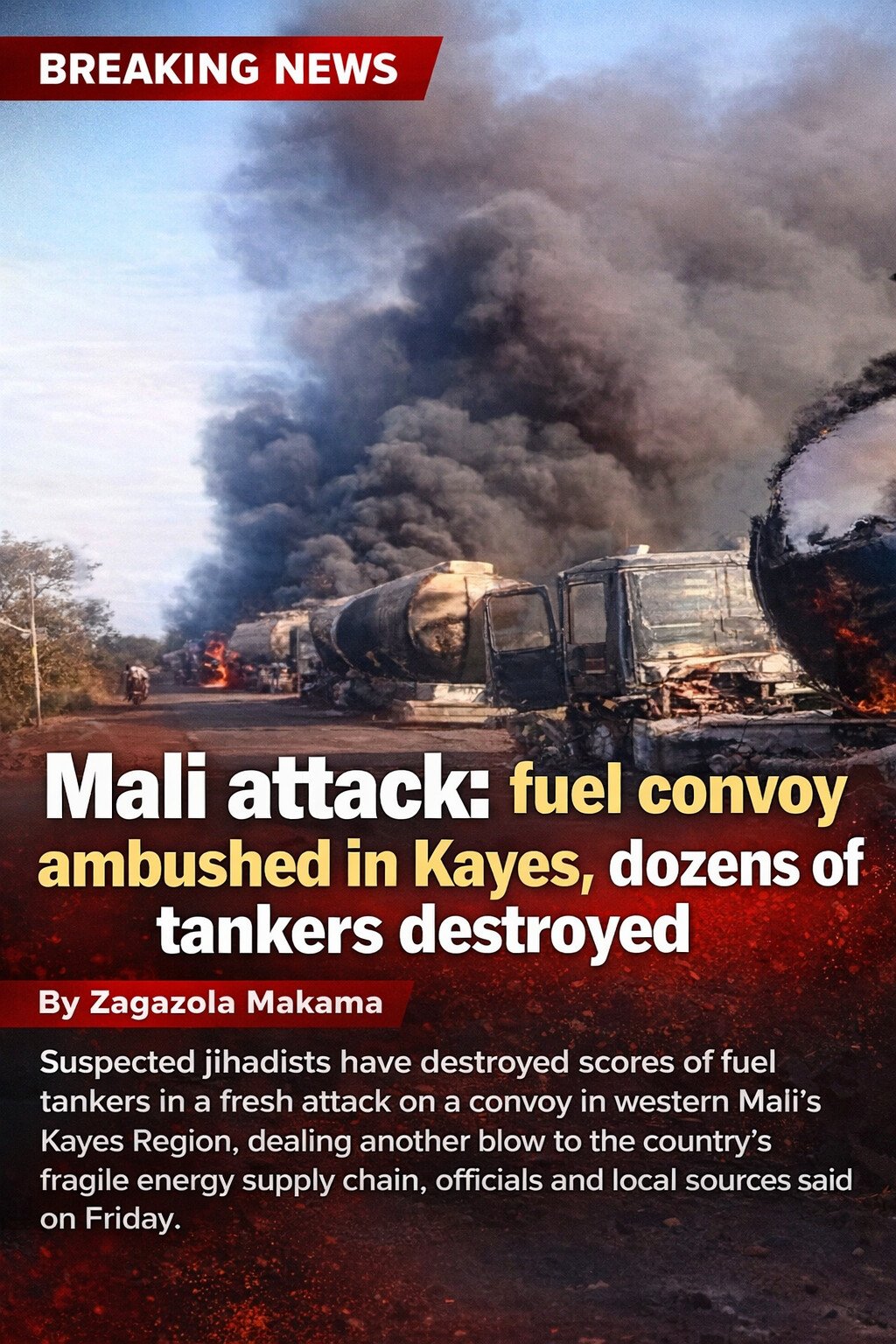
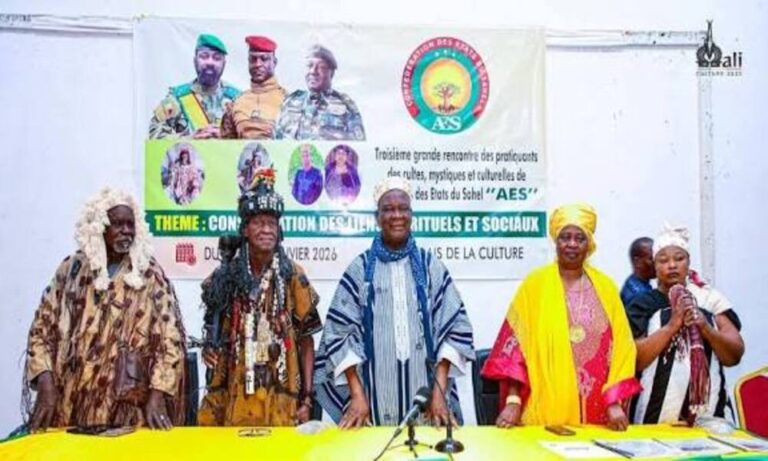
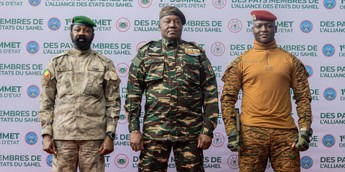
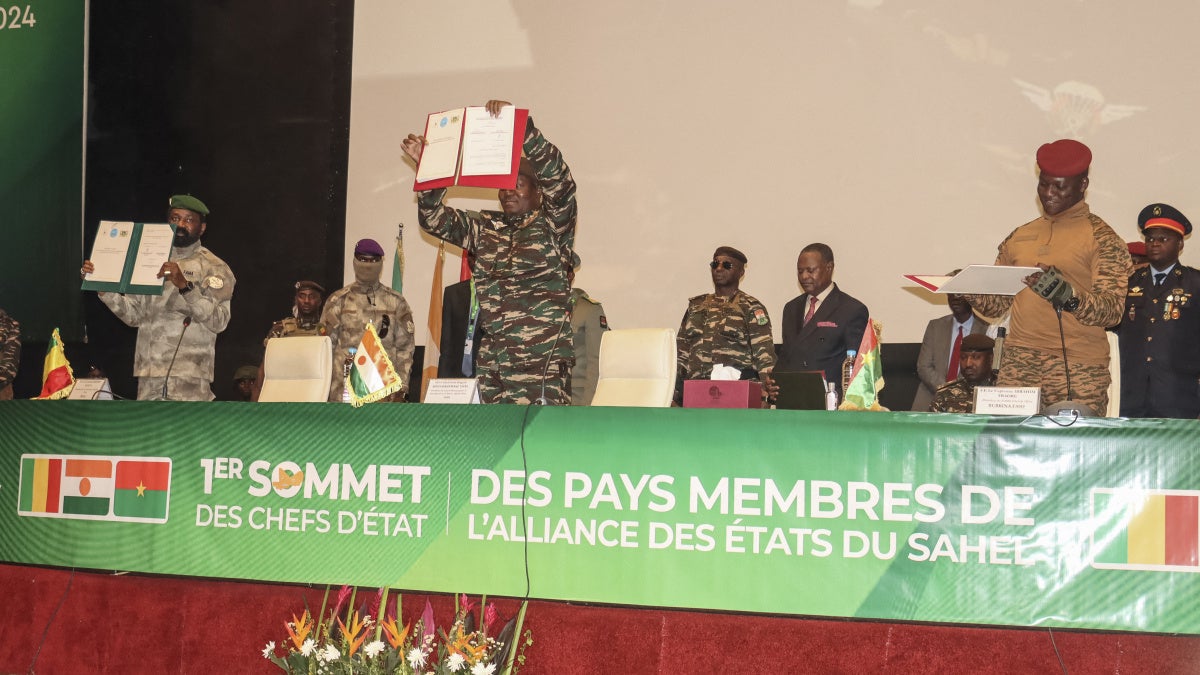
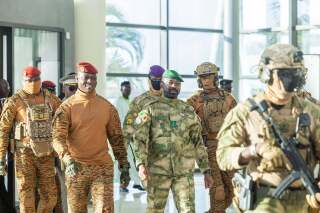
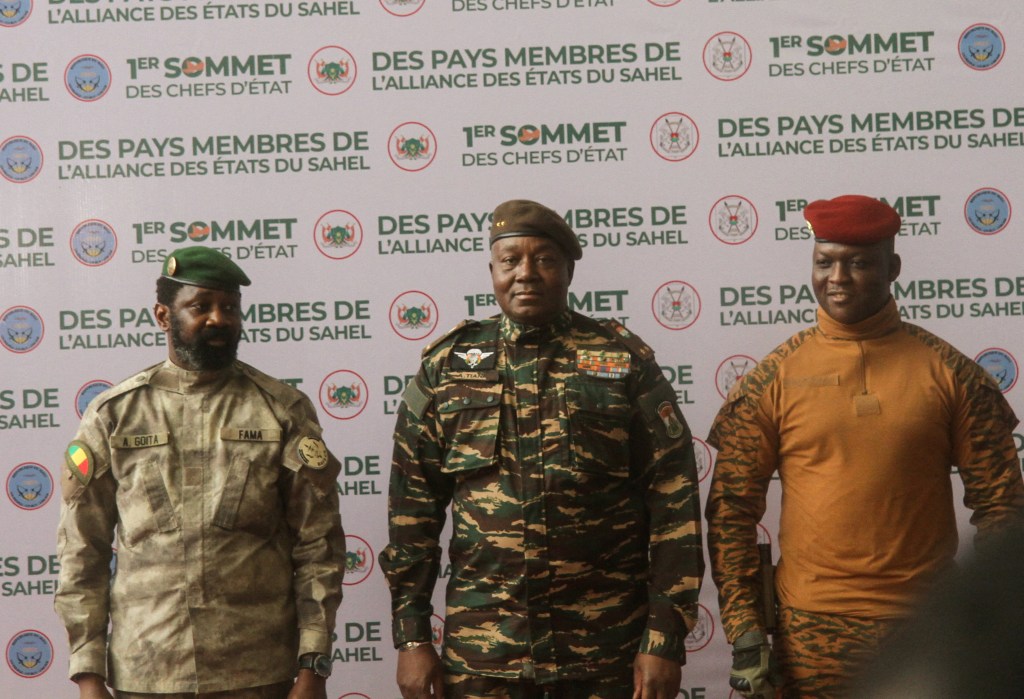
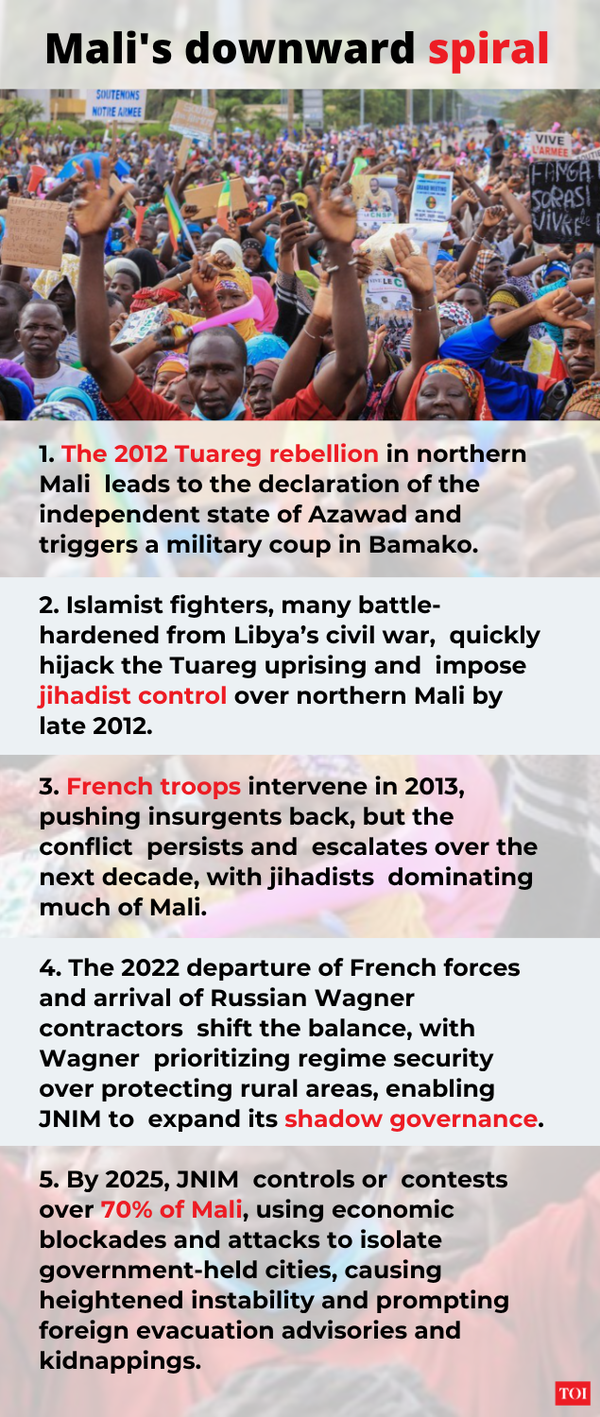
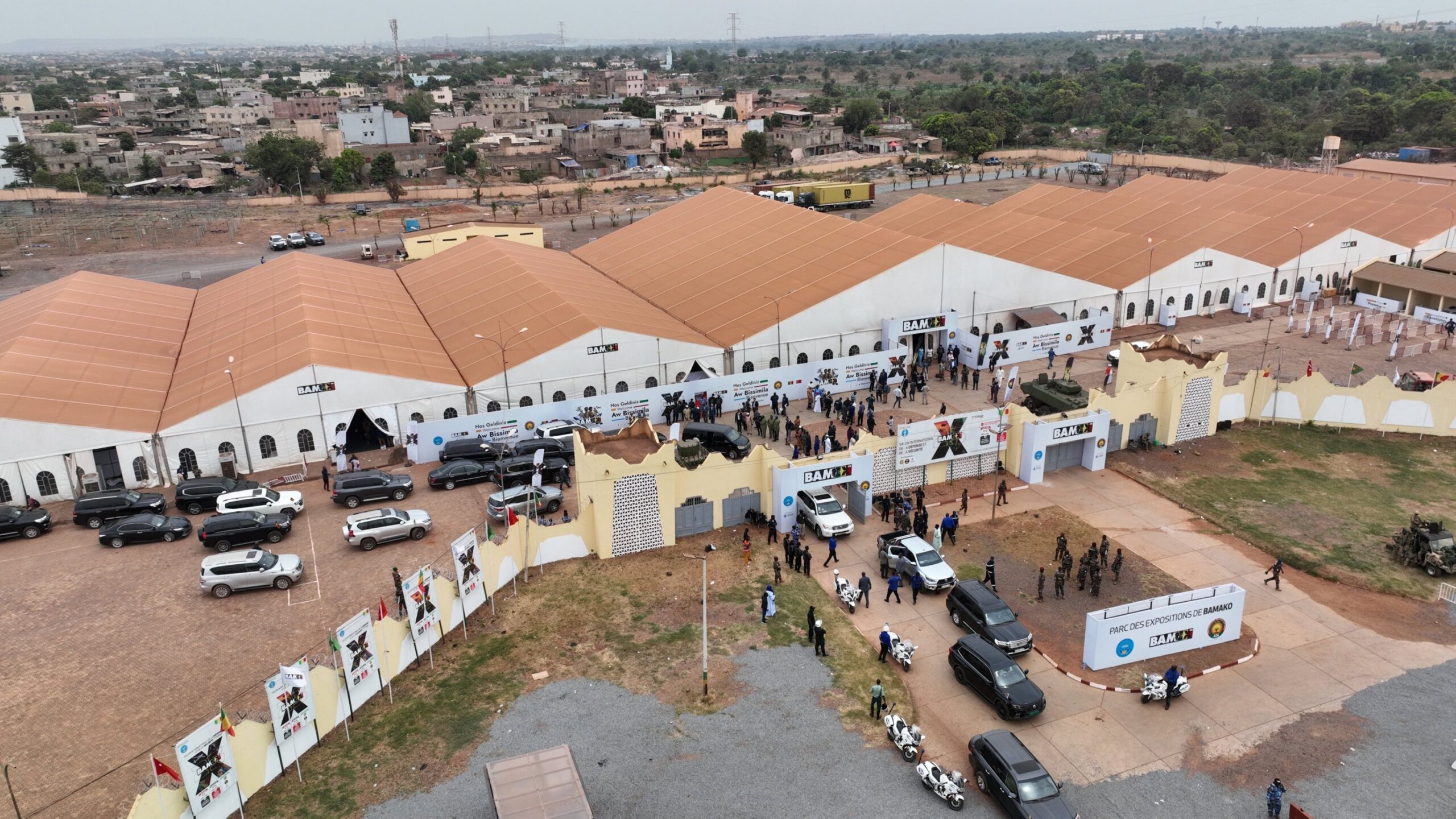
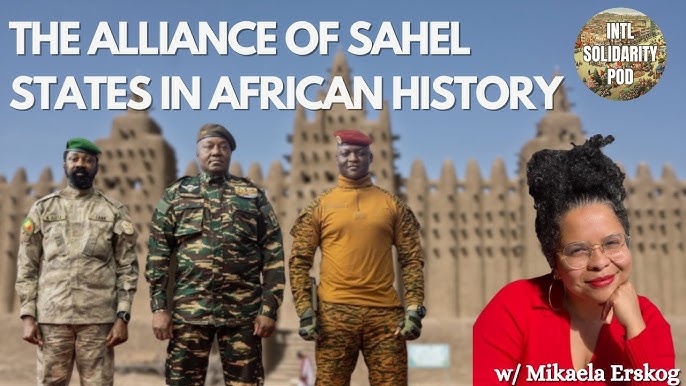
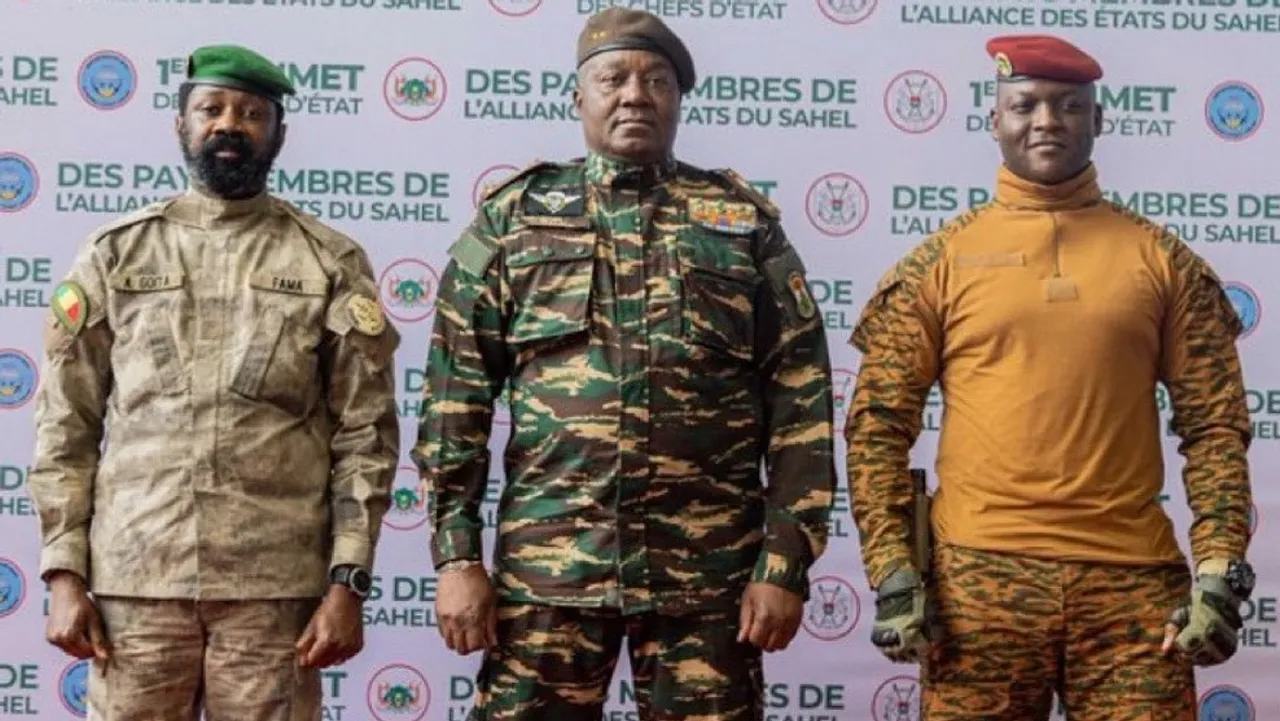
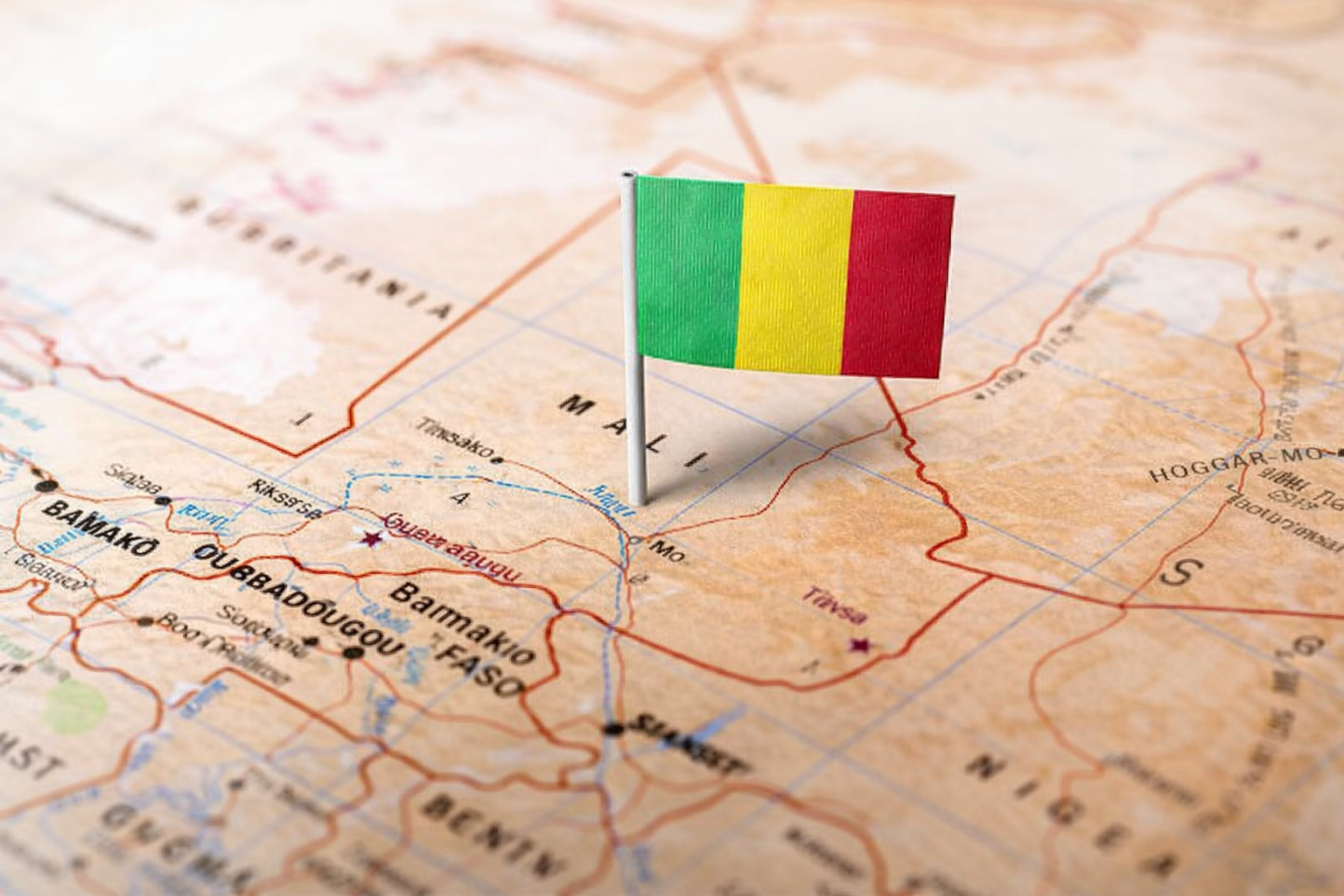
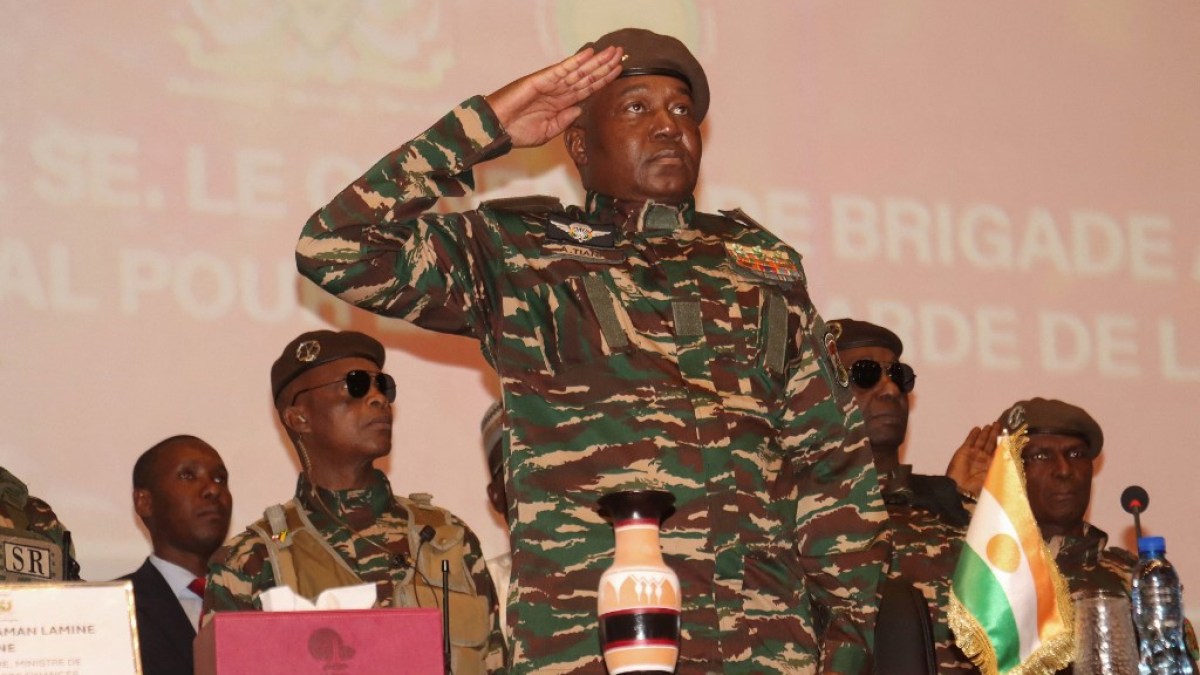
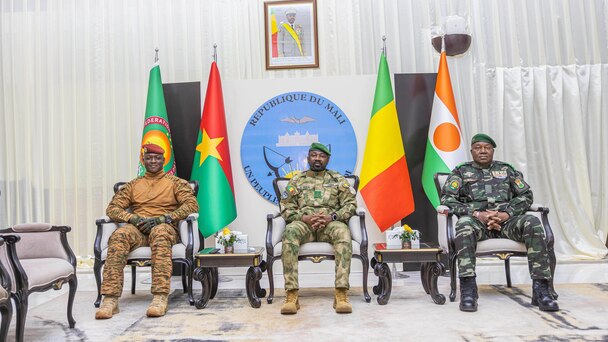
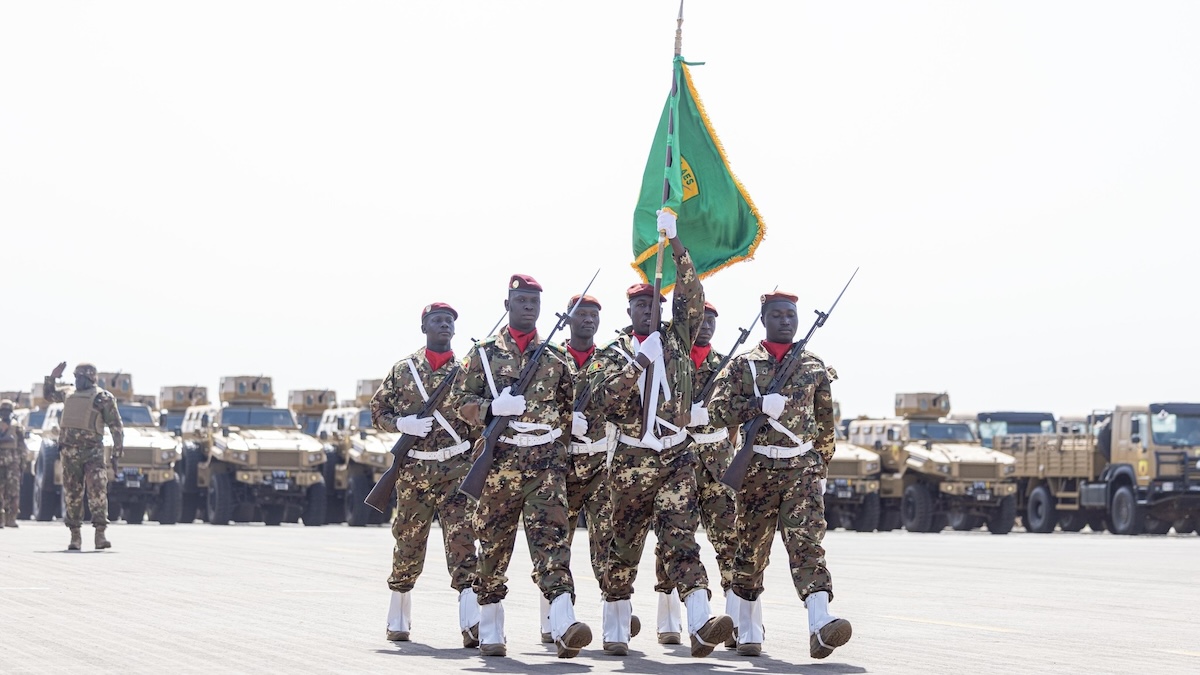
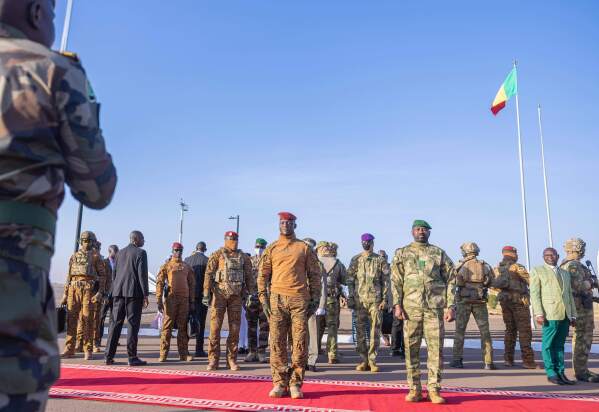
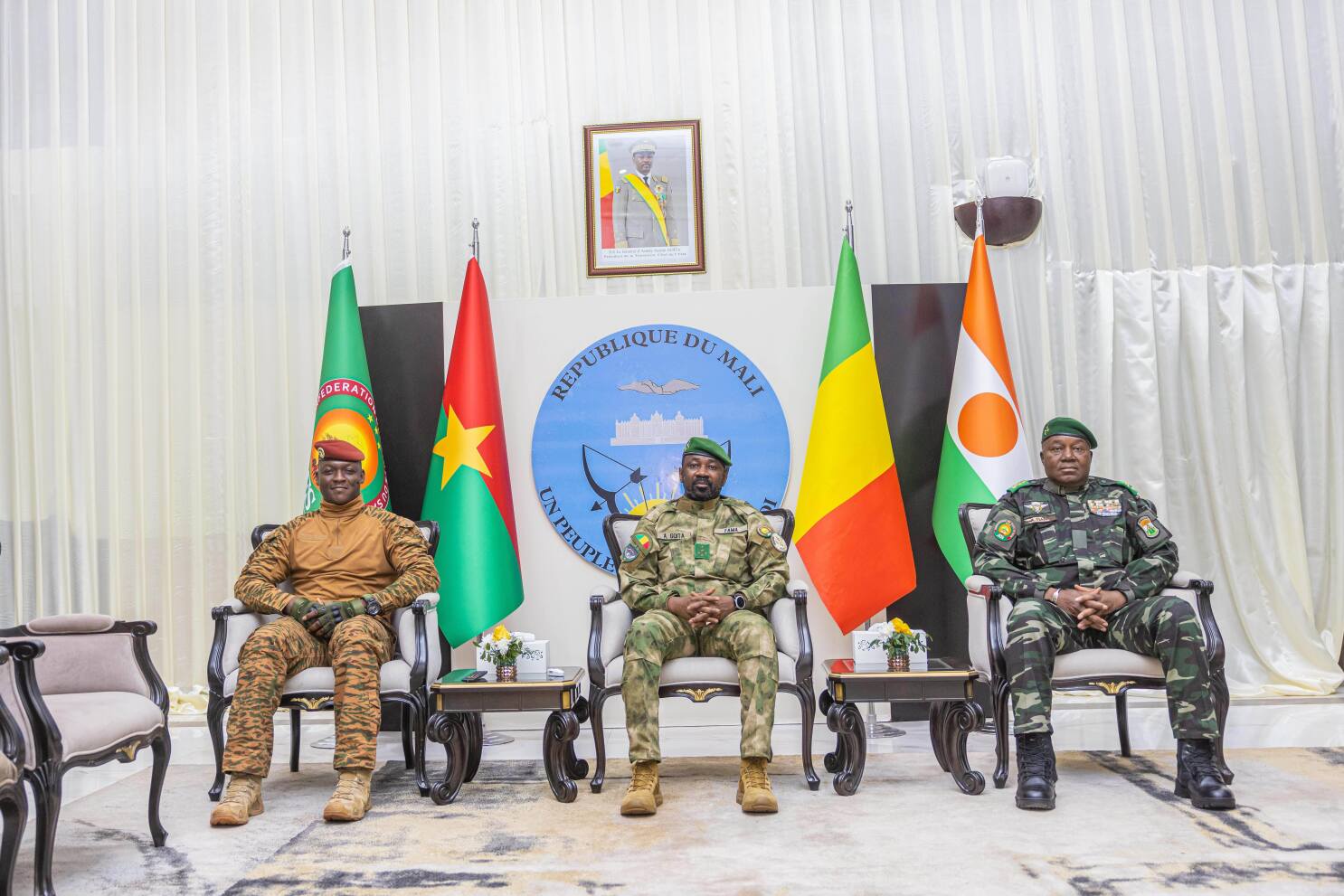
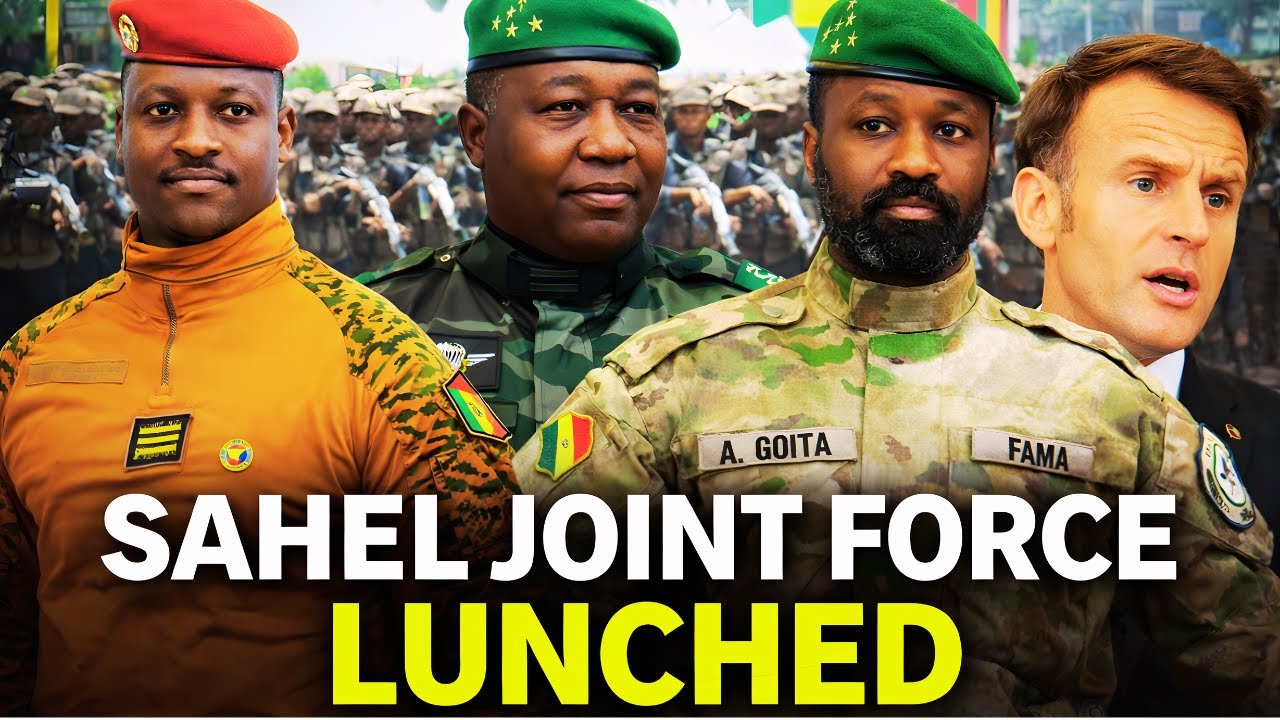
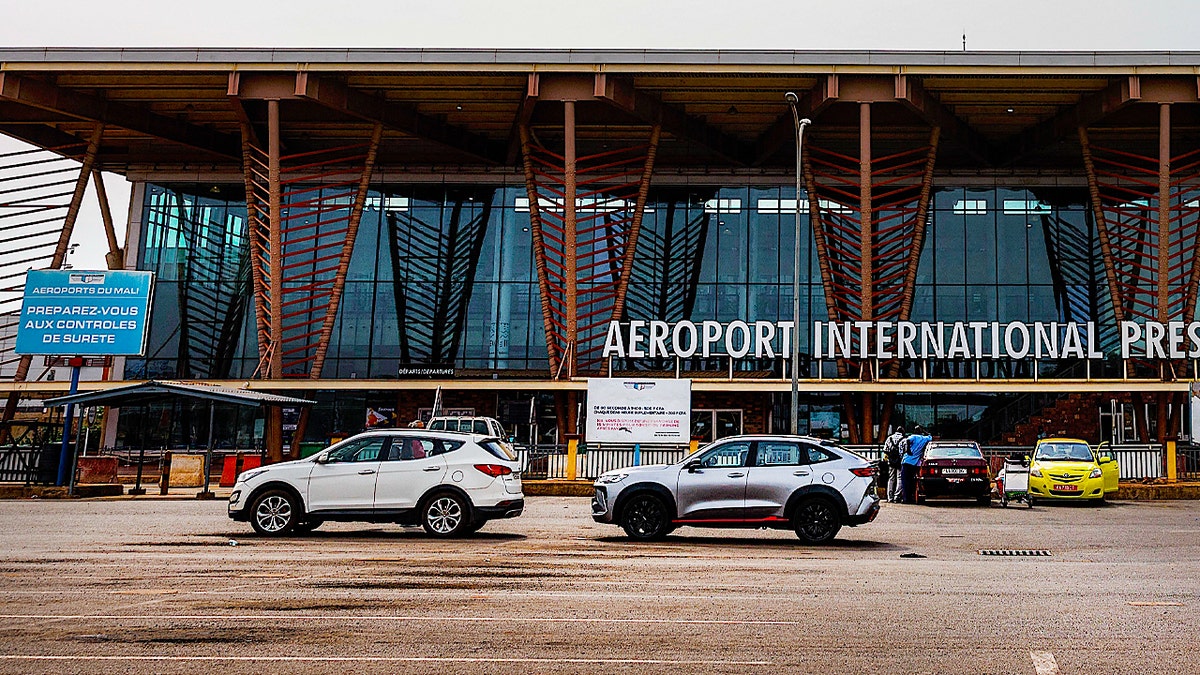
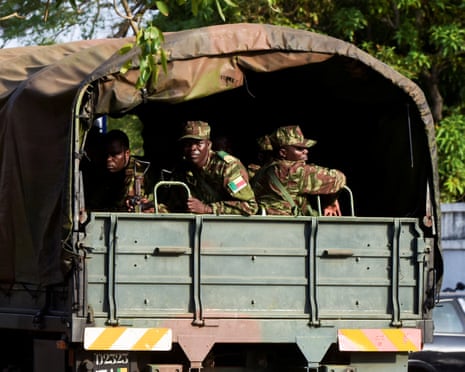
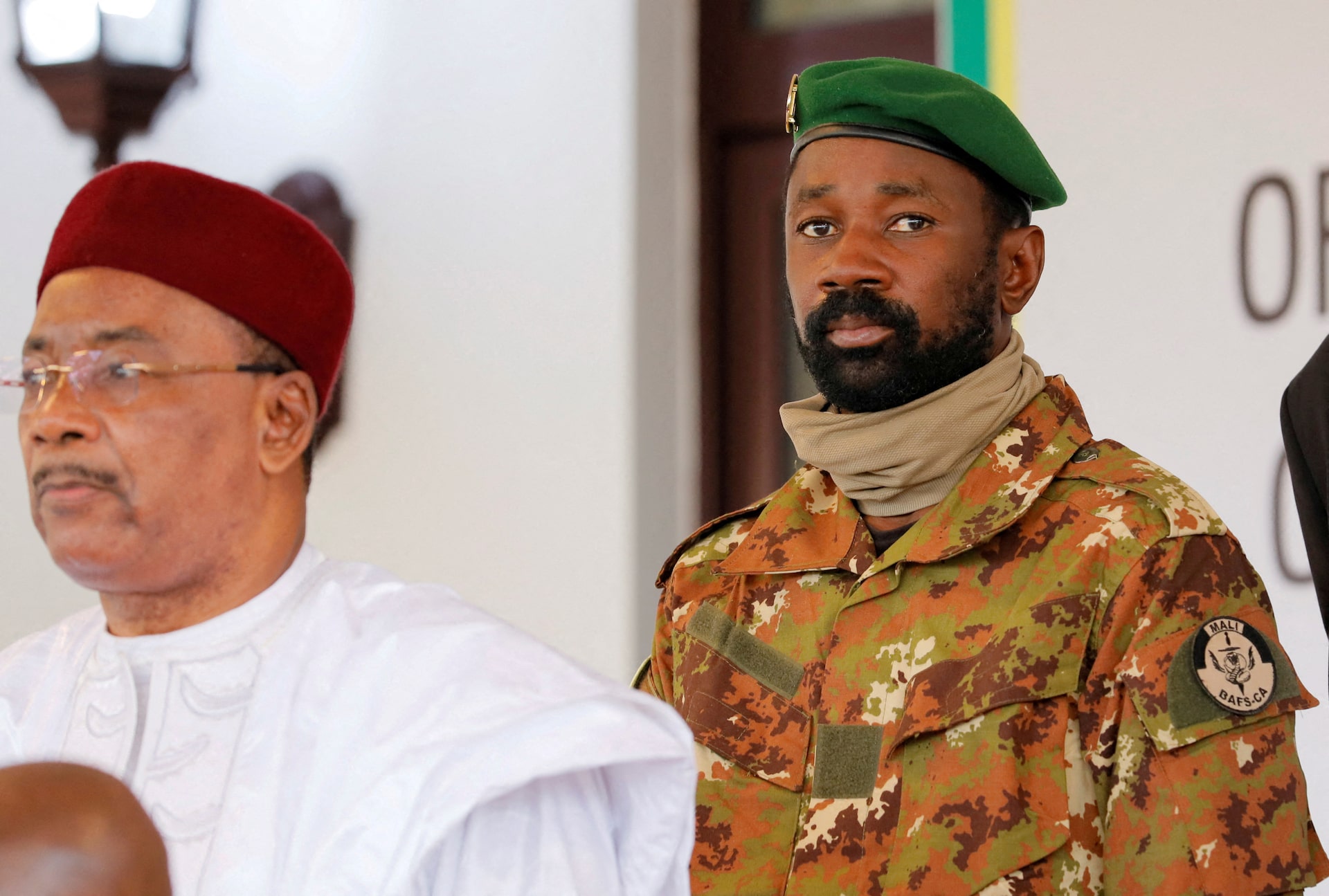
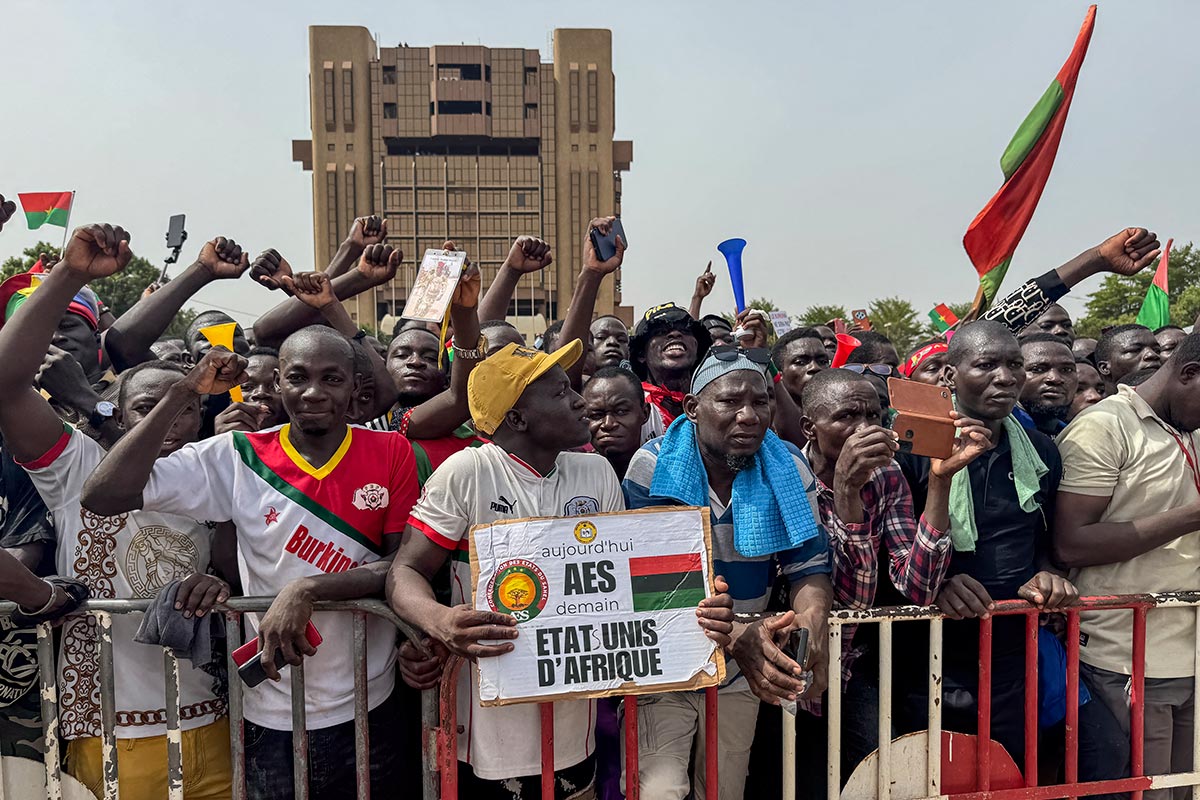
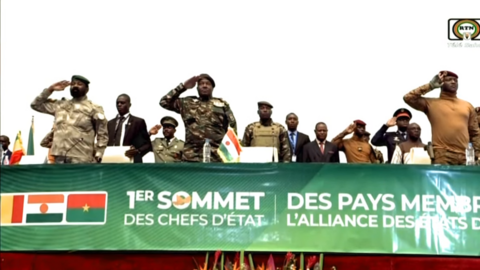
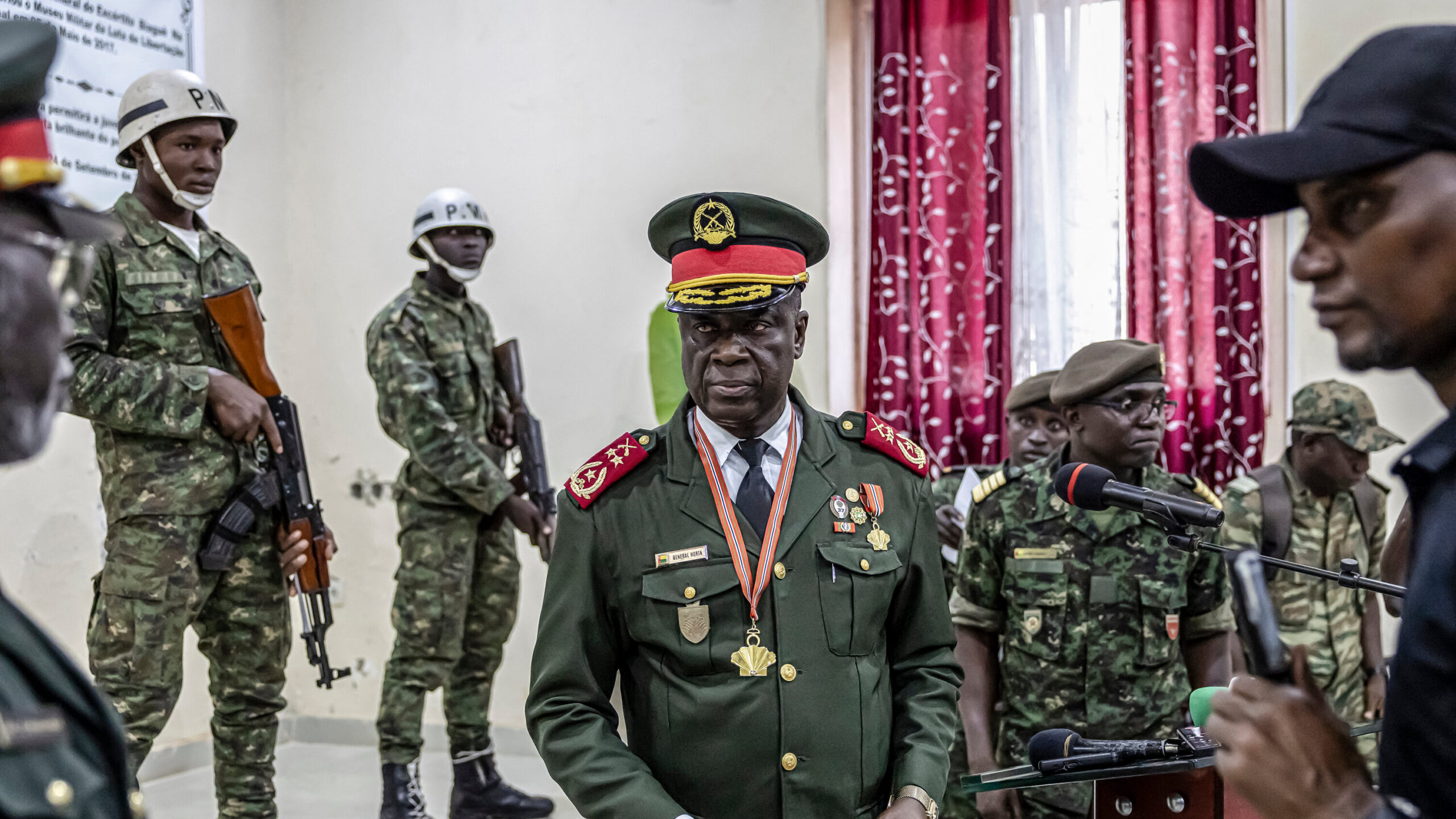
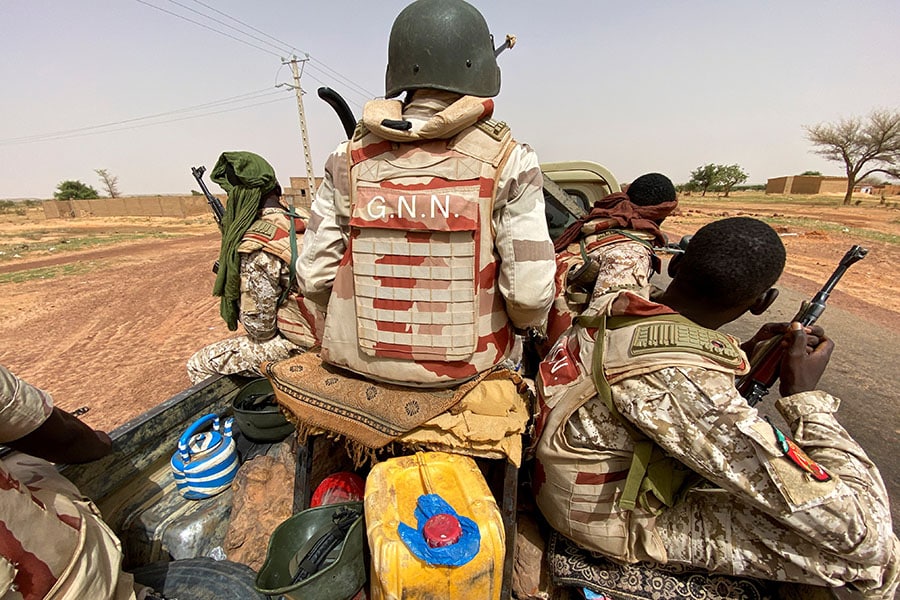
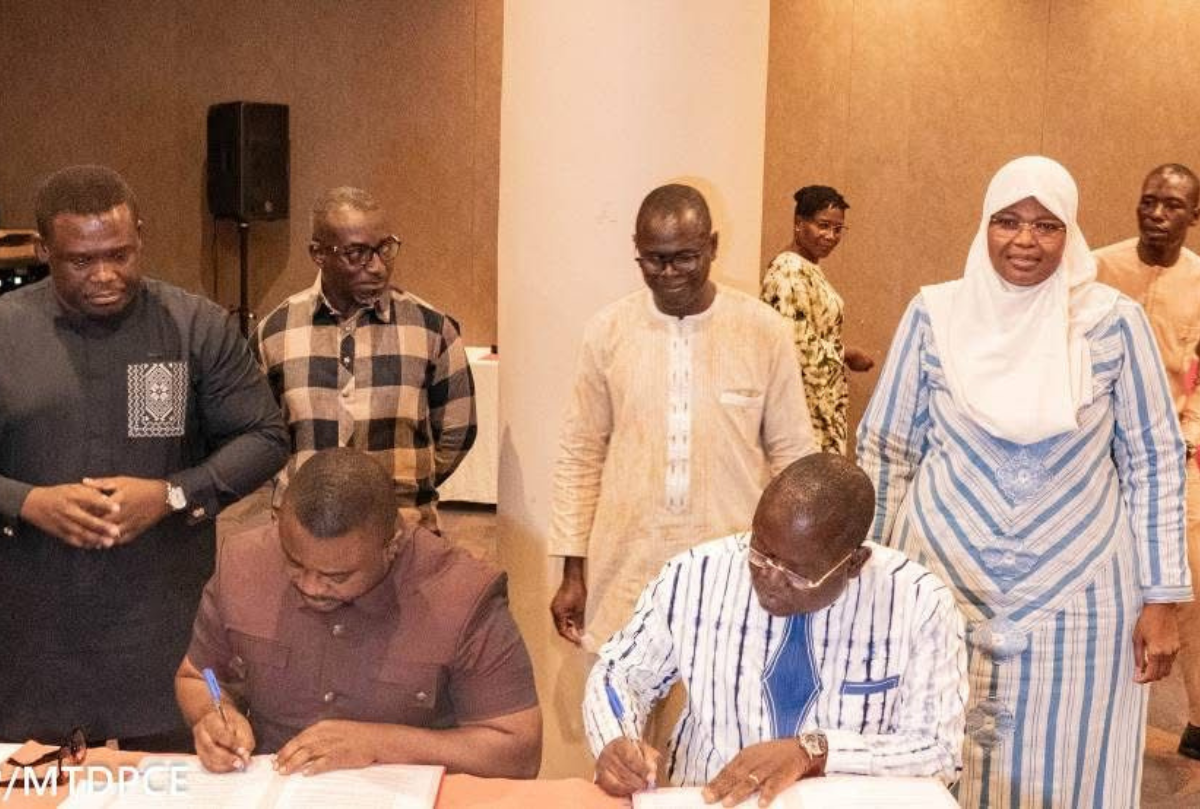
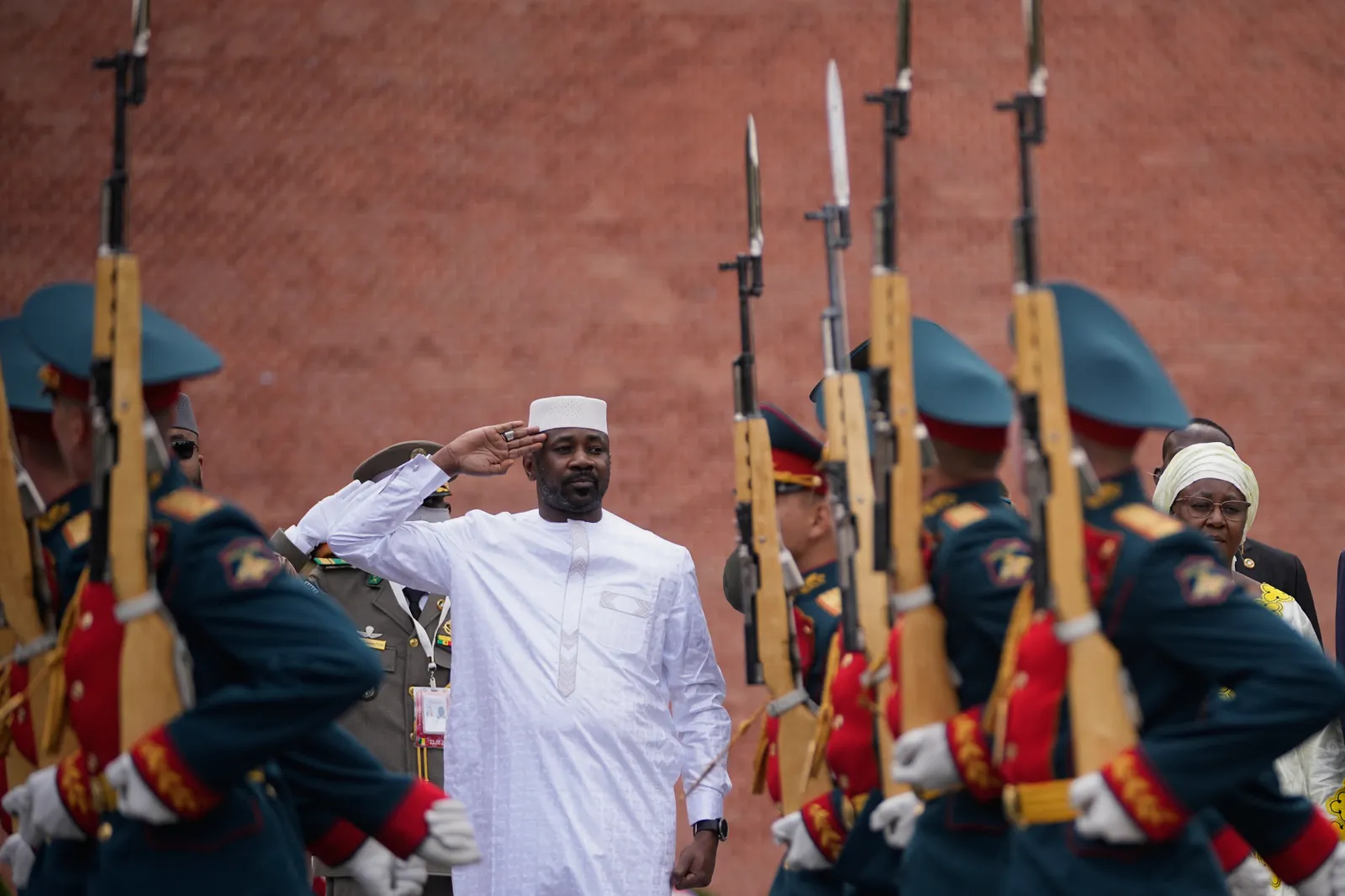
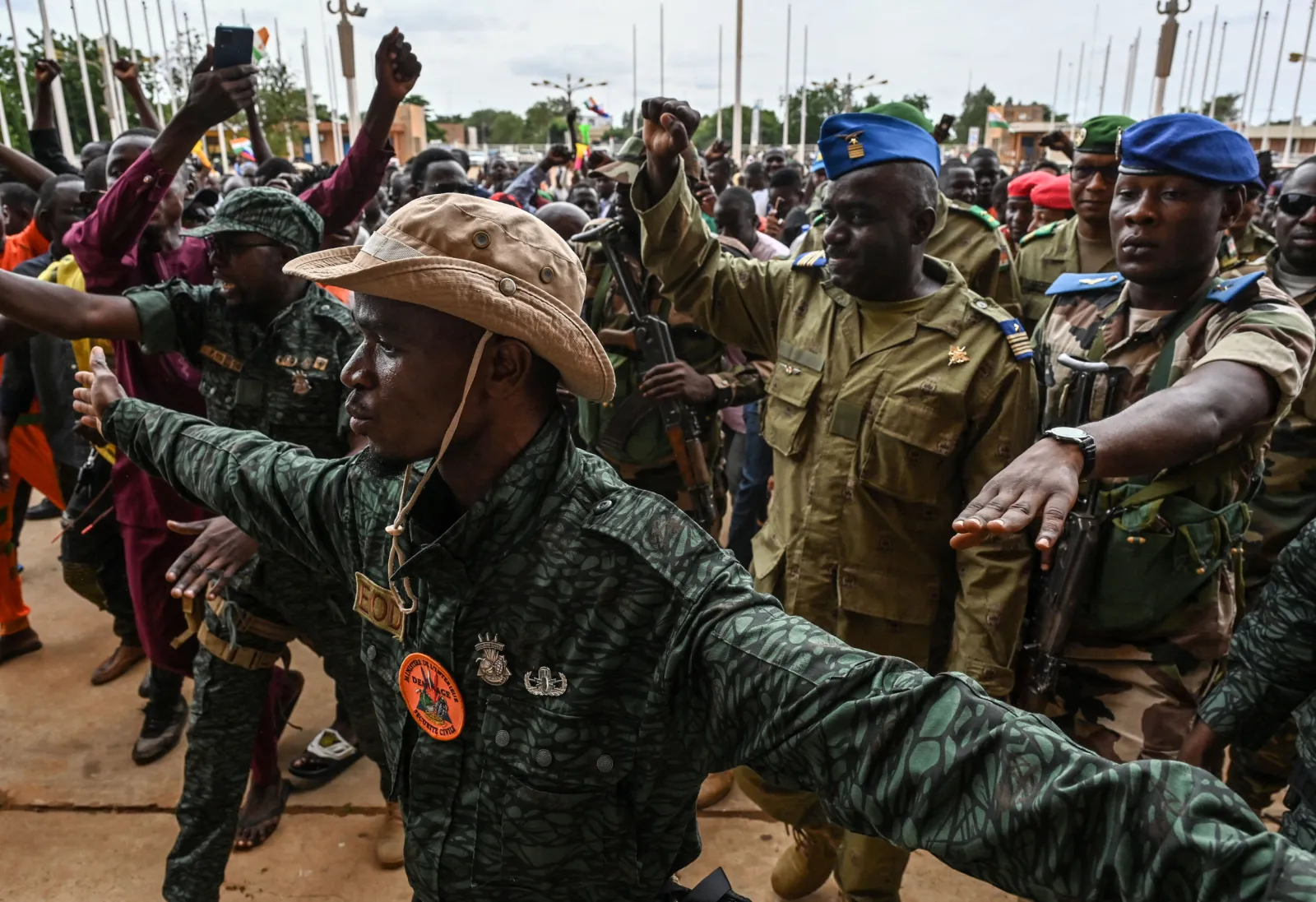
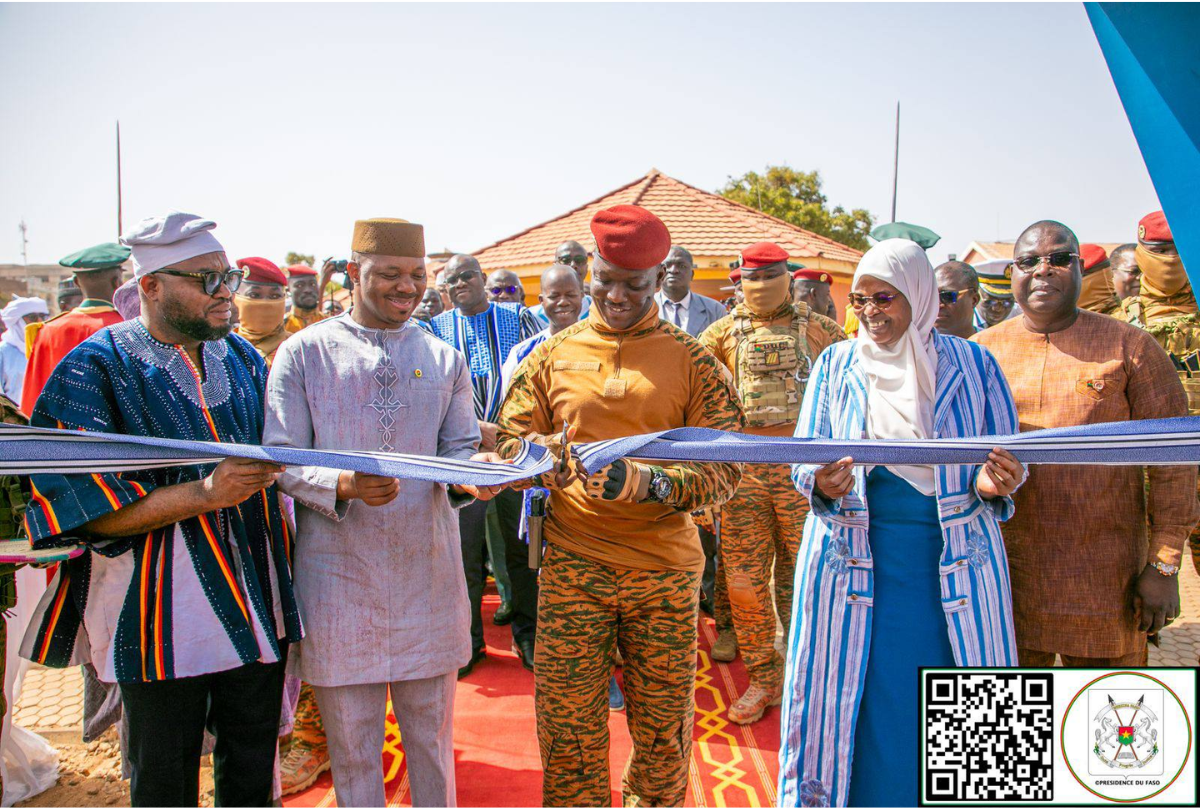
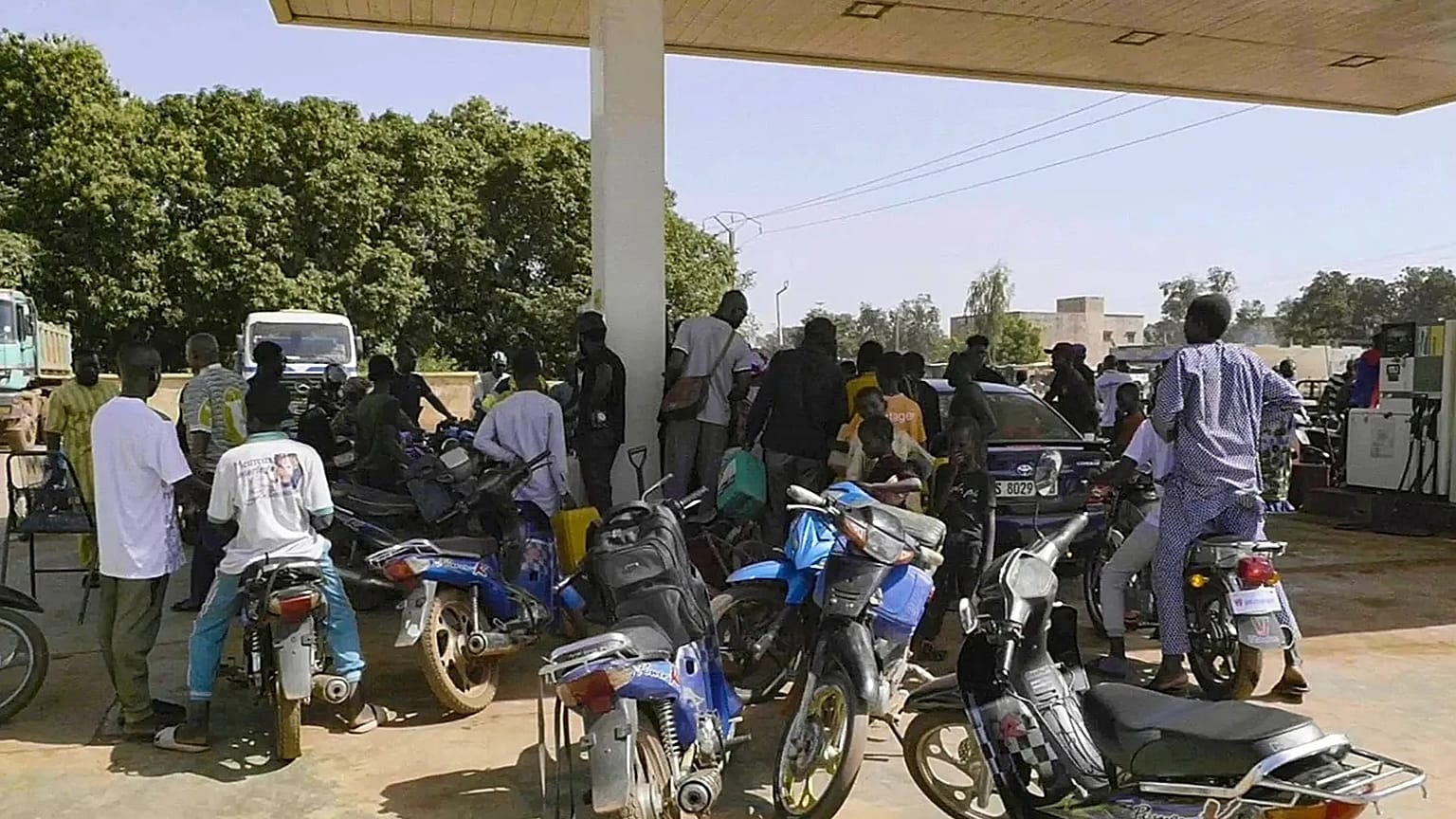
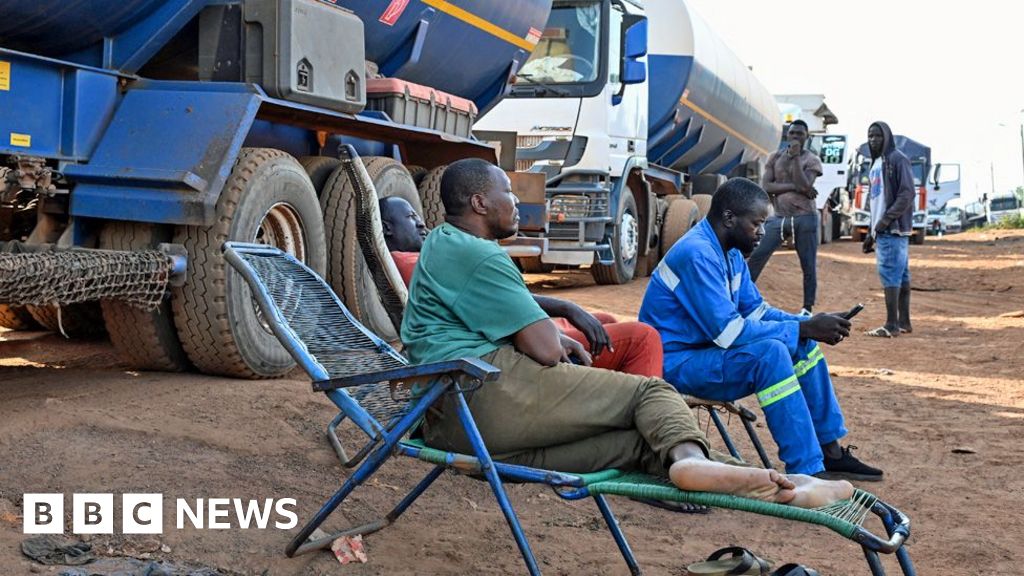
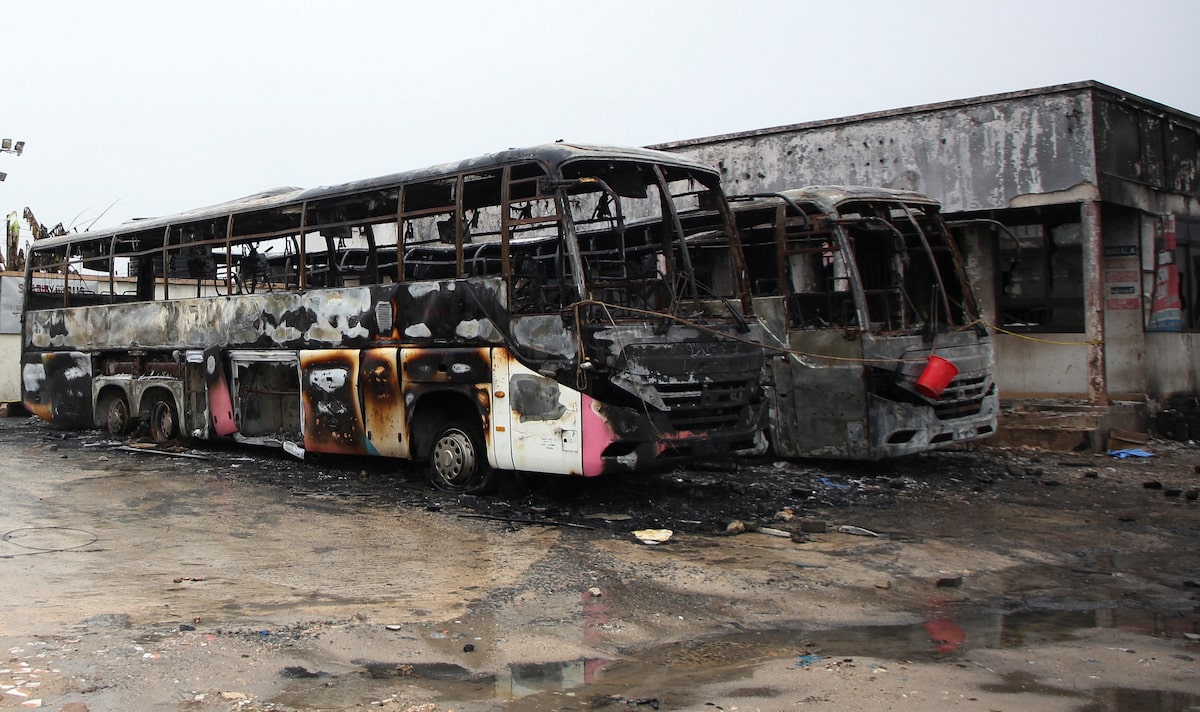
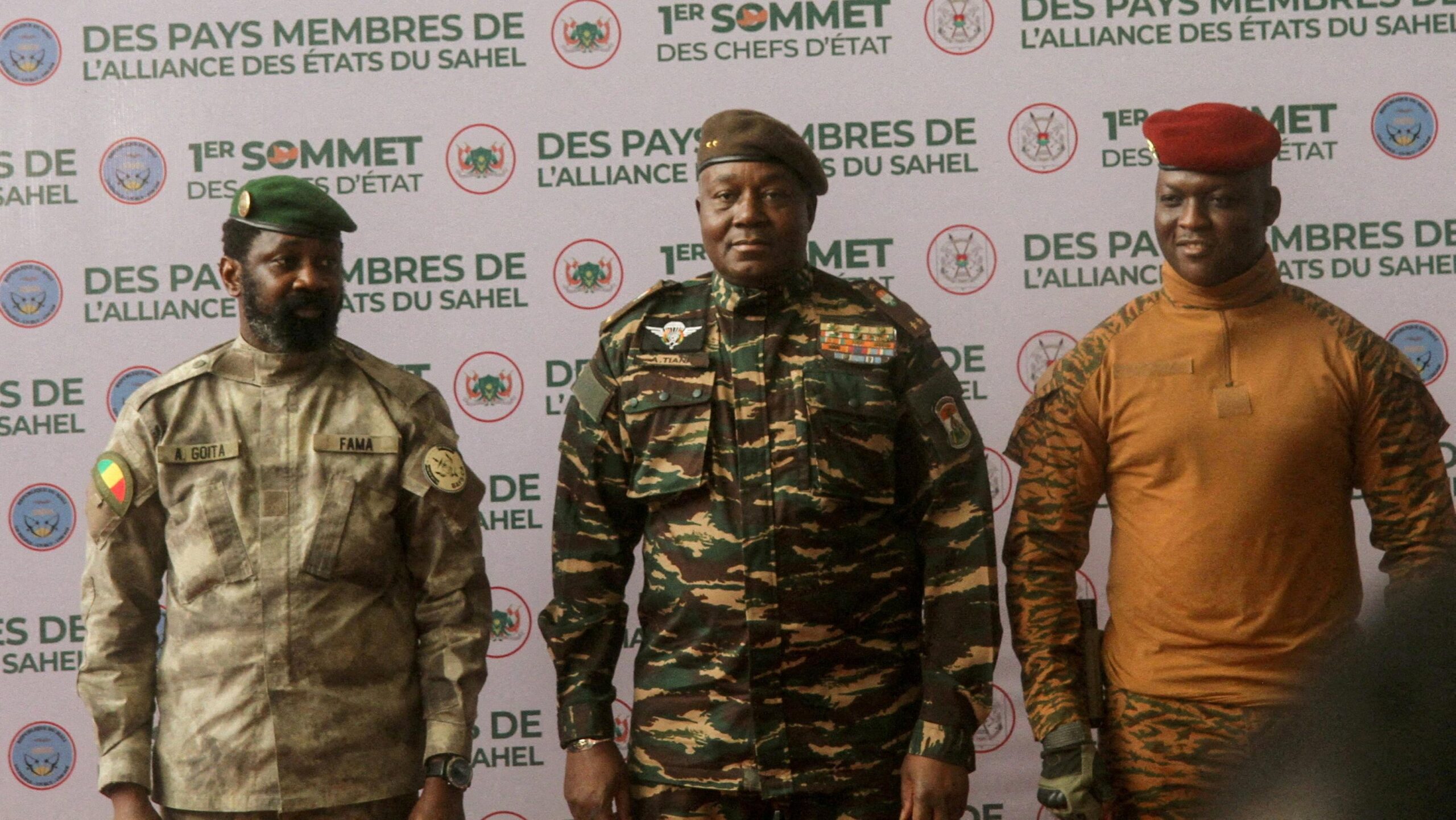
Enter the Alliance of Sahel States, also known as the AES Confederation, a critical step in regional defense. Mali, Niger, and Burkina Faso are leading this charge, aiming to sync up their military efforts and share resources to tackle this complex security challenge. By teaming up, they’re building a stronger front against terrorist operations that often jump national lines, disrupting militant movement and their supply chains. On the ground, Mali’s showing real resolve. They recently brought in 54 million liters of petroleum products in just ten days. Why does this matter? Fuel shortages had actually crippled their military operations and even basic civilian services. Getting this supply back doesn’t just boost their fight against insurgents, it helps everyday folks caught in the chaos, showing the state is getting back on its feet. Read more about Mali’s fuel imports here. We’re seeing a hardened stance too: a recent strike in Mali reportedly wiped out over 100 armed terrorists in a single operation. It’s a strong message, emphasizing action over talk, reflecting how Sahelian forces are adapting to a relentless enemy. More on this decisive military engagement can be found on Facebook.
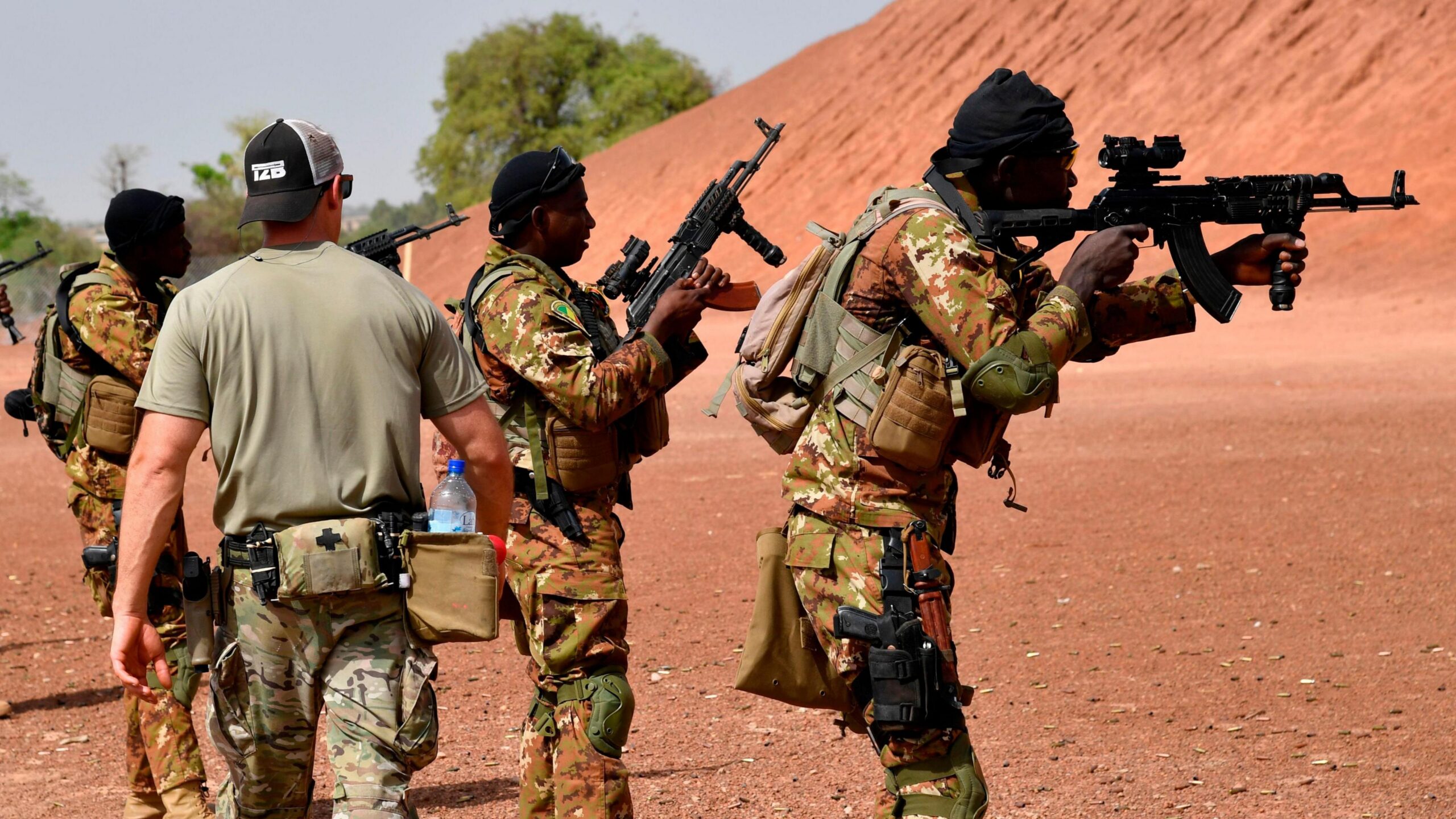
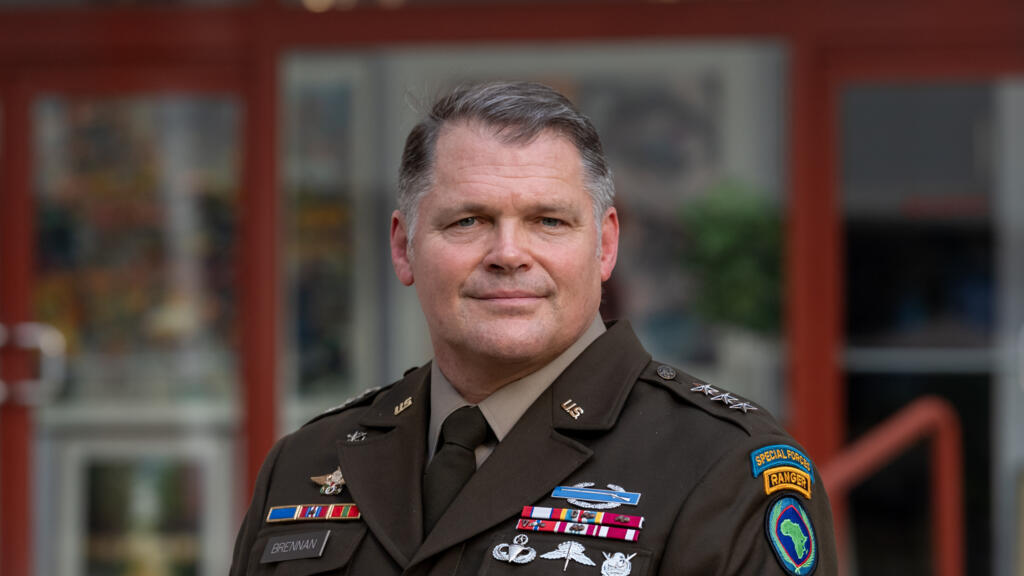
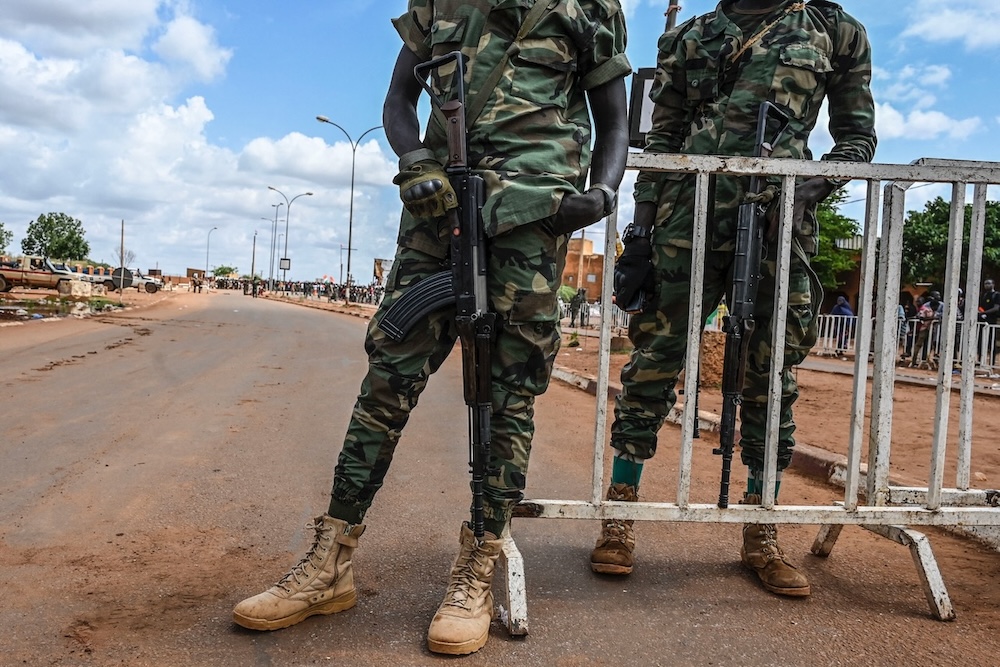
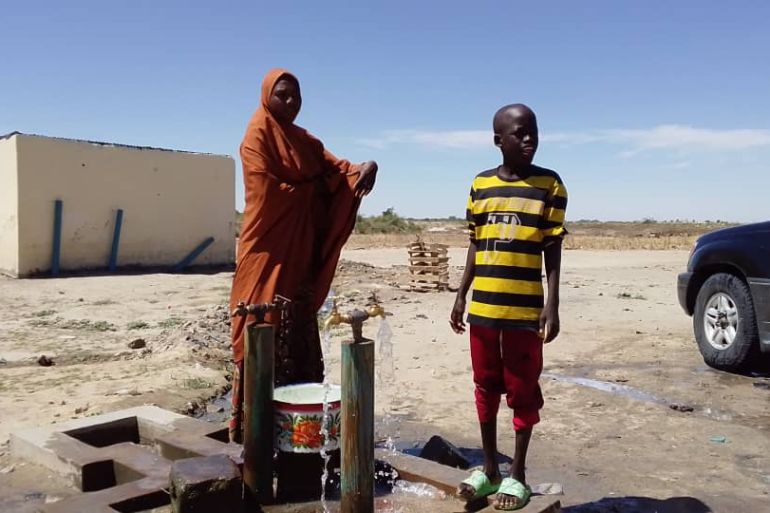
So, where does the US fit in? The Pentagon keeps those communication lines open with the militaries of Burkina Faso, Niger, and Mali, sharing vital intelligence and supporting counter-terrorism training. Yes, partnerships with outside powers can be a touchy subject in post-colonial Africa, but right now, these are crucial lifelines keeping the pressure on jihadist groups. But let’s be real, this situation is complicated. Jihadism isn’t just about military might, it’s a symptom of deeper issues like poverty, governance failures, and ethnic tensions. That means these Sahelian states need to do more than just fight, they need to invest in development policies that tackle the root causes pulling young people towards extremism. Looking ahead, the Alliance of Sahel States will only grow stronger with deeper integration and better coordination. Continued international support, tighter border controls, and intelligence sharing are going to be key to crushing these transnational terror networks. And let’s not forget the basics: keeping essential resources like fuel flowing will remain a top logistical priority to keep these counter-insurgency efforts moving. Africa truly stands at a crossroads. We need decisive military action, real regional unity, and smart diplomacy all working together to bring stability back to the Sahel. Recent wins and stronger international ties offer a hopeful, if cautious, outlook. But ultimate success? That’ll take persistence, adaptability, and a holistic approach that balances immediate security needs with long-term socio-economic development.