US, Nigeria Collaborate to Combat Islamist Militants in the Sahel and Northwest Nigeria
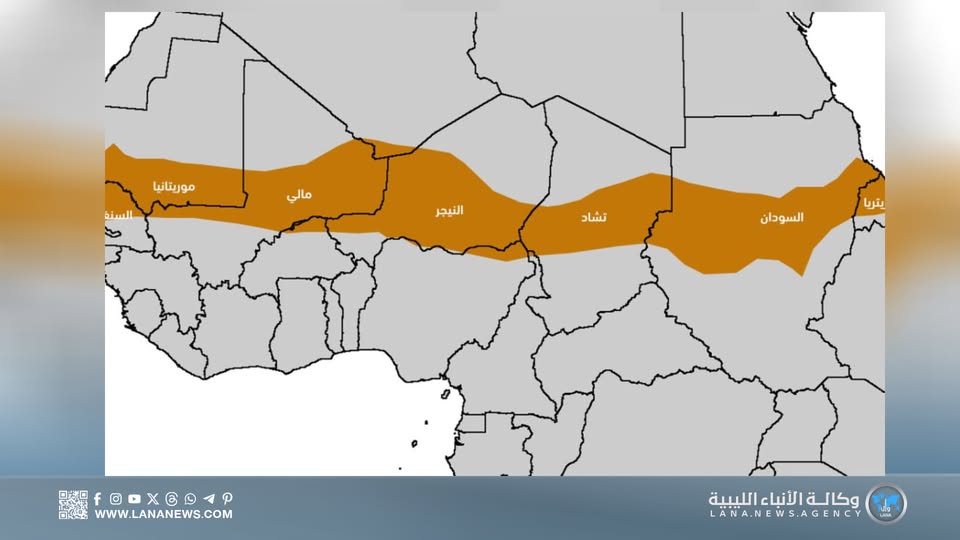
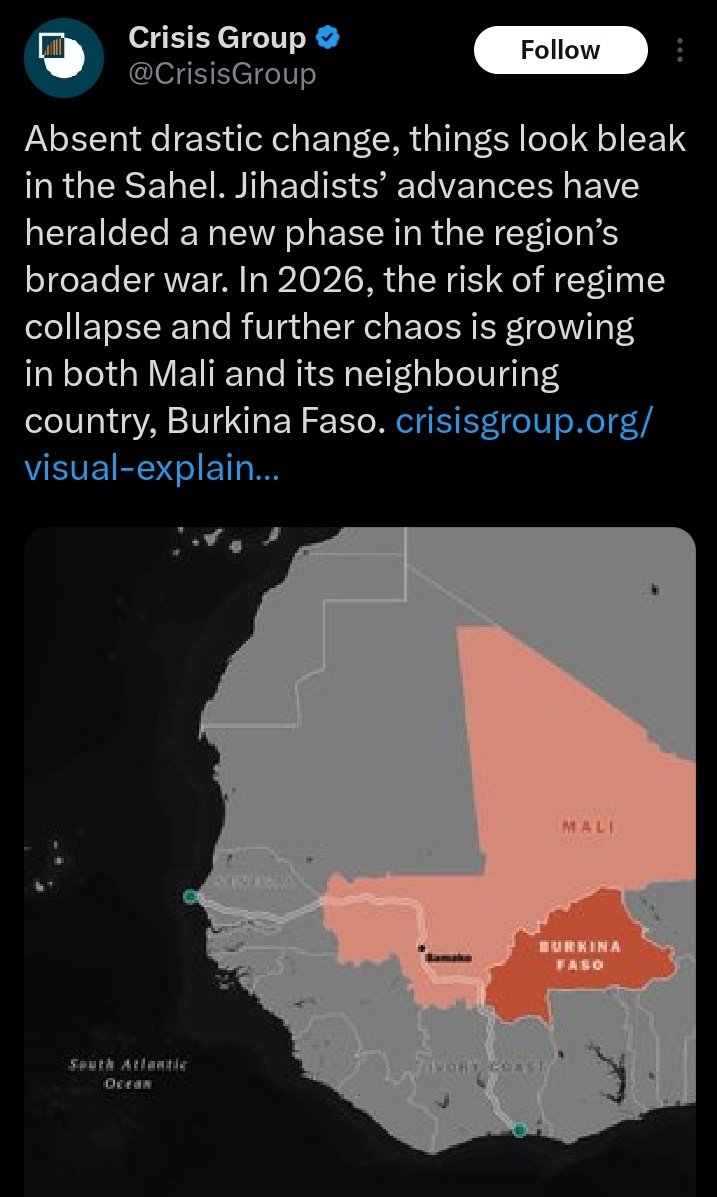
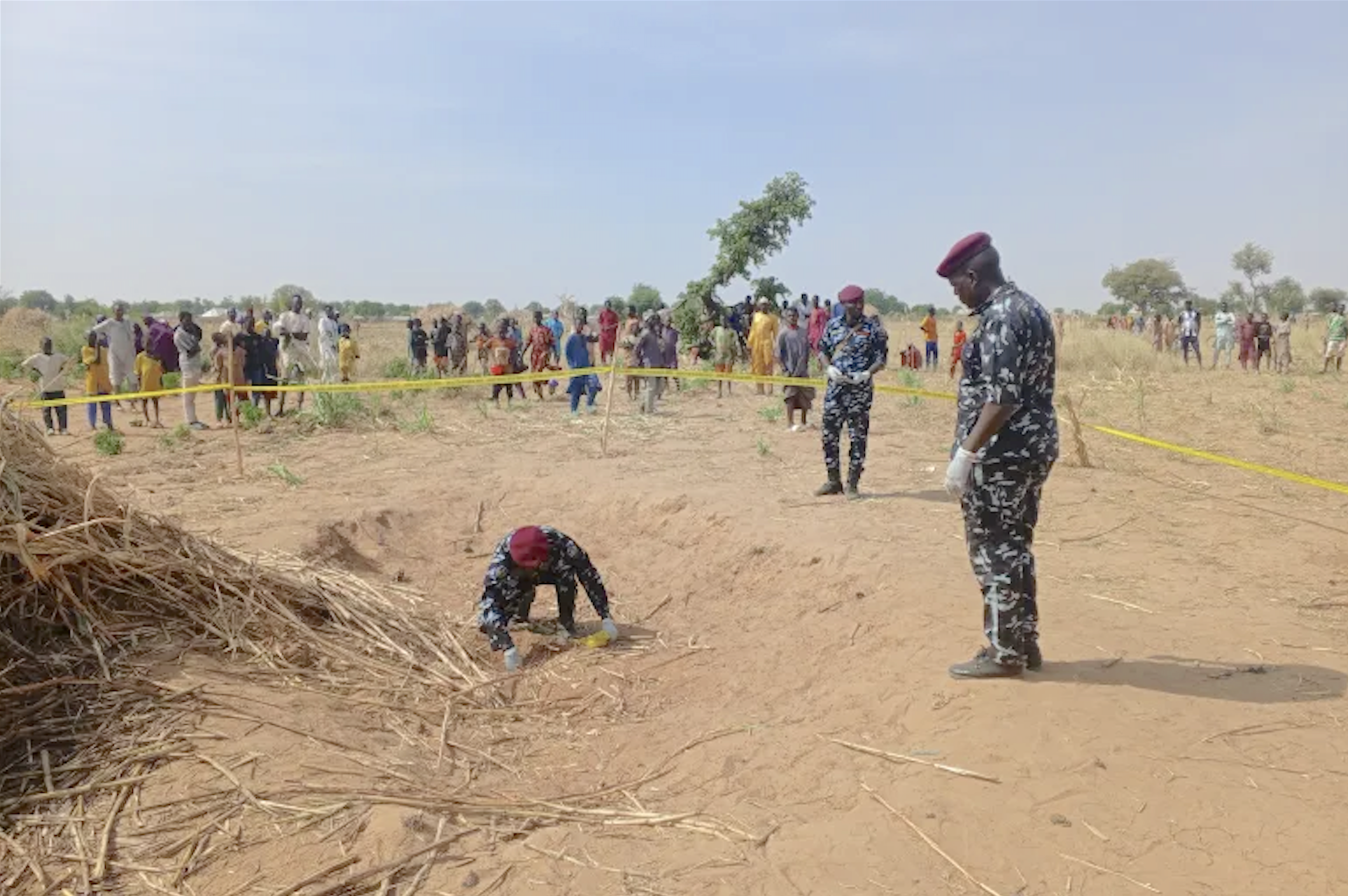
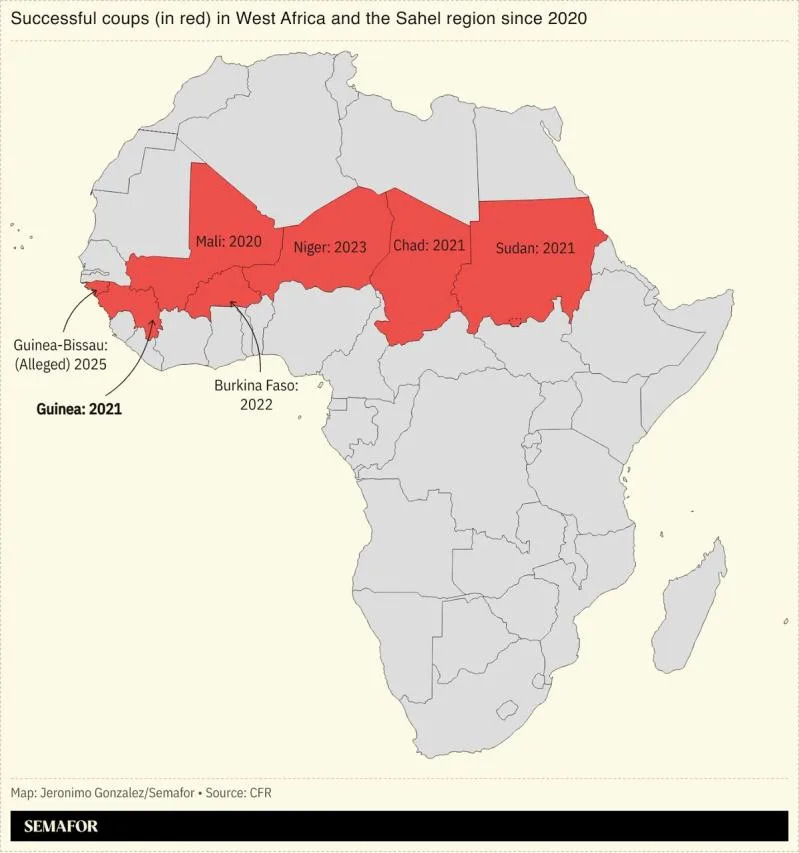
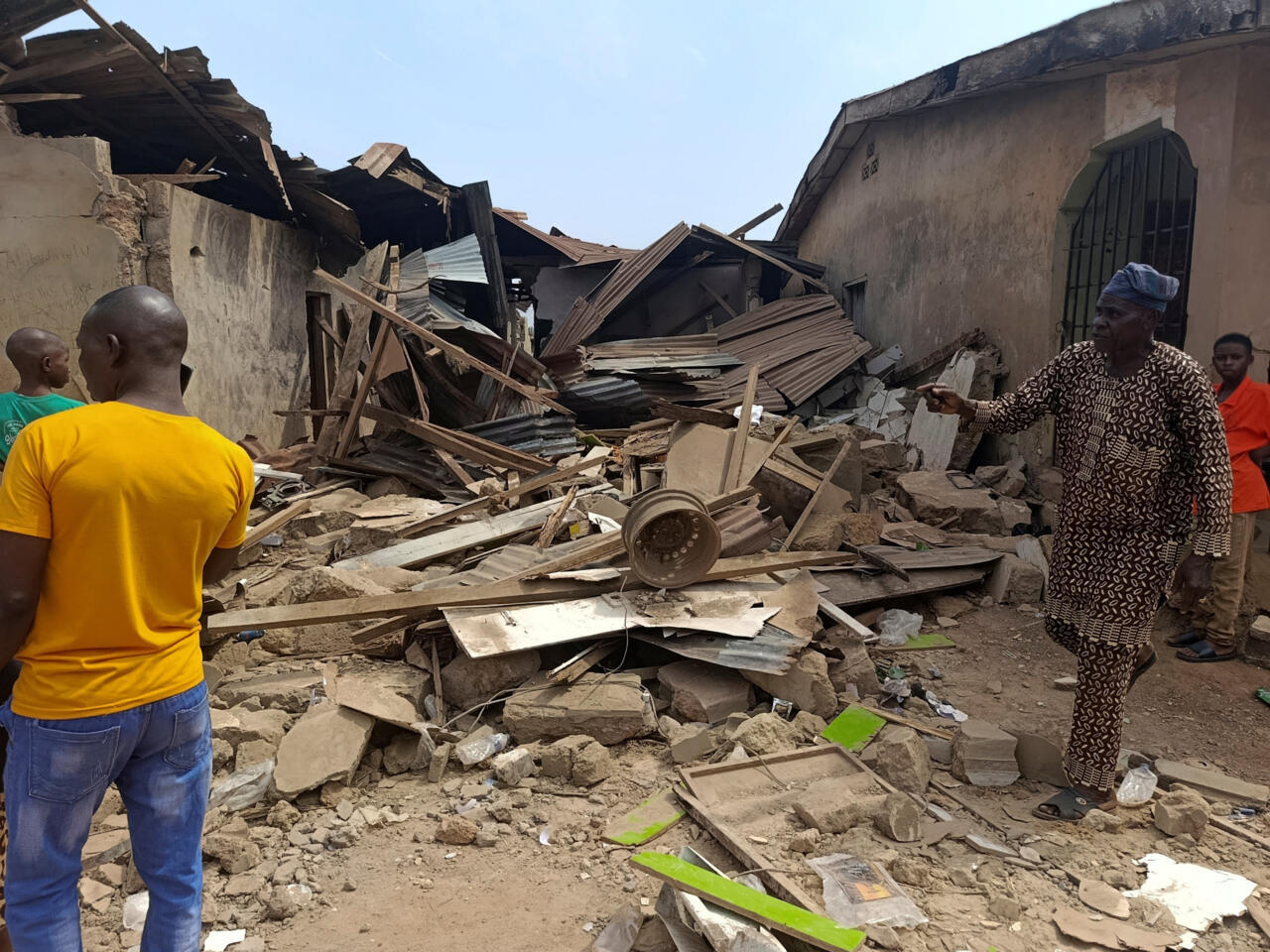
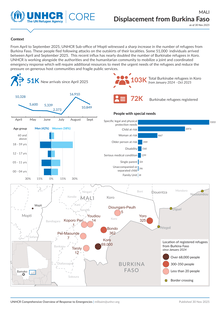
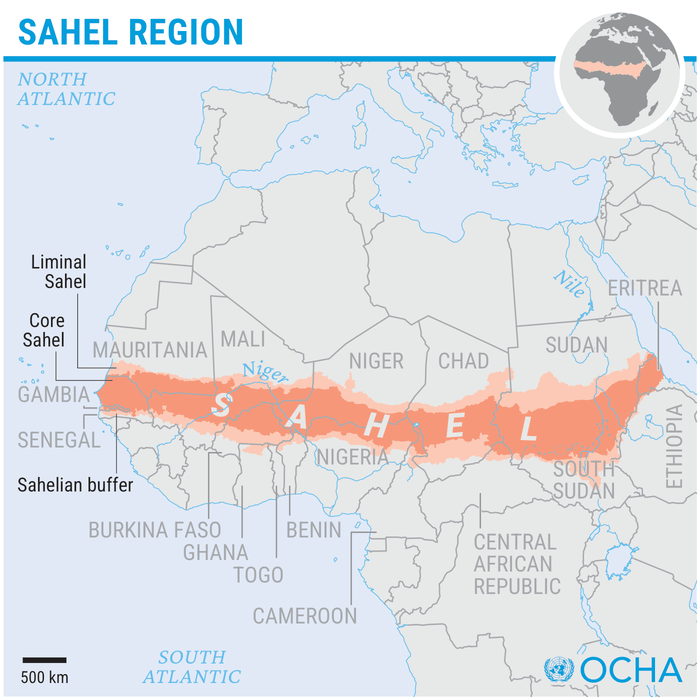
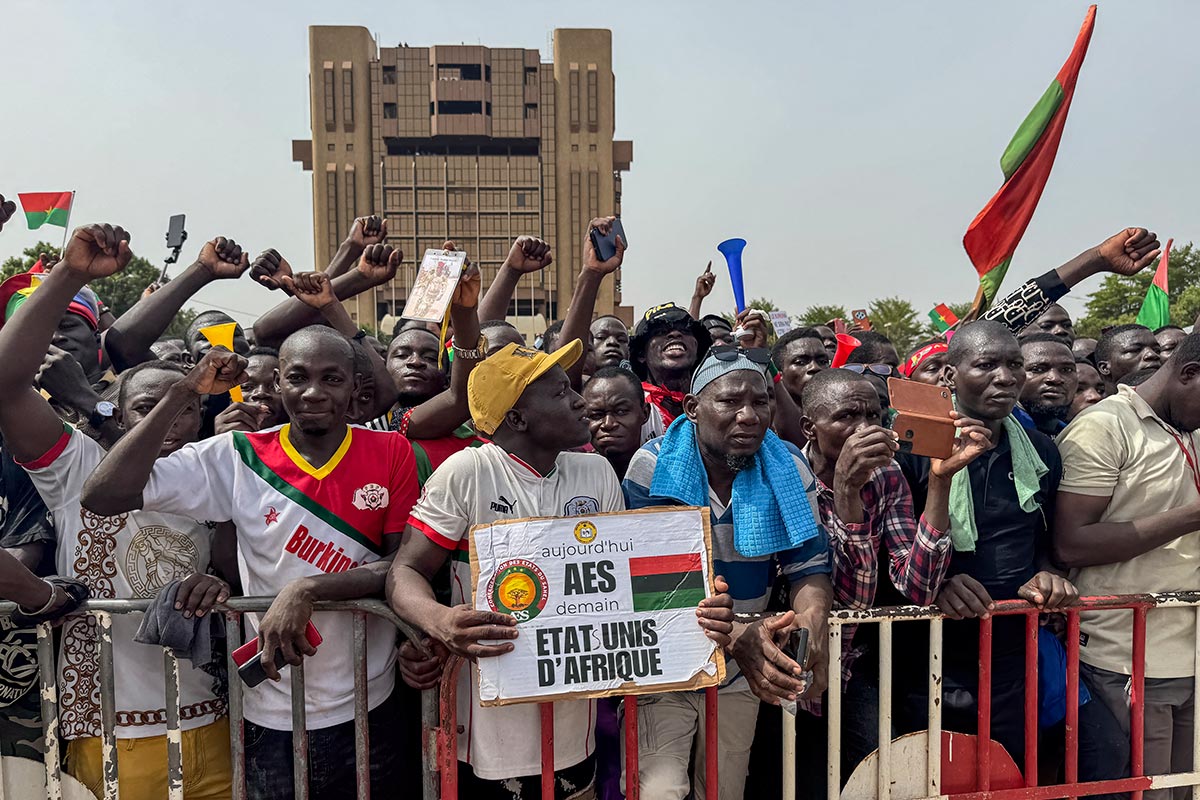
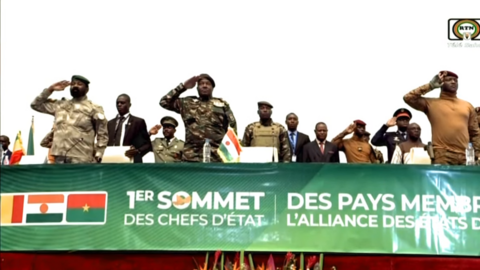
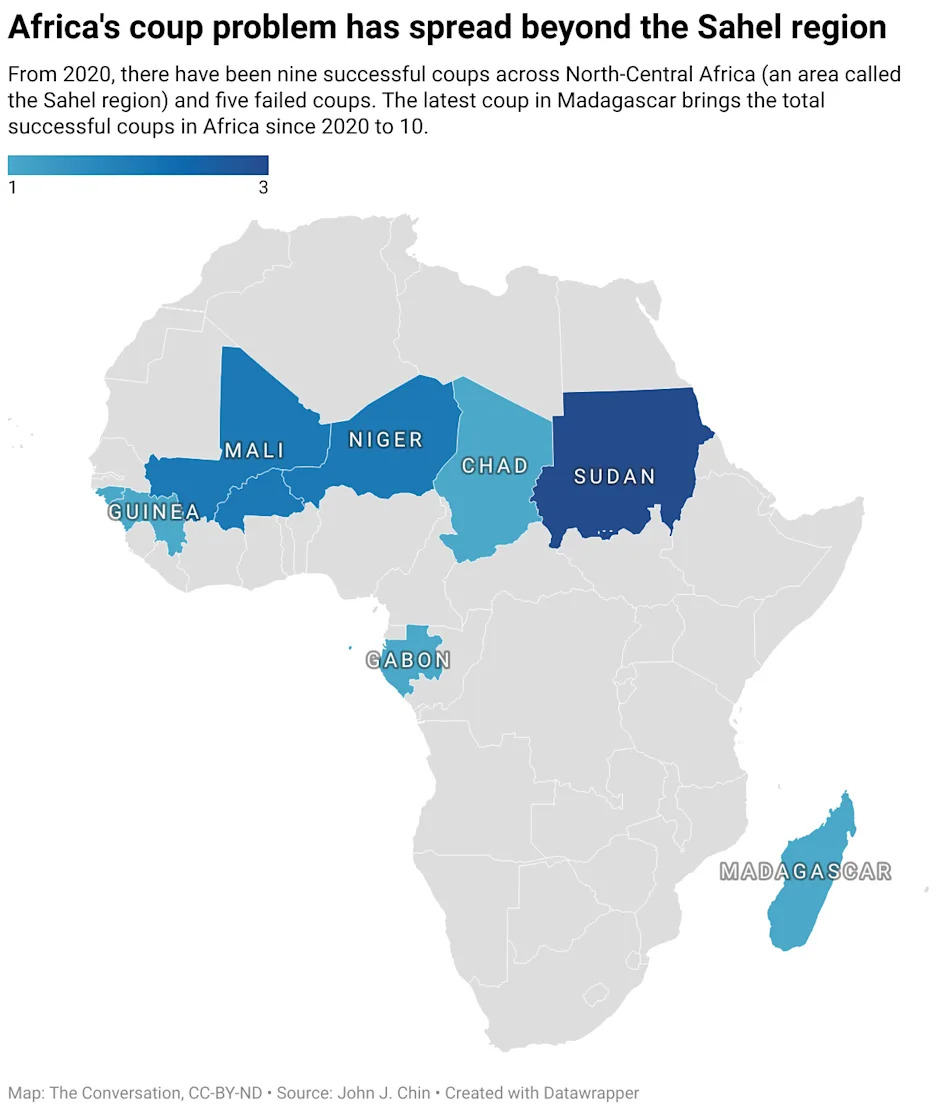
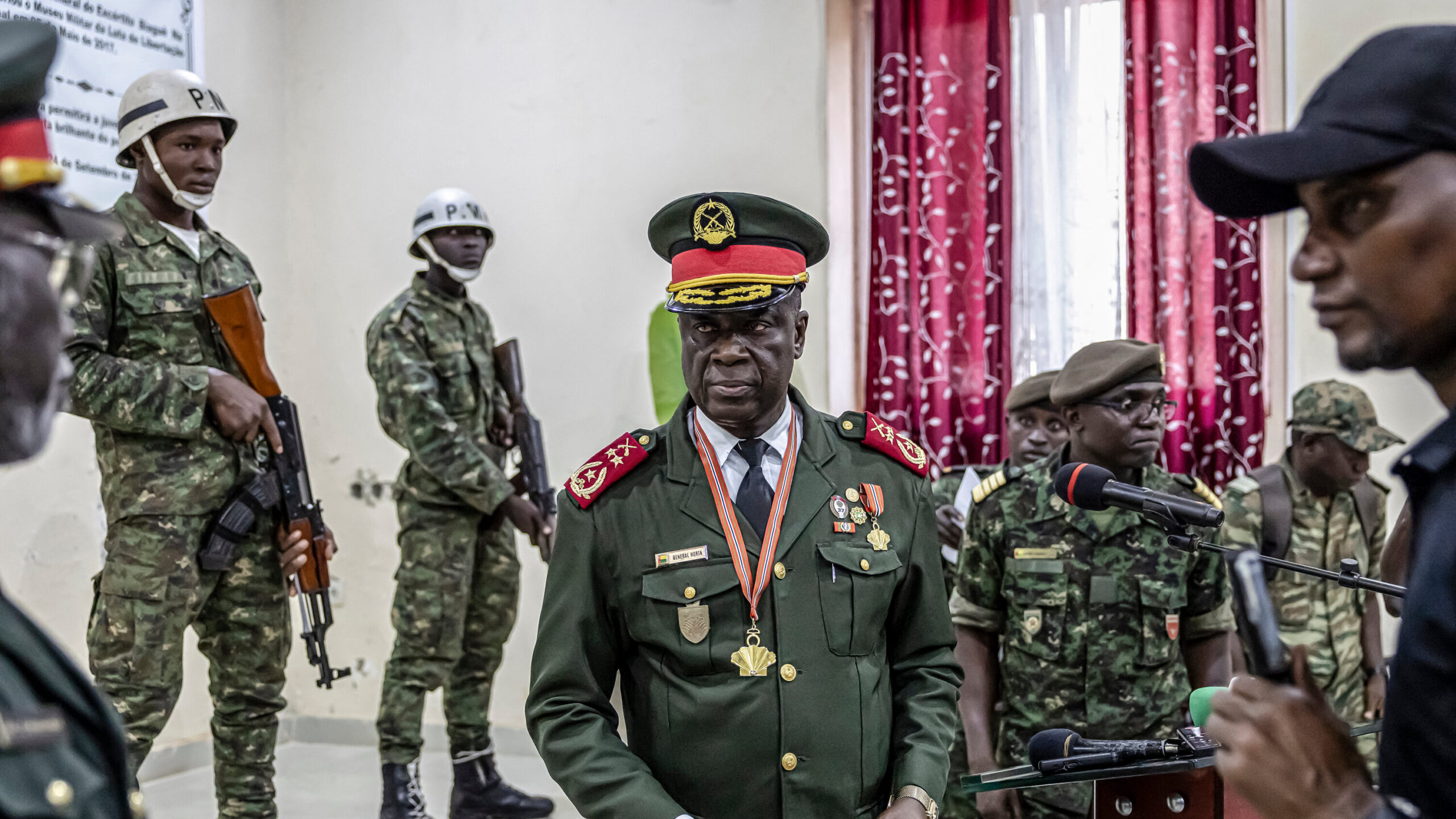
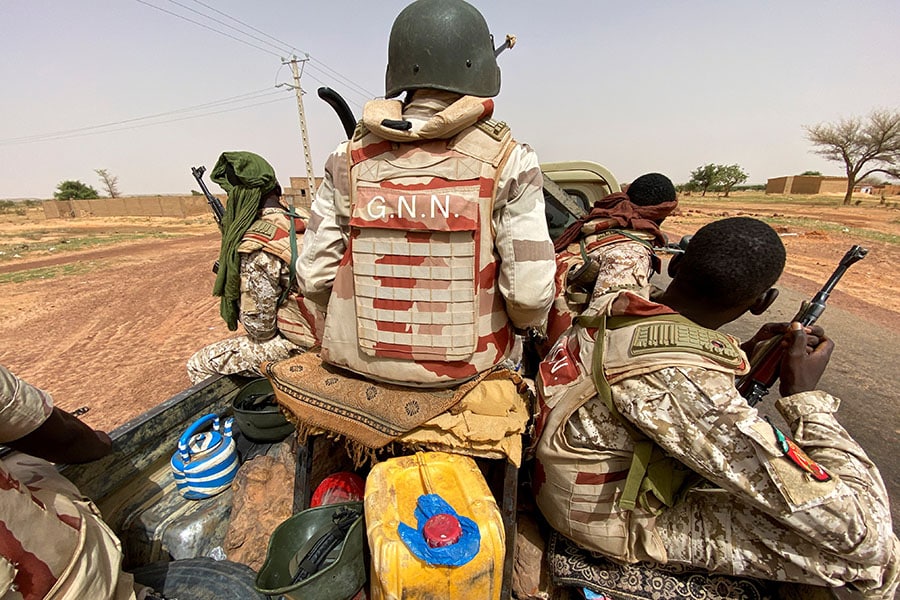
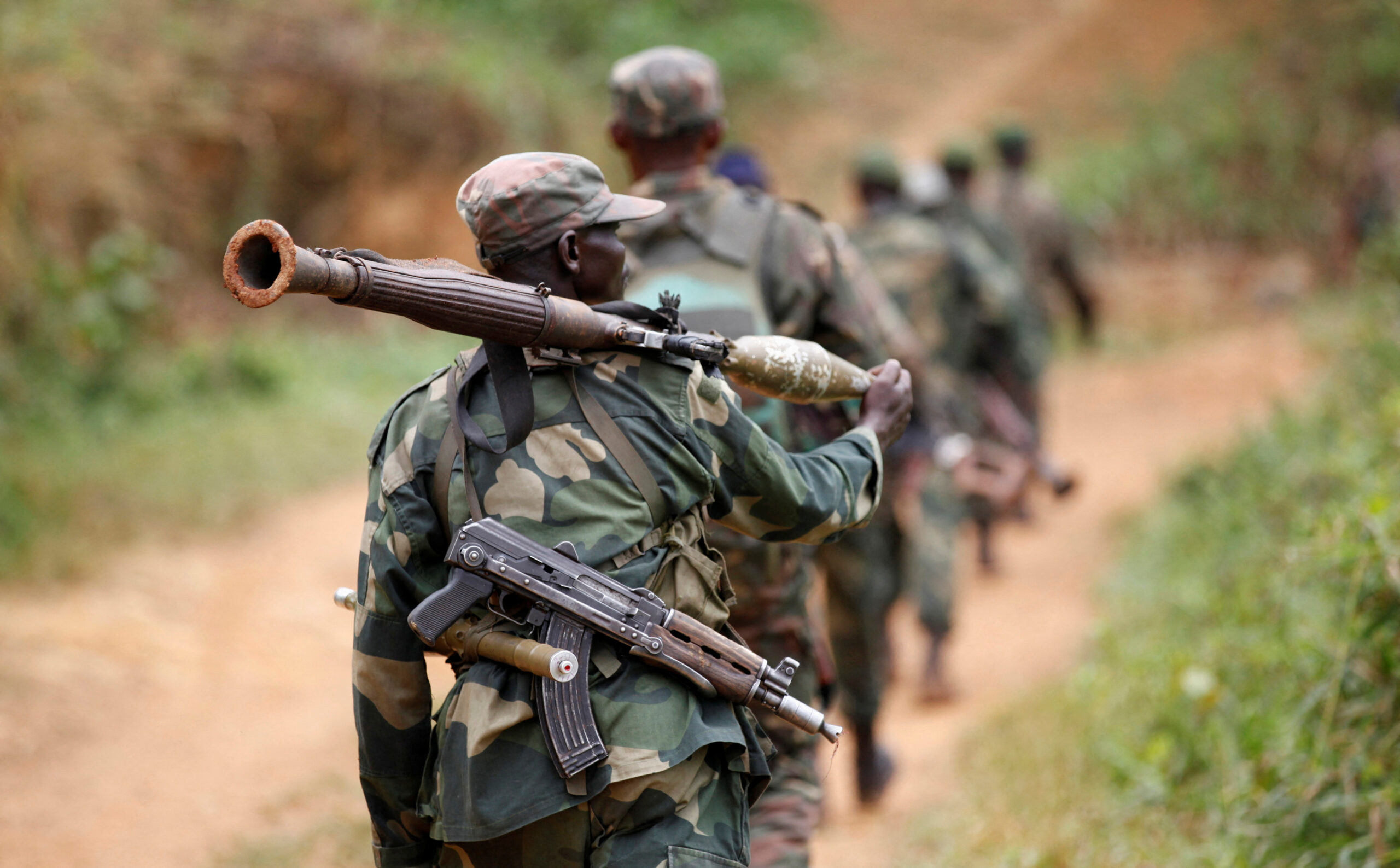
Late December 2025 saw a critical shift in how Nigeria and the wider Sahel region are fighting Islamist militant groups. The United States, responding to a dangerous surge in violence and terrorist acts by Islamic State affiliates, authorized airstrikes against militant strongholds in northwest Nigeria. This isn’t just an isolated incident; it’s part of a growing realization that the Sahel has become a significant epicenter of terrorism, with complex, intertwined threats reaching across Mali, Burkina Faso, and Nigeria. President Donald Trump, who previously vowed decisive action after recent attacks on Christians and civilians, formally approved these targeted strikes. They aimed to dismantle Islamic State affiliated groups in Sokoto State’s Bauni forest, working closely with the Nigerian government. Reports confirm the elimination of several militants, with precision strikes relying on intelligence to avoid civilian casualties, highlighting a careful approach in this vital counterterrorism campaign. This coordinated effort marks a clear intensification, but will it be enough to truly turn the tide?
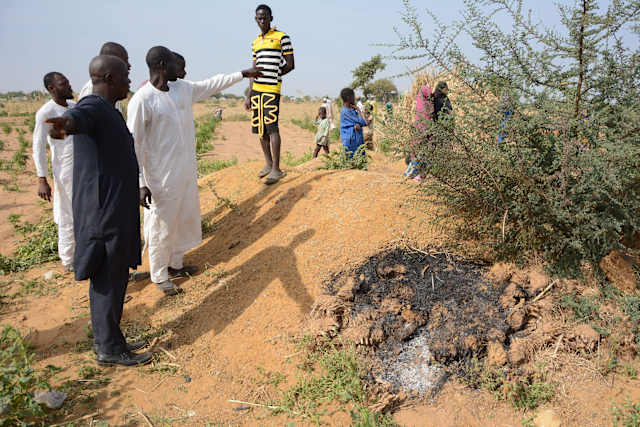
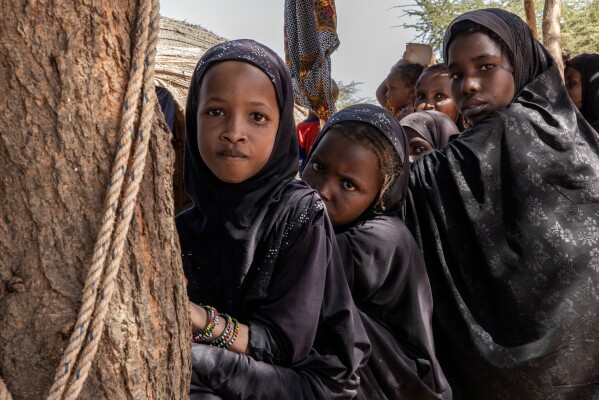
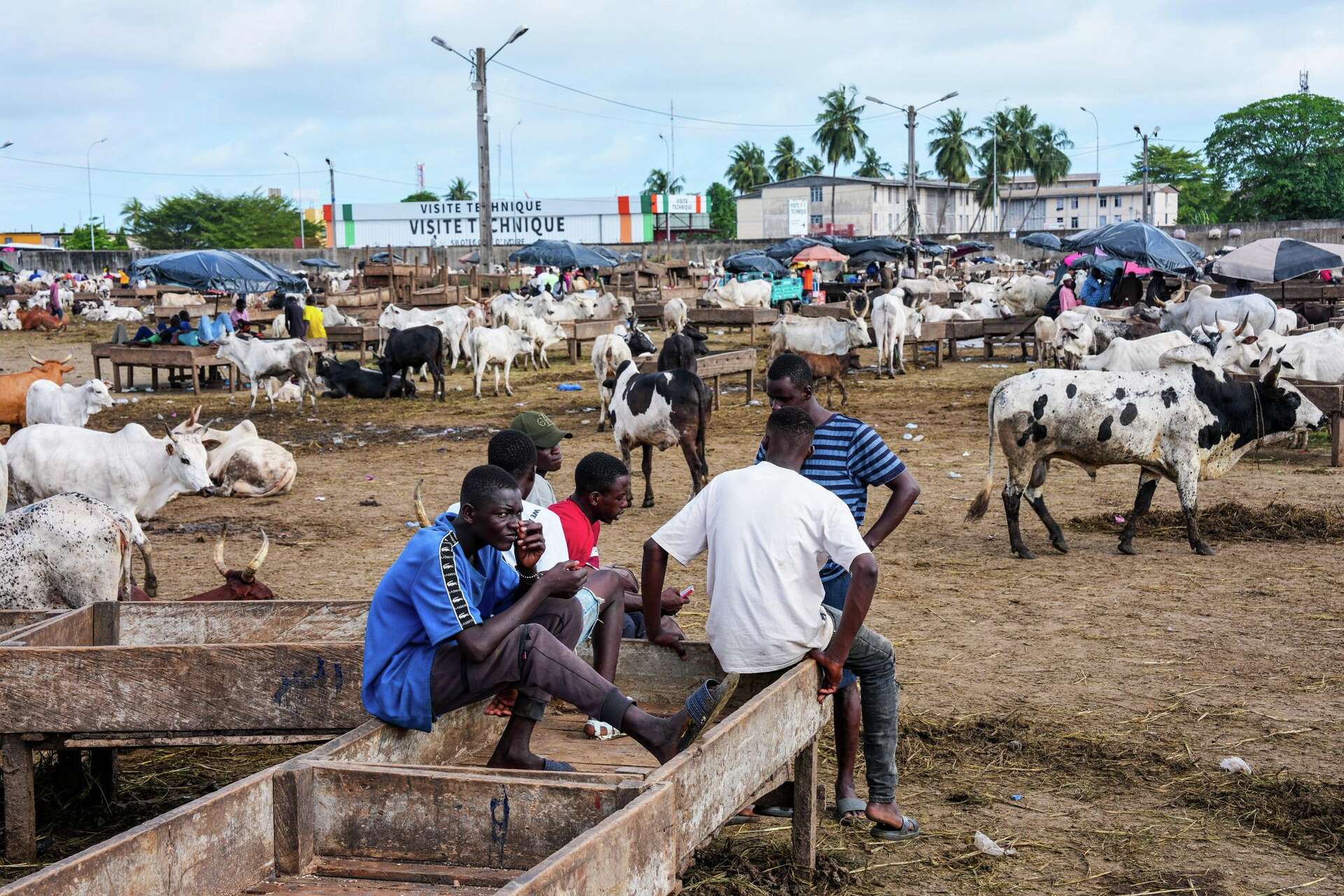
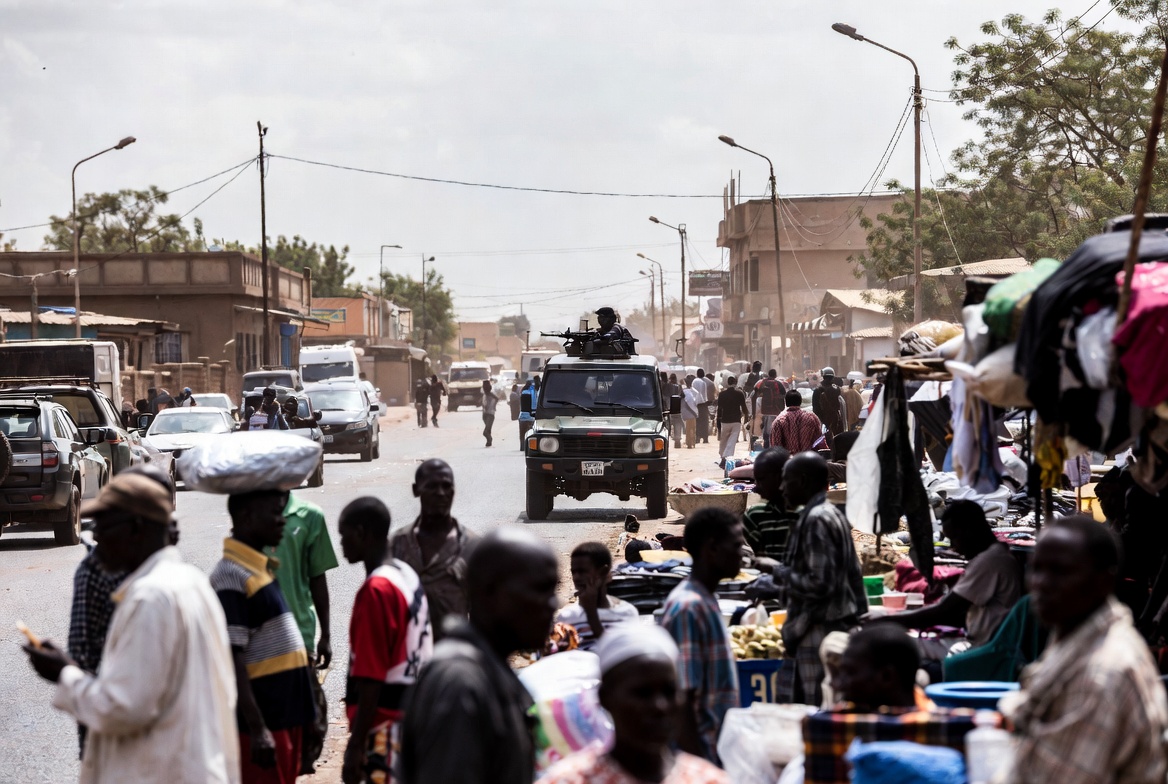
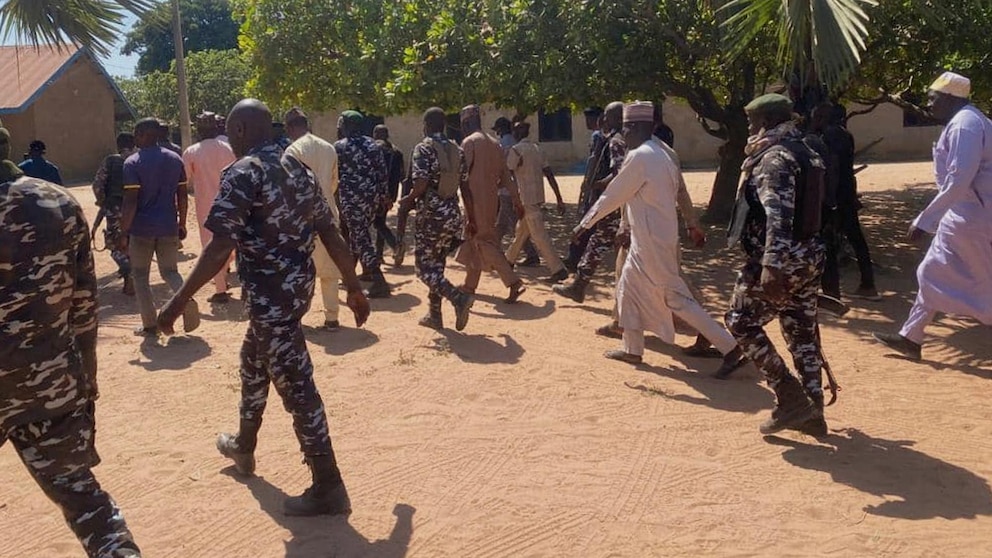
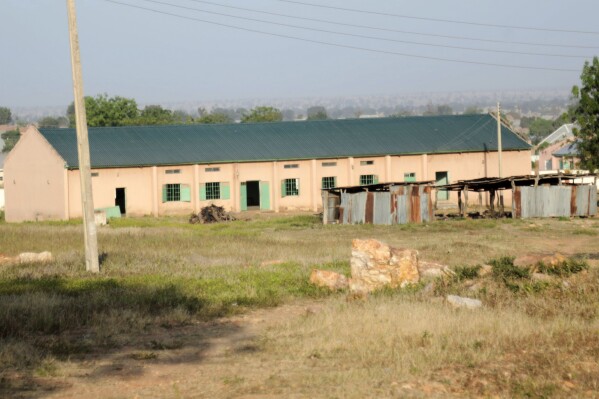
The groups targeted, including the Islamic State’s Sahel and West Africa Province factions, Boko Haram, and other Al Qaeda offshoots like Ansaru and the Group for Support of Islam and Muslims, have long exploited porous borders, merging local conflicts into a lethal regional crisis. Experts now emphasize that the Sahel’s instability directly fuels Nigeria’s security challenges, particularly with groups like the so-called Lakurawa militants acting as de facto rulers in parts of northwestern Nigeria. These militants, who instill fear among locals across savannah plains and highlands, aren’t yet definitively linked to official Islamic State communications, though US and Nigerian authorities connect them to IS franchises. The human toll here is heartbreaking; people in local farms and communities live daily under the shadow of violence and coercion. After the US airstrikes on Christmas night, some militants reportedly fled into nearby villages, a move that exacerbated local tensions but also showed the immediate impact of this international military cooperation. These communities, long accustomed to militants regulating their daily lives by force, now face an uncertain future as security forces work to regain control. Living in fear of Lakurawa is the grim reality for many.
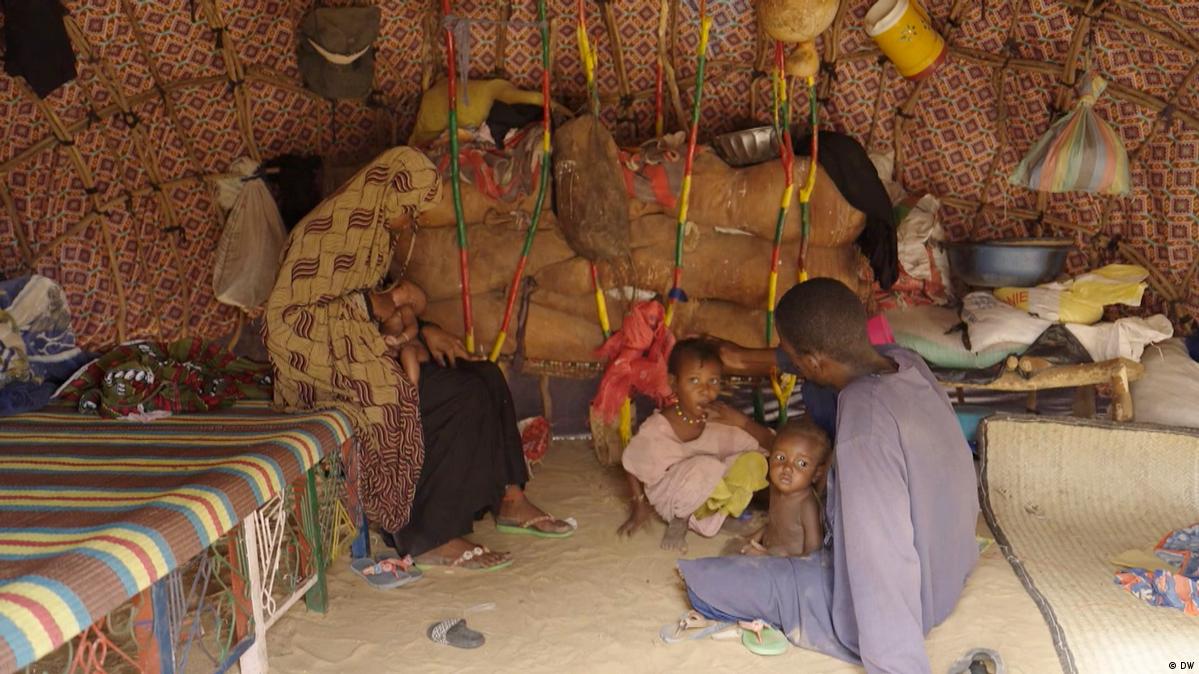
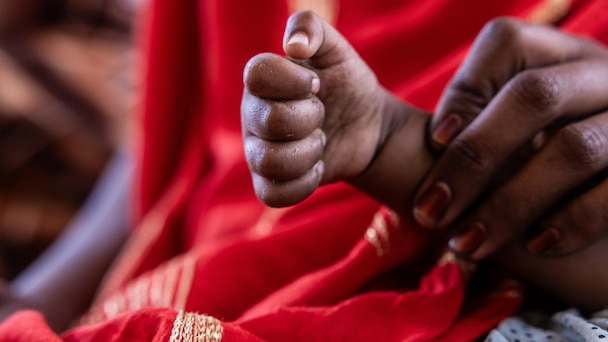
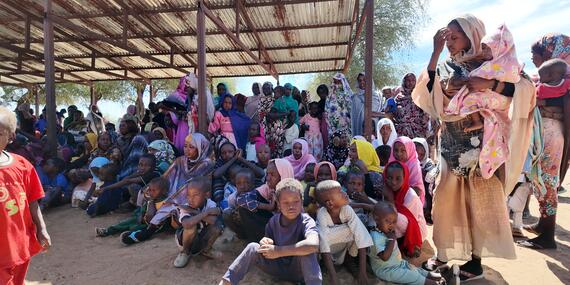
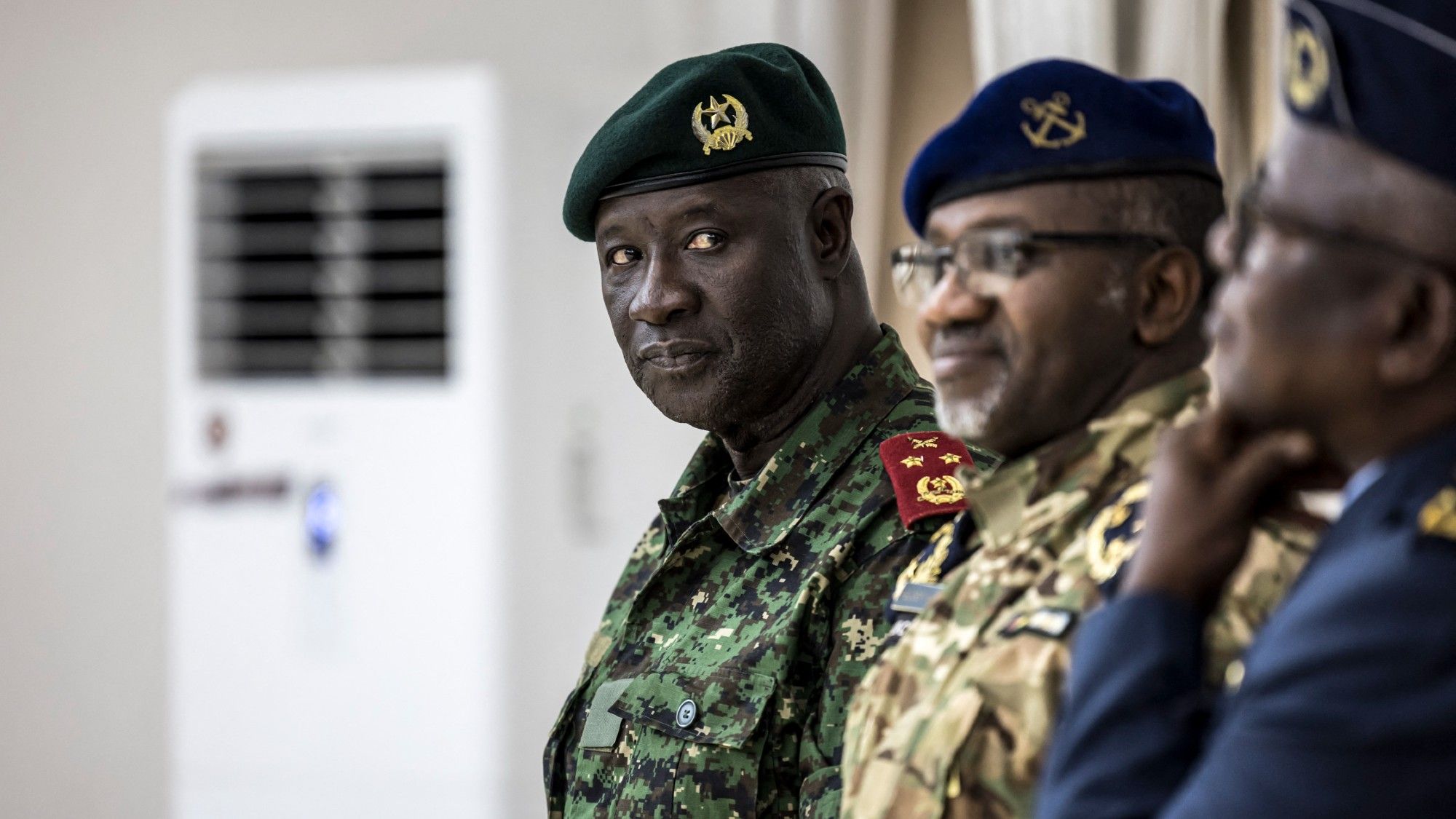
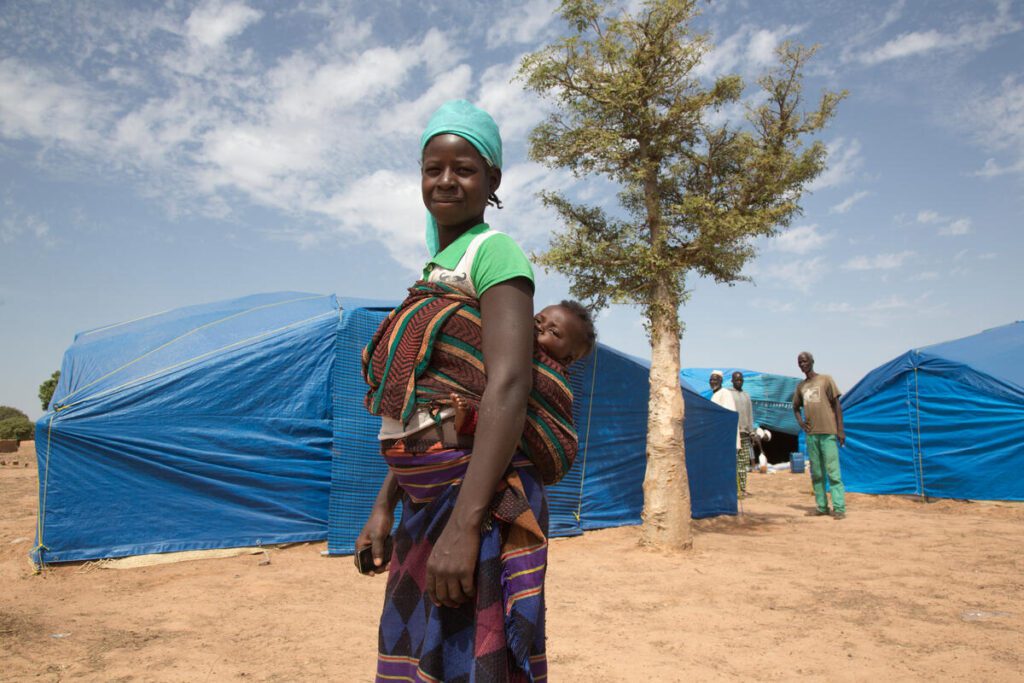
Yet, the strikes have received mixed reactions within Nigeria. Interviews with residents in Lagos reveal diverse opinions on the US intervention, reflecting broader debates about national sovereignty, the role of foreign military involvement, and the deep desire for lasting peace. Nigerian authorities have officially welcomed these collaborative efforts, stressing the ongoing need for vigilance and regional cooperation to address the root causes of extremism. As events unfold, the United Nations has launched a new global humanitarian appeal, drawing attention to the urgent needs of millions affected by conflict, displacement, and food insecurity across Africa and beyond. This appeal underscores how deeply intertwined security and humanitarian concerns are, especially in regions like the Sahel where instability drives deepening crises. UN officials highlight the immense complexities of delivering aid in active conflict zones, calling for sustained international support to lessen suffering and foster long-term stability. This US-Nigerian military partnership represents a multifaceted approach to combating Islamist militancy, blending precise military operations with diplomatic engagement and humanitarian aid. Analysts suggest that true success demands persistence beyond immediate tactical victories, requiring comprehensive political solutions, economic development, and robust regional collaboration. With the Sahel labeled a terrorist hotspot, global and local actors are under immense pressure to find innovative responses that not only disrupt extremist networks but also empower affected communities. The evolving security landscape in northwest Nigeria and the Sahel truly illustrates the challenging nature of 21st-century counterterrorism efforts. Through targeted airstrikes, intelligence sharing, and international cooperation, lasting progress may finally be achievable after decades of conflict, but the path ahead remains uncertain, demanding constant vigilance and a steadfast commitment to both security and humanitarian principles. President Trump’s decision highlights the urgency felt by global leaders, while the UN’s appeal reminds us of the human cost.